




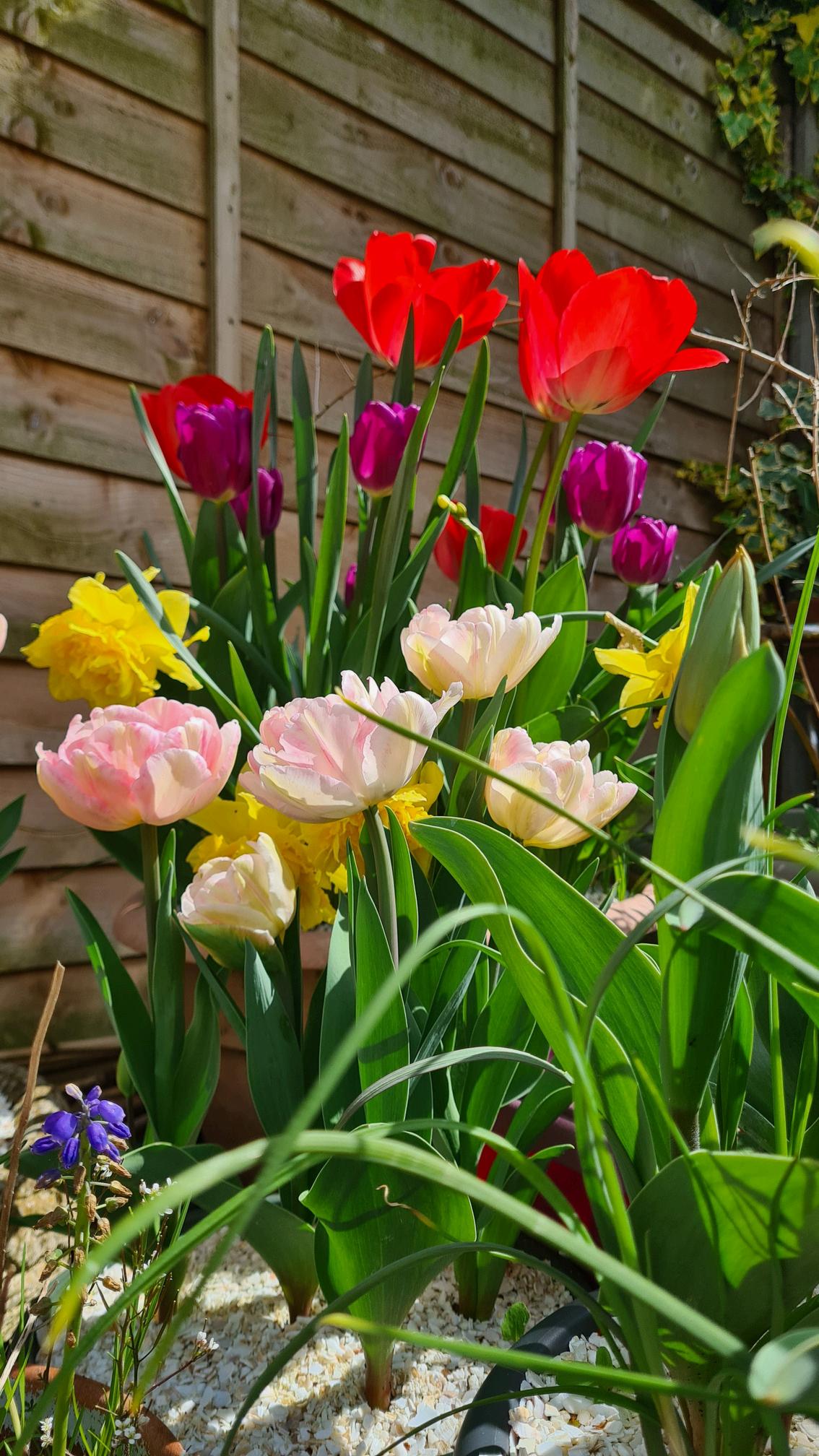
February has arrived and it seems the rain is back, I wonder if we ’ re in store for another wet year?
I have actually managed to plant all my spring bulbs which I think is a record for me! I am very much looking forward to seeing when the blooms arrive in Scotland. I am fighting the urge to sow seeds because light levels are still very much an issue here I am so excited for this year ’ s gardening journey I’m already thinking of so many plans for our garden and how we can pack millions of plants into a small space I mean would I be a gardener if I wasn't living beyond my growing space?
Thankfully, there are plenty of articles this month to keep me on track of all the jobs and get my garden ready for 2026!

This year the annual Garden Folk Magazine is back and this time the focus is on brassicas!
We’ve teamed up with the super knowlegable and ever so lovely Nic from Collie Flowers to bring you a grow along that will have you growing brassicas like a pro!
Read on for more about the what’s in store and how to get involved...and remember that if you’re a Garden Folk Mag supporter your grow along seeds are included in your subscription!
Incollaborationwith


By NicWright
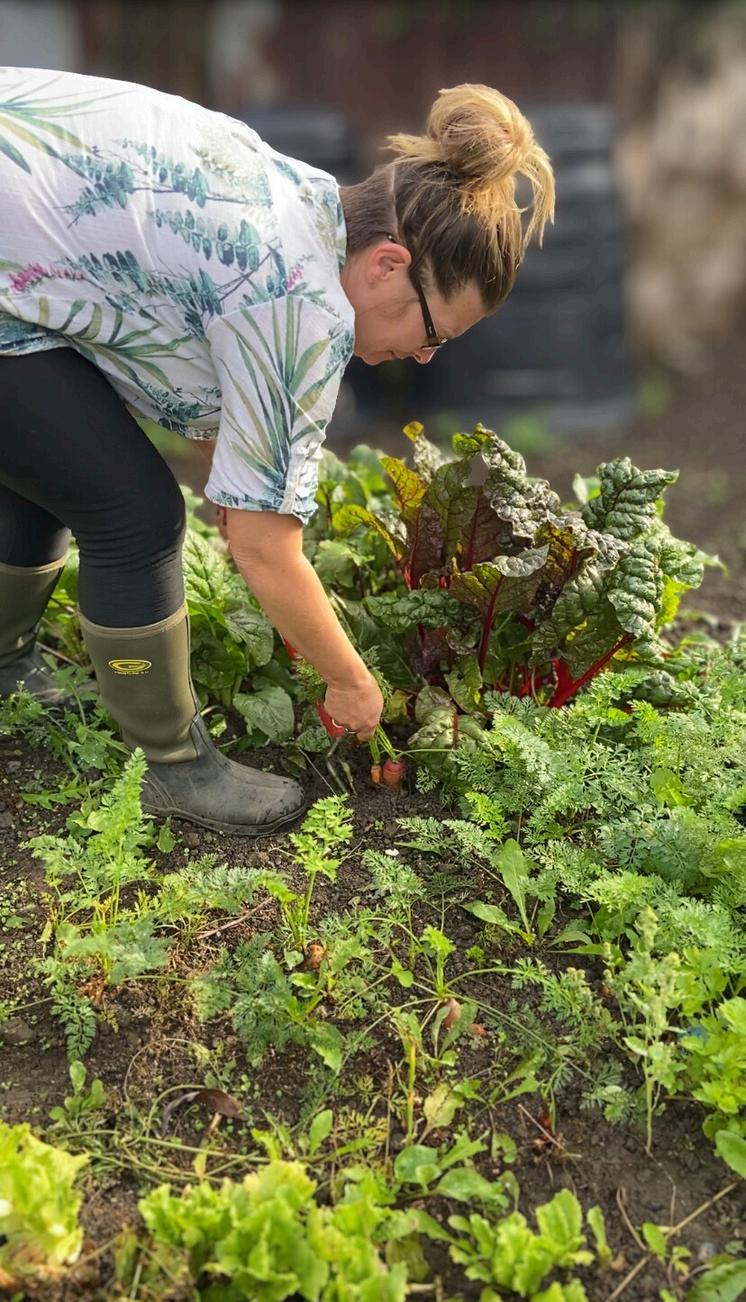
I’m Nic, a self-confessed seed obsessive. I know a lot of us say that, but I took my obsession to the next level when 4 years ago I started working on a little project to research and collate a library of sowing and growing information that eventually became Collie Flowers; a small independent seed supplier Beyond premium seeds, everything about Collie Flowers is focused on equipping you with the gardening knowledge you need to succeed.
I’m delighted that Ally and Anjee have invited Collie Flowers to host the GFM Growalong for 2026! Together we ’ re going to help you to grow an outstanding collection of Brassicas – after all if Collie Flowers can’t help you grow a Cauliflower then who can?
When I first started allotmenting, I knew I’d properly got the gardening bug when I was regularly bringing home sprouts and cabbages, things we eat and are often thought of as ‘old-school grow your own staples’. The joy of your first proper cauliflower head, not one that’s tiny, or a bit chomped, or sun damaged or been left a day too long and starting to bolt is unparalleled! Although the shame when your husband bans you from ever growing Kale again because you released a million white fly into the kitchen is not great, and hopefully one experience we can avoid you facing.
I can sense already some of you are starting to think ‘but Brassicas are notorious for being difficult to grow ’ . So, before we even think about starting to sow some, let’s unpack that and set you off on the road to success
Brassicas (cabbages, kale, broccoli, sprouts, cauliflower, and more) have a reputation for being a bit tricky. While it’s true that they’re not as carefree as lettuces or beans, ‘difficult’ isn’t quite the right word. Brassicas are particular. Once you understand wha they need, they’re some of the most rewarding, productive crops you can grow They thrive in fertile, well draining soil, are hardy, nutrient dense, and many varieties will keep you in greens for months They’re also brilliant for UK conditions - cool summers, damp springs, and long autumns suit them perfectly. Let’s keep our fingers crossed that 2026 gives them what they need!
So, why do they get this reputation? It usually comes down to a few very specific challenges...

They attract pests: Cabbage worms, caterpillars, aphids and other brassica loving insects can cause real damage if plants aren’t protected early on.
They’re vulnerable to soil‑borne diseases: Clubroot, black rot and downy mildew are common issues, especially in gardens where brassicas have been grown repeatedly without rotation. We’ll talk about polyculture and companion planting and how they can help alleviate this in another edition.
Timing really matters: Many brassicas have very specific sowing and maturing windows Choosing the wrong variety for the wrong time of year is a common cause of failure.
They need firm soil and steady moisture: Loose soil, irregular watering or poor spacing can all lead to weak plants or bolting.
None of these things make brassicas ‘hard”#’ they just mean they need a bit more attention to detail.
We’ll be starting to sow seeds for the GFM GrowAlong in March.
We’ll guide you month by month until we ’ re harvesting brussel sprouts for our Christmas dinners! I’ll be here setting out essential jobs for the month ahead, sharing my progress with you and answering any questions you might have.
What we will be sowing this year? Brussel
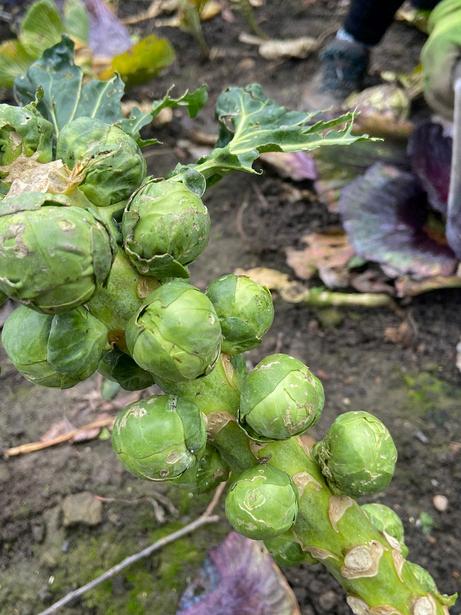

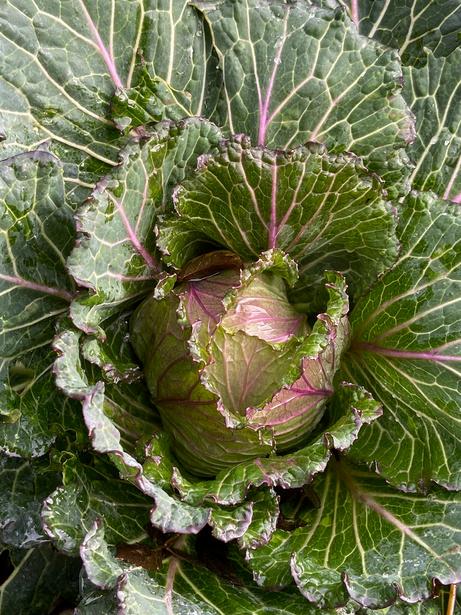



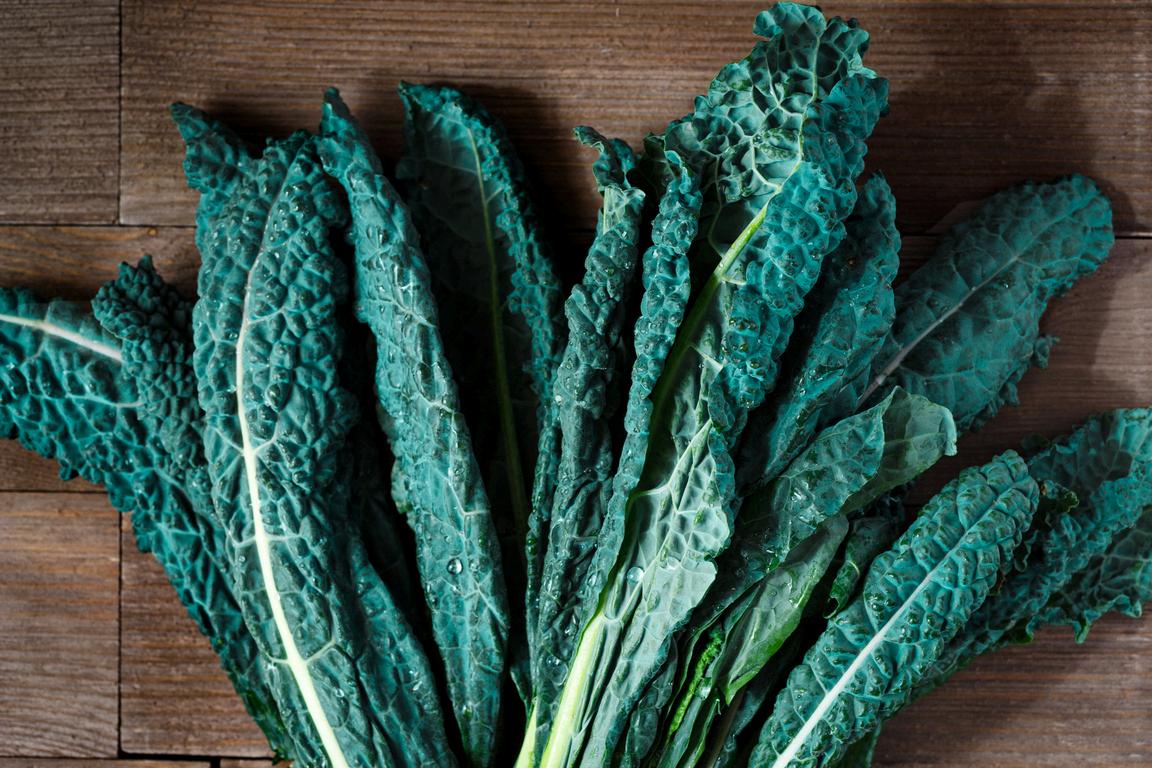
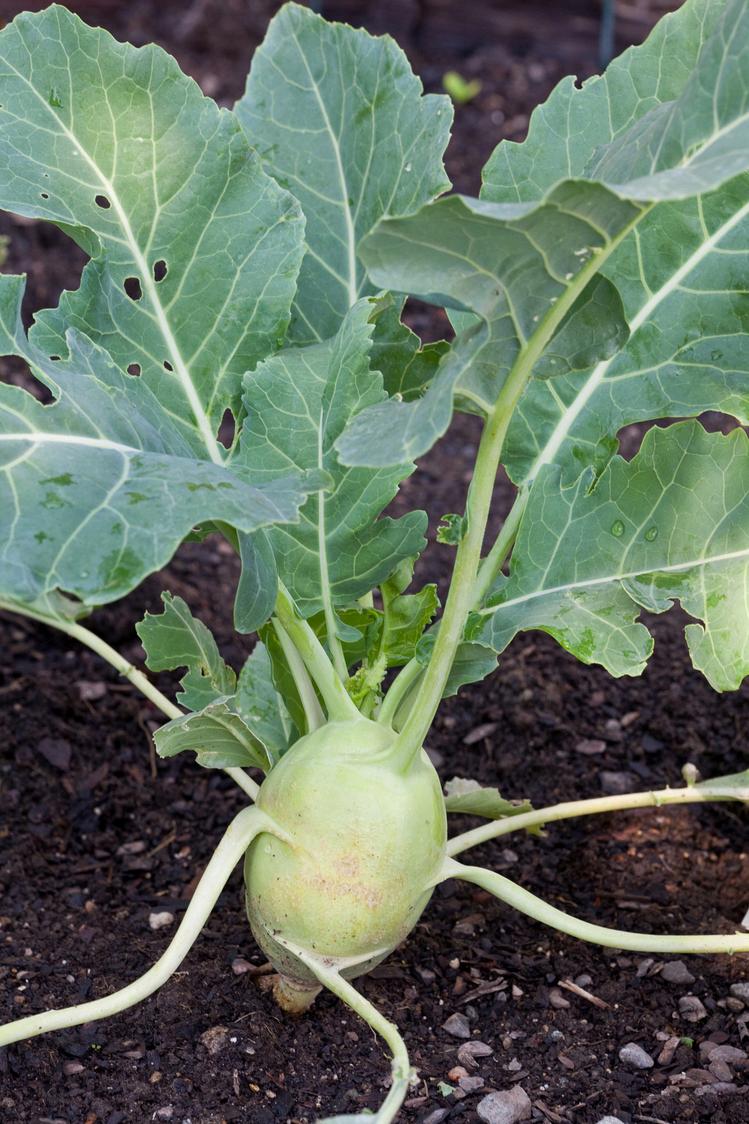

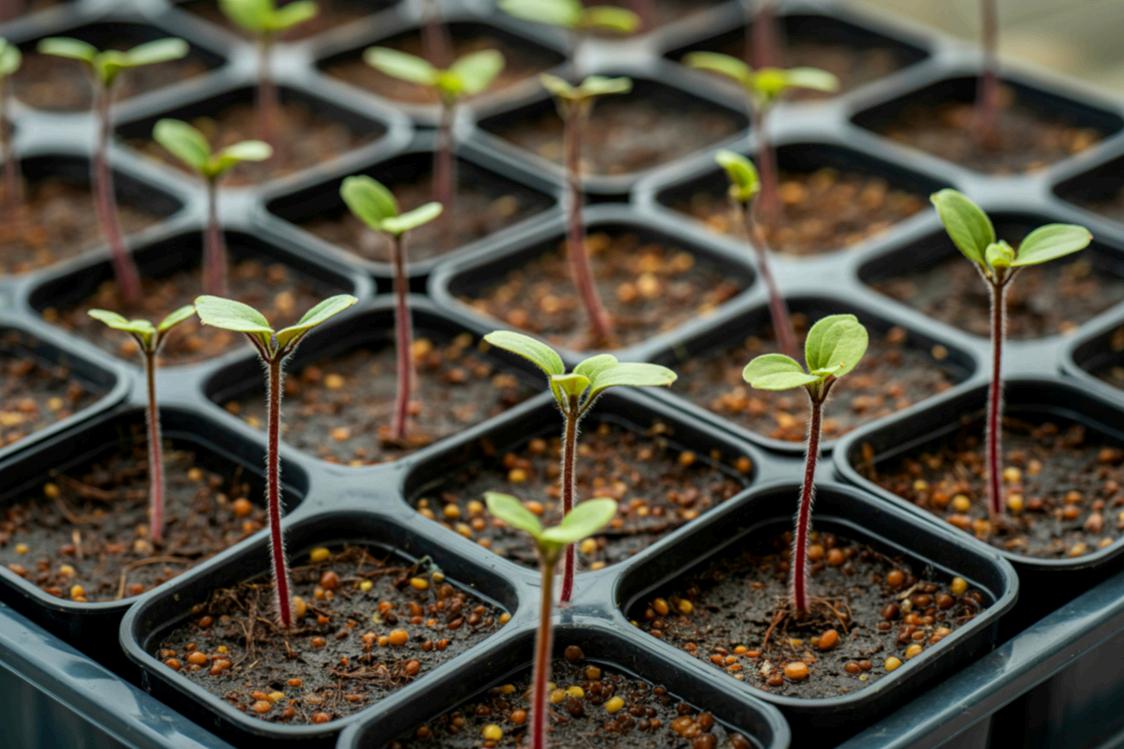
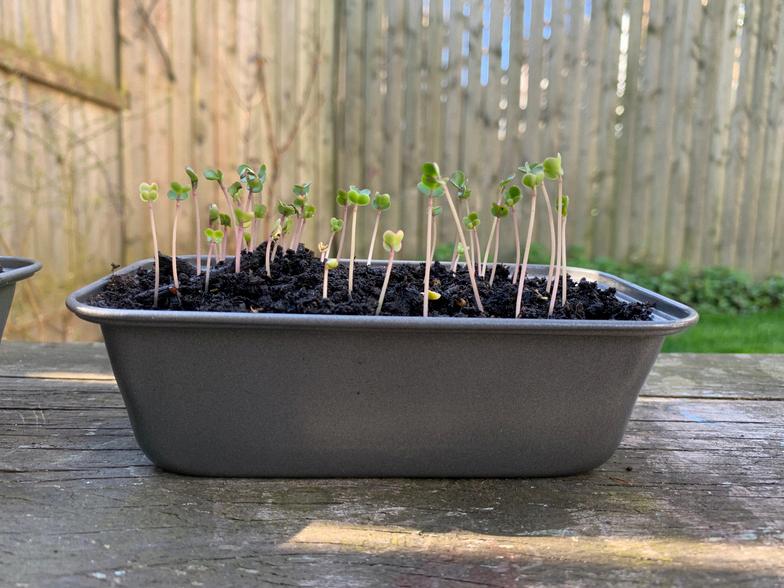
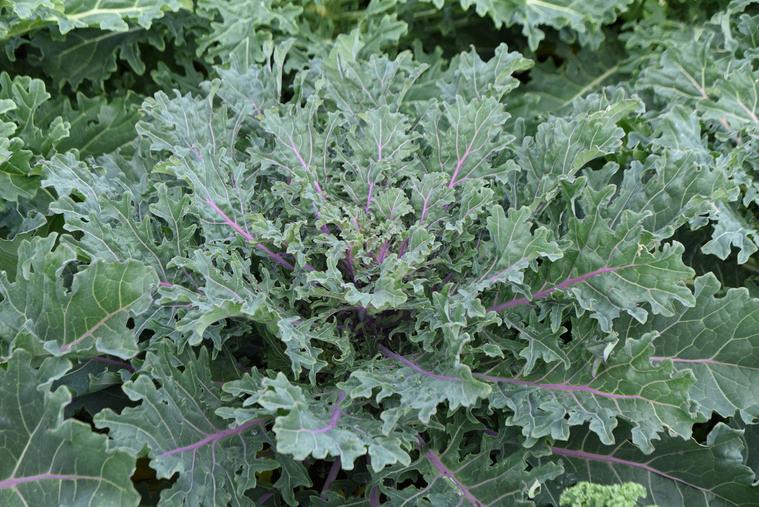
Before we get our hands in the compost and start sowing, here are my top tips for growing healthy brassicas:
Warm Start: While brassicas thrive in cool weather, they germinate best in with a little heat A propagator or warm windowsill will help germination.
Rich Soil: Brassicas love deep, fertile soil; you can improve your soil with garden lime and organic matter, such as manure and compost to ensure nutrient-rich, well-drained soil. Adding nutrients into the soil will promote health growth and should mean minimal additional feeding is needed
Careful Transplanting: Handle seedlings by their true leaves, not stems. Gradually move them to larger pots, planting deeper each time, and firm the soil well when transplanting outdoors to prevent wind damage.
Harden Off: Before planting out, prepare your plants for the transition by gradually expose them to outdoor conditions over several days
Wind Protection: Shelter plants from strong winds to prevent wind-rock, which can damage roots and stunt growth.
Proper Spacing: Give plants ample space to grow. Packing your plants together might give ground cover but you can end up with them being overcrowded, our seed packets give you the ideal spacing to avoid overcrowding and promote healthy root spread.
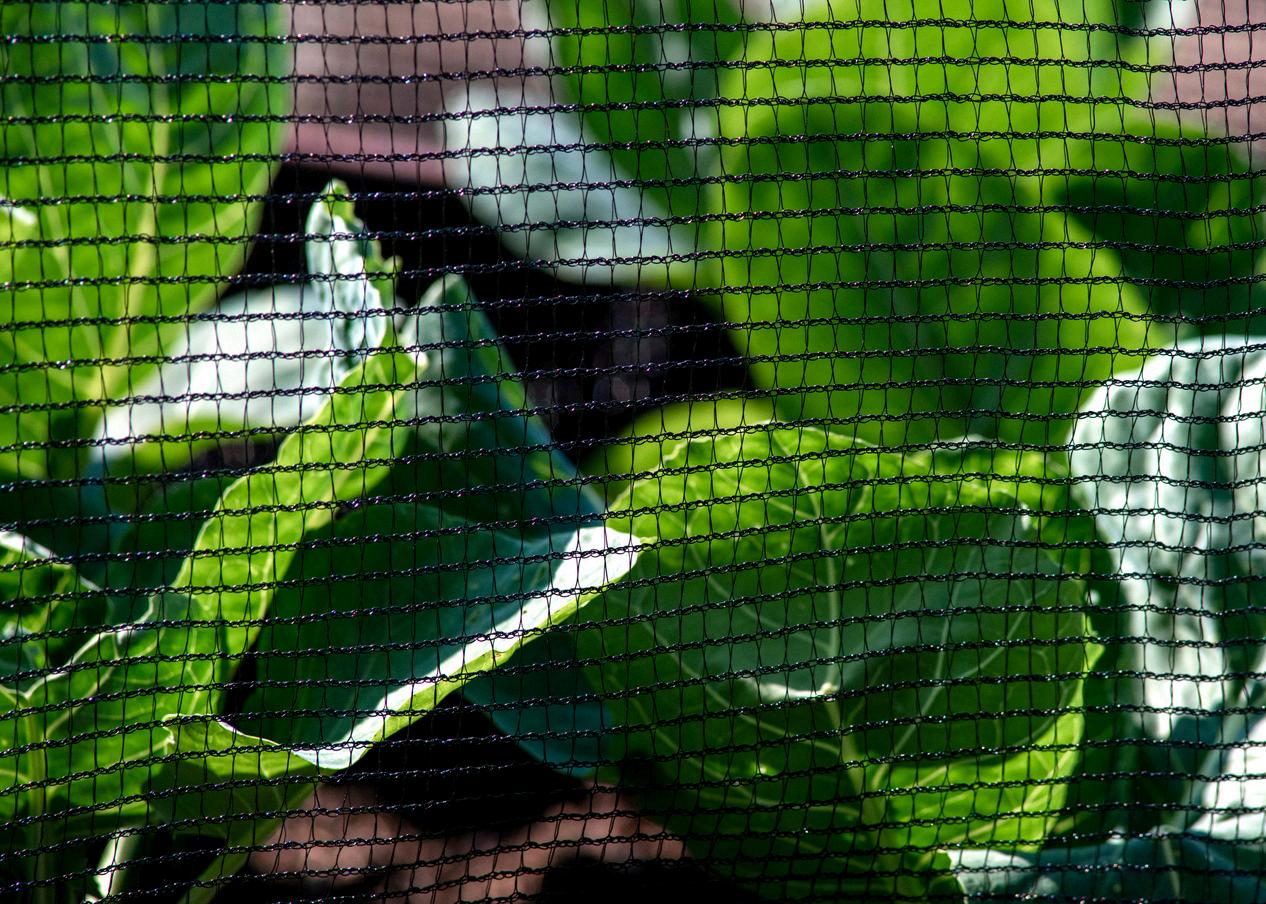
Pest Control: Protect your brassicas from pests like slugs, caterpillars, and aphids. Use netting or other pest control methods as needed
Timely Harvesting: Harvest crops like cauliflower and cabbage as soon as they are ready to avoid bolting and pest damage. Enjoy your brassicas at their peak!
Hopefully now you ’ re prepared, you ’ re not thinking that joining in with the Grow-Along is going to be difficult! Once you ’ ve cracked the basics, brassicas become some of the most satisfying crops in the garden, especially when you ’ re explaining to someone what a Kohl Rabi is, harvesting caulis in the summer or cutting your own home grown cabbage for Sunday dinner. I can’t wait to grow alongside you this year, and if you ’ re new to brassicas, this is the perfect place to start.
If you ’ re one of our paid Garden Folk supporters you can expect to receive Brussel Sprouts, Savoy Cabbage, Summer Cauliflower, Kale and Kohl Rabi seeds from Collie Flowers in the post soon.
If you ’ re not a supporter but would like to join in with the GFM Grow-Along, you can purchase seeds from Collie Flowers There is a Brassicas Mini-Bundle available, which gives you 5 packs of seed for £8 During February and March Nic will be making sure all Brassica Mini-Bundles ordered include the same 5 packs packs of seeds we’ll be using in the GrowAlong.
During the whole of 2026,Collie Flowers are offering all of our readers 10% off the value of any orders, plus free postage and packing if you use the code GARDENFOLKMAG at checkout. Of course if you have some of these varieties sitting around waiting to be sown, get them out and use those to join in.
If you are sharing your gardening journey on Instagram or Facebook, we’d love you to tag @gardenfolkmag and @collieflowers.co.uk so we can follow your progress Here’s to 2026 being the year of brilliant brassicas!

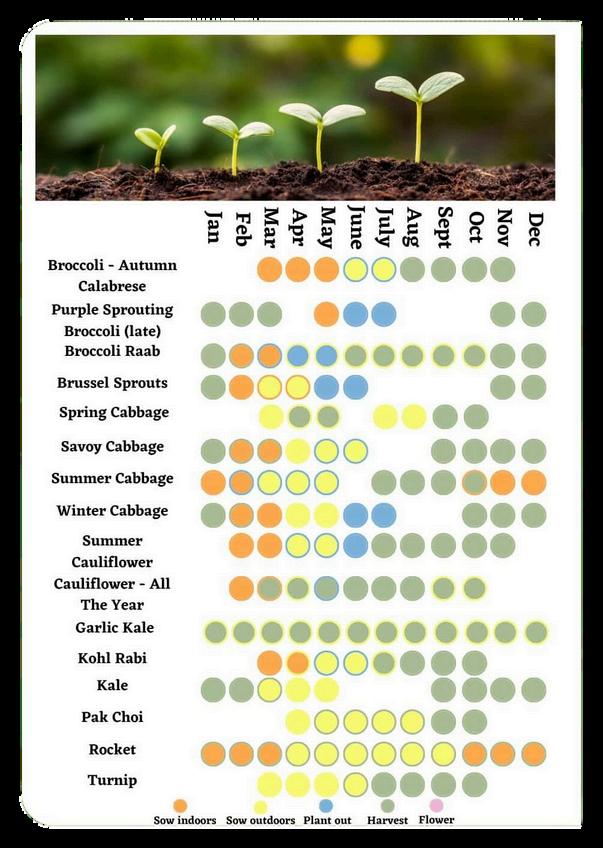
Some brassicas are bred for summer harvest, others for winter. Matching the variety to the season is key. The calendar below gives you an overview of what the GFM Grow-Along year will look like.



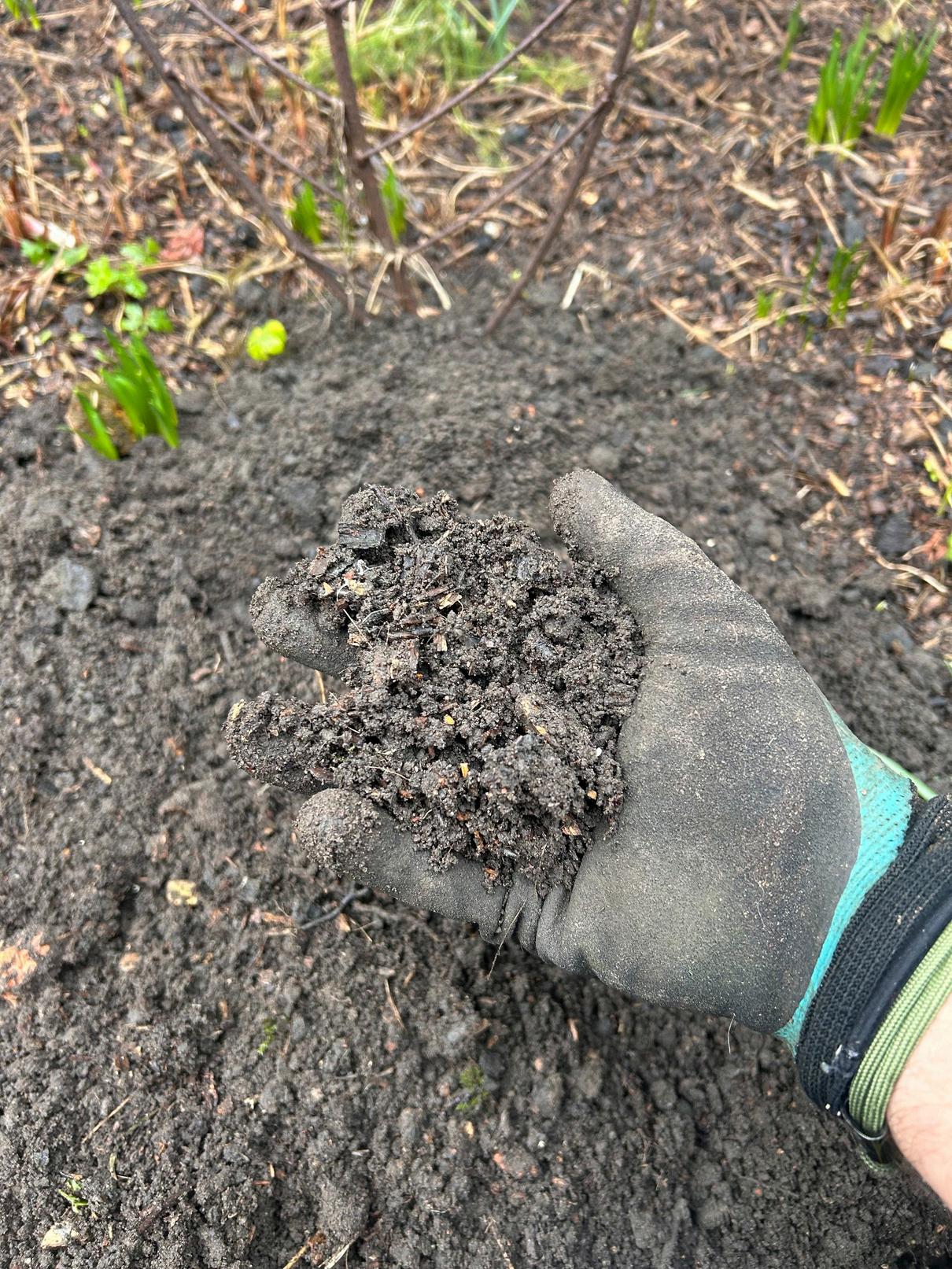
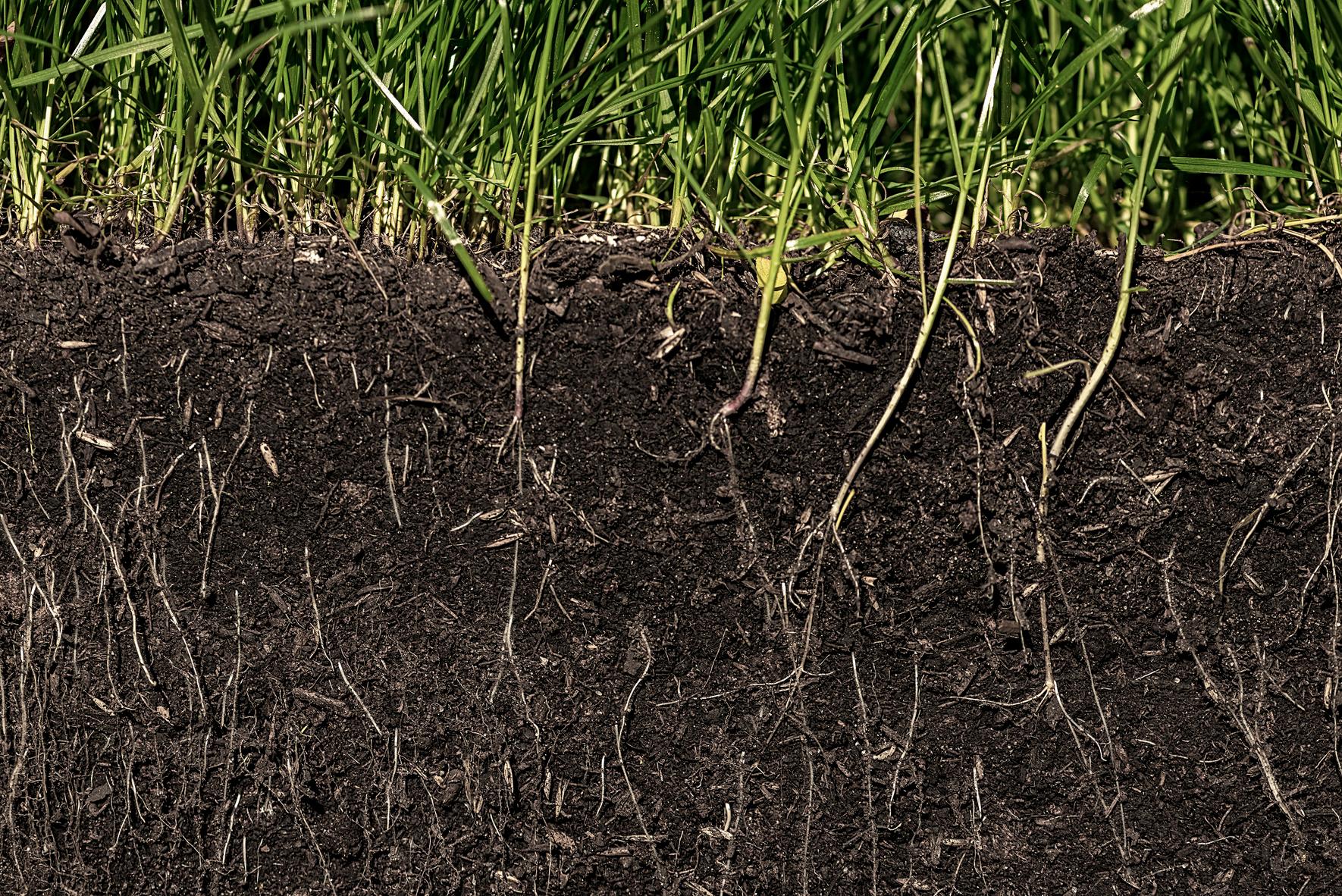
We are going to go deep with this one, or as you will find out not as deep as you think. Did you know the top soil layer that’s essential for all life on earth is only on average 5 to 30 centimetres deep.
We are going to go deep with this one, or as you will find out not as deep as you think. Did you know the top soil layer that’s essential for all life on earth is only on average 5 to 30 centimetres deep.
By Marc Ridpath
@gardeneriddler
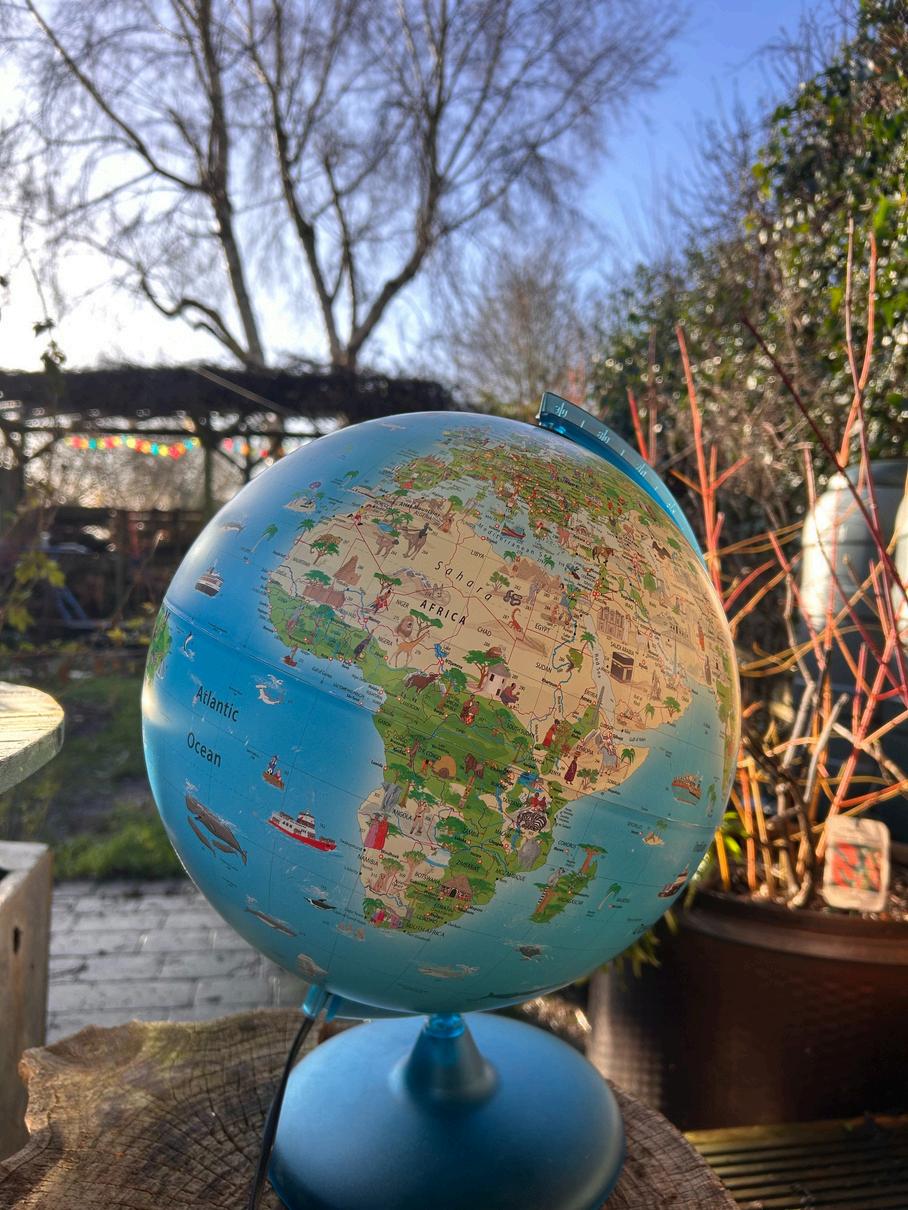
Just think about that for a second, they say that all the oceans if illustrated on a scale model like the globes we all know would be barely perceptible, with a thickness of about 0 14mm about the width of a human hair The average depth of the ocean is 3700 meters so if you were trying to illustrate the layer of top soil on a globe it would probably be measured in nanometers which are 1 billionth of a meter To put this in simpler terms if you go back in time a million minutes you would be at the start of 2023, if you go back a billion minutes you would go back about 1900 years during the Roman Empire Isn’t that mind blowing, I don’t think enough people realise the difference between a million and a billion
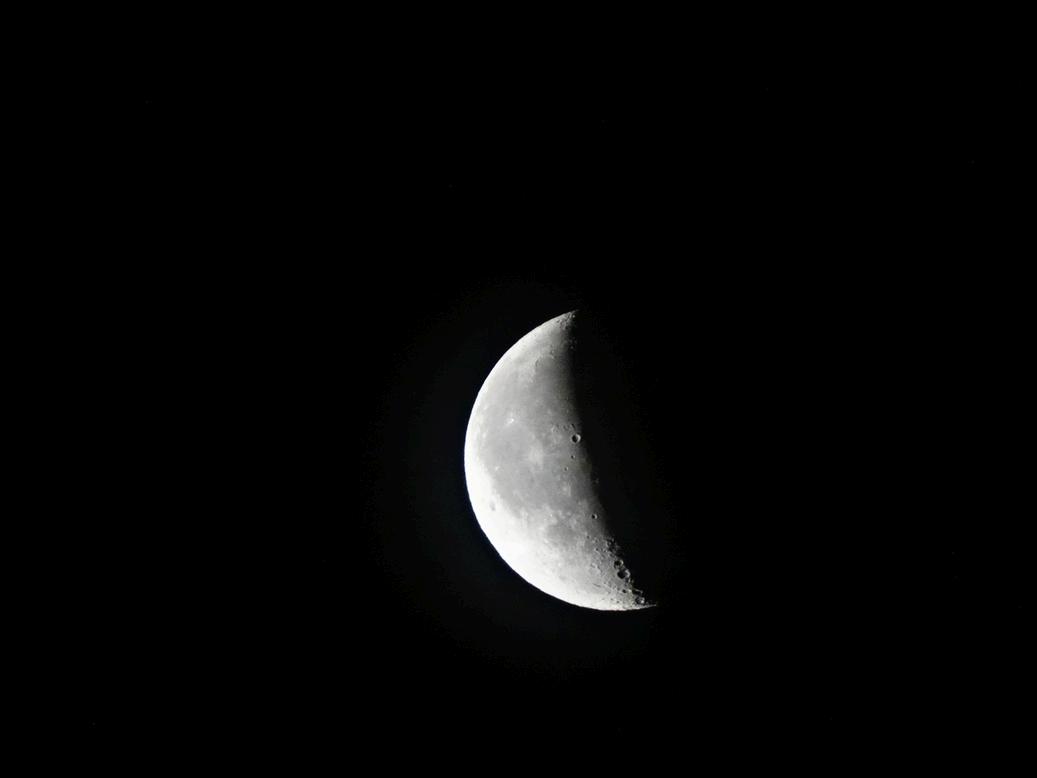
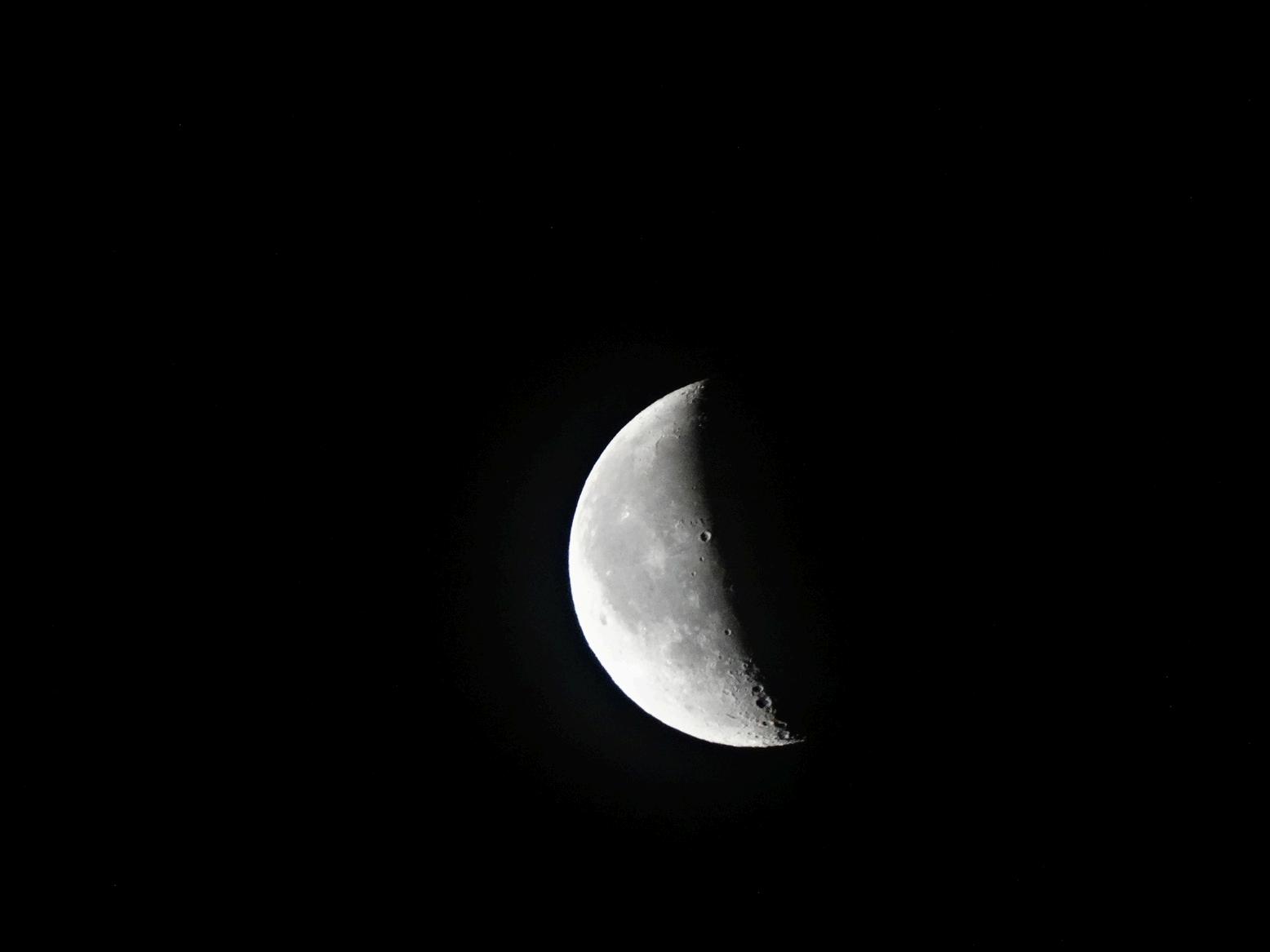
What I am really trying to illustrate is how precious that top soil layer is and how we as humans take for granted what a miracle it is that we are alive on this rock orbiting a ball of fire at exactly the right distance that makes all on the life on earth possible. Another thing we don’t realise how much of an impact it has on us is the moon.
For centuries humans used the moon ’ s predictable phases to allow them to create a calendar crucial for agriculture and tracking the seasons If I asked you what was the most important thing for shaping the society we currently live in what would you say? The Industrial Revolution, the wheel, electricity or maybe the internet? All of those are important but none of them would have happened without Farming
This is because without farming we would still be hunter gatherers, concentrating solely on trying to stay alive The Neolithic Revolution allowed for the rise of an organised civilisation because it ensured a constant food supply and meant that people could stay in one place and create a permanent settlement
People could also then think about writing, technology and trading with others to get different foods and goods.
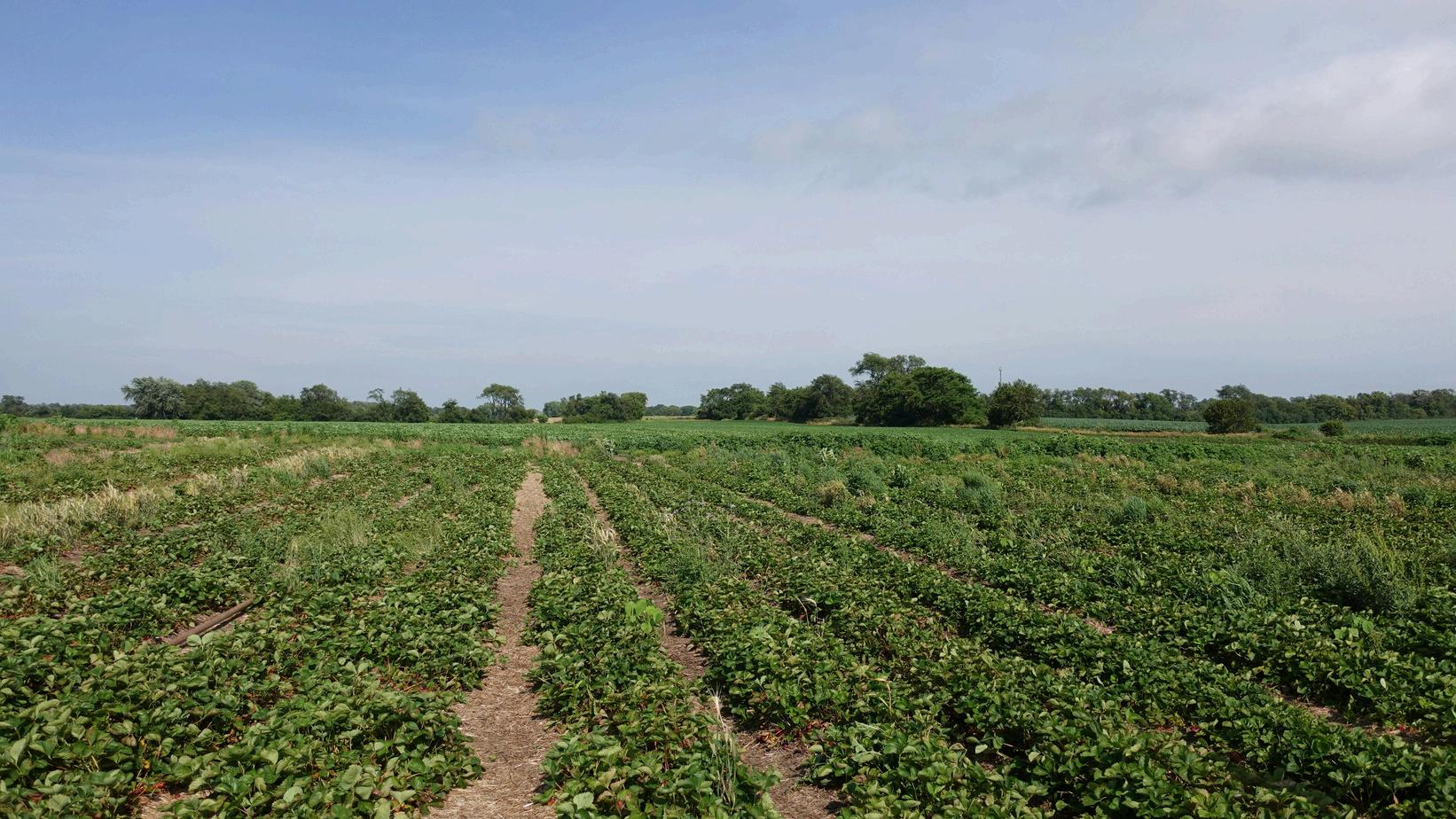
It’s crazy to think that humans as we know them have been on the planet for 300,000 years, yet the Neolithic revolution didn’t happen until 12,000 years ago. Then about 250 years ago the Industrial Revolution happened and in my opinion humans have started seriously damaging the earth and its precious resources.
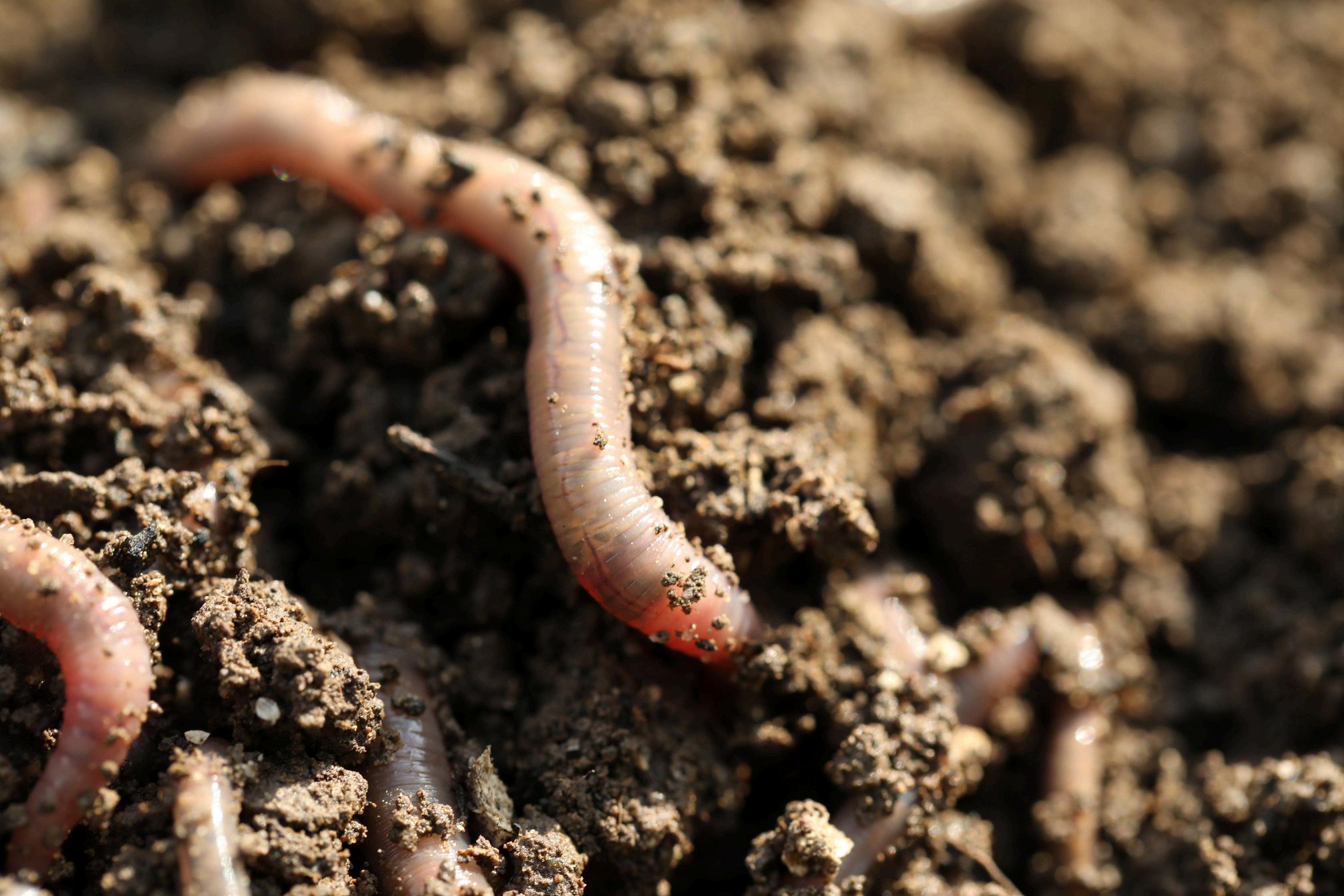
One of these being soil which we all take for granted but can be the most important element of your garden. There is so much we don’t know about soil, what we do know is if you leave your soil alone and mulch regularly and add lots of organic matter it will feed the microorganisms, fungi and earthworms who will improve the nutrient availability and soil health This will then ensure all your plants and crops have the best chance of thriving
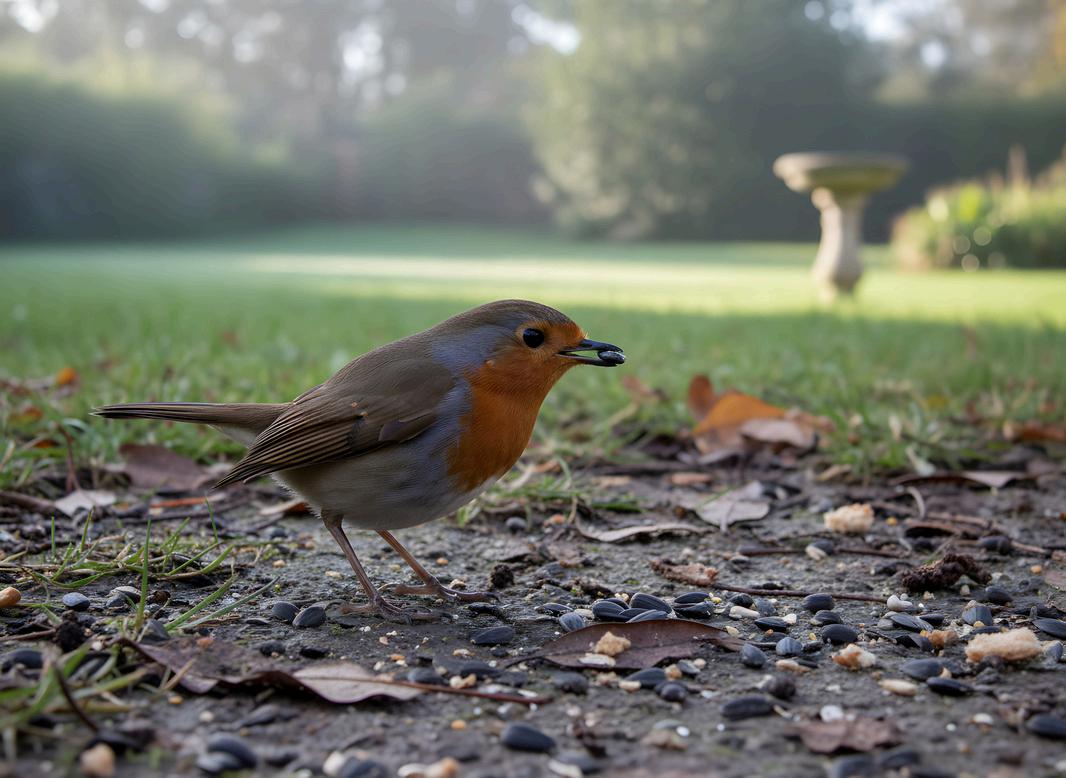
Remember, in a teaspoon of soil there will be more microorganisms than people on earth, billions of bacteria and thousands of fungal species We need look after all those garden friends even if they aren’t as easy to see as the ever present robin, they are equally as important
So next time someone gets to tell you gardening and farming aren’t important, you tell them ‘ you would still be hiding in a cave if it wasn’t for us plant lovers!’
So much is going on underground that we
a wildlife garden: A monthly step-by-step guide Creating a wildlife garden: A monthly step-by-step guide
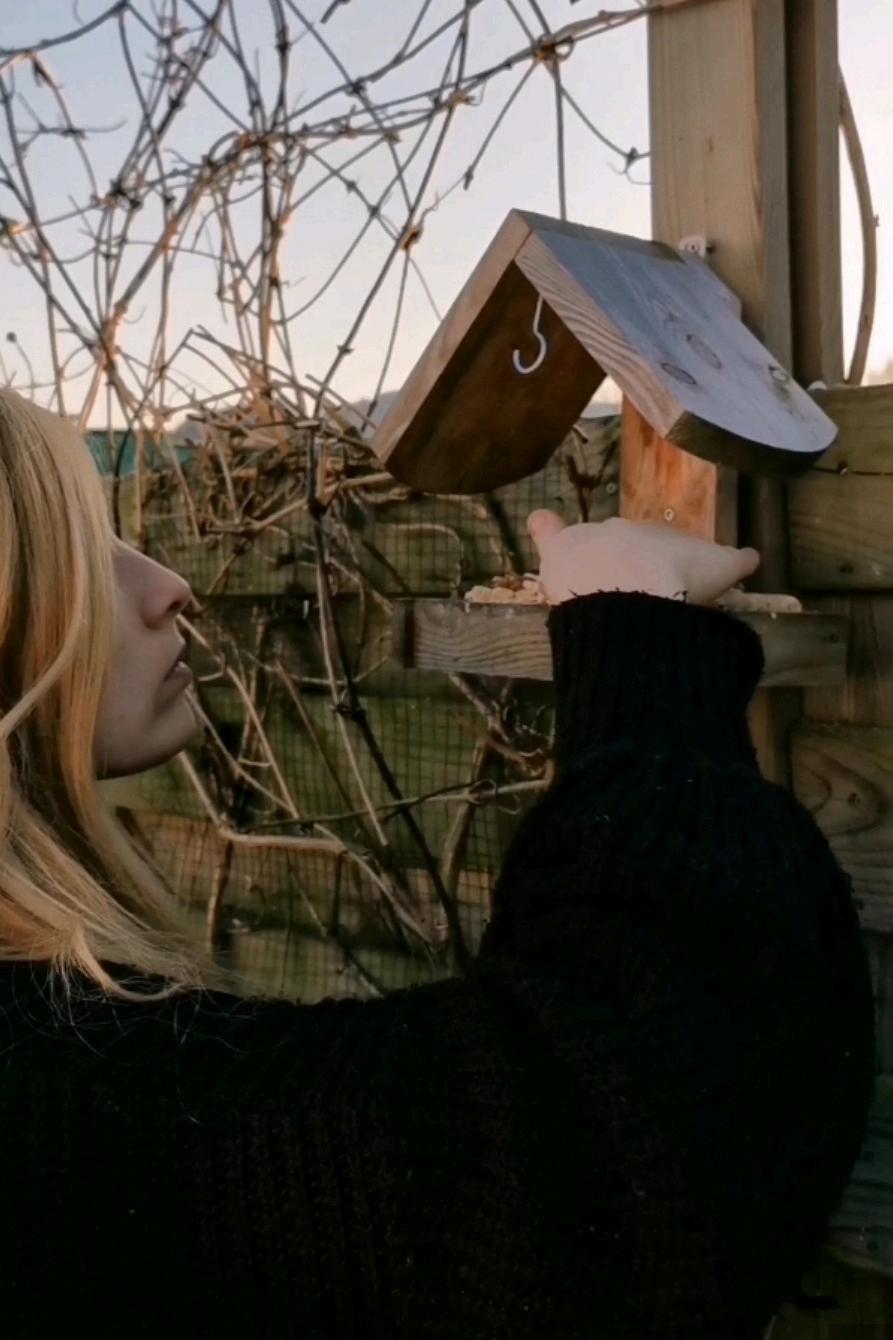
February often feels like a month in between Winter is still very much present, but if you look closely, small changes are already happening Days are slowly stretching out, light lingers a little longer, and beneath the soil and hedgerows, life is beginning to stir
In the garden, this is a time of quiet observation rather than big action Birds start to sing more frequently, early buds appear on shrubs, and there’s a sense that something new is preparing to unfold It’s a gentle, hopeful month that invites us to slow down, notice the details, and continue supporting wildlife as they prepare for the season ahead
After taking the first steps in January by creating feeding and drinking spots, February is about building on that foundation in a calm and thoughtful way, keeping the garden safe, welcoming, and ready for what’s to come.
After taking the first steps in January by creating feeding and drinking spots, February is about building on that foundation in a calm and thoughtful way, keeping the garden safe, welcoming, and ready for what’s to come.
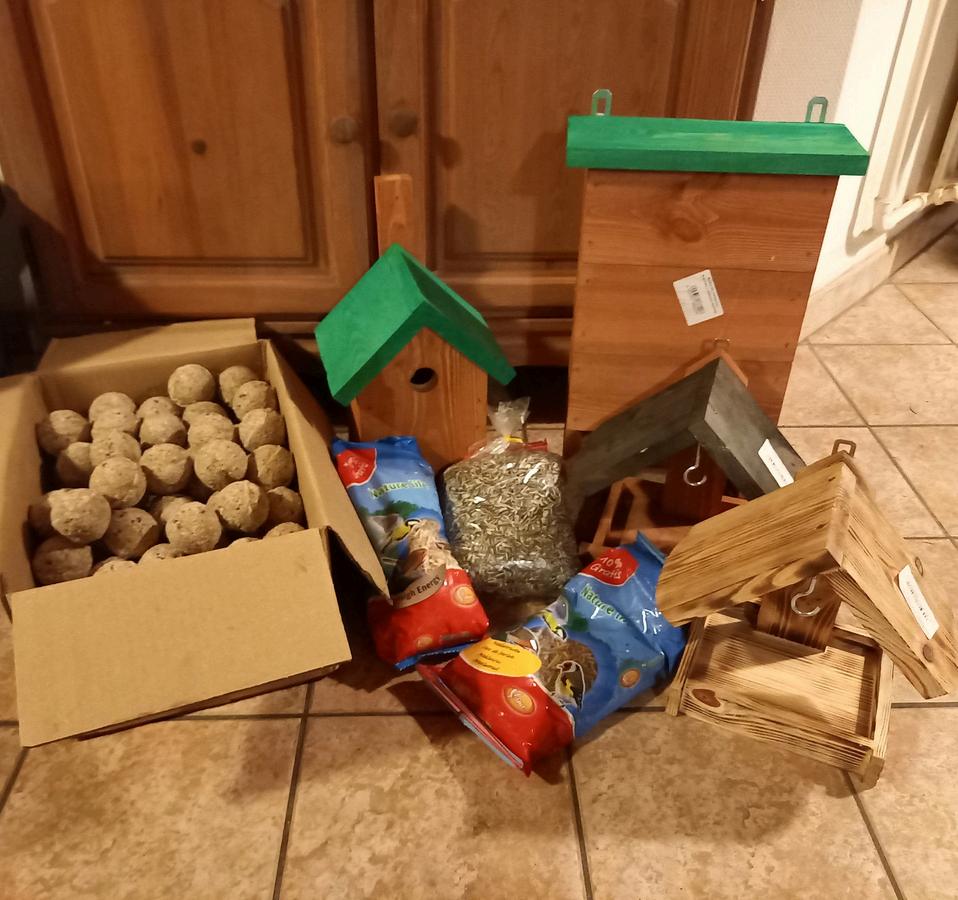
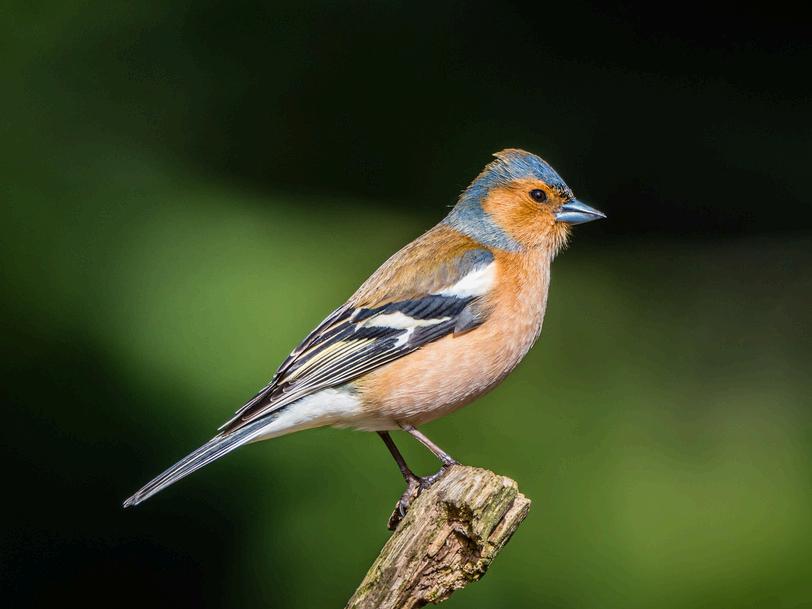
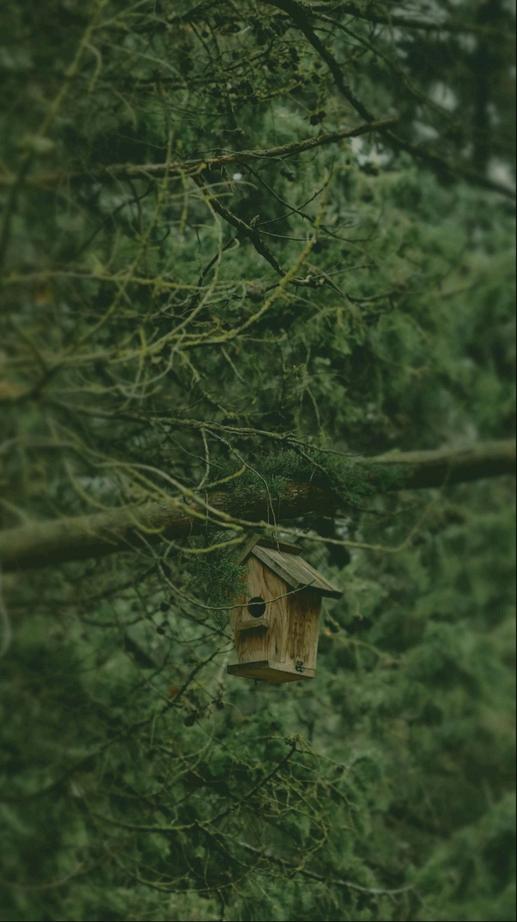
Now, it’s the perfect time to think about providing safe, cosy homes for these garden visitors, so this month’s wildlife project focuses on one of the most rewarding ways to support birds: putting up a birdhouse.
Now, it’s the perfect time to think about providing safe, cosy homes for these garden visitors, so this month’s wildlife project focuses on one of the most rewarding ways to support birds: putting up a birdhouse.
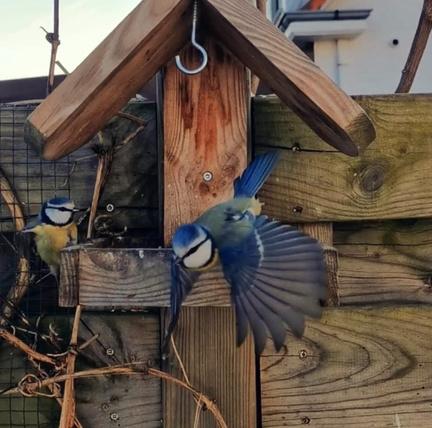
Adding a birdhouse to your garden can make a big difference for local wildlife It offers the birds a secure place to rest, it gives them shelter from the elements, and it provides them with a safe place to build their nest
Selecting the right birdhouse ensures that your garden visitors feel safe and comfortable. A well-designed house that matches the needs of the birds you want to attract will be used repeatedly, offering them a dependable sanctuary.
Size and species: Different birds need different entrance sizes and interior space Research which species visit your garden to choose the right type
Material: Use untreated wood or other natural materials; avoid plastic or metal that can overheat or collect condensation
Entrance: Make sure the entrance hole is the correct size for the species and not obstructed Some birds prefer a slightly recessed hole for extra protection
Ventilation and drainage: Ensure the box has small ventilation holes near the top and drainage holes in the bottom to prevent dampness.
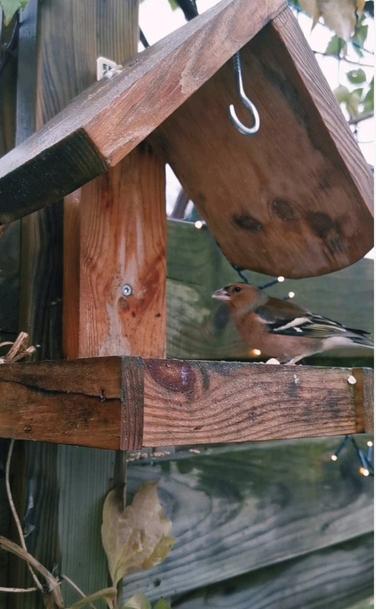
Once you have the right birdhouse, the next step is placing it in a location that keeps birds safe and comfortable The position can make all the difference in whether a bird chooses to use it
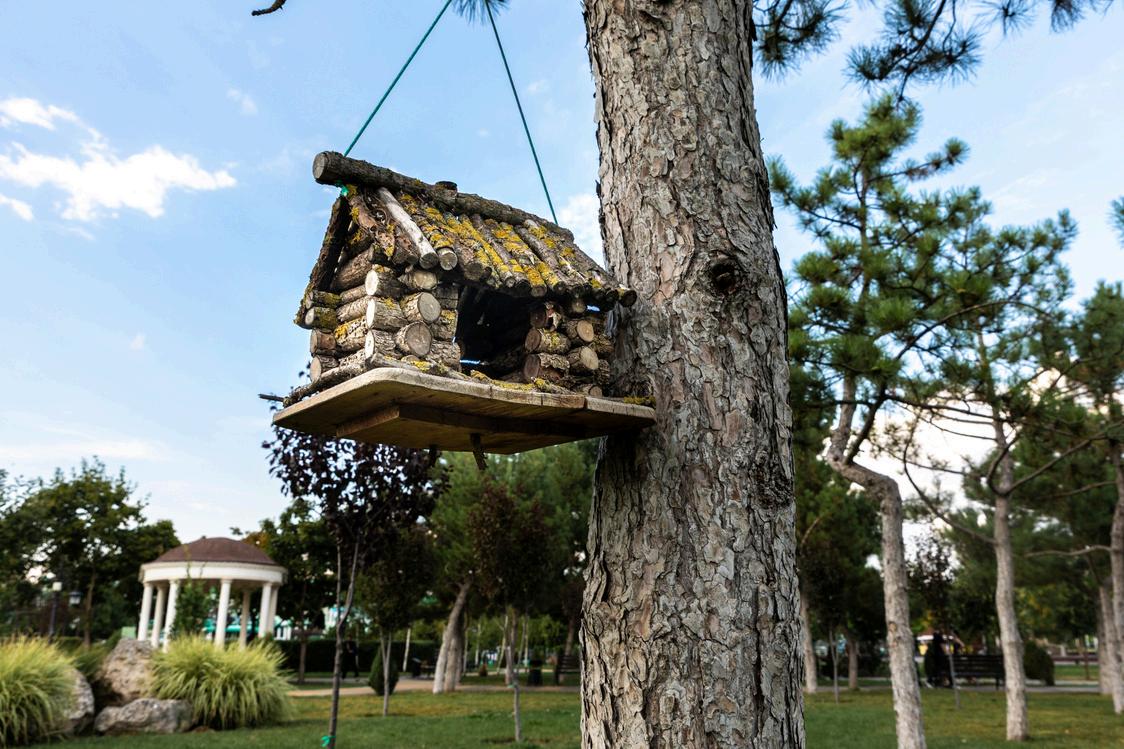
Finding the right spot: Pick a place in the garden that is quiet and doesn’t get a lot of foot traffic so birds can nest in peace Constant noise or disturbances can scare birds away and make them abandon their nest
Height: Hang it high enough that predators like cats cannot reach, generally at least 2–3 meters off the ground
Safety and cover: Avoid placing it in full sun or overly exposed areas. A sheltered spot with some nearby branches or foliage works best.
Clear flight path: Ensure the birdhouse entrance is unobstructed so birds can easily fly in and out.
Stability: Mount it securely to a tree, post, or wall so it won’t sway in strong winds.
Don’t add any bedding yourself to the birdhouse Birds that are scouting for a place to nest will see this as a sign that the birdhouse is already occupied
Once your birdhouse is in place, the best thing you can do is give birds the time and space to discover it It may take days or even weeks before it’s used, and that’s completely normal This stage is all about observation rather than intervention
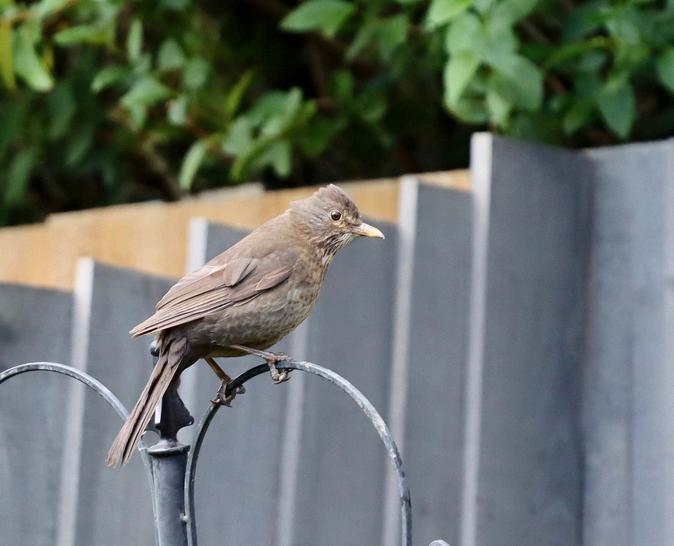
Take note of which birds visit the area and whether they show interest in the nest box
Watch from a distance to avoid disturbing any curious visitors
Notice how the nest box sits in different weather conditions, such as wind or rain.
Check that the entrance remains clear and unobstructed.
Be patient: Birds may not use the nest box until later in the season or even the following year.
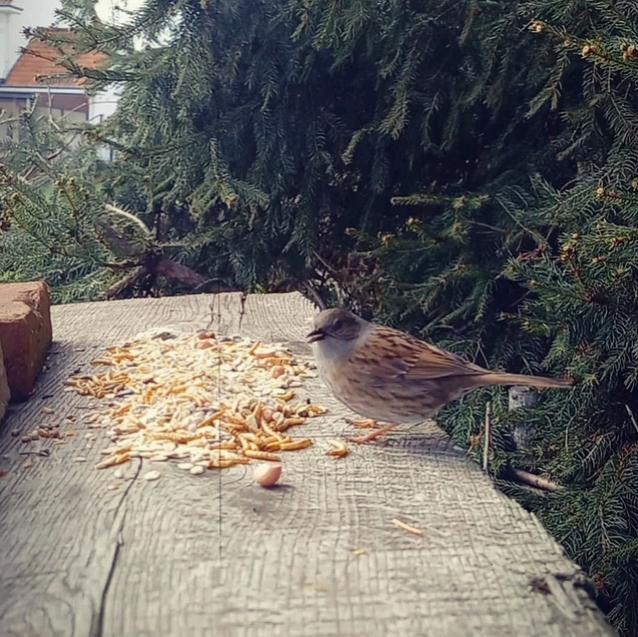
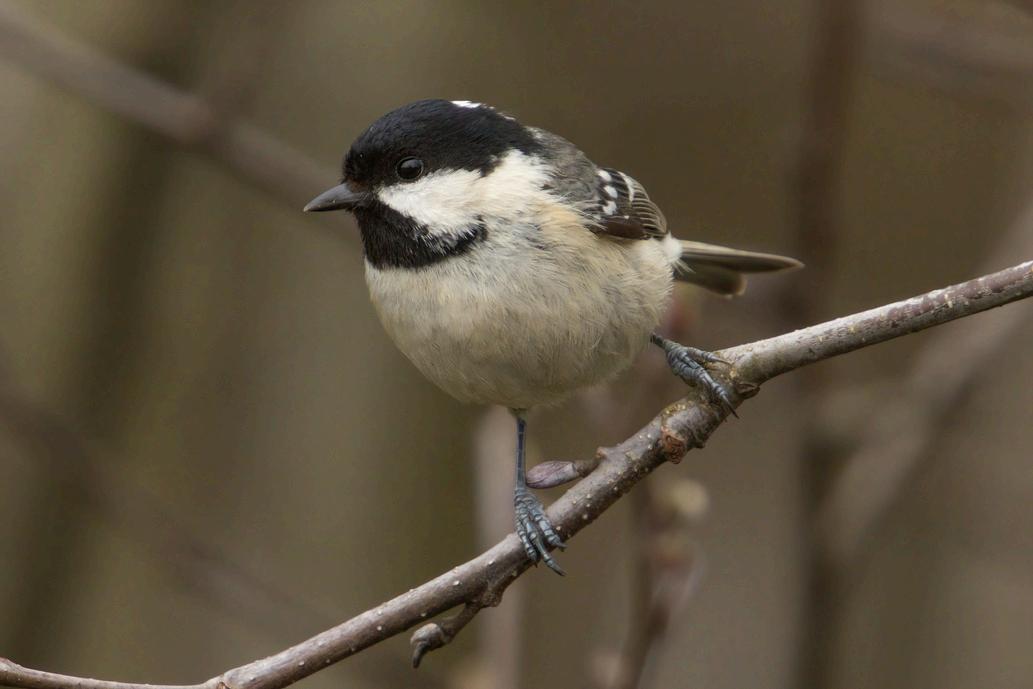
Winter is hard on the birds.
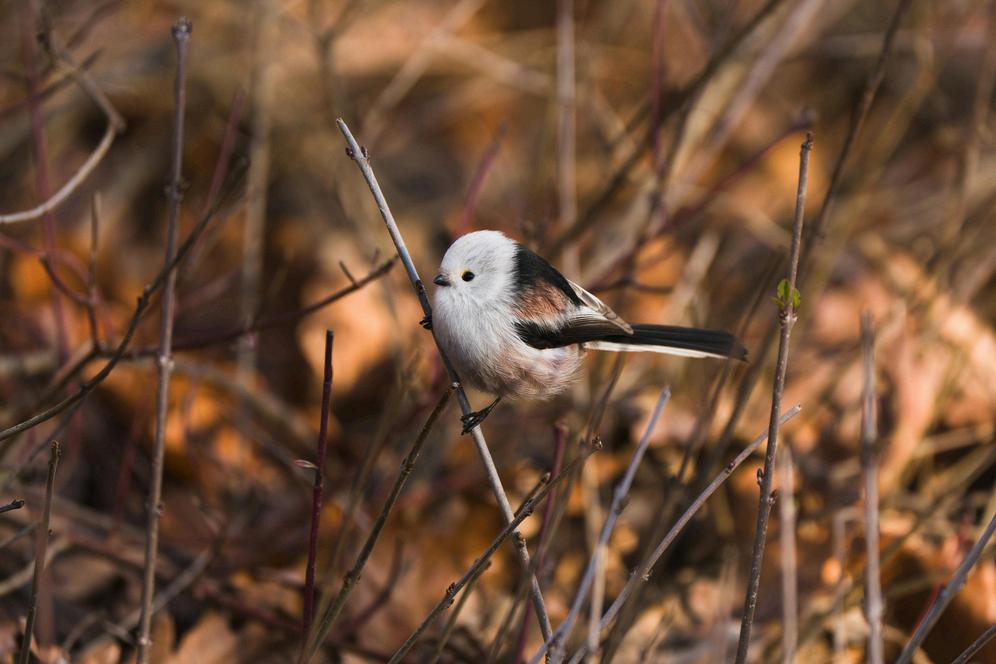
A well-placed bird nest box needs very little attention during the breeding season In fact, less interference is usually better Once birds begin nesting, it’s important to let them carry on undisturbed
But after the nesting season has ended (look up when that is in your area), there are a few jobs you can do to make sure your birdhouse stays clean, safe, and ready for future visitors
Clean out old nesting material using gloves
Rinse the inside with hot water (avoid chemicals)
Check for damage and make any repairs before winter.
Leave the box in place, as it may be used for roosting in colder months.
Supporting wildlife is an ongoing process Beyond the main project, there are other small jobs you can do this month to help your garden become a safe, welcoming space for all visitors
Keep topping up your bird feeding and drinking spots and observe which birds are using them
Look out for early signs of nesting or bird activity near your new birdhouse.
Take a walk through your garden and note spots where additional shelters, like log piles or dense shrubs, could be added.
Continue lightly planning for spring planting to provide food for pollinators and other wildlife.
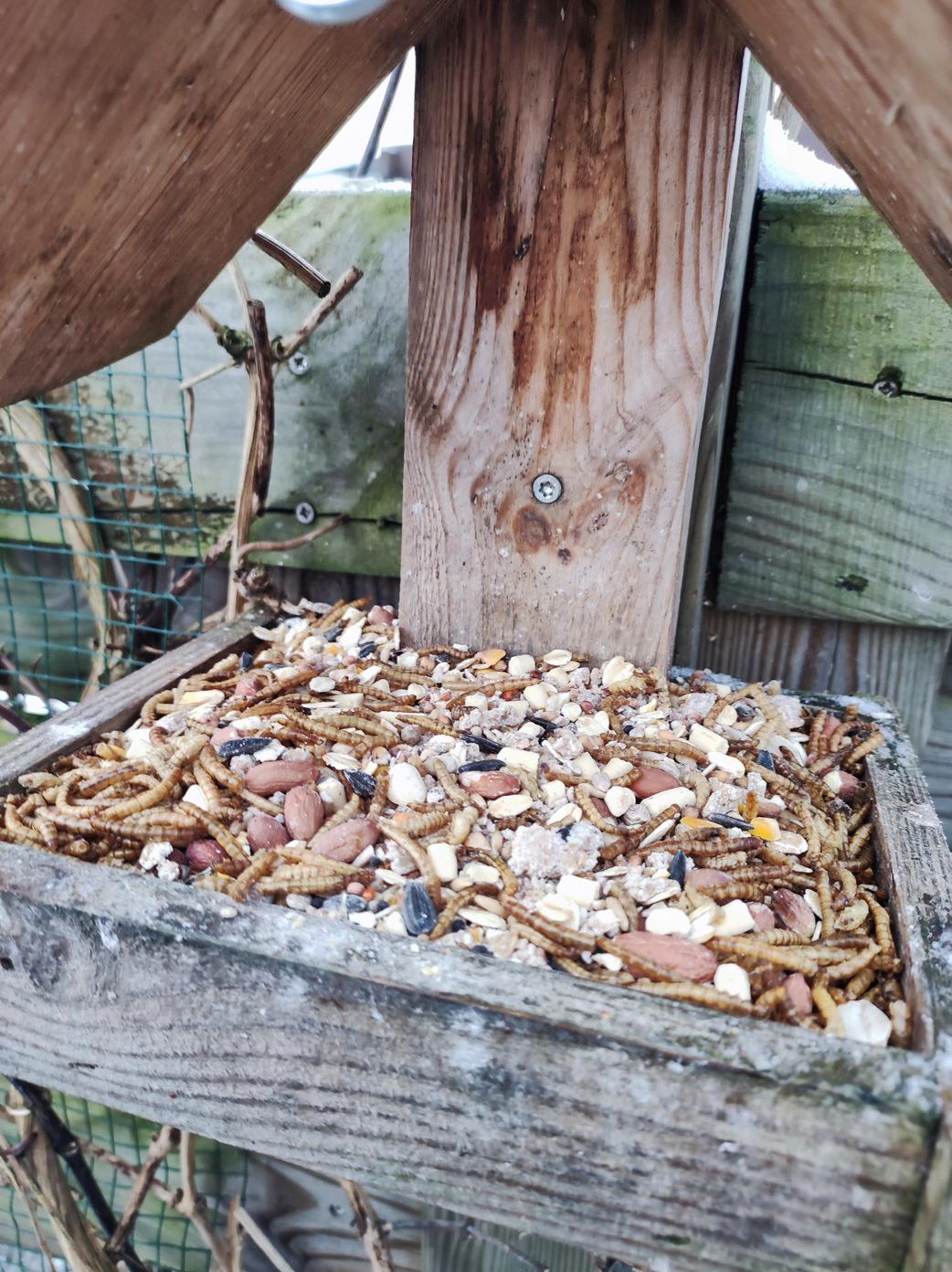
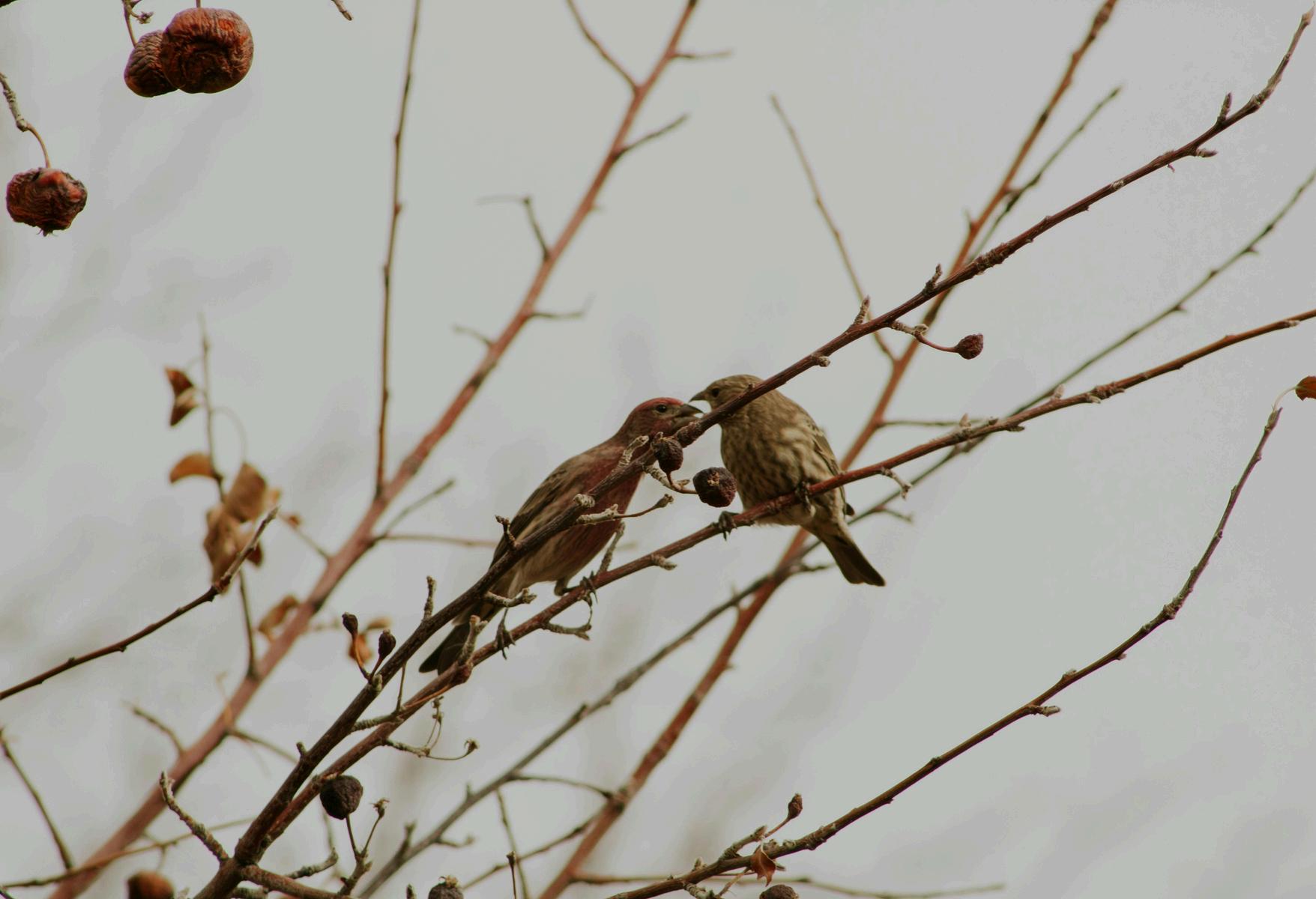
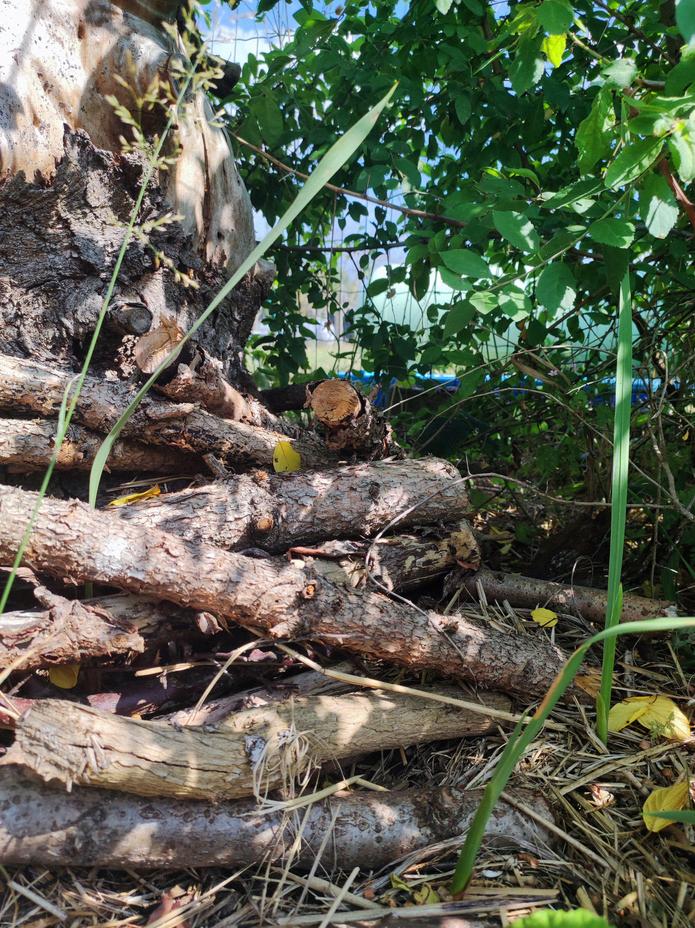
February is a month of preparation, and by providing new homes for birds, you’re helping your garden wildlife thrive as the seasons change. With every new birdhouse hung, you’re giving your feathered friends a head start in the year ahead.
Winter is hard on the birds.
Happy wildlife gardening and see you all next month!


By Mel Lord
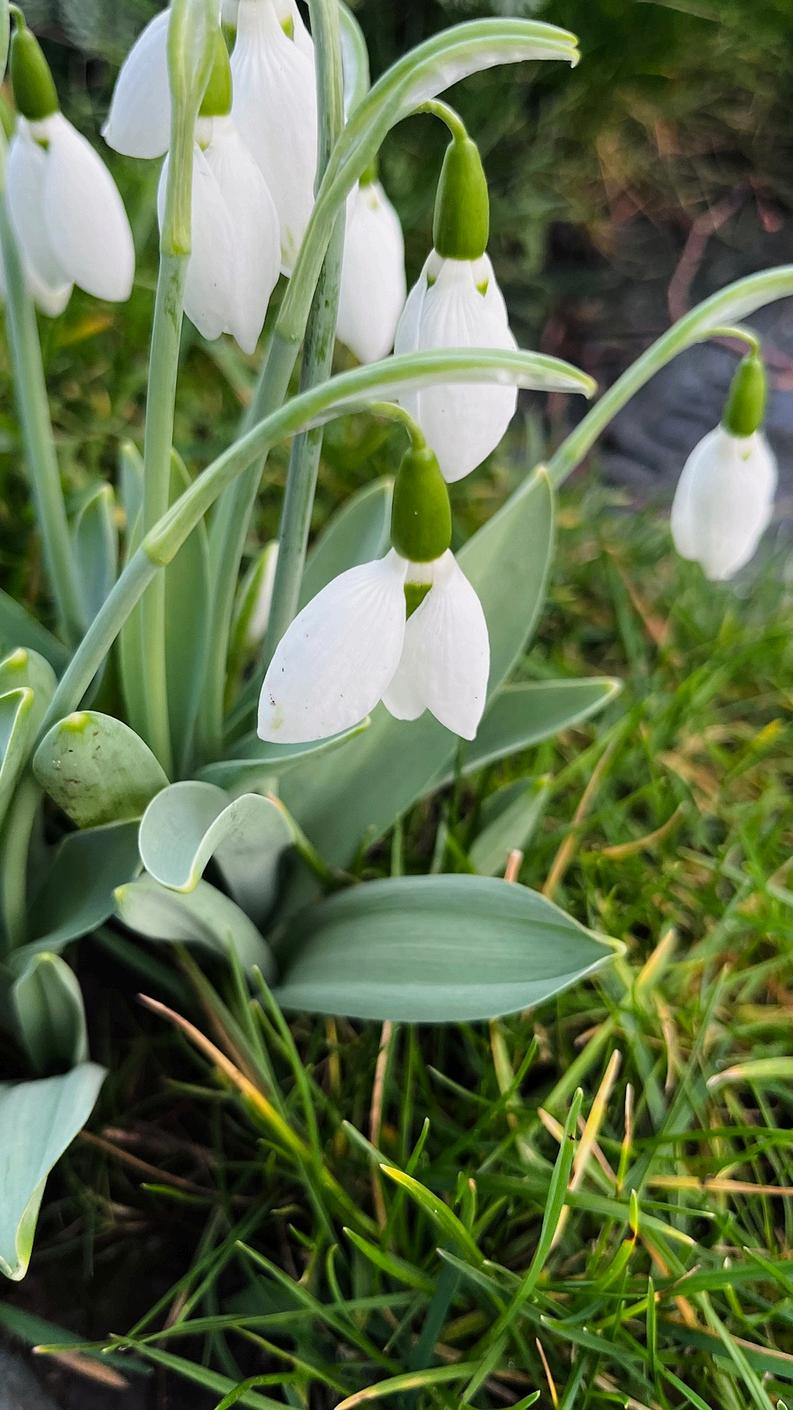
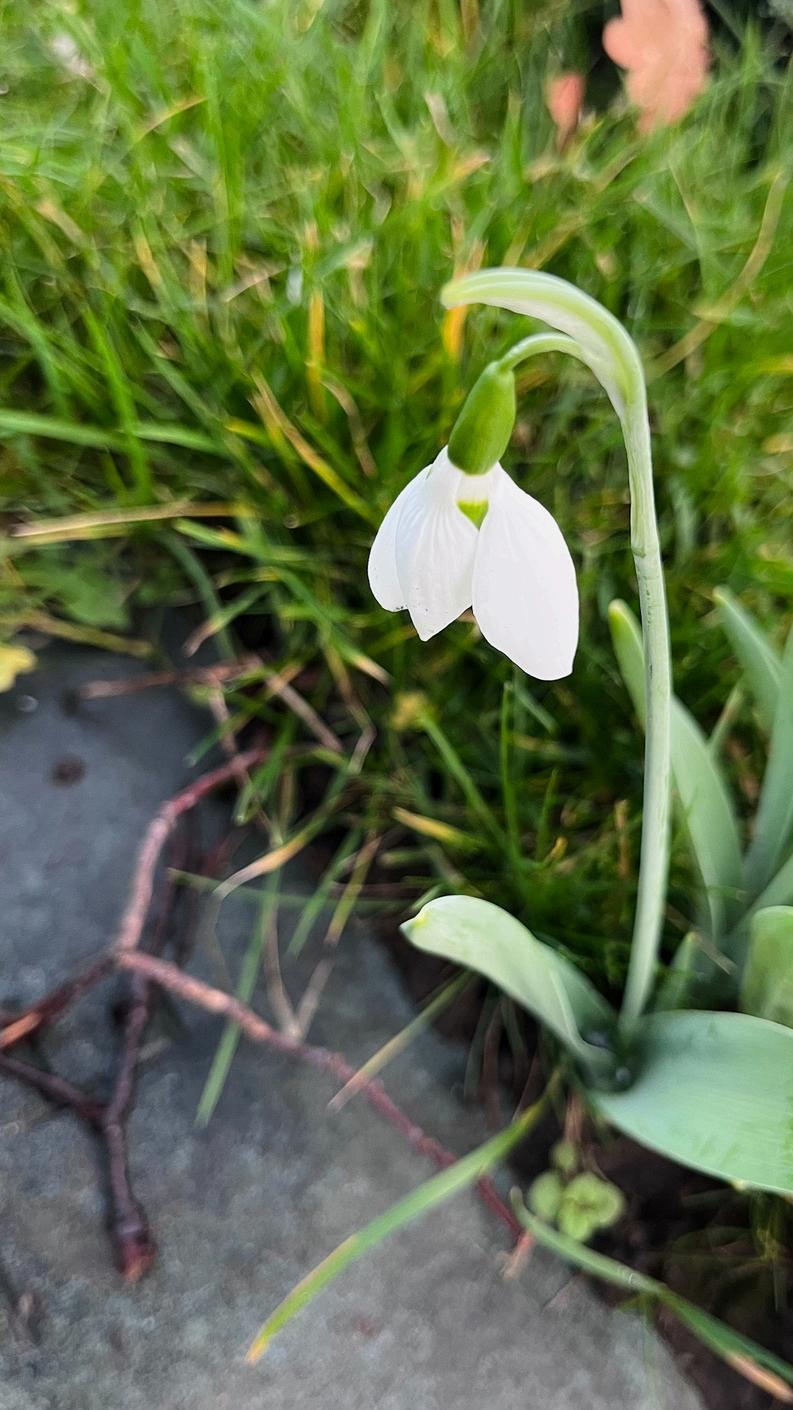
A timeless symbol of spring's arrival, even their common name conjures up an idyllic scene of glittering icicles, green buds and a frosty garden Snowdrops aren’t native to the UK, though they may have been here since the fifteenth century as they were mentioned in Gerard’s herbal, but have become a quintessential sight across the country Cutting through solid ground and appearing as if by magic They even contain a natural antifreeze!
Described in Latin as ‘milk flower of the snow ’ in Derbyshire it was customary to make a wish when the first bloom of the year was spotted In the language of flowers they represent hope or consolation due to the belief that they were crafted from the world’s first snowflake to comfort Adam and Eve
Alternatively ‘February fairmaids’ were known in some areas as ‘ corpses in shrouds’ and could be associated with the end of life, rather than the beginning of it Despite being emblems of the new growing season In the Victorian era it was fashionable for them to be planted on graves and it was said that they could cause bad luck or possibly even death if brought into the house Unless they were gathered in a bunch of thirteen flowers which would prevent misfortune if they really had to come inside It was said you should absolutely never take them into a hospital
They may not have been present in Britain for thousands of years but they were mentioned by Homer in his epic tale ‘The Odyssey’ The saga of cunning Odessius and his quest to return home to Ithaca after the Trojan War Odessius used a plant called ‘moly’ to break curses laid on him by the sorceress Circe The plant was described in the text as having black roots and a milk white flower This mystical plant, allegedly a snowdrop, cleared his mind and kept him safe from her enchantments when he rescued his shipmates from her palace, after she transformed them into a drove of pigs Homer claimed that moly was dangerous for mortal men to pluck from the soil, having been created from the blood of an unsavoury giant called Picolous who was killed on Circe’s island by her father, Helios. @ thequietplace
With the sun god’s radianc snowdrop’s ivory petals. Perh because of herbal remedi Homer’s time, they have since alkaloids that can improve t with mild dementia and Alzhe their symptoms just as the
They also feature in a folktale of the sun, in the form of a be abducted by the chilly spirit o her hostage, spring never c summoned to bring warmth successfully set the sun free bu harshness. When blood from the melting snow these plants involved on this occasion, ho blooms is striking
Furthermore, this delicate flow to a rather famous fictional classic Grimms brothers fairyt first published in English in titled ‘Snowdrop’, with the m and love today going by th Princess Snowdrop’s mothe window on a cold, Decemb accidentally pricked her fi needle. Dripping blood ont inspired her to wish for a ch skin and black hair. Sadly daughter, who fit the descript but not before she had name plants. It was only in later ve 1850 that the little girl was k instead.
‘Candlemass bells’ typically co this traditional celebration, e Christmas on the second of F early in the year that they sp rather than pollination. How visited by insects like the Qu weather is mild and do pro source of food when other
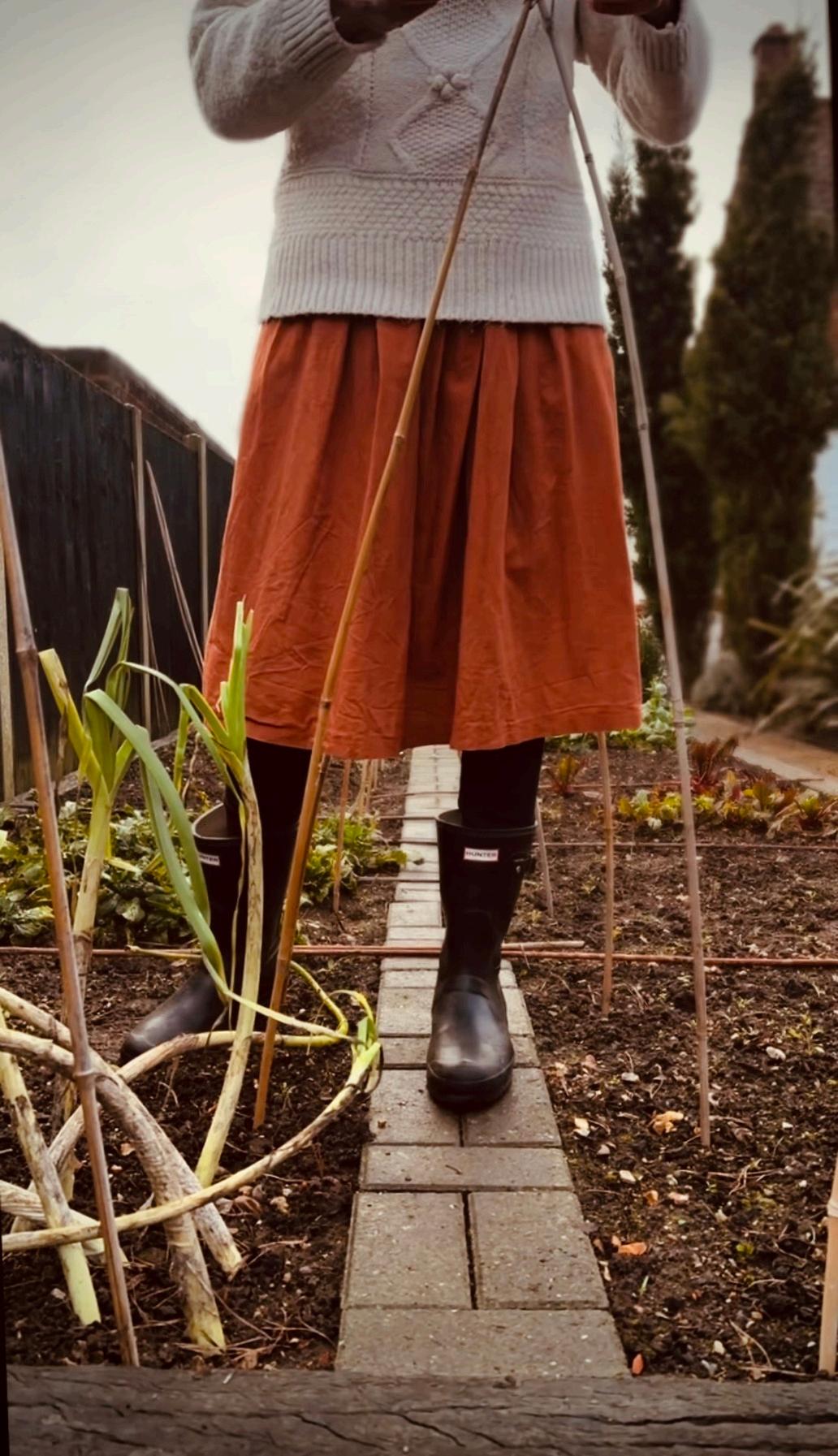
If living off the land teaches anything above all else, it is that everything begins beneath the surface Before the harvests, before the rituals, before the jars lining the shelves, there is soil. Not dirt, not something inert or expendable, but a living system; complex, intelligent, and quietly generous Once you begin to understand this, the way you garden changes entirely. You stop trying to control outcomes and start nurturing conditions. The focus shifts from what you grow to how you care for what grows it
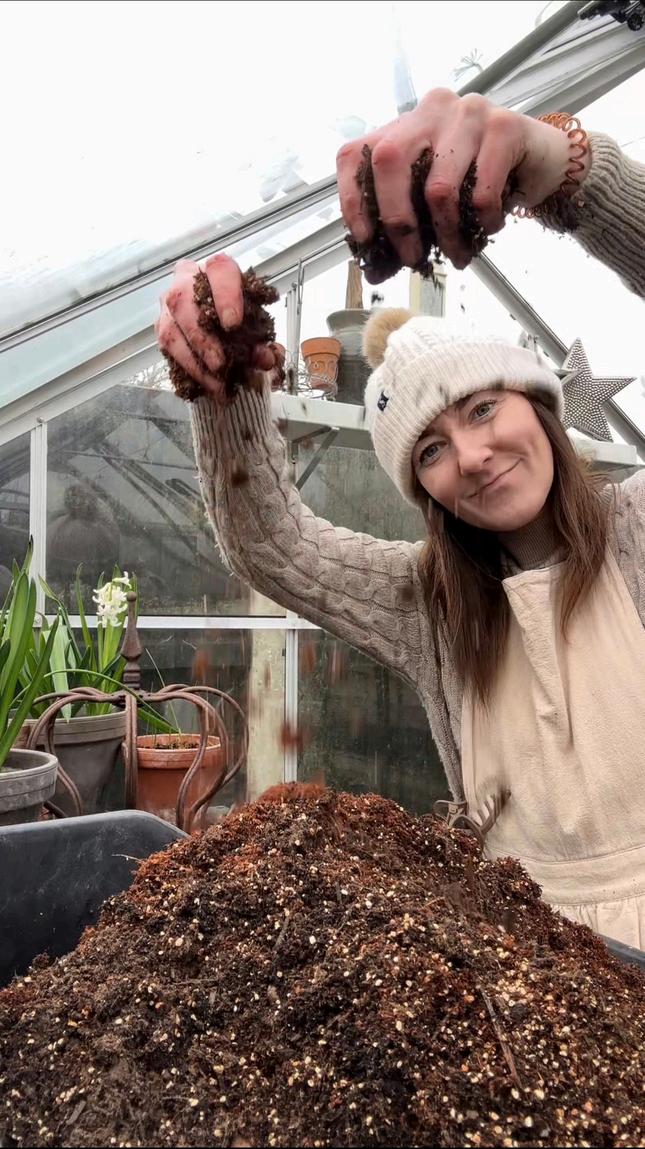
Healthy soil is not created through quick fixes or bottled solutions. It is built slowly, patiently, through observation and restraint. You learn to disturb it less, feed it more, and trust the life already at work beneath your feet. Compost becomes the heart of this relationship. Making your own is not just practical; it is philosophical. Kitchen scraps, garden waste, fallen leaves; what once would have been discarded becomes nourishment again. Nothing is wasted. Everything is returned. Over time, compost teaches you that abundance comes from cycles, not consumption
It feels grounding to turn your own compost and connects you to time in a way few modern practices do You wait You watch You trust processes you cannot see Heat builds Life multiplies What began as scraps transforms into dark, rich matter that smells of forest floors and rainfall When you spread it across your beds, you are not feeding plants; you are feeding the entire ecosystem that will support them Worms, fungi, microbes all respond, quietly doing the work you could never replicate by hand
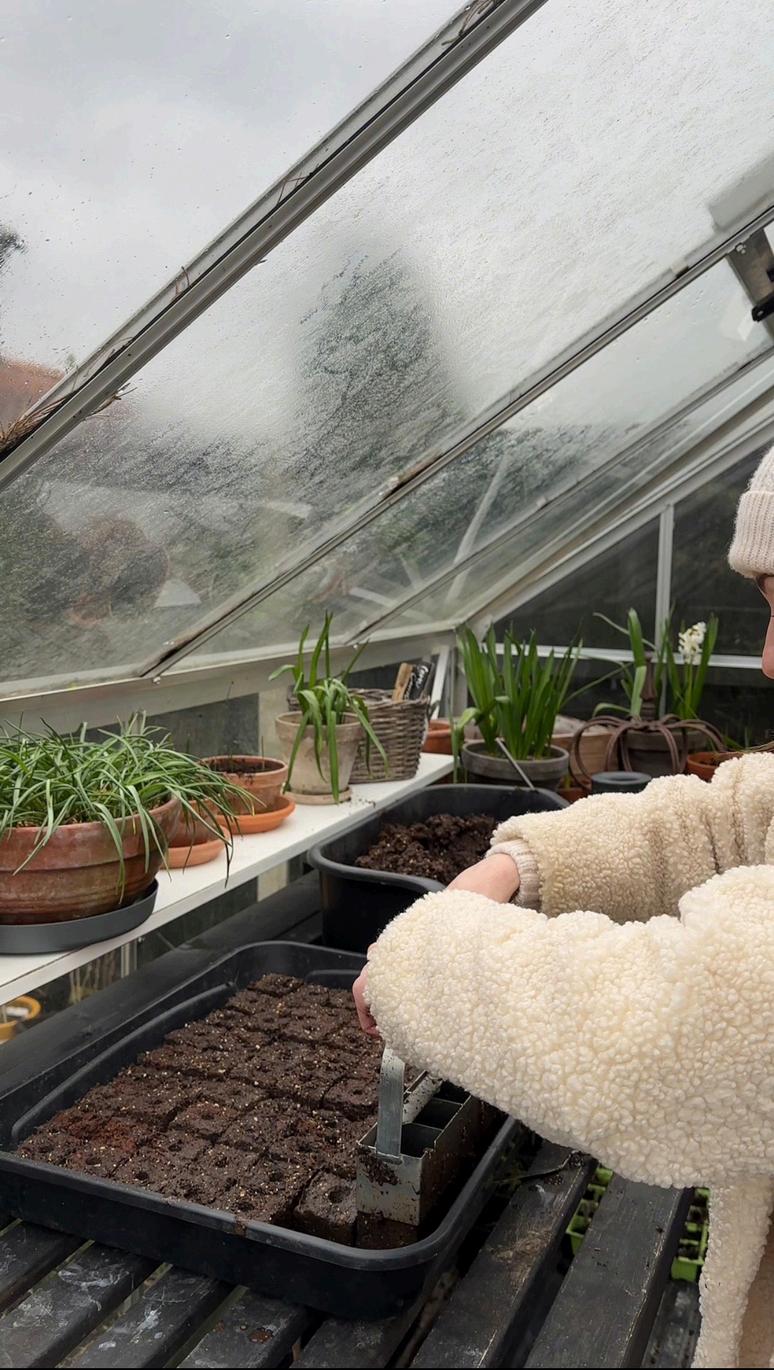
From this foundation, everything else flows. Soil blocking, in particular, becomes an extension of this philosophy. Instead of plastic pots and endless replacements, you compress your own compost into small, self-contained blocks that support seedlings from the very beginning. There is elegance in its simplicity. The roots air-prune naturally, growing stronger and more resilient. Transplant shock is reduced. Waste is eliminated. Each block holds only what is needed, nothing more. It is a small act, but one that reflects a much larger commitment to working with nature rather than against it
Early sowing feels less daunting when your soil is alive and your systems are intentional Chilli’s, aubergines, and onions ask for patience before they ask for warmth They teach you how to plan ahead, how to hold space for something long before it shows signs of life You sow them while winter still lingers, trusting that light will return, that growth will follow There is hope in the quiet yet deliberate optimism placed gently into compost-rich blocks and set on windowsills or under soft grow lights
These early sowings become part of your preparation for the year ahead. You are no longer reacting to the season; you are meeting it with readiness. You learn how to use what you already have; saved seeds, reused or handmade containers where necessary, natural warmth from sunny windows, reflective surfaces to maximise light. Eco-friendly gardening is not about perfection or aesthetics. It is about thoughtfulness. About asking, before every purchase or process, whether there is a simpler, kinder alternative.
Creating your own compost is an affirming task.
By Tori Thomas
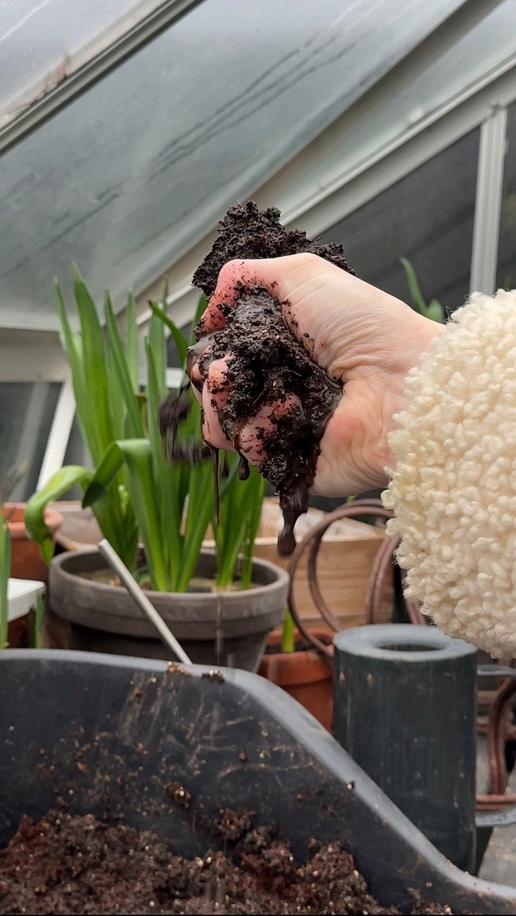
Using what you already have to start your seedlings is a kinder alternative.
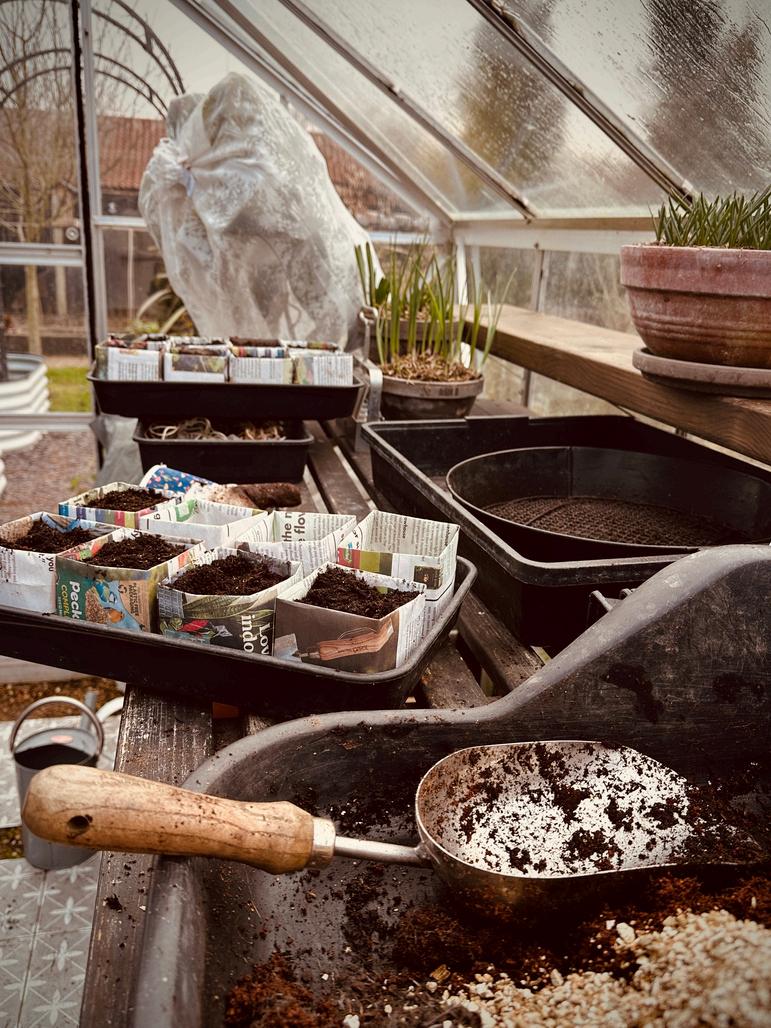
The garden begins to shape your values as much as your yield You compost because waste feels wrong You soil block because plastic feels unnecessary. You sow early because foresight feels empowering. Water is collected. Cardboard is repurposed. Seed trays are cleaned and reused year after year. Nothing is rushed, nothing is excessive. Sustainability stops being a concept and starts being a habit.
Preparing in this way creates a deep sense of confidence. You know your soil is alive. You know your seedlings are strong. You know you have worked with intention rather than urgency. There is less panic when things go wrong and more resilience when plans change. The garden teaches you that success is not about force, but foundation
And perhaps that is the greatest lesson soil offers That life flourishes when it is supported quietly, consistently, and with care That the most important work often happens unseen That before anything can grow above ground, something must be tended below it
Because when you begin with soil; healthy, living, respected soil; you are not just preparing for a season You are preparing for a way of life
And from here, everything else grows

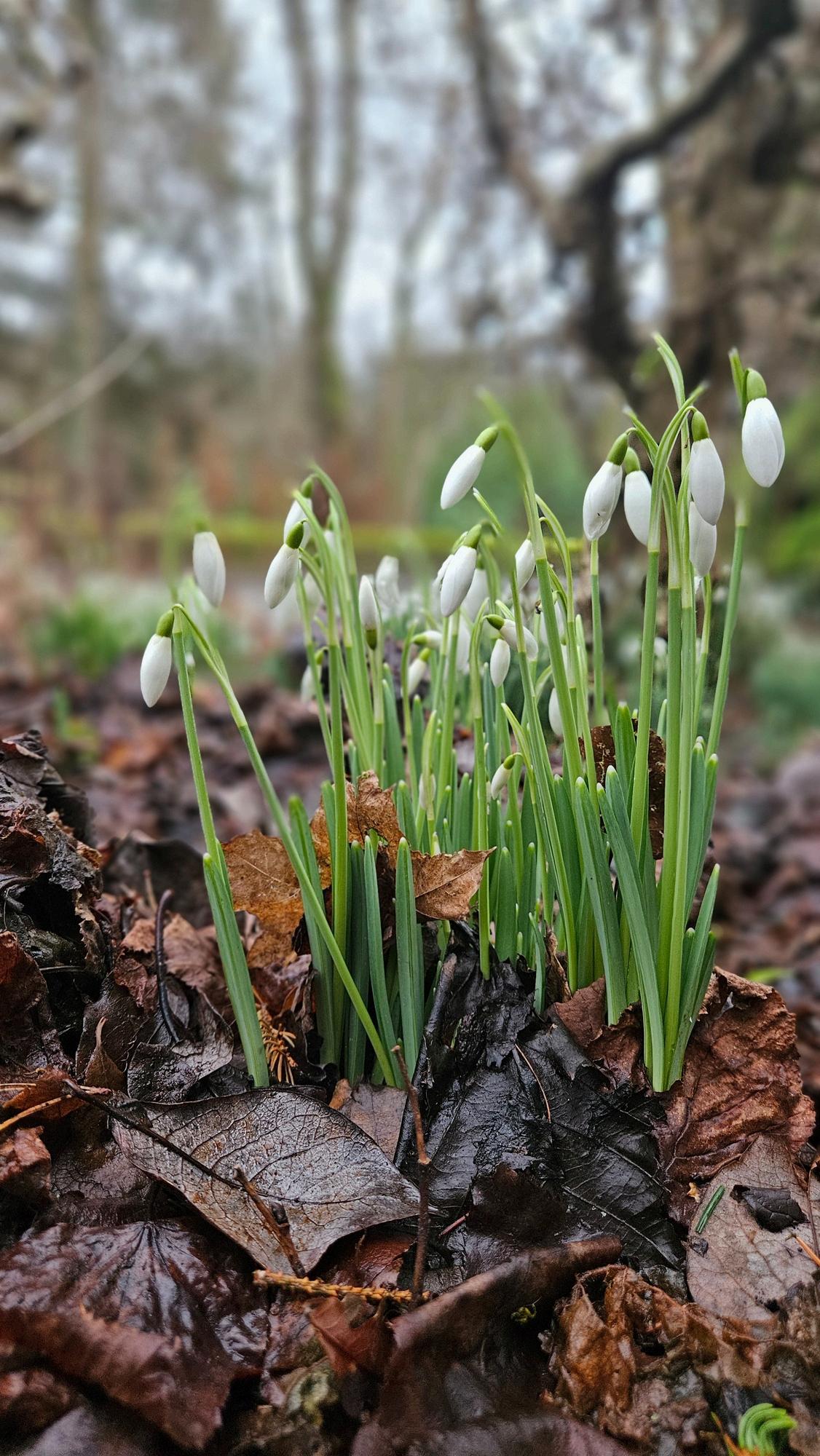
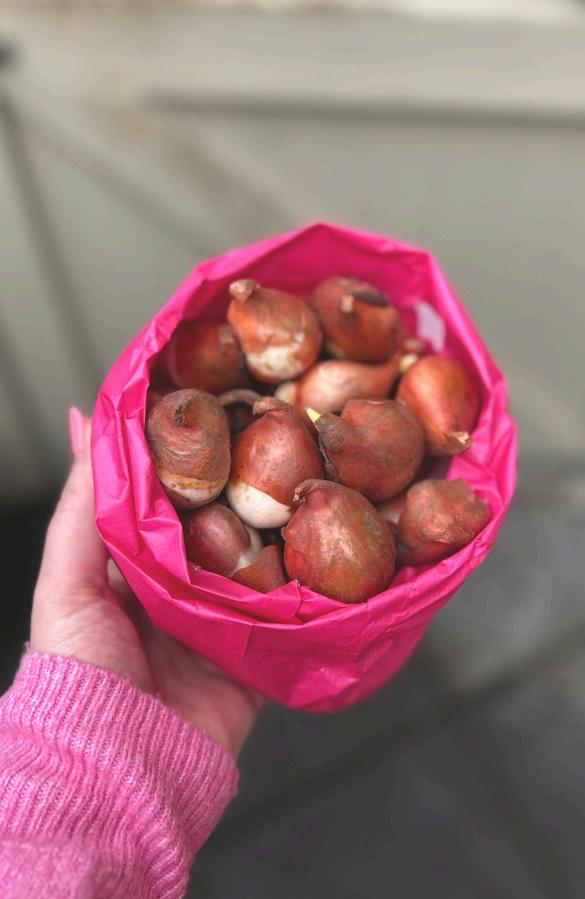
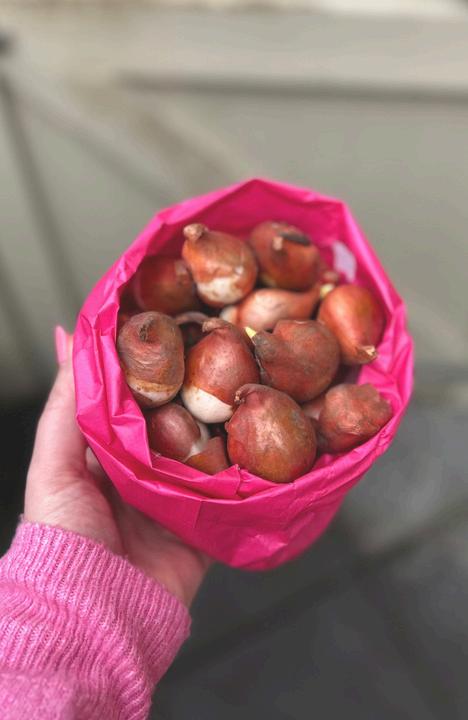
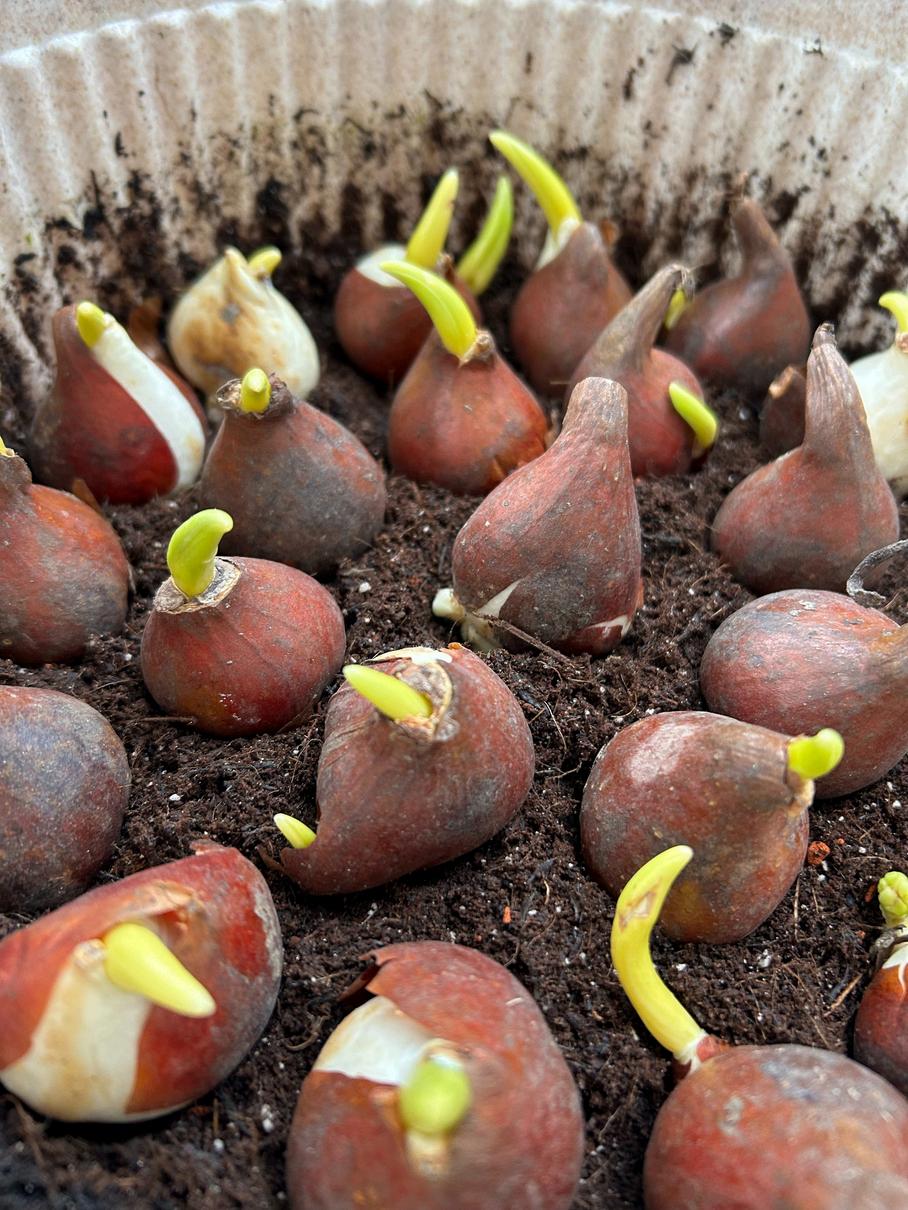
As I glance out the kitchen window the garden looks like it’s in full hibernation, but us gardeners know that’s not the case. The days may still be dark and cold but nature is getting ready to spring into action. The first signs of new beginnings are there but you might have to dig a little to find them. The garlic bulbs are throwing down roots, last year's chilli plants are beginning to form new stems and some of the recently planted tulip bulbs are already emerging from the soil The crocus have popped up through the lawn and I spotted my first fluffy bumblebee just a few days ago
As ever, it’s always a tricky game of timing this early in the year I’m eager to get sowing and growing but I’m doing so with more intent this year Most of us gardeners are self-proclaimed seed addicts but this year I’m being more mindful about that habit and I’ve set myself a little challenge
Having ADHD gives me a naturally impulsive personality and this is very evident when I look at my seed collection It fills several shoe boxes (and let's not exclude the many little envelopes of seed packets which are randomly stashed around the house and shed). I mean, how many packets of seeds does one person actually need? especially when you only have a small growing space. So this year I’m going to see what I can achieve without buying any new seeds.
Now, I’ve already stitched myself up here slightly as I’ve realised that I don’t have any cucumber seeds but I guess extra courgettes will happily take their place.
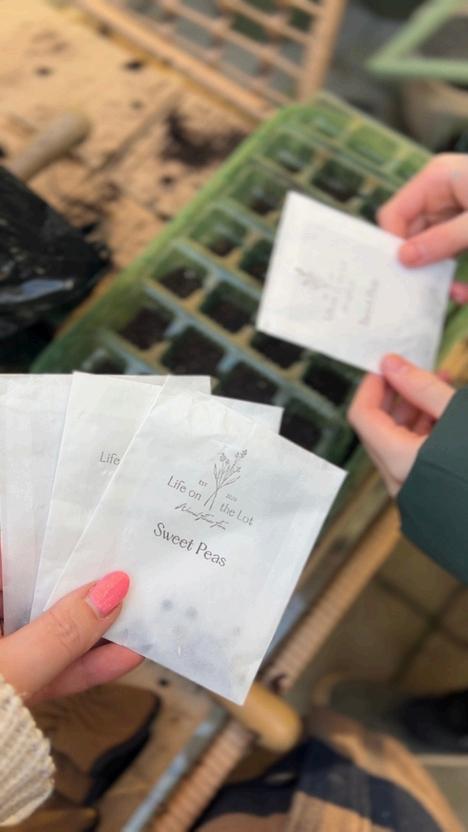
The first seeds to have been sown were a thank you gift from Jen at the Wirral Flower Farm of Sweet peas Back last February I joined Jen at her flower farm, along with my friends Tori and Kelly, as we helped her complete the first phase of infrastructure We spent the weekend creating new flower beds, wheelbarrowing an awful lot of manure across the field and sledgehammering posts into the ground for what would form the sweet pea growing frames It was such a fab weekend and I love that I will be reminded of this memory again and again in my own garden
Elephant garlic cloves have been planted and now that I’ve located my misplaced Broad bean seeds, they will be next to get sown My February seed sowing list consists of peas, chard, onions, dahlias and tomatoes. I always start my tomato season off around Valentines and I have a generous variety of seeds to pick from thanks to my obsession with Niall Radford’s stunning tomato collections. Crushed heart and Alice’s dream are top of my list for taste, along with Ananas Noire and Black beauty. I also have saved seeds from last year ’ s cherry varieties to sow too.
Join me next time where I’ll be sharing how these small winter jobs fit into the bigger picture for this year ’ s kitchen garden

Being a gardener, I had naturally taken an interest in the insects in my gardens, and often found myself distracted by the bees busy foraging around me. I’d toyed with the idea of beekeeping for many years but hadn’t really had the opportunity to explore it. Seven years ago, I decided to investigate the idea and signed up for a Beekeeping Experience and then a full beginner’s course. The sound, the smell and the complexity of honey bees thrilled and excited me, and that was it, I was hooked
In my eagerness and naivety, I bought three hives from someone giving up beekeeping. I hadn’t looked in the hives, it turned out they were not in the best condition, and their temperament was not ideal for a beginner beekeeper. Luckily I enlisted the help of my husband, Ray – he had previously declared his dislike of ‘buzzy things’ but I think he felt sorry for me so braved a beekeeping suit and got involved With his help and the guidance of a local Mentor we managed to get the bees healthy and happy
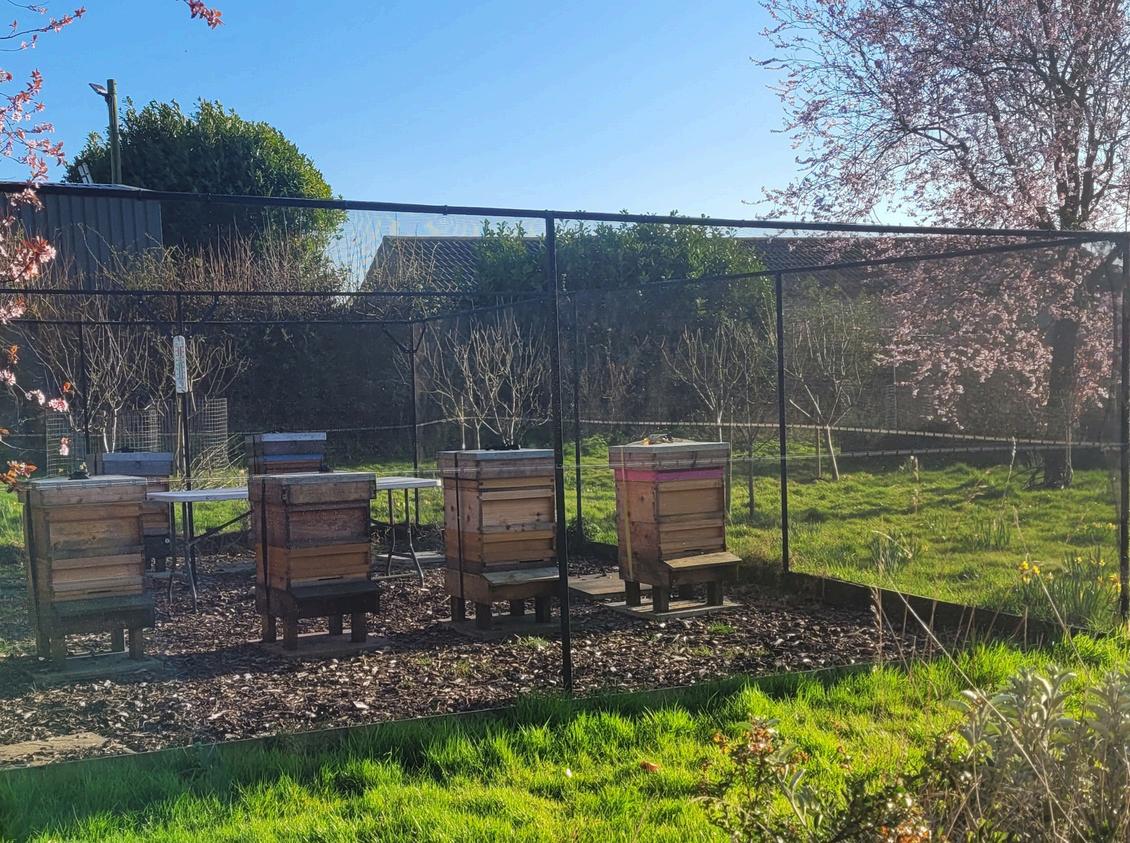
That first year was certainly a baptism of fire However, we learnt an incredible amount, and I absolutely adore being a Beekeeper We now have eight hives in our garden and many more at our other ‘out’ apiaries We also manage and mentor at the community apiary in our village
February is a worrying time for Beekeepers I am desperate to open our hives to ensure the bees are alive and well. But the weather is too cold for that. Honey bees maintain their hive temperature at around 33 °C, even during the winter. They do this in winter by forming a tight cluster around their queen and vibrating their wings and bodies to keep themselves warm. As the worker bees on the outside of the cluster cool down they move inwards and are replaced by their sisters. They slowly move around the hive, eating their honey stores which were built up in the autumn. Opening the hive at this stage of the year reduces the temperature inside drastically and it can take the bees many days to recover, and sometimes they struggle to recover at all
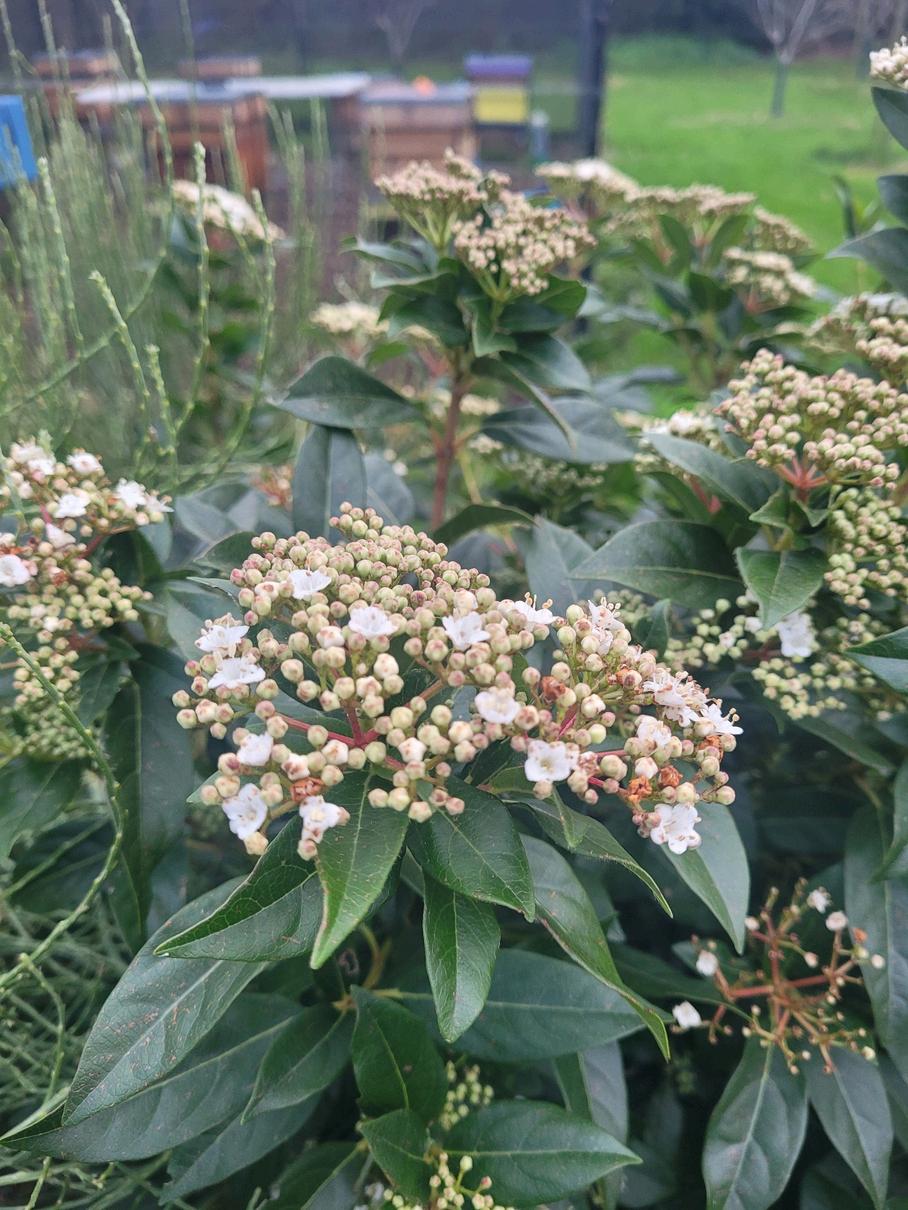
Vibernum.
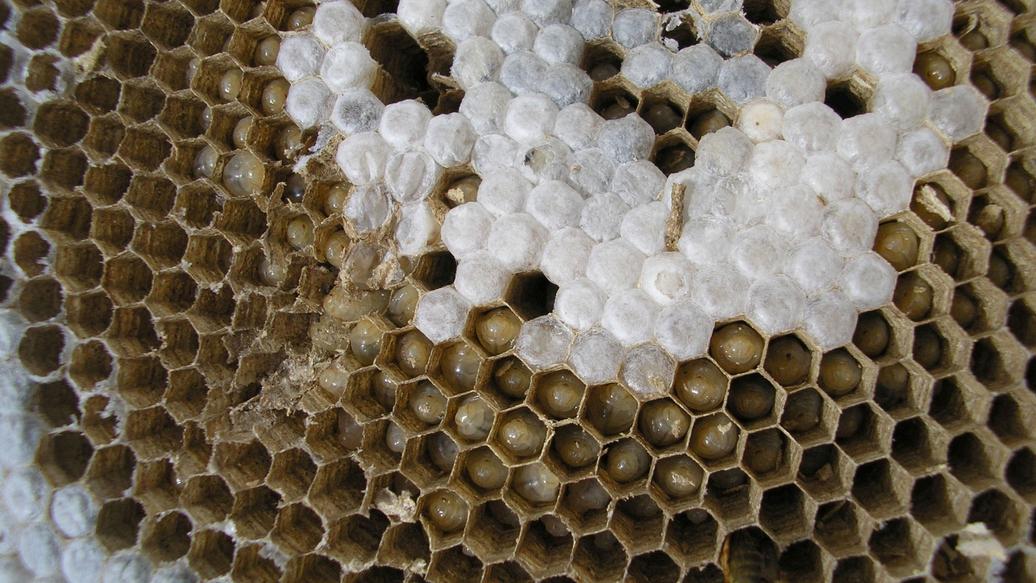
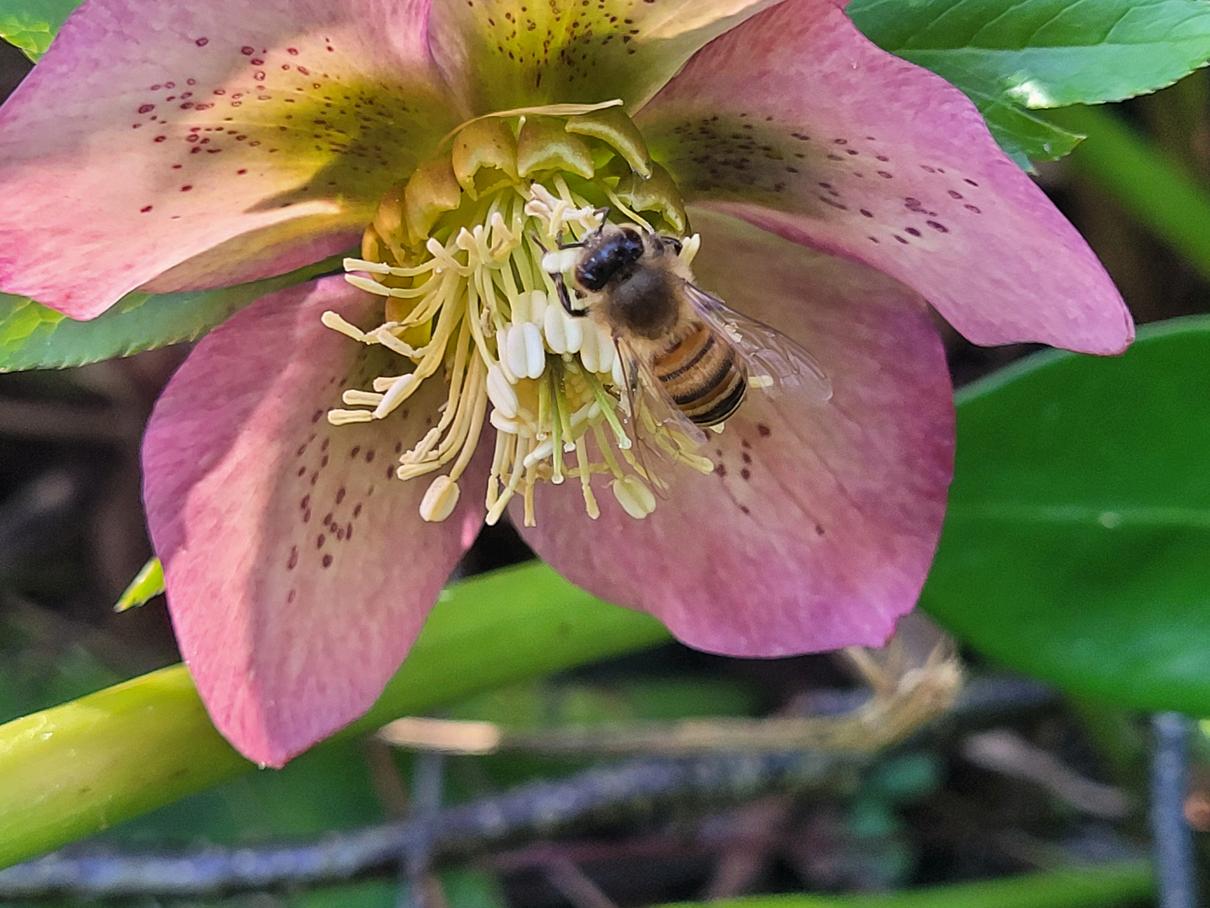
Instead, I observe our hives from outside and look for signs that the bees are well. I may see the odd dead bee on the landing board outside, indicating the Undertaker bees are cleaning the hive I may see wax cappings underneath the hive signifying honey is being eaten
On bright sunny days I will see some worker bees fly from the hives, mainly on water collection and cleansing flights This is where they empty their bowels and search for water Bees can hold their waste for months at a time so a dry sunny day is a great opportunity for them to do this
With days lengthening, inside the hive, the Queen bee will resume laying worker (female) bees to build up her colony. Over winter, there are usually ten to fifteen thousand bees, with a full colony in the height of summer reaching up to between forty to sixty thousand bees. Indications of her producing eggs can be seen on those sunny days when the bees return from foraging flights with round beads of coloured protein rich pollen on their back legs to feed the young larvae
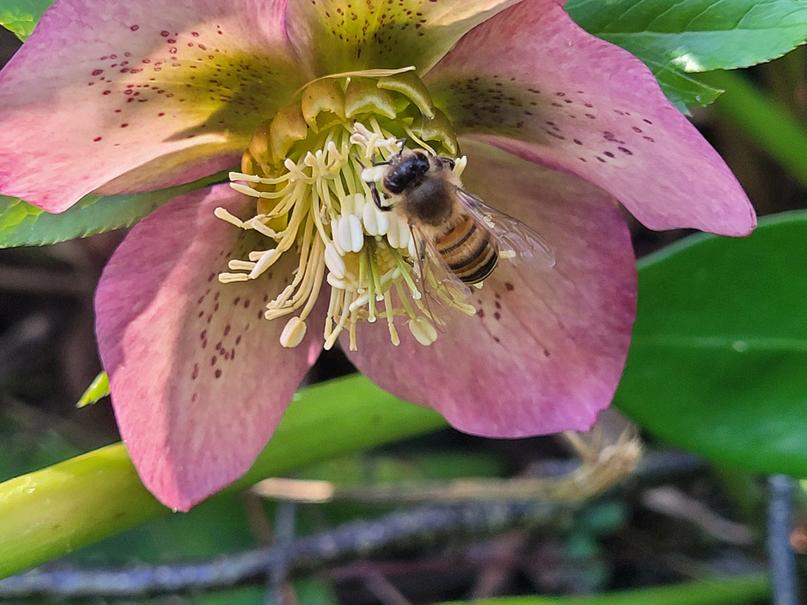
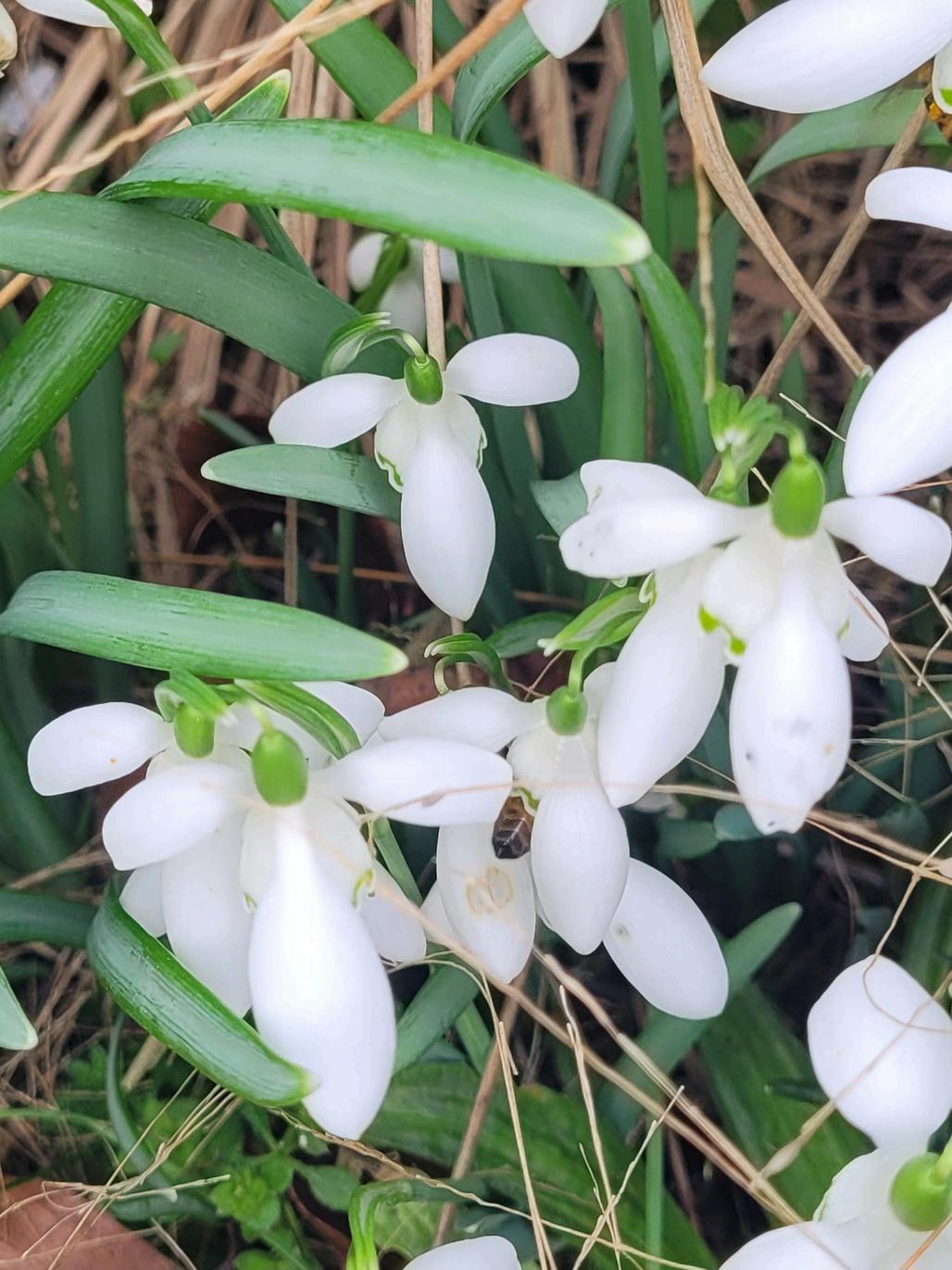
Honey bees won’t fly far in February, so having pollen and nectar rich plants nearby is incredibly important I grow hellebores, snowdrops and crocus, and let the dandelions flower Bushes such as Sarcococca Confusa and Vibernum Titus are nectar rich and evergreen I have pollen rich Hazel and if you have a damp garden Willow will provide this too I do provide the bees a contingency of a block of sugar fondant but as you can imagine they definitely prefer the real thing
Over the year I will be writing in Garden Folk Magazine about the fascinating world of Honey Bees and Beekeeping and hopefully inspire you to think about taking up this amazing hobby.
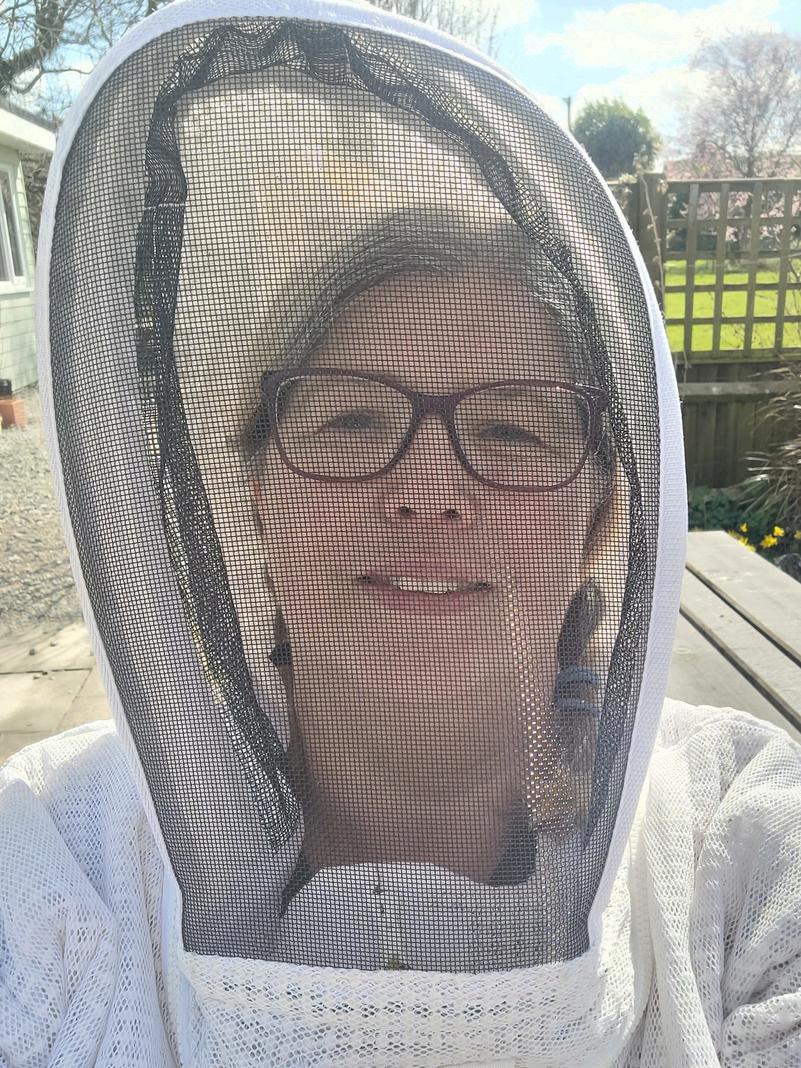
is ready for a year of beekeeping.
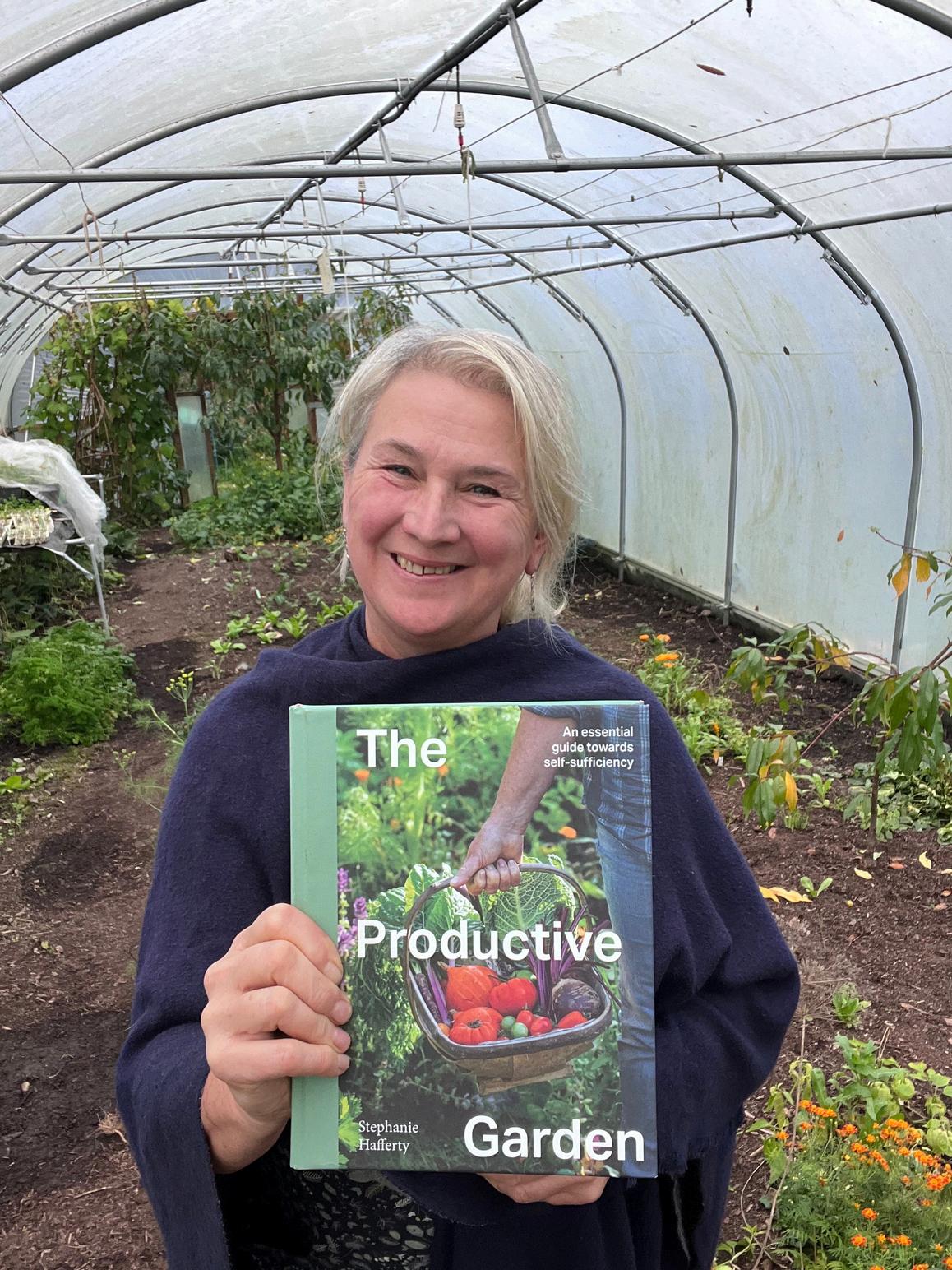
What is a productive garden? Put simply, it is a growing space which produces crops to harvest year-round. It can be large or small, or just a few pots on a windowsill or balcony. It is a way of participating in a more sustainable and self-sufficient lifestyle in the day-to-day reality of modern life. Even the smallest spaces can have a big impact.
This book covers the skills you need to create a productive garden, whatever the size of your space, without spending a lot of money, and with biodiversity and the environment at its heart – from the soil to harvesting the crops It also explains what to do with your harvests, covering a wide range of homesteading skills
I wanted to write the book to inspire people to grow some of their food, to feel confident in their ability to garden productively, to be more self-sufficient and self-reliant, and to light a spark to encourage readers to find out more In gardening, ‘ every day is a school day’ – there is always something new to learn
I hope the book will be a companion on your journey to homesteading and growing some of your own food I hope it becomes dog-eared, marked by soil-stained fingers and recipes splashed from preserving your harvests.
I have always felt a connection with the outdoors From an early age I loved to spend time outside. My greatgrandad Ernest Stead had an urban allotment near to his terraced house in Bradford, West Yorkshire, where he grew vegetables and kept chickens. So I knew that people could grow some of their own food. In my late teens I discovered a book in a charity shop which set me on the journey of growing and foraging edibles. Published in 1955, Home-Made Country Wines by Dorothy Wise opened my eyes to homebrew. I started to grow marrows for rum and explored the local lanes in search of seasonal fruit to make wine I think I was the only student to arrive at my university digs with several demi-johns of homemade wine
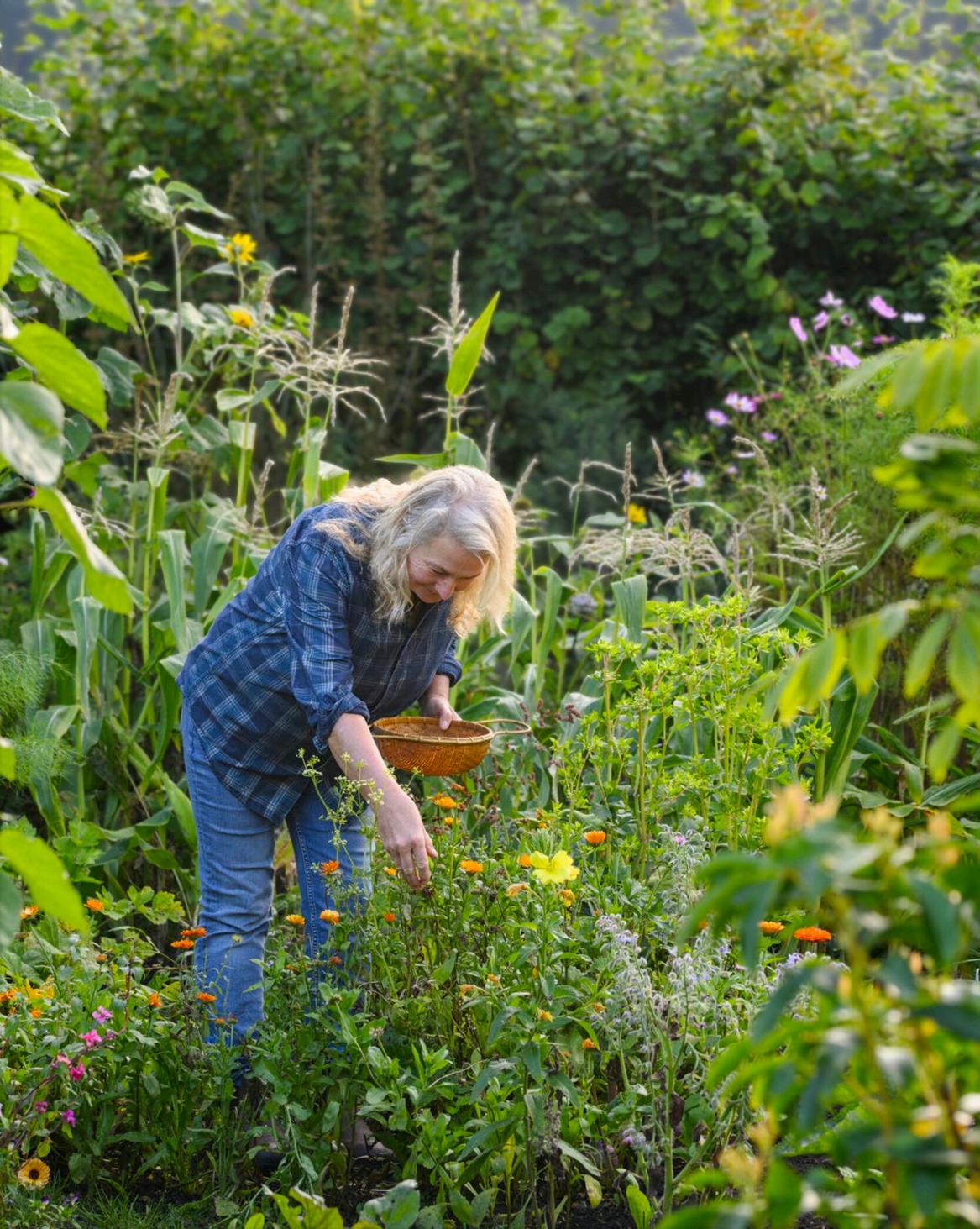
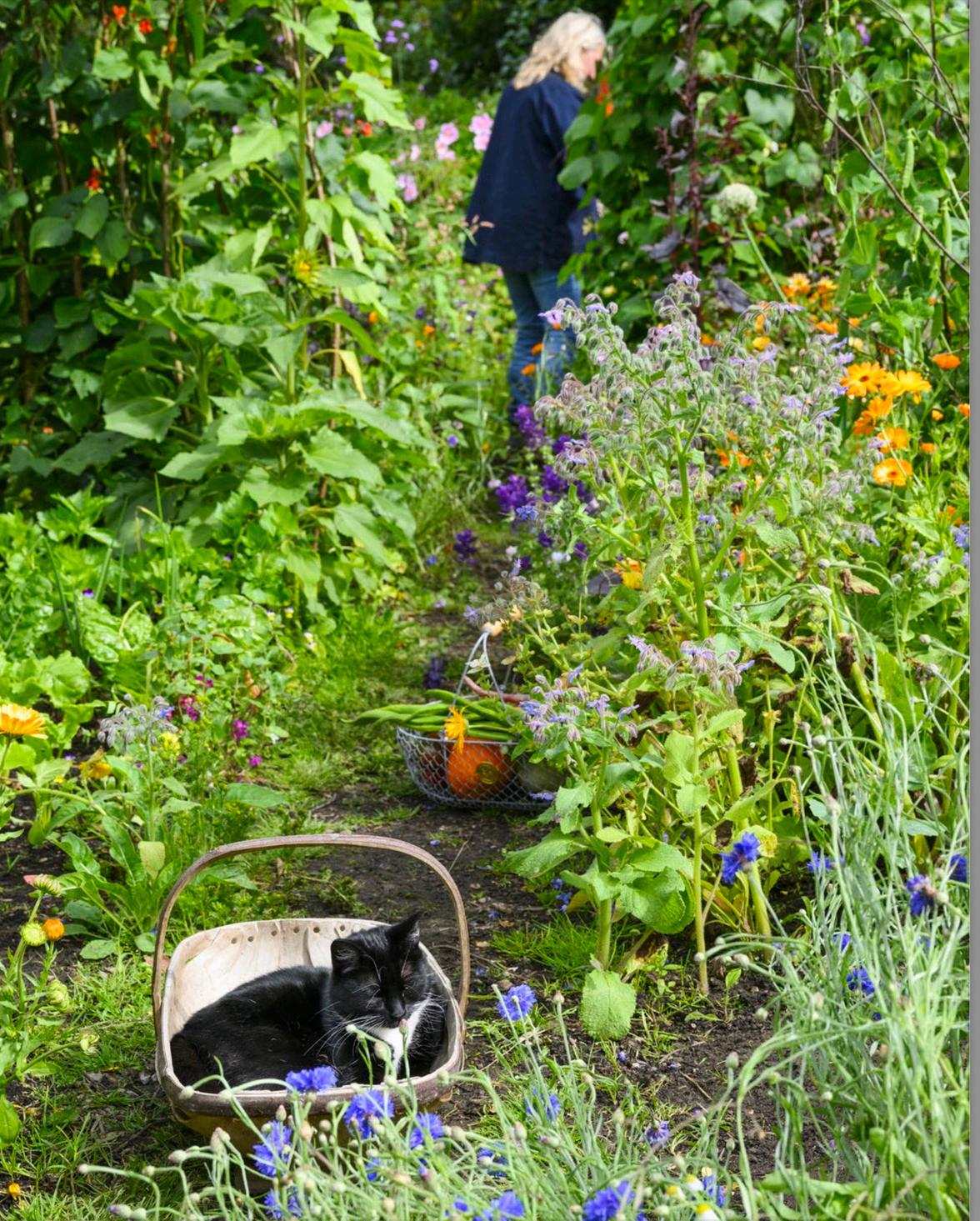
I started gardening on a small scale in Northamptonshire as a young English teacher, growing herbs and a few tomato plants ‘Growing my own ’ changed from a desire for booze to a concern for health, taste and also economy – to help out with my food budget An allergy to many domestic cleaning products meant I wanted to learn about more environmentally friendly alternatives Discovering traditional recipes in books inspired me to start making my own cleaning and body care products
Armed with a copy of Geoff Hamilton’s Organic Gardening, my urban veg patch grew after my daughter was born in 1994 and I wanted to feed my children as healthily as possible. By the time my third child arrived in 1999 – now living in rural Wiltshire –our small homestead included an expanding veg and herb garden, a rickety greenhouse, chickens and ducks. Inspired by permaculture techniques (see p.12), I gardened organically, learning as much as I could from books and Permaculture magazine
The need for more house space meant a move to Somerset where property was cheaper We bought an ex-council house on the edge of a market town which came with a 9 × 30m (30 × 100ft) garden and a greenhouse I started a new garden, which gradually grew in size as my children got older Now a single mum of three with a small income, I seized the opportunity to grow more food to support our budget by taking on a nearby allotment This was supplemented with foraged foods from the local hedgerows
Struggling to make ends meet while self-employed, I applied for a job at a local market garden picking salad. On my first day, a crew from BBC Gardeners’ World was there to film. I stayed for two and a half years, learning no-dig gardening and commercial growing skills. This was an unexpected career change; I never thought that my love for growing would be transformed from a hobby to paid work. I started writing for gardening magazines and speaking at local events: my teaching skills proved very useful here
Next, I was asked to create a veg garden on a large private estate: Hadspen This led to other work, including creating a bar garden for a local restaurant (the homebrew book came in handy), and running the kitchen garden for Sir Cameron Mackintosh and Michael Le Poer Trench for three and a half years At the same time, I helped to set up a new no-dig market garden, where I also worked as a plant-based chef for day courses, and ran a small kitchen garden for a local restaurant. I kept writing articles and books, became a garden consultant, and continued to teach gardening and homesteading skills at events.
In 2021 I moved from Somerset to rural Wales. I found a threebedroom cottage in a village with around half an acre of garden and a tiny greenhouse, and started creating the new homestead almost immediately. At the same time, I was project managing the creation of a show garden that I had designed for the RHS Hampton Court Palace Garden Festival This meant moving to London for almost a month in late June, so at home I made and planted up a few veg beds, starting the rest when I got back
On a tight budget and almost entirely by myself (with some help building the polytunnel), I have gradually expanded the growing areas to increase productivity and biodiversity, adding a pond (my son Ruairi dug that), a wide range of wildlife habitats and a lot of soft fruit I was delighted to welcome BBC Gardeners’ World in August 2022 to film In 2023, I started to run courses and workshops here
A garden is never ‘finished’. This year ’ s plans include creating more under-cover space to extend the growing season, making more veg and herb beds, and expanding the range of perennial edibles.
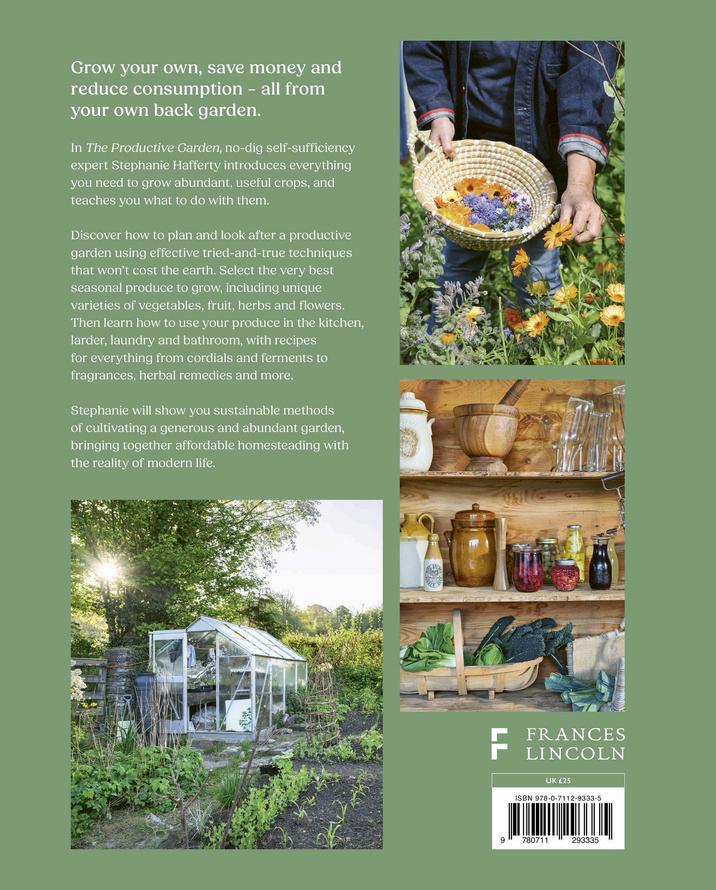
Stephanie’s book is divided into three clear sections - In the Garden, Seasonal Produce and Using your Harvests.
Filled with planning advice, how you can work with nature to create a biodviverse garden, recipes for using all those harvests and so much more. Whether you want to start small, have already embarked on a journey to self-sufficiency, or are looking for a complete lifestyle change, this will become your go-to book and essential guide.
As a leading no-dig and permaculture expert, Stephanie will show you sustainable methods of cultivating a generous and abundant garden, bringing together affordable homesteading with the reality of modern life. Her guidance is brought to life by Jason Ingram’s beautiful photography.
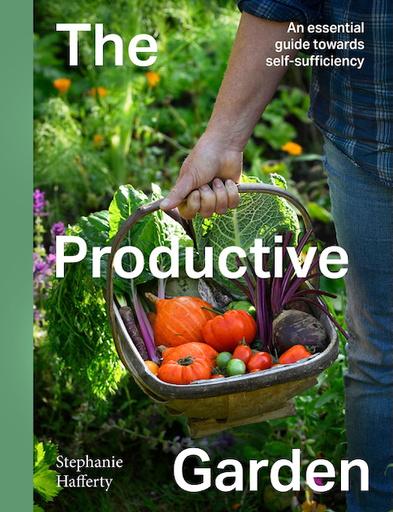
Pre-order in the UK here
Pre-order in the US here
Why not grab yourself a signed copy!
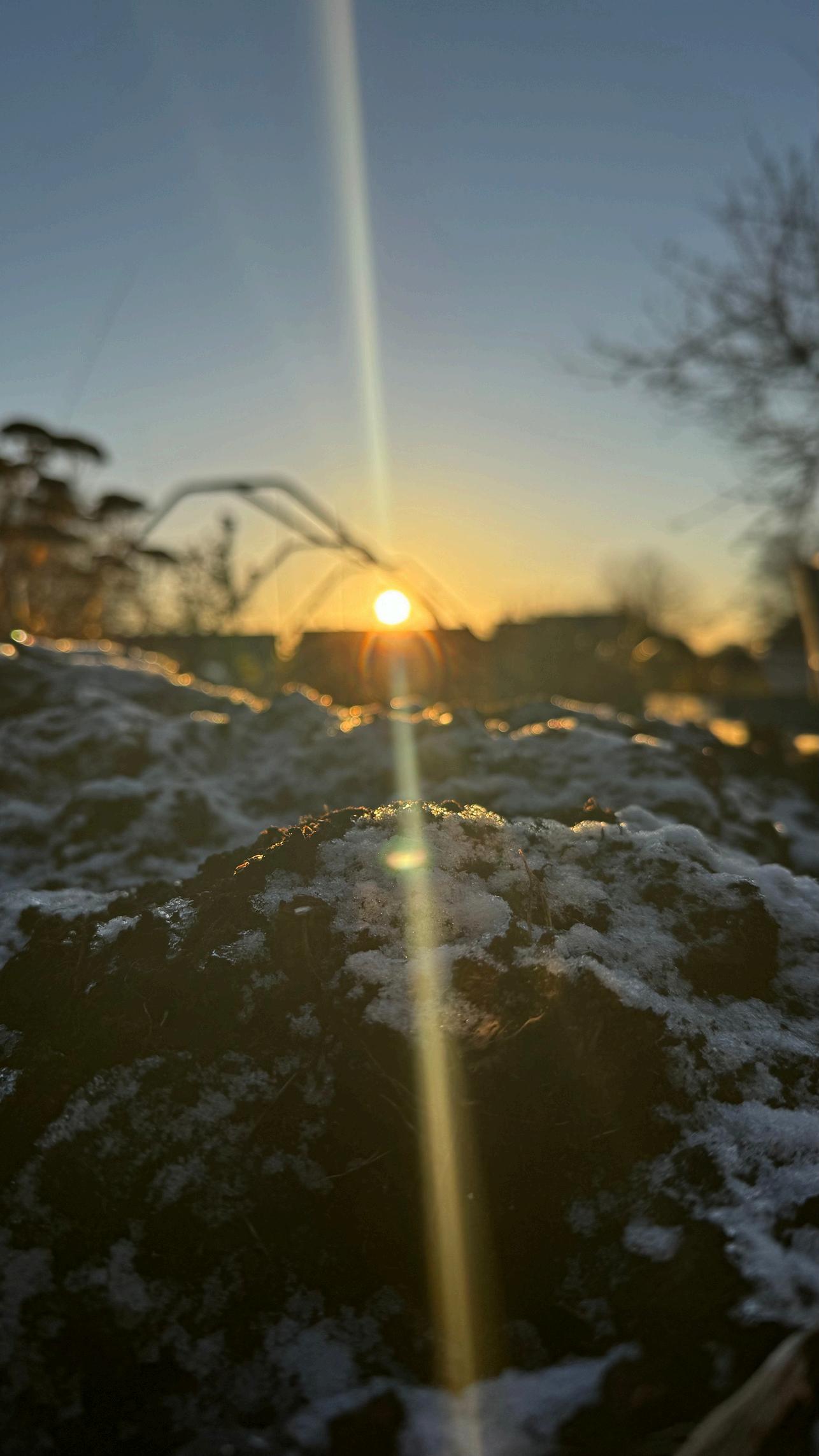
“Compost is more than a garden task. It’s an act of care, patience, and renewal. Whatever space or scale you grow in.”
Many of us are already realising that our New Year’s resolutions haven’t quite stuck Perhaps they were too ambitious, or maybe they weren’t quite close enough to our hearts Whatever the reason, it’s important not to be hard on ourselves when things don’t go to plan It’s never too late to pause, take stock and try again Nature pauses and starts again, season after season With strong foundations beneath us, so can we.
One thing I love about gardening is the permission it gives us to try again. If seeds don’t germinate, we resow. If plants struggle, we learn and adapt. There is no judgement, only the quiet understanding that growth takes time. If things don’t go to plan in the garden, we forgive and try again. With the Lunar New Year falling in February, it feels like a natural pause point. A softer reset. One that aligns more closely with nature, rather than the man made calendar. It’s a moment to look beneath the surface and focus on foundations,in life, and in the garden. Soil.
Soil health is the starting point for everything we grow. Much like our own bodies, soil needs nourishment, balance, and rest. When we focus only on the surface, quick fixes, instant results and we miss the deeper work that sustains long term health Compost is one of the simplest, most effective ways to support that deeper work
I’ll be honest my composting journey hasn’t been perfect! At one point, my bin became home to a wasp nest, a tangle of brambles, and a rogue chard plant that refused to die But composting doesn’t need to be tidy or textbook to be effective What matters most is variety, a mix of garden waste, cardboard, and kitchen scraps, all layered and left to do its quiet work
Composting doesn’t have to look one particular way It doesn’t require a large garden or multiple bays At its heart, composting is simply about returning goodness to the soil, whatever space you have That might be saving coffee grounds from the kitchen (rich in nitrogen and loved by worms) or collecting vegetable peelings to add to a small bin. For families, a worm farm can be a wonderful place to start. A living lesson in patience and responsibility, and a fascinating way for children to see how waste becomes something valuable.
In smaller gardens, rotating compost bins or tumblers work well. They’re neat, contained, and easy to turn. On a larger scale, composting can be as simple and resourceful as using reclaimed pallets, like I have done on my allotment. Mine aren’t perfect, and they certainly aren’t pretty, but they work. Over time, this homemade compost improves soil structure, helps retain moisture, and feeds the micro organisms that plants rely on. It’s slow work, but deeply satisfying and a reminder that soil health isn’t about speed, but about steady care.
When we spread compost back onto our beds, we ’ re investing in resilience. Healthier soil copes better with drought, heavy rain, and changing conditions. Plants grown in soil that is alive, are stronger, more balanced, and better able to support us in return.
There’s something comforting in that cycle Nature pauses and begins again, season after season And when we focus on strong foundations beneath us, in our soil and in ourselves, we give growth the best possible chance

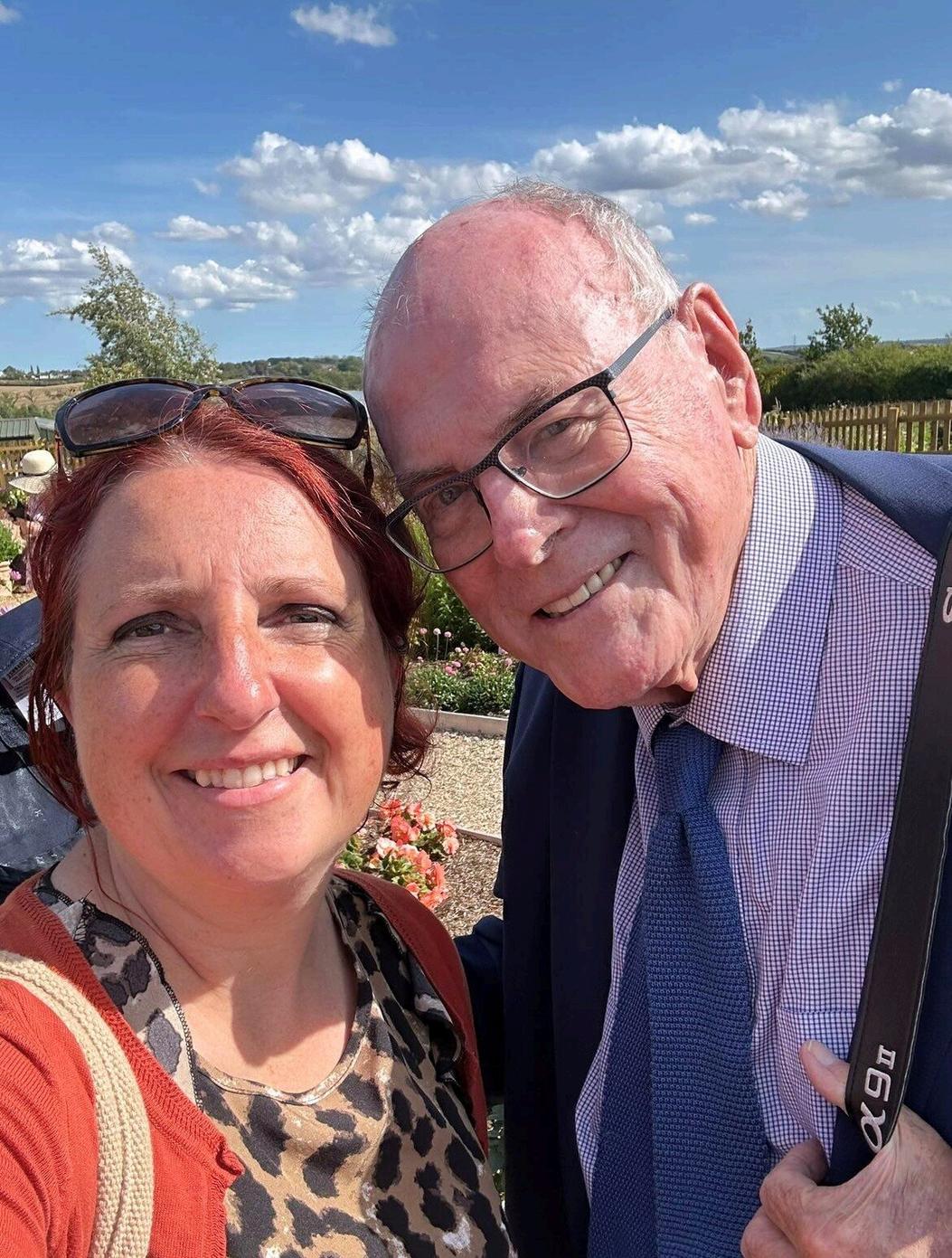
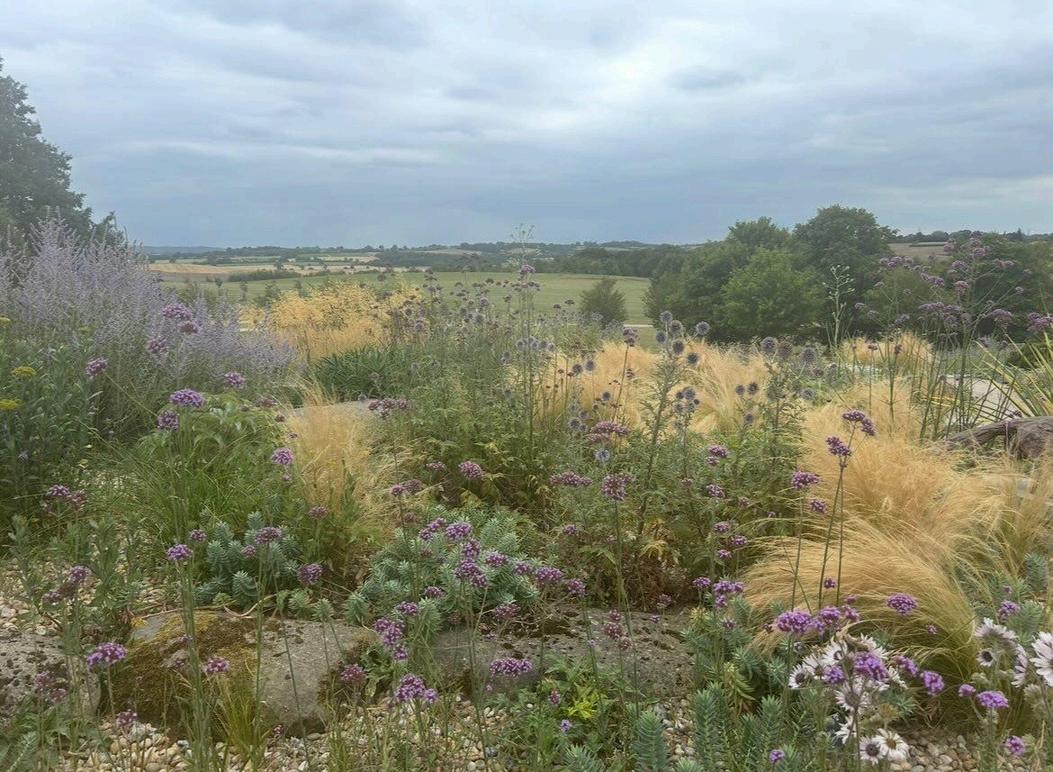
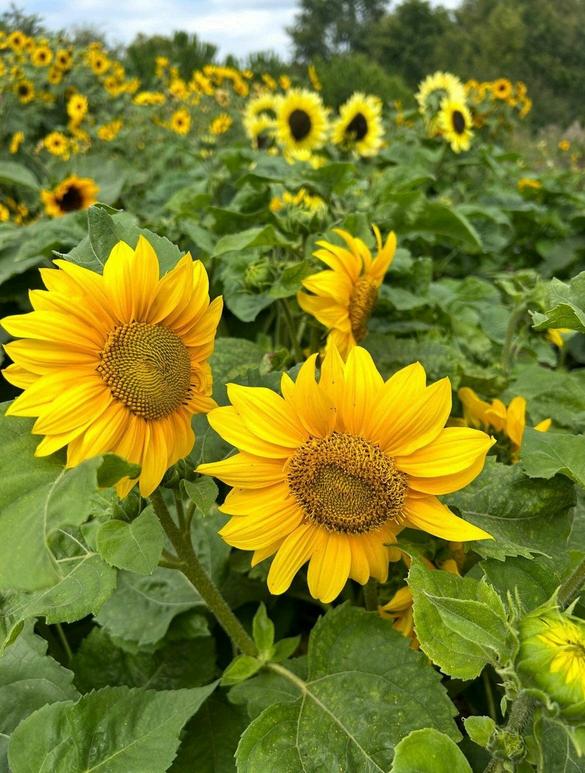
In August 2024 I stepped through the historic gates of RHS Hyde Hall in Essex for the very first time. I was here by invitation, primarily to visit the now well-established flower trials of ‘Floral Fantasia’ and secondarily to view the incredible gardens which span an impressive 360 acres. The much-celebrated Floral Fantasia trials boasted new varieties of sunflowers which competed in yellows, oranges, reds and chocolates to be crowned the illustrious newcomer on the block.

Flash forward to August 2025 and I was thrilled to be invited back for a second year of reviewing and voting on the Floral Fantasia trials As I stepped into the garden arena of vibrant blooms, I knew exactly what to expect – or did I? With towering sunflowers of gold gone, the site had been resculpted into a sea of vibrant begonias in reds, pinks, whites and oranges Was I really standing in the same place?
Floral Fantasia is well-established as an annual project, first planted in 2018 and now a staple of the plant development shaping the market and subsequently our own gardens Hosted by The RHS and sponsored by Miracle-Gro, the 2025 iteration is keen to continue its pledge to sustainability, using peat-free resources and looking to see which plants are most attractive to the pollinators as well as to us gardeners, observing how they perform under real gardening conditions. The summer of 2025 had been long and dry, and on the day I visited it was no exception with the mercury tipping a sultry 30 degrees. Make no mistake – these plants were battling it out for the top spot.
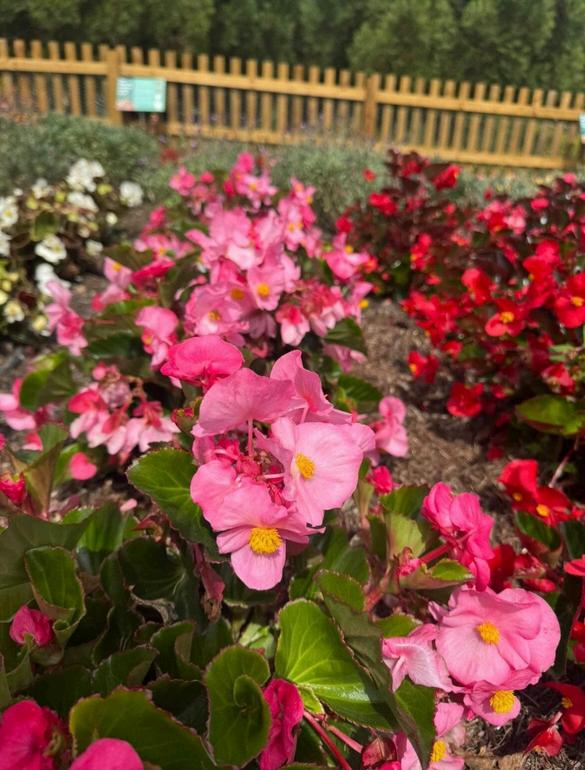
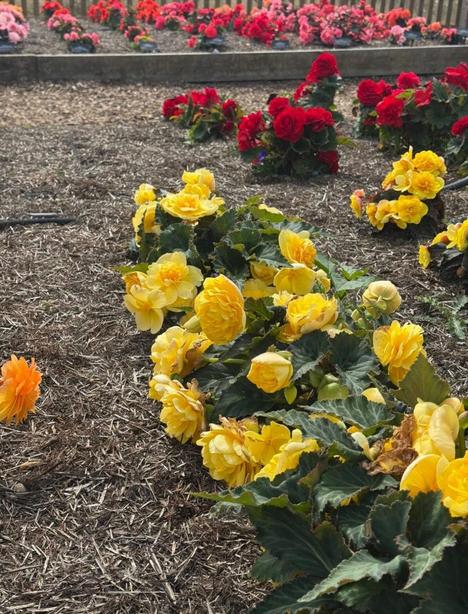
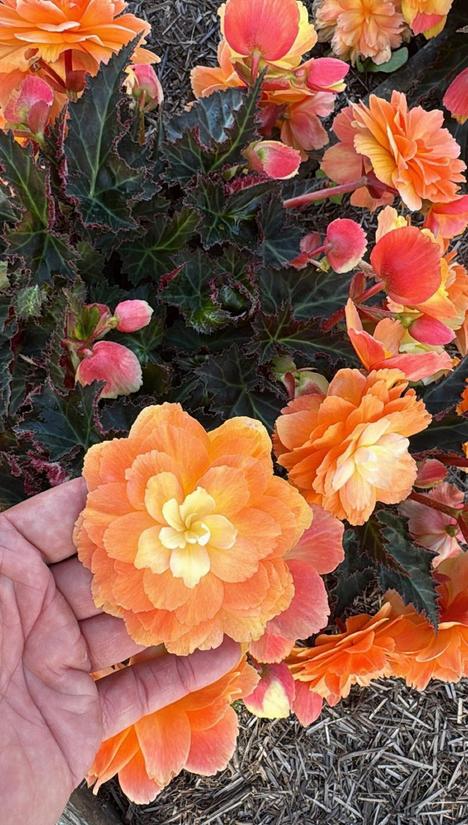
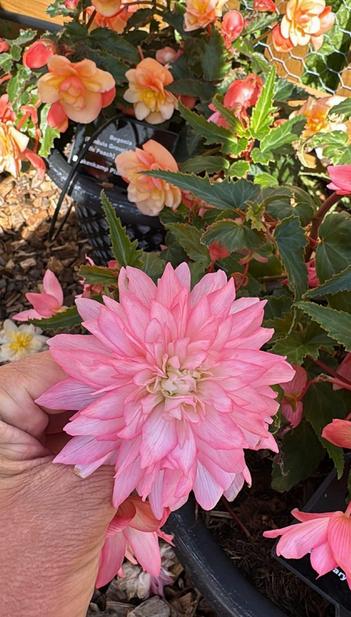
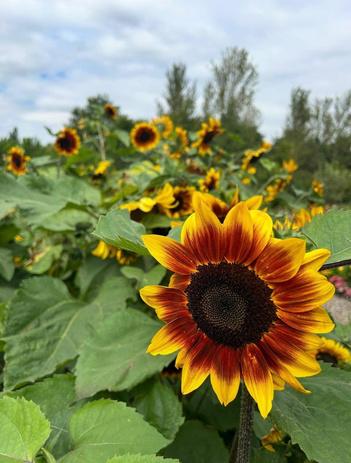
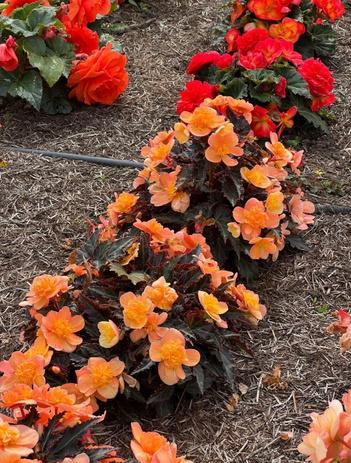
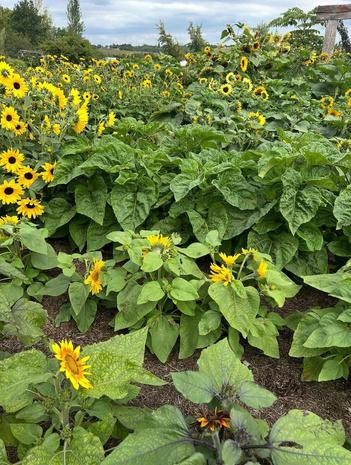
The pollinators certainly had plenty to choose from. The area is run like an outdoor laboratory for the trials, boasting more than 400 plants of 105 distinct cultivars. One half is an open field where the begonias can be seen side by side for comparison; and there was a dramatic array of leaf curls, spotted, wavy, textured, mottled, smooth, and petals in single, double and in all colours, each as vibrant as each other
The chocolate leaf varieties seemed to be real favourites as they injected a strong element of drama and the unusual The second area showcased begonias as they might be grown at home, in hanging baskets, containers and chimney pots This paraded them in their full beauty I’m honestly not the biggest fan of bedding plants, and this felt like a complete 180 from the Sunflower trials of last year, but I couldn’t help being impressed by the row upon row of colourful perfection It was so inspiring!
Of course I got to meet some amazing people on the day, and one of my highlights was walking around with renowned press photographer for The Sun and Official photographer to the Royal Family, Arthur Edwards MBE. He told me he was great friends with the late Peter Seabrook who had been instrumental in creating the legacy of Floral Fantasia, and that they had spent a great deal of time at RHS Hyde Hall together. The garden clearly held treasured memories for him and it reminded me that that is exactly what a garden should be – a keepsake box of happy moments That’s what we all build as gardeners in our own gardens Happy memories
After losing myself in the vibrancy of the plants in the Floral Fantasia project, stepping out into the RHS Hyde Hall garden proper felt like a rest for the senses and highlighted how the Floral Fantasia garden really is the jewel in the crown Meandering through the rest of the gardens, the wide open spaces and a more muted palette, these gardens which have recently been remodelled by James Alexander Sinclair, were a joy to wander and once again I made a beeline for the dahlias, rose garden and dry garden With so much to see at RHS Hyde Hall I would thoroughly recommend a visit, although one day is never enough. I can’t wait to see what 2026 has in store and I’ll definitely be visiting again soon!
you like to write for

We are always looking for new writers to join the team, no experience needed and everyone is welcome.
If you have a story you would like to share or just want to try your hand at writing, get in touch and pop us an email

Get in touch
Winter has been a busy time on the flower farm.
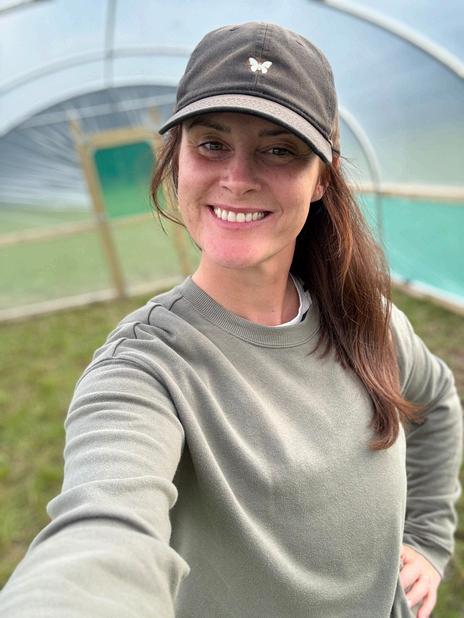
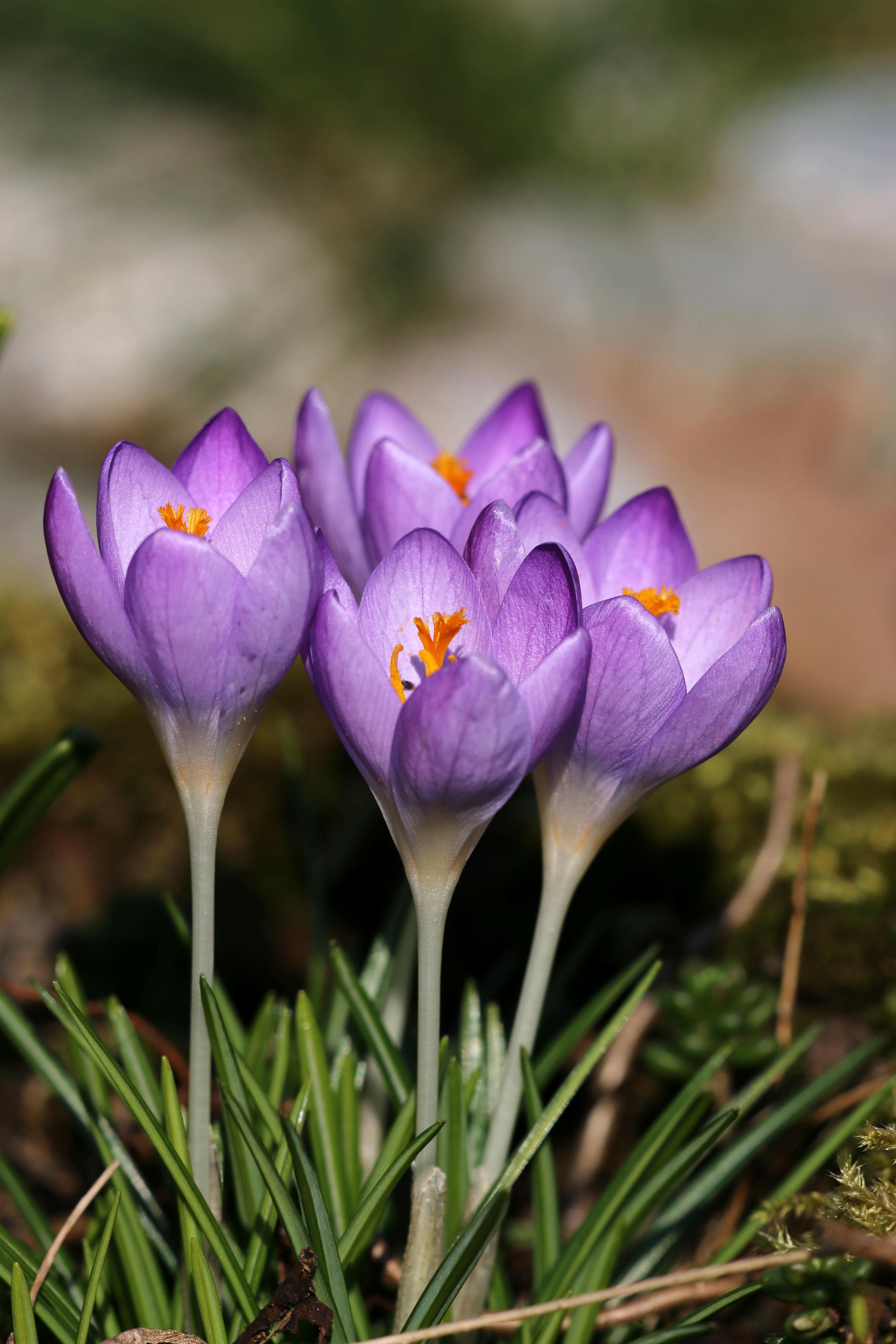

It’s been a few months since the last entry of Notebook of a Flower Farmer as we rested for a little winter break. But now I’m back as the first snowdrops and crocus are beginning to appear which must mean that spring is well and truly on the way.
What you might not know is that the winter period is busy for flower farmers It’s a chance to:
Take stock of what went well last year so we can plan the year ahead
Order new perennial stock – hello smoke bush! Website edits… (least favourite!)
Seed sowing spreadsheets – IYKYK…
And probably many more jobs that have been ticked off over the hibernation period!
But one of the best things about winter is the Flowers from the Farm Conference Flowers from the Farm is the trade organisation representing flower farmers in the UK, offering learning and support opportunities all the while championing British Flowers.
January’s conference was a real chance to network with other practitioners across the country but also the chance to listen to some amazing speakers. A particular highlight was the Agro-Forestry talk from Joshua Sparkes of Birch Farm in Devon. Which highlighted the natural approach to farming and the changes we need to be looking at to support and respect local eco-systems
Another interesting topic was how AI can be used to make a flower farmers job easier from being able to identify early signs of disease and crop estimations This made for a great debate in the carpool on the journey home as we debated the environmental trade-offs AI comes with
If you are a budding flower farmer – I would highly recommend joining Flowers from the Farm and hope to see you at next year ’ s conference
Be sure to check out all of Jen’s new workshops for 2026. There is something for everyone - seed sowing, spring bouquets, flower crowns, wedding flowers and so much more!
Check out Jen’s website for all the courses available


...and help us keep making the Garden Folk Mag
We appreciate all the support given to the magazine by all the Garden Folkour readers, writers, industry supporters and anyone else who cheers us on Running the magazine each month does incur financial costs though, so if you are able to contribute, either with a one off payment or by becoming a member, it would really help to keep the magazine going... and growing.

There are currently three membership tiers to choose from, all with great benefits












February is a month of slow beginnings, a bridge between the winter and the spring to come. We start the month with small signs of new life and despite the temperatures and weather still feeling distinctly winterish, the increasing light and growth will hopefully help us end the month on a brighter note
Flowers
(indoors)
Petunias
Cosmos
Conflowers
Nicotiana
Snapdragons
Rudbekia
Dahlias
Bare root Roses & Shrubs
Chillies, Peppers and aubergines (indoors, with some heat)
Peas
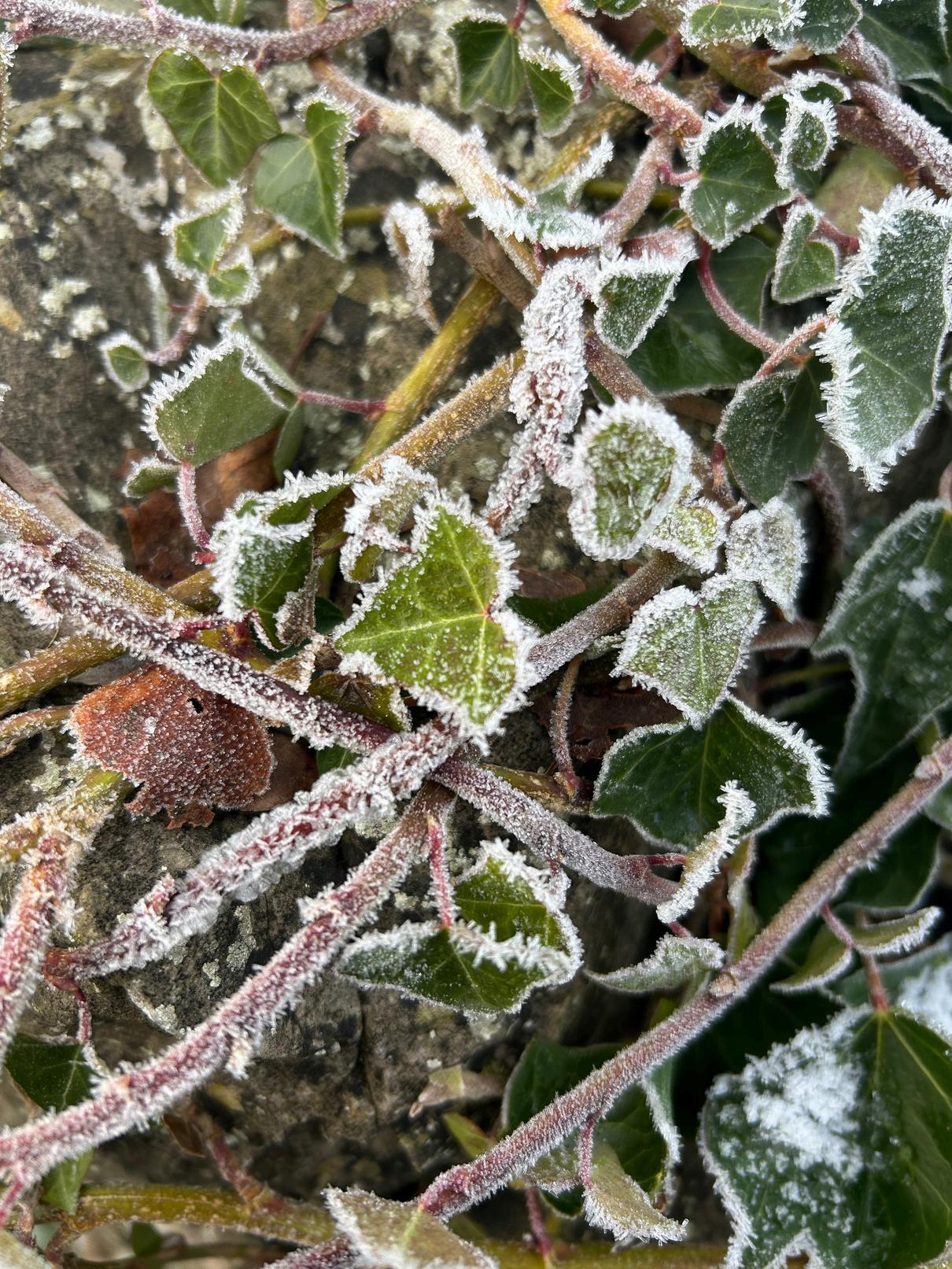

Getting out in the garden over the winter is so important for our health and for the garden but this month you might actually ‘want’ to be out there!
Now is a good time to transplant shrubs while they are still dormant
Finish winter pruning fruit trees and bushes
Pot up some containers with cheerful spring flowers such as primroses, wallflowers and forget-me-nots
Keep feeding the birds
Come and join the @gardenfolkmag team for live garden updates throughout the month over on Instagram.

Come and join our happy garden community. Features, interviews, competitions and a whole lot of laughter and positivity along the way We are Mollie Green and Darren Rudge, come join us
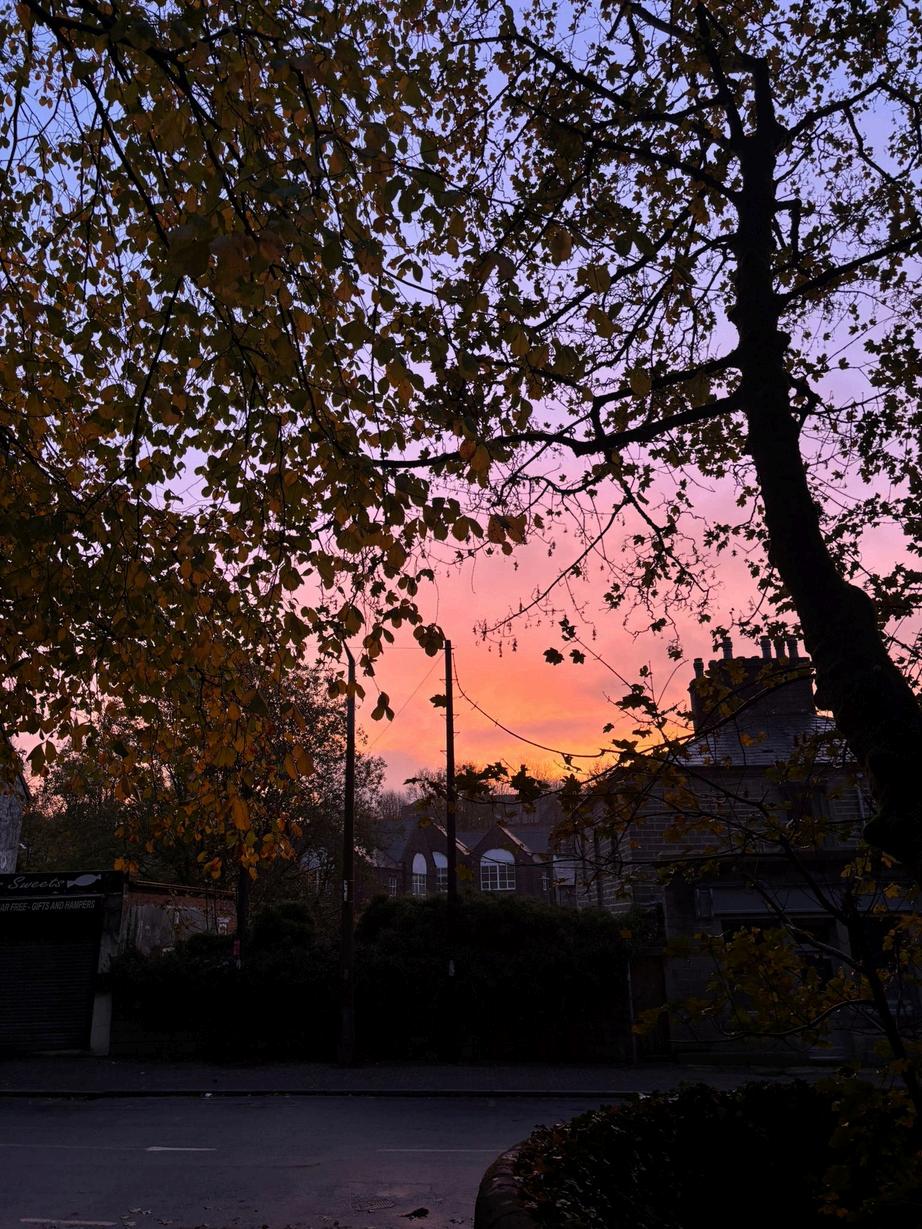
Brush off any significant snow from evergreen trees and shrubs to prevent branches snapping under the weight.
Cut back ornamental grasses.
Start planting summer bulbs in pots under cover
Plant dahlia tubers in trays of compost and use the shoots as cuttings to create new plants
Prune Buddleia and Elder to the base if you wish to restrict their height
Consider placing cloches or fleece over strawberry plants to encourage and early crop.
Coppice hazel and willow for plant supports.
Wash greenhouse glazing, cold frames and polytunnels

If you’re in need of Garden related ‘stuff’ remember that Garden Folk Supporters get some amazing discounts with some great companies!
Set the date for March 6th for the next issue