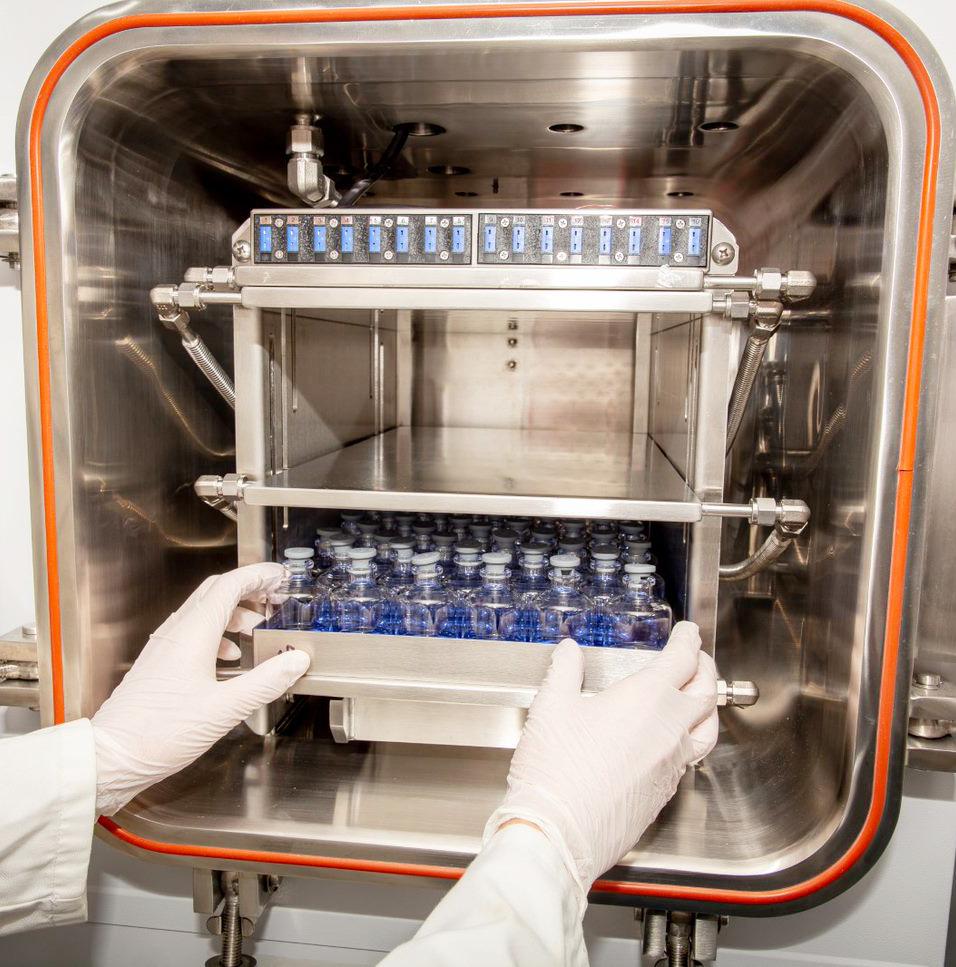
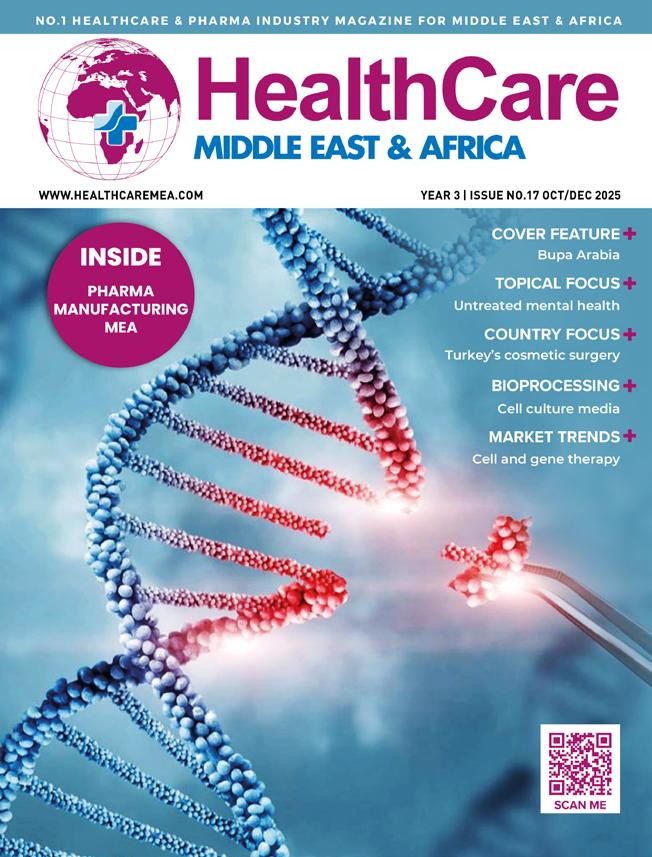
future of cell culture media: Chemically defined, high-performance, and AIformulated
COVER FEATURE: BUPA ARABIA
Bupa Arabia bridges healthtech and fintech at Money20/20 Middle East
DISEASE FOCUS: AUTISM
Autism in the Middle East and Africa: Voices, visibility, and the long road to understanding
TOPICAL FOCUS: UNTREATED MENTAL HEALTH
The growing burden of untreated mentalhealth issues
Year 3 | Issue No. 17 | Oct-Dec 2025
FOUNDER & PUBLISHER
Francis Juma
SENIOR EDITOR
Alphonse Okoth
EDITOR
Vincent Moranga
Victor Atsali
Leah Wamuyu
EXTERNAL CONTRIBUTOR
Mark Adams
BUSINESS DEVELOPMENT DIRECTOR
Virginia Nyoro
BUSINESS DEVELOPMENT ASSOCIATE
Johna Sambai
HEAD OF DESIGN
Clare Ngode DESIGN
Monica Wachio
ACCOUNTS
Anita Kinyua
PUBLISHED BY: FW Africa
P.O. Box 1874-00621, Nairobi Kenya
Tel: +254 725 34 39 32
Email: info@fwafrica.net Company Website: www.fwafrica.net
HealthCare MEA (ISSN 2307-3535) is published 4 times a year by FW Africa. Reproduction of the whole or any part of the contents without written permission from the editor is prohibited. All information is published in good faith. While care is taken to prevent inaccuracies, the publishers accept no liability for any errors or omissions or for the consequences of any action taken on the basis of information published.
We publish some of the most influential magazines and websites in Africa & the Middle East regions. Please visit the websites below for more information about our publications
Everyday healthcare struggles and the role of knowledge in the IMEA region
For millions across developing nations, a simple trip to the doctor can feel like navigating an obstacle course. Long queues, limited access to specialists, and the soaring cost of essential treatments turn what should be routine healthcare into a daily struggle for families.
Behind every statistic is a human story: a mother traveling hours to reach a clinic, a patient waiting months for a critical diagnosis, or a healthcare worker juggling dozens of patients with limited resources. These realities highlight an urgent need not just for better medical infrastructure but also for access to reliable, actionable information.
Knowledge has become the bridge between challenge and solution. In the IMEA (India, Middle East, and Africa) region, timely insights empower healthcare providers, policymakers, and innovators to make informed decisions, implement effective interventions, and ultimately improve patient outcomes. It is with this mission that Healthcare Middle East & Africa presents Issue 17, designed to close the information gap and highlight trends shaping healthcare across the region.
This edition covers a spectrum of critical topics. Our startup feature examines Bupa Arabia’s work at Money20/20 Middle East, showing how integrated healthtech and fintech solutions are transforming patient experiences, expanding access to care, and creating sustainable health financing models.
For clinicians and families alike, the disease focus on autism offers an in-depth look at diagnostic innovations, treatment strategies, and community-based care frameworks that are vital for early intervention in developing nations.
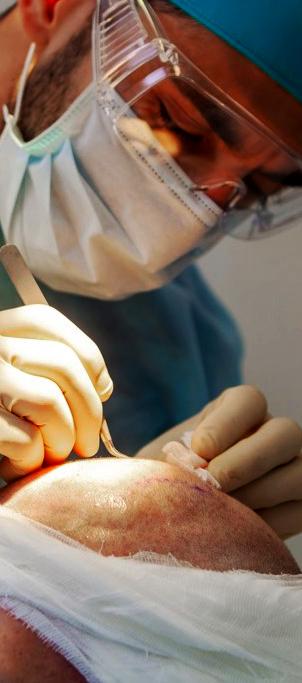
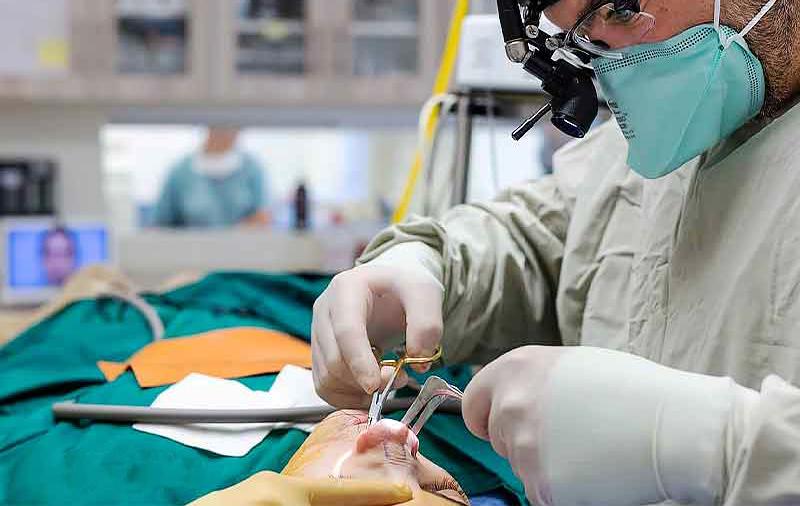
Issue 17 also explores country-specific developments, spotlighting Turkey’s thriving cosmetic surgery market. The feature uncovers trends, regulatory landscapes, and patient safety considerations shaping one of the region’s fastest-
growing medical sectors.
Meanwhile, for pharmaceutical and biotech professionals, the formulation focus on new approaches in protein stabilization for complex biologics addresses one of modern medicine’s most intricate challenges, enhancing the safety, efficacy, and shelf-life of vital therapies.
Mental health, too, is brought into sharp focus. Once overlooked, the struggles of untreated conditions are now being recognized. Globally, an estimated 15% of people face mental-health challenges, yet only 2% of health budgets are allocated to services. With one in four individuals likely to experience mental-health difficulties at some stage in life, early awareness and intervention are crucial to reducing this growing burden.
Through these stories, Issue 17 underscores the magazine’s commitment to connecting healthcare leaders, practitioners, and innovators with knowledge that drives meaningful change. In a region where systemic challenges persist, platforms like Healthcare Middle East & Africa are essential: bridge the gap between information and action, awareness and improved care.
This issue is a reminder that progress in healthcare begins with understanding, collaboration, and the power of informed decision-making. This message resonates across every clinic, hospital, and laboratory in the IMEA region.
Enjoy the read!
Alphonse Okoth Senior editor HealthCare MEA
EVENTS CALENDAR
WHX Dubai
February 9 - 12, 2026
Dubai, UAE www.worldhealthexpo.com
Duphat Dubai 2026
March 24 - 26, 2026
Dubai World Trade Centre, Dubai, UAE www.duphat.ae/duphat-exhibition
Uganda Pharma & Healthcare International Expo 2026
March 26 - 28, 2026
UMA Show Grounds, Kampala, Uganda www.ugandapharmahealth.com
Maghreb Pharma Expo 2026
April 21 – 23, 2026
Algiers’s exhibition center – SAFEX (Central Hall), Algiers, Algeria. www.maghrebpharma.com
India Pharma Expo 2026
April 23 - 25, 2026
Hitex Exhibition Centre Hyderabad, India www.indiapharmaexpo.com
CPHI Middle East 2026
May 11 - 13, 2026
Riyadh Exhibition and Convention Centre, Malham, Saudi Arabia www.cphi.com
Pharma Futures East Africa
June 3 – 4, 2026
Sarit Expo Centre, Nairobi, Kenya www.pharmafutures-africa.com
Pharma India Expo 2026
July 7 - 9, 2026
Bombay Exhibition Centre, Mumbai www.pharmaindiaexpo.com
Africa Pharma Manufacturing Expo (Eastern Africa / Kenya Edition)
July 15 - 17, 2026
Sarit Expo Centre, Nairobi, Kenya www.pharma.afmass.com
Pharmatech & Health East Africa International Expo
August 19 - 21, 2026
Diamond Jubilee Hall, Dar es Salaam, Tanzania www.eastafricapharmed.com
Ethiopia reports first marburg virus outbreak in south Ethiopia region
ETHIOPIA — Ethiopia’s Ministry of Health has confirmed the country’s first outbreak of Marburg virus disease in the South Ethiopia Region.
Laboratory tests on samples from a cluster of suspected viral hemorrhagic fever cases verified the presence of the virus.
Genetic analysis by the Ethiopia Public Health Institute showed that the strain matches those seen in previous East African outbreaks.
Authorities have identified nine cases, with the virus affecting Jinka town in South Ethiopia.
In response, national officials are intensifying efforts through broad measures, including community-wide screening and isolation of confirmed patients.
Contact tracing is underway, accompanied by public education campaigns to curb further transmission.
Marburg virus belongs to the same family as the Ebola virus, making prompt response crucial.
The World Health Organization (WHO) and partner groups support Ethiopia’s government as it works to stop the spread and control the outbreak.
A specialized team with expertise in viral hemorrhagic fever has been deployed, bringing essential medical
supplies to reinforce local efforts.
The Marburg virus causes a severe and often deadly illness.
Fruit bats initially spread the virus to humans, who then transmit it through direct contact with blood or bodily fluids from infected people or contaminated items.
Early symptoms include high fever, intense headache, muscle pain, and fatigue, often followed by severe bleeding within a week.
Supportive care, such as rehydration with oral or intravenous fluids and symptom management, greatly improves survival chances.
The African region has faced previous Marburg outbreaks in countries like Angola, the Democratic Republic of Congo, Ghana, Kenya, Equatorial Guinea, Rwanda, South Africa, Tanzania, and Uganda, each providing valuable insights for response strategies.
MSD acquires Cidara Therapeutics in USD 9.2B deal to strengthen influenza prevention portfolio
USA — Merck & Co. (MSD) has agreed to acquire Cidara Therapeutics for USD9.2 billion, adding a promising, long-lasting influenza prevention drug to its portfolio.
The pharmaceutical giant will pay USD221.50 per share in cash to acquire the US biotech company, which developed an innovative drug platform called drug-Fc conjugates (DFCs).
This technology creates molecules with extended half-lives that work without activating the immune system.
Unlike traditional vaccines that rely on the body’s immune response, Cidara’s approach offers a fundamental shift in flu prevention.
The company’s lead product, CD388, combines a small molecule neuraminidase inhibitor with an Fc
fragment of a human antibody to target both influenza A and B infections.
According to Cidara CEO Jeff Stein, the drug transforms a potent enzyme inhibitor with poor characteristics into an effective treatment with improved properties.
CD388 requires only one dose per flu season, offering clear practical advantages over existing options.
CD388 is currently in Phase III trials (ANCHOR study) involving adults and adolescents at higher risk of influenza complications.
It previously showed positive results in the Phase IIb NAVIGATE study and received breakthrough therapy designation from the US Food and Drug Administration.
Dr. Dean Li, president of MSD
Research Laboratories, emphasized that the acquisition expands and complements MSD’s respiratory portfolio and pipeline.
MSD sees this acquisition as a major growth opportunity in the infectious disease sector, especially amid vaccine market uncertainties in the US.
The US government has supported Cidara with USD339 million in funding from the Biomedical Advanced Research and Development Authority to boost domestic manufacturing and establish an initial supply chain for CD388.
This follows MSD’s US10 billion purchase of Verona Pharmaceuticals earlier in 2025 as it works to strengthen its pipeline ahead of Keytruda’s patent expiration.
Roche secures CE Mark for automated
GERMANY — Roche has received CE mark approval for its Elecsys Dengue Ag test, a fully automated immunoassay designed to detect acute dengue virus infections with high accuracy.
The test identifies the non-structural protein 1 (NS1) antigen in human serum
Elecsys Dengue Ag test
and plasma, a critical marker present during the earliest days of infection, enabling faster and more reliable diagnosis.
A key advantage of the Elecsys Dengue Ag test is its ability to detect NS1 across all four dengue virus serotypes, DENV-1, DENV-2, DENV-3, and DENV-4
The assay runs on Roche’s fully automated cobas e 402 and cobas e 801 analyzers, both of which streamline laboratory workflows through reduced manual handling and minimized risk of operator error.
Clinical validation has demonstrated the test’s strong performance. In PCRconfirmed positive samples, the Elecsys Dengue Ag test achieved a sensitivity of 94.90%, while analysis of healthy donor specimens showed a relative specificity of 99.96%.
Together, these three components enable clinicians to evaluate dengue
infections across their full progression, from acute infection through recent exposure to evidence of past infection or immunity.
This comprehensive approach supports more informed clinical decisions, particularly in regions where dengue is endemic and reinfections pose additional risk.
Matt Sause, CEO of Roche Diagnostics, noted that dengue’s rapid global spread has increased pressure on healthcare systems.
He emphasized that Roche remains committed to advancing diagnostic solutions for emerging infectious diseases.
With CE mark approval, the test is now cleared for use across many international markets, strengthening global capacity for timely dengue detection and disease management.
March Biosciences secures FDA RMAT designation for MB-105 CAR-T Therapy
USA—March Biosciences (March Bio) has obtained the US Food and Drug Administration’s (FDA) regenerative medicine advanced therapy (RMAT) designation for its MB-105 treatment.
This autologous CAR-T cell therapy specifically targets CD5-positive T-cell lymphoma, focusing on patients with relapsed or refractory disease.
The RMAT status recognizes the therapy’s potential and enables a faster development and regulatory review process under FDA guidance.
The FDA granted this designation based on promising early results from March Bio’s ongoing multi-center Phase II clinical trial.
Initial findings demonstrated that MB-105 offers clinical benefits while maintaining a manageable safety profile for patients with significant unmet medical needs.
These data highlight MB-105’s ability to address a critical gap in treatment options for relapsed or refractory CD5positive T-cell lymphoma.
March Bio plans to share preliminary safety run-in cohort results at the 2025 Annual Meeting of the American Society of Hematology.
The company expects additional trial updates throughout 2026 as it works closely with the FDA to fast-track the therapy’s development and regulatory approval.
The RMAT designation provides several advantages, including improved communication with the FDA during development, access to accelerated review pathways such as rolling submissions, and priority reviews.
These benefits are consistent with programs like breakthrough therapy and fast track, designed to speed access
to innovative treatments for patients.
While prioritizing the US market, March Bio aims to pursue clinical and commercial opportunities worldwide.
The company intends to collaborate with global regulatory bodies as MB-105’s trial data evolves.
MB-105 is a first-in-class autologous CAR-T therapy that targets CD5positive blood cancers, including mantle cell lymphoma, chronic lymphocytic leukemia, and T-cell acute lymphoblastic leukemia.
Its proprietary CAR design targets malignant cells precisely and simplifies manufacturing by avoiding extra genetic modifications.
The FDA has also granted MB105 orphan drug designation, further supporting its promise as a treatment option.
INNOVATION
KUTRRH introduces Advanced PSMA-Targeted
Radiation Therapy for prostate cancer in East Africa
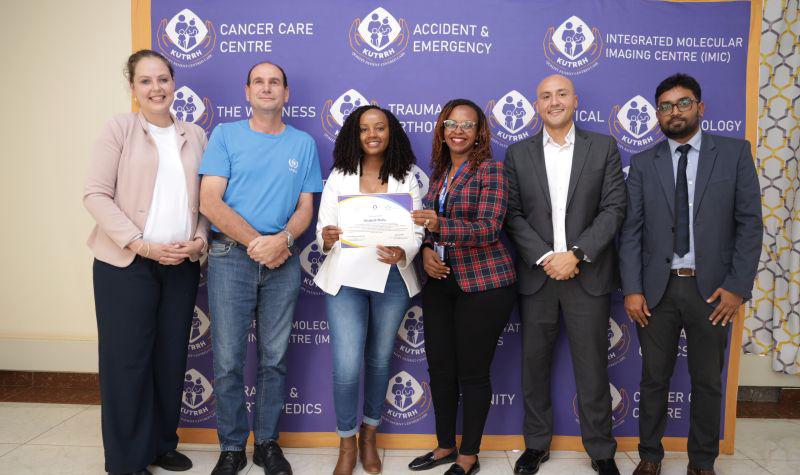
KENYA — Kenyatta University Teaching, Referral & Research Hospital (KUTRRH) has become the first public hospital in East Africa to introduce Lutetium-177 PSMA-targeted radiation therapy, marking a major breakthrough for patients with advanced prostate cancer.
This milestone underscores the hospital’s growing leadership in delivering world-class oncology services within a public healthcare setting.
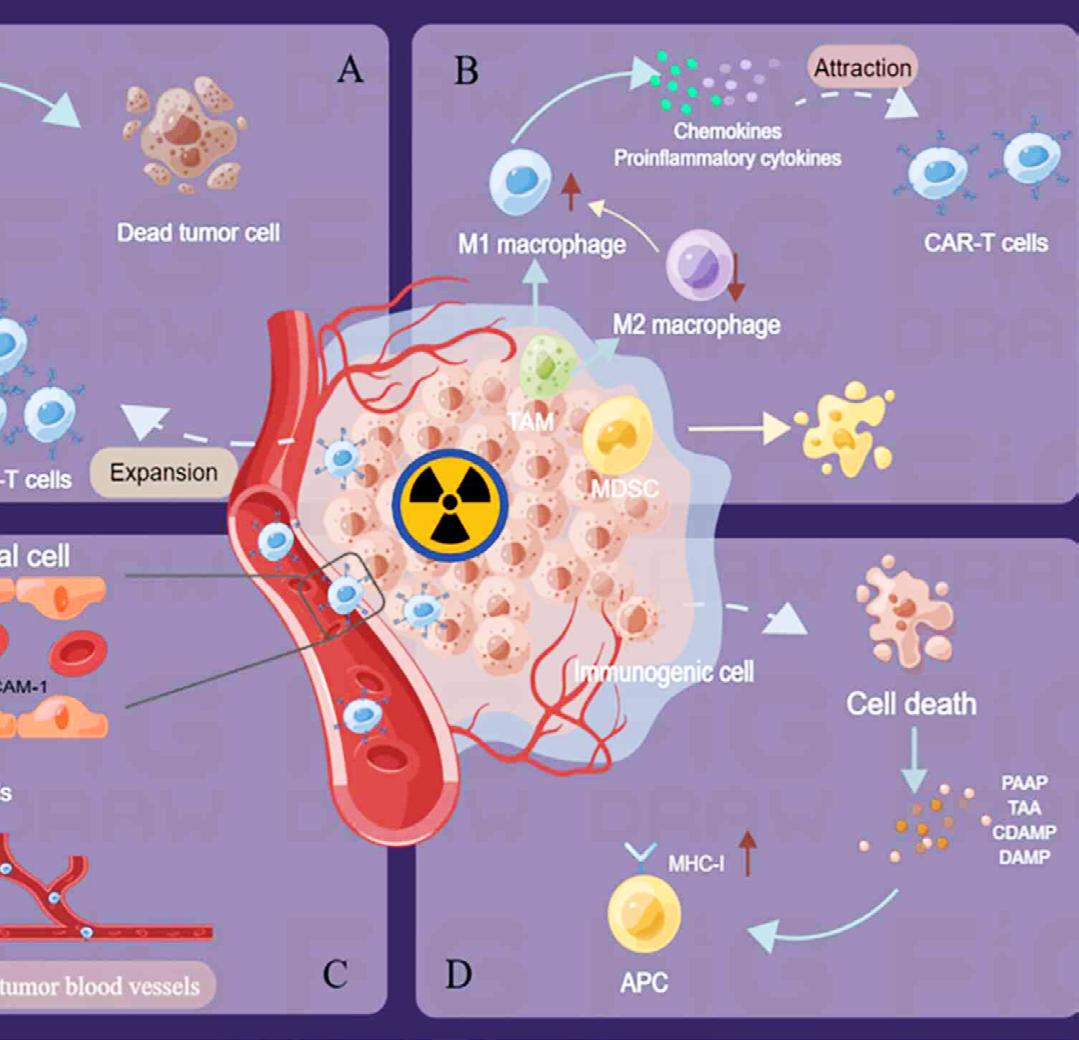
Lutetium-177 PSMA therapy uses a radioactive isotope, Lutetium-177, attached to a molecule that binds specifically to Prostate-Specific Membrane Antigen (PSMA), a protein highly expressed on prostate cancer cells.
Once the compound attaches to the tumor, it delivers focused radiation directly to malignant cells while minimizing exposure to surrounding healthy tissue.
The precision of this approach offers renewed hope to patients whose cancer has progressed despite hormone therapy or chemotherapy.
Unlike conventional radiation techniques, which may affect both cancerous and healthy cells, Lutetium-177 PSMA therapy selectively targets tumors.
Before initiating therapy, patients undergo a PSMA scan to ensure they are suitable candidates.
Dr. Zeinab Gura, CEO of KUTRRH, emphasized the institution’s commitment to expanding access to cutting-edge treatments, noting, “This breakthrough reflects KUTRRH’s dedication to delivering world-class cancer treatment in a public healthcare setting.”
KUTRRH continues to invest in advanced oncology technology to improve diagnosis, treatment precision, and patient outcomes.
This development marks a significant step forward for public healthcare in East Africa, positioning KUTRRH at the forefront of modern prostate cancer treatment and ensuring more patients can access life-extending care close to home.
Galapagos NV shuts Cell and Gene Therapy Division amid industry shift
BELGIUM — Belgian biotech company Galapagos NV has decided to close its cell and gene therapy (CGT) division after failing to find a buyer who meets its terms.
Instead, the company will redirect its focus toward developing new transformational business areas.
This shift will lead to approximately 365 job cuts across its facilities in the Netherlands, Switzerland, the US, and China.
Galapagos anticipates incurring operating losses between USD115 million and USD145 million, along with restructuring expenses ranging from USD173 million to USD231 million by the end of 2026.
This move mirrors a broader trend in the biotech industry as several firms reduce CGT investments due to high manufacturing costs, difficulties scaling up production, and uncertain commercial outcomes.
In recent months, funding has increasingly favored laterstage projects with lower risk levels.
For instance, in October, Novo Nordisk shut down its R&D cell therapy division, cutting 250 jobs and abandoning programs targeting Parkinson’s disease, chronic heart failure, and Type 1 diabetes.
Similarly, Japan’s Takeda stopped cell therapy research to concentrate on small molecules, biologics, and antibody-drug conjugates.
Also, Gilead Sciences’ Kite Pharma ended a USD2.3 billion collaboration with Shoreline focused on off-the-shelf cell therapies.
Despite scientific advances, many companies still face challenges balancing innovation with scalable manufacturing in CGT.
Analysts note that high costs, regulatory obstacles, and commercial uncertainty have slowed investments, prompting a return to traditional clinical development methods.
Nevertheless, some companies continue investing in CGT. AstraZeneca recently signed a deal worth up to USD555 million for Algen Biotechnologies’ AI-enhanced gene-editing platform.
In July, AbbVie acquired Capstan for USD2.1 billion to bolster its CAR-T therapy pipeline, indicating ongoing confidence in CGT’s potential growth.
NEWS UPDATES
REGULATORY
Zimmer biomet receives fda clearance for advanced rosa knee robotic surgery system
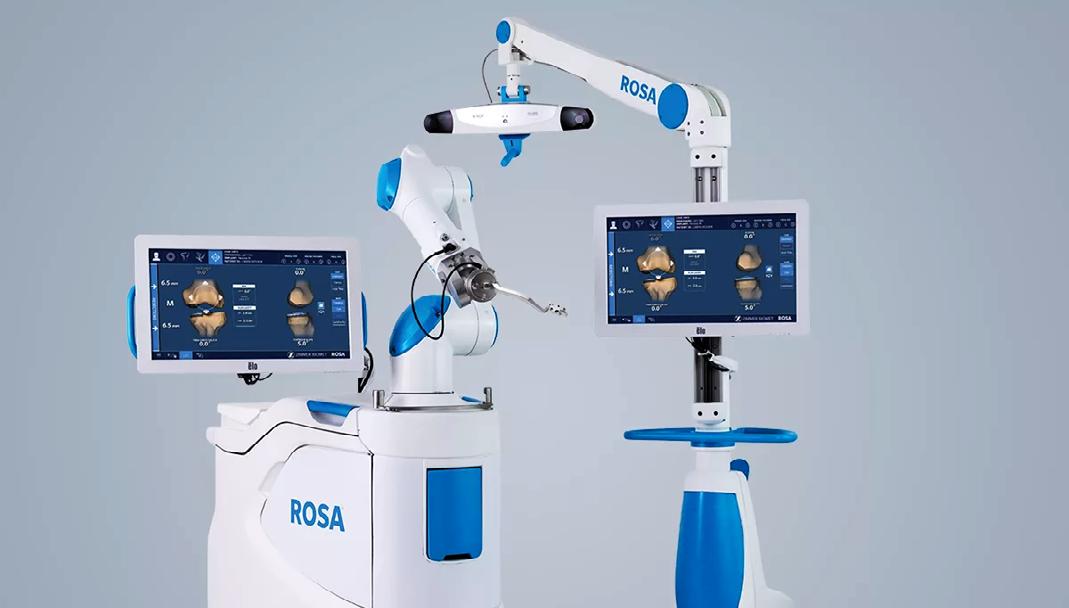
USA—Zimmer Biomet has received 510(k) clearance from the US Food and Drug Administration (FDA) for its enhanced ROSA Knee System with OptimiZe technology, marking a major advancement in robotic-assisted total knee replacement surgery.
This upgraded system builds on the established ROSA Knee platform by introducing advanced features that enable surgeons to deliver more personalized and consistent results.
ROSA Knee with OptimiZe includes customized intelligent surgical planning alongside improved tools for positioning, tracking, and implant alignment, all designed to enhance accuracy and reduce variability between procedures.
The system’s streamlined user interface allows surgeons to tailor information and workflow options to fit specific cases, thereby simplifying operations.
For functional alignment, surgeons can use customizable profiles that generate patient-specific surgical plans based on individual anatomy and surgeon preferences.
Shaun Braun, Senior Vice President and Chief Information and Technology Officer at Zimmer Biomet, highlighted that ROSA Knee with OptimiZe was developed in collaboration with experienced ROSA surgeons to improve personalization, accuracy, and efficiency in knee replacement surgery.
The upgraded system delivers five key enhancements: automated kinematic alignment planning, personalized implant positioning guidance, a customizable user interface, motionsensitive tracking, and a simplified landmarking tool.
Additionally, ROSA Knee with OptimiZe integrates with ZBEdge Analytics to support data-driven surgical decisions and performance evaluation.
Zimmer Biomet plans a targeted release of ROSA Knee with OptimiZe in late 2025, with broader commercial availability in the United States expected in the first quarter of 2026.
This clearance follows the FDA’s March 2025 approval of the Persona Revision Solution Femur, another Zimmer Biomet innovation in revision knee implants.
AGC Tenwek Hospital achieves ISO 9001:2015 certification for quality management
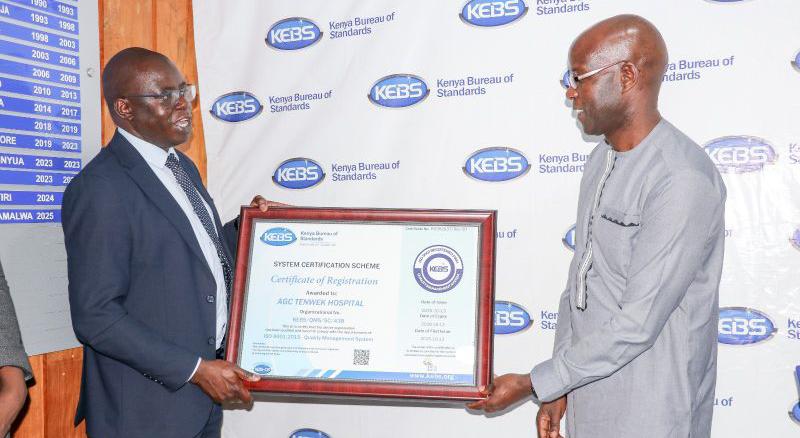
KENYA — AGC Tenwek Hospital has earned ISO 9001:2015 certification from the Kenya Bureau of Standards (KEBS), underscoring the institution’s commitment to highquality healthcare, operational excellence, and continuous improvement.
The milestone reflects the hospital’s strategic efforts under the leadership of CEO Ben Siele to strengthen patient care systems and elevate service delivery.
The certification was formally presented during a ceremony at KEBS headquarters, where Tenwek Hospital’s management team received the recognition.
Eng. Zachariah Lukorito, Director of Standards at KEBS, commended the hospital for meeting globally recognized quality management requirements, calling the achievement a significant step in its growth and professional advancement.
ISO 9001:2015 is an international standard designed to help organizations meet customer and stakeholder expectations while complying with legal and regulatory obligations.
For Tenwek Hospital, attaining this certification validates its robust processes for improving patient safety, streamlining operations, and ensuring efficiency across departments.
To meet ISO standards, the hospital implemented rigorous quality controls, strengthened documentation practices, and invested in ongoing staff training.
These measures foster consistency in clinical and administrative services, building trust with patients and positioning Tenwek Hospital as a model for quality-driven healthcare in the region.
KEBS’s endorsement places Tenwek among a growing group of Kenyan health facilities embracing structured quality management systems to enhance performance and accountability.
Looking ahead, AGC Tenwek Hospital intends to maintain and strengthen its quality management systems to ensure the consistent delivery of world-class healthcare.
The certification marks not just an achievement, but a longterm commitment to excellence that will continue shaping the hospital’s service standards and patient outcomes.
Eli Lilly invests USD3B in new oral medicines plant in Netherlands
NETHERLANDS — Eli Lilly announced a USD3 billion investment to build a new oral medicines manufacturing facility in Katwijk, Netherlands.
This decision aligns with the company’s focus on expanding production capabilities both in the U.S. and Europe.
The new plant will boost Lilly’s capacity to produce oral therapies, including the upcoming GLP-1 pill, orforglipron, which targets obesity.
The company plans to submit regulatory applications for orforglipron by the end of this year.
The Katwijk site is expected to create 500 jobs and strengthen Lilly’s manufacturing presence across Europe.
Currently, Lilly operates four European production sites in France,
Ireland, Italy, and Spain.
In addition to this, Lilly revealed plans in 2023 to open a new injectables manufacturing plant in Germany by 2027.
Its Limerick, Ireland facility is also undergoing a USD1 billion expansion.
Edgardo Hernandez, president of Lilly’s manufacturing operations, emphasized the strategy to invest globally, building facilities closer to patients to improve access to innovative therapies.
He also highlighted that expanding in Europe supports Lilly’s worldwide supply chain.
Throughout 2025, Lilly has prioritized U.S. manufacturing growth by announcing plans for large-scale “mega sites” in Virginia and Texas,
alongside upgrades to its Puerto Rico plant.
Earlier this year, the company committed USD27 billion to build four new large U.S. plants, confirming Texas and Virginia as two locations, with the other two to be announced soon.
Beyond the U.S. and Europe, Lilly is investing an additional USD1 billion to expand production capacity in India through partnerships with local contractors.
These investments support the rising demand for Lilly’s oral and injectable medicines worldwide.
Its obesity and diabetes drug, tirzepatide, generated USD10.1 billion in sales last quarter, making it the world’s top-selling medicine and surpassing Merck’s Keytruda.
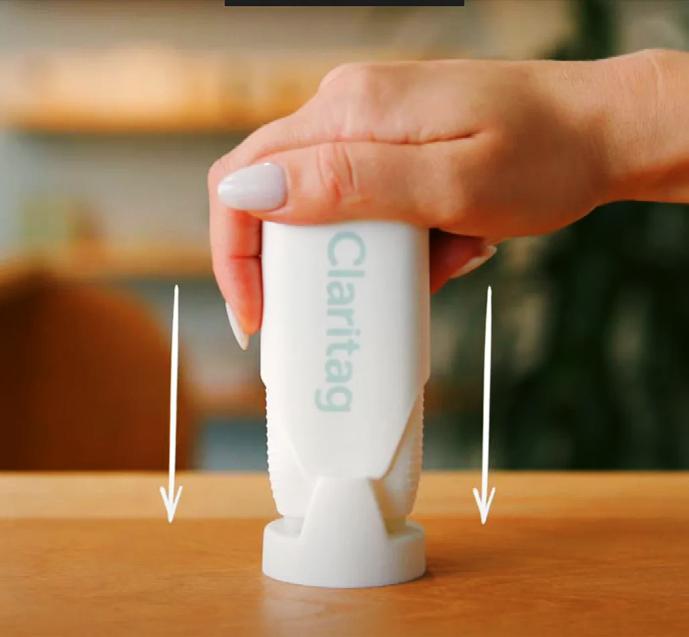
Hikma Pharmaceuticals launches Claritag® Skin Tag Remover for MENA consumers
JORDAN — Hikma Pharmaceuticals PLC, a leading global pharmaceutical manufacturer, has entered into an exclusive licensing agreement with the US-based DGI Group LLC, a company known for its portfolio of professional and commercial medical devices.
Through this partnership, Hikma will exclusively market Claritag®, an innovative over-the-counter (OTC) skin tag removal device, across the Middle
East and North Africa (MENA) region.
Claritag® uses patented Squeeze & Freeze® technology to offer adults aged 21 and above a safe, targeted, and efficient way to remove skin tags at home.
Dermatologists favor this method because it isolates the skin tag without damaging surrounding healthy skin, making it a reliable non-invasive alternative to in-office dermatological procedures.
Designed with consumer convenience in mind, Claritag® requires no assembly and provides a costeffective option for individuals seeking quick, medical-grade results. Its formulation is suitable for all skin types and tones, ensuring broad accessibility and consistent performance. These advantages position Claritag® as a practical solution for everyday skincare needs.
Mazen
Darwazah, Hikma’s Executive
Vice Chairman and President of MENA, welcomed the agreement as a strategic addition to the company’s expanding Consumer Health portfolio.
He emphasized that introducing Claritag® reflects Hikma’s commitment to delivering safe, dermatologist-tested products that address common health and wellness concerns within local communities.
The launch also supports the company’s long-term goal of broadening its consumer healthcare offerings with innovative, evidence-backed solutions.
The partnership represents a significant step for Hikma as it works to strengthen its leadership in the consumer health sector across the MENA region.
By bringing Claritag® to market, Hikma aims to enhance access to highquality, easy-to-use dermatological care while meeting rising demand for effective, at-home treatment options.
GE HealthCare to acquire Intelerad for USD2.3B to expand cloudbased imaging solutions
USA — GE HealthCare will acquire imaging software developer Intelerad for USD2.3 billion in cash as part of its plan to create a comprehensive cloudfirst diagnostic ecosystem.
This acquisition aims to connect ambulatory care centers, teleradiology services, and hospital systems through unified imaging technology.
Intelerad focuses on radiology and cardiology practices and supports clinical trials, with a strong presence in outpatient settings.
This complements GE HealthCare’s existing in-hospital imaging operations. Together, they will offer solutions through an expanded software-as-aservice model to meet growing demands faced by healthcare providers.
Peter Arduini, President and CEO
of GE HealthCare, said hospitals and ambulatory care providers face increased imaging demand and rising patient volumes, requiring simplified and unified workflows for more effective management.
The acquisition marks a key step in GE HealthCare’s transition from medical device manufacturing to a full healthcare solutions provider, targeting growth in recurring revenue streams.
Intelerad serves over 1,500 healthcare organizations worldwide, managing more than 230 million exams annually and a database of over 8 billion medical images.
It expects to generate about USD270 million in revenue during its first year with GE HealthCare, with 90% coming from stable recurring sales.
GE HealthCare plans to triple its cloud-enabled product portfolio by 2028, creating opportunities to integrate AI programs into imaging workflows.
Roland Rott, GE HealthCare’s imaging chief, said combining medical device expertise and AI with Intelerad’s cloud knowledge will drive innovation and better serve providers.
The outpatient imaging market represents a USD2 billion opportunity fueled by a shift toward outpatient procedures and scans.
Intelerad’s CEO, Jordan Bazinsky, believes the partnership will accelerate software expansion globally.
The deal is expected to close in the first half of next year, with Hg Capital, TA Associates, and Ardan Equity exiting their investments.
ACCREDITATION
CFAO Healthcare South Africa achieves Level 3 B-BBEE
Certification.
SOUTH AFRICA — CFAO Healthcare South Africa has earned a Level 3 Broad-Based Black Economic Empowerment (B-BBEE) certification after fulfilling the requirements of its 2025 scorecard.
This achievement underscores the company’s dedication to empowerment, inclusiveness, and shared progress within South Africa’s healthcare sector.
A key factor in this success is the transfer of 25.1% black ownership through CFAO Healthcare South Africa’s strategic partnership with Kapela Holdings.
This ownership transfer represents a major step toward promoting inclusive governance and strategic involvement in the company.
This certification benefits CFAO Healthcare South Africa and highlights the broader CFAO Group’s commitment to transformation across South Africa, as stated by Philippe Franiatte, CEO of CFAO Healthcare Southern Africa Region.
For more than five years, Kapela Holdings has actively supported CFAO South Africa’s transformation efforts by holding a 25.1% stake in four of its five subsidiaries, contributing significantly to the country’s transformation goals.
CFAO Healthcare is Africa’s foremost fully integrated pharmaceutical distributor, operating in five regional clusters: Northern Africa, Western French-speaking countries, Englishspeaking nations, Portuguese-speaking areas, and Southern Africa.
The company oversees the entire pharmaceutical value chain, from manufacturing to retail.
Established in October 2024, CFAO Healthcare South Africa aims to strengthen the group’s presence in the region.
By leveraging local reach, operational excellence, and entrepreneurial spirit, the company seeks to widen access to quality medicines across the continent.
The recent appointment of Professor Fatima Abrahams to the board reinforces CFAO Healthcare South Africa’s commitment to empowerment beyond compliance.
With 15 years on the Clicks Group Board, she brings extensive governance and pharmaceutical expertise.
Professor Abrahams emphasized that true transformation requires platforms where diverse voices shape strategy and empowerment creates real opportunities.
Philippe Franiatte applauded her appointment, citing her experience as vital to enhancing governance and fostering inclusive transformation in healthcare.
Franiatte noted that while Level 3 B-BBEE status is a significant milestone, transformation is an ongoing effort reflected daily in governance, workforce diversity, supplier partnerships, and community engagement.
IVI RMA Global expands into Middle East with ART Fertility acquisition
MIDDLE EAST — IVI RMA Global, the world’s leading platform for reproductive medicine, has completed the acquisition of ART Fertility Clinics, officially adding the Middle East as its newest operational region.
This acquisition integrates ART Fertility’s facilities in the United Arab Emirates (UAE) into the IVI RMA network, with plans underway to expand services into Saudi Arabia.
Now, the Middle East joins IVI RMA’s existing footprint in North America, Italy, Northern Europe, Iberia, Latin America, and the Czech Republic.
This expansion allows the company to address growing fertility needs across diverse and changing populations.
CEO Suresh Soni and Medical Director Dr. Human M. Fatemi will lead the newly formed Middle East division, applying their expertise to support tens of thousands of patients seeking fertility care in the region.
Recent 2023 World Bank data highlights striking demographic changes, with the UAE reporting just 1.2 births per woman and Saudi Arabia continuing to see a decline in birth rates.
These trends underline the urgent need for advanced fertility solutions in the Middle East.
ART Fertility is a recognized leader in the Gulf Cooperation Council (GCC) and employs over 300 specialists, including top clinicians, embryologists, and geneticists.
Their research-driven, personalized treatment methods achieve pregnancy rates as high as 71% across multiple age groups.
The merger will enable both organizations to enhance scientific progress and elevate fertility care standards regionwide.
ART Fertility has published more than 268 peer-reviewed medical papers and hosts ongoing research, with 35 studies underway and 11 fertility science conferences hosted.
This scientific foundation benefits patients while serving as a global quality benchmark.
This acquisition complements IVI RMA’s dedication to clinical excellence and innovation, reinforcing its capacity to meet increasing fertility care demand.
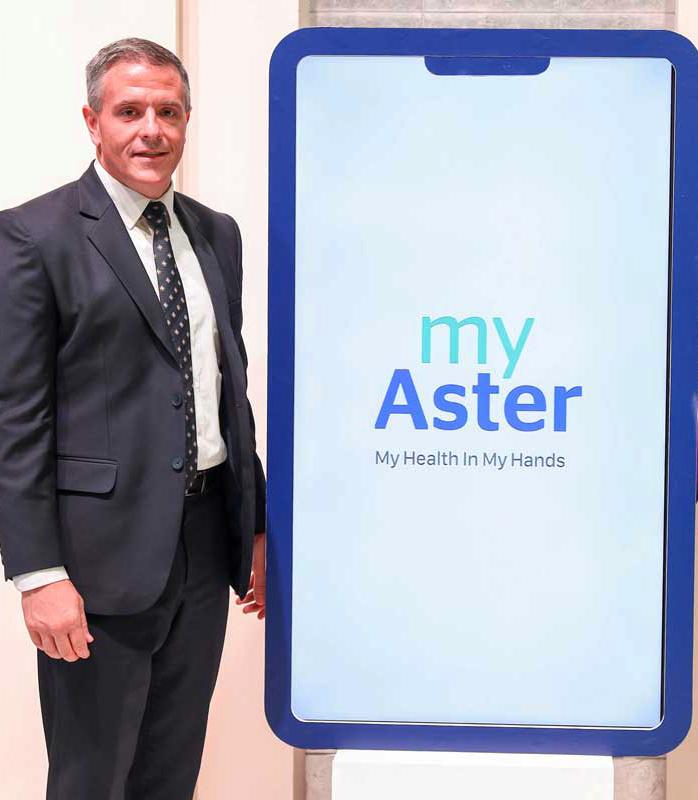
myAster App transforms health, wellness, and beauty across GCC
UAE — myAster, the GCC’s leading omnichannel app for health, wellness, and beauty, has surpassed 2.8 million downloads, positively impacting over 5 million users since its launch in 2022.
The platform has redefined how people access personalized healthcare, wellness services, and beauty solutions
directly from their smartphones.
The app connects users to a broad network of care, including seven hospitals, 72 clinics, and more than 680 doctors across 30 specialties within the Aster system.
Beyond booking appointments, myAster allows scheduling of lab tests, diagnostics, and homecare services such as physiotherapy, immunity-boosting IV drips, and doctor or nurse visits.
The platform has completed over 50,000 video consultations, typically enabling users to see a general physician within 10–15 minutes, enhancing healthcare accessibility.
myAster promotes holistic wellness through its Health Profile feature, tracking key metrics like blood pressure, glucose, body measurements, and risks for conditions such as diabetes, hypertension, and smoking.
Its Lab on App feature consolidates prescriptions, lab reports, and radiology
results digitally, while guided breathing exercises support mental health and stress management.
On the beauty front, myAster offers thousands of curated skincare and wellness products, including popular K-Beauty items with globally sourced ingredients.
The new myBeauty Lens tool leverages AI to analyze over 18 skin metrics and environmental factors, providing personalized skincare recommendations with instant product ordering.
CEO Nalla Kurunaithy emphasized that myAster was designed to make healthcare and wellness more connected, convenient, and integrated.
The platform now supports Arabic voice input, allowing users to describe symptoms in their dialect, receive tailored guidance, and connect to the appropriate specialists.
Africa CDC launches malaria research in southern Africa with USD 150,000 World Bank funding
AFRICA — The Africa Centres for Disease Control and Prevention (Africa CDC) has launched operational research on malaria in Lesotho, Namibia, and Zimbabwe, funded by a USD150, 000 World Bank grant.
The study runs from November 14 to December 12, 2025, aiming to address recurring malaria outbreaks across Southern Africa and support affected Member States in their control and elimination efforts.
Dr Lul Pout Riek, Director of the Southern Africa Regional Coordinating Centre (SA-RCC), states that the research will provide evidencebased data to improve malaria control strategies in endemic areas throughout the region.
This data will help tailor interventions to local conditions, optimise responses,
manage outbreaks, and reduce illness and death rates.
Researchers will evaluate the effectiveness, feasibility, and acceptance of different larvicides and integrated vector control methods.
Dr Mosoka Papa Fallah, Acting Director of the Science and Innovation Directorate at Africa CDC, explains that experts from Africa CDC, Southern RCC, national health ministries, public health agencies, and academic institutions will apply advanced analytical techniques.
These methods include vector bionomics, mathematical modelling, and simulations to understand malaria transmission patterns better.
The study also aims to identify obstacles in accessing malaria healthcare during epidemics, strengthening prevention and outbreak control efforts.
Africa CDC selected these three countries based on the presence of scalable research areas aligned with existing national protocols.
In Lesotho, increased malaria vulnerability in certain districts has led officials, led by Mr Khotso Mahomo, to focus on the entomological profile of malaria for elimination strategies.
Namibia reported 5,898 confirmed malaria cases from December 2024 to January 2025, including 840 hospitalisations and 28 deaths.
According to Dr Iyaloo Mwaningange, the research will explore new transmission drivers and social factors that affect severe disease, while addressing operational challenges.
Zimbabwe has seen a 180% rise in malaria cases in early 2025, with deaths increasing by 218%.
Biovac opens advanced vaccine development lab backed by Gates Foundation
SOUTH AFRICA — South African biopharmaceutical company Biovac has inaugurated a cutting-edge product development laboratory in Cape Town, funded by funding from the Bill & Melinda Gates Foundation.
This new lab aims to help Africa produce its own vaccines and improve readiness for future health crises.
Initially, Biovac partnered with South Africa’s National Department of Health to distribute imported vaccines primarily for childhood immunization.
Over time, the company expanded its role to include final vaccine production stages, known as fill and finish, collaborating with global manufacturers.
This issue became evident during the COVID-19 pandemic, when African nations faced significant delays and shortages while wealthier countries secured most doses through advance purchase agreements.
To combat diseases like tuberculosis, tetanus, diphtheria, polio, Haemophilus influenzae, and hepatitis B, Biovac also signed an agreement during the pandemic with Pfizer and BioNTech to manufacture COVID-19 vaccines for the African Union.
According to Morena Makhoana, Biovac’s CEO, this lab is a major step forward for vaccine innovation on the continent.
The African Union plans to increase local vaccine production from 1% to 60% by 2040, aiming to strengthen regional vaccine manufacturing capacity to meet this goal.
Mark Suzman, CEO of the Gates Foundation, highlighted the lab’s role in providing millions of Africans with faster, more reliable access to vaccines developed and produced locally.
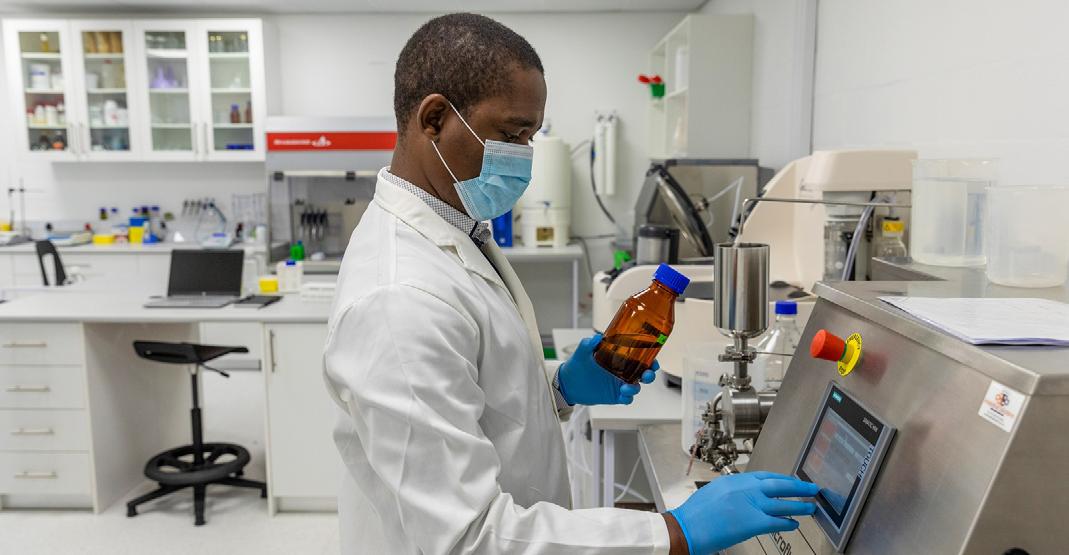
The facility includes infrastructure for mRNA drug substance development, nanoparticle formulation, bacterial and cell culture, cell bank storage, and handling sensitive medical materials.
This investment significantly boosts Africa’s vaccine autonomy and public health security by reducing dependence on external suppliers and enhancing the continent’s ability to respond to health crises.
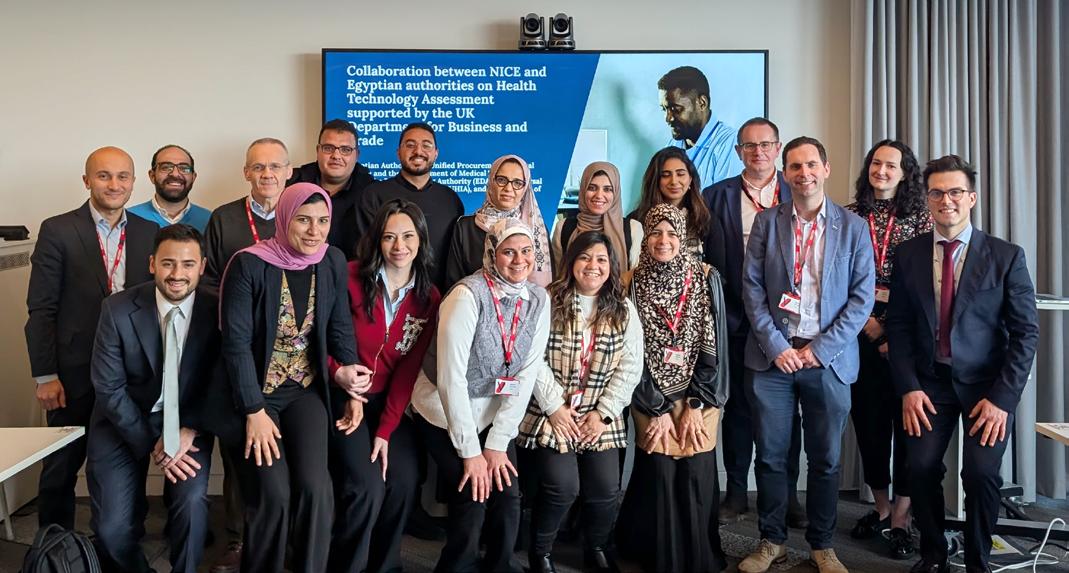
Egypt unveils 5-year digital health strategy to transform healthcare by 2029
EGYPT — Egypt has launched its National Digital Health Strategy for 2025–2029, a major move to modernize the country’s healthcare system and strengthen service delivery nationwide.
Health Minister Khaled Abdel Ghaffar announced the strategy during an international population and development conference in Cairo, held under the patronage of President Abdel Fattah Al-Sisi.
The new strategy sets out a unified national roadmap for digitalizing the health sector using advanced information and communication technologies.
Minister Abdel Ghaffar said the plan aims to build a fully integrated, human-centered digital health ecosystem by 2029, enabling Egyptians to securely and equitably access highquality healthcare through unified national data platforms.
He emphasized that digital transformation will reinforce the healthcare system’s performance, resilience, and ability to respond to emerging health challenges.
Strong data governance and digital tools will improve decision-making, streamline services, and enhance public trust in the system.
The minister also highlighted the plan’s key priorities, including upgrading digital infrastructure to ensure security and flexibility, enhancing the digital skills of healthcare workers, and expanding innovation in service delivery.
Planning and Economic Development Minister Rania AlMashat echoed these sentiments, describing healthcare as a central pillar of economic growth.
She highlighted the importance of aligning health sector priorities with national development plans and promoting cross-sectoral collaboration to maximize social and economic gains.
The panel also featured key figures from Egypt’s healthcare ecosystem, including Ahmed Taha, head of the General Authority for Healthcare Accreditation and Regulation; Naeema Al-Gasseer, WHO Representative in Egypt; Mai Farid, CEO of the Universal Health Insurance Authority; and Tarek Moharram, CEO of Elevate Capi tal Management.
A comprehensive commitment to diabetes
Scientific progress, knowledge exchange, and continuous dialogue
Diabetes has become one of the most pressing health challenges worldwide, with the MENA region standing at the epicenter. According to recent data, this region reports the highest global prevalence—17.6% of adults live with diabetes, and the number of cases is projected to nearly double by 2050, reaching 163 million.
Notably, one in three cases remains undiagnosed, leaving millions at risk of severe complications due to late detection.1
EXPANDING ACCESS TO QUALITY THERAPIES
In response, Cinfa, the leading laboratory in the Spanish pharmaceutical market and with presence in over 100 countries worldwide, is reinforcing its dedication to improving chronic disease care in the Gulf, building on a strategy that has been implemented for over 10 years, focusing on chronic diseases such as diabetes and cardiovascular conditions. The company combines pharmaceutical advances with targeted therapeutic development to provide effective treatment options, while fostering scientific collaboration to better understand regional healthcare challenges.
Building on these insights and in line with its commitment to providing effective solutions for type 2 diabetes, Cinfa works to optimize blood glucose regulation. In this context, the company has introduced vildagliptin, under the brand name Gliptacin, for the treatment of type 2 diabetes. It can be used as monotherapy - in patients inadequately controlled by diet and exercise alone and for whom metformin is inappropriate due to contraindications or intolerance- and as combination therapy as well.
In the coming months, this therapy will also be available in combination with metformin, under the brand name Gliptacin Met, providing an additional option for comprehensive diabetes management.
Dr. López de Ocáriz, Corporate Medical Director at Cinfa Group, stressed the importance of ensuring global access to high-quality treatments, highlighting that this requires continued R&D investment, accessibility, adherence support, and prevention programs. With 56 years of experience and a team of over 2,300 professionals, Cinfa provides accessible and quality pharmaceutical solutions, merging expertise, innovation, and a strong commitment to global well-being.
STRENGTHENING SCIENTIFIC COLLABORATION
Cinfa approaches diabetes care as part of a broad, sustained
WE HAVE A RESPONSIBILITY TO IMPROVE GLOBAL ACCESS TO THE HIGHESTQUALITY TREATMENTS, AND THIS IS A CORE PART OF OUR MISSION— ESPECIALLY WHEN IT COMES TO HIGHLY PREVALENT CONDITIONS SUCH AS DIABETES.
effort involving multiple disciplines, and promoting continuous scientific dialogue and knowledge exchange through events and training programs. This approach underlines the importance of interdisciplinary collaboration, ongoing medical education, and incorporating patient experiences to inform clinical decisions and improve long-term outcomes.
Beyond therapeutic solutions, Cinfa actively participates in leading scientific congresses across the Middle East, strengthening partnerships with regional and international experts and reinforcing a long-term vision of collaboration to improve patient care.
As part of this commitment and given that cardiovascular diseases are the main complications of diabetes, Cinfa continues to actively engage in initiatives that foster closer collaboration with healthcare professionals, exemplified by its participation for the third consecutive year in the 36th Annual Conference of the Saudi Heart Association (SHA 2025). The company has shown its cardiovascular portfolio to healthcare professionals, demonstrating its ongoing commitment to providing accessible, high-quality, evidence-based therapies aimed at improving patient outcomes across the Middle East. By joining this international gathering, Cinfa contributes to the scientific exchange, driving advances in cardiovascular medicine and reinforcing its dedication to sustainable, patientfocused healthcare systems.Cinfa is the leading laboratory in units and values in the Spanish pharmaceutical market, present in over 100 countries.
DR. DR. ALICIA LÓPEZ DE OCÁRIZ, CORPORATE MEDICAL DIRECTOR, CINFA GROUP.
JHAH appoints Dr. Russell Hales to Lead Centers of Excellence in Saudi Arabia
SAUDI ARABIA - Johns Hopkins Aramco Healthcare (JHAH) has appointed Dr. Russell Hales as Chief of its Centers of Excellence.
The move is aimed at accelerating the rollout of an integrated specialty care model aligned with Saudi Vision 2030’s healthcare transformation goals.
Dr. Hales, a renowned radiation oncologist and professor at Johns Hopkins University School of Medicine, will guide the implementation of Johns Hopkins Medicine’s high standards and evidence-based clinical protocols across JHAH services.
His leadership marks a major step in strengthening local access to advanced medical care and reducing reliance on overseas treatment.
He noted that the Centers of Excellence will introduce a unified, patient-centered model that improves outcomes by simplifying care pathways.
By integrating Johns Hopkins expertise with local capabilities, the centers will build multidisciplinary teams and deliver timely, specialized treatment closer to patients’ homes.
The initiative also prioritizes continuous medical education, ensuring Saudi healthcare professionals stay current with global advancements.
JHAH’s Oncology Center of Excellence currently addresses prevalent cancers, breast, prostate, and colorectal, offering personalized, innovative care from diagnosis to survivorship.
Kenya BioVax appoints Dr. Wesley Ronoh as new CEO
KENYA - Kenya BioVax Institute Limited has appointed Dr. Wesley Ronoh as its new substantive CEO, taking over from Dr. Cecilia Wanjala, who had been serving in an acting capacity.
The handover ceremony was held at the institute’s headquarters and presided over by Board Chairman Dr. Charles Githinji.
Dr. Ronoh brings more than 25 years of experience in the pharmaceutical and healthcare sectors, with a strong track record in strengthening health systems across Africa.
He previously served as Market Shaping Lead for Partnerships for African Vaccine Manufacturing (PAVM) at the Africa CDC, where he spearheaded the Market Design and Demand Intelligence Bold Programme and played a key role in developing Africa’s vaccine procurement pooling mechanism.
A highly qualified pharmacist, Dr. Ronoh holds postgraduate training in Medicinal Chemistry alongside an MBA.
He has also advised major regional and international organizations including GIZ, the European Union, the East African Community, and the SADC Secretariat on health policy, pharmaceutical investment, and access to medicines.
His expertise spans life science product development, regulatory affairs, intellectual property, strategic planning, and private sector growth, skills that position him to lead BioVax’s next phase of development.
CARE Hospitals
appoints Dr. Pawan Kumar as Chief Executive Officer
INDIA - CARE Hospitals has announced the appointment of Dr. Pawan Kumar as its Chief Executive Officer (CEO).
In his new role, Dr. Kumar will lead the hospital network’s strategic initiatives, operational excellence, and expansion plans, reinforcing its mission to deliver accessible and high-quality healthcare across India.
A seasoned healthcare professional, Dr. Kumar brings over a decade of leadership experience spanning hospital operations, business transformation, and clinical management.
He has held senior roles at some of India’s leading healthcare institutions, where he successfully drove growth, strengthened clinical governance, and enhanced operational efficiency.
An anesthesiologist by training, Dr. Kumar holds an MD in Anesthesiology from PGIMER, Chandigarh, and an MBA in Finance and Healthcare from the Indian School of Business (ISB), a unique blend of clinical and managerial expertise that positions him well to steer CARE Hospitals’ next phase of growth.
Dr. Kumar aims to build on CARE Hospitals’ strong legacy of clinical excellence and patient-centric care. His focus will be on driving innovation, expanding healthcare access, and fostering a people-first culture that continues to define the organization’s ethos.
Hospital Association of South Africa appoints Gale Shabangu as Chairperson
SOUTH AFRICA – The Hospital Association of South Africa (HASA) has appointed Gale Shabangu of Mediclinic Southern Africa as its new Chairperson, succeeding Melanie Da Costa from Netcare.
Shabangu brings extensive experience in leading inclusive, valuesdriven corporate cultures across South Africa’s private sector, earning recognition for her strategic leadership and ability to drive operational excellence.
As Chairperson, Shabangu will lead HASA’s Board in guiding the Association through the next phase of its growth, strengthening the private hospital sector’s role in advancing the country’s healthcare priorities.
The newly elected 2025/2026 Board comprises a diverse mix of large hospital groups, day hospitals, and smaller operators, bringing together broad strategic insight and operational expertise.
HASA CEO Dr. Dumisani Bomela welcomed the new leadership team, expressing gratitude to outgoing Chairperson Melanie Da Costa for her years of dedicated service, particularly in shaping health policy.
Shabangu’s appointment marks a renewal for HASA, with her leadership expected to foster collaboration, drive innovation, and support a resilient, highperforming, and inclusive health system across South Africa.
Sanofi India appoints Deepak Arora as Managing Director
INDIA - Sanofi India Limited announced the appointment of Deepak Arora as its Managing Director, effective October 27, 2025, subject to shareholder and Central Government approval.
The decision was made following the recommendation of the company’s Nomination and Remuneration Committee.
In his new role, Arora will lead Sanofi India’s strategic vision, aligning the company’s India operations with Sanofi’s global priorities.
He will focus on driving innovation, enhancing agility, and strengthening operational excellence across all functions. Additionally, he will champion the company’s Diversity, Equity, and Inclusion (DEI) agenda, reinforcing Sanofi’s core values across its workforce.
With over three decades of experience in the pharmaceutical and healthcare industry, Arora has held leadership positions across North America, Europe, the Middle East, and Africa.
His expertise spans commercial strategy, sales and marketing, and general management, with a strong track record of business growth and transformation in multinational environments.
Welcoming the appointment, Aditya Narayan, Chairman of the Board, Sanofi India Limited, said, “On behalf of the Board of Directors, I am delighted to welcome Deepak Arora as Managing Director.
“His rich experience across global markets perfectly complements our mission to serve patients in India.”
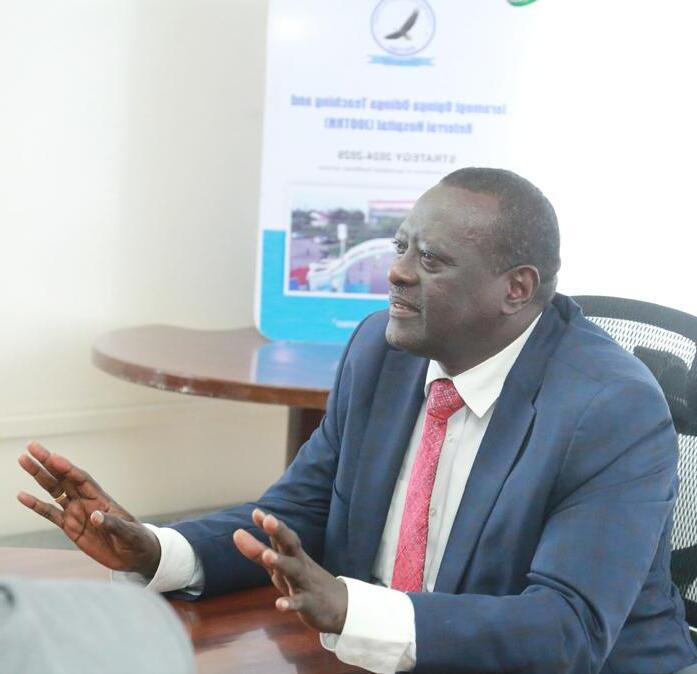
Dr. Olang’o Onudi takes office as Board Chairperson of JOOTRH
KENYA - Jaramogi Oginga Odinga Teaching and Referral Hospital (JOOTRH) has officially welcomed Dr. Charles Olang’o Onudi as its new Board Chairperson, following his appointment by President William Samoei Ruto on November 7, 2025.
His three-year term places him at the helm of one of the region’s leading teaching and referral hospitals, where he will guide strategy, governance, and institutional growth.
Dr. Onudi was received by the hospital’s Acting CEO, Dr. Joshua Clinton Okise. He brings considerable administrative and healthcare governance experience, having previously served in the Kisumu County Executive Committee and later as acting County Secretary.
He is also known for his role in resolving the 2019 nurses’ strike through negotiations with the National Union of Nurses.
Earlier in his career, his 2010 appointment as Director of the Kenya Medical Training College sparked debate in Parliament.
In his inaugural remarks at JOOTRH, Dr. Onudi emphasized teamwork and collaboration, noting that his leadership approach is to support, not command.
He committed to advancing the hospital’s vision and building on the progress achieved under Kisumu County leadership.
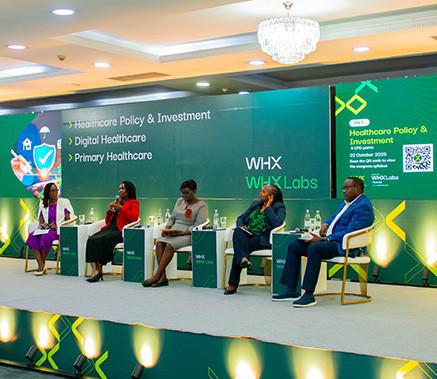
WHX Nairobi & WHX Labs 2025
EVENT REVIEW
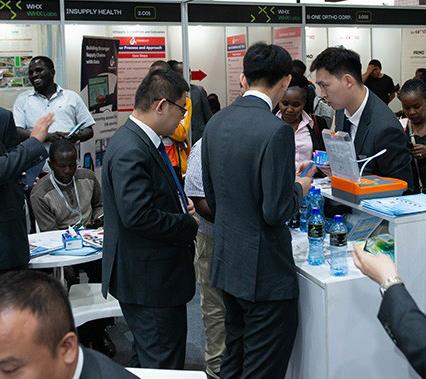
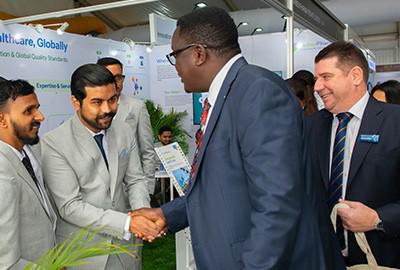
Held from 22 to 24 September 2025 at the Kenyatta International Convention Centre (KICC) in Nairobi, WHX Nairobi, together with its laboratory-science arm WHX Labs Nairobi, convened a broad spectrum of stakeholders: from policymakers and hospital executives to lab technologists, innovators and investors.
Over three days, the conference spotlighted crucial themes such as healthcare policy & investment, digital health, primary care, laboratory diagnostics, clinical microbiology and molecular diagnostics, and workforce development for East Africa’s health sector.
What made the event stand out was its dual role as both a high-level forum and trade exhibition. With more than 300 exhibitors, 8,000+ visitors and 65 international speakers from over 20 countries, WHX Nairobi and WHX Labs Nairobi delivered real-world innovations, from AI-enabled diagnostics and molecular lab technologies to scalable solutions aimed at boosting universal health coverage and improving access to quality care.
Attendees left with not only new connections and knowledge, but tangible leads, potential partnerships, and a refreshed sense of how healthcare and lab innovation could be mobilized for lasting impact in East Africa. HCMEA
22-24 Sept, 2025 – KICC, Nairobi, Kenya
BUPA ARABIA Bridges Healthtech and Fintech at Money20/20 Middle East
BY ALPHONSE OKOTH
At the bustling Riyadh Exhibition and Convention Center earlier this month, one of the loudest statements at Money20/20 Middle East 2025 did not come from a bank or a fintech startup, but from a healthcare company. Bupa Arabia, through its healthcare delivery arm, CareConnect, showcased how healthcare innovation is increasingly inseparable from financial technology.
As a Platinum Sponsor, Bupa Arabia positioned itself not just as an insurer but as a pioneer shaping the future of patient-centered, digitally driven healthcare in Saudi Arabia and beyond. “CareConnect is the first healthcare arm of Bupa Arabia that seamlessly connects fintech-inspired efficiency with healthtech innovation,” explained Dr. Abdullah Khafagy, Executive Director – Medical at Bupa Arabia.
“By integrating digital clinics, chronic disease programs, and preventive care into a single ecosystem, we’ve eliminated waiting times and the need for prior approvals in select hospitals. The experience becomes as smooth and customerfriendly as a digital financial transaction.”
FROM INSURANCE TO HEALTHCARE ECOSYSTEM
Founded in 1997 as a partnership between Global Bupa and Nazer Group, Bupa Arabia has steadily transformed from a health insurer into a comprehensive healthcare solutions provider. Its vast network today covers over 1.2 million destinations across 190 countries, delivering international standards of care.
CareConnect, launched in the wake of COVID-19, is the company’s boldest step yet in reimagining healthcare delivery.
BY ADOPTING AI, EMBEDDING PREVENTIVE CARE, AND PARTNERING WITH GLOBAL LEADERS, THE COMPANY IS ENSURING ITS HEALTHCARE DELIVERY MODEL SUPPORTS THE KINGDOM’S LONGTERM AMBITIONS.
been profound. CareConnect’s system ensures continuous engagement, helping patients stay on track with medications and lifestyle adjustments. The ability to consult remotely also reduces the stigma or logistical burden often associated with frequent hospital visits.
TECHNOLOGY MEETS PREVENTION
While convenience is important, Bupa Arabia’s vision goes further, toward preventive healthcare powered by artificial intelligence. “We used artificial intelligence to analyze patient data accurately, which helped in early diagnosis and providing treatment tailored to each case,” said Amira Youssef, Chief Digital Transformation Officer at Bupa Arabia. “This made the patient’s journey smoother, more flexible, and smarter, while also ensuring confidentiality and data security.”
By embedding AI into patient journeys, CareConnect delivers more than treatment, it offers foresight. Predictive analytics, for instance, can flag early risks of chronic diseases, enabling timely interventions that lower long-term costs for patients and the system.
PARTNERSHIPS FOR A DIGITAL FUTURE
The platform combines telehealth, AI-powered analytics, preventive programs, and digital navigation tools, making care proactive and accessible.
Since its launch, the results have been tangible. Chronic care patients are now supported through structured treatment plans and continuous monitoring, while digital clinics allow members to consult doctors from home or the workplace. According to Khafagy, this has “shortened waiting times, increased patient satisfaction, and measurably improved health outcomes for thousands of members.”
THE POWER OF TELEHEALTH
Telehealth was once a niche service in Saudi Arabia. Today, thanks to CareConnect, it has become central to the country’s digital healthcare experience. “Our digital clinics provide 24/7 specialized consultations, which gives members more flexibility and enhances adherence to treatment plans,” Khafagy said. “By making care available anytime and anywhere, telehealth has increased both satisfaction and trust in the healthcare system.”
For patients managing chronic illnesses, the impact has
One of the highlights of Money20/20 was Bupa Arabia’s announcement of strategic partnerships with technology giants including Oracle, Microsoft, CNTXT (Google’s exclusive Saudi partner), Elm, LeanTech, and Masdar.
“These collaborations are designed to strengthen our digital infrastructure, enhance cloud and AI capabilities, and integrate predictive analytics into everyday care,” Khafagy emphasized. “They directly support Vision 2030 by driving healthcare digitization and expanding preventive care.”
Bupa Arabia executives also played active roles in panel discussions. Hatim Jamal, CFO, explored opportunities in digitalizing insuretech, while Eng. Ali Sheneamer, Chief Business Development Officer, discussed the future of claims and codes in insurance. These sessions reflected the broader ambition: redefining health insurance as a dynamic, techdriven service rather than a static financial product.
A SEAMLESS PATIENT EXPERIENCE
Behind the corporate announcements lies a simple ambition: making healthcare human, accessible, and seamless.
“CareConnect represents a unique care experience focused on empowering patients through chronic disease management programs, designed specifically for each case,” Khafagy noted. “Our goal is to improve quality of life by supporting patients to adhere to treatment plans through advanced technology and smart solutions.”
This approach places patients at the center, whether they are using digital clinics from home, benefiting from AI-based preventive tools, or engaging in personalized chronic care programs.
ALIGNING WITH VISION 2030
Saudi Arabia’s Vision 2030 emphasizes digitization, efficiency, and improving quality of life. Bupa Arabia’s transformation aligns directly with these goals. By adopting AI, embedding preventive care, and partnering with global leaders, the company is ensuring its healthcare delivery model supports the Kingdom’s long-term ambitions.
The localization drive has also been a cornerstone of its operations. Today, over 70% of Bupa Arabia’s workforce is Saudi, with strong representation of women in leadership roles. This reflects the company’s role not only as a healthcare provider but also as a key contributor to national development.
THE BIGGER PICTURE
Money20/20 Middle East 2025 drew more than 45,000 visitors, 450 brands, 600 investors, and 350 speakers under the theme “Where bold ideas meet big business.” While many discussions centered on payments and finance, Bupa Arabia’s presence stood out. It reminded attendees that the future of fintech and healthtech are interconnected, with digital transformation reshaping both industries.
By combining local innovation with global best practices,
OUR DIGITAL CLINICS PROVIDE 24/7 SPECIALIZED CONSULTATIONS, WHICH GIVES MEMBERS MORE FLEXIBILITY AND ENHANCES ADHERENCE TO TREATMENT PLANS
Bupa Arabia is working to turn challenges, such as rising chronic disease rates and healthcare access gaps, into opportunities. Its role as a strategic partner in shaping the future of healthcare and fintech in the region is becoming increasingly clear.
As Youssef summarized, “AI and digital solutions are not just tools, they are bridges to a healthier, smarter future for our clients and for Saudi society at large.”
At Money20/20, its message was unmistakable: the future of healthcare lies in seamless integration, predictive technologies, and patient-first models of care.
For Saudi Arabia, this is more than a corporate ambition, it is a step toward building a resilient healthcare ecosystem aligned with Vision 2030, capable of improving health outcomes while empowering citizens.
Or as Dr. Khafagy put it, “We are embedding advanced technologies across the entire patient journey, from prevention and early detection to treatment and recovery, to help people live healthier, longer, happier lives.” HCMEA
DR. ABDULLAH KHAFAGY, EXECUTIVE DIRECTOR –MEDICAL AT BUPA ARABIA.
235,000+ professional visits
180+ countries represented 4,300+ exhibitors
300+ speakers
Autism in the Middle East and Africa
Voices, visibility, and the long road to understanding
BY VICTOR ATSALI
Autism Spectrum Disorder (ASD), as a clinical disorder, offers both challenges and unexpected strengths, creating a spectrum as diverse as the cultures across the world.
Yet despite rising awareness and growing scientific interest, autism remains wrapped in misunderstanding for many communities, often hidden behind silence, stigma, and a lack of accessible care.
This article brings together scientific insight, regional data, professional perspectives, and the lived experiences of autistic individuals to paint an updated portrait of autism in the Middle East and Africa. It is both a reality check and a message of hope, one that acknowledges today’s struggles while spotlighting efforts driving meaningful change.
SEEING THE WORLD DIFFERENTLY: AUTISM THROUGH LIVED EXPERIENCE
Understanding autism begins by listening to autistic voices. One autistic adult described their everyday life to the APA this way: “Loud and sudden noises, like trucks or a barking dog, feel not just startling, they feel painful. The world is constantly loud, bright, and overwhelming.”
For many autistic people, sensory input that others barely notice arrives like a tidal wave: the hum of fluorescent lights, the scratchiness of clothing tags, the strong scent of perfume in a crowded elevator. These sensations accumulate until the brain simply cannot keep up,
leading to shutdowns or meltdowns that are exhausting both physically and emotionally.
Social interactions, seemingly simple exchanges others take for granted, can feel like decoding a puzzle with half the pieces missing. Eye contact might feel invasive rather than friendly; sarcasm or metaphor may not register naturally; small talk can feel like an obstacle course of unspoken expectations. Yet it is a misconception that autistic individuals prefer isolation. Many want friendships, connection, and understanding, they simply communicate and perceive social signals differently.
But autism is not defined only by difficulty. It also brings what many call “superpowers”: extraordinary memory, laserfocused attention, deep expertise in specific interests, and innovative problem-solving abilities.
It is no coincidence that fields such as technology, engineering, art, and design have celebrated contributions from autistic individuals. Their brains, wired differently, often notice patterns and details others miss. Seeing autism only through the lens of disability misses half the picture.
BEYOND THE TEXTBOOK: WHAT AUTISM REALLY IS
Clinically, autism is identified through core characteristics involving challenges in communication and social interaction, repetitive behavior patterns, and sensory differences. These symptoms typically appear before age three and persist throughout life. But understanding autism requires more depth than diagnostic checklists.
The need for routine is not stubbornness, it is the comfort of predictability in a world full of sensory chaos. Communication differences are not unwillingness, they arise from alternative ways of processing speech, tone, and body language. Sensory
SOUTH AFRICA ALONE ESTIMATES AROUND 270,000 AUTISTIC INDIVIDUALS, YET CLINICIANS WIDELY ACKNOWLEDGE UNDERDIAGNOSIS,
ESPECIALLY IN THE COUNTRY’S RURAL
AREAS.
sensitivities are not dramatics, they are genuine neurological responses.
While autism has genetic roots, environmental factors, such as prenatal health, advanced parental age, and birth complications, have also been associated with increased likelihood. Importantly, vaccines have no connection to autism, a misconception that continues to circulate despite overwhelming scientific evidence.
Recent research by APA and other authorities in psychological research reveal fascinating insights: autistic brains often display stronger local neural connectivity but weaker long-range connectivity, essentially creating highly efficient “neighborhood networks” but fewer “highways” between them. Emerging studies across Africa also highlight that autism presents differently across cultures, especially in multilingual settings where developmental expectations and communication norms vary widely.
Early detection remains essential. Although there is no
IN NUMBERS
PEOPLE LIVING WITH AUTISM IN 2023
cure, early intervention significantly improves communication, adaptive skills, learning, and emotional well-being.
A REGION SEARCHING FOR DATA: AUTISM PREVALENCE ACROSS MEA
Global estimates suggest that around one in 31 children is diagnosed with autism, according to the CDC’s 2025 surveillance report. However, prevalence varies heavily depending on diagnostic access, awareness levels, and cultural attitudes.
In much of the Middle East and North Africa (MENA), reported prevalence remains lower than global averages, largely because many cases go unrecognized.
The 2023 Global Burden of Disease study found approximately 304 autism cases per 100,000 people across MEA, around 0.3%, with more than 1.1 million people living with autism. This number reflects a striking 70% increase since 1990, a shift attributed to improved recognition, expanded screening, and increased willingness to seek diagnosis.
Sub-Saharan Africa presents an even more complex picture. South Africa alone estimates around 270,000 autistic individuals, yet clinicians widely acknowledge underdiagnosis, especially in rural areas. Nigeria, Kenya, Ethiopia, Uganda, and Ghana have recorded rising cases, driven partially by growing awareness.
However, many African countries lack nationwide diagnostic systems, and cultural stigma often leads families to hide autistic children from clinical and educational settings. Thus, the true prevalence is likely much higher than reported.
BUILDING SUPPORT SYSTEMS: REGIONAL INTERVENTIONS AND INSTITUTIONAL EFFORTS
Despite limited resources, countries across MEA are steadily constructing stronger autism support ecosystems. The UAE, Saudi Arabia, and Oman have established national screening programs embedded within school systems and pediatric clinics, accelerating early diagnosis. These initiatives have dramatically reduced the average age of diagnosis, allowing children to access intervention earlier.
Therapeutic services, including Applied Behavior Analysis (ABA), speech therapy, and occupational therapy, are expanding across both regions. Dubai, Riyadh, Cairo, and Nairobi now host specialized autism centers blending international best practices with cultural adaptations. In many African contexts, community health workers are being trained to deliver early intervention tools, offering scalable solutions where specialists are scarce.
Universities and medical institutions are also raising the bar. The Autism Research and Treatment Center in Dubai integrates clinical
services with research and public education. In South Africa, the University of Cape Town leads groundbreaking studies on culturally appropriate diagnostic tools, recognizing that Western assessment models may miss important communication and behavioral cues in African children.
Strong leadership continues to shape regional momentum. Figures like Dr. Fatma Al Mutairi in Saudi Arabia have pushed autism into national policy conversations, advocating for early screening and family-centered care. International partners, including WHO, UNICEF, and Autism Speaks, have also supported training programs, capacity-building, and public awareness campaigns across MEA.
THE SILENT BARRIER: STIGMA’S HEAVY SHADOW
Stigma remains the most formidable, and often the most invisible, challenge facing autistic individuals in the Middle East and Africa. Cultural beliefs sometimes frame autism as a curse, punishment, or a supernatural affliction. Families may hesitate to seek help due to fear of judgment, while others hide the diagnosis entirely to avoid social exclusion.
This stigma manifests in heartbreaking ways: children denied school admission, parents blamed for their child’s behavior, adults facing workplace discrimination, and families withdrawing from community life. Stigma feeds a vicious cycle, low awareness reinforces prejudice, and prejudice discourages public education efforts.
Experts note that autism stigma is not rooted in malice but in misunderstanding. In societies where disability has historically been hidden, autism’s often invisible nature makes recognition even more difficult. Breaking this cycle requires community-level dialogue, media engagement, and strong political leadership.
TRAINING PROGRAMS FOR HEALTHCARE PROVIDERS, TEACHERS, AND COMMUNITY WORKERS ARE CRITICAL TO ADDRESSING DIAGNOSTIC SHORTAGES AND EXPANDING EARLY INTERVENTION CAPACITY.
UNDERSTANDING MEDICATIONS: TOOLS, NOT CURES
Autism has no pharmacological cure, and medication does not treat autism itself. Instead, medications help manage co-occurring conditions such as anxiety, ADHD symptoms, irritability, sleep disturbances, or seizures. Risperidone is commonly used to address severe irritability or aggression, though it requires monitoring due to potential side effects. Stimulants may aid concentration in autistic children with ADHD traits. Antidepressants support mood and anxiety regulation.
However, medication access remains uneven. In many African countries, shortages of specialists, limited mental health budgets, and inconsistent pharmaceutical supply constrain treatment options. Effective autism care in MEA therefore relies heavily on behavioral therapy, family support, and educational inclusion.
CLOSING THE GAP: WHAT THE FUTURE REQUIRES
A stronger autism ecosystem in the Middle East and Africa demands coordinated, long-term investment. Reducing stigma must be a priority, supported by culturally sensitive public awareness campaigns. Training programs for healthcare providers, teachers, and community workers are critical to addressing diagnostic shortages and expanding early intervention capacity. Policies guaranteeing inclusive education and workplace accommodations are necessary to ensure autistic individuals have equitable opportunities.
The road ahead also requires better data systems, national autism registries, and research that reflects regional languages, contexts, and cultural norms. Most importantly, progress must include autistic voices themselves. Their lived experiences are essential to shaping policies that uplift, rather than overlook, a vibrant and diverse community.
Autism in MEA is becoming more visible, more understood, and more supported. While challenges persist, the growing commitment, from families, clinicians, researchers, and governments, offers genuine hope. The region is slowly but steadily building a future where autistic individuals are not just cared for, but celebrated for the unique perspectives they bring to the world.
The growing burden of untreated mental health issues
BY MARK ADAMS, CEO OF CMC HOSPITAL
Mental health services have long been treated as the Cinderella of modern medicine, persistently under-resourced compared to other medical fields. Consequently, they've struggled to meet the growing demand for care. Physical health has always trumped the less visible problem of worsening mental health among populations. Historically, there has been difficulty recognising and diagnosing mental-health conditions, and people have been unwilling to discuss them openly. Thankfully, attitudes have begun to change, and people are now more likely to view physical and mental health as issues of equal weight, despite the traditional approach to privacy and resilience that has often characterised Emirati culture.
But with individuals feeling more comfortable discussing their mental-health and seeking treatment, there is extra demand on resources in private and state-funded services alike. The prevalence of mental-health issues has reached around 15% globally, and yet relevant services make up a mere 2% of health budgets. However, that burden is likely to keep rising if mental-health cases go untreated. Some estimates suggest that one in four of the global population will endure difficulties with mental health at some stage in their lives.
Nevertheless, there is still a certain stigma attached to openly discussing these problems, especially in the workplace. It’s true that we’ve largely moved on from a generational mindset whose stiff-upper-lip attitude to issues like depression was more likely to be met with a dismissive pull yourself together than a referral to a mental-health professional. But openly discussing your mental-health can still be seen as a potentially career-harming move. After all, for many managers, it raises the spectre of extended sick leave and the cost that entails.
ARE YOUNGER GENERATIONS MORE PRONE TO MENTAL-HEALTH PROBLEMS?
The unforgiving nature of previous generations’ attitudes to poor mental health was to a large degree a product of its time. In the past, there were neither the outlets to treat mentalhealth conditions that we recognise today, nor the catalysts for those problems. Currently, you don’t have to look far to see a combination of social media and 24-hour rolling news creating anxieties around geo-political instability, climate-
crisis worries, economic concerns, artificial intelligence takeovers and career instability. These issues are what causes much of the anxiety experienced by the hyper-connected Gen Z. In fact, recent polling in the UK shows that Gen Z believes social media has done more harm than good, with 85% of those surveyed in favour of banning its use for under-13s. The Australian government has already passed a law requiring social-media platforms to prevent users under the age of 16 from creating social-media accounts, reflecting the realisation of its widespread damage.
The Royal Society for Public Health reports a direct link between social media platforms and increased levels of anxiety and depression, as well as concerns over body image in children. But it’s not just anxiety that social media causes; it can change the formation of a healthy identity, creating negative feelings of low self-esteem, and can interrupt healthy sleep cycles. Even before the Covid-19 lockdowns, one in every six children between the ages of 5 and 16 was suffering a probable mental disorder.
The response of both employers and wider society to mental-health issues has been incomplete and often misplaced, even if well-meaning. In many respects, we’re still suffering the long-term effects of the Covid-19 lockdowns, during which we experienced increased burnout and worsening mental wellbeing. We’re seeing a proliferation of mental-health apps to encourage a digital approach to self-care – daylio, Headspace,
Happify and Mood Tools spring to mind – that have given some sufferers a way to manage anxiety and stress themselves. However, these are downstream approaches that merely push the problem back to employees and patients. Employers are likely to see better results with an upstream approach to mental health that focuses on empathetic management and recognizes the benefits of early intervention, long before individuals begin to struggle.
WHY IS THIS ALL SO IMPORTANT?
Aside from the unbearable damage done to people suffering from poor mental health, it’s also very expensive. The World Health Organisation estimates that depression and anxiety alone cost the global economy USD $1 trillion every year, with a staggering 12 billion working days per annum lost to mental-health problems. And according to Deloitte, it costs UK employers alone over £50 billion annually. Presenteeism – where employees are physically present at work but underperforming – represents the single largest cost, with sickness absence and employee turnover accounting for a substantial portion of the economic losses.
But it’s not just about money. The physical burden of poor mental health is significant, with depression ranking among the top-three principal causes of non-fatal health loss and disability for nearly three decades now.
In the UAE, where the expat community makes up nearly 90% of the population, it’s nevertheless important to recognise the potential costs to both employers and health insurers. After all, the only way for expats here to access mental-health support and treatment is either to pay for it, or to claim through employer health insurance. But many employer policies limit treatment options or, worse still, exclude mental illness altogether, with others covering only psychiatric consultations. In GCC countries, approximately 75% of people with a mental illness aren’t accessing or receiving treatment for their mental health.
COULD WE TURN THAT AROUND IF EMPLOYERS AND INSURERS SAW THE BUSINESS BENEFITS OF EARLY INTERVENTION?
From an economic perspective, Deloitte’s research indicates that earlier upstream interventions in mental health can yield significant improvements in productivity, making the ROI a straightforward investment decision for employers. Its own analysis of earlier mental-health interventions shows that it can deliver returns nearly 5x the original investment. “Higher return on investment”, says Deloitte, “can be achieved by early interventions, such as organisation-wide culture change and education, than more in-depth support that may be needed at a later stage when a person is struggling.” In short, earlier intervention lowers the overall financial burden on employers and insurers, as well as the pressure on insurance premiums.
WHAT CAN BE DONE TO IMPROVE THINGS?
Deloitte notes that employers are increasingly recognising
WHO ESTIMATES THAT DEPRESSION AND ANXIETY ALONE COST THE GLOBAL ECONOMY USD $1 TRILLION EVERY YEAR, WITH A STAGGERING 12 BILLION WORKING DAYS PER ANNUM LOST TO MENTAL-HEALTH PROBLEMS.
the benefits of early, targeted intervention and support for employees, such as counsellors on hand in the workplace. Consequently, they’re integrating mental health and well-being as a core feature of their operating model. As Deloitte partner and author of its mental-health research, Elizabeth Hampson, makes clear, “the benefits of providing targeted support for employees are clear and compelling. Employers need concrete evidence,” says Hampson, “to make informed decisions about how to invest in workplace mental health programmes and maximise benefits, including financial returns.”
Alongside a redesigned mental healthcare system built on a value-based model that prioritises better health outcomes rather than volume, it’s possible that the future financial burden on both insurers and employers could be eased.
That more sustainable, value-based model is predicated on reform of a mental healthcare system that’s currently siloed, making it hard for isolated providers to give patients the coordinated support they so desperately need. We need to work towards a model whereby primary-care providers and mental-health professionals can join all the different strands of support and care together to deliver what patients need, when they need it. Collaboration between providers is key to treating patients more effectively, with all providers – from primary care physicians through to psychologists, therapists, and psychiatrists – sharing information and agreeing on the most suitable form of treatment.
LOWERING THE BURDEN WITH EARLIER INTERVENTIONS
The task of managing health-insurance burdens requires a dual approach that considers the stigma associated with discussing issues openly and the cost implications of more people coming forward to discuss their concerns. Addressing the more significant root causes would equip people to learn to deal with causes of stress, anxiety and depression, while employers could address the need for earlier upstream interventions rather than relying on more expensive treatment further down the line when people are already struggling.
After all, with ROI on earlier mental-health interventions being something like five times the initial investment, it pays to support employees at a much earlier stage and make mental health a core feature of operational success. HCMEA
Inside Turkey’s billion-dollar cosmetic surgery boom
BY LEAH WAMUYU
Once a travel destination known for ancient bazaars and scenic coastlines, Turkey has quietly engineered a parallel global identity: the world’s most dynamic hub for cosmetic surgery and aesthetic medical tourism. Over the past decade, this sector has matured from a cluster of cost-focused clinics into a sophisticated ecosystem that combines internationally accredited hospitals, specialist aesthetic centres, advanced technology, and concierge-level patient services.
According to a report published by 6Wresearch, Turkey’s cosmetic surgery market is projected to reach USD 3.97 billion by 2025 and expand to USD 8.2 billion by 2030, growing at a compound annual growth rate (CAGR) of 15.64%. This billiondollar industry, fueled by state-of-the-art clinics, highly trained surgeons, and aggressive medical tourism marketing, has transformed cities like Istanbul into meccas for rhinoplasty, hair transplants, liposuction, and breast augmentation, alongside increasing interest in non-invasive treatments like Botox and fillers.
THE GLOBAL HUB FOR AESTHETIC MEDICAL TOURISM - WHY THE WORLD IS FLYING TO TURKEY FOR A NEW LOOK
Turkey has solidified its stature as the global hub for aesthetic medical tourism, fueling a billion-dollar boom in cosmetic surgery that continues to surge in 2025. Attracting over a million medical tourists annually, Turkey has become a magnet for individuals seeking affordable, high-quality aesthetic treatments combined with a rich cultural experience.
The most compelling data lies in the cost advantage which enables patients to save 50% to 70% compared to Western prices. For instance, a basic FUE hair transplant package in Turkey costs between USD 2,500 and USD 6,000, which is lower than the UK range of USD 5,800 to USD 12,500. The savings are even starker in dental aesthetics: a single dental implant in Turkey starts at approximately USD 370, representing an 85% to 90% reduction compared to the USD 3,500 starting price in the USA. This radical affordability drives high procedural volume; in 2022 alone, Turkish surgeons performed approximately 470,900 cosmetic procedures, accelerating Concentrated
Clinical Expertise and helping the country rank 2nd globally in the sheer number of plastic surgeons.
This scale has led to specialized expertise, such as Turkey's emergence as a global hub for ethnic rhinoplasty, where surgeons handle a diverse international caseload that demands nuanced technical expertise.
For quality assurance, Turkey’s modern hospital infrastructure is validated by its institutional commitment to safety: the country boasts over 50 hospitals accredited by Joint Commission International (JCI). These purpose-built facilities, like Liv Hospital, often integrate organic aesthetics, "intelligent technology," and high-ceiling, natural-light environments to enhance the patient experience.
Furthermore, logistical support is seamless: Istanbul Airport (IST) is strategically located just 35–45 minutes from key European-side clinic clusters and offers dedicated medical tourism reception desks. This is integral to the fullservice patient journeys model, where all-inclusive packages typically bundle the surgery, 5–7 nights of 4-star/5-star accommodation, and all VIP airport transfers into a single, predictable price. This frictionless experience generates immense demand, as evidenced by the strong marketing and referral networks: search volume for "cosmetic surgery Turkey" originating from the UK increased by over 1,000% between 2015 and 2024. This digital boom is amplified by trust, with approximately 25% of medical tourists relying on referrals and word of mouth.
IN 2022 ALONE, TURKISH SURGEONS PERFORMED APPROXIMATELY 470,900 COSMETIC PROCEDURES, ACCELERATING CONCENTRATED CLINICAL EXPERTISE AND HELPING THE COUNTRY RANK 2ND GLOBALLY IN THE SHEER NUMBER OF PLASTIC SURGEONS.
INSIDE THE BILLION-DOLLAR BOOM BEHIND TURKEY’S COSMETIC REVOLUTION
Turkey’s aesthetic transformation is underpinned by a booming cosmetic surgery sector fueled by an unmatched blend of affordability, expertise, and innovation. In 2022 alone, the country performed about 470,900 cosmetic procedures, the highest number in recent years, illustrating Turkey’s dominance in the global cosmetic field. The combination of competitive pricing, internationally accredited clinics, and highly skilled surgeons has positioned Turkey as a costeffective yet premium choice for millions of patients.
Government initiatives have been instrumental in this rise. Since the early 2010s, the Turkish government has designated health tourism as a strategic growth sector, introducing
incentives, streamlined licensing, and global marketing support. This policy environment, combined with strong private-sector participation, has spurred rapid expansion.
Clinics now employ technologies such as robotic assistance, laser treatments, and digital simulations that enhance surgical precision and patient satisfaction. The result is not just growth but a reputation for consistent, high-quality outcomes.
Intelligence, Turkey’s medical tourism market is projected to reach USD 3–4 billion, with forecasts indicating it will grow to USD 8–12 billion by the early 2030s. The majority of patients come for elective aesthetic services such as cosmetic surgery, dental work, and hair transplantation.
Turkey’s cosmetic surgery market in 2025 US$3.97B
Turkey’s growing middle class has also contributed to domestic demand, reinforcing the sector’s foundation. Government initiatives such as simplified visa procedures, tax incentives for health investments, and targeted promotion have positioned Turkey as a pioneer in the “treatment plus holiday” model. Cities like Istanbul and Ankara have become integrated medical tourism hubs, with multilingual staff, recovery hotels, and modern infrastructure that create seamless experiences from consultation to recovery.
BEAUTY BY DESIGN: THE PROCEDURES PUTTING TURKEY ON THE MAP
Turkey’s procedural portfolio demonstrates both surgical excellence and the rise of minimally invasive aesthetics. According to Mordor
Hair transplants remain Turkey’s most recognized service, with an estimated 1,500 operations performed daily and up to 1.5 million annually, generating nearly USD 1 billion in revenue. Advanced techniques like Follicular Unit Extraction (FUE) and Direct Hair Implantation (DHI) have made Istanbul the global capital for hair restoration, home to elite centres such as Asmed Surgical Medical Centre, Clinicana, and Dr Serkan Aygin Clinic.
Other high-demand procedures include rhinoplasty, which leverages 3D planning and ultrasonic tools to reduce recovery time; liposuction and body contouring using ultrasound and laser-assisted systems; and breast augmentation or reconstruction using advanced implant and fat-grafting techniques.
Cosmetic dentistry has also become a lucrative sector, with clinics offering digital smile design, veneers, and full-mouth restorations completed within days, services especially popular among
GCC and African visitors.
Non-surgical treatments are expanding rapidly, reflecting global trends toward low-downtime procedures. Dermal fillers, Botox, skin tightening, and dental aesthetics are booming, fueled by social media and the “Zoom effect.” Many Turkish clinics integrate medical dermatology, dentistry, and plastic surgery under one roof, using 3D simulation and AI-based facial analysis tools to personalize treatments.
TECH MEETS AESTHETICS: HOW INNOVATION IS RESHAPING COSMETIC SURGERY
At the crossroads of technology and artistry, Turkey’s cosmetic surgery industry is setting new standards in digital medicine. Turkey’s technology market, specifically its ICT (Information and Communication Technology) sector, is projected to reach USD 35.29 billion in 2025 and grow to USD 54.13 billion by 2030, with a CAGR of 8.93%, according to Mordor Intelligence.
Minimally invasive techniques such as laser-assisted liposuction, ultrasonic rhinoplasty, and endoscopic facelifts are now standard, dramatically reducing recovery times. Digital innovations, including 3D simulations and augmented-reality consultations, enable patients to visualize outcomes before surgery, improving confidence and satisfaction.
Surgeons and other medical practitioners use Artificial intelligence to assist them in analyzing facial symmetry and body proportions, ensuring highly individualized treatment plans. Robotic-assisted systems enhance precision in complex surgeries like hair transplants and facial contouring, while real-time monitoring devices safeguard patient health during operations. Telemedicine has become essential for international aftercare, enabling surgeons to monitor recovery remotely and maintain follow-up relationships after travel.
HAIR TRANSPLANTS REMAIN TURKEY’S MOST RECOGNIZED SERVICE, WITH AN ESTIMATED 1,500 OPERATIONS PERFORMED DAILY AND UP TO 1.5 MILLION ANNUALLY, GENERATING NEARLY USD 1 BILLION IN REVENUE.
Research hospitals and private labs including Elos Klinik, HLC Clinic, and Istanbul Safe Medical in Turkey are pioneering regenerative methods, PRP, stem cell-enriched fat grafts, and exosome therapies, to accelerate healing and prolong results. Digital patient platforms like ClinicHub and MedClinics now offer virtual consultations, electronic records, and remote postop care, reinforcing trust and ensuring continuity of care for cross-border patients.
BEYOND
THE SCALPEL: ENSURING SAFETY AND ETHICS IN A BOOMING MARKET
Rapid growth inevitably amplifies risk. The Ministry of Health mandates Health Tourism Authorization Certificates for clinics treating foreign patients, while many top institutions hold international accreditation, such as Joint Commission International(JCI) and Trust, Effective Medicine, Optimized Services(TEMOS). More than 40 hospitals are now globally recognized for meeting rigorous hygiene, safety, and emergency standards.
The majority of Turkey’s plastic surgeons are internationally
trained and certified by reputable associations, including the Turkish Plastic, Reconstructive and Aesthetic Surgery Society (TPCD), ISAPS, and EBOPRAS. These credentials ensure adherence to global surgical protocols and continuous professional development. Post-operative care is another hallmark of the Turkish model: clinics offer detailed recovery plans, 24/7 support, and telemedicine monitoring that sustains care after patients return home.
The most tangible safeguard is the pursuit of Accreditation, with Turkey boasting over 50 hospitals holding the Joint Commission International (JCI) certification, a globally recognized standard for clinical governance.
This is a critical distinction for patients; industry data shows that accredited facilities maintain low surgical complication rates of just 3%–7% with 24/7 Intensive Care Unit (ICU) access, contrasting sharply with high-risk, unverified facilities where complication rates can soar to 15%–25% and infection rates reach 12%–18%.
However, ensuring Informed Consent and ethical communication remains a critical challenge. According to a retrospective study published in The Journal of Forensic and Legal Medicine, 88.7% of patient-favoured lawsuits in Turkey between 2011 and 2022 were due to negligence, with 54.2% citing lack or insufficiency of informed consent.
The digital marketing channels that drive patient volume, particularly social media, introduce substantial ethical risk regarding exploitation and misleading claims. Governments worldwide are now reviewing regulations to manage this issue, and the Turkish Advertising Board adopted a legal Guideline in May 2021 (Decision No. 2021/2) to govern commercial practices by social media influencers. This action is essential because many patients rely more on influencer testimonials than objective medical research, increasing their vulnerability if promotions exaggerate results, hide risks, or partner with unlicensed clinics.
Furthermore, the Bundled Care model introduces unique challenges for Postoperative Safety Nets. While all-inclusive packages simplify logistics, current data highlight a significant issue with continuity: revision surgery rates for overseas procedures range from 15% to 20%, compared to 8%–12% for domestic treatments.
This disparity underscores the need for clinics to establish formal continuity pathways, including adequate local partner clinics or robust contingency plans to manage late complications and unexpected revision needs after patients return to their home country.
BRIDGING REGIONS: TURKEY’S GROWING INFLUENCE IN THE MIDDLE EAST & AFRICA
Turkey’s geographical proximity and cultural affinity with the Middle East and Africa have made it a natural partner for cross-regional healthcare collaboration. Turkish clinics actively build partnerships with Gulf and African medical networks, open regional offices, and provide professional training for local practitioners. Gulf investors have taken equity positions
THE MOST TANGIBLE SAFEGUARD IS THE PURSUIT OF ACCREDITATION, WITH TURKEY BOASTING OVER 50 HOSPITALS
HOLDING JCI CERTIFICATION,
A
GLOBALLY RECOGNIZED STANDARD FOR CLINICAL GOVERNANCE.
in Turkish hospitals, securing patient pipelines while fostering knowledge exchange.
Airlines and travel agencies also play a key role. Turkish Airlines now promotes “health travel” bundles, healthtourism packages combining flights, hotel stays, and clinic appointments under one booking system.
Major groups like Estetik International and ClinicExpert operate marketing offices in the GCC and North Africa, while Acıbadem collaborates with universities and hospitals across partner countries. This synergy promotes two-way traffic: inbound patients seeking treatment and outbound expertise as Turkish clinicians provide training and consultancy abroad.
For African healthcare markets, Turkey’s appeal is clear, affordable procedures, direct flight connectivity, expedited visa processing, and multilingual support for English- and Arabic-speaking patients. The country’s model demonstrates how medical tourism can evolve into a regional growth driver while fostering skill transfer and healthcare integration across the MEA region.
FUTURE OUTLOOK: INNOVATION, REGULATION, AND RESPONSIBLE GROWTH
Turkey’s aesthetic economy faces its next chapter, shaped by technological maturity, tighter regulation, and deeper regional integration. Market projections indicate sustained doubledigit growth, with the medical-tourism market potentially surpassing USD 7 billion over the next decade, according to 6Wresearch. To maintain momentum, stakeholders must prioritise patient safety, accreditation, and transparency of outcomes.
Emerging trends include AI-driven predictive modelling to reduce revision rates, broader use of regenerative therapies such as PRP and exosomes, sustainable surgical practices that minimize waste, and the franchising of Turkish aesthetic brands into the GCC and Africa.
These developments could shift Turkey’s role from a medical-tourism destination to a global exporter of aesthetic expertise. For investors and policymakers, the opportunity lies in building integrated care systems that combine telemedicine, accredited surgery, and long-term aftercare, ensuring that growth remains ethical, sustainable, and regionally inclusive.
MANUFACTURING PHARMA MEA
Pg.42
BIOPROCESSING
The future of cell culture media: Chemically defined, high-performance, and AI-formulated
Pg.46
FORMULATION
New approaches in protein stabilization for complex biologics
Pg.50
MARKET TRENDS
The Biotech Paradox: Why promising gene therapy programs are dying while the cure market explodes
BY ALPHONSE OKOTH
As pharmaceutical manufacturers race to meet demand for biologics, vaccines, cell and gene therapies, and viral vectors, one element of upstream bioprocessing is quietly becoming a competitive differentiator: cell culture media. Media were once treated as off-the-shelf necessities, reliable but unremarkable components of the bioprocess.
Today, it has evolved into a powerful lever for improving yield, product quality, consistency, and cost efficiency. Three major trends are driving this shift: the move toward chemically defined formulations, a stronger push for high-performance media, and the rapid rise of AI-driven formulation.
Even the market for media and related cell culture consumables is expanding rapidly. Grand View Research estimates the global cell culture media market at roughly US$4.31 billion in 2024, projecting it to reach USD$12.8 billion by 2033 (CAGR of 13.2% from 2025–2033).
Meanwhile, broader cell culture market forecasts, covering consumables, equipment, and services, show similar momentum, with MarketsandMarkets projecting the total cell
culture market to grow from about US$29.8 billion in 2025 to US$50.7 billion by 2030 (CAGR of 11.2%).
WHY CHEMICALLY DEFINED MEDIA ARE TAKING CENTER STAGE
Over the last decade, pharmaceutical manufacturers have steadily moved away from serum-containing and other ill-defined media supplements. These legacy components introduce batch variability and raise the risk of contamination, two concerns that regulatory agencies are increasingly intolerant of.
Chemically defined media offer a clean, controlled alternative. Every ingredient is known, quantified, and traceable, making it easier to maintain process consistency and meet global regulatory standards. For manufacturers working with monoclonal antibodies, DNA vaccines, viral vectors, and cell therapies, this level of predictability is no longer a luxury; it’s essential.
Companies like Merck KGaA (MilliporeSigma) and Sartorius Stedim have pioneered this space by expanding their
GMP-compliant media production capabilities. Merck’s global network ensures a reliable supply of pharma-grade, chemically defined media, while Sartorius, strengthened by its integration of Xell and CellGenix, offers highly characterized, animalcomponent-free formulations tailored for CHO, HEK293, and viral vector systems.
These advancements not only ease regulatory navigation but also reduce the risk of failed batches and supply disruptions, which can have both operational and financial consequences for manufacturers.
PERFORMANCE MATTERS: TAILORING MEDIA TO YIELD AND QUALITY
Beyond safety and consistency, pharmaceutical manufacturers are increasingly seeking high-performance media, formulations that do more than support survival. Today’s high-performance media are engineered to maximize viable cell density, boost specific productivity, and maintain critical quality attributes such as glycosylation, potency, and phenotype.
The demand is especially high in cell and gene therapy (CGT) manufacturing, where media must support rapid expansion without compromising cell functionality. For example, Sartorius’ 4Cell® SmartCHO platform offers chemically defined media specifically tuned to help CHO cells achieve high titers in the multiple-gram-per-liter range, while maintaining desirable product quality profiles. This level of performance allows manufacturers to shorten production timelines and reduce the cost of goods.
Similarly, Cytiva has strengthened its CGT offerings through its partnership with Nucleus Biologics, giving
SARTORIUS’ 4CELL® SMARTCHO PLATFORM OFFERS CHEMICALLY DEFINED MEDIA SPECIFICALLY TUNED TO HELP CHO CELLS ACHIEVE HIGH TITERS IN THE MULTIPLE-GRAM-PERLITER RANGE, WHILE
MAINTAINING DESIRABLE PRODUCT QUALITY PROFILES.
customers access to customizable media solutions for T-cell, NK-cell, and stem cell expansion. The media can be tailored to preserve cell phenotype, maintain viability under stress, and support consistent viral transduction, all critical performance metrics for therapy developers.
AI AS AN R&D PARTNER
Perhaps the most disruptive change is how AI and machine learning are being applied to media development. Traditional design-of-experiments is slow and expensive; machine learning combined with high-throughput screening or welldesigned experimental campaigns accelerates discovery.
AI techniques, from Bayesian optimization to neural networks and explainable models, can prioritize components, predict nonlinear interactions, and identify concentration “sweet spots” with far fewer wet-lab tests.
One of the most notable examples is Cytiva’s AI-powered
media design ecosystem. Through the NB-AIR engine developed with Nucleus Biologics, users can generate custom media formulations tailored to their specific cell type, product target, and performance criteria. Importantly, customers retain intellectual property over their custom formulations, a significant advantage for pharma companies seeking long-term competitive control.
On the research side, companies like Tolemy Bio are applying machine learning to optimize media for T-cell and immunotherapy applications. Working with MFX Bioreactors and AminoAcids. com, Tolemy evaluates AI-generated formulations in high-throughput micro-bioreactors, drastically shortening the evaluation cycle.
formulation offers a pathway to both improved yield and reduced COGS.
THE SCIENCE BEHIND THE PROGRESS
Recent scientific advances are validating and accelerating the shift toward smarter, more efficient media development. Machine learning is no longer a theoretical add-on but a practical engine driving real improvements in cell culture performance.
US$4.3B
Cell culture
media market in 2024
Their goal is to develop supplements and base formulations that boost T-cell proliferation while preserving killing potency, a critical bottleneck in scalable CAR-T manufacturing.
For instance, researchers have used Bayesian optimization models to fine-tune cytokine environments for PBMC cultures, leading to measurable gains in both viability and phenotypic stability. This represents a significant step forward for immune-cell therapies, where maintaining the right cell state is often the biggest bottleneck.
In parallel, the adoption of explainable AI IN NUMBERS
Meanwhile, Great Bay Bio’s AlfaMedX platform harnesses AI to design chemically defined, peptide-free media that deliver performance comparable to commercial standards but at lower cost. For manufacturers focused on monoclonal antibodies, recombinant proteins, or biosimilars, this kind of targeted
Meanwhile, neural-network-based process models have made impressive progress in CHO cell cultures, with some studies reporting titer increases of up to 48%. This is especially notable because these models do more than predict; they uncover nonlinear relationships between nutrients, metabolites, and process conditions that traditional DoE approaches routinely miss.
techniques, including tools like SHAP analysis, is turning AI from a mysterious “black box” into a transparent and trustworthy decision aid. These methods are helping scientists understand precisely how trace metals, vitamins, or micronutrients shape critical quality attributes (CQAs), ultimately allowing for more rational and controlled formulation design.
Another major leap has come from integrating highthroughput screening with biology-aware machine learning. In several recent studies, this combination has yielded serumfree media formulations that achieve significantly higher cell densities than those of leading commercial products.
What once required months of iterative tweaking can now be explored in days through automated experimentation guided by smart algorithms. Importantly, these innovations are no longer confined to academic papers.
WHAT THIS MEANS FOR PHARMA
For pharmaceutical manufacturers, these advances are more than scientific milestones; they represent practical, high-value strategic opportunities across the production lifecycle. The first and most immediate benefit is better control of product quality. With chemically defined components and AI-refined formulations, variability is reduced, making it easier to achieve consistent CQAs across batches, facilities, and global supply chains.
Second, these tools bring faster process development. AIdriven formulation replaces months of trial-and-error with rapid, targeted experimentation, allowing teams to identify promising media combinations in days. This speed is especially valuable in competitive therapeutic areas where a few months can dramatically shift market position.
Third, there is a clear pathway to lower cost of goods.
RESEARCHERS
HAVE USED BAYESIAN OPTIMIZATION MODELS TO FINETUNE CYTOKINE ENVIRONMENTS FOR PBMC CULTURES, LEADING TO MEASURABLE GAINS IN BOTH VIABILITY AND PHENOTYPIC STABILITY.
High-performance media improve viable cell density and productivity, reducing the number of bioreactor runs required to meet manufacturing demand. Over time, these gains translate into reduced facility burden, more efficient use of raw materials, and better overall process economics.
Fourth, greater transparency into ingredients and production processes strengthens supply chains. By relying on chemically defined, GMP-grade, and often modular components, manufacturers minimize the risk of disruptions, a growing concern in global biologics production. Customizable formulations also enable teams to adapt quickly when specific ingredients are in short supply or prices spike.
Finally, modern platforms offer greater intellectual property ownership. Partnerships like Cytiva’s collaboration with Nucleus Biologics allow pharma companies to design and fully own their media formulations. Instead of relying on offthe-shelf solutions, manufacturers can develop proprietary recipes that serve as long-term strategic assets, supporting differentiation, reducing operational costs, and securing supply autonomy.
New approaches in protein stabilization for complex biologics
BY ALPHONSE OKOTH
Biologic medicines have transformed modern healthcare, offering targeted therapies for cancer, autoimmune disorders, enzyme deficiencies, and rare diseases once considered untreatable.
But these advances come with a difficult truth: proteins are delicate. They bend, twist, unfold, stick together, cling to surfaces, and sometimes fall apart entirely. In short, they behave like the complex, dynamic molecules they are.
This fragility has pushed scientists, engineers, and manufacturers to rethink how biologics are stabilized, from the moment they are expressed in a bioreactor to the day they are administered to a patient. Today, stabilization is no longer a single step. It is a multi-layered strategy that blends smarter excipients, advanced drying technologies, finely tuned delivery systems, and even redesigning proteins themselves for better resilience.
This article explores how these approaches are reshaping biologics development, with practical industry-driven
examples that show what’s working in real-world pipelines.
SMARTER EXCIPIENTS AND TAILORED STABILIZERS
For decades, formulators leaned heavily on trehalose, sucrose, and polysorbates to protect proteins from unfolding and aggregating. But as biologics have grown more complex and more concentrated, these workhorse excipients have shown cracks, especially polysorbates, which degrade into peroxides and fatty acids that trigger particle formation. This has opened the door to more innovative excipient chemistry.
Genentech, for example, has been at the forefront of moving away from polysorbates. In several of its high-concentration monoclonal antibody programs, the company has adopted poloxamer 188 and proprietary amino-acid blends that better resist oxidation during long-term storage. Their published formulation work on monoclonal antibodies demonstrates how alternative surfactants can dramatically reduce visible and subvisible particle formation.
Similarly, AstraZeneca has invested heavily in screening cyclodextrin-based stabilizers, using them to shield hydrophobic patches on fusion proteins that are especially prone to aggregation. These cyclic sugar molecules bind transiently to hydrophobic regions, creating a stable microenvironment without interfering with biological activity.
On the peptide-based stabilizer front, Novo Nordisk, known for stable peptide and protein therapeutics, has developed short peptide excipients for several insulin analogs and GLP1 programs. These stabilizers not only reduce aggregation but also modulate viscosity, enabling delivery through wearable injectors.
With tools like high-throughput excipient screening and machine-learning-assisted prediction platforms, formulators are no longer guessing. They are designing stabilizer systems tailored to each molecule's specific failure modes.
PHYSICAL STABILIZATION: LYOPHILIZATION, SPRAYDRYING, AND CONTROLLED FREEZING
Removing water, or preventing its damaging mobility, remains one of the most powerful ways to protect biologics. But today, lyophilization and spray-drying are no longer afterthoughts; they are engineered processes tailored to each therapeutic.
Merck & Co. (MSD), for instance, has modernized lyophilization using Controlled Nucleation Technology in its Keytruda® (pembrolizumab) development workflow. By controlling ice crystal formation, the company achieved more reproducible cakes and reduced the risk of structural collapse, which can otherwise destabilize antibodies.
Meanwhile, Sanofi has been vocal about its move toward spray-drying for certain enzyme replacement therapies and vaccine antigens. In its collaboration with BARDA on thermal-
NOVO NORDISK, KNOWN FOR STABLE PEPTIDE AND PROTEIN THERAPEUTICS, HAS DEVELOPED SHORT PEPTIDE EXCIPIENTS FOR SEVERAL INSULIN ANALOGS AND GLP-1 PROGRAMS, REDUCING AGGREGATION
stable platforms, Sanofi has demonstrated that spray-dried proteins combined with trehalose-based glass matrices can retain potency for months at elevated temperatures, thereby critically reducing cold-chain dependence.
And for products requiring ultra-cold logistics, PfizerBioNTech’s mRNA vaccine program optimized its freeze-thaw cycles by pairing sucrose with carefully controlled freezing rates to minimize stress on lipid and protein components. This work not only helped stabilize the mRNA product but also informed broader biopharmaceutical freezing best practices.
Across the board, drying technologies are becoming more predictive, less empirical, and far more molecule-tailored.
DELIVERY SYSTEMS: LIPID NANOPARTICLES AND PROTEIN-COMPATIBLE CARRIERS
The success of mRNA vaccines brought Lipid Nanoparticles (LNPs) into global focus, but what many overlook is the extensive stabilization science that went into their design. Moderna, for instance, created proprietary ionizable
lipid libraries that not only improved RNA delivery but also enhanced the structural stability of the protein expression system by ensuring the mRNA remained intact during frozen storage. Their selection of PEG-lipids with slower degradation rates reduced the formation of reactive species that could affect both the lipid shell and the encoded protein.
Beyond nucleic acids, other companies are now leveraging nanoparticle carriers to protect fragile protein therapeutics themselves. Arcturus Therapeutics, for example, has adapted LNP platforms for self-amplifying RNA and protein payloads, using cryoprotectants like trehalose and hydroxypropyl-βcyclodextrin to preserve both colloidal stability and functional integrity.
Polymeric nanoparticles are also playing a role. Astellas Pharma has been advancing biodegradable polymer carriers for the delivery of recombinant proteins for regenerative medicine applications. These carriers stabilize proteins by shielding them from proteolytic enzymes and pH shifts until they reach target tissues.
In short, stabilization is increasingly linked to delivery modality, a profound shift from traditional standalone formulation.
MOLECULAR AND PROTEIN ENGINEERING FOR INTRINSIC STABILITY
The industry is also learning that the best time to stabilize a protein is before it reaches the formulation lab.
Amgen has led the field in engineering antibody frameworks with fewer hydrophobic surface patches and reduced aggregation-prone regions (APRs). Their biobetters and next-generation antibody fragments are often designed with built-in thermostability mutations, enabling highconcentration formulations suitable for autoinjectors.
Genmab uses structure-guided engineering to optimize the CH2 and CH3 domains of its bispecific antibodies, preventing domain swapping and aggregation—core challenges for complex formats like DuoBodies.
Glycoengineering is proving equally transformative. Roche and Lonza have both published on modifying Fc glycosylation profiles to improve solubility and reduce chemical degradation, enabling longer refrigerated stability and lower viscosity for subcutaneous delivery.
Even classic PEGylation strategies have evolved. Takeda’s work on PEGylated enzyme therapies demonstrates that optimized linker chemistries not only extend half-life but also increase resistance to oxidation and unfolding during storage. Intrinsic stability engineering has become a mainstream requirement, not a bonus feature.
COMPUTATIONAL AND AI-ENABLED STABILIZATION
Artificial intelligence is dramatically accelerating breakthroughs in stabilization. Insilico Medicine, for example, has partnered with biologics developers to use reinforcementlearning models to predict stabilizing mutations that improve thermal tolerance and folding efficiency.
GSK integrates AI-driven protein modeling into its biotherapeutic discovery pipeline to identify sequences that avoid problematic motifs, such as exposed hydrophobic residues or chemically reactive patches, long before physical formulation work begins.
Meanwhile, Absci, a synthetic biology company, uses generative AI and cell-free expression platforms to rapidly test AI-designed variants, allowing them to screen thousands of stability-enhancing mutations in days rather than weeks. This digital-first mindset reduces late-stage stability failures and shortens the timeline to clinic.
ADDRESSING CHEMICAL DEGRADATION: OXIDATION, DEAMIDATION, AND SURFACTANT BREAKDOWN
New stabilization strategies also address long-known chemical degradation pathways. Boehringer Ingelheim has pioneered oxygen-controlled filling environments and innovative antioxidant blends to reduce methionine oxidation in highvalue antibodies. Their comparative studies show significant improvement in long-term potency retention.
Facing polysorbate instability, CSL Behring replaced polysorbates with more stable non-ionic amphiphiles in several plasma-derived protein formulations, reducing particle formation and extending 2-8°C shelf life.
For deamidation-prone proteins, Eli Lilly has used domain engineering and advanced LC-MS mapping to identify critical Asn-Gln hotspots, redesigning sequences or microenvironments to minimize degradation.
Manufacturers are now attacking chemical instability using a mix of process control, excipient design, and molecular engineering.
THE EMERGING PLAYBOOK: INTEGRATED STABILIZATION STRATEGIES
The biologics industry is increasingly embracing a more holistic mindset, recognizing that stabilizing advanced therapies requires more than clever formulations or better packaging. What is emerging instead is a fully integrated playbook— one that applies stabilization principles at every stage of development, from molecular design to final fill–finish.
This shift is evident in how leading manufacturers now weave together computational design, excipient innovation, process engineering, and smart delivery systems into a single, coordinated framework.
ELI LILLY HAS USED DOMAIN ENGINEERING AND ADVANCED LC-MS MAPPING TO IDENTIFY CRITICAL ASN-GLN
HOTSPOTS, REDESIGNING SEQUENCES OR MICROENVIRONMENTS TO MINIMIZE DEGRADATION.
Pfizer’s monoclonal antibody platform is a clear illustration of this integrated philosophy. Rather than relying on any one intervention, Pfizer brings together AI-guided stability scoring to predict vulnerable regions, Fc engineering to reinforce structural integrity, non-polysorbate formulations to eliminate auto-oxidation risks, and controlled-nucleation lyophilization to standardize drying and reduce lot-to-lot variability. The result is an end-to-end approach that has accelerated development timelines while delivering far more predictable stability performance across antibody candidates.
A similar model can be seen in Moderna’s mRNA platform, where the company merges optimized lipid chemistries with cryoprotectant engineering, computational modeling of LNP behaviour, and precisely managed freezing protocols.
These coordinated strategies have yielded some of the most temperature-resilient lipid nanoparticle products available today, supporting global distribution even in constrained coldchain settings. On both platforms, stabilization is not treated as a downstream fix but as a design principle embedded throughout the pipeline.
The trend is unmistakable: integrated stabilization is becoming the new gold standard, an expectation rather than an aspiration.
RETHINKING STABILITY FOR THE NEXT GENERATION OF BIOLOGICS
Stabilizing complex biologics is no longer a formulation afterthought but a multidisciplinary engineering challenge that spans molecular design, analytics, processing, and delivery. Manufacturers are leveraging smarter excipients, refining drying technologies, engineering proteins intrinsically for robustness, designing more resilient carriers, and deploying computational tools that predict instability before it arises. The work of Genentech, Amgen, Moderna, Sanofi, Pfizer, and others shows that stability is now something to be strategically engineered rather than reactively patched.
As a result, biologics once considered too fragile to commercialize are becoming manufacturable, stable, and globally deployable. The industry is entering a new era, one in which increasingly complex medicines can reach more patients, in more regions, with greater reliability than ever before.
The biotech paradox
As the adoption of precision medicine continues to expand, one revolutionary frontier is transforming the way we treat rare genetic and chronic diseases: cell and gene therapies (CGTs). These fields have gained popularity due to increased awareness of rare conditions such as sickle cell disease, Duchenne muscular dystrophy and non-muscle invasive bladder cancer, given the significant government efforts towards genetic testing and diagnosis.
BREAKTHROUGHS IN CELL AND GENE THERAPY
Why promising gene therapy programs are dying while the cure market explodes
BY VINCENT MORANGA
What was once considered an unimaginable leap in science has now become a reality for many patients, with CGTs expanding its scope to include neurological, cardiovascular, and autoimmune disorders. Although cell and gene therapies operate differently, they share a common goal: preventing, treating, or potentially curing diseases by targeting their root causes. These next-generation therapies precisely correct severe genetic disorders at the DNA level and stop chronic illnesses by repairing damaged cells from within.
Cell therapies, such as Autologous Cell Therapy, Stem Cell Therapy, Immune Cell Therapy, CAR-T Cell Therapy, Macrophage Therapies, and Dendritic Cell Therapy, directly inject living cells containing genetic material to repair or replace damaged tissues. On the other hand, gene therapies, which include in vivo and ex vivo gene therapies, gene editing therapies, and RNA-based therapies, introduce or modify genetic material to treat genetic disorders or alter cell function.
MARKET LEADERSHIP AND DEVELOPMENT
The surge in cell and gene therapy development has been remarkable. Major biopharmaceutical companies such as Novartis, Gilead Sciences' Kite Pharma, Bristol Myers Squibb, Bluebird Bio, Spark Therapeutics (Roche), Vertex Pharmaceuticals, and Pfizer dominate the CGT market. Currently, more than 800 cell therapy products are in development for the blood cancer market alone, with over 500 ongoing CAR-T clinical trials.
Recent CGT product approvals highlight significant progress, including Vertex's Casgevy for sickle cell disease and transfusion-dependent beta thalassemia; Sarepta Therapeutics' Elevidys for Duchenne muscular dystrophy; Krystal's Vyjuvek for dystrophic epidermolysis bullosa; Atara Bio's Ebvallo for post-transplant lymphoproliferative disorder; and Ferring Pharmaceuticals' Adstiladrin for unresponsive non-muscle invasive bladder cancer.
MARKET GROWTH AND DISEASE TARGETS
According to data from Towards Healthcare, the global CGT market size reached USD 21.82 billion in 2024 and is projected to grow to USD 187.44 billion by 2034. This growth, at a compound annual growth rate (CAGR) of 24%, is driven by an increase in clinical trials targeting rare genetic diseases and cancers.
GENE THERAPIES ARE NOW DESIGNED TO REPROGRAM IMMUNE CELLS TO ATTACK TUMORS, AS SEEN IN CAR-T THERAPIES FOR BLOOD CANCERS WHICH CAN BE HIGHLY PERSONALIZED AND LESS TOXIC.
Many rare diseases result from single-gene defects, where missing or faulty genes can now be corrected or replaced, often restoring normal function and offering a permanent solution rather than lifelong treatment. Therapies targeting genes responsible for muscular dystrophy or cystic fibrosis, for example, have demonstrated life-changing outcomes.
In cancer treatment, which accounts for the largest share of the gene therapy market, there is an urgent need for more effective and flexible treatments. Gene therapies are now designed to reprogram immune cells to attack tumors, as seen in CAR-T therapies for blood cancers. Unlike traditional chemotherapy or radiation, gene-based cancer treatments can be highly personalized and less toxic.
CGT ADVANCES IN THE UAE
The UAE stands at the forefront of CGT adoption, exemplified by the Abu Dhabi Stem Cells Center (ADSCC). In January 2025, ADSCC achieved a breakthrough using umbilical cordderived mesenchymal stem cell (UC-MSC) therapy to treat a 20-year-old Emirati patient with type 1 diabetes.
The UC-MSCs have attracted attention for their regenerative and immunomodulatory properties, making them a promising approach for diabetes treatment. By modulating immune responses, promoting tissue repair, and secreting bioactive factors, UC-MSCs hold potential to restore pancreatic function and reduce diabetes-related complications.
Dr. Maysoon Al Karam, Chief Medical Officer at ADSCC, described this milestone as a testament to the center's commitment to developing innovative therapies for chronic conditions affecting millions worldwide. "Our new treatment using mesenchymal stem cells shows promising potential to improve diabetes management and reduce insulin dependency," she explained. Patients have experienced better blood sugar control and decreased insulin requirements, indicating enhanced pancreatic function. The therapy has shown no observed side effects, confirming its strong safety profile.
EMERGING MARKETS AND PARTNERSHIPS
With emerging CGT markets in China, India, Brazil, Mexico, and South Africa becoming more prominent, competition among established and new players is intensifying as companies diversify their portfolios. This dynamic environment presents
both opportunities and challenges, spanning research and development (R&D) to commercialization. Partnerships play a key role in market strategy, enabling CGT companies to leverage complementary expertise and expand their capabilities.
Notable partnerships include BioNTech-Autolus Therapeutics, which signed a USD 250 million deal in February 2024 to advance autologous CAR-T programs; Cimeio Therapeutics-Kyowa Kirin, with a USD 300 million deal to develop novel cell therapies; eXmoor Pharma's alliance with Siam Bioscience to establish a regional CGT hub; and Nanjing IASO's partnership with Korea's GC Cell to introduce the CAR-T therapy "Fucaso" for multiple myeloma in South Korea.
PHARMACEUTICAL INVESTMENTS AND INDUSTRY CHANGES
The industry has seen consolidation through major acquisitions. Bristol Myers Squibb acquired Orbital Therapeutics' lead RNA immunotherapy preclinical candidate OTX-201—an investigational next-generation CAR T-cell therapy designed for autoimmune diseases—along with Orbital's proprietary RNA platform for USD 1.5 billion. Gilead Sciences' Kite Pharma acquired Interius BioTherapeutics for USD 350 million in cash to advance its approved CAR-T cancer therapies, Yescarta and Tecartus, for blood cancers.
Other pharmaceutical investments include Eli Lilly's licensing agreements with Sangamo Therapeutics valued at up to USD 1.4 billion, granting rights to use Sangamo's novel proprietary capsid, STAC-BBB, for neurology-focused gene therapy in April 2025. Similarly, in May 2025, Eli Lilly acquired Rznomics for USD 1.3 billion, gaining access to its RNA-editing platform to develop therapies for sensorineural hearing loss— both investments aimed at boosting its CGT portfolio.
However, escalating production costs have led some companies to scale back or halt CGT programs. Novo Nordisk
discontinued all cell therapy R&D, including a promising type 1 diabetes program, in October 2025. BioNTech wound down its U.S. cell therapy programs for testicular and germ cell tumors by June 2025, while Takeda reduced its focus on cell therapy and U.S. spending in October 2025. Belgian biotech Galapagos NV closed its CGT division in the same month.
CHALLENGES AHEAD FOR CGT
Despite continued progress, the CGT market faces significant challenges. The high cost of these therapies, limited insurance coverage, and substantial out-of-pocket expenses restrict access, especially in low- and middle-income regions. These financial constraints and limited infrastructure often compel small biotech companies developing CGTs to form strategic collaborations with contract manufacturers.
Meeting regulatory requirements and securing reimbursement remain growing obstacles, particularly in regions with diverse regulations and healthcare systems. Safety concerns regarding unintended effects and ethical debates surrounding genetic modification also pose substantial issues.
Patient deaths during clinical trials of Elevidys for Duchenne muscular dystrophy (developed by Roche and Sarepta Therapeutics) and a CAR-T therapy trial by Allogene Therapeutics have heightened caution in this field, significantly affecting market perception and regulatory scrutiny. Additionally, ethical and social concerns about genetic modification and potential long-term effects may influence public acceptance and market adoption.
THE FUTURE OF CELL THERAPY
Looking toward the future, Katy Rezvani, M.D., Ph.D., head of the Institute for Cell Therapy Discovery & Innovation at The University of Texas MD Anderson Cancer Center, envisions a revolutionized gold standard for cancer treatment—one that is personalized, highly specialized, safe, and readily available.
"The potential is enormous, but the stakes are even higher," she states. "We owe it to the patients who walk through our doors to make cell therapies not a last resort, but a first-line option." Dr. Rezvani also foresees a future in which specialized cell therapies are ready and waiting for patients, rather than patients enduring long waits for complicated manufacturing processes.
Recent advances in technologies such as CRISPR-based gene editing, viral vector delivery systems, improved manufacturing techniques, and more efficient delivery methods offer new opportunities for innovation and better therapeutic outcomes. These improvements enable companies to produce therapies on a larger scale, more efficiently, and with consistent quality. They also facilitate faster treatment delivery, improved patient access, and smoother commercialization.
As the CGT revolution continues to unfold, the promise of transforming medicine from reactive treatment to proactive, personalized cure becomes increasingly tangible—bringing hope to millions of patients worldwide. HCMEA
1
(Ranking according to IQVIA report 2024)
Saudi Arabia – US$11.6B
Saudi Arabia leads MEA with strong hospital spending, expanding chronic disease treatments, growing biologics use, and sustained government investment in healthcare modernization.
3 United Arab Emirates –US$4.1B
UAE grows rapidly driven by hospital expansion, premium therapies, medical tourism, and strong adoption of diabetes and specialty medicines.
2
Egypt –US$4.8B
Egypt remains large despite economic pressure; retail demand, local manufacturers, and high infectious-disease and chronic-care needs support continued sector resilience.
South Africa – US$3.2B
5
4 Algeria –US$2.5B
South Africa’s diversified market grows modestly, supported by strong retail channels, local producers, and stable demand in chronic therapy areas.
Algeria’s market benefits from government support, strong local manufacturing base, and rising demand for cardiovascular and metabolic treatments.
6
French West Africa
– US$1.7B
FWA growth is driven by local/regional manufacturers, expanding access to essential medicines, and steady performance in antiinfectives and generics.
7
Kuwait –US$1.6B
Kuwait’s hospital-heavy market sees strong spending on specialty therapies and rapid growth from multinational portfolios in key chronic diseases.
9
Tunisia –US$0.9B
Tunisia’s pharmaceutical sector grows steadily with balanced retail and hospital contributions and rising demand for antibacterials and antihypertensives.
8
Morocco –US$1.5B
Morocco remains stable with local manufacturers driving growth, expanding OTC demand, and gradual adoption of newer treatment categories.
10
Jordan –US$0.4B
Jordan’s market is supported by a strong domestic industry, growing antidiabetic segments, and stable retail pharmacy demand.
Burjeel Hospitals unveil Trucheck Intelli, a breakthrough in early cancer detection in UAE
UAE — Burjeel Hospitals has launched Trucheck Intelli, a next-generation noninvasive blood test capable of detecting more than 70 types of solid tumors at their earliest stages.
The introduction of this technology marks a major milestone in the UAE’s adoption of advanced diagnostic tools, particularly as healthcare systems worldwide seek more accessible and accurate methods of cancer screening.
Requiring only a simple blood draw and no special preparation, Trucheck Intelli brings a new level of convenience to preventive healthcare.
This aligns with the growing emphasis on personalized medicine, where early, precise insights allow clinicians to intervene before the disease progresses.
The need for such innovations is urgent, cancer remains the world’s second leading cause of death, according to the World Health Organization, exerting enormous emotional, physical, and financial pressure on patients and families.
Trucheck Intelli works by identifying circulating tumor cells and molecular signatures associated with malignancy.
Unlike conventional tests that typically rely on circulating tumor DNA methylation patterns, Trucheck’s distinctive advantage lies in its ability to detect intact tumor cells as its main biomarker.
This approach enhances accuracy and enables detection even before symptoms surface, setting a new standard for early cancer identification.
According to Prof. Humaid Al Shamsi, CEO of Burjeel Cancer Institute, the test delivers more than 95% accuracy across a wide range of cancers such as breast, lung, pancreatic, liver, thyroid, and gastrointestinal tumors.
By analyzing tumor cells directly, the test offers both an immediate indication of cancer presence and rich morphological or protein-level data that support personalized treatment planning.
Trucheck Intelli is recommended for asymptomatic individuals aged 40 and above, people with genetic or familial risk factors, and patients requiring post-treatment surveillance. Annual screening can help track and manage long-term cancer risk more effectively.
Elucid launches PlaqueIQ, AI software for precise cardiovascular risk assessment
USA — Elucid has introduced PlaqueIQ, an AI-driven image analysis tool that quantifies plaque build-up to assess a patient’s risk of cardiovascular disease (CVD).
The Boston-based company received clearance for the software from the US Food and Drug Administration (FDA) in October 2024.
PlaqueIQ is the only FDA-authorized computed tomography (CT) software specifically designed for carotid vasculature plaque analysis.
PlaqueIQ operates after coronary computed tomography angiography (CCTA) generates 3D images of the heart’s blood vessels.
The software uses a process called “non-invasive CT virtual histology,” which applies AI algorithms to reduce motion and calcium blooming artifacts.
This allows the software to simulate tissue-level analysis without needing a biopsy.
By focusing on carotid and coronary artery disease, PlaqueIQ evaluates risks such as ischemic stroke from a single CT scan.
The software targets lipid-rich necrotic core (LRNC) plaque, which research links strongly to arterial rupture causing strokes or heart attacks.
Dr. David Deaton, adjunct associate professor of surgery at the University of Pennsylvania’s Perelman School of Medicine, praised the software’s ability to accurately characterize plaque composition.
He explained that this surpasses traditional stenosis assessments by identifying patients at the highest risk for carotid stroke and aids in clinical
decision-making.
Elucid’s CEO, Kelly Huang, emphasized their mission to target the main causes of heart attack and stroke—the plaques in coronary and carotid arteries.
Huang envisions that one scan will provide physicians with comprehensive atherosclerotic risk to personalize patient care.
According to a 2023 GlobalData report, AI healthcare platforms, like PlaqueIQ, are expected to reach a valuation of US18.8 billion by 2027.
Current research also shows that the amount and type of arterial plaque serve as the strongest predictors of future cardiovascular events, beyond traditional metrics such as age and lifestyle.
Mayo Clinic researchers create AI tool to detect early blood cell mutations
UAE — Researchers at Mayo Clinic in the UAE have created an artificial intelligence tool that detects slowly growing clusters of mutated blood cells deep inside the body.
These clusters appear in one out of five older adults and raise the risk of leukemia and heart disease without showing symptoms.
Published in Genomics, Proteomics & Bioinformatics, the study reveals the tool’s ability to spot early signs of clonal hematopoiesis of indeterminate potential (CHIP).
CHIP starts in the bone marrow, where stem cells produce blood cells responsible for oxygen transport, organ function, and immune defense.
When a mutation occurs in one of these stem cells, it may multiply abnormally, forming clusters that gradually grow over time.
Though CHIP causes no visible symptoms, it is linked to increased mortality from heart disease and significantly raises leukemia risk.
Detecting CHIP is challenging because its impact varies widely and often remains unnoticed for years.
Current research shows CHIP increases leukemia risk by over ten times and heart disease risk by up to four times, even among otherwise healthy people.
Earlier detection could help doctors monitor patients proactively or offer preventive treatments.
Dr. Shulan Tian led the development of the tool under Dr. Eric Klee’s guidance, who co-authored the study and serves as Everett J. and Jane M. Hauck Midwest Associate Director of Research and Innovation.
Named UNISOM (UNIfied SOmatic calling and Machine learning), the tool helps clinicians identify CHIP mutations using standard genetic data.
Testing on whole-genome sequencing data from the Mayo Clinic Biobank revealed UNISOM can spot mutations in under 5% of blood cells, a level missed by standard methods.
The team plans to apply UNISOM to larger, diverse datasets to enhance research and clinical use.
Philips unveils AI-Powered DeviceGuide to transform heart valve repair procedures
THE NETHERLANDS — Royal Philips has launched DeviceGuide, an AI-driven tracking system aimed at helping doctors during minimally invasive heart valve repair procedures.
Developed on Philips’ EchoNavigator platform, this software integrates artificial intelligence directly into operating rooms to convert complex imaging into clear, realtime visual guidance.
The company unveiled DeviceGuide at London Valves 2025, a premier event for heart specialists held from November 16-18.
Dr. Atul Gupta, Chief Medical Officer of Diagnosis & Treatment at Philips, described it as the company’s first AI tool designed to assist doctors in real-time by visualizing and guiding heart valve devices inside the beating heart.
Mitral valve regurgitation, which causes blood to flow backward through the heart’s mitral valve, affects over 35 million adults globally.
Patients often face symptoms like shortness of breath, fatigue, and difficulties with routine activities such as climbing stairs or short walks.
Without treatment, severe cases may lead to heart failure or other critical complications.
For patients unable to undergo open-heart surgery, minimally invasive transcatheter repair techniques, such as mitral transcatheter edge-to-edge repair (M-TEER), offer an essential treatment option.
Physicians usually juggle multiple screens displaying X-ray and ultrasound images while coordinating their actions with a second operator.
DeviceGuide simplifies this by automatically tracking the repair device using AI, merging live echo and X-ray images to create a virtual 3D model of the device over the beating heart.
Dr. Gupta stressed that the software supports physicians without replacing their expertise, effectively giving them enhanced visual assistance for safer, more precise treatment.
Philips developed DeviceGuide in partnership with Edwards Lifesciences, the device manufacturer.
MOPIC unveils Autostereoscopic 3D display for advanced medical imaging
SOUTH KOREA — MOPIC, a leading South Korean imaging technology company, has introduced a 32-inch autostereoscopic 3D display designed specifically for endoscopic and microscope-based medical applications.
The new system delivers immersive depth and spatial clarity without the need for 3D glasses, marking a significant advancement in medical visualization.
The display integrates a high-performance panel with an embedded 3D lens, an eye-tracking camera, and real-time 3D rendering software accessible through a dedicated software development kit.
Supporting common stereo formats such as side-by-side, the unit can connect seamlessly to existing microscopes or endoscopes via PC-based 3D software.
This enables clinicians to adopt 3D visualization without investing in new imaging hardware or overhauling current workflows.
Several major hospitals in South Korea have already implemented MOPIC’s technology for reviewing surgical footage, enhancing training simulations, and supporting clinical decision-making.
According to medical experts, the display delivers depth and dimensionality that closely resemble real surgical environments, improving anatomical understanding and fostering stronger collaboration among surgical teams.
A key advantage of the system is its enhanced depth perception, which aids in identifying fine microbial, molecular, and surgical structures that may be difficult to discern on traditional 2D monitors.
Because the display integrates easily into existing setups, hospitals can achieve high-quality 3D imaging output while continuing to use their current two-dimensional infrastructure, making the transition both cost-effective and operationally efficient.
MOPIC positions the autostereoscopic display as a businessto-business solution suited for medical device manufacturers, monitor brands, and healthcare institutions seeking to upgrade their imaging capabilities.
The product is available as a customizable ODM model or as a white-label unit, offering flexibility for different procurement and branding requirements.
The company plans to showcase the 32-inch autostereoscopic display at the Consumer Electronics Show (CES) 2026, where attendees will be able to experience live demonstrations of 3D medical imaging and explore its potential to transform surgical training and clinical practice.
Merz Aesthetics launches innovative ergonomic syringe for BELOTERO®
UK — Merz Aesthetics, a global leader in medical aesthetics, has launched a new ergonomically designed syringe for its bestselling hyaluronic acid (HA) brand, BELOTERO®.
This new syringe enhances user experience by offering greater precision, comfort, and ease of use during treatments.
The rollout will start in Europe and gradually expand worldwide.
Gonzalo Mibelli, President of Merz’s EMEA region, expressed pride in pioneering this advancement, emphasizing it as a key milestone for BELOTERO® as a trusted HA treatment brand.
BELOTERO® is known for delivering cohesive HA fillers that integrate smoothly into tissue, creating natural-looking, predictable results.
Its product range offers customized solutions that define facial contours, improve skin texture, and reduce visible signs of aging.
Dr. Tatjana Pavicic, a board-certified dermatologist from Munich, highlighted the new syringe’s blend of aesthetic design and practical function.
She praised its advanced haptics, ergonomic finger grip, and anti-slip, color-coded silicone surfaces that improve identification, comfort, and stability during procedures.
Exclusively designed for BELOTERO® and protected by patent, this syringe features an ergonomic grip that simplifies handling and enhances control throughout injections.
It adapts smoothly to different angles and includes a secure Luer Lock system, ensuring safe, reliable needle attachment.
Alexis Stern, Merz Aesthetics’ Global Chief Marketing Officer, noted that 93% of expert users find the new syringe intuitive and easy to handle, confirming strong professional support.
Initially, the syringe will be available with BELOTERO® Balance®, Soft, and Intense in key European countries including Austria, Belgium, Germany, Italy, Spain, the UK, Ireland, and more. Existing BELOTERO® syringes will remain in use during the transition.
Treatment effects range from 6 to 18 months, depending on the product and clinical data.