Shaping tomorrow’s packaging: Innovation, tradition, and sustainability in focus
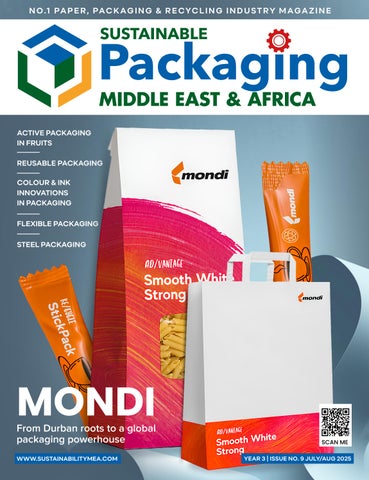
Welcome to Issue 9 of Sustainable Packaging Middle East & Africa Magazine, where we continue our mission to explore the evolving landscape of packaging across the Middle East and Africa, and beyond. This edition brings together a blend of innovation, critical debate, and forward-looking strategies that define how businesses and consumers are rethinking packaging in a resource-conscious world.
At the center of this issue is Mondi, our feature company. A global leader with a strong presence in Africa and the Middle East, Mondi has consistently placed sustainability at the core of its packaging solutions. From circular design principles to investment in recyclable and compostable materials, the company’s story underscores how a major industry player can balance profitability with purpose.
We also delve into steel as a packaging material, a reminder that sometimes the most traditional options remain the strongest. In applications where safety, durability, and preservation are non-negotiable, steel continues to deliver. Our coverage examines how this robust material is finding renewed relevance in industries that cannot afford to compromise.
Yet, as we explore progress, we also ask the tough questions. When reusable packaging is not enough, what comes next? Our editorial team investigates the limitations of reuse systems, from logistical barriers to hygiene concerns, and highlights where innovation is still urgently needed to move closer to a circular economy.
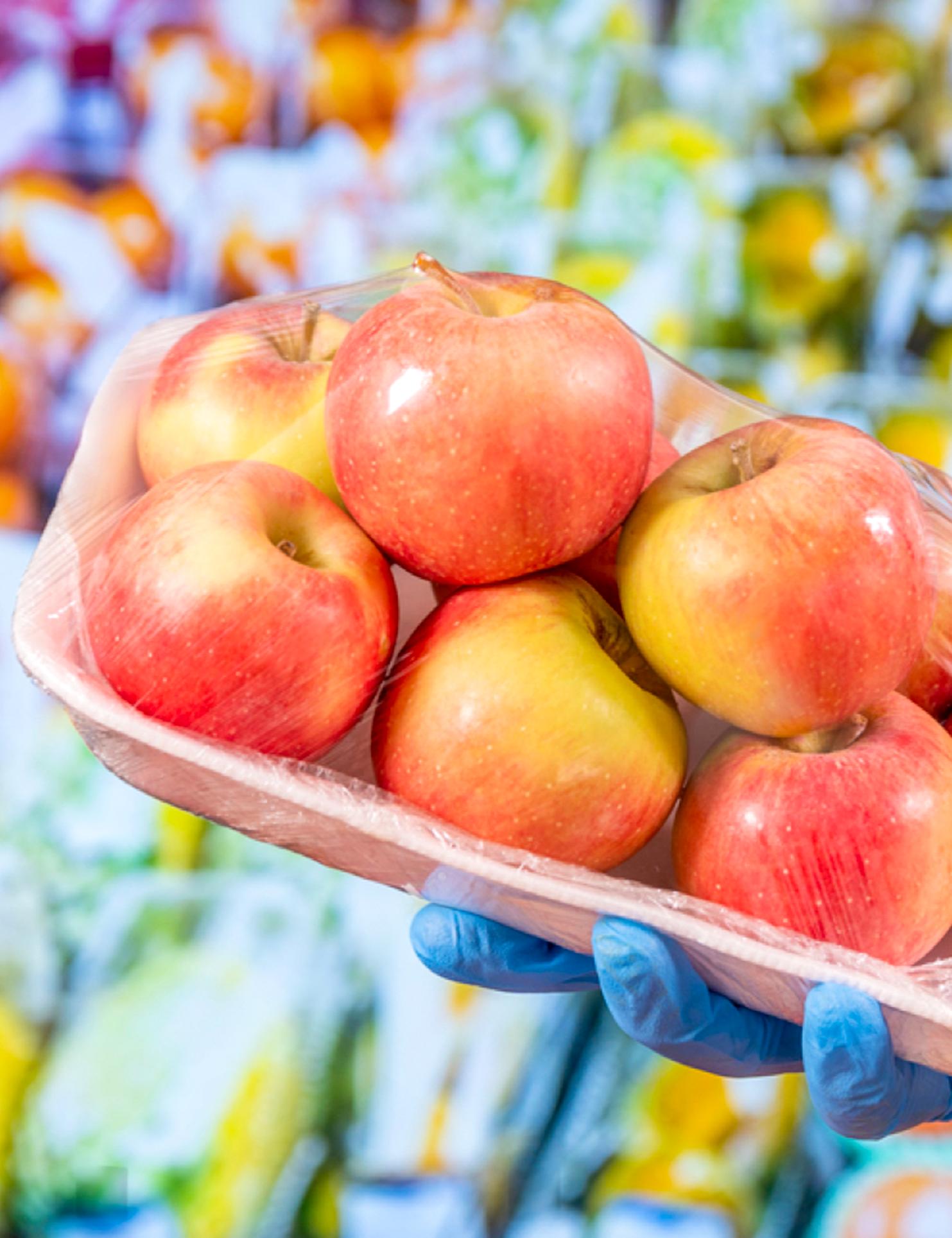
Equally compelling is our look at the rise of active
packaging, particularly in the fruit sector. Producers and retailers across the Middle East and Africa are increasingly turning to solutions that extend freshness, reduce waste, and support longer supply chains. With food security and export competitiveness at stake, this trend is more than a technical development, it is a necessity.
Flexibility is another recurring theme. Our analysis on flexible packaging sheds light on its dual reputation: celebrated for efficiency and convenience, yet scrutinized for recyclability. We examine the technologies, policies, and partnerships shaping its future in the region, and what stakeholders can do to align flexible packaging with sustainable goals.
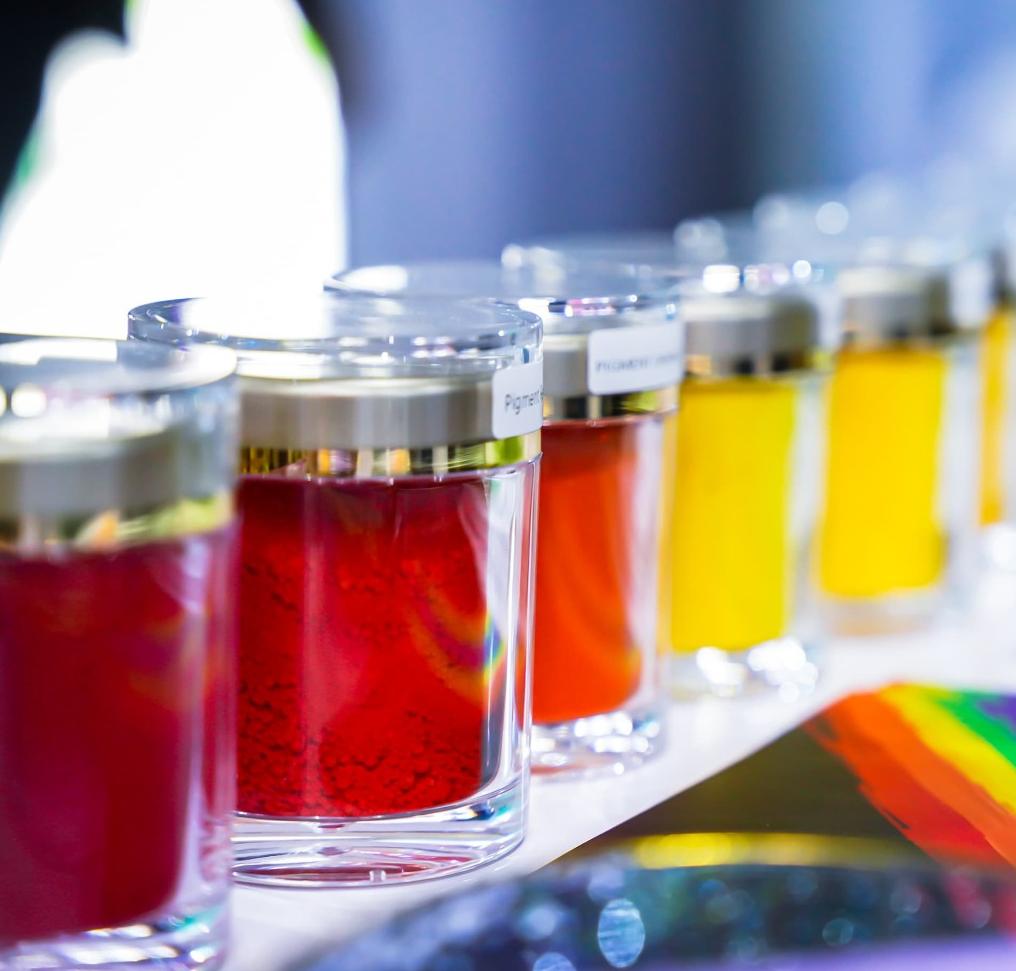
Finally, we turn to the world of colours and inks, an oftenoverlooked but crucial area of packaging innovation. Advances in low-migration inks, natural pigments, and digital printing techniques are helping brands communicate sustainability while minimizing environmental impact.
As you turn these pages, you’ll find that the challenges facing our sector are complex, but so too are the solutions. We hope this issue inspires you to engage with these conversations and to be part of the transformation shaping the future of packaging in the Middle East and Africa.
Enjoy the read!
Alphonse Okoth Senior Editor, FW Africa
TECHNOLOGY FOCUSCOLOUR & INK INNOVATIONS IN PACKAGING
TOPICAL FOCUSTECHNOLOGY VS SUSTAINABILITY
Coexist?
SUSTAINABILITY FOCUSREUSABLE PACKAGING
Sustainability
SUSTAINABLE
MIDDLE EAST & AFRICA
Year 3 | Issue No.9 | July - Sep 2025
FOUNDER & PUBLISHER
Francis Juma
SENIOR EDITOR
Alphonse Okoth
EDITORS
Mary Wanjira
Victor Atsali
Leah Wamuyu
CONTRIBUTOR
Cynthia Wainaina
BUSINESS DEVELOPMENT
DIRECTOR
Virginia Nyoro
BUSINESS DEVELOPMENT
ASSOCIATE
Jonah Sambai
HEAD OF DESIGN
Clare Ngode
ACCOUNTS
Anita Kinyua
Published By: FW Africa
P.O. Box 1874-00621, Nairobi Kenya Tel: +254725 343932
Email: info@fwafrica.net
Company Website: www.fwafrica.net
We publish some of the most influential magazines and websites in Africa & the Middle East regions. Please visit the websites below for more information about our publications.
Sustainable Packaging Middle East & Africa is published 4 times a year by FW Africa. Reproduction of the whole or any part of the contents without written permission from the editor is prohibited. All information is published in good faith. While care is taken to prevent inaccuracies, the publishers accept no liability for any errors or omissions or for the consequences of any action taken on the basis of information published.
www.foodbusinessmea.com
www.millingmea.com
www.horecamea.com
www.dairybusinessmea.com
FEE BUSINESS
www.feedbusinessmea.com
www.sustainabilitymea.com
www.healthcaremea.com
www.hpcmagmea.com
EVENTS CALENDAR
Eurasia Packaging Istanbul
October 22 – 25, 2025
Tüyap Fair and Congress Center, Istanbul, Turkey. www.packagingfair.com/en
Print 2 Pack 2025
November 17 – 19, 2025
Jeddah Center for Exhibitions and Events (JCEE), Jeddah, Saudi Arabia. www.print2packexpo.com/ksa
Pacprocess MEA
December 9 - 12, 2025
Egypt International Exhibition Centre, Cairo, Egypt www.pacprocess-mea.com
Africa Packaging Awards
December 11, 2015
Hotel Africana, Kampala, Uganda. www.manawards.fwafrica.net/pack
Shanghai World of Packaging (swop)
November 25 - 27, 2025
Shanghai New International Expo Centre (SNlEC), China www.swop-online.com/en
Africa Dairy Innovation Summit
February 25 – 27, 2026
Argyle Grand Hotel Nairobi Airport, Nairobi, Kenya www.africadairysummit.com
Propak East Africa
March 3 – 5, 2026
Sarit Expo Centre, Nairobi, Kenya www.propakeastafrica.com
AFRIPACK Expo Nigeria & Western Africa
April 14-16, 2026
Lagos, Nigeria www.afripackexpo.com
Africa Food Manufacturing Kenya & Eastern
Africa
July 15,17, 2026
Sarit Expo Centre, Nairobi, Kenya www.afmass.com
AFRIPACK Expo Kenya & Eastern Africa
July 15,17, 2026
Sarit Expo Centre, Nairobi, Kenya www.afripackexpo.com
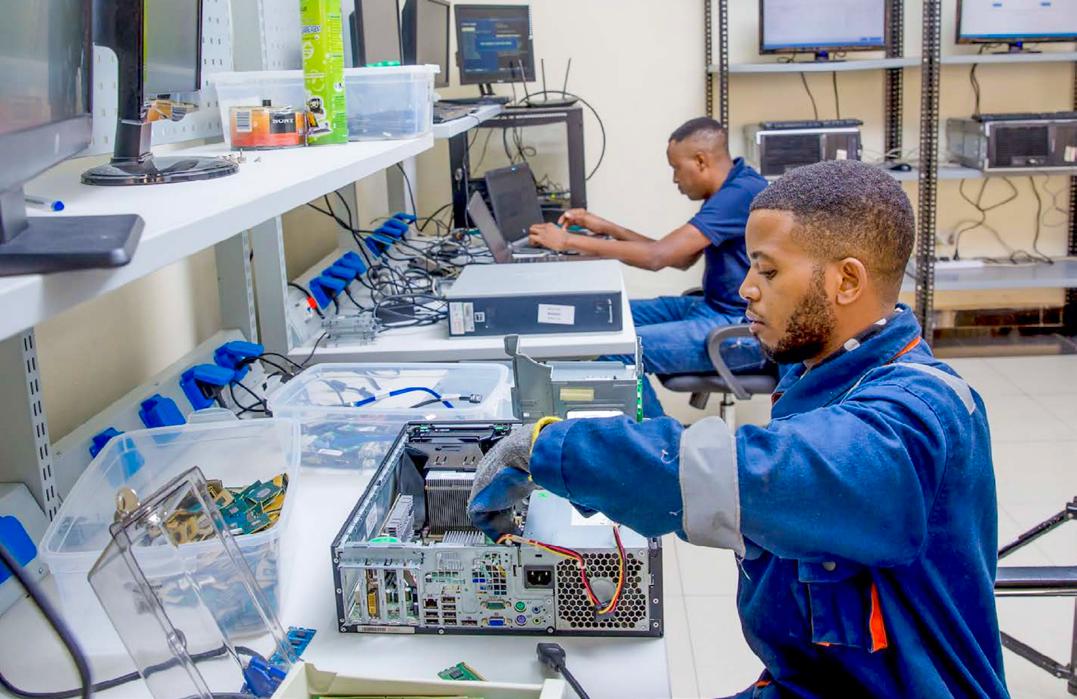
Safaricom, Warmtech Africa partner to address Kenya’s E-Waste crisis
KENYA — Safaricom has partnered with Warmtech Africa to manage the country’s growing challenge of discarded electronics.
The collaboration ensures safe disposal, recycling, and repurposing of telecom equipment while supporting a circular economy.
Previously, Safaricom auctioned outdated assets with little oversight. Under the new arrangement, Warmtech provides full traceability, including certificates documenting how every server, battery, or SIM card is handled. This accountability strengthens compliance and sustainability reporting.
Since the partnership began in 2024, more than 300 tonnes of e-waste have been processed. Of this, about 90% has been recycled or repurposed, while less than 5% has ended up in landfills.
Notably, 155,000 unused SIM cards weighing nearly a tonne have been safely disposed of. At the same time, Safaricom is scaling digital solutions to reduce reliance on physical SIMs.
Looking ahead, the partnership will help extend the lifespan of Safaricom’s technology. The telco has already replaced shortlived lead-acid batteries with lithium-ion versions lasting up to ten years.
Solar-powered masts and data centres designed to run for 25–30 years are also being installed.
“All sensitive equipment undergoes rigorous data erasure before disposal to protect customer information,” Safaricom’s Chief Executive Officer said. “This partnership shows that e-waste can be turned into opportunity.”
For Warmtech Africa, the collaboration has fueled growth. The company has doubled its technician workforce, expanded operations, and created new opportunities in a sector with rising demand.
Industry experts highlight that Kenya generates about 51,000 tonnes of e-waste annually, yet recycling rates remain low. Safaricom’s “Zero Waste to Landfill” pledge positions it as a leader in responsible disposal.
The initiative sets a precedent for other companies to formalize e-waste partnerships, aligning with global sustainability goals while promoting jobs, innovation, and environmental gains.
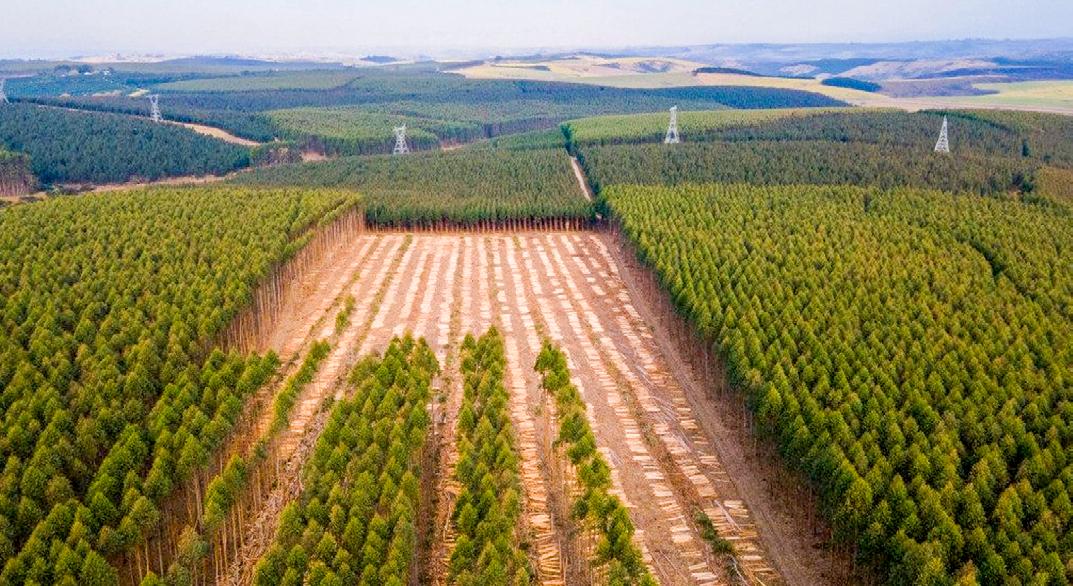
Mondi hands over Ihluku Timber farm to black-owned imsebe
SOUTH AFRICA
— Mondi has transferred ownership of its Ihluku timber farm in KwaZulu-Natal to Imsebe Enterprises, a black-owned company.
The move marks a milestone in South Africa’s forestry transformation efforts.
The official handover, held on August 14 near Harding, was facilitated through Mondi Zimele, the company’s enterprise and supplier development arm, in partnership with the Industrial Development Corporation (IDC) and other stakeholders.
Imsebe Enterprises director Thomas Mthethwa is now among South Africa’s first black commercial timber farmers. “This is a dream come true. It is an honour to be entrusted with this responsibility and to pave the way for other black farmers,” he said.
Mthethwa, with partner Matt Stegen, brings expertise in forestry management, silviculture, and community development. Their vision is to run plantations that create jobs, build skills, and supply fibre competitively.
The Ihluku plantation spans more than 1,000 hectares and is strategically located near major timber markets. With structured support from Mondi Zimele and the IDC, the business aims to become a leading black-owned timber grower.
Mondi South Africa Forests MD Themba Vilane described the deal as “a powerful example of ambition meeting opportunity.” He added, “This reflects Mondi’s vision of excellence – where innovation, sustainability and inclusion go hand in hand.”
The forestry sector, which supplies material for construction, pulp, paper, and packaging, has long been dominated by large corporations. Transformation initiatives are gaining momentum nationwide.
Sappi’s supplier development programme and partnerships supported by the Department of Forestry, Fisheries and the Environment (DFFE) highlight efforts to broaden ownership and support small- and medium-sized black-owned enterprises.
Mondi Zimele CEO Nelly Ndlovu said, “Our ambition goes beyond industry leadership. It is about contributing to a better South Africa where enterprises like Imsebe can inspire, uplift, and create lasting impact.”
HBTU partners With Mercury Industries to advance packaging, paint research
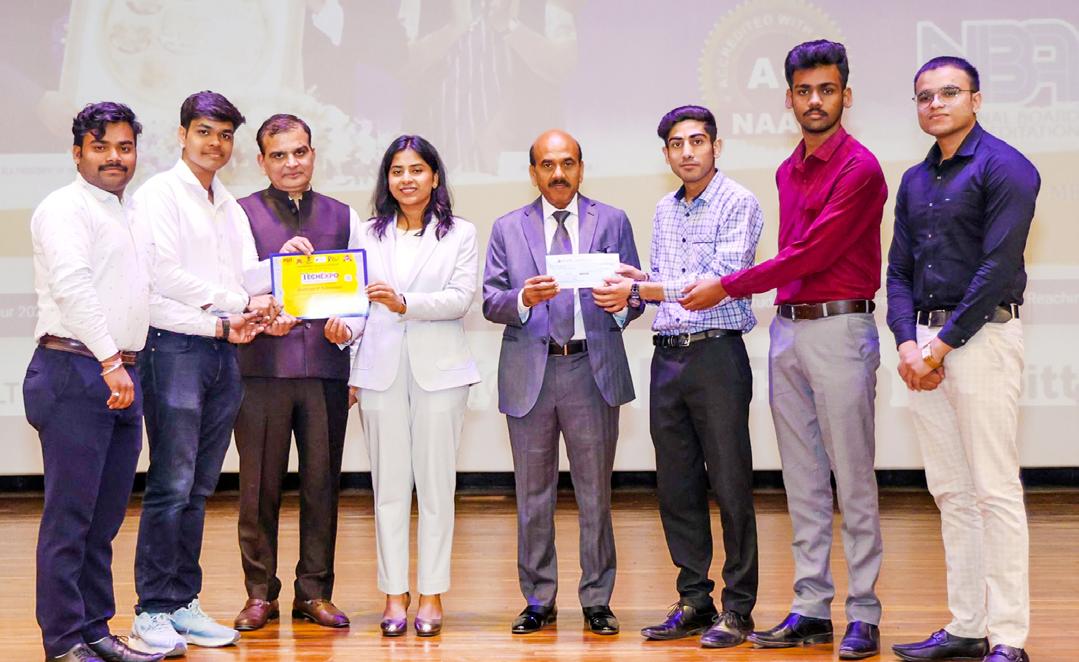
PAKISTAN — Kanpur, has signed a memorandum of understanding with Mercury Industries Limited, a manufacturer of metal and plastic packaging solutions.
The agreement strengthens cooperation in research, training, and technology development.
The partnership will focus on advancing HBTU’s Department of Paint Technology through joint research projects, knowledge sharing, and technology transfer. Priority areas include can coatings, packaging inks, and sustainable material applications.
It also includes industry visits, structured training, and the provision of raw materials for laboratory experiments, giving students hands-on exposure to packaging and materials science challenges.
Founded in 1985, Mercury Industries supplies products ranging from paint cans and industrial drums to food cans, gift cans, and plastic containers, covering packaging capacities between 50 ml and 20 litres.
Speaking at the signing, Professor Arun Maithani, head of HBTU’s Paint Technology Department, described the collaboration as a “significant achievement” for the university.
“Through the support of Mercury Industries, our students and faculty will gain direct exposure to industrial technologies. This will enhance academic learning and open new avenues for applied research and sustainable solutions,” he said.
The MoU was signed on behalf of HBTU by Registrar Amit Singh Rathore, who emphasized the importance of industry-
academia partnerships in creating a skilled workforce.
For Mercury Industries, the collaboration reflects a commitment to innovation and sustainability in packaging. By engaging with academic institutions, the company aims to accelerate the development of next-generation solutions that address market and environmental needs.
Industry experts say such collaborations are vital as India’s packaging sector evolves rapidly, driven by regulatory changes, sustainability targets, and consumer demand. The industry is projected to reach US$204 billion by 2025.
This initiative positions HBTU and Mercury Industries at the forefront of packaging research in India, bridging the gap between academic excellence and industrial application.
ATP adhesives invests US$70M in eco-friendly plant in USA
USA — ATP Adhesives, a leader in solvent-free adhesive technologies, has committed US$70 million to establish its first U.S. manufacturing facility in Columbia, South Carolina.
The investment marks a significant step in the company’s expansion into North America, aiming to serve markets with sustainable, high-performance adhesive solutions.
The 127,000-square-foot plant, set to begin operations in July 2026, will create 130 jobs. It will produce eco-friendly, water-based adhesive tapes designed to minimize environmental impact, targeting industries across the U.S. and Canada.
Unlike solvent-based alternatives, ATP’s solvent-free systems reduce volatile organic compound emissions. This makes them ideal for applications in packaging, where cleaner bonding is critical for films, labels, and recyclable designs.
“This facility represents a milestone in bringing our expertise to North America,” said Daniel Heini, CEO of ATP Adhesives.
The company, rooted in German and Swiss engineering, aims to enhance supply chain efficiency through localized production.
“Combining European innovation with U.S. manufacturing will deliver faster, cost-effective solutions,” stated Dirk Henke, managing director of ATP North America. He emphasized benefits for clients using these tapes in acoustic insulation and heat shields.
The Columbia plant will support everything from product trials to full-scale production. This setup allows ATP to collaborate closely with customers, offering tailored adhesive solutions for diverse industrial needs.
South Carolina’s government played a key role, providing incentives to secure the project. Governor Henry McMaster noted that the facility will bolster the Midlands region’s economy, reinforcing the state’s status as a hub for advanced manufacturing.
ATP’s investment will address the growing demand for sustainable adhesives in the renewable energy and automotive sectors. The plant will help meet these needs without the delays of overseas supply chains.
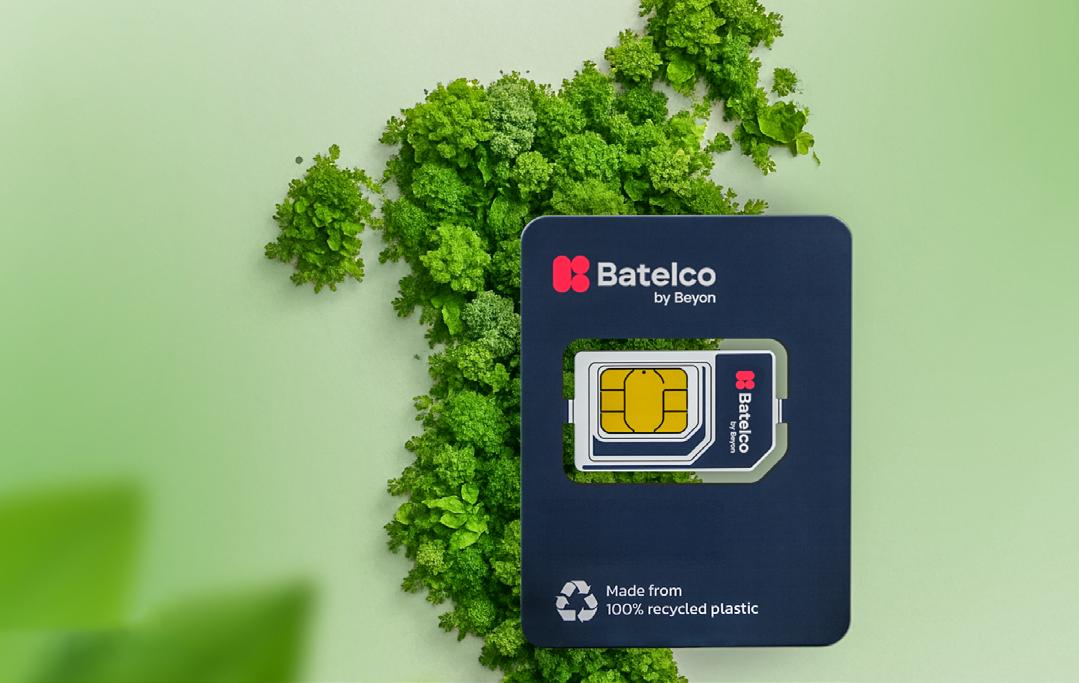
Batelco By Beyon launches Bahrain’s first Eco-SIM Cards from recycled plastic
BAHRAIN — Batelco, part of the Beyon Group, has become the first telecom operator in Bahrain to introduce Eco-SIM cards manufactured entirely from recycled plastic.
The initiative marks a milestone in the company’s sustainability journey and aligns with Beyon’s environmental, social, and governance (ESG) commitments.
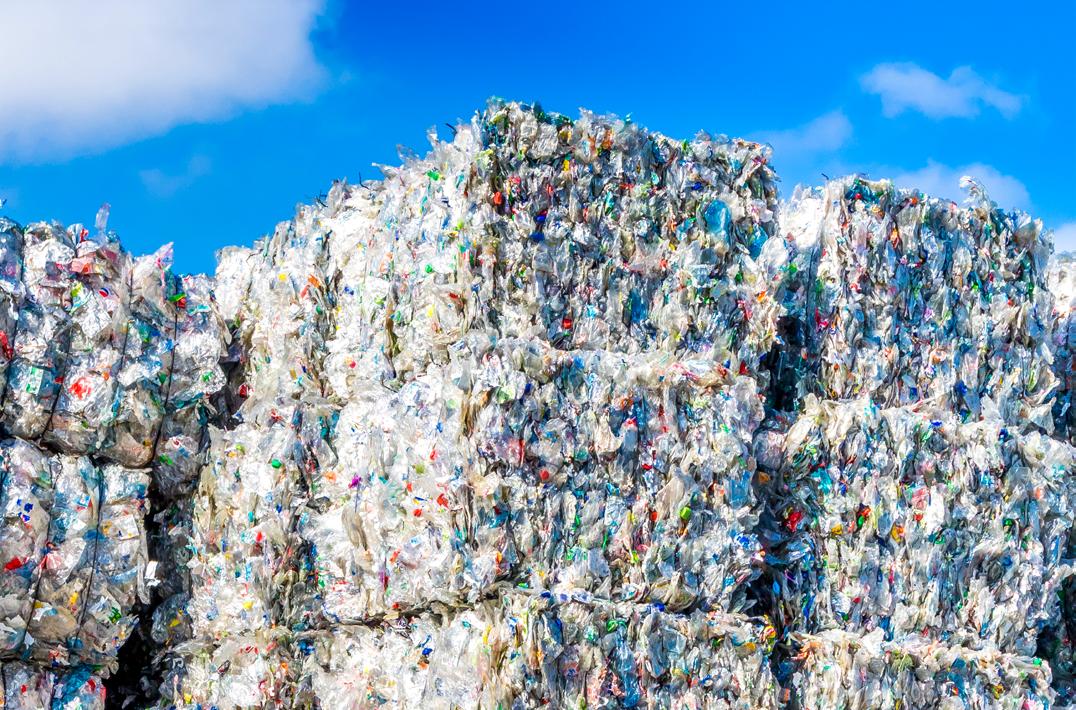
All new SIM cards issued by Batelco will now be Eco-SIMs. The card bodies are made from recycled polystyrene sourced primarily from discarded refrigerators and household appliances. Once retired, the SIMs can be recycled again to create new cards, supporting a circular economy.
“This initiative demonstrates our proactive role in addressing environmental challenges,” said Aseel Mattar, General Manager at Batelco.
“Eco-SIMs complement our eSIM rollout while serving the majority of customers who still rely on physical SIMs.”
Globally, more than 4.5 billion SIM cards are produced annually, according to GSMA. This scale results in thousands of tons of plastic consumed, making SIM production a hidden but significant environmental burden.
By adopting Eco-SIMs, Batelco aims to reduce virgin plastic demand, lower emissions, and divert waste from landfills. The move supports both Bahrain’s environmental goals and the company’s broader decarbonization strategy.
While eSIMs eliminate the need for physical cards, device compatibility remains limited. Eco-SIMs provide a practical bridge, ensuring customers can enjoy immediate environmental benefits without disruptions to service.
Industry experts note that small innovations, when applied at scale, can deliver meaningful impact. Telecom operators worldwide are beginning to adopt Eco-SIMs as part of their green transformation agendas.
Batelco’s initiative positions Bahrain at the forefront of sustainable telecom practices in the Middle East, joining a growing global movement toward greener digital infrastructure.
With Eco-SIMs, Batelco signals that even the smallest cards can drive big change.
Kenya to pioneer responsible sourcing initiative for plastic recycling
KENYA — Kenya has been chosen as one of two African nations to pilot the Responsible Sourcing Initiative (RSI), a global program tackling plastic pollution.
The Circulate Initiative, a nonprofit advancing circular economy solutions, will roll out RSI in partnership with Nairobibased recycler Mr Green Africa.
Backed by The Coca-Cola Foundation and the IKEA Foundation, the initiative will embed responsible sourcing in the plastics recycling chain, focusing on safeguarding the rights and livelihoods of informal waste workers.
Kenya becomes the fourth global market for RSI, after India, Indonesia, and Vietnam. Ethiopia will follow next year, making it the second African country to adopt the program.
The launch follows the Africa Climate Summit in Addis Ababa, where leaders emphasized scalable, justice-centered climate solutions.
Kenya generates about 983,000 tonnes of plastic waste annually, but only 27% is collected and just 8% recycled, according to the International Union for Conservation of Nature (IUCN).
Waste pickers play a vital role in bridging this gap. The Kenya National Waste Pickers Welfare Association counts 46,000 members, though the real number is believed higher.
“Our launch in Africa is a significant milestone,” said Annerieke Douma, Senior Director at The Circulate Initiative. “The Kenyan project is the first step toward scaling responsible sourcing practices across Africa.”
Baseline assessments show challenges such as low pay, unsafe conditions, and lack of social protections. RSI’s harmonized framework, designed in 2024, aims to tackle these issues.
Mr Green Africa CEO Keiran Smith said, “By joining RSI, we can expand our network and increase responsibly sourced recycled plastic, while improving livelihoods.”
The program aims to improve the lives of 50,000 waste pickers and deliver 100,000 tonnes of responsibly sourced recycled plastic.
Sidel to unveil EvoBLOW Laser technology at Drinktec 2025
GERMANY — Sidel will introduce its groundbreaking EvoBLOW Laser technology at Drinktec 2025 in Munich, setting a new benchmark for PET and rPET container production.
The solution is designed to meet rising sustainability demands by reducing material use while ensuring strength and aesthetics in beverage packaging.
Unlike traditional halogen ovens, which rely on eight heating zones, EvoBLOW Laser employs up to 36 ultra-precise laser lines.
This advancement allows the creation of invisible “power rings” and thicker, undetectable bands of material that improve durability while cutting down plastic use.
The rings replace conventional ribs, enabling lightweighting in difficult areas, including below the bottle neck, while offering greater design flexibility.
Sidel’s President and CEO, Pietro Cassani, described the launch as a “game-changer,” noting the company’s 45 years of leadership in blowing technology. “At Drinktec, we unveil the world’s first industrialized laser-powered solution,” he said.
The system operates consistently regardless of external conditions, requiring only a single setting per heating line.
Cold-start functionality eliminates warm-up or cool-down delays, reducing downtime during product changeovers.
Live speed modulation allows on-the-fly adjustments to match line conditions, while durable laser diodes and the absence of fans or filters lower maintenance needs.
Field tests with Refresco validated the technology’s industrial performance. Coert Michielsen, Refresco’s Chief Supply Chain Officer, said laser oven technology could soon become the new industry standard, thanks to its adaptability to rPET and ability to cut preform waste by up to 50%.
Industry reports highlight growing interest in laser-based packaging solutions, with similar developments emerging at FachPack 2025.
Sidel’s competitively priced EvoBLOW Laser positions producers to achieve cost savings, higher efficiency, and improved sustainability outcomes.
TIPA launches compostable high-barrier films to transform food packaging
USA — TIPA has unveiled four new compostable high-barrier films and laminates designed to expand sustainable options for flexible food packaging.
These innovations target single-serve sachets, chips, protein powders, drink mixes, nutraceuticals, and beverages like ground coffee and tea.
The company explained that the films provide strong moisture and oxygen protection, extending shelf life without compromising food quality.
According to TIPA, the new products include transparent and paper print layers, meeting both visual and functional brand requirements. All are compatible with standard packaging machinery, offering sealing and printing flexibility.
TIPA co-founder and CEO Daphna Nissenbaum noted that with more than 40% of consumer goods packaged in flexible formats and less than 1% recycled in the U.S., brands urgently need sustainable alternatives. She added that the laminates match the durability of conventional plastics while offering compostable end-of-life solutions.
The launch follows TIPA’s exclusive partnership with Coveris in the UK to produce compostable labels for fresh produce. The labels adhere securely to wet or irregular surfaces, addressing new regulatory demands on stickers.
Earlier this year, Coveris Rypin collaborated with Polish brand Brześć to use recyclable films for puff snacks, combining reduced
waste with enhanced branding through advanced flexographic printing.
TIPA has also worked with Bio4Life on a home compostable label for fruits and vegetables, offering an eco-friendly solution that decomposes in household compost systems while maintaining strong adhesion.
The company recently joined the U.S. Plastics Pact, pledging progress reports on waste reduction and circular economy goals. TIPA will showcase its expanded product line, including highbarrier films, at PACK EXPO in Las Vegas from September 29 to October 1.
INDIA — Allied Blenders and Distillers Ltd. (ABD), one of India’s leading spirits manufacturers, has inaugurated a state-ofthe-art PET bottle manufacturing facility at its integrated plant in Rangapur, Telangana.
With an impressive annual capacity of over 600 million bottles, the facility marks a major step in ABD’s drive toward supply chain self-reliance, cost optimization, and operational efficiency.
Developed with an investment of around ₹115 crore (US$12.96m), the new PET plant is designed to meet a substantial portion of ABD’s in-house packaging requirements.
By producing bottles internally, the company aims to reduce dependence on third-party suppliers, cut logistics expenses, and streamline production timelines.
The plant is part of Telangana’s largest integrated alcoholic beverages complex, which also includes an Extra Neutral Alcohol (ENA) distillery, an IMFL bottling unit, and the upcoming Single Malt Plant.
The PET facility features advanced robotics, automation
systems, and Japanese energy-efficient machinery, alongside recycling technologies that align with ABD’s sustainability objectives.
Alok Gupta, Managing Director of ABD, emphasized the strategic importance of the facility, stating, “This new PET facility at Rangapur reflects our integrated approach to manufacturing. By leveraging existing land and infrastructure, we have kept costs low, accelerated execution, and minimized environmental impact.
The commissioning of the PET plant forms part of ABD’s broader ₹525 crore (US$59.16m) backward integration program, which also includes the expansion of its ENA distillery in Maharashtra and the establishment of India’s first single malt distillery in Rangapur.
Collectively, these investments are expected to improve operational efficiency and expand gross margins by 300 basis points by FY28.
ABD’s robust portfolio includes well-known brands such as Officer’s Choice Whisky, Officer’s Choice Blue Whisky, Sterling Reserve Premium Whiskies, and ICONiQ White Whisky.
Norfund backs Mohinani’s PET recycling plants in Ghana, Nigeria
NORWAY
— Norfund, Norway’s government investment fund for emerging markets, has announced a major loan to the Mohinani Group to scale up plastic recycling in West Africa.
The funding will support two state-of-the-art plants for recycled PET (rPET), one in each country. Together, they will provide 15,000 tonnes of food-grade capacity annually, enabling closed-loop “bottle-to-bottle” recycling and reducing dependence on virgin resin imports.
“This investment in Mohinani Group aligns with our efforts to develop the plastic recycling sector, one of Norfund’s investment areas, in collaboration with industrial partners,” said Naana Winful Fynn, Regional Director for West Africa.
Approximately 90% of the raw materials will be sourced locally through small-scale collectors, creating opportunities for women and youth in the informal waste sector. This will strengthen collection chains, expand jobs, and keep plastic out of open dumps.
Ashok Mohinani, Chairman of the Mohinani Group, called the partnership a milestone. “Together, we are intensifying efforts to close the loop for bottle-to-bottle recycling across West Africa and beyond, while creating more jobs, enhancing the circular economy, and driving environmental impact,” he said.
The project follows a US$37 million loan from the International Finance Corporation (IFC), which also provides
advisory support to strengthen environmental and social standards.
Globally, only 9% of plastic waste is recycled, while SubSaharan Africa manages just 6%, according to the OECD. Consumption there is lower than in OECD nations, but poor waste systems fuel pollution.
The Mohinani initiative is expected to generate over 4,000 jobs and save US$21 million in resin imports per country each year. Experts say such private investments are vital to close Africa’s waste management gap.
PETCO partners DFFE to inaugurate US$11.6M food-grade PET recycling plant in Cape Town
SOUTH AFRICA — PETCO, in collaboration with the Department of Forestry, Fisheries and the Environment (DFFE), has launched Extrupet (Pty) Ltd’s new food-grade PET bottleto-bottle recycling facility in Cape Town, the first of its kind in the Western Cape.
The R200 million (US$11.6 million) investment will process 15,000 tonnes of post-consumer PET bottles annually, producing high-quality recycled PET (rPET) that meets international food-grade safety standards. The project marks a major step in advancing South Africa’s circular economy and reducing plastic waste entering landfills.
PETCO CEO Telly Chauke said the facility highlights the organization’s commitment to expanding recycling infrastructure nationwide. “This milestone strengthens South Africa’s capacity for world-class bottle-to-bottle recycling while creating meaningful jobs across the value chain,” she stated.
The initiative coincides with South Africa’s strengthened Extended Producer Responsibility (EPR) framework, which requires packaging producers to take accountability for their products throughout their lifecycle. PET bottles remain a major component of plastic waste, yet South Africa’s PET collection rate has climbed from 16% in 2005 to nearly 76% in 2023.
By adding 15,000 tonnes of rPET capacity annually, the Cape Town plant will improve recycled resin availability for food, beverage, and packaging manufacturers. It will also cut reliance on virgin plastics, reduce emissions, and support livelihoods for collectors and recyclers supplying feedstock.
DFFE Minister Barbara Creecy said the investment aligns with national green economy goals. “This partnership demonstrates how public and private sectors can drive climate action and inclusive growth,” she noted.
Extrupet, already operating one of Africa’s largest rPET plants in Johannesburg, said the Cape Town site positions the Western Cape as a growing hub for sustainable packaging innovation.
Mondi launches recycled containerboard production at converted Duino Mill in Italy
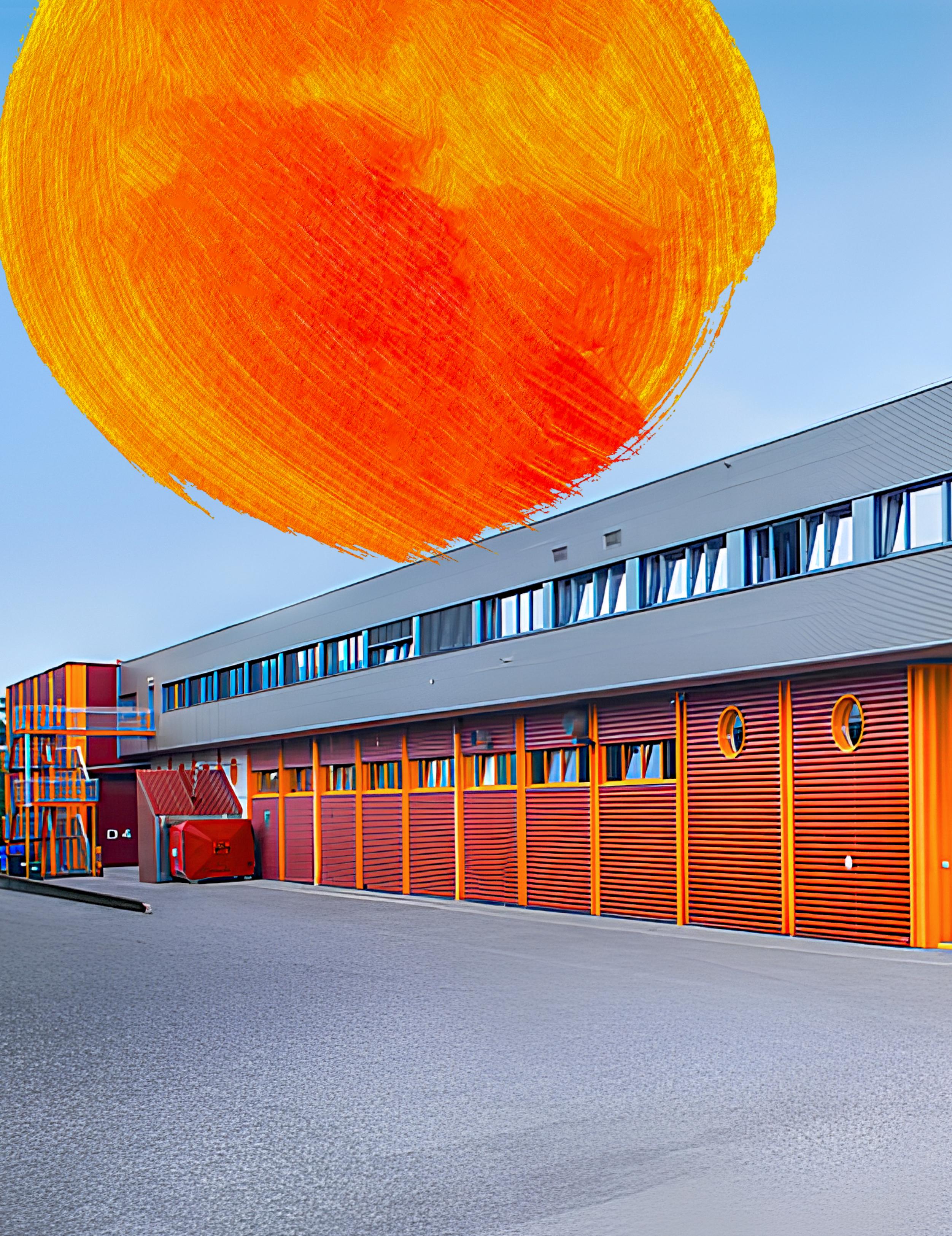
ITALY — Mondi has officially started high-quality recycled containerboard production at its Duino mill in Italy, completing a US$235 million conversion project designed to increase sustainable packaging capacity.
The investment transformed an existing paper machine into one dedicated to recycled containerboard, enabling the use of 100% recovered fiber. Once fully ramped up, the site will produce 420,000 tonnes annually, meeting demand for eco-friendly packaging across diverse markets.
Mondi said the upgrade strengthens supply for customers throughout Europe, the Middle East, and North Africa. The Duino mill’s location near ports offers convenient international shipping, while its proximity to local industries shortens delivery times and improves logistics efficiency.
Klaus Peller, COO of Mondi Containerboard, emphasized that the on-time completion reflects the company’s reliability. He added that the investment fosters long-term partnerships, innovation, and resilience across customer supply chains.
The new machine produces waste-based fluting from 80 grams per square meter and testliner from 90 grams upward, with reel widths ranging from 0.95 to 3.35 meters. This makes it Mondi’s largest recycled paper machine and a key asset in its global network.
In May 2025, Mondi confirmed the machine’s successful start-up and integration of fully recycled fibers, underscoring alignment with circular economy principles. Operations have since ramped up steadily, contributing to reduced environmental impact by reusing waste materials.
Mondi currently operates six containerboard mills worldwide, offering a range from 100% recycled to virgin grades. The Duino site enhances this portfolio, providing customers with versatile solutions for food packaging, industrial boxes, and other applications.
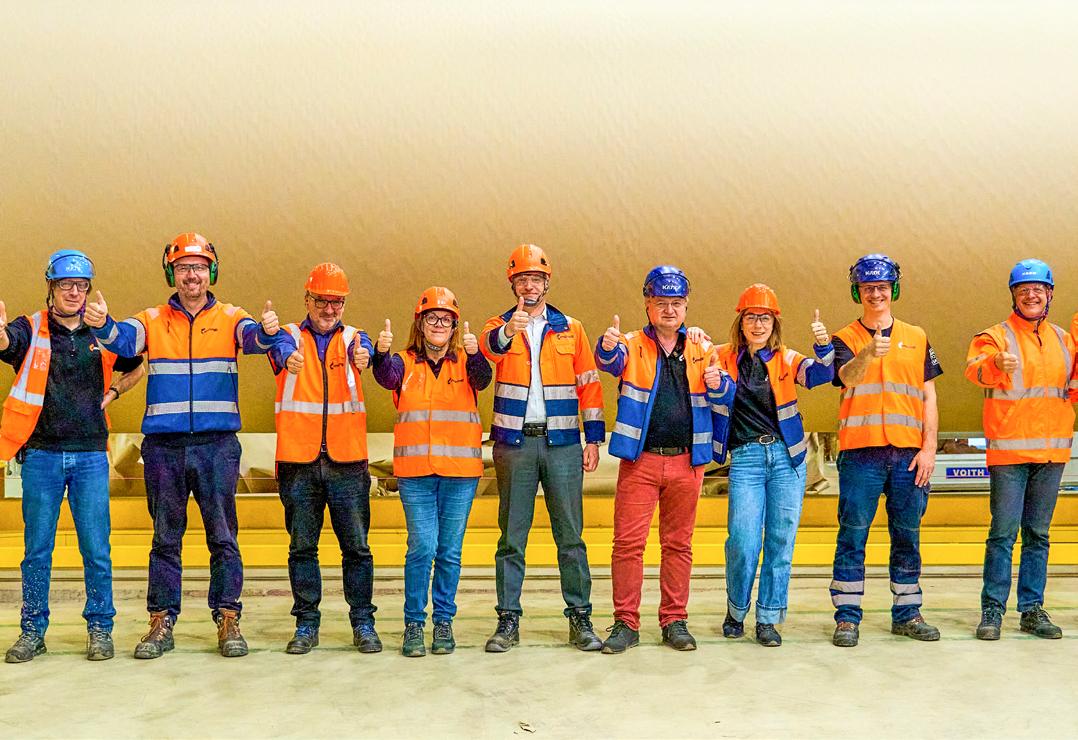
On September 22, 2025, Mondi welcomed over 70 corrugator representatives to the mill to showcase capabilities, highlight innovation, and discuss opportunities for collaboration.
Biffa completes Esterform acquisition, launches Esterpret to boost PET recycling
UK — Waste management company Biffa has completed its acquisition of preform and bottle manufacturer Esterform, consolidating its PET recycling and packaging operations under a new brand, Esterpret.
The move follows Biffa’s partial investment in 2023 and builds on its earlier purchase of Esterform’s sister company in Leeds.
The acquisition establishes a fully integrated PET supply chain, spanning collection, recycling, and packaging production. Biffa now fully owns Esterform’s facilities in Tenbury Wells, UK, and Morąg, Poland, marking a major expansion in sustainable packaging capabilities.
Esterform founder Mark Tyne will continue to lead the group, noting that Biffa’s support accelerates its capacity to meet the UK’s growing demand for recycled PET, particularly ahead of the Deposit Return Scheme (DRS) launch in 2027.
Biffa CEO Michael Topham said the merger creates “a full circular solution for PET packaging,” aligning with national recycling targets and rising regulatory requirements.
The move complements a prior agreement in which Esterform committed to sourcing 6,000 tonnes of food-grade recycled PET annually from Biffa’s Seaham plant, certified by the European Food Safety Authority.
The deal comes as the UK plastics sector faces weak demand and policy uncertainty. Biffa has urged the government to ban plastic waste exports to strengthen domestic recycling infrastructure, with national PET bottle recycling rates still lagging EU averages at around 50%.
To bolster recovery rates, the UK government recently announced US$150 million in grants for advanced recycling technologies, aiming for a 30% increase in PET recovery by 2030.
Positioning itself within the US$2.5 billion UK sustainable packaging market, Biffa plans to invest US$20 million over two years to upgrade Esterpret’s production lines, enhancing throughput and supporting the country’s transition to a circular plastics economy.
CASTLE LITE
Castle Lite Refreshed Packaging
Castle Lite, a flagship lager beer brand owned by South African Breweries (SAB) has unveiled its refreshed packaging design in South Africa.
The new packaging features sharper lines, brighter colors, and a reimagined Snowcastle icon, complete with an embossed bottle grip for enhanced handling and sleek body labels that include a Snowcastle indicator to signal optimal chilling.
The updated logo and color palette emphasize a crisp, refreshing vibe, making the product stand out on shelves with a premium, modern edge.
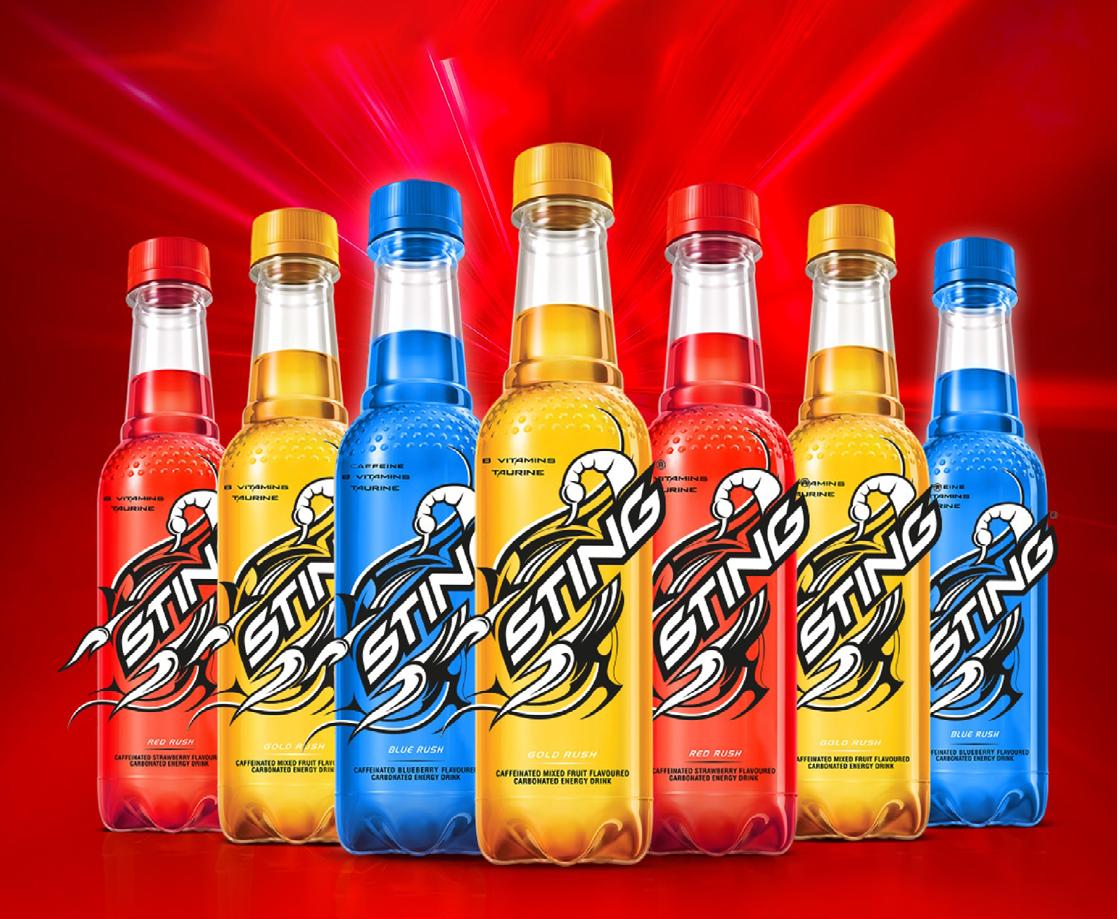
Sting Energy Drink in 330 ml bottles
PepsiCo Kenya has expanded its beverage portfolio with the launch of Sting Energy Drink, now packaged in a 330 ml bottle format.
The packaging combines bold branding with a convenient serving size that appeals to younger consumers looking for energy on the go.
The packaging is designed to be vibrant and eye-catching, directly targeting Kenya’s youthful and urban consumers.
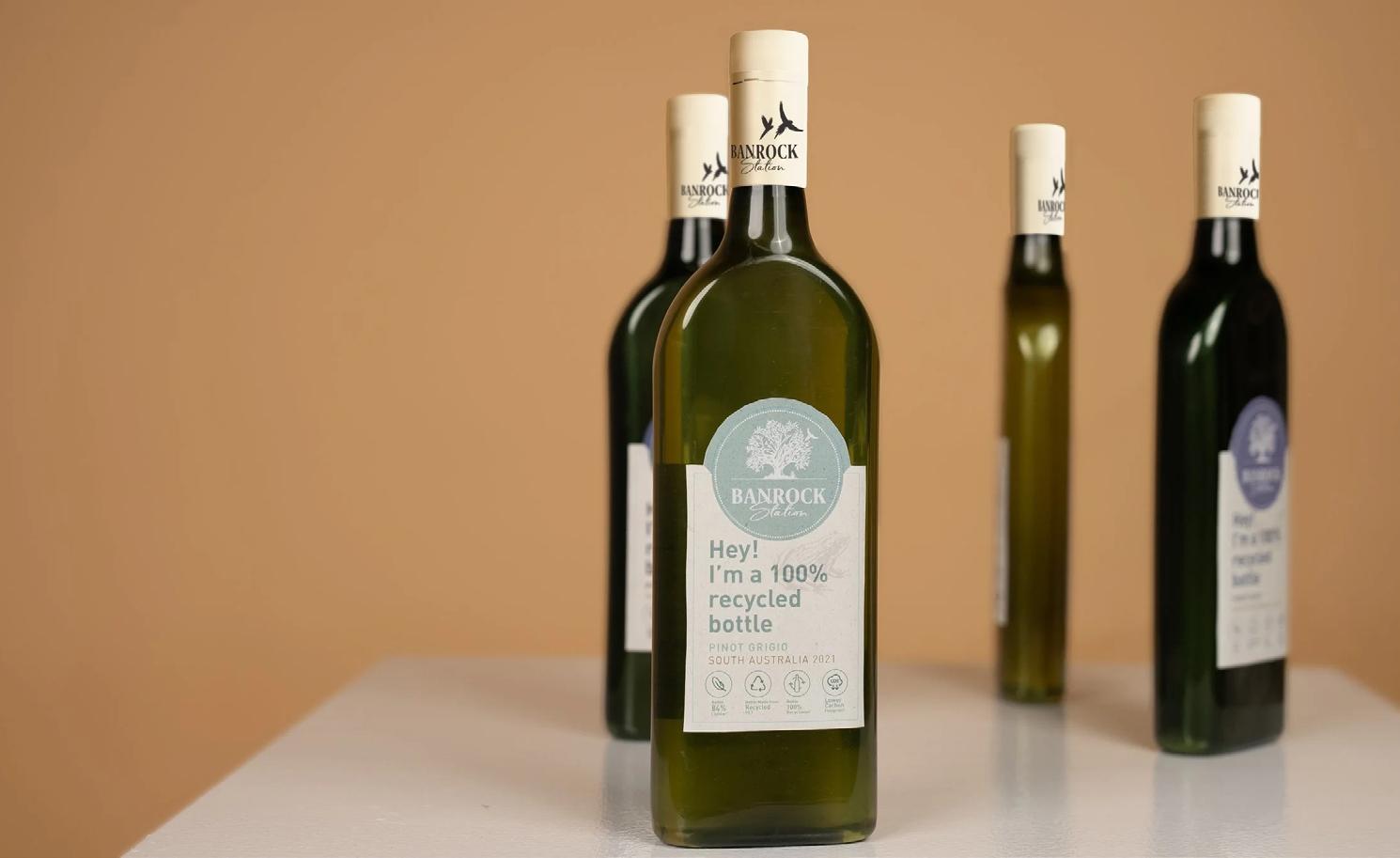
Eco-flat wine bottle
Safripol, in collaboration with Packamama and Polyoak Packaging has debutede co-flat wine bottles in South Africa, featuring Stellenbosch Vineyards’ Welmoed Sauvignon Blanc.
Crafted from 100% recycled PET plastic with over 25% post-consumer content, the 750ml flat bottle is 80% lighter than traditional glass, enabling space-efficient shipping and significant carbon emission reductions.
Its innovative flat design collapses for transport and expands upon filling, while remaining fully recyclable and shatterproof, making it ideal for both domestic and export markets.
PACKAMAMA
PEPSICO KENYA
BIOGEN SOUTH AFRICA
Biogen has introduced its Platinum Multivitamin Plus Mineral Dietary Supplement in a practical, consumer-friendly package designed to meet both health and convenience needs.
The product is presented in a recloseable plastic bottle containing 180 tablets, ensuring long-lasting supply for regular users.
The sturdy container protects the tablets from moisture, light, and contamination, while the resealable cap provides ease of use and maintains product integrity throughout its shelf life.
WOODLANDS DAIRY
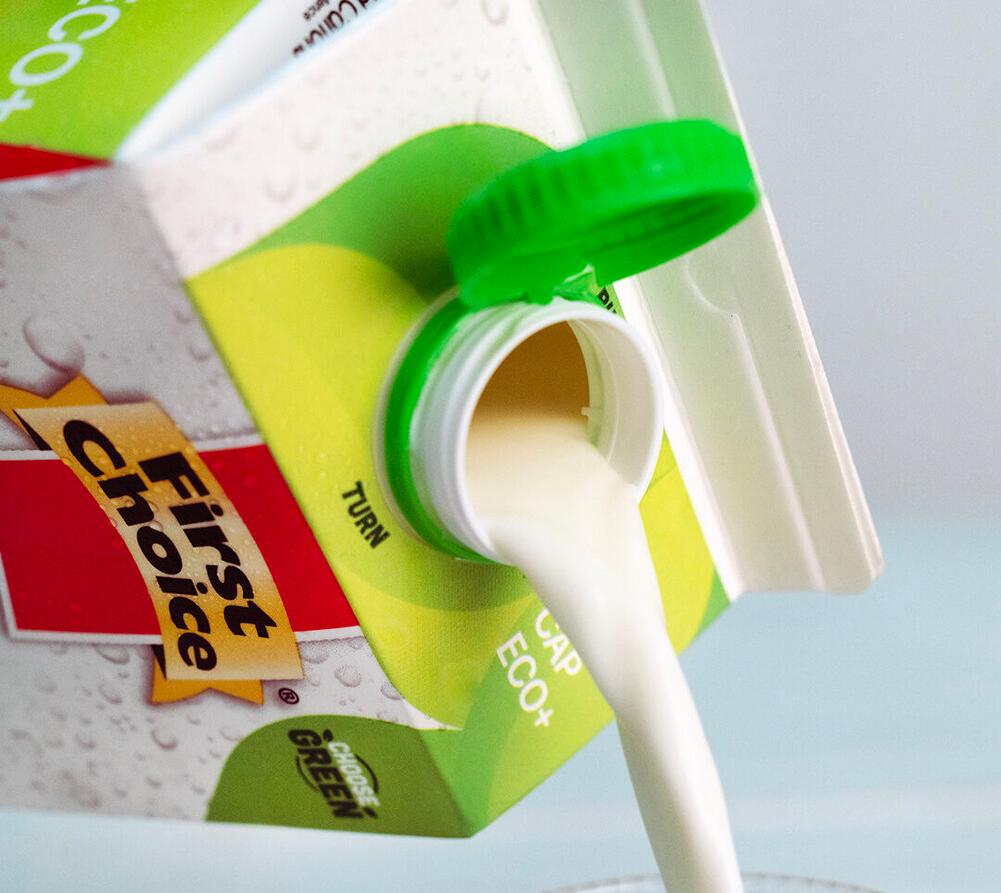
ECO+ tethered cap cartons
Woodlands Dairy, a leading South African dairy processor, has rolled out tethered caps on its First Choice ESL milk cartons under the ECO+ initiative.
The cap remains attached to the carton even after opening, addressing litter issues and improving recyclability since the whole unit can be disposed of together.
This tethered cap launch follows the EU directive on singleuse plastics, but Woodlands adapted it proactively for the local context.
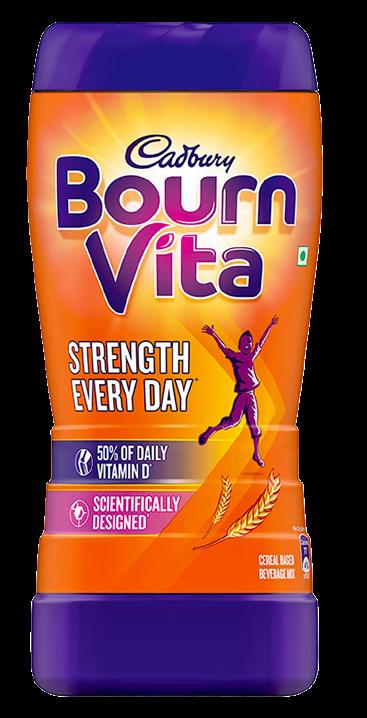
Mondelez Tanzania has introduced its Bournvita Cereal Based Beverage Mix in a 500 g plastic jar tailored for children aged 7 to 9 years.
The jar is sturdy, lightweight, and recloseable, designed to preserve the freshness of the malted cereal powder while ensuring ease of handling in family kitchens.
Its wide-mouth opening allows for convenient scooping and measuring, making it simple for parents to prepare balanced servings.
Bournvita Cereal Based Beverage Mix
MONDELEZ TANZANIA
A STEPPING STONE to Asia
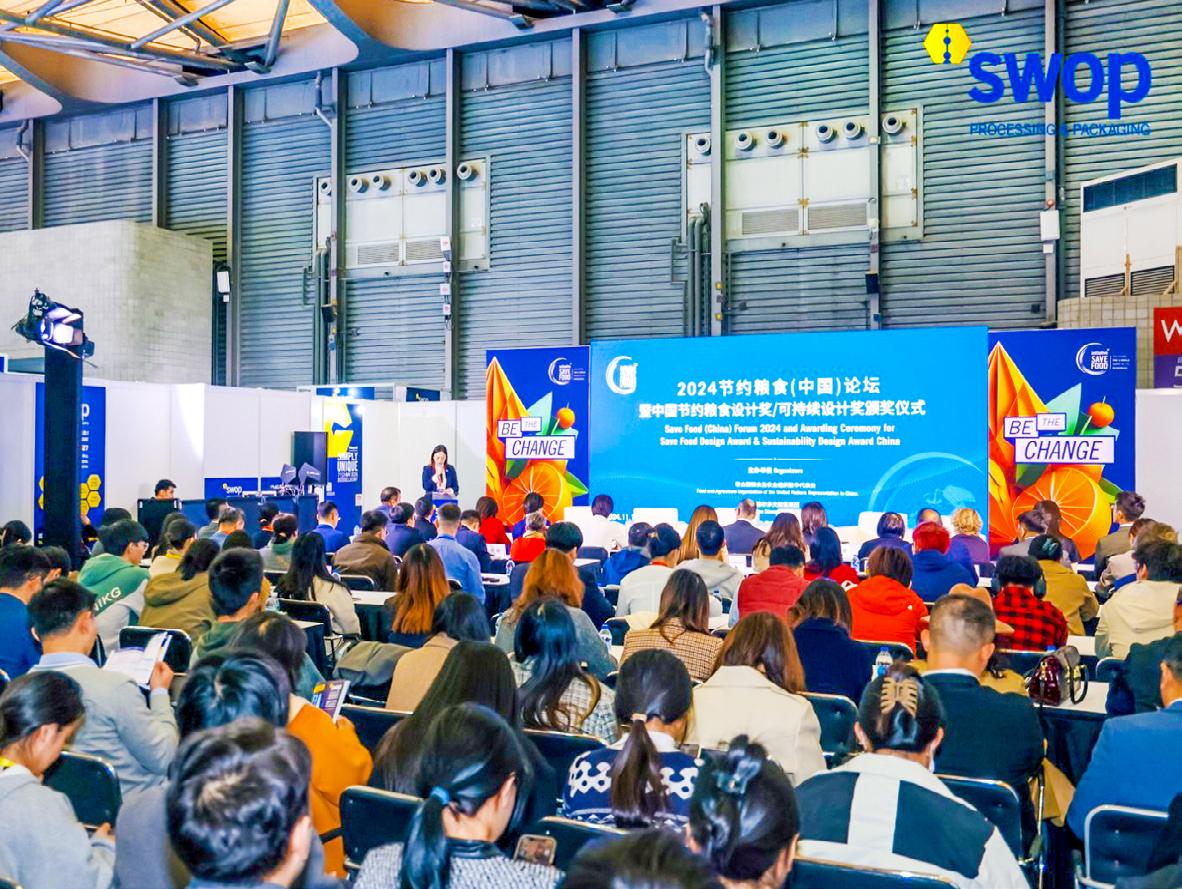
Shanghai World of Packaging 2025 opens doors to the Asian packaging market
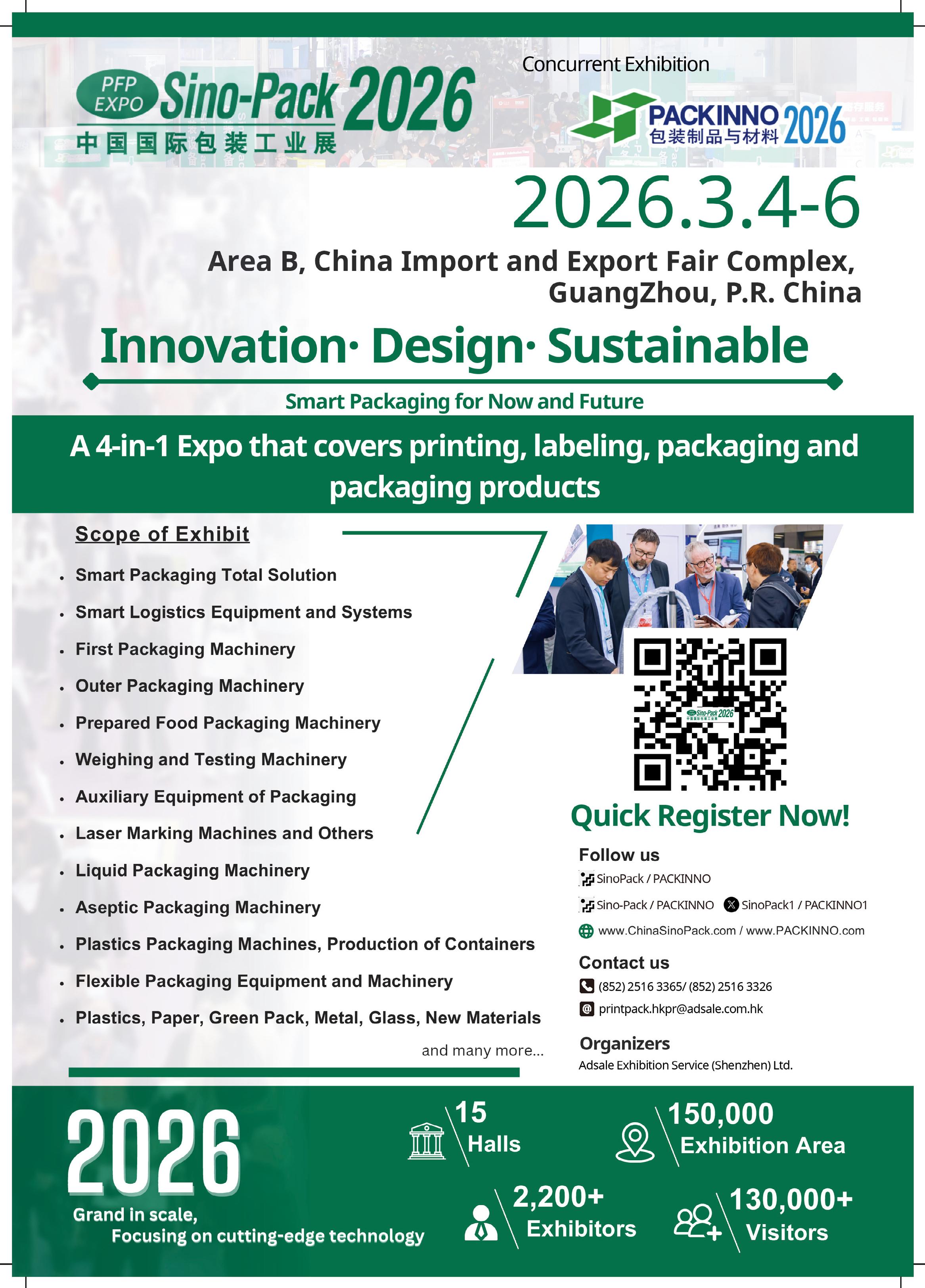
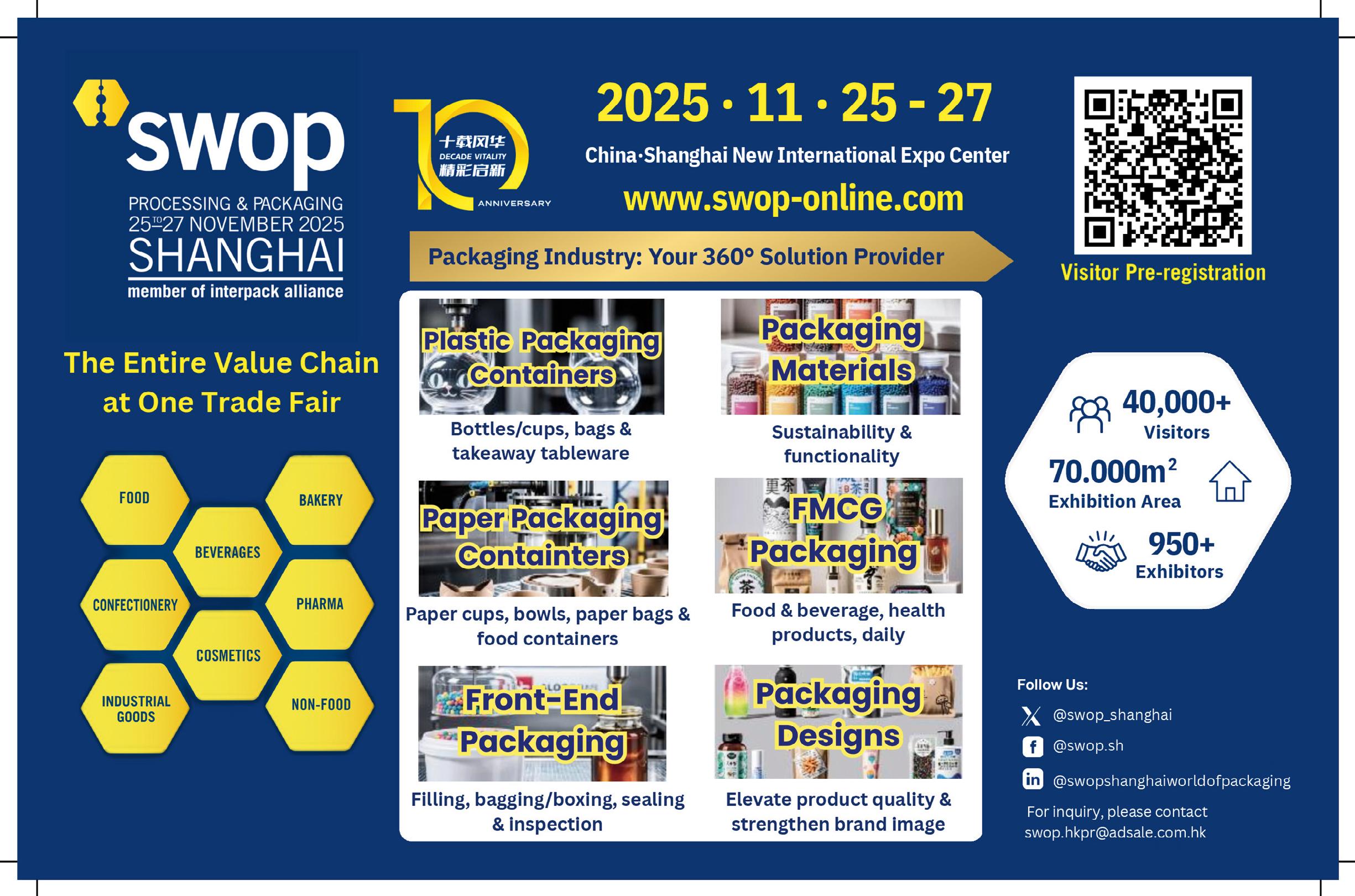
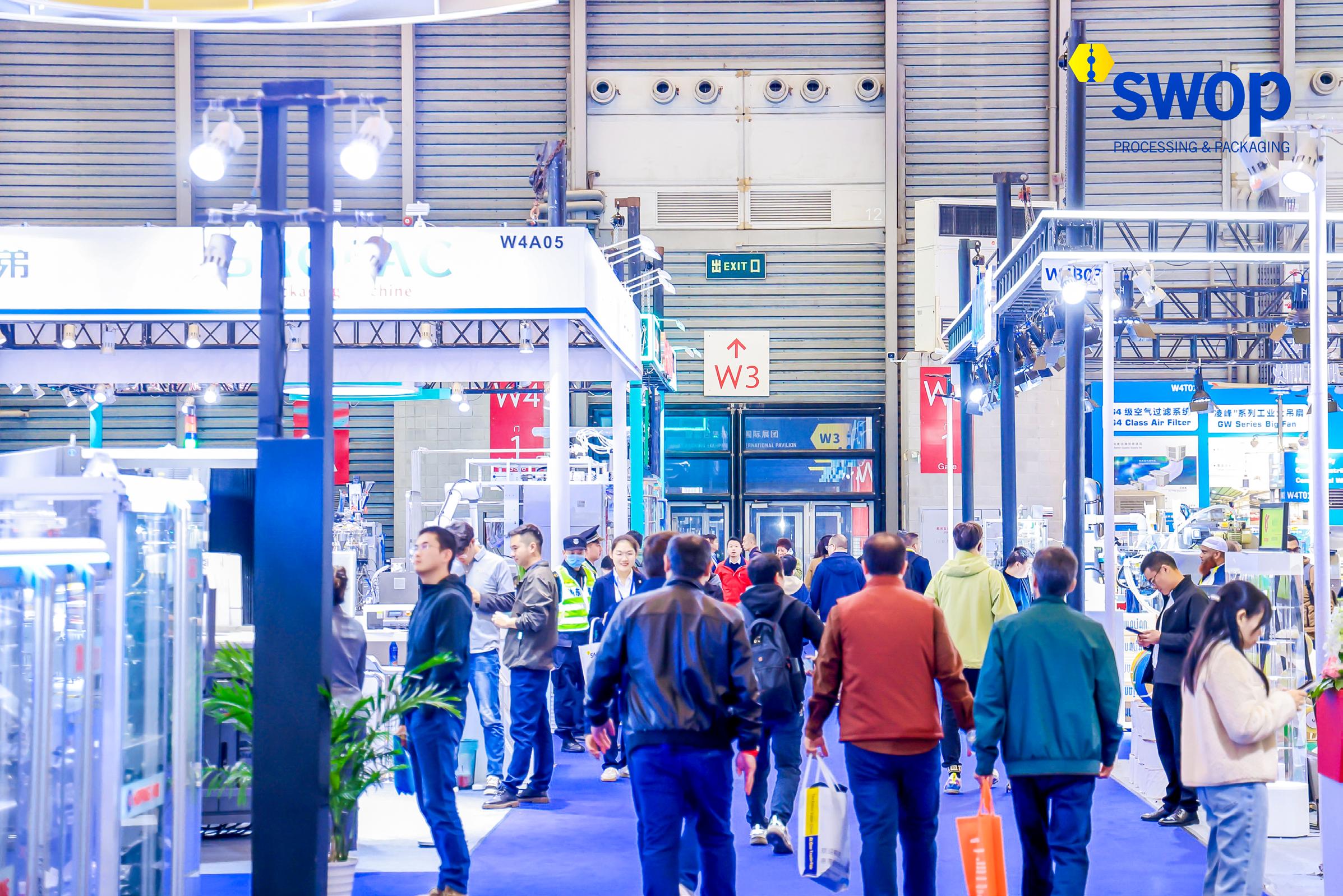
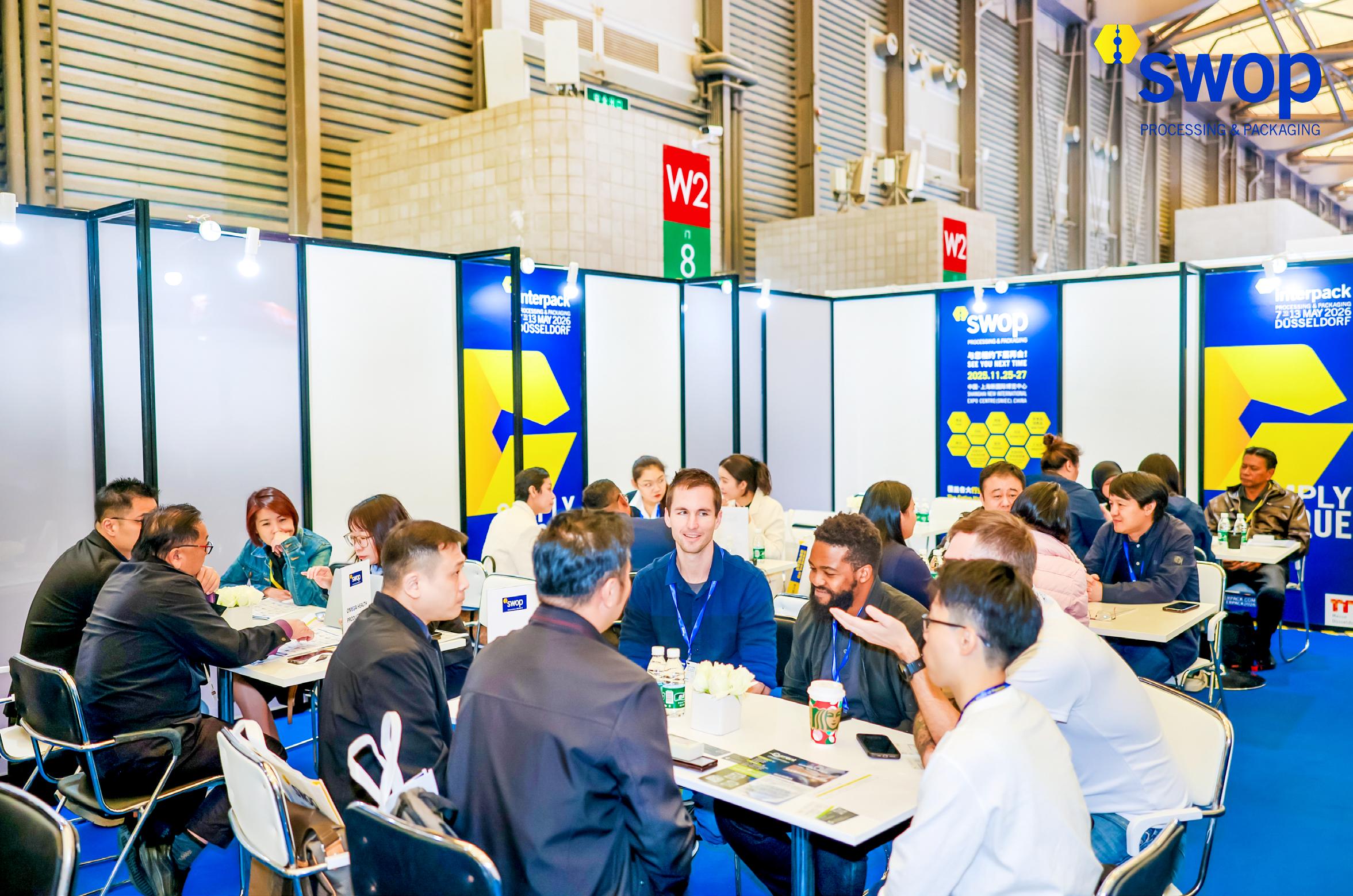
There is a vital port of call for those seeking to gain a foothold in Asia: the Shanghai World of Packaging (swop). This is the ideal meetingpoint for all those looking to make their entry into one of the world’s most exciting areas of economic activity. Once again, in November, swop – the central hub of the Asian packaging industry – will provide first-class conditions for market entry, doing business and targeted exchange.
The international processing & packaging industry is set to convene at swop – an event organised by the interpack alliance – in the Shanghai New International Expo Centre between 25 and 27 November 2025. In excess of 950 exhibitors and more than 40,000 visiting professionals from over 100 countries are anticipated – providing ideal conditions for entering into direct dialogue with decision-makers from key industries such as food, pharma, cosmetics and consumer goods, and for securing a position in the dynamic economic region in and around China.
The trade fair not only provides the bigger picture
concerning the industry’s entire supply chain, but also brings together current trends, technological developments and market segments under one roof. In addition, as a member of the interpack alliance, swop benefits from the global network’s international coverage and excellent industry representation –which is a clear competitive advantage for all participants with an eye to the Asian market.
“Person-to-person contact is of vital importance for business relationships in China. If you’re not doing business locally, you can’t do business here at all. We are happy to report that swop is developing into a ‘must-attend’ event in the Chinese processing & packaging market more and more each year,” emphasises Thomas Dohse, Director of interpack. Feedback from the previous year also demonstrates that the concept is working: 98 percent of exhibitors and 95 percent of visitors declared their allround satisfaction with their trade fair participation in 2024.
THE MEETING-POINT FOR INTERNATIONAL EXHIBITORS
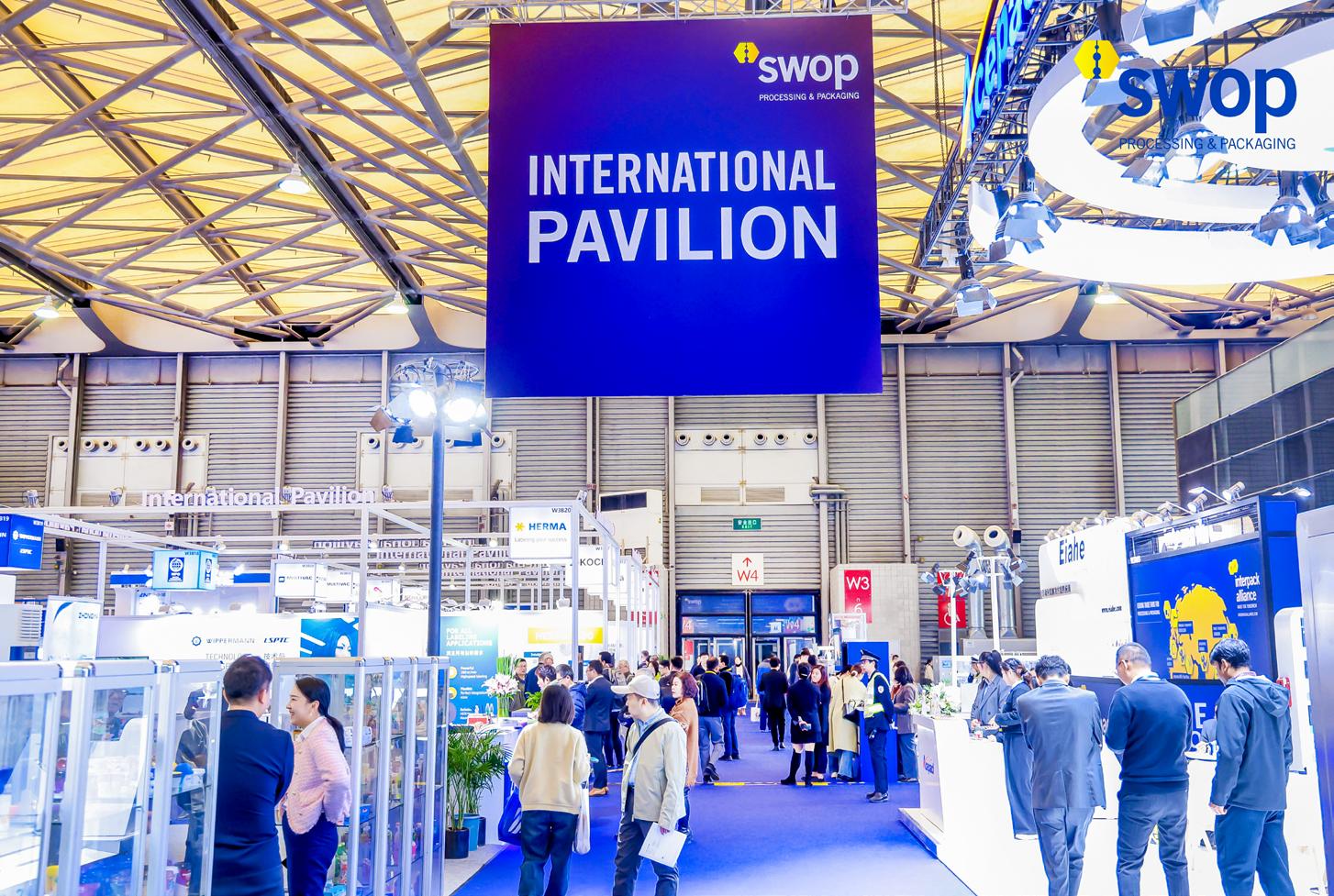
Particular added value for international exhibitors is provided by the “International Pavilion” – an allinclusive offering by the interpack alliance that combines the best possible trade fair presence with high visibility. What’s more, exhibitors in the Pavilion
benefit from targeted visitor routes that lead important purchasers straight to their booths. This provides the ideal basis for generating qualified contacts and tapping into new markets.
KOCH Pac-Systeme is one example of those that will be in attendance: “We’re looking forward to taking part at swop in Shanghai again in 2025! At the
trade fair, we’ll be presenting our comprehensive solutions: from standard machine designs via modular machines to tailored solutions. And pride of place always goes to the comprehensive consulting services provided by our Packaging Competence Center,” explains Darren Ding, Sales Manager China at KOCH Pac-Systeme.
PROGRAMME HIGHLIGHTS AND SPECIAL ZONES
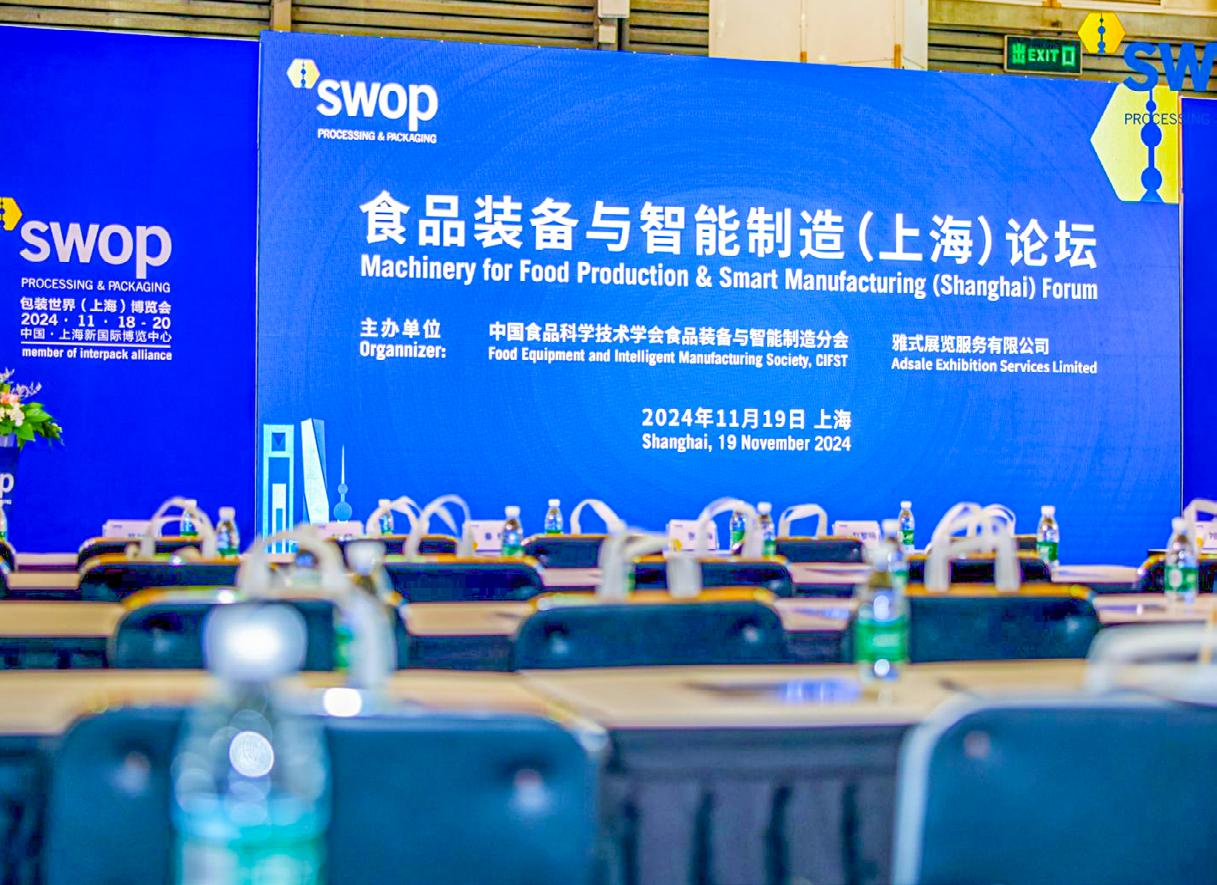
With a diverse accompanying programme, swop 2025 once again delivers a strong impetus for the packaging industry’s ongoing development in China. Current market trends, technological innovations and international industry dialogue are at the focus. Alongside proven formats such as the Smart Packaging Zone and Green Power Zone, the successful “Food Processing and Intelligent Manufacturing Zone”, in particular, will be undergoing further expansion – a special show put on in partnership with the Chinese Institute of Food Science and Technology (CIFST), concentrating on forward-looking technologies for food processing and smart manufacturing.
The SAVE FOOD Forum will also be taking place again,
a joint project by interpack, Messe Düsseldorf, FAO China, UNIDO and the World Packaging Organization (WPO). The forum focuses on the role of packaging in the fight against food loss and food waste.
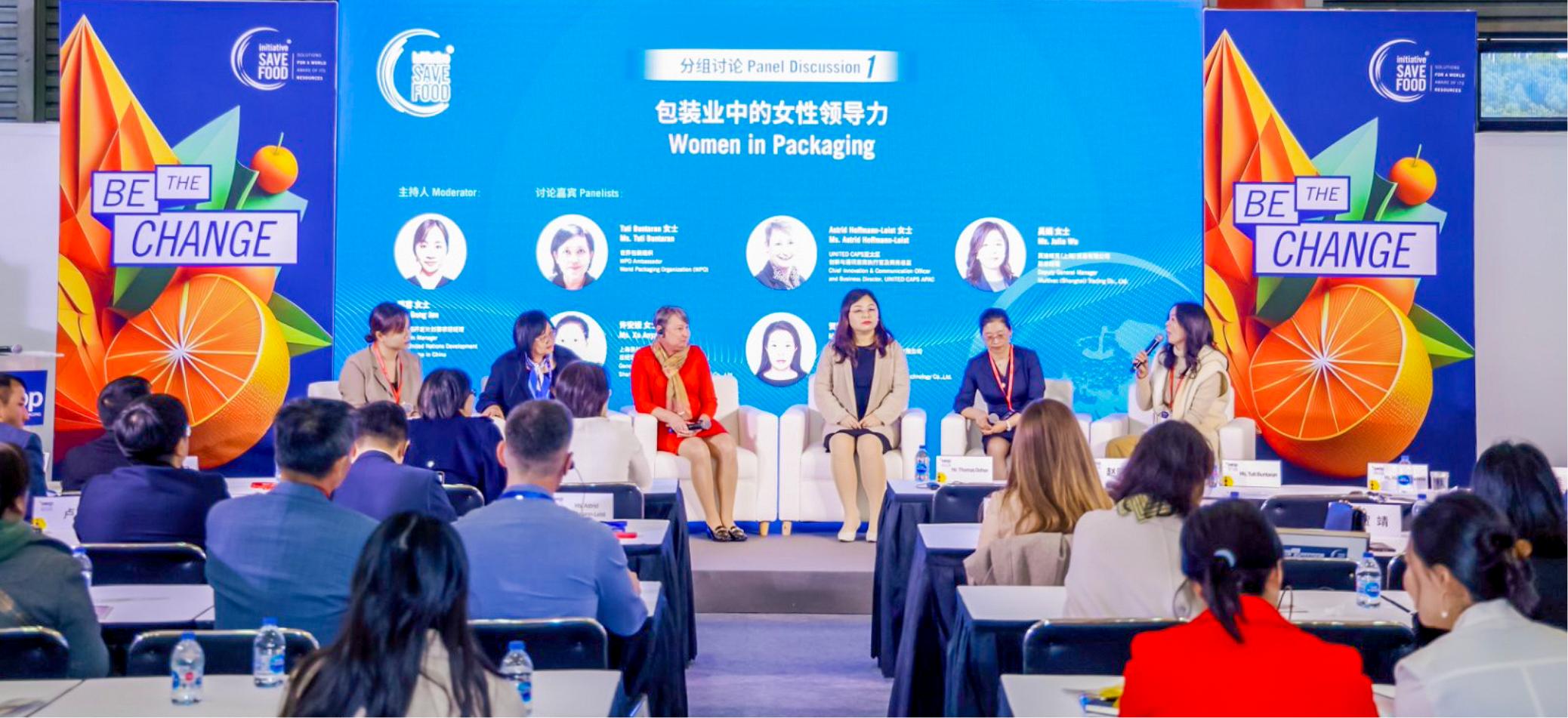
One highlight this year, once again, is the “Women in Packaging” forum. It pays tribute to women’s contribution in an industry undergoing changes, creates visibility and promotes international dialogue on equity, leadership and diversity in the packaging industry.
More information on swop 2025 is available at https:// www.swop-online.com/en/
The Shanghai World of Packaging is jointly organised by Messe Düsseldorf (Shanghai) Co., Ltd. and Adsale Exhibition Services Ltd. and is part of the interpack alliance portfolio. The next swop will take place from 25 until 27 November 2025 in the Shanghai New International Expo Centre (SNIEC).
For more information on exhibiting opportunities, please contact the interpack team (Ivania Portillo-Elzer, Portilloi@ messe-duesseldorf.de)
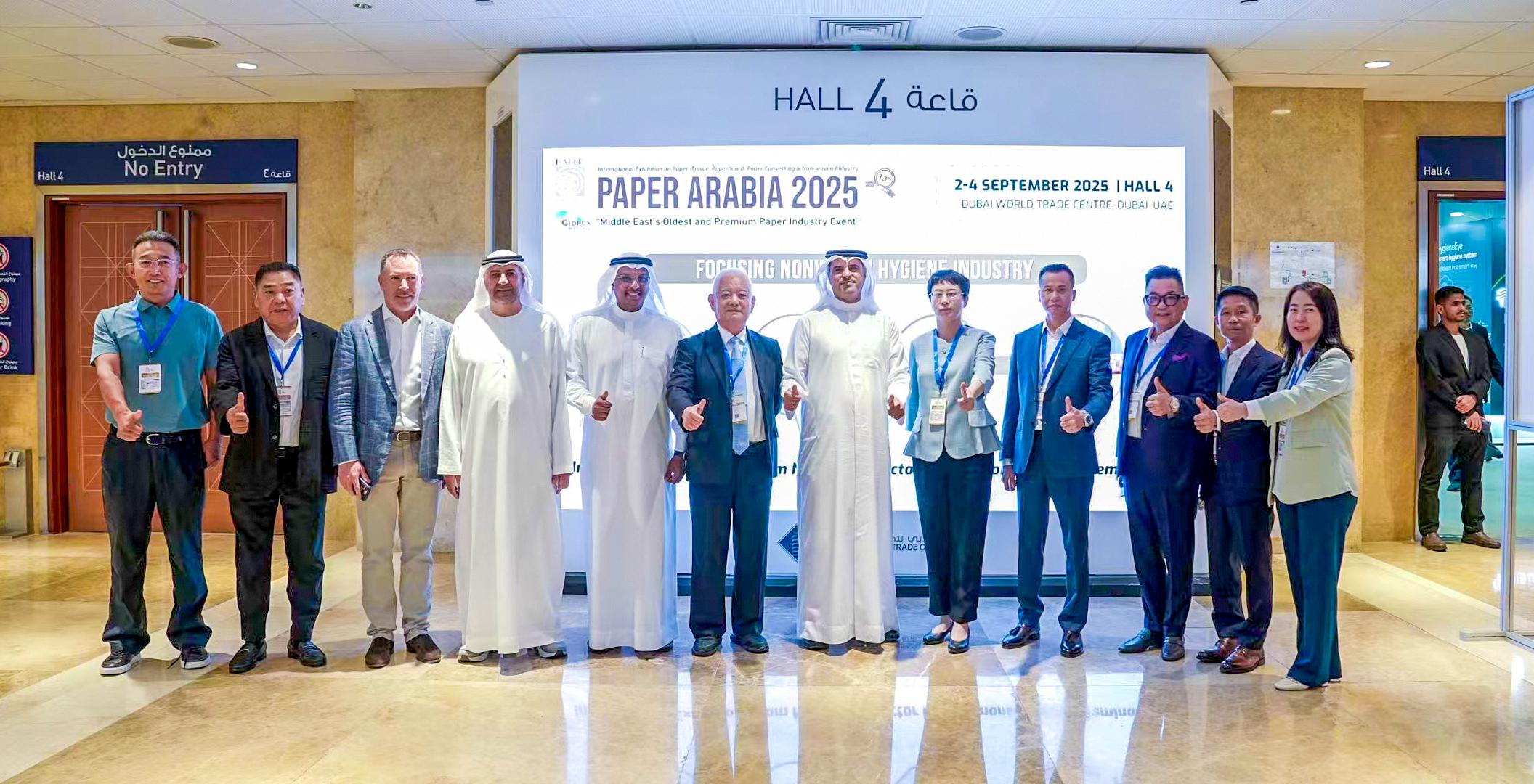
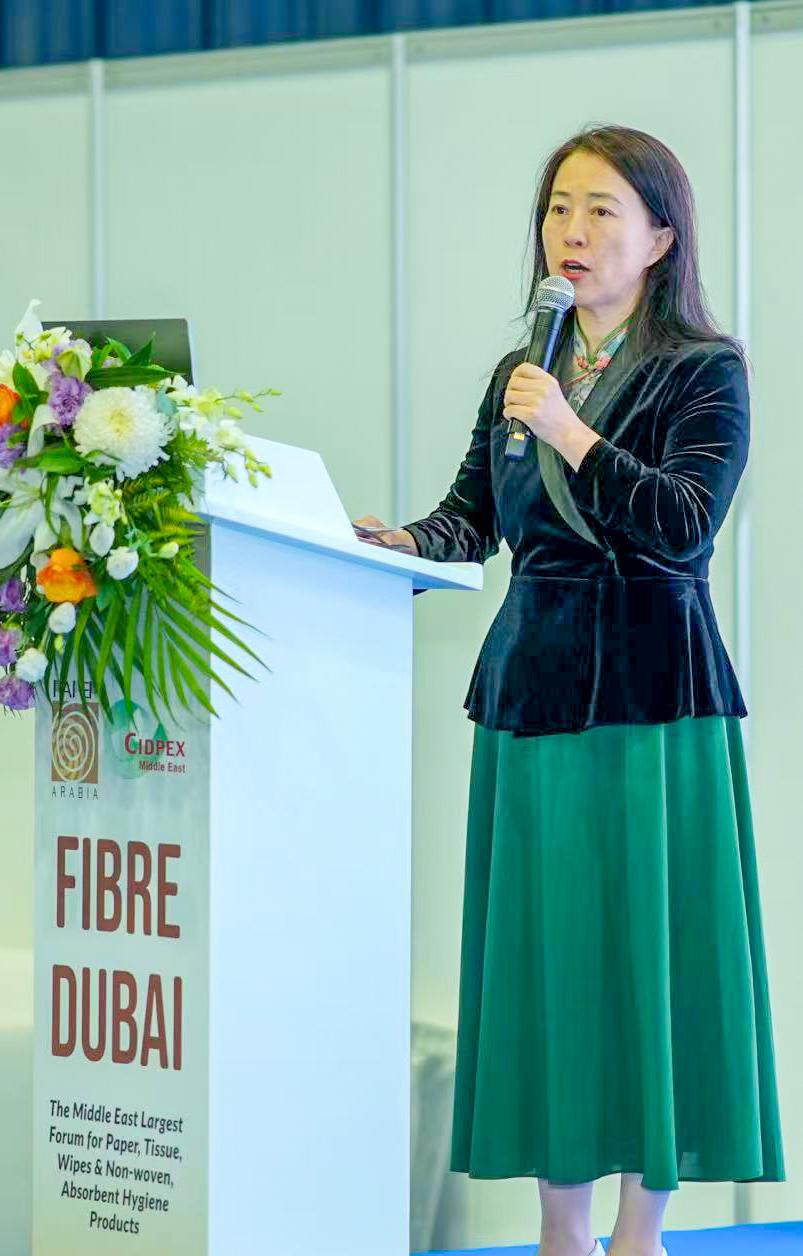
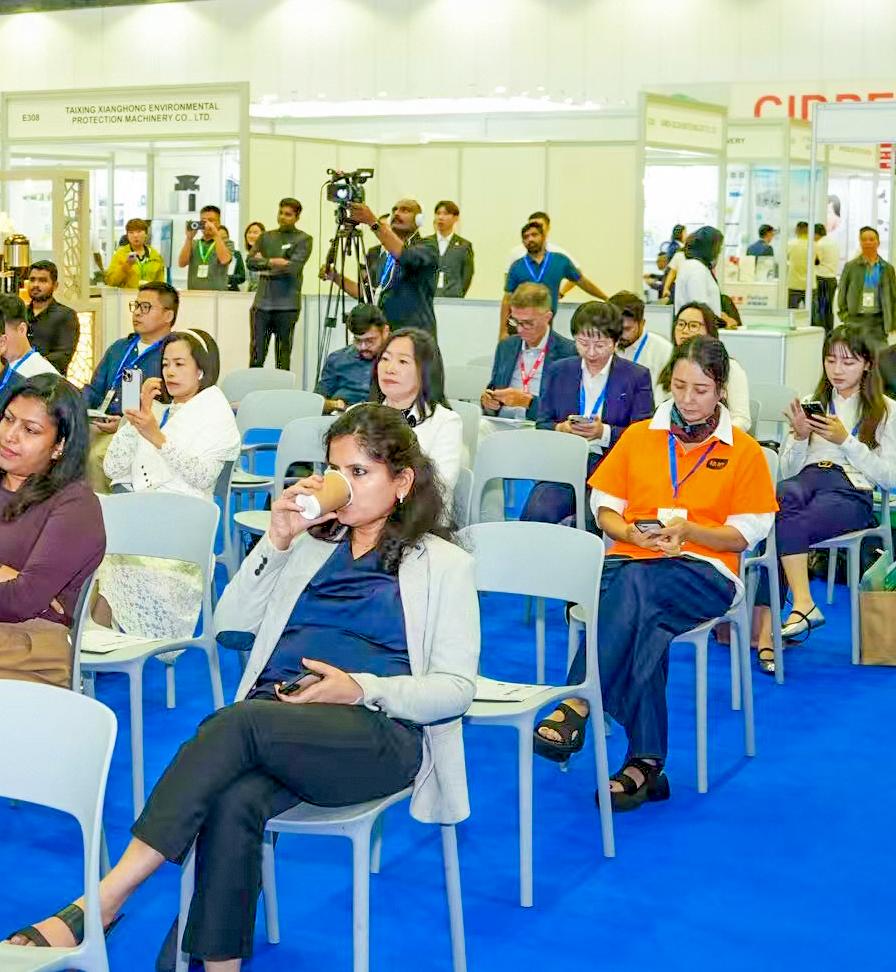
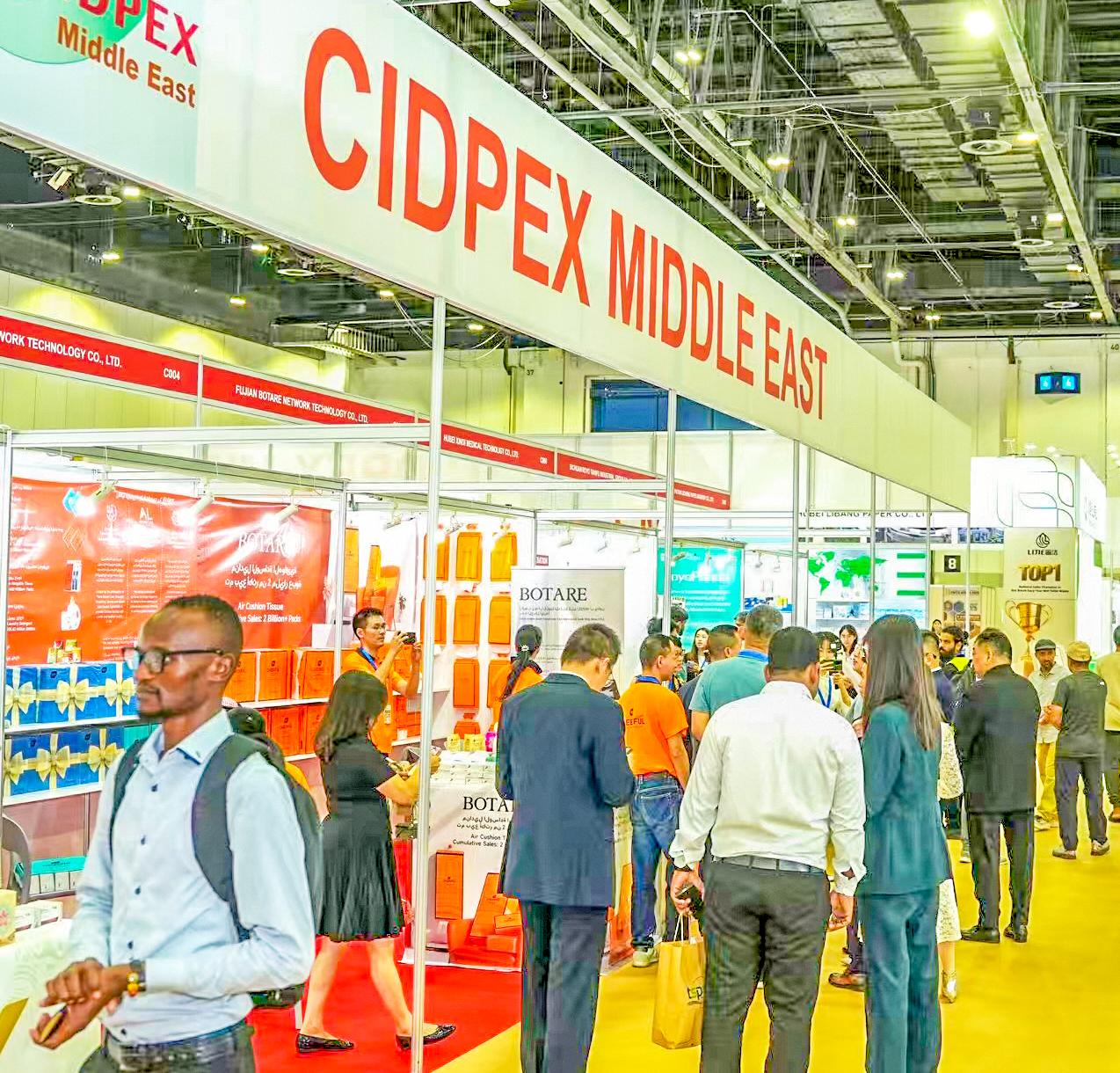
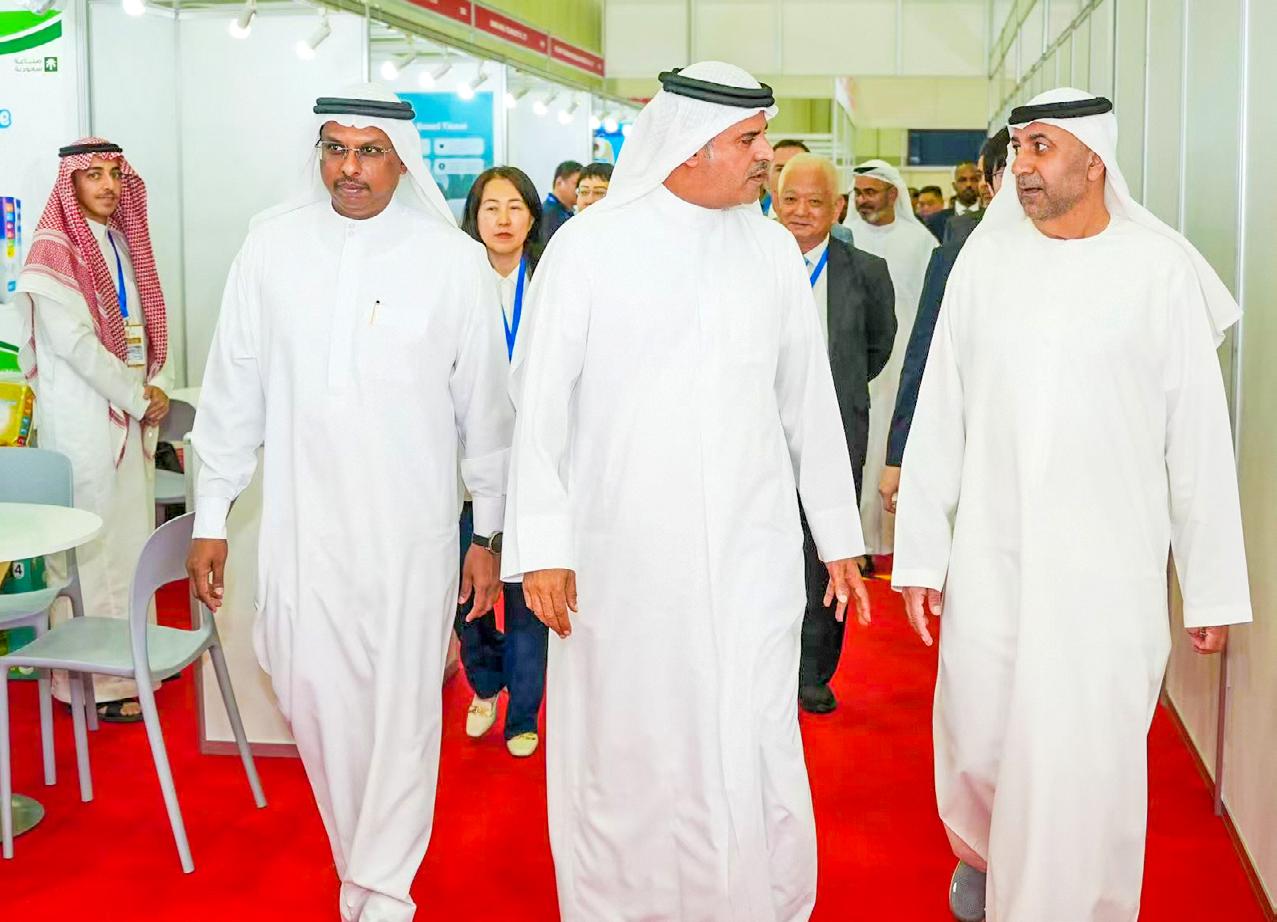
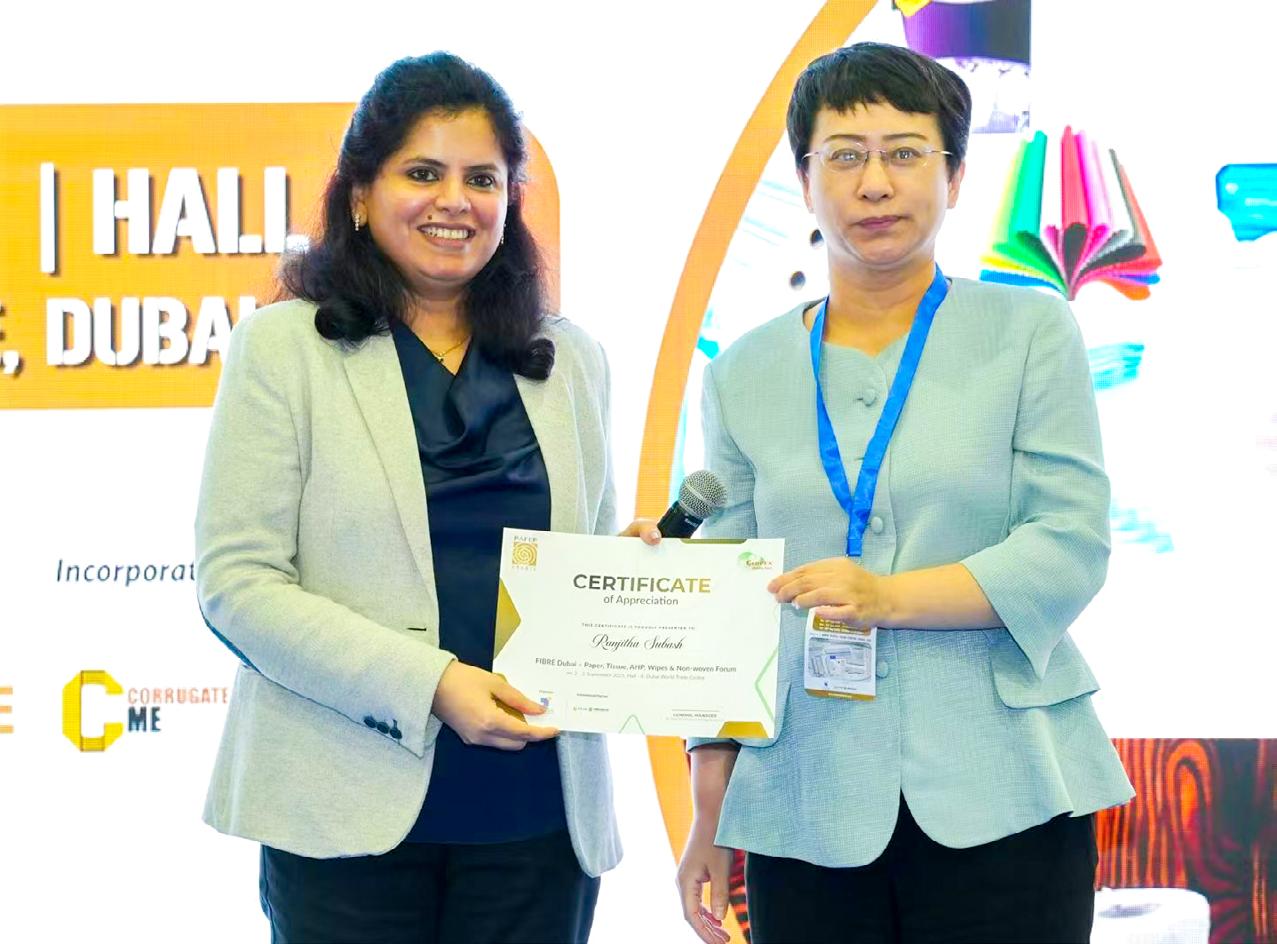
CIDPEX Middle East 2025 highlights sustainability and innovation in hygiene and paper industries
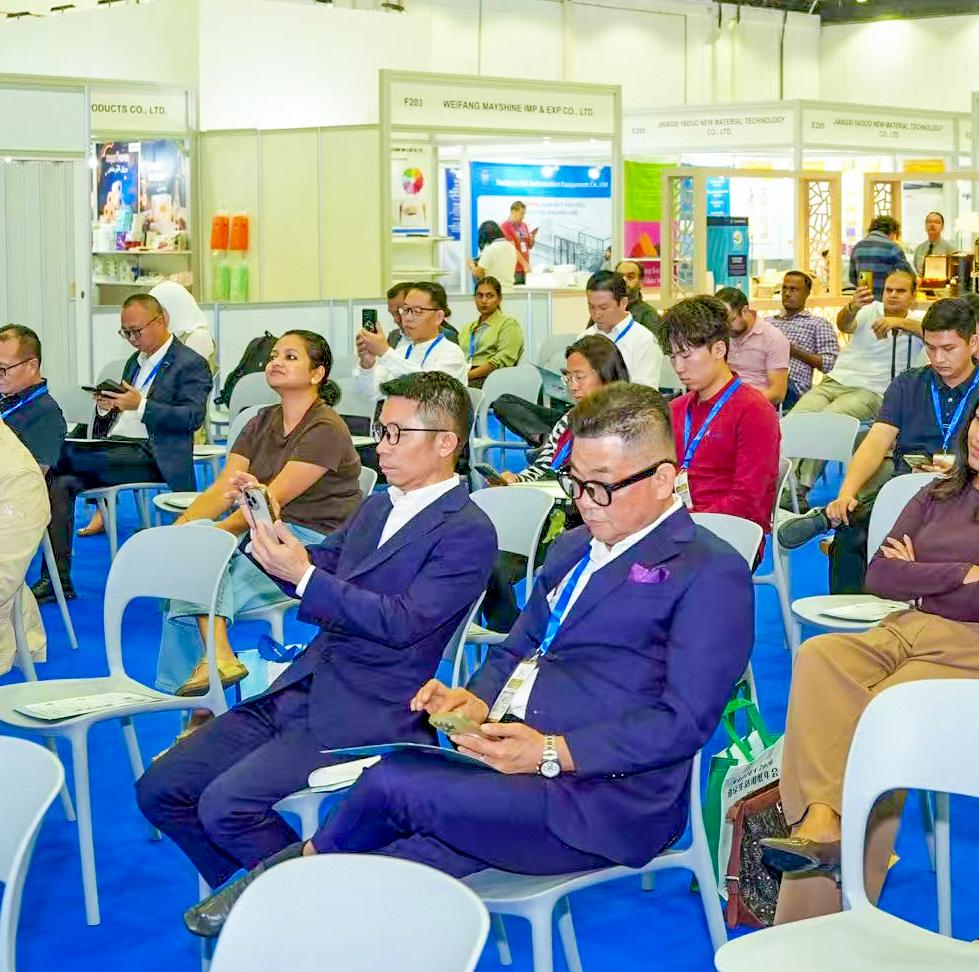
The first CIDPEX Middle East, co-located with Paper Arabia 2025, was successfully held at the Dubai World Trade Centre, bringing the global hygiene and tissue industry to the heart of the Middle East.
Organized in partnership between the China National Pulp and Paper Research Institute (CNPPRI) and Al Fajer Information & Services (AFIS), the event attracted over 120 exhibitors from 28 countries, showcasing innovations in tissue, hygiene products, nonwovens, raw materials, and machinery. The exhibition created a dynamic platform for regional and international players to exchange knowledge, forge business connections, and explore new opportunities in one of the fastest-growing markets.
A major highlight was the FIBRE Dubai Forum, a concurrent conference that convened industry leaders, regulators, and innovators to discuss trends shaping the hygiene and paper sector. Topics included sustainability in tissue and hygiene products, advancements in manufacturing technologies, the role of nonwovens in healthcare, and the regulatory environment across the Middle East and Africa.
Industry observers noted that the event underscored Dubai’s growing importance as a hub for the global paper and hygiene value chain, strategically linking manufacturers from Asia, Europe, and Africa with distributors and brand owners in the Middle East. Exhibitors reported strong interest from
regional buyers, particularly in sustainable packaging, smart machinery, and high-performance hygiene products tailored to local needs.
The successful debut of CIDPEX Middle East marks a new chapter in the region’s industry calendar, complementing Paper Arabia’s established reputation. With its strong turnout and cross-border participation, the event is expected to strengthen trade ties, accelerate technology transfer, and contribute to the region’s ambition of building resilient and sustainable supply chains.
MONDI
From Durban roots to a global packaging powerhouse
BY ALPHONSE OKOTH
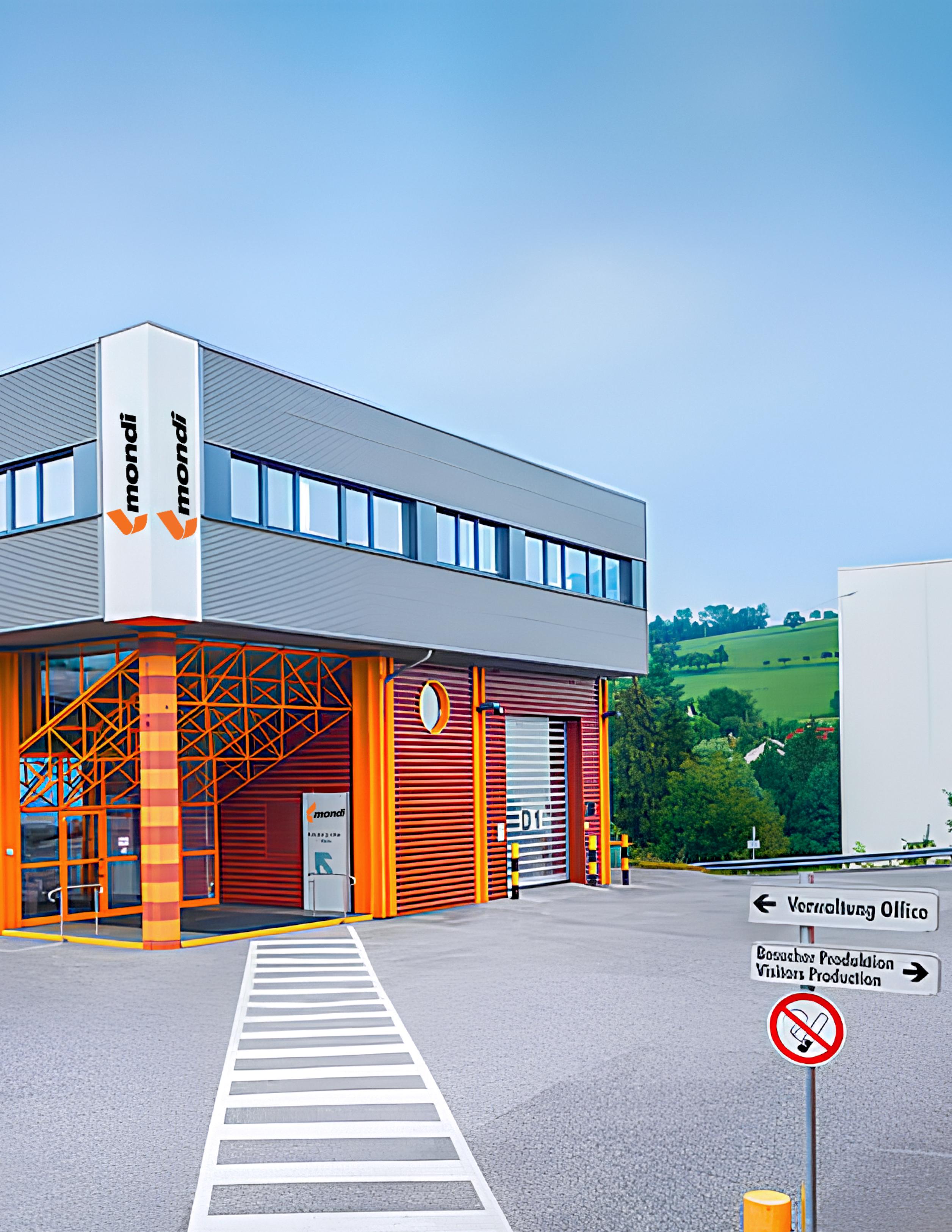
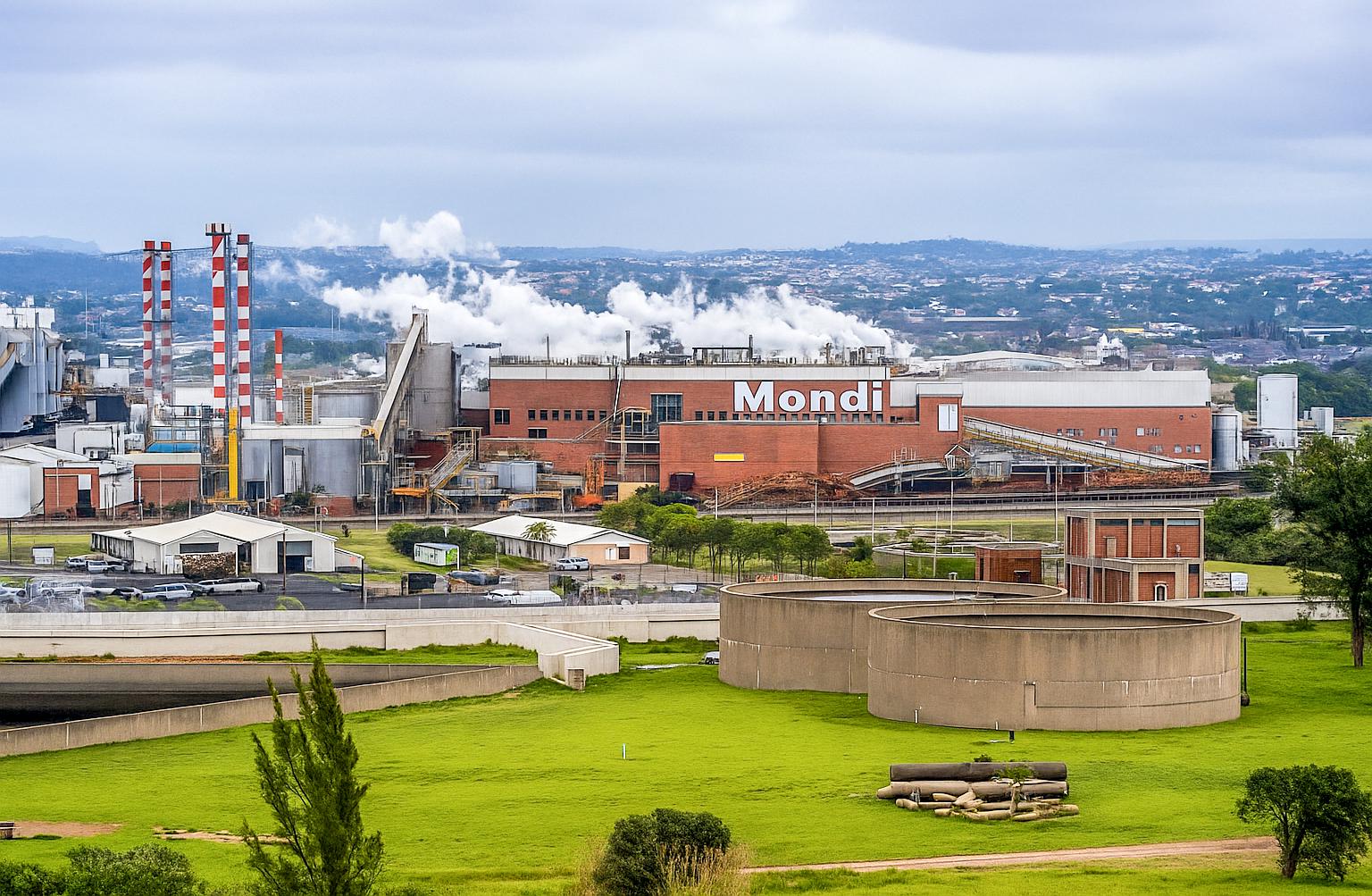
In 1967, on the industrial outskirts of Durban, Anglo American built a paper mill at Merebank to serve Southern Africa’s growing appetite for kraft paper.
Few would have predicted that this single mill would become the launchpad for Mondi, now a FTSE 100 global packaging group with revenues exceeding US$8.6 billion, operations in over 30 countries, and a workforce of 22,000.
Mondi’s trajectory has been anything but linear: born under the shadow of apartheid, tested by sanctions, labour unrest, environmental controversies, and the global financial crisis, the company has emerged as a global player by continually reinventing itself.
Yet what makes Mondi stand out today is not only its global reach but also its enduring connection to Africa. In 2025, as supply chains fragment and sustainability dominates boardroom agendas, Mondi’s investments across Africa have become both a competitive differentiator and a reminder that the company’s resilience has always been rooted in its origins.
FROM DURBAN BEGINNINGS TO GLOBAL AMBITIONS
Mondi’s birth in 1967 placed it squarely in the industrial orbit of Anglo American, then South Africa’s dominant mining and industrial conglomerate. The Merebank Mill was initially designed to supply kraft paper and reels to local and regional
markets. Over time, however, it became a cornerstone in a growing international footprint.
By the late 20th century, Mondi had expanded beyond Africa through a mix of acquisitions and greenfield investments in Europe and Russia, gradually positioning itself as a global force in paper and packaging.
The company’s structural evolution in the 2000s was no less significant. In 2007, Mondi was demerged from Anglo American and established as an independent, dual-listed entity on the London and Johannesburg stock exchanges.
This independence allowed Mondi to pursue its own strategic path. Still, it also came at a turbulent time: the global financial crisis was about to upend demand for paper products, particularly newsprint, forcing the company to close mills, cut jobs, and rethink its portfolio.
In 2011, Mondi spun off its Southern African packaging business into a separate listed entity, Mpact, streamlining its portfolio and drawing a clearer line between its global operations and local market activities. Around the same time, the company deepened its European base, establishing Weybridge in the United Kingdom as its corporate headquarters.
The UK move provided credibility with investors and proximity to European markets, offering the stability Mondi needed to balance the volatility of emerging economies with the predictability of Europe’s regulatory environment.
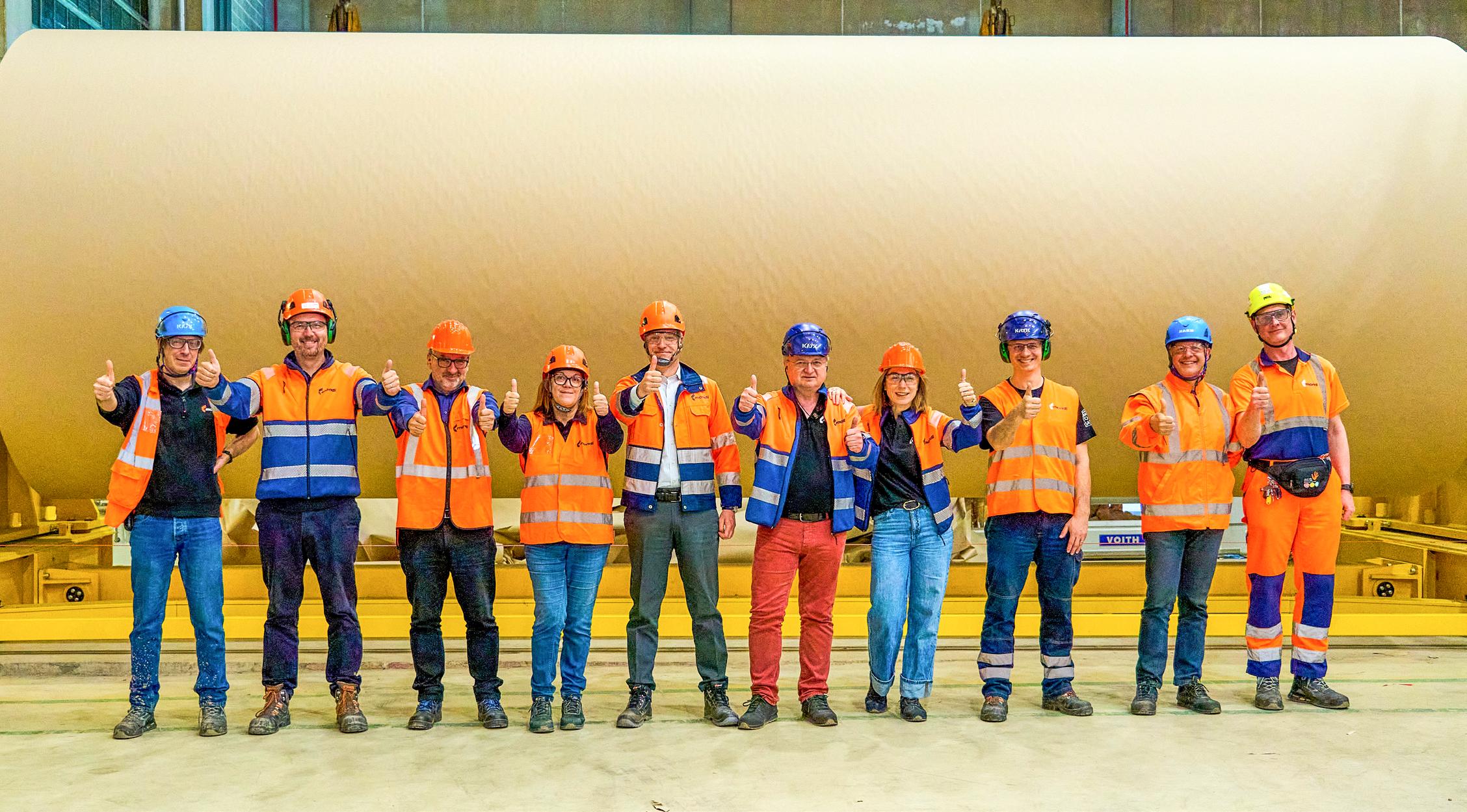
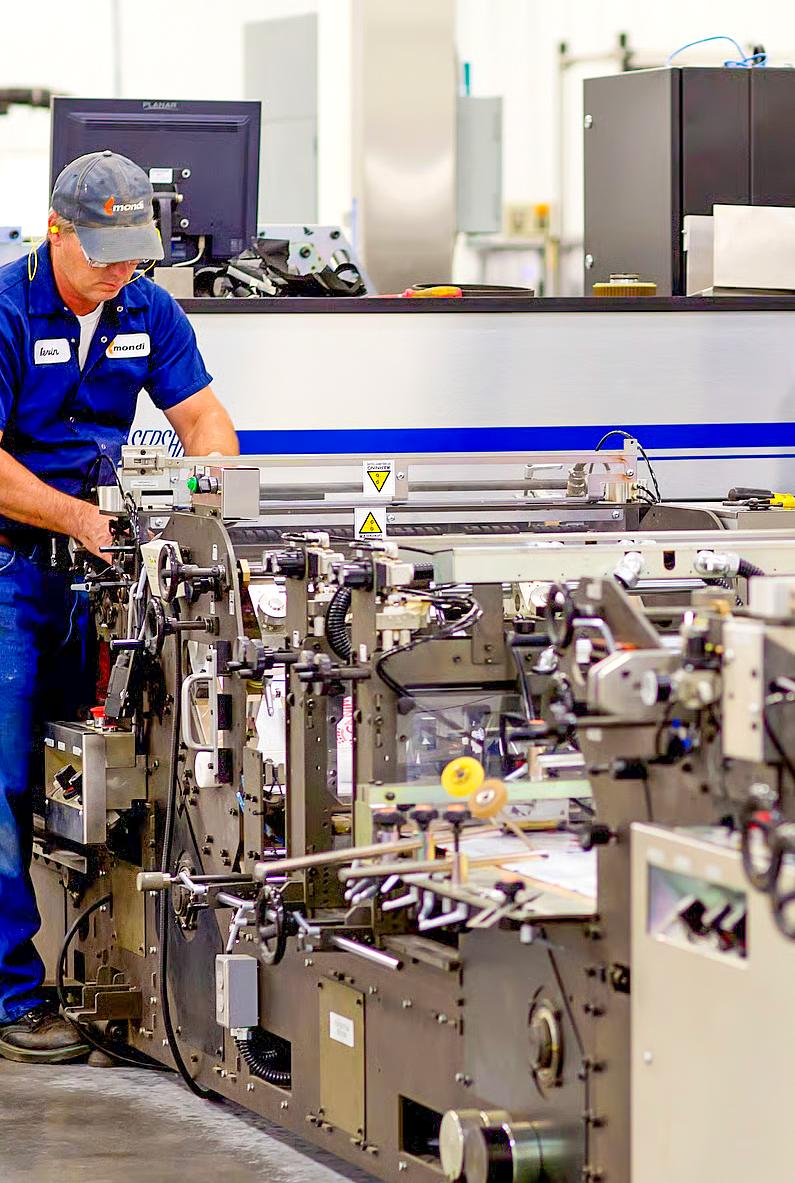
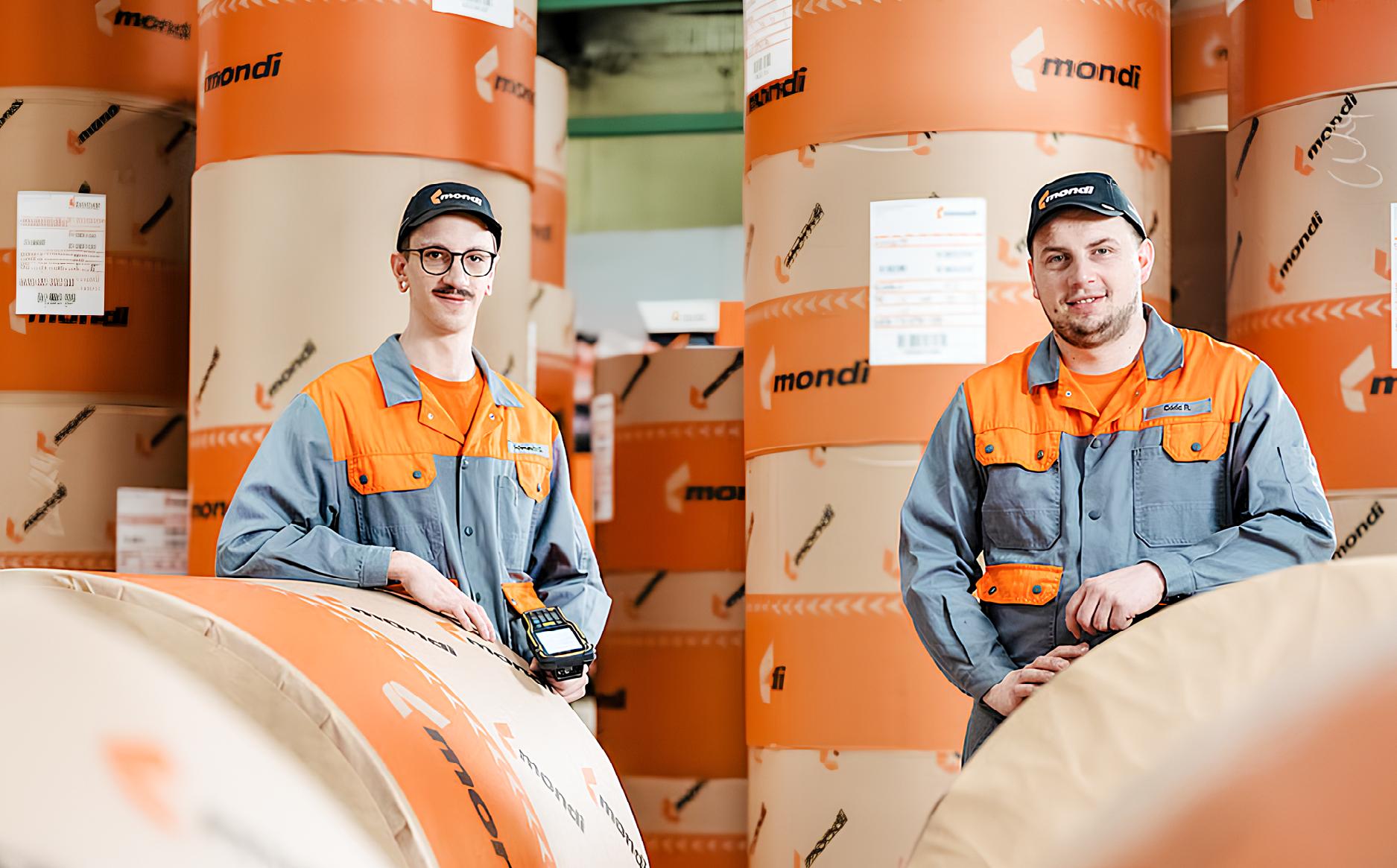
Mondi’s staff at the newly converted Duino Mill in Italy
SURVIVING THE STORM: TRIALS OF THE APARTHEID ERA AND BEYOND Mondi’s early years were shaped by South Africa’s isolation. The 1980s brought international sanctions, a volatile currency, and mounting labour unrest. Environmental activists targeted the Merebank Mill, accusing it of polluting surrounding communities.
By 2001, local protests had reached such intensity that Mondi committed €10 million (US$11.75m) to retrofits and community health programs, an early acknowledgement that its long-term survival depended on addressing environmental and social responsibilities.
The 2007 demerger from Anglo American was meant to mark a new chapter of independence, but it coincided almost perfectly with the onset of the global financial crisis. Demand for newsprint and other traditional paper grades collapsed, mills shut down, and the company faced its first major existential test.
Rather than retreat, Mondi responded by investing in lightweight containerboard and diversifying into more resilient packaging categories. It also began to repair its reputation through partnerships with NGOs and community initiatives, aligning itself with the growing global conversation about corporate accountability.
The establishment of the Weybridge base during these turbulent years also reinforced Mondi’s credibility outside South Africa. Its UK presence allowed it to sharpen its global identity, marrying African resilience with European corporate discipline. This balancing act, rooted in the hard realities of its
Mondi’s mill at Merebank, south of Durban, South Africa
THE MOROCCAN INVESTMENT SIGNALLED MONDI’S INTENT TO ALIGN ITS AFRICAN EXPANSION WITH REGIONAL TRADE ADVANTAGES UNDER THE AFRICAN CONTINENTAL FREE TRADE AREA (AFCFTA)
South African operations but projected onto the global stage, has remained a defining feature of Mondi’s strategy.
TURNING BACK TO AFRICA
By the 2010s, the centre of gravity in the global economy was shifting, and Mondi recognized that Africa, long neglected by multinational corporations, offered immense potential. The continent was no longer defined by sanctions and instability but by rapid urbanization, a youthful population, and rising demand for fast-moving consumer goods, agriculture packaging, and e-commerce logistics.
South Africa remained the anchor of Mondi’s African operations. By 2015, the Merebank Mill, upgraded with €100 million (US$117.47m) in new technology, had achieved an 80% fibre recovery rate, turning recycled paper into a strategic resource at a time when global pulp costs were rising. In 2024–2025, Mondi went further, investing €50 million (US$58.74m) in a turbine project that raised Merebank’s energy self-sufficiency to 70%.
In a country plagued by rolling blackouts, this move
insulated the site from Eskom’s grid failures while cutting costs. Flood-proofing measures and energy-efficiency upgrades delivered additional resilience, with annual savings estimated at €30 million (US$35.24m), underscoring how climate adaptation and operational efficiency could reinforce one another.
Beyond South Africa, Mondi broadened its African reach. In September 2025, it inaugurated a €16 million (US$18.80m) paper bag plant in Tangier, Morocco, with a capacity to produce 500 million bags annually. Situated in the Tanger Med free trade zone, the plant strategically serves both West Africa and the European Union, tapping into local jute and recycled paper sources while creating 150 jobs.
The Moroccan investment signalled Mondi’s intent to align its African expansion with regional trade advantages under the African Continental Free Trade Area (AfCFTA), which is gradually reducing tariffs and opening up a US$3.4 trillion market.
Pilot projects in Nigeria and Kenya added another dimension, targeting flexible packaging for coffee and food exports with €20 million (US$23.49m) in investments by mid-2025. These initiatives combined profitability with local value creation, positioning Mondi as a partner for both multinational clients and local producers seeking sustainable packaging solutions.
At the same time, sustainability remained central to Mondi’s African playbook. Its 30-year partnership with WWF, extended in 2024 with an additional €680,000 commitment, continues to fund water stewardship projects and restore degraded wetlands in South Africa.
Meanwhile, the rebranding of Rotatrim in 2025, formerly Mondi Richards Bay, underscored its local focus by converting waste streams into tissue products while providing training and support for over 200 Black-owned SMEs.
AFRICA AS A COMPETITIVE EDGE
By 2025, Mondi’s African operations account for 15% of group revenue, a figure projected to reach 25% by 2030 with €300 million (US$352.41m) in committed capital expenditure. This African focus is not nostalgia; it is a calculated competitive strategy.
In a global packaging market growing at just 5% annually, where giants like Smurfit Westrock and International Paper compete fiercely for market share, Mondi’s African assets give it a cost and logistics advantage. Energy-efficient South
African mills can produce containerboard 15% cheaper than European facilities, while Morocco’s proximity to Europe allows for just-in-time delivery that trims logistics costs.
Meanwhile, sustainability credentials, with 90% of Mondi’s products being recyclable, give it a winning edge with multinational clients like Unilever and Nestlé, which are under intense pressure to reduce their Scope 3 emissions.
Geopolitical shocks have further underscored Africa’s value to Mondi. After divesting from Russia in 2023, freeing up €1 billion (US$1.17bn), the company filled the gap with African operations that provided ethically sourced timber and avoided deforestation controversies plaguing Asian suppliers.
In the first half of 2025, revenue increased to €3.9 billion (US$4.58 billion), with EBITDA remaining stable at €564 million (US$662.53 million) despite the ripple effects of the Ukraine conflict and European pulp price inflation. Diversified African sourcing effectively shielded Mondi from volatility in European markets.
LOCAL ROOTS, LOCAL PROGRAMS
Even as Mondi’s footprint expanded globally, its African operations retained a distinct character, deeply intertwined with local communities. The Mondi Zimele program, launched in 2007, illustrates this. Designed to support small business development in South Africa, Zimele has helped integrate more than 200 Black-owned SMEs into Mondi’s value chain by providing finance, mentoring, and market access. The initiative strengthens the company’s social licence to operate and demonstrates how global scale can be translated into local impact.
This social embeddedness has also been reinforced by Mondi’s compliance with South Africa’s Black Economic
Empowerment (BEE) policies, which have structured its key assets to ensure 30% Black ownership. Such efforts not only satisfy regulatory requirements but also build longterm trust, converting historical liabilities into strategic assets.
RESHAPING THE GLOBAL PORTFOLIO
While Africa remains a strategic priority, Mondi has also pursued aggressive modernization and acquisitions in Europe. In 2024–2025, it acquired the Western European packaging assets of Schumacher Packaging in a €600 million (US$704.82m) deal that expanded its advanced box plant network in Germany, the UK, and the Netherlands. This move strengthened Mondi’s presence in the high-growth e-commerce packaging sector, a market that demands increasingly sustainable solutions.
come with running a global industrial network.
RISKS AND THE ROAD AHEAD
Mondi’s African strategy, while promising, is not without risks. Political instability in parts of the continent, currency volatility, and landuse disputes remain potential flashpoints. The capital-intensive nature of its operations leaves the company vulnerable to commodity cycles, pulp price fluctuations, and rising energy costs.
As recent events in Bulgaria have demonstrated, unexpected shocks can lead to asset write-downs and job losses. Moreover, the success of major acquisitions such as Schumacher Packaging will depend on Mondi’s ability to extract promised synergies without overstretching its balance sheet.
GROUP’S REVENUE ACCOUNTED BY AFRICAN OPERATIONS IN 2025 15%
At the same time, the company has continued to invest heavily in mill modernization across Europe, with multi-hundred-million-euro upgrades designed to boost energy efficiency and fibre recovery. Yet Mondi has also shown its willingness to make tough calls: when a fire devastated its Bulgarian Stambolijski paper mill in 2024, the company chose permanent closure rather than costly repairs, reallocating capacity across its network.
Still, the fundamentals are strong. A €600 million Eurobond issued in 2025 extended debt maturities and secured financing for €750–850 million in planned capital expenditures, primarily directed toward African expansions. With a market capitalization hovering around €6 billion and shares up 5% year-to-date, Mondi remains on a solid financial footing.
As sustainability mandates tighten, climate risks mount, and supply chains fragment, Mondi’s ability to fuse African resilience with global innovation may well determine its trajectory for the next decade. If the past is any guide, the company will continue to adapt, proving that in packaging, as in business, those who honour their origins while innovating forward are best positioned to thrive. SPMEA IN NUMBERS
These moves underscore the tension at the heart of Mondi’s strategy: balancing capitalintensive investments in legacy assets with targeted acquisitions that capture new growth opportunities, all while managing shocks that
Beyond PROTECTION
BY MARY WANJIRA
THow Active Packaging is Empowering the Fruit Export Boom
he fresh fruit export sector has rapidly evolved from seasonal trade to a global, year-round business. Driven by rising demand for berries, avocados, citrus, and table grapes, exporters are under pressure to deliver produce that retains its freshness, nutritional value, and visual appeal over extended supply chains.
The global fruit and vegetable market, valued at US$791.24 billion in 2025 and projected to reach US$1 trillion by 2030 (Research and Markets), continues to expand. Yet the paradox is clear: up to 44% of fruits and vegetables are lost post-harvest (FAO), mainly due to spoilage during storage and transport. This dual reality is making packaging innovation not an option but a competitive necessity.
Active packaging (AP) is emerging as the most decisive enabler in this landscape. Unlike traditional packaging, which passively protects, AP interacts with the product and its environment, extending shelf life, reducing waste, and preserving quality across global trade networks.
THE ROLE OF ACTIVE PACKAGING IN FRUIT EXPORTS
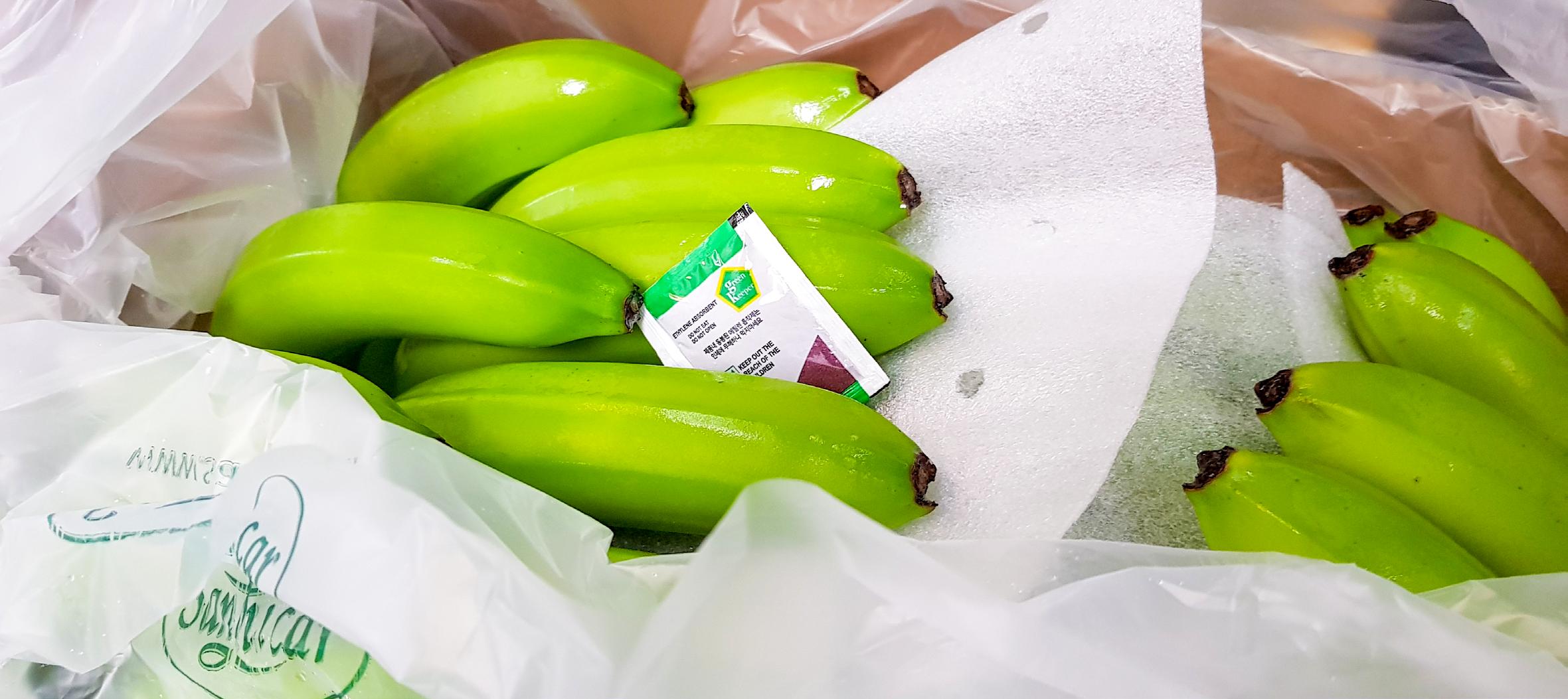
This is where innovation has begun to change the equation. Active packaging (AP) is no longer just about enclosing produce, it is about working with it. Unlike traditional packaging, which simply shields fruit from external damage, active packaging interacts with the product itself and its micro-environment. It slows respiration, absorbs ethylene (the ripening
hormone), regulates moisture, and inhibits microbial growth through technologies such as oxygen scavengers, antimicrobial films, and humidity controllers.
Fragile fruits such as berries, once known for rapid mold growth, can now maintain quality long enough to travel across continents. Avocados, which would otherwise arrive dehydrated or unevenly ripened, reach European markets from Kenya in peak condition. Modified-atmosphere systems fine-tune gas levels, lowering oxygen and raising carbon dioxide, to delay ripening and make exports like South African grapes bound for Asia commercially viable.
Future Market Insights estimates that the active and modified-atmosphere packaging market will be worth US$27.5 billion in 2024 and expand to US$44.7 billion by 2034, growing at a steady 5% CAGR.
THE SCIENCE AND APPLICATION OF ACTIVE PACKAGING
At its core, active packaging is built on a deceptively simple idea: packaging should not merely contain food, but actively preserve it. Fruits, after harvest, remain living biological systems. They continue to respire, release ethylene, lose water, and remain highly susceptible to microbial attack. Active packaging technologies intervene in these natural processes, slowing deterioration and extending both shelf life and market reach.
Oxygen Scavengers
Oxygen is one of the fastest accelerators of fruit spoilage; it fuels microbial growth, triggers enzymatic browning, and erodes nutritional value. Oxygen scavenger systems remove residual oxygen inside sealed packages, protecting both appearance and freshness. In practice, this innovation is already transforming export outcomes. For instance, South African grape exporters working with Multisorb Technologies use scavenger sachets that allow shipments to arrive in European markets with significantly less mold and higher visual appeal.
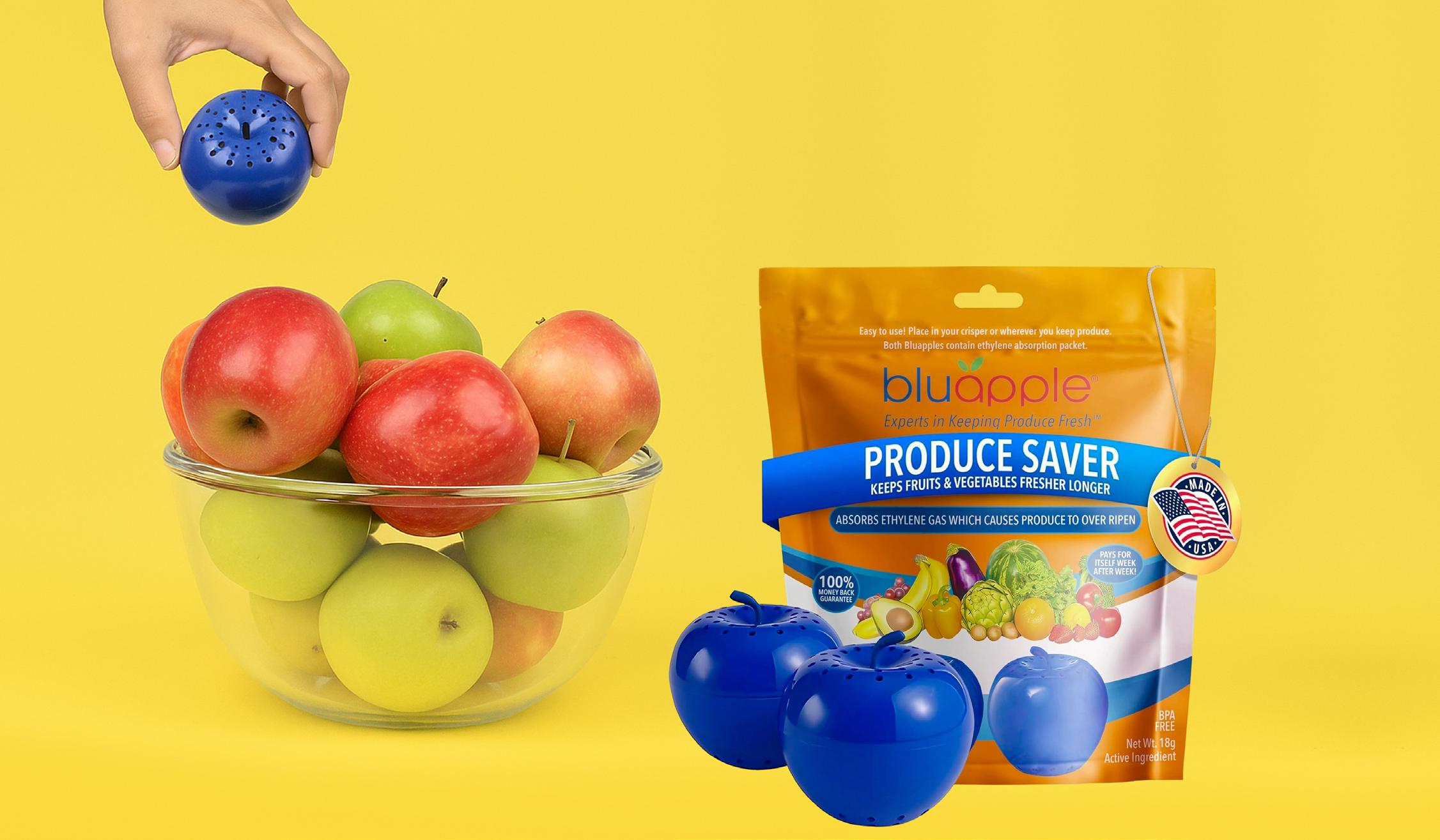
Ethylene Absorbers
Ethylene, the natural ripening hormone in fruits, plays a dual role: essential in the field, but destructive in transit. Ethylene absorbers capture or neutralize the gas inside packaging, slowing premature ripening and extending delivery windows. Chile’s FreshTech Solutions has demonstrated that blueberry consignments treated with ethylene absorbers retain their firmness and colour for up to two additional weeks, providing exporters with more flexibility and competitiveness in U.S. retail markets.
Antimicrobial Coatings and Films
Antimicrobial coatings and films, often made with natural extracts, silver nanoparticles, or essential oils, create an inhospitable environment for bacteria and fungi without compromising fruit safety. In Kenya, avocado exporters have adopted plant-based antimicrobial films to reduce fungal infections during shipments to the Middle East. This approach is not only practical but also aligned with consumer expectations: over 70% of global shoppers say they prefer produce packaged with natural, chemical-free coatings,
Moisture Regulators
For tropical exports, moisture management is critical. Condensation inside packaging provides ideal conditions for mold and bacterial growth, especially during long ocean freight. Moisture absorbers and humidity regulators are increasingly built into cartons for bananas, mangoes, and pineapples. By minimizing microbial hotspots, they ensure tropical fruits arrive in foreign markets with better texture and appearance.
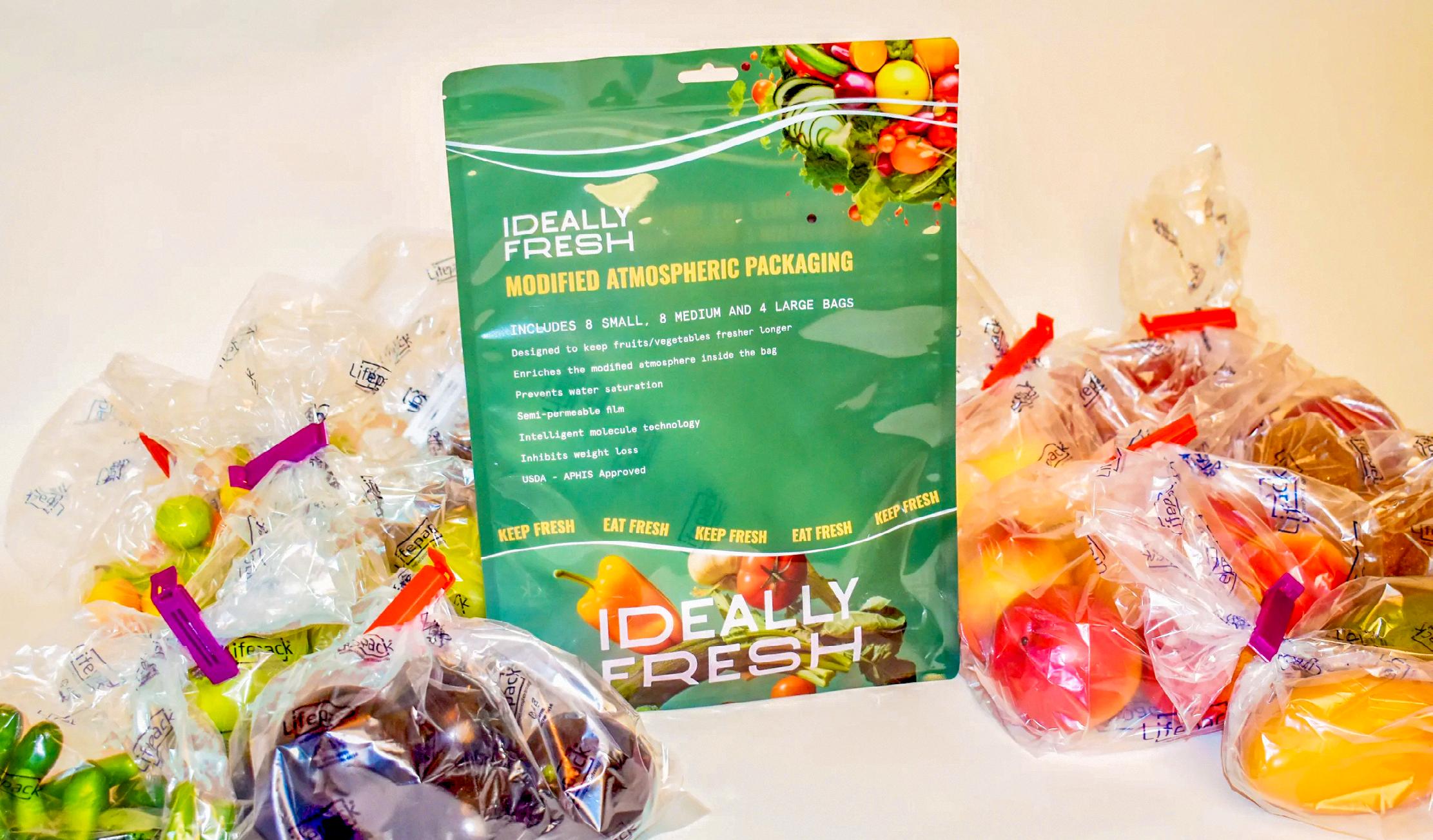
Modified Atmosphere Packaging (MAP)
Perhaps the most comprehensive system is Modified Atmosphere Packaging, which finely tunes oxygen, carbon dioxide, and nitrogen levels inside sealed containers. MAP acts as a miniature version of controlled-atmosphere storage, slowing respiration and ripening. In Kenya, a joint venture between GPL Flexibles and Afripack-MAPflex has customized MAP solutions for avocados and passion fruits, matching packaging design to the unique respiration rates of each fruit.
Demand for extended shelf life a key driver of active packaging adoption
The rise of active packaging in fruit exports is propelled by a confluence of consumer trends, technological advancements, and regulatory pressures, each amplifying its relevance across global and regional markets. Consumers increasingly demand fresh, minimally processed fruits without artificial preservatives, a trend AP meets through technologies like ethylene scavengers for berries or MAP for citrus, which extend shelf life naturally.
For instance, MAP reduces banana waste from 15% to 2%
reinforcing the commercial advantage of innovation.
in summer, enabling exports to distant markets like Southeast Asia. In Africa, companies like South Africa’s PackSavvy Solutions are leveraging MAP to boost table grape exports to Europe, capitalizing on consumer demand for fresh produce. The Asia-Pacific region, particularly China and India, is seeing a surge in AP adoption, with a projected 7.2% CAGR through 2032, per Research and Markets, driven by urban consumers and e-commerce growth.
REGIONAL INNOVATION: AFRICA AND THE MIDDLE EAST REWRITE THE PACKAGING PLAYBOOK
For years, conversations around packaging breakthroughs were dominated by global multinationals. But a quieter revolution is underway: Africa and the Middle East are carving out their own identity as innovation hubs. What sets these regions apart is not scale, but specificity, solutions engineered for local crops, climates, and supply chains, yet ambitious enough to compete on the world stage.
Kenya: Tailored Solutions for Export Staples
In Kenya, for instance, a partnership between GPL Flexibles and Afripack-MAPflex has reimagined modified-atmosphere packaging for export staples like avocados, mangos, and passion fruits. By calibrating gas mixtures to the exact respiration rates of each fruit, they’ve doubled shelf life on the voyage to Europe.
South Africa: Smart Packaging for Transparency South Africa is taking a different route, embedding intelligence into the box itself. Foster Packaging integrates sensors and freshness indicators into fruit cartons, offering exporters and buyers real-time visibility on temperature, humidity, and quality. For an industry often plagued by disputes over spoilage, this transparency is more than technology, it’s trust, building stronger long-term relationships with global retailers.
Ghana: Biodegradable and Active Integration
In Ghana, EcoPack has turned waste into advantage,
producing biodegradable packaging from sugarcane bagasse. What makes their model stand out is integration: ethylene and moisture absorbers are built directly into the material, transforming crates and trays into active preservation systems, with European regulators tightening restrictions on single-use plastics, such dual-function packaging positions Ghanaian exporters ahead of the curve.
Middle East: Smart Labels and Strategic Adaptation
The Middle East brings its own momentum. In Gulf markets, Amcor has rolled out freshness-indicator labels that shift color in response to fruit quality, offering retailers and shoppers instant reassurance. Meanwhile in Egypt, Amcor is working with agro-processors to deliver oxygen-scavenging packaging tailored to local exports. These moves demonstrate how global expertise, when localized, can deliver both sustainability and reliability in high-stakes export chains.
REGULATORY FRAMEWORKS SHAPING ACTIVE PACKAGING
The adoption of active packaging is being shaped as much by science as by regulation. Around the world, a web of foodsafety and sustainability standards governs what technologies can be used, how they must be tested, and under what conditions they are allowed into global markets.
At the center is the Codex Alimentarius, which sets the global benchmark by requiring that AP materials such as oxygen scavengers be non-toxic and food-safe.
Building on this foundation, regional authorities have tailored their own rules to local priorities. In the Middle East, the UAE’s ESMA aligns with Codex to regulate packaging for citrus imports, while Saudi Arabia’s SFDA places particular emphasis on the safety of antimicrobial systems used for imported berries. Africa presents a mixed picture:
South Africa’s Agricultural Product Standards Act provides clear requirements for Modified Atmosphere Packaging in
UNLIKE TRADITIONAL PACKAGING, WHICH SIMPLY SHIELDS FRUIT FROM EXTERNAL DAMAGE, ACTIVE PACKAGING INTERACTS WITH THE PRODUCT ITSELF AND ITS MICROENVIRONMENT.
table grape exports, ensuring smooth access to Europe, while countries like Nigeria, with less developed frameworks, rely largely on international standards to fill the gap. In Europe, the regulatory environment is even more demanding.
Regulation (EC) No. 1935/2004 not only enforces safety but also pushes for sustainability, driving innovations such as Morocco’s use of bio-based films for citrus exports and Egypt’s adoption of recyclable AP for mango shipments.
Yet, alongside these frameworks come real challenges for exporters. Regulations differ from market to market, forcing companies to adapt packaging for multiple destinations and absorb the cost of additional testing and certification.
For small and mid-sized exporters, proving compliance can be prohibitively expensive, while larger firms face the strategic burden of aligning fast-moving packaging innovations with approval cycles that move far more slowly. In countries where local enforcement is weak, uncertainty adds another layer of complexity, leaving exporters unsure of how consistently rules will be applied.
STEEL Packaging
BY ALPHONSE OKOTH
AStrength, Sterility & Staying Power
t first glance, steel might seem like the odd heavyweight in a world chasing “lighter, thinner, flexible, disposable.” Yet its story is less about clinging to the past and more about holding the line in high-stakes categories where trust can’t be compromised.
Think of the tuna can that keeps flavour locked in, the aerosol that sprays reliably without bursting, or the medicine vial that survives sterilization without failing. Steel thrives where other materials falter. Its three defining strengths, barrier protection, pressure resistance, and sterility, form the backbone of its relevance in a rapidly changing packaging landscape.
In this article, we delve into the reasons why steel thrives and its potential continues to grow, accommodating other sectors.
A STILL-HEAVY MARKET UNDER PRESSURE
The metal packaging market size is valued at US$136.22 billion in 2025 and is projected to reach US$157.37 billion by 2030, reflecting a 2.93% CAGR over the period, according to Mordor Intelligence. Steel holds a large share of that, especially in food cans, aerosols, industrial drums, and closures. Some reports estimate steel’s share in food packaging at 40–60% and note that over 70% of aerosol cans worldwide are made of steel.
in Europe enjoys recycling rates above 80% according to APEAL — a testament to its circular credentials. Meanwhile, producers in developing markets are seeing increasing demand for canned foods and durable goods, adding to steel’s runway.
Innovation in the steel packaging space is driven by overcoming three core challenges: making products lighter without compromising strength, ensuring safety through coatings (especially as regulations become stricter), and embedding value (including design, brand, and smart features) in what is fundamentally a very structural material.
BARRIER PROTECTION: KEEPING THE INSIDE PRISTINE
Steel’s barrier capability is arguably its most important attribute. Once sealed, a steel container is virtually impervious to oxygen, moisture, UV, and microbial intrusion. This barrier is critical across many sectors.
In regions where cold chains are weak or unreliable, steel cans enable long-term storage of food without spoilage. A 2024 IFIC survey found that 62% of consumers in Africa and South Asia associate steel cans with “safety and trust,” suggesting the barrier narrative still resonates strongly in emerging markets.
Products such as infant formula, powdered milk, and nutritional supplements rely heavily on barrier integrity. Steel keeps moisture, oxygen, and light out, which helps preserve active ingredients and flavour. Specialty teas,
coffees, and spices often use steel tins for aroma protection.
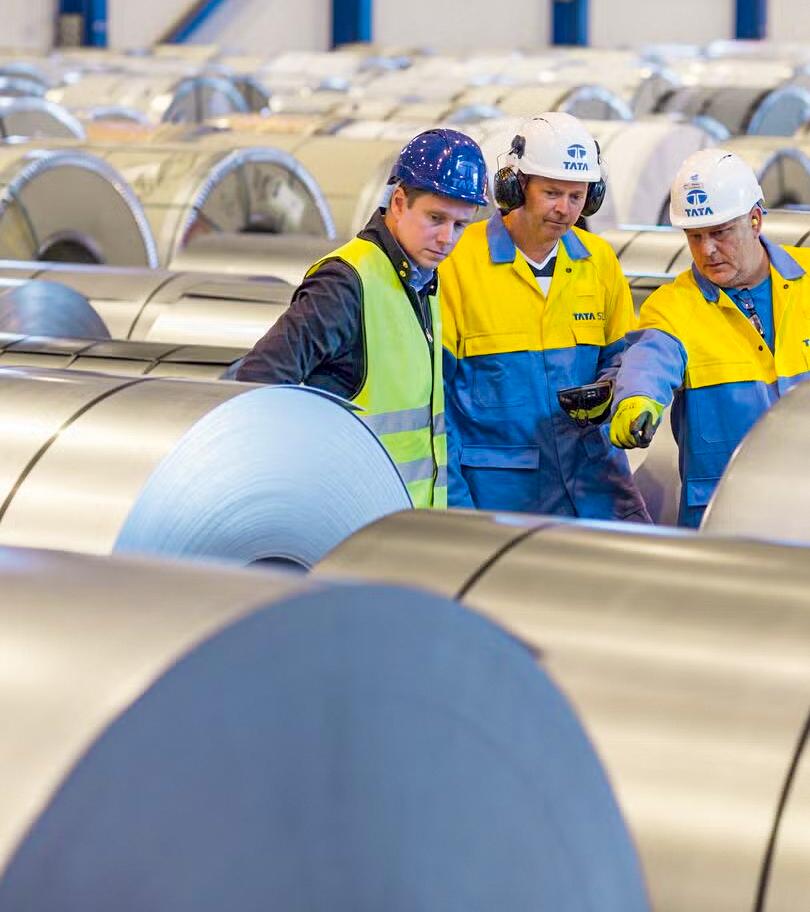
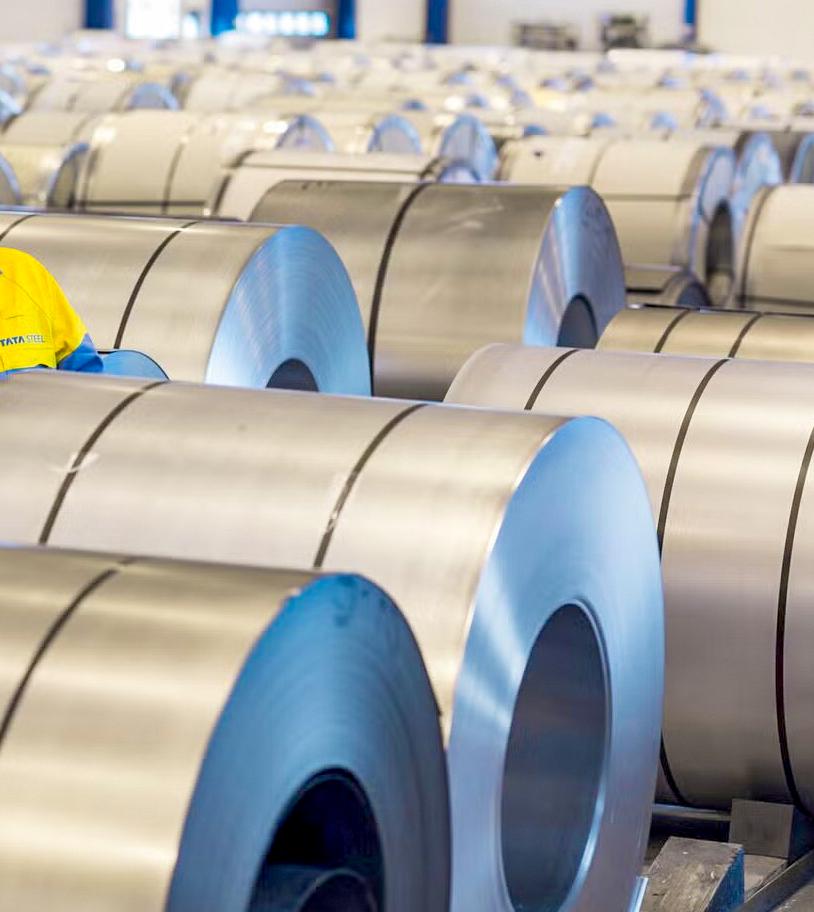
To maintain and improve barrier performance, companies are innovating in coatings and base materials. Tata Steel, for example, markets a “Protact®” polymer-coated tinplate that comes off the production line with an organic coating built in, eliminating the need for additional lacquering steps. This saves on processing, reduces solvent use, and ensures more uniform barrier behaviour.
Tata also works with metallic coatings, such as TCCT®, to reduce reliance on tin and improve environmental metrics. These innovations help the material remain competitive even as coated polymers and laminates continue to push forward.
PRESSURE RESISTANCE: SURVIVING BURSTS AND FORCES
If barrier strength is steel’s first superpower, pressure resistance is its second. In pressurized packaging, especially aerosols, steel is often non-negotiable.
Globally, more than 70% of aerosol cans are made of steel, given the material’s ability to withstand internal pressure, mechanical stress, and handling without deforming or leaking. In industrial sectors, steel drums and pails must survive heavy loads, stacking, vibration, and variable temperatures. None of that is easy for plastics or less rigid composites.
In beverages, while aluminium dominates the lightweight, high-volume cans for soda and beer, some high-capacity juice or tea containers in Asia and Europe still favour steel for structural stability, especially where larger formats or shelf stacking are required.
Manufacturers are pushing the limits: Crown Holdings, for example, has developed the 360 End®, a full-aperture easyopen lid for pressurized cans that transforms the container into a convenient serving vessel while maintaining safety. At the same time, Crown and steel suppliers have achieved gauge reductions of up to 10% in aerosol components without sacrificing pressure integrity, reducing raw material and emissions in the process.
Crown’s innovations have earned recognition: its designs
GLOBALLY, MORE THAN 70% OF AEROSOL CANS ARE MADE OF STEEL, GIVEN THE MATERIAL’S ABILITY TO WITHSTAND INTERNAL PRESSURE, MECHANICAL STRESS, AND HANDLING WITHOUT DEFORMING OR LEAKING.
COMPANIES INNOVATING AT SCALE
The steel packaging industry isn’t just talking about tomorrow; it’s executing today. Crown Holdings, Inc. has maintained its roots in innovation (its founder invented the crown cork in 1892) and continues to invest heavily in process, decoration, and sustainability. Its “Innovation
have won awards for combining sustainability, differentiation, and material efficiency. In one global design competition, Crown’s teams were lauded for reducing material usage by nearly 13% in particular can formats while maintaining performance. (One press release highlighted this in its 2023 awards announcement.)
STERILITY: SURVIVING HEAT, HYGIENE & HIGH STAKES
Steel’s third superpower is sterility, a requirement in food retorting, pharmaceuticals, and infant nutrition. Foods like meats, soups, vegetables, and fish undergo sterilization at 121 °C (or higher) for extended durations (15–90 minutes or more). Steel packaging withstands thermal stress without compromising seal integrity or structural integrity.
In the pharmaceutical and medical sectors, sterile syringes, creams, and sensitive biologics rely on packaging that resists microbial ingress. Only very few materials can match steel’s performance under those conditions.
To maintain sterility without introducing new risks, innovation in coating technology is critical. Industry leaders such as PPG and AkzoNobel are introducing BPA-NI (Bisphenol A Non-Intentional) coatings that address health concerns associated with older chemistries while maintaining sterility assurance.
In Europe, new regulatory constraints are pushing tinplate manufacturers to replace traditional chromium (VI) passivation. Tata Steel and partners are working on alternative passivation techniques that maintain corrosion resistance while complying with REACH and avoiding harmful residues.
Labs” and “Clariton Zones” are internal hubs to stimulate cross-functional idea generation, from new barrier coatings to automation in decorating.
Crown has also won multiple awards for its ability to reduce material use, deliver brand differentiation, and improve sustainability. In one competition, they were recognized for eliminating nearly 13% of material in some can designs. Their Twenty by 30 initiative sets ambitious goals for recycling and circularity, aiming to increase the global use of recycled content and improve recovery rates.
Tata Steel is more than a metals supplier, they play a strategic role in the packaging chain. Their tinplate is already among the most recycled materials in Europe: in 2021, steel was recycled at a rate of 78.5% in Europe, with select Dutch municipal systems achieving 94.3% recovery for steel packaging.
They are advancing in two key domains: greener production and more innovative product development. On the production side, Tata is increasing scrap-based charging in its furnaces and pushing to phase out hexavalent chromium in passivation.
On the innovation front, Tata Steel UK is part of a £7 million ADAPT-EAF project to create AI-driven, low-carbon steel specifically for food and packaging applications. The project blends advanced modelling, scrap optimization, and fast prototyping of new grades.
These strategic moves by Crown and Tata show how upstream material science, downstream consumer expectations, and regulatory pressures are converging.
REGIONAL & MARKET NUANCES
Globally, steel packaging continues to wrest market share from weaker substrates in categories where performance can’t
be compromised. A recent industry analysis identifies three major trends: sustainability (lighter, more recyclable), stronger barrier coatings, and specialized surface treatments designed to resist corrosion, gas permeation, or chemical attack.
In emerging markets, the footprint of steel is growing rapidly. Africa, for example, still has plastics dominating (~44% share in 2024), but more durable goods, such as cooking oil tins and powdered milk containers, are often printed in steel, especially in Kenya and Nigeria. Aerosol markets in warm climate zones like South Africa favour steel for its thermal stability.
is its infinite recyclability without loss of performance. In Europe, steel packaging recycling rates remain above 80%, and each tonne of recycled steel prevents roughly 1.5 tonnes of CO₂ emissions compared to producing new steel from raw ore, massive savings at scale.
The path forward lies in “green steel”: hydrogen-based reduction, electric arc furnaces, and AI-enhanced production models. Tata’s ADAPT-EAF is a direct bet in that direction. Crown and other metal packaging companies are partnering with recyclers and investing in collection infrastructure to ensure that used packaging is quickly reintroduced into the loop, some reports claim cans can return to store shelves within 60 days after collection.
However, success depends not only on technology, but also on people. Consumer behaviour around recycling matters. Tata Steel emphasizes that the public plays a crucial role in maximizing steel’s recycling potential.
THE FUTURE: WHERE STEEL HOLDS THE LINE
Looking ahead, steel packaging’s role won’t be about overwhelming volume dominance. Its future lies in being irreplaceable where performance and safety are non-negotiable: barrier integrity, pressure resilience, and sterility.
In categories like canned food, infant nutrition, aerosols, specialty ingredients, chemicals, and pharmaceuticals, steel will be the material that ensures nothing fails. The packaging wars will continue, but steel’s territory will increasingly be that “no compromise” zone.
136.22B US$
In advanced markets, per-unit innovation is more visible, as seen in premium tinplate coffee cans, limited-edition decorated steel packaging, and innovative packaging experiments (such as QR codes, NFC, and freshness indicators) built onto steel substrates. These higher-margin opportunities help maintain steel’s relevance in markets where cost isn’t the only factor.
SUSTAINABILITY & CIRCULARITY: THE STEEL EDGE
What gives steel a potent long-term advantage
Steel’s value proposition evolves it’s no longer just about being strong, but being smart, lighter, safer, more sustainable, digitally interactive, and circular. When APEAL’s Secretary General Alexis Van Maercke observes that “steel packaging sets the benchmark for a truly circular economy,” it’s not marketing fluff, it’s a strategic claim backed by decades of recycling, innovation, and market trust.
From the 19th century to the 21st century, steel has undergone significant adaptation. In the age of sustainability and supply chain scrutiny, its three superpowers, barrier, pressure, sterility, are not just still relevant. They may be more essential than ever.
INK, COLOUR, AND THE FUTURE OF sustainable packaging in Africa and the Middle East
BY VICTOR ATSALI
In Africa’s rapidly growing food, beverage, and consumer goods industries, sustainability is no longer a secondary consideration. It is the driving force behind packaging innovation. Packaging today must balance visual appeal with environmental responsibility, and at the center of this shift lies a critical yet often overlooked factor: ink and colour technologies.
These innovations are not simply decorative; they influence recyclability, safety, and product shelf life while shaping consumer perception. Advances in bio-based inks, UV/LED curing systems, and smart digital printing are redefining how packaging is produced across Africa and the Middle East.
MATERIALS AND INKS: COMPATIBILITY IN A CIRCULAR ECONOMY
Sustainable packaging depends on both substrates and the inks that coat them. Africa faces particular challenges: reliance on plastics, limited recycling infrastructure, and affordability constraints. However, leading companies are advancing solutions.
Nampak in South Africa has invested heavily in rPET bottle production, aligning it with advanced ink technologies. The company’s research shows that UV-curable inks improve
recyclability scores by reducing chemical contamination during the de-inking process, a breakthrough that supports local recycling streams.
Twiga Foods in Kenya has piloted banana-leaf packaging that requires biodegradable inks designed for fibrous substrates. These inks not only adhere effectively but also biodegrade at the same rate as the substrate, avoiding contamination in composting environments.
Mondi Group’s MAP2030 framework prioritizes the use of water-based inks in paper-based flexible packaging. Their pilot projects in Morocco have shown that switching from solventbased inks to water-based inks reduced VOC emissions by over 85% without affecting print quality.
The materials shift is backed by investments in inputs. The Middle East bio-based platform chemicals market, essential for producing renewable ink carriers—is valued at US$353.8 million in 2024 and projected to reach US$563.4 million by 2033 (CAGR 5.4%), according to Grand View Research, 2024.
THE INK REVOLUTION: INNOVATIONS DRIVING SUSTAINABILITY
For decades, solvent-based inks dominated the market, but their high emissions of volatile organic compounds (VOCs) created environmental and health risks. Today, technological advances are transforming the sector.
Water-based and bio-based inks have reduced VOC emissions by up to 90%. GLS Specialty Chemicals, for example, produces soy-based inks that meet FDA and EU standards, offering safety and durability. Trials with packaging producers in Egypt and Nigeria have demonstrated lower migration risks in food packaging while preserving colour vibrancy.
UV- and LED-curable inks are another leap forward. Instead of drying through solvent evaporation, these inks cure instantly under light. Nampak’s beverage packaging lines now use LED-curable inks, cutting curing times by up to 60% and reducing energy consumption by nearly 40%. The global UVcured ink market is projected to grow from US$2.5 billion in 2024 to US$4.5 billion by 2033 (CAGR 7.5%), according to
Verified Market Reports, 2024.
These inks also provide superior resistance to scratches and moisture, critical advantages in hot and humid African climates. Heidelberg Middle East has also introduced hybrid presses equipped with LED-curable ink systems for folding cartons, enabling converters in Saudi Arabia and the UAE to achieve faster turnaround times and reduce substrate waste by nearly 15%. This demonstrates how global technology providers are tailoring advanced curing systems to regional market needs. Functional barrier inks and coatings are also advancing. Middle Eastern dairy producers are deploying UV-blocking inks that extend milk shelf life by up to 15%. In West Africa, snack food companies are testing oxygen-scavenging coatings that help reduce spoilage and food waste, a significant issue in long supply chains.
DIGITAL PRINTING AND SMART INKS: ADDING INTELLIGENCE
Digital printing is revolutionizing how packaging is produced
SUSTAINABLE INKS ARE ENGINEERED SYSTEMS THAT BALANCE SAFETY, DURABILITY, AND RECYCLABILITY.
in Africa and the Middle East. It enables shorter runs, reduces waste, and offers real-time customization. For SMEs, this lowers costs and minimizes overproduction, making premium packaging more accessible.
HP Indigo presses, increasingly deployed by converters in Egypt and South Africa, allow brand owners to print smaller batches with variable data, cutting waste by up to 20% compared to conventional runs.
Smart inks are pushing boundaries further. Thermochromic and photochromic inks act as freshness indicators by changing colour in response to temperature or light exposure. In the Gulf region, Almarai has piloted milk packaging with thermochromic inks that warn consumers if cold-chain conditions are broken.
Conductive inks, meanwhile, are being trialed by FMCG companies in Kenya and Saudi Arabia for anti-counterfeiting and supply chain traceability, integrating NFC tags directly into packaging without additional labels.
In the Middle East, the printing inks market shows robust adoption of these technologies. The UV-curable inks segment is expected to grow at a 9.8% CAGR between 2025–2033, with UAE and
Saudi Arabia registering a 15% surge in adoption in 2023, reports Market Data Forecast, 2024.
THE SCIENCE OF COLOUR: ENGINEERING FOR PERFORMANCE
Sustainable inks are engineered systems that balance safety, durability, and recyclability. They typically contain carriers, pigments, and additives, all of which are being reformulated to reduce environmental impact.
Carriers are shifting from petroleum to plant-based oils such as soy or linseed. Pigments are moving away from heavy metals toward safer mineral-based alternatives. Additives are being redesigned to maintain print quality while remaining non-toxic.
Each printing process requires specific ink properties. Flexography, dominant in Africa for corrugated and flexible packaging, benefits from low-viscosity water-based inks. Gravure, favored for long runs, is increasingly adopting biodegradable solvent blends, especially in Middle Eastern markets for high-volume food packaging.
Offset lithography, common in carton production, is being transformed by LED-curable inks that shorten curing times and reduce heat generation. Functional coatings within inks now act as barriers against oxygen, UV, and moisture, critical in Africa and the Middle East, where supply chains are long and storage conditions can be inconsistent.
BUSINESS BENEFITS: INNOVATION AS STRATEGY
Sustainable inks are more than environmental upgrades, they are business enablers. Companies adopting UV/LED curing systems are reporting operational efficiency gains, with energy reductions of up to 50% and faster production cycles.
Foster International Packaging in East Africa has cut production costs by 18% after switching to LED-curable inks. Their partnership with multinational clients has shown improved recyclability scores, boosting export competitiveness to European markets with strict compliance requirements.
In South Africa, Pyrotec PackMark has leveraged digital inkjet systems to provide localized batch coding with water-based inks, reducing downtime and ink wastage while complying with
food-contact regulations.
The broader market scale reinforces these gains. The global packaging inks and coatings sector is projected to grow from US$4.77 billion in 2025 to US$7.5 billion by 2034 (CAGR 5.15%), according to GlobeNewswire, 2025.
REGULATION AND MARKET READINESS
Policy frameworks across Africa and the Middle East are reinforcing these innovations. South Africa’s Extended Producer Responsibility (EPR) scheme requires companies to design packaging for recyclability, incentivizing the adoption of low-VOC and bio-based inks.
Kenya’s ban on single-use plastics has accelerated the transition to biodegradable substrates and compatible inks, forcing converters to innovate quickly. Saudi Arabia’s SASO standards are tightening requirements for food-contact-safe inks, aligning packaging practices with Vision 2030’s environmental goals. These regulations are not barriers but catalysts, ensuring the region’s packaging industry evolves toward cleaner technologies and sustainable growth.
LOOKING AHEAD: THE NEXT FRONTIER
The future of packaging inks in Africa and the Middle East will be defined
by convergence between technology, sustainability, and supply chain strategy. Local production of bio-based inks will reduce reliance on imports and strengthen regional resilience.
Hybrid presses that combine flexo and digital capabilities will deliver both efficiency and customization. AI-driven colour management will cut waste while ensuring brand consistency. Deinking technologies are emerging as the final link, enabling circular recovery of pigments and carriers to close the loop.
COLOUR AS A TECHNOLOGICAL CATALYST
Inks and colours are no longer passive
decorative elements; they are strategic technologies shaping the future of packaging. From bio-based formulations and UV/LED curing systems to smart and digital inks, these innovations are advancing both environmental and business goals.
For packaging technologists in Africa and the Middle East, the challenge is integration, ensuring that science, sustainability, and strategy work together. Ultimately, ink innovation is the technological backbone of the packaging revolution, positioning the region as a leader in global sustainability.
CAN TECHNOLOGY AND SUSTAINABILITY COEXIST?
BY CYNTHIA WAINAINA
One of the most critical questions of our time is whether technology and sustainability can coexist without compromise. On one hand, innovation has propelled humanity into an era of astonishing possibilities. On the other, it has driven us to the brink of ecological collapse. The real challenge, and opportunity, lies in learning how to ensure that progress no longer comes at the planet’s expense.
For centuries, industrial growth meant more machines, more consumption, and more extraction of resources. The Industrial Revolution fueled incredible progress but also left behind pollution, deforestation, and carbon emissions that continue to shape our world.
It was only in the late 20th century that “sustainability” began to gain momentum as societies realized that unrestrained growth was unsustainable. The United Nations placed the term at the center of global dialogue in the 1980s, and by the 1990s, it was shaping policies and political platforms.
Today, sustainability is no longer just a buzzword. With the UN’s 17 Sustainable Development Goals (SDGs) guiding nations, businesses, and communities alike, it has become a global compass for how we measure success.
TECHNOLOGY: THE PROBLEM AND THE SOLUTION
Technology has always been a double-edged sword. It can solve some of our greatest challenges, or deepen them.
Practical examples show us that technology and sustainability can work hand in hand. In Kenya, the Kenya Forestry Research Institute (KEFRI) developed a mobile app that guides communities on which trees to plant in specific regions based on soil and climate conditions. This has supported targeted reforestation efforts and improved survival rates of planted trees.
National digital dashboards also now track the number of trees planted under the government’s 15-billion tree campaign, making accountability and transparency possible. Such tools demonstrate how technology enhances sustainability by aligning data, science, and citizen action.
At the same time, the Anthropocene, a term describing our era where human activity dominates Earth’s systems, shows the cost of progress without restraint. Fossilfuel dependency, deforestation, mountains of e-waste, and the resource strain of maintaining technologies such as solar panels and batteries illustrate how innovation without foresight creates new environmental burdens. For instance, solar energy reduces emissions, but its lifecycle raises concerns: panels eventually become e-waste, and their production and maintenance demand significant water and mineral resources.
The question is not whether technology is good or bad. It’s whether we use it responsibly.
For technology and sustainability to thrive together, a few guiding principles must lead the way:
• Everything is connected. The economy, society, and environment are intertwined. Harm to one destabilizes the others.
• Nature sets the boundaries. Societies cannot thrive forever if they push beyond ecological limits. Soil health, biodiversity, and clean air are not negotiable luxuries—they are lifesupport systems.
• Think ahead, not just now. Future generations deserve the same opportunities we enjoy. Many Indigenous cultures have long embodied this principle of stewardship; it’s time the rest of the world caught up.
• Smaller, smarter systems work. Decentralized, community-based solutions, like KEFRI’s tree-planting app or local circular economy initiatives, often prove more resilient than massive, centralized ones.
Notably, consumers are already driving change. More people are choosing organic, fair-trade, and eco-friendly products. Businesses are responding by rethinking packaging, supply chains, and production systems. This cultural shift, where demand for sustainability influences how markets behave, may be just as important as any breakthrough technology. The future isn’t written. Just as we
I would estimate the chances are about 49 percent that the world as we know it will collapse by about 2050... At the rate we’re going now, resources that are essential for complex societies are being managed unsustainably ...by 2050 either we’ve figured out a sustainable course, or it’ll be too late
DIAMOND, AMERICAN SCIENTIST, AUTHOR AND HISTORIAN
once managed to control nuclear risks, we can steer emerging technologies like artificial intelligence, biotechnology, and geoengineering toward positive outcomes. But doing so requires humility, the recognition that humanity has outgrown the planet’s natural limits, and boldness to act differently. – William ‘Bill’ McKibben Technology and sustainability are not enemies. They are potential partners. The challenge of our generation is to make sure they walk hand in hand rather than against each other.
So, yes, technology and sustainability can coexist. But it won’t happen by accident. It requires intentional choices, from governments setting smart policies, to businesses adopting circular models, to communities using tools like KEFRI’s app, to consumers demanding better.
The tools are in our hands. What we need now is the will to align progress with preservation.
If we succeed, we will prove that growth and guardianship of the planet are not mutually exclusive. Instead, they can be the foundation of a future where technology doesn’t just serve humanity, it sustains it. SPMEA
JARED
THE
Before Hype
BY LEAH WAMUYU
FWhen Reusable Packaging Fails the Sustainability Test
or years, reusable packaging has been hailed as the holy grail of sustainable design. From tote bags to refillable shampoo bottles and returnable coffee cups, reuse has become a visible symbol of environmental responsibility. The logic is simple: use something multiple times instead of throwing it away after one use.
And in many ways, reusables do help. According to a report by Grand View Research, the global reusable packaging market was valued at USD 135.8 billion in 2024, with projections showing a steady CAGR of 5.9% through 2030. This momentum reflects genuine consumer interest and regulatory pressure.
But here’s the catch: reusable packaging is not always the greener choice. In some cases, it can actually carry a larger environmental footprint than its single-use alternatives. For packaging professionals and policymakers, this presents a challenge, to move past slogans and embrace the complexity of sustainability.
WHEN THE BREAK-EVEN POINT NEVER COMES
The success of reusable packaging hinges on one factor: actual reuse frequency. Unless a package is used enough times to offset its higher production footprint, it may never reach environmental
parity with single-use packaging. Take cotton tote bags. They feel sustainable, but studies suggest a tote needs to be used over 100 times to break even with the carbon and water footprint of a lightweight plastic bag. Yet most consumers own several totes and use them irregularly.
Paper bags tell a similar story. While biodegradable, they need to be reused three to four times to match a plastic bag’s footprint. In reality, paper bags often tear after a single use.
Industry examples highlight this imbalance. Coca-Cola’s reusable glass bottle programs in parts of Africa have struggled, with breakage rates and return levels as low as 14% in 2023. Meanwhile, lightweight PET bottles, though single-use, are recycled more effectively thanks to collection networks like PETCO in South Africa.
Unilever’s refill stations in Sri Lanka, Bangladesh, and Indonesia faced similar hurdles. While conceptually appealing, adoption was limited because consumers found it inconvenient to carry and clean bulky containers. In contrast, lightweight sachets, though disposable, aligned better with local shopping habits.
The lesson? The sustainability equation is not just about materials, it’s about consumer behavior.
THE HIDDEN COSTS OF KEEPING THINGS CLEAN
Another overlooked aspect of reusables is the resource intensity of cleaning and reverse logistics. Packaging does not simply cycle back into use automatically. It must be collected, washed, dried, and redistributed, often requiring centralized facilities.
A 2021 study by McKinsey & Company found that, in Europe, shipping reusable containers back and forth could generate over 65% more emissions than simply recycling singleuse alternatives locally, especially when return rates were low and transport distances long.
Water use is another sticking point. Industrial cleaning of reusable containers can consume up to 10 litres of water per unit, depending on hygiene standards. In water-scarce regions such as Kenya, Egypt, and the Gulf states, this creates a sustainability paradox.
Transport emissions also rise with reuse. Heavier materials like glass bottles or steel drums increase fuel consumption during distribution and returns. Without localized reuse loops, the added carbon footprint can negate benefits.
Platforms like TerraCycle’s Loop, which partners with P&G and Nestlé, attempt to solve this by creating multi-brand reverse logistics systems. But scalability remains a challenge, especially outside developed markets.
INFRASTRUCTURE AND ENVIRONMENTAL REALITIES IN MEA
Reusable systems require robust infrastructure, drop-off points, cleaning hubs, warehousing, tracking systems, and efficient return fleets. For many regions, particularly in the Middle East and Africa (MEA), this remains a stumbling block.
In South Africa, Extended Producer Responsibility (EPR) regulations are pushing companies to rethink packaging. Yet, reverse logistics systems remain fragmented outside major cities. Nampak, one of Africa’s largest packaging manufacturers, has invested in returnable beverage packaging but faces challenges in rural distribution.
In Kenya, water scarcity makes washing-intensive reuse systems problematic. Startups like Kapu have adapted by offering reusable dry goods containers that avoid heavy cleaning requirements. By keeping loops localized and product-specific, their model reduces environmental strain.
The UAE has experimented with reuse under its single-use plastic reduction initiatives. Carrefour UAE piloted a reusable bulk container program, but adoption has been slow due to consumer habits and logistical complexity.
Even when infrastructure exists, practical issues persist. Reusable containers can take up 30% more warehouse and truck space than single-use packaging, reducing transport
efficiency and increasing emissions. Breakage, loss, and consumer non-compliance further erode effectiveness.
WHEN REUSE DOESN’T FIT THE PRODUCT
Not all product categories are suitable for reuse, particularly where safety, hygiene, or contamination risks are high.
Agrochemicals: Companies like Elgon Kenya and Syngenta package fertilizers and pesticides in steel drums and HDPE containers. While theoretically reusable, the risk of contamination and the need for chemical-grade cleaning make reuse impractical. Secure single-use disposal remains safer.
Paints and coatings: Manufacturers such as Kansai Plascon use metal tins that often retain residues difficult to clean. Reuse would require solvent-based washing, driving up water and chemical consumption. Recycling single-use tins is more efficient.
Pharmaceuticals and personal care: Packaging in these sectors must meet strict hygiene standards. In regions with informal supply chains, ensuring sterility in reuse systems is nearly impossible. Unilever MEA has tested refill stations for personal care, but scalability remains limited.
These examples show that sometimes well-designed recyclable single-use packaging provides a safer, more sustainable solution than forced reuse.
RETHINKING WHAT “SUSTAINABLE” REALLY MEANS
The temptation to declare reusable packaging as universally superior is understandable. After all, the idea of extending the
rather than broad assumptions. True progress lies in identifying the option, whether reusable or single-use, that delivers the lowest overall footprint in a given setting.
A BALANCED PATH FORWARD
life of a container rather than discarding it after one use feels inherently eco-friendly. But the reality is more nuanced, and true sustainability cannot be reduced to a simple “reusable good, disposable bad” formula.
The right choice always depends on context. Consumer behavior is one of the most critical factors. A reusable system only works if people consistently bring back containers or bags often enough to offset the higher energy and material costs of production. Without sufficient reuse, the environmental advantage quickly disappears.
Infrastructure also plays a decisive role. For reusables to succeed, there must be reliable systems for collection, cleaning, and redistribution. In markets where such logistics are underdeveloped or fragmented, the cycle can collapse, leaving reusables with a bigger footprint than single-use packaging that benefits from established recycling streams.
The nature of the product itself is another consideration. Packaging for pharmaceuticals, agrochemicals, or hygienesensitive goods cannot always be safely reused without the risk of contamination. In such cases, the added cleaning or sterilization requirements may create more environmental strain than single-use solutions.
Finally, resource use must be factored in. Washing, drying, and transporting heavy reusable containers consumes water, energy, and fuel. In regions where these resources are scarce or where transport distances are long, the environmental cost of reuse may outweigh its intended benefits.
Taken together, these variables highlight why sustainability decisions in packaging should be based on data and context
For packaging professionals, the message is clear: the future is not about choosing sides between reusable and disposable packaging. Instead, it lies in designing systems that balance trade-offs and respond to the realities of different markets and product categories.
One critical area of focus is investing in recycling infrastructure, particularly in regions where reuse is not viable. Stronger recycling systems can ensure that even singleuse packaging has a second life, reducing waste and lowering overall emissions. At the same time, there is growing value in localizing reuse loops. When containers circulate within smaller, regional systems, transport distances and associated emissions are minimized, making reuse far more practical and environmentally sound.
Solutions must also be tailored to product categories. Packaging for agrochemicals or pharmaceuticals requires different strategies from packaging for beverages or dry goods. By prioritizing safety and practicality in each category, companies can avoid forcing reuse where it does not make sense and instead apply the most sustainable option available.
Equally important is consumer education. Shaping realistic expectations about the environmental impacts of packaging helps to dispel the myth of one-size-fits-all solutions. When consumers understand the trade-offs, they are more likely to support systems that are sustainable in practice, not just in theory.
Ultimately, the planet does not care whether a package is designed for a single use or ten. What matters is the total footprint it leaves behind. By focusing on data over dogma and context over slogans, the packaging industry can make choices that are both practical and sustainable. SPMEA
Flexible PACKAGING
BY MARKETS AND MARKETS RESEARCH
Driving Freshness, Safety, and Growth
Flexible packaging has emerged as the preferred solution for keeping products fresh, safe, and damage-free. Cost-effective, lightweight, and versatile, it is indispensable across food, beverages, pharmaceuticals, and personal care industries.
By extending shelf life, supporting efficient distribution, and reducing product losses, flexible packaging plays a central role in modern supply chains, making it one of the fastest-growing segments in global packaging.
MARKET SEGMENTATION AND INDUSTRY PLAYERS
The global flexible packaging market is defined by several key factors, including packaging types, applications, printing technologies, materials, and regional markets. Packaging options range from pouches, bags, and rollstock to films and wraps, catering to diverse needs. Applications extend across food, beverages, pharmaceuticals, healthcare, personal care, and cosmetics, while printing technologies include flexography, rotogravure, digital formats, and others. In terms of materials, plastics, paper, and metals dominate, each serving unique performance requirements.
Behind this growth are major industry players such as Huhtamaki Oyj, Berry Global, Amcor Limited, Mondi, Sonoco Products, DS Smith, and others. These companies are actively pursuing mergers, acquisitions, and new product innovations to strengthen their positions in an increasingly competitive marketplace.
THE MARKET OUTLOOK
According to MarketsandMarkets, the global flexible packaging market is valued at US$291.6 billion in 2024 and is projected to reach US$368.8 billion by 2029, reflecting a compound annual growth rate of 4.8 percent. Growth is fueled by several factors, including the push toward reducing material usage, improving cost efficiency, extending shelf life, and meeting the rising demand from food, beverage, and healthcare sectors.
The surge in e-commerce sales has further amplified demand, as flexible packaging offers lightweight and durable options for shipping. However, the sector continues to face significant challenges, particularly from stringent government regulations and the lack of adequate infrastructure to support recycling.
REGIONAL INSIGHTS
Middle East Momentum
In the Middle East, demand for flexible packaging is expanding rapidly due to urbanization, rising incomes, and a growing focus on food security. Saudi Arabia has committed nearly US$71 billion toward its Vision 2030 goals, much of which supports packaging innovation across food, retail, and healthcare.
The expansion of e-commerce platforms such as Noon and Souq has led to a 25 percent annual rise in packaging needs for online retail. Meanwhile, the healthcare sector is increasingly adopting flexible formats that ensure compliance, safety, and patient-friendly designs, further cementing the region’s reliance on these solutions.
GCC Countries: Shaping a Sustainable Future
Within the GCC, rising disposable incomes and a growing appetite for packaged food and beverages continue to drive growth. The Gulf Economic Update projects regional economic recovery at 2.8 percent in 2024 and 4.7 percent in 2025, trends that support expanding demand for flexible packaging.
Saudi Arabia’s Vision 2030 and Qatar’s National Vision 2030 are both pushing diversification into non-oil industries, creating opportunities for packaging suppliers. At the same time, there is a clear shift toward sustainable packaging, with biodegradable and recyclable materials gaining traction. Smart packaging, including the integration of QR codes, is also emerging as a popular tool to engage consumers and add value to everyday products.
South Africa: Africa’s Growth Engine
South Africa is rapidly positioning itself as one of SubSaharan Africa’s strongest packaging markets. The country’s GDP stood at US$377 billion in 2023, reflecting a modest 0.7 percent increase, with projections pointing to steady growth of 1.5 percent between 2024 and 2026.
The food and beverage sector remains the largest driver, with retail sales of packaged food estimated at US$8.5 billion in 2023, making South Africa the region’s leading consumer market. This surge in consumption has translated directly into higher demand for flexible packaging solutions, particularly in dairy, snacks, beverages, and bakery products.
The healthcare sector is also shaping demand, as the South African Health Products Regulatory Authority enforces strict pharmaceutical packaging standards that encourage adoption of flexible formats. In addition, the government’s National
Health Insurance program is creating further opportunities for safe and efficient medication packaging. Together, these factors underscore the importance of flexible packaging in supporting South Africa’s economic and industrial expansion.
Rest of Middle East & Africa: Emerging Hotspots
Beyond South Africa and the GCC, other countries in the Middle East and Africa, including Nigeria, Kenya, Ghana, Ethiopia, and Tanzania , are becoming increasingly attractive for investment. These developing economies are witnessing rising demand across food, beverages, pharmaceuticals, and personal care sectors, thanks to improving infrastructure and growing populations.
Governments are introducing reforms to encourage investment, while a young, skilled workforce adds to the region’s appeal. With foreign investments increasing and manufacturing sectors expanding, the flexible packaging market is expected to play a vital role in fueling growth across these emerging markets.
THE BOTTOM LINE
Flexible packaging is no longer just a convenience; it has become a strategic enabler of growth across industries and regions. Whether boosting food safety in South Africa or supporting Vision 2030 initiatives in Saudi Arabia, its importance continues to grow.
With mounting pressure to address sustainability, the industry is entering a new era defined by eco-friendly materials and smart innovations. This dynamic blend of performance, adaptability, and innovation ensures that flexible packaging will remain central to the future of global commerce. SPMEA
Subscription form
Others
Start-ups and young businesses in sub-Saharan Africa face a myriad of challenges, including lack of access to technology, expertise and networks to grow.
At The Nest Africa, we are creating a collaborative facility with new product development labs, production and packaging kitchens and office space for use by start-ups and young companies to facilitate their innovations and growth towards becoming the next big thing.