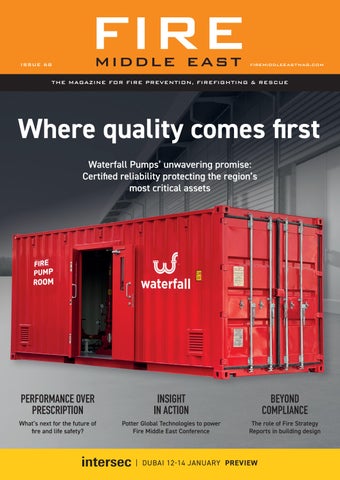
Waterfall Pumps’ unwavering promise: Certified reliability protecting the region’s most critical assets
PERFORMANCE OVER PRESCRIPTION
BEYOND COMPLIANCE
The role of Fire Strategy Reports in building design


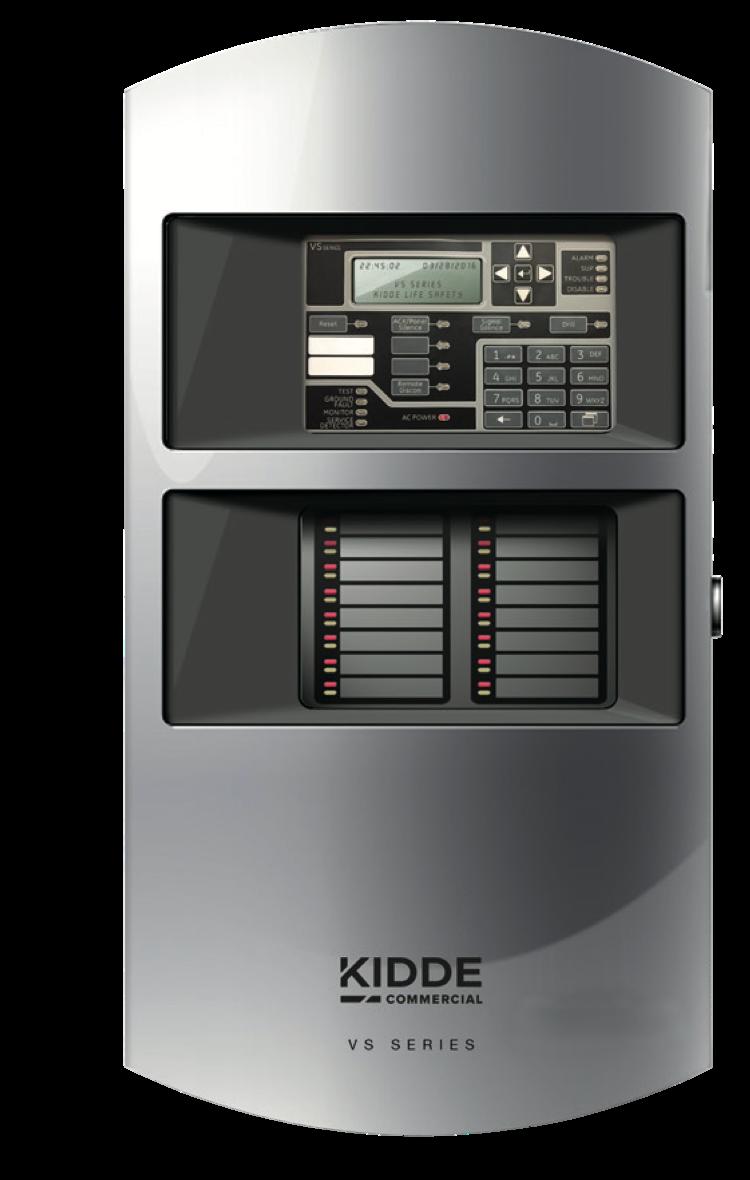
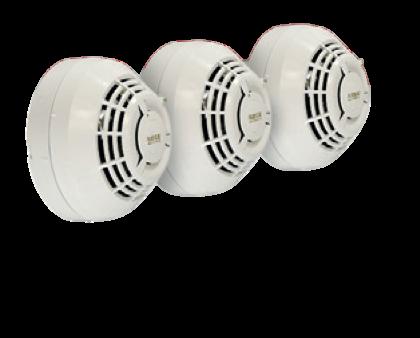
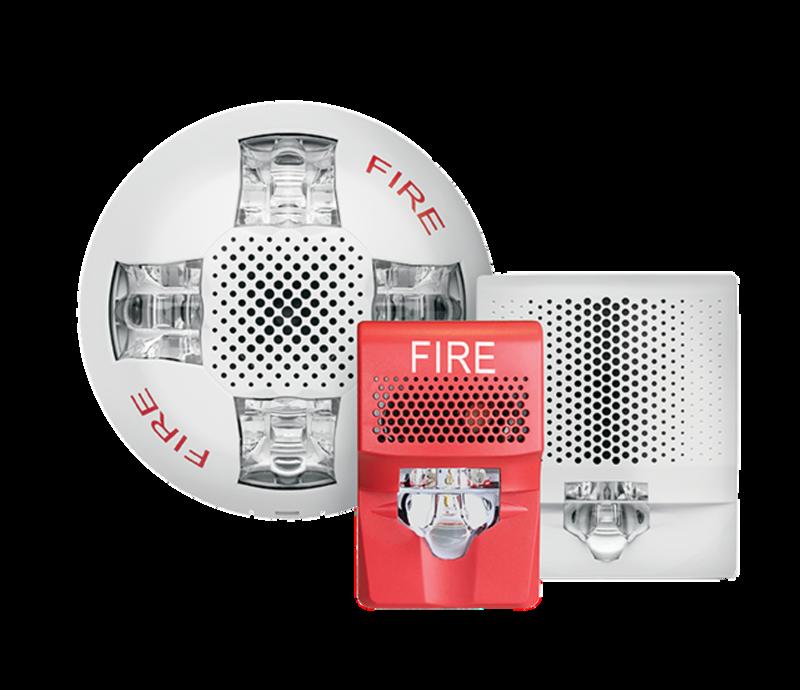
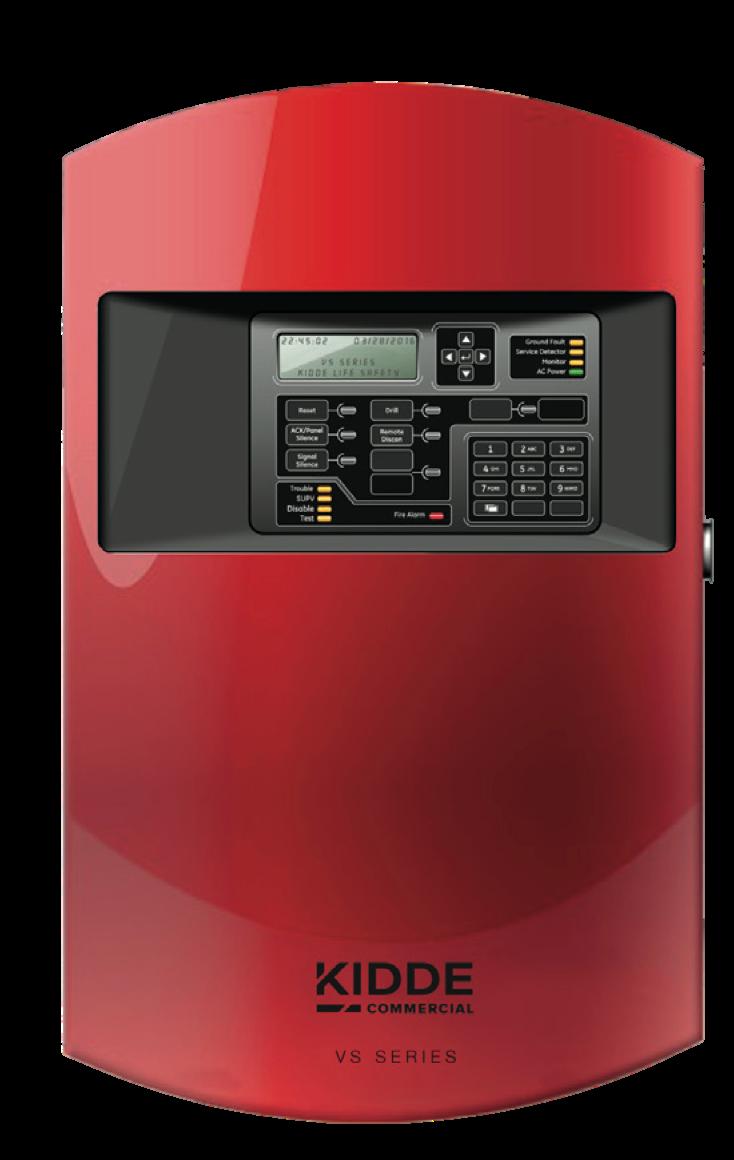
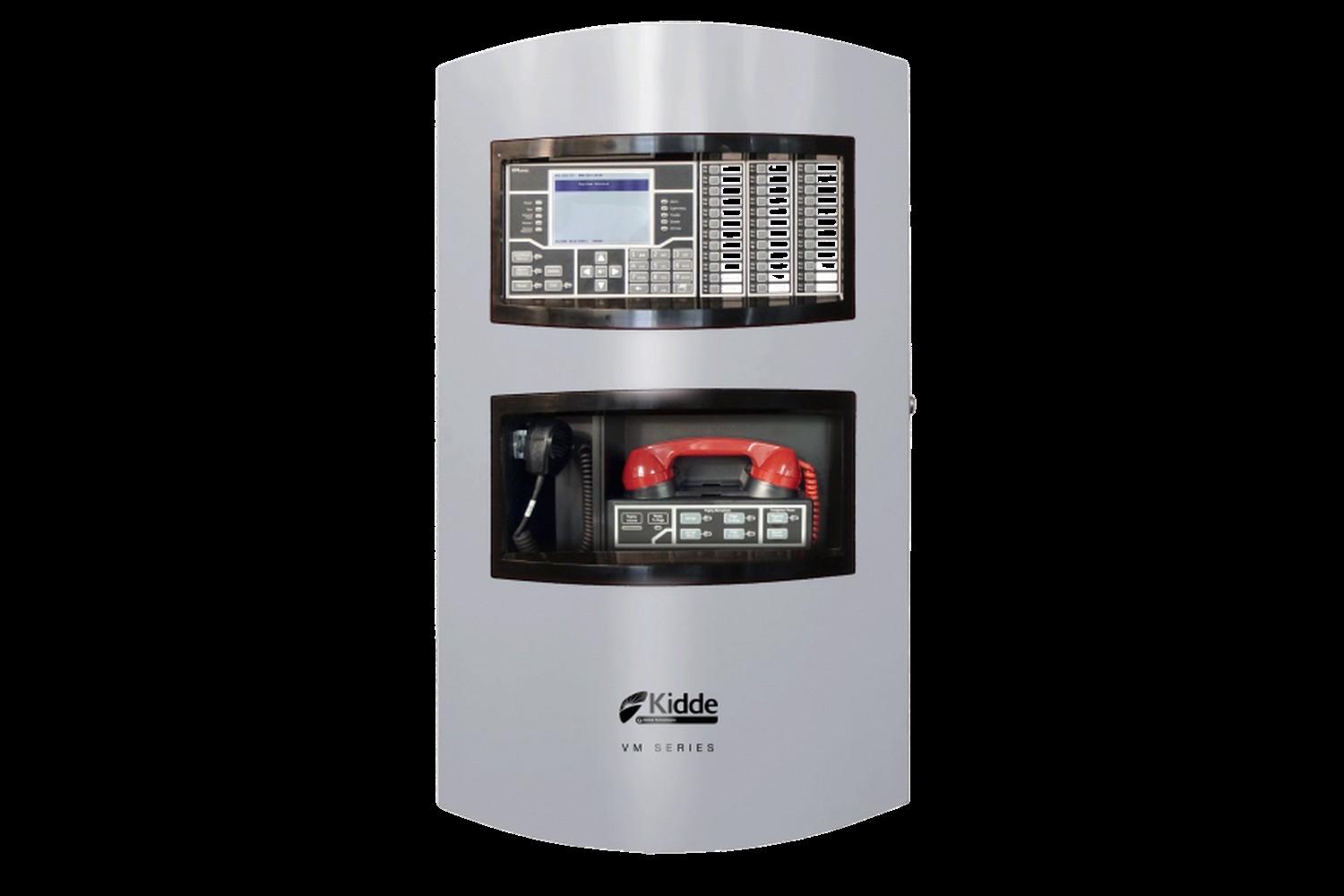
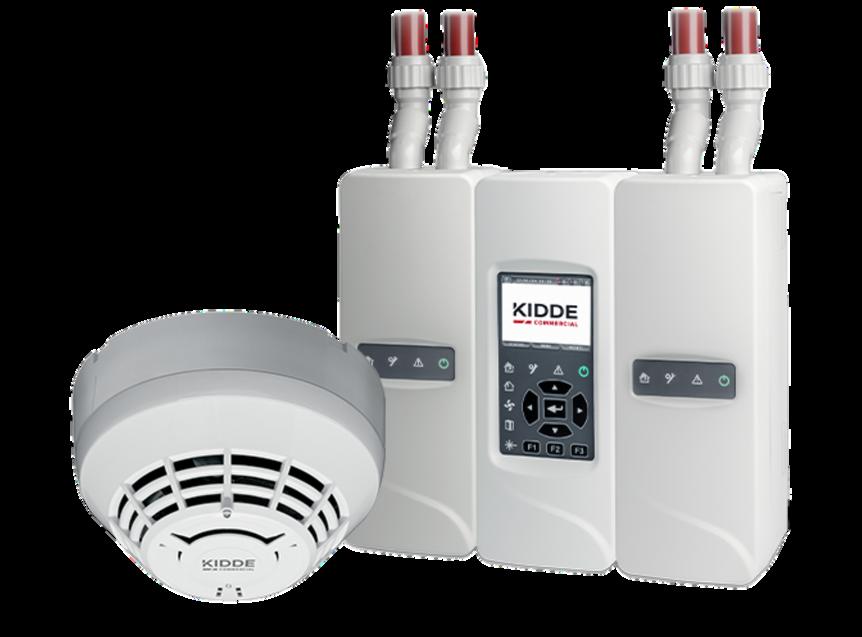

GECO M&E proudly announces its partnership with KIDDE, a global leader in fire detection and protection solutions.Together, we bring state-of-the-art life safety technologies to the UAE designed to protect families, properties, and businesses with unmatched reliability.

EDITORIAL
Publisher Mike Dingle +44 1752 267330 mike@firemiddleeast.co.uk
Editor
Cora Lydon +44 7834 244613 editor@firemiddleeast.co.uk
ADVERTISING
Worldwide
Ryan Bickerton +44 1752 265802 ryan@firemiddleeast.co.uk
Gareth Driscoll +44 1752 260603 gareth@firemiddleeast.co.uk
Rahul Vara +44 1752 604352 rahul@firemiddleeast.co.uk
Will Russell +44 7800 513300 will@firemiddleast.co.uk
Digital Editor Britt Jones britt@firemiddleeast.co.uk
Production Team Freya Tucker freya@firemiddleeast.co.uk
Marketing Manager
Mark Doyle +44 7517 452283
PUBLISHED BY
MDC Middle East Ltd
+44 (0)1752 267 330 6 Woodside Lane, Plymouth, Devon, PL4 8QE, UK
This publication may not be reproduced or transmitted in any form in whole or in part without the written consent of the publishers.
©MDC Middle East Ltd. 2026
For subscriptions and advertising enquires, or for further information on the magazine visit our website at: firemiddleeastmag.com
As 2026 begins, the fire safety conversation across the Middle East is reaching new heights marked by innovation, collaboration and a shared commitment to raising standards.
Our cover story this issue shines a light on Waterfall Pumps Manufacturing (page 16), whose ascent from local manufacturer to global safety leader is truly inspiring. Their story reflects the region’s broader transformation – where technology and trust go hand in hand.
We’re also delighted to bring you an exclusive eight-page supplement from Fomtec (page 57), taking a deep dive into the company’s pioneering work in firefighting foam and sustainable solutions reshaping performance expectations worldwide.
Beyond that, this issue is brimming with expert insight. Firedos’ Stuart Phythian explores how to adapt to the new foam frontier (page 27); Ruediger Kopp of FOGTEC unveils the sustainable power of high-pressure water mist in icons such as the Mecca Royal Clock Tower (page 35); while Peter Stephenson examines how passive fire protection is transforming the design of vertical cities (page 41).
You’ll also find discussions ranging from cutting-edge fire safety integration led by experts at Cundall (page 31); and lithium-ion battery fire risks (page 95); to AI in fire engineering with Anis Jayaram of Jensen Hughes (page 109), and the hidden pollution of sprinkler system discharge (page 99).
Of course, one event dominates the early 2026 calendar – Intersec Dubai. In our dedicated section, we’ve brought together everything you need to navigate the show: exhibitor previews, speaker highlights and insight into what you can expect as an attendee courtesy of the Show Director (from page 123). Fire Middle East will be on the ground throughout the event, reporting live and connecting with partners and readers. Come say hello – we’d love to see you there, you can find us on stand 5 A-09. You can also find us hosting the brand new Intersec Pulse Studio – where we’ll be diving deeper into the hottest topics with the sector’s thought leaders. Find out more on page 127.
And it doesn’t stop there. We’re already gearing up for the Fire Middle East Conference returning to Riyadh this April – now in its third year and fast becoming one of the region’s must-attend platforms for thought leadership and knowledge exchange. Learn more on page 20.
With so much momentum building, 2026 is already shaping up to be an extraordinary year for fire and life safety in the Middle East.
Cora Lydon
Editor editor@firemiddleeast.co.uk
03 Up front
Foreword from the Editor
06 Regional news
The latest regional fire safety and protection news
12 International news
Fire-related news and advancements from around the globe
14 Product showcase
Find out about some of the newest products to reach the market
142 Diary
Diary dates for forthcoming fire safety exhibitions, conferences and events
16 Cover story

23 Performance over prescription
Amer Al Merabi, Associate Consultant FLS, AESG, covers the evolving future of fire and life safety in Saudi Arabia
27 Performance practicality and proof
Regional Director, Firedos, Stuart Phythian, advises on adapting to the new foam frontier
31 Synergy in action
Since its establishment in 2015, Waterfall Pumps Manufacturing (WF) has transcended from manufacturer to become a guardian of safety
20 From insight to action
Read more about the Fire Middle East Conference – coming to Riyadh in April 2026 – the must-attend events for leaders in the sector looking to stay ahead
Discover how the latest integration between fire and security systems creates smarter, safer buildings, according to Mina Zakhary, Principal Fire Consultant and Smitha Mathew, ELV Lead Engineer at Cundall
35 Future-proofing tall towers
Ruediger Kopp of FOGTEC Brandschutz GmbH, explores how high-pressure water mist technology is safeguarding icons like the Mecca Royal Clock Tower while shaping the future of sustainable, efficient fire protection in the region’s most ambitious structures
41 Building fire-safe vertical cities
Peter Stephenson, Fire Safety Solutions Expert, explores passive fire protection and compartmentation for major projects in the Middle East
48 Raising the bar on fire safety in the Middle East
Barry Allan, PPG, discusses why global standards should drive passive fire protection
54 Beyond compliance
Redefining the role of Fire Strategy Reports in building design and operation is Vinay Deshpande, Founder & Managing Director, Vitruvius Fire Safety Consulting FZ-LLC
65 IWMA 24th Conference
Following its 24th annual conference, the IWMA reflects on the growing interest in water mist

68 Celebrating 20 years of fire protection leadership
Piping Logistics’ CEO Jeroen De Smedt discusses the strategic decisions, technical innovations and long-term vision driving expansion across the Gulf region and beyond
71 Fire detection in the heat zone
Ali Al Musabih, Jensen Hughes, considers the impact of ambient temperature extremes on ceiling jet development and fire detection systems and the critical design implications
76 The art and science of firefighter training
Bob Rea QFSM, MBA, FInSTR, MIFireE, MIoL, TechIOSH, reflects on the true value of firefighter training
81 The gap that protects Fahri Yiyin, takes a closer look at the minimum distance between Class I-II-IIIA liquid chemical storage tanks
84 Securing the boom
Faris Alzharani, OHS and Fire Safety Practitioner, explores fire risk management systems in construction sites and shares the vital importance of Construction Fire Safety Plans
91 125 years of fire safety
As industry leaders gathered at Intersec Saudi Arabia to discuss the region’s evolving fire safety landscape, Fire Middle East caught up with Frederic Frantz, Senior Vice President of International Sales and Marketing at Potter Global Technologies
95 When power ignites
Yasser Amer Ahmed, Fire Protection Specialist, offers a technical and standards-based analysis of managing and minimising the risks of lithium-ion battery fires
99 The hidden pollution within For more than a century, fire sprinkler systems have silently discharged polluted water into the environment. As the Middle East accelerates its sustainability goals, Camillo Longo asks: what’s really coming out of those drain valves?
105 Saudi Sicli’s vision for fire protection
Hear firsthand from Ahmad Sagr, COO of Saudi Sicli, as Fire Middle East magazine caught up with him on the buzzing floor at Intersec Saudi Arabia
109 The human behind the machine
How are today’s fire engineers blending the world’s most advanced AI tools with traditional expertise to reshape fire safety, while keeping trust, ethics and responsibility at the heart of innovationAnis Jayaram, Jensen Hughes, tells all
112 When the first blast isn’t the last
Yan Cavalluzzi for NCT Consultants
explores how evolving Houthi drone warfare in the Red Sea increases risks of secondary chemical incidents, posing serious humanitarian and strategic challenges
116 Raising fire safety standards in building ventilation
How Morgan Advanced Materials’ insulated duct systems are reshaping building safety across the UAE and Middle East
123 Intersec Dubai
Everything you need to successfully navigate the forthcoming exhibition and get the most out of your attendance
123 Welcome from show director
125 Meet the speakers
126 Meet the exhibitors
127 Intersec Pulse Studio
57 Fomtec
Find out in greater depth how Fomtec is driving the future of firefighting foam innovation
66 Advanced
83 Securiton
88 Vox Ignis
102 Fire & Gas Detection Technologies 104 Kentec
President Sheikh Mohamed bin Zayed Al Nahyan has sent a message of condolence to President Xi Jinping following a major fire in a Hong Kong residential complex that resulted in numerous deaths and injuries.
The fire, which swept through a large residential block, has claimed at least 159 lives, making it the deadliest fire in Hong Kong for decades and surpassing the toll of London’s Grenfell Tower fire in 2017. According to the BBC 2,311 firefighters were involved in the operation to bring the fire under control.
Investigators pinpoint plastic netting – intended to catch falling debris – and combustible polystyrene foam panels on exterior windows as
key accelerators, creating an “external chimney effect” that shattered glass and fuelled vertical and lateral spread, worsened by bamboo scaffolding. Despite regulations mandating flame-retardant treatments, substandard materials evaded inspections, echoing Grenfell Tower’s cladding failures.
The tragedy underscores urgent needs for stricter audits of renovation materials in high-rise megaprojects, enhanced flame-retardancy enforcement and performance-based testing amid Vision 2030’s dense urban growth. Authorities now probe negligence, signaling a global push for non-combustible alternatives in cladding and scaffolding.
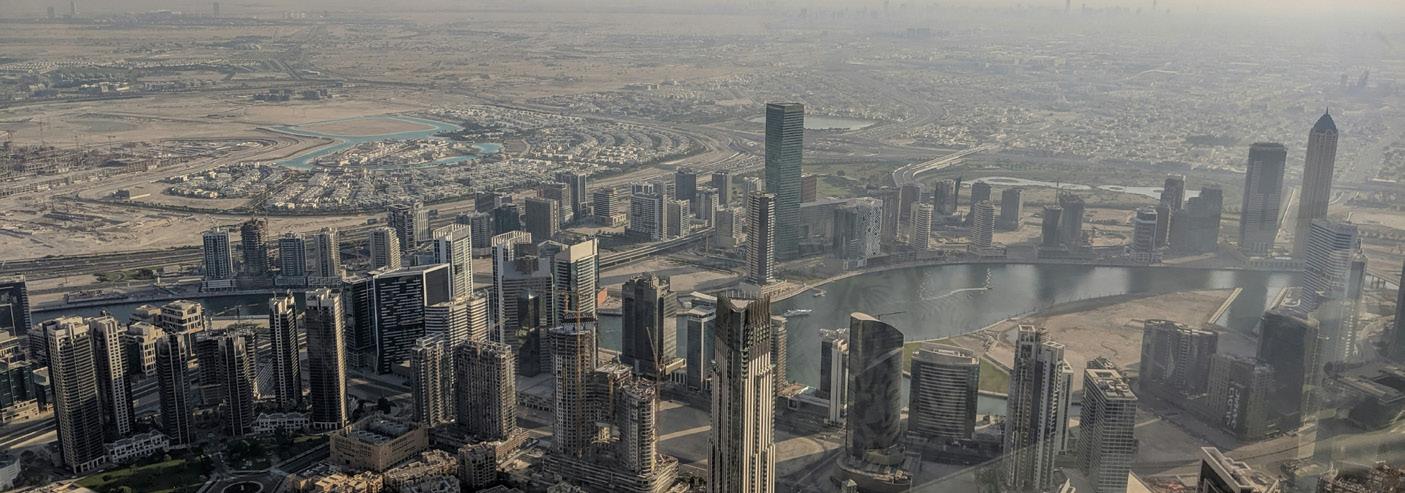
The Middle East fire suppression systems market is expected to grow steadily over the next decade, rising from an estimated US$1.22 billion in 2024 to US$2.07 billion by 2033.
According to industry forecasts, the sector will expand at a compound annual growth rate of 5.9 per cent from 2025 to 2033, which is due to stricter fire safety regulations, rapid construction activity and more awareness of safety standards.
Saudi Arabia is expected to record the strongest growth, with forecasts
indicating a 7.5 per cent CAGR, which is supported by major infrastructure projects under Vision 2030.
The UAE is also projected to expand quickly, helped by smart city initiatives and enforcement of updated building codes.
Residential developments are becoming a key area of demand, with this segment forecast to grow at 7.6 per cent as governments mandate suppression systems in high-rise and multi-family buildings.
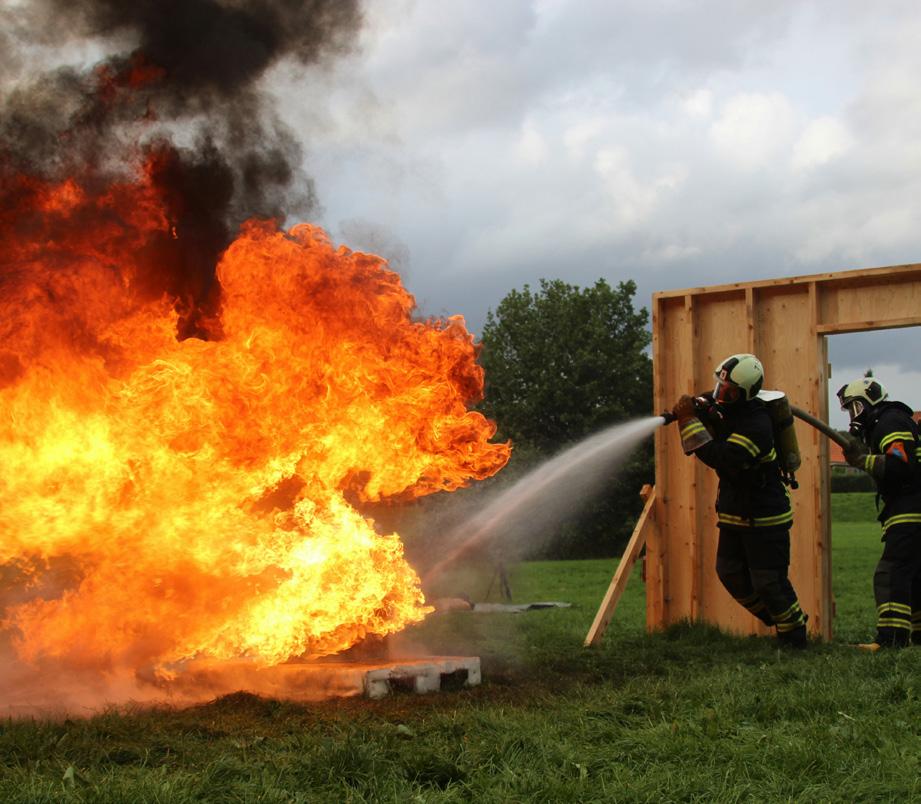
Dubai’s rapid industrial expansion is driving greater fire safety complexities. As manufacturing and logistics facilities proliferate, so do risks tied to flammable materials, complex equipment, electrical systems and heightened human activity. Proactive fire risk assessments have become essential to manage these emerging challenges effectively. In Dubai, where industry and logistics play a strategic role in economic development, industrial facilities are multiplying.
These environments, which often involve complex manufacturing processes and high human activity, naturally carry heightened fire risks due to equipment, electrical systems, flammable materials and open flames.
While fire safety engineering programmes exist in various parts of the world, there is no nationally licensed undergraduate programme in the UAE specifically dedicated to fire risk analysis. While master’s and doctorallevel programmes in fire engineering do exist, practical industry experience plays a pivotal role in conducting effective assessments. Dubai Civil Defence has mandated that any fire protection design or audit must be conducted by DCDapproved and certified consultants.















Low-viscosity Fluorine Free Foams (F3) and C6 based fluorinated eco-friendly foams are just part of our industry leading range of specialist fire-fighting foams. Visit the website to find out more about our complete product range, including Standard and AR type foams suitable for hydrocarbon and polar solvent fires.













Twenty Druze from Syria’s southern Suwayda province are set to participate in a firefighting training programme in Israel, the first initiative of its kind, Israeli media reported.
According to Yedioth Ahronoth, the participants will take part in a three-week intensive course using advanced Israeli firefighting simulation systems. The training will cover a range of emergency scenarios, including vehicle fires, residential and commercial incidents, as well as rescue techniques in hazardous environments. Upon completion, the trainees are expected to return to their communities equipped with professional firefighting gear and a new fire truck to establish a local firefighting centre in the Druze area of the Israeli-occupied Golan Heights. The programme is led by National Security Minister Itamar Ben-Gvir in coordination with Israel’s National Security Council. Syrian authorities have not commented on the reports.
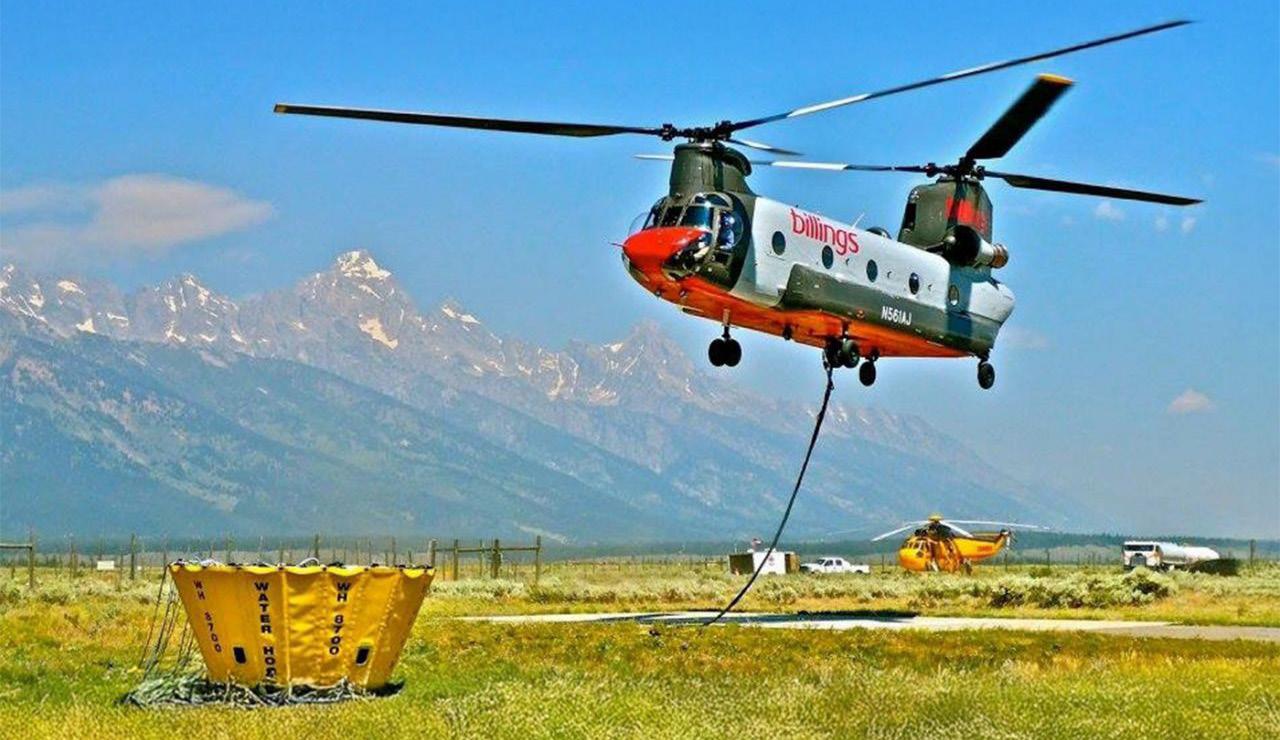
Vallfirest has signed a new agreement with Heliswiss Ibérica to handle distribution and after-sales service of its Water Hog firefighting bucket across Europe, the Middle East and Africa.
The deal means Heliswiss Ibérica will take charge of delivering the equipment, providing technical assistance and supporting customers after purchase. Vallfirest said the partnership is designed to speed up delivery times and give aerial operators a dedicated point of contact for maintenance and repairs.
Heliswiss Ibérica specialises in aircraft maintenance, repair and overhaul, as well as leasing and equipment distribution.
The Water Hog bucket is part of Vallfirest’s aerial product line for wildland firefighting. The company said it was developed to meet today’s tougher fire conditions, including more intense flames, faster spread and more demanding logistical challenges.
CEO Javier Baena said Heliswiss Ibérica’s industry experience and regional presence enhance the value the company can provide.
The agreement is expected to have a direct impact on helicopter operators, fleet managers and procurement teams involved in wildland firefighting across the region.
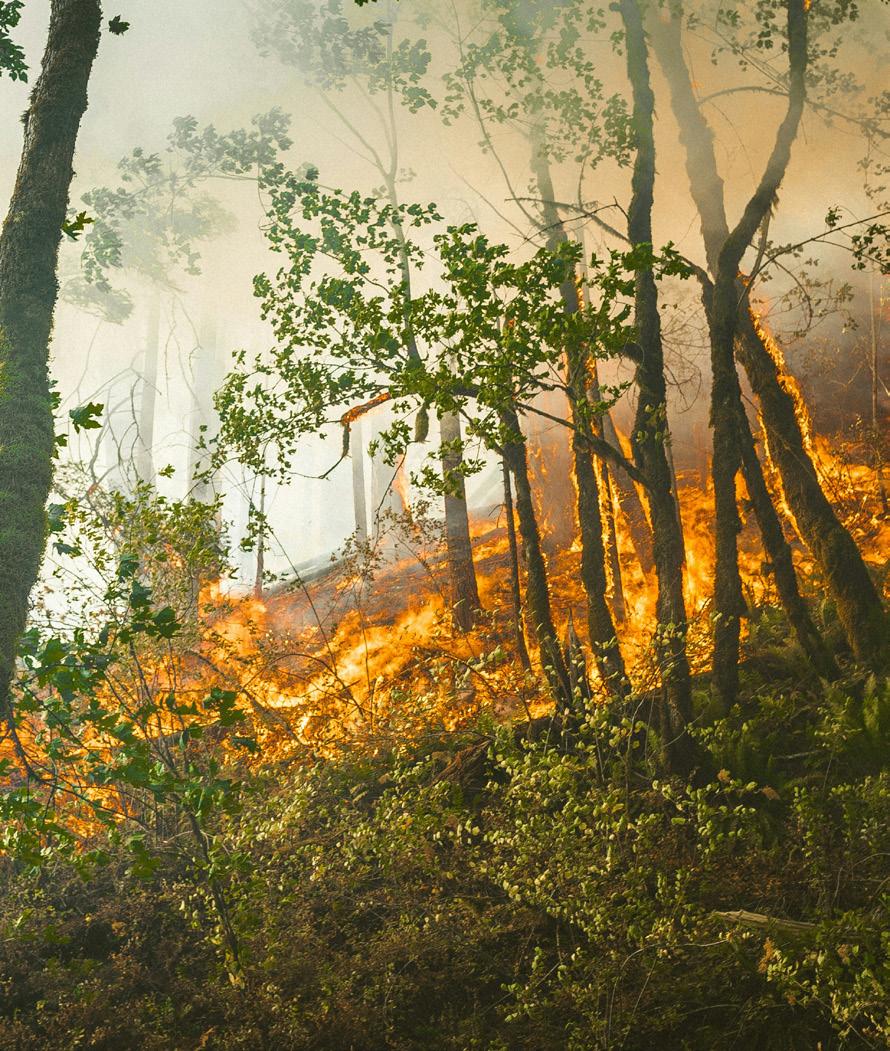
University of Bradford researchers in the UK are pioneering AI-driven wildfire detection using robotic dogs, drones and 6G networks in a pilot set for Greece next year. The system analyses real-time HD video, satellite imagery and sensor data to spot early smoke, heat signatures and dry vegetation, triggering instant alerts to emergency responders via highbandwidth 6G links.
Part of the EU-funded 6G-VERSUS project, the trial integrates quadruped robots for scouting dense terrain, delivering supplies and supporting search-and-rescue, while drones provide aerial oversight and communication relays. Led by Dr Kamran Mahroof, the initiative addresses escalating wildfire risks amid climate change, aiming to enable faster interventions and reduce environmental damage.
For Middle East fire professionals, the technology offers potential adaptations for arid brushfire zones and urbanwildland interfaces, enhancing regional resilience against seasonal fire threats.


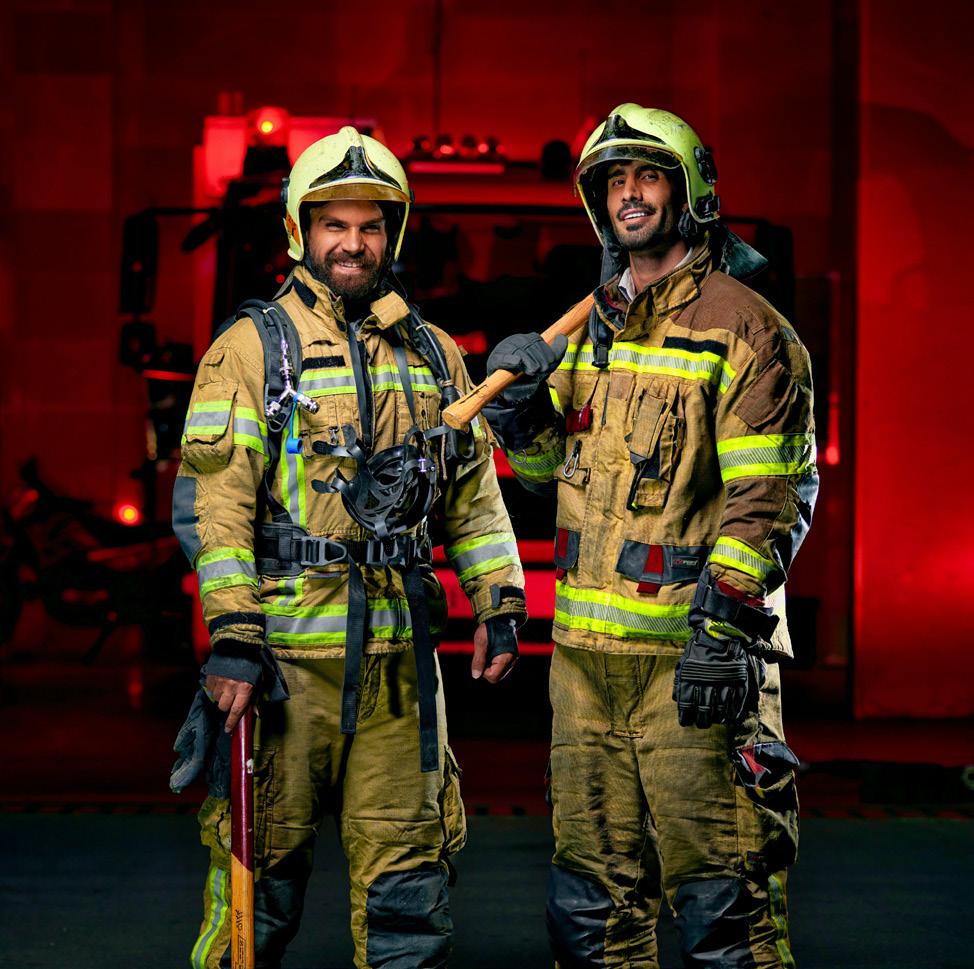
Researchers at Peking University have developed a composite fibre blending long carbon nanotubes with aramid that sets a new record for protective materials, absorbing 706.1 MJ per cubic metre – three times stronger than Kevlar under high strain-rate impacts.
The fibre achieves a dynamic strength of 10.3 GPa while remaining just 1.8 mm thick, by aligning nanotubes with polymer chains to distribute impact forces efficiently, overcoming traditional strength-toughness trade-offs. Led by Professor Jin Zhang and published in Matter, the innovation reduces porosity through softened aramid and stretching, enabling rapid load transfer.
The development could lead to lighter, less bulky PPE vests and helmets that cut heat stress during extended operations in harsh climates, though scalability challenges remain for mass production amid durability concerns like UV and sweat exposure.
68% faster inspections by teams using purpose-built software 59% higher audit confidence when using software

A new report from Scannable reveals a stark digital divide in PPE management, with 48% of safety teams in high-risk sectors like construction, mining, oil & gas and rope access still relying on spreadsheets, paper or generic tools, despite 31% adopting specialised software.
Teams using purpose-built software complete inspections 68% faster — under two minutes per item — versus 44% of all
surveyed teams taking over three minutes, saving significant administrative time for inventories exceeding 1,000 items. Software users also report far higher audit confidence, at 59% “very confident” compared to 32% for manual methods.
In oil & gas and mining, 60% cited missing equipment as a top failure reason, alongside 40% incomplete records, while construction faces high wear-and-tear rates.
NAFISCO has launched a new brand identity and strategic transformation programme to reinforce its role as a leading fire protection specialist in Saudi Arabia. The refreshed brand is designed to reflect its focus on complex, high-risk environments, including industrial plants, energy infrastructure, aviation, healthcare and major real estate projects.
The company’s multi-year roadmap centres on enhancing engineering accuracy, improving project delivery and service responsiveness, and embedding a stronger performance culture supported by a Balanced Scorecard approach. Aligned with Saudi Vision 2030, the strategy aims to meet rising regulatory and stakeholder expectations for advanced fire and life-safety solutions on large-scale developments.

12 - 14 January, 2026 Dubai,

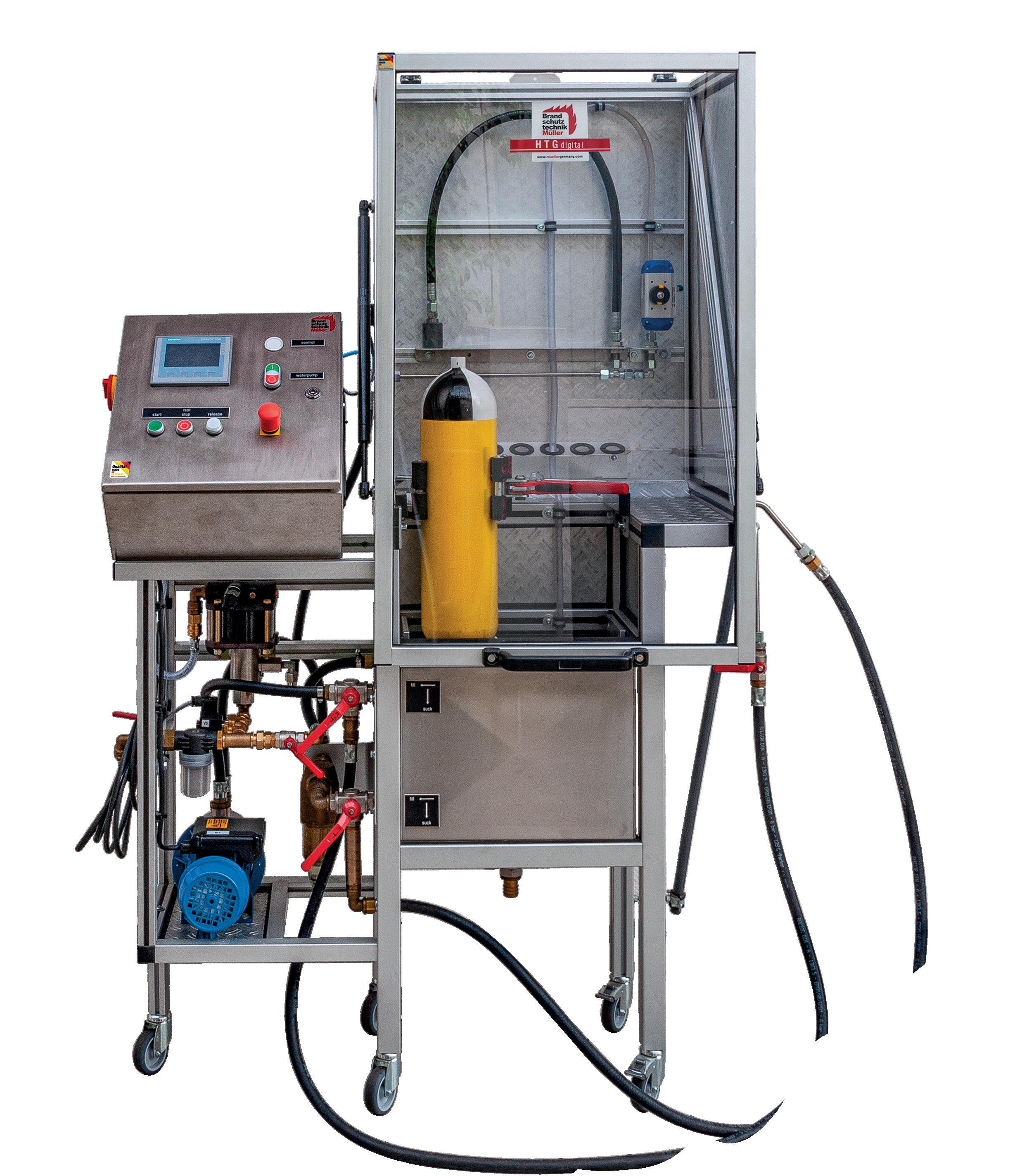
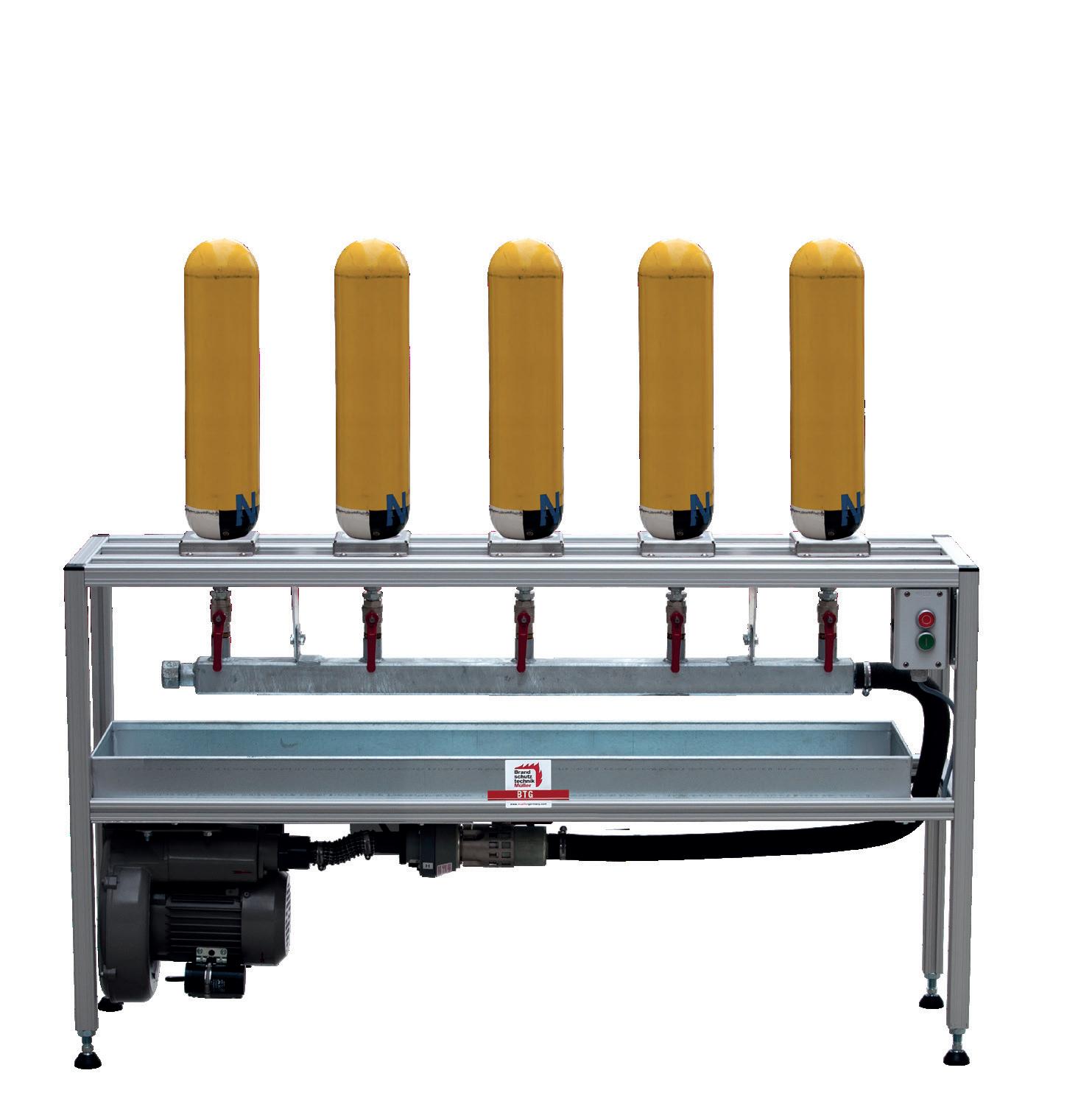
Cylinder drying device


Hyundai Motors is recalling 135,386 model-year 2024–2025 Santa Fe SUVs in the US after discovering that improperly installed starter motor terminal covers could cause an electrical short and increase fire risk in a crash. The defect, which currently has no linked accidents or injuries, affects vehicles built between late December 2023 and early July 2025. Dealers will inspect and, if necessary, reinstall the B+ terminal cover free of charge, with owner notification letters due from 1 December 2025.
Finland’s flag carrier Finnair has begun replacing around 1,700 seat covers after a cleaning mishap raised questions over their fire resistance and forced the airline to cancel about 70 flights and ground eight Airbus A321s. The covers had been washed with water rather than the specified method, prompting concerns that flame-retardant properties might have been compromised and disrupting travel for an estimated 11,000 passengers. Finnair has leased in extra aircraft and says all affected jets should return to service once new, compliant seat covers are installed.
South Korea has completed the first at-sea trials of an AI-driven autonomous fire suppression system designed to tackle oil fires aboard naval vessels, marking a potential step-change in marine firefighting safety. Developed by the Korea Institute of Machinery and Materials, the system uses sensors, directional monitors and AI algorithms to verify real fires, track flame movement in rough seas and deliver targeted foam or water streams at distances of up to around 24 metres. Detection accuracy has been reported as above 98% in both open and shielded fire scenarios.
Women are slowly reshaping Pakistan’s emergency services as female firefighters join front-line crews in Karachi, challenging stereotypes in a field where women still account for less than one percent of personnel nationwide. Inspired by pioneers such as Shazia Perveen, the country’s first woman firefighter, around 50 women are now serving in Sindh with a further 180 in training as divers, medics and responders. Senior officers are reporting that female teams are already proving their value in complex urban incidents.
Australia’s government has warned that two new savanna fire management (SFM) carbon credit methods under the ACCU scheme may not be finalised until March 2026, pushing back previous expectations. The delay follows stakeholder feedback and likely revisions to draft methods designed to expand crediting for emissions avoidance and sequestration, including use of the new Savanna Carbon Accounting Model (SavCAM). Carbon market commentators note the uncertainty for existing SFM projects and planned Indigenous-led initiatives, although consultations and submissions on the draft methods are continuing.
A man in his 50s suffered burns after a lithium power bank in his trouser pocket ignited in the Qantas business lounge at Melbourne Airport, filling the room with smoke and forcing the evacuation of about 150 people. Staff helped douse the flames by getting him into a shower before paramedics transferred him to hospital in stable condition. Qantas has since said it is reviewing its policies on passengers carrying lithium batteries amid a series of similar aviation incidents.

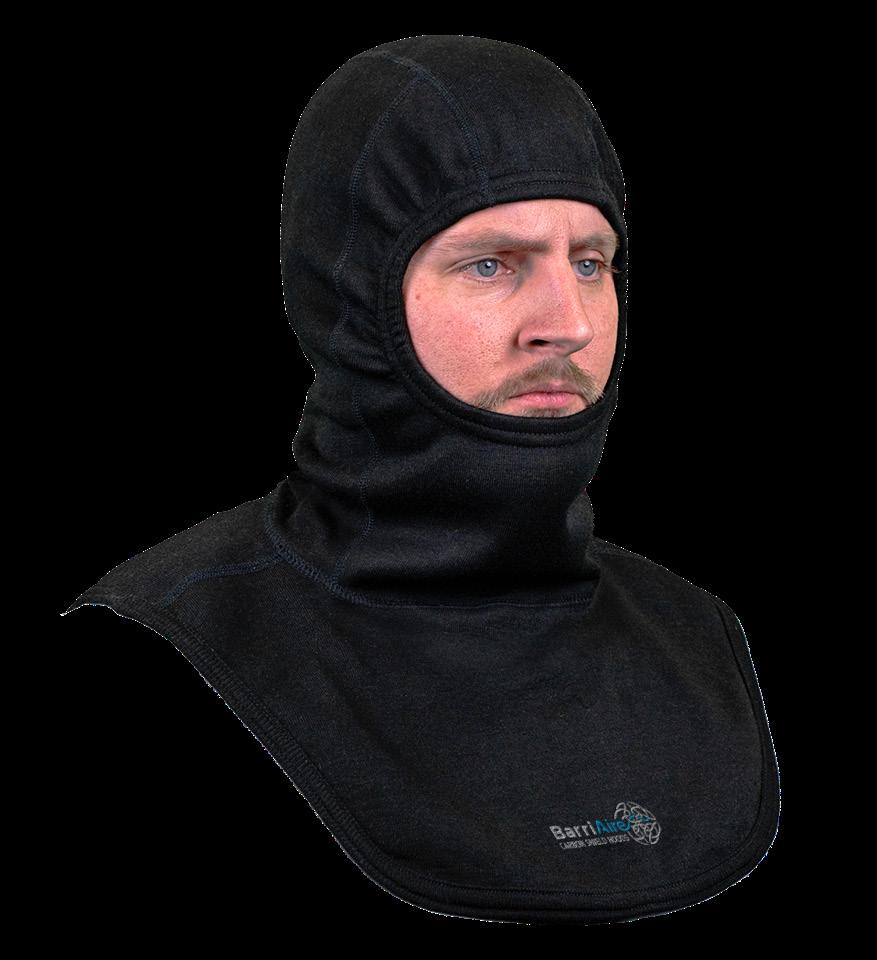
PGI has revealed it now offers the BarriAire Carbon Shield™ Elite Pro and Elite Pro Short hoods, UL certified to the new NFPA 1970 particulate-blocking standard.
Both models deliver 99.9 per cent particulate efficiency using the industry’s most flame-resistant fibre, providing advanced protection against heat, toxic particulates and carcinogens.
According to the company’s product specification description, the hoods are now even softer, more breathable and produced without intentionally added PFAS, which is setting a new benchmark for firefighter safety in the region. pgi-products.com
Teledyne Gas and Flame Detection previewed its next-generation gas detector at ADIPEC 2025. The next-generation gas detection technology uses intelligence, reliability and safety to keep people safe.
It integrates advanced sensor options, making it suitable for challenging operational settings. It has a touchscreen panel, and is customisable to user needs for enhanced monitoring capabilities.
The system also accommodates various gas sensors and offers networking flexibility. teledynegasandflamedetection.com
International has launched its Chartek 2218E solution, a shop-applied, boronfree epoxy intumescent designed for hydrocarbon pool-fire protection.
This product delivers a two-hour UL 1709 rating in a single-coat application over Charlok reinforcing mesh. It provides the lowest UL 1709-certified thickness and weight for W10x49 steel, applied in one pass to 5.7 mm.
The coating targets efficiency gains for fabricators and applicators in highdemand sectors like oil and gas, where passive fire protection for structural steel remains critical amid tightening project timelines and budgets. Chartek 2218E builds on International’s established Chartek range, previously proven in Middle East energy infrastructure, by streamlining onsite and workshop processes without compromising fire resistance performance. international-pc.com
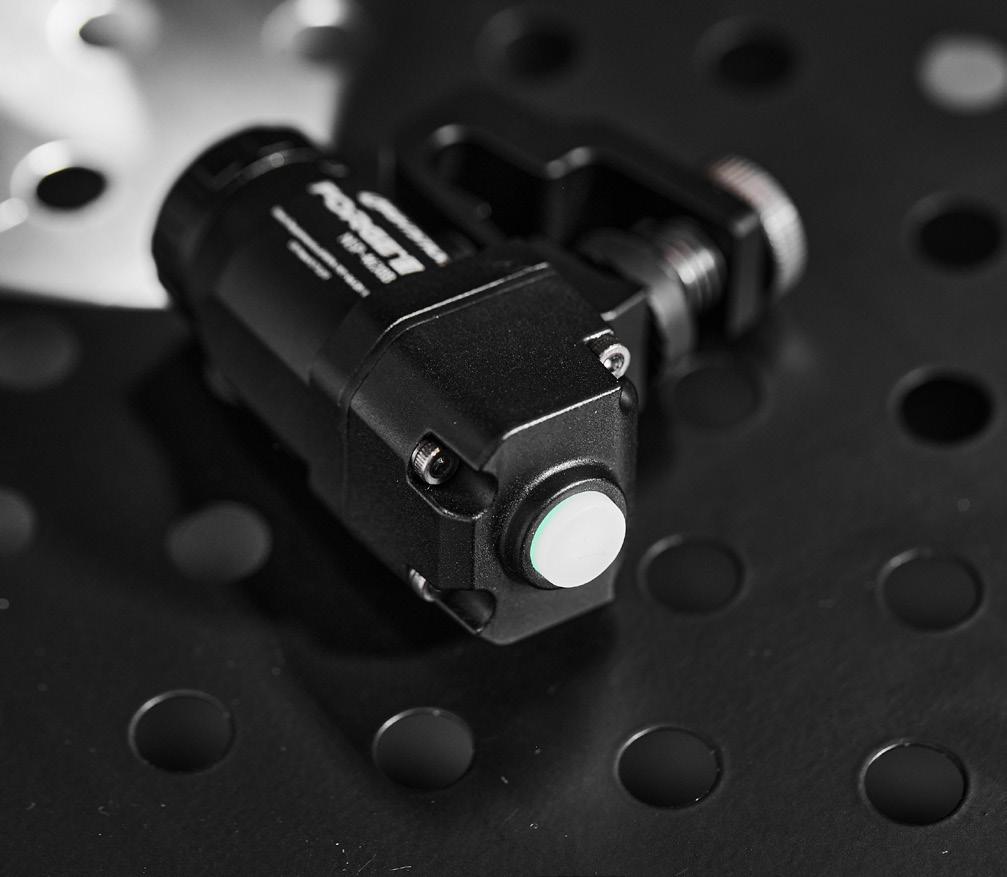
Nightstick has introduced the FORGE II (NSP-4638B), its most compact fire helmet light yet.
Building on the original FORGE, the new model delivers 350 lumens and 7,360 candela in a slimmer profile just 2.36 inches long and 3.4 ounces.
Designed for MSA Cairns 1010/1044 and many other traditional fire helmets – as well as full-brim hard hats – the FORGE II offers clear visibility through smoke and steam up to 172 metres.
A rear, green ‘Follow Me’ LED improves crew tracking, while a glove-friendly tail switch provides high and low modes. A lateral swivel allows for fast beam adjustment without shifting gear.
Constructed from aircraft-grade aluminium with a hardanodised finish, the light is IP67 rated, 2-metre drop tested and meets NFPA 1971-8.6 (2018) helmet lighting standards. It ships with a CR123 battery and is covered by Nightstick’s Limited Lifetime Warranty. nightstick.com
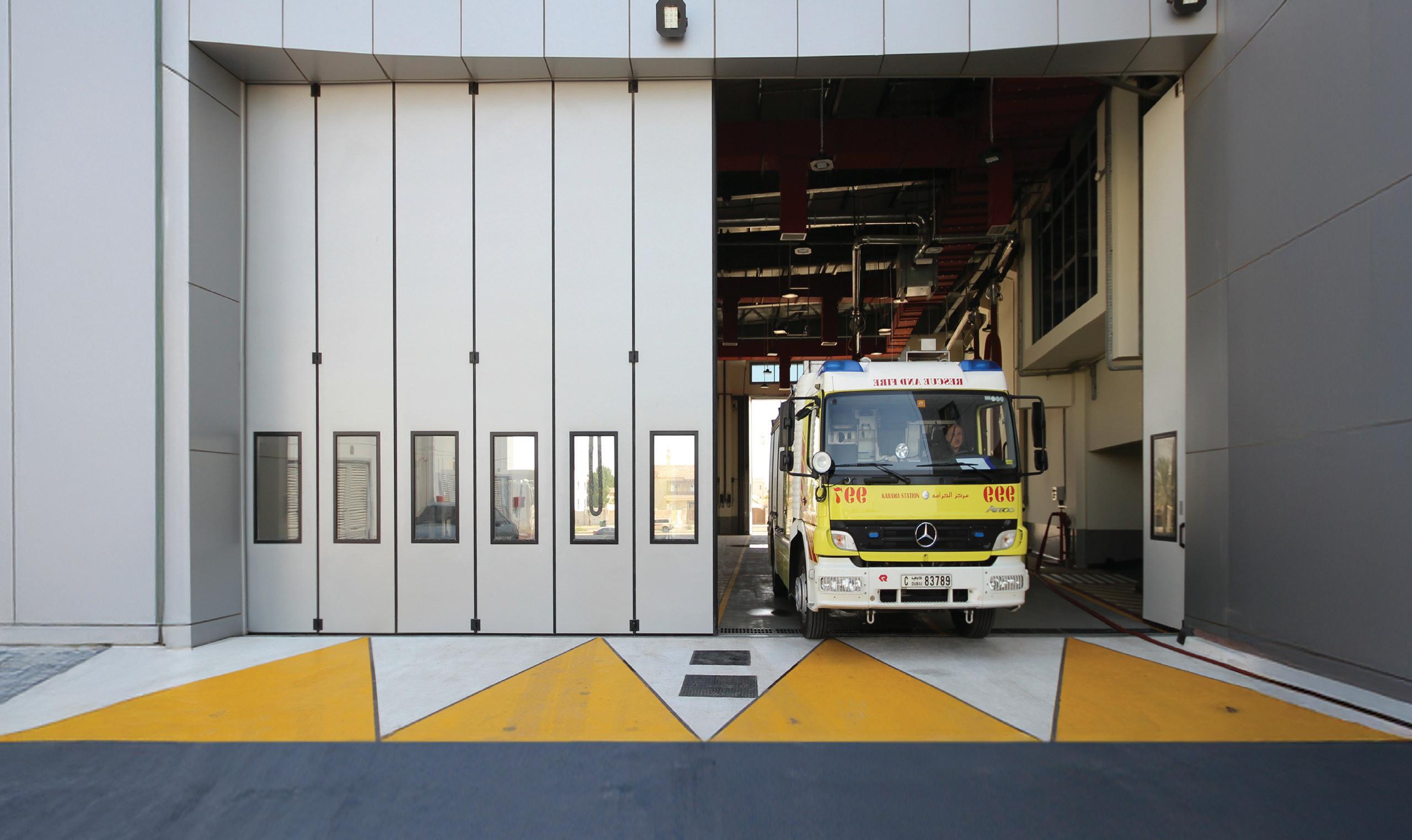
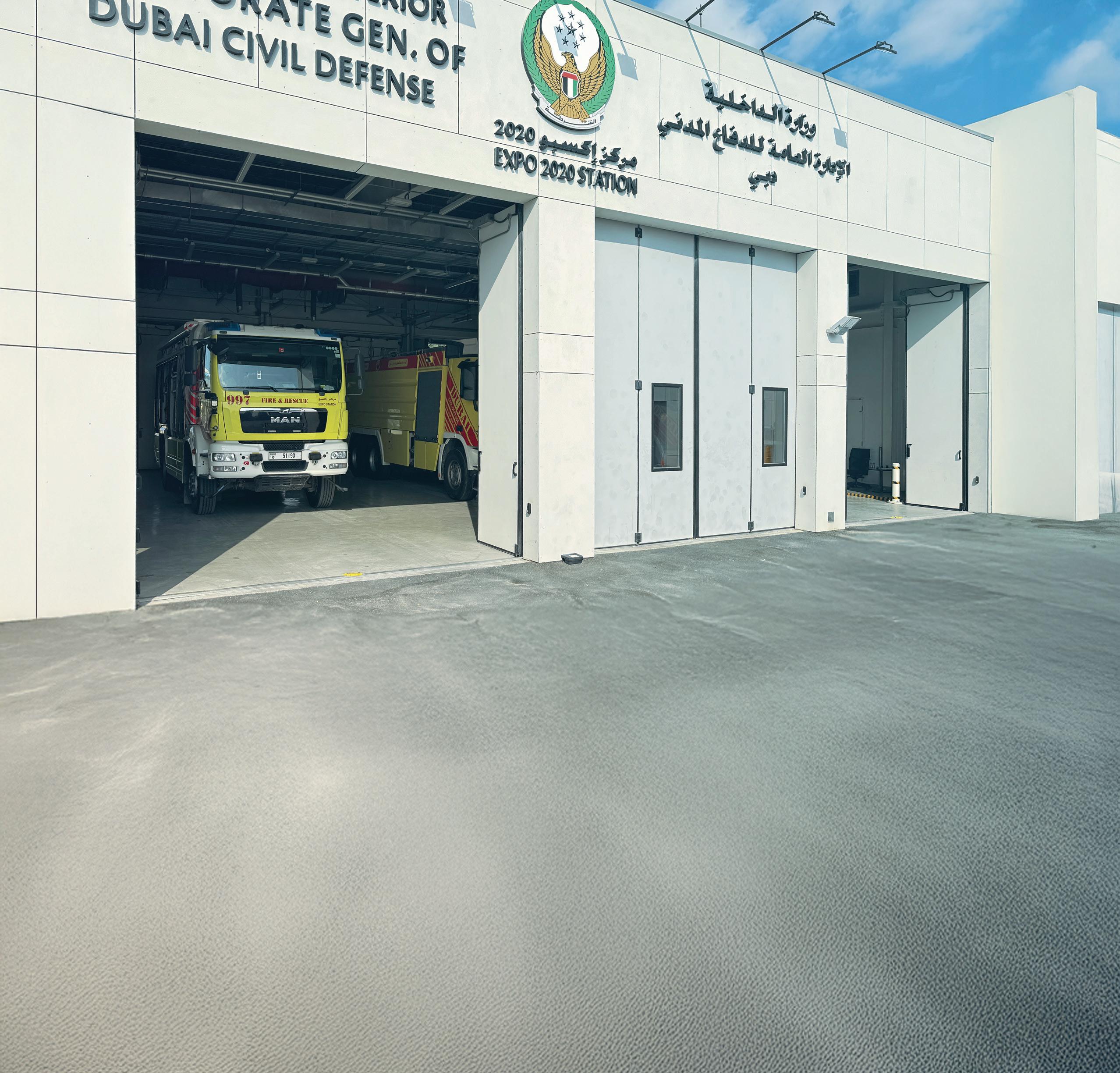
For over 40 years, Jewers’ has been supplying bi-folding doors to the emergency services.
Our sideways-opening doors provide full-height headroom and a clear line of sight allowing emergency vehicles a safe and quick getaway every time.
Fully insulated doors help temperature regulation, minimizing heat loss in cold environments and maintaining a cool atmosphere in hot climates. Additionally, our fully glazed doors not only allow natural light to illuminate the station but also enhance its aesthetic appeal.
For rapid, reliable, secure, and durable doors that are designed, installed, and maintained to your needs.
Email: postroom@jewersdoors.ae
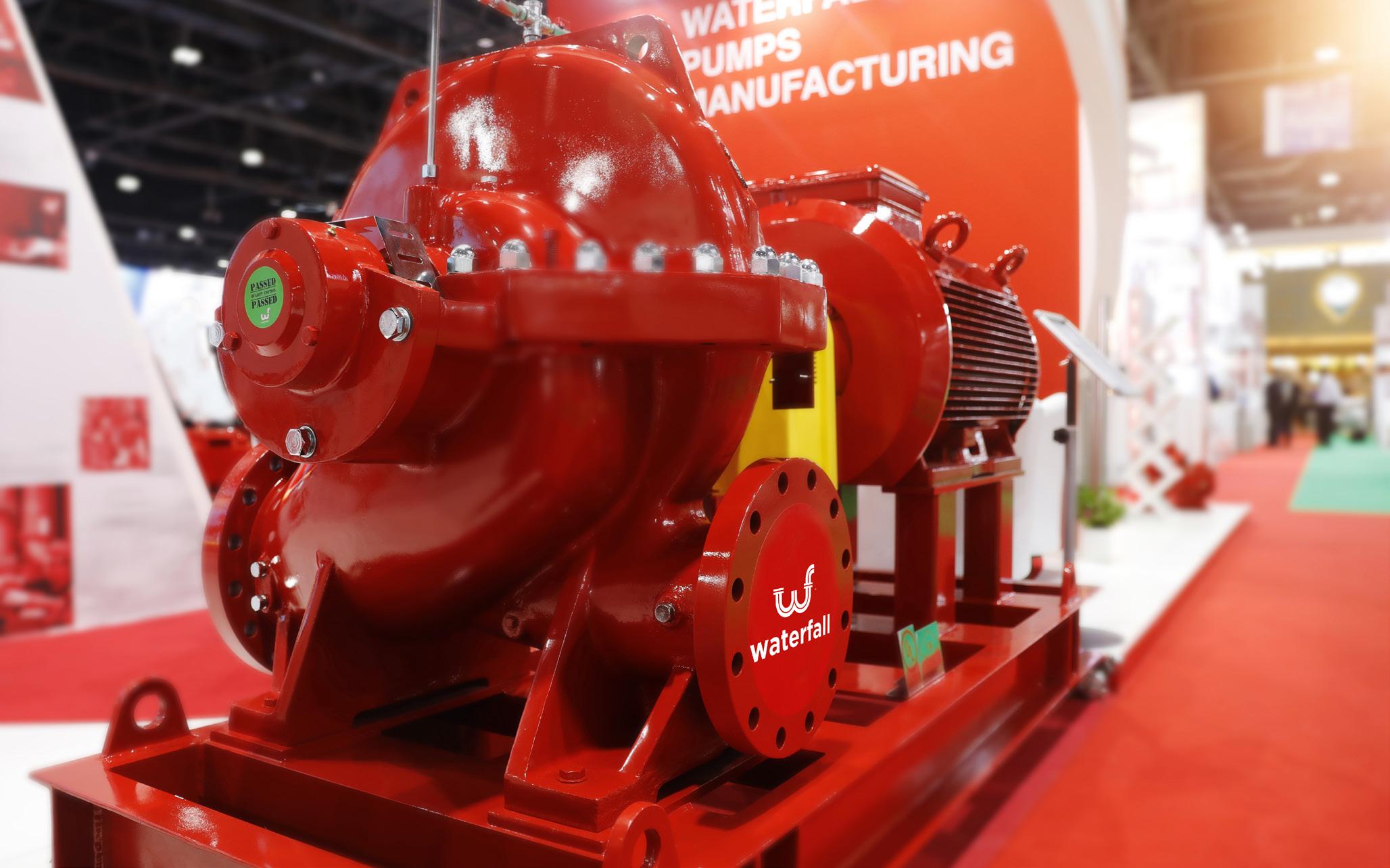
Since its establishment in 2015, WF has transcended its role as a mere manufacturer to become a guardian of safety, a partner in protection, and a global leader in certified fire pump technology. From initial design and rigorous testing to global support and continuous innovation
In the critical moments of a fire emergency, when lives and assets hang in the balance, the reliability of a single system can dictate the outcome. This system — the heart of a building’s active fire protection — is the fire pump. Waterfall Pumps Manufacturing (WF) was founded on the unequivocal belief that this heart must not merely beat; it must perform with unwavering certainty under the most extreme conditions.
The WF journey: A meteoric rise forged in quality
WF’s trajectory since 2015 is a case study in strategic growth driven by an uncompromising commitment to quality and certification.
The foundational years (2015 - 2018):
Laying the cornerstone WF began not with a simple goal of producing pumps, but with a vision to set a new benchmark for reliability in the fire protection industry. Understanding that trust must be built on verifiable standards, the company’s early strategy was threefold:
1. Cultivate a culture of quality: The initial pursuit and subsequent achievement of the ISO 9001:2015 certification was a deliberate declaration of intent. It embedded a process-oriented, qualityfirst mindset into the company’s DNA from the very beginning, ensuring consistent operations and continuous improvement.
2. Secure Third-Party Validation: With a robust quality management system in place, WF immediately targeted the gold standards in fire safety: approvals from Underwriters Laboratories (UL) and the Authority Having Jurisdiction (AHJ). These were not just checkboxes for marketing; they were critical milestones that provided the independent, third-party validation necessary to earn the trust of engineers, specifiers and insurers. This early endorsement set WF apart from generic pump manufacturers and established its credibility.
3. Invest in Core R&D: Parallel to the certification drive was a deep investment in research and product
development. A dedicated team of engineers worked to design centrifugal fire pumps that were not only compliant but also superior in hydraulic efficiency, durability and serviceability.
The expansion phase (2019 - 2024): Scaling excellence
The solid foundation allowed for rapid and strategic expansion. Key milestones during this period included:
Product Line Diversification: Building on the success of their initial offerings, WF achieved FM Approvals, a parallel and equally rigorous certification demanded by global industrial and commercial projects. They also expanded their UL listings to cover higher-capacity models, directly responding to market demand for larger, more powerful systems.
Infrastructure Leap: To accommodate growing complexity and volume, WF relocated to a larger, state-of-the-art facility. The centrepiece of this new plant was a fully automated, highprecision test bay. This investment was transformative, allowing WF to conduct complex hydraulic performance tests in-house with exceptional accuracy, drastically reducing lead times and ensuring every pump met its specified performance curve before shipment.



Strategic Product Introductions: This period saw the launch of new, critical product lines, including Vertical Turbine Fire Pumps for below-grade water sources, pre-packaged Fire Pump Houses for turnkey solutions, and ULlisted Diesel Fuel Tanks. Each launch addressed a specific gap in the market and demonstrated WF’s engineering capability.
Industry Recognition: The culmination of these efforts was the receipt of the INTERSEC Innovative Fire Protection Product of the Year Award, a testament to WF’s growing reputation as an innovator and a reliable force in the global fire-safety landscape.
The present day: A specialist
Today, WF operates from a fully integrated, multi-certified factory (ISO 9001, ISO 14001 and ISO 45001), signifying worldclass standards in quality, environmental management and occupational health and safety. Every pump that leaves the facility is not just a product but a certified lifesafety device, bearing the marks of UL, FM and compliance with NFPA 20, having been verified by calibrated, high-precision testing equipment. The company’s entire identity is now crystallised around a powerful differentiator: WF is not a general pump manufacturer; it is a UL/FM firepump specialist. This focus is the bedrock



of its value proposition and its standing among global leaders.
The unwavering commitment to certification: Why UL, FM & NFPA are non-negotiable
WF’s insistence on third-party certification is a core tenet of its mission. The company educates its clients that in fire protection, certification is not a luxury — it is the very definition of reliability.
NFPA 20: The Rulebook. The National Fire Protection Association’s Standard for the Installation of Stationary Pumps for Fire Protection is the comprehensive guide that dictates every aspect of a fire pump system’s design, installation and operation. WF engineers design every product from the ground up to comply with this standard.
UL 448 & FM 1311/1312/1319: The Proving Grounds. While NFPA 20 sets the rules, UL and FM are the independent judges. Their standards involve some of the most rigorous testing imaginable. Pumps are subjected to endurance runs, overload tests and performance verification under a vast range of flow and pressure conditions. The certification process also includes annual audits of the manufacturing facility, ensuring ongoing compliance, material traceability and consistent production quality.
The tangible benefits of a certified WF pump:
Guaranteed Reliability: A WF pump is engineered to start and operate flawlessly, even after months or years of standby, precisely when a fire creates extreme demand conditions.
Verified Performance: The performance curves (flow, pressure, horsepower) provided with every WF pump are not theoretical; they are empirical data points verified by an independent laboratory. This allows fire protection engineers to design systems with absolute confidence.
Regulatory and Insurance Compliance: Nearly all civil defense authorities, major insurance companies and reputable consultants worldwide mandate UL/FM certified pumps for commercial and industrial properties. Using a WF pump streamlines project approvals and can lead to favourable insurance premiums.
Global Market Access: UL and FM marks are recognised and respected across continents, making WF products readily acceptable for projects from the Middle East to Latin America and the Far East.
Product ecosystem:
Engineered for every application
WF’s product range is a meticulously curated portfolio designed to address every conceivable water source and installation scenario in modern fire protection.
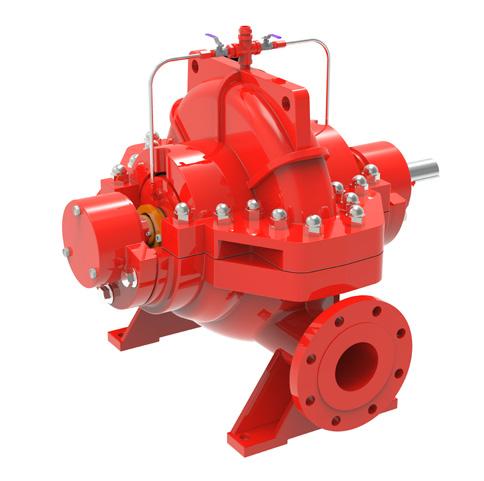
The industrial workhorse
These pumps are the backbone of largescale fire protection systems where failure is not an option.
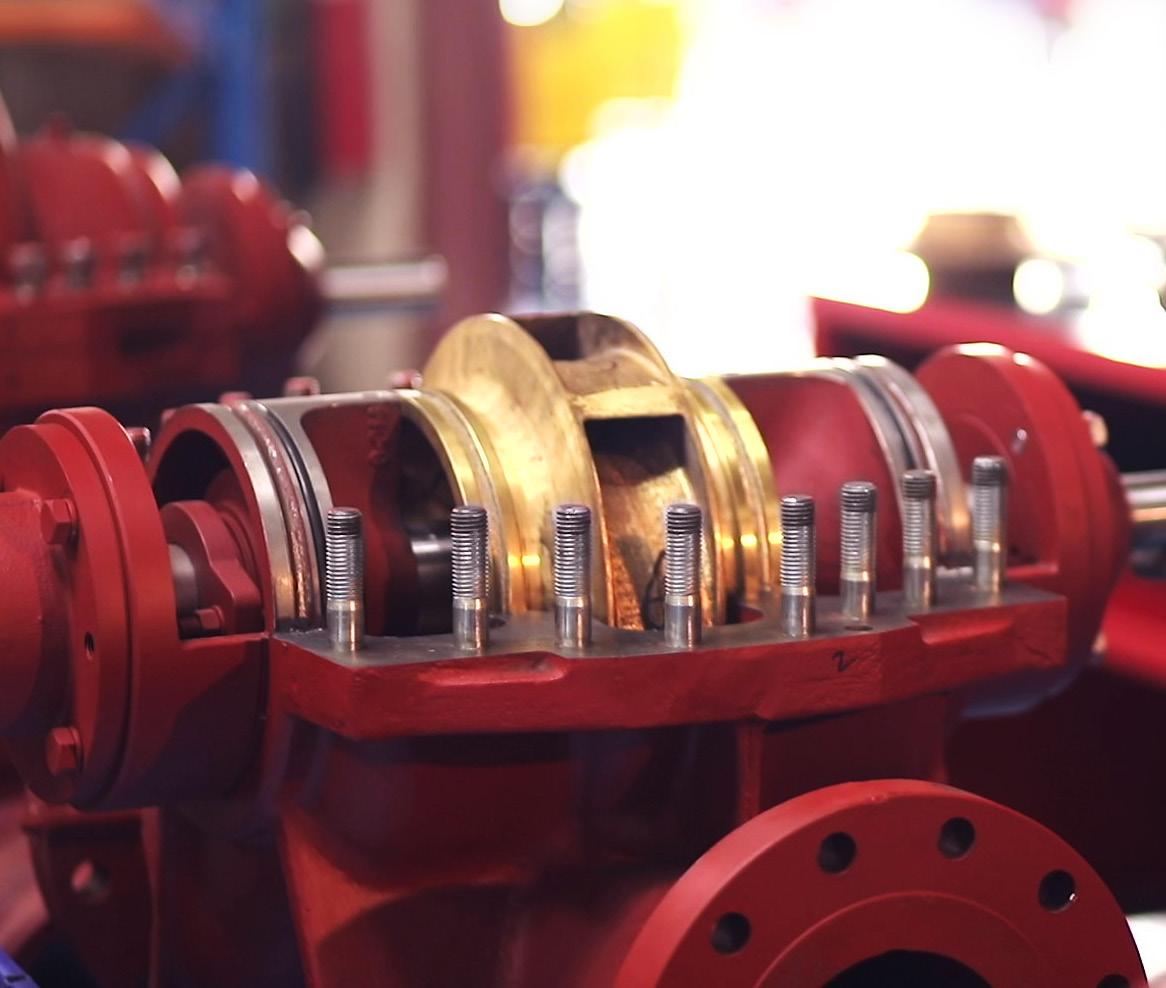
Deep Dive into Engineering: The ‘split case’ design is a critical feature for maintainability. The casing comes apart horizontally, granting full access to the impeller, shaft and bearings without the need to disconnect the pump from the piping system — a massive advantage for routine inspection and swift repair. The double-suction impeller is a hallmark of advanced design; by allowing water to enter both sides simultaneously, it balances axial thrust, minimising wear on bearings and seals, which translates to smoother operation, less vibration and a significantly extended service life.
Configuration Flexibility: Available with electric motors (suited for both 50Hz and 60Hz power grids) or diesel engines for standby power, each configuration is mounted on a solid steel baseplate with a flexible coupling to ensure perfect alignment and absorb operational stresses. Available in a range of MOC starting from cast iron to super duplex.
Ideal Application: Primarily used where the water source is at or above ground level, providing positive suction pressure, such as from a city main or a ground-level storage tank. They are ubiquitous in power plants, refineries, large manufacturing facilities and highrise complexes.
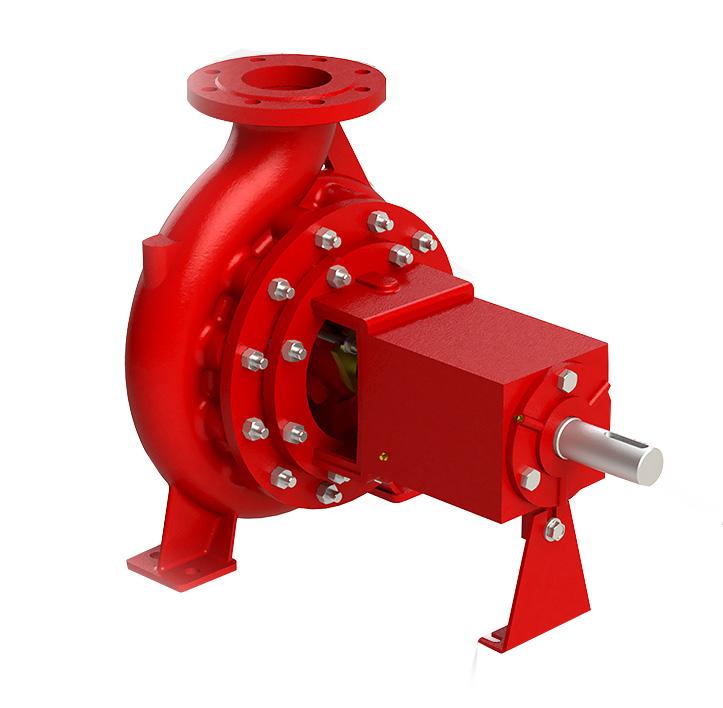
The compact guardian
Where space is at a premium, but performance cannot be compromised, the End Suction pump delivers.
Deep Dive into Engineering: The ‘back-pull-out’ design is its standout feature for serviceability. The entire rotating assembly — including the impeller, shaft and bearings — can be withdrawn from the back of the pump without disturbing the volute casing or the connected piping. This drastically reduces maintenance downtime and costs. The precision-cast, enclosed impeller is dynamically balanced to exceptional tolerances, ensuring minimal vibration and maximising the lifespan.
Configuration Flexibility: Like its larger counterpart, it is offered with electric or diesel drivers on a unified baseplate, providing a compact, pre-assembled and easy-to-install package. Available in a range of MOC starting from cast iron to super duplex.
Ideal Application: Perfect for commercial buildings, hospitals, schools and smaller industrial units where the water source is above ground and footprint is a key consideration.
The subsurface solution
When the water source lies below ground, as in a well, tank or basement, WF’s Vertical Turbine Pumps are the engineered answer.
Deep Dive into Engineering: This is a multistage pump, meaning it uses a series of impellers (bowls) stacked vertically to build pressure incrementally. This design is inherently suited for lifting water from significant depths. The engineering excellence is evident in the details: stainless steel line shafts for corrosion resistance, water-lubricated PTFE spider bearings for smooth rotation and long life, and renewable wear rings to maintain hydraulic efficiency over time. For dieseldriven versions, FM-approved right-angle gear drives efficiently transfer power from the horizontally mounted engine to the vertical pump shaft.
Configuration Flexibility: Available with electric or diesel power, these pumps save valuable floor space by being installed vertically, often in dedicated pump rooms or wells. Available in a range of MOC starting from cast iron to super duplex.
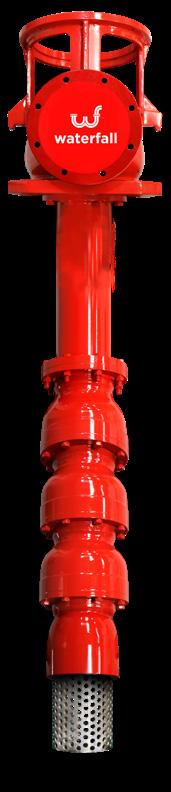
Ideal Application: Essential for applications like offshore platforms, buildings with suction tanks in basements, municipal wells serving industrial parks and any project where the water source is located below the pump level.
4. UL-LISTED DIESEL FUEL TANKS: The guarantee of uninterrupted power
A diesel-driven pump is only as reliable as its fuel supply. WF manufactures its own UL 142 listed tanks, ensuring complete system integrity.
Deep Dive into Engineering: WF offers both single-wall and double-wall tanks. The doublewall design provides critical secondary containment, preventing environmental contamination and ensuring operational safety in the event of a primary tank leak. Constructed from high-grade steel with corrosion-resistant coatings (or stainless steel for highly corrosive environments), these tanks are built for longevity and reliability, featuring integrated mounting pads, vents and fill connections designed specifically for fire pump applications.
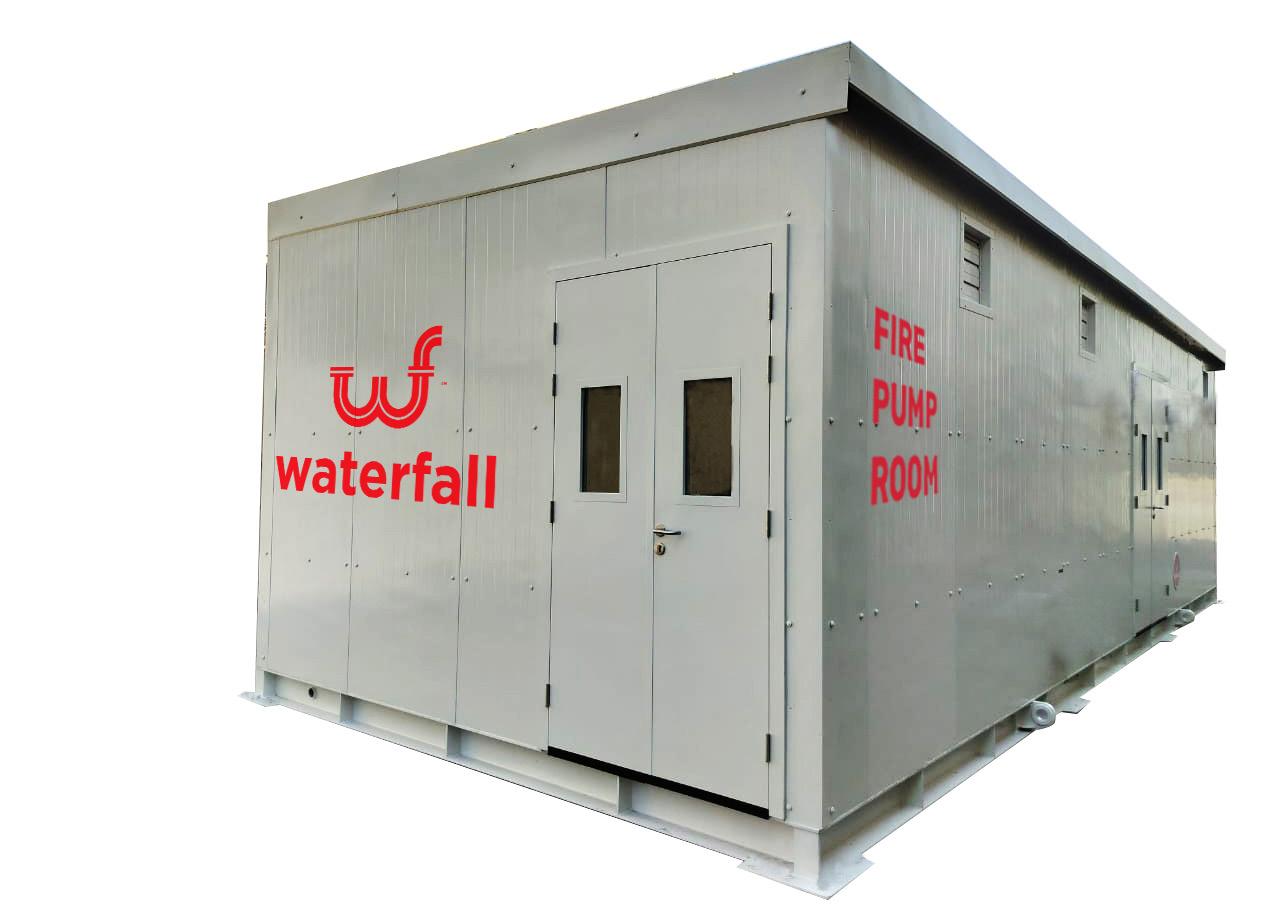
5. WF FIRE PUMP HOUSE: The ultimate turnkey solution
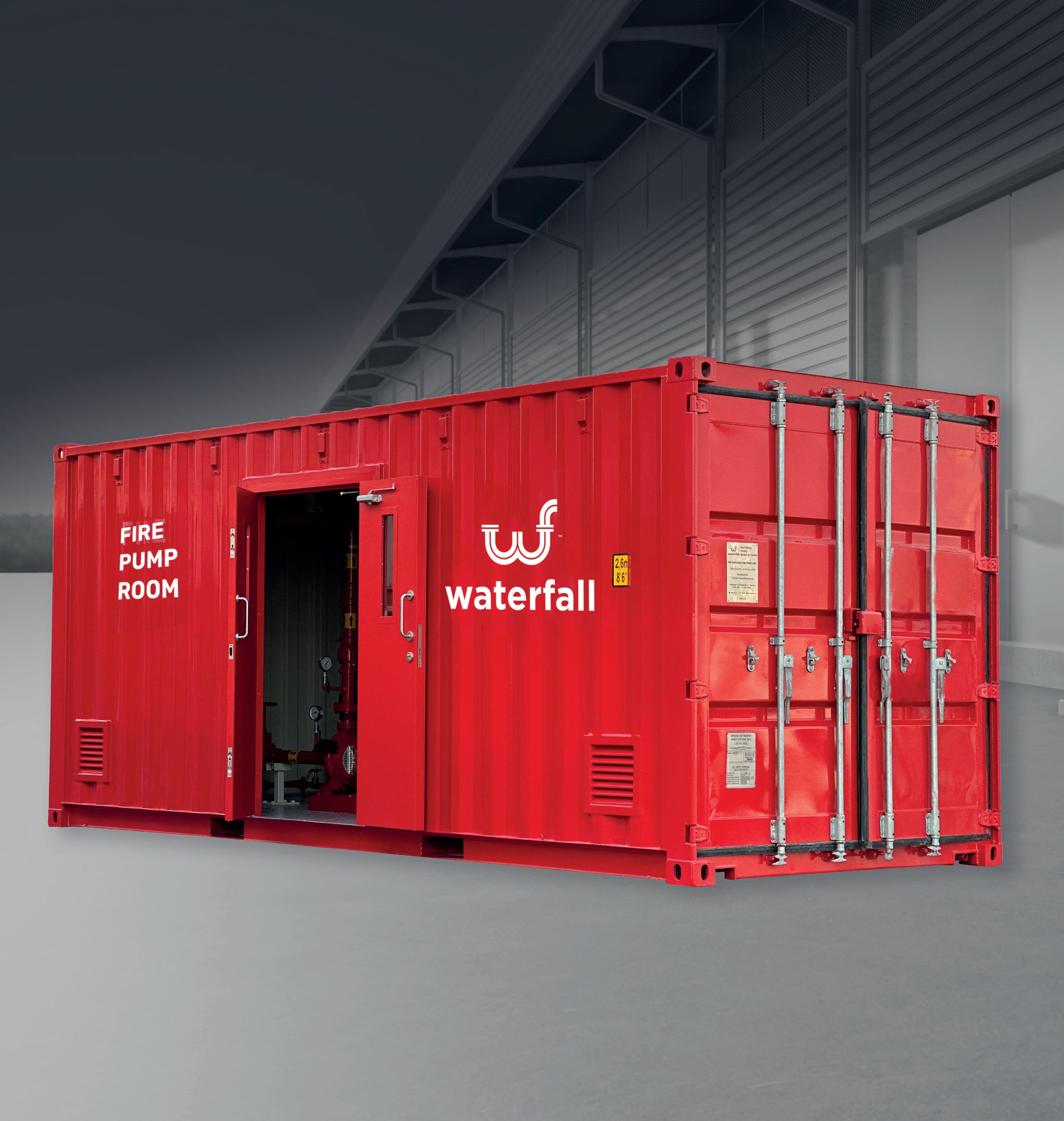
This product represents the apex of WF’s engineering integration — a complete, pre-packaged system within a robust, weatherproof enclosure.
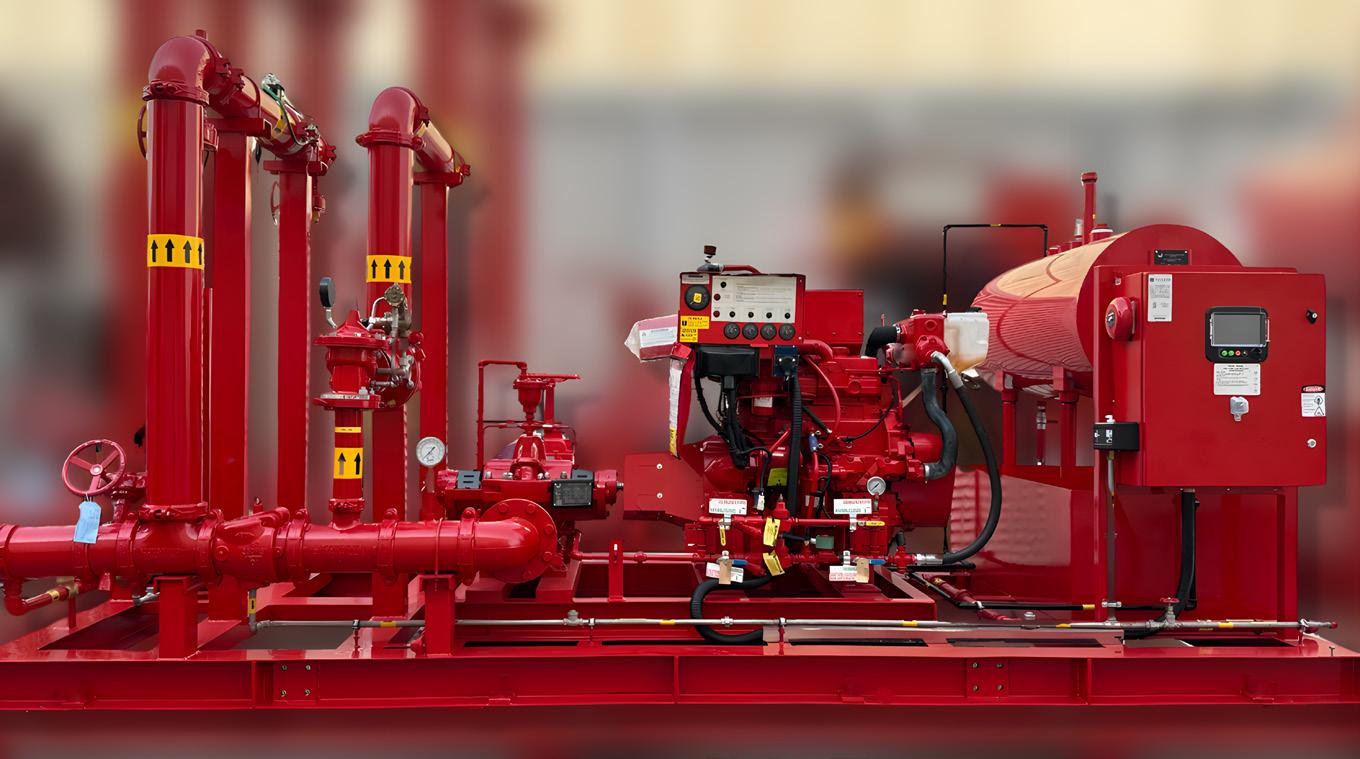
Deep Dive into Engineering: The WF Fire Pump House eliminates the variables and risks associated with traditional field installation. Every component — the pump, driver, controller, jockey pump, valves, gauges, flowmeter and piping — is meticulously assembled, aligned, piped and wired within the controlled environment of the WF factory. The
entire assembly is then hydrostatically tested to ensure leak-free integrity before shipment.
Enclosure Features: The house itself is an engineered structure featuring fire-resistant and insulated cladding, forced ventilation with weatherproof louvres, non-slip flooring, internal lighting and proper drainage. For diesel packages, it includes the UL-listed fuel tank, dual battery banks, a cooling loop and a compliant exhaust system.
Key Advantages:
Single-Source Responsibility: The client deals only with WF for the entire system.
Reduced Installation Time and Cost: The unit is simply placed on a prepared concrete pad and connected to site utilities and piping.
Highest Quality Assurance: Factory assembly ensures precision and quality control that is difficult to achieve on a construction site.
Customisability: can be built in using standard shipping container for easy transport and can be customised to specific project needs.
WF’s products are not just manufactured for the world; they are engineered for its diverse challenges. With a presence across Central and South America, Africa, the Middle East and the Far East.
Serving Critical Sectors:
Oil & Gas: Providing robust, dieseldriven systems for remote refineries and flammable liquid storage.
Data Centres: Ensuring mission-critical uptime with redundant, highly reliable pump systems protecting invaluable digital infrastructure.
Power Generation: Safeguarding utilities, substations and desalination plants.
Aviation: Protecting airports, hangars and fuel farms with systems that meet the strictest safety codes.
Commercial & High-Rise: Ensuring the safety of occupants in offices, hotels and mixed-use developments.
This global and sectoral diversity is supported by a carefully selected network of distributors, ensuring local expertise, timely spare parts availability and expert technical support are always within reach.
Resting on its laurels is not in WF’s vocabulary. The company is poised for a new phase of strategic expansion in 2026, focused on cementing its leadership.
Facility and Capacity Enhancement: Further investments in advanced manufacturing technologies, including automation and robotics, to increase production capacity and enhance precision.
Product Line Expansion: The introduction of additional UL/ FM certified products and more sustainable designs.
Testing Capability Upgrade: Continuous investment in the test facility to handle future standards and even larger, more powerful pump models.
Waterfall Pumps Manufacturing stands as a testament to what is possible when a company dedicates itself entirely to a mission of profound importance. By fusing engineering excellence with an unwavering commitment to thirdparty certification, global support and continuous innovation, WF has not just built a successful business; it has built a trust. In a world where risk is ever-present, the consistent, reliable operation of a fire pump is a non-negotiable safeguard. WF’s singular focus on being the world’s premier UL/FM fire-pump specialist is its covenant with its clients: a promise that when every second counts, their equipment will perform, protecting lives, preserving property and engineering a safer world for all.
info@wfpumps.com wfpumps.com
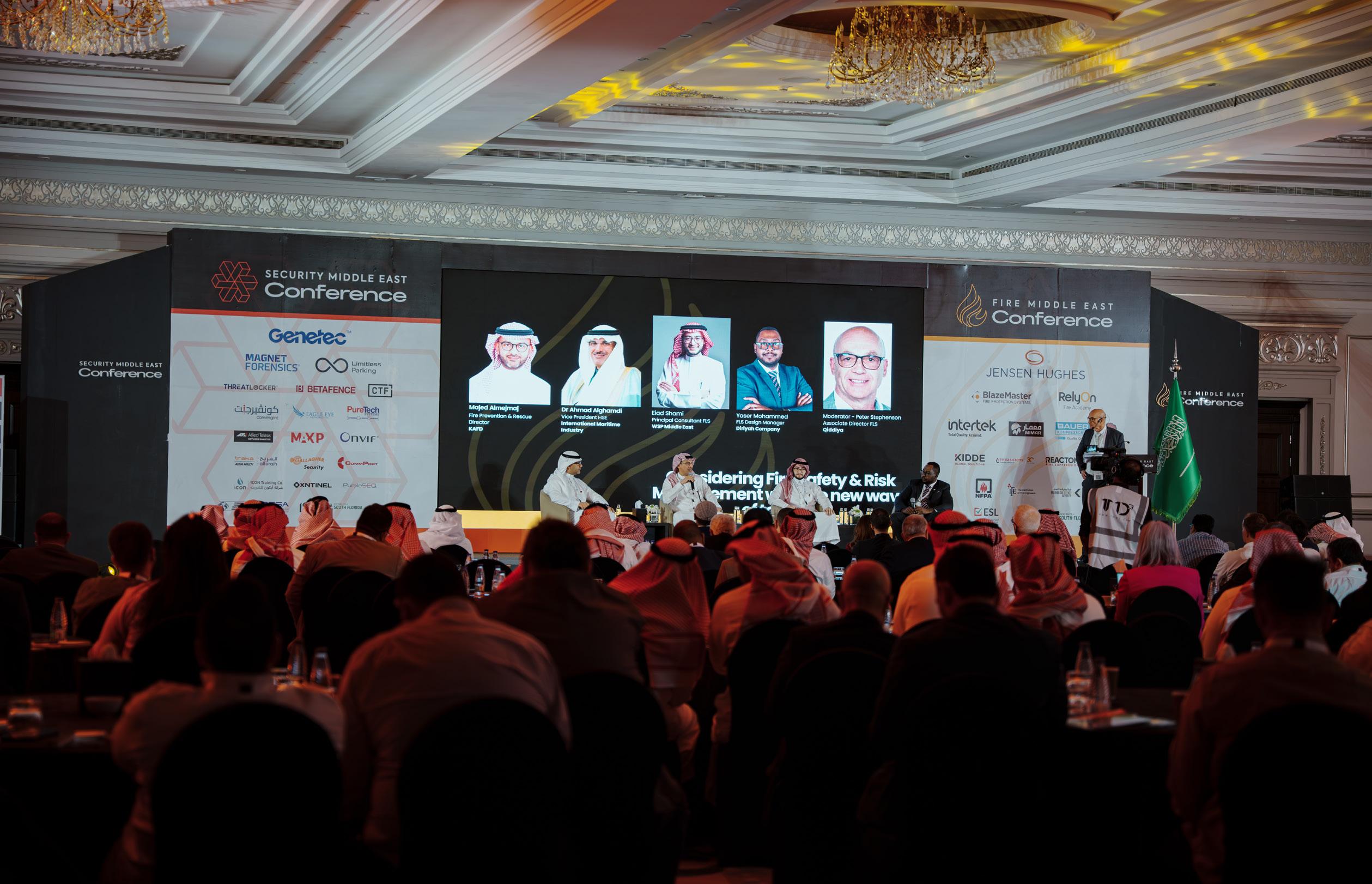
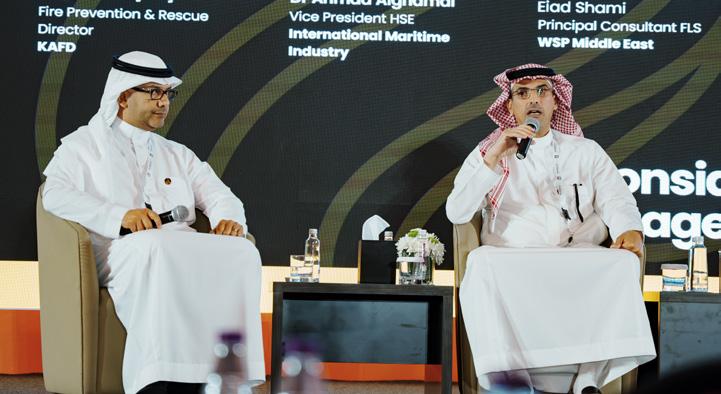
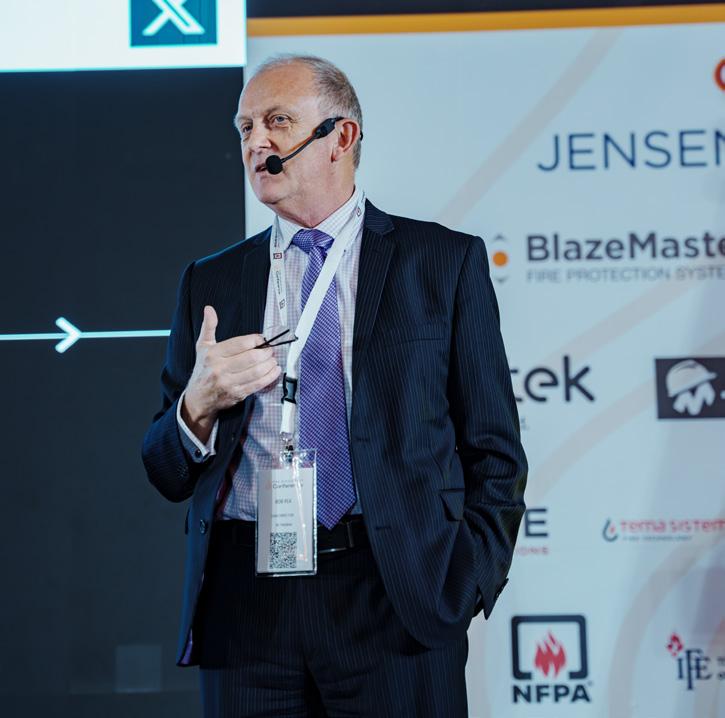
The Fire Middle East Conference is emerging as the region’s premier strategic forum for fire protection leaders, regulators, innovators and project developers to converge, exchange insights and drive forwards the future of fire safety. Hosted in Riyadh and deeply aligned with Saudi Vision 2030, this high-calibre event transcends traditional conferences by functioning as a dynamic working summit. It catalyses policy evolution, practical fire safety solutions and enduring collaborations essential for safeguarding giga-projects, urban megastructures, critical infrastructure and ambitious national developments across the Middle East.
Since its inception, the Fire Middle East Conference has demonstrated remarkable trajectory, with the 2025
edition drawing over 200 senior professionals from government, industry and international expertise. Held at the Voco Hotel in Riyadh, last year’s event sparked passionate discussions on fire safety innovation, regulatory alignment and operational resilience, earning acclaim as a “golden thread” connecting stakeholders in the Kingdom’s transformative landscape. The 2026 edition – the third annual iteration which will take place on 29 April – amplifies this success with greater scale, refined formats and broader participation, positioning it as an indispensable gathering for those shaping fire standards amid rapid urbanisation, tourism expansion and infrastructure boom.
For government entities, civil defence authorities and regulatory bodies, the conference provides a secure, executivelevel arena to interface directly with

fire safety leaders from national oil giants, mega-developments like NEOM and Qiddiya, utilities, aviation hubs and hospitality giants. Sessions are meticulously crafted to bridge global benchmarks with local imperatives, empowering officials to refine codes, enforcement mechanisms and compliance strategies that bolster economic diversification, investor confidence and public safety.

At its heart, the conference prioritises actionable dialogue through diverse, engaging formats: keynote presentations, moderated panel debates, hands-on workshops and real-world case studies. These elements facilitate candid exchanges on pivotal challenges the sector is facing such as performancebased fire design and high-rise evacuation protocols to industrial fire risks, passive protection systems and integration of smart technologies in fire suppression. Cross-disciplinary panels align fire strategies with smart city initiatives, sustainable construction and emergency response frameworks, fostering consensus on certification, interoperability and adaptive standards vital for the region’s evolving built environment.
This collaborative ethos ensures participants leave with tangible outcomes – refined policies, joint ventures and innovative pathways – directly supporting Vision 2030’s pillars of resilience and liveability.
Intentionally scaled for quality over quantity, the Fire Middle East Conference hosts hundreds of C-suite attendees, senior regulators and decision-makers from sectors spanning energy, real estate, transport, healthcare, events and leisure. Last year, structured networking – including dedicated breaks, hosted lunches, evening receptions and VIP roundtables – created prime opportunities to cultivate relationships that have the potential to yield pilots, contracts and strategic alliances.
“Year-on-year attendance builds continuity, transforming fleeting encounters into sustained partnerships that propel fire safety advancements”
Year-on-year attendance builds continuity, transforming fleeting encounters into sustained partnerships that propel fire safety advancements.
Education anchors the agenda, with content delivered by anticipated regional luminaries and global specialists –much like the compelling keynotes from 2025 that ignited passion for fire safety innovation. Attendees gain insights into lessons from landmark incidents, giga-project implementations and vital topics. Case studies showcase on-site applications of evolving codes, from NFPA alignments to Saudi Building Code evolutions, equipping leaders to navigate complexity and pre-empt risks.
This forward-leaning curriculum strengthens institutional capabilities, enabling proactive governance of increasingly intricate fire landscapes driven by mega-scale builds and technological convergence.
We are once again joined by industryleading companies who are supporting our goals and ambitions. Our headline sponsor is Potter Global Technologies, who will be ‘powering’ the whole event and lending their expertise and crucial knowledge of the sector to ensure our event aligns with what our readers need. As a leading provider of innovative fire alarm, suppression and mass notification
systems, Potter is perfectly placed to respond to the region’s booming fire protection market.
We have also confirmed both Jensen Hughes and Blazemaster Fire Protection Systems as 2026 Fire Middle East Conference sponsors. Both organisations are returning sponsors and are firmly aligned with the needs of our audience.
For 2026, the organisers are scaling the conference with more educational sessions, expanded content and stronger advisory boards to ensure the discussions remain tightly aligned to market needs and regional priorities. With a clear vision to become the premier meeting place for fire leaders in the Middle East, the conference offers investors, sponsors and participants a unique opportunity to influence the agenda, showcase innovation and help raise standards at a pivotal moment for the region’s fire and safety landscape.
Join us in Riyadh
Fire Middle East Conference 2026 29 April 2026 | Voco Hotel, Riyadh, KSA
firemiddleeast conference.com



Amer
In recent years, the Middle East, and Saudi Arabia in particular, has experienced an unprecedented surge in ambitious, high-profile projects. From giga-projects that redefine urban development to the restoration of historic cultural assets, the scale and complexity of construction continues to expand. As buildings grow more innovative, the limitations of purely prescriptive fire and life safety codes become increasingly evident. This has accelerated a global shift towards performance-based design (PBD), a methodology that evaluates how a building performs under fire or emergency conditions rather than relying exclusively on pre-defined code checklists. Saudi Arabia, with its forwardlooking development agenda and rapidly evolving regulatory landscape, is uniquely placed to embrace and lead in this transformation.
International model codes and standards, such as those published by the NFPA, ICC and SFPE, are steadily and continuously steering towards performance-based methodologies. While prescriptive codes remain essential as a baseline, they are no longer sufficient on their own to address contemporary challenges such as:
Innovative architectural forms that defy traditional layouts and geometry;
Advanced building technologies including AI-driven systems and smart infrastructure; Net-zero buildings requiring integrated design approaches;
Renovation of heritage structures where prescriptive solutions may be impractical; Accelerated construction schedules and modular construction;
Giga-scale developments often the size of small cities.
Saudi Arabia’s transformation efforts under Vision 2030 amplify each of these factors. Large master-planned districts, super-tall towers, mixed-use megastructures and heritage conservation initiatives demand flexibility beyond the rigid frameworks of prescriptive codes. Performance-based design provides the analytical tools, engineering rigour and adaptability required to support such advanced development without compromising safety.
A common misconception among architects, engineers, contractors and even Authorities Having Jurisdiction (AHJs) is that performance-based design introduces unnecessary risk or complexity. In practice, the opposite is often true.
A well-crafted performance-based solution typically exceeds the minimum
intent of prescriptive code requirements. Through rigorous analysis, such as fire and smoke modelling, egress capacity evaluation, tenability assessments and risk-based engineering, performancebased design can reveal vulnerable areas that a prescriptive approach might overlook. It also provides flexibility for developing robust safety strategies tailored to the building’s actual use and behaviour, rather than forcing a design to conform to generic assumptions embedded in the code.
For example, a large open atrium, a feature often restricted by prescriptive codes, can be designed with advanced smoke management strategies validated by computational models. The resulting design is not only compliant but safer, more efficient and more aligned with architectural goals.
The value lies in the confidence it gives stakeholders: performance-based designs are not arbitrary; they are thoroughly justified, peer-reviewed, repeatable and grounded in engineering science.
A fundamental cultural shift is required for the broader industry: architects and engineers should not treat codes as checklists or design manuals, but rather as safety outcome frameworks. A common issue in the region is ‘designing by checklist’, where the building is forced
“Performance-based design represents far more than a technical alternative to prescriptive codes”
to comply with prescriptive requirements even if they undermine the design vision.
Instead, a more modern approach should:
1. Begin with the building concept — the intended experience, use, flow and functionality.
2. Identify the fire and life safety objectives the building must achieve.
3. Determine the strategy to meet these objectives, which may involve prescriptive provisions, performancebased solutions or a combination of both.
4. Validate that the design satisfies the code’s intent, regardless of the method used.
This approach reinforces an essential truth: codes exist to ensure intent, performance and safety, not to restrict innovation. Intent is the critical concept embedded within the SBC and NFPA codes and SFPE guidance. By understanding intent rather than solely memorising requirements, designers can craft safer buildings and more efficient solutions.
While PBD offers enormous value, it is not a simple process or a ‘shortcut’ and must not be approached casually. Developing or reviewing a performance-based design requires competence, experience and a multidisciplinary understanding of several factors, including:
Code intent and philosophy, not merely the text, but why specific requirements exist.
Fire dynamics and behaviour, which differ dramatically in complex geometries.
Human factors and egress behaviour, including mobility profiles and crowd dynamics.
Interaction between multiple alternative solutions; a single engineered solution may function well alone, but several applied together may produce unintended consequences.
Building life cycle and operational requirements, since the validity of many engineered systems depends on proper long-term maintenance.
Commissioning and acceptance testing, which must confirm the design performs as intended.
Interface between fire safety systems, including smoke control, detection, suppression and mechanical systems.
Emergency response considerations, particularly how Civil Defence teams will interact with the building in real scenarios.
These examples highlight that performance-based design is not a plug-and-play exercise. It demands collaboration among fire engineers, architects, MEP designers, façade consultants, operators and authorities.
Saudi Arabia, with its growing pool of specialists and expanding academic focus on fire safety engineering, is wellpositioned to cultivate this competence locally creating a knowledge base that supports the nation’s ambitious future developments.
A common error is treating performancebased design as a template that can be reused repeatedly. This undermines the fundamental purpose of PBD and introduces significant risk.
Performance-based solutions are developed based on assumptions and variables that are unique to each building, such as:
Occupant profiles
Fire load densities
Airflow patterns
Geometry and compartmentation
HVAC configuration
Material selections
Operational practices
Maintenance capacity
Emergency response strategies
Changing any one of these parameters can invalidate the entire analysis. For example, a smoke management strategy developed for an atrium with a fixed fire load and known occupancy will no longer be valid if the space is converted into a retail environment with higher hazards.
Because of this, performance-based designs in Saudi Arabia should include:
Clear documentation of assumptions and limitations;
Defined operational requirements to keep the strategy valid (e.g. maintaining clear paths, limiting fuel loads, periodic testing);
Commissioning plans ensuring the system performs as modelled;
Procedures for re-evaluation if building usage or internal layouts change;
Clear communication with facility operators, who become responsible for preserving the conditions under which the PBD solution was approved.
As Saudi Arabia advances towards large-scale developments that evolve over decades, the life cycle validity of engineered solutions becomes just as important as their initial approval.
Saudi Arabia has the chance to become a global leader in performance-based fire engineering. The Kingdom’s mega and giga projects, such as in NEOM, Qiddiya, Diriyah and the Red Sea developments, provide ideal environments for advanced PBD methodologies.
Performance-based design represents far more than a technical alternative to prescriptive codes; it is a mindset shift towards innovation, collaboration and genuine safety performance. In the context of Saudi Arabia’s ambitious development landscape, PBD provides the freedom needed to achieve world-class architecture while maintaining the highest standards of fire and life safety.
By embracing performance-based methodologies, investing in local expertise and fostering a deeper understanding of code intent, the Kingdom stands to become a leader in modern fire safety engineering. The future of safe, innovative and sustainable buildings in the Middle East will not be built through checklists alone, but through informed, performance-driven design grounded in engineering rigour.
aesg.com

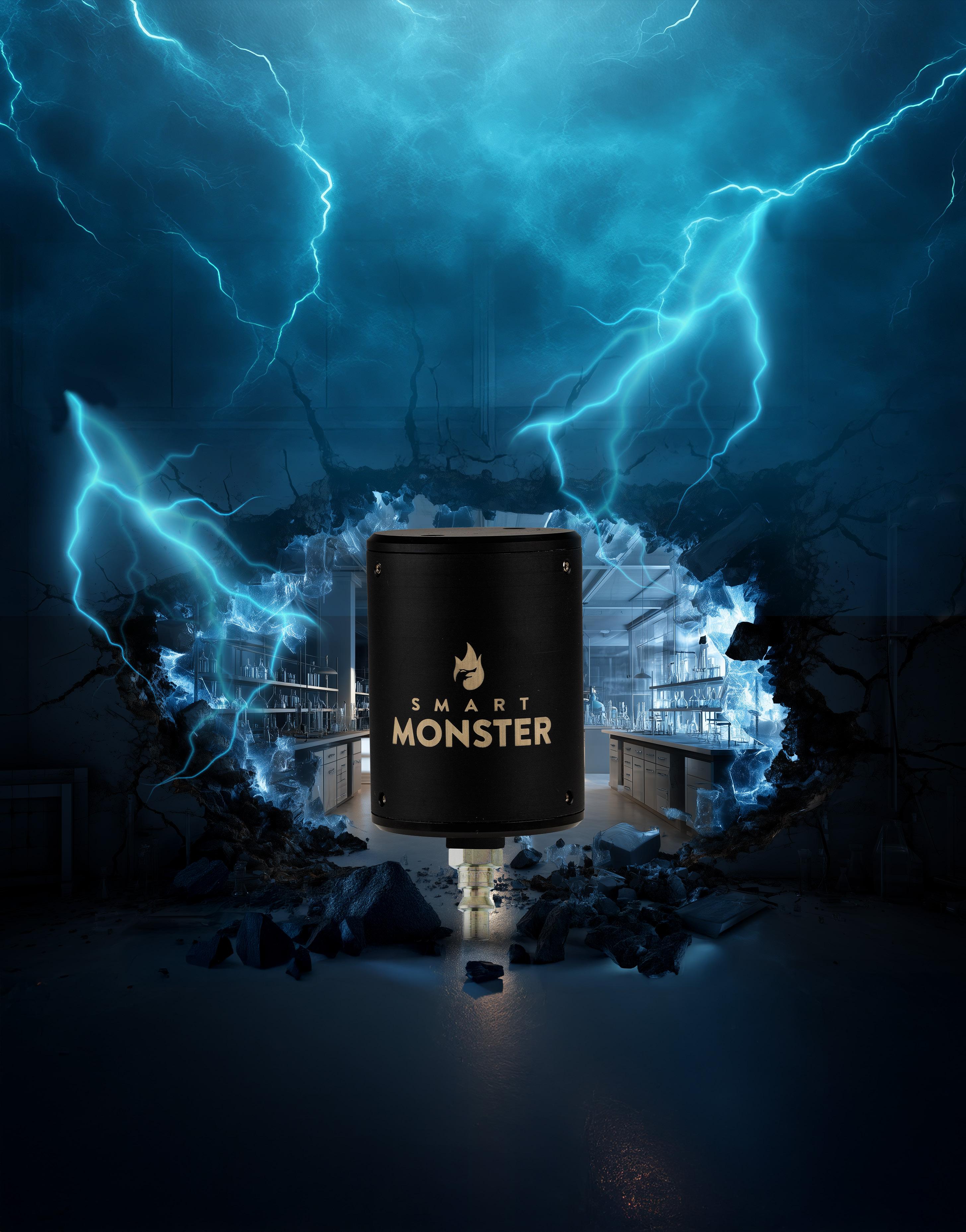

WHEN PUMP ROOM WALLS BLOCK CRITICAL FLOW DATA, SMART MONSTER™ BREAKS THROUGH.
Wirelessly connect your Smart Monster™ gauge to our mobile app via Bluetooth™. Then, with Hose Monster®’s Long Range Connect, you can utilize your cellular or Wi-Fi network to send pressure readings to unlimited distances. Get the data you need straight from the app, with no extra hardware required. No wires. No limits. Just seamless connectivity at your command.
Join us at Intersec Dubai this January! The Hose Monster team will be in Hall 4, Stand No. 4-G38 with Noventis Safety group alongside DetectorTesters and GVI. Come see how we’re pushing the limits of connectivity and putting critical data in your hands.
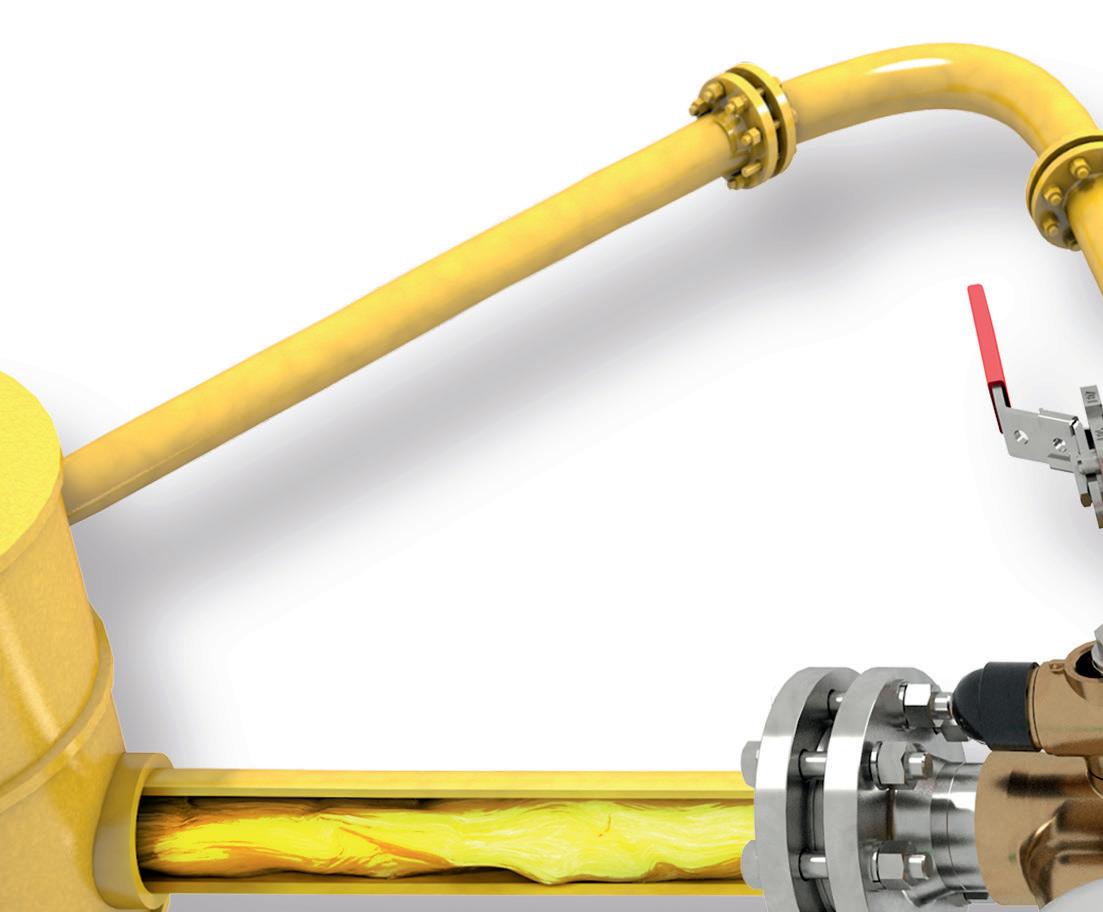
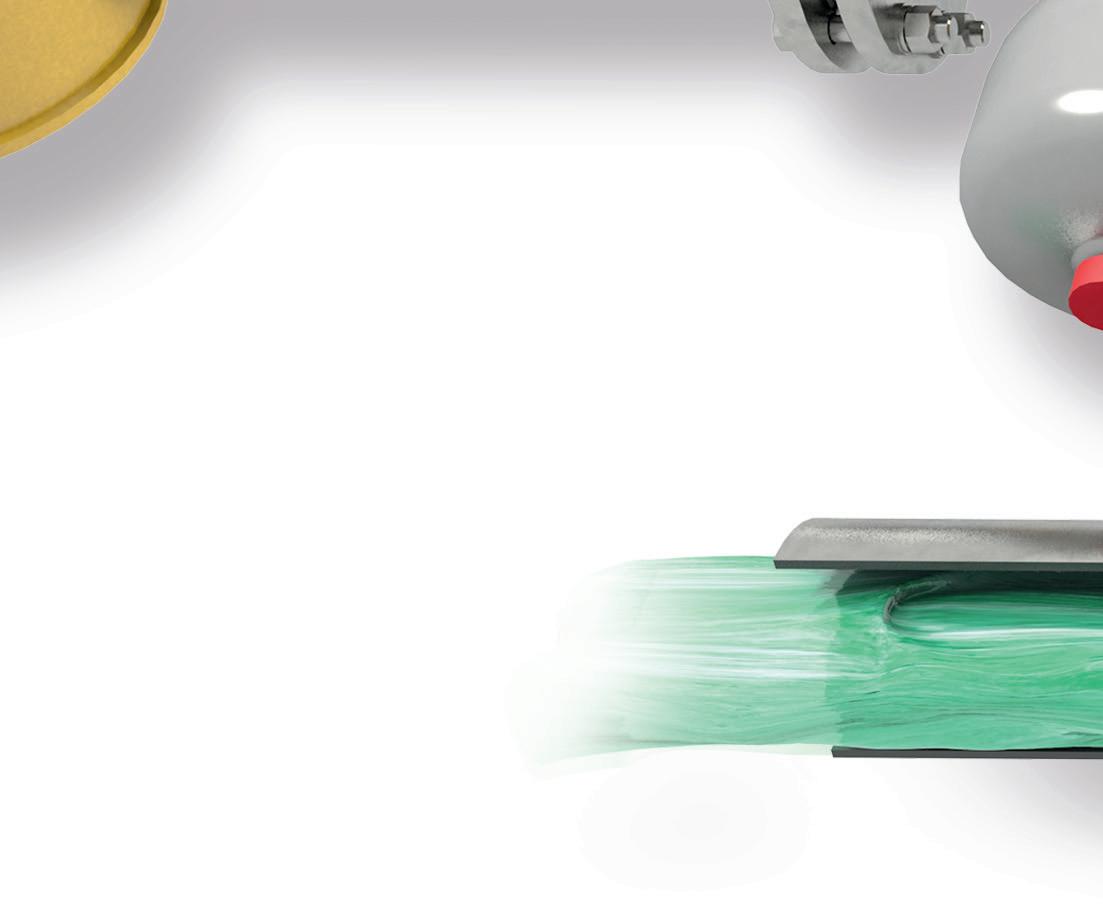
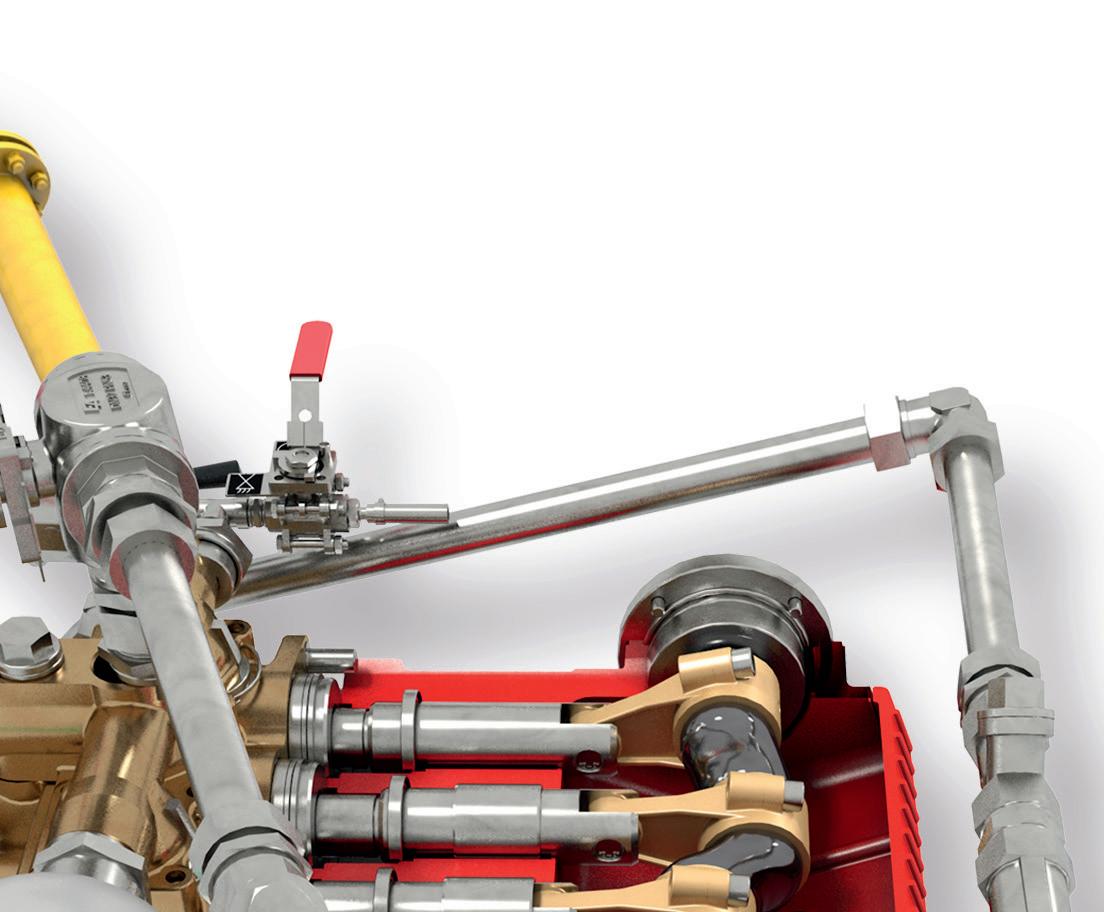
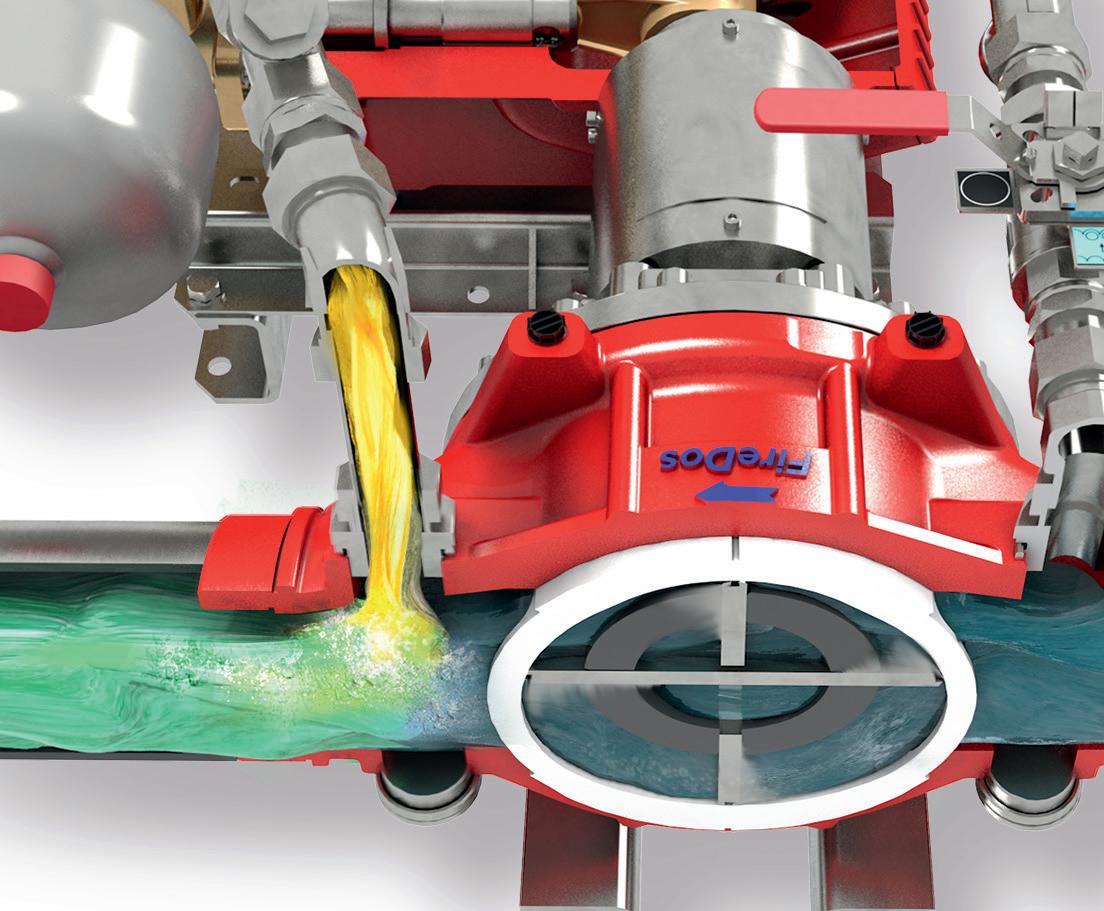
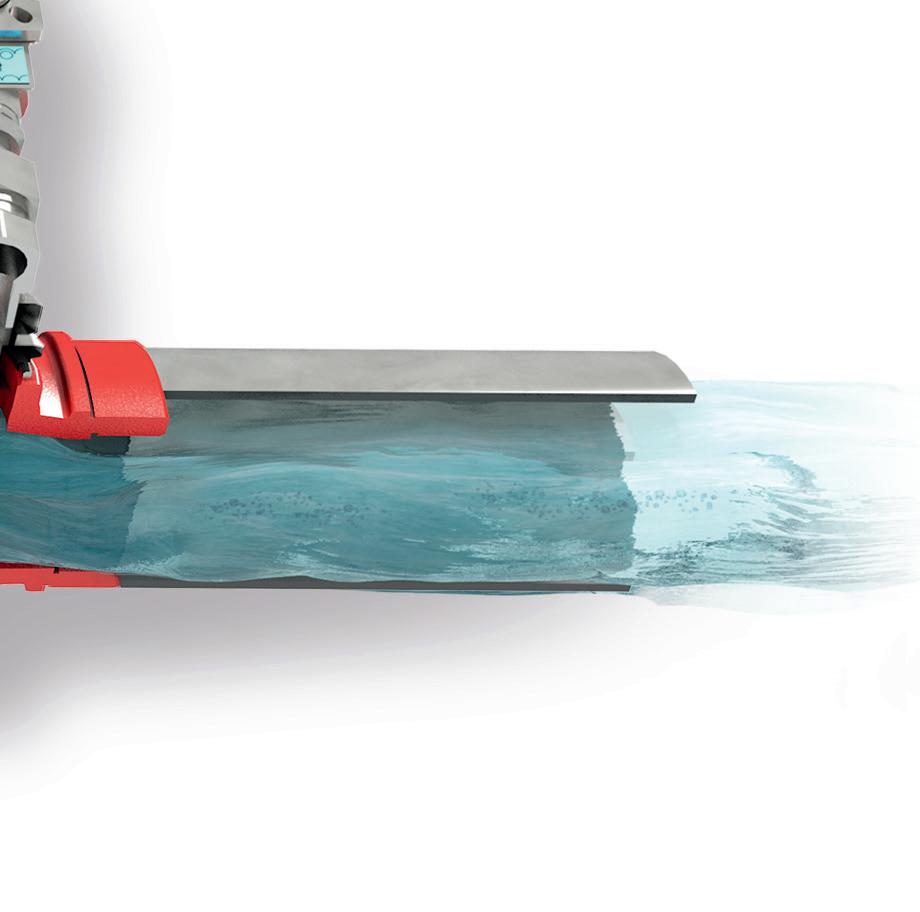
GEN III is the next evolution level of hydraulic foam proportioners for firefighting from FireDos. Sturdier, smaller, safer, and more functional: GEN III features a lot of improvements which make operation even more e cient and comfortable. The proportioner consists of a water motor and piston pump and handles all types of foam agents, even extremely high-viscous, alcohol-resistant and fluorine-free ones. Furthermore, GEN III is a purely mechanic system and allows testing the proportioning rate in a cost-saving and eco-friendly way, producing no foam at all.
Purely mechanical and highly reliable


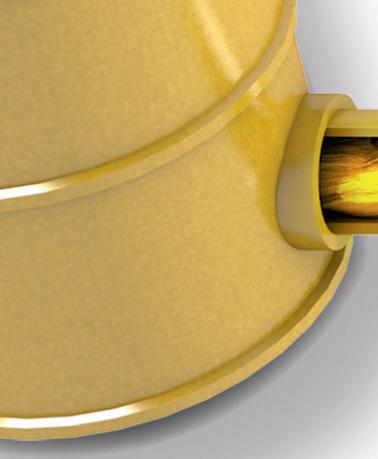





Constant proportioning rate over a wide flow range
Cost-saving and eco-friendly
GEN III foam proportioners allow testing the proportioning rate without producing foam or premix.


Stuart Phythian, Regional Director, FireDos, advises on adapting to the new foam frontier
The global fire protection landscape is undergoing its most significant transformation since the introduction of aqueous film-forming foams (AFFF) more than half a century ago. The shift to fluorine-free firefighting agents, driven by environmental regulation across Australia, the European Union and the United States through the EPA’s PFAS roadmap, is redefining how engineers and end users approach system design.
For regions such as the Middle East, Africa, India and Southeast Asia, this is not a distant movement; it is already underway. The challenge now lies not only in compliance but in maintaining performance and reliability under new chemical and physical realities.
One of the least understood hurdles in transitioning from fluorinated foams is viscosity. Traditional AFFF behaves much like water; easy to pump, predictable and simple to proportion. Fluorine-free foams, however, are often non-Newtonian: they flow sluggishly at rest but shear-thin under motion. That behaviour creates challenges in systems not designed for such rheology.
Viscosity affects everything. Pressure losses rise, pick-up rates fluctuate, and venturi-type inductors, the workhorses of many legacy systems, struggle to draw concentrate effectively. NFPA 11 proportioning tolerances (−0/+30%) can quickly be exceeded, resulting in either
weak foam that collapses too soon or heavy, sticky foam that fails to project or spread properly.
End users must pay close attention to application rate, the quantity of finished foam delivered per square metre, and coverage density. Most fluorine-free foams depend on mechanical expansion rather than the chemical film once created by long-chain fluorinated surfactants. This leads to longer drainage times and often reduced spread.
Balance is essential. A slow-draining foam may smother effectively but struggle to flow across hydrocarbon
pools or complex obstacles. Discharge densities and nozzle configurations must therefore be based on actual test data for the specific foam, not on legacy AFFF assumptions. Simply changing the concentrate without recalculating the hydraulics risks failure when performance is most critical.
Certification remains the foundation of confidence. For high-risk sites such as tank farms, aircraft hangars, chemical storage or marine facilities, independent third-party validation should be nonnegotiable. Global approvals such as FM, UL, EN 1568, EN 13565 and ICAO provide measurable assurance that the foam performs as claimed.
Yet certification should extend beyond the foam. System components such as proportioners, pumps and monitors must be tested using the actual concentrate and viscosity expected in service. Testing with water or a generic foam provides little assurance of real-world performance.
The industry is increasingly moving towards system-level certification, validating foam, hardware and control logic together. Only through this integrated approach can fire protection systems achieve both performance and sustainability.
Foam proportioning is at the heart of every system, where viscosity, pressure and flow converge. Traditional inductors and bladder tanks, though simple, are highly sensitive to back-pressure and viscosity variation. They rely on suction created by high-velocity flow through a restriction, a principle that falters as resistance increases.
By contrast, modern water-driven foam proportioners use the energy of the water flow to drive a positive-displacement dosing pump. This approach maintains proportioning accuracy regardless of pressure fluctuations or concentrate thickness while offering an exceptionally wide operating range. Even at low flow rates or system pressures, proportioning remains stable and repeatable.
In practice, this enables the creation of centralised proportioning systems capable of feeding multiple risk zones through a single unit. Maintenance becomes simpler, spare parts are reduced, and hydraulic losses are minimal, a decisive advantage when handling viscous synthetic foams. The outcome is a system that performs
“Even the best system is only as dependable as its maintenance regime”
consistently across a variety of scenarios without the calibration drift typical of venturi devices.
When moving to viscous SFFF or 1×3 concentrates (1% for hydrocarbons, 3% for polar solvents), system hydraulics must be reconsidered. Flow regimes transition from turbulent to laminar more quickly, increasing pressure loss. Designers should use viscosity correction factors in the Darcy–Weisbach equation, referencing the foam manufacturer’s data. Higher viscosity means greater pumping energy, larger pipe diameters, or both if the system is not optimised.
Water-driven foam proportioners mitigate this by directly harnessing hydraulic power from the water stream. This eliminates external energy sources and reduces overall pressure drop, a key benefit when upgrading legacy systems not designed for viscous media.
The next major development is the universal 1×3 foam, engineered to suppress both hydrocarbon and polarsolvent fires at 1% and 3% respectively. Advances in surfactant chemistry and formulation stability are enabling this dual-range performance. Field and third-party tests already show burnback resistance and blanket integrity comparable to, or exceeding, legacy ARAFFF foams.
Operationally, one foam means simplified logistics and reduced stockholding. However, many 1×3 formulations sit near the upper limit of viscosity tolerance, demanding equipment that can accommodate them without redesign. Systems offering low pressure loss, high metering accuracy and self-driven proportioning are proving most adaptable to this new generation of foams.
Even the best system is only as dependable as its maintenance regime.
Foam concentrates should be analysed annually to confirm viscosity, pH and surface tension. Proportioning devices must be tested under realistic flow conditions, using water for regular checks and foam for periodic full-scale validation. Installations should also allow sampling and flushing without environmental discharge. Closed-loop test systems, concentrate return lines and controlled drainage are becoming standard as sustainability expectations tighten worldwide.
The transition to fluorine-free suppression is not simply a chemical substitution; it is a chance to modernise the entire protection strategy. Each element of the system must work together, hydraulically and mechanically. When proportioning, discharge and foam chemistry are aligned, performance improves and energy demand falls.
Water-driven foam proportioners with wide flow ranges and minimal pressure loss embody this integrated philosophy. They offer resilience across foam types, from legacy AR-AFFF to the most viscous synthetic formulations, without the instability or flow-rate sensitivity common in suction-based devices. In short, they represent a proportioning approach built for the era of sustainable suppression.
As Intersec Dubai approaches, the conversation is shifting from what products are banned to how systems can evolve for sustainability without compromising safety. The future of firefighting foam will not be defined by what has been removed but by what has been engineered to perform better. Through informed design, validated proportioning and data-driven testing, this transition can deliver cleaner, safer and more reliable outcomes, proving that the next generation of fire protection can be both sustainable and strong.
firedos.com



FOMTEC© ENVIRO USP
VISIT US AT INTERSEC IN DUBAI, UAE. YOU WILL FIND FOMTEC IN STAND 4-A38, together with ESS and FFS.
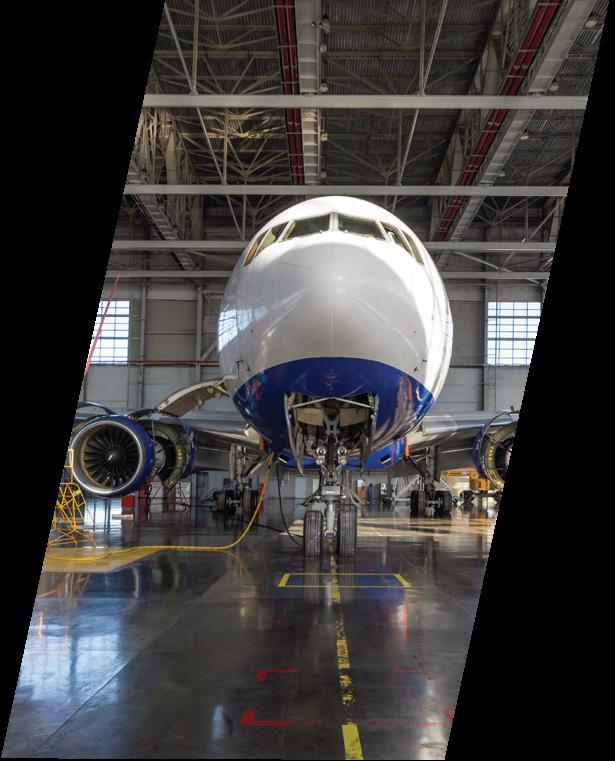
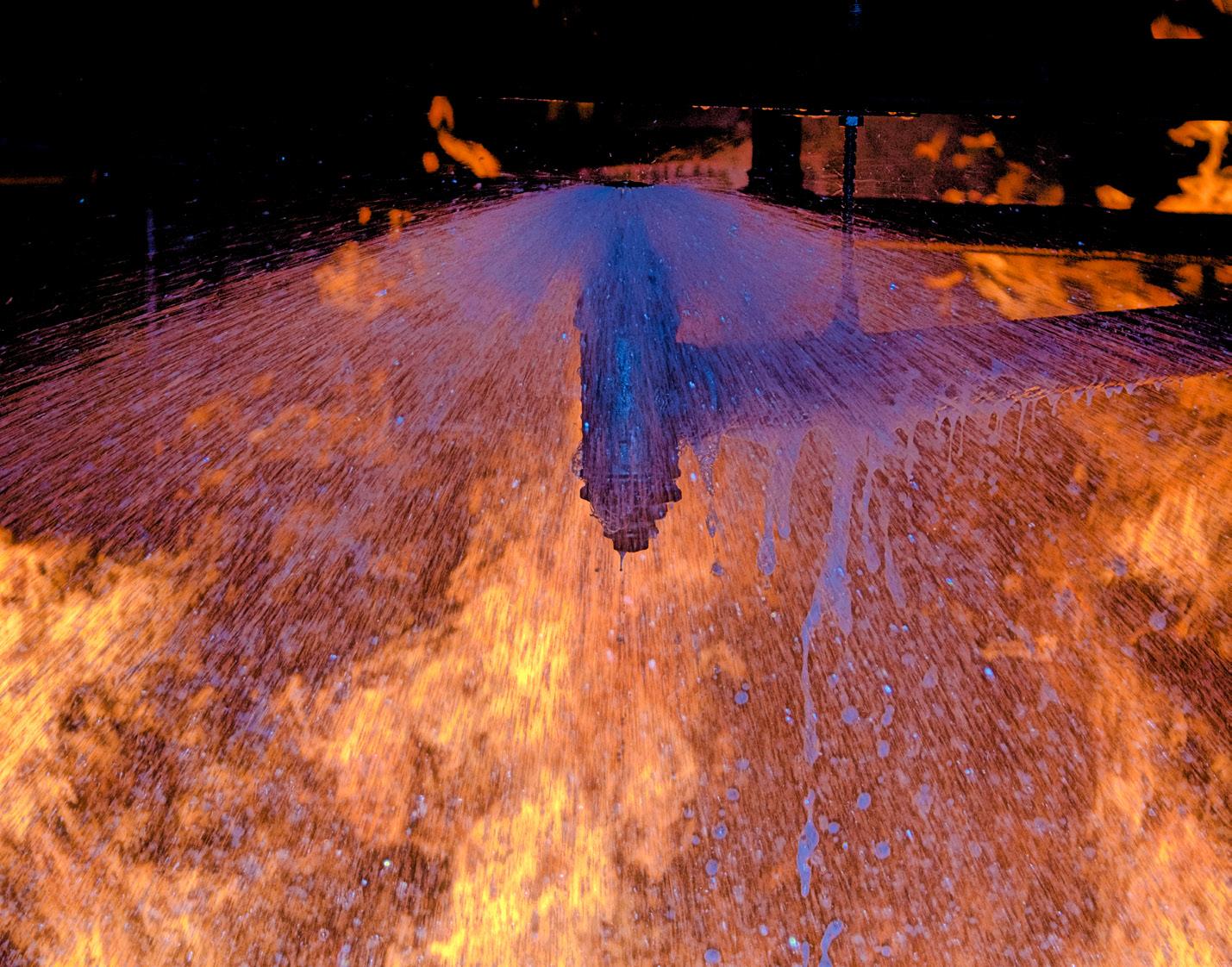
Fomtec Enviro USP is designed to be an effective fluorine-free alternative for sprinkler systems, type II and III discharge devices. ICAO level B. NEW GENERATION SFFF WITH NO PARTIALLY HYDRATED POLYMERS • APPROVED FOR SPRINKLER, UL 162 LISTED FM 5130 APPROVED • VDS APPROVED
Superior Fire Performance: EN 1568 Part 1, 2 & 3 (Rate 1A), ICAO Level – B and IMO1312 and MED for marine use: FOR CLASS A & B FIRES • 100% BIODEGRADABLE • LOW, MEDIUM & HIGH EXPANSION
For full specifications, please visit Fomtec website or scan the QR code www.fomtec.com

www.olympia-electronics.com
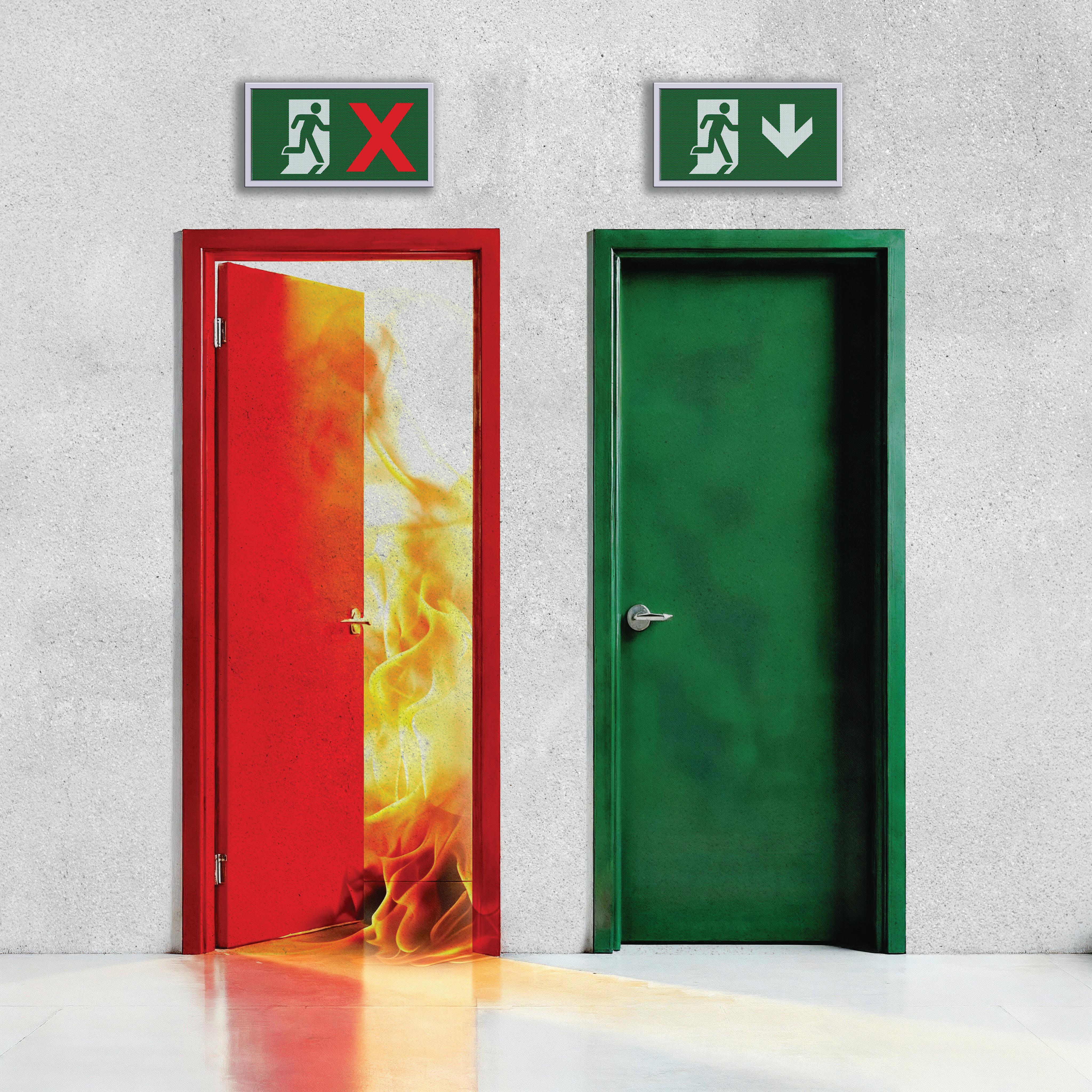


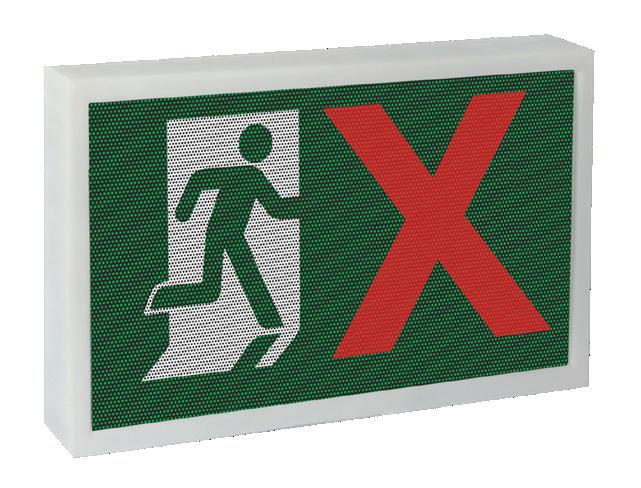
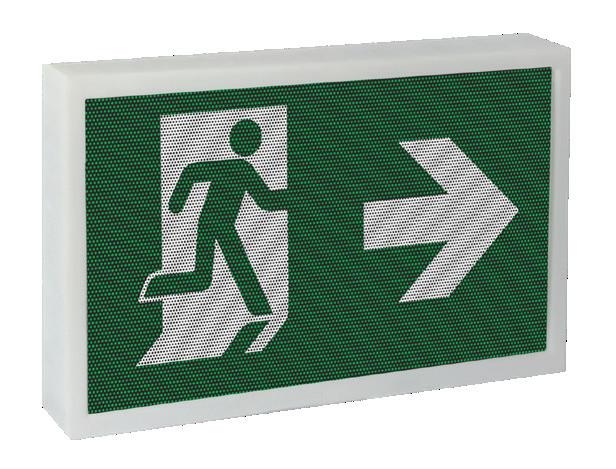

One luminaire, sixteen possibilities
Dynamic Light allows quick selection of up to 16 different marking signs, static or animated, for ultimate flexibility in emergency lighting. Available in standard and hybrid versions, designed for shopping malls, airports, and modern buildings.



Fire & life safety and security systems are no longer standalone solutions; they are increasingly integrated to work seamlessly together in protecting people, property and business continuity. Sharing components, infrastructure and intelligence, these systems complement one another to deliver a unified safety ecosystem.
Discover how the latest integration between fire and security systems creates smarter, safer buildings, offering more control when every second counts, according to Mina Zakhary, Principal Fire Consultant and Smitha Mathew, ELV Lead Engineer at Cundall
This integration represents more than a technical upgrade — it is a transformative approach that redefines safety by making buildings adaptive and responsive to occupants’ needs. For example, a fire alarm sensor might trigger the life safety system while a connected security system manages evacuation routes and access control during emergencies.
By coordinating functions like door unlocking and smoke control activation, integrated systems enable faster, more efficient emergency responses. Such interoperability is vital for comprehensive risk management strategies in the Middle East’s rapidly evolving built environment, where the stakes for safety and operational resilience are higher than ever.

“The result is a new generation of proactive buildings: ones that learn, evolve and respond dynamically to emerging risks”
This interconnected intelligence reduces human error, accelerates decision-making and enhances coordination between responders and building operators. It’s not just about safety it’s about operational resilience.
As the MENA region advances in its digital transformation journey, AI driven analytics, IoT sensors and cloud-based command platforms are becoming the new standard. Predictive maintenance, real-time occupancy mapping and adaptive evacuation algorithms are already reshaping how facilities from hospitals to high rises manage emergencies.
The result is a new generation of proactive buildings: ones that learn, evolve and respond dynamically to emerging risks.
1.
In the event of an emergency, a fire or a break-in, connected systems can respond faster than in a manual case. For example, when a fire is detected, the fire alarm can signal the security system to release certain doors, providing faster access to emergency exits. Conversely, if a security breach is detected in a fire exit route, security personnel can promptly intervene to keep the exit open and safe for evacuation specially in airports and detention facilities.
When fire safety and security systems are combined into one platform, building managers and security staff can oversee and control everything from one place. This centralisation simplifies operations and ensures safety and security work smoothly together. If an alarm goes off, the system quickly shows where the fire is and highlights any security issues, like
blocked exits or unauthorised people in restricted zones. Video surveillance systems are essential for monitoring activity within and around a building. By integrating CCTV with fire safety systems, security personnel can monitor not only security events but also observe the progress of a fire or smoke spreading in real-time. This visual data can be used to direct fire response teams to the affected area more quickly, improving overall emergency response. Furthermore, video footage can be crucial for post-incident analysis and investigation.
As part of the fire strategy, access controlled door requirements should integrate in harmony with the security goals. This is essential in places like data centres, hospitals, institutional or correctional facilities where some areas must stay secured even during a fire. Proper integration makes sure fire safety doesn’t interfere with security, and security doesn’t block fire safety
The harmony between the fire safety and security systems has a great impact on the construction cost as well. Instead of maintaining separate systems, using integrated solutions lowers complexity and cuts operating costs. Additionally, having all systems work together smoothly reduces the chances of mistakes or breakdowns in either system
Integrating fire strategies with BAS enhances the safety of modern buildings. While BAS controls lighting, HVAC and other utilities, it also plays a vital role during a fire and other emergency events,
for example it can automatically shut off HVAC to prevent smoke from spreading. It can also adjust lighting to guide people safely to evacuation routes. Additionally, BAS provides building managers with realtime information to help them make quick, informed decisions during emergencies.
The evolving dialogue between fire safety and security
Across the Middle East and North Africa, the built environment is entering a new era – one defined by connectivity, intelligence and resilience. The once clear divide between fire & life safety and security systems is rapidly dissolving, giving way to a future where both disciplines operate as a unified ecosystem serving a single purpose: protecting people, assets and continuity.
Traditionally, fire engineers and security consultants worked in parallel worlds. FLS focused on early detection, alarm activation, evacuation and suppression, while security targeted surveillance, access control and threat mitigation. Yet as cities grow smarter and buildings more digitally connected, these systems can no longer afford to work in isolation. The next generation of safe buildings will rely on seamless data flow and system collaboration between these two disciplines.
This convergence is not merely a technical alignment it’s a human-centric evolution. It redefines how occupants interact with their surroundings, ensuring that every person regardless of ability, background or circumstance can move through a space confidently, securely and intuitively.
Intelligence in integration: Monitoring, detection and notification systems
Future buildings won’t just react to problems they will predict and adapt to them.
When these systems communicate, they transform a building into a living organism — aware, responsive and capable of making informed decisions in real time.
A smoke detector triggers a fire alarm, and simultaneously, access-controlled doors unlock to guide evacuation routes.
CCTV cameras automatically pan towards affected zones, giving operators instant visual confirmation.
Voice evacuation and mass notification systems deliver multilingual instructions, tailored to the specific incident and zone.
Building Management Systems (BMS) unify fire, security and HVAC responses, ensuring clarity and control under pressure.
vision
The future of fire & life safety and security in the MENA region is predictive, autonomous and data driven. Buildings are evolving from static structures into intelligent ecosystems that continuously sense, analyse and adapt.
Imagine a building that detects an anomaly, cross-verifies it through thermal cameras and environmental sensors, and reroutes occupants via adaptive evacuation signage all before a human even raises an alarm. Picture an operations centre that uses AI to predict high-risk scenarios days in advance, optimising system readiness automatically.
This is no longer a futuristic fantasy; it is the direction of regional innovation. Many cities across the MENA region are investing heavily in smart infrastructure, AI-enabled monitoring and digital twin technology. These systems allow fire and security networks to merge into a single digital command structure – one capable of responding faster, smarter and with greater precision than ever before.
Ultimately, this convergence reflects a cultural and operational evolution: from protection to prevention, from isolation to integration, and from compliance to intelligence.
The synergy between fire & life safety and security represents far more than a technical upgrade, it is a redefinition of safety itself. It’s about transforming buildings into environments that protect, empower and adapt to the people within them.
As the MENA region continues to set global benchmarks in innovation,

sustainability and smart urban design, its commitment to integrating FLS and security will define the next chapter of architectural and engineering excellence.
The future belongs to those who design beyond compliance; those who fuse safety, technology and human experience into one seamless vision of smart, inclusive and resilient living.
cundall.com


Ruediger Kopp, Managing Director of FOGTEC Brandschutz GmbH, explores how high-pressure water mist technology is safeguarding icons like the Mecca Royal Clock Tower while shaping the future of sustainable, efficient fire protection in the region’s most ambitious structures
High-rise architecture has come to define the skylines of the Middle East – and with it, entirely new fire safety challenges. Densification, multifunctional use and increasingly complex building geometries present architects, engineers and operators with new challenges. Fire protection is particularly important in densely built-up and populated areas. Today’s fire protection systems must not only reliably protect people, property and infrastructure, but also combine sustainability, architectural quality and economic efficiency.
In this area of conflict, high-pressure water mist has established itself as one of the most forward-looking technologies: it is effective, resource-efficient and architecturally flexible. The full potential of this technology is particularly evident in high-rise buildings, where space, weight and integrability play a decisive role. Examples of this include the Mecca Royal Clock Tower in Saudi Arabia and the Gasometer in Berlin. These stunning buildings showcase how a fire protection system incorporating high-pressure water mist can be seamlessly integrated into architecturally sophisticated high-rise buildings.
The principle of high-pressure water mist is as simple as it is effective: water
is forced through special nozzles at a pressure of around 100 bar, atomising it into droplets, some of which are microscopically small. This increases the reaction surface of the water more than a hundredfold. Upon contact with the source of the fire or the hot fire gases, the droplets evaporate in a fraction of a second; the resulting water vapour extracts heat from the environment and simultaneously displaces the oxygen.
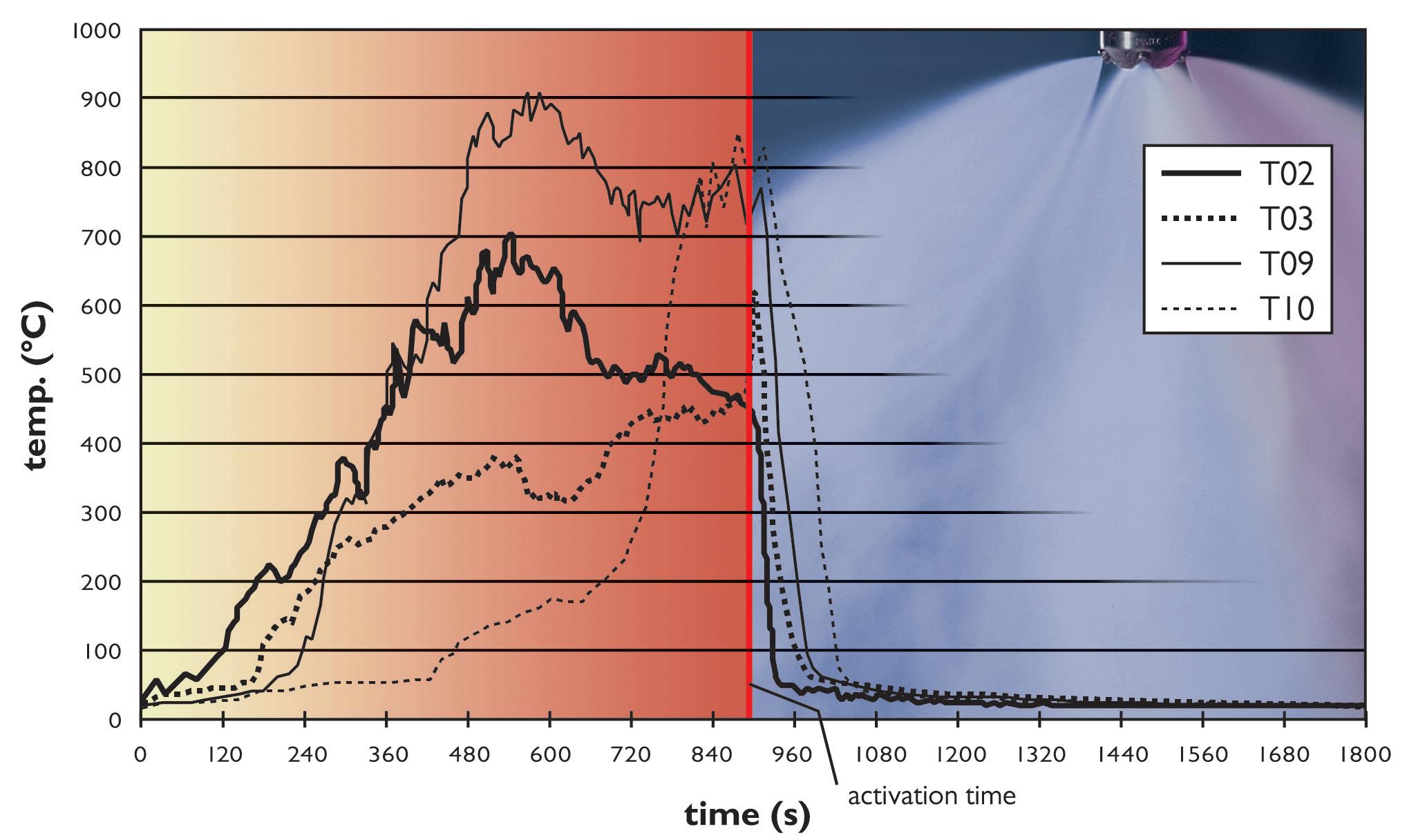
The high cooling capacity of the water mist and the binding of smoke quickly lower the ambient temperature and improve visibility. This creates optimal conditions for evacuation and access for the fire services. At the same time, the building and adjacent areas are protected.
Compared to conventional sprinkler systems, a fire protection system with high-pressure water mist requires up to 90 percent less extinguishing water. The reduced water consumption minimises secondary damage and operational downtime after a fire. The effectiveness of the technology has been proven for every application through full scale fire tests under real conditions.
High-pressure water mist combines technical efficiency with planning
freedom. Due to the low water volume, only small pipe sizes with a diameter of 12 millimetres to a maximum of 60 millimetres are required for main risers. This saves space, simplifies installation and allows integration even in filigree or listed structures. The high pressure enables stable system performance even across large building heights – a crucial aspect in high-rise buildings over 100 metres.
Modern high-pressure water mist systems have redundant pump modules and separate power supplies. This means that protection remains fully intact even in the event of partial failures or maintenance.
In addition, the systems utilise very compact pumps and significantly smaller water tanks. This is particularly important in high-rise buildings, as it means less static load, less space requirements and thus more usable space.
Another important aspect that is becoming increasingly significant is sustainability. High-pressure water mist works without chemical additives and is therefore harmless to humans and nature. The low water consumption also means that only a small amount of contaminated extinguishing water is produced. In addition, almost exclusively stainless steel components with a long service life are used. The technology
thus meets today’s environmental, social and governance (ESG) requirements and contributes to environmentally conscious building operations.
The reliability of a high-pressure water mist fire protection system is based on extensive full scale fire tests that demonstrate fire suppression, temperature control and damage limitation. The basis for the consistently performance-oriented testing approach are fire test protocols for office and residential areas, raised floors and
suspended ceilings, as well as storage and technical rooms (VdS 3883-1/3/5 and EN 14972-2/3/6). The requirements for high-rise buildings with a height of more than 45 metres are described in the VdS 3188 standard.
Independent testing institutes such as VdS, FM, CNPP, IFAB and TÜV are testing and certifying high-pressure water mist systems. These tests ensure that each system not only meets regulatory requirements but also demonstrates its real performance in demanding applications – from office high-rises to car parks with electric vehicles.
High-pressure water mist as a future technology in high-rise construction
With its combination of efficiency, sustainability and architectural flexibility, high-pressure water mist meets the key requirements of modern high-rise planning. The technology makes it possible to control fire risks without compromising on design or ecology.
In the wake of increasing ESG requirements, sustainable urban development and the digitalisation of buildings, high-pressure water mist is becoming even more important. fogtec.com
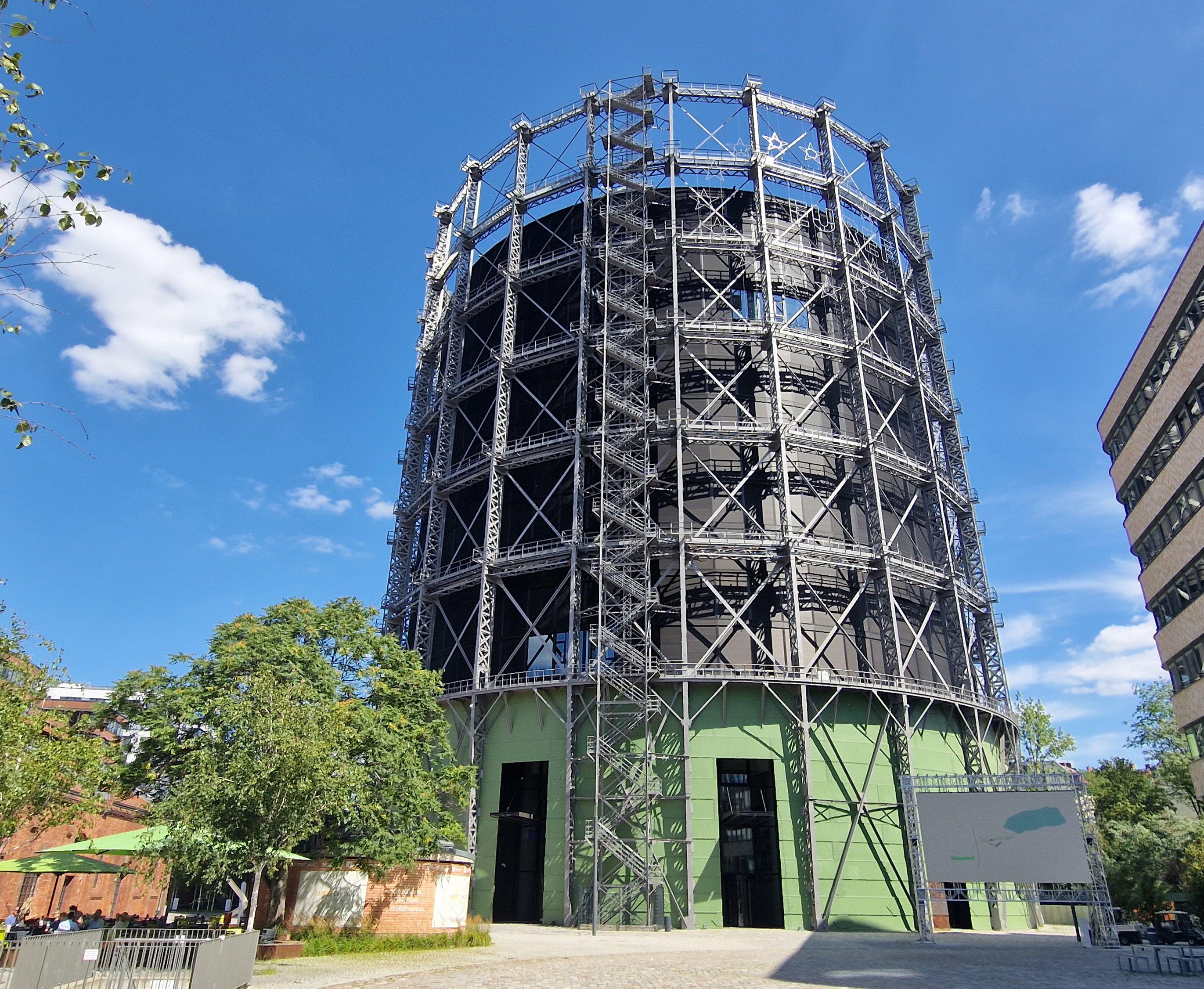
Whether it’s a historic conversion like the Gasometer in Berlin or a technical masterpiece like the Mecca Clock Tower, these projects show that high-pressure water mist isn’t just a fire protection system, but an integral part of futureproof architecture.
The Gasometer in Berlin – sustainable fire protection in a listed steel structure Few projects combine history and the future as impressively as the Gasometer in Berlin. Built in 1913 as a gas storage tank for a power plant, it has been converted in recent years into a modern 18-storey office tower. The characteristic steel structure and appearance of the building had to be preserved during the conversion, so the listed building was given a fully glazed façade behind the historic steel framework. In addition to offices, the Gasometer also houses event rooms, technical floors and a car park.
With a diameter of 60 metres and a height of 78 metres, the Gasometer is one of the three largest gas domes in Europe. The listed building placed the highest demands on fire protection. Exposed steel structures, a fully glazed façade and high ceilings called for a system that combined safety, aesthetics and technical feasibility. The engineering firm HHP therefore designed a VdS-approved highpressure water mist system.
The entire fire suppression system was planned in Revit 3D so that spray obstacles could be taken into account. The building complex was equipped with a so-called automatic wet system with glass bulb nozzles. Around 5,000 nozzles and 34 section valves were installed on the 18 floors. Redundant pump units and two water tanks in a pump room measuring just 25 square metres ensure an operating time of at least 60 minutes.
The effectiveness of the system was validated in fire tests in accredited fire laboratories and witnessed by France’s National Centre for Prevention and Protection (Centre National de Prévention et de Protection — CNPP) and Germany’s Institute for Applied Fire Safety Research (IFAB).
The scenarios in the event area with a room height of 12 metres and in the car park with electric vehicles were particularly challenging. In both cases, the high-pressure water mist reduced the temperature and heat radiation to a safe

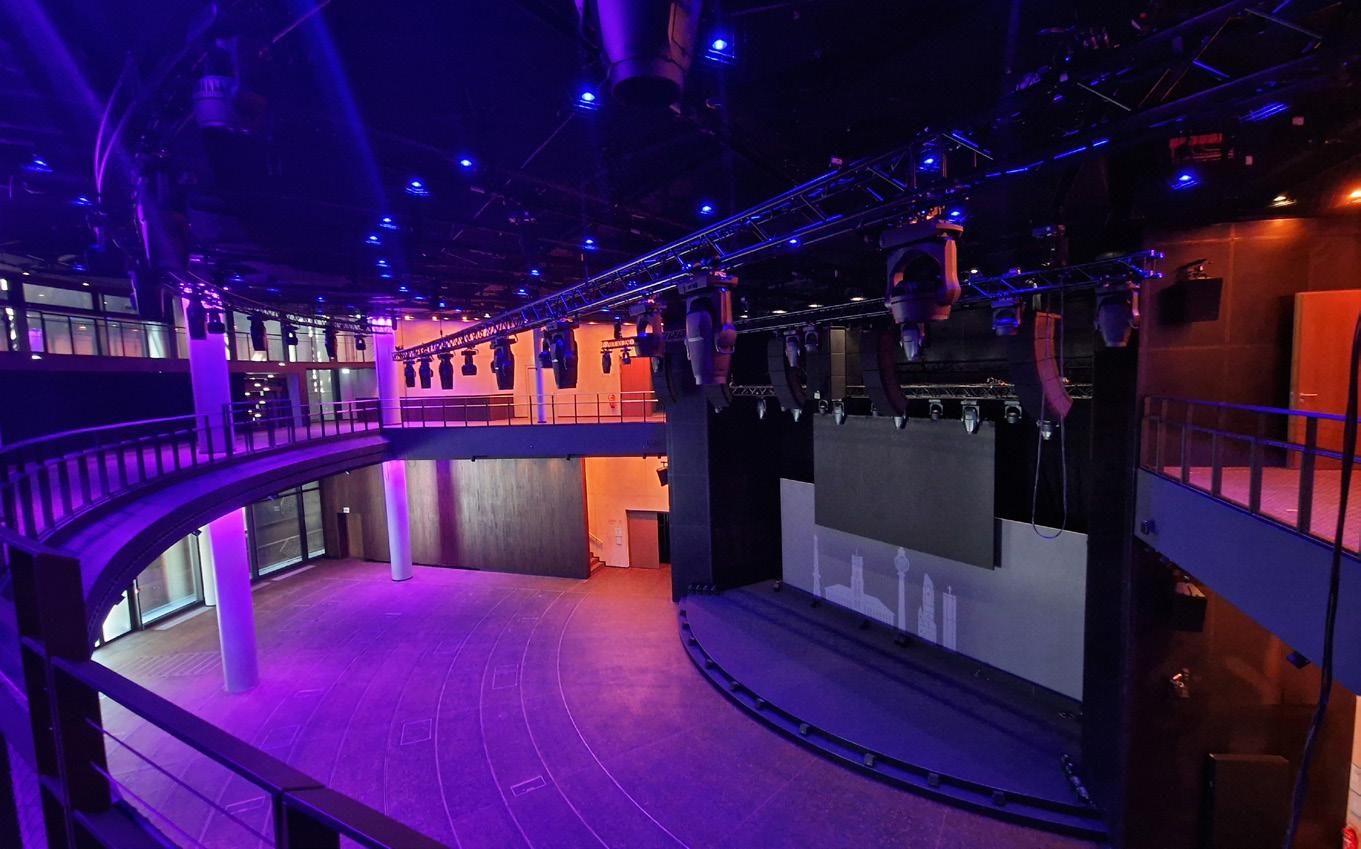
level within a few minutes. In the case of the electric vehicles, the propagation of fire to neighbouring vehicles was prevented.
Thanks to the small pipe diameters, the system could be seamlessly integrated into the historic steel structure. The Gasometer thus exemplifies how modern fire protection, monument preservation and sustainability merge into a holistic solution with high-pressure water mist.
The Mecca Royal Clock Tower – fire protection at a height of 600 metres Another exceptional example of the use of a high-pressure water mist fire suppression system is the Mecca Royal Clock Tower in Saudi Arabia. At 600 metres, the structure is one of the tallest buildings in the world and combines a hotel, museum, observatory and the world’s largest clock.
The special fire protection requirements arose from the combination of steel
construction in the upper part of the building, high fire loads and limited loadbearing reserves. A conventional sprinkler system is installed in the lower 400 metres of the hotel. However, for static and hydraulic reasons, a sprinkler system was not an option for the upper part of the Mecca Royal Clock Tower.
In close consultation with architects and fire protection consultants, a highpressure water mist system was therefore installed in the upper 200 metres –including the Royal Clock, the Islamic Museum and the observatory. The fixed system was supplemented by manual firefighting stations operated with water mist lances.
Full scale fire tests proved the high efficiency of the technology even in exhibition rooms over 10 metres high. The result: reliable, resource-saving and space-saving fire protection in a building that is regarded worldwide as a symbol of technical and architectural excellence.


For over 10 years, more than 1.5 million managers have relied on IOSH awareness courses to help their teams get home safe.


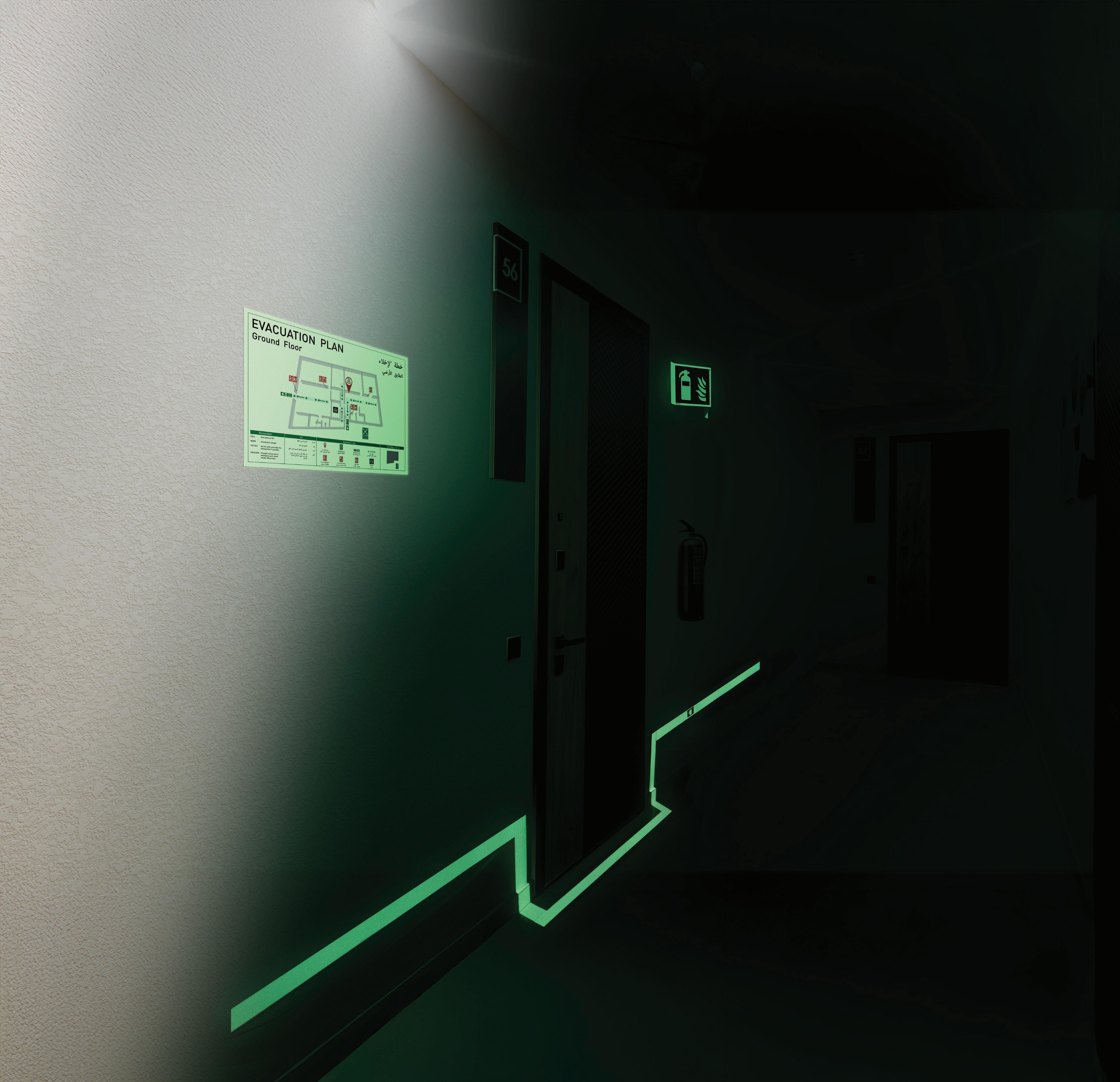


Peter
The skylines of Dubai, Riyadh, Doha and other regional hubs now read like an index of ‘mega-projects’: high-rise towers, dense mixed-use districts and transit-oriented developments built at extraordinary speed. Behind the architectural ambition we’ve seen many serious fires, including the recent tragic incident in Hong Kong which focuses our attention on robust fire strategies for all buildings. A fundamental requirement for all buildings is the safe egress of all occupants to a place of safety.
A fire strategy should bring together all elements of the building’s fire safety provisions including, but not limited to, active fire protection systems, means of escape, smoke management, firefighting facilities and fire safety management.
As Middle Eastern cities grow ever taller and more complex, the performance of fire-resisting walls, slabs, doors, shafts and firestopping has become as critical as sprinklers and alarm systems — arguably more so, because when passive
measures are designed and installed correctly by a third party approved contractor, they prevent a small fire from spreading beyond the room of fire origin and becoming an incident of international concern.
The idea of using construction to limit fire spread is not new. After catastrophic urban fires in ancient Rome, Emperor Nero and his successors introduced early rules on building spacing and materials to reduce conflagration risk. Centuries later, the Great Fire of London (1666) drove a move away from timber party walls towards masonry fire walls, limits on overhanging storeys and tighter control of street widths. Those historical catastrophes created the first recognisable ‘fire compartment’ thinking at city scale.
In the 20th century, as steel and reinforced concrete allowed buildings to
grow taller, codes began to formalise fire-resistance ratings for structural frames, floors, walls and doors. Today, passive fire protection is defined as a set of built-in measures – fire-resisting walls, floors, doors, firestopping, fire dampers and structural protection –tested as assemblies to deliver a defined fire-resistance duration, typically 30–240 minutes.
For high-rise and complex occupancies, that strategy is expressed through compartmentation: dividing the building into cells or fire sections so that any one fire can be contained long enough for people to escape or be defended in place, and for firefighters to intervene.
In a low-rise warehouse, a fire that breaches one compartment may still be accessible to fire crews from outside. In a 70-storey residential tower or a multitower podium complex, the consequences
of losing a compartment can be orders of magnitude greater:
Vertical spread via façades and cavities can bypass multiple compartments in minutes.
Smoke migration into stairs, lobbies and lift shafts can compromise egress for hundreds of occupants.
Structural heating of critical members can threaten stability far from the fire’s origin.
Major façade fires have repeatedly demonstrated how quickly a localised fire can become a whole-building event when the façade or cavity systems defeat the underlying compartmentation strategy. More recent fires again raised questions about façade behaviour, evacuation strategies and the robustness of compartmentation in very high-density towers. While often there have not been fatalities, there have been several recent tragedies in vertical cities that are still stress-testing the limits of current codes and practices.
Fundamentals of good passive fire protection
For large and complex projects, the fundamentals of passive fire protection (PFP) can be grouped into a few core elements:
1. Robust compartmentation layout
A credible fire strategy will define: Fire compartments to limit fire and smoke to a floor or a portion of a floor; Fire sections or zones to protect critical areas: refuge floors, plant rooms, control rooms, egress routes and highrisk occupancies; Protection of vertical routes – stairs, lifts, service risers, atria – to maintain tenable egress and firefighting access.
Codes such as the UAE Fire and Life Safety Code require specific areas like emergency command centres to be separated by one-hour fire-resisting compartment walls and floors as a minimum, reflecting their criticality. Similar provisions exist in NFPA-based and national codes across the region.
2. Tested, compatible assemblies ‘Passive’ does not mean ‘simple’. Fire-rated walls, floors, doors, glazing, dampers and firestopping must be: Designed and specified as systems matched to tested assemblies;
“Major façade fires have repeatedly demonstrated how quickly a localised fire can become a whole-building event”
Installed strictly in accordance with listings and manufacturer instructions – including fixings, framing, clearances and joint details;
Compatible with each other, particularly where multiple products interface at penetrations and junctions.
Recent guidance emphasises that inspections for passive protection should verify conformity with the relevant test evidence and standards, not just visual appearance, especially for fire-rated doors and partition systems.
3. Firestopping and cavity barriers that actually work Firestopping failures are among the most common weaknesses revealed in surveys of existing buildings. A 2023 circular issued by the UAE Civil Defence specifically targeted improvements in firestopping design, engineering judgements, installation and inspection, following federal workshops on enhancing passive fire protection.
Similar concerns have arisen worldwide. The Grenfell Tower Inquiry and related analyses repeatedly highlighted deficiencies in façade cavity barriers and the lack of effective fire breaks behind combustible cladding.
4. Ongoing barrier management
For mega-projects, barrier management — treating fire-resisting walls, floors, doors, dampers and firestopping as a managed asset — is now increasingly seen as best practice. Specialist guidance and NFPA standards (e.g. NFPA 80 for fire doors and dampers) call for regular surveys, repairs and recurring testing intervals (e.g. dampers at commissioning, one year after, then every four to six years depending on occupancy).
In dense mixed-use districts where fitouts, tenant changes and service upgrades are continuous, this kind of programme is essential to prevent gradual erosion of the original compartmentation design.
Mega-projects in the Middle East are increasingly pushing beyond conventional cast-in-place construction towards modular, prefabricated and industrialised building methods. This shift presents both challenges and opportunities for passive fire protection.
1. Modular and prefabricated volumetric construction
Volumetric modular units, such as factorybuilt rooms or pods assembled on site, are gaining traction for hotels, student housing, worker accommodation and even mid- to high-rise residential projects. From a PFP perspective, modular construction offers powerful advantages:
Factory-controlled quality: Fireresisting walls, floors, ceilings and cavity barriers can be built in controlled conditions, with integrated firestopping around services and structurally robust joints.
Repeatability: Standardised details for door sets, riser penetrations and junctions can be refined, tested and rolled out at scale.
Integrated compartmentation: Individual modules can be designed as self-contained compartments, or as part of larger fire sections, using fire-rated boards, composite panels and encapsulation systems purposedesigned for modular construction.
However, several high-profile fires involving modular or prefabricated buildings (such as the Moorfield Hotel fire in Scotland and other modular losses) have highlighted risks where combustible materials, unprotected joints or poorly detailed interfaces allow hidden fire spread. Insurers and regulators now expect modular fire strategies to demonstrate performance at module-tomodule joints, corridor connections and façade interfaces, not just within the pod.
For Middle Eastern mega-projects, where modular worker accommodation and remote camp facilities are common, these lessons are particularly relevant.
2. Advanced fire-resisting materials and systems
Manufacturers have developed a wide range of high-performance boards, composite panels and spray-applied or intumescent coatings aimed at both traditional and modular construction. Prominent solutions include:
Concrete or calcium-silicate-based boards and composite panels used to create slim, highly fire-resisting walls, ceilings, service enclosures and blastresistant barriers.
Integrated structural protection systems for steel and modular frames that combine structural fire protection with compartmentation functions.
Improved cavity barrier and firestop products tailored for modular joints, façade interfaces and penetrations in lightweight assemblies.
For mega-projects, these systems can reduce structural depths, minimise weight and speed installation – critical benefits for super-tall towers and long-span podiums – provided that they are fully supported by test evidence at the required fire ratings and configurations.
3. Digital design, BIM and PFP data
A major emerging trend is the integration of PFP into Building Information Modelling (BIM) and broader digital project workflows: Digital fire strategy models can embed compartment boundaries, fire-resistance ratings and door performance requirements directly into the BIM environment.
Clash detection can be configured to flag services that penetrate rated walls or floors without an associated tested firestop system.
Asset tagging allows every fire door, damper, firestopped penetration and fire barrier to be assigned a unique ID linked to as-built data, test reports and maintenance history.
This enables a true ‘barrier management system’ at district scale, where multiple towers, podiums, transport hubs and infrastructure elements share interconnected fire strategy data.

4. Smarter inspection and assurance Codes and guidance are increasingly emphasising verification and competence in passive fire protection: Regular inspections of fire doors, walls and partitions to verify function and conformance.
Greater scrutiny of Engineering Judgements (EJs) for firestopping, especially where project-specific details fall outside tested configurations.
Use of digital tools, such as tabletbased inspection apps, photo records and asset databases, to support defensible compliance records across mega-projects.
Given the lessons from Grenfell and other façade fires, regulators are also demanding clearer evidence that façade systems, insulation and cavity barriers
will perform as a system, not just as individual tested materials.
Codes, lessons learned and the Middle East context
High-rise façade fires in the Gulf, combined with international disasters, have already driven significant changes in codes and practice:
The UAE Fire and Life Safety Code has been repeatedly updated to tighten requirements on cladding combustibility, façade testing and passive fire protection.
Other Middle Eastern jurisdictions, including Saudi Arabia and Qatar, have progressively aligned their regulations with international benchmarks (NFPA, IBC, EN standards) while also introducing local façade and highrise provisions influenced by recent incidents globally and regionally.
In the UK, the post-Grenfell regulatory overhaul includes bans on combustible cladding in certain high-rise residential applications and a sustained national programme to remove dangerous cladding, with a target to remediate most high-risk buildings by 2029.
Several consistent lessons emerge from inquiries and case studies:
1. Compartmentation must be sacrosanct.
Breaches – through cladding, service penetrations, poorly protected shafts or defective doors – rapidly invalidate ‘stay put’ strategies and endanger occupants and firefighters.
2. Façades are part of the compartmentation system.
External walls, insulation and cladding cannot be treated as purely architectural or energy-efficiency features; their fire performance must be fully integrated with the fire strategy.
3. Competence and accountability are critical.
Failures in design, specification, installation, supervision and maintenance have repeatedly been identified as causal factors, often more than outright absence of regulation.
4. Retrofitting and legacy stock matter. Many tall buildings in the region and worldwide were built to earlier standards. Proactive surveys, façade assessments and PFP upgrades are crucial, especially where combustible cladding or unknown firestopping details exist.
Meeting the demands of mega-projects: practical recommendations
For developers, authorities and design teams delivering major Middle Eastern projects, from branded super-tall towers to giga-projects and tourism cities, the following practices can help ensure that passive fire protection and compartmentation are equal to the ambition of the architecture.
1. Start with a risk-based fire strategy
Use performance-based fire engineering, where permitted, to understand credible fire and smoke spread scenarios, within compartments, across façades and via cavities and shafts.
Explicitly define compartmentation philosophy: where fires must be contained, where phased evacuation or defend-in-place is expected, and how fire services will access and operate.
2. Treat façade design as a firecritical system
Require façade systems (cladding, insulation, cavity barriers, sub-frame) to demonstrate tested performance as an assembly at relevant scales and configurations.
Carefully coordinate balcony details, spandrel zones, window-to-slab junctions and corners — common weak points in cladding fires.
For refurbishment or recladding projects, insist on rigorous intrusive surveys and remediation of existing firestopping and cavity barriers.
3. Integrate PFP into modular and prefabricated strategies
For modular pods, define whether each module is a compartment or part of a larger compartment, and test joint details accordingly.
Pre-install as much of the compartmentation as possible in the factory, such as firestopping within pods, rated shafts, risers and service zones, to reduce onsite variability.
Work closely with insurers and authorities to demonstrate equivalence or superiority of modular PFP performance compared to conventional construction, referencing lessons from past modular fires.
4. Build a barrier management culture
Create a project-wide PFP register for all fire-resisting construction, linked to the BIM model.
Implement a structured inspection regime for fire doors, walls, floors, dampers and firestopping, aligned with NFPA and local code requirements.
Set clear change-management rules so that fit-out contractors, IT teams and MEP specialists cannot compromise rated construction without approved firestopping details and inspections.
5. Strengthen competence and collaboration
Require demonstrable PFP qualifications and experience for designers, fire engineers, installers and inspectors.
Encourage early collaboration between architects, structural engineers, MEP designers, façade specialists, fire engineers and Civil Defence/Authority Having Jurisdiction (AHJ).
Use Qualitative Design Reviews (QDRs) or equivalent structured workshops at key design stages to challenge and refine compartmentation, façade strategy and PFP details across stakeholders.
Passive first, not passive later
The Middle East’s vertical cities and mega-projects are redefining what is possible in the built environment. But the fires that have captured global attention – from Grenfell in London to cladding fires in Dubai and other Gulf cities — have shown that bold architecture without equally bold fire safety thinking is an unacceptable gamble.
Passive fire protection and compartmentation are the backbone of any credible strategy for these developments. They must be:
Thought about early; Treated as critical engineered systems, not decorative finishes; Verified through testing, inspection and digital management; and Continuously maintained throughout the life of the asset.
If designers, developers, regulators and operators embrace the full potential of modern PFP systems – especially within modular and prefabricated approaches –then the region’s most ambitious projects can also become global exemplars of resilience, not just of height and scale.
Ensure a continuous water supply during large-scale fires
When confronted with large urban or industrial fires, firefighters need substantial water supplies to protect the environment and combat the blaze effectively.
Hytrans’ mobile water transport systems have powerful pumps that allow firefighters to draw water from sources far away, overcoming the limitations of conventional systems.
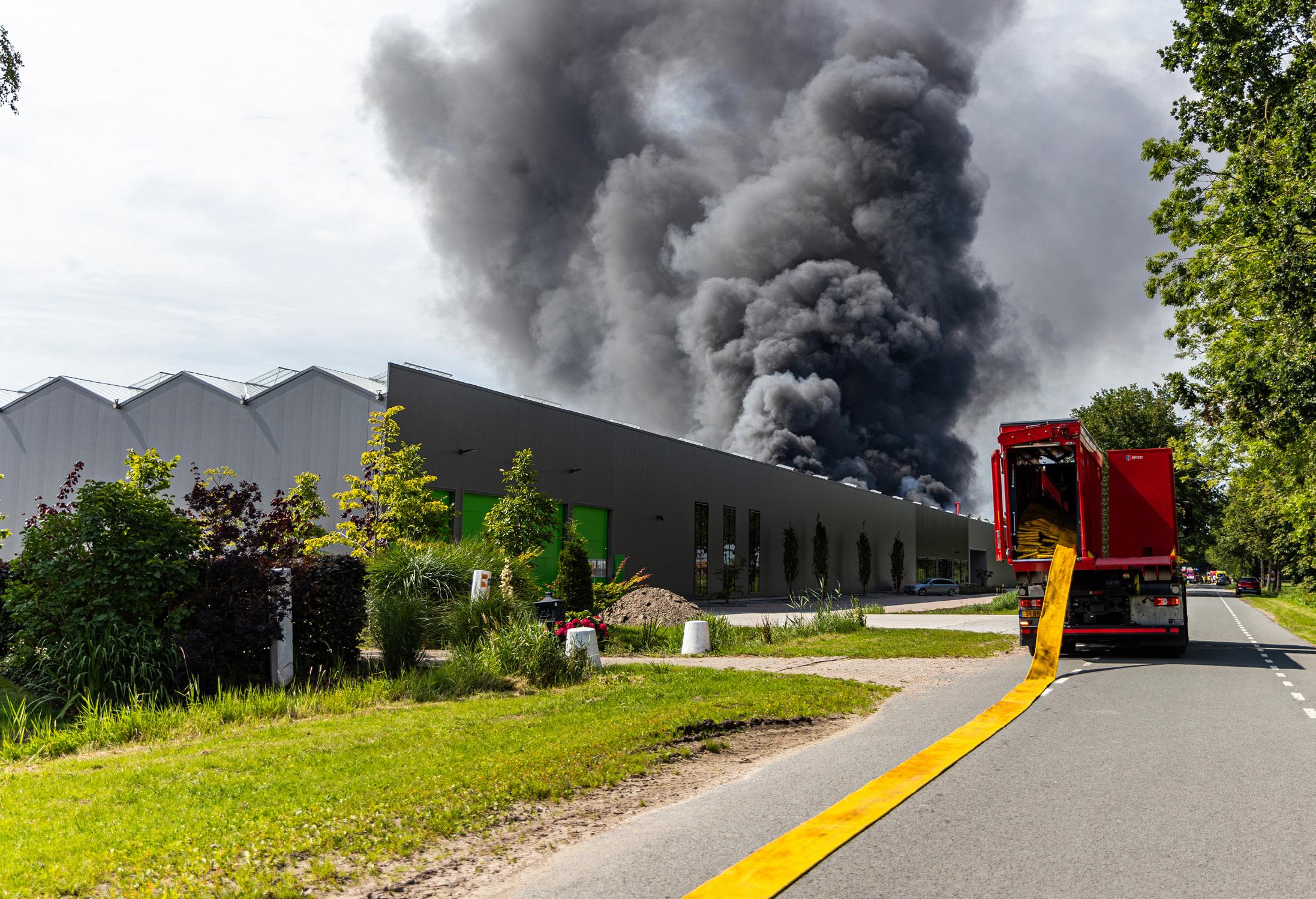
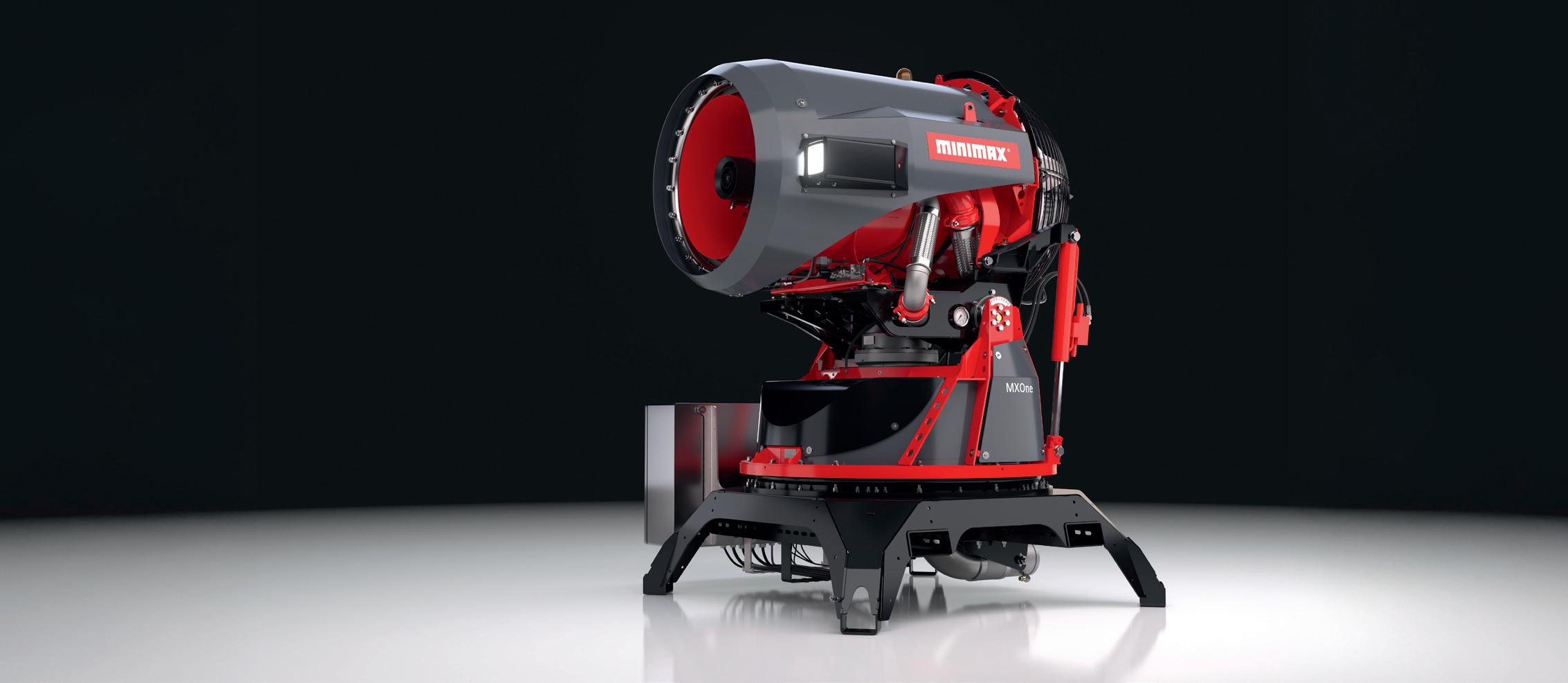
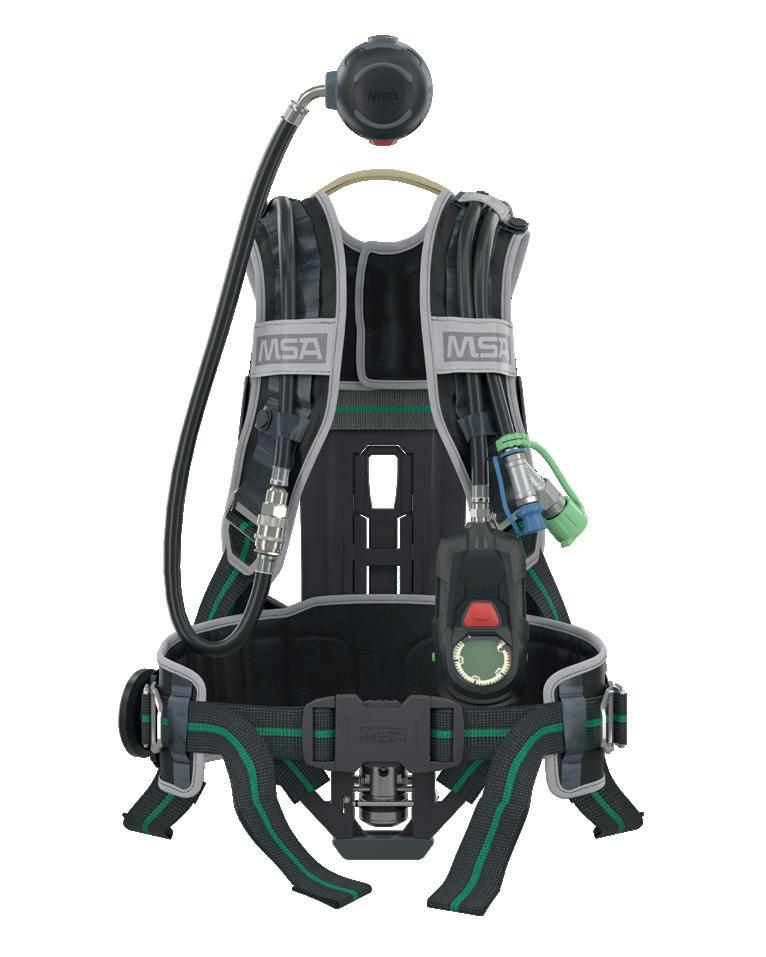
Safety is at the forefront of everything we do. See how the MSA Connected Firefighter Platform ecosystem of products work together to help keep you safe, connected, and accounted for – even in the most dangerous situations. When deployed, you create a network of safety on-scene, off-scene, and post-scene.
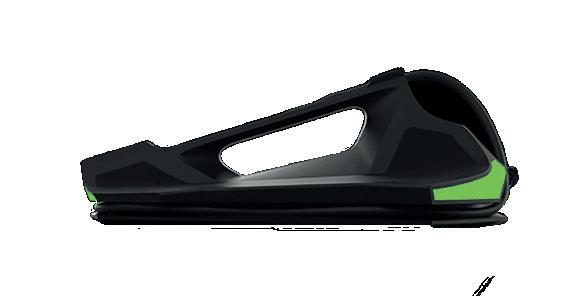

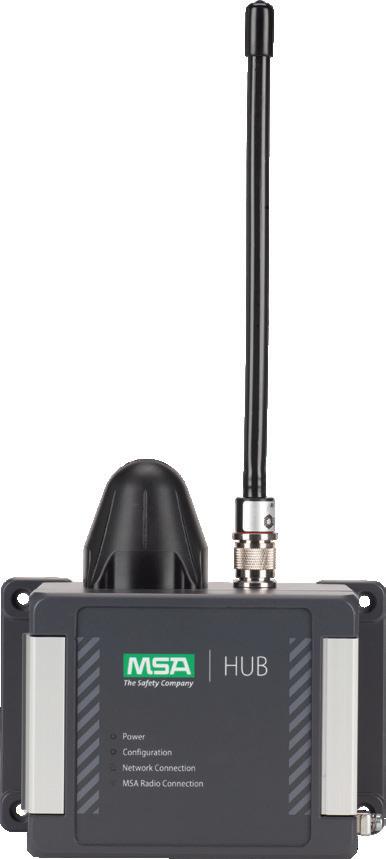

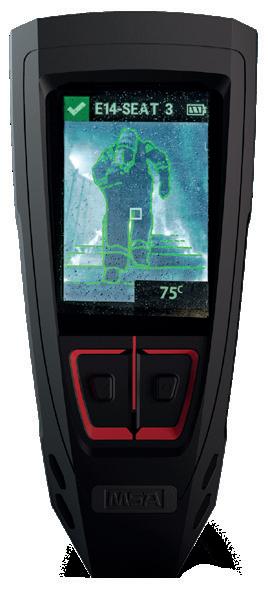

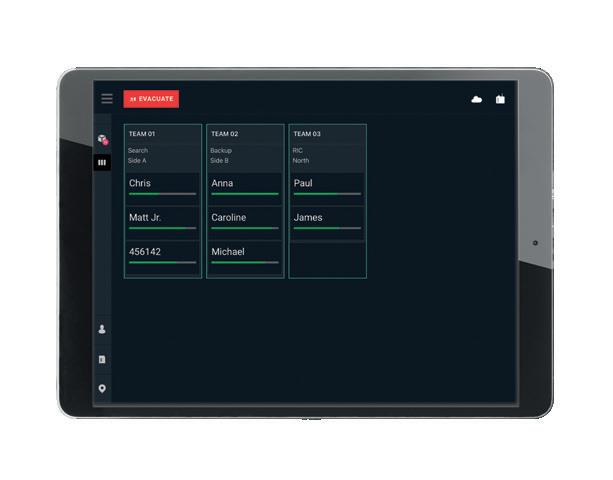
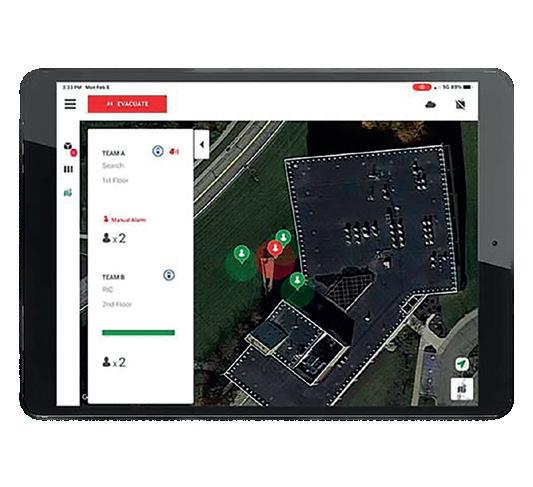

Barry Allan, PPG Global Key Account Manager, Infrastructure, Protective and Marine Coatings, discusses why global standards should drive passive fire protection
The Middle East’s US$3.9 trillion (AED $14.3 trillion) construction pipeline has pushed fire safety to the forefront of project planning, according to a 2024 Jones Lang LaSalle report. As airports, stadiums and megaprojects rise across the region, industry leaders call for alignment with global passive fire protection standards to address increasingly complex fire risks.
Project teams (from owners and engineers to fabricators and applicators) face growing pressure to choose passive fire protection (PFP) systems that exceed compliance. PFP systems need to perform under real-world conditions and meet modern building codes. Outdated test methods no longer reflect today’s risks or the complexity of regional megaprojects.
For decades, British Standard (BS) 476 Parts 20 and 21 influenced fire protection
strategies across the Middle East, largely due to historical ties and longstanding familiarity. These two parts specifically define how to test the fire resistance of structural building elements.
However, BS 476 Parts 20 and 21 are fire test methods only. While they define performance criteria such as integrity, insulation and loadbearing capacity, they do not explain how to apply the results in broader design scenarios. Documents like the Association for Specialist Fire Protection (ASFP) Yellow Book, Edition 5, explain how to assess test results.
As infrastructure in the Middle East becomes more advanced, many regional authorities align with more globally recognised standards. For example, the Saudi Building Code (SBC) now references Underwriters Laboratories (UL) 263 as its preferred standard for evaluating structural fire resistance. While the SBC allows the use of “equivalent” standards, the trend clearly favours those with

stronger system-based evaluations and third-party recognition.
Compared to international standards such as UL 263 or American Society for Testing and Materials (ASTM) E119, BS 476 lacks the ability to evaluate fire performance under realistic load and restraint conditions. It does not simulate complete building systems, which is increasingly necessary for today’s high-rise, mixed-use and megainfrastructure projects.
The United Kingdom’s regulatory guidance will officially remove references to BS 476 for fire resistance testing as of 2 September 2029. That decision reflects the standard’s limited ability to meet modern safety and design needs. For large-scale projects in the Middle East (many of which involve cross-border
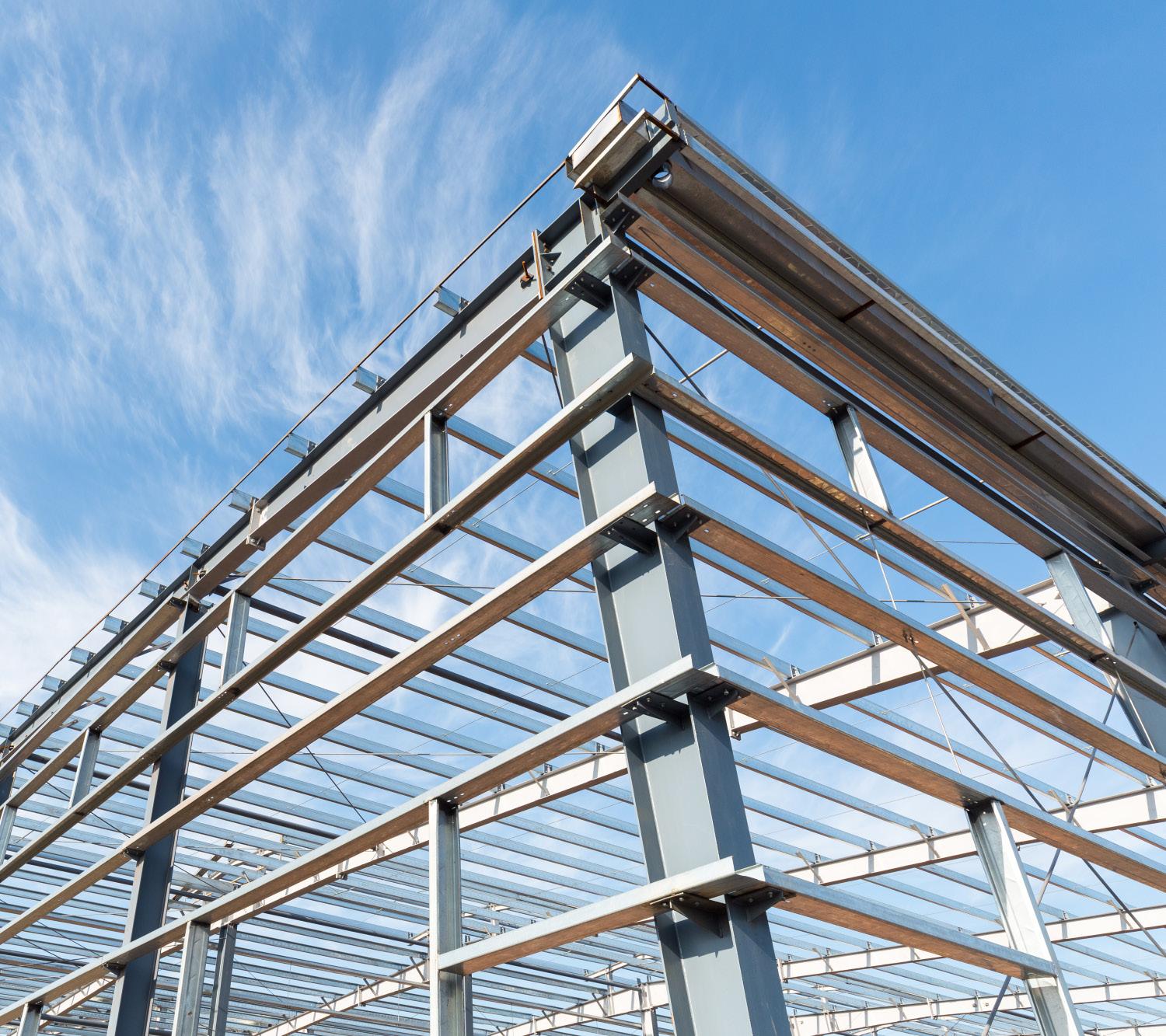
teams, international stakeholders and extended timelines) continued reliance on a standard that is being phased out presents unnecessary long-term risk. Any fire resistance specification selected today must still be valid, recognised and enforceable 10 to 15 years from now. Specifying UL 263 or ASTM E119 helps ensure consistency, performance clarity and regulatory durability, which all remain essential for infrastructure that will shape the region for generations to come.
Most failures occur in the field, not the lab. They can happen when products meet field conditions. This reality makes system-level testing essential.
Fire safety depends on how coatings perform under actual loading, structural constraints and thermal stress. Proper testing accounts for beams, columns, floor assemblies and load conditions.
A coating applied to an unloaded, unrestrained column does not represent performance on a roof truss supporting HVAC systems.
Third-party tests under UL 263 and ASTM E119 simulate full configurations. They examine how primers, topcoats and intumescent layers interact during fire exposure. They define the dry film thickness (DFT) needed to meet 30, 60, 90 or 120-minute ratings. These factors cannot be left to interpretation.
The region’s most advanced codes, including SBC 801 and the United Arab Emirates Fire and Life Safety Code, now
expect this level of evaluation. Owners, contractors and fabricators must demand it as well.
Global specifications exist because not all fire test standards deliver the same level of assurance. UL 263 and ASTM E119 are designed to simulate realistic structural fire conditions. They apply defined loads and evaluate failure based on insulation performance and structural integrity. By comparison, BS 476 Parts 20 and 21 focus on controlled laboratory conditions and do not assess the performance of complete systems under realistic restraint or environmental stress.
A key difference is that BS 476 does not include durability testing. While it outlines how to test fire resistance in
ideal conditions, it does not measure how materials perform after exposure to humidity, temperature changes or mechanical wear. UL 263, supported by the methods in UL 2431, includes durability tests that reflect how fire protection systems behave over time in real environments.
Products certified under UL and ASTM are typically subject to third-party factory audits, listing programmes and regular compliance reviews. BS 476 listings can also be certified through programmes such as Certifire or listed in the Red Book, which adds oversight. However, the standard itself does not require system-level verification or environmental conditioning of tested assemblies.
Some suggest BS 476 tests more pieces of steel than UL or ASTM, but the number of specimens alone does not determine reliability. What matters more is how tests are designed and what failure criteria are applied. UL and ASTM methods use well-defined thresholds for load, temperature and time, which provide more consistent and repeatable results.
Without consistent benchmarks and durability criteria, systems that pass under one test method may not perform the same under another. This gap can lead to confusion in specifications, unexpected performance issues or delays during approvals. Understanding how a system was tested and under what conditions proves essential to making informed decisions. Specifiers and asset owners must ask the right questions to ensure confidence in the fire protection systems they choose.
Middle East conditions bring extreme heat, dust, humidity and ultraviolet (UV) exposure. Coatings must do more than withstand fire. They must survive the elements for years without breaking down.
Standards like UL 2431 now evaluate environmental durability. They simulate ageing, weathering and thermal cycling. This testing helps ensure the system performs not just on day one but over the full life of the structure.
Durability becomes even more critical in modular construction when coatings on steel face transport, handling or delayed construction. Premature cracking or delamination can compromise fire
Projects outside the Middle East already reflect the shift toward global testing. For example:
Two major stadiums during the most recent season applied PPG STEELGUARD® 951 and STEELGUARD® 801/851 systems. These high-traffic environments demanded advanced fire resistance without sacrificing structural design or timelines. The thin-film intumescent systems delivered proven fire performance and corrosion protection under stringent stadium safety regulations.
On a major multi-phase commercial development, PPG intumescent coatings were introduced after a competitor’s system failed during the initial phase. The project team selected PPG STEELGUARD® systems to ensure reliable fire performance and consistent aesthetic quality across subsequent construction phases. The change supported the project’s recovery without impacting timeline or visual continuity.
These examples show that projects can meet strict fire safety standards without compromising schedule, cost or appearance.
protection. Owners and engineers must select systems with a proven ability to endure climate, time, transportation and handling.
Coating systems carry long-term safety implications. Owners, contractors, fabricators and applicators must all ask clear, consistent questions before specifying a PFP product.
Has the product passed testing under UL 263 or ASTM E119?
Did testing include full structural assemblies under maximum load? Were primers and topcoats tested as part of the system?
Has the coating been tested for durability in accordance with UL 2431, EAD 350402-00-1106? If UL 2431 was used, does the test align with the correct environmental classification for the intended project conditions? Can the system deliver consistent performance across different environments?
When suppliers cannot answer with thirdparty data, find one who can.
Most large projects in the Middle East involve international teams. The owner may sit in Saudi Arabia, the engineering firm in Europe, and the fabricator in Asia. These realities demand one clear language of safety. UL 263 and ASTM E119 offer that language. They give global teams a shared framework to evaluate performance, document compliance and reduce confusion. When projects cross borders, safety cannot rely on legacy or local interpretation.
The Middle East continues to shape skylines, transport networks and economic corridors. These projects require the highest level of fire safety to protect people, preserve investments and reputations. Global fire testing standards reflect the future of fire protection. They bring clarity, consistency and a higher bar for performance. When project teams specify coatings that pass full system testing under the most rigorous standards and conditions, they reduce risk and increase confidence. ppgpmc.com/pfp-whitepaper
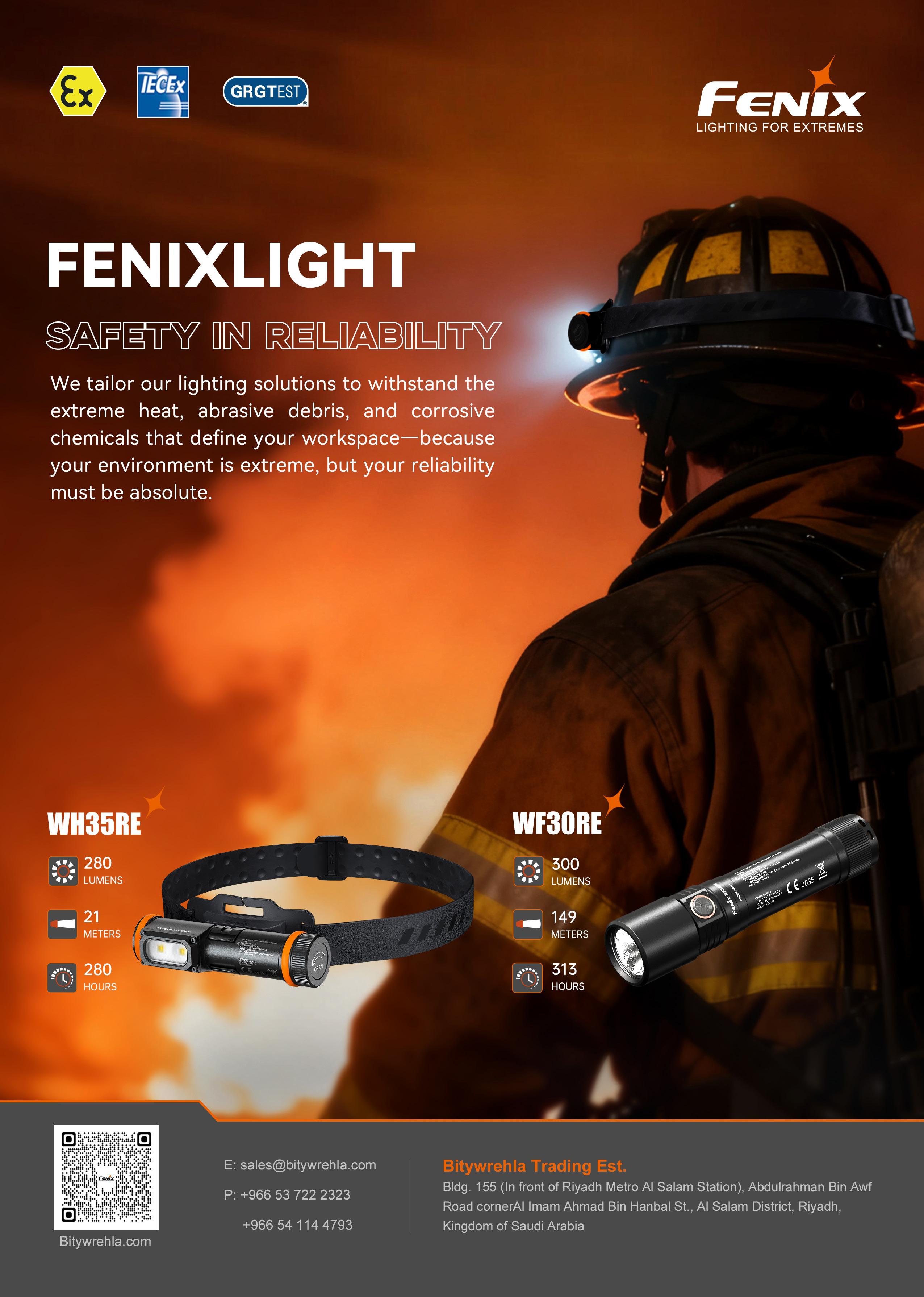
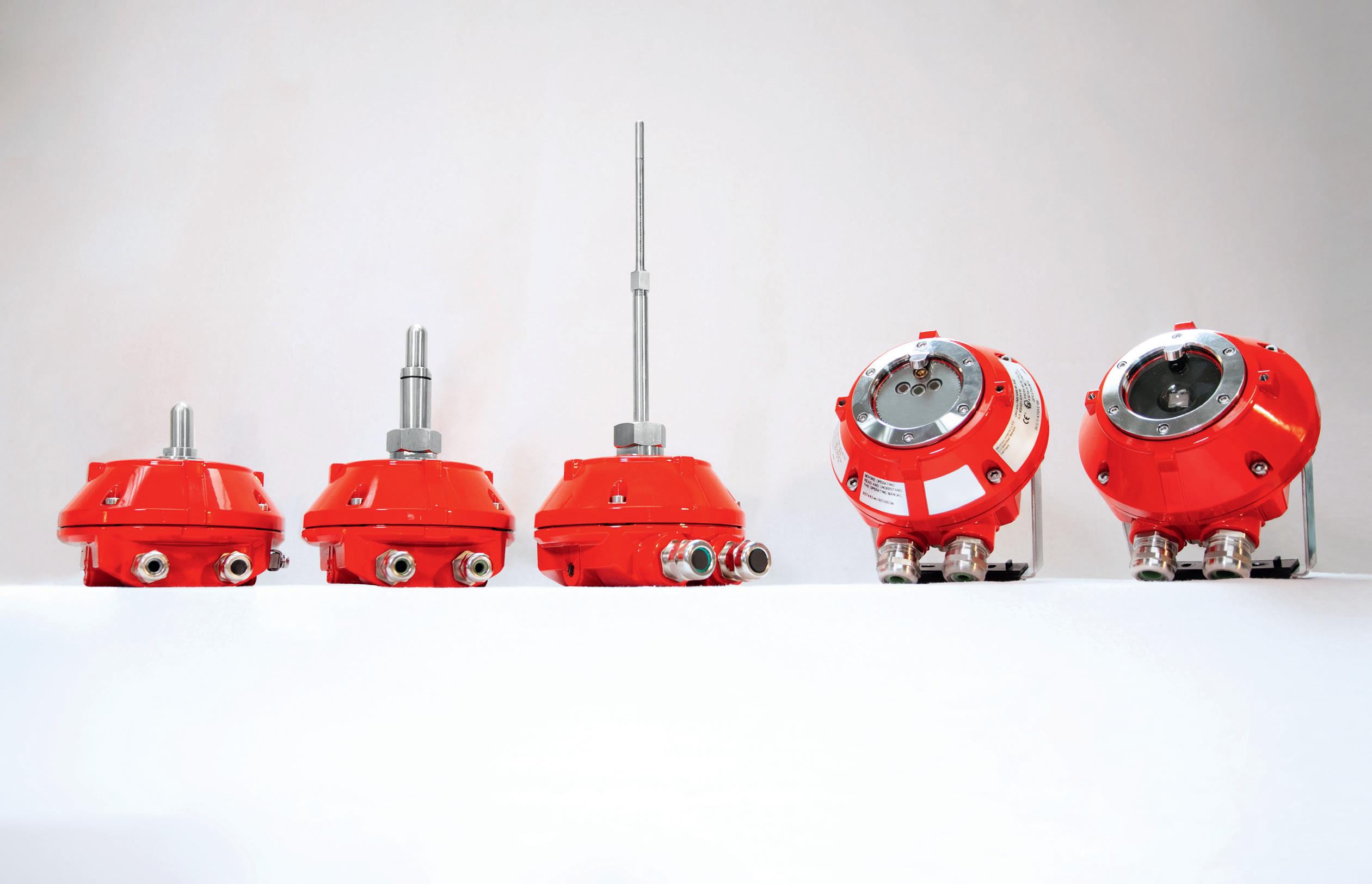
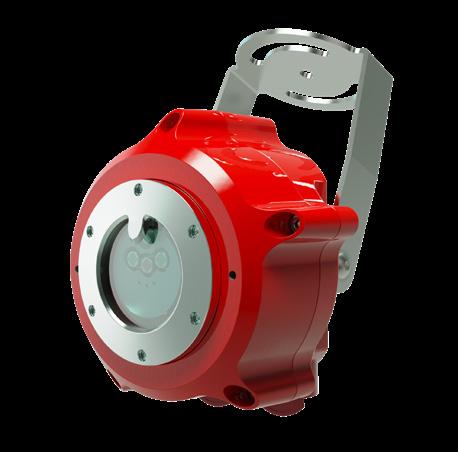
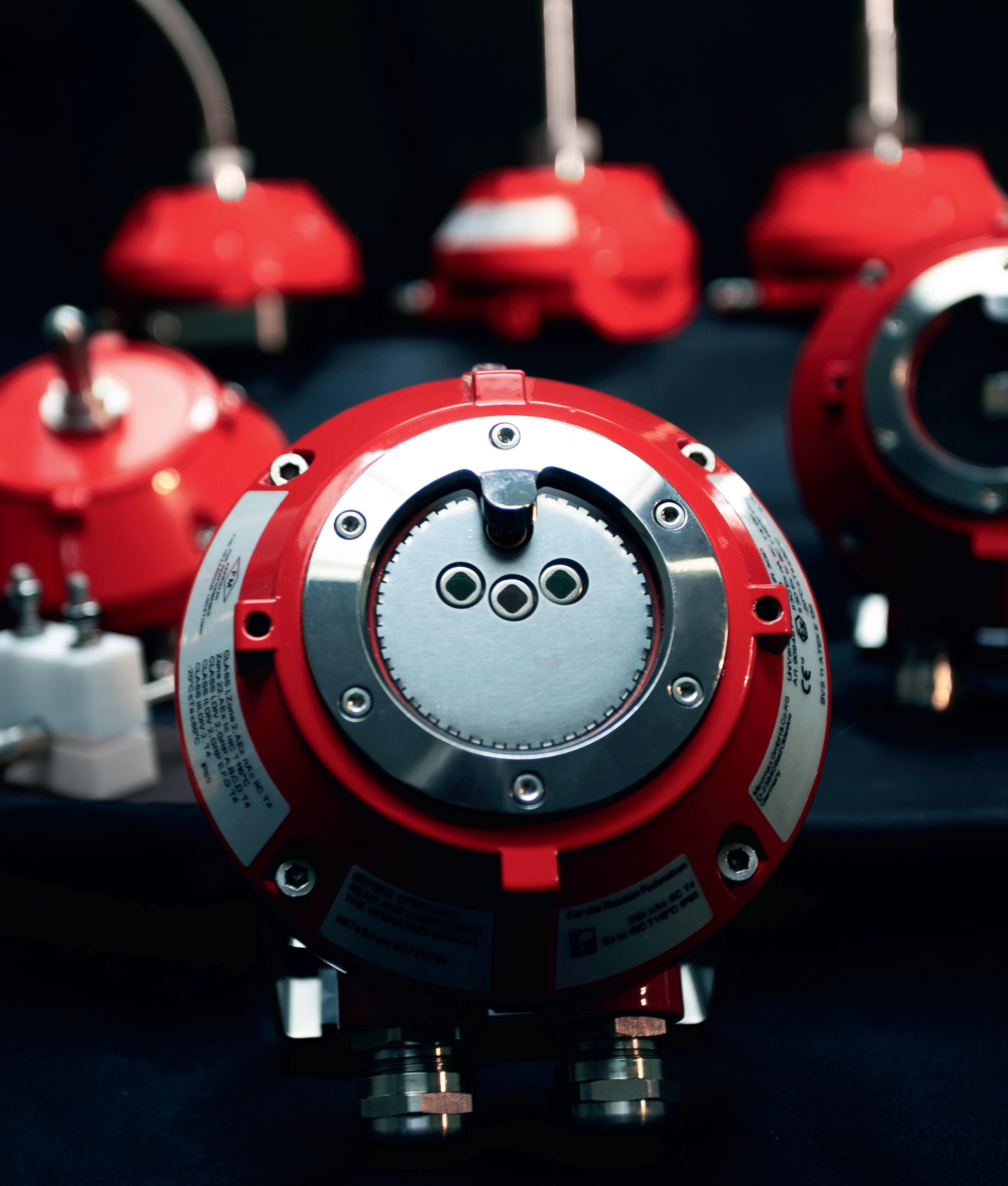

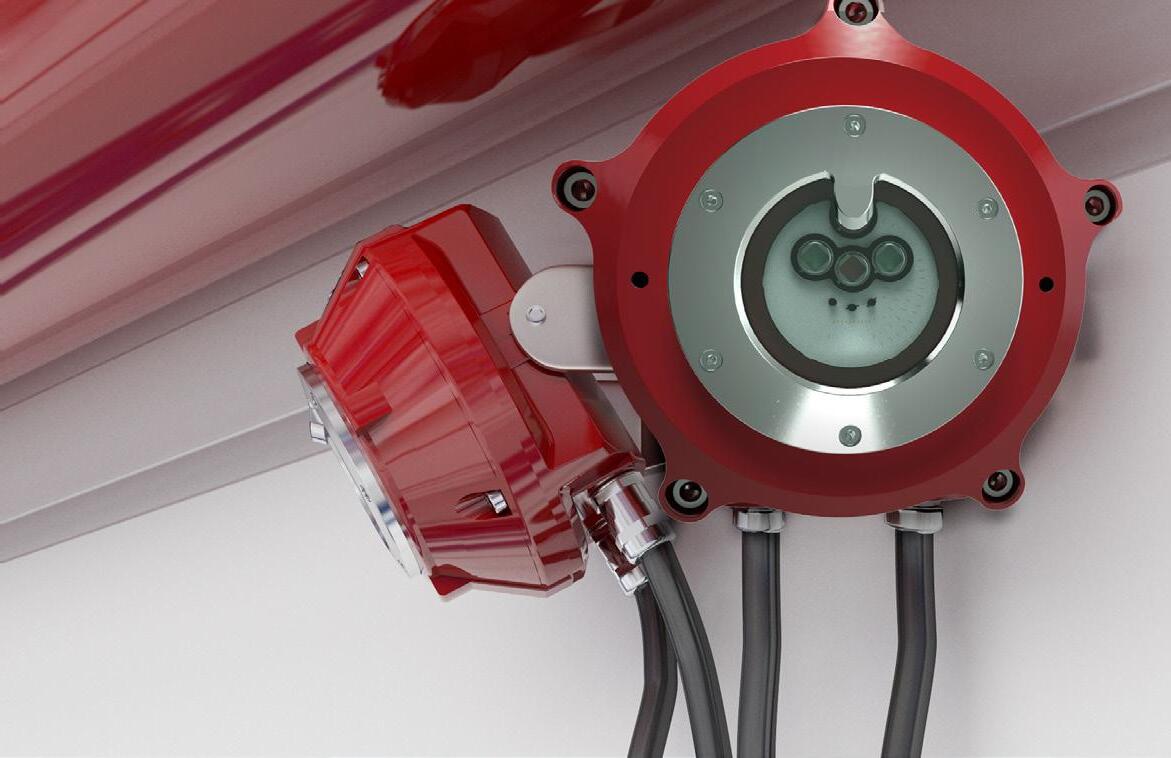
Viking EMEA is launching the UniVario FMX5000 IR Ex d, an intelligent flame detector combining rapid response, minimal false alarms, and longrange performance. This model completes the UniVario product family and introduces a variant specifically engineered for use in explosionhazardous areas. We met with Richard Williams, Viking’s Business Development Manager for Detection & Control Products, to learn more about this new addition.
What makes the FMX5000 IR Ex d different from the rest of the UniVario family?
The FMX5000 IR Ex d is a flame detector designed with explosion-proof housing. This makes it suitable for hazardous and demanding industrial environments where robust construction and dependable performance are essential.
For which industries or applications is it best suited?
This new UniVario model is well aligned with the needs of the oil and gas sector, including refineries and power-generation sites. It is also relevant for wastemanagement facilities, petrochemical plants, and other industrial settings where fire risks require early and reliable detection.
What sets this UniVario apart from competing products?
We conducted several studies, and the FMX5000 IR Ex d demonstrated consistent performance across various distances, detecting fires at up to 60 metres with stable response times, even where other devices showed limitations. In heat-gun tests, the detector did not trigger any unwanted alarms, despite the presence of heat waves. The system is also straightforward to install thanks to its separate base and detector unit, which supports efficient mounting and convenient maintenance.
With the FMX5000 IR Ex d, Viking extends the UniVario range with a model developed for use in explosion-hazardous areas. where clear, stable, and longrange flame detection is essential. The result is a detector that supports industrial operators in maintaining safety standards across complex environments.
Interested?
Contact us at vikinglux@viking-emea.com

Vinay Deshpande, Founder & Managing Director, Vitruvius Fire Safety Consulting FZ-LLC, redefines
the role of Fire Strategy Reports in building design and operation
In the fire engineering industry, the Fire Strategy Report is considered one of the most critical deliverables across design stages — concept, schematic and detailed design. Yet, in practice, these reports often fall short of their true potential. Too frequently, they are reduced to compliance checklists, reiterating adopted codes and standards of the Authority Having Jurisdiction (AHJ), noting areas of non-compliance, and presenting alternate equivalent solutions. While this fulfils regulatory requirements, it does not deliver on the essence of what a strategy should represent.
Globally, as urban environments grow taller, denser and more complex, the stakes for holistic fire safety have never been higher. From mixed-use megaprojects in the Middle East, to transit hubs and heritage refurbishments, fire strategy must integrate compliance, performance, resilience and user experience. The dilution of the word ‘strategy’ into ‘code checklist’ undermines both safety and innovation.
Compliance is necessary, but not sufficient
Code compliance is a fundamental outcome for any project. Stakeholders – owners, architects, engineers, contractors – are rightly focused on securing approvals from authorities and mitigating regulatory risk. However, a compliance-only approach makes the Fire Strategy Report transactional rather than strategic. It becomes a document of what is required rather than a vision of how fire safety is achieved holistically within the design. Compliance tells us what must be done. Strategy should tell us how safety is envisioned, prioritised and sustained across the building’s full lifecycle.
What is missing in current practice?
A true Fire Strategy should not only answer: ‘Does the design comply?’ but also:
How does the fire safety philosophy integrate with the building’s form, function and operations?
What are the priorities for life safety, property protection, business continuity and resilience?
How does the strategy adapt across the lifecycle of the building – from construction to operation, refurbishment and even decommissioning?
In reality, reports often miss out on capturing unique risks of the building, embedding performance-based design thinking, and addressing operational considerations like maintainability and adaptability.
Most Fire Strategy Reports are written for short-term consumption by design teams, AHJs and contractors. Once construction is complete, the document often loses relevance. Yet, the construction phase is only a fraction of the building’s lifespan.
“Lengthy text-heavy reports often fail to engage stakeholders”
The real strategic audience is the building operator and end user. They inherit the building and must manage tenant fit-outs, refurbishments, retrofits and change of use – all of which affect the fire safety intent. Without clear operator guidance, decisions made decades earlier are lost, and the fire safety design intent can be unintentionally compromised.
An operator-focused fire strategy should provide plain-language summaries, highlight triggers for re-engagement of fire engineers and outline adaptation pathways for future change management. This bridges the gap between design intent and operational reality.
Another common shortfall is that Fire Strategy Reports look almost identical at concept, schematic and detailed design stages. Instead of evolving in depth and focus as the design matures, they often recycle the same content with minor edits. This undermines the report’s value as a progressive strategy document.
A well-structured report should: Define the fire safety philosophy at concept stage.
Translate this into system-level strategies at schematic stage. Detail integration, coordination and performance validation at detailed design stage.
This staged evolution ensures the strategy matures in alignment with the project, offering meaningful value at each milestone rather than serving as a placeholder.
No fire strategy is without risks or deviations. Whether substituting ventilation approaches, proposing alternative solutions, or dealing with novel technologies such as energy storage
systems, a transparent residual risk register should be part of the strategy. This not only clarifies risks for the AHJ but also creates a proactive approvals engagement roadmap.
By explicitly identifying approval risks and proposed mitigations, the Fire Strategy Report becomes a trusted tool for both the design team and regulators, shifting the tone from reactive defence to proactive collaboration.
Lengthy text-heavy reports often fail to engage stakeholders. Visual tools – infographics, lifecycle diagrams, evacuation cascade schematics – are powerful in communicating complex strategies. They help operators, clients and even non-technical stakeholders understand how safety is achieved. A single well-designed lifecycle chart can demonstrate more effectively than paragraphs how fire strategy adapts across decades. Embedding these tools within the report, rather than leaving them as appendices, positions the document as an accessible reference for all project participants.
Fire Strategy Reports must evolve from compliance documents to strategic roadmaps. They should demonstrate not just what codes require but how holistic fire safety is achieved – and evolve across design stages to reflect increasing detail and integration. Above all, they must remain relevant to operators and end users, ensuring the fire safety philosophy endures throughout the building’s lifecycle. This shift would transform fire safety from a regulatory hurdle into an enabler of safer, more resilient and more adaptable buildings. It elevates the report from an approval artefact to a cornerstone of design and operational excellence.
vitruviusfire.com

As industry continues to move towards more environmentally friendly firefighting foam systems it’s important to maintain life safety standards. At Fire Lion Global our mission is to provide reliable, performance driven solutions you can count on to protect lives and property without harming the environment. Our specialized rotary gear displacement pumps are the heart of those systems handling the challenges of Synthetic Fluorine Free Foams (SFFF).
To ensure your system is environmentally safe we’ve also developed the Electronic Foam Proportioner Skid (EFPS). Incredibly accurate, the EFPS provides measurement of both the foam concentrate and the water supply without discharge. Thoughtful solutions for a safer world.
When your fire suppression system is needed you can count on us to deliver, protecting lives, property and the environment.
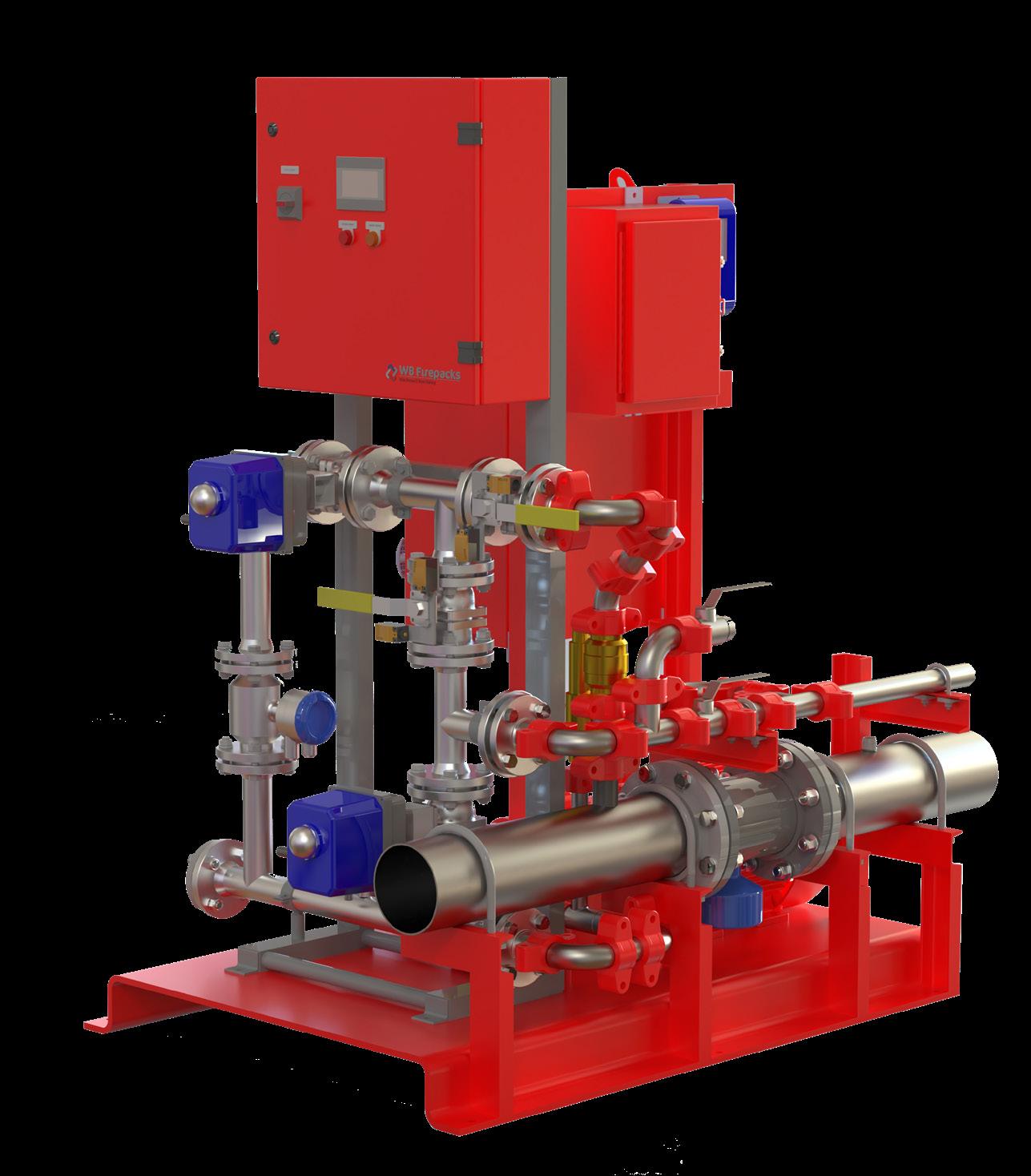

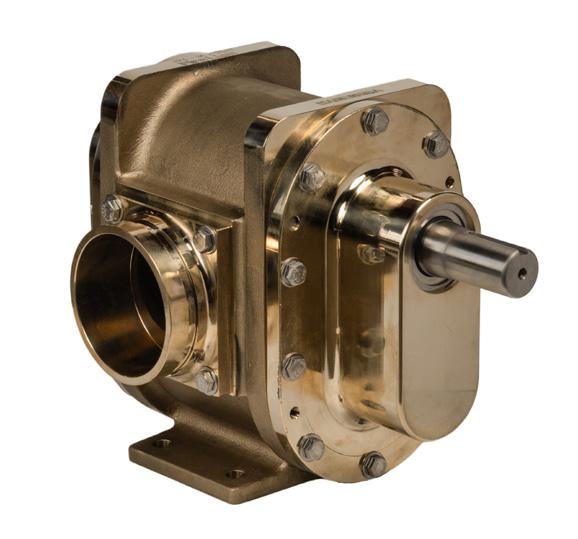


Dafo Fomtec AB is a globally recognised leader in the development and manufacture of high-performance firefighting foam concentrates and systems, with a distinct focus on sustainable, fluorine-free technologies. Privately held and headquartered in Tyresö, Sweden, the company serves critical sectors such as petrochemicals, aviation, marine, logistics, and energy through a combination of innovation, quality, and responsive customer service.
Headquarters: Tyresö, Sweden
Core Focus: Advanced firefighting foam technologies and integrated fire protection systems
Certifications: ISO 9001 (DNV), UL, FM, EN, ICAO, IMO, ISO 7203
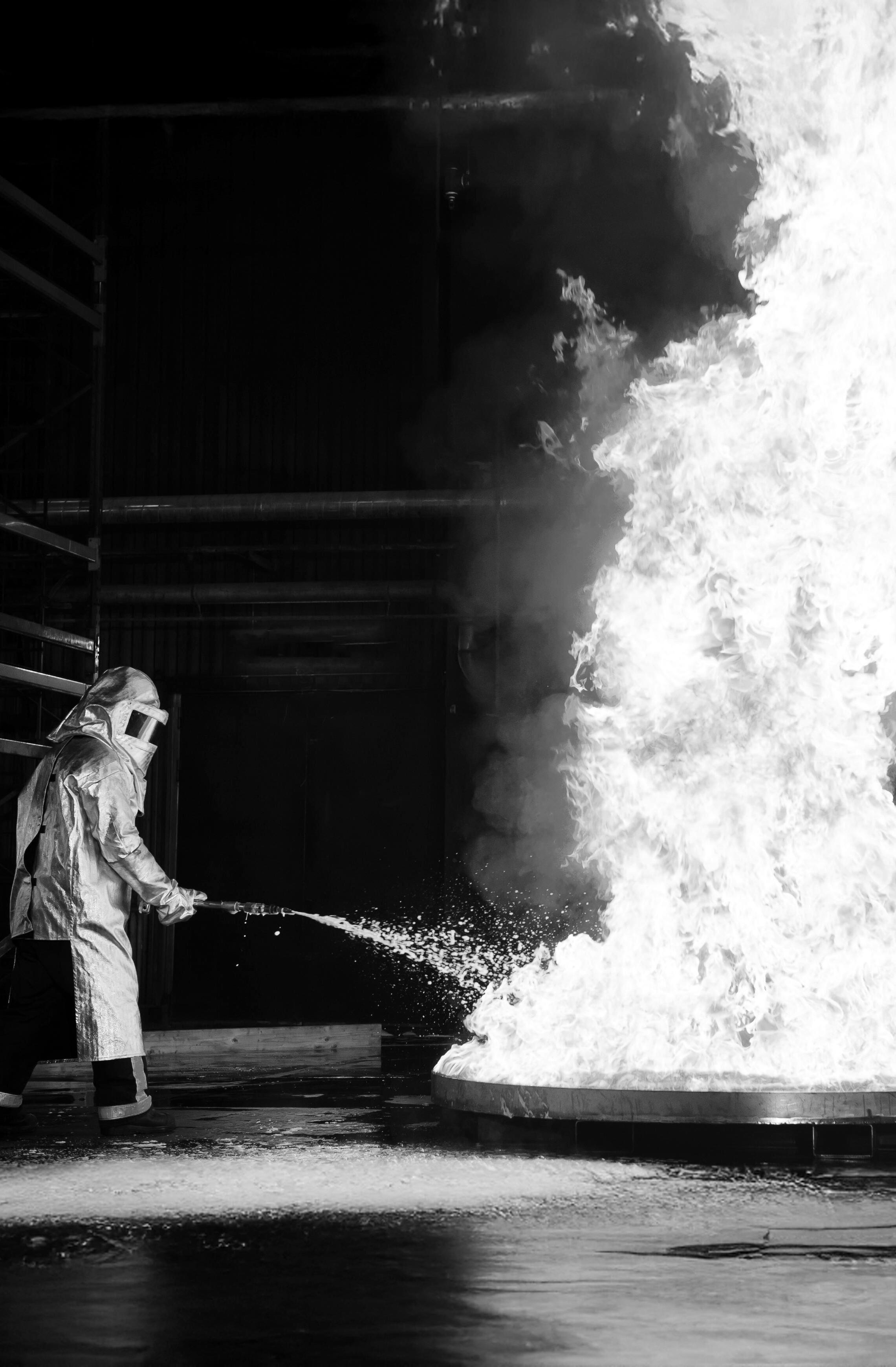


Recognising the urgent global imperative to eliminate persistent organic pollutants, Dafo Fomtec has invested extensively in the development of its flagship Fomtec Enviro product line. Designed for Class A and B fire scenarios, Enviro foams are compatible with low-, medium-, and high-expansion discharge systems.
Fomtec’s ongoing R&D efforts support compliance with evolving global regulations, including:
The EU Chemicals Strategy for Sustainability
The Stockholm Convention on Persistent
Organic Pollutants
REACH Regulation (EC 1907/2006)
The United Nations Sustainable Development Goals (SDGs)
Dafo Fomtec’s philosophy—“Data, not opinion”— underscores its evidence-based approach to product development.
With over 3,500 full-scale fire tests conducted as part of the Enviro programme, each solution is validated under the most stringent certification standards, such as:
UL 162
EN 1568
FM Global Approval
ICAO and IMO specifications
These protocols simulate real-world fire scenarios, material interactions, and system configurations. Comprehensive quality assurance measures and full batch traceability are maintained under the company’s ISO 9001 certification.
In addition to foam concentrates, Dafo Fomtec provides an extensive suite of foam discharge equipment and system solutions tailored to complex applications such as:
Floating roof tank protection
Tunnel fire systems
Marine and offshore platforms
The company’s in-house R&D team—comprising chemists, engineers, and fire safety experts— develops custom solutions designed to address the specific risk profiles and operational environments of each client. These innovations aim not only to enhance fire suppression efficacy but also to reduce lifecycle environmental impact and total cost of ownership.
Dafo Fomtec plays an active role in advancing global fire safety and environmental standards. The company collaborates closely with regulatory bodies, certification agencies, and technical forums including:
NFPA (National Fire Protection Association) European and international standards organisations
Environmental regulators and academic research institutions
Through published research, technical advocacy, and expert participation in policy-shaping initiatives, Fomtec makes substantive contributions to the development of PFAS-related legislation and fluorine-free performance benchmarks.
Dafo Fomtec AB continues to set the benchmark for sustainable fire protection in the 21st century. With its science-led product strategy, robust testing protocols, and environmental commitment, the company offers end-users a reliable, high-performance pathway away from PFAS-based suppression systems—protecting people, property, and the planet.
When Dafo Fomtec began the journey toward a next-generation firefighting foam, the goal was clear: to create a fluorine-free solution capable of delivering uncompromising performance in high-risk environments — without sacrificing environmental responsibility, and long-term operational safety.
That vision gave rise to the Fomtec Enviro Programme: a more than decade-long research and development initiative that has now surpassed 3,500 full-scale fire tests. Each trial has expanded Fomtec’s understanding of foam chemistry, performance dynamics, and simulated performance of the products when scaled up to real world conditions — and every one of them has led to this moment: the arrival of Fomtec Enviro NEO.
The Enviro Programme was more than a research project — it became a benchmark for evidence-driven innovation. Through thousands of real fire tests, Fomtec’s engineers perfected the science of synthetic fluorine-free foams (SFFF) to deliver consistent performance across multiple fuels, water qualities, and application systems.
Fomtec Enviro NEO is the culmination of that expertise — a foam built for real-world challenges and engineered to perform where the stakes are highest.
Fomtec Enviro NEO is purpose-designed for the Petrochemical, Oil & Gas (POG) and other high-hazard sectors, where speed, reliability, and safety are paramount. Its saltwater resilience makes it ideal for marine and coastal installations, where Enviro NEO's salt water testing and approvals ensure dependable performance.
Whether fresh, sea or brackish fire water NEO delivers the fire performance required in these high risk industries..
Many SFFF formulations depend on partially hydrated polymers to achieve fire performance whilst offering an attractive “in-can” viscosity, but these polymers are (potentially) chemically unstable. When mixed with water these polymers rapidly expand resulting in a significant increase in viscosity leading to potential changes in proportioning accuracy or blocakages and an inoperable system!
These partially hydrated polymers can impact the stability of the concentrate particularly in hot temperatures or when stored where fluctuating temperatures can lead to condensation in the storage tank!
In high-risk operations, such instability poses a real danger. A foam that clogs, or collapses under delivery pressure cannot deliver reliable protection.
Fomtec Enviro NEO minimises this risk. Its 100% hydrated polymer formulation maintains stable viscosity, and known shear thinning leading to uniform proportioning regardless of water quality. This ensures predictable, repeatable performance from the first discharge to full extinguishment — even in demanding offshore and POG applications.
Fomtec Enviro NEO has been validated through the world’s most stringent fire-testing regimes — and then tested far beyond them.
EN 1568-3:2018 1A:1A – Performance with fresh and salt water on heptane, Jet A-1 and hexane.
EN 1568-3:2018 – Indirect application approval on heptane, Jet A-1 and hexane.
EN 1568-4:2018 – Performance with fresh and salt water on acetone, IPA, ethanol, methanol, butyl acetate, ethyl acetate
UL 162 – Low expansion direct (type III) application on heptane. Indirect (type II) application on heptane, acetone, IPA, ethanol, methanol, butyl acetate, ethyl acetate, MEK and acetic acid. All with fresh and salt water.
UL 162 – Aspirated & non-aspirated sprinklers
ICAO – Level B
IMO 1312 – Heptane and IPA
LASTFIRE Protocol – Heptane and Ethanol with fresh and salt water.
Yet, Fomtec’s testing doesn’t stop at compliance. The company’s ongoing commitment to testing beyond the standards — through its large-scale fire test programme — ensures that every formulation is proven under conditions that replicate real emergency scenarios, not just laboratory ideals. This rigorous approach guarantees that NEO’s performance is not only certified — it’s battle-tested.
After years of development and thousands of full-scale tests, Fomtec Enviro NEO stands as the pinnacle of fluorine-free firefighting technology — the product that the Enviro Programme was always driving toward.
Engineered for high-risk, high-demand environments and proven with both fresh and salt water, NEO delivers the confidence, safety, and sustainability today’s industries demand.

As the global firefighting industry transitions away from fluorinated foams, Fomtec’s Enviro Programme stands as a model for how evidence, innovation, and environmental responsibility can align. The Enviro Programme is far more than a product development effort — it represents a decade-long commitment to mastering fluorine-free firefighting foam (FFF) technology and proving its reliability under the toughest real-world conditions.
Through over 3,500 full-scale fire tests, Fomtec’s engineers have systematically refined the chemistry and performance dynamics of synthetic fluorine-free foams (SFFF). These tests
span multiple fuel types, water qualities, and application systems — from ARFF vehicles and fixed sprinklers to high-expansion and industrial monitors — building one of the most comprehensive data sets in the industry.
Under the Enviro brand, Fomtec now offers a complete portfolio of non-PFAS foams designed for diverse hazards including Class A combustibles, hydrocarbon fuels, and polar solvents. Each formulation is independently evaluated to the highest international standards such as EN 1568, UL 162, FM 5130, ICAO, and IMO, ensuring verified performance and compatibility across global markets.
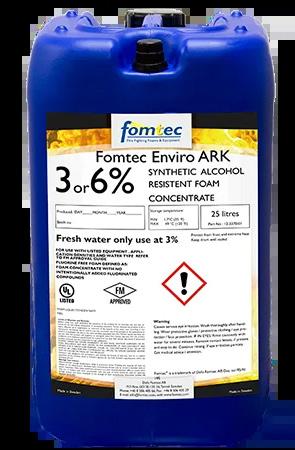
ENVIRO ARK
Multi-purpose alcohol-resistant fluorine-free concentrate (PFAS-free); rapidly blankets burning surfaces; effective on hydrocarbons and polar solvents.

APPLICATION: Class B hydrocarbons and polar solvents; Class A (general)
TYPICAL PROPORTIONING %: See TDS (varies by device and standard)
APPROVALS: UL 162, FM 5130, EN 1568-3 & -4, VdS
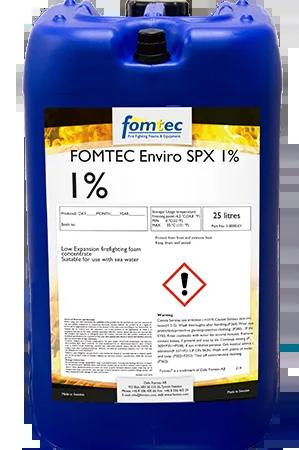
ENVIRO SPX 1%
Fluorine-free foam 100% biodegradable for sprinkler systems to fight fires in plastics and Class A materials with excellent wetting capability.

APPLICATION: Class A (wood, paper, textiles); Plastics; sprinkler systems (low-expansion)
TYPICAL PROPORTIONING %: 1% for sprinklers/low expansion; 0.1–1% on Class A depending on device
APPROVALS: VdS 3896 (plastics)
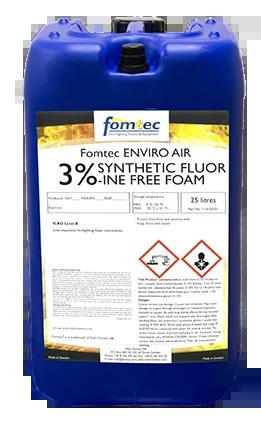
ENVIRO AIR
Fluorine-free foam, totally free from fluorinated surfactants and polymers; designed as an effective non-PFAS alternative to AFFF; especially for ARFF on kerosene/Jet A-1.
APPLICATION: ARFF; Class B hydrocarbons (aviation kerosene/Jet A-1); Class A (general)

TYPICAL PROPORTIONING %:3% with fresh water for low-expansion devices (per TDS)
APPROVALS: ICAO B, EN 1568-3

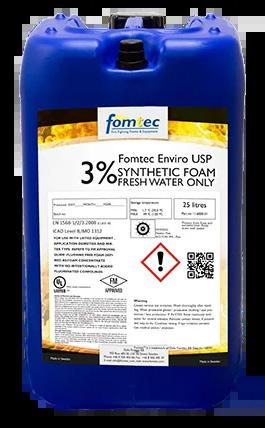
ENVIRO USP
sprinkler systems (Type II/III devices).
APPLICATION: Sprinkler systems; Type II & III discharge devices; ARFF Level B scenarios

TYPICAL PROPORTIONING %: See TDS (sprinkler listings specify settings); used as 3% in many cases
APPROVALS: ICAO Level B; EN 1568-3 (IA); UL 162, FM 5130, EN 1568-3, VdS, ICAO B, IMO 1312 - MED, GESIP
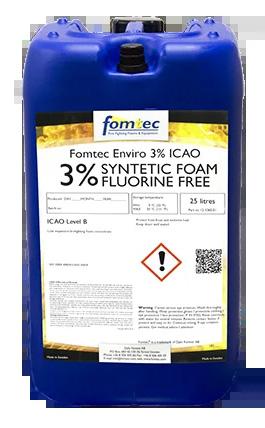
ENVIRO 3% ICAO
Fluorine-free foam (PFAS-free) formulated for airport firefighting; tested to ICAO 2013 Level B. The formulation enables the foam to rapidly cover burning surfaces and control of the fire.

APPLICATION: ARFF vehicles (ARFFV, RIV, crash trucks); Class B hydrocarbon fuels (Jet A-1/kerosene); Class A
TYPICAL PROPORTIONING %: 3% (low/medium/high expansion); see TDS
APPROVALS: ICAO Level B
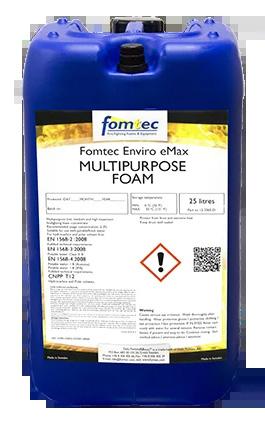
New-generation high-performance fluorine-free alcohol-resistant multipurpose concentrate; totally free from PFAS; designed for low, medium and high expansion.
APPLICATION: Class B hydrocarbons and polar solvents; Class A; low/medium/high expansion devices

TYPICAL PROPORTIONING %: 2–3% in potable water (per TDS)
APPROVALS: EN 1568-2,-3, &-4, APSAD T12

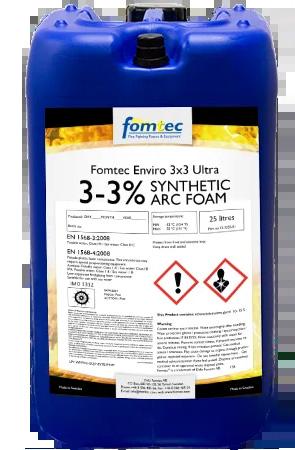
Fluorine-free multi-purpose alcohol-resistant concentrate, totally PFAS-free; part of Enviro AR-capable family ; effective on hydrocarbons and polar solvents.
APPLICATION: Class B hydrocarbons and polar solvents; Class A

TYPICAL PROPORTIONING %: 3% / 3% (hydrocarbons/ polar solvents); 0.3–1% on Class A (per TDS)
APPROVALS:
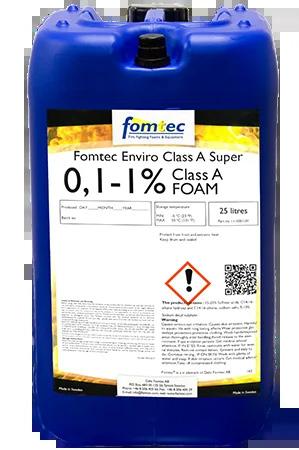
Blend of high-activity hydrocarbon surfactants for environmental profile; Class A fuel fires and smaller Class B fires; no PFAS or other organohalogens ; Super enhanced Enviro Class A.
APPLICATION: Class A (wood, paper, vegetation); smaller Class B incidents

TYPICAL PROPORTIONING %: See TDS (typically 0.1–1% for Class A equipment)
APPROVALS: US Forest Service QPL Listed
Aqueous solution of high-activity salts and stabilizers for oil, fat and grease fires; ready-to-use premix (no dilution needed before charging systems).

APPLICATION: Restaurant/appliance fires (deep fat fryers, griddles, hoods, ventilation)
TYPICAL PROPORTIONING %:Ready-to-use premix (no dilution)
APPROVALS: EN 3-7 Class 25F
Fluorine-free foam concentrate with no intentionally added PFAS; formulation of surfactants, stabilizers, boosters ; for hydrocarbon fuel fires and Class A; for marine/seawater use.
APPLICATION: Class B hydrocarbons; Class A; marine systems / seawater

TYPICAL PROPORTIONING %: 1%/3%/6%; as wetting agent on Class A at 0.5–1%/ 1–3%/ 1–6%
APPROVALS: IMO 1312 - MED, ABS (1% & 3%)
LS XMAX
Superior high-expansion fluorine-free foam concentrate for use in High Expansion systems; also usable at low and medium expansion per TDS.
APPLICATION: High-expansion systems; Class B hydrocarbons; large vapor suppression;specified Class A

TYPICAL PROPORTIONING %: See TDS (expansion-system dependent)
APPROVALS: EN 1568-1, -2 & -3, UL 139, IMO 670, APSAD T-12
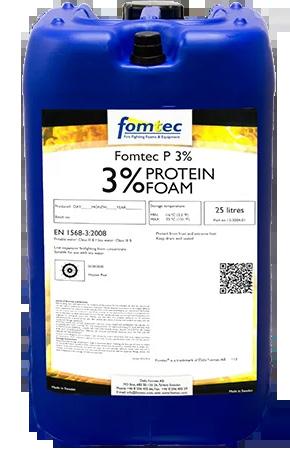
Fluorine-free protein foam produced from hydrolyzed protein with boosters and stabilizers; tough, stable and heat-resistant foam blanket; exceptional burnback resistance.
APPLICATION: Class B hydrocarbons; can be used with various low/med/high expansion devices

TYPICAL PROPORTIONING %: 3%/3% typical/6% (check system/TDS)
APPROVALS: IMO 1312 - MED, EN 1568 -3 (all products), -4 (P3-AR)
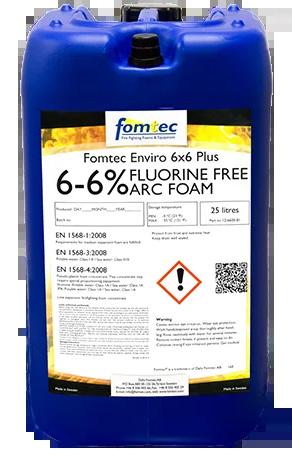
Fluorine-free foam, totally free from fluorinated surfactants and polymers; designed as an effective non-PFAS alternative to AFFF; especially for ARFF on kerosene/Jet A-1.
APPLICATION: Class B hydrocarbons and polar solvents; Class A

TYPICAL PROPORTIONING %: 3% / 6% (hydrocarbons / polar solvents)/ 6% / 6% (hydrocarbons / polar solvents)
APPROVALS: EN 1568 approvals (per certificate/TDS)
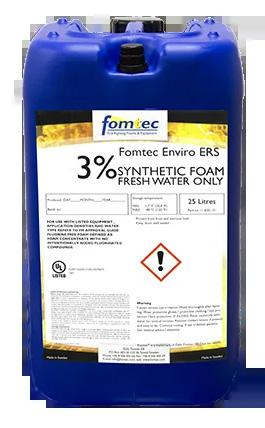
New-generation fluorine-free foam, suited when a FFF alternative with high fire performance is required ; for Class B hydrocarbons and Class A.

APPLICATION: Class B hydrocarbons (oil, diesel, aviation fuels); Class A (wood, paper, textiles)
TYPICAL PROPORTIONING %: Per standard; see TDS (varies by UL/other tests)
APPROVALS: UL 162 ; international approvals per TDS
Fluorine-free foam with no intentionally added PFAS ; high-performance replacement for AFFF in ARFF and land-based military firefighting ; Low viscosity ; dry Chemical Powder compatible.

APPLICATION: ARFF; land-based military; Class B hydrocarbons; general firefighting
TYPICAL PROPORTIONING %: See TDS / MIL-PRF usage guidance
APPROVALS: QPL Listed to MIL-PRF-32725(2), UL 162 (Pending Jan 2026)
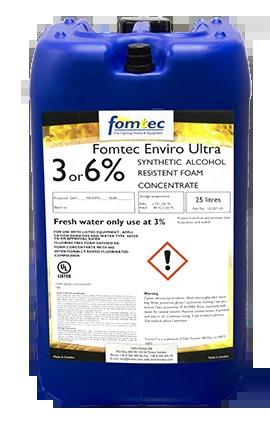
Multi-purpose alcohol-resistant fluorine-free concentrate; free from fluorinated surfactants & polymers; rapidly blankets burning surfaces; effective on hydrocarbons and polar solvents.
APPLICATION: Class B hydrocarbons and polar solvents; also Class A

TYPICAL PROPORTIONING %: Commonly 3% (fresh water); may vary per system/standard—see TDS
APPROVALS: UL 162; international approvals per TDS
Multipurpose fluorine-free foam for low, medium and high expansion; intended for Class B hydrocarbons; also effective on Class A at certain proportions.
APPLICATION: Class B hydrocarbons (oil, diesel, gasoline, aviation fuels); Class A at specified mix

TYPICAL PROPORTIONING %: Class A: 2–6% (per TDS); Class B per device/TDS
APPROVALS: EN 1568-1, -2 & -3, IMO 670
Fluorine-free training foam made from a carefully selected blend of natural-origin surfactants; very low toxicity and 100% biodegradable; for Class A & B training with minimal environmental impact.
APPLICATION: Training on Class A & B; equipment testing with minimal environmental impact

TYPICAL PROPORTIONING %: See TDS / training guidelines
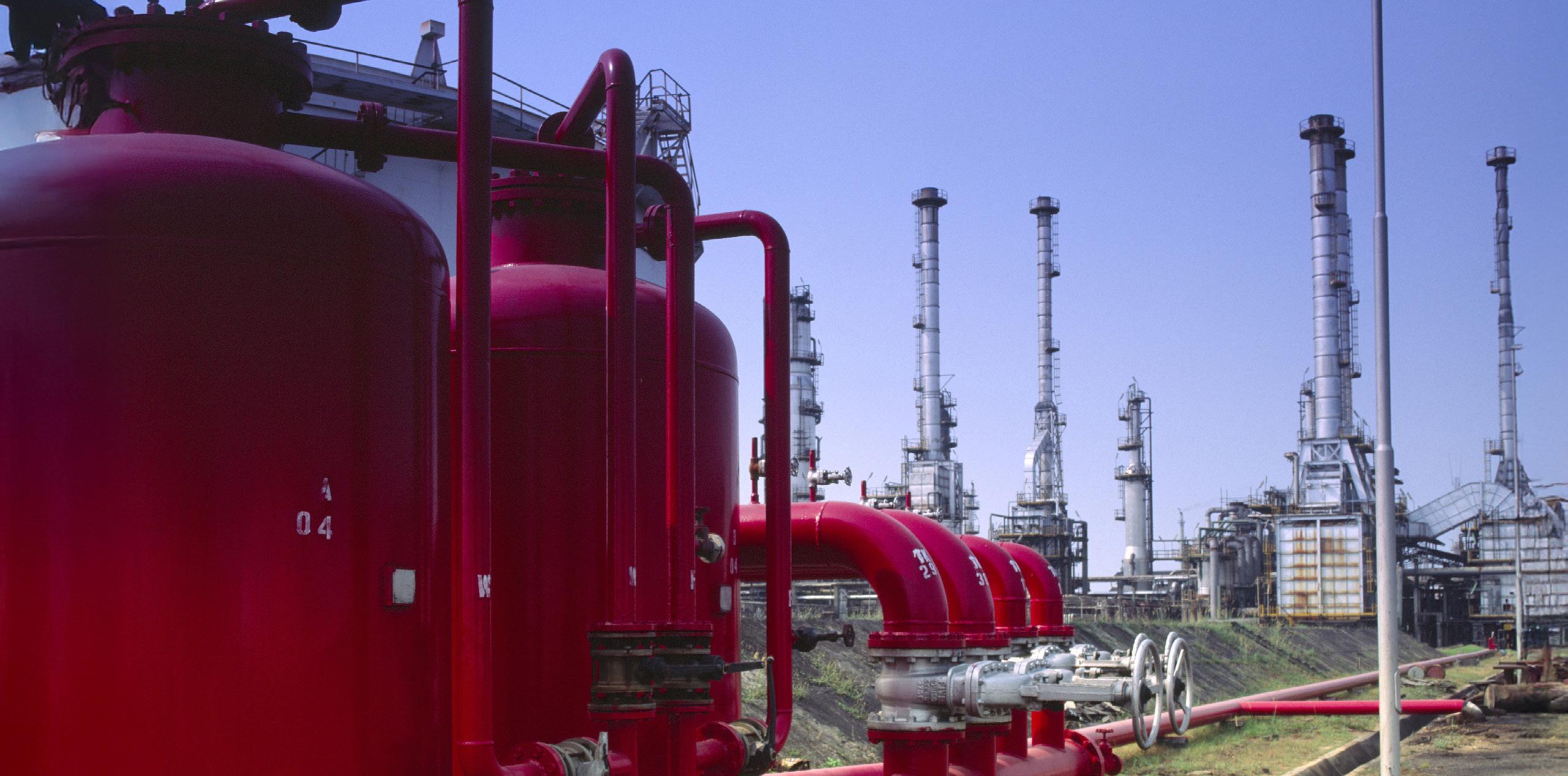
Enviro® Neo is not just another fluorine-free foam, it’s Fomtec’s most advanced 3x3 SFFF, purpose-built for the extreme demands of the Petroleum, Oil & Gas and High-Hazard sectors.
Enviro® Neo delivers exceptional performance without relying on unstable partially hydrated polymers.

PROVEN PERFORMANCE WHERE IT MATTERS MOST EN 1568-3 & 4 UL 162
“The International Water Mist Conference in Manchester has broken all previous records, underlining the growing global interest in water mist technology”, said Max Lakkonen, President of the International Water Mist Association (IWMA).
The event, which took place in September, attracted almost 170 delegates from more than 25 countries, including a record number of first-time participants. Attendance from Asia and the Americas was also significantly higher than in previous years.
Sir Ken Knight opened the event. He offered a valuable perspective from the fire services on the role of water mist in firefighting. The programme focused on fundamental knowledge, training and a broad range of case studies from around the world, showcasing different fields of
water mist applications. Presentations covered topics ranging from the protection of Notre Dame Cathedral to the recently enforced EN 14972 standard in the UK.
IWMA launched several documents to guide the market:
• The Water Mist Guide; an introductory resource explaining how water mist works and how it should be applied, supporting all stakeholders.
• The updated Standard Matrix; clarifying applicable fire test protocols for the approval of water mist systems.
• Mistconceptions; a new IWMA initiative addressing common misconceptions about water mist, providing evidence-based responses.
Lakkonen commented: “We have been positively surprised by the number of attendees and sponsors, which clearly
demonstrates the strong momentum of our industry.”
During the IWMA member meeting, which took place one day prior to the conference, Antti Hurme (Director at Marioff) was elected member of the IWMA Board of Directors, and Kemal Sarp Arsava (Professor at the Norwegian University of Science and Technology) was elected chair of the IWMA Scientific Council.
The 25th International Water Mist Conference (#IWMC2026) will take place in Prague, Czech Republic, on 7th and 8th October 2026.
International Water Mist Association Poststrasse 33 (HBC) 20354 Hamburg Germany
+49 (0) 174 3013878 info@iwma.net • www.iwma.net















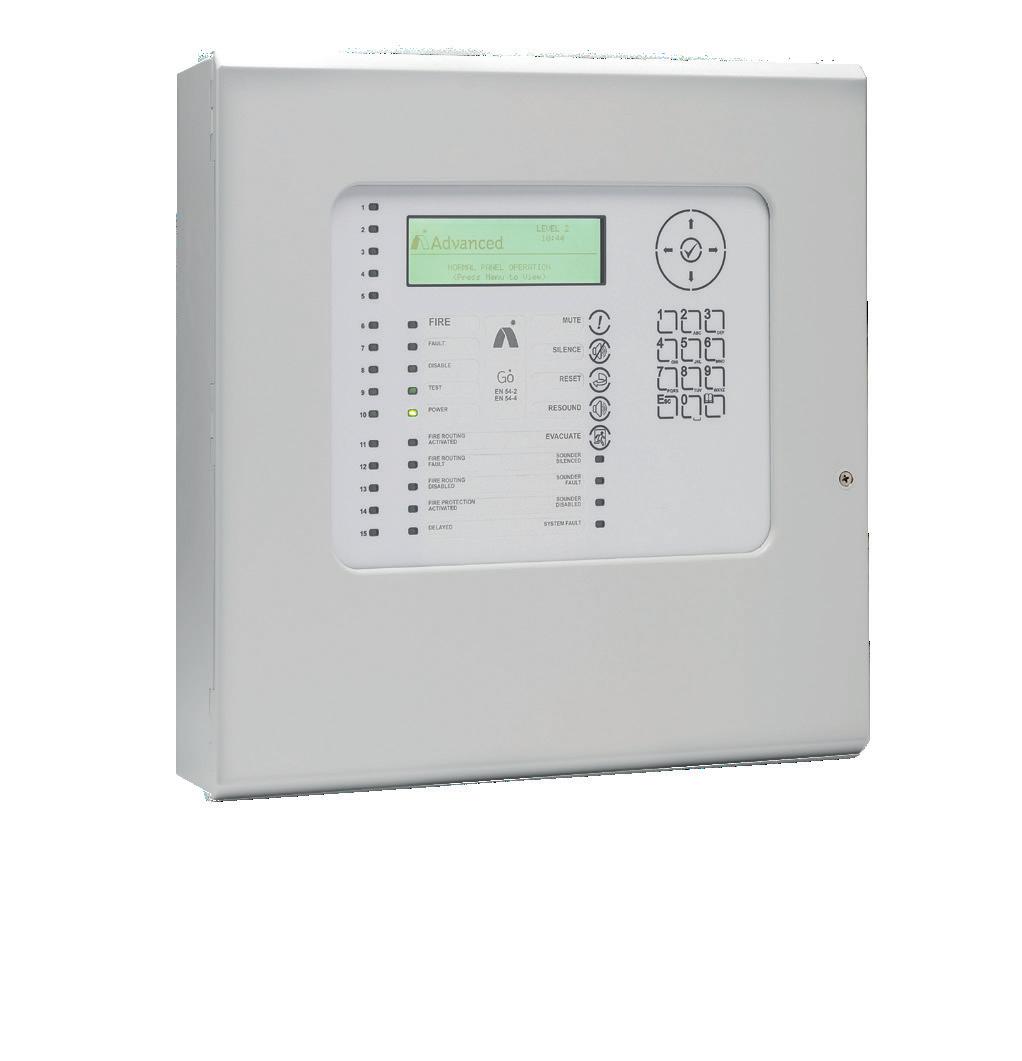
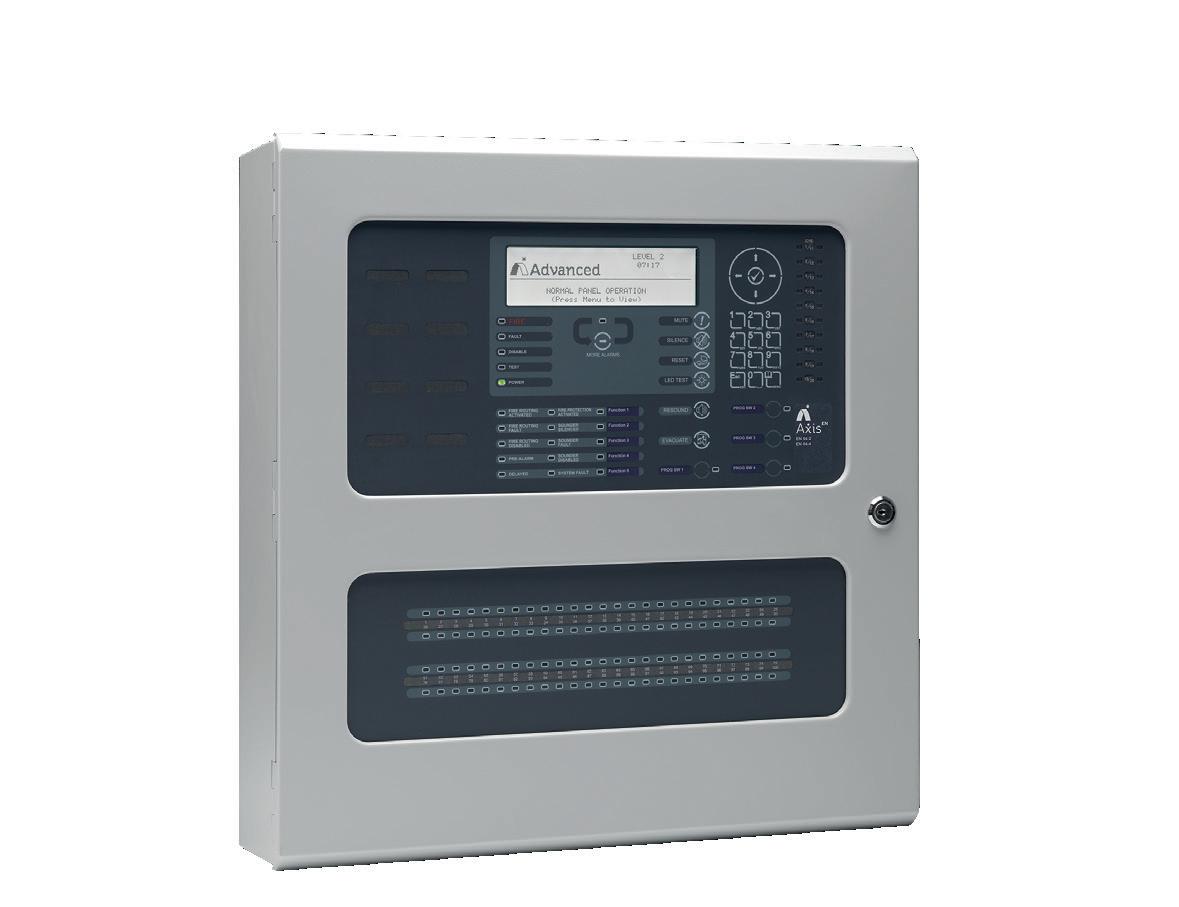
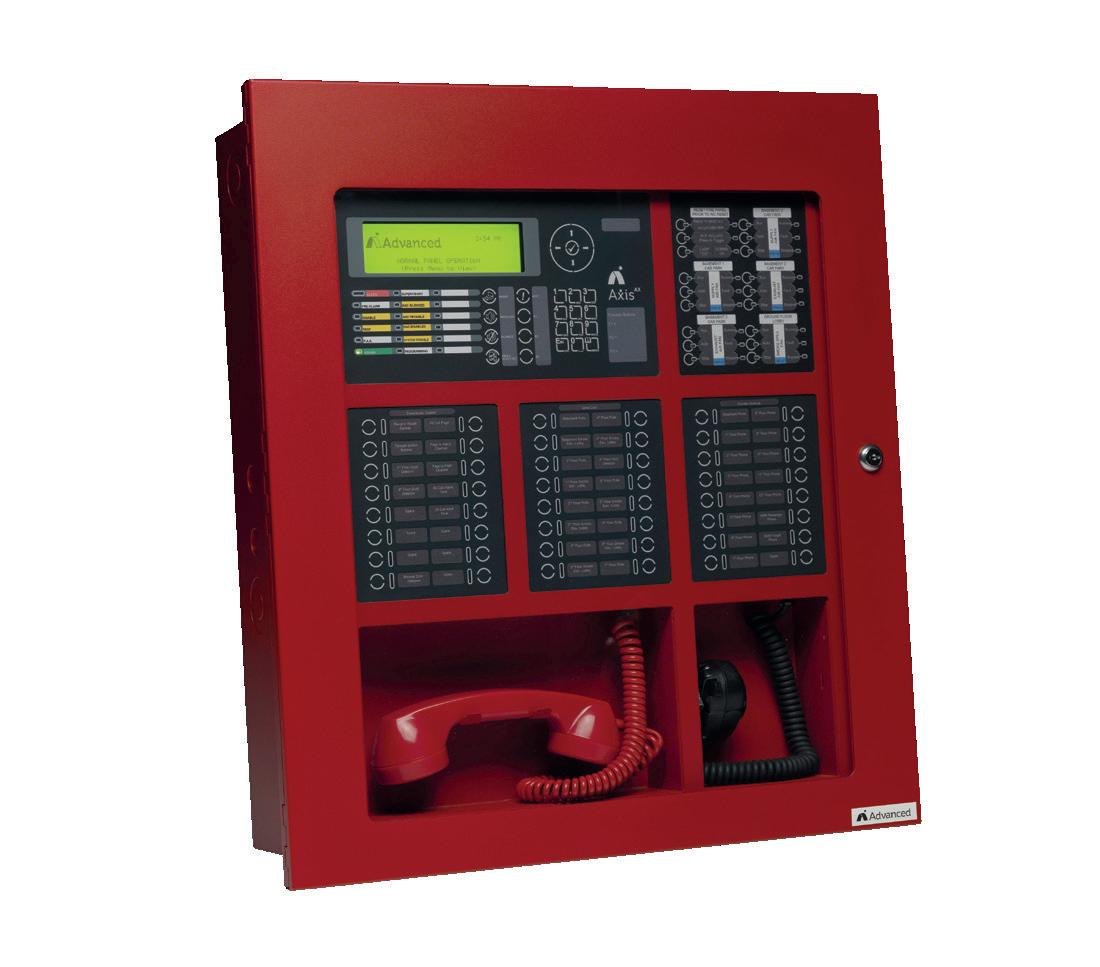
Effectively protecting people and property from fire can be complex. Advanced simplifies the challenge without compromising on safety.
Whether you need powerful networking, smoke control and fire audio for large-scale UL projects; extinguishing control and fire system redundancy for critical sites; or fast, fuss-free EN solutions for smaller, wireless installations, Advanced brings you fire safety peace of mind.


Intersec Dubai 2026 will once again unite the fire and security industry’s leading innovators from 12-14 January at the Dubai World Trade Centre.
Advanced is proud to be part of this global showcase, presenting its latest UL and EN fire protection solutions at Stand F24 in Hall 4.
The Middle East continues to demand fire systems that combine reliability, scalability and compliance. Advanced is responding with a portfolio designed for projects of every size, from high-rise residential towers to mission-critical facilities.
At Intersec, visitors will discover the UL 864-approved Axis AX system, engineered for large-scale installations where performance and resilience are nonnegotiable. Axis AX supports networks of up to 200 panels, delivering rapid communication, advanced cause-andeffect programming and integrated voice evacuation. Features like PerfectSync technology ensure synchronised strobes and audio alerts across extensive networks, eliminating confusion during emergencies.
Voice evacuation remains a critical requirement in tall buildings where fire brigade access can be limited. Axis AX offers integrated audio capabilities for live paging and pre-recorded messages, with multi-channel support to ensure clarity and coordination during an incident.
For EN-standard projects, Advanced’s Axis EN system offers next-generation capability. With a faster processor, improved energy efficiency and expanded configuration options, Axis EN is ideal for complex installations requiring precision
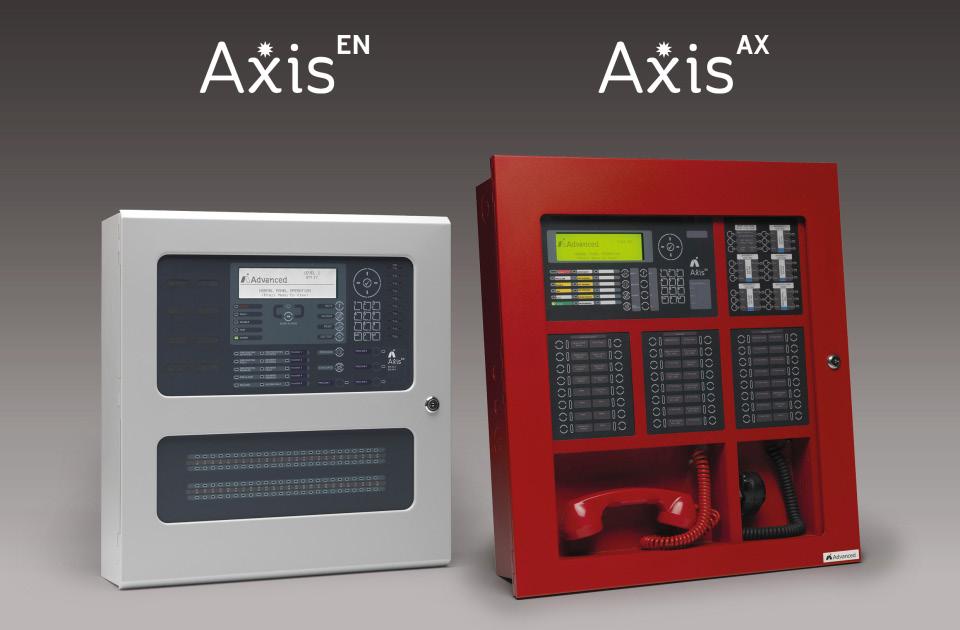
and flexibility. Hybrid wired and wireless configurations make it perfect for retrofits or heritage sites, while robust mesh wireless devices ensure dependable connectivity even in challenging environments.
False alarms remain a challenge across the region, causing disruption and reputational risk. Advanced tackles this with AlarmCalm, available on Axis EN and MxPro 5 panels. This powerful software enables tailored false alarm management strategies, including investigation delays and verification logic, helping minimise unnecessary evacuations and downtime.
Advanced’s commitment goes beyond detection. At Intersec, we’ll showcase DynamixSmoke, a visual, grid-based tool that simplifies smoke control configuration for fans, dampers and pressurisation systems. For asset protection, ExGo delivers reliable extinguishing control approved to EN12094-1 and EN54 standards, safeguarding critical equipment without water damage. Redundant panel options will also be on display, ensuring continuous protection for highdependency environments.
Not every project requires a large networked system. For smaller sites, AxisGo offers the benefits of Axis EN in a single-loop, non-networkable panel that’s quick to install and easy to configure. Meanwhile, QuickZone provides dependable conventional protection across up to 32 zones, available in standard and XL formats.
As development accelerates across sectors such as healthcare, hospitality and transportation, the need for intelligent fire protection grows. Advanced works closely with regional partners to deliver tailored solutions and is actively seeking new collaborations to support evolving safety requirements. Our team will be on hand to discuss how we can help meet your project needs, whether you require UL-listed systems for largescale developments or EN solutions for complex retrofits.
Join us at Intersec Dubai 2026
Visit Stand F24 in Hall 4 from 12-14 January to explore our full range of fire protection solutions and meet our team.
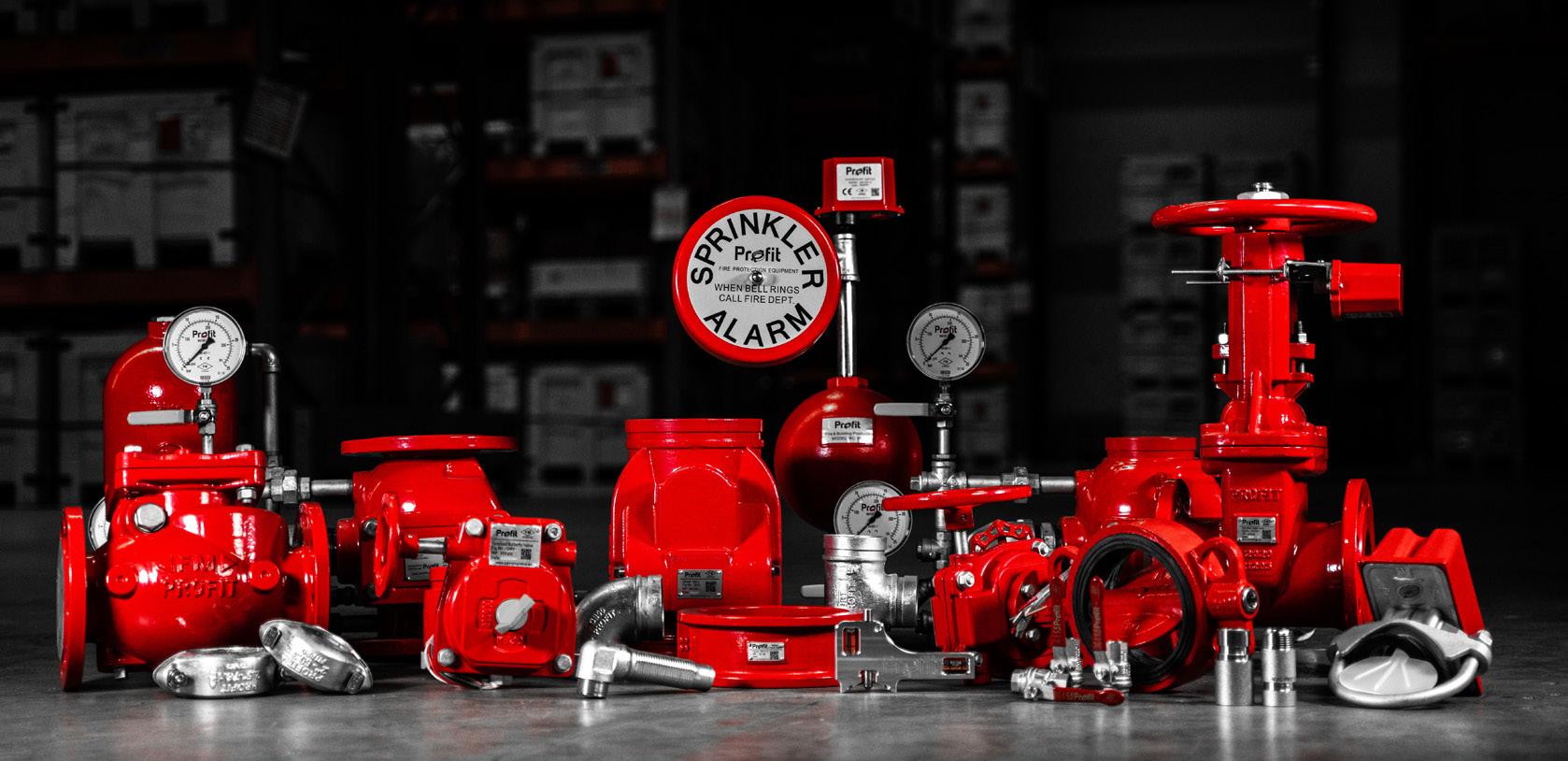

Piping Logistics’ CEO Jeroen De Smedt discusses the strategic decisions, technical innovations and long-term vision driving expansion across the Gulf region and beyond
Piping Logistics has built an international reputation for innovation, reliability and customer-centric service. From its early years as a distributor to its current status as a manufacturer with dedicated R&D and a state-of-the-art facility in Romania, the company has consistently advanced its product offering to keep pace with evolving safety codes and installation challenges.
As the company celebrates an impressive 20 years in the business, Fire Middle East magazine speaks to CEO Jeroen De Smedt to find out about the factors driving the company’s success and how it plans to continue to conquer the Middle East.
What would you say is the single biggest factor that has driven Piping Logistics’ success?
I would say our success has been driven primarily by a relentless commitment to innovation combined with an unwavering customer focus. From the very beginning,
we invested in developing better products and enforcing strict quality controls, which helped us earn the trust of our clients. We have always focused on being a dependable partner – for example, we make it a point that if any issue arises, our team can be on site within 24 hours, anywhere in the world. That level of service, along with continuously improving our product range, has set us apart.
How has your product range evolved in response to changing demands in fire protection and HVAC?
We started out mainly as a supplier of couplings and fittings, often sourcing components from abroad. As customer needs grew more complex, we evolved from being a simple distributor into a manufacturer with our own R&D and production departments. Today, we offer a full spectrum of high-quality components for fire sprinkler systems and have ventured into HVAC piping solutions, since many of the coupling and piping
technologies apply to both sectors.
We have continuously added new products to our catalogue to keep up with what installers and end-users require. Practically, we can now supply almost every component needed for a complete sprinkler installation. In fact, the only major item we don’t yet produce in-house is the sprinkler head itself – and we are actively working on that. By undertaking rigorous testing and obtaining all necessary certifications for each new product we’ve ensured that our offerings remain relevant and consistent as the industry has advanced.
What strategic advantages does your Romanian production facility offer for speed, sustainability and cost efficiency? The new Romanian facility has been a strategic game-changer for us in several ways. First, in terms of speed: by producing closer to our core markets in Europe, we can respond much faster to customer orders. We’ve cut down lead
times significantly. Being closer to clients means we can get the right components to the right place promptly, helping projects stay on schedule.
Another major advantage is sustainability. Manufacturing in Romania allows us to greatly reduce the carbon footprint associated with long-distance shipping. This aligns with the European Green Deal objectives – fewer transport emissions and a smaller environmental impact. We designed the facility with eco-friendliness in mind: it uses renewable energy sources and energyefficient machinery to minimise power consumption, and we have processes in place to reduce and recycle waste.
Finally, operating in Romania gives us competitive manufacturing costs due to factors like local labour and proximity to raw material suppliers, and we also avoid certain import tariffs or expensive freight costs that we’d incur if everything came from outside Europe. We can pass those savings on to customers without compromising on quality.
How has your Romanian facility impacted your ability to serve international markets, especially in the Middle East?
With manufacturing and stock based on the continent, we have much greater control over quality and inventory, which means we can fulfil overseas orders more efficiently. Shipping from Europe to the Middle East is relatively swift and straightforward compared to sourcing everything from, say, East Asia. We’ve been able to cut down transit times and avoid the uncertainties that sometimes come with very long global supply chains. Additionally, keeping production “close to home” has made us more agile in meeting specific requirements of international
clients. Our teams here can easily implement adjustments or customisations needed for a particular market.
How is Piping Logistics adapting to specific fire safety challenges and compliance requirements in the region? Adapting to local fire safety requirements in the Middle East is critical for us, and we approach it proactively. Different countries have their own codes and standards, so our first step is always to ensure we thoroughly understand the regulations wherever our products are being installed. In practice, many Middle Eastern markets base their fire codes on well-known international standards, but they often have additional local provisions or certification processes. We ensure all our sprinkler system components meet these international benchmarks, and then we go the extra mile to secure the necessary local approvals. For example, we obtain certifications or listings with the civil defense authorities in countries such as the UAE or Saudi Arabia, as required. This gives local officials confidence that our products are up to code.
The Middle East’s climate is a factor we consider in our design and material selection. We test our pipes, fittings and seals to ensure they perform consistently even in extreme heat or dusty conditions common in some parts of the region. Moreover, we provide technical training and documentation tailored to local needs, which helps installers and inspectors become comfortable with our products and how to use them correctly under local conditions. By working closely with local partners, staying up-to-date with regional fire safety developments and being flexible enough to adjust to specific client or country requirements, we’ve
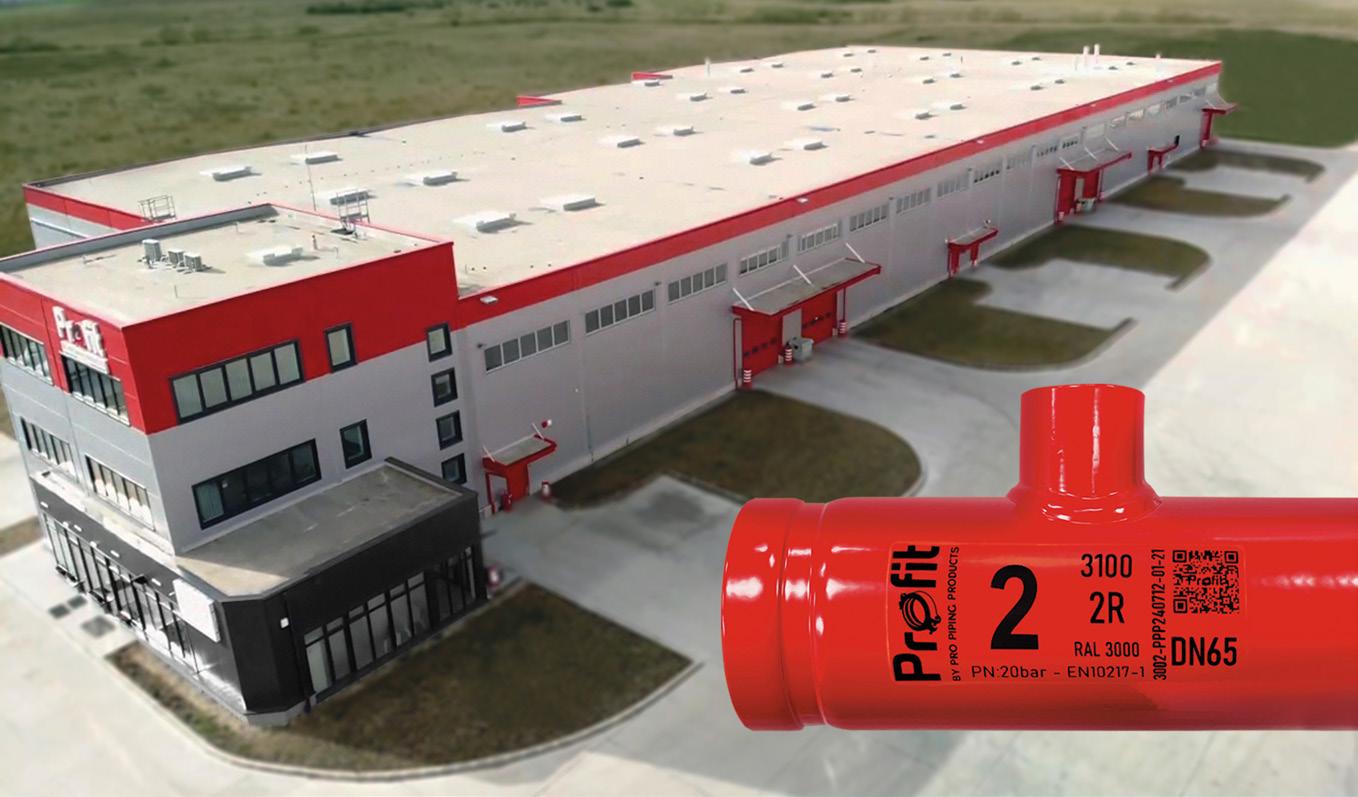
been able to ensure that our products not only comply with local regulations but often exceed them, providing an extra margin of safety.
Are there technological innovations in component design or installation methods that you believe will transform this sector?
One major trend is greater use of prefabrication and modular assembly. We’ve already embraced this with our prefabricated sprinkler pipe offerings, but I see the industry moving further in that direction. By having more components pre-engineered and pre-assembled in the factory, installations on-site become much faster and more foolproof. This modular approach means even complex systems can be put together somewhat like building blocks, reducing on-site labour and minimising errors. I believe this will become standard practice for large projects in the future.
Another transformative area is digital technology in design and planning. The adoption of Building Information Modelling (BIM) has been a game changer. Using BIM, we can virtually model an entire sprinkler or HVAC system in a building before construction begins. This digital twin approach allows for precise component design. It eliminates a lot of guesswork and modifications during installation. As BIM and other design software become even more powerful, I expect we’ll see higher efficiency in both the design phase and the construction phase of projects.
In terms of the components themselves, materials science and smart tech are key innovations. We’re seeing the development of new coatings and materials that make pipes more durable, lightweight or corrosion-resistant, which extends the life of systems and makes installation easier. There’s also a growing interest in smart components – imagine valves or pumps with built-in sensors that can report status or even predict maintenance needs. Integrating such smart components into fire protection systems could greatly improve reliability and safety, as issues could be detected and addressed before they lead to failures. While the fire protection industry has traditionally been quite conservative (for good reason, given the stakes), I believe these innovations in how we build and monitor systems will drive a significant evolution in the sector over the next decade.
pipinglogistics.eu

Ali Al Musabih, Team Leader, Al Khobar office, Jensen Hughes, looks at the impact of ambient temperature extremes on ceiling jet development and fire detection systems and the critical design implications
Imagine a warehouse where ambient temperatures reach 45°C during the summer months. The fire detection system, designed using standard calculations, promises detection within 60 seconds. But when fire occurs, detectors take nearly twice as long to activate. This isn’t malfunction — it’s a fundamental misunderstanding of how extreme temperatures affect fire detection.
Ceiling jets — horizontal flows of hot gases spreading across ceilings — carry
heat to detectors, triggering life-saving alarms. However, their behaviour changes dramatically at elevated ambient temperatures, creating hidden vulnerabilities.
Traditional fire detection design assumes 20°C room temperature. However, many industrial facilities operate without climate control where temperatures exceed 40°C. Here, fundamental physics change.
When ambient temperature rises from 20°C to 45°C, the temperature difference between fire gases and surrounding air decreases significantly. A fire activating detectors within 60 seconds might now take 90 seconds — the difference between minor incident and catastrophic loss. Reduced temperature differentials create weaker ceiling jets that travel slowly and cool rapidly.
Real-world design implications
Consider warehouse protection using standard nine metre detector spacing for ordinary hazards. At 45°C ambient, that nine metre spacing provides reliable detection only within six metres. Fixedtemperature detectors at 57°C activation have minimal sensitivity margin at 45°C ambient. Higher-temperature detectors only increase delays.
Rethinking detection strategies
Engineers now implement smarter strategies accounting for temperature effects from the design phase. Combining thermal, smoke and carbon monoxide detection creates multi-signature response systems. Spacing must decrease 15-20% for every 10°C above 20°C ambient. At 45°C, this doubles detector quantity — a significant but necessary investment.
While traditional spot detectors remain the most common choice, extreme temperature environments often demand consideration of alternative detection technologies, each bringing unique advantages and unexpected challenges.
Beam detectors, which project infrared beams across large open spaces, initially appear ideal for highceiling warehouses in hot climates. Their ability to cover vast areas with a single transmitter-receiver pair offers economic advantages, and they’re less affected by ceiling jet temperatures than spot thermal detectors. However, extreme heat creates an unexpected problem: wildlife seeking shelter. Birds and other animals
frequently nest in warehouse structures to escape outdoor heat, and their movement through beam paths triggers false alarms. One major oil and gas facility found their beam detection system so plagued by bird-related false alarms that operators eventually disabled it entirely, leaving the facility vulnerable. The lesson learned was that beam detectors in high-temperature environments require protective housings and careful positioning to minimise wildlife interference while maintaining effectiveness.
Flame detectors represent another alternative, particularly valuable in facilities where rapid fire growth is expected. These optical sensors detect the infrared or ultraviolet radiation emitted by flames, responding within seconds regardless of ambient temperature. Major airports and petrochemical facilities have invested heavily in flame detection systems for critical areas. However, their implementation in high-temperature environments presents unique challenges. The extreme heat can cause shimmer and heat waves that create false radiation signatures, requiring careful commissioning and adjustment. Moreover, in facilities where equipment or storage configurations change frequently, even minor obstructions can create dangerous blind spots. A single misplaced storage rack can block a flame detector’s view of a significant area, and unlike smoke or heat that flows around obstacles, flame detection requires direct line of sight. The initial investment for flame detection systems often exceeds traditional detection by a factor of 10, and they require specialised expertise for proper commissioning and maintenance. Aspirating smoke detection systems,
which actively draw air samples through networks of pipes, show particular promise for high-temperature applications. These systems can detect fires earlier than spot detectors and are less affected by stratification issues. The controlled airflow through sampling pipes helps overcome the stratification problems that plague traditional smoke detectors in hot environments. While more expensive initially, they often prove cost-effective when considering the reduced number of sampling points needed compared to traditional spot detectors. However, in dusty industrial environments common in arid regions, filter maintenance becomes critical, with some facilities requiring filter changes monthly rather than the annual replacement typical in cleaner environments.
Perhaps the most overlooked aspect of detection design in extreme temperatures is the need for real-world performance validation. Standard acceptance testing procedures, developed for typical conditions, don’t adequately verify system performance at elevated temperatures. Facilities should conduct hot smoke tests during peak temperature periods to confirm that detection times meet design objectives.
Maintenance requirements also intensify in high-temperature environments. Heat accelerates the degradation of electronic components, while thermal cycling between day and night temperatures stresses detector housings and connections. Quarterly testing becomes essential, compared to annual testing in standard environments.
The fire protection industry is responding to temperature challenges with new technologies and design approaches. Artificial intelligence-based systems can adjust detection algorithms based on ambient conditions, improving reliability across varying temperatures. Advanced computational modelling allows engineers to simulate ceiling jet behaviour under site-specific conditions, optimising detector placement before installation.
Video smoke detection – analysing camera feeds for smoke signatures – offers promise for large spaces where traditional detection proves challenging. These systems can cover areas equivalent to multiple traditional detectors and provide visual verification of alarm conditions, reducing false alarm responses
The impact of extreme ambient temperatures on fire detection represents a critical but often overlooked design consideration. As climate patterns shift and industrial facilities expand into regions with extreme temperatures, understanding these effects becomes essential for life safety and property protection.
The path forward requires acknowledging that fire protection engineering must evolve beyond one-sizefits-all solutions. By understanding these complex interactions between systems and adjusting designs accordingly, we can ensure that fire detection systems fulfill their critical life safety mission, regardless of the thermometer reading or the unique challenges each detection technology faces in extreme conditions.
The message for facility owners, engineers and authorities having jurisdiction is clear: extreme temperatures demand extreme attention to detection design details. Only through careful consideration of temperature effects and implementation of appropriate design modifications can we ensure that fire detection systems fulfill their critical life safety mission.
jensenhughes.com

Bob Rea QFSM, MBA, FInSTR, MIFireE, MIoL, TechIOSH, reflects on the true value of firefighter training
To me, firefighting has always been more than a job. It is an unrecognised craft — a blend of skill, discipline and dedication, anchored in the service of keeping people safe. Training, therefore, is the cornerstone of our profession. It shapes the firefighter’s mindset, builds competence, and embeds a culture of safety and professionalism that lasts a lifetime, both during and after our careers. It often surprises me when the knowledge, skills and understanding (KSU) come in handy.
We must remember that firefighting as a profession demands courage, resilience and an unwavering commitment. The journey to becoming a firefighter is rigorous, involving extensive, arduous physical training that prepares individuals for the physical, mental and emotional
challenges of the role. Firefighter training is designed to ensure that recruits not only master the technical skills required to combat fires but also develop the ability to respond effectively as part of a team, to a wide range of emergencies, from fires and road traffic collisions to hazardous material incidents.
When we talk about firefighter training, it is not just about running drills or learning procedures — it is about developing safe people building their understanding of the hazards they face and how to mitigate them. The ‘Safe Person Concept’ underpins everything we do, ensuring four key elements are in place:
A safe working environment, Safe work equipment,
Safe systems of work, And above all, a competent workforce.
These principles don’t exist in isolation; they rely on everyone’s knowledge, skill and attitude. Every recruit who steps onto a training ground must first learn to think safely, act safely, recognise the signs and symptoms that the incident is showing them (be it a different gas cloud colour or movement or building noise), and look after those around them. This KSU develops a sixth sense, when you recognise the abnormal in an abnormal environment and act accordingly (risk awareness).
Building competence step by step I have always believed in sequential training — allowing people to develop
“Repetition builds confidence, and confidence builds competence”
one level of competence before moving on to the next. We must recognise that we all learn at our own pace and different skills are more challenging for some to conquer than others. Patience from trainers/tutors/teachers and teammates is essential. You cannot build resilience on shaky foundations, consolidation is essential. Firefighter development must follow a logical sequence: learn, apply, reflect and reinforce. The principles of Integrated Personal Development System (IPDS), identifying persons with the aptitude to develop, allowing them to acquire the KSU, applying and maintaining the KSU, before moving to more challenging KSU.
As I have often said, Malcolm Gladwell famously suggested it takes 10,000 hours to master a skill. We may not be counting
hours on the drill yard, but the principle holds true. Repetition builds confidence, and confidence builds competence. A firefighter who has internalised their core drills — from basic hose and hydrant drills, through pump and ladder drills, breathing apparatus, vehicle extrication and hazardous materials (I can go on) can then perform under pressure without hesitation, being an effective member of the team.
No two firefighters learn the same way. Some need to see it, others need to do it. Effective training recognises and respects these differences.
Neil Fleming’s VARK model reminds us that some learners are visual, some
auditory, some prefer reading and writing, and others are kinesthetic, learning best through hands-on experience. Likewise, Honey and Mumford’s framework divides learners into Activists, Reflectors, Theorists and Pragmatists.
In practice, this means that the best training is blended — theory and practical learning interwoven. A well-designed programme allows every learner to engage in a way that suits them while maintaining the high standards demanded of operational firefighters.
In the early 2000s, the UK Fire and Rescue Service adopted the Integrated Personal Development System (IPDS) — a structured framework built around three phases:
Acquisition –learning the skill or knowledge
“There’s no substitute for realistic training”
This aligns neatly with Noel Burch’s Four Levels of Competence model — from Unconscious Incompetence to Unconscious Competence.
When a firefighter leaves recruit school, they sit somewhere in the middle — Consciously Competent. They can do the job, but they’re still thinking through every action. The aim, through continued development and experience, is to move towards Unconscious Competence — where skills are instinctive, actions are intuitive, and safety is second nature.
There’s no substitute for realistic training. Whether it’s live fire, complex rescue simulations, or multi-agency exercises, the closer we get to replicating operational conditions, the better we prepare our firefighters for the realities of the job. Through the principles of Prevention and Protection, the incidents of fire are reducing, so realistic simulated environments are an essential method for preparing our firefighters for the rigours of the incident ground. That’s why structured, experiential learning is now more important than ever.
Simulation, when done right, bridges the gap between theory and experience. Virtual reality, for instance, is now enhancing how we teach decision-making and risk assessment. But technology should support realism, not replace it. Firefighters still need to feel the heat,
experience the weight of their equipment, and learn to manage their physiology and mindset under stress. Carbonaceous Fire Behaviour training is a great example, as it allows firefighters in a relatively controlled environment to apply the ‘Gas Cooling’ techniques and witness their effectiveness, so they will trust them in a real fire.
Learning through reflection
Firefighters once relied heavily on experience and memory — what Gary Klein described in Sources of Power as “Recognition-Primed Decision Making”. We must now recreate those learning moments artificially, through exercises, case studies and after-action reviews. Each scenario becomes an opportunity to build the mental library from which firefighters draw under pressure.
Debriefing from incidents is an important element of learning for both individuals and organisations. The benefits of this learning are reflected globally in changes to operational practices and the development of new and improved approaches to incidents.
A lifelong commitment to learning
Training doesn’t stop at qualification. It’s a continuous process that runs throughout a firefighter’s career — from the first day on station to the day they hang up their helmet, firefighters are regularly heard to say ‘Every day is a school day!’
Application –putting it into practice
Maintenance – keeping it current and effective
Ongoing professional development keeps skills sharp and knowledge current. Refresher training, technical rescue modules, hazardous materials response and leadership development all ensure that firefighters stay ready for whatever the next call brings.
And while operational training is vital, so too is personal wellbeing. The modern training curriculum rightly places greater emphasis on mental health, resilience and support networks. After all, a safe person is not just someone who works safely, but someone who is well enough to work safely.
The legacy of training
Training shapes who we are — not just what we can do. The lessons learned on the training ground stay with us for life. The smell of smoke in the training tower, the feel of the hose in your hands, the sound of the pump engaging — these moments become part of you.
When the call comes, we don’t rise to the occasion; we fall back on our training. That’s why it must be meaningful, realistic and relentless in its pursuit of excellence.
Firefighter training is both an art and a science — built on knowledge, refined through experience and sustained by a deep sense of purpose. And as long as there are communities to protect, training will remain the single most important investment we can make in the safety of our people and the public we serve.
Trusted for unmatched reliability, global certification, and intelligent fire safety design.
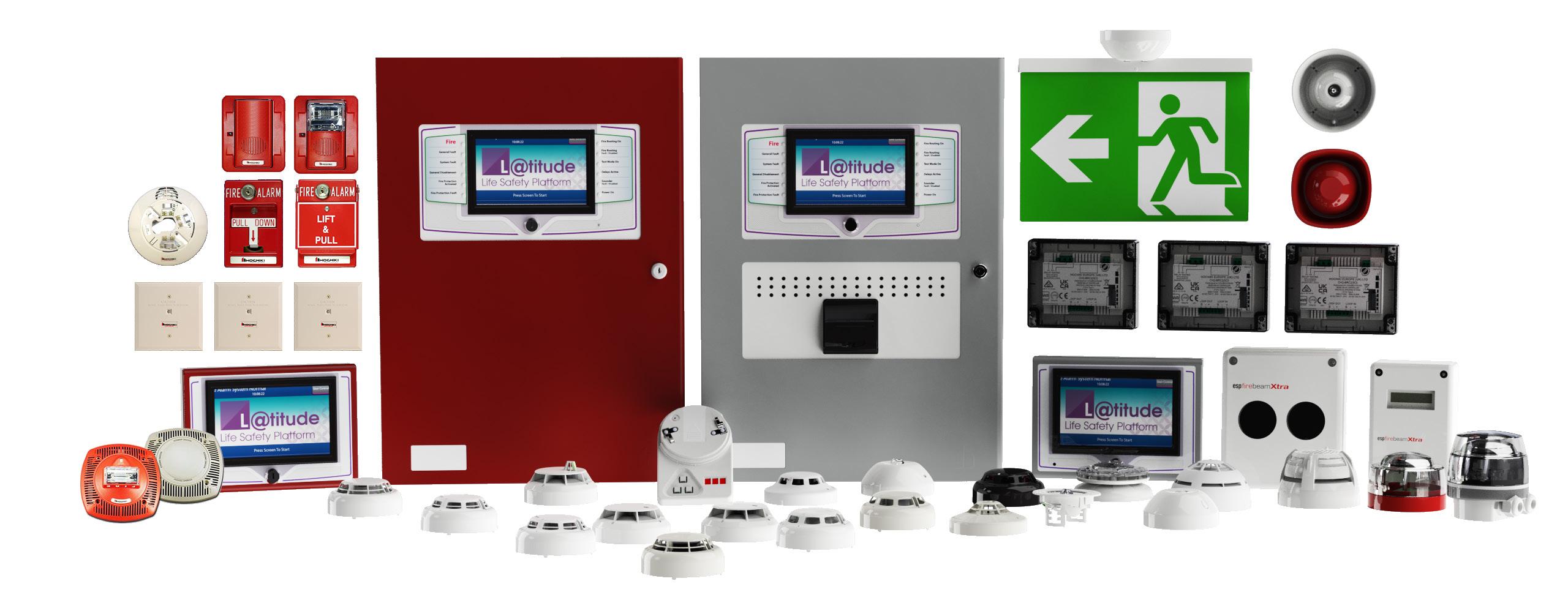
Reduce false alarms with precision detection
Lower lifetime cost without compromising performance
Designed and manufactured in Japan, the UK, and the USA
Networking capabilities for complex and scalable projects

0.001% manufacturer failure rate
Simple installation and low maintenance design

International network of trusted installers
Trusted globally by leading developers and consultants


Visit our Middle East team at Intersec Dubai, Hall 4 - Stand B22 to learn more and specify Hochiki devices for your next project.
www.hochikieurope.com/middleeast sales@hochiki.ae

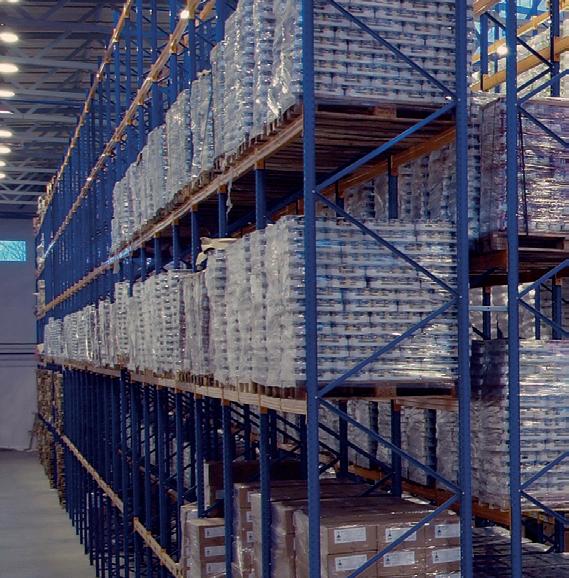
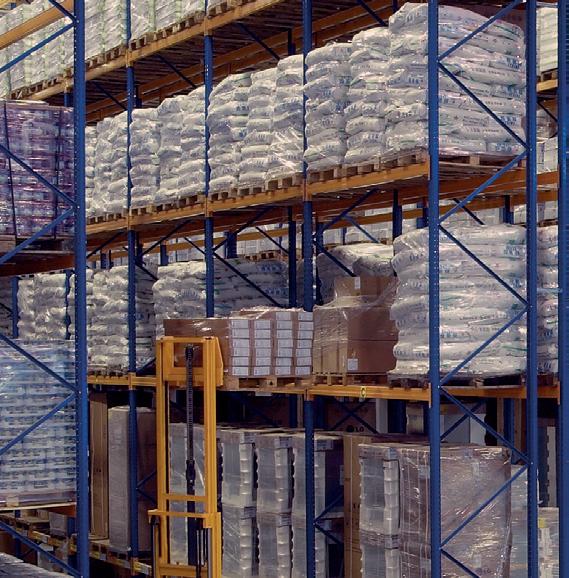
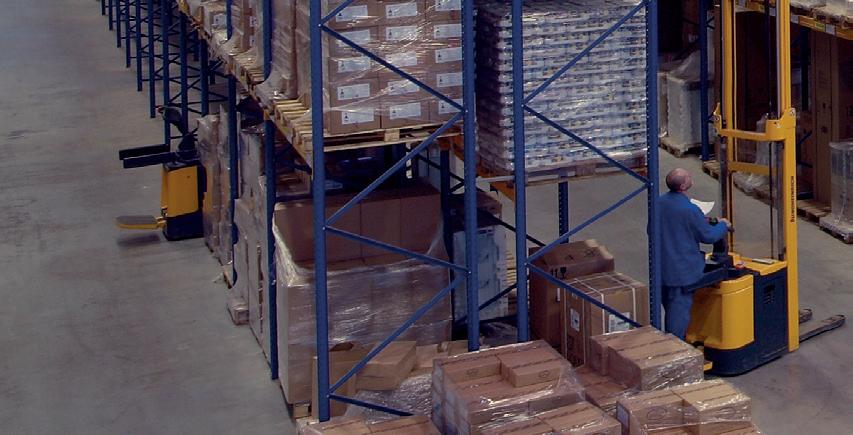
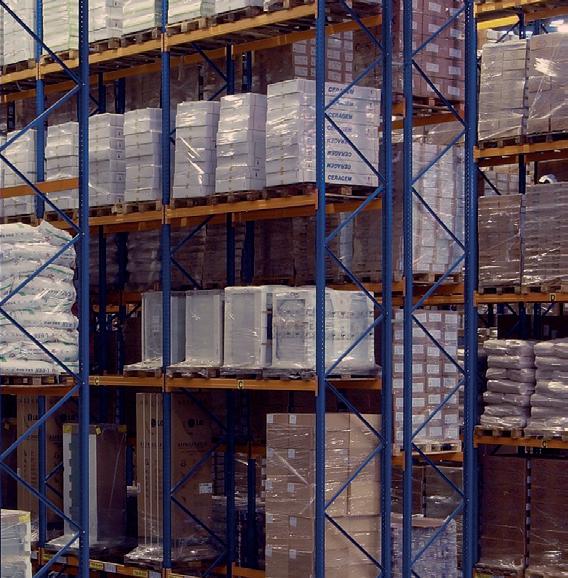
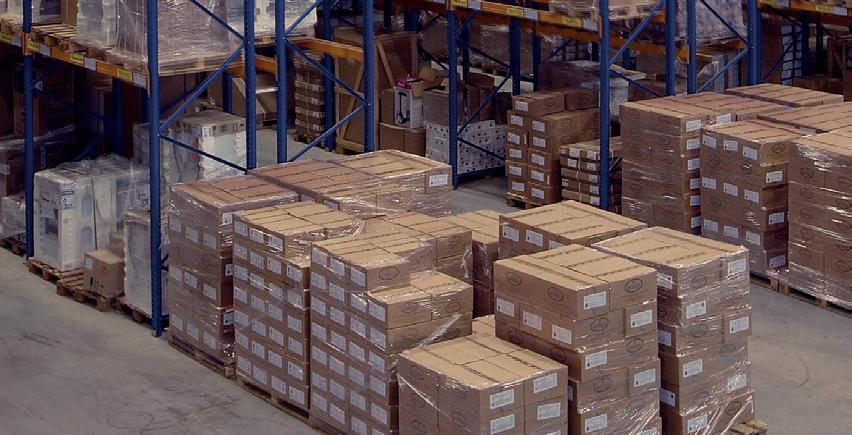
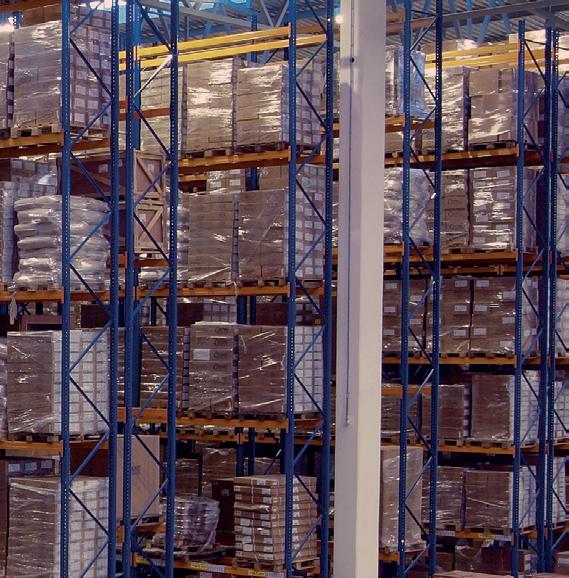
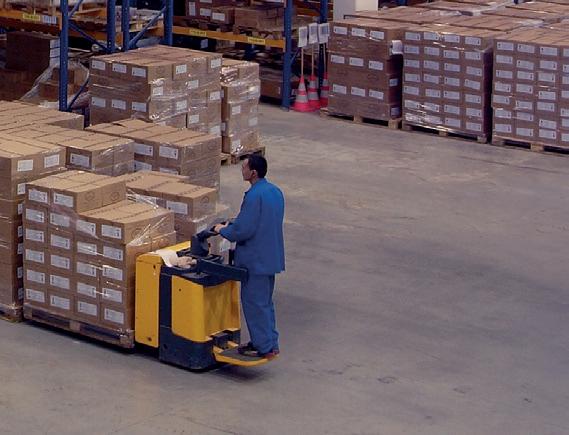
Beam smoke detection – long range cover for high bays and isles
ASD detection – early warning in enclosed/critical rooms
Flame detection – rapid ignition at charging/waste hotspots
Linear heat detection – along conveyors, cable runs and racking
Open volume blind spots
Beams span high bays long aisles.
Enclosed/critical rooms
ASD gives fast, sensitive sampling.
Charging/waste hotspots
Flame detection reacts rapidly — even through glass.
Maintenance & access
Remote checks and simple routing reduce disruption.
Alarm stability
Clear zoning aligned to real warehouse risks.
Conveyors, cable runs & racking Linear heat detection along all three.
Visit us at Intersec Dubai 12–14 January 2026 Hall 4, Stand E31
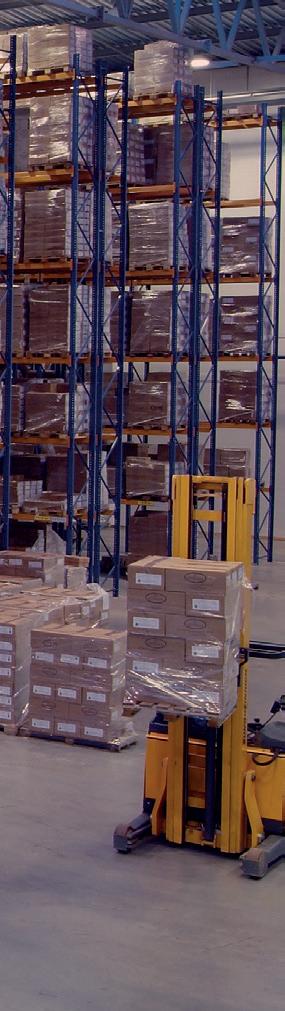


Fahri Yiyin, takes a closer look at the minimum distance between Class I-II-IIIA liquid chemical storage tanks
According to NFPA 30, flammable and combustible liquids must be classified based on their flash point and boiling point. Liquids with a closed-cup flash point below 37.8°C are categorised as flammable. Considering the boiling point, chemicals with a closed-cup flash point above 37.8°C fall under the combustible category. The aim of this study is to determine the minimum separation distance required between storage tanks containing Class I liquids. The reference standards applied are the UAE Fire and Life Safety Code of Practice and NFPA 30. Examples of chemicals falling under Class I include methyl ethyl ketone, methanol, n-butanol and toluene.
NFPA 30, in Chapter 22, Storage of Liquids in Tanks-Aboveground Storage Tanks, outlines requirements regarding tank-to-tank spacing and the distance between tanks and the nearest structures.
Table 22.4.2.1, Minimum Shell-to-Shell Spacing of Aboveground Storage Tanks, groups Class I and Class II liquids under the same category for spacing calculations. For tanks with diameters up to 45 metres, the minimum separation distance between tanks containing Class I liquids is determined by dividing the sum of their diameters by six. For instance, if two chemical storage tanks have diameters of 10 metres and 14 metres, respectively, the minimum separation distance should be calculated as: (10 + 14) / 6 = 4 metres. That calculation also applies to Class II and Class IIIA liquids with diameters less than 45 metres. For tanks exceeding 45 metres in diameter, if remote impounding is provided in accordance with Section 22.11.1, the sum of the diameters is divided by four. If open diking is provided in accordance with Section 22.11.2, the sum is divided by three. In all cases, the minimum distance between tanks must not be less than 1 metre. Provisions
Tanks larger than 150ft (45m) in diameter: If remote impounding is provided in accordance with 22.11.1
x sum of adjacent
x sum of adjacent
diameters 1/6 x sum of adjacent tank diameters
If open diking is provided in accordance with 22.11.2 1/4 x sum of adjacent tank diameters 1/3 x sum of adjacent tank diameters 1/4 x sum of adjacent tank diameters
Note: The “sum of adjacent tank diameters” means the sum of the diameters of each pair of tanks that are adjacent to each other.
Table 22.4.2.1 Minimum Shell-to-Shell Spacing of Aboveground Storage Tanks
than or equal to 45 m 1/6 x sum of adjacent tank diameters but not less than 1m
or
x sum of adjacent
diameters but not less than 1m More than 45m with Remote Impounding 1/6 x sum of adjacent tank diameters 1/6 x sum of adjacent tank diameters More than 45m with Open Diking 1/4 x sum of adjacent
diameters 1/4 x sum of adjacent tank diameters
Less than or equal to 45 m 1/6 x sum of adjacent tank diameters but not less than 1m 1/6 x sum of adjacent tank diameters More than 45m with Remote Impounding 1/6 x sum of adjacent tank diameters
x sum of adjacent tank diameters More than 45m with Open Diking
x sum of adjacent tank diameters
Table 13.4.g.: Minimum Shell to Shell Separation Distance between Storage Tanks
for LPG storage and tank pressures are addressed separately in Section 22.4 of NFPA 30.
In the UAE Fire and Life Safety Code of Practice, Chapter 13 is dedicated to flammable and combustible liquids. Section 2.1.5 specifies that NFPA 30, NFPA 30A and the NFPA 30 Handbook
x sum of adjacent tank diameters
are adopted as reference documents. In Table 13.4.g, Minimum Shell-to-Shell Separation Distance between Storage Tanks, the spacing requirements align closely with those of NFPA 30, whereby the tank diameter and the classification of the stored liquid determine the minimum required separation.
The new SMART-FORCE battery-powered tool series has initiated a digital revolution in the rescue equipment market.
It offers significantly higher speed, a powerful MILWAUKEE-compatible 18 V battery, and an intuitive design — all packed into a rugged, submersible housing.
In addition to digitalisation, the SMART-FORCE product series also takes into account features such as underwater operation, anti-theft mode, service, and training.
Discover more
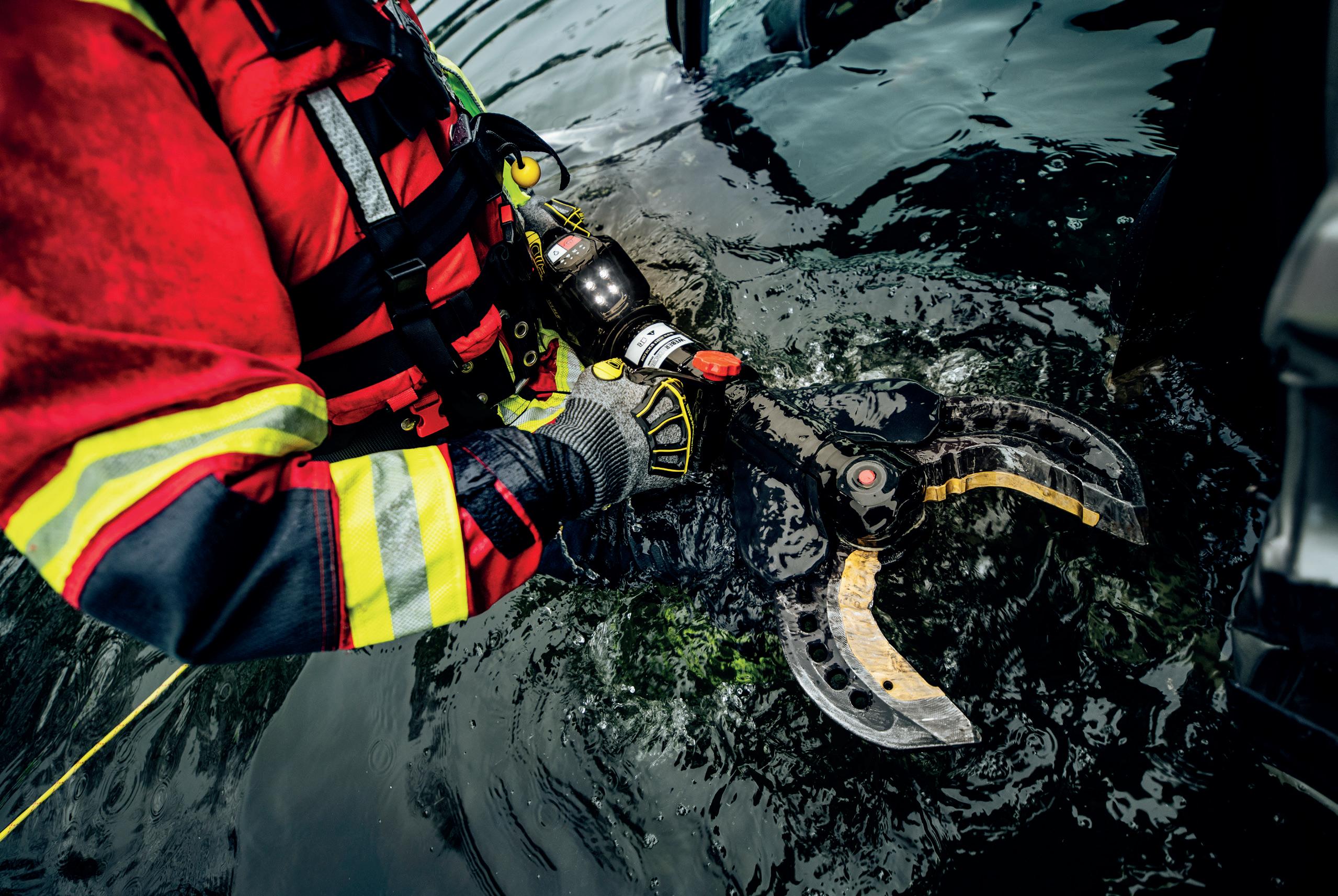
Dubai, 12 - 14 January
Visit us at German Pavilion Hall 8, Stand 8-F20.
The Middle East’s fast growing data centre sector remains a key opportunity for fire safety consultants and installers, but its detection requirements are becoming ever more complex. In an industry where reputations and profitability hinge on minimising downtime, fire detection specialists must now offer a high degree of early warning across the whole site.
In response, Securiton has adopted a holistic approach to data centre protection, with our most advanced technologies deployed in tandem. To protect the increasingly key area of battery rooms, a new off-gas detector has been added to the range.
At the heart of a data centre are banks of servers and related networking equipment, staked together in aisles where they release heat as a side effect to their furious electronic activity. They are, effectively, a giant fire hazard that requires continuous cooling and monitoring. Until now, these server rooms have been the main area of focus for Early Warning Fire Detection (EWFD), best ensured using aspirating smoke detectors.
Powerful aspirating smoke detectors (ASD) such as SecuriSmoke ASD can be designed to work with the airflow in the server aisles, detecting the earliest traces of smoke from a smouldering element to activate suppression systems and launch an integrated site incident and emergency response. The ability of ASD to sample the airflow from the cooling system turns a fire detection challenge into a strength: conventional point type detectors are simply not able to detect smoke that is rapidly diffusing in the forced air flow. Aspirating smoke detectors therefore remain the mainstay for servers and can also protect return air grilles and cavities in raised floors or suspended ceilings.
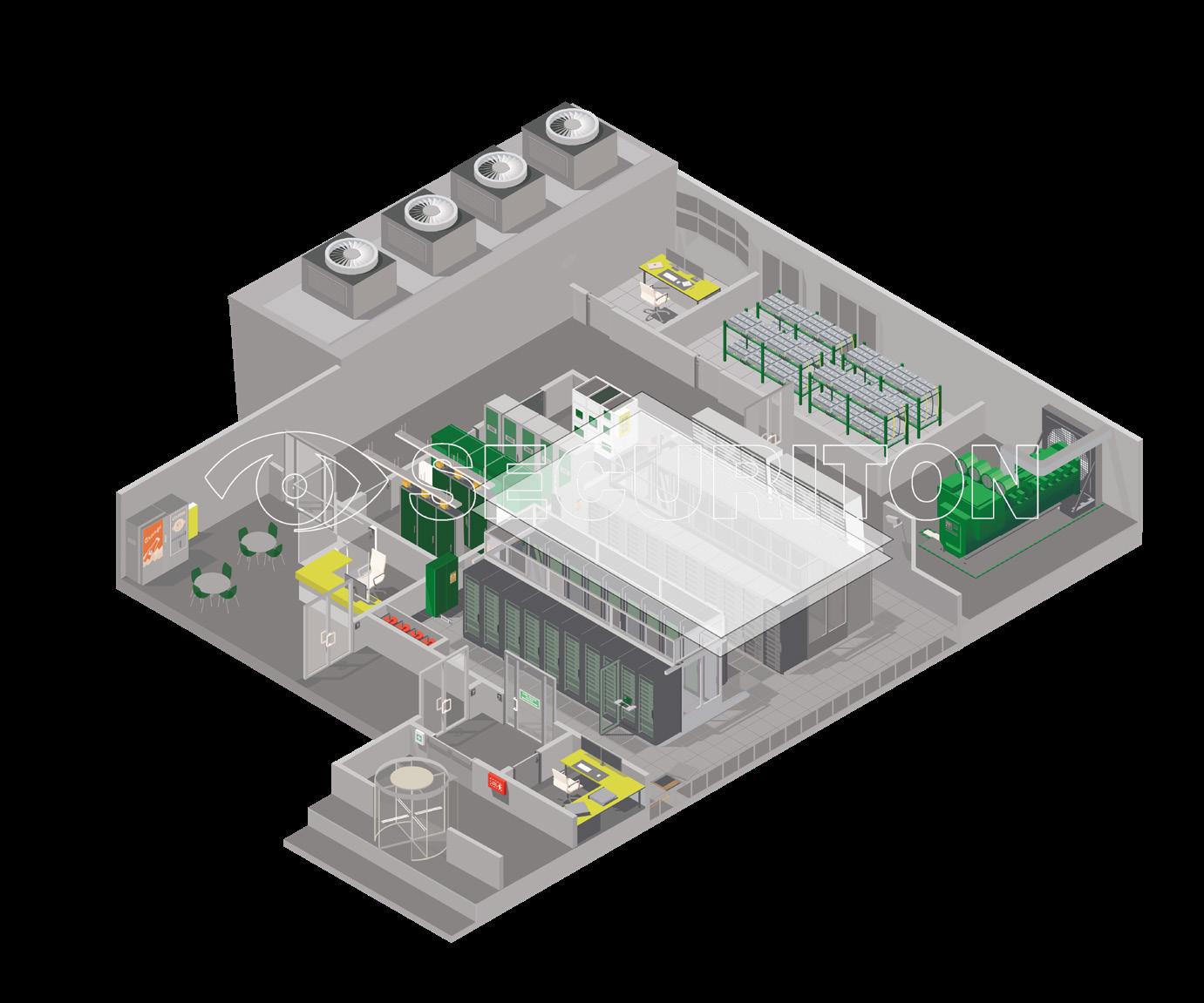
However, the very back-up systems designed to ensure a data centre’s continued operation now present further challenges: generators, electrical systems and battery banks. Although ASD may be an option in some cases, heat detection is generally more effective around generators, and in power distribution cabinets where heat can manifest a problem before smoke forms.
Most data centres now incorporate a battery room, used to ensure an uninterruptable power supply. Lithiumion batteries are the favoured technology as they allow for regular discharging and can therefore be used to ensure a stable electricity supply and modulate peaks in energy pricing. However, Li-ion batteries are a major fire hazard because when faulty, they can combust through a process known as thermal runaway and can burn with ferocious intensity.
In response to this new and critical challenge, Securiton has developed a combined smoke, off-gas and heat detection solution, using its advanced linear heat detector, SecuriHeat d-LIST. Detection cables can be placed among the battery racks and need never be accessed for maintenance, while off-gas detectors can utilise the sampling airflow created
by the ASD system. Although this may seem like a lot of detection, the critical danger from Li-ion batteries and the need to react very early to an incident justifies a cautious approach.
Data centre designers and operators will also naturally be interested in suppressing any fires that do start. Therefore, a control panel that can not only clearly visualise the various detection methods across many rooms in a single interface is highly desirable. Integrating suppression activation with detection and alarm will be at a further advantage.
All of the bespoke detection methods discussed above can be interlinked through SecuriFire panels which also control suppression actuation. This holistic approach using multiple stateof-the-art technologies offers the best guarantee against a fire incident getting out of hand and causing a lengthy and very expensive service interruption, with all the consequences that entails.
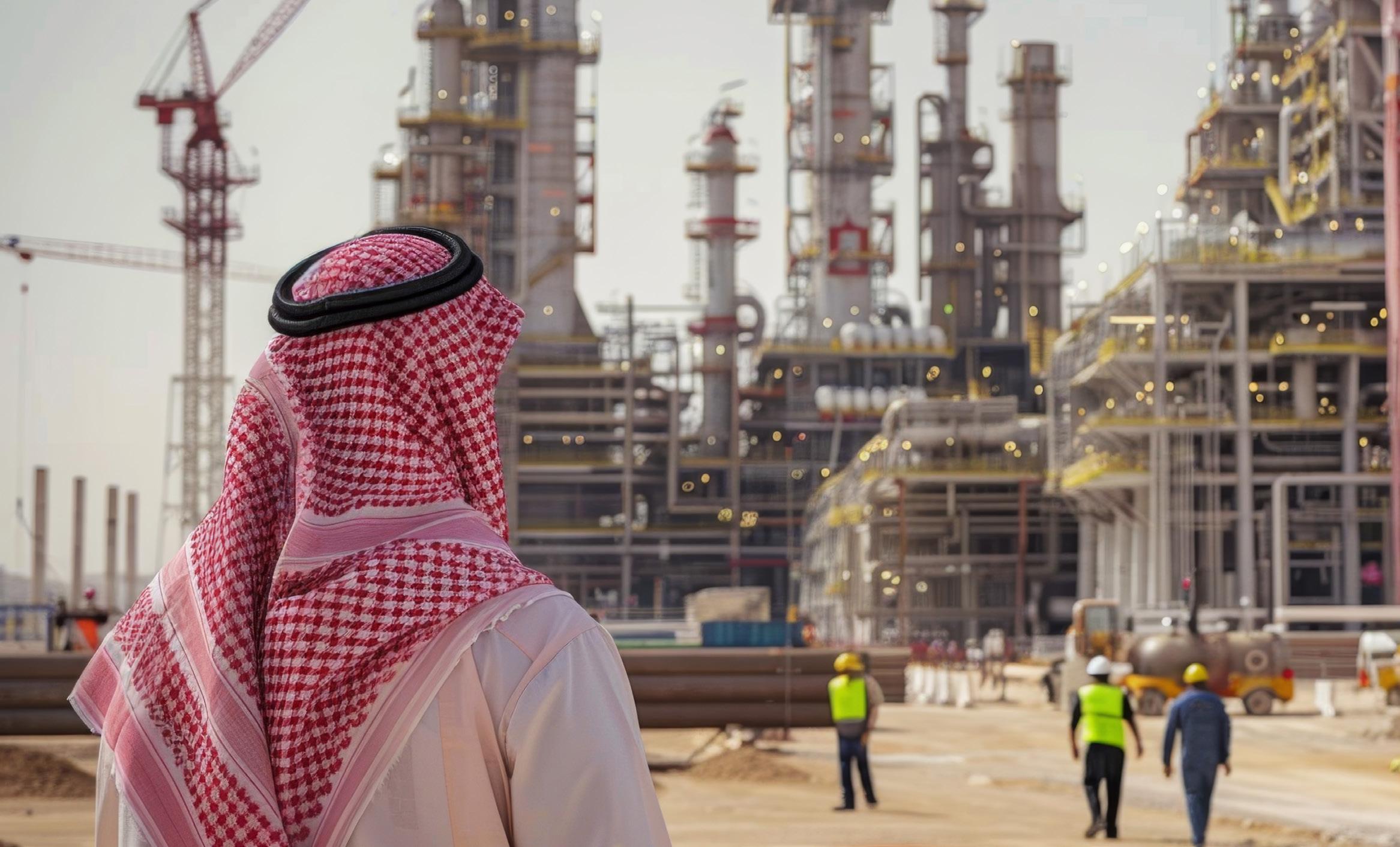

Faris Alzharani, OHS and Fire Safety Practitioner, explores fire risk management systems in construction sites and shares the vital importance of Construction Fire Safety Plans
Saudi Arabia’s construction landscape is currently undergoing a historic transformation. NEOM’s futuristic cityscapes, separate from the Red Sea Global resorts and Qiddiya’s entertainment megaprojects, are delivering one of the largest construction booms in modern history. The market is expected to exceed US$500 billion by 2030, according to Daleel News, transforming skylines
to redefine what is possible in terms of design and engineering.
But, within this unprecedented expansion is a silent threat: fire! A major fire occurrence is not a question of if for Saudi Arabia’s construction boom, but rather when. Without a systematic fire safety framework, a large-scale incident could stall progress, destroy investment and threaten lives.
The global context is the warning sign
There are sobering statistics from the US construction market to benchmark against. According to the NFPA Construction Site Fire Safety Fact Sheet (2022), an average of 4,300 construction site fires occur per year, resulting in five civilian deaths, 62 injuries and US$376 million in direct property loss. These
fires were virtually always caused by preventable acts; improper hot work, temporary heating misuse and poor housekeeping.
Saudi Arabia is likely to have an even higher risk exposure. By numbers, the Saudi Arabian construction sector is anticipated to surpass $500 billion by the year 2030. The speed, density and geographic concentration of megaprojects associated with the country create a perfect storm of risk. The harsh desert environment and tight timelines linked with massive growth in workforces with different backgrounds, increase the risk. High winds and extreme temperatures can contribute to rapid fire spread, and the remote location of many sites may hinder rapid responses in such cases.
Because of this, Saudi Arabia’s construction boom requires worldclass fire risk management. Fire risk management that is anchored in lessons learned, including, in some cases, paid for elsewhere in loss and tragedy.
Compliance as the cornerstone
Fire safety on construction sites is not a bureaucratic exercise, it is a life safety strategy. The use of internationally recognised frameworks must be non-
While there are many components required of a compliant CFSP under NFPA 241 and IFC 2021, the key elements include:
1. Fire Prevention Programme Manager (FPPM): A person clearly defined with authority and responsibility for fire safety.
2. Site Security: 24/7 prevention of unauthorised trespass, arson and hot work. Construction sites will be protected at all times, not only during working hours.
3. Storage & Housekeeping: All combustibles stored, handled or wasted, and housekeeping is disciplined daily, and no accumulation of fuel from housekeeping.
4. Temporary Utilities & Equipment: Safely operated temporary power, lighting and heating systems installed.
5. Hot Work Permits: A disciplined and assured process for hot work operations such as welding, cutting, grinding and roofing, with fire watch personnel trained to be on standby.
6. Water Supply & Access: Fully functional hydrants, standpipes and fire department access at all times.
7. Phased Integration: Early activation of permanent protection systems, sprinklers, alarms and detection network.
negotiable. Two documents define the global baseline. When combined, together they constitute problematic references to a rigid fire risk management system.
1. NFPA 241: Standard for Safeguarding Construction, Alteration, and Demolition Operations.
2. IFC 2024, Chapter 33: Fire Safety During Construction and Demolition.
In addition, these documents describe how to protect lives, property and project completion during the most vulnerable stages of a structure’s life, even before its fire systems are active. Temporary utilities, hot work controls, material storage and water supply, and phasing the activation of systems, all provided for.
Luckily, both standards are locally compulsory. While the Saudi Fire Code, SBC2024, adopts the IFC2021 Fire Safety
During Construction and Demolition requirements, it also enforces NFPA 241. Together, they form the operational blueprint every Saudi developer and contractor should adopt.
Construction fire safety plan is the heart
At the hub of these frameworks lies one live document, the Construction Fire Safety Plan (CFSP). Too often, it is treated as a checkbox: completed, signed and then ignored. The reality is that it must be a ‘live document’ that is continuously updated as the site’s circumstances continue changing.
Both NFPA 241 and IFC mandate that the building owner or his/her authorised agent is legally responsible for appointing a Fire Prevention Programme Manager (FPPM) for every construction, alteration or demolition site. The agent shall

“As the
builds its future, it must do so on a foundation that does not burn”
be responsible for the development, implementation and maintenance of an approved, written site safety plan establishing a fire prevention programme at the project site applicable throughout all phases of the construction.
Answering the unanswered: When to review and/or update the CFSP?
Plans that are not updated become stagnant. The CFSP needs to evolve along with the project. Follow key milestones and take into consideration the following changes; -
Project Milestones: for example, transitioning from structural steel to cladding, or rough-in to interior finishes.
Scope Change: Any major design or scope change.
Incident Responses: After any fire, near miss or unsafe act – no matter how small.
New Hazard: Changes to materials or processes that change the risk profile.
Schedule Changes: Moving forward with night shifts or compressing the work cycle.
Seasonal Factors: Extreme heat higher than a threshold, sandstorms or high winds, that could flare and spread potential
A truly ‘live’ CFSP is continuously reviewed with the FPPM and other project management, contractors and AHJs. Each review and change would be documented, reviewed and communicated through toolbox talks and periodic fire drills.
Building a legacy of safety
The growth in construction in Saudi Arabia is changing how we, as a globe, view aspirational development. However, ambition must be matched with discipline, especially when it comes to fire safety.
The intent to follow the fire safety provisions in SBC801 and follow the International Practices is not a Western influence; it is to protect lives, property and the nation. Resilience in fire risk management is not a cost centre; it is a life-safety ecosystem that emphasises the importance of a long-term investment to maintain continuity, compliance and confidence.
As the Kingdom builds its future, it must do so on a foundation that does not burn. The call to action is simple; every stakeholder, developer, contractor and regulator must require and put the Construction Fire Safety Plan in motion, as an absolute priority, at each project. Only then will the construction revolution in Saudi Arabia rise safely and sustainably, converting vision into permanence, rather than smoke, hate and loss.
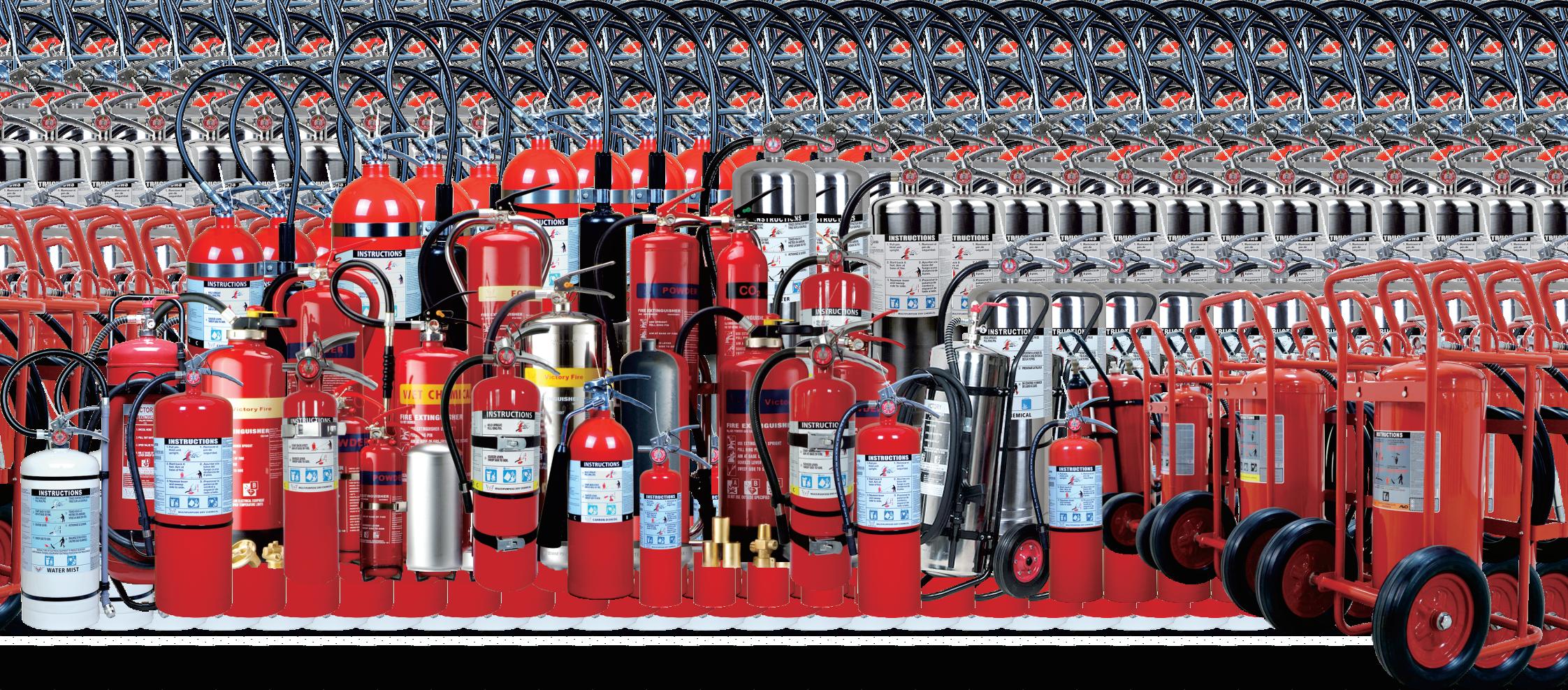




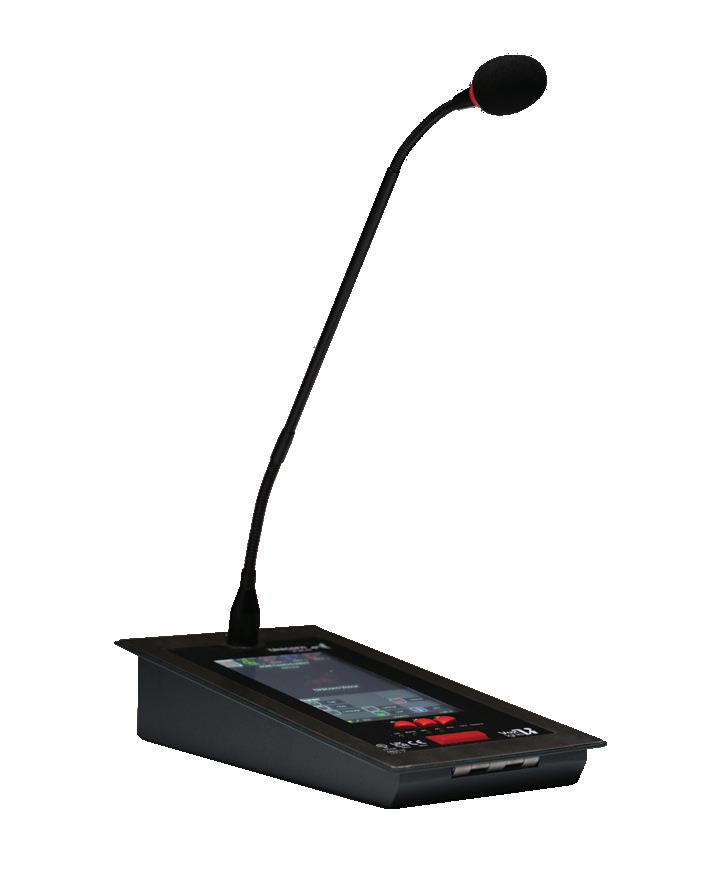
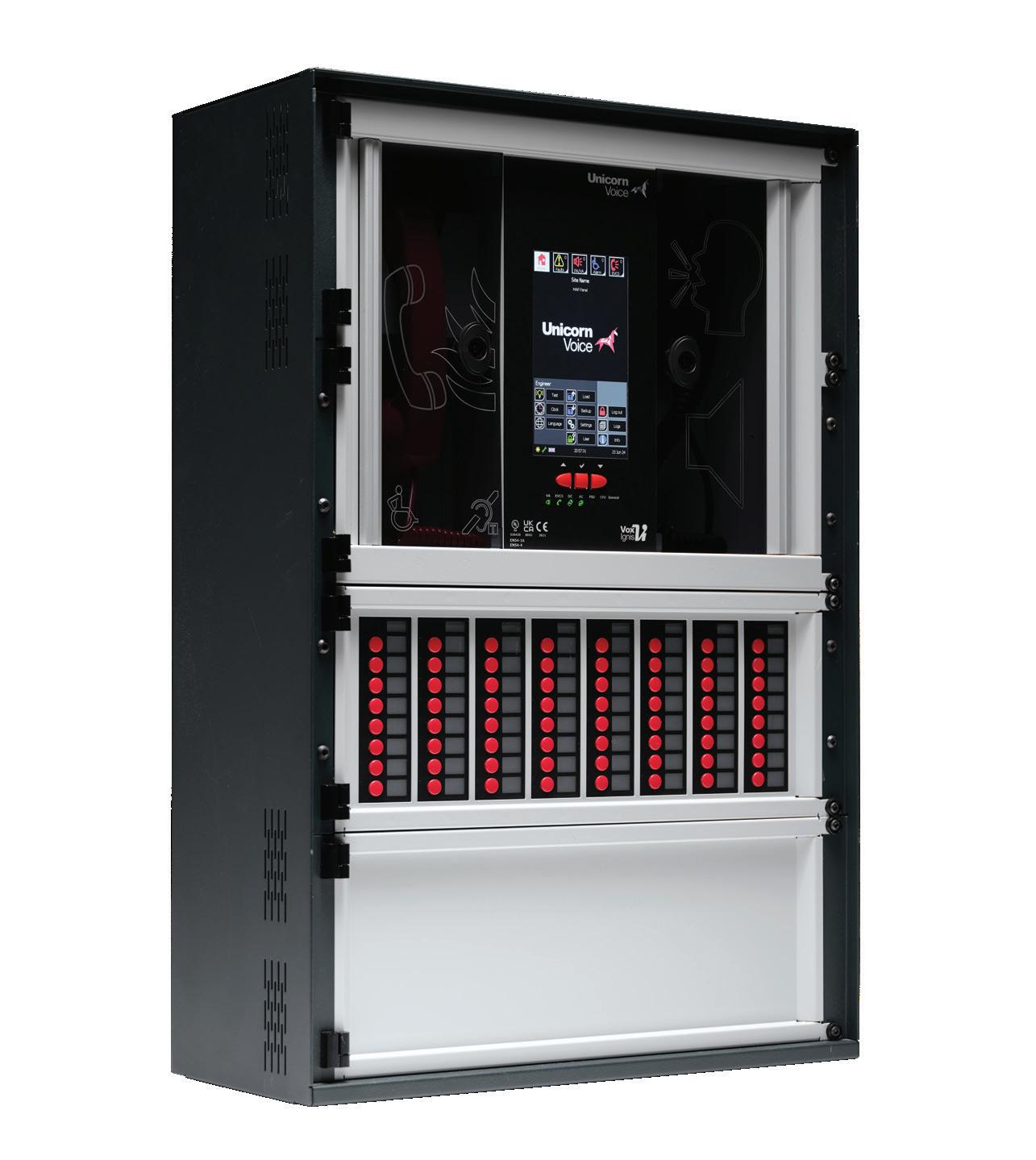
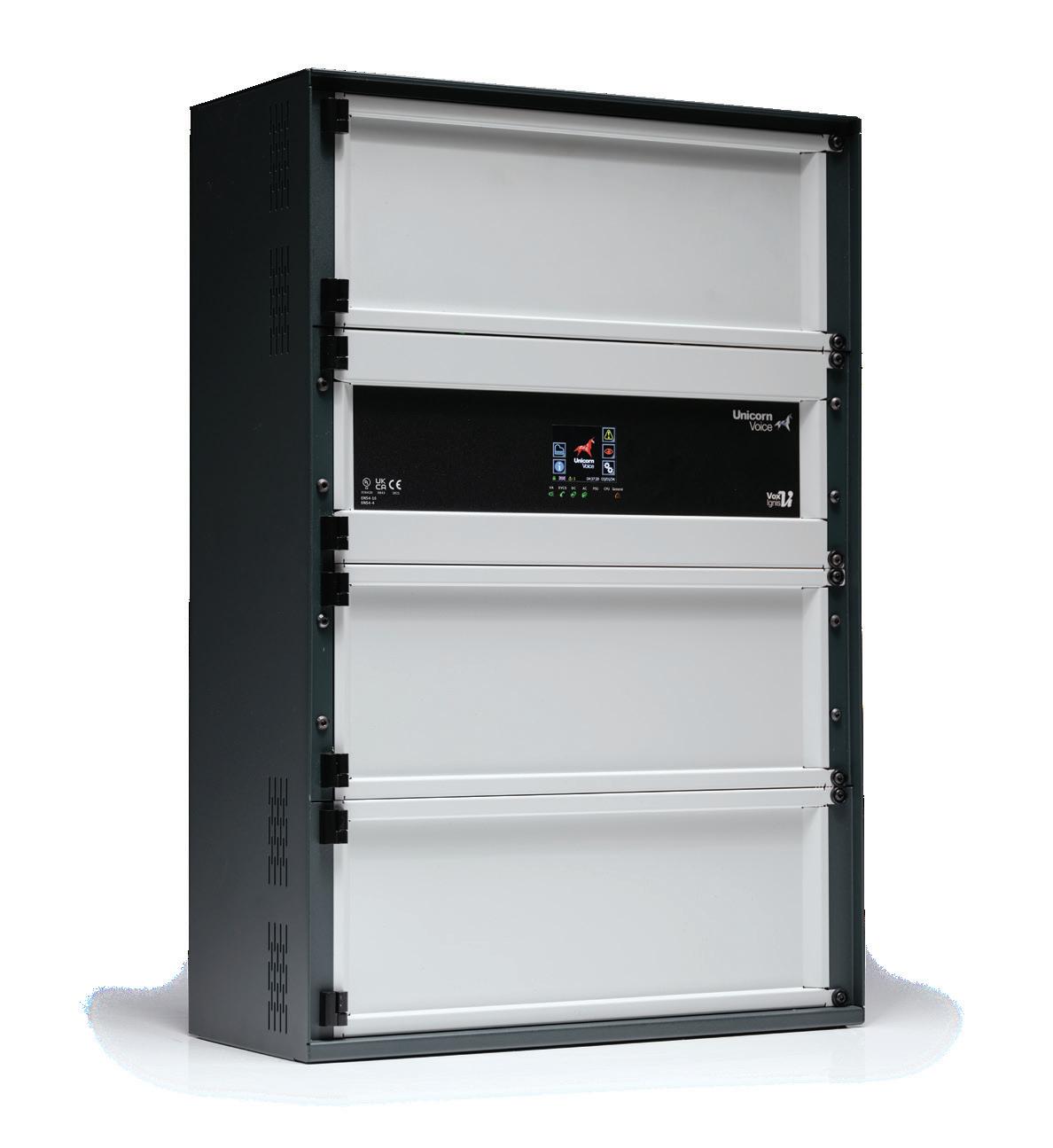
Unicorn Voice integrates PAVA, VADs, fire telephones, disabled refuge, steward phones, accessibility and safety alarms.
Approved to EN54-16 and one of the few BS 5839-8 compliant systems available, Unicorn Voice is lightweight and networkable making installation easy and economical. It is the complete evacuation solution.
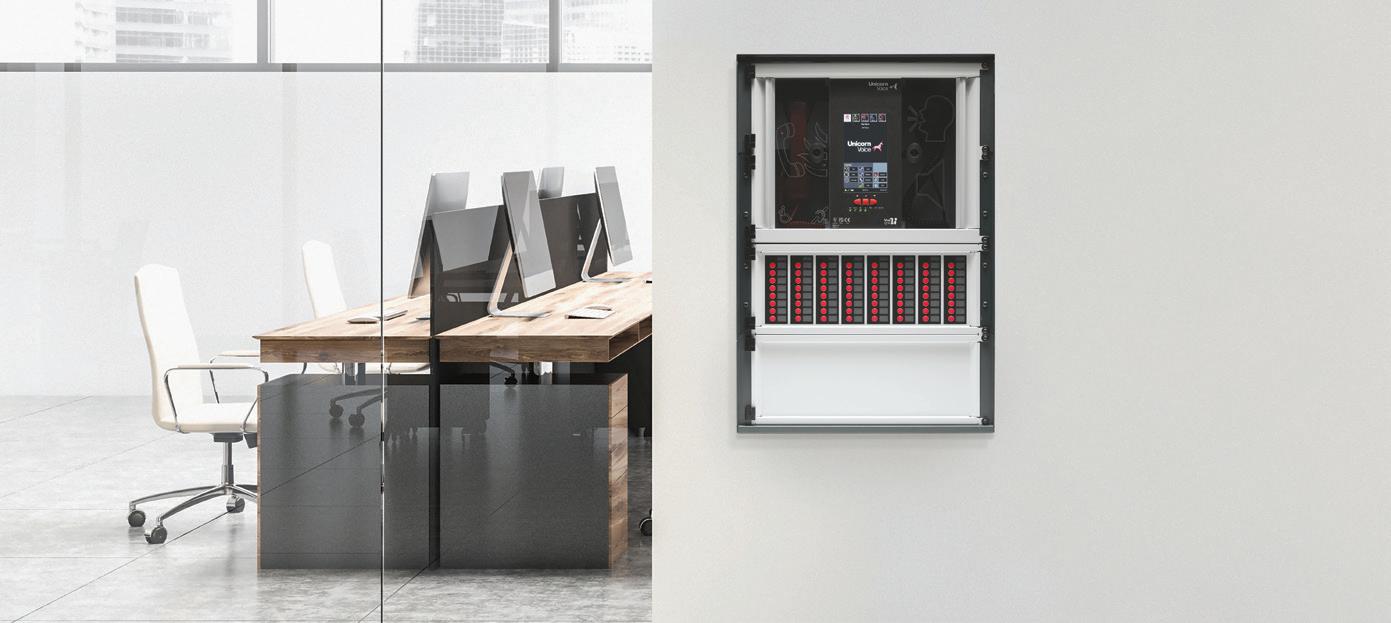
For info, specification help, CPDs or to join our installer programme, please visit:
www.vox-ignis.com
AssistCallPro is a unique, modular safety-alarm and asset-protection system designed to meet the varied needs of modern buildings across the Middle East
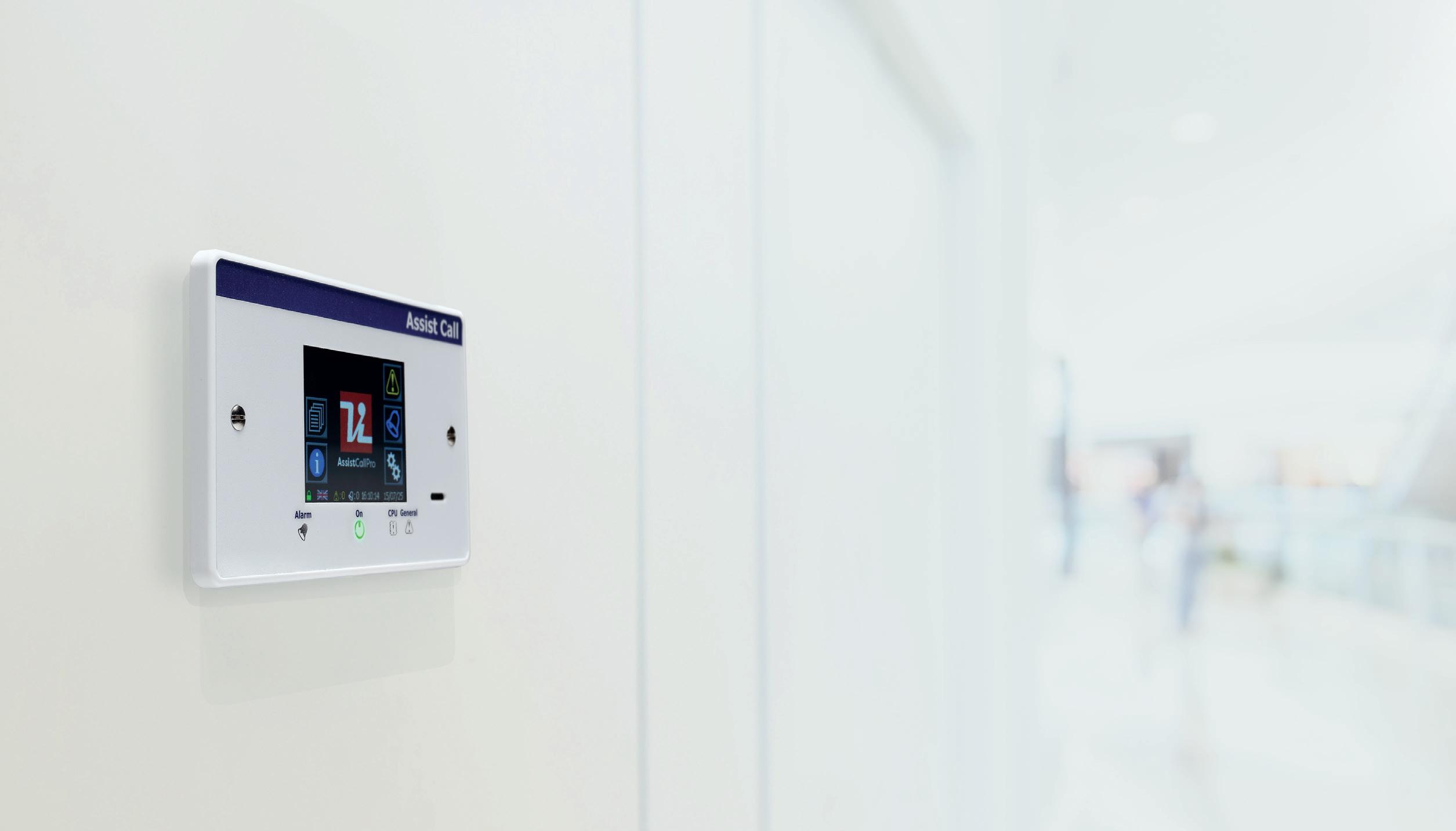
With smarter aesthetics and performance, AssistCallPro manages a wide range of applications, including accessible toilets and bedrooms; panic and emergency alarms; water-leak detection; medicalcabinet monitoring; pool, sauna and gym alarms; emergency-exit alarms and door monitoring; as well as general building alarm and alert types.
The system can be configured to manage a single alarm type (e.g. waterleak detection) or a mix of multiple types.
With support for up to 64 zones or alarm lines on one network, AssistCallPro enables a single system to cover anything from one area to a whole estate or multi-building complex. This means that instead of installing separate systems for pools, accessible WCs, medical cabinets, water-leak detection and more, one networked solution can handle them all, simplifying specification, maintenance and management.
One of the key strengths of the AssistCallPro range is its user- and installer-friendly design.
Networked PSU modules can be added anywhere on the network from convenient mains supplies which then power all controllers, inputs, sensors and outputs on the low-voltage system. Power supplies can be located remotely (up to 100m from network modules), supporting neat installation in retrofit projects or sites with complex layouts. Cabling is Cat 5/6 throughout, or security cable for line devices.
Network modules sit on a lifesafety-standard, dual-redundant, faulttolerant network, up to 250m apart. The network auto-learns and graphically displays any faults, and the entire system is fully monitored. Line devices can be installed in any order. Device/zone lines can run up to 500m from local zone controllers (which offer local control and indication), providing exceptional design flexibility.
A switch input allows AssistCallPro to receive signals from any relay or switch, and the network offers up to 64 programmable relay outputs for integration with third-party systems such as building-management systems (BMS).
From a hardware perspective, all the modules and line devices fit standard single or double-gang back boxes and are offered in attractive white or stainless finishes (with IP66 options), so they integrate cleanly with any interior design. Commissioning is so simple, there is no software.
The centrepiece of AssistCallPro is the touchscreen controller. Up to eight controllers can operate on a single network, offering global or local zone management and control of all or selected alarm types. Alarms can be viewed, acknowledged and cancelled directly from the touchscreen. Each alarm type has its own icon and each line or zone has a full text description, ensuring clear notification for all user groups.
Whether managing simple, accessible WC alarms or a large multi-zone, multi-alarm estate, the system supports a wide range of use-cases. As a result, AssistCallPro is installed across many types of sites including hotels and residential buildings, visitor attractions, sports centres and gyms, waterparks, offices and medical and industrial facilities.
For building owners, facilities managers and specifiers seeking to consolidate their safety-alarm infrastructure under one platform, AssistCallPro ticks the boxes of ease of use, aesthetic integration and robust operational control.
Vox Ignis is a global specialist in voice alarm, emergency communication and safety-alarm systems that help keep buildings and their occupants safe during fire, safety and security incidents.
Designed and manufactured in the UK and sold under the Vox Ignis and leading OEM brands worldwide, our products comply with the highest standards and enhance the safety of millions of people and buildings every day.


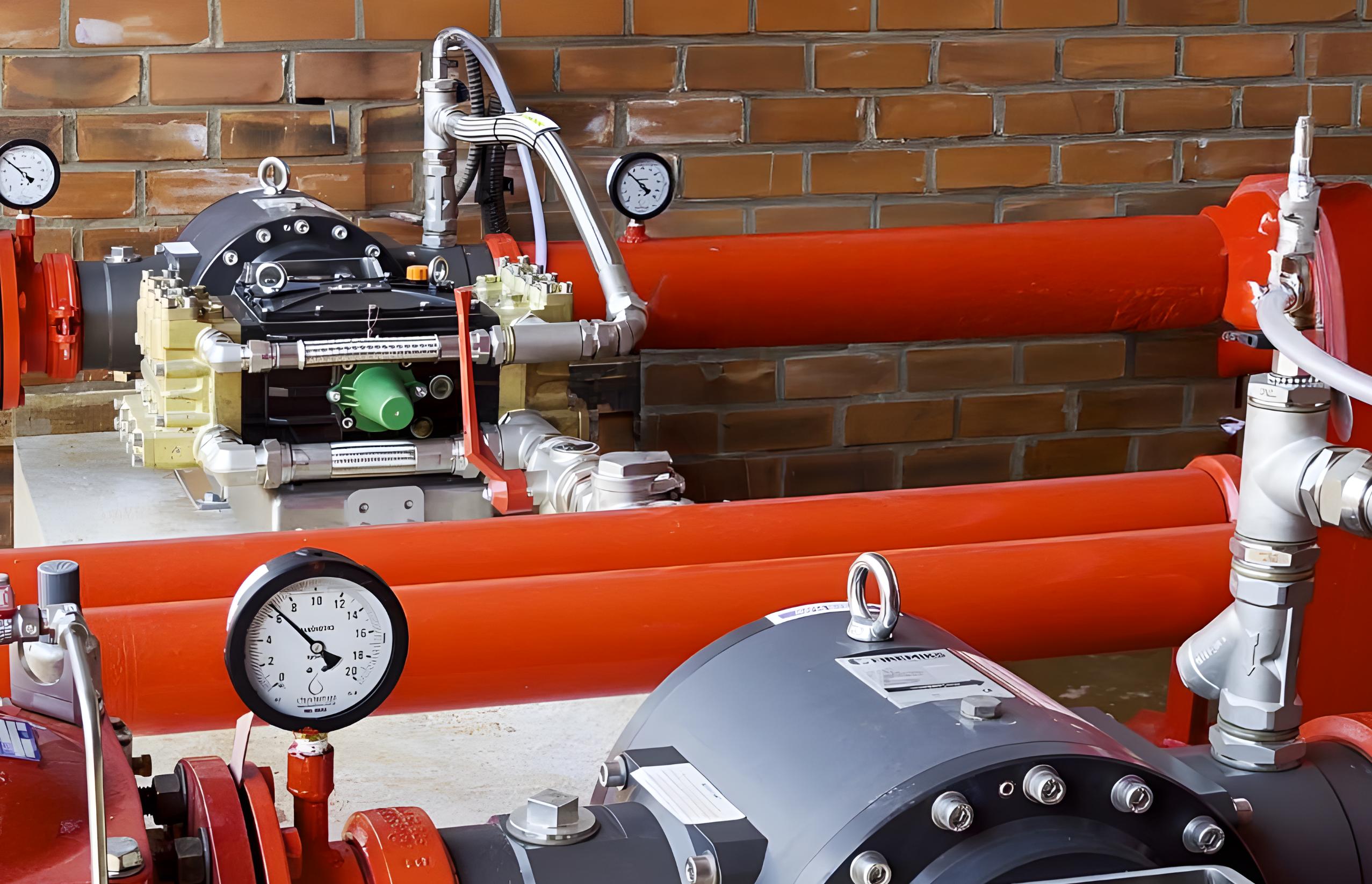
FOAM FIRE FIGHTING PROVEN PERFORMANCE WITH FLUORINE-FREE FOAM
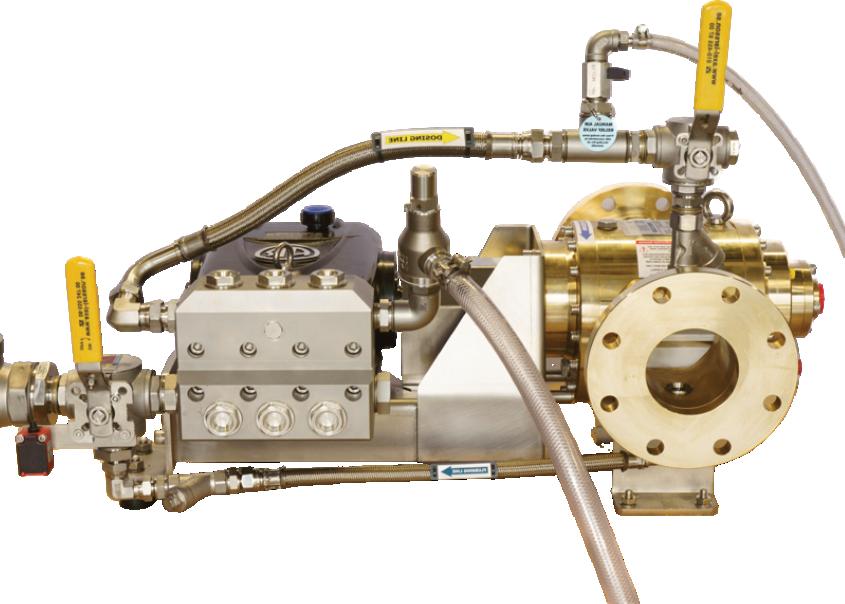
FIREMIKS For Industrial and Sprinkler Firefighting
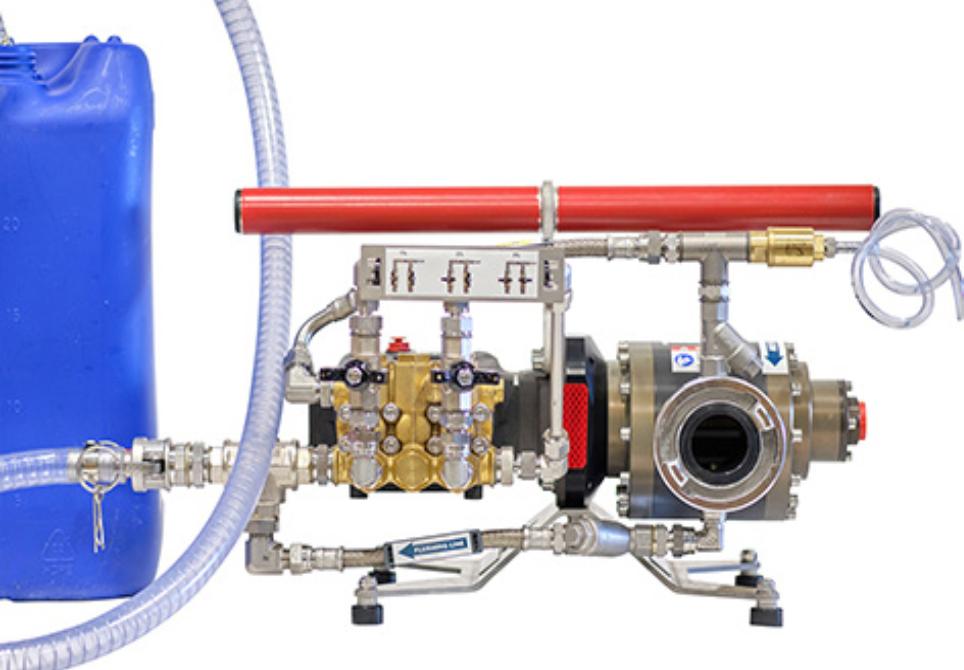
FIREMIKS Mobile unit for Fire Brigades
With a FIREMIKS the firefighters get a flexible resource, easy to adapt to different firefighting situations. FIREMIKS works within a wide pressure and flow range giving a precise and steady dosing rate. (Selected
Piston pumps (-PP) are well suited for systems with wide flow range, for example sprinkler systems and Gear pumps (-GP) are particularly suited for working in deluge installations and with large flow monitors.
COMPACT
COST EFFECTIVE AND LOWER ENVIRONMENTAL IMPACT
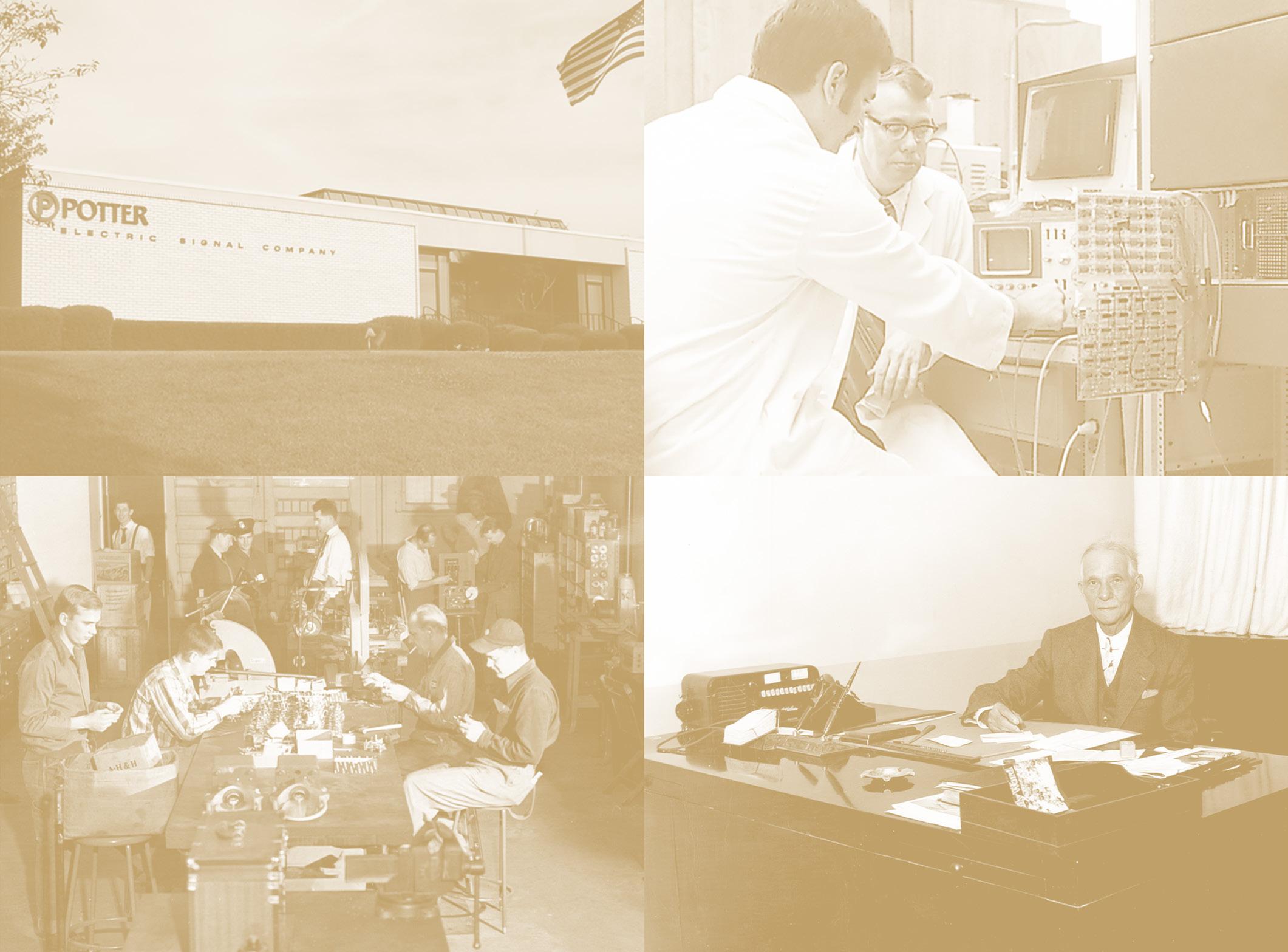
As industry leaders gathered at Intersec Saudi Arabia to discuss the region’s evolving fire safety landscape, Fire Middle East caught up with Frederic Frantz, Senior Vice President of International Sales and Marketing at Potter Global Technologies
Potter may not yet be the first name Middle East fire professionals mention among the world’s biggest fire safety firms — and that’s exactly the point. Unlike diversified conglomerates, Potter’s entire business is built around
one purpose: protecting lives and property through intelligent fire detection, monitoring and suppression technologies.
“We may not be the biggest,” said Frantz, “but our strength lies in being
entirely dedicated to fire safety — it’s all we do, and that focus makes us better. Every day, everyone at Potter is thinking about one thing: how to make our fire detection and sprinkler monitoring products even better.”
“It’s impossible to succeed in Saudi without being on the ground ... You need local people and local engagement.”
Founded in St. Louis in 1898 by Charles E. Potter, the company began as Potter Signal Company — a pioneer in early fire alarm and supervisory systems. Over more than a century, Potter has evolved from developing the first central-station monitoring and sprinkler supervisory devices to delivering fully integrated, code-compliant fire detection and control systems worldwide.
Throughout its history, one constant remains: an unwavering commitment to reliability and trust. Potter’s innovations have helped shape US fire codes themselves, earning it a reputation as both a standard-setter and a guardian of life safety.
Today, that same dedication guides Potter Global Technologies as it brings its heritage of precision, performance and integrity to new markets around the world.
A defining moment came in November 2023, when global investment firm KKR acquired Potter, igniting a new chapter of international growth. Historically focused on the US, Potter’s products have long been synonymous with reliability. With KKR’s backing, that legacy of excellence is now being extended across Asia, the Middle East and Latin America.
Leading this effort is Frantz, who brings decades of international experience in industrial and construction solutions. Before joining Potter, he held senior roles at Belden, a global leader in network infrastructure, where he delivered complex projects across continents. Having lived and worked in both France and Hong Kong, he brings a truly global perspective — combining Western engineering precision with a deep understanding of regional markets.
“Potter has incredible technology, deep roots in safety, and now a renewed
ambition to bring that strength to markets where quality and reliability truly matter,” Frantz explained.
Potter’s Middle East footprint is growing fast. With a regional base in Dubai and plans to expand in Saudi Arabia, the company is investing in local presence and customer proximity.
“It’s impossible to succeed in Saudi without being on the ground,” said Frantz. “You need local people and local engagement.”
Saudi Arabia is the region’s single largest opportunity — representing nearly half the Middle East’s total fire market value. “It’s a country investing heavily in modern infrastructure and Giga projects,” Frantz noted. “With that comes a stronger commitment to safety and compliance.”
He estimates the addressable Saudi market for fire detection and suppression at around $100 million annually, still maturing but growing fast as regulation and enforcement tighten.
What makes the market especially attractive is its alignment with UL and FM standards; the same frameworks that have defined Potter’s engineering philosophy for over a century.
“Saudi Arabia’s codes are strict and enforced,” said Frantz. “That makes it a natural fit for Potter, because every product we design meets or exceeds those exacting standards.”
By combining its US pedigree with a growing regional presence, Potter aims to deliver world-class technology backed by local support, ensuring faster delivery, trusted relationships and confidence in mission-critical safety systems.
For a company rooted in American engineering excellence, the Middle East’s
regulatory environment feels familiar. Potter’s products meet the world’s toughest standards, including UL and FM certifications, which underpin much of the region’s fire safety framework.
“Saudi Arabia operates to UL/FM standards — that’s Potter’s DNA,” Frantz said. “We’re fully aligned with the codes that define reliability in this market.”
This alignment runs deeper than compliance. Potter’s culture of documentation, testing and traceability mirrors the expectations of Civil Defence authorities and major consultants. “Every country claims to have fire codes,” he added, “but Saudi Arabia enforces them, and that rewards manufacturers who take safety as seriously as we do.”
Potter’s century-long record of reliability gives customers assurance that every device — from sprinkler monitoring switches to advanced detection panels — performs flawlessly when it matters most. By bringing those systems to Saudi Arabia and the UAE, Potter is helping raise the regional benchmark for quality and trust in life-safety systems.
Potter’s international growth is guided by a simple principle: focus on environments where reliability is critical.
Its technologies are proven in some of the world’s most demanding applications; data centres, battery-energy-storage systems (BESS) and electrical substations — all sectors expanding rapidly in the Middle East.
“Data centres are one of our biggest growth areas,” Frantz noted. “They run 24/7, where even a few seconds of downtime can have major consequences. Our expertise with dry-pipe, pre-action and nitrogen suppression systems lets us design solutions that protect critical infrastructure without compromise.”
Potter’s systems integrate seamlessly with building management and monitoring networks, ensuring early detection, rapid response and minimal disruption, qualities that make it a trusted partner in high-availability environments across the US and beyond.
Alongside data centres, Potter’s work in BESS installations and utility substations addresses another major regional priority: energy resilience. Its UL-approved systems are engineered to withstand harsh conditions while meeting the most stringent safety standards.
“In power and energy storage, the risks are complex and the expectations are absolute — our products must perform flawlessly every time,” Frantz explained.
Building on these strengths, Potter is now partnering with consultants and contractors in healthcare, hospitality, industrial and transportation projects across Saudi Arabia and the wider GCC.
As Giga projects reshape the region’s skyline, demand is rising for partners who combine international certification with local understanding — a space where Potter’s 120-year heritage stands unmatched.
In fire safety, reputation is earned through performance, not promises, and Potter’s has been built over more than a century of systems that work exactly as intended.
“Every component we design is mission-critical,” said Frantz. “There’s no room for failure in fire safety; and that drives our culture of precision.”
Across North America, Potter’s devices are installed in millions of buildings and integrated into systems supplied by leading global manufacturers. “In many cases, people already use our products without realising it,” Frantz added. “Our switches and supervisory devices are built into systems across the industry.”
Now, Potter aims to make that invisible reliability visible; showing international customers the full scope of its detection, control, monitoring and suppression solutions. For new partners in the Middle East, that proven performance offers something priceless: assurance.
As Potter Global Technologies expands internationally, its ambition remains grounded in the values that have defined it for 120 years — focus, integrity and reliability. The goal isn’t to be the biggest, but the most trusted.

“Our project is not to become the largest,” said Frantz, “but to remain the most trusted — to be known as the company that delivers what it promises, every time.”
With new investment, a clear strategy and experienced leadership on the ground, Potter is positioning itself as a long-term partner to consultants, contractors and authorities across the Middle East.
The company is investing in regional stock, training and technical support, ensuring every project receives the same level of quality and responsiveness customers expect from a century-old American brand.
Frantz concluded: “The world doesn’t need another generalist; it needs partners who understand the responsibility that comes with protecting lives and property. That’s who we are. Potter builds products people can depend on — and as we expand globally, that’s the legacy we’re bringing with us.”
For a region that values credibility, performance and partnership, Potter offers something rare: a 125-year heritage of singular focus — now dedicated to supporting the future of fire safety in the Middle East and beyond. potterglobaltech.com
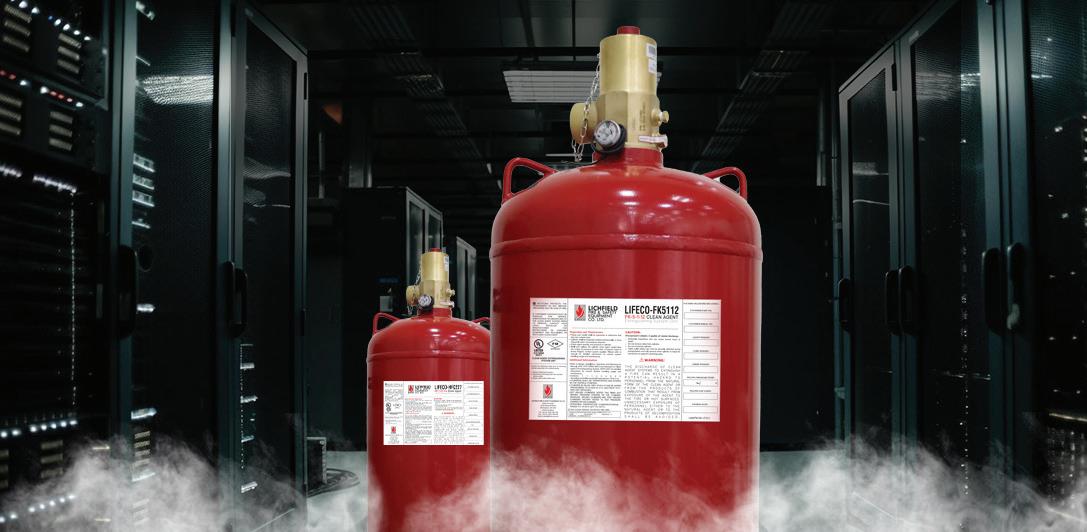
HFC-227ea (Heptafluoropropane) is a clean, colorless, and electrically non-conductive gaseous fire suppression agent that extinguishes fires through heat absorption. It is stored in cylinders at a working pressure of 360 PSI (25 Bar) and is available in a wide range of cylinder sizes: 17L, 28L, 52L, 106L, 147L, 180L, 240L, 270L, 369L, and 453L, providing design flexibility for various applications. HFC-227ea is ideal for occupied spaces and areas housing sensitive electronic equipment, as it leaves no residue and requires no cleanup after discharge.
Data Center, Telecommunication, & IT Field
Health Industry (Laboratories, Drug Stores, X-ray rooms)
KINGDOM
Edmund House 12-22 Newhall Street Birmingham, B3 3AS
T - +44 1902 798 706
F - +44 1902 798 679
E - sales@lifeco-uk.com
Shopping Centers, Hotels & Restaurants
FK-5-1-12 is a next-generation clean agent that delivers rapid fire suppression with superior safety for personnel and minimal environmental impact. It is stored as a liquid and discharged as a gas at a working pressure of 360 PSI (25 Bar). The system is offered in cylinder sizes of 17L, 28L, 52L, 106L, 147L, 180L, 240L, 270L, 369L, and 453L, making it suitable for a wide range of installation needs. W ith zero ozone depletion potential and a global warming potential of less than 1, FK-5-1-12 is the most sustainable clean agent solution available.
Manufacturing Sector Energy Sector & Auxiliary Industries
Warehouses & Logistic Centers
2383 Salah Al Din Al Ayoubi Rd, Al Malaz Dist., Unit 3, Riyadh - 12841 - 8310
E - sales@lifeco-uk.com
PO Box. 18605, 822nd Street Jabel Ali Free Zone, Dubai
T - +971 4 883 4070
F - +971 4 883 4071
E - sales@lifeco-uk.com
Museums, Archives, Libraries & Schools
Oil, Gas & Hydrocarbon Industry
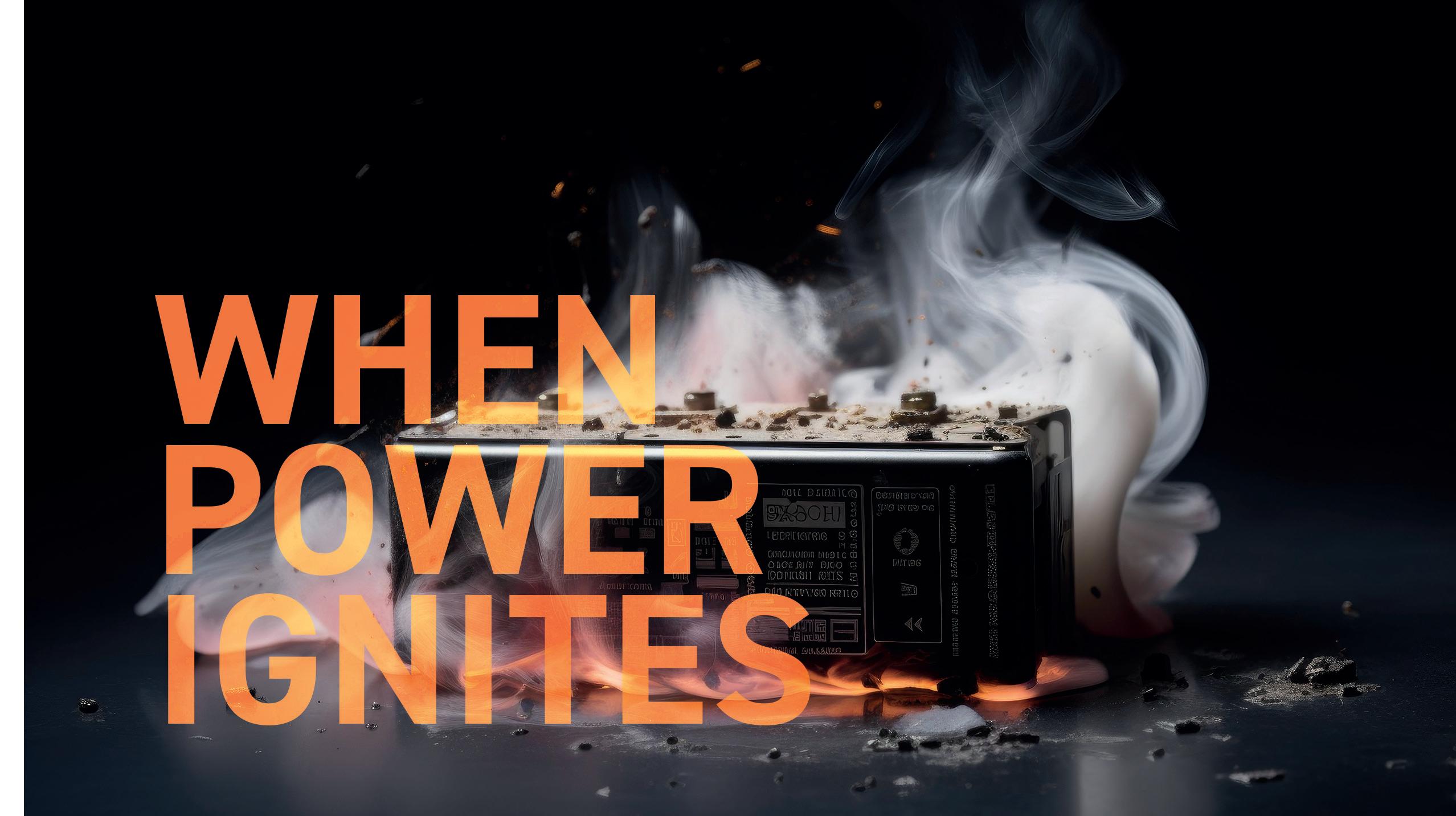

Yasser Amer Ahmed, Fire Protection Specialist, offers a technical and standards-based analysis of managing and minimising the risks of lithium-ion battery fires
The proliferation of lithium-ion (Li-ion) technology is a cornerstone of the global transition to renewable energy and electrified transportation. From grid-scale Energy Storage Systems (ESS) and electric vehicles (EVs) to consumer electronics and micromobility devices, these high-energy-density batteries are ubiquitous. However, their inherent electrochemical composition presents a unique and potent fire hazard distinct from conventional combustibles. The self-sustaining phenomenon of thermal runaway triggered by internal short circuits, mechanical damage or thermal abuse can result in intense fires, the risk of hazardous projectiles and the violent release of toxic and flammable gases. Mitigating these risks requires a multifaceted approach grounded in robust design standards, informed installation codes like NFPA 855 and evidence-based emergency response protocols.
The principal failure mechanism in Liion batteries is thermal runaway. This exothermic, self-propagating reaction begins when a cell’s internal temperature rises to a critical point, often due to: Thermal abuse: External fire exposure or operational overheating.
Electrical abuse: Overcharging, overdischarging or external short circuits. Mechanical abuse: Penetration, crushing or deformation of the cell.
Once initiated, the heat generated decomposes the flammable organic electrolyte and various cell components. This process releases a complex mixture of toxic and combustible gases, including hydrogen (H₂), carbon monoxide (CO), methane (CH₄), and notably, hydrogen fluoride (HF). The pressure build-up within the cell casing leads to venting or rupture, ejecting burning material and exposing the highly flammable gases to ignition sources. As the Fire Protection Research Foundation (FPRF)’s full-scale testing demonstrated, even after initial knockdown, the deep-seated nature of a cell failure and the potential for re-ignition hours later due to residual heat pose a significant challenge for responders.
The hazards are multi-faceted:
1. Intense fires and heat release: Tests on a 100 kWh commercial ESS (Tesla Powerpack) showed internal temperatures exceeding 2000°F (1093°C) during an externally ignited fire event.
2. Toxic gas emission: The FPRF tests consistently detected hazardous levels
of HF, a highly toxic and corrosive gas. During external fire tests, HF concentrations exceeded the detector’s maximum range of 100 ppm for over two hours. Internal failure tests also showed significant CO and CH₄ production.
3. Projection of hazards: Cylindrical cell designs, such as the 18650 cells used in the tested ESS, have been shown in other research to potentially rupture violently, propelling projectiles considerable distances.
Effective risk mitigation begins long before installation, at the product design and certification stage. Key safety standards form a critical barrier:
• UL 1973: Standard for Batteries for Use in Light Electric Rail (LER) and Stationary Applications. This is a foundational standard that includes stringent construction requirements and performance tests, most notably an external fire exposure test (simulating a hydrocarbon pool fire attacking the unit) and an internal fire exposure test (inducing a single cell into thermal runaway to ensure it does not cascade).
• UL 9540: Standard for Energy Storage Systems and Equipment. This systemlevel standard evaluates the entire ESS assembly, including power conversion equipment (PCS), and references UL 1973 for the battery component. The new 2025 edition enhances clarity for buyers on system-level performance.
• UL 9540A: This test method evaluates thermal runaway fire propagation in battery energy storage systems. It is not a pass/fail standard but provides critical data for Authorities Having Jurisdiction (AHJs) to assess the safety of a specific ESS installation, directly feeding into the requirements of NFPA 855.
Manufacturers incorporate safety features informed by these standards, such as:
• Robust Battery Management Systems (BMS) to monitor voltage, current and temperature, preventing electrical abuse conditions.
• Thermal Management Systems (e.g. liquid cooling, as featured in the tested Powerpack) to maintain optimal operating temperatures.
• Venting and gas management pathways to safely direct and exhaust gases released during a failure away from occupants and other equipment.
• Physical containment within steel enclosures and pods to prevent projectile hazards and contain initial failures.
The NFPA Standard 855, Standard for the Installation of Stationary Energy Storage Systems, is the paramount code for mitigating fire risks where these systems are deployed. It provides the necessary framework to address the unique hazards identified in research, translating laboratory findings into enforceable safety practices.
NFPA 855 mandates rigorous installation requirements based on the ESS’s chemistry, size and location:
1. Separation and clearance: The standard specifies minimum separation distances between ESS units, from building features and from property lines. This is directly informed by test data, such as the observed flames emanating from the front door and exhaust vent of the Powerpack.
“Mitigating the risk
battery fires is not a singleaction task but a continuous process of defence-in-depth”
NFPA 855 ensures the recommended clearances (e.g. 3 ft from building openings) are codified and adhered to, limiting flame spread and radiant heat exposure.
2. Fire suppression and detection: NFPA 855 requires listed smoke detection systems within ESS rooms or units. For larger installations, automatic fire suppression systems, typically waterbased, are mandated. The standard acknowledges that while large-flow water is often recommended, other agents like water mist or encapsulating agents may be deployed to aid cooling and prevent re-ignition. The FPRF test conclusion that “water can be an effective extinguishing agent on large format Li-ion battery fires, however, large quantities may be required for extinguishment” underscores the necessity of designed suppression systems.
3. Hazard Mitigation Analysis (HMA): For larger systems, an HMA is required to identify specific hazards and propose engineered safety designs, which may exceed the prescriptive requirements of the standard. This performance-based approach is crucial for innovative or very large-scale installations.
4. Venting and emergency planning: The standard addresses the need for ventilation to manage the release of toxic gases (like HF) and requires signage indicating the presence of Li-ion batteries and their associated hazards for first responders.
Even with perfect prevention and protection, the risk of an incident remains. Therefore, informed emergency response is a critical component of mitigation.
Recognition: Responders must be trained to identify Li-ion ESS installations and understand the associated risks: thermal runaway,
toxic gas production and electrical hazards.
Suppression tactics: Large-flow water remains the primary recommended medium for cooling and suppressing Li-ion fires, as it addresses the root cause of thermal runaway: heat. However, as noted in the FPRF report, immense quantities may be required. The practice of submerging damaged EVs or ESS units is increasingly discouraged due to issues of contaminated run-off, impracticality and unresolved re-ignition risks. Targeted solutions, such as fireresistant containers that apply directed water mist and capture runoff, are emerging as best practices.
Personal Protective Equipment (PPE): The documented release of HF at levels far exceeding OSHA exposure limits mandates that responders must use Self-Contained Breathing Apparatus (SCBA) throughout the incident and during overhaul.
Overhaul and recovery: The re-ignition potential necessitates prolonged monitoring with thermal imaging cameras. Secure, fire-resistant storage for damaged units must be planned for post-incident.
Mitigating the risk of Li-ion battery fires is not a single-action task but a continuous process of defence-in-depth. It originates with robust, third-party-certified product design tested to standards like UL 1973 and UL 9540A. It is enforced through meticulous installation practices codified in NFPA 855, which mandates separation, detection, suppression and ventilation based on empirical fire test data. Finally, it is sustained by equipping emergency responders with the knowledge, tactics and equipment to manage incidents effectively and safely. As the technology and deployment scales continue to evolve, so too must the synergistic relationship between research, standards development and field practice to ensure safety keeps pace with innovation.
Self-priming, handles viscosities up to 5,300 cPs (including fluorine-free foam). Versatile for electric, PTO, engine, water or hydraulic drives. TungstenCarbide mechanical seals support 10BAR when flushing. Wetted components can run dry indefinitely.
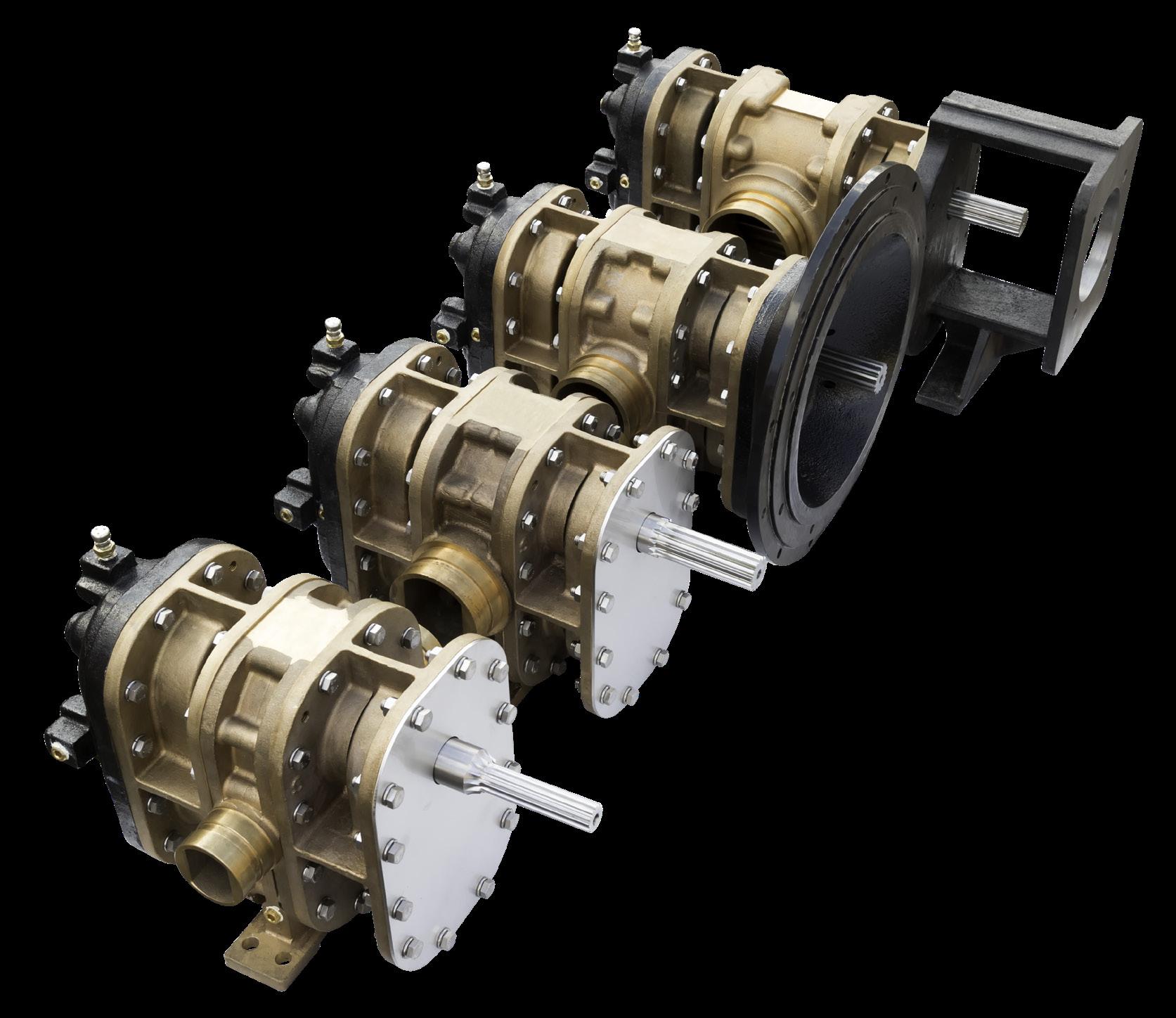
significant modifications. Allow us to guarantee long-lasting performance and reliable product support. Available in seven models ranging from 110 LPM to 1900 LPM.
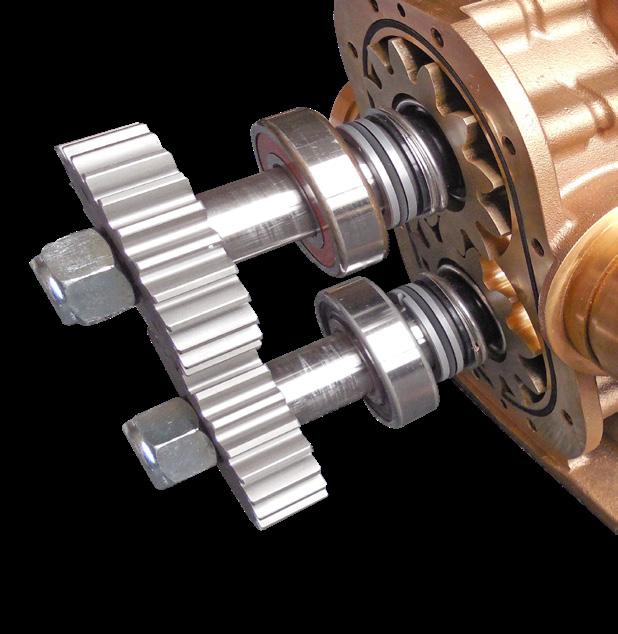
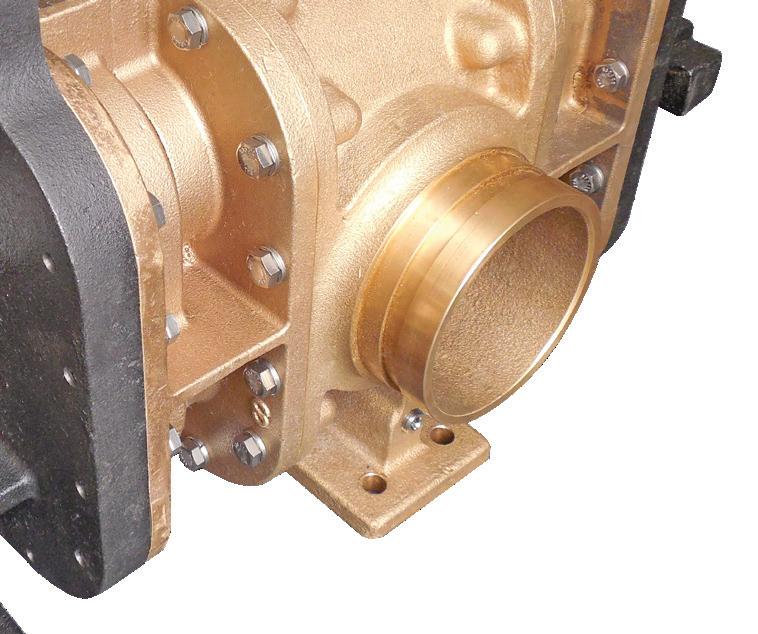
from the date of shipment. For more details, contact Trident.
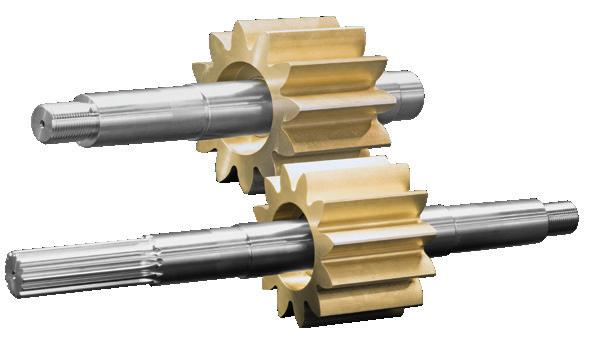
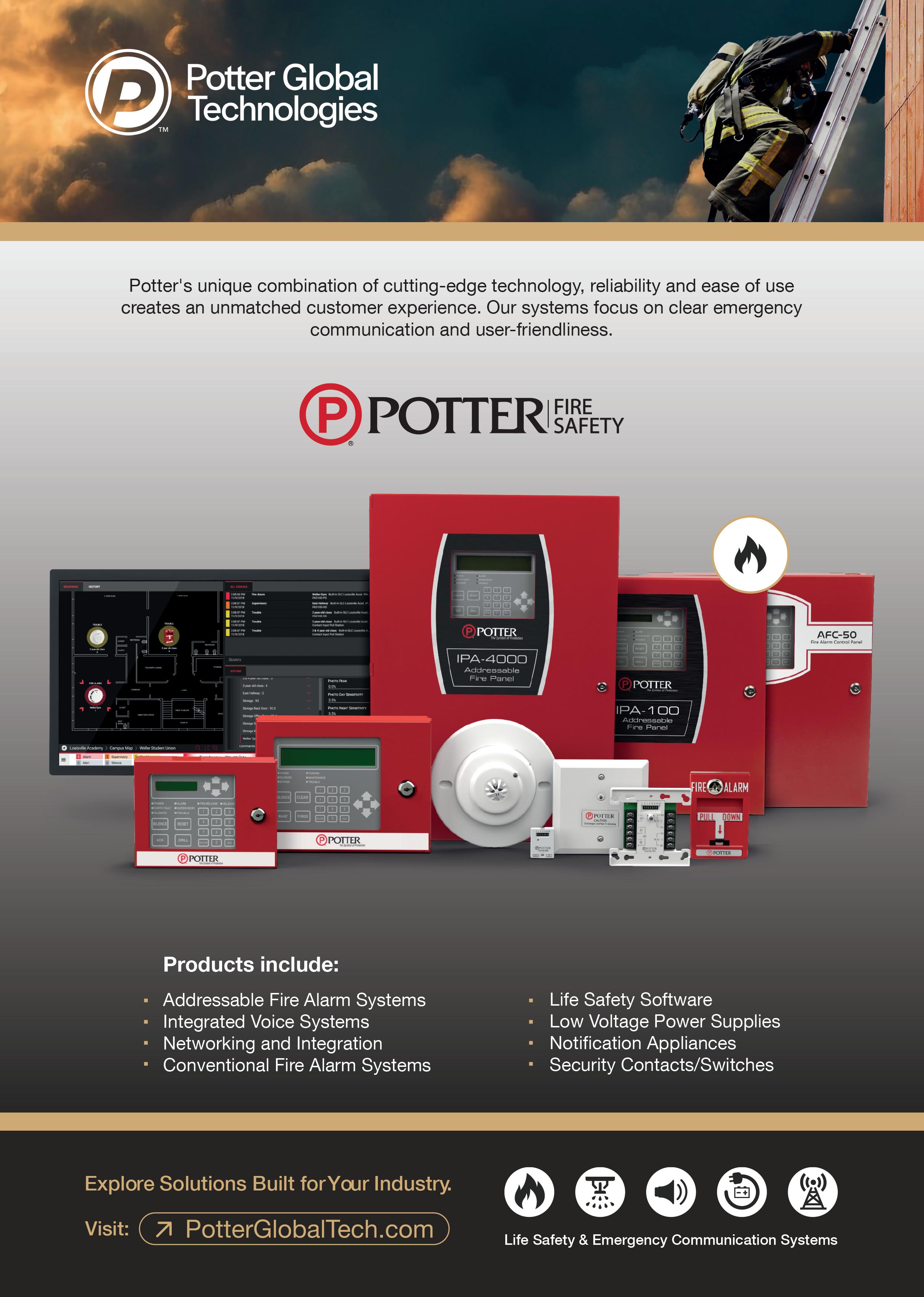

For more than a century, fire sprinkler systems have silently discharged polluted water into the environment. As the Middle East accelerates its sustainability goals, Camillo Longo asks: what’s really coming out of those drain valves?
Every modern building hides an invisible network of pipes — the silent guardians of safety. But when wet fire sprinkler systems are tested or drained, what flows out isn’t always clean water.
Across the world, technicians have a nickname for it: “black water”. It’s dark, metallic and often carries an odour that tells its own story. The cause? Years of stagnation and corrosion inside mild steel or galvanised pipes. As the water sits trapped, it reacts with oxygen and metal surfaces, picking up dissolved heavy
metals such as iron, zinc, copper and manganese.
When maintenance is carried out, this discharge — often assumed to be potable — is released straight into drains, rooftops, or stormwater systems without treatment. It’s a problem that has quietly persisted for more than a century.
A global issue with local impact
This is not just an engineering oversight; it’s an environmental one. The assumption that the water in a sprinkler system remains ‘clean’ has meant that
few question what happens when it’s released. Yet over time, this water can transform into a cocktail of contaminants capable of staining concrete, harming vegetation and leaching into waterways.
Authorities and contractors alike are often unaware that this so-called potable water may, in reality, exceed acceptable environmental limits for heavy metals. The volume is immense — across the world, these discharges likely amount to billions, perhaps even trillions, of litres every year. It’s a quiet contradiction: systems designed to protect life and
property are inadvertently contributing to long-term ecological damage.
Nowhere is this contradiction more striking than in the Middle East — a region where water scarcity and sustainability sit at the top of every national agenda. The Gulf relies heavily on desalinated water, which is both energy-intensive and costly to produce. To discharge even a few thousand litres of polluted sprinkler water during routine maintenance runs counter to the region’s drive for conservation.
The UAE’s Net Zero 2050, Saudi Arabia’s Vision 2030, and Qatar’s National Vision 2030 all prioritise environmental protection and circular water use. At the same time, frameworks like Estidama, LEED and GSAS reward building practices that reduce water wastage and pollution. Yet, the discharge from fire systems — one of the most overlooked sources of hidden water contamination — rarely appears in sustainability assessments or design codes.
Given the vast number of new high-rise developments, airports and giga-projects like NEOM and Dubai Creek Harbour, the scale of this issue across the GCC could be enormous.
Many fire contractors and maintenance teams in the region have seen this firsthand. They’ve opened drain valves to find blackened, odorous water spilling across floors and carparks. They’ve wondered where it should go, but in the absence of clear guidance, it often ends up in stormwater drains.
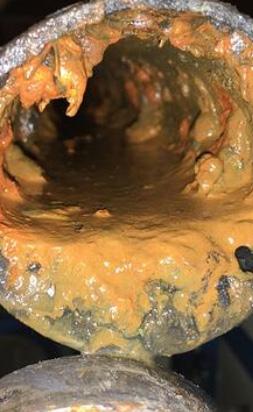
It’s not carelessness — it’s simply a gap in awareness. For too long, environmental protection and fire protection have been treated as separate worlds. It’s time to bring them together.
The first step toward solving this issue is recognition. Once we acknowledge that sprinkler discharge is not clean water, the path to responsible management becomes obvious — through testing, filtration and, ultimately, reuse.
This is also where the Middle East can lead globally. The region has shown
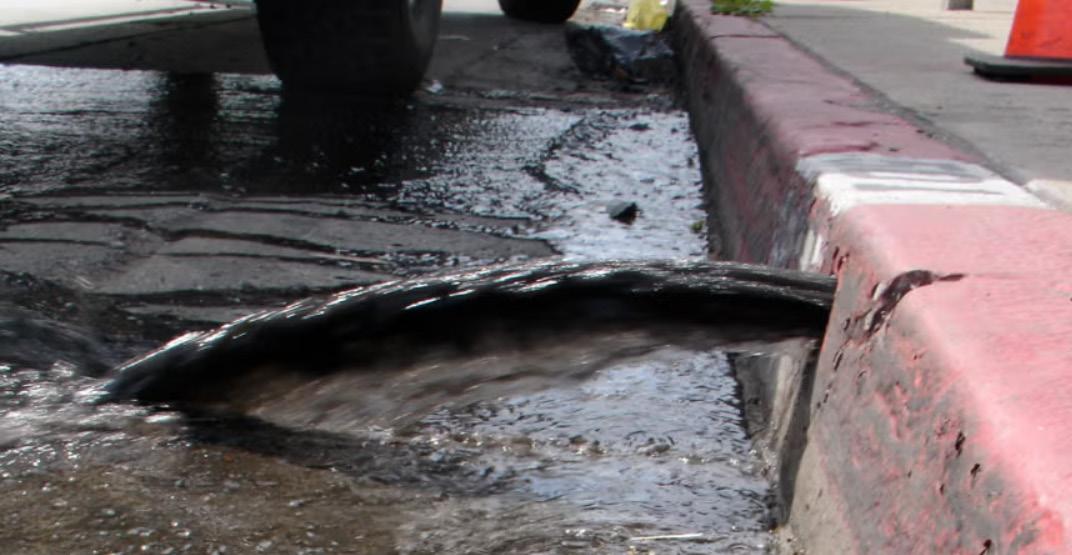
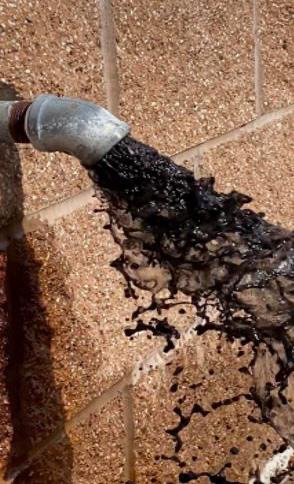
extraordinary commitment to innovation in both construction and sustainability. Integrating environmental responsibility into fire protection could become its next defining achievement.
As part of this shift, I’ve recently been collaborating with Guardfire and SIBCA in the UAE to explore a new watertreatment technology that captures, cleans and recirculates discharge water from wet sprinkler systems. The goal is simple — to eliminate pollution at the source and reduce potable water wastage.
We plan to showcase this innovation at Intersec Dubai in January 2026, alongside discussions about how the industry can rethink its environmental footprint. Who knows what’s possible when awareness drives action.
Fire protection has always been about safeguarding life and property. The next step is ensuring that we do so without harming the environment that sustains us.
For a region already pioneering sustainable architecture and smart cities, addressing this century-old oversight offers a new opportunity: to redefine what ‘protection’ truly means.
After all, safety doesn’t stop at the building’s boundary — it extends to the world outside.



• SEE HOW SAMFLOWS CUTS PUMP OPERATIONS FROM 13 STEPS TO JUST 3
• EXPLORE IMMERSIVE FIREFIGHTING SCENARIOS WITH REAL-TIME VISUALS
• DISCOVER INTUITIVE TOUCH PANEL CONTROL AND AUTOMATED VALVE MANAGEMENT
• LEARN HOW SAMFLOWS BOOSTS SAFETY, SPEED, AND WATER EFFICIENCY
• EXPERIENCE THE SYSTEM THAT’S CHANGING FIREGROUND OPERATIONS FOREVER


READY TO SEE WHAT’S POSSIBLE?
Scan the QR to explore SAMFlows like never before.

One nuisance trip can dwarf the initial expenditure for a flame detector installation. That’s the truth when you account for lost production, emergency responses, unwanted suppression releases and the creeping cultural cost of ‘alarm fatigue’. Flame detection is installed to act decisively within the few seconds that matter. The challenge with this is that when it acts at the wrong time, the costs for such an event arrive quickly, and the expense is paid in more than just money. We take a look at where false (and unwanted) alarms come from and how their impact may be quantified. In addition, we’ll take a look at modern detection technologies and the latest data capture and verification tools that are available to keep safety high while trips stay rare.
Why are false alarms so expensive?
False alarms are expensive for a few reasons including production downtime, unwanted releases, operational drag and alarm fatigue.
Production downtime. In process facilities every unexpected stop has a cascading effect, and the restart often takes longer than the stoppage, sometimes days. Even ‘short’ trips can cost hundreds and thousands of dollars in an offshore environment due to loss of production, clean up and re-start costs.
Unwanted releases. A clean-agent release or foam dump following an erroneous trip doesn’t simply leave a bill for medium refill; it’s disposal, clean-up and the inevitable production pause to investigate and recommission. For hazardous process facilities, that also means permits and incident documentation.
Operational drag. Every ‘event’ consumes engineering and safety time: root-cause analysis meetings, document updates and test repeats. These are real labour costs and detract resources from other areas
that could be used to improve operational efficiency and / or safety.
Alarm fatigue. Alarm fatigue creeps up on people silently. If site operators start to think, even without realising it, “the last few alarms were nothing”, they tend to react more slowly when new alarms are raised by the same detector, or in the same process area.
False alarms are therefore not harmless or ‘just annoying’. Each one quietly trains people to pay less attention, so over time people become less ready to act when it truly matters.
Unwanted flame detector alarms – What are the typical root causes?
Modern optical flame detectors are very good at what they’re designed to do, in other words, recognise the unique spectral and temporal signature of real flames. There are, however, wide performance variations from technology to technology and brand to brand, with regards to detection distances, response times and false alarm immunity. When detectors deliver false alarms, it is usually because of the challenges presented in the detector’s field of
view, but occasionally it is simply down to the quality of the detector purchased. This is why some oil and gas companies, such as Shell, still run their own detector approval programmes. They test flame detectors right up to their limits for both detection performance and false alarm immunity. Detectors that pass these ‘detector killer’ tests are usually more expensive than others – but in this case, many would say you really do get what you pay for.
The selection tests usually focus on a few key areas for false alarm immunity, like:
Hot work (welding, cutting, grinding).
• UV content: arcs and plasma emit UV that can resemble flame to UV/UV-IR detectors.
• IR flicker: grinding generates a lot of heat with flame-like flicker (typically 1–10 Hz).
Flare reflections and radiant process equipment.
Flares, fired heaters and incinerators radiate strongly in the CO₂ band (~4.3–4.5 µm). Metallic surfaces and puddles can bounce this energy into a detector’s field of view (FOV) at just the wrong angles.

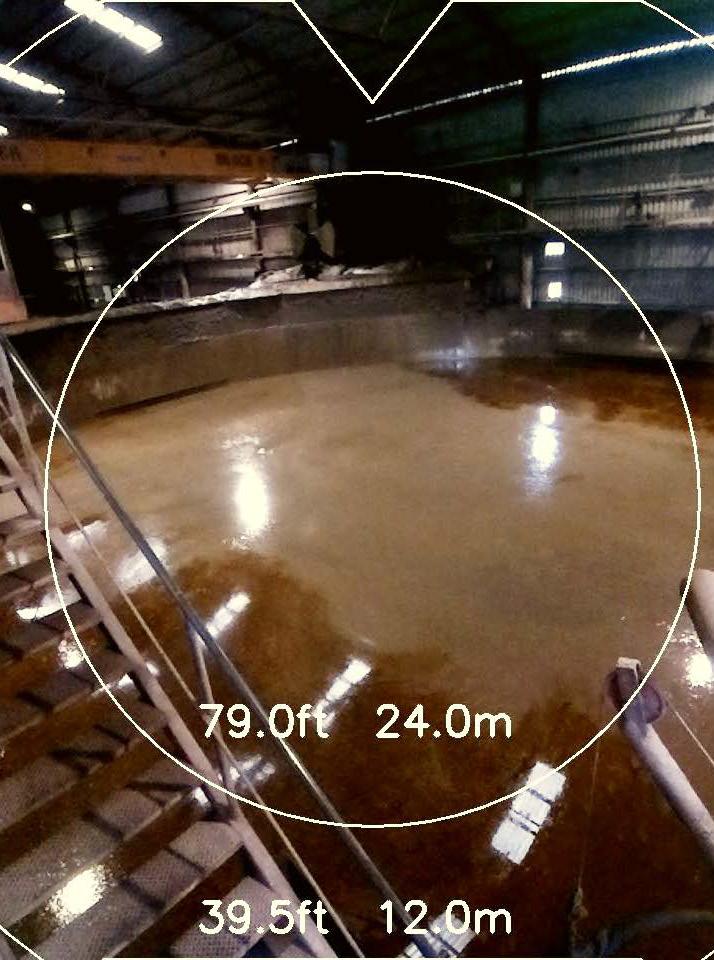
Process heat and sunlight dynamics. Hot exhaust, vents, dryers or doors that produce pulsating IR; sunlight strobed by rotating equipment or branches on trees moving in a breeze can mimic the temporal pattern of a flame.
The final point to consider is detector installation; wrongly positioned detectors, or installation designs that don’t consider false alarm sources in an area are one of the worst offenders.
Facing challenges head on
So, how should detection technologies be selected and what tools can be used to mitigate the challenges posed by false alarms and poor installation?
Technology selection
IR3 detectors compare the intensity and synchronism of the CO₂ emission band with two ‘guard’ bands. Real flames show the right ratio and correlation between
these channels and flicker at roughly 1–10 Hz. Static hot surfaces are automatically rejected, and detector time delays and sensitivity settings can be adjusted to increase false alarm immunity.
UV-IR flame detection is the combination of both UV and IR flame detection technologies. The detectors employ a solar blind UV sensor with an IR sensor and filter matched to the desired fire / fuel type.
Many UV-IR flame detectors look for a combined response, an ‘AND’ function, between the sensing technologies before determining if a fire is present. UV-IR flame detectors are very resilient to false alarms as the UV and IR detection technologies share few false alarm sources. Care should however be taken when using these devices as there are numerous factors that can inhibit the detector response, for example, optical contamination, airborne solvents, as well as water and ice on the detector optics.
The hybrid integration of infrared and AI-based video technologies, referred to as Video Enhanced Flame Detection (VEFD), delivers exceptionally fast detection of visible hydrocarbon fires with near-total immunity to false alarms, including those caused by flare reflections. As a further world first, FlameSpec Blade is the first detector to achieve Factory Mutual (FM) approval for resistance to false alarms from reflected flares.
The detector field-of-view is everything and so it is therefore essential to know what the detector is seeing. Fire & Gas mapping reports often produce a render
of what the detector should see, but until recently validating this was laborious and time consuming using a special mount and laser pointer. FlameView surpasses laser mapping tools by its ability to capture and store a snapshot of the detector’s exact field of view at the moment of commissioning. This image — complete with coverage overlays — can be automatically converted into a PDF report, tagged to the specific detector location.
These records provide instant compliance documentation for audits and performance-based fire safety reviews. During routine maintenance, technicians can compare the detector’s current position with the original installation image to check for movement due to environmental factors or accidental impacts – all of which may make the device more likely to false alarm.
Additional techniques available to the installation designer include voting and cross-zoning. Two out of N (2ooN) voting requires two out of N detectors or two different technologies to have co-incident alarms before suppression is activated or a production shutdown is activated.
All FlameSpec detectors can continuously record high-definition video footage, storing data from one minute before and up to three minutes after an alarm activation. Integrated solid-state memory provides secure, tamper-resistant storage, delivering full ‘black box’ functionality. In addition to video, FlameSpec products capture and store infrared sensor data at 40-millisecond intervals, covering the full range of parameters used for flame analysis.
Using multiple detection algorithms, the FlameSpec products classify fires by type and reliably filters out nonfire activity, ensuring precise incident assessment and post-event evaluation.
In the unlikely event of a false alarm, the recorded dataset allows for the identification of specific remedial actions to prevent recurrence. Unique to the FlameSpec range, this capability removes the guesswork from mitigation efforts. Adjustments to detection settings can be validated against the original event data to confirm that the false alarm would not have occurred under the new parameters.
fg-detection.com
Kentec Electronics is set to demonstrate why it is the leading manufacturer of life safety solutions at Intersec’s global security, safety and fire event.
Kentec is proud to demonstrate some of its latest innovations, designed to help meet industry safety and regulatory challenges.
One such solution is K-Detect-iON: a calibration-free flammable gas detector, it detects hydrogen at the earliest offgassing stage, to prevent ignition and enable automatic safety responses in battery energy storage solutions (BESS).
Those working in the growing battery energy storage solution (BESS) sector know the challenges of fire safety at their high-risk facilities. As the only UL 2075 calibration-free hydrogen sensor, K-Detect-iON offers 10 years of maintenance-free operation, robust performance from -30°C to 75°C, and compliance with global EN and UL standards. K-Detect-iON integrates with
Kentec’s industry-leading Sigma ZXT panels, which will also be displayed at Intersec, enabling realtime monitoring and rapid response during incidents.
While there are still gaps in compliance across this new area of fire prevention, Kentec has taken a whole-system certification approach to its BESS solution by ensuring its panels, detectors and ancillary devices are UL-listed together. Its integrated BESS fire prevention solution will include a UL 864-approved panel, UL 268-approved smoke detector and the K-Detect-iON hydrogen sensor, which carries UL 2074 and UL 2075 listings referenced against the panel.
The Kentec team will also be demonstrating its PA/VA with the latest version of the EN 54-2 and BS 7273-4 Category A-compliant Taktis fire control panel at its centre, the solution on show also deploys K-System, Kentec’s wired addressable fire detection technology.
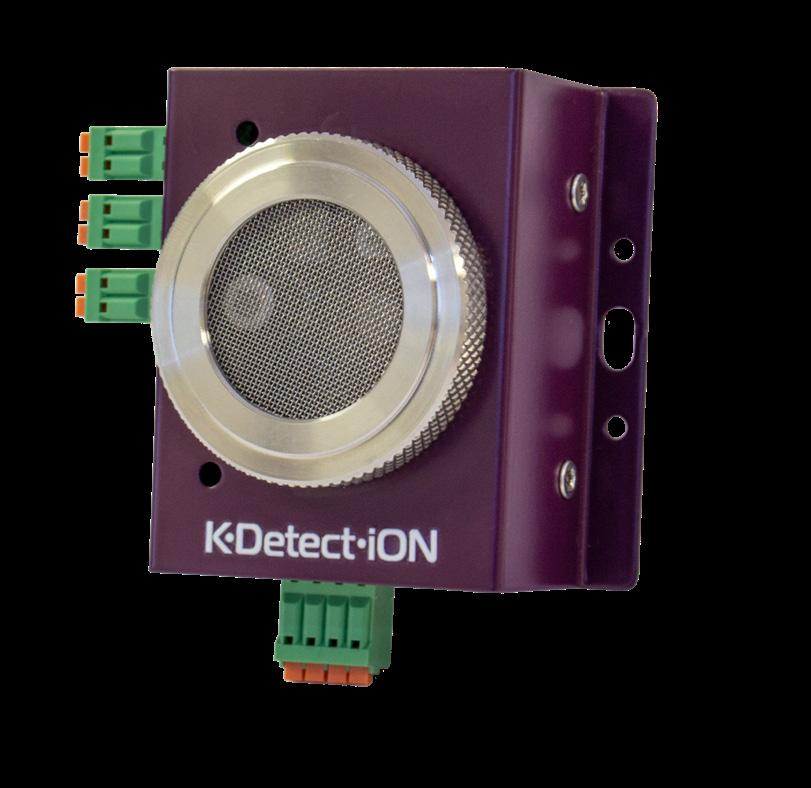
Created in response to the global market and specifiers requiring a singlebranded system, whilst continuing Kentec’s ethos of ‘open protocol’ and supporting its community of technology partners, K-System now extends its functionality to public address and voice alarm needs.
kentec.co.uk
From early warning through to fire detection and suppression, Kentec Electronics is a worldleading manufacturer of life safety solutions, with the international standards to match. The SMART, highly-sophisticated features embedded in our future-proof systems deliver the optimum in fire safety management, keeping your people, property and assets protected at all times. We call it Manufacturing Expertise and it’s a philosophy that applies to everything we do.
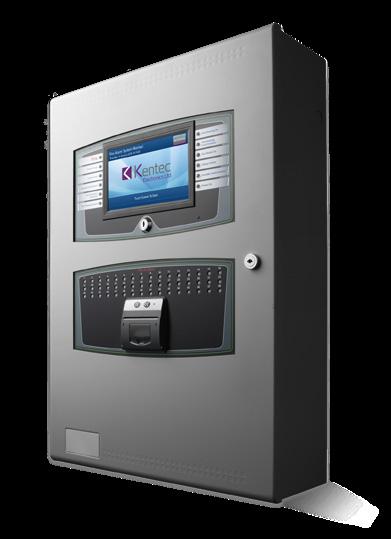
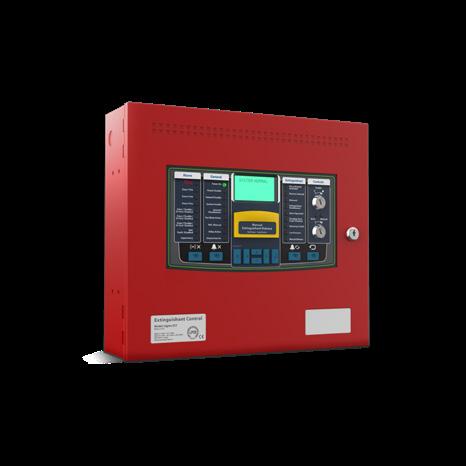


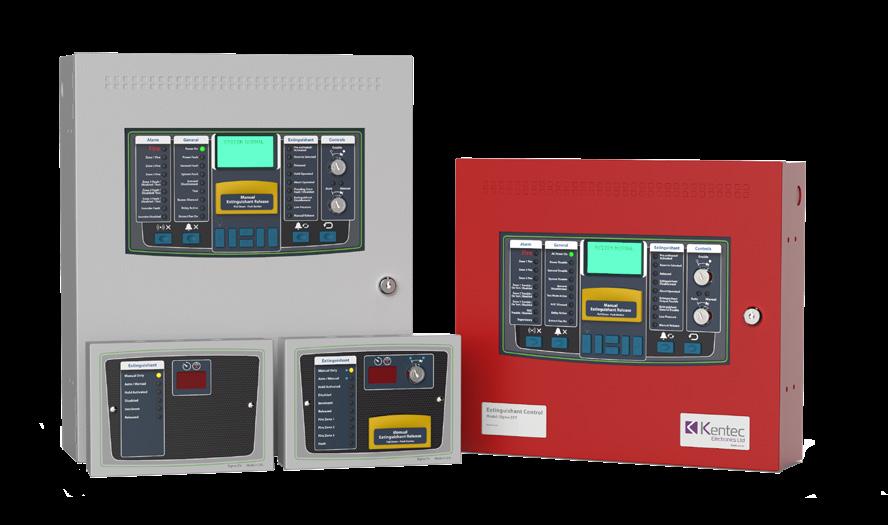
For more than four decades, Saudi Sicli has been at the centre of Saudi Arabia’s fire protection and emergency response landscape, building its reputation as a homegrown leader in safety, innovation and industrial resilience. Established over 46 years ago as a family-owned business, the company began by manufacturing fire extinguishers and firefighting equipment and has since evolved into an integrated provider of safety solutions, engineering and technology across the Kingdom. Today, Saudi Sicli’s expertise extends to advanced safety services for major projects, private fire departments and cutting-edge emergency response systems.
At the helm of Saudi Sicli’s daily operations is Chief Operating Officer Ahmad Sagr, who brings hands-on and strategic experience to a company now playing a key role in ambitious national initiatives under Vision 2030. The firm’s recent partnership with global safety leader MSA reflects its drive to bring nextgeneration technology — like firefighting drones, robotics, smart protective gear and AI command platforms — directly to frontline responders in Saudi Arabia. When Fire Middle East caught up with Sagr at Intersec Saudi Arabia, he shared perspectives on regional priorities, local manufacturing and what the future could look like for safety and first responder innovation in the fast-changing Middle East region.
Tell us about your role within Saudi Sicli and the company’s presence and priorities in the region?
I serve as the Chief Operating Officer of Saudi Sicli, a third-generation familyowned company with over 46 years of leadership in fire protection, emergency response and industrial safety. Saudi Sicli has grown from manufacturing fire extinguishers and firefighting equipment locally into a fully integrated provider — covering private fire departments, advanced safety services, and technology solutions across the Kingdom. Our priorities today focus on three pillars: industrial resilience, public safety innovation and regional expansion.
Saudi Vision 2030 sets a clear roadmap for transformation. In what ways is Saudi Sicli aligning its strategy with Saudi Vision 2030?
Vision 2030 is about localisation, diversification and future-proofing
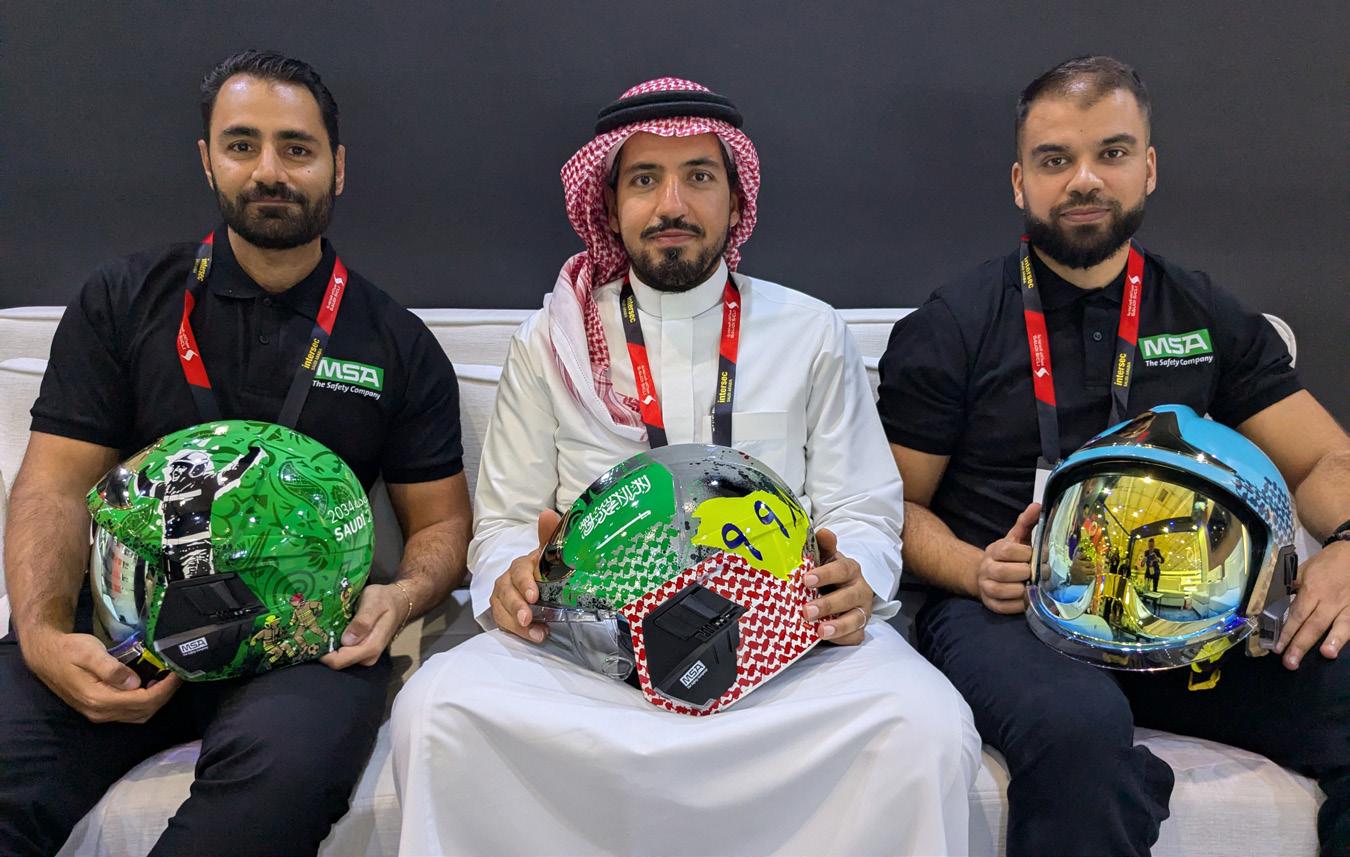
Hear firsthand from Ahmad Sagr, COO of Saudi Sicli, as Fire Middle East magazine caught up with him on the buzzing floor at Intersec Saudi Arabia — where the future of fire safety was on full display
industries — and our strategy is tightly aligned. We are investing heavily in local manufacturing to reduce import dependence, including advanced production of extinguishers, foam agents, fire doors and personal protective equipment. We are also driving workforce localisation through partnerships with training academies and Saudi universities. Most importantly, we are embedding cutting-edge technologies — drones, robotics and AI-powered command systems — ensuring Saudi Arabia leads the world in advanced emergency response capabilities.
Looking to the future, what emerging safety challenges in Saudi Arabia do you anticipate will demand the most attention over the next five years?
Saudi Arabia’s rapid development is creating new safety frontiers. Key challenges include: megaprojects and giga-cities like NEOM and Qiddiya that require unprecedented scale of response;
energy transition risks from renewables, hydrogen and nuclear projects; and climate/environmental factors such as heat and severe weather.
Addressing these will require technology-enabled ecosystems — integrating autonomous drones, robotic units, AI risk monitoring and digitally connected fire departments.
What innovations for firefighter and first responder safety are you showcasing with your partner MSA at Intersec this year?
At Intersec we are showcasing: autonomous drone-in-a-box systems with DJI Dock 3 and Matrice 4TD; robotic firefighting units that reduce firefighter exposure; next-generation bunker gear developed with MSA; and AI-enabled command platforms integrating drones, robots, and responders into a real-time operational picture. These innovations represent the transformation of firefighting into a proactive, technologydriven science.
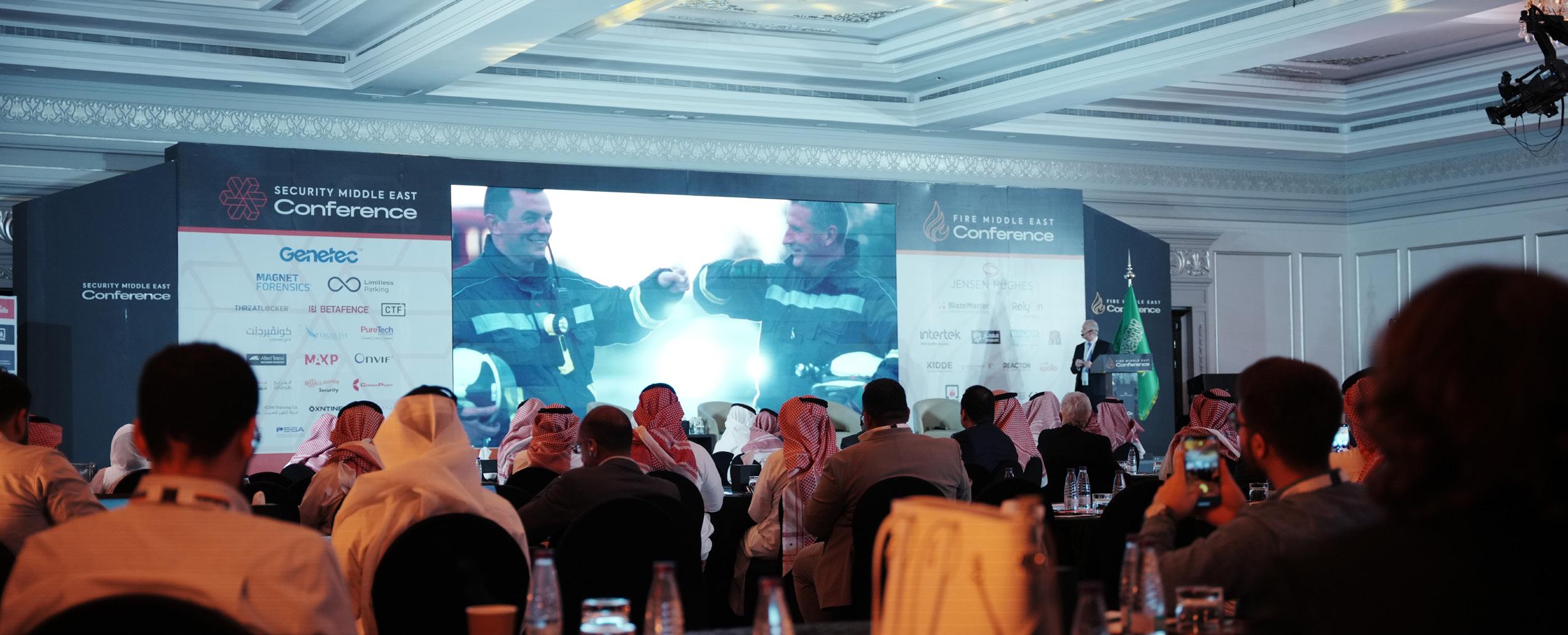
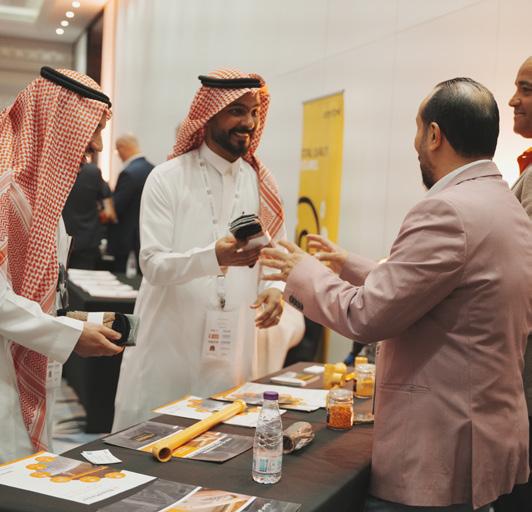
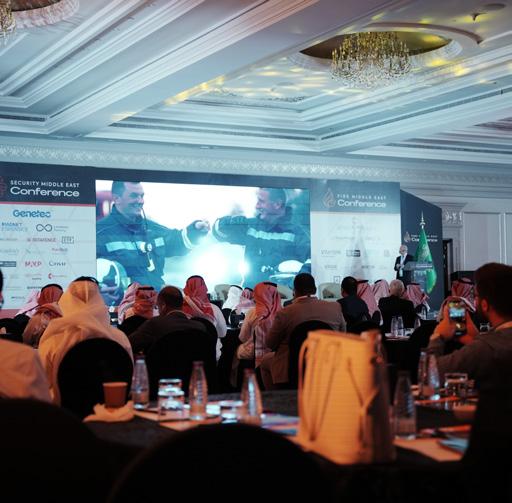

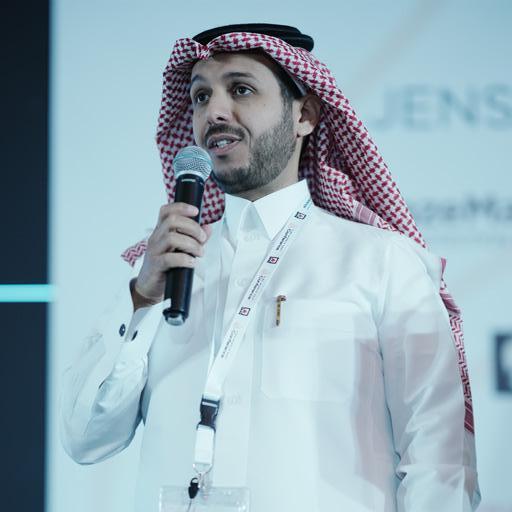

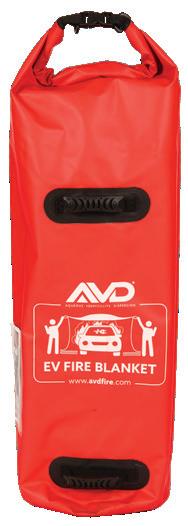

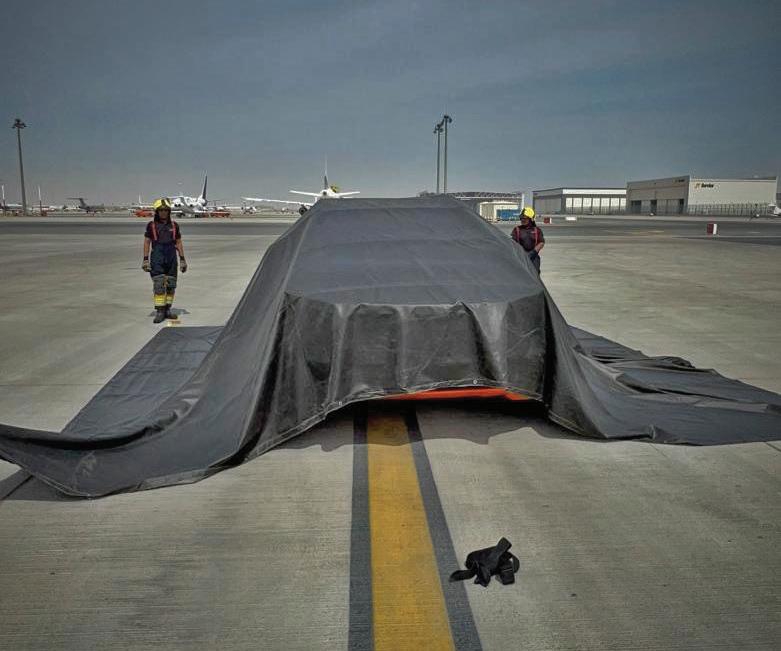
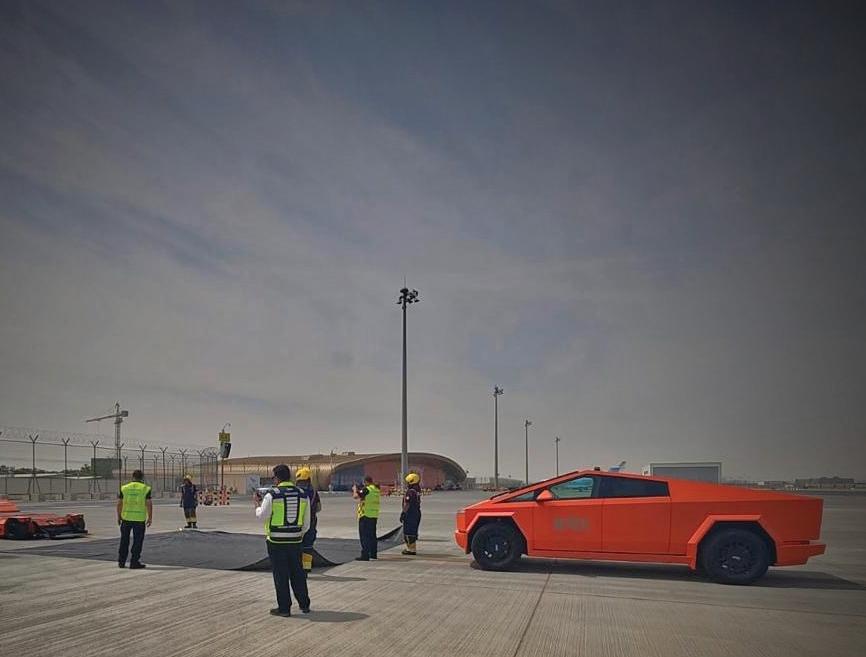

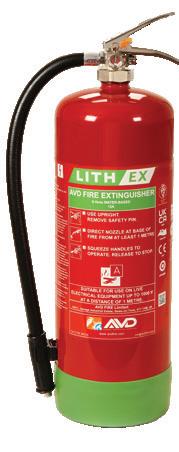
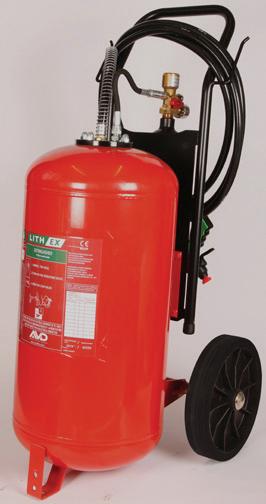
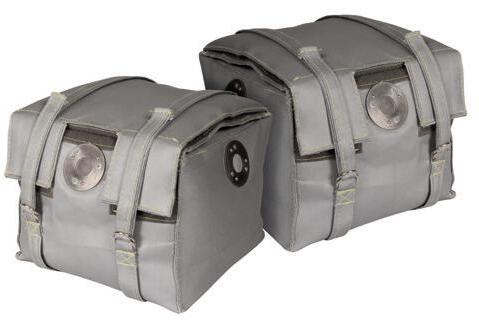
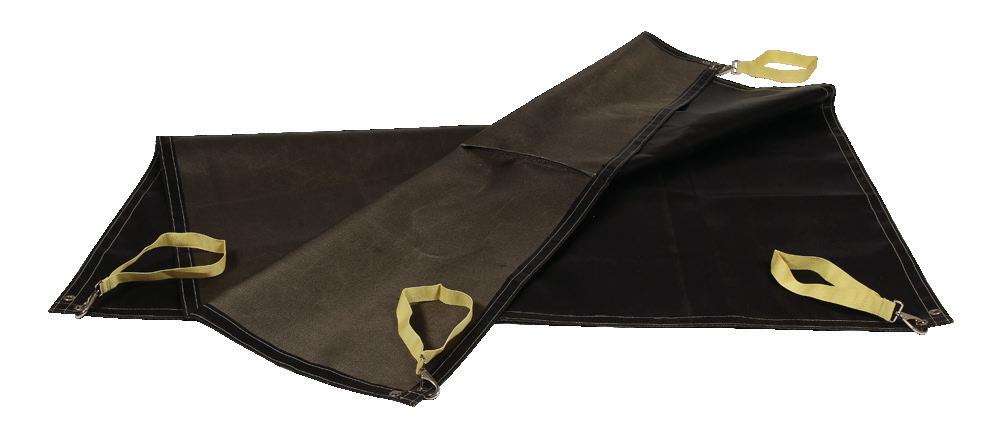
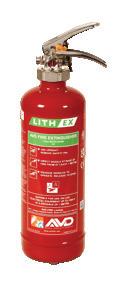
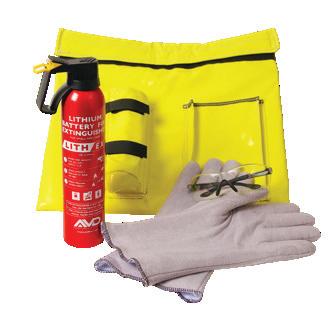

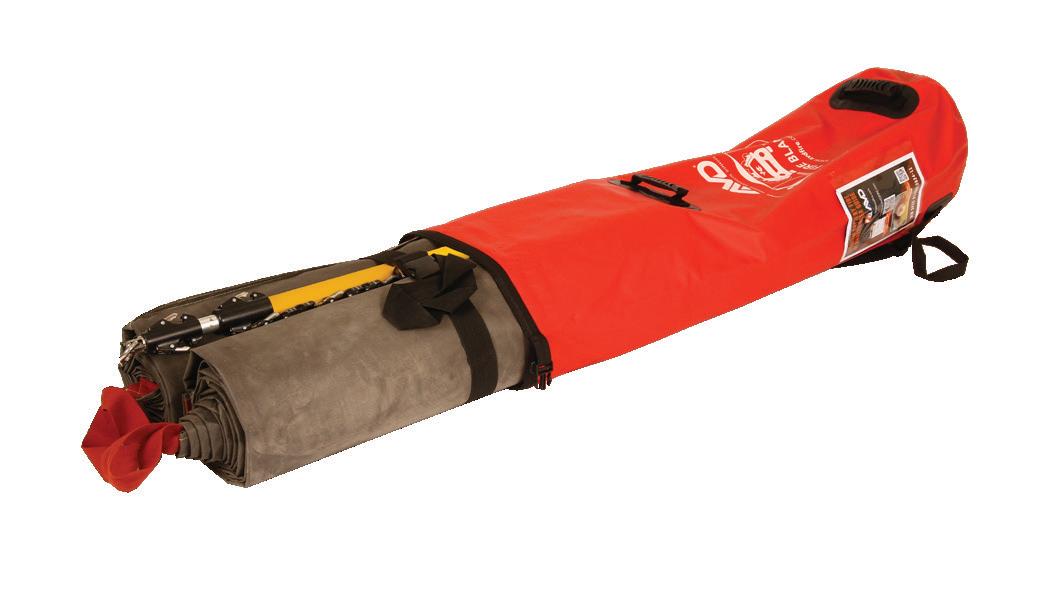
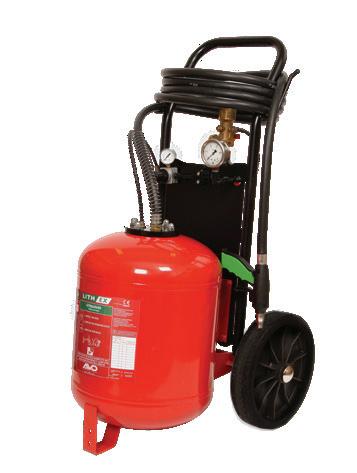





Anis Jayaram, Fire Engineer, Jensen Hughes, looks at how today’s fire engineers are blending the world’s most advanced AI tools with traditional expertise to reshape fire safety, while keeping trust, ethics and responsibility at the heart of innovation
The first time I came across the term “artificial intelligence (AI)” wasn’t in a classroom or research paper, but within the pages of Isaac Asimov’s science fiction. Those stories sparked a fascination that grew as the world around me changed. What began with printed newspapers and thick encyclopedias slowly shifted to the boundless expanse of the internet, where knowledge was just a click away.
Fast forward to the end of 2022, when OpenAI released ChatGPT to the public, and we witnessed a phenomenal rise in interest in AI. Since then, people have been eager to integrate AI into almost everything, from complex industrial systems to something as simple as a toothbrush. We are now in an era where adding the term AI has become a way to upsell products and services. Interestingly, Google’s AI Principles and Responsible AI documentation includes a thoughtful reminder:
“If a simpler rule-based system can achieve comparable performance, AI should not be used.”
Let me pause for a moment to explain a few basics of AI. Behind all the current trends lies a long journey of progress in computer science and advanced statistics.
There are many types of architectures in the world of AI and machine learning, but at the heart of it all is the simplest unit, the neuron. Much like a brain cell, it forms the fundamental building block of a structure known as an artificial neural network (ANN).
Imagine you are trying to decide whether to go out for a walk. You might think about a few things: Is it sunny? Is it too hot? Do I have free time?
We have since advanced to far more complex models, yet ANNs remain important. In fact, many of the problems we deal with in the real world can still be reduced to some form of regression.
For readers who are curious to learn more, I recommend the YouTube channel 3Blue1Brown, which beautifully explains these concepts in a way that is engaging and easy to follow.
So as fire engineers, how can we use AI to our advantage? How can it make our work easier? And perhaps most importantly, how can we use it responsibly and ethically?
Fire safety engineering is still an evolving discipline. I would like to say there is a certain degree of engineered anticipation, predicting how a fire develops, how people behave and how systems respond. Yet, despite decades of progress, many of our tools remain reactive. We have long relied on rules, deterministic models and prescriptive codes that are robust but often limited by assumptions. With the integration of AI, we now have the potential to refine these processes and create far more efficient workflows.
Before exploring some of these tools, it is important to note that due diligence should always be exercised when using AI systems, particularly to ensure compliance with your respective corporate IT and data security policies.
One efficient workflow for prescriptive compliance involves the use of Retrieval Augmented Generation (RAG). This framework combines a large language model with an external knowledge retrieval mechanism. In simple terms, you
Each of these questions is considered an input. In an ANN, these inputs are represented as numbers that the system can process.
The neuron then passes this total through a simple rule known as an activation function. This function decides what happens next. If the result crosses a certain threshold, the output might be “Yes, go for a walk.” If it does not, the output might be “No, stay home.”
provide the model with reference data such as fire codes and standards and then ask it targeted questions. This allows it to find relevant clauses or identify specific exceptions quickly and accurately. A practical way to experiment with this is through any LLM-based Notebook, where you can upload a document and query it directly.
There are also more subtle applications of AI that can improve everyday productivity. Many collaboration tools such as Microsoft Teams now integrate plugins that can transcribe meetings automatically. While the built-in transcriber works, other third-party tools can also generate accurate transcripts and produce minutes of meetings automatically. Similarly, AI-based writing assistants can adjust the tone of a document or correct grammar, helping non-native English speakers communicate more effectively and professionally.
Coding used to be a sought after skill that very few people possessed, but recently this can be largely developed using AI. This may not be consumer-ready code, but it helps us engineers create nifty tools. Personally, I have developed a bunch of small, specialised tools that can run calculations that would normally take hours, and I consider myself a below average coder. Not understanding a programming language shouldn’t prevent engineers from developing tools; understanding the methodology and its limitation is far more important than coding.
Some of the more advanced uses of AI in our field involve computer vision,
Not all inputs are equally important. Maybe the weather matters more than how much free time you have. The neuron assigns each input a weight, which is a number showing how important that input is in making the decision.
The neuron adds all the weighted inputs together, similar to calculating a weighted average.
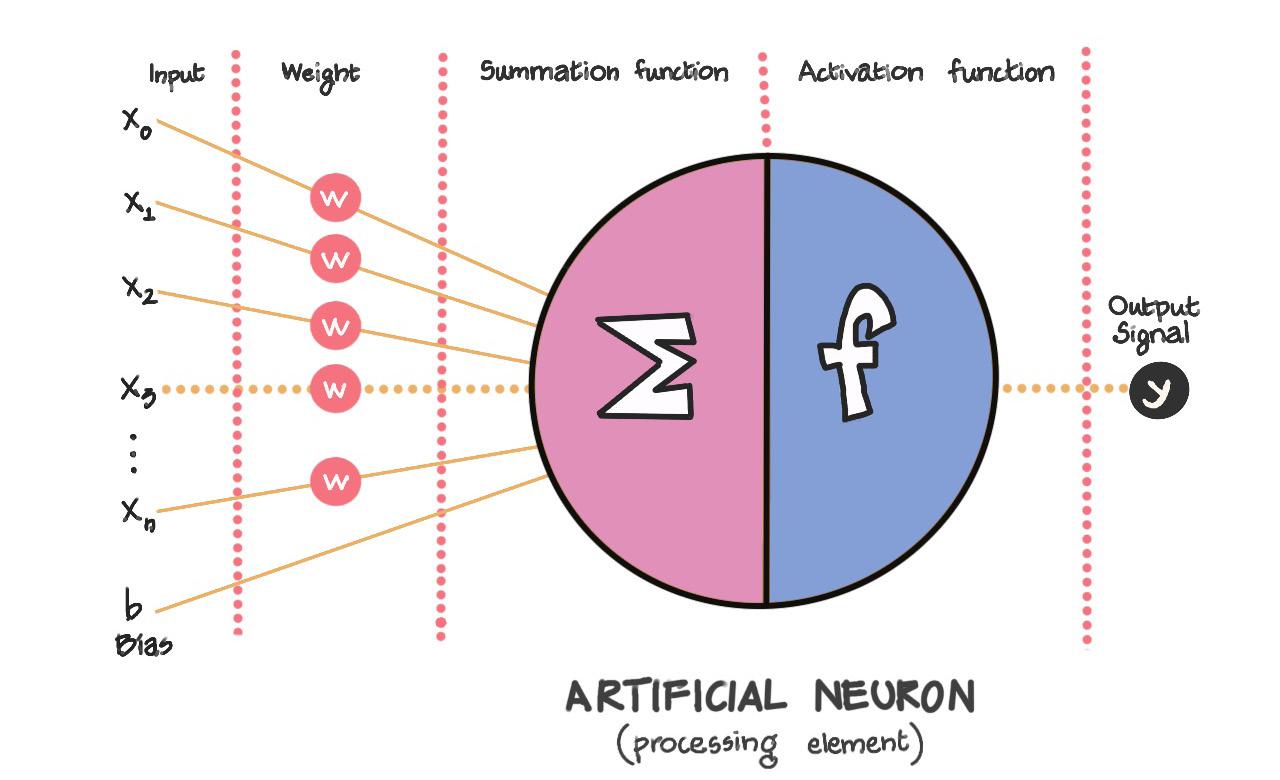
which allows a computer to understand and interpret visual information. This capability can be very useful for reviewing plans, calculating travel distances, and performing prescriptive compliance checks. These tools are mostly proprietary, and help engineers complete reviews faster and with greater accuracy.
There are also AI-assisted tools that support computational fluid dynamics (CFD). Most current progress in this area comes from the finite element analysis (FEA) domain, and only a few practical AI tools exist for fire-specific CFD. However, this is an evolving field with significant research and development underway.
The list of available AI tools is nonexhaustive. If we were to name every product that uses or claims to use AI, it would fill an entire issue on its own. The real value lies not in the number of tools available but in how we integrate them effectively into our workflow. Success with AI depends on thoughtful integration and continuous learning.
Here are a few guiding principles for applying AI in fire engineering practice:
1. Start small: Begin with repetitive or data-heavy tasks, the ones that are usually time-consuming.
2. Validate everything: Always benchmark AI outputs against peer-reviewed work or established reference models.
3. Document assumptions: AI models can produce incorrect or misleading results, so treat outputs as experimental and record all assumptions to avoid creating a black box.
4. Collaborate early: Involve engineers who understand AI early in the process and incorporate their insights into the framework.
5. Educate your team: AI literacy is now as essential as code literacy. Training teams in AI and responsible use is crucial in today’s environment.
To use AI effectively in fire safety, we must apply the same structured discipline that we expect from any safety-critical system. As I mentioned earlier, responsible use of AI is not only about innovation but also about control, validation and trust.
1. Transparency: AI models must explain why they predict a certain outcome, not just what the result is. Explainable and auditable AI is essential for accountability.
2. Validation and verification (V and V): Every AI model should face the same level of scrutiny as a CFD or egress simulation. It must include traceable data sources, validation reports and benchmark comparisons.
3. Ethical deployment: Fire data and general arrangement drawings often contain sensitive information. Compliance with privacy and data protection laws is our responsibility.
4. Integration, not isolation: AI tools should connect with existing workflows to be effective. They should enhance engineering practice rather than exist as isolated experiments.
5. Continuous learning: AI systems must evolve as codes, materials and human behaviour change. A model that performs well today may become outdated tomorrow if it is not regularly updated and retrained.
The engineer of the next decade will not be replaced by AI, but by another engineer who knows how to use it. Just as computer-aided design replaced hand drafting and computational fluid dynamics replaced empirical charts, AI is becoming an extension of professional intuition. Today, we already have tools that can check compliance across multiple codes, suggest optimal sprinkler layouts and forecast fire development through probabilistic risk assessment. These are not distant concepts; they exist now, though often in prototype form. The challenge is not technology itself, but trust and adoption.
jensenhughes.com

Yan Cavalluzzi for NCT Consultants explores how evolving Houthi drone warfare in the Red Sea increases risks of secondary chemical incidents, posing serious humanitarian and strategic challenges
Since late 2023, Houthi forces in the Red Sea have evolved from a local insurgency to a sophisticated non-state actor, using missiles and armed drones to extend their reach, impose strategic costs and challenge regional maritime security.
In parallel, maritime security in the Bab el-Mandeb Strait is a uniquely sensitive chokepoint — one of the world’s major oil corridors — where attacks on shipping can cascade rapidly into broader supplychain disruption.
Within this environment, the most credible chemical, biological, radiological and nuclear (CBRN) defense pathway is not deliberate employment of banned chemical agents but a secondary chemical release: a conventional strike that ruptures platforms carrying toxic industrial chemicals (TICs). TIC releases — accidental or attack-induced — are core chemical hazards because their clinical effects, decontamination needs and operational consequences can mirror
those of chemical-warfare exposure. Accordingly, Houthi drone warfare in the Red Sea should be analysed not primarily as a chemical-weapons problem but as an escalating driver of CBRN industrial risk with potential humanitarian and strategic fallout.
Two recent catastrophes demonstrate the scale of potential secondary chemical effects. The Aqaba chlorine release of 27 June 2022 shows how quickly routine port activity can become a chemical masscasualty event. A pressurised container of liquefied chlorine fell during loading, ruptured and resulted in 13 deaths and more than 250 injuries. Process-safety assessments highlight chlorine’s high toxicity, dense-gas behaviour that keeps plumes close to the ground, and oxidising nature, all of which amplify hazards for responders and nearby populations

even when releases are brief. Ports function as chemical amplifiers: hazards are embedded in everyday cargo, so containment failure can produce CBRNrelevant effects without any chemical weapon being used.
Beirut 2020 reinforces the same logic at a larger scale. Reconstructions document that roughly 2,750 tonnes of ammonium nitrate detonated after a warehouse fire, producing one of the largest non-nuclear explosions of the modern era. The blast killed more than 200 people, injured thousands, and caused extensive urban damage. The catastrophe was caused by improperly stored industrial chemicals. Together, Aqaba and Beirut demonstrate a potential critical pattern for the Red Sea theatre: where high-volume toxic or reactive cargo is present, conventional attacks on ships or coastal facilities can trigger secondary chemical incidents whose humanitarian and strategic effects could rival those of deliberate CBRN attacks.
For Red Sea security, the key implication is the increasing probability that conventional strikes intersect with hazardous industrial cargo or coastal chemical infrastructure, thereby setting the conditions for secondary chemical (CBRN-C) incidents.
Emergency medicine and humanitarian doctrine treat TIC exposure — chlorine, ammonia, acids, solvents and similar substances — as part of the chemical CBRN spectrum because the
“Two recent catastrophes demonstrate the scale of potential secondary chemical effects”

pathophysiology and response demands resemble chemical-weapon incidents. Catastrophic chemical harm does not require militarised agents; high-volume industrial chemicals moving through ports and coastal clusters can produce severe outcomes once containment is compromised. The Aqaba incident demonstrated how rapidly dense-gas TIC plumes can overwhelm response systems, while dispersion modelling confirms that such clouds can spread quickly in open environments, creating acute near-field and down-wind hazards. Applied to the Red Sea, this means a drone or missile strike on a chemical tanker, a coastal storage terminal or an industrial port node could generate a secondary chemical emergency even if the payload is purely conventional.
Several realistic scenarios illustrate this dynamic. First, a one-way UAV or missile strike on a chemical tanker transiting Bab el-Mandeb could breach a tank carrying chlorine, ammonia, methanol or similar TICs. In narrow, highdensity sea lanes, even a single breach may release a dense toxic plume or ignite volatile cargo, forcing coastal evacuation, halting port operations and temporarily closing the chokepoint.
Second, a strike on an LPG/LNG carrier or refined-fuel tanker could yield a multi-hazard scene that combines large-area fire, toxic combustion products and secondary chemical exposure for crews and nearby coastal populations,
with immediate disruption to shipping schedules and insurance risk.
Third, an attack on ship-shore chemical infrastructure — ports, tank farms or loading arms — could generate rapid secondary release because storage volumes are high and failure modes cascade quickly; a conventional strike on coastal tanks holding acids, ammonia or other TICs could paralyse a terminal in ways operationally analogous to Aqaba.
Finally, a strike that initiates sustained fire near fertiliser or nitrate storage areas could produce a ‘mini-Beirut’ pathway: while replicating Beirut’s scale would be rare, fertilisers and nitrate-based products remain common in maritime trade, and attack-induced fire in their vicinity could lead to high-consequence industrial explosions with toxic by-products and prolonged port closure.
These scenarios show why Red Sea security is now inseparable from CBRN-chemical preparedness; the Houthis do not need chemical weapons to create chemical mass-casualty outcomes in an area saturated with hazardous industrial cargo.
Secondary chemical risk is also landbased. The western Saudi littoral concentrates major coastal industrial zones that store and process substantial TIC inventories, making shore facilities potential chemical amplifiers if struck. Yanbu Industrial City is a prominent Red Sea hub for crude-oil and natural-gas refining and petrochemical production,
with extensive port-adjacent storage of fuels, solvents, acids and other hazardous substances. The Rabigh corridor hosts large refinery-petrochemical complexes whose industrial footprint and associated chemical handling are well documented. Jeddah adds a third land-based exposure point because heavy industrial and logistics activity is concentrated close to densely populated coastal districts.
A second category of shore-side vulnerability is desalination infrastructure. Red Sea desalination plants are central to Saudi and regional water security and routinely store chlorine and other hazardous dosing chemicals onsite to control biofouling and corrosion. Physical damage to these systems could therefore trigger localised TIC releases even under purely conventional attack conditions. Recent analyses of the Red Sea crisis emphasise that widening Houthi seadenial operations increase the chance of strikes, mis-targeting or spillover near coastal infrastructure, reinforcing the credibility of land-based secondaryrelease scenarios.
For Middle Eastern littoral states, these dynamics translate into immediate economic shocks and longer-term preparedness demands. Traffic through the Red Sea–Suez route fell sharply in early 2024. When Bab el-Mandeb and Suez flows are constrained, shipping diverts via the Cape of Good Hope, increasing transit times, insurance premiums and supply-chain costs that feed inflationary pressure for regional importers and exporters. Energy and petrochemical exporters on the Red Sea, especially Saudi Arabia, face a dual risk: higher logistics and insurance costs and the possibility that conventional strikes trigger secondary TIC releases at sea or in coastal industrial zones, forcing temporary port shutdowns. Because these outcomes can occur without chemicalweapons use, the crisis elevates CBRN readiness — TIC detection, HazMat firefighting and integrated civil-military response — to a frontline requirement for ports, refineries and desalination nodes.
nctconsultants.com

NFPA® is offering FREE education sessions that address the new and complex challenges that firefighters encounter daily. Sessions are designed for mid-level firefighters and first responders including lieutenants and captains with takeaways that can be implemented immediately in a participant’s professional life.
Reserve your ExpoAdvantage pass at nfpa.org/conference2026.
The ExpoAdvantage pass gives you access to all of these activities:
• Sessions in the Specialty Theaters
• Special sessions in the Exhibitor Presentations Theater
• Full three-day access to the exhibit hall with 420+ industry suppliers
• General Session and Keynote
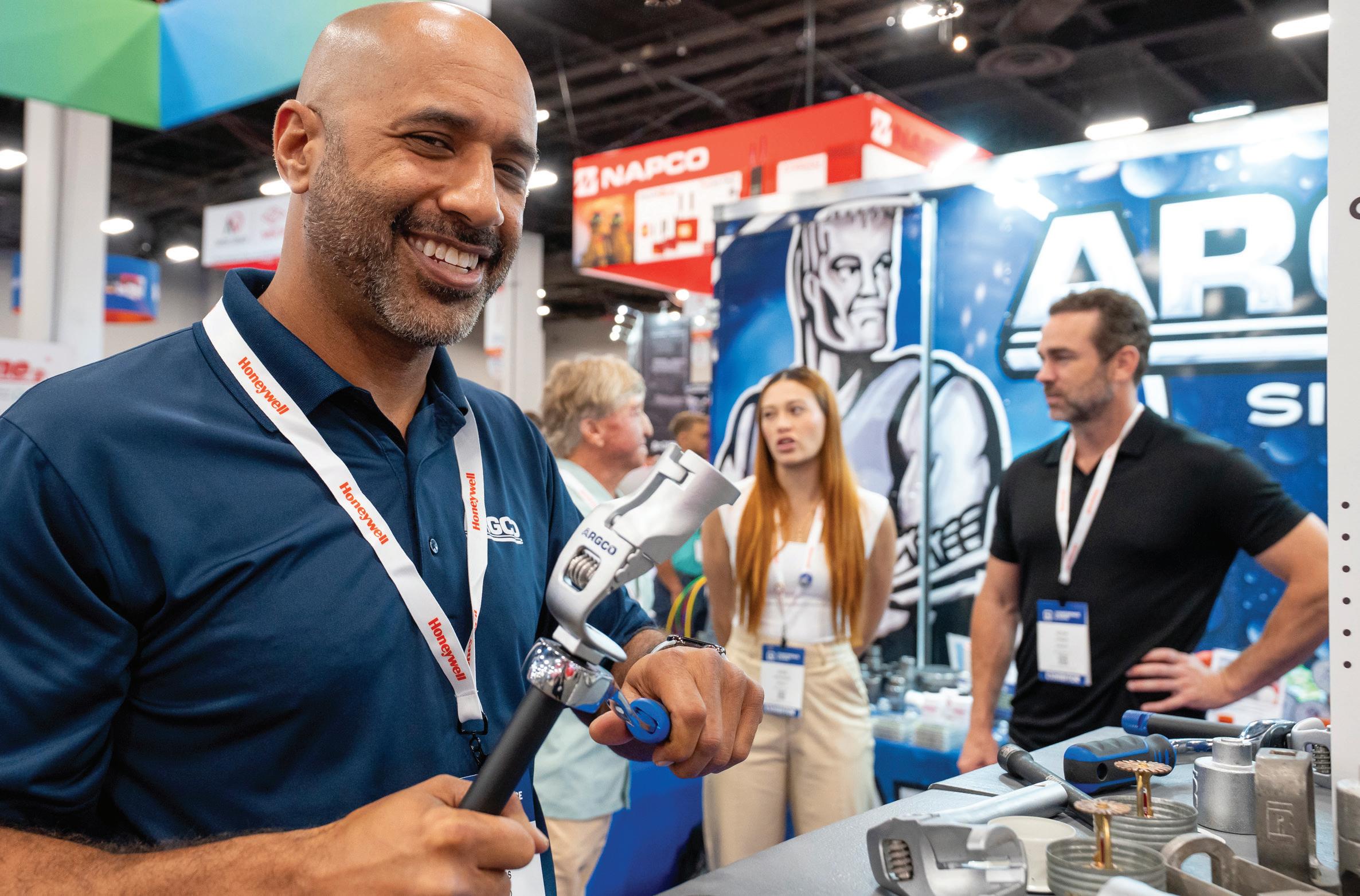

How Morgan Advanced Materials’ insulated duct systems are reshaping building safety across the UAE and Middle East
In the rapidly growing skylines of the UAE and the Middle East, safety has become a cornerstone of modern construction. Towering residential blocks, luxury hotels, sprawling shopping malls and state-ofthe-art transport hubs demand more than architectural ambition: they demand fire resilience that can stand the test of real emergencies.
Regulatory authorities in the UAE have implemented stringent building regulations, requiring all new developments to be divided into smaller compartments. This ensures that in the event of a fire, the inferno can be contained within a limited area long enough to allow occupants to escape safely and emergency responders to intervene. Passive Fire Protection (PFP) systems are central to this strategy. Walls, ceilings, doors and ductwork must work together as a network of safety barriers to slow the progress of fire and smoke.
Among these, ventilation and extract systems present a unique challenge: by design, ducts connect different parts of a building, creating a superhighway for the passage of smoke and hot gases.
This is where Morgan Advanced Materials can make a decisive contribution. The company’s Smoke Extract Duct and Kitchen Grease Enclosure System provides a tested and certified solution that not only complies with UAE regulations but offers peace of mind to developers, contractors, and building occupants alike.
While most people think of flames as the biggest threat in a fire, statistics consistently show that smoke is the leading cause of fatalities. Toxic gases,
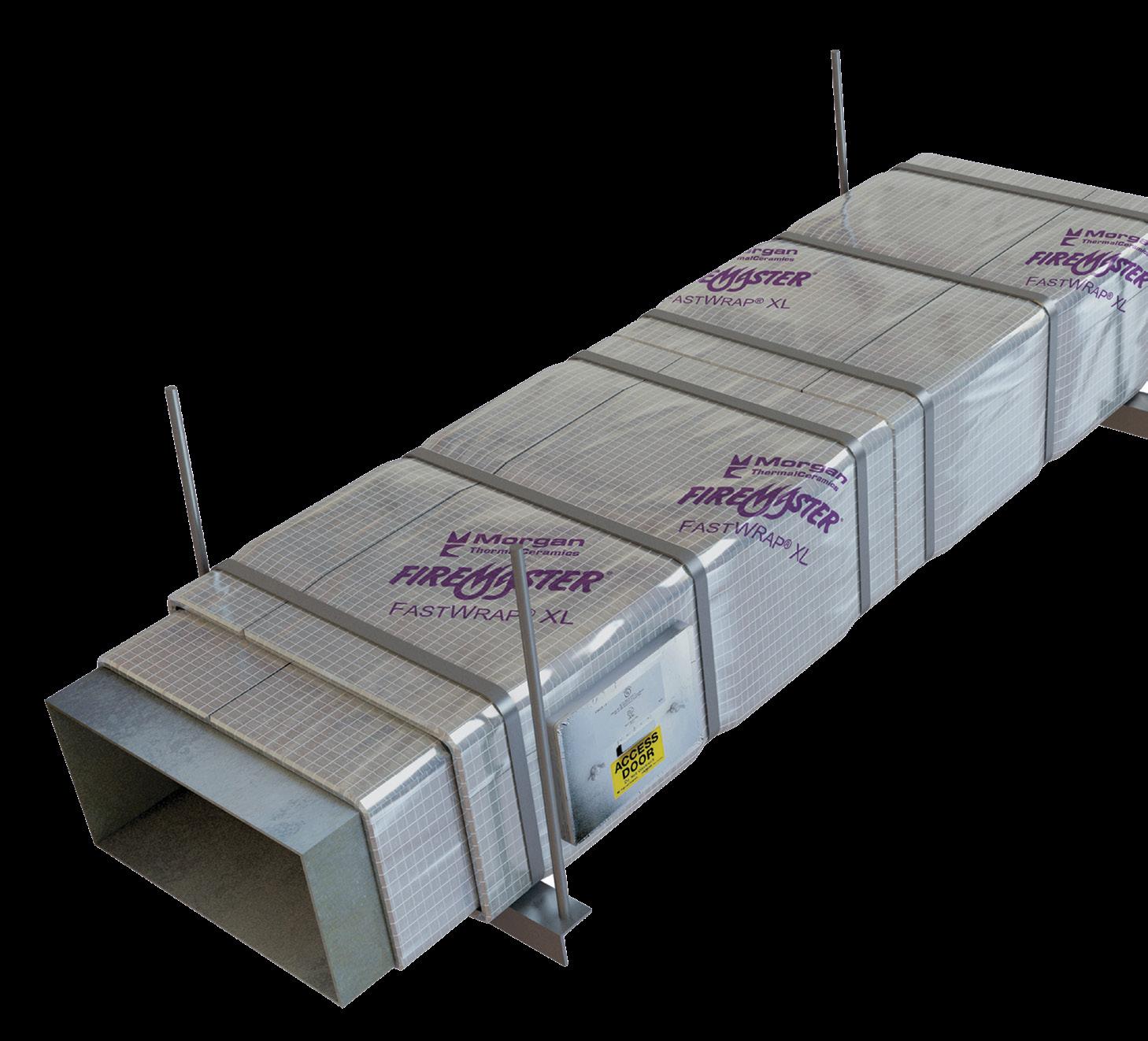
FireMaster® FastWrap® XL Blanket offers the lowest thickness (2 x 38mm) and density (96 kg/m3) available in the UAE market for kitchen duct applications
reduced visibility, and suffocating conditions claim far more lives than direct burns or structural collapse.
Ventilation and extract ducts can turn a contained fire into a building-wide hazard if left unprotected. Smoke and hot gases can travel quickly through ductwork, bypassing compartment barriers. Cool smoke, in particular, poses a hidden danger: it can spread silently through systems before dampers close, contaminating parts of a building not yet affected by flames.
Kitchen grease ducts add another layer of risk. Grease deposits accumulate over time and, under fire conditions, they can ignite and fuel a fire that spreads through the duct network. In high-occupancy facilities such as hotels, malls or airports,
“According to available data, 70-80% of firerelated deaths are caused by smoke inhalation”
this risk multiplies with thousands of lives and millions of dollars in property at stake.
Morgan’s FireMaster insulated duct systems directly address these challenges. Tested to ASTM E2336 for grease ducts and to BS 476 : Part 24 for ventilation and smoke extract ducts, they provide up to 120 minutes of proven resistance. The system maintains duct stability, prevents collapse and ensures that flames, hot gases and smoke cannot spread beyond their point of origin.
According to available data, 70-80% of fire-related deaths are caused by smoke inhalation.
Duct systems can aid the spread of fire vertically and horizontally within minutes.
Grease ducts are among the most common ignition points in commercial kitchens.
Certified systems can help to ensure ducts remain functional for safe smoke extraction.
At the heart of Morgan’s innovation is the FireMaster Blanket, a non-combustible, flexible insulation that is lightweight, easy to install, and engineered to withstand
the most demanding conditions. Wrapped around galvanised steel ductwork, FireMaster Blanket ensures that ducts continue to perform even under the intense heat and pressure of a fire.
This solution has been rigorously tested and certified, not only meeting but exceeding UAE building regulation requirements for ventilation and smoke extract ducts. It offers up to two hours of protection across the three critical criteria of:
Stability: the duct remains in place and operational.
Integrity: flames and hot gases cannot break through the duct walls.
Insulation: heat transfer is limited to prevent ignition of surrounding materials.
Contractors appreciate the system’s lightweight and flexible design, which reduces installation time and

complexity. Unlike traditional fire-resistant duct solutions, it requires no specialist tools or adhesives.
For building owners, this translates to lower installation costs, reduced project risk, and a safer long-term investment.
Morgan Advanced Materials doesn’t just deliver certified fire-resistant duct systems; it delivers confidence backed by regional presence. With manufacturing and supply operations in the UAE and across the Middle East, contractors gain access to locally available products that meet regional approvals, reduce lead times and simplify logistics.
Local manufacturing means faster delivery, fewer import delays and supply chains aligned with the demands of ambitious construction schedules. Just as importantly, Morgan provides comprehensive technical support –
Scan to access
FireMaster Blanket Product Datasheet
from training ductwork contractors to consulting with designers and approval authorities.
The system has been specified in a range of landmark projects across the Middle East. From high-rise towers and hotels to shopping centres, transport hubs and airports, FireMaster insulated ducts are already contributing to safer, more resilient infrastructure.
Looking ahead, Morgan remains committed to innovation in Passive Fire Protection. By combining global expertise with regional manufacturing, the company ensures that its solutions not only comply with today’s regulations but anticipate tomorrow’s challenges.
Zayed International Airport. Location: Abu Dhabi, UAE. Application: Kitchen & Smoke Extract Duct.
Atlantis The Royal. Location: Dubai, UAE. Application: Kitchen Duct. Al Haram Mosque – Mataf Extension. Location: Makkah, KSA. Application: Ventilation Duct.
King Faisal Specialist Hospital & Research Centre. Location: Jeddah, KSA. Application: Ventilation & Kitchen Duct.
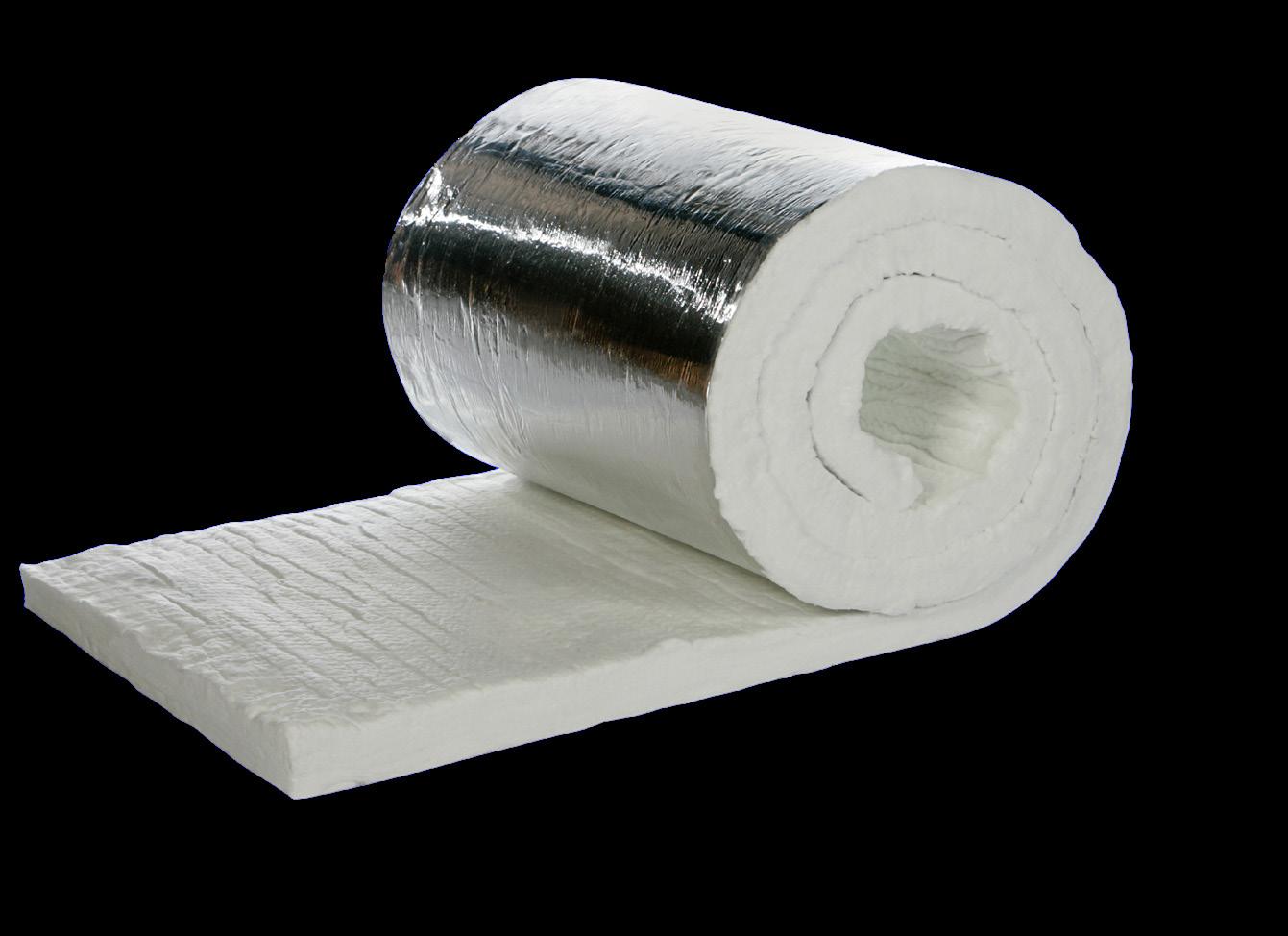
Morgan Advanced Materials FireMaster Blanket and FireMaster FastWrap XL combine certified performance with installation efficiency. They are manufactured using the company’s patented Superwool® fibre, an alkaline earth silicate wool with low biopersistence, and are classified for high-temperature applications up to 1200°C (2192°F).
Hamad International Airport. Location: Doha, Qatar. Application: Ventilation & Kitchen Duct.
FIFA 2022 World Cup Stadiums –Lusail, Khalifa, Al-Bayt. Location: Qatar. Application: Kitchen & Smoke Extract Duct.
Certified, locally manufactured, fireresistant insulated duct systems.
Contact our Emirati office for consultation and technical support T +971 2 550 4322 middleeast.tc@morganplc.com morganthermalceramics.com











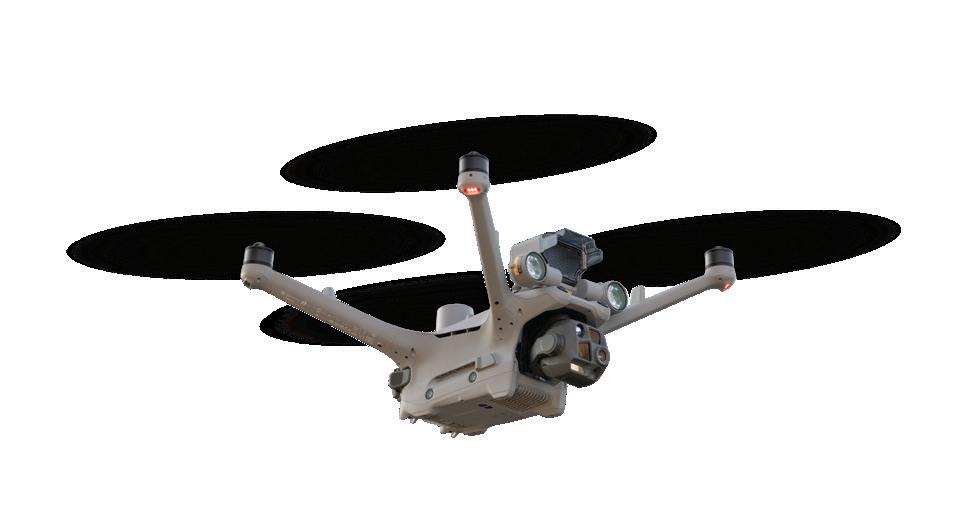
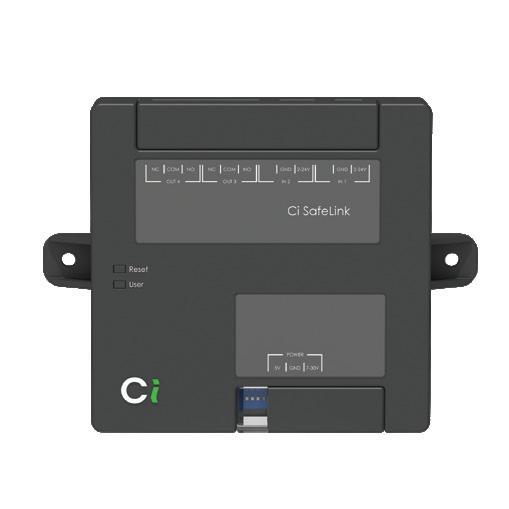
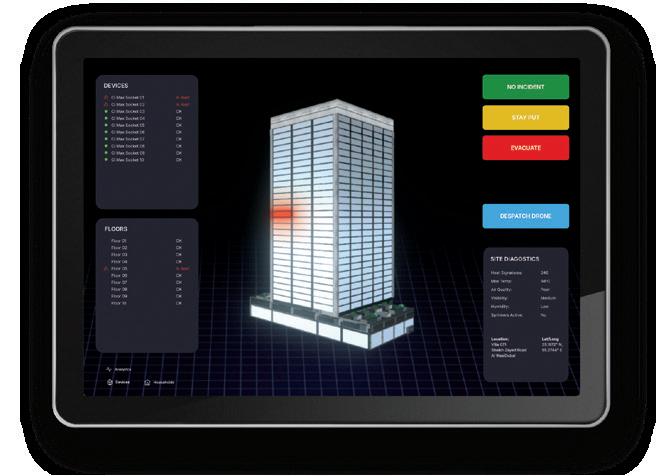

Remaining safe is paramount , and workplace health is vital. Make sure your work force is united behind this mission with tailored suppor t from the only Char tered body for occupational safet y and health.

Scan the QR code to find out more.

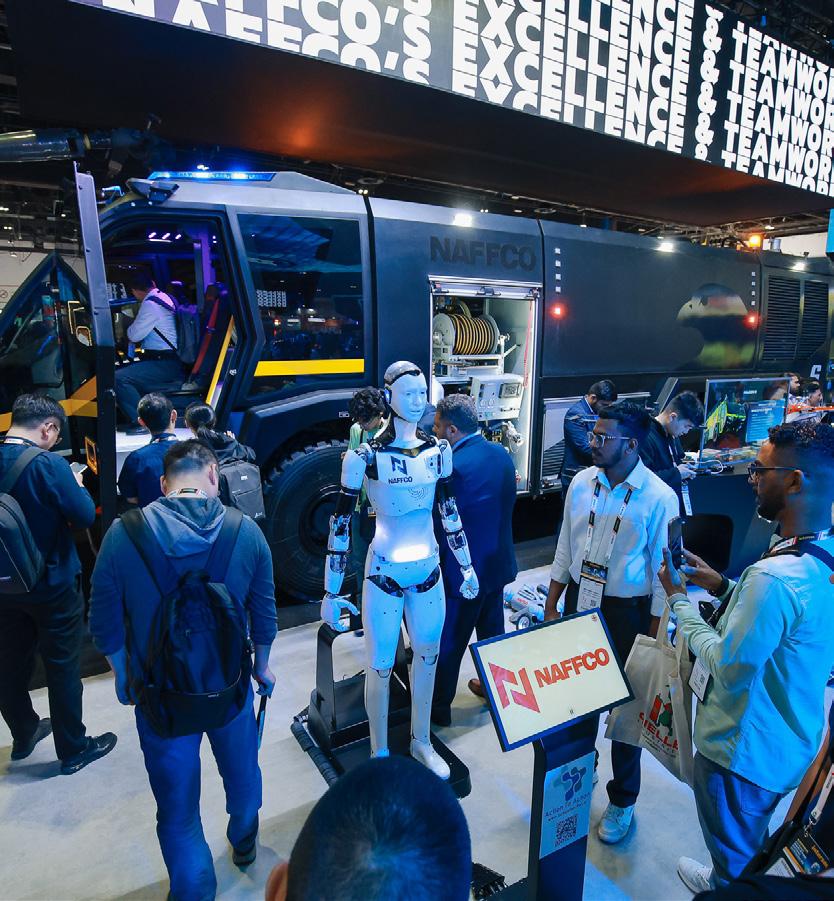
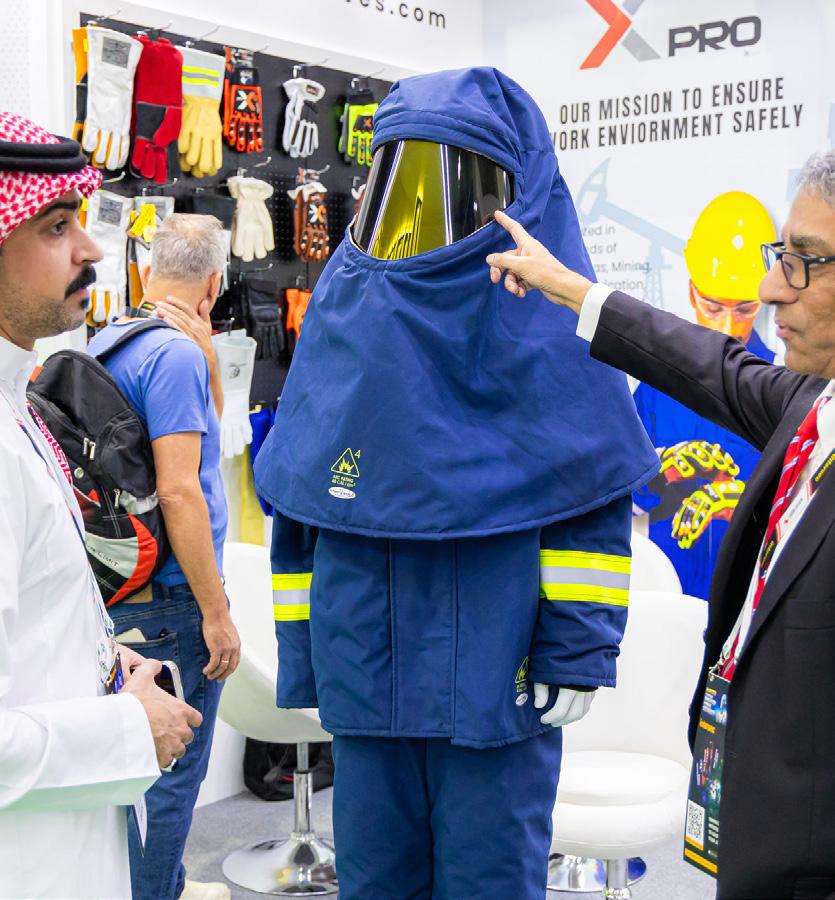

Dishan Isaac, Show Director, shares more about what visitors can expect at the Intersec Dubai 2026 show
As the 27th edition of Intersec approaches this January, attention is increasingly drawn to the significant shifts occurring across the global security, safety and fire protection sectors. The rapid pace of geopolitical, technological and environmental changes has intensified, emphasising the industry’s need for clarity, shared purpose and a renewed commitment to resilience.
Intersec has always been shaped by the people who participate in it. The strategic thinkers, operational experts, innovators, responders, regulators and industry leaders whose collective expertise defines the trajectory of our fields. This year, however, holds particular significance. The operational environment has undergone substantial changes, and the challenges and opportunities facing us are now more complex, interconnected and consequential than ever before.
We operate in a world where complexity is no longer rare; it has become the norm. The rapid pace of technological change, global uncertainty, climate volatility and converging physical–digital threats are pushing organisations to rethink their approaches to preparation, response and innovation. In this context, Intersec 2026 has expanded not only in size but also in responsibility. This edition will cover 67,000 square metres, marking our largest footprint yet, and will welcome over 1,400 exhibitors from more than 60 countries. The scale indicates the level of demand; it also conveys a clear message: throughout our sectors, the demand for collaboration, knowledge sharing and preparedness has reached unprecedented levels.
At the core of Intersec is the ability to unify an entire ecosystem. The industries
we serve, including commercial security, fire and rescue, emergency response, cybersecurity, health and safety, homeland security and policing, once operated within clearer boundaries. Today, those boundaries have blurred. No organisation can think in silos, and neither can an event like ours. This reality has shaped the 2026 programme from the ground up, ensuring every feature reflects the interconnected world in which we operate.
The International Security Leaders’ Summit exemplifies one of the most significant platforms within Intersec. It has evolved into a forum where senior leaders address the realities of modern risk, drawing on practical experience rather than theoretical constructs. Discussions on crisis leadership are particularly relevant because they directly address the human aspect of the industry.
The record rainfall the UAE experienced in April 2024, the heaviest since national records began in 1949, reminded all of us how quickly environments can shift. It was a moment that tested systems, stretched coordination and proved that leaders must be ready to make decisions with incomplete information and unwavering calm.
This year, we will hear from professionals like David Warham from Dubai Airports, who will bring this into sharp focus. His reflections on preparation, trust and multi-agency collaboration offer lessons that extend far beyond aviation. The same applies to the voices joining us from national infrastructure, government ministries, global corporations and academic institutions. These leaders are facing the same pressures many of our visitors encounter: talent shortages, digital convergence, aligning with national strategies, managing cultural complexity and navigating the realities of AI and quantum technologies. Intersec provides them with a platform to exchange honest, transparent and highly valuable practical insights.
Cybersecurity plays a significant role in that conversation. In recent years, it has evolved from a specialised discipline to the thread connecting every operational environment. At Intersec, this evolution is captured in the InCyber Briefing, which brings together global and regional specialists to tackle the next wave of digital risk. With the UAE’s cybersecurity market set to grow significantly by 2030, the conversations around supply-chain resilience, AI-powered threats, regulatory complexity and board-level reporting are not abstract; they are urgent. What inspires me is seeing how these sessions move beyond buzzwords into practical guidance that security and IT leaders can implement immediately.
Fire and rescue professionals will also find a dedicated space to examine the challenges shaping their sector. Urban density, climate change, new materials and rising expectations for building safety have all shifted the demands placed on fire services and life-safety specialists.
The Fire & Rescue Conference explores AI-enabled fire prediction, evolving fire dynamics, human behaviour under
“This edition will cover 67,000 square metres”
stress and global case studies that offer invaluable insights into preparedness.
The inclusion of Passive Fire Day, led by the Association for Specialist Fire Protection, demonstrates a renewed push to professionalise a sector that has historically been underestimated despite its lifesaving potential. This is exactly the kind of forward movement Intersec aims to champion.
Health and safety also continues to play a critical role, particularly as organisations navigate a changing workforce, new technologies and heightened expectations around wellbeing. This year’s HSE programme emphasises the psychological dimensions of work, the human factors behind automation and the cultural foundations that underpin strong safety performance. The conversations span construction, occupational road risk, industrial environments and the emerging responsibilities that come with digital transformation.
Another defining feature this year is the emphasis on developing the control room of the future. The new Control Room Innovation Theatre demonstrates how AI, cognitive design and human-centred environments can enhance operator performance and decision-making under pressure. Control rooms serve as the central hubs of modern security and safety operations, and this initiative highlights their increasing strategic significance.
Of course, Intersec is also a marketplace, one of the largest and most diverse in the world for security, safety and fire protection solutions. With over 1,400 exhibitors and a strong presence of international pavilions, the show floor is where global innovation becomes accessible. Whether it’s next-generation surveillance, advanced access control, cyber-physical convergence tools, fire-engineering technologies, PPE advancements or emergency response equipment, the exhibition floor brings together practical solutions with futurefocused thinking.
This is where visitors can walk from concept to application within minutes, meet the teams behind emerging technologies, and discover ideas that can transform their operations.
Celebrating the people behind these innovations is equally important. The Intersec Awards return this year with 17 categories, our most comprehensive line-up yet, recognising excellence across fire protection, safety, homeland security, commercial security, cybersecurity, consultancy, leadership and Emirati talent. We have seen an encouraging rise in submissions, a sign that companies and individuals are eager to showcase their contributions to global best practice. Honouring this progress matters because it helps set the standards that will carry our industries forward.
All of this unfolds in a city uniquely positioned to host such a gathering. Dubai’s continued ranking among the world’s safest countries reflects a longterm national commitment to readiness, innovation and collaboration. Intersec aligns with these goals: raising industry standards, supporting national objectives and connecting international stakeholders responsible for protecting people, assets and infrastructure.
The aim for visitors at Intersec 2026 extends beyond technology and conference sessions. It is to foster clarity amidst prevailing uncertainty. Attendees are encouraged to establish connections with partners they can depend on in the long term. Ultimately, the goal is to leave with reinforced confidence, grounded in understanding and preparedness, and with a shared sense of purpose.
Our industries carry an extraordinary responsibility. We protect what matters most: people, communities, critical infrastructure, national capability and the trust that underpins our societies. Intersec exists to support that mission.
It is my pleasure to welcome you to Dubai World Trade Centre from 12–14 January 2026, and I look forward to shaping the next chapter of global security, safety and fire protection together.

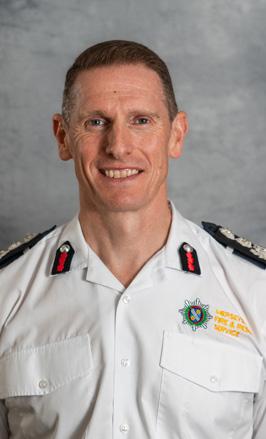
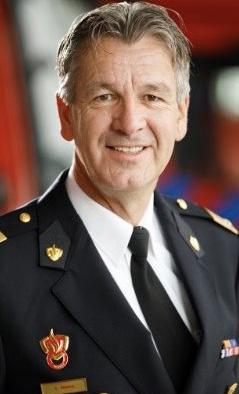


Monday 12 January 11.40am
PANEL DISCUSSION
AI-driven safety – Integrating smart technologies with holistic fire & life safety strategies
Discover how AI is transforming risk modelling, code compliance and predictive safety systems to build a smarter, safer urban environment.
Featuring: Lt. Colonel Dr Humaid AlAli, Chief Fire Officer –Deputy Director of Fire Affair, General Command of Civil Defense, UAE; Selenay Simsek, Principal Consultant – Fire & Life Safety, WSP; David Black, Director, Joule Group; and Racha Ghazzawi, Senior Fire Protection Consultant, Siena
Monday 12 January 12.20pm
PRESENTATION
UK national resilience and international search and rescue
Featuring: Nick Searle QFSM, Chief Fire Officer, Merseyside Fire & Rescue Service
Monday 12 January 1.30pm
PRESENTATION
A new approach to structure fires: The quadrant model
The model introduces a fresh tactical perspective on structure fires, offering not only a new approach to firefighting operations but also a redefined view of incident command and leadership.
Featuring: Stephan Wevers, President, Chief Fire Officer, The Federation of European Fire Officers, Fire Service Twente
Tuesday 13 January 11.40am
Welcome address to NFPA Day
Featuring: Jim Pauley, President and CEO, NFPA
Tuesday 13 January 12:00pm
PANEL DISCUSSION
Transforming vision into action: Advancing fire and life safety through joint initiatives
Featuring: Eng Salma Humaid Saeed, Head of Drawings and Projects Section, Directorate General, Dubai Civil Defence; Major Eng. Ali Hassan Al Madfai, Head of Executive Affairs, Abu Dhabi Civil Defence Authority; Major Mohamed Al Abbar, Head of the Inspection Division, Bahrain General Directorate of Civil Defence; and Abduraham Al Ghanem, Mechanical & Fire and Safety Engineer, Qatar Civil Defence.
Tuesday 13 January 12.40pm
SESSION
Modernising fire protection with AI: What works today with NFPA 915, BFOA 72 and NFPA 4
Featuring: Ibrahim Lari, CEO, Sibca; and Richard Pearson, Chief Product Officer, Omniconn.
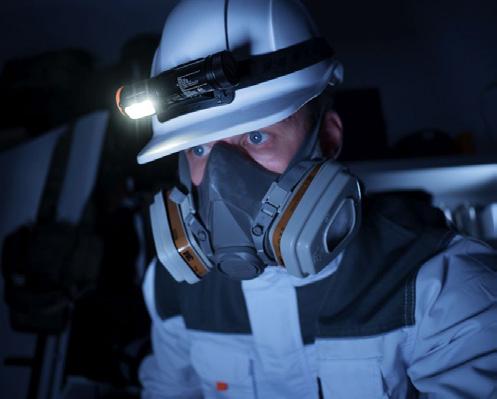
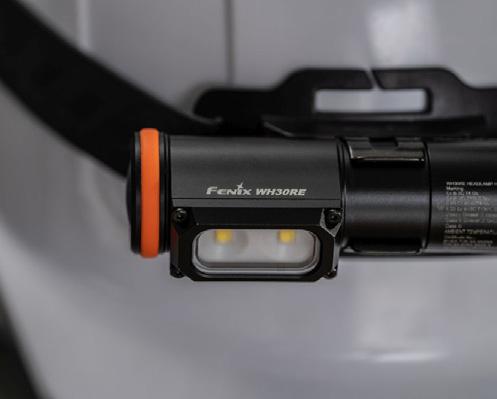
Founded in 2001, Fenix has over 20 years of experience producing reliable and durable professional lighting, including high-performance headlamps, flashlights, bicycle lights and camping lanterns. Our products are engineered to withstand the extreme heat, toxic smoke and chaotic debris of fireground operations – because your environment is extreme, but your reliability must be absolute. Trusted by fire and rescue services in over 100 countries, Fenix lighting tools are praised for their robust performance, waterproof and explosion-proof designs, and life-saving reliability. As a trusted partner to emergency services worldwide, we continuously innovate to meet the critical demands of those on the front lines.
At Morgan, we manufacture advanced insulation materials to provide a more sustainable world and to enhance the quality of life. Our FireMaster® solutions produced in KIZAD, Abu Dhabi, are used all over the world to protect people and elements of construction against the effects of fire. The large variety of FireMaster fire protection systems are comprehensively tested and certified to meet a wide range of national and international standards. In the UAE, we proudly work together with local duct manufacturers to ensure we provide enhanced safety in buildings ventilation, smoke extraction and grease duct systems. morganadvancedmaterials.com
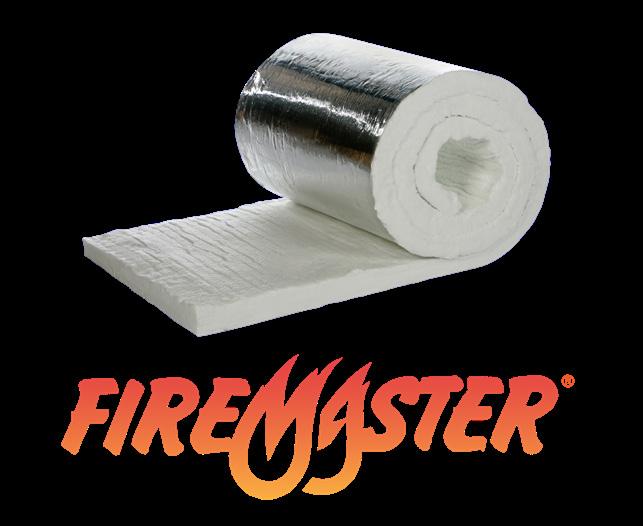
PROFOAM is specialized in production of fire-fighting foam concentrates.
Our full range of superior quality, environment friendly foams include not only Fluorine Free Foams (F3), but also C6 fluorinated foams such (FP, AFFF, FFFP, AR-AFFF, FFP, etc.) that we continue producing.
Profoam production plant is “IEA” (Integrated Environmental Authorization) certified, in addition to ISO 9001.
Large production capacity, quality products, know-how, reliability, expertise and customers assistance distinguish PROFOAM as the universal leader of the foam manufacturers, giving the professional end users the quality assurance, they need where matters of safety are paramount. profoam.fr
Founded in 2001, Sense-WARE’s first product was the T-229/4P Universal Test Lamp. Designed for use in safe areas to test most UV, Single IR and UV/IR Flame detectors, and still very popular with the marine industry, the Universal Test Lamp remains an important part of the Sense-WARE product line. At the time, the majority of flame detectors available were designed for the oil, gas and petrochemical industries for Zone 1 applications. They were expensive for onshore applications that do not require a Zone 1 device. Sense-WARE recognised an increasing demand for a cost-effective alternative to Zone 1 flame detectors and, in 2012, introduced the 210 series UV and UV/ IR flame detectors. In 2015 these were followed by the IR3 flame detector. Sense-WARE Flame Detectors have been successfully tested by international approval authorities, including FM and ATEX, and have local approvals around the world. The 210 series of flame detectors are the core product line for Sense-WARE and have been installed worldwide in a wide-ranging variety of Zone 2 and safe area applications. 2026 will be the 25th anniversary of the company, and to celebrate Sense-WARE is offering a seven year warranty on all flame detectors purchased in 2026. sense-ware.com
Intersec will launch the Intersec Pulse Studio, hosted by Security and Fire Middle East and featuring interviews with the world’s top fire and security leaders
Get ready for the ultimate deep dive at Intersec Dubai 2026! We’re thrilled to launch the Intersec Pulse Studio, a groundbreaking new initiative featuring a stunning glass-box broadcast hub positioned right in the heart of the main concourse. In association with Security & Fire Middle East magazines, it will be hosting unmissable, expo-live style interviews all day, every day throughout the entire event.
We’ll be meeting face to face with keynote speakers, government dignitaries and global thought leaders for raw, realtime conversations that dive deeper into the hottest topics shaping our industry’s
future. Confirmed interviewees include Dr Humaid Al Ali (UAE Civil Defense), Dania Al Ahami (Design Confidence), Malcolm Smith (Royal Commission AlUla), Waleed Abdulrahman (NEOM), Capt. Eng. Salman Salah Albuflasa (Bahrain Civil Defense) and John Dunne (Red Sea Global). Filmed during the show and available post-event throughout 2026, these exclusive sessions will unpack actionable insights, emerging threats and bold innovations – all captured in crystal-clear HD from our prime-time studio. Whether you’re on-site or tuning in globally, join the pulse of security and fire excellence as we bridge panels to practice.

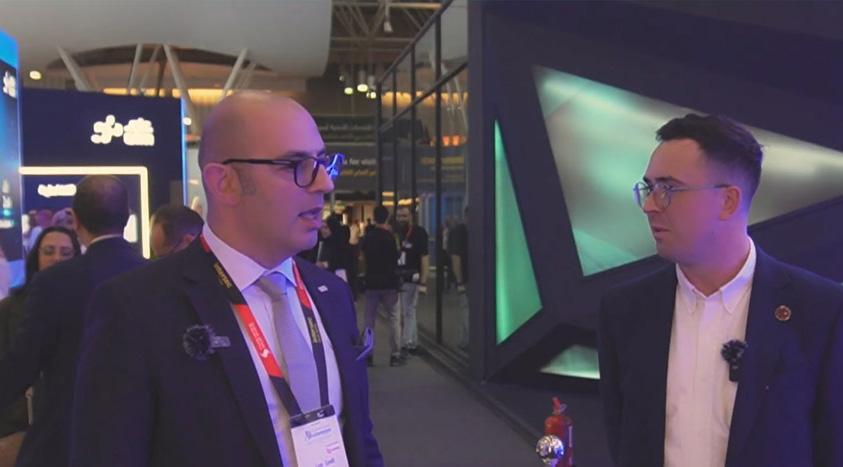
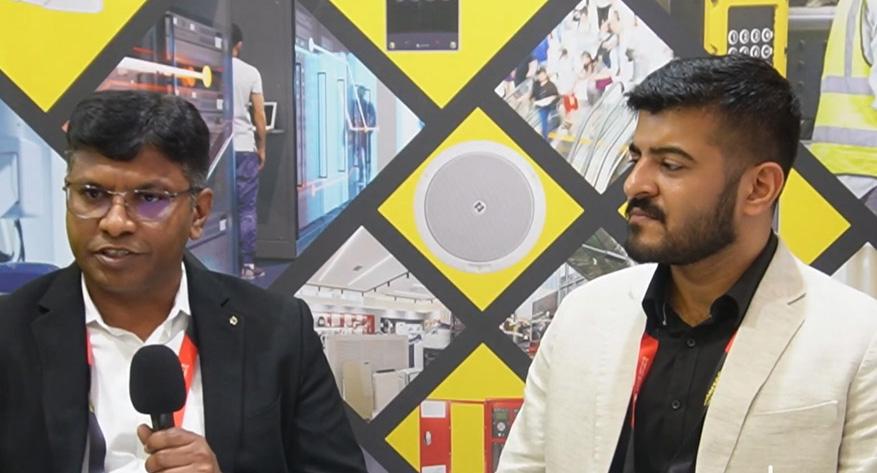
This is Security and Fire Middle East powering the conversation at the world’s leading security, safety and fire expo. Subscribe now, mark your calendars and follow @FireMiddleEastMagazine on LinkedIn for the full lineup. Intersec Pulse Studio: Where global fire leaders speak freely.










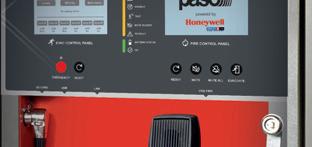
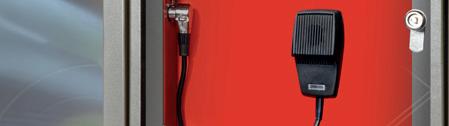










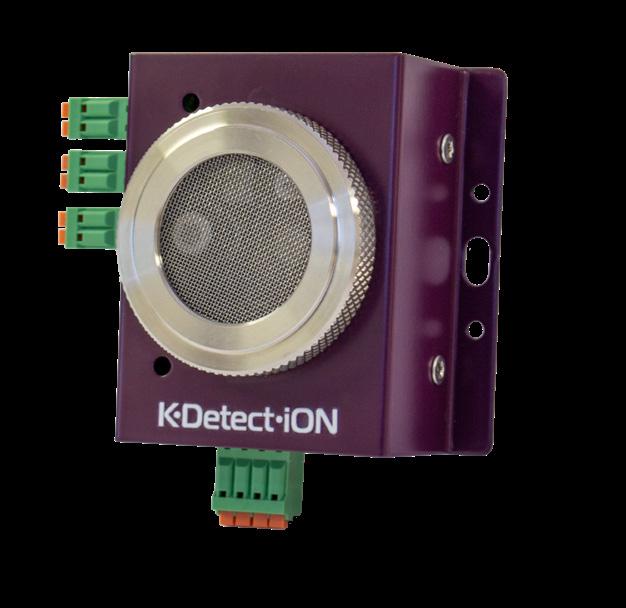
Kentec Electronics will demonstrate its latest innovations, designed to help meet industry safety and regulatory challenges. The K-Detect-iON flammable gas detector is the only UL 2075 calibrationfree hydrogen sensor and detects hydrogen at the off-gassing stage, preventing ignition and enabling automatic safety responses in battery energy storage solutions (BESS). It integrates with Kentec’s Sigma ZXT panels. Kentec will demonstrate its PA/VA with the latest version of the EN 54-2 and BS 7273-4 Category A-compliant Taktis fire control panel; the solution on show deploys Kentec’s wired addressable fire detection technology, K-System, which extends its functionality to public address and voice alarm. kentec.co.uk
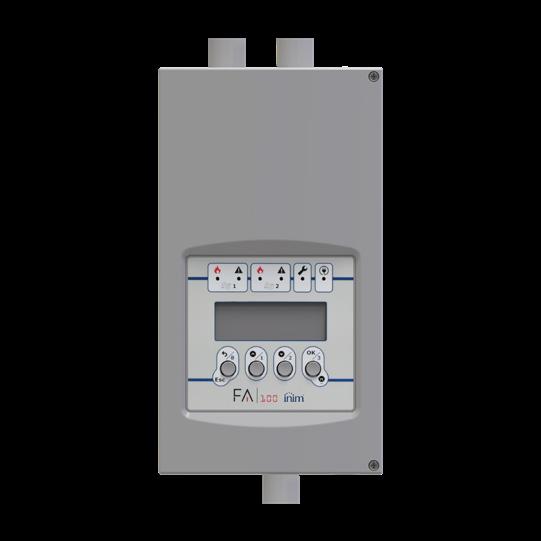

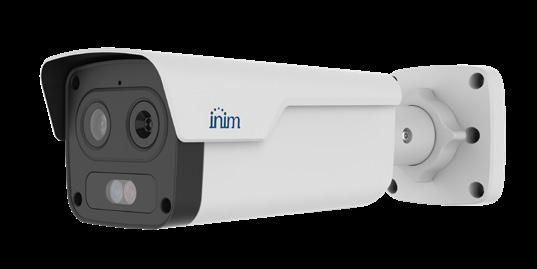
Inim Electronics designs, manufactures and markets a comprehensive range of Fire Detection, Intrusion Detection and Home Automation systems and products for industrial, residential, commercial and institutional buildings. Products created and ‘Made in Italy’. Choosing Inim means choosing guaranteed security, by way of its patented technologies and resourceful, state-of-the-art solutions. Inim’s hi-performance product line-up delivers advanced technology, extreme flexibility and, at the same time, ease of use. This winning combination presents important advantages for installers and end users alike. inim.it
LIFECO has been a trusted global name in fire detection, prevention, extinguishing and suppression systems for more than 25 years. Headquartered in the United Kingdom, we serve Civil Defence, industrial, commercial and consumer sectors with a comprehensive range of certified, high-quality solutions. Supported by an extensive international dealer network and a skilled workforce, LIFECO provides a complete one-stop source for fire and life safety requirements. Our products carry leading approvals including ISO 9001:2015, LPCB, UL, FM and Kitemark. With strong and growing demand across the MENA and LATAM regions, our Dubai office ensures faster delivery and enhanced customer support. Email Address: sales@lifeco-uk.com; Telephone: +971 4 883 4070. lifeco-uk.com
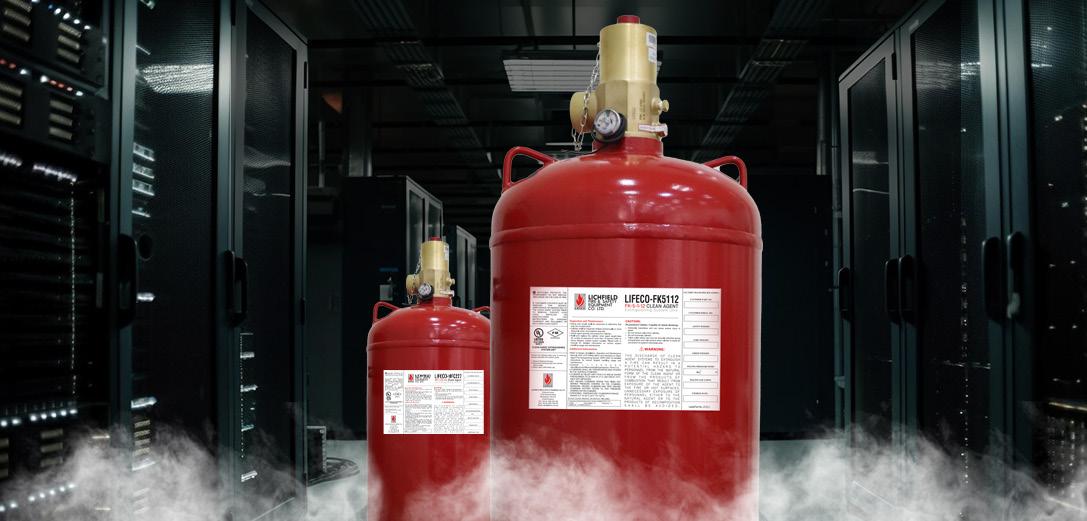
Hytrans, based in the Netherlands, is a global supplier of mobile water transport solutions based on hydraulically driven submersible pumps. With over 35 years of craftsmanship, we develop and manufacture systems used by fire brigades, civil defence, petrochemical and nuclear industries worldwide. Our systems are designed to: extinguish small to very large (industrial) fires effectively; reduce the aftermath of large-scale floods quickly; and create a high-volume water supply when cooling water is required. The Hytrans systems are deployed in minutes using minimum manpower. It operates effectively over long distances and altitudes. Hytrans, where innovation meets impact. hytrans.com
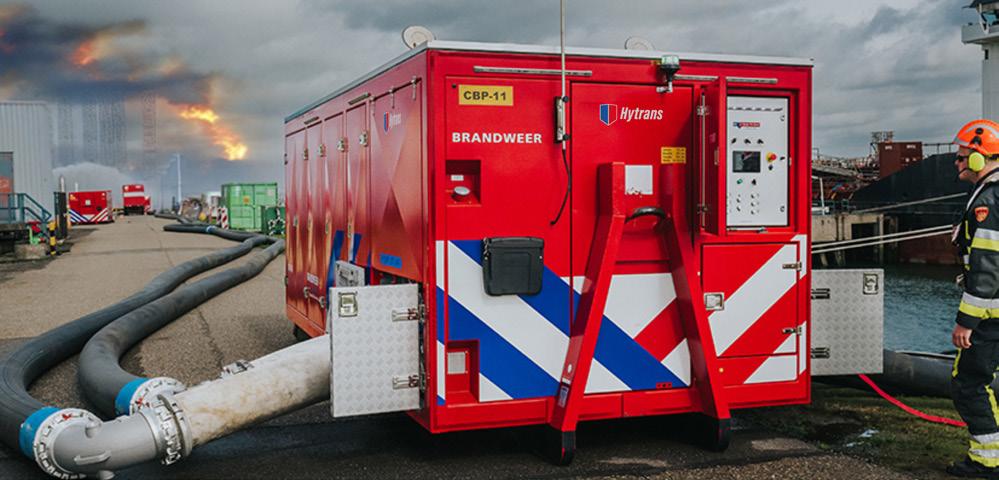
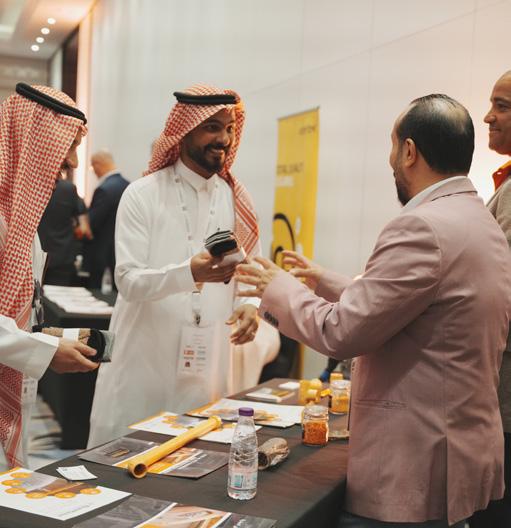
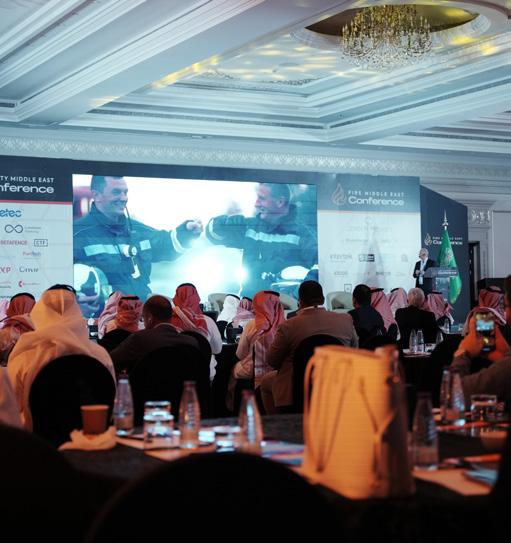
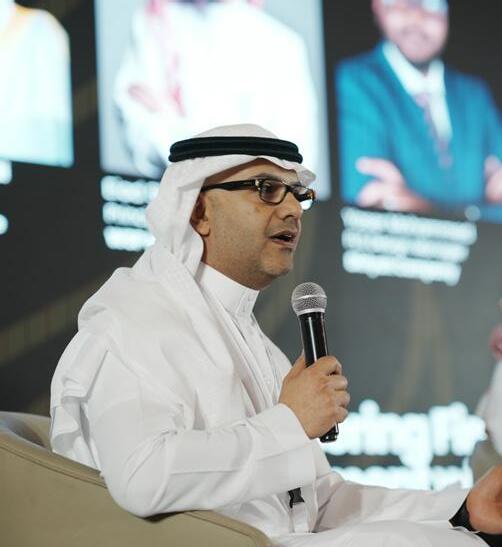
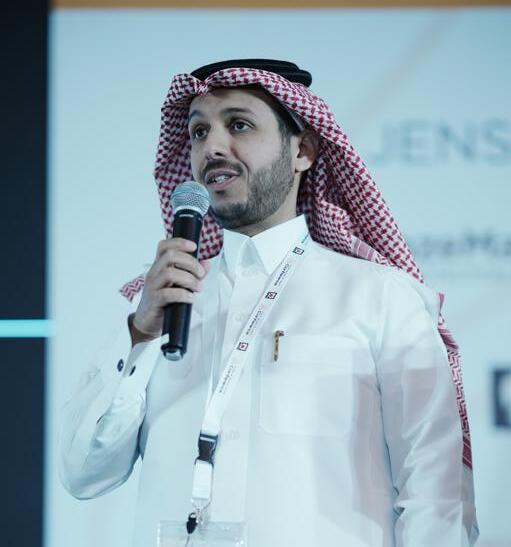
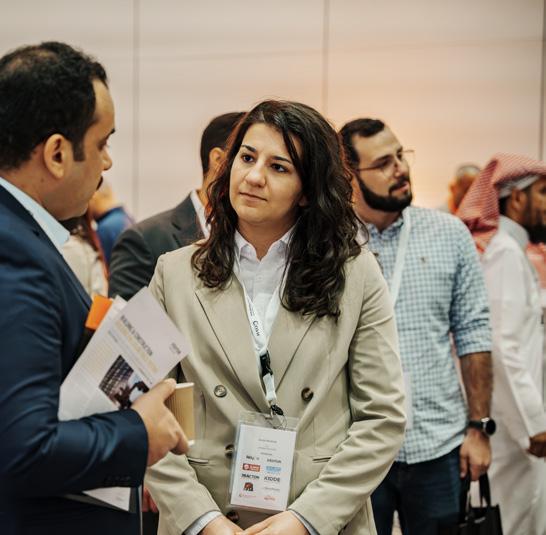
5,200+
Attending
320+




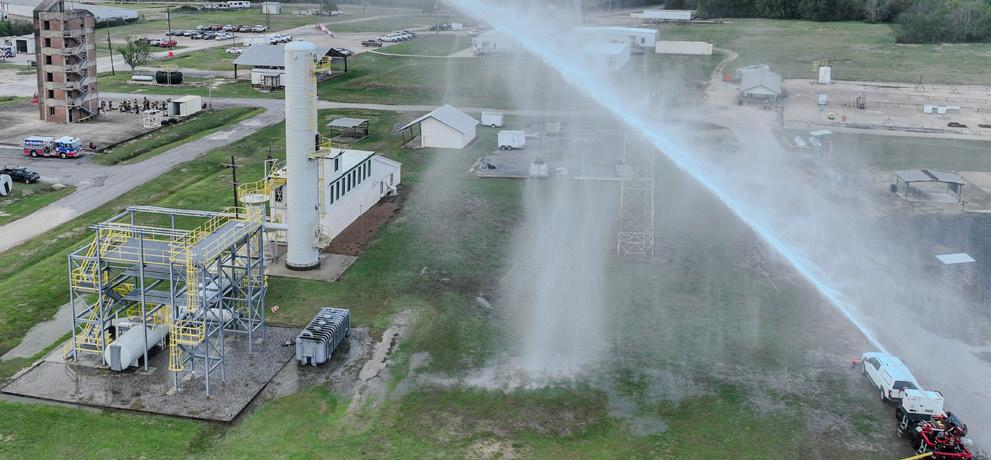
Modern fire protection for demanding environments. The MXOne is a high-performance fire firefighting turbine specifically for open spaces and large halls where conventional stationary systems cannot reach the fire load. Its turbine technology enables throw distances of up to 100m with rapid and flexible targeting. The system can deliver water mist or foam concentrate, making it suitable for fires involving liquids or solids. Designed for harsh industrial environments, the MXOne operates reliably between -15 °C and 50 °C, is easy to use, and requires minimal maintenance. Advantages include rapid cooling, precise remote-controlled alignment, simple integration and FM Global certification. minimax.com
ZOLL AEDs deliver more than a shock — they deliver smarter, connected rescue readiness. With Real CPR Help® technology, ZOLL AEDs guide rescuers with real-time feedback to improve survival odds. And with advanced connectivity, including AED program management and remote readiness monitoring, you always know your devices are rescue-ready. Reduce downtime, eliminate manual checks and strengthen your emergency response with the AEDs designed to perform when every second matters. Choose ZOLL — smarter technology, stronger outcomes. zoll.com
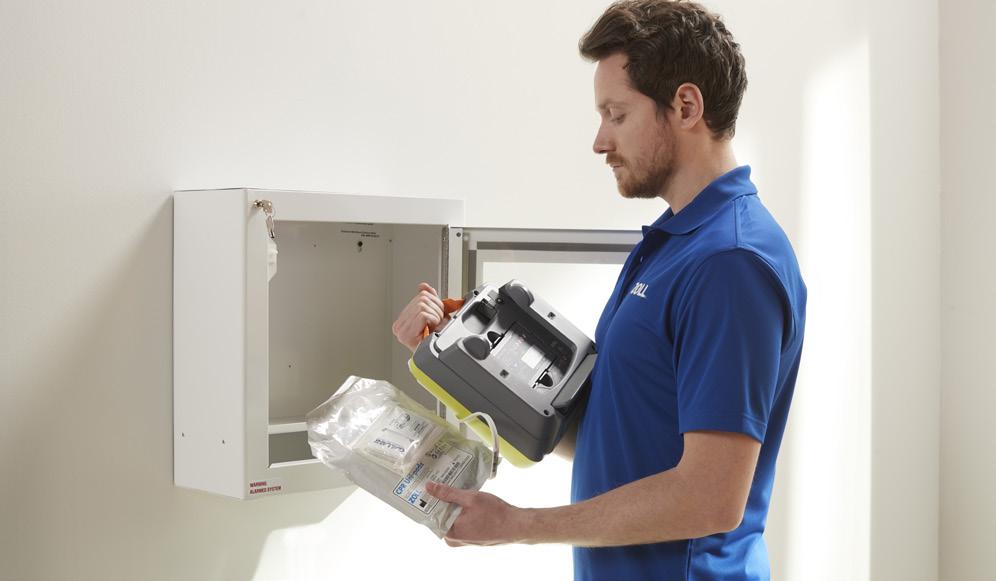
Everlux has more than 30 years of experience and the main activities and focus have always been the design, development, manufacture and marketing of photoluminescent safety products. The company has also in its core the specific aim of studying and developing technologies related to the manufacture of photoluminescent (phosphorescent) products and their application in the field of safety. Everlux’s aim is to manufacture high-quality safety signage as well as offer the highest levels of customer service and all the Intersec visitors can experience that, from the 12th to the 14th of January. The Everlux brand-new and attractive stand has also a new location – 8-E30 – and the Everlux team will be ready to provide a unique experience to every visitor! everlux.com

Trident Emergency Products’ GP Series™ foam pumps are built for modern fire suppression. These UL®-listed rotary gear positive displacement pumps deliver 115–1890 LPM (30–500 GPM) at foam concentrates of 5,300 cPs viscosity. Designed for extreme durability, they feature mechanical seals, spherical bearings, non-contacting rotors and bronze-only foam-path components for superior corrosion resistance. Wetted parts can run dry indefinitely. Available in direct engine, electric motor, SAE hydraulic or PTO drive configurations with both rotations supported. An ideal drop-in replacement for obsolete Edwards foam pumps in mobile or fixed systems. tridentdirect.com



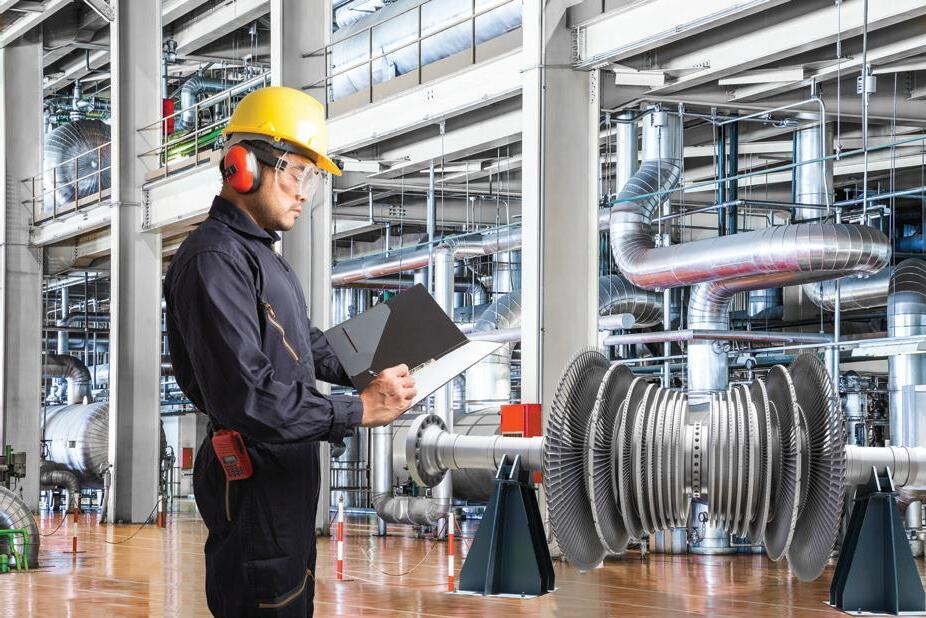



Replenishing current foam stocks has become increasingly challenging, as several traditional AFFF foams are no longer produced. In addition, storing modern foam concentrates presents its own set of difficulties. This makes in-depth knowledge of the foams in use more critical than ever, especially since many NFF and SFFF formulations must be carefully balanced to achieve the desired ratings. Product selection therefore plays a much larger role in overall effectiveness. Training has become very essential, even more so than during the AFFF era. To ensure that responders are fully prepared to operate under today’s conditions, we developed a dedicated Foam Campus, along with courses & consultancy. relyon.com/academies/fire-academy
PASO SpA, a renowned Italian manufacturing company known for its five decades of expertise in congress systems, sound broadcasting and voice alarm solutions, has recently expanded its offerings to include fire detection. Committed to delivering exceptional customer satisfaction, PASO SpA consistently provides top-quality products and services, both domestically and internationally. With a diverse range of PA/VA solutions and devices, PASO SpA caters to various needs, offering cutting-edge concepts that are developed in-house in Italy. By utilising the latest 4.0 technology, the company ensures that its products are engineered and manufactured to the highest standards of quality.
PASO S.p.A. Via Settembrini, 34 – 20045 Lainate (MI) – ITALY; Phone: +39.02.58077.1; E-mail: info@paso.it paso.it
GVI is the world’s leading provider of fire flow test meters, trusted for unmatched accuracy, durability and performance. It’s patented venturi design minimises turbulence, reduces friction loss to less than 1 PSI, and delivers certified accuracy of 0.5% — ensuring dependable, repeatable results every time. With FM Approved meters, digital and glycerin gauges, a full five-year warranty, and one of the largest inventories in the industry, GVI ships faster and performs better. Featuring cutting-edge technology, our latest flow meter continues GVI’s tradition of precision and reliability. That’s why GVI is the most requested and specified meter in fire training centres worldwide. gviflow.com
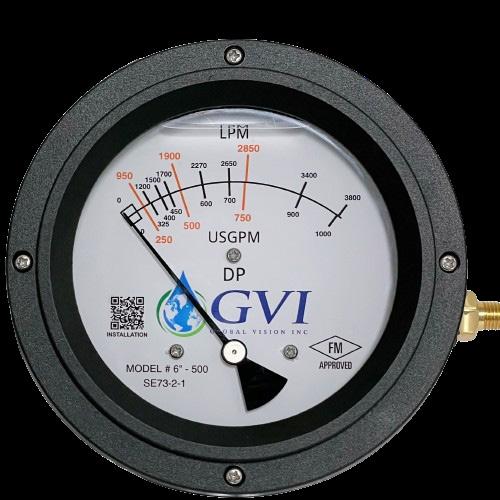
GECO Mechanical & Electrical LTD., a regional leader with over 50 years of Fire & Life Safety expertise, has partnered with Safety Hi-Tech Global to bring world-class clean-agent suppression solutions to the Middle East. The SHTG 1230 (FK-5-112) Clean Agent and SHTG 227 (HFC-227ea) Clean Agent systems deliver fast, clean, and residue-free total-flooding protection ideal for data centres, telecom hubs, industrial facilities and energy environments. UL Listed and FM Approved, SHTG systems are trusted in more than 40 countries and supported by a global distribution network. Together, GECO M&E and Safety Hi-Tech Global provide advanced technology, engineering excellence and dependable protection for mission-critical assets across the region.
Visit us at Intersec 2026, Stand #SR-C23 in Rashid Halls to explore how GECO M&E can enhance your safety infrastructure.
To learn more about our clean-agent fire protection solutions, contact us today.
Tel: 00971 6 513 8111 Email: Marketing@gecome.com gecome.com
E2S Warning Signals is a global leader in high-performance audible and visual notification, initiation and detection solutions engineered for harsh and hazardous locations. The D1x range of audible and visual signals and manual call points features robust and corrosion-proof marine-grade aluminium enclosures, ensuring suitability for the most demanding explosionproof environments. Designed and manufactured in the UK, and certified to ATEX, IECEx and UL standards, E2S products deliver dependable performance where life-safety is critical. Trusted globally for reliability, durability and compliance. Discover the latest range at Intersec 2026, Stand A28, Hall 7. e2s.com
Janus Fire Systems provides fullservice Fire Protection, Suppression and Detection system solutions. The company is built on the ideology of excellence, quality and innovation, and they’re committed to providing all clients with reliable, personalised service. Janus offers a full range of superior Special Hazard Fire Extinguishing products, working with industries across a wide range of sectors around the world. Products are UL-Listed and FM-Approved. Janus is a leading manufacturer and supplier of Clean Agent FK-5-1-12, HFC227, IG-100, Water Mist, Dry Chemical, Low & High Pressure CO2 and Automatic Cabinet Extinguishing Systems. Superior Detection and JFS Control Panel options. Products are delivered on time and complete. janusfiresystems.com

Join Victory at Intersec Dubai, stand 7-A36, from 12–14 January 2026, and explore the widest range of UL and EN3 certified portable fire extinguishers from Victory Fire & Gas and TG Products – including Powerx and Fire Power. Discover our new range of wheeled portable extinguishers for Dry Chemical, Purple K & AVD. Plus, experience our high-flow dry chemical extinguishers and the complete line of portable extinguisher solutions from Victory and TG that are designed for performance, reliability and safety. We look forward to meeting you in Dubai and discussing how Victory can support your fire protection needs worldwide. victoryfiregas.com
AVD Fire is proud to showcase its world-leading lithium-ion fire suppression solutions at Intersec Dubai 2026. Visitors will have the opportunity to explore our latest innovations, including AVD Lithium-Ion Fire Extinguishers, EV Fire Blankets and specialised systems for airports, public transport and industrial environments.
Our team will be on hand to provide expert guidance and discuss how AVD technology is setting new global standards in safety and containment. avdfire.com

Potter Global Technologies (PGT) has protected lives and assets for over 125 years as a heritage-driven, fire-first specialist – not a diversified conglomerate. Founded in 1898, PGT unites trusted brands including Potter Fire Detection, Potter Sprinkler Monitoring and SafeSignal within a global network dedicated to advancing fire and life-safety. With a growing regional team and dedicated Middle East presence, PGT delivers local support powered by engineering excellence. Our intelligent solutions protect high-rise buildings, energy infrastructure and complex industrial environments. Visit us at Intersec 2026, Stand 3-H22, to explore our latest innovations. Dedicated to fire. Trusted for life.
potterglobaltech.com
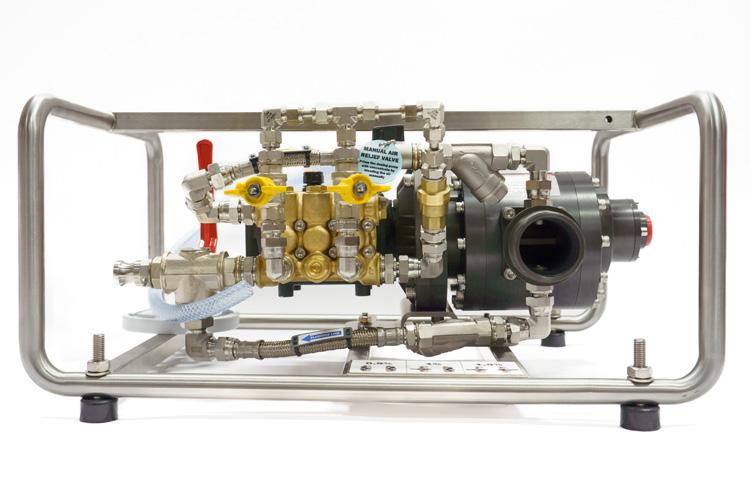
Water driven volumetric proportioning for fire brigades, industry & marine applications. FIREMIKS is a water-driven dosing system — no external energy required! For industry and marine, FIREMIKS integrates into fixed fire protection systems, ensuring accurate foam proportioning in critical applications. For fire brigades, it offers quick mobile deployment via hydrants or fire trucks. With a wide flow and pressure range, FIREMIKS supports multiple discharge points and delivers proven performance with modern fluorine-free foams. Robust, low-maintenance and trusted in 40+ countries worldwide. Originally founded in Sweden in 1979, Firemiks AB delivers powerful proportioning for diverse firefighting needs. firemiks.com
In 2026, Profit by Piping Logistics proudly marks 20 years of innovation and commitment in the fire protection and HVAC industry. What began as a small, family business has grown into a global manufacturer with its own R&D and production facilities in Europe. Under the Profit brand, the company offers a complete range of certified grooved and threaded fittings, couplings, valves, flexible hoses and prefabricated sprinkler pipes, all developed to meet the highest international and local standards. Driven by quality, flexibility and strong partnerships, Piping Logistics supplies over 60 countries. As the company celebrates two decades of growth, its focus remains clear: innovating for safer, smarter and more efficient fire protection and HVAC systems worldwide. pipinglogistics.eu
At Hose Monster, we are committed to delivering the highestquality products for testing fire pumps and hydrants, ensuring fire protection systems perform at their best when it matters most. Our solutions are built for safety, accuracy and ease of use, backed by top industry certifications and a knowledgeable, responsive support team. We focus on durability and reliability, producing some of the most robust testing tools in the industry. Guided by integrity and simplicity, our customer service consistently meets or exceeds expectations. Above all, we prioritise safety — protecting personnel from water discharge and ensuring controlled, dependable water flow during every test. hosemonster.com
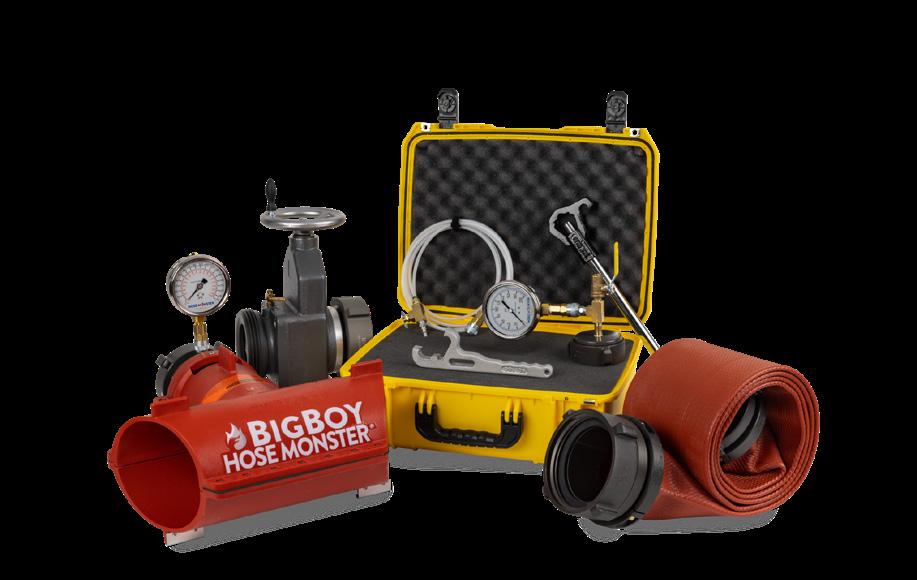
FFE Ltd will showcase the Sensis® Aspirating Smoke Detection (ASD) system at Intersec Dubai 2025. Designed for very early warning smoke detection in complex, high-value environments, Sensis pairs intelligent air sampling with intuitive configuration to deliver fast, reliable protection. It sits alongside FFE’s proven portfolio, Fireray® beam smoke detection, Talentum® flame detection and Proreact® linear heat detection, offering a complete, risk-based approach to fire protection. Visit FFE Ltd – Hall 4, Stand E31 at the Dubai World Trade Centre to see the Sensis range and meet the team. ffeuk.com
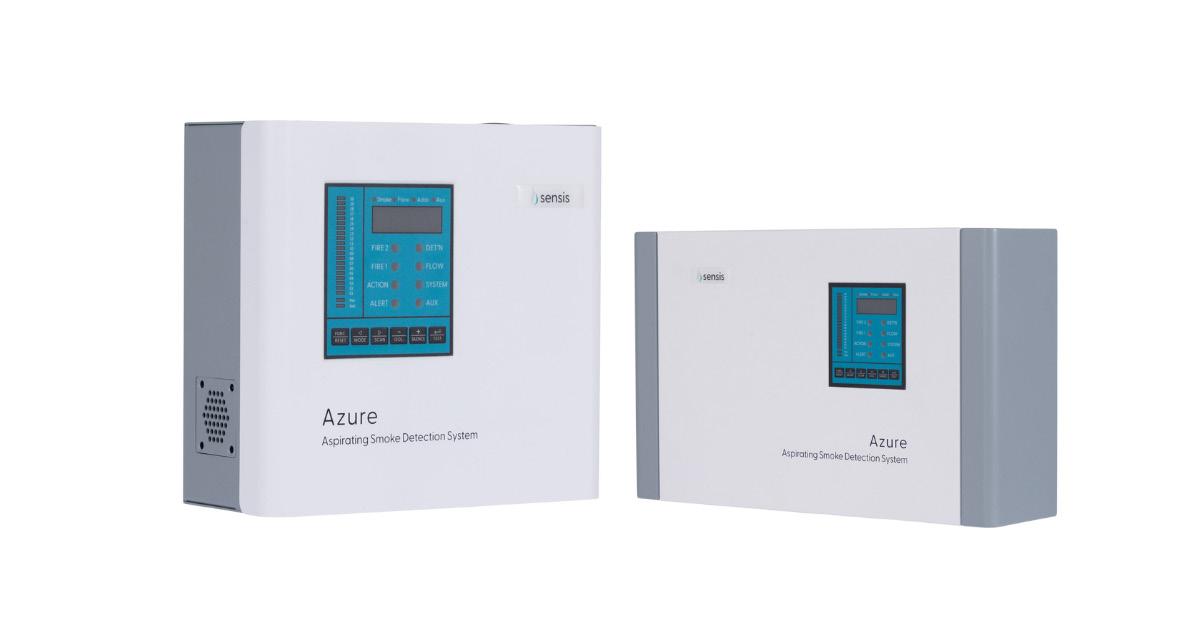
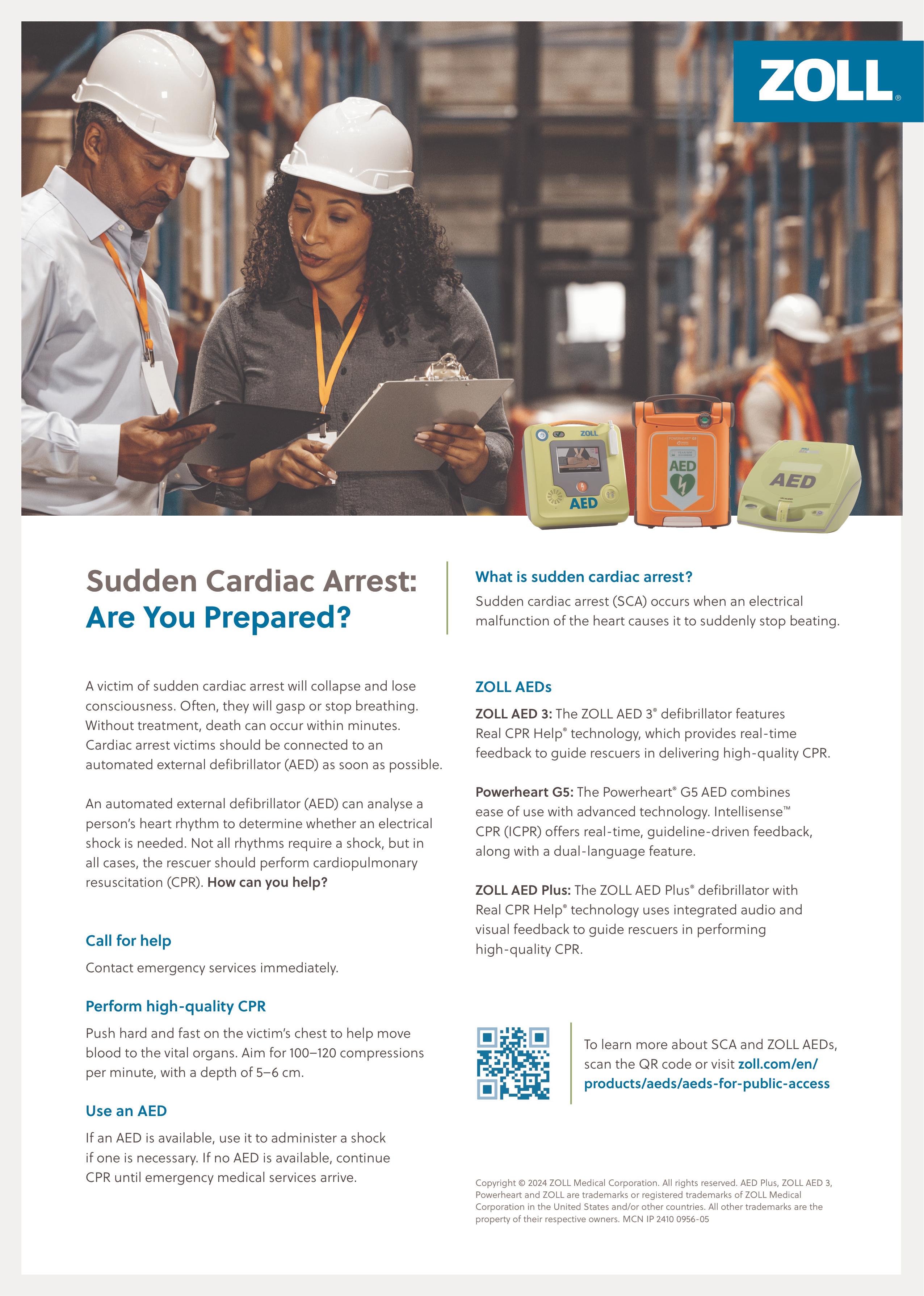
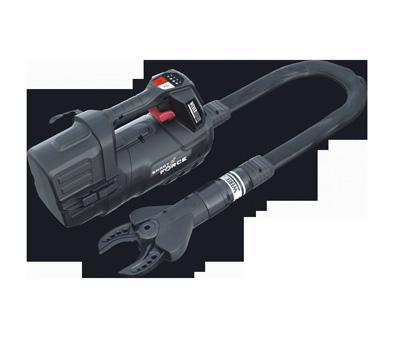
The RSC 60 FX SMART-FORCE is the fastest battery-powered compact cutter, with an ultra-small tool head designed to work in tight spaces — such as footwells or near a patient. It can cut stable vehicle components and even be used directly on the patient in impalement scenarios. No extra battery platform or charging system is required. It’s easily trainable, operable underwater and equipped with anti-theft protection — making it a high-performance, versatile rescue tool. The RSC 60 FX cutter is also available in E-FORCE3, and hose bound version. weber-rescue.com
Your trusted partner in fire protection. Come to see us at Intersec Dubai, booth 8-E20! Our team of fire protection experts from Europe, the Middle East and North Africa will be available to provide comprehensive insights into our wide range of solutions. Explore the latest innovations in water & deluge, water mist, foam and detection & control systems. Take the opportunity to discuss your specific needs with our specialists and identify the solution best suited to your requirements. For updates and more information, follow us on LinkedIn (@viking EMEA).
viking-emea.com

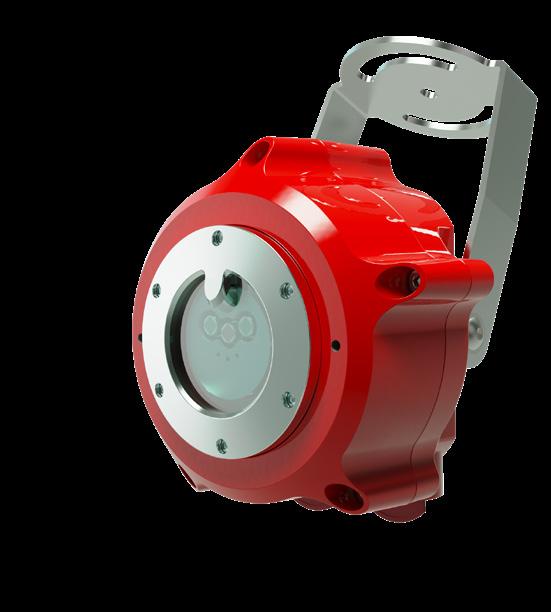
Mavili Elektronik, established in 1987, manufactures fire and gas detection and alarm systems and exports its Maxlogic and Mavigard brands to over 70 countries. As in previous years, the company will showcase its advanced product range at INTERSEC, inviting visitors to its stand to explore high-precision active airsampling smoke detectors, ATEX-certified devices for hazardous locations, and integrated fire-safety solutions including control panels. Mavili emphasises research-driven design, international certifications such as LPCB and EN standards, and end-toend services from project engineering to after-sales support. Attendees can see live demonstrations of aspirating detection technology and learn about system integration, monitoring software and tailored solutions for industrial, data centre and petrochemical applications. mavili.com.tr/en/
FireDos, a global leader in water-driven foam proportioning systems and monitors, returns to INTERSEC 2026 showcasing our solutions for high-hazard sectors navigating the shift from AFFF to fluorine-free foams (SFFF). With proven technology engineered for high-viscosity concentrates and FM-approved performance, FireDos helps operators meet regulatory and environmental goals without compromising system integrity. Now established in Masdar City, Abu Dhabi, FireDos Middle East offers regional client’s expert consultation, equipment demonstrations and lifecycle service support — ensuring seamless, future-ready foam transition strategies. Visit us at INTERSEC 2026 to explore compliant, efficient solutions for industrial fire protection. firedos.com
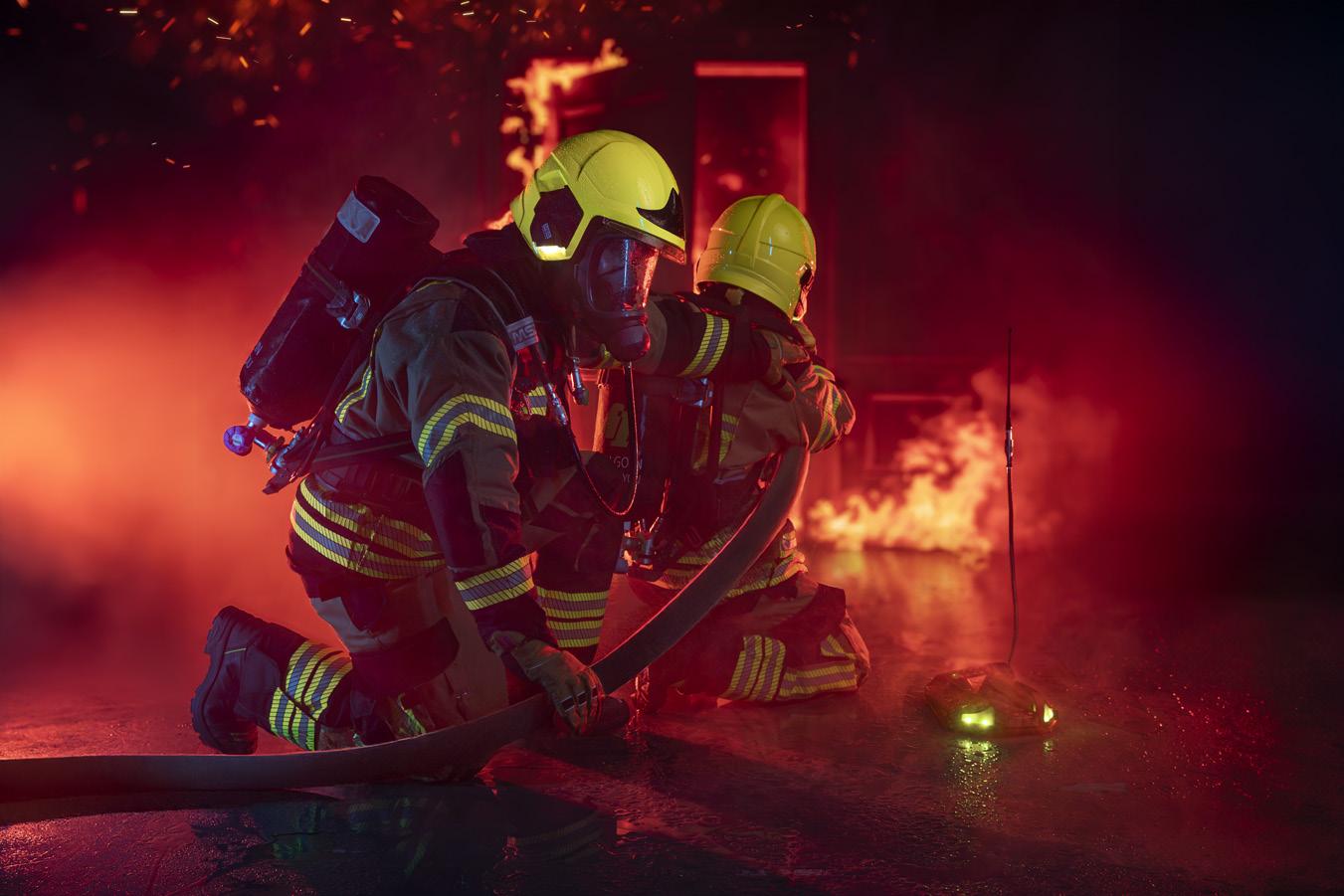
MSA Safety is proud to join Saudi Sicli at their stand at Intersec Dubai, Booth N22. Together, we’ll highlight how we are advancing firefighter protection with the M1 SCBA and our fully connected first responder ecosystem, built to strengthen situational awareness and team safety. We’ll also showcase Bristol fire protective clothing, trusted worldwide for comfort, durability and protection. Visit us at Booth N22 to explore how MSA Safety and Saudi Sicli are bringing integrated, next-generation solutions to fire and rescue professionals across the region. ae.msasafety.com

Vox Ignis is a global specialist in voice alarm, emergency communication and safety alarm systems that make our buildings safer in fire, safety and security incidents. Designed and manufactured in the UK our systems include:
• Unicorn Voice: Unified voice alarm, EVC and public address systems
• Lexicomm: All clear emergency voice communication systems
• AssistCallPro: Smarter safety alarms
• InEvac: Complete lockdown confidence
• AquaCall: Smarter water leak detection
• DoorCall: Networked exit door alarms
For more information call +44(0)191 516 6030 or email info@vox-ignis.com. vox-ignis.com
Driven by family tradition and engineered in Germany, Brandschutztechnik Müller GmbH stands for precision, reliability and innovation in modern fire protection. For over four decades, our family-owned company has combined craftsmanship with advanced mechanical engineering to deliver testing equipment and solutions trusted worldwide. At our Dubai showcase, we present cutting-edge, digitalised testing systems that reflect our commitment to quality and longterm partnership. Experience German engineering shaped by generations — built to protect, designed to endure. muellergermany.com
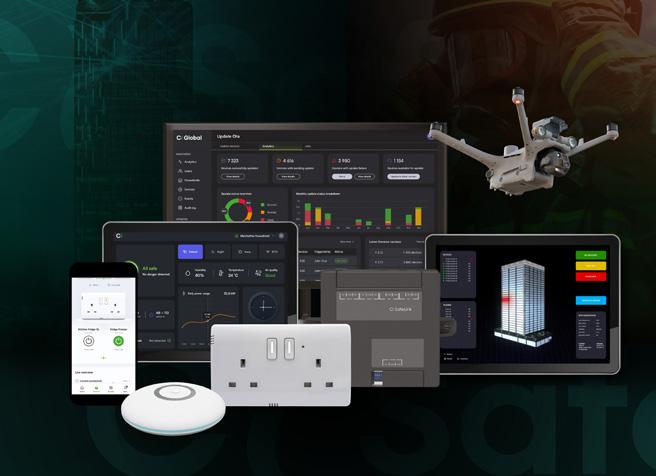
Ci Safe is an intelligent, embedded building-safety system that connects sockets, sensors and control layers. It prevents electrical fires, water leaks, mould and other hidden dangers before heat, smoke or chaos begins. It turns buildings into active protectors – automatically cutting power, shutting off gas and water valves and alerting occupants and emergency responders in real time. Its Intelligent Autonomy (IA) makes instant local decisions, even offline, while its cloud AI provides wider insight and learning. Its Command & Control layer gives fire crews live digital-twin visibility inside buildings – showing exactly where danger lies and where people need rescuing in an emergency. From homes to high-rises, Ci Global is transforming building safety from reactive response to proactive prevention –redefining what it means to feel safe where you live, work or sleep. ci.global
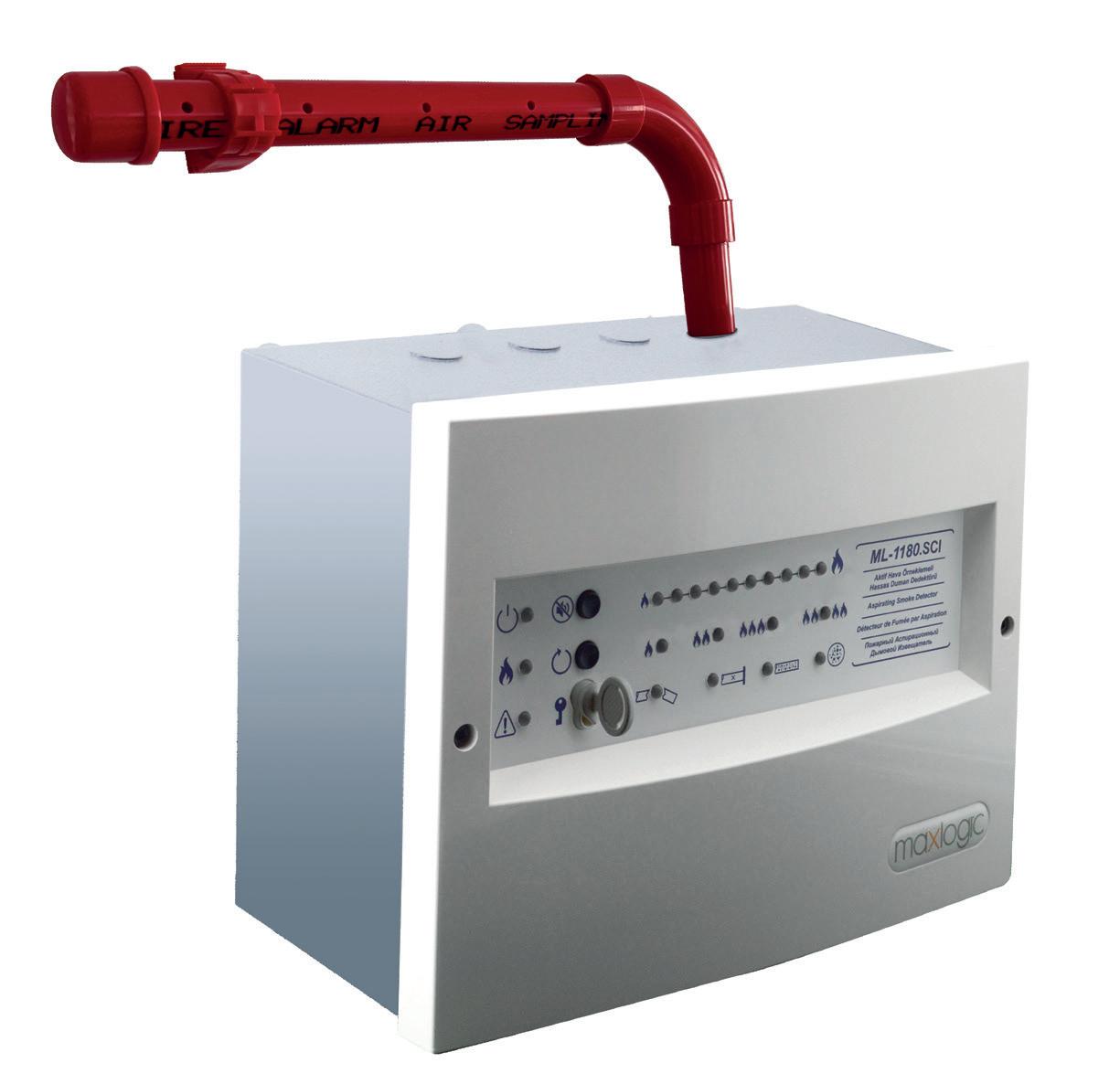



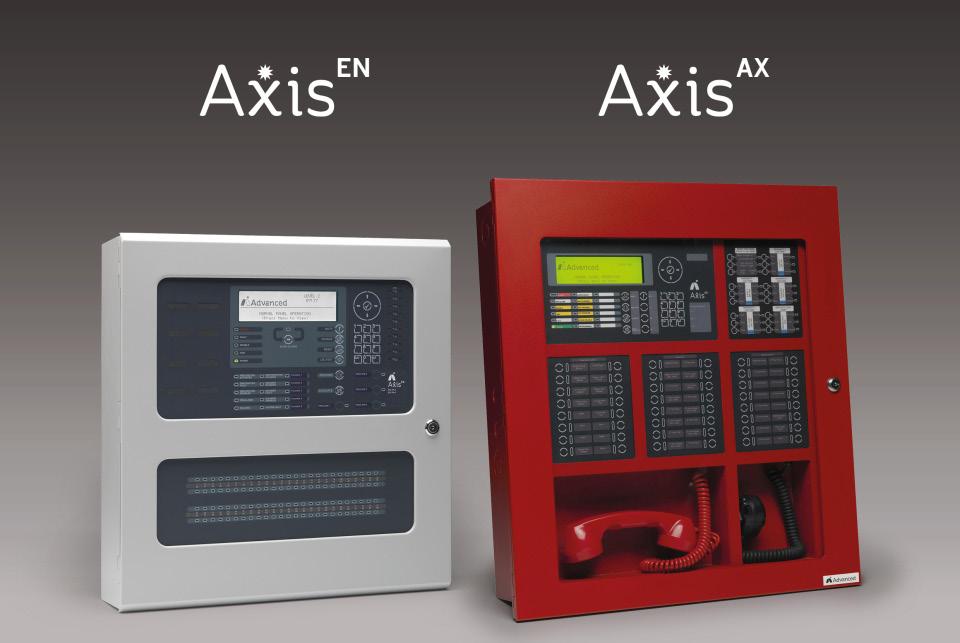
Advanced is returning to Intersec Dubai from 12–14 January at the Dubai World Trade Centre to showcase its future-ready fire protection solutions. Explore our UL 864-approved Axis AX system, next-generation Axis EN panels and complementary technologies for smoke control, extinguishing and false alarm management. From large-scale UL projects to EN-standard installations, our systems deliver performance, flexibility and peace of mind across every sector. Meet our team at Stand F24 in Hall 4 to discover how Advanced can support your fire safety goals. advancedco.com

The Institution of Occupational Safety and Health (IOSH) is the Chartered body for health and safety professionals. With 50,000 members in more than 130 countries, we’re the world’s largest professional health and safety organisation. We set standards and qualifications, and support, develop and connect our members and others with resources, guidance, events and training. We’re the voice of the profession and campaign on issues that affect millions of working people. IOSH was founded in 1945 and is a registered charity with international NGO status. Contact the IOSH Customer Service Centre on csc@iosh.com or business@iosh.com. iosh.com

Hochiki returns to Intersec Dubai 2026 at Stand 4-B22, showcasing over a century of precision in global life safety engineering. Its fire detection and emergency lighting solutions — crafted in Japan and fully certified to UL, FM and EN standards — are trusted by professionals worldwide. Designed for resilience in high-risk sectors, Hochiki’s intelligent addressable systems offer scalable, flexible configuration and reliable performance under pressure. From commercial towers to industrial megaprojects, every product is engineered for intelligent control and exceptional reliability. Experience the quality behind one of the industry’s most respected brands. Visit stand 4-B22 to discover the latest advancements and meet Hochiki’s team of experts ready to support your project requirements. hochikieurope.com
It is our great pleasure to announce that, for the 15th year, Dafo Fomtec AB, together with our regional partners Emergency Safety Solutions, will proudly exhibit at Intersec Dubai 2026 — the world’s premier event for security, safety and fire protection. We warmly invite you to visit the Dafo Fomtec stand 4 A38, meet our team and partners, and introduce you to our brand-new revolutionary SFFF foam technology for the POG and high-hazard Industries. We look forward to connecting with you in Dubai. fomtec.com
Our Supervised Direct-Acting Solenoid Valve is a UL Recognized Component that provides integrated supervision, eliminating the need for a secondary supervisory component and electrical connection.
+ Meets supervision requirements for NFPA 2001: Sec. 4.3.4.1 & EN 15004-1
+ Removable coil for maintenance and testing
+ Captured fastener prevents misplacement & completes full placement of the coil
+ Fully engaged installation detection with 6-wire standard
+ Full metal enclosure with factoryinstalled wiring
+ Coil assembly freely rotates for easy installation
+ Accommodates systems with operating pressures up to 150 bar
+ Engineering expertise to help achieve UL, FM, CE, LPCB, & VdS certifications and listings
Other Products for Fire Suppression:
Supervised Pilot-Operated Solenoid Valve: For pre-action and deluge systems. Meets NFPA standards for supervision.
Liquid Level Sensor: Automatically provides the thermally compensated weight of the extinguishing agent in your cylinders.
CONTACT US ABOUT YOUR FIRE SUPPRESSION NEEDS

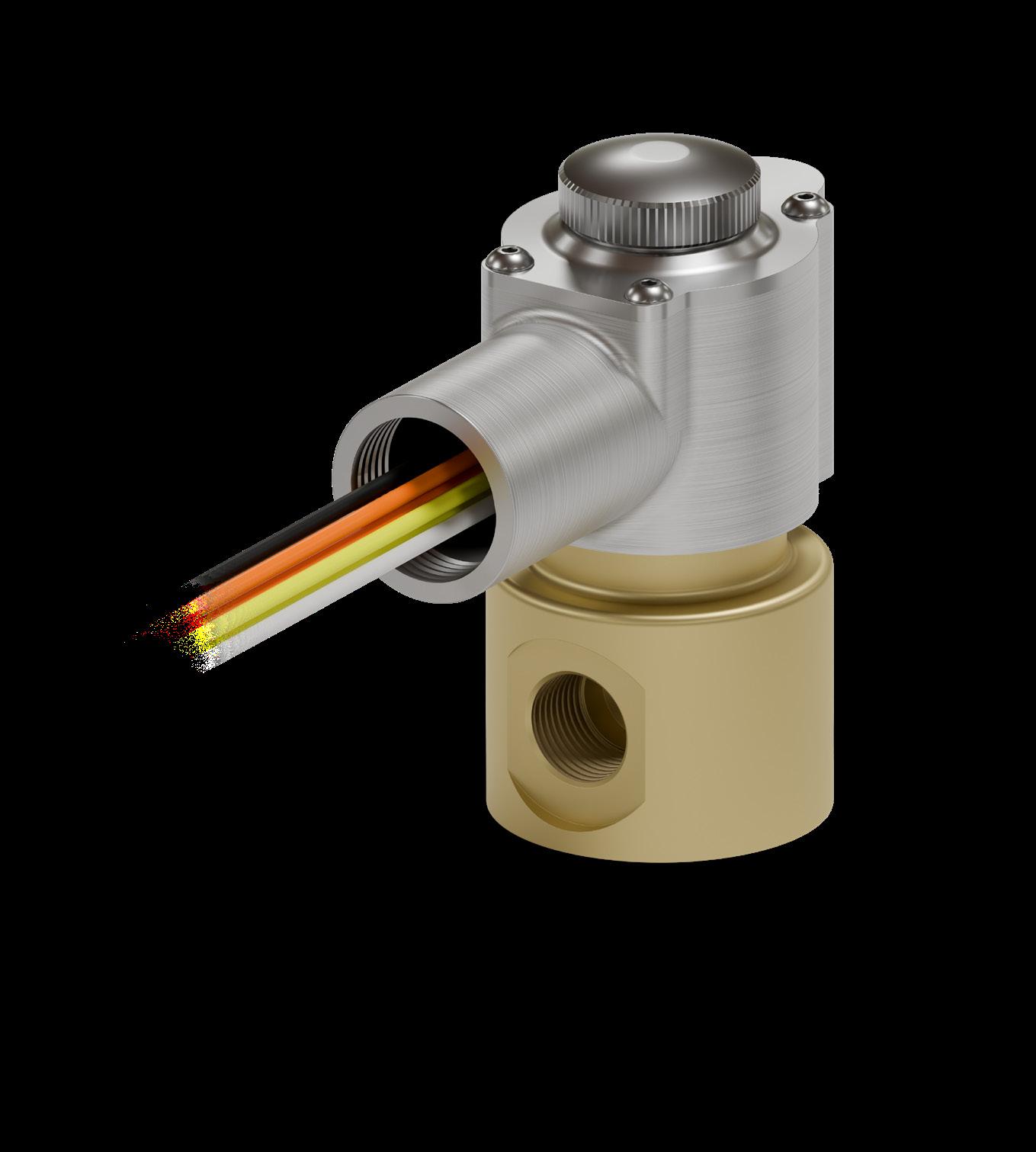

intersec-ksa.ae.
Brand new, innovative training location
40 years of experience
Realistic fires : liquid, gas, class A fuels
Tailor -made scenarios on client's request
Training supported by XVR (virtual reality), scale models, full scale fire simulators
360 safety solutions; education, training and consultancy
Advice on and training progammes based on national and international industrial standards and best practices
Industrial Fire Brigade Incident Command 30 March-03 April 2026 13-17 July 2026 14-18 September 2026
October 2026
November 2026