If only!!
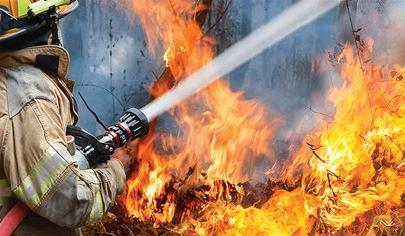
You could feel the heat from these flames, this heat that instantly scorches and blisters the paint on your fire helmet, searches for any part of your unprotected body to burn, that forces your heartbeat and pulse to reach dangerous levels, where even above the roar of the fire, you can hear them, beating like a drum inside your head!
This heat that forces you to the floor, instantly sapping your strength, stealing your energy, the only thing keeping you going, your training, adrenalin and will power. Devouring everything in its path, its one purpose to consume and destroy. It will attack the limited protection given by your fire gear, making it unbearable to touch, turns your sweat into steam that will scald your own body. Snuff out your life in an instant, given the conditions that added time allows!
If only!
You could experience that sickening smell of burned flesh that tells your senses instantly that you are dealing with a fatal fire. That sets your brain into overdrive, how many?, adults, kids, a family?
The smell that you can literally taste, that sticks to your fire gear and in your nostrils for hours, in your memory forever, never ever to be forgotten!
If only!
You could be the one having to push the boundaries, who discovers the child that has hidden under the bed. That limp, lifeless body you will have to carry, all of the time trying so hard to breath your life back into, theirs stolen away!
This child who has only just started out in life, another victim to be lost in lies called statistics that say this doesn't happen anymore. Another ghost for your private nightmares!
If only!
You could be the one fighting back the tears as the distraught parents ask are my children safe? Did you find them?
Yes you found them but you must be strong, whilst trying to force the images of your own children from your mind. Your own children that you are now praying to God in your head, please keep them safe!
You want to hold them, tell them how much you love them, but this will have to wait, as now you must give the respect and dignity deserved!
If only!
You could be the one that has missed yet another hot meal because of calls that has not had any proper sleep for another 48 hours. That had to listen to the screams of agony and for help from the driver and passengers, trapped in yet another RTC at 3am on yet another rain soaked early morning!
If only!
You could be the one, who day after day, night after night, has been sometimes chest deep, in freezing water and sewerage, manning pumps attempting the impossible, to beat and reverse nature, trying to help those that have lost everything, some not for the first time. Trying to help them retrieve their pets, treasured belongings, whatever they can salvage, listening to their worries, trying to give reassurance, as they wonder how they can rebuild their lives!
If only!
You could feel the aches and pains in every muscle and joint, bought on by years of doing this continuously throughout their careers. Be the one to help their memories forget what their eyes have seen!
If only!
You could experience the bond formed by being part of this dedicated group of professionals, this bond that lasts throughout their career and beyond, that keeps them united and that ensures that they cope with these daily horrors, that can never be put into words, only lived, experienced, depending on each other, so many times risking their own lives to save others!
If only!
You could understand they love their job, they don't wish to do anything else, they don't ask for praise, medals, politicians salaries or hero worship, they only ask for a fair playing field. Pension rights and working conditions that don't break contracts signed up to! Something that the public who they protect and you choose to ignore, think is only fair!
If only!
You could do any of the above just once, then maybe, just maybe you would start to understand what it’s like to be a firefighter! I have put these words together for firefighters all over the world!! Thank you for taking the time to read this!
~ By Kevin Wright, retired London firefighter with 32 years’ service

5 th Fire in the
Dates: 4-6th November 2026
Kruger Park, South-Africa
Pre -and Post conference excursions (2 -3/7-10th November 2026)
FIRE DYNAMICS & FIRE RISK MANAGEMENT
FIRE EFFECTS ON ATMOSFERA, BIOTA, SOIL & WATER
FIRE IN SOCIETY (SOCIO-ECONOMIC, HISTORICAL, GEOGRAPHICAL & POLITICAL PERCEPTION)
POST-FIRE LAND MANAGEMENT APPROACHES




Inside front cover Poem: I wish you could see by author unknown
4 Credits and comment Competition
5 FRI Images Cover profile
6 Stihl’s rescue powerhouse trio: the MS 462 C-M R, the MSA 300 and the TSA 300
National Disaster Management Centre
10 Advancing a resilient fire services sector for South Africa by Dr Bongani Elias Sithole
Firefighting equipment
18 Williams Ambassador Monitor Trailer provides high flow, long range, multi agent industrial fire capability
Fire detection systems
22 Make heat sources visible and extinguish with pinpoint accuracy by Frank Preiss
Personal protective equipment (PPE)
26 When procurement overrides experience: Are we forgetting who we’re protecting? by Lenny Naidoo and Jackie De Billot
Thermal imaging
30 Dräger introduces its UCF® FireCore hands-free thermal imaging camera
Training
34 Ignite your future with Rural Metro Training Academy; world-class firefighter and emergency services training – 2026 intakes now open
38 The Institution of Fire Engineers South Africa’s 2026 provisional course schedule
Floods: USAR operations
40 The evolution of major flooding disasters: from swift-water rescues to urban search and rescue by Dr Colin Deiner
Data-driven fire services
46
The era of data-driven fire services: Building capability through information by Etienne du Toit
Fire service profile
52 Bitou Municipality Fire and Rescue Service: Engineering resilience on the fire line
Chief fire officer profile
62 Meet CFO Hedley Venter, Bitou Fire and Rescue Service, Garden Route, South Africa

Wildfires
64 New VitalWeather wireless monitoring system introduced
66 Bridging the gap: Aligning agencies to accelerate wildfire innovation by Dan Reese
68 From swarm attack to strategy: Rwanda’s emerging wildfire risk picture by Johann Breytenbach
Toughest Firefighter Alive 2025
73 Toughest Firefighter Alive 2025: Rising to the international stage
Firefighter health and fitness
82 Workplace accommodation and physical activity support for firefighters at risk of developing cardiovascular disease by Ghaleelullah Achmat, Charlene Erasmus, Jill Kanaley, Lloyd Leach
Heritage
88 The history of the N95 mask

Editor
Lee Raath-Brownie lee@fireandrescue.co Cell 082 371 0190
Advertising advertising@fireandrescue.co
Design and layout
Marc Raath marc@fireandrescue.co
Digital newsletter
Pierre du Plessis pierre@fireandrescue.co
Accounts and circulation
Kelebogile Chimaliro accounts@fireandrescue.co subs@fireandrescue.co
Secretary Kelebogile Chimaliro pa@fireandrescue.co
Administration
Kelebogile Chimaliro
Contributions
Africa
Dr Elias Sithole
Roland Hendricks
Colin Deiner
Etienne du Toit
Lenny Naidoo
Jackie de Billot
Johann Breytenbach
Ghaleelullah Achmat
Charlene Erasmus
Lloyd Leach
Europe
Frank Preiss
UK
Kevin Wright
USA
Dan Reese
Jill Kanaley
Publisher
Lee Raath-Brownie
FIRE AND RESCUE INTERNATIONAL
Tel 011 452 3135/6 Fax 086 671 6920
Box 8299 Greenstone 1616 www.fireandrescue.co
Subscriptions
Free of charge
Contact: subs@fireandrescue.co
Copyright All rights reserved
Comment
Fire and Rescue International (FRI) magazine has proudly served the fire, rescue and emergency services community since 2011 and our commitment burns stronger with every edition. In this 68th issue, our contributors offer powerful insight, hard-earned experience from the field, uplifting leadership guidance and mentorship designed to inspire growth and excellence. Together, we continue building safer environments for the brave men and women who protect our communities. Enjoy the read!
Cover profile
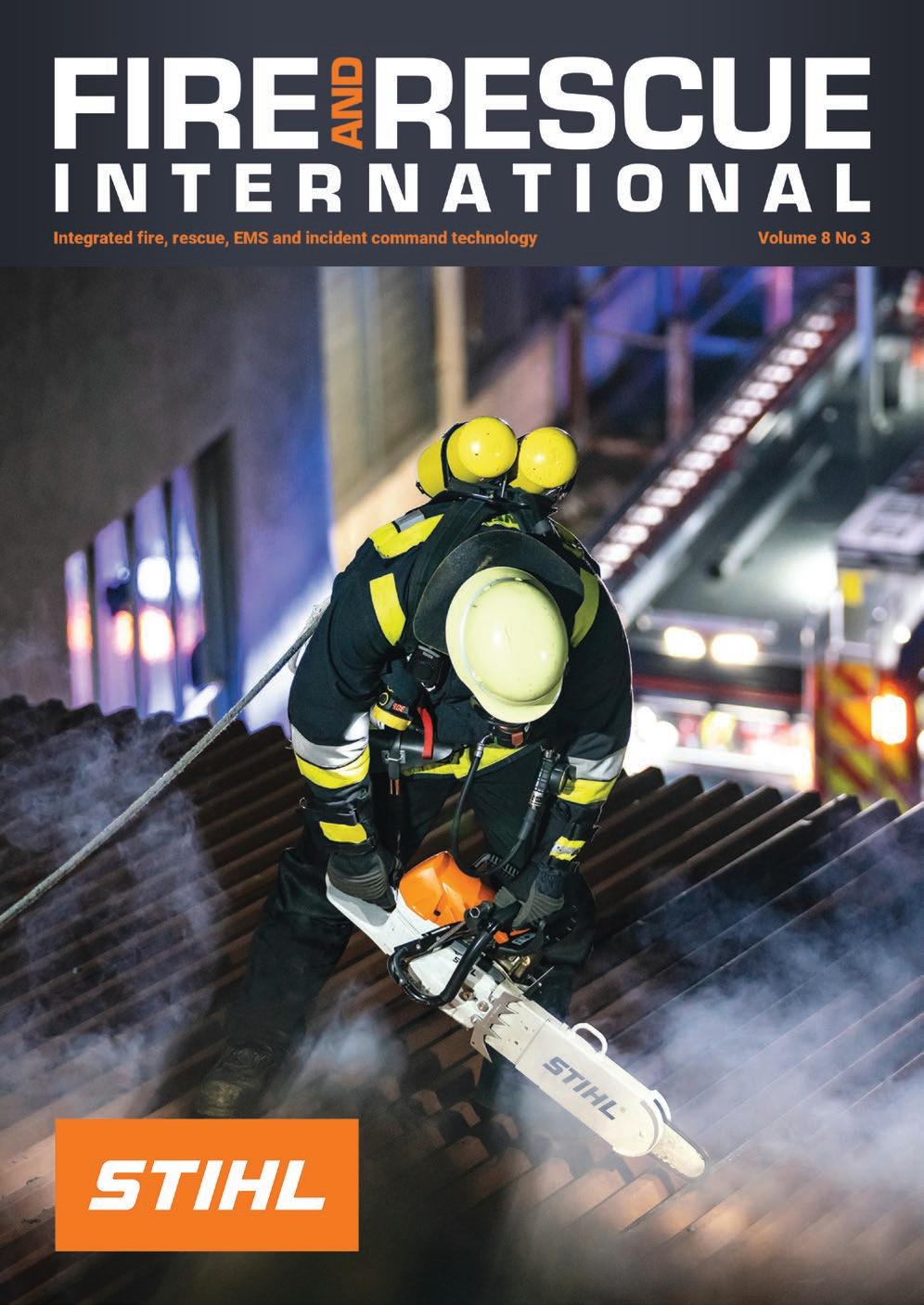
Our cover profile features Stihl’s purpose-built rescue machines: the petrol-driven MS 462 C-M R chainsaw and the emission-free battery pair, the MSA 300 chainsaw and TSA 300 Cut-off Machine. From vehicle extrication to collapsed buildings, this trio represents the cutting edge of rescue technology.
National Disaster Management Centre (NDMC)
The NDMC’s Dr Bongani Elias Sithole shares feedback on the Fire Brigade Board (FBB), progress on the Fire Services Bill, the National Earthquake Readiness Exercise, Fire Services expansion initiatives, national fire safety strategies and prevention programmes and the upcoming National Fire Services Indaba 2026, which is set to take place from 26 to 27 February 2025 in Bloemfontein.
Firefighting equipment
Industrial Fire and Hazard Control presents the Williams Ambassador Monitor Trailer, which is specifically designed for high-risk industrial firefighting.
Fire detection systems
FireDos’ Frank Preiss discusses the combination of automatic early fire detection systems and automatic fire extinguishing systems, which allows tailored extinguishing strategies perfect for each application. FireDos is available through DoseTech Fire.
Personal protective equipment (PPE)
Vanguard Fire and Safety’s Lenny Naidoo and Jackie De Billot, discusses firefighting PPE and the importance of international standards like NFPA 1971 as a firefighter’s safety net.
Thermal imaging
Ergonomically integrated into your PPE, the Dräger UCF® FireCore hands-free thermal imaging camera provides firefighters with a complete overview whether crawling or climbing stairs.
Training
IFSAC accredited Rural Metro Training Academy shares their 2026 prospectus while the IFE South Africa Branch announces their 2026 provisional course schedule.
Floods: USAR operations
Dr Colin Deiner unpacks the evolution of major flooding disasters: from swift-water rescues to urban search and rescue and highlights the importance of understanding the progression from swift-water to USAR during major floods. He also reiterates the importance of training for flood rescue and USAR response as South Africa is a flood-prone country and shares the adaptations required and best practices for setting up effective response operations.
Data-driven fire services
Etienne du Toit looks at the era of data-driven fire services and building capability through information. He examines the legal and operational frameworks underpinning South African fire services, focusing on codes of practice and tools and the strategic integration of data into fire service planning, operations and governance, positioning information as a cornerstone of public safety and municipal accountability.
Fire service and CFO profile
We profile Bitou Municipality Fire and Rescue Service in Plettenberg Bay and interviewed CFO Hedley Venter who shares their operational footprint and risk profile. We also looked at their capabilities, fleet, equipment and staffing and interagency coordination amongst other aspects such as their most unusual call and a profile of CFO Hedley Venter.
Wildfires
CW Price and Co introduces its new VitalWeather Wireless Monitoring System (VIF) while USA’s Dan Reese looks at bridging the gap and aligning agencies to accelerate wildfire innovation. Free State UFPA’s Johann Breytenbach shares Rwanda’s emerging wildfire risk picture and proposed risk reduction strategies.
Toughest Firefighter Alive South Africa 2025
We share a review of the TFA SA 2025, South Africa’s premier firefighter fitness and skills championship, which was held at the Garden Route Mall in George and include feedback from the VIPs, team leaders and participants.
Firefighter fitness and health
Ghaleelullah Achmat, Charlene Erasmus, Jill Kanaley and Lloyd Leach share their research results on ‘Workplace accommodation and physical activity support for firefighters at risk of developing cardiovascular disease’.
Thank you to all our local and international contributors, advertisers and readers for their continued support! Fire and Rescue International is your magazine. Read it, use it and share it!
Lee Raath-Brownie
Publisher
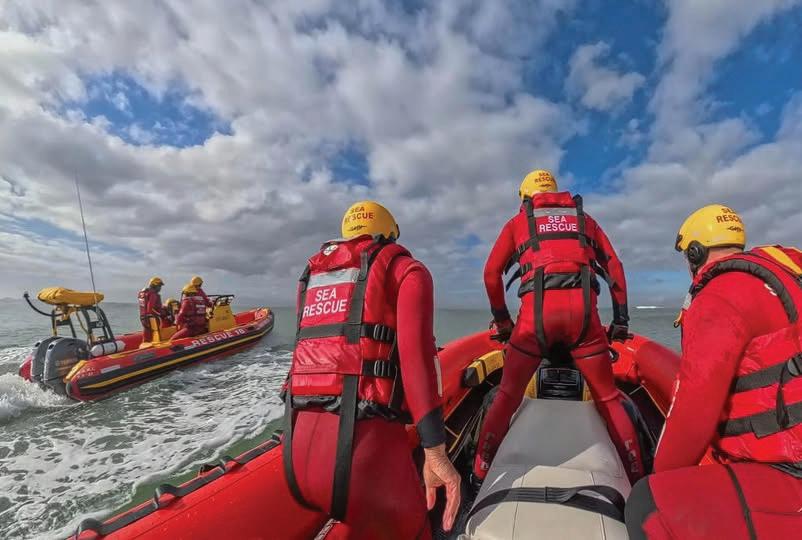
Congratulations to Simon McDonnell for his photograph ‘Joint ops’, taken with an Insta360 X5 camera.
Well done! This month’s FRI Images winner! Best rescue, fire or EMS photo wins R2 000!
Simon McDonnell wins this months prize money of R2 000!
Photo description:
Inshore rescue craft from NSRI’s Station 10 and their flanking station, Station 16, during a joint training operation.
Fire and Rescue International’s (FRI) bi monthly photographic competition is open to all its readers and offers you the opportunity of submitting your digital images of fires, fire fighters, disasters, incidents, emergencies and rescues.
Rules
• All photographs submitted must be high resolution (minimum 1meg) in jpeg format
• Allowed: cropping, curves, levels, colour saturation, contrast, brightness, sharpening but the faithful representation of a natural form, behaviour or phenomenon must be maintained
• Not allowed: cloning, merging/photo stitching, layering of two photos into one final frame, special effects digital filters
Fire and Rescue International (FRI) reserves the right to publish (printed or digitally) submitted photographs with acknowledgement to the photographer
• Winners will be chosen on the merit of their photograph
• The judge’s decision is final and no correspondence will be entered into afterwards
Entries must include:
Name of photographer

Contact details (not for publishing)
Email (not for publishing)
Name of photograph
Brief description of photograph including type of incident Camera, lens and settings used
All entries must be emailed to: lee@fireandrescue.co >> ENTER NOW!
Stihl’s rescue powerhouse trio: the MS 462 C-M R, the MSA 300 and the TSA 300
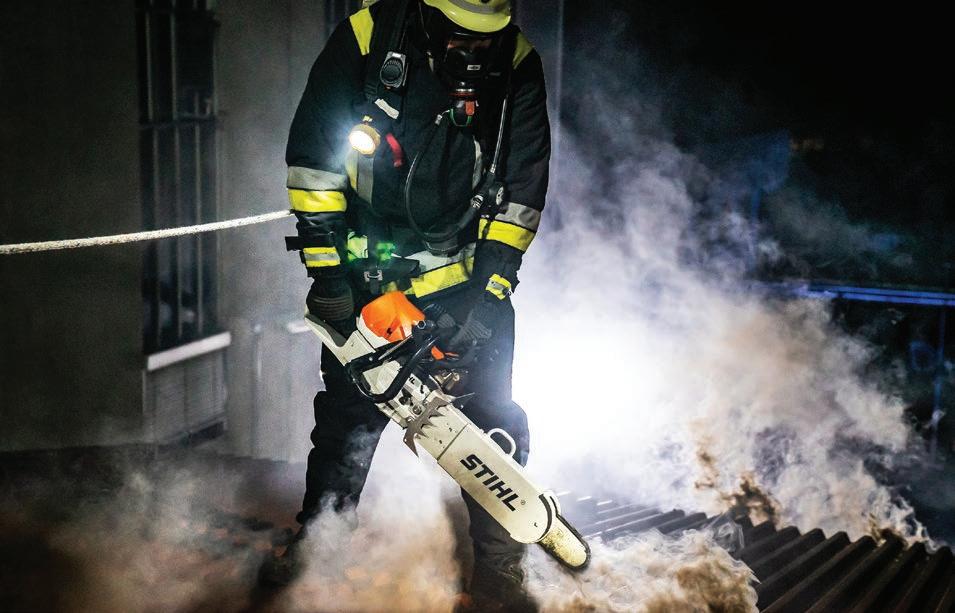
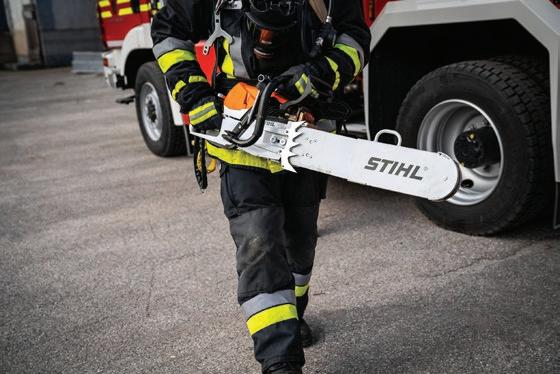
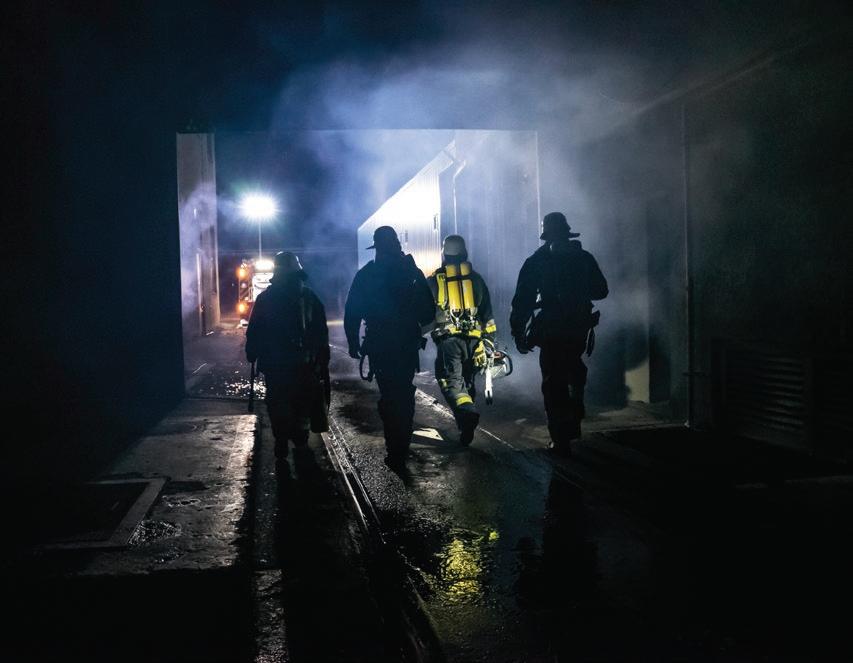
When seconds decide life or death, fire brigades and disasterresponse teams need tools that start instantly, cut relentlessly, and never falter in smoke-filled chaos. Stihl delivers with three purpose-built rescue machines: the petrol-driven MS 462 C-M R Chainsaw and the emissionfree battery pair, the MSA 300 Chainsaw and TSA 300 Cut-off Machine. Each is engineered for rapid deployment, precise control and unmatched durability under the harshest conditions. From vehicle extrication to collapsed
buildings, this trio represents the cutting edge of rescue technology, literally!
MS 462 C-M R: The lightweight petrol benchmark Launched in 2017 and still unrivalled in its class, the Stihl MS 462 C-M R is the gold standard for petrol-powered rescue saws. At just 6.5kg, a full 700g lighter than its predecessor, it defies the notion that power must come with punishing weight. Yet it delivers a ferocious 4.4kW from a torque-rich 2-MIX engine, optimised with new cylinder geometry and combustion
chamber design for maximum performance across the entire rev range.
Starting under pressure is nonnegotiable in rescue work. The M-Tronic electronic engine management system eliminates manual carburettor adjustments, automatically compensating for altitude, temperature, fuel quality and filter condition. Combined with a decompression valve and an oversized starter grip designed for gloved hands, this saw fires up with a single, confident pull, even after hours on the apparatus floor.
The business end is the Stihl Rapid Duro R (RDR) chain: impact-resistant carbide plates welded to every cutter. Wood, laminated beams, sheet metal, bitumen roofing, wire-reinforced glass, nothing slows it down. A cutting-depth limiter allows operators to preset plunge depth with pinpoint accuracy, enabling rapid, controlled cuts through doors, roof decks or wall sections without risking over-penetration or kickback.
Maintenance is equally fieldfocused. The HD2 air filter with radial seal traps finer particles and lasts longer than traditional filters. At the same time, the Ematic S oil pump delivers lubrication only as needed, extending bar oil life without compromising chain durability. An upgraded anti-vibration system further reduces handarm stress, allowing longer, safer operation in high-stakes environments.
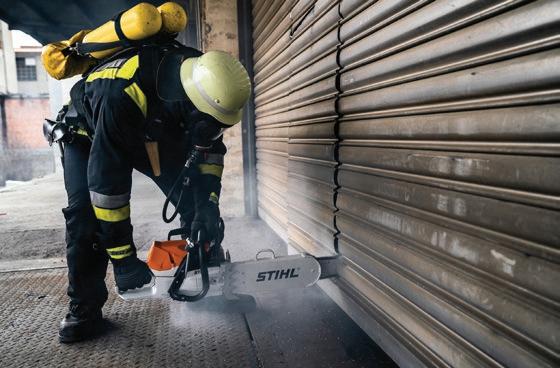
MSA 300: Zero-emissions chainsaw muscle
In confined spaces, tunnels, or smoke-logged interiors, petrol exhausts can be as deadly as the hazard itself. Enter the Stihl MSA 300, the world’s most powerful battery chainsaw, and the first to truly rival petrol performance without compromise.
Powered by the AP 500 S battery, the highest-capacity backpack battery in the Stihl AP system, it delivers consistent, full-throttle cutting speed from the first cut to the last, with no power fade. Electronic control matches petrol output throughout the entire discharge cycle, a feat made possible by advanced brushless motor
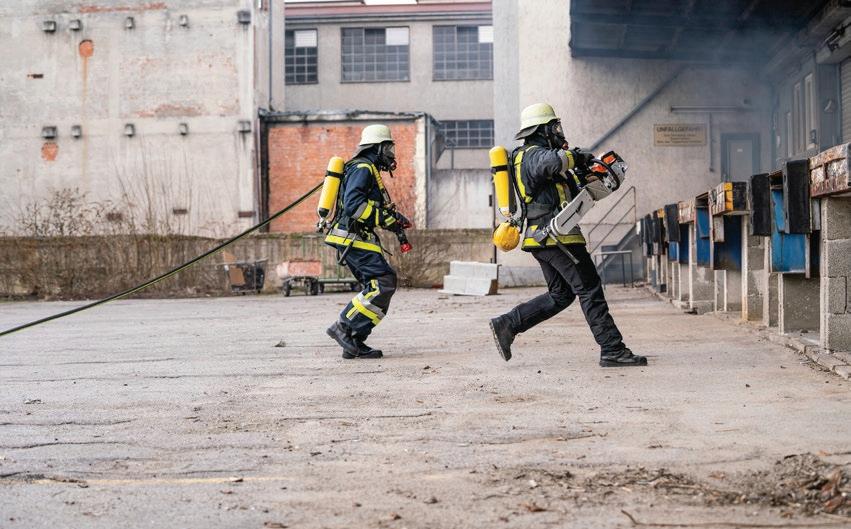
technology and real-time power management.
It offers critical advantages: zero emissions, near-silent operation and instant start via a single weatherproof button - no choke, no flooding, no primer bulb press-and-cut.
Weighing slightly less than the MS 462 and with even lower vibration levels, it’s ideally balanced for one-handed control during awkward angles or overhead work. The compact design slips easily through narrow openings and the absence of exhaust allows
sustained operation in zeroventilation zones - critical during urban search-and-rescue (USAR) or hazmat incidents.
TSA 300: Battery cut-off precision
Where chainsaws reach their limit, the Stihl TSA 300 takes over. This battery-powered cut-off machine is built for the materials that laugh at chains: steel rebar, composite panels, garage doors, masonry, and reinforced concrete.
Armed with the D-R80 rescue diamond wheel, it plunges to a 110mm cutting depth - deep enough to breach most structural walls in a single pass. Smooth-running electronics and a low-vibration chassis allow precise guidance even in unstable positions, while the electronic water control (when used wet)
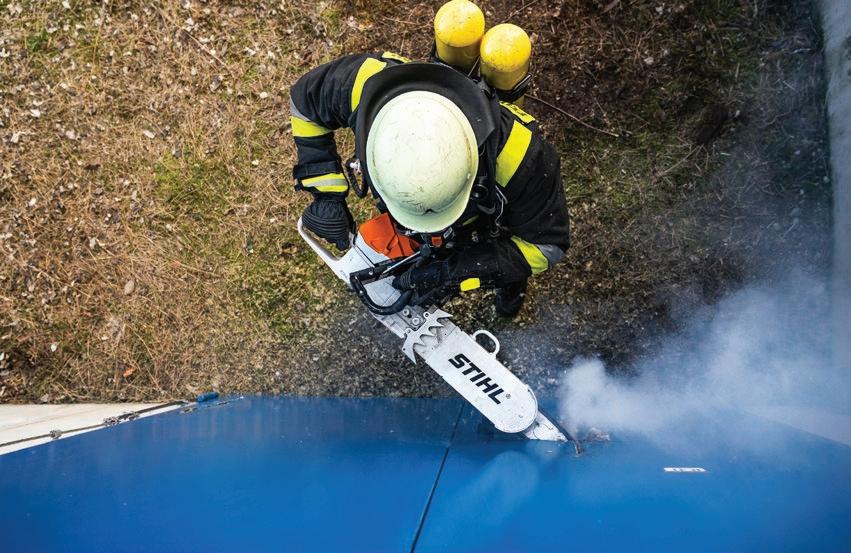
suppresses dust and extends wheel life.
Start-up is identical to the MSA 300: one button, instant torque, no warm-up. The same AP 500 S battery powers it, enabling seamless tool swaps during extended operations. And because it produces no exhaust gases, it’s certified for interior use where ventilation is impossiblethink basement floods, chemical spills or subway collapses.
One system, total readiness
Stihl didn’t just build three toolsthey provide a rescue ecosystem. The AP 500 S battery hot swaps between the MSA 300 and TSA 300, minimising spare battery
count and maximising uptime. Charge one while using another or rotate through a fleet with Stihl’s rapid-charging AL 501 charger (0-100 percent in under 60 minutes).
For departments running mixed fleets, the MS 462 C-M R provides unmatched runtime in large-scale outdoor incidents - wildland interface fires, storm damage or highway extrication - while the battery duo dominates interior, confinedspace and environmentally sensitive missions.
All three share Stihl’s legendary build quality: magnesium housings, sealed electronics
and tool-free chain tensioning. They’re designed not just to work but to work when nothing else will.
Built for the ones who run in Stihl has equipped first responders for decades.
From the fireground to the collapse zone, the MS 462 C-M R, MSA 300 and TSA 300 represent a complete cutting solution: petrol stamina, battery agility and diamond precision - united by one goal: get in, get through, get them out. When the alarm sounds, Stihl’s trio doesn’t just respond - it acts. They cut the clock.
Visit: www.stihl.co.za
Advancing a resilient fire services sector for South Africa
By Dr Bongani Elias Sithole, Deputy Director General: Head - National Disaster Management Centre

South Africa’s fire services sector is entering a definitive period of institutional reform, capability enhancement, and national repositioning. As part of the repositioning of fire services in the country the National Disaster Management Centre (NDMC) is undertaking key national initiatives aimed at strengthening governance, modernising legislation, enhancing operational readiness, expanding capacity and driving integrated fire prevention and risk reduction strategies across the country.
1. Fire Brigade Board (FBB) – driving sector governance and oversight
The re-establishment of the Fire Brigade Board marked a significant milestone in strengthening national fire services governance. The Board is now fully constituted and operational, with its formal launch officiated in KwaZuluNatal at the Umfolozi Hotel
Casino Convention Resort, under the leadership and directive of the Minister of CoGTA, Minister Velenkosini Hlabisa.
Since its first meeting on 23 May 2025, the Board continues to meet on a quarterly basis and had its last meeting on 9 September 2025 and is now advancing its statutory mandate to:
• Promote professionalism and ethical conduct within fire services
• Strengthen training and competency frameworks
• Support policy coherence and regulatory compliance
• Drive stakeholder collaboration across all spheres of government.
This revival signifies an important institutional reset, positioning the FBB as a central pillar in reinforcing accountability, development and national sector support for fire and rescue services.
2. Progress on the Fire Services Bill
Modernising South Africa’s legislative framework for fire services remains a cornerstone of national sector reform. The Draft Fire Services Bill has undergone extensive policy development, technical refinement and stakeholder consultation to ensure it responds decisively to current operational realities, emerging risks and institutional gaps.
In a critical advancement, the Draft Fire Services Bill has now been formally placed on the Department of Cooperative Governance and Traditional Affairs’ (CoGTA) Cabinet Legislative Programme for the 2025/2026 financial year, signalling a definitive step toward legislative processing at the highest level of government. The Bill represents a generational policy shift that will enable improved coordination, enhanced service delivery and institutional resilience for fire services nationwide.
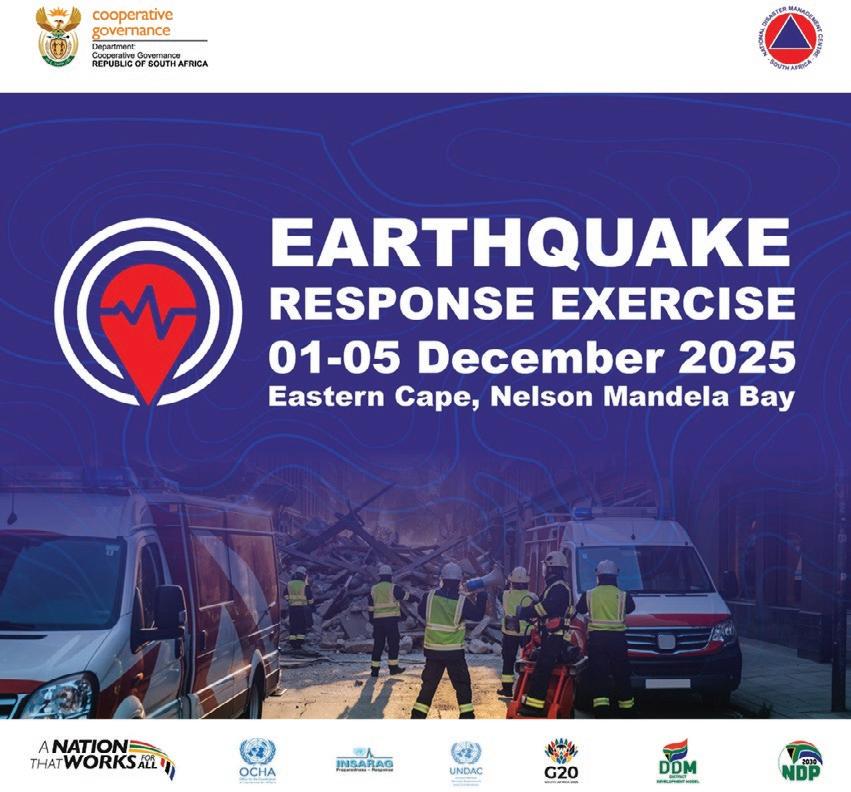
3. National Earthquake Readiness Exercise
South Africa have been identified by the United Nations Office of Humanitarian Affairs (UNOCHA) as the host for the 2025 Earthquake Response Exercise (ERE) aligned with INSARAG standards, with implementation led through provincial, national and international multi-agency collaboration. The Department of CoGTA through the NDMC will conduct the exercise in from 1 to 5 December 2025 and have sourced the Nelson Mandela University as venue for this purpose.
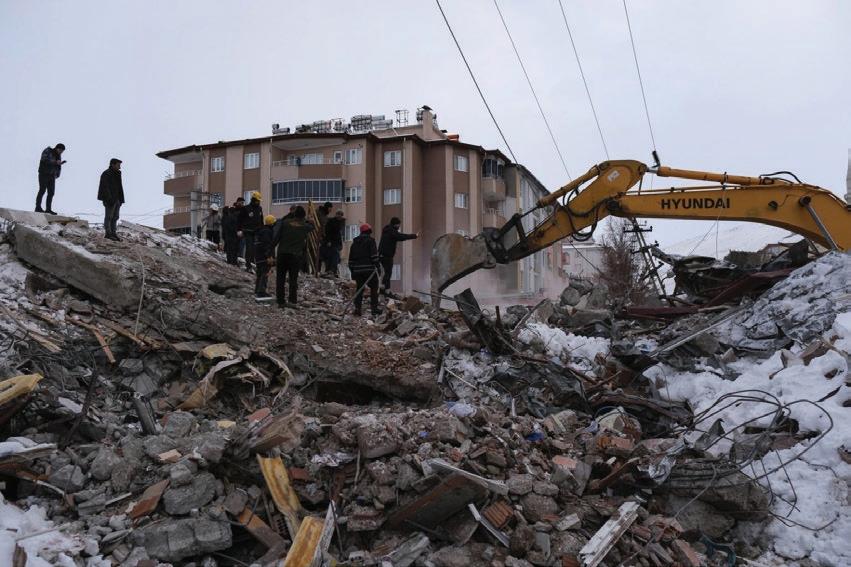
The Earthquake Response Exercise takes the format of a desktop exercise to simulate a large-scale earthquake scenario and flood response to test and strengthen the readiness, coordination and operational response of South Africa’s disaster management system.
Dr Elias Sithole, Head of the NDMC
Fire Brigade Board in Transition: Driving reform and excellence in Fire Services


The exercise seeks to assess the capability of national, provincial, and municipal institutions - alongside emergency services, security forces and humanitarian partners, NGOs etc - to respond effectively to a complex and high-impact seismic and disastrous flooding event.
It will further serve to validate contingency plans, enhance inter-agency collaboration and raise public awareness regarding earthquake risks and resilience.
The exercise aims to:
• Test Urban Search and Rescue (USAR) readiness and interoperability
• Validate national, provincial and municipal disaster response plans
• Strengthen command, control
and coordination systems
• Enhance technical rescue capabilities within the country’s risk landscape, inclusive of responses to flooding emergencies.
The Earthquake Response Exercise underscores South Africa’s commitment to disaster response excellence, reinforcing a new era of specialised emergency preparedness within the fire and rescue environment. In addition to the South African contingent of response agencies, teams from the following countries have indicated their readiness to participate: Russia, Estonia, Kenya, Poland, Namibia, India, Syria, Azerbaijan, China, Saudi Arabia, Iceland and United Arab Emirates (UAE).

modernising, consolidation and sustainability of municipal fire service capacity over time.
Phase 1: Immediate strengthening (2025–2026)
The first phase focuses on addressing urgent gaps within the country’s fire services. In this initial phase, CoGTA applied for and received approval for the establishment of a National Fire Services Capacity Building Grant aimed at municipalities with the most critical needs - including those in rural and peri-urban areas. The Grant will
be implemented as from 1 April 2026 and the priority will be the acquisition of essential firefighting vehicles, protective gear and operational equipment to improve readiness and response.
This phase also includes initiating the process to unbundle the fire services portion of the Local Government Equitable Share, with a view to migrating it toward a ring-fenced conditional grant. In parallel, a formal submission has been advanced to motivate for the declaration of fire services as a basic service, affirming its
indispensable role in safeguarding communities, enabling effective disaster response and strengthening national resilience and public safety.
Phase 2: Expansion and modernisation (2026–2028)
The second phase aims to expand and modernise South Africa’s fire service infrastructure. This period will also see the rollout of the Grant, directly tied to measurable performance indicators such as improved response times, community outreach and training participation. Where necessary,
the National Directorate will facilitate centralised procurement on behalf of municipalities to ensure value for money and standardisation across the sector.
Phase 3: Consolidation and sustainability (2028–2030)
The final phase envisions the consolidation of gains achieved during the earlier stages. By 2030, the fire service sector aims to operate on a stable and self-sustaining funding model. The plan proposes during this phase a transitioning away from grant dependency toward dedicated revenue streams and are foundational to ensuring equitable emergency response access and service reliability for all communities.
5. National fire safety strategies and prevention programmes
Risk reduction remains the most effective form of fire
disaster mitigation. The National Fire Safety and Prevention Strategy (NFSPS) has been intensified through targeted public awareness, institutional collaboration and high-impact safety initiatives. In line with international good practice, the following are some of the objectives of the NFSPS:
I. Prevention of loss of life, with a particular focus on preventing multi-fatality causalities in buildings to which the public have access II. Protection of state and national infrastructure eg airports and hospitals, from loss/damage or disruption of vital economic activity eg tourist industry, by fire.
III. To get fire safety advice to target audiences and IV. To ensure that design of new buildings takes proper account of fire safety.
For the current financial year to date, the NDMC Fire Services
Unit managed to assess and support ten municipalities with the implementation of the National Fire Safety and Prevention Strategy namely: Bojanala Platinum District Municipality, JB Marks Local Municipality, Mkhondo Local Municipality, Moqhaka Local Municipality, Mangaung Metropolitan Municipality, Chris Hani District Municipality, Dihlabeng Local Municipality, OR Tambo District Municipality, Dr Pixley Ka Isaka Seme Local Municipality and Lejweleputswa District Municipality.
For each assessed municipality, a tailored intervention and support plan is formulated to address identified gaps, strengthen capacity and ensure sustainable service delivery. These interventions reinforce a prevention-first philosophy while embedding fire safety as a shared societal responsibility.
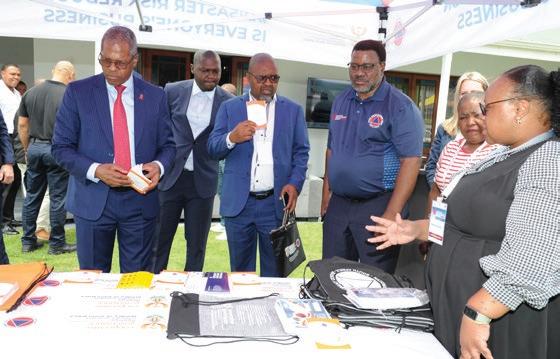
In support of the support to municipalities in the implementation of the National Fire Safety and Prevention Strategy, the National Disaster Management Centre (NDMC) is in the final stages of the procurement process to appoint the Fire Protection Association of South Africa (FPASA) for the provision of a series of accredited fire safety and prevention training courses for the 2025/2026 financial year (FY).
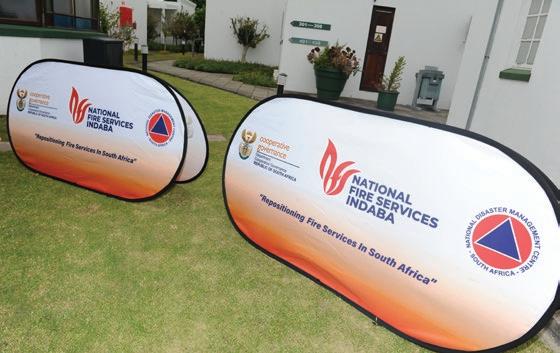
6. National Fire Services Indaba 2026
The National Fire Services Indaba is scheduled to take place from 26-27 February
2025 at the President Hotel, Bloemfontein in the Free State. While the Indaba will address several topical issues related to the provision of fire service at large, below are the key thematic areas that will be covered:
• Fire services legislative mandate to three spheres of government
• Compliance with municipal staff regulation on the appointments in the fire services
• Integrated fire management: A collaboration in veldfire risk reduction
• Funding and prioritization of fire services by all three spheres of government
• Implementation of National Building Regulations;
Inspections and scrutinising of building plans
• Paradigm shift in Community Emergency Response Teams (CERT), towards fire safety and prevention in the informal settlement (fire and smoke detectors, fire alarm and fireball).
• Fire Safety focusing on the promotion of rational designs and compliance with South African National Standards (10400).
• • A mandate-based national collaborative model for disaster risk management and fire services between the public and private sectors.
We are currently calling for papers to be presented at the Indaba; interested parties may submit a short abstract (max 300 words) with their name, organisation and contact details by 12 December 2025 to nationalfireservices@ndmc. gov.za The registration link for the Indaba is as follows: https://forms.office.com/r/ wgcXgwn8PC?origin=lprLink
Closing remarks
The fire services landscape in South Africa is undergoing a fundamental transformationrooted in governance reform, legislative modernisation, operational preparedness, capability development, data innovation and preventionfocused risk management.
The NDMC, in partnership with national, provincial, municipal and sector stakeholders, remains committed to building a proactive, capable, resilient and future-ready fire and rescue sector that protects both lives and the developmental aspirations of the country.


You are invited as a delegate to the National Fire Services Indaba that will take place on 26 and 27 February 2026.
Participants are expected to register on the link below to confirm attendance to the event on or before 31 December 2025 due to limited space.
https://forms.office.com/r/wgcXgwn8PC?origin=lprLink
Event highlights
25 February 2026 – Accreditations, meet & greet 26 February 2026 – Practitioners session
27 February 2026 – Ministers session
Should you need further clarity in this regard, your office is welcome to contact:
Mr Roland Hendricks, Director Fire Services at 012 848 4612 or 083 285 7050 or rolandh@ndmc.gov.za
Mr Jappie Lengoabala, Deputy Director Fire Services at 012 848 4620 or 082 339 5194 or jappiel@ndmc.gov.za



Strengthening institutional and community capacity for disaster risk management
The Sendai Framework for Disaster Risk Reduction (2015–2030) emphasizes that effective Disaster Risk Reduction (DRR) requires inclusive engagement and partnerships across all sectors of society.
In line with this, the Sendai Framework encourages all DRR stakeholders to:
Strengthen the capacity of government officials at all levels, civil society, communities, volunteers, and the private sector by sharing experiences, lessons learned, good practices, and providing education and training on DRR. This includes leveraging existing training platforms and promoting peer learning.
Advance national strategies that enhance public education and awareness of disaster risks, utilising campaigns, social media, and community mobilisation tailored to specific audiences and their needs.
Foster collaboration at the local level to disseminate disaster risk information through community-based organisations and non-governmental organisations.
In the South African context, building on the principles of the Sendai Framework, the National Disaster Management Framework underscores the importance of cultivating a culture of risk avoidance among stakeholders. This is achieved by capacitating role players through integrated education, training, and public awareness programmes informed by scientific research. The Framework recognizes the critical role of nonformal training—outside the primary, secondary, and tertiary education systems—in equipping
disaster risk management stakeholders and interested individuals. Such training may include both accredited and non-accredited interventions, such as short courses, workshops, conferences, and seminars, experiential training and simulation exercises. These interventions should target disaster risk management practitioners, councillors, traditional leaders, and community members, focusing on disaster risk awareness, reduction, volunteerism, and preparedness.
Against this background, Santam has supported various municipalities and other partners to execute targeted training programs and awareness campaigns through the Partnership for Risk and Resilience (P4RR) programme. P4RR is Santam’s flagship programme designed to build resilience across society through strong partnerships with government, academia, communities, and the private sector, P4RR supports initiatives that enhance the capacity of organisations to manage disaster risks—focusing on drought, fires, and floods.
During 2025, over 600 people have been supported with training and capacity building. These people comprised of:
Educators and schools governing bodies in targeted areas
Community members and landowners
Disaster risk management and fire services personnel
Councillors
Fire and disaster management volunteers
The Framework further calls for targeted campaigns to raise consciousness about disaster risks and strategies to reduce vulnerability and exposure though structured awareness programmes, community outreach events such as Imbizo
meetings as well as school-based education and awareness initiatives. In line with this, Santam supported various education and awareness activities in communities and schools during 2025.
These activities are comprised of:
Clean earth and environmental sustainability school competition
Disaster management speech competition
Early learning school competition
Community radio awareness campaign
Interactive disaster management awareness play
Various quarterly targeted education and awareness activities
Key outcomes of the P4RR programme since 2012
110 municipalities supported since 2012
29.2 million people benefited from P4RR initiatives
180k+ people reached with targeted community level disaster risk awareness and education
1000+ indigenous trees planted in five partner municipalities across the country to support climate change adaptation efforts
20 municipalities supported with development of climate change adaptation plans
1500+ people trained in firefighting, safety, disaster management and related courses
3 district municipalities (Mopani, Capricorn & Nkangala) - supported with hosting schools debate competition focusing on disaster and environmental management
5 metros supported to strengthen capacity in water security, fire and disaster risk management
Reducing urban flood risk and building local skills
Flooding is becoming a growing challenge in cities around the world, especially in urban areas. This is mainly due to rapid development, aging infrastructure, poor maintenance, and climate change. In many places, stormwater systems are outdated and can’t handle the increased pressure. Littering and environmental neglect also block drains, causing local flooding during heavy rains. To help reduce flood risks, Santam partnered with the City of Tshwane to clean stormwater drainage systems in high-risk areas as part of its P4RR programme. Areas included Pretoria CBD, Atteridgeville, Olievenhoutbosch, Centurion, Mamelodi, Eersterust, and Pretoria East, among others.
The project also supported skills development for 10 unemployed learners over 16 months, helping them gain technical experience and improve their chances of finding permanent jobs. More than 1,000 stormwater catchpits were cleaned, and the impact will be monitored over time, especially during heavy rainfall. Feedback from the learners shows that the programme gave them valuable skills, experience, and connections to pursue better opportunities. The City of Tshwane has expressed strong support for the initiative, noting its value in the face of ongoing budget constraints. Regular monitoring will be conducted to assess the long-term impact of the cleaned stormwater systems, particularly during the rainy season. This partnership reflects Santam’s continued commitment to building resilient communities and supporting sustainable urban development.
Williams Ambassador Monitor Trailer provides high flow, long range, multi agent industrial fire capability
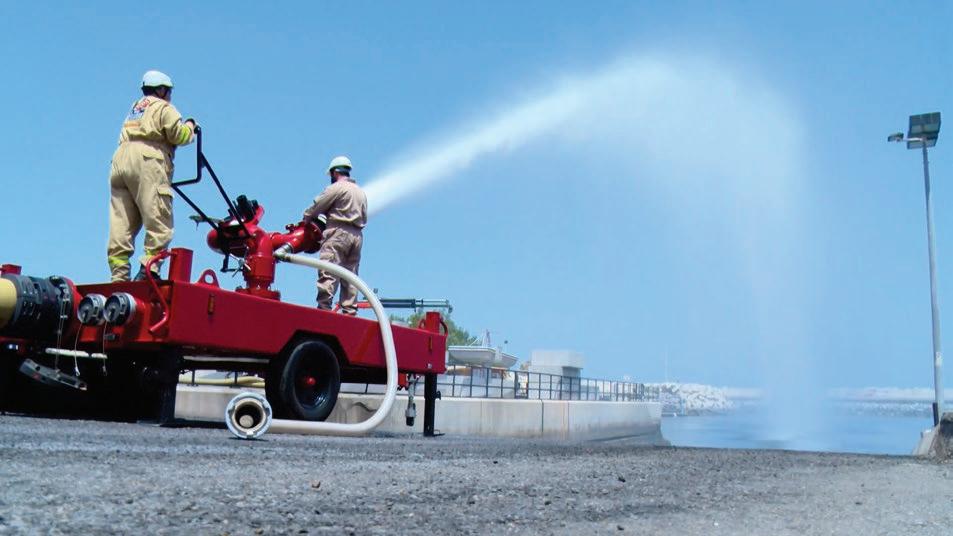
The Williams Ambassador Monitor Trailer provides high flow, long range, multi agent industrial fire capability and is supplied, supported and maintained across Africa by Industrial Fire and Hazard Control.
In high-risk industrial firefighting, success often depends on whether crews can deliver large volumes of water and foam from a safe distance. Across Africa, tank farms, refineries, loading terminals and volatile processing environments rely on equipment that provides long reach, strong stream stability and proven performance under demanding conditions.
The Williams Ambassador Monitor Trailer is designed precisely for these challenges.
Built on a heavy-duty chassis with a 200-millimetre stainless steel waterway, the Williams Ambassador moves extremely high flowrates with minimal friction loss. This ensures stream cohesion, stability and long reach, even when supply pressures fluctuate. As the authorised Williams agent in Africa, Industrial Fire and Hazard Control supports every unit with commissioning, operator training, spares and full lifecycle maintenance.
At the centre of the system is the Williams hybrid automatic or fixed flow nozzle. In automatic mode, the nozzle maintains a stable tip pressure of about 6.9 bar. On the Williams Ambassador 2×6, this supports flows up to 22 700 litres per minute.
On the Williams Ambassador 2×8, this extends significantly, delivering up to 30 200 litres per minute. Because the nozzle stabilises tip pressure, throw distance increases directly with flowrate, giving operators the ability to push the stream further simply by increasing water supply. Under standard conditions
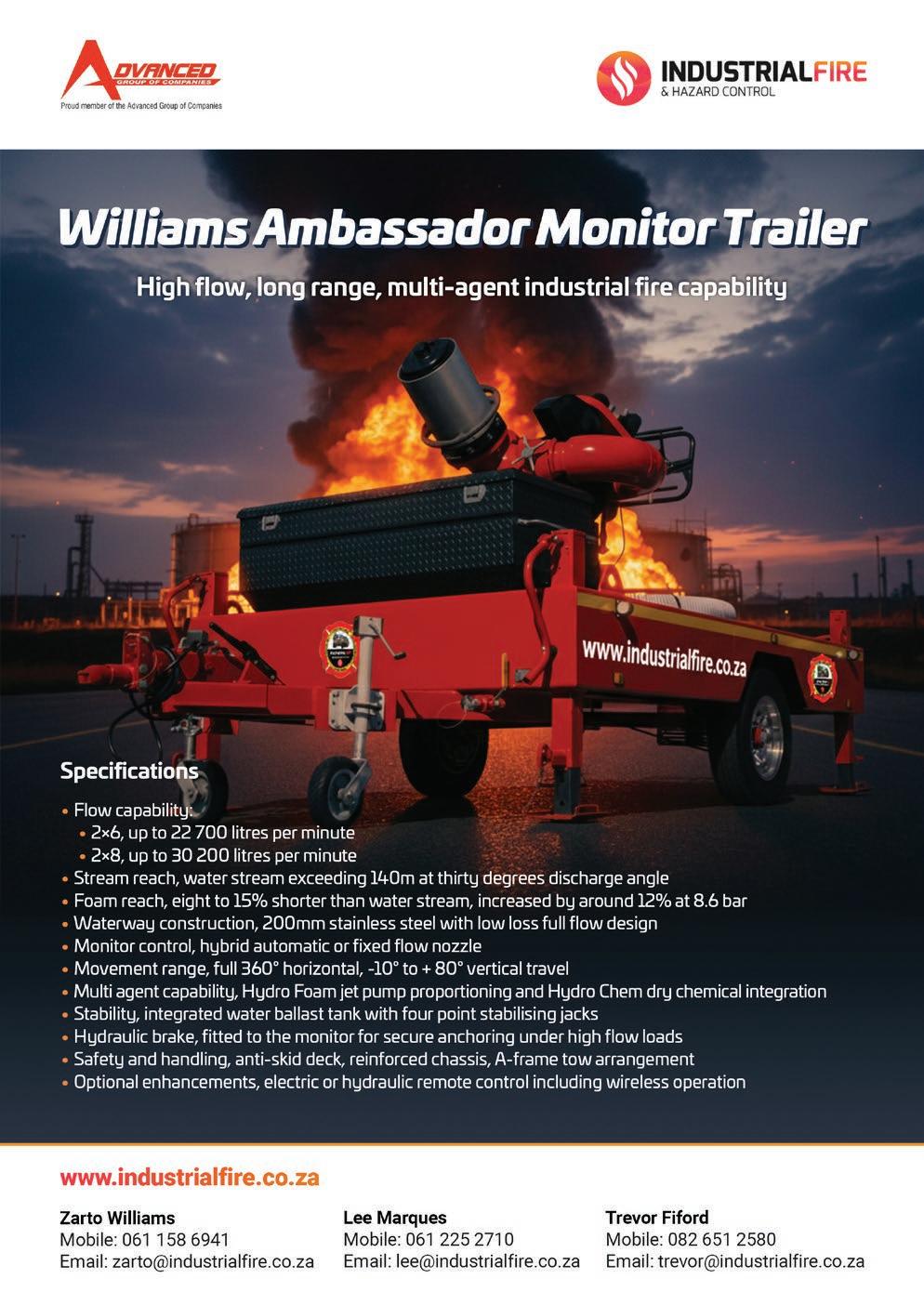
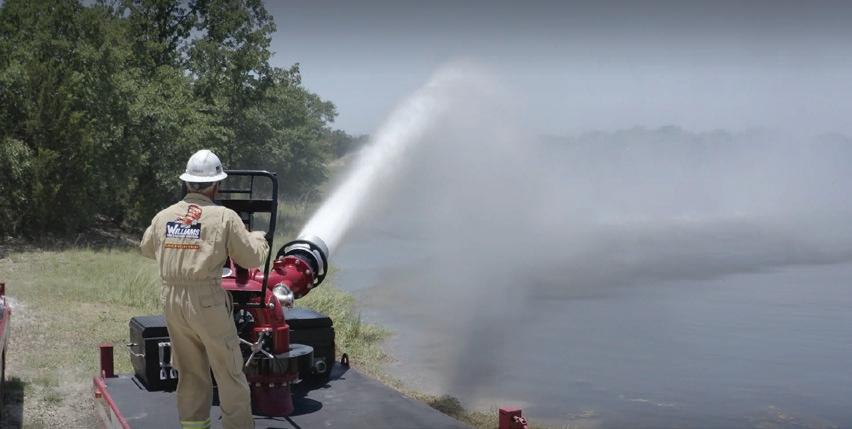
and at a thirty-degree discharge angle, the Williams Ambassador achieves a throw distance of more than 140 metres on water. Foam range is typically eight to 15 percent shorter, though raising the operating pressure from 6.9 bar to 8.6 bar increases reach by roughly 12 percent.
For fixed flow foam operations, interchangeable flow plugs allow fast and accurate configuration for Hydro Foam jet pump proportioning, ensuring stable foam delivery during tank, bund and hydrocarbon surface fires.
The Williams Ambassador’s multi-agent capability extends further through Hydro Chem integration. Purple-K (PKW) dry chemical is projected inside the tunnel of the water stream, which dramatically increases its usable range. This gives powerful knockdown capabilities on three dimensional and pressure fed fires at distances that far exceed traditional dry chemical equipment. The combined water, foam and dry chemical capability give operators tactical flexibility during complex incidents involving multiple fuel sources.
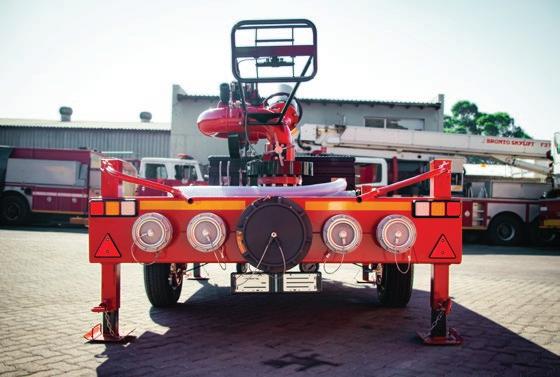
The trailer platform incorporates several operational and safety refinements. A built-in water ballast tank increases the unit’s operating mass to roughly three tons when full, while four stabilising jacks provide a one hundred and fifty percent safety factor against reaction forces. The anti-skid deck ensures secure footing for crews adjusting the monitor during operation.
A critical performance feature on the 2×8 configuration is the hydraulic braking system fitted to the monitor. Under
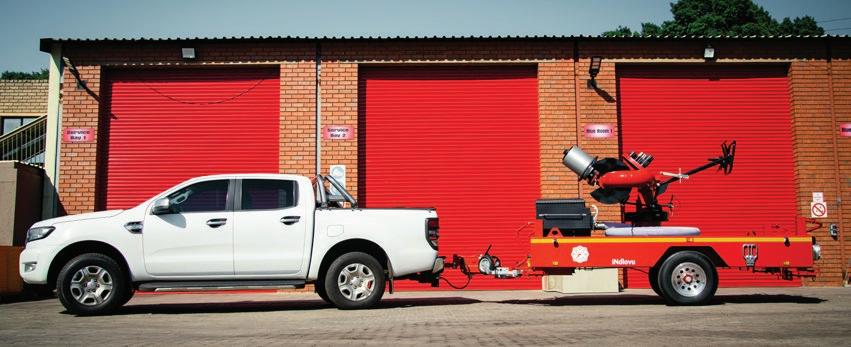
high flow operation, reaction forces at the monitor head are substantial. The hydraulic brake locks the monitor securely in place, ensuring consistent throw distance, steady targeting and stable elevation throughout prolonged delivery. This level of control is essential when operating at very high flowrates or when applying foam across extended distances.
The robust A-frame tow design and reinforced chassis make repositioning simple across tank farms, refinery roads and industrial sites. Optional electric or hydraulic remote control systems allow crews to operate the monitor from a protected location, enhancing safety and improving efficiency.
For facilities across Africa, the Williams Ambassador Monitor Trailer provides unmatched flow performance, long range capability, multi agent flexibility and durable construction proven in industrial fire responses worldwide.
With full support from Industrial Fire and Hazard Control, each unit is kept ready for immediate deployment when the risks are at their highest.
Core technical specifications
• Flow capability:
• 2×6, up to 22 700 litres per minute
• 2×8, up to 30 200 litres per minute
• Stream reach, water stream exceeding 140m at thirty degrees discharge angle
• Foam reach, eight to 15 percent shorter than water stream, increased by around 12 percent at 8.6 bar
• Waterway construction, 200mm stainless steel with low loss full flow design
• Monitor control, hybrid automatic or fixed flow nozzle
• Movement range, full 360° horizontal, -10° to + 80° vertical travel
• Multi agent capability, Hydro Foam jet pump proportioning and Hydro Chem dry chemical integration
• Stability, integrated water ballast tank with four point stabilising jacks
• Hydraulic brake, fitted to the monitor for secure anchoring under high flow loads
• Safety and handling, antiskid deck, reinforced chassis, A-frame tow arrangement
• Optional enhancements, electric or hydraulic remote control including wireless operation
For more information on the Williams Ambassador Monitor Trailer, please reach out to Industrial Fire and Hazard Control: Zarto Williams
Mobile: 061 158 6941
Email: zarto@industrialfire.co.za
Lee Marques
Mobile: 061 225 2710
Email: lee@industrialfire.co.za
Trevor Fiford
Mobile: 082 651 2580
Email: trevor@industrialfire.co.za
Or visit: www.industrialfire.co.za
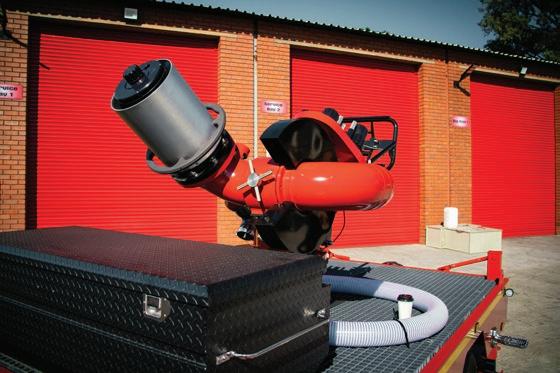
Make heat sources visible and extinguish with pinpoint accuracy
By Frank Preiss, managing director, FireDos GmbH
Early fire detection systems using infrared technology enable the early recognition of fire and potential sources of fire (hotspots) within minutes, sometimes even before smoke or flames develop. Conventional fire detection systems, such as flame, smoke or heat detectors on the other hand, initiate protective measures much later. They only react to the consequences of a fire, such as flames, smoke or heat. However, the initial investment costs are lower.
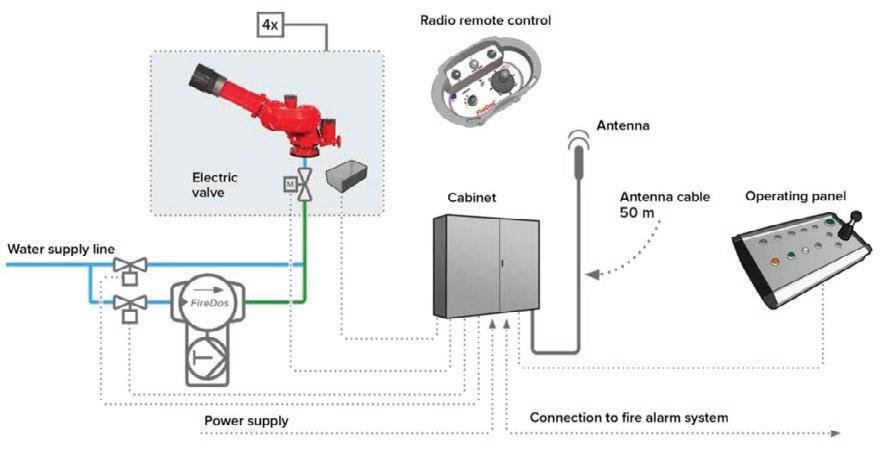
Thanks to the combination of automatic early fire detection and automatic extinguishing, the extinguishing strategy can be precisely tailored to the application.
Using an early fire detection system, intelligent software and the evaluation of individual plant characteristics, the software analyses the environment and distinguishes between ‘safe’ hotspots such as hot engines or exhaust pipes and ‘real’ hotspots that indicate an actual or potential fire.
Integrated into the automatic extinguishing system, the FireDos monitors are controlled electronically to extinguish around the hotspot only. The required extinguishing agent flow rate can be set automatically during operation and, thanks to the flow-optimised oval-flat design, it achieves maximum range with the best
Thermal imaging cameras and extinguishing monitors
accuracy. Where required, a FireDos proportioner can be activated to switch from water to wetting agent or foam as extinguishing media. This way the fire extinguishing tactic can automatically escalated.
Intelligent monitoring; automatic deletion
Following we present selected systems in more detail that can be coupled with extinguishing monitors from FireDos for automatic extinguishing:
Orglmeister Pyrosmart FS Pro early fire detection system Using state-of-the-art infrared and video cameras, PYROsmart® FS Pro continuously scans large areas and objects, measures
temperatures and creates seamless, clear panoramic thermographic pictures. If a critical temperature or pattern is detected, the pan/tilt system locates the hotspot, reports this to the fire alarm control panel and triggers an alarm. At the same time, Pyrosmart controls the cooling and targeted extinguishing of the hotspot, even in harsh environments such as dust or very high humidity, by using a special extinguishing software to control the precise hotspot extinguishing.
Dias Pyroview FDS early fire detection system
Pyroview FDS from DIAS Infrared is revolutionising fire protection with its pioneering infrared camera technology. Even under extreme conditions, it detects the smallest embers and hotspots at an early stage and initiates an efficient extinguishing attack to ensure the safety of stored goods in any situation. Thanks to intelligent special functions, Pyroview FDS enables the early detection of critical situations. For 20 years, DIAS Infrared has been a pioneer in developing and distributing not only reliable but also affordable products. Pyroview FDS sets standards in fire protection – a well-balanced
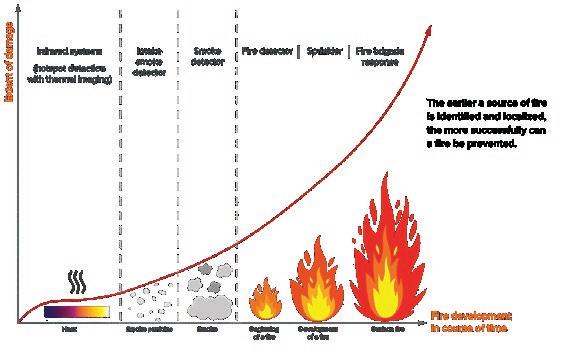
In the event of a fire, infrared detection systems with heat detection and automated extinguishing systems are superior to other technologies
solution for companies looking for safety, efficiency and innovation.
Flame Detection System FGD FlameSpec-IR3
By detecting the IR energy generated during combustion, IR flame detectors detect fires. FGD FlameSpec-IR3 detects fires extremely quickly so that extinguishing measures can be initiated immediately and the consequences minimised. Through the use of proprietary sensor design and detection algorithms, FGD offers the fastest detection and best false-alarm suppression in its class. With optional integrated HD quality video camera technology, FGD
also offers AI for the confirmation and localisation of flames.
For a decision of which detection system to use, always consider that things that might appear similar are actually very different when looking at the details. For a detailed analysis of the features and benefits the different systems offer, please check the appropriate websites or contact FireDos for an evaluation, which of the three system will fit your requirements and budget.
A key element of the automated extinguishing system: firefighting monitors
In any case, the FireDos
firefighting monitors process the signals from early fire and flame detection systems for accurate extinguishing. They also support the exchange of signals with higher-level control systems and fire alarm control panels and can be integrated into surveillance solutions with CCTV systems.
The monitors can be supplemented with functional controls for remote control in stationary extinguishing systems. An integration into existing detection systems is possible. Users will benefit from minimal response times and maximum reliability.
Also available are systems with explosion protection for use in zones 1, 2, 21 and 22.
Maximum flexibility between automatic solution and individual intervention
During the planning phase of the fire extinguishing system, you define your desired extinguishing scenarios. Extinguishing areas, escalation options such as the extension of the extinguishing area around the hot spot or the use of wetting agent or foam in
a consecutive firefighting attack, are freely programmable.
Once a fire has been detected, the pre-programmed extinguishing scenario is activated, and automatic extinguishing begins. When using remote controls, however, the system operator or the fire department can take command at any time and interrupt the extinguishing activities or take over control from a safe distance.
Whether direct current, alternating current or three-phase current, the FireDos extinguishing monitors are available with different
drives. The devices are extremely robust and suitable for use in harsh environments. Thanks to the simple installation and low maintenance requirements, the users save time and money.
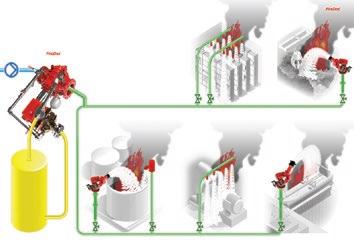
In the illustrations we show two examples where the difference between hot spot and flame detection is shown. In all scenarios you can see that effective firefighting will take place, independent of the detection system used. However, using the hotspot detection system will allow for an earlier firefighting attempt with a lower level of collateral water damage.
Using the flame detection system will start a delayed firefighting attempt with a bigger amount of water, possibly causing a high collateral damage. In contrast to the hotspot detection, though, the initial investment cost will be very much lower.
If initial investment is a concern, there is always the option of installing a flame detection system with automatic controlled firefighting monitors from FireDos as a first step. At a later stage, when budget allows, the fire detection system can easily
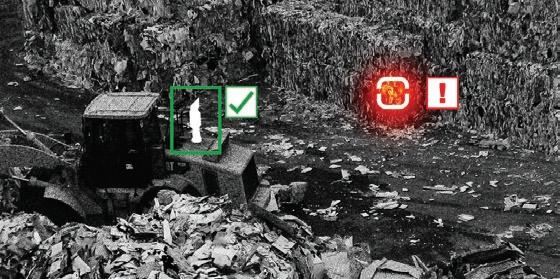
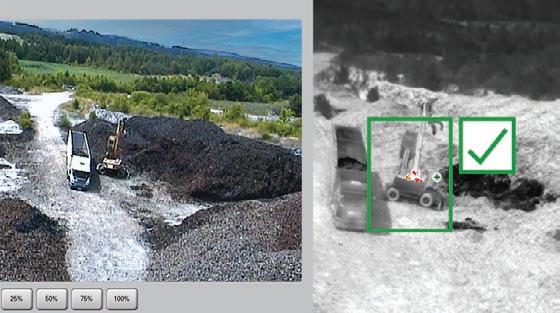
Accurate detection of non-hazardous hotspots. Distinguishing between genuine fire hazards and harmless variables separates the wheat from the chaff. Picture courtesy Orglmeister
Switching between infrared and video images is possible when required and enables better assessment of potential fire hazards. Picture courtesy Orglmeister
be exchanged. The FireDos firefighting monitors can be continued to be used and the control system can be adapted.
The combination of automatic early fire detection and an automatic fire extinguishing system allows tailored extinguishing strategies perfect for each application.
In the event of a fire, infrared detection systems with heat detection and automated
extinguishing systems are superior to other technologies. Fires can be detected earlier and extinguished quickly and reliably before professional intervention becomes necessary or is available.
FireDos offers maximum flexibility for customised designs. Visit: link
About the author
Frank Preiss is managing director of FireDos GmbH.
FireDos are experts in foam concentrate proportioners and monitors for firefighting, focusing on their in-housedeveloped leading technology and customer service.
FireDos is available through DoseTech Fire. For more information, contact Michael Feldon at DoseTech Fire on Mobile: +27(0) 83 251 9346 Tel: +27(0)86 111 1544 or Email: mgf@dosetech.co.za. Visit: www.dosetech.co.za
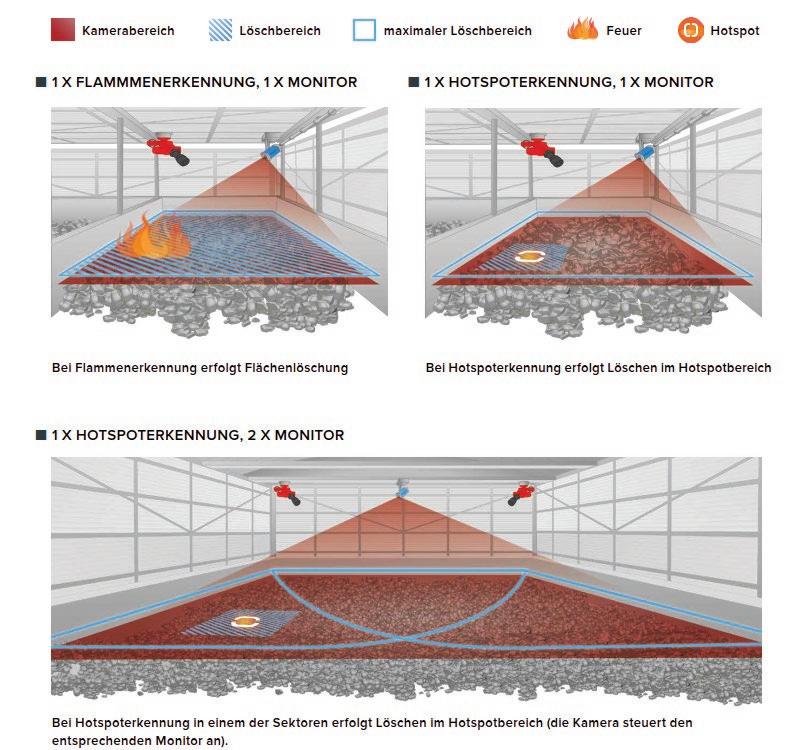
Example of a fire control system
When procurement overrides experience:
Are we forgetting who we’re protecting?
By Lenny Naidoo and Jackie De Billot
Firefighting personal protective equipment (PPE) never has and never be about “fashion or hip,” It’s rather about comfort, practicality and above all offering protection and confidence when you’re walking into danger. When you’re exposed to all sorts of dangers, you should be able to confidently rely on your protective gear.
Every strap, every seam, every layer of that suit is there to protect you, yet increasingly and somewhat unbelievably, the decisions about what that gear
feels and performs like are being made by people who’ve never felt the heat of a fire or the panic of zero visibility.
We’re not buying microwaves
Somewhere along the line, the process of buying firefighting PPE has become more about paperwork than actual people. Procurement systems, supply chain management (SCM), tender processes, cost control, all have a purpose but when it comes to firefighting, that purpose should never come at the cost of protection.
As a decision maker, you’re not buying microwaves or stationery; you are investing in something that determines whether someone walks out of a fire or gets carried out. Whether a father or mother returns home to their children that day or whether a son or daughter ever sees their parents again.
These aren’t numbers on a tender spreadsheet they are lives, families, futures.
At present some of these choices are made by people who have





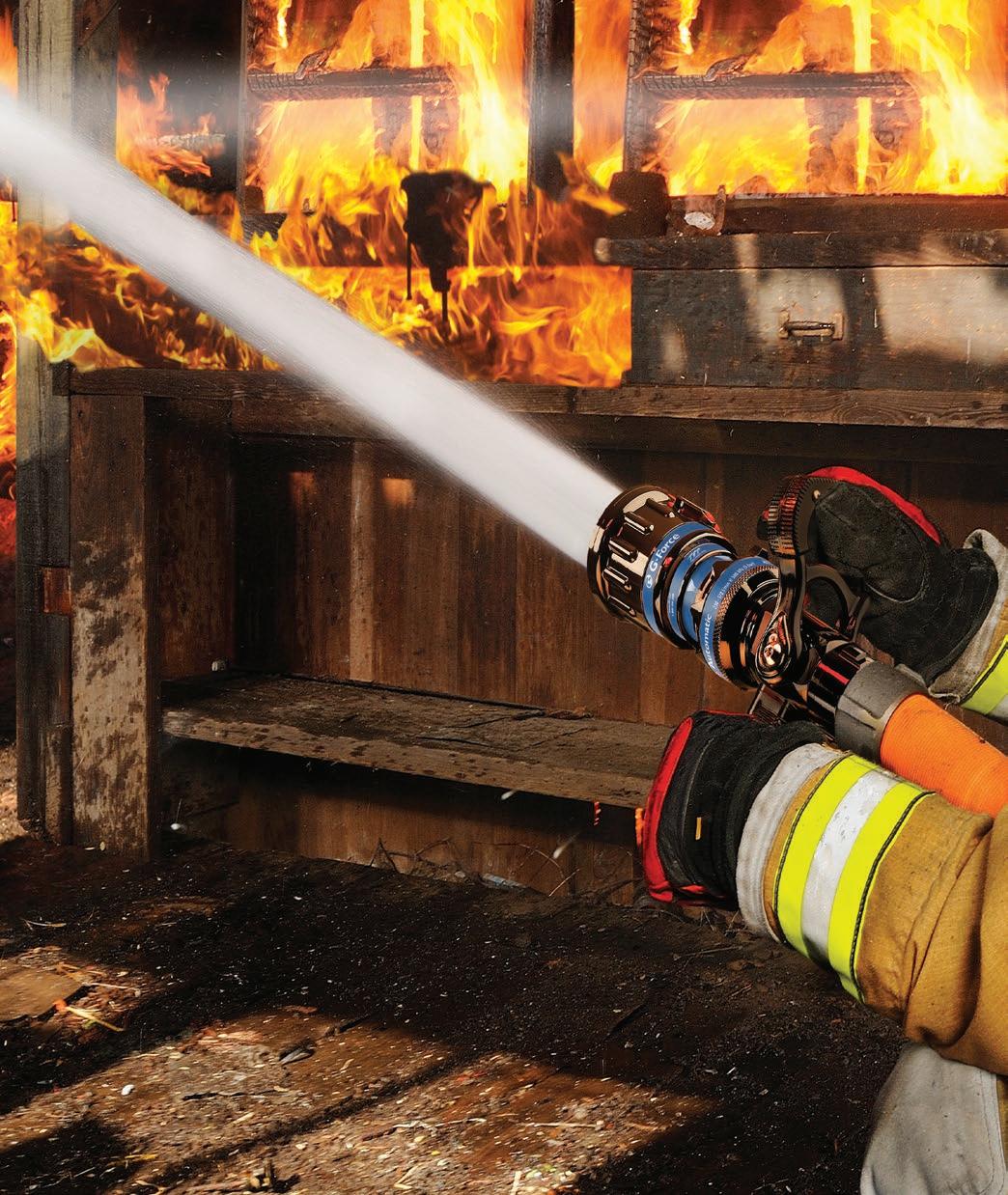



never pulled a hose line, worn soaked turnout gear in midwinter or felt their gloves start to steam from the heat, when the risk becomes real. Firefighting isn’t theory; it’s a lived experience.
The reality behind the fabric Firefighter PPE is a life-support system made up of layers that work together under some of the harshest working conditions on earth. Every stitch, seam and material choice is the result of years of science, testing and hard lessons learned on the fire ground.
International standards like NFPA 1971 exist not as red tape but as a firefighter’s safety net. The NFPA standard doesn’t just test fabric; it tests performance under extreme heat, exposure to flame and resistance to abrasion and contaminants. It measures how long it takes for heat to penetrate the gear, how well the body
can release that heat and how effectively the PPE prevents the absorption of harmful chemicals like per- and polyfluoroalkyl substances (PFAS).
Thankfully these standards weren’t written in offices but were built from scratch by material manufacturers, technologists and firefighters, some of whom suffered burns, heat stress and long-term illnesses so that future generations wouldn’t have to.
When someone outside that world changes specifications or chooses an “equivalent” product without understanding those standards, they’re not just changing fabric they’re changing the margin between safety and sacrifice.
In short, what looks efficient on paper can become catastrophic on the fireground.
When experience isn’t at the table Those who have fought fires know what matters: comfort, mobility and trust. They are fully aware that if your gear is too stiff, you lose seconds and strength; if it’s too thin, you lose skin.
Firefighters know top quality PPE from experience - just by wearing it while they crawl through smoke, felt their ears burn under their hoods or heard their heartbeat pounding against their face mask. No buyer, accountant or admin clerk will ever experience this or understand the importance.
This is precisely the reason chief fire officers (CFOs), firefighters and instructors need to be part of every procurement conversation. Their voices aren’t optional, they’re essential. Because when the alarm sounds, it’s not the buyer or the auditor going in. It’s them.
Working together for better decisions
As suppliers working with responsible PPE original equipment manufacturers (OEMs), we bring innovation, third party standards and certification to the table but the real power comes when firefighters, procurement, suppliers and training teams work together for the common cause of firefighter safety.
The goal isn’t merely a matter of compliance, it’s confidence and knowing that when a firefighter pulls on that gear, they can focus on the job and not worry if someone in an office made the wrong call to save a few thousand Rand.
That’s the kind of collaboration that builds trust and saves lives.
Let the fire chiefs lead again
There was a time when CFOs, divisional officers and responsible role players made the call on what their crews wore. They knew the risks because they’d lived them but authority and experience have slowly been drowned out by red tape and process. We strongly believe it’s time to give it back.
Fire chiefs aren’t fighting for luxury, they’re fighting for safety and their say shouldn’t come after the tender’s awarded, it should shape the tender before it even starts.
The heart of the matter
At its core, firefighting is about protection, protecting lives, property and one another. That protection doesn’t begin on the fireground, its roots take hold in the offices, boardrooms and procurement committees that choose what gear gets worn when everything’s on the line.
For those who want to better understand the NFPA standards or ensure your team is equipped with certified, compliant PPE, Vanguard Fire & Safety is here to help.
With over three decades of experience supplying and supporting fire services across Southern Africa, we work closely with departments to provide the right information, guidance and equipment from turnout gear and helmets to hoods, gloves and boots all tested and approved under NFPA certified standards.
When it comes to firefighter protection, knowledge and the right gear go hand in hand.
Vanguard Fire & Safety
- Serious about safety.
Visit: www.vanguardfire.co.za
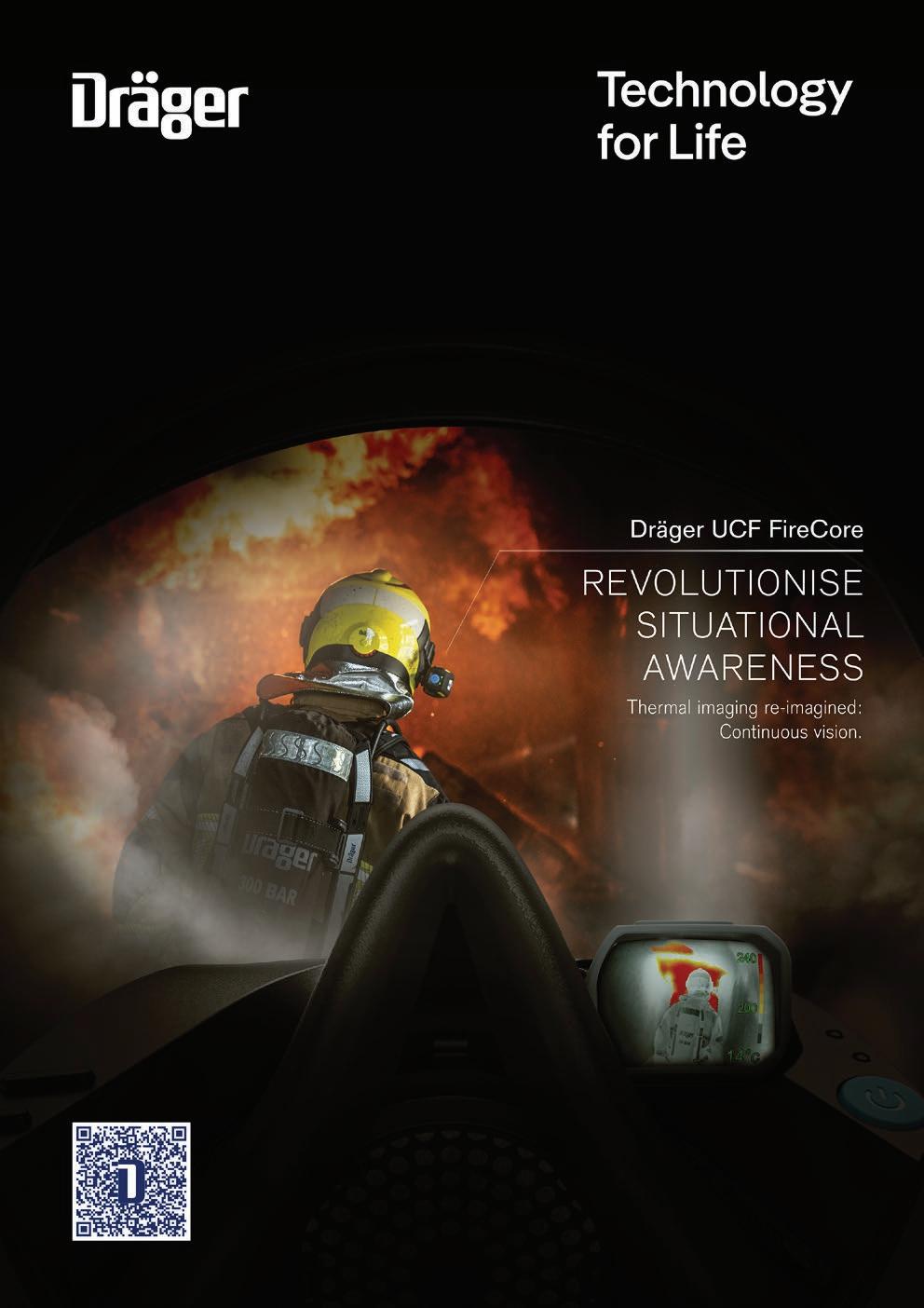
Dräger introduces its UCF® FireCore hands-free thermal imaging camera
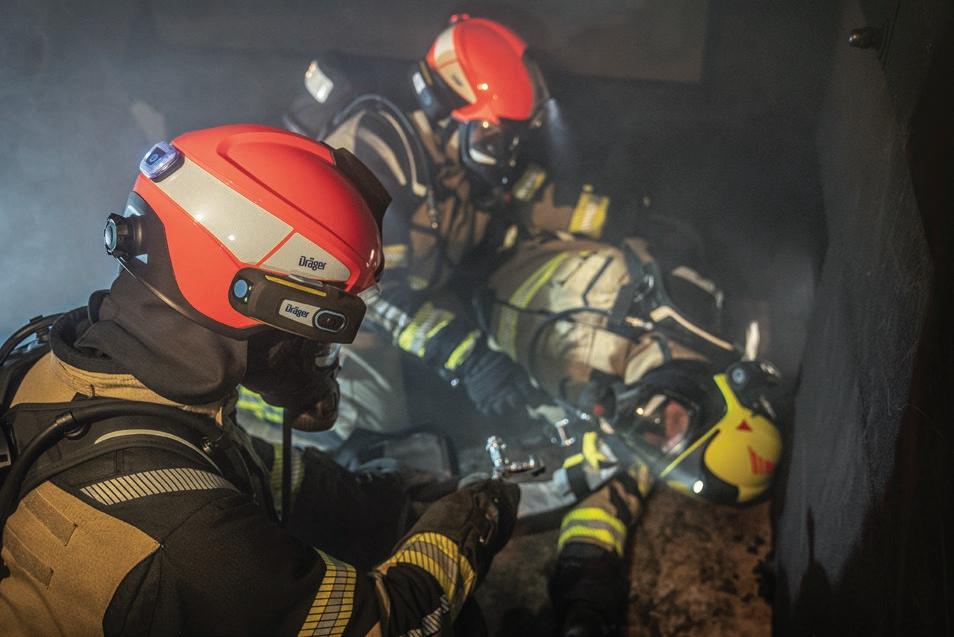
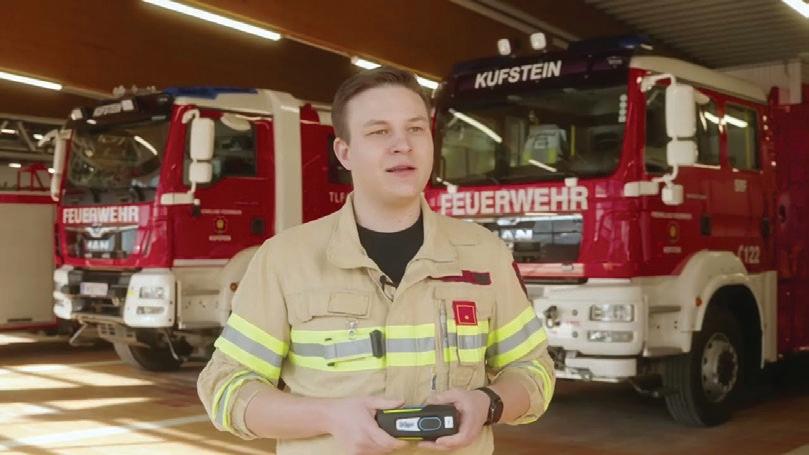
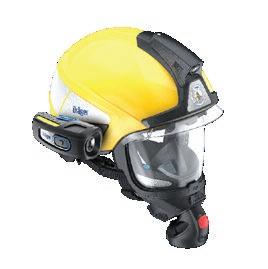
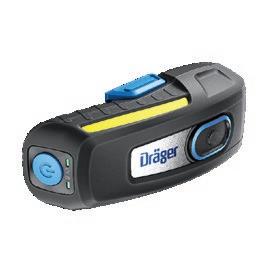
The Dräger UCF® FireCore hands-free thermal imaging camera gives you a permanent vision of your immediate surroundings, even under the toughest conditions that allows you to orientate yourself more quickly and safely, while also improving your situational awareness.
Rapid assessment of the situation during firefighting Especially during firefighting, difficult conditions such as fire,
smoke and darkness prevail. The UCF® FireCore provides important orientation, helps to quickly assess the situation and thus identify potential hazards.
A clear view at all times
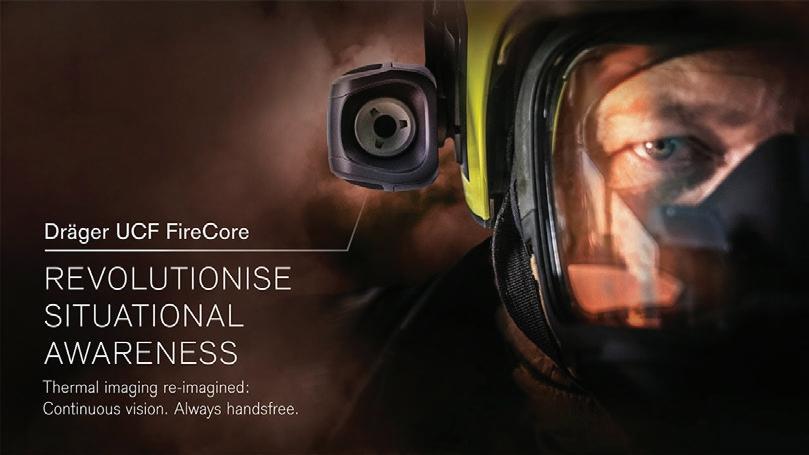
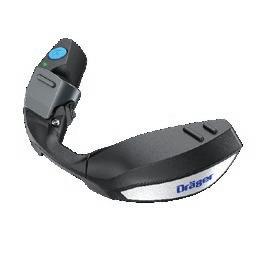
The FPS® in-mask display (FPS® IMD) is integrated into the Dräger FPS® 7000 full-face mask, so you have the thermal image in front of your eyes from the first second and at all times and thus a permanent view of your surroundings, even under zero
visibility conditions. This enables you to complete your mission with greater speed and safety.
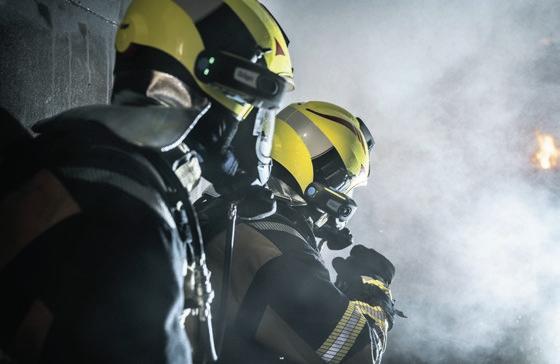
Work with both hands free, The UCF® FireCore is ergonomically integrated into your PPE, so you do not have to hold the thermal imaging camera in your hand. That means you have both hands free to focus on what matters most: saving lives.
High level of flexibility
No matter whether you are
crawling or climbing stairs, you always have a complete overview, because the camera angle is flexibly adjustable. This reduces physical strain, such as neck pain.
Thermal imaging camera is easily detachable
Especially when firefighting you often need to enter areas that are difficult to access. The UCF® FireCore makes it easier
to manoeuvre, because you can simply detach it to capture a view of what is waiting in hard to reach areas. That gives you even better situational awareness.
Ease of use
The UCF® FireCore is very easy to handle and operate. It was designed for maximum usability. The UCF® FireCore is coupled with the FPS® IMD within a few seconds by briefly holding the
two components next to each other. This also enables you to quickly hand over the thermal imaging camera to one of your teammates to use.
Modular design
The modular product concept allows for optimal adaptation to your operational tactics and budget. You can decide flexibly, based on your needs, which team member should be equipped with the FPS® in-mask display and also the UCF® FireCore.
Tough and reliable on the job
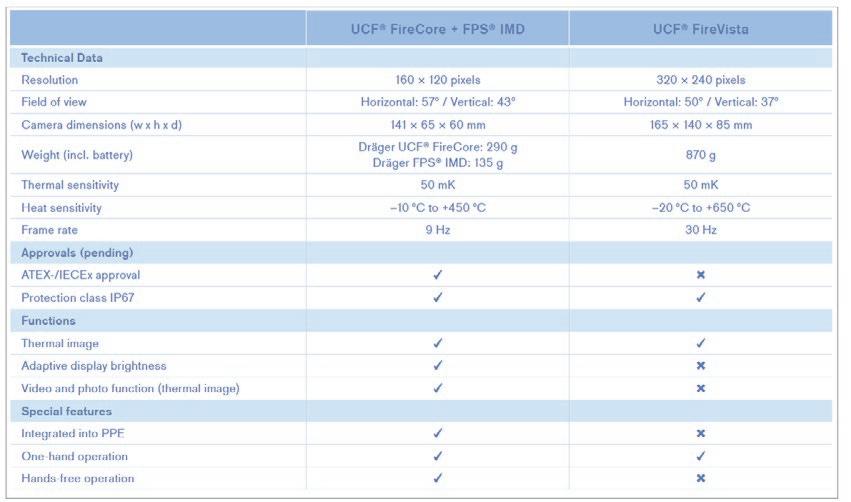
You can rely on this durable camera even in the toughest conditions. With an IP67 rating, it is water and dust resistant under typical conditions. The UCF® FireCore is powered by lithiumion batteries for long battery life. The batteries can easily be recharged either in a vehicle or at the fire station. The devices require minimal maintenance.
Learn more here: Link



Ignite your future with Rural Metro Training Academy
World-class firefighter and emergency services training – 2026 intakes now open
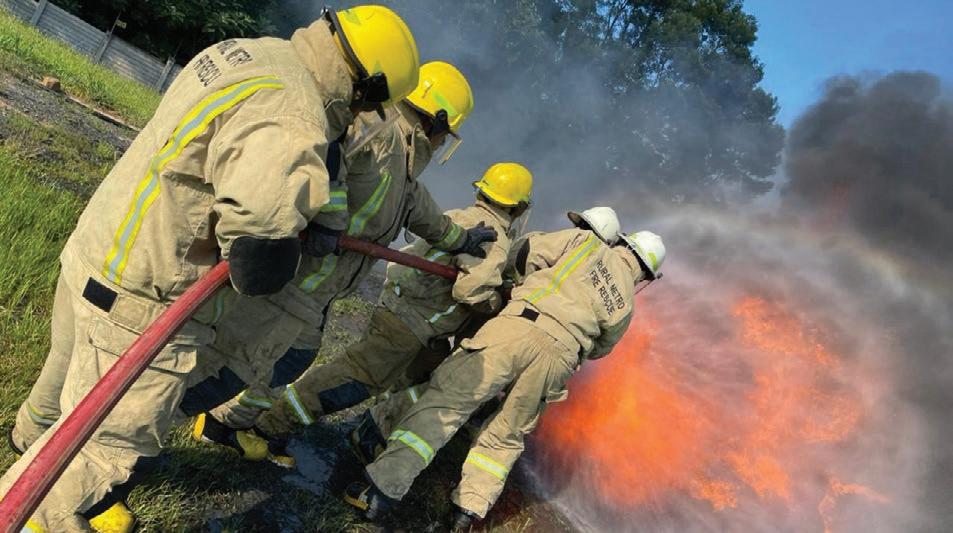
Step into a world where courage is shaped, skill is sharpened and excellence becomes a way of life. Rural Metro Training Academy - a leader in internationally accredited fire and rescue education - invites you to join Africa’s next generation of elite emergency responders.
We are proudly accredited by the International Fire Services Accreditation Congress (IFSAC) as a voting member, as well as by the Local Government Sector Education and Training Authority (LGSETA) and the Quality Council for Trades and Occupations (QCTO). Our training follows National Fire Protection Association (NFPA) standards, and we remain committed members of JOIFF and the Fire
Protection Association of Southern Africa (FPASA). Together, these recognitions position our academy among the continent’s most trusted and reputable institutions for fire and emergency services training.
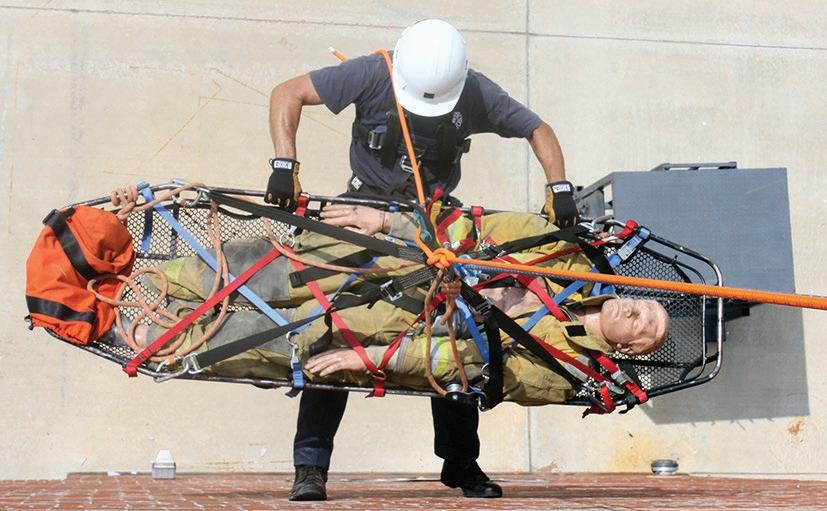
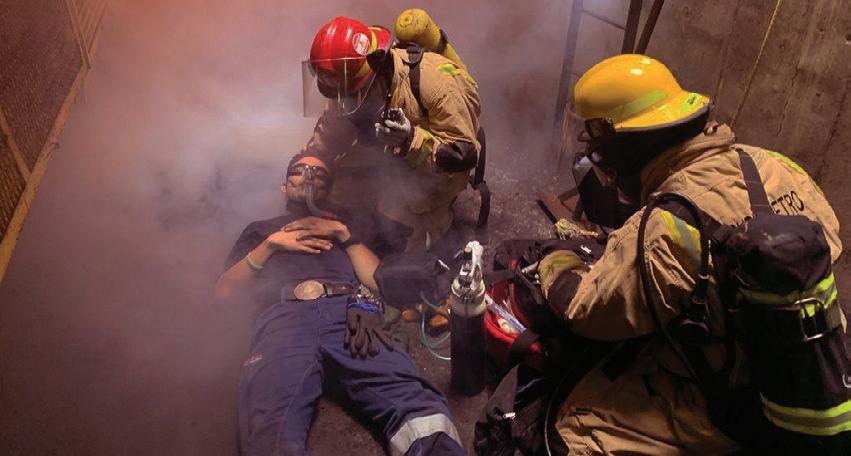
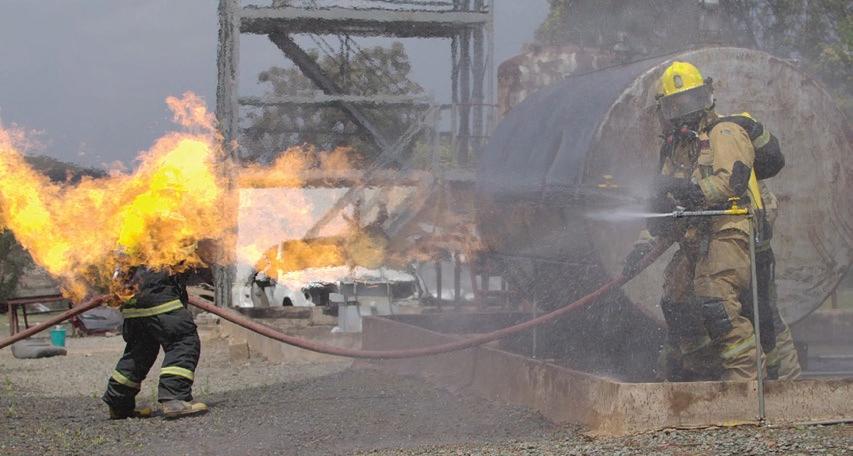
Across blazing drill grounds, smoke-filled simulators, towering rescue structures and advanced training fields, students confront realworld scenarios delivered by industry veterans. Here, excellence is not a goal - it’s the standard.
Your path to becoming a professional firefighter starts here
With five annual intakes, Rural Metro empowers aspiring firefighters to plan their training journey
with confidence and flexibility. Each module within our flagship firefighting programme is purposefully designed to build a complete, internationally accredited qualification. For students who choose Rural Metro, the message is clear — there is no training experience quite like ours and no better place to begin a world-class career in emergency services.
Flagship firefighting programmes
Firefighter 1 – NFPA 1001 (8 weeks)
Intake dates
• 12–23 January 2026
• 9–20 March 2026
• 1–12 June 2026
• 3–14 August 2026
• 5–16 October 2026
Tuition: R4 470.57
Accommodation (Optional): R3 640.00
Firefighter I builds the foundation of every fire professional - from hose handling and fire behaviour to ladder operations and live-fire drills.
Hazmat Awareness – NFPA 470 (1 Week)
Intake dates
• 26 January – 20 March 2026
• 23 March – 22 May 2026
• 15 June – 7 August 2026
• 17 August – 9 October 2026
• 19 October – 11 December 2026
Tuition: R17 250.00
Accommodation (Optional): R14 560.00
Gain the crucial skills to identify, manage and report hazardous material incidents safely and effectively.
First Aid Level 3 (2 weeks)
Intake dates
• 12–16 January 2026
• 23–27 March 2026
• 25–29 May 2026
• 11–17 August 2026
• 12–16 October 2026
Tuition: R5 925.00
Accommodation (Optional): R1 820.00
Firefighter 2 – Advanced Professional
Development NFPA 1001 (4 weeks)
Intake dates
• 19 January – 6 February 2026
• 30 March – 24 April 2026
• 1–19 June 2026
• 18 August – 4 September 2026
• 19 October – 6 November 2026
Tuition: R8 750.00
Accommodation: R5 460.00
Take your career to the next level with advanced operations, incident management, and team leadership skills.
Hazmat Operations NFPA 470 (3 weeks)
Intake dates
• 9 February – 6 March 2026
• 28 April – 29 May 2026
• 22 June – 17 July 2026
• 7 September – 2 October 2026
• 9 November – 4 December 2026
Tuition: R9 750.00
Accommodation: R7 280.00
Operate safely during hazardous materials incidents with strategic response and containment techniques.
Fire and Emergency Service Instructor 1 NFPA
1041 (2 weeks)
Intake dates
• 2–13 February 2026
• 1–12 June 2026
• 2–13 November 2026
Tuition: R12 475.00
Accommodation: R3 120.00
Advanced instructor and officer courses
Fire Service Instructor 2 NFPA 1041 (2 weeks)
Intake dates
• 2–13 March 2026
• 6–17 July 2026
Tuition: R12 475.00
Accommodation: R3 120.00
Fire Officer 1 NFPA 1021 (2 weeks)
Intake dates
• 16–27 February 2026
• 15–26 June 2026
• 16–27 November 2026
Tuition: R11 350.00
Accommodation: R3 120.00
Fire Officer 2 NFPA 1021 (2 weeks)
Intake dates
• 16–27 March 2026
• 20–31 July 2026
Tuition: R11 350.00
Accommodation: R3 120.00
Specialised rescue and fire services courses
Airport Rescue and Firefighting NFPA 1003 (2 weeks)
Tuition: R13 200.00
Accommodation: R3 640.00
Driver/Operator NFPA 1002 (Pumper and Water Supply)
• Fire Apparatus Driver Operator Pumper
• Fire Apparatus Driver Operator Mobile Water Supply
• Fire Apparatus Driver Operator Aerial Apparatus
• Fire Apparatus Driver Operator Airport Rescue and Firefighting Apparatus
• Fire Apparatus Driver Operator Wildland Apparatus
Tuition per module: R8 250.00 – R13 820.00
Accommodation: R1 820.00 – R3 120.00
Designed for firefighters responsible for heavy-duty fire apparatus.
Incipient Fire Brigade Member NFPA 1081 (2 weeks)
Tuition: R13 900.00
Accommodation: R3 120.00
Advanced Exterior Facility Fire Brigade Member
NFPA 1081 (2 weeks)
Tuition: R13 900.00
Accommodation: R3 120.00
Rope Rescue Technician NFPA 1006
• Awareness – 2 days
• Operations – 3 days
• Technician – 1 week
Tuition: R3 402.33 – R13 350.00
Fire Investigator NFPA 1033 (2 weeks)
Tuition: R4 201.75
Accommodation: R1 040.00
Fire Inspector 1 and 2 NFPA 1031
• Fire Inspector 1: 3 weeks (R13 350.00)
• Fire Inspector 2: 2 weeks (R11 822.14)
Vehicle rescue programmes NFPA 1006
• Awareness – 2 days
• Operations – 3 days
• Technician – 1 week
Tuition: R3 952.00 – R5 675.00
Hazmat Technician NFPA 470 (4 weeks)
Tuition: R21 950.00
Accommodation: R7 280.00
On demand specialised training programmes
Custom training tailored to industry, corporate and municipal needs:
• Self-Contained Breathing Apparatus
• Confined Space Rescue Training
• Industrial Firefighting
• Chlorine and Ammonia Handling
• High Angle/Rope Rescue
• Vehicle Extrication
• Conduct Fire Safety Inspection
• Swift Water Rescue
• Wildland Firefighting
• Hazmat Supervision (Technician)
• Marine Firefighter NFPA 1005
• Public Information Officer NFPA 1035
• Live Fire Instructor NFPA 1041
• Fire and Life Safety Educator I, II and III NFPA 1035 Price on request (POR)/POA depending on course
Join the academy that trains Africa’s bravest
With world-class instructors, realistic simulations, onsite student accommodation and proven international accreditation, Rural Metro remains a leading destination for emergency services education.
Train Hard. Save Lives. Ignite Excellence.
Location: Plot 805 Dr Elliot Drive, Greytown, KwaZulu-Natal
Tel: +27(0)33 413 4040 / +27(0)72 902 5832
Email: training@ruralmetrosa.com www.ruralmetro.co.za
The Institution of Fire Engineers South Africa’s 2026 provisional course schedule

Taking the next step in your professional development is both exciting and empowering. We invite you to explore our Continuing Professional Development (CPD) short courses, designed to strengthen your fire safety knowledge and build confidence in your work place environment.
The IFE offers a wide range of online and in-person short courses that can be taken individually or combined to achieve the Fire Safety Officer Programme Certification.
These courses not only enhance your CV or that of your staff but also provide valuable accreditation that helps you stand out in today’s competitive job market.
The knowledge gained from these courses is continually refined and updated to ensure full alignment with the latest fire safety codes, standards and building regulations.
The registration form should be completed and emailed to us at adminstaff@ife.org.za and we will send you a quotation.
Enrolment is limited for each course, so be sure to secure your place early.
IFE aims and objectives
Founded in 1918, the Institution of Fire Engineers (IFE) is a global professional membership body for those in the fire sector that seek to increase their knowledge, professional recognition and understanding of fire through a global discourse. With over 100 years of history, the IFE is instrumental in shaping a future world that is safer from fire.
Managed for fire professionals by fire professionals, the IFE aims to promote, encourage and improve the science, practice and professionalism of fire engineering, acting as a beacon of
established expertise and guiding the way to a fire safe future.
The IFE has led the way in enabling fire professionals to become rigorously assessed through a well-established and dynamic system of internationally recognised membership grades and firerelated qualifications.
IFE members share a commitment to envisioning, preparing, mentoring and building for the future, ensuring that the fire profession remains relevant and valued, protecting people, property and the environment from fire.
Representing the whole spectrum of the fire sector, as well as giving to the Institution, IFE members benefit greatly from opportunities to meet, exchange views and develop professional networks and friendships on a global scale.
The IFE is a professional engineering institution (PEI) and is licensed by the Engineering Council UK to assess suitably qualified and experienced members for registration as Chartered Engineers, Incorporated Engineers and Engineering Technicians in the UK.
Membership or affiliation is open to all, regardless of role or geography, and is inclusive of those working in emergency

Fire Safety Management Part A Module 1: Fire Safety Legislation
Online Course
Fire Safety Management Part B Module 2: Fire Risk Assessment
Online Course
Fundamentals of Design and Evaluation of Engineered Solutions
Online Course
Interpretation and Application of Local Authority By-Laws.
INSTITUTION OF FIRE ENGINEERS SA COURSE SCHEDULE 202 6 ONLINE COURSES

+5 ECSA POINTS 13th to 21st April

+5 ECSA POINTS

2nd to 6th March 3rd to 7th August
+5 ECSA POINTS 16th to 24th February 5th to 13th October

+5 ECSA POINTS
Online Course
Fire Safety Peace Officer Program
4th to 12th May 14th to 22nd September
+4.8 ECSA POINTS 2nd to 10th November
7 Days consisting of: 6 x ½ Day online lectures
6 x ½ Day self-study on IFE College Platform Assessment on 7th day
6 Days consisting of: 5 x ½ Day online lectures
5 x ½ Day self-study on IFE College Platform Assessment on 6th day
7 Days consisting of:
6 x ½ Day online lectures
6 x ½ Day self-study on IFE College Platform Assessment on 7th day
7 Days consisting of:
6 x ½ Day online lectures
6 x ½ Day self-study on IFE College Platform Assessment on 7th day
7 Days consisting of:
6 x ½ Day online lectures
6 x ½ Day self-study on IFE College Platform Daily online Q&A Session Assessment on 7th day
Fire safety legislation in SA
Business continuity
Passive structural fire protection
Occupancy classification and risk profiling
Major Hazard Installations
Human behaviour
Fire safety management
Fire Risk Assessment Methodologies
Passive structural fire protection
Escape route provision
Fire risk assessment.
Record Keeping
Fire safety management of specific risks.
Legislation re Fire Protection Rational Design submission
Responsibilities of Local Authority Plan Examiners
Definitions and fire engineering terminology
National building regulations
Introduction to BS 7974
Overview of BS7974
Published documents and other design approaches
Applicable Legislation – Municipal By-Laws
Administration
Promulgation of By-Laws
Fire prevention & fire protection
Public safety
Flammable liquids and gases
Transportation of dangerous goods
Introductory concept of a Peace Officer & the Law
Fundamentals of SA Laws
The Peace officer
Appointment, Duties & Powers of a Peace Officer
Law Enforcement – Criminal Law
Understanding and combating corruption
The Justice System in South Africa
Administrative Law
The Law of Evidence
INSTITUTION OF FIRE ENGINEERS SA COURSE SCHEDULE 2025 BLENDED AND IN PERSON COURSES
Course Name CPD Points Date
Blended
Fundamentals of Fire Investigation
In person course
Examination of Building Plans and Conducting Fire Inspections


+3 ECSA POINTS
response, fire safety, active and passive fire protection, fire engineering consultancy and fire risk assessment and enforcement.
The IFE is guided in all that it does by the objectives contained within the Strategic Plan 2020-2024. This document highlights the strategic priorities for the period 2020-2024.
Online Theory 6th - 8th July In Person Practicals 9th - 10th July in CT 13th to 14th July in JHB
5 day In person 3 x Full day online classes & self-study on IFE College Platform
2 x Full day in person practical’s on days 4 & 5 Assessment on day 6
1st to 5th June 5 x Full day on site & 6th Day
1 hours online Final Assessment
Basic fire investigation methodology
Basic fire science
Building Systems
Active fire protection
Fire related human behaviour
Origin determination
Cause determination and expert testimony
Fire risk assessment and fire safety management of specific risks.
Responsibility of the local authorities
Responsibility of the plan submission applicant
Building plan interpretation & identifying building services
Inspecting first aid fire-fighting equipment
Inspecting fixed fire suppressing systems
The IFE SA, a Public Benefit Organisation, strives to support the above objectives by way of its Continuing Professional Development programmes and short courses, encompassing a wide range of fire engineering topics. The South Africa Branch is actively represented in the IFE’s International General Assembly which meets twice each year to proactively share learning and to provide an important link between overseas members, the Board of Directors and IFE head office staff.
For more information, contact Jennifer Maritz at the IFE South Africa on Tel: +27 (0)11 788-4329 or email: adminstaff@ife.org.za.
The evolution of major flooding disasters: from swift-water rescues to urban search and rescue
By Dr Colin Deiner, chief director, Disaster Management and Fire Brigade Services, Western Cape Government
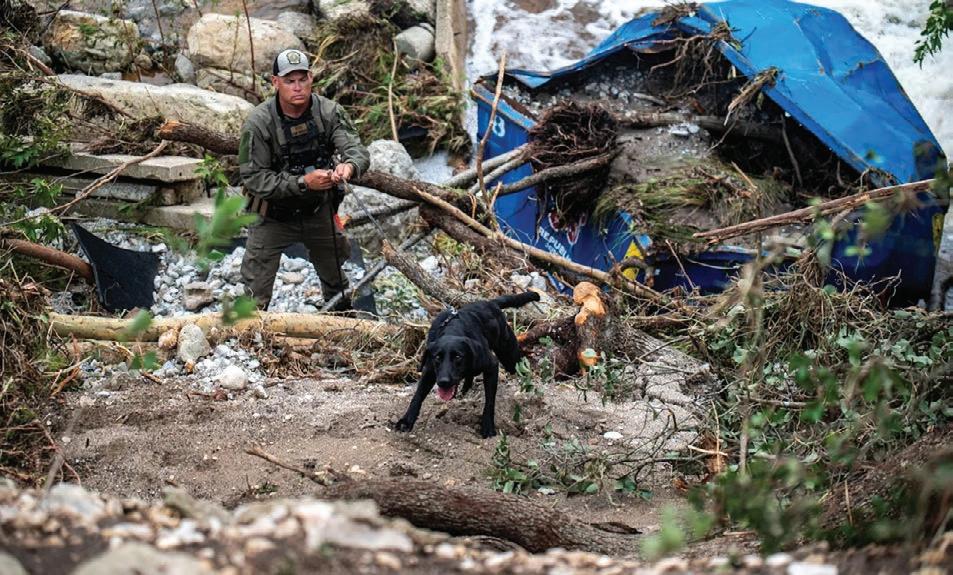
Major flooding disasters are among the most devastating natural events, causing widespread destruction, loss of life and economic damage. According to disaster response frameworks, these incidents typically unfold in distinct phases. In the initial days, often up to day two or three, the focus is on swift-water rescues, where fast-moving currents pose immediate threats to people in vehicles, homes or open areas. As waters recede, the scenario
shifts to an urban search and rescue (USAR) operation, complicated by mudslides, building collapses and debris piles that can bury individuals, animals and infrastructure.
This transition requires first responders to adapt rapidly, shifting strategies, equipment and command structures to address evolving hazards. Drawing from operational lessons in past floods, this article explores these phases, the
adaptations required and best practices for setting up effective response operations.
Phase 1: Swift-water incidents (Days 1 to 3)
In the early stages of a major flood, the primary danger stems from swift-water, rapidly flowing currents that can sweep away vehicles, erode foundations and trap people in low-lying areas. These incidents are characterised by high-velocity water, making self-rescue nearly
impossible for victims. First responders prioritise life-saving interventions, such as extracting individuals from submerged cars or rooftops.
Key tactics include:
• Reach, throw, row, go: A progressive approach starting with extending poles or lines from shore, throwing flotation devices, using boats for closer access and finally entering the water as a last resort.
• Helicopter and boat operations: Helicopters for aerial extractions in inaccessible areas, while inflatable boats or personal watercraft manage navigable floods.
• Personal protective equipment (PPE): Dry suits, helmets and personal flotation devices (PFDs) are essential to protect rescuers from hypothermia and impacts.
• During this phase, time is critical, as drowning risks peak within the first 72 hours. Responders must conduct rapid size-ups, assessing water speed, depth and hazards like strainers (obstructions that trap victims).
Phase 2: Transition to Urban Search and Rescue (After Day 3)
As floodwater subsides, the landscape transforms into a hazardous zone of saturated soil, leading to mudslides, structural collapses and accumulations of debris such as trees, vehicles and building materials. What began as a water-based emergency, evolves into a USAR scenario, where the focus shifts from water rescues to locating and extricating survivors buried under rubble or mud.
Mudslides can travel at speeds up to 60kmph, exacerbating
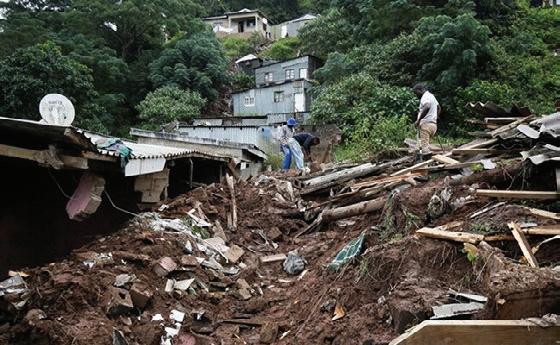
collapses and creating unstable environments that endanger both victims and rescuers.
Operations in this phase emphasise Void searches and shoring: Teams probe voids in collapsed structures using cameras, listening devices and canine units to detect signs of life. Note: The difficulty here, as opposed to normal structural collapse configurations, is that the voids may be filled with mud and water and may still be unstable due to the water flow it has been subjected to.
Heavy machinery integration: Excavators and cranes clear debris but with caution to avoid further collapses. The added problem here is the stability of the surface on which the heavy equipment will be based might be compromised.
Hazard mitigation: Addressing secondary risks like contaminated water, electrical hazards and unstable ground.
Other than the first (swift-water phase), this phase may extend for several days to weeks, as seen in events like the 2022
KwaZulu-Natal Floods or the 2021 European floods, where initial swift-water efforts gave way to prolonged debris clearance.
Making the transition Incident commanders must be able to pivot from highmobility, water-centric tactics to methodical, land-based searches, which may include extended structural collapse rescue efforts in extreme conditions. This adaptation involves several key areas. It starts in the training and preparedness phase.
Around 1999, when I was working at the Boksburg Fire Department, we were tasked by the Fire Chiefs Advisory Committee of the East Rand to establish a technical rescue task force who could be deployed under their existing mutual aid agreement to be able to respond to major sudden-onset disasters that might require specialised skills. These incidents included flood response and structural collapse incidents such as trench, dolomite sinkhole formation and seismic incidents.
The first thing we did was to develop a course, which would adequately prepare for such
incidents. We all agreed that the pinnacle of the training would be the structural collapse component but in order to be a good Structural Collapse Technician, you needed to be proficient in trench collapse rescue. If you need to enter a trench with all its hazards, you need to be confined space qualified and you can’t enter a vertical confined space if you aren’t high-angle qualified.
All of this was well and good, however, what would you do if you had to use these skills in a water-related environment?
These considerations led us to develop a six-week course that included all of the above in a progressive manner that capacitated rescuers to respond to various incidents, which included scenarios that required more than one skill to be utilised.
One of the key objectives was to prepare the students to be able to see the mission-specific challenges in each scenario and adapt accordingly. For example: During a structural or trench collapse evolution,
teams and/or individuals had to identify confined space-related hazards or in confined space rescue evolutions, they had to identify flooding hazards. This enabled them to pivot rapidly to either confront the new hazard or include the mission specific hazards in their overall approach.
The ability to pivot from one skill to another without delay is the key to success in responding to flood related collapse rescue operations.
Equipment flexibility involves being able to deploy equipment focusing on flotation and ropes; but as phases change, responders integrate tools like hydraulic cutters, thermal imaging and geotechnical sensors for mudslide risks.
Into the late 80s and early 90s emergency management agencies in the USA developed massive urban search and rescue structures primarily designed to respond to the effects of earthquakes. With the increasing incidence of flooding disasters in the continental US, agencies like the California
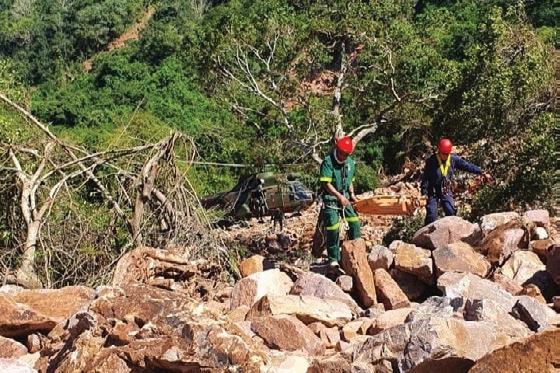
Governor's Office of Emergency Services (Cal OES) developed swift-water/flood teams that could reconfigure for USAR.
The Western Cape Disaster Management Centre has studied this concept and is in the process of establishing a similar system, which is based in the high-risk flood region in the Garden Route District Municipality but can be deployed anywhere in the province (and the region).
The prolonged nature of USAR can lead to fatigue and stress. Responders adapt by rotating shifts, providing psychological support and monitoring for hazards like heat exhaustion or contamination. Studies show that harnessing community resources and interpersonal support aids long-term recovery for teams. The importance of ensuring mental and physical resilience must always be a prime consideration.
These incidents will usually cover a wide area and will involve a large spectrum of resources that will have to be deployed for a prolonged period of time. Effective transitioning from swift-water to USAR, relies on seamless collaboration between local fire departments, regional USAR teams and military units. Pre-established mutual aid agreements ensure rapid scaling as the incident evolves.
By anticipating this shift, responders can reduce response times and improve outcomes.
Setting up operations for effective response
A structured Incident Command System (ICS) is the backbone of flood operations, allowing
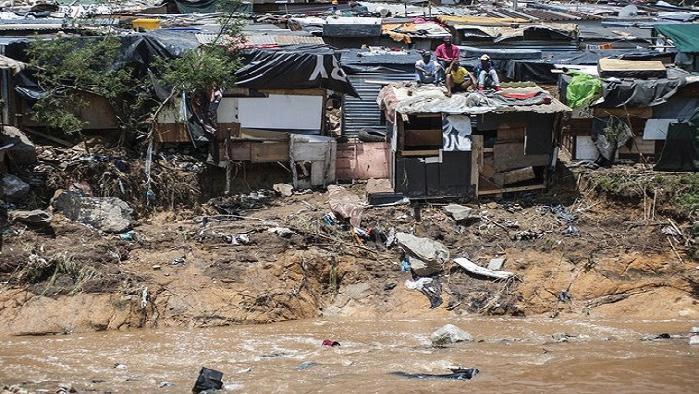
scalability from swift-water to USAR phases. Here's how to establish and adapt setups:
Initial size-up and command post: Establish a unified command post away from flood zones. Use the SWIFTWATER acronym for guidance: Size-up the scene, assess Water hazards, set Incident priorities (life safety first), Focus on resources, ensure Timely actions, Wear proper PPE, Account for personnel, Train adequately, Evaluate progress and Rescue safely.
Zoning and resource allocation: Divide the area into hot (active hazard), warm (support) and cold (staging) zones. In swiftwater phase, allocate water rescue equipment and swiftwater technicians; transition to USAR by bringing in heavy equipment operators and structural specialists.
Logistics and supply chain: Preposition supplies like fuel, food and medical kits. Use staging areas
for equipment rotation, ensuring swift-water gear are phased out for debris removal tools.
Communication and monitoring: Implement redundant comms (radios, satellites) and real-time monitoring with drones for mudslide risks. Regular briefings facilitate the phase transition.
Community and recovery integration: Engage locals for intel and plan for long-term recovery, such as debris management and rebuilding assessments.
By following these protocols, operations can adapt fluidly, minimising risks and maximizing rescues.
Making the transition: The way forward
The obsession with earthquakebased search and rescue (USAR) has indeed had detrimental effects on emergency services' ability to manage flood rescue responses, primarily through skewed resource allocation,
specialised training biases and a lack of adaptive preparedness for more frequent but less "spectacular" disasters.
Earthquakes, being sudden and catastrophic, often capture public and policy attention, leading to disproportionate funding for urban search and rescue (USAR) teams equipped with tools like listening devices, shoring equipment and heavy machinery designed for structural collapses.
This focus, while vital in seismicprone areas, diverts limited budgets away from floodspecific resources such as swiftwater rescue boats, high-water vehicles and personal flotation devices, leaving services underequipped for water-based hazards that account for the most common natural disasters in many regions, including the United States.
Training programmes exacerbate this issue; responders are frequently
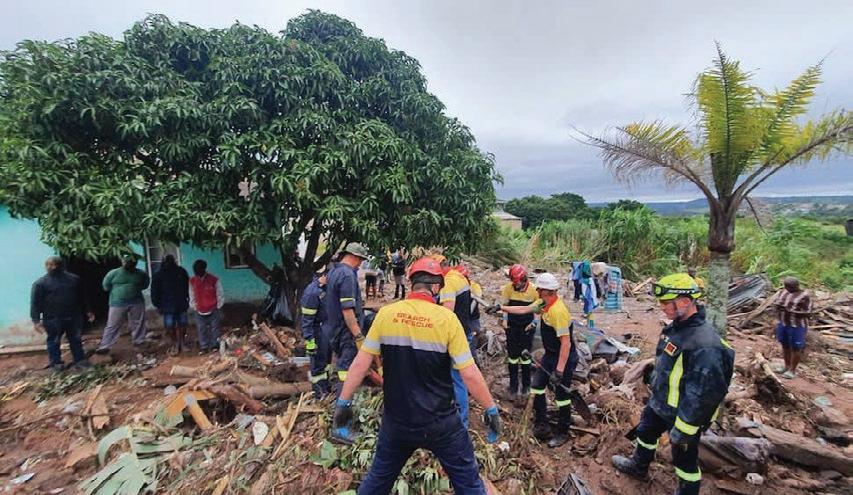
drilled in earthquake scenarios involving rubble and entrapment but receive far less emphasis on swift-water techniques, flood evacuation protocols or managing mudslides and debris flows, resulting in slower response times and higher risks during floods.
For instance, studies analysing USAR efficiency across disasters reveal that rainfall-induced events (like floods) have significantly lower rescue success rates, requiring five to seven times more time to achieve the same progress as earthquakes, due to factors such as delayed casualty reporting from inaccessible areas, ongoing weather impediments and geographical challenges that earthquake-focused training doesn't adequately address. This imbalance not only strains emergency services during floods, as seen in recurring events where rescuers must improvise with inadequate gear but also contributes to higher
casualty rates and prolonged recovery periods, underscoring the need for a more balanced, multi-hazard approach to disaster management that prioritises versatility over specialisation in high-profile threats.
In Southern Africa, where storms and saturated soils pose far greater threats than seismic activity, emergency services must pivot decisively from an earthquake-dominated urban search and rescue (USAR) model to one centred on floodinduced structural collapse. This shift begins with a deliberate reallocation of resources, channelling a substantial portion of USAR budgets into versatile, dual-purpose equipment that performs effectively in both debris-laden floodwaters and unstable, mud-weakened structures. High-axle floodresponse vehicles, modular swift-water boats that can serve as stable platforms for debris operations and lightweight
hydraulic tools designed for mud entrapment, take precedence over heavy concrete-breaching kits tailored for earthquake rubble.
Training programmes should undergo a fundamental redesign, moving away from isolated earthquake drills toward immersive, integrated simulations that reflect local realities. Responders should train in scenarios that start with swiftwater extraction and escalate into structural stabilisation on rain-soaked slopes, using the rugged mountainous terrains or the flood-prone plains of informal settlements as training grounds. Within a year, every USAR technician should achieve certification in Level 1 Swiftwater Rescue, forging a cadre of hybrid responders equally adept in turbulent currents and collapsing homes.
Operational protocols should evolve into a streamlined, modular framework that adapts
fluidly to the incident at hand. A unified response playbook should contain interchangeable components - swift-water entry with low-angle rope systems, rapid removal of mud-entrapped trees and victim pinning and specialised shoring techniques for saturated structures using lighter timber cribbing rather than the rigid rakers suited to dry concrete. Teams must be trained to activate only the elements required, ensuring earthquake procedures no longer default during flood events.
Risk assessments must become data-driven and region-specific. Ten-year rainfall records and probabilistic flood models, which reveal flood events outnumbering earthquakes by a ratio of 50 to 1 (in the Western Cape), should form the foundation for annual budget justifications to provincial authorities. These models should also identify dual-threat zones, steep, deforested slopes looming over vulnerable communities, where pre-positioned caches of flood-specific USAR equipment could stand ready for immediate deployment.
Collaboration must expand beyond traditional boundaries. Emergency services should forge active partnerships with wildfire response units, who understand post-burn slope instability and municipal stormwater teams equipped with pumps, boats and sandbag drones. Quarterly joint exercises should simulate the chaos of storms where fire crews contain mudflows while USAR teams extract survivors from partially collapsed houses,
building muscle memory for the disasters that actually strike.
Equipment inventories should prioritise agility and relevance. Collapsible aluminium shoring posts, inflatable air shores, and ratchet strap stabilisation kits could replace cumbersome 200-kilogram pneumatic struts designed for earthquake zones. These tools align perfectly with the lightweight wooden or bricknogging structures common in flood-prone areas.
Finally, institutional learning must become systematic and unforgiving. Every flood response should trigger a mandatory 72-hour bias audit, scrutinising whether earthquake-derived protocols delayed critical water rescues or left chainsaws idle while concrete cutters gathered dust. Findings should then feed directly into revised training and procurement cycles, breaking the inertia that allows outdated priorities to persist.
By recognising floods as the primary driver of structural collapse in the region, emergency services cultivate a leaner, faster
and more relevant capability; one that retains essential USAR expertise for rare tremors while ensuring readiness for the storms that arrive with relentless predictability each flood season.
Conclusion
South Africa does face some earthquake risk but floods happen almost every year and cause many deaths. It doesn't make sense to spend our limited resources on earthquake preparedness when we're not ready for these frequent floods. I've worked to highlight the risks of buildings collapsing during floods. I agree that this training shouldn't stop but we should focus on spotting and managing those collapse hazards specifically in flood rescue situations.
Understanding the progression from swift-water to USAR in major floods empowers first responders to save more lives. Through adaptive training, robust operations setup and lessons from real-world events, these heroes turn chaos into coordinated action, fostering community resilience in the face of nature's fury.
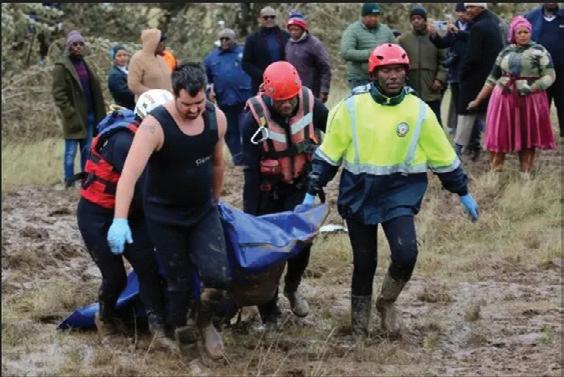
The era of data-driven fire services: Building capability through information
By Etienne du Toit, Provincial Disaster Management and Fire and Rescue Services, Western Cape Government
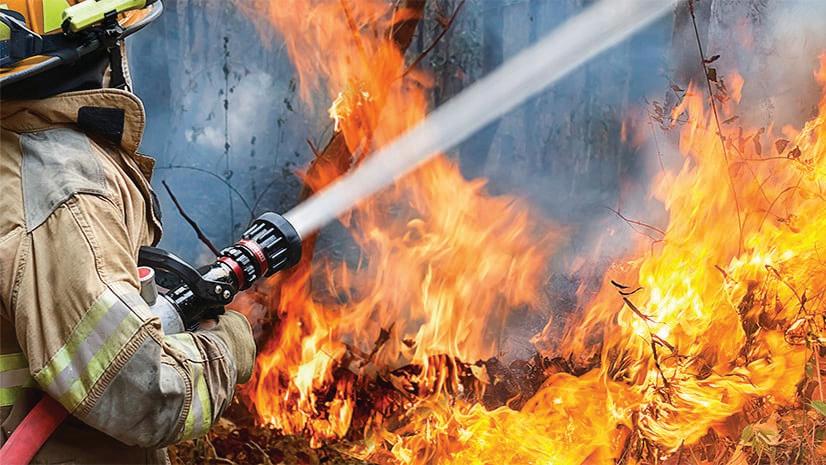
Executive summary
South Africa’s fire service is at a critical juncture, facing compounding pressures from climate change, urban growth and resource inequality. To navigate these challenges, fire departments must evolve into data-driven, intelligence-led organisations.
This article explores the strategic integration of data into fire service planning, operations and governance, positioning information as a cornerstone
of public safety and municipal accountability.
The article examines the legal and operational frameworks underpinning South African fire services, focusing on codes of practice and tools such as SANS 10090:2018 or latest, FireWeb and the CSIR Green Book, as well as emerging digital trends like GIS-based risk modelling and performance dashboards. Through a detailed analysis of national policies and practical applications, it demonstrates
how data can enhance efficiency, justify resource allocation and ultimately protect lives, property and the environment.
The article concludes with a vision for a fully integrated, dataliterate fire service aligned with South Africa’s developmental priorities and constitutional mandates. It advocates for digital transformation as a means to build resilient, accountable and community-focused emergency services across all spheres of government.
Abstract
Fire services globally are transitioning from reactive response units to proactive, predictive data-informed organisations. This article situates the South African fire service within that international shift and identifies opportunities for leveraging local data systems to drive performance improvement. Using the national legislative framework, including the Fire Brigade Services Act (Act 99 of 1987), the White Paper on Fire Services, Disaster Management Act (Act 57 of 2002) and SANS 10090:2018 or latest, as a foundation, the study proposes practical approaches to digitisation, performance analytics and community risk reduction. Integrating municipal, provincial and national datasets will empower decision-makers, optimise spending and build long-term resilience.
Introduction
South Africa’s Constitution (Schedule 4B) identifies firefighting as a local government function, assigning municipalities the primary responsibility for life safety, property protection and emergency preparedness. This constitutional mandate is reinforced by the Fire Brigade Services Act (Act 99 of 1987) and Disaster Management Act (Act 57 of 2002), which establish obligations for preparedness, coordination and service efficiency.
South African fire services face numerous operational and institutional challenges. Limited funding and outdated infrastructure hinder effective response, with many municipalities struggling to
maintain or replace critical firefighting vehicles and equipment. Staffing shortages, inadequate training and reliance in certain cases on volunteers and EPWP participants reduce operational capacity, particularly in smaller municipalities. Fragmented coordination between local, provincial and national structures leads to delays in decision-making and resource deployment. Rapid urbanisation, informal settlements and wildlandurban interface growth increase fire risks beyond the capacity of existing services. Ageing infrastructure, insufficient hydrant networks and unreliable water supply further complicate firefighting operations. Additionally, the lack of integrated data systems and standardised reporting limits performance monitoring and planning. Environmental factors such as climate change have intensified wildfire occurrences, stretching resources even further.
Collectively, these challenges underscore the urgent need for sustainable funding, improved governance and stronger interagency collaboration to ensure resilient and effective fire services in South Africa.
Despite the value thereof, fire services continue to struggle with insufficient data integration, outdated information systems and fragmented performance measurement. To achieve accountability and sustainable service delivery, municipalities must adopt data-driven management practices that align operational decisions with empirical evidence and measurable outcomes.
The role of data in fire service transformation
Data forms the foundation of modern fire service management. Through effective data collection and analysis, departments can anticipate risk, optimise deployment and improve safety outcomes for both responders and the public. Globally, systems such as FireCARES and NFORS illustrate how data analytics can transform policy and resource planning.
South Africa can replicate this success by leveraging platforms such as FireWeb, which integrates CAD data, response records and performance metrics. When aligned with municipal and provincial databases, such tools enable evidence-based decision-making that supports budget motivation, legislative compliance and strategic planning.
Data plays a pivotal role in transforming South Africa’s fire services by enabling evidencebased decision-making, strategic planning and resource optimisation. Accurate incident, risk and response data support the identification of high-risk areas and guide investment in infrastructure, staffing and training.
Some key statistics from the Fire Protection Association of Southern Africa (FPASA) on fire services in South Africa: In 2016, FPASA recorded about 41 873 fire call-outs nationally (≈ 115 fires per day). From 2003 to 2016, the number of fires increased by about 1.5 to 1.7 percent per annum, while fatalities at scene rose about 5 to 10 percent per annum. In 2017, 49 567 fires were reported and the total reported monetary loss was R5.4 billion, with residential
fires accounting for ~50.6 percent of that loss. For 2022, FPASA reported total losses of R4.2 billion, from 32 105 recorded fires by 36 municipal fire services and 485 fire-related fatalities.
These figures highlight both the large scale of fire incidents and significant economic losses, as well as data-reporting challenges as not all services participate.
The KPI guidelines in SANS 10090 call for the detailed maintenance of all relevant statistics.
Real-time data improves situational awareness and coordination during emergencies, while long-term analytics enhance performance evaluation and policy development. Integrated data systems across municipalities and provinces promote transparency, accountability and shared learning. Ultimately, leveraging data empowers fire services to move from reactive to proactive management, improving efficiency, community safety and resilience against evolving fire and disaster risks.
Community Risk Assessment (CRA)
A robust Community Risk Assessment (CRA) is vital to fire service planning. Municipalities must identify hazards and vulnerabilities to design effective prevention and response strategies. Frameworks such as the CSIR Green Book and National Disaster Management Framework (2005) offer practical methodologies for spatial hazard mapping, integrating climate and demographic data.
The CRA process should consider built environment variables,
population density and socioeconomic indicators. Tools like the Risk and Vulnerability Assessment (RAVA) and municipal disaster risk assessments allow departments to align resources with local needs, ensuring equitable protection and improved risk reduction outcomes.
A survey of fire hazards is a cornerstone of effective fire service planning, enabling authorities to identify, analyse and prioritise risks within a community. Section 4 of SANS 10090 requires assessments to be done at intervals not exceeding three years.
It examines demographics, land use, infrastructure, fire history and environmental hazards to determine where people and properties are most vulnerable.
Based on these findings, fire services can design targeted fire prevention strategies that go beyond awareness and enforcement. Section 8 of SANS 10090 specifically address Fire Prevention inclusive of inspections and regulation of hazardous activities. These include the installation and promotion of early warning devices such as smoke alarms and heat detectors, particularly in high-risk households and informal dwellings where early detection can save lives. The CRA also supports the development and review of municipal by-laws, ensuring that local regulations mandate fire-safe building materials, accessible fire escapes and the compulsory use of detection systems in residential and commercial buildings.
Furthermore, it guides community education programmes, fire safety
inspections and partnerships with local stakeholders. Ultimately, a well-executed CRA enables data-driven, proactive fire prevention and builds safer, more resilient communities.
Demographics, vulnerability and social context
Socio-economic inequality is a defining factor in South African fire risk. Data from Statistics South Africa (Stats SA), the Department of Human Settlements and municipal indigent registers can pinpoint vulnerable communities. Integrating this data supports targeted Community Risk Reduction (CRR) initiatives, such as education programmes, informal settlement fire prevention and safety audits.
Demographics, vulnerability and social context are essential considerations in fire service planning. Understanding population density, age distribution, income levels and settlement patterns helps identify communities most at risk. Vulnerable groups, such as the elderly, children and residents of informal settlements, often face greater fire hazards and slower response times.
Integrating social data enables equitable resource allocation, targeted education and tailored prevention strategies, ensuring that fire services effectively protect all sectors of society.
Capability, readiness and performance
Fire departments must regularly assess readiness against measurable benchmarks. SANS 10090:2018 more specifically Section 5; Organisation of fire services, prescribes standards
for staffing, turnout times and vehicle deployment, potentially enabling municipalities to evaluate compliance and identify gaps.
Capability, readiness and performance are key pillars of an effective fire service. Capability refers to the resources, skills and infrastructure available to respond to incidents. Readiness reflects the state of preparedness, including training, maintenance and operational planning. Performance measures how efficiently and effectively these elements are applied during emergencies. Together, they determine a service’s ability to protect life, property and the environment, highlighting the need for continuous assessment, improvement and investment in all three areas.
Applying the POETE model (Planning, Organisation, Equipment, Training and Exercises) allows services to assess performance across all operational areas. Regular data-driven evaluations foster improvement, guide training investments and strengthen accountability to both councils and communities.
Financial and budgetary alignment
Financial pressures remain a constant challenge for fire services. The Municipal Finance Management Act (MFMA) requires transparent and justifiable budget allocations, making data essential for demonstrating need. By linking incident volume, community risk and capability data, fire chiefs can motivate for additional funding or conditional grants.
Financial and budgetary alignment ensures that fire service funding matches operational priorities and community risks. Sustainable budgeting supports fleet maintenance, training, staffing and equipment replacement. Misalignment leads to resource gaps and compromised service delivery. Effective financial planning, informed by risk assessments and performance data, promotes accountability and enables the fire service to operate efficiently and resiliently. Historical and trend analysis of fire service expenditure provides critical insights into how resources have been allocated over time and how funding levels affect service delivery outcomes. This datadriven approach strengthens financial planning by identifying funding gaps, inefficiencies and the long-term impacts of underinvestment in essential areas such as staffing, training, vehicles and infrastructure. It also enables municipalities to justify conditional and discretionary grants from provincial or national government, directly supporting fire service capacity building and resilience initiatives. Furthermore, expenditure trends inform baseline budgeting within the Medium-Term Expenditure Framework (MTEF), ensuring that financial allocations remain sustainable and aligned with service delivery priorities. By integrating cost data with population and risk profiles, municipalities can calculate per capita spending on fire services, allowing for comparison with local and international benchmarks. Such analysis enhances accountability, supports evidencebased budgeting and strengthens motivation for increased investment in community safety and fire risk reduction.
Operational data: CAD, RMS and GIS integration
Modern fire services rely on digital tools to capture and analyse operational data. Computer-Aided Dispatch (CAD) systems record response times and deployment patterns, while Records Management Systems (RMS) and Geographic Information Systems (GIS) visualise spatial trends. Integrating these tools provides comprehensive situational awareness.
The establishment of a National Fire Data Repository under the National Disaster Management Centre (NDMC) would ensure consistent data collection, inter-municipal benchmarking and standardised digital reporting across South Africa. Such a system would enable national trend analysis, facilitating evidence-based policy and funding decisions. This initiative is already supported by the Disaster Management Act and forms a key component of the White Paper on Fire Services, which is currently at the Bill stage and expected to be enacted soon to strengthen datadriven fire governance.
Environmental and climate data integration
South Africa’s exposure to wildfires, floods and heatwaves makes environmental data indispensable. The South African Weather Service (SAWS), CSIR and NDMC provide datasets that can be integrated into fire readiness systems.
For example, the Fire Danger Index (FDI) informs daily operational readiness and resource prepositioning. Incorporating climate projections into municipal planning can further improve seasonal preparedness, particularly in provinces like the Western Cape, KwaZulu-Natal and Eastern Cape
where fire and flood cycles are becoming more frequent.
Governance, policy and accountability
Fire service data must be embedded within governance processes. Aligning fire service strategies with Integrated Development Plans (IDPs) and Service Delivery and Budget Implementation Plans (SDBIPs) ensures institutional legitimacy and access to resources. Data-driven performance reporting, especially through Key Performance Indicators (KPIs), strengthens oversight and reinforces the service’s role in achieving municipal developmental goals. Fire statistics and data submission should form part of annual reporting by municipalities.
Collaboration with political leadership, including mayors and councils, is essential. Regular evidence-based reporting enhances understanding of the fire service’s value proposition and secures long-term political and budgetary support.
The digital future of fire services Digitisation represents the next frontier for fire service evolution. A digitally competent workforce will be better equipped to collect, interpret and apply data. Investment in analytics, mobile reporting tools and integrated platforms will allow departments to function as intelligence-led organisations. The Fire Protection Association of Southern Africa could play a pivotal role in terms of data collection and custodianship.
National coordination through CoGTA, NDMC and provincial departments can drive standardisation of data protocols, ensuring data quality, security and
accessibility. The long-term vision should prioritise the establishment of a National Fire Intelligence System that consolidates risk, operational and financial data into an integrated performance platform. Such a system would enable real-time analysis, predictive risk modelling and evidence-based decision-making across the country. Its success depends on strong collaboration between national, provincial and municipal governments, supported by the insurance industry and organisations such as the Fire Protection Association of Southern Africa (FPASA). This partnership would enhance accountability, coordination and data-driven fire service improvement nationwide.
References
Conclusion
Building a data-driven fire service is both a necessity and an opportunity. By embedding analytics into every layer of fire management - from community risk assessment to council reporting - South Africa can enhance public safety, operational efficiency and fiscal accountability.
Fire services that embrace digital transformation will not only improve their response capabilities but also strengthen resilience and social equity. As municipalities confront evolving environmental and socio-economic risks, data will be their most powerful tool for leadership, transparency and community protection.
1. Fire Brigade Services Act, 1987 (Act No. 99 of 1987). Republic of South Africa.
2. Disaster Management Act, 2002 (Act No. 57 of 2002). Republic of South Africa.
3. National Disaster Management Framework (2005). Department of Cooperative Governance.
4. Municipal Finance Management Act, 2003 (Act No. 56 of 2003). National Treasury.
5. Municipal Systems Act, 2000 (Act No. 32 of 2000). Republic of South Africa.
6. SANS 10090:2018 – Community Protection Against Fire. South African Bureau of Standards.
7. Council for Scientific and Industrial Research (CSIR). The Green Book: Planning for Resilient South African Settlements.
8. Statistics South Africa (Stats SA). Census 2022 and Community Survey.
9. South African Weather Service (SAWS). Climate and Fire Danger Index Data.
10. National Disaster Management Centre (NDMC). National Disaster Loss Database.
11. South African Risk and Vulnerability Atlas (SARVA). Department of Science and Innovation.
12. National Fire Protection Association (NFPA). Standards 1710 & 1720.
13. International Public Safety Data Institute (IPSDI). FireCARES and NFORS Data Analytics Platforms.
14. Western Cape Government (2023). Provincial Fire Readiness Assessment Framework.
15. Department of Cooperative Governance and Traditional Affairs (CoGTA). Integrated Development Planning Guidelines.
16. International Association of Fire Chiefs (IAFC). (2022). Data-Driven Fire Service Leadership Report.
17. United Nations Office for Disaster Risk Reduction (UNDRR). (2023). Global Assessment Report on Disaster Risk Reduction.
18. Firerescue1. (2021) 6 more data points that all fire chiefs should know: Glean key decision-making insights from data based on budget, CAD, incident types, geolocation, weather and policies. Dr. Lori Moore-Merrell.
19. Fire Protection (FPASA). (September 2024).Importance of fire statisticsBetter data equals actionable insights + better response.
5 th Fire in the
Dates: 4-6th November 2026
Kruger Park, South-Africa
Pre -and Post conference excursions (2 -3/7-10th November 2026)
FIRE DYNAMICS & FIRE RISK MANAGEMENT
FIRE EFFECTS ON ATMOSFERA, BIOTA, SOIL & WATER
FIRE IN SOCIETY (SOCIO-ECONOMIC, HISTORICAL, GEOGRAPHICAL & POLITICAL PERCEPTION)
POST-FIRE LAND MANAGEMENT APPROACHES
Bitou Municipality Fire and Rescue Service: Engineering resilience on the fire line
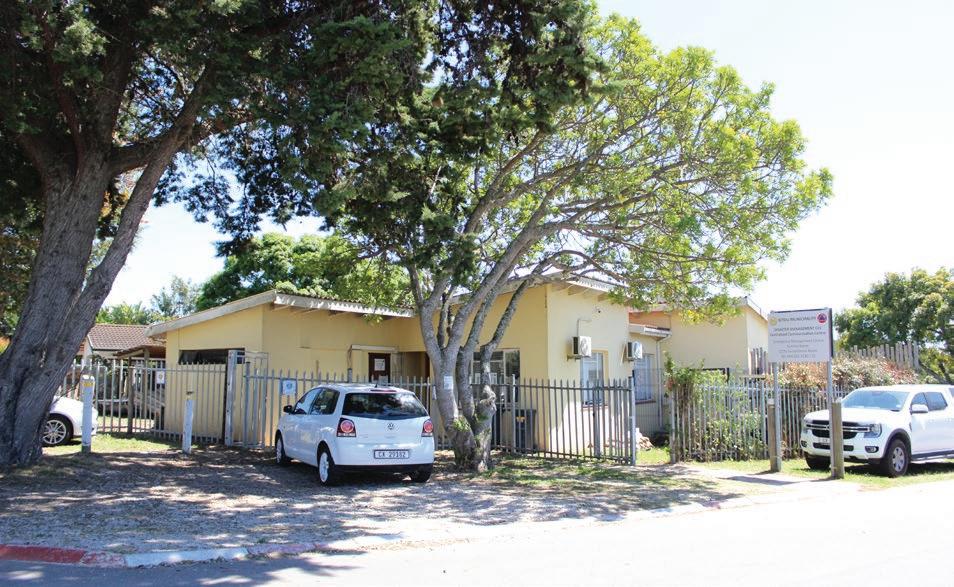
Situated along the scenic yet high-risk Garden
Route stretch of South Africa’s Western Cape, Bitou Municipality Fire and Rescue Service has evolved from a

small, protection-services outpost into a modern allhazards response agency serving one of the most diverse risk environments in the province. Covering
approximately 1 000km² with an estimated resident population of 75 000 and many more during seasonal influxes, the department’s responsibility is as complex as the landscape itself.
Bitou Municipality Public Safety Centre offices in Plettenberg Bay
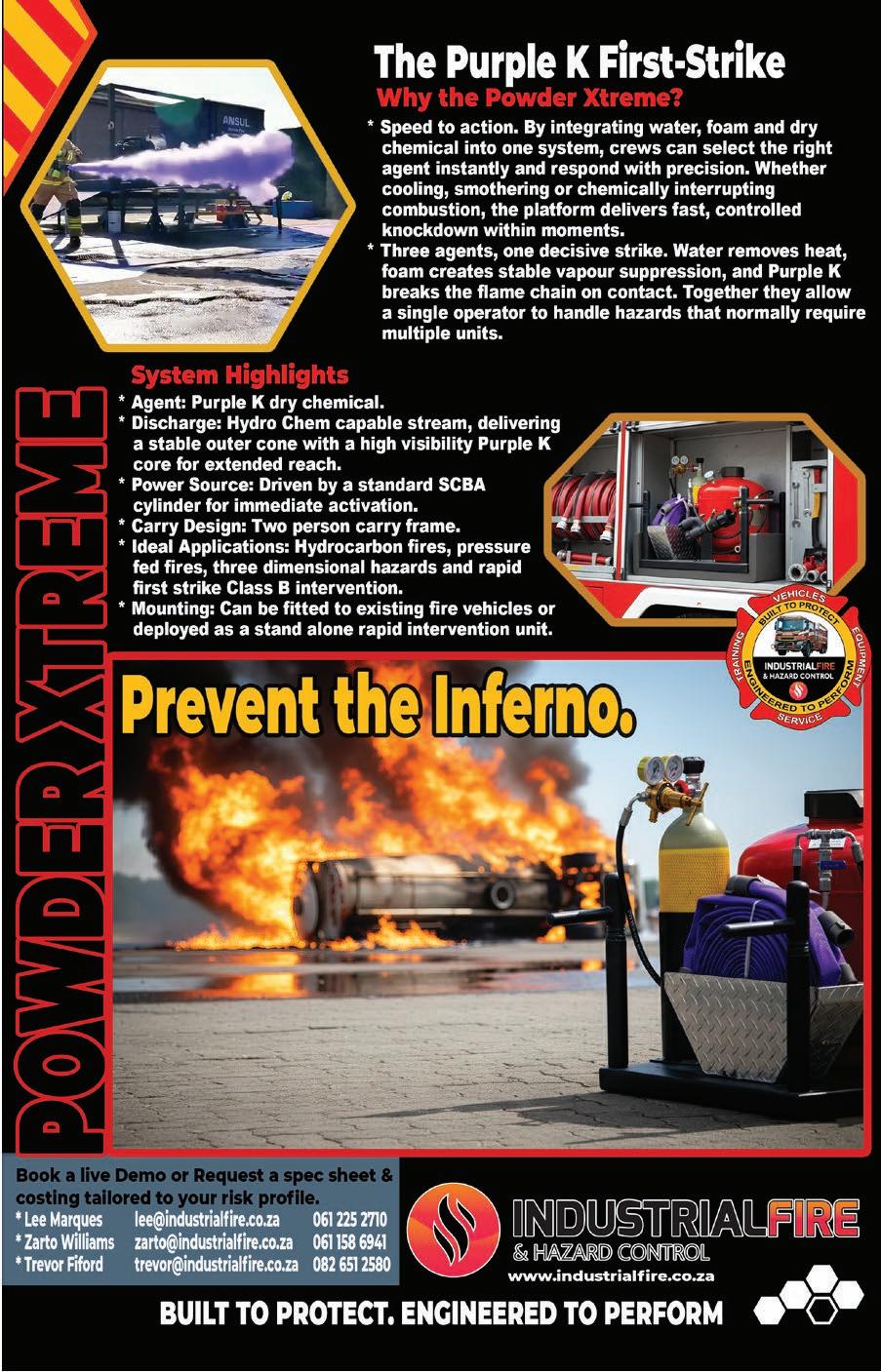
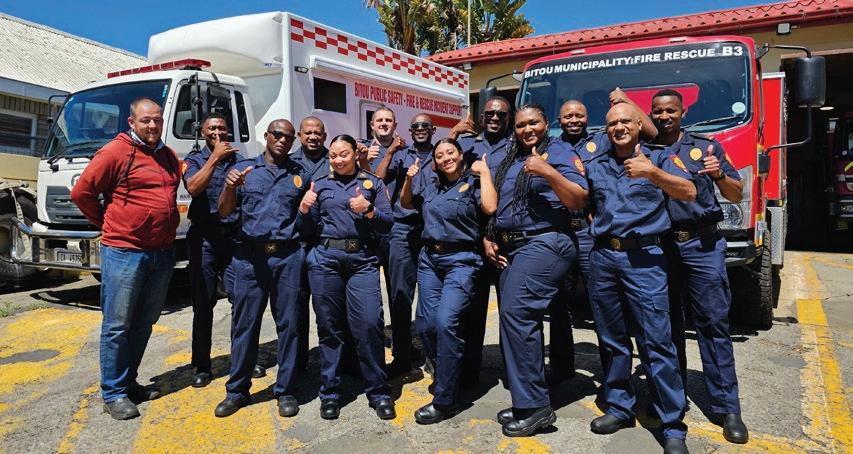
Bitou Fire and Rescue Service is responsible for two primary functions with a strategic objective to provide emergency response for a myriad of calls, mostly fire suppression and technical rescue and to provide locally mandated fire prevention services, which includes fire safety inspections, fire code enforcement along with public education and awareness.
A legacy forged in the 1950s
With the establishment of Bitou Fire and Rescue Service in the late 1950s, it formed part of a broader protection services structure. Fire response existed alongside traffic enforcement, civil defence, beach management and aerodrome operations. As the town grew, so did the demands on public safety and
additional responsibilities, most notably law enforcement and disaster management, were progressively integrated.
The headquarters remains the operational hub to this day, anchoring a service that now handles hundreds of emergency calls annually across increasingly complex hazard categories.
Operational footprint and financial architecture
Bitou Fire and Rescue operates on an annual operating budget of R20.6 million, with capital expenditure fluctuating according to municipal prioritisation and available funding. The service area includes coastal resorts, dense informal settlements, mountainous terrain, forestry plantations, wetlands and major transportation routes—most notably the notorious N2, a longrecognised corridor for major vehicle incidents.
Back L-R: LFF Taxoto, Snr Davids, Snr Swanepoel, FF Krigge,, FF Yawa, FF Mabombo, FF Mgolozelwa
Front L-R: CFO Venter, FF Mrwashu, FF Jacobs, FF Arnolds, FF Grootboom, FF Bailey
Organisational structure: small team, broad mandate
The organisational structure is deliberately lean but the breadth of skills housed within each shift is extensive. Firefighters are cross-trained to take on roles in:
• Fire prevention and inspections
• Fire safety education
• Basic public training interventions
• Administrative and planning functions
• Procurement and specifications
• Budget inputs and financial controls
“Currently the structure is rather limited however the expectation and roles played have allowed for a wide set of skills at shift level which we aim to build on and further develop and enhance. This has allowed each shift to have skills on shift other than fire, rescue and hazmat but also into areas of fire prevention, fire safety, public education, training and not to forget the administrative
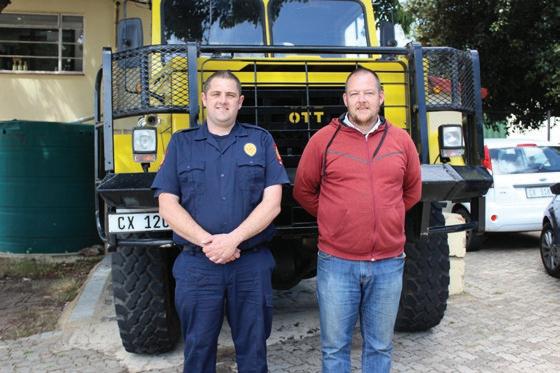
matters, such as specifications, procurement, planning and financial aspects”, said CFO Venter.
Despite this, the most significant challenge is limited staffing, particularly when simultaneous incidents occur. Standby personnel are available but numbers remain tight. Chief Venter added, “Currently, challenges are the initial staffing levels, when multiple incidents
start occurring in the same time frames, we face the reality of activating a stand by which in itself is also limited.”
Staying ahead in an evolving fire industry
Maintaining modern standards in a resource-constrained environment is a constant balancing act. The cost of fire service technology remains a major hurdle. To counter this, the department
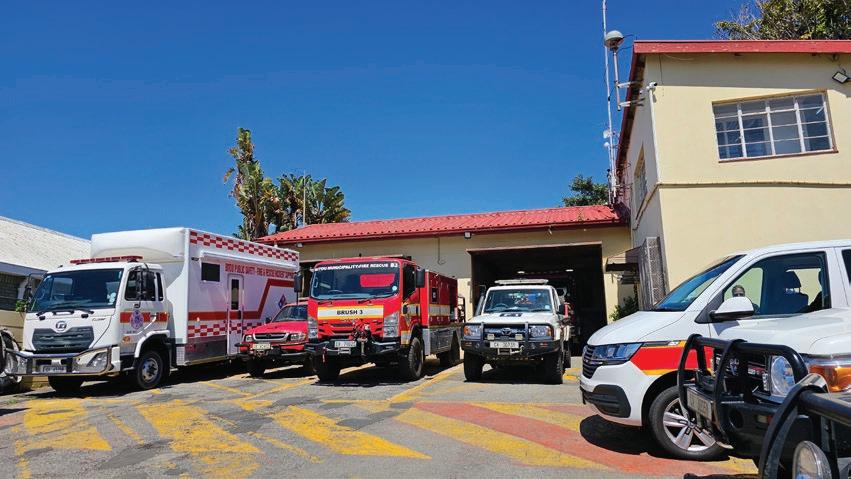
Snr Adriaan Swanepoel and CFO Hedley Venter with the old girl amongst the thorns, their 1998 Samil 50, still going strong!
Bitou Main Fire Station in Plettenberg Bay
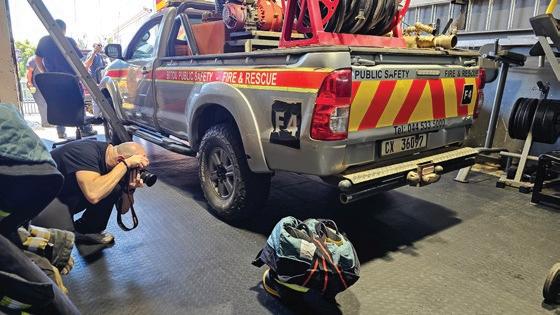
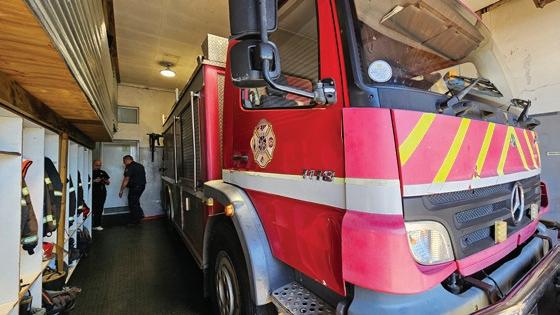
has completed a 10-year Fire Service Master Plan, reviewed annually to adjust for emerging risks and evolving operational priorities. “We try by all means to motivate the changes or additions required to align to a more effective and efficient service keeping the economic factor in mind. Unfortunately the tools of our trade are expensive and the historical compound of required procurement, replacement or refurbishment tolls. We have drafted a fire service master plan representing a 10 year ideal roll out. In this we review annually and adjust to needs and priority,” said Chief Venter.
Risk profile: a multi-threat environment Explaining the risk its risk profile, Chief Venter said, “Plettenberg
Bay is a wide area with each having its own specific risk, we have the natural risk of wildfires, the notorious N2 running from the toll gates at Tsitsikamma as our eastern boundary to the Garden of Eden as our western boundary. Transport incidents from the road to the air and ocean have occurred. There are also the informal settlement fires, which are a risk nationally.”
Bitou’s risk profile spans:
• Wildfires (natural and plantation)
• Major transport incidents on the N2, in the air and along the coastline
• Informal settlement fires, a sustained national challenge
• Seasonal population surges
• High-density tourism and hospitality infrastructure
This risk diversity has shaped operational resourcing. “We have been fortunate through Provincial grants to develop our service through training of staff, procurement over the years include tanker pumper, rescue unit, tanker, hazmat unit with incident command and essential equipment from a drone to thermal imaging. Software and call take dispatch have also aligned us to web-based incident management system”, said Chief Venter.
Operations:
two stations, one mission
“We currently have the main fire station in Plettenberg Bay, which has the main resources and specialised equipment. We have Kurland as our substation to the east, which covers initial response to the area and surrounds while the Main station responds to assist during escalated incidents.
Shift system
Bitou employs a four-shift cycle:
• Two day shifts (12 hours 06h00 to 18h00)
• Two night shifts (12 hours 18h00 to 06h00)
• Two days standby
• Two days off
Capabilities and specialisations
“We have been faced with many challenges and have over time through the exposure and experience gained skills. Areas where we need to enhance and develop capacity is in USAR/swift water/technical rescue disciplines
Most common incidents
The most common emergency scenarios that the service responds to annually are bush fires, structural fires and MVAs. Annually the service responds to roughly 700 emergency calls, consisting of:
This Mercedes Benz Atego rescue pumper was the first fire truck for Plettenberg Bay
Bitou’s 2011 Hilux skid unit
• Number of MVAs 95
• Total number of fires: 615
• Number of structural fires (formal):9
• Number of structural fires (informal): 40
• Number of industrial fires:1
• Number of wildfires (including veld and plantation) fires: 525
• Number of vehicle fires: 5
• Number of other fires: 35
• Number of hazmat incidents: 4
• Number of swift water rescues: 0
• Number of aviation incidents: 2
• Number of structural collapse: 0
• Special services/rescues (please describe) 0
Largest incident in recent history
The June 2017 wildfire disaster remains the defining event in Bitou’s operational memory. With unprecedented fire behaviour, widespread destruction, shifting wind conditions and tragic loss of life, it tested regional preparedness to its limits. Firefighters recall the emotional toll and physical intensity as a career-altering experience.
“This incident was a terrible incident to experience. The force of nature and the magnitude of its spread and wide spread deployment. The tragic loss of life; the destruction to have conditions change days later and create challenges to everything that could be protected was now like a 180 and now under threat. Maybe that’s why my discovery life calculator says I’m 68.”
Most unusual call
“Among the more unconventional incidents and probably one of the strangest, was a call to free a burglar from a fire chimney where he had attempted to gain access to house through the chimney and got stuck half way down.”
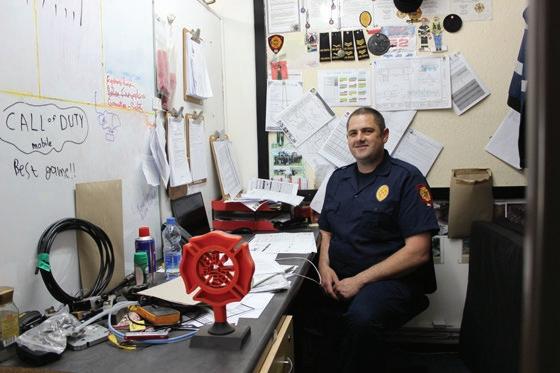
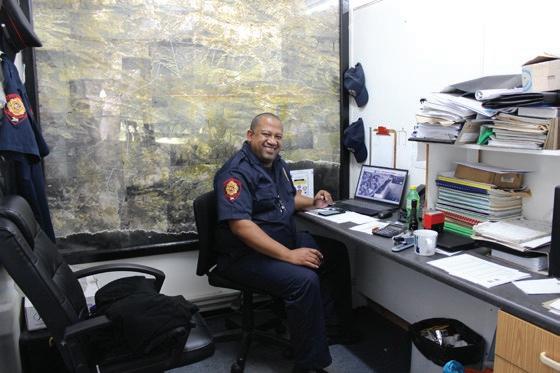
Fleet and equipment
Bitou’s arsenal includes a tanker pumper, two tankers, three rural pumpers, a rescue pumper, a rescue vehicle, a hazmat unit (still in process), an incident command unit, four LDV skid units, a service vehicle and a transport vehicle. The total mileage is approximately 200 000km across the fleet.
The department acknowledges that while the fleet is operationally adequate, better lifecycle management and replacement intervals are required to keep pace with risk and population growth.
“There is always room to improve and advance and with our aim would be to follow lifespans as stipulated and have replacement plans committed to in funding. We have developed over time but not at the desired rate at which the population and risk developed”, said Chef Venter.
Dream appliance
We asked Chef Venter that if there was an opportunity to design the ultimate or custom fire truck or appliance for the station’s operations with no budget limitations), what would the vehicle/appliance consist of? He responded, “Probably a
Snr Adriaan Swanepoel
Snr Desmond Davids
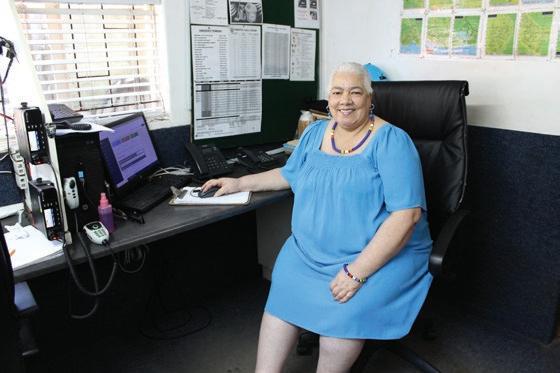
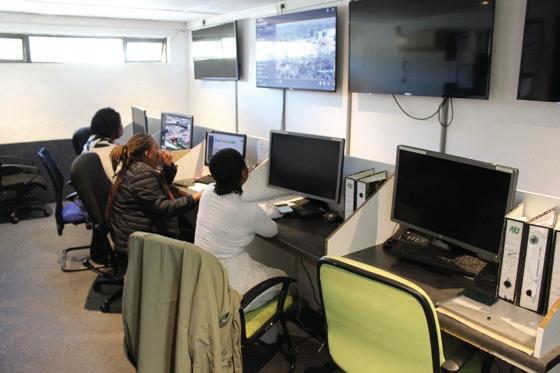
multi-purpose unit on a 6x6 or even 8x8 chassis to have water capacity, pumping capacity, (compressed air foam system (CAFS), equipment for fire, rescue and have a crane with hydraulic platform.
Staffing and competencies
The fire department’s 25 permanent staff include:
21 Firefighters
2 Hazmat technicians
4 Instructors
1 ILS (Intermediate Life Support) Provider
4 Personnel in fire prevention and safety
“Our Human Resources (HR) unit will advertise a post and determine through a collective panel regarding internal or external applicants. The post will be advertised, HR will take long list and short list together with Unions will be established, applicants will undergo a phased interview, fitness, driving, practical, theory and end in oral interview”, said Chief Venter.
“We currently have five female e firefighters.”
When asked if they have enough competent staff for the
incidents at hand, he responded, “This is limited to officers. We need to develop and mentor staff in preparation of career path planning.”
Training and development
Bitou runs in-house training, guided by structured lesson plans for each competency. Each shift has weekly training targets and must log outcomes for performance management.
“Our training is based in-house via developed lesson plans aligned to subject topic or module for presentation.”
Fire safety and public education
“We have an annual plan that guides our process through areas of specific focus areas from schools, old age homes, hospitals, businesses, industrial and rural and is subject to operational requirements. The biggest constraint is staffing; operational demands often force the rescheduling of inspections and educational visits.”
Interagency coordination
Bitou is one of seven fire services under the Garden Route District Municipality umbrella, alongside: Knysna, George, Mossel Bay, Hessequa, Kannaland and Oudtshoorn. “I believe all are striving to develop and expand, some are obviously better equipped and funded than others but having good relations I know each fire service aims for better and will always do the best with what they have in serving the community”, added Chief Venter.
We asked about the relationship between Disaster Management and Bitou, to which Chief Venter responded, “I think we have a good working relationship. We have regular meetings amongst
Customer care section: control room operator
Disaster Management CCTV Centre
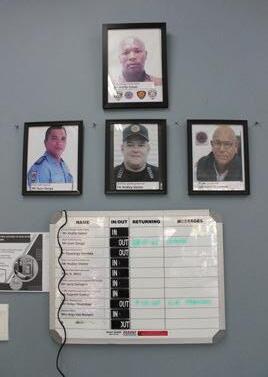
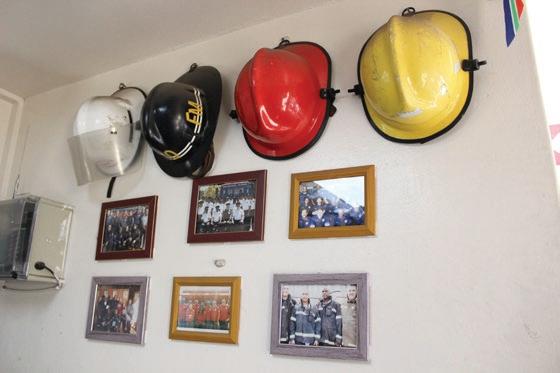
B Services and meet with the District Quarterly. Like in any relationship, we don’t always agree but we can work together still. We work closely with the District and our relationship with the Western Cape PDMC is developing as we are getting the disaster unit, which consist currently of three people. Aims and efforts to develop the section are also detailed in the Disaster Management Plan,
which gives context to the past, present and future.”
“We also have various fire management units (FMUs) in the area under the South Cape Fire Protection Association. The service also works closely with the South Cape Fire Protection Association, through local FMUs, particularly in wildfire season.
The regional fire protection officer (FPO) is Chief Deon
Stoffels, of the Garden Route District Fire Service.”
Looking ahead
Bitou Fire and Rescue Service’s strategic direction is clear: expand capacity, modernise equipment, strengthen officer development and continuously refine its 10-year master plan. The municipality’s unique mix of natural beauty and dynamic hazards demands nothing less.
History memorabilia adorn the walls
Kurland Fire Station being built on the most eastern side of service area
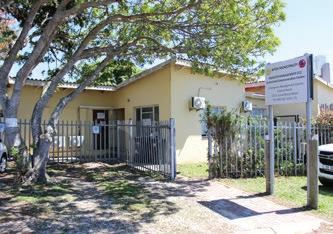
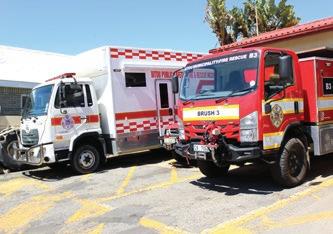
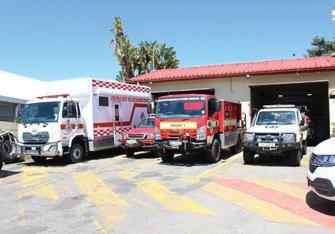
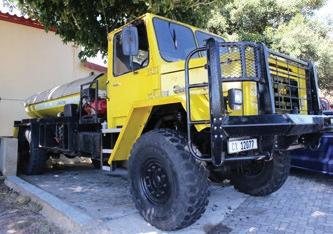
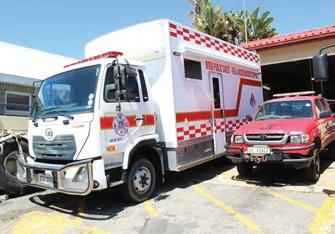
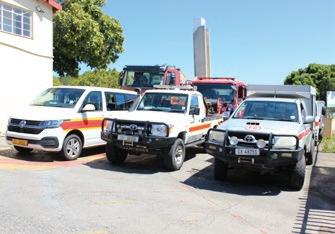
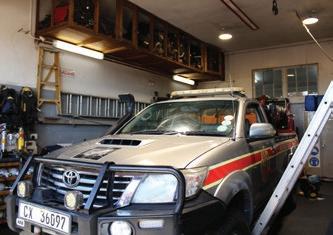
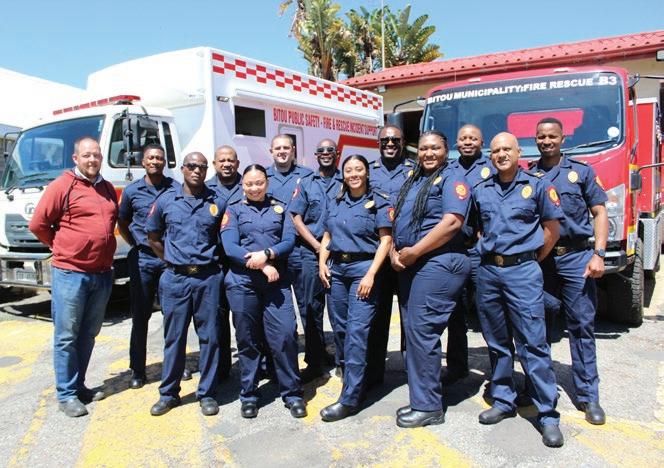

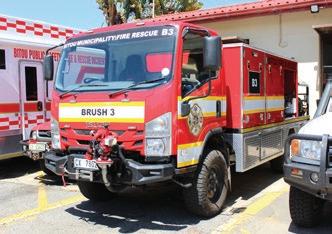
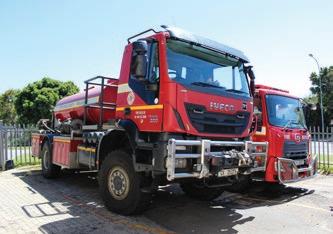
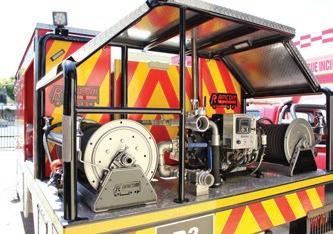
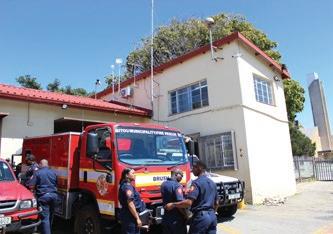
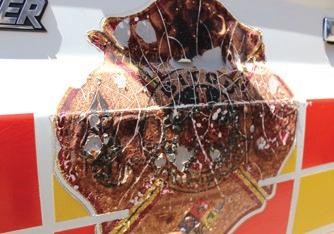
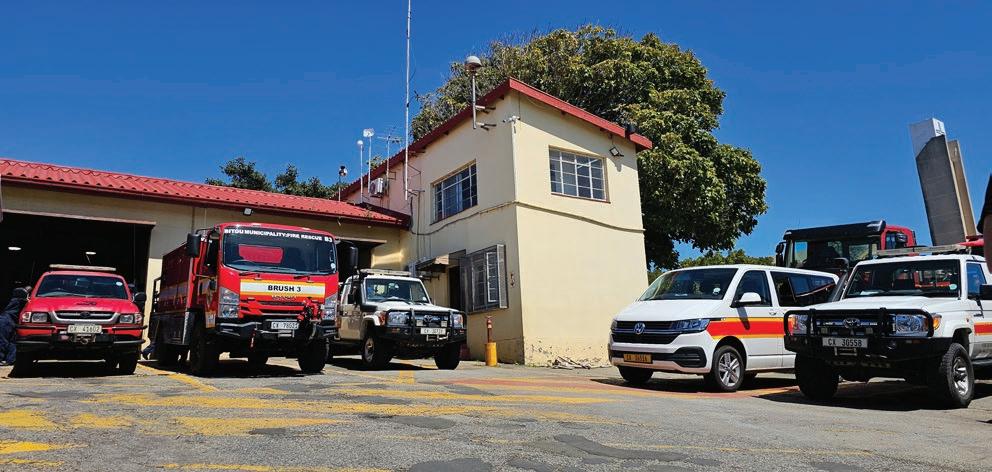
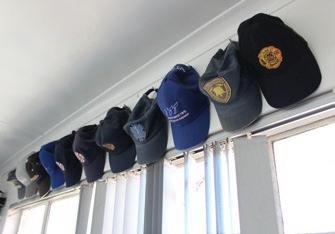
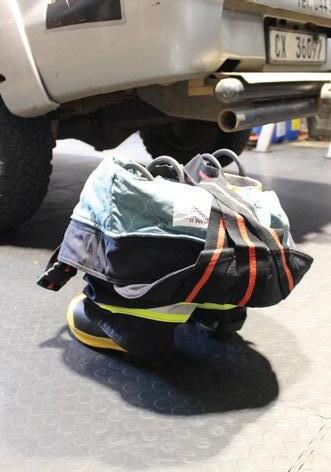
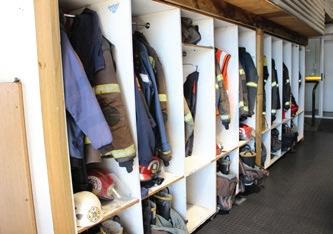

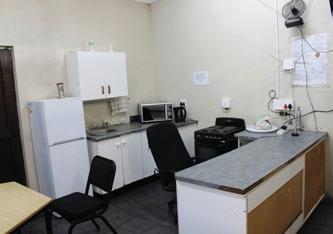
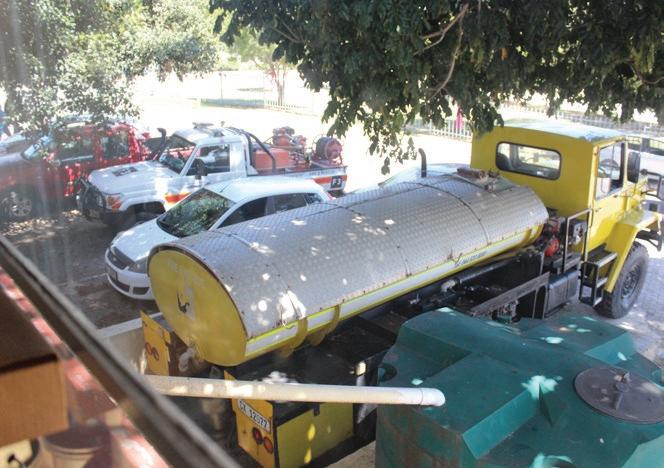
Meet CFO Hedley Venter, Bitou Fire and Rescue Service, Garden Route, South Africa
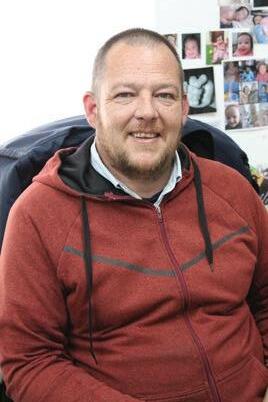
We were honoured to recently visit Bitou Municipality Fire and Rescue Service, situated in Plettenberg Bay in the Garden Route and interview its chief fire officer (CFO), Chief Hedley Venter. Chief Venter has 22 years’ experience and five as a volunteer/retained contract.
We asked CFO Venter what made him become a firefighter to which he replied, “I think it is in the blood, my family line had serving men, from my grandfathers to my father. I think the big deciding factor that made me choose was when my father, whom was diagnosed with cancer at the time. I left the medical and rescue idea to focus on the fire and rescue side.
CFO Venter was born in Germiston and attended
Colin Mann Primary School in Germiston, where later they moved to Boksburg where he attended Freeway Park Primary school. “My father then got appointed in Plettenberg Bay as Head of Protection Services. We moved down where I then completed my high schooling at PW Botha Technical College”, said CFO Venter.
“At the age of 16, I started to volunteer and in doing so would work holidays and save the money. After matriculating, I went back to Boksburg in Gauteng and completed my firefighter qualification. Then, in between all the training, I was busy with my Immediate Life Support (ILS) when my dad got diagnosed with cancer and in so, felt it would be an honour and privilege and the least I could do in supporting him. I then moved from the then operational airport with Airlink flights from airport to fire station as senior firefighter. I studied through the University of South Africa (UNISA) and applied for a vacancy as platoon commander later. After that I applied for the position as station commander and in 2015, the post of chief fire officer became available to which I applied for”, added CFO Venter.
“Today, 10 years later, I still think of my Dad and how would he have done things. I think we try keeping the dreams and vision of others alive and at the same
time hoping that we make them proud”, he said.
“My family stems from public service; ie, nursing, Navy, the South African National Defence Force (SANDF), South African Police Service (SAPS) and Traffic, so I think it’s in the blood. I could not see myself doing anything else than helping or trying my best to help people in emergencies.”
We asked CFO Venter who his mentors were and the role they played. He replied, “There are so many, I phone them today still. They know who they are and I am most grateful for the roles, in advising, guiding, sharing views and opinions.”
When asked what his management style is, he said, “I think the situation depends but in general, I think I’m democratic and transformational in most aspects.”
We also asked Chief Venter what factors kept him in the industry through the years to which he responded, “I think keeping the dream alive; those goals are not yet reached. Also, seeing the development and members coming in makes one glad to see the next up and coming firefighters, officers and chiefs.”
We asked Chief Venter at which point in his career did he realise that his ambition was to become CFO. “I think yes, naively at most, I always, as a firefighter, thought
CFO Hedley Venter
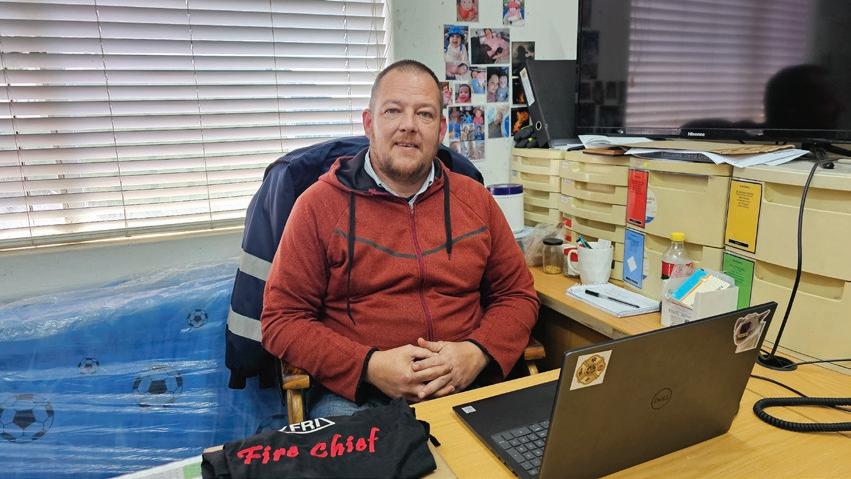
there was not enough fighting for us and said in those days that one day, if I’m chief, I’m going to do this and that and it’s not so easy as I thought. One realises that in an organisation, your needs might not be priority at the time. Yet, these priorities left become greater and greater overtime. The due diligence and plan A and back up is there. It was also a period to learn more about me as myself and others. I think we can learn every day and as lonely, frustrating and frightening at times it may have been, I will hold on to the good, the memories, the incidents completed, the fact that we have this privilege to serve under any and all circumstances as a family away from family.”
When asked whether he misses the operational life, he replied, “Yes, I do miss being on the ground and the shifts. In the beginning, it was nice to have the shift meals, who is cooking what and the end of shift, a braai, the off days. But now, there is a
different role to play and we do what we can in the office hours of every week and every month.”
Our question to what has had the biggest influence or impact on his career thus far, he answered, “I think time and the unknown makes one decide, I think marriage and then having your own family changes you as a person, I think I have become more grateful in aspects and not take things for granted. As a father, you must take action and likewise as Chief. Your decisions are not always liked but one must put the service above anything. The birth of my daughter made me look in retrospect to my health as I have to be there for her. So lifestyle changes were made and one’s health and treatments must also be taken care of.”
If you could mentor a fire fighter or future fire chief, what advice would you give? “Firstly to always acknowledge God for the day
ahead and in thanks for the day past, for His guidance, blessing and protection. Secondly, remember family, those you leave at home feel your absence and you need to have family time. Thirdly, as I have been reminded, the service is not what it was, it’s not where it should or could be but we must maintain it and develop it to where it must be. Be the chief you wanted to serve under. Keep fighting, stay motivated and remember patience, persistence and perseverance.”
His thoughts he wants to share with other CFOs: “I thank each and every chief fire officer whom has served and currently serving in our beautiful country. I thank each of these men and women whom are shaping the service and developing its roles and function in serving our communities. Stay strong and do not give up on the dream. May God’s blessing and favour cover each and every service as well as each and every member and their families.
New VitalWeather wireless monitoring system introduced
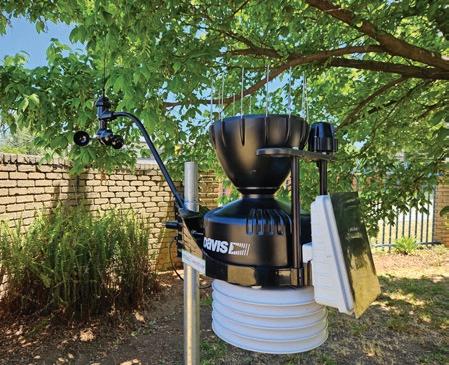
CW Price and Co introduced its new VitalWeather Wireless Monitoring System (VIF). “Our new VitalWeather Wireless Monitoring System (VIF) integrates a rugged Davis Instrument 6322C(M) sensor suite with a custom modem and solar power solution, enabling reliable environmental data collection in remote, off-grid locations. Its design supports minimal maintenance while ensuring accurate data delivery”, said Kelvin Price, managing director of CW Price and Co.
“All that is required at intended site is that user has reasonable cell signal ie the user can send and receive WhatsApps”, said Price.
He added that they presently have live units in several African countries right up to Senegal.
“The new VIF does away with the Davis display large housing, big solar panel, voltage regulator etc, allowing us to minimise unit size down to just the head assembly as can be seen in the picture. A big plus is that due to the smaller size and no display, we have been able to drastically reduce unit price.”
Key features
• Integrated Davis 6322C(M) Sensor Suite
• Remote data transmission via custom GSM, LTE or Wi-Fi modem
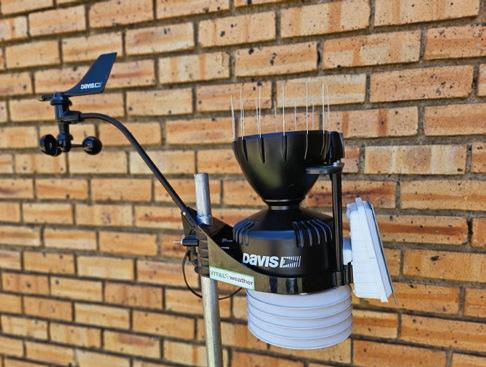
• Solar-powered (2.6W 5V panel) with dual 18650 battery backup (8 to 10 days autonomy without solar input)
• Local data buffering for up to 30 days during connectivity loss, with auto-upload once restored
• Data uploads to the VitalWeather cloud every five minutes
• IP65-rated enclosure for harsh environments
• Remote firmware updates supported
• Plug-and-play deployment
The standard sensors include air temperature, wind speed and direction, humidity, rain and barometric pressure.
Optional sensors to add include solar radiation, ultra violet, black ball temperature for wet bulb globe temperature (WBGT) calculations.
Applications
• Agriculture and irrigation management
• Environmental monitoring
• Research and academic field stations
• Forestry, construction, mining and industrial sites
• Disaster management and early warning systems
Weather station installations play a critical role in wildfire prevention, detection and management.
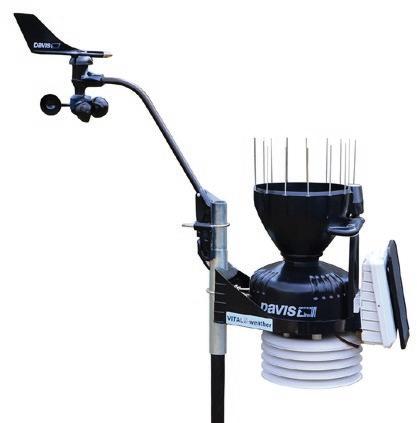
Their localised and real-time data can significantly improve response strategies and reduce the risk and impact of wildfires. A weather station can assist individuals, businesses and researchers track real-time weather conditions.
Localised monitoring of temperature, humidity, wind speed and precipitation helps identify high-risk conditions, such as low humidity and high winds that can lead to or exacerbate wildfires.
Vitalfireweather/Vitalweather stations help understand microclimates, especially in mountainous, forested or remote regions and enable more accurate fire behaviour modelling and forecasting. Installing Vitalfireweather/Vitalweather stations is a smart, proactive investment in wildfire preparedness, empowering firefighters and fire protection associations, land owners, scientists and communities with the detailed, real-time data needed to make informed decisions, ultimately saving lives, property and ecosystems.
The VitalWeather System is a locally developed system for emergency services, wind farm assessments, industry and anyone requiring weather information.
Contact CW Price
Tel: 011 805 4720
Email: cwp@cwprice.co.za
Visit: www.cwprice.co.za
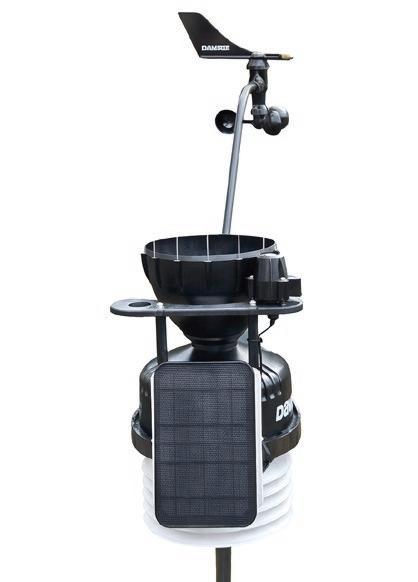
Bridging the gap: Aligning agencies to accelerate wildfire innovation
By Dan Reese, retired deputy chief, CAL FIRE, CEO BlazeTamer

“
Fire does not respect boundaries, standards or policies - yet our institutions do.” The time has come to bring alignment, science and innovation together under a unified global wildfire strategy.
Introduction: Innovation without alignment is smoke without fire Across continents, wildfire has evolved into a global emergency threatening ecosystem, communities and economies.
Each year, nations from the United States to Brazil to Greece and Canada face longer fire seasons, deeper droughts and an expanding wildland urban interface. Yet, despite the shared urgency, the systems that manage wildfire are fragmented and misaligned.
From policy to funding, from culture to statute, the way we approach wildfire innovation remains siloed. Agencies operate independently, standards are inconsistent and innovators are forced to navigate duplicative, expensive and disconnected evaluation processes. In an era
when wildfires cross borders, innovation has not kept pace because our institutions haven’t learned to cross them, too.
The Fire Tech Innovation Summit is a proposed solution - an initiative designed to break these structural barriers and create a single operational proving ground where agencies, innovators and scientists can evaluate emerging technologies together. But to make that vision real, we must first confront the fractures holding progress back.
The problem:
Fragmentation at every level
In the United States alone, wildfire suppression responsibilities are divided between the Department of the Interior (DOI) and the US Forest Service (USFS), with five separate fire agencies under their authority. Layered on top of that are 50 state fire organisations and more than 26 000 registered local fire departments, each operating under its own policies, budgets and training standards.
This disjointed structure means innovators must repeatedly test the same technology under different standards, at great cost. For small companies, these repetitive hurdles often become fatal to development. Contrary to public belief, fire innovation is not cheap, easy or fast; it’s expensive, risky and capital-intensive. Without
consistent validation pathways or unified standards, private sector innovators burn through funding cycles trying to meet conflicting requirements instead of improving technologies.
This problem doesn’t stop at the US border. Wildfire management in Canada, the European Union and South America faces similar challenges: fractured systems, isolated research initiatives and little interoperability between national or regional standards. Several European nations have advanced aerial suppression and predictive modelling systems, yet international collaboration remains limited to ad hoc agreements. In Latin America, rapidly increasing wildfire activity across Chile, Argentina and Brazil highlights the urgent need for cross-border alignment and shared innovation infrastructure.
The result: a world on fire but a fire community divided.
Why multi-agency alignment is essential
A single agency cannot solve wildfire. Meaningful innovation requires interconnectedness where public agencies, research institutions, firefighters and innovators collaborate on shared frameworks that expedite safe, effective adoption.
Multi-agency alignment enables: 1. Shared standards and qualification
- Unified testing and evaluation criteria across agencies would eliminate duplicative work and accelerate technology adoption.
- This should include international harmonization between US federal agencies, EU wildfire authorities, Canadian Wildland Fire Management Strategy (CWFMS) stakeholders and South American environmental agencies.
2. Consolidated funding and procurement
- Multi-partner funding can combine agency budgets, international grants and private investment to support testing and scale-up phases.
- New procurement mechanisms should reduce monopolistic practices by ensuring equitable access for diverse innovators.
3. A single point of entry for technology testing
- Innovators need one physical and administrative location to test prototypes in controlled conditions under supervision from multiple agencies.
- This model not only decreases cost and redundancy but increases transparency and data sharing.
4. Operational integration with firefighters and incident management teams
- Ground crews and incident teams must be part of the testing process from concept through field validation, ensuring operational relevance and safety.
5. Global collaboration
- Incorporating partners from the EU, Canada, Australia, South America and other wildfireprone regions fosters shared data models and interoperable technical standards.
- Wildfire science, suppression chemicals, unmanned aerial
systems and predictive analytics all benefit from collective, opendata frameworks.
The Fire Tech Innovation Summit: Turning strategy into action
The Fire Tech Innovation Summit is not a conference. It is a call to action. It proposes a functional proving ground that merges policy, research and operations.
The Summit would:
• Convene DOI, USFS, CAL FIRE and key local fire agencies, with representation from international counterparts such as Natural Resources Canada, the European Forest Fire Information System (EFFIS) and South American fire authorities.
• Utilise controlled burn environments and test ranges to validate technology under realistic operational stress.
• Include participation from incident management teams, researchers and privatesector innovators.
• Generate standardised performance data to inform agency policy, improve qualification pathways and streamline acquisition processes.
By embedding firefighters and evaluators in the testing cycle, the Summit ensures that new technologies are shaped not by theory alone but by real-world application. This integration closes the gap between innovation and field deployment.
Beyond borders: Building a global fire technology network
As wildfire behaviour intensifies globally, isolated national efforts are insufficient. The Fire Tech framework envisions a network
where US agencies coordinate with the European Union’s Civil Protection Mechanism, Canada’s National Wildfire Coordinating Group and South American firefighting initiatives to create a shared innovation ecosystem.
This global collaboration could synchronise qualification standards, integrate real-time data platforms and enable crosscountry pilot programmes. By engaging international partners, the Summit can also leverage diverse climatic and ecological conditions for comprehensive testing from boreal to tropical ecosystems, providing holistic insight into performance and adaptation.
Conclusion:
From fragmentation to firepower
The wildfire crisis is no longer a local or national problem. It is a global systems challenge, one that demands unified action.
For decades, innovators, agencies and firefighters have been trapped in a cycle of repetition and redundancy, each working toward the same goal in isolation. But fire is indifferent to jurisdiction. Our response to it must be equally boundaryless.
Through multi-agency alignment, standardised qualification and international collaboration, the Fire Tech Innovation Summit offers a pathway out of fragmentation and into functional unity. We can transform wildfire innovation from concept to capability - ensuring that every dollar spent, every test conducted and every mission flown brings us one step closer to a safer, more resilient future.
This is not rocket science but it is science and it is achievable.
From swarm attack to strategy: Rwanda’s emerging wildfire risk picture
By Johann Breytenbach, general manager, Freestate Umbrella Fire Protection Association (FSUFPA)
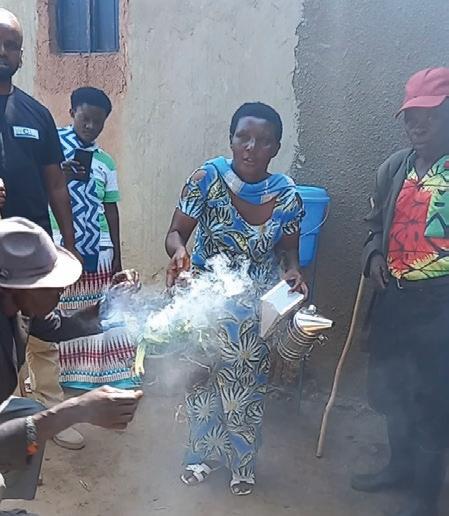
Rwanda is not the first place most Southern African firefighters think of when they picture major landscape fires. Yet, by global metrics, the country sits in the top one percent of nations for modelled forest wildfire risk.
A global MODIS-based analysis by Meng et al. (2015) places Rwanda in the 35 to 65th percentile band for expected annual burned forest area relative to other countries and the 2025 Rwanda Wildfire Management Assessment adopts this classification as its starting point. Together, they point to a serious landscape fire problem
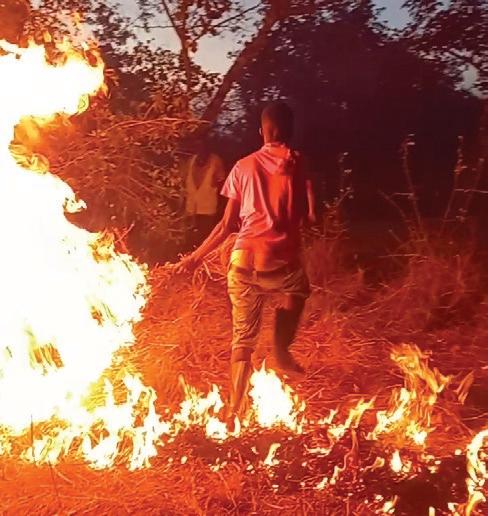
in a very small, very densely populated country.
In 2024–2025, I was privileged to be part of the US Forest Service (USFS) and Wildlife Conservation Initiative (WCI) team that conducted a national wildfire management assessment for Rwanda. The work combined satellite data, geospatial modelling and field surveys to answer a simple question: How big is Rwanda’s wildfire problem really and what can be done about it with the resources available?
This article sketches the main findings and emerging directions
and draws some lessons for other African fire managers facing similar constraints.
Why wildfire matters in Rwanda Rwanda’s terrain is steep, dissected and heavily settled. Even relatively small fires don’t have far to go before they hit something important: a village, agricultural land, a powerline or a protected area.
Key context points
• High relative risk: Rwanda is ranked among the top one percent of countries globally for expected annual burned forest area, with a wildfire incidence rate estimated
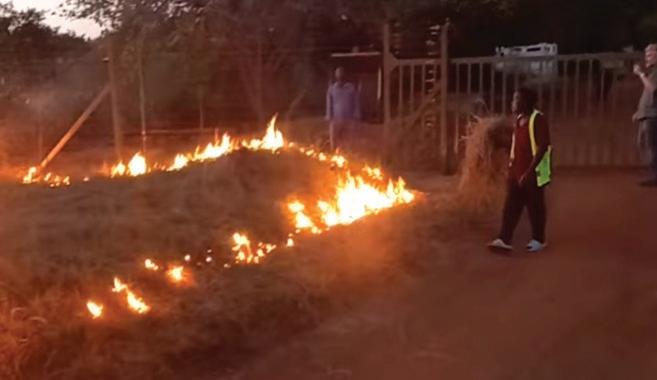
between 35 to 65 percent.
• Defined fire season: The main season runs from around midJune for roughly 14 weeks.
• High exposure: Rural population densities are high and livelihoods are still closely tied to natural resources and open fire.
• Strong conservation ethic: Conservation is widely understood and valued; protected areas and forest resources enjoy unusually strong community and political support for a lowincome country.
Fire behaviour is shaped by a very interspersed landscape: agriculture, villages, forest blocks and conservation areas are tightly mixed. The largest and most damaging fires tend to occur in high-value natural resource assets, forests and conservation areas, rather than as huge continuous runs across the entire countryside.
At the same time, wildfires are only now starting to be treated as a distinct national hazard. Landslides, floods and other disasters understandably compete for attention and budget. The assessment was designed to give wildfire a factual baseline in that crowded risk landscape.
How the assessment was done – in brief
The team took a three-part approach:
1. Fire data and documents
Historical reports, VIIRS satellite fire alerts and government/ NGO documentation were compiled to understand longterm patterns. Between 2012 and 2025, roughly 480 highconfidence VIIRS fire alerts were recorded over Rwanda, with 73 alerts in the April 2024 to April 2025 period. 2016 stands out as a peak year with 99 alerts.
2. Risk mapping in key landscapes
Using Sentinel-2 imagery and digital elevation models, the team modelled wildfire susceptibility in four high-value areas: Akagera, Nyungwe and Volcanoes National Parks and the Rugezi Wetland. Variables included vegetation condition (NDVI), land surface temperature, slope and proximity to settlements and roads.
In Akagera, for example, roughly a quarter of the park was classified as high wildfire risk, particularly in the north-east and south, where dry fuels, heat and human pressure coincide.
3. Stakeholder survey and field validation
Interviews and focus groups were conducted with national and district officials, park staff, NGOs and communities, supported by field visits to recent fire sites. Over 97 percent of invited participants agreed to
take part, a strong indicator that wildfire is now seen as more than a marginal issue.
The real story sits in what people said in those surveys and meetings.
What’s driving the fires?
The assessment is blunt: wildfire in Rwanda is overwhelmingly human-driven.
Stakeholders across regions pointed to:
• Beekeeping and illegal “honey hunting” using smoke and open flame close to forest and park edges.
• Charcoal production in and around forest reserves and park peripheries.
• Agricultural burning for land preparation and perceived soil fertility improvements.
• Escape fires from daily activities such as cooking, informal metal work and other small-scale uses.
Natural ignitions like lightning barely feature in the reported data. Where people, dry fuels and topography line up, fire follows.
High-risk districts highlighted by respondents included Nyagatare, Nyamagabe, Bugesera and Karongi, especially around park boundaries and buffer zones where people depend directly on natural resources.
Impacts: not just an “environment” problem
Survey respondents reported a broad set of impacts:
• Biodiversity loss and air pollution were rated as severe consequences by over 90 percent of respondents.
• Damage to farmland and economic losses were
reported by around 85 percent.
• Damage to infrastructure ie fences, houses, roads and power lines, concerned roughly 80 percent.
• Health risks and smoke exposure were identified by nearly three-quarters of respondents.
• Displacement of people, while less frequent, was still seen as a real risk in the most exposed communities.
Because the biggest fires are concentrated in forests and conservation areas, the ecological and tourism impacts are particularly significant but the knock-on effects on nearby communities and livelihoods are never far behind.
In short, wildfire cuts across sectors: conservation, agriculture, infrastructure, health and local economies. Treating it as purely an environmental issue badly underestimates the real cost.
Readiness: the perception gap
On paper, many respondents feel reasonably confident:
• About two-thirds believed that government institutions are adequately prepared to deal with wildfire.
• Just over a third felt that communities have adequate tools and training.
In the field, the reality is harsher.
Across most landscapes there are virtually no dedicated wildfire tools at all. Communities typically fight fires with sticks and branches – literally – often in large, uncoordinated groups. Standard hand tools like fire beaters, rakes, Pulaskis or even basic hoes and spades are the exception, not the rule.
Where tools do appear, they are usually generic agricultural implements or a limited number of hand tools brought in by authorities and shared on the fireline. There is almost no PPE in use and it is highly unlikely that full protective clothing and equipment will ever be available at scale in this context.
The assessment repeatedly observed:
• “Swarm attack” tactics: large crowds mobilised to hit the fire physically, with whatever is at hand and no shared plan, communications or safety framework.
• Minimal equipment: sticks and branches as primary tools; basic hand tools sporadically supplied from outside.
• No common language of tactics: anchor points, flanking attack, back-burning, trigger points and structured disengagement are largely absent.
• Fragmented command: overlapping mandates between environment, forestry, police, army and disaster management, with no standard wildfire incident management system defining who leads what, when and how.
The bottom line: willingness to fight fire is high, technical wildfire capability is extremely low and the tool base is almost non-existent. This is a truly lowresource environment and any proposed solution that ignores that is fantasy.
Governance and the missing framework
On the policy side, the assessment found:
• High awareness that policies touching wildfire
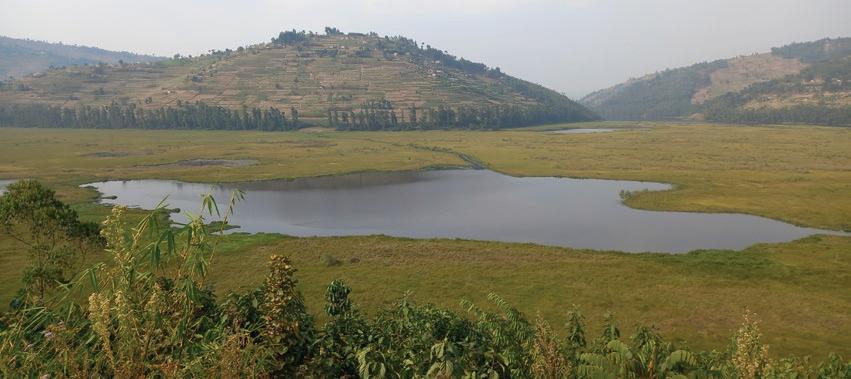
exist (environment, forestry, DRR, climate).
• Low confidence in implementation: fewer than one in five respondents believed these policies are effectively carried out on the ground.
• Unclear local roles: district authorities and communities often lack clear mandates, procedures and budgets for wildfire-specific work.
• No operational fire danger system: weather information exists but it is not yet translated into routine, actionable fire danger ratings pushed to districts and communities.
For a country with Rwanda’s risk profile, the absence of an integrated wildfire management framework with defined institutional roles, doctrine and minimum standards, is the biggest structural gap.
Emerging direction:
CBFiM as the backbone
At this stage there is no national wildfire management strategy fully worked out and adopted. The assessment and subsequent technical discussions have
focused on what is realistic in Rwanda’s context.
A few hard realities shape the options
• A dedicated national wildfire agency with its own fleet and full-time crews is highly unlikely in the near term. The cost would be considerable and other hazards, particularly landslides and floodrelated disasters, are rightly competing for limited disaster management resources.
• Existing agencies ie environment, forestry, parks, police, army and civil protection, already have personnel on the ground who are pulled into fire operations, even if wildfire is not their primary mandate.
• Rural communities are on the fireline first, whether anyone plans for it or not and they will continue to arrive with sticks and branches unless something better is deliberately put in their hands.
Against that backdrop, the emerging strategic direction is clear: Community-based fire
management (CBFiM) as the primary operational resource, supported by a lean but genuinely integrated wildfire management framework at national and district level, built for a low-resource reality.
Crucially, this is not just about better suppression. The long-term solution lies in building fire-resilient communities, where people understand fire behaviour, plan around the fire season and use fire responsibly in their livelihoods.
In practice, this would mean:
• Formalising and training community fire groups in high-risk districts, starting from what they actually have (sticks, branches, locally available tools) and gradually introducing simple, robust hand tools supplied via authorities.
• Embedding responsible fire use into extension work with beekeepers, farmers, charcoal producers and other users of open fire, shifting from “don’t burn” slogans to practical guidance on when, where and how to burn safely.
• Standardising incident management for wildfire so
The Rugezi Swamps in Rwanda
that whichever agency leads a particular event uses the same command system, terminology and basic safety principles, designed with minimal PPE in mind.
• Building multipurpose capacity, not a separate wildfire empire: district teams, park rangers and civil protection units trained to handle wildfire alongside their other duties, using the same simple tool and tactic base as communities.
• Targeted early warning: a simple national fire danger rating integrated into the meteorological service, with seasonal restrictions and local triggers agreed up front for the highest-risk areas.
A dedicated wildfire training centre remains a medium-term ambition; a place to run livefire training and inter-agency exercises. But the immediate priority is more basic: stop sending untrained crowds with sticks into fires around high-value assets with nothing but hope and a shouted plan and start turning those same communities into organised, fire-resilient partners.
Borders and shared risk
The companion border analyses highlight another point: Rwanda’s wildfire risk is not contained by its boundaries.
Along the eastern border with Tanzania, the Kagera/Akagera system and surrounding savannah form a continuous fire-prone landscape; activities on either side of the line influence ignition and spread, particularly in and around Akagera National Park.
On the western border with the DRC, steep highlands, forest loss,
charcoal production and conflictlinked degradation feed into a shared risk corridor around Lake Kivu and the Ruzizi valley.
For the wider region, that’s a reminder that wildfire planning in border zones needs cross-border cooperation, not just national plans filed in isolation.
Lessons for African fire managers
Strip Rwanda’s assessment down to its essentials and several lessons will feel uncomfortably familiar across the continent:
1. If you don’t measure it, you’re guessing. Even basic use of VIIRS, Sentinel and incident logs gives a much clearer risk picture than “we know it burns here sometimes”.
2. Swarm attack is not a strategy. Large numbers of untrained people on the line, armed with sticks and branches and no doctrine, is a symptom of system failure, not capacity.
3. CBFiM isn’t optional in high-density rural landscapes. Communities are the first and often only realistic initial attack resource. The question is whether they are organised, trained and supported or left to improvise.
4. Low-resource design is non-negotiable. Any plan that assumes widespread PPE and sophisticated tools will simply never land. Tactics, training and SOPs must be built around what can realistically be provided and maintained.
5. Fire resilience is about culture as much as kit. Longterm risk reduction depends on communities using fire more responsibly – in fields, forests, beehives and households – not just on what happens on the
worst fire days.
6. Integration beats empirebuilding. A lean, integrated framework that uses existing agencies and budgets is more realistic than trying to copy wealthy-country wildfire agencies wholesale.
7. Policy must land on the fireline. Mentioning wildfire in laws, policies and strategies means very little unless it turns into training, tools, fuel-reduction work and clear lines of authority.
Conclusion
The Rwanda Wildfire Management Assessment does not pretend to have solved the problem. What it does is strip away the guesswork; it shows where the fires are, what’s driving them, how they are affecting people and ecosystems, what tools people actually have in their hands and where the current system is falling short.
From there, the emerging path is pragmatic rather than glamorous: build CBFiM as the backbone, integrate wildfire properly into existing disaster and environmental structures and design tactics and training for a country where sticks and branches are still the default tools on the fireline. And over time, shift the centre of gravity from emergency response to fire-resilient communities that know how to use fire responsibly, not fear it or ignore it.
For readers across Africa, the details may differ but the core challenge is the same: make peace with the budget reality, then build the best possible wildfire system on top of it –using communities as partners, not cannon fodder.
Toughest Firefighter Alive South Africa 2025 Rising to the international stage
The 2025 Toughest Firefighter Alive (TFA) Competition, proudly hosted by the Garden Route District Municipality in George, marked a defining moment in the history of TFA South Africa. This year’s event was not only a true test of strength, endurance and spirit - it was a celebration of unity and growth.
With over 146 individuals and 42 relay teams, this year’s TFA SA saw several fire chiefs competing, including a female fire chief, as well as a team from Botswana.
Congratulations to the top five male participants: Aphiwe Ndukbini of Metro EMS Rescue,
Emile Conrad of Garden Route District Fire Department, Manie Gouws of West Rand Nzuri, Tertius Engelbrecht of Midvaal Local Municipality and Thsto Molefe of West Rand.
The top five females were: Baigum Abrahams of Cape
Town Fire and Rescue, Thobeka Senatse of Cape Town Fire and Rescue, Sweetness Qinisile of Western Cape EMS, Natasha Stoltz of VWS and Tandiswa Stafa of Cape Town Fire and Rescue.
TFA SA founder and organiser, Mark Smith, said, “For the
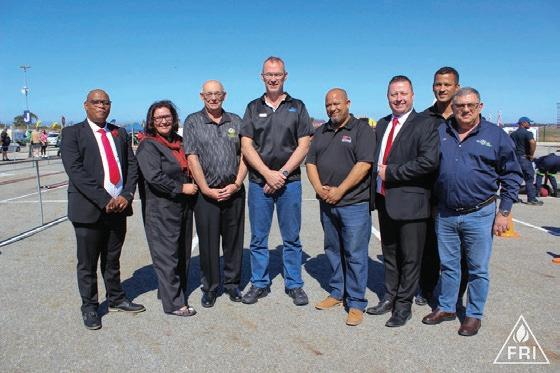
first time, TFA South Africa became a fully international event, welcoming a team from Botswana to compete alongside our local heroes. The presence of distinguished guests - World Firefighter Games Executive Director John Hartley, Mr Andrew Birch and Mr Faisal Dossary from
Saudi Arabia - underscored the global recognition the event is now receiving.”
He added, “In 2025, the TFASA fulfilled one of its founding dreams: to stand proudly on the international stage. What began as a vision to challenge
and inspire firefighters across our nation has now grown into a beacon of excellence that connects us to the world firefighting community. The event also highlighted the incredible power of community. Businesses, local residents, volunteers and firefighters all came together with passion and purpose - proving once again that the heart of TFA beats not only in the competitors but in everyone who supports them.”
“Equally inspiring was the remarkable improvement in the standard of competition. The athletes demonstrated unmatched determination, teamwork and courage, embodying the true spirit of what it means to be the Toughest Firefighter Alive. As we look ahead, TFA South Africa stands stronger than ever — a symbol of resilience, unity and
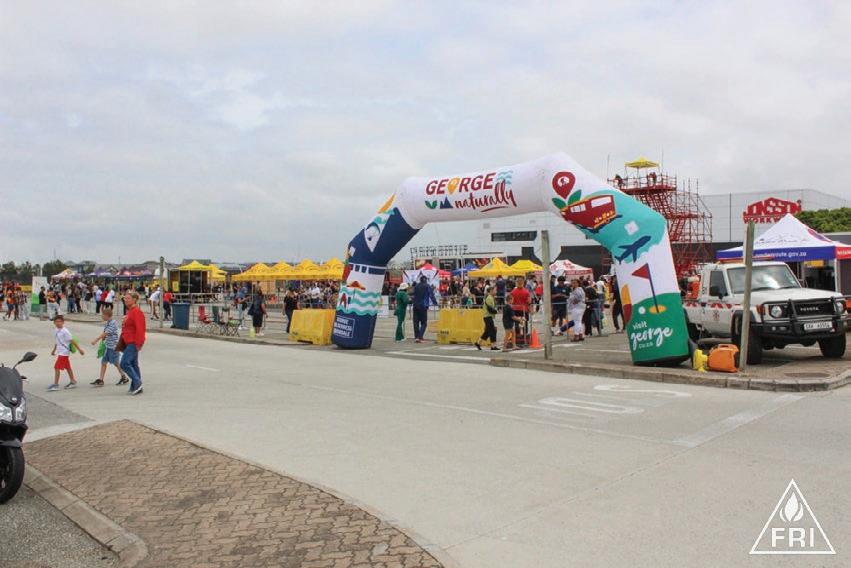
international brotherhood in firefighting”, said Smith.
“Together, we rise, we endure and we inspire. TFA-SA 2025 - Tougher. Stronger. United.” ~ Mark Smith, TFA SA co-founder and organiser.
The TFA SA 2025 main sponsors included Industrial Fire and Hazard Control, George Tourism, Garden Route Mall, Form Scaff. The Silver Sponsors were Ramcom Trucks and Load Bodies, Vanguard Fire and Safety, Dräger South Africa and Survival Technology while other sponsors were MTN, SCS Contractors, Firstcare Wildfire Support, Frontier Medix, Design Plus Interior Concepts, Charnaud, SafeQuip, Absolutely Perfect Water, Pick n Pay, Tyre Mart, Henra, Chain Gang Events, Romans Pizza, J&E Communications, Exercise
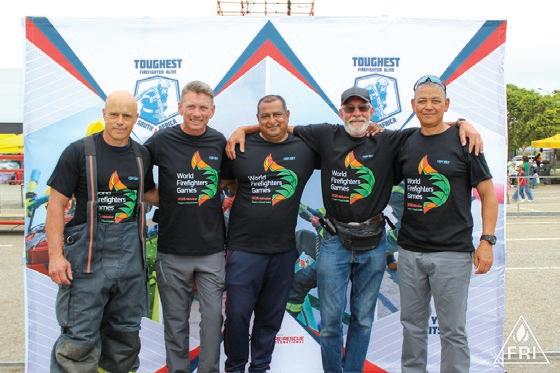
Teachers Academy (ETA), Safari, Premier Express Inn George and Cadidas Catering.
CFO Deon Stoffels, Garden Route District Municipality
“The Toughest Firefighter Alive Competition was a thrilling event that showcased the
physical and mental endurance of firefighters from across South Africa and individual participants of Botswana and Namibia. With over 267 firefighters and 44 relay teams participating, the competition was fierce and was exactly what we aimed for in expanding the
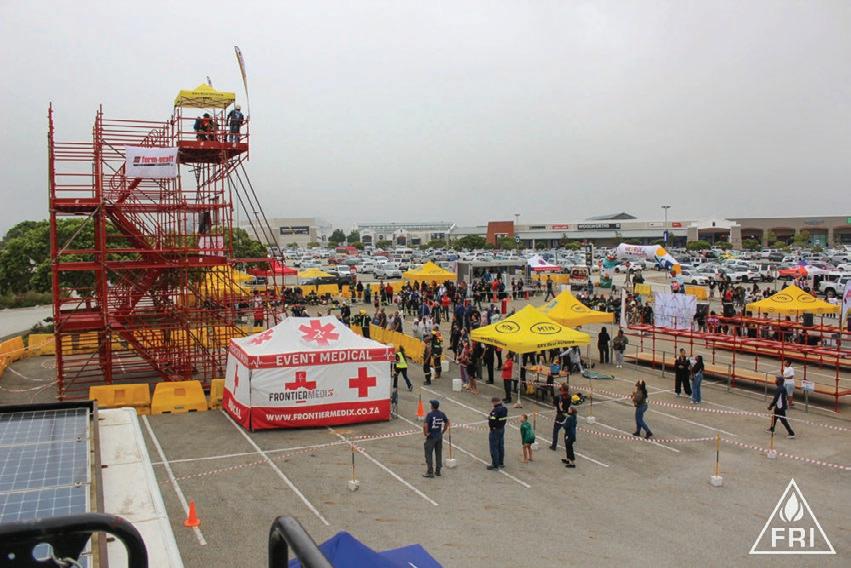
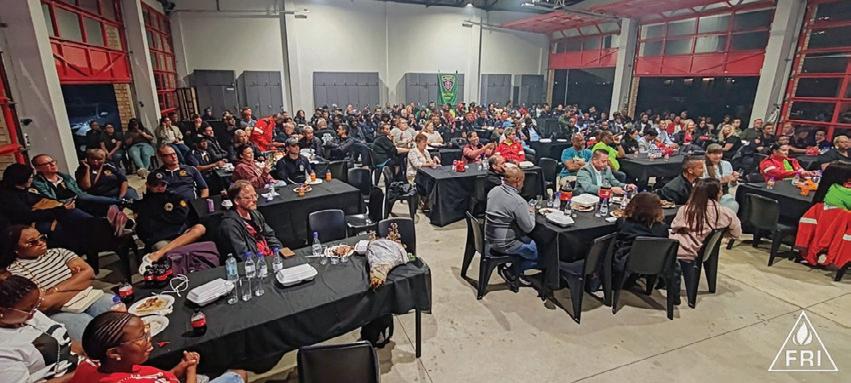
competition, which promotes fitness and health, update on skill and enhancing the general importance of the functions of a firefighter”, said Garden Route District Municipality’s CFO Deon Stoffels.
Event atmosphere
“The event succeeded to promote fire safety awareness, foster camaraderie among firefighters and inspire the next generation of emergency responders, including a popular mini firefighter competition held. The Competition was an entertaining and crowded event that pushed firefighters to their limits, showcasing their strength, agility and teamwork. With its unique blend of physical challenges and entertainment, the event was a success, highlighting the bravery and dedication of firefighters in the country.”
“The location of the Garden Route Mall indeed created an added benefit to the event, as shopping, and a variety of restaurants and food outlets were on site to which firefighters could take a deserved break and step away from.”
“In closing, it is vitally important that the longevity of our firefighters are prolonged and by having objectives like a National Skills and Fitness Competition, promotes that due to the fact that your firefighters train and prepare months in advance. This means that they are physically and mentally prepared for our busy summer periods all across the country. It is indeed a winwin situation and chief fire officers are urged to register and motivate their firefighters to partake.”
“Congratulations to All those who ended in respective podium places, however, everyone which partook are winners. Please look forward to an even better event in October 2026.” ~ CFO Deon Stoffels, Garden Route District Municipality.
Etienne du Toit, Fire and Rescue Services, Western Cape Government
“’Grit is defined as the combination of perseverance and passion for achieving long-term goals, even in the face of challenges, setbacks or difficulties’. The Toughest
Firefighter Alive (TFA) 2025 competition, held recently in George, once again showcased the extraordinary strength, skill and resilience of South Africa’s emergency services community. The event brought together participants from across the country to compete in a series of gruelling physical and technical challenges that mirror the demands of real-life firefighting, testing endurance, agility and teamwork under pressure”, said Western Cape Government’s Etienne du Toit.
“Beyond the competition, TFA 2025 served as an important platform for promoting firefighter health, fitness and safety awareness. The event highlights the critical need for physical and mental wellness in a profession where lives depend on peak performance and sound judgment. Through open discussions and engagement among participants, the event underscored the importance of regular fitness, stress management and proactive health practices in sustaining long, effective careers in the emergency service.”
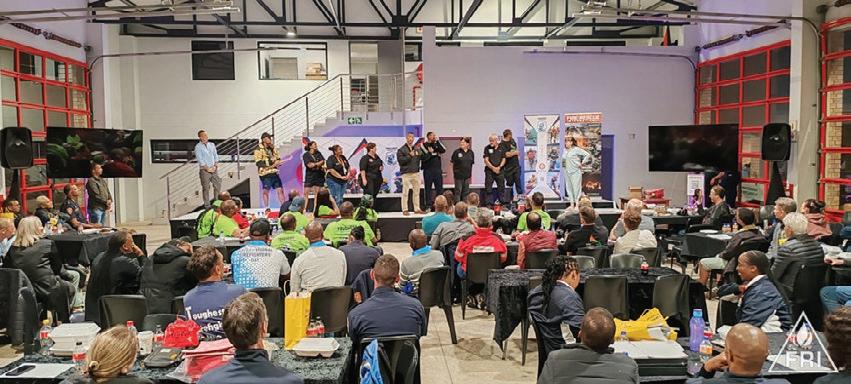
“Equally significant was the spirit of camaraderie and networking that filled the air. Firefighters and paramedics from various municipalities, agencies and disciplines exchanged experiences, built friendships and strengthened professional relationships that extend far beyond the competition field. The unity displayed serves as a reminder that, while competition drives excellence, collaboration is what sustains the fire service as a collective force for public safety.”
“Although the event is fiercely contested, the healthy competition ensures that every participant emerges a winner, each pushing personal limits and demonstrating dedication to the profession. The growing standard of the TFA each year continues to astound spectators and inspire peers, reflecting both improved training regimes and the evolving professionalism within South African fire services. The Toughest Fire Fighter Alive 2025 once again proved that strength, teamwork and passion are the foundations of a safer and healthier firefighting community and a proud
testament to the calibre of the men and women who serve.”
“The Western Cape Government proudly supports the Toughest Fire Fighter Alive event, a powerful testament to courage, resilience and excellence in our fire and rescue services.” ~ Etienne du Toit, Fire and Rescue Services, Department of Local Government, Western Cape Government.
John Hartley, World Firefighter Games 2026
“I would like to say that I was both inspired and amazed at the way the organising committee and competitors displayed their dedication to the event. I believe that in just a few short years the TFA South Africa will be visited by more and more international competitors as the word spreads about the speed, skill, stamina and strength of the South African firefighters and of course the hospitality shown by all. I’m looking forward to many of the competitors next year in Saudi. Until then, I hope you all stay safe and on behalf of the World Firefighter Games (WFG), we wish you all a very merry Festive Season! ~ John Hartley, World Firefighter Games 2026
Andrew J Birch, World Firefighter Games 2026
"The South African TFA 2025 showcased incredible strength and determination from both male and female firefighters, all pushing their limits in true TFA spirit. It was inspiring to witness such passion, teamwork and resilience on display — and even more rewarding to see strong international participation, reflecting the growing global unity and prestige of the Toughest Firefighter Alive". ~ Andrew J Birch, Director: Sports and Competitions, World Firefighter Games 2026.
We also received some feedback from some individuals and team leaders, including the overall winner, Aphiwe Ndukumbini, last year’s winner, Emile Conrad and our female winners, Baigum Abrahams and Thobeka Senatse, who shared first place overall females.
Aphiwe Ndukumbini, Western Cape EMS Metro Rescue, overall winner
I’m personally honoured to get chance to compete against the
best South African toughest fire fighters. As a person coming from Medical Rescue, fitness is always been a part of my daily schedule. Approaching TFA, I was nervous and excited that I am finally going to compete with champions and test myself to see how far I can push myself because I knew that TFA is a toughest stage that test your mental strength and physically. Luckily I had some time to prepare myself in terms of fitness and also had some help from the seven-time champ, Emile Conrad, with a bit of skills on how to run hoses and other stages. The day of the competition I just combined all together and tried to better myself and it was very tough and challenging all the way but mentally I was ready and I had a plan. Set up was very well organised; thank you to the TFA as instructions and rules were clear and people were very supportive; they gave me a big boost. The more I was going, the motivation to compete got stronger. At the end of the day, it happened that I did the fastest time and I couldn't believe it at that time because for me, I didn't think that my fitness level can compete with fire guys. So I am honoured once again. That was a life experience and if I do get another opportunity to go compete on the big stages with the best of the best, I will always welcome that opportunity with both hands. And thank you to TFA SA for lifting and keeping the emergency service level of fitness. I believe that next year’s event will be more exciting!
Aphiwe works as a medical rescue technician for the Emergency Medical Services of the Western Cape.
Baigum Abrahams, City of Cape Town, overall female winner (shared)
The TFA seems to evolve each year. I am loving the vibe I saw out there; so many new faces and a higher level of athletes competing. It's awesome to see the sport growing and evolving like this. For me, competitions like this one are everything because they push us to be our best selves. It's not just about winning; it's about testing our limits, learning from our mistakes and coming back stronger. I'm thrilled to be a part of this community and I'm already looking forward to the next challenge!
Thobeka Senatse, City of Cape Town, overall female winner (shared)
Winning the TFA felt like earning the absolute trust of my body under extreme duress. It was the hardest thing I’ve ever done and that effort made the victory feel like the truest measure of a firefighter's fitness. Winning the TFA is not just about being the fastest on one element; it's about being the most consistent across all four, managing your body's pain and maintaining focus in the short, crucial recovery periods. It validates that you are fit enough to handle the worst-case scenario on the fire ground and still bring a victim out safely.
Emile Conrad, Garden Route Fire Service
This year’s Toughest Firefighter Alive (TFA) competition was nothing short of exceptional. As hosts, the Garden Route District Fire and Rescue Services had the privilege of watching firefighters from across the country push their limits, test their resilience and represent
their departments with pride. The atmosphere was electric and the camaraderie among competitors once again highlighted what makes this event so unique and inspiring. The 2025 TFA proved to be the most competitive edition to date. The margins between top athletes were separated by only seconds, demonstrating not only the remarkable depth of talent within our fire services but also the growing influence and importance of firefighter fitness across South Africa.
We were honoured to welcome distinguished guests, including John Hartley, President of the World Firefighter Games, his wife Laura Hartley, Andrew Birch and Faisal Dossary from Saudi Arabia. Their presence, expertise and support elevated the standard of this year’s competition and strengthened international ties within the firefighter fitness community.
Celebrating our champions
A heartfelt congratulations goes out to: Aphiwe Ndukubini, the overall winner and the new TFA Champion and to Baigum Abrahams and Thobeka Senatse, shared overall female champions, a truly historic and inspiring achievement! We also applaud every firefighter who stepped onto the course, pushed beyond their comfort zone and showcased the heart, determination and unity that define our profession.
Acknowledgements
A special word of thanks to our Fire Chief, Mr Deon Stoffels, for his leadership and for embracing the challenge of hosting this prestigious event. His vision and commitment once again
demonstrated how the Garden Route District Municipality can rise above challenges and deliver excellence through teamwork. Our sincere appreciation also goes to Formscaff and SCS for supplying and erecting the scaffolding, as well as to our sponsors, partners and supporters. Their unwavering commitment reflects a deep appreciation for the work firefighters do and the sacrifices they make.
The TFA continues to grow as a movement, one that strengthens our national firefighter network, elevates fitness standards and celebrates the spirit of service. We look forward to building on this momentum and hosting an even bigger and better event next year. See you at the next TFA!
Manie Gouws, team leader N'zuri Ultimate Firefighters team leader
Once again it was a huge honour to attend the 10th edition of the SA TFA in George 2025. From team N'zuri Ultimate Firefighters we would like to thank and congratulate all the organisers for a well-run event. We enjoyed George and every moment of the competition, especially the part where N'zuri brought home most of the medals. As reining National relay champions we are looking forward to 2026.
Tertius Engelbrecht, Midvaal Fire and Rescue Service
The new venue and setup was great. The timing pods that were used, whole schedule and the announcers were at worldclass level. Our team enjoyed every moment. We realised with the team and individual events that the competition is very tough if you look at the times
that was run. That means the fitness levels are on a very high standard. Overall, a very nice experience and we enjoyed it.
Jaco Stander, Drakenstein Fire and Rescue Service team leader
The 2025 TFA South Africa competition hosted by Garden Route District Municipal Fire and Rescue Services was well organised and thoughtfully set out. I applaud the Garden Route Team for a well-planned and executed event and I am sure next year's edition will be as good if not better. The camaraderie was extraordinary and it is always a pleasure to see old friends and colleagues from neighbouring and distant fire services, as well as the usual key players that often do not get enough recognition. Congratulations to all the winners and every firefighter that improved on their personal best.
Adelino Paulino, JB Marks Fire and Rescue team leader
From team JB Marks, we would like to thank TFA SA and the Garden Route Fire Service for the changes on the competition. The competition was on top of the range. It was a competitive challenge in which it was the organisers’ plan to see if competitors have the endurance.
Gallery and video compilations: https://www.frimedia.org/tfa2025-gallery.html
Results: https://www.mobiielite. com/results/RaceID/36e9c2c01373-4798-ba14-13a233ea3b17
Congratulations to all participants for their effort, dedication and grit!
See you all at the Garden Route Mall in George, Western Cape, from 1 to 3 October 2026 for TFA SA 2026!
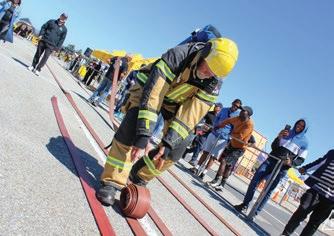
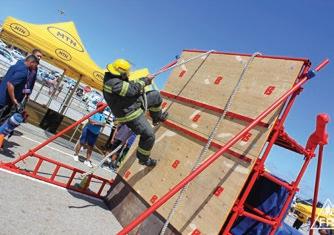
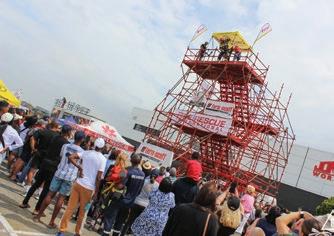
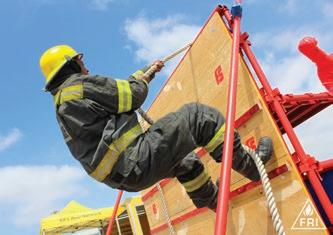
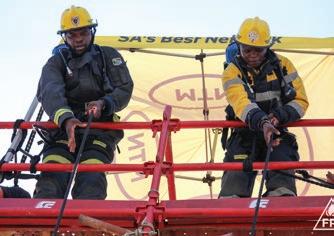
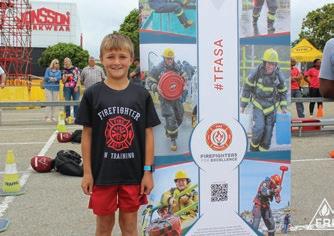
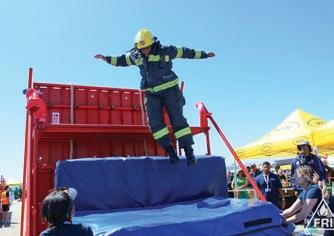
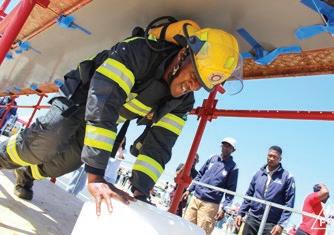
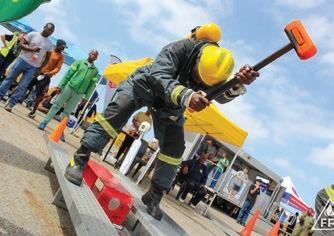
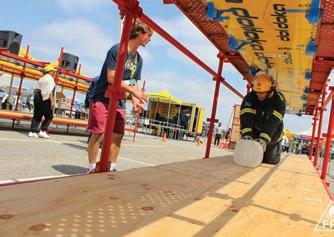
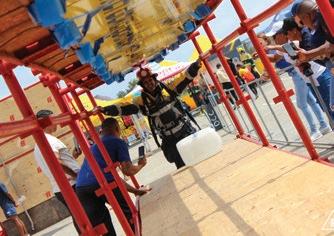
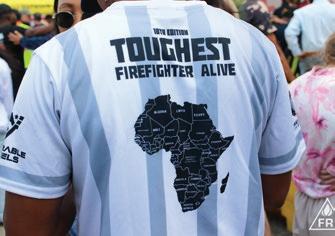
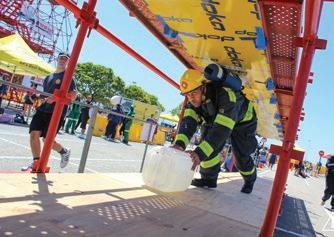
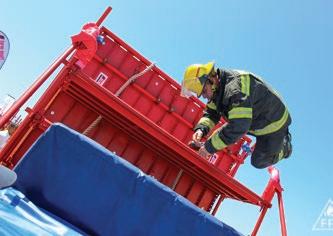
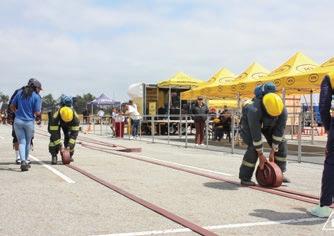
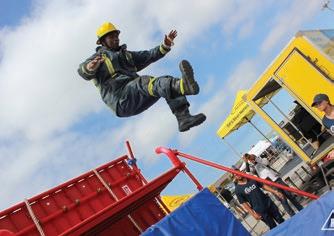
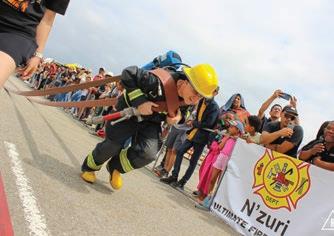
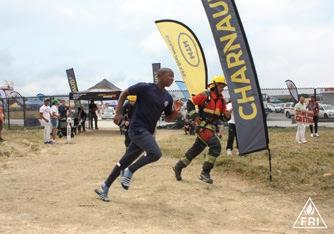
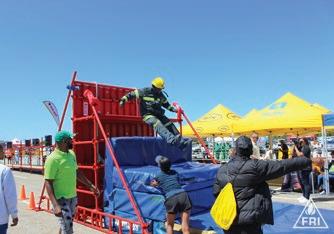
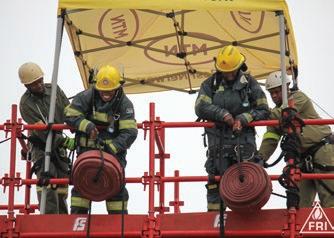
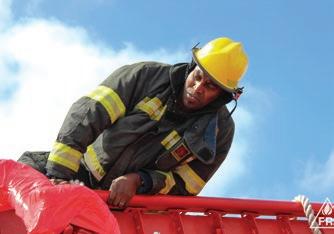
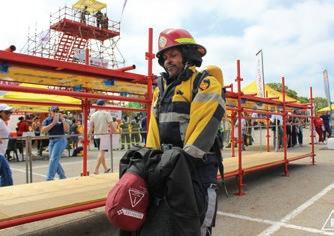
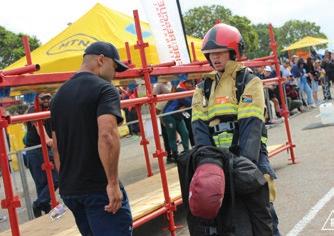
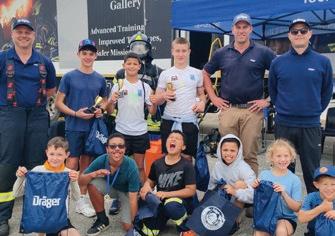
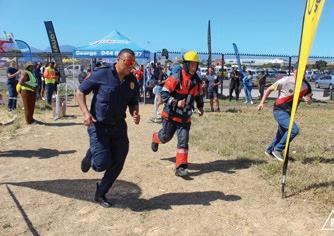
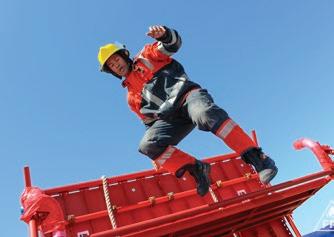
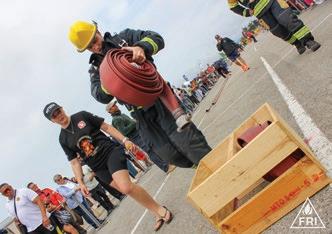
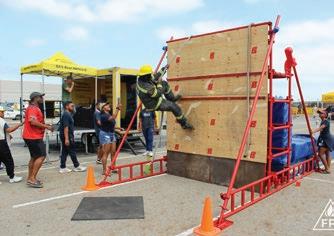
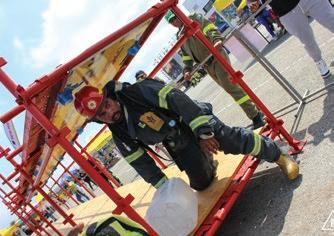
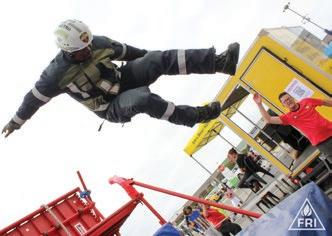
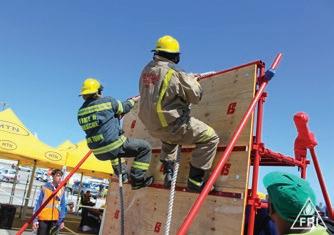
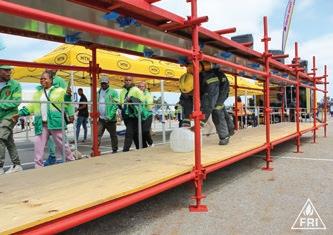
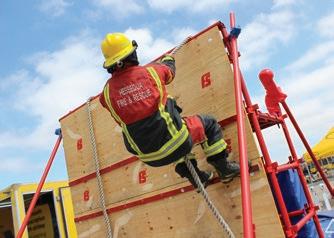
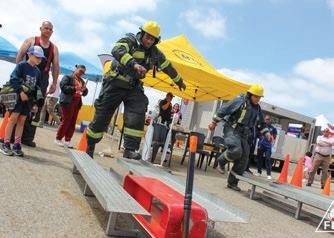
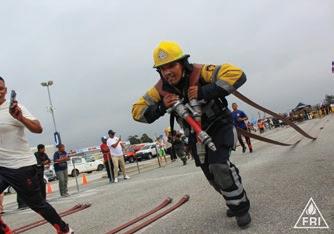
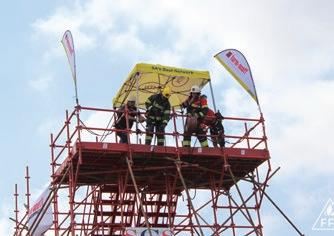
Workplace accommodation and physical activity support for firefighters at risk of developing cardiovascular disease
By Ghaleelullah Achmat1, Charlene Erasmus2, Jill Kanaley3, Lloyd Leach1
This is the third of a series of articles on the research done by Ghaleelullah Achmat and Makhaya Malema, Department of Sport, Recreation and Exercise Science, University of the Western Cape, Bellville, South Africa; Charlene Erasmus, Child and Family studies Unit, Department of Social Work, University of the Western Cape, South Africa and Jill Kanaley, Department of Nutrition and Exercise Physiology, University of Missouri, US and Lloyd Leach,
Department of Sport Recreation and Exercise Science, University of the Western Cape, South Africa, first published by Occupational Health Southern Africa.
Background
Firefighters who die from cardiac arrest often have underlying conditions such as narrowed coronary arteries or structural heart damage, both of which are forms of cardiovascular disease (CVD). Modifiable clinical risk factors include hypertension,
elevated blood glucose levels, high blood lipids, obesity and lifestyle factors such as insufficient physical exercise and smoking.
Objective
We explored how the workplace accommodates and supports firefighters at risk of developing CVD.
Methods
This was a qualitative study. We purposively selected 12
Table 1. Risk factors for cardiovascular disease
Risk factor Criteria
Age Men ≥ 45 years, women ≥ 55 years
Family history
Myocardial infarction, coronary revascularisation, or sudden death before 55 years of age in father or other 1st-degree male relative, or before 65 years of age in mother or other 1st-degree female relative
Smoking Current cigarette smoker, or having quit within the previous six months, or exposure to environmental tobacco smoke (second-hand smoke)
Physical activity
Not participating in at least 30 minutes of moderate-intensity physical activity at least three days/week for at least three months
Obesity Body mass index ≥ 30 kg/m 2 , or Waist girth > 102 cm for men, > 88 cm for women
Hypertension Systolic blood pressure ≥ 140 mmHg and/or diastolic pressure ≥ 90 mmHg, or taking medication
Dyslipidaemia Low-density lipoprotein (LDL) cholesterol ≥ 130 mg/dL (3.37 mmol/L), or high-density lipoprotein (HDL) cholesterol < 40 mg/dL (1.04 mmol/L), or currently on lipid-lowering medication
If total serum cholesterol is all that is available, then ≥ 200 mg/dL (5.18 mmol/L)
Diabetes A fasting blood sugar level less than 100 mg/dL (5.6 mmol/L) is normal. A fasting blood sugar level from 100 to 125 mg/dL (5.6 to 6.9 mmol/L) is considered prediabetes. If it is 126 mg/dL (7 mmol/L) or higher on two separate occasions, then diabetes is present
Adapted from: Ryg, 20158
firefighters with risk of CVD from the City of Cape Town Fire and Rescue Service (COCTFRS).
Introduction
Approval to carry out the research project was granted by the Human and Social Sciences Research Ethics Committee at the University of the Western Cape (BM21/02/07) and the Chief Fire Officer at the COCTFRS Department.
RESULTS
Semi-structured interviews were conducted and the responses were recorded, transcribed and thematically analysed.
Data saturation occurred after the 12 interviews. Eleven of the 12 firefighters were male. Six were municipal firefighters (operations level) with 1–3 years of service, three were platoon commanders (middle management) with 15–20 years of service, and three were divisional commanders (highlevel management) with more than 20 years of service.
Results
Workplace support for firefighters at risk of cardiovascular disease
Members of the COCTFRS participate in physical activities and make use of available exercise resources. While fire stations are equipped with on-site workout facilities like gyms, these are not fully utilised. The COCTFRS also conducts annual physical assessments and health screenings for all employees.
The study results indicated that firefighters are supported and accommodated by the COCTFRS. Support includes regular physical evaluations, access to gym facilities, organised fitness activities and opportunities for participation in sports events. Participants reported that they did not meet the recommended minimum 150 minutes of physical activity per week. They expressed a need for guidance regarding physical activity to reduce their risk of CVD and for better mental health support.
“Annually, we undergo a physical evaluation. If you fail your physical evaluation, you are sent to physical training bootcamp to improve, become fit, and pass.” (P4)
Cardiovascular disease (CVD) is a leading cause of mortality and morbidity, globally; South Africa has one of the highest rates of death and disability from heart disease and stroke in the world.1 Although family history and age are important risk factors for CVD, so are hypertension, hypercholesterolemia, insulin resistance, diabetes, obesity and lifestyle factors such as smoking, poor nutrition, alcohol consumption and lack of physical activity.2 Modifiable risk factors for CVD can be altered through changes in behaviour, lifestyle and work conditions.
“At our workplace, we have a gym and all the necessary facilities to maintain a high fitness level, so I believe we are all above the required fitness level here.” (P3)
Conclusion
“We will engage in drills such as situational drills involving throwing hoses, pulling tires, emptying water drums, carrying ladders, as well as weightlifting, cardio, and using a sledgehammer.” (P4)
The COCTFRS supports and accommodates firefighters at risk of CVD. At least 150 minutes of physical activity per week should, however, be mandatory.
“At work, I’m forced to keep fit, otherwise I am going to let myself go and burn out very quick and fast. So, it keeps me up there with the young guys.” (P6)
“Yes, the workplace supports us with sports time off. It’s when you do anything sports related, to represent the COCTFRS. So, I used the time and competed in the Toughest Firefighter Alive 2014.” (P5)
“I have access to time and gym space for exercise at work, but I have been ignoring it, although I make an effort every day.” (P4)
“I like to go on courses, to learn more about exercise and study other things. Things have been set back because of COVID so I’m going to relook at it soon.” (P6)
Firefighters are exposed to occupational hazards that may precipitate sudden cardiovascular incidents, often resulting in premature exit from the workforce and/or death.6,7 It is essential for both fire departments and firefighters to prioritise good health in the fire and rescue services.
Annual fitness assessments include the Physical Ability Test, which comprises six tasks: stair climb, charged hose drag and pull, forcible entry, equipment carry, ladder raise and extension, and rescue drag. Firefighters must complete the simulation protocol in nine minutes (540 seconds) to pass the test. 10
Workplace accommodation for firefighters at risk of cardiovascular disease
The objective of this study was to investigate how the City of Cape Town Fire and Rescue Service (COCTFRS) accommodates and supports firefighters at risk of developing CVD, with regard to physical activity.
While firefighters are cognisant of the services offered by the COCTFRS, many fail to take advantage of the available training facilities due to a lack of exercise prescription. All firefighters are required to see the COCTFRS medical doctor before being declared fit for duty. In this way, the COCTFRS supports firefighters at risk of developing CVD.
Under the South African Employment Equity Act No. 55 of 1998, employers are obliged to reasonably accommodate employees with disabilities, unless such accommodation causes undue hardship to the employer.3 Employee wellness programmes (EWPs) have, therefore, been established in many companies to promote health and decrease stress to boost productivity and efficiency.4,5
Methods
“The workplace accommodates us by providing services like the chaplain and medical doctor if we don’t feel well and need medical screening.” (P4)
“We get time off to use the exercise facilities and gyms to help us with our BMI and reduce our blood pressure.” (P6)
“I don’t know what exercise I can do to lower my blood pressure, I’m sure there are more firefighters with CVD that do not know what exercises to do while on medication.” (P4)
“At times we are sick and cannot exercise regularly, so we get off when we are ill, and perform light duty in the station, but we need someone to help us with the exercises.” (P1)
This was a qualitative study. Firefighters with one or more CVD risk factors (see Table 1) were purposively selected to participate. All firefighters are screened by the COCTFRS medical doctor annually and are prescribed medication as required. Participants needed to be full-time career firefighters employed in the COCTFRS and be at least 20 years old. Eligible firefighters were those who
“We have the option to call for the chaplain, who will respond to on-site incidents at the fire station.” (P5)
indicated that they were on anti-hypertensive, diabetes, or cholesterol medication.
Twelve firefighters from three fire departments across Cape Town were purposively selected to participate in this study. Semi-structured interviews were conducted, using an interview guide, comprising open-ended questions and prompts, in November and December 2020. Due to the COVID-19 pandemic and subsequent lock down in South Africa, interviews were conducted online and recorded using Google Meet.
Data analysis
The recorded interviews were transcribed by Google Meet and confirmed by the research team members. Thematic analysis, following the six-step approach of Braun and Clarke (2006), was used to analyse the data, viz. 1) familiarisation, 2) coding, 3) generating themes, 4) reviewing themes, 5) defining and naming themes and 6) writing up.9 The principles of trustworthiness, credibility, transferability, dependability and confirmability were adhered to.
Approval to carry out the research project was granted by the Human and Social Sciences Research Ethics Committee at the University of the Western Cape (BM21/02/07) and the Chief Fire Officer at the COCTFRS Department.
Results
Data saturation occurred after the 12 interviews. Eleven of the 12 firefighters were male. Six were municipal firefighters (operations level) with one to three years of service, three were platoon commanders (middle
management) with 15 to 20 years of service and three were divisional commanders (highlevel management) with more than 20 years of service.
Workplace support for firefighters at risk of cardiovascular disease Members of the COCTFRS participate in physical activities and make use of available exercise resources. While fire stations are equipped with onsite workout facilities like gyms, these are not fully utilised. The COCTFRS also conducts annual physical assessments and health screenings for all employees.
“Annually, we undergo a physical evaluation. If you fail your physical evaluation, you are sent to physical training bootcamp to improve, become fit and pass.” (P4)
“At our workplace, we have a gym and all the necessary facilities to maintain a high fitness level, so I believe we are all above the required fitness level here.” (P3)
“We will engage in drills such as situational drills involving throwing hoses, pulling tires, emptying water drums, carrying ladders, as well as weightlifting, cardio and using a sledgehammer.” (P4)
“At work, I’m forced to keep fit, otherwise I am going to let myself go and burn out very quick and fast. So, it keeps me up there with the young guys.” (P6)
“Yes, the workplace supports us with sports time off. It’s when you do anything sports related, to represent the COCTFRS. So, I used the time and competed in the Toughest Firefighter Alive 2014.” (P5)
“I have access to time and gym space for exercise at work but I have been ignoring it, although I make an effort every day.” (P4)
“I like to go on courses, to learn more about exercise and study other things. Things have been set back because of COVID so I’m going to relook at it soon.” (P6)
Annual fitness assessments include the Physical Ability Test, which comprises six tasks: stair climb, charged hose drag and pull, forcible entry, equipment carry, ladder raise and extension and rescue drag. Firefighters must complete the simulation protocol in nine minutes (540 seconds) to pass the test.10
Workplace accommodation for firefighters at risk of cardiovascular disease While firefighters are cognisant of the services offered by the COCTFRS, many fail to take advantage of the available training facilities due to a lack of exercise prescription. All firefighters are required to see the COCTFRS medical doctor before being declared fit for duty. In this way, the COCTFRS supports firefighters at risk of developing CVD.
“The workplace accommodates us by providing services like the chaplain and medical doctor if we don’t feel well and need medical screening.” (P4)
“We get time off to use the exercise facilities and gyms to help us with our BMI and reduce our blood pressure.” (P6)
“I don’t know what exercise I can do to lower my blood pressure, I’m sure there are more firefighters with CVD that do not
know what exercises to do while on medication.” (P4)
“At times we are sick and cannot exercise regularly, so we get off when we are ill and perform light duty in the station but we need someone to help us with the exercises.” (P1)
“We have the option to call for the chaplain, who will respond to on-site incidents at the fire station.” (P5)
“Not everyone is clear on the light-duty job tasks but we do get help from the commanders.” (P2)
Although many of the participants were aware of the resources and facilities available to them, not all were knowledgeable about the exercises to do whilst on medication. The participants strongly recommended that physical activity interventions be implemented for firefighters with CVD risks and that exercise trainers be established within fire departments.
Operational recommendations by study participants Obstacles to engaging in physical exercise included the perception that working out could be detrimental to the participants’ health. Many felt uneasy about exercising on their own and requested supervised workout sessions, led by healthcare professionals.
Participants encouraged the COCTFRS to arrange group fitness activities away from the fire stations to enhance motivation among firefighters, requested the resumption of sports and meals to boost morale and indicated that psychological services needed improvement.
“Organising a weekend morning fitness camp with multiple stations for group participation would be more motivating than solitary exercise at a station.” (P4)
“Previously, fire and police departments competed in soccer, cricket, rugby and netball, activities we eagerly anticipated and trained for as firefighters. However, everything, including meals, came to a halt. Resuming these sports and meals will significantly boost our morale.” (P6)
“The COCTFRS offers competent psychological services but the system is flawed. We lack feedback in debriefings and one-on-one sessions are preferred over group sessions. I’m contemplating consulting a psychologist.” (P6)
“Not all fire stations are equipped with gym facilities and pools, which is why those with such amenities are underutilised compared to when we were young firefighters. Currently, it appears that the personnel are less motivated to use the gym and pool regularly.” (P9)
“Yes, I believe that one of the mistakes we made in the past was focusing too much on structured exercise like going to the gym. We need to stay productive, which is a message I am urging the firefighters near me to embrace.” (P8)
“If you have an entire day or an eight-hour workday, make sure to take action by cleaning the engine bay, wiping equipment, painting, or pulling weeds in the
garden. Currently I’m seated for long periods and living a very inactive lifestyle.” (P8)
Recommendations for support made by study participants Participants recommended that the employee wellness programmes (EWPs) build and maintain physical activities to improve quality of life, available to new recruits, incumbents and retirees.
Components of such an EWP should include medical evaluation, fitness, injury/fitness/medical rehabilitation, behavioural health, diet and data collection.4,5 The EWP should be crafted to enhance the overall wellbeing of firefighters, while demonstrating the benefits of allocating resources to wellness initiatives.
This can be achieved by highlighting the substantial cost effectiveness of implementing a holistic wellness-fitness programme, related to work absences, workers’ compensation claims and disability payments.11
“To start with, make sure to consume plenty of water. Avoid excessive alcohol consumption, regardless of the stressors they may be facing, as using them as an excuse is not justified. They must assess their own lives. You get out what you put in.” (P6)
“Staying active is vital as we age; management must facilitate opportunities while individuals need to prioritise physical and mental health.” (P8)
“The programme focuses on assessment, physical activity and dietary intake. Firefighters now bring their own meals, affecting access to healthy options. A
balanced approach to health is essential for wellbeing.” (P9)
Several participants discussed the lifestyle changes needed to encourage healthy habits in the COCTFRS. Cognitive-behavioural therapy is a crucial element of interventions aimed at modifying behaviour.12 These behavioural changes concentrate on altering an individual’s perspective on nutrition, his/her physical activity actions and the situations around him/her, as well as adjusting his/ her way of living.13
Discussion
The participants in this study engaged in physical activity and utilised the resources provided to maintain physical fitness and mitigate their risks for CVD. Although most were aware of the services provided, many of them did not use them and requested assistance to do so. They preferred activities that involve team training, outdoor activities outside of the fire station and the use of health professionals such as psychologists and exercise professionals to assist them to modify their behaviour.
Research indicates that the use of fitness equipment improves health outcomes, enhances physical fitness and reduces risk for CVD.14-16
Only a few fire departments have implemented comprehensive fitness programmes in South Africa. Studies in the USA suggest that workplace wellness-fitness programmes are a valuable investment for fire departments, potentially reducing costs and enhancing firefighters’ physical condition and mental wellbeing.16-18 Fahy (2005) reported that sudden cardiac death
was the primary cause of fatalities in firefighters18 and Kales et al. (2003) reported that the majority of on-duty CVD-related deaths were triggered by work and occurred in firefighters with pre-existing coronary heart disease.16
Firefighters not participating in health and wellness initiatives exhibit poor health outcomes, decreased morale, reduced efficiency and increased healthcare expenses.11,19-21
The Fire Brigade Services Act: White Paper on Fire Services (2020) references the Occupational Health and Safety Act No. 181 of 1993, which states that as soon as an employer considers an employee to be disabled, the employer must take steps to accommodate that employee unless this results in an unjustifiable hardship.22,23
Although the firefighters at risk of CVD, who participated in this study, were provided with accommodations and support in the workplace to engage in physical activities, they perceived that exercise was potentially hazardous to their health and lacked motivation. Supervised training sessions with health professionals would alleviate the discomfort of exercising independently.
The COVID-19 pandemic presented an additional barrier to exercise, as firefighters reported that fatigue and illness limited their exercise time.
Despite the physical demands of their occupational responsibilities, many firefighters reported being sedentary for extended periods due to the nature of their jobs.
This is not true for all, however, as many engage in physical activity at the start of their shifts, between fire calls, or during ‘off time’. Nevertheless, it is necessary to implement mandatory fitness and holistic wellness programmes throughout the COCTFRS.
Policy-makers and local union representatives should collaborate to establish mutual agreements to combat CVD in the fire service through wellness strategies, focusing on fitness, medical care, rehabilitation and behavioural health. A mandatory exercise regimen would reduce the overall incidence of injuries, the severity of injuries and worker compensation claims.11,14,21
Fighting fires and conducting rescue operations requires power, strength and both muscular and anaerobic/aerobic endurance. Physical fitness results in fewer injuries, better health, less absenteeism and increased productivity.11,14,20
Education about heart disease, support for exercise and counselling to improve health can reduce anxiety related to heart disease.
The findings from this study strongly suggest that firefighters do understand their heart health and can offer advice to other firefighters regarding CVD. Fitness programmes need to be tailored to fit the needs of individuals and the culture of the fire department, focusing on functional abilities, teamwork, fitness and overall wellbeing.15,24
Firefighters are tactical athletes and training programmes should include combat readiness.
Functional exercise training regimens that mimic the movements firefighters use in daily tasks such as lunging, squatting, hinge movements, pull exercises, bracing, rotation and pressing are recommended.25,26
Tactical athletes use all facets of strength, power, speed and agility to improve their combat fitness level to their highest potential.24,25
Limitations
During the data collection period, firefighters were considered to be frontline essential workers in the fight against COVID-19. Many firefighters were infected with COVID-19, which created a staff shortage and caused several shift work changes.
The restrictions that were put in place to combat the Pandemic affected participation in the study, as several firefighters were ill, on duty or not willing to meet in person or in groups at the risk of infection. Data collection also coincided with the peak fire season (September–April), which further reduced the number of potential participants.
Conclusion
The COCTFRS assists firefighters to reduce their CVD risks by providing medical care and exercise training facilities. To improve physical fitness and reduce work-related fatalities, the COCTFRS should collaborate with health experts, key stakeholders and decision-makers to establish health promotion initiatives. Firefighters should engage in at least 150 minutes of physical activity a week.
Engaging in physical activities and receiving relevant education
can improve fitness, strength and endurance and reduce the risk for CVD. This will also benefit the public that is served by firefighters.
Key messages
1. The City of Cape Town Fire and Rescue Service (COCTFRS) supports firefighters at risk of cardiovascular disease (CVD), by providing resources to encourage physical activity.
2. Assisted physical training programmes will motivate firefighters with CVD risks to improve their fitness levels.
Declaration
The authors declare that this is their own work; all the sources used in this paper have been duly acknowledged and there are no conflicts of interest.
Acknowledgements
We thank the firefighters who participated in this study and the City of Cape Town Fire and Rescue Service.
Authors and author contributions
Authors: Ghaleelullah Achmat1, Charlene Erasmus2, Jill Kanaley3, Lloyd Leach1
1: Sport Recreation and Exercise Science, University of the Western Cape, Bellville, South Africa
2: Child and Family Studies Unit, Department of Social Work, University of the Western Cape, Bellville, South Africa
3: Department of Nutrition and Exercise Physiology, University of Missouri, Columbia, Missouri, USA
Conception and design of
the study: GA, CE, LL, JK
Data acquisition: GA, CE, LL, JK
Data analysis: GA, CE
Interpretation of the data: GA, CE
Drafting of the paper: GA, CE, LL, JK
Critical revision of the paper: GA, CE, LL, JK

The history of the N95 mask
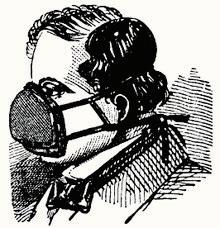
We looked into the history of the N95 respirator, how it evolved from early attempts at personal respiratory protection, through advances in materials science, to the standardised, high-filtration mask widely used today.
Early antecedents: before “N95” The concept of a face covering for respiratory or health protection goes back well over a century. For example: In 1836, Julius Jeffreys patented an early respirator made of silk, leather and wire mesh, designed to treat chronic throat and lung diseases by creating a sort of “artificial climate” to warm and humidify inhaled air.
By the late 19th Century, simple cloth masks, essentially layers of fabric or handkerchief, were used in surgical settings to prevent surgeons from coughing droplets onto wounds.
During industrialisation and later wartime, heavier “gas-mask” style respirators and reusable air-purifying masks, often bulky, rubber-encased, with filters such as wire mesh or fiberglass, were developed to protect workers or soldiers from dust, gas or other airborne hazards.
These early masks could filter out some contaminants but were often heavy, uncomfortable and had limited efficacy, particularly
against fine particles, bacteria or viruses.
Mid-20th Century: advances in materials and need for better respirators
By mid-20th Century, it was clear that existing respirators were insufficient for widely varying industrial and health-related needs: cumbersome, difficult to breathe through and impractical for large-scale or widespread daily use.
A breakthrough pre-cursor to modern respirators was the development of the meltblowing process: a way to create very fine, non-woven polymer fibres by extruding (melting) a polymer and then using high-speed air to “blow” it into a mat of microfibres.
This process allowed production of fabrics composed of extremely thin fibres, a key because smaller fibres and dense, randomised fibre mats, can trap small particles more effectively than coarse mesh or woven cloth. Over the decades, meltblowing matured: patents, industrial-scale lines and refinements proliferated.
In parallel, there was a growing recognition, especially by occupational agencies, of the need for standardised, single-use respirators for workers exposed to dust, silica, asbestos and other hazardous airborne particulates but in a form that was lighter, easier to wear and disposable, rather than heavy, reusable, headenclosing respirators.

Julius Jeffreys patented an early respirator made of silk, leather and wire mesh in 1836

Birth of the “single-use respirator”: early N95
In the 1970s, US regulatory bodies: US Bureau of Mines and National Institute for Occupational Safety and Health (NIOSH) developed standards for single-use respirators. These standards laid the groundwork for what would become the N95 class of respirators.
The multinational conglomerate 3M was pivotal: using its meltblown polymer-fibre technology, initially developed decades earlier for products like pre-made ribbon bows and moulded bra-cups, to create a new kind of mask. Instead of fibreglass or heavy filtering materials, they used non-woven synthetic fibre mats; much lighter, easier to breathe through.
On 25 May 1972, 3M's ‘singleuse dust respirator’ was officially approved, widely regarded as the first real ancestor of the modern N95 respirator.
However, these early masks, while lighter and more convenient, did not yet achieve the high filtration efficiency required to reliably block viruses or very fine particles. They were primarily used for industrial dust exposure, not medical or viral protection.
Key breakthrough: electrostatic filtration, modern N95 filter
The major leap that transformed respirators into “high-efficiency particulate masks” came in the early 1990s. In 1992, materials scientist Peter Tsai and his team at University of Tennessee in Knoxville, developed a novel filter material using meltblown

polypropylene fibres that were electrostatically charged.
By imparting both positive and negative charges to the fibres making them “electrets”, the filter could attract and trap even very small particles, including dust, bacteria and viruses, by electrostatic forces and polarisation, rather than relying solely on mechanical filtration ie physically sieving particles.
In effect: particles that might otherwise slip through would be drawn to the charged fibres and adhere to them. Tests showed that this filter material could trap at least 95 percent of airborne particles under the relevant test conditions, hence the name “N95” (N = “not resistant to oil,” 95 = ≥ 95 percent filtration efficiency).
The US granted a patent for this filter technology in 1995.
Although the intention initially was to use this charged filter for industrial air filtration systems, it was quickly recognised that this was ideal for respirators, especially when
fitted as personal protective equipment (PPE).
In 1985, before Tsai’s patent, 3M had already developed the first moulded respirator but without the electrostatic filter, its filtering capacity was limited.
By combining the electrostatically charged meltblown filter with ergonomic mask design such as cup shape, headbands, nose-clip, comfortable fit, manufacturers were able to produce respirators that offered high filtration efficiency and were comfortable enough for repeated or prolonged wear. This marked the true birth of the modern N95 respirator.

Transition to medical/publichealth use and widespread adoption
Originally, N95 respirators were designed for industrial and occupational settings, workers exposed to dust, silica, asbestos, etc.
However, beginning in the 1990s, medical use began to rise: for instance, to protect against airborne diseases such as drug-

resistant tuberculosis, where conventional surgical masks were insufficient.
The recognition by public health authorities eg Centres for Disease Control and Prevention (CDC) in the mid-1990s that N95 respirators could effectively block pathogens ie viruses and bacteria, led to broader adoption in healthcare settings.
Over time, the N95 became a standard PPE item for healthcare workers, first-responders, industrial workers and eventually, with rising global awareness of airborne pathogens, for general public use.
Science behind the N95: why it works so well Technically, the performance of the N95 respirator relies on a few key principles:
Meltblown non-woven fibre structure: the polymer is blown into a mat of micro-fibres, often polypropylene that forms a dense but breathable network.
The random network, under a microscope, appears like a tangled maze of fibres. Particles trying to pass through must navigate this labyrinth.
Electrostatic (electret) filtration: the fibres are given permanent electric charge, both positive and negative. Even neutral particles eg small aerosols, viruses, become polarised near the
charged fibres and are attracted to them. This electrostatic attraction significantly improves capture of small particles beyond what mechanical filtration alone could achieve.
Combination of mechanical plus electrostatic capture: larger particles may be mechanically trapped by fibre geometry; smaller particles or aerosols are captured via electrostatic attraction. This two-fold mechanism allows high filtration efficiency while maintaining breathability.
Single-use, disposable design: unlike heavy reusable respirators with rubber and head-enclosing gear, N95s are lightweight, comfortable and designed for single-use, making them far more practical for widespread adoption in workplaces and healthcare settings.
These innovations together turned what was once bulky
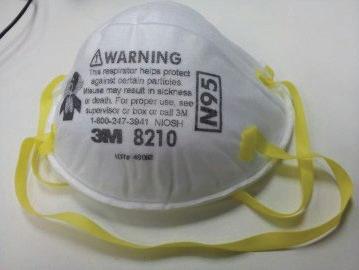
and impractical PPE into a widely applicable, effective and deployable respirator, which became especially important during airborne infectious disease outbreaks.
Scale, challenges, and evolution post-1990s
As demand for N95 respirators grew, both in industrial and medical settings, production scaled up.
Challenges
Early versions had to balance filtration efficiency with breathability and comfort; achieving both required careful optimisation of fibre diameter, density and electrostatic charge.
Over time, companies and producers have updated mask shapes such as cup-style masks, moulded respirators, foldable masks, with adjustable noseclips and headbands, to improve fit, seal and comfort.
The core filter material, charged meltblown polypropylene, remains essentially the same but manufacturing techniques and quality control have improved.
Regulatory frameworks matured: “N95” became a regulated classification of respirator, in the US under NIOSH, with defined standards for filtration efficiency, fit, inhalation/ exhalation resistance and marking ie approval numbers, manufacturer info, etc.
While the earliest N95-type respirators were intended for dust and industrial particulates,
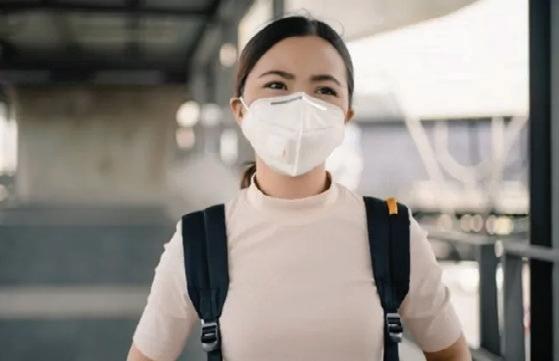
the filter technology proved equally effective for pathogens, which is why in the 1990s onward they moved increasingly into health-care settings.
Legacy and significance
The development of the N95 respirator represents a major milestone in occupational safety, public-health and materials science:
It transformed personal respiratory protection from bulky, reusable, industrial-only gear into lightweight, inexpensive, disposable respirators suitable for mass distribution.
The charged-fibre filter innovation demonstrated how advances in polymer science and manufacturing (meltblowing plus electret charging) could have life-saving public health applications.
Because N95 respirators are standardised and regulated eg by NIOSH, users can have confidence in filtration
performance, critical in occupational settings with dust/asbestos or in healthcare settings with airborne pathogens.
The N95 and equivalents, became especially globally relevant during disease outbreaks; for instance, the 2020 to 2022 COVID-19 pandemic, where effective airborne protection was essential for health-care workers and the general population.
More broadly: the history of the N95 reflects how multidisciplinary innovations, from early 19th-Century respirators, through industrial polymer/ manufacturing advances, to modern materials science, can converge into widely adopted public-health tools.
Sources: Advanced Textiles Association, The Rheumatologist, Wikipedia, Department of Consumer Affairs, The Nonwovens Institute and several others.