
FACES OF FABRY DISEASE
On the occasion of the 20th anniversary of Fabry Patients Association Slovenia and Fabry Centre Slovenj Gradec
“Fabry disease is like a rare flower in an unexplored jungle.”
Andreja Cokan Vujkovac, MD, PhD, Fabry Heart: Believe us!
FACES OF FABRY DISEASE
Published by Fabry Patients Association Slovenia
Authors: Marina Pintarič, Bojan Vujkovac, Vesna Korat, Andreja
Cokan Vujkovac, PhD, Anja Založnik, Sergeja Širca, Natanael Merzel
Editor: Sergeja Širca
Editorial notes’ source: Slovenian Medical Dictionary, 6th expanded edition (January 2024)
Project realisation: Aetas d.o.o.
Proofreader: Grega Fajdiga
Photos: Miran Juršič
Make-up: Empera
Design: Studio Mars
Print: Collegium graphicum
Print run: 1500 copies, first edition
The publication is free of charge.
Slovenj Gradec, April 2024
CIP - Kataložni zapis o publikaciji
Narodna in univerzitetna knjižnica, Ljubljana
616-056.7(082)
FACES of Fabry disease / [authors Marina Pintarič ... [et al.] ; editor Sergeja Širca ; photos Miran Juršič]. - 1st ed. - Slovenj Gradec : Fabry Patients Association Slovenia, 2024
ISBN 978-961-96617-2-7
COBISS.SI-ID 190825731
— 5 Working towards (even) better support for patients with Fabry disease 7 The most difficult for the patients was the realisation that nobody believed them 9 Establishment and development of Fabry Centre Slovenj Gradec 12 The small and big victories of our patients fill me with joy 18 Life with Fabry disease is a life that defies obstacles 21 For me, every patient is a special inspiration 23 The story of a family 26 My doctor says I’m one of the lucky ones with Fabry disease 31 I would like to have many more years with my family 34 Will I live to old age? 37 Matic has told me countless times to stop blaming myself 41 Sometimes I forget I have Fabry disease 46 All I wished for is for my children not to have Fabry disease 49 It took more than 25 years before someone took me seriously 54 Our Andrej lived 57 I won’t give up 61 My secret parallel life with Fabry disease 64 I’ve known since childhood that I was different from my peers 67 I am proud that he was my father 72 In summer I always walk on the shady side of the street 75 Fabry disease doesn’t bother me at the moment 79 Nomads and runners 83 Hope for a better future for patients with Fabry disease 87 INTRODUCTION YESTERDAY TODAY TOMORROW TABLE OF CONTENTS
Working towards (even) better support for patients with Fabry disease
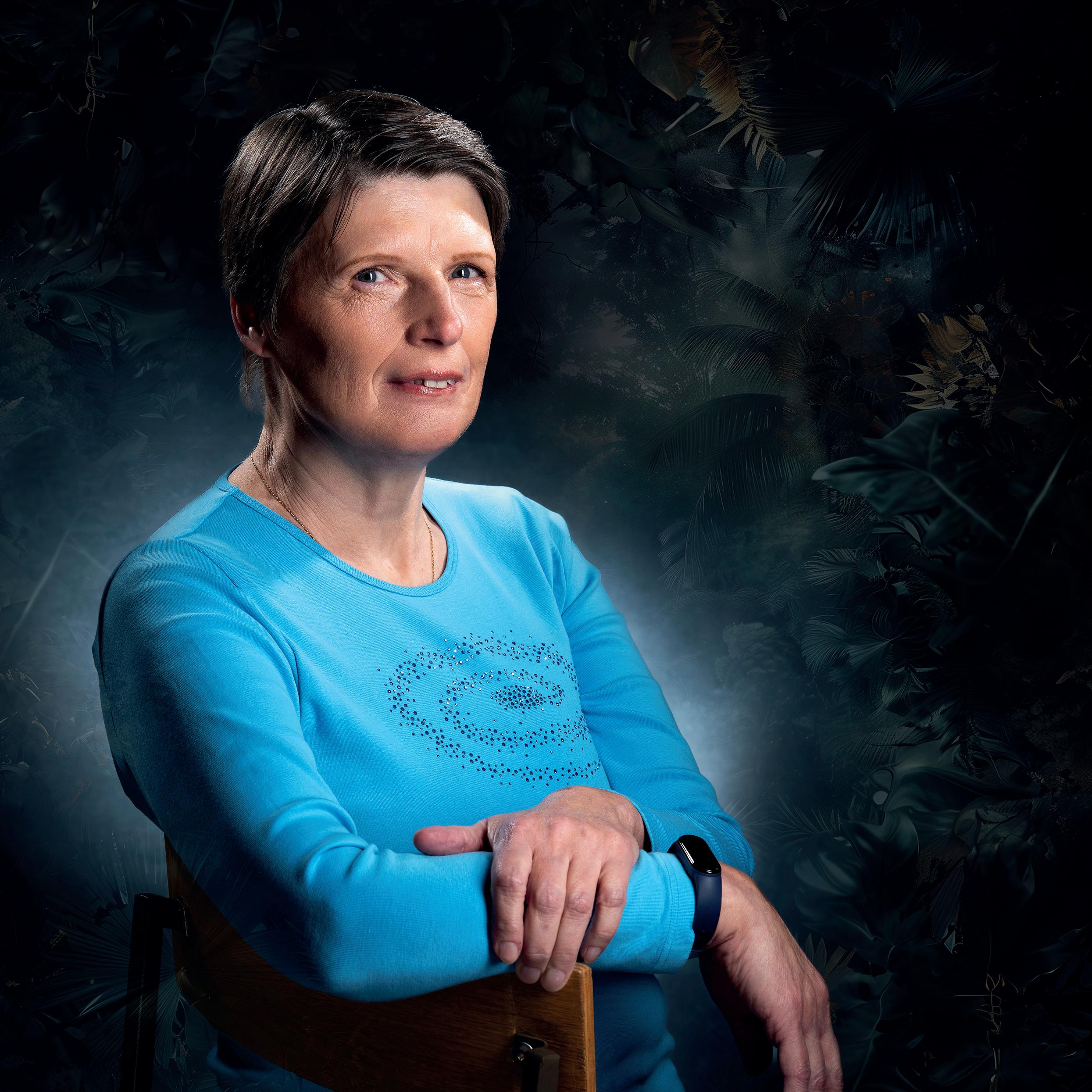
Marija Pintarič, President of Fabry Patients Association SloveniaPatients with Fabry disease need a lot of support to live the best quality of life possible. We are grateful that Slovenian patients were among the first in the world to receive treatment, and we are also grateful for the professional, comprehensive and above all very cordial treatment at Fabry Centre Slovenj Gradec, which operates under the auspices of Slovenj Gradec General Hospital.
Most of the credit for the modern treatment in Slovenia and exemplary operation of the Centre goes to Dr Bojan Vujkovac, who is also the initiator of Fabry Patients Association Slovenia. Fabry Patients Association Slovenia was founded in 2003, before the first patients in Slovenia started receiving enzyme replacement therapy.
The Association organises an annual meeting for its members with a day trip where our family members join us as well. We all look forward to these meetings very much, as we learn every year a lot more about Fabry disease and its management. At the same time, these meetings allow us to discuss our daily challenges, share our experiences of dealing with our problems and share our victories in life, big and small.
As Fabry disease is very rare, affecting 1 in 40,000 men and 1 in 20,000 women, education about the disease is very important. For this reason, our members
attend various conferences, mainly abroad (Warsaw, Amsterdam, Sarajevo, Dubrovnik, etc.). At such events we gain new knowledge and exchange various professional and personal experiences with representatives of similar associations from all over the world, both about Fabry disease and other rare diseases. We are interested to hear how patients with Fabry disease are treated in other countries, how the drugs are supplied, how the patients are treated in different health systems, and how much they know about Fabry disease and other rare diseases around the world.
We are proud to have been among the initiators of the establishment of the Rare Diseases Association of Slovenia, which today brings together nine Slovenian associations of patients with rare diseases. The Association works to jointly shape and promote the interests and needs of people with rare diseases in the fields of health care, social care, education and human rights.
Our Association’s membership in the Fabry International Network (FIN) is also valuable, linking us with 59 similar organisations from 57 different countries and working towards the empowerment of all Fabry patients.
Our Association is also part of EURORDIS - Rare Diseases Europe, an international network of more than 1,000 rare disease patient associations from 74
FACES OF FABRY DISEASE | INTRODUCTION — 7
countries, working to improve the lives of more than 300 million people living with a rare disease worldwide.
All of us patients with Fabry disease are grateful for the treatment we receive, knowing that our medicines are not cheap. But we miss the home-based therapy, which was already in place for our patients a few years ago, but unfortunately was discontinued due to bureaucratic red tape. We often wonder whether those responsible for this situation ever put themselves in the shoes of a patient who has to drive for three hours one way every 14 days to receive therapy and is so tired after it that they are unable to drive back home.
“As Fabry disease is very rare, affecting 1 in 40,000 men and 1 in 20,000 women, education about the disease is very important.”
The Fabry Patients Association Slovenia is one of the smaller patient advocacy groups in terms of membership and we are spread all over Slovenia – but we are very aware that in order to improve the care and treatment of patients with Fabry disease, we need to join forces and talk about the challenges of the disease, while at the same time repeatedly propose solutions to those responsible for tackling these challenges.
On behalf of the patients with Fabry disease, I would like to thank all of you who help us with our work. A special thanks goes to all those who have contributed in any way to the publication of our new book.
FACES OF FABRY DISEASE | INTRODUCTION 8 —
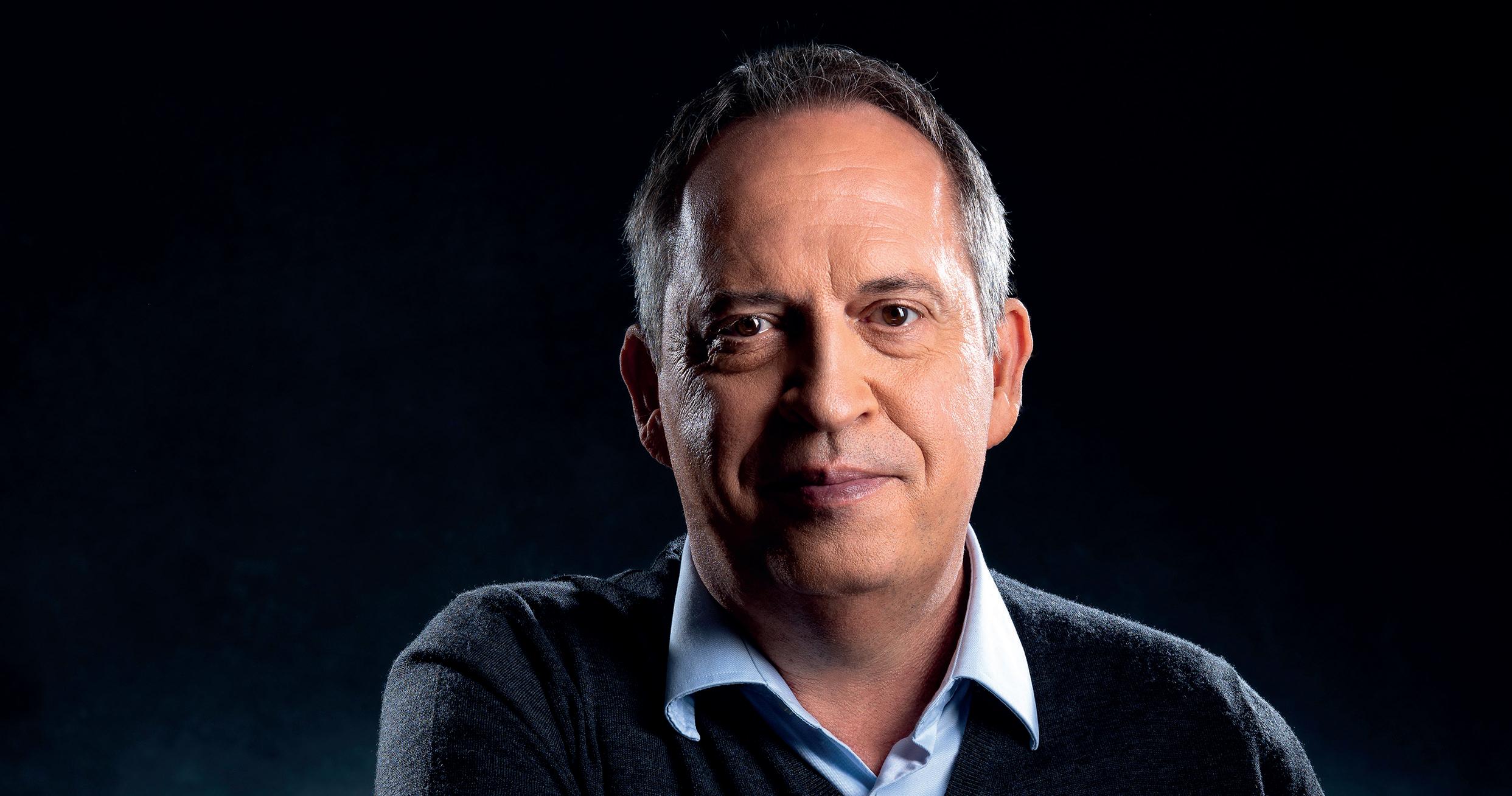
The most difficult for the patients was the realisation that nobody believed themBojan Vujkovac, MD, Head of Fabry Centre Slovenj Gradec
It is with great joy and eager anticipation that I am watching the emerging of a new book of stories of our patients with Fabry disease. Before I start writing my story, I pick up the first book
and start re-reading the stories of severe problems, chronic fatigue and frequent unbearable burning pain in the limbs. But the worst pain, the most difficult for the patients to bear at that time, was the realisation
— 9
that nobody believed them. That is why, at the time of publication of our first book in 2014, we had an overwhelming desire to believe that the tiny booklet might contribute to a greater understanding of patients with Fabry disease by the people around them – hence the title “Fabry Heart: Believe us!”.
When I talk to patients today, it seems that the situation has improved in the ten years that have passed since. Our first modest booklet has certainly contributed at least a little. At the last Fabry Patients Association meeting, when we discussed the current state of Fabry disease care in Slovenia, we concluded that a lot has changed since the first book was published, mostly for the better.
Unfortunately, the situation is still far from ideal and far from what the patients and all those who care for them would like to see and what is our heartfelt desire. That is why we have decided that it is time to write new stories and publish a second book to mark the important 20th anniversary of our Centre.
I believe that these stories, when compared with those of ten years ago, will show, above all, the changes in the lives of patients receiving long-term treatment. Some have been receiving therapy for Fabry disease for many years. At the same time, from what our patients tell us, I am confident that these stories will highlight new obstacles and common problems in their daily lives. Research done outside of Slovenia has shown that Fabry disease imposes the most limitations for patients in their daily activities at work or school. These findings are confirmed by our patients, who often find themselves in a difficult situation because of their illness and the lack of understanding of those around them. They could probably work from home when they are having
“Before I start writing my story, I pick up the first book and start re-reading the stories of severe problems, chronic fatigue and frequent unbearable burning pain in the limbs. But the worst pain, the most difficult for the patients to bear at that time, was the realisation that nobody believed them.”
a bad day with no ill effect. More understanding and support would also be in order to make it easier for them to fulfil their study requirements.
There are many more problems and stories like the ones we share with you on the following pages. The situations described in this book and others like them cause our patients even more stress, more problems, more suffering, which already accompanies Fabry disease. Have our interpersonal relations really changed to the point where we have to make a policy or issue a decision for every well-intentioned act?
Perhaps this new book will once again contribute to improving the situation of our patients.
FACES OF FABRY DISEASE | INTRODUCTION 10 —

YESTERDAY
Treatment of Fabry disease in Slovenia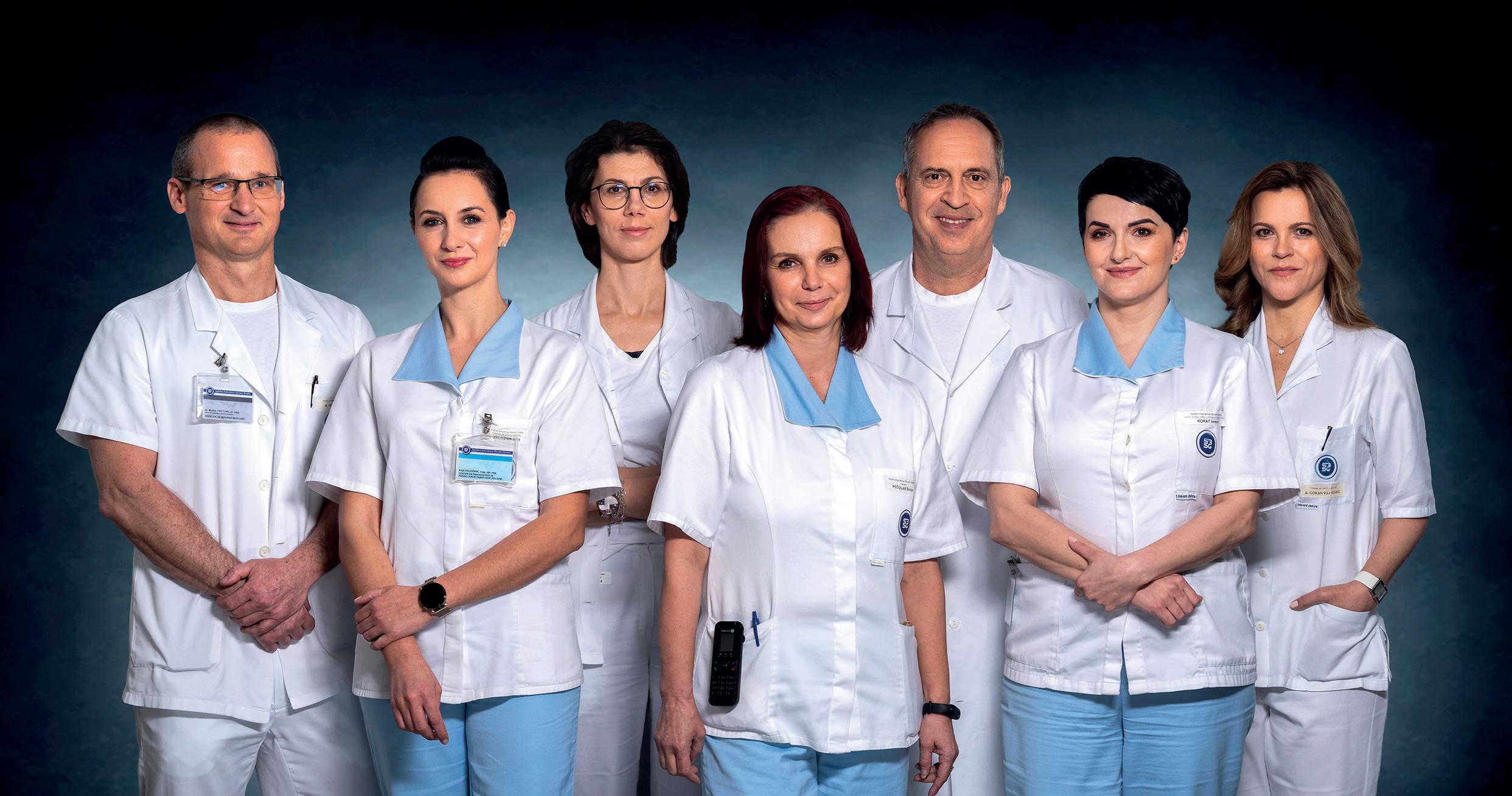
Establishment and development of Fabry Centre Slovenj Gradec
Bojan Vujkovac, MD, Head of Fabry Centre
This year marks the 20th anniversary of the founding of our Fabry Centre. The memory of those early days is still alive. Many bad memories have accumulated, but they are far outnumbered by the good ones. Especially the beginnings were very difficult and stressful. We were faced with a lack of understanding from the public, medical professionals and health policy. Many people
12 —
Slovenj Gradec
Fabry Centre Slovenj Gradec team (from left to right): Martin Tretjak, Anja Založnik, Suzana Bricman, Sonja Pečolar, Bojan Vujkovac, Vesna Korat in Andreja Cokan Vujkovac
at the time felt that it was pointless to deal with such a rare disease and to spend a lot of money on treating our patients, because we could use these funds to cure many more patients with ‘normal’ diseases. Fortunately, we have not been confronted with similar concerns for many years.
Today, it is a matter of course that all patients in need of treatment also receive it. It is also important to point out that our patients do not wait for months for their treatment to be approved, as in some other countries, but at most only a few hours. This is certainly the result of many years of good cooperation with the state health insurance company, especially with Jurij Fürst, MD, MSc, who heads the Medicines Department at the Health Insurance Fund.
But it has been difficult to realise that even specific treatments are not all-powerful. Not one of the original five patients for whom we started enzyme replacement therapy in 2003 are with us anymore. But the situation is very different for the patients for whom we started treatment very early, in their childhood or at a young age. After several years of treatment, we see in most of these patients, only minor signs of disease in the target organs. Of course, early diagnosis is crucial for an early treatment initiation.
Diagnostics has probably seen the most changes. In particular, now the maximum time to wait for the first enzyme activity and/or genetic analyses is three weeks. Most screening tests are now done by a reference laboratory in Germany, and confirmation of the pathogenicity of the samples and additional tests are then performed in the laboratories at the Division of Paediatrics at the University Medical Centre Ljubljana. We have excellent cooperation with Prof. Dr Katarina
Trebušak Podkrajšek for genetic tests and with Assoc. Prof. Dr Barbka Repič Lampret for enzyme activity. In recent years, we have also been carrying out more and more testing of patients from high-risk groups. We have high hopes for the next generation sequencing method and the use of gene panels for specific conditions. The most established genetic testing with the use of gene panels in Slovenia is for patients with hypertrophic heart disease.
“Diagnostics has probably seen the most changes. In particular, now the maximum time to wait for the first enzyme activity and/or genetic analyses is three weeks.”
As a result of more frequent testing, the number of patients with Fabry disease diagnosis is increasing. In all the years of the Centre’s existence, we have diagnosed at least one new patient every year, except in 2020, when testing was suspended due to the COVID-19 epidemic. To date, we have confirmed the disease in 66 patients from 20 families of which 51 patients are currently alive. These figures place us among the countries with the highest incidence of this disease in the population. But Fabry disease is certainly not more common in Slovenia, only the diagnosis is more effective.
FACES OF FABRY DISEASE | YESTERDAY — 13
The most important part of diagnosis is knowledge
Of course, without knowledge and awareness of the possibility that a particular patient may have a rare inherited disease, even basic testing would not be carried out. That is why education has been an important activity at our Centre for several years now. For many years, we have been systematically educating doctors of different specialisations in the form of lectures all over Slovenia. We are also expanding our own knowledge by regularly attending professional meetings abroad, mainly in our region of Eastern and Central Europe.
In this part of Europe, our international Fabry School is probably the most well recognised. We organise it every year and this year we are organising its 16th edition. At this course, a team of Slovenian experts successfully trains doctors from all over Europe (and occasionally from other continents) in the practical management of patients with Fabry disease over three days. Each year, two or three world-renowned experts join us for their lectures, giving the school even more weight, importance and prestige. A participant from Poland summed up its essence and purpose a few years ago when she called it “a school for experts”. We often stay in touch with the participants after the training and we are pleased that some – especially young – doctors decide to pursue a career in treating this rare disease in their own countries.
Following the same model, we successfully organised an international school for nurses working with Fabry disease last year. One of the participants summed up her impressions of our school after the training by saying: “Impressive and depressing at the same time.” The first part of her statement refers to the way our
Fabry Centre operates, the second part to her feeling of helplessness because of the conditions in which she has to work. Of course, we are very happy to receive such compliments, because they confirm that we have chosen the right path in our gradual development, which has, after all, been going on for twenty years.
In recent years, Fabry disease and Fabry Centre Slovenj Gradec have also been increasingly reported on in the local and national media (in various newspapers and on many radio and television stations). In this way, we are also trying to raise awareness of the disease among our fellow citizens. We seem to be succeeding in this, as Fabry disease is probably one of the most recognised rare diseases in our country. As a result, we are increasingly being contacted by many individuals with a wide variety of health problems. They are often on the verge of despair, because some of them have been wandering from specialist to specialist for a long time, looking for the cause of their ailments. Because our patients have experienced a similar fate before they were finally diagnosed, we understand them very well. But unfortunately, not every chronic problem is Fabry disease, because it is, after all, a very rare disease. So, in almost all cases like this we can quickly rule it out, but unfortunately patients still do not have a proper diagnosis for their problem. Because we understand them, we do our best to refer them to the appropriate specialists who may be able to find an answer to their issues.
Current treatment and living with Fabry disease
The most extensive part of the activities of Fabry Centre Slovenj Gradec are the regular assessments
FACES OF FABRY DISEASE | YESTERDAY 14 —
of our patients after they have been definitively confirmed to have Fabry disease.
Some female patients do not have any problems related to the disease, so we only invite them for a regular check-up once a year.
Patients with problems and target organs involvement, on the other hand, start with disease-specific treatment. All therapies for Fabry disease are lifelong, but only few patients are suitable for treatment with pills. Thus, most patients have to receive twice-monthly therapy in the form of a slow intravenous (IV) infusion therapy.
If the treatment is uneventful for the first few months, we then try to continue administering regular infusions closer to the patient’s home. Unfortunately, for about half of the patients, we cannot find the facilities (or the willingness) in the healthcare institutions close to their homes. This problem was solved a few years ago with a medical service for home treatment. At that time, virtually all our patients chose this treatment option. Nurse Matej Celin was a true angel for
our patients, as he was always ready to accommodate their wishes or needs, even if it meant coming to set up an infusion on a Sunday evening or on a public holiday.
But unfortunately, in the midst of the peak of COVID-19 pandemic, there came a shock for everyone. The official regulator’s oversight found that not all the relevant regulations and other paperwork had been adopted for this form of treatment. It makes me very sad that people with expertise in the field prefer to ban something that has meant a great deal to all the patients, because it has improved their lives considerably, rather than using their knowledge to look after their fellow citizens and to help arrange and adopt the necessary missing documents. Unfortunately, the matter has now been pending at the Ministry of Health for several years. This is sad.
In those days of the pandemic, when patients were left without this kind of support overnight, it quickly became apparent who really felt that their profession was a mission and not just a regular job. A big thank you goes to our colleagues in the local health facilities
FACES OF FABRY DISEASE | YESTERDAY — 15
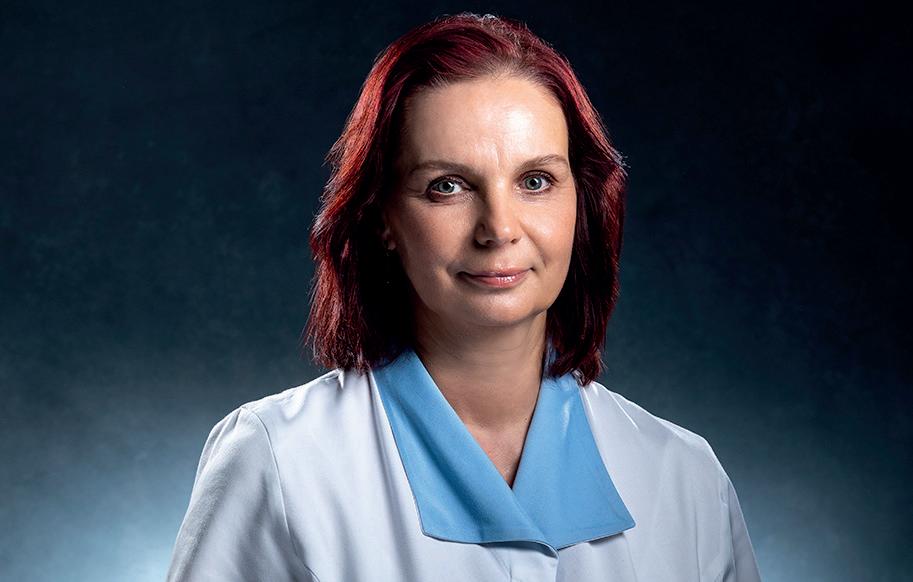
Sonja Pečolar, BA in Nursing
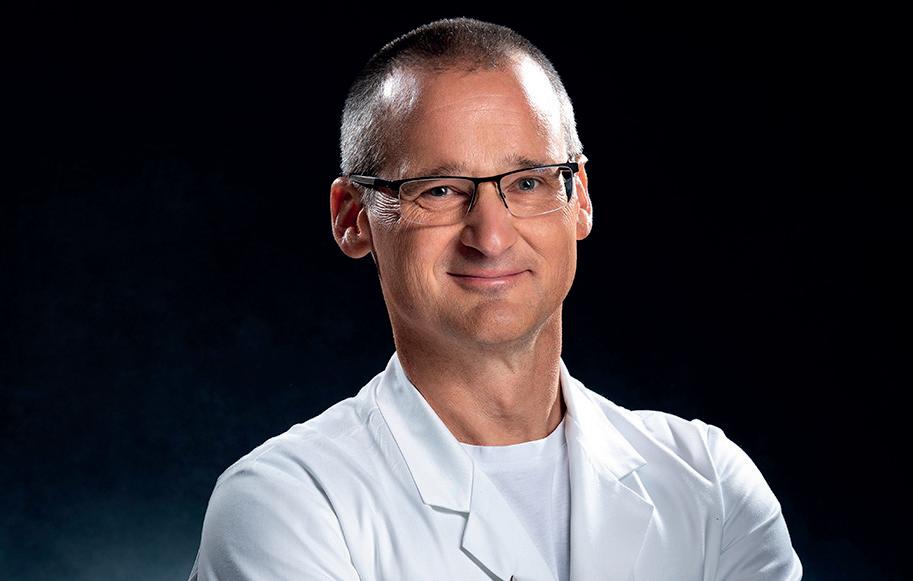
Cardiologist Martin Tretjak, MD, PhD
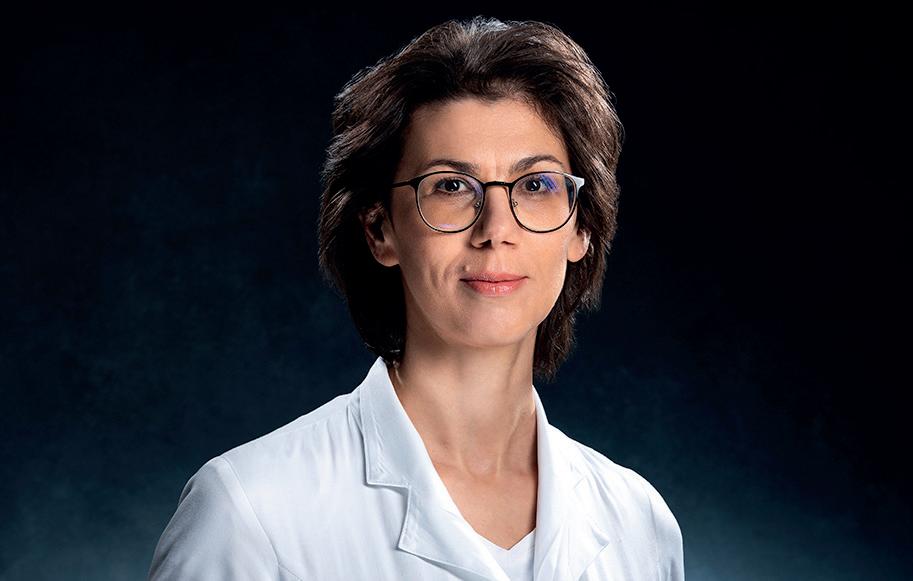
for their quick resolution of the situation. Our nurses at Fabry Centre, Vesna Korat, Sonja Pečolar and Anja Založnik, have also played an important role, always being available to help our patients – even with their personal difficulties and not only in treatment-related situations. It was then that the real strength of our Centre was demonstrated. These nurses are the heart of Fabry Centre and the first point of contact our patients have with us. If necessary, our team of doctors then gets involved: cardiologists Andreja Cokan Vujkovac, MD, PhD, and Martin Tretjak, MD, PhD, and neurologist Suzana Bricman, MD. Experience shows that it is much easier and less stressful for patients if they are always treated by the same team, who also knows them well. Their knowledge and warm human touch have also earned them the patients’ trust.
Over the years, our relationships with patients usually only deepens and often becomes more personal. Our patients also have our personal telephone numbers and we are always at their disposal. After all these years, we have found that every call we have received
so far has been justified, because the patients are very considerate. It is because of the good relationships and the pleasant environment that some patients choose to continue their regular treatment at Fabry Centre, even though this means that for many years they have been travelling for their treatment from quite far away every two weeks.
We try to help all our patients to the best of our ability and knowledge and to alleviate their problems, but we are not always successful and unfortunately some of our patients are no longer with us. All the deceased have died from the effects of this serious disease, often after many years of suffering. After many years of treatment and companionship, the death of each and every one of our patients is devastating for us, as we feel that we have lost a person close to our heart.
In addition to these sad events, we also experience the birth of each of our patients’ children in a similarly emotional way. When patients and their partners decide to start a family, we often discuss the different options with them. When they have a healthy baby, our joy is immeasurable. But even when children with Fabry disease are born, we realise that, thanks to medical advances and ever better courses of treatment, they will probably have an easier life than their parents did. We are very pleased that children with the disease are also well cared for in Slovenia, and that for many years now they have been under the exemplary care of Assoc. Prof. Dr Mojca Žerjav Tanšek from the Division of Paediatrics at the University Medical Centre Ljubljana, with whom we have been working in excellent cooperation. It often seems that we are one team, even though we work at different institutions.
FACES OF FABRY DISEASE | YESTERDAY 16 —
Neurologist Suzana Bricman, MD
Publications in peer-reviewed journals
While in the past we often heard complaints that we should publish more in peer-reviewed journals, the situation has changed a lot in the last ten years. For several years now, we have been publishing papers as authors or co-authors in the most respected international peer-reviewed journals. This is mainly due to our research work on our own projects, but we are also heavily involved in international research.
For example, we recently participated in an international study for the registration of a new drug for Fabry disease. The feeling when our patients have access to the latest drugs available several years before they enter the market is great. In other research, we have had excellent collaboration with Prof. Dr Trebušak and her team for several years.
Our Definer study, which is looking at factors that influence the development of kidney disease, has received a lot of attention. We have been joined in this research by several renowned centres outside Slovenia and the project has been approved by the Public Agency for Scientific Research (ARIS, formerly ARSS).
All this proves the high level of our research work. Of course, the successes gained in research are mainly due to our patients, who are always willing to participate in any research, and our outstanding team of nurses, who take exemplary care of all the details to ensure that the research is carried out in accordance with the highest professional and international standards.
FabryCare Application
The comprehensive patient treatments and the many activities of the Centre result in huge piles of paperwork and binders full of medical records. A few
years ago, the Centre ran out of space for them, and we had to look at the hospital again and again for any nook and cranny. As long as the number of patients was small, we were able to manage, but over the years it became increasingly difficult to keep track of the entire treatment of each patient.
This is why we started developing FabryCare software a few years ago. In the first phase, it was designed for the regular management and overview of the patient’s condition. Over the years, we have developed the software further and added features to help with diagnosis, research and disease progression. In fact, we have converted more than a hundred binders accumulated over 20 years into the electronic format. At the end of last year, we also started to use the application routinely in our daily work.
But the development did not end there. We are currently developing the option to actively involve our patients in FabryCare system. This is not just about regular communication with the Centre and coordinating calendars with individual test dates. By filling in electronic questionnaires, they would receive upto-date information on parameters that define their quality of life. Each patient would have a permanent overview of their reports and a brief summary of their state of health with brief instructions on the necessary actions to be taken. In addition, patients would be able to connect with other patient associations and access educational content. We want to connect patients even more effectively to enable them to take control of their disease and treatment.
FACES OF FABRY DISEASE | YESTERDAY — 17
The small and big victories of our patients fill me with joy
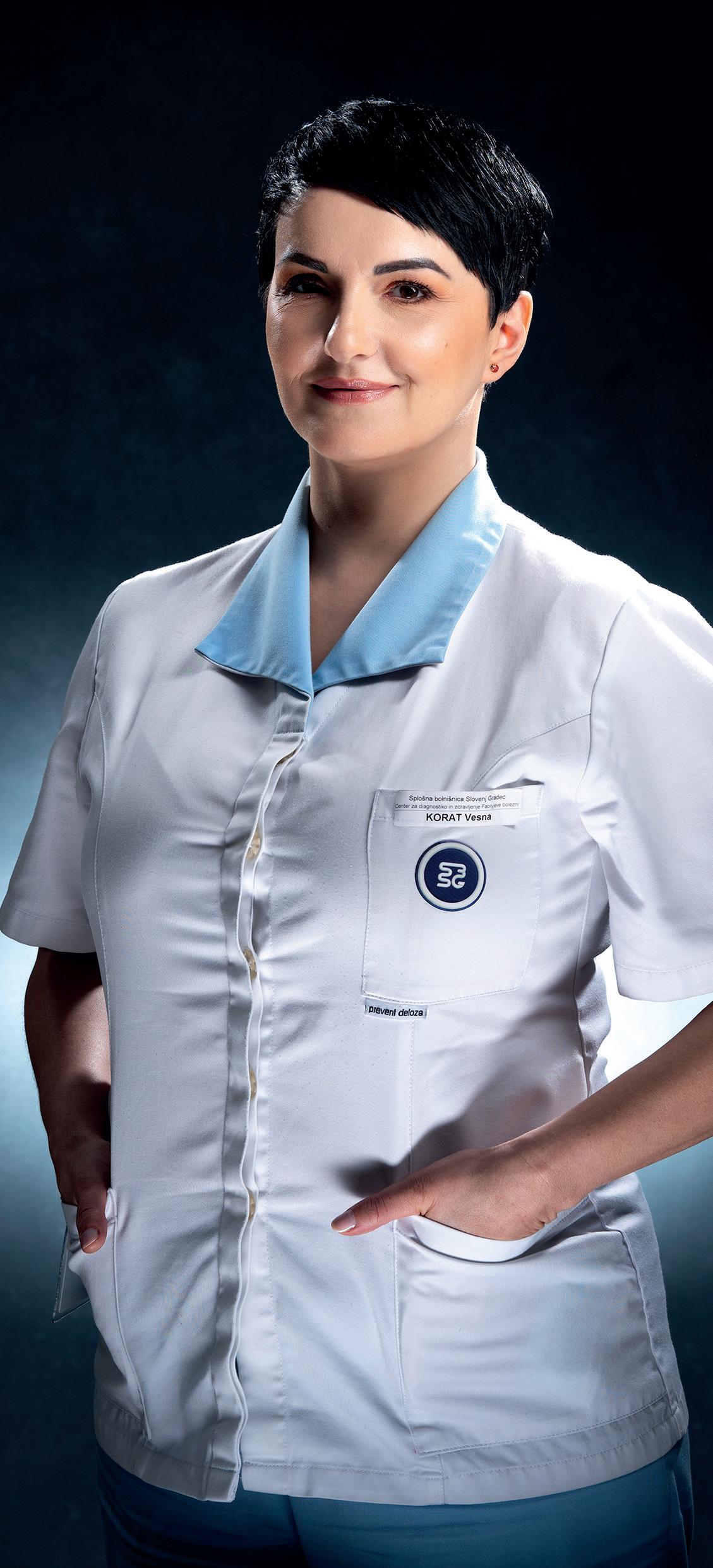
Vesna Korat, BA in Nursing, Nurse at Fabry Centre Slovenj Gradec
Ihave been working at Fabry Centre for more than 17 years. My beginnings were very difficult. I would have liked to start my story on a more positive note, but I will tell it like it was. As a nurse, I was on my own, I had no one on the nursing staff to turn to and no one to cover for me. In addition to the Centre, I covered other areas of internal medicine, where I was also on call and often stayed on duty after hours – which was very distressing for me at the time.
I must admit that I considered switching jobs. But I overcame that crisis thanks to my youth and my persistent spirit as well as the desire for new challenges, and after a few years the staffing situation improved. So now my story continues on a more positive note. Today, the Centre employs three nurses, two being permanent (besides myself, there is Anja Založnik, with Sonja Pečolar to help us). The three of us are a team, with each of us contributing our own experience and freshness. Together with the doctors on the staff, we are increasingly upgrading the healthcare system for
18 — FACES OF FABRY DISEASE | YESTERDAY
the benefit of our patients, which gives me even more impetus for my work.
Let me give a brief description of my job: I am basically a care coordinator. Fabry disease is multisystemic, so patients have to see different specialists. My job is to make sure that they are treated by a multidisciplinary team, thus saving them having to book appointments for the necessary examinations and tests. This unique healthcare model can take a lot of the pressure off them. Of course, we follow an internationally accepted protocol that is individually tailored to each patient.
The work of a nurse at our Centre is largely autonomous and very challenging, because we are dealing with a very rare disease. In addition, we are the only centre for Fabry disease in Slovenia, which requires a lot of contact with other countries, and the training in question is currently only available abroad. Training or self-education is a constant feature of our work.
My clinical work also includes participation in the diagnosis of the disease, planning of infusions with enzyme replacement therapy, administration of infusions, supervision during and after administration of infusions, as well as planning of examinations and tests. I am involved in clinical research and international registries, and I also educate nursing students about Fabry disease and teach the nursing staff at the patients’ local healthcare facility to administer infusion therapy. And on and on ...
But let me focus my narrative mainly on the psychological support that I, as a nurse, provide to patients and their families, which is extremely important. Fabry disease does not take only physical toll on the patients. Feelings of anxiety, helplessness, anger and depression are very common as well.
I often form close bonds with my patients and I stop seeing most of them as patients. Some have become my friends, who not only come for an infusion and a check-up, but we touch on everyday topics as well as very personal subjects in our conversations.
Patients often call even on days when they are not scheduled for infusion because they need to talk. One of the nurses at the centre is always available and is their first point of contact. As a nurse who has been working with patients with Fabry disease for a long time, I know the physical and especially the psychological burden the disease takes on them very well, and I am able to advise and guide them even when the problems worsen. I can advise them when and to whom they should turn and I think this brings the patients a sense of safety, relief and reduces their anxiety. As a chronic illness sufferer myself, I know how illness affects the quality of life on a daily basis.
“I often form close bonds with my patients and I stop seeing most of them as patients. Some have become my friends, who not only come for an infusion and a checkup, but we touch on everyday topics as well as very personal subjects in our conversations.”
FACES OF FABRY DISEASE | YESTERDAY — 19
I believe that, thanks to the support of our multidisciplinary team, it is precisely because of this unique way of working that our patients have an overall positive experience of healthcare, despite today’s bureaucratically burdensome healthcare system. Home therapy was also introduced, but was later unfortunately discontinued. Even during COVID-19, we were always available to our patients at the Centre and their health care was uninterrupted even during at that time.
I have heard somewhere that 46% of patients with Fabry disease are depressed, which is a much higher rate than in the general population. This is perfectly understandable, since many people have been on a yearslong and torturous hunt for the cause of their health problems and they have never been able to find out the real name of their illness. They are often labelled as hypochondriacs, idlers, etc. Such labels hurt, and every time a patient mentions one of these words, or laments that no one understands them, I feel their pain and understand their suffering all the more keenly.
And when their health problems finally do get a name – Fabry disease – new questions and new unknowns arise. How to move forward? What about my children? What about my job? How will my family function? Will the treatment be effective? These are the concerns that patients with Fabry disease share with us again and again. First we listen to them attentively and with compassion, then we talk and explain. Our answers give them hope, which sows a bit of peace in their souls. Because the disease is hereditary, we often provide psychological support to the patient’s family members as well.
When we perceive mental distress, nurses first try to resolve what can be resolved through discreet con-
versation. Then we turn to the doctor. I do not think that there are enough qualified psychiatrists or clinical psychologists in Slovenia to help our patients effectively. I note that depression and anxiety are under-recognised and under-treated; chronic pain, its impact on sleep and quality of life, is under-detected, and we often do not know how to relieve and treat it adequately. In short, we are not good enough at recognising this vicious circle and too often we fail to break it.
Nurses already have the knowledge to promote good health care as a general preventive measure. We try to teach patients how to manage symptoms and reduce negative reactions to stressors. We work with them to find activities that reduce stress. We talk openly about problems affecting their family, their friends, their school, their job... whatever may be weighing on them.
Unfortunately, death is also part of life. The death of every patient we have managed at the Centre over many years, some for as long as 20 years, fills the team with immense sorrow. We miss them.
Of course, we also record happy events in our line of work: when patients cope well with the symptoms of their illness; when the illness is in remission. When patients who started treatment very early in their life grow up before our eyes; when they finish their studies and get their first jobs; when they proudly report about their achievements at work; when they fall in love for the first time; when they get married and have children; when they get grandchildren.
When patients proudly tell us of their victories, big and small, ... I am filled with joy. It makes us all filled with joy.
FACES OF FABRY DISEASE | YESTERDAY 20 —
Life with Fabry disease is a life that defies obstacles
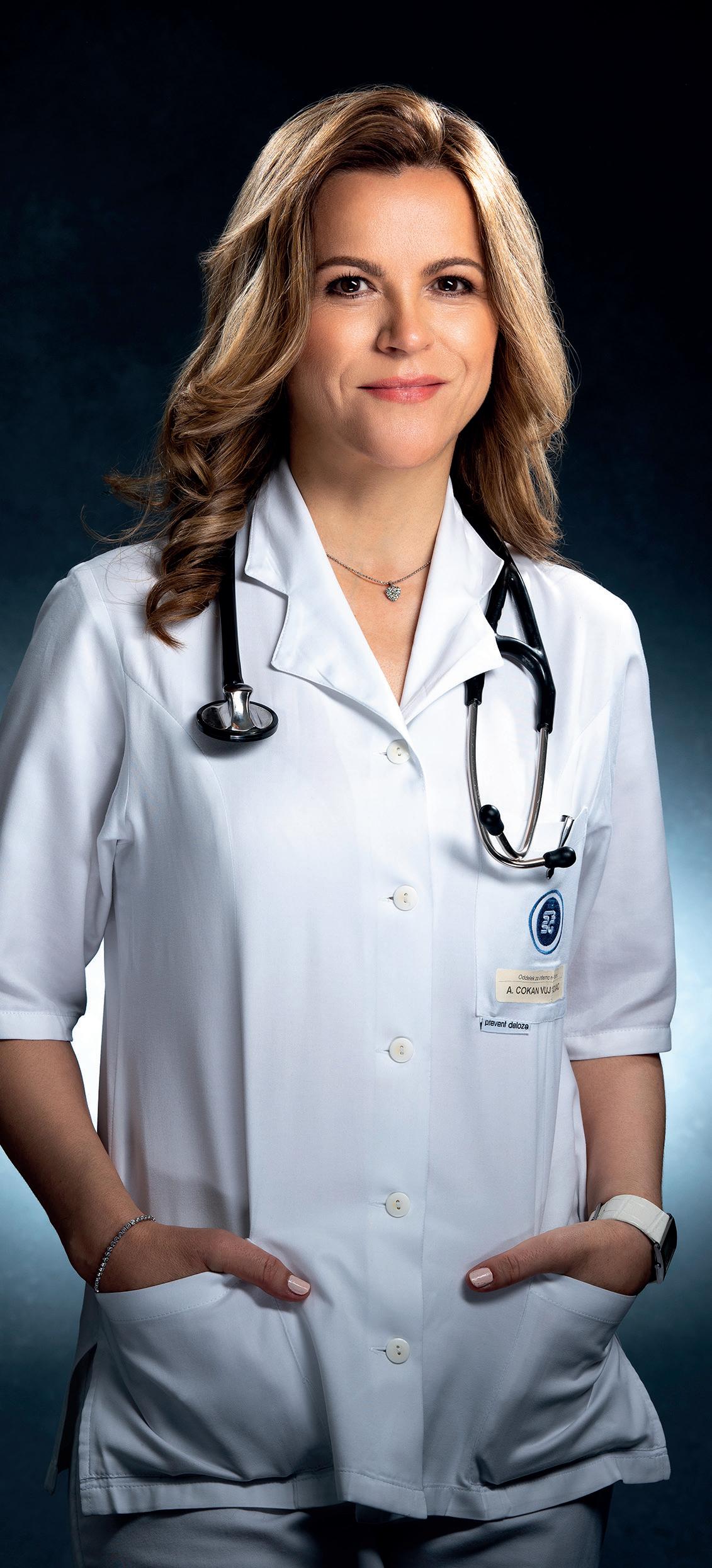
Andreja Cokan Vujkovac, MD, PhD, internal medicine, physician at Fabry Centre
Slovenj GradecFabry disease is not just a list of symptoms that we try to treat. It is like a journey where we face invisible obstacles every day. Diagnosing this disease can be tricky as symptoms are often non-specific and can vary from patient to patient. Each patient is unique and each story is different. Some stories are full of hope, others are full of challenges.
As a doctor treating patients with Fabry disease, I witness the suffering it causes. But I also witness the immense courage and determination of our patients. Patients face many difficulties and severe limitations, but at the same time they radiate a strong will to live.
I have learned that this rare disease is more than just a medical condition. Life with Fabry disease is a life that defies obstacles, and the life course of our patients is sometimes steep and unpredictable. But in my practice, I meet patients who keep a smile on their face despite the difficulties, and I meet parents who lovingly support their children in their struggle against the obstacles posed by the disease.
— 21 FACES OF FABRY DISEASE | YESTERDAY
“Together, we have a responsibility to spread awareness of this disease so that every patient with Fabry disease is understood, treated compassionately and given the chance to live the best life possible.”
Fabry disease affects not only the body, but also the soul. Patients face the fear of the future, yet today they strive to live their life to the fullest.
I find that raising awareness of the disease is crucial. Patients’ stories are not only their own, but also the stories of their families, friends and all of us. Together, we have a responsibility to spread awareness of this disease so that every patient with Fabry disease is understood, treated compassionately and given the chance to live the best life possible.
When we first faced the challenge of treating Fabry disease, we were already aware of the complexity of this genetic disorder. Our team of medical professionals came together with a single goal in mind – to improve the lives of patients with this rare disease. And thus, Fabry Centre was born.
In the beginning, we were faced with limited treatment options, but we were determined to search for innovative solutions. A key milestone was the development of drugs specific for Fabry disease. We have established a close collaboration between research-
ers, pharmaceutical companies and patients receiving treatments. We have been involved in clinical studies and scientific research that have led to the introduction of effective therapies that reduce the symptoms of the disease and improve the patients’ quality of life.
And we have always strived to treat patients holistically. Understanding that Fabry disease affects many aspects of a person’s life, we have assembled an integrated team of experts, working together to develop tailored treatment plans for each individual patient.
In recent years, we have made great progress in understanding and treating this disease. That said, we are aware that our journey is ongoing and that we need to continue to improve our approaches and keep up with the latest research. Engagement with patients remains crucial, as their experience is an invaluable source of information that helps us design better treatment strategies.
I would like to thank all the team members whose dedicated work has enabled our Centre to grow and our patients for their trust and cooperation. Together, we are building bridges to better health and life for all those coping with Fabry disease. Together we can make a difference. I believe that in the future we will successfully cure this disease.
FACES OF FABRY DISEASE | YESTERDAY 22 —
For me, every patient is a special inspiration
Anja Založnik, MSc in Nursing, Nurse at Fabry Centre Slovenj Gradec
My journey at Fabry Centre Slovenj Gradec, most often referred to as Fabry Centre, started in 2018. I was transferred to Fabry Centre because they were short of staff.
The work of a nurse at Fabry Centre is quite specific in its nature, so the beginning of my orientation was very difficult, stressful and tiring. The work at our centre is completely different from the routine work in other outpatient clinics or on the ward. No training institution could prepare you for such a specific type of work. It requires a great deal of autonomy, flexibility and precision, but it is also very interesting and challenging.
After a few years of working at this Centre, I have gained a lot of knowledge about autonomy, organisation, coordination, education, providing psychosocial support to our patients, research and I could go on and on. I am still upgrading my knowledge and I can say that I am lucky to have the opportunity to learn from the best, thanks to the professional team I work with.

— 23 FACES OF FABRY DISEASE | YESTERDAY
“Every patient has their own problems and story. For me, every patient is a special inspiration, I learn a lot from everyone and they are often my role models.”
Caring for Fabry patients is at the heart of our Centre. We offer quality treatment to our patients, which has allowed me to get to know each and every one of them completely. Caring for them has formed a special bond and attachment, especially with the patients who come to Fabry Centre every 14 days for enzyme replacement therapy.
We also spend quite a bit of time on day-to-day topics during our treatments. It is these conversations that give the treatment its real weight, as they reflect our sense of being part of this institution and, above all, our accessibility and safety that we provide.
Every patient has their own problems and story. For me, every patient is a special inspiration, I learn a lot from everyone and they are often my role models.
Let me take this opportunity to thank each and every patient for their cooperation, but above all, thank you for trusting us with your health.
FACES OF FABRY DISEASE | YESTERDAY 24 —

TODAY Living with Fabry disease in Slovenia
The story of a family
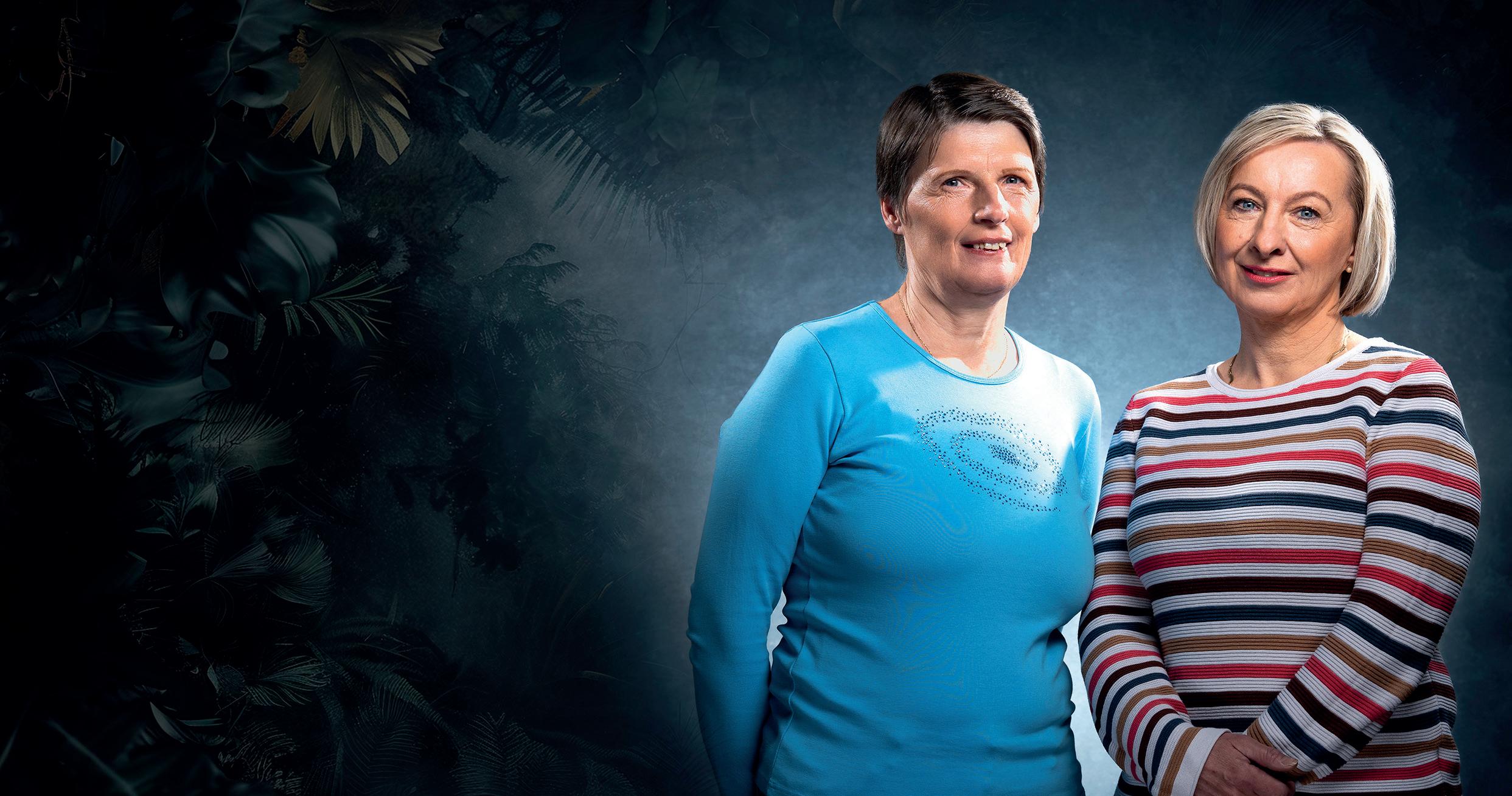
Marina Pintarič, Velenje and Milena Sonjak Merkač, Ravne na Koroškem
Marina: We are cousins. My mother and Milena’s father come from a large family of ten children. Three were healthy, seven had Fabry disease. Unfortunately, they have all died already. Of the seven brothers, five had Fabry disease, including Milena’s father, and my mother and one of her sisters, who died this year at the age of 76. My mother was the oldest. She died at the age of 46.
Milena: The first member of our family to be diagnosed was my uncle Štefan, in 1991, and then my father. Dr Jožica Kotnik, a dermatologist, was the first to suspect Fabry disease because of the marks on his skin. But there was no cure for it back then, the treatment started only in 2003.
26 —
The year the three brothers died
Uncle Metod was the first to get the cure. In September he got the medicine for the first time, and a few days later he died, aged 47. It was a turbulent year, claiming the lives of three brothers. First Štefan died, who was 58, then a month later my father Simon, who lived until the age of 59, and then their younger brother Metod.
In 2005, our bica (dialectal word for grandmother; ed.), my father’s mother, who was a Fabry disease carrier, and Branko, our cousin, died. He was 31 years old. His brother has also passed away, he lived to be 52.
Marina: I think that the problems related to the disease were already present in the family before. Ever since I can remember, my mother had problems with her diet and she was sick all the time.
Milena: My mother told me that when my father went to serve the compulsory military service, he had fever all the time. They sent him home and he was given a document saying that he was not fit to serve in the army because of his illness. He often had diarrhoea and didn’t sweat. I’ve had similar problems since childhood.
Marina: Interesting, I didn’t. In fact, I didn’t have any problems at all until I was about 40.
Milena: Oh, I was tired all the time and I was listless. Until I was about five, I was sick all the time, I had tonsillitis. I mean, maybe it’s not related to Fabry disease, but until they removed my tonsils, I had problems.
I had no ability to focus since childhood and I still don’t. I had heart problems, pain in my arms and legs, tinnitus ... I felt strange. At school, I was constantly reproached at PE that I was lazy. I felt marginalised. Then I had my daughter and went to work. I found it difficult to integrate into society. I had terrible stage fright when
I had to say something. This improved later on, although I still find it difficult to speak in front of others.
No one believed me
But nobody believed me, not even at home, although my father was like that too. They always said: “We’ll manage somehow.” My father worked hard, he was a small business owner, a painter and he was very driven. Then he got sick and then it started: first a heart attack, followed by dialysis. He bought a machine to have dialysis at home.
There was always a certain tension and rush in our home. First because of my father’s job, and then it weighed very hard on my father when Dr Verovnik told him that he had Fabry disease. Not only because of himself, but also because of me and my sister. She has it too. She has had no problems at first, but for the last two years she is also being treated. She is 50. She has two children, and they do not have the disease. My two daughters both have it. It seems to me that the older one has no particular problems, apart from headaches. The younger one has diarrhoea and headaches, but nothing serious. But I can see on her medical reports that the disease may be affecting her kidneys.
Why do we have to be this family?
When I received the diagnosis, I asked myself: “Why? Why does it have to be our family?” The first year, I was very depressed about having this disease. I was afraid of how it would turn out. I had to go to Fabry Centre every week. I cried a lot. You know, every little thing has made me cry since I was a little girl. Then I went to a psychologist and about ten years ago I was given pills against depression. I soon got better. I am so
FACES OF FABRY DISEASE | TODAY — 27
glad I took those pills! I am much more positive since I started taking them. Now I don’t cry for every little thing anymore. I used to burst into tears every time when I was upset about something at home or at work.
But I am not assertive, and sometimes that makes me angry. I always need confirmation; I am never happy with my decision.
Sometimes they used to say I was lazy because I was so tired. I used to feel very bad about it, because I knew I was not lazy. “But I can’t!” I used to think.
You have to be very strong to cope with that
Marina: It was the same with our uncles and cousins. Our cousin was teased at work for being as lazy as a toad at the bottom of a well. He didn’t have any support in the family either. Many a time he just disappeared for a day or two. But one day he suddenly made up his mind and never came back... Just at that time they told him that he would soon need to start dialysis. He took that very hard. He saw how things were going with his uncles and he must have been dwelling on this and on what he was going to have to go through ... The dialysis, the pain and everything else ... You have to be very strong to cope with that.
Milena: It’s probably easier for women because we are more patient and because Fabry disease is usually not as hard on us.
Marina: It has a big impact on the psyche. I saw it in myself – while I was still working, it got worse every year.
Milena: I agree. Now I only work four hours a day, and I’m on disability pension for the other four hours. But sometimes I feel that everybody is bombarding me with everything. I often think to myself: “There’s too much of everything.”
“Sometimes they used to say I was lazy because I was so tired. I used to feel very bad about it, because I knew I was not lazy. “But I can’t!” I used to think.”
Marina: You’ll see what it’s like when you retire. I worked part-time and after turning 40 I was very tired every day after work. After I retired, I was very relieved because I didn’t feel the pressure anymore. Especially having to do something that you know is not in line with your principles. I worked at a bank and I loved working with customers. But sometimes it seemed really pointless offering them something they didn’t need. My guiding principle was that I should not do harm to anyone, not to the bank, not to the client, not to myself.
Once you retire, you do things that you were deprived of for 40 years. I do what makes me happy, especially in nature. I walk a lot, pick blueberries and mushrooms... I like to help out at my cousin’s farm, we just slaughtered a pig (a traditional custom where relatives and neighbours gather, slaughter a pig and process pork for use in the winter months; ed.)
Milena: We have a big garden too. And I have four grandchildren. None of them have been tested for Fabry disease yet. This awareness of the disease in the family is quite a burden. For a long time, I was very burdened by it.
FACES OF FABRY DISEASE | TODAY 28 —
There are many unhappy and sad stories in our family
Marina: You shouldn’t burden yourself. We have children so that humanity doesn’t die out, and then –they made their bed, and they will have to lie in it. If you can, help them and give them some advice. But we really are unhappy when our children are unhappy ...
And there are many unhappy and sad stories in our family.
A baby girl was born with a heart defect and died when she was less than a month old. She probably had Fabry disease.
When one of our relatives was pregnant, they recommended her a test to see if the foetus had Fabry disease. She waited a long time for the results. She said that if the result was positive, she would have an abortion. It may sound terrible, but you should know that in our family she has seen up close and personal what the disease does. She was pregnant at the time our uncle died. She saw how the disease affected some of the children in the family, for example, they had learning difficulties, they had been going for treatment since they were ten years old... An ambulance came outside the school to take the child to Fabry Centre Slovenj Gradec. It was not easy for them.
But fortunately, everything was fine with her and she gave birth to a healthy son.
On the one hand, it was easier for us, we already had children and we were working before we got the diagnosis.
Milena: They understand me at work. But I learned that I have to take care of myself. No one will tell me to sit down and have a rest. And when I have treatments, I take sick leave. I haven’t for a long time.
Marina: I have had bad experiences with this and it was because of their bad attitude that I always took sick leave the whole working day I went for treatment. I was even told at work that I was making it up if I ever went to have the treatment on a Tuesday instead of a Wednesday because my appointment had been rescheduled ...
Every 14 days we have to make time to go to Fabry Centre. For a while they came to give us the infusion at home, which was great, so now I’m quite stressed about the driving.
The therapy at Fabry Centre is more than just an infusion
Milena: In the beginning it maybe was a burden for me as well. But now that we’ve got to know each other well and we’re friends, it’s nice. Wednesdays in Slovenj Gradec are no longer just therapy. We have nurses Vesna, Anja and Sonja there and we talk a lot. We feel very at home.
Marina: It’s treatment of the mind and soul as well, yes. It’s not just the infusion. (laughs)
Milena: Since I’ve been receiving the medicine, I’ve noticed positive changes. I’m sweating normally now and that’s great. I don’t have diarrhoea anymore. It’s easier in the summer. I have fewer problems now, and they only occur occasionally.
Marina: I remember how much we used to dance in folklore groups when I was young, but I never used to break into a sweat. I only sweat now that I’m receiving the treatment. I absolutely feel better now. But I still can’t stand neither the cold nor the heat. My feet are always cold and I sleep in socks. And my heart rate is usually very low, rarely above 50.
FACES OF FABRY DISEASE | TODAY — 29
Milena: My feet are always cold, too, and I often get pins and needles in my hands and I can’t wash lettuce in cold water, for example.
Marina: But don’t you have a man to do that? (laughs) At our house, my husband washes the lettuce and he cooks too. I have a lot of support in my family. That really means a lot to me.
I didn’t bother my husband and my son too much with my illness. I haven’t always told them everything. But when I told them that the doctor suggested I start treatment, my son Gašper immediately offered to drive me. I was happy to have his support, but I really have no problem driving myself to Slovenj Gradec.
The support of my family is truly invaluable
Milena: My husband has always been there for me too. Such support is worth a lot when people don’t understand you. When someone makes a snide comment, like when I can’t rake the hay, my husband is always on my side. He knows I can’t stand the heat. He also knows how the illness progresses, because he has seen it with my father.
Marina: None of the men in our family lived to see the age of 60. I regret very much that my mother did not live to see my son, her grandson, born a year after her death. I almost died of sepsis during birth.
Now, at 62, I am the oldest in this Fabry family of ours of the members who receive treatment.
Milena: I’m 56 and sometimes I joke: “I’ve got three and a half years to go.” At home, they scold me to cut that out. I know that women with this disease live longer than men. But sometimes I still think: “What if it’s true?”
Marina: I expect to live to be 85 like our grandmother. Maybe because my problems only started
when I was in my 40s. I was gloomier then, but now I have a positive outlook on life and I am not afraid of death. I just wish to die painlessly. I have seen a lot in my life. But if given the chance, I still have many goals for my life. I like to travel, for example.
Milena: I just want it to stay the way it is, so that it doesn’t get worse quickly. I’m afraid of, say, getting a stroke or a heart attack, and sometimes when my heart starts beating fast, I get scared. I’m afraid of surviving it and remaining immobile and dependent on others ...
I’m also very scared of dementia, I think it’s related to Fabry disease. Sometimes I forget and don’t remember things. I also notice this with my younger daughter. I just don’t remember certain things, but I think I should. I am very afraid of that. I think that at my age I should not have forgotten, say, where I put something down. I left my phone in the fridge once. (laughs)
Marina: I solve this with a special container where I always put these things. And we have to train our brains, so I do a lot of crosswords or octagons and number games. You have to put your brain to work, it’s good for it.
Although times are not very rosy, I also wish that at least my condition would not get worse for me.
But I know that the disease is progressing. Besides, we are getting older every year and our bodies are starting to fail. We cannot expect to be the same at 70 as we were at 40 or 30. We have to accept that. Healthy people have to accept that too.
FACES OF FABRY DISEASE | TODAY 30 —
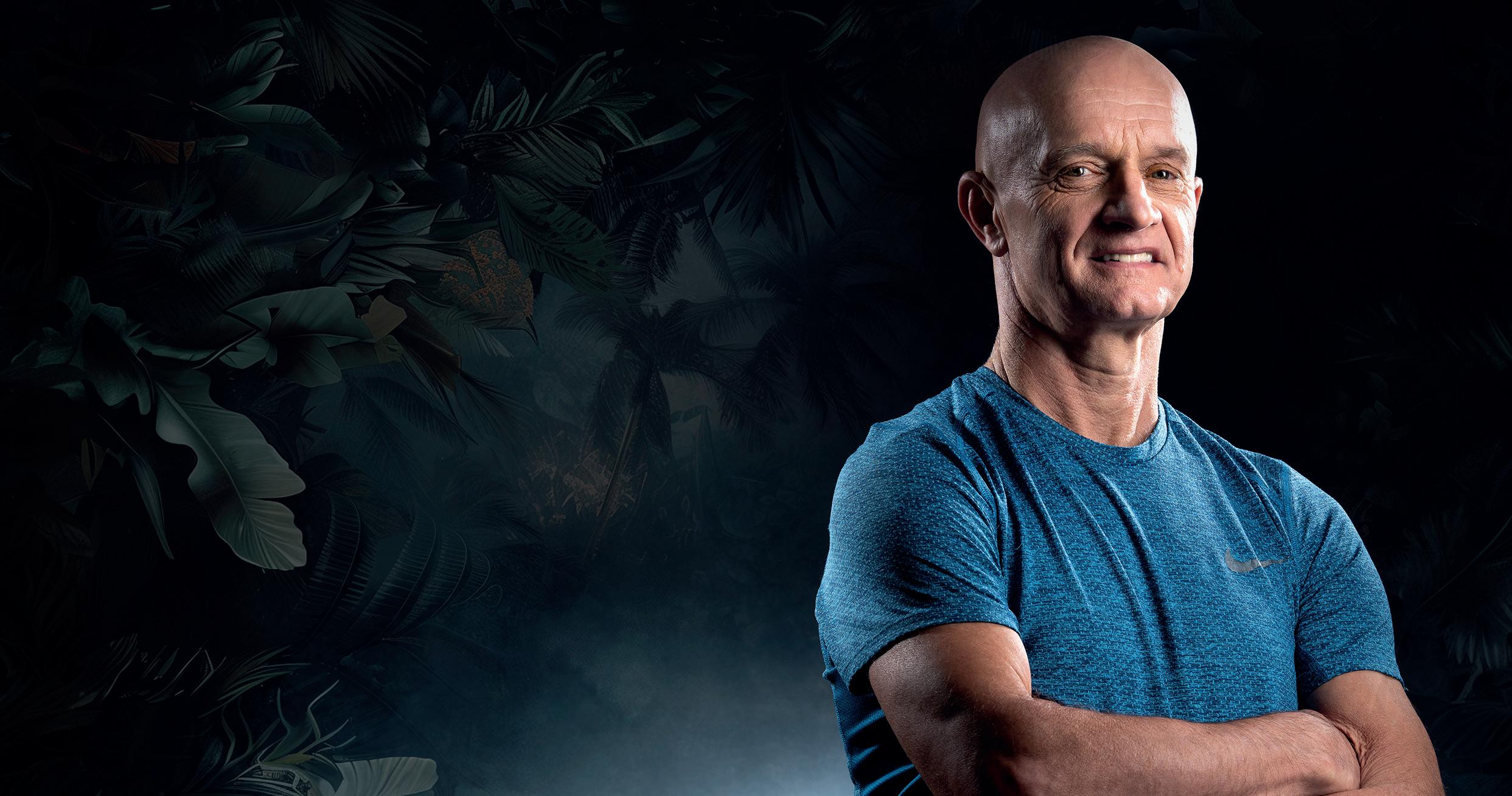
My doctor says I’m one of the lucky ones with Fabry disease
Branislav Adlešič, Črnomelj
I was diagnosed with Fabry disease in 2016. After one of my training sessions, when I was very active, I had a heart arrhythmia. As I simply couldn’t sleep, I went for a check-up. Then I had a heart ablation (a method to treat severe arrhythmias; ed.). At the same time, they took my blood at the University Medical Centre (UMC) and then a doctor from the cardiology department called me to ask if I would allow to have my blood sample sent abroad for testing.
— 31
Igot confirmation that I had Fabry disease. I was referred to Fabry Centre Slovenj Gradec and I came to see Dr Vujkovac. He told me that I was an atypical patient. My body does produce an enzyme whose deficiency is characteristic of this disease, but not enough of it.
Perhaps this is why I do not feel such a great burden of this disease. I have no other heart problems and I do not feel any handicap in general. I know that some patients, for example, do not sweat, but I have no such issues. I also have no problems with tolerating heat and cold.
I do not have the symptoms that are characteristic of Fabry disease, I do not feel anything special and, in fact, I do not have any physical problems as a result of the disease. My doctor says I am one of the lucky ones with this disease.
I was patient number 43
I will turn 67 this year and I still go to work without any problems. I am a PE teacher in a secondary school in Črnomelj and I carry backpacks in the mountains for those students who cannot do it at the age of 17. (laughs) I feel normal, I am very active: I have recreation twice a week, I cycle a lot, ski, go mountaineering, scuba diving, I even do deep-sea diving... I was part of the support team for the Tour of Slovenia bike race. Last year, I went 47 kilometres down the Kolpa River on a standup paddleboard in one day. And I went to the sea side with my colleagues with my bicycle.
So, as a Fabry disease patient, I am only monitored because there is proof that my body does not produce enough of the enzyme. Nevertheless, I am happy to regularly visit Fabry Centre. I am reassured because I know that I am well looked after. I think I am lucky
because I am under much closer medical supervision than I would otherwise be. If I had not been diagnosed with this disease, I would certainly not have been going for such in-depth examinations.
Also, I like to come to Slovenj Gradec, although it may sound strange to hear that one likes to go for a medical check-up. But the whole team at Fabry Centre is really nice. In addition to Dr Vujkovac, I would also like to highlight Dr Tretjak and all the three nurses. It’s a three-hour drive from Črnomelj, but fortunately I only make that trip twice a year. Just today I had my bi-annual check-up, when they check my blood and urine, and I fill in a questionnaire. The annual checkup is quite extensive, and they also do an ultrasound of my heart, ergometry (cardiac stress test; ed.) and others.
When I found out I had this disease, the website said there were only 43 Fabry patients in Slovenia. I was number 43. In Croatia, for example, only one patient was diagnosed at that time.
If I had not been treated, the disease could have been fatal for me
I did not read very deeply about Fabry disease, because I trust Dr Vujkovac very much. I just read some of it, because it was new to me. I had never heard of this disease before. I realise that almost nobody knows about it, not even doctors. When the anaesthesiologist asked me before my leg surgery what medication I was taking and I told him about Fabry disease, I could see on his face that he probably did not know about it. I think he looked it up on his phone. (laughs)
So I was quite surprised that a dermatologist at the Novo mesto General Hospital, Dr Valerija Balkovec, also from Bela Krajina, like myself, knew about this
FACES OF FABRY DISEASE | TODAY 32 —
rare disease. When I had my first examinations related to this diagnosis, I was referred to her. I think she was one of the first dermatologists to work with Dr Vujkovac. She also told me that I was not a typical Fabry patient. Fortunately, I do not have these characteristic marks on my skin.
Although I have not studied Fabry disease much, it was immediately clear to me that treatment is an excellent option. If I had not been treated, the disease could have been fatal for me.
Dr Vujkovac had to think for a long time about whether I was suitable to receive the medicine in pill form to weigh all the factors. He now says that this medicine is suitable for me. I was the first patient with this disease to receive the pill medicine. I do not receive it by injection or via infusion like many other patients. Since I have been receiving the medicine, my condition has been improving, or rather, it’s not getting worse.
It seems that I am a really special case
I also brought my sister to Slovenj Gradec for testing to see if she might be part of Fabry chain. It turned out that she does not have the disease. Thinking about my grandparents and other relatives, I don’t remember any of them having problems typical of Fabry disease. It seems I really am a special case. (laughs) Just today I asked Dr Vujkovac whether it was possible that I could be the first in this chain. He said that there is only a 5% chance of something like that happening – but it is possible that the disease could appear and disappear.
I suspect that my parents did not have it either. My mother died at 84 from an unfortunate fall and my father at 60, but I could not get Fabry disease from him. So, we do not know whether the disease might have
“If I had not been treated, the disease could have been fatal for me.”
been present in our family before. Even if it was, that chain is now broken. I have only one son to whom I, as his father, cannot pass on the disease.
Everyone close to me knows that I have Fabry disease. Most of my colleagues at work also know why I am absent from work twice a year. I also sometimes talk to my friends about the disease and they listen to me with interest because it is something totally unknown to them.
Fortunately, my fears have not come true
This year it will be 8 years since I was diagnosed with Fabry disease. When I think about my health, I am quite happy. Sometimes I feel a little sorry that I am not 100% healthy, but given the seriousness of the disease and the quality of my treatment at Fabry Centre, I have to be satisfied. End of discussion.
When I was diagnosed, I was much more frightened than I am now, but fortunately those fears have not come true. I expected it to be worse. When I see some of the other patients, I am extremely happy that I am not in their shoes.
What do I wish for in the future? I wish that my health would not deteriorate rapidly, or that it would not deteriorate very much. And for me to continue to be as active as I am now for a long time to come.
FACES OF FABRY DISEASE | TODAY — 33
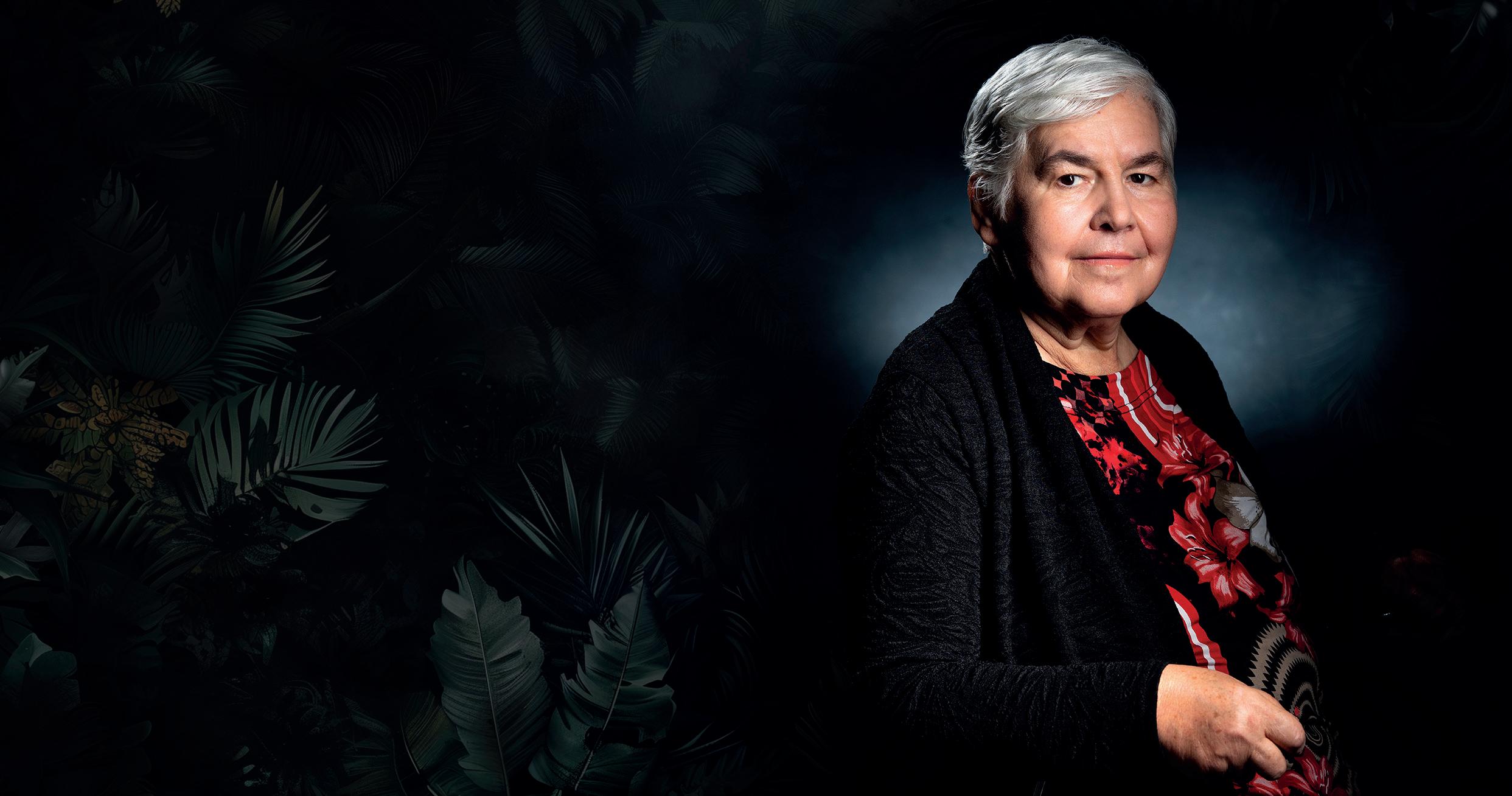
I would like to have many more years with my familyLenka Bošeska, Komenda
I found out that I had Fabry disease when my son was diagnosed with it. He was suspected of having Fabry disease because of a lucky turn of events. He was so dizzy that he simply could not walk through the door. His GP referred him to the University Medical Centre (UMC) Ljubljana, where he underwent a head scan. A resident then diagnosed multiple sclerosis. My son’s partner at the time did not trust the doctor and requested a second opinion, for which they went to a private clinic. They urgently referred them back to the UMC and they encountered a senior doctor, head of the department, who knew something about Fabry disease.
34 —
He sent my son to Dr Vujkovac to Slovenj Gradec, to Fabry Centre. He later confirmed my son has Fabry disease. Then they called me in, took my blood and found out that I also had the disease, that I was a carrier. They could not determine which one of my parents had it since they were no longer with us. They also tested both of my son’s daughters and my second cousins.
That was 20 years ago. I was 50 when I found out I was ill. I had health problems before that. I always used to have headaches as a child. I was treated for migraines for many years because the headaches became unbearable. I did not know what to do to get better. It affected not only my general condition and disposition, but also my job and holidays... Everyone in the family suffered.
My colleagues would ask if I had gotten tipsy
I was terribly dizzy, sometimes I felt like the room was spinning around me. When I went to work, my husband always used to tell me to be careful when I crossed the road, so I wouldn’t get run over.
I often felt dizzy. At work, my colleagues would often ask me if I had gotten a bit tipsy. This hurt a lot because I never drank. Sometimes I would just say that I did... But sometimes I would go into the cloakroom and cry a little. You know how it is when people don’t know... I didn’t even know myself.
I was working for 28 years. I still worked, even though it was often difficult. I was a cleaner. I worked for 20 years at a big company in Kamnik, and then for a small cleaning service in Ljubljana. It was hard work, but nobody believed how hard it was for me. Neither at home, nor at work, or at the GP’s. It was very hard. I was on sick leave for a year and a half, and they fired me and sent me my papers straight to my home. They gave me
notice, yes. I got a lawyer and went to court. I was out of a job and sick, and I had no choice but to go to court. But we agreed on compensation for everything that this woman, the owner of that company, had not paid me while I was working for her. For transport, and also for the back pay for annual leave payments for all the years I worked there, which she didn’t pay me.
All these problems in my life led me to see psychologists regularly. I also had a heart attack, which took away the mobility of the whole left side of my body. At that time, I could not go to the toilet alone, and my husband had to bathe me. This got much better later on.
I also had an open-heart surgery. All this happened in the span of three years, one after the other. All probably because of Fabry disease.
Everyone started to believe me I was ill
When my son was diagnosed with Fabry disease and I was diagnosed as a carrier, it was very difficult for me. I often thought that I would rather not have known I was ill. But really, that was when everybody started to believe me I was sick, and they still believe me today.
But I couldn’t get diagnosed before. When the children were small and summer came, and my husband said we were going to the seaside, I cried. I can’t stand the sun, I can’t stand the heat, but I went anyway, for the sake of the children. I don’t doubt it was hard for my husband too. They were all in the sun and I was in the shade under the trees.
My life changed a lot after the diagnosis. I was put on disability pension because I could no longer work, so at least I was relieved of my work commitments. I first entered Fabry Centre at the hospital in Slovenj Gradec in 2008 and that was when it all started: learning about the disease, having blood taken, being tested, having
FACES OF FABRY DISEASE | TODAY — 35
the disease confirmed and then receiving the medicine.
For two years, I went to the Slovenj Gradec hospital twice a week to receive the medicine, and then Dr Vujkovac arranged for me to receive it in my own town. Now I have been receiving it at the Kamnik Health Centre for many years. After I had been on this medicine for a while, the headaches became less and less frequent and were no longer so severe. Now I have them only occasionally and they are not so bad.
A human first and a doctor second
Dr Vujkovac is truly a phenomenal man. I always say that he is a human first and a doctor second. I am happy to go to Fabry Centre Slovenj Gradec. Even when I speak to the nurses on the phone, we always say a kind word or two to each other.
I often feel very sad and I cry when I think about why this has happened to me... I never meant any harm to anyone... And then it was me who got this disease. And it’s so rare. When I was diagnosed, there were only 48 of us in Slovenia, as Dr Vujkovac told me.
We lived happily until I was diagnosed with this disease. My husband and I got along, we have wonderful children and grandchildren. I have two children, a son and a daughter, Brane and Biljana. My son and his two daughters and I all have Fabry disease, but the granddaughters don’t need to take any medication. It is good that doctors have gotten so much better at treating the disease now. It is important that my son and his children were diagnosed immediately by Dr Vujkovac.
The love and respect in the family mean a lot to me. I am sorry that I have not been able to look after my younger grandchildren because of my illness. I used to look after the older ones, but then I couldn’t do it anymore. I have five grandchildren - four granddaughters
and a grandson, who brought me here to the Centre today. I love them all, my children and grandchildren. My heart rejoices every time I see them, hear their voice and when they speak to me.
But sometimes I feel really bad. My daughter sometimes says to my husband: “Dad, leave her alone, it’s easier for her, let her cry.” You have to let it out.
There were times when I thought about suicide because of all my health problems, but I could not do it for the sake of my family and especially my grandchildren.
If things stay as they are now, it will be good
Today I walk using a brace, which helps me to have partial mobility. It means a lot to me to be able to walk, to get some fresh air, to drink some coffee in front of the house and to go for a short walk accompanied by my grandchildren.
Now I can’t clean, I can’t vacuum anymore, but I can cook. I can cook simple dishes. I get a lot of help from others. For example, I can’t slice an onion or peel a potato, that’s difficult for me, so my husband helps me.
We live together, near Kamnik. My husband and I live in the house downstairs, and my daughter and her family live upstairs. We have a nice life. I will turn 70 this year. I don’t know if we will have a celebration. If we do, it will be in the shade, because my birthday is in July.
I can only say this, that with all the ailments that I have experienced in the 70 years of my life, I am still happy that it is the way it is, although my condition is not great. I would like to live to see many more years with my family. For the future, I want... Do you know what I want? I know I will never be healthy, but if I stay as I am now, so that I can go to the toilet on my own and go to the yard, it will be good enough.
FACES OF FABRY DISEASE | TODAY 36 —
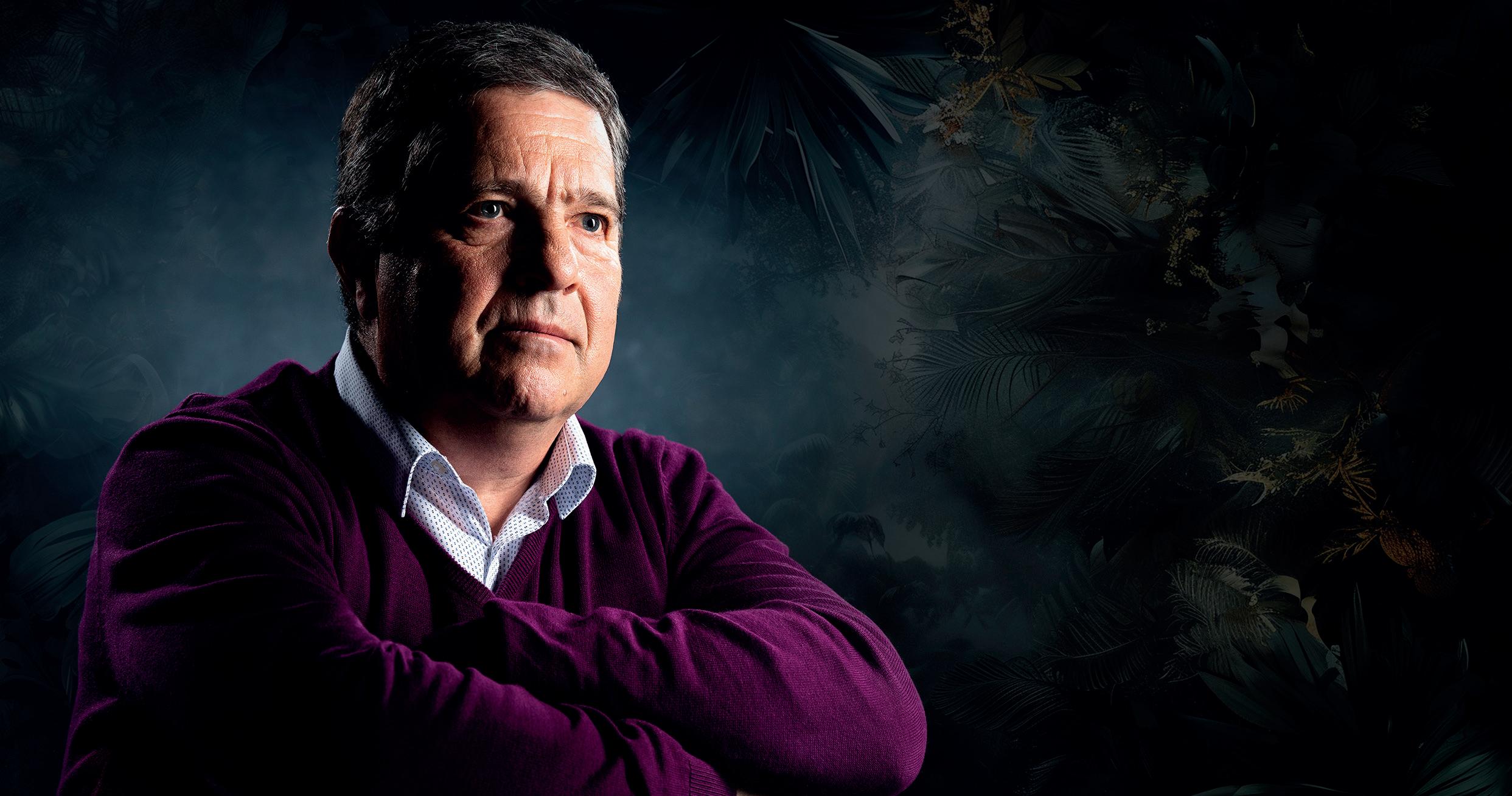
Will I live to old age?
Bojan Mikuš, VipavaSomewhere around 2020, the problems started. I simply couldn’t walk up the stairs or up the hill. I was stuck as if frozen, I had to stop, I ran out of breath and my head started spinning. I’d go up, say, five stairs and I’d have to stop to catch my breath. If I walked slowly, it was fine, but if I walked a little faster an invisible force stopped me.
My wife made me go to the doctor. “Something must be wrong with you, it’s not normal to have to keep stopping and be so out of breath. You’re fit enough to cope,” she said. And so I went go to my GP in Ajdovščina.
— 37
It was a long wait because it was just the time of the holidays and the COVID-19 pandemic, so the first diagnosis was done over the phone: “You must have bronchitis again!” I trusted my GP, I had indeed had bronchitis several times before and at first, I accepted this diagnosis. I had a dose of the medicine, but the condition remained unchanged. My wife insisted that I had to get to the bottom of the problem, so I wrote to the GP twice more and finally came to see him. First he took my blood pressure, which was very high. He sent me to the emergency room at the hospital in Šempeter to have some more tests done. There my blood pressure was even higher and they decided to keep me in hospital at least overnight. They lowered my pressure with pills. It was a public holiday and I was in hospital for a few days waiting for a stress test, which did not show much. They did a coronary angiography, which is a test for the patency of the veins, but the veins were clear. I just got some blood pressure pills and went home.
I was convinced I had asthma
I went back to my GP with the results and he sent me to a pulmonologist. I was sure I had asthma or some sort of allergy, because I had had breathing problems the year before when I was near cereals (wheat or barley). Even then, if I walked uphill, it would bring me to a grinding halt. In addition, my brother has asthma, my late grandmother had asthma and it is hereditary to an extent, so I could have it too. The pulmonologist did not find anything. He sent me for more detailed tests, which also showed nothing. So, I went home, with no diagnosis and no improvement. I cycled and swam without any problems.
In April 2022, I had an ultrasound of my heart and a stress test in Ljubljana. Shortly afterwards, I received a call from Dr Maruša Škrjanec Pušenjak from the Institute of Genomic Medicine at the University Medical Centre Ljubljana, who specialises in genetics, asking me if I would be willing to undergo some genetic tests. They gave me a blood test and a referral for a new examination in Slovenj Gradec. It was in November 2022, just before the elections, and I was very busy at work, so I completely forgot about it. It got lost in all the mail with the election leaflets and I didn’t book an appointment in time. But they called me again and asked me when I had time to come to Slovenj Gradec.
You see, I have a seasonal job, and in November my job just started its peak season when we work all day. We are in the vine-growing business – producing vines via grafting, which results in vine seedlings for the vineyards. In November, we harvest young vines all day long, starting in the morning and harvesting the whole day, and then in the evening they need to be stored properly as well. So, I asked them if I could come after the New Year.
In January 2023, that is, just over a year ago, I went to Slovenj Gradec to Fabry Centre for a check-up and they did all the tests.
In February 2023 I received a phone call and confirmation that I had Fabry disease
I was invited for an examination and consultation in March, when I was prescribed medication. I ordered it from the pharmacy and got it quickly but did not start taking it right away. I always found an excuse not to take it. For example, before Easter, I said to myself: “If I start taking it now, when we will have eaten so
FACES OF FABRY DISEASE | TODAY 38 —
many Easter delicacies, I might get some side effects... I don’t want to disturb the team in Slovenj Gradec during the holidays.” So, I postponed the start of taking the medication. My thought process was similar during the May holidays. Then came the time to plant the grafts. Maybe I wouldn’t be able to work as I usually do because of the side effects... And time passed.
But one day I just decided that enough was enough with this procrastination of mine and I started taking the medicine. And lo and behold, I never had any side effects at all! Well, except that every other day I have to wake up at 4 AM to take these pills. (laughs) Because I cannot eat anything for two hours before and two hours after taking them. And going without food for four hours at night is the easiest thing to do. (laughs) So I take this pill and I go back to sleep, and I get up at 6 AM.
I feel quite a big improvement
I don’t have any problems at all at the moment. I can walk uphill or up the stairs without any problems –well, I do get out of breath if it’s a very steep incline, but so does everybody else! Now I have no problems getting up the stairs to the second floor. My wife and I recently walked 10 kilometres up and down without any problems, so we can go for a walk again more often.
I had to bring my family tree to Fabry Centre. My 25-year-old daughter also came with me to get tested and the test showed that she was a borderline case. But she has no problems. She will probably be monitored continuously on a long-term basis.
We are planning to get my brothers tested as well, they don’t mind. They will probably come with me the next time I go to Slovenj Gradec for a check-up. It takes
us two and a half hours to get there from Ajdovščina, you know, they feel the drive to get there is a bit long. In fact, we lose a whole day. Fortunately, they do not have any health problems related to Fabry disease, but it would still be a good idea for them to get tested because of the possibility their children might get the disease.
I only have problems with my blood pressure and shortness of breath. I saw an ophthalmologist last week. Dr Bojan Vujkovac referred me to him. Apart from age-related myopia, I have no problems. I told the ophthalmologist why I came, but he did not know about the disease. But he later read about it and knew why Dr Vujkovac was interested in my eyes. Dr Vujkovac also sent me for an MRI scan of my head, and there they found a growth in my sinuses which will have to be removed. I was examined by an anaesthesiologist, but she was also not familiar with Fabry disease. When she read about it, she asked me if I had kidney problems, if I was cold, if I had rashes, or tinnitus ... But I have none of these symptoms that are characteristic of Fabry disease! I also tolerate the cold well and I sweat normally. Fortunately, I don’t have too many problems. I mean, maybe something else will turn up, what do I know? But I hope not.
“I compare it to diabetes. Just as I take my medicine every day, diabetics inject themselves with insulin every day.”
FACES OF FABRY DISEASE | TODAY — 39
“But I am glad that the disease was diagnosed. At least now I know why I had problems. Otherwise I could have spent my whole life without knowing what was wrong with me.”
I haven’t read much about this disease, but my son has and he learned that it is a metabolic disease. I have an enzyme deficiency, so I don’t metabolise fats well. I compare it to diabetes. Just as I take my medicine every day, diabetics inject themselves with insulin every day. That is how I console myself and, for the time being, Fabry disease is not a big burden for me.
I also like going to Fabry Centre Slovenj Gradec, even though I have to leave Ajdovščina at half past five in the morning. They are very friendly, and I like the fact that you don’t have to register anywhere, you can just walk up to their door, which is usually already open. Really, they are all very nice.
One time, Dr Vujkovac was on the radio and I told my relatives and the whole bunch that they had to listen. I listened too, and it got me thinking a little when he said that this is a serious disease and that many people die of it. I have read a little about it and it does say that patients with Fabry disease can die quite young. This got me thinking a little bit about my own family, and I found out that my relatives either died very young or very old. So, I do not bother myself with that.
Will I live to old age?
Sometimes I think about that when I look at my father, who is 82. Will I live to see such an age? Will I still be waking up at four o’clock in the morning to take a pill? (laughs)
But I am glad that the disease was diagnosed. At least now I know why I had problems. Otherwise I could have spent my whole life without knowing what was wrong with me. My wife is also happy that they have found out what disease I have. She expected me to go on a diet, but they said nothing of the sort. My wife says I need to lose a little weight, but I told her that it was probably the pills. (laughs)
The good thing is that there is a therapy for Fabry disease and that they approved it very quickly for me. But the first time I went to look for these drugs, my heart skipped a bit when I saw the price! So much money for that pill I swallow every morning. Well, I have very rarely been to the doctor up until now and I didn’t cost the health insurance fund much.
I am positive about my future. Why should I be a pessimist? I am not a griper. Some of my friends complain that they have a pile of work to do and that they don’t know if they will manage to do it all, they are worried about what the future holds... I told them that this year they will get everything done for sure, because February has 29 days, so we have one extra day! (laughs)
FACES OF FABRY DISEASE | TODAY 40 —
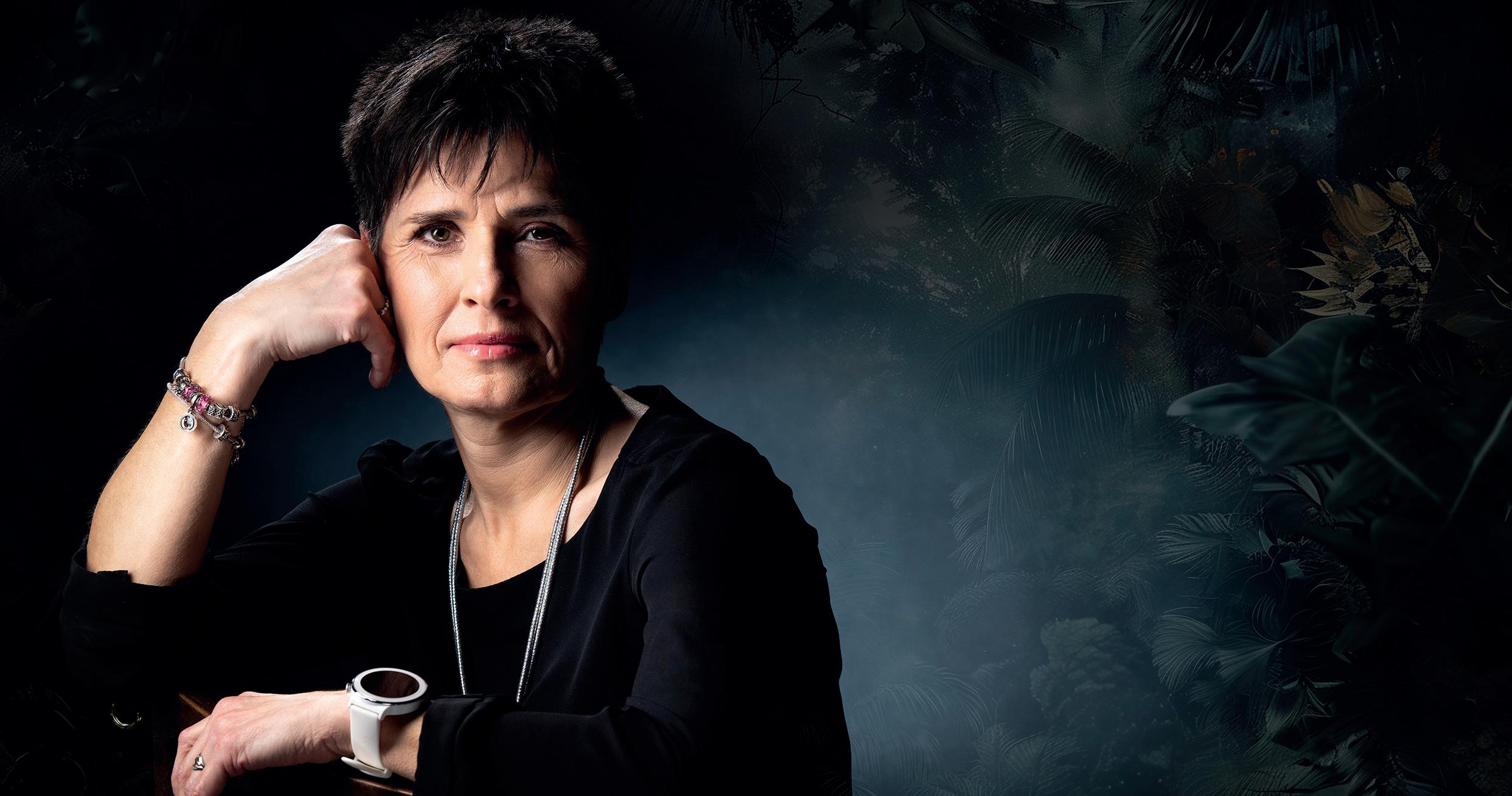
Matic has told me countless times to stop blaming myselfNataša Dular, Ljubljana
I was diagnosed with Fabry disease in January 2018 after years of problems. I was 46 at the time. Actually, I was diagnosed because I had a precursor to a stroke in December 2017. When I woke up in the morning, I had no feeling in my left side and my arm and leg were limp. My husband took me to the emergency room (A&E) because we were so worried. I was referred to the Division of Neurology at University Medical Centre (UMC) in Ljubljana, where they started to investigate. My family brought all my test results from home and the cardiologist Dr Žižek examined them. I had been to several doctors before. I organised these examinations myself because I pay for supplemental medical insurance.
— 41
Isimply felt that something was wrong with me. I always had some sort of problems. I often had dizzy spells, headaches, and my head was somehow not clear. I can’t put it in words in any other way. In stressful situations or when I was under a lot of pressure, it seemed for a moment that something in my head was disconnected.
Since childhood, I have had problems with burning pains in my arms and legs when I had a fever. I walked on all fours from all the pain. My parents tried to do everything they could to bring the fever down as soon as possible, because for as long as it lasted, I was in terrible pain. I remember that they used to put whipped egg whites in my socks. And on my hands, my fingertips were burning as if I had scalded them. My mother told me that when I was two years old, I was in hospital because of febrile seizures. Now I know what was the reason for all that.
These pains also hindered me at school, for example at PE. I exercised anyway, but all the time I felt that I could have done better, that I could have achieved more. But I didn’t.
I got married at 18 and gave birth for the first time at 20. The pain continued and intensified, I felt it all the time. When I walked, the muscles in my legs ached. When I would hang the curtains, I ’wouldn’t be able to hold my arms up for long. But I always attributed the pain to something that was happening in my life at the time: marriage, stress, pregnancy, childbirth ...
Every part of my body was talking about Fabry disease
It often felt a stabbing pain in my heart, ever since young age. In 2009, I was diagnosed with hypertrophy,
which is a thickening of a heart muscle. I had no problems with my heart apart from the stabbing sensation. Then the dizzy spells started. But a lot of people have them, and I thought: “It’s probably nothing too bad.”.
I also had problems with my kidneys, both during pregnancy and afterwards. I had protein in my urine and I often felt kidney pain. But I always attributed that to some other reason as well, thinking that, say, it was actually my back that was hurting, not my kidneys. Later, when I went to see a nephrologist about my kidneys, she was amazed at all my problems.
I went to a neurologist for headaches, I had angiokeratomas on my genitals and I have cornea verticillata (a swirling pattern of golden brown or grey opacity in the epithelium of the cornea; ed.) on my eye, which is also one of the symptoms of this rare disease. I was diagnosed with cornea verticillata in 2003 at the Department of Ophthalmology at UCM in Ljubljana, but it was not linked to Fabry disease.
No one connected the symptoms
In short, there is no doctor who would not have examined me... Everybody thought something was not right, but nobody connected the symptoms. In fact, every single part of my body was talking about Fabry disease. If they had thought about Fabry even then, if someone had pondered about which disease it could be... I mean, I don’t know what it would have meant for me, but I probably could have started the treatment sooner.
I could have been one of the first patients to get the medication in Slovenia.
It was only my cardiologist, Dr Žižek, who first suspected that I had Fabry disease when I was at the Divi-
FACES OF FABRY DISEASE | TODAY 42 —
sion of Neurology in 2017. There, they took my blood and sent it to Germany to be tested for the disease. The test confirmed Dr Žižek’s suspicions, and he was the first to connect all my symptoms and problems.
When I received this diagnosis, I was already quite mentally shattered from the stroke, so the first thing I said to myself was: “Oh no, I can’t have that too!” Actually, I was not worried about Fabry disease because of myself, it was when we found out that my son Matic had it too that I was really devastated. When my diagnosis was confirmed, both my sons were tested as well. Matic, my elder son, has Fabry disease, and Gašper, the younger one, does not. At that time, I was truly smashed to bits...
I handed down to my son something terrible
It was hard on me, really hard. I gave him something terrible without even knowing I had it. In fact, I don’t know to this day how I got Fabry disease. I have an older sister Mojca who doesn’t have this disease. I did not get it from my father, because he lived until the age of 86, which is impossible for a man with the disease. My Mum was tested twice and was negative. Her mother died when my Mum was five years old. So, we did not discover which of my ancestors had the disease and then we did not bother with it anymore. I accepted it, I have it... But it was really depressing because of Matic... Although I was happy that Gašper didn’t have it, on the other hand it was eating me inside – why do either of them have to have it...
If I was told of the diagnosis of Fabry disease sooner, would I have decided to have children anyway? That’s a really difficult question... I think about it differently today than I did in my 20s...
I still think I would do it all over again today, but I would have consulted the doctors first. I got married young, for love, and we planned both our children. You have to have children when you’re young. I am proud of that and I feel that I grew up with them. I understood them better because I was young.
Today, they can prevent the transmission of Fabry disease to children through artificial insemination. My son Matic has a baby boy who was fathered by natural means, although Matic and his wife also have frozen foetuses, boys, at the Division of Gynaecology and Obstetrics, Unfortunately, they had a very bad experience at this department. I was shocked by their decision to conceive naturally, because I really regret that I handed down my son this disease. Fortunately, they are having a boy, because a girl would automatically have this rare disease, since it is transmitted via a genetically defective X chromosome. So the spread of Fabry disease has stopped in our family with Matic for the time being.
Matic never complains
Matic has told me countless times to stop blaming myself because I didn’t know I had the disease. After I was given the diagnosis, I bottled myself up, I blamed myself a lot. Fortunately, everyone in my family is very supportive, understanding and helpful. I also have a very good friend, Olga, who has stood by me all this time. For example, she has gone to different massage courses so that she can help me, and she also helps me to find ways to relax when I am feeling down. If it had not been for her, I would have been much worse off psychologically. I have been through the support programme at the rehabilitation institute URI Soča before, where I was referred for fibromyalgia (a disorder char-
FACES OF FABRY DISEASE | TODAY — 43
acterized by widespread musculoskeletal pain; ed.). Yes, I have that too. (laughs) But I went to a psychologist because of anxiety, which was quite a hindrance for me along the way.
I worked in an office, in accounting. It was a job that was right up my alley. But when the health problems started, especially after the diagnosis of Fabry disease, it just went downhill. I started going from one doctor to the next and at the Disability Commission they suggested that I should retire on disability pension because of Fabry disease and fibromyalgia. But I was horrified – that I should retire at 46?
Despite the limitations, the pain and the problems with staying focused, I wanted to be useful and not to feel sorry for myself. I ended up working part-time, four hours a day.
Working from home for three years during the COVID-19 pandemic suited me very well, I functioned well: I worked in peace (there are six of us girls in the office), and I found it easier to focus. I was able to get up and get some sleep, go for a walk or take a rest when I felt I needed it – and of course I extended my work hours in proportion to that. I think I definitely worked more and better at home than when we started working back at the office. I asked to continue working from home because of all the health problems, but they wouldn’t listen. And then my boss let me know that I wasn’t doing enough work in the four hours.
That was a huge blow. With all the effort I put into the job... I hadn’t even been on sick leave... I often put a lot of energy into getting to work in the first place and then I was less able to work. If I could have worked from home, I could have worked more and better. And now I have received a negative opinion at a regular
physical examination. They think I’m not fit to work, so they sent a proposal to the Disability Commission for my definitive disability retirement. I have accepted that I will probably receive disability pension. At least that way I might still have some quality of life.
I feel the worst because of Matic. Today he is 31 years old. In addition to Fabry, he has back problems, having had two operations for scoliosis (a non-physiological sideways curvature of the spine caused by muscle or bone defects; ed.) and one of his legs is shorter than the other. Among the symptoms of Fabry disease, he had angiokeratomas and his legs and arms burned when he was hot. As he did not sweat, his body always overheated and he became all red-faced whenever he exerted himself a little more or played with his peers or when he had PE at school. But back then we didn’t know, we didn’t connect the dots. Later he started to suspect that he might have the disease. But Matic never complains and insists that he is fine.
“Matic has told me countless times to stop blaming myself because I didn’t know I had the disease. After I was given the diagnosis, I bottled myself up, I blamed myself a lot. Fortunately, everyone in my family is very supportive, understanding and helpful.”
FACES OF FABRY DISEASE | TODAY 44 —
Treatment can’t perform miracles
In November 2018, we both started receiving treatment with the same medicine at the same time. I have a feeling that I really need this medicine. When I get the enzyme, I have more energy. Not immediately, though; after the treatment I am completely wiped for the day and I can’t imagine driving home from Slovenj Gradec by myself. Matic always drives us, he takes it in stride. Despite the treatment, he still doesn’t sweat, but both of us feel less pain in our arms and legs when it gets hot. The headaches, however, remain. Now, as soon as I feel a headache coming on, I take a pill to relieve it or stop it in time. I also have white finger syndrome, that is, Raynaud’s syndrome, which is also thought to be characteristic of this rare disease.
I have somehow got used to living with Fabry disease. Every 14 days, Matic and I go on a trip to Koroška. (laughs) The damage done so far cannot be reversed with medications. It is not a cure. The treatment does slow the disease down, for example my thickened heart muscle would probably have deteriorated faster without the medication, kidney failure would have happened sooner and I would have needed dialysis earlier. Maybe the disease will slow down for me, but I certainly hope and wish that it will for Matic, especially because the disease affects men more severely.
I cannot even begin to think what would happen to Matic if the treatment did not work. He did start treatment much earlier than I did, but I keep thinking that he could have started it much earlier still. It would certainly have been more effective ... If only we had known.
But there’s nothing we can do now, we have to wait and see what time brings. We are living with Fabry disease and we don’t have much choice.
It’s a good thing we have Fabry Centre
It is good that we have Fabry Centre. I have nothing but praise for them. All the doctors, absolutely all of them, are the best there is. And not to mention the nurses, they are truly angels. At the beginning it was just Vesna and Sonja, then Anja joined them. They sort everything out in a flash, they are always smiling and friendly, nothing is too hard for them, they are really great.
In the meantime, Matic and I had a year of receiving treatment at home, given by Matej the medical technician who is a spot-on guy. At that time, we only went to Slovenj Gradec twice a year for check-ups. It’s really a pity that we can’t continue receiving the treatment at home. It was much easier on the patients because we didn’t have to travel to Slovenj Gradec.
Now at the age of 51, I would like to live as quiet a life as possible without the shocks of illness, as I have experienced quite a few of them. I want a good life for my son and also for myself, so that my husband, the grandpa, and I can enjoy our grandchild together. He is two years old and his name is Oskar Lev. He gives me the energy to know what to live for. He is my sunshine; he brings me happiness.
I love all of my family, especially my husband, but Oskar Lev keeps me on my toes even when things get very hard. I hope they surprise me with another grandchild or maybe my son Gašper with a granddaughter ... At least he can have a daughter without fear of the Fabry dynasty continuing.
FACES OF FABRY DISEASE | TODAY — 45
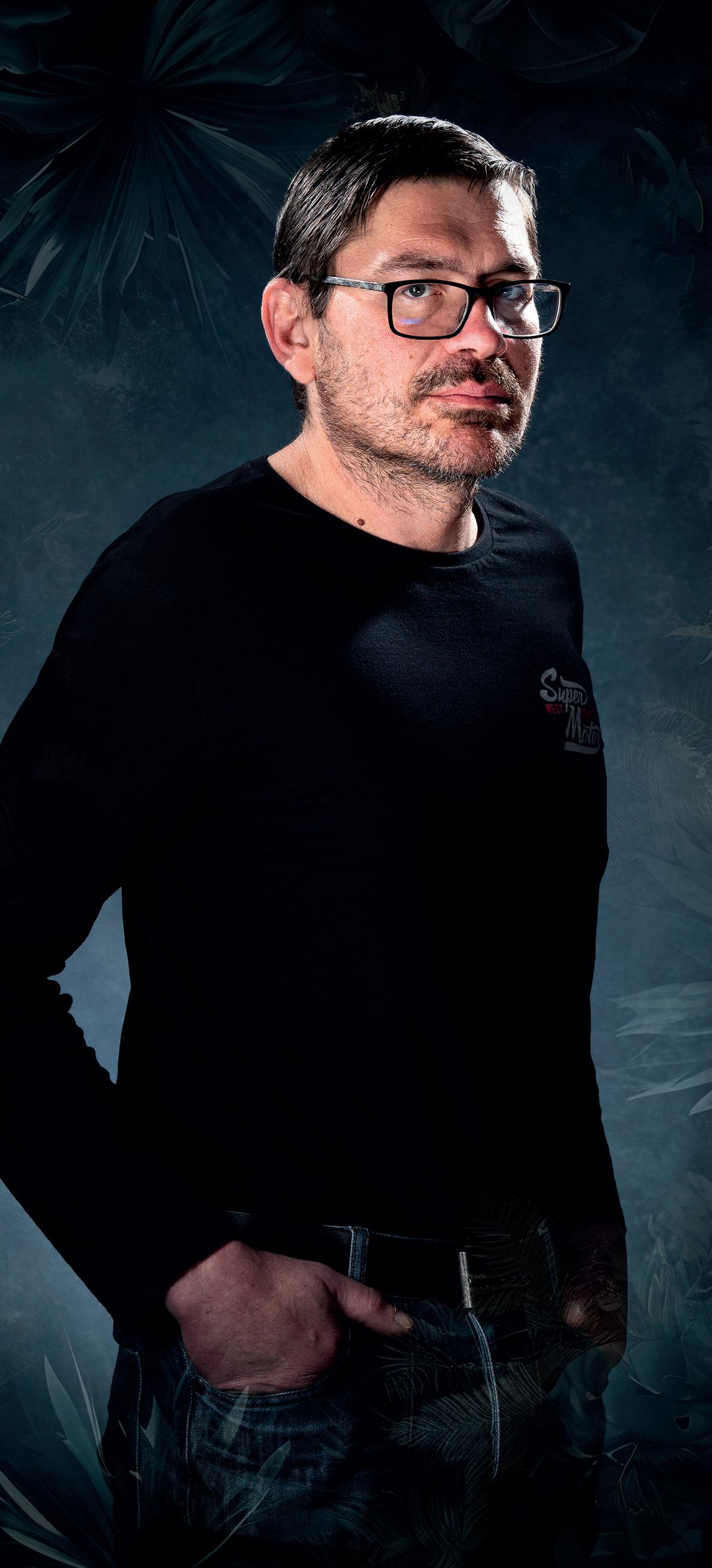
Sometimes I forget I have Fabry disease
Tomaž Šalamon, Rečica ob Savinji
I was diagnosed with Fabry disease in 2004. I went for testing because my uncle, my mother’s brother, was diagnosed with the disease. At the time, we all went for testing, the whole bunch of us. It turned out that my mother also had the disease and my brother did not.
I am now 44 years old and soon 18 years will pass since I have been on the medication. I receive an infusion every 14 days.
I have to say that I have had no problems at all since puberty because of Fabry disease. When I listen to other patients talking about their symptoms, it is all completely unknown to me.
46 — FACES OF FABRY DISEASE | TODAY
It was as if my muscles were about to burn up
But before puberty I had problems that were probably related to this disease. When I got a fever, which was quite often, I felt such strong burning pain in my muscles, as if my muscles were about to burn up.
That was basically it, and it only happened when I had a fever. However, it was quite hard to bear these pains. It really wasn’t pleasant, especially because nothing helped at all. I just didn’t know what else I could do to make the pain go away.
I didn’t have any problems at school because of the disease, though. Every now and then someone would say to me that I was slacking off at PE, but I didn’t make a big deal out of it. I usually replied: “If you say so, it must be true.” But there wasn’t too much of teasing.
My parents were very understanding about my illness.
My mother never complained about her health, so in fact I don’t even know if she had problems because of Fabry disease. If she did, she certainly never showed it. When I look back now, I remember that she was often ill, but we never discussed it much.
After puberty, there was no more pain
After puberty, everything changed somehow. There was no more pain. That was it.
Now when I get sick and have a fever, of course I am not comfortable, nobody is. But I cannot say that I have such obvious symptoms of Fabry disease as some other patients have.
In fact, it makes me quite a bit uncomfortable to hear other patients complain. I just don’t understand them, because personally I don’t have these problems. But I am very well aware that I cannot know in what
state I would have been if I had not been on the medication for so long.
I mean, Fabry disease may cause some problems for me, but I do not feel them and they do not bother me. I take preventive medications for blood pressure and for the heart and things like that, but I have never felt any problems that would hinder me in my life or, say, at my work. I work at BSH Nazarje, a company that manufactures kitchen appliances. It is a multiple shift job. I work for six days and then I have two days off.
Thank God I was diagnosed with Fabry disease in time
The disease really doesn’t bother me. But the question is what would have happened if I hadn’t had the medication.
Thank God I was diagnosed with Fabry disease in time. It was a bit hard to come to terms with, but now I’m used to it and sometimes I just forget about it.
“In fact, it makes me quite a bit uncomfortable to hear other patients complain. I just don’t understand them, because personally I don’t have these problems. But I am very well aware that I cannot know in what state I would have been if I had not been on the medication for so long.”
FACES OF FABRY DISEASE | TODAY — 47
“Thank God I was diagnosed with Fabry disease in time. It was a bit hard to come to terms with, but now I’m used to it and sometimes I just forget about it.”
I am glad that I don’t have to travel to Slovenj Gradec every 14 days like I used to. That, together with the long drive, took up my whole morning. Now I only go there for a check-up every six months. I get my treatment at my local health centre. They are well trained there and I have no complaints. It’s no rocket science. If I could prick myself to set the infusion, I would.
So, every 14 days I make the time for an infusion. Sometimes, when I am really in a hurry at work, I only take two hours off. In that time, I drive to the health centre, get the infusion and come back. Half an hour after the treatment I am a bit tired. It doesn’t bother me like it does some people who have to lie down for two days after an infusion. When I am tired after the infusion, I have a coffee, smoke two cigarettes, and that’s it. You’re not going to get me to stop smoking, I can tell you that. (laughs) OK, I won’t say it’s good for me, I know, I know...
I know they can’t work miracles
I will bear whatever the future brings me. We’ll see what science and medicine have in store for us. What else can we do anyway? If my condition stays the way it is right now, it will be quite all right. I have no special expectations, because I am aware that they cannot work miracles.
FACES OF FABRY DISEASE | TODAY 48 —
All I wished for is for my children not to have Fabry disease
Sandra Bera, Šmartno ob Paki and Desanka Bera, Velenje
Desanka: I have always had a lot of health problems. The other children played in the snow in winter, but I was freezing outside, so I was always cooped up in the house, by the wood stove. In the summer, I was hiding in the shade.
Even at work, the cold caused me problems. My fingernails and lips turned all blue, and I just couldn’t work. I worked at Gorenje, an appliance manufacturer, for 20 years. My boss saw that the cold was pure torture for me and protected me. I got along with everybody and I was a hard worker, it was only the cold and the heat that tortured me, that was the worst.
I also had back problems and I was often so nauseous that my vision became blurred. My boss told me to just sit down and have a rest if I didn’t feel OK.
I have also had low blood pressure all my life.
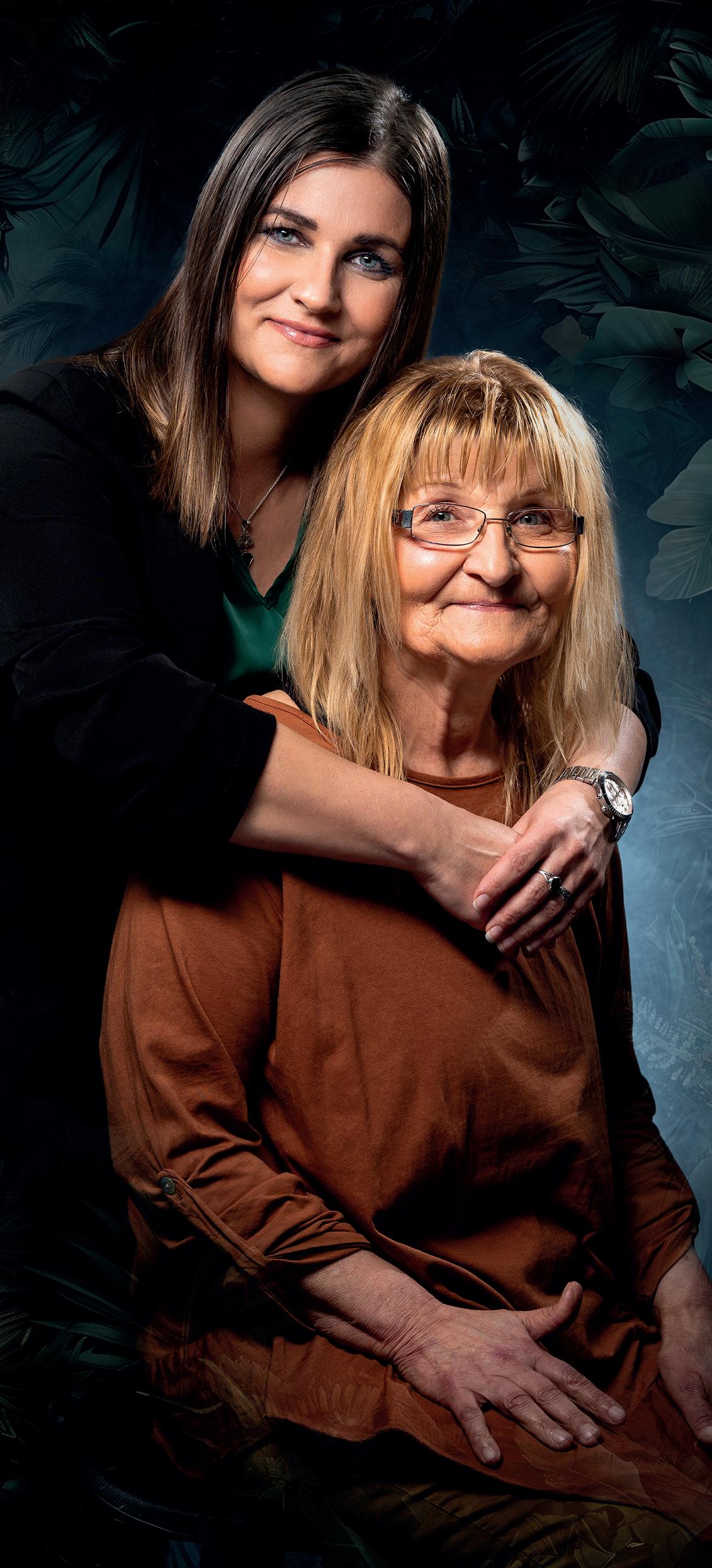
— 49 FACES OF FABRY DISEASE | TODAY
The GP said: “There’s nothing wrong with you”
But when I went to the GP, my blood and urine tests always came back fine. My heart was pounding, so I went to the GP who examined me and said my heart was fine. “There’s nothing wrong with you,” he said. Of course, it felt pointless to go to the GP from then on. When I had a cold, I made tea. Only if I really couldn’t go to work did I go to the GP to get sick leave.
I felt so miserable, quite anxious at times. Then I lost my will and I didn’t go to the GP at all anymore.
I wanted a child very much, at least one child. To have something of my own. I didn’t know at the time that I had Fabry disease. I had problems during pregnancy as well. I got pregnant five times, but in the end, I only had two babies, thanks to Dr Mikuš at the Slovenj Gradec Hospital. If it hadn’t been for him, I wouldn’t have had any children at all. He told me that I had a bicornuate uterus. I thought to myself: “Dear God, what is this?” I had never heard of that before. It sounded like something out of outer space.
I gave birth to Sandra and nine years later to Barbara
Then they took care of that and when I got pregnant, Dr Mikuš put me on sick leave. When I was about seven months pregnant, I started bleeding at night and my husband took me to the hospital. I was scared and it was bad because I thought I was going to have a miscarriage. But Dr Mikuš gave me an injection and said: “I don’t want to see another tear from your eyes, everything will be fine.” Then I spent my time in bed at the hospital until I gave birth and it really did end well. I gave birth to Sandra and nine years later to Barbara.
Later I was diagnosed with diabetes and I also had
problems with my veins. I didn’t know I had diabetes for a long time. I have been on insulin for 15 years, and before that I was on pills and diet for five years. I have been very careful about what I put on my plate all my life. I have also brought up my children in the same way.
Sandra: That’s true, we never had fried food, I had to eat it in secret, but I’m grateful to my mother for that.
Desanka: I just felt that it made me feel so much better if I ate a bowl of salad rather than fried food.
Mum was a fighter from the start
I was born in the small village of Velika Žuljevica in Bosnia. At the time there were five houses in the whole village. There were nine children in our family, and I was the youngest, so my godfather was Josip Broz Tito. Every year on 29 November I got a red dress, a bow, shoes, a big box of sweets and money. I remember that my mother once bought a cow with this money. My father had only one brother, and on my mother’s side there were nine children. Mum told me a lot about her family, but I don’t know much about my father’s family. He died when I was six.
Sandra: Mum was a fighter from the very beginning. She was the unplanned ninth child. Her mother died when she was 18. Her brother who took her under his wing was a miner who lost his life in a mine.
Desanka: When my mother died, I came to Slovenia and lived with my brother in Velenje. In 2016, I got a call from my nephew, who had been diagnosed with Fabry disease in Rijeka. He had been ill for a long time and started on dialysis some time before that. He said that we should all get tested because the disease is hereditary. Shortly afterwards, the disease was confirmed in his younger brother, who had a kidney transplant just in
FACES OF FABRY DISEASE | TODAY 50 —
time to avoid dialysis. Four months after the transplant, he and his wife had a daughter, and two years later they had a son.
It turned out that their mother, my sister, was a Fabry disease carrier. She never received the treatment because she had died earlier, at the age of 66, from diabetes and heart-related complications. The testing continued with the other surviving members of the family. When it was my turn to call Dr Bojan Vujkovac for testing, I hesitated at first. Sandra asked me if I was waiting for something to happen to my sister and me first. My heart sank and I went to the other side of the patio so that no one could see me and immediately called Dr Bojan. We talked for a long time and then we went to get tested. That’s how I was diagnosed with Fabry disease in 2016.
All I wished for is for my children not to have Fabry disease
So the disease ran in the family. I got answers to all my problems. Sandra created our family tree. I didn’t know who I inherited it from. Since none of my brothers had Fabry disease, only my sisters, it was probably my father who had it, not my mother.
All I wished for is for my children not to have the disease. Then, as happy as I was that one daughter did not have it, I was also sad that the other one did.
Sandra: The following year, in 2017, my sister and I were tested. She was negative, and I am the carrier of the family mutation. I was shocked at first, but then I thought to myself: “Better me than her.” My sister lives in Bristol, England, where such a diagnosis would be quite a challenge, especially financially. I live close to Slovenj Gradec, where the best team for Fabry disease treatment is located.
I have always felt that I am the one with Fabry heart
I have always been sensitive to the cold, like my mother. If someone rubbed my face in the snow when we were playing outside in winter, I felt like I was about to pass out, it was such a terrible pain. I mean, I regularly do recreation and exercise, but I have never been an athlete. My legs always felt heavy, as if something was holding me back. I constantly have low blood pressure, so I have to move carefully, especially in the morning and during heavy periods. In my teenage years, I often fainted. I have always had low back pain which makes it impossible for me to stand still for long periods of time. My joints ache, especially in cold weather. Despite taking magnesium regularly, I often have cramps and I constantly hear ringing in my ears. My kidneys are not in the best shape either, but they are being monitored by the best Fabry team.
My sister Barbara, on the other hand, has always been an athlete, without the problems and pain associated with Fabry disease.
I am grateful I can be a mother
I have two daughters. Both pregnancies were highrisk. I got pregnant with great difficulty, just like my mother and her sisters, who have Fabry disease. Then, twice, I went through nine months of severe vomiting, pain and bleeding. I felt as if my body was rejecting the baby. Both times I vomited from the first day, when I didn’t even know I was pregnant yet, until the last day before giving birth. Both times I gave birth by caesarean section. The first time I lost a lot of blood because of complications during the birth, but luckily everything turned out well, both for me and for my daughter. Her
FACES OF FABRY DISEASE | TODAY — 51
name is Nea, which means light, aurora. Her dad chose her name and it suits her very well.
I lost one child between the two daughters. I have the feeling that this lost child was a boy with Fabry disease and perhaps it was better that way. Five months later a miracle happened and nine months after that our Elena was born. Her sister picked her name. I hadn’t got my turn at picking names yet. (laughs) But I did name my sister. She was born at eight months, she was tiny, she weighed only 1800 grams, and she reminded me of the Barbie doll, so she became Barbara.
My eldest daughter is 15 and we’ve already had her tested. She does not have Fabry disease. She has always been healthy and is a great athlete. We haven’t had the younger one tested yet because she is only eight. Both Dr Bojan and I think it’s too early. I often think about how Elena gets tired quickly and she often has nose bleeds, just like my mother did when she was little. But I know it’s not necessarily this rare disease. We will wait a while before we have her tested, because she is doing fine and has no serious problems.
Despite all the difficulties during both pregnancies and with the births, I am grateful I can be a mother. I feel I have fulfilled my mission.
However, if I had known before my first pregnancy I had Fabry disease, I would definitely have chosen to have IVF, which is already being done successfully for patients with Fabry disease. I would definitely like to see this disease cut short in our family. But we didn’t know at the time. I gave birth for the first time in 2008 and for the second time in 2015 and I didn’t have that option.
Luckily, my Mum can take the medicine in pill form
After my Mum was diagnosed with Fabry disease in 2016, they determined that both kidneys and her heart were also affected. She has a thickened heart muscle, known as Fabry heart. She was immediately started on treatment, initially intravenously. Despite this, her condition deteriorated, but with the help of the expert team led by Dr Bojan Vujkovac from Fabry Centre, she received appropriate treatment which brought her relief. Because her veins were in a very bad shape, they then tried with pills which had already worked well for her nephew in Frankfurt. It seems that they have the same defect and the pills worked well for my mother as well. The fact that she can take the medicine in the pill form has a very good effect on her quality of life. In the meantime, she was doing so poorly that she could hardly walk anymore, and she was also hallucinating. She was treated at the hospital in Slovenj Gradec.
In 2019, my mother suffered a severe stroke. Her life was hanging by a very thin thread, but our mother is a fighter and she does not give up. She has been in the intensive care unit of the Celje hospital several times, but even then, we said that it was not her time yet.
At first my dad thought her sugar level had dropped again, but he quickly understood that something was wrong. The emergency services responded very quickly, and within five minutes the ambulance was at our house in Lipje. She was in a medically induced coma for about two weeks and we didn’t know if she would wake up or what the consequences would be. Brain imaging showed that Mum had already suffered several small strokes. Fortunately, it ended well. Mum is a fighter. We used to visit her and I believe that while she
FACES OF FABRY DISEASE | TODAY 52 —
was in a coma she felt that we needed her.
Desanka: Yes, I did hear you cry in the corridor. The stroke took the use this arm from me. At night everyone was sleeping and I was training. In the middle of the night, I felt my little finger first and then the other fingers and then I could lift my arm. I was so happy I could fly. I said to the male nurse: “Come here, let me give you a hug.” (laughs)
Sandra: Mum woke up and recovered well. If our Mum has anything, she has the will. She had to learn how to write all over again, together with my daughter, who was in first grade at the time. If you tell our mother to do an exercise five times, she will do it 50 times. She will celebrate her 69th birthday in February and you couldn’t even notice how affected she was at the time.
She doesn’t give up with all the other health challenges either. Plus, we love each other, that’s what counts.
Gems of the hospital in Slovenj Gradec
Desanka: They took good care of me, now I am in a great shape. I don’t feel any pain, I actually live just like before. These doctors are not only experts, they are the sweeties and gems of the hospital in Slovenj Gradec, together with the entire medical team.
Sandra: We are really lucky; the whole team is amazing. What a breakthrough they’ve made in such a short time! I personally will be spared a lot of grief thanks to them. My Mum can now just take a pill, so her quality of life is much better now, because she couldn’t even walk for a time. I am immensely grateful for everything they do and stand for at the Centre. I am willing to do a lot to make sure that as many people as possible get to know about this so that other patients can be diagnosed as soon as possible so that their
lives can be made easier, so that they do not have to go through what my Mum and I had to go through.
I am 45 years old now and I am not currently receiving treatment. Fabry disease has only affected my kidneys, that is what the results show, so I am taking some pills and they are monitoring me.
I do not bother with the diagnosis of Fabry disease because I do not allow it to define me. I don’t think about it and I go on with my life. I try to live every day to the fullest and catch as many moments as I can that take my breath away in a positive way. I am very grateful that I was diagnosed relatively early, at the age of 38. I believe that this will bring me many benefits, as I will be spared many things. But it will also benefit the health system, because Fabry disease is very expensive to treat if it is diagnosed later in life.
That is why I will continue to strive to live a full life, to love my family and to be grateful for every day – despite the challenges that the disease brings.
This diagnosis has brought many answers for my Mum about things that have happened in her life. We used to attribute most of the problems to diabetes, but now we know that it was not only diabetes that caused her problems, it is also Fabry disease, which affects all the organs.
Desanka: I would like to live for as long as I can take care of myself. When I can’t do that anymore, it’s better that I’m gone. Until then, I can still help the children. I have my own small herb and vegetable garden, and fruits... I try to grow as much as I can by myself. It’s so nice here where we live in Lipje! I enjoy my garden where I watch the birds. In summer, I move along with the shade and I avoid the sun.
FACES OF FABRY DISEASE | TODAY — 53
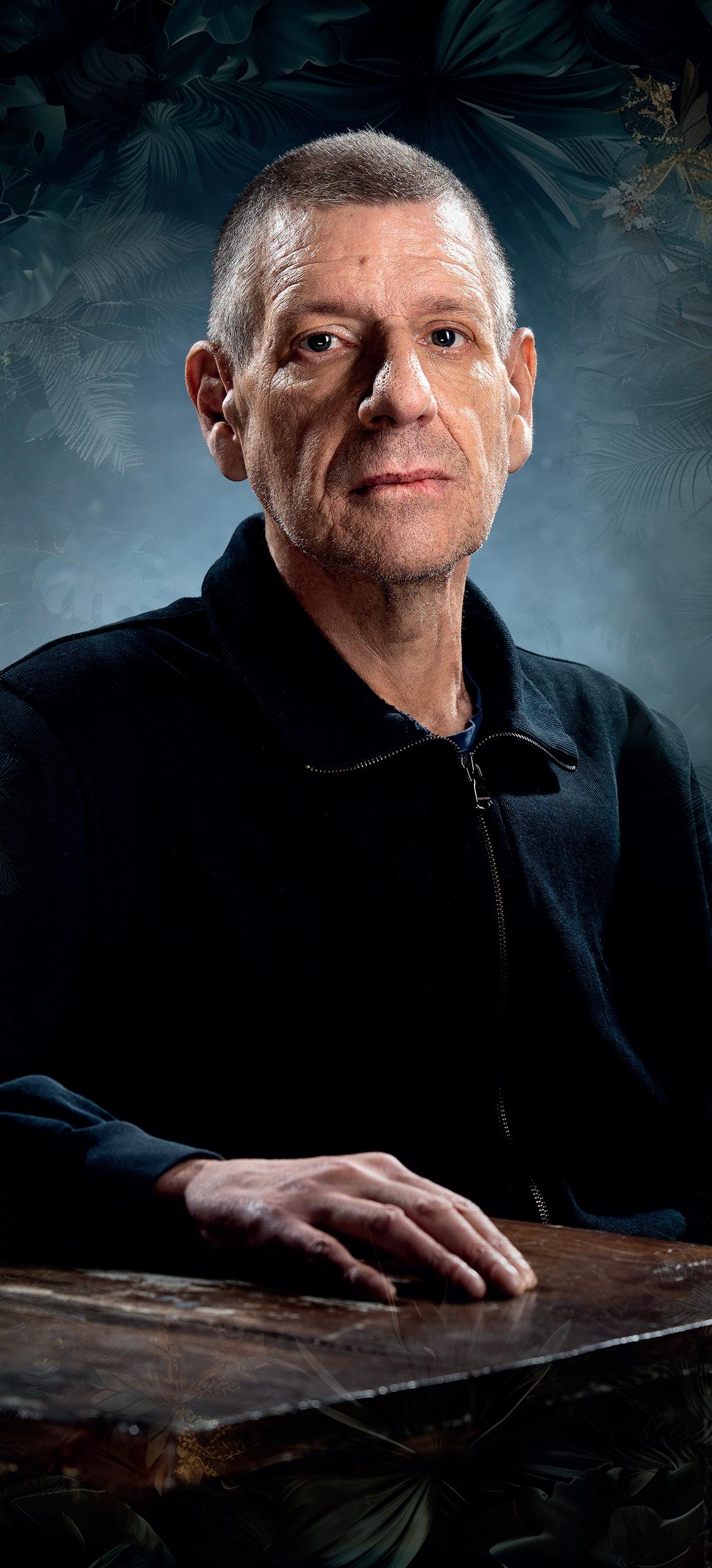
It took more than 25 years before someone took me seriously
Matjaž Dolinšek, Ljubljana
I’ve had Fabry disease symptoms since I was a child.
I was in so much pain that I couldn’t walk. My arms and legs burned so hard that I couldn’t stand it. I helped myself by cooling my hands and feet in cold water and with painkillers I stole from my mother.
For a long time, nobody believed I had such a serious problem. Only my now-deceased mother believed me, and she took me to the GP several times. There they checked my blood and urine, but the results showed nothing to make anyone believe that I was ill.
54 — FACES OF FABRY DISEASE | TODAY
Iwas unable to do sport activities because of the severe pain. But when PE was on the timetable at school, nobody believed that I was in such unbearable pain. Teachers used to send me to weed the athletics track and pick up waste in intense heat. Then I started hiding when I had PE.
I trained as a precision mechanic, I worked as a trainee, but I had problems at my job. I worked hard, helping myself with various pills. In 2004 I got a job at the post office, but they saw that I really couldn’t do the work. I often came to work with a fever, but I didn’t want to go on sick leave, so as not to come off as a malingerer.
It was more than 25 years before someone took me seriously
It was more than 25 years before someone took me seriously and believed me that I had a serious health problem. I understand that Fabry disease is very difficult to diagnose, as it is a very rare genetic disease. However, for all these long 25 years people around me thought of me as a malingerer. Only my mother, from whom I inherited the disease, believed me. Unfortunately, she died before her disease could be diagnosed, in 2004.
The first person who believed me and diagnosed me was Dr Vujkovac and the whole team at Fabry Centre at the Slovenj Gradec General Hospital. The disease was finally diagnosed in 2007.
The first person to suspect Fabry disease was a dermatologist
Dr Kolar from the Dermatology Department at Celje General Hospital was the first to suspect Fabry disease. My angiokeratomas made her suspect some-
thing was wrong. She had long discussions with various doctors and got in touch with Dr Vujkovac. This was before the May holidays, and immediately after the holidays I went to Slovenj Gradec for an examination. They took my blood there, but it was still almost a year before the diagnosis was confirmed. At that time, genetic tests were not done in Slovenia, the samples were sent to Germany and it took about a year to get the results.
I was 35 years old when I got the diagnosis, which was in 2008.
21 March 2009 - a day I will remember forever
I will forever remember the day when my treatment for Fabry disease started: on 21 March 2009 I received my first enzyme replacement therapy. I am still receiving it, every 14 days, and will probably have to do so for the rest of my life.
There was a period when we received enzyme replacement therapy at home, which was much easier for patients than going to Slovenj Gradec every 14 days for therapy. After the therapy you are very tired and a lot can happen on the road when you are driving back home.
I am a category 3 disabled person. The doctor at the Employment Office, who said he had looked into my case, decided that I was unfit for any work. Well, the Pension and Disability Insurance Institute thinks I am fit for a four-hour job with adapted working conditions. This means that I must have the option to get up and stretch frequently. But there is no such job, and what employer will allow me to do that? And on top of that, I have to take a sick day every 14 days to go to therapy, after which I’m a wreck for another two or three days.
FACES OF FABRY DISEASE | TODAY — 55
I don’t want to hide my illness from my employer
I don’t want to hide my illness from my employer, so of course I can’t get a job.
I also applied for a survivor’s pension, which was rejected by the judge on the grounds that the illness started at a later time. I really cannot understand this logic, since Fabry disease is hereditary, so I must have had it at birth.
Patients would urgently need disability status. In addition to pain, Fabry disease can also cause depression, insomnia, heart disease, stroke, kidney damage... I myself had some intermittent cardiac arrests last year and they were going to implant a pacemaker, but the cardiology department at the University Medical Centre Ljubljana decided to just ablate my heart.
Children with this condition should also have a special status, as they are unable to do certain things. For example, they cannot play football or basketball in the summer and are therefore isolated from society.
I regret very much that the disease was not detected earlier
Since I have been receiving therapy, my pain has not decreased much. I regret very much that the disease was not diagnosed and treated earlier in my life. If the treatment had started earlier, my life would probably have been much easier and, above all, less painful. Unfortunately, after all these years, my organs are injured to the extent that the damage is irreparable.
Nevertheless, the full social support of Fabry Centre staff means a lot to me, because they really understand the problems of Fabry patients.
I would advise all patients who have similar problems to mine to contact Fabry Centre Slovenj Gradec. They may also have an illness similar to mine.
I wish for them to start treatment as soon as possible so that they can repair the damage caused by the disease.
“I would advise all patients who have similar problems to mine to contact Fabry Centre Slovenj Gradec. They may also have an illness similar to mine.”
FACES OF FABRY DISEASE | TODAY 56 —
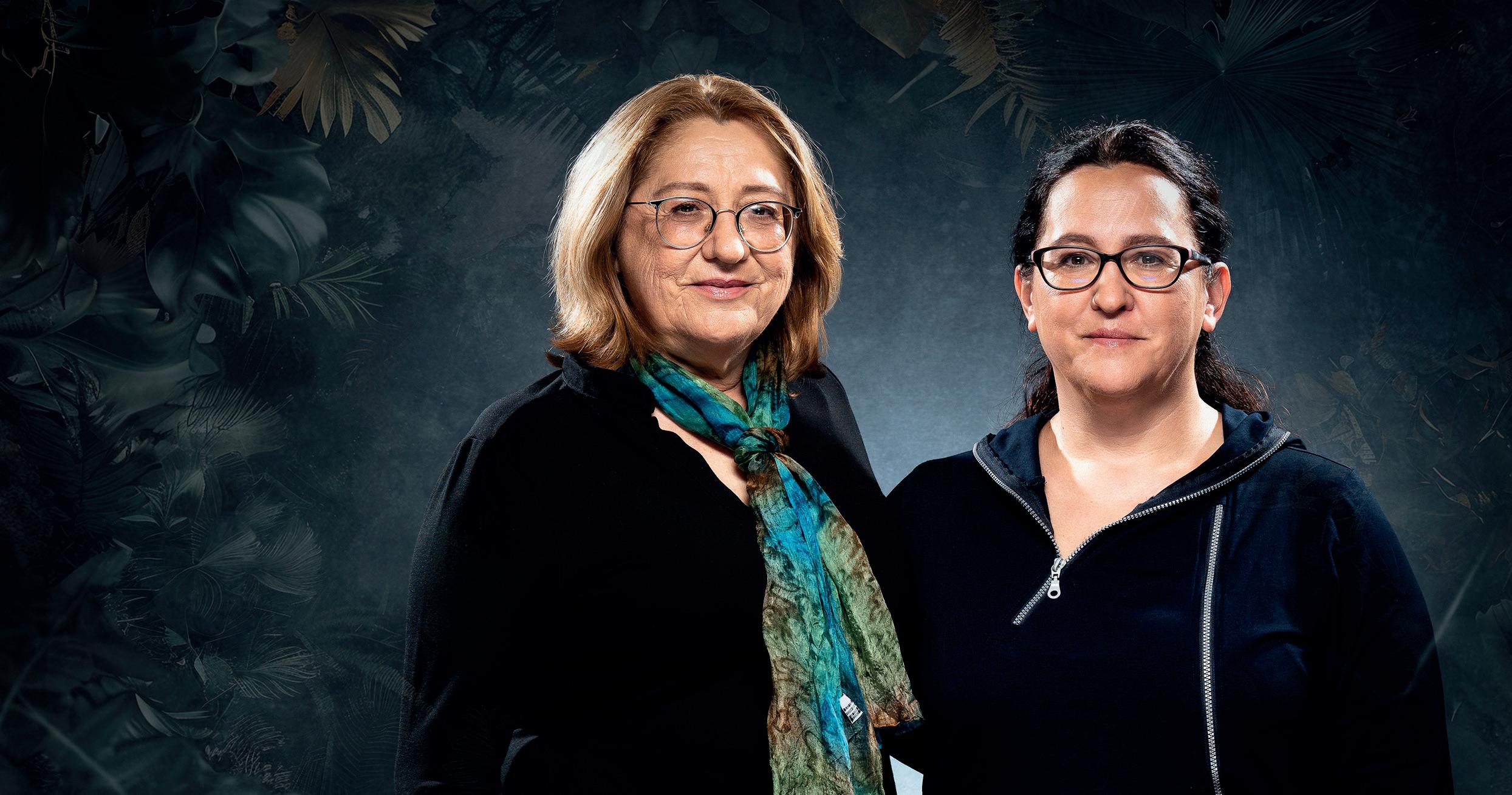
Our Andrej lived
Mirjana and Urša Porenta, Škofja Loka
Our brother Andrej died last July of Fabry disease. Our late mother also had it. Looking back now, we remember that Mum had problems with high blood pressure and kidneys. She underwent a great many different tests, but for a long time she did not know what was really wrong with her. Her blood pressure was always elevated and, despite therapy, they could not regulate it. But she had no distinct illnesses. As long as she could walk, she was very active. She looked after the children, hiked a lot, including in the mountains. Then she started having problems with her kidneys and her heart, which slowly started to fail.
— 57
There were three children, we, the sisters, were 12 years apart, and Andrej was the middle child. He was a sickly child, often had fever and was not as active as his peers. At school, he tried his best at PE, as hard as he could, but he just couldn’t keep up with the other children.
He also had kidney problems. However, he did not have pronounced problems like our mother. He got tired quickly, and of course we didn’t know why. He was more withdrawn by nature and enjoyed his time at home, reading or sitting at the computer. But before we knew he was ill, we were very hard on Andrej. We all had to do our share of more difficult chores, but he didn’t have to because he just wasn’t able to. There was always an understanding that Andrej couldn’t do it. We thought it was because he just lay in his room and read. If you said anything to him about it, he would get upset but then he helped as much as he could. But he never said he couldn’t do anything. And he always found the will and strength for the activities that pleased him.
When our mother had a heart attack, she was admitted to the hospital in Trnovo, where she was examined by a resident. The resident noticed that a few years ago, when Mum was being treated for high blood pressure at the Dr Peter Držaj Hospital, Fabry disease was suspected. Knowing that Dr Vujkovac was working on this disease, they contacted him, did a bunch of tests, and then both our mother and Andrej were diagnosed with Fabry disease.
One day, while driving back from Fabry Centre, he fell asleep ...
When Fabry Centre opened in Slovenj Gradec in 2004, our mother and brother started treatment togeth-
er, driving there every 14 days for infusions. Andrej was quite well at that time and drove them himself. The long journey did not bother him at all, and neither did Mum. They both knew that they were very well taken care of there. But there was a period of time when he was not receiving the treatment because of some problems, and he was not well.
When they started treatment, Mum was already over 60 and Andrej was 40. The medicine did slow down our mother’s illness a little. Then she got worse quite quickly. She didn’t have any serious disabilities, but she had a bit of diabetes, high blood pressure and all the ailments that often come with old age. Later, when she became more and more enfeebled, she also fell twice and then we put her in a nursing home. They stopped treating her then too, there was no point, and the drive to Slovenj Gradec would have been too tiring for her.
“Andrej was very happy with his treatment at Fabry Centre, he got on well with them and liked going to Slovenj Gradec. He and our mother always stopped at Trojane on the way home so that he could get some sleep. Then they pressed on. Later on, the driving became too tiresome for him. Once he fell asleep on the way back, and Mum put an end to it and then I drove them for a long time. In the morning, we started from home before 5 AM, so we were there by 6.50 AM. Then Andrej started to get his infusions from his GP. There was also a period of time when the nurse came and gave him an infusion at home. After COVID-19, I started giving him the infusions, because I am a nurse,” says Mirjana.
Our family didn’t bother ourselves with Fabry disease
Urša recalls that after their mother’s and Andrej’s
FACES OF FABRY DISEASE | TODAY 58 —
diagnosis, the rest of the family also had their blood screened for Fabry disease. “My sister and I, our mother’s two sisters and our cousin. It turned out we didn’t have it. I didn’t get my children tested because I was told that if I didn’t have the disease, my children didn’t have it either.”
Mirjana thinks out loud that maybe their maternal grandfather had this rare disease too. “I remember that he was slow, rather awkward and weak. But if you work on a small farm like he did, that might not come out as a symptom... He died around 1980, so it’s hard to say for sure.”
Our family was not bothered by Fabry disease. I think we functioned quite well with it and tried to live as naturally as possible. Even when we were waiting for the results of Fabry test, we didn’t bother because we felt we were healthy.
“My only fear was that my son would have the disease. They said that women are carriers and men get the disease. But then they explained that if I didn’t have it, my son wouldn’t have it either. So they didn’t test him and my children really don’t have this kind of problems,” says Urša.
With Fabry disease on a bike to Mangart
Andrej completed his schooling on time and got a job. He worked in a furniture shop and then at a company selling sports equipment. Unfortunately, by that time he had started to suffer so much that he was unable to go on business trips to, say, Germany or Italy. It was too tiring.
He started building websites, he enjoyed it, it was his thing. At 43, he was put on disability pension, but before that he had worked for 23 years.
He was very active up until the COVID-19 pandemic. In his youth, he was engaged in paragliding, but had to give it up due to a leg injury. Even after the diagnosis, until the time when he started peritoneal dialysis, he went camping with his friends in Kobarid. They did a lot of cycling and photography there. He tried very hard to keep up with his friends. They knew about his illness, were considerate of him and encouraged him to be active. Even after he was diagnosed with Fabry disease, he still cycled to Mangart. He spent some time on the bike and some time walking, but he managed.
When he started peritoneal dialysis, however, he withdrew from society a bit. He spent more time in front of the computer and among books, and he sometimes went on a short day trip with his friends.
In short, our Andrej lived.
Then it went downhill fast. He had severe kidney problems. His kidney had failed, but he didn’t want to go on dialysis, so he had to have peritoneal dialysis at home every night, but it couldn’t go on forever. Soon he was put on the transplant list. Then he got weaker and heart problems set in. His heart weakened so quickly that Dr Vujkovac was a little surprised. They quickly inserted three vascular stents into his heart. He was hospitalised for three months because of complications from the surgery.
“He was very scared of going to the hospital because he was a very picky eater. At home, we always cooked for him what he liked to eat. When my parents died, I moved back home and Andrej and I lived together. I managed the infusions and I cooked. Andrej used to cook too when our mother was still alive. Because of Fabry disease, he had to pay special attention to his diet, for example to ensure that he was getting the right
FACES OF FABRY DISEASE | TODAY — 59
amount of potassium. He was quite limited in that way.
Andrej had always been a calm person, but in recent years he had become more and more frail, because he didn’t eat much. He had a kidney transplant shortly before COVID-19 and we were hoping for better times. But since the emergence of COVID-19, he never even ventured into the store because he was afraid of infection. However, he got infected anyway and despite everything, he survived the disease without any major complications.
But after that he really couldn’t stand much physical activity anymore, even though he tried. We all encouraged him. He was very proud when he managed to do something, for example walk a certain distance. Dr Vujkovac also encouraged him to walk. You know, I told on Andrej to the doctor because I could not look at him not moving, he had no muscle mass at all. When Dr Vujkovac took over his treatment, he was doing better for a while,” says Mirjana.
He expected to die early
Andrej had studied Fabry disease closely and knew what to expect. He told us that Fabry patients live until 55 on average. When he reached that age, we often heard him say: “Oh, just a few more Mondays ...”
He expected to die early, but the rest of us did not. Even in his last days, he seemed fine. It seemed that his face had always been gaunt and he was as skinny as a beanpole, but we really didn’t notice any significant change in his appearance or his well-being in those days. We really did not expect him to die at the time.
He died on 28 July 2023. We were very shocked. We couldn’t stop thinking for a long time about whether we might have missed something.
In May we had a check-up with Dr Vujkovac. When he saw the ultrasound of the heart, he felt that surgery was not a reasonable course of action. He told us to get ready for difficult times ahead. But Andrej continued his daily rituals: he got up in the morning, took his medication, had breakfast and went back to his room, where he spent most of his time. He watched TV, read and programmed on the computer. He said he was programming to train his brain.
“Since I moved back home in March, we have been together upstairs. Now that I think about it, he slept more those last few days than he would have otherwise. He wasn’t awake as much, he was tired. But we expected his condition to deteriorate for longer. I imagined that he would slowly fade away and we, the two nurses, would look after him. We expected it to be difficult... So we didn’t think it would happen so suddenly...
That night I ran into him in the corridor. I came home around midnight and he said to me in jest, “You’re coming home at this hour?” I guess he just sat down on the bed after that, and that’s how we found him. I don’t think he expected it to happen that night either. He’d always tell us when he was feeling unwell. In the evening, he ordered something online and ate his dinner. If he didn’t feel well, he wouldn’t eat. But that night he was fine,” Urša recalls.
In the morning, he didn’t come for breakfast. We opened the door to his room and at first, we didn’t even realise it. We were running pell-mell around the house like two chickens with their heads cut off, we didn’t know what to do, where to start... And we’re both nurses...
Andrej simply didn’t wake up that morning. He died of heart failure, one month before his 59th birthday.
FACES OF FABRY DISEASE | TODAY 60 —
I won’t give upMarjan Florindo and Stanka Pobolšaj, Trbovlje
Marjan: I didn’t even know I had Fabry disease until 2011. My older brother had it. At the time, I used to drive him to Ljubljana for check-ups because of this disease. So, my brother and I are sitting on such an occasion in the waiting room, and the doctor comes out and asks my brother who I was. He told him I was his brother, and she asked if I would do be interested in the test. I immediately said yes. Then they called me and I was admitted to a hospital for a day or two. They told me I had this disease. I had already had a pacemaker because I had heart problems. Dr Vujkovac told me that it was because of Fabry disease. In addition, I cannot see well and I am deaf. I got a pacemaker 22 years ago.
Stanka: That was the year our son was born. We didn’t know Marjan had Fabry disease then. Marjan and his older brother had a younger brother as well. He died at the age of 43. He was being treated for multiple sclerosis and was in a nursing home in Ihan where he died. He was not diagnosed as having Fabry disease because he died early, but it is very likely that he did have the disease. It was, however, confirmed in his older brother. He had been on dialysis for a long time before his diagnosis.
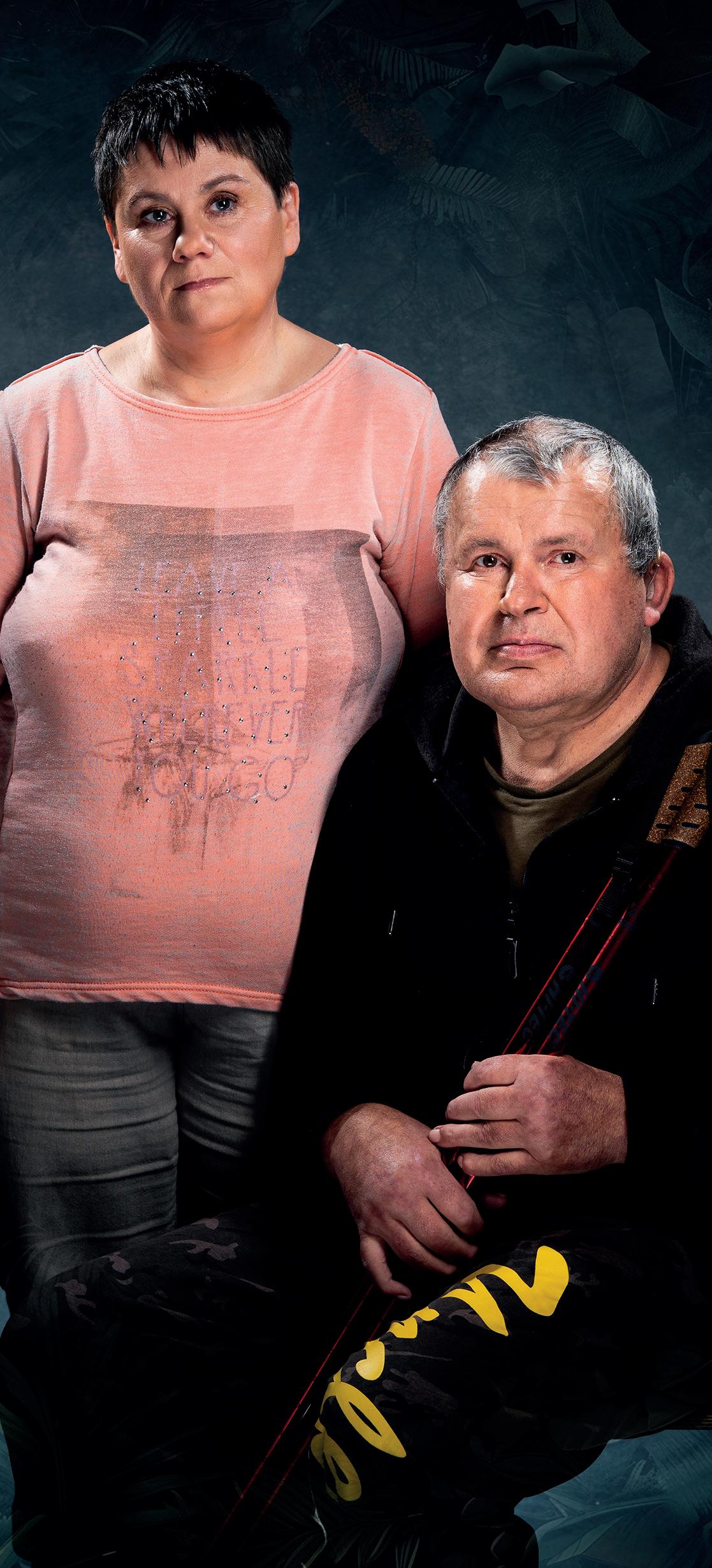
— 61 FACES OF FABRY DISEASE | TODAY
My brother and I used to go to Slovenj Gradec together
Marjan: My older brother and I were then sent from Ljubljana to Slovenj Gradec to Fabry Centre and we were going for the infusions and the check-ups together. We had the same appointments. My older brother died at the age of 57, the same age as I am now. Dr Vujkovac told me that the treatment is helping me. That I have gained many years with the medicine.
Stanka: Men with Fabry usually pass away at 50.
Marjan: They determined that our son does not have this disease. If we had a daughter, she would have it. My brother had a daughter, but she was stillborn. She would be 22 now. She most probably had Fabry disease. Women are carriers of the disease. We don’t know if my mother had it. Dr Vujkovac said that she either had it or was a carrier. My father did not have it.
Stanka: Marjan’s mother died when she was in her 80s, she had a stroke. That’s an advanced age for Fabry disease. Maybe she really was a carrier.
Marjan: Well, thinking back, I remembered that since childhood my arms and legs always started to hurt when it was hot outside. When I walked home from school in the summer heat, my feet hurt badly. Both my brothers also had the same pains. Otherwise, I was not a sickly child. But I had a hard time with the heat and the cold. I still do. I often complained to my mother that I was in pain and she would say that my brothers were too. Well, I guess there wasn’t much she could do.
I have 28 years of recognised occupational record
When I finished school, I went to work. First, I was a postman on a motorbike in Trbovlje, then I went to work in a mine. I worked in a mine for 11 years and a
half. When the mine closed, I went to work for a private construction company. It was hard work but what could I do? I didn’t know I had this disease. I have worked for 28 years altogether. Now I am retired on disability pension.
Stanka: When he was diagnosed, that’s when it started. He had three strokes, and that’s probably related to Fabry disease.
Marjan: I go to Slovenj Gradec every three months for a check-up and an infusion. When I get the infusion, I am very tired for about 10, 15 minutes. I get it in the hospital in Trbovlje every 14 days. They taught them how to give me an infusion at Fabry Centre. They used to go to Slovenj Gradec to learn. I am glad that I don’t have to go to Slovenj Gradec every 14 days anymore. It takes an hour and 15 minutes on that winding road to get there.
Stanka: We live in Šklendrovec, a 15-minute drive from Trbovlje. It’s a good thing I can drive. Marjan also had a driving license. If you don’t live in the city, you need a car and a driving licence. The infusion therapy takes an hour and a half to complete. When he gets it in Trbovlje, I wait for him. Marjan doesn’t have to go to Trbovlje for the lab tests, because a community nurse comes home to take his blood. We don’t get a transport to the lab for the tests. I used to drive him, but I don’t get sick leave to escort him anymore. I only get it for basic check-ups, but not for the laboratory tests.
Marjan: We live 20 kilometres away from Izlake and 8 kilometres away from Zagorje, where the closest post office and a grocery store are. You can’t live in places like that without a car. I remember when I was going to school and I didn’t have a car yet. I walked half an hour to the bus station. In those days, winters were still severe, there was a metre of snow in the winter, and
FACES OF FABRY DISEASE | TODAY 62 —
my mother used to shovel it with a utensil for baking bread. But when I started working, I already had a motorbike and later a car.
It’s a good thing our son doesn’t have Fabry disease
Marjan: It’s good that our son doesn’t have Fabry disease. Because they can’t cure it. At least that’s what they said.
Stanka: Our son will turn 23 this year. His name is Timotej, and he already has a job. He has a girlfriend now, so he’s not at home much.
I work at a retirement home in Izlake. Marjan, meanwhile, can’t be on his own, he’s not so independent. He has to be supervised at all times and that has complicated our life. We don’t have any help or an assistant, even though we have sent an application. We were at Soča Institute for rehabilitation and they said he was independent. Luckily my mother is retired and helps take care of Marjan. She cooks for him and takes care of everything he needs when I am at work.
Marjan’s pension takes into account his illness which means he receives full pension, although he was unable to work the required amount of years. He receives a pension of 740 euros and a disability allowance of 60 euros. It’s a good thing he doesn’t need a special diet, that’s expensive. He only can’t eat nuts because of his kidneys. We have a farm, 24 hectares of land, six cattle and two pigs. We get all our meat and vegetables at home. But it’s a lot of work.
There are a lot of things they don’t know about this disease
Marjan: Oh, how I wish I wasn’t so ill. I know I will never be healthy again. But I am a fighter. I don’t know
what keeps my chin up ... Although I can’t do much more than lie down and watch TV. TV and computer mean a lot to me, to keep me distracted.
And we go to the seaside in the summer, with my wife and her brother for 10 days in Strunjan. It’s nice, they have a swimming pool. We’ve been going for a few years now. We have already booked it for this year.
I can’t work anymore, I can’t drive. I can’t walk much either; I walk with crutches. But my balance is a bother and if I put any strain on my knees, they hurt.
Stanka: Because of his knees, he’s not allowed to walk too much. At the moment his knees are his worst problem.
Marjan: What do I want for the future? To be healthy. To be able to walk, and at least to see as well as I do now. I have seven dioptres. I can’t see in my left eye. It’s not going to get better, it’s the stroke that caused my bad vision. I’ve had four strokes. I also find it difficult to speak and swallow, I often start coughing. It’s all because of the stroke.
I don’t have kidney problems, at least I don’t feel them. But at Fabry Centre Slovenj Gradec they told me that my kidneys were failing, that they were only working at 25%.
Stanka: Dialysis will probably have to be considered soon. They said only three hours a week at first, more often later. Every other day. We have dialysis in Trbovlje, at least it’s close to us.
They start dialysis when the kidneys are working at only 7 or 8%. It can get worse quickly, but the progression of the disease can also stop. They don’t know. There are many things they don’t know about this disease.
Marjan: But I won’t give up.
FACES OF FABRY DISEASE | TODAY — 63
My secret parallel life with Fabry disease
Author: anonymous *I was diagnosed with Fabry disease as a student. The news did not come as a shock or a surprise, because a long series of events had prepared me for it. It may even have brought some relief by clarifying what was happening to me.
The first period of health problems in my childhood was most marked by a very poor self-image due to the swelling on my face. The problems came back in my student years. I expected these to be the best years of my life, but things did not go as expected. I was often exhausted after my studies and struggled to focus during lectures, but I still refused to give up socialising, playing sports and exploring new surroundings. I often woke up even more tired than when I went to bed.
Not living up to my own expectations, the first period of depression followed. At the same time, I decided to change my course of study and decided to study medicine. It was a promising start, but I soon succumbed to the same problems. The return of the swelling on my face led me to see a doctor, who found some abnormalities, but nothing tangible.
I was going round in circles, but no solution was found
With the swelling, the old self-doubts came back as well. I wondered if I was perhaps not taking good care of my health, or if the origin of my issues might be psychological. The days passed me by and, as I was not
satisfied with my life, endless online content was one of my escapes from reality. I was going in circles, but I could not find a solution. Occasional temporary jobs did not provide the necessary structure, and studying for exams was too much of a burden that I was forced to put off into an uncertain future. I had fallen into an abyss from which I could not recover, and I no longer saw any real point in anything. I could not even muster a decision to see a psychiatrist.
One day, while riding my bicycle, I started doubting my bike-riding skills. I wasn’t being deceived, something strange was happening. I started to hear noise in one of my ears, tinnitus, and I thought I couldn’t hear anything on it. At first I thought I had water in the ear. A check-up with my GP did not reveal anything specific, although the sensation persisted and grew stronger. Over the next two weeks, after an episode of severe dizziness and vomiting that landed me at the emergency room (A&E), I was finally referred to the Division of Otorhinolaryngology (ear, nose, and throat; ed.) and Cervicofacial Surgery. I was then in for a shock, as the examination showed that there had been almost complete hearing loss in that ear and that, given the time that had elapsed, the chances of recovery were relative-
FACES OF FABRY DISEASE | TODAY 64 —
ly slim. Despite treatment, my recovery over the following weeks was poor.
The tests to find the cause of my problems were combined with my previous treatment at the dermatology clinic, and I went through a lot of testing over the next six months. Severe muscle and hand pain and high fever joined the ear problems. On certain days, however, I felt almost normal, despite the very high temperature. When I started to experience hearing loss in the other ear – which was treated in time this time around – I was referred to the eye clinic for the second time in a row. This time, they noticed corneal opacities that had gone unnoticed the first time.
I recognised my symptoms in virtually all the symptoms of Fabry disease
I regularly monitored my results and read at home about the syndromes that the specialists cited as possible causes. I could never fully match my symptoms to the characteristic symptoms of any of the diseases mentioned in the results. However, when I read about Fabry disease after receiving my medical report, which for the first time mentioned Fabry disease as a possible cause of my corneal opacities, I matched virtually all the symptoms with my own. From sudden hearing loss to those that I had never given any importance to, such as noticing that I sweat less than others. I remembered summers in my childhood when I mentioned burning sensations in my palms, and the spots all over my body that were noticed during a regular health check-up. I confided all this to my GP, who, after consideration and consultation, decided that it would also be worthwhile to have a check-up at Fabry Centre at the hospital in Slovenj Gradec.
“I could never fully match my symptoms to the characteristic symptoms of any of the diseases mentioned in the results. However, when I read about Fabry disease after receiving my medical report, which for the first time mentioned Fabry disease as a possible cause of my corneal opacities, I matched virtually all the symptoms with my own.”
I had high hopes for my treatment
The very first conversation with Dr Vujkovac gave me the feeling that I was probably on the right track. The results of genetic and biomarker testing confirmed this. The discovery of the cause of my problems was not the end of the road, however, and there were still some tests to be carried out to assess my condition. This was followed by preparations for enzyme replacement therapy. I had high hopes for the treatment, but after just a few applications it became clear that it was not going to eliminate the pain in my hands and the tinnitus – the unbearable ringing in my ears. The visits to the Centre were also a challenge, as I had to drive for almost three hours from my home to the clinic.
When I was first introduced to the treatment options after the introductory period, I decided to try
FACES OF FABRY DISEASE | TODAY — 65
self-treatment at home, even though I didn’t know if I would be able to insert a vascular sheath on my own. I was motivated by the desire to be independent, as I wanted as much freedom as possible in my daily life. After just a few applications, the Centre started preparing me for this and provided me with materials to practice at home.
It turned out that I had no problem with inserting the needle. So, after half a year, I started home treatment and kept discovering the comfort it provides. As I was then also in regular employment, I did not need to take time off work. I started to do my treatment most often on weekends and in the evenings, when I had more time and found it easier to calm down and prepare for the procedure.
Later, after changes to the accompanying treatment at the Centre, they were able to eliminate my daily pain to a great extent. During this time, I also started to use a hearing aid on the affected ear. My job has also worked particularly well for me, bringing structure and
“The hardest thing for me to accept is that my illness has quietly robbed me of a period of time that was of paramount importance for my personal and career development, making me wonder where my place in the world is.”
order and responsibility to my disorganised daily routine. Because it is an office job, I was not limited by the disease from the start – but that does not mean that I did not finish many days exhausted or gritting my teeth because of the burning pain.
Illness robbed me of an important period of my life
I used to feel like I was living a little secret parallel life with Fabry disease, even though at a certain period it formed the bulk of my daily life. This uncanny parallelism probably goes back to the beginnings of my problems, when I didn’t confide in anyone about my distress, and from the fact that the symptoms of the disease are invisible to the casual observer. Now, two years after diagnosis, my extended family and close friends have some familiarity with the disease.
I became aware of what it means to live with such a disease only later in life. I realised that, unfortunately, I was in a group of patients that, despite receiving enzyme replacement, also needed regular symptomatic treatment for pain, which for me was the worst in the palms of my hands. I was also beginning to understand my past in this context and to see the reasons behind my sensations. The hardest thing for me to accept is that my illness has quietly robbed me of a period of time that was of paramount importance for my personal and career development, making me wonder where my place in the world is.
* I would like to clarify at this point that I have chosen to write my story anonymously because, as a young employee, I do not want this story to become a factor in an employer’s decision in the future.
FACES OF FABRY DISEASE | TODAY 66 —
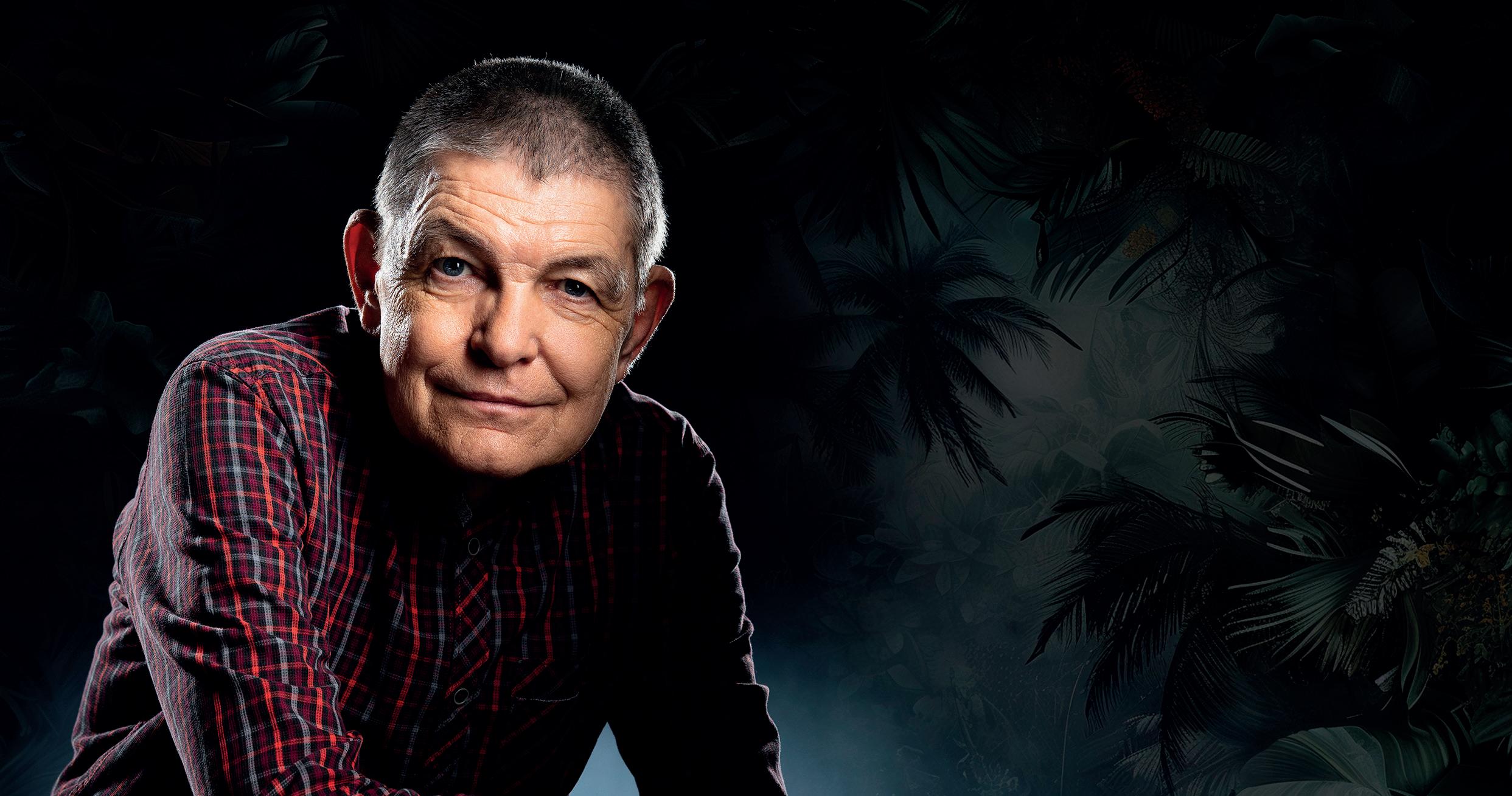
I’ve known since childhood that I was different from my peersTomi Trilar, PhD, Ljubljana
I have known that I am physiologically different from my peers since childhood. Back then, I had numerous middle ear infections and the soles of my feet always burned when my temperature rose. I remember that they cooled them with anything from vinegar compresses and who knows what else. I also remember warmed common houseleek extract being poured into my ears.
— 67
Those burning pains in the soles of my feet, together with the middle ear infections in puberty, later passed. I might have felt them later after walking for a long time or after coming down from the mountains, but I attributed them to fatigue. I also noticed that, compared to others who had hiked with me, I was sweating considerably less, and in different parts of my body than they were. I was also plagued by gasses and diarrhoea.
The famous Cooper tests at PE at school also gave me food for thought. I ran those six laps in the stadium without any problems, but after that I always had sore muscles 24 hours later than my peers did.
However, for a long time I did not actually have any serious health problems. I was never a national record holder in running, but I could manage PE just like anyone else. Then, sometime after I turned 30, around 2004, I started having episodes of atrial fibrillation.
Cardiologist Dr Žižek - the first doctor to suspect Fabry disease
The first time it happened, atrial fibrillation passed spontaneously. The next time I went to the emergency room (A&E) and was given a drug that later turned out to be contraindicated for Fabry disease. It occupies the target sites to which an enzyme binds, which we, Fabry patients, do not have enough or even any of. The third time, the drug no longer had any effect and electroconversion (a procedure where an electric shock is used to stop the abnormal heart rhythm and restore the sinus rhythm of the heart, ed.) was performed on me. They also did more in-depth examinations.
Unfortunately, Slovenian medical insurance does not allow a patient diagnosed with atrial fibrillation to
call for a bed to be booked when atrial fibrillation occurs and to come for electroconversion when there is a bed available. You have to go to the emergency room every time and go through the whole process of triage, admission to the ICU and waiting for a bed. If you “can’t” get there at the right time, it can take 15 hours or more to get to the right bed at the emergency room in Ljubljana. I experienced this several times between 2004 and 2009. Once, in 2009, it happened that there was no room for me in either the ward at the University Medical Centre (UMC) or in either emergency departments. If you receive electroconversion, you need an emergency room, a cardiologist, a senior nurse, resuscitation equipment ...
Because there was no room elsewhere, I was sent to the Dr Peter Držaj Hospital. Dr David Žižek was there as a resident on rotation and he thought my case was unusual. He called my wife at home, so she read him the report of the ultrasound of my heart, which had been done during one of my examinations. He was surprised that my heart was enlarged, as I am no athlete, and at the thickening of the heart muscle in certain places. He also called his father, Dr Bogomir Žižek, an internist, who advised a test for Fabry disease. I was practically at the door with my discharge card when they called me back, took my blood and sent it for testing.
About two months later, Dr Bojan Vujkovac called me and I went to Slovenj Gradec for an examination. During this journey, my heart went into atrial fibrillation, which lasted the whole way there, but I still made it. Atrial fibrillation may be annoying, but once you realise that it is not going to kill you, you can cope. They tried to perform conversion on me with drugs, but my heart was no longer responding to any medication,
FACES OF FABRY DISEASE | TODAY 68 —
so they performed electroconversion and then put a pacemaker, an implantable cardioverter-defibrillator (ICD), inside me in Ljubljana.
At that time – this was in March 2009 – I was diagnosed with Fabry disease. Today, my heart is completely pacemaker-dependent, and in the meantime, I have had a pacemaker replaced and several ablations of the nerve connections in my heart done already, because I have had several more atrial fibrillations. After a series of recurrent fibrillations in the summer of 2022, we came to a conclusion that another extensive ablation at the Department of Cardiology in Ljubljana was necessary, but I was found to have a blood clot in my heart, despite regular anticoagulant therapy. I never forgot to take the pills. Now my heart no longer has an autonomous rhythm and is powered by a pacemaker. Cardiologist Dr Žižek is still involved in my care whenever I have to go to the Department of Cardiology in Ljubljana.
Quality of living is what you make of it
I am no longer a 20-year-old who could run uphill.
I have quite a lot of physical difficulties in the field to do what I want to do. I work as a researcher and curator at the Slovenian Museum of Natural History. At 62, I do everything more slowly than I used to and with considerably more muscle pain.
What has changed for me after the diagnosis of Fabry disease?
After receiving any diagnosis as critical as this one, you go through the same five psychological stages of coming to terms: denial, anger, bargaining, depression, acceptance. For some it takes longer, for others less so, depending on the individual.
“After receiving any diagnosis as critical as this one, you go through the same five psychological stages of coming to terms: denial, anger, bargaining, depression, acceptance.”
The biggest change for me after my diagnosis was that I had to organise myself to go to Slovenj Gradec every 14 days for an infusion. Seven months after the diagnosis, I started to receive a replacement enzyme that my body does not produce. Fortunately, we were later able to arrange this so that my wife gave me the infusions at home.
For some time, treatment at home was also available in Slovenia for all Fabry patients who received the drug in a form of infusion. Unfortunately, this is no longer possible at the moment because the Ministry of Health has made things complicated and there is clearly no will to resolve this.
I myself was first given the classical medication, the strongest enzyme, and for the last six years I have been taking part in a clinical study, which is now coming to an end. I have a medical technician coming to my home to give me an infusion with a new enzyme which is not yet registered in Slovenia, but is already used in the US and some countries in Europe.
Clinical experience shows that it does not make sense to go to Slovenj Gradec for a regular check-up
FACES OF FABRY DISEASE | TODAY — 69
more than once every six months. If you have additional problems, you simply call them and you can always come see them.
I decided not to study Fabry disease
I have made a conscious decision not to read about Fabry disease in detail, even though as a researcher I have all the tools to do so and access to all the published papers. I do not wish to patronise my doctors. I once heard a patient debating in this way with Dr Vujkovac and Dr Tretjak at Fabry Centre, but I decided I shall never do that. I am only monitoring myself, and the doctors are monitoring at least 40 patients; moreover, they are attending international meetings, have access to the world’s top specialists, they are experts themselves, so I simply trust them. I know that they are providing me with the latest information and I do not see the point in taking this upon myself and “lecturing” them.
My mother was never even aware that she had Fabry disease all her life
Fabry disease is inherited on the X chromosome, which a man gets from his mother. My mother was never aware that she had the disease. Now, at the age of 85, she has problems with her heart – atrial fibrillation, a phase in congestive heart failure... We are very fortunate that Fabry Centre Slovenj Gradec works very well. If you need a check-up, you can go see them right away. When I realised that my mother was very short of breath without much straining and that her legs were catastrophically swollen, I phoned in Slovenj Gradec and the very next day I was able to take her for a cardiology check-up. A nurse then called her every
day on the telephone and when they realised that her condition had deteriorated, Dr Vujkovac told her to see her GP immediately. An ambulance was waiting to take her to Ljubljana to have a pacemaker implanted. She got the pacemaker practically stress-free and now she is as quick as a gazelle – well, an 85-year-old gazelle, but still.
I don’t have any children myself, that’s just how life turned out.
“Today, I am calm and at peace. It is reassuring to know the reason for all my problems. But some small things really annoy me.”
In the beginning, I obviously didn’t realise how serious the disease was
I find that I am different from most Fabry disease patients I know, I suppose because of a different mutation. When it gets hot, some of the patients just “lock themselves” in the bathroom, pour cold water in the bath and don’t come out until October. I, on the other hand, jump around at 40 degrees Celsius and study the cicadas, who love hot weather. But I have problems with the cold. That’s why I don’t go out in the field as much in winter as I used to.
In the beginning, I obviously did not realise how serious this disease was. It was only when I met other patients that I realised that – apart from my heart
FACES OF FABRY DISEASE | TODAY 70 —
problems – I had relatively few problems compared to them. I have been tested and found to have reduced kidney function, but I did not notice to have any problems as a result.
I also did not experience any problems in my youth, such as a lack of understanding of people around me. I have completed all levels of education without any problems, including a PhD in biology.
Today, I am calm and at peace. It is reassuring to know the reason for all my problems. But some small things really annoy me. For example, I often get cold and I get a runny nose all the time. When the temperature changes, even by two degrees, I immediately start sneezing. The muscle pain during physical activity has become a constant, and it has worsened in recent years.
Sometimes it hurts to the point of tears, but I don’t stop
For the last few years, my muscles have been aching every time I do physical activity, and this has been a hindrance. When I get on my bike, after five metres of cycling, my muscles start to ache. When I ride from Bežigrad up that hill past the Delo tower towards the centre of Ljubljana, sometimes it hurts to the point of tears, but I don’t stop, I keep going.
It’s the little things. New ones crop up all the time, they go on for a while and then they disappear all by themselves. Now I know it is because of Fabry disease.
What do I expect from the future?
In terms of my career, mainly retirement. As far as my health is concerned – I wish it didn’t get worse. If it remains the way it is, it will be quite all right.
FACES OF FABRY DISEASE | TODAY — 71
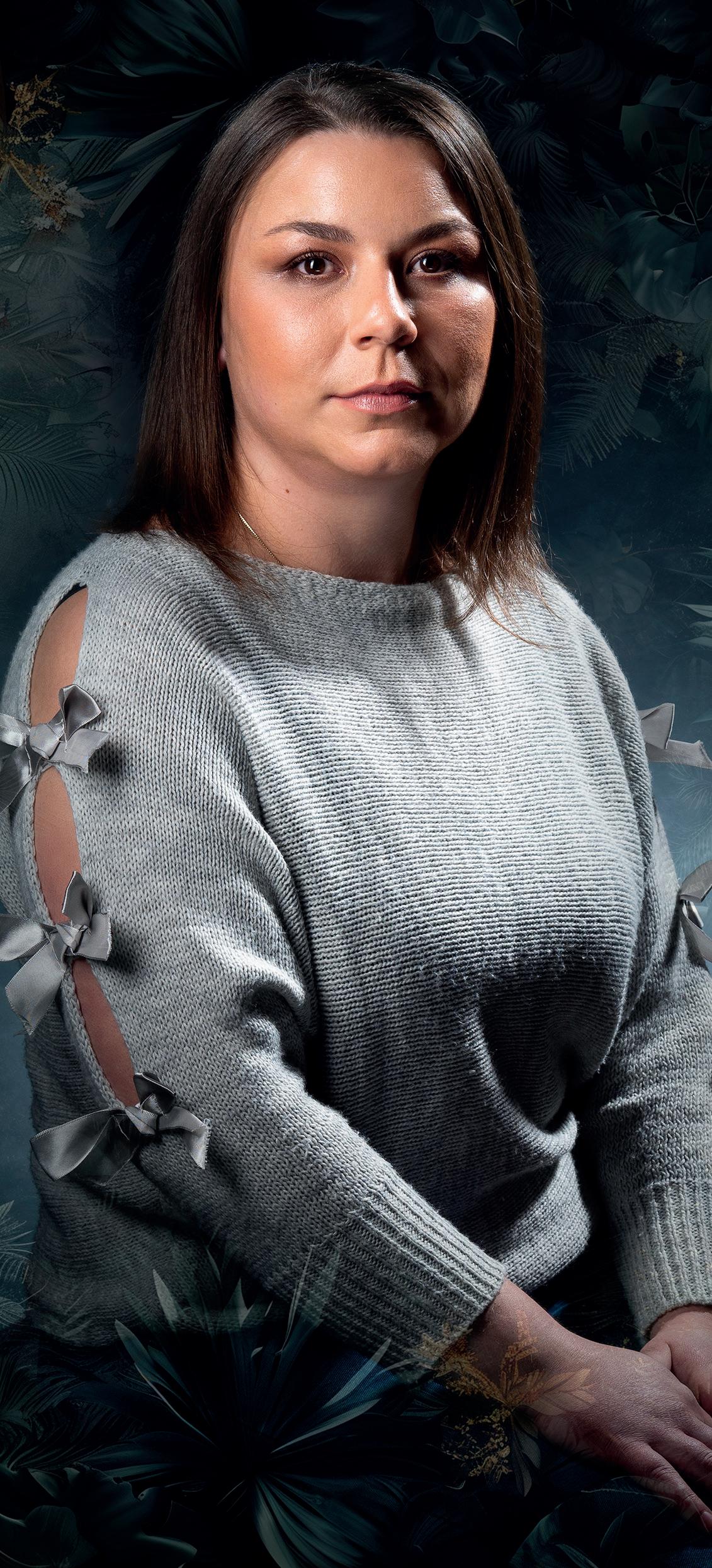
I am proud that he was my fatherAnja Stermecki, Rečica ob Savinji
Because my dad was a Fabry patient, I was also tested. I did not have any problems related to the disease, but my sister and I were both tested anyway, in 2005 or 2006. I have not been diagnosed with Fabry disease myself, but my sister has it, and so does her daughter.
My father’s diagnosis surprised me on the one hand, but on the other hand it didn’t, because he had a lot of problems due to Fabry disease. He did not sweat and he was in terrible pain. When it was hot outside, he would always ask us to put something cold on his hands so that we could cool them down and ease his pain.
72 — FACES OF FABRY DISEASE | TODAY
It was as if someone was pulling his joints apart and tearing the flesh away
He suffered terrible pain in all his joints. He would always say that it felt as if someone was pulling his joints apart and tearing the flesh around his joints away, so insufferable was the pain.
He lived heroically with the disease and all the problems it caused him, like a true hero. He fought it very bravely for 17 years. He also had a kidney transplant in 2009. Unfortunately, it was not successful.
He lived very bravely, with a lot of zeal and a lot of grit. He accepted things as they were. I always had the feeling that my sister and I were the reason he had such a fierce fighting spirit and perseverance.
This is a difficult story because Fabry disease is a very serious disease. My father had these problems since his childhood, but nobody knew the cause of them because the disease was only discovered later.
I am proud that he found support within his family. He had the understanding and support of his sisters and us, his daughters. For as long as he could work, he usually worked too much. We had to hold him back so that he did not overdo it. He held a regular job. He was a carpenter by profession. When he wasn’t at work, he would make things out of wood. He loved wood.
He accepted his diagnosis much better than my sister and I did. It was very difficult for us. At first, we were very scared for him because we didn’t know what to expect. The diagnosis came so suddenly and at the same time we were informed that he would need dialysis.
Psychologically he was a very strong man
It was a big blow and a big shock, but he decided to take it calmly. He also accepted the subsequent treat-
ment and the dialysis three times a week that he had in Slovenj Gradec, as if he were going to work. Psychologically he was a very strong man and he knew how to compartmentalize things in his mind.
He died in 2020, aged 56.
How do I look at my Fabry legacy from my father? I would do it all over again with my father. I would stand by him.
When I decided to become a mother, I already knew that my father had Fabry disease. At first, I was not afraid because my sister and I were tested by Dr Vujkovac. But because I was pregnant with twin boys, and boys are more severely affected by the disease, I was very anxious. Then I was examined, tests were done and Dr Vujkovac and nurse Sonja Pečolar calmed me down.
One of my sons is no longer among us, but the other one is nine years old now and, in the meantime, he has got two younger sisters. I have not noticed any of the problems that my father had with either of them.
Amid the drama of illness, the Centre is a ray of light
Two patients from our family were treated at Fabry Centre Slovenj Gradec, my father and my aunt, his sister. They were put on dialysis. The Centre provided
“The Centre provided us with a lot of understanding, support and help.”
FACES OF FABRY DISEASE | TODAY — 73
us with a lot of understanding, support and help. Amid all the drama that illness brings, the Centre is a ray of light. They take care of everything, both the patients and their relatives. They really stand up for everybody and help them get over the hurdles.
They have been there for me all the time and for everything. They also helped me plan meals for my father, because dialysis patients have to watch their potassium intake, for example. My dad had dialysis at home for a while and in Slovenj Gradec they taught me how to hook him up to the dialysis machine and help him with that.
In short, in this centre they not only take care of the treatment, prescriptions and referrals, but we also received very good psychological support. That’s why it was never difficult for me to come to Slovenj Gradec from Gornji Grad, where I live. I don’t go for regular check-ups anymore, but my sister goes once a year.
People with Fabry disease are superheroes
What are my expectations for the future? To be healthy. Because at the age of 33, I already know very well how precious this is.
People with Fabry disease are really the superheroes we usually only see on TV and in cartoons. They have an incredible strength to live and a strong will.
I am proud that he was my father. I am convinced I inherited the fighting gene from him.
FACES OF FABRY DISEASE | TODAY 74 —
In summer I always walk on the shady side of the streetZijad Ličina, Moravče
The pain started around the age of six, initially only once or twice a year. When I was about eight years old, I realised that these pains made me unable to keep up with my peers in, say, football, especially if it was hot outside. Of course, we didn’t know about Fabry disease at the time, so I accepted it as something normal.
At first, Fabry crises were less common, but towards puberty their frequency increased. Eventually, as I grew up and compared myself to my peers, especially in sport, I realised that there was something wrong with me. Then my parents and I started going from one doctor to the next, but for a long time I didn’t get the right diagnosis.

— 75 FACES OF FABRY DISEASE | TODAY
The pain was so bad that I couldn’t even walk
I had to sit down and rest, waiting for it to pass. The pain was strong, burning. I could feel it in my legs and arms, which became swollen and turned red. This later led the doctors to suspect that I had some form of rheumatism.
Pain killers did not always help. Later we found out that we could relieve these pains with cold water.
I was becoming withdrawn
During the summer holidays, the children from the neighbourhood would play outside, and I would be on the computer, reading books and drawing a lot. I got on quite well with my peers, though. Of course, the kids are always teasing the ones that finish last. But I wasn’t the last one, for example in my class I always came in third in short distance running. Back then, I was not as impaired by my illness as I am today.
When I was in the last few grades of primary school, training at a football club, I realised that I simply couldn’t be a player, only a goalkeeper. So, I decided to be a goalkeeper, and for a while I was. But when we had to run three laps around the pitch before the game, I noticed again that I could not keep up with my peers.
In primary school I had a bit of a problem with that, especially at PE, mainly because we didn’t know what was wrong with me. But somehow I managed, I did my best, and sometimes I ran a lap less than my schoolmates. In high school it was easier because my GP wrote me a note and I didn’t have to do PE. I still went to the PE class, and if the weather was good, I did it. But I couldn’t run the Cooper test. I often heard that I was a malingerer and that I was lazy.
I was good at other subjects because I got used to
ignoring the pain. It has been with me now for many years. Perhaps it would have been different if it had appeared suddenly. But if you grow up with this disease, you adapt to it. You ignore the milder pain and take the medicine for the more severe one.
What hurt me the most was that I could no longer go mountaineering
When I was about 28 years old, I started to play music, I learned to play the guitar and the piano. I just found other hobbies that were not sports-related. It was quite difficult for me, because I love sports. What hurt me the most was that I could no longer climb the mountains. I really loved going there, and I was also a mountaineering club member.
They said I probably had joint rheumatism, and it stayed that way for over 20 years
During puberty, Fabry crises started to occur more frequently, four to five times a year. I had pains that came of their own accord, without any kind of strain on my part. It was quite difficult and I was told that I had juvenile arthritis. My GP thought of that first and referred me to a rheumatologist. There they said that I probably had joint rheumatism, and it stayed that way for over 20 years.
But two years ago, I got a new rheumatologist, a young doctor came in. After looking at and feeling my hands, and learning that I was not sweating, he immediately suspected Fabry disease. We contacted my GP and Fabry Centre. My blood was taken for testing.
At that time, my GP said that I definitely did not have Fabry disease, because it is very rare – but it turned out to be exactly this disease. I do not even
FACES OF FABRY DISEASE | TODAY 76 —
blame him. I think he did everything he could: he sent me for tests, and prescribed me painkillers. It’s just a very rare disease, that’s all.
I was full of hope that I would be cured
When I was told I had Fabry disease, I was first happy to be diagnosed. I thought I would get some pills that would cure me. I would be able to go mountaineering again and do recreational activities.
But the very first time I spoke to Dr Vujkovac, he told me that while there were therapies, the disease would not be cured, but would stay with me.
That was a shock. I was full of hope that I would be cured. But with time, you get used to it.
Fabry Centre: 10 out of 10!
I now receive infusions every 14 days. I am doing better and I am curious to see how the summer will go. The heat is very bad for me, still and increasingly so.
For those of us who do not live near Slovenj Gradec, it is difficult to go to Fabry Centre every 14 days. But since the only medicine we can get is administered there, I just make the effort and go. I am so tired after the therapy... It is hard to drive home afterwards. Other patients have told me that home treatment used to be available for a while, but it was terminated. It would be great if they brought it back.
However, I would still go to Slovenj Gradec for check-ups because of the very friendly staff, and I get all the necessary tests done there. On the day I have my treatments with them, they also arrange appointments for all the other necessary tests. Their kindness and the way they go out of their way for us means a lot to me. My rate: 10 out 10!
You get used to it
The pain is still frequent and always with me, in fact, I feel more or less intense pain every day. But I have got used to it. When the pain comes, I mostly spend my time at home, resting. When the pain gets worse, I take painkillers. I have always found it easier to bear the pain in the cold, and it is more frequent at high temperatures – for me, that threshold is above 23 degrees Celsius.
I have to work around the pain all the time. I adapted to my environment as a child, and even at 40 years old today, I still do. In summer I always walk on the shady side of the street, because it is easier to get to my destination in the shade. When it is hot, I always cross the street where the temperature is the lowest. I walk in the late evening when the temperature drops. I’ve memorized which pubs and shops have air conditioning.
The seaside and water in general help me a lot. When I go on holiday, I look for accommodation where the beach is just across the street. You get used to it.
I spend most of my summer days at home, nearby the air conditioning. But sometimes, when it’s not too hot, I still go mountaineering. Most of the time I go to a peak called Zvoh where I can get quite high up with a car, so it’s cooler. I leave home very early, when it’s not too hot, I rest more often, I walk slowly, I drink a lot of fluids, and I manage. I guess hill climbing is probably not recommended for us patients with Fabry disease, but l love mountaineering... Sometimes you have to break a rule or two and clench your teeth a little.
I’ve always wanted to work with cars
That is why I went to school to become a car me-
FACES OF FABRY DISEASE | TODAY — 77
chanic. But when the apprenticeship started, I realised that this job was not the right one for me and my health. Then I had a motorbike accident and, because of a back injury, I had to say goodbye to the profession for good. I enrolled in the Leather and Haberdashery course and successfully completed it. As I drew a lot and liked computers, I then started dabbling in web design, and trained myself.
I am currently unemployed, but I would like to make a living, I would like to create something in my life. I’ve had jobs, I’ve driven a lorry in Scotland and Ireland, but it’s not for me, especially not in the summer. I was happy to drive because I really like cars and lorries, but being a driver is a tough job. It’s not just driving; a lot of hard physical work is involved as well.
I would like to create something
I want to improve my financial situation. At the moment I live on my own, but it is difficult to do that on welfare alone, despite the support of my parents. I will look into the disability retirement process.
However, I would like to earn something on my own, and not retire yet at mere 40, I would like to create something. I would be happy to take on some light work or part-time employment. I would like to do web design professionally, since I know how to build websites. I will also look into the possibility of running my own business. I would like to have some stability in my profession and a steady income.
I want to start a family. I am single at the moment, but I would like to have children one day, even though Fabry disease is hereditary. But now they can make sure that you don’t pass the disease on to your children.
My mother has done everything she could for me
Family means a lot to me. Mum visited many doctors with me. She did everything she could for me. I had a lot of different tests done. My dad took my problems a little differently at first. But now that they have proved that I indeed have an illness, everything is different. Before, people often didn’t believe me that I was in so much pain.
My mother and sister also have the disease. Fortunately, my sister has no problems, but my mother does. We assume that my grandmother probably also had the disease. I don’t talk much about my illness with my friends. I have told them that I have Fabry disease, but it is mine, I have to live with it.
It could be worse!
Until I knew what was happening to me and why I was in so much pain, I felt really bad about myself. Now that I know what is happening to me, it is easier. It could be worse! I have often thought that I have some really horrible disease.
Now I have accepted Fabry disease because I know that something can be done, that there are therapies.
I have found a way of life that I can live. I have hobbies to distract myself and I don’t think so much about the disease. I like music, I play guitar and the keyboard for my soul. My sister’s husband inspired me to take up the keyboard. My favourite music is rock and Balkan.
Almost every day I take a couple of painkillers and then walk four to six kilometres. Only if I feel really, very bad, I don’t go. It is beautiful here in Moravče and I like to walk in the woods.
Every day I am more satisfied with my life.
FACES OF FABRY DISEASE | TODAY 78 —
Fabry disease doesn’t bother me at the moment
I was a Fabry disease carrier at first. My late father had Fabry disease and my sister has the diagnosis too.
When I look back now, I remember that I have not sweated since childhood and have had a hard time tolerating heat since youth. But I was told that some people just can’t stand it... For a long time, I had no serious symptoms and no one thought it could be something bad. The disease did not interfere with my school or work, in fact, I did not have any problems with it until 2022.
I became a patient in 2005. The first symptoms of Fabry disease were detected at Fabry Centre: fundus alterations, a few small angiokeratomas (dark patches on the skin, ed.), slight abnormalities on the heart – but they were so small that someone outside Fabry Centre would probably not have even noticed them.
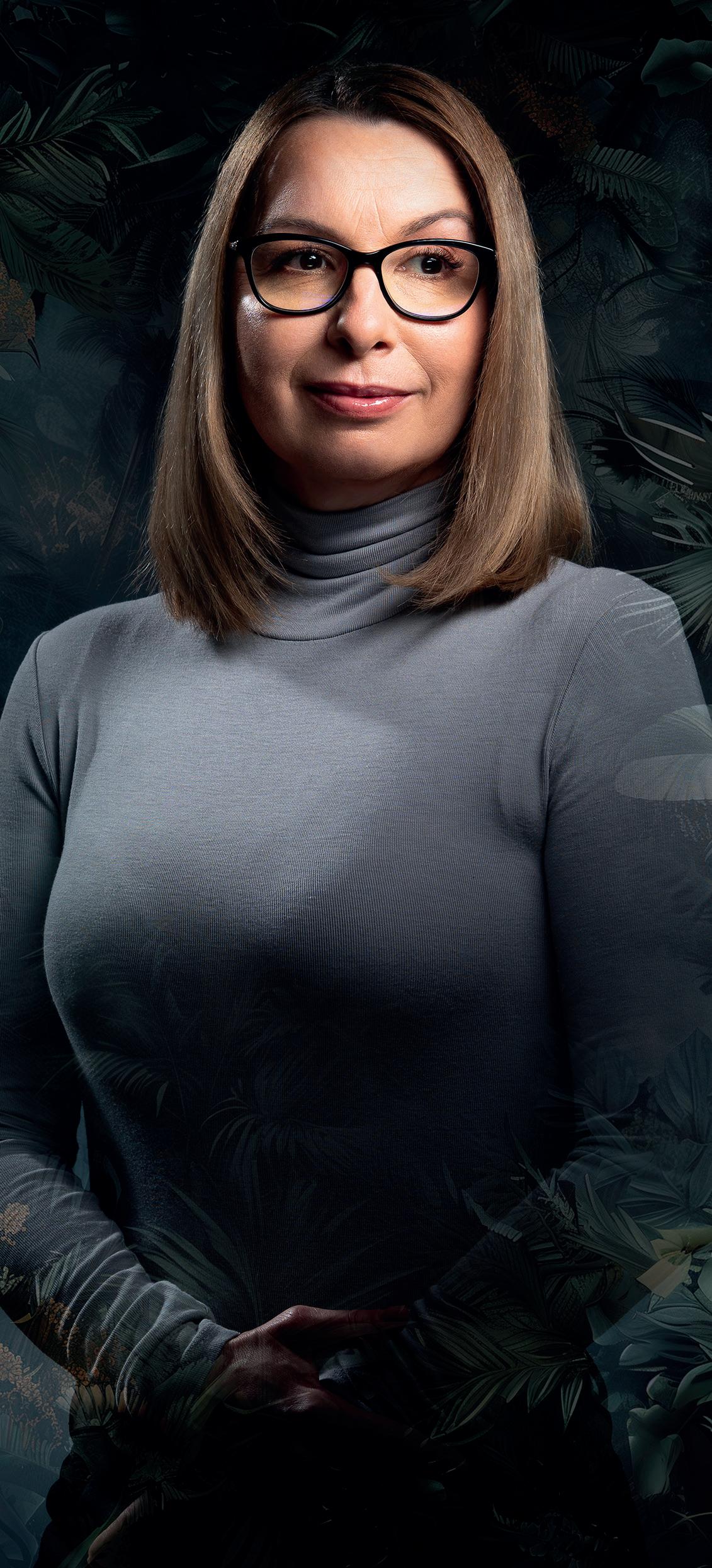
— 79 FACES OF FABRY DISEASE | TODAY
Jasna Kišak Pajk, Šmarješke Toplice
At the age of 26, I had an angiosarcoma (a very aggressive malignant vascular tumour, ed.), for which my right leg was amputated below the knee. Since then, I have felt well and for a long time I have functioned without any problems, both in my personal life and at work. Despite the prosthesis, there are no obstacles for me. Since insurance does not cover a better prosthesis, I pay for it myself, despite my category 3 disability. So I can ski, swim, roll ... I am also active at work for at least 12 hours a day.
But I often wonder why insurance companies do not cover what a disabled person actually needs instead of adhering to some written norms that make life difficult for many disabled people in real life.
I felt something was wrong with my heart
In November 2022, I felt something was wrong with my heart. I was out of shape, even though I am an athlete. Suddenly I was so tired that I could hardly walk on the flat surface... Nobody took me seriously. I told my GP that I knew myself well and I just knew that something was wrong with me. I had problems with my lungs back in 2015, after the cancer. My first thought was that my angiosarcoma had recurred, this time in my lungs, so I immediately sought out the pulmonologist who was monitoring me at the time. The tests showed my lungs were fine. The asthma test was also negative.
My GP sent me for more heart tests. As the referrals had a regular urgency level, I decided not to wait so long for the checkups and paid for heart activity recording test out of pocket at Šmarješke Toplice. When they took the device off, the doctor said that they would send me the report by post. But before I got to his salon near the spa, he had already called me. He told me to pick up the
report and go to the emergency room.
Thus began my story with Fabry disease
Fortunately, I have a cardiologist friend, Dr Sabina Jakše Hren, who has known me for many years and knows what I have been through. I sent her my report and she ordered a stress test. They had to stop the test after a few minutes because they thought I was going to have a heart attack. Dr Hren suspected it might be Fabry disease, so I called Fabry Centre. That was the beginning of my Fabry disease story.
My father was diagnosed in 1994, and he had the typical really big angiokeratomas around his lips, and his dermatologist, Dr Čeh, suggested testing, which confirmed Fabry disease. At the time of diagnosis, he had been on dialysis for 11 years for kidney failure, probably due to this rare disease, which nobody knew nothing about at that time. At that time, there was no treatment available in our country. When my father was diagnosed, he asked my sister and I to be tested. They saw abnormalities in both of us, but for a long time it was thought that we were just carriers and that we were unlikely to get sick. My sister still has no problems and only goes to Fabry Centre for her annual check-ups.
My father experienced similar accusations as many Fabry patients
He was told he was lazy and that he refused to work... But he was in unbearable pain – I can’t even imagine it because, thank God, I don’t have it and I hope I never will. But I saw with my father how much he suffered ... There were days when he really couldn’t do anything because of the pain. I often talk to other patients to understand what my father was going through. When I rewind
FACES OF FABRY DISEASE | TODAY 80 —
the film, I see that it was all connected to Fabry disease. Unfortunately, he was diagnosed too late. He was taken off the list for a kidney transplant because he was no longer a viable candidate for the surgery. Years of dialysis and Fabry disease had done their work... His heart was also failing and he probably would not have been able to withstand the transplant at all. My father died in 1996, aged only 50.
I lived normally until 2022, and so did my sister. Officially, the problems that pointed to a diagnosis of Fabry disease started in February 2023. I first came to Fabry Centre just for a chat. Dr Vujkovac made the initial shock of receiving the results much easier on me. You know, I really do ask a lot of questions. I want to know every detail about what can happen and what I can expect. Dr Vujkovac is realistic – he does not hide anything. He tells it like it is. I like that very much.
He said that the disease progresses more slowly in women. In the meantime, I had an implantable loop recorder inserted as a precaution for my arrhythmias and slight heart failure, which I still have, and I also take pills for my arrhythmias.
On 29 September 2023, I started treatment for Fabry disease. At first, I did not feel any difference, it was probably too early. After about five months, however, the results showed that something was clearly going for the better. Two parameters that are indicators of heart function have dropped significantly, which shows that the treatment is going in the right direction.
The support of Fabry Centre has been invaluable
Fabry disease has not been a problem for me so far, I just have to take a day off every 14 days to go to
Slovenj Gradec for my “cocktail”. After the treatment I am a bit sleepy for about two hours, so I wouldn’t dare to drive back alone, and it is very useful to be able to ride in an ambulance. I always get a ride from nice young guys who have already figured out that when I shut up, it means I’m asleep. Otherwise, I’m talking all the time. (laughs) When I get home, it’s like I’ve been injected with adrenaline. This lasts for about eight days, then I guess the enzyme level in my body starts to drop and then it’s a little bit harder to get things done.
I am very happy that we have Dr Vujkovac and our Fabry Centre. We can call them anytime and come and see them if we have any concerns. Their support is really invaluable. Although a diagnosis like this is a big shock, I am happy to be under careful professional supervision. Many people don’t even know they have a serious illness, but we have full support, including psychological support. There are things that they find out without me even noticing. Dr Vujkovac sometimes reminds me of my father. First, I tell him that I do not have any problems, and he just keeps asking, and often I realise only later that I actually have detected a problem but forgot.
Now I am supposed to receive the therapy I need every 14 days at the Novo mesto General Hospital. But I am not quite sure about that yet. I mean, it is a bit difficult to drive from Šmarješke Toplice to Slovenj
Gradec every 14 days, especially since I am a self-employed person, but the attitude at Fabry Centre is really great. It’s really nice to go see them. The nurses Vesna, Anja and Sonja are wonderful! Not to mention all the fun conversations with other patients, because we have appointments with the same patients on the same days and we already know each other well. Some of them are so kind-hearted that I would really miss them... I think
FACES OF FABRY DISEASE | TODAY — 81
I will miss Fabry Centre Slovenj Gradec if I started to receive therapy in Novo mesto, where I will probably be the only one with the disease. The nurses in Novo mesto don’t know me like they do in Slovenj Gradec. The nurses at Fabry Centre often answer my questions themselves, we don’t have to wait for Dr Vujkovac, even though they have only known me since September. So as a precaution, I asked them to save me a place in my permanent team at Fabry Centre. (laughs)
I wouldn’t give up motherhood because of Fabry disease
I have two daughters, both of whom have been tested for Fabry disease. The older one doesn’t have it and the younger one has the same gene defect as me. She also finds it difficult to tolerate the heat, she gets sick and dizzy, so she cannot, for example, do the Cooper test (aerobic fitness test, running 2400 metres in a certain time; ed.) in the summer. I will make sure that she is spared at least a little bit, because nobody has been sparing me. I will ask her doctor to write her a note for that. Why bother, she can run the Cooper test in the spring when it’s not so hot.
I find it difficult to regulate my body temperature when there are major temperature changes. For example, when I step out of the air-conditioned room into the sun in the summer, I have to open the door very slowly.
If I forget, I get dizzy. But I have no problem with the cold, it’s much easier to bear than the heat. In the summer at the seaside, I’m either in an air-conditioned room or in the shade. In general, I try to organise myself so that I don’t have to be in the sun.
When I decided to become a parent, I did not know whether my children would inherit my illness. Dr Vu-
jkovac suggested that both my husband and I come for a consultation before making this decision, and he also presented the disease to him. Then my husband and I decided together that we wanted to have children.
Today, when I feel the symptoms of the disease and know that it can be inherited, I would still choose motherhood. The way I am monitored at Fabry Centre, I am sure that my children will have twice the support that our generation has. So I really would not want to give up parenthood. Firstly, one daughter has Fabry disease, the other does not. Secondly, perhaps technology will advance so much that Fabry disease patients will live to see the age of 90 or die of other causes.
I want to be as active as possible
I think about the disease a lot. I realise that I may suffer more serious disabilities, but technology is also advancing rapidly. So I try to be realistic and live every day at a time, without worrying in advance.
Given that Fabry disease started late in my life, at the age of 45, I may live to see respectable old age with it. If the medication works for me and my defects do not worsen, I hope to live to see my grandchildren. I also want to continue to develop my business and make something more of my life. I wish my health served me at least as well as it does now, so that it does not deteriorate. Before the sarcoma, I was a serious paraglider, which I gave up because of my leg amputation. But I can still play sports and I want to keep it that way for a long time to come.
I want to be as active as possible. At 46, I am not yet a write-off and I am determined to adapt to all the changes that living with Fabry disease will bring.
FACES OF FABRY DISEASE | TODAY 82 —
Nomads and runners
Natanael Merzel, Grosuplje
Almost twenty years after my Fabry disease diagnosis, I am reflecting in retrospect on the different shades of coping with this rare chronic disease.
I remember my childhood years, when I viewed the obstacles posed by the disease with childlike naivety and easy-going attitude. I took my courage and my stoic endurance of problems for granted then more so than I do today, when I find the suffering and injustice of the world harder to interpret.
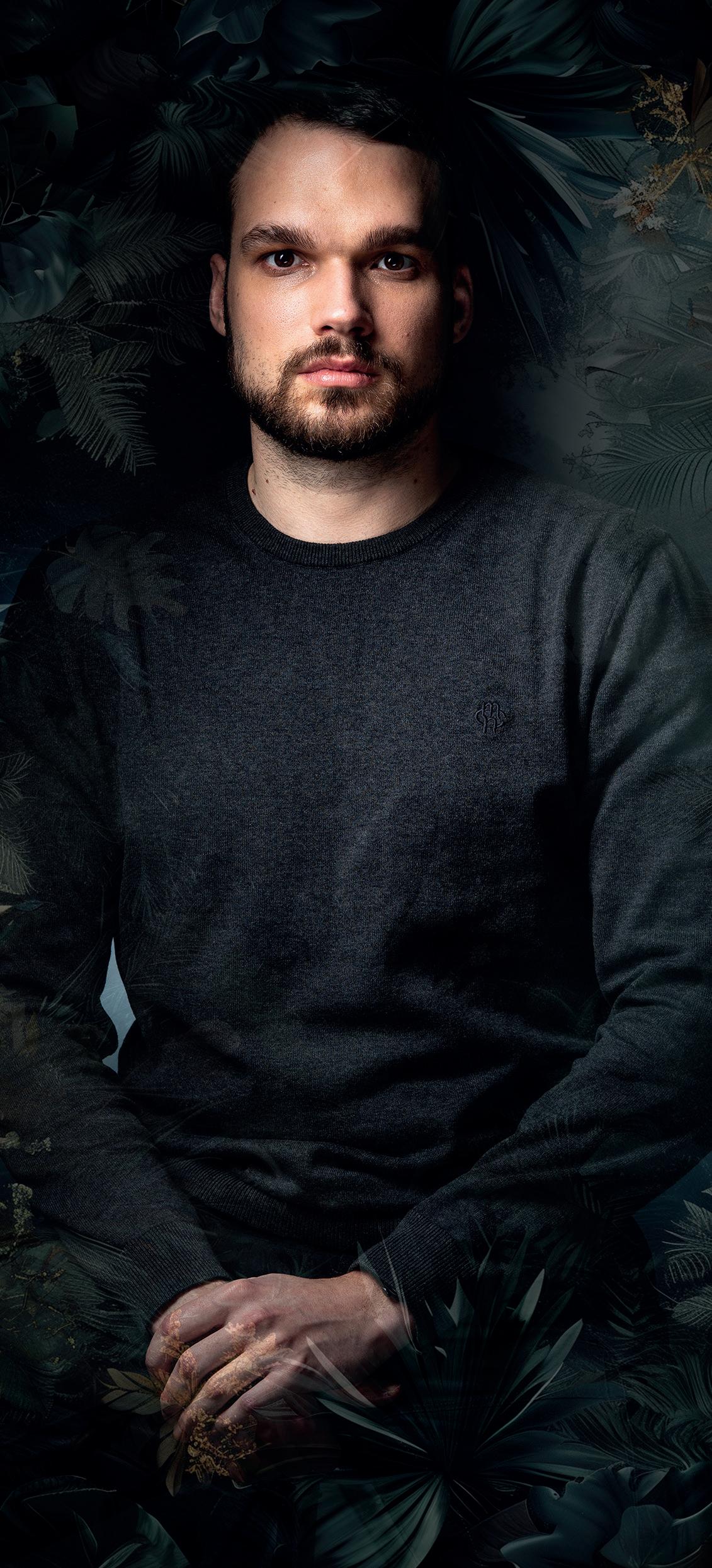
— 83 FACES OF FABRY DISEASE | TODAY
As I grew up, the world did not become a kinder place for me as I might have expected, but an increasingly terrible and horrible place of incomprehension, egotism, lack of compassion and impatience. I have often wondered what I could possibly do in a struggle against such a relentless opponent.
Today, I can only think of two paths to approach this question.
One path leads through a dark tunnel towards self-withdrawal, towards total isolation and seclusion, towards a perpetual and spiralling sinking and drowning into a state of mind that can only breed frustration, resentment, bitterness, spite and envy.
“I speak of the courage of the patient and the doctor who, despite the failed treatment, continue to seek new possibilities for recovery.”
The other path, however, is lit with the light of day, the sun, is full of hope and praises and songs of heroic courage. It is a path that we took for granted as children and, in fact, the only one possible. Not only did we fight the day’s battles heroically, but we did not deprive ourselves of some of the beauties of life that illness cannot touch, whether it be just watching a film that made us laugh, sitting somewhere in peaceful nature, reading a book rich with life, the embrace of a
loving mother, the smile of a joyful child or the friend’s warm handshake ...
That is why I am appealing, at this point, to courage as a virtue to which every patient must have recourse.
I speak of the courage of the child who always turns up at school in spite of violent peers, the courage of the child who, in spite of not being able to take part in PE, hopes that tomorrow they may still be able to practise with their classmates, the courage of the child who, in spite of the misunderstanding of their peers, does not give up the search of a friendly glance.
I speak of the courage of the patient and the doctor who, despite the failed treatment, continue to seek new possibilities for recovery.
I speak of the courage of the runner who, despite having their starting line 200 metres behind the others, still decides to compete.
I speak of the courage of the nomad who is left without a tent over his head and can only hope that the night ahead will be rainless.
This courage has been conquering the world since the beginning of mankind: it has built communities, cities and civilisations, it has built relationships, it has built families, it has built the most beautiful stories. Let us never give it up.
FACES OF FABRY DISEASE | TODAY 84 —

TOMORROW
Treatment of Fabry disease in Slovenia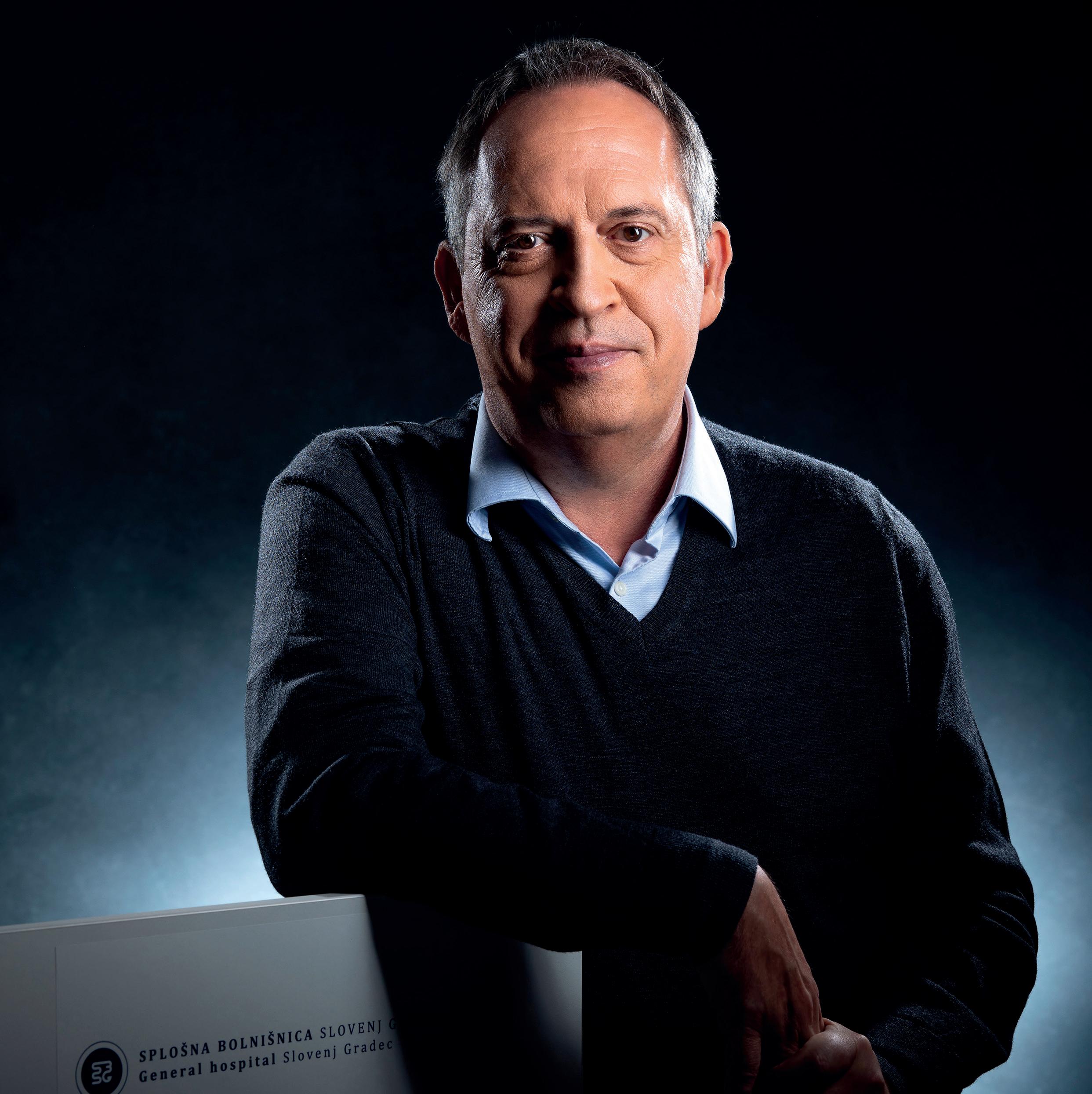
Hope for a better future for patients with Fabry disease
Bojan Vujkovac, MD, Head of Fabry Centre Slovenj GradecWe see many opportunities for future developments in the management of patients with Fabry disease. All of us, but especially our patients, we certainly want to see even better and more effective medications. We had high hopes when gene therapy was announced, as it was assumed that a single infusion would last a lifetime. Our hopes were rising because we were already discussing about starting a study to test one of the new genetic medicines. But even before the study had begun, the world-wide gene therapy studies were slowly winding down for lack of efficacy or safety.
Thus, we have once again relegated our hope to the indefinite future...
But it is not just the drugs that we want. We also want better relationships and more understanding and support from the community at large when we are in crisis.
Most of all, we want a magic wand to stop Fabry disease, to relieve the unbearable pain and to banish the brain fog that makes life so difficult for our patients. Maybe our wish will come true and we will start our next book, to be published in ten years’ time, with the words: “Magic has happened...”.
“Most of all, we want a magic wand to stop Fabry disease, to relieve the unbearable pain and to banish the brain fog that makes life so difficult for our patients.”
FACES OF FABRY DISEASE | TOMORROW — 87
The publication of the book Faces of Fabry Disease was made possible by
Thank you for your support!