









Working in real estate provides entrepreneurial freedom and flexibility, but a career with EXIT Realty offers added financial security, opportunities for growth, and a work culture unlike any other brand in the business.
Join a company that’s inclusive, built on human potential, and brings integrity back to the industry. Join a team with a corporate ethos that cares about those who rely on real estate for a place to call home, and the agents who help champion for the dream of homeownership.
Look no further. Don’t just see your potential, achieve it at EXIT Realty!


TAMI BONNELL, EXIT REALTY CO-CHAIR
Now more than ever, it’s critical that professionals in this industry feel connected and heard; that they know without a doubt that their brand and their company stand strong beside them. This is exactly what we’re doing at EXIT.
We help our people not just survive uncertain markets but grow through them. In a time when nearly 40% of real estate professionals are actively looking for a new place to hang their license, we’re asking “What are they searching for?” People want to be part of something better, to matter, and at EXIT you do. We connect often, and meaningfully when someone hits a milestone or experiences a loss, when there’s a celebration or a struggle. This isn’t just about business, it’s about people. Our people. We’re actively fine-tuning every department, resource and tech offering to better equip our associates. We’ve created real-time feedback loops to create practical, intuitive tools that help individuals spend less time on tasks and more time with people because technology should service you not replace you. We offer AI support for brokers and agents outside of regular business hours, and introduced Workflows, automation, along with onboarding improvements. Education is evolving too, with the EXIT Master Real Estate Advisor designation (EMREA), because confidence comes from competence. Every touchpoint has been re-evaluated to help our agents be more productive while giving them back their time, to have the quality of life they deserve. Our associates have hit the ground running since returning home from our recent Regional Road Trip, re-energized in a way that only in-person connections can do. But we know stability isn’t just emotional, it’s financial.
EXIT’s Formula is real money and a true legacy helping so many bridge transitions, care for family, or step back temporarily without stepping away entirely. We’ve now paid out $2/3 of a billion in residual income, $1.4 million to families of loved ones after their passing, and we’ve also just crossed the $8 million mark helping local communities through the Spirit of EXIT Charitable Program. We’re immensely proud of these numbers because they represent more than just financial security, but compassion in action where everyone wins, because everyone matters.
We’re constantly asking: How can we be better?
We’re constantly listening: What do our people need?
We’re constantly building: A place where people can grow, thrive, and belong.
“AT EXIT, OUR PEOPLE COME FIRST AND THAT’S NEVER GOING TO CHANGE.”

JOYCE PARON, EXIT REALTY CDN CEO
Whether most sales take place on a Tuesday or Thursday, there’s one consistent factor: the salesperson is present. Showing up for prospecting, events, or training meetings is the hallmark of all great salespeople. They have an expectation, regardless of the situation, that an opportunity to learn or do business exists in their presence. They understand the magic in shaking hands, small talk, and building momentum by asking questions; questions that are akin to using a can opener to reveal what’s within.
The opportunity to learn or do business exists in your presence.
A great salesperson once said to me, ‘If there’s a deal in here, I will find it!’ It was a situation which involved several people. The answer was not at hand, but he knew if he kept digging and asking questions in the right ways, what was necessary would be revealed, allowing him to bring the parties together in agreement. Staying in close with people and being present is key to opening doors.
If you show up anywhere but aren’t fully present and engaged, the opportunity can pass by. It may even seem friendly, but if you’re too preoccupied to fully engage, it’s gone. You may be checking texts and emails, missing a buyer or seller who almost tripped over you. If someone bumps into you and you turn to look at who it was, they don’t have “buyer” tattooed on their forehead. You have to talk with them to reveal that. How many opportunities have you missed for this exact reason? Are you being truthful about how often your head is down, scrolling, reading, or watching videos throughout the day? Yes, the need to market online is real, but you also need confidence to deal with people face-to-face.
In early 2025, EXIT handed out over 6,000 branded bags at a prominent real estate event, and that’s because cell phones were out of sight. The focus shifted to engaging with attendees and it was incredibly impactful to have 25 volunteers, including representatives from Head Office, EXIT regional owners, brokers, and agents, working shoulder-to-shoulder to make this happen.
It doesn’t matter if it’s the person beside you in the grocery line or the server taking your order; when you’re present, you have multiple opportunities throughout the day to introduce yourself, build a new relationship, ask a question or two, and share your contact info. What if you took this to heart for just one month, and focused on engaging with people around you whenever the situation allowed. How many more people would you meet in 30 days? How many more times would you give out your contact info? Would you sponsor an agent into EXIT or put quick cash in your pocket from a determined buyer you meet?
It’s often small things, done consistently, that build momentum to climb up the mountain of success. The person at the top of the mountain didn’t get there by accident. Start looking for the magic in every encounter. Stop assuming and start talking. Move forward with an attitude that life loves you and is purposefully putting people and situations in your path to better you and your life. Start thinking and acting like a champion.

CRAIG WITT, EXIT REALTY USA CEO
I was reminded earlier in 2025, that while every company and brand in this industry faces the same issues and concerns right now, not all are created equal. Amidst over 400 CEO’s and industry leaders, I saw how each company’s culture was vital to its members’ mindset and success. I saw companies that were on their eighth CEO in 10 years, attempting to restore faith in their leadership, and it made me immensely proud of our how our brand faces the hard issues head on, staying true to who we are.
Founder & Chairman, Steve Morris has always maintained that in business, timing is everything. It can open doors, spark innovation, ignite careers and nowhere is this more evident than in real estate. Markets shift, consumer expectations evolve, and innovation is constant yet, through all the change, there are moments of perfect alignment — where leadership vision meets opportunity — and brands rise.
“People over profits” has been our constant guidepost throughout turbulence and change, but EXIT isn’t just our brand. It’s our culture in a time of disconnection, our principles where others are opportunistic, and our commitment to keep building entrepreneurial longevity, heart and human potential into this business. We stand for integrity, professionalism, and the greater good of the industry.
Being in the right place means positioning for growth and where it’s happening both for individuals as well as for our company. The right time is now. In an era driven by technology, authenticity, and client experience, those who lead with purpose and plug into a brand with a sustainable and proven model are seizing market share, drawing in talent, and creating lasting legacies. EXIT continues to outperform because of who we are as a company, as people.
Our brand faces the hard issues head on, staying true to who we are.
And what makes timing even more potent is choosing a brand that turns timing into traction through great leadership recognizing when to pivot, when to scale, and when to double down. Joining EXIT means being surrounded by people and platforms that amplify efforts — and a franchise model that supports goals with proven systems, marketing power, and residual opportunities. I’ve surrounded myself with all of you because as a team, we are stronger, and we need each other. And in an industry filled with uncertainty, you can be certain of one thing, we’re here for you.
When you find yourself aligned with the right real estate brand at just the right time, the results speak for themselves. EXIT continues to transform, improve, and create. It’s the very reason why we attract not just great people, but brilliant minds with an eye on the future just like you.
“You’re in the right place, and this is our time.”

Some wonder why anyone would invest in a business these days. Economic uncertainty, market volatility, as well as rapidly changing technology and consumer landscapes are all checking the boxes right now, and influence many industries, especially susceptible ones like real estate. But the WHY is what makes EXIT Realty different than any other business model out there. We believe in the essential nature of this industry, in the people who both rely upon it and conduct their business within it, and we chart our course by taking the long view.
No matter the markets, we know WHY our brand can be your solution.
SECURITY & STABILITY
CULTURE & MEANING
Real estate of any kind remains a solid asset in every investor’s back pocket. Couple that with EXIT’s innovative Formula of sponsoring and you get additional financial stability. By allowing owners and associates to earn single-level supplemental income from new agent introductions, beyond earned commissions, EXIT offers an entrepreneurial value that solidifies agent retention and extends longterm into retirement as well as through to beneficiaries.
Money and knowledge will only take you so far, especially when times get tough, but EXIT’s peoplefocused philosophy creates a collaborative work environment where individuals feel seen and heard, aren’t simply wrung out for their production, and can live their personal why while finding a healthy balance. With a proven focus on mentoring and inspiring fulfillment and meaning through a community of growth-oriented and connected professionals, EXIT has a network of truly invested and collaborative owners and agents.
DEVELOPMENT & ADVANCEMENT
EXIT offers extensive training programs, coaches, and resources to equip owners and their agents with foundational and relevant skills knowledge on emerging industry trends, as well as proprietary systems. Our asynchronous learning blend, onboarding structures, and regular training schedules provide an organized educational path, empowering agents, keeping them top of their game to establish themselves, and their office by association, as trusted industry leaders.

Some wonder why anyone would invest in a business these days... But the WHY is what makes EXIT Realty different than any other business model out there.
From our dual-facing EXIT Realty Connect app, to My Smart Sign geolocation tools, EXIT offers the technology essential for maintaining a competitive edge in today’s digitally demanding world. Open your business with a professional website template, proprietary production software application, and office portal that works in conjunction with workflows to streamline operations, monitor, as well as improve productivity. With these resources, EXIT owners can stay connected to their agents and staff, so their real estate professionals can deliver exceptional and efficient service to clients.
No other brand provides the unparalleled level of personalized support for offices to that of EXIT Realty. From training on proprietary platforms and back-office administrative operations, to accessibility and set-up of affiliated resources, EXIT’s Franchise Support Team delivers true customer service, with a technological edge for 24/7 assistance, via phone, text, or online chat, no matter where you’re located.
Champion your industry and become a trusted source of business knowledge with EXIT’s Marketing Center, a portal complete with free video, digital, and print marketing assets, including templates for everything from billboards to Canva posts. Access a robust library of webinars and techinars dedicated to the topic of unique and powerful marketing through EXIT’s resources, or boost your advertising ROI and lead generation revenue through EXIT’s Ad Center, a marketing platform that automates ad optimization across Facebook, Instagram, and Google.
In a business built on connections, EXIT knows the value of a good sphere of industry professionals and service providers. A continually curated network of companies is available to EXIT offices and associates, who can pass on deep discounts on services to clients. Encompassing businesses in a wide variety of categories, find EXIT’s Preferred Partners in one convenient, easy-to-access Marketplace.
From bull to bear, market moods may shift, but there’s a new color in blue chip companies – teal. Representing EXIT Realty’s positive, people-first mindset, teal stands for sustainable growth, mentorship, and a values-driven approach that creates lasting financial opportunities throughout one’s real estate journey and beyond.


TOM HOLOBOWSKI, DIR. BROKER & SPECIALTY SERVICES, RPR ®
Imagine sending a listing presentation link that continually refreshes every 48 hours— automatically. Your sellers always see the latest comps and price trends, and you look like the pro who never sleeps. That’s exactly what REALTORS® in the U.S. get with Realtors Property Resource’s (RPR’s) Next Gen Reports, and it’s why some of EXIT Realty’s top offices and associates are so successful.
With 97% of U.S. REALTORS® now having MLS® data flowing into RPR, and 97.9% of all active residential listings in the platform, it’s no surprise RPR’s Next Gen Report usage is up an impressive 26.2% over Q1 last year. Faster, fresher and fully customizable—RPR’s Next Gen Reports are already helping agents stand out with clients. Here’s a side-by-side comparison of why:
Display your brand across every report
Share reports
Drag-and-drop sections
Live preview report changes
Save templates to reuse
Insert custom pages anywhere
Dynamic updates when share by link
Edit + share from mobile
Fully supported Not available
Legacy reports retired November 4, 2025. It’s time to make Next Gen Reports a major part of your current workflow and you can take advantage of RPR’s educational and training opportunities to help you do it. Every month RPR offers a full slate of national webinars on topics such as prospecting, CMAs, market trends and how to create Next Gen Reports. They’re live, they’re free and they’re taught by RPR expert trainers. Visit blog.narrpr.com, click “Learning” and then “Webinars” to see the full lineup and sign up for a class today!
“
This is not your typical partnership. RPR is deeply vested in our success. They care about our people, our brand, and the way our agents show up in the market. I’m proud to work alongside a team that not only provides smart tools—but also pours into our mission of helping EXIT associates thrive.”
—Annette Anthony Director of Corp. Engagement, EXIT Realty

Clients expect timely, customized, professional insights that are mobile-ready and easy to understand. That’s exactly what RPR’s Next Gen Reports deliver!
Create reports for Buyers, Sellers, Commercial Trade Area, Market Activity, Neighborhoods, Schools, Property Flyers, CMAs and Commercial Site Selection
Provide fresh data through a “Dynamic Link” that refreshes every 48 hours after being initially clicked. No more re-creating the same reports over and over
Re-use reports for similar audiences and tasks or create customized templates all with crisp, sleek EXIT branding, your photo, and contact info
Do it all on the go within the RPR mobile app. Easily create custom reports and share via email or link
Next Gen Reports give you current market intelligence, wrapped in the EXIT brand, and ready to share from desktop, mobile, or social channels. Drop them into your workflow today and stay a step ahead tomorrow. EXIT’s culture of continuous training and client-first service pairs perfectly with RPR’s data-first platform. Together, they give agents the confidence to price, prospect and negotiate with authority, and help every EXIT associate level up. With data that drives decisions and reports that truly represent your brand, work smarter, look sharper and close faster with Next Gen Reports. Visit narrpr.com or launch the RPR Mobile™ app to get started today.
Create evergreen templates by building a few core templates for your clients and re-use them weekly
Text a dynamic link, then circle back. When the link refreshes, follow up and keep the conversation alive
Be authentic and keep branding real and client-focused
Use it in the field by delivering reports instantly from your phone
Don’t forget to add value with custom pages for agents, including tips, checklists or local insights
Make it a habit. Send reports monthly to stay top of mind, and when you pair them with a call to action, you can use reports as the start of a conversation or lead funnel.

WITH NATALIE FRODSHAM FRANCHISEE,
With so much transformation and circumstances impacting the industry beyond a real estate professional’s control right now, it’s enough to make any agent clench their fists. But raise one of those fists to a door and knock, and you reclaim your business.
That’s exactly what Franchisee, Natalie Frodsham of EXIT Ottawa Valley Realty, Brokerage did when she started prospecting with EXIT MIND-SET Trainer, Erica Nasby. Not only did it bolster her sales and listing pipeline, but it also garnered her EXIT Realty’s Nasby Knuckles Award as well as a Silver Production Award for closing 50+ ends in EXIT’s 2024 production year.
“Door-knocking has become the cornerstone of my real estate prospecting strategy, transforming the way I approach my daily activities and significantly impacting my success. This personal experience has shown me the immense value of direct, face-toface engagement in building a robust Client Relationship Management (CRM) system and driving successful transactions,” she said.
Having trained agents in prospecting for decades, Erica is filled with pride for the agents who are willing to connect to their communities in an impactful way, showing up full service for their clients and themselves. She witnesses the sense of relief in agents, including Natalie, that comes from leaning into prospecting at the doors, saying, “Natalie has built an incredibly solid business at the doors that will continue to fuel a steady line up of leads for years based on the work she has done in her neighborhoods. She has a gratifying, solid sense of security in a time when many are concerned about market trends. Natalie can attest to the reassurance of knocking and knowing when all of her leads were set to list. As she prospects, she’s building a solid year of business ahead, and [she] is in total control.”
IT MAKES SENSE
It sounds so practical to just go out and ask for the listing, right? It did to Natalie as well, but she (like so many others), thought the idea of approaching strangers in their homes was both daunting and time-consuming. The hard truth is that prospecting is actually a doorway to awakening so many other skills.
IT’S DATA-DRIVEN
Every interaction, whether it turned into a sale or not, taught Natalie something, providing her with invaluable data to drive her business forward. By tracking responses from each door knock, she was able to build a detailed database of potential clients, refining her approach and prioritizing her daily activities by tracking interactions.
IT CREATES STRUCTURE
Door-knocking gave Natalie a focus and a purpose. It also created an inherent discipline because her schedule was dictated by it. By planning her day around her prospecting, it gave her a sense of control, which she attributed to a significant increase in her productivity and confidence.
IT’S ROOTED IN CONNECTION
When so much responsibility is on the consumer to go and find information or research businesses, it’s a real flex to bring your business to them. In Natalie’s experience, many at the doors appreciated that personal interaction and attention, which she honestly never anticipated.
Let Erica help you master the inner self and real estate skills with her programs. Contact training@exitrealty.com or enasby@exitrealty.com

BY MELANIE ROBITAILLE SR. STAFF WRITER & GRAPHIC DESIGNER
As a forever learner and real estate educator, Associate Broker, Jeni VanOrnum is a firm believer that the best leaders are also lifelong students. It’s why she jumps at any chance to take any training EXIT Realty offers, be it through her brokerage or the corporate office, and the impetus behind becoming the first ever EXIT Master Real Estate Advisor (EMREA) Designee.

Launched in March 2025, EMREA was designed to provide real estate professionals with practical, scalable strategies to elevate both their business and impact. While the program is known for its rigor, Jeni completed it in just five months thanks to her relentless dedication to learning and leading.
“I’ve seen firsthand how even one class can shift your mindset, boost your momentum, or spark a new idea that changes your business,” she shared, “so I treated each module like a can’t-miss opportunity — not an obligation.”
A self confessed “doer,” Jeni said the slowing down to reflect asked of those taking EMREA training was one of her biggest challenges. Always moving, building, and serving, the training made her take a good long, hard look at how she was approaching her career.
“That kind of reflection isn’t always easy when you’re used to powering through. But it was exactly what I needed,” she said, admitting she also initially questioned whether the training could truly stretch her 27 years of experience. “It gave me a fresh perspective I didn’t even know I needed.”
“Personally, it grounded me in the belief that I can build a business that’s both wildly successful and deeply meaningful.”
This was the first time EXIT MINDSET Trainer and personal coach, Erica Nasby had the opportunity to work with Jeni and was impressed with her vigor saying, “Those who commit to training, being coachable and trainable stand out as leaders. Their clients and families benefit immensely - and they’re always leading the pack...There are no coincidences between study application and success.” EMREA delivers powerful and practical tools which agents can apply immediately. Jeni’s breakthrough moment was realizing that mentorship, leadership, and impact aren’t just “extras” that she adds to her career, they ARE her career, and she feels more connected to her purpose. “EMREA gave me the structure and vocabulary to own that truth. It wasn’t just validating. It was activating.”
As someone who is equally passionate about selling real estate and mentoring others through it, Jeni saw EMREA as tailor-made for those like her who want to be more than just top producers but leave a professional legacy.
“I hoped to gain new tools, fresh perspective, and a way to pour into the next generation of agents with intention and impact,” she explained. “This designation isn’t just about growing your business. It’s about growing yourself so you can lead others with more purpose, more clarity, and more heart. It reminded me that my business is a reflection of who I am and how I serve. Personally, it grounded me in the belief that I can build a business that’s both wildly successful and deeply meaningful.”
Elevate your real estate career with the EXIT Master Real Estate Advisor (EMREA) Designation, your pathway to delivering exceptional client experiences, boosting production, and earning national recognition.

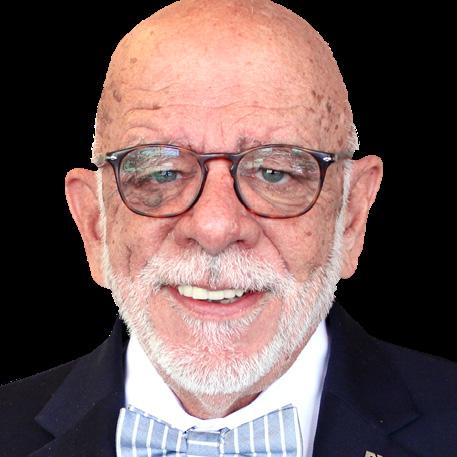

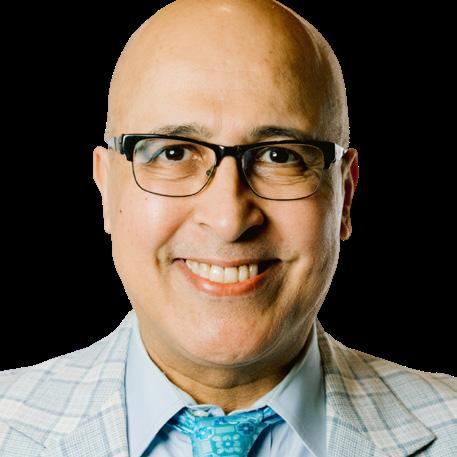
• Gain National Recognition & Stage Presence
• Strengthen Your Professional Network.
• Access Elite Coaching & Development
• Stand Out in Your Local Market
• Amplify Your Skills & Production
• Elevate Your Reputation & Trust
• Demonstrate Real Results
• Complete 4 Mind-Set Courses
• Pledge to Excellence
• For Questions or Application send an email to: designation@exitrealty.com
Choosing an EMREA designee, means you benefit from a steadfast commitment to a great fiduciary. EMREA professionals complete rigorous, multi-trainer coursework and meet high production standards. They possess the skills and knowledge to excel in competitive markets. Working with an EMREA designee, you gain an expert negotiator who provides personalized strategies, accurate market information, and constant guidance through every stage of the buying and selling process.
In real estate, making an impact is more than just helping clients, it means engaging in the policies and processes that shape communities, safeguard homeownership, and preserve the future of the industry. This path starts with a single decision: to get involved. For two of EXIT Realty’s own remarkable female leaders, Erica Turner, Sales Representative with EXIT Realty Central in Ozone Park, NY and Kinga Korpacz, Franchisee of EXIT Realty Redefined in Rolling Meadows, IL, this decision has led to deep-rooted leadership in advocacy and a relentless drive for resolution.
The journey into real estate began, for both, with a desire to make meaningful changes. After more than two decades with the New York City Department of Corrections and over four with the District Attorney’s office, Erica brought her passion for law, order, and civic engagement into real estate, finding a new outlet for advocacy through the REALTOR® Political Action Committee (RPAC).
“I invest in RPAC to be a part of the solution and to have a seat at the table where decisions are made,” said Erica, a 2025 Director at the Long Island Board of REALTORS® (LIBOR), where she serves on several committees and is Chair of its RPAC Committee. She’s also on the Board of Directors for the New York State Association of REALTORS® (NYSAR). For Kinga, who now holds numerous roles, including President of the Mainstreet Organization of REALTORS®, Vice Chair of the Illinois REALTORS® Strategic Planning Committee, and is a member of multiple advocacy-focused groups at the national level, her real estate path was born out of necessity and vision.
“I was raising two young children, navigating a difficult personal chapter, and needed flexibility,” she said. Originally from Poland, she had already witnessed the transformative power of homeownership and was drawn to the values of empowerment, collaboration, and innovation found in the EXIT model.
The shift from agent to advocate was a natural one for both women, driven by their desire to do more than navigate policy. They wanted to shape it.
“I joined my local Government Affairs Committee simply out of curiosity,” shared Kinga. “Then I was asked to be a Federal Political Coordinator (FPC) to Congressman, Raja Krishnamoorthi. I didn’t know what it would involve at first, but that one ‘yes’ changed everything.”
Erica, was also asked to be a part of NYSAR’s State Political Coordinator (SPC) program and now serves as a REALTOR® contact to the office of State Senator, Leroy Comrie. As an RPAC leader, she views advocacy as a powerful way to elevate professionalism and protect the core values of the real estate industry, saying, “I believe in supporting lawmakers who are like-minded and whose views align with our industry’s agenda. RPAC gives us a collective platform to be heard at the federal, state, and local levels.”

“There’s definitely been a shift. Years ago, it was a smaller circle of committed advocates. Now, more agents are recognizing how directly these decisions affect their clients and their businesses.”
—KINGA KORPACZ, FRANCHISEE

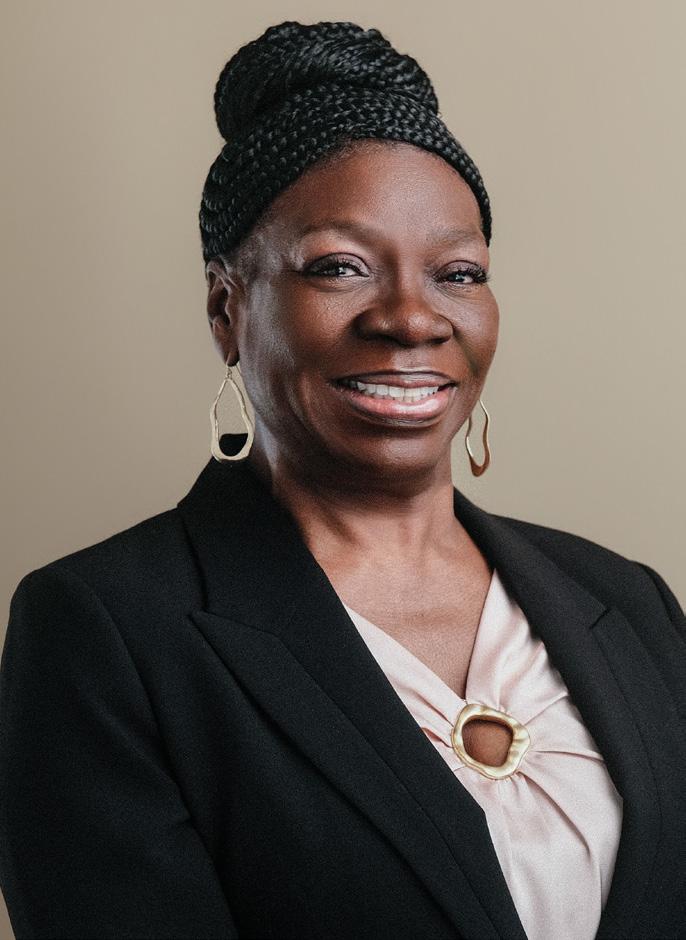
“I invest in RPAC to be a part of the solution and to have a seat at the table where decisions are made.”
—ERICA TURNER, SALES REP.
From zoning laws and rent control to tax reform and first-time buyer incentives, real estate professionals are confronting a wave of legislative challenges that impact both their businesses and their clients’ futures.
“There’s no better time to be involved,” Kinga said. “Housing policy affects everything. Our economy, education, infrastructure, and quality of life.”
“We’re not just selling homes. We’re fighting for the American Dream, for fair housing, and for the right of every person to own a piece of their future…” Erica agreed. “Let your voice be heard. Your investment in RPAC is an investment in your profession, your community, and your future.”
For professionals looking to get involved, both say the path is simple: show up, speak up, and stay committed. Erica suggests getting involved with your board’s different committees as a great start.
“You’ll hear something that might interest you or connect back to something you have been worried about. All it takes is that one thing that lights the fire for you. Once you get that spark, your curiosity will make you dig a little deeper to get a better understanding.”
“You don’t have to know everything,” Kinga shared, echoing Erica’s committee recommendation. “Start by attending a Government Affairs Committee meeting. Get familiar with local issues. Contribute to RPAC, sign up for REALTOR® Party alerts, and make it a habit to attend town hall meetings in your community.”
As a woman of color in leadership, Erica understands the power of representation saying, “When I see agents from different cultures and backgrounds participating in advocacy it’s exciting and makes us a more powerful political force.” Kinga, both an immigrant and female business owner, sees the change we’re all witnessing right now, recalling the days of her youth when it was taboo to speak too loudly, especially about politics.
“Most REALTORS® are homeowners themselves, and we understand firsthand that real estate is often the single largest investment our clients will ever make. That’s why protecting that investment through sound policy is essential…If we’re trusted to guide people through their biggest investment, why shouldn’t we also help shape the policies that protect it?”

While both are optimistic about the future, they look ahead realistically at the work still yet to be done, seeing the movement growing stronger.
“REALTORS® have begun to see that being politically active isn’t optional if we want to protect our profession and serve our clients effectively,” Kinga explained.”The increased push from associations for advocacy education has also helped bring more professionals into the fold.”
Erica is thankful for those who came before her, paving the way for all that REALTORS® are achieving today. She’s hopeful saying, “Let us keep up the good fight—for tomorrow, and the future generation’s leaders.”




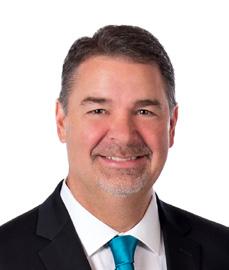
KYLE JOHNSON, Sales Rep. - EXIT Realty Associates, NB
Top Gross GCI in North America
Top Unit Producer in North America
Top Sales Volume in North America Million Dollar Circle
BILL PANKONIN & CADE PANKONIN, Regional Owners
EXIT Realty Upper Midwest
INTERNATIONAL REGION OF THE YEAR #2 FRANCHISE SALES
STACY STROBL & KENNY LYNN, Regional Owners EXIT Southeast #1 FRANCHISE SALES
KATHY & TROY DOOLEY, Regional Owners
EXIT Realty South Central #3 FRANCHISE SALES

RICK DELUCA, Regional Owner EXIT Realty Pacific West #3 FRANCHISES SALES
JEREMIE FONTAINE, Sales Rep. - EXIT Realty Associates, NB TOP LISTER IN NORTH AMERICA
SABRINA JONES-SCHROEDER, Franchisee - EXIT Realty Professionals, WA BROKER OF THE YEAR - WEST USA

JOSH FOSTER, Franchisee - EXIT Realty Southern, LA BROKER OF THE YEAR - CENTRAL USA
SCOTT STEGER, Franchisee - EXIT Real Estate Property Solutions, FL BROKER OF THE YEAR - EAST USA




VAL CONNELL , Franchisee - EXIT Realty Town & Country, NS BROKER OF THE YEAR - CANADA
KRIS KLAIR, Franchisee - EXIT Realty Consultants, CA #1 HIGHEST GROSSING OFFICE - MULTIPLE LEADER’S LEADER AWARD


MAGGIE TESSIER, Franchisee - EXIT Realty Matrix, Brokerage, ON #2 HIGHEST GROSSING OFFICE - MULTIPLE #2 HIGHEST PRODUCING OFFICE - SIDES (MULTIPLE) #2 TEAM IN NORTH AMERICA - THE TESSIER TEAM
SHERYLL WHITE, Franchisees - EXIT Realty DTC/Cherry Creek/Pikes Peak, CO #3 HIGHEST GROSSING OFFICE - MULTIPLE ESPRIT DE CORPS - CENTRAL USA


KRISTEN TREMBINSKI & JAMIE COCCIMIGLIO, Franchisees EXIT Realty True North, Brokerage, ON #4 HIGHEST GROSSING OFFICE - MULTIPLE #5 HIGHEST PRODUCING OFFICE - SIDES (MULTIPLE)
JOHN FARRELL & ROBERT FARRELL , Franchisees - EXIT Realty Homeward Bound, NY #5 HIGHEST GROSSING OFFICE - MULTIPLE #1 HIGHEST PRODUCING OFFICE - SIDES (MULTIPLE)




LEE PORTER, Franchisee - EXIT Realty Midwest/Great Plains/Black Hills, IA/MN/SD #3 HIGHEST PRODUCING OFFICE - SIDES (MULTIPLE) SUPERIOR GROWTH & DEVELOPMENT
NICK LIBERT, Franchisee - EXIT Strategy Realty, IL/IN #4 HIGHEST PRODUCING OFFICE - SIDES (MULTIPLE)
PARISE CORMIER, Franchisee - EXIT Realty Associates, NB #1 HIGHEST GROSSING OFFICE - SINGLE #1 HIGHEST PRODUCING OFFICE - SIDES (SINGLE)
DAVE SAWLER & PHILIP DUPLISEA, Franchisees - EXIT Realty Advantage, NB #2 HIGHEST GROSSING OFFICE - SINGLE #2 HIGHEST PRODUCING OFFICE - SIDES (SINGLE)
Continued on next page







STERLING STEPHENS & ANDREW STEPHENS , Franchisees - EXIT Realty Metro, NS #3 HIGHEST GROSSING OFFICE - SINGLE #5 HIGHEST PRODUCING OFFICE - SIDES (SINGLE) #10 TEAM IN NORTH AMERICA (GCI) - ANDREW STEPHENS, & REALTY GROUP
JOSEPH ARNONE & CHRIS HARRISON, Franchisees - EXIT Realty Horizons, NM #4 HIGHEST GROSSING OFFICE - SINGLE #3 HIGHEST PRODUCING OFFICE - SIDES (SINGLE)

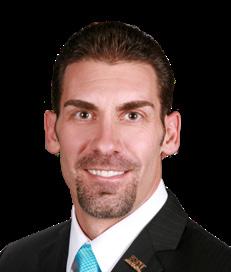
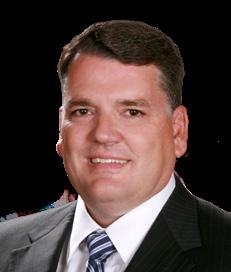
JEFF MISTRETTA & SUSAN HAMBLEN, Franchisees - EXIT Realty Achieve, NY #5 HIGHEST GROSSING OFFICE - SINGLE
GENE MCGUIRE & RUSSELL MCGUIRE, Franchisees - EXIT Realty Lubbock, TX #4 HIGHEST PRODUCING OFFICE - SIDES (SINGLE)



CARL VASILE, Sales Rep. - EXIT Real Estate Property Solutions, FL #1 TEAM IN NORTH AMERICA (GCI) - TEAM VASILE
MILLION DOLLAR CIRCLE
CHRIS BOYLAN, Sales Rep. - EXIT Realty Premier, NY #2 TEAM IN NORTH AMERICA (GCI) - TEAM CHRIS BOYLAN


SANDRA HUSSEY, Sales Rep. - EXIT Realty Group, Brokerage, ON #4 TEAM IN NORTH AMERICA (GCI) - TEAM FUSSY HUSSEY MILLION DOLLAR CIRCLE
MARC AUSTIN HIGHFILL , Sales Rep. - EXIT First Realty (Richmond/Glen Allen), VA #5 TEAM IN NORTH AMERICA (GCI) - THE MARC AUSTIN HIGHFILL TEAM

TANYA MYRE, Sales Rep. - EXIT Realty Matrix, Brokerage, ON #6 TEAM IN NORTH AMERICA (GCI) - TANYA MYRE TEAM
MILLION DOLLAR CIRCLE
SIMON BEDARD, Sales Rep. - EXIT Realty Matrix, Brokerage, ON #7 TEAM IN NORTH AMERICA (GCI) - BEDARD REAL ESTATE TEAM
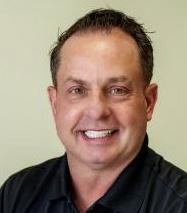




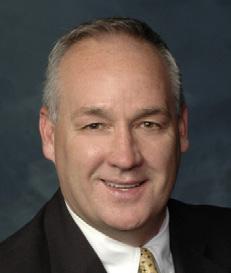


JIM FERGUSON, Sales Rep. - EXIT Preferred Realty, MD #8 TEAM IN NORTH AMERICA (GCI) - DREAM HOME TEAM
JAIME LYON COOPER, Sales Rep. - EXIT Realty Lyon, AL #9 TEAM IN NORTH AMERICA (GCI) - JAIME COOPER TEAM
SHALY DHANJAL , Sales Rep. - EXIT Realty Consultants, CA MILLION DOLLAR CIRCLE
MATHIEU LEBLANC, Sales Rep. - EXIT Realty Associates, NB MILLION DOLLAR CIRCLE
MIKE SCHULTE, Non-Licensed Associate - EXIT Strategy Realty, IL TOP RECRUITER - FRANCHISEE / MANAGEMENT
IMAM HASAN, Sales Rep. – EXIT Realty DKC, NY TOP SPONSOR - PRODUCING AGENT


JOHN AKERS & BILL HOLLOWAY, Franchisees – EXIT Elite Realty, MO SUPERIOR BROKERAGE EXPERTISE
Continued on next page

“ Strive not to be a success, but rather to be of value.”
—ALBERT EINSTEIN







NICOLE LEBLANC, Sales Rep. - EXIT Realty Associates, NB AMBASSADOR AWARD
A.J. PLANT, Regional Owner – EXIT Realty Eastern Ontario HUMANITARIAN AWARD - PRESENTED POSTHUMOUSLY

SHANNON & ROB MALCOM, Franchisees – EXIT Realty Birmingham, AL PHOENIX AWARD
DANA CLOWATER, Manager - EXIT Realty Advantage, NB AWARD OF EXCELLENCE
SHEILA HENRY, Broker of Record – EXIT Realty Specialists, NB AWARD OF EXPERTISE
JEREMY COWAN, Sales Rep. – EXIT Realty Metro, NS TRUSTED ADVISOR
ANGELINA PEÑA, Franchisee – EXIT Legacy Realty, UT ESPRIT DE CORPS - WEST USA



ROB TREMBINSKI, Sales Rep. – EXIT Realty True North, Brokerage, ON ESPRIT DE CORPS - CANADA ROSS KILPATRICK, Franchisee – EXIT Realty Anchor South, AL ESPRIT DE CORPS - EAST USA

CHERYL DOYLE, Administrator – EXIT Cape Realty, MA ADMINISTRATOR OF THE YEAR
CALE BOTHA, Sales Rep. – EXIT Realty Matrix, Brokerage, ON NASBY’S KNUCKLES
DAVID BOCTOR, Sales Rep. – EXIT Realty Strategies, Brokerage, ON TECHNOLOGY ENGAGEMENT LEADER


$2/3 of a billion paid out in passive income (that’s real, single-level monies on top of taking listings and ear ning commissions to build your dream lifestyle)
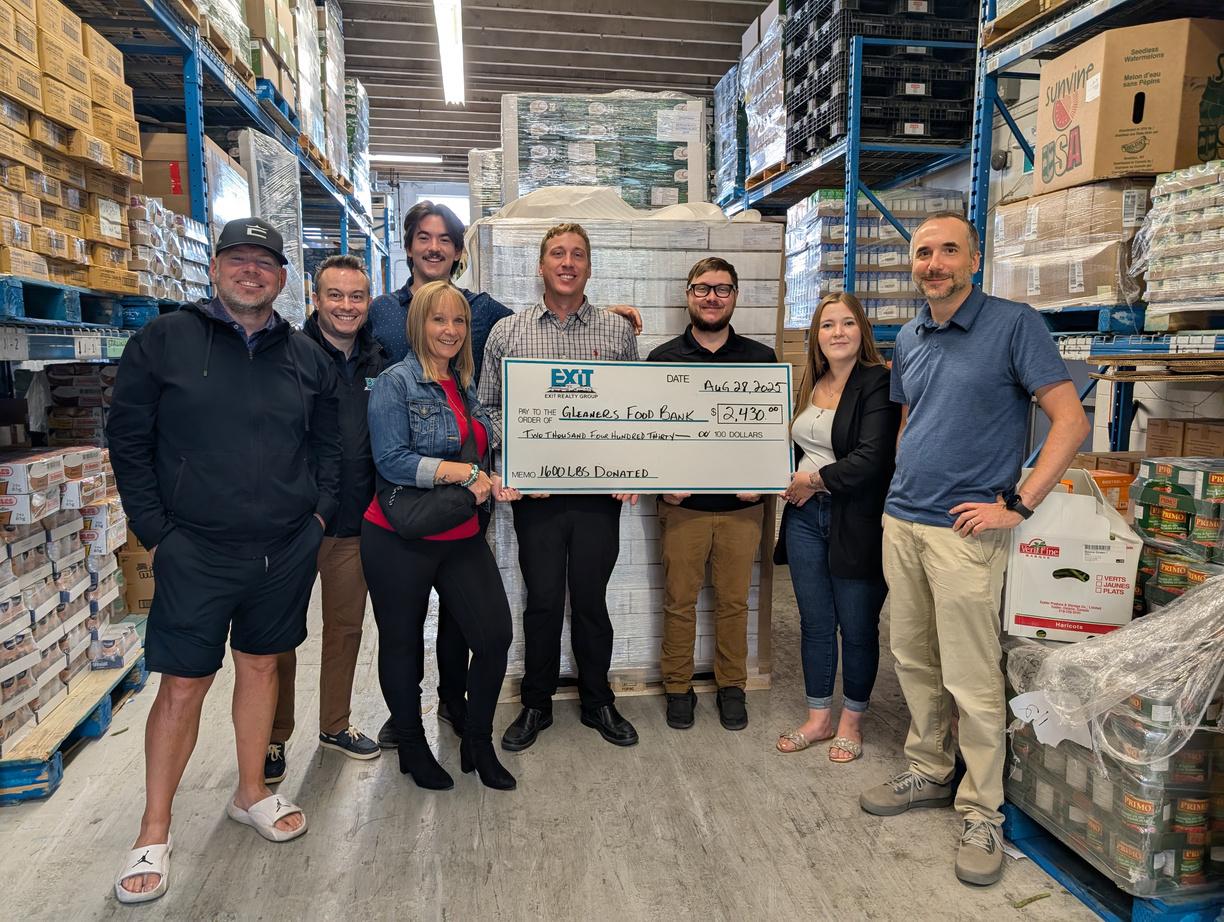
$8 million allocated to char ity (because giving back is at the heart of everything we do)
$1.4 million paid in beneficiar y benefits (your legacy is important to you and your loved ones too)
$7 million allocated to suppor t s taff (bonuses they deserve for all the hard work they do)




Plant
MELANIE ROBITAILLE, SR. STAFF WRITER & GRAPHIC DESIGNER


If a life well-lived is one measured in how many lives you touch, then A.J. Plant, Regional Owner of EXIT Realty Eastern Ontario truly lived before his passing the morning of June 10th, 2025 at the age of 52. The sound of broken hearts could be heard all over his beloved city of Ottawa, in locker rooms, arenas, and in the homes and businesses of the many clients, colleagues, and friends he had.
They broke clear across North America through his EXIT Realty network and echoed into the Canadian Parliament where the Honorable Mona Fortier, M.P. rose in the House of Commons to share how A.J. made Ottawa a better place calling him, “a respected entrepreneur, a community builder, a generous mentor, and a tireless force for good in the national capital region.”
We’ve been so proud and fortunate to have a professional of A.J.’s caliber and influence with us for the past 21 years of his career. In a heart-felt tribute of her own, EXIT Canadian CEO, Joyce Paron spoke of how A.J. shined with his own light, bringing laughter (and his signature sunglasses and dance moves) wherever he went saying, “You will be deeply missed A.J., and we will carry your spirit with us in all that we do in the days and years ahead. You have left a legacy of love….You demonstrated an extraordinary ability to make time for people, regardless of who they are, because you understood that your presence is the most valuable gift you can offer to another human being.”
“There will never be another A.J. He was, in every facet of his life, the true G.O.A.T.”
—MAGGIE TESSIER, FRANCHISEE
With a natural talent for people and bringing them together, A.J. excelled in the business of real estate. He had a profound impact on EXIT’s entire nation and found success in his many roles. It was at dear friend and Franchisee, Maggie Tessier’s EXIT Realty Matrix office, and under her mentorship where A.J. first got his start as an
“We will carry your spirit with us in all that we do in the days and years ahead. You have left a legacy of love.”
—JOYCE
PARON CDN CEO
agent, then office manager, before taking on regional ownership, where he worked tirelessly to share the EXIT spirit which he so aptly exemplified across eastern Ontario.
He always maintained his early real estate success came of learning from one of the best. He was a huge advocate for being coachable, a key personal ingredient he brought to every arena of his life thanks to his love of sports. While hockey was his personal passion as the owner of the Flames de Gatineau in Quebec, he was involved in supporting several youth sports organizations both through coaching and sponsorships. He believed strongly in the character-building experiences found through sport, in teamwork, and in empowering the next generation.
In fact, A.J.’s eldest son and daughter both turned real estate into the family business. Francis, following his father’s path, obtained his real estate license and joined the same EXIT Realty Matrix brokerage, while Helenna joined forces with her dad as the regional administrator to assist with the many day-to-day tasks of running the business.
A.J. was loved by many, and had many loves in his life. His greatest, his wife, Chantal posted, “When I met A.J. in Bonnyville, Alberta he was part of 10 community groups. I had to join at least six of them so I could enjoy time with him.” It was a lighthearted moment shared on the declaration of A.J. Plant Day on April 23rd by the city of Ottawa, where she and their four children, Francis, Helenna, Emillia, and Quinn attended the occasion with A.J. She expressed her pride in her husband and his everlasting efforts; efforts which awarded him EXIT’s Humanitarian Award in 2025. His absence was felt greatly, when this announcement was made posthumously at the Canadian Regional Conference.

To Chantal and all of A.J.’s family, thank you for sharing him with us.
Sharing an emotional moment during EXIT’s 2024 Convention with Founder & Chairman, Steve Morris (R) after receiving the Phoenix Award. In honor of A.J. please consider giving to the A.J. Plant Commemorative Foundation, a fund dedicated to continuing philanthropic work that was close to A.J.’s heart.
EXIT REALTY CORP. INTERNATIONAL HAS ALLOCATED
Because a portion of every transaction fee received by EXIT Realty Corp. International is allocated to charity, that means whether you choose to do business with EXIT as a real estate professional or homeowner, you’re helping raise money for approved, registered charities in your area.
Through the Spirit of EXIT Charitable Program, EXIT offices and associates get to support their local communities and non-profit organizations, and we at head office are so proud to be able to help match their efforts.


Mississauga, ON - Long-time leading U.S. real estate analysis company RealTrends recently published their 2025 RealTrends Verified rankings and many of EXIT’s outstanding agents and teams were recognized; several within the top 500.
“We’d like to congratulate every EXIT agent and team who made this ranking, showing incredible grit, collaboration, and professionalism, in a time when all are most needed in this industry,” said EXIT’s U.S. CEO, Craig Witt. “These individuals and teams are a testament to the spirit of our brand, and what it stands for.”
AGENTS BY SIDES
John Farrell, Franchisee - EXIT Realty Homeward Bound, NY
Tammy Fredericksen, Assoc. Broker - EXIT Realty Midwest, IA
Kristal Saenz, Sales Rep. - EXIT Realty of Lubbock, TX
Dino Cates, Broker of Record - EXIT Rocky Top Realty Livingston, TN
Anthony Domathoti, Franchisee - EXIT Realty Premium, NY
Lauren Huffman, Sales Rep. - EXIT Realty Southern, LA
Kim Kreiss, Sales Rep. - EXIT Realty – Great Plains, MN
Susie Meyer, Sales Rep. - EXIT Realty Unlimited, IA
Bruce Evans, Franchisee - EXIT For Sale Realty, GA
Slawek Rachmaciej, Assoc. Broker - EXIT Realty Redefined, IL
Roger Kopernik, Franchisee - EXIT Realty Premier, MI
“These rankings showcase a special cross-section of individuals, some of our finest examples of the most skilled real estate professionals throughout North America. They exemplify the excellence and integrity our brand is committed to upholding in this business.”
—TAMI BONNELL, CO-CHAIR
SMALL TEAMS BY SIDES
The HPR Team - Franchisee, Jonathan Lum EXIT Realty Home Partners, MI
LARGE TEAMS BY SIDES
Team Vasile - Sales Rep., Carl Vasile EXIT Real Estate Property Solutions, FL
The Marc Austin Highfill TeamFranchisee, Marc Austin Highfill EXIT First Realty, VA
Canadian real estate news agency BUZZ Media also released their 2024/2025 Most Influential Voices in Real Estate lists, recognizing top industry pros across the country.
EXIT’s own Jeremie Fontaine, Sales Representative with EXIT Realty Associates out of Moncton, NB received BUZZ’s Market Dominator Award and ranked number one in their Top 100 Next Generation Leaders category. Recognized as an innovative disruptor, who’s “redefining what it means to lead in an evolving industry,” he’s also joined by his long-time EXIT Franchisee, Parise Cormier, who also ranked in the Top 25 Most Influential Brokerages category as well. Offices are acknowledged for operational success in addition to being an active contributor through philanthropic initiatives, or at high levels of industry governance. Canadian CEO, Joyce Paron also ranked fifth among the Top 30 Most Influential Leaders, a category that spotlights those who are shaping the real estate landscape across the country.
First announced at the end of May 2025, with their final category publicized in September, this was BUZZ Media’s inaugural list honoring real estate professionals in the areas of Brokerage, Teams, Innovation & Technology, Sales & Marketing, Strategic Partners, Philanthropy, as well as Next Generation Trailblazers.
BY MELANIE ROBITAILLE, SR. STAFF WRITER & GRAPHIC DESIGNER
Shifts happen, which is a constant in real estate, and they’re at an all-time high in the industry right now. Just as real estate clients hope for as seamless a move as possible, why would a brokerage owner or agent looking to make a switch be any different?
Not all transitions are created equally as Franchisee, Danny Collins of EXIT Realty DKC in New York knows, recalling when he brought his independent operation under the EXIT banner in 2023. He was quite impressed with the personal attention and processes that made the whole switch much easier and meant greater gains for his office, agents, and staff.
“One of the many benefits of working with EXIT is their regional owners. Ours is Hector Castillo. He was tremendously helpful as well as patient with us through the process. He offered incredible support and kept us calm through the transition,” he said of the five-month process. “All [EXIT] departments helped us! We worked with everyone from Manager, Derek Stephenson in Franchise Support, C.O.O., Erika Gileo in Operations, and even Director of Technology Engagement, Annette Anthony to get our digital products up and running.”
Reputable and Repeatable
Danny’s faith in the EXIT brand is one of the main reasons why he’s told every top producer in his office that’s interested in ownership to have a chat with him first. After going through this transition himself, he’s confident in his knowledge and experience, and knows that replicating or sharing what EXIT brings to the table would be of benefit to so many others looking for a greater level of connection in the industry.
“We’ve currently reached out to smaller organizations for a potential merger or acquisition. Our team has discussed how we would proceed with folding an entire new office into our own. One of the first things we would do is get the new team members sold on the EXIT brand, Formula and the DKC culture,” he explained.
EXIT is primed for providing brokers with relief and agents with a proven track to run on. Part of Danny’s plan would be to handle all the training/re-training of new agents using EXIT’s extensive programs and his own experience, as well as introducing everyone to EXIT’s Resource Center, where they can access further training as well as tools like Agent Success Plans and EXIT’s FUEL office onboarding program.
“When we joined EXIT our production per agent increased as soon as we began engaging with the tools.”
With EXIT’s competitive and progressive split structure, no desk fees, and their entrepreneurial business model, EXIT associates can not only bring home more of what they earn, but they have the potential to earn more than at any other brand by generating supplemental income through Sponsoring.
“There are no gimmicks here, this is real money, not profit sharing, or building a team they have to support and grow, just simple introductions to the company,” he explained. “We have some perfect examples in our office. There’s a young man who transitioned with us that was so excited we were going with EXIT. The last couple of years he’s hit 90/10 by April of the year, and he’s also sponsored six other productive agents into our office that he didn’t have to train. There’s another young lady who sponsored her friend into our office, who closed a $1 million deal in her first 90 days, so as a sponsor, she received a $6,000 thank you bonus check from corporate for sponsoring in the new agent. EXIT has the tools, the tech, and the culture of excellence for anyone who wants to grow rich!”


With core values like Diligence, Knowledge and Character built right into his company’s name, it’s obvious that Danny’s vision and high professional standards go beyond that of financial gains, aligning perfectly with EXIT’s value blueprint. The brand isn’t for everybody, because he says not everybody is in real estate for the right reasons, but he knows there must be something more.
“The shifts I see in loyalty in the industry as of late are a lot of what I call office hopping to the highest bidder; agents who are switching offices to any new company offering more commission or the appearance of more. There are so many companies out there with all kinds of new formulas. Most aren’t in the industry for long term success, but to make a quick buck, so they find the companies that take more than they give back.”
Danny has no interest in these “hoppers.” He sees the EXIT loyalty first-hand in the corporate staff, a majority of whom have been with the brand for over 20 years. He knows how EXIT offers much more to owners and agents through retirement and beneficiary benefits, and their Spirit of EXIT Charitable Program that hit on such a deeper, human level.
“Once you’re involved with EXIT you know you’re dealing with people, not a company. And not just any people, but ones who care, who are always asking, ‘How can we be better?’ You’re not being processed, you’re being helped, and there’s a difference,” he admitted.
With EXIT you don’t need to imagine an easy-to-follow transition with step-by-step onboarding guides, proprietary and integrated technologies for everything from marketing resources and interoffice communications to task management. You get it! And with a dedicated support team to help answer questions and train your administrative staff, whether you’re new to ownership or bring years of experience and customers with you.
After thinking he liked the solo, independent road, Danny admitted it’s good to know that feeling of being able to call someone when you need to, even if it took some getting used to.
“The most surprising aspect that I didn’t expect was transitioning to the structure of things. When you’re an independent broker you have no accountability to anyone,” he said. And what he once found challenging, he now sees as a blessing because he recognized that without accountability you’ll always do less. “You’ll always be more and do more with others, especially with those traveling in the same direction as you.”
ARE YOU AN ENTREPRENEUR WHO WANTS MORE?

At EXIT Realty we pride ourselves on doing things differently. With our Formula of single-level residuals, not only do you unlock the potential for unlimited income, but you gain access to a secure future with retirement, lifestyle, and beneficiary benefits.
EXIT Realty has revolutionized the real estate industry with a three-dimensional concept of taking listings, making sales, and sponsoring. We provide this unique opportunity for our associates, so they can potentially earn more than 100%, filling in the gaps between closings. This is passive, residual income that enhances your life, your dreams, your retirement, and your legacy.
VIsit joinexitrealty.com/formula to learn more.

WITH RYAN STAVNES, SALES REP., MT
It’s important to maintain client relationships throughout the entire transaction process; before, during, AND AFTER the sale takes place. Sales Representative, Ryan Stavnes, ABR, CPRES, GRI, e-PRO is an OG with EXIT Realty Helena in Montana, serving as the 2025 Certified Residential Specialist (CRS) chairman for the Residential Real Estate Council (RRC) of Montana and he suggests these strategies as everyday practices to do just that:
Have clients follow you on their preferred social media channels
Post more than just sales and transactions, be customer focused. Like, comment, share, and engage with customers and clients where they are. They’ll be pleasantly surprised you know about their family, causes, and organizations they believe in, and will feel supported.
Create a process for customers to opt-in
By encouraging customers to add your email to their Safe Senders List right from the beginning, you ensure they won’t miss important communications, e-newsletters, market stats, and any other information about maintaining a home and general market conditions that you send out. Each email provider has a unique way to do this, and you can find instructions by searching each individually online.
Confidently ask for the service review or referral
Whether through Google or Facebook, customer service reviews should always be unscripted and in their words. A video is very compelling vs. a text-only testimonial. Keep a library of these reviews to share on your website or in your EXIT bio. Be transparent from the start, reassuring clients that you’ll be working hard for them and that the best compliment you could receive is their recommendation of you and your real estate service to friends and family looking to buy or sell. Sending a thank you gift for a referral also goes a long way.
Make sure they know who to call
When customers or clients need an answer about anything real estate or home ownership related, who should they call? YOU! Consider having a real estate directory assistance service of favorite local eateries, retailers, and attractions, as well as particular service providers like landscapers, roofers, plumbers, and contractors. You can use your local media’s best of town contests as a resource and to piggyback mentions of them. Provide these when the client purchases, but you can also supply this service after purchase, as a wonderful opportunity to stay in touch, and keep them knowing you and your superior service.
“When customers or clients need an answer about anything real estate who should they call? YOU!”
-Send neighborhood sales activity on current homes for sale and sold homes nearby
-Share your trusted Dirty Dozen service provider recommendations
-Advisements on best ROI home improvements
-Offer refinance analysis through a lender to see if it makes sense to refinance
-Assistance in evaluating a home warranty
-Information on investing in rental properties
-Improvement registers to keep track of capital improvements
-Holiday, milestone, or event touches using hand-written notes and personal attention
TEAL DIAMOND CIRCLE
2,000 SIDES ACCUMULATED
Nicole LeBlanc, Sales Representative - EXIT Realty Associates, NB
DIAMOND CIRCLE
1,000 SIDES ACCUMULATED
Robert Farrell, Franchisee - EXIT Realty Homeward Bound, NY
Jeffrey George, Associate Broker - EXIT Preferred Realty, PA
Justin Wrigley, Sales Representative - EXIT Realty Matrix, Brokerage,ON
EMERALD CIRCLE
750 SIDES ACCUMULATED
Angie Brown, Sales Representative - EXIT Realty Inter Lake, NS

Jeremie Fontaine, Sales Representative - EXIT Realty Associates, NB
Josh Foster, Franchisee - EXIT Realty Southern, LA
Beth Hoyt-Whelan, Sales Representative - EXIT Realty Advantage, NB
Patricia Macleod, Sales Representative - EXIT Realty Inter Lake, NS Krista Martin, Franchisee - EXIT Realty Premier, OK
RUBY CIRCLE
500 SIDES ACCUMULATED
Simon Bedard, Joanne DeFrisco, Bruce Evans, Ben Gilmore, Josie Livingstone, Jonathan Lum, Kim Moore, Paul Pavon, Christine Pinsent, Carrie Poyser, Helen Russell, Kristal Saenz, Courtney Thompson
SAPPHIRE CIRCLE
250 SIDES ACCUMULATED
Serge Bourque, Christine Callender, Jordan Cooper, Shannan Crescente, Carlos De Jesus, Luis Montes De Oca, Stephanie Doran, Nancy Durelle, Lance Eaton, David Fleming, Rachel Fredrickson, Larry Gardner, James Gedge, Honora Giumenta, Marc Hedlund, Dawn Houlf, Christy Jolly, Jeannot Landry, Randy Larken, Krystle Lounsberry, Angeles Lomeli, Grace Martinez, Patrick Martens, Paul McIntye, Corwyn J. Melette, Omar Mora, Kim Porco, Lee A. Porter, Scott Ryder, Kerri Shields, Kane Smith, Amy Somerville, Sonny Vataj, Bob Williamson, Stacy Wilson, Rui Wu, Berta Yadgarova, Carey Yang, Agata Zabludowska, Susan Zhou
Continued on next page

TITANIUM ELITE AWARD
200+ SIDES CLOSED
Kyle Johnson, Sales Representative - EXIT Realty Associates, NB
TITANIUM AWARD
150+ SIDES CLOSED
Jeremie Fontaine, Sales Representative - EXIT Realty Associates, NB
PLATINUM AWARD
100+ SIDES CLOSED
Simon Bedard, Shauna Denton, Bruce Evans, John Farrell, Tammy Fredericksen, Sandra Hussey, Nicole LeBlanc, Tanya Myre, Kristal Saenz
GOLD AWARD
75+ SIDES CLOSED
Chantal Albert, Marc Austin Highfill, Angie Brown, Dino Cates, Jamie Coccimiglio, Clint Conner, Kelly Courville, Kerry Culberson, Mike Doiron, Dominic Gervais, Gregory Goff, Lauren Huffman, Kim Kreiss, Susie Meyer, Curt Najdzion, Slawek Rachmaciej, Kristopher Snarby, Maggie Tessier, Courtney Thompson, Amy Valls, Ron Young
SILVER AWARD
50+ SIDES CLOSED
Lisa Addy, Shawn Arbeau, Kayla Aulwes, Serge Bourque, Leslie Bridge, Cody Burger, Rosie Branco, Angie Brown, Christine Callender, Jordan Cooper, Jaime Lyon Cooper, Antonio Costa, John Dableh, Amanda Davies, Shaly Dhanjal, M K Dokwal, Pam Doak, Mohamed Elgoarany, Eduarta Ejlli, Jessica Foran, Josh Foster, Santino G. Gance, Andy Gerron, Kristin Hawley, Lisa Hare, Kathy Hobbs, Muhammad Islam, Becca Jones, Md Karim, Jackie Kimball, Gwen Kosel, Candace Kromer, Mathieu Leblanc, Jessica Landry, Josie Livingstone, Jonathan Lum, Aleya Majid, Jeff Marcks, Steven Mandeville, Krista Martin, Patrick Martens, Jessica Mashburn, Larry McCauley, Jr, Wade Mitchell, Luis Montes De Oca, Steve Morgan, Curt Najdzion, Eric Parsons, Kim Porco, Sara Post, Richard Reid, Patrick Reese, Boo Reitz, Dana Reinders, Luke Richmond, Kelly Richter, Kyla Stanick, Mark Seamone, Tim Smith, Kane Smith, Tatyana Sturm, Gena Tanzini, Carl Vasile, Tracey Wetzl, Justin Wrigley, Steve Yoston, Susan Zhou, Ryan Ziltner, Jenny Ziminski
25+ SIDES CLOSED
Gabriel Acevedo, Betsy Acker, Charles Acoba, Scott Allison, Marcus Anderson, Jessica Asberry, Esmeralda Avila-Puga, Tony Bahou, Larissa Baker, Marla Baldwin, Eric Banks, Pierre Basque, Jonathon Bass, Wayne Beals, Brittany Bekkers, Ginger Bell, Renee Belong, Melanie Besemer, Steve Besler, Luc Bilodeau, Dallas Boerm, Brian Bottcher, Vicky Bouchard, Andre Boudreau, Stacy Bourland, Kellie Bowling, Chris Boylan, Kelley Brack, Meghan Bradd, Amy Bragdon, Heidi Brown, Dennis Buchheit, Jade Buckman, Rebecca Bulluck, Melissa Burge, Christina Burns, Tyler Burzese, Kali Butler, Connie Campos, Jim Carragher, Leanne Carter, Tara Cataldi, Charles Chang, Paul Chauvet, Yadira Chavez, Irma Chavez-May, Mila Chiasson, Tim Churchwell, Jose Cibrian, Ronda Cole, Noelle Coleman, Christi Collins, Thomas Comegna, Crystal Condos, Paul Cormier, Kevin Cormier, Denise Cortez, Ricky Cote, Mitch Onken Covert, Jeremy Cowan, Mandy Coyle, Tony Crabtree, Shannan Crescente, Dona Cronin, Shaelene Crossman, Dominga Cruz, Heather Cunningham, Debra Dace, Keith Daniels, Jaylon Daniels, Trenton Dankos, Suzanne Darling, Holly Deavers, John Defeo, Kolette Delperdang, Jonathan DesRoches, Zubayer Dhali, Leah Dickert, Pollianna Dickinson-Jones, Armand (AJ) Dionne, Anthony Domathoti, Cesar Dominguez, Shelley Doyle, Kimmie Dozois, Aneta Drab, Annie Grondin Dube, Vada Dwaileebe, Jamie Lynn Edwards, Elias Elizaldez, Jennifer Elliott, Lou Elson, Robert Farrell, Ashley Farris, Jean Fast, James Ferguson, Adrian Flores, Tami Floyd, Adam Foland, Marie-Pierre Fortin, Katie Friars, Kassaundra Friesen, Natalie Frodsham, Marylou Frost, Whittney Fuller, Lauren Fus, Johnnie Gabehart, Patricia Gallagher, Manon Gallant, Barbara Gallo, Tracy Gallo, Joe Garcia, Sergio Garcia, Cristal Garcia, Larry Gardner, Sharon Gaul, Misty George, Ben Gilmore, Eric Gossard, Daniel De Gram, Robert Graves, Jennifer Gray, Chris Gray, Michelle Greene, Jenn Greenmun, Shelly Gregory, Jordan Greige, Brent Gulledge, Caryn Gusefski, Jason Hale, Wayne Hall, Wendy Hallihan, Rob Hamel, Kristy Hansen, Mohammad B. Haque, Kirby L Harrell, Jessica Harrell, Lexie Harris, Mary Jo Hart, Imam Hasan, Dani Hawkins, Marc Hedlund, Kristy Heitl, Reba Hicks, Chauncey Hilliard, Chris Hochstedt, Candice Hodges, Lauren Hoffpauir, Russell Hoque, Phillip Horan, Jenna Horton, Beth Hoyt-Whelan, Andy Hubba, Ramona Hull, Adan Islam, Al Jacabacci, Lizabeth Jamison, Kasia Janowski, Cindy Jardine, JoAnne Jay, Louis Jeanniton, Christy Jolly, Cindy Jones, Sabrina Jones-Schroeder, Chantele Joordens, Joseph Jose, Karla Jusko, Lori Kabrick, Chad Kamp, Jaroslaw Kaszuba, Lisa Kearnes, Andrea Kelly, Brenda Kelly, Holly Kennedy, Paula Kerr, Sarwor Khan, Jae Kim, Saul Kloper, Beverly Koon, Roger Kopernik, Cathy Korpi, Nicole Kougl, Shannon Krieger, Jamie Kuntz, Christopher Lake, Chelsea Lambert, Jeannot Landry, Samantha Langley, Brian Lawton, Michel Lebeau, Cedric Leblanc, Holly Leclercq, Eric Lee, Rob Leger, Erik Lemons, Paula Lescano, Cesar Lima, Terry Lindstrom, Shannon Linton, Paul Llewellyn, Angeles Lomeli, Sherri Lonar, Tina Long, Craig Louden, Janet Lovato, Josh Lugo, Morgan Lunn, Margaret Luongo, Jamie Lynch, Nelson Lynds, Jennifer MacIsaac, Candice MacKenzie, Patricia Macleod, Susan MacVittie, Jayson Maguire, Joanne Maillet, Gary Mailman, Jeffrey Maliszewski, Alexandre Maltais, Mark Maraglia, Chris Marion, Josee Marshall, Renee Marshall, Bobbi Maxwell, Nathaniel May, Bruce McGaw, Alberto Mejia, Corwyn J. Melette, Dominique Michaud, Hardik Modi, Kelly Moore, Omar Mora, Justin Morehouse, Cindy Moss, Steven Moutrey, Jason Mueller, Melissa (Missy) Mulharan, Kabir H Munshi, Ashley Murdock, Debbie Murdock, Karen Mussmann, Gary Naeyaert, Ikrame Nali, Heather Nauss, Leslie Nazario, Lamoura Nettles, Leah Neumann, Angela Newcomb, April Newman, Bobbye Nothnagel, Beata Nowak, Michael Oates, Mark Ogletree, Chad Oickle, Nathan Oldroyd, Patty Olson, Kyle Olson, Melissa Palomares, Ash Parker, Jeremiah Parker, Vanessa Patrick, Cindy Payne, Danielle Pelroy, Kelly Percival, Mickael Pereira, Angela Peters, Jordan Phillips, Lynn Pierce, Kenny Pierman, Robert Pipher, Kimberly Plourde, Francois Poirier, Sylvain Poitras, Lee A. Porter, Carrie Poyser, Janice Purdy, Whitney Purdy, Christina Rader, Bonnie Randell, Charlotte Ratte, Thomas Reid, Cathy Ribbink, Darlene Rice, Bayleigh Rigdon, Clay Robinette, Angela Robinson, Dan
Continued on next page

BRONZE AWARD CONT’D
25+ SIDES CLOSED
Rollings, Zach Romsdahl, Wendy Ronberg, Mary Ruffo, Tracey Rutkauskas, Allie Salley, Brad Sanderson, Gustavo Saucedo, Judith Sauvé, David Sawler, Kyle Schneider, John Schneider, Tyler Schopper, Erica Schultes, Arvinder Sekhon, Justin Shaver, Terry Shelburne, Kerri Shields, Jason Short, Kelly Sitter, Shelley Skidd, Cheryl Smith, Tabren Smith, Jeannie Smith, Lindsay Smith, Adam Smith, Kelly Smith, Jessie Snead, Amy Somerville, Li Song, Devon Sparkes, Roch St-Georges, Kari Stave, Andrew Stephens, Bridget Stipanovich, Leslie Stoddart, Jason Szaks, Misty Szczech, Mitzi Taylor, Micheal Terrell, Jacki Thornburg, Gabriella Travaglini, Rob Trembinski, Justyna Trublowski, Shirley Turner, James Unger, James Vanderknyff, Meagan Vann, Stephanie Verderose, Kelly Vessels, Gregory Vurganov, Amanda Wade, Jadwiga Waloch, Jordan Waters, Katelyn Watford, Julie Watson, Hunter Waugh, Brandon Webster, Cynthia Welch, Ali Werger, Nicole Wheatly, Glenda White, Megan White, Timothy White, Mary Jane Whitson, Andria Williams, Jackie Willis-Denton, Phyllis Willoughby, Stephanie Wilson, Stacy Wilson, Catherine Wiltse, Kent Winburn, Samantha Wood, Michael Wright, Berta Yadgarova, Eleanor York, Cheri Young, Lisa Zaat, R. Karl Zandt, Stephanie Zarr, Cheryl Zebiere, Lulzime Zhilli, Susanne Zimbelman
TITANIUM ELITE
2OO-299 SIDES CLOSED
Team Vasile - Carl Vasile, Sales Rep., EXIT Real Estate Property Solutions, FL
The Tessier Team - Maggie Tessier, Franchisee, EXIT Realty Matrix, Brokerage, ON
TITANIUM LEVEL ICON
150-199 SIDES CLOSED
Dream Home Team - Jim Ferguson, Sales Rep., EXIT Preferred Realty, MD
Team Fussy Hussey - Sandra Hussey, Sales Rep., EXIT Realty Group, Brokerage, ON
Tanya Myre Team - Tanya Myre, Sales Rep., EXIT Realty Matrix, Brokerage, ON
Team Chris Boylan - Chris Boylan, Sales Rep., EXIT Realty Premier, NY
All awards based on the production year July 1, 2024, to June 30, 2025
PLATINUM LEVEL ICON
100-149 SIDES CLOSED
Bedard Real Estate Team - Simon Bedard, Sales Rep., EXIT Realty Matrix, Brokerage, ON HPR Team - Jonathan Lum, Franchisee, EXIT Realty Home Partners, MI
Take 2 - Janice Purdy, Sales Rep., EXIT Realty Specialists, NB Team Teal - Beth Hoyt-Whelan, Sales Rep., EXIT Realty Advantage, NB
The Marc Austin Highfill Team - Marc Austin Highfill, Franchisee, EXIT First Realty (Richmond/Glen Allenn), VA
GOLD LEVEL ICON
75-99 SIDES CLOSED
& Realty Group - Andrew Stephens, Franchisee, EXIT Realty Metro, NS Jaime Cooper Team - Jaime Cooper, Sales Rep., EXIT Realty Lyon, AL
Living A Midwest Life Team - John Schneider, Sales Rep., EXIT Realty HGM, WI
Sherri & Carrie Real Estate Team - Sherri Lonar, Sales Rep., EXIT Realty Town & Country, NS
The MarkthatSOLD Home Selling Team - Mark Seamone, Franchisee, EXIT Realty Inter Lake, NS Wrigley Team - Justin Wrigley, Sales Rep., EXIT Realty Matrix, Brokerage, ON
SILVER LEVEL ICON
50-74 SIDES CLOSED
G&M Home Selling Team - Kirk Groombridge, Team Verderose - Stephanie Verderose, Golden Key - Alex Jesus, Jamie Lynch Team - Jamie Lynch, Smith & Graves Real Estate Team - Adam Smith
BRONZE LEVEL ICON
25-49 SIDES CLOSED
The Kel Williams Group - Kel Williams, Shannon Linton Team - Shannon Linton, The Jill Team - Jill Santandrea, Brittany Bekkers Real Estate Group - Brittany Bekkers, Boo Reitz Real Estate Group - Boo Reitz, Cahaba Region Group - Theresa McMichen, Edgar Realty - Dave Edgar, Elite Home Team - Sallianne Serra, Furnari Team - Jason Furnari, HopeMore & Co. - Terry Hope Watson, Key Partners Team - Heather Driscoll, Keys to the CarolinasChauncey Hilliard, Korpi Team - Cathy Korpi, Lawton Team - Brian Lawton, LDM - Luis Montes De Oca, Ledbetter and Associates - Renee Ledbetter, Malcom Realty Group - Shannon Malcom, Messecar Team - Chris Messecar, Missy + Jen Realty - Jen Rabe, Nociforo Team - Jay Nociforo, Optimum Group Realty - Scott Allison, Reichard & Hack - Holly Hack, Sawler Team - David Sawler, Schmidt Real Estate Group - Greg Schmidt, Sumner County Home Team - Emilie Bethea, Sunshine Team - Louis Jeanniton, Teal Team - Kerrilyn Vriend, Team Bowling - Kellie Bowling, Team Results - Melanie Roussel, The Chang Team - Charles Chang, The Concierge Group - Karla Jusko, The Jeff Giuliani Realty Group. - Jeff Giuliani, The Lopez Team - Lori Lopez, The Renee Marshall Team - Renee Marshall, The Walter Collins Team - Walter Collins, Timothy Schutte Real Estate Team - Timothy Schuttte, Top Producers Group - Glenda White, Vision Group - Wendy Ronberg
BY MELANIE ROBITAILLE, SR. STAFF WRITER & GRAPHIC DESIGNER
For decades rhetoric has focused on the impact that the Baby Boomer generation would have on every social system imaginable, but very little focused on their real estate impact until recently. We’re living longer than ever before, which was the concern with the sheer size of the Boomers, who have since been encouraged by government incentives to age at home. But while managing their boom, we failed to notice that millennials outnumbered them by hundreds of thousands, causing not just a ripple effect, but a perfect housing storm.
The National Association of REALTORS® (NAR) 2024 Profile of Home Buyers and Sellers shows some major record-breaking data to support the increasing gap between first-time homebuyers, a majority of whom are millennials, and repeat buyers, who primarily fall within the late Baby Boomer generation.
If you look at the data from a 2019 Berkley Economic Review article, times were very different financially speaking when Boomers were coming up in the housing market. It was the zenith of the American Dream, which revolved around owning a home. The economy of the time was “robust and thriving” to the point where many were able to get into homeownership between the ages of 25 and 34 on a single income to boot. Compare that to NAR’s most recent median first-time buyer age of 38, and the lowest number of first-time buyers making up the market in NAR’s history of data collection since 1981, and it’s obvious that there’s a gap…and it’s growing fast.
You can blame the Boomers or any number of factors like financialized landlords and investors, high interest rates, hard economic times, antiquated bylaws, or slow permitting processes, but up and comers like Associate Broker, Skyler Lemons of EXIT Strategy Realty in Chicago, IL are choosing to double down and focus in on this gap in order to help do something about it.
Having obtained his license at the age of 24, Skyler followed the advice to work his sphere of influence, which just so happened to be millennial first-time homebuyers who all had the same chorus of concerns and doubts about the ability to own a home.
“A lot of the people I would talk to about buying a house would come back and say, ‘Skyler you’re crazy, send me some apartments.’ So, I started talking to different lenders and I realized that all lenders have different guidelines so when it came to down payment assistance, historically, agents would just say, ‘It takes a long time,’ or whatever they needed to say as their excuse to not touch [first-time homebuyers].
My team and I started learning some of those different policies that the lenders have in place, learning who has the money with less red tape available, and learning who has the money without recapture periods and things of that nature,” he explained on a recent RISMedia webinar
Now at age 28, Skyler is known as the Down Payment Grant King on social media, where he’s generated thousands of leads for free by leveraging what he calls “lead magnets,” that took his viral videos from views
to prospects. As a second-generation real estate professional, he grew up in the business, watching his mother, Marki Lemons-Ryhal’s burgeoning success in the industry.
“I knew as early as age seven that I wanted to follow in my mother’s footsteps,” he shared in his recent REALTOR® Magazine 30 Under 30 feature “Growing up I spent countless hours by her side, attending showings, sitting in on closings, and attending property rehabs. Real estate wasn’t just a job—it was a tangible way to make a difference in people’s lives and contribute to the community I call home.”
This vision has stayed with him as the impetus behind his work with low to moderate income first-time homebuyers, where he aims to build doorways to generational wealth and community stability.
“I specialize in guiding individuals and families— especially those in underserved communities— through homebuying, connecting them with down payment assistance programs, grants and valuable knowledge,” he said in the feature, where he also shares having helped to facilitate over $250,000 in down payment assistance for first-time homebuyers.
With so many programs out there, he admits that he started out doing much of the research legwork for himself on the front end, creating a master spreadsheet that he still refers to when updates on a new program hit, but because of his social media following, he now has several lenders that reach out to him directly when a new offering becomes available.

“A lot of the people I would talk to about buying a house would come back and say, ‘Skyler you’re crazy, send me some apartments.’
“I’ve been able to make it where the information is kind of coming to me now, because people know I’m the person sort of making things happen in this niche and a lot of people know that I have a data base of 2,000 buyers so it’s good to get this information in front of them,” he explained in the webinar. He also shared about his recent speaking opportunity with the Illinois Mortgage Bankers Association that provided the chance to directly network with several area banks.
With his tech-forward attitude and aptitude, he adds everyone to his CRM, and once you’re in he stays in regular contact, often via text message and through automation, to remain at the forefront of changes and new resources. But he also subscribes to an abundance mentality saying, “I feel like there’s more than enough for everybody out here to eat.”
He knows that some of these programs end up with funds left to give at the end of each year, so he’s always trying to help other agents with clients who have similar needs. He’s also currently in the process of creating some materials to help guide any other agents looking to specialize in this niche in their marketplace.
Since finding this forte, Skyler has tripled his closed ends, and quadrupled his production over the last year, proving that perhaps now isn’t the time to be a jack of all trades, but a master of one.
BY MELANIE ROBITAILLE, SR. STAFF WRITER & GRAPHIC DESIGNER
With rents, mortgage rates, and housing prices still at all-time highs across many North American markets, affordability has become a top priority driving the industry. In 2019, then Canadian Prime Minister, Justin Trudeau proclaimed that the federal government recognized housing rights as human rights, an ideology I think we can all agree on, but the reality in provinces like Ontario, where some 90% of multi-family rental buildings are over 45 years old, is that big business has become the landlord.
Coined as financialized landlords, this trend of private equity firms and real estate investment trusts (REITS) buying aging multi-family properties to regentrify, has been on the rise since 1996 according to a 2024 CBC National News report
The report shines a glaring spotlight on the incongruence between trying to satisfy a board’s financial agenda and human rights, as once affordable housing is being renovated out of reach to the tune of over 500,000 units in Ontario alone.
The argument? Who foots the bill for all this ageing property if not these companies with deep pockets, which show no signs of going anywhere anytime soon. Many of these firms belong to REALPAC, the Real Property Association of Canada, and the nation’s sole association that represents “top tier executives and decision makers of the Canadian commercial real estate industry.” But companies are now crossing over into residential markets with the rise of mixed-use residential projects
Only five of Canada’s 13 provinces have rent controls in place, and eight of the 52 states, but even with regulations like these, as well as tenancy acts, several landlords can still apply through an adjudication process in Canada for Above Guideline Increases (AGI’s) on rents in the name of infrastructure updates and improvements. However some firms allegedly use this as a renoviction business tactic to increase vacancies in order to get better ROI per unit on properties in rent-controlled areas.
Canada now ranks the lowest among the G7 countries for affordability, with the U.S. in fifth place. More purpose-built rental projects were greenlit to address this issue, but as staggering rents remain, builders now find themselves having to incentivize just to fill units according to the Canada Mortgage and Housing Corporation (CMHC).
In his 2025 Bold Predictions podcast, respected real estate coach and entrepreneur, Brian Buffini said, “I think we’d all agree, and the evidence is indisputable, that a renter nation is not something we want to be.” So, what does this mean for real estate professionals?
A 2024 REALTORS® & Sustainability: Commercial Report by the National Association of REALTORS® (NAR) shows that “only 38% of brokerage firms surveyed had experience with commercial building repurposing.” That number has only increased by one percent, year over year, since the report’s inception in 2022, yet construction of this kind is currently outnumbering that of single-family new home builds. There’s also an alarming gap Buffini highlighted between first-time homebuyers and repeat sellers.
The disparities are clear, but education and information can change that. According to RISMedia’s Turning Renters into Homeowners article, knowledge in your market of everything from downpayment costs and assistance programs, closing costs, as well as interest rates and credit are all important factors in conversion, however the largest hurdle the article quotes is changing perception saying, “Many renters see homeownership as unattainable due to financial constraints…They often focus on the immediate costs rather than the potential gains. The key to changing this mindset lies in education and strategic planning.”
Those who’ll weather this shift in the business, will know and understand who’s renting because they think they must, what motivations influence their client’s buying mentality, and what opportunities and programs will allow their customers to own on their terms in their markets. The people still take pride in ownership. It’s an ideal closely linked to the concept of household formation, which according to Buffini, happens for the average person in their late 20’s to early 30’s. It’s time to get to know your market and potential clients like never before because being successful in real estate has always been about two things: the people and the long game.
Know and understand who’s renting because they think they must and what opportunities will allow customers to own on their terms.

What happens in the bathroom, stays in the bathroom, right? It’s an unwritten rule, along with a host of others that make up restroom etiquette, which isn’t typically high on the list of things to worry about when it comes to real estate transactions, but maybe should be.
While taking clients on a tour of homes, Shannon Malcom, Broker/Owner of EXIT Realty Birmingham in Alabama arrived to a property with cars in the driveway. Knowing things can happen, she used caution by knocking and listening to see if anyone answered.
“I announced myself loudly, stepping into the home towards the kitchen and announced myself again. Not hearing anything, I waved my clients inside the home and shut the door. The wife went towards the kitchen with her son and quickly came back around the corner and said, ’Shannon, there’s someone in the bathroom.’ I went in that direction and saw the door slightly ajar to what I assumed to be the bathroom,” she explained. “I announced myself loudly, and as I took a step closer, I could see a gentleman’s legs and the base of the toilet, but he didn’t stir so I quickly rounded up the crew. When I got to the car, I texted the listing agent and told her what had happened…She texted back a few minutes later to advise that the seller said his brother-in-law was renting the house and had been told there was a showing, so he shouldn’t have been there. He also advised that his brother-in-law was deaf.”
Tiffany Marshall, Broker/Owner of EXIT Magnolia Coast Realty in Mississippi recalls the excitement of her very first listing, where dreams were big and the learning curve steeper than expected. A second generation agent, she asked her parents to place a sign and lock box on the listing as she was headed to Jackson to take her broker’s exam.
“They barely had the sign in the ground when a car slowed down, and a voice shouted out, ’Don’t even list it, we want it!’ Fast forward to offer received, and contract signed…The seller worked out of town most of the time, and the buyer’s agent knew this. Inspection? Smooth sailing. We were cruising toward appraisal with confidence, until the appraiser showed up without calling me to coordinate. Not only did she arrive unannounced, but let herself in expecting a quiet, empty home. What didn’t she expect? To stroll into the primary bedroom only to be greeted by the seller, naked, fresh out of the shower and mid-towel grab. There were shrieks. There was chaos. There was an immediate retreat. The appraiser called to report the surprise peep show, the seller, simultaneously texted me, ‘Well…I hope she liked what she saw and appraises it right!’”
Be Early - Avoid an audience in awkward situations by coordinating a time 10-15 minutes earlier, if possible, so you can ensure everything is copacetic before buyers, inspectors, or appraisers arrive.
Prep is Key - Send confirmation texts and reminders to try and ensure things go as smoothly as possible. Aim to sound helpful rather than overbearing.
Be Obvious - Always announce yourself when entering a home. Sure, you may have discussed all of this information with the homeowners, but things still happen (obviously).
Apologize – Whether it was your mix up or not, show your level of professionalism by apologizing to both parties. It’s more important to maintain a successful reputation than to be right.
BY MELANIE ROBITAILLE, SR. STAFF WRITER & GRAPHIC DESIGNER
With so much going on in North American real estate markets, many professionals are having to think outside the box, but what about thinking outside the walls of traditional dwellings and properties all together? Many of these concepts are the stuff of sci-fi movies for the average-aged real estate agent, but they’re very real and they’re here, now.


When you think about real estate, most think of land, but those who work with investors on large multi-family or commercial buildings know you can also own the air above it. Air rights, as they’re known, are the property interest in the space above a building or property, giving an owner the right to occupy, control, or use the space. Both purchasable as well as transferable, air rights are measured by subtracting the Floor Area Ratio (FAR) from existing local zoning ordinances that dictate building height restrictions.
Initially a valuable asset for developers wanting to increase their building potential, with the passing of the Jetson Bill (yup think George Jetson in his flying car), those who own air rights are potentially going to play a huge role in the future of how transportation looks. Think beyond connecting metropolis commutes through raised LRTs, or the recent innovation of drone deliveries, to companies like Samson Sky who already have roadworthy flying sports cars, or air taxi makers like Jobi Aviation for which the Jetson Bill paves the way.
With varying legalities, differing regulations across jurisdictions, and community impact analyses still (pardon the pun) up in the air, it’s going to take time before we see flying roads like in The Fifth Element or Star Wars, but the time to get in on the ground floor seems to be now.
While many are looking up, some of an eco- (or doomsday) mind are drilling down, taking advantage of subterranean rights that extend beneath a property. Similar to their air counterparts, these rights can often be owned by separate entities in cases like land leases or where water or mineral rights exist, but things get even (pardon another pun) muddier here depending on what zoning bylaws, municipal easements, and uses are permitted in various locations.
Subterranean living may sound like something out of an AI image generator, but in reality, it has been around for millennia. Today’s resurgence stems from environmentally oriented buyers and developers

looking for ways to work with nature’s inherent building benefits on residential homes, while also saving space in other markets like commercial. The top 10 international benchmark places for underground development stretch across the world from Montreal in North America to Tokyo in east Asia, according to an Urban Redevelopment Authority study out of the island nation of Singapore, where dynamic land use is vital to their future growth. With several North American subterranean residential homes, most notably in Atlantic Beach, FL, Austin, TX, Omaha, NE, Brewster, MA and Vincetown, NJ, these are just a few examples of dwellings that seek to save on energy costs, noise reduction, weather tolerance, and visibility.

Some look below the ocean for real estate, a venture that requires even deeper pockets, investor relations and knowledge. These types of projects come with a whole new world of permits to contend with, because many nations own several miles from their shorelines, water levels change rapidly from year to year, and beyond those nations you’re into the complexities of international waters. No residential developments exist…for the moment. But as the ocean is further explored as one of the last uncharted places on earth, and for its mineral possibilities, this could change. What began with overwater resort getaways and research facilities has grown into more than 20 different underwater hospitality experiences, from Sweden to the Maldives, offering everything from spa treatments and dining options under water, to stays in entirely submerged suites.
The luxury resort market proves to be a prospering one, as more and more people seek to enjoy experiences beyond that of a traditional holiday, and it begs the question, how long will it take for interested, affluent buyers to make the move from temporary stays below depths to diving into permanent residency.
Speaking of experiences, the Metaverse, created by social media and tech giant, Meta, is a whole other virtual universe in which people can interact. From concerts and gaming, to shopping and even working, the Metaverse, just like reality, is a growing infrastructure with real estate spaces and needs. Major name brands like Nike, Louis Vuitton, Adidas, Wendy’s, Hyundai, Samsung, and Coca-Cola have already established themselves in the virtual space, which runs on, you guessed it, cryptocurrency and nonfungible tokens (NFT’s).
There are four main platforms where you can buy virtual land: Decentraland, The Sandbox, Cryptovoxels and Somnium Space. There are also several development firms to help create and manage virtual
properties, MetaSpace REIT, and GDA Capital, a digital asset management and metaverse real estate investment company. Properties are sold by the pixel instead of the square foot and can go for anywhere between $6,000 to $100,000. According to a REALTOR® Magazine article on the topic, price tags seemingly have no end and continue to jump as interest grows, and this market brings with it a whole new pool of real estate investors.
Thanks to augmented and/or virtual reality technologies already being employed in the industry at the customer experience level, many potential homeowners and renters now have the ability to see a home for its potential through immersive property tours. Being tech savvy comes with this territory, but a degree in computer sciences, programming, or network engineering is an asset in this space where many are still getting the lay of the land.
Not even the space race of the 50’s, 60’s and 70’s comes close to touching the advancements we’re making in space exploration since privately funded companies joined the competition. This new, open playing field has created some galactic dreams and planning for everything from mining on the moon and colonies on Mars, to orbital habitats and space tourism
Leaning on the concept of fractional ownership, a model commonly utilized for real estate investment or vacation properties, stakeholders are hoping this will allow real estate to go where none has gone before and make space ventures more attainable through collective ownership and financial benefit from one property.
There are currently three U.S. government divisions all tasked with some aspect of other worldly duties to further or protect another giant step for mankind: the United States Space Command, U.S. Space Force, and the Office of Space Commerce. Ownership of celestial bodies isn’t just out of this world, it’s a concept still out of our depth for the moment it seems, though Dennis Hope of The Lunar Embassy has been selling supposed plots of land on the moon for as little as $34.99 since the 1980’s. And while interstellar settlements may seem light years from becoming a reality, they may be here sooner than we think with NASA holding an open call for a year-long, simulated Mars mission and Space-X taking online signups for human space flight missions and a goal to send its first rocket to Mars in early 2026.



WITH KERRY CULBERSON FRANCHISEE, NB
When you start your own high-end business at 18 years old, you quickly learn how to look the professional part to attract the clientele you want, which is exactly what Franchisee, Kerry Culberson of EXIT Realty Platinum had to do and it’s served her well throughout her subsequent 23-year real estate career.
“I’ve always felt that your presentation is extremely important. How you dress, how you handle yourself, how you speak, it’s all so very important,” she said of how vital your reputation is. “This isn’t just important with the photos you post in your marketing but how you present at the grocery store or at an event on Saturday night. People are always watching you. Are you the kind of person they want handling the purchase or sale of one of the most expensive assets they may ever own?”
So just how does Kerry keep her marketing fresh and authentic in such an imageforward business like real estate? Here’s what she suggests:
-This is the first step and quality often comes with a price, but it’s worth it
-Ask those you know with great photos who they use
-Check portfolios to see if their style matches the look you want and meet/video chat to assess their vibe


-Get all images provided, not a pick and choose package
-Look for someone who works for a flat fee not a per image cost
-Get an understanding of services included vs. extras and the turn-around time
-Prepare a Pinterest board and list of shots in advance to share with photographer -Organize different locations and possibly props based on ideas
-Take a balance of candid vs. posed photos, as well as full body vs. headshots
-It’s easier to take separate shots of team members and combine them into one
-Wardrobe, hair and makeup should reflect your usual look as closely as possible -Choose 2-3 different outfits, sticking to solid colors, and avoiding busy patterns
-Opt for fitted clothing instead of loose or baggy pieces
-Remember this person is a pro and has done this before -Your photographer has a process, knows good poses, lighting, etc.
-Have enough time before to prepare, and after, so you’re not rushing the photoshoot
-Arrange a new shoot annually or when you noticeably change your appearance -Opt for budget-friendly, mini sessions for celebrating major career milestones or achievements
The more options you have, the more you can put your best foot, or face in this case, forward in all your different real estate marketing. And don’t forget to download everything to an online drive that you can easily access at any time.

We’re years into the golden age of Zoom, yet somehow the rules of engagement remain…a little fuzzy. We’re breaking down this list of highly relatable remote meeting personas that you’ll inevitably encounter (and may just be):
THE PHANTOM
Catchphrase: “My camera isn’t working today…” (three months running)
Traits: Possibly still in bed, or in Bali. We’ll never know.
Spot Them: A mysterious black square with a vague profile photo from 2012.
Pro Tip: Consider turning on your camera for a change. Seeing your face reminds everyone you’re not just an AI yourself.
THE “YOU’RE ON MUTE” VETERAN
Catchphrase: “Wait—can you hear me now?”
Traits: Moves mouth dramatically with zero sound. Wild hand gesturing while muted. Spot Them: Frustrated sighs, head scratching, and rapid button clicking.
Pro Tip: Do a quick sound check before each meeting. And remember, the space bar is your friend.
THE MULTITASKER MAXIMUS
Catchphrase: “Sorry, can you repeat that?”
Traits: Four browser tabs open (minimum). Shifty eyes.
Spot Them: Slight delay before unmuting. Occasional keyboard clacking.
Pro Tip: Single-tasking might feel radical—but it’ll keep you from answering your grocery list instead of your boss.
THE ANIMAL CAMEO STAR
Catchphrase: “Sorry, (insert pet name) loves Zoom calls!”
Traits: On screen tail flicks. Barking in the background. Head on a swivel.
Spot Them: Dealing with a pet interruption mid-presentation.
Pro Tip: Embrace it. Yes, time is of the essence, but pets are the unsung heroes of workplace morale and may just be the most charming attendee.
THE TIME ZONE TRAVELER
Catchphrase: “Is this meeting Eastern or Pacific…?”
Traits: Joins 15 minutes early—or 30 minutes late.
Spot Them: Productivity app notifications at 3 AM.
Pro Tip: Set your calendar to auto-adjust time zones. Save the adrenaline rush for actual travel.
THE SERIAL SNACKER
Catchphrase: “Sorry, was that too loud?”
Traits: Always mid-bite when called upon. Mutes to unwrap snacks stealthily (fails).
Spot Them: Chip bag rustling. Incessant keyboard cleaning.
Pro Tip: Pre-meeting snacks = win. Mid-meeting snacks = a crunchy gamble with hangry onlookers.
THE INTERIOR DECORATOR
Catchphrase: “Do you like my new bookshelf arrangement?”
Traits: Perfectly curated background with subtle flex items (awards, rare plants, or collections).
Spot Them: Pauses mid-sentence to adjust lighting.
Pro Tip: Maintaining professionalism is important but authenticity always beats aesthetics, even with that killer imitation fiddleleaf fig.
THE SIGNAL ROAMER
Catchphrase: “They said the internet connection is good here…”
Traits: Loves the chat box. Repeated call drops. And yes, you’ll have to let them in again every time.
Spot Them: Frozen in time (typically not their best look).
Pro Tip: If you’re meeting on the go, always ensure you’ve got good highspeed internet for a video call. Turning off background filters helps use less bandwidth.
Remote meetings are their own art form, and nobody’s perfect (except maybe The Interior Decorator).
A little awareness, a few pro tips, and some good humor go a long way. So go forth. Boldly Zoom. And remember to unmute yourself.
Keep your camera at eye level (no one wants a view up your nose).
Pants. Always wear them. Trust us (see previous point).
Mute is your friend. Especially during snack time.
Schedule “no-meeting” hours. You’re human, not a hologram.
Treat every meeting like it’s in-person: hydrate, prepare, and breathe.
BY MELANIE ROBITAILLE, SR. STAFF WRITER & GRAPHIC DESIGNER
How, in a world full of marketing and promotional messaging, do you get heard amidst all the noise? That’s exactly what I asked EXIT Sales Representative, Chip Walters and Franchisee, Corwyn J. Melette, who both maintain successful and thriving broadcast presences, attracting well-known guests, and educating hundreds of thousands of viewers and listeners across the U.S. each week.
With over 45 years of broadcasting experience, starting at his hometown radio station in Columbia, TN, Chip started as a real deal teenage disk jockey and sports announcer.

“While playing records went away, the sports broadcasting has been a very big part of my life. The 2025 football season will mark my 40th year broadcasting college football and baseball,” he shared of what he describes as a captive audience. “As a media outlet, I think [radio] is as strong or stronger than ever. The way people consume it is much different today than when I first flipped a microphone switch in 1978.”
Since first being presented with the opportunity to host a weekly radio show in 2022, Chip has used his interests, curiosities and contacts to build out The Roundtable, which airs on WGNS radio in Murfreesboro, TN every Wednesday morning. It’s then syndicated as a podcast on their website and popular platforms like Spotify, Apple, YouTube, iHeartRadio, and Amazon Music. It keeps him talking and connecting with community leaders, newsmakers, politicians, entertainers, and other media members and he keeps a wish list of guests he and his audience would like to interview. He also works with outside non-profits for spots on the show. According to Chip, his radio show has turned out to be one of the best vehicles to shine a light on his real estate business, and thanks to tech like Zoom and Streamyard, he’s able to bring guests on from literally anywhere in the world just like they’re in-studio with him.
“I did a show with two guests (friends) working for NBC during the 2024 Olympic games in Paris. We found a time and did the interviews from the NBC compound onsite. That was cool to be able to pull that off.”
For Chip, radio is about the connections he makes, and the meaningful conversations he has that help educate the public. Call it a platform, podium, or soapbox, he knows the power of knowledge is in the sharing and he’s drawing a crowd just like Corwyn.
“I think [radio] is as strong or stronger than ever. The way people consume it is much different today...”
—CHIP WALTERS, SALES REP.
“I saw that misinformation was rampant. That’s still the case today. Having a show gives me an opportunity to craft a different narrative while educating people.”
—CORWYN J. MELETTE, FRANCHISEE
Being able to educate people is one of the main reasons for Corwyn’s real estate success, and it’s also the impetus behind why he got into broadcasting. He too was approached with guest spot opportunities on a show which later turned into him partnering as a co-host before finally culminating in the EXIT Strategies Radio Show and podcast that he hosts today.
“Those spots got me in front of different audiences, and I saw the impact and opportunity for greater reach,” Corwyn recalled. “…I saw that misinformation was rampant. That’s still the case today. Having a show gives me an opportunity to craft a different narrative while educating people.”
His show also airs weekly, in 30-minute time slots on two different radio stations in South Carolina. He records it remotely as a podcast, which is syndicated to nearly every podcast platform, and has created his own website for it as well.
Despite not having an extensive background in broadcasting, Corwyn never questioned whether he’d be a good fit for the job or whether anyone would be interested in his content saying, “What I knew was that people didn’t have the full story. They didn’t have insights nor [the] experiences that I had so I focused on sharing them. My show is not overly scripted. The agenda is simple: have a good time sharing good information to help others do better.”
Corwyn prefers to focus on where there are issues and opportunities. He started with an emphasis on credit and budgeting because that’s where he saw a need in the communities that listened to the show, later evolving to point people on the path forward and placing emphasis on real estate investing. From interviewing guests that started with nothing and grew massive portfolios to more commercial investors, he’s now expanding into private capital and manufactured housing opportunities as investment vehicles with plans for future merchandising of the show and building investment groups. He does it all with the help of a virtual assistant to help run the podcast and also source guests, using Calendly to schedule everything.
“I think it’s important to those who really want to learn, really want help, that someone is giving them good information while not pressuring them. The people who listen to my show count me as a resource and advisor. Many of them bring me business or send me business because they know my mission. I verbally repeat it each show and close with telling my audience that I love them and will see them out there in the streets.”
These two EXIT associates are taking to the airwaves throughout their markets, truth-telling and knowledge sharing, proving as Corwyn said that “People don’t need noise, they need a voice.”
BY MELANIE ROBITAILLE SR. STAFF WRITER & GRAPHIC DESIGNER
Across North America every town relies upon a government property taxation system based on assessed property values, but what happens when these prices are misrepresentative of the actual market?
Sales Representative, Ricky Coté of EXIT Realty Associates in Dieppe, NB admits the taxation system is understandably needed, but because of its lag in his market, property values often end up off market trends. Sellers in Ricky’s market have seen a drastic uptick in property assessment values, some without having made any upgrades whatsoever. He explained this causes two major issues: increased property taxes and false resale values saying, “The assessment can be misleading when a house in a neighborhood has been neglected but its assessed value reflects the price of well-maintained houses that were recently sold in the same neighborhood. The seller will obviously think that their house is worth more than its actual value. We also see underassessed properties in remote areas where very few houses have sold in the recent year. This creates a problem for the buyer of one of these properties who wants to pay the assessed value.”
Becca Jones, Associate Broker with EXIT Realty Advantage in Los Alamos, NM sees these same inconsistencies in her market where the county relies solely on the process of sales ratio studies to assess properties. By averaging the price per square foot of homes sold in her market, adjusting for the number of bedrooms and bathrooms, homeowners receive what’s labeled as a fair market value (FMV) on their annual Notice of Valuation statement.
“As REALTORS® we know that it’s only one piece of a comparative market analysis (CMA). Often this assessment will overstate the value of a home or in many cases lag behind actual market value, ” she said, and it’s a perspective she recently expressed to her local media, because these inconsistencies have become such a problem in today’s shifting market.
“Many buyers and sellers assume the fair market value shared on their assessment, from a county source, reflects what the home is worth today, but that’s rarely the case.”
—BECCA JONES ASSOC. BROKER
“In our area currently, the FMV listed on these assessments have averaged 1-3% higher than what the home would list for. Some investors may use it as a very rough reference, but experienced buyers know they need more detailed comparables to make smart decisions.”
It’s not unusual to come across customers and clients who are unaware of what’s happening in the current housing market. This is where Ricky says an agent should be a leader in educating the public and clients explaining, “A real estate professional should be the main source of information and should be on top of the latest news, trends and market conditions that influence the market.”
Becca does this by utilizing tools like weekly market updates, Net-Out Sheets, and open house feedback reports to keep her sellers informed. But ingenuity at the office level is bringing agents together in best pricing practices.
“We host Broker Price Opinion tours of upcoming listings,” she shared. “We’re all experts, and getting opinions on price from five-to-six brokers helps me and my sellers feel more confident about where we’re pricing their home. Other brokers help reinforce pricing discussions and make us collaborative for the good of the seller.”



1. Educate Clients
Talk openly about the inconsistencies in property assessments and current market conditions to effectively manage expectations. Explain the real estate cycle, and how markets are shifting away from buyers to sellers, but also how that effects time on market. Pricing is a strategy best done right the first time because time on market and multiple reductions can create doubts.
2. Provide Comparison
Savvy agents have turned to CMA’s for clients right now. Ricky suggests evaluating similar houses that have recently sold in the desired area within the last 180 days for accurate data, and AI powered services like RPR or ChatGPT can help comb through this information and prepare a CMA in minutes instead of hours. Look at pending listings as well as recent sales.
3. Pre-Listing Appraisal
Although not overly common, an appraisal before putting a property up for sale is sometimes worth the extra cost Becca explains. This step ultimately lengthens the sale process; however, it ensures a level of transparency that’s indisputable. It may also be necessary if there’s an appraisal contingency in the sales agreement.
4. The Human Factor
A home is personal and saying goodbye to or falling in love with one can be much more emotional than it is logical. Factoring in the people involved in each transaction, their behaviors, and showing activity can speak volumes to who you’re dealing with and how they perceive value.
5. For the Investor
In these circumstances Ricky finds the commonly used, simple formula of the income approach useful to estimate the value of a multi-unit. By taking the annual income of a building, then subtracting the operating expenses (not the mortgage payments) you get the Net Operating Income (NOI), which is then divided by the capitalization rate (cap rate) to give a sense of market value.
It’s no secret to agents that markets are shifting, but it’s still news to many clients. Being able to confidently guide and educate customers on true market value is the key to navigating these changing times and finding success.

Automate video ads targeted to your personal sphere. Combine your CRM with automated digital advertising to keep your sphere warm year-round—especially past clients, personal contacts, and neighbors. You’ve already earned their trust; now you just need to remind them.
Be the agent they remember—before they Google someone else. Visit www.adwerx.com or contact: Keith Strombotne, Vice President, Business Development | kstrambotne@adwerx.com

Make someone’s day. Skip the cold calls. Text or DM someone from your sphere with a simple, friendly message like, “Hey you crossed my mind today and I thought I’d reach out to say hello. How are you doing? Hope your day is awesome! What have you been up to lately? Send me an update!” Then save what you learn in your CRM to personalize your follow-ups.
Learn how to build real relationships and a real business. Visit CircleCloser.com or contact: Eric Johnson, Founder/CEO l eric@circlecloser.com

When a deal goes under contract, assess your cash needs immediately. This quick check-in allows you to make proactive choices about marketing, lead generation, or even emergency expenses before you’re caught in a tight spot.
Turn pending commissions into a business tool. Visit ConcordAdvance.com or contact: Cameron Sherry, dedicated EXIT Realty representative csherry@concordadvance.com | 917-246-5017 x 57

Most homeowners forget insurance renewals or premium hikes, especially when paid through escrow. A proactive reminder positions you as the trusted advisor who’s still looking out for them—even when you’re off the clock. Sort past clients by closing date, and send a personalized email followed by a phone call and then repeat annually.
Continue delivering helpful, unexpected value after the sale. Visit www.mosaik.io or contact: Jacob Duvall, Director, Sales l jacob@mosaik.io


Make it easier for clients to refer you. Remove the barriers by sharing digital business cards, QR codes or direct text links. Create quick intro templates for your clients, which they can then share with friends and family. And remember, timing is everything. Satisfaction is highest just after closing.
Learn how to make referrals effortless. Visit pitch59.com or contact: Jeff Bitton, CEO l Jeff@pitch59.com
Unless you have the best SEO, what shows up first when clients Google you are your social media accounts. By the time they do get in touch, they’ve already made a judgment—based on your online presence. Make sure your profiles look active, current, and credible. If your latest post is from last month, or it’s a templated “Just Listed” post you may already be losing leads—and not know it.
Let AI do the heavy lifting—making your first impression work—even while you sleep. Visit www.realestatecontent.ai or contact: Kyle Raineri, Founder l kyle@realestatecontent.ai
EXIT Realty continually establishes relationships with innovative companies, each bringing credibility in their industry, and special incentives for EXIT associates, which can also be offered to clients.
Find them in our Marketplace on the EXIT Resource Center today.












ONE TRUSTED PIECE OF ADVICE, ONE COMMUNITY OUTREACH INITIATIVE, ONE DREAM OF HOMEOWNERSHIP AT A TIME.






ONE COMPANY. ONE HEART.