
GLAMOUR
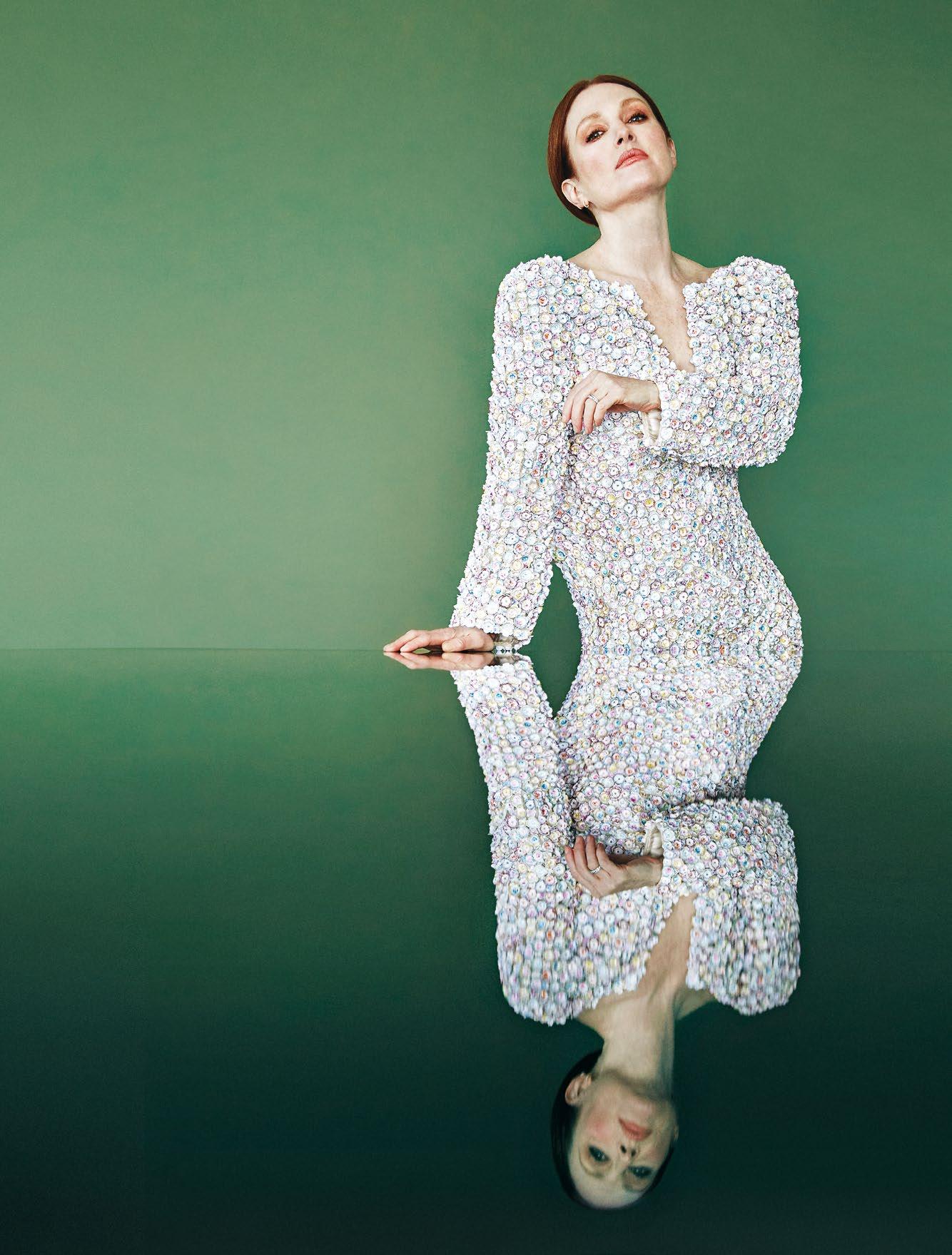
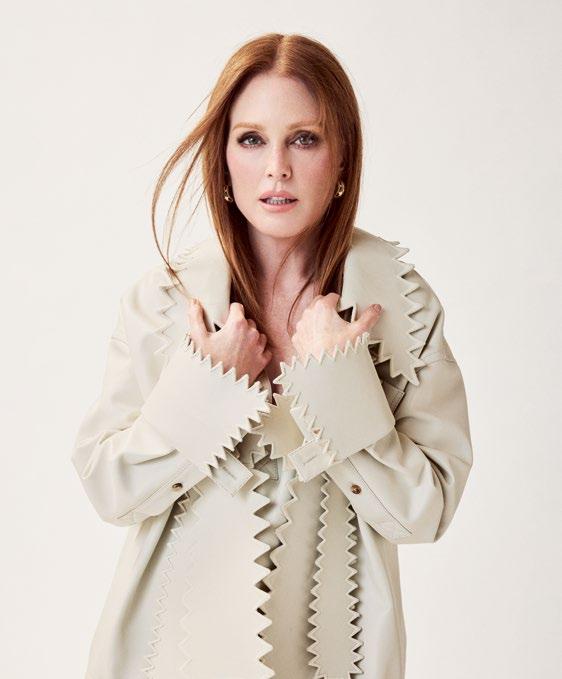
Julianne Moore
A versatile boundary breaker
Adventure in White Expedition to Antarctica
Hôtel Costes
Christian Liaigre‘s fnal masterpiece
Thaddaeus Ropac
Exclusive interview with the celebrated art dealer
No. 1/26
DECEMBER / JANUARY / FEBRUARY
Dear Reader,
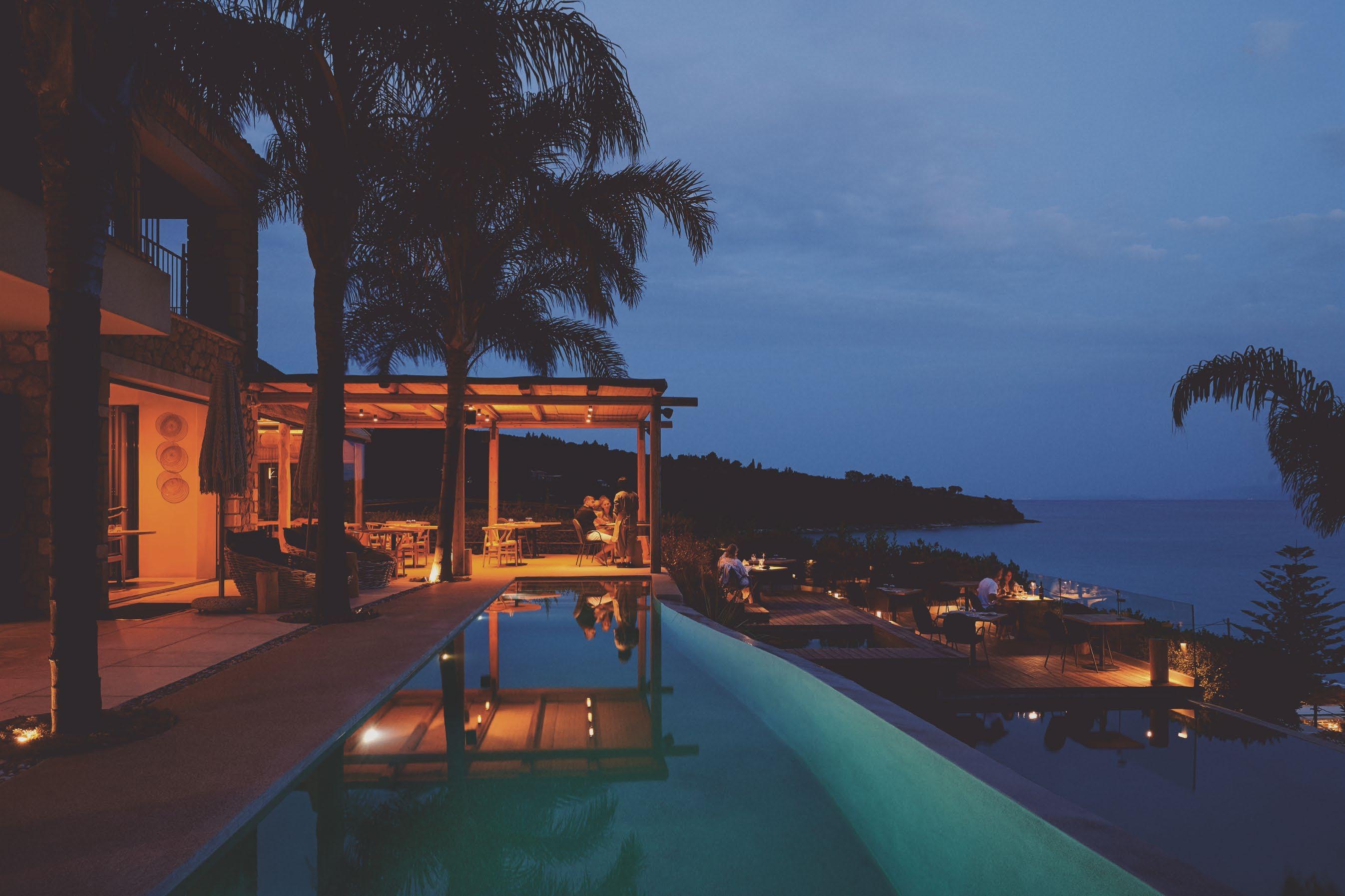
In the world of real estate, glamour means far more than exquisite materials and privileged locations. It is the art of creating spaces that tell stories – places that enchant with every detail.
Be it the historic townhouse with ornate stucco ceilings, the villa by the sea where sunlight casts golden refections across marble foors, or the modern penthouse whose panoramic windows frame the city lights like a jewel. Elegance here is not a mere accessory, but an attitude – a way of deliberately staging beauty.
With this issue, we invite you to immerse yourself in a world where architecture and interior design set the stage for extraordinary moments. We present to you properties that captivate through their location, their features, and above all, their unmistakable aura. They are venues for celebrations, encounters and lasting memories. For true radiance unfolds where spaces transform into experiences.
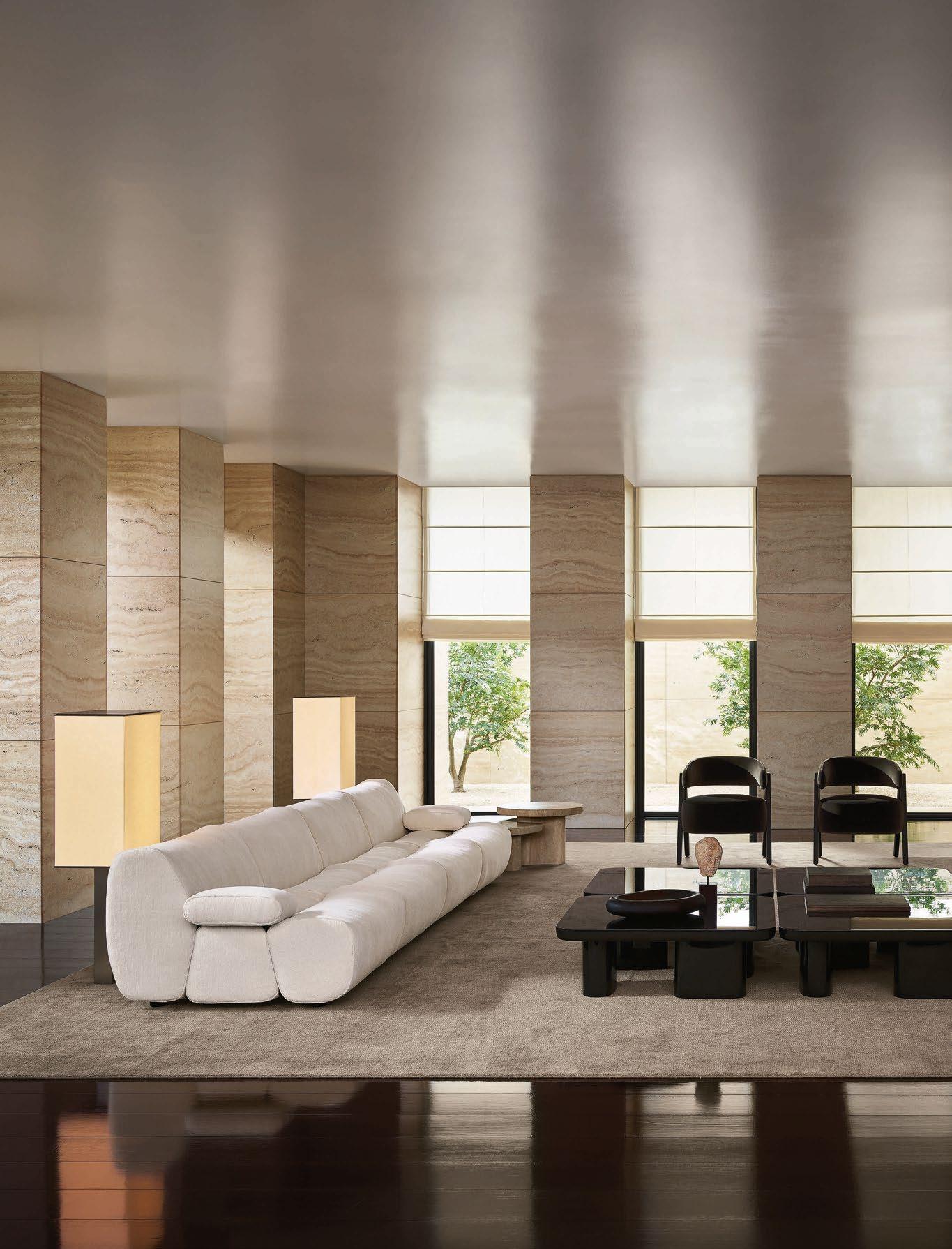
Winter, with its long nights and festive occasions, is the perfect time to savor the joys of home. The sparkle of lights, elegant dinners, music echoing beneath high ceilings – together they create that special atmosphere we cherish. It is about celebrating the extraordinary in everyday life and crafting beauty that inspires.
Allow yourself to be moved by stories that remind us: Elegance always carries within it a promise – of beauty, joy and a touch of timelessness. Its magic holds the power to make us forget time itself, if only for a moment.
Sincerely,
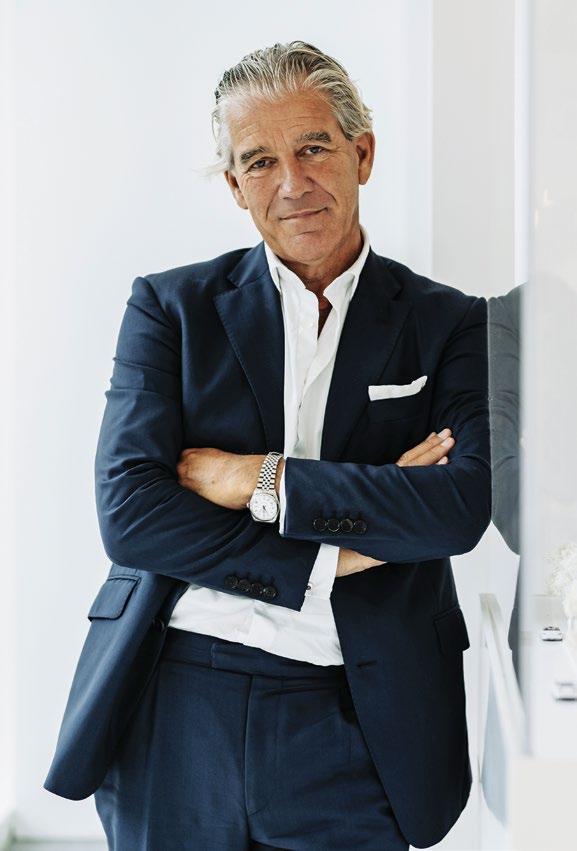
Christian Völkers Publisher



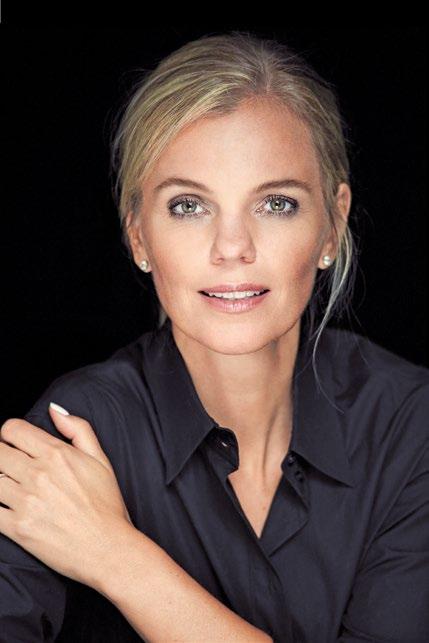
Glamorous!
We are delighted to present you with a winter issue that perfectly complements the festive season. Be enchanted by Academy Award winner Julianne Moore, who continues to set new standards in Hollywood with her sensitive and empathetic performances. Christian Aust has met the American actress countless times and written a portrait of the timelessly elegant star for us. The fnal major project of the iconic interior designer Christian Liaigre, before his much too early passing, was the new wing of the Hôtel Costes in Paris. Steff Kammerer researched the background for you and recalls one of the most infuential and widely copied designers of our time. Meet Thaddaeus Ropac, one of today’s most infuential gallerists. You will fnd Sven Michaelsen’s interview with him starting on page 56. Be inspired to embark on an extraordinary journey with the highest level of comfort: to Antarctica. Starting on page 30, I share my impressions from a three-week voyage aboard the Hanseatic Nature into the eternal ice. And should you, after the indulgent festive days, feel the need to give your body and soul a restorative break, I warmly recommend the Medical Health Resort Vivamayr at Lake Wörthersee. You can fnd my personal impressions beginning on page 64. And one last note on my own behalf: After twenty years as editor-in-chief of GG, I have decided to devote myself to new endeavors. With gratitude and humility, I close this chapter with you. It has been a privilege and a great pleasure.
Enjoy your read!

Michaela Cordes
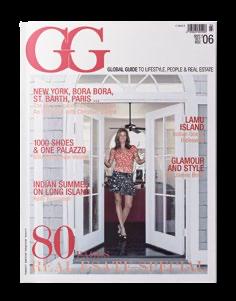
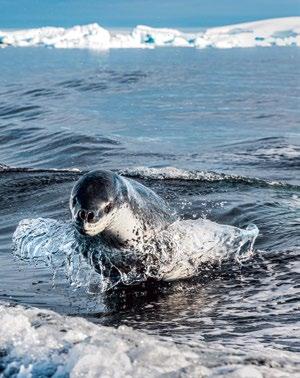
80 issues of GG in 20 years. Above left: my very frst GG issue with lifestyle author Kelly Killoren Bensimon on the cover. Right: My expedition trip to Antarctica was an unforgettable experience. With countless wildlife sightings like leopard seals hunting for penguins.
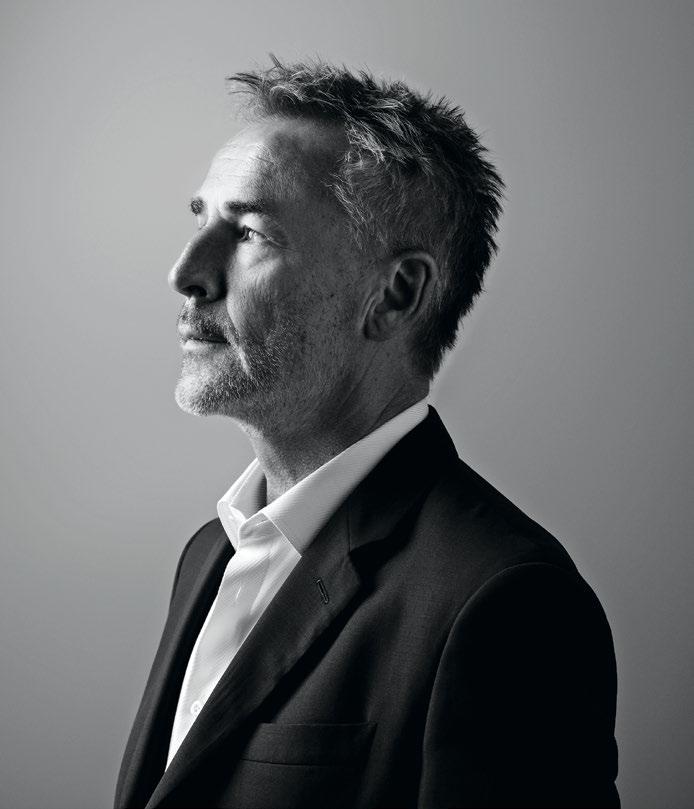
Sven Michaelsen
The Hamburg-based writer is regarded as one of Germany’s foremost interviewers, known for his in-depth conversations with some of the most prominent figures of our time. Twice awarded the Deutscher Reporterpreis for journalistic excellence, he traveled to Salzburg to meet Thaddaeus Ropac, one of the world’s most influential gallerists. The Austrian art dealer represents artists such as Anselm Kiefer and Georg Baselitz, as well as the estates of Joseph Beuys and Andy Warhol (page &6).
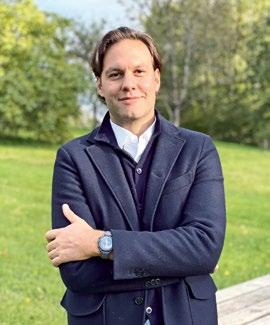
Maximilian Stamm
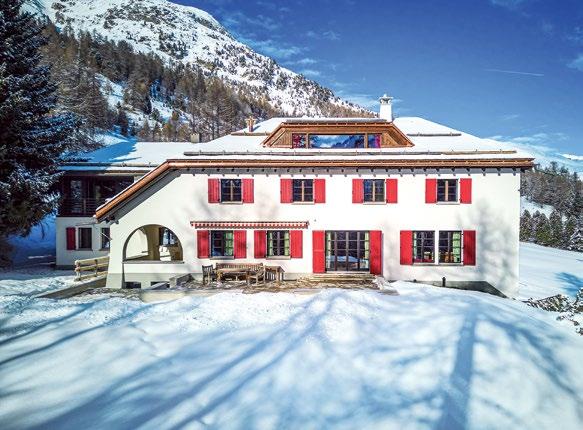
In early 2024, Maximilian Stamm took over as managing director of Engel & Völkers St. Moritz. An alumnus of Switzerland’s elite Lyceum Alpinum Zuoz, he is exceptionally well connected in the Engadine. Among his responsibilities is the exclusive rental of the Sachs family estate (“For Sale,” page 70). Previously, he led the E&V Private O ffice for Europe, Middle East and Africa.
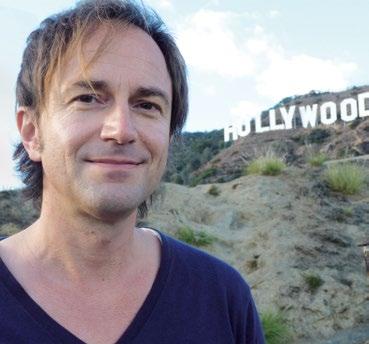
Christian Aust
The journalist and podcaster has been interviewing international film stars for many years, including for the German daily Frankfurter Allgemeine Zeitung. Over the course of his career, Christian Aust has spoken with Julianne Moore on several occasions (Cover Story, page 40). “An extraordinary woman,” he says, “both on and o( the screen.”
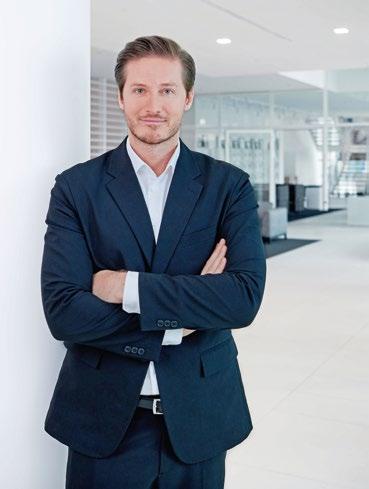
Aleksandar Rakinic
Aleksandar Rakinic is head of global marketing at Engel & Völkers and a valued source of inspiration for the editors of GG Magazine. A business economist and lifestyle expert from Berlin, he previously worked in online retail and the fitness industry before helping to establish Heimat, the exclusive private members’ club in Los Angeles.

178 PERSONA L Freshly refurbished in Basel: The venerable Les Trois Rois grand hotel shines with new splendor.
56 THADDAEUS ROPAC From Beuys to Rauschenberg: The Salzburg-based gallerist represents 76 artists and their estates on three continents.
64 VIVAMAYR The Medical Health Resort on Austria's Lake Wörthersee offers a holistic reset guided by doctors. Its loyal following extends all the way to Hollywood.
PLAYGROUND
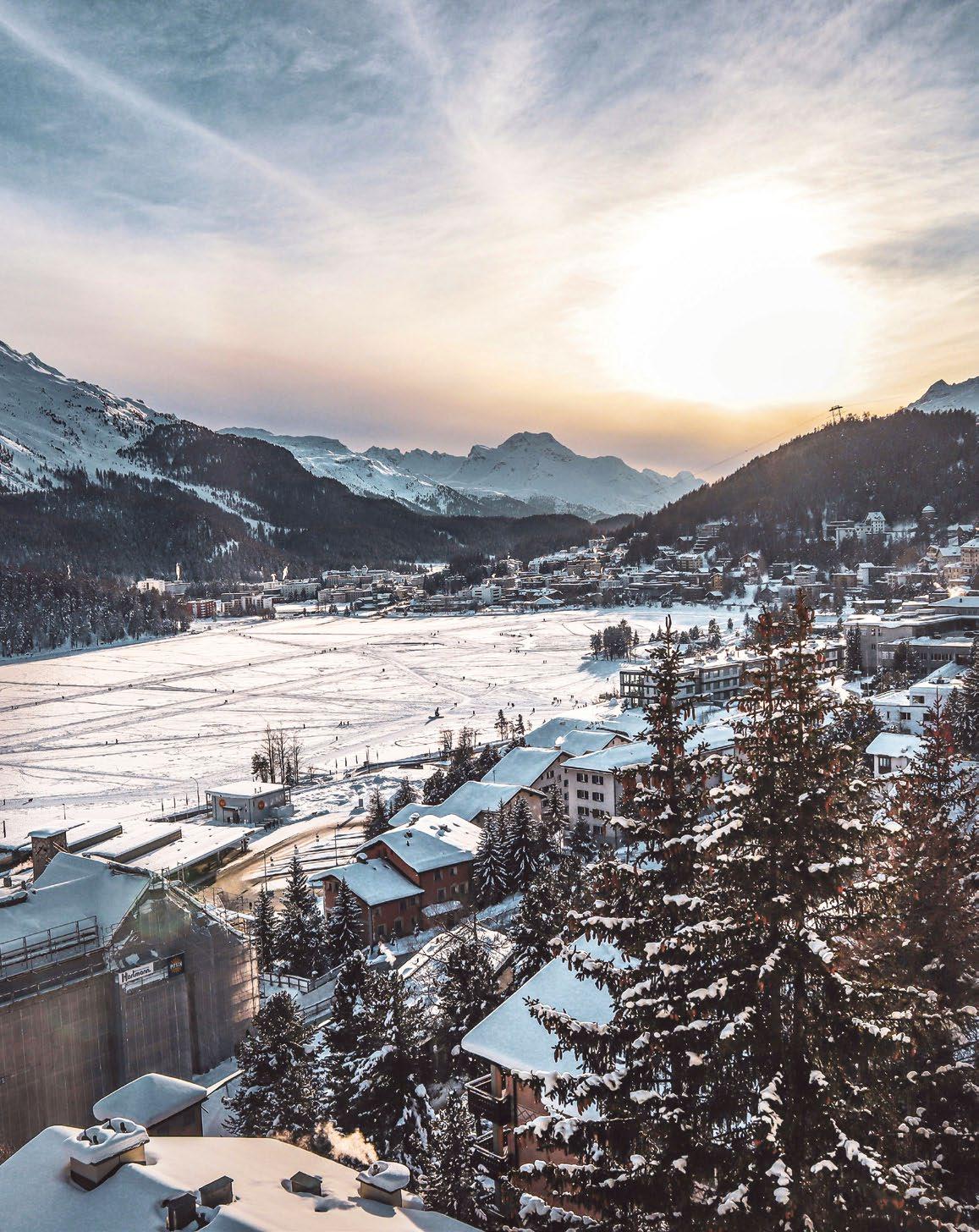
Glamour in the Alps
St. Moritz is an international stage for style, sports and society. Take a journey through landmarks and vibrant meeting places, all set against a backdrop of breathtaking Alpine views.
BY FEMKE MALEEN FRITZ
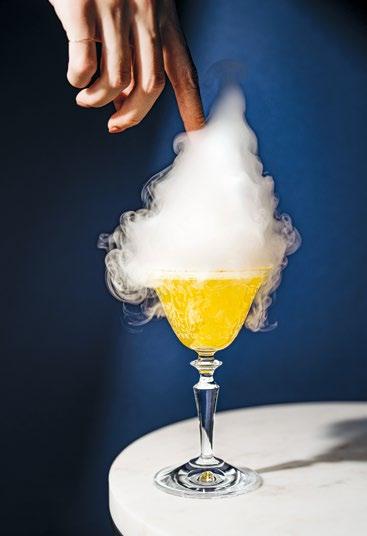
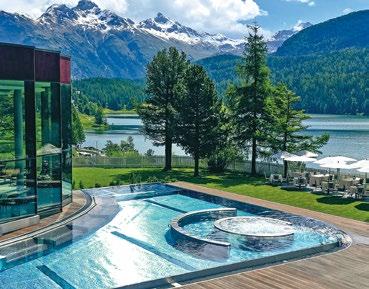
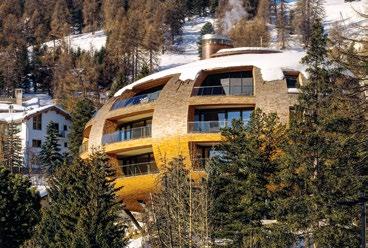
1 INDULGE Caviar and oysters go well with the exceptional cocktails served at the Grace Hotel’s N/5 – The Bar. 2 UNWIND In winter, the heated outdoor pool at the legendary Badrutt’s Palace invites you to swim in the open air. 3 TRADITION
The Snow Polo World Cup, considered the most prestigious tournament of its kind, took place here for the first time in 1985. 4 FUTURE Norman Foster’s environmentally sensitive Chesa Futura building combines modern technology with traditional timber construction.
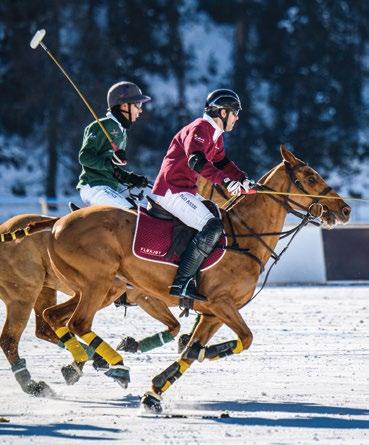
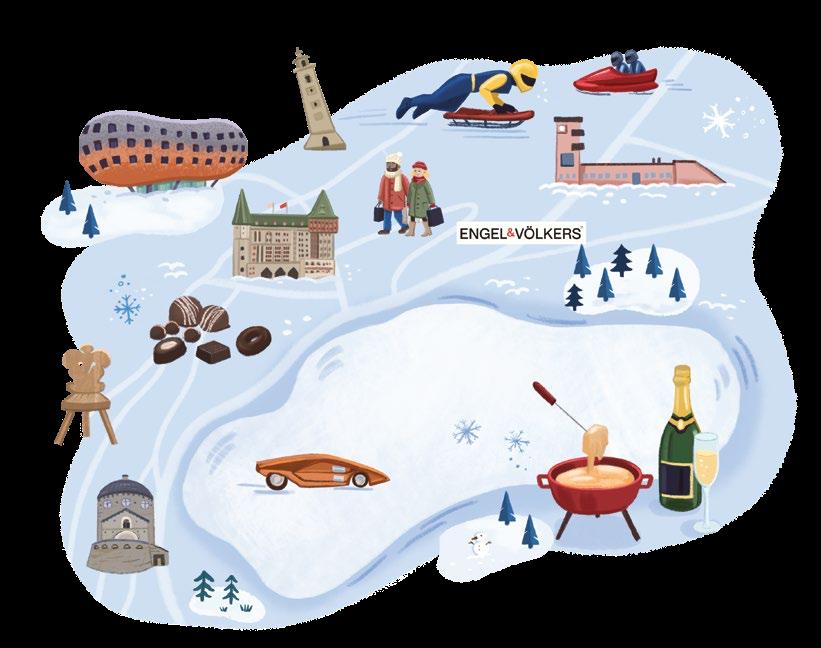
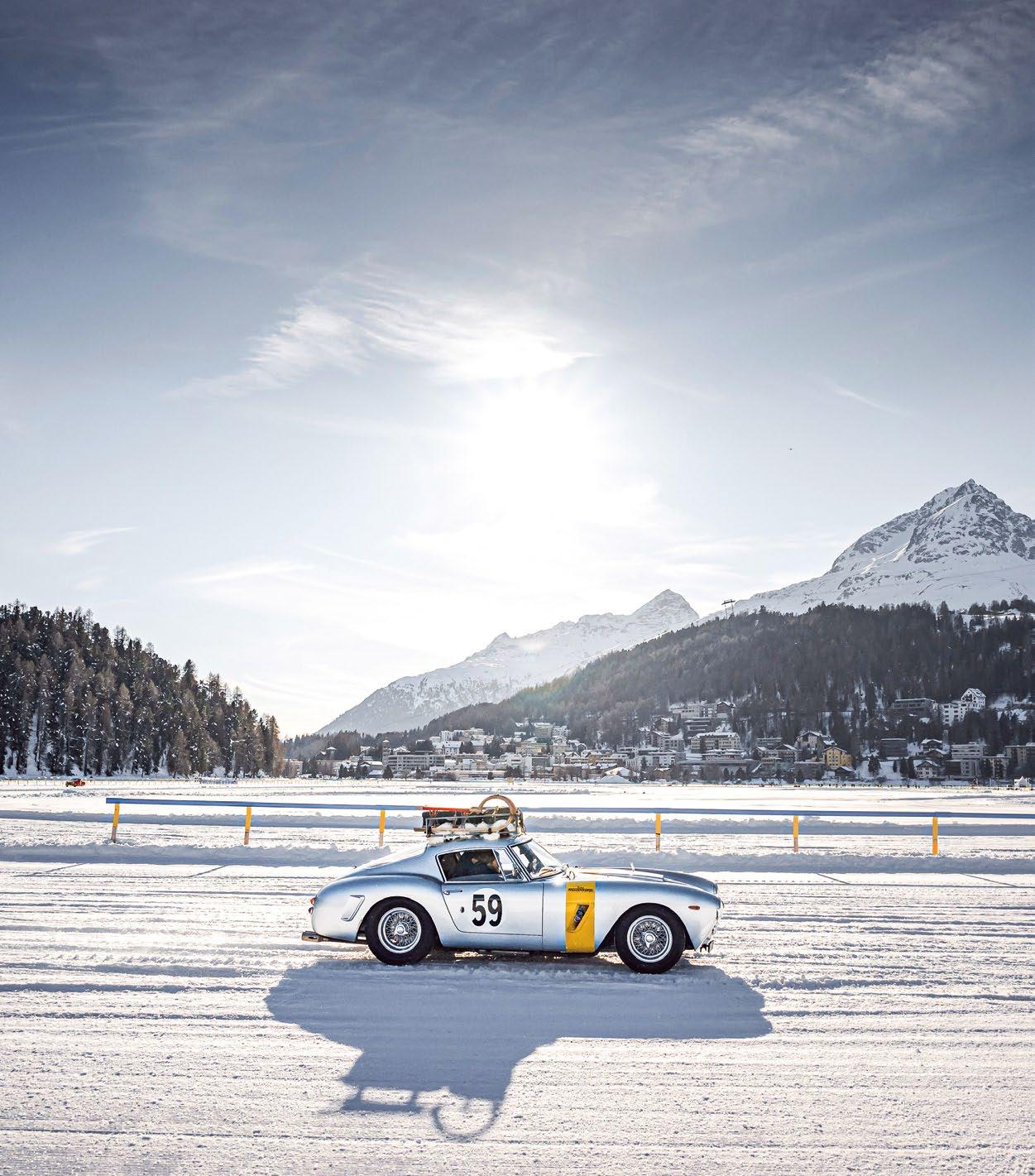
he mountain village in the Engadine region combines fine design, sophisticated sports events and avant-garde cuisine. True cosmopolitan charm is rare, yet it thrives here, in the birthplace of winter tourism more than 150 years ago. Today, the frozen Lake St. Moritz provides the stage for special events, such as the Snow Polo World Cup, the White Turf and the famous International Concours of Elegance classic car show, where classic and racing cars glide gracefully across the ice against a breathtaking mountain backdrop. The emphasis here is not on competition, but on celebrating the timeless elegance of historic cars.
After conquering the perfectly groomed slopes of Corviglia in the morning, continue the adventure at Lunch & Dance in the White Marmot restaurant, where you can sip champagne and take in panoramic views while dancing in your ski boots to the music of top DJs. Another must-visit is Paradiso, where sun loungers, cuddly blankets and seafood platters transform your lunch break into an exclusive experience in the snow. Away from the slopes, the town center buzzes with energy as haute couture, modern art and alpine elegance converge. Although Via Serlas is just a few hundred meters long, it rivals the world’s most luxurious shopping streets with its high-end boutiques including Dior, Gucci, Louis Vuitton and Bvlgari. If your preference is for slow fashion with a local flair, you’ll find it at the Engadine brand Lokomotive OOO. The Super Mountain Market sells handcrafted furniture, art and clothing from the region.
In addition to classics like the Engadine Museum, founded in 1906, the town’s renowned galleries provide a rich source of cultural stimulation. Hauser & Wirth and the Vito Schnabel
Gallery showcase international artists o&ering new perspectives on the Alpine region. The town’s hotels set the standard for luxury, none more so than the iconic Badrutt’s Palace Hotel, whose dramatic spire welcomes visitors from the train station. For guests arriving on the hotel’s own airline, Palace in the Air, the experience of indulgence begins long before you check in.
Even after the sun goes down, St. Moritz sparkles with life, from exclusive bars and lounges to stylish clubs. The Sunny Bar at the Kulm Hotel is a popular spot for locals, creatives and international guests. Founded by Gunter Sachs, the Dracula Club elevates exclusivity to an art form. This legendary, eternally youthful retreat admits only a select, hand-picked clientele. Plaun da Lej, a quiet hamlet on Lake Sils, is about a twenty-minute drive from St. Moritz. “In addition to a sauna with a view of the lake and the option of an ice bath, you can enjoy the famous seafood cuisine here,” says Maximilian Stamm, a license partner at Engel & Völkers Wohnen Schweiz AG. St. Moritz thrives not on nostalgia but on the seamless fusion of tradition and innovation. Set against its breathtaking backdrop, elegance is both preserved and reimagined, turning the streets and slopes into a continuous catwalk.

St. Moritz
Hanselmann Badrutt's Palace
Alpine treasures
Million Dollar View
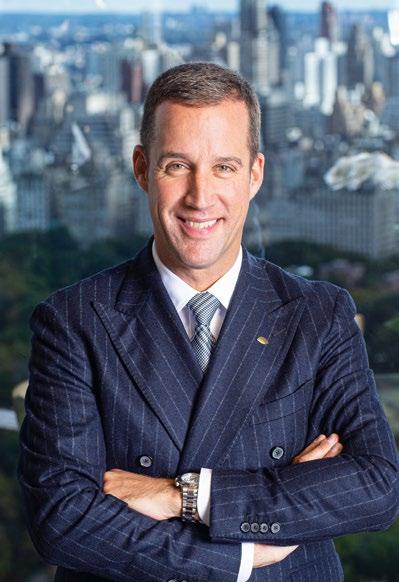
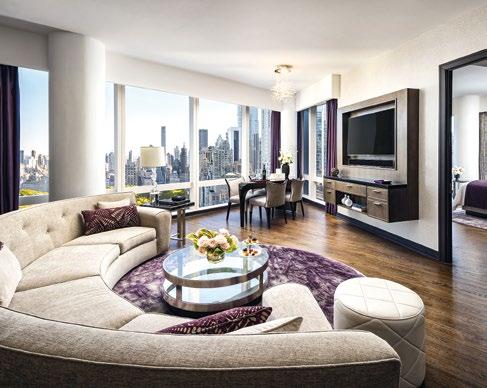
One of the city’s best hotels, the Mandarin Oriental, New York regularly attracts prominent guests. A conversation with General Manager Marcel Thoma about the iconic establishment and unforgettable moments.
You’ve been in the international luxury hospitality business for more than 25 years – what essential qualities are required to meet the expectations of the world’s most discerning clientele?
In New York, average rates for luxury hotels are in the four-digit range. Every guest who walks through our door has a very clear idea of what they are looking for in the way of service, treatment and value for money. The competition is tremendous. Our guests have stayed at the finest hotels around the world and can make the comparison. We provide our sta ff with lots of training and also daily drills to make sure they are able to meet guests’ high standards and fulfill their expectations.
How does the Mandarin Oriental set itself apart in the ultra- luxury segment?
Our hotel in New York has just celebrated its 22nd anniversary and is situated in an outstanding location. It’s extraordinarily well positioned due to the fine views it offers, the Oriental service and our philosophy for receiving guests that we adhere
to worldwide. Compared to other luxury hotels, we also have incredibly large rooms and bathrooms.
What does glamour mean to you personally, and to your guests?
Many of our hotels embody the term – perhaps none more so than our flagship hotel in Bangkok. You notice it the moment your enter: the distinctive scent, the highly attentive sta ff, harmonious color scheme and unique atmosphere. The glamour is also provided by our guests themselves, of course, who help to make the elegance come alive. Architecturally, our building in Manhattan has a strong character, it’s quite timeless. You constantly run into film stars here, but it’s really about the guests: Their very presence imbues the hotel with glamour. It’s a wonderful place to work, you never know who you’ll meet. For instance Tailor Swift, who recently stopped for dinner.
Are there any famous celebrities who regularly stay at the hotel?
Of course, but we prefer to handle such information with
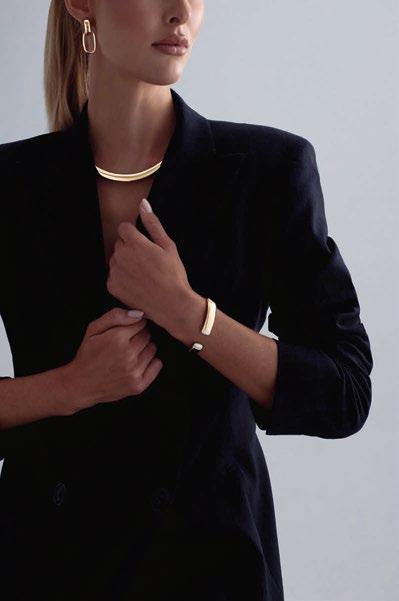




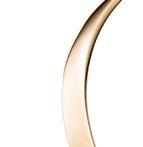


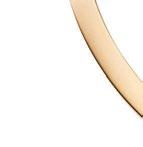
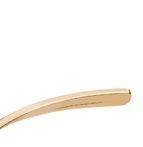


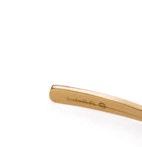











The secret of this flexibility is not, as usual, another material inside the jewellery pieces. There are no titanium, steel, or springs involved. The jewellery is crafted by hand exclusively from 18-karat gold in the atelier in Eisingen. Using traditional goldsmithing techniques and old tools, an almost invisible open seam is forged into the inside of the jewellery pieces. This makes them the springs themselves.
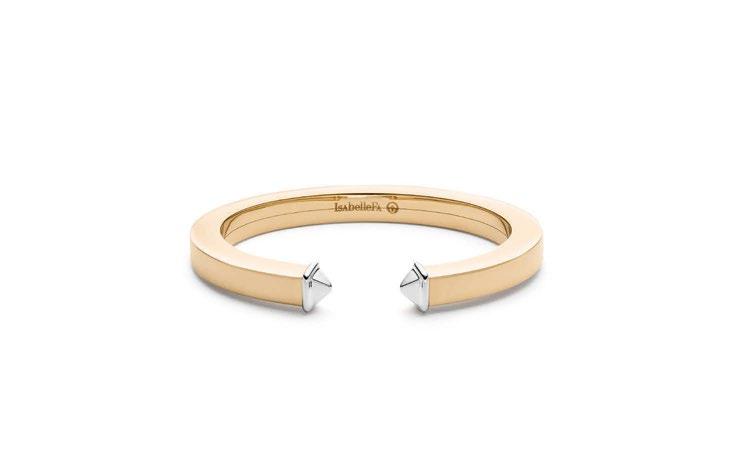
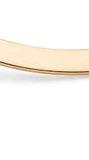


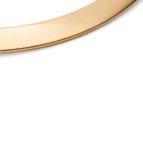
In 2004, Is�belleF� presented the first jewellery pieces from its now iconic Flix.Flex collection. The name symbolises flexible collars and bangles handcrafted from 18-karat gold only, all of which can be opened by bending them diagonally, allowing them to be easily slipped over the wrist or around the neck.
The Flix.Flex collars and bangles are available in various minimalistic designs, offering a range of styling options. They can also be set with a radiant white or champagne-coloured diamond pavé.
Is�belleF� creates only a few hundred pieces of jewellery per year and sets global standards with unique handcrafted collars, bangles and chains.

d iscretion. Some are part of our official fan campaign, like the Hollywood actor Michelle Yeoh. New York is an international city where things are happening all the time. Hollywood is right around the corner. The celebrities who stay with us want to be treated normally and receive the same service as anyone else. It’s why they come here and the reason they stay. That’s what’s important, I think: for things to appear normal, although they really aren’t.
When the hotel opened in 2003 the New York Times drew particular attention to the hotel’s spectacular ballroom. What sorts of prestigious events take place there?
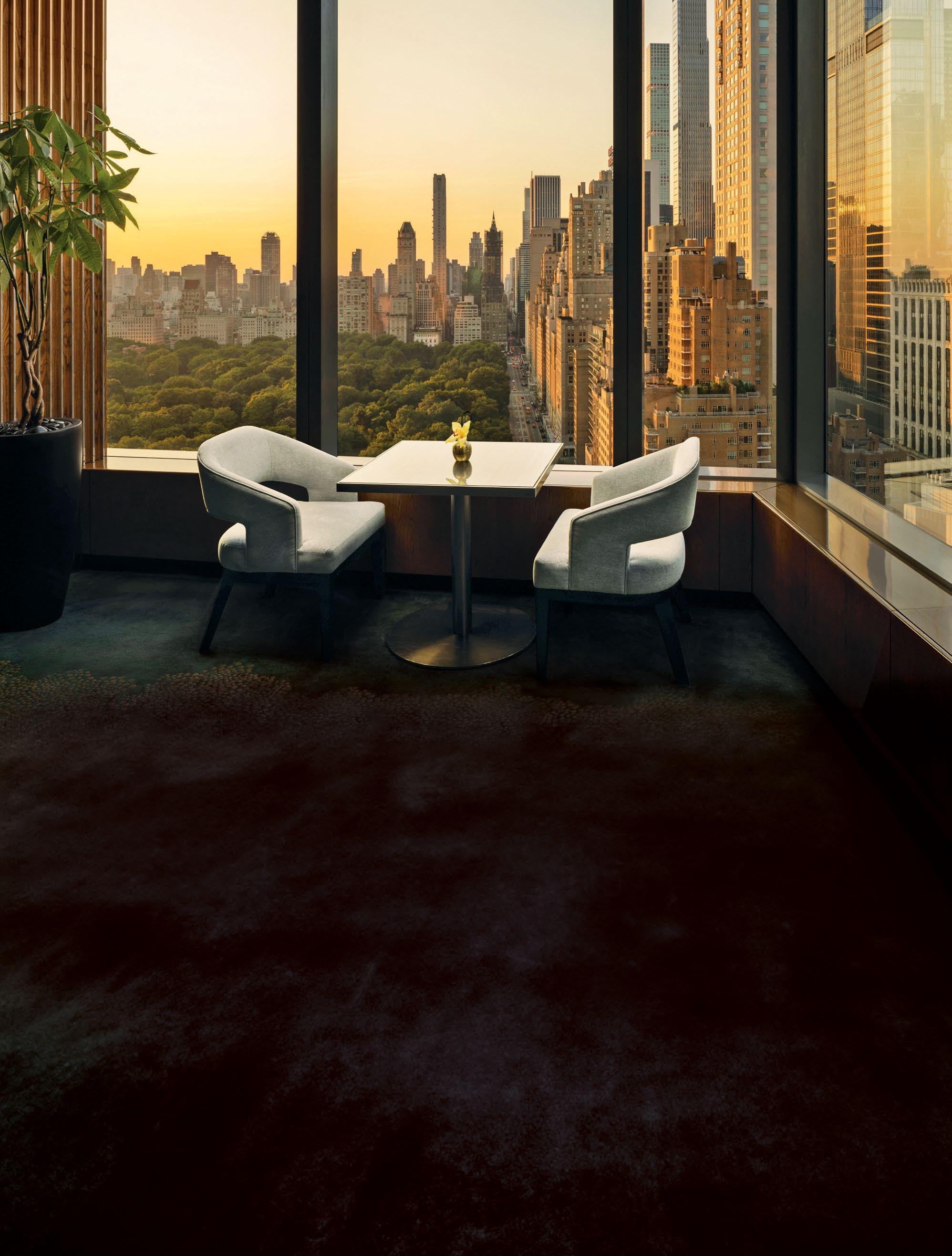
The ballroom on the 36th floor has a fantastic view over the city and Central Park – there are not many spaces as impressive. We’re among the top hotels when it comes to hosting business events, celebrations and charity events. In the run-up to the U.S. election, we also hosted a large number of political events. Former presidents Bill Clinton and Barack Obama both spoke here. Our hotel is equally popular with both political parties, in fact.
Can you name a particularly memorable event?
Not long ago we hosted a huge wedding at the hotel with 500 guests, it was fantastic. And during the Met Gala, the daughter of Mukesh Ambani – our majority stakeholder and the wealthiest man in Asia – presented her jewelry collection here. Her close friend, the famous Bollywood
Shah Rukh Khan, was at the hotel too – which drew an enormous amount of attention.
What kinds of special wishes do you fulfill?
It’s not so much about a particular item in the room. Some guests request a private chef or a specific meal. But these days, the most important things are privacy and security. People want to feel comfortable and not be disturbed.
All of the 244 rooms and suites have a view of either the Hudson River or Central Park, and their design blends the Mandarin Oriental’s Asian roots with Western style. How do your guests experience this dual identity?
The hotel’s double heritage is reflected in many di fferent ways. It’s in the service, in the way we train our sta ff. It’s all about understatement here, quiet luxury and really listening to our guests. It’s in the unobtrusive way that we deliver things, the precision, the way we craft a guest’s experience from when they make the reservation to when they check out. Our cultural diversity is also reflected in the packages we offer. We celebrate Thanksgiving, we celebrate Christmas, Jewish holidays and Hindu festivals.
Which part of the hotel is your favorite?
Definitely the MO Lounge on the 35th floor with its views across the entire city. The sunset is particularly spectacular.


actor
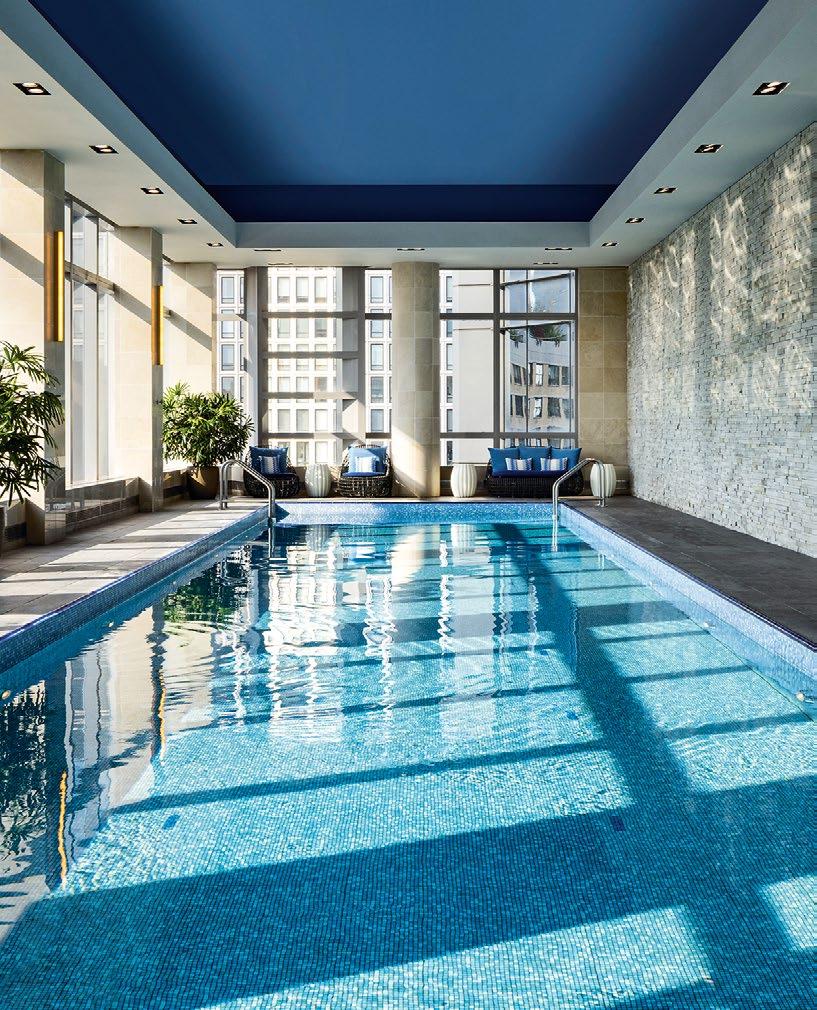
Marcel Thoma has been in charge at the luxury hotel since October 2023. The highlight of the spa area on the 35th foor is a 75-foot pool with a stunning view over the Hudson River.
TERRAZZO
A WORD FROM THE GROUP CEO
Between grandeur and happiness: luxury in transition
Luxury has always reflected its time – an expression of social trends, economic shifts and personal identity. But it has never undergone the multifaceted and dynamic change we are witnessing today. In past decades, luxury was defined by opulent status symbols, but a quiet, almost silent revolution is now reshaping its meaning. Modern definitions of luxury are moving beyond the simple display of material value and toward more idealistic dimensions like purpose, authenticity and wellbeing. Today, luxury can be found just as much in the tranquility of a Mediterranean retreat as in the knowledge that you are advancing the cause of sustainability and social responsibility. As my countless conversations with our advisors and customers throughout the world have confirmed, purpose and well-being have now become the currencies of the a ffl uent lifestyle.
Luxury is a global cultural phenomenon, yet its expression varies significantly across regions. In Central Europe, luxury is often subtle and understated, celebrated through the quality of materials, rare craftsmanship, the tranquility of a landscape or the privacy of a discreet estate. In the United States and Middle East in contrast, exclusivity is often defined through more visible displays, such as striking architecture, spectacular automobiles
or glittering presentations. Despite these di ff erences, both are expressions of a fundamental human desire: to make the extraordinary visible and tangible. For decades, Engel & Völkers has been a leader in this area. As the world’s leading agency for exclusive real estate, we don’t just specialize in beautiful and rare properties; we also understand the many forms that luxury and exclusivity can take. Our clients, including international personalities, entrepreneurs and family o ffi ces, trust our expertise when it comes to finding exceptional retreats and investment properties – whether it’s a villa on the Côte d’Azur, a Malibu residence with ocean views, a Tuscan estate or a secluded, snowcovered mountain retreat. We combine our passion for high-quality living and exceptional architecture with our clients’ individual desire to find a place that is more than just a property, but somewhere that satisfies their unique definition of luxury and exclusivity.
In 200& we established our Private O ffi ce, a specialized unit at Engel & Völkers o ff ering premium, bespoke services to our wealthy clients worldwide. Today’s high-net-worth individuals seeking luxury properties increasingly favor discreet, o ff -market transactions. Our Private O ffi ce combines absolute confidentiality with the highest level of
professionalism and o ff ers clients access to exclusive properties that are never publicly listed. The personal service and global network of our Private O ffi ce advisors meet the highest standards of trust, discretion and operational excellence. This is how I understand modern luxury: not as a loud demonstration, but as a conscious decision in favor of what makes life richer, deeper and more fulfilling. Luxury in transition means turning away from superficialities and toward what really matters: quality of life, freedom and well-being. At Engel & Völkers, we want to help shape this development – in some of the world’s most sought-after locations and in dialog with people for whom luxury is not primarily about possessions, but about a way of life.
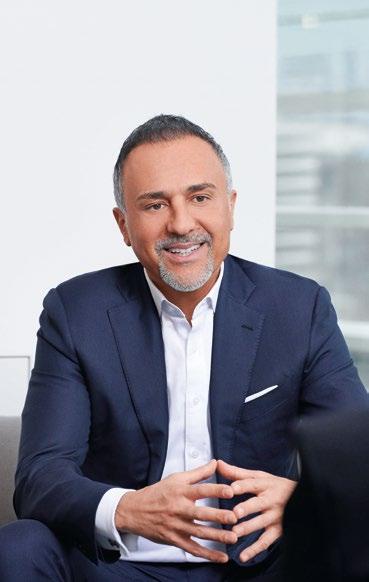
Yours cordially, Jawed Barna Group CEO
The most exclusive winter destinations on the E&V world map
Engel & Völkers is represented in the world’s most prestigious winter destinations – from unique properties in Aspen to elegant chalets in the snow-covered mountains of St. Moritz and luxurious apartments in Kitzbühel. Here are the fve most outstanding winter destinations in the Engel & Völkers network.
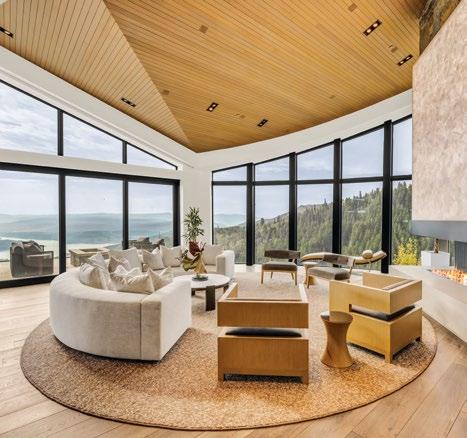
SCENE-STEALING SALE IN THE USA
Engel & Völkers has sold a one-of-a-kind ski property in the mountains of Utah for over $50 million the highest real estate price ever paid in the U.S. state. The property recently featured in the HBO satirical drama “Mountainhead ,” from the creators of “Succession,” starring Steve Carell Its luxury specifcations, which include an indoor basketball court, a climbing wall and a private ski gondola, made it the perfect setting for a show about eccentric tech billionaires.
GLAMOUR FACTOR AT ENGEL & VÖLKERS
The residences of prominent personalities usually remain hidden from public view. But every now and then, the doors open – and Engel & Völkers offers exclusive access to these remarkable homes. Examples include the private estate of actor Margot Robbie (1) in Los Angeles, the exclusive villa of singer Cher on La Gorce Island in Miami, and fashion designer Karl Lagerfeld’s iconic Villa Jako in Hamburg, Germany. These spectacular properties offer a fascinating glimpse into a world of exclusive design and history.
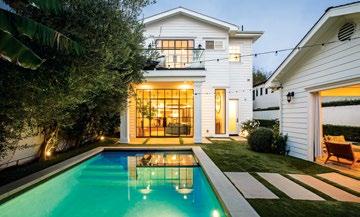
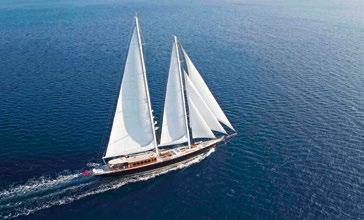
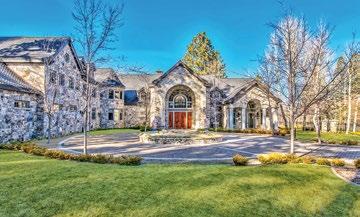
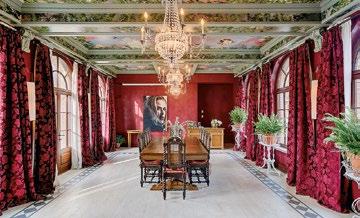
Lights, camera, action! Engel & Völkers regularly brokers exciting properties that serve as backdrops for flm and television. These include the luxurious private island Little Pipe Cay in the Bahamas – seen in “Pirates of the Caribbean” as well as James Bond. The elegant yacht Regina (2) from the Bond flm “Skyfall” is another of the extraordinary backdrops in the Engel & Völkers portfolio. An iconic ranch (3) in the U.S. state of Nevada served as the location for the Western television series “Bonanza,” while the red ballroom of a property listed by Engel & Völkers near Montreal can be seen in the music video for Adele’s song “Easy On Me” (4)
QUESTIONS FOR ... 3
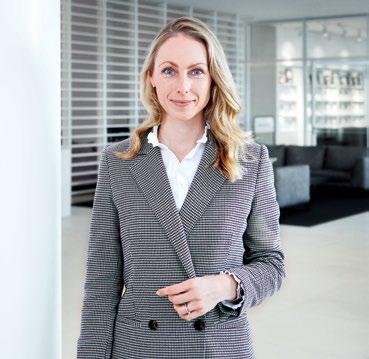
What is Engel & Völkers Private Office?
The Private O ffi ce was established in 2007 to provide bespoke services to buyers and owners of exceptional properties worldwide. Our advisers o ffer a level of expertise, discretion and service that goes well beyond the typical transaction. As a globally connected team, we specialize in meeting the high demands of clients who manage complex, cross-market real estate portfolios.
What do E&V Private Office clients value most of all?
Above all else, our clients demand discretion and a truly personalized service. They also value a transparent and trusting relationship with their advisor. By drawing on our closely integrated global network, we are uniquely equipped to handle even the most challenging transactions and extraordinary properties with e ffi ciency and ease.
What are the current trends in the private office segment?
We are seeing a surge of interest in lifestyle-driven investments, with clients gravitating toward specialized properties such as exclusive vineyards and equestrian estates. We are also seeing a growing emphasis on sustainability and smart technologies. Another notable development is the merging of real estate and fine art, as residences are increasingly being seen not just as homes but as spaces to house art collections, or as architectural masterpieces in their own right.
Lara Michaelsen, Head of Private Offce EMEA at Engel & Völkers
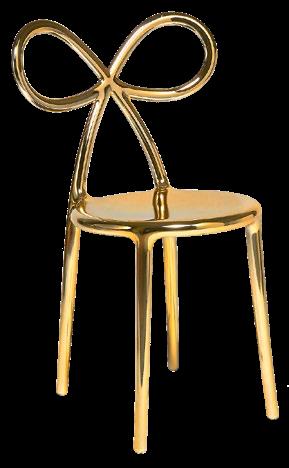
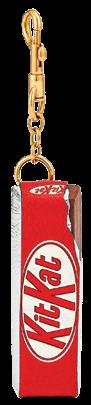
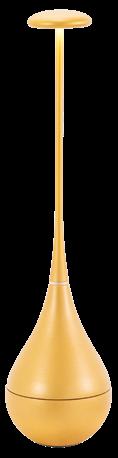
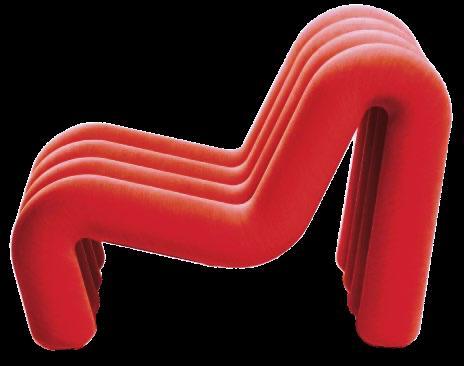
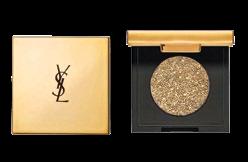
Sparkling Moments
Red and gold add stylish accents – when the temperatures drop, these pieces will imbue their surroundings with a sense of warmth.
1 IRRESISTIBLY REAL The leather KitKat key charm by Anya Hindmarch looks so good it makes you want to take a bite, € 195.
2 DYNAMIC With its rounded base, the table lamp Dondolina by Pio e Tito Toso for Zafferano adds a fun, playful element to lighting € 170.
3 MODULAR The Extra Bold sofa combines design with sustainability and function. By Big-Game & Kvadrat Febrik for Moustache, from € 1,900.
4 GLITTER Adds a touch of glamour: Sequin Crush Mono Eyeshadow – 1 Legendary Gold from Yves Saint Laurent via editorialist.com, $ 33.
5 ROMANTIC The gleaming metallic Ribbon chair by Nika Zupanc for Qeeboo adds femininity to any indoor space, € 518.
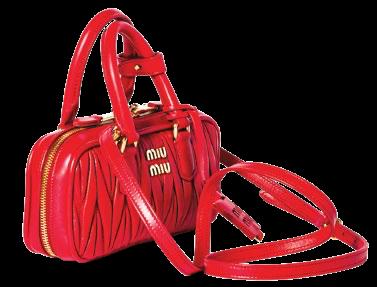
6 EYE-CATCHING The Arcadie leather mini-bag from Miu Miu makes a style statement with its 3D look. A must-have accessory, € 2,050.
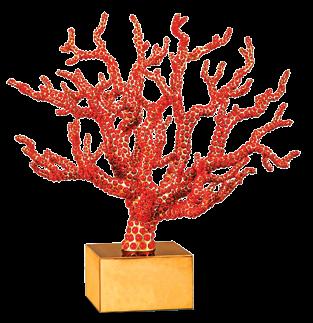
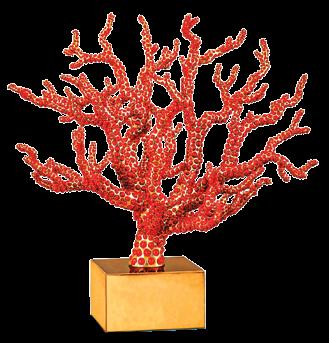
7 ONE-OF-A-KIND Invoking the Mediterranean, the handmade Coral Centerpiece from L‘Objet is set with more than 8,000 red coral cabochons, € 4,500.
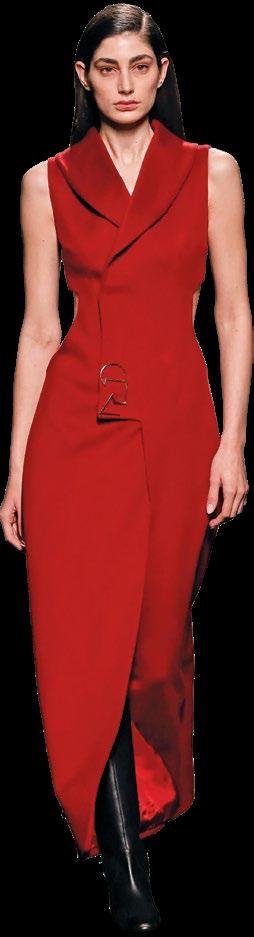
Angel Schlesser: Functional elegance and classic couture come together in a dress with eye-catching asymmetries. From the Fall/Winter 2025/2026 collection.
www.gg-magazine.com

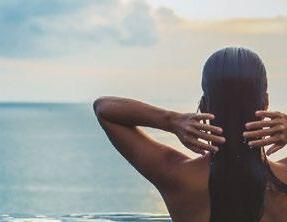


ENJOY YOUR POOL





Experience your personal Ospa moment. Enjoy exceptionally natural pool water thanks to the gentle Ospa disinfection based on pure salt. Ospa-SmartPool technology allows you to conveniently control your pool from anywhere – easily via the WebApp. www.ospa.info




Cool Elegance
Make a bold statement with shimmering metallic and ice-cold chrome contours. The perfect inspiration for a dazzling winter day.
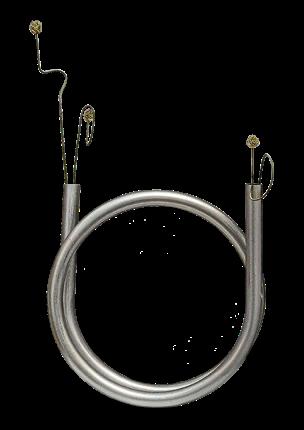
1 CURVACEOUS Vessel is a sculptural steel vase by soft-geometry that has two openings to hold artfully arranged flowers, $925.
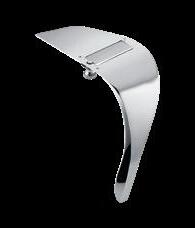
2 PROMISING The rounded Alba truffle slicer from Alessi is comfortable to hold and the perfect accessory for an elegant meal, € 99.
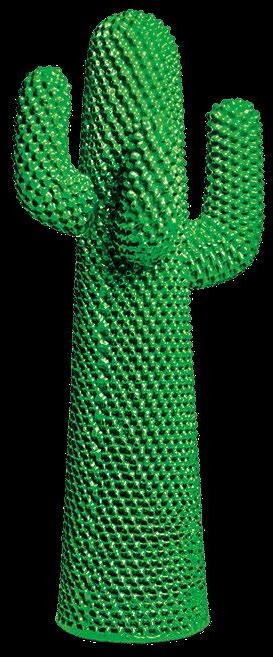
3 ICONIC Tall as a person: Another Green Cactus from Gufram is far more than a coat stand – it’s a work of art in its own right, POR.
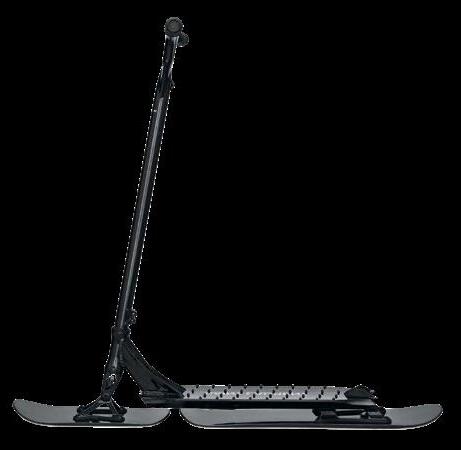
4 SMOOTH The sleek black Eretic Snowscoot from Saint Laurent Rive Droite will send you speeding down the mountain in style, € 1,250.
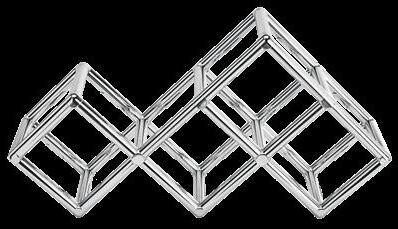
5 TIMELESS The chrome-plated wine rack WK 410 MODULARI from WK Wohnen is an eye-catching piece even without wine bottles, € 610.
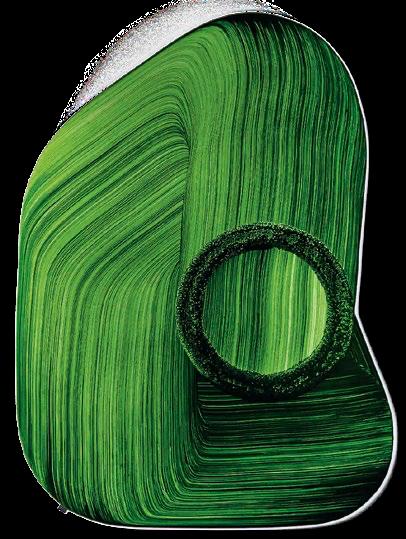
6 OBJET D’ART The wall tapestry Shape Rugs Carpet from Moooi looks intriguingly like a 3D abstract painting, € 2,597.
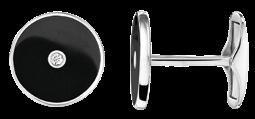
7 SOPHISTICATED Handmade in Antwerp, these platinum cufflinks set with onyx and diamond add a touch of class to any evening outfit. Baunat, € 3,308.
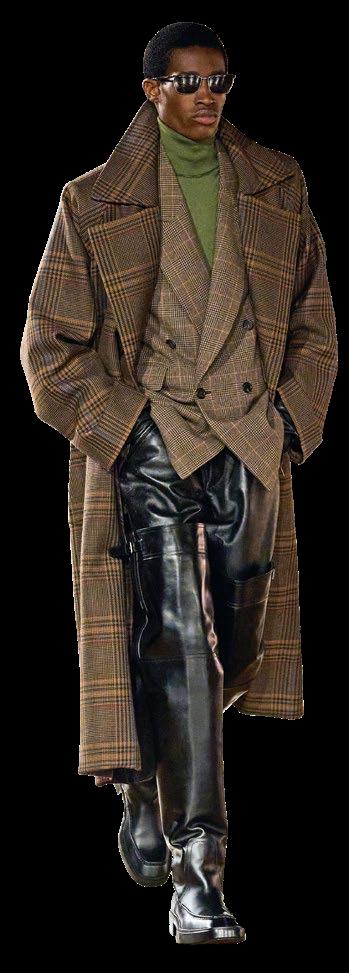
Saint Laurent: Classic plaid meets extravagant leather boots. The Winter 2025/2026 collection by creative director Anthony Vaccarello.

SERIES
The New Look
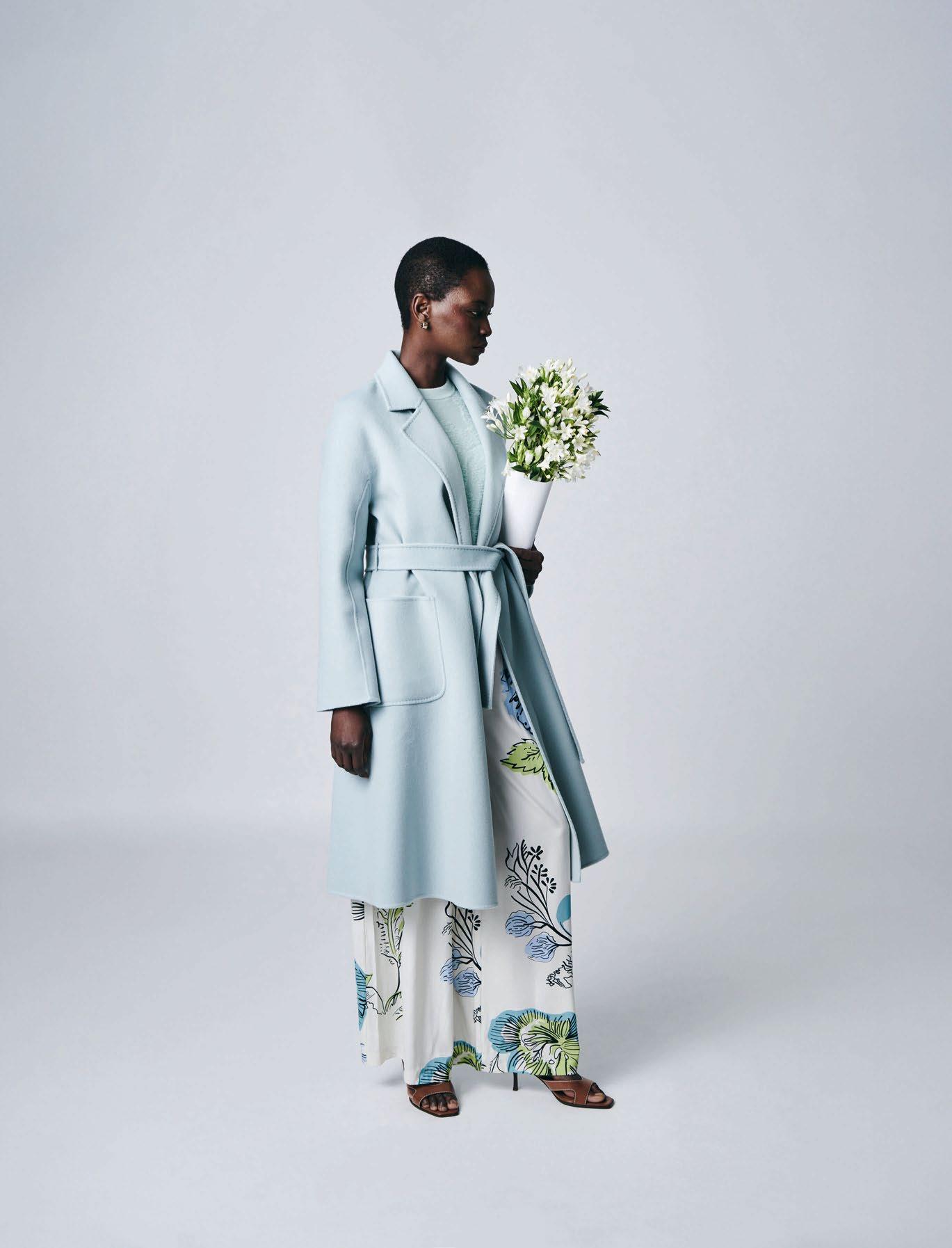
This historical drama series revolves around the rivalry between Christian Dior and Coco Chanel in Paris during and after World War II. Inspired by actual events, it follows the designers as they vie for the top spot in French couture and try to outdo each other with beautiful creations.
Starring Ben Mendelsohn as Christian Dior and Juliette Binoche as Coco Chanel “The New Look” explores how these extraordinary designers left their indelible mark on the fashion industry.
Showrunner: Todd A. Kessler, Apple TV+
BOOK
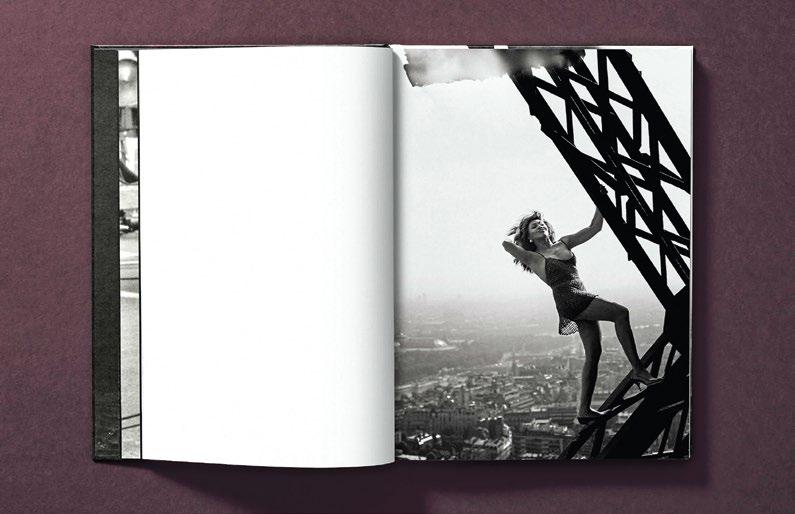
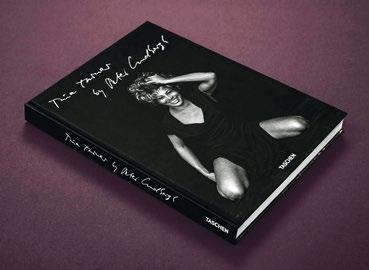
Tina Turner by Peter Lindbergh
A stellar collection of images of the Queen of Rock ‘n‘ Roll. Star photographer Peter Lindbergh, a life-long friend of Tina Turner’s, accompanied the musical icon over many years, capturing her energy both on and off the stage. Singing, dancing, lost in contemplation –Lindbergh’s photographs reveal the real Tina Turner close up. In addition to celebrating her passionate life, this illustrated book is a tribute to the deep bond of friendship that the two artists shared. Erwin Bach, Turner’s husband, introduces the book in a personal preface.
EXPERIENCE SPIRIO
AND A NEW MUSICAL DIMENSION IS YOURS.
“Hollywood is a place where they’ll pay you a thousand dollars for a kiss and fifty cents for your soul.”
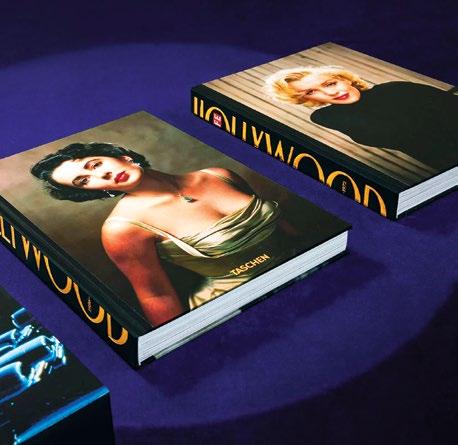
LIFE. Hollywood

Fashion Neurosis
What is style and what’s the connection between fashion and identity? Each week, London fashion designer Bella Freud invites a different guest to join her on her podcast, where celebrities such as Kate Moss, Rick Owens, Cate Blanchett, Lorde and Christian Louboutin all refect seriously on what they wear and why.
LIFE magazine has opened its photo archives. Featuring more than 600 images – more than half of which have never before been published – this two-volume collection pays tribute to the Golden Age of Hollywood and the uninterrupted appeal of cinema legends from Alfred Hitchcock to Brigitte Bardot. A peek onto the set and behind the scenes of lavish parties and Oscar Night celebrations.
Taschen, € 200
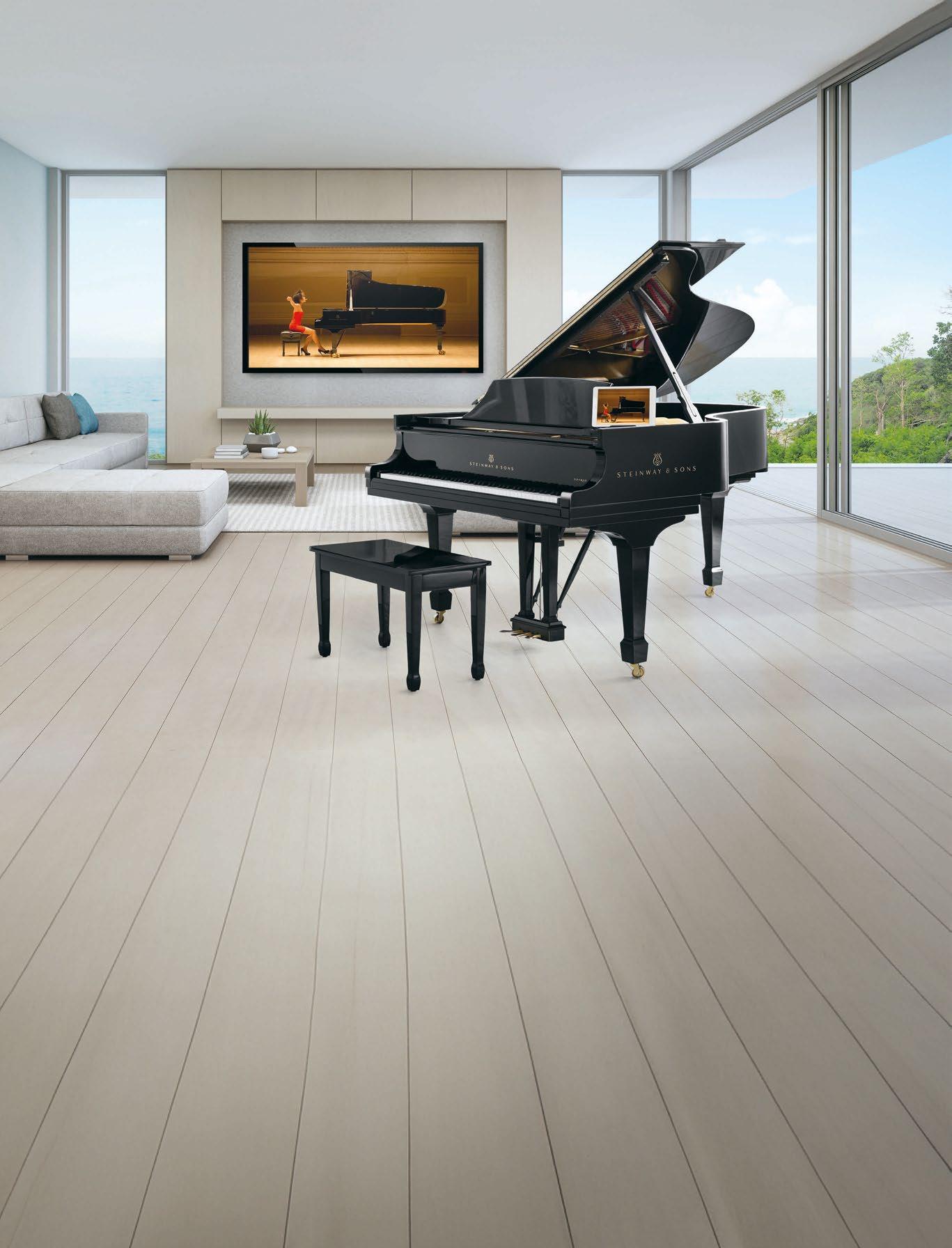
INNOVATIVE HIGH RESOLUTION PLAYER PIANO
With a touch on the included iPad, spirio brings your steinway to life. The library automatically expands monthly and features everything from Bach to George Gershwin to Billy Joel, plus spiriosync videos.
For an even greater musical experience, discover steinway spirio | r enabling recording and editing of performances, connectivity for sharing music and a playback quality that is precise and nuanced.
Erwin Bach, Taschen, € 60
Bella Freud, Spotify/Apple Podcasts
MARILYN MONROE
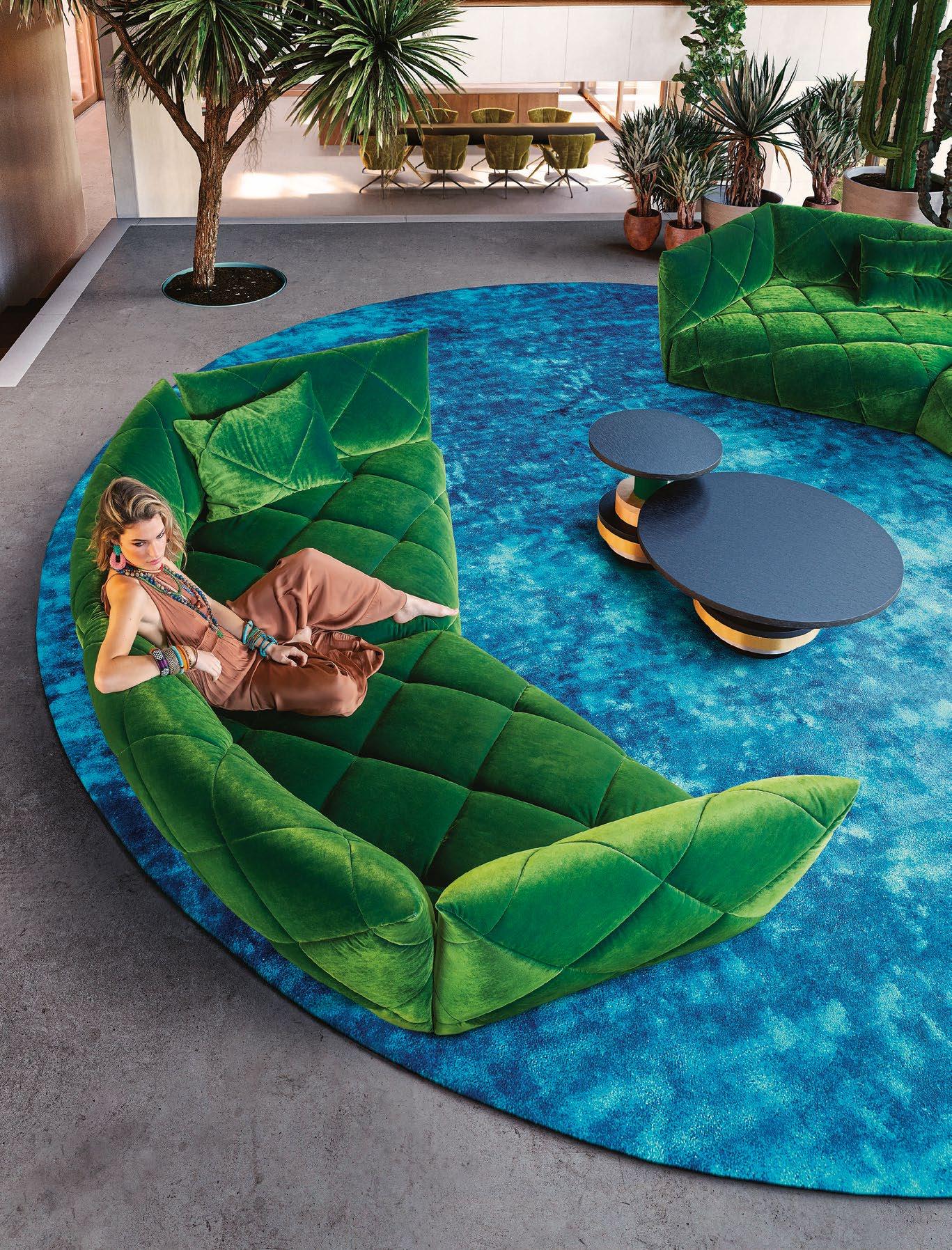
Headquarter: Alexander - Bretz - Straße 2 D-55457 Gensingen
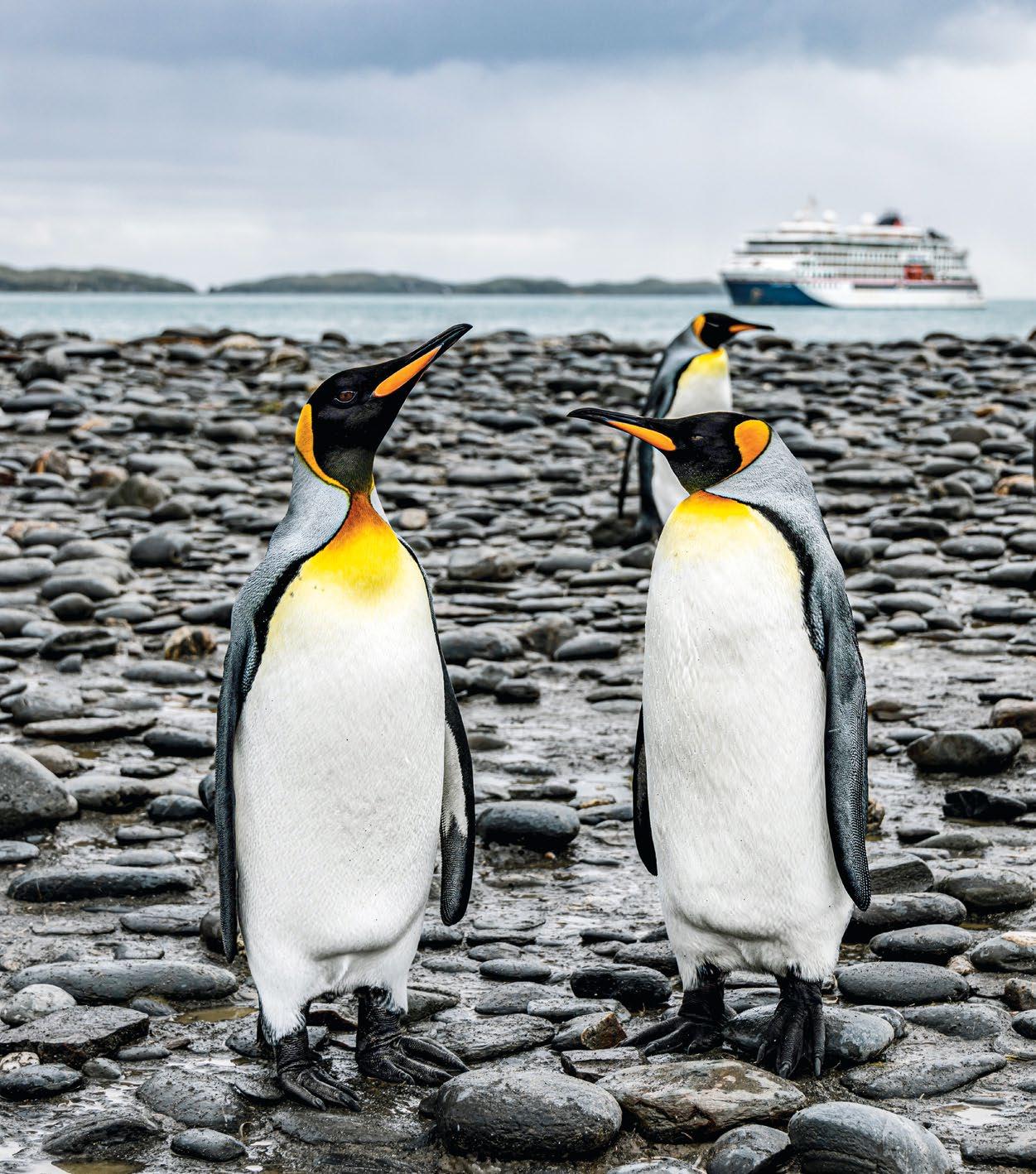
ALL DRESSED UP ...
...like king penguins sporting their finest tails, this issue celebrates elegance and festivity. Discover glamorous personalities, striking interiors and journeys that inspire fresh perspectives.
bretz.de
Flagships: Kantstr. 17, Living Berlin Hohe Str. 1, Dortmund Wilsdruffer Str. 9, Dresden
Grünstr. 15, Düwell Düsseldorf Schäfergasse 50, Frankfurt Große Elbstr. 68, Stilwerk Hamburg Hohenstaufenring 62, Köln Reudnitzer Str. 1, Leipzig Hohenzollernstr. 100, München Hallplatz 37, Nürnberg Königsbau Passagen, Stuttgart Salzgries 2, Wien
Bucket-list adventure Antarctica: Curious penguins are one of the highlights of a Hapag-Lloyd expedition cruise.
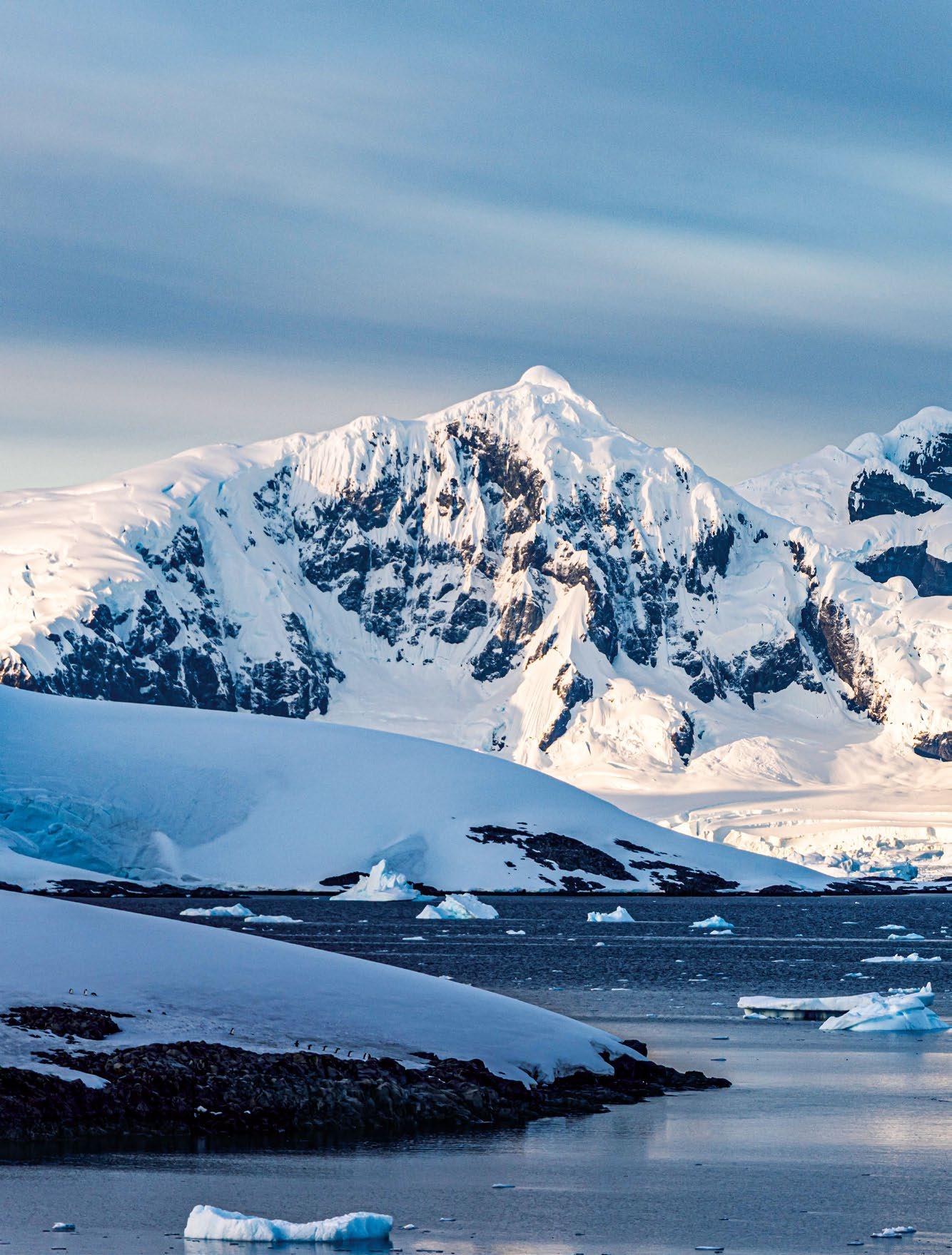
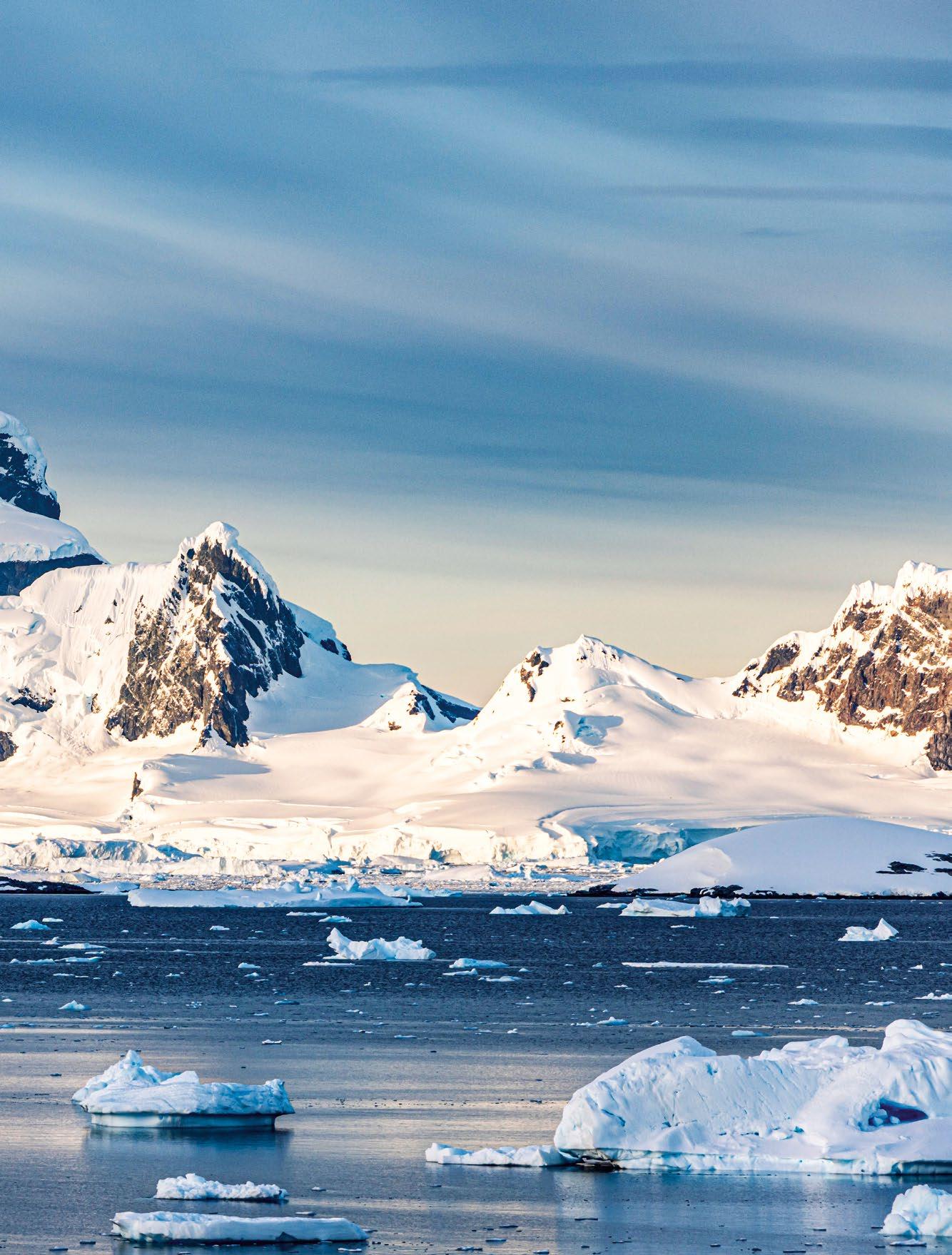
Eternal ice, whales, seals, penguins — and, with a bit of luck, even orcas. Three weeks aboard the expedition ship Hanseatic Nature from Ushuaia to the Antarctic Circle and back — an unforgettable adventure. GG had the exclusive opportunity to join this ultimate bucket-list journey.
BY MICHAELA CORDES
DVENTURE
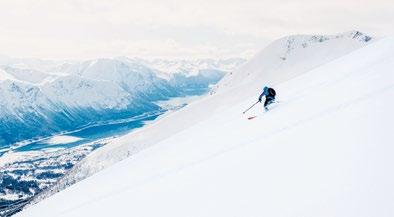
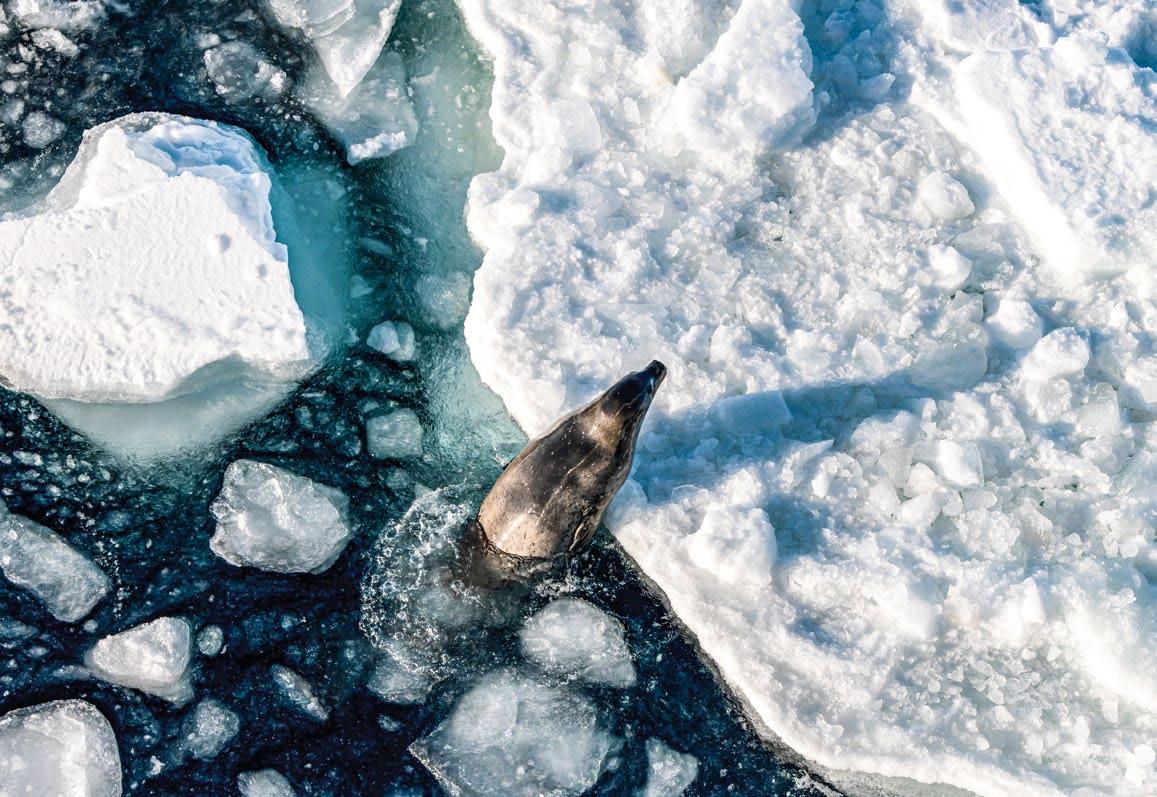
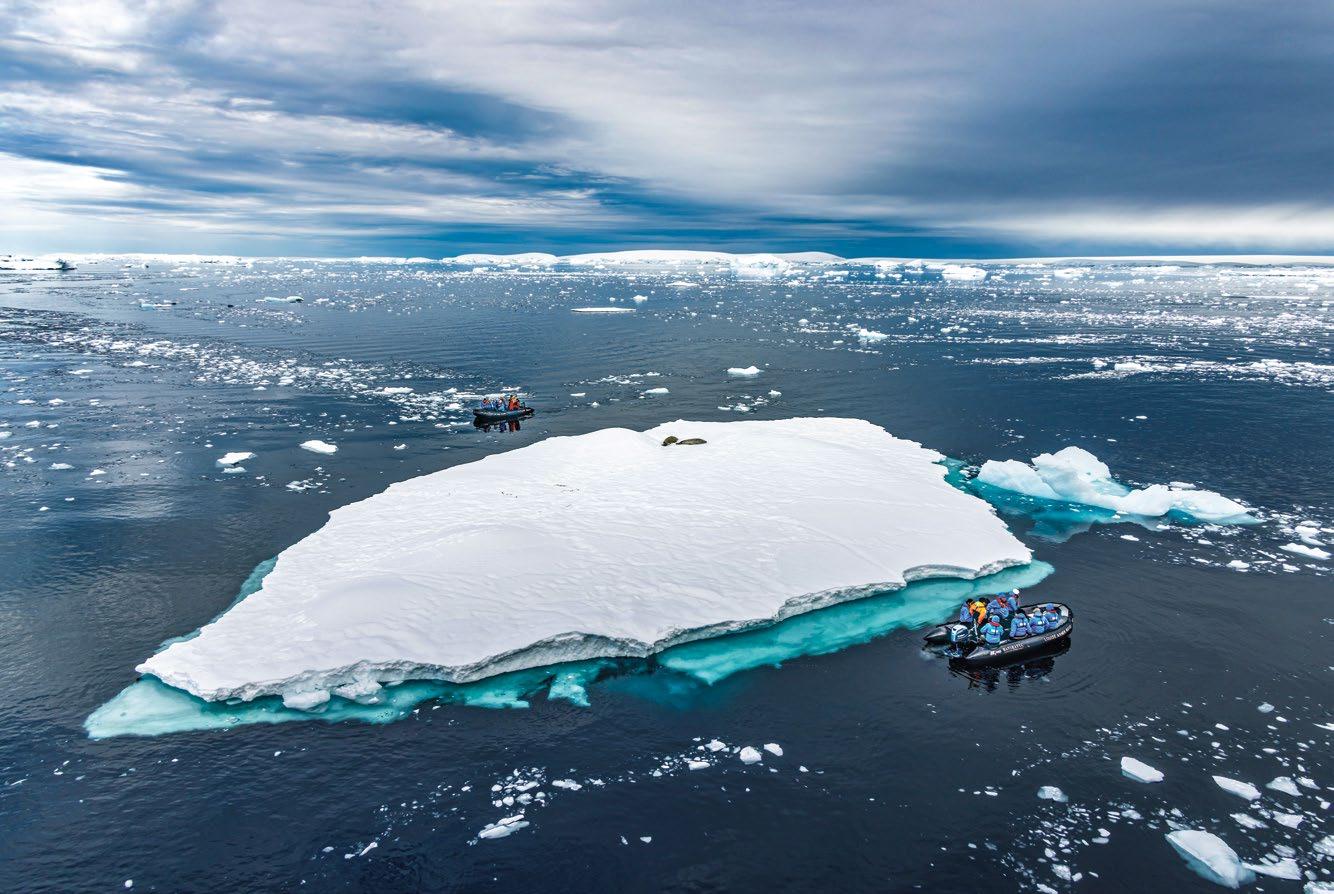
At the southernmost point of our journey, we watch crabeater seals at play. Snake-like, they slide across ice foes, their bodies often marked by scars from leopard seal attacks. The most common seal species in Antarctica, leopard seals can dive to depths of up to 500 meters.
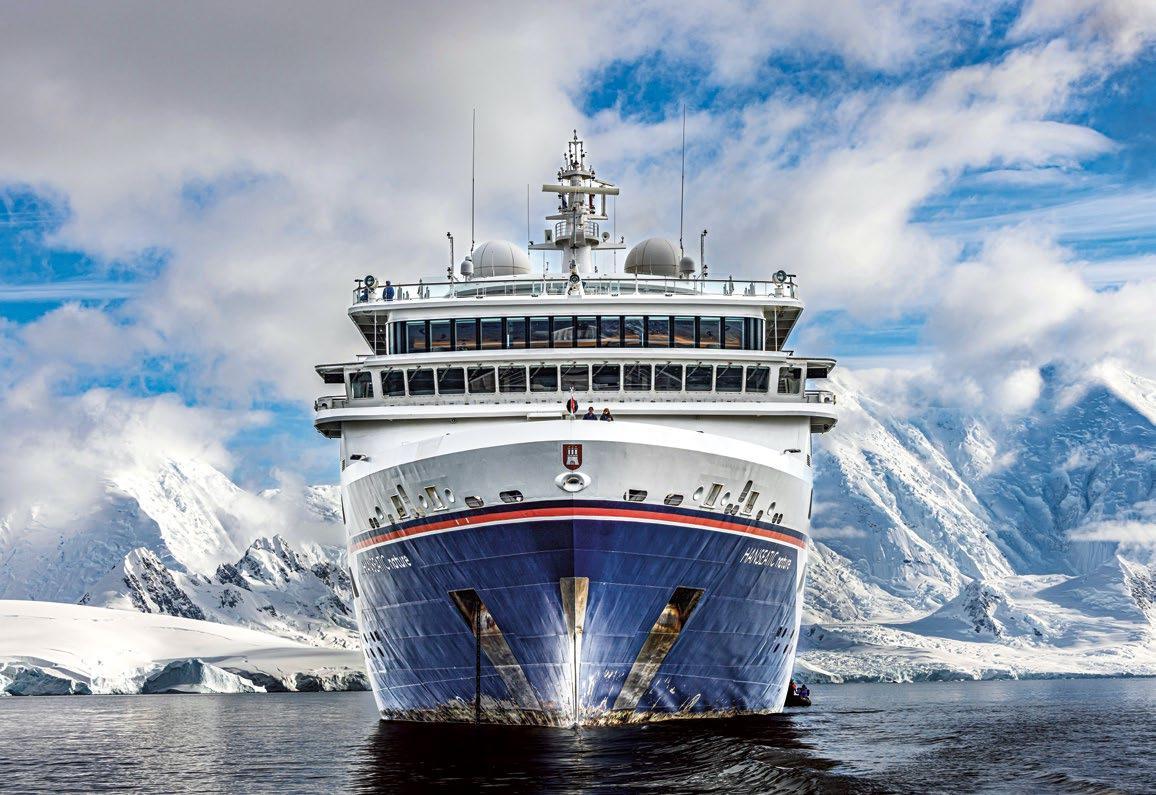
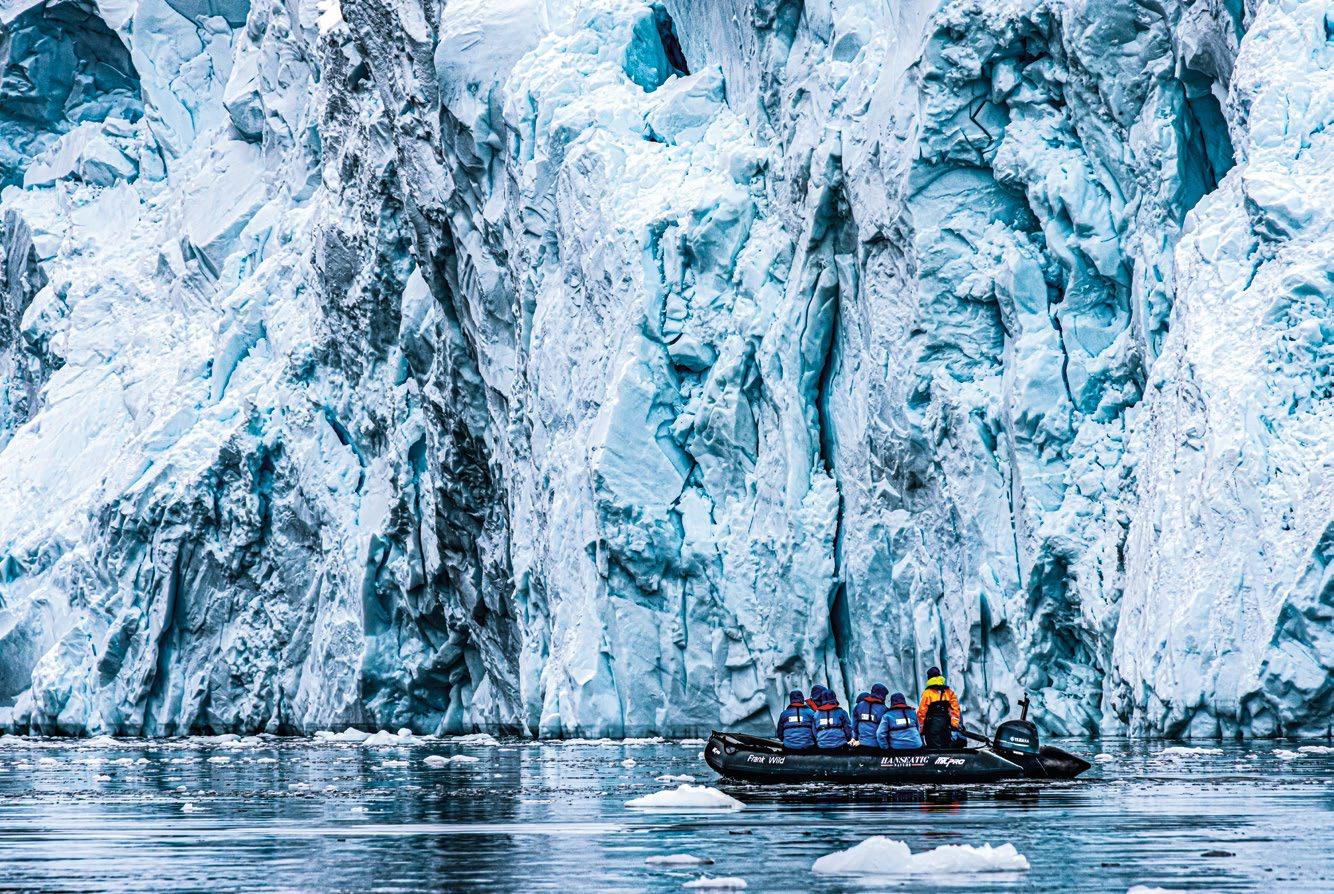
Elephant Island rises before us with glacier walls soaring nearly one hundred meters high — vast, shimmering cliffs of ice that crack and collapse with a thunderous roar. We keep our distance in the Zodiacs. Above: our expedition vessel, the elegant Hanseatic Nature from the Hapag-Lloyd Cruises feet.
ince boarding in Ushuaia – the southernmost city in the world – we have traveled 890 kilometers. The thermometer reads eight degrees Celsius; the sea beneath us is seven hundred meters deep and inky black. Above, grey clouds tumble and the wind howls.
Over the loudspeakers, the captain’s calm voice cuts through the storm: “Too much wind for the Falklands. We’re heading straight to South Georgia.” Here, weather and ice decide the course of every journey. The remote island in the South Atlantic, rich in wildlife, will be our first destination.
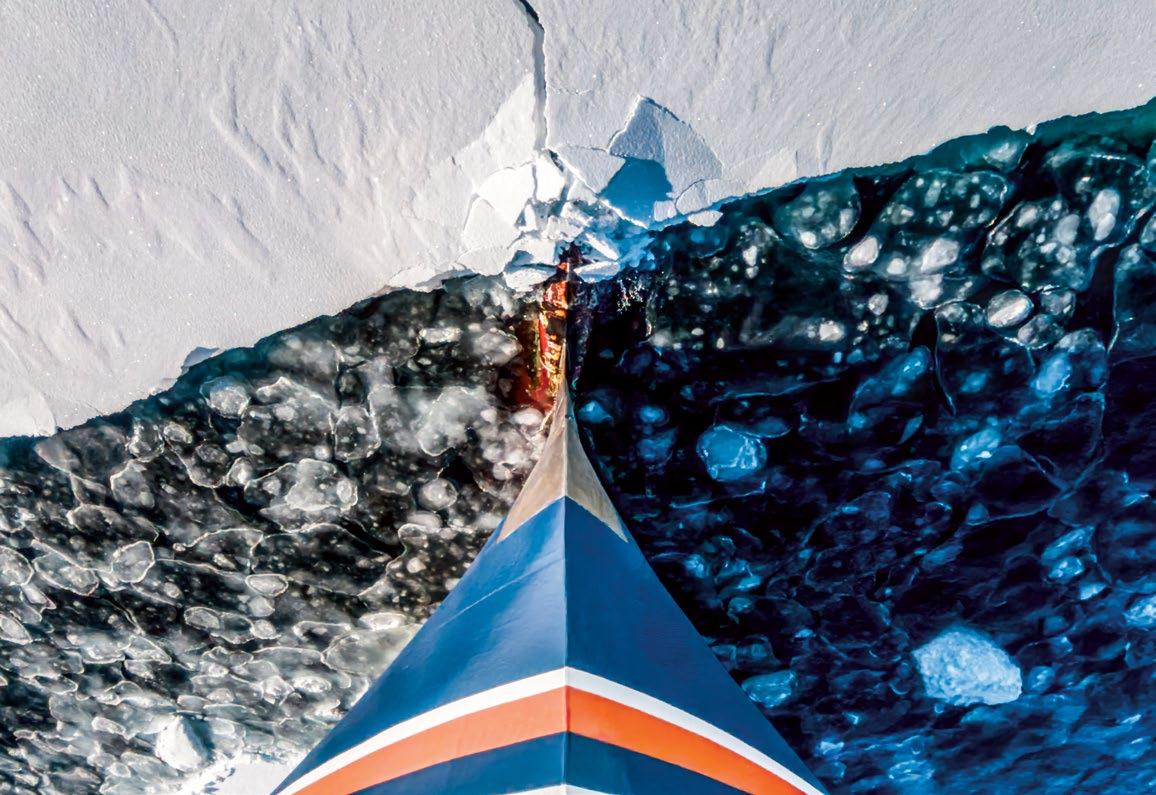
At 138 meters in length, the Hanseatic Nature carries 168 guests and 160 crew members. This Hapag-Lloyd expedition ship holds the highest iceclass rating for passenger vessels – PC 6 – allowing it to break through up to ninety centimeters of solid ice. That first evening I sit at dinner with fellow travelers, sunlight streaming through the panoramic windows. Nothing yet hints at the four-anda-half-meter waves forecast for the night ahead.
Sleep comes barely at all. The ship groans, the motion grows stronger. By morning I stumble out on deck, the boards slick with salt spray. The wind gauge reads gusts of forty-eight knots. Beneath a steely sky lie seven thousand meters of icy water, only six degrees. I retreat to the gym, where music pounds against the rhythm of the waves. That evening the three onboard restaurants – Lido, Hanseatic and The Hamptons – are visibly emptier. Many passengers have succumbed to seasickness. The ship’s doctor administers anti-nausea injections while outside the waves roar. By the third day the sea begins to calm. Those still unwell can follow the daily briefings about upcoming landings on their cabin screens. On Deck 8 I step outside for a breath of clean air; in the Observatory there is tea and bircher muesli. I meet our captain, Alexander Rabe-Bär, at thirty-nine one of the youngest in the fleet. “I grew up sailing,” he tells me. “My stepfather was a ship’s doctor with Hapag. As a teenager I traveled the world, later studied nautical science, and served six years as an o ffi cer aboard the Europa.” This is already his third Antarctic voyage this year.
“Wildlife in Antarctica has made a remarkable recovery. Where whales were once a rare sight, their towering spouts can now be seen almost every day.”
As I head back to my cabin, his voice suddenly echoes through the speakers: “Whales to port!”
I rush outside and see spouts of water erupting all around – humpbacks, fin whales and sei whales, hundreds of them circling the ship.
A rare sight, the captain later explains; even the most seasoned sailors aboard have never witnessed such a dense gathering of whale species. Moments later we are invited into the corridors to toast the spectacle with a glass of champagne
By morning the sun fights through the clouds and a rainbow arcs across the sea. Ahead of us
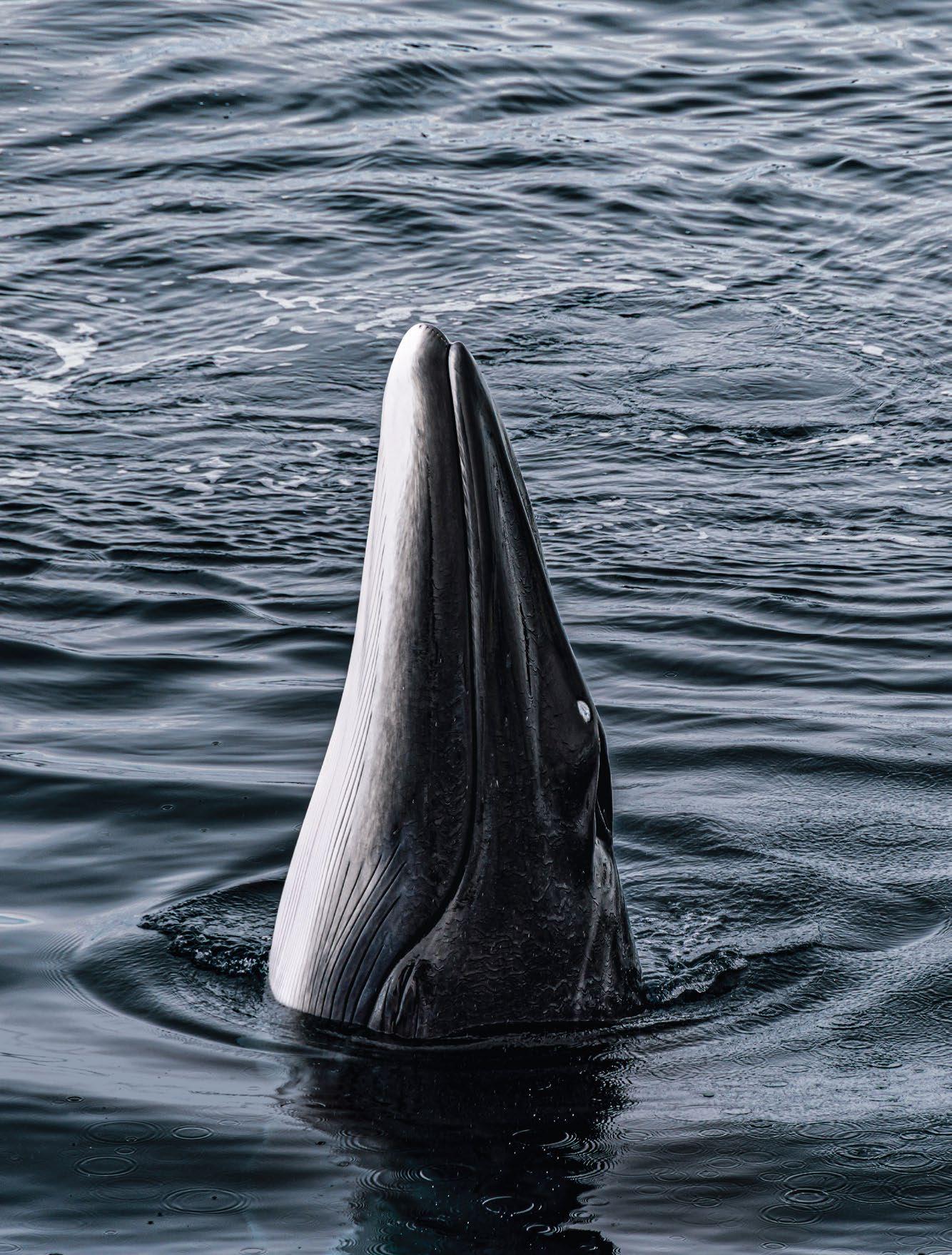
Throughout our journey, we encounter various species of whales. On our fnal day, two minke whales circle close around our ship — magnifcent creatures that can reach up to ten meters in length and are known for their striking curiosity.
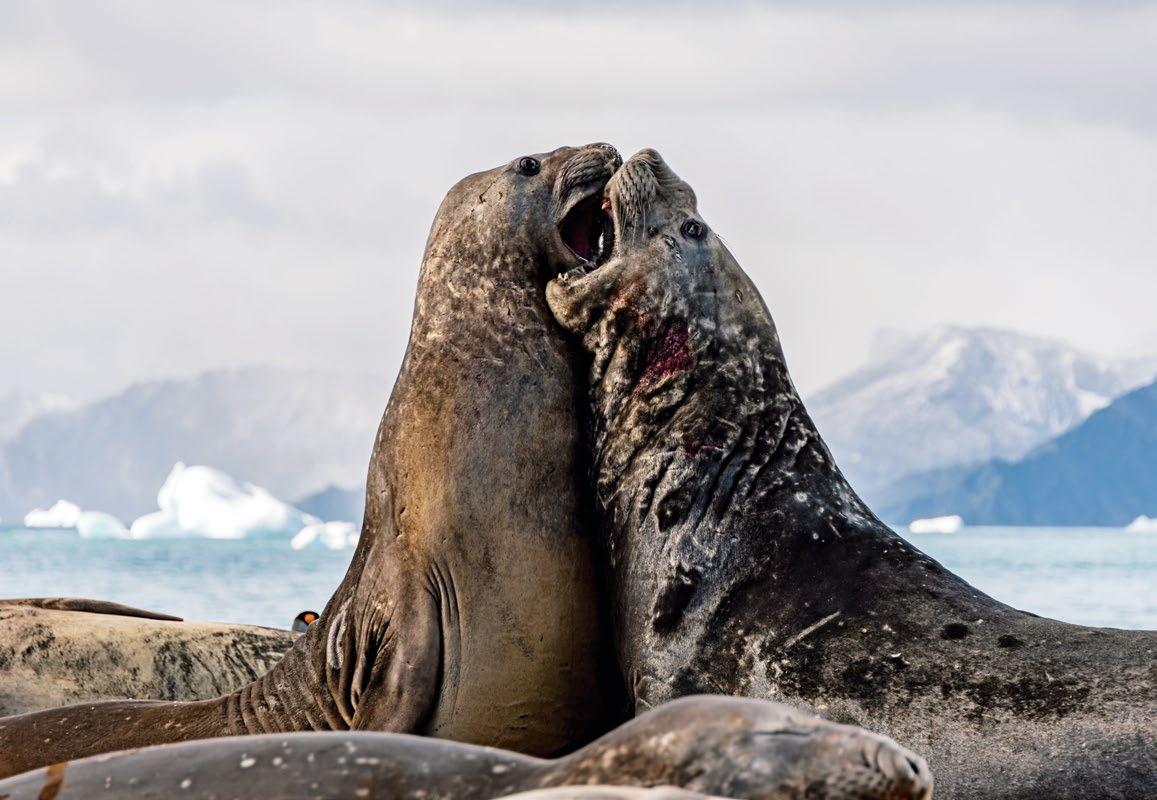
On South Georgia, we observe a group of elephant seals – giants that can weigh up to four tons. Hunted until the 19th century for their blubber, they were once nearly driven to extinction. Today, around 750,000 inhabit the Antarctic region.
rises South Georgia – green, rugged, framed by the first drifting icebergs. In my ears, the voice of Sir David Attenborough comes to mind: “millions of seabirds, !00,000 king penguins, some five million fur seals.” Before we set foot on land, our shoes and clothing are carefully disinfected –every seed, every trace of soil must be removed.
Conservationists have painstakingly eradicated the island’s rats, yet avian flu remains a threat. Only
once the expedition team has declared us “100 percent clean” may we go ashore.
We pass through a boot-washing station to prevent any contamination. Only one hundred guests are allowed on land at a time. We’re divided into colour-coded groups, each departing at scheduled intervals in their Zodiacs. On shore we must never crouch down or approach the animals too closely. This exemplary system follows the strict guidelines of the IAATO (International Association of Antarctica Tour Operators) – a comprehensive code of conduct designed to protect this fragile ecosystem and ensure sustainable tourism. Here, the Antarctic Treaty, signed on December 1, 1959 and in force since 1961, governs everything: It dedicates the continent solely to peaceful purposes, prohibits all military use and guarantees freedom of scientific research.
Between 190! and 1966, more than 150,000 whales were killed and processed for trade in Grytviken, a former whaling station on the island.
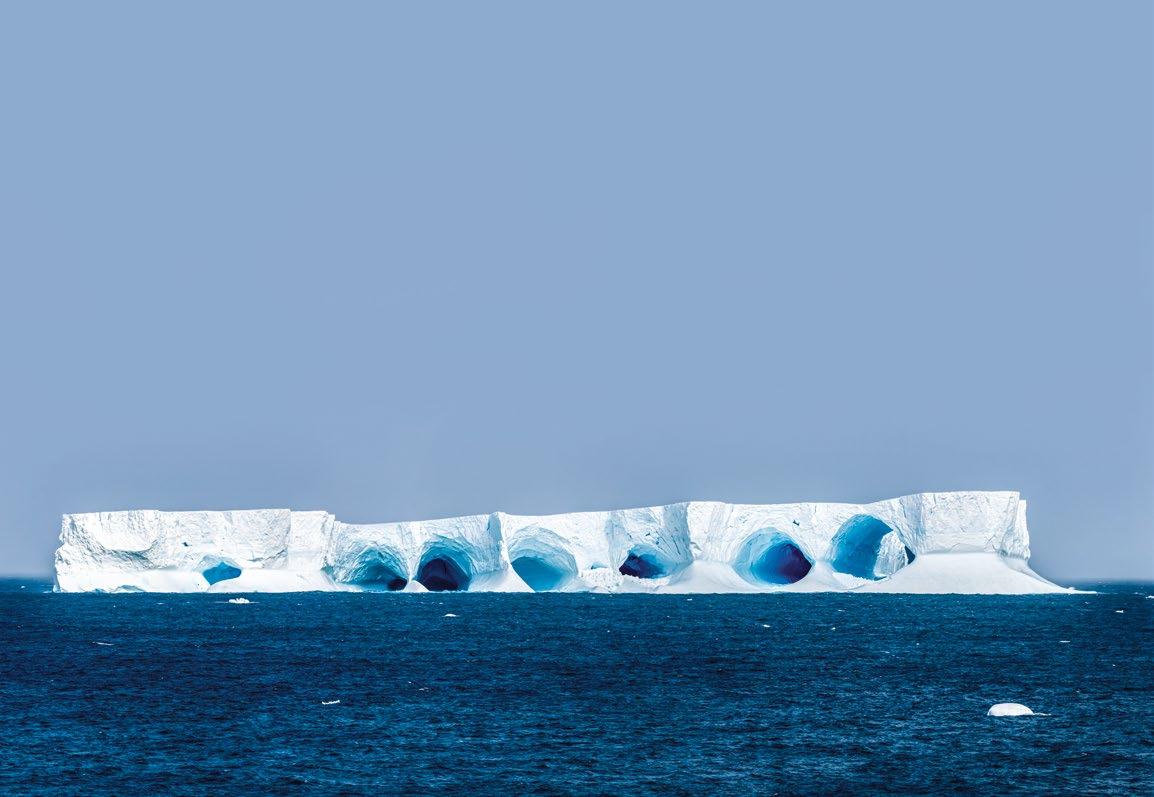
Like a work of art — a sculptural iceberg that broke away from the A23a ice shelf.
Below: Daily excursions offer the rare chance to experience nature up close by Zodiac boat.
A goosebump moment: The captain’s voice echoes over the loudspeaker – “We have just crossed the Antarctic Circle.”
Today, the site is a museum – and entirely in the hands of hundreds of fur seals, lounging everywhere or curiously following us as we walk along the shore.
The next morning, my alarm rings at 5:30 a.m. Wrapped in layers, wearing rubber boots and a parka provided by the ship, I’m among the first to board the Zodiac and speed through snow and sleet toward land: Salisbury Plain – home to nearly 200,000 king penguins. Their orange necks glow through the mist; fur seals sprawl between them, albatrosses soar overhead, and gulls pick at carcasses. The ship’s biologists explain: the darker the orange, the older the bird. Standing up to 95 centimeters tall, the penguins waddle toward us, curious and unafraid. On our return to the ship, humpback whales escort us through the icy waters.
By afternoon, we reach Fortuna Bay, a stretch of coast further east – 20,000 penguins before a glittering glacier. The sun breaks through, casting the ice in a dazzling light. It’s Valentine’s Day:
In the evening, every woman on board receives a single red rose.
The following day we arrive at Gold Harbour. Fur seals snort lazily on the sand; gentoo penguins dart between them while young seals wrestle playfully. Suddenly, a king penguin becomes tangled in seaweed – we watch as it struggles, then frees itself at last. Three companions had waited nearby, watching faithfully. When it’s free, they waddle o ff together. “We never intervene,” our naturalists remind us. “As hard as it is to watch, interfering would disrupt the balance.”
Later, on another Zodiac tour, we discover a colony of macaroni penguins – unmistakable with their bright yellow crests. The day’s highlight: A rare leopard seal suddenly surfaces beside us, exhaling loudly, sleek and powerful.
The next morning, the vast iceberg A 23a appears on the horizon – larger than the island of Mallorca, towering two hundred meters above the water and visible from space, though only a fifth of
The Hanseatic Nature sails to the Antarctic Circle exclusively during the southern summer — from November to March. Part of the Hapag-Lloyd Cruises feet, it is a state-of-the-art expedition vessel built to the ice-class standard PC6.
its mass rises above the surface. It drifts slowly toward South Georgia. Scientists fear its melting freshwater could threaten local krill populations – the very foundation of the Antarctic food chain.
(Editor’s note: By September, the giant had already shrunk to less than half its size – breaking apart at astonishing speed.) Back in my cabin, Kemylhina, my cabin attendant from the Philippines, tells me about her daughter in Manila – and how she works eight months a year aboard the Hanseatic to fund her studies.
We sail on to Elephant Island, where in !9!6 the legendary explorer Ernest Shackleton left 23 of his men behind while he set out to find rescue. Now, chinstrap penguins climb the cli ff s, elephant seals laze on the shore and, once again, a leopard seal surfaces beside our Zodiac – hunting penguins among the drifting ice.
The ice creaks and cracks around us, the sound deep and alive. Later that day, an iceberg blocks our passage through the Weddell Sea.
Calmly, Captain Rabe-Bär’s voice comes over the speakers: “We won’t risk it. The ice decides where we go.” Out here, nature alone dictates the course. That evening, the sun sets in blazing reds; from my terrace I watch pinktinged icebergs drift silently past in absolute stillness.
in endless shades of rose and gold. By morning, we reach Prospect Point – our first step on the Antarctic mainland. Out on the water, ice floes are scattered with gentoo penguins; among them, two leopard seals. Suddenly, a call over the radio: “One of them just bit a Zodiac!” Three of the inflatable boats are later patched.
Our Zodiac driver, from Hamburg, has traveled to Antarctica every year since 200( – except in 2020, during the pandemic. “That was terrible,” he tells me. “I felt trapped.” How has he seen the region change? “In some places, more rock is emerging from the melting ice. But the wildlife has rebounded dramatically. Years ago, you’d rarely see a whale – now we spot spouts almost daily. Penguins, seals… they’ve all returned in great numbers. The fur seals, in particular, can be quite territorial during mating season.”
The day’s unforgettable highlight — a rare leopard seal emerges suddenly beside our Zodiac, breaking the surface with a powerful, echoing breath.
Yankee Harbour, in the South Shetland Islands, greets us with forty-knot winds – chinstrap penguins, fur seals, and beaches of black volcanic sand. On Deception Island, we hike across the rim of a collapsed volcano where a whaling station once stood. Then the brave among us take the plunge –into water barely three degrees above freezing. We run in screaming, submerge for a heartbeat, then scramble back out, legs numb. The Zodiac crew rushes us to the ship, and moments later I’m in the spa, letting the sauna thaw me slowly. The day ends early, in quiet exhaustion and awe. We continue through the Neumayer Channel, past abandoned British and Argentine research huts, frozen in time. That evening, the sky unfolds
At dinner, the captain announces: “We have just crossed the Antarctic Circle.”
A true goosebump moment.
That night, winds reach fifty knots. I lie awake, listening to the ten-force gales whistling around my cabin windows. The next morning, we land on Stonington Island to visit two abandoned research huts – one British, one American. It was here that the first two women ever to overwinter in Antarctica once lived. The Zodiac crossing is icy and rough; the air sharp as glass. We spot crabeater seals – the pale ones – and, as always, penguins. Later, on Pourquoi Pas Island, biologist Nadja Katharina Gerull explains: “These are all males. They’re recovering from the breeding season. During these months, they drift north on the ice floes, resting – before returning south to their colonies.”
Later that day we tour the ship’s provisions deck below – Hotel Manager Christoph Timm and his team oversee all supplies stored deep in the hull: “Since we’re at sea for over three weeks, meat and fish are frozen. Fresh fruit, vegetables and dairy –all stocked in Ushuaia before departure.”
On land, we marvel at the penguin highway — a narrow path in the snow where the birds
waddle dutifully toward the sea.
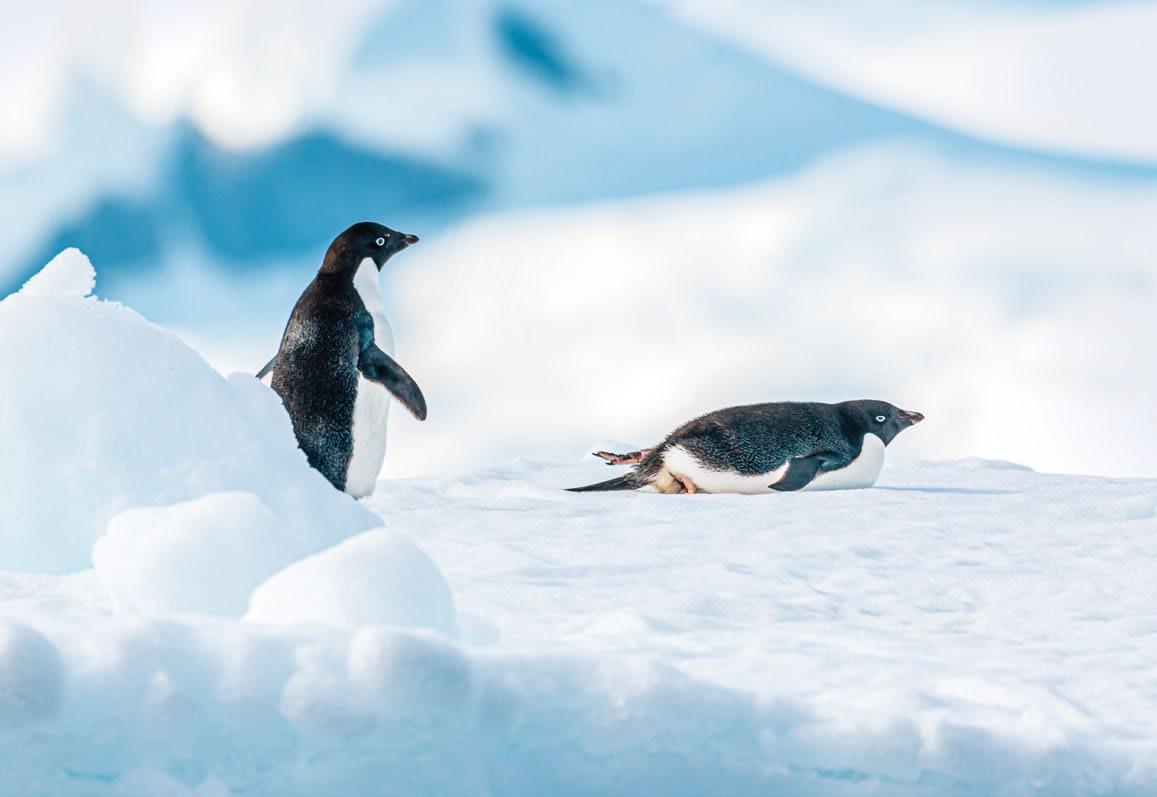
The clever Adélie penguins (above) live on thick pack ice, building their nests from small pebbles — which they love to steal from one another — and can dive to depths of up to 175 meters.
At lunch I sit with a pilot couple from Frankfurt who now live in the U.S. – their first expedition cruise, and they’re enthralled. Another woman tells me she has saved for years for this journey: “I always dreamed of seeing penguins.” Most guests are nature lovers and adventurers at heart. Later, we spot more whales as I indulge in a hot wa ffl e with red berries and vanilla ice cream – a small, perfect moment amid the vastness.
By 4 p.m., we land at Jougla Point on Wiencke Island, home to a colony of gentoo penguins and their flu ff y chicks. They chase their parents across the rocks, crying out for food. Two well-preserved whale skeletons lie bleached along the shore.
Early the next morning we set out by Zodiac into tranquil Paradise Bay, past towering glacier walls. At the end of the excursion, the crew surprises us with hot chocolate – and, for those who wish, a generous splash of rum. Our final stop: Neko Harbour. As we prepare for our last Zodiac tour, a pair of minke whales surfaces right beside the ship. On
land, we marvel at the penguin highway – a narrow path in the snow where the birds waddle dutifully toward the sea. Later, back on deck, we watch whales once more as the sun sets – painting the sky in colours so vivid it feels like the Antarctic itself is bidding us farewell.
The final 48 hours take us through the Drake Passage, one of the stormiest seas on Earth. But we are lucky – the fabled Drake Lake, not the Drake Shake. Even on the last stretch through the Beagle Channel toward Ushuaia, whales accompany us one more time.
At our farewell dinner, the captain shares the numbers: “ 7,676 kilometers traveled, 14,400 eggs used and 2 400 kilograms of meat consumed.”
The next morning, stepping ashore feels strange. After weeks of silence, the city’s noise is overwhelming. A journey to Antarctica humbles you. It shifts your sense of scale – reminding you how small we are, and how immense the privilege of having witnessed this frozen world.
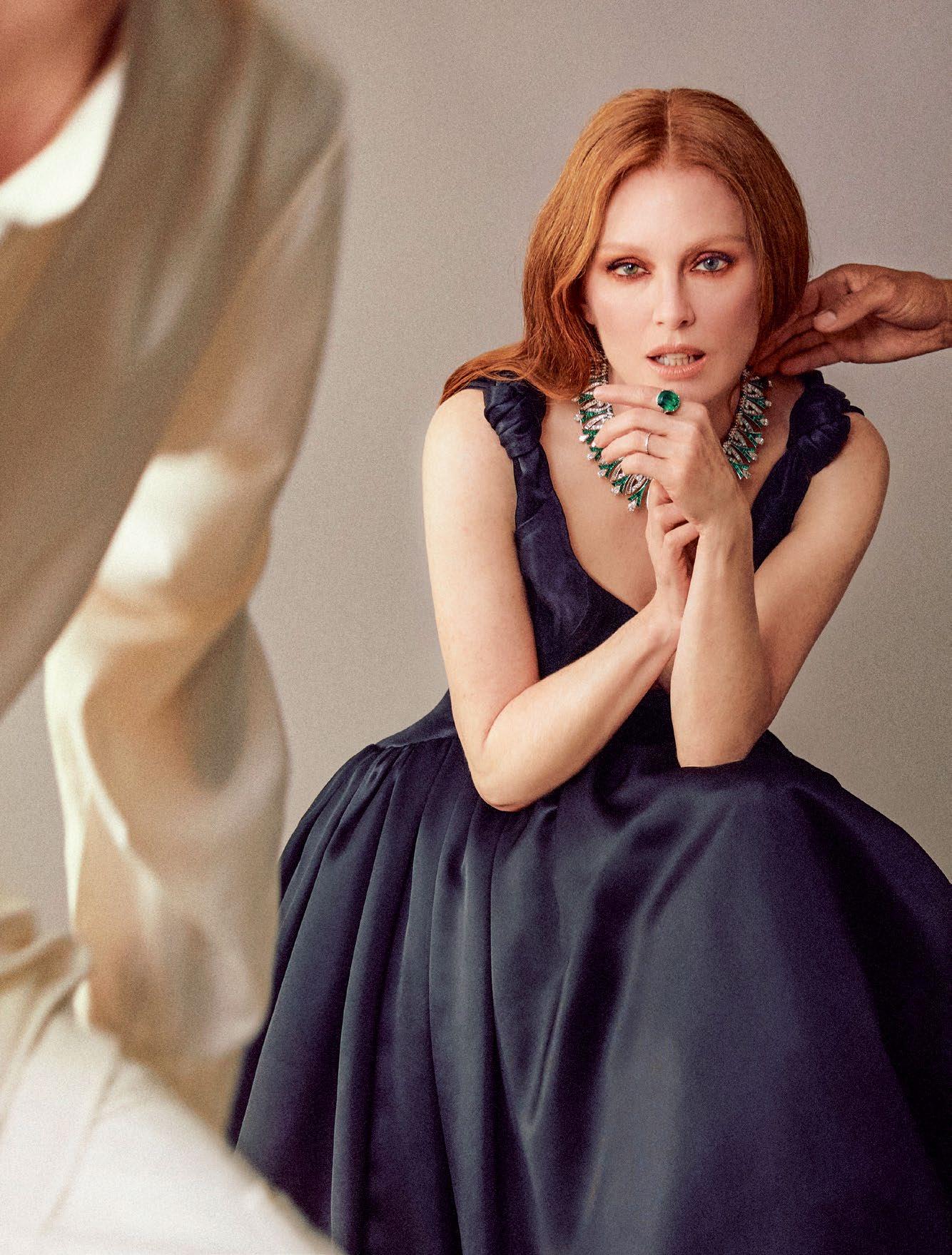
Hollywood’s radiant REBEL
BY CHRISTIAN AUST
Timeless class: Julianne Moore brings to mind the great divas of the silver screen, but she cultivates a personal style that underscores who she is.
PHOTO: XAVI
Julianne Moore has never played by the old rules. She created new ones and challenged boundaries to establish herself as an actor and a style icon.
Los Angeles, February 2015
“And the Oscar goes to... Julianne Moore.” The actor beams with pride but at the same time, appears humbled. Her Chanel dress – a design by Karl Lagerfeld, custom-made just for her – glitters in the floodlights. It is embroidered with 80,000 hand-painted sequins made of resin, and decorated with organza flowers.
“People go to the cinema to see their inner stories. Its makes me happy when a person says: Thank you, that was me on the screen.”
JULIANNE MOORE
Moore kisses her husband, the director Bart Freundlich. He’s the love of her life and a steady source of support. He also accompanies her to the stage.
“I read an article that said that winning an Oscar could lead to living five years longer,” Moore says, beginning her speech. “If that’s true, I’d really like to thank the Academy because my husband is younger than me.” Nine years her junior, Bart – always the director – films his wife with his phone. Acceptance speeches can sound extremely artificial, yet Moore’s authenticity shines through, even here. At 54, she has finally received the coveted award – long overdue – for her role in the drama “Still Alice,” in which she plays a university professor who develops Alzheimer’s disease. “There’s no such thing as best actress,” Moore continues. Many people would beg to disagree.
Julianne Moore is Hollywood’s quiet revolutionary. Again and again, she breaks movie industry rules in order to redefine them, and her career completely contradicts the unwritten Hollywood code. Her late breakthrough, the fantastic projects audiences were allowed to see her in when she was in her forties, and her confident attitude to aging in an industry that celebrates eternal youth. Moore allows us to believe that quality will prevail. And she has worked hard to achieve this. Her performances in “Boogie Nights,” “Magnolia,” “Far from Heaven,” “A Single Man” and “The Kids Are All Right” all established the actor as an icon of serious arthouse drama. But it didn’t stop her from branching out regularly into the popcorn movie genre and appearing in films such as “The Hunger Games” and “Kingsman: The Golden Circle.” Moore’s elegance is timeless. And her highly anticipated appearances on the red carpet in Venice or Cannes get fashion critics all excited. Her style appears e ffortless because it always underscores her personality. Many designers have used her as their muse, and she has formed a close relationship with fashion houses such as Chanel, Givenchy, Dior, Tom Ford and Schiaparelli. Moore presents haute couture the way she does everything in life –with confidence and poise.
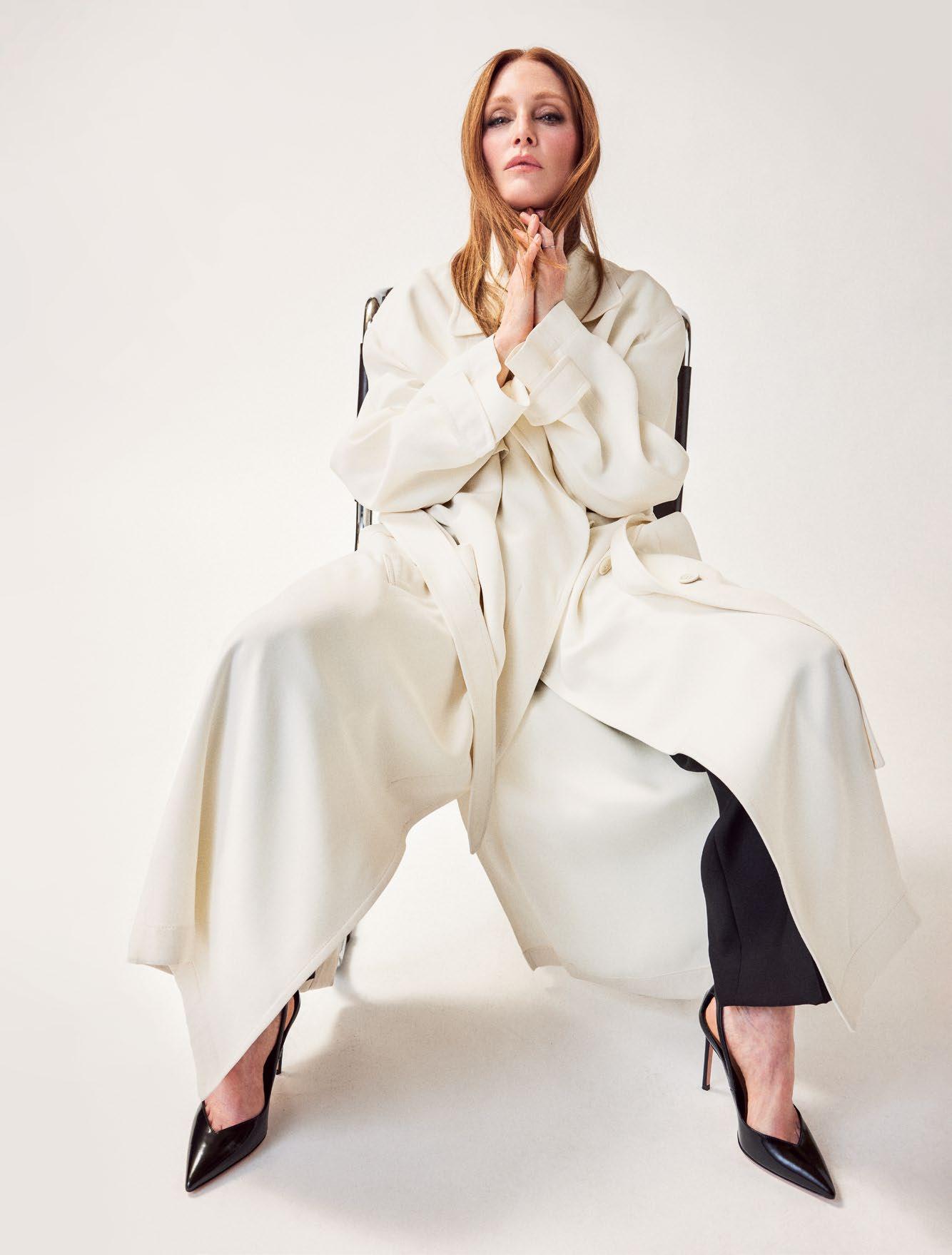
Many a designer’s muse, Moore has formed a close relationship with fashion houses Chanel, Givenchy, Dior, Tom Ford and Schiaparelli.
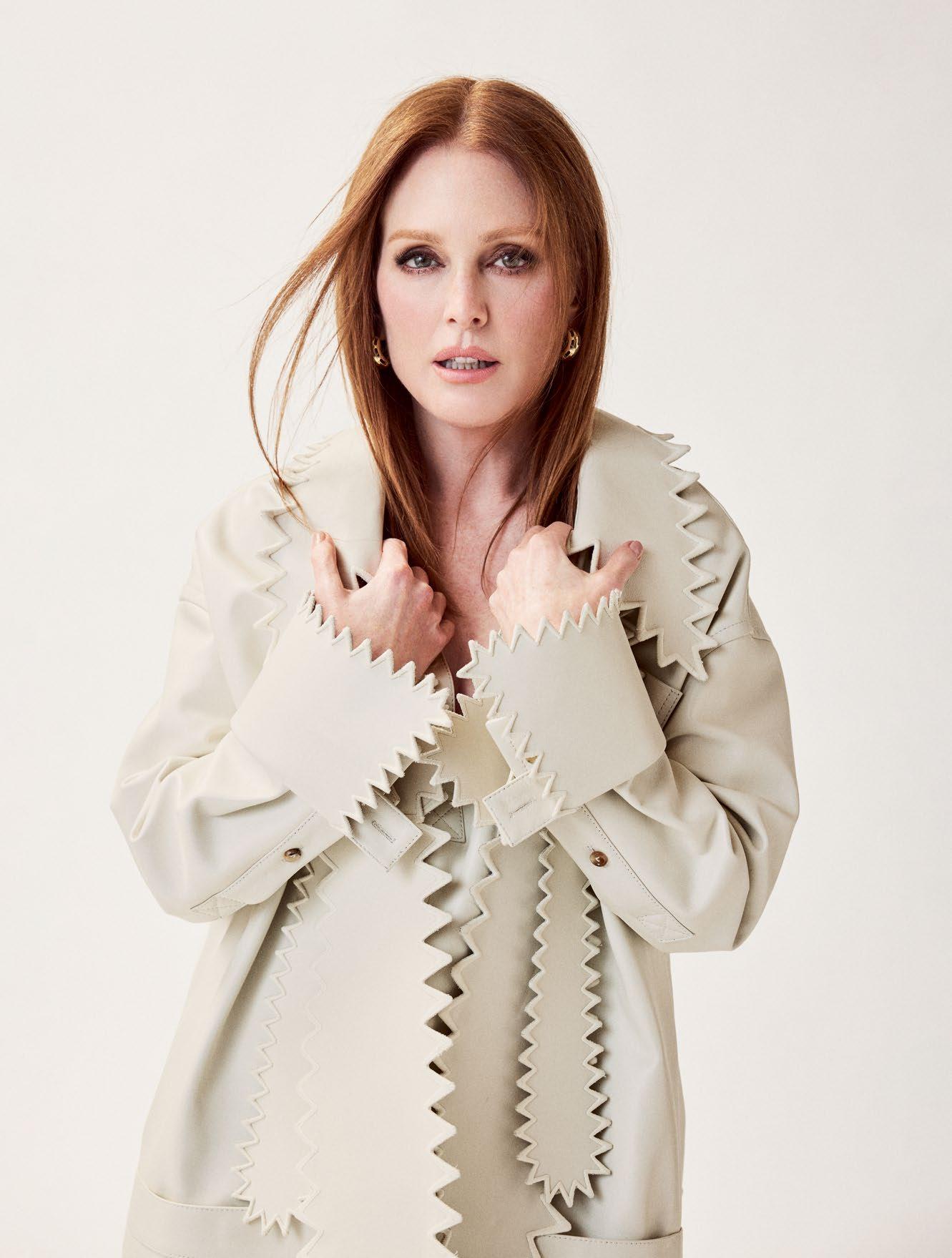
When Julianne Moore steps in front of the camera, the enchantment begins. The onscreen result is pure magic. Emotions intensify in the space between her and the lens. The resulting cinematic experience is filled with intimate moments and gives rise to unforgettable scenes. In movies like “Far from Heaven” and “Still Alice” Moore’s character appears so unguarded that you feel you can see right through to the bottom of her soul.
I have interviewed Julianne Moore quite a few times over the years, but one of my briefest encounters was perhaps the most telling, because it revealed her character in such highly concentrated form.
Location: the third floor of the legendary Carlton Hotel on the Boulevard de la Croisette, during the Cannes film festival.
has an infectious laugh. This is almost surprising given that so many of the characters she plays are sad. I once asked her in jest if she could even guess how many liters of tears she had shed in front of the camera over the course of her career, and she replied: “Some days I really do ask myself why I’m the one who’s always crying?! It seems to be one of my hallmarks and written into my contract. What’s even worse is when I’m doing a comedy and am still expected to cry. That’s when I say: People, you can’t be serious.”
For an actor, playing very emotional scenes means that audiences often project their dreams and desires onto you. I wanted to know from Moore whether this gave her a good feeling or perhaps made her feel uncomfortable. She considered the question for a
“When I discovered acting, it was a small revolution. All of a sudden, there was the path that I wanted to take.”
JULIANNE MOORE
Accompanied by my wife and colleague, I was walking down the corridor on my way to an appointment when the doors of the elevator ahead of us opened and a woman in a wide-brimmed straw hat and big sunglasses stepped out. She had a certain radiance about her, but otherwise, there was nothing that identified her to me at first glance. Probably a film star who doesn’t wish to be recognized, I thought. Just before we turned the corner into another hallway, we heard a voice say: “How nice to see both of you. What a happy coincidence.”
It was Julianne Moore, greeting us as cordially and enthusiastically as if we were the celebrities. And she didn’t even have a film showing at Cannes that year, meaning she was “o ! duty,” so to speak.
The warmth and sincerity that she exudes in interviews appears perfectly real, and she
moment, then replied: “It’s a fascinating subject, which I think about a lot. I’m very aware that audiences project intimate things – fantasies – onto me as an object. To a certain extent, people go the cinema to see their inner stories play out the screen, which puts a huge responsibility on an actor. It makes me happy after a movie when somebody says: Thank you, that was me on the screen.”
Her family moved around a lot when she was growing up because her father, Peter, a U.S. military judge, was regularly posted to new places. Julianne had to reinvent herself in each new environment – a solid foundation for her later career. When she was a teenager, her father was stationed in Frankfurt, where she attended the Frankfurt American High School. Moore still speaks a little bit of German and has vivid memories of Germany, as she told me in one conversation:
Julianne Moore landed her breakout role as a character actor at the age of 37.
“I loved my time in Frankfurt. And I still remember taking the train through the city and the hearing the announcement: ‘Nächste Haltestelle Marbachweg’ (next stop, Marbachweg). I heard it so often, it burned itself into my brain.”
Originally, Moore had wanted to become a doctor, but luckily for us, she gave up the idea after participating in a number of school plays. Moore once described this as a defining moment in her life: “I was always crazy about reading. I loved books. But honestly, I still had no idea what to do with this passion. When I discovered acting, it was a small revolution. All of a sudden, there was the path that I wanted to take. It changed my whole life.”
in that movie. Now she could pick and choose whom she wanted to work with, and went on to collaborate with directors such as Todd Haynes, Ridley Scott, Pedro Almodóvar and Tom Ford. Four further Oscar nominations followed. Moore also earned ten Golden Globe nominations, winning two of those prestigious awards.
Her red hair and freckles would become her hallmark. “I was teased about my hair and freckles as a child,“ Moore recalls. “Today I can laugh about it, but back then, it hurt.” Her son Caleb inherited her hair color and freckles. When she witnessed him struggling to come to terms with his looks, she decided to write a children’s book, “Freckleface Straw-
“The support of my family helps me maintain balance in my life.”
JULIANNE MOORE
She studied acting at Boston University’s College of Fine Arts. After graduating, Julie Anne Smith, as she still called herself, moved to Manhattan, where she found work waiting tables. Later, when she registered with the actors’ union, she put her name down as Julianne Moore. “It’s actually horrible to change your name,“ she said later. “I didn’t want to. But too many actors already had the same name. My father’s middle name was Moore, so I was able to compromise and not hurt my family’s feelings.”
Moore’s first roles were in o ff-Broadway theaters. Appearances in television and feature films followed. When the legendary director Robert Altman saw her in a stage production of “Uncle Vanya,” the Chekhov classic, he cast her in his ensemble film “Short Cuts.” That’s when the critics started taking note. But Moore’s breakthrough performance as a character actor was in Paul Thomas Anderson’s “Boogie Nights.” She was 37 years old. Moore earned her first Oscar nomination for her portrayal of porno star Amber Waves
berry” – a semi-autobiographical story about a girl who learns to accept her freckles. Another five Freckleface books followed to make up a series. Moore also wrote a very personal picture book entitled “My Mom is a Foreigner, But Not to Me,” about her late mother, Anne, who had immigrated to the United States from Scotland. “It helped me through the mourning process,” she told me at the time. When playing a woman with Alzheimer’s (“Still Alice”) or a drug-addicted porno star (“Boogie Nights”) Moore often went to very dark places emotionally. “I imagine how terrible it would be to return home after a day of of work and have nobody be there,” she says. “That would be bad for me. Having the support of my family helps me maintain balance in my life.”
No matter when I’ve seen her in the company of her husband Bart, the two of them always look like they’ve just fallen in love. I once interviewed him about one of his films and got to know him a little bit better. He is a very youthful person who radiates the optimism
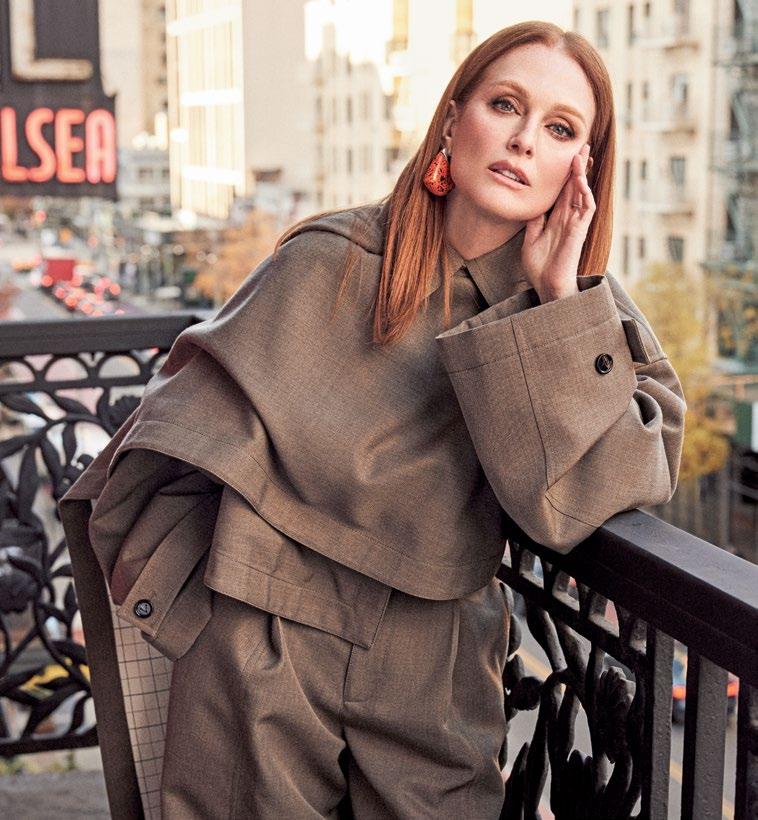
“Nobody is thrilled about getting wrinkles. But a frozen face is even less attractive.”
JULIANNE MOORE
of a teenager. Moore met him in 1996 while filming “The Myth of Fingerprints,” which he directed. They married in 2003. Their children, Caleb (28), and Liv (23), have embarked on creative paths too: her son is a musician, her daughter, after trying out acting and modeling, is now working with one of the big talent agencies.
It’s usually lots of fun, but it’s also insane.”
www.gg-magazine.com
In the U.S., Julianne Moore lives in New York. Geographically, it’s as far from Hollywood as she can get.
An important part of Moore’s life balance is the physical distance she maintains from Hollywood and her work. In the U.S., she lives in New York – as far from Los Angeles as she can possibly get. “This job is somehow unreal,” she said when I was interviewing her in Cannes. “There’s something surreal about the whole thing. I feel this way even after all my years in the industry. Just look around you. Movies themselves are somewhat unreal, but this whole situation – my glamorous outfit, it’s just crazy, isn’t it? And then I drive home and change into jeans and a T-shirt.
On Instagram, she regularly posts unedited pictures of herself – just as she is, without any makeup. An absolute exception in an industry where Botox treatments and facial cosmetic surgery are the norm. “Okay, so nobody is thrilled about getting wrinkles,” she says. “But a frozen face is even less attractive. I don’t want to see a mask, I want to see a face that’s alive.”
It’s this mindset that has made Moore an icon o( the red carpet as well. She’s a woman who associates femininity, elegance and poise not with youth but with authenticity. In the hit Netflix series “Sirens” the 6) -year-old plays the ice-cold, manipulative socialite and billionaire’s wife Michaela “Kiki” Kell – and is currently winning over a new, younger audience. As Julianne Moore continues to test boundaries, she shows us that it’s possible to age with confidence without losing radiance or poise.

PARAGON OF FINE DESIGN
BY STEFFI KAMMERER
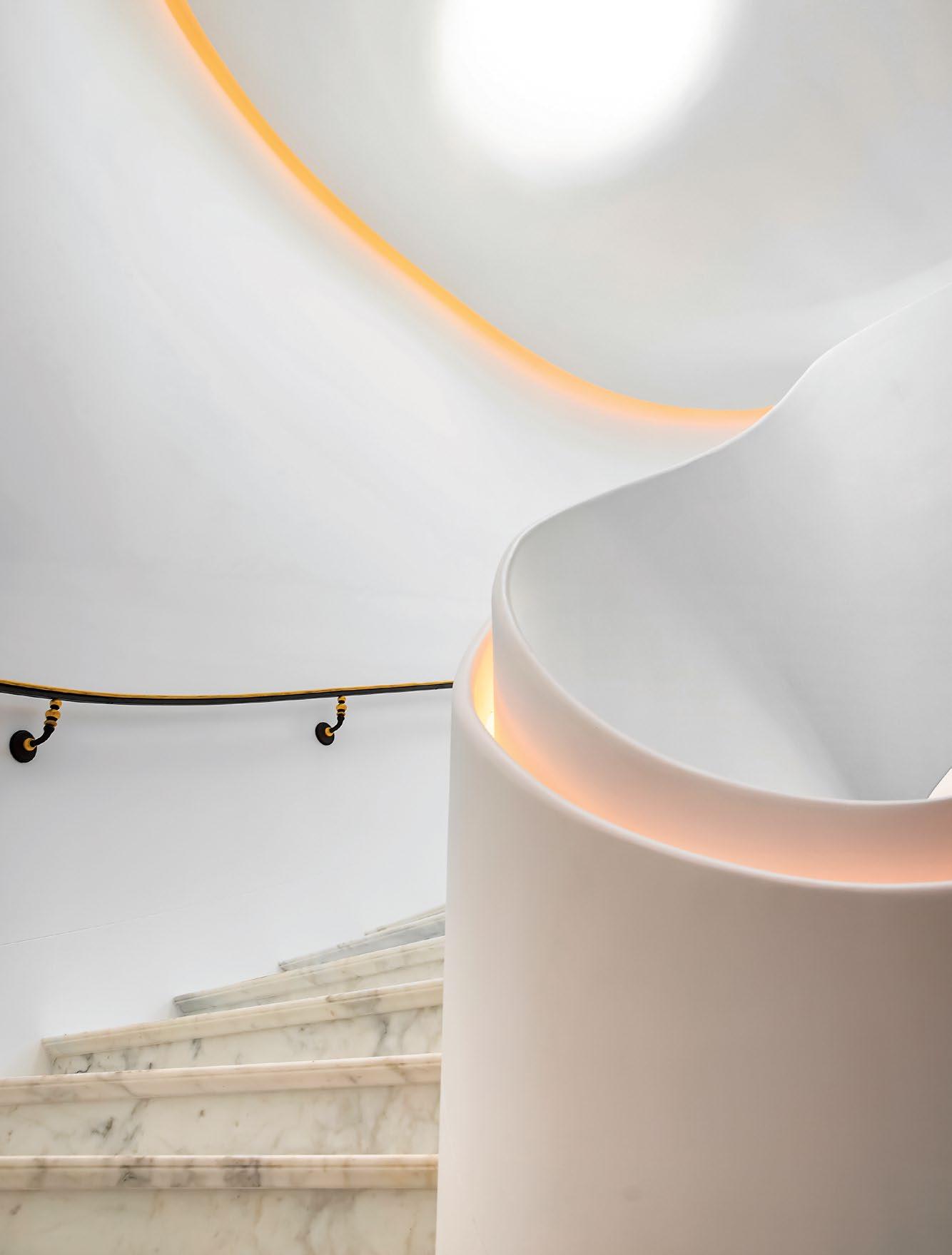
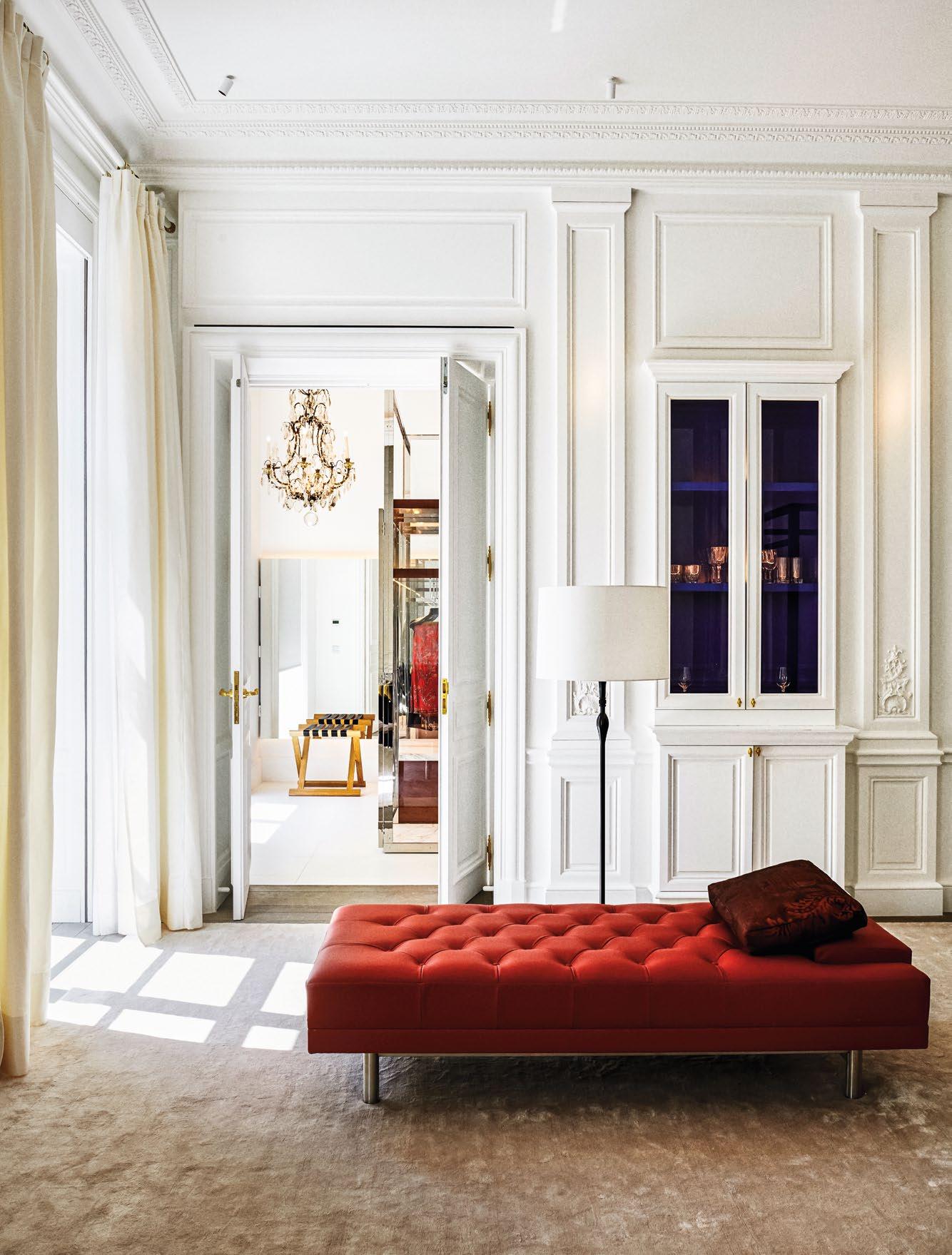
The Hôtel Costes extension, personally conceived by Christian Liaigre, became his final masterpiece. A monument to the exceptional designer’s style, it turned the coolest location in Paris into a complete work of art.
Paneled walls, high ceilings, daylight, white – accentuated by red. That’s how Christian Liaigre created atmosphere.

It all began outside a school building in Paris. Two fathers, taking their sons to the same elementary school, meeting every morning and exchanging pleasantries. Soon, the casual acquaintances became fast friends. One was Christian Liaigre, widely regarded as one of the world’s most influential interior designers. The other, seven years his senior, was Jean-Louis Costes, a man who had transformed a hotel in the heart of the French capital into a sought-after location within just a few years. Both men shared a unique sense for atmosphere and detail. Before long, they embarked on their first project together. In 2009, Liaigre created La Société for his friend Costes – an elegant Saint-Germain-des-Prés restaurant that quickly turned into a Left Bank hotspot. Also, most likely, because it drew guests from the opulent and alluring Hôtel Costes on the other side of the river. A place with an irresistible je ne sais quoi that has dominated Parisian nightlife ever since its opening in 1995. Fashion designers, models, musicians and Hollywood stars succumbed to its velvet sensuality, dim light and unmistakable fragrance. The hotel was the work of grand master Jacques Garcia, a designer whose baroque aesthetic was the polar opposite of Liaigre’s pure, clean lines. Every morning, as Costes later recalled, they would have a coffee together, and Liaigre would say: “Jean-Louis, I want to redo your hotel.” By then, he was a regular guest. And Costes was not a man to rest on his laurels. In 2014 he bought the Hôtel Lotti – an esteemed, but aging establishment on the Rue de Castiglione next door. He wanted to expand his hotel, but wasn’t looking for more of the same. So he took a gamble that might have ended in spectacular failure if he and his friend hadn’t shared such deep trust. Like a matchmaker who knows that opposites attract and create the best unions, Costes went for the ultimate contrast. He chose as his interior designer Christian Liaigre, the master of proportion and restraint, who had
already turned The Mercer in Manhattan into a cultural icon.
But Liaigre’s far-reaching influence didn’t stop at individual projects. In addition to designing hotels, yachts and private homes – including for luminaries such as Karl Lagerfeld and Calvin Klein – the Frenchman also redefined the term luxury as something quiet, free of excess and redundancy. No gold, no swagger. Instead, he created an equilibrium consisting of carefully placed objects made of the finest materials. In the 1990 s, when many hotels still went in for pomp and grandeur, his style was groundbreaking. Since then, entire schools of interior design have been trying to capture Liaigre’s distinctive tone and nuanced but starkly contrasting color palette of cream, brown, khaki and navy blue with isolated deep
Despite their sobriety, the spaces Liaigre designs are never cold, but harmonious and light.
dark accents – all inspired by the Atlantic coast where he grew up. Today, discreet luxury is a commonplace phenomenon, but it ultimately traces back to Christian Liaigre. To preserve his signature style into the future, the designer sold his studio to a group of investors in 2016 Today, Studio Liagre has offices in Paris, London and New York.
At the Costes, Liaigre proved himself the perfect counterpart to Garcia. Whereas the latter’s design emphasized exuberance and the night, Liaigre prioritized serenity. He created 35 rooms and suites in the Castiglione wing, each handsomely sized between 70 and 250 square meters and featuring white painted
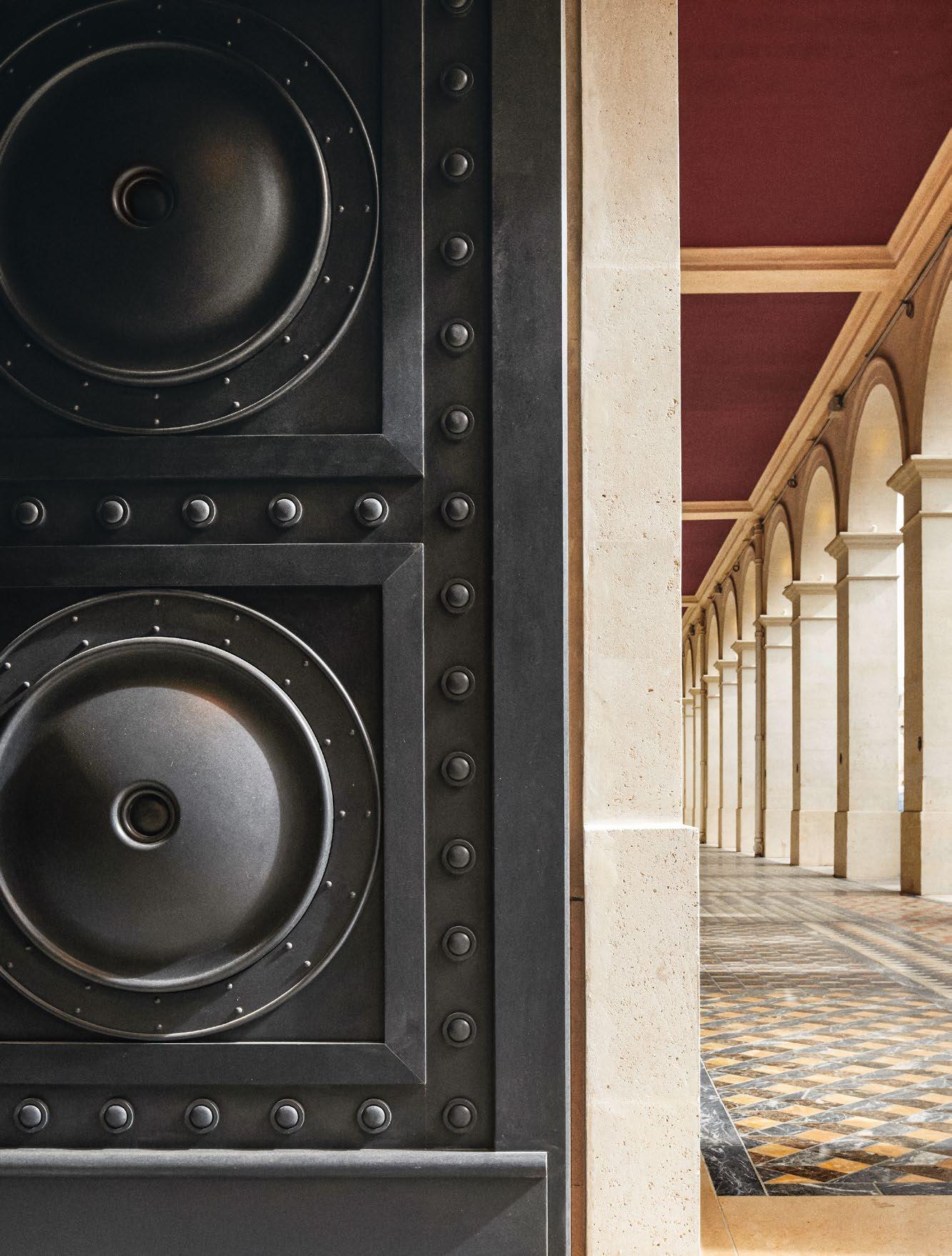
The hotel’s entrance on the Rue de Castiglione: light-colored columns contrasting with a dark ornamental relief. A typical dialogue à la Liaigre.
PHOTO: ALEX PROFIT
Christian Liaigre redefined the
term luxury as something quiet.
the historic façade left standing. Liaigre created a succession of impressions, orchestrating a sense of well-being through a carefully staged dramaturgy. “Jean-Louis Costes and we wanted guests to be able to see their entire room as soon as they walked through the door,” Studio Liaigre has stated. “Large pivot doors made it possible to adjust the space to their liking –something completely new in a hotel. Similarly, we designed the dressing rooms as luxurious showcases, echoing the many fashion and jewelry boutiques on the Place Vendôme.”
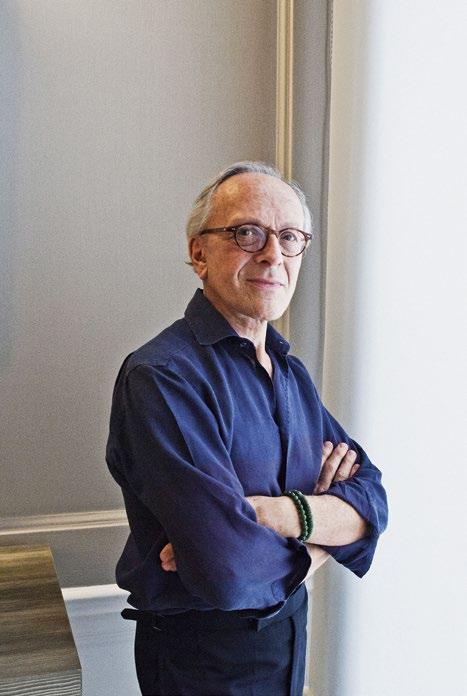
All in blue – Christian Liaigre dressed with the same moderation that characterized his designs.
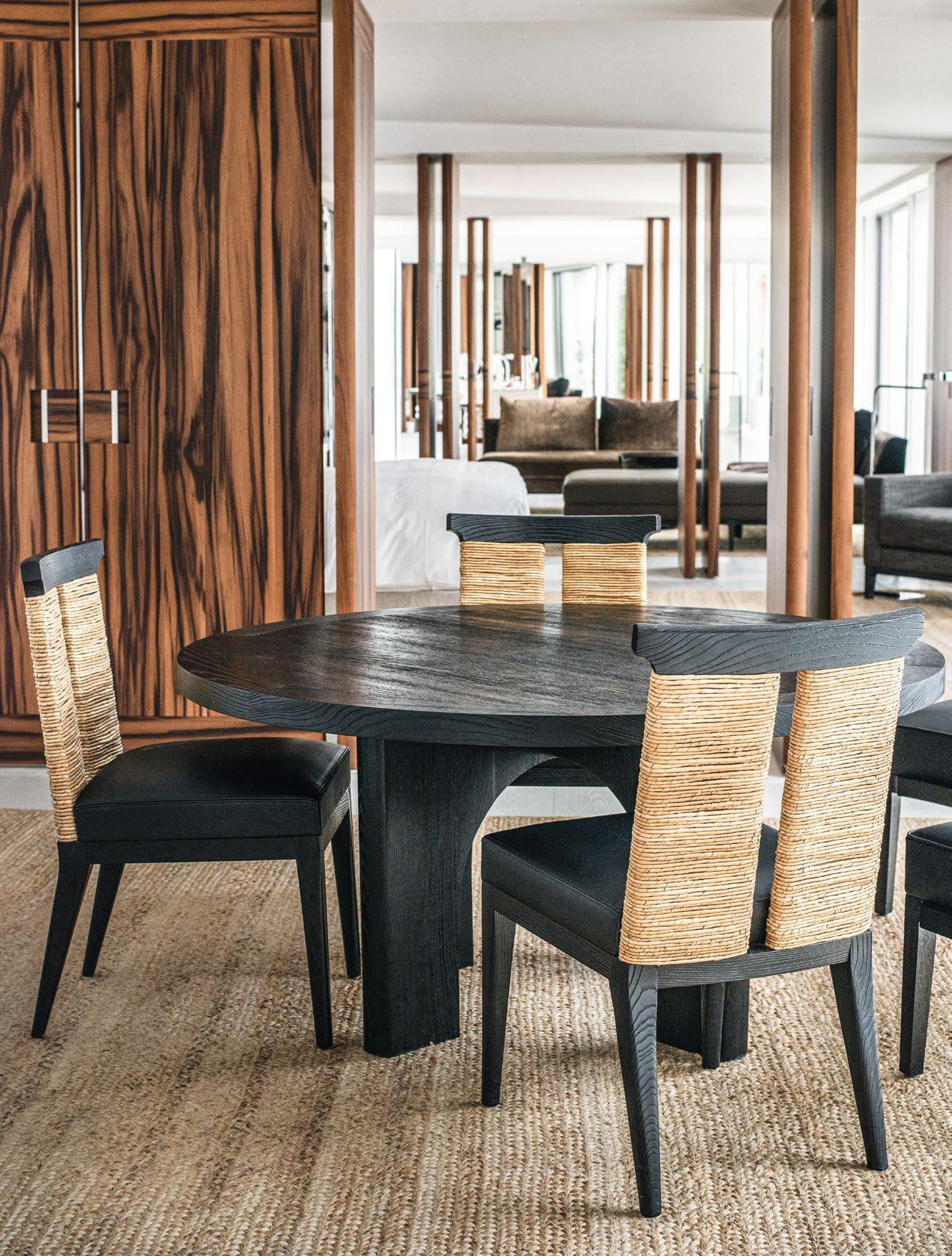
wood paneling, high ceilings, plenty of daylight and the quiet warmth that is so typical of Liaigre’s work. Despite their sobriety, the spaces he designs are never cold, but radiate harmony and generous light. He achieves this to an extent by awakening surfaces to life: using grained wood, patinated bronze, leather and natural stone – and playing with light and shadow. Studio Liaigre also developed a furniture series that matched the hotel. Today, these sofas, tables and lamps can be found in the Costes x Liaigre Capsule Collection.
A corridor leads from the splendor of the original building to the light-filled austerity of the new one. The transition is almost cinematic – a change of scene from night to day, from seduction to tranquility. Bertrand Thibouville, Creative Director at Studio Liaigre and a close associate of Liaigre’s for many years, describes the guiding principle for this project as “a contrasting relationship between the world of Luchino Visconti’s films and that of a monastery. Sweet nostalgia and peaceful contemplation.” He says the designer sketched out his idea of the rooms like a deconstructed Parisian mansion early on – open, fluid, yet retaining their historic character. Redesigning the interior of the new wing took five years. The old building was gutted and completely rebuilt, with only
The main entrance is no longer on the Rue Saint-Honoré but in the newly built wing. The lobby and reception desk belong to Liaigre’s world as well. From the moment you arrive, you sense that the hotel has changed; only after passing through the corridor into the historic part do you re-enter the old universe.
Now, at the Hôtel Costes, two very distinct styles exist side by side, complementing each other to perfection. Together, they make the hotel grander, multifaceted and more complex –which explains its fascination. In the history of interior design, the Costes is an absolute exception: Two illustrious masters of their trade left their mark in their home city in the same prominent hotel. And they did this in Paris of all places, a city that prefers to keep its institutions the way they’ve always been.
In late August of 2020, 25 years to the day after the hotel’s initial opening, the “new” Costes was inaugurated. Five days later, as if he had only been waiting for this moment, Christian Liaigre died at the age of 77
It was very courageous of Jean-Louis Costes to put his hotel into Liaigre’s hands. He must have known his friend well enough to realize that he would never imperil the myth. In fact, Costes scarcely intervened at all. “He gave us carte blanche, with very few restrictions,” says Thibouville, Christian Liaigre’s longtime associate. And the story isn’t over: After the visionary designer’s death, his team designed the pool, spa and fitness center at the Costes. Currently, they’re planning a new part of the hotel.
www.gg-magazine.com
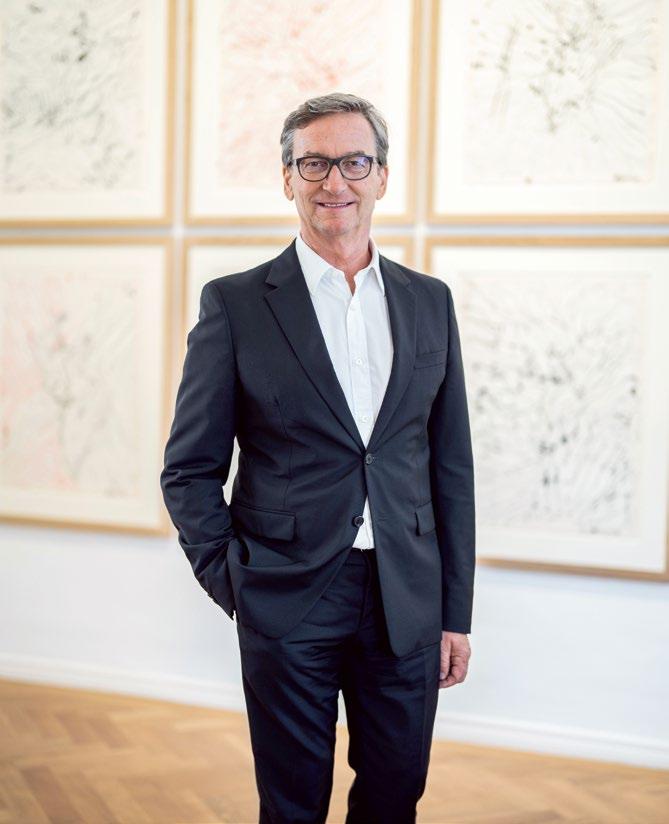
One of the world’s most influential gallerists, Austrian-born Thaddaeus Ropac and his teams represent 76 artists and their estates – including those of Joseph Beuys and Andy Warhol – across three continents. We talked with him about happy moments, missed opportunities and his own significance.
BY SVEN MICHAELSEN
EMPATHETIC TRAILBLAZER
hen Thaddaeus Ropac recalls his journey from self-taught artist to one of the most important gallerists of our time, it’s tempting to think he has carefully crafted the story himself. Fine art was absent in his parents’ home life; his father was a leather expert who worked in factories in Carinthia. Describing himself as “ignorant of everything but willing to try anything,” Ropac applied for a position as an assistant to Joseph Beuys in
1982 and landed an unpaid job as “assistant to the junior assistant.” Beuys barely noticed him, Ropac says, but after a few months, he wrote Ropac a letter of recommendation for Andy Warhol “– purely out of kindness.” The text, written in felt-tip pen on a napkin, read: “Dear Andy, please meet this talented young man. Joseph.” When Ropac presented himself at The Factory in New York, he was introduced to Jean-Michel Basquiat the same day.
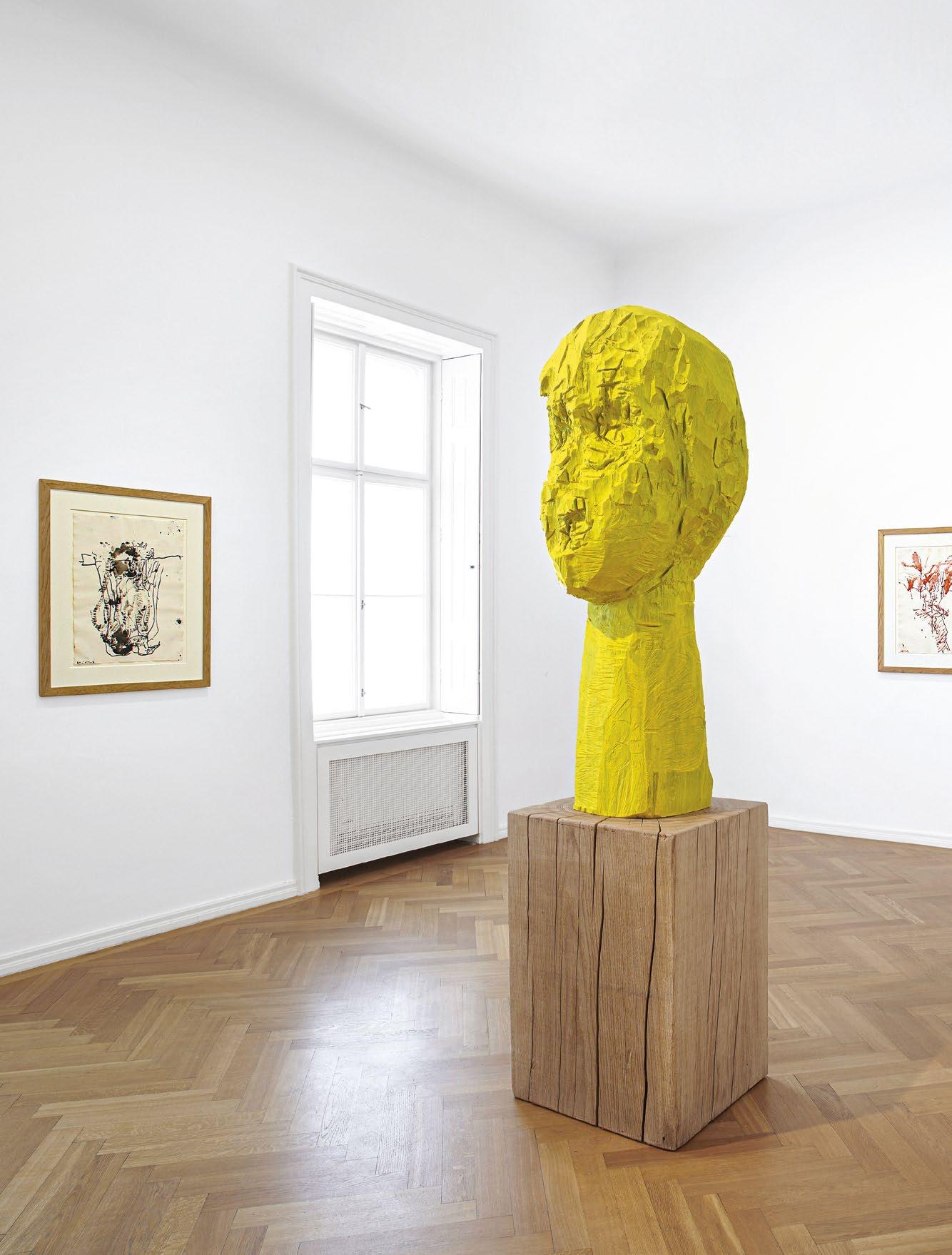
The Baselitz sculpture ”Die Elbe” is part of the ”Dresdner Frauen” series. Thaddaeus Ropac displayed the painted bronze fgure as part of the “Adler Barfuss” exhibition in Salzburg in the summer of 2024.
Ropac used Basquiat’s drawings to stage an exhibition in his newly opened gallery in Salzburg. “I later asked Basquiat why he had entrusted his drawings to a 22-year-old novice like me. He replied, ‘Because Andy brought you.’” Today, Ropac has 150 employees across the globe. The gallery’s roster of living artists includes such world stars as Anselm Kiefer, Georg Baselitz, Elizabeth Peyton, Tom Sachs, David Salle, Tony Cragg, Alex Katz and Robert Longo.
We found Ropac sitting in the executive office of his Salzburg gallery, a cup of green tea in front of him and a Baselitz behind him. Unlike the global market leader, Larry Gagosian, Ropac comes across as more of a reserved aesthete who would rather discuss the influence of Paul Celan’s poetry on Anselm Kiefer than talk about prices and profits.
Mr. Ropac, you are self-taught. At what point were you first able to distinguish a Monet from a Manet?
In my mid-twenties. I started with contemporary art and worked my way backwards.
Was there a particular moment that sparked your enthusiasm for art?
Yes, my eureka moment came in 1979 at Joseph Beuys’s installation “Basisraum Nasse Wäsche (Jungfrau)” in the Palais Liechtenstein in Vienna. At first, I was annoyed because I didn’t understand what three aluminum gutters, two tables and a bale of laundry had to do with art. On the other hand, I was curious about why people had chosen to exhibit this kind of thing in such a prestigious setting. This inner conflict is what led me to the art scene at the age of nineteen.
“Artists want someone with a critical mind who can tell them when they’ve lost their way.”
THADDAEUS ROPAC
When did you first see Beuys in person?
At an event at the University of Applied Arts in Vienna in 1981. The room was so overcrowded, I had to stand on a table. Although he arrived with three or four other artists, by the end of the event it seemed like Beuys had been the only one there. He had a rare and remarkable presence and an ability to captivate an audience through his voice and body language alone.
What was your impression of Andy Warhol?
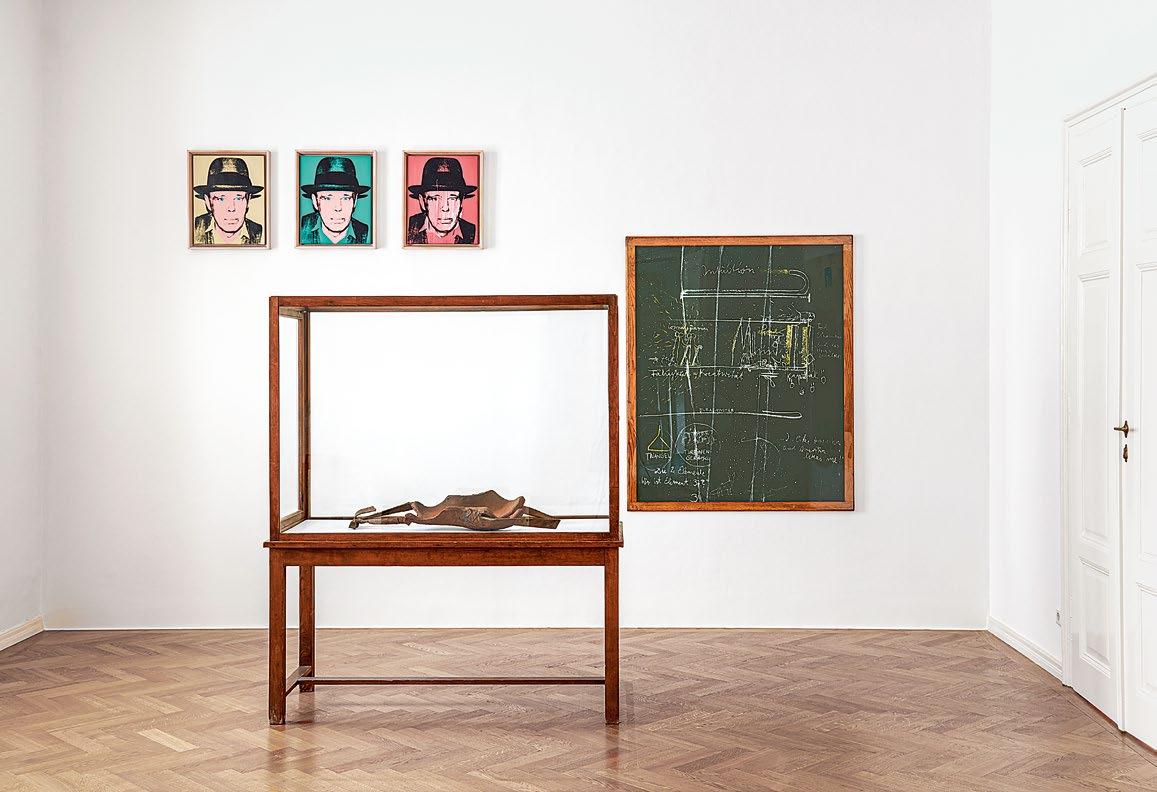
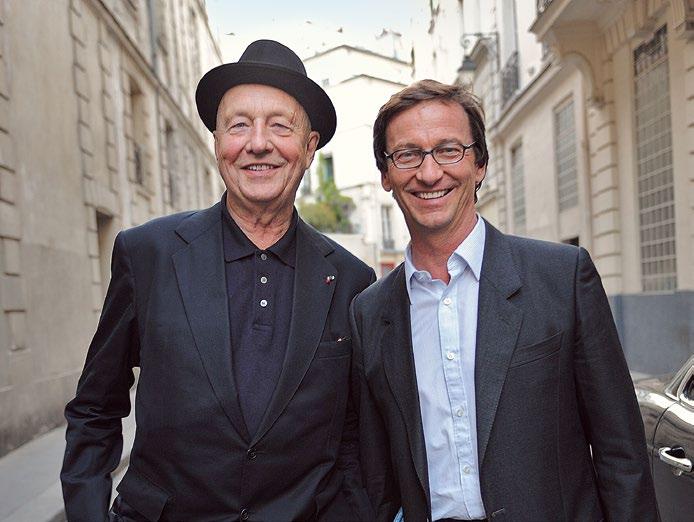
The exhibition to mark the gallery’s 40th anniversary featured works by Joseph Beuys, including: ”Backrest of a Fine-limbed Person (Hare-type) of the 20th Century AD,” 1971 (display case), and ”Is It About a Bicycle? III,” 1982 (blackboard). On the wall: Beuys portraits by Andy Warhol. Thaddaeus Ropac pictured with Georg Baselitz in Paris (bottom left).
In many ways, he was the opposite of Beuys. He was shy and awkward and spoke so quietly, it was often difficult to understand him. But he was the living embodiment of his own myth, which was naturally very exciting. Whenever he appeared at an exhibition or party wearing his white-blond wig, a murmur would sweep through the room.
You presented the last exhibition of Jean-Michel Basquiat’s lifetime in Salzburg in July 1988. What did you think of him?
Basquiat’s drug addiction and erratic behavior were hard to overlook. Today, few people remember that his career had many ups and downs. When he died on August 12, 1988, his reputation was at an all-time low. His collaboration with the famous New York gallery owner Mary Boone had ended and the prices of his paintings were falling rapidly. The Basquiat boom didn’t begin until years later.
When you founded your gallery in 1981, Basquiat was one of the first artists you exhibited. How did his drawings go over with the public?
I couldn’t sell a single one. But then again, I didn’t really have much of a customer base. At the time, my gallery was located above a U.S. Army surplus store.
Have you ever discovered an artist, or is that something only smaller galleries can do?
We don’t constantly go to art schools looking for talent, but we make a point of finding young artists early – ideally before our colleagues spot them. Our youngest artist is Eva Helene Pade, who was born in Denmark in 1997 and lives in Paris. One of our employees discovered her at a group exhibition in Copenhagen. We all knew immediately that she was destined to have a great career.
Your legendary colleague, Rudolf Zwirner, said, “You can only appreciate the art of your own generation.” Now that you’re 65 do you understand the art produced by 30 -year-olds? I agree with Zwirner. When we exhibited Hito Steyerl in London, our team asked her to take part in a discussion with young artists. She agreed and chose the artists herself. I was in the audience at that event but didn’t always understand what they were talking about. I struggle to connect with art that applies AI in language and materials I’m happy to leave these topics to our younger employees. As you get older, you can’t endlessly develop a new understanding of contemporary art.
Is there an artist that you regret not having recognized sooner?
Brice Marden is one example. He was a friend and neighbor of mine on the Greek island of Hydra. He was 22 years older than me and part of a di fferent generation. If I’d recognized his importance from the start, I’d have made more of an effort to support him. It was a missed opportunity, and I do look back with regret.
Is there a piece of art that has haunted you because you wanted to buy it but couldn’t?
As I’m building my own collection alongside the gallery, this happens more often than I care to admit. No sooner do we acquire a piece to address one gap than a new gap opens. But there have also been lucky breaks I never thought possible. For years, I pursued a major work by Robert Rauschenberg: “Rigger,” from 1961, and finally acquired the painting in the spring.
Which piece in your collection holds the most sentimental value for you?
Perhaps the most important piece in my collection is Beuys’s installation “Lightning Strike with Glow on Deer.” I was there when it was created, though not as Beuys’s assistant, as is often mistakenly claimed. I just fetched beer or was sent out to buy glue. I wasn’t actually involved in the creative process at all. Thirty years later, Beuys’s widow offered to sell me the original sculpture, which consists of 39 parts. I never would have expected that, even in my wildest dreams. It brought me full circle, from being an assistant barely scraping by and living in a youth hostel to being a gallerist and Beuys collector.
What if you visited one of your artists in their studio and didn’t like what you saw. Would you tell the artist to their face or leave it up to one of your sta ff ?
I’d do it myself. It’s much easier than you think. Over the years, you build a relationship of trust that allows you to be very honest with each other. When artists ask me what I think of their work, they’re looking for constructive feedback rather than empty praise. Unconditional approval would make them suspicious. They want someone with a critical mind who can
tell them when they’ve lost their way or when a work still isn’t finished.
When long-time museum director and curator Kasper König was asked how long it takes him to recognize an exceptional work of art at exhibitions, he replied: “0 1 seconds. When I’m in the right mood, even my ass can recognize good art.” How about you?
König is right. When you’ve seen a lot of art, you quickly recognize something that’s special and extraordinary. But such moments are rare. Take the Venice Biennale, for example, where you can see hundreds of works of art. I discount most of them within just a few seconds.
“Ultimately, art is always about the artists. People like me are forgotten soon or later.”
THADDAEUS
ROPAC
Are you, Larry Gagosian, David Zwirner, and Iwan Wirth the first gallery owners in art history to be more famous than most of the artists you represent?
That’s a huge misconception, which I reject. I’ve studied the great gallery owners of the 20 th century. The most powerful and influential of these was Leo Castelli. He discovered art movements and introduced them to the world.
After his death in 1999, his artists grew in importance and prominence, while his own name gradually faded. Who still talks about DanielHenry Kahnweiler, Picasso’s gallery owner? Ultimately, art is always about the artists. People like me are bound to be forgotten sooner or later.
Every major collector dreams of having a museum named after them. Would you like to achieve immortality this way? ?
I don’t want to talk about a museum yet. You
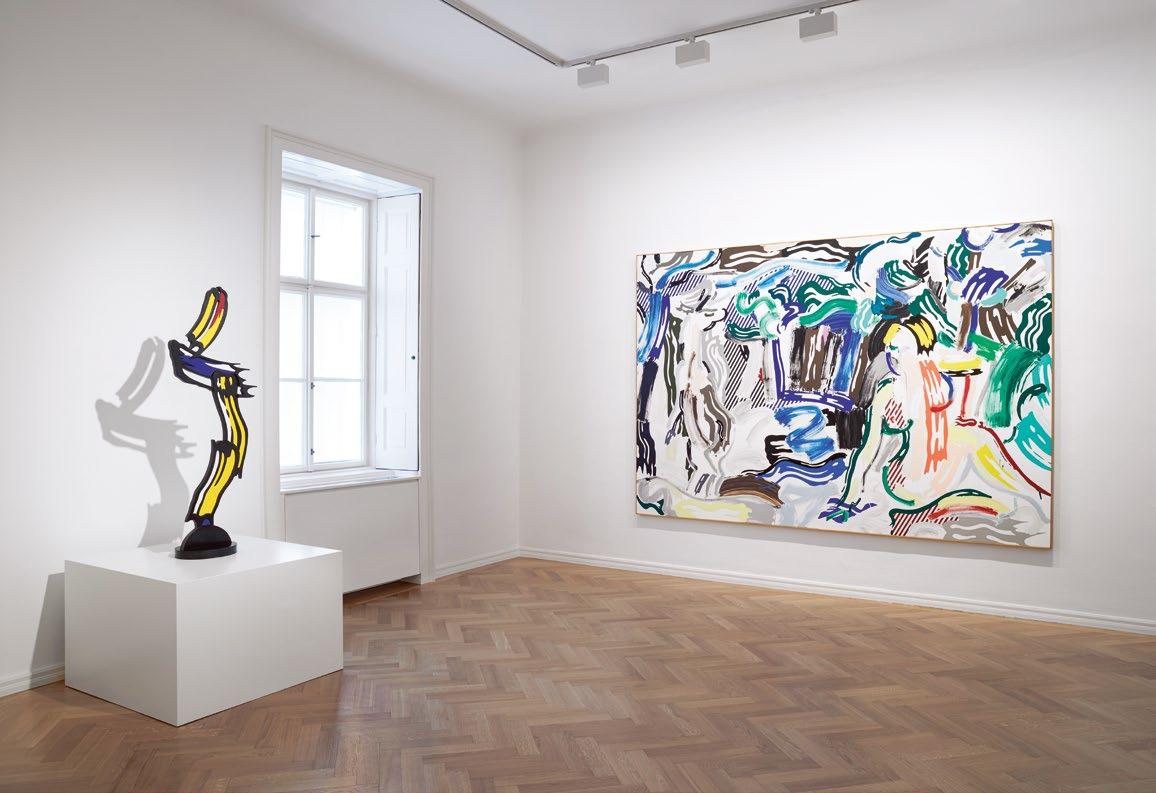
Under the title ”The Loaded Brush” (2019), Ropac presented 35 works by Roy Lichtenstein in Salzburg, including the sculpture ”Brushstrokes in Flight,” 1982 and the painting ”Artemis and Actaeon,” 1987.
have to be careful it doesn’t become a vanity project. The art is what’s important, not the collector.
Can you explain why three of the world’s most important gallerists – David Zwirner, Iwan Wirth and you – are all from German-speaking countries?
I’ve often wondered, but I can’t think of a logical explanation. Perhaps it’s due to the international presence of German art. Many people in the German-speaking world are unaware of the global fame that artists like Kiefer and Baselitz have achieved.
Alberto Giacometti was once asked what he would save from a burning house – a cat or a Rembrandt. He chose the cat. Which would you choose?
I’m not falling for that one. Any answer I gave would be banal and pointless.
What pitfalls would you warn an aspiring gallerist to try to avoid?
Responding to a journalist who asks, “Who is your favorite artist?” I fell into this trap many years ago. It wasn’t long before one of the great painters called me and said, “So you don’t love me!” I understood his frustration. It’s hurtful to discover that your gallerist doesn’t consider you his favorite artist.
Gerhard Richter’s fortune is estimated to be around €700 million. Are you surprised that someone can achieve so much with a paintbrush? No, because artists like Rubens, Dürer, van Dyck and Bernini were also wealthy in terms of their purchasing power.
You have been the sole owner and director of your gallery for over 40 years. Who could possibly challenge you now?
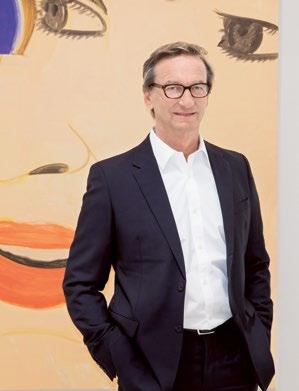
Oh, anyone! In fact, I demand to be challenged. Sixteen directors from all over the world are part of our decision-making process. I recently suggested an artist who I thought would be a good fit for the gallery. I was sidelined, and accepted that. I know that I don’t always know everything. How could I possibly insist on being right about art from Southeast Asia or South America? I don’t have any experience in those areas.
$1 billion, from international sanctions in duty-free warehouses, the darkrooms of the global art market. Do you still accept money from Russian buyers or their proxies?
We’re extremely cautious about this and have reduced it to a minimum. Our compliance department can trace the flow of money back to its source. It’s a tedious and time-consuming process, but it ensures that we don’t deal with criminals hiding behind shell companies or fronts.
“When you’ve seen a lot of art, you quickly recognize something that’s special and extraordinary. But such moments are rare.”
THADDAEUS ROPAC
You have veto power. When do you make use of it?
If I can’t relate to a piece, I’ll tell the artist, “I’m sorry – it’s not going to work.” But situations like that are rare. We recently said goodbye to an employee in London who had managed a museum for forty years before joining us. Given her experience, her opinion was clearly as valid as mine.
Your gallery holds 35 to $0 exhibitions worldwide each year, including in faraway cities such as Seoul. Are you involved with every show?
I probably shouldn’t say this, but sometimes I don’t see the artworks until the exhibition opens. Then, I feel like a visitor.
You just opened a branch in Milan. Why aren’t you represented in New York yet?
I’d love to be there, but it would require a total commitment, like David Zwirner or Iwan Wirth, who moved to New York early on. I have an apartment in Manhattan but my life is in Paris and the cost of moving my life is too high for me. I’m probably too European.
Russian oligarch Roman Abramovich hides his art collection, which is worth an estimated
For many years, Picasso’s last painting hung above Larry Gagosian’s bed. What hangs above your bed at Schloss Emslieb in Salzburg?? An early painting from Baselitz’s “Heroes” series.
How would you rate your lifestyle?
Not very highly. I’m a dyed-in-the-wool gallerist. My lifestyle denies me what many people consider a “quality of life.” What I’ve achieved is based on talent, luck and hard work that has taken a toll on my physical health. You pay a price.
How many days do you travel each year? About !80
How much time do you spend at your house on Hydra each year?
Three days in June.
What expression in your industry would you like to see banned?
“That’s so inspiring.”
What’s one thing people say about you that you’re tired of hearing? That I’m a good host.
How would you end your autobiography? Art goes on. Don’t believe anyone who predicts the end of painting. The next generation will create pictures we can’t even imagine today. In the art world, everyone is ultimately just a footnote.
Would you buy a portrait of the person you were before you became who you are today? Absolutely! What would I see in that picture? A curious young man with very long hair who is naive and ignorant. I wouldn’t be afraid of anyone seeing that portrait.
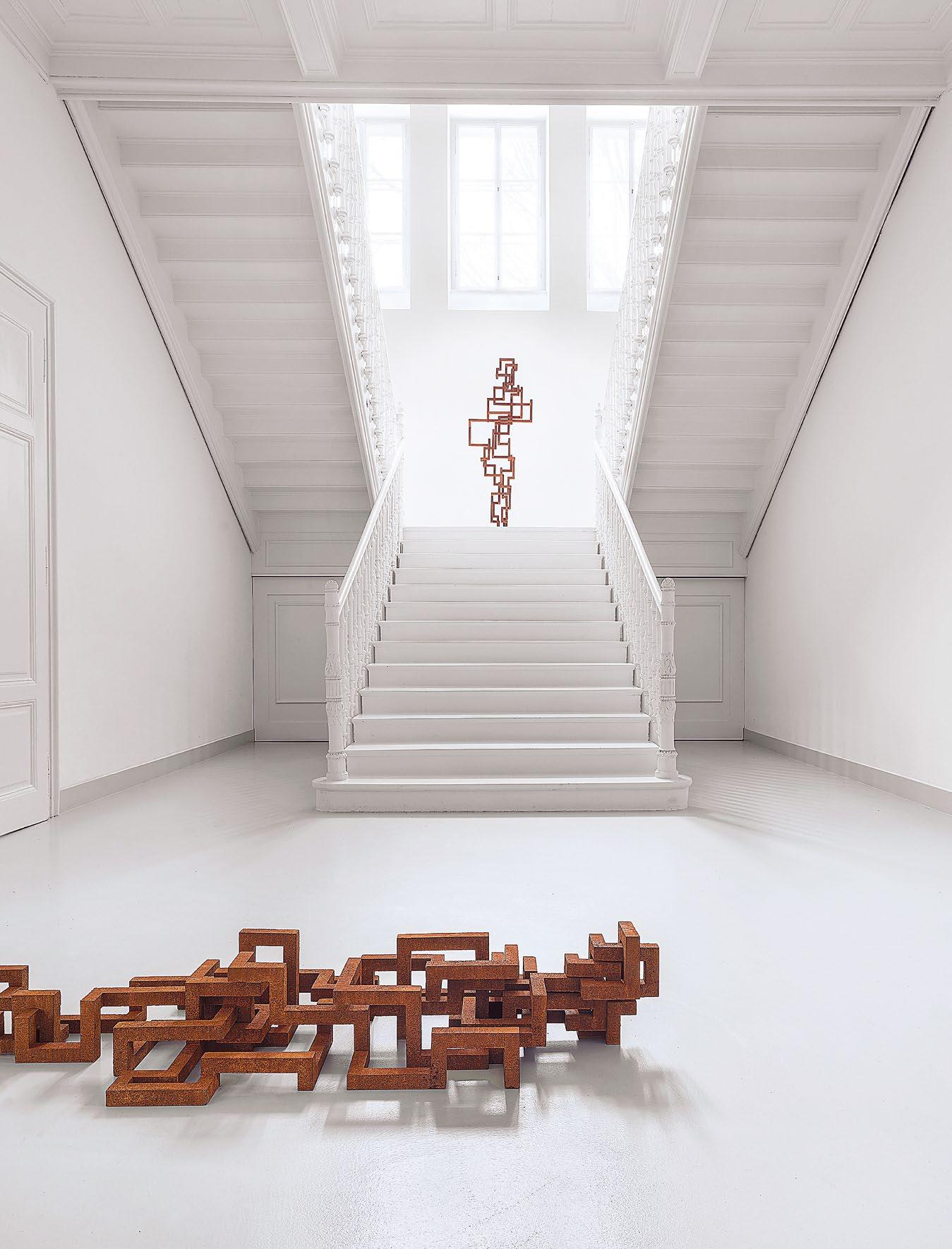
Antony Gormley, ”Umwelt” exhibition, Salzburg 2023, works ”Earth II” and ”Ravel,” 2022 (left). Ropac in front of ”Purple Split 2,” 2022, by Alex Katz (above).
DETOXING LIKE A HOLLYWOOD STAR
In the south of Austria, where the modern F.X. Mayr cure was first developed, Hollywood stars today recharge their energy. A visit to the Medical Health Resort Vivamayr
BY MICHAELA CORDES
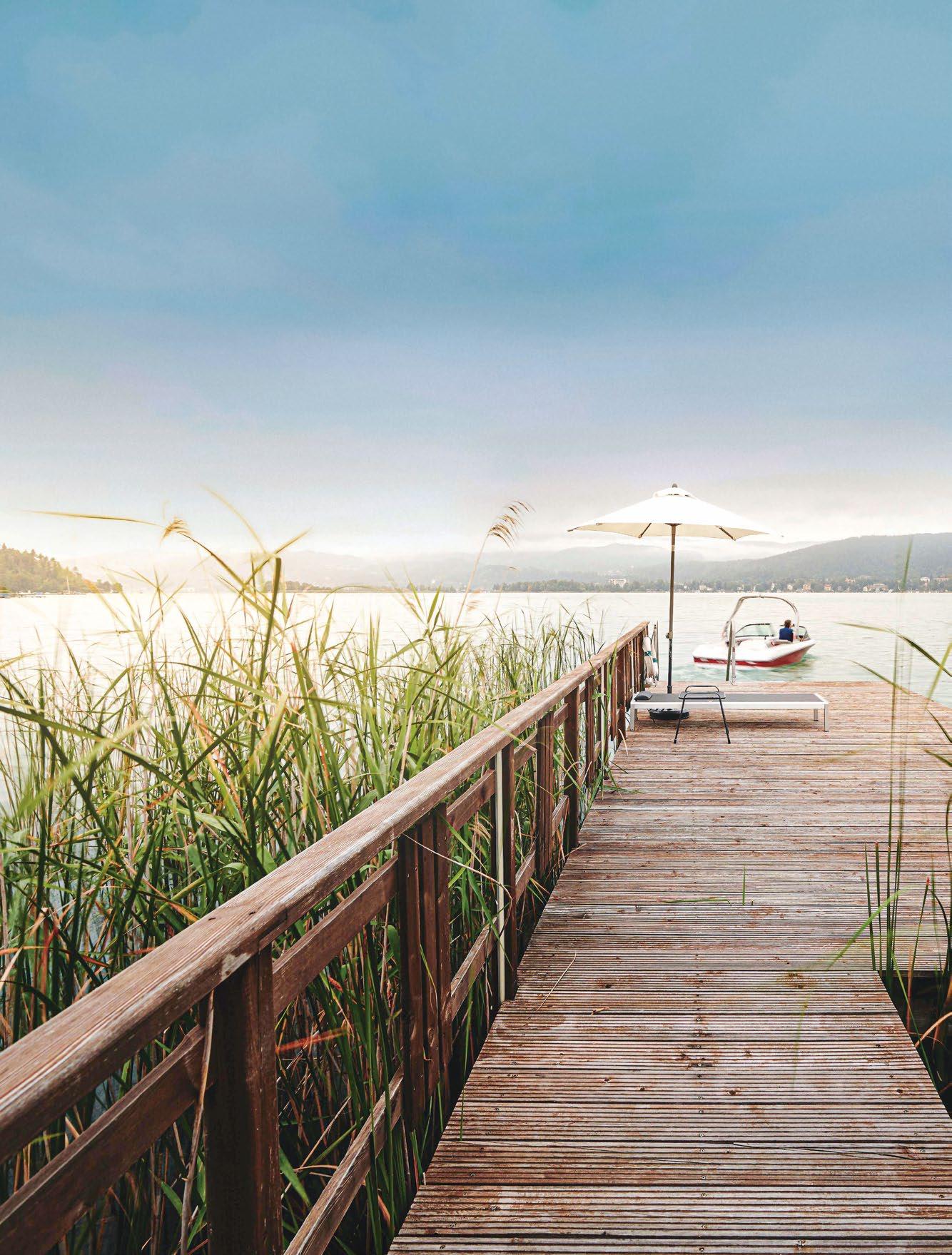
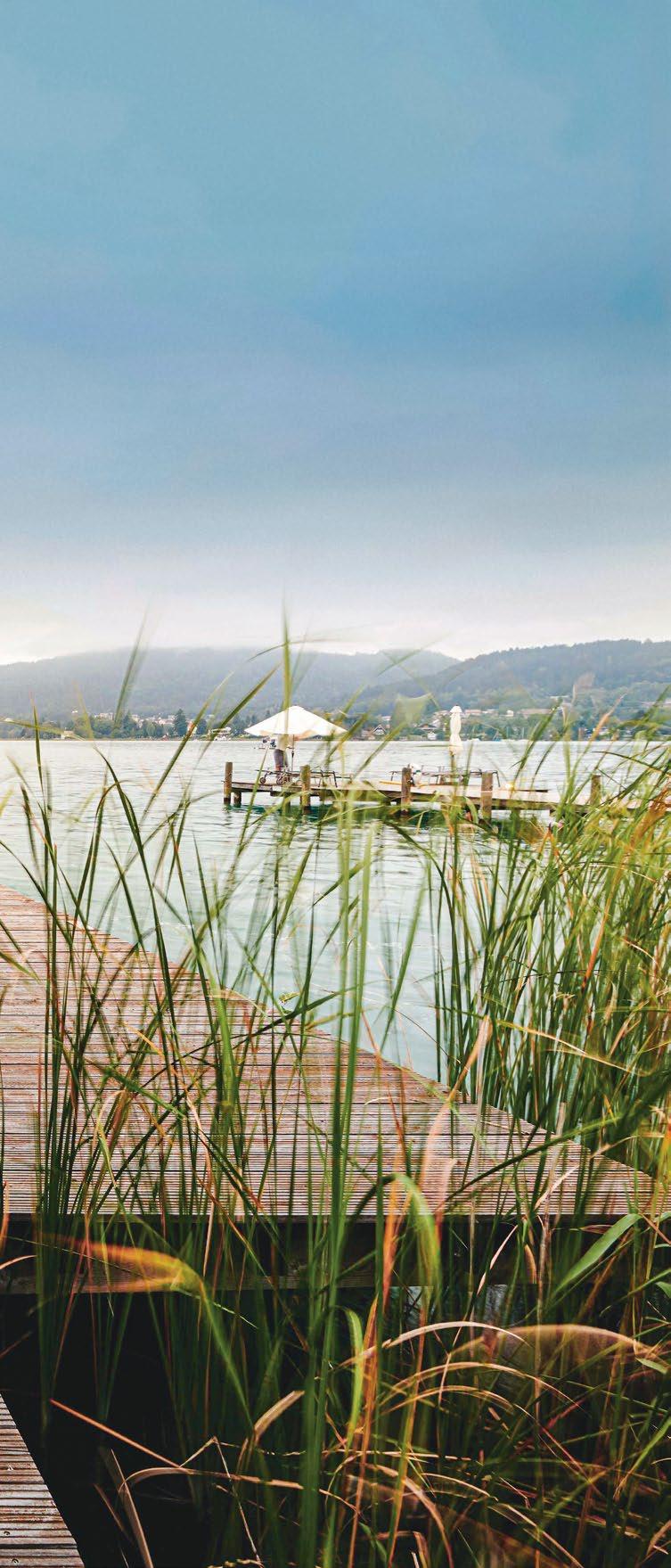
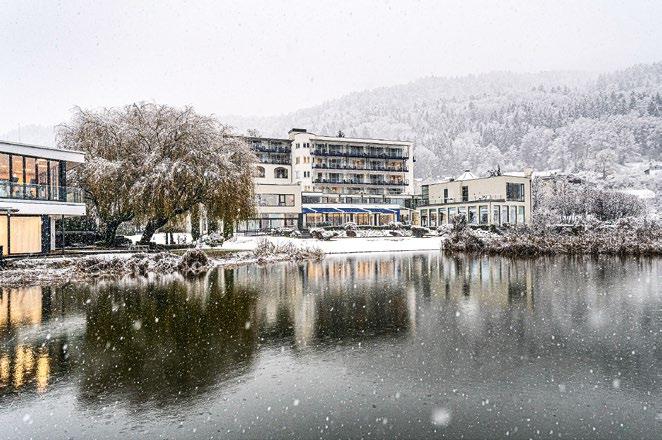
Outside, the sun sparkles on the ink-blue waters of Lake Wörthersee, plunging to a depth of !6 meters. Through the open window drifts the lively chatter from the terrace, while Dr. Fink places tiny amounts of gluten, egg, and other food substances on my tongue. She asks me to press my arm against hers with full force. From my muscle reactions, she compiles a personalized nutrition plan for the coming days. It is my very first medical appointment here at the Medical Health Resort Vivamayr Maria Wörth. Last night, I was picked up at Klagenfurt airport – and couldn’t help smiling as I passed a kiosk right in front of the resort stacked high with freshly baked pretzels and chocolate. For me, the next ten days mean: abstinence! After countless travels, jet lag and mounting everyday stress, I had been struggling increasingly with digestive problems over the past few months. That’s why I chose the “Prevent & Wellbeing” program that’s designed to strengthen the gut with the help of the F.X. Mayr cure.
Already at check-in, the international spirit of the place strikes me. Stars such as Elizabeth Hurley, Kate Moss, Naomi Campbell and Chuck Norris have all recharged their batteries here — and swear by the cure’s healing effects. “We are visited by guests from all over the world,” Managing Director Serhan Güven tells me when I meet him during my stay. “In the past, the focus was on classic detox and weight loss. Today, our guests come to us with stress, exhaustion, or mental health issues. Social pressure has definitely increased. That’s why we now employ two psychologists in our medical team –both of whom are mostly fully booked.”
I quickly realize that I’m not alone with my complaints. “Everyone has the right to grow old in good health,” explains Dr. Werner Zancolo, the head physician, later – quoting the original founder of the F.X. Mayr cure. “The gut dictates how we feel. It is the ultimate source of serotonin. When it falls out of balance, we notice it mentally as well.” His advice sounds simple but entirely convincing: “Eat 15 to 2& different kinds of fruits and vegetables per week, go for a fiber-rich diet, integrate prebiotics like acacia fiber and reduce stress.
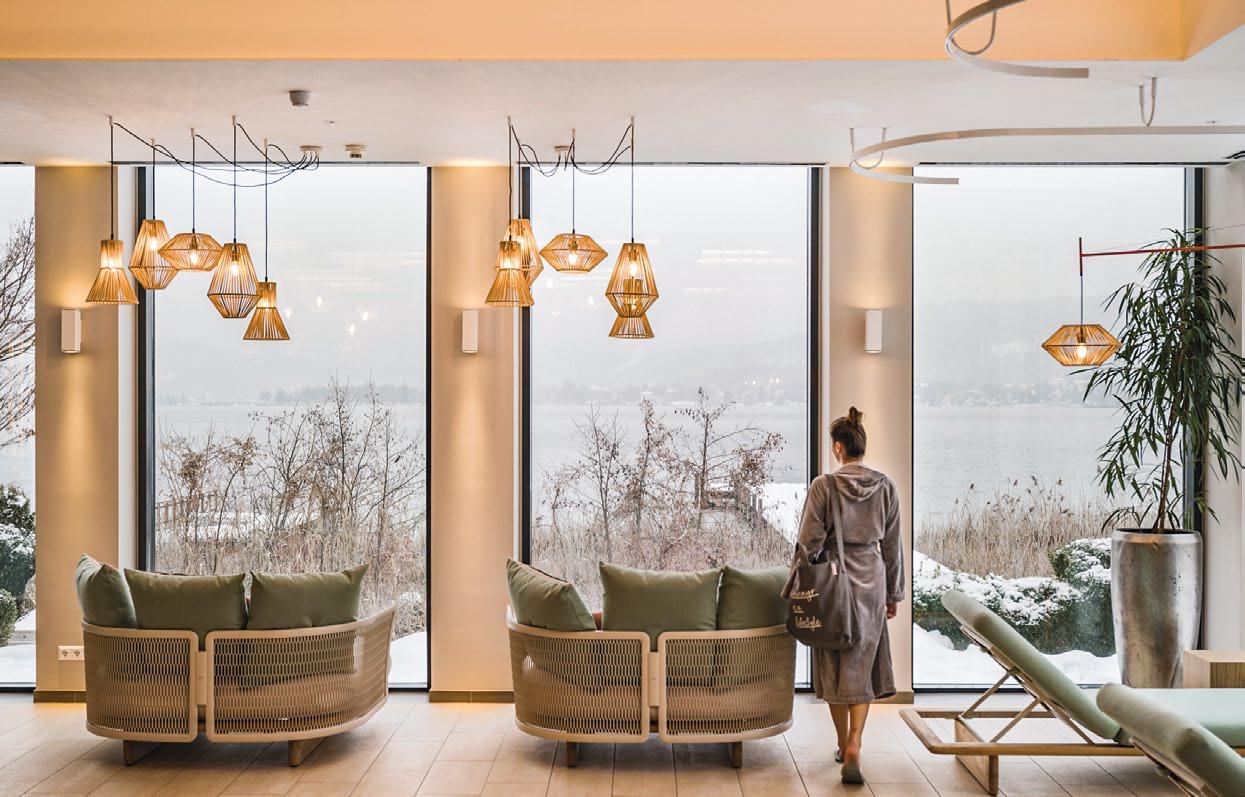
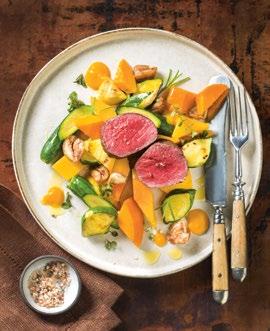
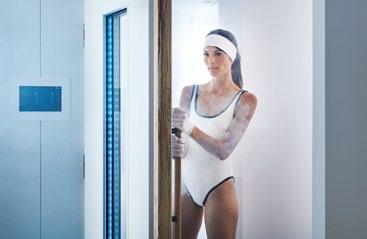

The essential building blocks at Lake Wörthersee are the following: four saunas, cold and infrared chambers, medical treatments, moderate exercise and delicious alkaline-based cuisine.
Each day at the resort is carefully structured. At I wake up to a dreamlike view of the lake. First step is drink ing my magnesium concentrate – much milder than the in famous Glauber’s salt – followed by an Ayurvedic oil-pulling ritual. At 8 a.m., breakfast is served: gluten-free, sugar-free and aligned with the Candida diet. Alongside it, I take a sup plement for a parasite cleanse, which sounds odd at first, but the doctor explains that about eighty percent of people are affected, often without showing any symptoms.
Later, I’m put to the test on an indoor bike: pedaling un til I’m breathless, then blowing into a tube. The results con firm my suspicion: I am stressed. My body burns far more carbohydrates than fat: a clear sign of chronic strain. I’m advised to avoid long anaerobic workouts, which signal to the body: You are in danger. Prolong this state, and illness is the likely consequence.
After a light yet delicious lunch, my schedule leads me to breathing training with a professional opera singer. She shows me the importance of correct breathing, explaining how poor posture or trauma can cause the voice to “with draw,” and how, while scrolling through social media or sit ting at our desks, we often breathe very shallowly – or bar ely at all. She demonstrates exercises to strengthen the voice and expand the breath.
Dinner brings me into conversation with other guests: two Canadians, an Austrian, and a Turkish woman. Each with her own story of why she came here. On the day of de parture, after my final check-up, I take one last look at the beautiful Lake Wörthersee – feeling replenished and brim ming with fresh energy.
(2), RZ
(1),
The building blocks of the Vivamayr cure at Lake Wörthersee: four saunas, cold and infrared chambers, medical treatments, moderate exercise and delicious alkaline cuisine.
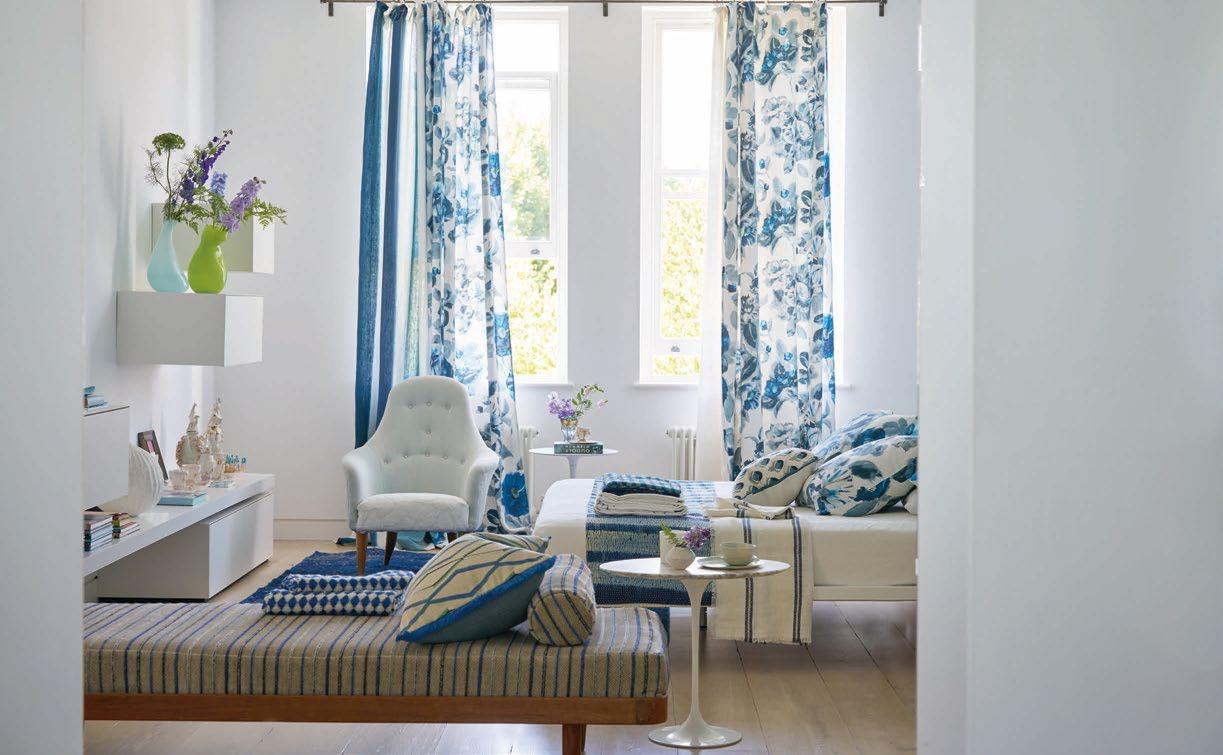
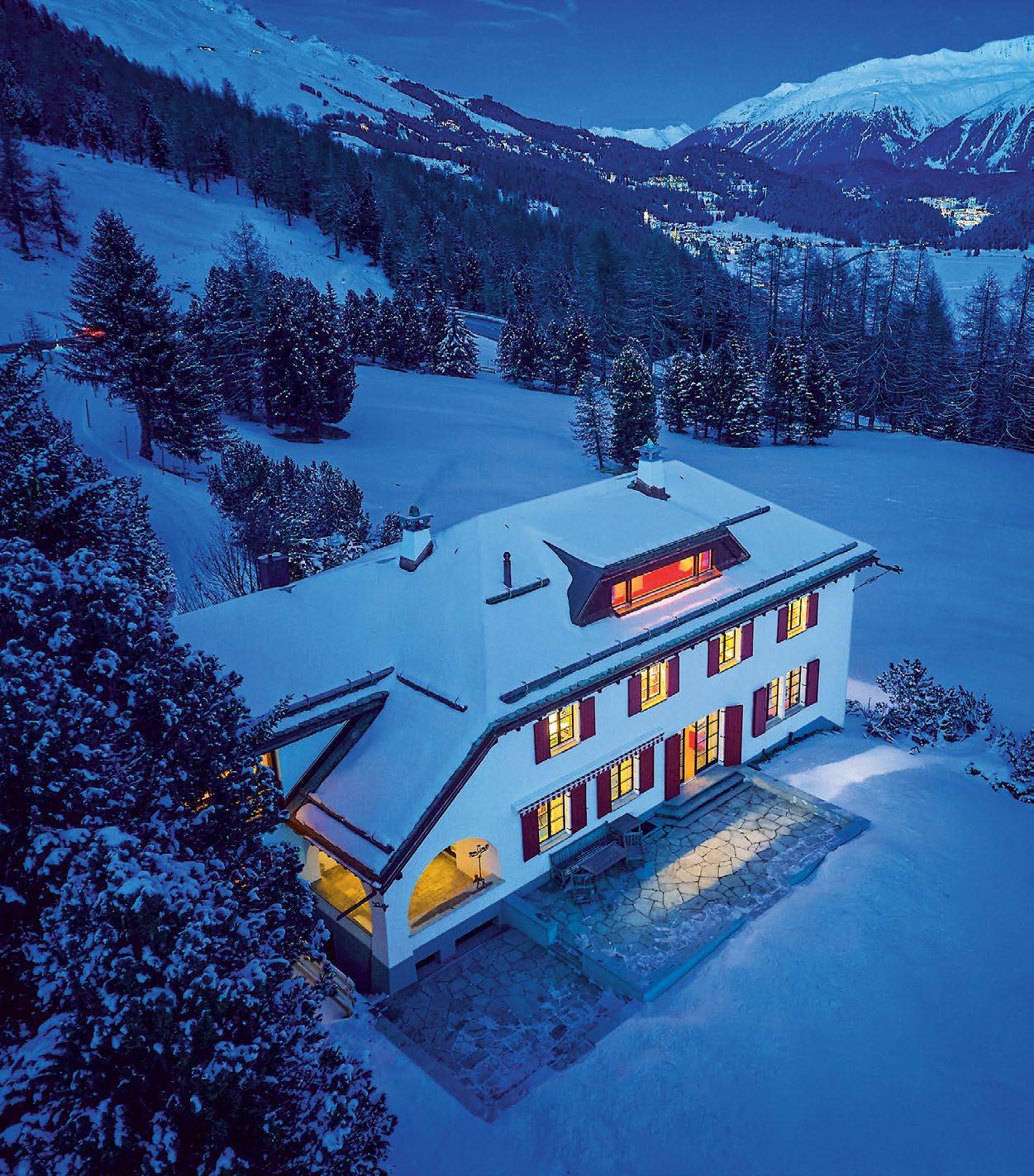
Nestled in the snow-covered Engadin mountains, Chalet Chesa Bellaria radiates a warm and inviting glow at twilight.
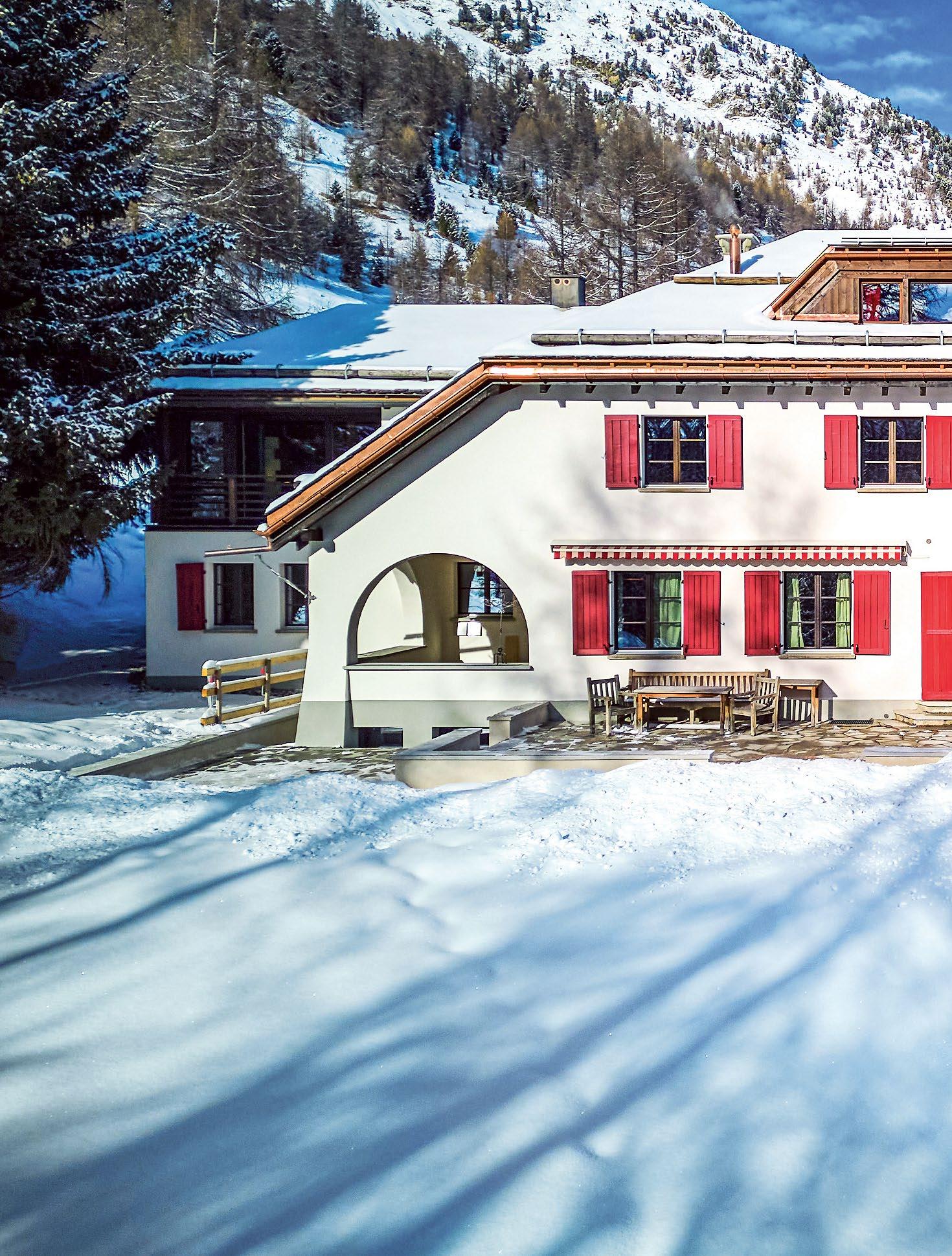
A FairytaleWINTER
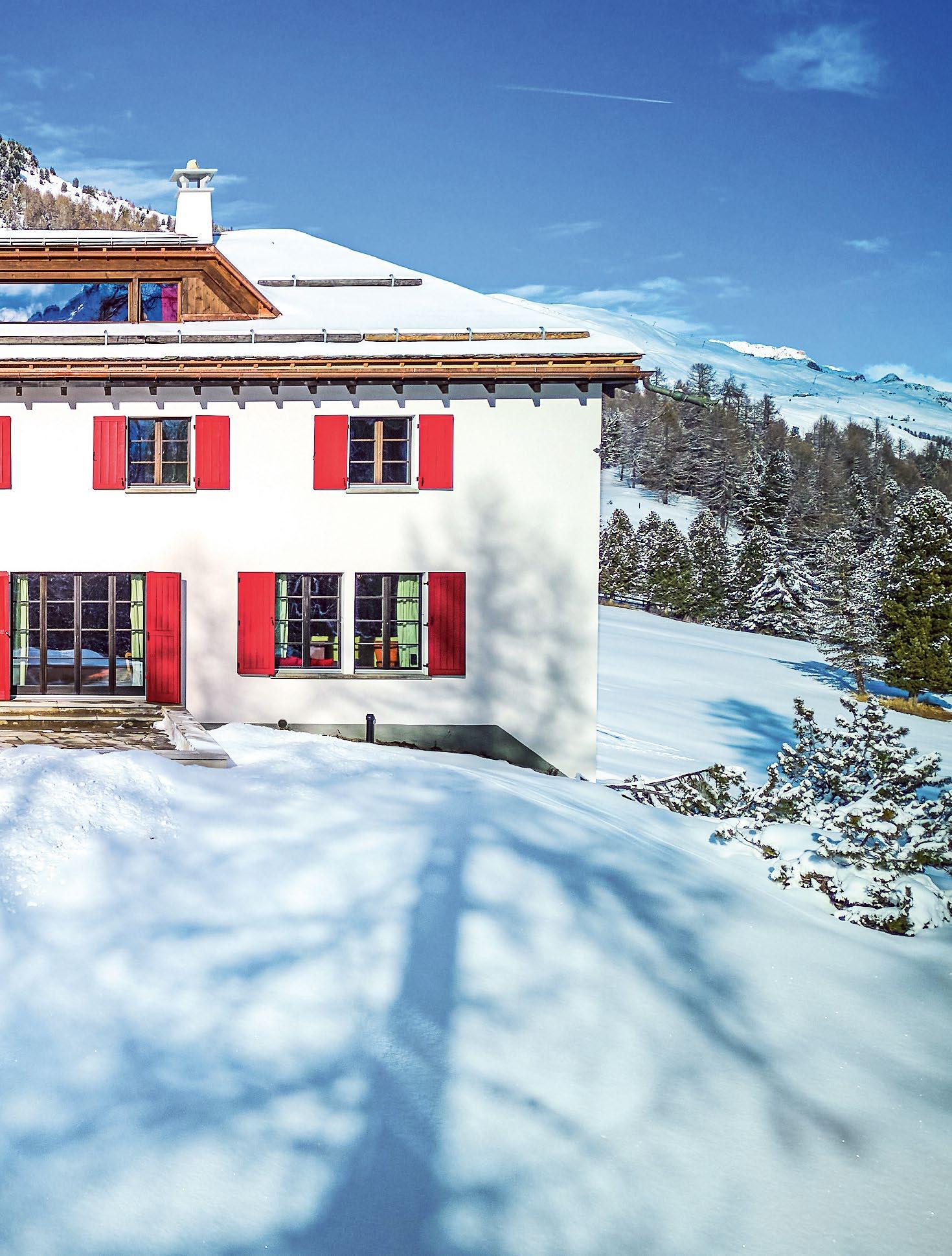
Tucked away in the mountains of Switzerland’s Upper Engadin region, Chesa Bellaria in Silvaplana offers alpine charm with an artistic twist – and is available for exclusive rental.
BY MERLE WILKENING
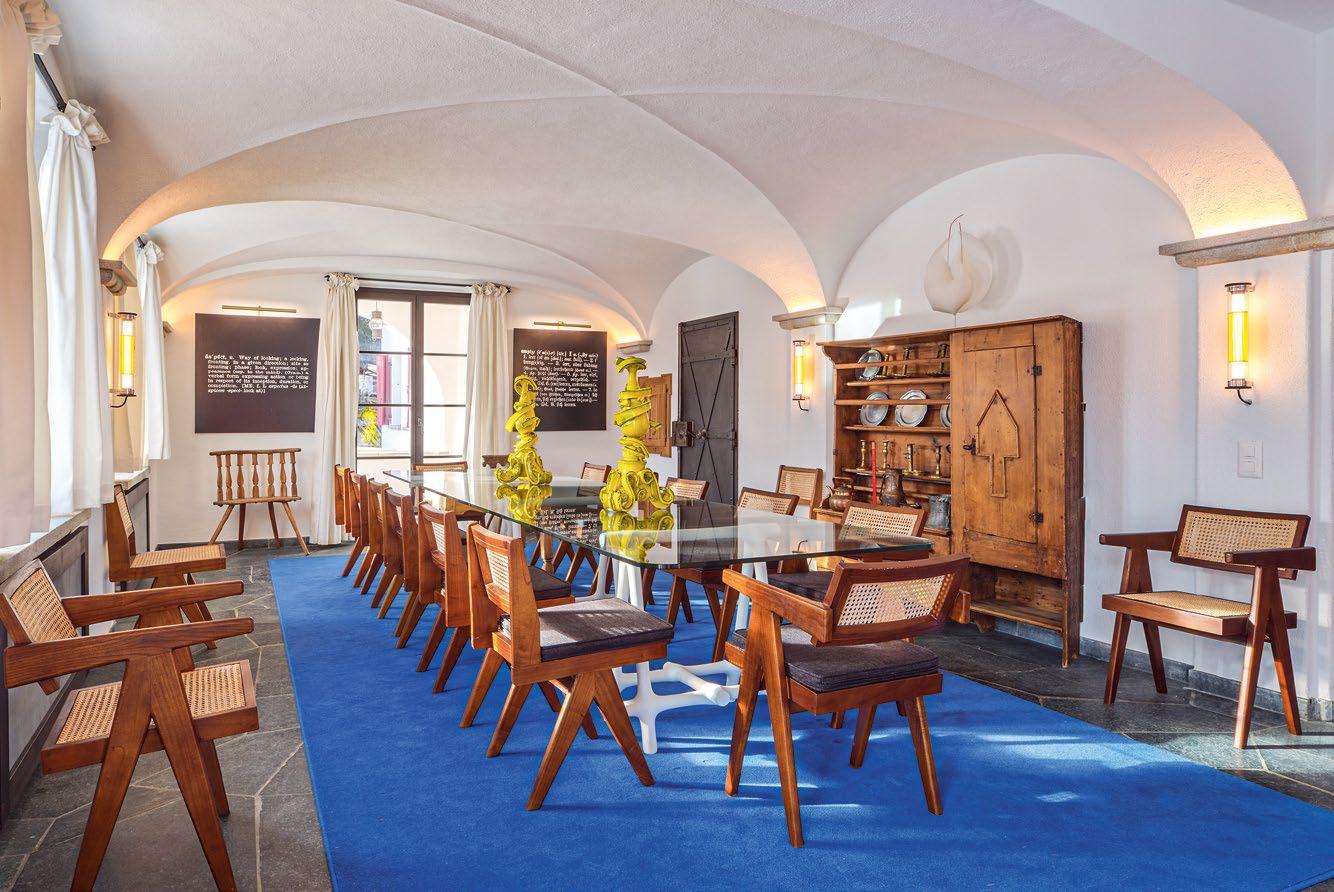
For those seeking alpine sports, culture and design all in one place, Chesa Bellaria is the perfect winter paradise.
Nestled amid the serene beauty of the Engadin Valley, Chesa Bellaria stands as a stunning testament to alpine architecture. With its blend of traditional charm and contemporary flair, it is more than just a house – it is a sanctuary where style and sophistication are infused with a spirit for adventure. The Engadin mountains have long been a magnet for creative minds and visionaries. Chesa Bellaria belongs to the Sachs family, whose legacy is tied to the late entrepreneur and art collector Gunter Sachs, a name still synonymous with glamour and the avant-garde in St. Moritz. The family’s roots in the valley run deep; the Engadin region is their home.
Set under a vaulted ceiling, the dining table is a superb place to gather, with artistic details elevating the ambience.
Rolf Sachs, the designer and son of Gunter Sachs, has overseen the extensive renovation
of the property, adding his own artistic signature in the process and breathing modern life into the walls of this traditional chalet. Bold colours, surprising materials and playful details transform each room into a stage for experiencing winter joie de vivre. With its generous living space of 700 square metres, set over four levels in total, the chalet is perfectly designed to accommodate family and friends. Six luxurious guest suites and two additional sta ff or guest rooms o ffer unparalleled comfort. Available for both shortterm and long-term rental, its interiors are flooded with natural light and furnished with the very finest materials. At the heart of the home lies the open plan living area, which is ideal for convivial, cosy evenings in. It is anchored by a striking copper fireplace that radiates warmth and character, complemented by cosy lambswool sofas and a glass table by Yves Klein.
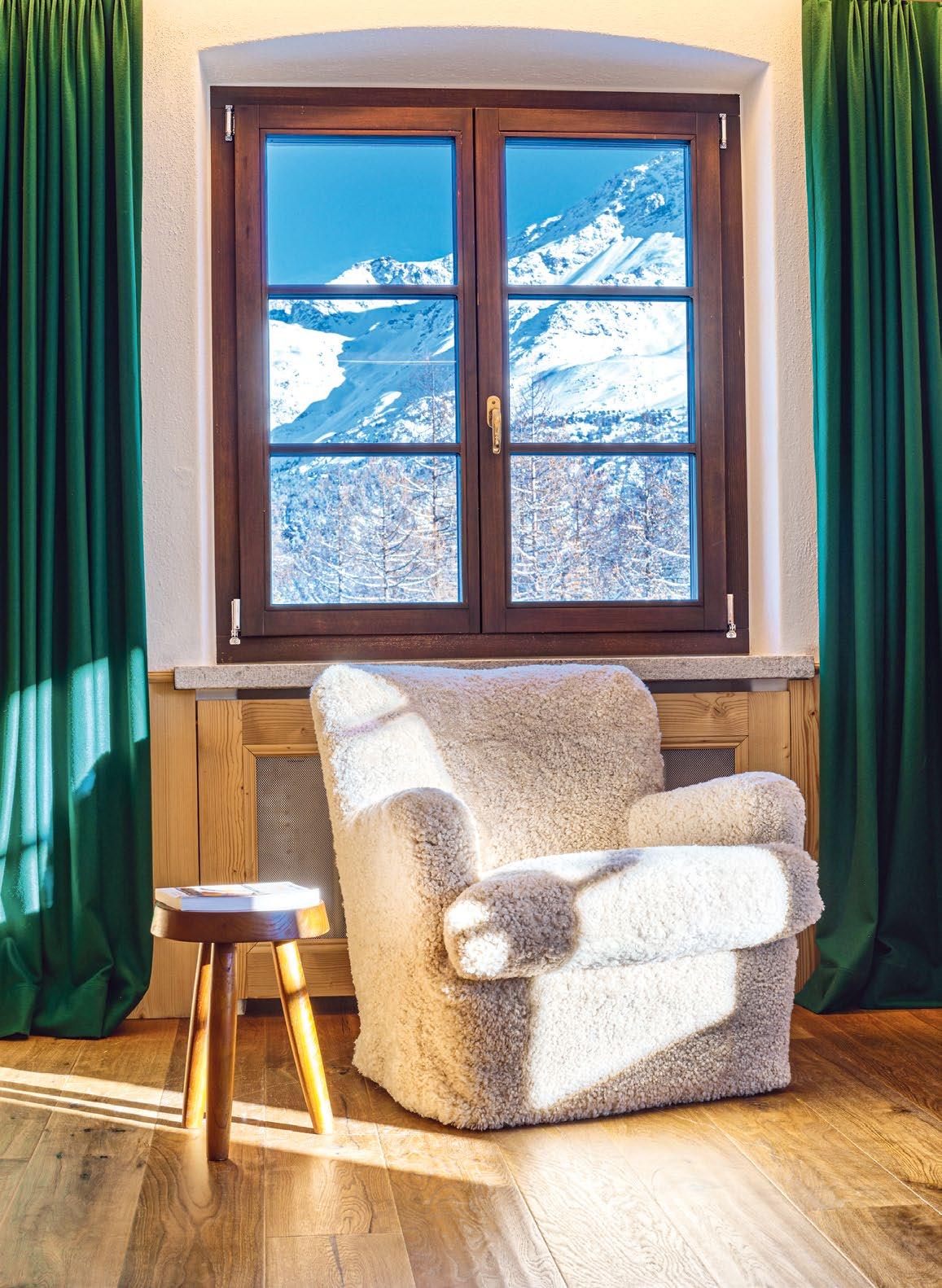
Time to pause, relax and behold the mighty scenery. Here, the Alps unfold around you like a picture-book backdrop.
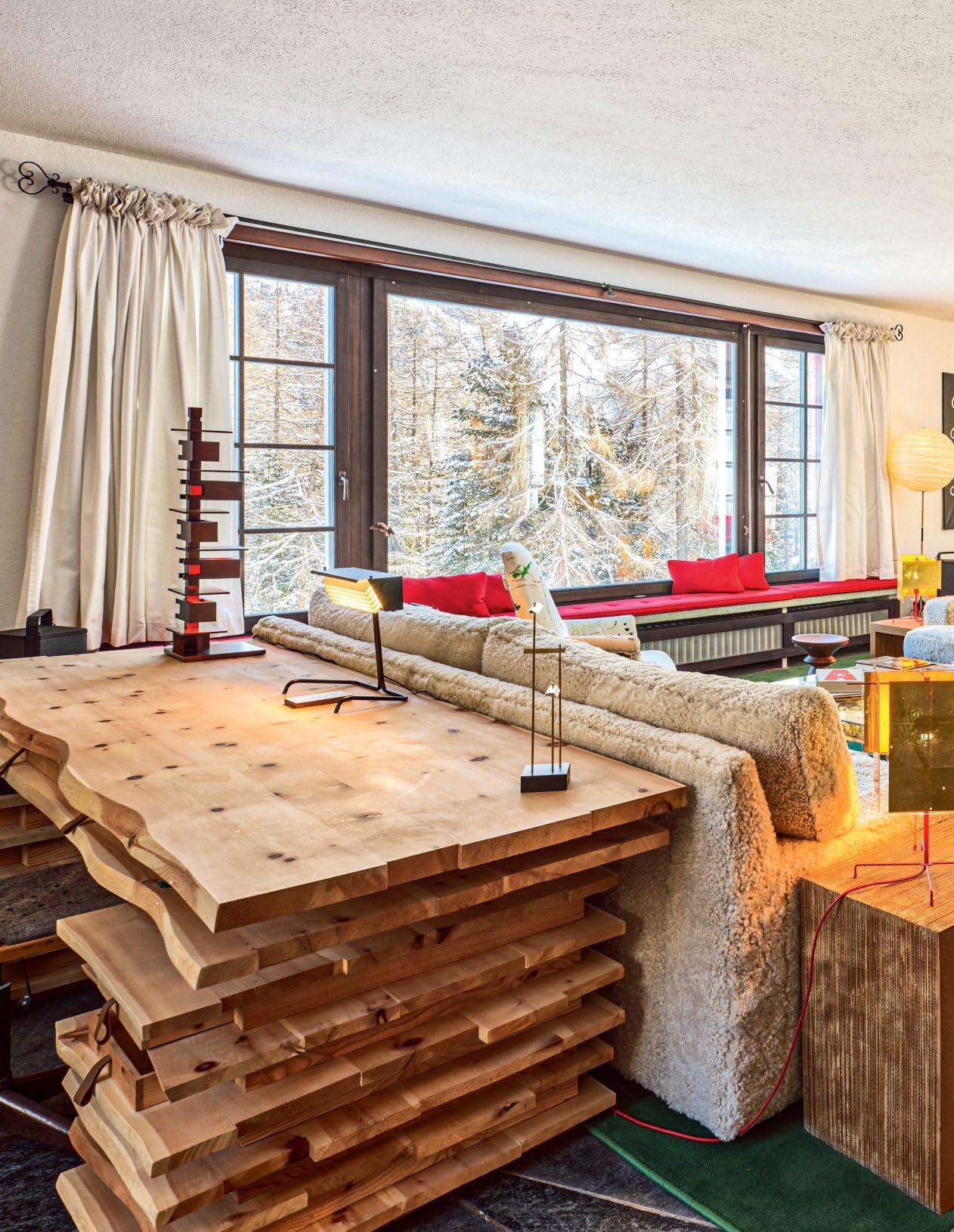
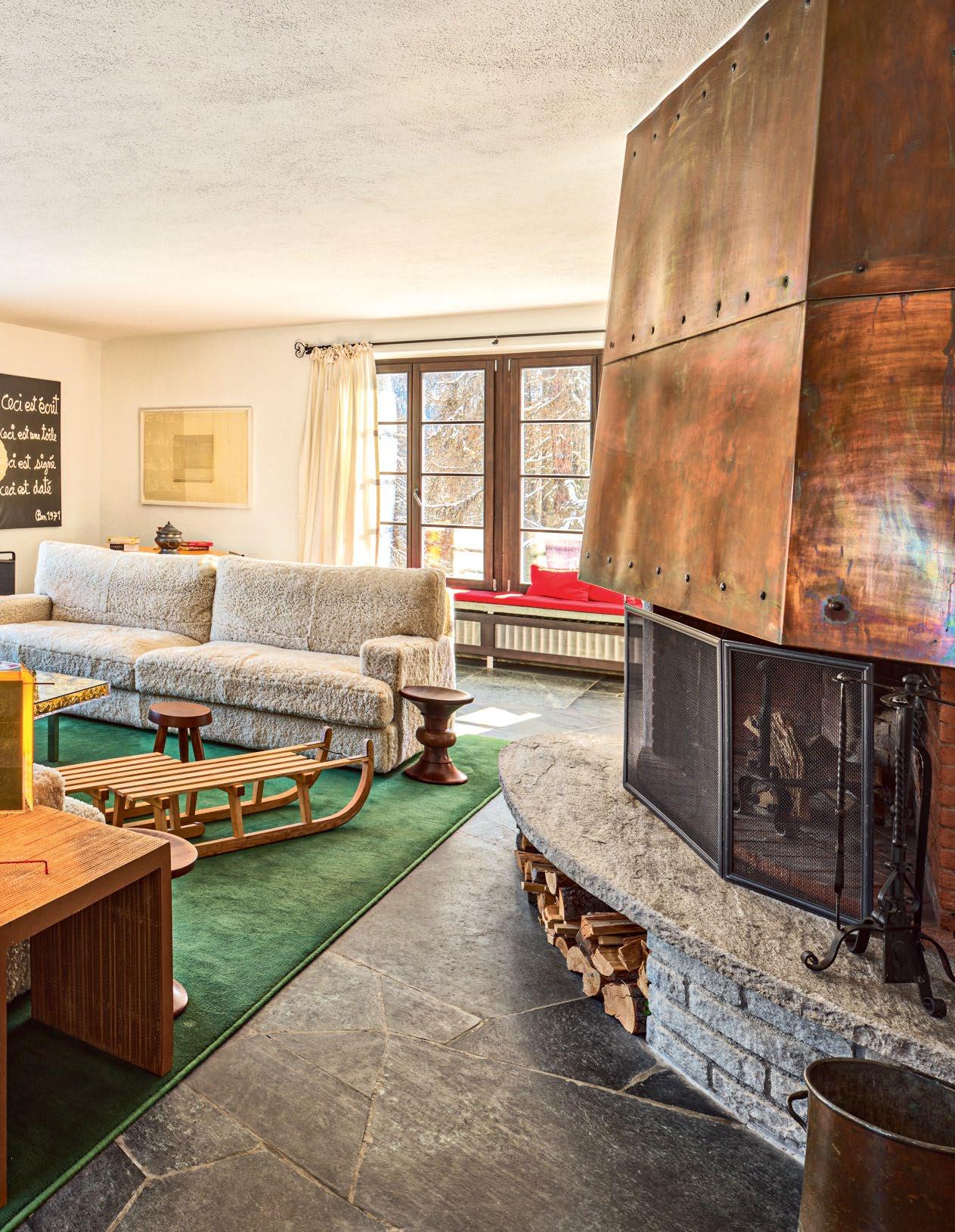
In the open plan living area, a striking copper freplace and soft lambswool sofa create an inviting, warm mood.
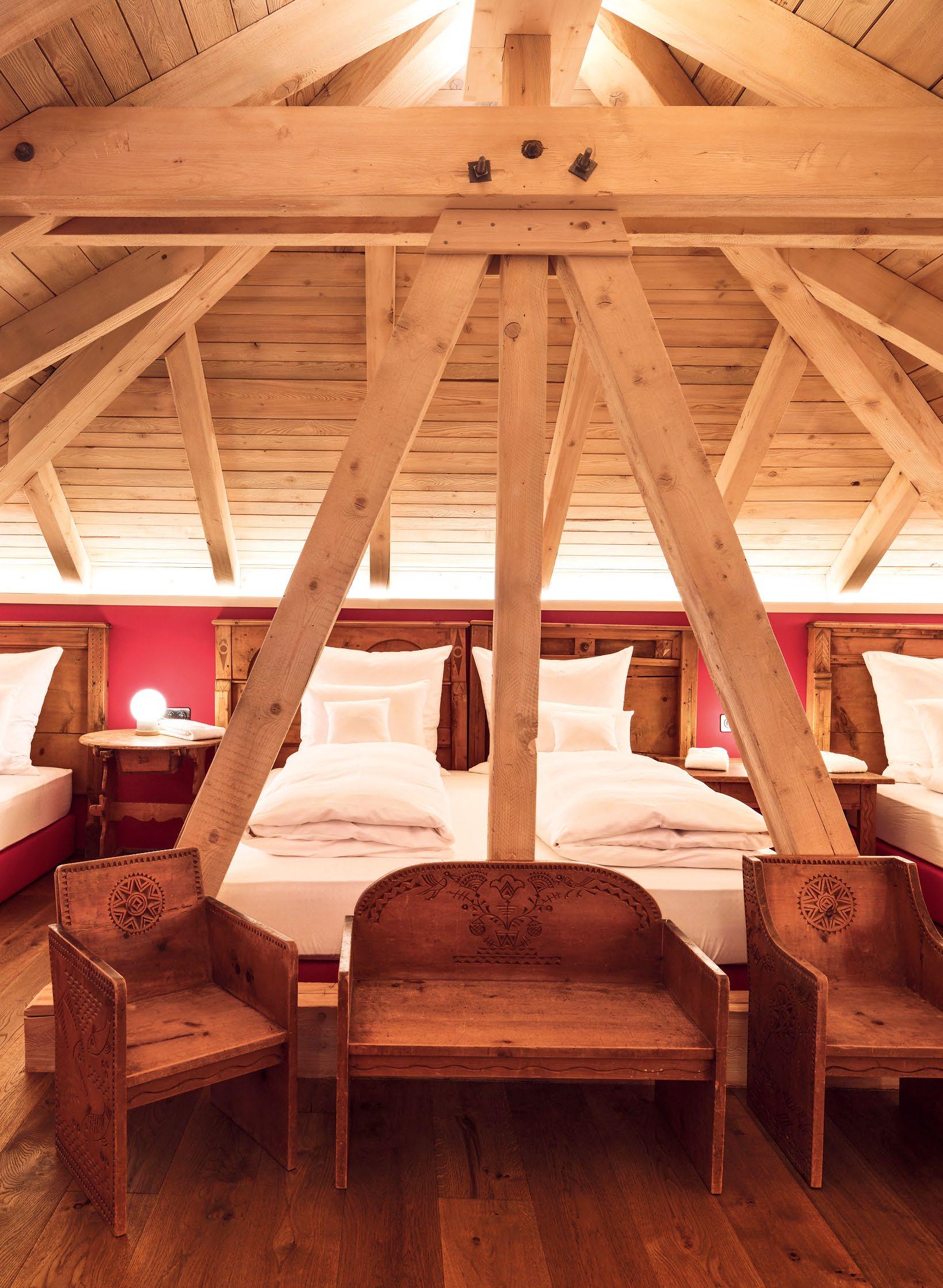
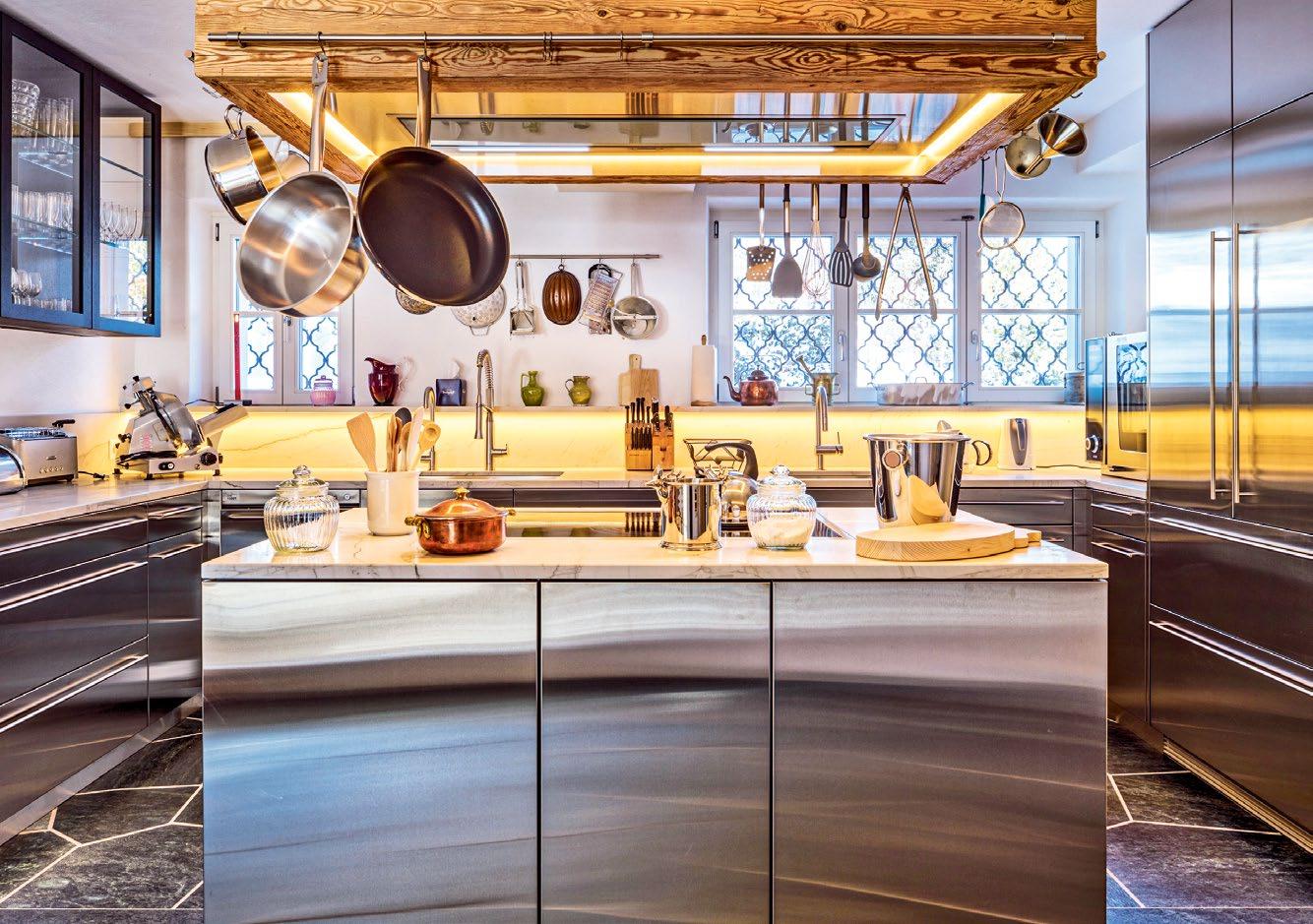
The large windows and elegant arches frame sweeping views of the surrounding mountains while creating an intimate, inviting atmosphere.
In the generously sized kitchen, stainless steel furniture meets rustic wooden details.
Thanks to its open floor plan, it a ffords both functionality and charm, creating a truly exciting space for culinary creativity and relaxed meals after an adventurous day spent outdoors on the pistes.
It is the successful blend of traditional Engadin charm and modern design features that gives the chalet its unique character. The attention to detail is evident wherever one happens to look. The bedrooms are furnished in bold shades of blue, green and red, set against warm wood accents that bring about a harmonious whole. Windows and sliding doors
frame the snow-covered scenery and turn the natural backdrop into a beautiful showcase. Exposed wooden beams and soft lighting help to elevate the home’s alpine warmth even further. After spending exhilarating hours on the valley’s world-famous slopes, the new home spa, featuring elegant stone walls, a sauna and steam room, o ffers the perfect retreat in which to relax and unwind. Chesa Bellaria is an oasis where tranquillity and adventure coalesce in utter harmony. Its prime location in Silvaplana, just a few minutes’ drive from the famous neighbouring village of St. Moritz, provides convenient access to the region’s renowned attractions. To arrive here is to discover that Chesa Bellaria is not merely a place, but an experience: exclusive, artistic and carried by the mighty stillness of the mountains.

The shared bedroom on the attic level with exposed wooden beams is ideal for family getaways.
The bright and spacious kitchen blends sleek stainless steel cabinetry with rustic wooden shelving for cooking utensils – an inspired contrast.
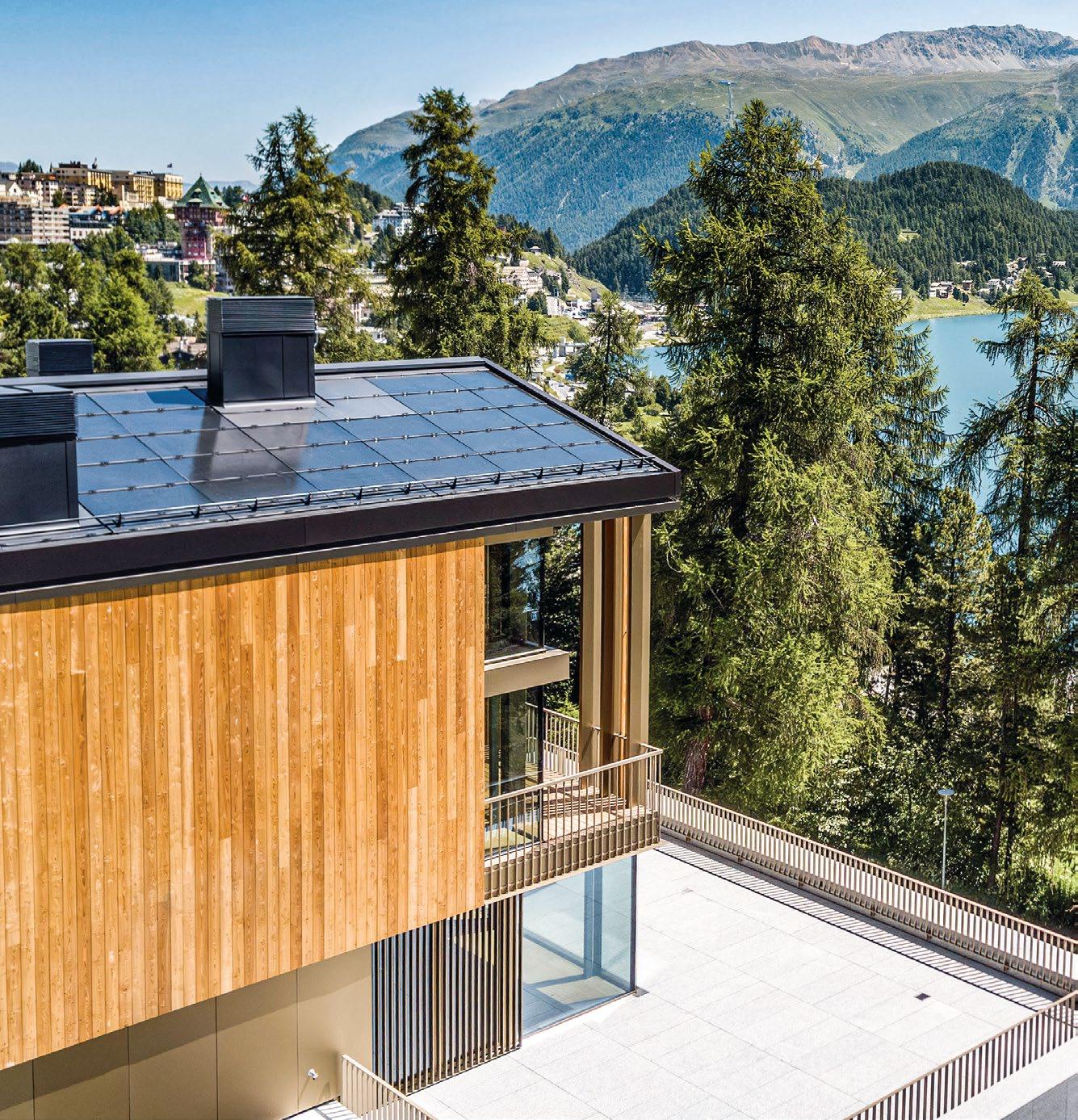
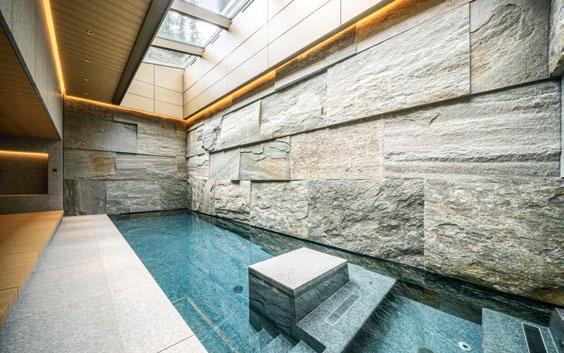
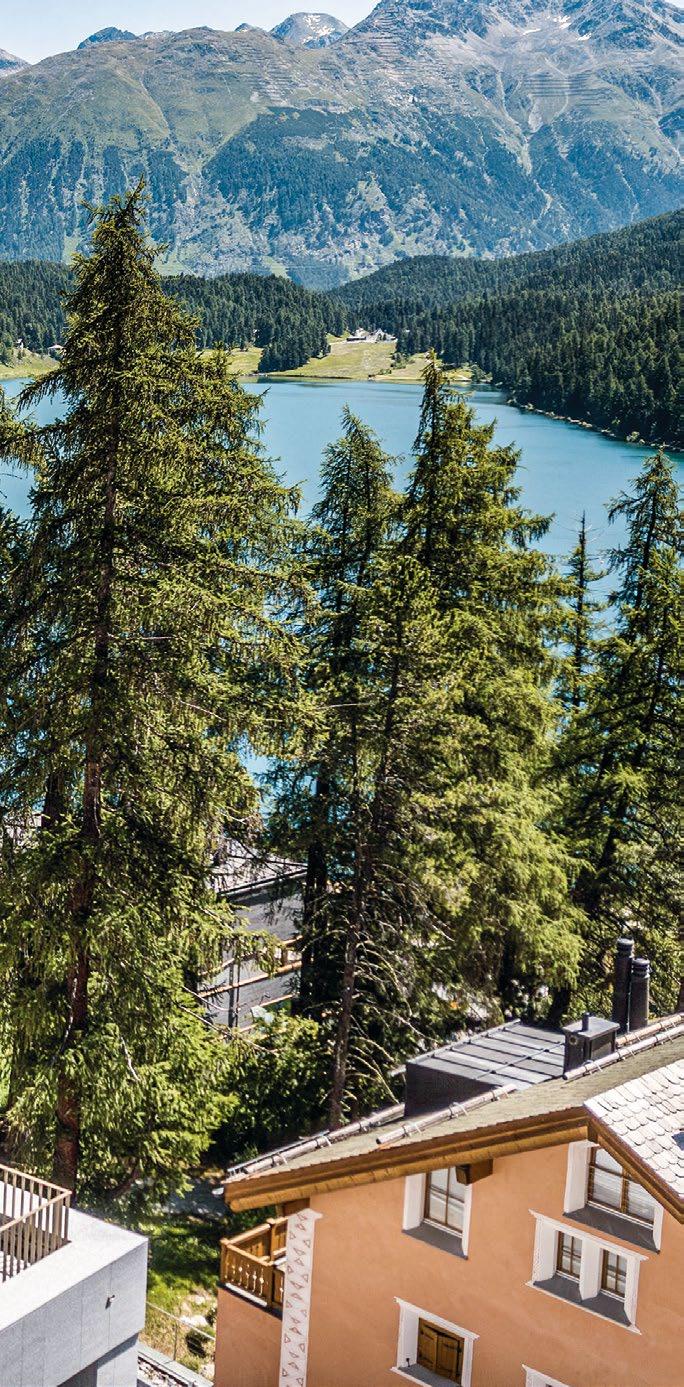
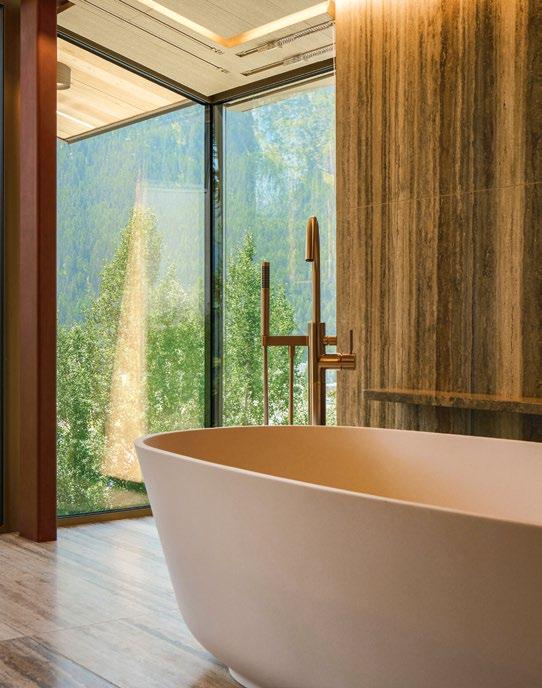
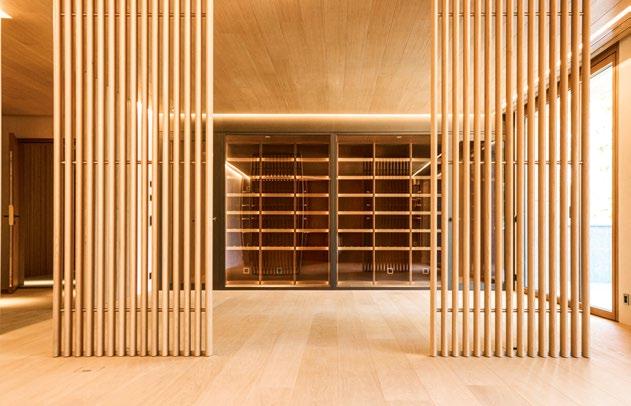

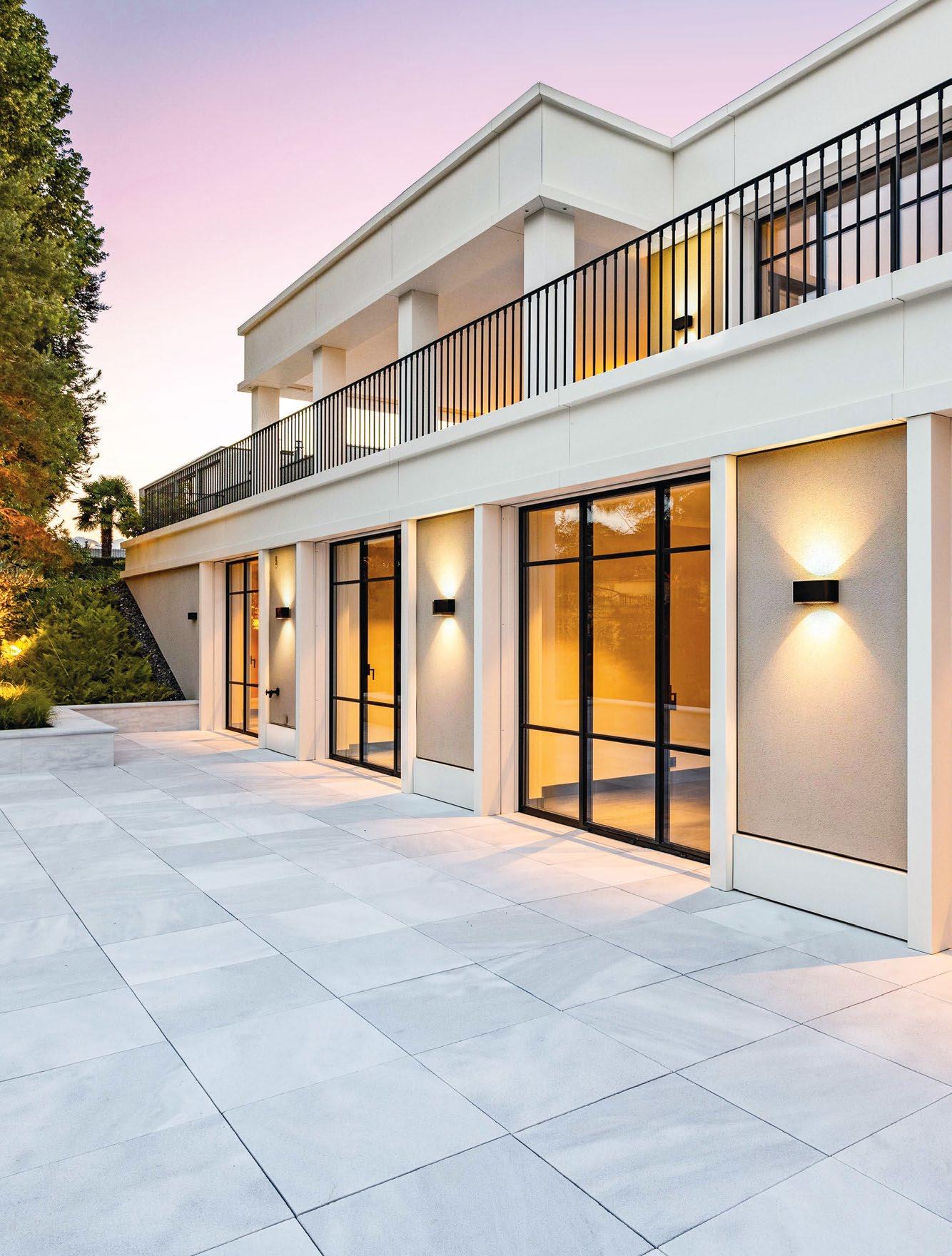
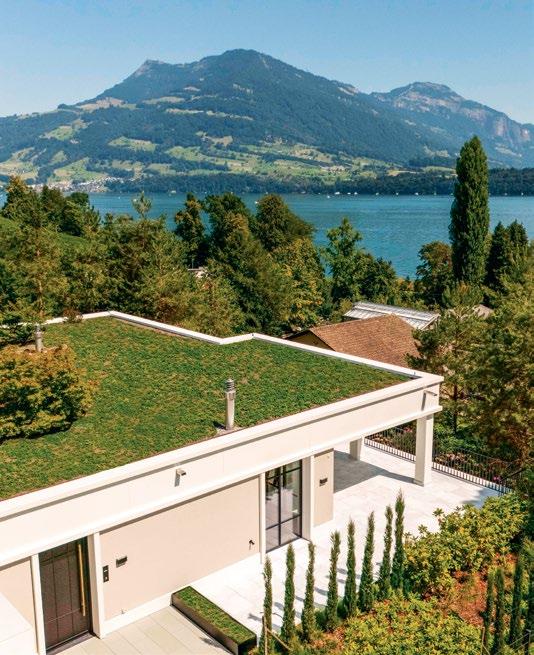
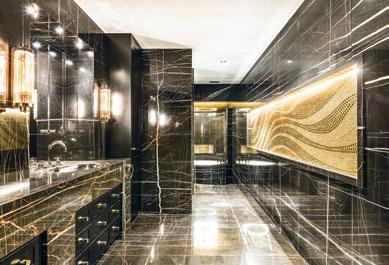
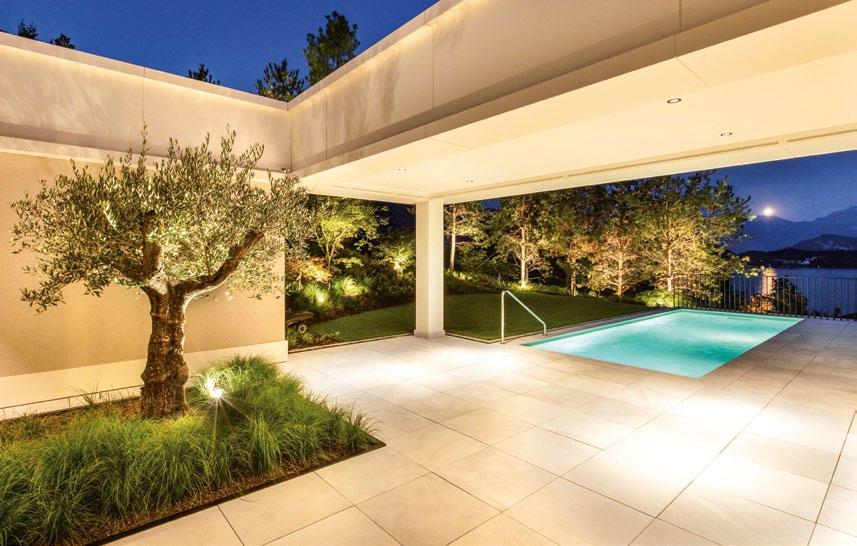

Meerbusch
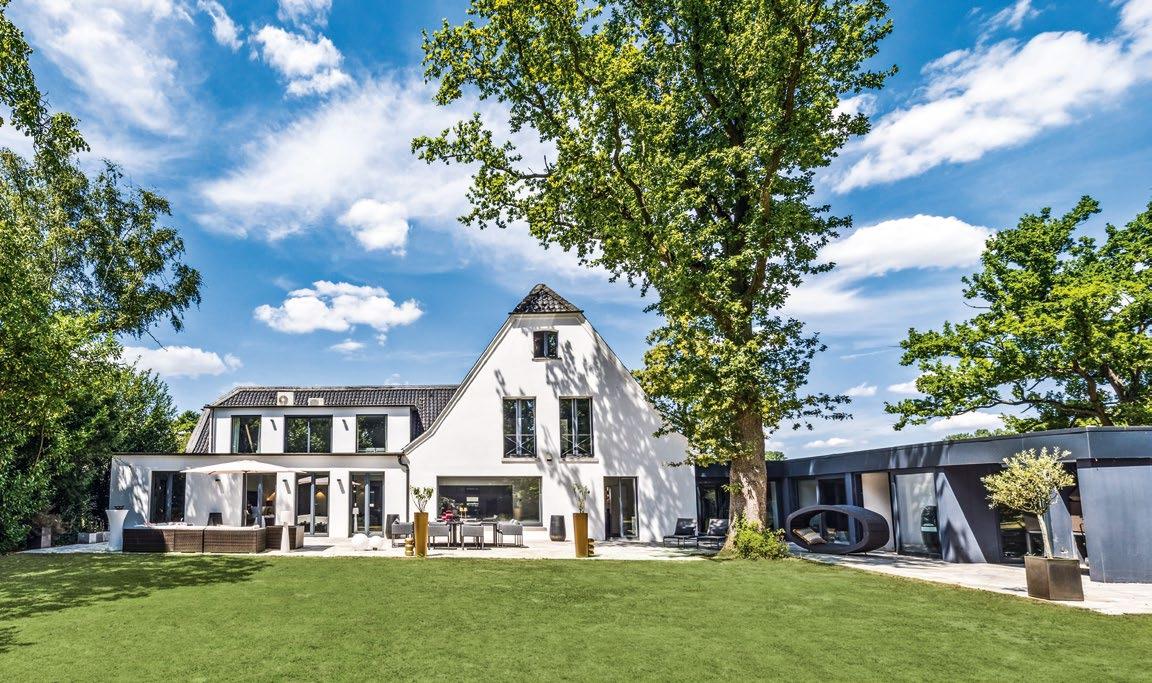
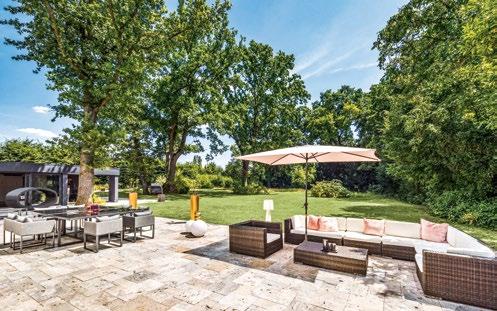
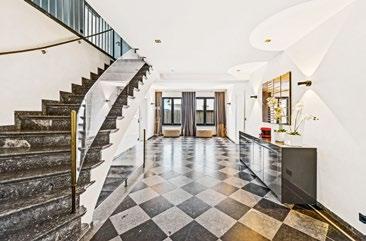

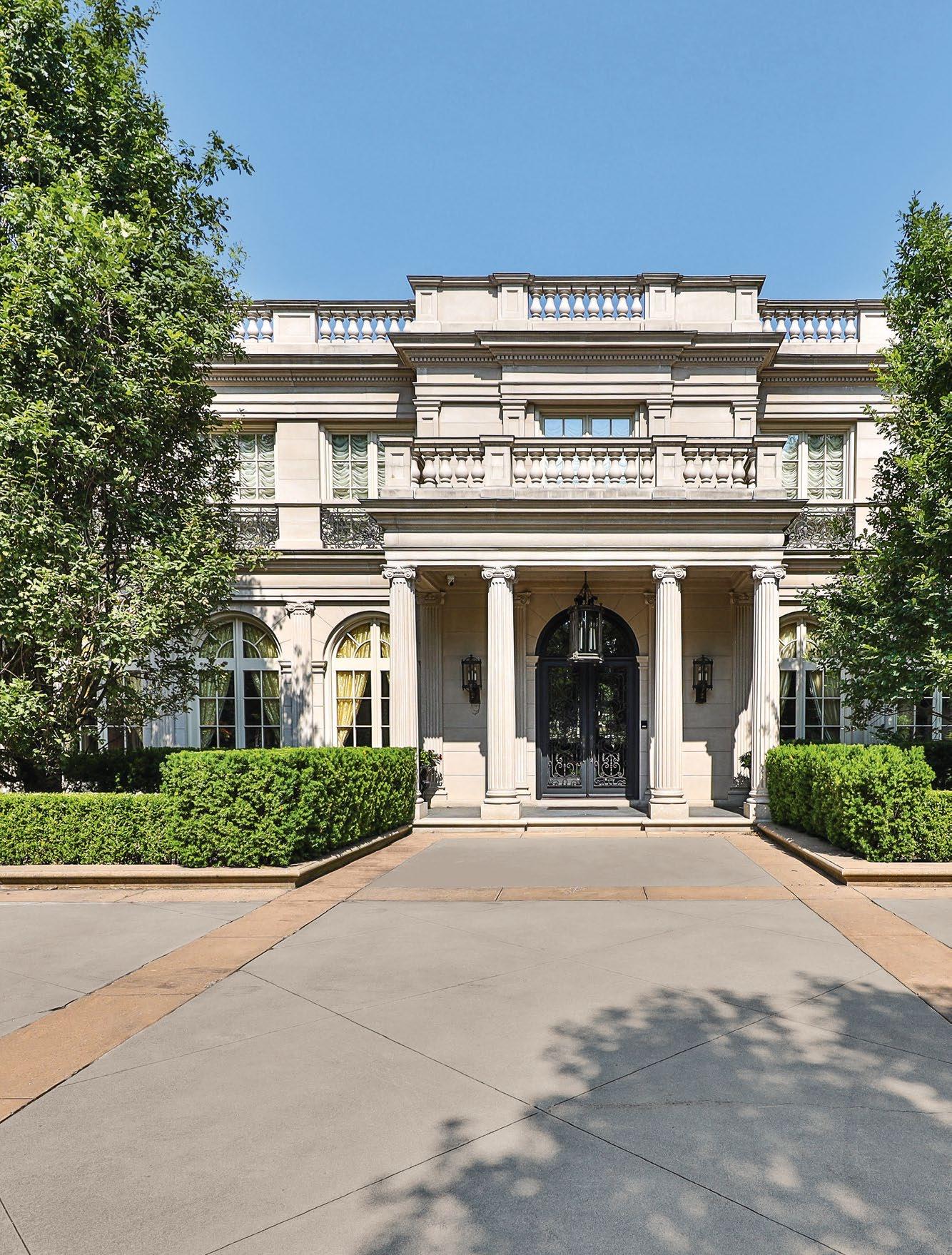
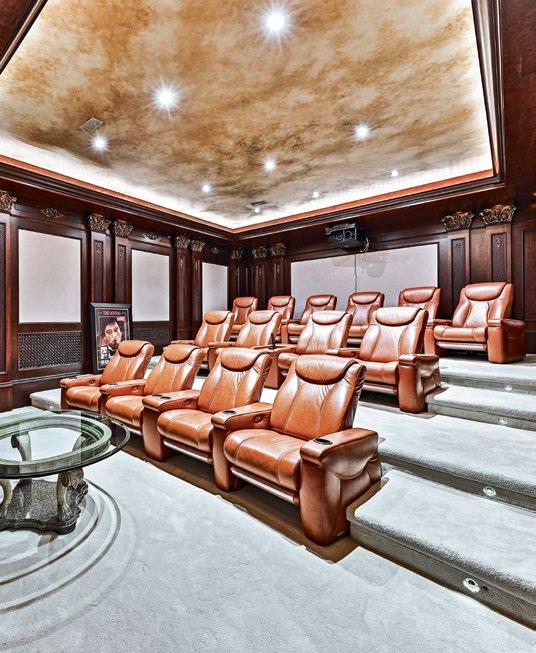
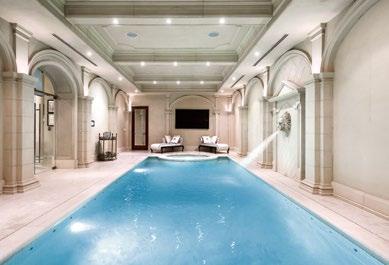
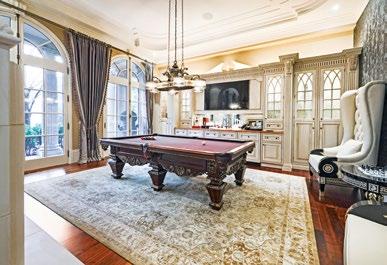
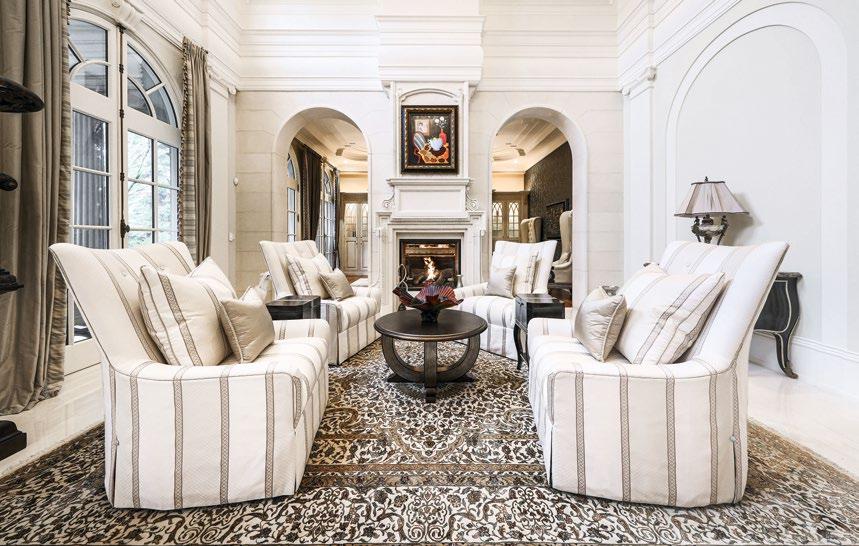

Marbella
“Azurean Marbella” – Branded Apartments and Penthouses by Destination by Hyatt
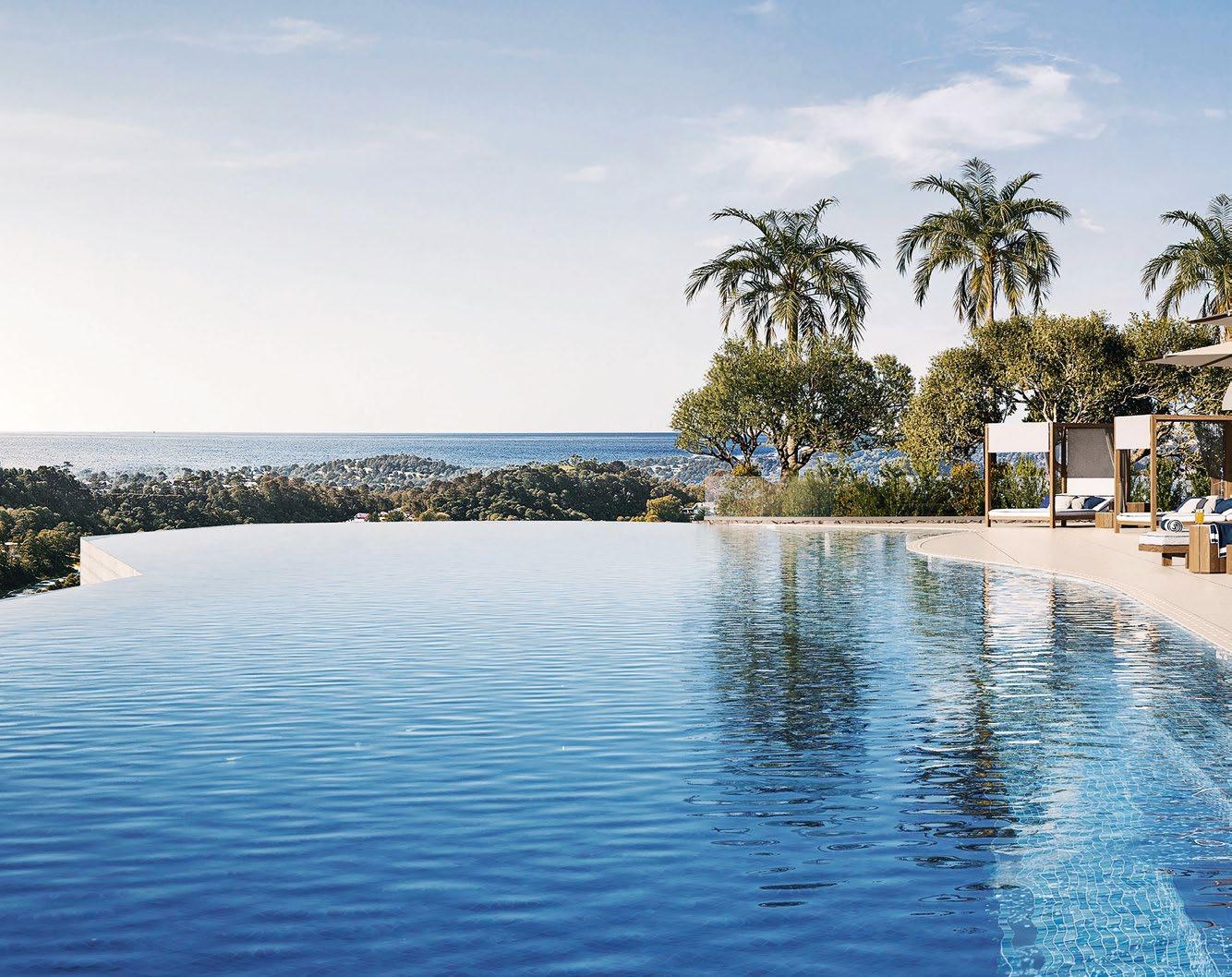
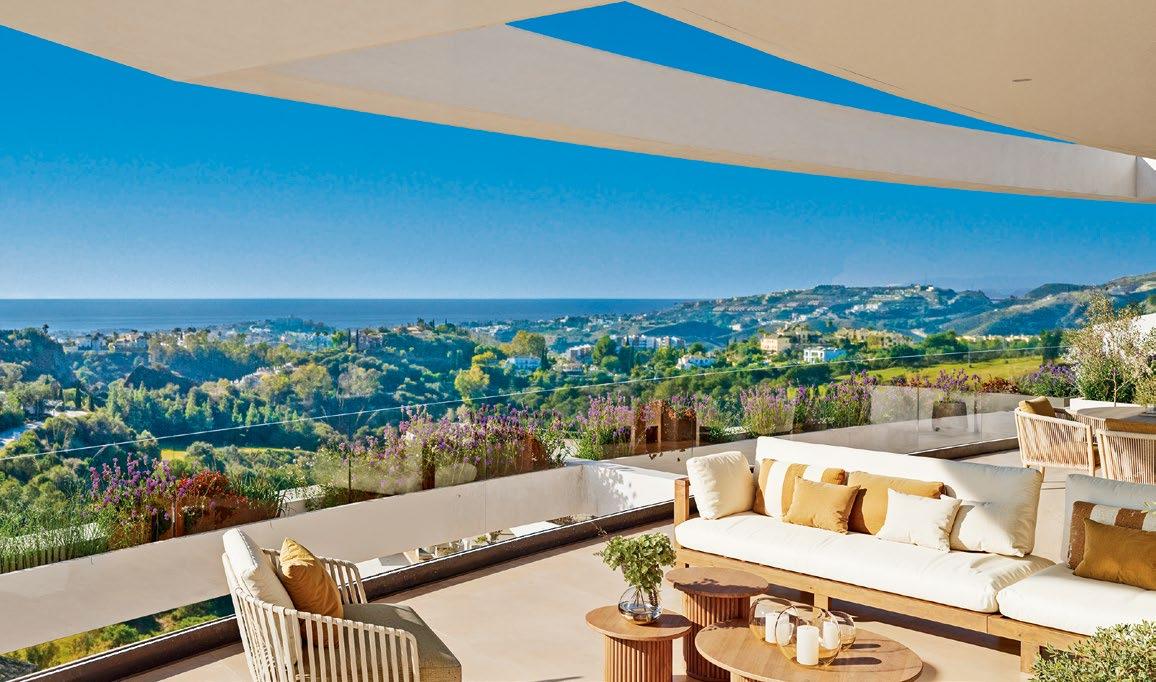
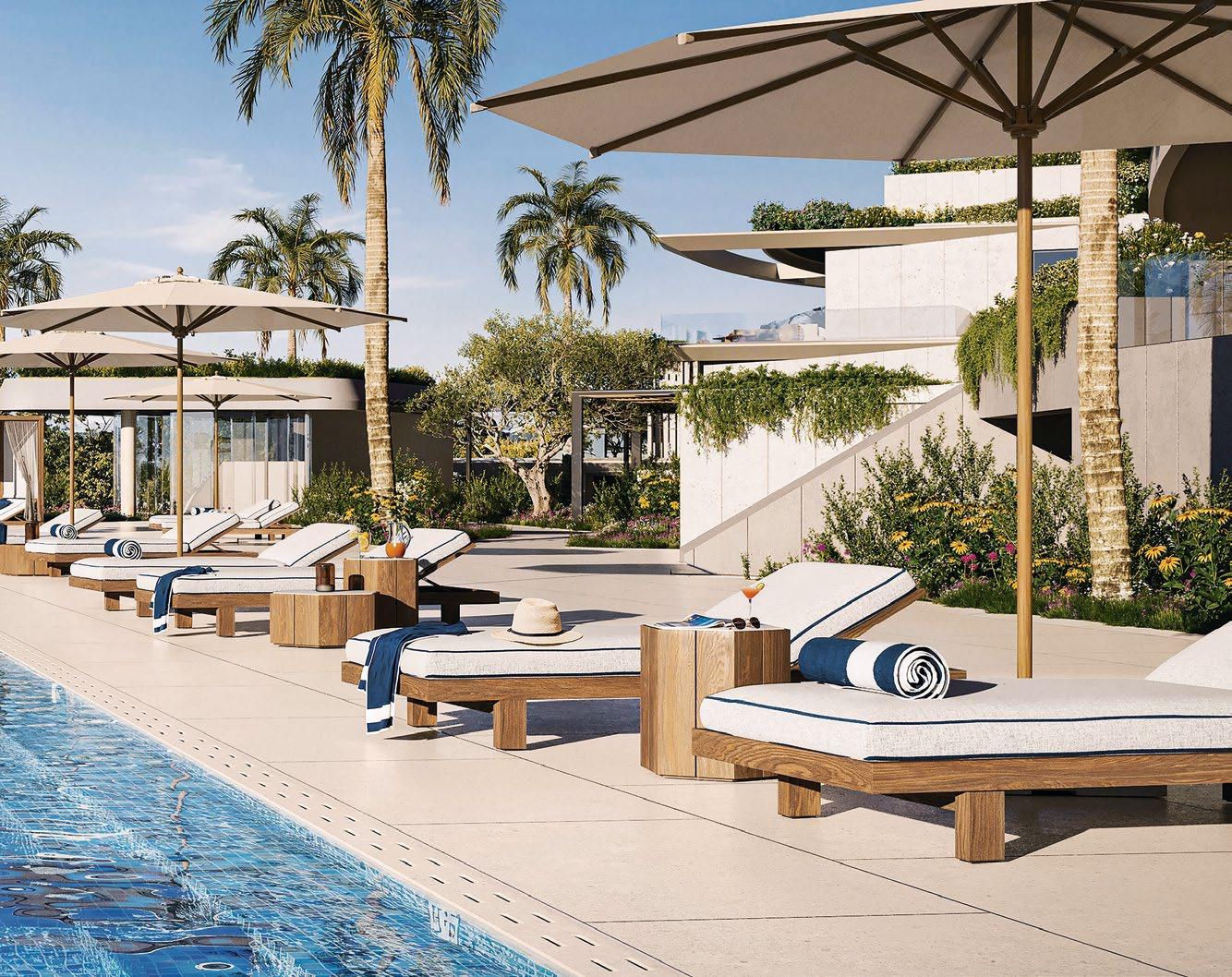
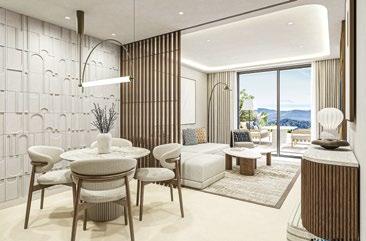

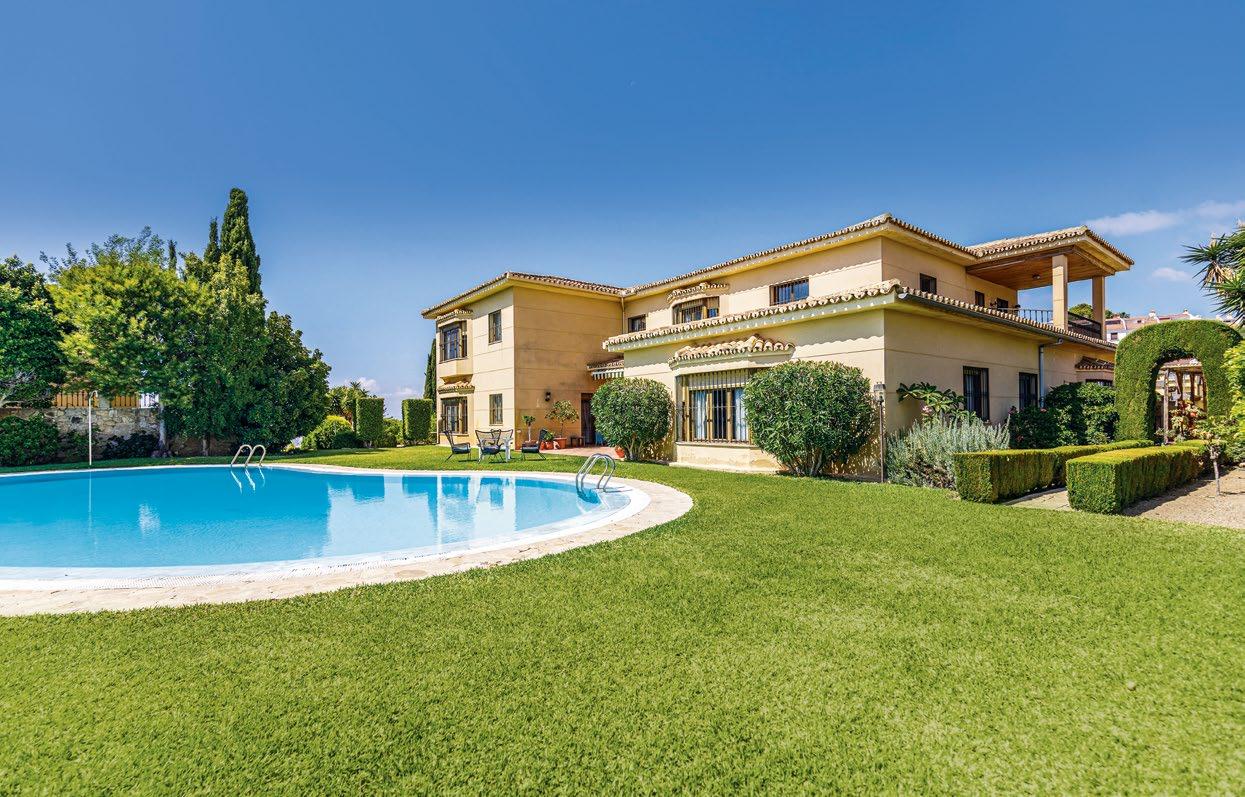


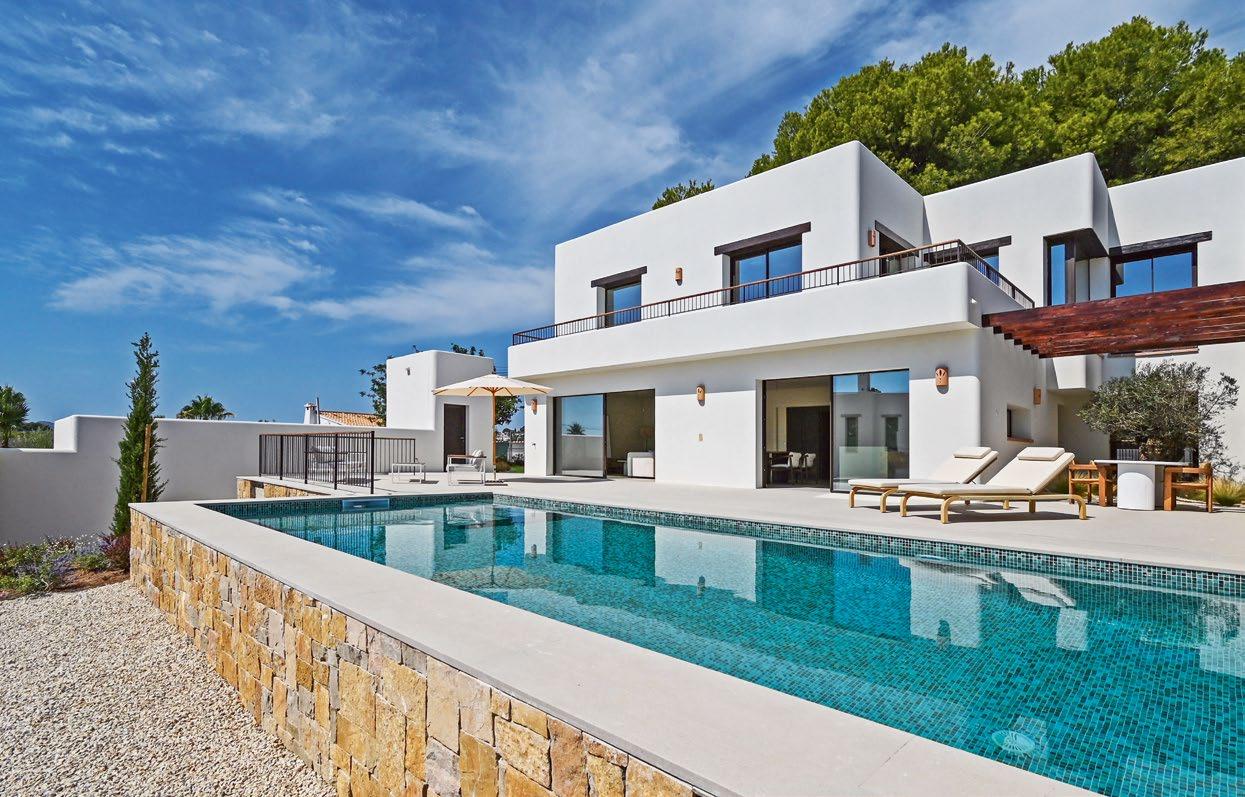
Elegant
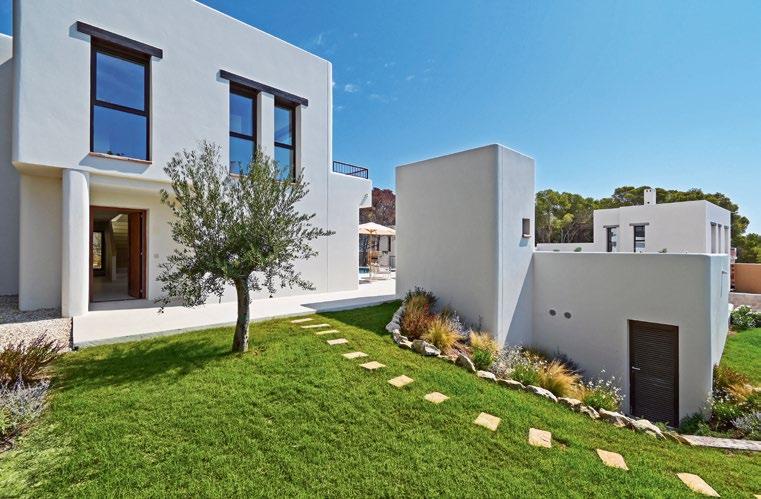
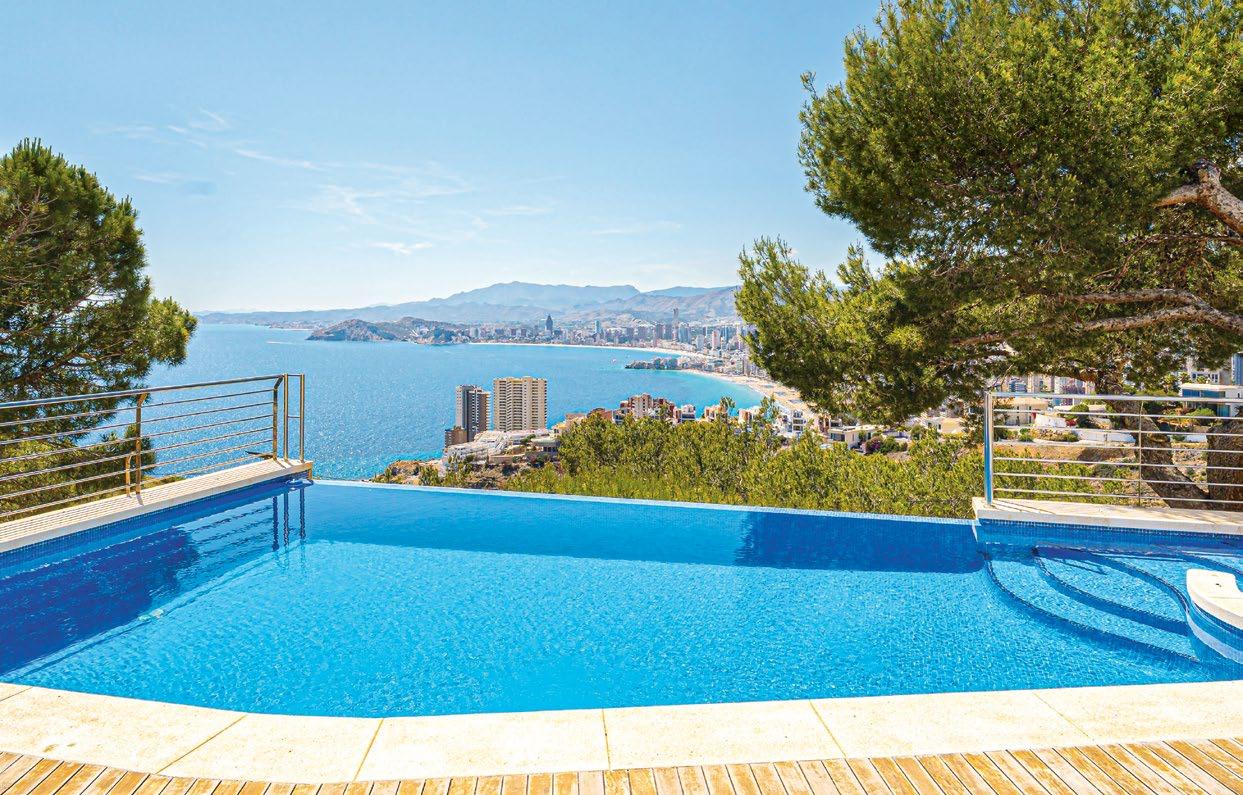

Costa Blanca
Magnifcent Retreat in the Sierra Helada Natural Park
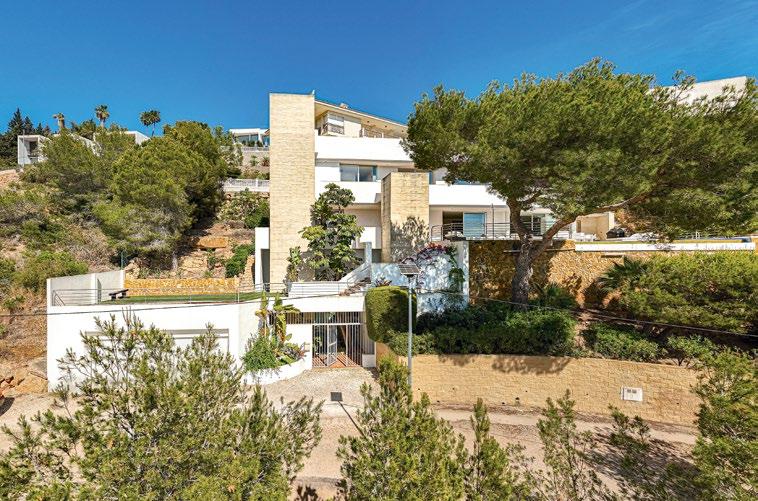

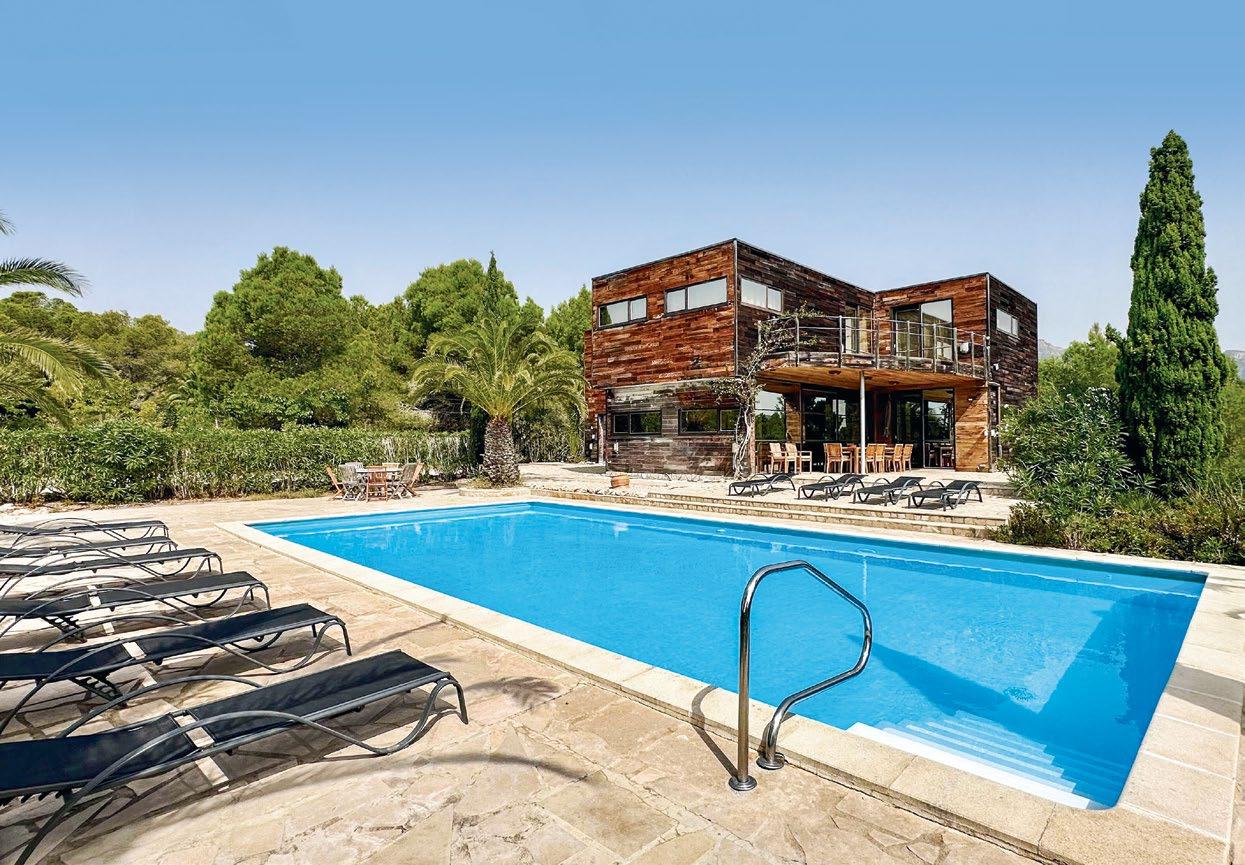
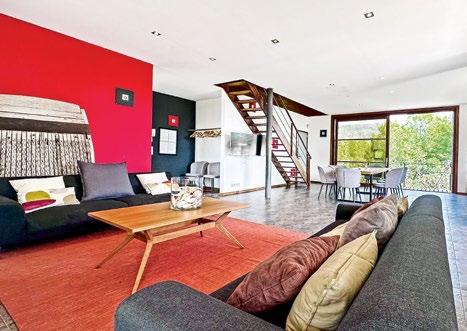
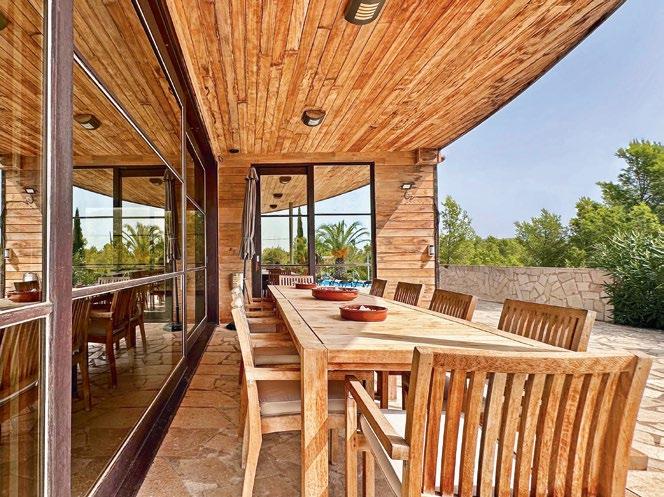

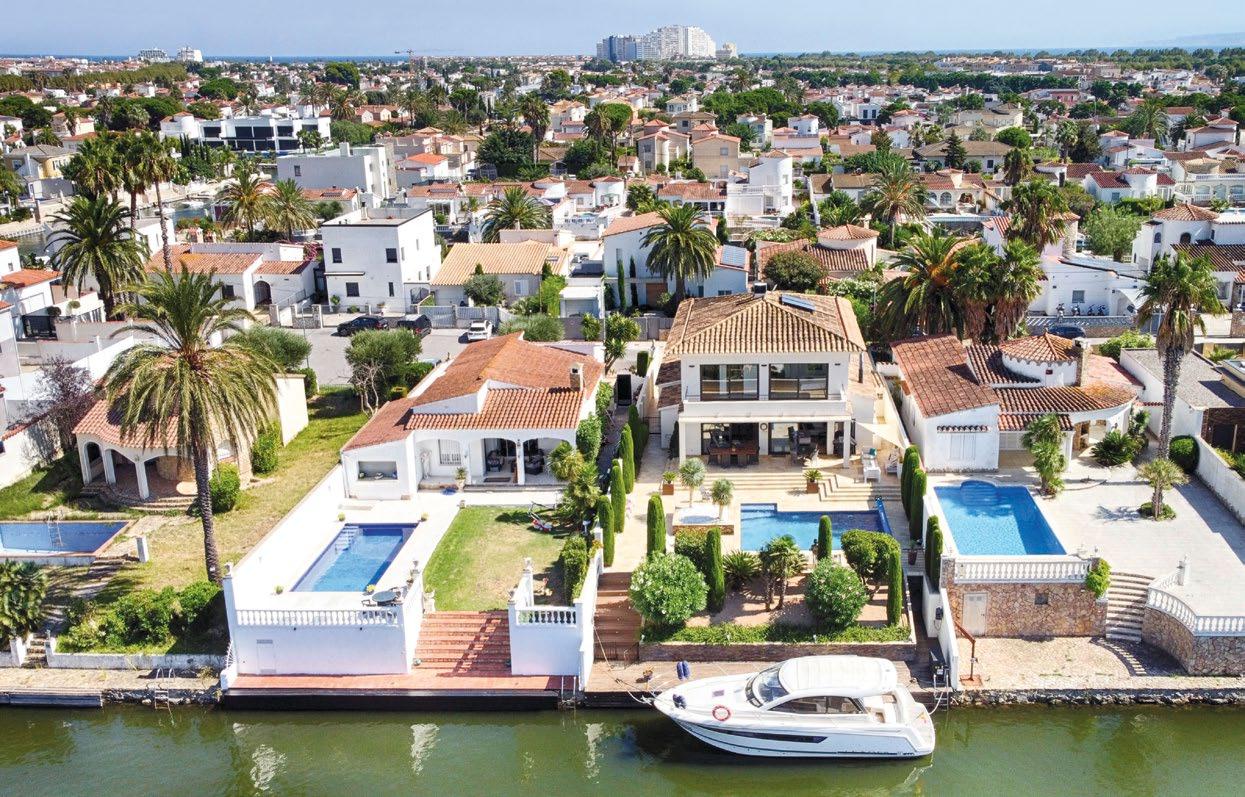
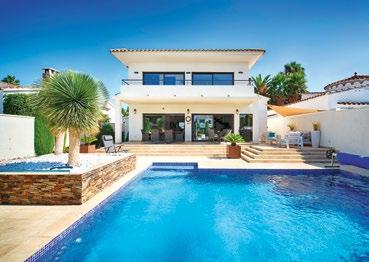
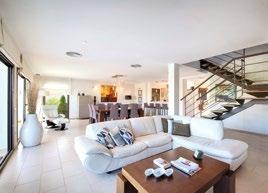
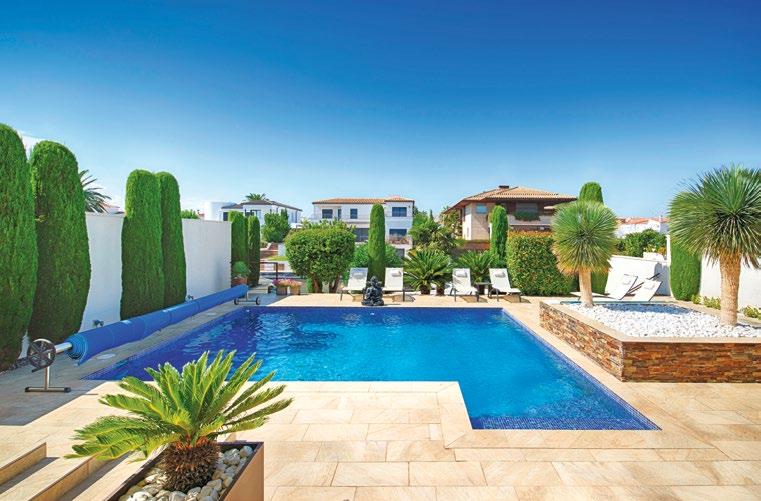

L’Ametlla de Mar
Costa Brava
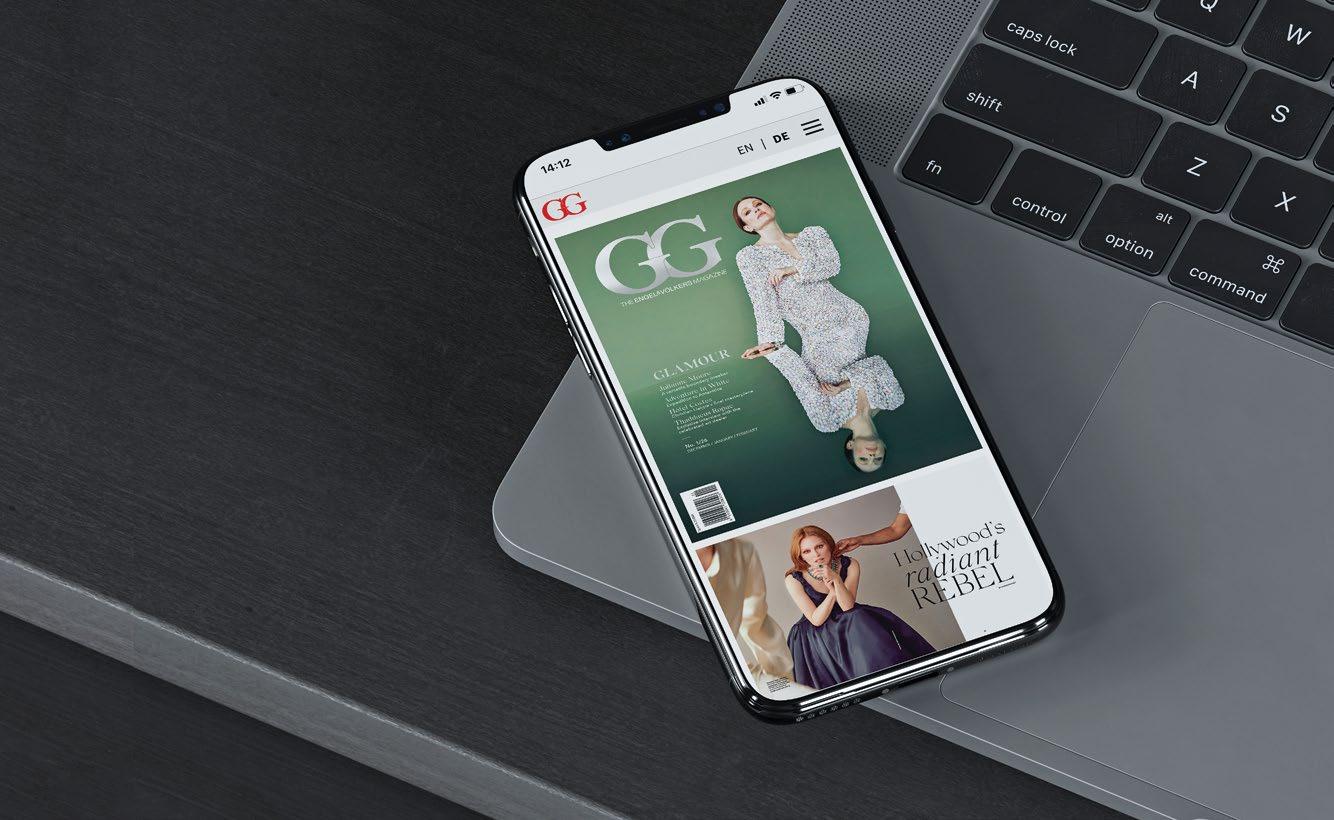
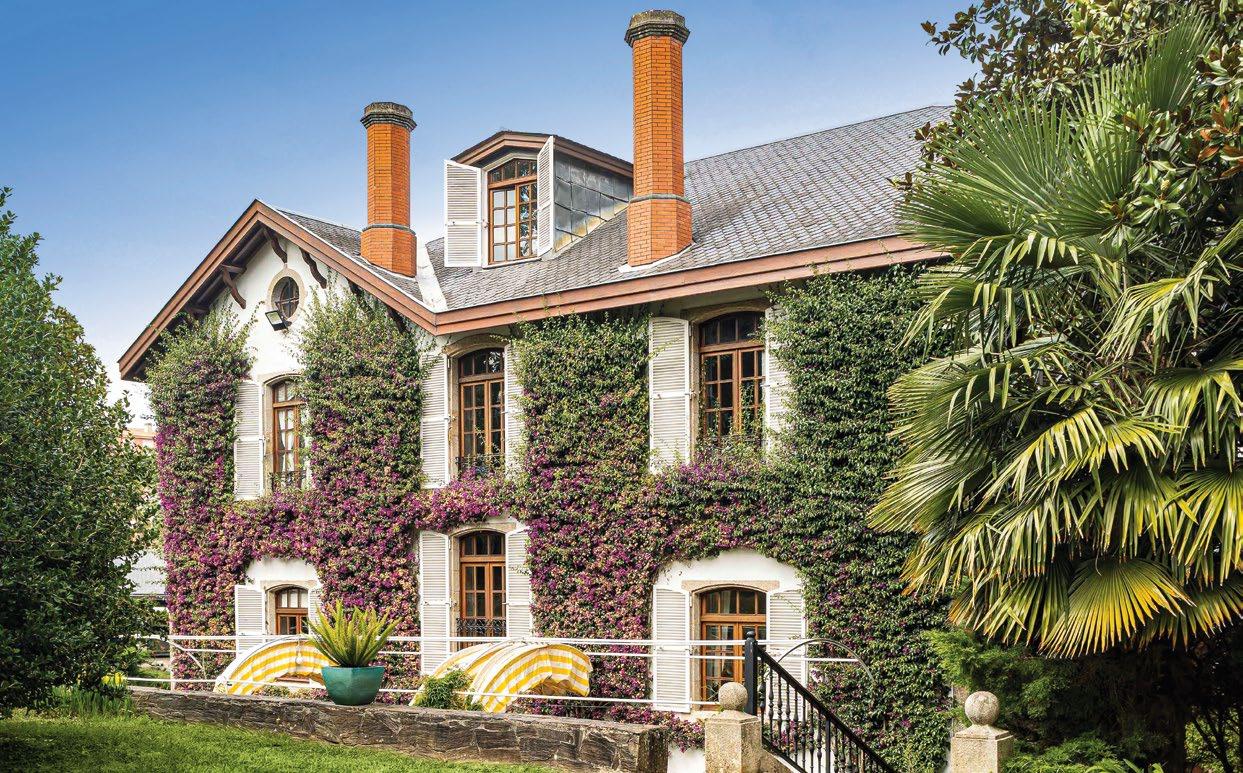


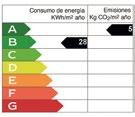
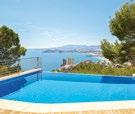
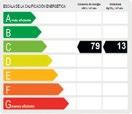
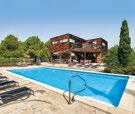

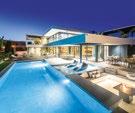
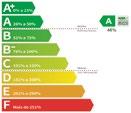
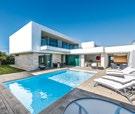


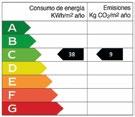


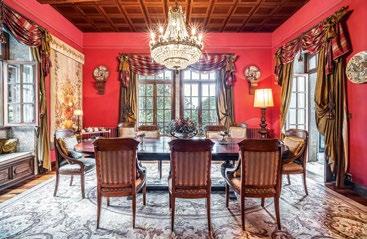
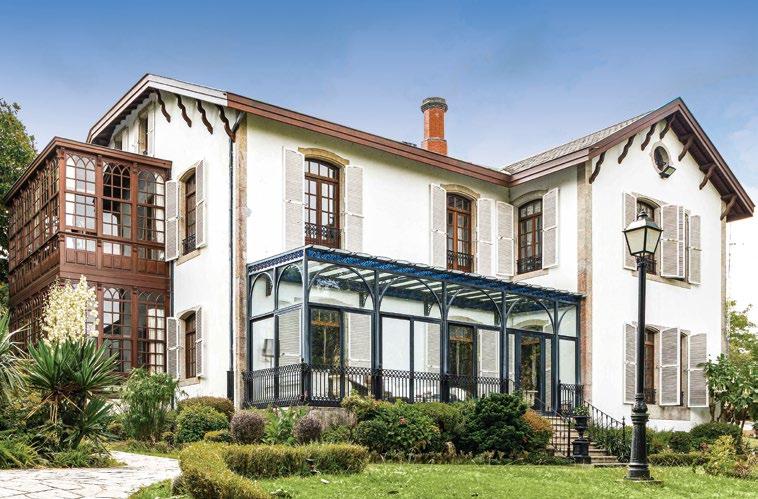

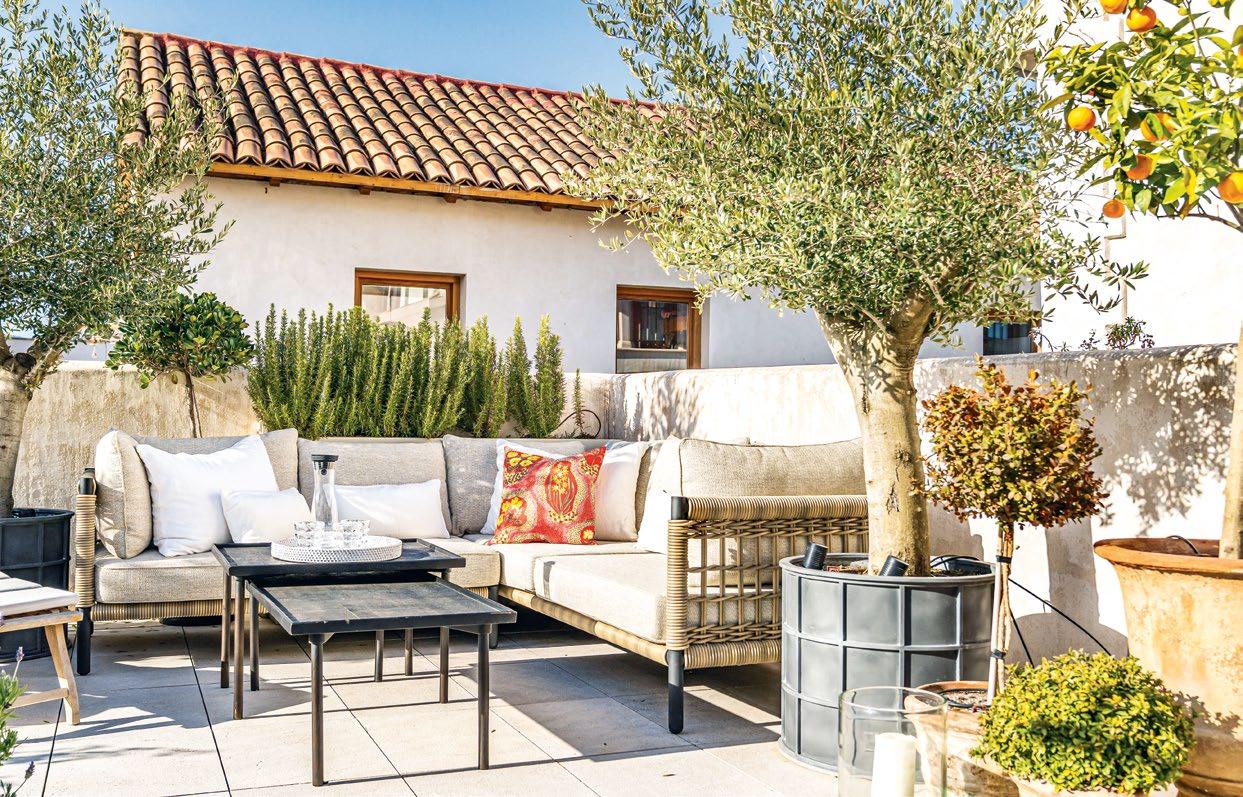
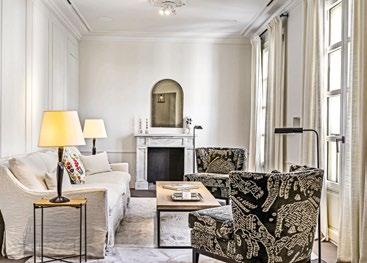
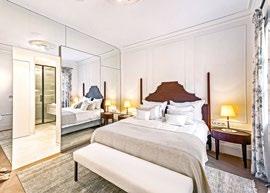
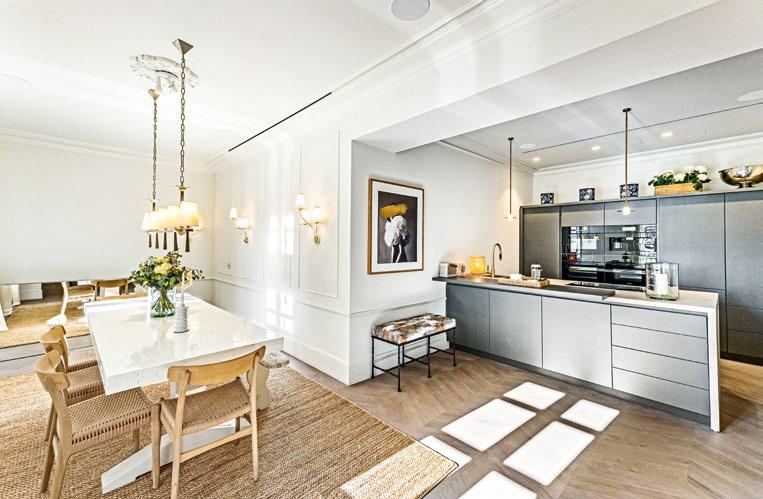

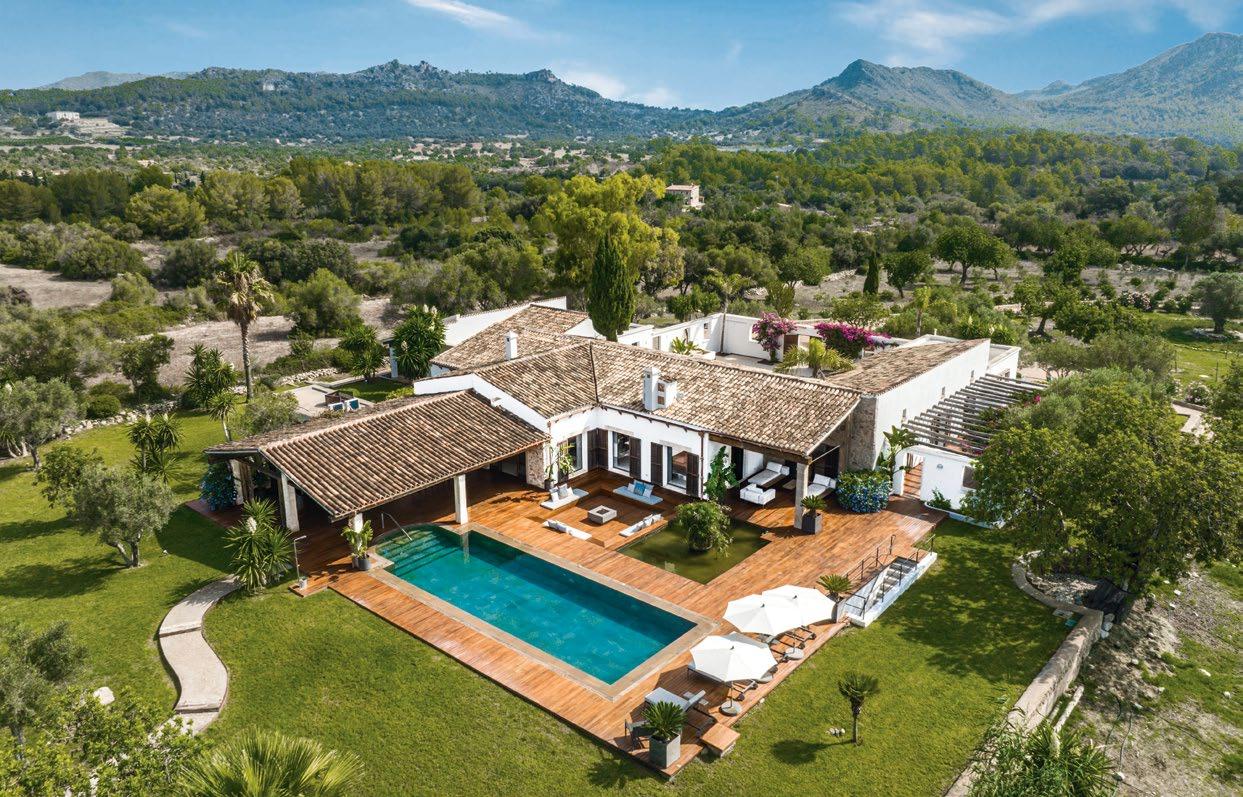
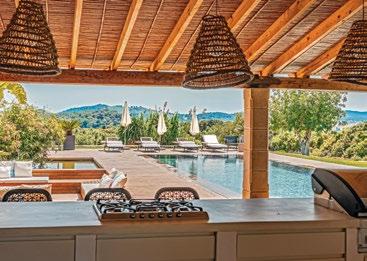
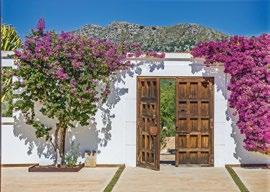
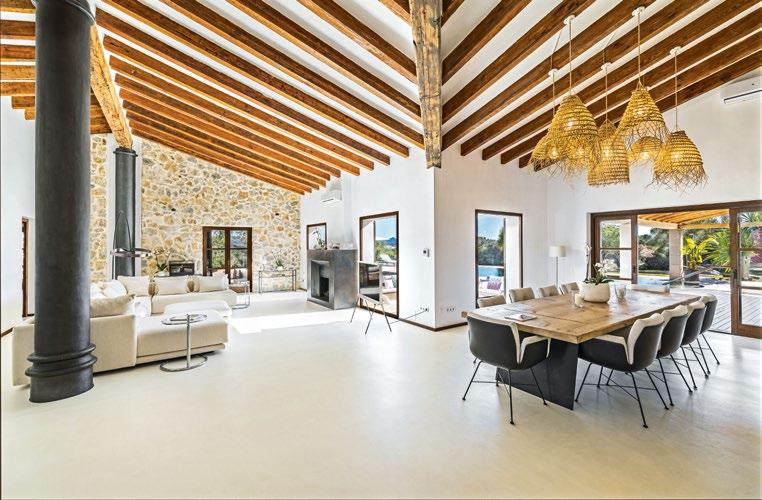

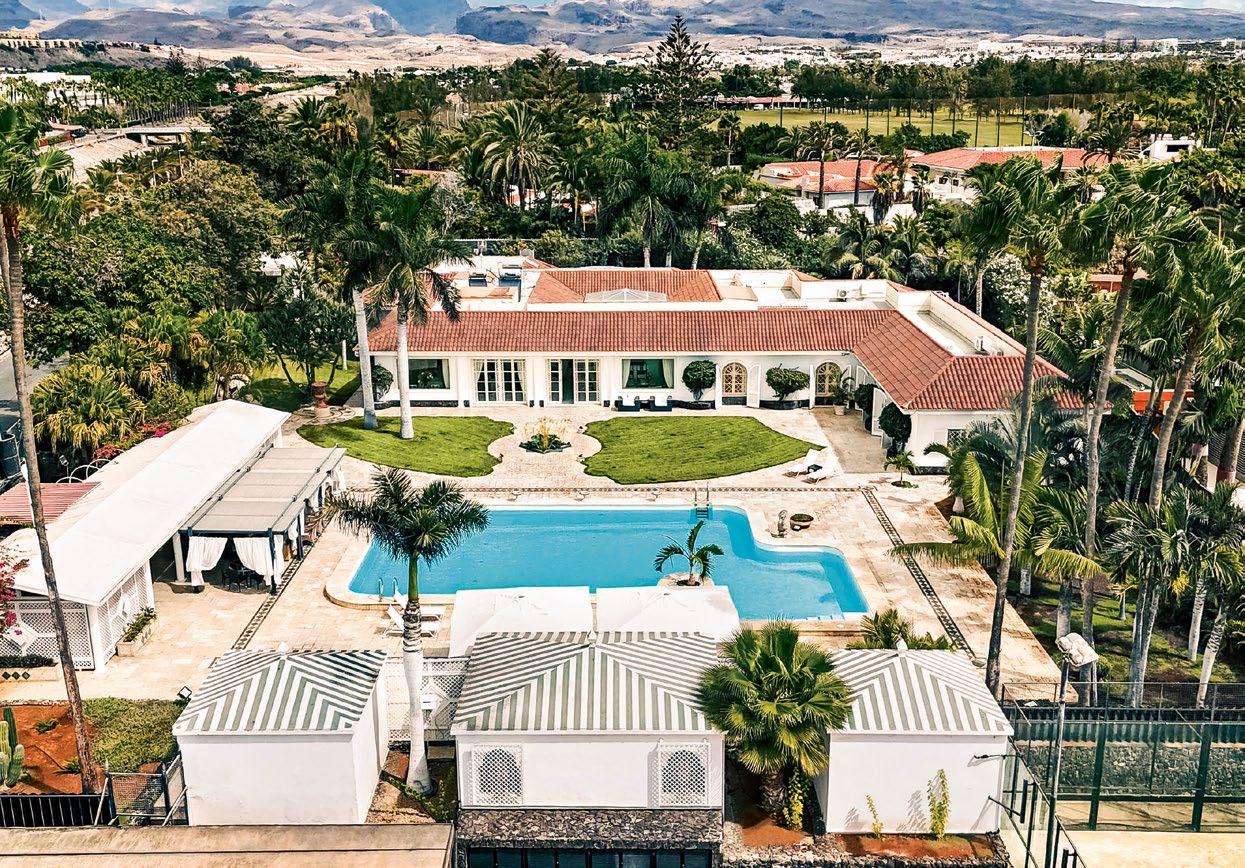
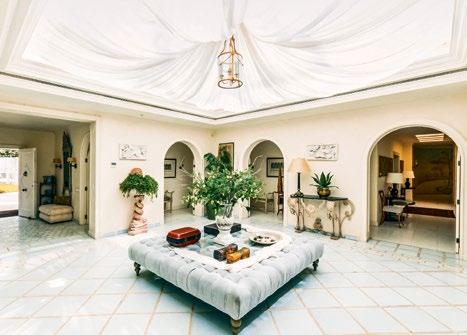

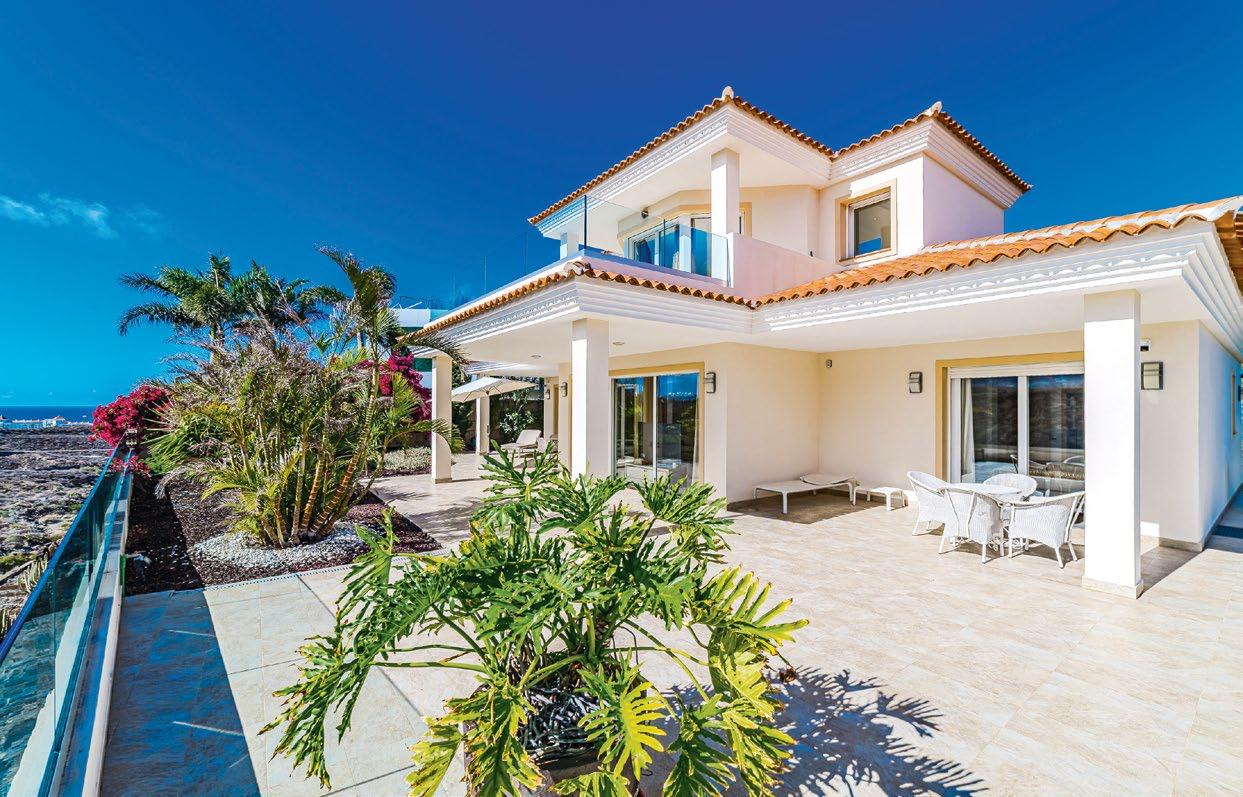
Tenerife
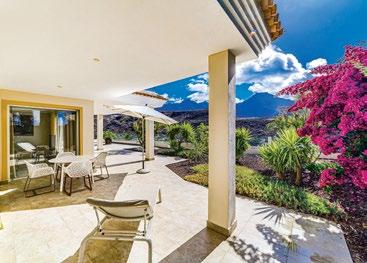
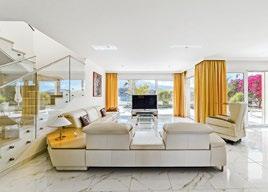
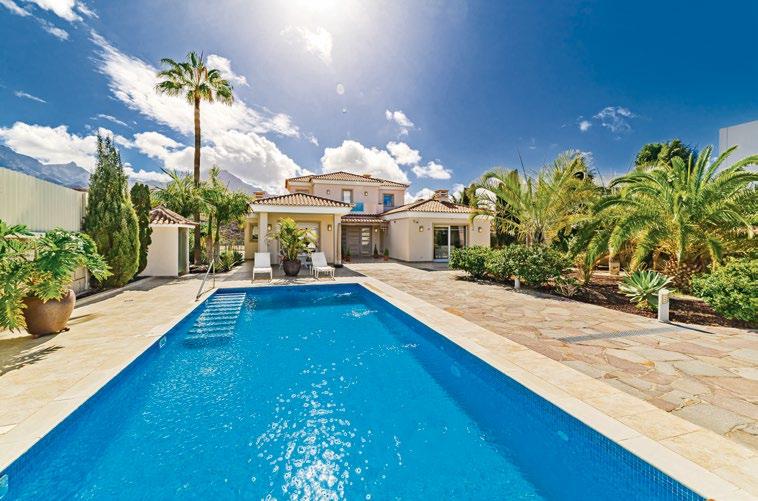

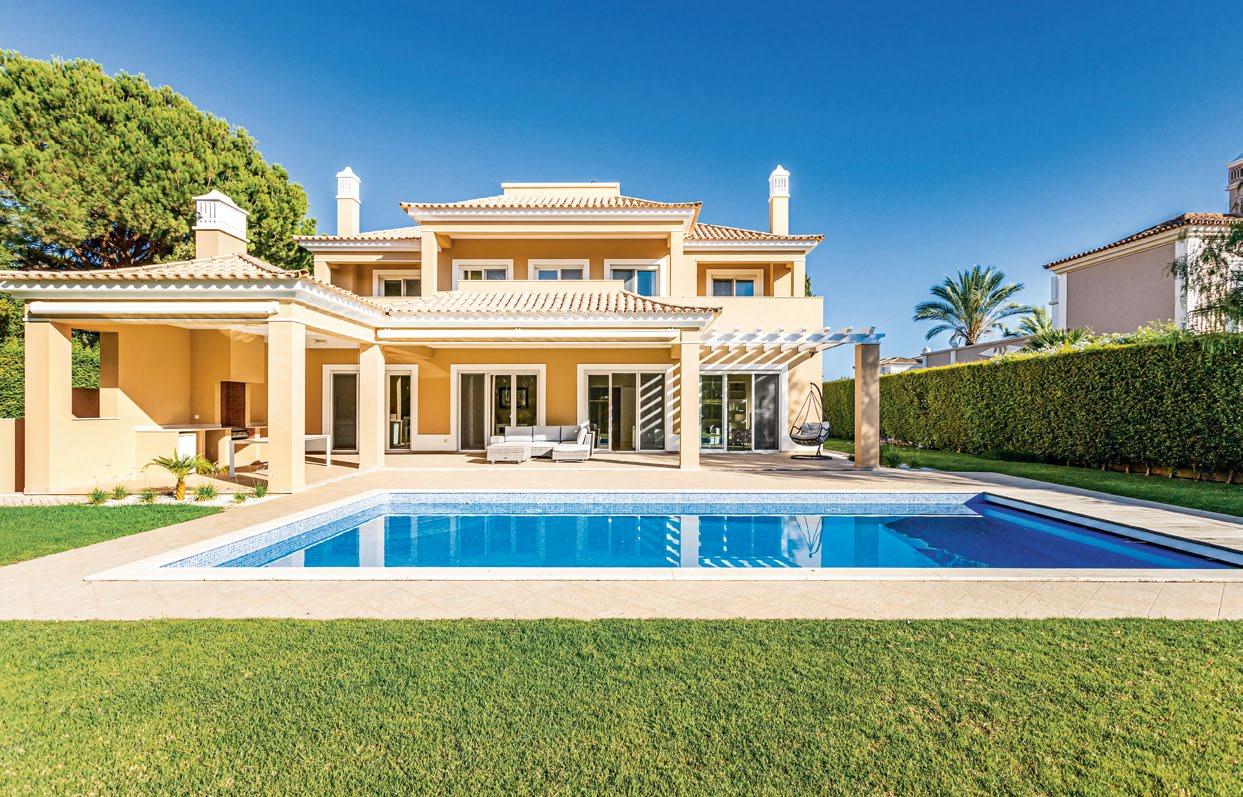
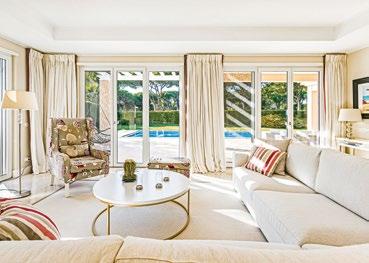
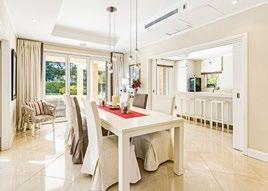
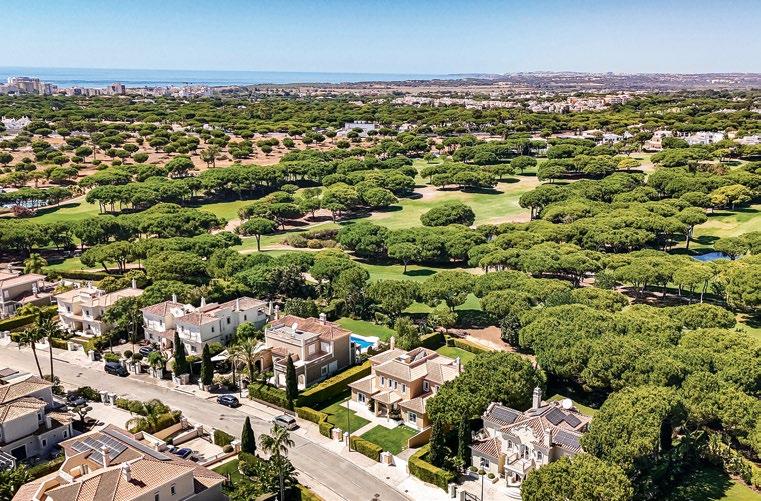
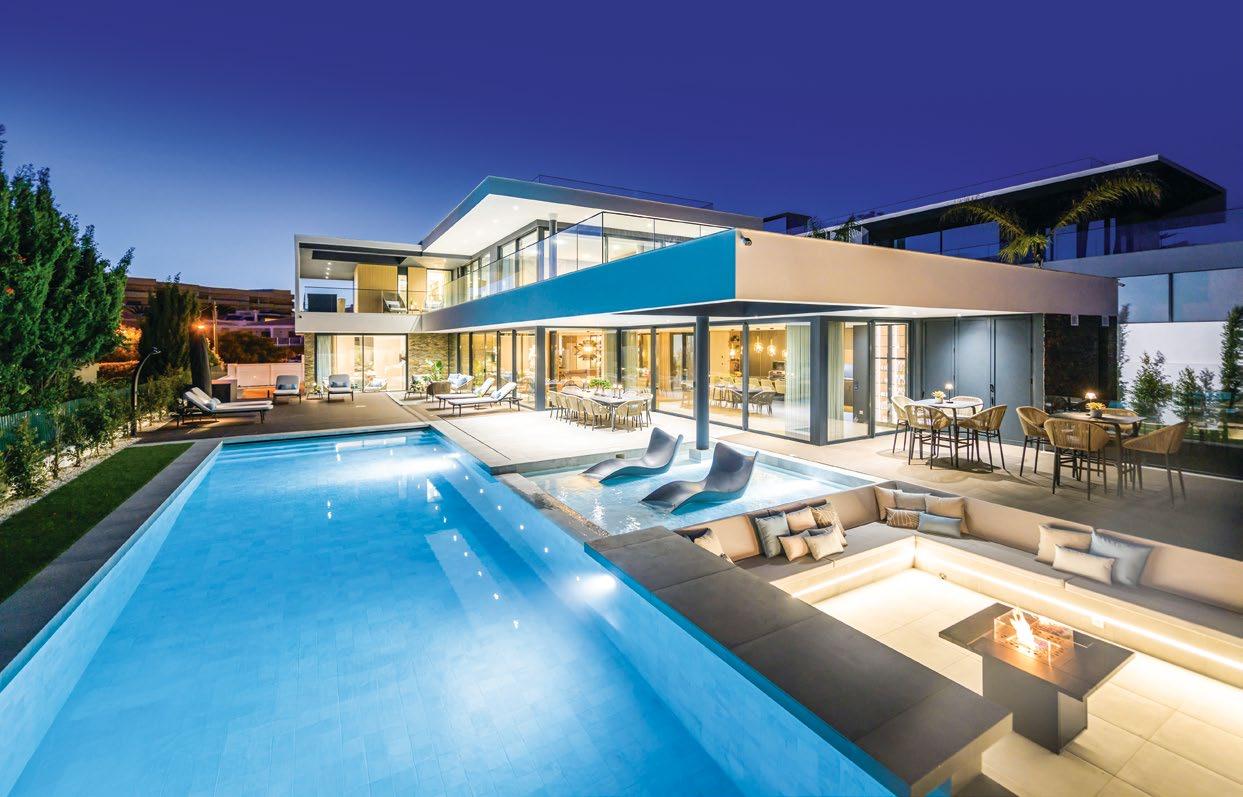
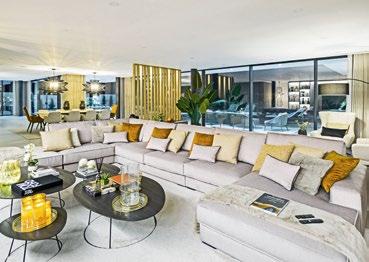
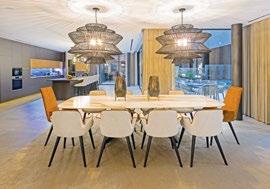

Albufeira
Luxury
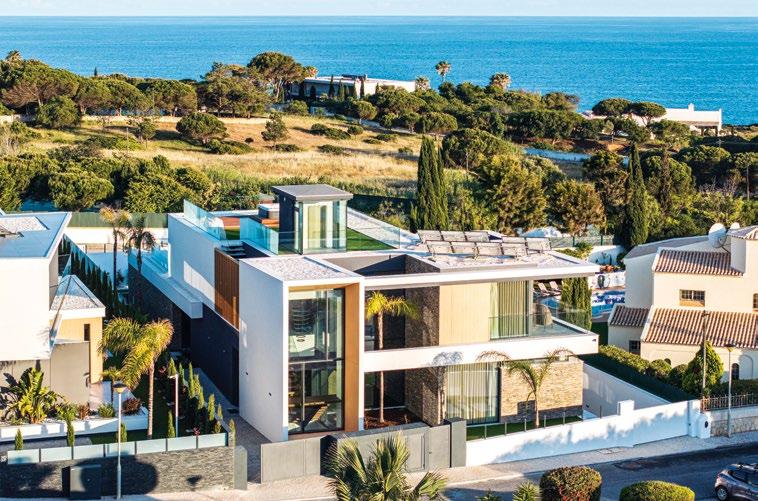

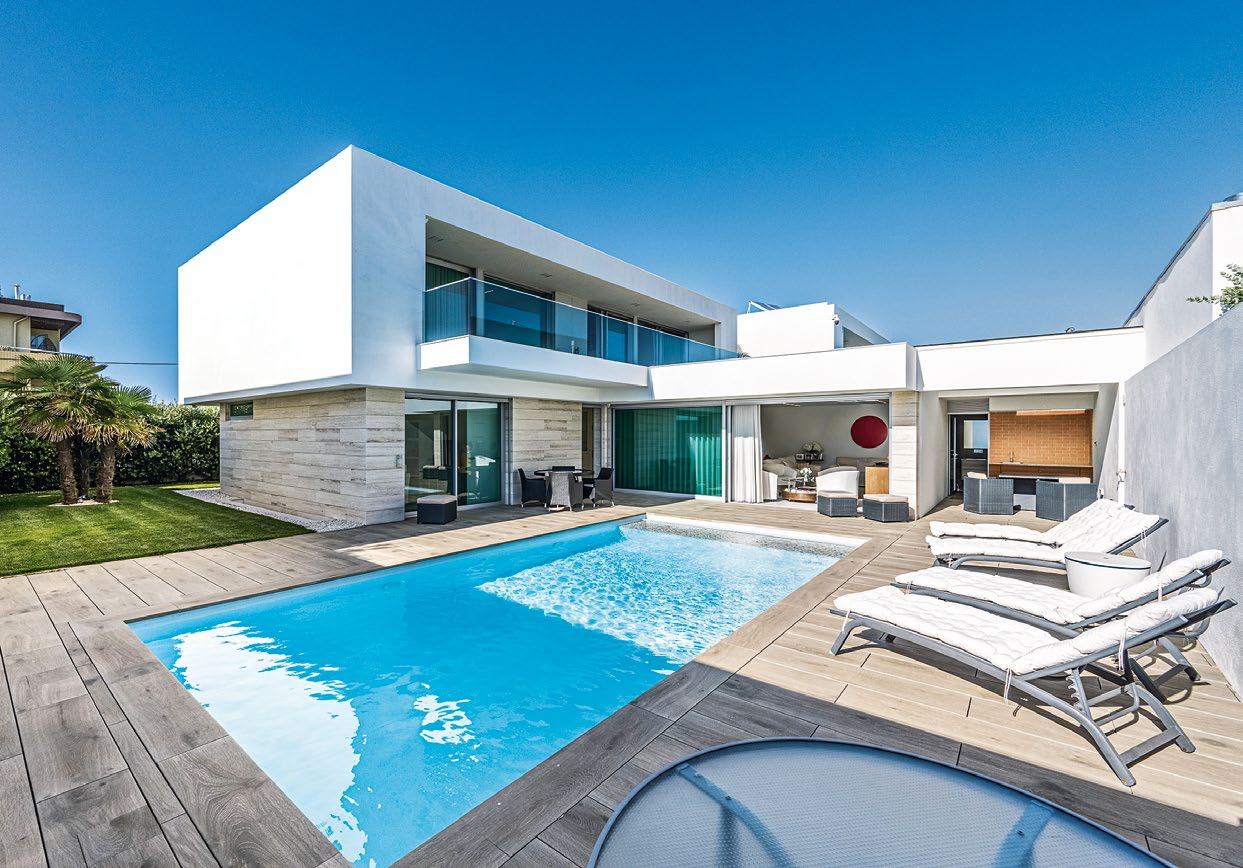
Vila Nova de Gaia
Property with Pool Near the Beach
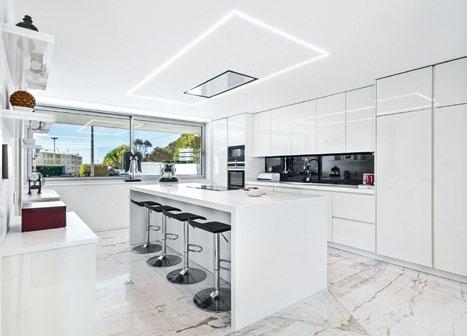
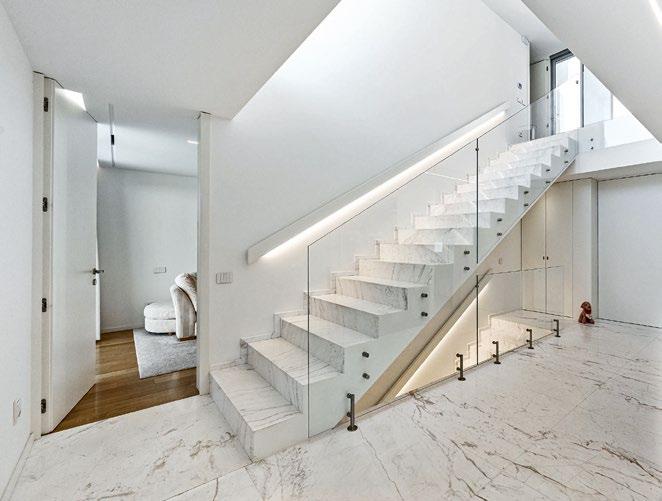
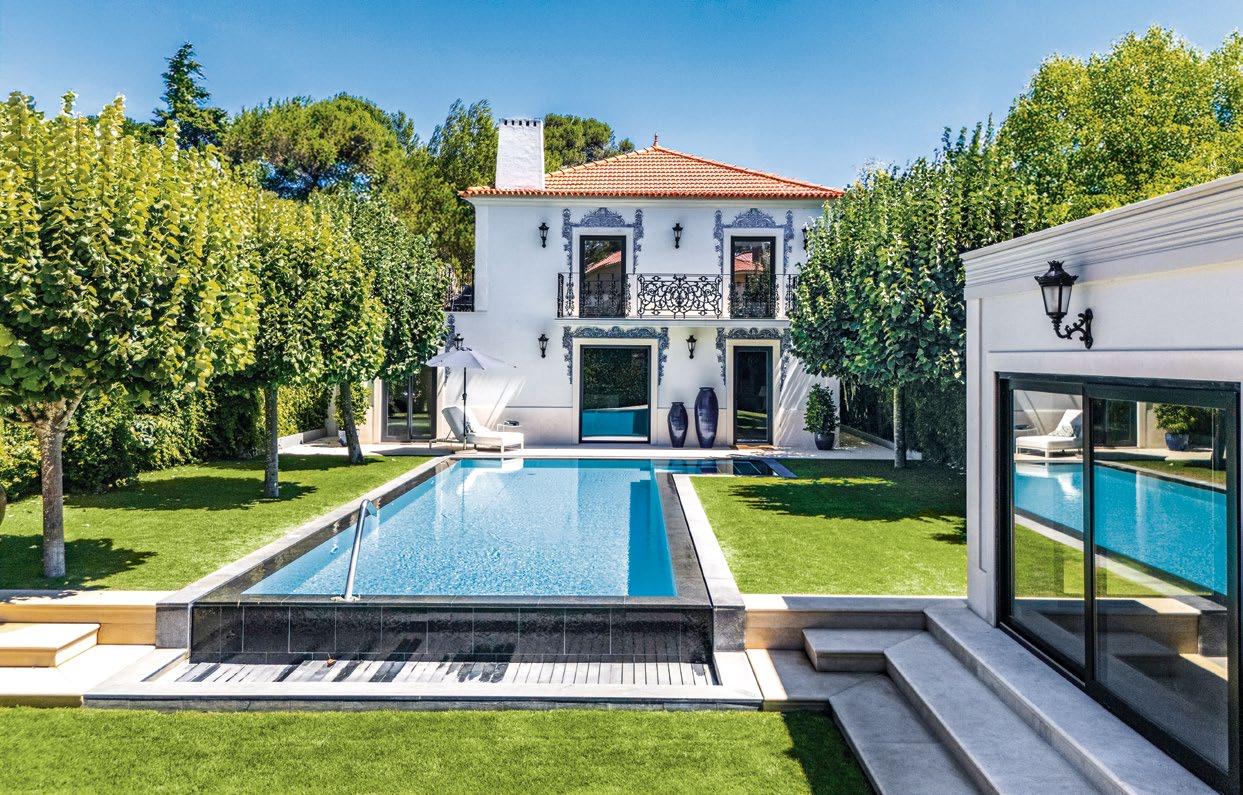


+351 221 11 02
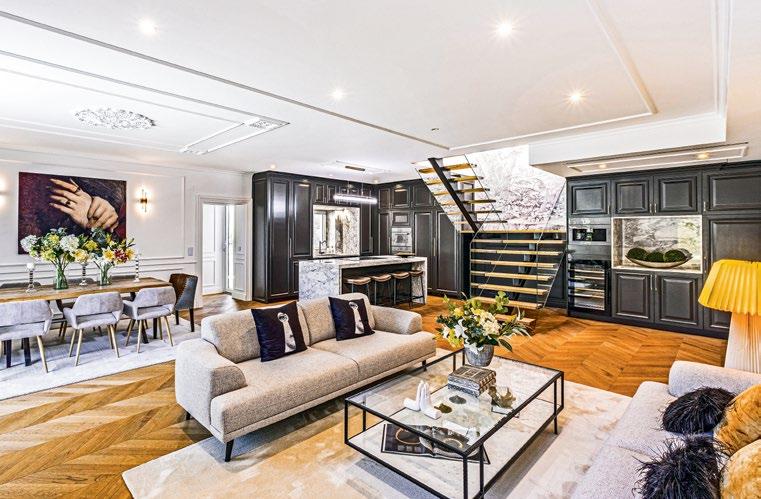

Cascais
Heritage Villa in Heart of the Town
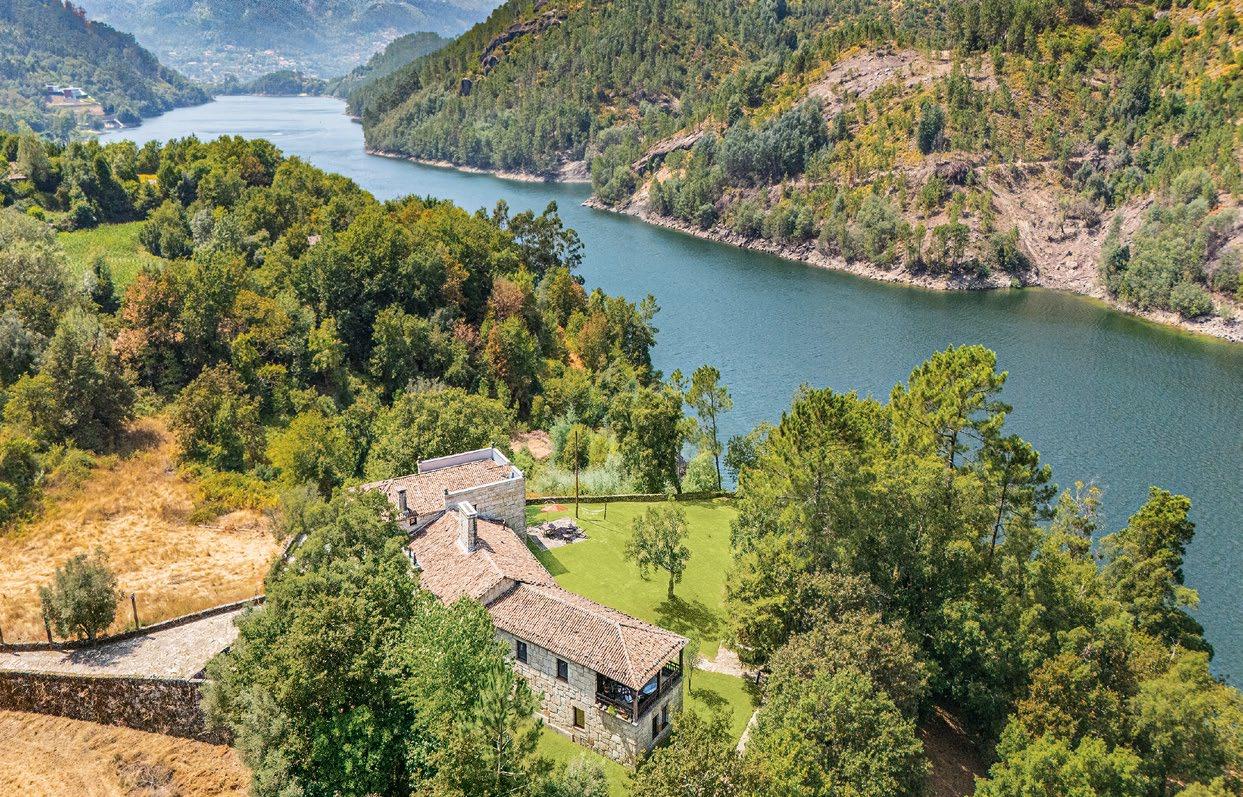
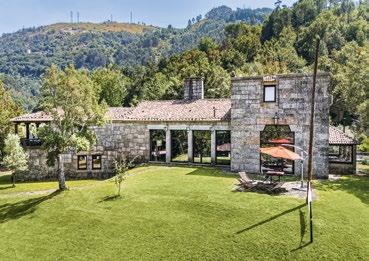
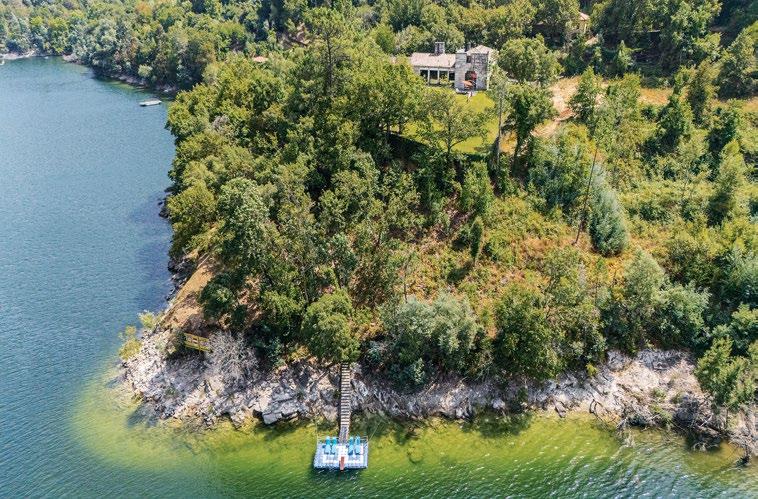

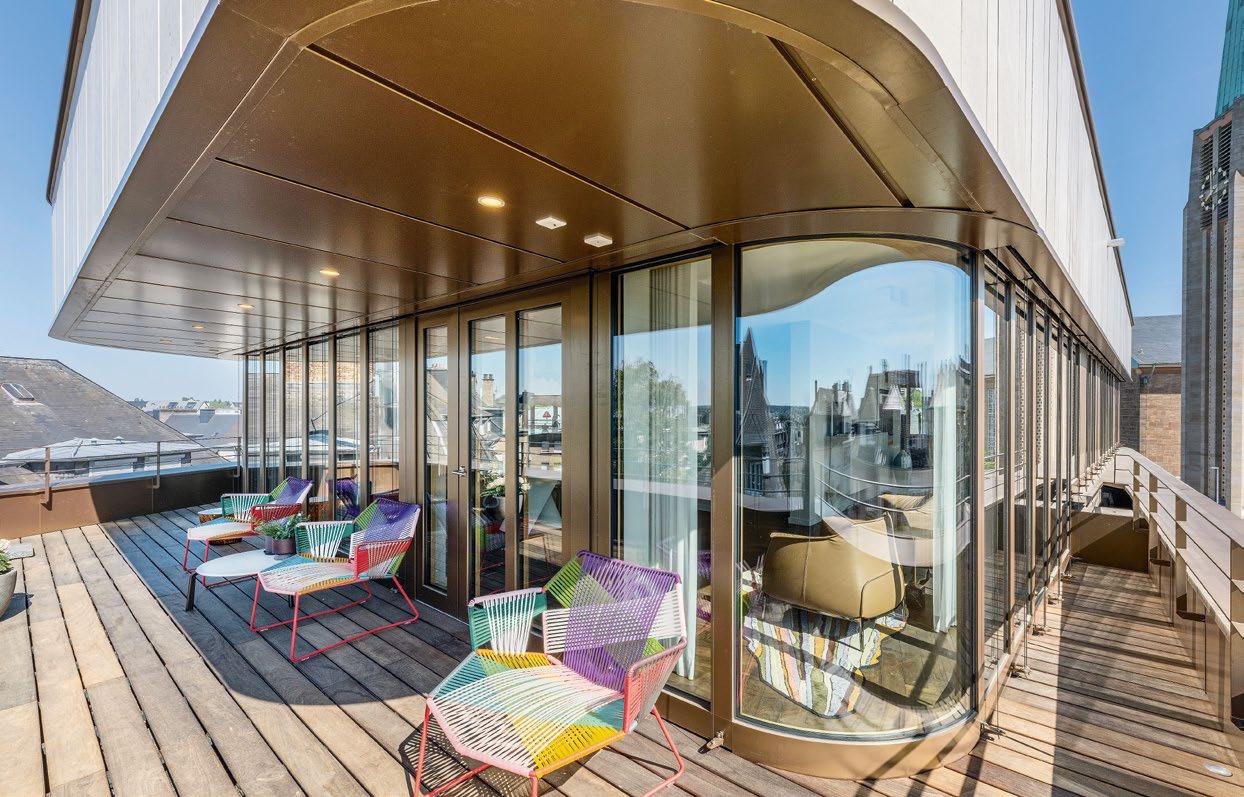
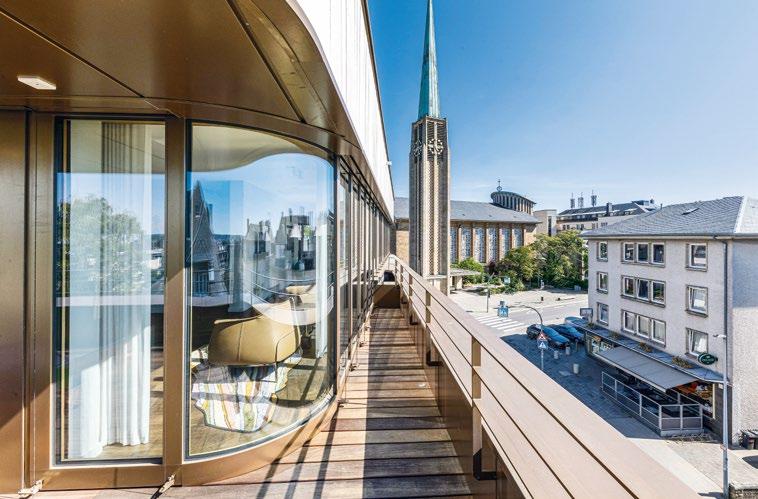

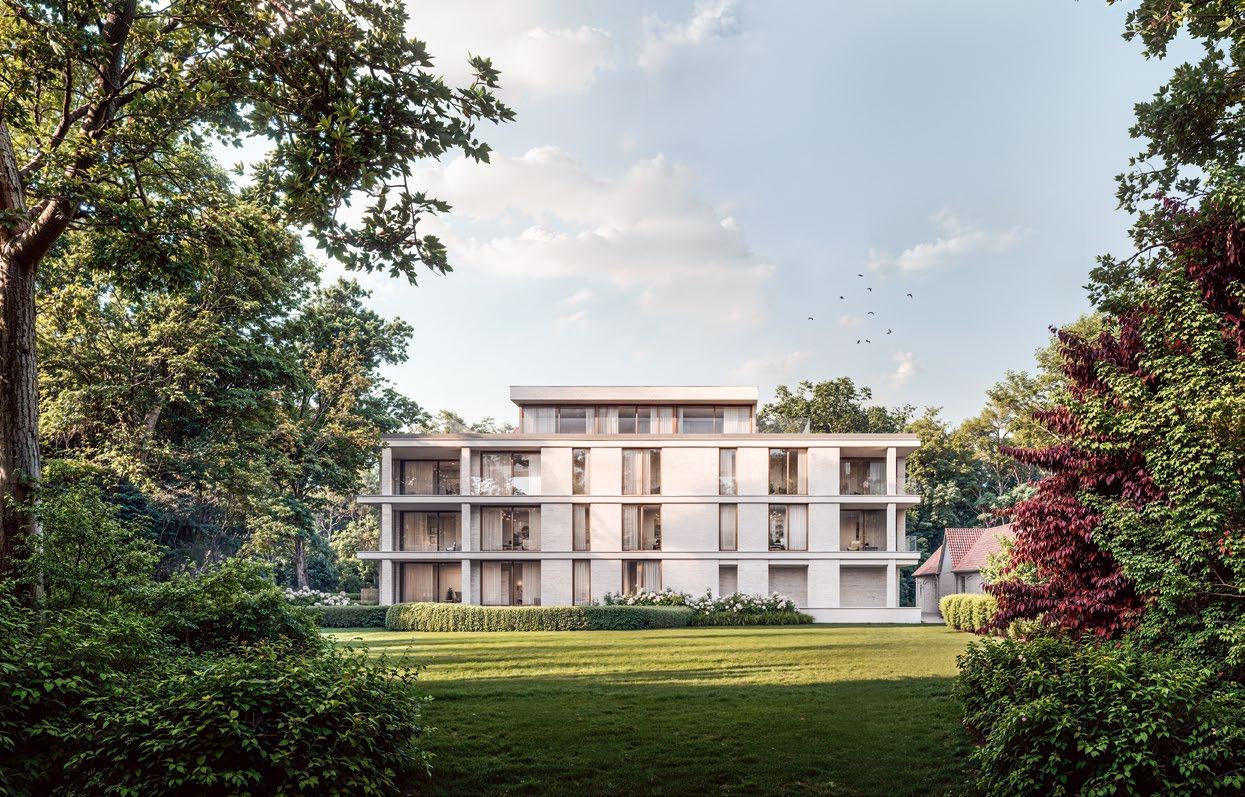
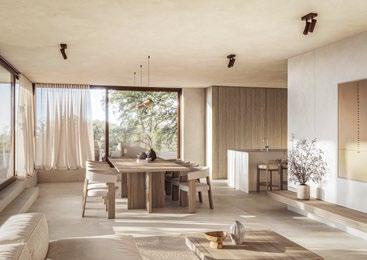

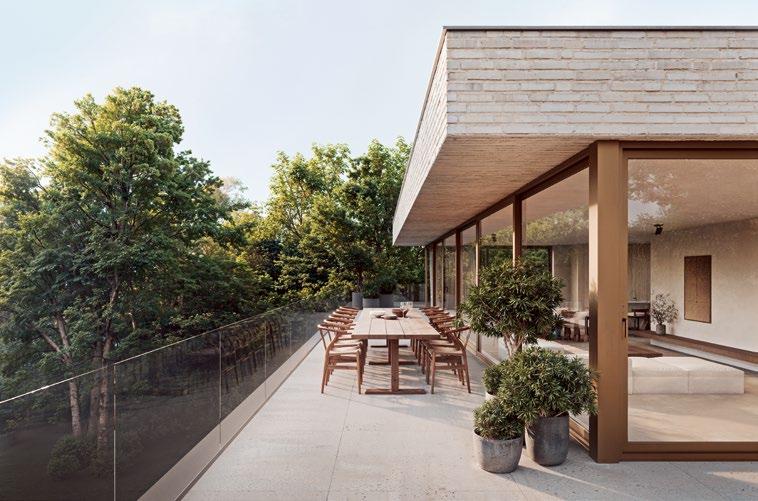

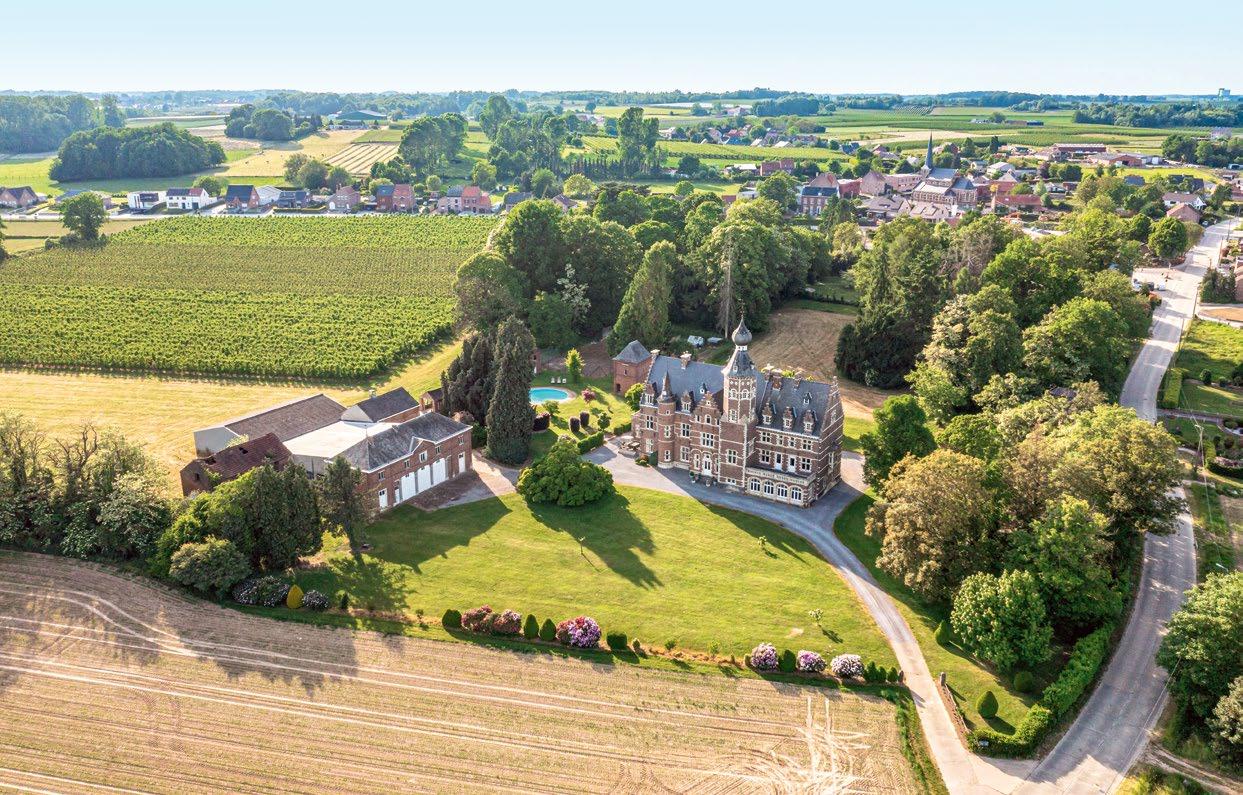
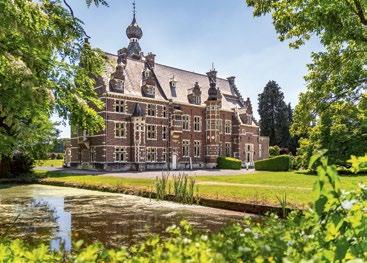
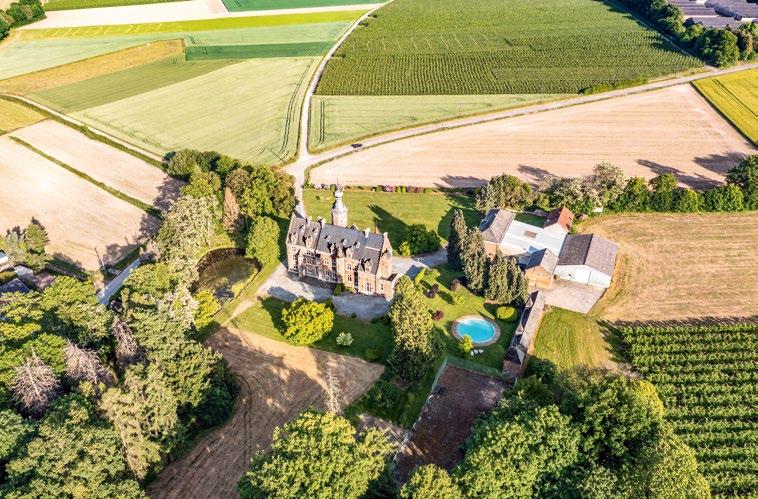

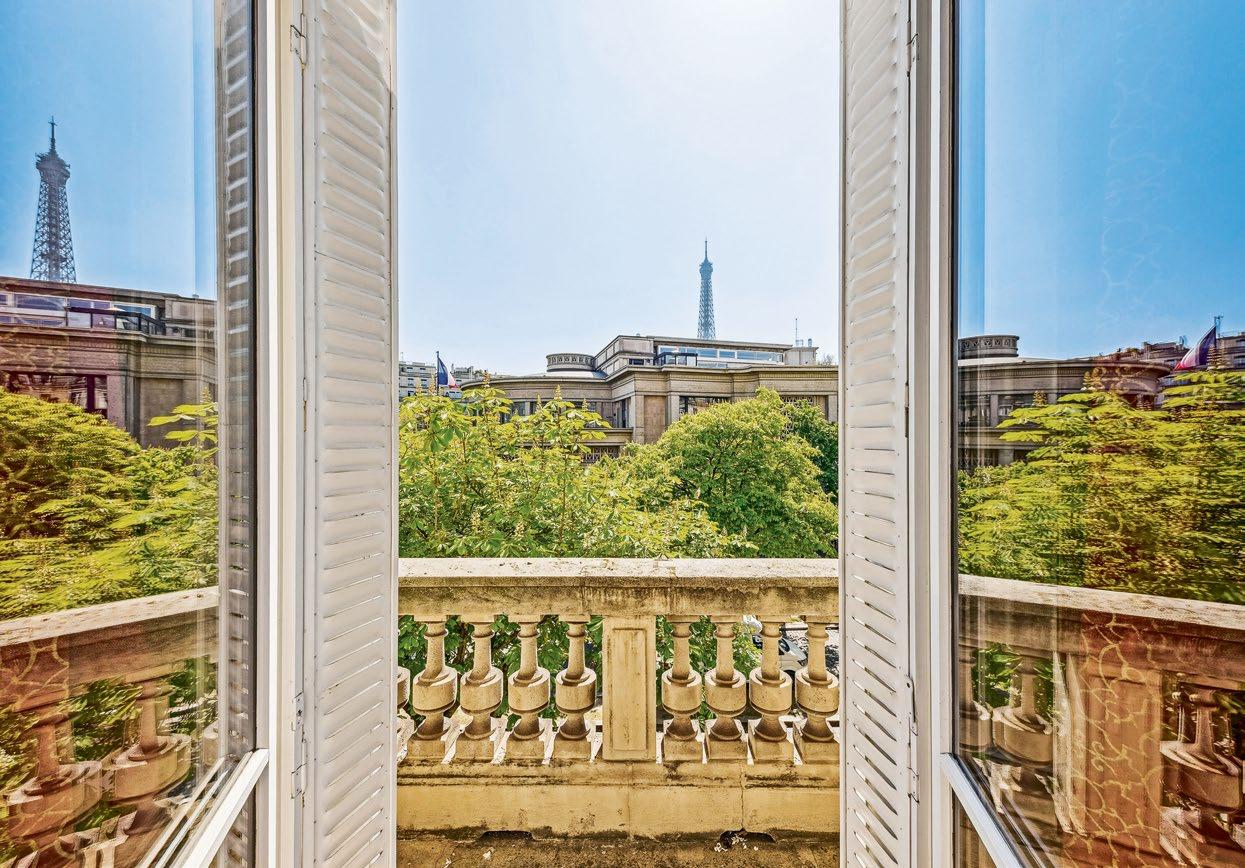
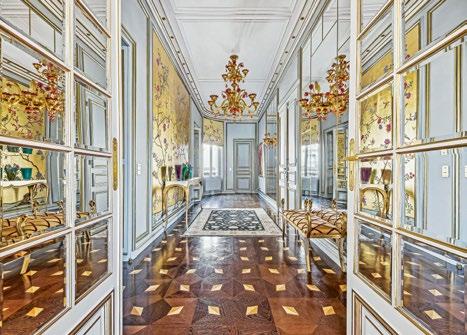
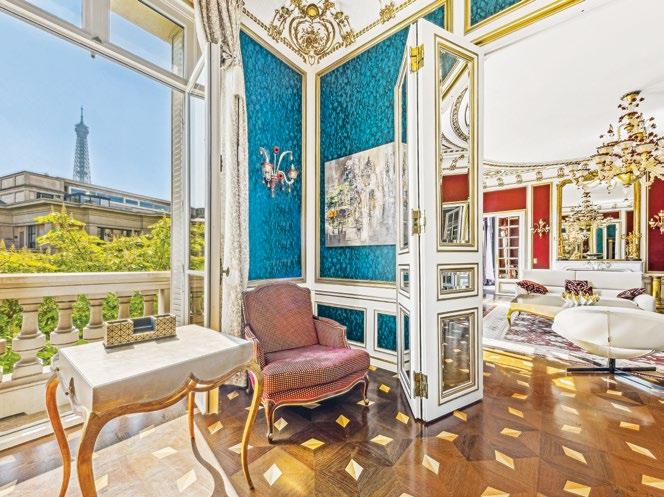

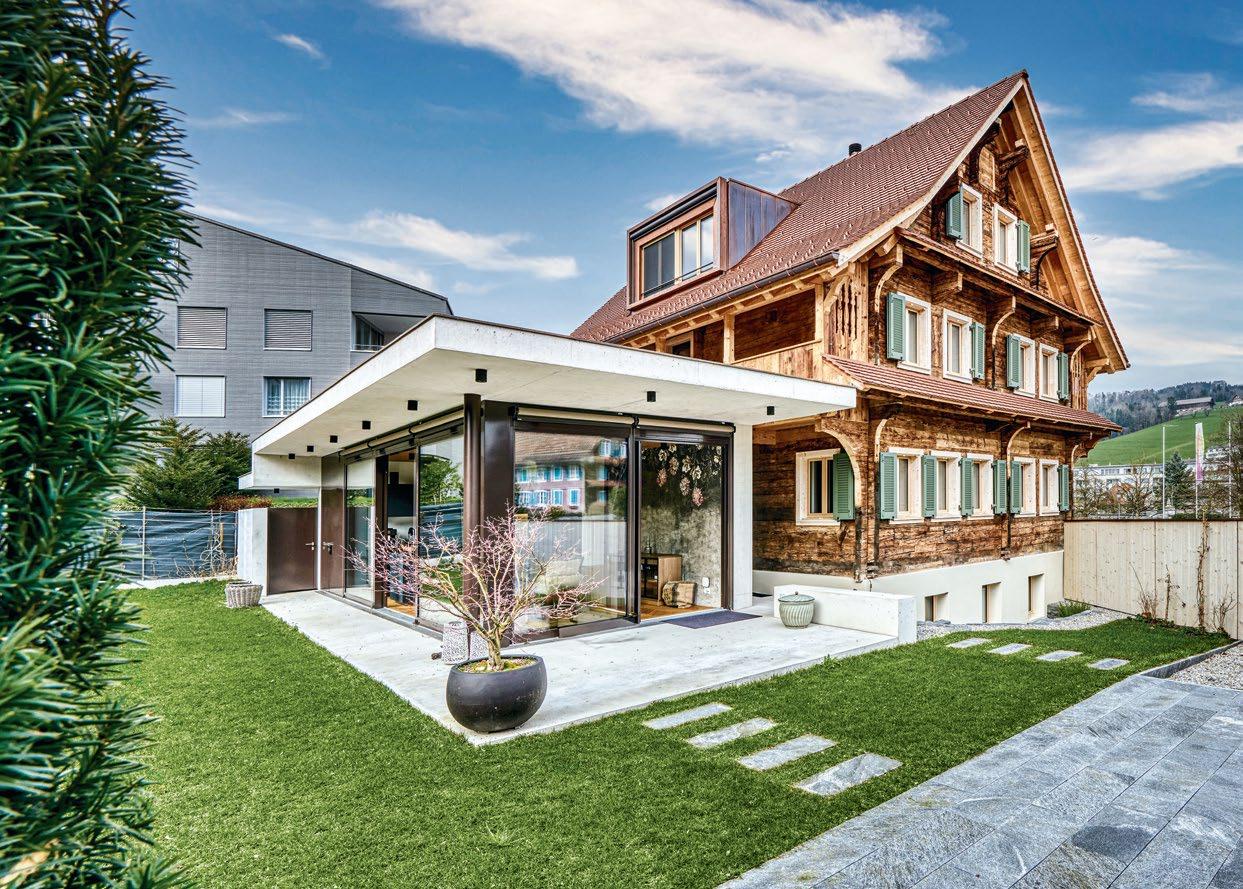
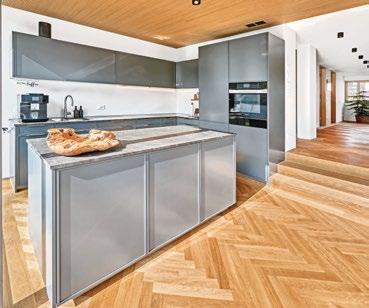
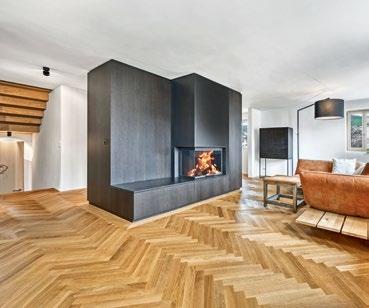

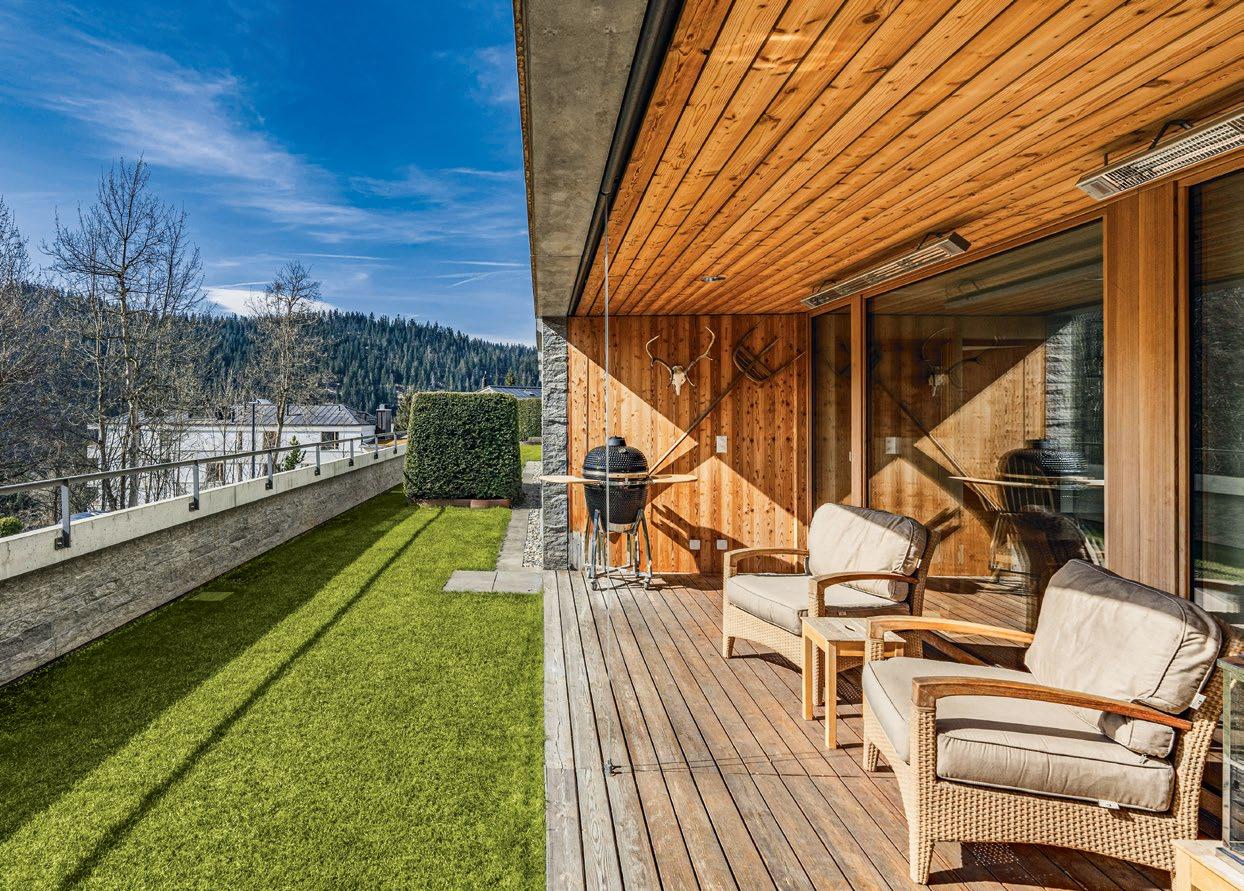
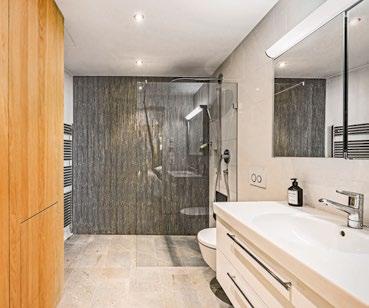
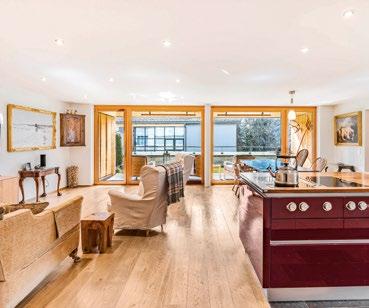
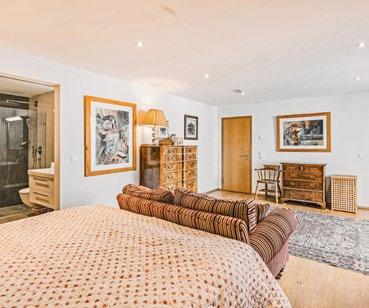

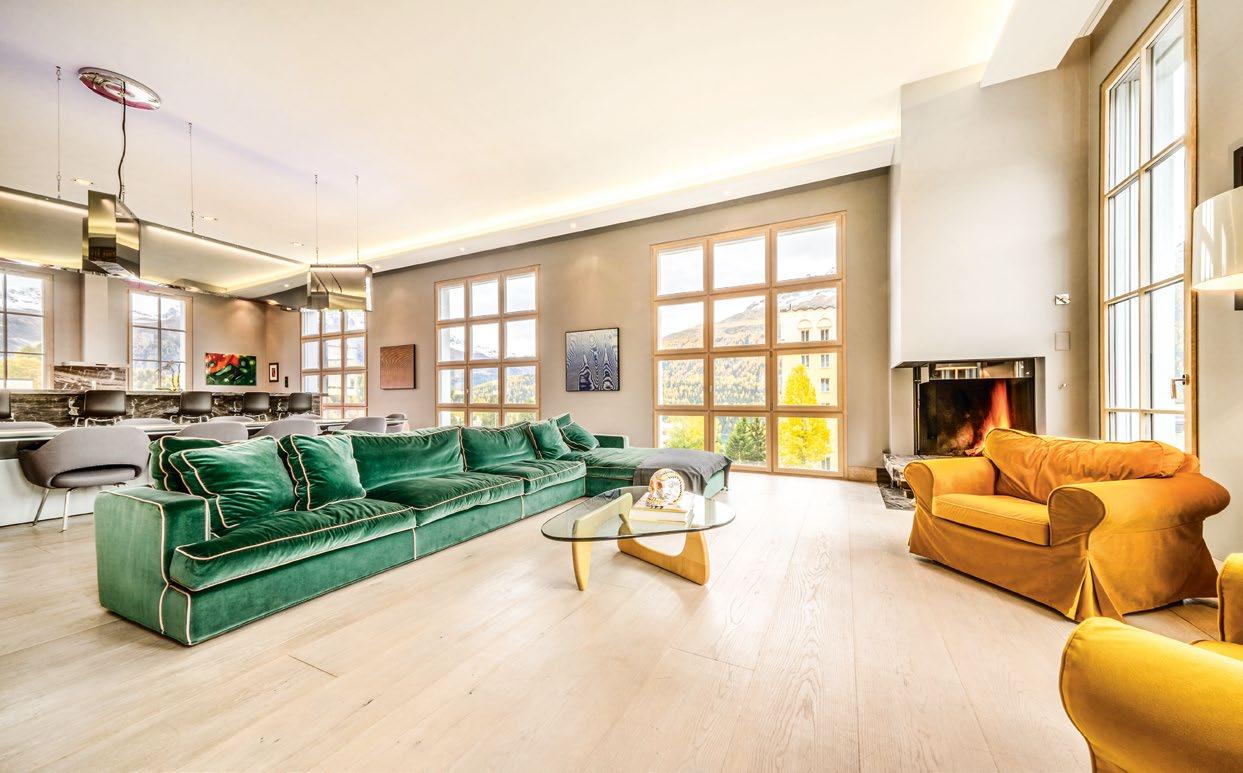
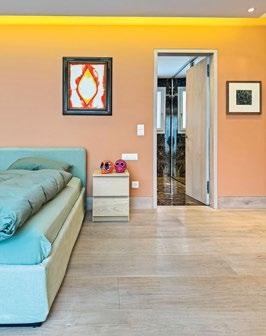
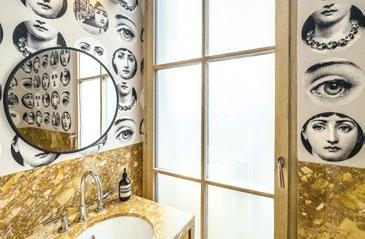
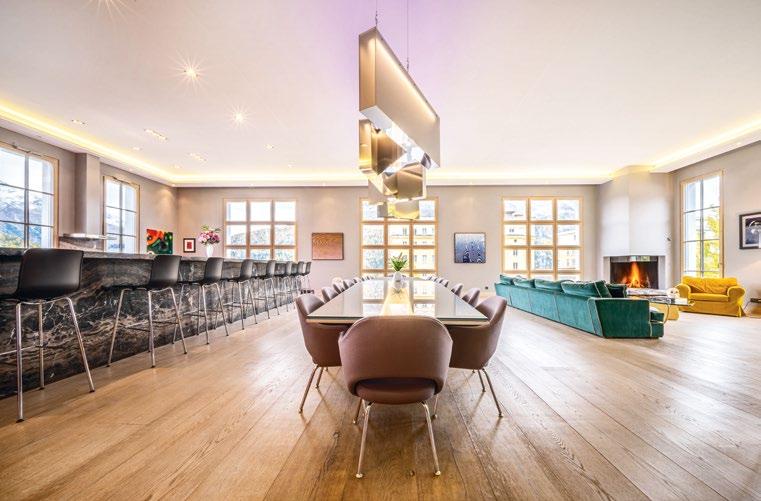

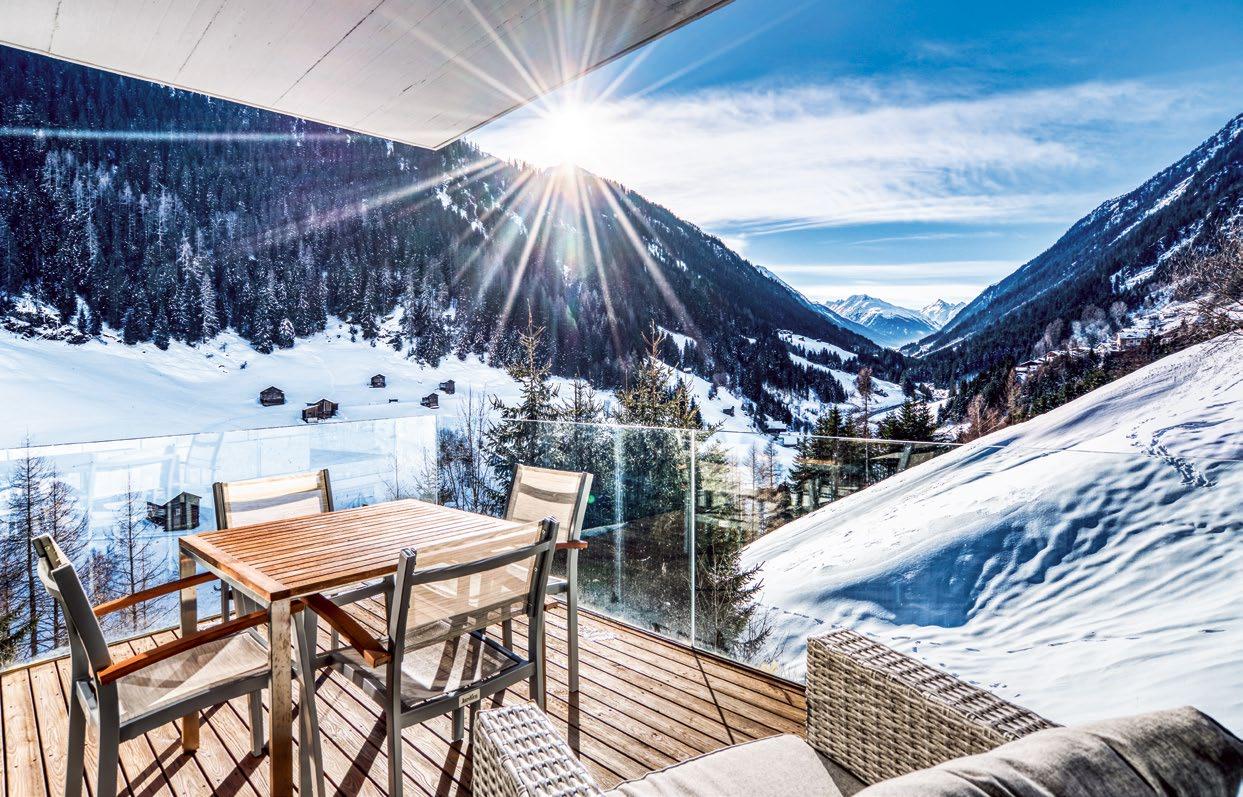
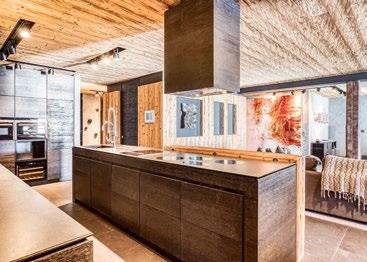
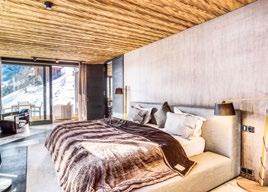
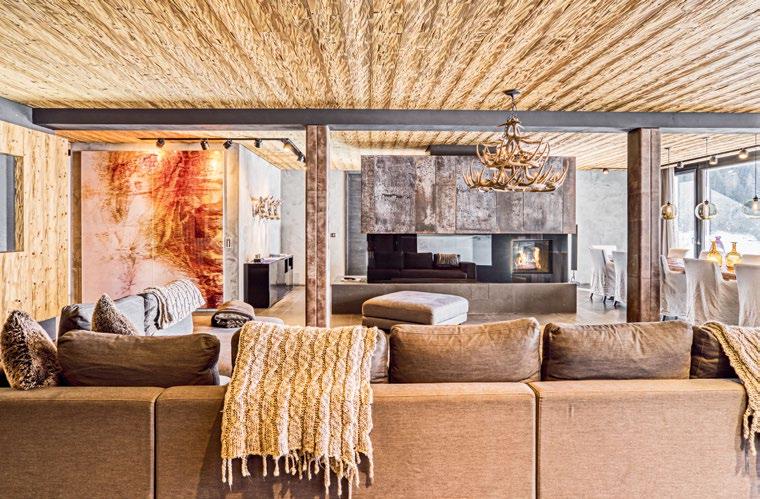
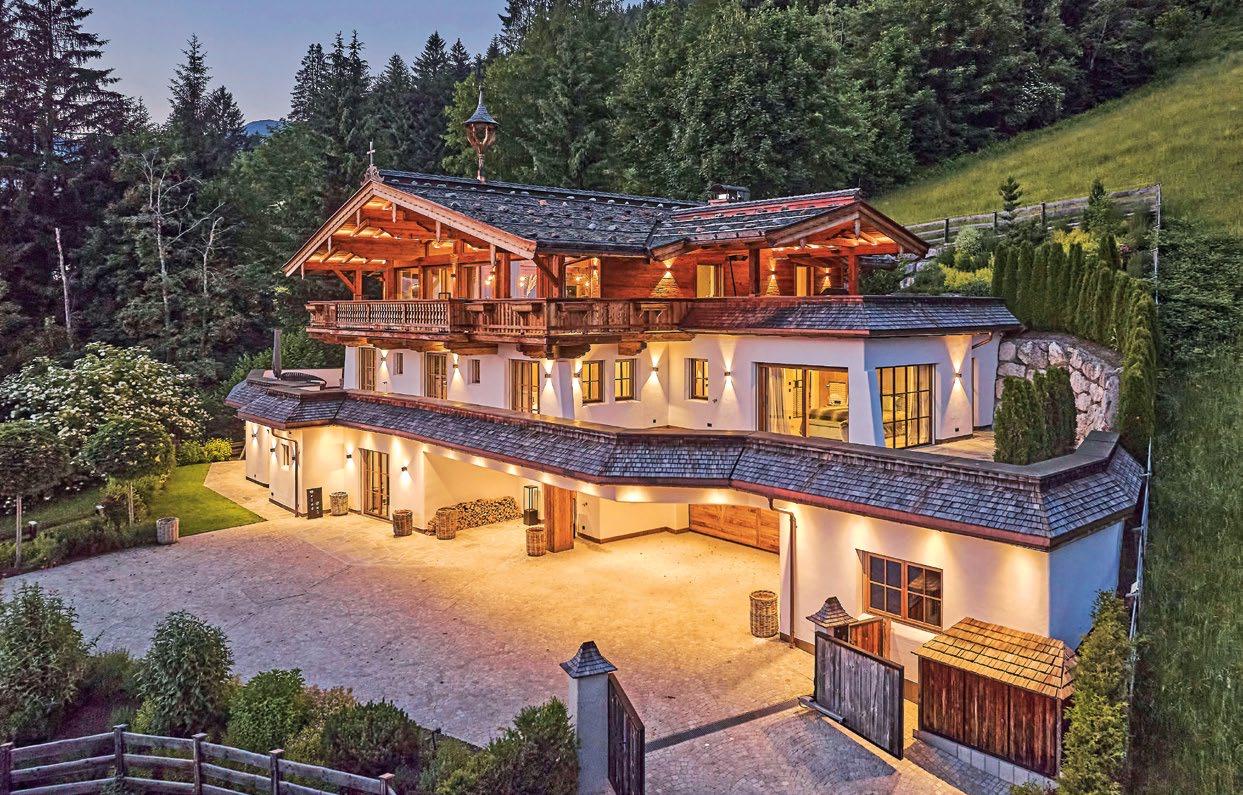
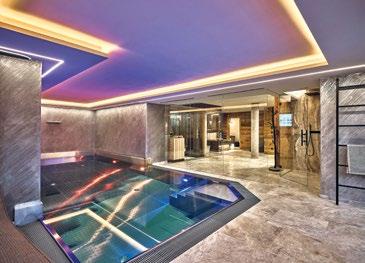
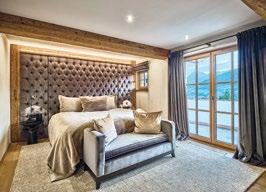

Aurach Near Kitzbühel
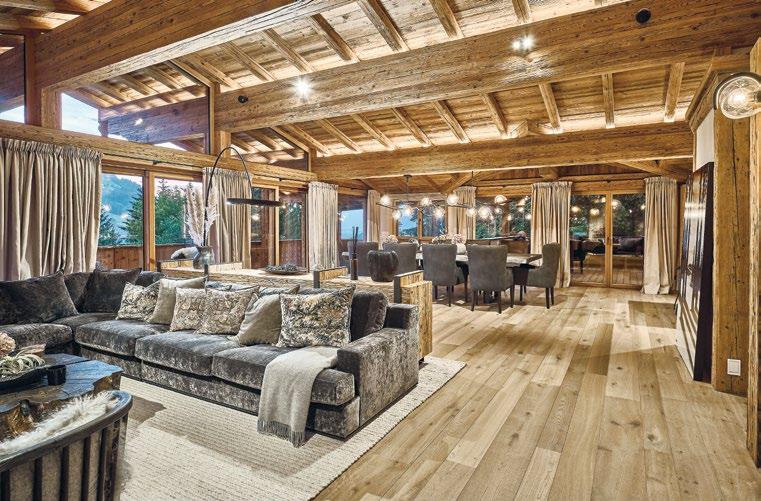

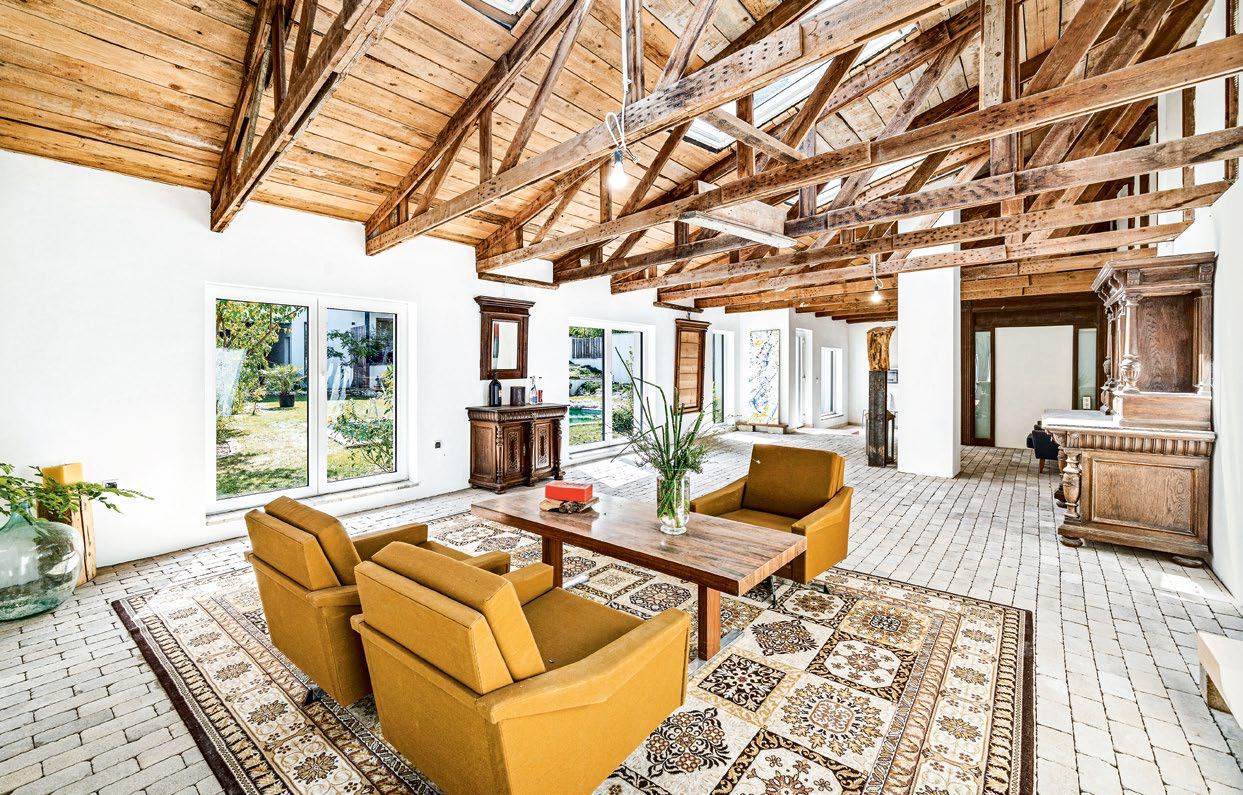
Mörbisch

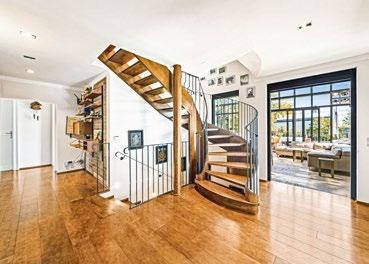
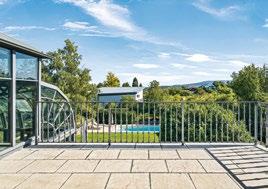
Brunn am Gebirge
Residence
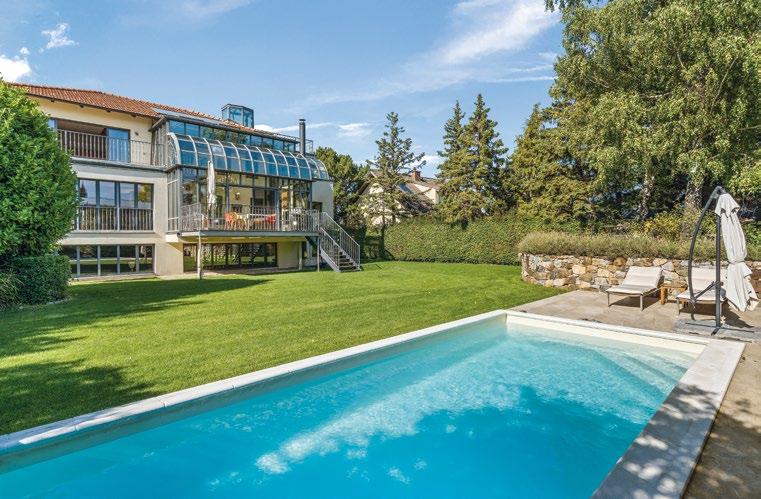

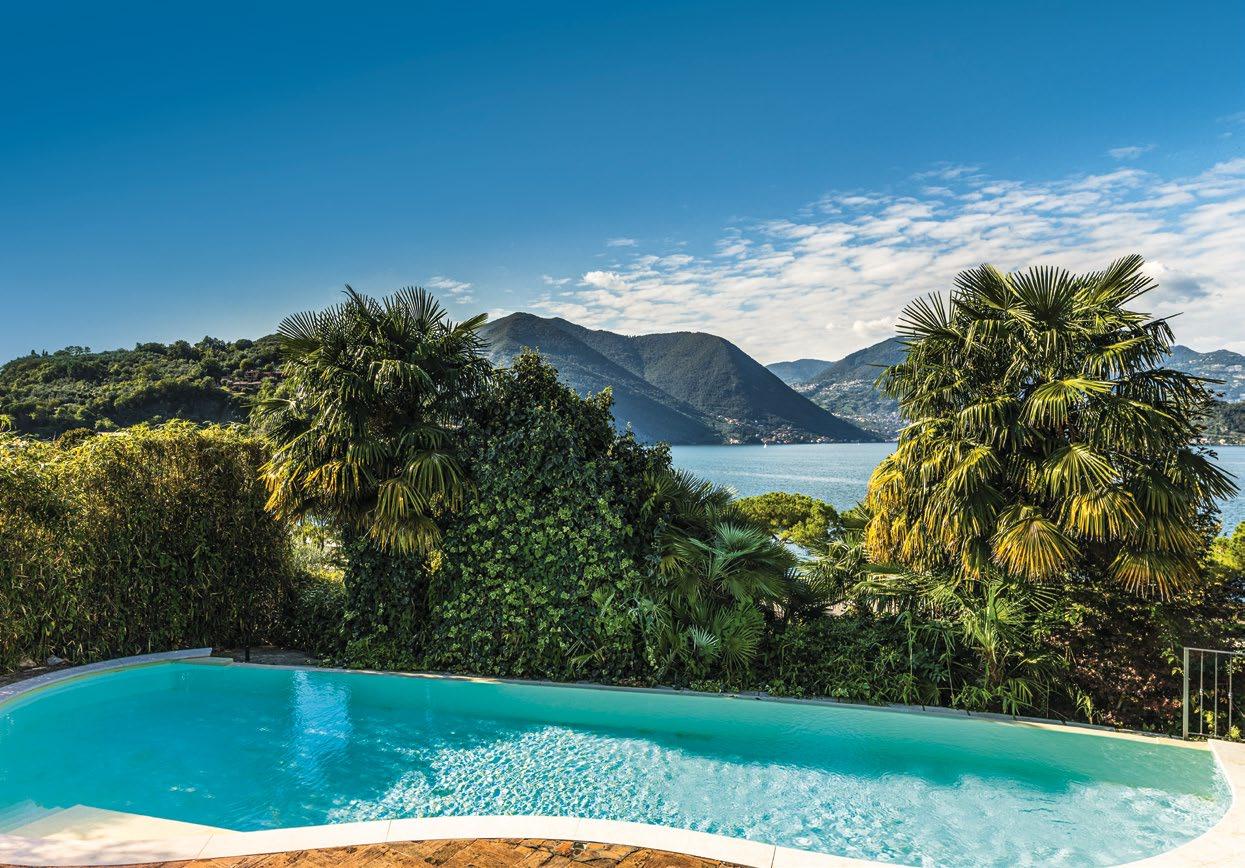
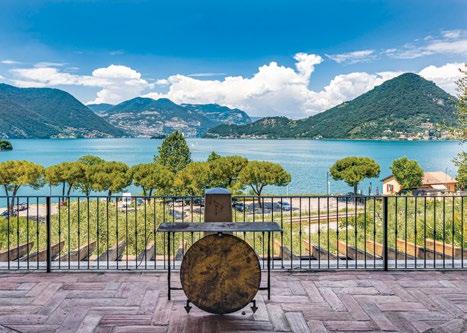
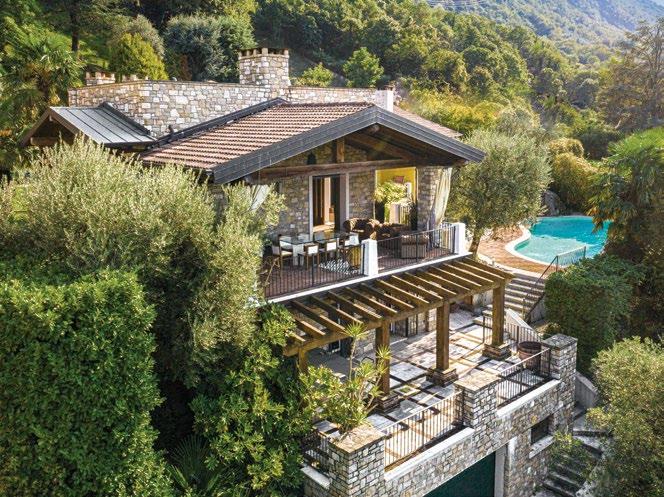

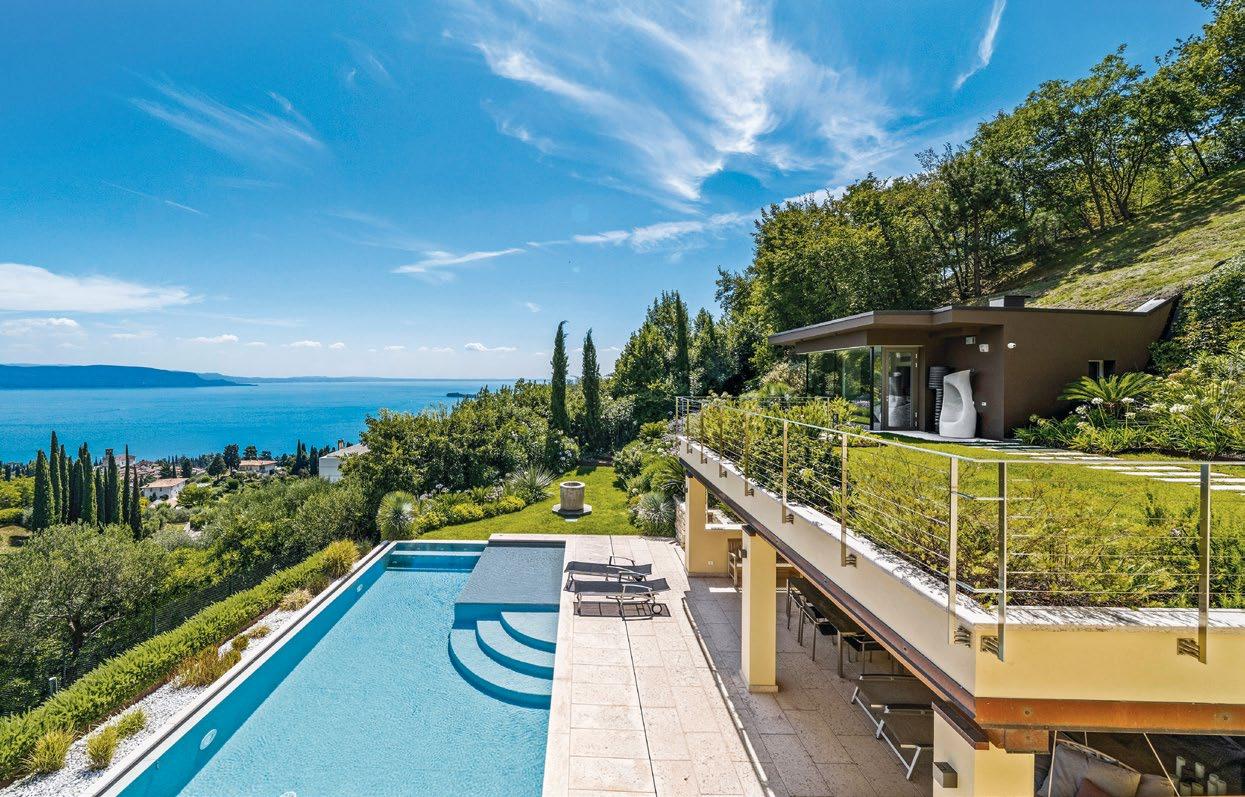
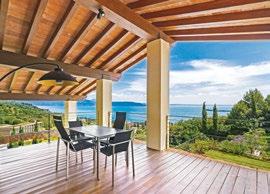
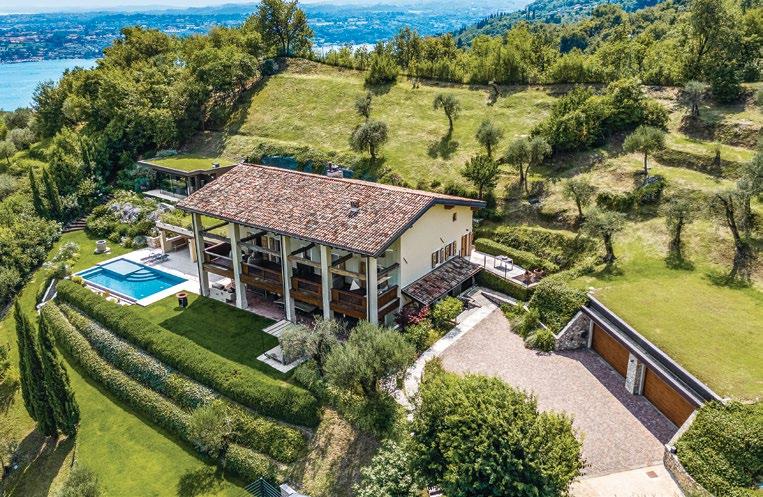

Gardone Riviera
Timeless Jewel on Lake Garda
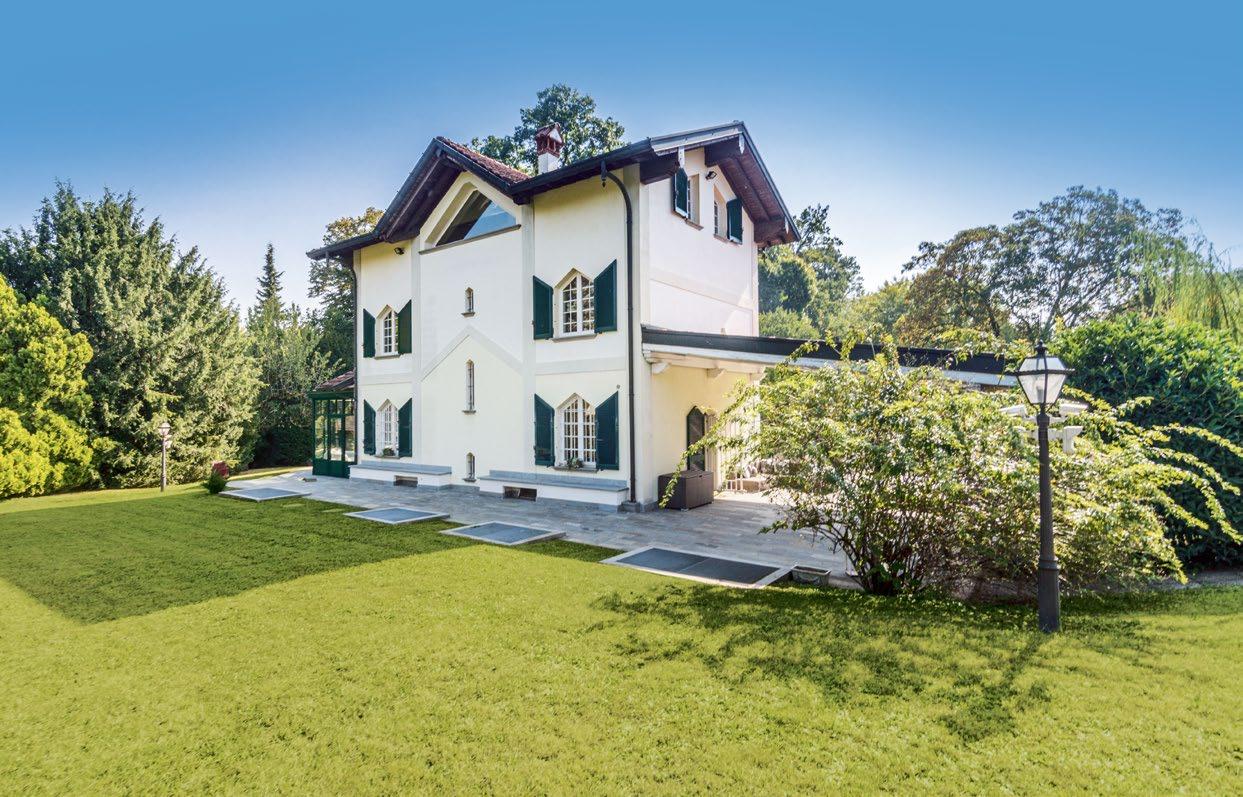
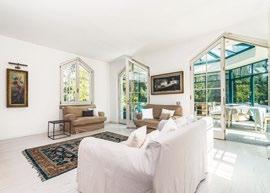
Charming Villa with Dépendance & Park Near Villa Reale of Monza
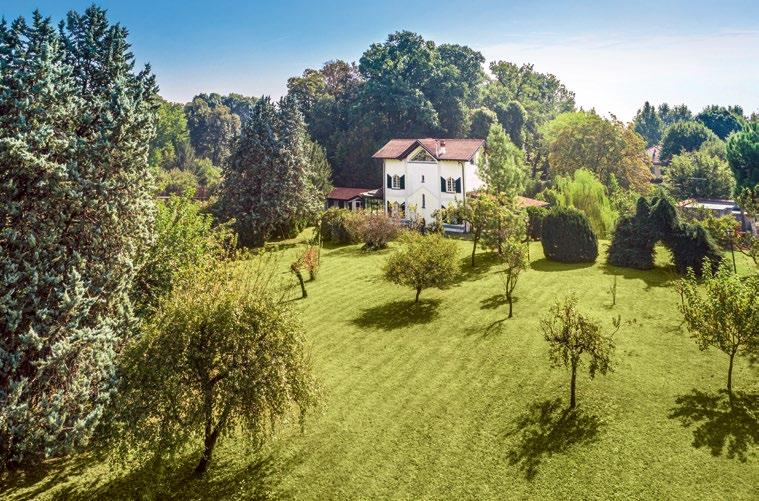

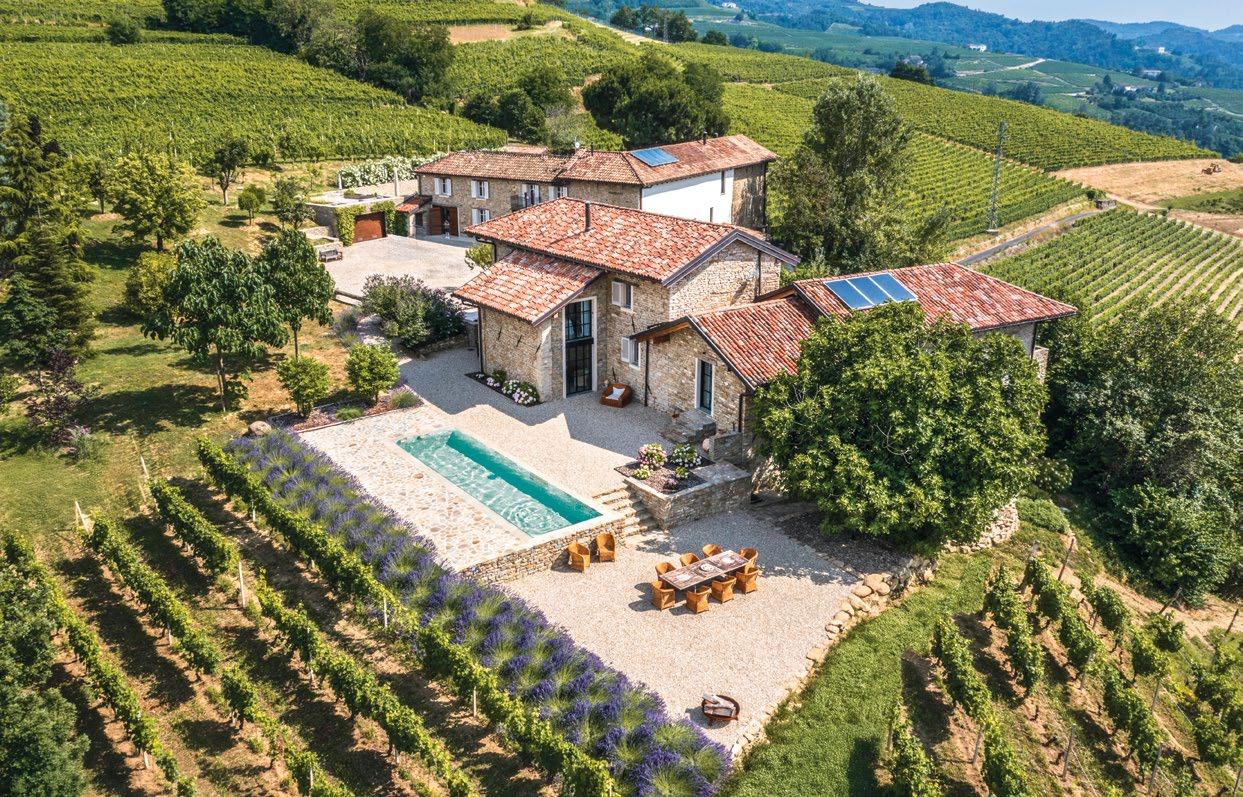
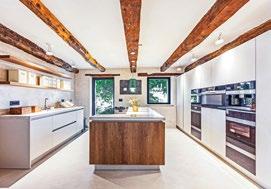
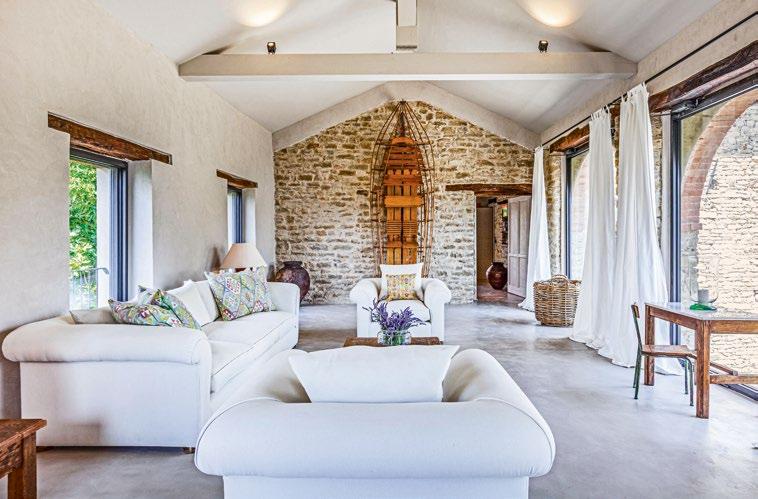

Monza
Cossano Belbo
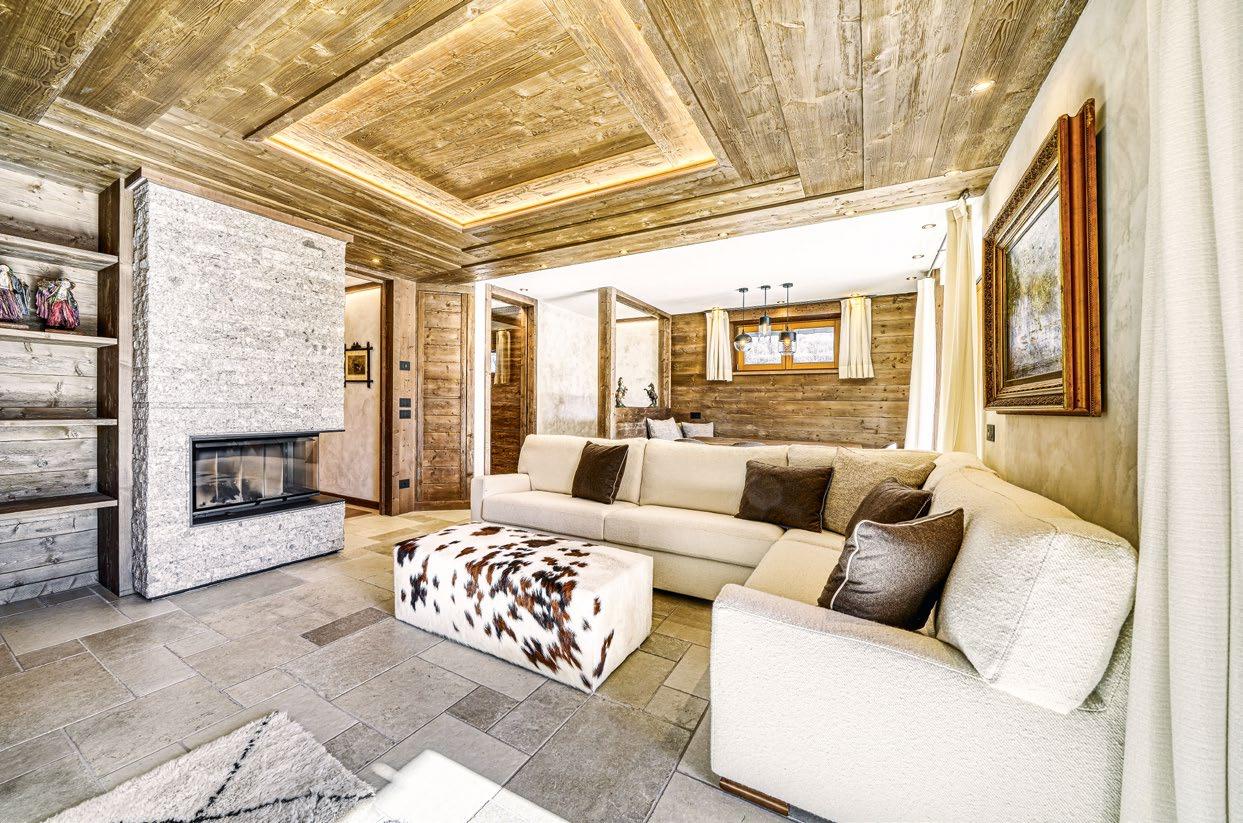
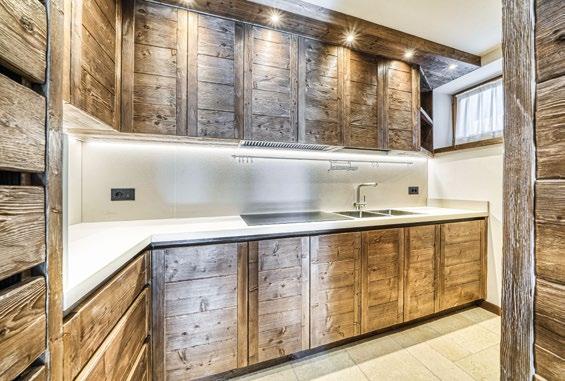

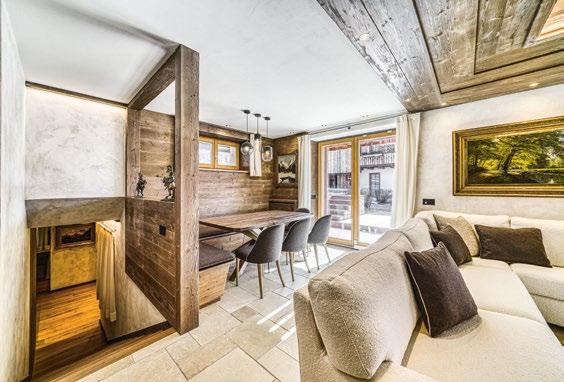
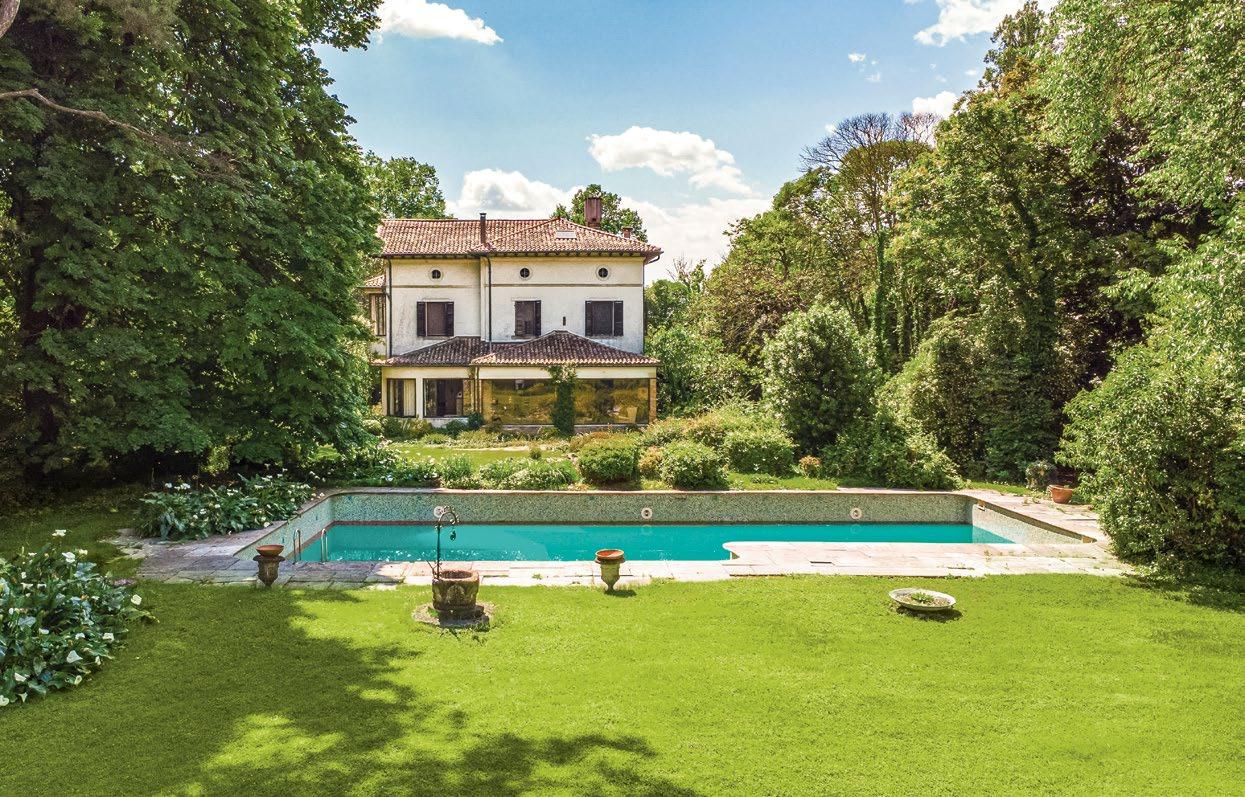
Art, Peace & Nature: A Timeless Haven with Eternal Charm
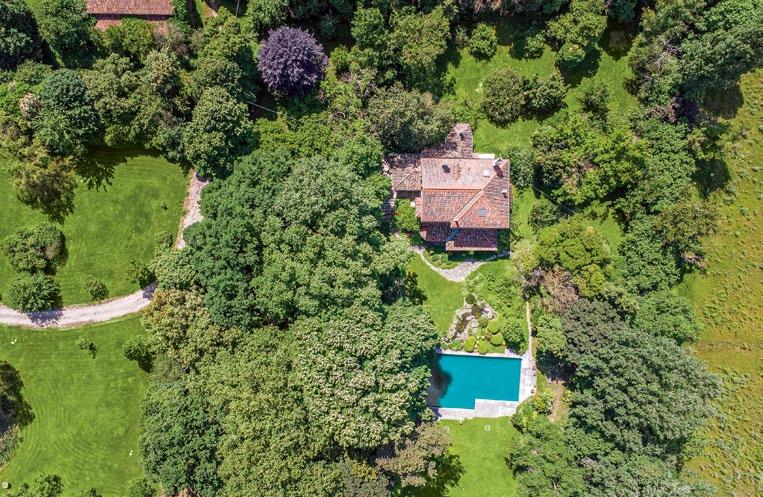

Treviso
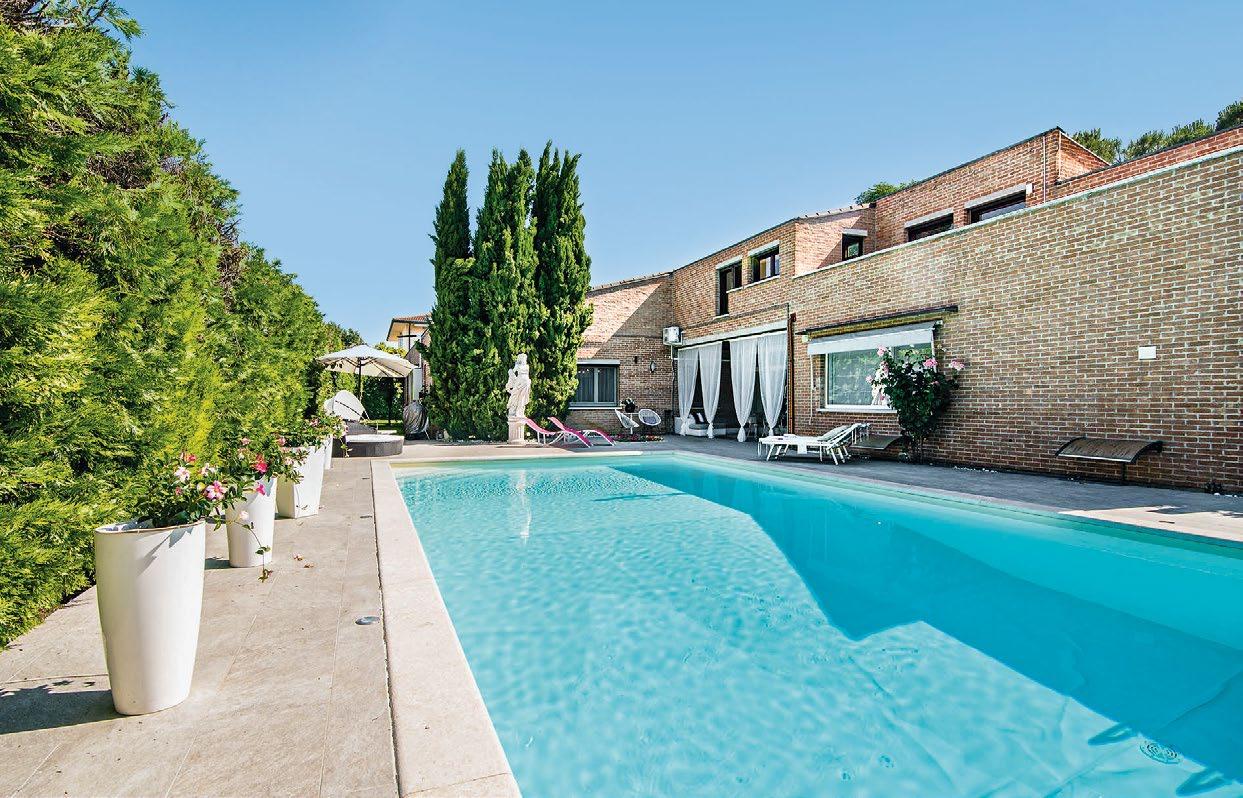
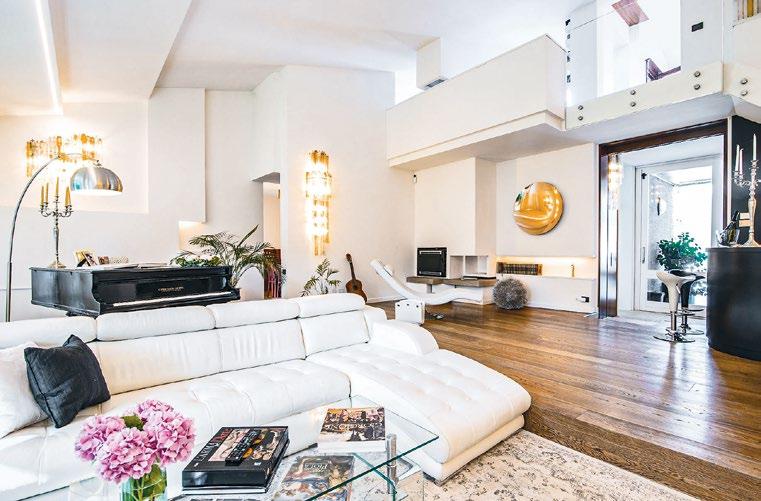

Cinigiano
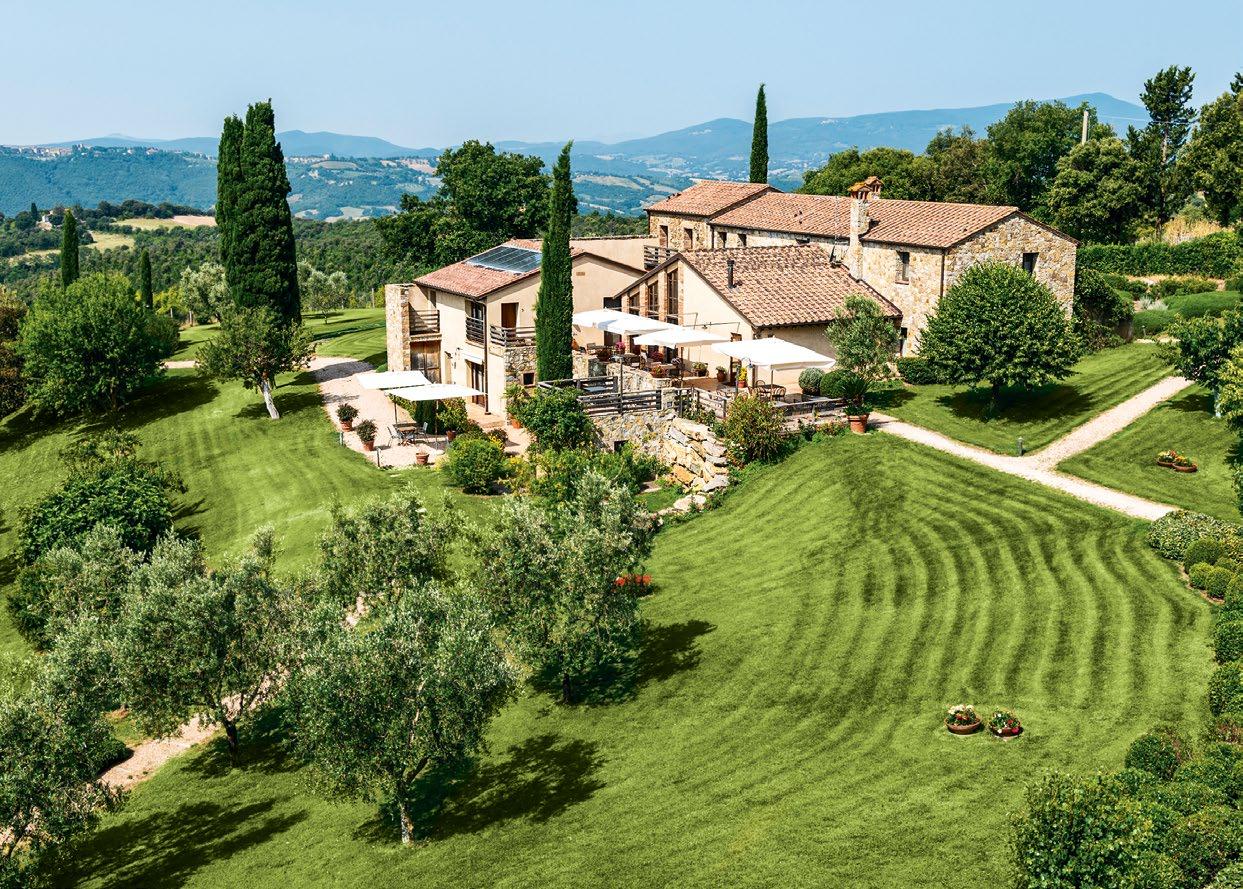
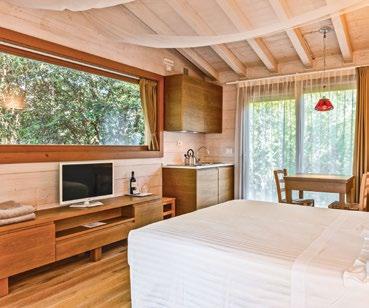

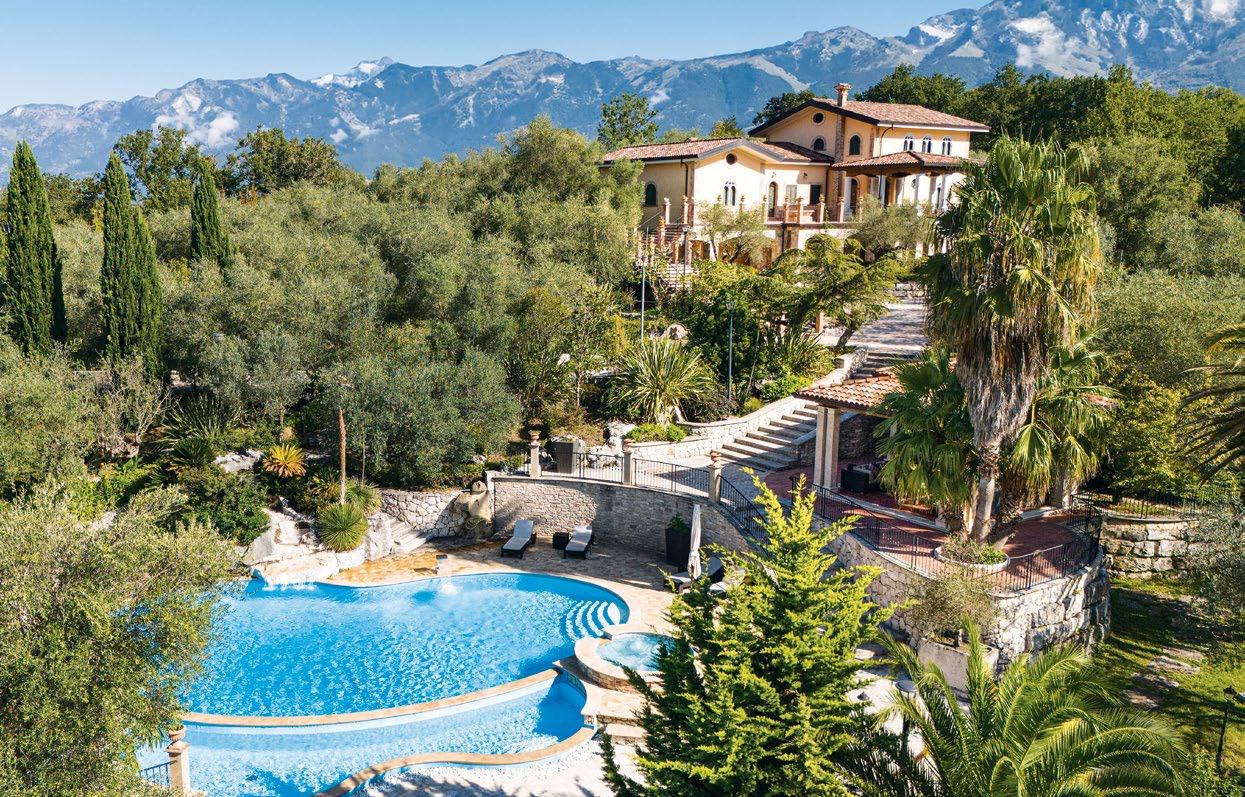
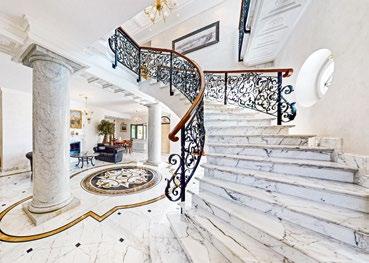
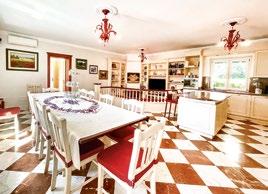
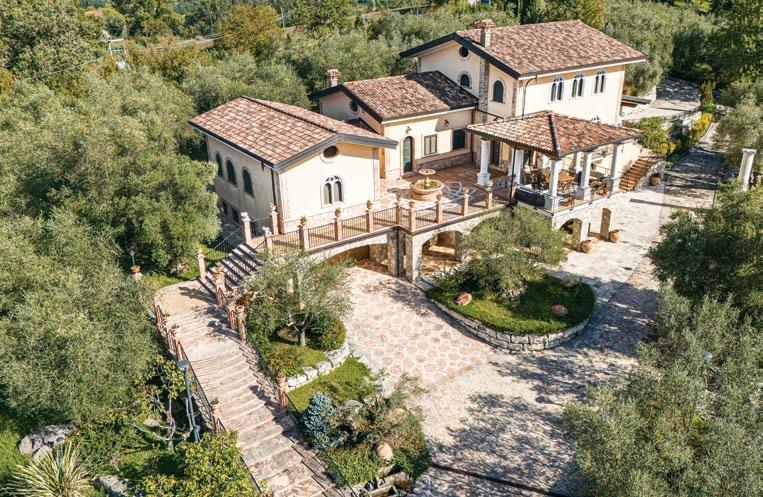
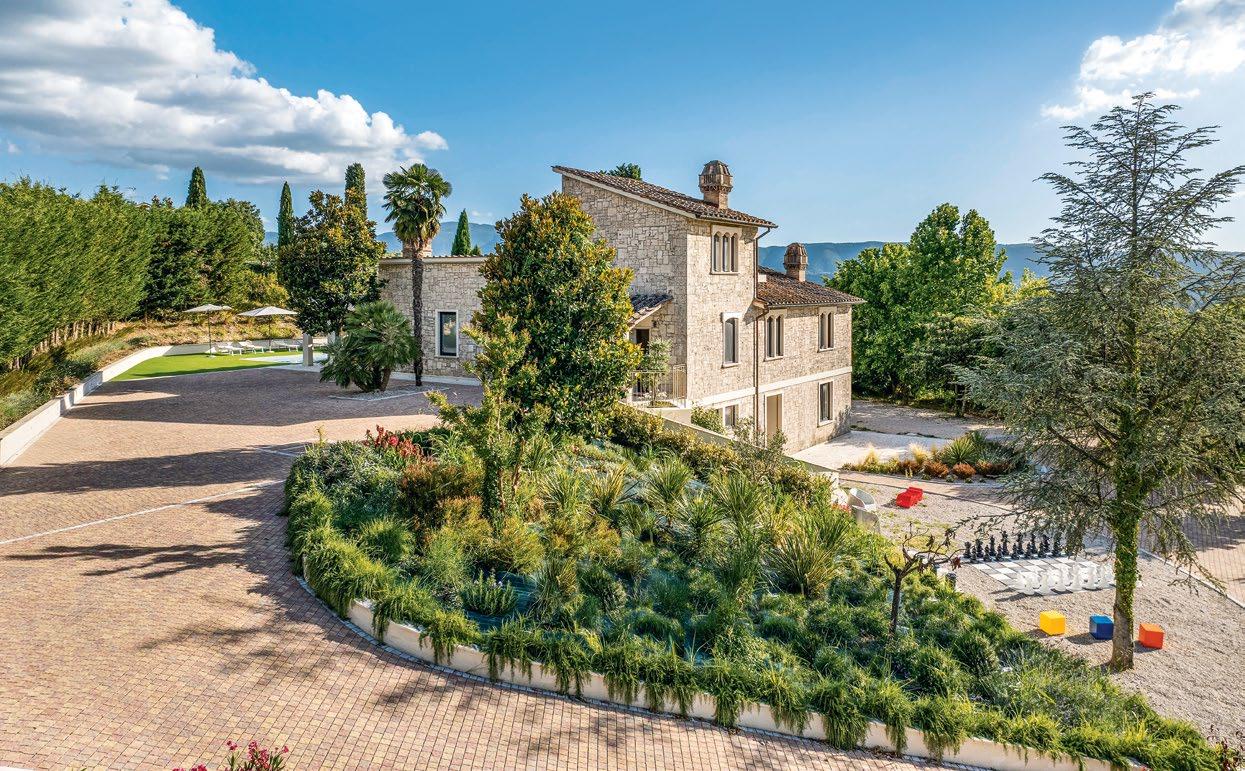

Stroncone
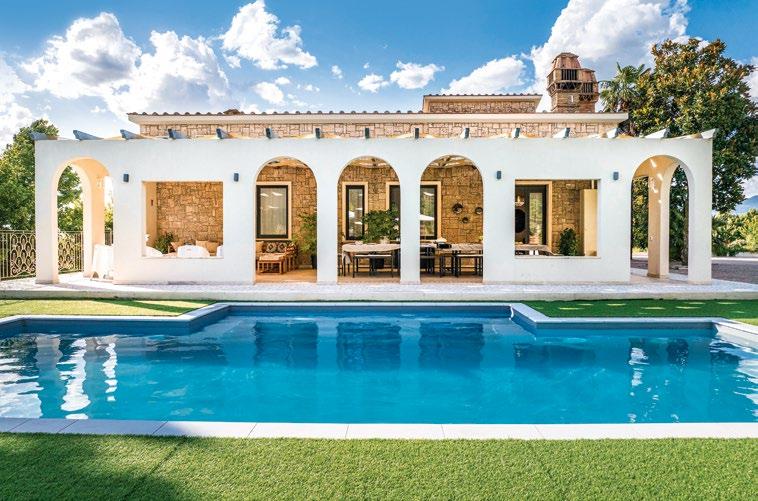

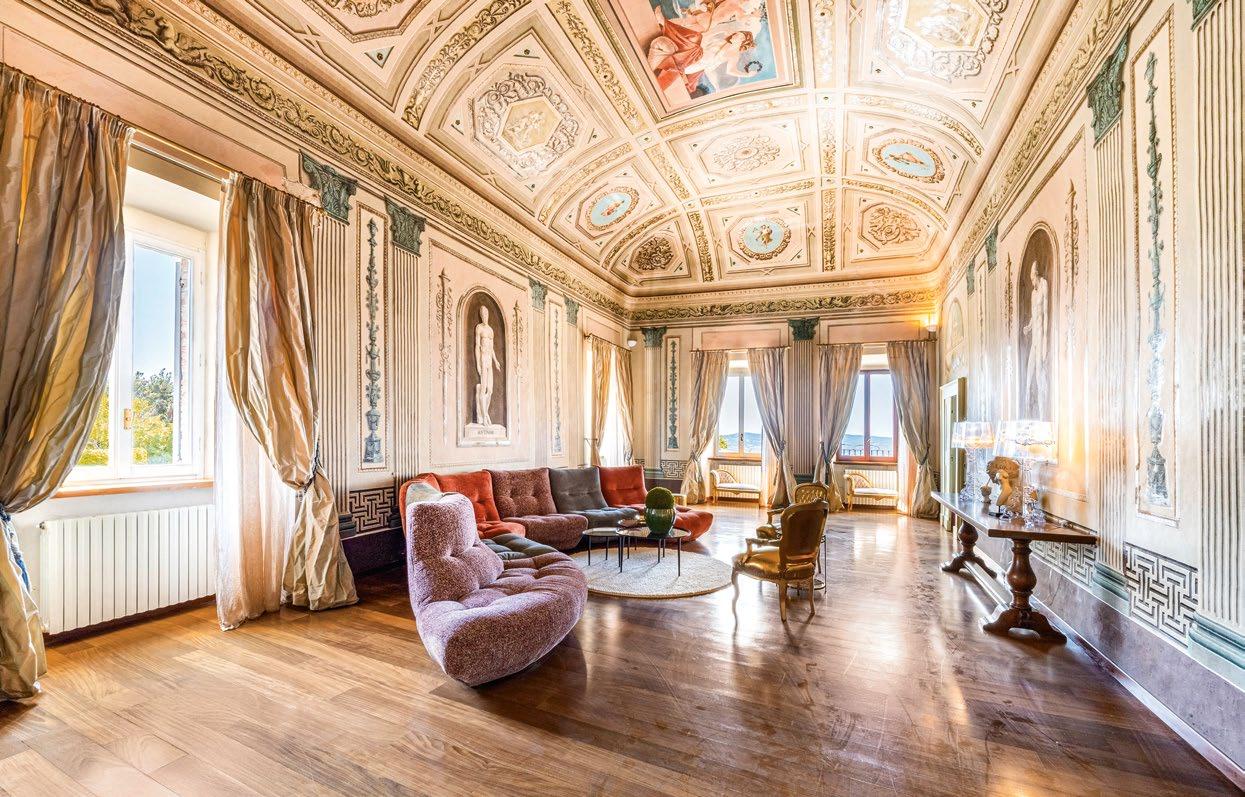
Assisi
Noble Apartment with Neoclassical Frescoes in the Heart of Assisi
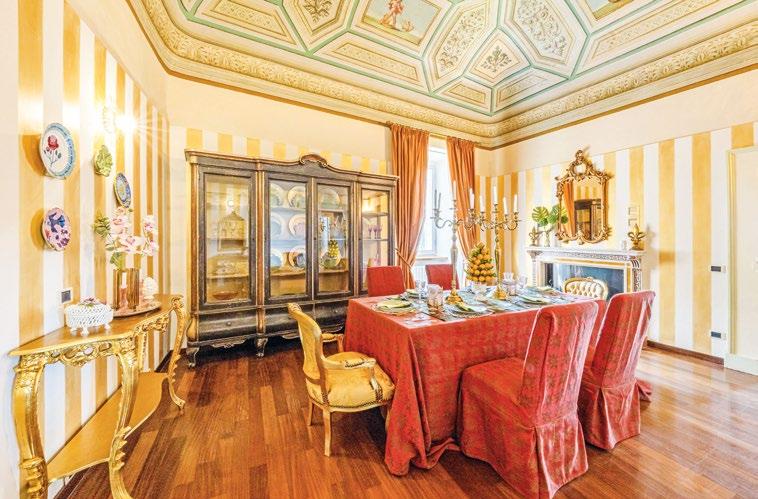

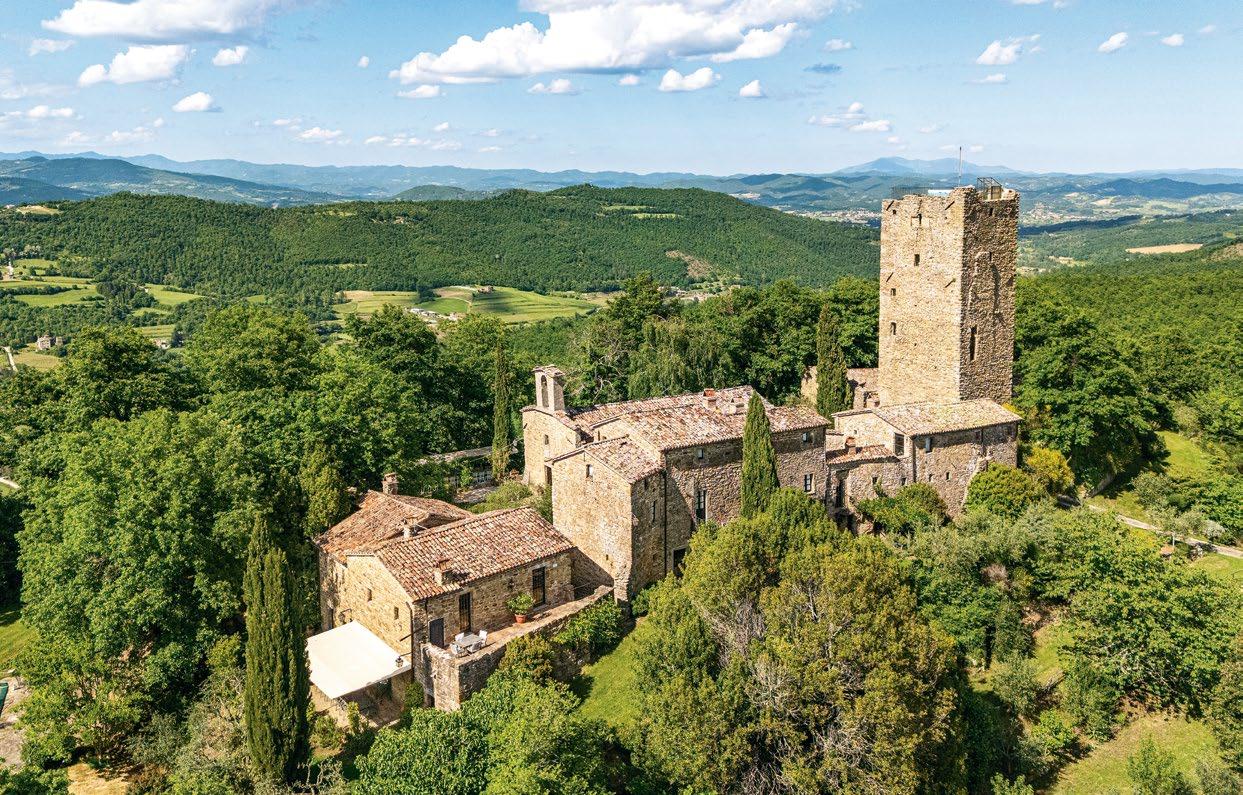
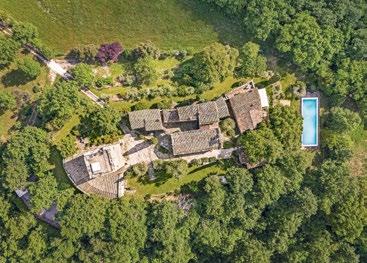
cortona-urbino@engelvoelkers.com
Jewel of the Past – Finely Restored 14th Century Hamlet
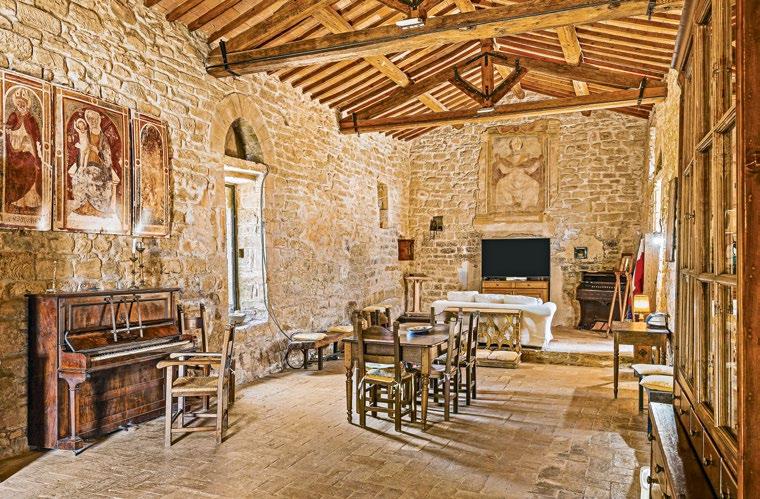

Città di Castello
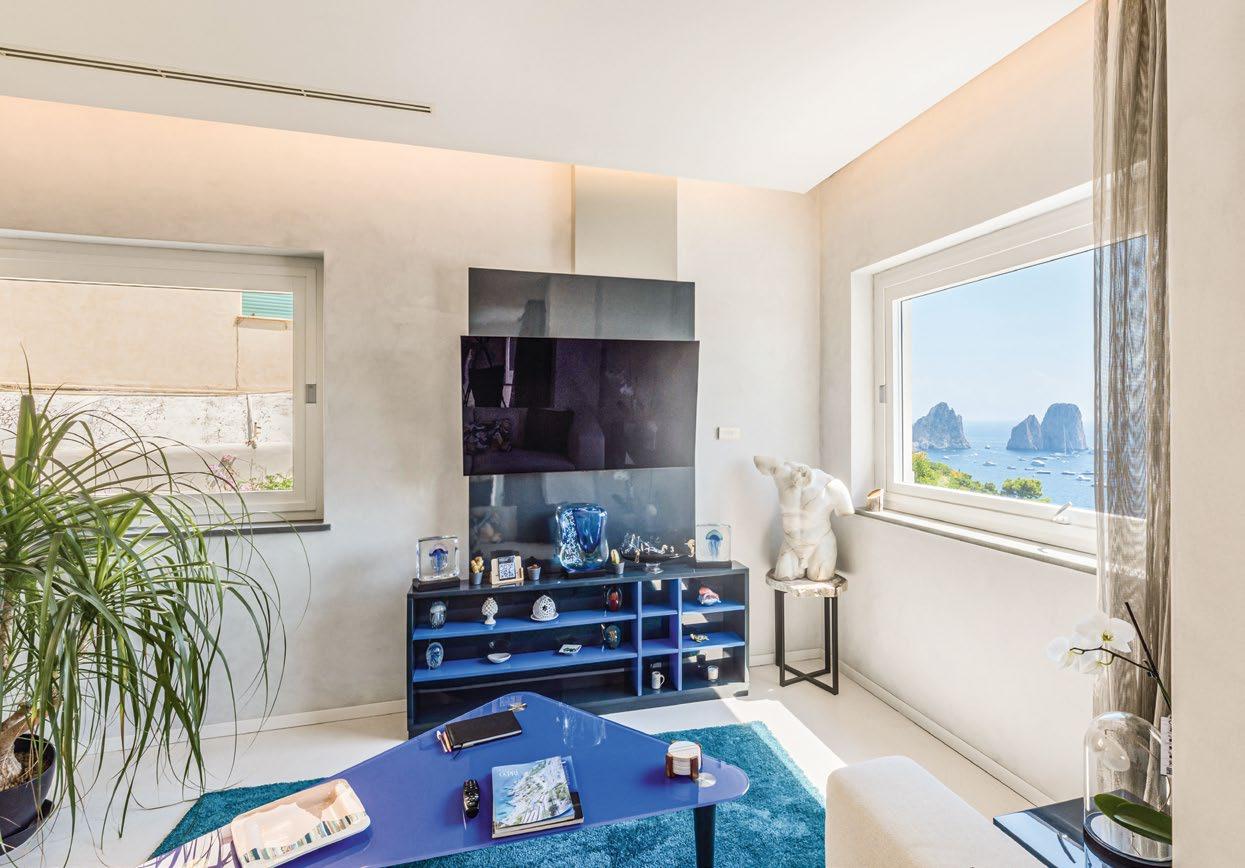
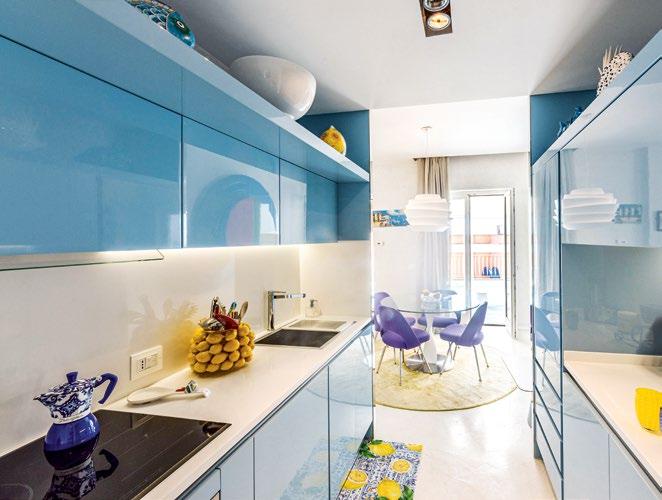

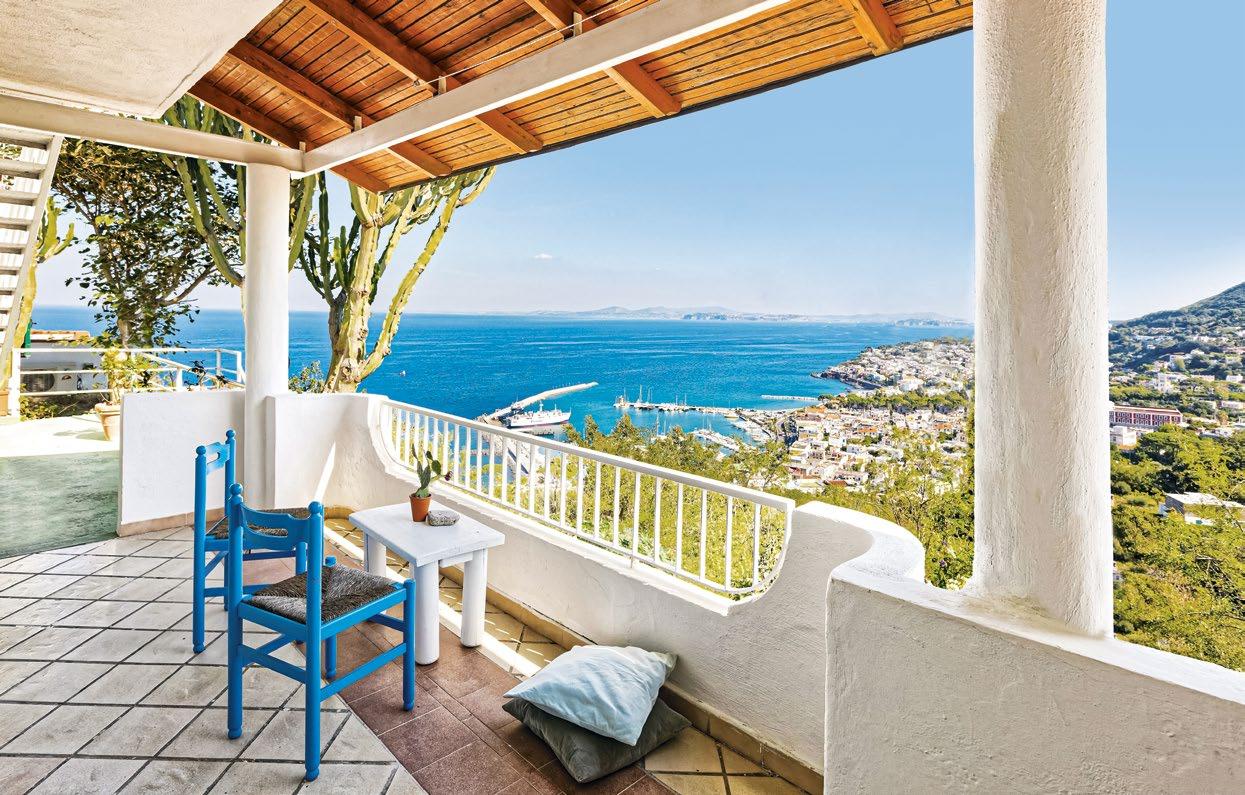
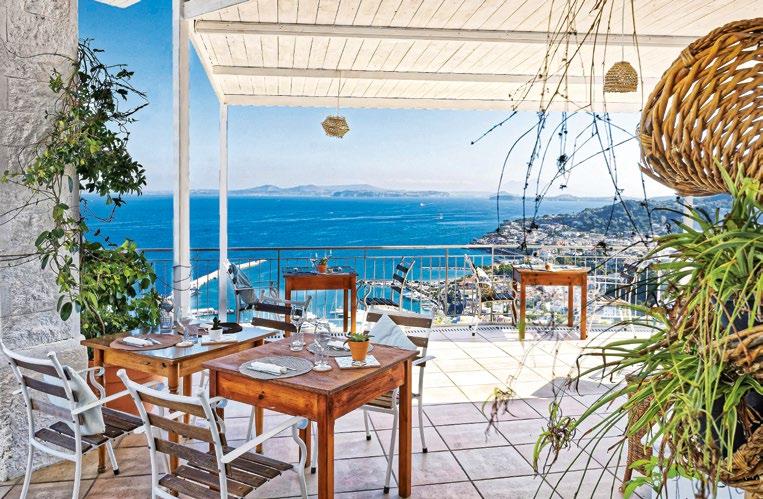

Ischia
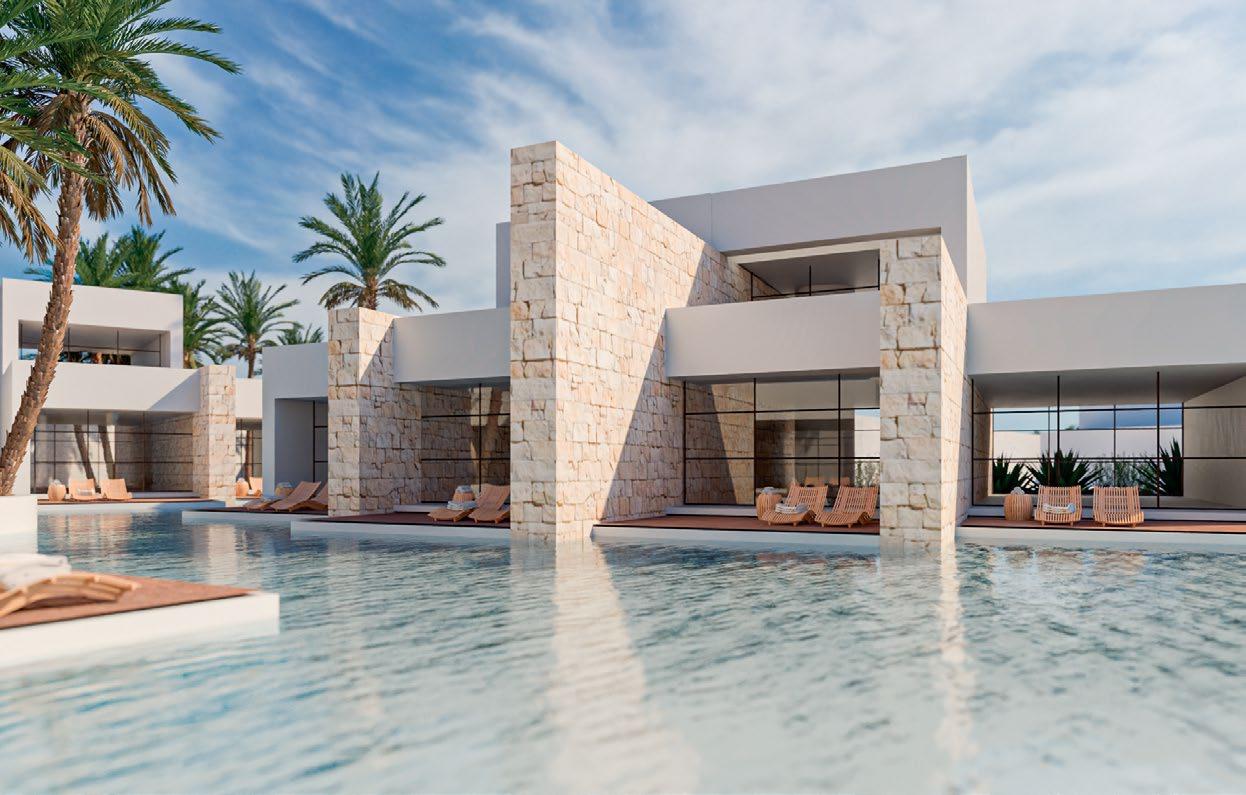
Alezio
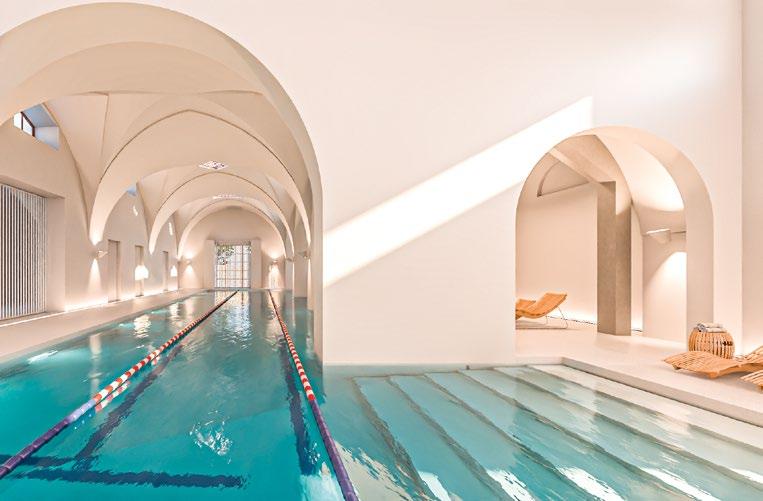

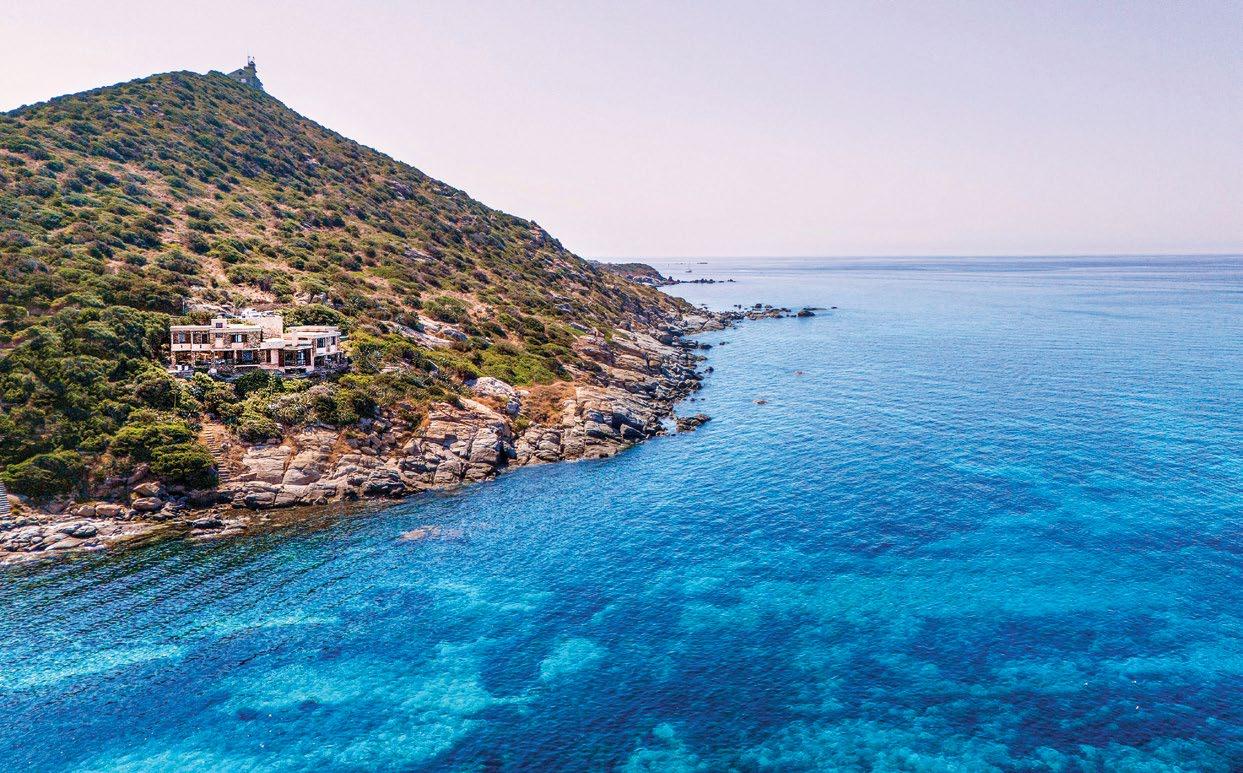
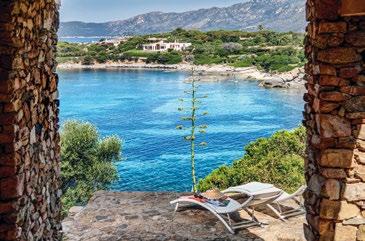
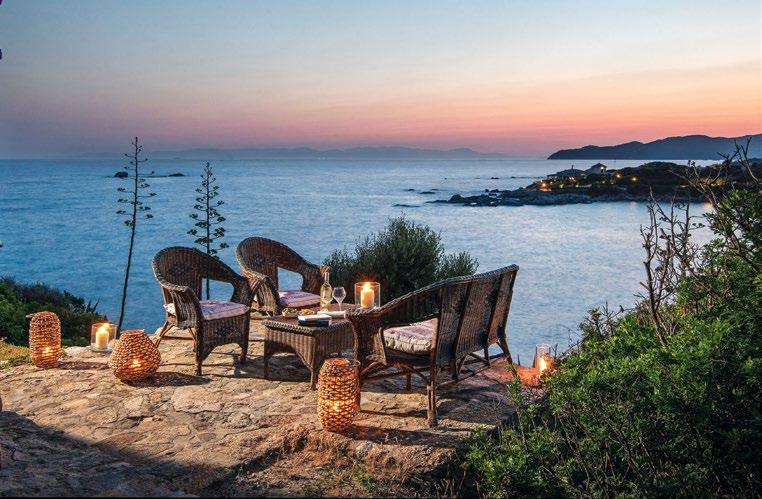

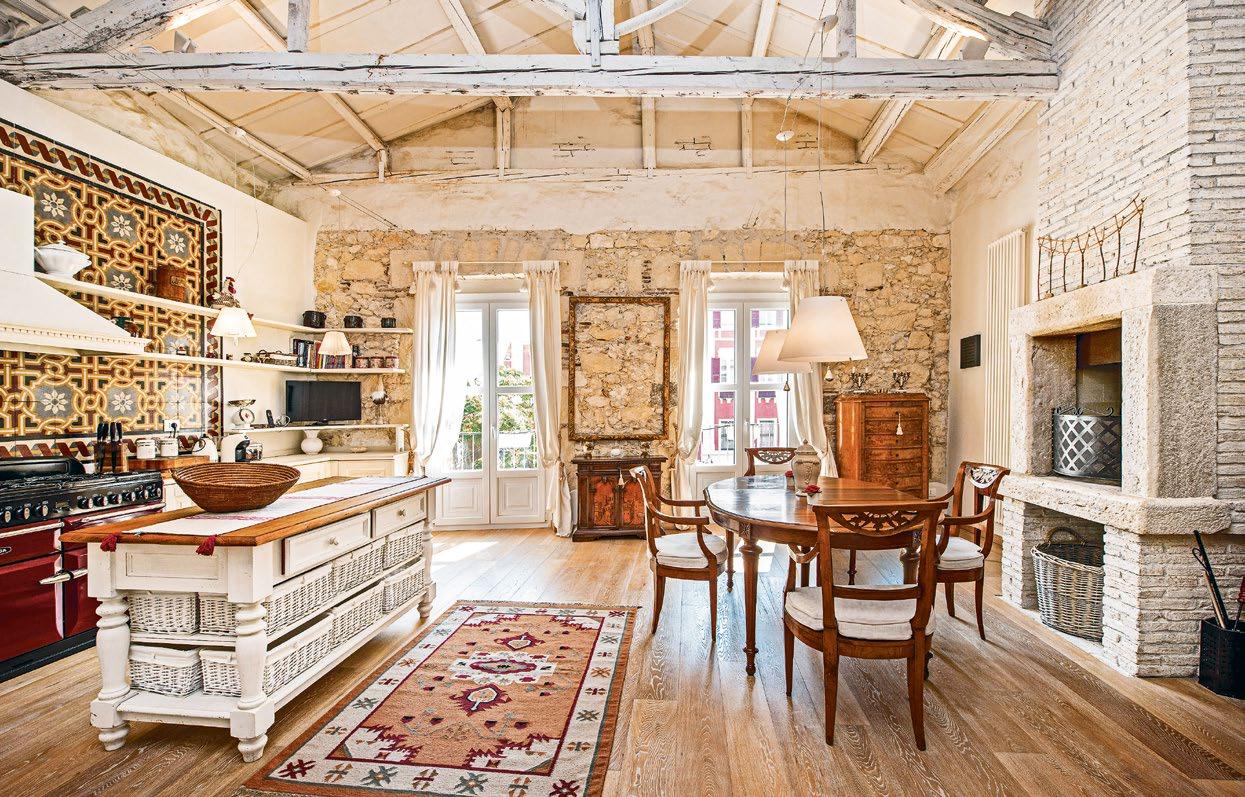
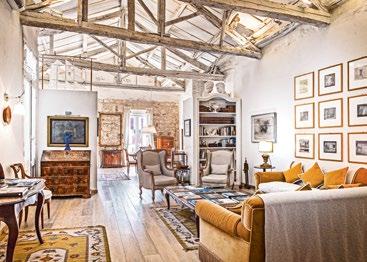
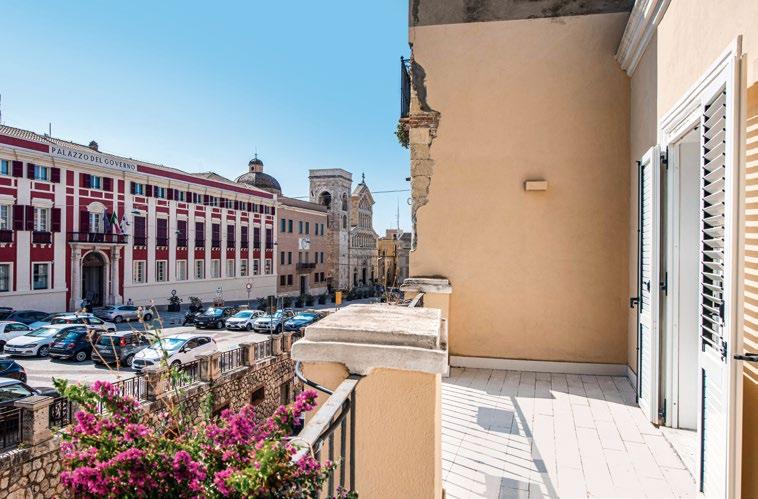

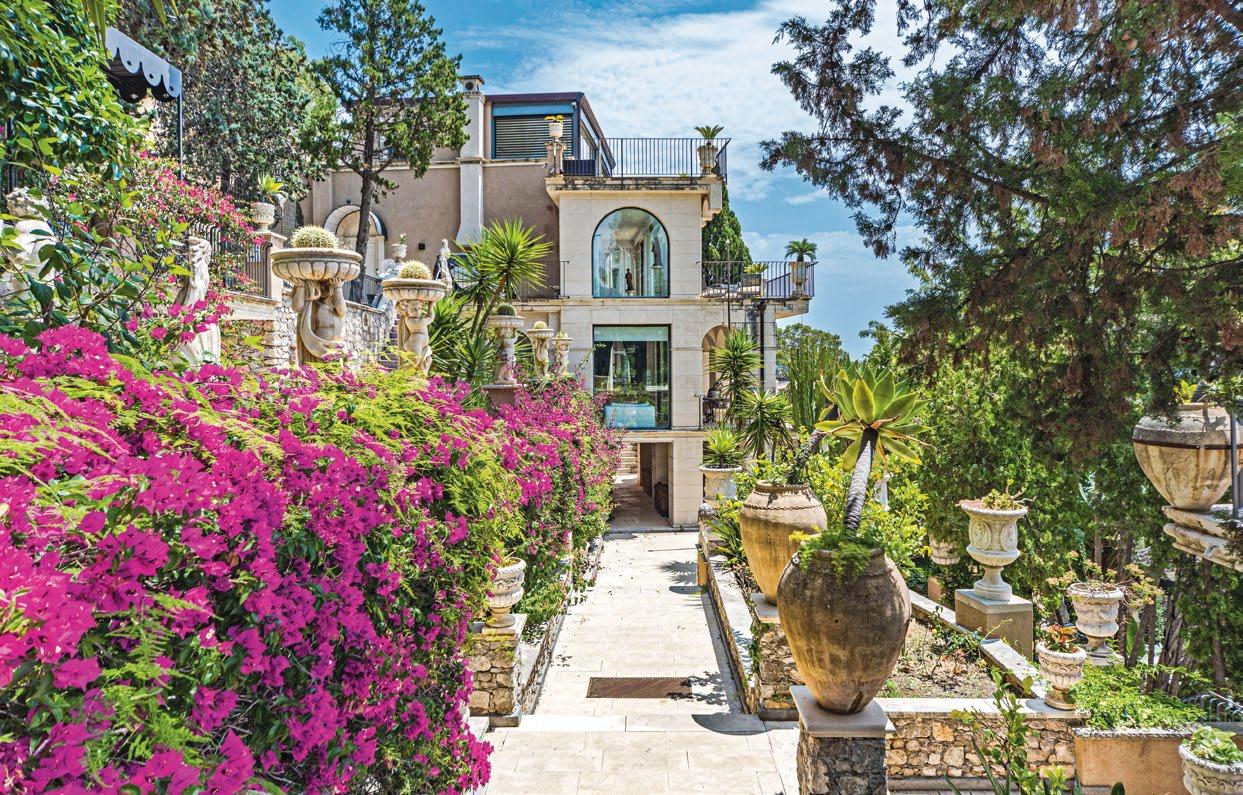
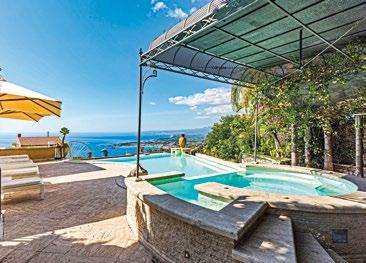
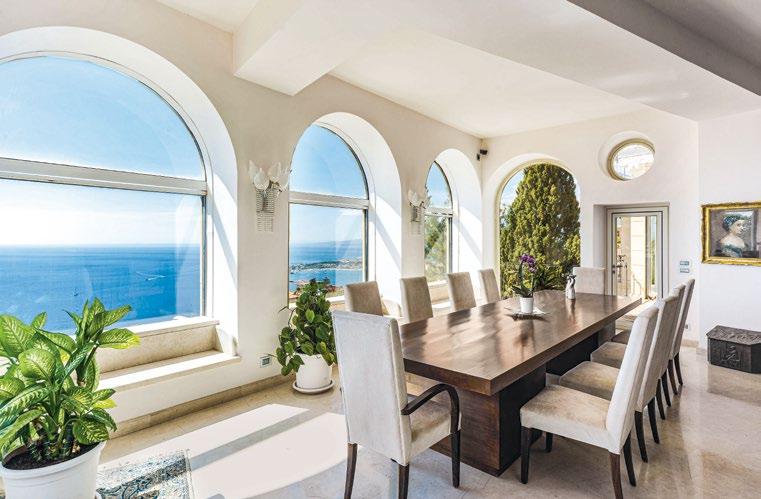

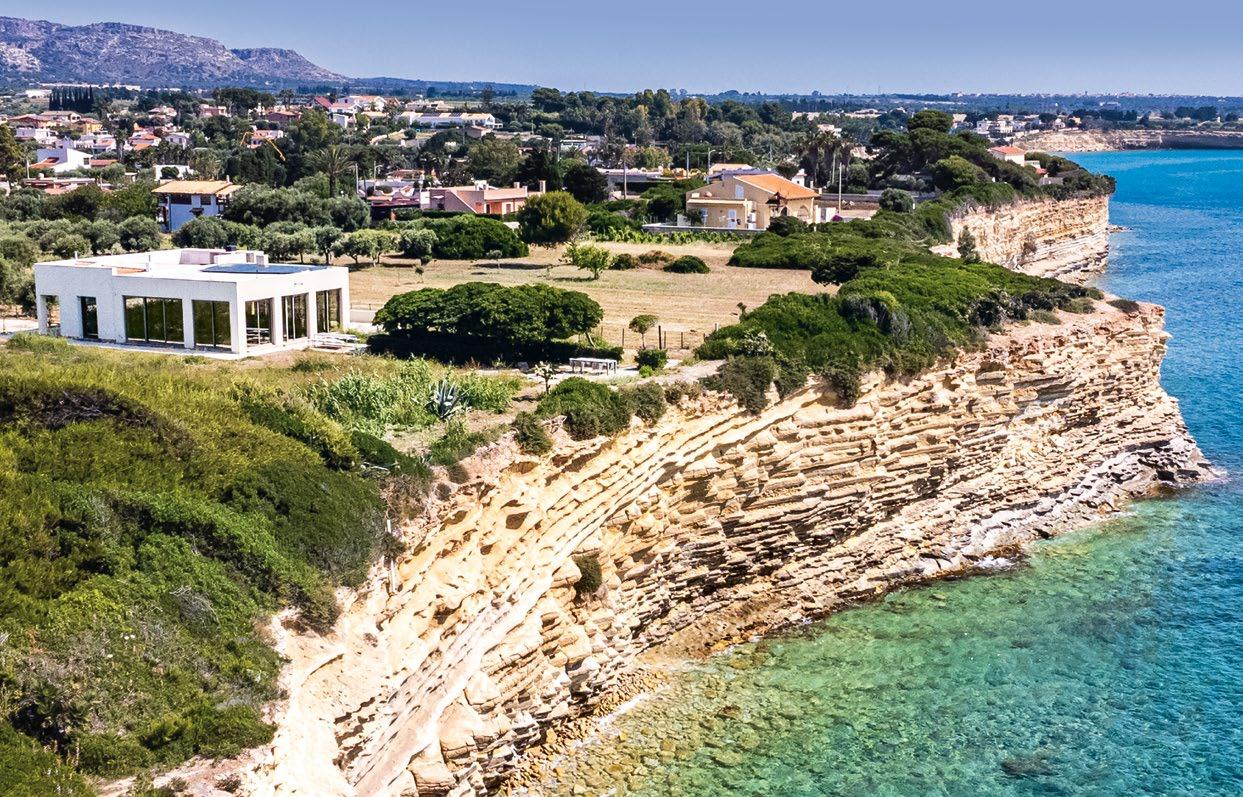
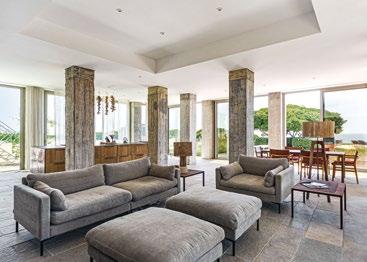
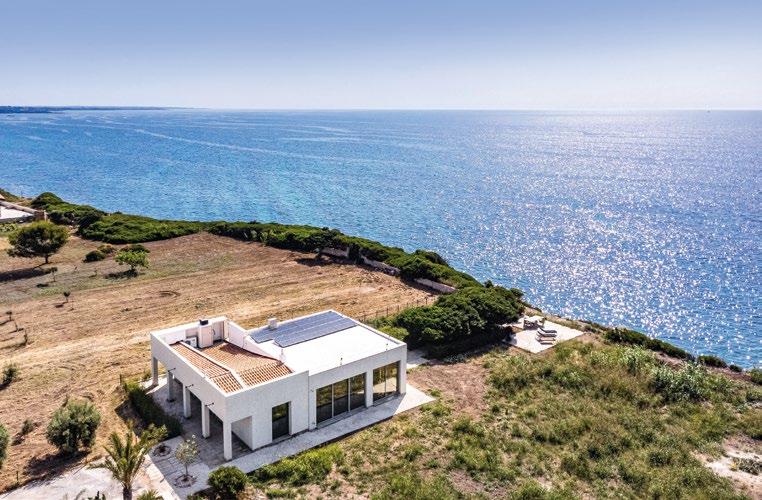

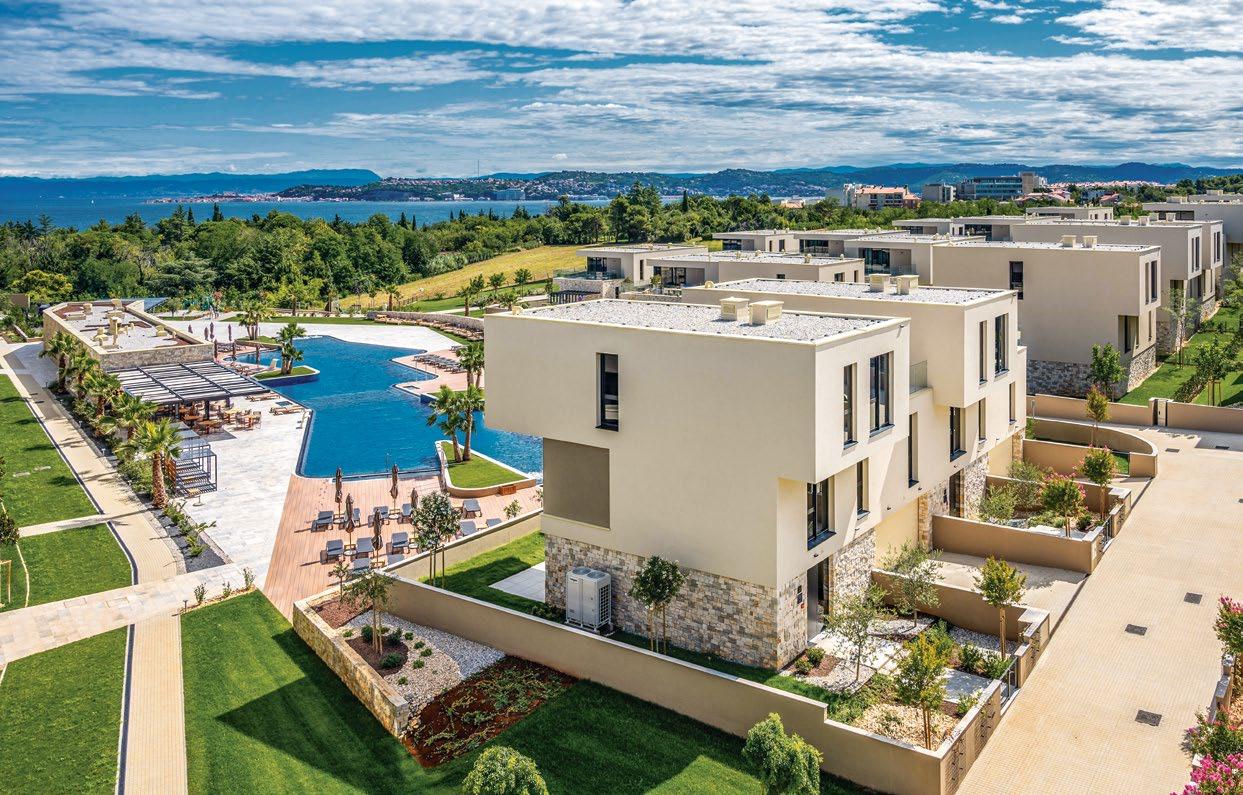

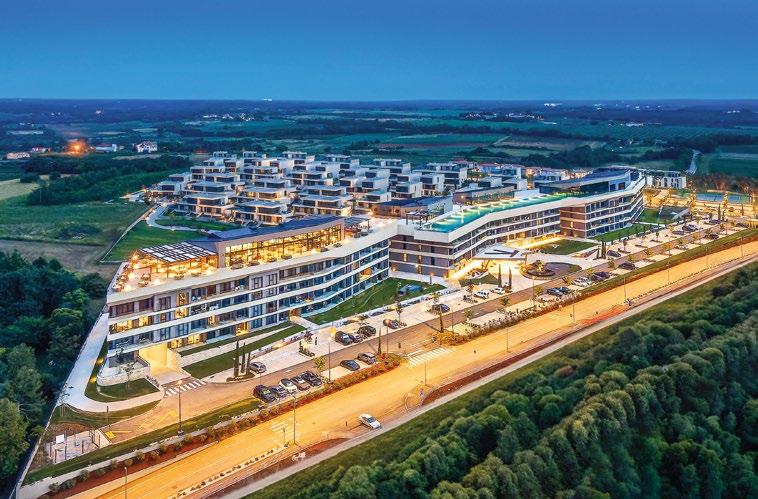

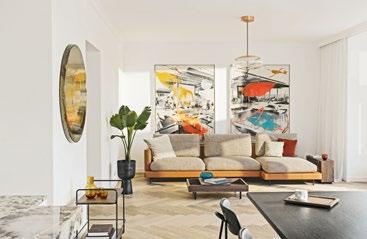
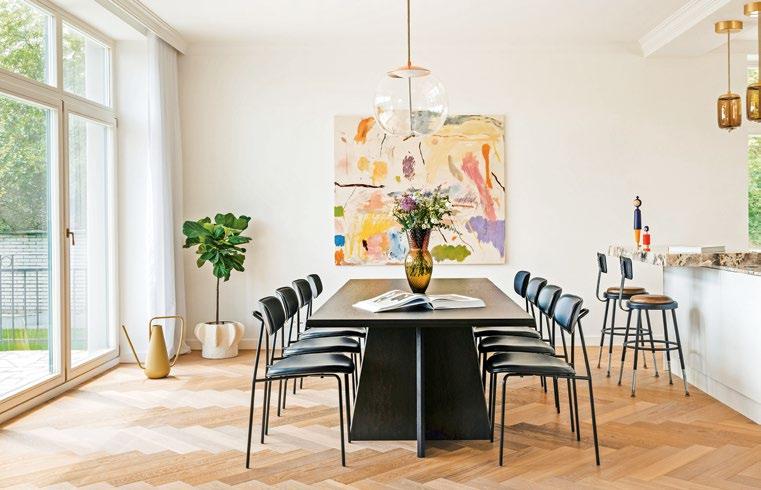
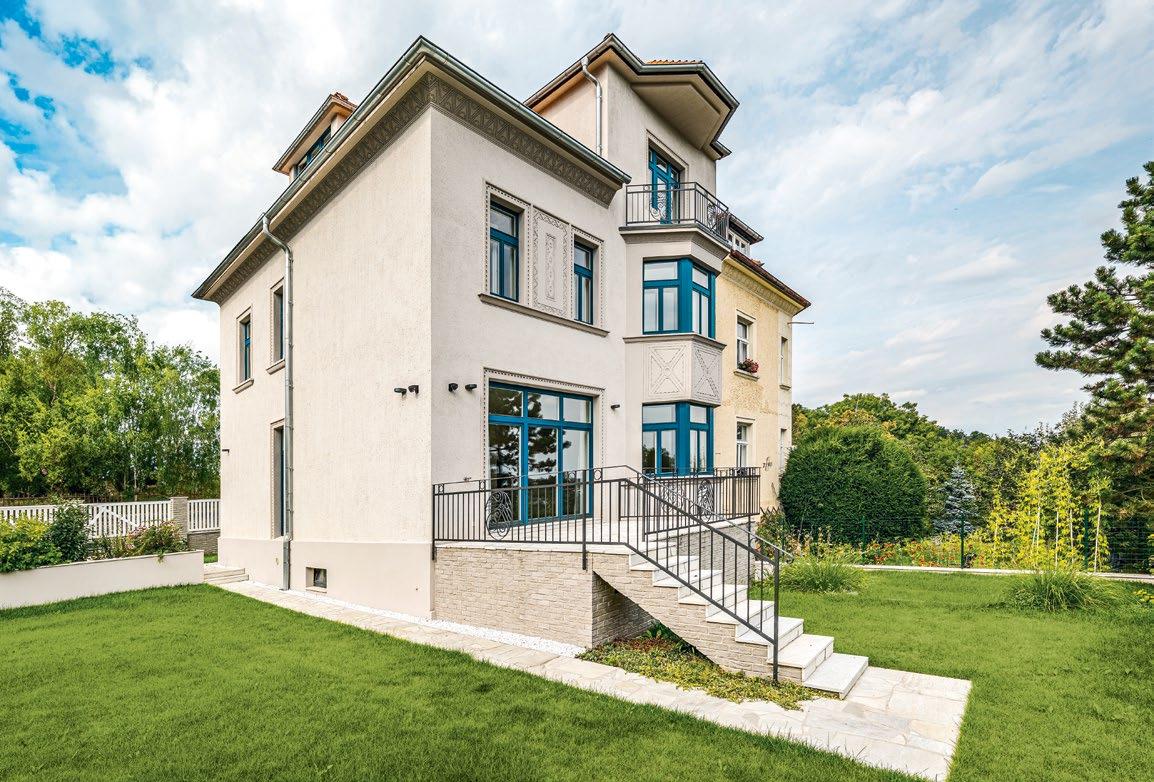

Gremersdorf
Magnifcent Manor House & Adjoining Buildings Close to the Baltic Sea
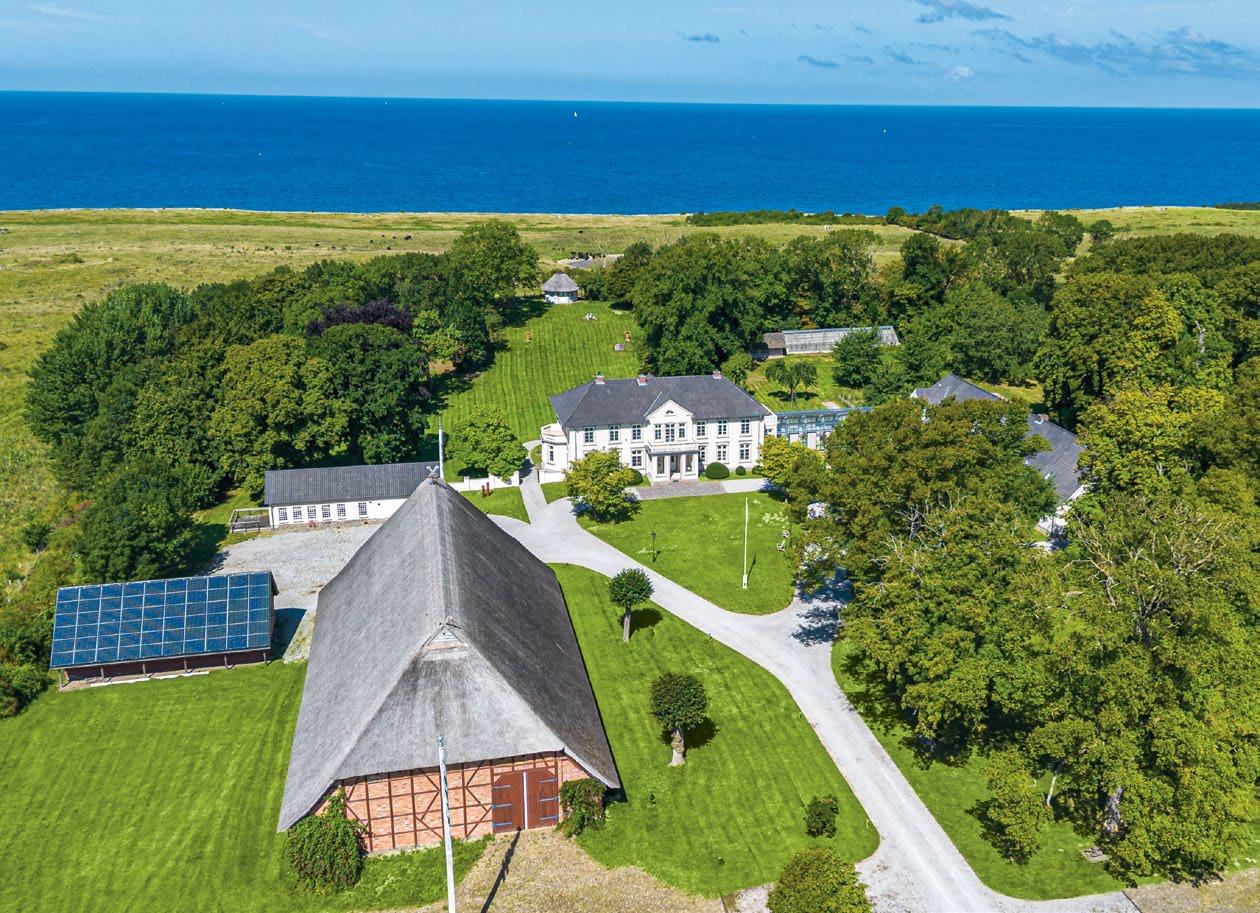
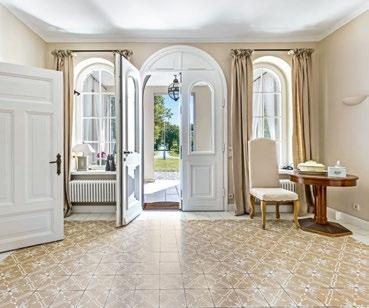
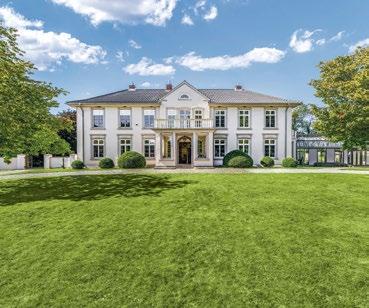
ENGEL & VÖLKERS Fehmarn (DE) Contact Jana Haberfelder
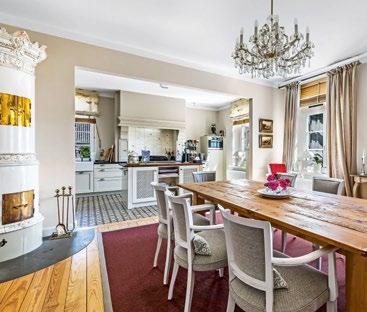

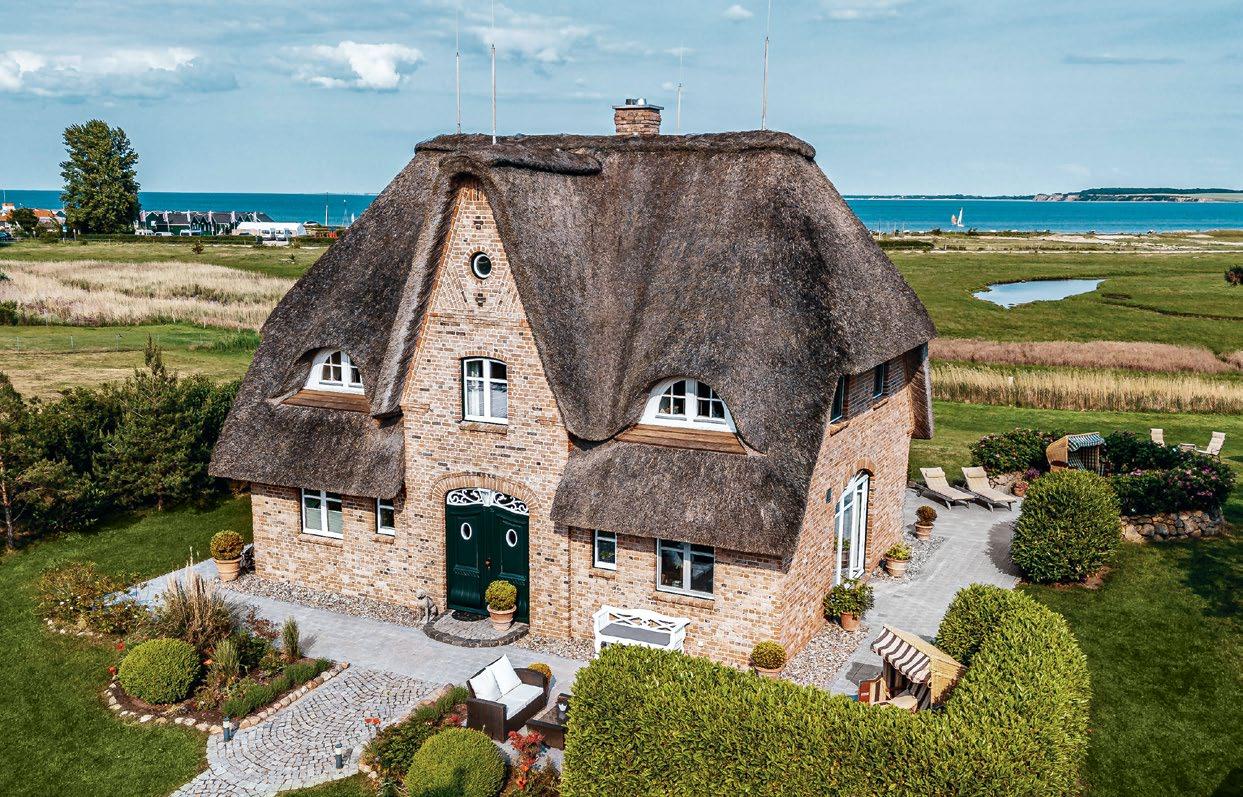
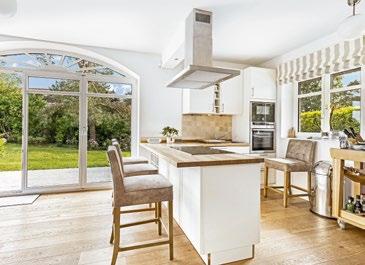
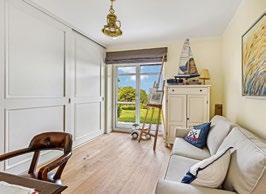
Eckrehm
Thatched Frisian-Style House with Unobstructable Baltic Sea Views
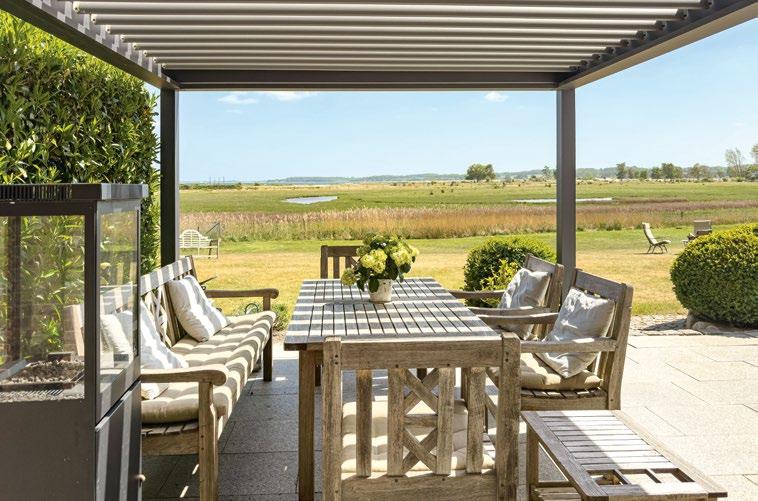

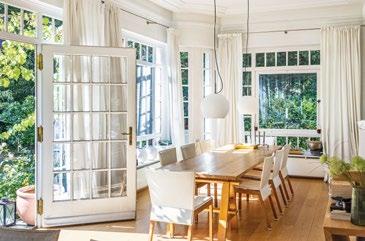
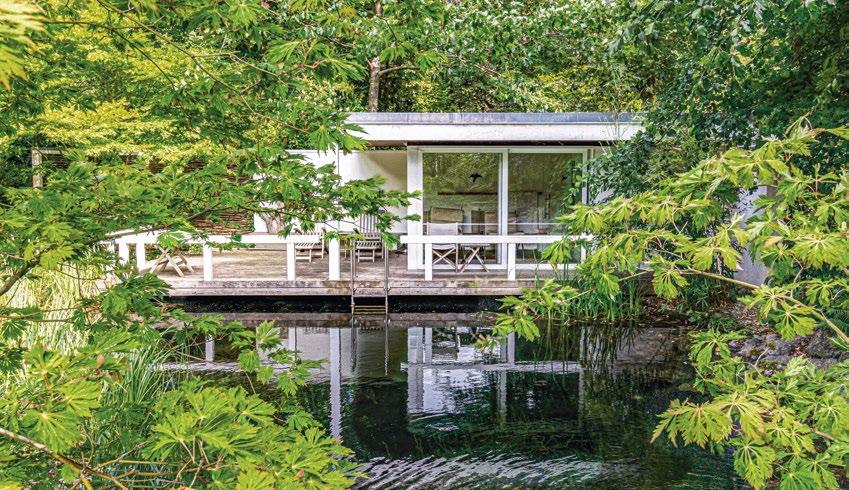
Aumühle
Idyllic Ensemble in the Heart of Town Designed with Peter Maly
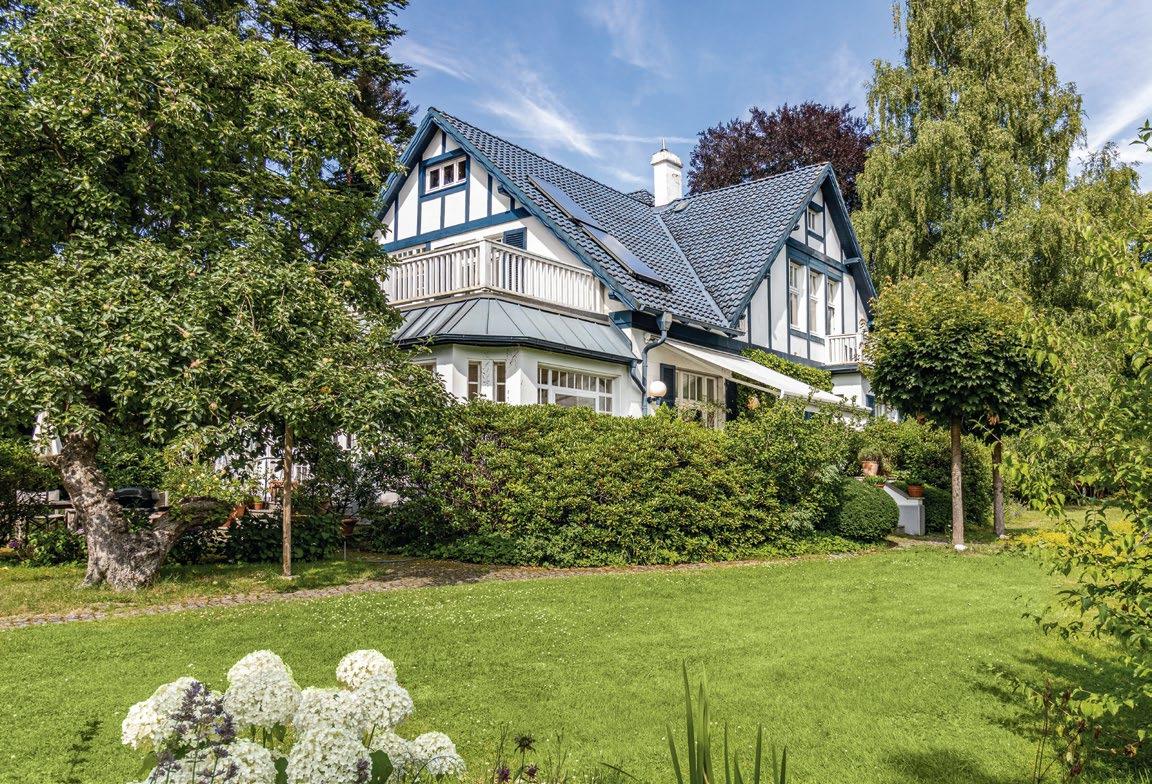
Tel. +49 40 819 78 50 E-mail reinbek@engelvoelkers.com Commission fee split between buyer and seller in accordance with legislation from 23.12.2020.

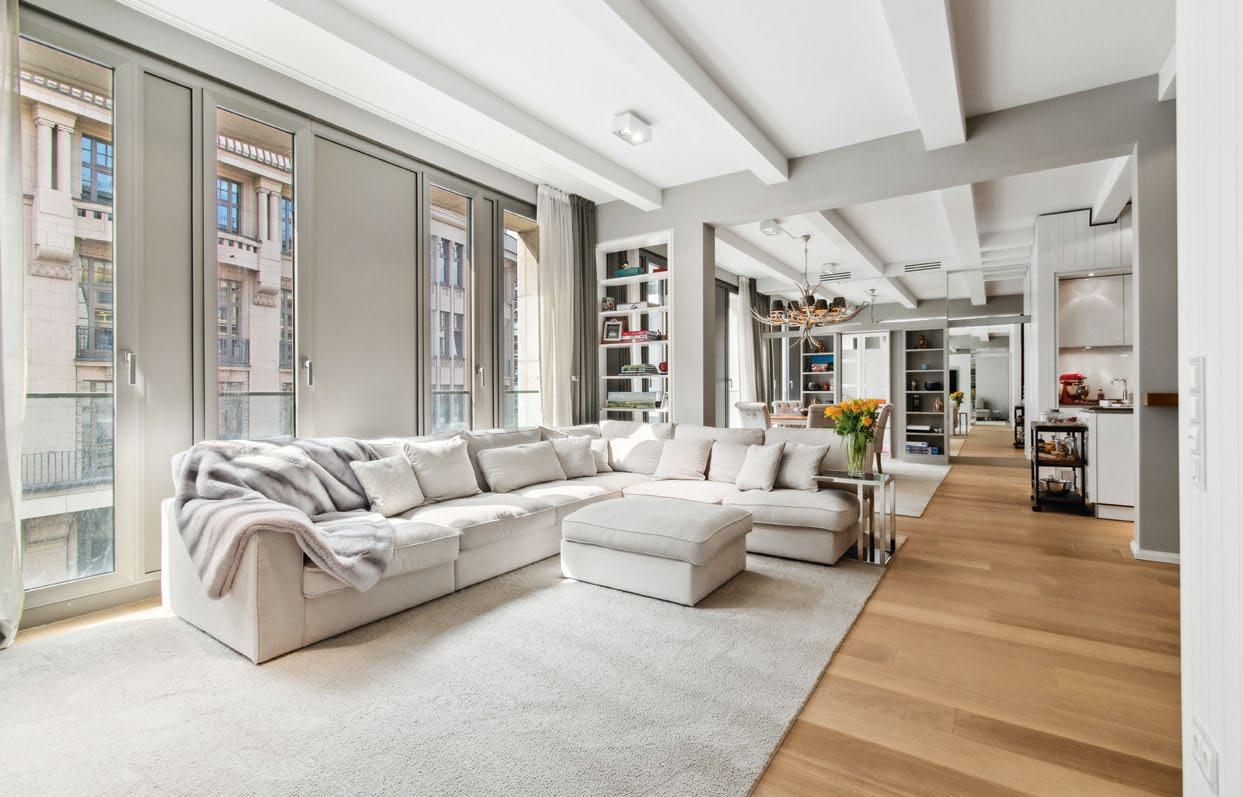
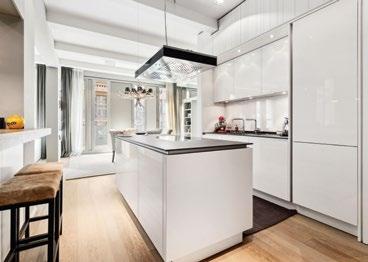
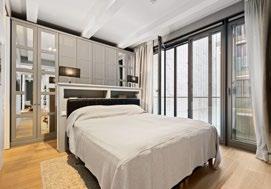
Hamburg
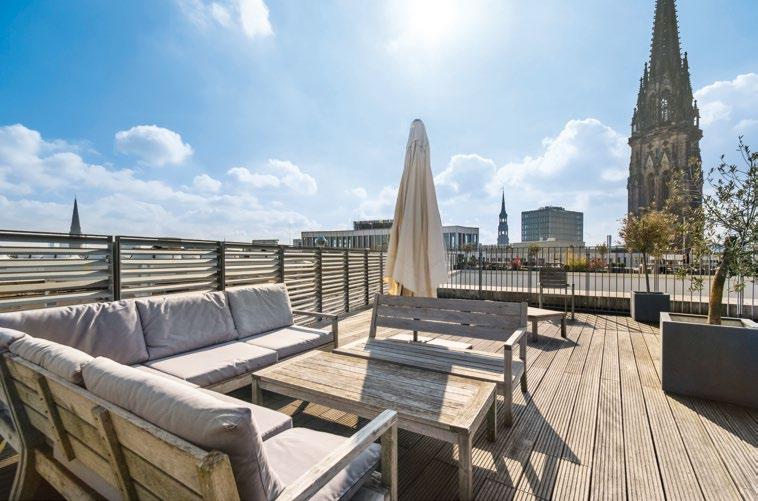
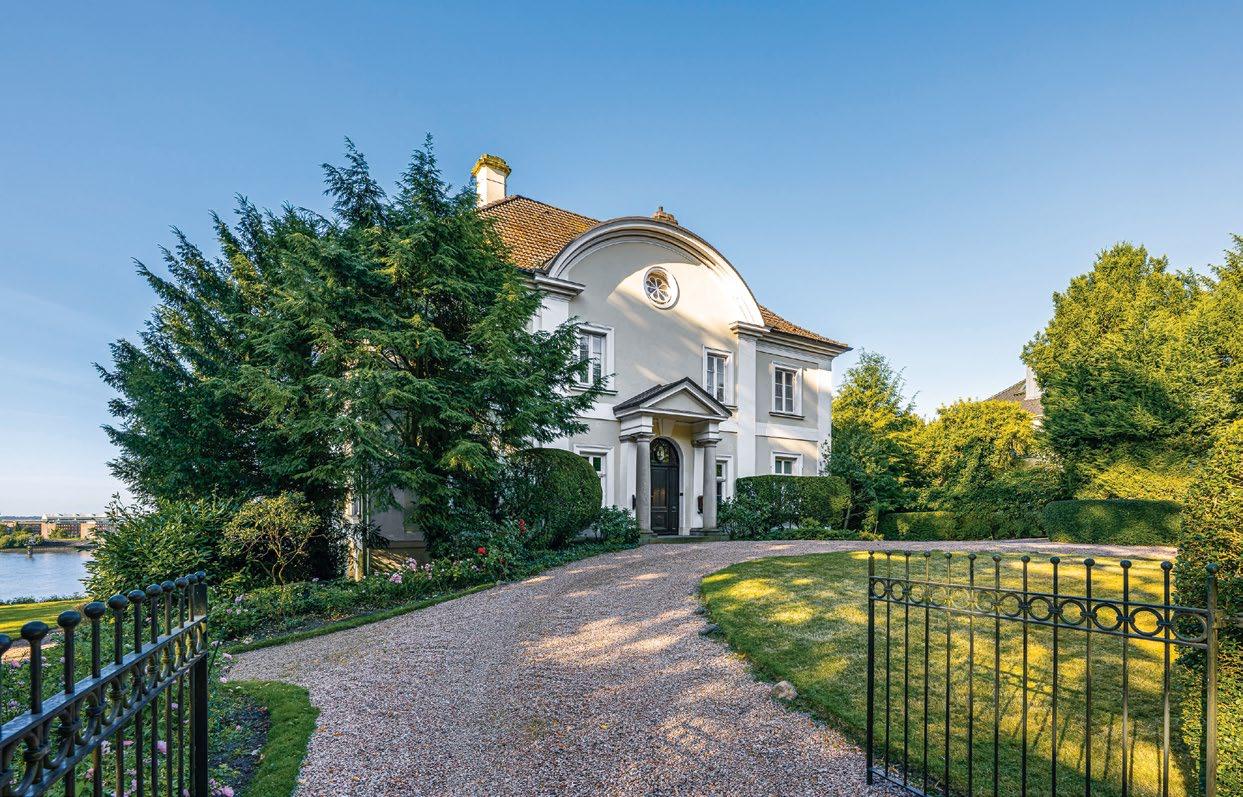
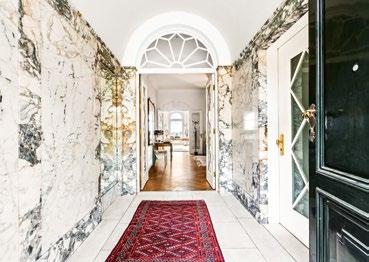
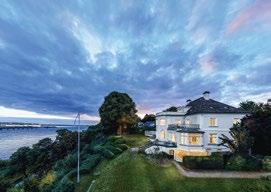

Hamburg
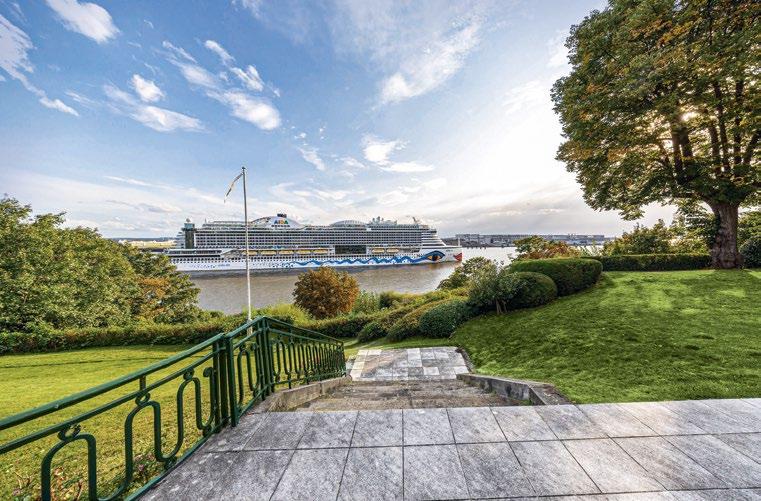

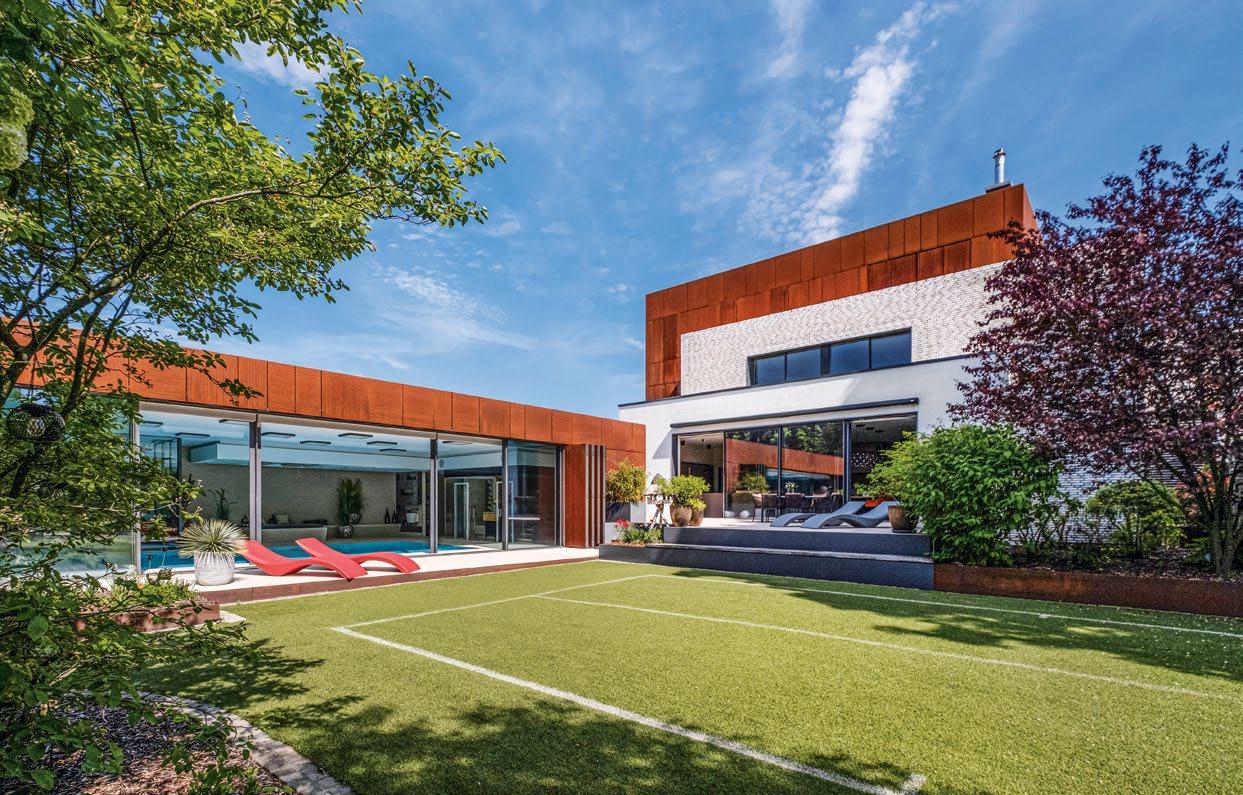
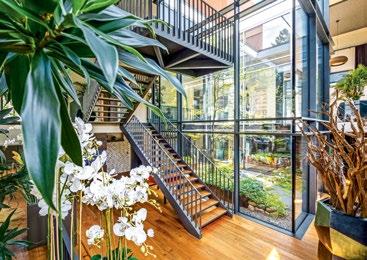

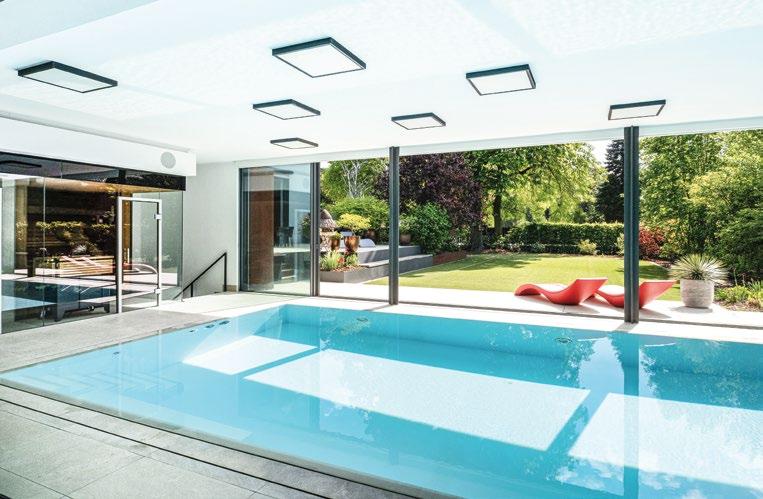

Wiesbaden
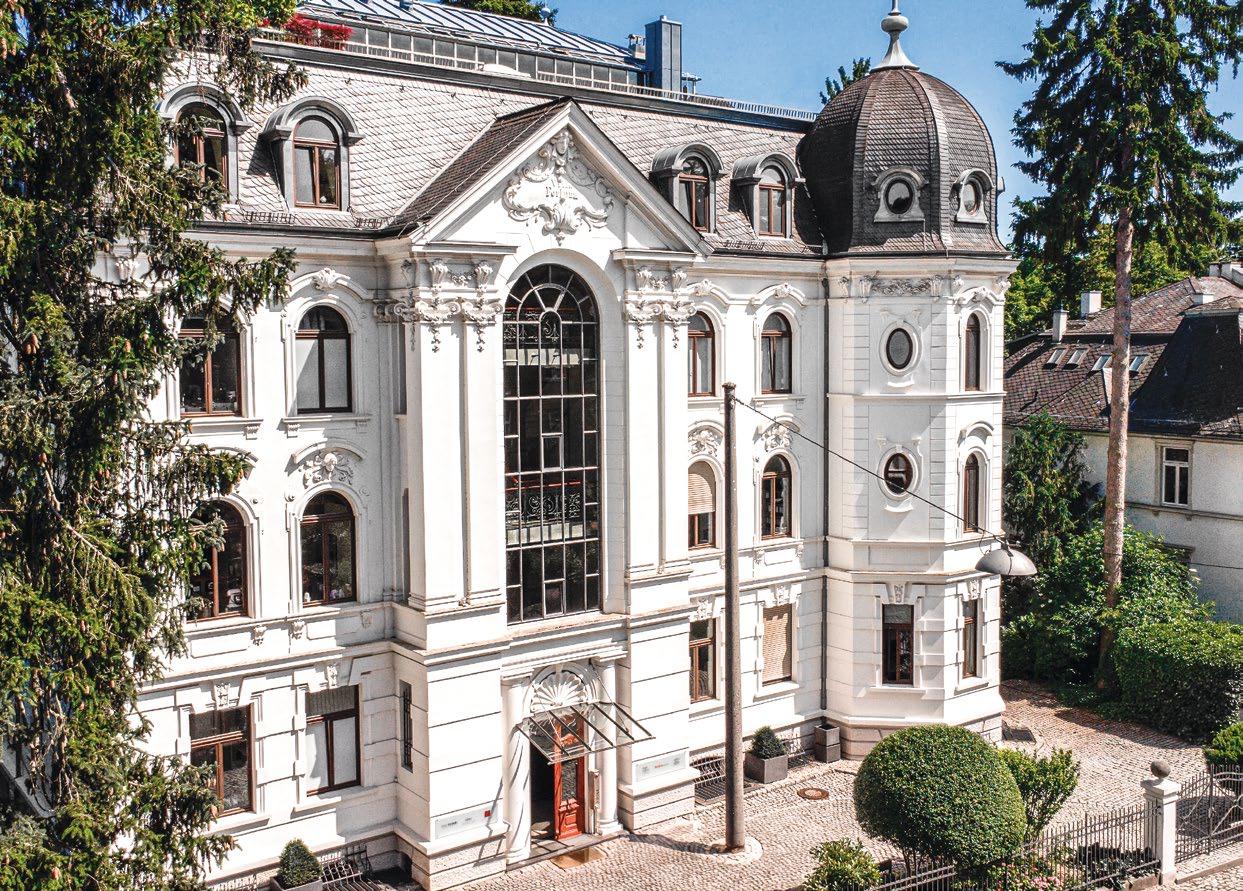
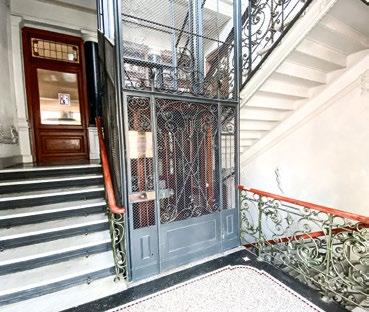
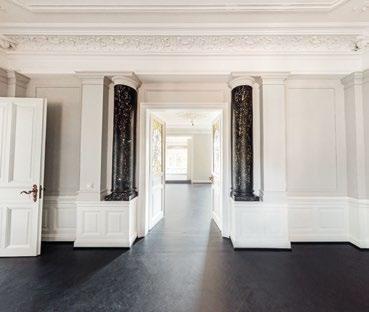

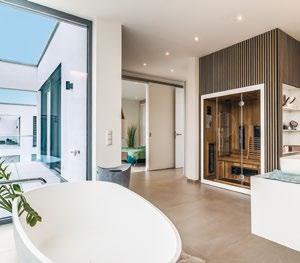
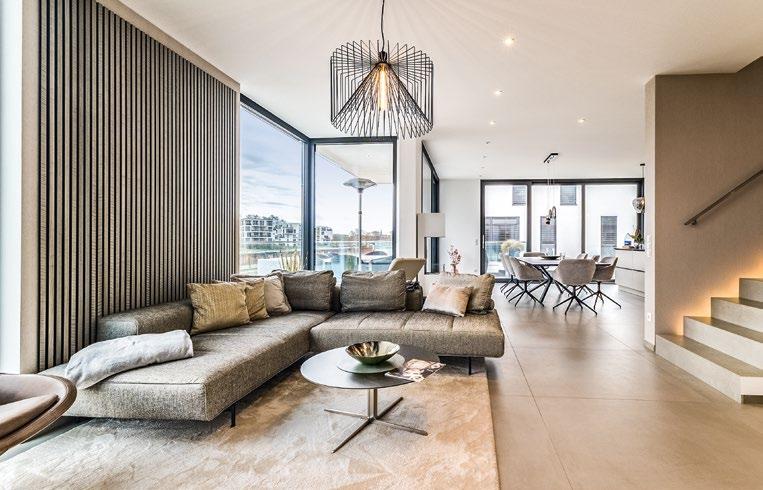
Ludwigshafen
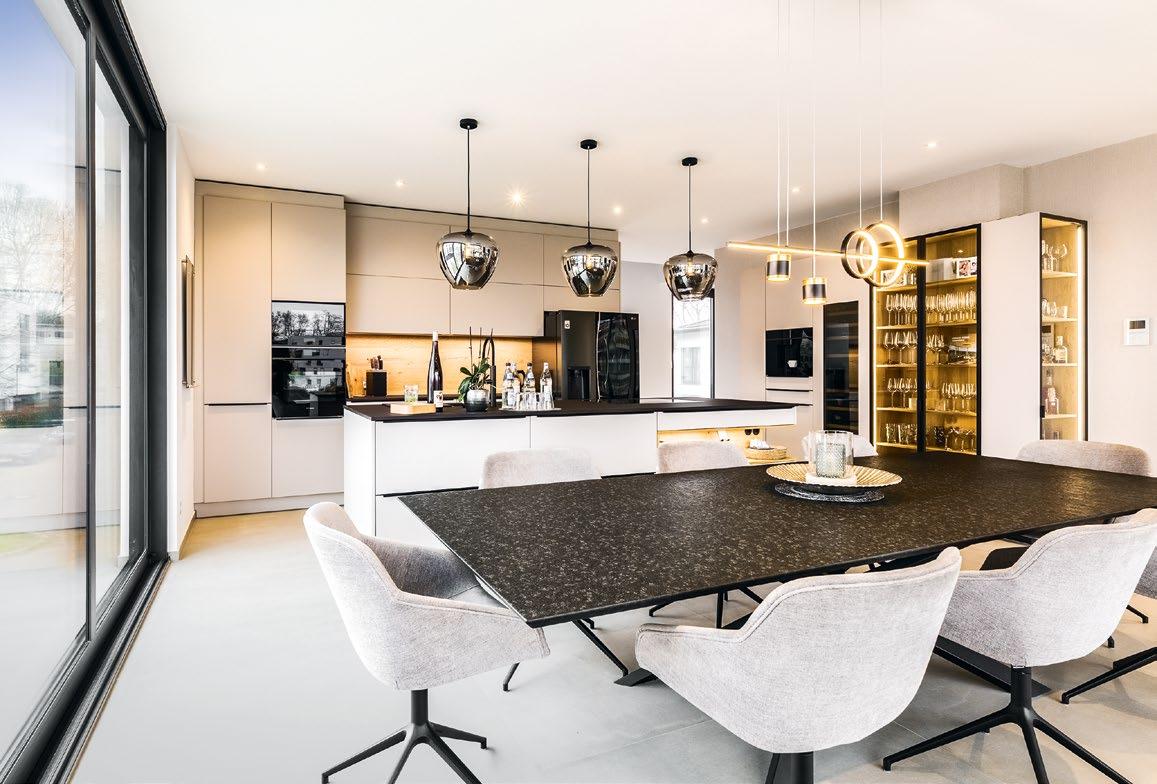

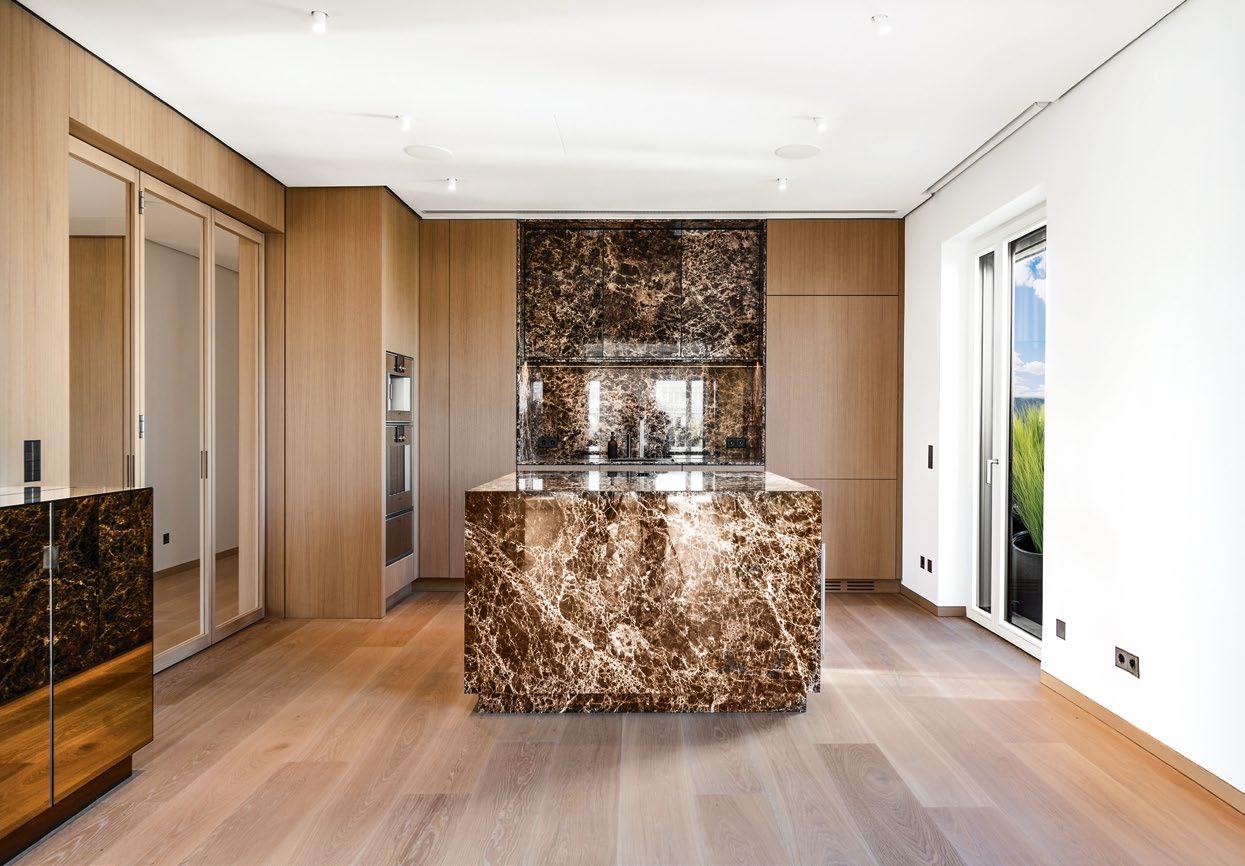
Düsseldorf
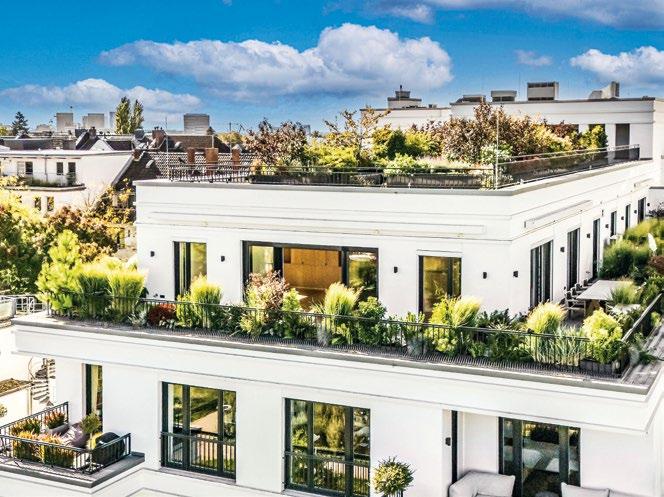

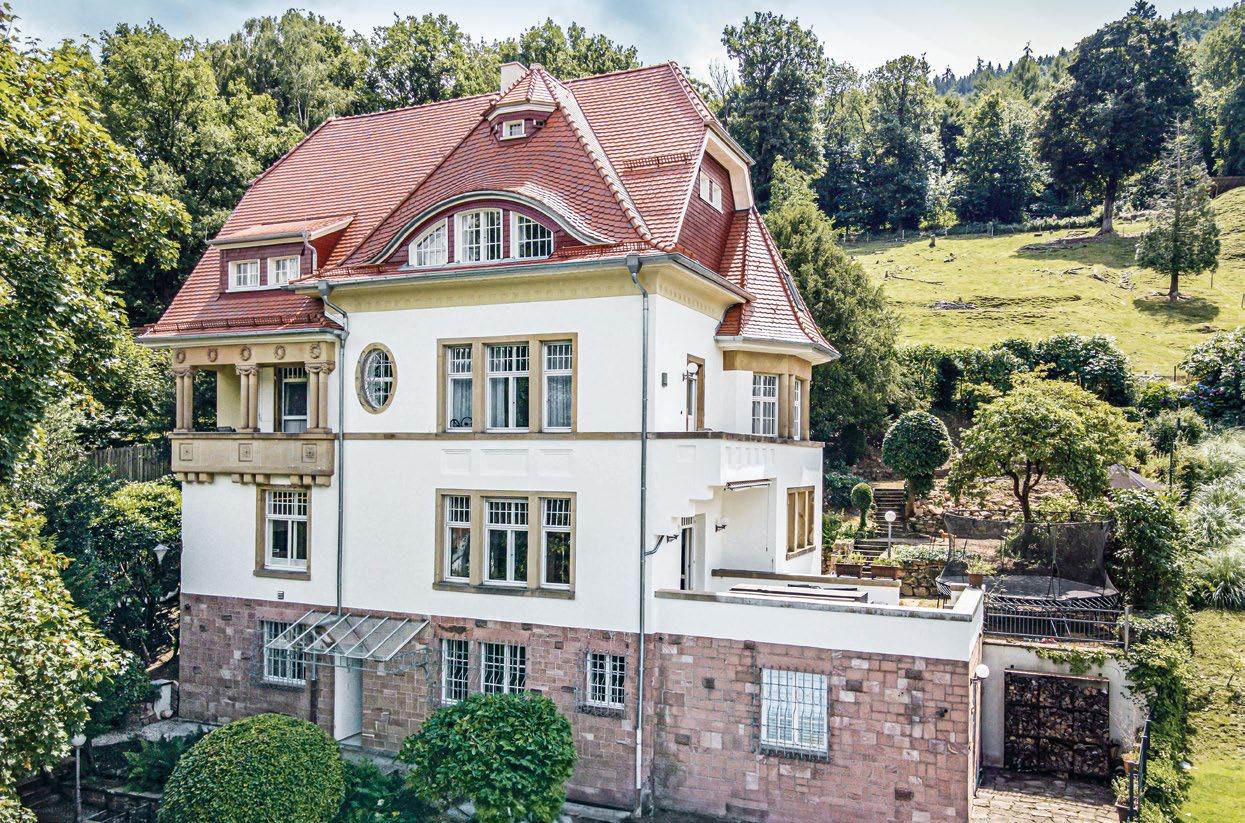

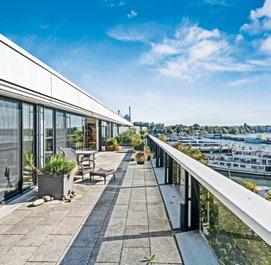
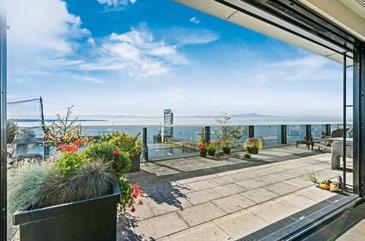
Friedrichshafen
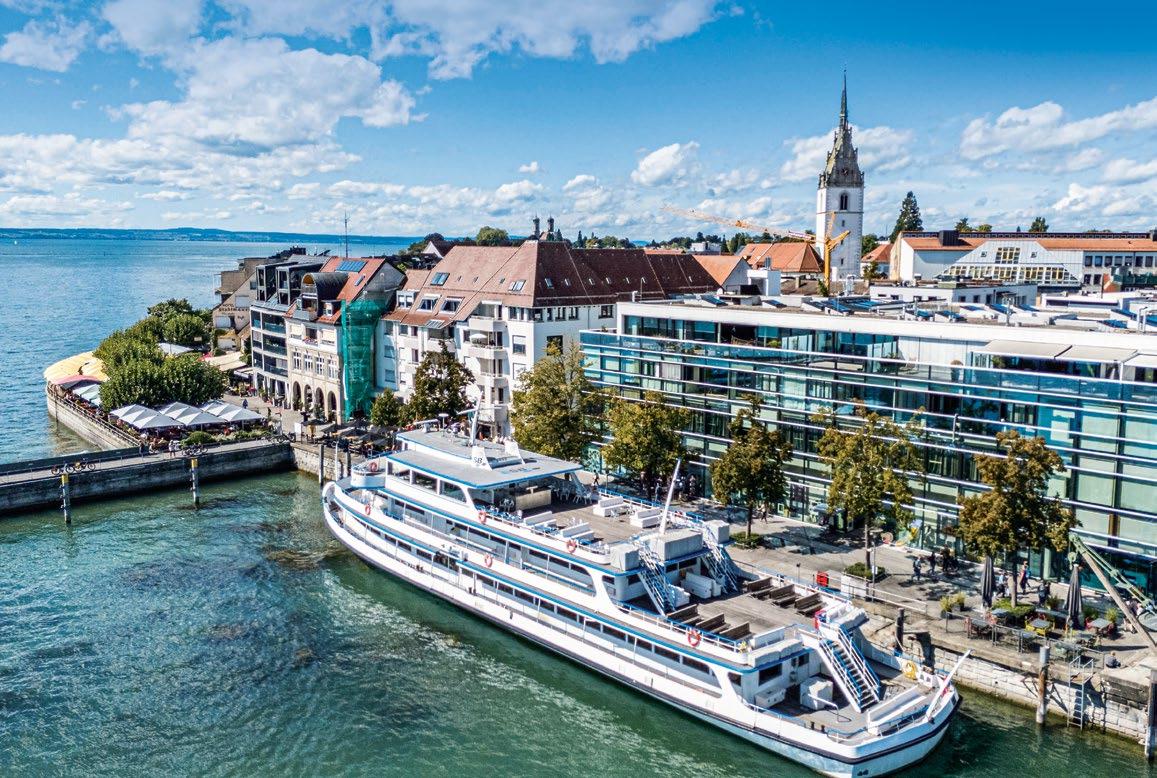

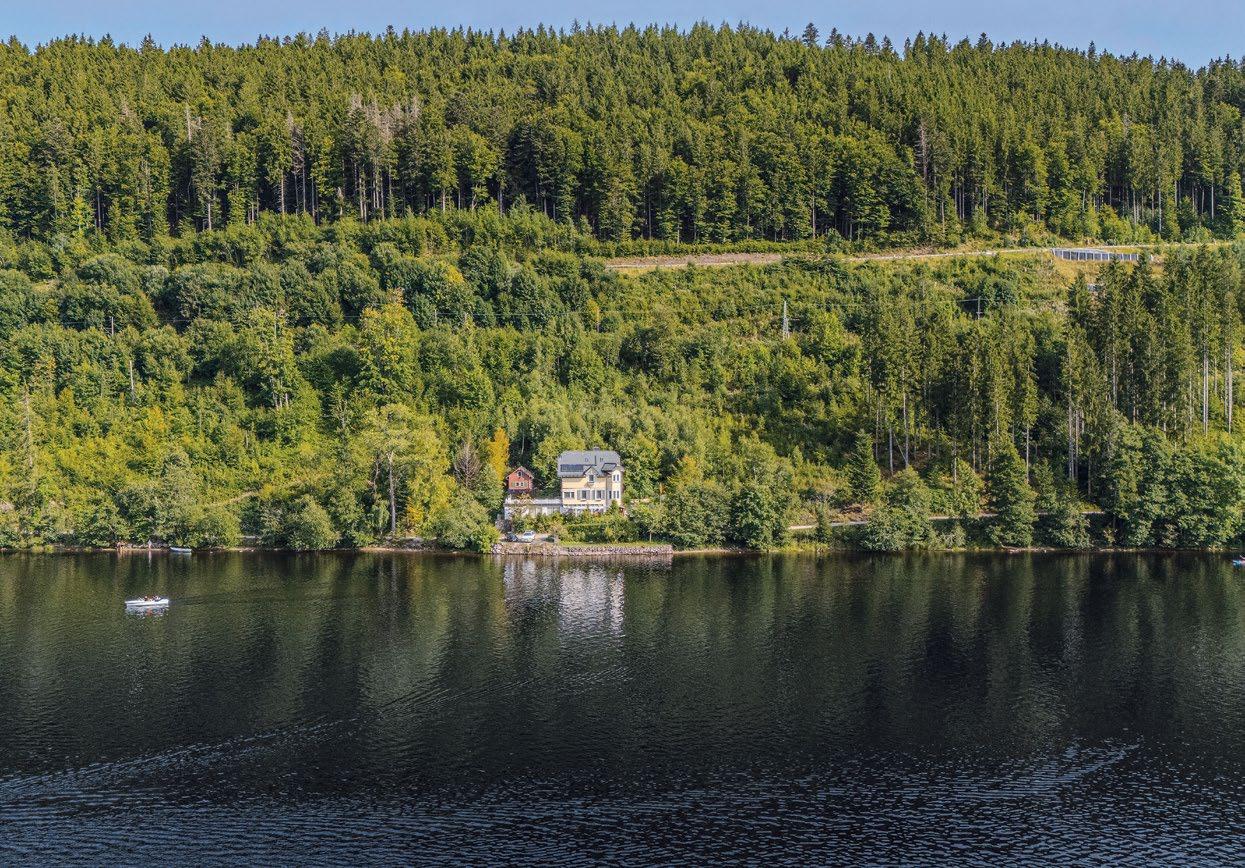
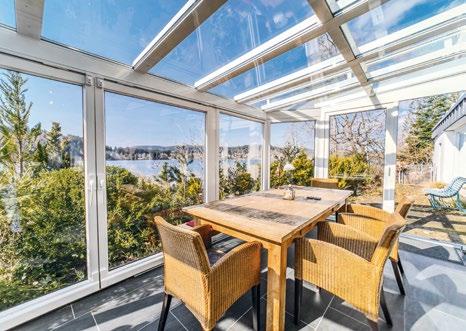
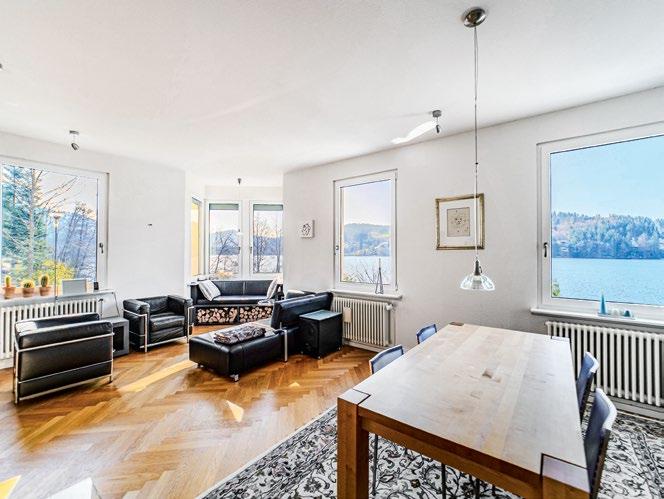
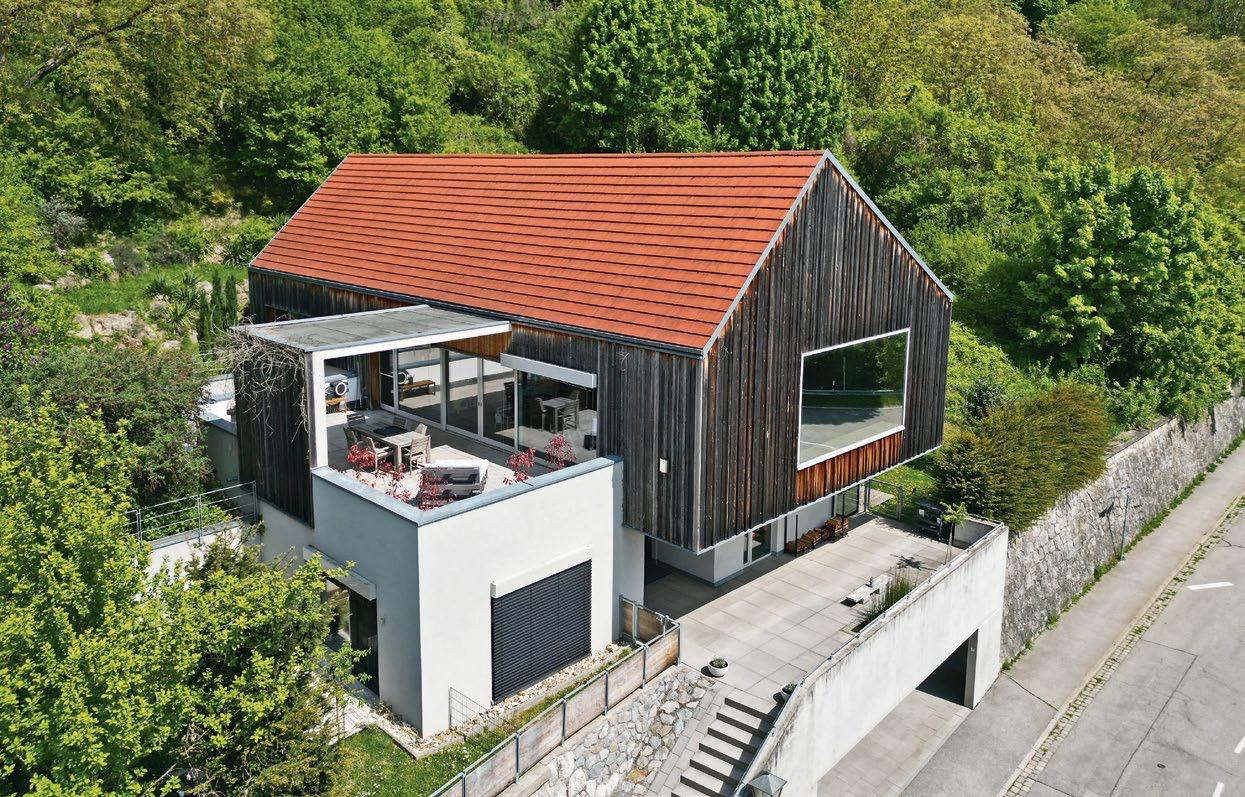
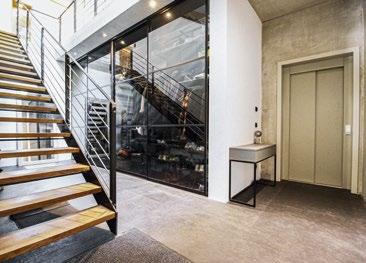
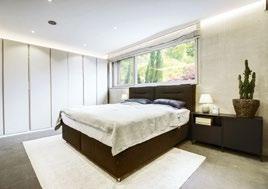

Regensburg
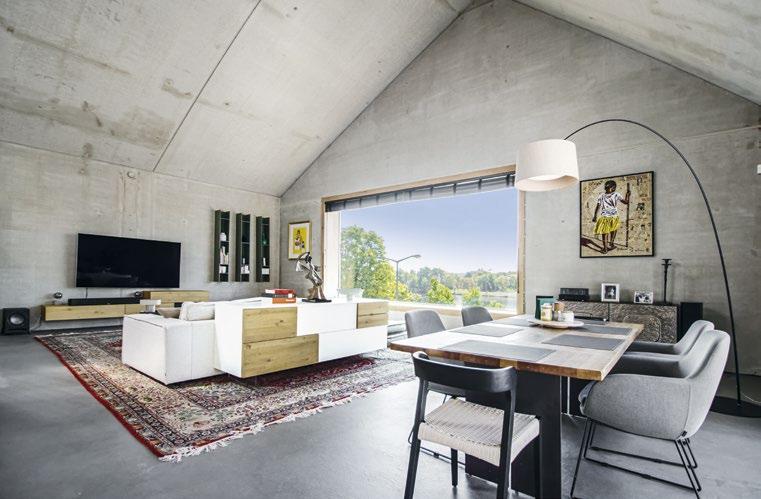

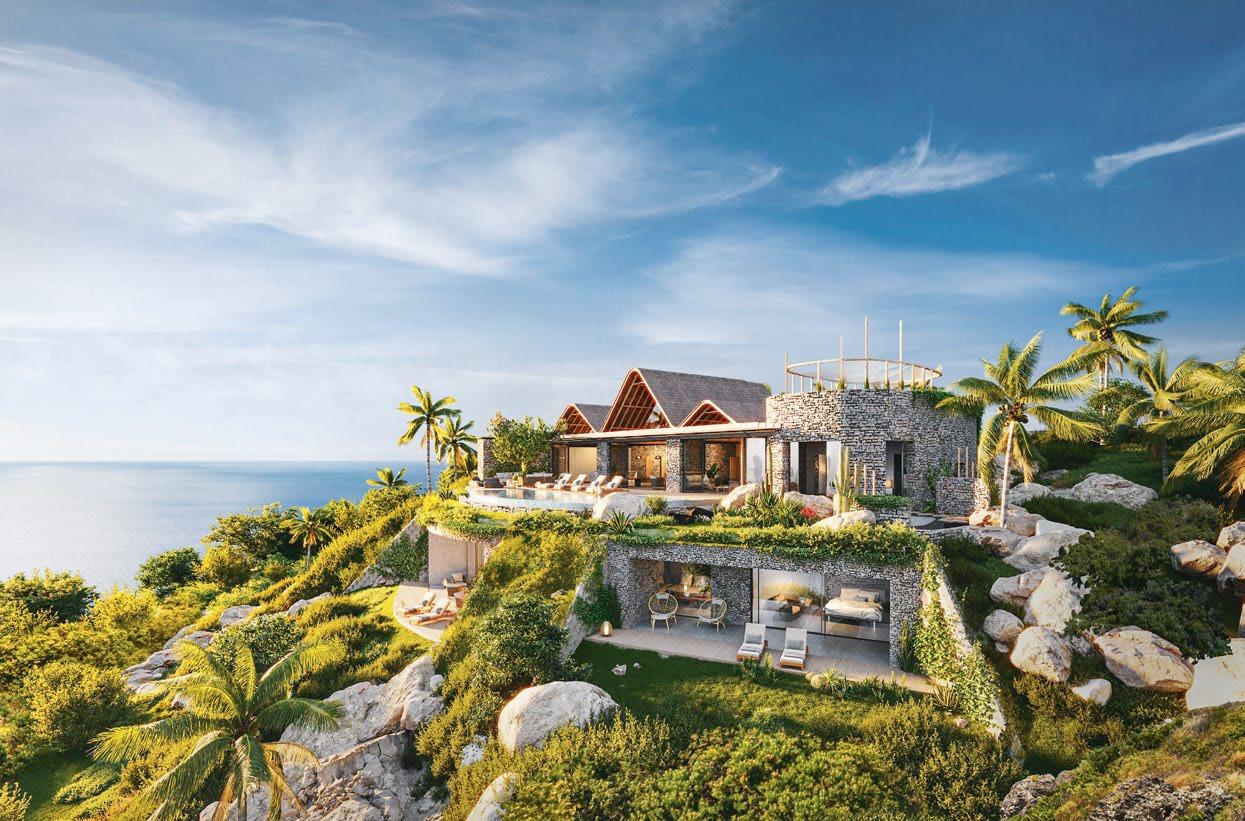
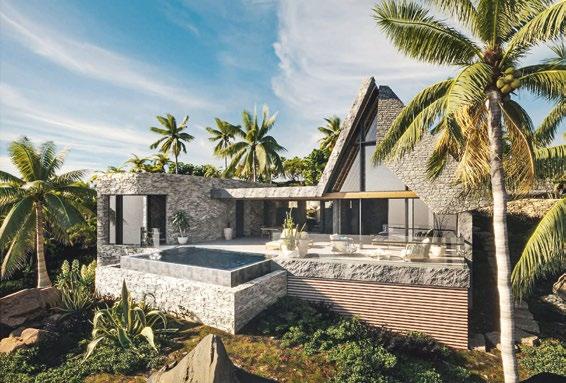

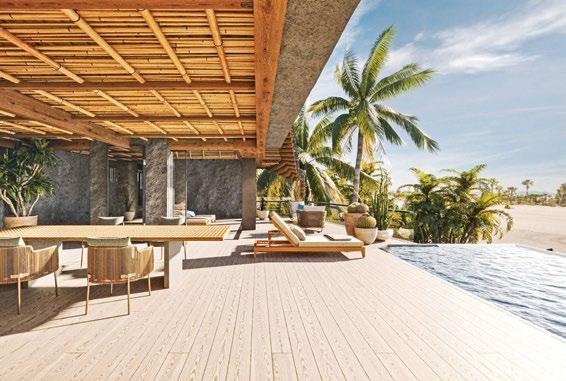
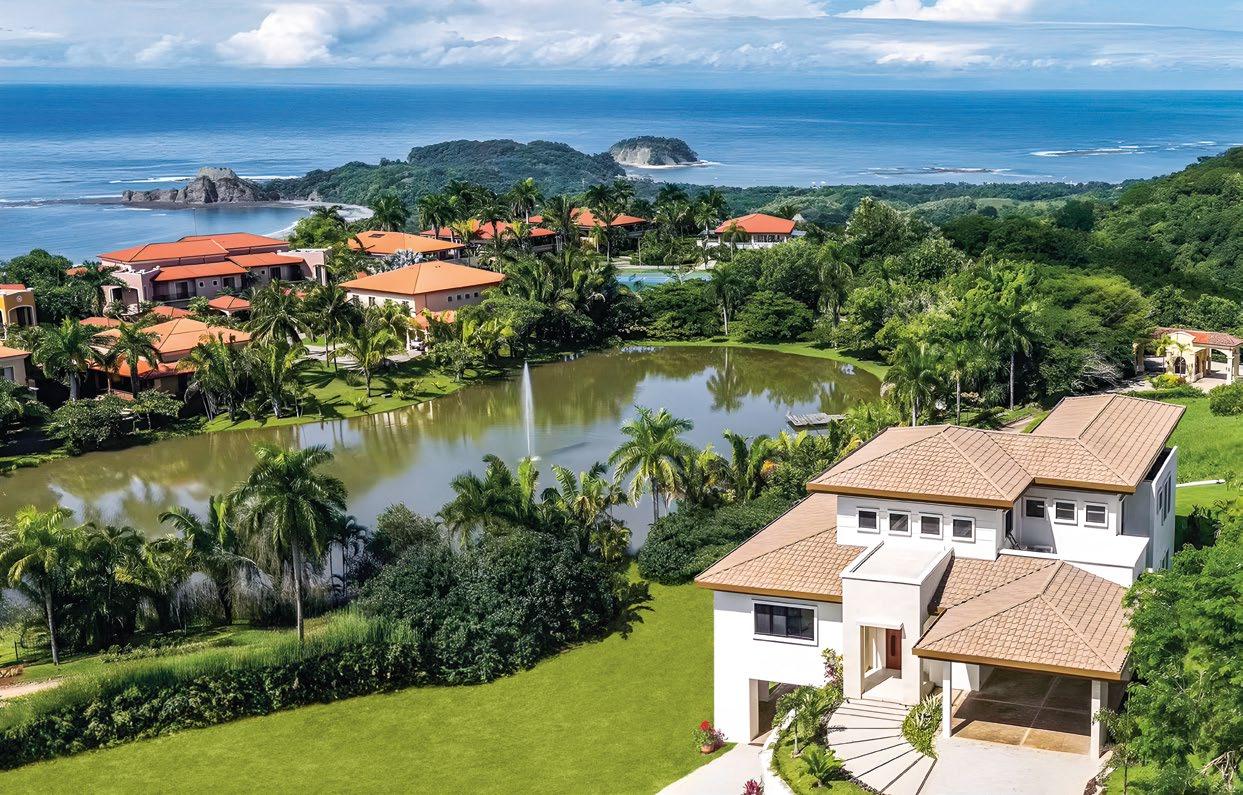

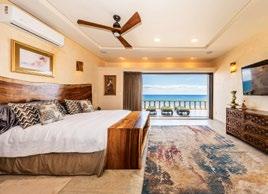
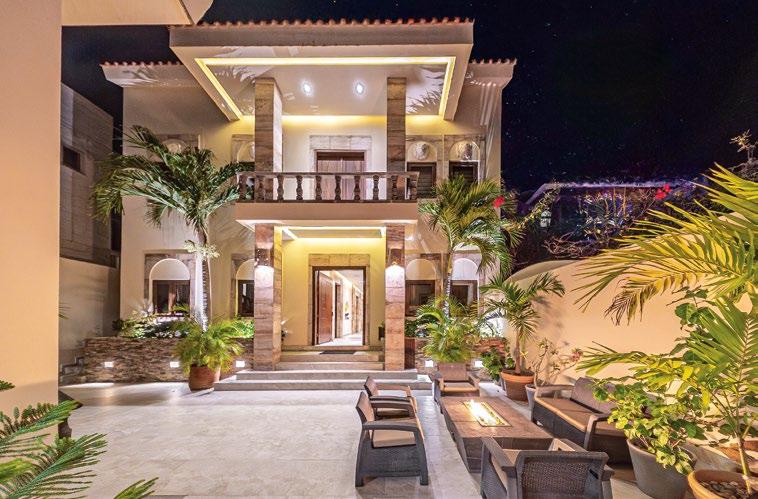

Tulum
Casa
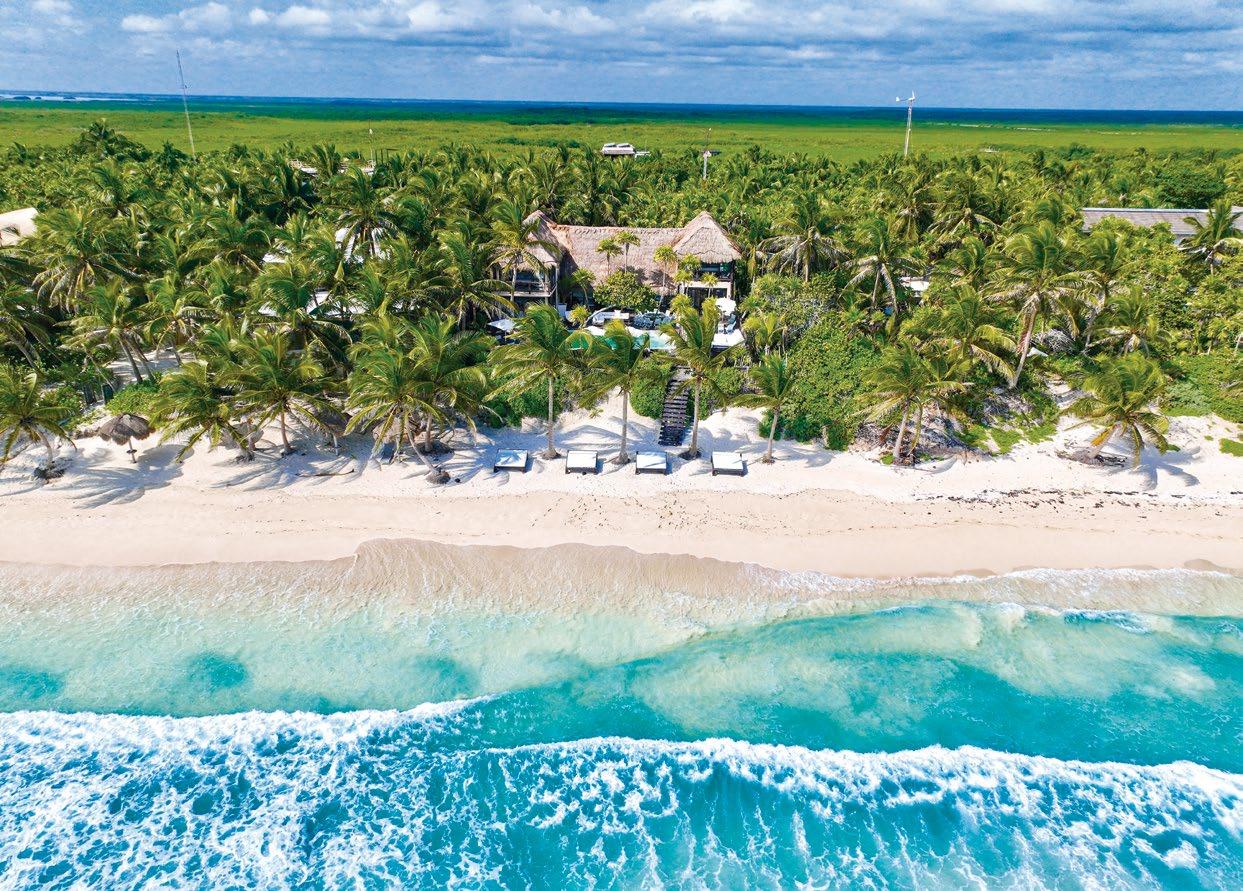

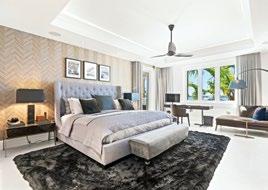
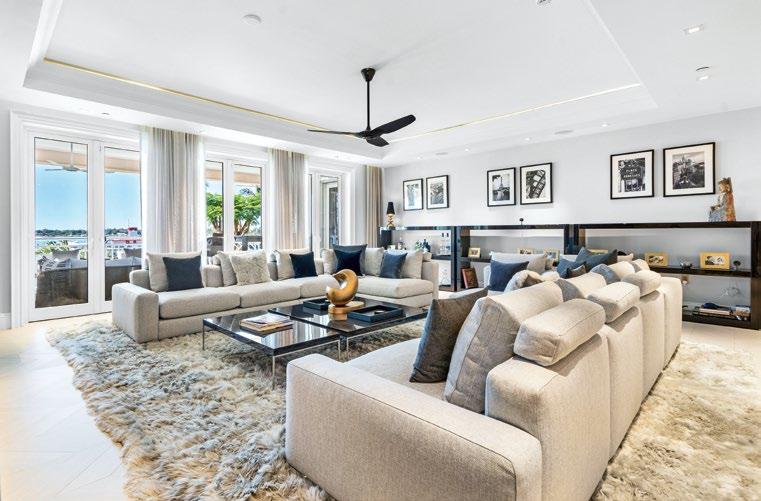

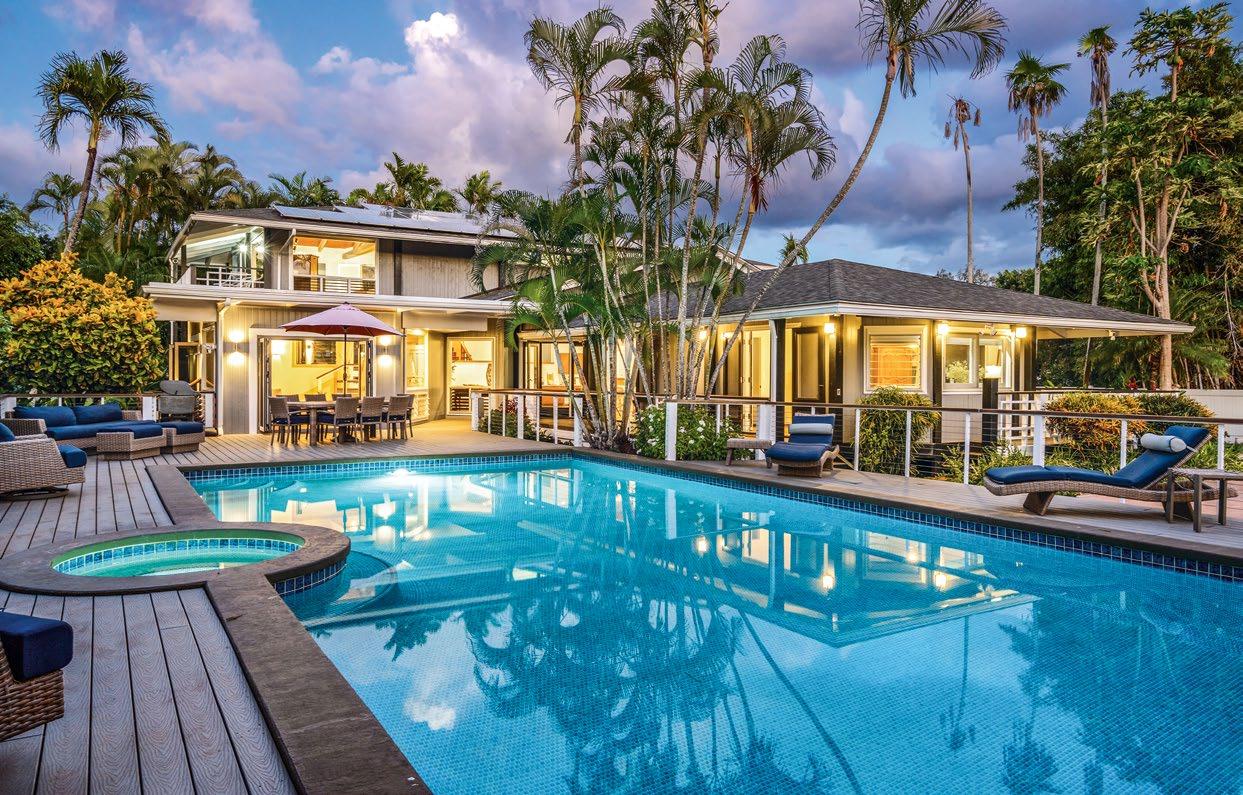
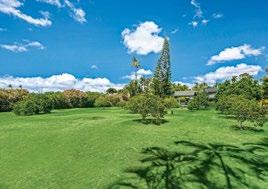
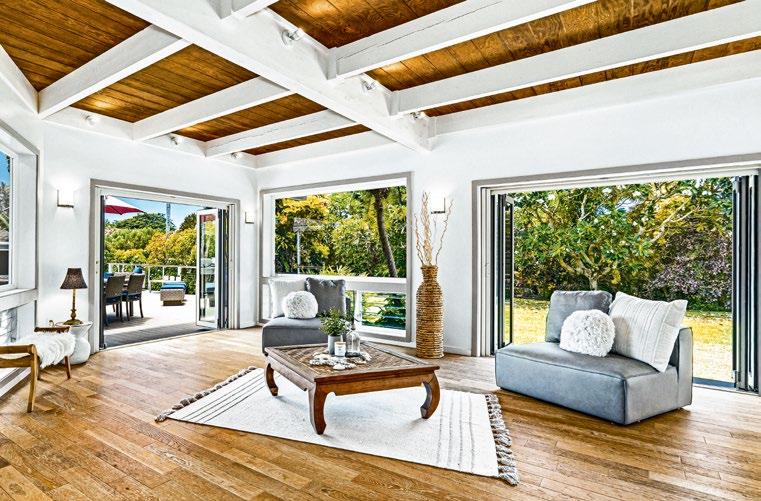

Oahu
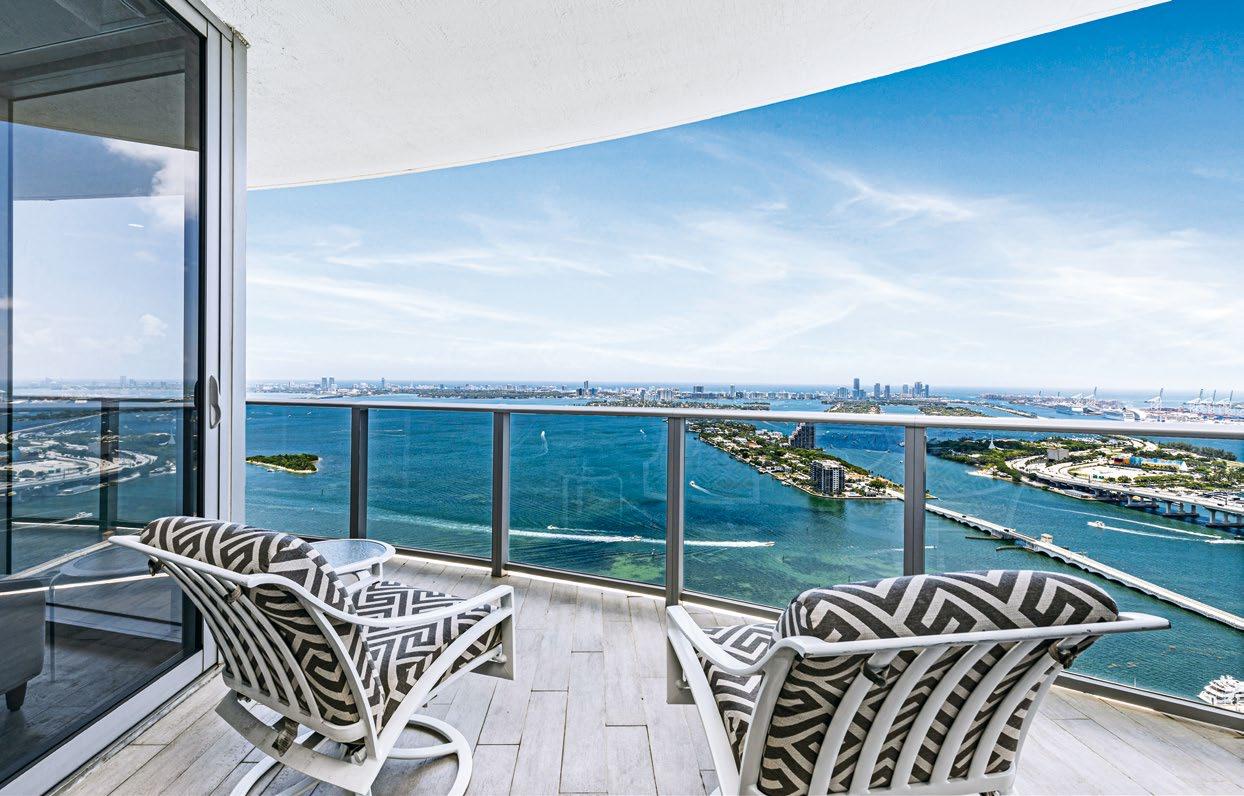
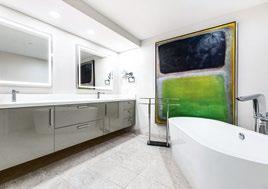
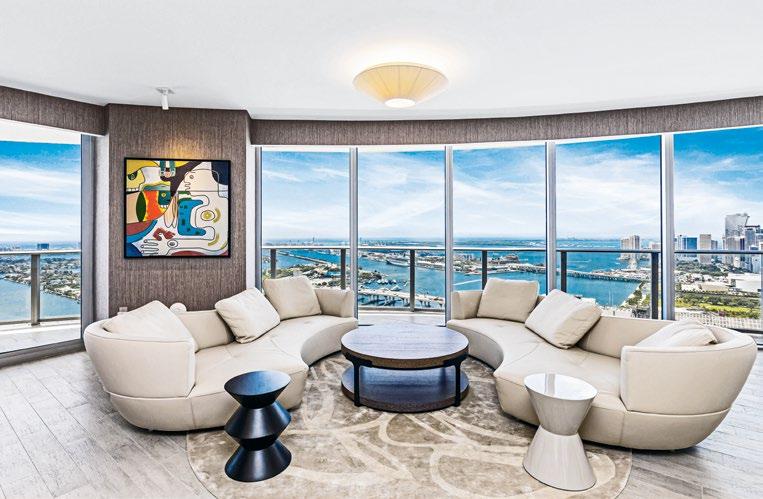

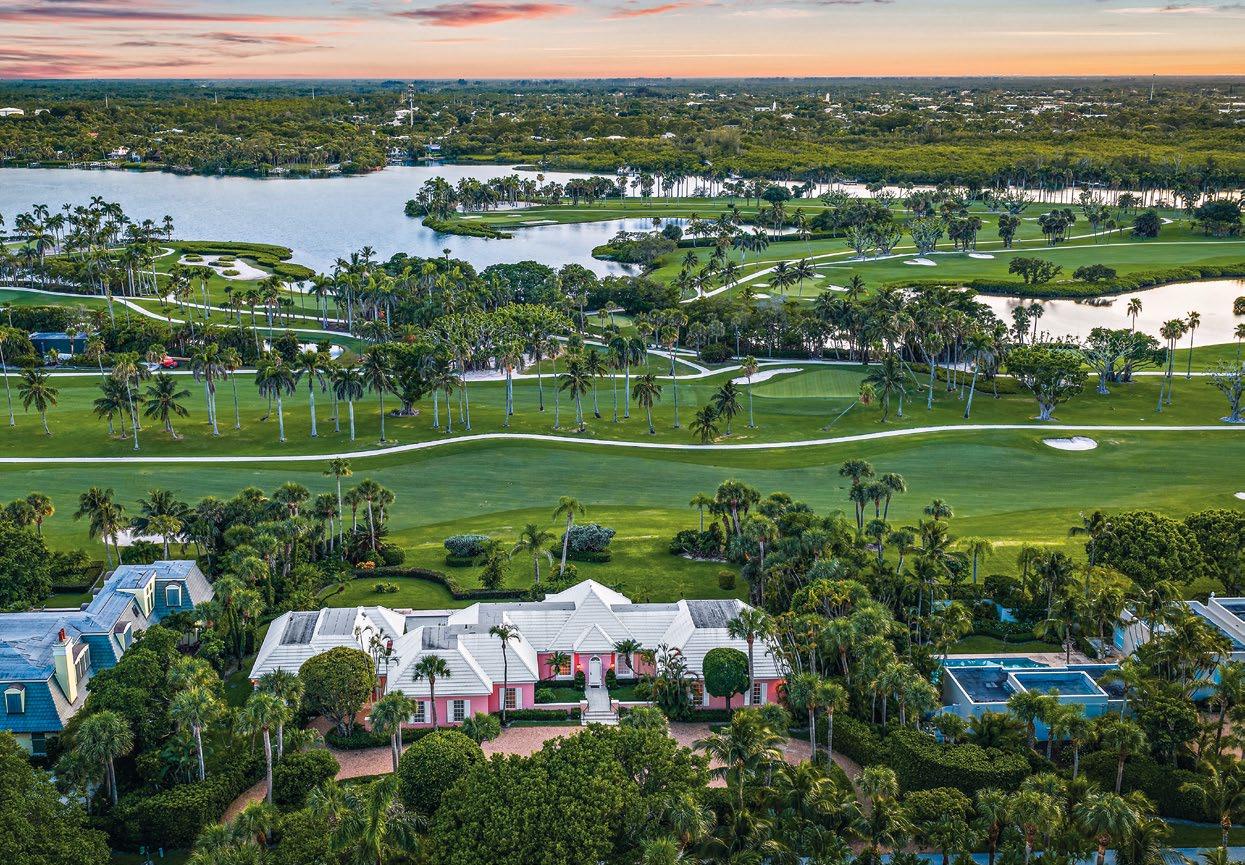
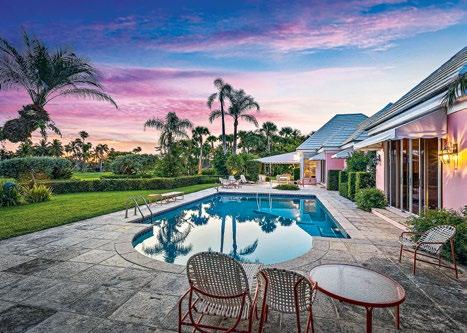
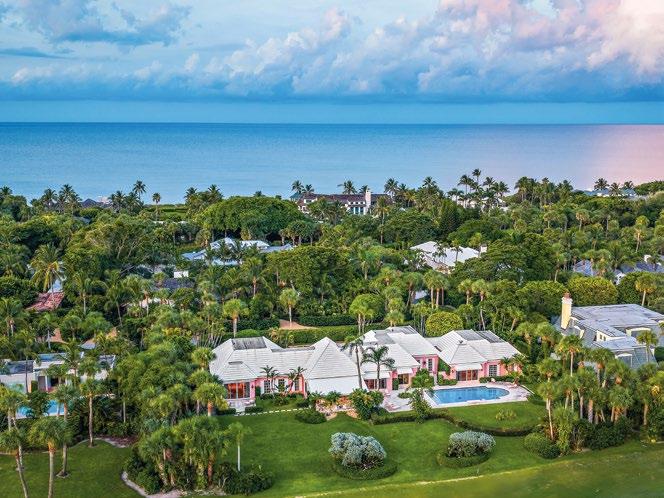

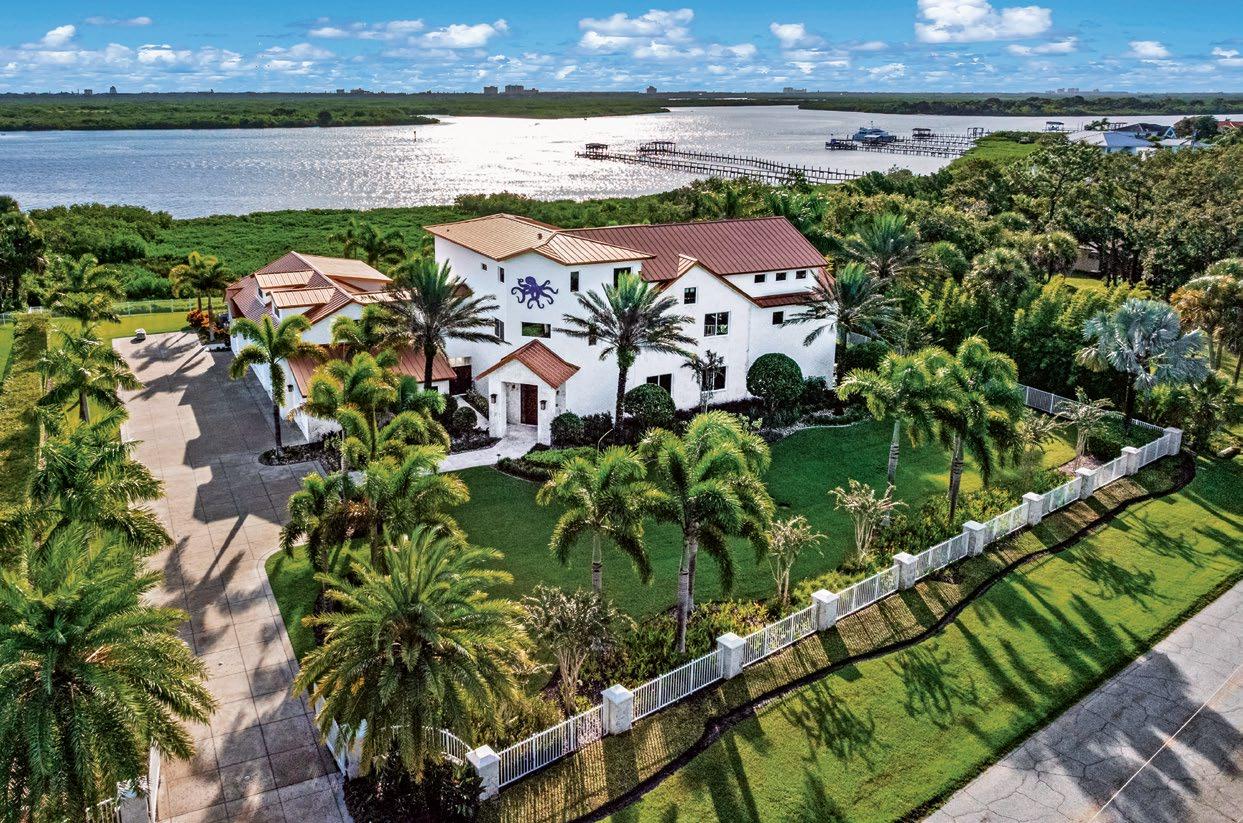
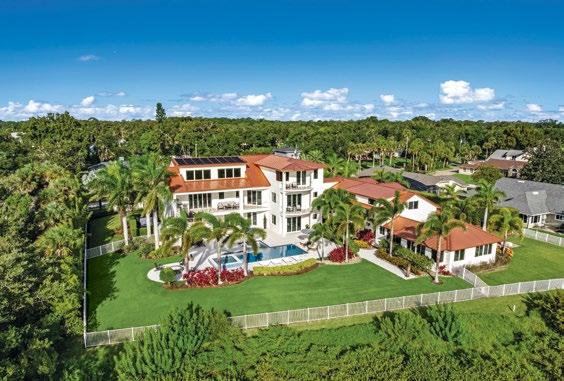

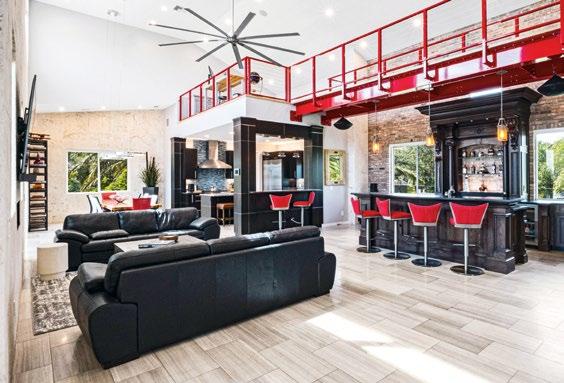
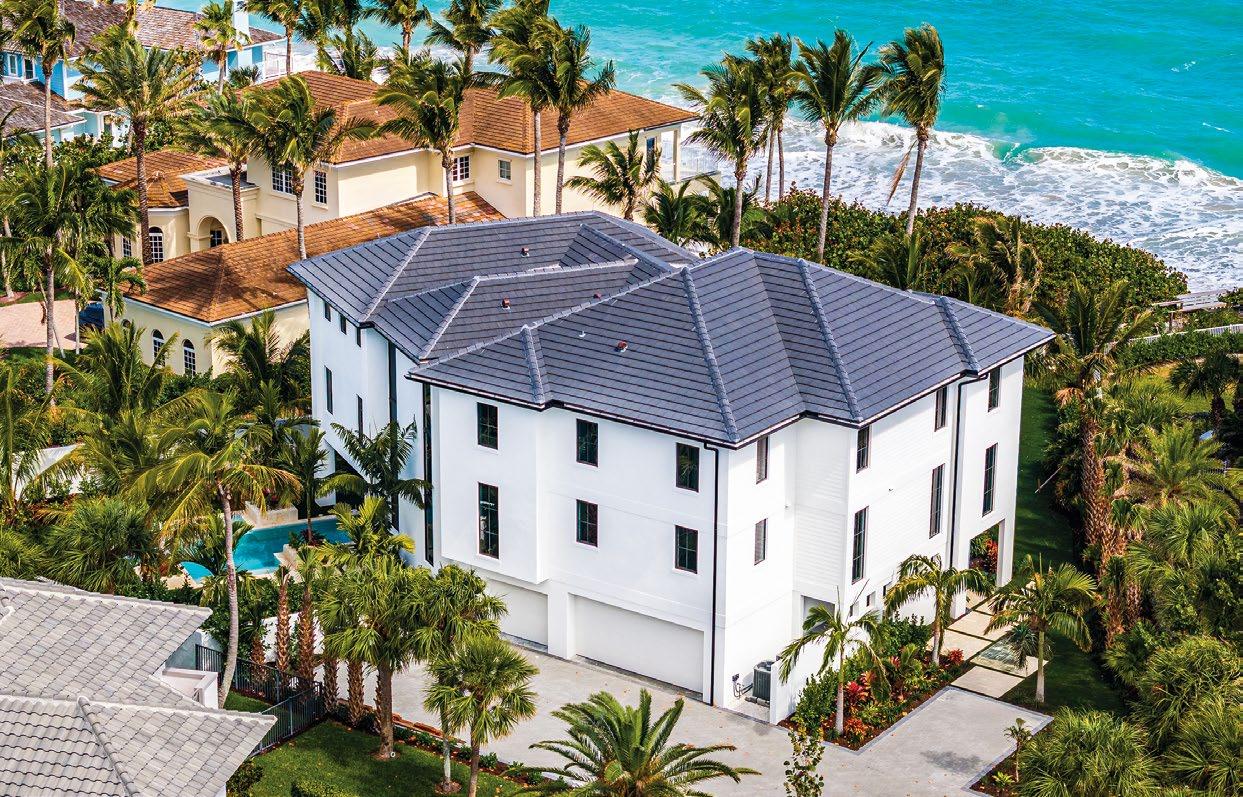
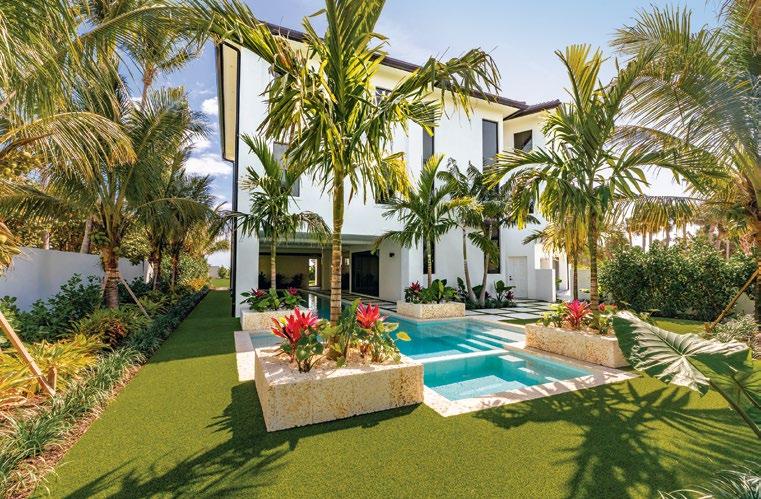

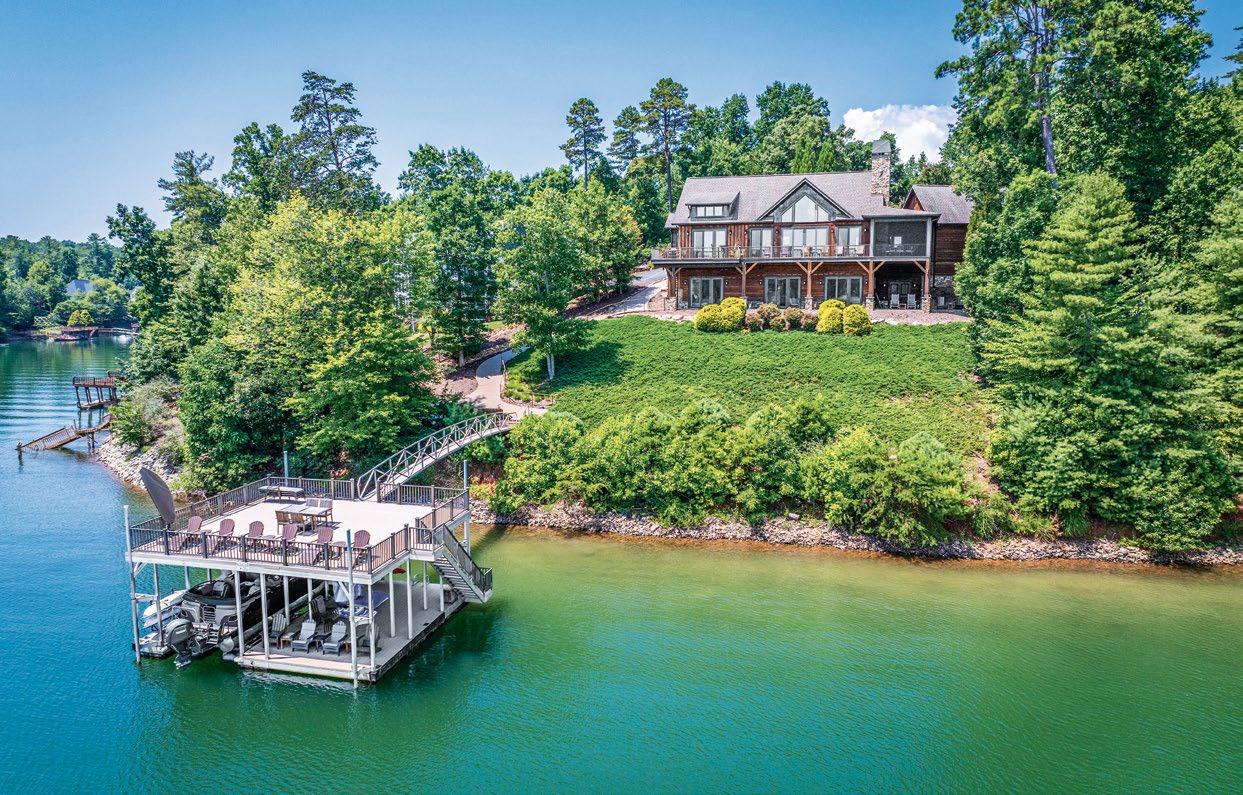
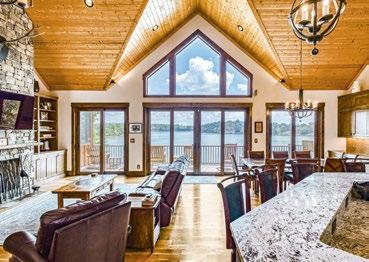
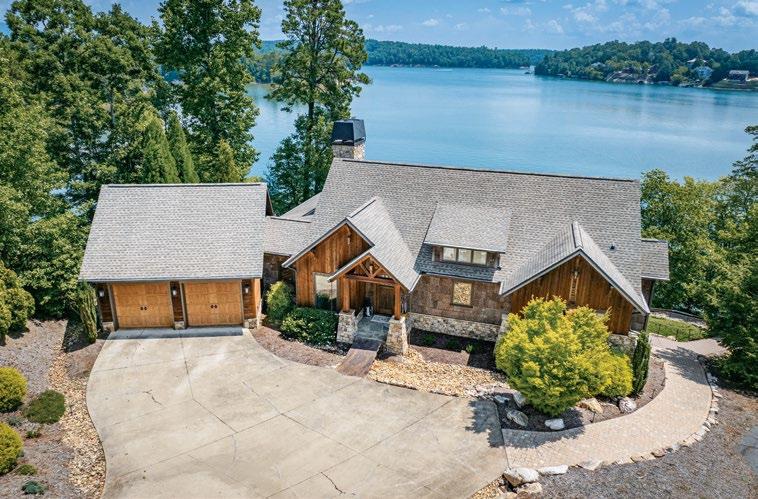

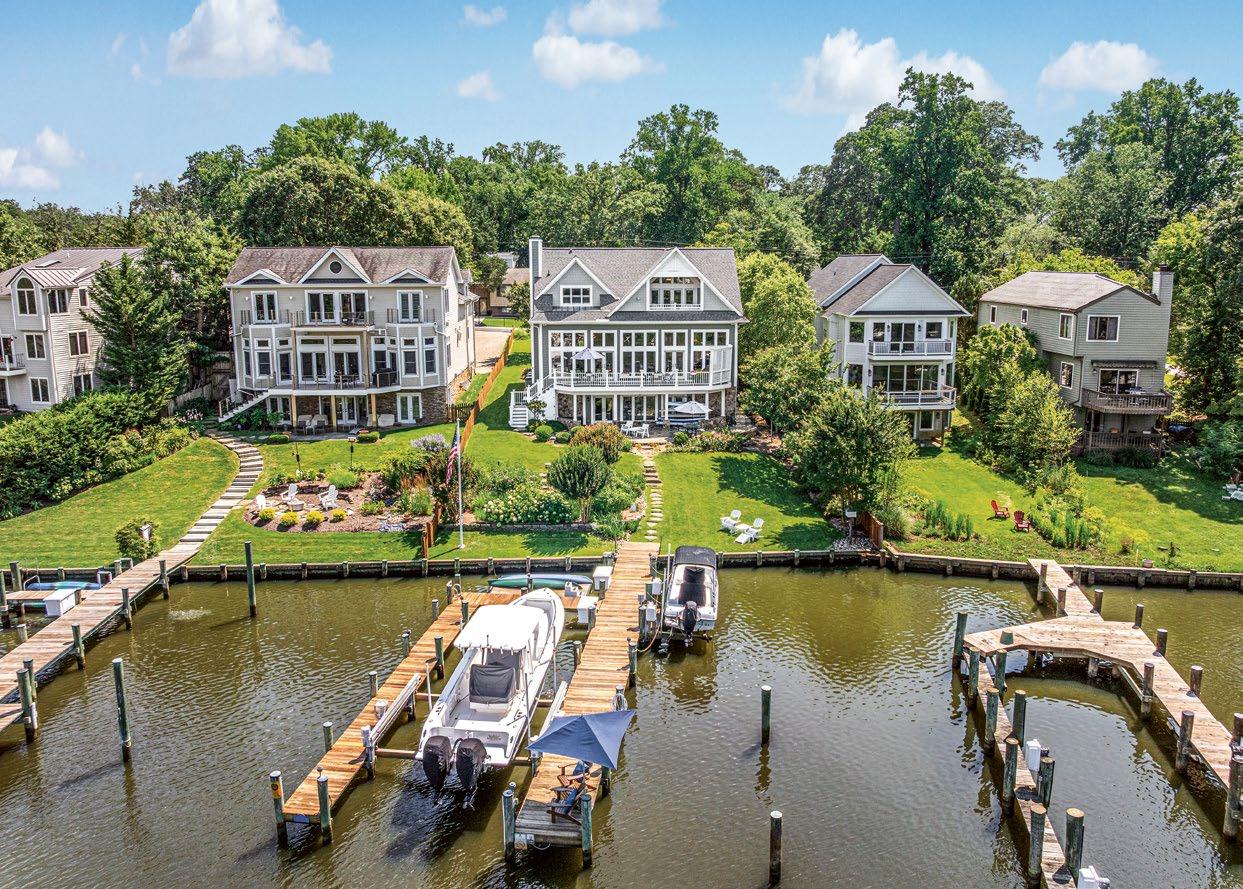


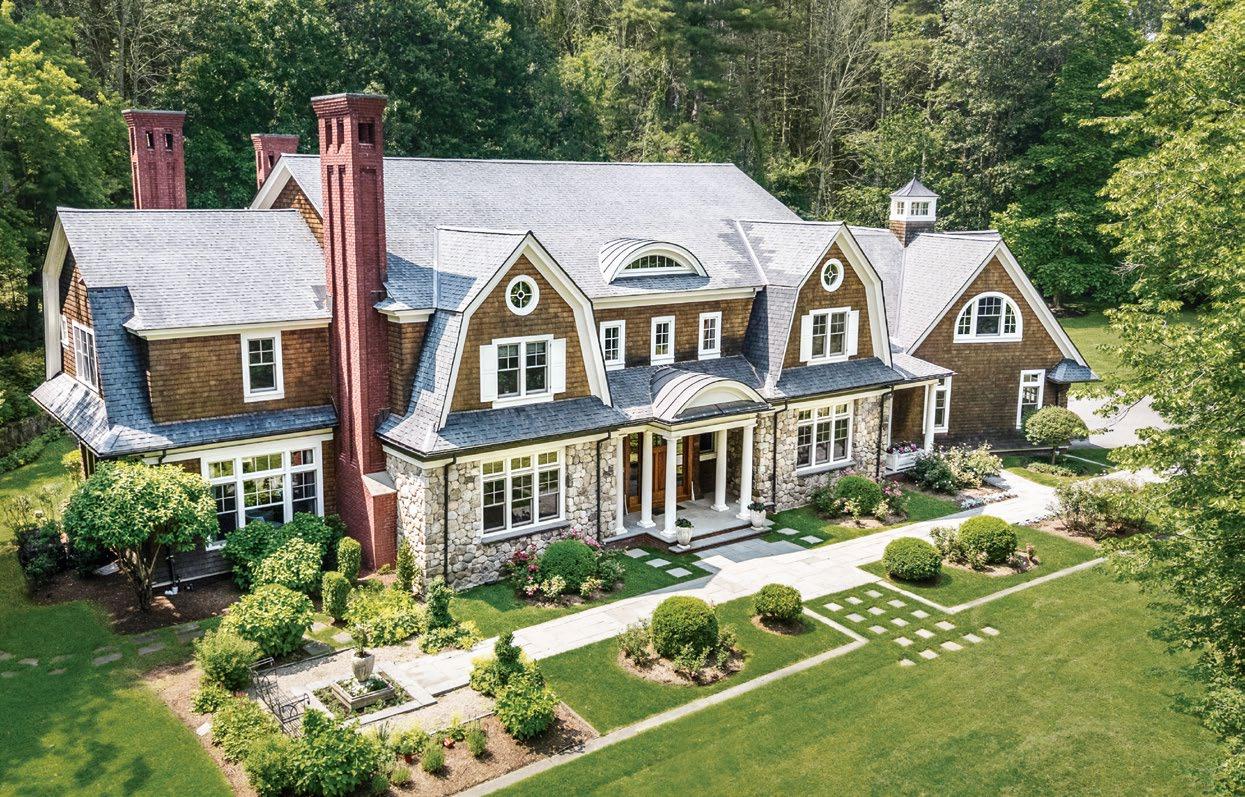
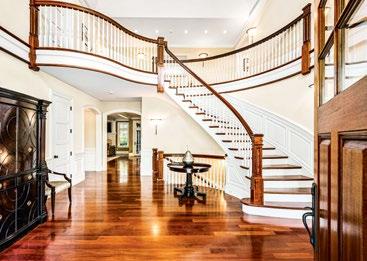

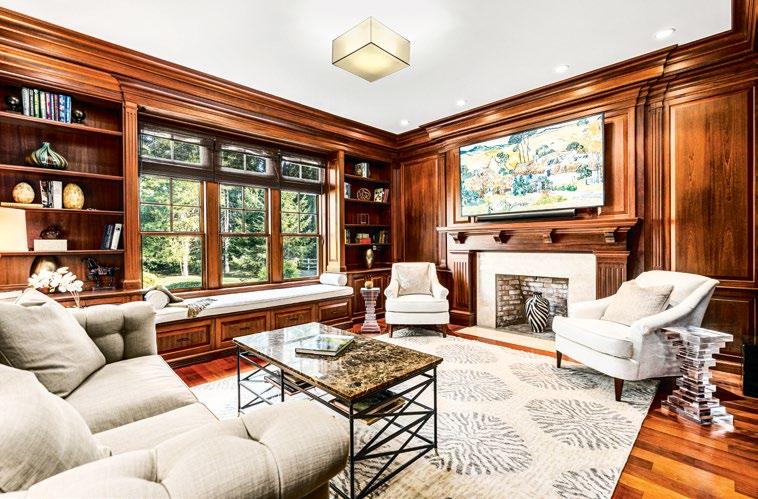

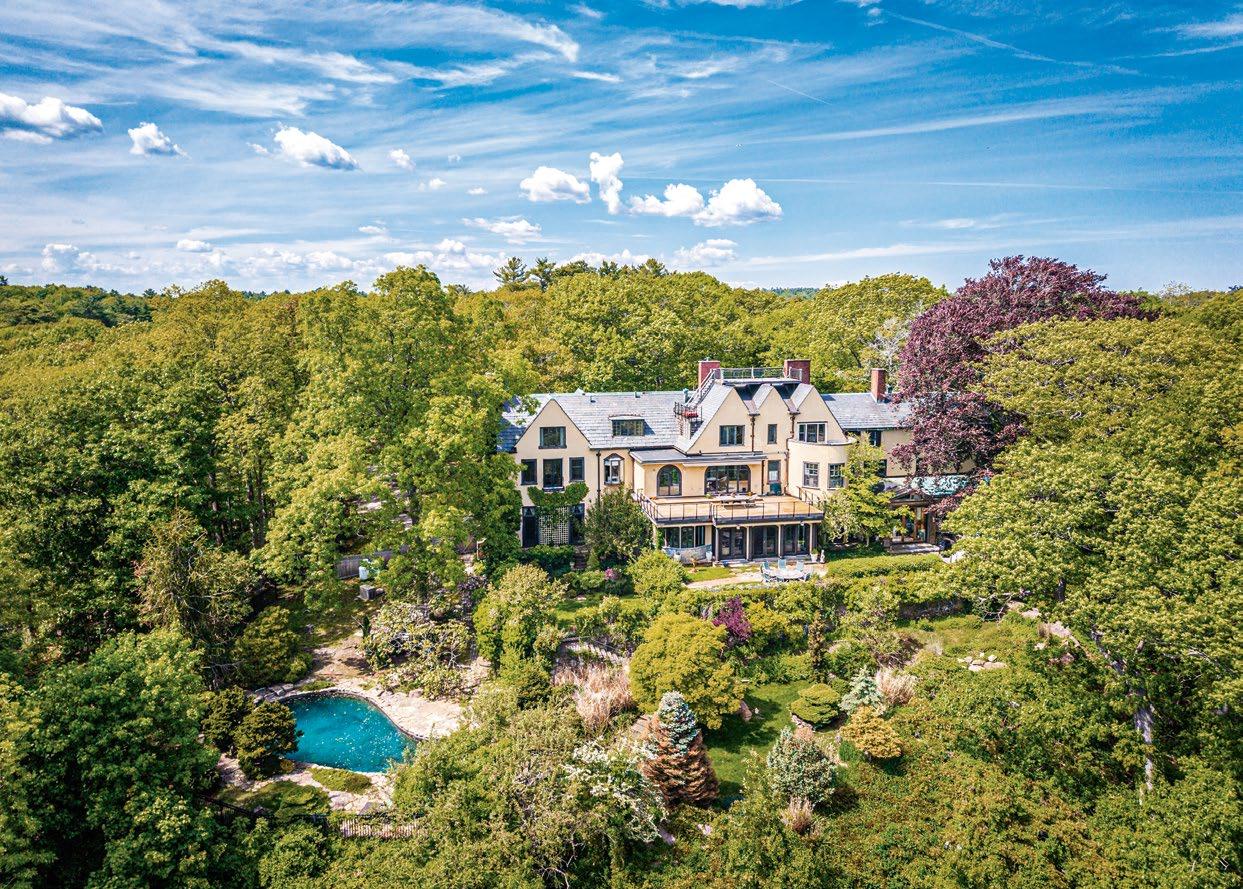
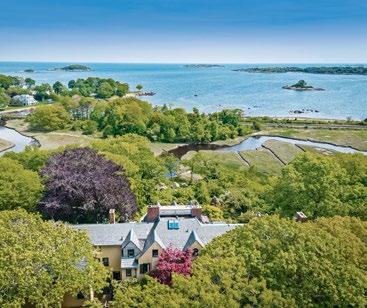
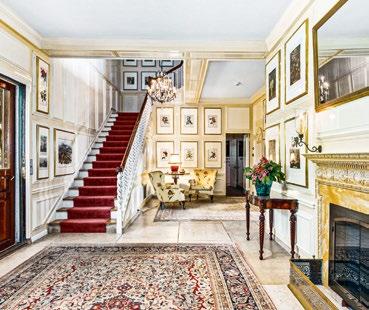

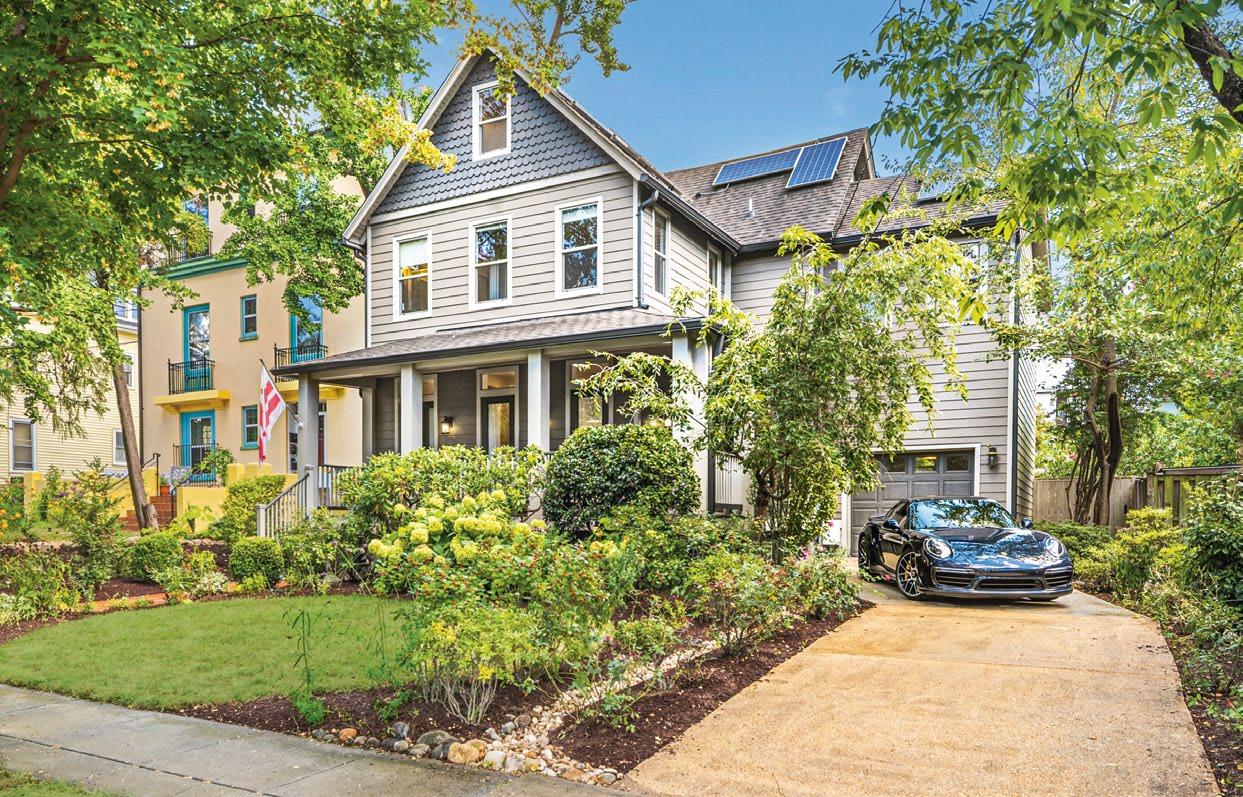
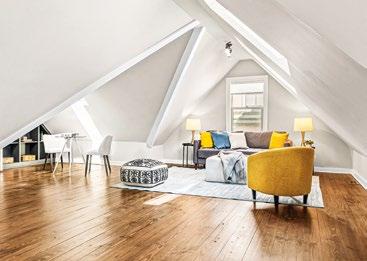
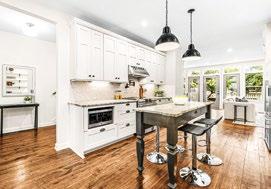
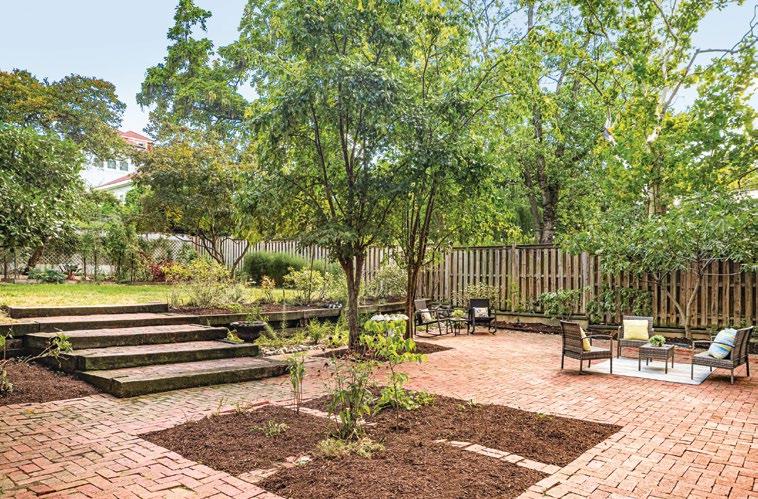

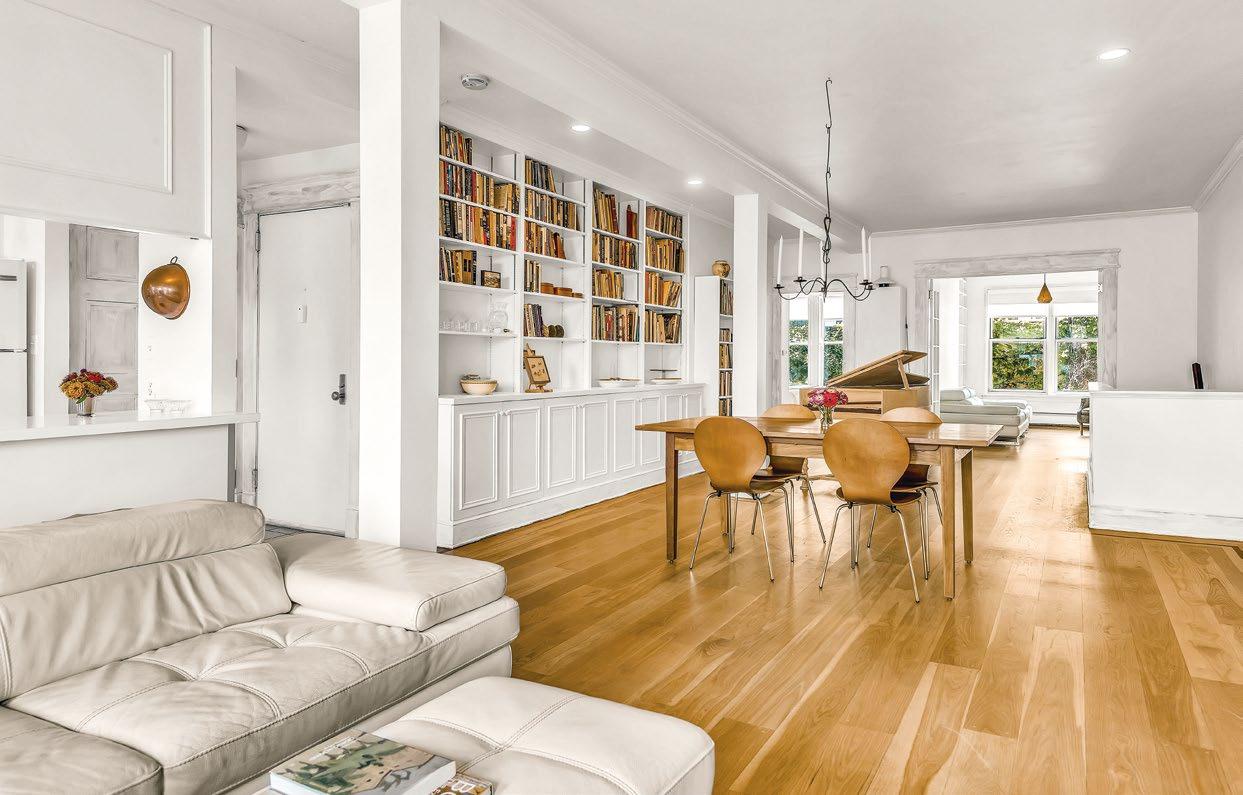
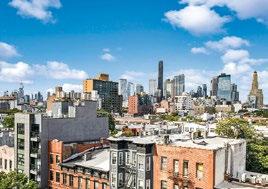
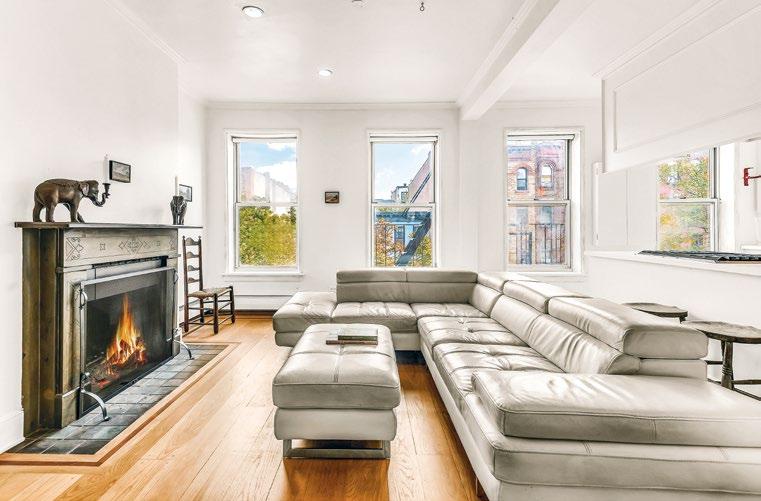

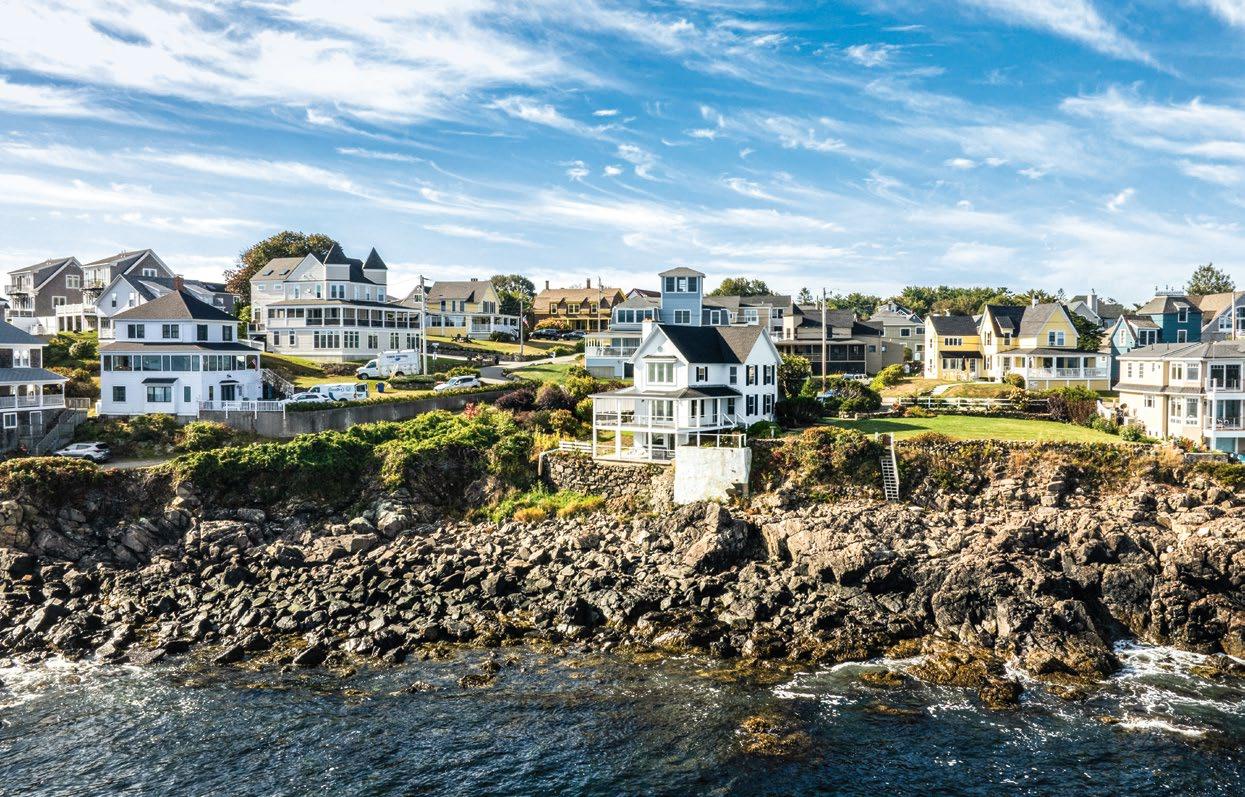
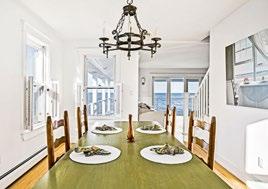
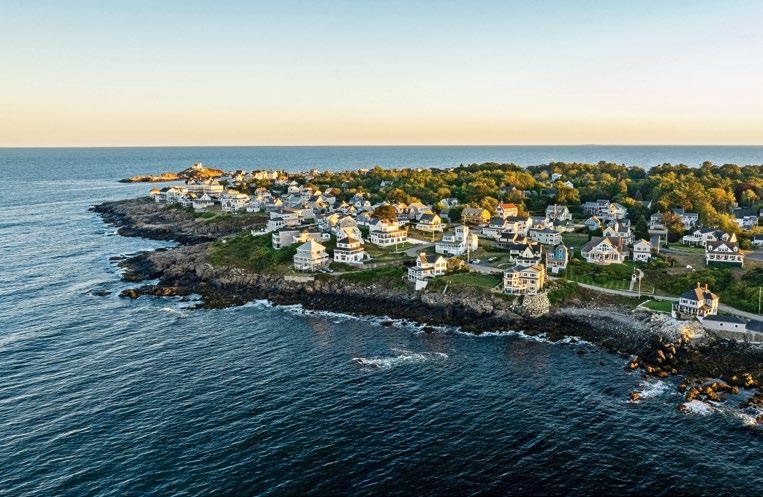

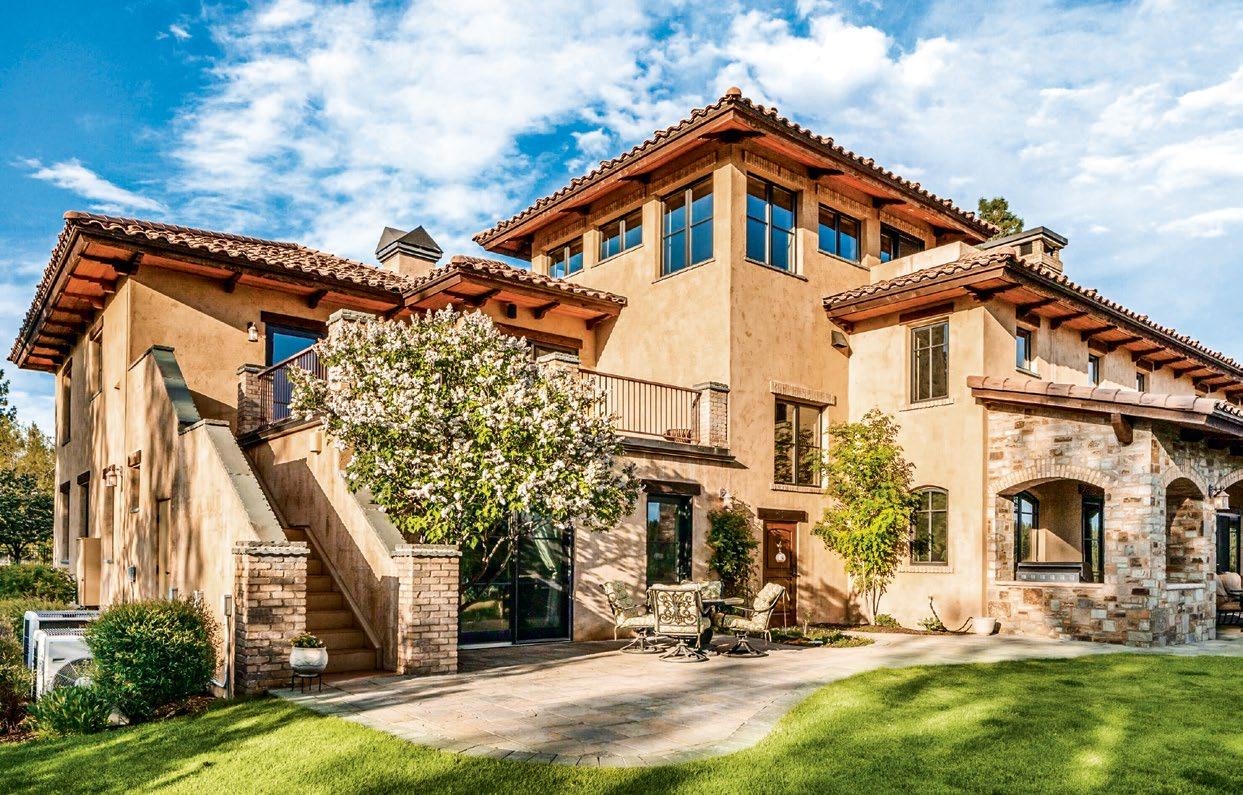
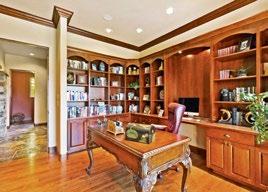
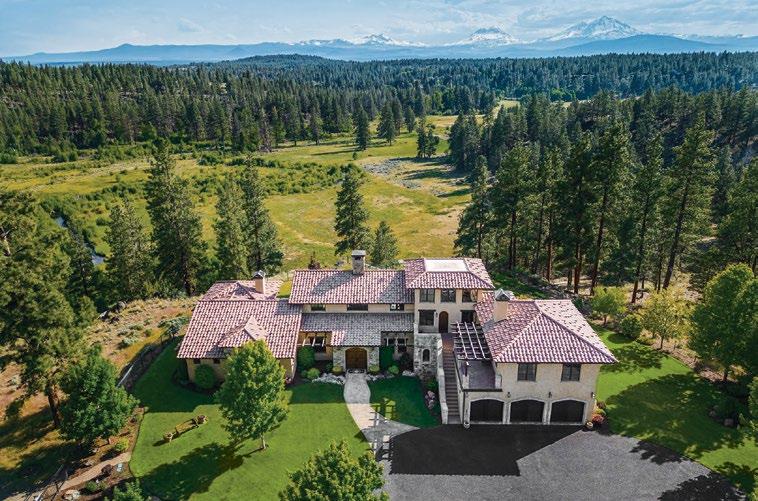

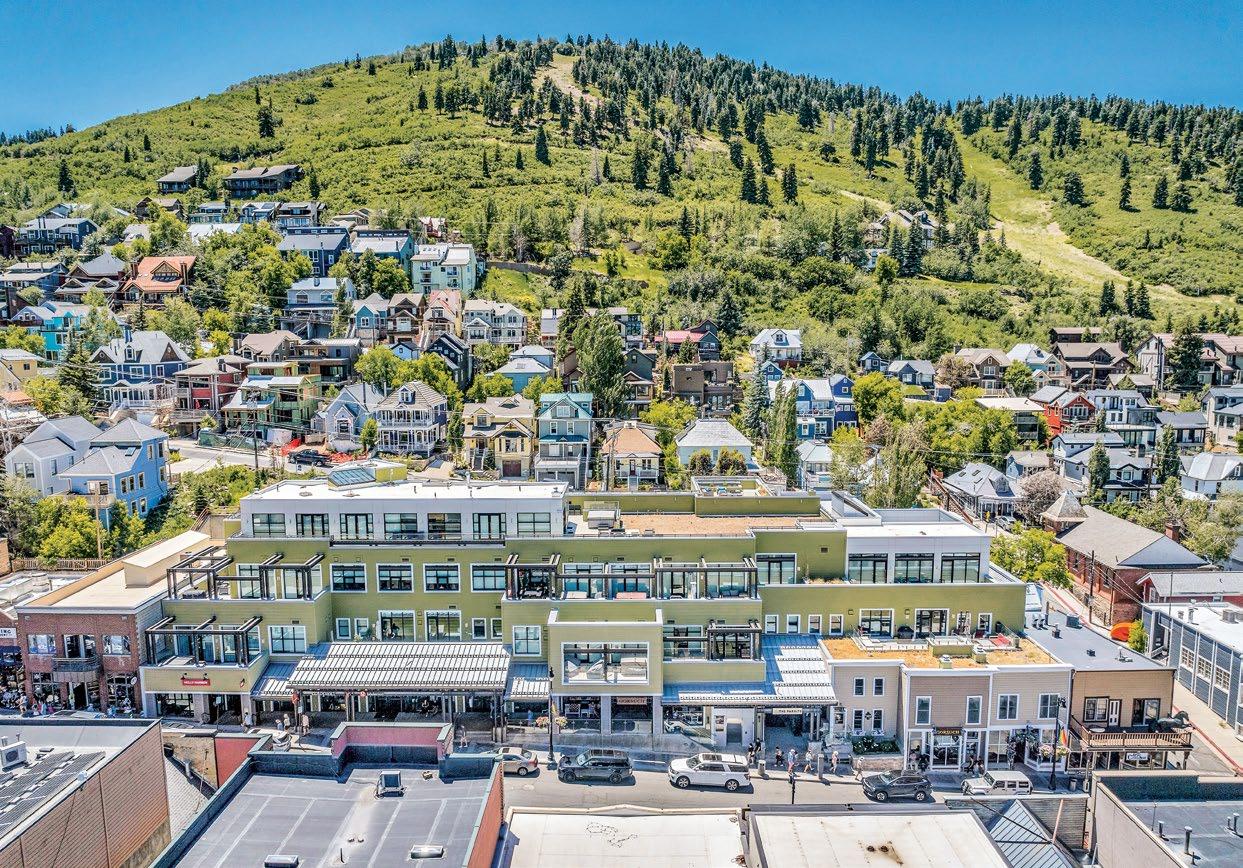
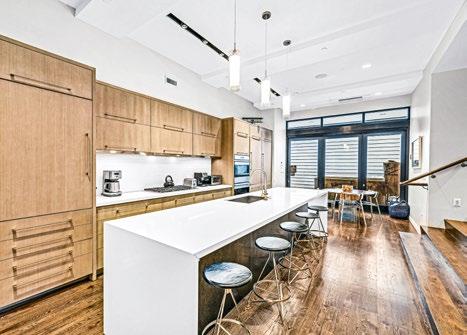
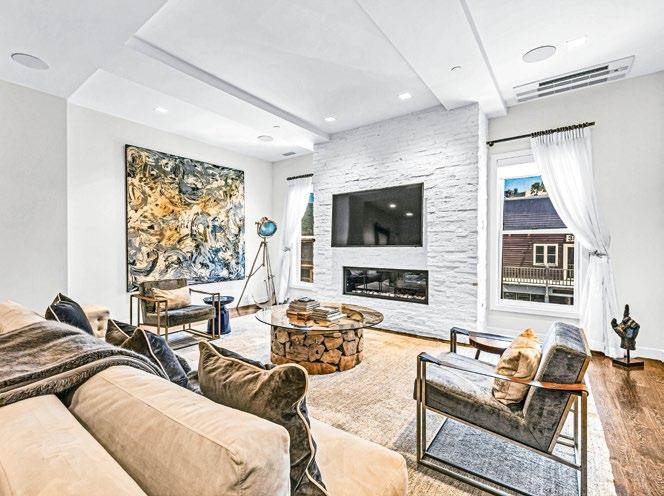

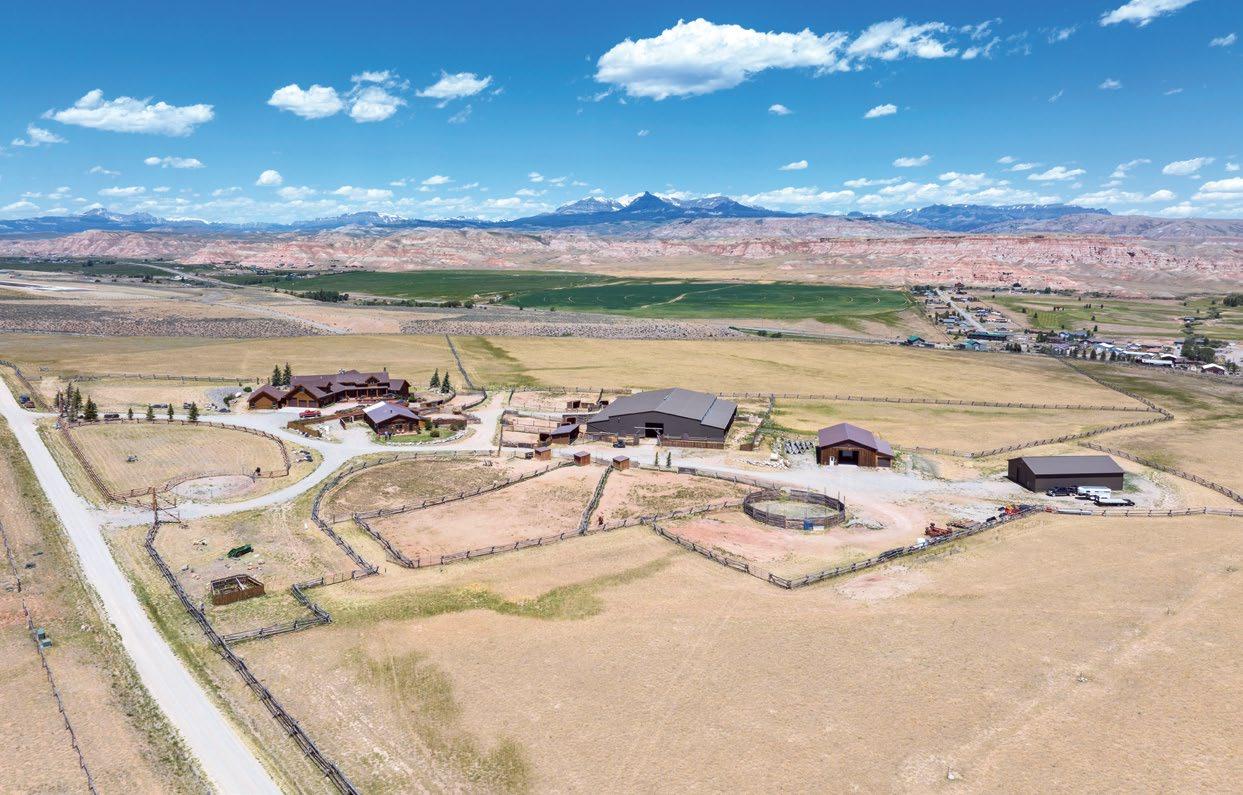


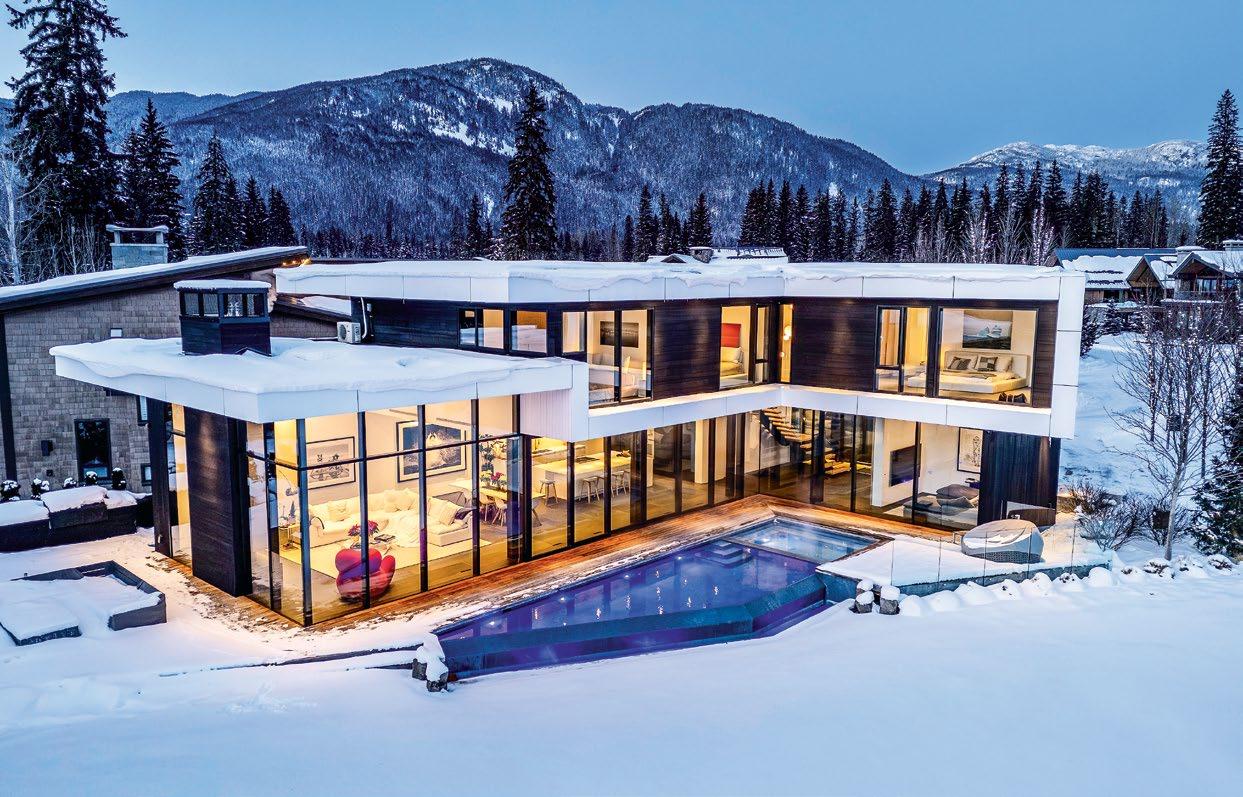
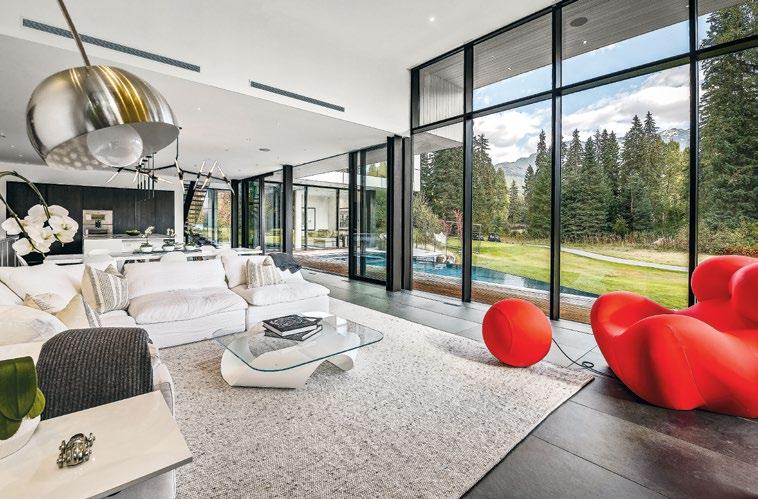

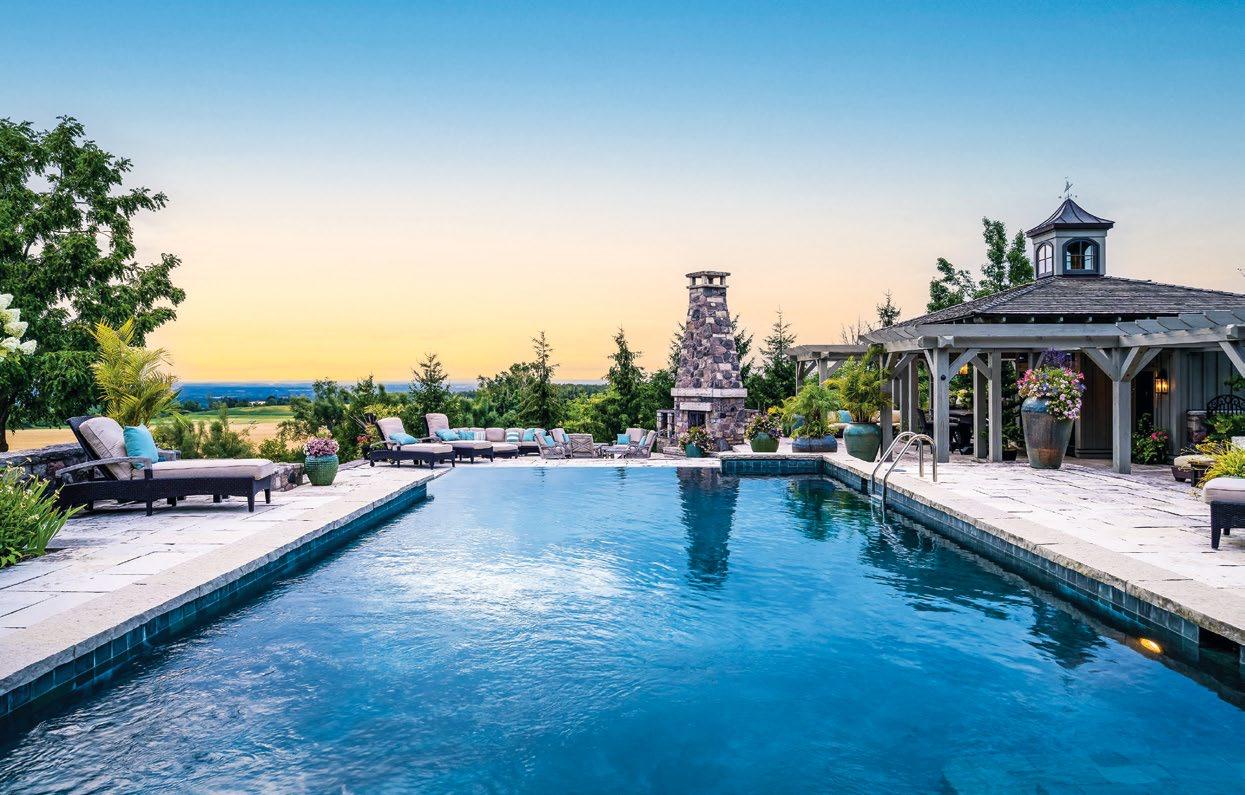
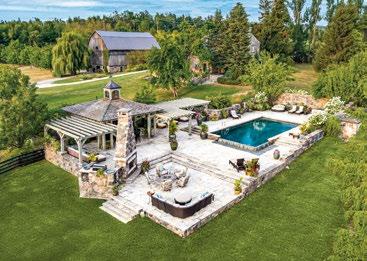
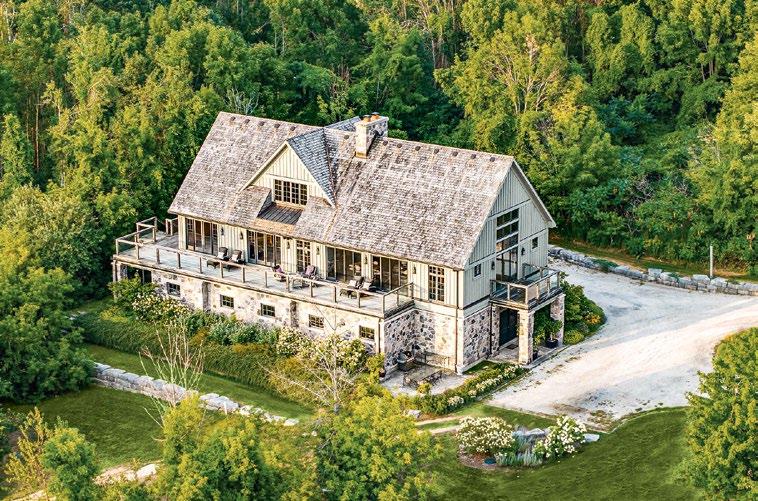

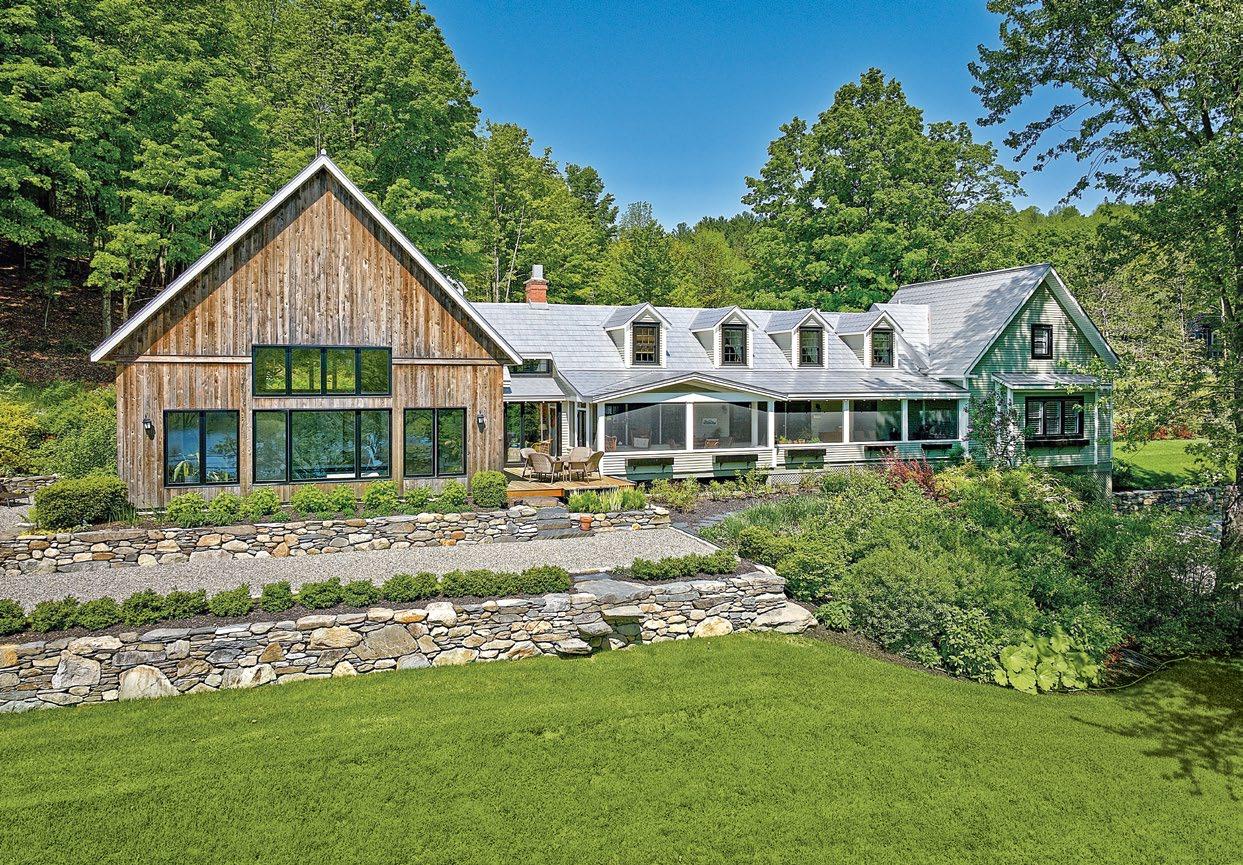
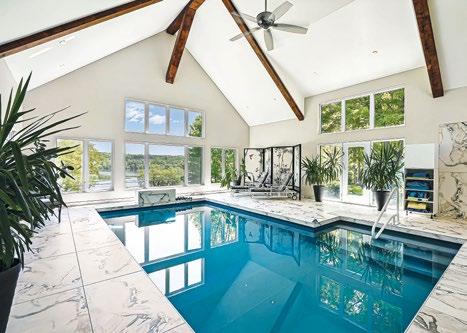
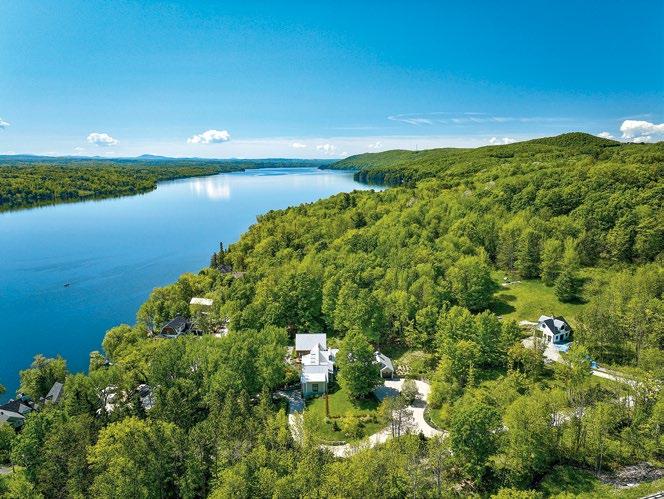

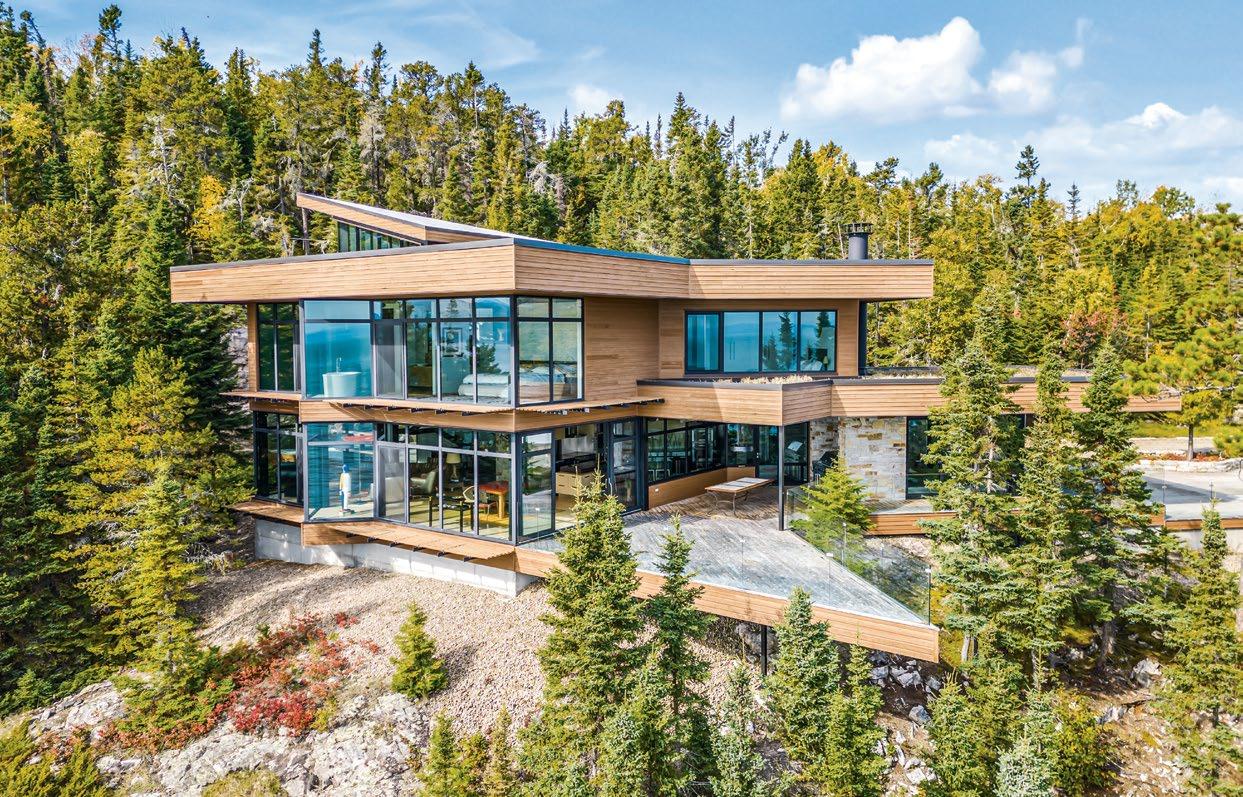
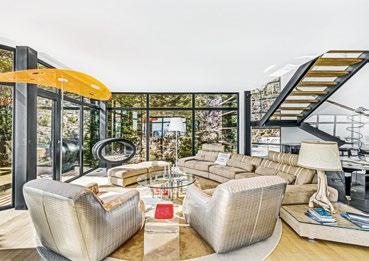
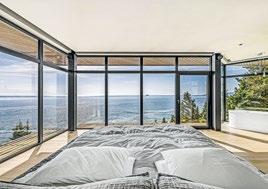
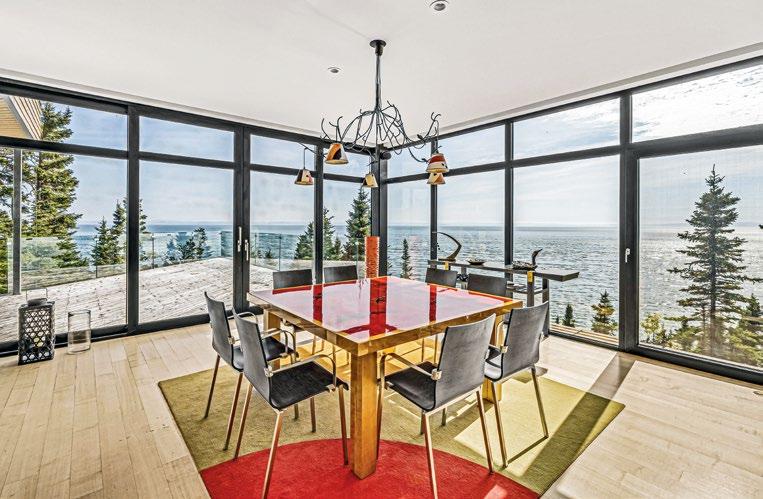

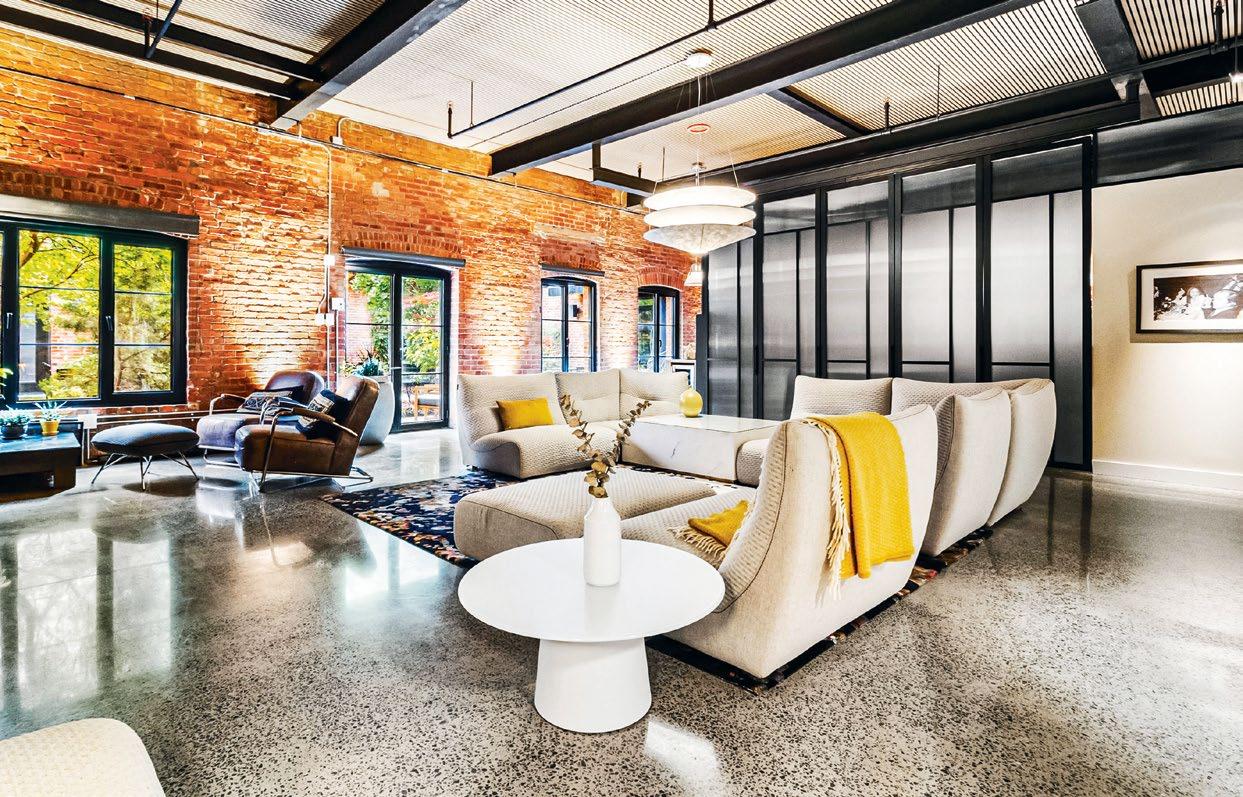

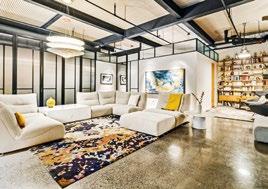
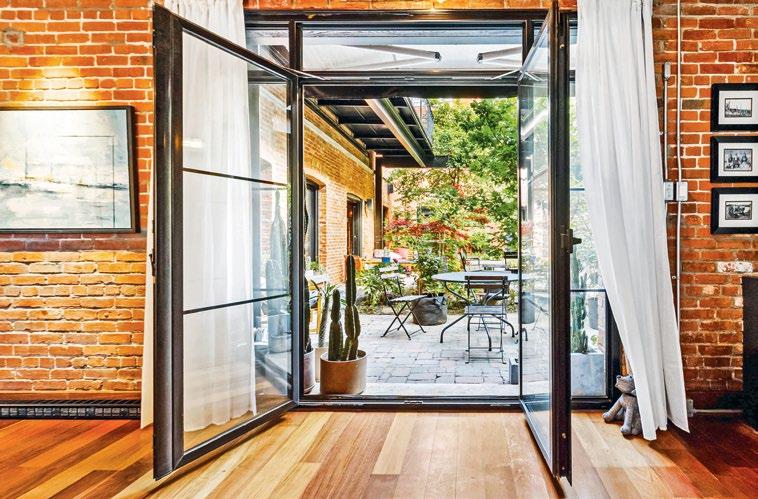

Mont-Tremblant
Unmatched
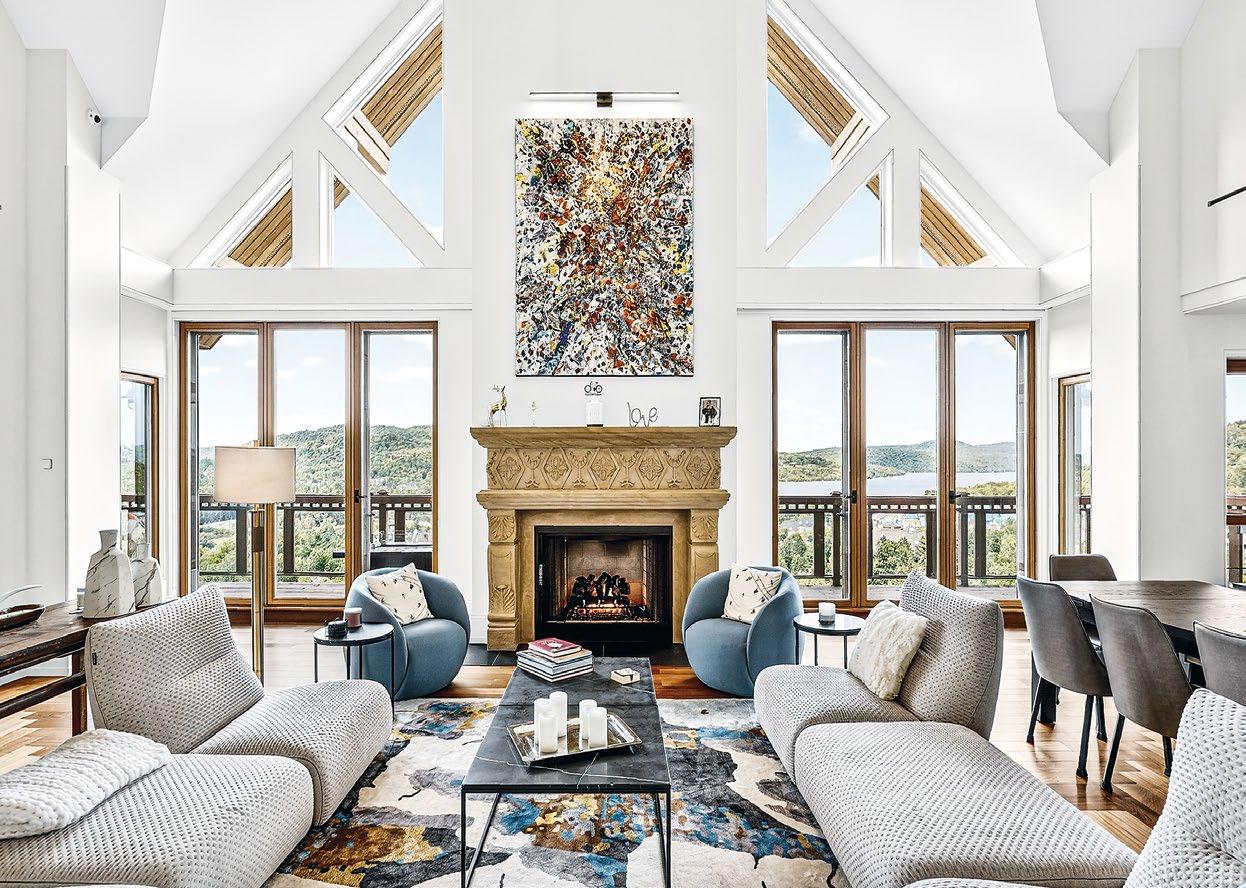
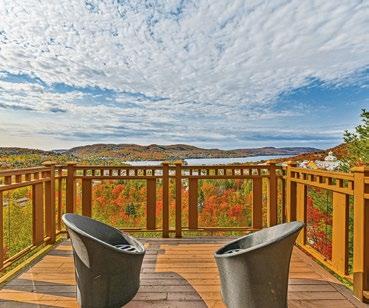
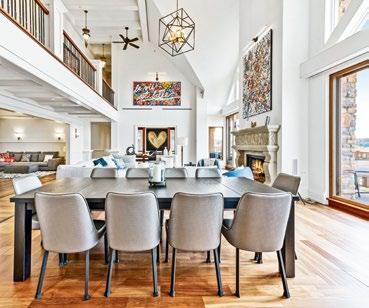

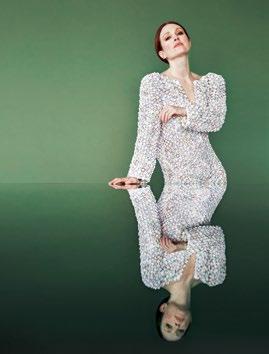
MOUSTACHE, www.moustache.fr
QEEBOO, www.qeeboo.com
YVES SAINT LAURENT, www.ysl.com
ZAFFERANO, www.zafferanoitalia.com
EDITORIALIST, www.editorialist.com
ADDRESSES
LAST MINUTE
The days are short, the nights are long — there’s no better stage for precious jewelry that gleams in the moonlight and glitters by candlelight. CREDITS
MAN page 24
ALESSI, www.alessi.com
BAUNAT, www.baunat.com
GUFRAM, www.gufram.it
WELCOME
EDITORIAL page 8
JULIANNE MOORE, www.imdb.com
HAPAG-LLOYD CRUISES, www.hl-cruises.com
THADDAEUS ROPAC, www.ropac.net
HÔTEL COSTES, www.hotelcostes.com
CHRISTIAN LIAIGRE, www.studioliaigre.com
GRUND GENUG, www.gg-magazine.com
PLAYGROUND
COOL CITY page 14
BADRUTT’S PALACE, www.badruttspalace.com
CHESA FUTURA, www.fosterandpartners.com
N/5 - THE BAR, www.gracehotels.com
SNOW POLO WORLD CUP, www.snowpolo-stmoritz.com
INTERVIEW page 16
MANDARIN ORIENTAL, New York, www.mandarinoriental.com
ENGEL & VÖLKERS
NEWS page 20
ENGEL & VÖLKERS, www.Engelvoelkers.com
PRIVATE OFFICE, www.evprivateoffice.com
WOMAN page 22
ANGEL SCHLESSER, www.angelschlesser.com
ANYA HINDMARCH, www.anyahindmarch.com
L‘OBJET, www.l-objet.com
MIU MIU, www.miumiu.com
MOOOI, www.moooi.com
YVES SAINT LAURENT, www.ysl.com
SOFT-GEOMETRY, www.soft-geometry.com
WK WOHNEN, www.wk-wohnen.de
BOOKS page 26
APPLE PODCASTS, https://podcasts.apple.com
APPLE TV+, https://tv.apple.com
TASCHEN, www.taschen.com
AT HOME
ANTARCTICA EXPEDITION page 30
HAPAG-LLOYD CRUISES, www.hl-cruises.com
JULIANNE MOORE page 40
JULIANNE MOORE, www.imdb.com
HÔTEL COSTES page 50
HÔTEL COSTES, www.hotelcostes.com
LA SOCIÉTÉ, montaignesaintgermain.com/la-societe
JACQUES GARCIA, www.jacquesgarcia.com
CHRISTIAN LIAIGRE, www.studioliaigre.com
THADDAEUS ROPAC page 56
THADDAEUS ROPAC, www.ropac.net
VIVAMAYR page 64
VIVAMAYR, www.vivamayr.com
PERSONAL page 178
LES TROIS ROIS, www.lestroisrois.com
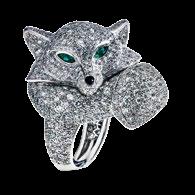

1 Panthère de Cartier tie pin, 18 karat white gold, POR, www.cartier.com
2 Happy Butterfy x Mariah Carey earrings, € 27,300, www.chopard.com
3 Serpenti Viper ring, 18 karat white gold, € 47,500, www.bulgari.com
4 Threads diamond ring set in white gold, from $ 37,500, www.graff.com
5 Inside-out hoop earrings set in platinum, $ 10,500, www.tiffany.com
6 Patek Philippe Nautilus 5719/1G-001 wristwatch, POR, www.patek.com
7 Piaget Rose Ring in 18 karat white gold, set with 75 brilliant-cut diamonds, POR, www.piaget.com
8 Le Renard diamond and emerald fox ring, Fabergé Treasures collection, POR, www.faberge.com
is published four times a year by GRUND GENUG Verlag und Werbe GmbH
PUBLISHING COMPANY
GRUND GENUG Verlag und Werbe GmbH, Vancouverstraße 2a, 20457 Hamburg, Germany, represented by Managing Directors Klaus Manzel and Rainer Klipp
EDITORIAL OFFICE
Vancouverstraße 2a, 20457 Hamburg, Germany, Tel. +49 40 36 13 11 40, Fax +49 40 36 13 11 44, info@gg-magazine.com www.gg-magazine.com
PUBLISHER
Christian Völkers
EDITORIAL TEAM
International & Local
Editor-in-Chief Michaela Cordes
Senior Editor STEFFI KAMMERER steffi.kammerer@icloud.com
Head of Design CAROLINA MARCHIORI caromarc@mac.com
Art Director MONG TING ZHU mongting.zhu@gg-magazine.com
Layout Local ANNA GEHRMANN-PHILIPPI anna.gehrmann-philippi@gg-magazine.com Managing Editor ALEXANDER HALTER alexander.halter@gg-magazine.com Staff Editor MERLE WILKENING merle.wilkening@gg-magazine.com
Translation & Proofreading (Editorial & Real Estate)
Caroline Rott (ES), Susana Silva Ollet (ES), Catherine B. Fischer (FR), Marie-Christine Fischer (FR), Rachel Kretz (EN), Robert Smales (EN), Katja Iseler (IT), Lara Cortés Fernández & Lektornet GmbH
Contributors to this issue
Uta Abendroth, Christian Aust, Femke Maleen Fritz, Sven Michaelsen, Stephen McLuckie, Asia Orlando, Greta Willenbrock
Responsible as defned by German press law Rainer Klipp ADVERTISING
Responsible for advertising HABIB FEROGH, Tel +49 170 227 16 38 habib.ferogh@gg-magazine.com
KLAUS RIEMENSCHNEIDER, Tel +49 172 491 20 58 extklaus.riemenschneider@gg-magazine.com
France and Benelux VEEBEEZ MEDIA & EVENTS, VALERIE BELLAMY, Tel. +33 620 79 49 69 valerie.bellamy@veebeez.com
Spain PREMIUM MEDIA GLOBAL SERVICES, Tel. +34 91 320 6560 +34 639 203 145 davidd@premiummedia.com.es nuriae@premiummedia.com.es
USA PRECISION MEDIA GROUP, TEL +1 212 516 9638 gg@precisionmedia.co JAN DI NUOSCIO, Tel. +1 415 310 40 71 jandinuoscio@gmail.com
REAL ESTATE ADVERTISING PRESENTED BY ENGEL & VÖLKERS
International & Local
Director of the Real Estate Section INKEN BECKER inken.becker@gg-magazine.com
Layout Classic Local ANNA GEHRMANN-PHILIPPI anna.gehrmann-philippi@gg-magazine.com
Administrative Assistant GABRIELA NÖLLER gabriela.noeller@gg-magazine.com
GG Madrid
Publisher JUAN-GALO MACIÀ juan-galo.macia@engelvoelkers.com
Marketing Manager MONTSE LAVILLA montse.lavilla@engelvoelkers.com
GG Barcelona
Publisher JUAN-GALO MACIÀ juan-galo.macia@engelvoelkers.com
Marketing Manager MONTSE LAVILLA montse.lavilla@engelvoelkers.com
SALES
Layout Advertorial ANNA GEHRMANN-PHILIPPI anna.gehrmann-philippi@gg-magazine.com
Coordination New Home MERLE WILKENING merle.wilkening@gg-magazine.com
GG Rome Publisher MUHANNAD AL SALHI Advertising & Coordination GIORGIA GENOVESE giorgia.genovese@engelvoelkers.com
International & Local
Director of Administration INKEN BECKER inken.becker@gg-magazine.com
Administrative Assistant GABRIELA NÖLLER gabriela.noeller@gg-magazine.com
IPS Pressevertrieb Hamburg GmbH, Nordendstraße 2, 64546 Mörfelden-Walldorf, Germany, Tel. +49 6105 975 06 25, vertrieb@ips.de ZENIT Pressevertrieb GmbH, Julius-Hölder-Str. 47, 70597 Stuttgart, Germany, Tel. +49 711 82 65 13 04, grundgenug@zenit-presse.de
PRODUCTION
MICHAELA MÖLLENBECK moellenbeck@bertheau-druck.de, INKEN BECKER inken.becker@gg-magazine.com, ALEXANDER HALTER alexander.halter@gg-magazine.com
Digital Prepress
BERTHEAU DRUCK GMBH, info@bertheau-druck.de, Tel. +49 4321 952 67 60
International & Local Frank Druck GmbH & Co. KG a member of the Eversfrank Group Industriestrasse 20, 24211 Preetz, Germany USA Quad/Graphics Inc. N61 W23044 Harry’s Way, Sussex, Wisconsin, 53089-3995
SUBSCRIPTIONS International
An annual subscription of four issues costs € 43 in the U.S., € 32 in Europe and € 24 in Germany. Subscriptions will be renewed for a further year unless cancelled in writing six weeks prior to expiry. Reproduction of any content requires written permission from the publisher. Care has been taken to produce this magazine with as much accuracy as possible, but no liability shall be accepted for factual errors, inaccuracies or misprints should they occur. Furthermore, no liability shall be accepted for the accuracy or completeness of property descriptions and specifcations as these are not produced in-house. Nor shall liability be accepted for non-availability of properties featured in this magazine. A commission shall be charged on all properties with the exception of those marked with a "P." ISSN 0941-5203, GG No. 1/26 38th year
MANAGEMENT
Klaus Manzel and Rainer Klipp
The next issue of GG comes out March 6, 2026 www.gg-magazine.com
PHOTO: Erik Madigan Heck / Trunk Archive

Imperial Pomp Revisited
The distinguished architecture firm Herzog & de Meuron has refurbished part of the historic Les Trois Rois in Basel. The result: elegance with an element of surprise.
After two years of construction, the urban grand hotel dating back to 1681 is ready to open a new chapter in its long history. With the utmost care, craftsmanship and consideration for the building’s historical structure, the Basel-based architects have transformed the front section of the hotel to create new spaces, each a visual world of its own. “The Les Trois Rois is characterized by elegant, classical architecture and French flair. The completely reimagined building is inspired by this French classicism, but also incorporates new elements in a contemporary language,” says Jacques Herzog, founding partner of Herzog & de Meuron. “These include unusual combinations of materials, and surprising light and color.”
Living history meets a new, no less glamorous aesthetic. In the suites, fluid transitions between rooms, custom furniture and red velour
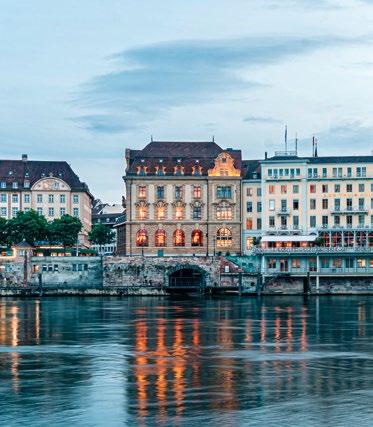
The front section is a protected landmark and was added to the grand hotel in 2004.
bedroom niches provide a surprising contrast to the hotel’s historic exterior. Sliding partitions bearing a modern interpretation of traditional motifs make it possible to use the banquet room on the first floor for conferences or festive events. With its impressively high ceiling, the cigar lounge The Council resembles a chapel. The walls of the room are adorned with 57& handmade ceramic tiles, and it features a wraparound sofa and two fireplaces.
The top floor of the building houses the Seijaku Wellbeing Area, a sanctuary inspired by Japanese philosophy. Hand-crafted paper room dividers based on those found in traditional onsen, tatami mats and warm wood tones create quiet spaces in which to relax. A narrow staircase leads to the roof terrace, where guests can enjoy splendid views of the Rhine River and the rooftops of Basel.
The opulent installation suspended above the bar is the work of artist duo Gerda Steiner & Jörg Lenzlinger.

I was a submarine.
U18 – reborn after 40 years on duty
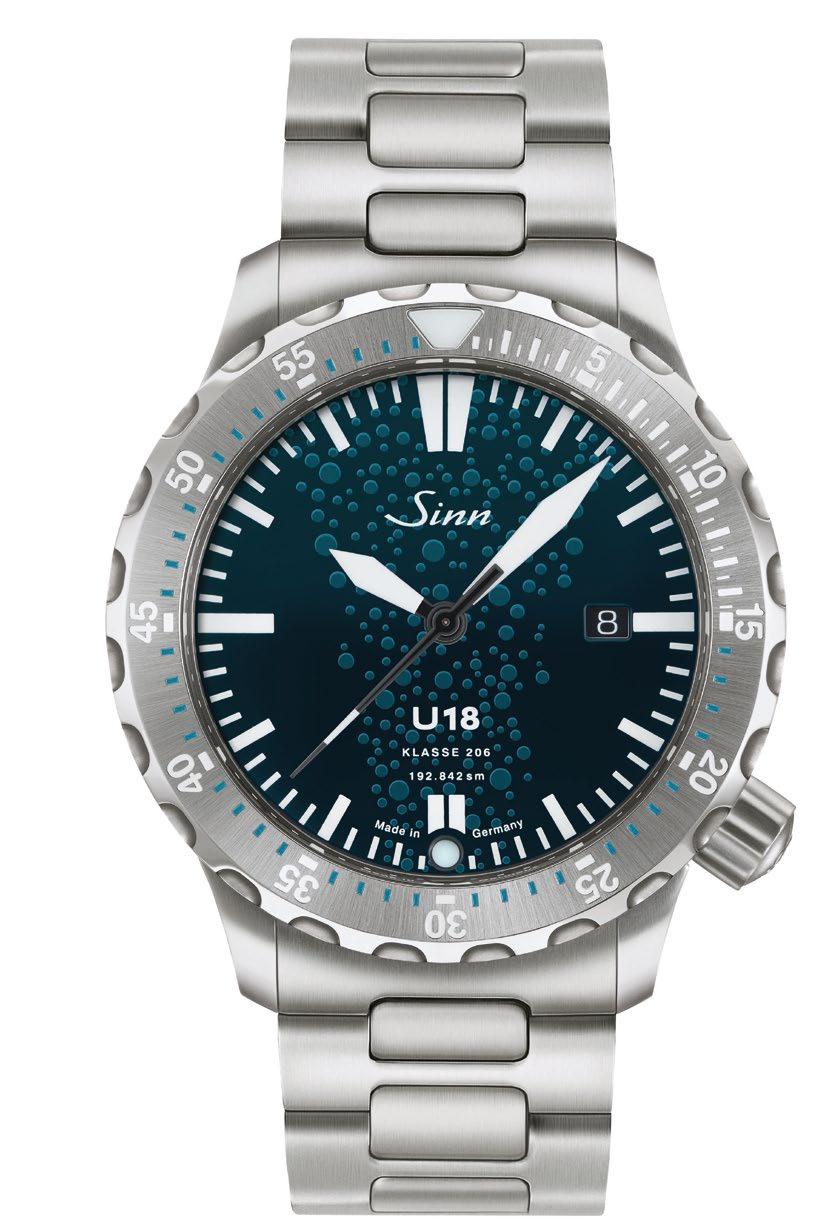
Model U18, ø 44 mm. The anniversary diving watch made from the original steel of the decommissioned submarine U 18. Limited to 1,000 pieces. Could there be anything more fascinating than wearing a piece of German submarine history right on your wrist? Case made from high-strength, seawater-resistant German Submarine Steel that is almost 40 years old. Rotating bezel with TEGIMENT Technology and therefore especially scratch-resistant. Tested based on European diving equipment standards and certified by an independent testing institute: water-resistant and pressure-resistant to a diving depth of 2.000 m (= 200 bar). The dial shows the nautical miles travelled and the model designation, while the back features the silhouette of the legendary Class 206 submarine With solid stainless-steel bracelet. 3.230 EUR. Two-year manufacturer‘s warranty. Good submarines are reborn.