Socio-environmental sustainability of future freight transport
- Alternative pathways to 2040


OVERVIEW
According to the United Nations Conference on Trade and Development (UNCTAD), sustainable freight transport can be broadly understood as freight transport that is efficient, reliable and resilient (economic); safe and accessible (social); and fit to reduce greenhouse gas emissions, pollution and climate-related disruptions (environmental).
The freight logistics and trucking industry have identified emerging technologies that will shape the future of transport. Among them are 3D printing, artificial intelligence, autonomous vehicles, big data analytics, blockchain, drones, electric vehicles and the Internet of Things. However, this tech-driven innovation focus might have difficulties adressing the needs and requests by other markets which are not as technologically ready as Europe and United States. This investigation therefor provides alternative scenarios for the future of freigth in 2040 with focus on improving the social and environmental impact of development.
HISTORY OF TRANSPORT INNOVATION
GLOBAL IMPLICATIONS OF THE SCENARIOS
EMPATHY MAP
Democratic Republic of the Congo produce 72% of the world’s cobalt, key ingredient in rechargeable batteries in electronics and vehicles. An estimated 200,000 people work as informal cobalt diggers, also called artisnal miners. We need to recognize that artisanal miners are essential in today’s economy, and we need to support them. If nothing is done today, what will become of them?
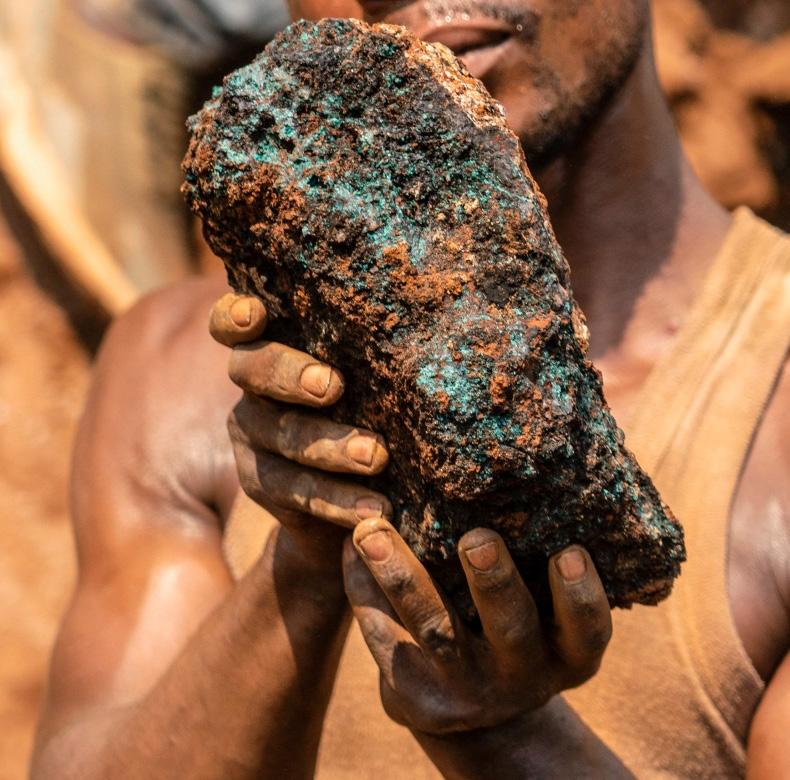
As major car companies are set to electrify their fleet, demand for cobalt is set to explode. Can sustainable green revolution happen without the exploitation of others?
HEARS

LETTERS FROM NATURE
SKNIHT SYAS



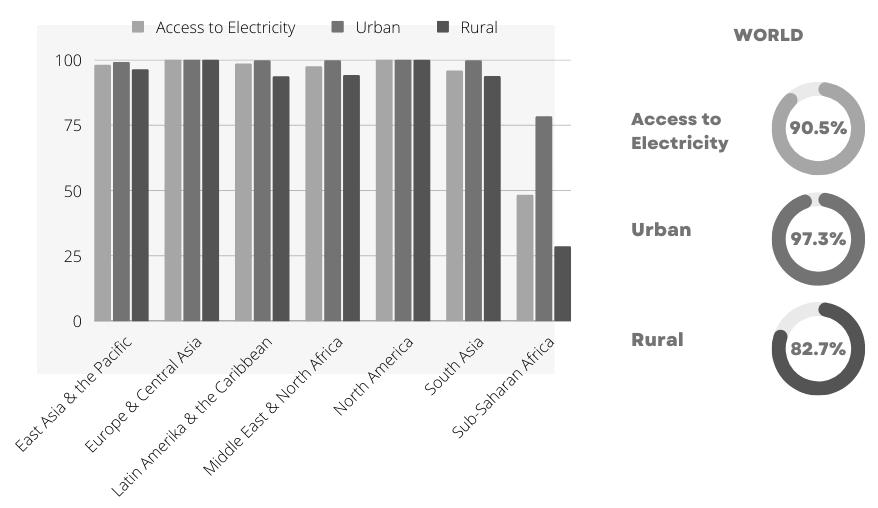
ACCESS
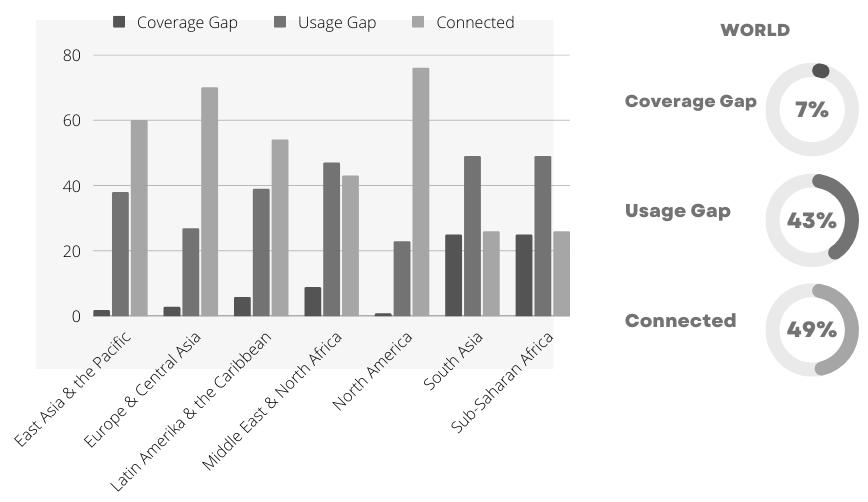
MOBILE INTERNET CONNECTIVITY (2019) - % OF POPULATION
LARUR SOCIA NATURE NNOVAT ON TOMORROWS TECHDRIVENINNOVATION BATTERY TECHNOLOGY ENVIRONMENTAL SOCIAL ELE C TRICINFRASTRUCTURE GOVERNANCE RE S RE Financial institutions XP AT N Upstream Dow m D w r am Investments renewable energy leads to loss of biodiversity mostly in rural areas Auditing complicated Consumerism pressures logistics and environment EC EP CE ACE OICA Volvo and other premium truck companies invests heavily in digitalisation and electrification the truck and freight industry. e fi aio p t o m e o ou s Di e s r R FRUGALINNOVATION ELECTRICINFRASTRUCTUR E RURAL ENVIRONMENTAL ACE OICA Innovation centers led by Volvo Group and technology suppliers are spread across nations and focus on turning adversity into an opportunity for innovation and growth. Trucks and services are developed partnership with locals, and with the available resources. Companies understand the risks they are exposed to in their local markets through timely conversation and risk management tools. EVs are an asset rather than threat to grid stability, through dynamic charging and vehicle-togrid applications. Truck batteries power domestic appliances during grid instability. Volvo develops new service allowing customers to sell and buy power through the truck batteries. Simplicity Engineers and designers at Volvo Group have proper understanding and feel for the end users’ needs and ability to pay in emerging markets. All unnecessary functions are removed cases where simpler and cheaper solutions are available. Partnerships with local stakeholders and grasroots initiatives are extremely important to understand the opportunities the region. The supply chains are shorter and simpler due to enhanced directto-consumer commerce. Truck materials are sourced from local suppliers. Small local carmakers do specific jobs, and combine this with 3D printing, the industry is moving away from mass production. Lack of investments in local production, as well as availability of skilled workforce All-terrain Volvo trucks allow goods be moved across rough terrain. Community shared truck fleets and Volvo Group services allow providers like farmers to collaborate on delivery services and management fleet. Vehicle maintenance handled by the community under guidance and training from Volvo Group. Efficient inter/multi -modal interfaces among all modes transport to use each mode according to its strengths, which led to more sustainable freight transport operations. The interfaces are tailored to each country to enhance sustainability and accessibility to rural communities. Natural resources are better monitored, and risk of depletion diversified geographically. The 9R framework applied in countries where Volvo Group operates, and new business models and jobs are created the after-sales market. Truck parts are sourced, and reused/ repaired. Effort is put on maintenance services and waste-management. Lack systems to handle waste is an hinderance especially in emerging markets h p cha LOCAL e ual o mg h a m g Modular Truck Design CUSTOM PREMIUM MEDIUM BASI 9R h g i dn so hema URBAN SOCIAL s e NATURE/REGENERAT I EV PROTECTEDAREAS FREIGHTINDUSTRY GOVERNANCE EC ACEA OICA Pre ur Industry works together with nature, looking what nature can offer before deciding on the direction for innovation. Focus on giving back nature instead taking from Local and indigenous communities the focus groups employed to protect, restore and teach about the natural assets. Legal actions, such as making the exploitation and destruction of natural assets crime, help to protect nature. Policy actions that codify natural assets property rights terms are essential for changing them into capital with legal standing. These actions would allow the value of natural assets be recognized and put into the balance sheets of their owners, national accounts and balance sheets of sovereigns. Transparent systems and mechanisms ensure the flow of ecological services, money, and information between buyers of ecological services and those who maintain the natural assets, and the entities that organize and supervise the sale of ecological services. Consumers own less and share more. Nature-based solutions has motivated change in society and re-designed its relationship with nature. This change comes from the opportunity to design new markets for ecological services constructed by the natural capital that protected and maintained by nature-based solutions, which illustrates that nature regenerative economy can give prosperity everyone. P e
YESTERDAY PUBLICLY SOURCED GRAPHICS: Butterfly map: Instructables.com switchback_sea Artisinal miner: Aljazeera Junior Hannah TEAM MEMBERS: Lisa Kristiansson & Evin Güler, MFA students Embedded Design HDK Valand Academy of Art and Design, Gothenburg University December 2022 We asked nature in each scenario to write letter to humanity, that warns about climate change and pleads for change. The butterfly world map to the right depicts how the different scenarios could play out in the Global South and North context.
TODAY LEGEND Collaboration Control Communication Investment Ownership Line tension Responsible Pressure Exploitation NGOs Air pollution Extreme weather Loss nature Waste Innovation Centers Code conduct Trucking industry interest groups Environmental Activism Machines replacing humans EC EP European Commision European Parliment Council of ACEA OICA Goverment National Goverment Regional Goverment Local Technology Suppliers Auditing Education New Jobs Industrial mining Artisian mining Mining work conditions Costumer relationship Partnership Sharing Borrowing Lending Mining workers Mining companies Refinery Battery manufacturer Truck driver Initiatives Social Activism Consumer Behaviour Nature Raw materials Biodiversity Energ Financial resources Entrepreneurs Public Climate chang Ownership Net-0 emission Truck Maintenance Policies Legislations Truck-demand Class Fossil energ Renewable energ The Framework New buisness models Platooning Autonomous truck Electric truck Volvo truck Vehicle everything communication Autonomous last-mile delivery Logistics Charging Electric grid Route Planning Weather data integration Biofuel 20 millenium 7000 6000 4000 3500 3500 3000 3100 2700 800 312 800 950 1044 1479-1519 1569 1662 1720 1783 1790s 1801 1807 1814 1816 1819 1820 1830 1837 1839 1859 1862 1863 1867 1875 1883 1884 1888 1893 1896 1899 1900 1900 —> 1903 1907 1908 1935 1955 1957 1967 1977 1981 1997 2008 2015 2020 2016-2021 2021 Rafts used rivers First known shoes Dugout canoe constructed Horses Donkeys was domesticated and used for transporting goods The wheel was invented what now Iraq Riverboats are inveted Austronesians construct the catamaran Egyptians invented the first sailboat Egyptians began using wooden ships for trading by the sea Canals constructed for transport ancient China Paved roads are built the romans The streets Bagdad was paved with tar The kamal was invented the middle east The compass was invented in China Da Vinci sketches pedalo. Mercator 1569 world map published. Blaise Pascal invented bus drawn by horses with schedule and fare system Differential gear invented Joseph Williamson. The first steam boat was built by Claude de Jouffroy Canal mania, intens period canal building England and Wales The first steam-road locomotive was built The Puffing Devil First internal combustion engine using hydrogen fuel The first commercial steam-powered railway trail built George Stephenson The Blücher Baron Karl von Drais nvented the first bicycle to ride and collect taxes from his tenants SS Savannah, the first vessel to cross the Atlantic Ocean partly under steam power Railroad systems peak and have monopoly on the freight transport the end the century. Liverpool and Manchester Railway opens. First public transport system without animal traction The first electric locomotive was battery locomotive The first electric boat was built, demonstrated to Emperor Nicholas Russia on the Neva River Gaston Planté invented the lead–acid battery, the first-ever battery that could be recharged Étienne Lenoir made gasoline engine automobile Étienne Lenoir– Hippomobile Modern motorcycle was invented First electric tram line Sestroretsk, Russia, invented and tested by Fyodor Pirotsky First electric tram powered overhead wire. Vienna, Austria Thomas Parker built electric car using his own designed high-capacity rechargeable batteries Flocken Elektrowagen built by Andreas Flocken, the first true electric car Moving walkway First battery powered monorail, Ontario The Lohner-Porsche Mixte Hybrid was the world’s first hybrid vehicle, and the first four-wheel drive without steam engine First successful airship was built by Ferdinand von Zeppelin Cars become popular cities (for rich people). Cities began paving their roads Diesel engine Tested canal boat Rudolph Diesel, Adrian Bochet and Frederic Dyckhoff The London Electrobus Company started running battery-electric buses in London First mass-produced automobile- Henry Ford develops the assembly line method of automobile manufacturing with the introduction the Ford Model First flight the DC-3, one of the most significant transport aircraft the history aviation First nuclear-powered vessel, USS Nautilus, submarine, launched First flight the Boeing 707 First commercially successful jet airliner Automatic train operation in London Underground The first semi-automated car, by Japan’s Tsukuba Mechanical Engineering Laboratory, required specially marked streets The first fully Automated guideway transit driverless train introduced on Port Island Line, Japan Nissan R’nessa, first lithium-ion battery electric car Tesla Roadster, first mass production lithium-ion battery electric car (CSR) demonstrated the world’s first hydrogen fuel cell vehicle tramcar First commercial flight hydrogen fuel cell plane Various first advanced trials of various types of autonomous delivery vehicles The first autonomous cargo ship, MV Yara Birkeland launched Norway. The fully electric ship expected substantially reduce the need for truck journeys BCE BCE BCE BCE BCE BCE BCE BCE BCE BCE CE
F E E L S
S E E S
Ar a M ner powerless concern about his youngest child not walking properly backpain frequent coughing sad about his friend dying mine collapse come to the mine to hustle with my kids am lucky, make some money and buy food for the kids. hope we get out this alive today maybe have better luck the tunnel mine This is our land We want get paid properly It’s not a good life for children, but what options do we have? rebels against the Congolese government that sells mining rights other states whistles that alert that the mine security is approaching no promises to improve working conditions begins digging out of desperation sells his bounty to an independent buyer his neighbours digging for minerals dust everywhere and smoke in the air unmarked graves no development
DOES
TO ELECTRICITY (2020) - % OF POPULATION)
