


Using flow data to reduce SSO and CSO conditions
Using flow data to reduce SSO and CSO conditions

Tougher than PVC, its unique layered structure provides three times the impact absorption and prevents crack-propagation. What’s more, Bionax can handle extreme bends and even withstand 100% wall-to-wall crushing that would destroy any other piping system. Now available in larger diameters—up to 30” (750 mm) — Bionax offers enhanced versatility for a wide range of demanding applications.




Optical Fluorescence Dissolved Oxygen
Near Infra Red Total Suspended Solids
pH, ORP

Microwave Density
Ultrasonic Interface Level
Spectrophotometric Online


Ultrasonic Doppler – Transit Time
Insertion/Immersion/Clamp-On
Multi Parameter Single – Dual – Multi-Channel-Wireless


Venture/Flume Partially Filled Conduit
Non Contact Radar

Indoor or Outdoor
Refrigerated or Non-Refrigerated
Portable or Stationary

Integrated Billing System














Fully Automated Control and Data Collection






Editor and Publisher STEVE DAVEY steve@esemag.com
Managing Editor PETER DAVEY peter@esemag.com
Contributing Editor DAVID NESSETH david@esemag.com
Sales Director PENNY DAVEY penny@esemag.com
Sales Representative DENISE SIMPSON denise@esemag.com
Accounting SANDRA DAVEY sandra@esemag.com
Design & Production MIGUEL AGAWIN miguel@esemag.com
Circulation BRIAN GILLETT ese@mysubscription.ca
Archis Ambulkar, Toledo Technology Academy of Engineering
Gary Burrows, City of London
Patrick Coleman, Stantec
Bill De Angelis, Metrolinx
Mohammed Elenany, Urban Systems
William Fernandes, City of Toronto
Marie Meunier, John Meunier Inc., Québec
Tony Petrucci, Black & Veatch
Environmental Science & Engineering is a bi‑monthly business publication of Environmental Science & Engineering Publications Inc. An all Canadian publication, ES&E provides authoritative editorial coverage of Canada’s municipal and industrial environmental control systems and drinking water treatment and distribution.
Readers include consulting engineers, industrial plant managers and engineers, key municipal, provincial and federal environmental officials, water and wastewater plant operators and contractors.
Information contained in ES&E has been compiled from sources believed to be correct. ES&E cannot be responsible for the accuracy of articles or other editorial matter. Articles in this magazine are intended to provide information rather than give legal or other professional advice.
Canadian Publications Mail Sales Second Class Mail
Product Agreement No. 40065446 Registration No. 7750
Subscription Changes?
Please email reader subscription changes to ese@mysubscription.ca, or call 705-502-0024
Advertising
Penny Davey
Sales Director 416 807 3812 penny@esemag.com
6 The environmental costs of AI and the digital age — Editorial comment
8 Guelph prepares for new regulations by commissioning a strategic assessment of PFAS in its source water
10 Are we bound to oversize municipal stormwater infrastructure to limit flooding risks?
18 The importance of off-gas testing in determining wastewater treatment GHG emissions
20 Accurate flow data helps operators act quickly and strategically to reduce SSO and CSO conditions
24 Using advanced diagnostic tools for wastewater pump health assessment
41 International research project aims to create utility guidance for smart sewers
42 UBC students win international award for green infrastructure design
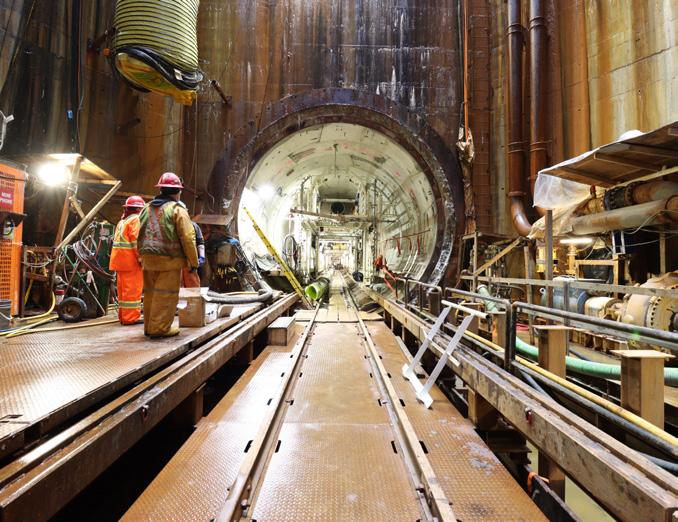
43 Vancouver’s Second Narrows Water Supply Tunnel completes construction, begins connections
49 The iceberg we can’t see: Mapping Canada’s hidden chemical threats
51 Ontario makes changes to records of site condition and excess soils
56 Metro Vancouver shifts to phased upgrades for Iona WWTP to reach secondary treatment quicker
60 Alberta endorses four new steps for oil sands water reclamation
62 Expedition 501 confirms vast freshwater supply beneath Atlantic
26 Consultants need to understand how GenAI will impact new engineers — Cover story
32 What major trends will define the Canadian environmental industry in 2026?
34 How science and engineering can create real value from the digital transformation
Denise Simpson Sales Representative 905 960 4064 denise@esemag.com
Environmental Science & Engineering
220 Industrial Pkwy. S., Unit 30 Aurora, Ontario L4G 3V6
Tel: (905) 727 4666 www.esemag.com
44 Managing hazardous chemical vapours in storage systems
45 New research could reshape Canada’s drinking water guidelines for uranium
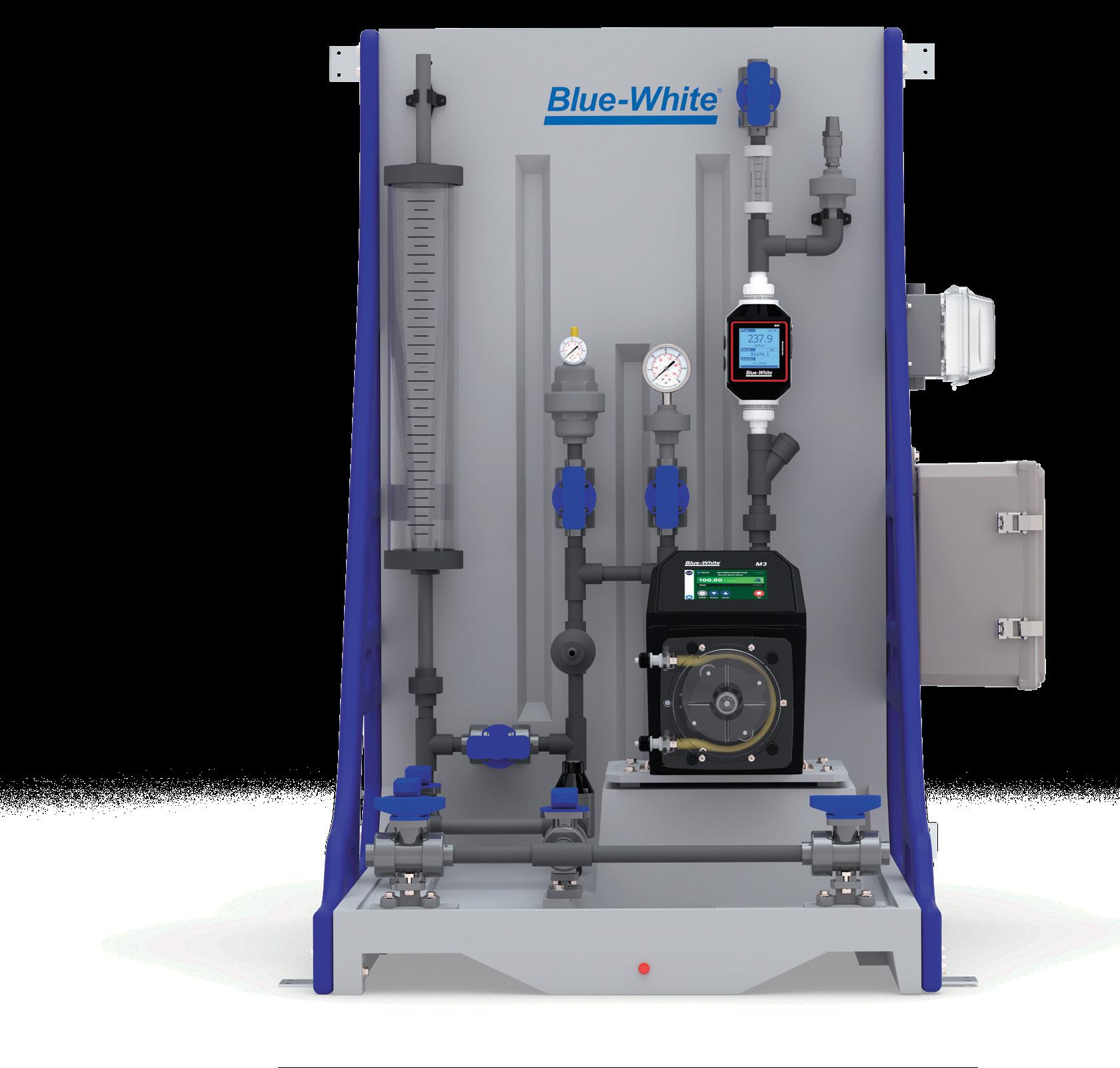
46 Achieving successful dosing of viscous or abrasive chemicals
48 Hope, B.C., invests in wastewater lagoon cleanup after outfall fine
36 Mediation: The preferred dispute resolution technique
38 AI promises gains for engineers, but responsibility remains human










treatment solutions for more than 30 years.
• Archimedes Screw Pumps

•
• Disinfection – UV, Ozone





• Screens – Multi-Rake, Per f Plate, Drum, Travelling Band, Step, Climber, Ver tical Pump Station Screens, Screenings Washer /Compactors
• Grit Separation, Washing & Dewatering
• Conveyors – Shafted & Shaftless Screw, Belt











• Blowers – Rotary Screw, Rotary Lobe, Single Stage and Multistage Centrifugal, Turbo, Integrally Geared, Advance Control, Rebuilds
• Aeration – Sur face, Membrane & Ceramic, Fine & Coarse Bubble, Gas & Liquid Cleaning, DO Control, AlphaMeter


• Mixers – Anoxic & Swing Zones, Sludge Holding, Digester; Mechanical, Hydraulic and Gas Bubble
• Tank Components –
Decanters, Swivel Joints, Telescoping Covers, Watertight Doors
• Primar y & Secondar y, Circular, Chain & Flight, Inclined Plate Settlers, Weir Washing
• Biological – SBR, MBR, RBC, MBBR, MABR, Oxidation Ditch, BioMag, CoMag Polymer – Liquid and Dr y Systems
• Rotary Lobe Pumps & Grinders
• Tertiary Filters – Travelling Bridge, Disk, Membrane
• Sludge Thickening & Dewatering –Disk Thickener, Gravity Thickener, Filter Press, Screw Press, Centrifuge
• Anaerobic Digesters – Sludge Conditioning, In-line Screening, Degritting, Membrane Gas Holders, Liquid Mixing, Nutrient Recover y
• Sludge Drying – Belt, Fluid Bed and Solar
• Septage Receiving – Screens, Dump Stations, Truck Access & ID, data gathering & equipment control
• Sludge Treatment, Transport & Storage – Cake Pumps, Silos, Sliding Frames, Live Bottom Hoppers, Push Floors, Truck Loading, Alkaline Stabilization
• Odour Control – Tank Covers, Chemical & Biological Treatment, Activated Carbon
• CSO, Stormwater & Pump Stations –Tipping Buckets, Bending Weirs, Flushing Gates, Flow Regulating, Vor tex Valves, Storm Screens
• Digester Gas – Gas Holders, Gas Conditioning: chilling; compressing; and removal of moisture, sulphur, carbon dioxide and siloxane, complete Co-Generation facilities
This issue marks the publication of Environmental Science & Engineering Magazine’s 30th annual focus on challenges, trends and opportunities facing consulting engineers. I would like to thank everyone who has taken the time to write about their observations, concerns and predictions facing their industry.
In particular, I would like to thank Patrick Coleman, PhD, P.Eng., who is a principal wastewater process engineer with Stantec. Year after year, Mr. Coleman takes considerable time to research and share his valued observations on pressing issues with our readers, particularly those involving younger engineers. In his latest article “Consultants need to understand how GenAI will impact new engineers” (page 26) he provides an in-depth look at a fundamental technical development: “Don’t just ask what AI can do for us. Ask what it is doing to our minds,” says Mr. Coleman.
While reading and editing the other articles in this Consultants’ Forum, that also deal with the promises and complexities of embracing AI, I have come to appreciate just how far along this new technology has come and how fast.
During my editing and review process, a couple of articles came into my email inbox, warning of the environmental costs of the expanding digital age, in terms of ever-growing electrical power and cooling water demands. Google estimates that the median Gemini Apps text prompt uses 0.24 watt-hours of energy and consumes 0.26 milliliters (or about five drops) of water, an impact that it says is similar to watching TV for under nine seconds.
While these amounts seem inconsequential, a recent article published by the Center for Secure Water, which is part of the University of Illinois, says Google’s largest data centres, which support major services such as Gmail and Google Drive (seemingly
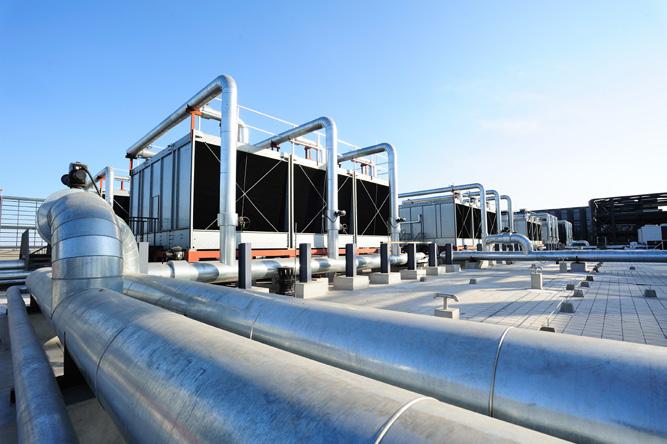
“legacy” products in the AI boom), can require approximately 2.1 million litres of water per day for both cooling and electrical power generation. Smaller data centres average 68,100 litres per day, which is equivalent to the needs of 4,200 people.
Electrical use by data centres was estimated to be about 415 terawatt hours, or about 1.5% of global electricity consumption in 2024. However, that figure has grown at over 10% per year over the last five years, and is expected to double to around 945 terawatthours by 2030, according to the International Energy Agency, which adds that demand from AI will be the most significant cause of this increase.
The Center for Secure Water article says that despite efforts at increasing efficiency, AI’s global annual water consumption is still projected to reach between 4.2 billion and 6.6 billion cubic metres by 2027. It adds that with the competitive need for resources, many tech companies are strategically positioning their data centres in developing regions where real estate and energy are cheaper. This practice may further strain local water resources, amplifying the water crisis.
However, incorporating climate change considerations in data centre design and operations may help with operational efficiencies, energy and water consumption, build infrastructure resilience, and meet sustainabil-
ity commitments.
Given that data centres need water, power and security, could Canada become a data centre powerhouse? Provinces like Alberta think so. Last year, the government introduced Alberta’s AI Data Centre Strategy, which outlines what the province has to offer. Alberta says its abundant supply of natural gas will allow the scaling up of new power generation, while providing a proven and cost-effective source of energy for AI data centres.
Also, Alberta’s climate offers natural cooling for several months of the year, reducing the need for artificial cooling systems while reducing operational costs. The government also feels that Alberta’s existing water infrastructure will enable AI data centres to reduce both time and costs associated with accessing resources and establishing operations.
Many other areas of Canada also offer these advantages and are currently working to attract AI and other data centres. According to a report released earlier this year by Norton Rose Fulbright, a global law firm, “the government of Canada is showing its commitment to developing AI data centres and plans to invest $2 billion over five years to launch new initiatives that will provide companies and researchers with the tools they need to compete in the global AI data centre race.”
As with every past technical revolution, the fast-evolving digital age has created environmental problems. However, these are not insurmountable and it is clear that AI offers substantial potential in the fields of drug development, medical imaging, forest fire management, etc.
Also, for many ES&E readers, AI will play an increasing role in tackling critical water-related challenges, such as optimizing agricultural irrigation, improving wastewater treatment, and detecting harmful chemicals in drinking water.

Steve Davey is the editor and publisher of ES&E Magazine. Email: steve@esemag.com


In August 2024, Health Canada finalized their Objective for Canadian Drinking Water Quality, Perand Polyflouroalkyl Substances (PFAS). This decreased previous drinking water guidelines for PFAS by an order of magnitude and moved to a class-based approach. This means a value of 30 nanograms per litre (ng/L) for the summed concentrations of 25 specific PFAS.
As a result of these changes, municipalities are now faced with the challenge of understanding what the potential PFAS impacts are in source water and how to manage the changing guidelines.
The challenge of PFAS stems from the widespread use of these persistent chemicals in manufacturing over the past 80 years which has led to their ubiquitous presence in the environment, including source water used for drinking water systems. Provincial public health agencies have acknowledged the presence of PFAS in the environment and the need for exposure reduction measures. However, provincial regulatory frameworks are still evolving to address these substances more comprehensively.
The City of Guelph is the largest Canadian city to depend almost exclusively on groundwater as a drinking water source. Like all other Ontario municipalities, the city ensures safe drinking water by abiding by the Ontario Safe Drinking Water Act (2002) and the Ontario Drinking Water Quality Standards (ODWQS) requirements developed by the Ontario Ministry of Environment, Conservation and Parks (MECP).
To date, PFAS is not regulated in drinking water provincially in Canada and, therefore, is not routinely tested in drinking water in Ontario or other provinces.
In preparing for the future, Guelph recognized the need to understand whether or not PFAS was locally present in groundwater as part of planning for potential capital infrastructure expenditures (i.e., new drinking water treatment facilities). To support proactive risk management and capital planning, the city initiated a screening approach to evaluate whether PFAS concentrations in its source water exceeded federal objectives.
Guelph’s forward-thinking approach included the development of a risk
screening methodology, as well as the development and implementation of a groundwater sampling program. The first step was to adopt a risk screening strategy that aligned with the MECP’s best practices for assessing drinking water quality per the Source Water Protection Program required under the Clean Water Act, 2006
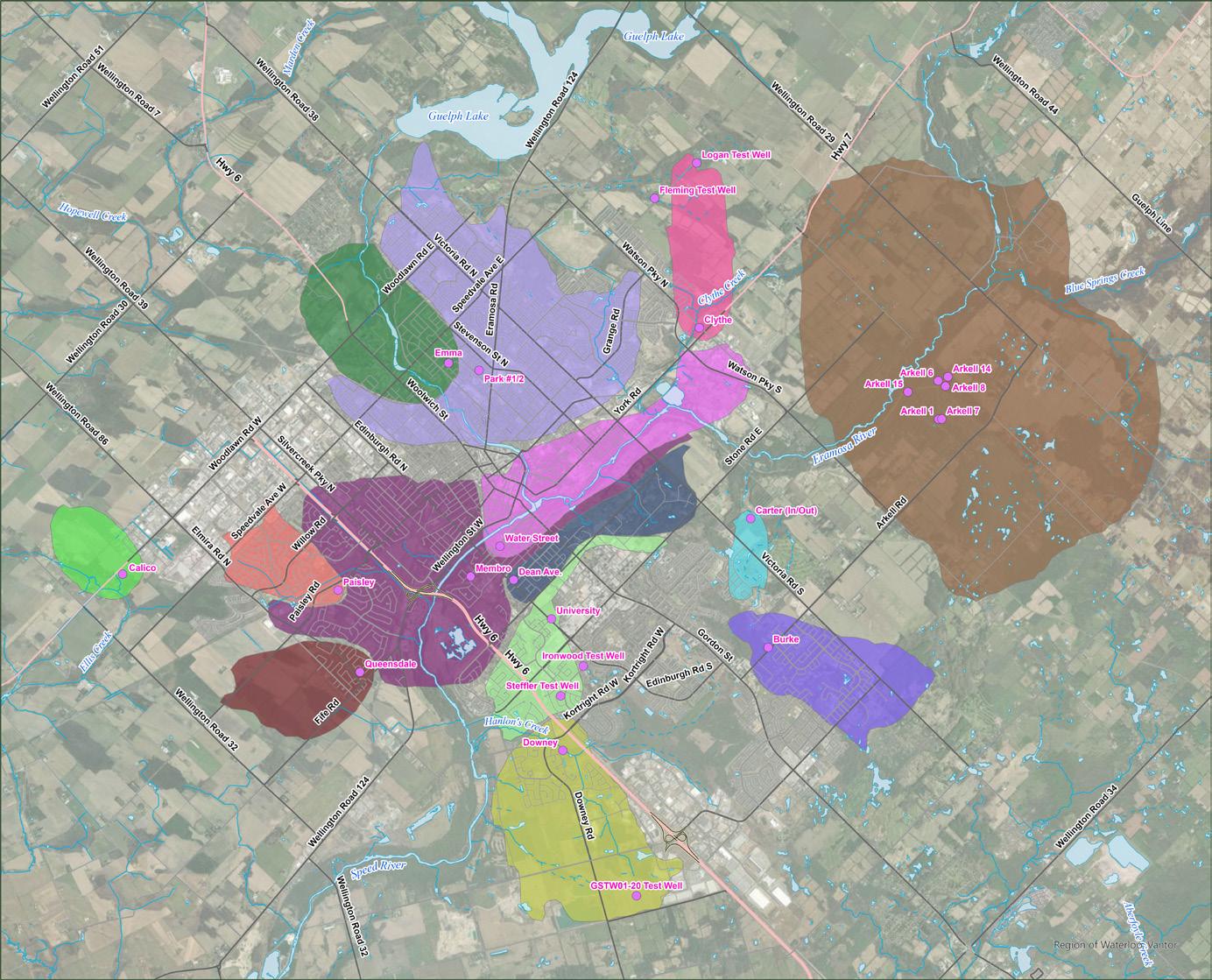
The purpose of the risk screening was to identify priority areas for groundwater sampling. Guelph focused its screening on active Wellhead Protection Areas (WHPAs), as well as projected future water supply areas represented by test wells.
Using Canada’s State of Per- and Polyfluoroalkyl Substances (PFAS) Report and local knowledge, Guelph identified major potential PFAS sources including landfills, wastewater treatment plants,
fire halls, airports, and current and historic manufacturing zones. This effort remained focused on larger, long-term potential sources of PFAS.
Guelph identified risk factors and a ranking system to assign risk criteria to each WHPA and test well area. Areas with more identified PFAS contributing sources that were in closer proximity to the supply or test wells were assigned higher risk rankings.
Additional factors beyond those associated with risk of PFAS impacts were included in the screening process to facilitate prioritizing areas for groundwater sampling. For example, greater prioritization was assigned to areas that were actively suppling drinking water to Guelph, and where monitoring wells screened in the potable aquifer were present and could serve as sampling locations.
A scoring matrix was developed to assess areas by: risk to the water supply; sampling feasibility; and the presence of operational and future test wells. Ultimately, each area was ranked in order of priority for further investigation.
SLR Consulting was engaged to develop and implement a targeted and defensible groundwater sampling and analysis plan (SAP).
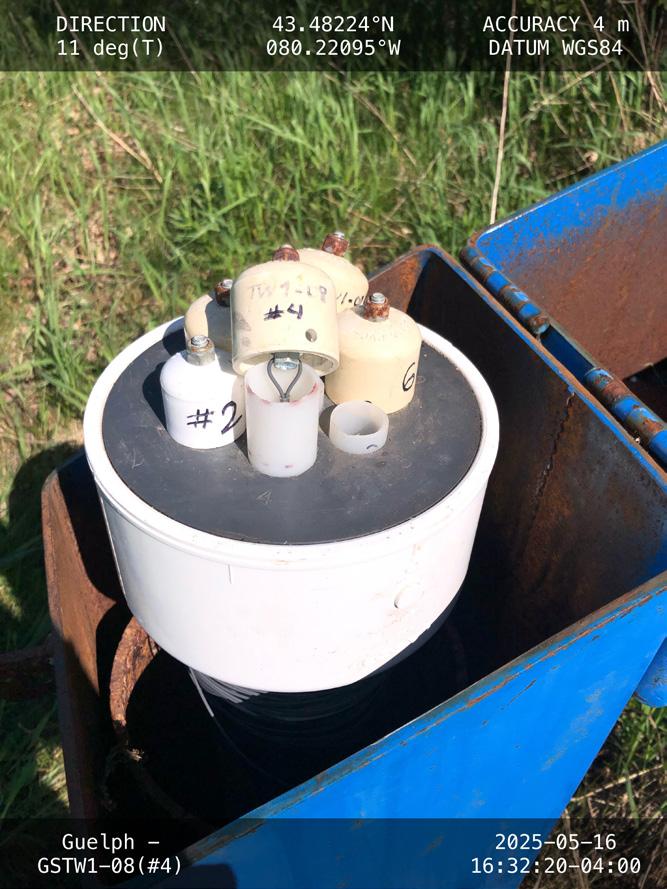
Guelph’s monitoring network includes hundreds of wells that have been installed over decades and are screened across various geological formations. SLR conducted a detailed review to identify wells that were screened in the city’s source water formations.
Well construction was also reviewed to understand whether materials used in the wells could serve as a source of PFAS.
A shortlist of wells was identified and then reviewed against Guelph’s risk screening results and the proximity of each well to the supply or test wells. The overall spatial distribution of the shortlisted wells was also considered in the final selection of locations for sampling.
As Ontario does not currently have a regulated standard for PFAS in drinking water, a decision needed to be made regarding what criteria could be applied to support data interpretation. Two useful and useable criteria were identified:
• The federal objective of 30 ng/L to be
compared to the summed concentrations of 25 specific PFAS.
• The Ontario Interim Potable Groundwater Criteria (IPGC) of 70 ng/L to be compared to the summed concentrations of 11 specific PFAS.
To apply these criteria, data for 27 PFAS were needed, along with low detection limits for each PFAS. To meet these requirements, a modified EPA Method 1633 was selected for groundwater sample analysis. This method provided the necessary low detection limits and data for up to 47 PFAS, including the 27 PFAS required to facilitate use of the screening guidelines. Data for this greater number of compounds proved valuable, given the screening exercise aimed to understand vulnerability to PFAS impacts.
Given the unique nature of the sampling program — groundwater sampling for PFAS in deep, historic monitoring wells not typically used for water quality sampling — a custom protocol was developed to facilitate the collection of representative and defensible samples.
The protocol included:
• Guidance to field staff to minimize the potential for cross-contamination of PFAS via specified sampling and handling procedures.
• Instructions regarding well development and sampling requirements to address the challenges associated with sampling deep, historic wells.
• Specifications for collecting quality assurance/quality control (QA/QC) samples to support appropriate data assessment and interpretation.
The sampling program was completed in August 2025. Most of the monitoring wells sampled were below the federal objective and Ontario IPGC. However, there were a few locations with concentrations that were elevated.
Overall, 94% of the well-parameters were non-detects and only 6% of sampling results were elevated and/or indicated potential trends that were identified for continued future monitoring. In such cases, these locations were resampled and, with protocols to facilitate very low turbidity of the sample, such samples resulted in duplicate sample results below the federal objective and Ontario IPGC.
In some locations, elevated concentrations of PFAS are also suspected to be a result of the materials used for well construction (Teflon tape and coated bentonite pellets). A number of wellhead protection areas were unable to be sampled due to the lack of suitable wells screened in the correct formation to serve as sentinel wells for groundwater screening. To allow for assessment of these water sources, the city is working to establish representative test wells for these sources to permit similar PFAS sampling.
Guelph’s proactive approach to PFAS risk management exemplifies how municipalities can prepare for evolving regulations. By leveraging existing data and programs of work, applying strategic screening, and partnering with experts, the city has positioned itself to make informed decisions about its drinking water infrastructure. As PFAS guidelines continue to develop, Guelph’s experience offers a valuable blueprint for other communities navigating similar challenges.
Albanie Douglas is with the City of Guelph. Krista Barfoot is with SLR Consulting. Email: albanie.douglas@guelph.ca, kbarfoot@slrconsulting.com


As urban flooding increases with our changing climate, municipalities and conservation authorities in Ontario are actively assessing surface flooding areas and updating floodplain maps.
Although stormwater engineering has advanced significantly over the past 20 years, outdated Ministry of Natural Resources (MNR) floodline mapping guidelines (Technical Guide for River and Stream Systems: Flooding Hazard Limit, 2002) challenge the recognition of current stormwater management best practices. A key concern is that the 2002 guidelines have not kept pace with advances in floodplain mapping technologies. While suitable for analyzing large rural sub watersheds, many practitioners note that these guidelines fall short in smaller, urbanized areas, often overestimating peak flows. The coarse resolution of existing analyses can lead to overly conservative floodplain limits that restrict development and higher capital costs for larger culverts, flood controls, and stormwater infrastructure.
During the development boom between the 1950s – 1980s, stormwater drainage systems were designed to convey water rapidly away through sewers and roadside ditches, with little consideration for flood control or overland flow management. In many older urban neighbourhoods, once these drainage systems reach capacity (typically sized up to a five-year storm event), areas


Figure 1: The balancing act of floodplain modelling.
may be prone to flooding during intense localized storms due to the lack of design for overland flow pathways and outlets.
By the 1990s, the Ontario Ministry of the Environment, Conservation and Parks (MECP) guidelines and requirements for stormwater management controls expanded to include wet and dry ponds, wetlands, and low impact development (e.g., rain gardens, bioswales, green infrastructure) to mitigate the impact of urbanization by storing excess runoff and reducing peak flow rates.
The updated Stormwater Management Planning and Design Guidelines released in 2003 remain the current standard for stormwater management design. However, the infrastructure identified by the MECP guidelines are not always recognized by conservation authorities in flowline mapping, since they are basing the mapping on the guidelines administered by the MNR.
Floodplain management in Ontario began with began with the 1954 amendments to the Conservation Authorities Act. Over time, floodplain mapping has
advanced from documenting observed high-water levels to using sophisticated modelling techniques. Many maps cre ated in the 1980s relied on early DOSbased hydrologic and hydraulic mod els using total station surveys and coarse topography. Even in the early 2000s, mapping updates were limited to 1D hydraulic modelling that assumed steady-state flow (peak flow constant with time) along the main channel.
Today, hydraulic modelling software integrates GIS tools, enabling the setup of watersheds with both surface and sewer flow components (dual drainage). Models can now simulate steady (1D) or unsteady (2D) flows across channels and tributaries, using detailed topographic data. This allows for much better defi nition of how water moves once it over tops riverbanks and whether sufficient volume exists to cause flooding.
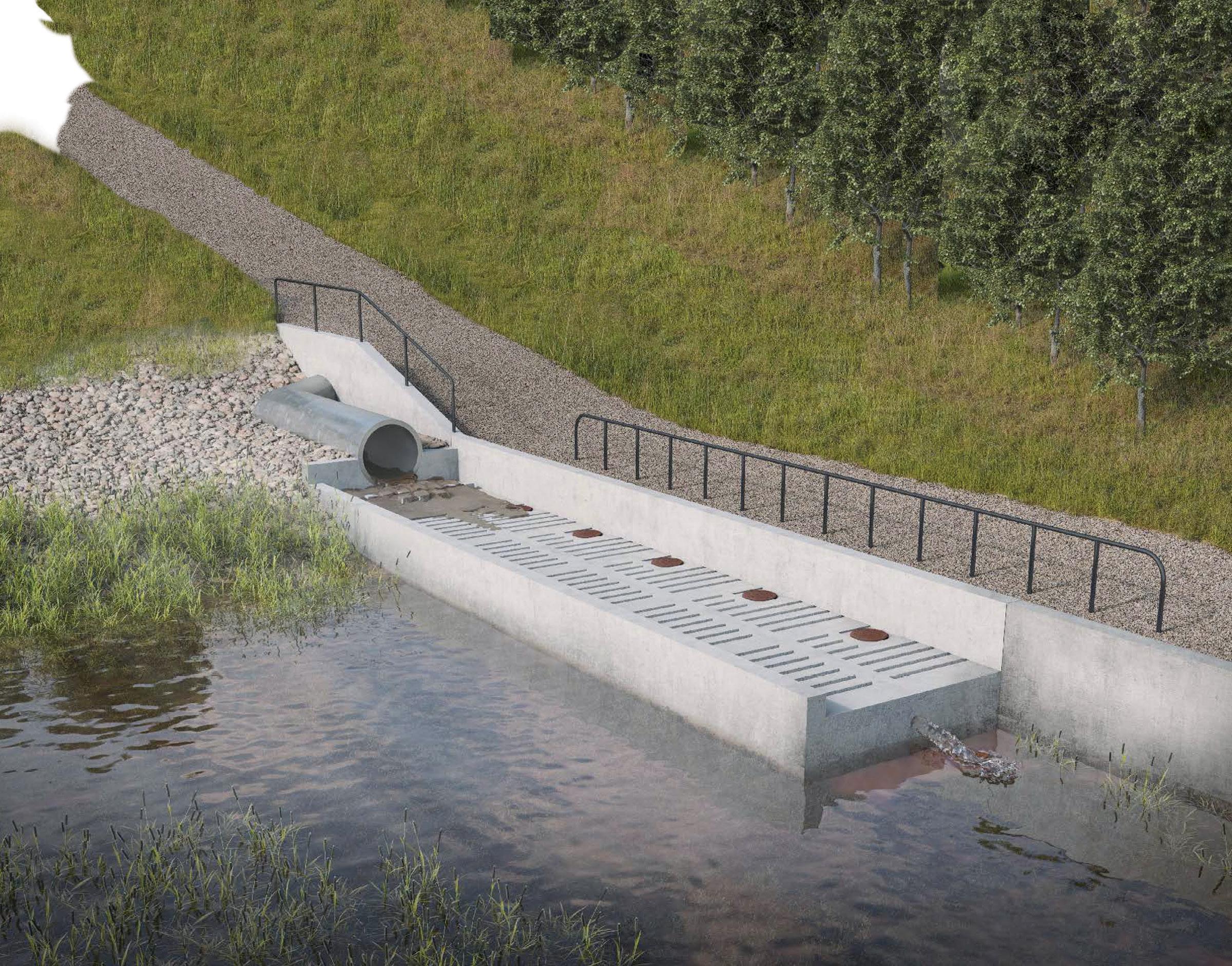
Two-dimensional models can represent unsteady flows in multiple directions and across surrounding lands, incorporating hydrographs from various tributaries. They are preferred where multiple streams converge, because they
continued overleaf…
WE HAVE AN EASY
INSTALL A SWM SHIELD TO PRE-TREAT YOUR POND
account for coincident peak flows, which are critical for urban flood analysis. Also, they can more accurately depict overbank or spill-area flow where channels are overtopped.
One of the most significant improvements to floodplain mapping is the availability of improved high resolution mapping data made available by the MNR through a province-wide Light Detection and Ranging (LiDAR) data program. LiDAR imagery can capture terrain surfaces within 10 cm of resolution and penetrate tree cover.
Before LiDAR, the ability to assess overland flows could only have been done through manual geodetic surveys using total station equipment. These surveys are time-consuming, expensive on a large city-wide scale, prone to human error and cannot practically cover expansive land areas as effectively.
The City of London commends the province of Ontario for undertaking the initiative to provide LiDAR information to all municipalities. This is a key component to improve the quality of models and to achieving realistic flow outputs.
Due to advances in modelling and topography, practitioners have been able to increase the accuracy of inputs
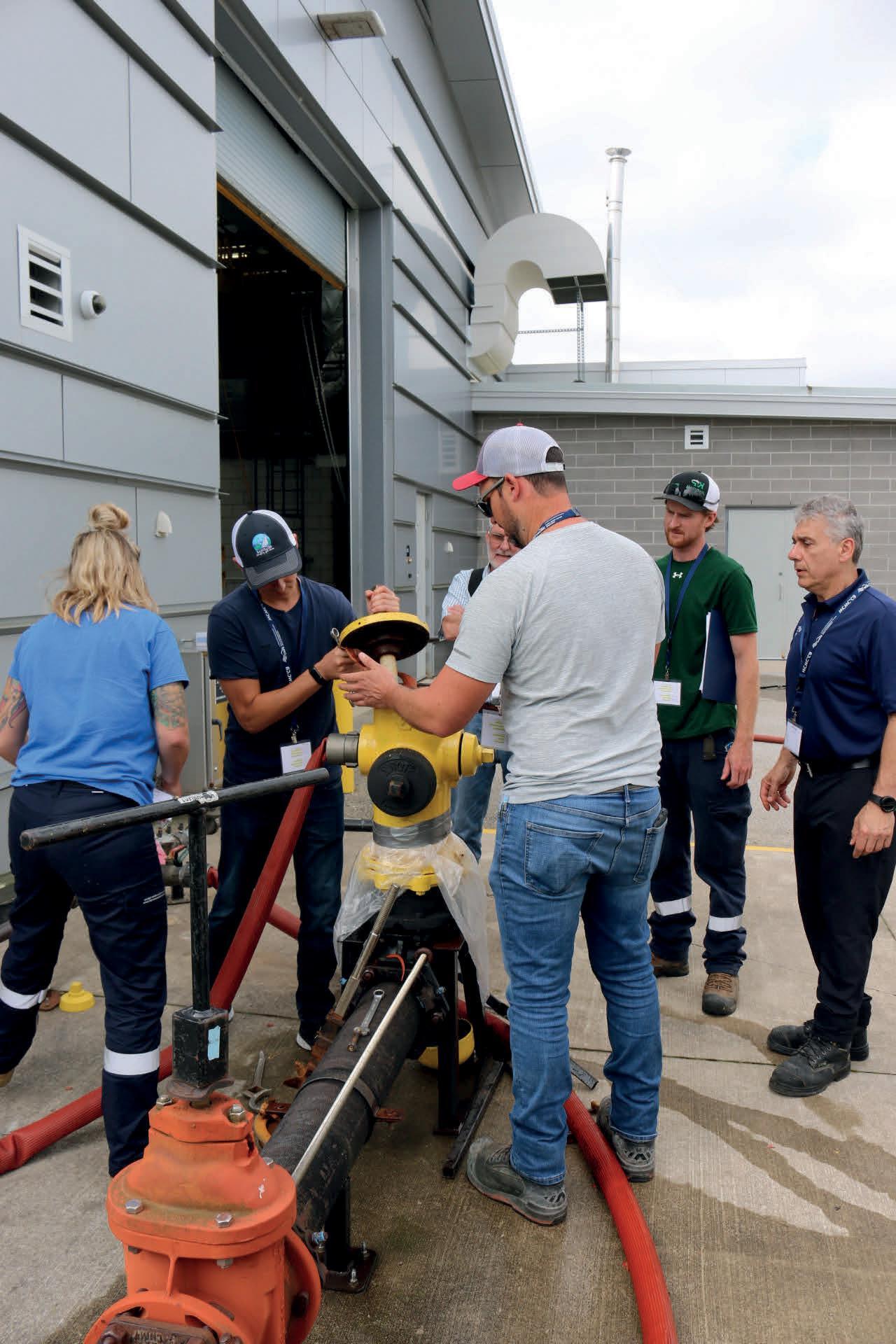

into hydrologic and hydraulic models using monitoring data, which is important given that the quality of model outputs relies heavily on the quality of their inputs (i.e., garbage in = garbage out).
Despite the advancements in the engineering industry, modelling software, and LiDAR data, the provincial technical guide that influences updates to floodplain mapping is outdated. While the MNR’s 2002 Technical Guide for River and Stream Systems: Flooding Hazard Limit guidelines express the need to employ “engineering judgement,” the text of the document does not offer clarity when there are technical differences of opinion.
As a result, water resources engineers, municipal managers, and conservation authorities are left to work together to
balance flood protection, uncertainty, and the level of service (See Figure 1).
The balance can be challenging without consistent provincial guidelines. This is because both municipalities and conservation authorities rely upon the province to establish minimum levels of service for infrastructure as it relates to sewers, watermains, bridges, and other infrastructure.
In stormwater floodplain modelling, there are no guidelines for climate change, or updated guidelines to reflect industry practices in modelling (i.e., 2D, dual drainage, stormwater management facilities) or LiDAR. The problem is that the older modelling methods and guidelines are less accurate and prone to creating over-designed systems.







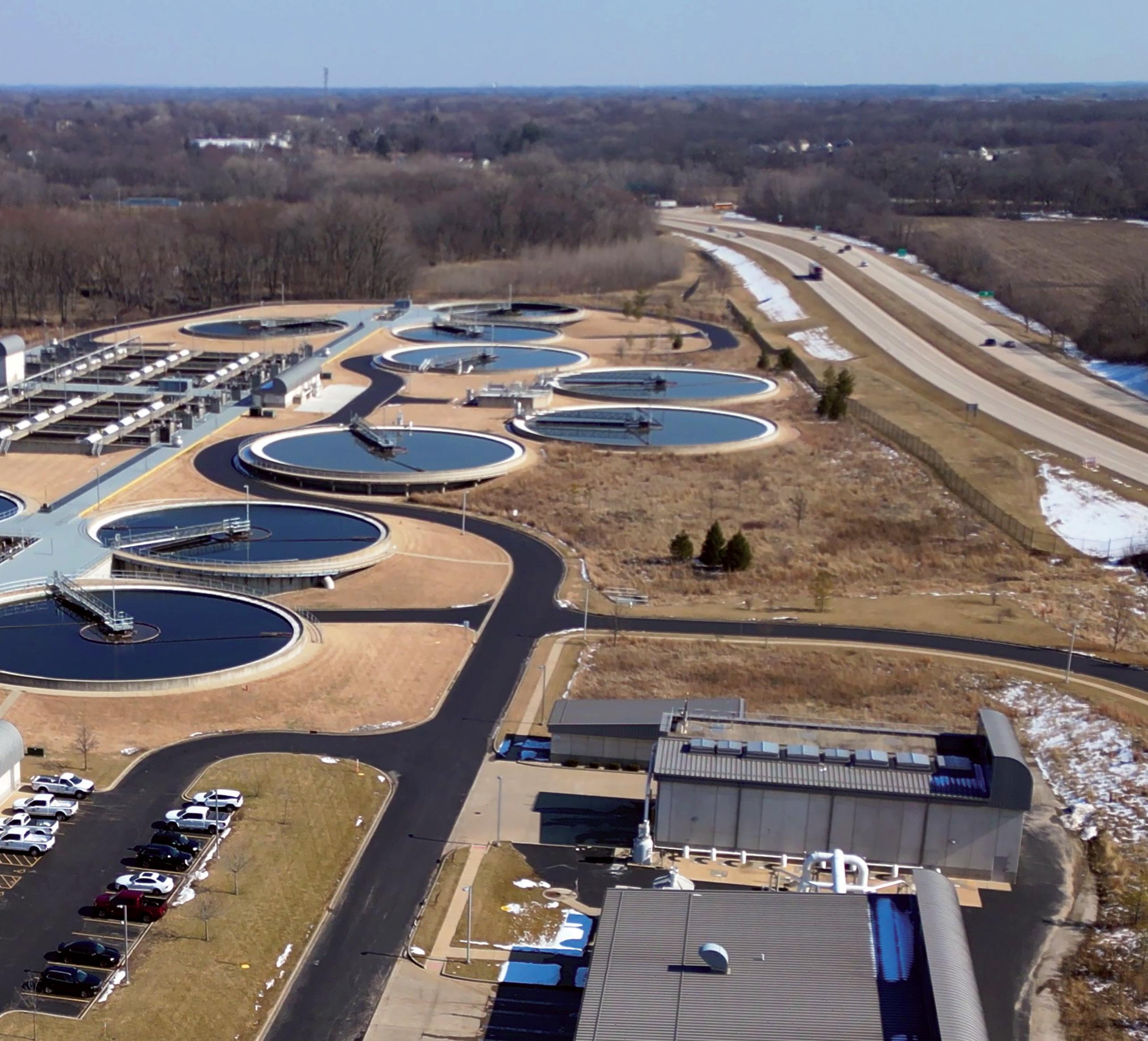
Bringing aging water infrastructure forward 100 years wasn’t easy. But with Pentair’s help, engineers upgraded the Springfield and Sangamon County facility that serves over 100,000 people.

Conservation authorities and municipalities manage flood risk with structural controls such as dams, reservoirs, dykes, storm sewers, and stormwater management ponds. These systems regulate peak flows for events ranging from frequent (1 to 5 year) storms to the 1 to 100 year or regulatory storm. However, traditional floodplain delineation guidelines often exclude municipal infrastructure, assuming inadequate maintenance and performance.
In practice, municipalities such as the City of London dedicate a portion of the annual budget to operate, maintain infrastructure, and ensure intended performance. Overlooking these controls can overstate peak flows and result in oversized and costly bridge/culvert designs downstream.
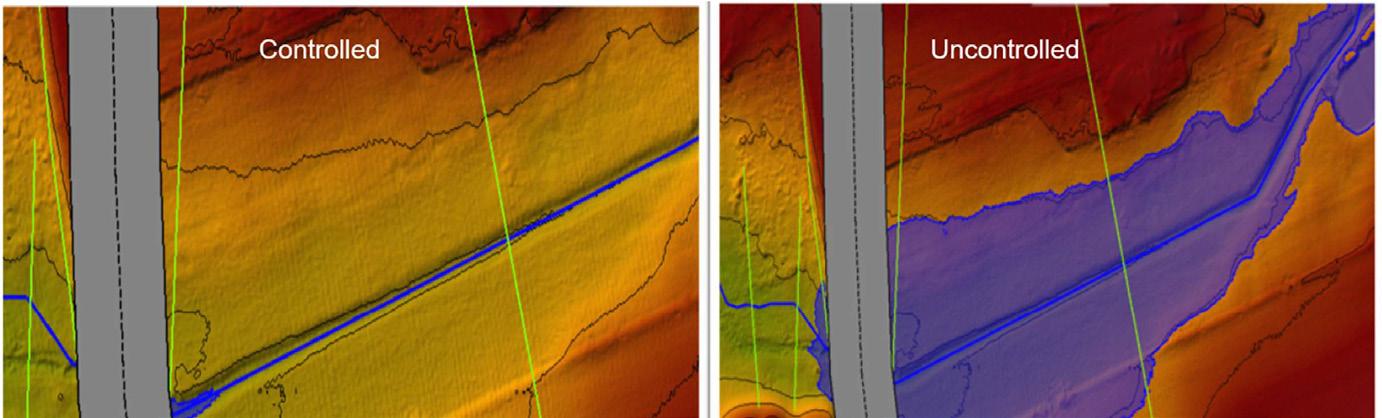
Figure 2 illustrates the difference in predicted peak flows and floodlines between a model that recognizes upstream SWM pond attenuation and a model that does not include SWM attenuation. It clearly demonstrates the importance of recognizing these controls in land use planning.
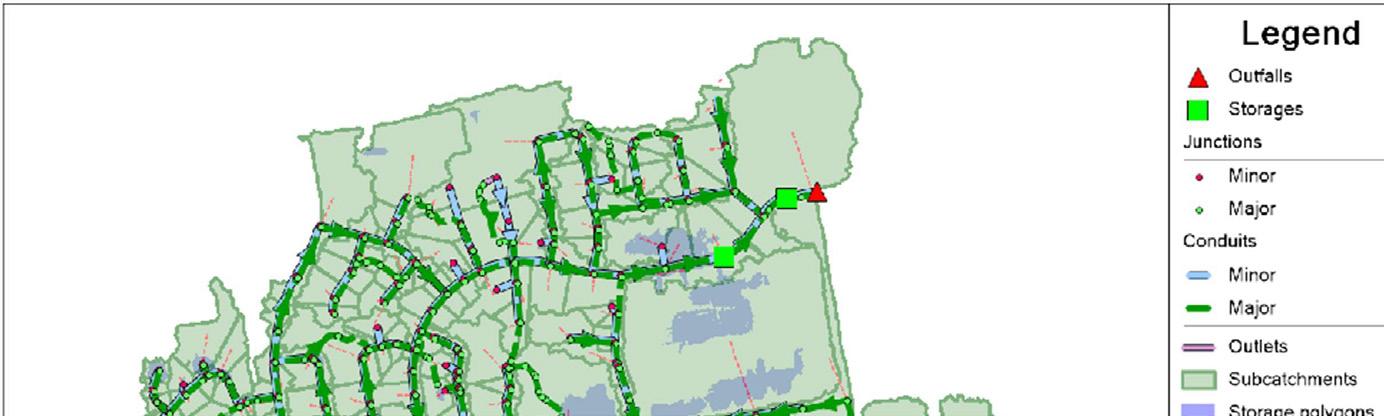
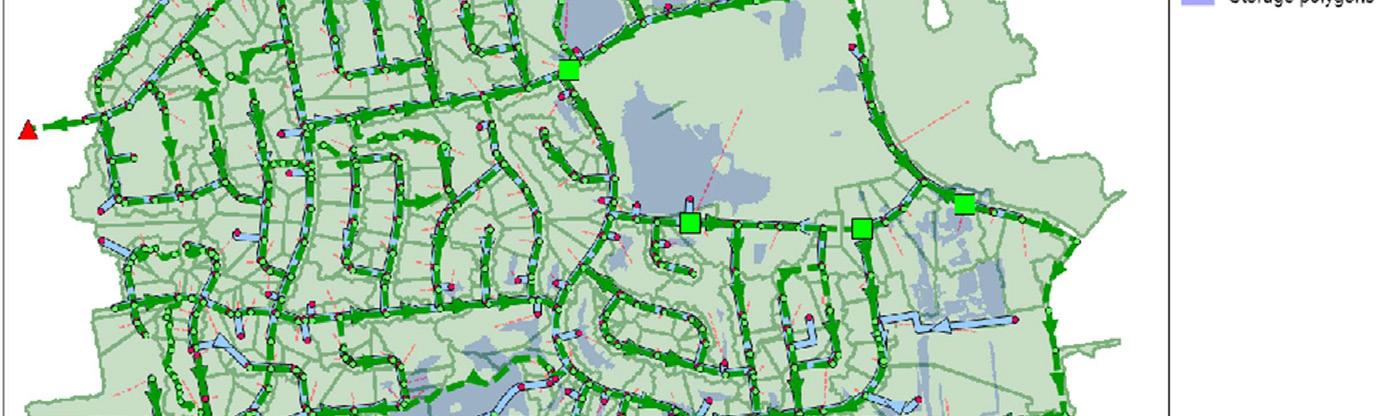
To demonstrate the impact of modelling assumptions on peak flows, the City of London conducted a detailed dual drainage modelling study in the 240ha Westmount Subdivision within the Thornicroft Drain headwaters, Dingman Creek watershed.
Developed from 1970 to the 2000s, this mixed use, residential and commercial area drains via storm sewers designed for the 5-year storm with no formal overland flow routes. Key storage feature includes a 50,000 m² forested area (providing ~16,000 m³), 48,000 m2 park (~20,000 m3), 37,000 m2 soccer field (~20,000 m³), and a 17,000 m2 wet pond (~19,000 m3). The wet pond was built in the early 2000s to service 13% of the catchment.
Two modelling scenarios were completed for comparison: The uncontrolled scenario consists

of large catchments, no minor/major system flow separation and assumes no storm sewers, wet pond, or depression storage. Uncalibrated hydrology uses conservative parameters for flow lengths (up to 100m for ~11 hectares of subcatchments), high percentage impervious and coarse soils information.
The controlled dual drainage scenario includes minor/major system separation, storm sewers and considers surface
flow paths, peak flow control from the wet pond and depression storage. Calibrated to flow monitoring data.
The regulatory storm for the modelled area is the 250-year design storm which was simulated using Chicago storm distribution over 24 hours for all scenarios. The controlled dual drainage model was calibrated using flow monitoring data.
Three models were compared for the same headwaters area using PCSWMM modelling software.
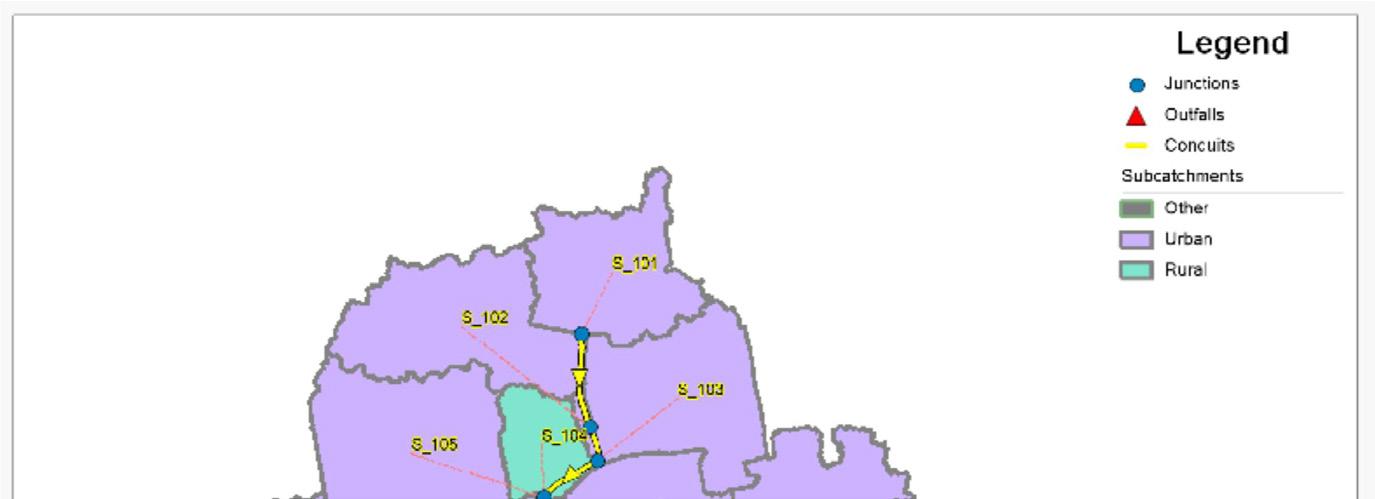
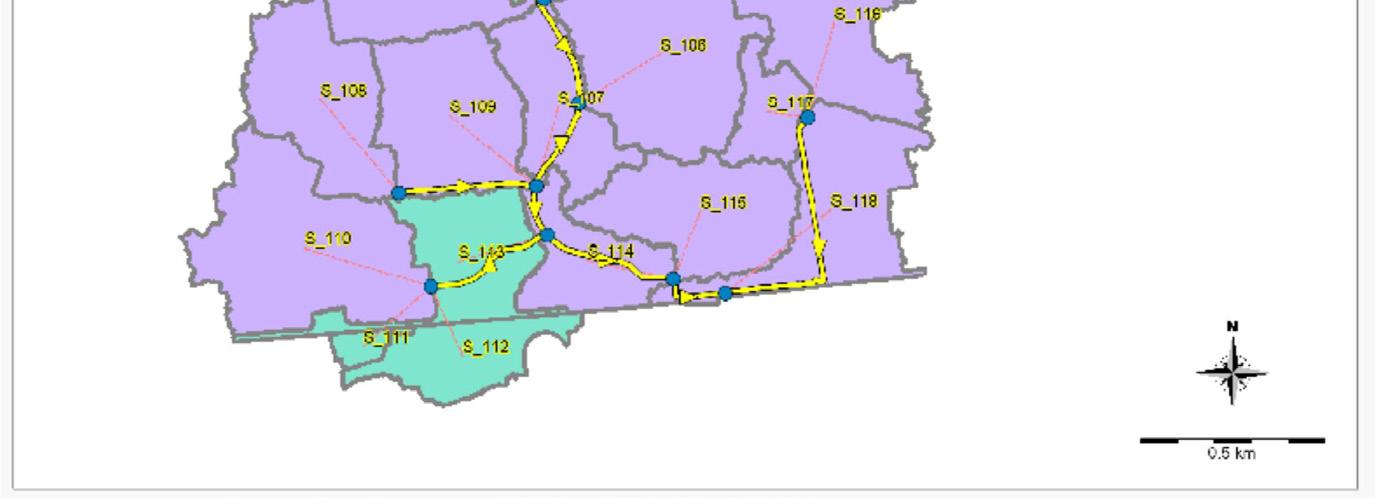
Two models were developed as uncontrolled scenarios at a watershed scale. In these models, the headwaters area was divided into 15 sub catchments with an average drainage area of ~11 hectares (Figure 3). The main difference between the two uncontrolled scenario models was the selected flow length parameter (average 100 m vs 470 m).
With the modelling software used, this parameter is not a physical measure, but rather a calibration parameter, thatneeds to be adjusted against monitored flows. Peak flows are sensitive to this parameter.
By contrast, the detailed dual drainage scenario represented the same drainage area across 381 sub catchments, with an average drainage area of one hectare, and included representation of the minor/major system as well as SWM controls (Figure 4).
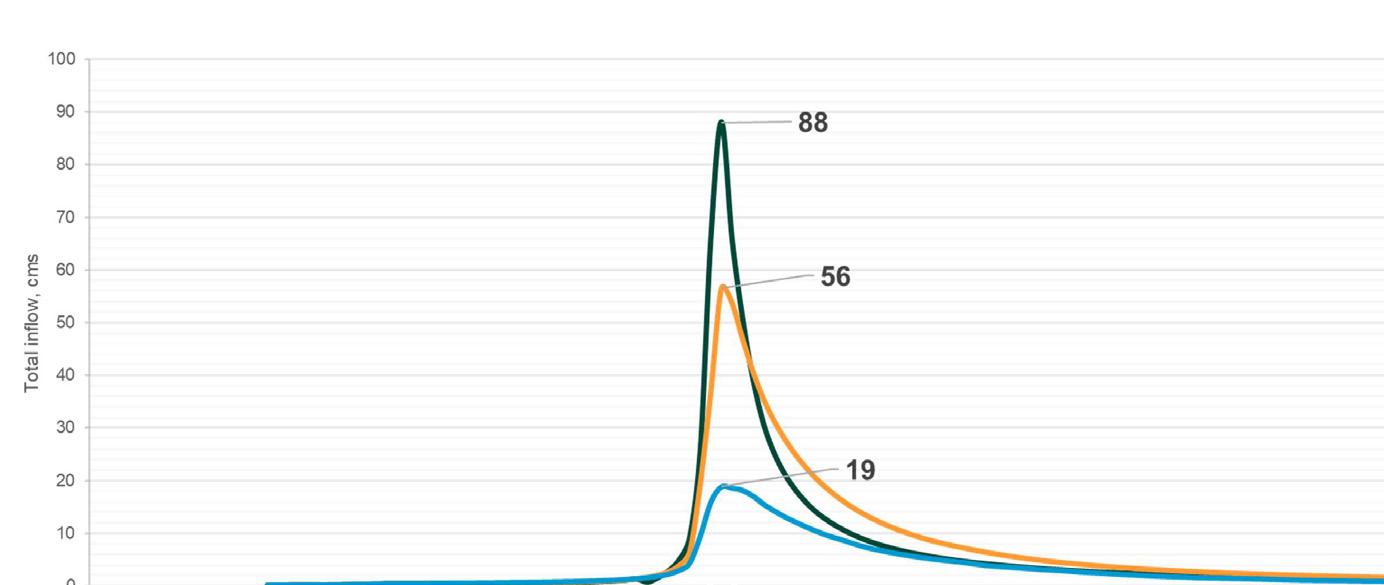

The three models resulted in varying peak flows ranging from approximately 20 cubic metres per second (cms) to nearly 90 cms for the same storm event, See Figure 5.
The variability of the resulting peak flows highlights that the detailed phys-
ical characteristics and assumptions implemented in a model directly impact the outputs and when "controls" such as the minor storm sewer system, depression areas, overland flow capacity, and stormwater management ponds are not


represented in the model, the estimated flows are much higher. Therefore, it was critical to confirm which model was most realistic through calibration of the model to flow monitoring data.
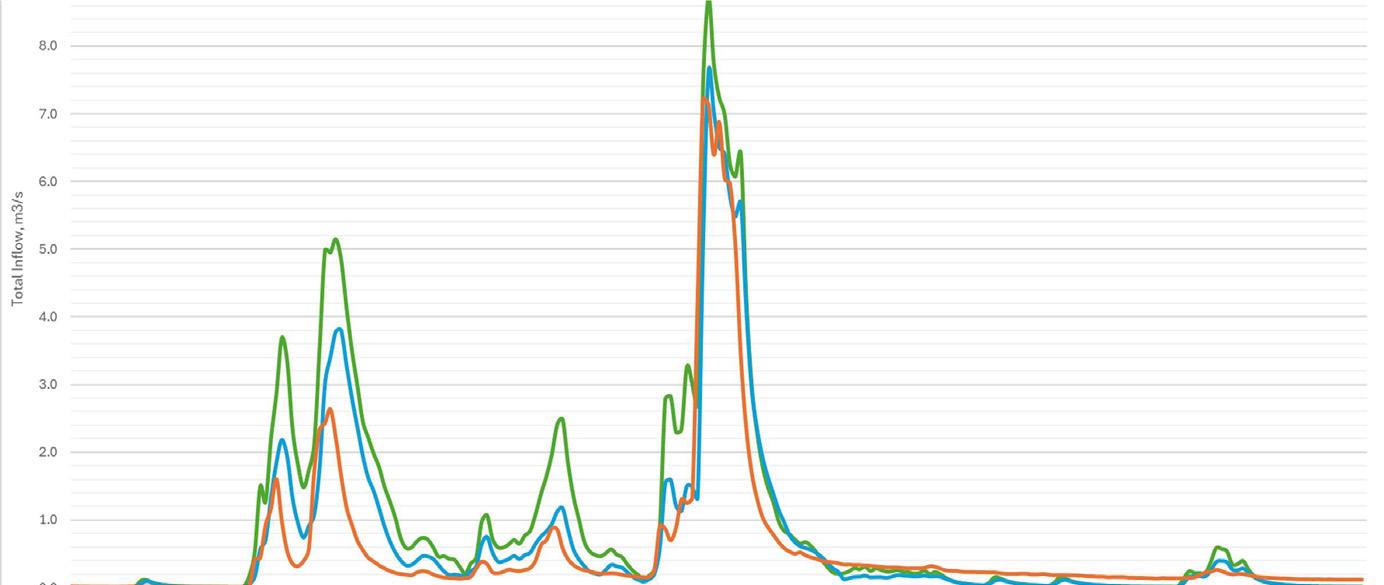
Monitoring data collected between July 2021 and June 2024 captured several significant storm events. On September 22, 2021, a 147-mm storm over 37 hours (with no antecedent rainfall) produced a peak flow of 7.2 m³/s. In contrast, on July 3, 2023, a 109-mm event over 26 hours, combined with two weeks of antecedent rainfall and saturated soils, generated a peak of 9.7 m³/s.
These observed flows were used to calibrate the dual drainage model, demonstrating strong agreement within 5% – 15% (Figure 6). Both observed data and detailed modelling highlight that coarse watershed-scale estimates overstate peak flows, reinforcing the importance of site-specific calibration and accounting for local storage dynamics.
Results showed that the uncontrolled model generated higher peak flows by a factor of 4.5. By contrast, the calibrated dual drainage model flow rates were within 5% – 15% of the actual flow monitoring data, providing a more realistic balance of conveyance and storage.
Considering that the peak flow rate drives the sizing in the design of culverts and associated downstream infrastructure, such as channel reconstruction, higher flow rates have a domino effect on infrastructure sizing and an exponential increase in construction costs. This modelling example demonstrates the value of flow monitoring and modelling calibration.
The total project costs for recent culvert projects in the City of London are presented in Table 1. It illustrates cost implications of higher design flows to municipalities. In the case of the Thornicroft example, the calibrated and uncalibrated modelling results of 20 cms versus 90 cms may result in a culvert construction cost difference of $400,000 and $5 million.

The Thornicroft modelling shows that calibrated models using flow monitoring data better represent catchment storage and controls than outdated assumptions, which risk overestimating flows and oversizing infrastructure.
While provincial guidelines lag industry practices, the guidelines support engineering judgment which we believe places a responsibility on engineers to apply current standards and tools.
The City of London promotes updates to the MNRF floodplain guidelines to support calibrated models that include municipal infrastructure as a technically sound methodology to design and construct cost-effective and resilient stormwater infrastructure for the future.
Shawna Chambers is the Director of Climate Change, Environment & Waste Management, for the City of London, Ontario.
Amna Tariq is an Environmental Services Engineer / Program Manager, Stormwater Engineering, for the City of London, Ontario. Email: atariq@london.ca
• No Corrosion or Contamination
• No Chemical Absorption or Wicking
• No Tearing, Cracking or Peeling
• No Significant Abrasion
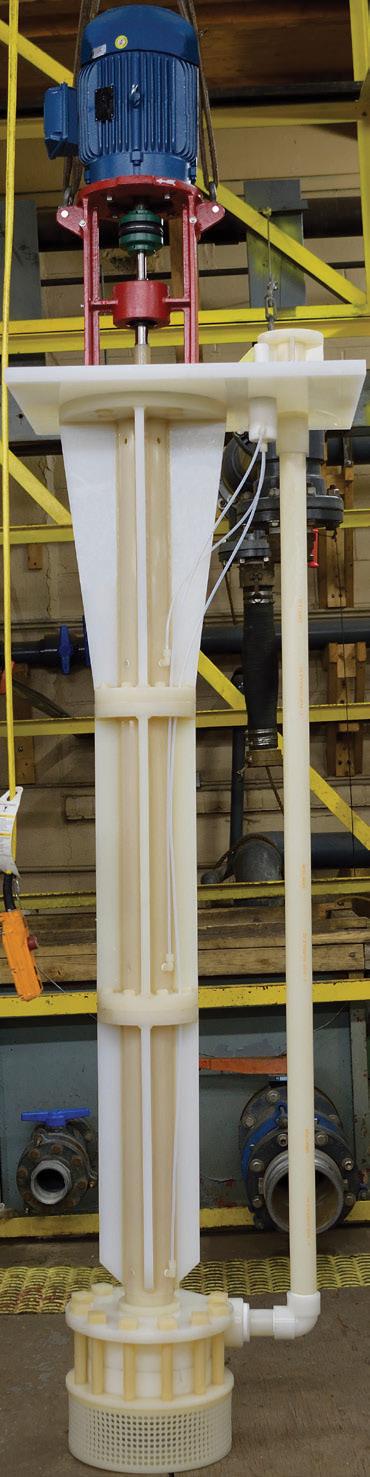
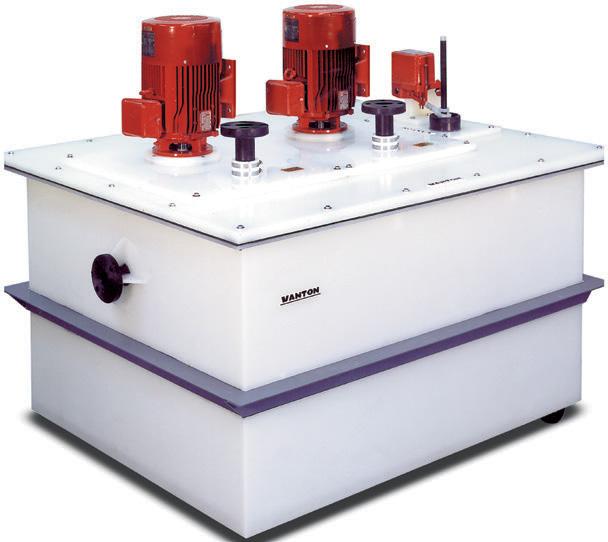
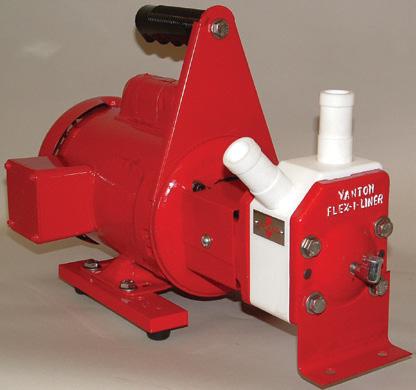
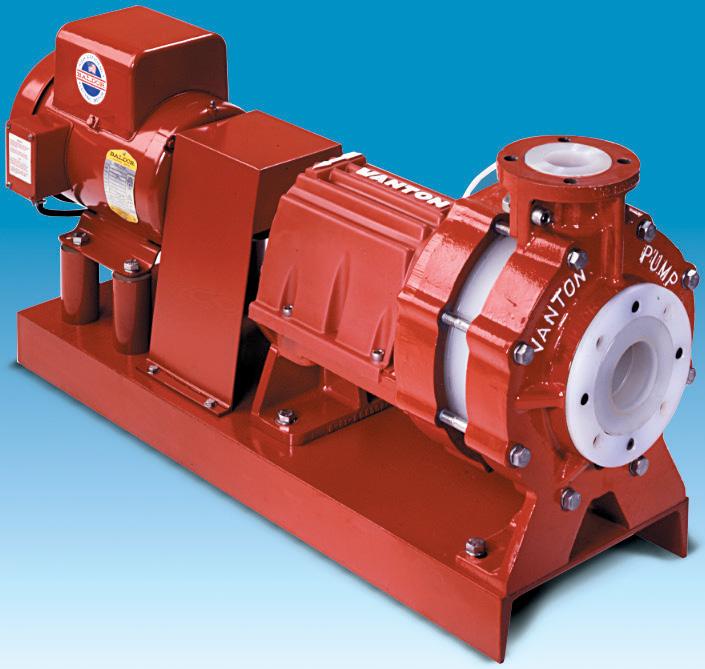
Each Vanton thermoplastic pump features wet-end components that are inert to corrosive chemicals across the full spectrum of pH, will not contaminate ultra-pure liquids, and are also abrasion resistant.
Handling flows to 1150 gpm (261 m3/h) heads to 185 ft. (56 m) and temperatures to 275o F (135o C), Vanton pumps are ideal for:
• Chemical Transfer
• Neutralization
• Dosing
• Effluent Control

• Lift Stations
• Odor Control
• Recirculation
• OEM Applications
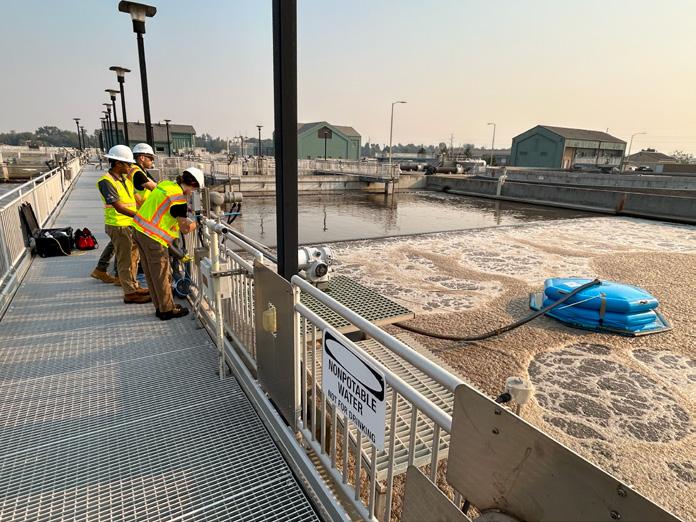
Lightweight, inflatable hoods and portable multigas analyzers allow utilities to perform testing with minimal disruption and setup time.


Greenhouse gas (GHG) emissions are an inherent part of wastewater treatment. Water resource recovery facilities (WRRFs) emit a variety of GHGs throughout the plant from known and fugitive emissions points. Recently, more scrutiny has been given to emissions from aeration basins. Since aeration accounts for about 45% to 60% of energy consumption at WRRFs, attention has often centered on the indirect (Scope 2) GHG emissions tied to fossil fuel-based power generation.
However, the increasing introduction of renewable energy sources is reducing the carbon intensity linked to electricity production, which in turn is diminishing the relative impact of Scope 2 emissions.
In this context, attention is increasingly shifting towards understanding the sources of direct (Scope 1) process emissions like nitrous oxide (N₂O), methane, and carbon dioxide (CO2).
Canada has been at the forefront of monitoring and reporting greenhouse gas emissions. Since 2017, Canada’s Greenhouse Gas Reporting Program (GHGRP) has required facilities emitting 10 kilotonnes (kt) or more of CO2 equivalents (CO2e) per year to report their emissions annually. Several provinces and territories have added their own monitoring requirements
The Canadian GHGRP requires Canadian businesses to file both a federal GHG emissions report and a provincial report. Within this evolving GHG regulatory landscape and the
growing focus on Scope 1 emissions, WRRFs are seeking ways to directly measure, quantify, and mitigate their emissions through process monitoring and optimization.
While many facilities associate GHGs with Scope 2 emissions or fugitive methane emissions from anaerobic digestion, GHGs are also emitted from aeration processes, including N2O, methane, and CO2. In fact, N2O is approximately 300 times more potent than CO2 and can account for as much as 70% of a WRRF’s total carbon footprint. Hence, more recent attention has been paid to direct monitoring of N2O emissions.
N2O is emitted during biological nutrient removal at WRRFs, primarily through pathways such as nitrifier denitrification, incomplete heterotrophic denitrification, and the chemical oxidation of hydroxylamine during ammonia oxidation. Conditions like limited carbon availability or sudden shifts between aerobic and anoxic environments usually trigger these emissions.
As WRRFs adopt more advanced nutrient removal strategies, which often involve advanced dissolved oxygen (DO) control structures and intensification solutions, conditions favoring N2O formation may become more common. This variability makes N2O difficult to monitor using traditional modelling or
grab-sampling approaches. As research and monitoring efforts expand, aeration basins in secondary treatment are increasingly recognized as a hotspot for N2O emissions. In these zones, dissolved nitrous oxide in the liquid can be stripped into rising air bubbles and released into the atmosphere.
Historically, off-gas monitoring in aeration zones has focused on evaluating the in-situ oxygen transfer capacity of diffused aeration systems. This is done by measuring the residual oxygen in the exhaust off-gas and calculating key performance metrics such as oxygen transfer efficiency (OTE) and the alpha factor (αF).
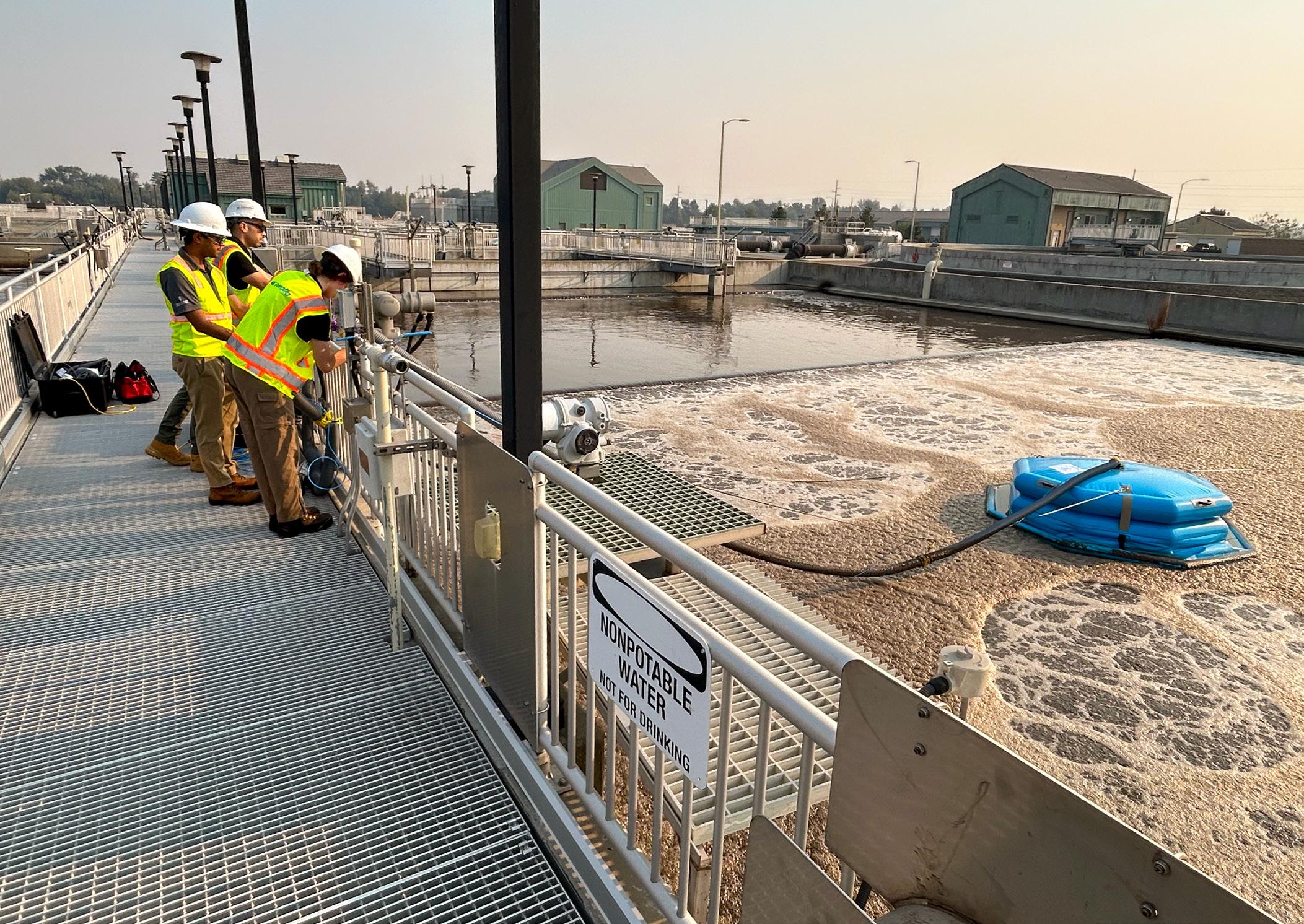
Off-gas testing typically involves placing a floating hood on the liquid surface of aerated zones within the biological reactors of the secondary treatment process, capturing the off-gas, and analyzing its composition using a suite of gas analyzers. Field-based OTE measurements have provided utilities with valuable insights into aeration system performance, helping them optimize their energy use.
Today, advancements in portable, low-cost gas sensors have enabled the development of compact analyzer systems capable of continuously logging minute-by-minute concentrations of multiple gases in the off-gas stream. These innovations have expanded the scope of off-gas testing beyond traditional aeration performance analysis to include CO2, N2O, and CH4
As a result, off-gas monitoring has evolved from a single-parameter diagnostic tool into a more comprehensive platform, which is capable of capturing a broader set of indicators that reflect both aeration performance and biological process dynamics in real time.
While off-gas testing is a valuable diagnostic tool, it has traditionally been considered logistically complex and labour intensive. Ideally, representative testing would involve coverage of the entire aerated zones of a basin. However, this is generally impractical unless the tanks are fully enclosed. The use of larger hoods can improve spatial representativeness of samples, but such equipment is typically bulky and heavy, often requiring multiple personnel and, in some cases, crane support for deployment.
Recent innovations are beginning to address these challenges. Lightweight, inflatable hoods and portable multi-gas analyzers allow utilities to perform testing with minimal disruption and setup time. Inflatable and collapsible designs, such as the Inflatable Fast and Lightweight Off-Gas Analysis Technology (I-FLOAT) developed by Carollo Engineers, eliminate the need for rigid frameworks and heavy lifting, thus minimizing labour costs.
These hoods can be packed into compact cases, shipped easily between sites, and deployed by one or two people within a few hours. This removes a key logistical barrier, making offgas testing a more practical option for large and small utilities.
Portable equipment enables a level of process insights not possible with grab sampling, drone sweeps, or monthly energy data gathering. It also allows for real-time data collection
across multiple aeration zones to identify emission hotspots, benchmark aeration performance, and inform capital planning of aeration systems.
As Canadian WRRFs respond to evolving emissions regulations and sustainability goals, off-gas testing is emerging as a more versatile and accessible tool for process evaluation. Once primarily used to assess aeration performance, off-gas testing has evolved into a multi-parameter platform that can offer real-time insights into both energy efficiency and process-related GHG emissions.
Recent advancements in portable, lightweight analyzer systems have lowered the logistical and financial barriers traditionally associated with off-gas monitoring. These innovations make it feasible for utilities of all sizes to adopt this approach without major infrastructure or staffing demands.
With the ability to simultaneously track oxygen transfer efficiency, nitrous oxide emissions, and other key indicators, off-gas testing offers a practical path for Canadian utilities to benchmark and manage Scope 1 and Scope 2 emissions. By integrating this data into dynamic process modelling and operational planning, utilities can make more informed decisions, advancing both environmental and performance objectives.
Michelle Young and Sam Reifsnyder are with Carollo Engineers. Email: myoung@carollo.com, sreifsnyder@carollo.com

By Vincent Favre
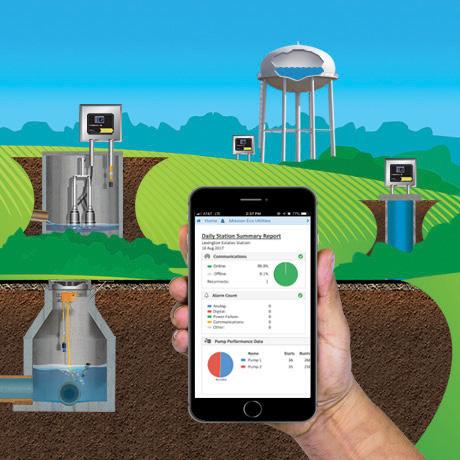
Flow monitoring is the backbone of informed decision-making for wastewater operations, especially for overflow prevention. Whether it’s part of an inflow and infiltration (I&I) reduction program, tracking wet weather surges or optimizing system performance, accurate flow data enables operators to act quickly and strategically.
I&I alone can account for as much as half of all water treated in older systems with cracked pipes or leaky connections.
During rain events, that figure can spike sharply, pushing pump stations and treatment plants to their limits and creating operational strain on top of potential environmental violations.
Rather than looking at flow meters as just another equipment purchase, more utilities are taking a circumspect, operationally strategic approach. This prevents common pitfalls, like sensors that are mismatched to their environments, data that requires proprietary platforms or is hard to interpret, or flow metering systems that are abandoned after a few years because maintenance costs and demands were underestimated.
To get the most from overflow prevention efforts, wastewater treatment operators should adopt a three-pronged approach: Align flow meters with real-world conditions, plan for the full lifecycle of equipment, and leverage data into actionable decisions.
No single type of flow meter can handle every scenario. Municipal and industrial sites often require a mix of sensor types to capture reliable data across a range of conditions. Fully understanding the situational, environmental and existing infrastructure conditions is key to selecting the right sensor for the job. Variables that can make or break a deployment include pipe or channel size and shape, flow depth and variability, velocity range, turbulence, solids and debris content, chemical composition, access constraints and safety factors.
By mapping these conditions first, utilities can narrow sensor options to those best suited for long-term performance. Two basic kinds of flow meters serve the majority of wastewater flow monitoring needs: submersible area-velocity flow meters and non-contact radar flow meters. More often, facilities are combining the strengths of both sensors in developing a more resilient system.
Submersible flow meters, typically mounted in the invert (bottom) of a pipe, measure velocity using ultrasonic Doppler technology and depth using a pressure level sensor. They are widely used in I&I studies because they’re cost-effective,
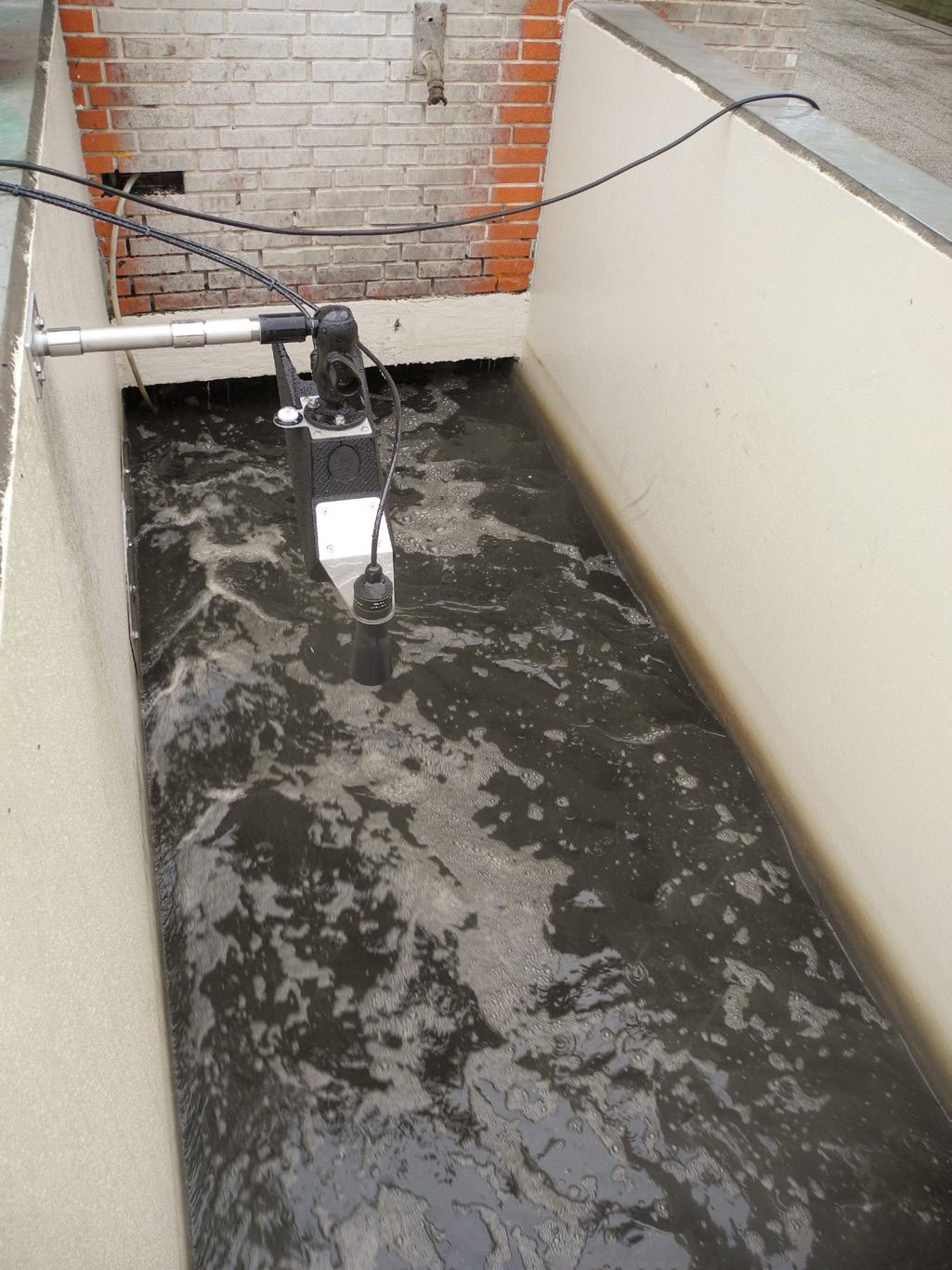
For large-diameter interceptors or channels with hazardous access conditions, non-contact sensors are a safer and often more reliable option.
proven in the field, and easy to deploy in large numbers.
Since pressure sensors tend to wear our first, usually after two to three years of service, the whole device has traditionally had to be replaced. Newer models have replaceable pressure level sensors, which significantly reduce lifecycle costs and maintenance requirements by allowing operators to swap out only the worn component.
For large-diameter interceptors or channels with hazardous access conditions, non-contact sensors are a safer and often more reliable option. Mounted above the water, they measure surface velocity (via radar) and depth (via ultrasonic or radar level sensing), then calculate flow internally.
Because installation and servicing can be done from outside the flow stream, these sensors minimize confined space entry


risks and downtime. They also excel in highly turbulent or debris-laden conditions where a submersible device might become buried or damaged.
Some non-contact flow meters are designed for industrial sludges, such as those from mining operations, which can be highly corrosive. In these conditions, sensors must be fully protected against chemical attack to avoid rapid deterioration.
Some sites experience extreme seasonal variation. For example, a discharge pipe may run partially full for most of the year, but become surcharged for weeks during spring snowmelt or rainy season. In these cases, utilities sometimes install both non-contact and submersible meters, switching between them as conditions dictate.
When it comes to flow monitoring, the “total cost” isn’t the purchase order, it is the entire lifecycle of owning and operating the equipment. Many utilities have learned the hard way that a low upfront price can balloon into high operational costs if maintenance is frequent, parts are proprietary, or integration is limited. While utilities sometimes treat flow monitoring as a single capital purchase, achieving cost control requires accounting for both purchase and operating costs, and depends on actively managing the flow metering program.
A meter that looks like a bargain at purchase can become a budget sink if it requires constant cleaning, frequent recalibration or expensive proprietary parts. Meters installed in locations that require confined space entry can rack up labour costs quickly. Non-contact sensors mounted above the flow can often be installed and serviced without special permits or large crews.
Purchasers should beware of vendors who sell flow meters that work only with their software, which will tie up more of a capital budget and reduce future flexibility. Opt instead for flow meters that are built on an open communication protocol that will integrate with existing SCADA, GIS or asset management systems, regardless of the manufacturer.
This allows a utility to upgrade sensors without replacing the entire network, saving substantial capital and personnel resources.
Devices that compute flow internally and output ready-to-use data simplify deployment and reduce the need for external processors. If your flows are challenging or subject to harsh conditions, consider devices with chemical-resistant materials and debris-tolerant designs. And, if your system needs sensors that can adapt to sudden surges and high turbulence without losing accuracy, look for devices with rapid response capability.
Wastewater systems change over time through rehabilitation projects, new connections or upstream development. A site that was hydraulically “perfect” for a meter five years ago might now surcharge after every heavy rain. Lifecycle planning means regularly reassessing whether each meter is still in the best possible location and configuration.
A sensor claiming “±2% accuracy” under controlled conditions may not perform the same way when faced with real-life conditions, siltation, turbulence or intermittent surcharge. Always ask vendors for independent test data in conditions similar to your own. Better yet, run your own comparison under live flow.
The value of a flow monitoring program is measured not just in the collected data but in the operational decisions that data enables. When data is timely, accurate and integrated into planning and response workflows, it becomes a strategic asset.
Data from advanced flow meters can trigger automated responses, such as diverting excess flow to storage basins, when depth or velocity thresholds are exceeded. For combined sewer systems, these alerts can make the difference between a managed storm event and an unplanned overflow. The accuracy and speed of the sensors in detecting rapid depth and velocity changes are critical in rapid response situations.
For proactive overflow risk reduction measures, accurate and localized
flow data from multiple points allows utilities to pinpoint I&I sources, rather than launching broad, costly repair campaigns. That precision reduces unnecessary excavation and focuses budget where it will have the most impact. For optimal, long-term overflow mitigation planning, multi-year flow data sets can reveal chronic capacity issues, justify expansion projects and help time upgrades to align with actual system demand, rather than assumptions.
In regions at risk of flash flooding, utilities can use flow monitoring data from stormwater channels and drainage ditches. When rainfall has the potential to overwhelm a system, these flow meters can feed hydraulic models that predict flood onset, giving emergency managers more lead time to deploy resources or issue warnings.
Flow data should influence operational and capital decisions, decisions that should then be evaluated for effectiveness using subsequent flow data. If a rehabilitation project doesn’t reduce I/I as expected, you’ll see it in the numbers, allowing for course correction.
Overflow prevention is no longer just a regulatory requirement; it’s a core responsibility for protecting public health, the environment and municipal budgets. By embracing modern flow meter technology, optimizing deployments for site-specific conditions and building an integrated data strategy, wastewater utilities can shift from reactive crisis management to proactive system control.
When the next heavy rain hits — and it will — utilities with a well-matched mix of sensors, a plan for keeping them in top condition, and a strategy for acting on the data they provide will be the best insurance against overflows, fines and public trust erosion.
Vincent Favre is with FLOW‑TRONIC S.A. (www.flow tronic.com), represented in Ontario by ACG‑Envirocan Inc. For more information, email: blake@acg envirocan.ca, or visit: www.acg envirocan.ca

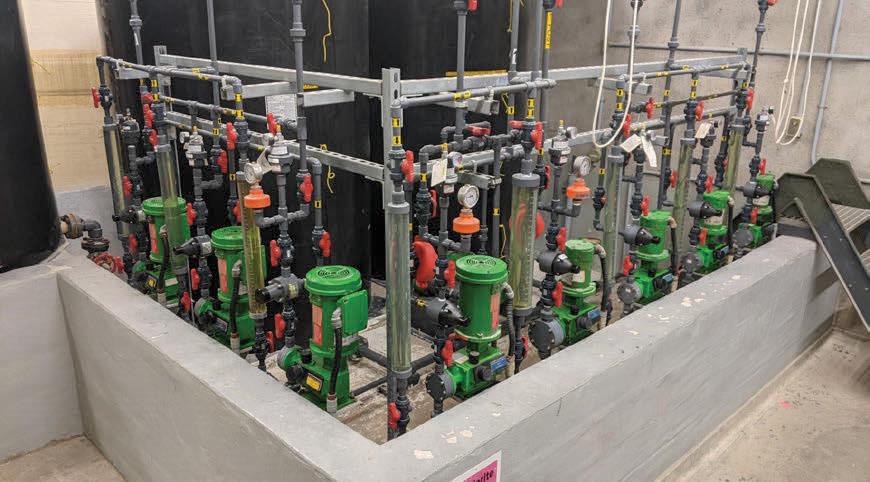
THE EVOLUTION OF THE CHEMICAL

BEFORE complex. cluttered.
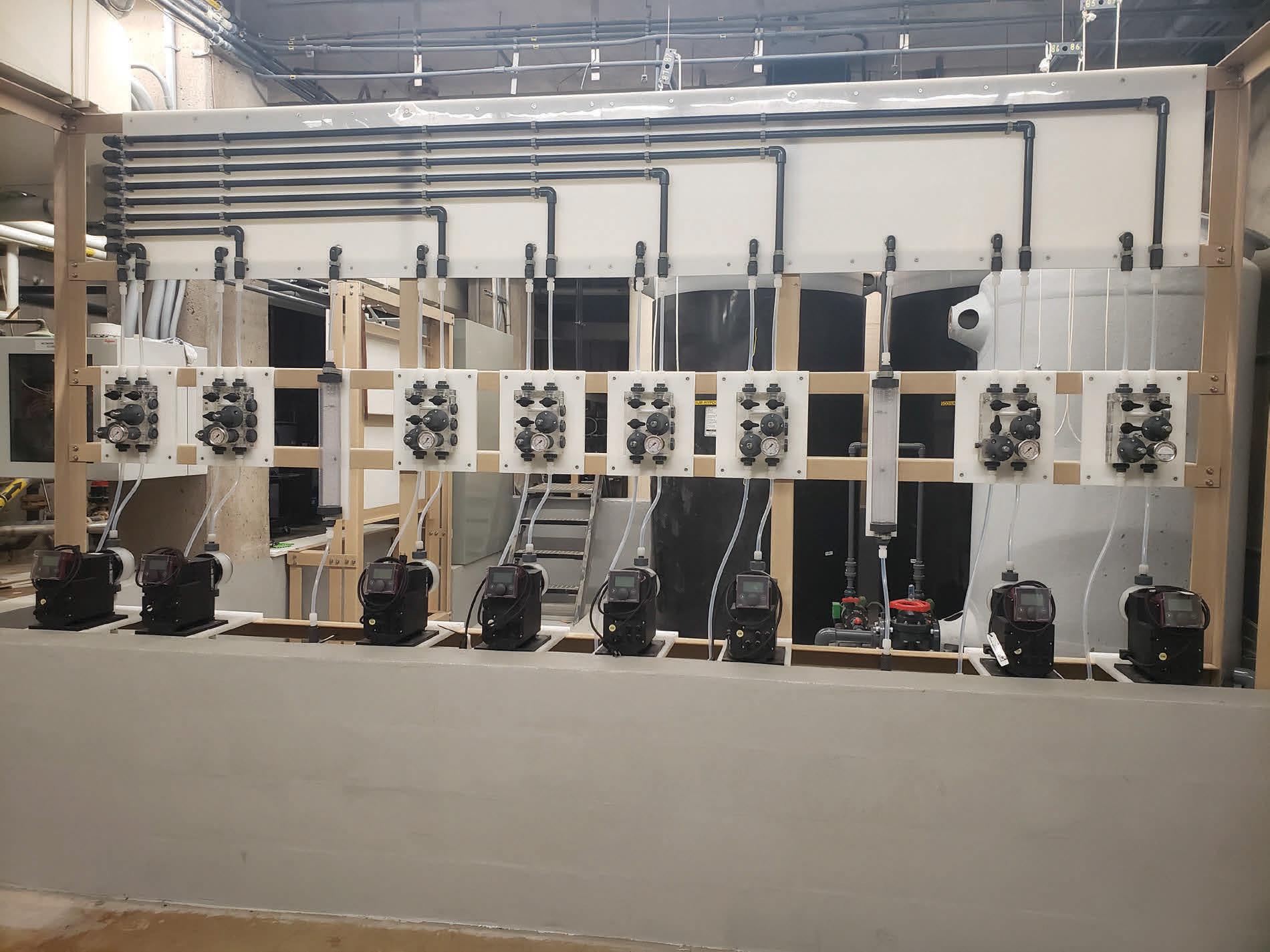

AFTER simple. intuitive. Made in Canada!

Up to 50% reduction in mechanical room space required 90% fewer joints = 90% less risk of leakage
Simple, consolidated operation
Support Canadian Industry - Buy DICE
By Barry Jongsma and Logan Peak
Several advanced diagnostic methods are available to help identify the correct remedy for failing and underperforming pumps. When used correctly and diligently, these tools can keep costs at a minimum and reduce risks while ensuring vital pumps perform at the standards needed to continue protecting public health.
Trending diagnostic tools refer to continuous monitoring of conditions such as vibration, flow, pressure, speed and more. Advanced data acquisition software records more than 20 analog inputs, allowing a user to visualize the various data streams at once, making it much easier to detect anomalies and diagnose issues. Trending diagnostic monitoring can be a time and cost saving endeavour for pump owners, helping to identify the source of equipment problems without stopping operation or dismantling machinery.
In the case of vibration monitoring, the data software generates Time Waveform (TWF) and Fast Fourier Transform (FFT) outputs, which help determine failure modes. Several advanced analysis techniques for TWF and FFT data can be utilized to determine the cause of vibration issues. When viewing these results alongside other monitored conditions, operational deficiencies can be identified and transient events like startups, shutdowns or valve closures can be captured.
Based on this multitude of information about a pump system, equipment can then be fine-tuned to optimize performance. The accumulation of data over longer time periods also allows for analysis of historical trends and frequencies of issues. Not only does this assist greatly with the effort to pinpoint the source of
a known issue, but it also enables predictive maintenance by helping to detect imminent malfunctions which may have otherwise gone unnoticed. Identifying and addressing equipment issues early can lead to significant cost and labour savings by reducing downtime.
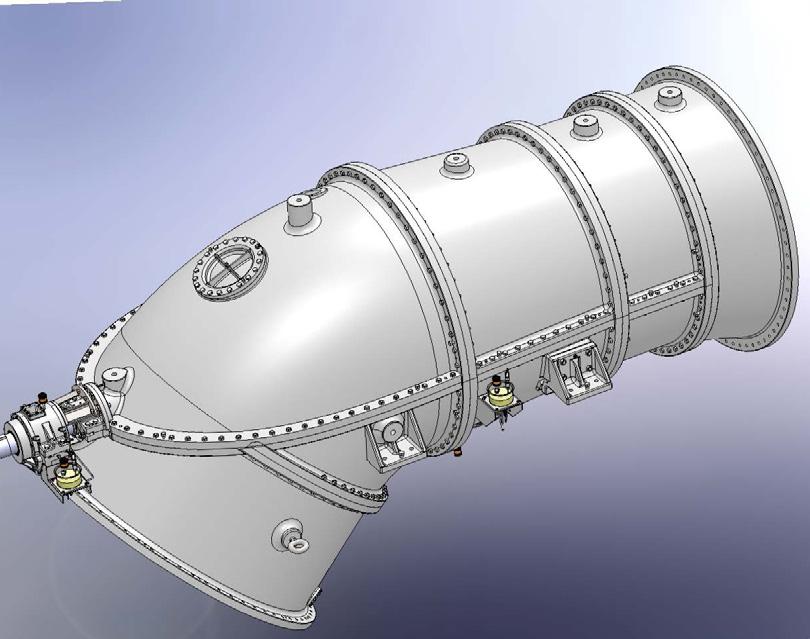
Experimental Modal Analysis (EMA) is a valuable tool for measurement and analysis of modal properties of a pump system, such as damping and shape. EMA techniques aim to align an analytical model of a structure’s dynamics with measured data that reflects its actual behaviour. The measured data comes in the form of Frequency Response Functions (FRFs), allowing the natural frequencies of a system to be visualized. By examining relative movements and mode shapes, users can determine the ideal points where a structure can be stiffened to alter the natural frequencies. Targeted corrective action can lead to cost reduction and increased resolution speeds. Remediation based on EMA can prevent a catastrophic failure of a pump.
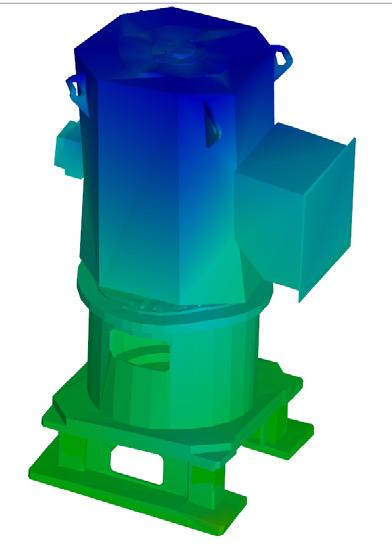
Operating Deflection Shape (ODS) is a modelling technique used to measure and visualize the vibrations of a pump system while it is operating. An animated 3D model highlights the amplitude and direction of vibration at various points on the pump. Often deployed following Experimental Modal Analysis, the ODS provides in-depth data on the actual vibration forcing function of the system and corresponding dynamic behaviour.
This visual portrayal of the movement of a system allows for quick and focused solutions to reduce vibration. The ODS can also be used to identify the root cause of vibration issues. Through shape estimation of the pump equipment, foundation and piping, it can be determined if excessive vibration is caused by a structural defect with the pump or by external factors such as a poor foundation or misaligned piping. ODS can even assist with preventive maintenance efforts by monitoring pump vibration patterns over time to detect potential problems before they reach a critical stage.
Overall, ODS modelling is extremely important in vibration analysis because
of the depth and quantification of information generated. It can reveal not only the location of unwanted vibration, but also the amount and direction of the movement under normal operating conditions. This information is paramount to determining corrective measures to reduce vibration.
An alternative to ODS is the Motion Amplification Video (MAV) technique. Using a high definition and high dynamic range camera with proper lighting, every pixel of the recorded video acts as an individual sensor, generating millions of data points. MAV offers an advantage over ODS through quick setup time as the data is collected and analyzed in a matter of seconds.
An additional advantage of MAV is the ability to capture data over larger areas of the system, providing an extensive view of the asset. A single data capture can be used for multiple pumps, motors, piping networks and other
large structures. Analysts can then fixate on particular problem areas seen in the video or pointed to by the data. The closer examination might use a higher frequency data collection or a different camera angle.
MAV can also offer a baseline set of data conveying the behaviour of a pump during commissioning, allowing pump owners and the pump OEM to be aligned during the installation phase. This initial data can then be used as a reference for future diagnosis of the health of the pump. MAV also enables analysis of areas in a pump system which cannot be accomplished through traditional vibration measurement methods.
Small-bore piping vibration is typically not analyzed because of the large quantity of measurement points that would be required, but a complete view of the system through MAV can easily pinpoint areas in the piping where shaking is occurring. Mechanical seals can also be examined through MAV because of the noncontact nature of
the procedure. Finally, the ability to see motion at specific frequencies supports the diagnosis of all failure modes of a pump system such as misalignment and poor foundations.
Lack of funding and the ever-increasing environmental and quality standards imposed on wastewater treatment plants are causing a strain on the local governments that manage these facilities.
A comprehensive assessment of pump health can help explore all possibilities for rehabilitation before replacement is considered, helping to avoid unnecessary spending. A full suite of diagnostic tools can also allow users to employ predictive maintenance on their equipment, helping to reduce the risk of failures and catastrophic events, leading to additional cost savings.
Barry Jongsma and Logan Peak are with Pentair. For more information, visit: pentair.com/psg



Credit: peopleimages.com, stock.adobe.com
By Patrick Coleman
Ahiker set off on a hike across the wilds. He relied on his portable global positioning system (GPS) device to map his trip. Part way his GPS failed. The story has two endings. In one scenario he pulls out a map and a compass and continues his trip, much more engaged in mapping his route. In the second scenario, like a handful of hikers last year, he didn’t make it home. The GPS is GenAI and the fate of the hiker is what this article is about.
John McCarthy, one of the founders of the discipline of artificial intelligence, coined the term “Artificial Intelligence” in 1955 to mean “the capability of computer systems or algorithms to imitate intelligent human behavior”. Artificial
Intelligence became a branch of computer science dealing with the simulation of intelligent human behavior by computers, not a product.
Generative AI (GenAI) is artificial intelligence that can generate new content (such as images or text) in response to a submitted prompt by learning from a large reference database of examples.
GenAI is a form of Narrow (Weak) AI as it is designed to perform a narrow range of tasks with remarkable efficiency without operating beyond its programmed domain. The textbook ChatGPT Ate My Homework includes one chapter on what GenAI does well and one on what it does not. For example, GenAI is not good at original thought, eliminating bias, knowing its limits, creating new empirical knowledge, applying empirical verification, taking courses (large language models are frozen), exercising morality, empathy or fear or eliminating hallucinations or biases. In fact, GenAI can be inaccurate and dishonest.
tise. We have time to sort out the issues because the adoption lags the hype.
We all work in teams with other humans. Teams facilitate the natural evolution from the apprentice to the master, creating a career path and sustaining a company reliant on knowledge workers.
Unlike previous iterations of technological breakthroughs, GenAI impacts our brain function, and the tool becomes part of the team. In a way, we become “cyborgs” or “MePTs”. The worry is, like the Star Trek Borg, can we survive being separated from the “collective” and think for ourselves? Do we know what cognitive skills are too precious to give up?
Mentors worry companies reward task performance over critical thinking. GenAI is unique as a tool since an engineer can perform without growing. Faster is not always synonymous with better (Ahned 2025). AI accelerates, automates and optimizes, but what if that efficiency costs us depth, understanding and even identity? What if we start to produce “workslop”, AI generated content that looks like work but lacks substance to move projects along?
Mentors worry when a company focuses on rapid adoption of AI without developing a mature quality, risk and procedural ecosystem around the tool. A young engineer’s career can be ruined by a misstep with such a powerful tool. The World Economic Forum identified this as a major cyber risk in 2025, stating that “despite growing reliance on AI for cybersecurity, many organizations lack processes to properly assess the security of AI tools before deployment, creating a gap in managing associated risks.”
Insurance companies have similar concerns, warning coverage may be limited when GenAI is used. GenAI challenges fundamental concepts like authorship, ownership and understanding.
Engineers require a blend of traditional skills as well as knowledge of how to effectively manage and interact with AI systems. Firms with skill gaps are uncompetitive and vulnerable.
Before we panic, remember we are tool-using creatures. Using tools allows us to punch above our weight. We use tools, like GenAI, to amplify our exper- continued overleaf…
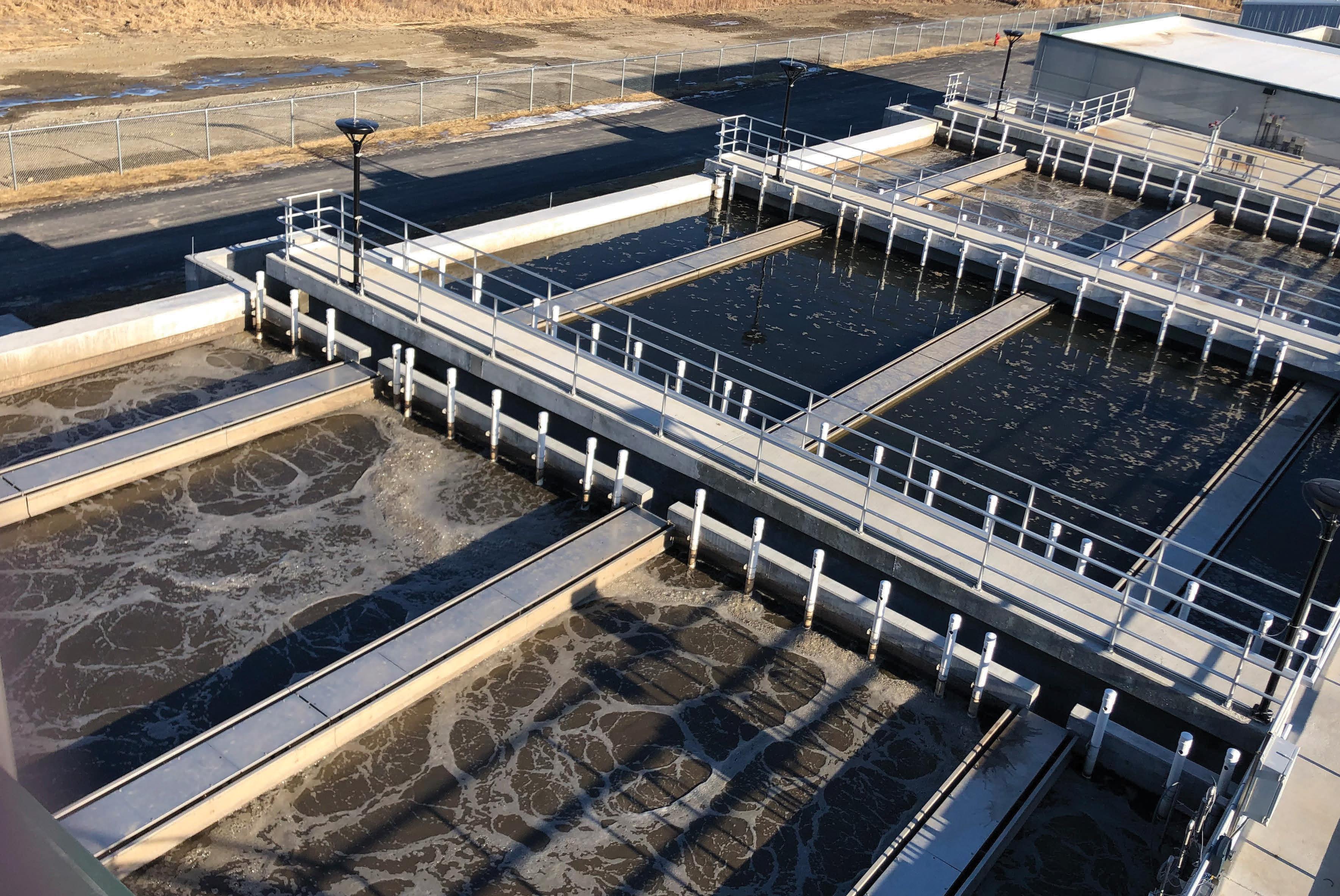




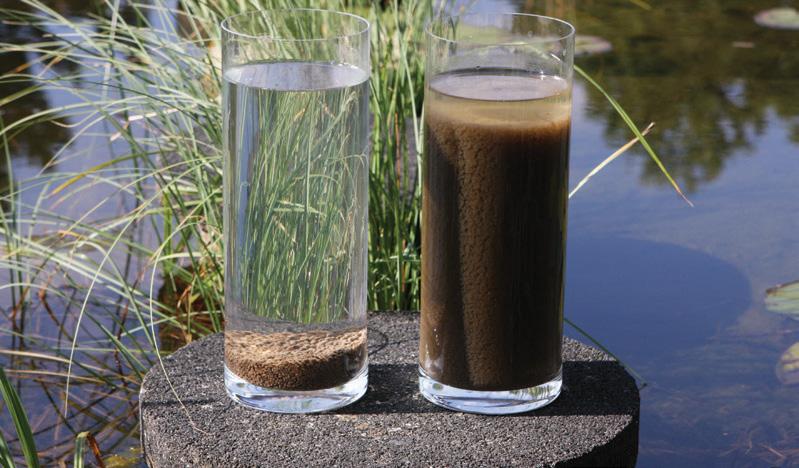
With over two decades of installed experience at more than 100 facilities worldwide, Nereda® technology is the One and Only true aerobic granular sludge on the market today.
Since its introduction to the U.S. and Canada in 2017, more than 40 AquaNereda® plants are currently in design, under construction or in operation throughout North America.
Consultants and end-users continue to realize the process and cost saving benefits associated with AquaNereda technology through on-site pilot testing, installation visits and technical seminars.
ADVANTAGES OF AQUANEREDA ® TRUE AGS TECHNOLOGY:
• Design MLSS of 8,000 mg/l greatly reduces footprint
• Capable of enhanced nutrient removal
• Suitable for retrofits and greenfield sites
• Exceptional effluent without chemical addition
• Robust process that adapts to changing conditions
• Applicable for municipal and industrial waste streams
• Significantly less construction cost compared to conventional treatment
• Energy and chemical savings results in lowest cost of ownership
Represented by:
www.acg-envirocan.ca sales@acg-envirocan.ca
Companies must ask how GenAI adoption impacts succession planning. If AI makes an experienced person more effective, is AI then displacing the less experienced person who formerly did that role? Therefore, who will replace the experienced person when they retire or leave the firm?
Therefore, it is important to look before you leap, document everything well, train your staff and implement quality control procedures.
Brains atrophy if not used. For example, London taxi drivers, who have to memorize all possible routes across tens of thousands of roads to earn their
• Loss of agency: We stop trusting our own judgement as AI takes over the how, why and what of thinking. We fall victim to “automation bias”. When a tool speaks like an expert but reasons like a parrot, trust becomes a trap. Artificial intelligence is not artificial wisdom.
GenAI, used incorrectly by those at an entry level in their career, rewards achievement over learning, diminishing the drive to think critically, be creative, and to stay current. Mental health can deteriorate because GenAI robs the user of a sense of accomplishment, undermines self-confidence and enhances the “imposter syndrome”. Tool dependence increases anxiety, guilt and lack of confidence.
Generalized cognitive atrophy is
While AI-assisted participants demonstrated enhanced task efficiency and reduced cognitive load, these benefits came at the cost of diminished critical thinking and a slight decline in self-efficacy.
license, have a larger and more developed hippocampus relative to London bus drivers who follow preset routes.
Research also uncovered a negative correlation between frequent AI tool usage and critical thinking abilities mediated by increased cognitive offloading. Younger participants are more vulnerable to this than older participants.
Researchers characterized what we lose when we outsource our thinking to GenAI:
• Critical thinking decline: Machines cannot reason through uncertainty. We need to think critically through ambiguity, evidence and contradiction. AI doesn’t just give us answers — it quietly takes away the need to ask better questions.
• Creativity erosion: Human creativity thrives on friction — on the uncomfortable space between clarity and chaos.
• Moral and intellectual laziness: AI does not weigh consequences. It does not have values, a conscience or accountability.
already a philosophical risk in itself. But there are other risks too. If this type of tool is widely used — and it is already the case with younger generations — we are at risk of a standardization of thought. British researchers showed that when authors asked ChatGPT to improve their work, the individual benefits could be great, but the overall creativity of the group reduced.
Three research teams studied high-performance and low-performance GenAI users. The consensus is high-performance groups use was balanced and comprehensive, primarily engaging with high-level cognitive processing, while the low performance groups use was unbalanced and fragmented, primarily engaging with lower-level cognitive processing. Other takeaways from the studies are:
• Individual knowledge of the subject
area increased staff performance and value-added actions.
• Without knowledge, staff became conduits for information, not creators themselves.
• While AI-assisted participants demonstrated enhanced task efficiency and reduced cognitive load, these benefits came at the cost of diminished critical thinking and a slight decline in self-efficacy.
• Integration of AI into cognitively demanding environments must be approached with caution, ensuring that users are not merely performing better but also thinking better.
The single behaviour that separated the groups is whether they used AI to amplify their expertise or to replace their judgement.
Lee et al state that “in light of these changes, training knowledge workers to think critically when working with GenAI should focus on developing skills in information verification, response integration, and task stewardship. Training programs should emphasise the importance of cross-referencing AI outputs, assessing the relevance and applicability of AI-generated content, and continuously refining, and guiding AI processes. Additionally, a focus on maintaining foundational skills in information gathering and problem-solving would help workers avoid becoming over reliant on AI.”
Yes, but this requires both actively engaging our critical thinking and continuing to exercise our neural pathways. AI can be a tremendous lever for intelligence and creativity, but only if we remain capable of thinking, writing and creating without it.
We need to always question the answers given by text generators and make a conscious effort to think carefully about what we read, hear or believe. We must also accept that reality is complex and cannot be understood with a few superficial pieces of knowledge. But the best advice is undoubtedly to get into the habit of comparing our point of view and

A s t h e h o l i d a y s a p p r o a c h , p l a n a h e a d a n d r i d e t h e w a v e i n t o
N e x t W a v e 2 0 2 6 , C a n a d a’s p r e m i e r n a t i o n a l g a t h e r i n g f o r t h e
w a t e r s e c t o r. B u i l d i n g o n t h e l e g a c y o f O n t a r i o’s W a t e r
C o n f e r e n c e & Tra d e S h o w, t h i s f l a g s h i p e v e n t b r i n g s t o g e t h e r
m o r e t h a n 1 , 0 0 0 i n d u s t r y p r o f e s s i o n a l s a n d o v e r 1 0 0 e x h i b i t o r s
s h o w c a s i n g t h e l a t e s t t e c h n o l o g i e s , p r o d u c t s , a n d s e r v i c e s
s h a p i n g C a n a d a’s w a t e r f u t u r e . H o s t e d b y t h e O n t a r i o W a t e r
W o r k s A s s o c i a t i o n ( O W WA ) w i t h t h e A t l a n t i c C a n a d a , W e s t e r n
C a n a d a , a n d B r i t i s h C o l u m b i a S e c t i o n s o f AW WA , a n d s u p p o r t e d
b y AW WA , N e x t W a v e 2 0 2 6 o f f e r s a u n i q u e o p p o r t u n i t y t o
c o n n e c t , l e a r n , a n d i n n o v a t e .
E a r l y b i r d p r i c i n g i s n o w o p e n u n t i l F e b r u a r y 1 3 , g i v e y o u r s e l f
t h e g i f t o f i n s p i ra t i o n t h i s h o l i d a y s e a s o n .
knowledge with those of other people, preferably those who are knowledgeable.
Amlani and Davis propose in their book ChatGPT Ate My Homework a training structure based on a revised version of Bloom’s taxonomy. (see Table 1)
The authors also identified four new competencies engineers must acquire:
• Melioration: Choose the right tool at the right time to complement our thinking and compensate for the tool’s shortcomings.
• Ethical reasoning: Decision about when it is appropriate to use AI and how we can appropriately use it.
• Collaboration: AI demands new skill sets, including prompt engineering, iterative conversation questioning, trusting outputs, and discerning our diverse viewpoints.
• Reflection: Demands that we consciously monitor and review processes as we work with GenAI.
Employers must ensure staff are not merely performing better but also thinking better. They need to reimagine entry points — collaborative role rather than a servant or a conduit role, encourage skill development for augmentation, not competition and provide a Human-AI workflow design.
We need mental friction in the workflow to build understanding and thought. Otherwise, we lose the ability to hold complex ideas in our heads, struggle through uncertainty, and earn our conclusions. For example, we no longer need to run to escape predators, but we still go to the gym because we need to exercise to remain healthy. We need to develop mental endurance by initiating the following:
• The most humane technology is one that slows us down. Introduce cognitive friction into your life.
• Set limits on AI use (e.g., use after a draft of a document or a plan is prepared).
• Reflect before prompting AI for an answer.
• Use AI-free time zones or days to reengage slow thinking.
• Cultivate deep work.
1 Identify Engineers find and recognize relevant information, data and outputs. They know what tools give what output. They understand how to prompt to obtain the output they require.
2 Interpret Engineers can deduce meaning, limitations, and quality from AI output. They understand how GenAI works, so they can spot errors and shortcomings.
3 Integrate Engineers know how to combine AI input/output with traditional sources such as books, design guidelines, standards, and lived experience.
4 Evaluate Engineers have a sharp skeptical approach to assessing quality, credibility, relevance and verifiability of AI output. They know how and what to fact check, assess relevance, spot hallucinations and eliminate them, and understand the relationship between prompt quality and output veracity.
5 Reflect The engineer is competent at inward scrutiny and thinks metacognitively about their own learning biases and relationship with AI. They can recognize when they have become overdependent and need to backtrack.
6 Collaborate The engineer has strong teamwork skills, not only with AI tools but also with other humans. They contribute to constructively and actively co-create solutions, make decisions and content. They developed an ability to negotiate, question, reframe and reach consensus, identifying common ground and working around disagreements.
7 Judge The engineer instinctively and genuinely executes ethical decisions about which tools to use, when and the proper uses of outputs. They have internalized values coping with authority, bias, learning outcomes and psychological safety.
8 Curate Engineers can draw out the best in themselves and AI-generated content. A curator produces work that is defensible, truthful, original, ethical, and properly referenced.
The KPMG Generative AI Adoption Index Survey assessed 2,606 Canadians (aged 18+) from August 6-21, 2024. 67% using GenAI do not think they are learning and retaining as much knowledge, 65% feel they are “cheating” and 82% claim GenAI content as their own. These students will be our new hires. Don’t just ask what AI can do for us. Ask what it is doing to our minds. We live in a world where thinking can feel optional. We can fall into the trap where we become emotionally detached and are unable to make decisions. “A mind that always has help nearby forgets how to stand on its own (Ahned, S)”. If this happens, humans stop being mentally vigilant and they become vulnerable to manipula-
tion, misinformation and disruption. Mentors stress that GenAI is best used as a co-pilot, not an autopilot. We need to do our own thinking and then use AI to sharpen it. Readers please note that Gen AI was not used for this article.
Patrick Coleman, PhD, P.Eng., is a Principal Process Engineer, Wastewater with Stantec. Email: pat.coleman@stantec.com. Complete references are available upon request.
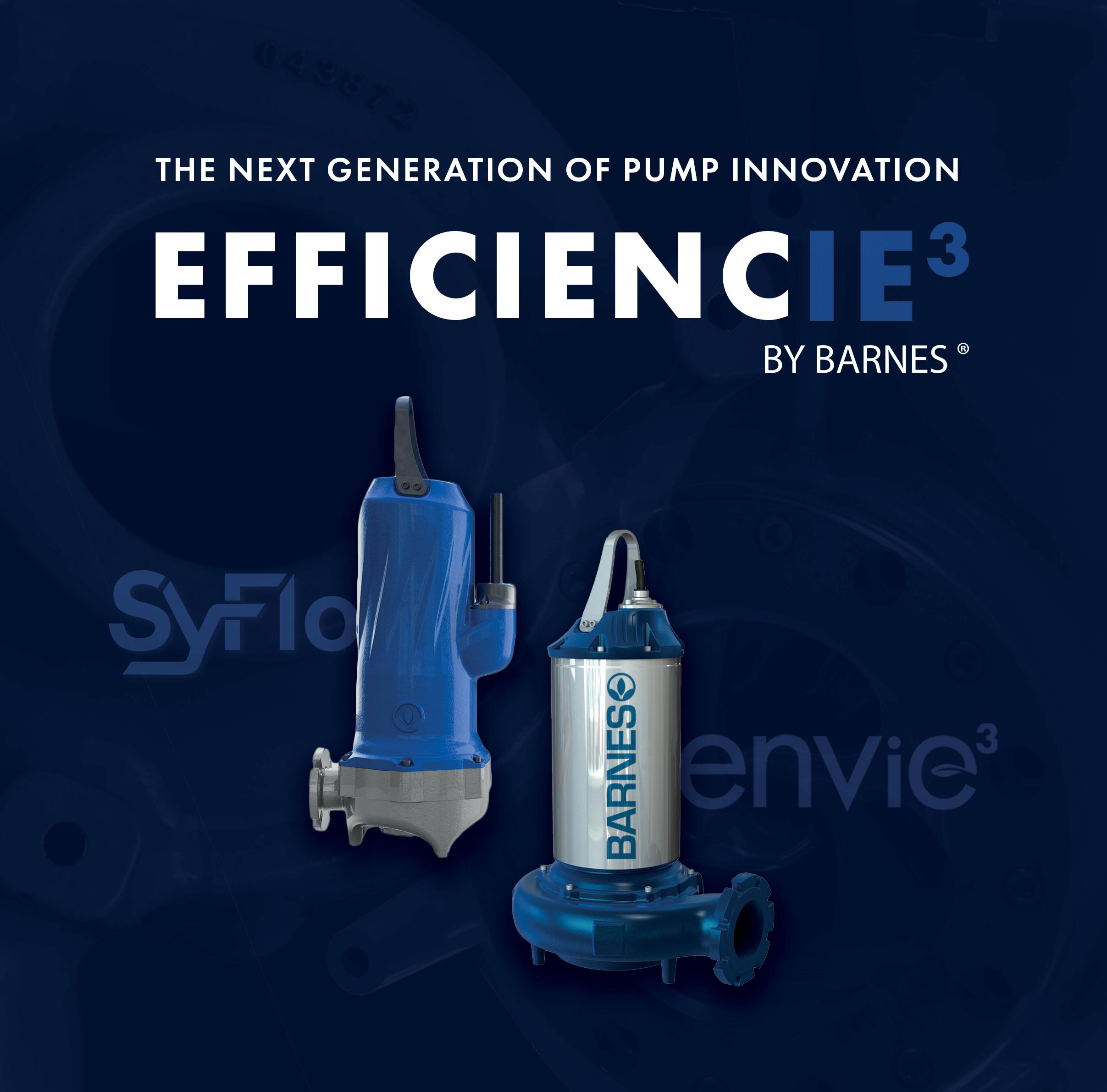
IE3-rated air-filled motor reduces energy consumption and operating costs
Integrated cooling system keeps the motor cool to extend overall pump life
Clog-resistant impeller and volute designs reduce maintenance
Learn more: crane pum p s.com/product-ty p e/solids-handling-pumps/
Kam Chan, Global Sector Lead — Infrastructure, with Montrose Environmental Group, shared his insights and predictions for 2026 with Environmental Science & Engineering Magazine in a question-and-answer exchange.
Chan believes that Canada stands at a pivotal moment in a rapidly shifting global landscape. Along with the launch of the new Major Projects Office (MPO), governments across the country are gearing up to deliver once-in-a-generation projects. In September 2025, Prime Minister Mark Carney announced the first series of projects referred to the MPO for consideration, and the federal government has also shared views on several strategies for projects that could be truly transformative for this country, spanning critical minerals, renewable energy, and low-carbon transportation networks.
These nation-building projects share a significant focus on environmental and climate goals, often framing development and environmental protection as inseparable. The government’s Building Canada Act aims to streamline federal approval processes for these and other projects, while maintaining environmental standards and upholding Indigenous rights.
Chan adds that we are entering a period where climate adaptation is just as important as mitigation. Climate change is already altering the world, with more intense and frequent wildfires, storms, and sea-level rises. Across Canada, greater emphasis is being placed on climate resilience planning — whether through flood protection, wildfire risk reduction, or resilient design for transportation and energy systems.
As environmental risks and associated costs rise, adaptation is now a core strategy for clients. This shift is fueling strong demand for environmental consultants, who provide expert guidance on risk assessment, resilient design, and regulatory compliance to help commu-
nities and businesses prepare for more frequent climate impacts.
Q. How do you see climate policy and federal/provincial regulations influencing environmental consulting and infrastructure development in Canada?
A. Canada’s regulatory environment continues to evolve rapidly, especially with strengthened commitments under the Canadian Net-Zero Emissions Accountability Act and various provincial climate action plans. These frameworks are creating new expectations for transparency, emissions monitoring, and community engagement.
For consultants, this means helping clients navigate compliance and strategic alignment — understanding how their operations fit within broader policy shifts and how to future-proof investments. A good example is how Canadian provinces are integrating climate resilience standards into infrastructure funding by requiring climate risk assessments and adaptation measures as part of project eligibility, supported by updated codes, national standards, and technical guidance to ensure that investments are robust to future climate impacts.
Q. What role can engineers play in ensuring critical mineral projects balance global progress with environmental responsibility?
A. Canada’s accelerated push to develop critical minerals projects (backed by programs like the Critical Minerals Infrastructure Fund) demands a careful balance between progress and environmental responsibility. Achieving this balance is a collaborative endeavour that brings together multidisciplinary teams, communities, Indigenous partners, and technical experts to navigate environmental assessments, permitting, and the integration of Traditional Ecological Knowledge into project planning. By fostering collaboration in biodiversity conservation, land reclamation, air and water management, and ongoing monitoring, we can help to ensure that mines and processing facilities operate responsibly while meeting evolving regulatory and community expectations. This holistic approach weaves together diverse perspectives and disciplines, enabling a more comprehensive understanding of the interplay between these natural systems and responsible resource development.
Q. What emerging approaches or technologies are you seeing to address water quality and resource management challenges?
A. Water quality is one of Canada’s defining environmental challenges. Extreme weather, population growth, and industrial demand are all putting pressure on water systems. The good news is that new tools are allowing for smarter, data-driven management.
We are seeing increased use of realtime water quality monitoring, advanced treatment processes, and predictive modelling to safeguard critical resources. For example, in Western Canada, Montrose supported the development of a mine water and selenium management plan that integrates continuous monitoring with adaptive management strategies. This approach not only reduces ecological risk but also provides regulators and communities with greater transparency into water quality performance.
Q. How best to support Canadian industries as they adapt to increasing ESG and sustainability expectations.
A. What’s changed is that investors and regulators now expect clear data and measurable outcomes. A science-driven approach empowers industries and communities to make informed decisions that meet their Environmental, Social and Governance (ESG) and sustainability goals. Consulting firms can deliver the testing, treatment, and expertise that provides the data and results forming the foundation of these decisions.
By translating sustainability ambitions into actionable performance metrics, organizations can demonstrate measurable progress, strengthen stakeholder confidence, and make responsible investments that drive long-term environmental and economic resilience.
Q. What gives you the most optimism about the future of Canada’s environmental industry?
A. What makes me the most optimistic is the spirit of collaboration that’s defining Canada’s environmental future. Governments, industries, Indigenous communities, and environmental partners are increasingly working together to balance development with stewardship.
We are also seeing the next generation of environmental professionals bringing fresh energy and innovation to the field. They are embracing technology, pushing for transparency, and viewing sustainability as a shared responsibility rather than a

The federal government has also shared views on several strategies, spanning critical minerals, renewable energy, and low-carbon transportation networks. Credit: ronniechua,stock.adobe.com
niche concern. Canada’s environmental sector has an incredible opportunity to lead the world in demonstrating how sustainable development can also drive economic performance.
Montrose Environmental Group has offices across Canada. For more information, visit: www.montrose env.com
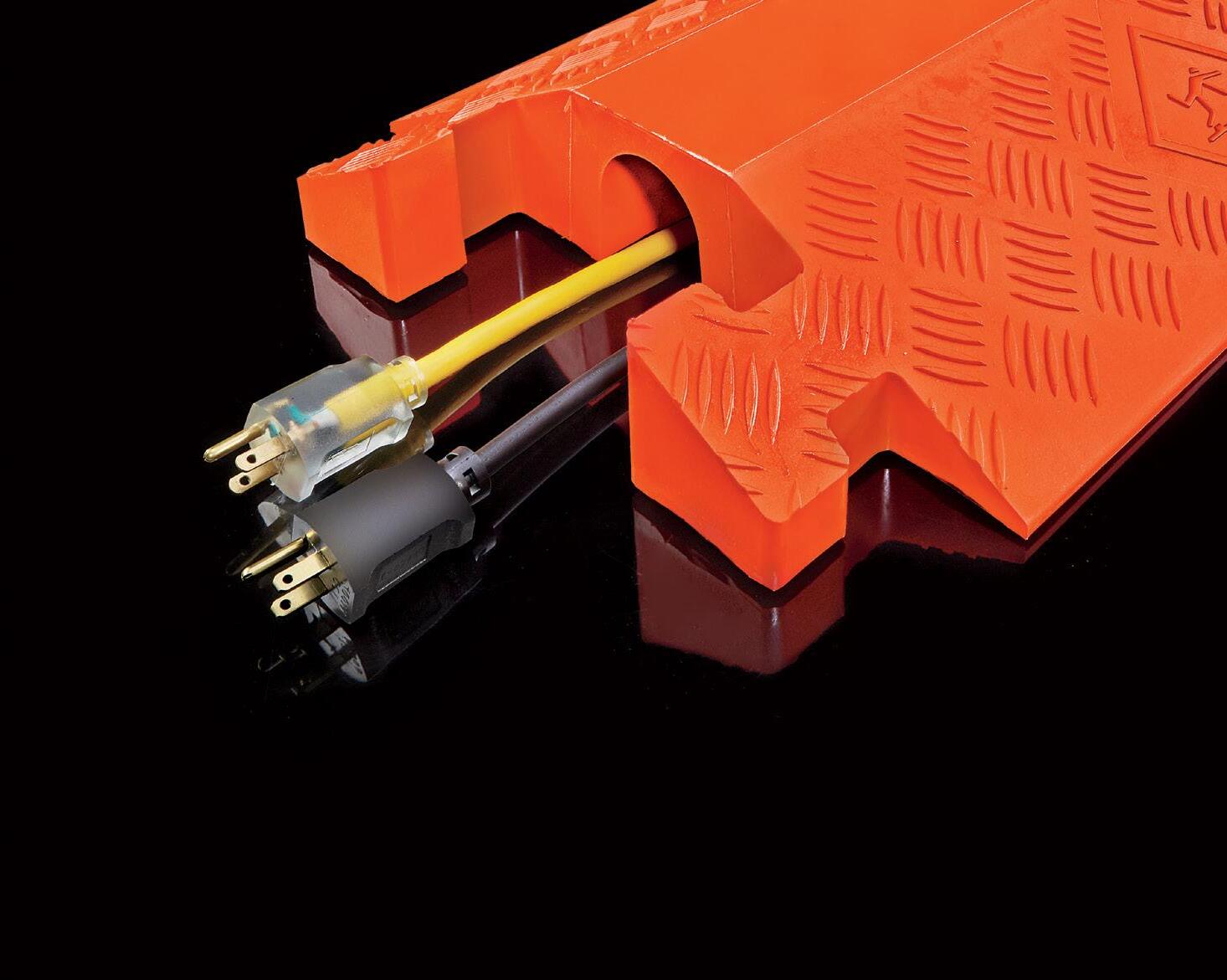




By Jazz Pabla
By investing in the development of digital tools and assets, and training staff and clients on how to maximize their utilization, engineers, scientists and designers can push the creation of efficient, cost-effective, resilient infrastructure solutions.
In 2020, when the COVID-19 pandemic broke out, the importance of individual service delivery was amplified. Companies that focused on providing for the needs of one individual at a time, like food delivery and ride-hailing services, prospered.
Resources at the municipal level shifted to general health and safety, ensuring government facilities could stay open under new stringent guidelines. Because of this
focus, they weren’t able to focus on driving operational efficiency, at a time when online platforms were being delivered to improve the citizen experience.
As people sought out some of the overlooked services they once relied on, like permitting for a new swimming pool to stave off boredom, or zoning assessments to allow family members to move in, efficient systems for responding to these growing needs were not in place. People were left frustrated, sometimes waiting weeks or months for basic inquiries to be met.
This opened an opportunity for AI-driven efficiency. By creating customized co-pilots based on the permit sought, evaluation and service times were reduced. And, as the solution learned from the requests being made, the system was able to drive even more efficiency. Some permits that were taking months to fulfill had been completed in only weeks or even days.
These are the kinds of solutions that, when designed with citizens’ needs at the forefront, deliver real, measurable benefits and improve the relationship between individuals and their local governments.
At the same time that the country was dealing with the disruptions caused by the pandemic, many communities were also dealing with the complexities of natural disasters, including flooding, fires and extreme weather incidents. The impact of these events cost billions of dollars each year. According to the Insurance Bureau of Canada, the cost of insurable damage from extreme weather events exceeded $8 billion for the first time.
A few years ago, when a forest fire burned its way through the Okanagan Valley, five different municipalities were tasked with understanding how the fire was spreading and whether it would cause them to evacuate residents. This meant five municipalities were each pouring resources into data tracking of the same event.
With a coordinated approach between municipalities, sharing the data that had been obtained and then analyzing it would have saved resources and costs, while generating the same outcome. That could have freed up resources to help communicate with the community, or better prepare for the next steps.
Working together through data collaboration and collective analysis can help create a more proactive approach to community resilience and improve the efficiency of the response, both of which could have life or death implications during an extreme weather event.
What if there was a way to better predict weather patterns that would allow communities to know how to better plan for upcoming storms, or make smarter use of snow equipment before and during a weather event? It would mean timely delivery of information that could help save lives.
That’s exactly what the WSP team had in mind with the development of Advanced Weather Intelligence, a platform that helps better observe storm patterns as they approach. This helps governments take proactive measures to protect cities and assets. The foundation is an integrated web-based solution that is supported by industry-leading sensor networks, AI models, and includes 24/7
access to senior meteorologists.
This combination of atmospheric science and deep infrastructure knowledge delivers actionable intelligence, that can provide tangible benefits for industry as well, including power, construction, transportation and mining operations.
Solutions such as these are a tangible example of how environmental science and engineering expertise, combined with AI, can deliver meaningful new solutions that benefit the greater good.
Innovative digital solutions are also valuable for protecting plant and animal species, improving the overall quality of Canada’s biodiversity.
Using Earth-observed data from satellite technology, a collaborative team, that included WSP, was able to track North Atlantic Right Whale (an endangered species) movements in the St. Lawrence Seaway. This provided invaluable data that can be used to develop



predictive modelling that will help minimize collisions with ships travelling to inland ports. A significant portion of the less than 400 whales believed still in existence are found in the summer months in and around the St. Lawrence.
The new Satellite Mobilization for Biodiversity Action, introduced by the Canadian Space Agency, has created new opportunities to expand on the use of satellite technology and Earth-observed data. A new opportunity, called smartEarth, “aims to give Canada’s downstream space sector (data exploitation) the support it needs to accelerate innovations in the creation and delivery of new Earth observation applications.”
Working with the Innu community of Uashat Mak Mani-Utenam, the SatCaribou project, which is part of smartEarth, will create more robust maps of caribou movements in eastern Quebec. This, in turn, will help protect these animals, and their habitats, for future generations.
Supported by government funding
mechanisms, companies in the consulting engineering space are able to utilize new forms of data collection and analysis to create positive environmental impacts across the country.
This is just the beginning. Programs and initiatives that once took years to create are now taking months, thanks to the expanded capabilities of artificial intelligence.
It is vital that environmental science and engineering companies embrace the opportunities that artificial intelligence can provide, innovative solutions that provide real value to real people.
Jazz Pabla is the Chief Innovation Officer for WSP in Canada. Email: jazz.pabla@wsp.com


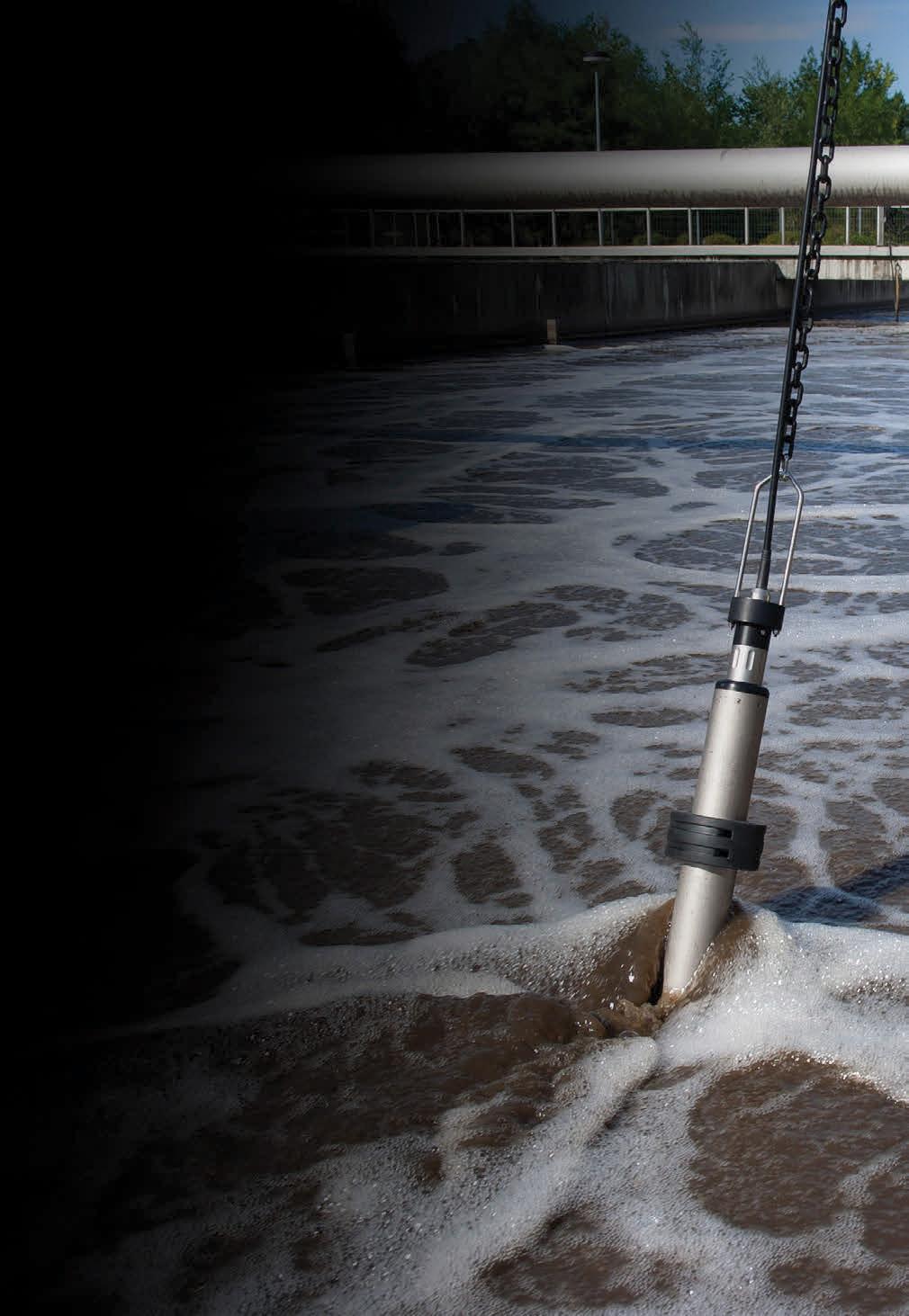

By Scott Belton

Mediation is collaborative and conciliatory. At the end of the process, both parties should feel they have won — and they should feel ready to move forward together. Credit: diane,stock. adobe.com
In business, disputes are inevitable and the way they are dealt with can tell you a lot about the business, its leaders and its employees. Savvy, forward-thinking leaders don’t fly off the handle when things don’t go their way. They don’t insist on winning every argument. And they certainly don’t take their clients and partners to court when disputes arise.
Instead, they are bringing their disputes to mediation, a confidential, nonbinding, conciliatory process in which the parties to a dispute agree to work together to reach a resolution. By working with a mediator, parties enter into a
structured negotiation process guided by a trained mediator and designed to resolve an issue in a mutually beneficial manner. In fact, mediation has a success rate between 70% to 90%, causing business leaders to choose mediation over the other options.
In litigation and arbitration, one side wins and the other side loses. It’s combative and can turn ugly within seconds, leading to long-lasting ripple effects down the road.
Mediation, on the other hand, is collaborative and conciliatory. At the end of the mediation process, both parties should feel they have won — and they should feel ready to move forward together with the other party.
In short, mediation is exactly the opposite of what you expect conflict resolution to be. Mediation saves in just about every way, including:
Time — Many lawsuits drag on for years without ever reaching a resolution. Meanwhile, the business is stuck in limbo, possibly continuing to spend money on the job site with no end in sight and no way out.
Money — Litigation is expensive. Hiring lawyers, finding expert witnesses, paying the court fees. The whole process costs more money than most firms have readily available. But none of this is necessary in mediation.
Relationships — When litigation gets out of control, both parties say and do things they may not mean. A prolonged litigation is almost a guarantee that you’ll never do business with the other party again. Organizations that choose mediation are able to minimize those issues.
Reputations — Without the drama of a courtroom, the dispute remains contained. Whatever happens stays between you and the other party, without need-
ing to be shared around. Partners and competitors don’t need to take sides. And when the conflict has been resolved, other organizations will see that both parties are happy with the outcome.
When a dispute arises and both parties agree to mediation, there are several steps to take. While the particulars may vary, the process is generally the same.
First, the parties try to reach a negotiated settlement on their own. If they can’t come to a conclusion on their own, a mediator is selected. Usually, this person is knowledgeable about the design and construction industry, specifically the issue at hand. They arrange for a session with the two parties to lay out the process, and each party is given an opportunity to explain its position. This initial session allows the mediator to gather the facts and determine the areas of agreement or discord between the two parties.
Next, the mediator holds separate private meetings with each party. These meetings are confidential and the details cannot be shared unless the disclosing party agrees. After these private meetings, the two sides come together again to try to reach settlement. The mediator helps the two parties to focus on the points of contention in an effort to help them come to an agreement.
Depending on the situation, the parties
may be able to reach a settlement at this point. Sometimes additional meetings may be necessary to iron out ongoing points of contention. Ideally, the mediator will be able to reach a final resolution that both parties can agree to in writing.
Despite the success rate, mediation isn’t always the first tool that firms consider when a dispute arises. If your firm has decided to prioritize mediation as a tool, consider the following:
Include a mediation clause in your contract — Anyone can suggest mediation as a tool, but it may be challenging to get everyone on board once a dispute has already arisen. Those that include a clause in their project contract, however, will be more likely to consider it. Look to your professional organization for wording to use in your standard contract form.
Choose the mediator carefully — Obviously, a good mediator with experience in the field is invaluable. Solicit opinions to find someone with a stellar reputation. Consider selecting a mediator who has expertise in engineering and/or design, or someone who has worked with a similar dispute. Check with your attorney or risk expert for the names of recommended mediation services in your area.
Look into incentive programs —
Some insurers offer a deductible reimbursement program to encourage participation in mediation. Under these programs, policyholders who successfully resolve a dispute through formal mediation can have a percentage of their deductible returned. If your firm is going to lean in this direction, it may be worth working with your broker or risk advisor to see if your business qualifies for this kind of program.
For mediation to work, you have to be willing to be respectful and to try to understand the other perspective. The solution may not be the one you envisioned, but be patient with yourself and the other party. Also, work hard to move past your own anger around the issue. If both parties can do their part, there’s a good chance you’ll be able to reach a solution that works for everyone.

Scott
Belton is the Vice President of Professional Liability at Hub International. For more information, visit: hubinternational.com
Associated Engineering provides consulting services across the full spectrum of infrastructure, water, and wastewater services. Our approach considers the entire asset lifecycle and climate impacts to create sustainable and resilient solutions. We continue to experience growth in all our offices across Canada, and have immediate openings in every location. To apply and for information on these opportunities in our offices across Canada, visit www.ae.ca/careers
An employee-owned company, Associated Engineering fosters collaboration and teamwork, and promotes professional and personal growth. Our approach is to work with our clients to develop creative solutions, so we can shape a better world.
The following article was adapted from a recent white paper produced by the Association of Consulting Engineering Companies’ Future Leaders Network
In consulting engineering, artificial intelligence (AI) can automate routine processes, enhance decision-making, and enable innovative solutions to complex challenges. By integrating AI, the industry stands to gain significant improvements in efficiency, accuracy, and the ability to tackle increasingly complex projects.
AI-powered tools may enhance productivity and improve the quality of work by: automating repetitive and time-consuming tasks, such as data analysis, drafting, and compliance checking, freeing
engineers to focus on more complex and creative aspects of their projects; analyzing large datasets to identify patterns or potential issues, offering engineers insights that might take hours or days to uncover manually; checking work for errors or inconsistencies, potentially serving as an invaluable second layer of review to meet safety and regulatory standards.
While AI systems and tools may be capable of augmenting engineers’ capabilities and handle specific tasks, they lack the critical thinking, context awareness, and nuanced understanding that human engineers bring to a project. AI tools will always require the guidance, oversight, and expertise of engineers to interpret results, make informed decisions, and apply creative problem-solv-
Our work has a lasting ripple effect
Read the Full Story: See Patrick Coleman, P.Eng.’s article, on AI & critical thinking, featured in this issue.
ing. By leveraging AI, engineers can seek to increase their productivity, improve project outcomes, and focus on delivering innovative solutions, knowing that these tools serve as efficient assistants rather than replacements.
Engineering professionals remain professionally responsible for their work, even when it is generated by or includes AI output. This includes consideration of the risks and legal implications as well as their ability to meet regulatory requirements for documented checking, direct supervision, document retention, independent review, and quality management. When using AI-based systems as a tool, engineering professionals must assess,
understand and manage or mitigate the impact that AI-based systems and tools can potentially cause, either directly or indirectly. A professional must remain familiar with how the AI-based system or tool used is intended to function and exercise their engineering and ethical judgement on a continuing basis as per the Code of Ethics. Documented risk assessments must be completed for all professional activities or work.
Engineering professionals should not use or rely on AI outputs for projects involving safety or environmental risks unless they understand the underlying processes and reasoning behind the AI system’s output. Quality management continues to be a top consideration when using and applying any new technologies.
A practice advisory from Engineers and Geoscientists BC states that “the use of an AI-based system or tool during professional activities and work should be approached with caution, and different considerations should be taken into

AI-powered tools may enhance productivity and improve the quality of work by automating repetitive and time-consuming tasks, such as drafting. Credit: jayantha,stock.adobe.com
account when the work is generated directly by a professional. As such, additional strategies will likely be required (e.g. additional checking, independent review, audits and continuous monitoring and
Everything from a single source: inspection, repair, maintenance, commissioning, service contracts and spare parts
Global expertise, local strength: fast on-site service from our East, Central and West Canadian offices
Maximum safety and reliability with original AERZEN spare parts


evaluation to ensure performance)”.
The current insurance industry perspective is to continue observing what liability exposures will be created or continued overleaf…

Analysis and consulting to optimize efficiency and increase of machine lifetime





service-ca@aerzen.com Tel: +1 (450) 424 3966 www.aerzen.com/service
eliminated with the use of new AI systems and tools. Future litigation will further define these parameters, and the industry will react accordingly.
Exposures related to AI are covered by a Professional Liability Insurance policy, as there is currently no exclusion that relates to AI services and use of tools to the provision of professional services. Cyber policies may be involved, particularly if a firm is compromised due to the use of AI-based systems.
Client expectations must be carefully managed, and the scope of services should be clearly defined when incorporating AI systems and tools. Insurers recommend clearly and effectively communicating with clients during the process to ensure their understanding, as well as including detailed documentation, in particular the justification of decision points throughout a project.
Information provided by the client or others should be handled similarly to current processes — responsibility for the accuracy of information used and presented must be documented and continues to lie with the consultant no matter what tools are used.
Adequate and continuously adaptive staff training for effective and appropriate use of AI systems and tools will likely be the biggest challenge for firms. This is equally important for both junior and senior staff, as strengths and gaps in knowledge will have a wide spectrum.
As AI systems and tools evolve, consulting firms must be aware of the use of any intellectual property (IP) that engineering staff feed into AI tools and whether any proprietary data is made public or externally available intentionally or inadvertently through the use of technology. This includes any data that is bound by client agreements or non-disclosure agreements with third parties.
Publicly available tools are mostly “open source,” potentially allowing competitors access to data given to the AI system during use. IP developed by the firm to give it a competitive advantage or other proprietary data can be used with closed internal AI systems and tools at the firm’s discretion. AI privacy

AI tools will always require the guidance, oversight, and expertise of engineers to interpret results, make informed decisions, and apply creative problem-solving.
Credit: ibelieveicanfly,stock.adobe.com
tools developed or applied by firms can help mitigate, monitor and restrict what sensitive company data is being shared externally.
AI systems, while powerful, are not infallible and can produce inaccurate or misleading results, often referred to as “AI errors” or “hallucinations.” These errors may stem from incorrect training data, algorithmic biases, or limitations in the AI tool’s ability to interpret context accurately. All users must remain vigilant when using AI tools, thoroughly reviewing outputs to identify potential inaccuracies or inconsistencies. Relying on AI without proper oversight can lead to flawed designs, safety risks, and regulatory non-compliance. By approaching AI outputs with skepticism and applying rigorous professional judgment, engineers can mitigate the risk of these tools to serve as helpful aids.
More conventional uses will continue to be developed to apply machine learning models and artificial neural nets to solve engineering problems in a more efficient and precise way. Revisiting software tools already in use with a fresh lens of incorporating AI modules could provide significant efficiencies in the short term.
With the advent of AI, a new host of use cases have opened and are being actively explored. A wider adaption of
AI is expected, not just through the use of generic out-of-the-box tools, but also through internally developed, specialised agents, e.g., for assisting with offers, screening tenders, report writing, etc.
Longer term, firms are anticipated to likely move from an opportunistic approach to a more strategic approach. A shift is expected towards internal funding for AI initiatives being channeled into fewer and larger projects that align with each firm’s overall strategy. To harvest the full benefits and stay competitive, a more focused approach will be key.
As with all emerging and advancing technologies, the business of engineering is expected to evolve and adapt to using new tools. Consulting engineering firms will continue to weigh the risks of AI systems and tools with their competitive advantages while supporting their staff in fulfilling professional regulatory and ethical obligations.
Managing and mitigating risks will involve engineers’ collaboration and consultation with qualified experts that develop and establish specific AI systems or tools in order to be able to harness the advantages and enable professionals to take responsibility for the end product.
Disclosure on the use of AI must be made to clients, and the protection of company, client and other parties’ data and intellectual property needs to be carefully considered.
Just as the calculator and computers enhanced the effectiveness of engineers without replacing them, AI will similarly become an effective tool for consulting engineering firms and their staff.
AI is expected to increase productivity, and this gain could be used to strengthen consulting firms’ position in the market.
ACEC is the national voice of over 400 companies that provide engineering and other professional services to both public and private sector clients across Canada and the world. For more information, visit: www.acec.ca, or email: president@acec.ca
By ES&E Staff
Atwo-year research initiative led by a multidisciplinary team of engineers and 14 utilities has been launched to address the need for industry-wide guidance on smart sewer system implementation.
The project, “Implementing a Smart Sewer System to Optimize Capacity to Reduce Surface Flooding and Surface Overflows”, aims to develop practical solutions for utilities from Canada, the U.S.A. and the U.K. that want to maximize existing infrastructure capacity while reducing capital expenditures through smart technologies. Funded with $385,000 from the Water Research Foundation (WRF), the project will be led by Carollo Engineers Principal Investigator Eric Harold and HydroDigital Co-Principal Investigator Luis Montestruque.
“While smart sewer projects have been gaining acceptance and have documented lower costs and improved management of overflows and flooding, there remains a lack of industry-wide guidance to help utilities identify opportunities and implement these approaches,” announced Harold in a statement.

The study brings together utilities from the U.S., Canada and the U.K. to evaluate how technology can improve sewer system capacity while reducing the need for costly infrastructure expansions. Credit: Georgii Shipin, stock.adobe.com
The project emerges from growing concern over how much time and money municipalities are spending on sewer overflow control efforts, according to a 2023 U.S. Government Accountability Office report. Smart sewer approaches, suggests the WRF, can maximize the capacity of existing infrastructure through the use of weather forecasting, sensors, communications, and real-time controls to adapt to changing conditions, potentially reducing
large-scale capital investments.
Harold added that the research will provide utilities and municipalities with the information, strategies, and tactics needed to “scope their capital programs, tailor control strategies for sewer overflows, and meet regulatory requirements, while reducing treatment costs and protecting human health and the environment.”
WRF Chief Executive Officer Peter Grevatt stated that smart sewer approaches can improve environmental outcomes at significantly lower costs for communities of all sizes and locations, particularly sewer overflows, chronic flooding, and water quality issues.
The research team will conduct a comprehensive literature review, broad utility surveys, and targeted interviews across geographic regions and utility sizes. This study will synthesize case studies of both successful implementations and projects that did not achieve intended outcomes, providing critical lessons learned for the industry.
For more information, email: editor@esemag.com

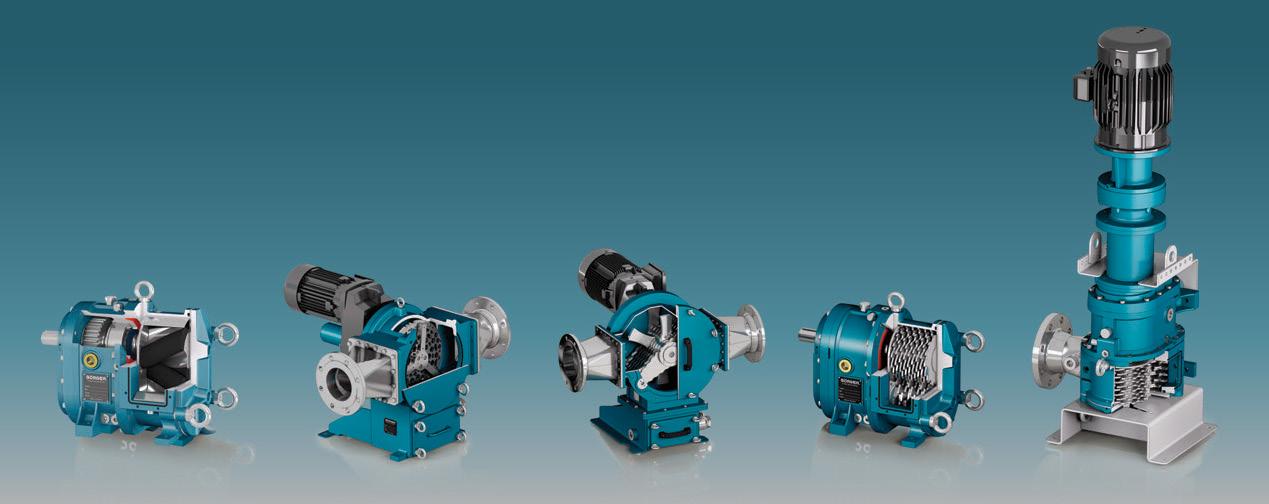



By ES&E Staff


Ateam of environmental engineering students from the University of British Columbia (UBC) has earned top international honours for a nature-based stormwater management design that could help cities better protect their watersheds.
UBC team StormWise Innovations captured first place at the 2025 Water Environment Federation Technical Exhibition and Conference (WEFTEC) Student Design Competition in Chicago for their proposal to improve stormwater runoff quality within the Nelson Creek watershed in Coquitlam, B.C.
Working with the City of Coquitlam, the students developed a green infrastructure plan that integrates bioswales and retention systems to naturally filter and slow stormwater. The project aims to reduce pollution, strengthen watershed resilience and enhance community green spaces through sustainable, low-impact design.
“Designing a real-world project with the City of Coquitlam and presenting internationally taught us how shared purpose, collaborative teamwork, and interest-holder considerations can deliver effective nature-based stormwater solutions, while strengthening watershed resilience and enhancing community spaces,” the StormWise Innovations team said in a statement.
Jaden Gauw, Jaden Mah, Kajal Mishra, Cindy Chow and Megan Slot represented both UBC and Canada after winning first place earlier this year at the BC Water and Wastewater Association Student Design Competition. They were mentored by Dr. Zeina Baalbaki, lecturer in UBC’s Department of Civil Engineering.
“This success is a testament to the students’ innovation, passion and effective collaboration with partners and mentors,” said Dr. Baalbaki. “The mutual value gained from this experience underscores the importance of hands-on, real-world learning in engineering design education.”
The WEFTEC competition challenges student teams worldwide to design practical solutions for water quality problems. Entries are judged on technical merit, creativity and realworld applicability.
The win marks UBC’s first international WEFTEC title since 2019, reinforcing the university’s growing reputation for advancing sustainable engineering and green infrastructure solutions on the global stage.
Hosted annually by the Water Environment Federation, WEFTEC is the world’s largest water quality conference, bringing together students, professionals and researchers to share innovative approaches to global water challenges.
For more information, email: editor@esemag.com
By ES&E Staff
Metro Vancouver has finished construction on its award-winning, one-kilometre-long Second Narrows Water Supply Tunnel, which is one of five new regional water supply tunnels designed to ensure delivery of drinking water in the event of a major earthquake.
The tunnel lies 30 metres below the bottom of the Burrard Inlet and is 6.5 metres in diameter. It contains three new large-diameter steel water mains designed to withstand a onein-10,000-year earthquake, while delivering drinking water to Vancouver, Burnaby, Richmond, New Westminster, Delta, and parts of Coquitlam and Surrey, British Columbia.
“Building this tunnel under the Burrard Inlet was a massive project and is another great example of the critical infrastructure that Metro Vancouver delivers for this region,” announced Mike Hurley, chair of Metro Vancouver’s Board of Directors, in a statement. “For a sense of scale, this tunnel was large enough to drive a truck through. It now holds three separate water mains that will increase capacity and ensure we can continue supplying water following a major earthquake.”
The tunnel was excavated through a variety of ground conditions using a slurry tunnel boring machine, and replaces three water mains built between the 1940s and the 1970s that were vulnerable to damage during an earthquake and are nearing the end of their service lives.
With the tunnel now complete, Metro Vancouver will start connecting the new water mains to the existing water supply system. Work on these tie-ins will occur on both sides of the Burrard Inlet, and each connection is expected to take several months to complete.
In 2024, the project received the Tunnelling Association of Canada’s Canadian Project of the Year Award, which is presented to a team that has significantly contributed to a project in Canada that has demonstrated the “highest level of engineering skill and shown insight and understanding of underground construction”. In 2025, the project was also presented with the Award of Excellence from the Association of Consulting Engineers - BC Chapter in the Municipal and Civil Infrastructure category.
The Second Narrows Water Supply Tunnel is expected to be fully in service by 2028.
For more information, email: editor@esemag.com
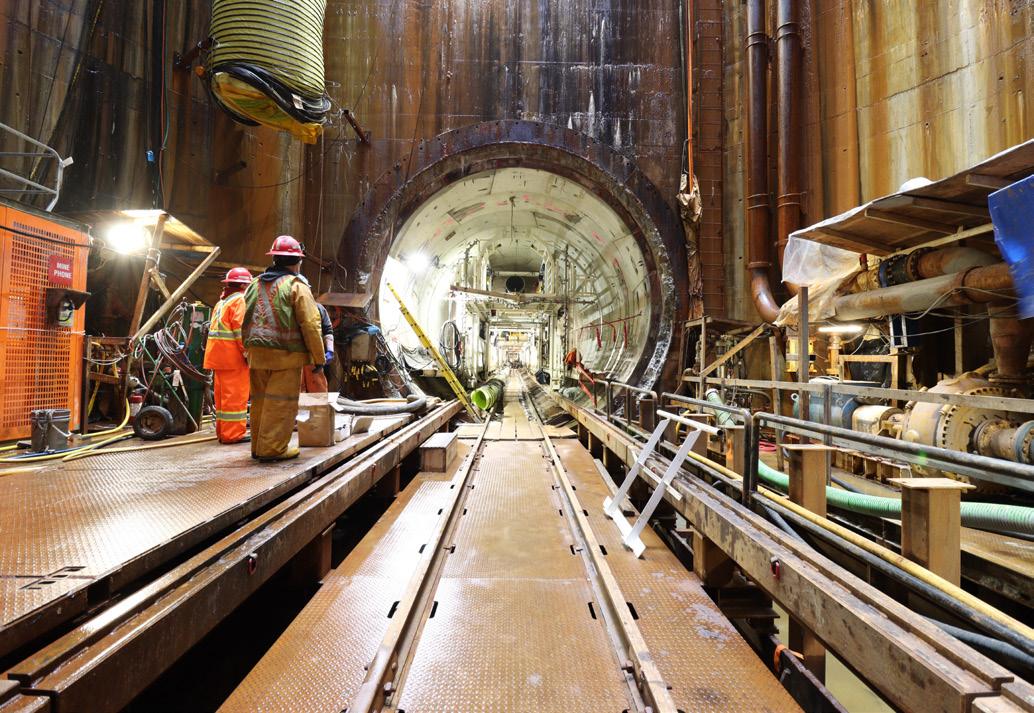
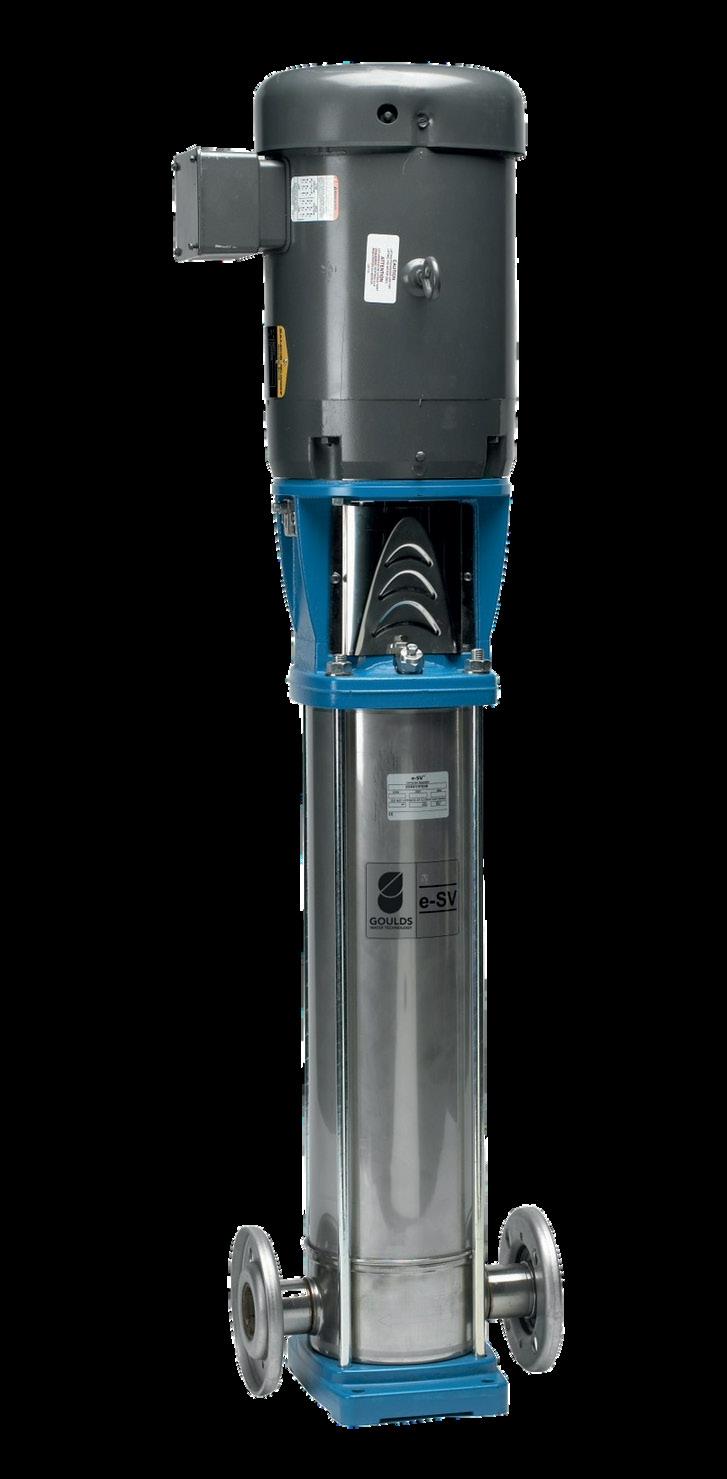


By Marshall Lampson
Most chemicals emit vapours during storage, but certain substances present unique challenges that demand specialized solutions. Chemicals such as hydrochloric acid, acetic acid, and hydrofluoric acid generate particularly corrosive vapours that cannot be safely released into the environment. These aggressive fumes pose serious risks to storage infrastructure, surrounding equipment, and personnel safety.
The challenge with vapour-producing chemicals lies in finding the right balance. You cannot simply seal the storage vessel, because that can create dangerous pressure accumulation. At the same time, allowing these harmful vapours to escape is equally problematic.
Effective vapour control requires specialized engineering and thoughtful tank design. We have seen several examples where loose manway installations during maintenance allowed corrosive vapours to escape, which led to extensive corrosion damage to sensors, metal components, and surrounding infrastructure.
Given the destructive nature of these vapours and their potential for costly system damage, it’s essential to collaborate a with a tank manufacturer, like Poly Processing, early in a project’s planning phase. This proactive approach ensures that your property and personnel are fully protected from the outset.
The most effective defense against harmful chemical vapours is a properly designed fume scrubbing system. This solution works by directing tank ventilation through a wet scrubber setup. Vapours travel through dedicated piping to a secondary containment vessel that is equipped with a slotted PVC plenum. As
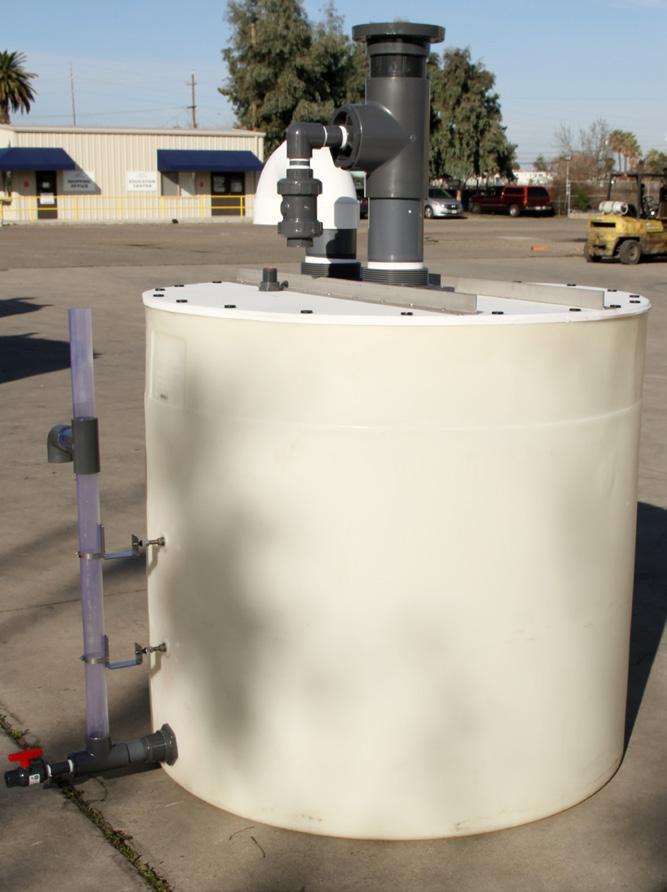
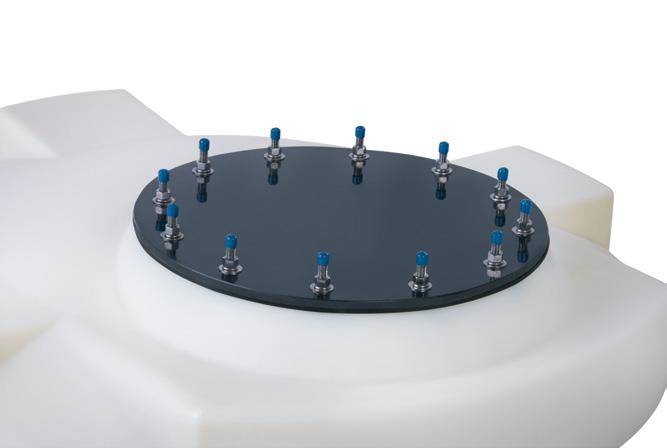
vapours pass through this system, they bubble through a scrubbing solution that neutralizes both the harmful compounds and associated odours before releasing clean air through the top vent.
Poly Processing manufactures scrubber systems exclusively for its tank systems. PolyScrub™ is engineered to handle discharging vapour from chemical tanks during operation and filling. This innovative fume scrubber uses water to scrub harmful fumes before they evacuate the system. This system is available
as a passive model where the operator checks and adjusts pH, or an actively monitored system that automates pH control for maximum performance.
Fume-tight manways and covers are specifically engineered for vapour-producing applications. These critical components feature polyethylene construction and specialized gaskets that create reliable seals. This design ensures complete vapour containment throughout the tank structure, with controlled release only through the designated scrubbing system.
Any attempt to retrofit scrubbing systems onto existing tanks is strongly discouraged. While cost savings may seem appealing, improper installation typically creates more serious problems than it solves.
Common mistakes include inadequate venting capacity that creates dangerous back-pressure and accelerated tank failure. Another frequent error involves connecting multiple tanks to a single undersized scrubber, which can overwhelm the system and cause pressure backup throughout the connected vessels.
When planning storage for corrosive chemicals, it is important to determine the specific chemicals requiring storage, tank dimensions, capacity requirements, and the filling method, whether pneumatic or mechanical.
Marshall Lampson is with Poly Processing Company. Email: mlampson@polyprocessing.com
By ES&E Staff
Ateam of scientists at Chalk River Laboratories, working with Health Canada’s Radiation Protection Bureau, is investigating how chronic exposure to uranium at different concentrations affects the body. Their findings could help determine whether Canada’s drinking water guidelines for uranium should be updated. Currently, the maximum acceptable concentration of natural uranium in Canadian drinking water is 0.02 milligrams per litre, a limit set more than two decades ago based on a 1998 study on rats.
However, research conducted in 2014 by Canadian Nuclear Laboratories (CNL) and France’s Autorité de sûreté nucléaire et de radioprotection raised new questions. In that study, rats were given drinking water containing uranium concentrations 25,000 to 30,000 times higher than the Canadian guideline, yet no signs of kidney toxicity were observed.
“The results from these studies differing not only suggests that Canada’s current guidelines could be extremely overprotective, but it also highlights how important it is to be able to reproduce data across multiple laboratories when it’s being used to set regulatory guidelines,” said Laura Bannister, project technical lead and CNL biologist and biochemist.
Communities that rely on underground well water near uranium deposits face a heightened risk of chronically ingesting low doses of uranium, but scientists still lack clear answers about the long-term health impacts, the research team says. While it is well established that large doses of uranium can cause kidney damage, researchers are less certain about what happens when people are exposed to smaller amounts over time. Indigenous communities are particularly vulnerable, given the systemic barriers that limit adequate drinking water infrastructure, monitoring, and treatment on reserves.
International inconsistencies further complicate the issue, with uranium drinking water guidelines varying widely between countries. “Being exposed to high doses of uranium over a short period of time damages the kidneys — but it’s mainly the heavy metal’s chemical composition that creates that damage, as opposed to its radioactive nature,” explained Qi Qi, a CNL radiobiology researcher, in a statement to media.
When ingested, uranium enters the bloodstream through the gut and travels to the kidneys for filtration, but the heavy
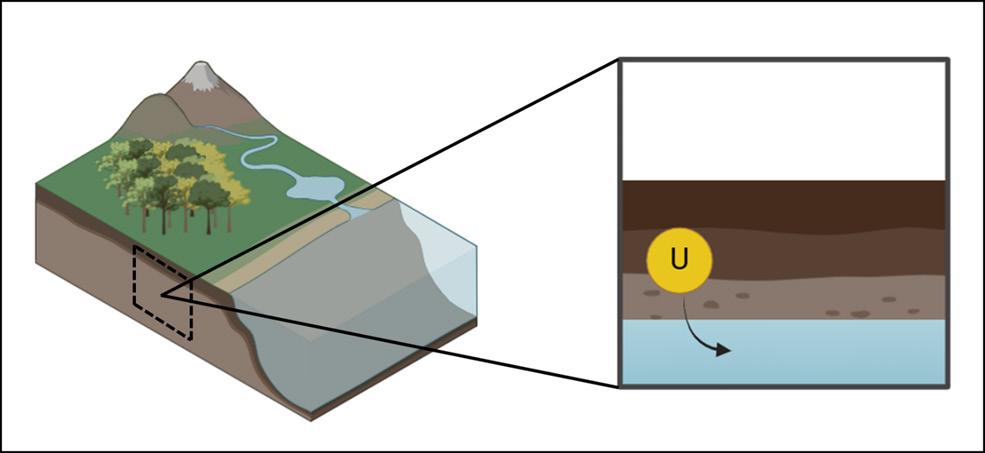
A diagram visualizing the presence of uranium in groundwater. Credit: CNL
metal ions tend to bind to kidney tissue. Trapped there, uranium can interfere with or block essential cellular processes, eventually impairing kidney function.
To better understand these processes, the current Chalk River project followed an internationally recognized toxicity testing protocol from the Organization for Economic Co-operation and Development. Over a 90-day period, rats were exposed to water containing uranium concentrations of 0, 500, 1,000, and 2,500 milligrams per litre. Additional cohorts were studied at shorter intervals or allowed to return to normal drinking water to determine if toxic effects could be reversed.
Preliminary findings suggest that biological responses varied depending on the sex of the rats and the level of exposure, with more pronounced differences at higher concentrations. Throughout the study, researchers tracked body weights, organ weights, and biomarkers in blood and urine. Though analysis is still underway, the team has already seen measurable differences in how male and female rats responded to uranium exposure.
“This research and its future results will help clarify the risks of chronic uranium ingestion and inform regulatory values. The work also has broader significance for Indigenous health equity and supports larger international efforts to develop science-based drinking water standards and kidney toxicity pathways,” noted Qi.
For more information, email editor@esemag.com
The results from these studies differing highlights how important it is to be able to reproduce data across multiple laboratories when it’s being used to set regulatory guidelines
By Jeanne Hendrickson
Various challenging chemicals are often needed to meet treatment goals for drinking or wastewater operations, including long-chain polymers. These high-viscosity fluids, which are used for flocculation and coagulation, pose some of the most significant challenges. To avoid common problems, it is crucial to use a pump that will precisely and gently dose longchain polymers without damaging them.
The pH of drinking water and wastewater must be maintained at certain levels to meet regulatory demands. pH is most often adjusted using chemicals such as sulfuric acid, hydrochloric acid, phosphoric acid, sodium hydroxide, and calcium hydroxide, which can be caustic.
Disinfection is often achieved using sodium-hypochlorite, or peracetic acid. These are familiar chemicals to operators, but they also bring challenges as both cause off gassing.
Peristaltic pumps are highly effective when dosing fluids that contain trapped gases because they are not affected by air bubbles, which pass through the tube. There is no vapour lock and no loss of prime.
For several reasons, peristaltic metering pumps are often considered the best choice for caustic, abrasive, and viscous liquids. These pumps operate using a set of rollers that compress and release a flexible tube or hose, creating a smooth peristaltic motion that gently moves fluids through the pump tube without damage. Additionally, the chemical being dosed never comes into direct contact with the pump’s mechanical components. This prevents the pump from being exposed to damaging chemicals. Despite these advantages, some metering pumps will struggle when feeding challenging fluids. Thankfully, there are innovative technologies that have simplified the process and can make metering harsh chemicals far more manageable.
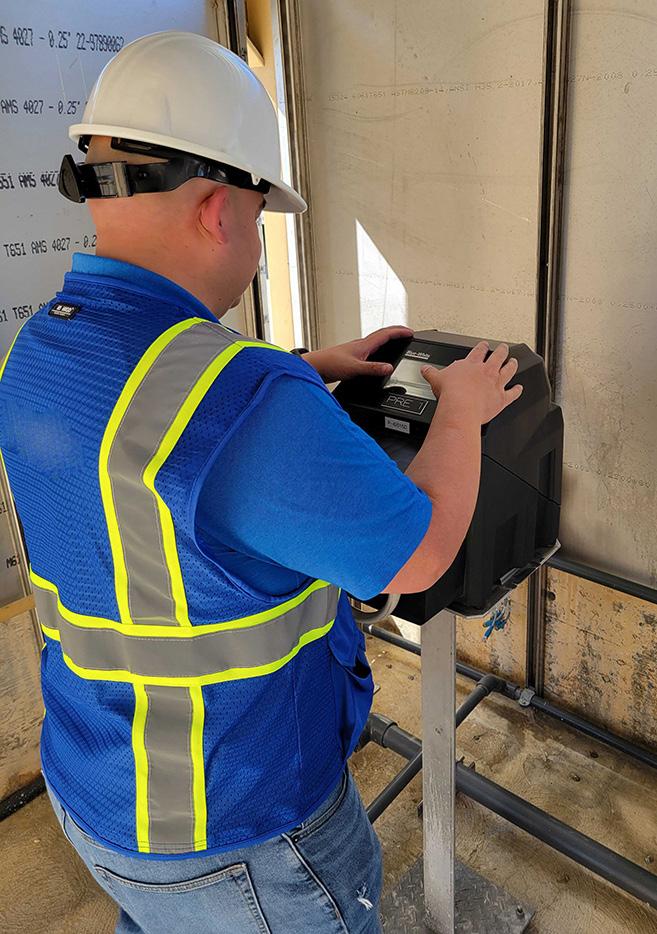
Increasing the flow rate with many fluids means increasing pump speeds. However, that is not always the case with viscous fluids. Many of them are non-Newtonian, including some polymers. In this case, speeding up the pump can cause the liquid to slow down and gum up the tube. This can be resolved using a combination of a smart pump and a flow meter. The flow meter can signal the pump to indicate the flow rate at which it is registering. The pump then automatically adjusts its pace to reach the intended flow rate.
Water treatment often requires abrasive additives, such as powdered activated carbon, lime slurry, alum, and sodium hypochlorite. These substances may clog pumps and/or wear out valves and hoses. This challenge can usually be easily met by simply choosing a larger orifice tube that will reduce the particles’ velocity. The reduction in velocity results
in less clogging and damage to tube walls.
Chemicals such as sulfuric or muriatic acid are highly reactive and can corrode or degrade pump components, including those made of metals, plastics, and elastomers. This not only causes premature wear, but can also introduce contaminants into the dosed fluids, and ultimately the treated water. Material compatibility is essential when dealing with caustic chemicals.
While challenging chemicals can be tricky for operators, various technologies can help mitigate problems and ensure smooth, accurate, and dependable chemical dosing. A peristaltic metering pump is the best option to meet these challenges. Operators need to choose a pump tube material that is compatible with the chemical being metered.
Manufacturers generally offer a range of tube material options and should have a compatibility chart available. It pays to do the research and discuss the challenges with the manufacturer before installation and setup.
Larger orifice tubes can often be the simple solution when dosing highly viscous or abrasive fluids. The larger diameter makes it easier for thicker fluids to flow through the tube and reduces resistance against the tube walls.
Operators should consider installing a foot valve in their metering setup or using a pump that has a foot valve strainer already built in. This will help filter out excess particles in abrasive chemicals and/or improve flow efficiency, which is helpful for handling viscous fluids.
One of the most important advantages of choosing a peristaltic metering pump is isolating the chemical being dosed from the mechanical components. However, if the tube fails, this barrier
could break down, causing damage to the pump mechanism and other equipment should the leak go undetected.
For this reason, quality peristaltic pumps are equipped with a built-in tube failure detection feature, which stops the pumping action when leaked fluid is detected in the pump head. Blue-White’s patented TFD System detects a wide range of conductive chemicals with no false triggering. If it detects tube failure, the pump will automatically shut off and energize a relay switch. This permits communication with external equipment, such as a back-up pump or alarm. Condensation and washdown procedures should not cause false triggering.
Technologically advanced flow meters can calculate flow based on the material being metered. If dosing requirements aren’t met, a signal will be sent to the pump to adjust its speed based on the flow rate that is trying to be achieved. This is particularly useful with viscous fluids and abrasive fluids, which can cause buildup within the tube and pipe walls.
Many abrasive, caustic, and viscous fluids are critical to water treatment goals. However, correct dosing of these chemicals does not have to be difficult if the correct chemical feed pump is in use. With the right mix of technologies and actions, operators can effectively administer such chemicals without complication and with minimal downtime.
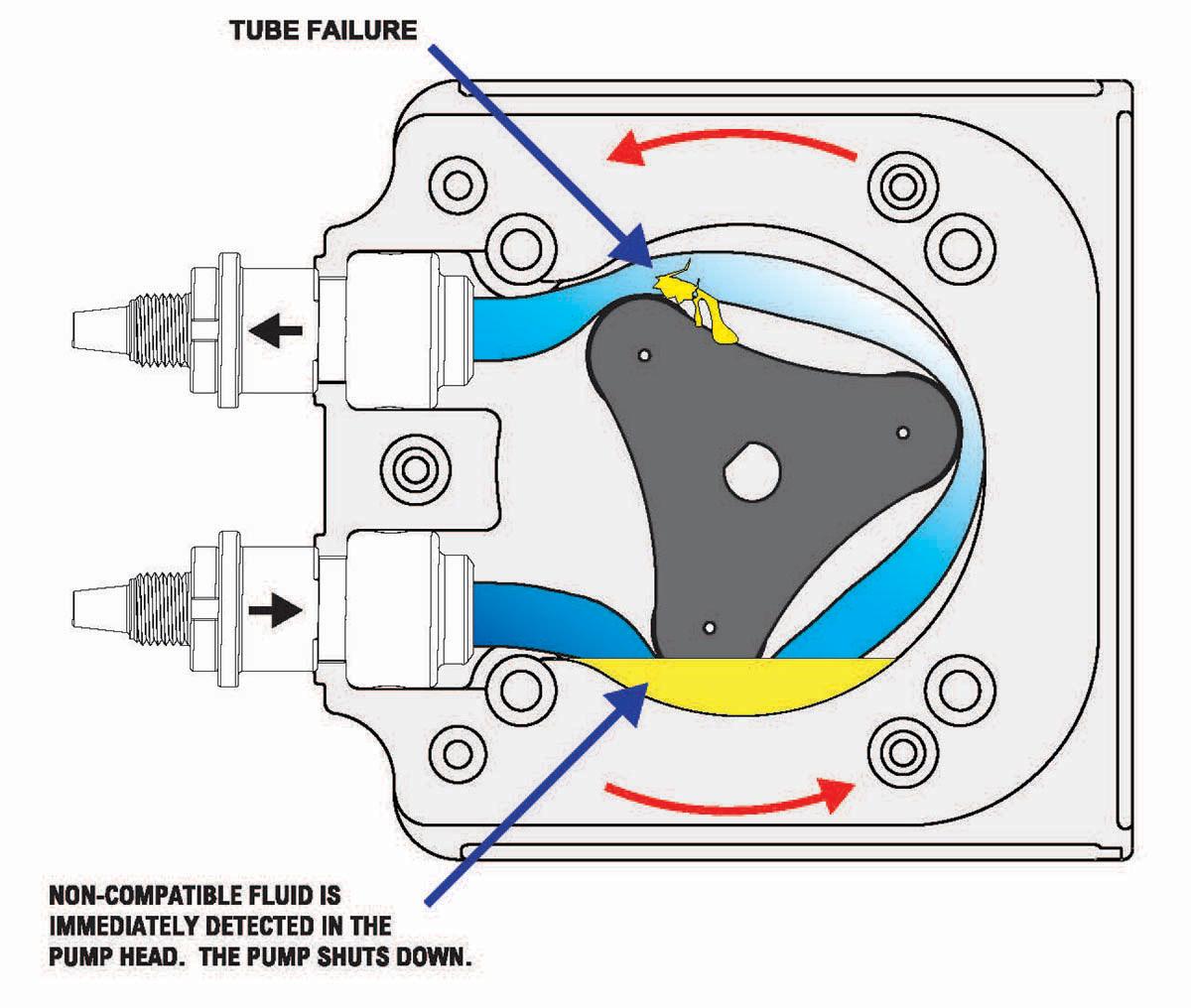
Quality peristaltic pumps are equipped with a built-in tube failure detection feature, which stops the pumping action if leaked fluid is detected.
Jeanne Hendrickson is with Blue White Industries. For more information, visit: www.blue white.com


DATE & LOCATION JANUARY
By ES&E Staff
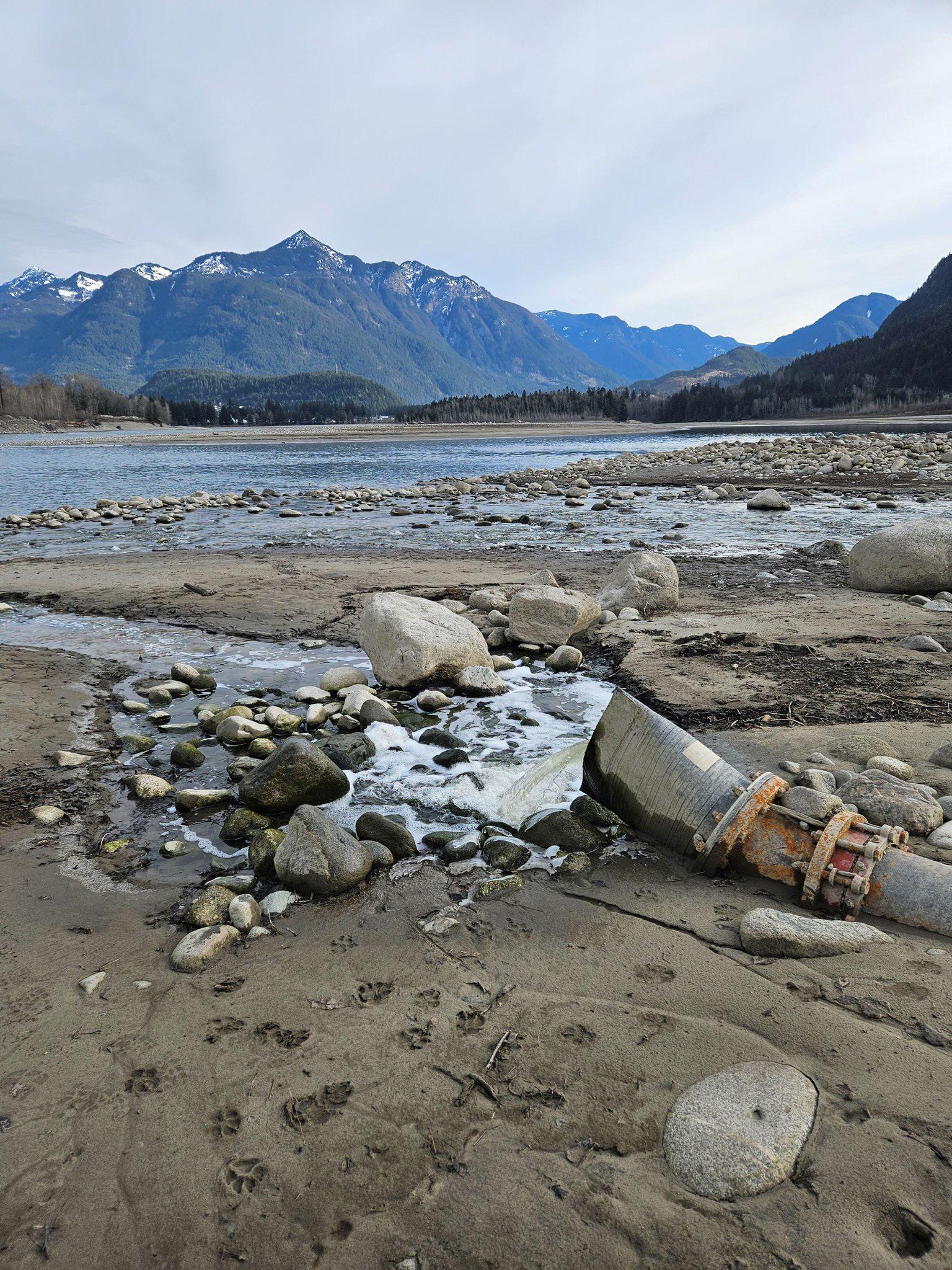
After being fined $13,000 for the use, over several years, of a temporary outfall to the Fraser River from its wastewater treatment facility, the British Columbia District of Hope is investing $700,000 to remove sludge from one of three lagoons connected to the facility.
Following a sediment blockage of the original outfall pipe, local officials installed the temporary outfall for the facility in 2017, around the same time district staff last desludged the lagoons. Use of the pipe, however, continued for years in the face of funding shortfalls.
District of Hope officials issued a statement in August to note that funding for a permanent outfall was included in the 2025 municipal budget, with planning, design, and environmental studies currently underway. “Construction will begin as soon as possible,” the statement noted in response to the B.C. Ministry of Environment and Parks fine. “We remain committed to investing in our wastewater infrastructure to meet regulatory requirements and protect our environment.”
According to the fine, the wastewater treatment facility has three aerated lagoons, two dissolved air flotation filters, and a submerged outfall with diffusers extending a minimum of 22 metres offshore and discharging to a depth approximately 2.6 metres below the low water mark. During a ministry inspection in January 2025, ministry staff observed that the exit point of the temporary outfall was above the low water mark of the Fraser River.
Later in August 2025, after issuing a statement about the outfall fine, District of Hope staff say they suspected that an “overdose of polymer”, the chemical used to help remove solids from the effluent, combined with an excess of sludge in the lagoon, left staff unable to filter the effluent effectively. The sludge had nearly reached the surface of the water. According to a September operations staff report, the district implemented an emergency bypass of the lagoon at the recommendation of a wastewater expert.
Hope Council had previously approved $300,000 in the 2025 budget for the removal and disposal of the stored sludge, which is set to be transported to a landfill in Alberta.
For more information, email: editor@esemag.com
By David Nesseth
Much of what pollutes Canada can’t be seen, which is exactly what scientists like Mark Hewitt are trying to uncover. From his laboratory in Burlington, Ontario, Hewitt studies the complex mixtures of chemicals that flow through the environment, tracing how they affect fish, plants, and other organisms.
His latest focus is the Integrated Chemical Mixtures Project (ICMP), a four-year national research effort led by Environment and Climate Change Canada, to understand how everyday contaminants interact and how their combined effects might be greater than the sum of their parts, threatening ecosystems and communities.
“The iceberg is a great metaphor for this project,” says Hewitt, a senior research scientist in the department’s Aquatic Contaminants Research Division. “Because there are the known substances, which are the tip, or the visible part of the iceberg. And then you know there’s the part that’s invisible. It’s under the water. And it turns out what’s not really known is much bigger than what we do know.”
The ICMP brings together 35 laboratories and a large team of chemists, biologists, and environmental scientists across Canada.
Using advanced tools, such as high-resolution mass spectrometry, they have planned 22 field explorations to identify what’s really in the air, soil, and water, how these interact with people and wildlife, and which of those compounds pose the greatest risks.
“It’s a huge team,” says Marie-Claude
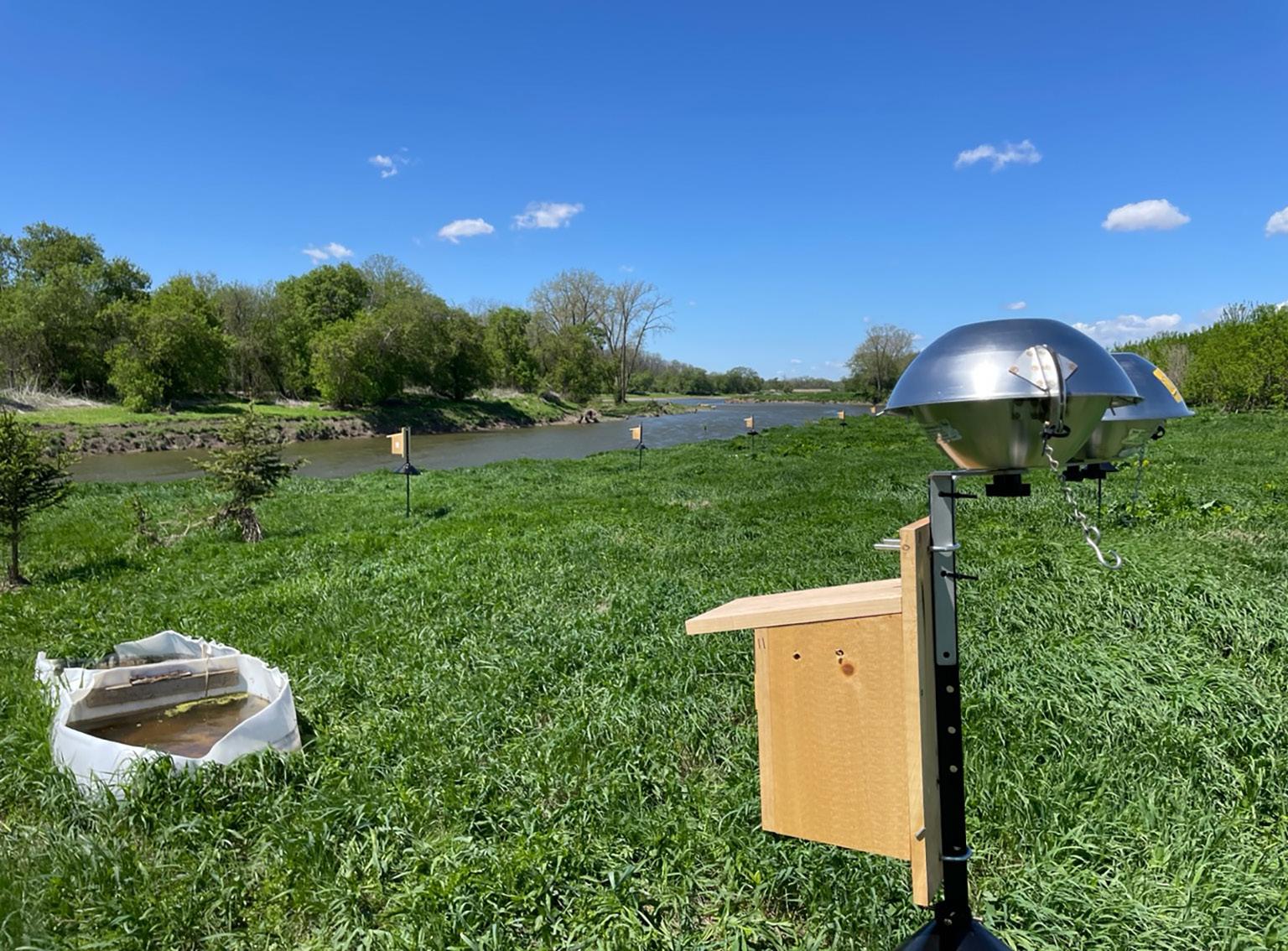
Several environmental samplers demonstrate the integration of multiple environmental media at the same location. One team installs their sampler, and then share samples with their colleagues across multiple ICMP projects. Credit: ECCC- Jacob Mastin
Sauvé, manager of the department’s Chemical Management Plan Research and Monitoring Section and the project’s lead coordinator. “We have experts across many disciplines, such as chemistry, biology, water and wildlife, all working toward a shared goal of understanding how mixtures behave in the real world.”
While Canada’s Domestic Substances List already includes nearly 30,000 registered chemicals and polymers manufactured in, or imported into Canada on a commercial scale, the ICMP goes further, beyond the PFAS, pesticides, and insecticides expected to be present. “We might be looking at products that are flying under the radar and compounds no one’s ever looked at before,” Hewitt explains.
A major hub for the fieldwork is Brantford, Ontario, where researchers are studying how contaminants move through the Grand River and surrounding ecosystems. Brantford offers a convenient location close to Hewitt’s Burlington lab, but it also represents a typical mid-sized Canadian city, one that faces a blend of agricul-
tural, industrial, and urban pressures.
“Anything we learn from agricultural or urban runoff mixtures will be broadly applicable across Canada,” says Hewitt. “We’re defining mixtures as combinations of two or more known or unknown chemicals that we find across all environmental media.”
Teams in Brantford are sampling water, soil, and air around the Grand River, a nearby landfill, and the city’s wastewater treatment plant. They’re also collaborating with local Indigenous communities, industry partners, and municipal officials to connect the science to real-world solutions.
“We want to advance risk management options that make a difference where we work,” says Sauvé. “It’s all guided by the research data and what we will be finding, but also from finding out what our local partners want from us.”
Among the first priorities for the Brantford research teams are per- and polyfluoroalkyl substances (PFAS). This continued overleaf…
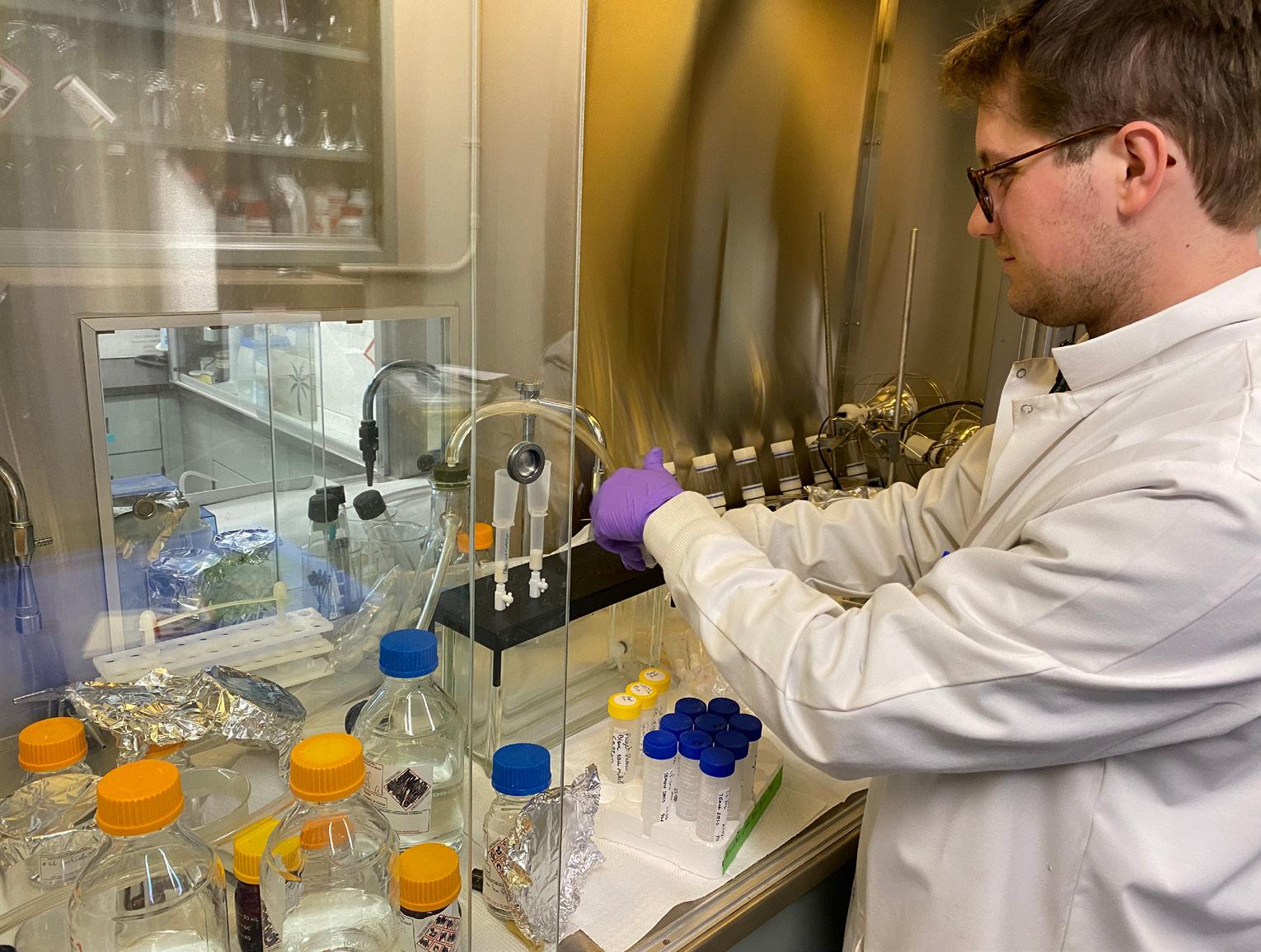
The ICMP brings together 35 laboratories and a large team of chemists, biologists, and environmental scientists across Canada. Credit: ECCC-Christian Gagnon
is a family of long-lasting synthetic compounds at the heart of dozens of major lawsuits, popularized for their water-repellent, stain-resistant, and non-stick applications, and now seen as a health risk. The scientists are investigating whether PFAS in biosolids, a byproduct of wastewater treatment, can be absorbed by plants or soil organisms such as earthworms, and how different soil types might influence that uptake.
Other ongoing studies are focused on birds that frequent the Grand River corridor. Researchers are tracking whether PFAS and similar pollutants accumulate in their tissues and whether that buildup affects their health or behaviour.
At the city’s landfill, the ICMP team is studying leachate, in order to identify chemicals and microbes that can tolerate or even break down harmful substances. It’s work that could one day lead to new, low-cost screening tools or biological cleanup methods, although any actual application potential will have to wait until the team’s work is published.
An investigation is also set to assess the health of fish along a gradient of the Grand River adjacent to the city’s wastewater facility outfall.
Air samples are planned to be collected from the landfill area and other parts of Brantford in order to detect fluorinated chemicals and “transformation products”. These are new compounds that can form as pollutants break down in the environment. Samples will undergo toxicity testing and inflammation studies on human cells to help researchers understand potential health impacts.
Fieldwork is also taking place along Ontario’s St. Clair River near Sarnia, an industrial region where the research will shed light on how complex mixtures behave in developed settings.
Ultimately, the ICMP’s findings will feed into Canada’s Chemicals Management Plan and help advance the government’s commitment to the “right to a healthy environment” under the Canadian Environmental Protection Act, 1999 Behind the scenes, the project relies on digital collaboration through the Federal Science DataHub, a platform that allows scientists across departments to share, classify, and map research data in real time. The system converts vast datasets into visual dashboards, which streamlines analysis, improves transparency, and allows new information to be
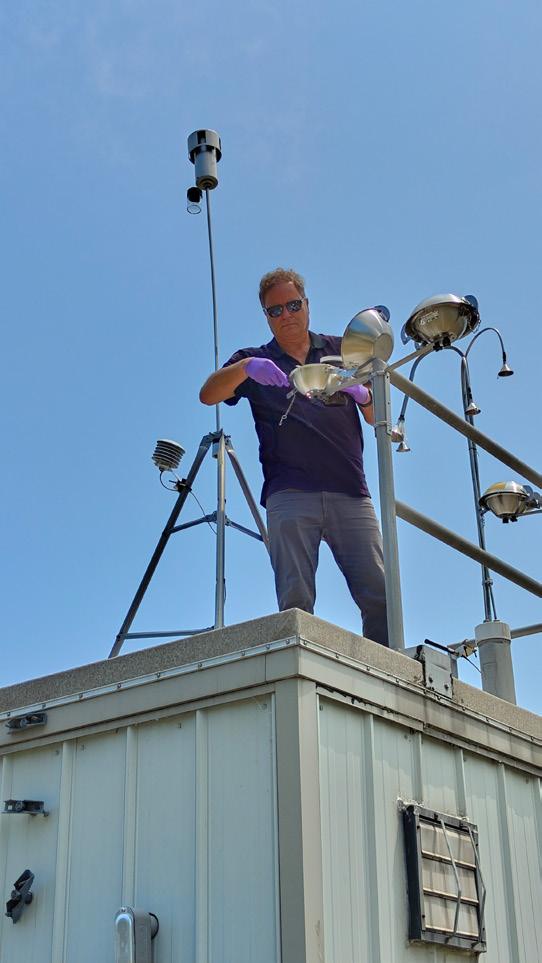
Air samples are planned to be collected from the landfill area and other parts of Brantford to detect fluorinated chemicals and “transformation products”.
Credit: ECCC-Raimon Prats
added as it’s collected.
“The Federal Science DataHub has helped to improve the Integrated Chemical Mixtures Project,” says Heather Steckley, a physical scientist with Environment and Climate Change Canada. “We’re excited about the potential for streamlining our existing processes and improving how we share and display research data.”
Sauvé says that, beyond the science, the project’s real success will depend on how its findings are applied. The results could lead to more targeted monitoring programs, upgrades at wastewater treatment plants, or new best-practice guidelines for industries and municipalities. Elements such as additional water monitoring or community education efforts could evolve from the research data, says Sauvé.
For Hewitt, the work circles back to that iceberg image, symbolizing the vast unknown beneath the surface. But with projects like ICMP, Canadian scientists may soon begin to map what lies below.
David Nesseth is a contributing editor with ES&E Magazine. Email: david@esemag.com
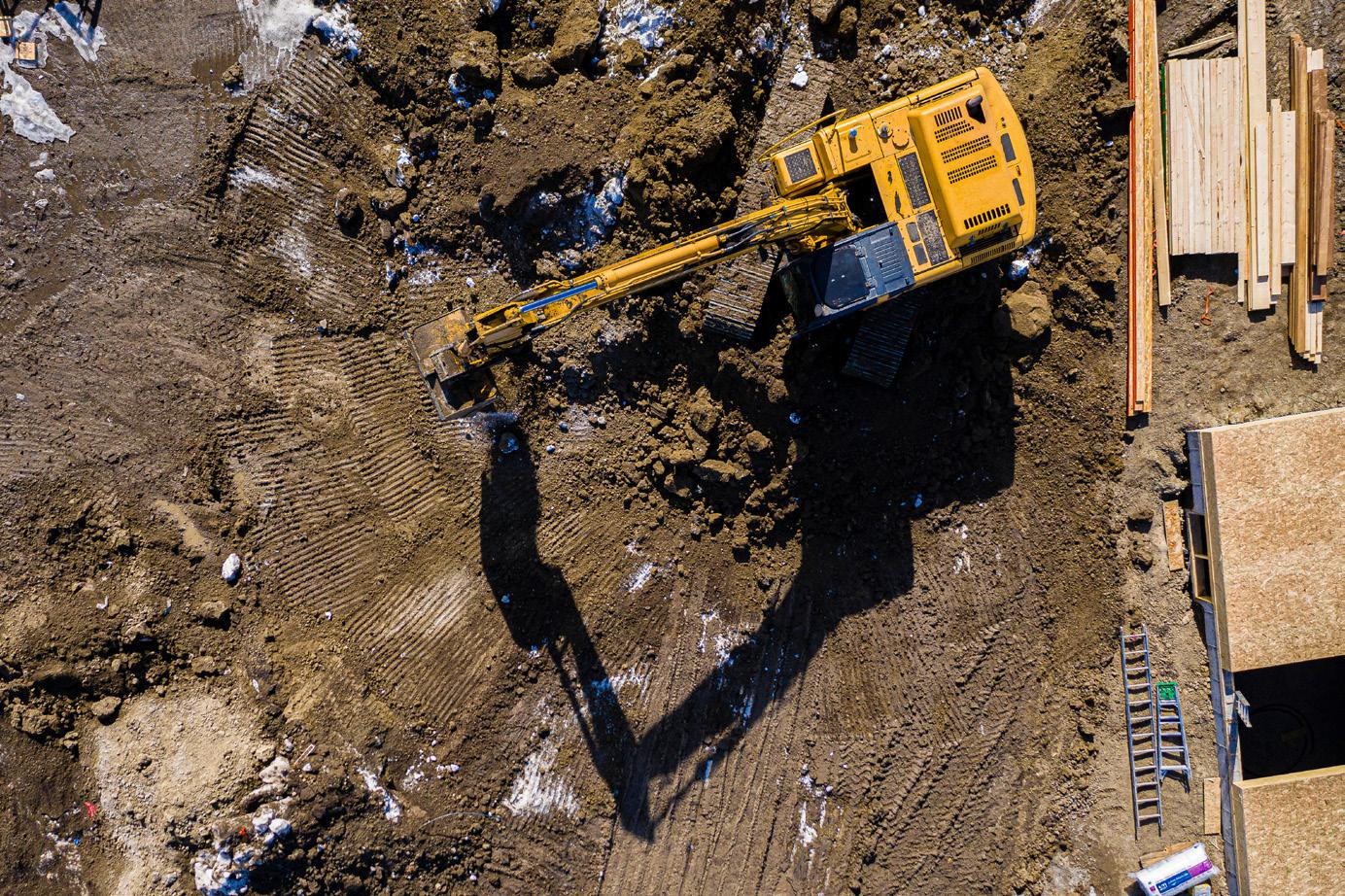
Ontario has finalized a new round of amendments to its On-Site and Excess Soil Management regulation (O. Reg. 406/19) following months of consultation, as it aims to respond to stakeholder feedback from municipalities, industry, consultants, advocacy groups, and individuals. Credit: christopher, stock.adobe.com


This October, the Ontario Ministry of the Environment, Conservation and Parks (MECP) finalized significant regulatory amendments under the Environmental Protection Act (EPA) to advance Ontario’s goals of streamlining environmental approvals, enabling more cost-effective construction and redevelopment, and encouraging greater beneficial reuse of excess soil.
These changes amend two key regulations: Ontario Regulation 153/04: Records of Site Condition (RSC) Regulation and
Ontario Regulation 406/19: On-Site and Excess Soil Management (the Excess Soil Regulation). Together, these reforms form part of the province’s broader effort to reduce regulatory burdens and accelerate the development of housing, highways, and other critical infrastructure while maintaining environmental and human health protections.
MECP amended the Records of Site Condition Regulation to reduce unnecessary filings of RSCs in low-risk circumstances and to expand an existing exemption for certain building conversions to residential or mixed use. These measures aim to accelerate brownfield redevelopment and housing construction while maintaining environmental
protection. The proposed amendments were posted on the Environmental Registry back in November 2024.
Property owners are now prohibited from submitting an RSC for filing in the Environmental Site Registry if the RSC was prepared solely on the basis of a phase one Environmental Site Assessment (ESA), and the RSC is not otherwise required by EPA or the RSC Regulation. In such cases, the owner must provide a written declaration to the MECP Director stating that the owner is submitting the RSC for filing voluntarily, and not to comply with a requirement imposed on the owner by another person or body.
RSCs submitted before the prohibition that require revision may still be resubmitted. A one-year transition period (until October 23, 2026) allows filing where an RSC is required under a pre-existing obligation or agreement in place before the amendments took effect, including public body instruments (e.g., draft plan of subdivision conditions) or private agreements, with a written declaration also required.
The October 2025 amendments prohibit filing RSCs in specified low-risk circumstances, specifically where an RSC would be based solely on a phase one ESA and is not otherwise required under the EPA or the RSC Regulation. Following this proposed change, stakeholders, including municipalities, requested guidance on how to maintain environmental due diligence while complying with the new prohibition. In response, the MECP issued guidance outlining permitted alternatives.
Municipalities and other parties may request phase one or phase two ESAs to evaluate a property’s environmental condition, and independent peer review of existing site information or ESAs may also be used to provide assurance regarding environmental conditions. Where appropriate, additional environmental studies or assessments may be requested to ensure a property is suitable for its intended use or to support financing. These alternatives confirm that even
without a mandatory RSC filing, public bodies and other stakeholders retain the ability to require environmental studies to maintain confidence in site conditions. However, as no RSC is issued, there is no statutory protection from various EPA orders and this will be a significant change in practice for many parties. There will be a ripple effect in property transactions, financing and developments that will need to consider how they will manage this change.
Ontario has broadened an existing RSC exemption to facilitate redevelopment of commercial or community use buildings into mixed-use developments with residential or other sensitive uses. The previous six-storey height limit has been removed, and exterior additions are now allowed above the ground floor. Ground-floor additions are permitted where necessary for fire safety, accessibility, or attached outdoor structures.
All other protective conditions remain to mitigate potential contamination risks. These amendments aim to accelerate adaptive reuse of existing buildings, particularly in urban areas.
The MECP received 36 submissions, primarily supporting both amendments. Stakeholders showed broad support for the restriction, generally reacting that it is low-risk and will help achieve housing and development objectives. Stakeholders also explicitly requested guidance, clarifying the use of alternative processes (like ESAs and peer review) that municipalities could use instead of mandatory RSCs.
The ministry responded by confirming that municipalities and other parties can continue to require environmental due diligence even where an RSC is not mandatory. The MECP’s guidance, “Alternatives to Records of Site Condition When Not Mandatory,” outlines permissible approaches, including requesting phase one or phase two ESAs and conducting independent peer reviews of site information. These alternatives allow public bodies, financial institutions, and

The regulation now permits in-situ sampling of sediment directly from stormwater management ponds, eliminating the prior requirement to sample stockpiled sediment. This change reduces handling, time, and cost.
Credit: Scott Prokop, stock.adobe.com
other stakeholders to assess a property’s environmental condition and ensure it is suitable for its intended use or financing, even in the absence of a mandatory RSC filing.
All RSC amendments came into effect upon filing in October 23, 2025.
In a parallel reform, the October 2025 amendments introduce a new set of reforms aimed at improving flexibility, streamlining reuse processes, and promoting the circular use of excess soil and aggregate materials across construction and infrastructure projects on October 24, 2025.
These proposed changes were likewise initially published on the Environmental Registry on December 18, 2024 and refine the regulatory framework to better reflect practical realities observed since full implementation of the regime, addressing challenges related to soil movement, storage, and classification.
The updates are designed to reduce administrative burden for project proponents while maintaining environmental protection and traceability requirements under the updated and revised newly dated 2025 Rules for Soil Management and Excess Soil Quality Standards (The Soil Rules).
Aggregate reuse depots are now
exempt from the requirement to obtain a waste Environmental Compliance Approval (ECA), provided they meet prescribed conditions. The regulation specifies which depots qualify for the exemption based on material type and volume, and outlines mandatory notification requirements to the MECP and relevant municipalities prior to operation.
Where depots operate within pits or quarries licensed under the Aggregate Resources Act, oversight defers to the Aggregate Resources Act or instruments under it to avoid regulatory duplication.
Additional conditions now require that a qualified person oversee matters related to soil quality and develop procedures. Storage durations have been aligned with other depot categories (two years), and engineered aggregate from qualifying depots can be reused as recycled engineered aggregate if it meets specified criteria.
To promote reuse and reduce disposal, the regulation now allows asphalt-impacted excess soil and sediment from stormwater management ponds to be reused more broadly. Asphalt-impacted excess soil meeting certain conditions is deemed to comply with soil quality standards if it is finally placed in asphalt-pavement covered areas such as roads or parking lots. Stormwater pond sediment may be reused within a road right-of-way adjacent to asphalt roads, including medians and landscaped areas.
For excess soil or recycled engineered aggregate originating from an infrastructure project, natural excess of soil standards is permissible if concentrations fall within the local natural range and specified criteria are met. The Soil Rules also now set out procedures for determining whether elevated concentrations are due to naturally occurring conditions or asphalt contamination.
Excess soil transferred between project areas and reuse sites that are both infrastructure undertakings of the same type (e.g., road-to-road) will not be des-
ignated as waste, provided certain conditions are satisfied. For example, the project leader and reuse site operator must be the same entity or must both be public bodies. As well, the soil must be found not likely to be contaminated. The Soil Rules specify which infrastructure projects are considered a similar type.
Public bodies may now coordinate soil movement among themselves, even without concurrent or coordinated project timelines, enhancing efficiency across municipal infrastructure projects.
When soil is moved from an infrastructure project area to an infrastructure reuse site, project leaders are now exempt from most reuse planning requirements, such as past use assessments, sampling and analysis, destination assessment reports, and tracking system obligations.
A notice filing in the Excess Soil Registry remains required if triggered. This
These reforms form part of the province’s broader effort to reduce regulatory
burdens and accelerate the development of housing, highways, and other critical infrastructure while maintaining environmental and human health protections.
exemption applies even where the reuse site is privately-owned, significantly reducing administrative burden for infrastructure proponents.
The regulation now permits in-situ sampling of sediment directly from stormwater management ponds, eliminating the prior requirement to sample stockpiled sediment. This change reduces handling, time, and cost. The
Soil Rules set out specific frequencies and required parameters for in-situ testing. Post-dredging confirmatory sampling requirements were removed following stakeholder feedback that such measures were duplicative.
MECP will develop regional mapping of naturally occurring local backcontinued overleaf…






APRIL 28 – 30, 2026








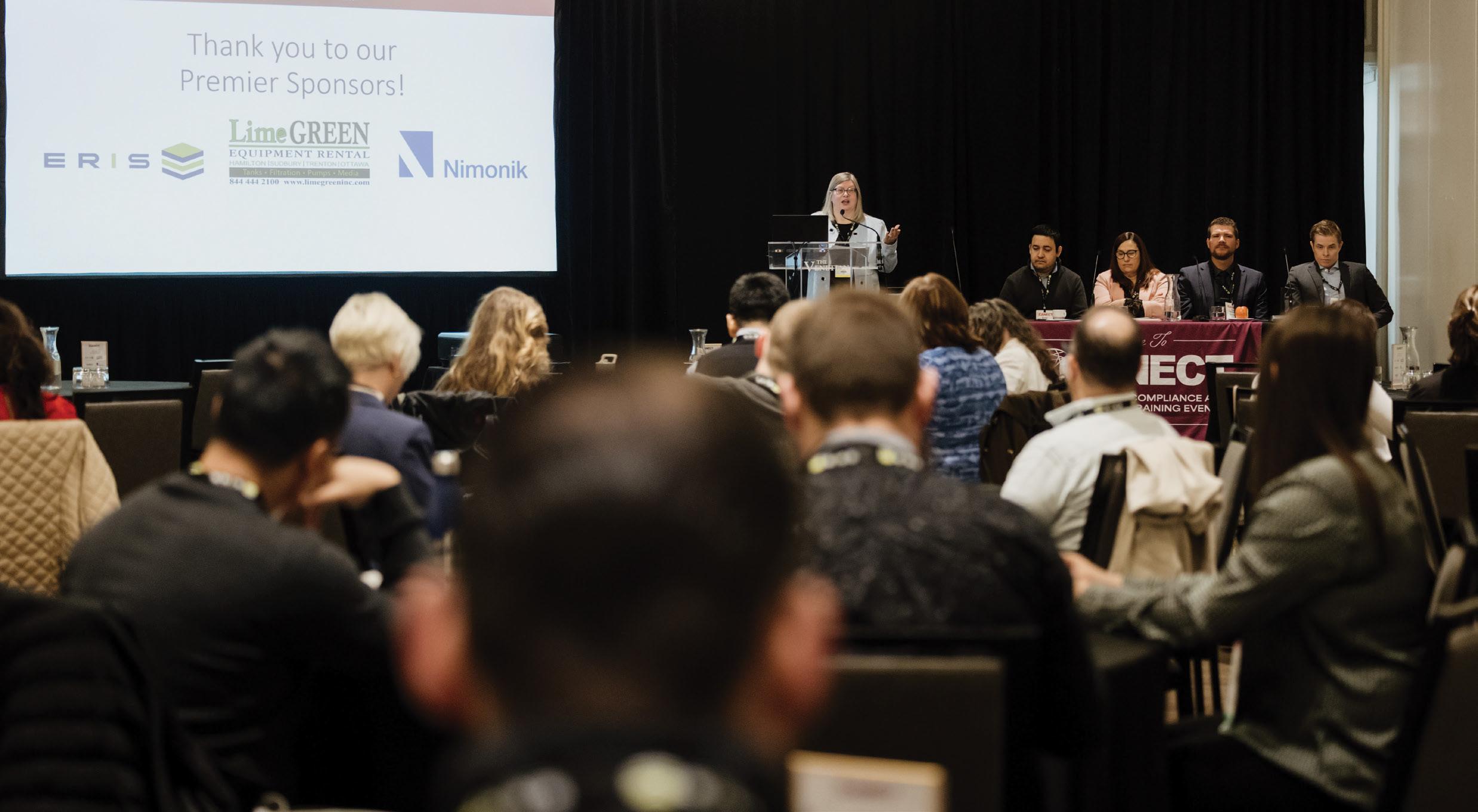



ENVIRONMENTAL COMPLIANCE AND DUE DILIGENCE TRAINING EVENT

CANECTʼs practical professional development courses are designed to help you meet your environmental compliance and regulatory responsibilities.
Receive a Certificate of Attendance featuring Continuing Education Credits (CECs).
Access leading experts for one-on-one compliance problems.
Demonstrate your organizationʼs commitment to environmental due diligence.
Take home valuable reference and guidance materials.
Update your knowledge of new and changing regulations.
Connect with technology and service providers.
ground concentrations to support soil reuse decisions and reduce unnecessary testing. Municipalities expressed strong support for this approach, encouraging the province to take a leadership role in creating region-level data standards. Details will be provided as the initiative progresses but we know that this will be a challenging undertaking.
The amendments also include several updates aimed at improving clarity and reducing regulatory uncertainty. The MECP clarified that soil reused within large, multi-area infrastructure initiatives, such as highways or transit projects, will not be designated as waste, provided the reuse occurs within contiguous project areas.
Similarly, soil that is temporarily removed and later returned to the same project area will not be considered waste upon its return. The amendments also address soil handling during tunneling projects, confirming the applicable sampling requirements when substances are added during excavation.
Qualified persons are now authorized to reduce sampling frequencies for non-contaminant parameters, provided they document a supporting rationale. In addition, the regulation clarifies that excess soil placed on the bed of a water body at a reuse site is not considered waste if it does not cause an adverse effect.
The MECP further confirmed that “cleaner” soil may still be sent to landfill when it is unsuitable for structural reuse due to its physicochemical characteristics. Finally, an obsolete cross-reference in Regulation 347 General Waste Management, has been removed to eliminate redundancy related to excess soil already excluded from the waste designation.
The MECP received 79 submissions from municipalities, industry, consultants, and advocacy groups. Broad support was expressed for the regulatory flexibility and reuse provisions, with some concerns regarding oversight, soil quality verification, and public transparency. Adjustments were made accord-
ingly, particularly around depot regulation, sampling flexibility, and coordination among public infrastructure projects.
All October 2025 amendments took effect upon filing, aside from the landfill restriction for “cleaner” soil, which is scheduled for January 1, 2027. Additional implementation guidance and updated Soil Rules materials are forthcoming on the Handling Excess Soil website.
The October 2025 amendments mark a major step in Ontario’s continuing modernization of environmental regulation for development and infrastructure. Changes to the Records of Site Condition Regulation and the Excess Soil Regulation reflect a government policy direction focused on encouraging the beneficial reuse of excess soil and aggregate to conserve landfill capacity, reducing administrative barriers to brownfield and infrastructure development, and maintaining strong environmental safeguards through updated standards,
qualified professional oversight, and clearer guidance.
The Ontario Ministry of the Environment, Conservation and Parks plans to provide additional education to support greater understanding and promote consistent application across municipalities and industry sectors.
Janet Bobechko is a Certified Specialist Environmental Law and Sophie Porter is a Student‑at‑Law with WeirFoulds LLP. Email: jbobechko@weirfoulds.com, sporter@weirfoulds.com
(The information and comments herein are for the general information of the reader and are not intended as advice or opinion to be relied upon in relation to any particular circumstances. For particular application of the law to specific situations, the reader should seek professional advice.)
This topic is scheduled to be covered at CANECT 2026. Visit www.canect.net, for more information.

By ES&E Staff
Metro Vancouver officials say a new approach to upgrades at the Iona Island Wastewater Treatment Plant (WWTP) will cut the project’s price tag by $4 billion and prioritize measures necessary to achieve secondary treatment by 2030.
The project in Richmond, British Columbia, will now shift from the 2022 plan of building an entirely new facility to rehabilitating the existing primary treatment plant through phased upgrades to a secondary treatment level. It is an approach made possible, local officials said, through the use of modular, space-efficient wastewater treatment technology, which they also note allows them to more efficiently manage supply chain and market constraints than the previous single-phase approach.
“In the past year, we’ve selected a technology that has given us an opportunity to rescope the Iona project to something we can deliver for $6 billion, a reduction of almost $4 billion compared to the previous project over the same time period,” announced Metro Vancouver Board Chair, Mike Hurley, in an early October statement.
The board acknowledged that shortterm savings could be diminished by the more long-term impacts of a phased approach which defers certain upgrades, and also opens up potential fines for non-compliance if deadlines are not met.
The 1963 Iona WWTP is one of only a few full-size primary treatment wastewater plants operating in North America. It serves some 750,000 residents in the Vancouver Sewerage Area.
Extending the timeframe with the new phased upgrades puts the facility at risk of missing provincial compliance deadlines for stricter secondary treatment. Both federal and provincial regulations require compliance by 2030.
Provincial and federal regulations have similar requirements for effluent quality, but the provincial regulations focus on daily concentration limits, while the federal regulations focus on monthly average concentration limits. The region has written to the federal government to get an extension for the compliance deadline, but has yet to receive a response.
As it stands, the new plan aims to meet federal compliance earlier than previously expected, but still beyond the deadline.
The region’s selection of membrane bioreactor technology, however, will allow the Iona WWTP to provide secondary and tertiary level of effluent with one technology. The board says it hopes a blended effluent will ultimately be of higher quality. It is anticipated that secondary treatment at Iona will remove an additional 53 tonnes per day of total suspended solids that would otherwise be discharged to the Strait of Georgia.
“The provincial regulations have an additional requirement above what is required by the federal regulations related to the quantity of treated effluent,” states a recent board report. “Metro Vancouver will be able to achieve a portion of this requirement with the recommended approach and the opportunity to request that the province align provincial wastewater effluent regulations with federal wastewater effluent regulations.”
Additionally, the Greater Vancouver Sewerage and Drainage District Board realizes that B.C. may not accept aligning with federal regulations and delays will be incurred with associated risks of regulatory noncompliance.
The new plan would also prioritize delivery of project components to meet regulatory compliance, such as: solids handling to accommodate added loading from secondary treatment; access and
utility upgrades; on-site resource recovery necessary for plant operations; and ecological projects related to permits.
“The updated approach is an innovative way to make sure we’re meeting our regulatory requirements, protecting the health of the environment, and being mindful of what residents are able to contribute financially to this important project,” said Liquid Waste Committee Chair Malcolm Brodie. “While we understand that deferring projects is never ideal, we had to make an important decision about what we could afford to do all at the same time.”
Early works and key activities to support construction of the Iona WWTP that have been completed, or are currently underway, include:
• Securing $500 million in provincial ($250 million) and federal ($250 million) funding.
• Building a secondary treatment pilot plant.
• Constructing Iona Island causeway utility and road improvements, supported by $500,000 in additional provincial active transportation funding.
• Completing Ferguson Road utility and road improvements in collaboration with the Vancouver Airport Authority (YVR).
• Designing and procuring electrical equipment for backup power to the existing treatment plant and transitioning power supply to the new upgraded treatment plant.
• Conducting a barge berth selection study (in progress).
• Removing stockpiled biosolids accumulated since the primary plant was commissioned in 1963.
• Cleaning sludge lagoons.
For more information, email: editor@esemag.com
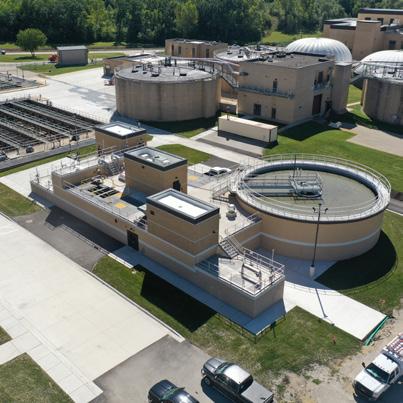

The AquaPrime cloth media filtration system is designed as an economical and efficient solution for the treatment of primary wastewater. Utilizing a disk configuration and the exclusive OptiFiber PF-14® pile cloth filtration media, it effectively filters high solids waste streams without the use of chemicals and has proven removal efficiencies with high quality effluent, even under varying influent conditions.
Represented by ACG-Envirocan T: 905-856-1414
E: sales@acg-envirocan.ca
W: www.acg-envirocan.ca
Aqua-Aerobic Systems, Inc.
T: 815-654-2501
E: solutions@aqua-aerobic.com
W: www.aqua-aerobic.com
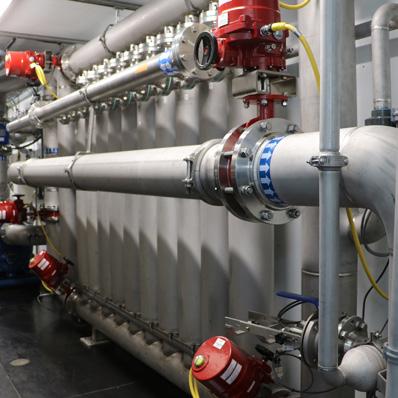
The AquaPRS™ PFAS Removal System utilizes a unique micro-sorbent suspension to adsorb PFAS and a robust separator to produce solids-free water. The process is completely automated, including loading and replacement of the adsorbent, and allows operating adjustments in response to varying influent concentrations of PFAS.
Represented by ACG-Envirocan
T: 905-856-1414
E: sales@acg-envirocan.ca
W: www.acg-envirocan.ca
Aqua-Aerobic Systems, Inc.
T: 815-654-2501
E: solutions@aqua-aerobic.com
W: www.aqua-aerobic.com


Ensure reliable, energy-efficient blower and compressor operation with AERZEN Service Contracts. Certified technicians provide preventive maintenance, inspections, and 24/7 priority support. Contracts include OEM parts, fixed labour rates, cost savings for long-term plans, automatic annual PM reminders, advance scheduling, and detailed on-site inspection reports—leveraging over 160 years of engineering expertise trusted across Canada.
AERZEN Canada Inc.
T: 450-424-3966 Montreal
T: 437-703-7630 Ancaster
T: 587-316-0155 Calgary
E: service-ca@aerzen.com
W: www.aerzen.com/canada
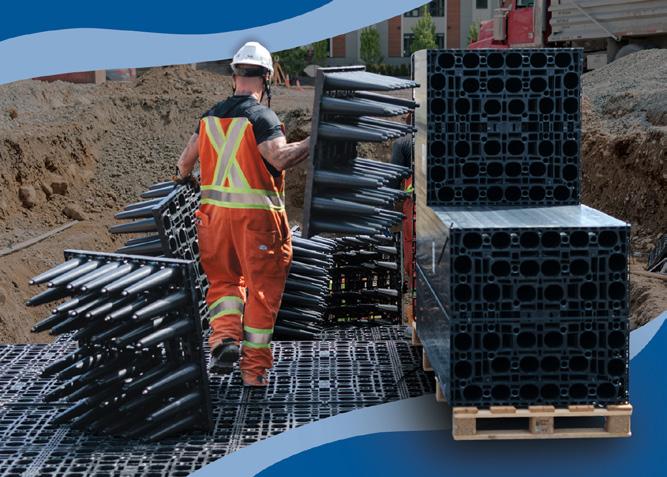
Need a solution for your site? BARR Plastics offers reliable stormwater management solutions that help you meet regulations and protect your site. Our systems support infiltration, detention, and retention while saving space and reducing flooding risks. Ideal for residential, commercial and municipal projects. Explore underground and aboveground options backed by expert support.
BARR Plastics Inc.
T: 1-800-665-4499
E: info@barrplastics.com
W: www.barrplastics.com

Quick Disconnects are proof that simplicity has advantages. BlueWhite®’s Quick Disconnect Fittings can safely and quickly help you disconnect your pump. They are carefully engineered to deliver a safe, simple, tool-less method for disconnecting your chemical metering pump while avoiding leaks, splashing, dangerous chemical spills, and protecting operator safety.
Blue-White Industries
T: 714-893-8529
E: info@blue-white.com
W: www.blue-white.com
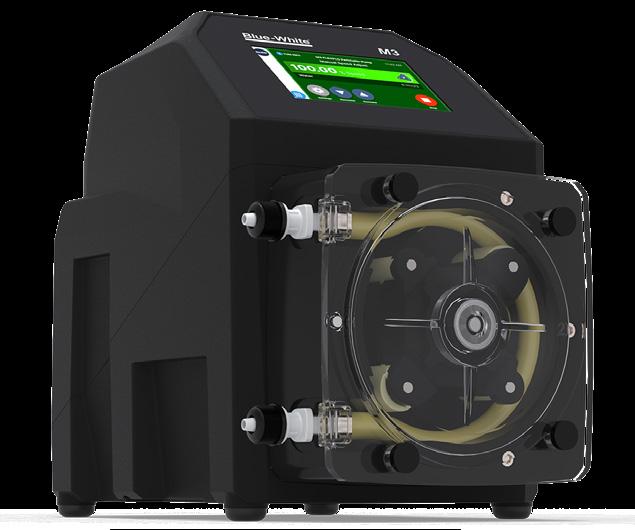
When your operation demands accuracy, durability, and ease of use, our M3 metering pump delivers without the hassle of valves, seals, or complicated maintenance. It easily handles critical metering operations, offering discharge pressures of up to 125 PSI for high-demand systems. It also features an icon-based touchscreen for intuitive operation and IP-rated M12 connectors resistant to moisture, dust, and temperature extremes.
Blue-White Industries
T: 714-893-8529
E: info@blue-white.com
W: www.blue-white.com
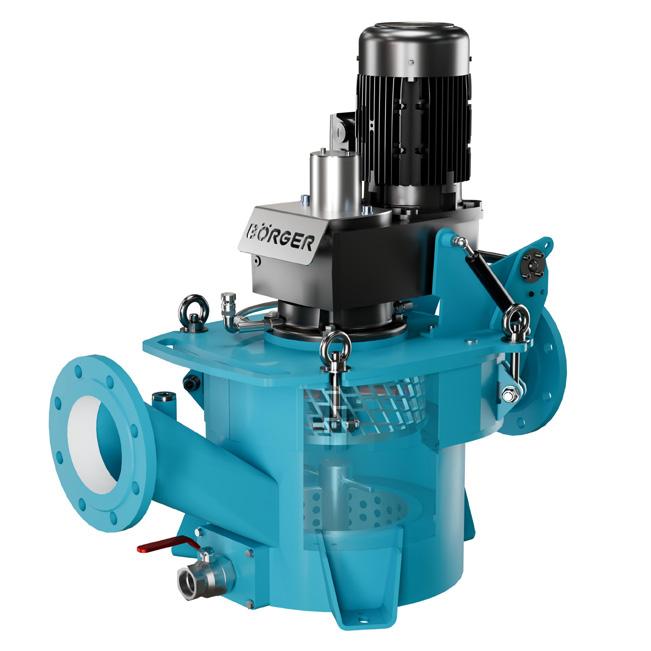
The OrbitGrinder is Boerger’s cutting basket macerator built for high-demand solids reduction. With its Constant Cutting System, this unit delivers continuous and consistent maceration while preventing clogging. Engineered for tough applications in wastewater, rendering, and marine systems.
Boerger, LLC
T: 612-435-7300
E: america@boerger.com
W: www.boerger.com
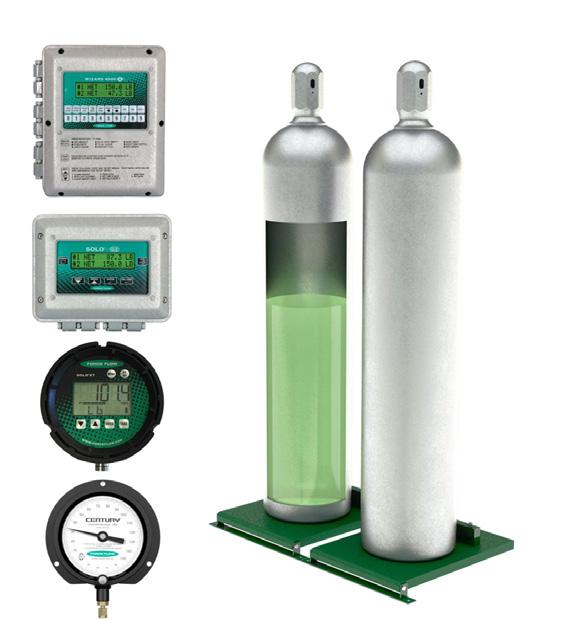
The Chlor-Scale 150™ from Force Flow provides a simple and reliable way to monitor the amount of chlorine or ammonia used, and the amount remaining in the cylinder. The solid PVC scale platform, with a 5-year warranty, provides the strongest defense against the corrosive environments associated with gas feed applications. Electronic and hydraulic options.
Force Flow
T: 925-686-6700 or 800-893-6723
E: info@forceflow.com
W: www.forceflowscales.com
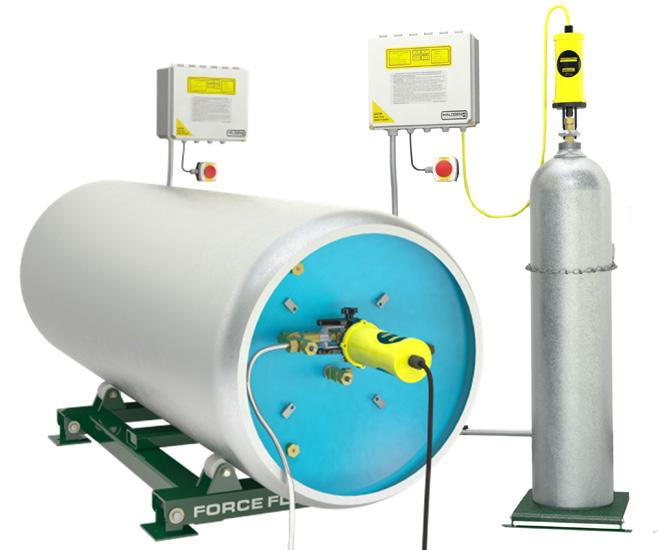
The Terminator™ Actuator from Halogen Valve Systems can be used on chlorine ton containers and 150 lb cylinders to instantly stop the flow of chlorine in case of an emergency. Shutoff is initiated when the controller receives a close contact signal from a leak detector or included emergency shutoff switch.
Halogen Valve Systems
T: 949-261-5030
W: www.halogenvalve.com
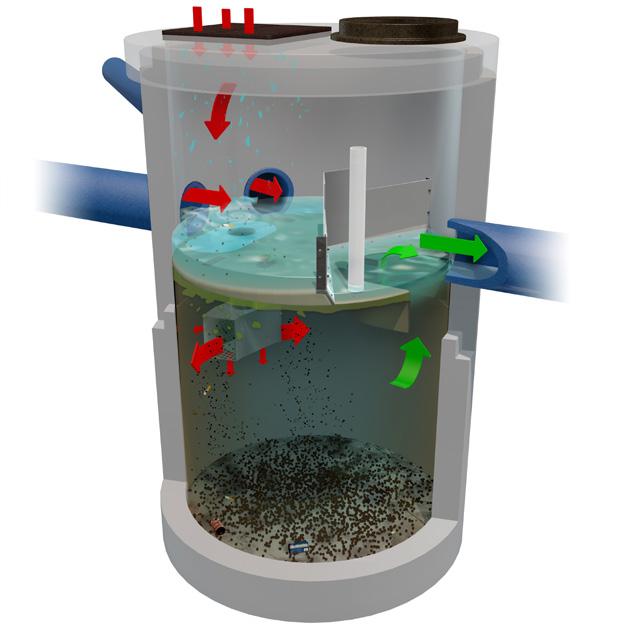
The new Stormceptor® EF is an oil grit separator (OGS)/hydrodynamic separator that effectively targets sediment (TSS), free oils, gross pollutants and other pollutants that attach to particles, such as nutrients and metals. The Stormceptor EF has been verified through the ISO 14034 Environmental Management – Environmental Technology Verification (ETV).
Imbrium Systems
T: 800-565-4801
E: info@imbriumsystems.com
W: www.imbriumsystems.com
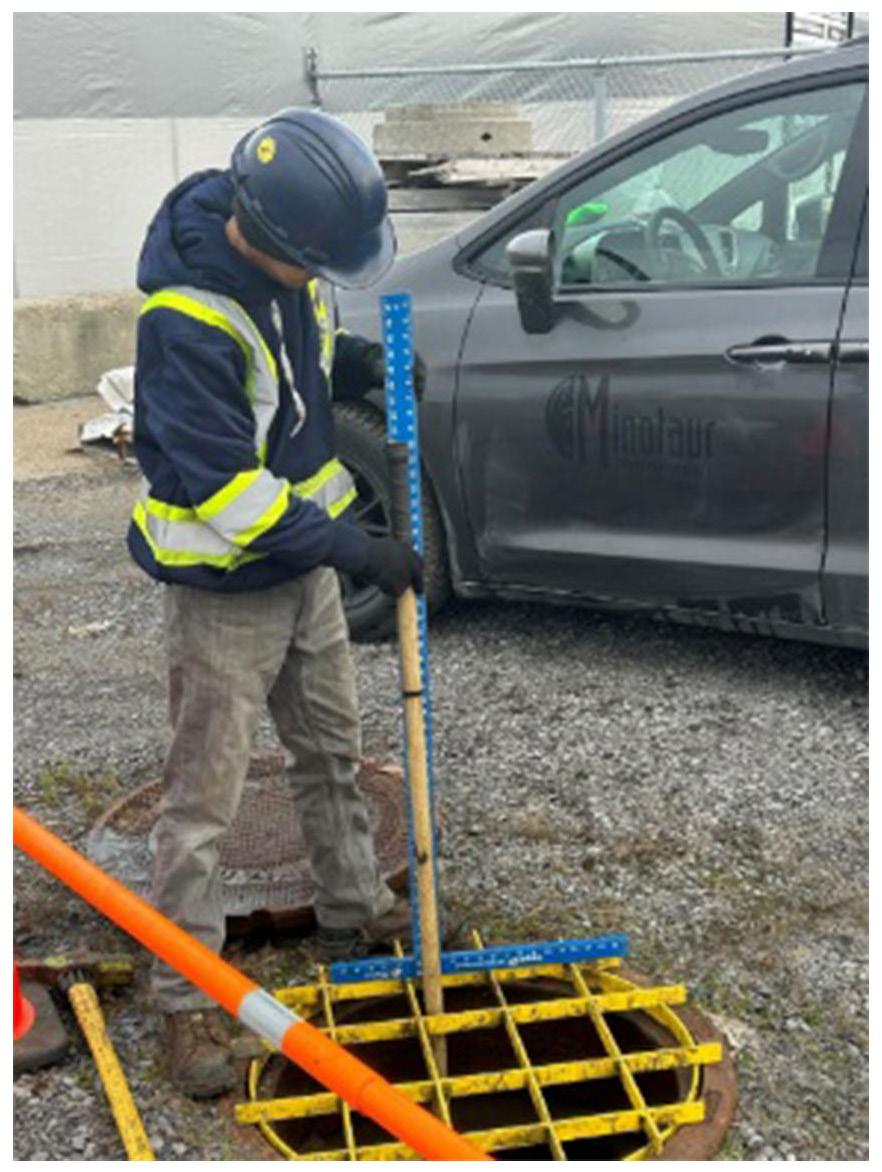
Inspection and maintenance are fundamental to the long-term performance of any stormwater quality treatment device. The Stormceptor EF/EFO design makes inspections and maintenance an easy and inexpensive process conducted at grade. Once serviced, the Stormceptor EF/EFO is functionally restored as designed, with full pollutant capture capacity. Learn more at: www.imbriumsystems.com Imbrium Systems
T: 800-565-4801
E: info@imbriumsystems.com
W: www.imbriumsystems.com
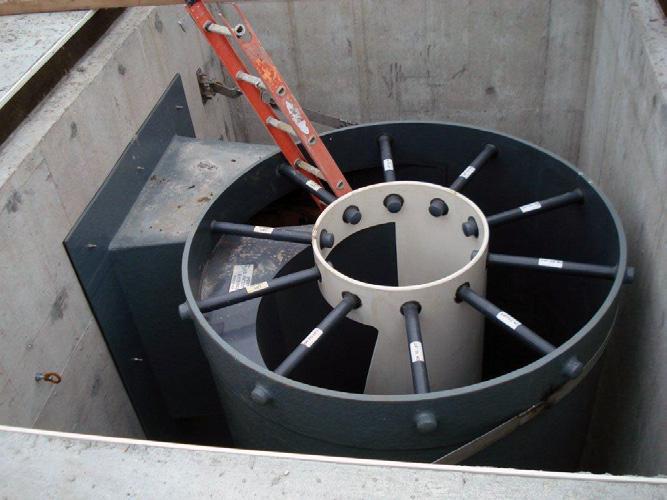
The IPEX Vortex Flow™ Insert (VFI) revolutionizes vertical sewer drops by eliminating odorous emissions and minimizing corrosion. With no moving parts and zero maintenance, VFIs offer significant cost savings for municipalities across North America.
IPEX
T: 866-473-9462
W: www.ipexna.com
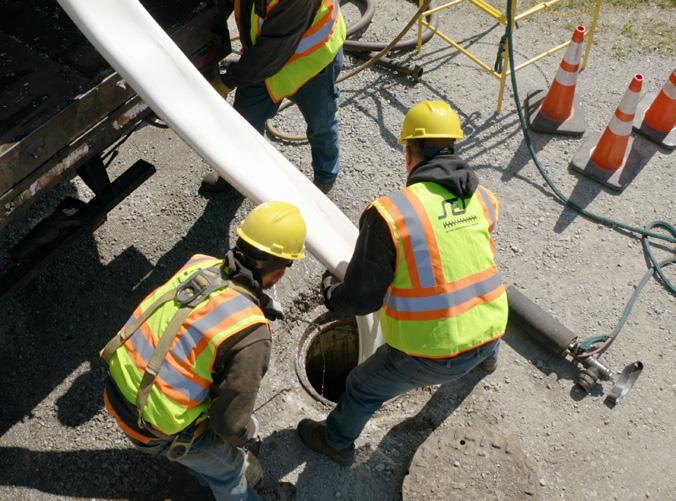
NovaForm™ offers a durable, cost-efficient solution for sewer and culvert rehabilitation. This styrene-free, expandin-place liner eliminates the need to capture and treat contaminated curing liquid. Made from engineered thermoplastic, it is installed using steam, with water as the only job-site discharge.
IPEX
T: 866-473-9462
W: www.ipexna.com
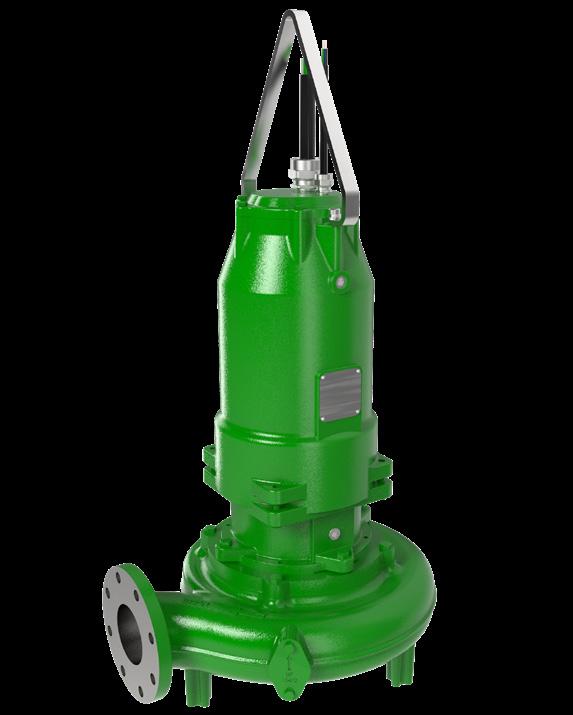
The Next-Gen HPS/MNG Series pump features a semi-open stainless-steel impeller and self-cleaning cutter plate for superior clog resistance. An oil-cooled, IE3 premium efficient motor helps deliver dependable performance with reduced energy consumption. Other features, such as permanently lubricated bearings and seal leak detection, help to extend pump life and lower total cost of ownership.
Pentair
T: 855-274-8947
W: pentair.com/nextgen
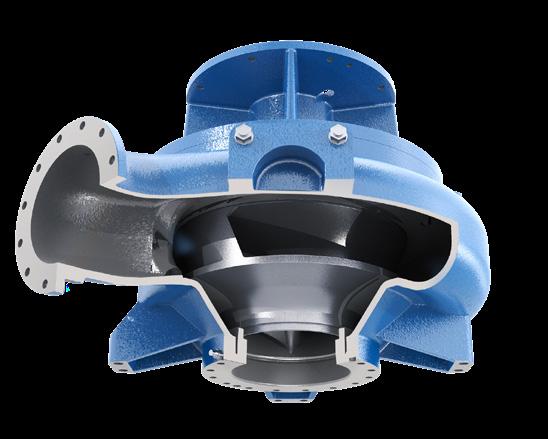
XRW solids handling pumps feature patented Xcentric™ technology – an innovative impeller design that eliminates traditional vane edges, significantly reducing clogging. Decreased vibration and capacity drift result in lower energy consumption. Available in vertical or horizontal configurations, the XRW can handle flows up to 49,000 LPM and heads up to 90 metres, making it ideal for a wide range of wastewater applications.
Pentair
T: 913-371-5000
W: pentair.com/xrwpumps
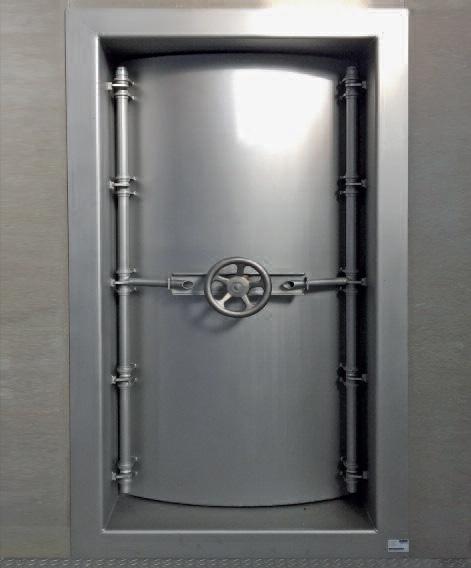
HUBER, a proven German manufacturer, now provides watertight doors that allow safe access to tanks for construction and/ or maintenance. Doors can be provided as round or rectangular for installation onto existing concrete surfaces or cast-in-place in new concrete. They can handle heads up to 30 m and hold pressure in seating and unseating directions. HUBER’s watertight doors can greatly reduce construction and maintenance costs and dramatically improve safety/access.
Pro Aqua, Inc.
T: 647-923-8244
E: aron@proaquasales.com
W: www.proaquasales.com
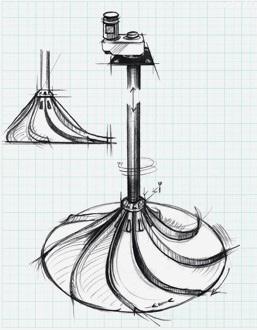
Invent Environment is the manufacturer of hyperboloid mixers which have revolutionized anoxic and swing zone mixing. Invent provides low-shear, efficient mixers with no submerged motors or gear boxes for easy access for maintenance. They have now released the Hyperclassic Mixer Evo 7 which has increased the number of motion fins and adjusted the geometry of the mixer to maximize mixer efficiency, reducing operation costs even further.
Pro Aqua, Inc.
T: 647-923-8244
E: aron@proaquasales.com
W: www.proaquasales.com
Goulds Water Technology VIC Lineshaft Turbine Pumps deliver reliable performance with hydraulic coverage ranging from 13 to 76,000 LPM. Ideal for municipal water supply, wastewater treatment, and irrigation, these pumps feature a vertical design and external motor-driven gearbox, ensuring high efficiency and smooth operation across a wide range.
Summit Water
T: 519-843-4232 or 800-265-9355
E: sales@summitwater.ca
W: www.summitwater.ca
Vanton’s vertical thermoplastic sump pumps are engineered for the dependable handling of corrosive, abrasive, and ultra-pure process fluids, plant effluents and wastewater, over broad temperature and pH ranges. These rugged pumps are widely used by various manufacturing industries and water treatment facilities. They are available in polypropylene, PVC, CPVC, or PVDF. Every Vanton pump is performance tested to the specified service condition intended.
Vanton Pump & Equipment Corporation
T: 908-688-4216
F: 908-686-9314
E: mkt@vanton.com
W: www.vanton.com
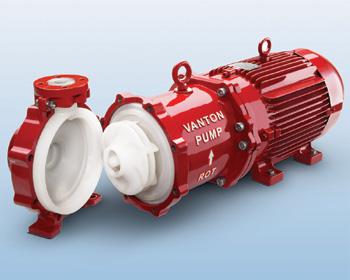
Vanton Chem-Gard CGM-ANSI magnetically driven end suction pumps are seal-less, single-stage process pumps which meet ANSI B73.1 specifications and conform to Hydraulic Institute Standards. All wet-end components are homogenous, injection-molded polypropylene (PP) and polyvinylidene fluoride (PVDF), eliminating metal-to-fluid contact, making them ideally suited for handling corrosive, hazardous and ultrapure fluids. Flows to 450 GPM, heads to 180 ft, and temperatures to 225°F.
Vanton Pump & Equipment Corporation
T: 908-688-4216
F: 908-686-9314
E: mkt@vanton.com
W: www.vanton.com
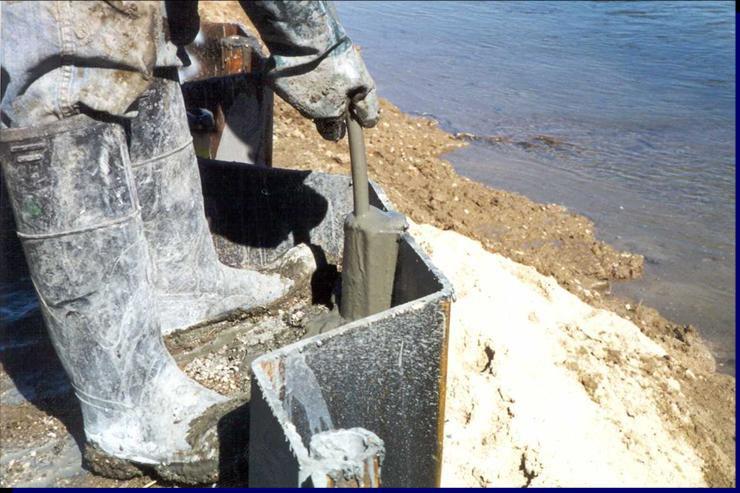
Waterloo Barrier® is a containment wall for the control of contaminated groundwater or soil gases. Formed of steel sheet piling with interlocking joints that are sealed in-place in the ground, the Barrier offers a long service life, exceptionally low hydraulic conductivity, and documentable construction QA/QC. Installation is clean and rapid with minimal site disturbance.
Waterloo Barrier Inc.
T: 519-856-1352
E: info@waterloo-barrier.com
W: www.waterloo-barrier.com
By ES&E Staff
The Oil Sands Mine Water Steering
Committee has released four new recommendations for A lberta and the federal government, calling for new treatment technologies, increased community involvement in monitoring programs, the establishment of standards for releasing treated oil sands mine water, and advancing end pit lakes.
R ecently, A lberta’s government announced that it accepts all four recommendations and will begin exploring them immediately to create an accelerated plan for reclaiming the water and eventually returning the land for use by future generations.
Tailings ponds in Alberta currently contain more than 1.3 billion cubic metres of material, a mix of water, sand, clay and residual bitumen left over from oil sands mining. Credit: Spotmatik, stock.adobe.com
“Doing nothing while mine water continues accumulating is not a sustainable long-term approach,” said Rebecca
Schulz, A lberta’s Minister of Environment and Protected A reas, who wants to turn the recommendations into action. “ These recommendations are a path forward to responsibly manage these waters and grow energy production while protecting the environment and communities downstream.”
The committee, which includes industry operators, technology providers, Indigenous community members and scientists, reviewed evidence and explored options for improving mine water management and tailings pond reclamation. Its latest advice builds on five initial recommendations released in June. The four new recommendations call for pilots on mine water treatment technologies, the expedited creation of release standards
for treated mine water, criteria for end pit lakes at both individual and landscape levels, and more inclusive monitoring to improve transparency and credibility.
“ The recommendations are another critical step in the right direction,” announced Chief Jim Boucher, a steering committee member, president of the Saa Dene Group of Companies, and former chief of Fort McKay First Nation. “We cannot ignore this challenge, we need to keep working together to find practical and effective solutions that protect Indigenous rights, people and the environment,” he added.
A lberta Environment and Protected A reas said it will work with the A lberta Energy Regulator and other partners to evaluate all nine recommendations, and then implement a plan grounded in science that protects communities in the region and downstream. The government stressed that ongoing leadership and participation of Indigenous communities will remain central to decisions on tailings pond management.
Tailings ponds in A lberta currently contain more than 1.3 billion m³ of material, a mix of water, sand, clay and residual bitumen left over from oil sands mining. According to the A lberta Energy Regulator, 79% of the water used in oil sands mining was recycled in 2023
Tany Yao, steering committee chair and MLA for Fort McMurray-Wood Buffalo, emphasized the need for federal involvement. “A lberta and our industry partners have done the work to identify a safe, science-based solution for treatment and release,” Yao announced in a statement. “Now we need the federal government to take the next step. Th is is about protecting our environment, ensuring responsible resource development, and returning treated water safely to the water cycle for future generations.”
Industry also welcomed the province’s endorsement of the recommendations. Pierre Gratton, president and CEO of the M ining Association of Canada said the measures would provide a framework for certainty around the reclamation of oil sands mines.
“A lberta is proposing science-based parameters to ensure the safe return of treated water used in oil sands mining, just as other provincial governments do
for their respective mining sectors,” said Gratton. “We are hopeful that this will accelerate the development of federal regulations, which we requested almost 15 years ago, to be similarly advanced to allow the oil sands mining sectors to proceed with significant investments
in reclamation and water treatment,” added Gratton.
For more information, email: editor@esemag.com



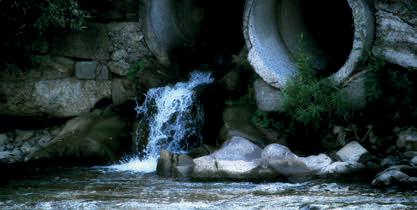







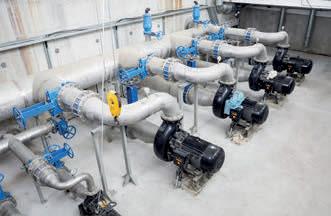
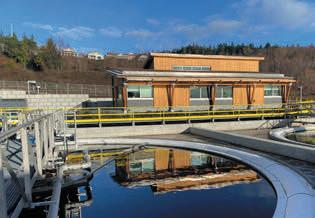
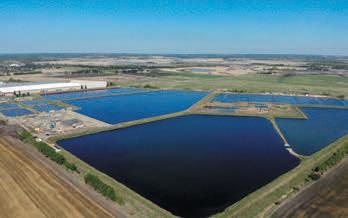
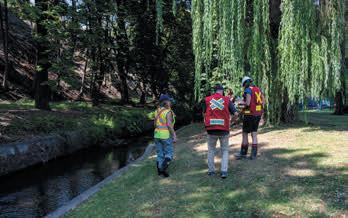
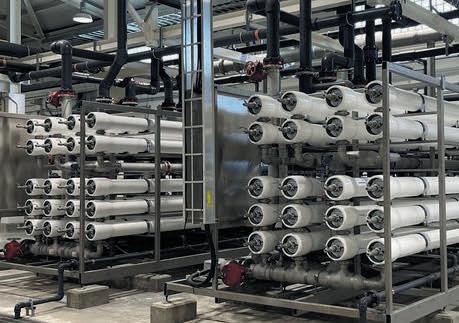

By ES&E Staff
Earlier this year, an international team of scientists confirmed the presence of a massive freshwater aquifer buried beneath the Atlantic Ocean, stretching from New Jersey to Maine, and has extracted nearly 50,000 litres of water samples for analysis.
Reports from The Associated Press say that the $250 million Expedition 501 project, backed by the U.S. National Science Foundation and European partners, drilled up to 400 metres into the seafloor off Cape Cod.
Researchers believe the hidden reservoir could rival some of the largest U.S. aquifers and potentially sustain a city the size of New York for centuries. They are now studying whether the water originated from ancient glacial melt or is still being replenished by groundwater, which will determine if it is a renewable resource.
“Coring and sampling the subseafloor offshore Massachusetts, USA, will provide data for understanding the processes driving emplacement of freshwater lenses offshore New England and elsewhere globally, and lead to a bet-
ter understanding of this worldwide hydrogeological phenomenon,” stated the International Ocean Drilling Programme (IODP3), a part of the joint research effort.
While the discovery could help address mounting global water shortages, experts caution that extracting the water may prove costly, environmentally risky, and legally complex. Initial results are expected in 2026 after months of lab analysis.
The Liftboat Robert mission, which began in May and wrapped in August of this year, was designed to study the offshore aquifer system of freshwater beneath the New England continental shelf. It was a joint research effort between IODP3 and the U.S. National Science Foundation. The mission was technically supported by the European Consortium for Ocean Research Drilling through its science operator team.
A draft environmental assessment for the expedition was prepared by Ontario-based LGL Ltd.
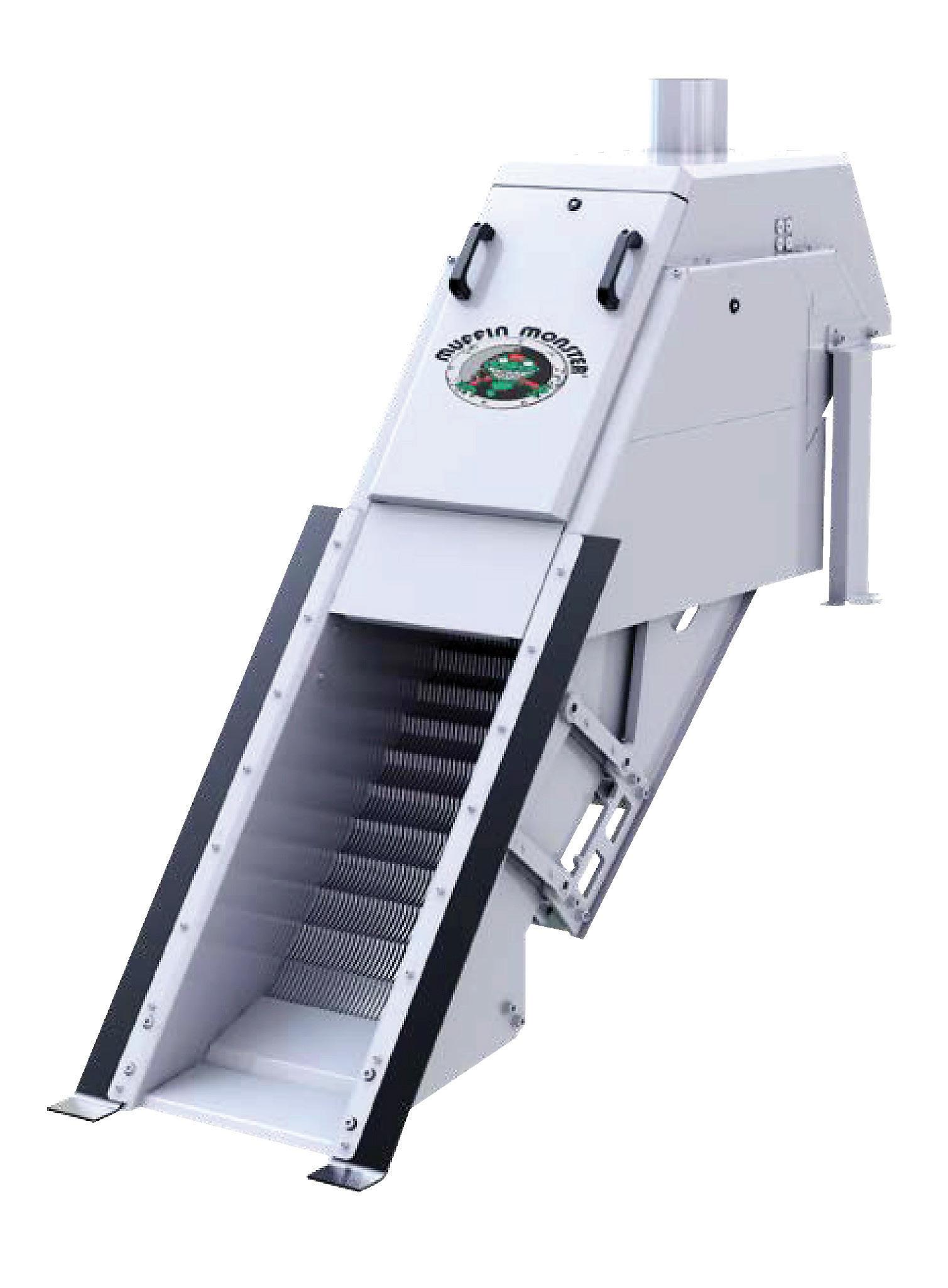

Now the industry’s original Meva step screen has been re-engineered for today’s demanding applications and high removal requirements.
The new MevaScreen RSM Monster is a selfcleaning, progressive-step fine screen and solids separation system that delivers leading performance in many of the most difficult operating conditions.
• Higher screenings capture and removal rate than traditional bar screens
• Customizable system, fine screen with no rotating brushes or spray bars
• Progressive motion ensures uniform slot width over entire screening surface, minimizing water in rush
• Patented pulse operation and enhanced solids removal result in fewer running hours, reduced energy consumption and less mechanical wear
• Covered lower bars minimize solids pass-through, eliminating risk of blockage by sand, stones, etc.
To discover how the revolutionary MevaScreen® RSM Monster can help you, contact ACG-Envirocan, today.
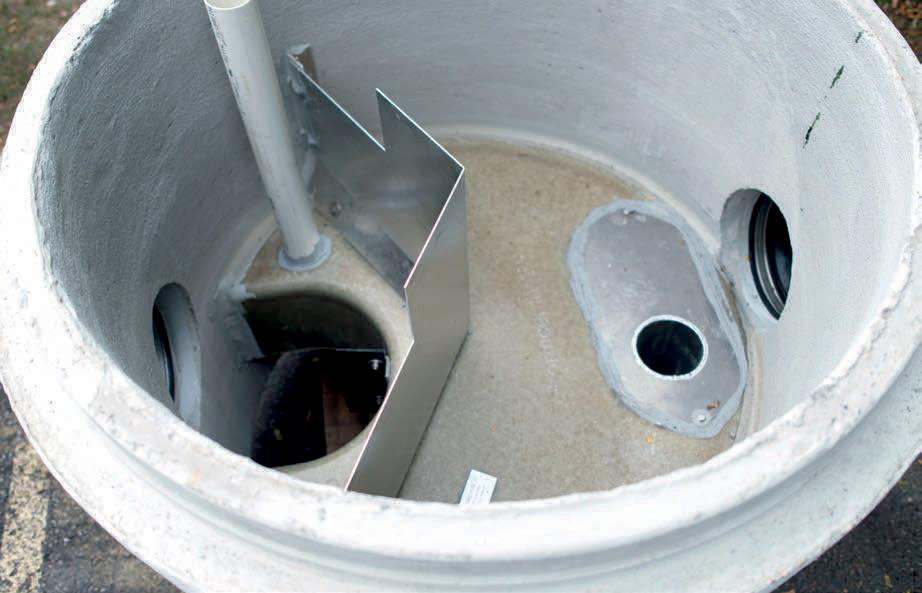
The most complete oil-grit separator on the market
• High flow sediment removal
• Scour prevention of collected sediment during high flow
• 99% oil/hydrocarbon retention during high flow
• Canada ISO 14034 Environmental Technology Verification (ETV)
PRODUCT RECOMMENDATIONS
SIZING & DESIGN ASSISTANCE
Imbrium® has been synonymous with stormwater treatment in Canada for decades. With the Stormceptor® EF oil-grit separator and the Jellyfish® Filter membrane filtration system, Imbrium® provides engineers and regulators options for all levels of stormwater treatment.
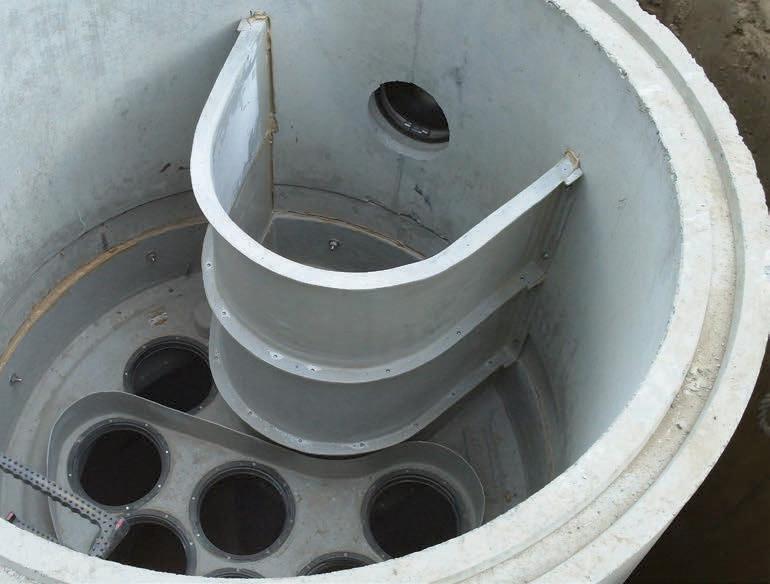
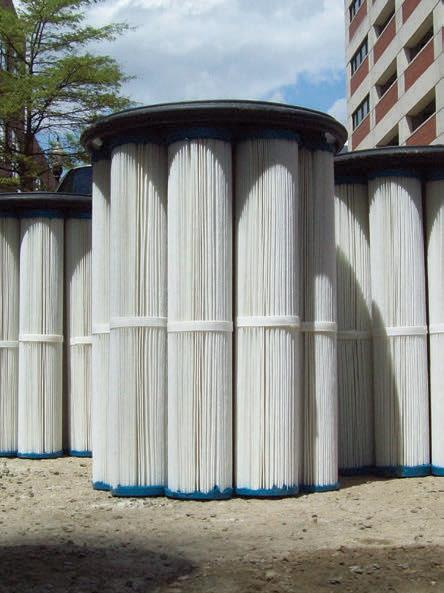
The highest level of sediment and nutrient removal using membrane filtration
• Removal of 90% TSS and 77% TP
• Low driving head of 457mm
• Lightweight, rinseable and reusable cartridges
• Canada ISO 14034 Environmental Technology Verification (ETV)