
A critical insight to find a way for the survival of generations
Ourplanet ishometoanincrediblediversityoflife.Itsupportsnumerousvarieties oflivingbeingsincludingus.Ithasprovidedallformsofsupportsforthesurvivalof itsbeingslikefood,water,airetc.Nowadays,whenwethinkaboutthreatstothe environment,wetendtopicturecarsandsmokestacks,notdinner.Butthetruthis, ourneedforfoodposesoneofthebiggestdangerstotheplanet.Earthrunningout offoodifglobalfoodsystemsarenottransformedisoneofthealarming phenomenathatisoccuringrightnow.Undoubtedly,itwillbethemostcrucial problem to solve in the nearby future.
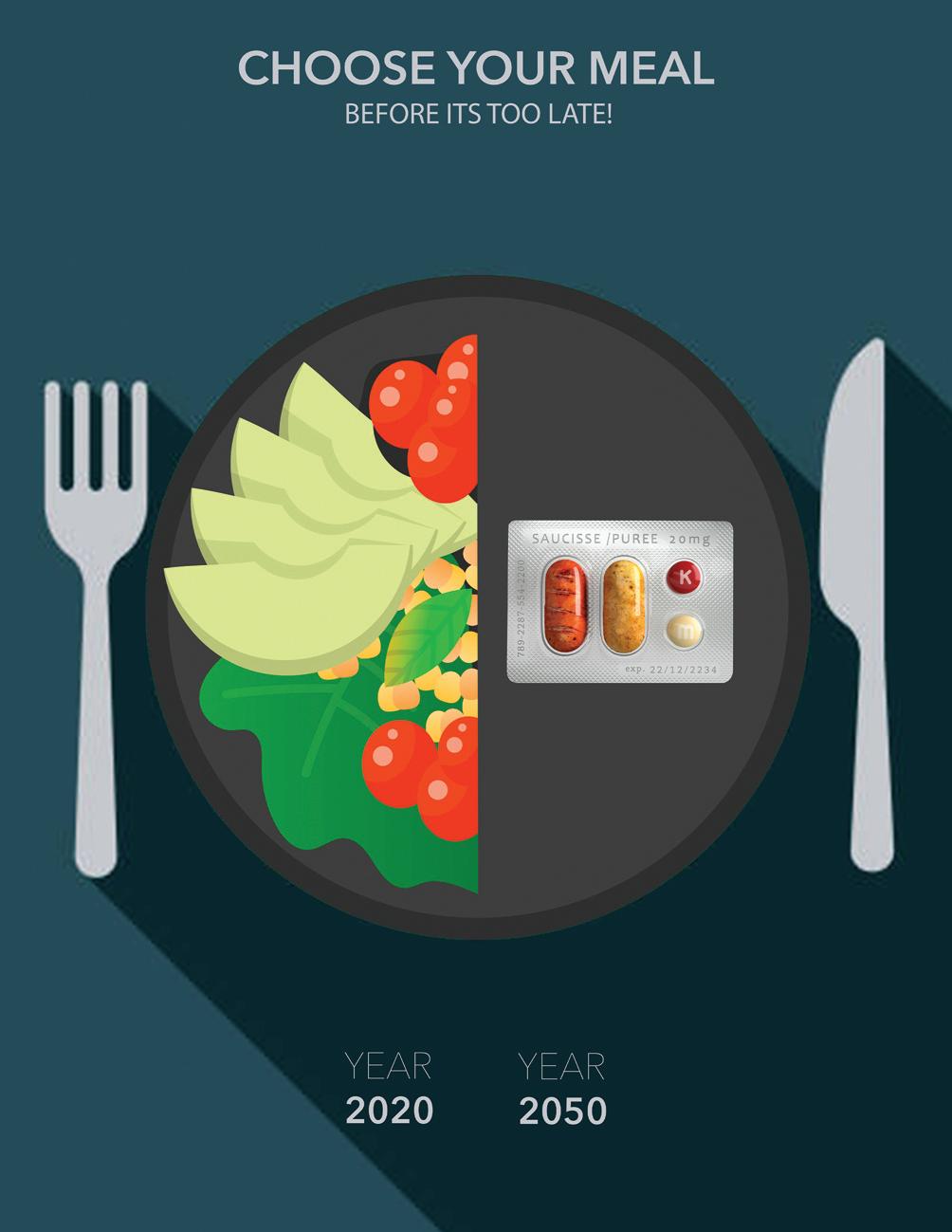
Thecurrentworldpopulationisestimatedtobe 7.8billion asofseptember2020 estimatedbytheUnitedNations.Theworldcurrentlyproducesmorethanenough foodtofeedeveryone,yet815millionpeople (roughly11% oftheglobalpopulation) wenthungryormalnourished,mostlyduetopovertyandunequaldistributionin 2016,accordingtotheU.N.By2050 ,withtheglobalpopulationexpectedtoreach 1 10billion,ourfoodsupplieswillbeunderfargreaterstress.Thepopulationis increasing,meaningmoremouthstofeed,anditisunlikelythatthiswillstabiliseby theendofthecentury.Demandwillbe 60% higherthanitistoday,butclimate change,urbanization,andsoildegradation willhaveshrunktheavailabilityof arableland,accordingtotheWorldEconomicForum.Addwatershortages , pollution, and worsening inequality into the mix and the implications are stark. 2
Foodsecurity isaglobalchallengebecauseit’snotjustaboutfoodandfeeding peoplebutalsoaboutpracticallyallaspectsofaneconomyandsociety.Inessence, it’sabouthowwefeedagrowingpopulationatatimeofclimatechange,whichis unpredictableandnotfullyunderstood.Globally,wearereliantonaveryslender threadofgeneticdiversity.AccordingtotheU.N.’sFoodandAgriculture Organization(FAO), morethan50% ofallhumancaloriescomefromjust three plants: rice, maize, and wheat.
1 "Is the world running out of food? - TheWorldCounts." https://www.theworldcounts.com/challenges/planet-earth/state-of-the-planet/is-the-world-running-out-of-food/story Accessed 21 Sep. 2020.
2 "The World Is Headed for a Food Security Crisis. Here's How ...." 28 Mar. 2018, https://time.com/5216532/global-food-security-richard-deverell/. Accessed 21 Sep. 2020.
Overthousandsofyearsofagriculture,humanshaveselectedplantsforparticular characteristics,typicallytheiryield.Highyieldisimportantforfeedingagrowing populationbutitmeansthatourfoodcropsareveryhomogenous.Currently,only12 cropsaccountfor 75% ofallhumancalories.Ifaparticularpestorpathogenarises, oraparticularvulnerabilitytochangingclimates,theentirecropbecomes vulnerablebecauseofthelackofgeneticvariabilitywithinit.We’veseenthis happenbefore.Inthe1950s ,theglobalbananasupplywaslargelybasedonasingle varietycalledtheGrosMichel.The PanamaVirus wipeditoutbecausetherewasa lackofvariabilitywithinthecrop.Thereareabout 5,500 differentvarietiesofedible plants, and yet we have found ourselves concentrating on a very narrow selection. 3
Foodproductionisultimatelydependentonotherecosystemservicessoitis essential that these are maintained.
● Populationgrowth –thisvariesconsiderablyacrosscountries.Africais expectedtodoubleitspopulationfrom1to2billionby2050.Populationsin thedevelopingworldarealsobecomingincreasinglyurbanized,with2.5 billion additional urban residents projected in Africa and Asia.
● Changingtastes –notonlyisthepopulationgrowing,butitsdietischanging too.Aspeoplebecomemoreaffluenttheystarteatingfoodthatisricherin processedfoods,meatanddairy.Buttoproducemoremeatmeansgrowing more grain.
● Climatechange –Gradualclimatechangewillalterwhatcanbegrownand where,butthevariabilitythatmakesuptheaveragetemperatureandrainfall willleadtoclimaticshocks(heatwaves,coldsnaps,droughtsandfloods), significantlyreducingyields.Currently,40%oftheworld’slandmassisarid, andrisingtemperatureswillturnyetmoreofitintodesert.Atcurrentrates, theamountoffoodwe’regrowingtodaywillfeedonlyhalfofthepopulation by 2050.
● Waterscarcity – thisisanotherimpendingcrisis:28%ofagricultureliesin water-stressedregions.Ittakesroughly1,500litresofwatertoproducea kilogramofwheat,andabout16,000litrestoproduceakilogramofbeef.In 2050,we’llneedtwiceasmuchwater.Forexample,agricultureuses70%of allfreshwater,producesaroundathirdofallGHGemissions,andcontributes tobiodiversitylossandsoildegradation(around69%ofagriculturallandis degraded).Iffooddemandcontinuestogrowasprojected,by2050wewould
3 "The World Is Headed for a Food Security Crisis. Here's How ...." 28 Mar. 2018, https://time.com/5216532/global-food-security-richard-deverell/. Accessed 21 Sep. 2020.
need120%morewater,42%morecropland,lose14%moreforest,and produce 77% more GHG emissions. 4
● Troubledfarmers –indevelopedcountries,lessthan2%ofpeoplegrow cropsorbreedanimalsforfood.Fewerandfewerpeoplearechoosing farmingasanoccupation.Meanwhile,foodpricesarerising,arableland continues to be lost to sprawl and soil is being degraded by over-farming. 5
Ithasbeenestimatedthatweneedtoproducemorefoodinthenext35yearsthan wehaveeverproducedinhumanhistory,giventheprojectedincreasesinworld population,andonthebasisthatrisingincomeswillcontinuetochangediets. However,thereisbygoodapproximationnonewlandforagriculture,with increasingcompetitionfromurbanisation(theworldwillbe70% urbanised by2050), sealevelrisereducinglandavailability,andthegrowingneedforlandforbioenergy, carboncaptureandstorage(BECCS)toremovegreenhousegases(GHGs)fromthe atmosphere.Thisimpliessustainableintensification(SI) ofagricultureontheland that is available (i.e. produce more without expanding the agricultural area). 6
Unfortunatelythedebateoverhowtoaddresstheglobalfoodchallengehas becomepolarized,pittingconventionalagricultureandglobalcommerceagainst localfoodsystemsandorganicfarms.Theargumentscanbefierce,andlikeour politics,weseemtobegettingmoredividedratherthanfindingcommonground. Thosewhofavorconventionalagriculturetalkabouthowmodernmechanization, irrigation,fertilizers,andimprovedgeneticscanincreaseyieldstohelpmeet demand.Andthey’reright.Meanwhileproponentsoflocalandorganicfarms counterthattheworld’ssmallfarmerscouldincreaseyieldsplenty—andhelp themselvesoutofpoverty—byadoptingtechniquesthatimprovefertilitywithout syntheticfertilizersandpesticides.They’rerighttoo.Butitneedn’tbeaneither-or proposition.Bothapproachesofferbadlyneededsolutions;neitheronealonegets usthere.Wewouldbewisetoexploreallofthegoodideas,whetherfromorganic and local farms or high-tech and conventional farms, and blend the best of both.
Envisioning a positive future Allthishasbeensaid,Iamfortunateenoughtoproposeapositivefutureregarding thefoodsecurityconcernsoftheworld.TheFoodandAgricultureOrganisationof
4 "Feeding the world: Food security as a global challenge." 20 Feb. 2018, https://www.newfoodmagazine.com/article/64808/food-security-riaz-bhunnoo/.
Accessed 21 Sep. 2020.
5 "What happens when we run out of food? - BBC Future." 20 Mar. 2019, https://www.bbc.com/future/article/20190319-what-happens-when-the-food-runs-out
6 "Feeding the world: Food security as a global challenge." 20 Feb. 2018, https://www.newfoodmagazine.com/article/64808/food-security-riaz-bhunnoo/
Accessed 21 Sep. 2020.
Accessed 21 Sep. 2020.
theUnitedNationsneedstoformaveryefficientandwelladvancedFutureFood Community(FFC).Thiscommunityneedstobeledbyateamofscientistswho confrontedthissimplequestion:Howcantheworlddoubletheavailabilityoffood whilesimultaneouslycuttingtheenvironmentalharmcausedbyagriculture? Theyshouldalsoconsistofgreatmindsfromallfieldsincludingagroupof engineers,nutritionists,doctors,philanthropistsetcwhoworkcollectivelyforthe world'sfooddilemma.Themainobjectiveofthemistoanalyzereamsofdataon agricultureandtheenvironment,andfoodrelatedconcernsofallpeoplearoundthe globeandtoproposethenecessaryactionsthatneedtobeimpliedforafood securefuture.The mainobjective ofthisorganisationisthatit'snotforany particularnationoragroupofpeoplebutforthebettermentofpeoplealloverthe world.
Anotherprimefactorofthisorganisationisthefarmer’scommunityconsistingof educatedaswellasuneducatedandexperiencedfarmersfromallovertheworld especiallyfromeverycurrentpotentialregion.Thesepeoplecouldleadthefarming activitiesintheirregionjoinedbythelocalfarmers.Theyneedtobeeducated regardingthegrowingfoodconcernsofthefutureandthepurposeoftheir approach.Thisideaneedstobethensharedamongthepeopleoftheirregion therebyweformagroupofpeopleworkingforacommongoal.Theyarealso responsibleforraisingtheconcernsoffarmersintheirregion.Farmingactivities needtobeconsideredregardingthepotentialofaregion.Theymaynotbejust growingforthemselvesbutforotherpeople.Farmersneedtobewellequippedin termsofwageandconsumability.Revisedfoodhabitsofpeopleincludingdifferent crops other than the traditional crops need to be highly considered.
TheUNshouldmakesurethatthisorganizationiswellequippedwithproperfunds andfacilitiesfortheirpurpose.Itmustbedevelopedasacollectiveorganisation workingforpeopleallovertheworldregardlessofrichorpoor.It'stheirprimegoal to feed the growing population of the world by meeting the demands of the future. TheyalsoneedtohaveaveryadvancedR&Dwingthathelpsinformulatingthe futuresteps.Thisorganisationneedstofunctionasanindependentcommunityfree fromanypoliticalorcommercialinterference.Theyshouldproposeanidealistic approach and goals that needs to be achieved all over the world.
Alsoacollective&collaborativeeffortwithscientistsfromNASAneedtobe developedwhichwouldhelpinthepossibilityofcultivationinspaceduringspace explorationswhichwouldopenafuturisticapproach.Forexample,recent discoveriesmadeinthe“Martiangardens”willpavethewayforfuturestudiesand
technologydevelopmentintermsofreliable,efficientfoodproductionalongway from the home planet.
Apartfromthat,aspecialwingofthePollutionandWasteManagementBoard needstobeformedundertheirsupervision,whoseprimaryaimistomakesurethat agriculturerelatedissuesaremanagedandreduceddrastically.Theyare responsibleforsettingupnormsandregulationsregardingtheaspectsthatmay affecttheclimateofaregionduetofarmingrelatedactivities.Theycouldalso proposeinnovativemethodsforthereusabilityofagriculturalwastes.Theyshould alsoworkinpairwiththeR&Dwing fordevelopinginnovativetechnologyinthe fieldofagricultureandfoodprocessingsector.Theycouldproposemoreefficient ways and approach in particular areas as per latest inventions. 7
Nutritionistsanddietrelatedknowledgeawarenessshouldalsobespreadbythe teamtothepeople.Inthenext10years,theemergingfieldof‘personalised nutrition’willusegeneticteststofillinthosegapstoofferhealthyeatingguidance tailoredtotheindividual.Somecompanies,so-called‘nutrigeneticsservices’, alreadytestyourDNAandofferdietaryadvice.Soconsumptionoffoodasper one'snutritionalrequirementswouldalsohelpinreducingfoodwastagetoalarge extent.8
Onesthesecommunitycomesintoform,andafteranalyzingthecurrentreamsof dataonagricultureandtheenvironment,theycouldproposefewinitialstepsthat could solve the major challenges:
● Step One: Freeze Agriculture’s Footprint
● Step Two: Grow More on Farms We’ve Got
● Step Three: Use Resources More Efficiently
● Step Four: Shift Diets
● Step Five: Reduce Waste
Takentogetherwiththeirleadership, thesefivestepscouldmorethandoublethe world’sfoodsuppliesanddramaticallycuttheenvironmentalimpactofagriculture worldwide.Butitwon’tbeeasy.Thesesolutionsrequireabigshiftinthinking.We needtofindabalancebetweenproducingmorefoodandsustainingtheplanetfor futuregenerations.Thisisapivotalmomentwhenwefaceunprecedented challengestofoodsecurityandthepreservationofourglobalenvironment.The goodnewsisthatwealreadyknowwhatwehavetodo;butwejustneedtofigure
7 "Using innovative technology to feed our growing population ...." 20 Jun. 2019, https://www.techradar.com/news/using-innovative-technology-to-feed-our-growing-population.
Accessed 21 Sep. 2020.
8 "The future of food: what we'll eat in 2028 - BBC Science Focus ...." 17 May. 2019, https://www.sciencefocus.com/future-technology/the-future-of-food-what-well-eat-in-2028/. Accessed 21 Sep. 2020.
outhowtodoit.Nowthatpartisalsosolved.Wejustneedtocollectivelyinitiateit. Addressingourglobalfoodchallengesdemandsthatallofusbecomemore thoughtfulaboutthefoodweputonourplates.Weneedtomakeconnections betweenourfoodandthefarmerswhogrowit,andbetweenourfoodandtheland, watersheds,andclimatethatsustainus.Aswesteerourgrocerycartsdownthe aisles of our supermarkets, the choices we make will help decide the future.
Written by, Emad Ahamed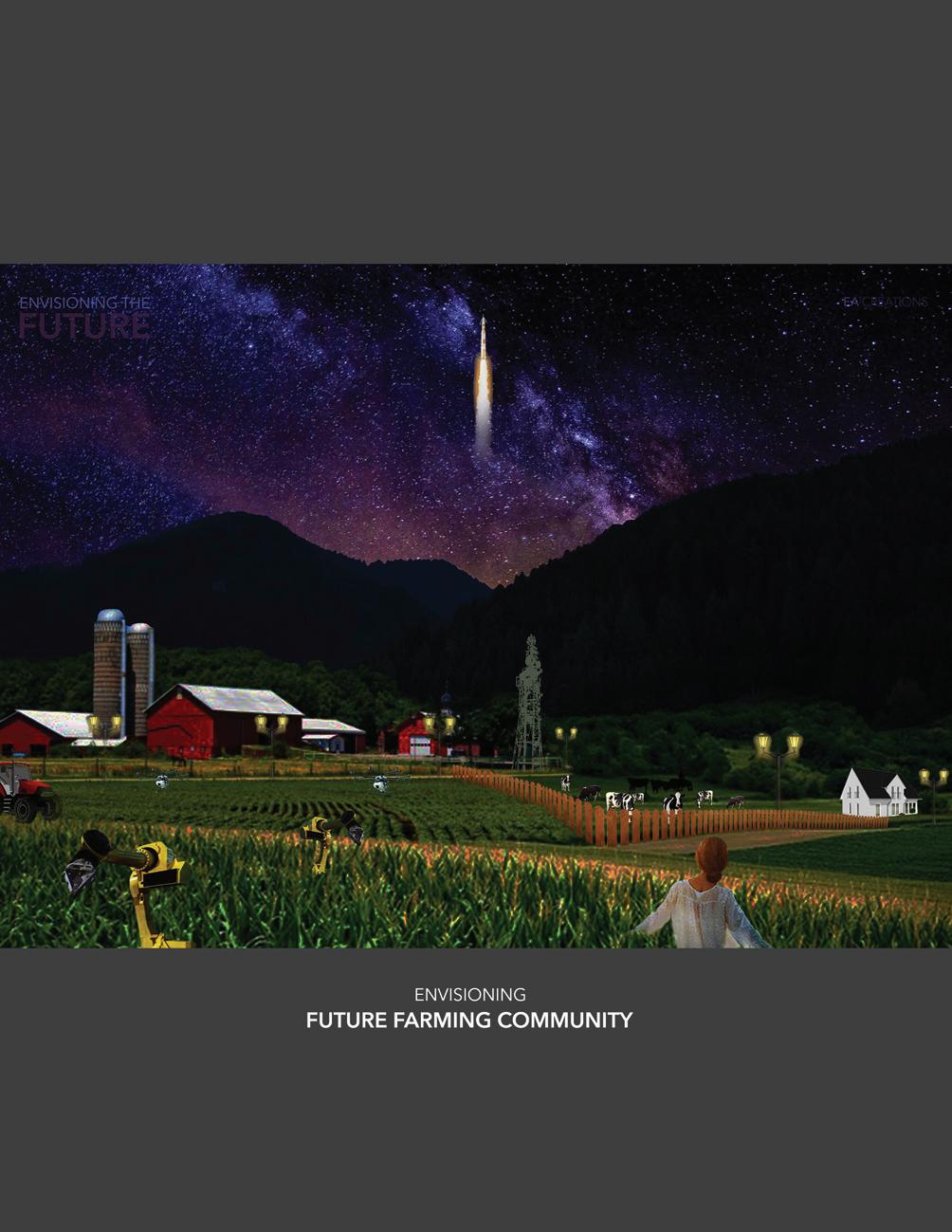
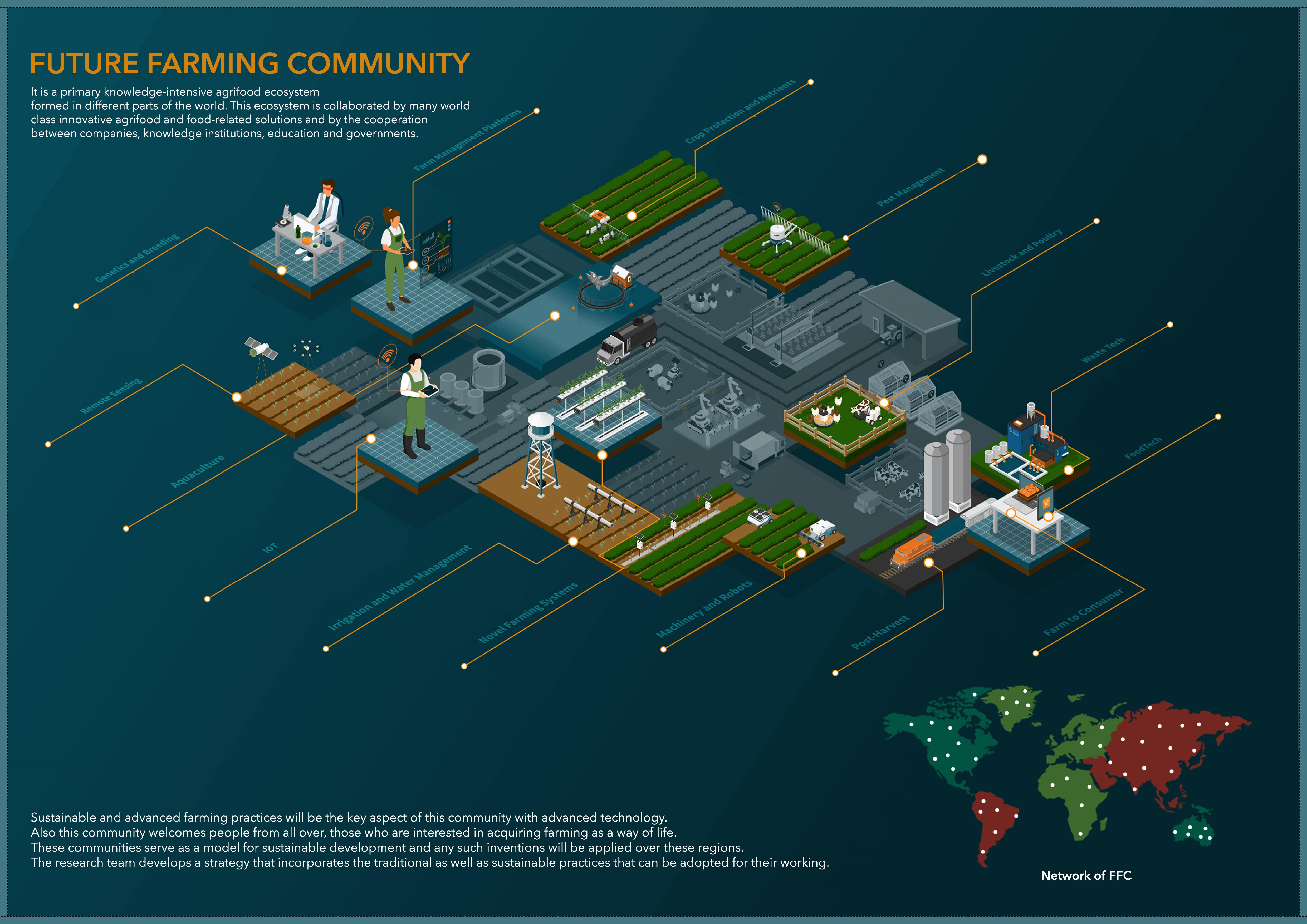
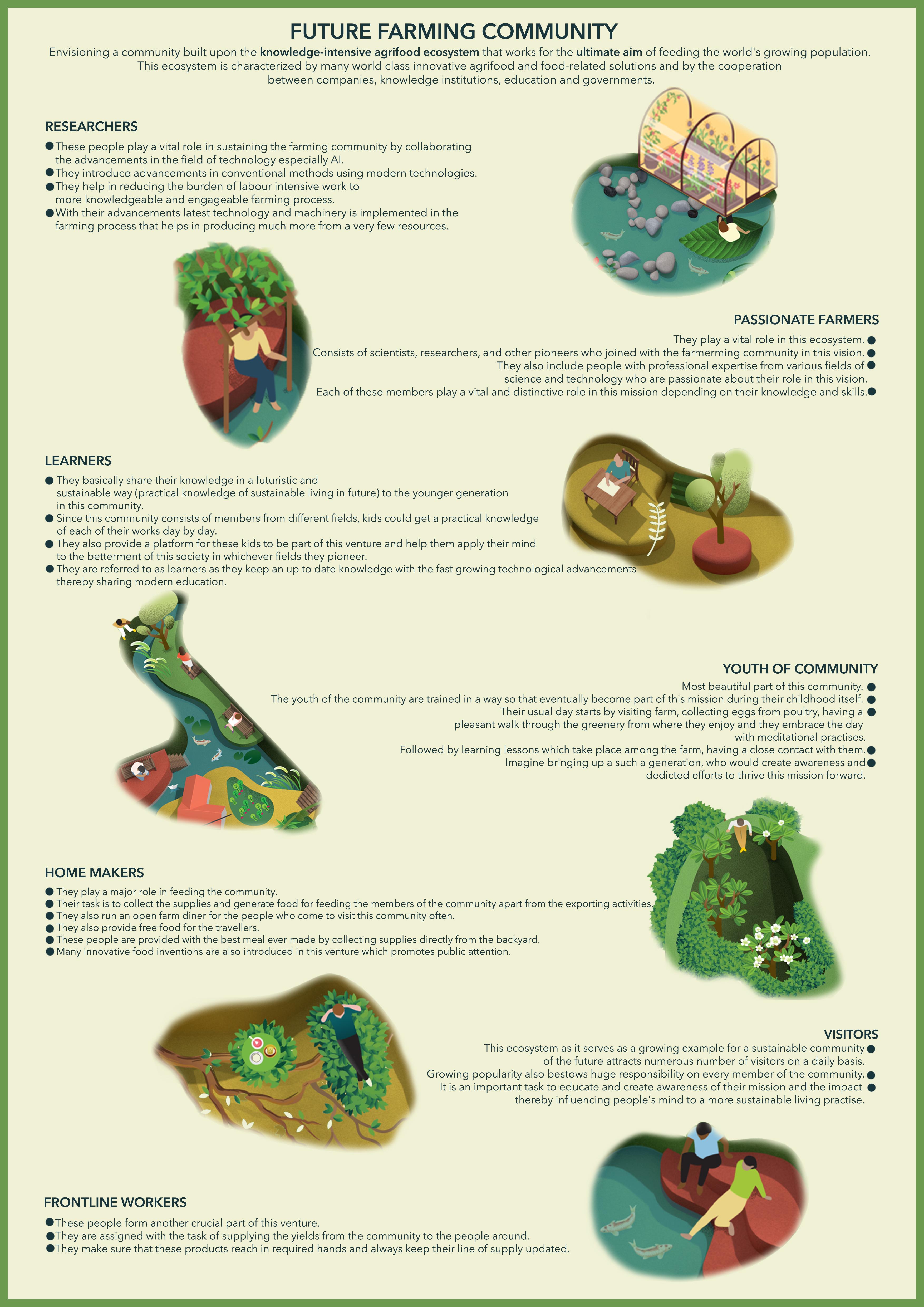
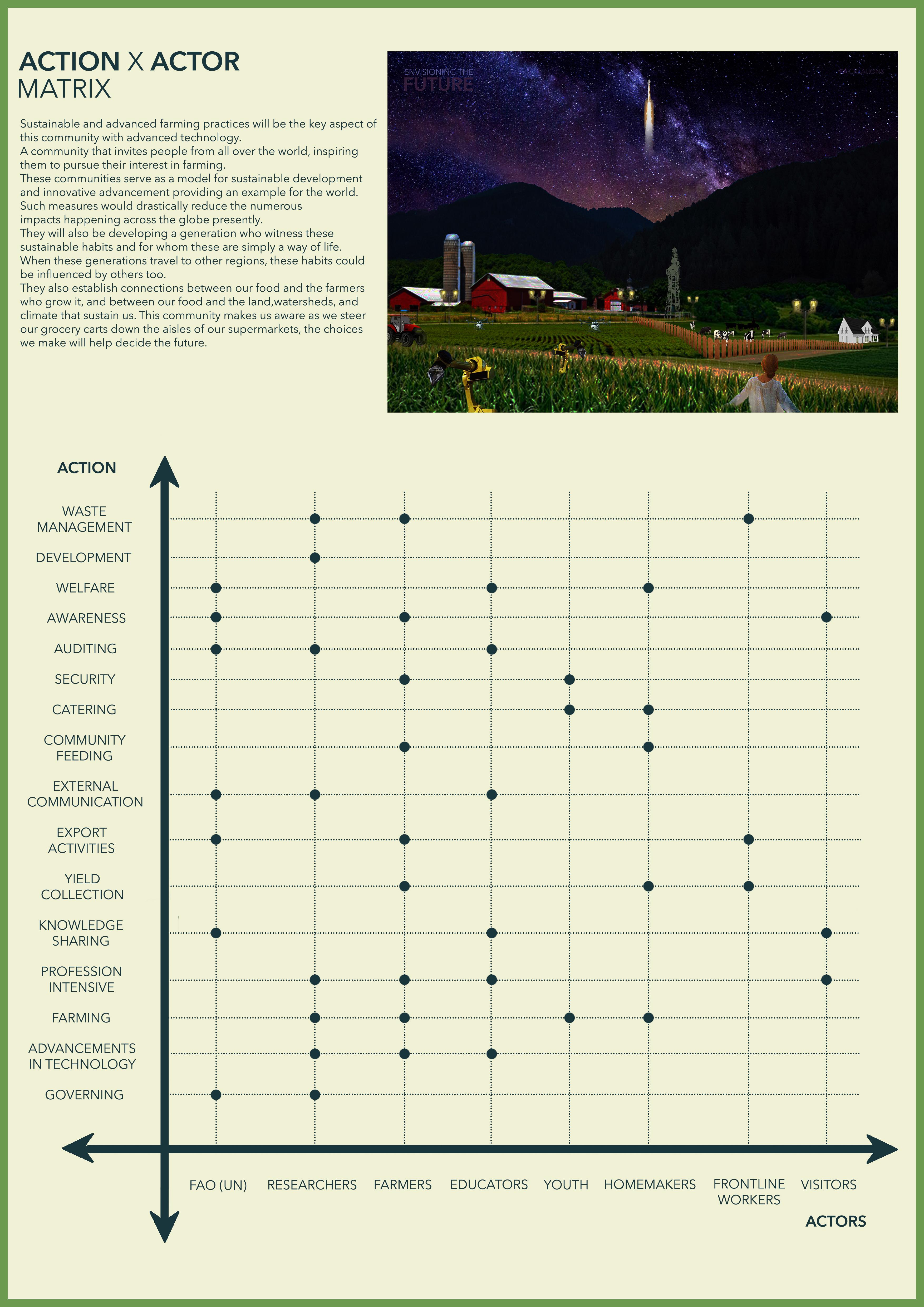
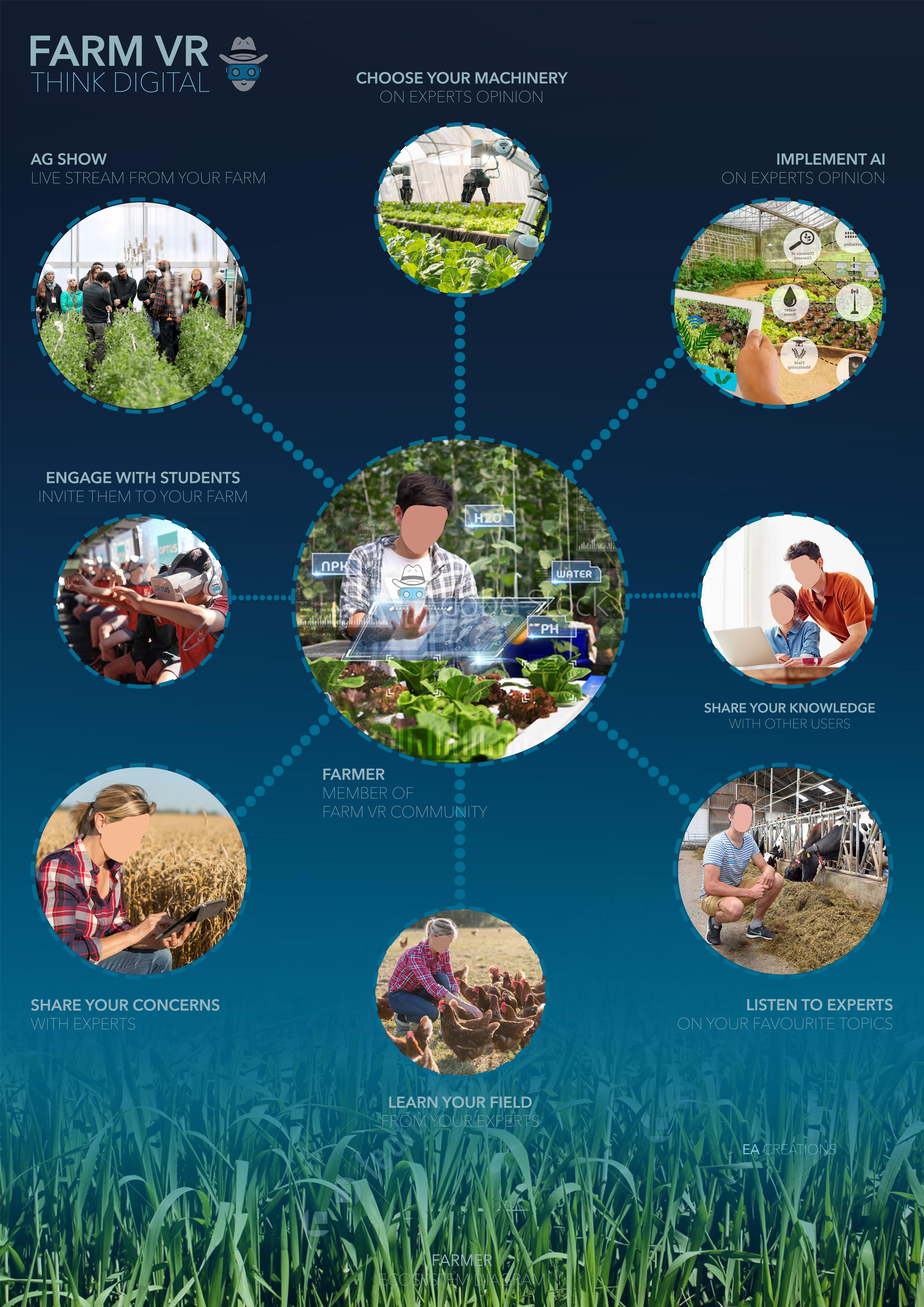
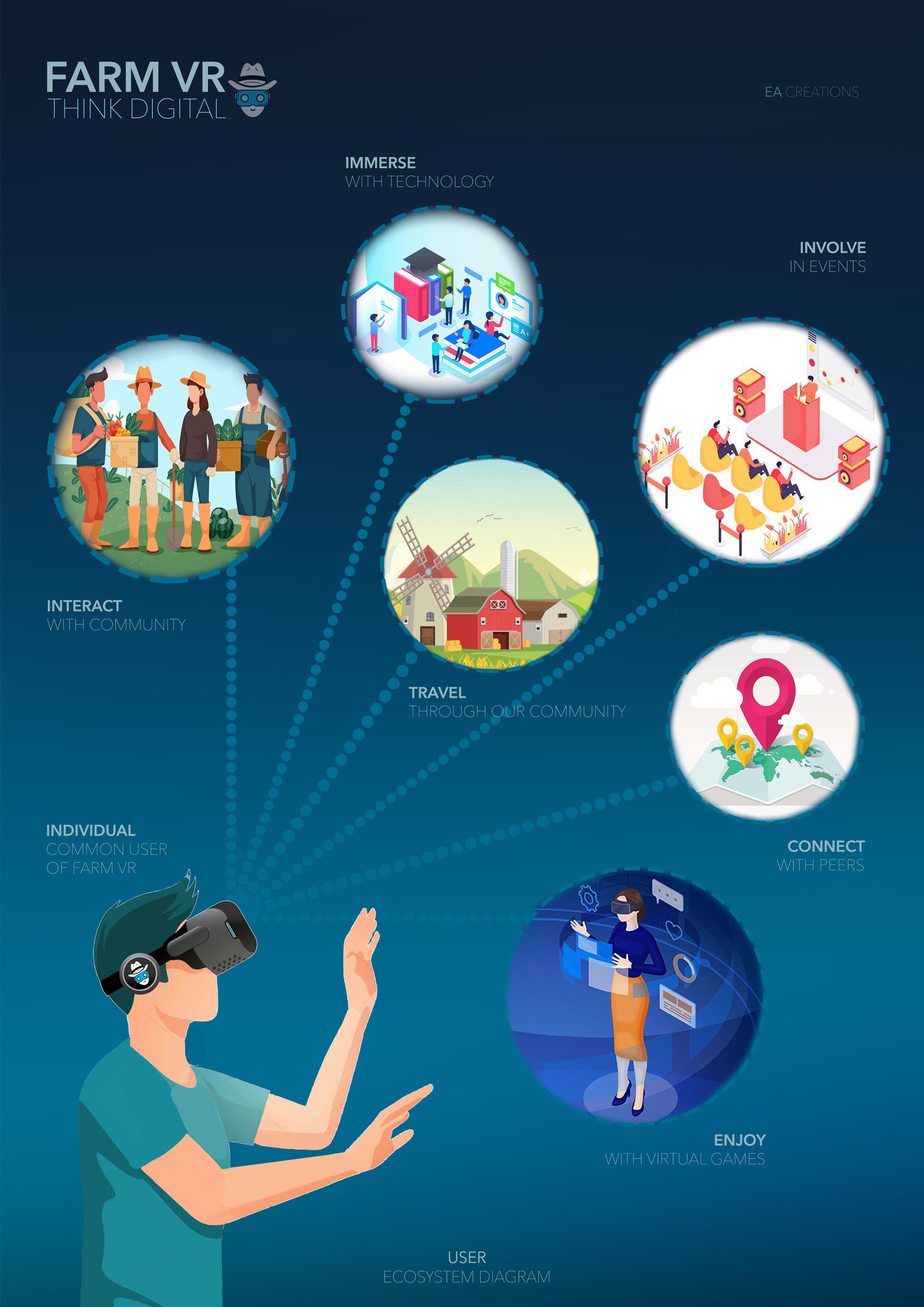
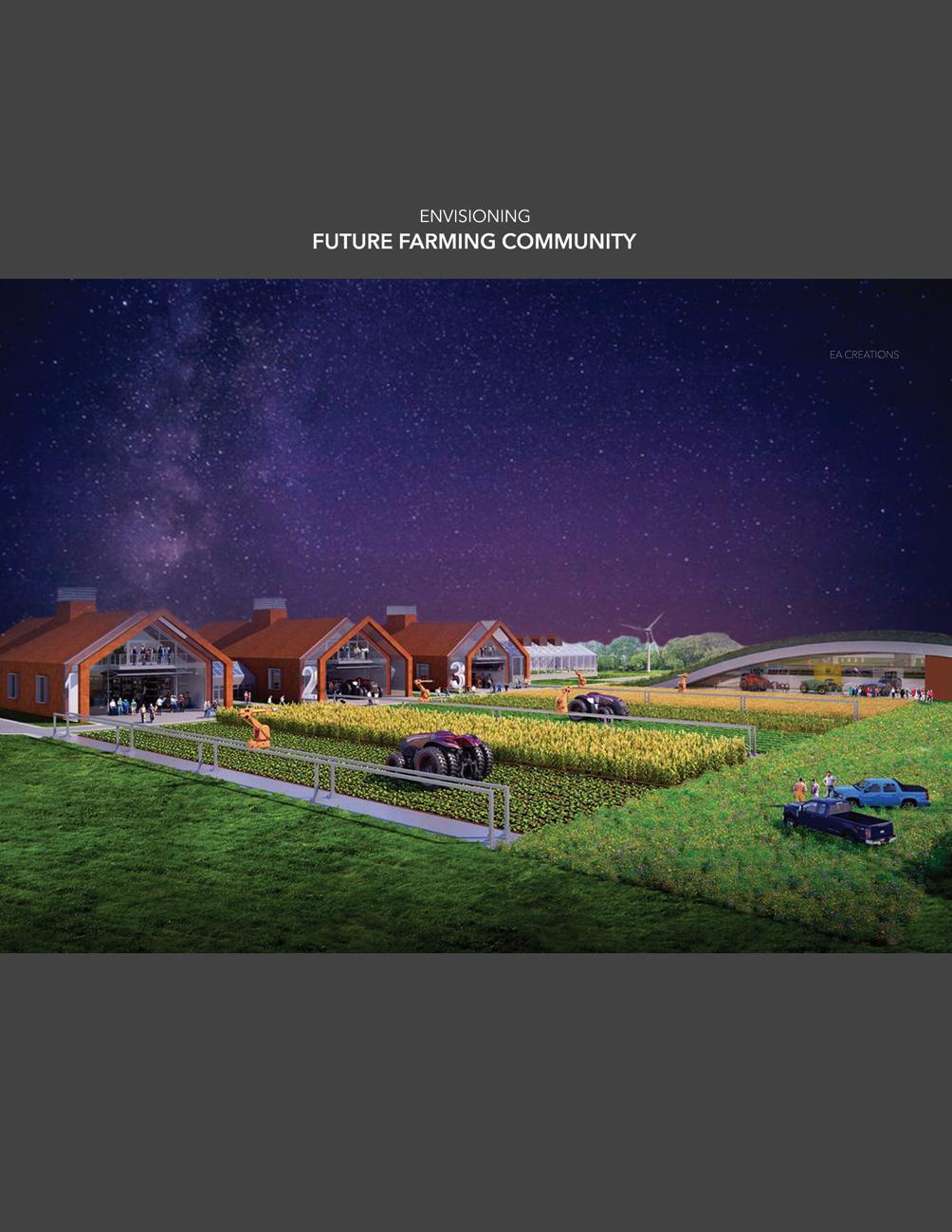
● I have been planning to build up a future farming community which comprises a set of people from various fields so as to ensure food security for the people on earth as well as sustaining them for generations to come.
● It is formed by a very close collaboration between the government, science organisation and the industry who works for this common goal of sustainable production. Using high technology, they ensure the possibility of producing a lot of food per sqm in a sustainable way. This group of people makes decisions regarding the agricultural activities of various crops and food, processing, delivery, supply and food consumption throughout the world.
● Their prime vision is to generate sufficient and nutritious food for all the people around the world by keeping in mind the crisis of 2050.
● It's not a unit that works on its own but rather they create a chain of people who eventually forms the catalysts for the running of this organisation.
● Apart from various differences that prevail between different nations, this could be one aspect that we all agree and work equally for.
● Rules and regulations for this community will be set by the Food and Agriculture Organisation (FAO) under the UN.
● Ultimately, the key to solving our food challenge isn't just relying on super efficient food producers to carry the weight for everyone else, rather its learning from and adopting that technology.
● This is perhaps the most critical and crucial part of this proposed future.
● First of all this organisation needs to be formed by the UN which every nation agrees upon their functioning.
● Next is to find out the potential spots for such farming communities some of which may already exist, some might be in good condition and some may not be productive but can be brought out the best if proper actions are taken.
● So such spots include farmers (their community), we need to enlighten them with the current scenario and make sure they are aware of this futuristic task. Also these people should be provided with basic necessities for their family.
● Next is the arrival of a team from the organisation who analyzes the potential aspects of these regions and brings out the strategic measures that can be adopted in the region for a productive and sustainable future.
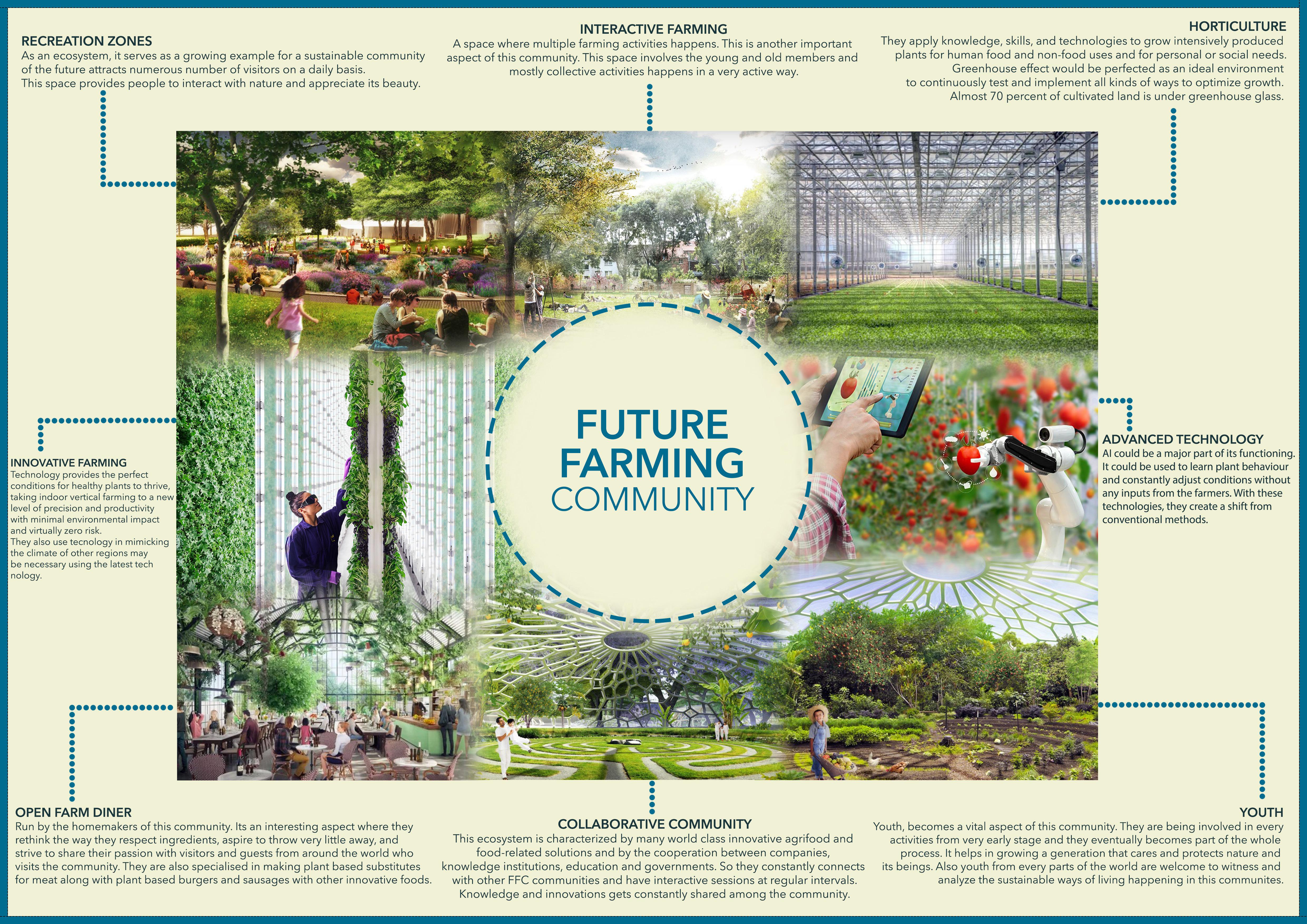
● They will be well advanced in using technology and AI for its functioning. For example, greenhouse effect would be perfected as an ideal environment to continuously test and implement all kinds of ways to optimize growth.
○
Examples:
■ Pest resistant leds
■ Moth killing drones etc.
● Also AI could be a major part of its functioning. It could be used to learn plant behaviour and constantly adjust conditions without any inputs from the farmers.
● Another aspect I would like to implement in these communities is to provide a system which could build a greenhouse inside a greenhouse which would help in replicating any climate on earth to figure out what modifications need to be made to realize the same yields they are getting in one region on any other country on Earth.
● The organisation needs to provide basic education and facilities for the members of this community.
● They are given a portion of the production from the yield.
● This region needs to be well protected from any other encroachments from any other nation or corporation.
● Also no other environmental degradational activities will be allowed especially in this region.
● Since it's a group of communities working together, there exists a bond between the members across different regions.
● As said earlier, for some products mimicking the climate of other regions may be necessary using the latest technology. A collaborative balance always prevails in the community and within others.
● They are treated with equal opportunities for any proposals.
● Their children are given the opportunity for futuristic advancements in the same field.
● Sustainable and advanced farming practices will be the key aspect of this community with advanced technology.
● Also this community welcomes people from all over, those who are interested in acquiring farming as a way of life.
● These communities serve as a model for sustainable development and any such inventions will be applied over these regions.
● Such measures would definitely and drastically reduce the numerous impacts happening across the globe presently.
● We will also be developing a generation who witness these sustainable habits and for whom these are simply a way of life.
● When these generations travel to other regions, these habits could be influenced by others too.
● I have been planning to build up a future farming community which comprises a set of people from various fields so as to ensure food security for the people on earth as well as sustaining them for generations to come.
● This group of people makes decisions regarding the agricultural activities of various crops and food, processing, delivery, supply and food consumption throughout the world.
● It's not a unit that works on its own but rather they create a chain of people who eventually forms the catalysts for the running of this organisation.
● It's a community that links up with other people rather than doing it on your own.
● In each of these communities, there would be a group of people who monitors the functioning of that region.
● They would be responsible for connecting with the people as well as the FAO.
● It's their task to ensure that the members of that community are provided with basic necessities and they all lead a happy life.
● They should be provided with special provision for education, healthcare, etc.