
I S S U E 1 . S U M M E R T E R M 2 0 2 3 A MAGAZINE FOR ECONOMIC STUDENTS BY ECONOMIC STUDENTS
ECODOMICS.
The current economic climate of the UK , the sixth largest national economy in the world Students are expected to maintain country profiles, one of which may be Britain. Here are some things to help

24 May 2023 - Average UK house prices grew 4 1% in the 12 months to March 2023 The average price of a UK house was £285,000 in March 2023 This is £11,000 higher than the same month a year ago, but £8,000 less than the recent peak in November 2022
What effect could this have on aggregate demand?
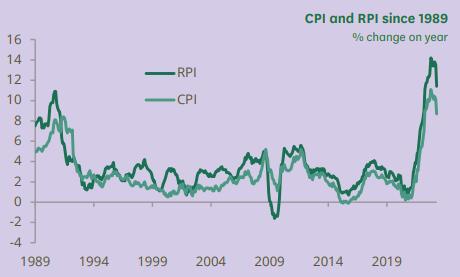
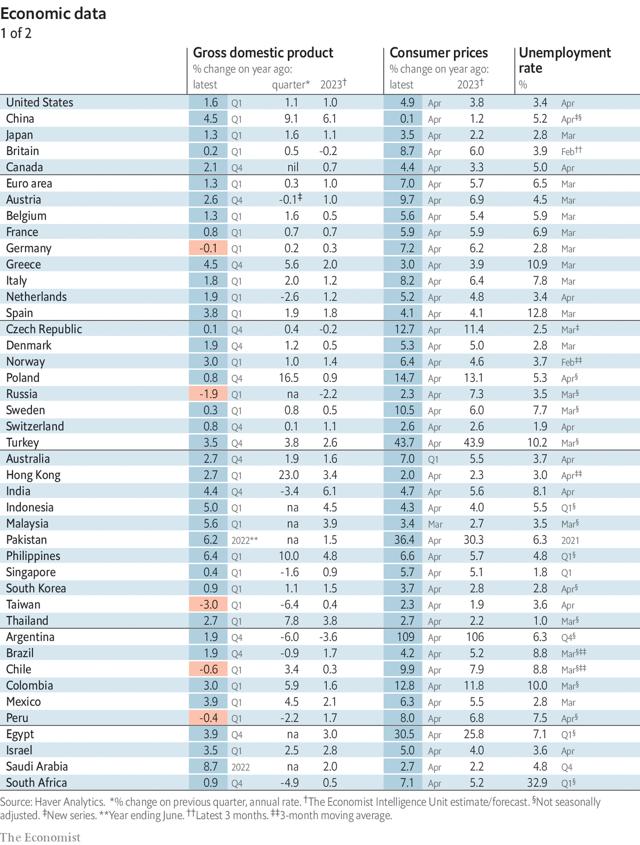
The CPI inflation rate was 8 7% in April 2023, down from 10 1% in March, despite being 2 6% higher than the Office of National Statistics estimated figure for 2023
The RPI inflation rate was 11 4% in April 2023, down from 13 5% in March
What are the microeconomic and macroeconomic effects of this?
Around two-thirds of UK adults (67%) have experienced an increased cost of living in the last month, when asked between May 4 and May 14 2023 When asked what they feel are the most important issues facing the UK today, the most reported issues were the cost of living (91%), the NHS (82%), the economy (73%) and climate change and the environment (59%).
Labour market data show the economic inactivity rate fell by 0.4 percentage in the quarter, to 21.0% in January to March 2023. Those inactive because of long term sickness reached a record high.
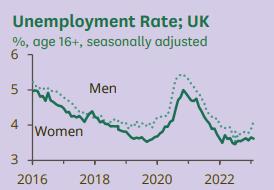
The unemployment rate for men was 4.1% and the unemployment rate was 3.6% for women in January to March 2023
In the Easter holiday, I completed work experience at Sellar Design and Development Ltd. I did this through asking family members in the accounting industry for possible opportunities at their work place. Without asking you would never know what you could find! The company develops buildings to assist in creating sustainable, thriving communities. They are well known for developing and restoring sites around London such as The Shard, London Bridge and Camden. They are currently working on rebuilding Paddington Square Station and Liverpool Street. There, I was taught basic accounting skills like casting and creating current account flows of the company. Not only did I learn how to declare dividends and write up loan agreements, I learnt how to attract investors as the company relies on them to fund these projects. By attending various meetings, I increased my understanding of carbon sustainability in attempt to limit carbon emissions when developing these sites. I also discovered how planning permissions for large projects work while considering protected views in London.

What I found interesting was learning about the legal loopholes that can be used to get out of being sued. For example, the parent company would create another company specific for the project. This firm would be in the position of signing the contract. However, if this backfires, they will liquidate the company and push the profits up, resulting in no money having to be paid. Learning all of this was beneficial towards deciding the direction of my future careers, which opened my eyes to all the possibilities of jobs within just finance and development.
Expand your vocabulary:
Casting: to add up or sum up a column of figures
Current account flows: the flow of inflows such as remittances and outflows like imports
Dividends: the distribution of a company's earnings to its shareholders
Liquidate: the process of selling off assets and using the proceeds to pay off creditors and shareholders
Other examples of student experiences:
Tanika Simon-Thomas attended IEA Future Thought Leaders Programme in April Saad Arshaad is attending Yale with Sutton Trust in July Seyon Vanithasan is attending IEA Future Thought Leaders Programme in JulyWhether or not money can purchase happiness is a complicated issue. Although there is evidence to show that money can help to achieve happiness, economists have long investigated this link. They have found that it is not simple or universal Does having piles of money create greater happiness than knowing there are people out there who are ready to love and care for you?
Money, from an economic perspective, gives people access to resources and opportunity to satisfy their needs and ambitions. It can increase access to housing, leisure activities, healthcare, education, and other critical factors that influence well-being Increases in income are frequently linked to greater levels of subjective well-being and life satisfaction, according to studies.
However, one ' s wage level is not the only factor that influences the relationship between money and happiness
It's crucial to understand the idea of diminishing marginal usefulness.
Many may say that as humans money will never satisfy, nor can it buy time, leading to the question of what’s the point of it? But wouldn’t you be happier if you had £100,000 laying around?
As we learnt in class, the Easterlin Paradox, named after the economist Richard Easterlin, explains how increasing levels of income do not necessarily lead to higher levels of happiness or life satisfaction at the societal level.
This paradox challenges the traditional assumption that economic growth automatically translates into greater well-being for individuals. Moreover, the pursuit of money and material wealth can lead to negative consequences for well-being
The relentless pursuit of wealth can lead to stress, anxiety, and a focus on material possessions at the expense of other aspects of life such as relationships, health, and personal growth Additionally, social comparisons can arise, where individuals compare their wealth to others, leading to feelings of envy or dissatisfaction.
It's also important to note that happiness is a subjective and multifaceted concept that goes beyond financial factors. Intangible aspects such as social relationships, meaning, and personal fulfillment are important factors for overall well-being.
In summary, money can contribute to well-being, especially by providing access to basic needs and resources. However, the relationship between money and happiness is complex, with diminishing marginal utility and potential negative consequences To fully understand and promote wellbeing, it is important to consider a wider range of tangible and intangible factors.
So does money buy happiness? Share your thoughts:
https://www.surveymonkey.co.uk/r/QJFBQR5
Welcome to the Economist of the Month of the term section! Here, we look into economists from a range of backgrounds that we may not have heard of before:
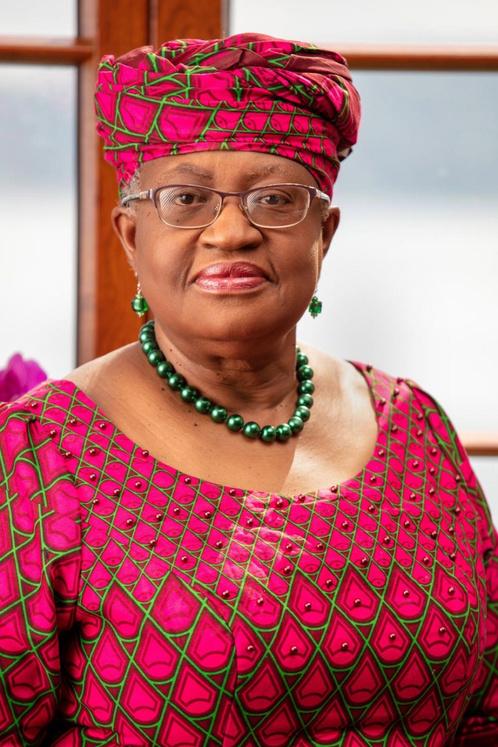
This term’s economist is a Nigerian woman called Ngozi Okonjo-Iweala. Not only has she became the first African and woman to lead the World Trade Organisation in March 2021 as Director-General, but she also achieved a PhD in regional economics and development at MIT, among many other achievements. She has written many books varying from “Women and Leadership” to how “Fighting Corruption is Dangerous”, however one book that particularly piqued my interests was titled “The Debt Trap in Nigeria: Towards a Sustainable Debt Strategy”. In this book, she explains, the causes of Nigeria’s debt issues (bilateral and multilateral loans) and concludes that there is still hope for the future, since Africa as a continent has exceeded 3% real growth rates in the last 5 years
Esther Duflo is a renowned economist of French and Indian descent She focuses research on development economics and has made significant contributions to the field, particularly in the area of poverty alleviation. A copy of her work, Donut Economics is available in the college library.
Expand your vocabulary:
Bilateral loan: a form of credit arranged between a borrower and a single lender (government)
Multilateral loan: a credit or term loan facility provided to a borrower by more than one lender on uniform terms using common documentations (international organisations)
- Tanika Simon-ThomasThere's something for everyone , whether you want to learn more about the myriad of policies our government has been utilising or even how artificial intelligence is involved in economics:
Saturday 17 June 2023, 6pm - 7pm
In person and online event
Many are dissatisfied with the status quo and it’s surprisingly hard to find an exact vision of what a better and fairer world would look like This even bring leading thinkers together to put forward their suggestions
How Did Britain Come to This? LSE Festival
Saturday 17 June 2023, 2:30pm - 3:30pm
In person and online event
Exploring what is wrong with the design of the British government, and how it has resulted in catastrophic failures of governance in recent years. Will also create an image of what an innovative state will look like in the future.
Economics and Finance Taster Day
29 June 2023, 10am - 2 30pm
Graduate Centre, Queen Mary University of London, Mile End campus
To spark interest in students to pursue further education and future careers in economics and finance fields. Will include taster sessions on what studying the subject at university would entail (also including a campus tour)
Working In Economics And Research
Tuesday 18 July 2023, 10am - 1:30pm
National Institute of Economic and Social Research
Will listen to staff about their journeys to their roles, and give you an opportunity to interact and ask any questions you may have It will also be a good opportunity to meet like-minded people, and form connections
PODCASTS:
Why tackling poverty means investing in women and girls
https://www ft com/partnercontent/lives-and-livelihoods-fund/why-tackling-poverty-means-investing-in-women-and-girls html? utm source=FT&utm medium=Premium Native Amplification
BoE admits ‘very big lessons to learn’ over failure to forecast rise in inflation
https://www ft com/content/b972f5e3-4f03-4986-890d-5443878424ac
5 Things That Made Me - Deloitte
https://www2.deloitte.com/uk/en/pages/careers/articles/five-things-that-made-me.html
The Green Room Podcast - Deloitte -Are Women rewriting the rules?
https://www2 deloitte com/uk/en/pages/about-deloitte-uk/articles/the-green-room-podcast-episode html?episode=30#/the-greenroom-podcast-are-women-rewriting-the-rules html
I feel this is a really good listen, it discusses how women may alter themselves to appear a certain way in the workplace. Particularly, how more senior members dress and act in a certain way to fit societal norms, tending to come across as more ‘masculine’ Whereas, in reality the main strength you possess is being yourself The podcast mentions that if you look at the executive members on boards such as the FTSE350, women are very underrepresented It mentions how being a mother can make it hard to progress in the workplace, however as raising a child requires a lot of responsibility, it can be an amazing opportunity to develop managerial skills for your career. Overall, sharing the stories of women is essential, as it allows us to learn from historical mistakes and create a better workplace environment
- Shreya Haria and Chanelle MorganDid you know that key economic data is updated and published each week by The Economist magazine, go to the LLC and pick up the colleges copy and check it out:
 Edited by: Mahi Kapadia
 Tanika Simon-Thomas
If you would like to contribute to the next edition, email or talk to: 22simonthomt@stdoms.ac.uk or 22kapadiam@stdoms.ac.uk