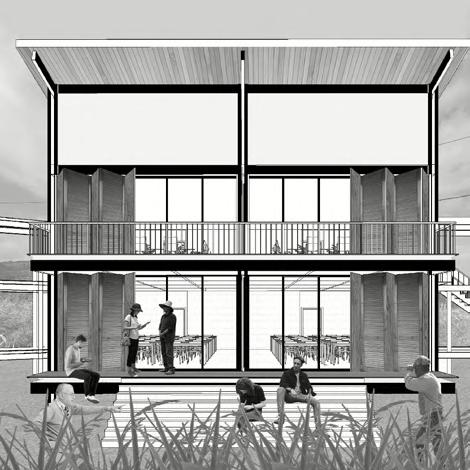
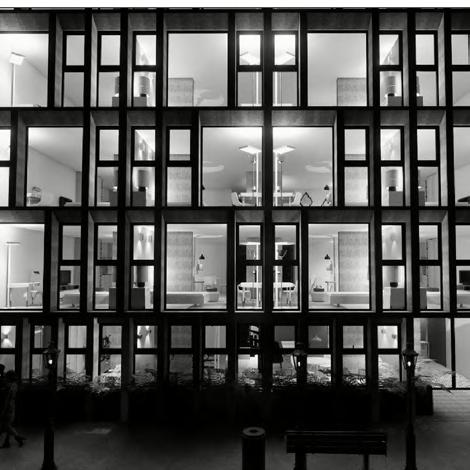
Junior architect with great design skills, high motivation, discipline and mulilingualism, ready to face new challenges. With 2 years of experience contributing on diverse projects, in its multiple stages of development.
Experience
- Architect (previously intern)
B612architectes
Brussels, january 2023 - present
• ‘Jean 23’, Competition and pre-project phase (project designer and coordinator) for the expansion and enhancement of an existing Brussels school
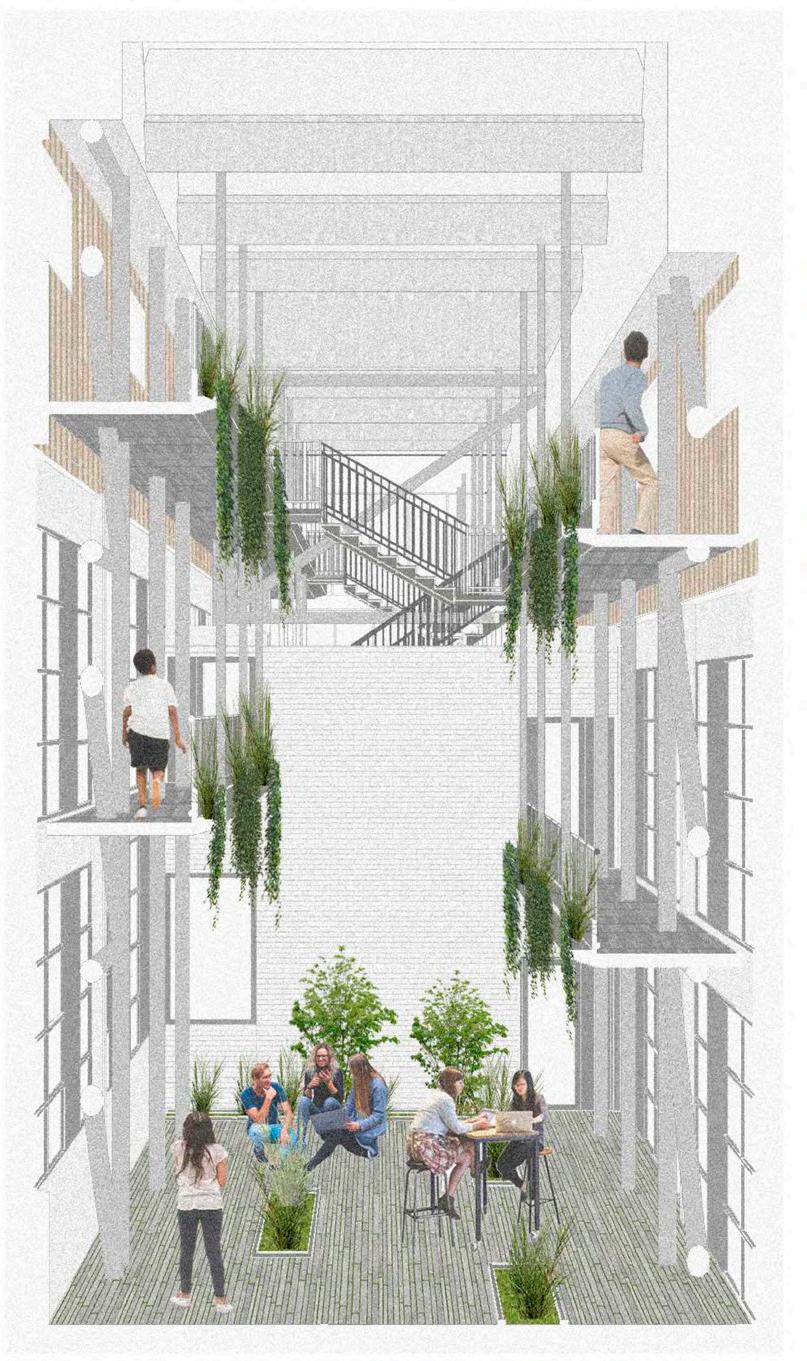
• ‘Rue haute’, Competition for the circular oriented renovation of 2 existing buildings into transitory social housing
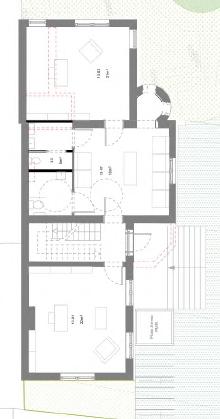
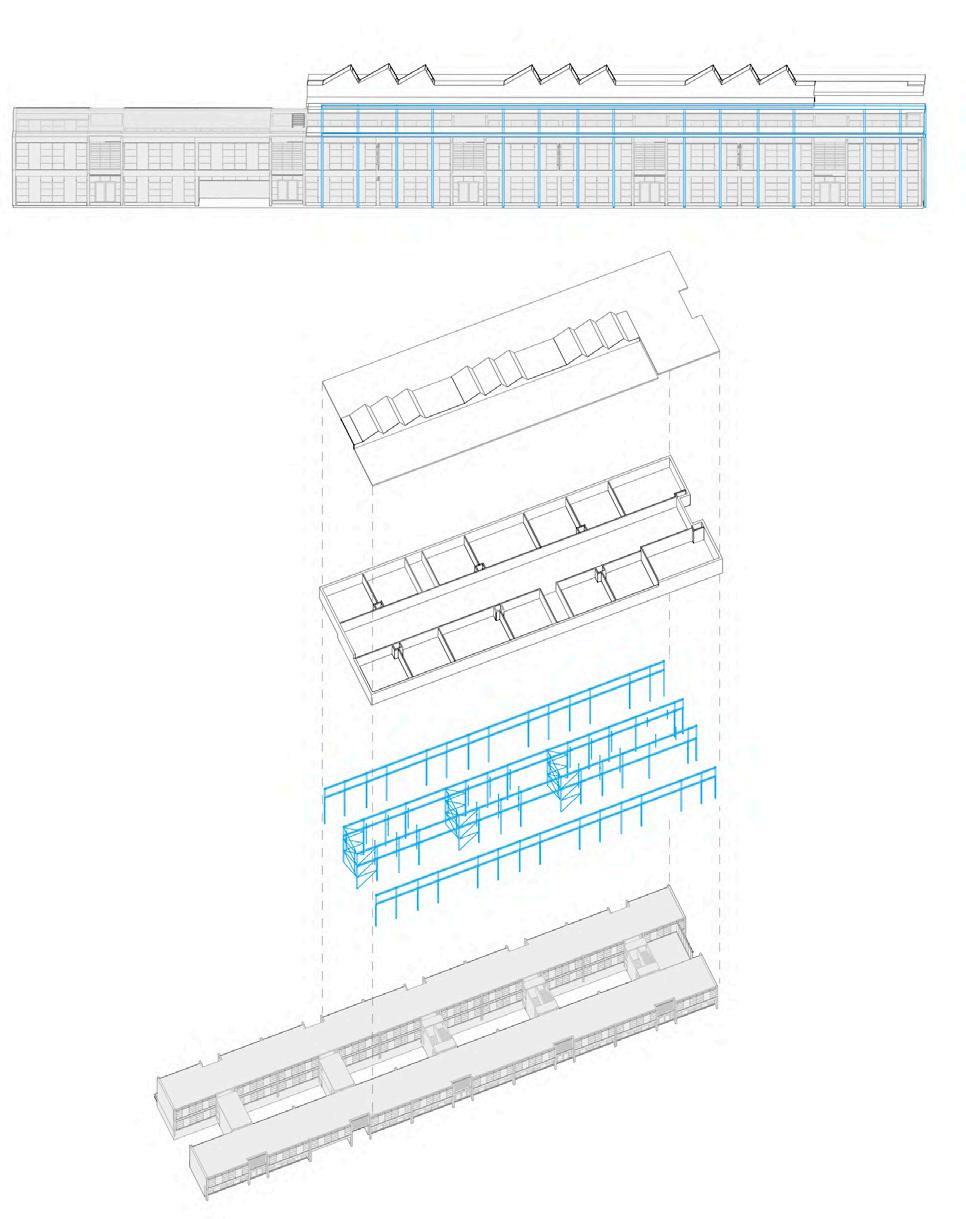
• ‘Rue piers’ , Competition for the expansion of a communal house including the renovation of an existing industrial building.
• ‘Ransbeek’, Adjudication phase of elderly home project in Brussels
• ‘Limbourg pôle’, Adjudication phase of new city hall project
• ‘Limbourg housing’, Planning permit phase of social housing project
• Communications and visual identity of the office
• ‘Ganshoren school’, Ongoing construction phase- lighting studies
- Collaborating architect
As an architect, I have special interest in projects that have a highly sensitive approach to the context in regards to the use of local materials and building techniques. Moreover, I believe that architecture has the capacity to understand and reflect the ongoing transformations of society. Therefore, I aspire to work on projects that create a dialogue in between a site’s past, present, and its looks into the future. Moreover, projects that aim to find more sustainable ways of inhabiting and constructing a balanced relationship with the environment. estebancarvajal98@hotmail.com
+32 498142075
Nationality: spanish and colombian
Software
• Vectorworks (2 years of professional use)
• Autodesk Revit
• Autodesk Autocad
• Rhinoceros 3D
• Lumion
• Adobe suite- Photoshop, Indesign, Illustrator
• Office suite
Languages
• Spanish (Native)
• English (Advanced C2)
• French (Advanced C1)
• Italian (Intermediate B2)
Architecture and Design Clinic, Universidad de Los Andes Bogotá, jan. 2021 - jun. 2021
Team work with professors and students of architecture and design in projects for the benefit of communities in colombia.
Studies
2022 - Universidad de Los Andes, Bachelor of Architecture with Magna Cum Laude honorific distinction (aug 2017- jun 2022)
2021 - Academic exchange, Universidad Politécnica de Catalunya, Barcelona, sep 2021- jan 2022
2017 - Colegio Colombo Británico, Cali
High School, IB- International Baccalaureate diploma
(p. 23-28) (collaborative project with the ArqDis clinic)
4
Maré-Cidade Contest, The urban mangrove
(p. 29-32) (student contest of ideas)
3 Agricultural research and training center
(p. 15-22) (academic project)
5
Naska Digital, Revit training project
(p. 33-36) (from complementary studies)
Final degree project, San Luis Market hall
Final degree project tutor:
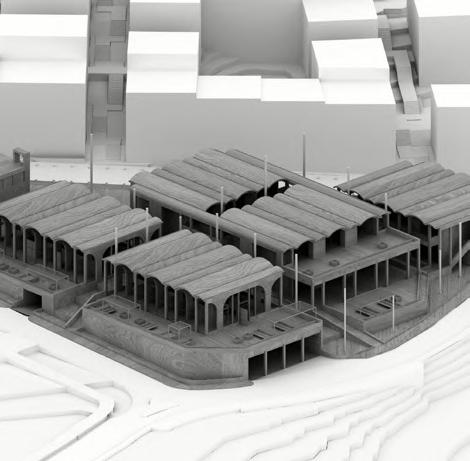
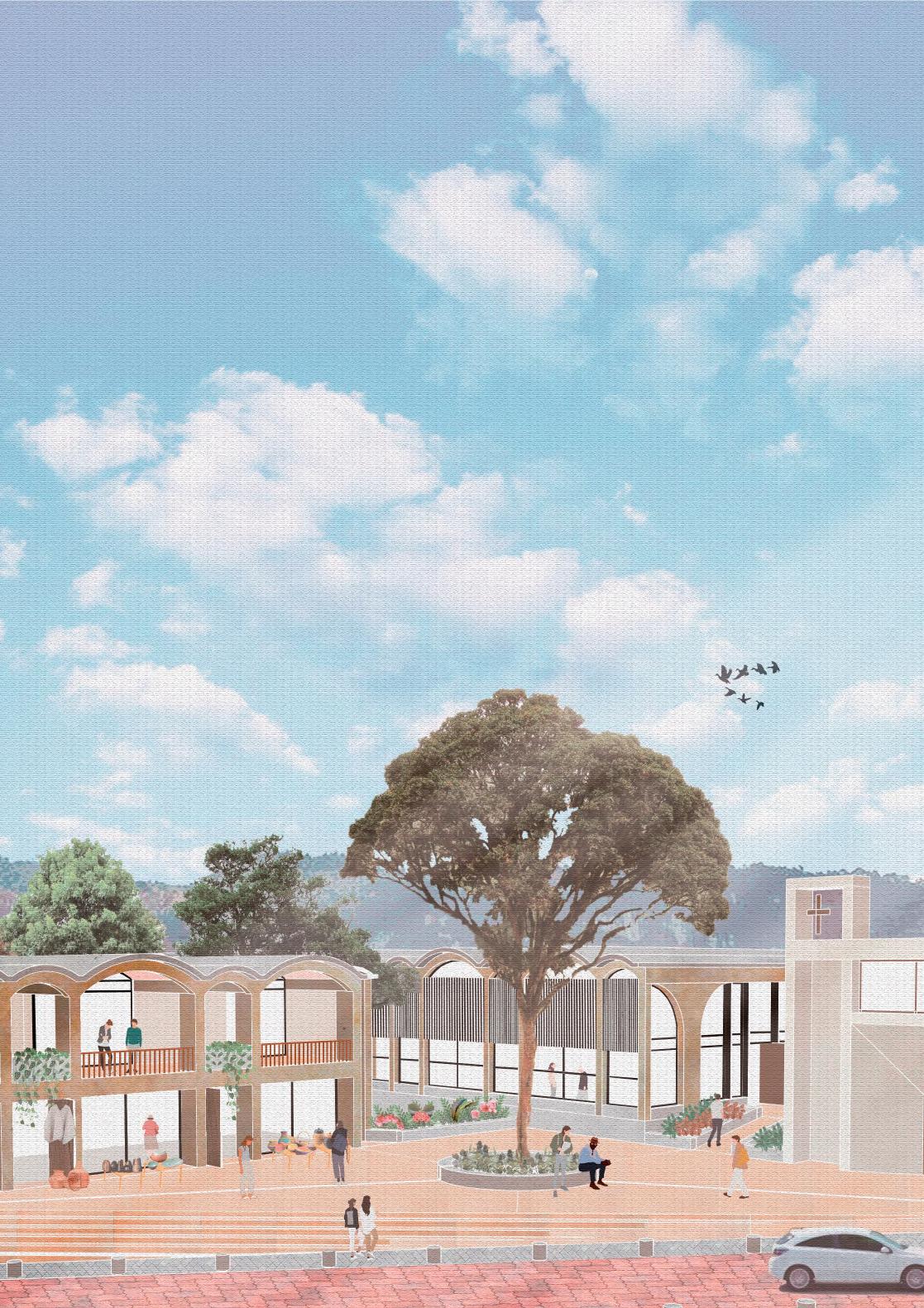
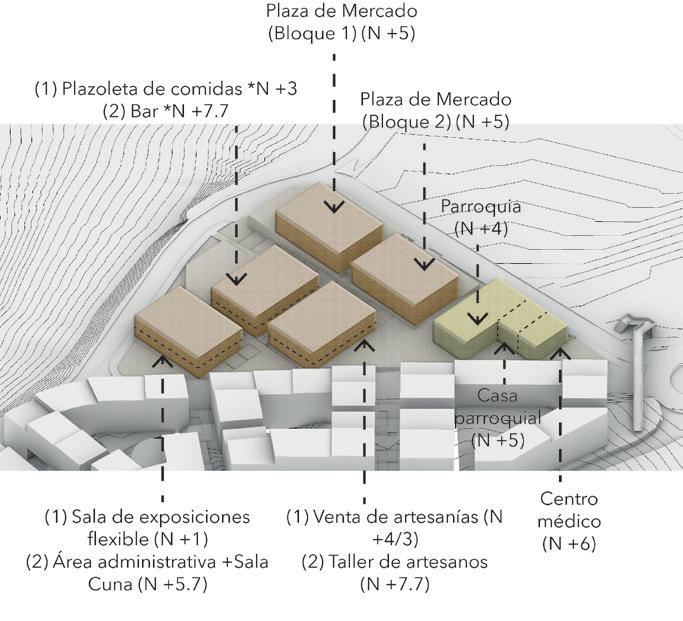
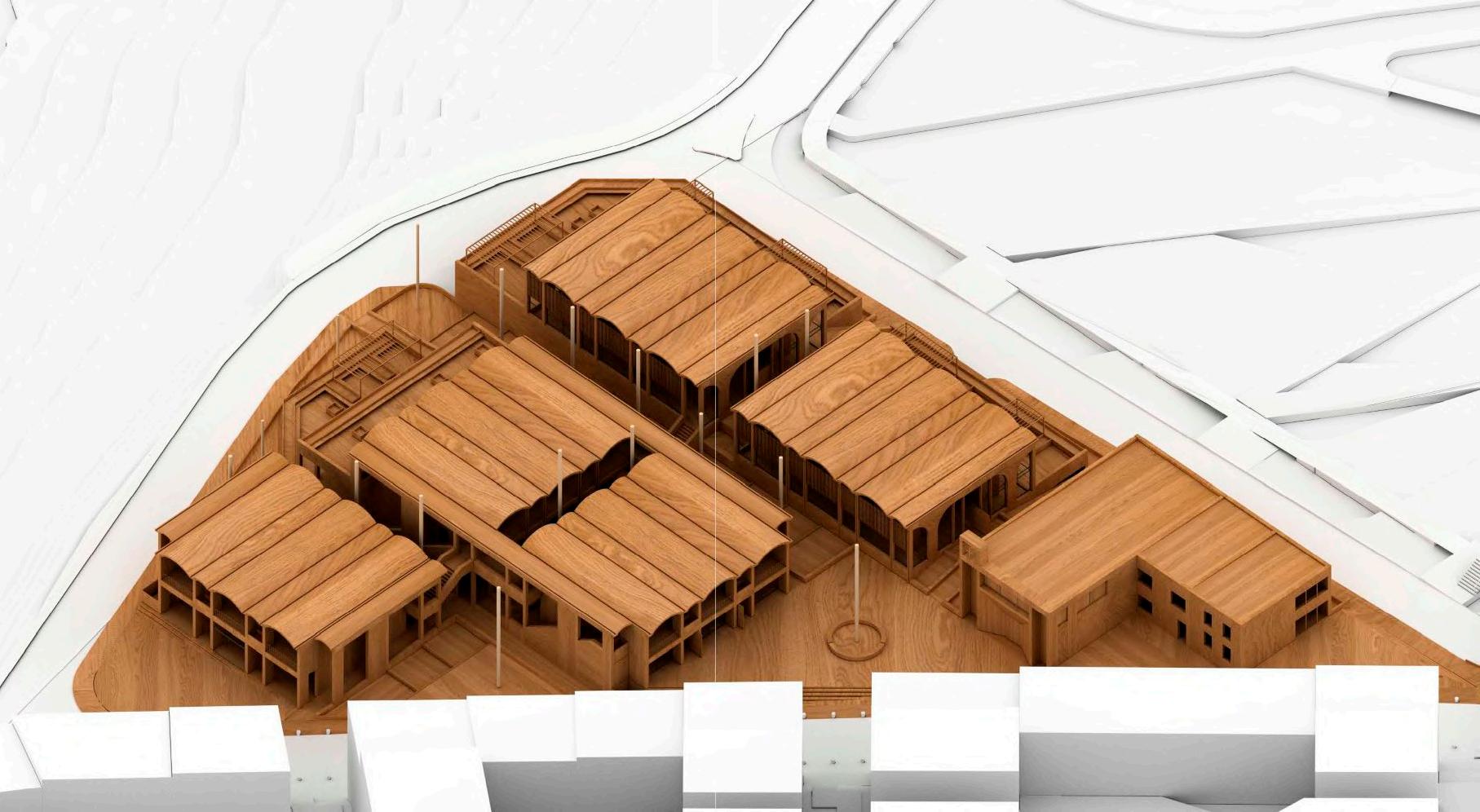
Based on an analysis of the food supply chain and on the general understanding of the intervention site (San Luis neighborhood, Bogotá, in the sector of the Bogotá-La Calera road), I found the opportunity to propose and design a market hall.
+ In addition, the hall is complemented by other uses that understand and take advantage of the location, its activity and high flow of people in order to become a gastronomic, cultural and tourist place of interest.
The project will seek to unite in its program the market hall, local and traditional food restaurants, bars for nightlife, workshops for local artisans and a flexible space for art exhibitions or events held by the community.
Rhinoceros 3D, Photoshop, Illustrator
Used software
2022
Andrés Martínez Dávila
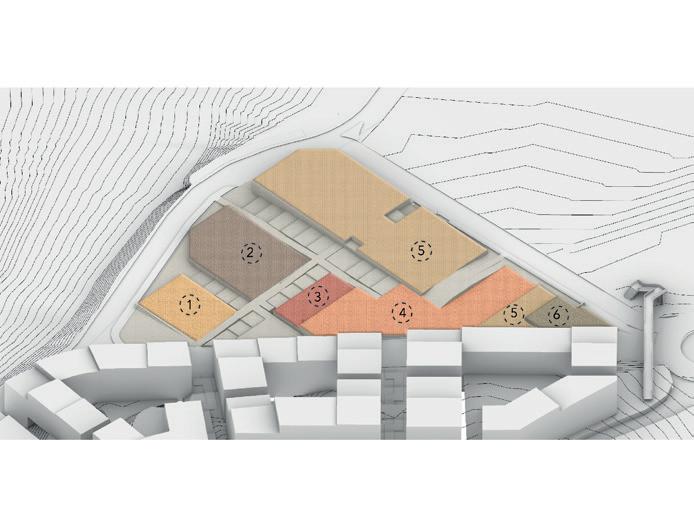
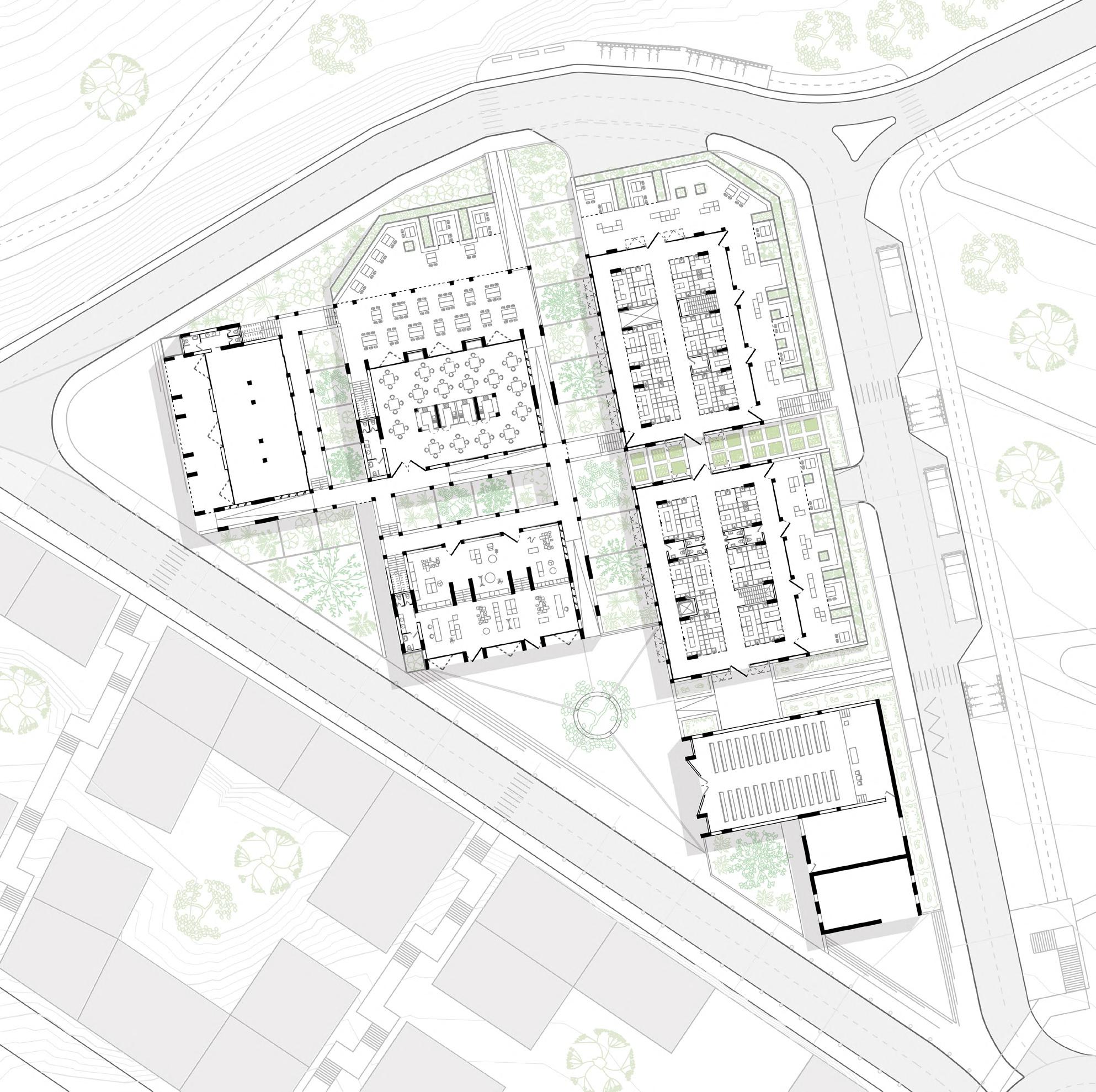
The slope of the lot is used to generate platforms in the ground, with a difference in height of one meter between one another.
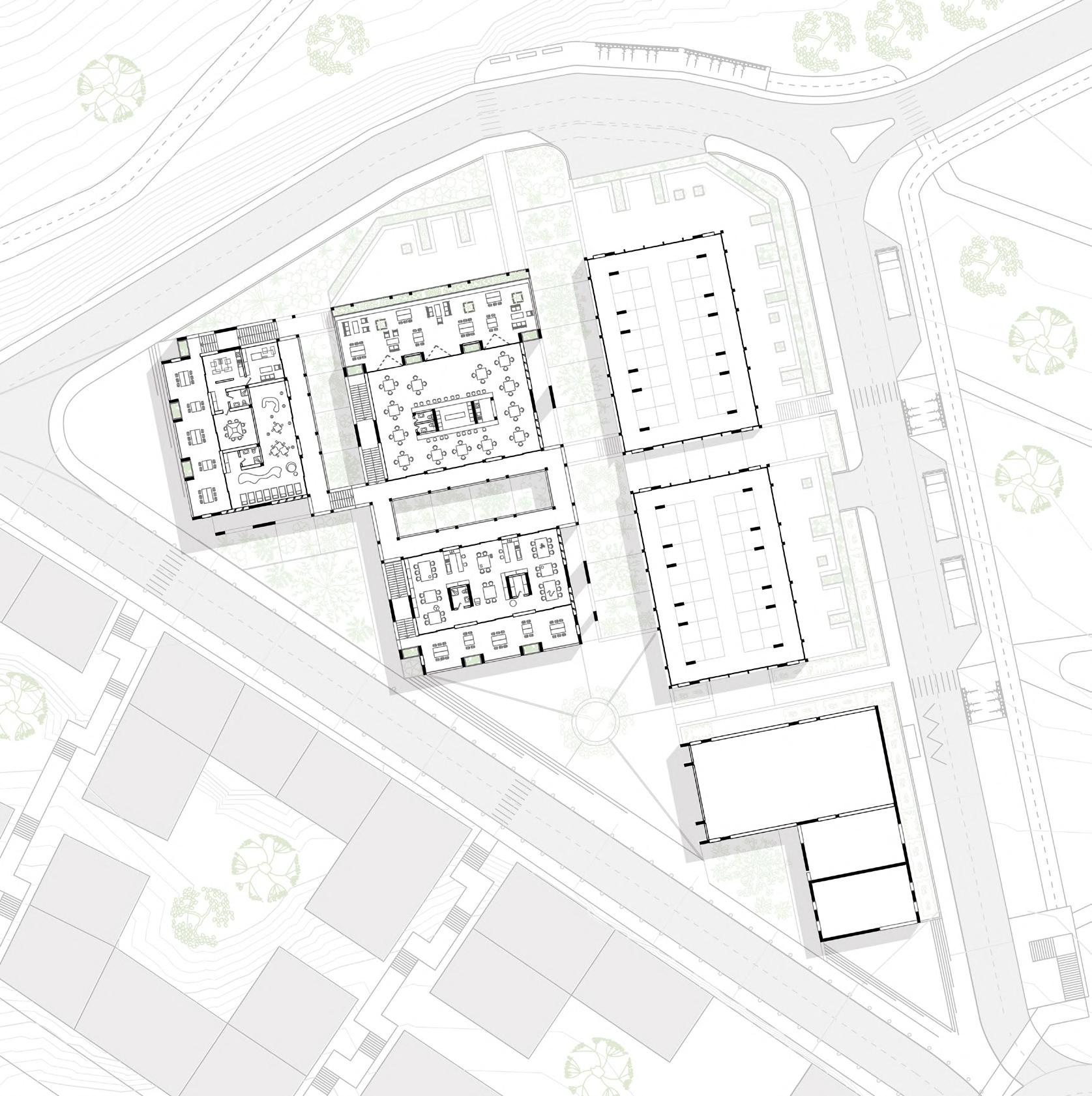
The program is sub divided into 5 blocks. In addition there is a block with the church and the medical center (pre-existing buildingsredesigned).
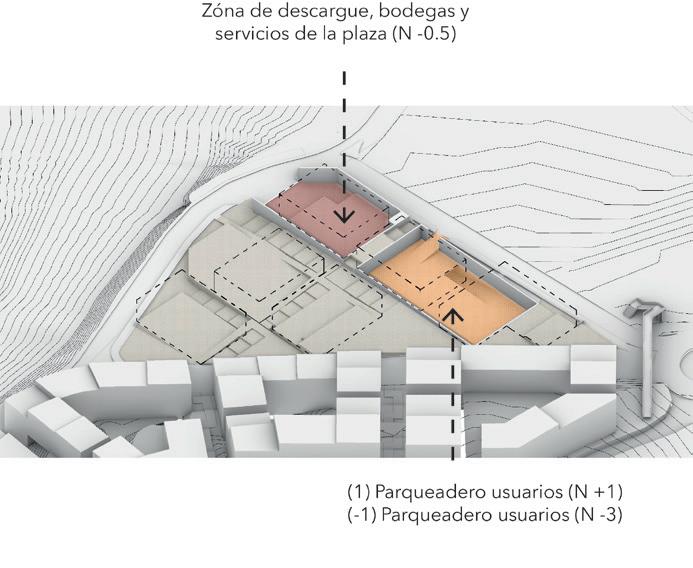
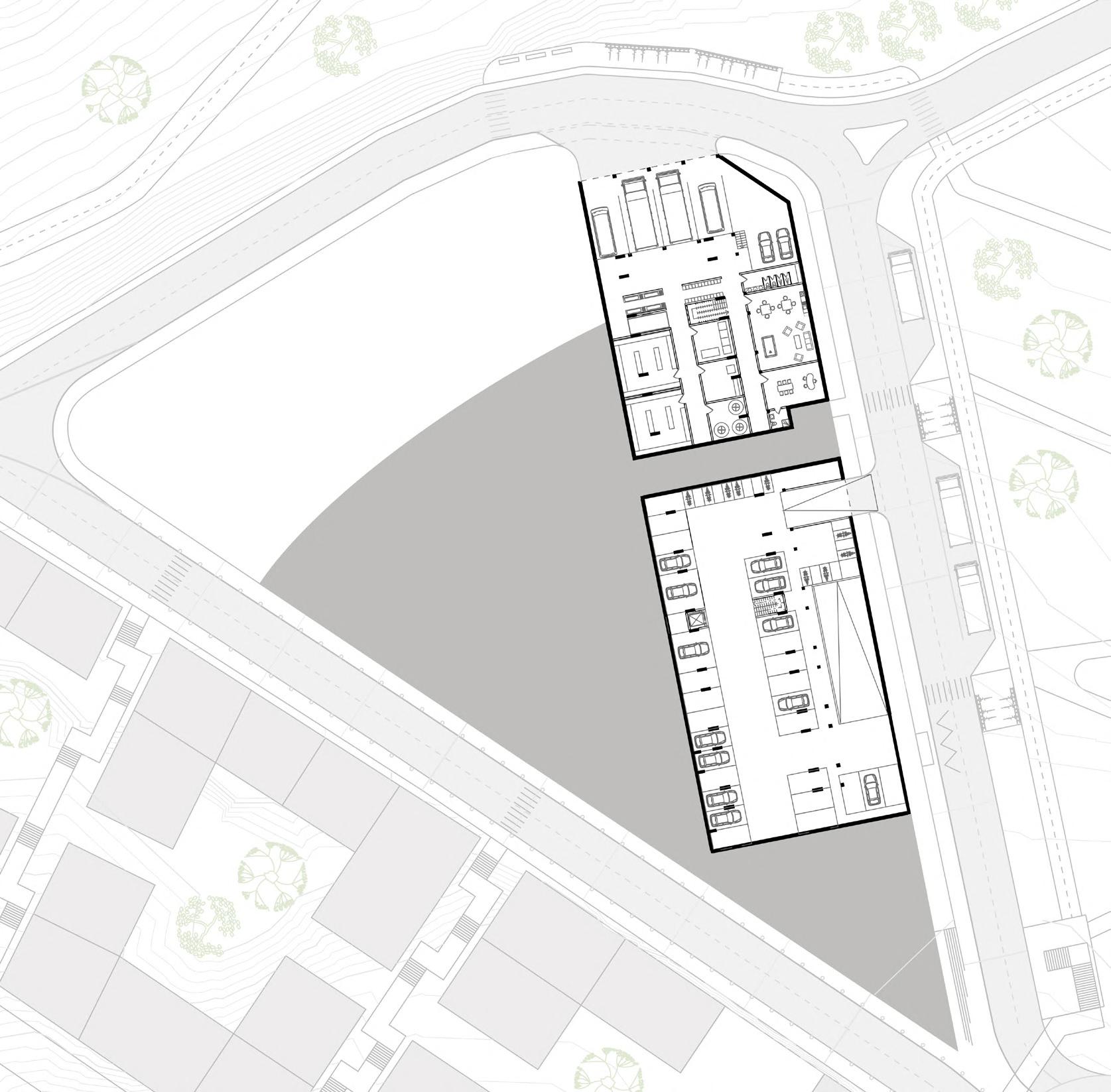
The unloading/services area and the parking lot for visitors are located on a lower floor than blocks 1 and 2 of the market hall.
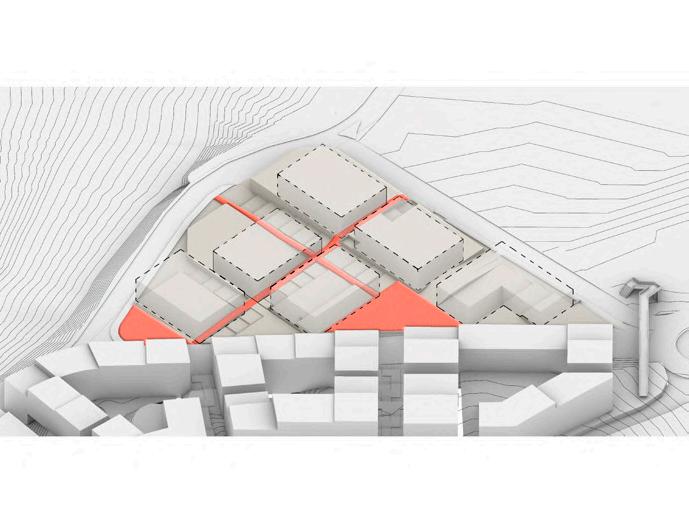
The circulations are constituted by two main axis- corridors that descend with the topography and connect the different blocks, starting from two access squares that connect with the main road and the neighborhood.
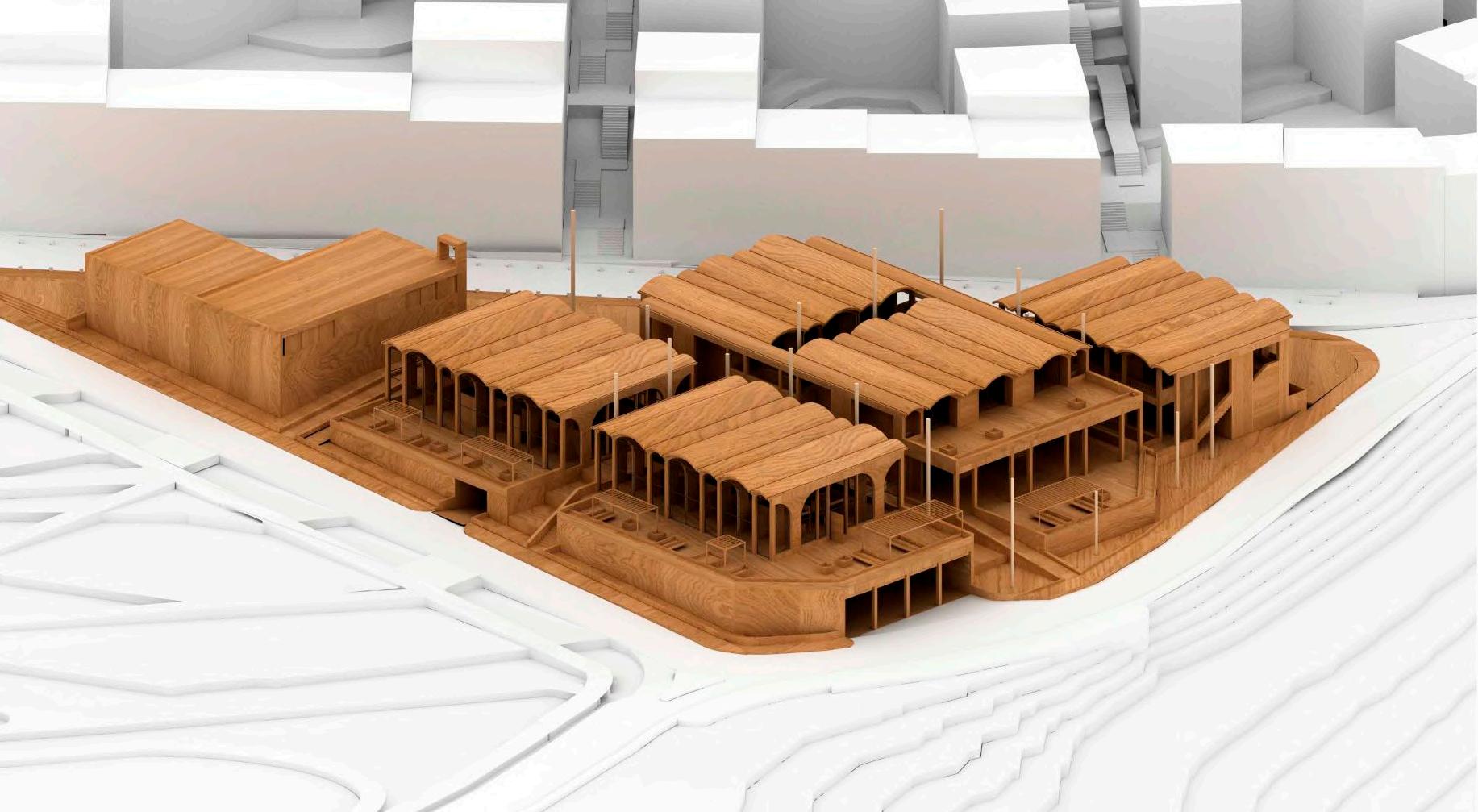
I proposed a reinforced concrete frame structure with a vaulted ceiling. The structure is adapted to the uses in each block.
I propose some gardens that descend with the topography and accompany the exterior circulations.
floor plan
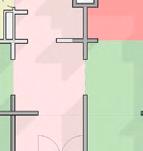
On the base floor, one can see the different blocks of the program, the gardens that accompany the circulations and the relationship of the squares with the pedestrian paths that connect with the interior of the San Luis neighborhood.
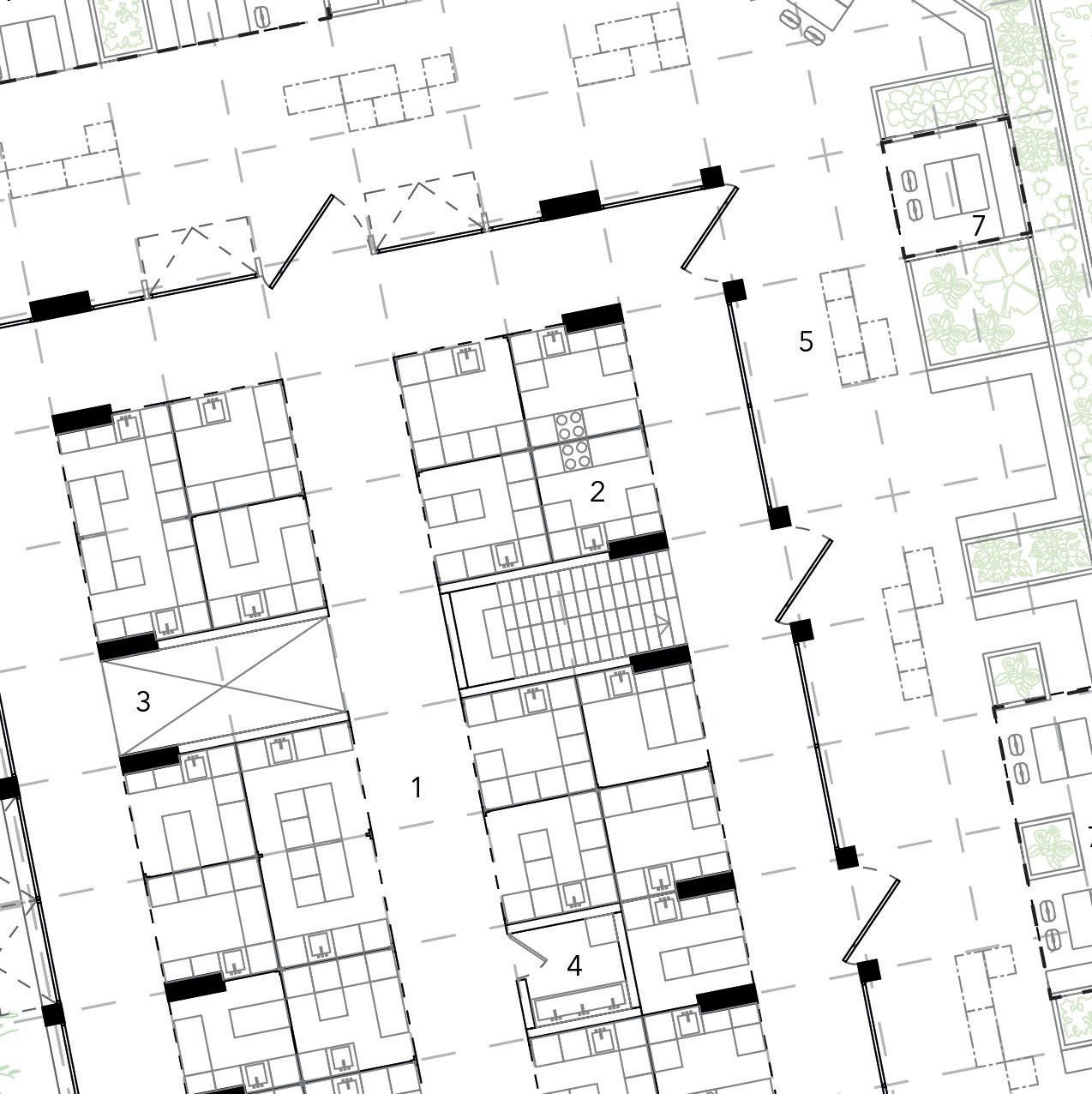
Zoom in Block 1 Market hall
Ground
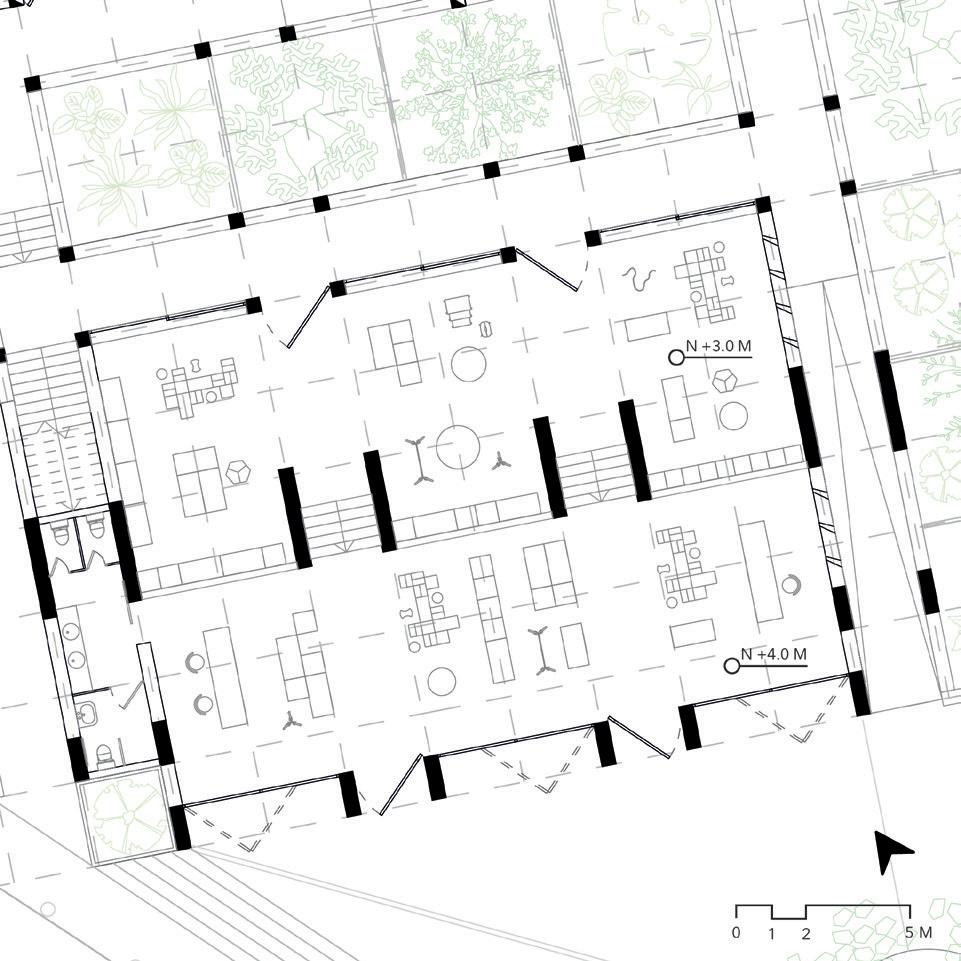
Zoom in Block 3 Artisan market
Floor 1
On floor 2, the parts of the program are also joined by exterior circulations that overlook the gardens on the first floor. The two blocks of the market hall (on the top right) have a double height instead of a second floor.
In the basement of block 1 is the unloading area, warehouses and staff rest areas. The first level of visitor parking is located in the basement of block 2, with a ramp that descends to basement 2.
Basement 1
Section B - B”
Section C - C”
3.0 m
0.66 m
4.0 m
Bajante pvc 4" (aguas pluviales)
pvc 4"
Banco concreto
Luminaria empotrada en muro
Banco concreto
Luminaria empotrada en muro
Muro contención
Muro contención
Capa de concreto de compresión (17cm)
Ladrillo (25,0 x 12,5 x 6,0 cm)
de concreto de compresión (17cm)
Ladrillo (25,0 x 12,5 x 6,0 cm)
Concreto pobre (13 cm)
Baldosa cerámica 20x20cm
Concreto pobre (7 cm)
Aislamiento de poliuretano (8 cm)
Concreto pobre (13 cm)
Baldosa cerámica 20x20cm
Losa de concreto armado (10 cm)
Concreto pobre (7 cm)
Aislamiento de poliuretano (8 cm)
Losa de concreto armado (10 cm)
Vault detail
Baldosa barrio cocido (20,0 x 20,0 cm)
Concreto pobre (13,0 cm)
Baldosa barrio cocido (20,0 x 20,0 cm)
Baldosa cerámica (20,0 x 20,0 cm)
Concreto pobre (7,0 cm)
Concreto pobre (13,0 cm)
Baldosa cerámica (20,0 x 20,0 cm)
Losa de concreto armado (15,0 m)
Lamina de polietileno (impermeabilizante) (1,0 cm)
Recebo compactado
Concreto pobre (7,0 cm)
Losa de concreto armado (15,0 m)
Lamina de polietileno (impermeabilizante) (1,0 cm)
Recebo compactado
Ventanal corredizo con camara de aire
Baldosa barrio cocido 20x20cm
Canaleta (1%)
Capa de concreto de compresión (17 cm)
Pintura impermeabilizante
Ladrillo
(25,0 x 12,5 x 6,0 cm)
Viga de concreto armado
Gravilla (40 cm)
Tierrra (20 cm)
Capa
Tubo recolector perforado 4"
Ventanal corredizo con camara de aire
Baldosa barrio cocido 20x20cm
Muro contención
Bajante
(aguas pluviales)
Bajante pvc 4" (aguas pluviales)
Geotextil
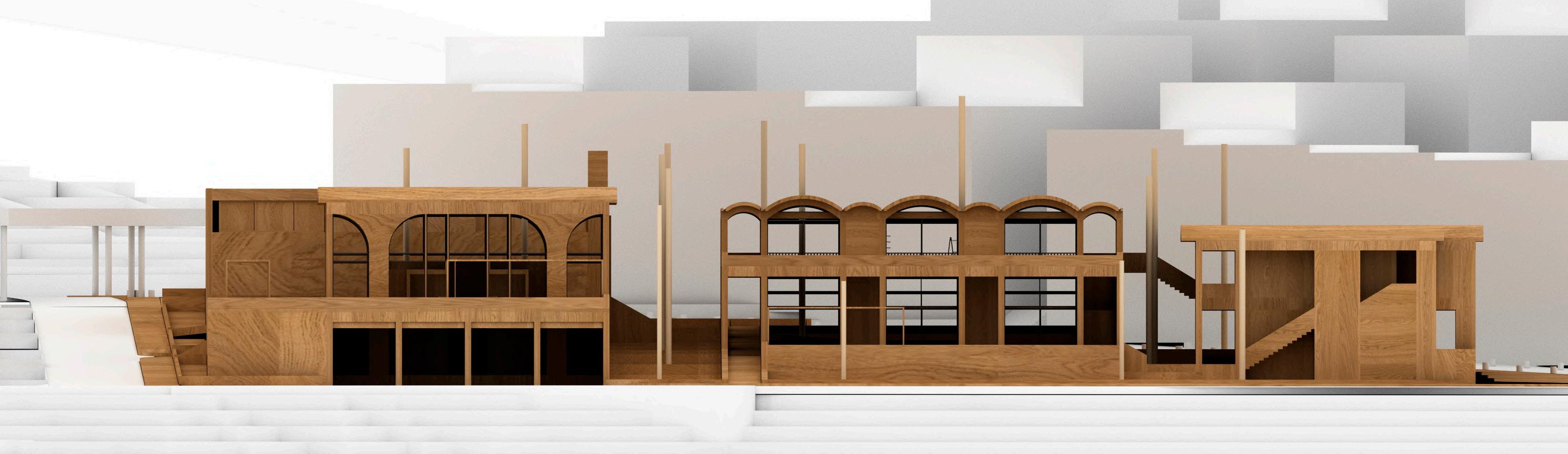
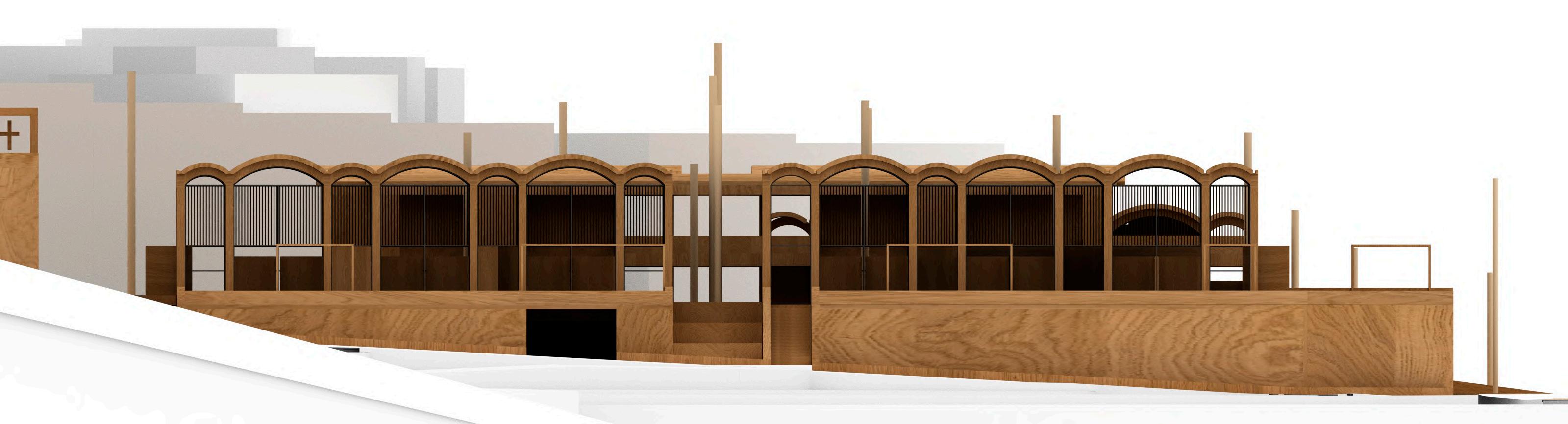
There is a rythm generated by columns and load-bearing walls that stretch or widen in the different blocks, always respecting the grid and the rhythms of the vaults.
The structure is what determines the spatiality, its rhythms and the relationship with the outside. The extension of the activity to the outside is sought at all times, either through the terraces or the squares of the project.
Facade (east)
Facade (north)
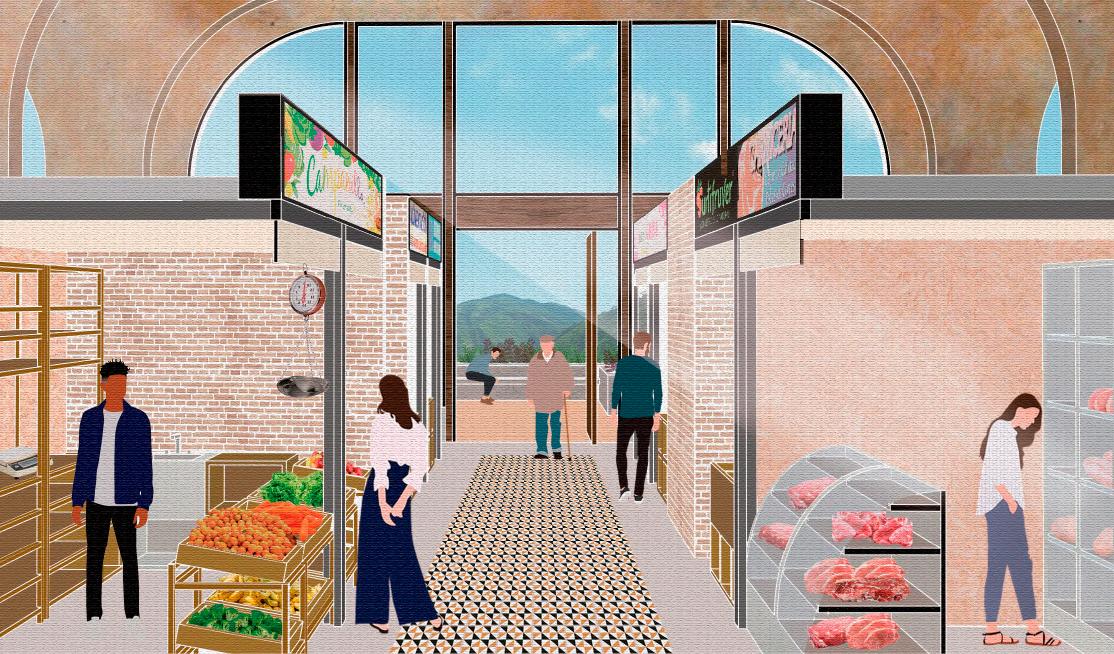
Market hall
Central corridor of the market hall, a tall and illuminated space full of life.
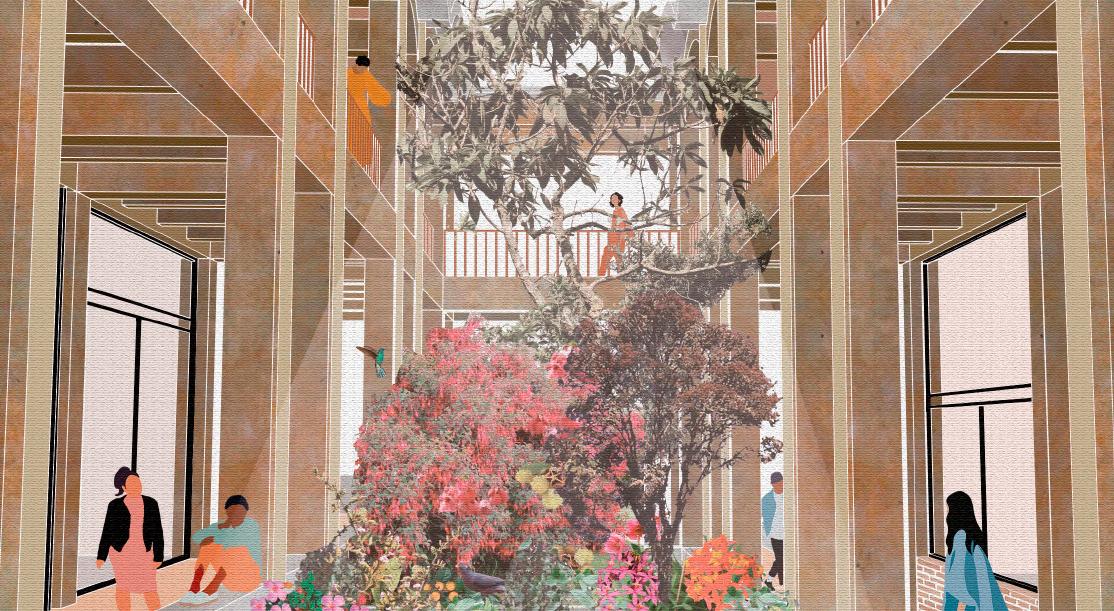
Gardens and exterior corridors
The endemic flora and fauna generate an atmosphere full of life and color in the project corridors.
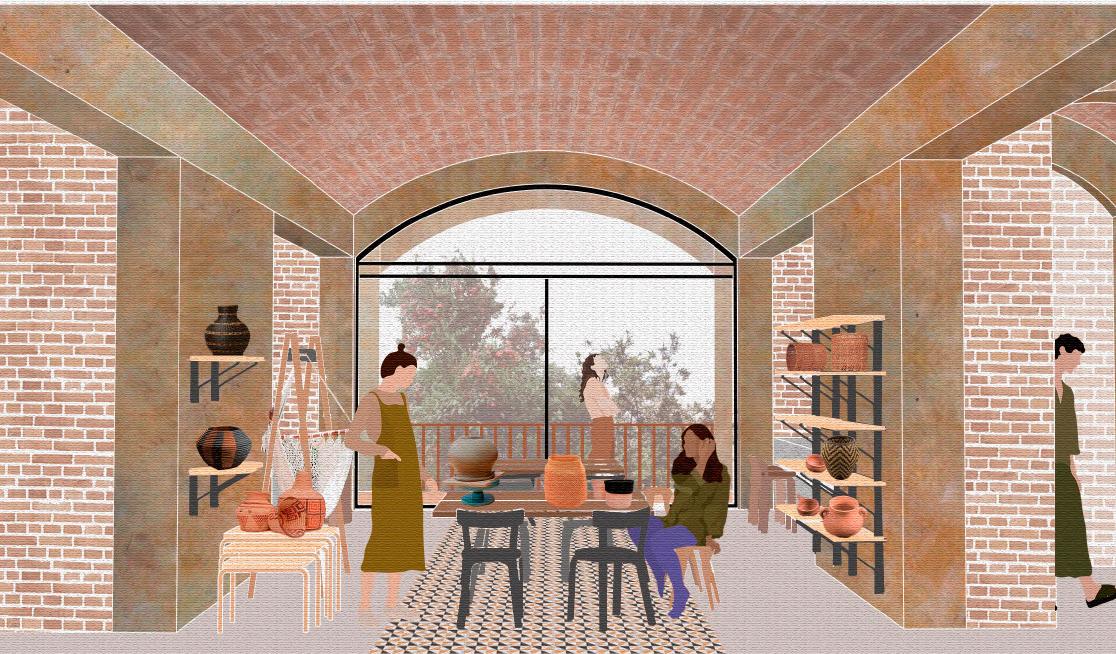
Artisan workshop
The materiality seeks to generate harmony with the structure and with nature around the project.
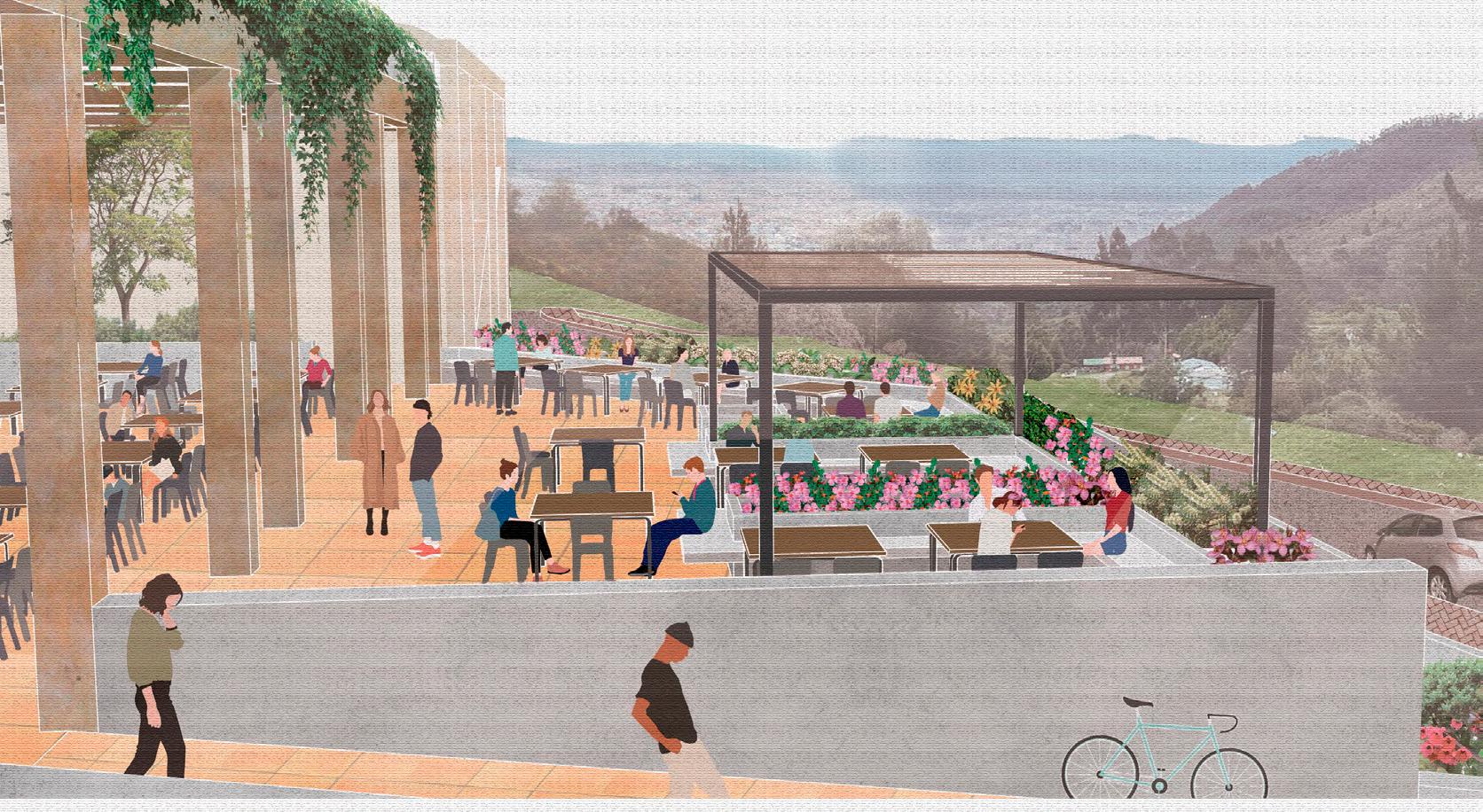
Food court terrace
Activity that extends to the outside, taking advantage of the view of the hills and Bogotá.
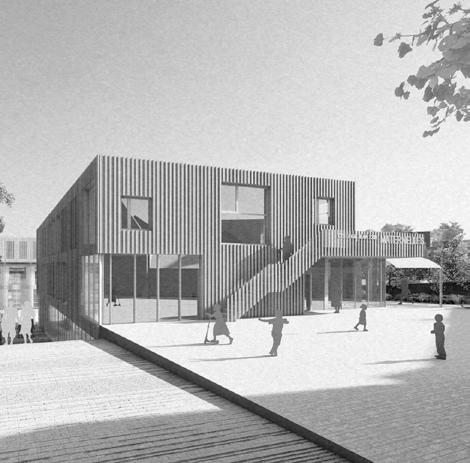
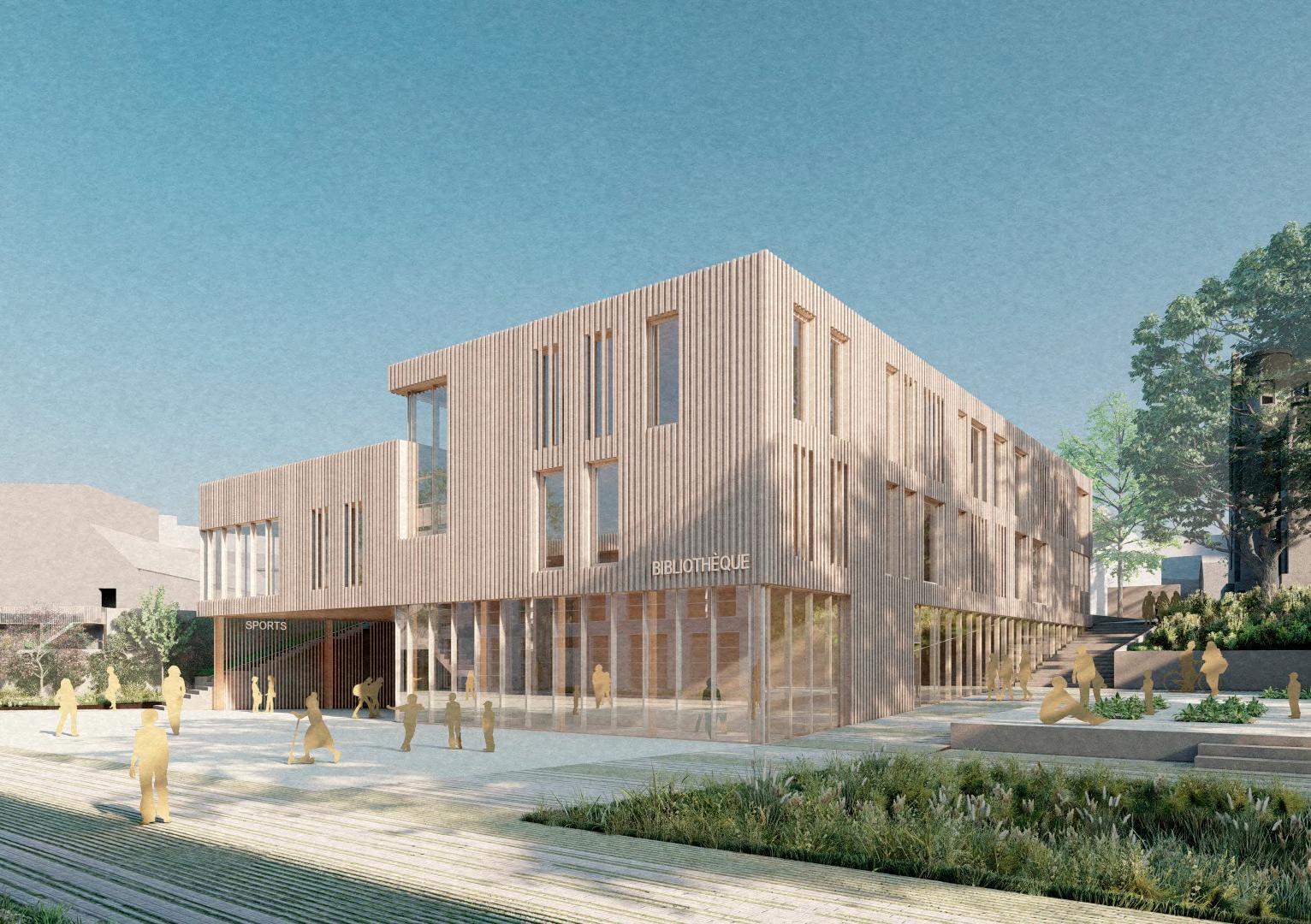
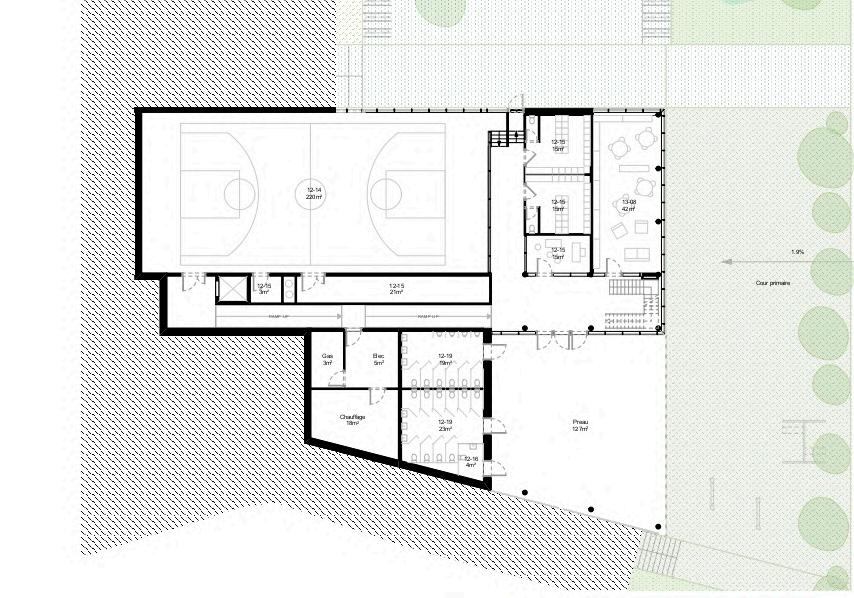
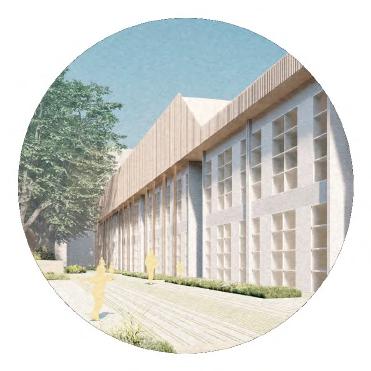
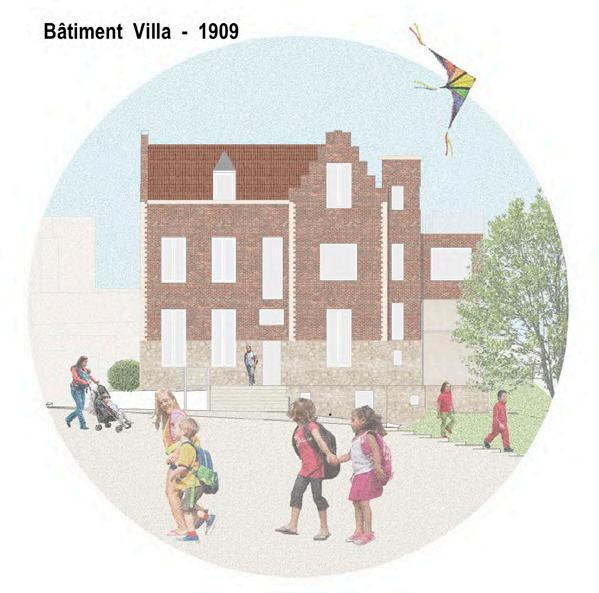
In the midst of their continuous growth and expansion, the Jean XXIII school of Brussels launched a competition for the renovation, refurbishment and extension of its facilities.
During the competition and further work at the pre-project stage (once selected as ‘winners’), I was mostly in charge of the design and project monitoring of the new preschool building and of the expansion of the secondary building. These matters have implied coordination and close collaboration both with the directives of the school and with the stability and special techniques engineers.
Considering the complex functioning of the existing school from masterplan to individual sections, it presented a true challenge. We faced complex program paremeters, sloped terrain, lot accesibility difficulties, student safety and strict fire regulations. All along with the responsibility of preserving the correct and smooth functioning of the school during its expansion and renovation works.
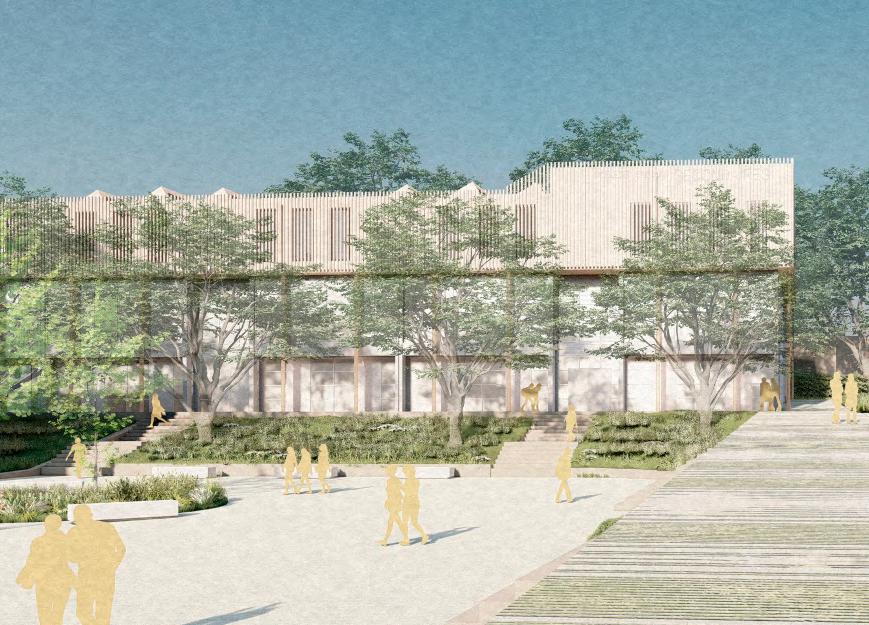
Project is currently in development- ‘pre-project’ phase (to july 2024). Images and drawings shown belong to the competition phase of the project.
Vectorworks, Lumion
Used software
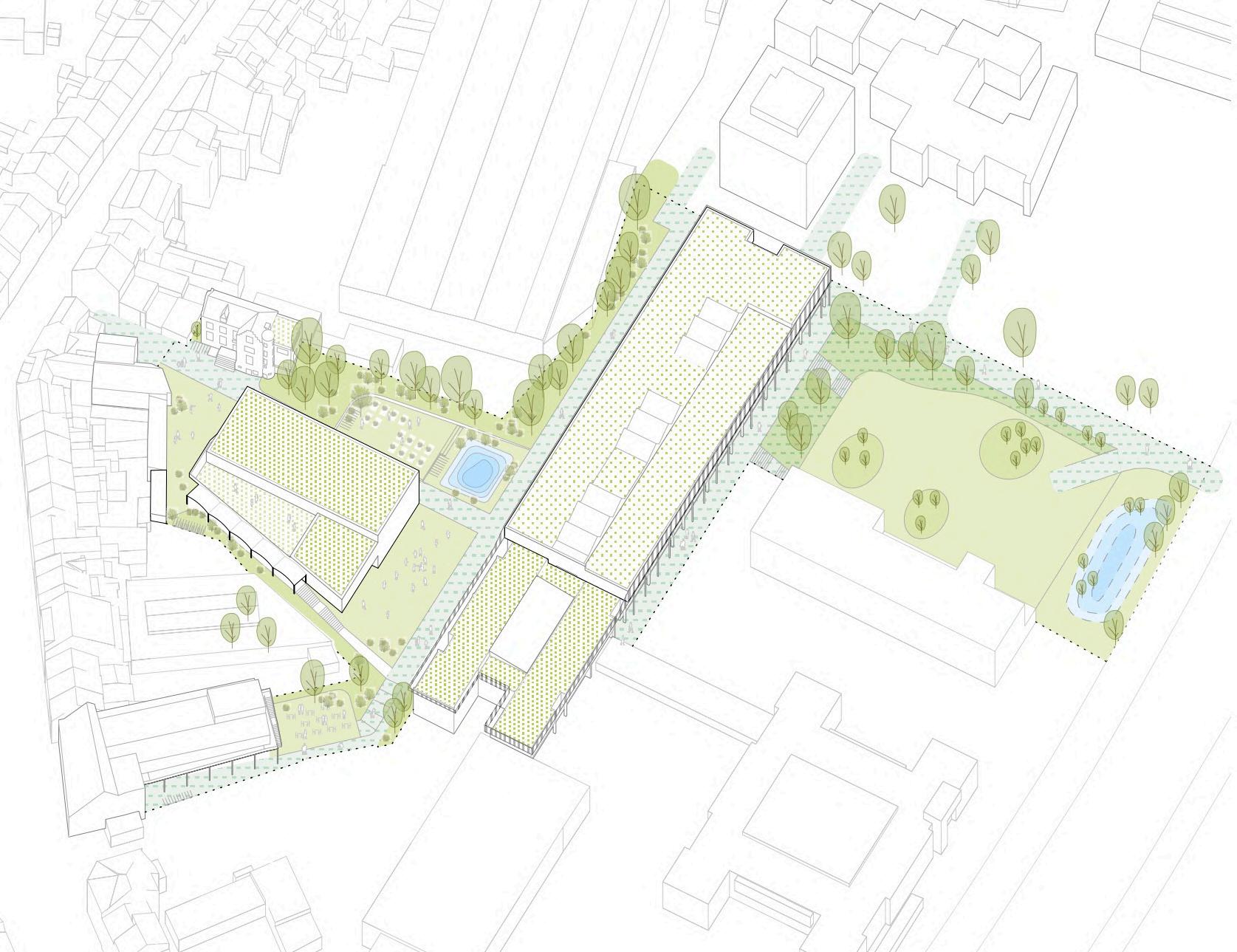
Masterplan
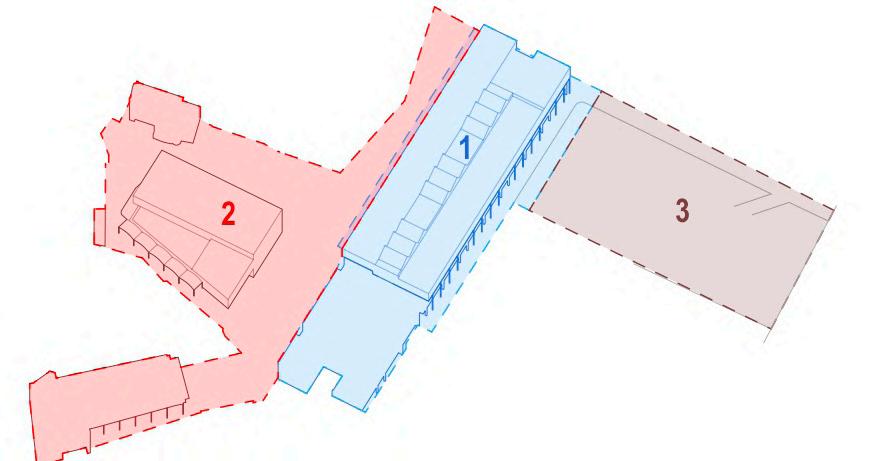
General axonometry of the new school masterplan which includes the new proposed preschool building (1), extension of one floor on top of the existing secondary school (2), renovation of patrimonial administrative building (3) and renovation of patrimonial dining hall building (4).
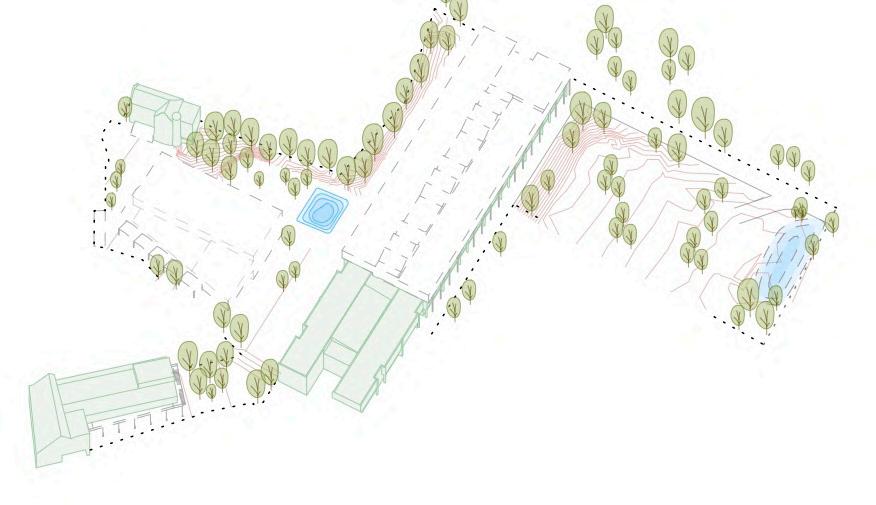
General increment of green areas throughout the campus
of construction phases
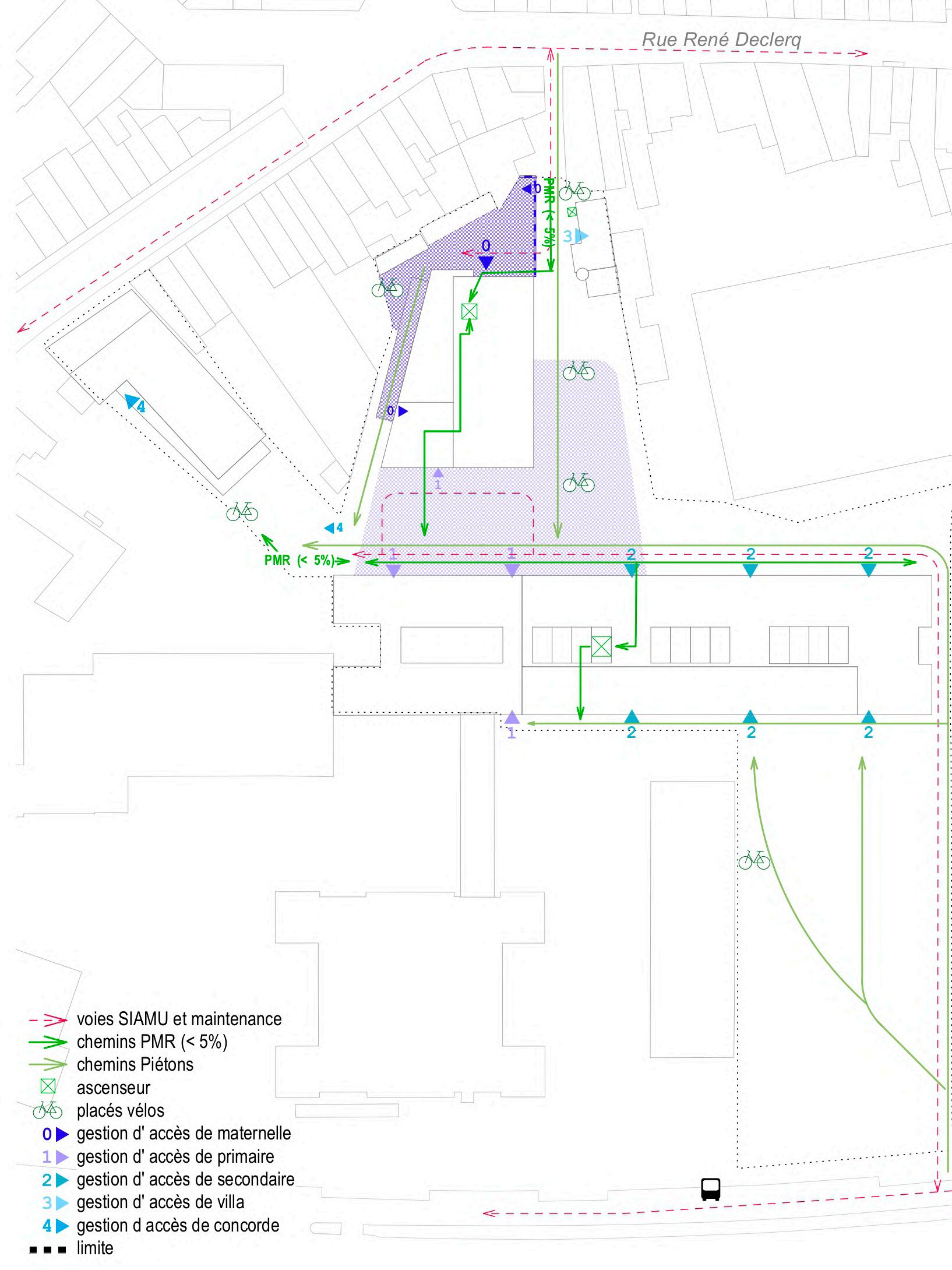
of site mobility/ flows
Diagram
Diagram
Preschool
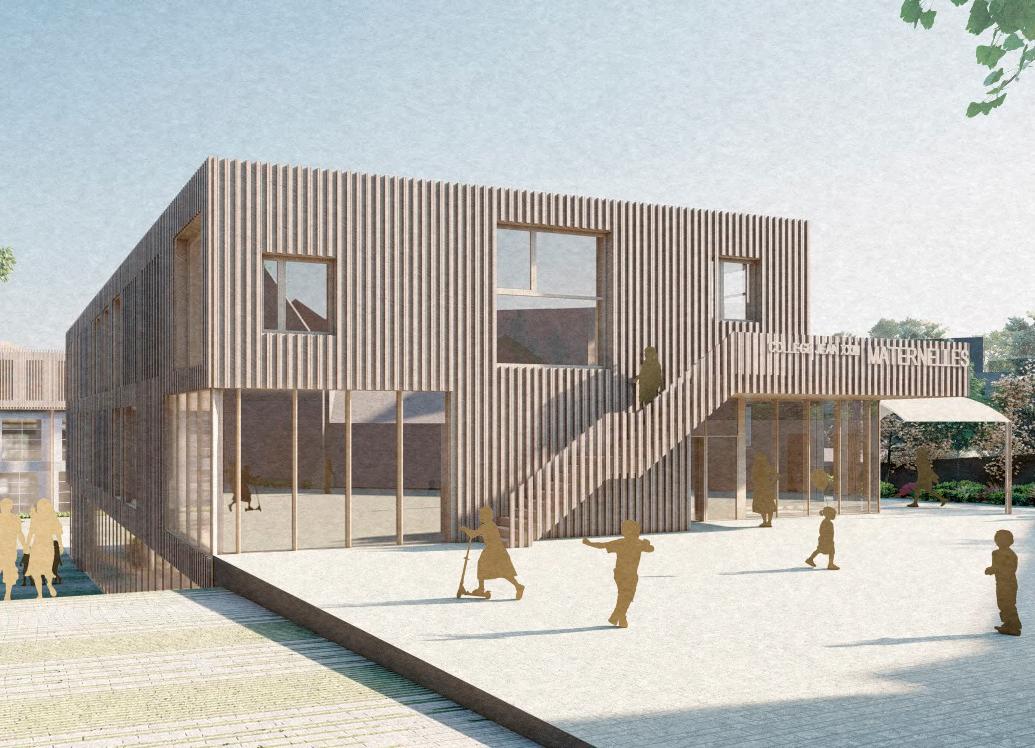
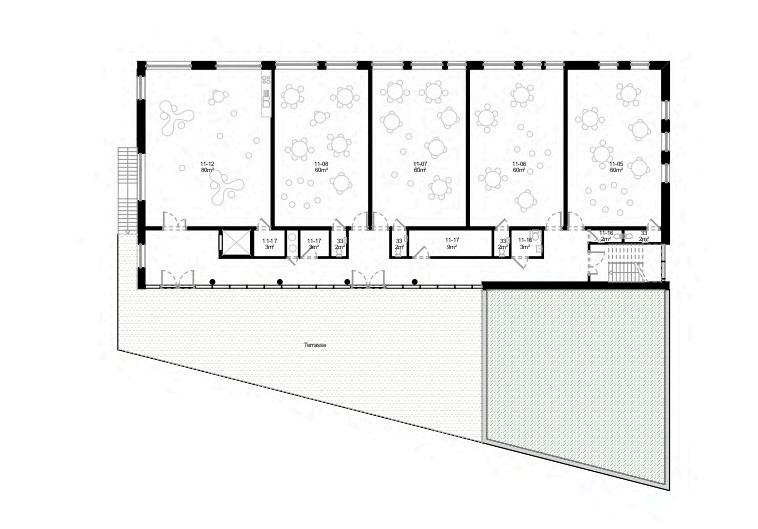
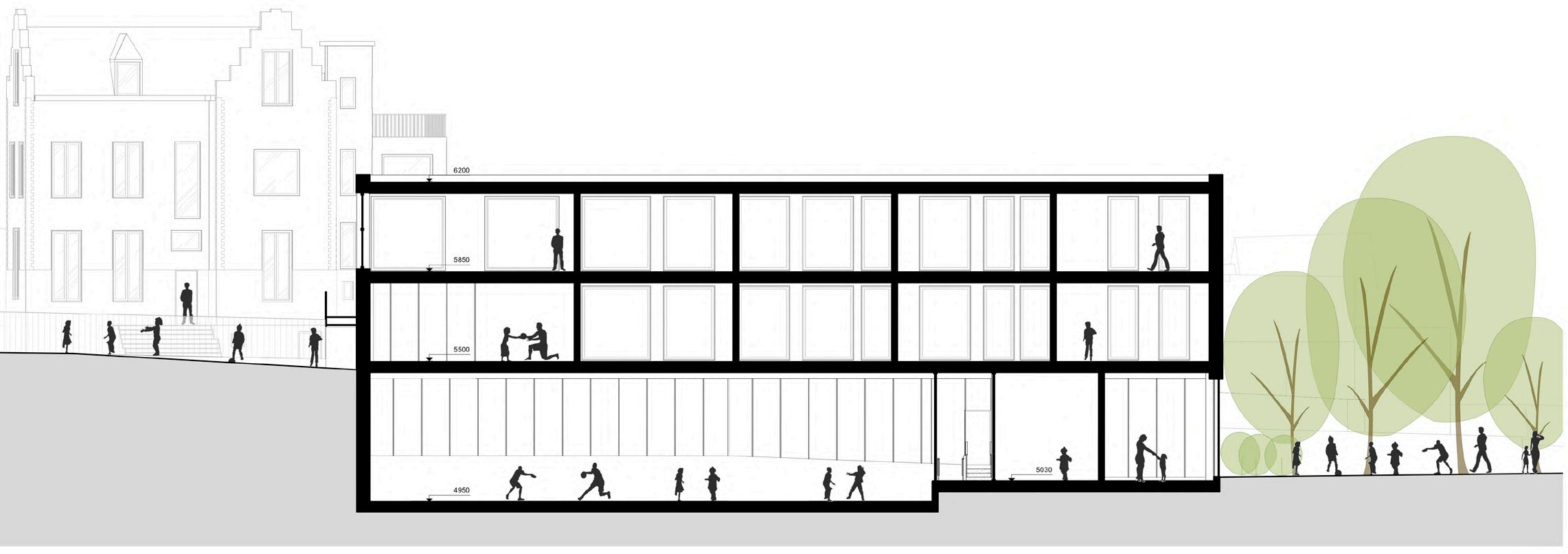
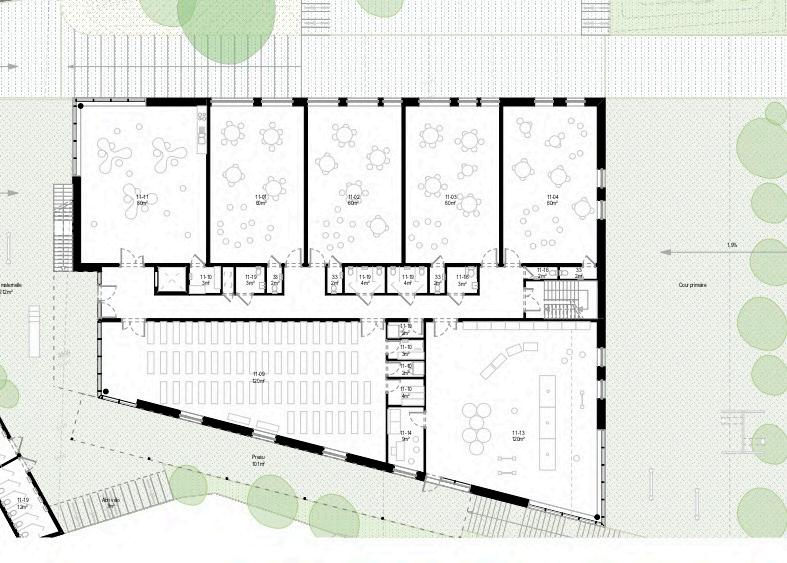
The proposed preschool building takes profit from the relief of the existing site. On its highest side there is the playground of the pre-school, from which one can find access towards its two levels of classes (GF and 1). On the inferior level (-1), the building faces the playground of the primary school, giving access to the sports hall that belongs to the bigger kids section.
Longitudinal
Primary/ secondary school
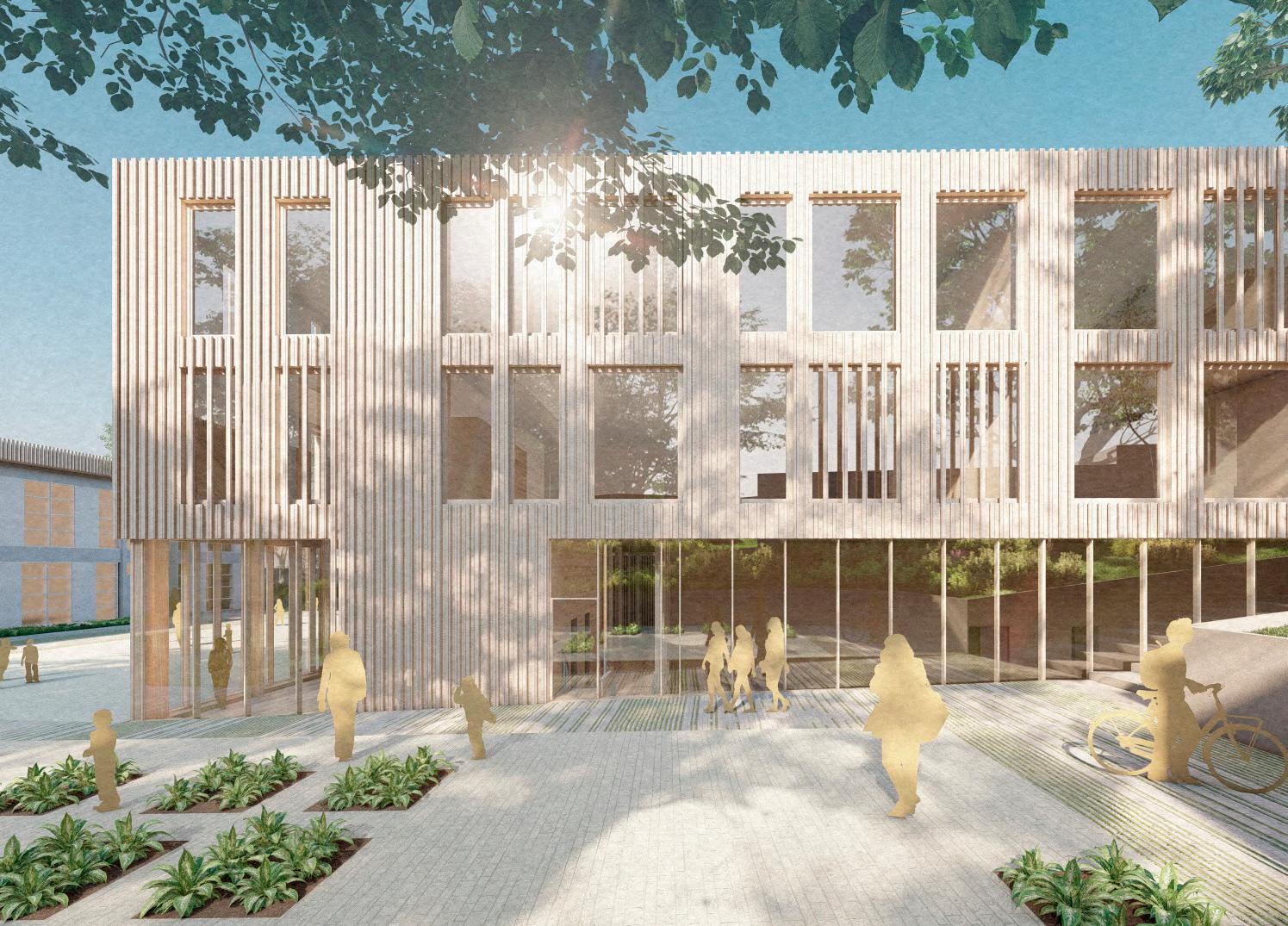
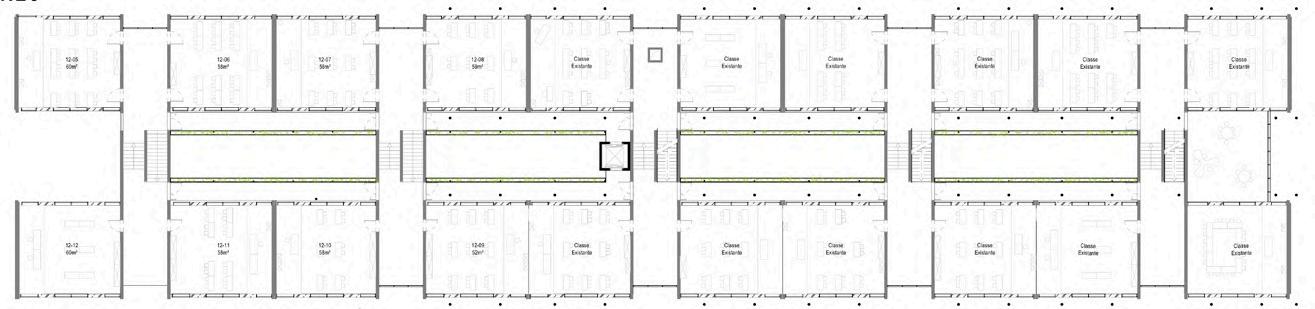
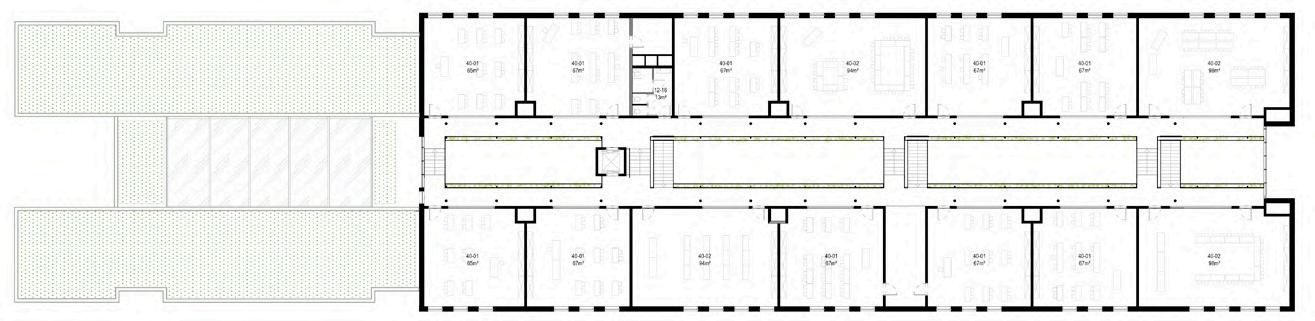
The intervention consists on the addition of an elevator and a set of paserelles in the interior patios to make the existing levels PMR accessible (currently only connected by stairs) and the extension of the building by one level to increment its capacity.
Second floor (new extension)
First floor (existing) existing paserelle + new floor structure new floor
The intervention means to bring back the visibility to this patrimonial building and to refurbish its interiors.
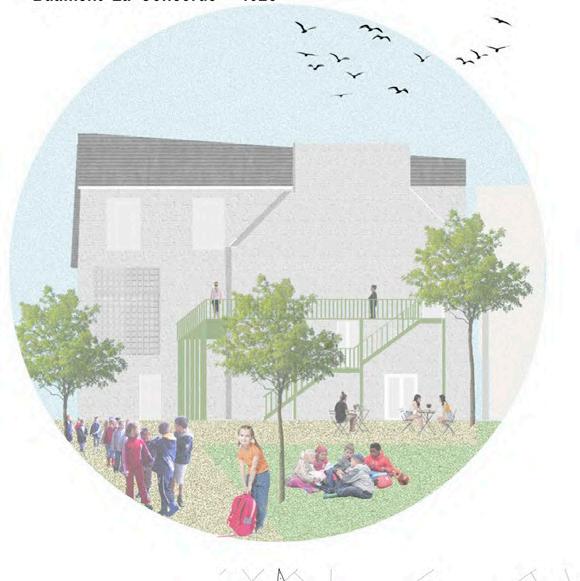
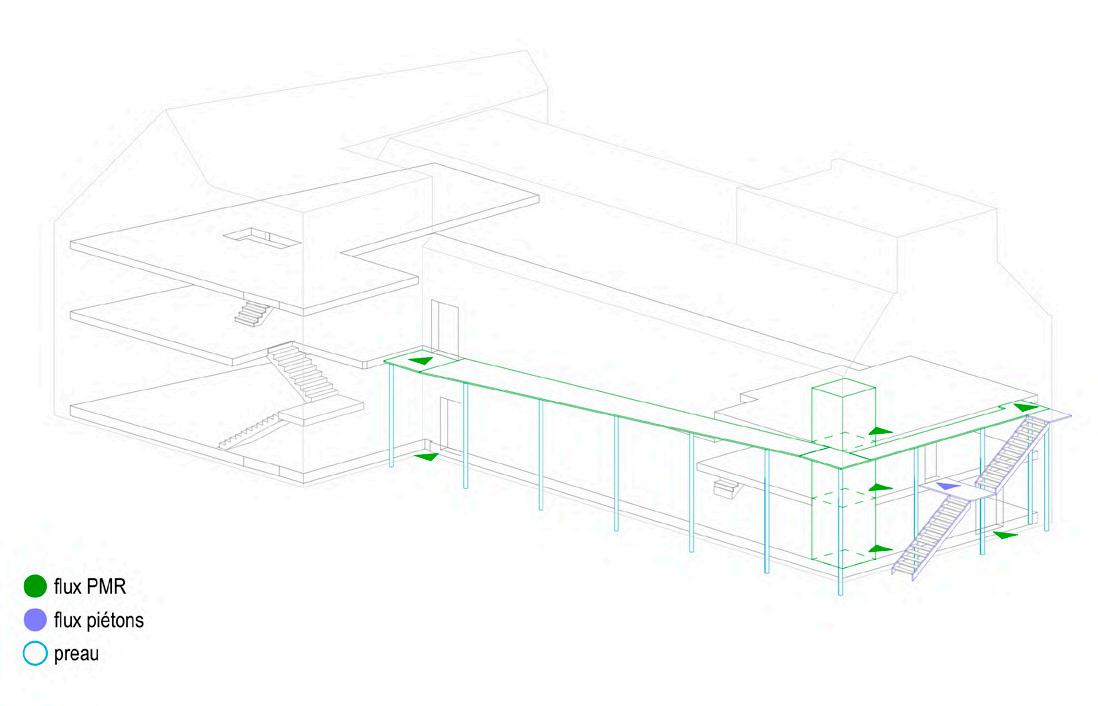
The purpose with this existing dinning hall / sports hall building is to improve its complex circulations with the addition of an exterior paserelle and elevator to connect all of its levels.
Villa Concorde
Agricultural research and training center
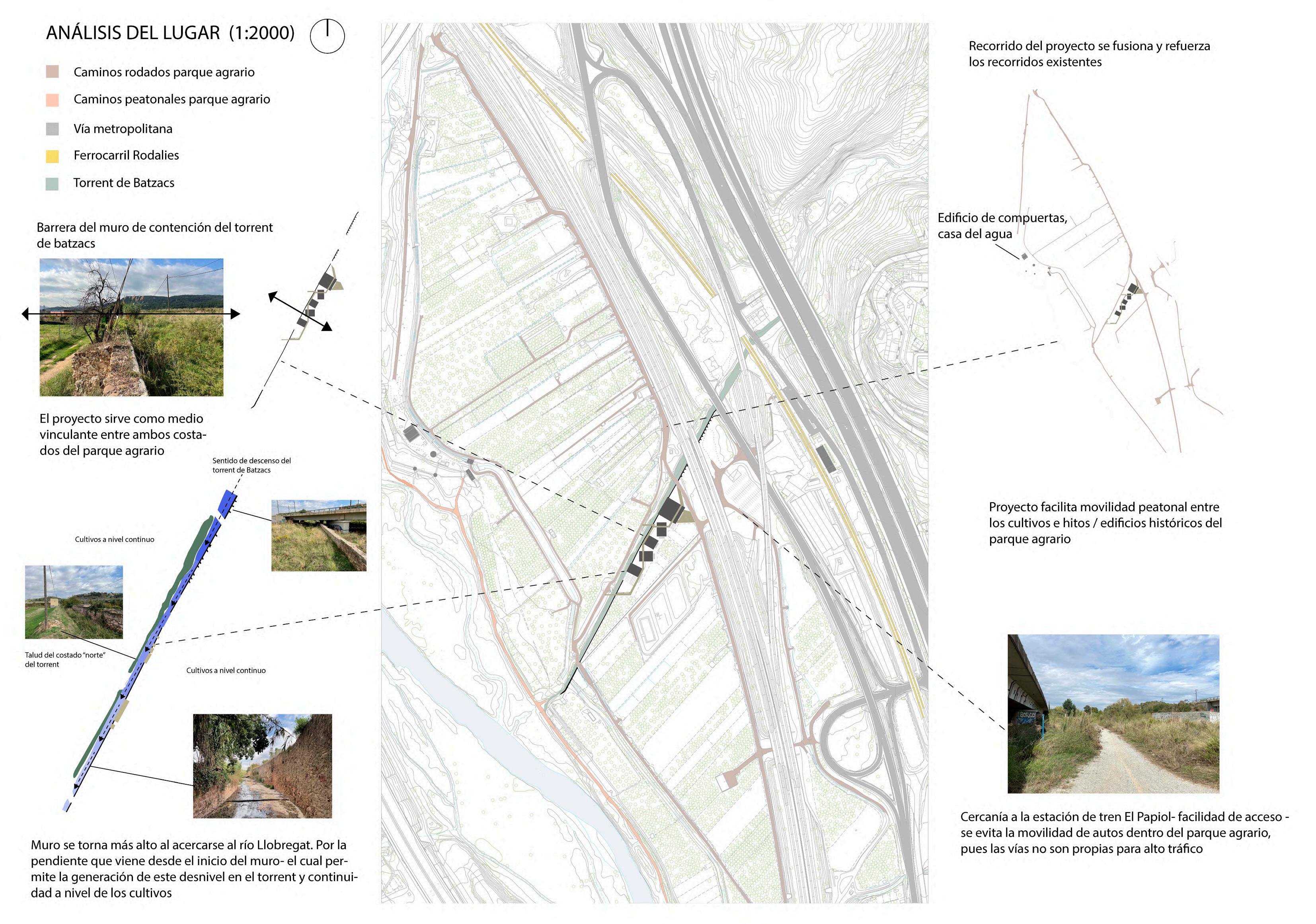
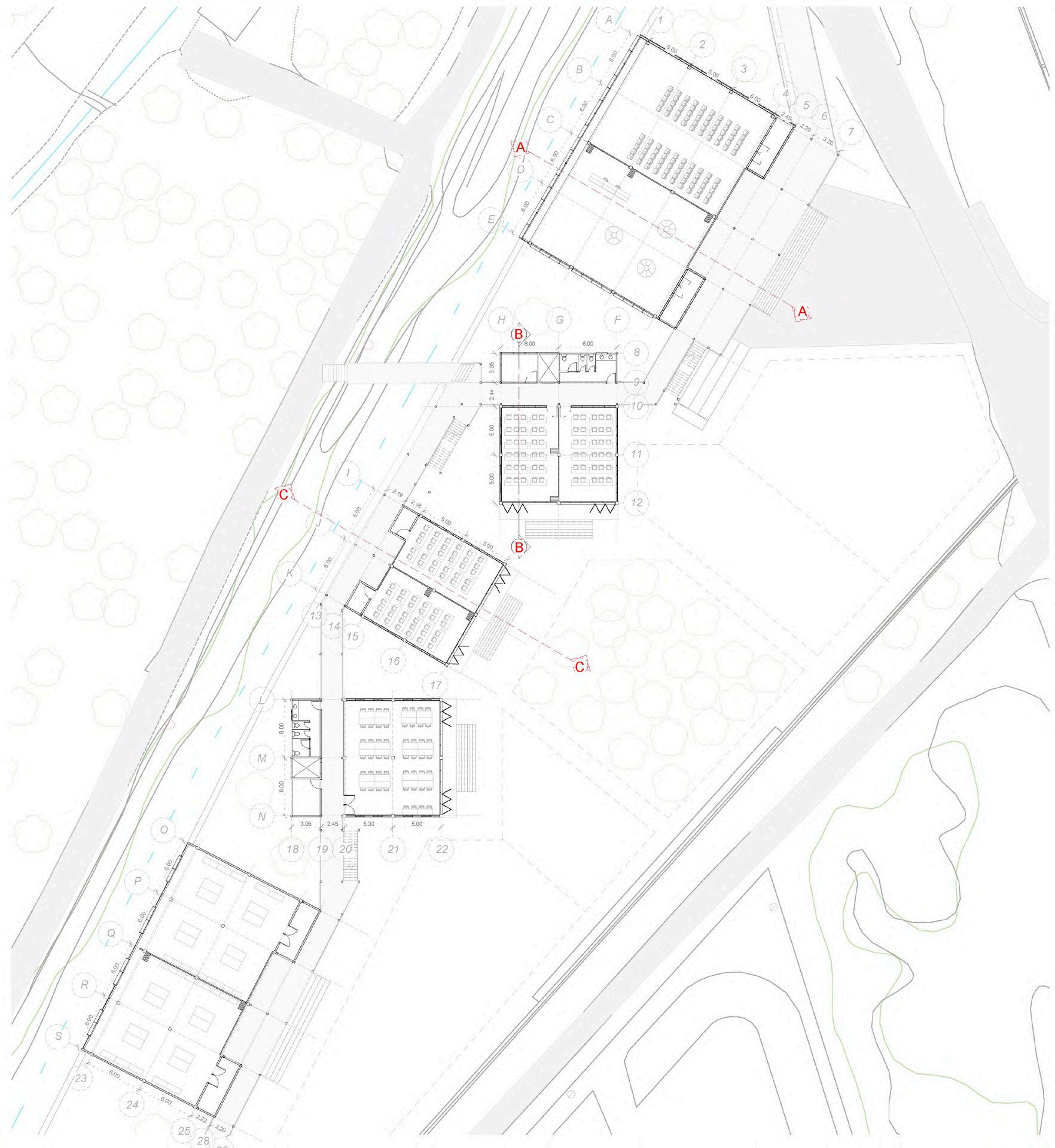
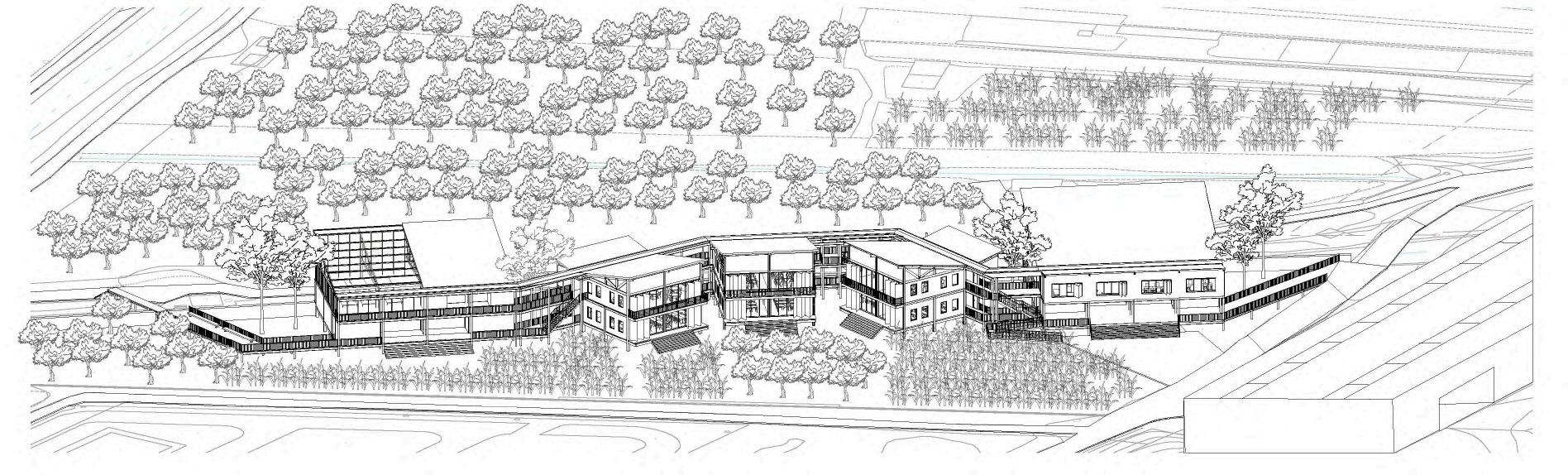
An Agricultural Research and Training Center is proposed, located in the Papiol sector, on the outskirts of Barcelona. This facility would seek to strengthen and promote agricultural dynamics within the agricultural park where it is located, by attracting scientists, researchers and students.
In addition, the center would pursue the construction of a new landscape where architecture and site are the same entity. Consequently, the project seeks to fit in with the existing dynamics within the agricultural park, responding to road and pedestrian accesses and flows, as well as the built structures that tell the story and the passage of time in the place.
Autodesk Revit, Photoshop, Illustrator
Used software
2021
Course Proyectos V, UPC Barcelona (semester abroad)
Site analysis
Car roads of agrarian park
Pedestrian paths of agrarian park
Metropolitan highway
Rodalies railway
Batzacs torrent
Barrier generated by the retaining wall of the Batzacs stream.
The project acts as a link between the two sides of the agrarian park. Descent of the batzacs stream.
The circulation of the project joins and strengthens the existing circulations of the agrarian park.
Water gate house.
The project facilitates pedestrian mobility between the crops and the landmarks of the agrarian park.
The proximity to the El Papiol railway station facilitates accessibility to the project and avoids the mobility of cars within the agrarian park.
Crops
Crops
Jarillon
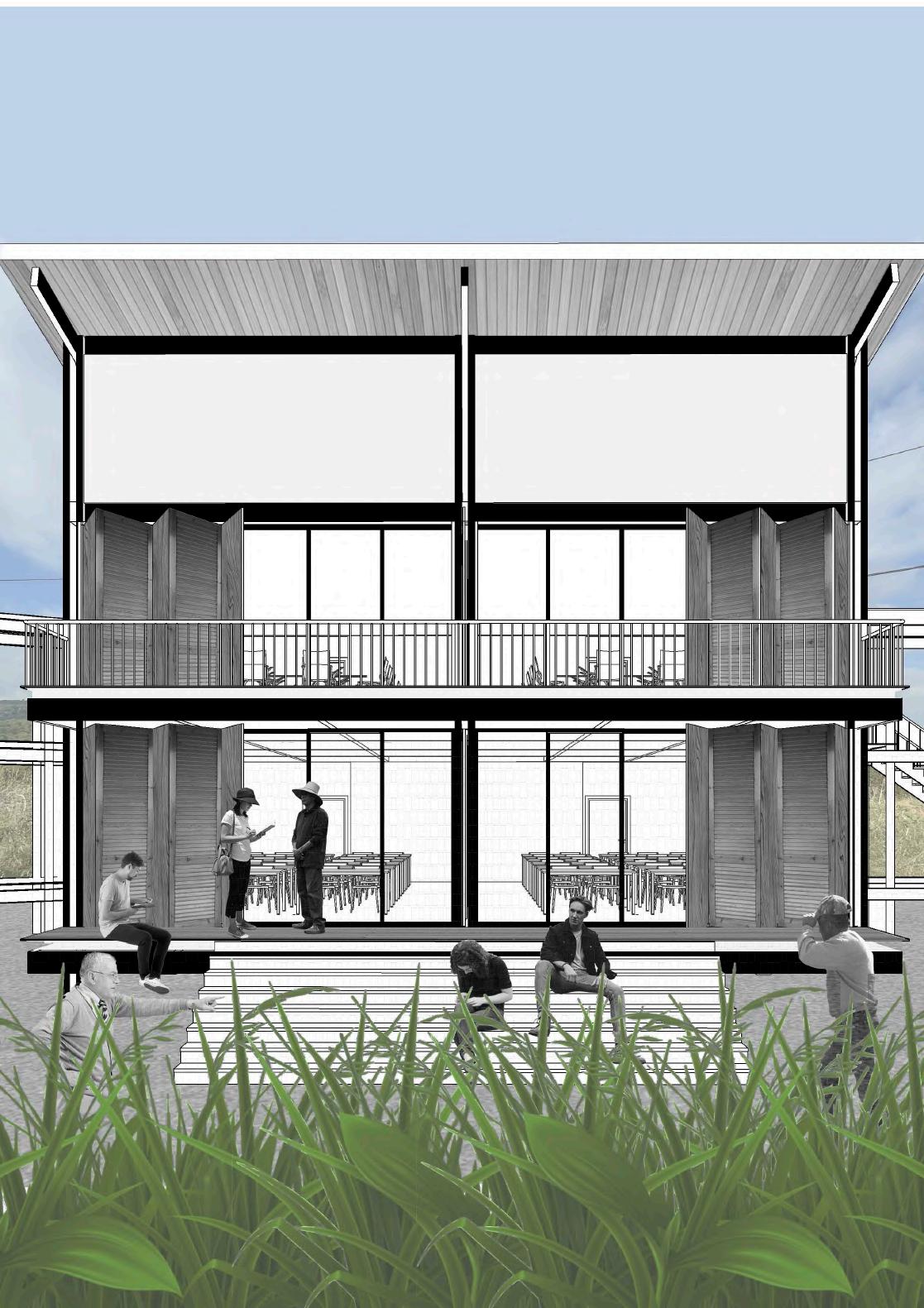
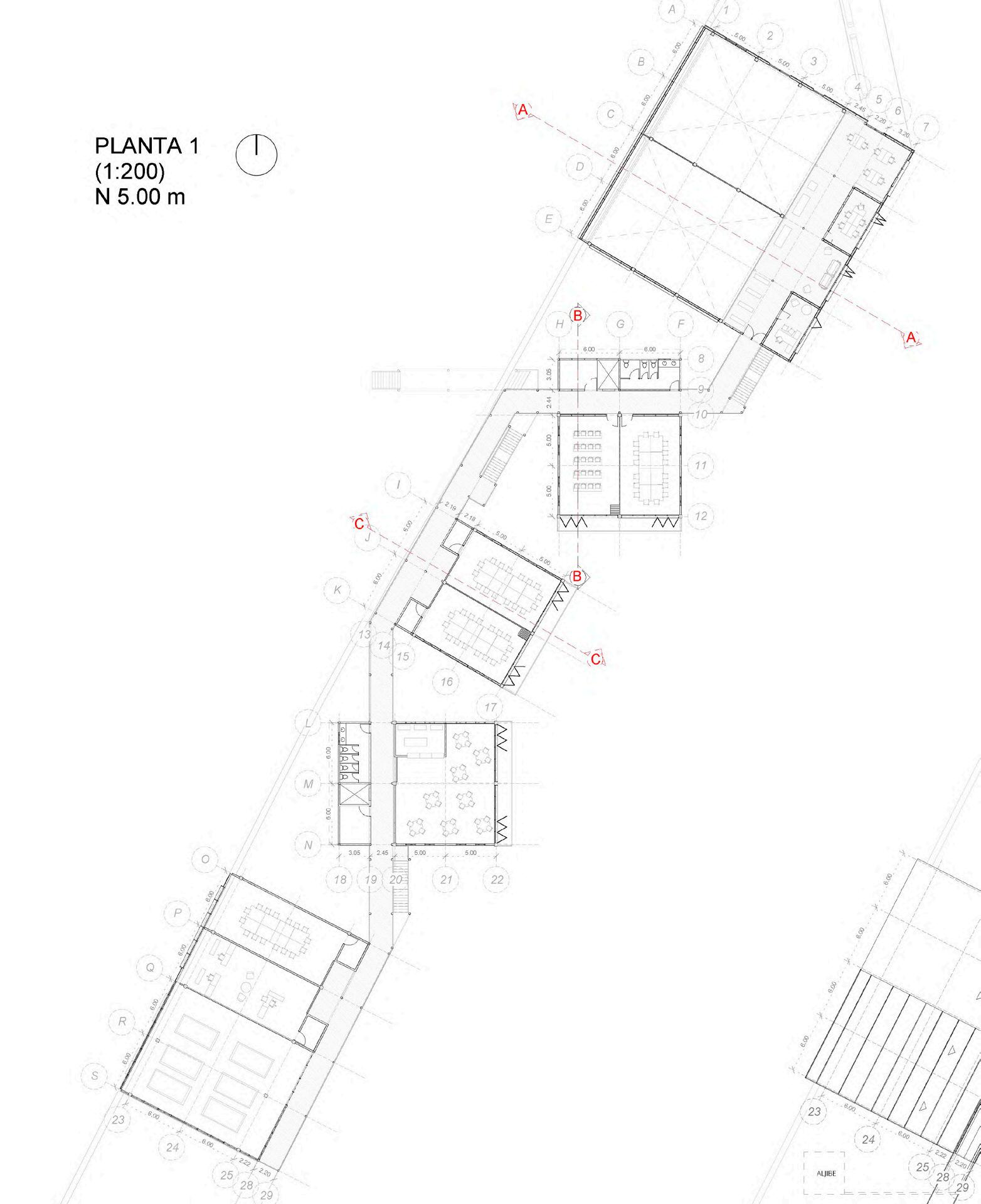
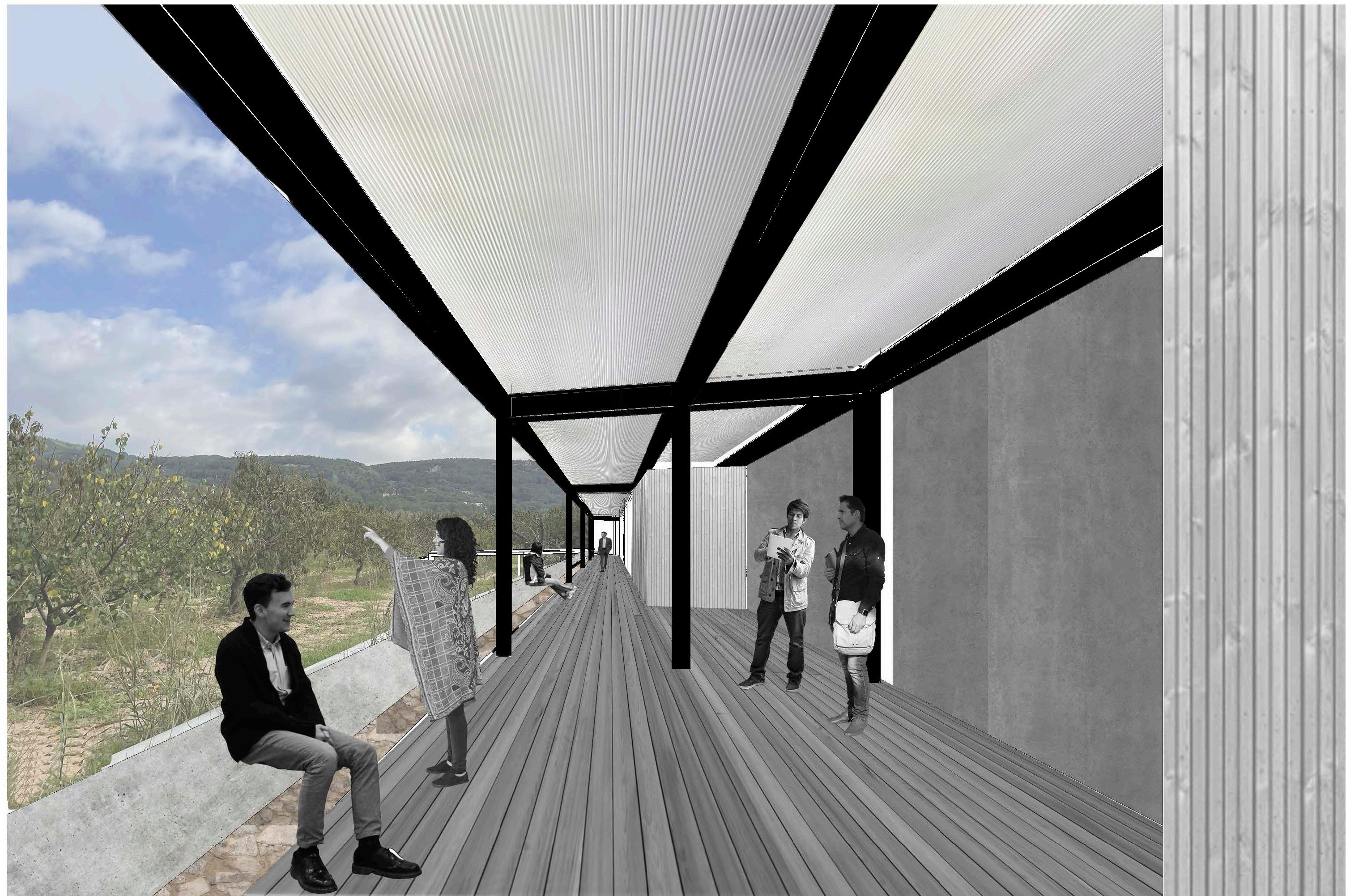
The program of the Agricultural Center is divided into 5 blocks of two levels, which are linked through an exterior covered corridor with its own independent structure. This corridor connects with the road routes of the agrarian park and with the pedestrian paths within the crops.
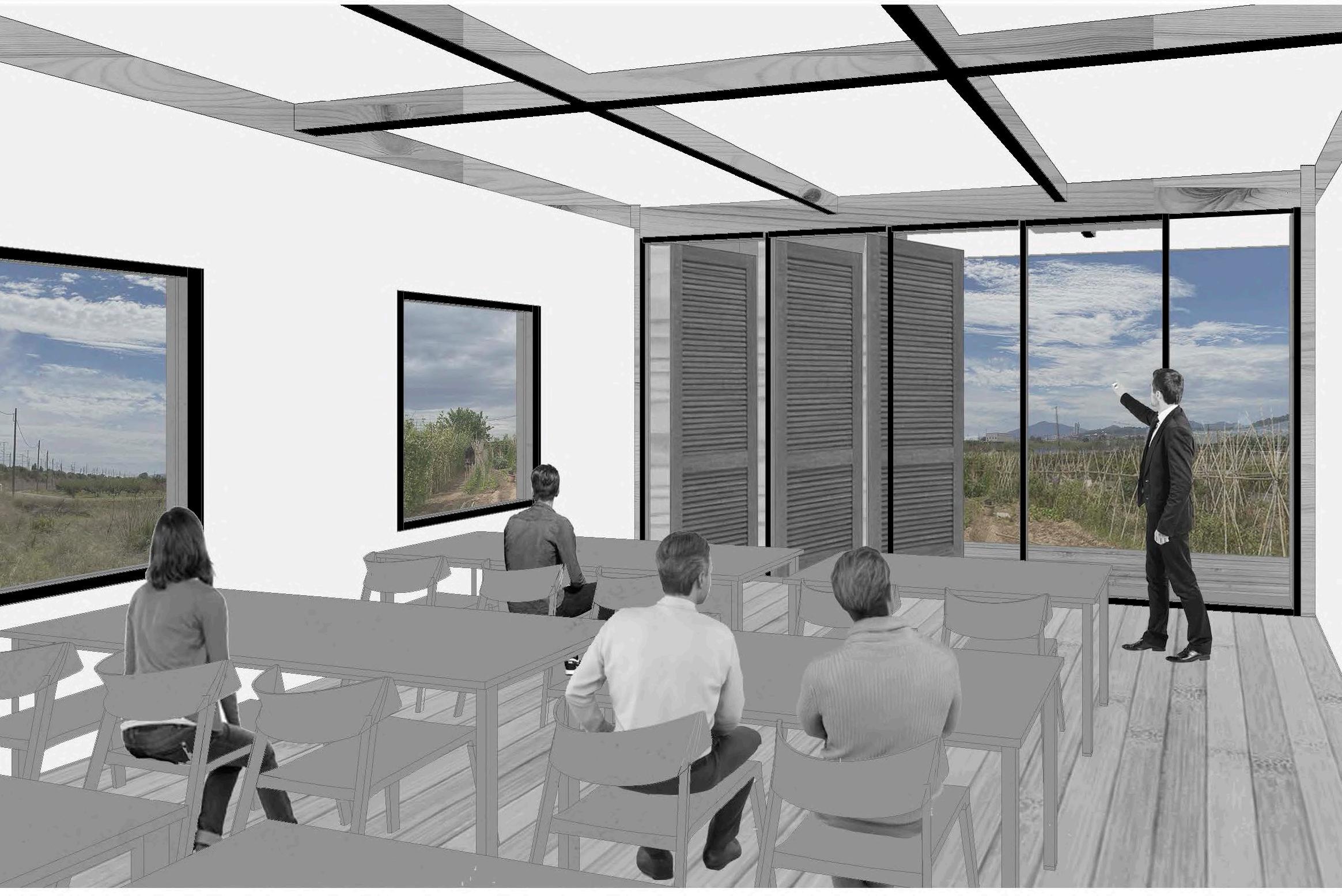
The fragmentation of the program seeks to lighten the effect of implantation in the landscape. This allows greater permeability with the environment and a greater relationship with the outside for both the spaces and the project’s corridors.
Section A
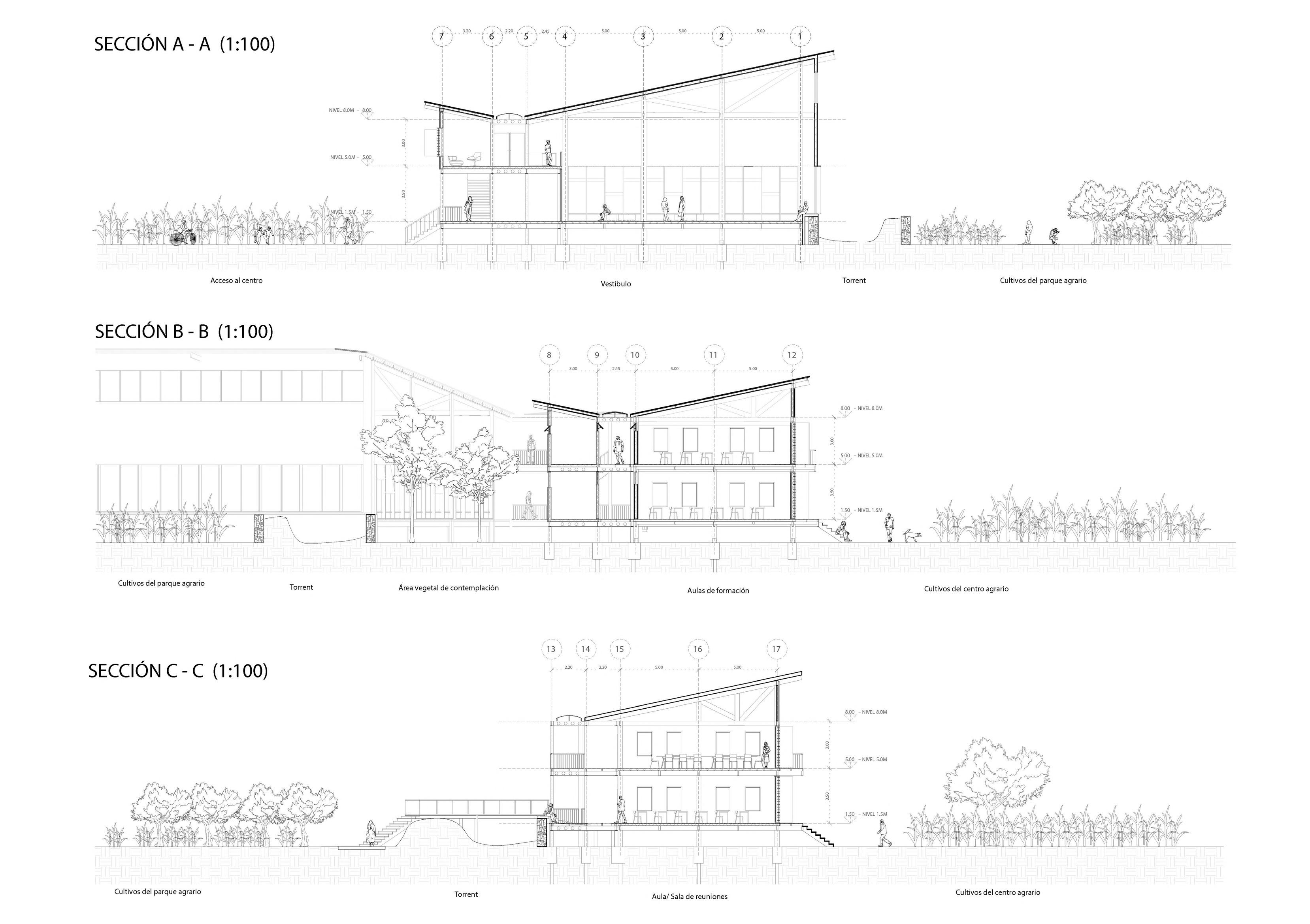
The sections show the constant relationship between the crops, the architecture and the stream, the latter being the element that determines the linear arrangement of the blocks.
B
In some moments the relationship that is sought with the environment of the agricultural park is visual, while in others a direct connection is sought through stairs that link the spaces to the crops.
C
The structure of the corridor allows the different blocks to be connected to each other and to the service areas. In addition, it generates pedestrian connections with the crops on the other side of the torrent.
Section
Section
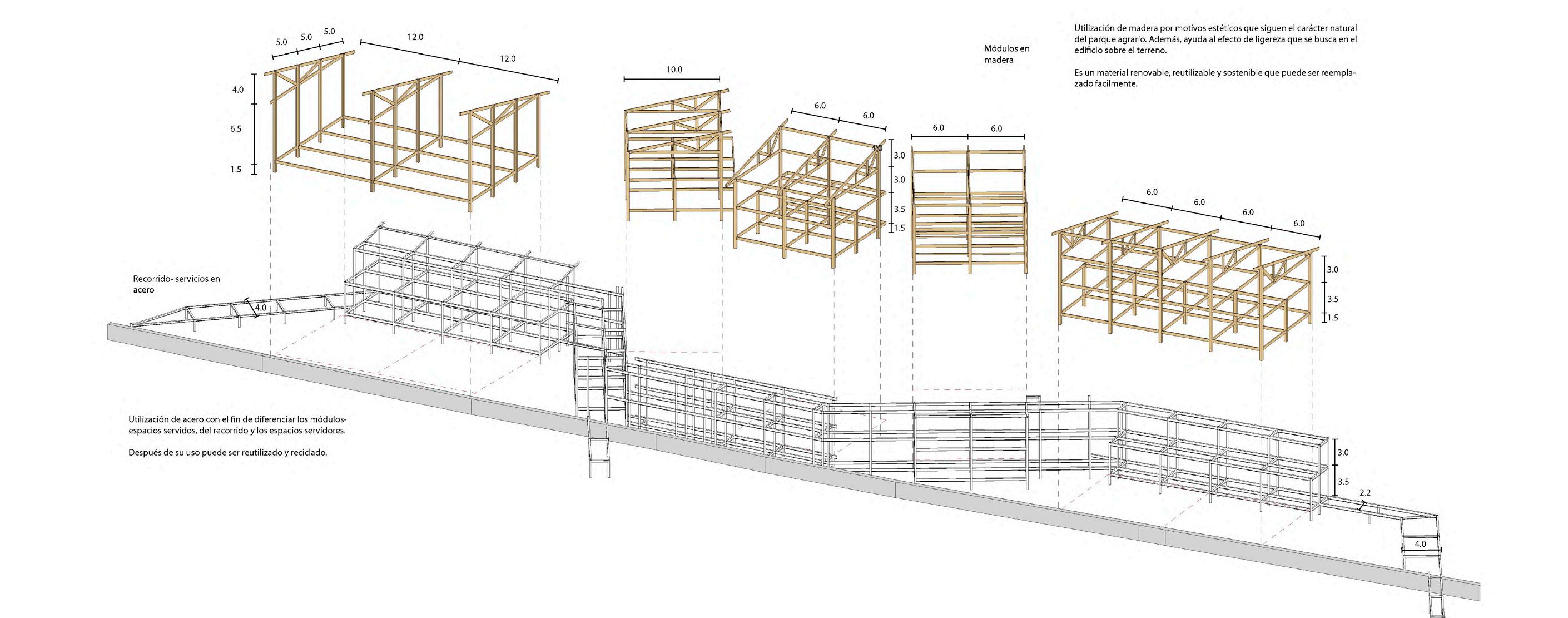
Structure exploded axonometric
Corridor and services steel structure
Use of steel to differentiate blocks (served spaces) from circulation and servand spaces. After use it can be reused and recycled.
Use of wood for aesthetic reasons that follow the natural character of the agricultural park. In addition, it helps to build the effect of lightness that is sought in the building on the landscape.
It is a renewable, reusable and sustainable material that can be easily replaced.
Blocks in wood
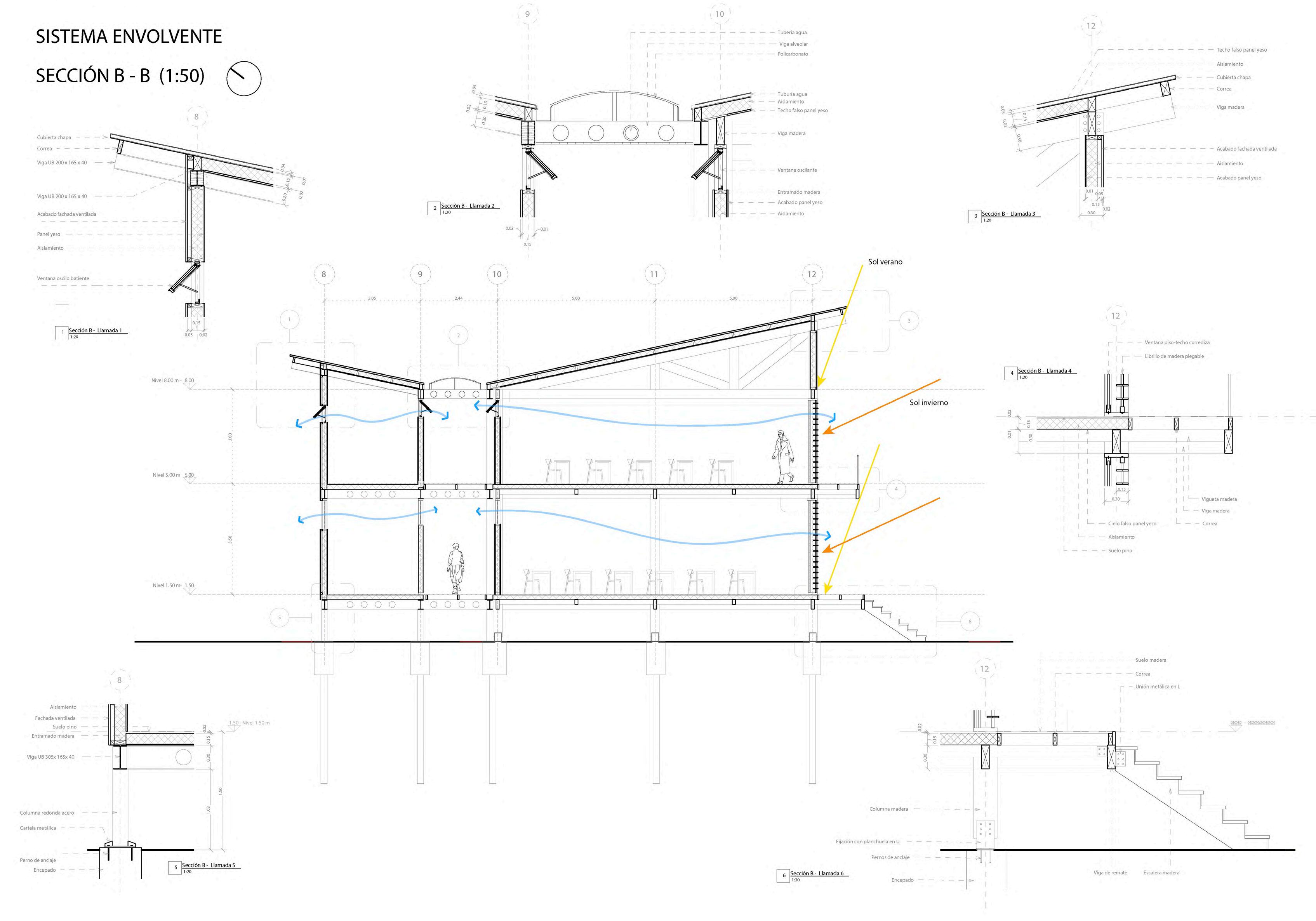
Construction details and bioclimatic system
Corridor by the torrent retaining wall
Inside the rooms
Green & Blue Farm, fish & arts Market, ArqDis Clinic
Community work project, 2021
Credits: ArqDis Clinic, Architecture and Design faculty, Universidad de Los Andes.
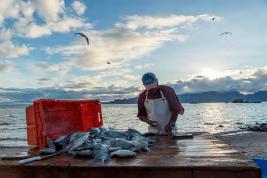
During the first semester of 2021 I had the opportunity to work at the ArqDis Clinic, in which I worked with professors and students of the faculty in favor of the fishing community of the island of Providencia.
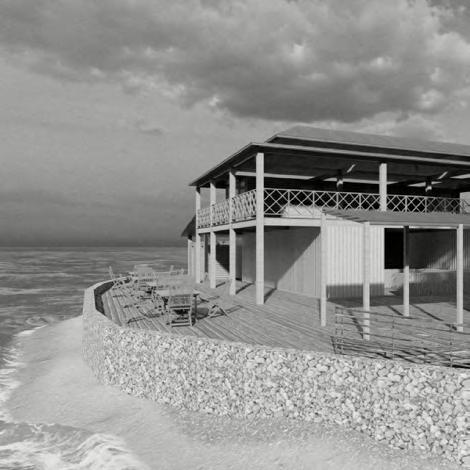
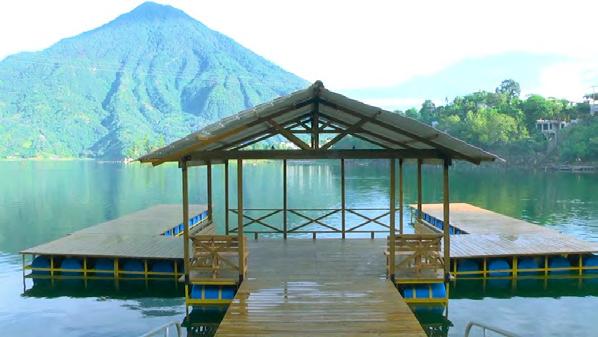
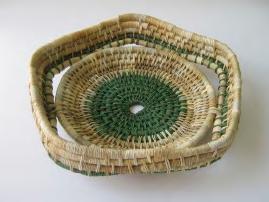
At present, the Providence fishermen’s union lacks a space that facilitates its productive chain on the island. Therefore, we worked together and in constant communication with the fishermen on a project that would seek to strengthen their practice, economic growth and tourism in the island. We worked on the on the basic scheme of a market where the processing, storage and sale of the fishing on the island would be carried out. In addition, spaces would be enabled for the sale of agricultural products, handicrafts and prepared foods. In addition, a great value of the project relied on the use of local architectural traditions and materials, which we learned from direct contact with the communities.
I was personally in charge of an important part of the design, modeling and communication processes with the locals.
Used software
Autosdesk Revit, Photoshop, Lumion, Illustrator
Project objectives
Keep the tradition going Involve the community
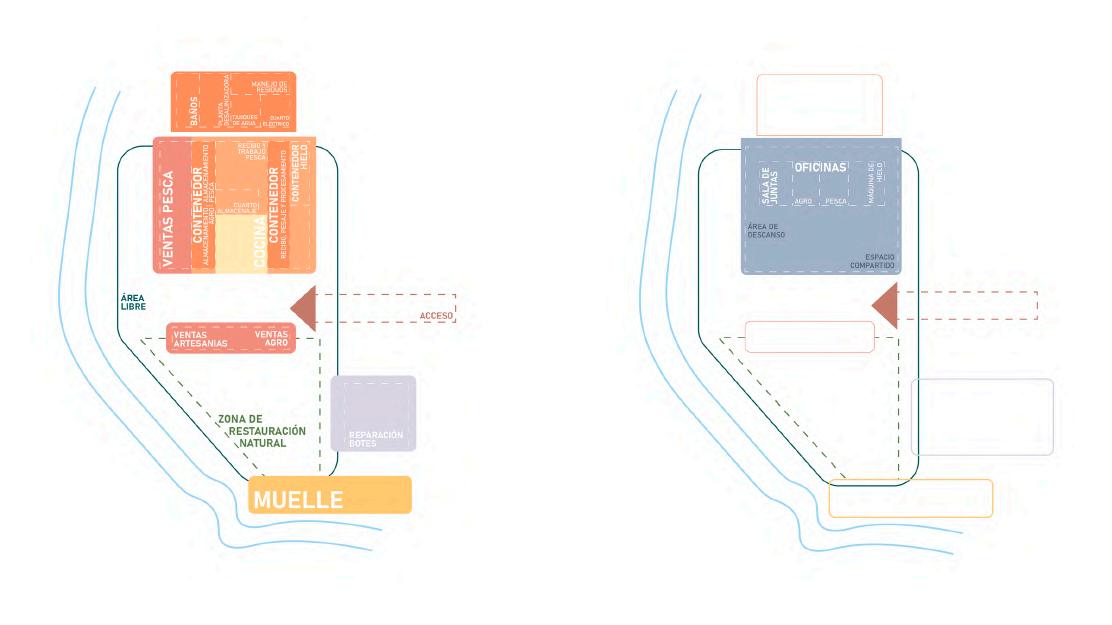
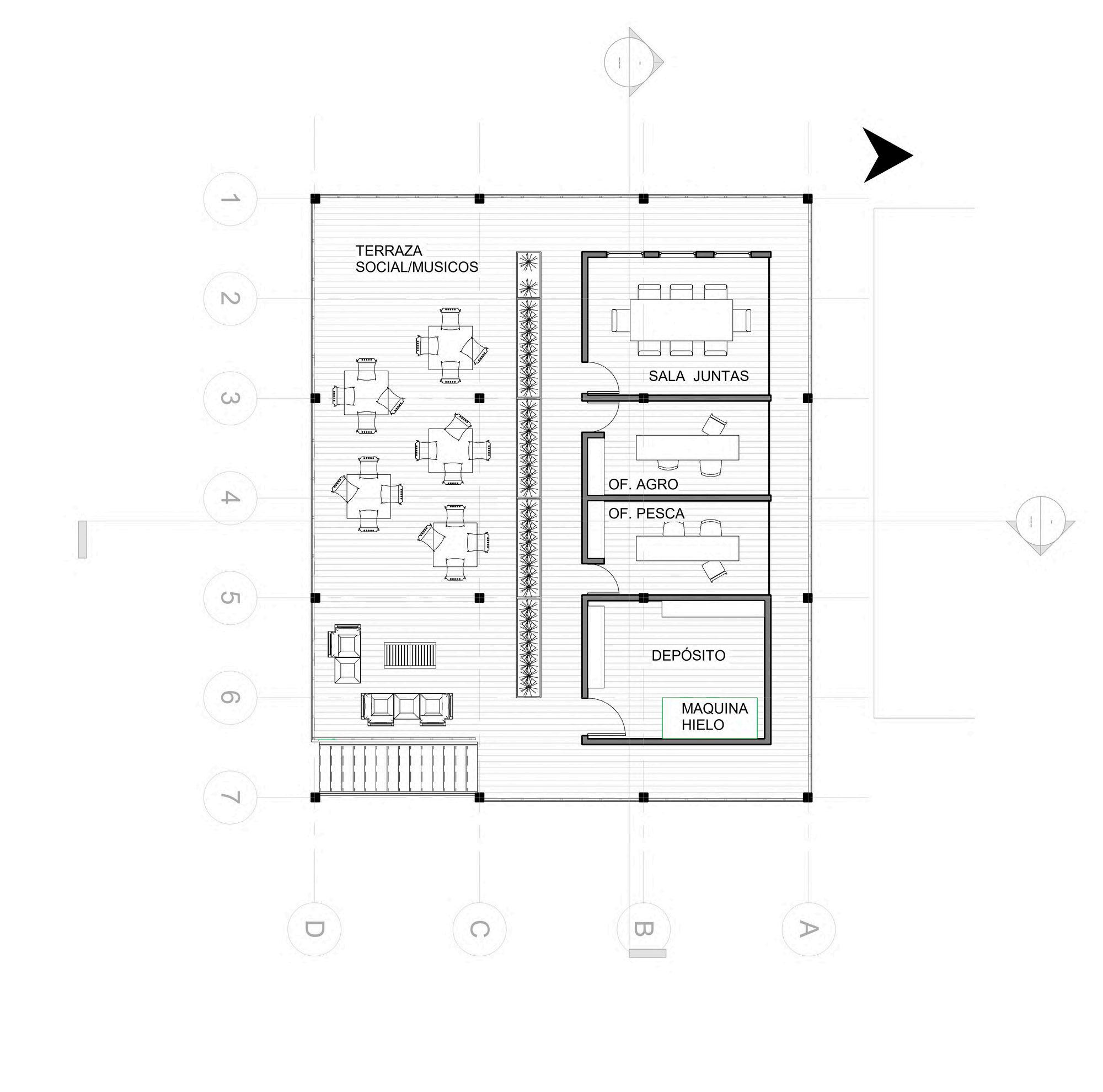
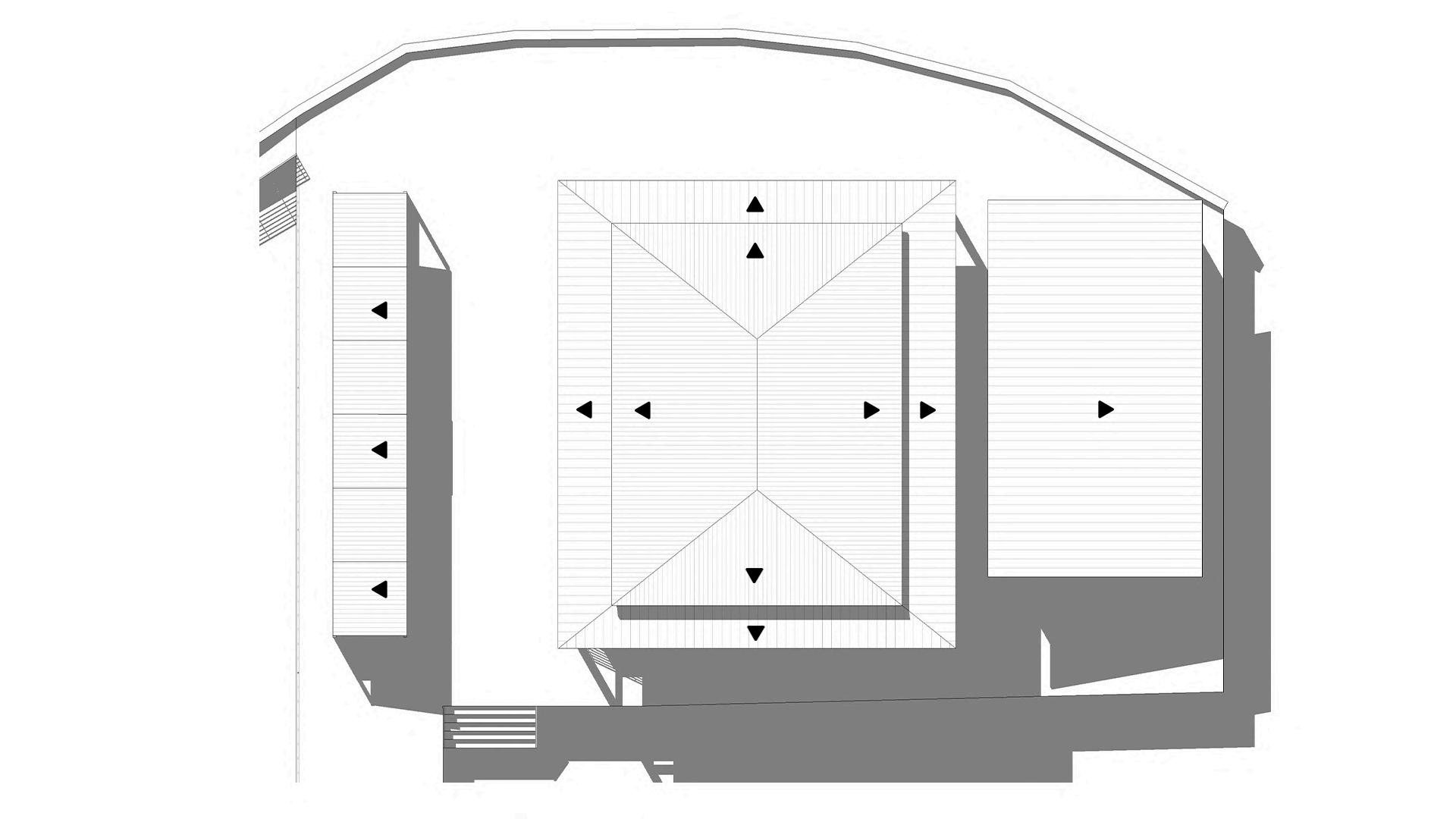
The market would be located in a lot in the San Luis sector, next to the coast. It would have a landing dock next to a roofed block for boat repairs. Towards the north of the lot, the market activity would be concentrated, with a main block where the fish storage, kitchen, sale and market administration area would be. In addition, there would be a smaller service module and some modules for the sale of crops and handicrafts.
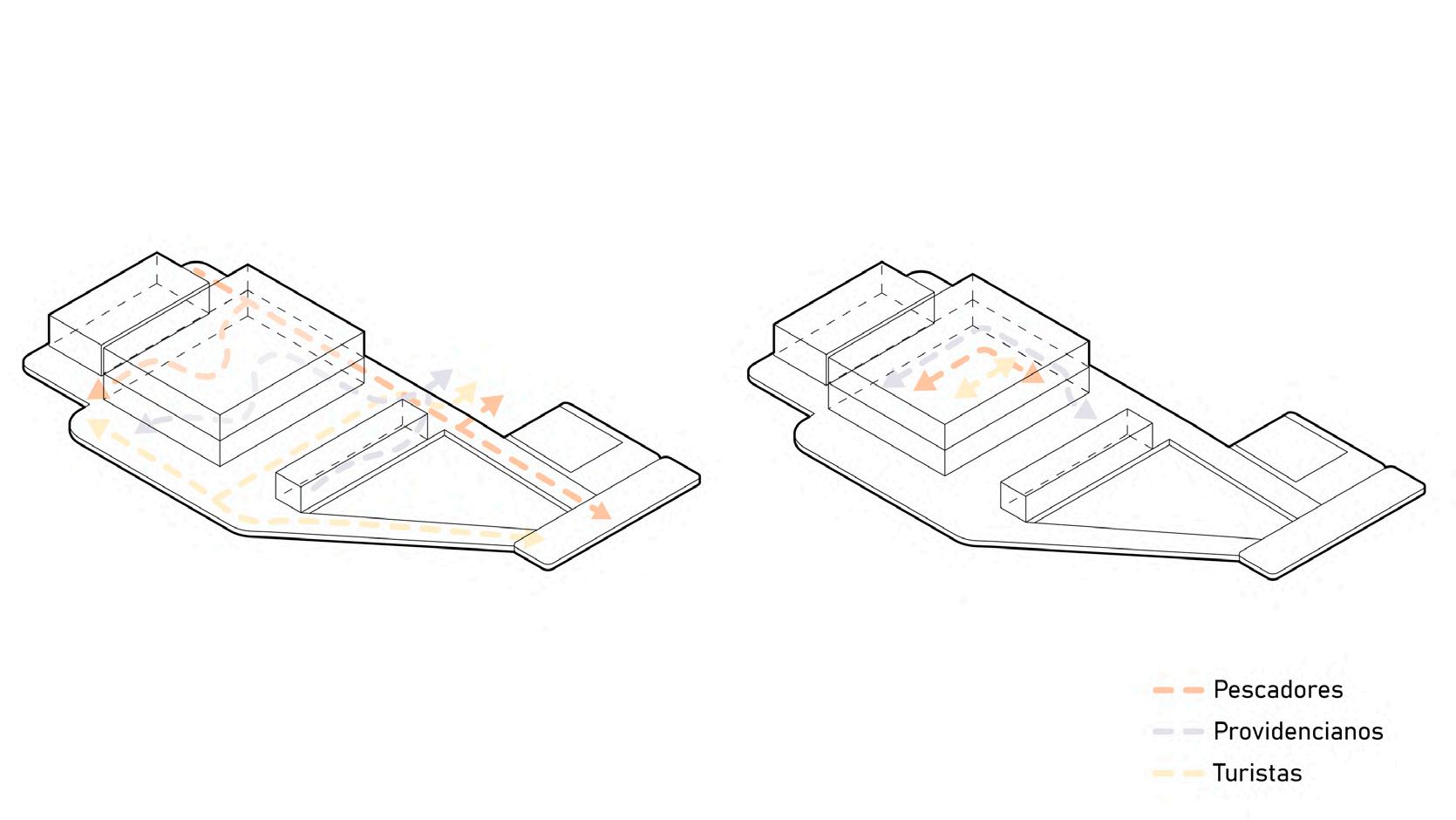
FLUJOS
There would be two independent circulations parting from the dock. The first is for the fishermen, who would unload their products and transport them to reach the reception, processing and storage area. On the other side, along the coast, there would be another path for tourists or visitors, who would arrive directly at the sales and restaurant area. 0.60
Espacio para reforestacion MANGLE BLANCO
VENTA ARTESANÍA
Procesamiento Almacenaje
CONTENEDOR PESCA CONTENEDOR AGRO
Fileteado/Curado Almacenaje
(BAJO ESC)
Lavado Recibo
Lavado
Recibo
Descabezado yeviscerado
CUARTO ELÉCTRICO
CONTENEDOR 20´ HIELO
ESTRUCTURA
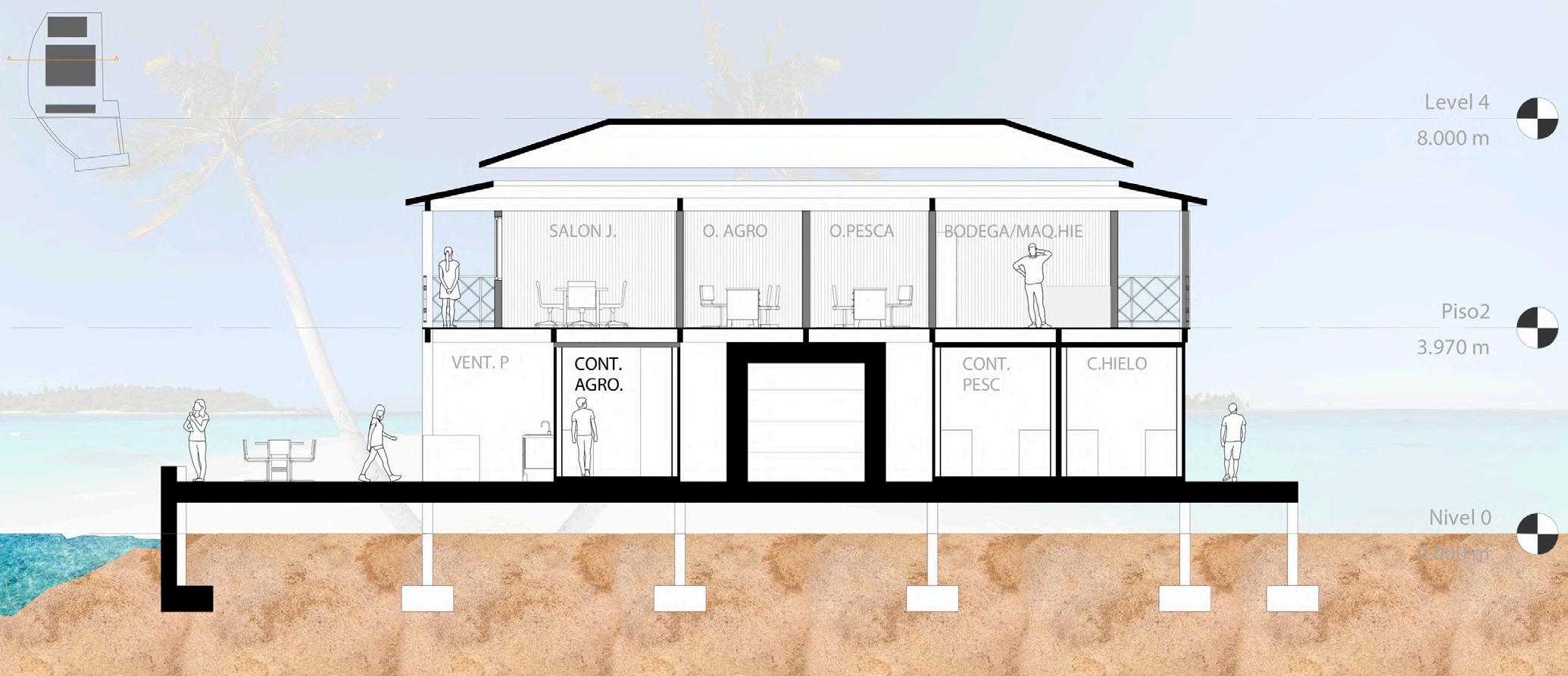
Section A - A”
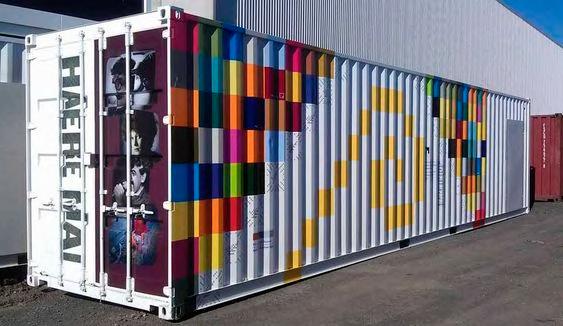
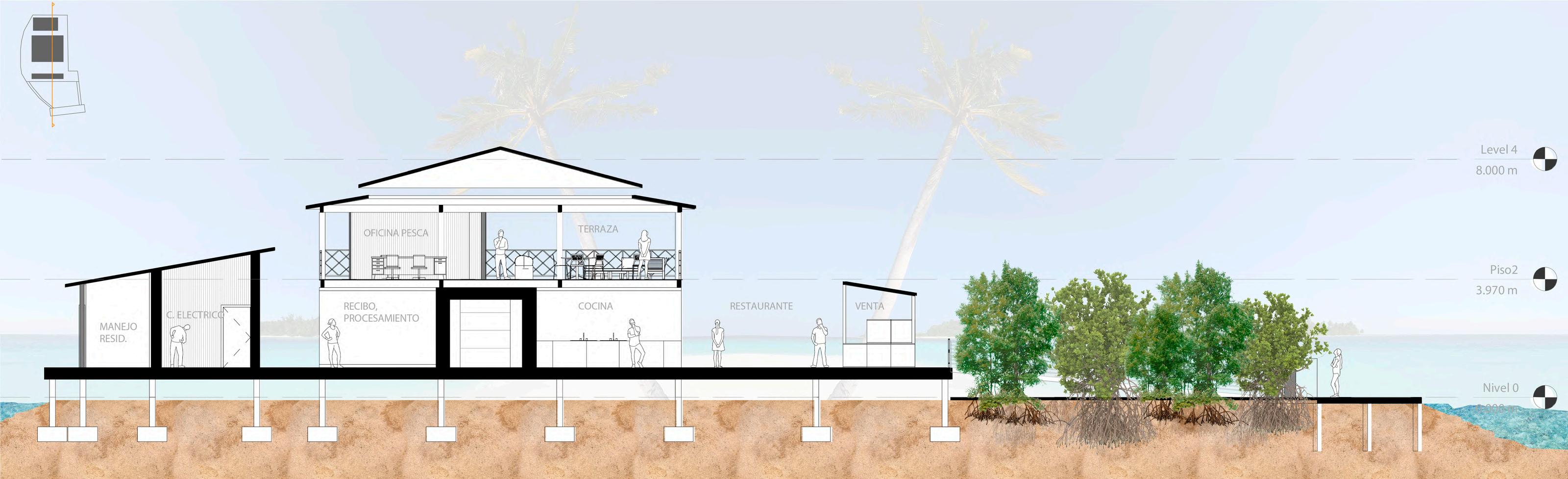
For the structure of the main module, two existing 20-liter containers would be used, which would be adapted as cold storage rooms and used as support points within a complementary wooden structure.
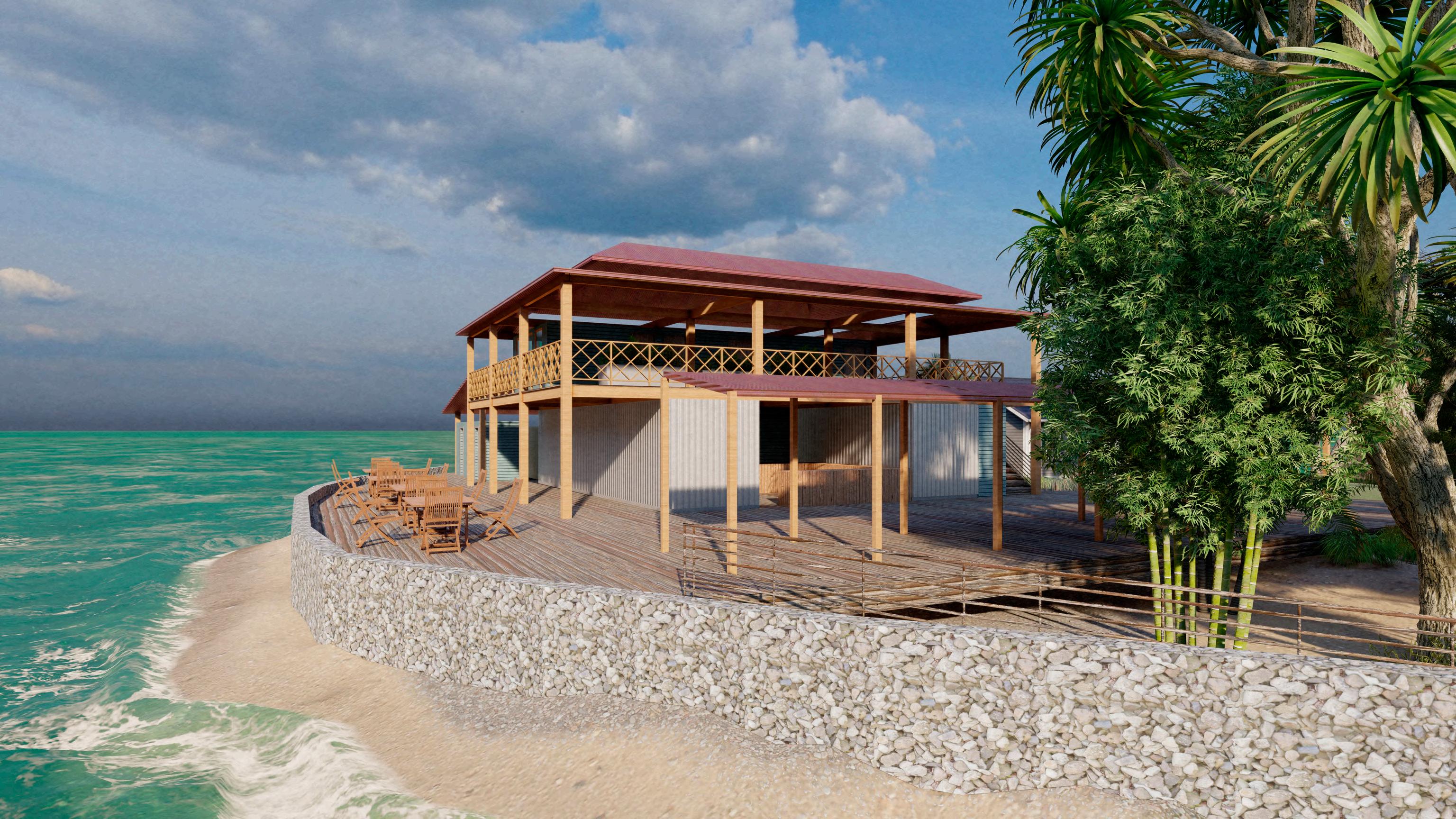
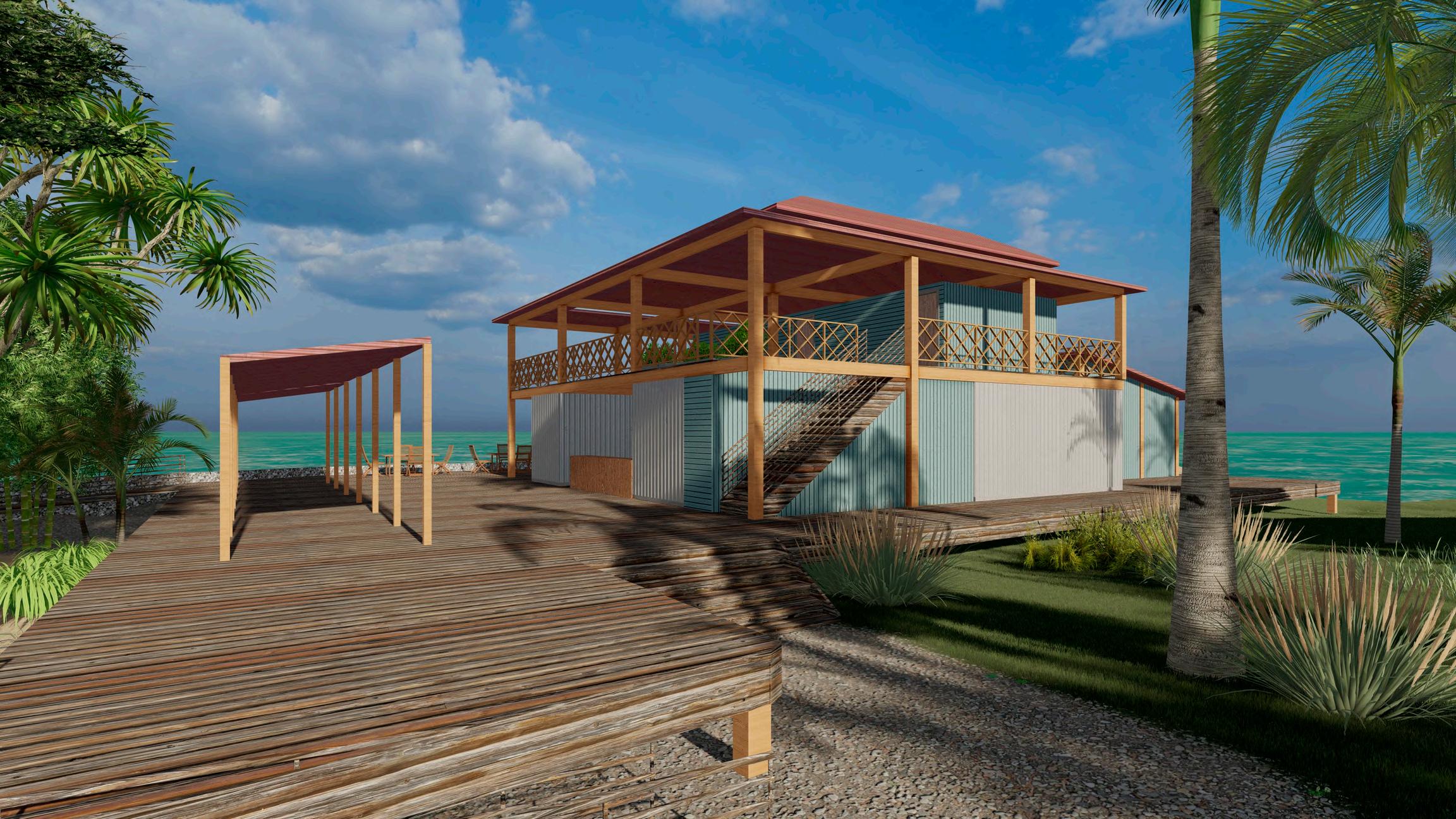
Both the structure, the finishes and the roof would follow the model of vernacular island architecture. This speaks of the constructive tradition of Providencia and is designed to resist the storms and hurricanes that occur in the place.
Section B - B”
Access from the interior of the island render view
Render view from the coast
Maré-Cidade competition, The urban mangrove
Student idea contest, 2020
Work mates:
Juanita Echeverry, Santiago Unda
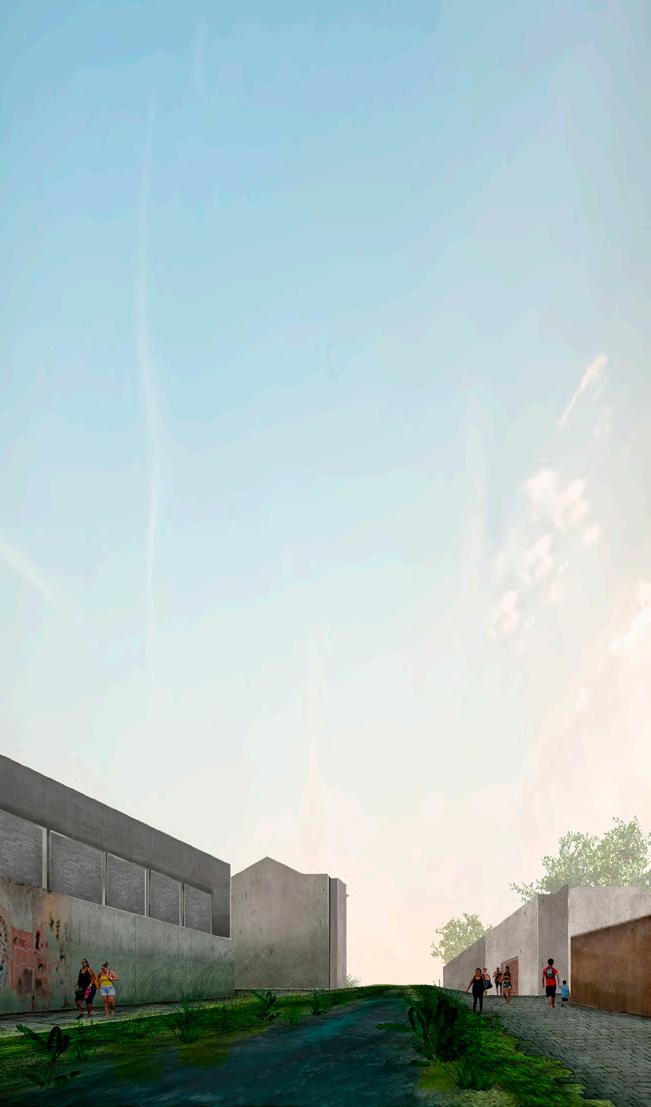
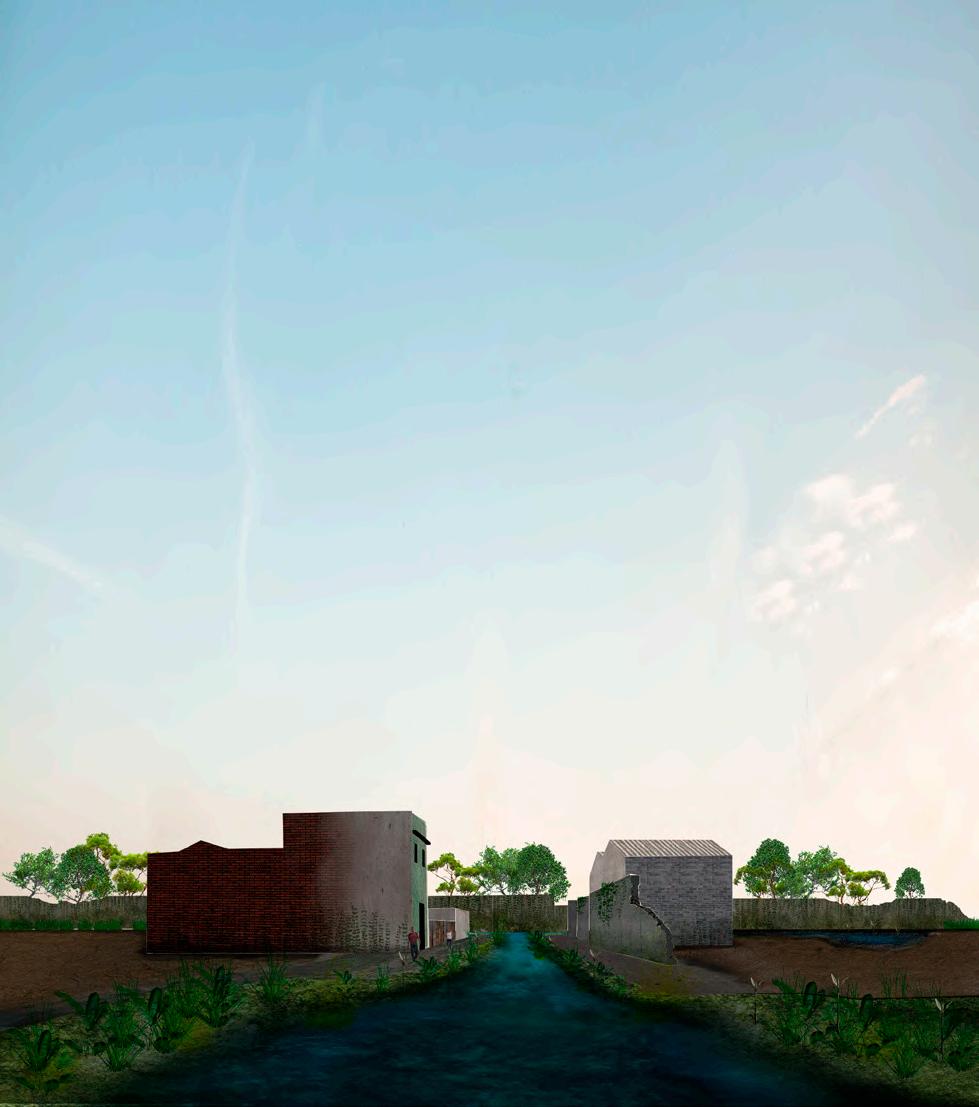
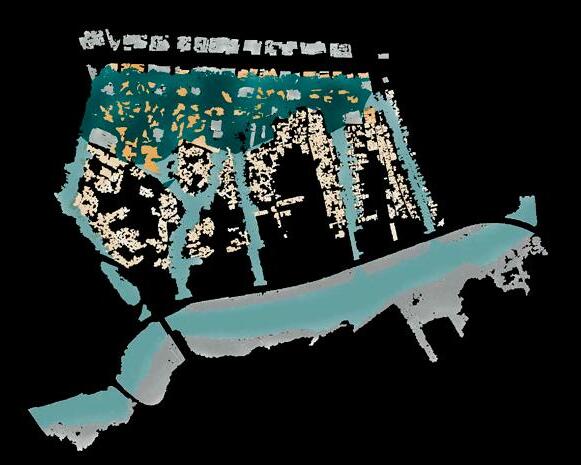
The contest called for students of architecture and urban planning from around the world to generate proposals and innovative and sustainable solutions for the integration of the favelas in the north of Rio de Janeiro, with the rest of the city. In addition, the problems and needs found in the predetermined sector had to be taken into account: a favela area next to a high-traffic road, currently occupied by warehouses and industrial buildings, a large part of them abandoned and disused.
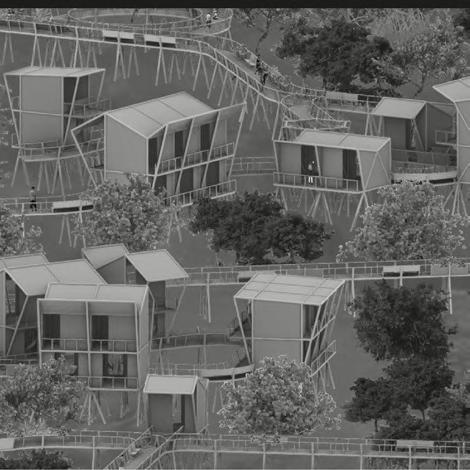
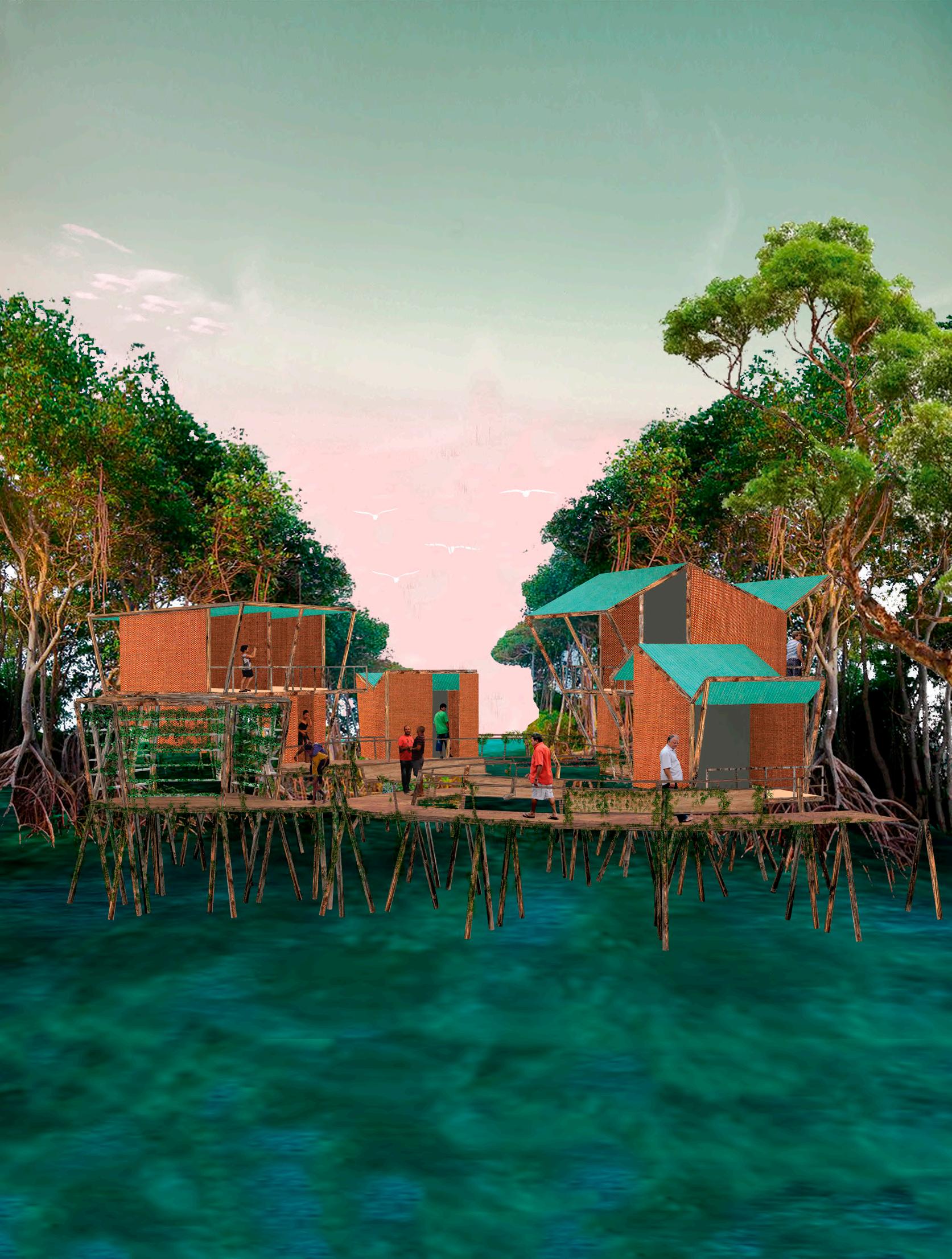
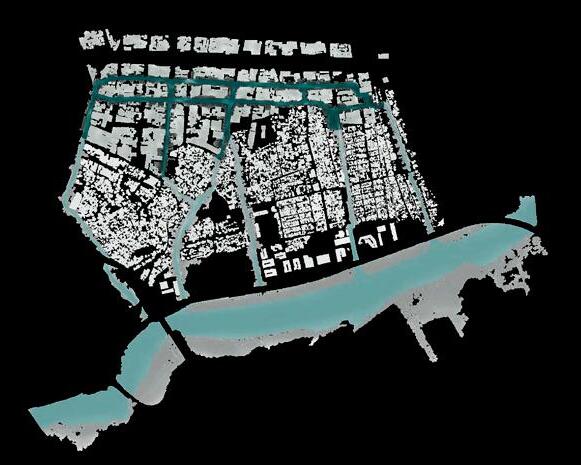
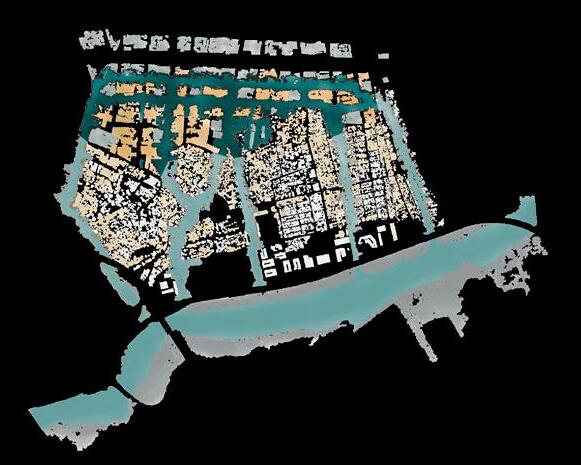
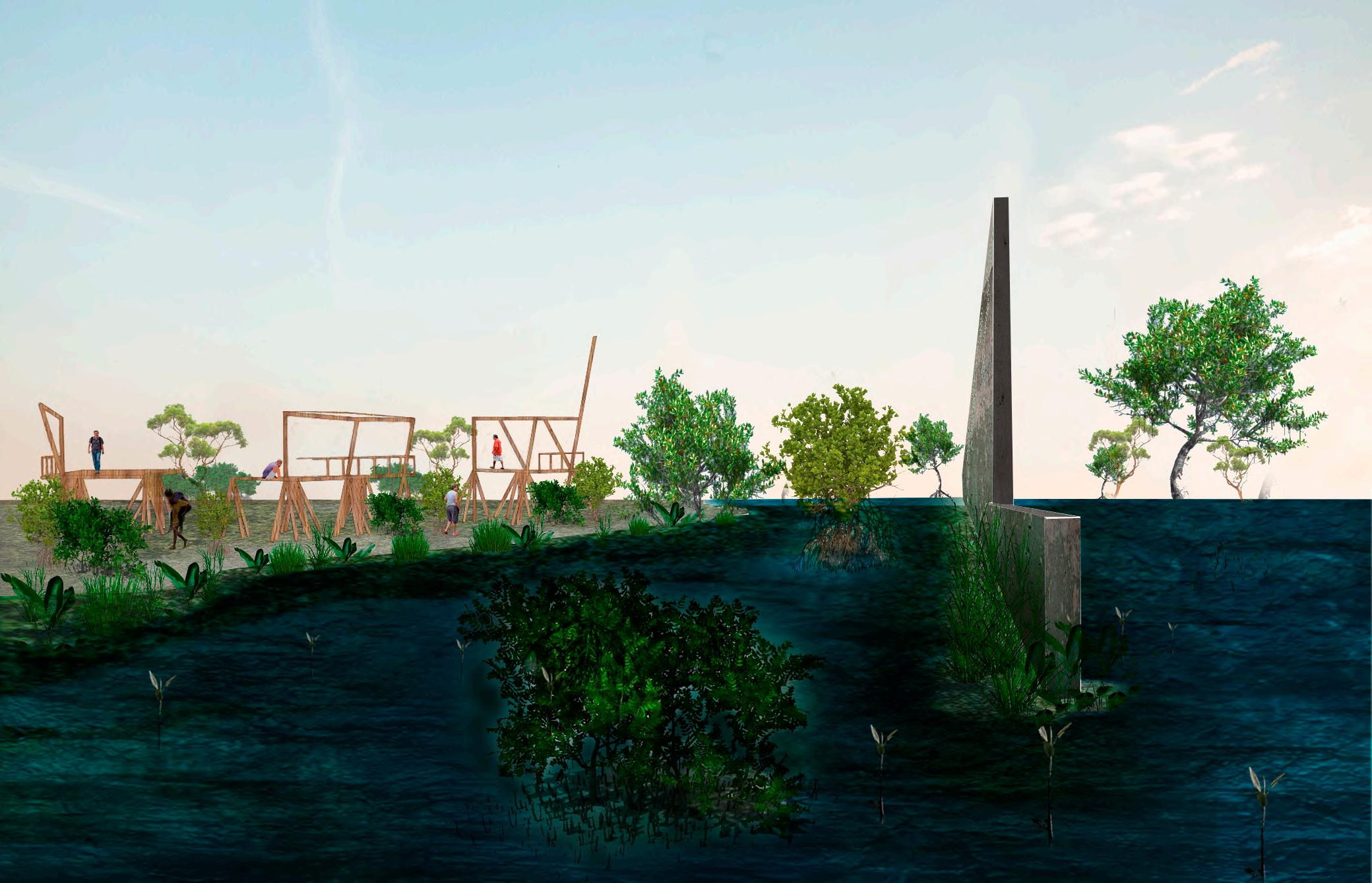
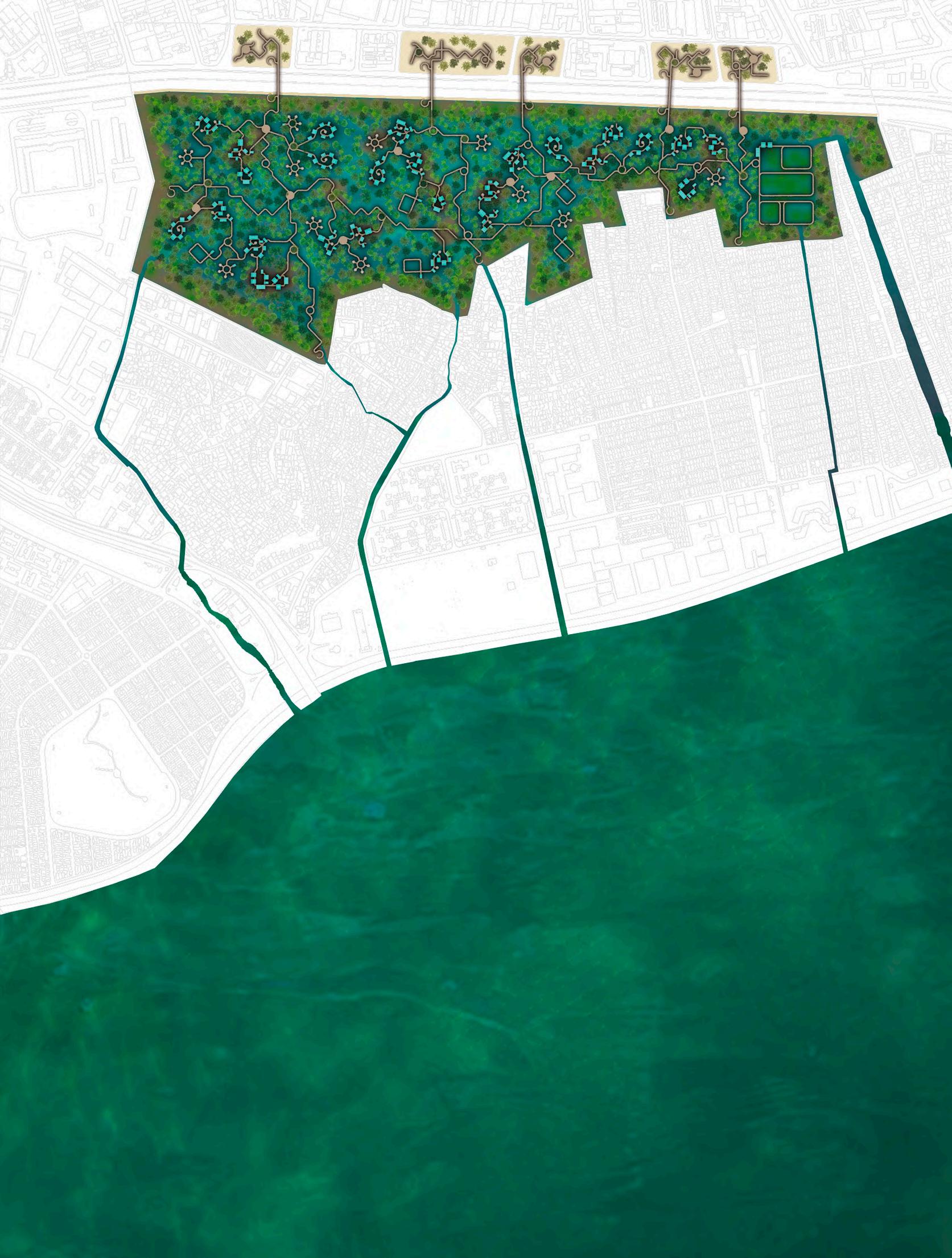
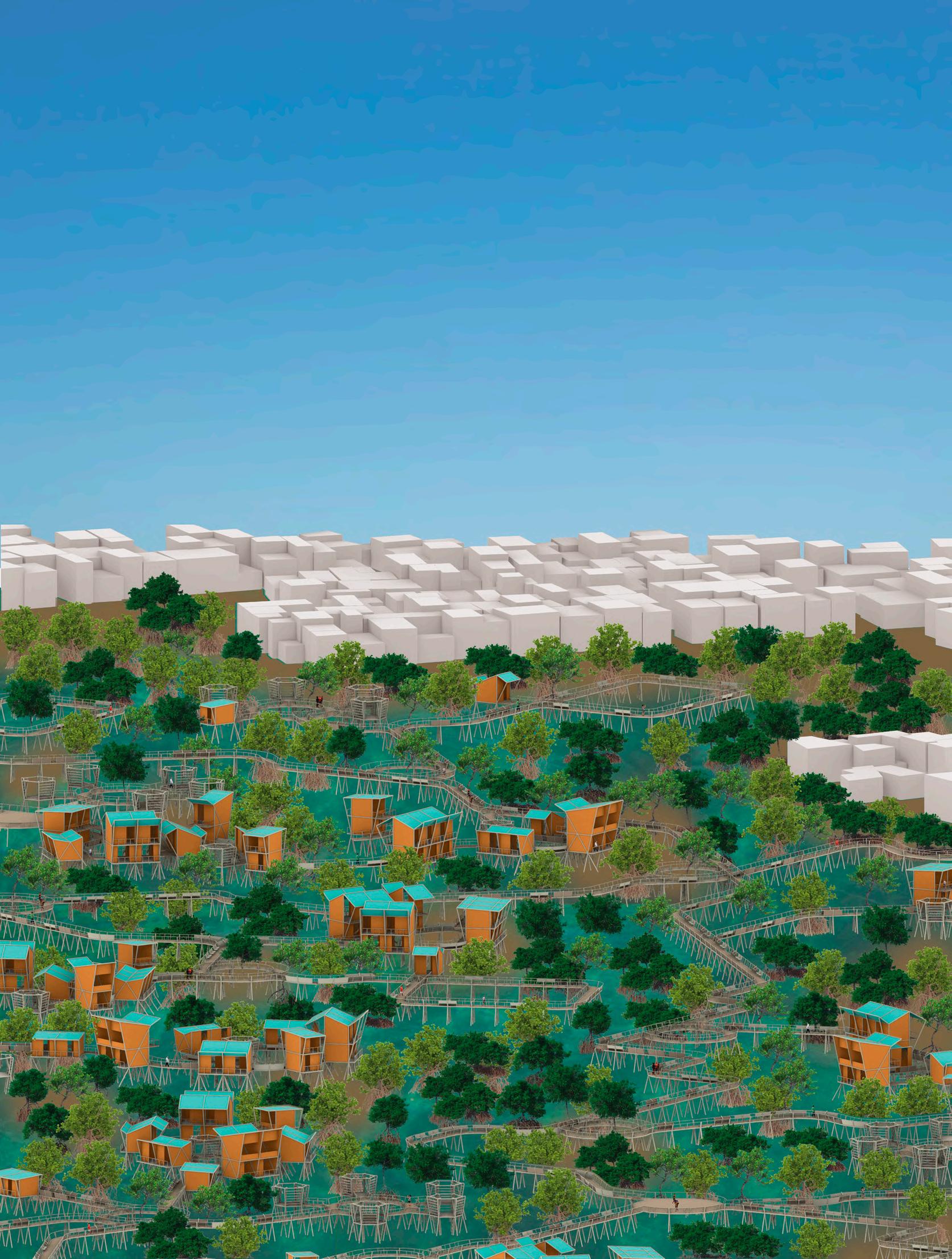
The approach carried out together with my colleagues is based on the renaturalization of the mangrove ecosystem that previously existed in the Maré sector. This new environment would be complemented by a system of housing and urban facilities with stilt structures that would respect the environment. The system would allow the inhabitants to generate links with the environment and generate certain sustainability and productivity to self-supply.
Used software
Rhinoceros, Photoshop, Illustrator
The approach took into account the temporality in order to carry out the renaturalization of the mangrove ecosystem, the demolition of existing buildings and the subsequent appearance of the proposed architecture.
The “mangrove architecture” was raised systematically through three types of constructions: 1-story houses, twostory houses, orchards and other facilities. These would be linked by elevated paths that would put together an organic urban system linked to the ecosystem.
HOUSING MODULES
The challenge is answered with an urban and ecological system that recalls the natural origin of the place. This adapts to the needs of the inhabitants and gives a proposal on how we can progress while co-inhabiting in harmony with nature.
LIVING IN THE MANGROVE
ROUNDABOUT & PLAZA
Revit training project, Naska digital
The Bim Revit for Architecture diploma accredits the use of the Revit program for the generation of projects within the BIM methodology, through the modeling of a self-selected project.
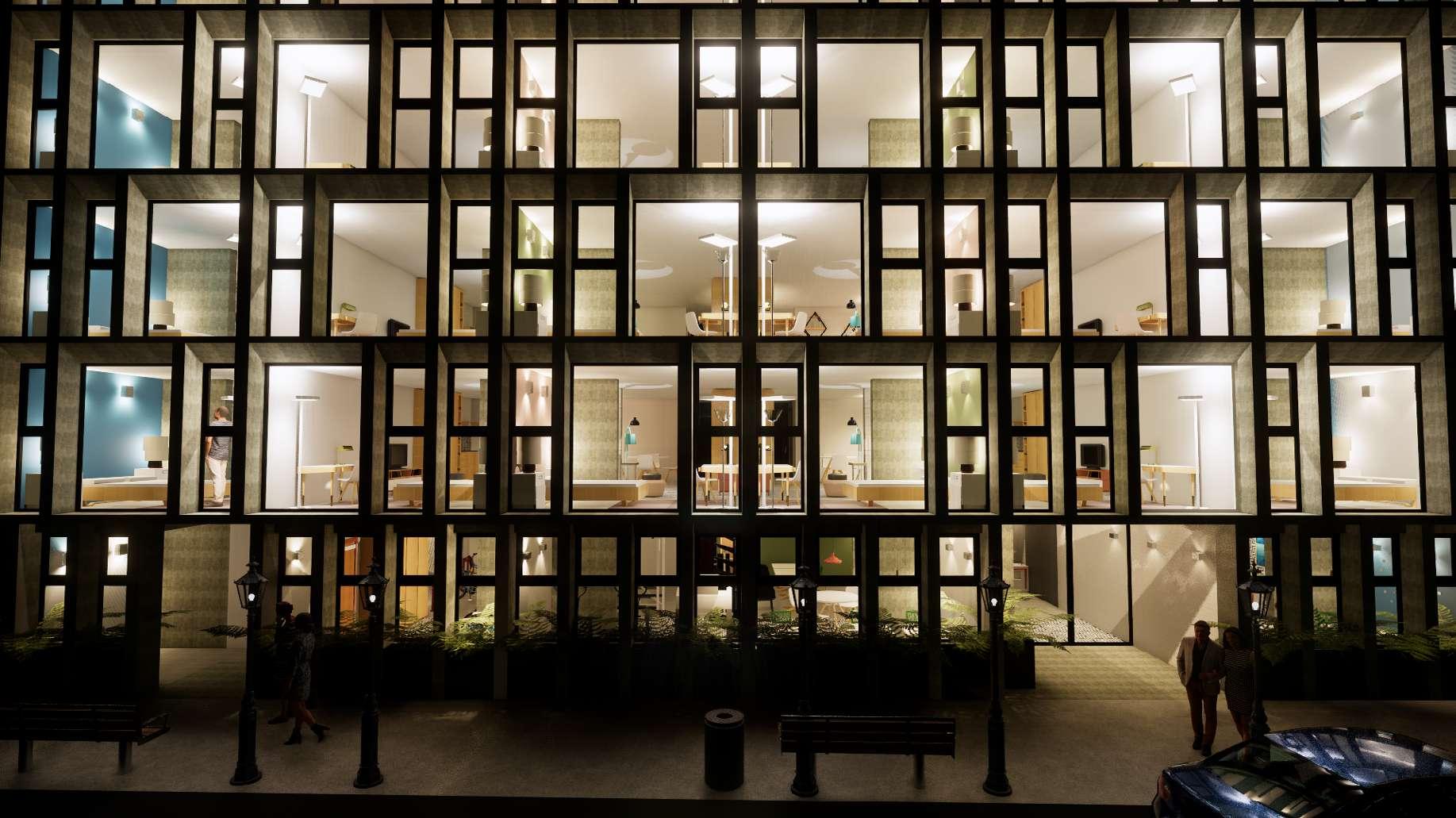
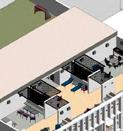
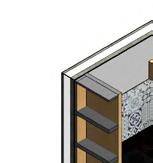
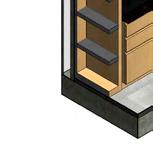
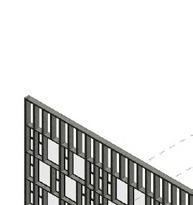
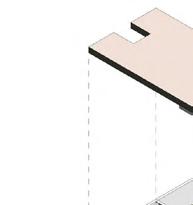
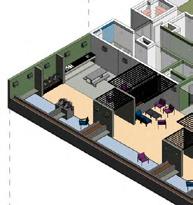
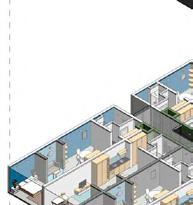
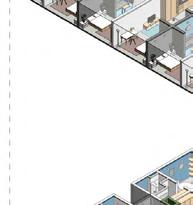
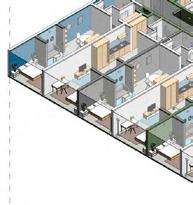
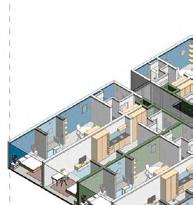
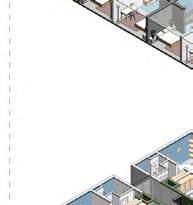
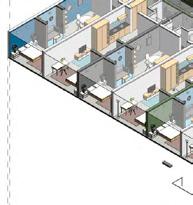
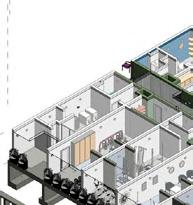
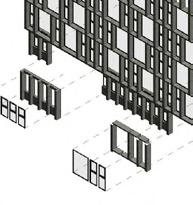
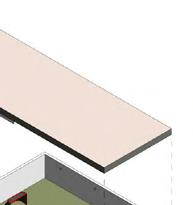
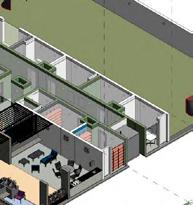
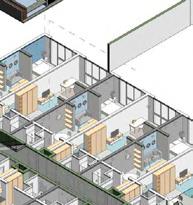
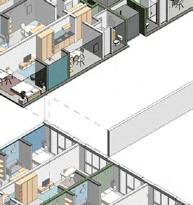
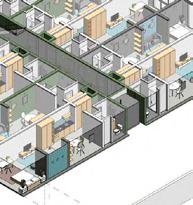
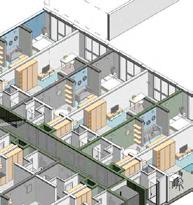
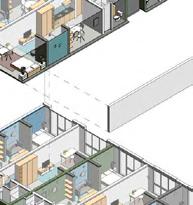
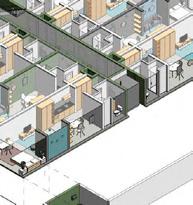
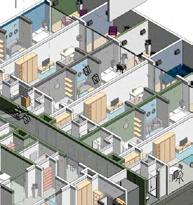
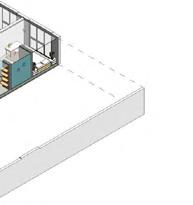
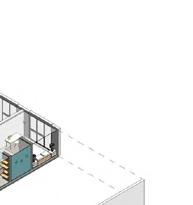
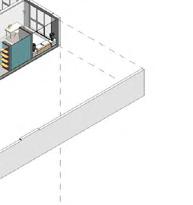
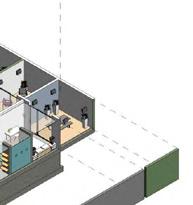
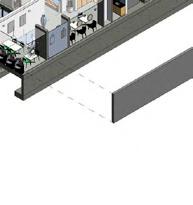
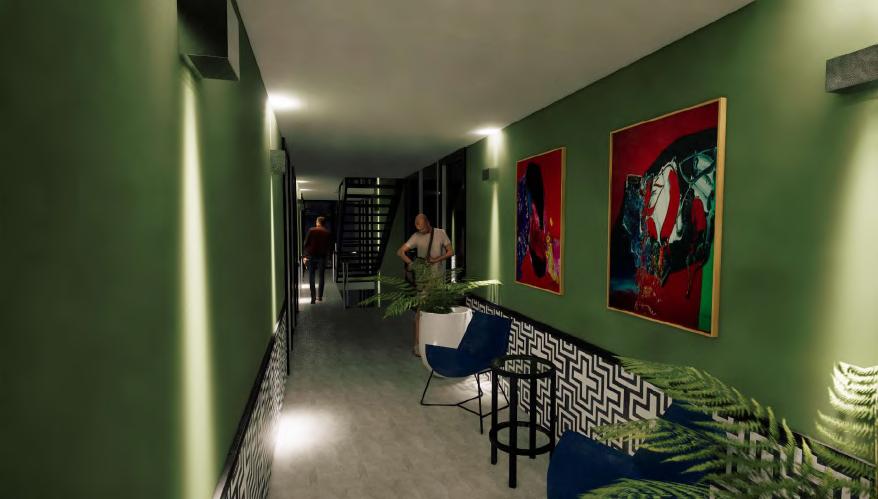
For the course I chose the NIU Coliving project by CRAFT architects and from its modeling I was able to obtain detailed documentation, perform solar and energy analyses, generate design and phase options, generate quantification and qualification tables for elements and materials, constructive simulations through NAVISWORKS, renders, parametric family design, among other tools offered by the program.
The completion of the course (110 hrs) grants a diploma with international accreditation granted by Autodesk.
Revit, Navisworks, Enscape.
Used software
2020
Training on Autodesk Revit use.
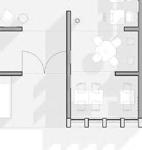
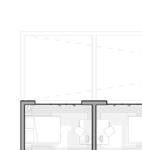
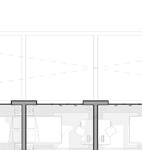
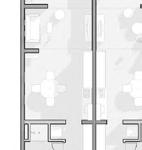
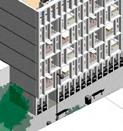
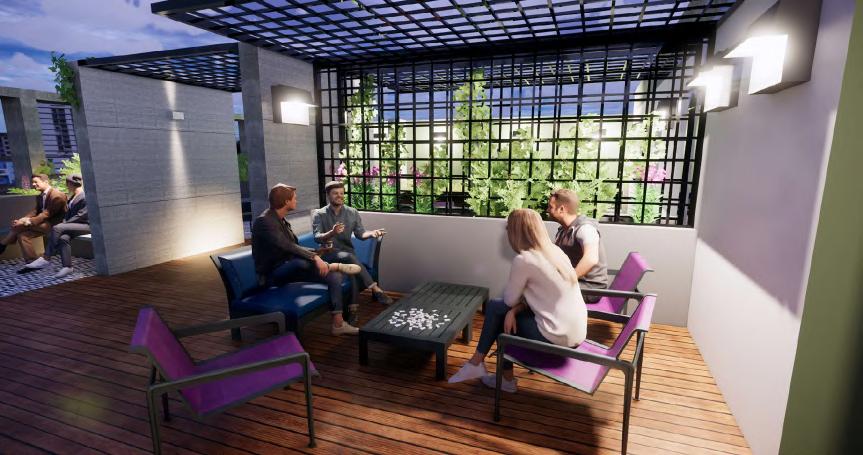
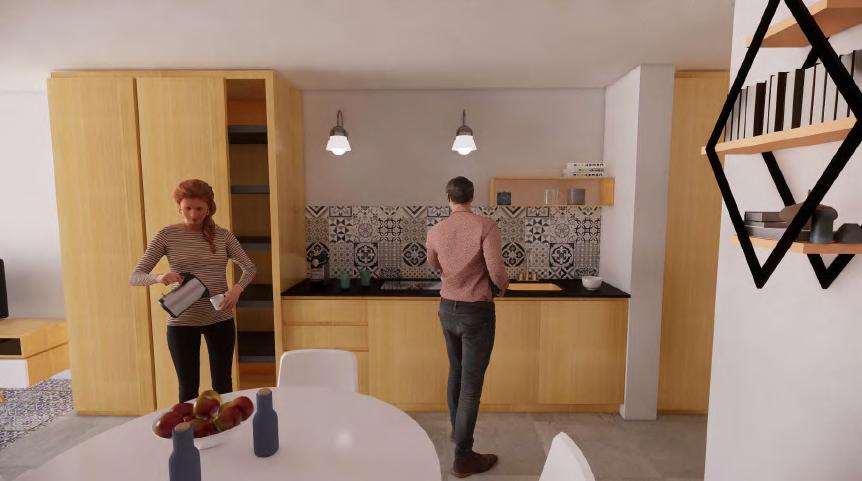
The project used for the modeling project was NIU Coliving, a 3500m2 residential building in Mexico, which seeks to generate community through inhabited space. This is achieved through the mix of independent room units, mixed with a variety of shared spaces generated for interaction and social exchange. All in search of generating a sense of belonging and an appropriation of the space that is inhabited.
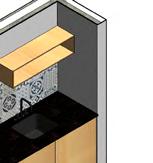
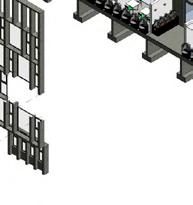
The development of the modeling and the application of the tools learned in Revit, through the NIU Coliving project, was quite interesting with respect to the modulation of the spaces, the initial management of groups for the repetition of elements of the residences, the application of different materials, colors and textures. Also the management of wall and floor structures, the development of families so that they harmonize with the spaces, in addition to the development of the modular facade that gives personality to the building and the interior spaces.