A Vote For Community Well Being

With the approval of a new 5 percent tax on most real estate
sales town officials in East Hampton Southold and Southampton expect millions of dollars to begin flowing in next year for affordable housing efforts On Shelter Island as of yesterday morning, the authorizing measure known as Proposition 3 appeared headed for defeat by a single digit margin, though ab sentee ballots could tip the current eight vote balance
Each of the towns must figure out how to use the money, de ciding, for example, to spend it as it comes in or to borrow against future income for larger initiatives Eligible expenses include low interest loans new construction rehabilitation of existing buildings and buying rental properties First time homebuyers would be ex empt; the tax would apply to purchases above $400 000 on deals up to $2 million and to the entire cost above $2 million Officials are contemplating zoning code changes that would allow for more cot tages and apartments on private house lots, among other things
There is a serious risk of misuse and political influence taking precedence over sound decision making Though advisory commit tees will review housing expenditures in advance, the ultimate au thorities will be the respective town boards who appoint the com mittees members This system may have worked in the case of land preservation but when it comes to funding actual development abuses may be difficult to avoid Indeed all over New York State government contracts have proven an endless source of corruption Why this should be any different is not clear
One way to provide additional oversight for the housing fund would be to require a planning board majority vote, not just on the details, but on the projects themselves; town boards alone are an in adequate safeguard
Time is of the essence, given the rate at which housing costs have grown relative to income on the East End In East Hampton, since 1999 the median income has risen by less than a half not even close to keeping pace with real estate prices doubling At present one quarter of households in East Hampton spend at least half of their income on housing and more than 70 percent of renters and more than 33 percent of mortgage holders at least 35 percent of their income This has created a profound wealth disparity in which sellers and landlords reap the rewards from the sacrifices of others This economic injustice affects everything from health care to educational success In such a rich area, we should be able to do better The 2 percent land and water preservation tax has proven a great success; now it is time to turn to taking care of our people
For the towns where voters favored the creation of community housing funds the real work begins now including making sure the money is spent wisely
Too Little Known On East Lake Buy
East Hampton Town needs to make clear what it is up to in buying a nearly 19 acre piece of vacant land off East Lake Drive in Montauk At least two people raised suspicions at a town board meeting last week that the plan was to trade the prop erty for county parkland elsewhere in Montauk where a sewage treatment plant could be built In the meeting board members did not dispute the allegation If accurately described by critics the plan should not go forward and at a minimum the town must explain what its goals are
The red flag for the critics was that the town board, which first voted in June to purchase the East Lake property with money drawn from the community preservation fund which carries strict limits on how land can be used abruptly switched to buying it with un restricted cash This would, in theory, allow a land swap with Suffolk County for a wastewater plant site It is highly unusual for the town board to have okayed a preservation fund deal then ice it for months only to suddenly change its mind in this way Much more needs to be known about what went on behind closed doors as a side note this could be a prime example of why absolute one party rule of Town Hall is not in the public interest
We and others have deep concerns about Montauk sewage treat ment, particularly any undertaking that would serve the present downtown Creating expensive infrastructure like this would only help keep in place the exposed and low lying commercial district, even though the town s own plan is for its eventual retreat from the shoreline to higher ground A solution to the wastewater problems there would produce more development pressure not less For ex ample health regulations that limit the number and size of guest units might no longer be applicable leading to a construction wave
To much fanfare, the town recently put forward a Coastal As sessment and Resilience Plan, which observed that sea level rise “will transform East Hampton into a series of islands with permanent submergence of low lying areas as early as 2070 ” Additional devel opment could put the cost of compensating property owners during a managed retreat from the shore beyond the town s reach, even with state or federal assistance A key concept in a plan would be the transfer of development rights if more and bigger buildings were allowed by sewage treatment options the price of those addi tional “rights” could make retreat impossibly expensive This could lead to calls for shore hardening structures which carry their own costs and can eliminate public use of the beaches
As elsewhere in town, sewage treatment proposals have followed the money, as opposed to putting the environment first Indeed, one of the ideas for paying for a Montauk project has been to tax busi nesses within a newly created district centered on the downtown area In East Hampton Village, a sewage plant is being talked about, also for the commercial center, with scant attention paid to where drinking water comes from and which water bodies such as Georgica Pond really need protecting A third and equally disturbing issue is the town’s willingness to remove land from the parks For example, a pair of ball fields off Pantigo Place in East Hampton were handed over to Stony Brook Southampton Hospital for a new medical center A supposed sub stitute for Little Leaguers and softball players at the far west end of town in Wainscott is inadequate and an insult to parents and fans going there from the hamlets farther east
The point is, we need to know what the town plans for the East Lake parcel In the absence of information to the contrary, what ap pears to be the case is unacceptable
Thursday’s Thought
FORBES Driving behaviors that got out of line during the pandemic for var ious reasons created a dramatic reversal of decades of steady progress in cutting U S traffic deaths which had seemed to defy a stubborn foothold of distracted driving and had benefited from the spread of more and more automated safety technologies in new vehicles
Remembering Gael Greene
The famed restaurant critic Gael Greene a for mer frequenter of the Hamptons as well as Man hattan and eateries everywhere, died of cancer last week at age 88 The first “foodie ” she coined that term in the early 1980s, spreading the word through passionate prose that seemed to conflate cuisine with concupiscence and sex As New York magazine s pioneering Insa tiable Critic” and a pal of mine in those years she changed dining out from a way station to a destination, a sensual experience to be savored, using words like supernal lush orgasmic A restaurant was like a play to Gael, theater in the round The first act was the entrance atmos phere, decor the set; the waiters were the sup porting cast; the stars of the show were appetizers and entrees the denouement just desserts
Before her, who would think to compare restaurants for the best lava cake fried calamari or pizza crusts, which she measured with sewing tape, or denounce even the most elegant estab lishments for poor service or tired lettuce? Okay Michelin, you say, fuddy duddy, but not for run of the mill dishes or restaurants they give stars or not Just a listing
She was a self confessed, sometimes shocking sensualist about sex and food her two loves lusts Great food is like great sex The more you have the more you want ” She remembered get ting a fried egg sandwich for Elvis not the sex that came first so much for poor Presley s rep On the other hand she revealed and reveled in her relationship with the porn star Jamie Gillis
Point of View
Still A Great Team
Jack Graves
They say it’s “the beautiful game ” and yet some teams that play soc cer in a less beautiful even ugly fashion, can win as often as not as Half Hollow Hills West did here on Halloween through untrammeled will I wouldn’t argue that soccer refs be whistle happy, as I think those in field hockey games are but surely more could have been blown in East Hampton s favor during its crushing 1 0 semifinal round playoff loss It doesn t seem coincidental that I’m writing this on its morrow, the Day of the Dead
As the players stood around afterward, despondent in the silence I said that it was still a great team In fact, I had won dered earlier in the season if it weren’t East Hampton s best ever, but perhaps the 2014 squad led by Nick West Esteban Valverde, and Bryan Oreamuno, was But if you remember it was pretty clear that East Hampton s 4 2 loss to Greece Athena of Rochester in that year ’ s state fi nal was preordained given the absence of
Sex was food Food was sex “I have been se duced and I have seduced But this, dear friends, and gentle mouths this was a Seduction ” I was lucky to have the pleasure of being a regular on the Greene Team, an ever changing gang twice a week while she reviewed restau rants from North Sea s Coast Grill to Le Bernardin once New York’s premier seafood restaurant (She was dating a co owner, chef Gilbert Le Coze and stopped talking to me for months after our visit when he flirted with me ) All I had to do was bring my appetite Clay Felk er was paying!
And here’s how it went Gael herself made a reservation a week ahead but under an alias (sometimes using the name of her ex husband, Donald Forst a top newspaper editor in New York, Boston, and L A ) but always for a party of six the perfect review crew: Gael’s companion my date, another couple It could be any type of cuisine newly opened old reliable anywhere Always a surprise She wore a broad brimmed hat hoping to hide her face anonymity paramount just the aver age Joe customer, special treatment would skew the deal (Although savvy owners many of whom she knew quite well, had her picture tacked to the wall as she grew more powerful able to make or break a reputation ) Stately, hefty, she was a presence even undercover “In my life I’ve easily lost 500 pounds but for some reason they keep finding me ”
The review began the moment we entered what was our first impression of the ambience? Old fashioned Italian Chianti bottles hanging from the ceiling, the obligatory painting of a sea side boat red checked table cloths cozy or mod ern, chrome cold How it felt to you mattered to her set the stage
I d go over to the maitre d to announce our presence, and she timed how long it took from arrival to being seated Woe if we had to wait more than 15 minutes, her limit First, we d order the house red and white wines a true test of the wine cellar; Gael s palate was legendary We d ask for bread and in a second know if it was going to be ordinary you could tell by the texture, the first bite or as good as Zabar’s the gold standard Her fave: Italian coarse whole wheat
Then, the waiters, a category of their own Surly: surely French Bubbly reciting a whole list of specials by heart, friendly: likely an out of work actor Romantic: inevitably Italian (A footnote: When Gael did a three part piece, “That’s Italian ” covering every Italian restaurant in all boroughs, I gained 10 pounds pizza, pas ta deadly Once when I mentioned that it was the first time I d ever been in an Italian restau rant where the waiters didn’t flirt, the line made it into her piece ) She d visit a restaurant three times to make sure everything had been sampled If this was the first, guided by Gael s sure hand and our Continued on B6
The Mast Head A Good Point
Out of seemingly nowhere Monday, my 12 year old told me in no uncertain terms that I was not allowed to vote for anyone who was not a minori ty ” We were on the morning drive to school, passing a thicket of polit ical signs in Amagansett, Ellis buried in TikTok and I worried about the election Who should I vote for? I asked, not expecting an answer other than Zeldin, intended to get a rise out of his dad I had to think; only one or two people of color came to mind What about a woman? I said “So long as she’s a minority ” Ellis said I was stumped, and this struck me as a real problem
From smallest to largest, nonwhite or Latino representation in elected positions of government is not where it should be, despite unprecedented demographic shifts In East Hamp ton Latinos made up more than a quarter of the population in the 2020 census; there has been only one Lati
The Shipwreck Rose
no member of the town board and one on the village board, both women it is worth noting
On this year ’ s ballot, Antonio Del gado, who won as lieutenant gover nor met Ellis’s stiff requirement as the first Latino to win statewide of fice He is African American, Cape Verdean Mexican Colombian and Venezuelan Okay, Ellis said when I mentioned him I was not able to probe deep enough to know where Ellis had come up with his one point criteri on However since he entered middle school in East Hampton this year in seventh grade his per spective has demonstrably widened On the football sidelines, he clowned around with boys whose family backgrounds were in Central and South America At night when he plays computer games, he and some of the same kids jabber with one another over their headsets Did one of them give him the idea or did he come
Keeping Time

One of my great pleasures is perusing old cookbooks to see how people ate and en tertained in other eras Illustrations showing how to cut paper anklet frills to adorn the shins of roast fowl; the development and rise of Pyrex in the church casserole covered dish years of American dominion, the origins of “country captain,” a chicken and currant curry from down South all of this is delight ful to me I have never been able to come up with a physical or geo graphical “Happy Place” when urged to visualize myself in mine by a yoga or meditation teacher; but be tween the pages of “The American Heritage Cookbook (1964) on the daybed on a quiet afternoon when no neighbor s yard man has cranked up a leaf blower and I have an iced tea on a coaster by my elbow The American Heritage Cook book” is my Happy Place And those little booklets of recipes published 100 years ago by King Arthur Flour or Kraft I just love those The things they used to
Gristmill
do with Jell O frankfurters and mayonnaise! Toothpicks these days don t get no respect, but in 1955, a party wasn’t a party without a cen terpiece of cheese or sausage bites stuck on toothpicks fashioned to look like a 3 D pineapple or a pig The recipes can be pretty comical, of course but my main purpose in reading them isn’t the chuckles It’s the time travel element
I have a favorite history of Christ mas cookbook that explains how mincemeat pies today a little dessert made of chopped fruit and nuts and, by the way, scrumptious, if you haven t tried them began in medieval times as beef minced with lard and preserved with expen sive show offy spices from the Ori ent I have many many early 20th century cookbooks that illuminate how “cocktails” came into fashion in the 20th century when the word could refer to any sort of festive, sin gle serving first course mixture from a beverage of clam broth and

Going Up the Country
Ijust discovered the freaking American Paris Call me a fool, but such was the glittering ef fect of the lampposts and strung lights along the Oswego River lead ing out to mighty Lake Ontario, to say nothing of a particularly well preserved amply bricked upstate downtown There didn’t even seem to be any vacant storefronts in Oswego, only the taverns and coffee shops of a ro bust civic life, the plentiful plate glass reflecting what was a confi dent and forward looking 19th cen tury America
But Paris Remember that episode of The Honeymooners when Ed Norton hopes to win the Raccoon Lodge costume contest by dressing up as his hero, the Frenchman who “designed and built the sewers of Paris ? Oswego and environs have their own even more impressive feat of civil engineering, the Erie Canal, any mere sighting of which produces a schoolboy rush of excitement
As a product of a Long Island pub lic school a tiny one I suppose we were taught something about the
roughly 350 mile canal a project more audacious and more useful than putting a man on the moon That les son plan would’ve been hard to screw up But when it comes to New York State history and geography, that was about it How was it for instance that it took me until last year to learn of the vast gorges and surging waterfalls of Letchworth State Park “the Grand Canyon of the East ? My explanation is in the country’s crazy, multilayered federalism We can t get past the regional, the little fiefdoms At times I’ve wondered why we didn t take it to its logical extremes because sometimes they are indeed logical of course breaking Peconic County off from Suffolk made sense And so did Long Island as its own state It s un to itself in almost every way Zoom ing in a bit Southampton Town is simply too big, too cumbersome, and the distinct western half should’ve been lopped off at the Shinnecock Canal a century ago Final thought on my first thought
NOVEMBER 10, 2022 BLetters Real Estate Business E D
I T O R I A L S
GUESTWORDS: By Susan Israelson
Continued on B6
COMMENTARY
Susan Israelson, a native New Yorker, summers in East Hampton and winters in Palm Beach She is the author of Water Baby, a novel, and co author of “Lovesick: The Marilyn Syndrome ”
The road made by walking
Durell Godfrey
Continued on B6 Continued on B6
Continued on B6
All Who
Dear David
Served
East Hampton November 7, 2022
This Veterans Day, I wanted to ex press my heartfelt appreciation to the East Hampton Town Board This past week it approved designating one park ing space at each of five town parking lots to be reserved for veterans and ac tive duty military personnel The reso lution, advanced by Councilman David Lys was unanimously approved by the board to pay homage to all veterans and active duty military who have selflessly served their country as members of the Armed Forces ” On behalf or all of us who have served or are currently serving our nation thank you so very much
Sincerely, JAMES G LUBETKIN Adjutant Veterans of Foreign Wars Everit Albert Herter Post 550

Around Town Pond
Southampton November 7, 2022
private partnerships including a commu nity preservation fund grant Surfrider Foundation grants, in kind donations, and private funds
Considering our learned experience with the Village Green we included a two year maintenance plan in the Methodist Lane proposal We are cur rently exploring ways to continue the maintenance program through a volun teer program and paid professionals I think it is important to the success of any new plantings of this nature that profes sional maintenance and volunteerism working side by side be part of the pack age The village and Ladies Village Im provement Society should start allocating funding to these areas that have become integral to the beauty of the village TONY PIAZZA
Brooks Park Center
Amagansett November 6, 2022
Dear David:
I m writing regarding a recent article referencing future plans for a planting around Town Pond I designed and in stalled the bioswale planting on the Vil lage Green and the Methodist Lane meadow bioswale complex I have plen ty of experience with the implementa tion and end results of such initiatives It’s great to hear that the Town Pond area is being considered for an upgrade to its current state
I thought I should publicly weigh in on the issue of ongoing maintenance Plantings of this nature will require con siderable maintenance Allowing “ na ture to do its thing will only be allowing the nonnative invasive weeds come back with a vengeance Sadly, our local ecosystems have degraded to the point that nonnative invasive plant material has gained the upper hand My company maintains the village green planting about three times annu ally We do this work without charge as a donation to the village We stopped maintenance for one year in 2020 and al most lost the planting to mugwort, dock, and other weed intrusions I too was hoping that nature would do its thing, but it didn’t work
Interesting to note the native hibiscus that was planted in the Village Green bioswale is thriving so much so that it seeds throughout and is becoming rather “weedy ” requiring an annual thinning Both projects are funded by public
Dear David
On Saturday, over 100 guests heard a compelling talk by Mike Solomon an artist and art historian, at the 30th Annual Landmarks Luncheon sponsored by the Ladies Village Improvement Society Mike’s talk focused on the life of the Ab stract Expressionists James Brooks and Charlotte Park and speaking from his personal relationship to the artists, and how they lived and worked on the 11 acre property nestled in Springs
For many years, efforts to save and re store the studios and house of these two important artists has been underway, and it is with great sincerity that the Brooks Park Arts and Nature Center Committee dedicated to this project thank the L V I S , with special thanks to Rachel Cooper the landmarks chair woman, and Jeanne Hutson for organiz ing the event and introducing the Brooks Park Arts and Nature Center to the community We would also like to thank Christine Berry of Berry Camp bell Gallery for sponsoring the event In time, and with the valuable support of all those who attended the presenta tion the Brooks Park Art and Nature Center will offer the community a dy namic campus for arts related events and enjoyment of the natural world sur rounding the buildings in which James Brooks and Charlotte Park worked Both artists were dedicated and unique natu ralists, and the future restored property will encompass their love of nature as well as art
To all who attended thank you for supporting this effort and we look for ward to seeing you at future events
If you would like to learn more about the BPANC please email us at bpart sandnature@gmail com and visit our website at: brooks parkarts com
Kindly
JANET JENNINGS
Lack of Rules
Amagansett
October 19, 2022
Dear David, It seems like the rules governing the massive home construction sites need to be enforced not ignored On my cor ner at Atlantic and Bluff in Amagansett (a historic district haha) there are two huge houses being built I am not against the redevelopment of this cor ner; the problem is the lack of rules and enforcement on the development of these huge homes
The contractors are parking 20 trucks each day all over the street damaging town owned and private property Drive anywhere in town and observe stakes fences fiberglass poles etc put out by people trying to protect the aprons, driveways, and drainage around their homes from construction induced illegal parking Big credit to the Highway Depart ment When we reached out to Superin tendent Steve Lynch before the big storm in October a few trucks were there in the morning digging out the damage and vacuuming all of the silt produced by these construction sites, out of the im pinged drains Otherwise, my property would have been flooded again
It is time for the town to institute real rules and enforce them about drainage site limiting fences silt con trol and impact fees so the municipal infrastructure can cope
By approving these huge develop ments in historic areas, can we at least expect that the trees, bushes, and aprons around homes are not illegal parking lots for mid Island trucks and the infrastructure systems are upgraded as a condition of approval not degraded by truck tonnage and then the perp leaves town? At the moment we hold the bag That is a no!
JOHN MANNIX
Ten Ton Gorilla
Hi David
East End I recall several times consult ants were brought in to examine our sit uation specifically Every time they sug gested allowing for accessory structures and mother daughter type apartments, of course, with both being permitted and consistent with code for safety There were other suggestions as well none of which were put into play So I have to ask: Do you really want to tackle the 10 ton gorilla in the room? Allowing for ac cessory structures and apartments will not only allow young people to afford housing but also supplement income for retirees therefore maintaining a balance in our community of all different ages and all different stages of life It is counterintuitive for the town to dictate parameters around how much square footage or how much rent some one can charge if you really want to tack le the 10 ton gorilla As a bonus these suggestions would not cost the town, the taxpayers, or the next generation of buy ers any money at all and most impor tant it would make an immediate im pact on sorely needed affordable hous ing Imagine immediate results at no ad ditional cost What could be better? There are so many layers to this and so much we can do Why not start with what the experts suggest?

So again I ask, do you really want to tackle the 10 ton gorilla or do you just want to keep examining it every year and taxing even further the next gener ation of buyers?
Thank you JUDI A DESIDERIO
Their Fair Share
Calverton October 31, 2022
The way the existing law is written property assessment assessors who are well aware of the inequities cannot by themselves fix the gross unfairness that exists with obsolete assessments, some of which are almost 100 years old It re quires the municipality themselves to bite the bullet and have the political courage and ethical obligation to man date reassessment, even if the cost of do ing so is high Unfortunately because of so much misinformation and the high cost, their moral and ethical obligations take a back seat
For example, Riverhead has over 17,000 properties, and it s been 43 years since the last overall assessment
A good part of the problem is the use of fractional assessment vales that ap pear on the tax bill which causes prop erty owners to incorrectly believe it is what the town thinks is the true value
The only people who benefit from the existing law are under assessed property owners lawyers tax appeal companies and politicians who receive contributions to maintain the unfair and unethical state laws
Who is it that cannot believe trust in the law and government is necessary to make America great!
LEOPOLD MONTAGNA
Window for Appeal
Dear David
East Hampton Village November 3 2022
Affordable housing has been the topic of discussion for the entire 37 years that I have been a real estate broker on the


To the Editor
Long island voters need to be better informed about the gross unfairness that exists in the New York State property assessment laws Simply put it might come as a surprise to some Reassessment is a way to ensure one neighbor is not forced by law to pay an other neighbor’s taxes It does not mean your taxes will increase, only those who are under assessed will be forced to pay their fair share
Wainscott November 7 2022
Justice Baisley ruled against the town regulating its own airport The airporters are ecstatic while the rest of us are ever more determined to end this scourge of pollution (air, water, noise) It is incum bent on the town to appeal the ruling at once I am told by attorneys there s a 30 day window for notice of appeal, expiring Wednesday If the town supports the reg ulation its citizens demand, there must be an appeal, in addition to other means of ever more necessary regulation
BARRY RAEBECK
November 7 2022
To the Editor, The easiest thing to do is make a phone call, then you get a meeting Then you ask a question Now we wait for the answer
Still here, JOE KARPINSKI
Dated Fairy Tale
Dear Editors
Medford November 7, 2022
I am writing in response to Judy D’Mello’s “One Couple’s Journey to Adoption (Nov 3) In it, she writes that Nov 9 World Adoption Day hopes “to lift up all voices in the adoption com munity, to share your story, to reflect on your adoption journey and to connect with those touched by adoption As an adult adopted as an infant during the ba by scoop era who has reunited with my family of origin I no longer wish to be part of the dated fairy tale this article is set up to become
The voices who wish to celebrate adoption as an answer to abortion, infer tility and yes even queer parenting are very loud indeed The silenced voices are the ones who cannot celebrate adop tion: the traumatized infant who suffers the effects for a lifetime and the preg nant mother who, without the means to support her child must relinquish out of desperation, not choice Her scars last a lifetime, too
Am I not the only reader confused by the story s title and pleased by the un expected happy ending here? The anonymous young mother had the strength to stand up to the system the money, the attorneys, and potential adoptive parents’ pressure and keep her child to raise herself Studies show that most women wish to keep their children and only lack of financial means holds them back
Those who wish to give $20 000 or $50,000 to attorneys, like the well meaning couple in this story should be glad their fairy tale quest ended this way Study after study shows adopted people have twice as many suicide attempts, higher rates of psychiatric disorders, sub stance abuse and eating disorders than non adopted people
The popular notion that babies are better off adopted by genetically unre lated people of higher financial status is being debunked in study after study Saving Our Sisters is an organization that helps pregnant mothers come up with solutions to parent their babies, rather than try to extract a precious commodity from them Groups that truly give voice to those most affected like Adoption Healing Network and Adoptees Con nect are voices I prefer to hear on World Adoption Day
Sincerely KARIN FALCONE KRIEGER
Ninety Days
Plainview November 4 2022
To the Editor How does State Supreme Court Jus tice Richard Ambro justify sentencing Daniel Campbell, a hit and run killer, to a mere 90 days in jail for stealing almost 90 years of life (well, at least 60, 70, or 80) from Devesh Samtani 18 when he was killed? Continued on B4
Veteran Hamptons real estate agent Bill Stoecker offers personalized service with deep-rooted local knowledge of the East End real estate market. With his extensive expertise and financial acumen, Bill easily navigates the high-end rental market and strategically negotiates the most challenging luxury real estate sales deals time and time again.


Thinking about selling your property? Looking for your next Hamptons dream home? Call Bill.
WILLIAM R. STOECKER
Real Estate Salesperson 516.818.4904 (c) | 631.324.8080 (o) BStoecker@TCHamptons.com
The East Hampton Star November 10 B22022 FOUNDED IN 1885 I PUBLISHED EVERY THURSDAY Helen S Rattray Publisher David E Rattray Editor I Carissa Katz Managing Editor Jennifer Landes Arts Editor Christine Sampson Deputy Managing Editor Mark Segal Deputy Arts Editor Baylis Greene Associate Editor Jack Graves Sports Editor Irene Silverman Editor at Large Christopher Walsh Senior Writer I Durell Godfrey Doug Kuntz Craig Macnaughton Contributing Photographers I Min Spear Hefner Advertising Manager Jane Bimson Zachary Zunis Sales Representatives I Robin Rea Business Manager Jane Bimson, Office Manager Paul Friese, Production Manager Russell Bennett, Classified Manager and Customer Relations I Helen S Rattray, Editor, 1980 2003 Everett T Rattray, Editor, 1958 1980 Editor and Publisher, 1974 1980 Jeannette E Rattray, Publisher, 1954 1974 Editor and Publisher, 1954 1958 Arnold E Rattray, Editor and Publisher, 1935 1954 Bertha E Boughton, Publisher, 1916 1935 Welby E Boughton Editor 1918 1934 Lewis T Boughton Editor 1916 1918 Edward S Boughton Editor and Publisher 1890 1916 George Burling Editor and Publisher 1885 1890 I The Star publishes ever y letter to the editor it receives exclusively with the exception of those sent anonymously, or those judged to be proselytizing, an in vasion of privacy libelous or obscene Letters that are copies of those sent to public officials, contain lengthy quo tations or are press releases addressed as letters will be handled as appropriate Writers are directed to make use of The Star s free Cards of Thanks when more than three individuals or businesses must be listed All letters, including those sent by e mail, must carr y a street address and phone number for verification with “Letter to the Editor:” on the subject line Address: letters@easthamptonstar com EAST HAMPTONBRIDGEHAMPTONSOUTHAMPTONWESTHAMPTON BEACHMONTAUKMATTITUCKGREENPORT TOWNANDCOUNTRYHAMPTONS.COM
EXPERIENCE SELLS.
a Call Amagansett
Make
Since 1885 Get East Hampton? (We do.)
Harvest time Durell Godfrey


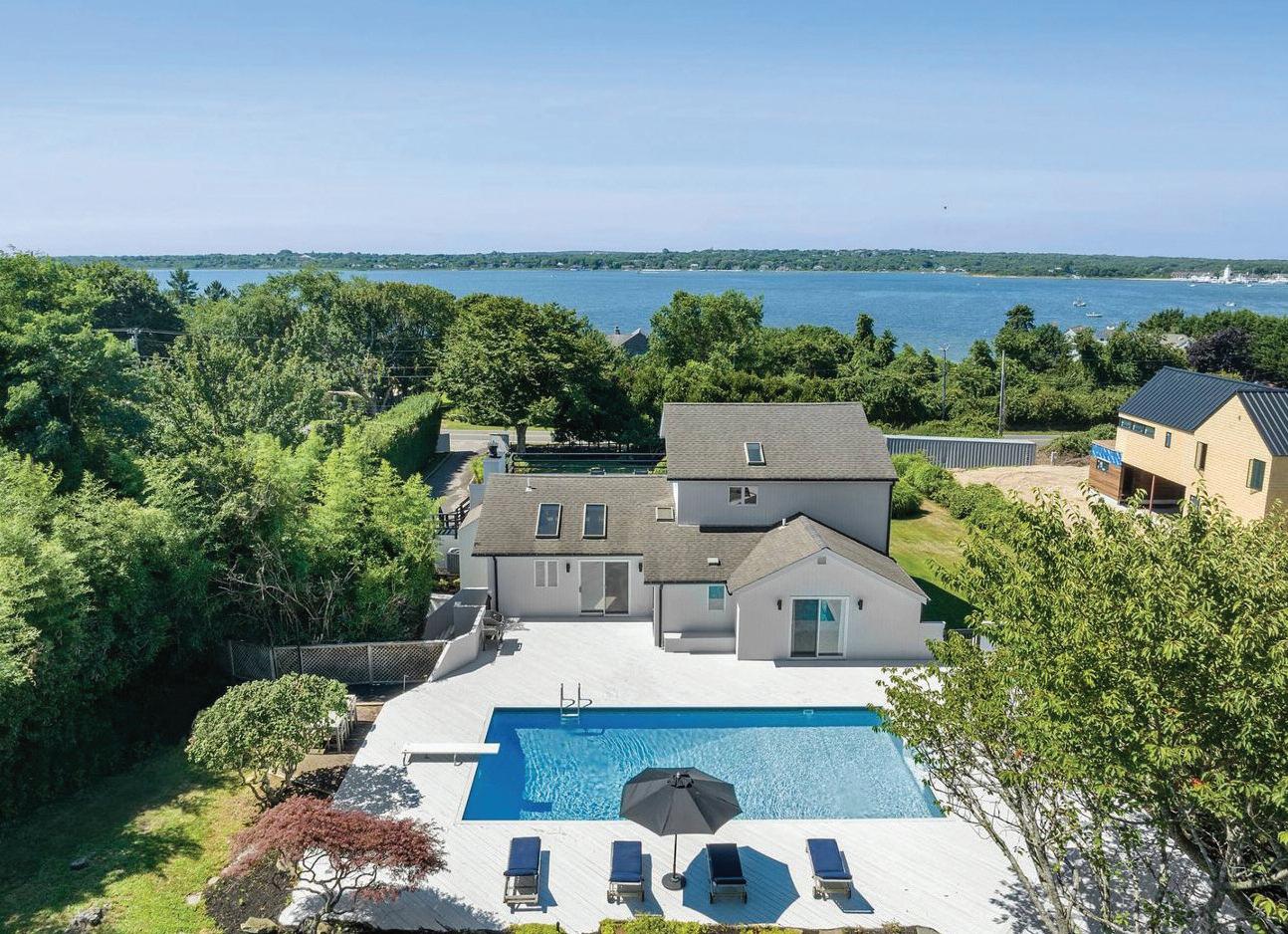

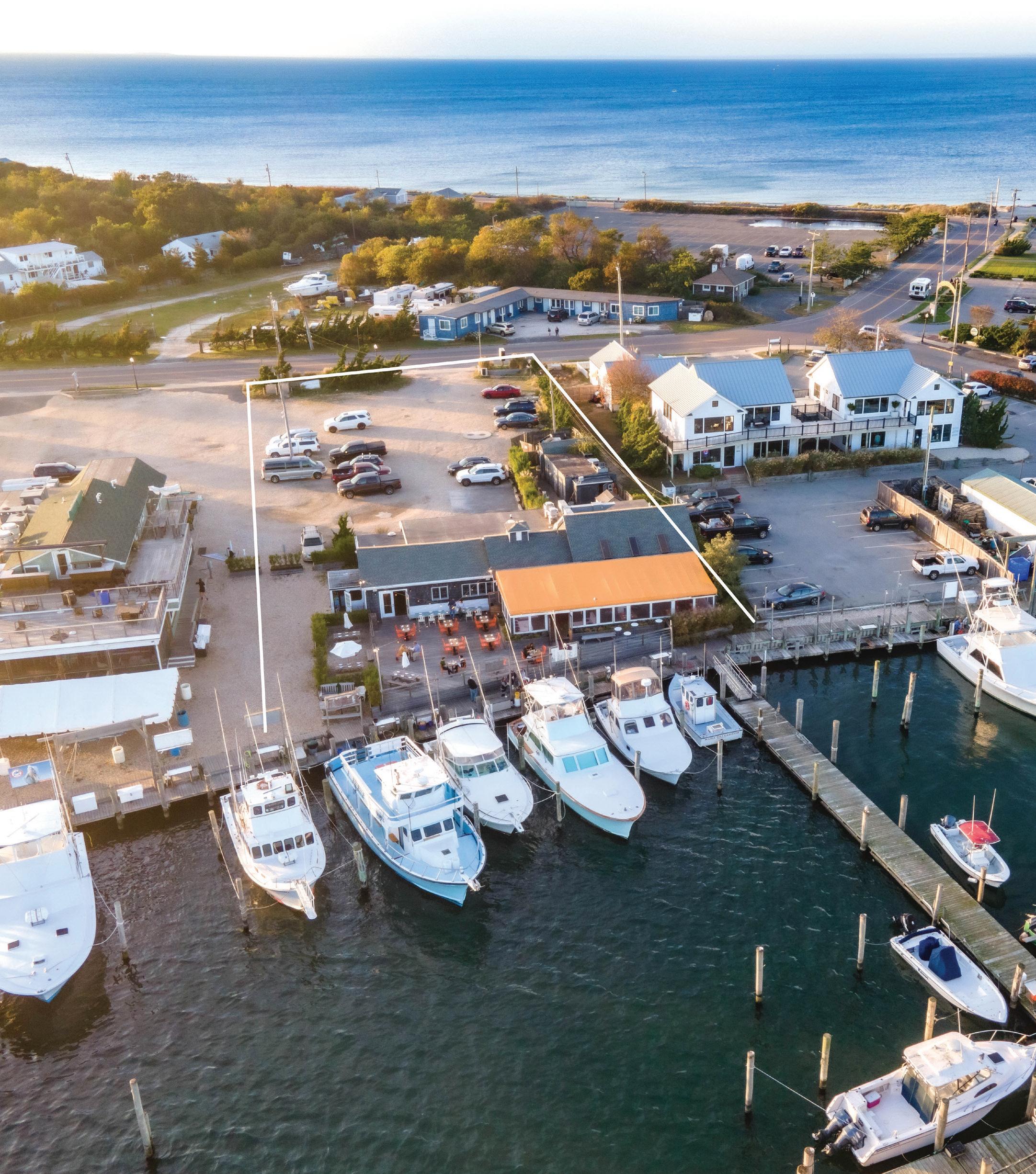

TB3 he East Hampton Star, November 10, 2022 EXCLUSIVELY FOR SALE CHRIS COLEMAN Licensed Real Estate Salesperson M: 516.445.1513 O: 631.668.2000 chris.coleman@compass.com montaukcoleman.com montaukcolemanrealestate 474 West Lake Drive, Montauk • $8,500,000 11 Fairview Road, Montauk • $5,385,000 324 East Lake Drive, Montauk • $3,850,000 4 7 4 W e s t L a k e . c o m 1 1 F a i r v i e w M T K . c o m 3 2 4 E a s t L a k e M T K . c o m
Ninety days is only about 4 percent of the up to seven years in prison that the single criminal count (leaving the scene of an accident resulting in death, a class-D felony in New York State) is punishable by. And Daniel Campbell didn’t even have the “excuse” of having been drunk or high on drugs to explain how he could have driven his car right into Samtani.
Those 90 days in jail work out to approximately 18 days for not having been watching the road in front of his car and hitting Devesh with it, plus 18 days for leaving the scene of the accident, plus 18 days for never calling 911, plus 18 days for never taking himself to the police station, and 18 days for admitting to the police (who had to go to his home in order to arrest him) that “To be 100 percent honest with you guys, when I looked at the damage, I thought I killed him.”
And does Justice Ambro think a token fine of $2,138 is sufficient “payment” for taking the life of an 18-yearold who had only experienced about 6,700 days of life because that works out to about 30 cents a day!
Finally, once Justice Ambro learned in a Sept. 8 letter from the Suffolk County District Attorney’s office about Daniel Campbell’s prior dangerous-driving record in which he “racked up a catalogue of reckless driving violations ‘that included causing a head-on crash in White Plains in 2021 after going the wrong way down a one-way street and getting caught speeding just weeks before the Amagansett accident.” Why didn’t Justice Ambro throw the book at Campbell?
If Daniel Campbell ever drives and kills another pedestrian after his sixmonth jail “vacation,” the victim’s blood will figuratively be all over Justice Ambro’s hands.
RICHARD SIEGELMAN
Speaks Volumes
To the Editor:
bills, health care, and other stuff like energy bills? Are you so exhausted you can’t think more about it?
We are stripping ourselves of our actual wealth — our time, money, and our good character — to accommodate this outrageous behavior of self-serving autocrats seeking to weaken our true democracy.
Who knows how much bickering is ahead of us during the time of vote counting, and who will actually prevail? Will there be ugly lawless challenges, or peaceful transfers of power? Do we have a realistic chance to see our democracy survive? Can the real work of government resume so it can accomplish those manifold important issues that one could almost hear through the chaotic political din? If we had listened carefully, most folks of both parties actually agreed upon most of the big issues that need immediate attention.
Now is no time to relax and celebrate, no matter which side you are on, and no matter if your favorite issues prevailed or failed. It should be obvious by now that the last seven years has been a period of terrible disruption politically, medically, economically, here and worldwide. No single domestic politician, whether Democrat or Republican, or international leader, or authoritarian dictator, has the ability by himself to create such chaos. We must recognize that there is a collective disorder in the universe that is moving everyone worldwide in a very dangerous, destructive direction.
Here in the United States, we have a history of leading the world in the ideals of democracy, but recently we have become more focused on greedy self-serving autocracy and now find ourselves tempted to follow the dictates and examples of ugly, power-hungry international authoritarian regimes.
It’s time to reassess our thinking. We can fight among ourselves and fail as a leading nation or regroup our strengths and ethics to resume our respected position as a successful democratic republic. With wishes for the return of our civility and sanity,
Amagansett November 5, 2022
Shame on Manny Vilar for calling Bridget Fleming a “radical extremist” in his letter to last week’s Star. I voted for Ms. Fleming but, goodness, she is a mainstream Democrat, just somewhat left of center from where I stand.
Mr. Vilar’s rhetoric speaks volumes. At the height of political pragmatism and tolerance in parliamentary systems in the 20th century in England, France, and elsewhere, people of radically inconsistent political faiths served together in a world of loyal opposition, certain, despite the deep differences in their politics, that they belonged together and could make the system work. Our Constitution also is based on a premise that we all belong together, although it seems to have been more of a struggle here to remember that.
Calling someone a radical extremist screams that they should be ejected from the system, not merely by electoral defeat, but by any means necessary, including violence. Mr. Vilar is, unfortunately, a very typical Republican today in the incipient violence of his routine rhetorical excesses. Who then is the radical extremist, Ms. Fleming, who is looking for a fair electoral fight, or Mr. Vilar, who doesn’t want to be in the same country and system as her?
An interesting sidelight: Last Thursday at early voting at Windmill Village, the staff confirmed that there had not been any Republican poll watchers all week. Did the Republicans not have the volunteers needed? Or are they holding themselves out of a system they will feel free to accuse of fraud later?
Sincerely, JONATHAN WALLACE
Anti-Democracy Plan
Dear David:
North Haven November 7, 2022
Three hundred-eight Republican election deniers are running for office this midterm election. Many were strategically placed through vigorous primary challenges, heavily financed by right-wing zealots. These candidates are obviously beholden to Ex-Potus’s antidemocracy game plan.
With powerful right-wing support, these candidates are expecting an easy road to power, winning seats that will give them extraordinary power to affect future election outcomes and rules.
This is dangerous gimmickry, far from established democratic process.
Almost $17 billion ($17,000,000,000) was squandered on media for negative midterm campaign food fights, tons of false accusations and pathetic attempts to defend from them. There was no room for presenting honest platforms, or discussion. Can you imagine where all that money went? I doubt Democrats got any, but the media certainly profited, stashing it in tax-friendly circumstances. Anyway, the frenzy of nasty election behavior is mostly over by the time you read this. If you have any money left, not yet squandered on campaign donations, can you pay for your rent, food
Recovering the Past: A Star Contest
Ronald Reagan had several years left in the White House when this photograph of a Veterans Day flag-disposal ceremony was taken. A Star or East cap will go to the caller to 631324-0002 who can name some or all of the participants. ✩ Rob Byrnes knew that last week’s man with a machine gun was former East Hampton Town Police Chief Bill Jacobs. ✩ Nesya Tibbets spotted Michael Cain, at rear, and Eric (Whitey) Peterson at a Maidstoners softball game in the Oct. 20 Star; the runner on base remained unidentified.


late-term abortion. Trust me, I am proabortion, but not at eight months.
America is failing at the moment. Putin is laughing at Biden. Thank you, Biden voters, for spending billions of dollars on Russian fuel to support the attack on Ukraine. Why? Because Biden voters wiped out the possibility of us being fuel-independent again with your failed vote.
Remember, Democrat states want to defund the police. Zeldin backs the police and will fund policies to take back our streets. We need our police fully funded.
ANTHONY CORON
True Intention
To the Editor:
East Hampton November 7, 2022
This is the information from National Public Radio: David DePape isn’t from San Francisco; he lives in a nearby city called Richmond. He attended pro-nudism rallies in 2012 in San Francisco with noted local nudist activists. And while that may make him sound like a bit of a San Francisco hippie, blogs he published online show he took a rightward turn in recent years, embracing QAnon conspiracy theories. That connects with what he told police after the attack. He said he was punishing Nancy Pelosi for what he called Democratic Party lies. DePape’s true intention was to kidnap Speaker Pelosi, torture her, and see her rolled in a wheelchair in front of Congress.
Charging documents revealed he had zip ties he intended to use to restrain Paul Pelosi, along with rope, a roll of tape, an extra hammer, and a pair each of rubber and cloth gloves. So if you are riding the bandwagon, the concrete proof is the confession from DePape.
Stop printing letters that are stating information that is not supported by facts. For instance, how do we know Mr. DePape was never a Republican, or he didn’t support the Jan. 6 insurrection, or is not politically motivated? The information above is from one of the most unbiased news organizations.
And finally anyone who thinks the Democrats are the ones inciting violence lives in an alternate universe. I and many others just want the truth. Is that so difficult?
Thank you!
DEBORAH GOODMAN
Going to Run Out
Montauk November 1, 2022
To the Editor, We got to vote on Tuesday without the virus restrictions that China gave us so they didn’t have to deal with four more years of a Trump presidency. Enough said about a B.S. stolen election. Let’s get down to what you can expect from a Democratic vote on Tuesday: more unprecedented and unpunished crime on New York streets. Kathy Hochul supports a no-bail law that is letting criminals back on our streets to commit more crimes. Imagine a world where criminals go free and our borders are wide open so terrorists can walk into our country. Thank you, Biden voters, for forgetting we had 9/11, where 2,996 innocent Americans died that day; I’m sure some of the “woke” culture thinks we are not innocent Americans. Yes, if you voted for Biden, then you voted for open borders. Thank you, you must have forgotten about 9/11 that day.
Thank you, Biden voters, for voting for a president who just raised our taxes and gave the Internal Revenue Service $80 billion of your dollars to target you. Thank you, Biden voters and woke demon-crats for campaigning on an agenda that allows schools to teach gender identity and for putting pornography in your schools. Thank you, Biden voters for
Biden calls his inflation at 8.6 percent, while fuel is up 44 percent, airline tickets are up 33 percent, used cars are up 23 percent, hotels are up 23 percent, hundreds of things we pay for are up at over 10 percent-plus. How does the 8.6 percent math work? It must be close to an election for that low figure. It should be in the 20-percent-plus range.
So all you diesel buyers for trucks, homes, and machinery, well, you might want to figure something else out this winter because under Biden we are going to run out. It’s bow-hunting season.
I am a dedicated bow hunter, but one of my best big-game catches was at 2 a.m., when I caught two Biden-voter neighbors stealing my American flag, my police flag, and my Trump flag. Now that is true big-game hunting. They were caught on security cam, and the police delivered one of them an embarrassing message. A good friend of mine just caught a fishing guide at the Lake Club stealing Zeldin campaign posters from his lawn, all documented by East Hampton Town police. Free speech in America? Yah, not if you’re not agreeing with a woke Democrat.
Remember, you failed America in 2020 if you voted for a senile over-thehill politician. On Tuesday, you got another chance. Never forget, and God bless America.
Only Fair
DAVE SCHLEIFER
Montauk November 5, 2022
Dear David, Reading an editorial of Nov. 3, I swear that President Biden’s writers wrote it for you. Do you really believe that Alejandro Mayorkas has done a good job? He has lied to the American public and totally looked the other way concerning the border, that it is secure. He also was willing to have Border Patrol agents punished when he truly knew they were innocent. Is there something wrong to seek probes on alleged wrongdoings? Is it only fair to probe into Republicans?
Here are some more facts, which I should have written about before the election: Under Biden’s leadership, seniors are getting the biggest increase in their Social Security checks in 10 years.
Fact: President Nixon in 1972 signed into law automatic benefits adjustments tied to the Consumer Price Index, a large increase law due to annual cost of living adjustments.
“My administration has delivered the largest one-year drop in the deficit in American history.” Fact: the deficit dropped due to the expiration of pandemic aid, not any action by the White House.
Congressional Republicans want to cut Social Security and Medicare, saying they will shut down the government.
Fact: No Republican has said they want to reduce Social Security, not Medicare. Not one.
Lies, lies, and more lies. Imagine the president talks about a good friend of his, when this person died before Joe Biden was even born.
In God and country, BEA DERRICO
To clarify: Republican members of the House of Representatives released in a budget plan in June calling for spending cuts, including raising the
Medicare and Social Security ages of eligibility and withholding payments to those who retired early and had earnings over a certain limit. In the United States Senate, Ron Johnson of Wisconsin has suggested that funding for Social Security and Medicare should be discretionary, not mandatory, meaning that lawmakers would have to approve the spending each year. Don Bolduc, a New Hampshire Republican candidate for U.S. Senate, has advocated for $1.2 trillion in Medicare reductions and said that future retirees should transition from Social Security to private savings accounts. — Ed.
Affirmative Action
East Hampton November 6, 2022 David, It is rare that a case comes before the Supreme Court that allows us to explore in depth the true nature of the United States. The debate on affirmative action does all that and more.
In order to fully understand the issue one needs to understand that the period from 1940 until 1980 was a complete aberration for the country. Everything from the New Deal to Social Security to Civil Rights was, as the French would say, a coup de folie, temporary insanity. (The French excuse for excessive wild and uncontrolled behavior that permitted people to return to their normal lives without conflict, guilt or remorse.)
So, since affirmative action came into play during the 1960s, it is clear that opposition has a strong historical and practical basis. Two philosophical concepts predominate the thinking: First, as W.C. Fields once said, “Never give a sucker an even break” and never underestimate the stupidity of the American people. Second, United States Christianity, devoid of Jesus, has always lined up behind big business in terms of greed and power and finds affirmative action antithetical to its values.
We tend to believe that George Floyd with a knee on his neck or pictures of Indigenous children dying from the smallpox-infected blankets given to them by the church (we stopped killing Indigenous peoples because we got everything we wanted from them) or kids being killed in Alabama are symbolic of the need for affirmative action. The real reason for affirmative action, however, is that our system beats the crap out of everyone it can and gives preferential treatment to the wealthy and upper classes.
Looking at our history uncovers our imperfections, but rather than diminishing our achievements, it gives us a chance to ameliorate and improve the world we live in.
Allowing affirmative action to exist opens a Pandora’s box of problems if we accept discrimination as the basis for governmental action to redress this problem. The field would need to include working class people of all colors, races, and genders — more than half the population.
It would bring into question the harsh reality of our economic, political, and social systems and demand that they rectify the abuses that they have poured down on the population. So, in typical American fashion, we weaponize the issue, deny the reality, and scream discrimination rather than trying to figure out what to do about the problem. The millions being spent on anti-L.G.B.T.Q. ads says it all. While Trump has championed our basest, subhuman qualities, he didn’t create them — he just let the cat out of the bag.
NEIL HAUSIG
The Way It Was
From The East Hampton Star, November 12
The young people will give a dance in Clinton Hall on Thanksgiving night. The committee of arrangements is already at work preparing for the event, which, it is expected, will be a big affair in every particular.
John W. Hand broke ground on Huntting lane yesterday for a new house which he will have built this winter. The design for the building was drawn by J.G. Thorp, the architect, and George A. Eldredge has the contract for the building. It will be a large house with forty foot front, piazzas on front and east sides, and will be fitted with all modern conveniences, such as hot and cold water, bath, butler’s pantry, etc. Mr. Hand expects to have his house ready to offer for rent next spring.
The menhaden season practically closed last Saturday for the present year. Several of the factories are still running, but they also expect to close up by the last of the present week. During the past week the owners have lost heavily owing to the scarcity of menhaden.
From The East Hampton Star, November 10
Former Governor Alfred E. Smith has been elected Governor of New York State by one of the greatest majorities ever given a candidate in an “off year,” winning over his opponent, Governor Miller, by more than 400,000 majority.
Senator Calder, who was up for re-election, lost out by 275,000 to his opponent, Dr. Royal S. Copeland.
The electors in East Hampton village at the special election held in Odd Fellows’ Hall, Monday, favored the proposition to buy from Jeremiah Dominy the tract of land at the north end of Main street at the junction of Amagansett road, by a vote of 77 to 54. The reason for the village acquiring this piece of property is to establish a memorial park in honor of the soldiers and sailors of East Hampton who have participated in, not only the World War, but any war in which America has participated.
An entertainment of unusual interest to the East Hampton and Amagansett public is booked for November 17, at Miankoma Hall, at which time Miss Solveig Hornbeck of New York and Southampton, and formerly of this village, will give an exhibition of Greek dancing. This announcement is hailed with joy by Miss Hornbeck’s many friends, who have been waiting for an opportunity to see her again.
Miss Hornbeck has appeared before at Miankoma Hall.
From The East Hampton Star, November 13
A high mass will be celebrated Friday morning at 10 o’clock in St. Philomena’s R.C. Church for Pvt. Robert J. Hudson Jr., who died of wounds received in Germany on November 30, 1944, and whose body was returned to East Hampton yesterday from the cemetery in Belgium. His parents went to New York this week and returned on the train yesterday morning with the military escort sent by the United States government to escort the body of their son to East Hampton. His is the first body of an East Hampton man of World War II brought home from overseas.
Yesterday morning’s northwest blow, although it did not exceed 60 to 70 miles an hour, did more damage to some sections of East Hampton’s waterfront than the 1938 hurricane did. On the south shore, the ocean beach, there was no property damage, although the sea was very rough. But on the north side the high northwest wind, coming on top of the tide (high tide at 8:30 a.m. yesterday) made things very bad.
At Promised Land, the Edwards Brothers docks were hit, 50 or 60 ft. of them, and a bulkhead was broken. The Preston dock repair men, seven of them, had been at Promised Land working for two months with a pile driver and repair machinery and had put everything into good shape. They were about ready to leave when the storm came.
The Fellowship meeting at the Presbyterian Church last night took the form of a covered-dish supper, followed by reports from the church representatives who attended the International Sunday School Convention at Grinnell, the National Westminster Convention, the Junior High Camp at Minden and the Young People’s Conference at Pinebrook.
From The East Hampton Star, November 9
While East Hampton Town’s Supervisor Eugene E. Lester Jr. presses forward with a proposal that a three-year water-resources management survey be undertaken for the South Fork, the release this week of an eight-page report prepared by Thomas Thorsen, East Hampton Town Planner, for the Town Board last February on data already available on this vital resource offers a dismal forecast of what that three-year study is likely to show.
To the surprise of almost no one, President Richard Nixon swept East Hampton Town in Tuesday’s voting, carrying all of the 11 Election Districts by substantial margins. Unofficial tabulations showed the East Hampton vote as Nixon 2,441; Senator George McGovern, 2,304. The turnout — better than 6,745 persons voted — far exceeded anything seen in previous Presidential elections here, but was moderate in view of the local registration. Some 9,792 persons were eligible to vote in East Hampton.
East Hampton
The “Deli-Maven,” a New York-style delicatessen with butcher-block table seating for 60 customers and a menu that will include “53 overstuffed sandwiches” in addition to a variety of hot meals, promises to be open in East Hampton in three weeks. Local delicatessen mavens can take heart, their long wait since the shop was first announced last January is about over.
From The East Hampton Star, November 13
Drivers irked by slowdowns caused by recent road construction just west of East Hampton Village: Get ready — this is only the beginning.
Details have begun to surface about the rest of next year’s long-awaited $5 million State Department of Transportation repair of Route 27 leading into and through East Hampton Town.

A $29.5 million Federal civil rights lawsuit alleging “political and personal favoritism” was filed on Nov. 5 by Sound Aircraft Services, one of two fixed-base operators at East Hampton Town Airport, along with Shoreline Aviation and Action Airlines, associated charter companies.
The suit names the Town of East Hampton, the Town Board as a whole, and its Republican board members, both as officials and as individuals, as defendants. It also names the airport’s other fixed-base operator, Myers Aero Services, and Myers Aero Fuel, along with Ben Krupinski individually and two of his companies, Aviation Resources and East Hampton Airlines.
Calling it “the best . . . short-term, low-cost solution to a perennial crisis,” William D. Akin, the president of Concerned Citizens of Montauk, reluctantly offered his group’s endorsement of a Suffolk County Water Authority pipeline extension that will bring water from East Hampton to Montauk. C.C.O.M. has often spoken out against the water main extension in the past, expressing some of the concerns that have been raised frequently by town officials.
The East Hampton Star, November 10, 2022B4
. .
.
25 Years Ago 1997ß 100 Years Ago 1922ß 125 Years Ago 1897ß 75 Years Ago 1947ß 50 Years Ago 1972ß
Ninety Days Continued from B2

TB5 he East Hampton Star, November 10, 2022
NOYAC

4 Wildwood L L C to Nina Bakhtiari Family Trust, 1553 Noyac Path, Aug 19, $3 300 000

SAG HARBOR
Steven and Jody Miller to Daniel Morrow, 58 Denise Street, June 27 $1 525 000
Caitlin and Thomas Boyle to 5 Elizabeth Street L L C , 5 Eliz abeth Street July 13 $1,875,000
64 Union L L C to 20 Union Street L L C 64 Union Street Sept 9, $2,220,000
SOUTHAMPTON VILLAGE
Timothy Maran Family LP II to Southampton U F S D 300 Hampton Road (commercial), Aug 17, $4,900,000
SPRINGS
Manzi Homes East L L C to Tim othy and Kathryn Schreck, 12 Lincoln Street, July 19, $870 500
Melissa and Salvatore LaCarrubba to Brandon Trentham 30 Hart ley Boulevard April 29 $999,990
WATER MILL
Rachel Sherman to Strongs Lane Development L L C 72 Strongs Lane (vacant), May 12, $2 275 000
Paumanauk Group L L C to 1640 Montauk L L C , 1640 Montauk Highway (commercial) May 27 $2,325,000
Manish Kothary to 16 Jordan L L C 16 Jordan Drive July 11 $5,100,000
The Mast Head
Continued from B1 up with it on his own out of solidarity? I did not ask Maybe his generation will move to ward a fuller representation of who we are as a community These things take time, not too much more, I hope David E Rattray
The Shipwreck Rose
Continued from B1 tomato juice to shrimp suspended in a fluted dome of aspic Remember aspic? Actually, I don t re member aspic myself I’m too young But I do like to think about it November and December are peak old recipe months Thanksgiving isn t what it used to be When I was a teenager in the 1980s we hosted raucous mass gatherings 30 or 40 people packed into our not so large house Frank Sinatra barely out of his teens himself, singing “Polka Dots and Moonbeams” on the stereo, and, after the big meal, general chaos The grown ups would sing around the piano, crowding cross legged on the floor and bending the back of the couch to beat on pots with spoons keeping time There would be loud arguments about physics or the Palestine Liberation Organization No one has parties like that anymore Alger Hiss came to one of these Thanksgivings I have no idea why Why was Alger Hiss in my living room eating baked ham off a lap plate?
I learned how to use my grandmother’s hand crank meat grinder which screwed like a vise to the wood laundry shelf by the back door to make cranberry sauce with orange peel and candied ginger when I was very little around 8; I still do this, and have never used a recipe, but just learned how by old fashioned osmo sis I boil the ground ingredients a bit, not enough to make a jam but enough to take the edge of bitterness off, and it turns out a clear, jewel color more beautiful than rubies I started baking pies for Thanks giving by the time I was 12, and wrested
control over most of the actual holiday cooking by 16 a sort of Thanksgiving coup d état, in which, by strong arming the rest of the family I got to finalize the menu myself because I was willing to do the work myself I’m an over doer Parsimony in my eyes, is the deadly sin And so the menu for these feasts was excessive with four or five different types of dessert and a spread of appetizers that covered the en tire marble slab of our six foot long kitchen table Our menu, 30 years ago, would invariably include: oysters Rat tray, roasted in the broiler under a lump of secret recipe sorrel and Pernod sauce (the most delicious single dish on earth, in my opinion, but you need the brini est best big oysters which are Shin necock oysters, again, in my opinion, but in this I am correct); roast turkey of course, plus also a Hatfield ham special ordered from the Bridgehampton I G A and baked with a molasses glaze involv ing dry mustard and oranges (for which I never wrote down a recipe either but could tell you how to do it); and my great grandmother Florence Huntting Edwards s chocolate sundae pie (a boiled vanilla custard pie topped with whipped cream and chocolate shavings about which I could write an entire book) I baked biscuits to go with the ham, and, because too much is never enough I always made two types of dev iled eggs one with horseradish, the other with sweet gherkins We always had smoked bluefish on the appetizer buffet, too, and of course cheese, some times a two pound half wheel of Stilton The menu has changed not much, but a little since I had kids of my own I don t bake a Hatfield ham any longer, because I have the dread alpha gal meat allergy And even I excessive as I am in my over providing, wouldn t want to eat deviled eggs before the hefty main plate anymore Around 20 years ago I started making an annual habit of harvesting cranberries on Napeague for the cran berry sauce and I like to make extra to save and eat in darkest winter with goose or baked chicken Did you know
that cranberries have natural preserva tive powers? One of my oldest Ladies Village Improvement Society cook books has a Huntting relative’s recipe for cranberry sauce that would keep in a crock in the pantry for an entire year Life is scattered at the moment Fam ily ties, friendships, the old classmates and more distant cousins who used to drive in from New Jersey and who we marked time with another year gone by another Thanksgiving, another last rose in the garden another first frost Am I the only one who feels as if the center did not hold? We used to have so much time to be in other people’s kitchens eating other people s appetizer spreads What became of all that time?
My Thanksgiving rituals and tradi tions got thrown off when I lived in Canada The Rattrays of Edwards Lane were no longer penciled in automatically as a Thanksgiving option, and our guest list thinned and thinned, dwindling down to nothing In Canada they eat their turkey and mashed potatoes on the second Monday in October but they aren t especially particular about the date; it’s less of a big deal: If you can’t do Thanksgiving on the holiday itself, you do “do Thanksgiving” on another day that s handy by (Some Canadians, citing a meal of thankgiving shared by the explorer Martin Frobisher and his crew near Baffin Island in 1578, say that this most American of holidays is actu ally Canadian, I kid you not!) Since I moved home with my kids from Nova Scotia seven years ago, we ve been a bit disoriented Once not knowing who to eat with, we booked a stay in a hotel on Sixth Avenue, watched the Macy’s Thanksgiving Day Parade from the win dow of our room, and ate Thanksgiving dinner in of all places Sardi’s Another year, we went to the Grafton Inn in Ver mont and sledded alone down a hill be hind the general store before supper All of that was wacky fun but a bit lonely This Thanksgiving, we are doing something new: Seven Rattrays, old and young have registered for the three mile run/walk Turkey Trot morning in Mon tauk I’ll be walking I’ve ordered the customary bird from Mecox Dairy, and have found a source for sorrel for the oys ter sauce (sorrel being an annual prob lem) and even made stuffing cubes al ready from homemade sourdough bread, which The New York Times recom mends cubing ahead and keeping in the freezer I have no idea who will show up, if anyone or if my kids and I will have to fight our way through my stovetop ex cesses alone Alger Hiss died in 1996 Bess Rattray
Gristmill
Continued from B1 on the subject: At one point in the 1990s I took a rafting trip near Seward, Alaska, and despite the big nature the glaciers the eagles, our guide (30 something, scraggly beard Dobie Gillis cap) was al ready planning his eventual return to his native upstate New York “If you ’ ve been there ” he said “ you know why ” It took having a kid up north in col lege for me to see it but I see it It’s like
Continued from B1
tastes, we d order six different appetiz ers, entrees, desserts We’d eat one sixth of whatever it was dividing it as best we could, pass the plate to the left, Gael tak ing notes surreptitiously in her lap and welcoming our reactions Amazing to eat such a conglomera tion, the tastes so different We d com ment on each one by one so she could keep track Hard work, putting a taste into words besides yes or no And so it went Extraordinary culinary sensory experiences Gael loved her job for 40 years “To be tempted and indulged by the city s most brilliant chefs It’s the dream of every one of us in love with food When asked what one should bring to tastes and the table as you age her an swer was, Enthusiasm
According to Wikipedia “A foodie is a person who has an ardent or refined interest in food and who eats food not only out of hunger but also as a hobby But Gael also knew that for some food was more a matter of life or death the elderly And for them she mobi lized tax deductible support for Citymeals on Wheels, which carries on to this day Dear Gael Thanks
Point of View
Continued from B1 West, whose left foot had been broken the day before by a Jamesville DeWitt player after he had scored twice in the first half of a state semifinal, which the Bonackers went on to win 3 0 John Villaplana, Ernesto Valverde, Mario Olaya West These were the players opponents had to shut down if they wanted to beat East Hampton which, since Valverde s senior year in 2009 has been formidable in boys soc cer This fall s team in contrast had on it a half dozen potential scorers, Eric Armijos Michael Figueroa Brian Tacuri, John Bustamente, Gary Gutama, Jose Calderon and Christopher Guallpa among them, and while its defense did not have a standout stopper like Ben McCarron or Oreamuno, it was solid Hills West didn’t care much about playing beautifully preferring to kick high down the field, in the hope that the Colts’ forwards would chase those kicks down Once in the 57th minute that some what wild, careening style of play worked and that was all it took Three minutes later a hands ball in East Hamp ton’s penalty box which many specta tors saw and remarked on and which would have resulted in a penalty kick for East Hampton went unacknowl edged by the refs Not to mention a highly questionable call that in the 29th minute annulled a seeming goal by Armijos who when asked afterward if he had been offsides, said he wasn t But don’t get me going Suffice it to say that this team played the game beautifully, and it should be remem bered for that
The East Hampton Star November 10 B2022 6
another country Baylis Greene
Guestwords
ARCHITECTURAL HDR & DRONE PHOTOGRAPHY FOR THE EAST END AGENCY-APPROVED VENDOR ALL PILOTS FAA LICENSED & INSURED ASK ABOUT FLOOR PLANS & AGENCY-BRANDED VIRTUAL TOURS! OFFICE: ny90photos@gmail.com CALL FOR A QUOTE: 631.353.9631 PORTFOLIO: newyork90.com NEW YORK 90, LLC | PO BOX 1211 WAINSCOTT, NY 11975 PHOTOGRAPHY 0 9 2 7 Recorded Deeds The prices below have been calculated from the county transfer tax Unless otherwise noted, the parcels contain structures EAST HAMPTON Gregory and Diana Porges to 133 Further Lane L L C , 133 Fur ther Lane Aug 5 $16 700 000
HAVEN James Labrozzi to Kristin Verbit sky, 8
NORTH
Deerfield Road, July 2, $1 680 000
Data
by The
Report BE A PART OF LONG ISLAND’S BEST MAGAZINE E xploring, enjoying, and preserving the South Fork lifestyle. . . . That’s what EAST, the magazine of The East Hampton Star, is all about. As the Hamptons’ most enduring brand, The Star has been serving visitors and residents alike, with a legacy of integrity, since 1885 — and today, with EAST, we deliver a modern, gorgeous, glossy publication that is captivating readers and winning accolades with its intelligent coverage of all the delights, adventures, personalities, and hidden backstories that make our region so unique. EAST is no throw-away. EAST is our home and our passion. Head EAST. TO ADVERTISE: 631-324-0002 | SALES@EHSTAR.COM THE EAST HAMPTON STAR MAGAZINE HOLIDAY ISSUE APPEARS NOVEMBER 23
provided
Real Estate
n THE CLASSIFIEDS n
REACHING MORE HOUSEHOLDS AND BUSINESSES THAN ANY OTHER CLASSIFIEDS EAST OF THE SHINNE COCK CANAL
HOW TO PLACE YOUR AD
CLASSIFIED RATES AND STYLES
REGULAR $1.00 per word for first insertion. Ten word minimum.
$0.85 per word for repeats of the same ad
BOXED $15.00 per week additional charge.
ILLUSTRATED $20 per week additional charge.
AD-VANTAGES For items up to $200 only. Ten word maximum
No copy changes allowed.
$5.00 single insertion. $10 for up to four weeks.
FREE ADS Lost or found pet, bereavement/illness cards of thanks, and other community thank-you notes.
Two week maximumfor pet ads. One week for all others.
Spanish language ads that duplicate ads placed in English.
La duplicacion en español de los avisos camerciales publicados en inglés. Llame para más detalles.
CLASSIFIED DEADLINE: MONDAY AT 5:00 P.M.
Items
Ad-Vantages
4 FLAT SCREEN – Samsung TV’s. Not smart. Perfect condi tion. $125 212-734-4847.
KITCHEN TABLE, – 6 matching chairs. White/gray. Ex cellent condition. $95. 631-8062399.
Articles for Sale
BLOMBERG GAS –Range 24 in., stainless steel, 1 year old, ex cellent condition. $500. 631-5539479.
BOSE 901 – Speakers with equalizer, Jolida hybrid stereo amp and 100 pristine vinyl rock records. Together $700 or sepa rate for sale. 631-668-3879.
FIREWOOD – Cord $440. Half $220. Delivered and stacked. Sea soned dry wood. Locally owned. Joe Benanti 631-636-9175.
FIREWOOD – Seasoned. $410 cord (delivered and stacked), $350 cord (dumped). $225 1/2 cord (delivered and stacked), $195 1/2 cord (dumped). Jim, 631-921-9957.
FIREWOOD – Seasoned. Stove and fireplace wood. All sizes. $220 a 1/2 delivered and stacked. Senior citizen, dumping and multi cord discount. 631-4617690, Mike Clark.
POOL TABLE – Cues, balls and rack. Traditional, classic. $450. 631-537-7368.
VINTAGE ARTWORK – By important local artists: Syd Sol omon, Esteban Vicente, David Porter, Sydney Butchkes, Eric Ernst, Zacharias, Arnold Hoff man, Sheila Isham, Rose Liccardi and many, many others. Call Roc co, 631-537-1095.
Articles Wanted
SILVER DOLLARS – Gold dollars pre 1964 ($20-$1,000). Also Pre 1964 dimes, quarters and half dollars. We buy and sell Eu ros. We buy gold (10k, 14k, 18k, 24k). Contact Bernard at Village Hardware East Hampton, 631324-2456.
Yard Sales
ESTATE SALES
BY YASEMIN
43 Guernsey Lane, East Hampton, November 11, 12, 10 a.m.-3 p.m. Full contents of this immaculate home for sale. Beds, bunkbeds, coffee tables, sectional sofa, kitchenwares, dressers, outdoor furniture and so much more.
SOUTHAMPTON – Content of lovely village home. Like new furniture, immaculate beds, light ing, rugs, teak set and more. Fri day, November 11, 11 a.m. sharp, Saturday, November 12, 9:30 a.m. sharp. 395 North Main Street. Ferran & Zimmerman Tag Sales.
Services
Home Services
BATHROOM RENOVATIONS
Call Joe for free estimate.
Licensed/Insured. 631-680-6561.
BENNETT HOUSE WATCHING
- Checking on your home while you’re out of town. Monthly rates. www. BennettHouseWatching.com or @Gmail
CANCUN CARTING – Res idential garbage pickup, weekly, season, year-round. Cell, 631835-9593 or 631-329-5457.
CARPENTRY – Decks, roof ing, siding. 631-324-0920 or 631377-0321.
EXPERT PAINTING – In terior, exterior, power washing, staining. Licensed/Insured. 631324-0920 or 631-377-0321.
H & C POOL – Service. Pool & Spa services and maintenance, vac cleaning, open closing, chem check, weekly vac and mainte nance prices are unbelievable. 631-974-8512.

HANDYMAN – Painting, car pentry, repairs, powerwashing, cleanups. Carlos Munoz, 631375-9209.
HOUSE CLEANING – House and construction cleanups, office cleaning. All Hamptons area. Year-round, seasonal or 1 time. References. 516-702-1968.
HOUSE WATCHING – And Dog Walking. Also getting your home ready for the weekend, holidays, etc. Local woman, great references. Call June at 631-2414288 for more information.
PAINTING – Quality Paint ing. Serving the Hamptons since 1983. Reasonable rates. Interior, exterior. Free estimates, many references. Licensed & Insured. 631-329-0055 or 631-827-3902.
Professionals
MATHEWS
TRENCHING SERVICES 631-903-4848 Trenching, Electrical Services, Water Services, Small Machine Work, ETC.
Employment
Help Wanted
ELECTRICAL/ MECHANICAL ENGINEER
Card of Thanks
The Springs Historical Society and Community Library Board of Trustees would like to thank everyone who contributed to our highly successful Arts and Archives Show, held at Ashawagh Hall, Oct. 28-30: Teri Kennedy for curating the artworks. Ethel Henn for creating the archive pieces. Abby Abrams for the use of her poster for advertising. Helen Harrison for her information signage for posters from the 1970s. Springs Improvement Society for the use of Ashawagh Hall. Serafina for their generous donation of appetizers for the reception. Springs Brewery for their generous donation of beer for the reception. Esperanza Leon and Jess Frost for their very interesting talks about Brooks-Parks and John Little. James De Martis, Scott Bluedorn, Robin Gianis, Kurt Giehl and Barbara Thomas for their interesting presentations about their work and sources of inspiration. All the artists who showed their work: Abby Abrams, Andrew Edward Waller, Audrey Lee, Aurelio Torres, Barbara DiLorenzo, Barbara Groot, Barbara Thomas, Beth Meredith, Bill Kiriazis, Burt Van Deusen, Caren Sturmer, Carl Scorza, Christa Maiwald, Chistine Newman, Daniel Cabrera, David Slater, Dennis Lawrence, Elaine Grove, Elisca Jeansonne, Elizabeth Geissler, Geralyne Lewandowski, Gerry Giliberti, Hope Harris, James DeMartis, Jean Hodgens, Jennifer Cross, John Haubrich, Kate Nicolae, Kevin Bishop, Kirsten Benfield, Kurt Giehl, Maris Ellman, Martha Stotzky, Mary Antczak, Mary Milne, Michael Cardacino, Natalie Edgar-Pavia, Pamela Collins Focarino, Pamela Morgan, Pat Place, Paul Pavia, Phoebe Gianis, Randal Rosenthal, Robin Gianis, Ron Focarino, Rosalind Brenner, Rose Zelenetz, Scott Bluedorn, Susan Friend, Teresa Lawler, Timothy Tibus, and Ursula Thomas. Springs Historical Society and Community Library trustees and volunteers. All those members of the Springs community and other visitors who made the show such a great event by showing their interest in the history, culture, and art past and present of the Springs area.
Miscellaneous
TAKE NOTICE – Any entry on Gardiner’s Island whether for hunting, clamming, fishing, trap ping, the taking of shellfish or any other purpose is trespassing and is strictly forbidden under penalty of the law. The Trustees of Gardiner’s Island.
ARTIST STUDIO – Assis tant. East Hampton location 2-3 days per week (Monday-Friday). Flexible hours (4-6 hours per day). Should be someone with some experience with studio ma terials and practices. Salary com mensurate with skills and experi ence Send bio and cover letter to eb@ eugenebrodsky.com
BOOKSELLERS SAG HARBOR BOOKS & SOUTHAMPTON BOOKS
Now Hiring Full-Time & Part-Time Email to apply info@southamptonsagharbor books.com
CAREGIVER
Seeking experienced caregiver, East Hampton for elderly gentleman. 917-645-2696.
CASHIER – Mature, respon sible person needed full-time, year-round at Village Hardware. Must work weekends. Comput er knowledge helpful. Salary commensurate with experience. Benefits available. Apply in per son at 32 Newtown Lane or 631324-2456.
FREE ADS – Lost or found pets, cards of thanks and other community thank-yous. Call 631324-0002 to learn more!
CBD RETAIL SALES – Parttime initially. Knowledge of CBD helpful but will train the right person. Great working environ ment. Employee discounts. Call Bill, 631-901-5119 for more info. DISHWASHER – East Hamp ton. Full-time with Ross School. Benefits. Monday-Thursday, 11 a.m.-7:30 p.m., Friday, 7 a.m.3:30 p.m. 631-907-5419.
Local Manufacturer of security equipment has an opening for a fulltime entry level electrical engineering position. We offer a very competitive salary and benefits package. Email resumes to John@ Dortronics.com view website www.Dortronics.com
GARDEN LOVERS – Help Montauk Historical Society spruce up the gardens at Second House Museum. Clean up, weed ing, cultivating, planting. Can didate should be willing to take direction and work independent ly. Part-time, flexible days and hours, ideally 2 half-days per week. Pay $18./hr. Please send inquiries to jonathan@mon taukhistoricalsociety.org GROUND PERSON – Want ed. Top pay based on experience. Unmatched benefits for the in dustry. Good working atmo sphere. No experience required. Year-round, full-time work. 631287-7125.
LANDSCAPE – Work. En glish/Spanish. Driver’s license. $25 hourly. Please call 631-3793562.
LP GAS TECH Needed with experience. Full-time or Part-time. Full-time employees receive generous benefits pack age. Call 631-668-9169 or email resume to darikian@marshalland sons.com
MASONRY COMPANY – In East Hampton is hiring masons and laborers. Willing to train. Please call 631.905.4478. Yearround work. Must have working papers.
MORRELL WINES – & Spir its at the Red Horse Plaza, East Hampton is looking for full-time/ part-time help. Good pay with growth potential. Duties include stocking, assisting customers, re ceiving deliveries, etc. Pleasant work place. Please call 631-3241230.

CALL 631-324-0002 Office Hours: Monday-Friday 9 a.m. - 5 p.m. ONLINE Visit easthamptonstar.com Available all day, every day.
153 Main Street • P.O. Box 5002 East Hampton, N.Y. 11937
Phone: 631-324-0002 classy@easthamptonstar.com
NOW HIRING Southampton Books Sag Harbor Books Rare Book Cataloger Office Position Call/Email to apply 631-283-0270 info@southamptonsagharbor books.com
PART-TIME PREP – 9:30 a.m.–1:30 p.m., Monday-Friday. Prep and make salads and des serts, prep vegetables, set up coffee station, assist cook in serv ing out meals. Responsible for cleaning, dishes, pot and pans, sweeping and mop kitchen floors, put food orders away, keep track of paper and plastic goods, foods for salads and reports to Exec utive Director. Call 631-6681023, ask for Therese or email: Mtksenctr@gmail.com.
PHARMACY TECH – Ex perience preferred, if not willing to train. Drop off resume, White’s Apothecary, 81 Main Street, East Hampton, 631-324-0082.
PLUMBER NEEDED – With experience. Full-time or Parttime. Full-time employees re ceive generous benefits pack age. Call 631-668-9169 or email resume to darikian@marshalland sons.com

RETAIL SALES HELP – Parttime, full-time, holiday season or year-round retail sales help want ed. Small, charming gift/home shop in Sag Harbor Village look ing for upbeat and responsible retail sales help. Flexible hours, competitive pay, nice environ ment. Saturdays a must. Please email info@sageandmadison. com.
SALES – East Hampton Ad vance Auto Parts looking for commercial salesperson, 45 hours, full-time. Benefits avail able, 401k vacation and sick time, employee discount. Automotive experience necessary. Apply on line or call the store and ask for manager. www.advanceautoparts. jobs 631-324-8877.

SPRAY TECH – IPM mon itor. Established tree company looking for a motivated individu al with valid New York State driv er’s license and communication skills. Offering competitive wag es and benefits. Field Plant ID a bonus. 631-287-7125.
SYSTEM ADMINS – We are hiring full-time Windows system administrators, computer techni cians and installers. Certifications are preferred, but not necessary. We will train you. 631-267-3088.
TRUCK DRIVER – Wanted. Class 1 or Class 3 License. Good Pay and Benefits. Contact: 631267-6502.

WANTED 911!!!!!!!
EAST HAMPTON TOWN HIGHWAY DEPARTMENT IN NEED OF SNOW PLOW DRIVERS. BOTH CDL DRIVERS TO DRIVE OUR TRUCKS AND DRIVERS THAT HAVE THEIR OWN TRUCKS AND PLOWS. NEED IMMEDATELY FOR THIS COMING SNOW SEASON. CALL 631-324-0925 OR STOP BY THE OFFICE AT 258 SPRINGS FIREPLACE RD EAST HAMPTON NY 11937.
WAREHOUSE/ – Driver and salesperson. Full-time, yearround at Village Hardware. Ex cellent salary and benefits. Apply in person at 32 Newtown Lane, East Hampton. WRITER/ – Psychologist seeks part-time help with home and work, computer skills a plus. Call or text 646-789-2525.
Babysitters
WEEKEND MINECRAFT EXPERT
WANTED To teach and watch a 7 year old. Tech experience a plus. silverron1973@gmail
SPRINGS FIRE DISTRICT is looking for a full-time SECRETARY - TREASURER
GENERAL STATEMENT OF DUTIES: Maintains custody of all records, papers and books and acts as fiscal officer for the fire district; does related work as required.
DISTINGUISHING FEATURES OF THE CLASS: Under the supervision of the Board of Fire Commissioners, incumbents perform a wide variety of clerical and financial recordkeeping functions as prescribed by law. This is a highly responsible position, calling for the use of independent judgment. Supervision is not usually a responsibility of this position.
EXAMPLES OF WORK: (Illustrative Only) Attends all meetings of the Board of Fire Commissioners; Keeps complete and accurate records of proceedings; Prepares minutes of meetings; Sends notices of regular and special meetings; Receives all communications and bills and presents them at regular meetings; Answers communications under direction of the Chairman, Board of Fire Commissioners; Arranges for annual elections; Receives and maintains custody of the funds of the fire district; Deposits all incoming funds in the manner prescribed by law; Disburses funds for the purposes authorized by the Board of Fire Commissioners; Keeps district accounts and all substantiating records and materials, such as receipts, orders, vouchers, cancelled checks, etc.; Presents total accounting of moneys received and disbursed during fiscal year to Board at annual meeting and at any other time the Board may prescribe.
REQUIRED KNOWLEDGE, SKILLS, ABILITIES AND ATTRIBUTES: Good knowledge of modern business practices, procedures and terminology; good knowledge of accounting principles and practices; ability to get along well with others; accuracy; honesty; dependability; tact; good judgment; physical condition commensurate with the duties of the position. Please send resumes to springsfdcommissioners@gmail.com
B7The East Hampton Star, November 10, 2022
We offer: •Competitive salary •UHC/Oxford Premium Gold Plan health insurance •Dental insurance •Vision insurance •Simple match IRA account for retirement •Paid training and certifications •2 week paid vacation •6 yearly sick days which can be used for personal days •6 paid holidays •Uniforms and laundry service •Life insurance policy •Paid overtime
Donovan@georgicaservices.com or call us at
We
forward to
you! We are growing and looking for awesome technicians to serve our amazing clientele!
Please send your resume to
631 324 7707.
look
speaking with
TINY AD = BIG RESULTS Place Your ad Today! Call 631-324-0002
EAST HAMPTON STAR CLASSSIFIEDS The Best Value for your advertising dollar! Call 631-324-0002. CLASSIFIEDS WORK! Call 631-324-0002 Today!



































WATERSIDE CARPENTRY & PAINTING INC. Finished Basements Windows/Doors • Tile Kitchens/Baths • Closets • Siding Decks • Total Home Repair House Watching Licensed & Insured 631-324-8250 631-387-7967 We Just Do Decks New Construction • Reface • Repair 631-318-0038 info@southforkdecking.com N Licensed Insured Brand by PetSafe Invisible Fence™has been keeping dogs safe at home for 30 years. • Recommended by 4 out of 5 veterinarians • Personal care from sales to installation & training • Fences for any budget 800 YOUR DOG/631 726 6019 Canine Control Company 720 Montauk Hwy. Water Mill InvisibleFence OSBORNE WOODCRAFTERS LTD. FINE CARPENTRY ADDITIONS RENOVATIONS REPAIRS 25 Glade Rd., East HamptonLicensed & Insured 631-324-0250 Carpentry & Painting NOSO Reasonable Prices! Finish WindowCarpentry & Door Installation Handywork Framing Siding Floors · Decks Shingles · Painting Powerwashing Drywall + Spackling 857-352-3114 Dog Containment Fuel Floors 631 668 9169 24 HOUR EMERGENCY SERVICE: www.marshallandsons.com FUEL OIL DELIVERY OIL BURNER SERVICE HEATING / PLUMBING AC / RADIANT HEAT New Installations, Service & Repairs FULL SERVICE GAS STATION KEROSENE / DIESEL FUEL OIL PROPANE EXCHANGE TANKS MARSHALL & SONS GENERAL HOUSE CLEANING Windows: Inside & Outside Housekeeping, garage, boats basements, restaurants, grills, carpets, trailers, parties, residential and commercial, post-construction cleanin, organizing and everything it may concern. Good prices and references, free estimates. Work from Montauk to Westhampton Beach. 631-903-7504 | 631-488-8622 generalhousecleaning1@gmail.com ■ AT YOUR SERVICE ■ Carpenters & Builders Carpenters & Builders House Cleaning House Cleaning House Watching WATERSIDE CARPENTRY & PAINTING INC. Windows/Doors • Tile Kitchens/Baths • Closets • Siding Decks • Total Home Repair Licensed & Insured 631-387-7967 SEASONAL & YEAR ROUND EXCELLENT REFERENCESHilda’s House Cleaning REASONABLE RELIABLE EXPERIENCED HOUSES • APARTMENTS OFFICES CONSTRUCTION CLEANUPS Cell (631) 766-8655 Hamptons Construction and Handyman Services FREE ESTIMATES Licensed and Insured Cell: 516-901-7592 email: construction400@yahoo.com www.contractor27.com Small Home Repairs Windows, Doors, Decks No Job Is Too Small! Residential –Commercial New Construction, Additions, Remodeling Kitchens, Baths Septic Systems The East End’s #1 Cesspool & Septic System Company Free Advanced Septic System Installation Estimates Fast 24/7 Pump-out Service Call today 631-246-3460 clearriverenvironmental.com Air Duct Cleaning Air Duct Cleaning / Carpet Cleaning 12-1 Plank Road, East Hampton 631.329.5764 qualityaircareny.com DECKS ONLY by Hector Quick repair or we build from scratch. Good references. Affordable prices. Years of Experience. Free Estimates. Insured 631.375.5917 631.329.0724 armijoscarpentry@yahoo.com Home Repair Messenger Free Estimates & Many ReferencesLicensed & Insured 631-329-0055 • 631-827-3902 Quality Painting Serving the Hamptons Since 1983 Staining and Detail Work Interior - Exterior- Reasonable Rates Free Estimates & Many ReferencesLicensed & Insured 631-329-0055 • 631-827-3902 Quality Painting Serving the Hamptons Since 1983 Staining and Detail Work Interior - Exterior- Reasonable Rates Roofing and Siding Property Management Power Washing Plumbing Trash Removal MICKEY’S CARTINGMICKEY’S CARTING Professional W aste Removal Service Personal service customized for you needs and concerns from Residential to Commercial from 1.5 yd to 30 yd containers. Guaranteed. Construction Commercial Residential 668 9120 www.hamptonsgarbage.com Window Treatment 4 Weeks = 219,000 Readers The East Hampton Star and easthamptonstar com deliver your message to an audience of over 200,000 every month Juan Marquina Phone 631-324-0117 Cell 631-513-9924 Free Estimates EH Town Contractor’s Lic. #9064 Insured Great References Painting & Home Improvement Exterior-Interior Power Washing • Staining • Wallpaper Mildew Removal • Sheetrock Work Deck Repairs • Carpentry • Fences Interior/Exterior | Power Washing Renovations & Maintenance Licensed & Insured Professional and Reliable Carlos Rodriguez Martinez carlosrodriguez82936@icloud.com Painters Party Services PRIMELINE MODULAR HOMES, INC www.primelinemodularhomes.com Call Steve Graboski to discuss a modular home plan that will fit within your budget. Licensed and Insured • Locally Owned Since 1993 631-267-2150 Modular Homes FIXMEEE Powerwashing Houses, Decks, Fences, Outdoor Furniture Specializing in Cedar Shingles & Cedar Decks Exterior / Interior Painting and Exotic Woods such as IPE Licensed 631-324-3020 Insured the original fiberglass showerpan guy half the price of the others BOBO 631 921 1525 Home Improvement GINO’S HOME REPAIR Reliable Home So utions on the East End 20+ years experience. Referrals available. Licensed and Insured. Ready for all your carpentry needs. Free Estimates. Consultations. Give us a call 516-381-6739. Email: ginohomerepair@gmail.com. Handyman Fences To Advertise Call 631 324 0002 EAST HAMPTON ALEXANDRA’S HOUSE CLEANING We offer cleaning services of houses, offices, basements, windows, pre/post construction clean-up, Housekeeping, Move in/out and more. Yearly, weekly and/or seasonal. Great references. Cell: 631-276-4613 Tina Tonucci & Alexandra Mora 310-601-0238 Bigoak.staffservice@gmail.com tina.tonucci@gmail.com Professional Housekeeping Private Events | Professional Catering Food Management, Stocking Supplies, Bartenders and Servers Home Organizing & Cleaning Services Masonry Patios, Walkways, Driveways, Aprons, Fireplaces, Coping, Outdoor Barbecue, Stone Walls, Steps, Waterfalls, All Tile Work Fencing Deer Fence, Stockade, Picket, Post & Rail, Custom Drive Gates, PVC, Vinyl Pool Enclosures/Code, Walk Gates, Arbors, Pergolas 631-387-5520 www.csf-east.com | csf.east@gmail.com Licensed & Insured Serving East Hampton for 17 Years Country Stone & Fence Everything Stone, Fence, & Tile Renovations, New Construction, Carpentry Project Management Available millerbuildingcompany.com Phil Miller, East Hampton, 516-982-0370 All Construction By EMAIL US YOUR AD classy@easthamptonstar com HOUSE WATCHING & DOG WALKING Also getting your home ready for the weekend, holidays, etc. Local woman, great references. Call June at 631-241-4288 for more information. The East Hampton Star, November 10, 2022B8 To Advertise Call 631 324 0002 Visit easthamptonstar com EMAIL US YOUR AD classy@easthamptonstar com BOOKKEEPING & CONSULTING Office and Home Organization, Bill Payment, Long-Term and Short-Term Projects Business Setup and Management Call for FREE consultation 917-873-7358 ■ PROFESSIONAL SERVICES ■ Killer WiFi Fast & reliable whole-house WiFi 631.267.8700 / connectedhearth.com Bookkeeping Fitness CTrainers omputer Services ordhampton.com 631.329.0050 Strategic & Creative Thinking Deep Media Relationships Social Media Savvy Client Partnering Public PRelations roperty Tax Reduction Public Relations • versatile, responsive in-home training • strength, tone, flexibility, alignment, core power • solo, semi-private, small groups “BEST FEMALE TRAINER in the Hamptons” -Dan’s Papers JAMIE LERNER
Landline: 631-604-1462 Place Your Classified Ad Today! Our PAID SUBSCRIBER BASE ensures your classified will be seen! 631-324-0002 — easthamptonstar.com
www.jamielerner.com
Real Estate for Rent
Houses-Summer
4 BEDROOM – 2 bath. Walk to private beach/marina. July and August $45,000. On the rental registry. References required. bonaccreek@aol.com
Houses-Winter
LOCATION! SIDEWALK
TO EAST HAMPTON VILLAGE , LEAVE THE CAR AT HOME, BRING YOUR SUITCASE.

Architect Post Modern Designed, high end furnishings, 3 bedroom home 5 minute drive to fantastic ocean beaches, Mid-century postmodern 2 floors. 3 bedroom, 1.5 bathrooms, modern interior. Suitable for up to 4 people, pet friendly. Bright, many windows, & skylights. Large yard, pet friendly, living room with great brick fireplace. Close to everything East Hampton has to offer. 3 queen beds, modern furnishings, linens, A/C, internet, 2 flat screen TVs. $4,500 per month, Avail.Nov 20, 2022 to May 20, 2023 maybe flexible on dates. contact: sidewalktotown@gmail.com

Houses-Year Round
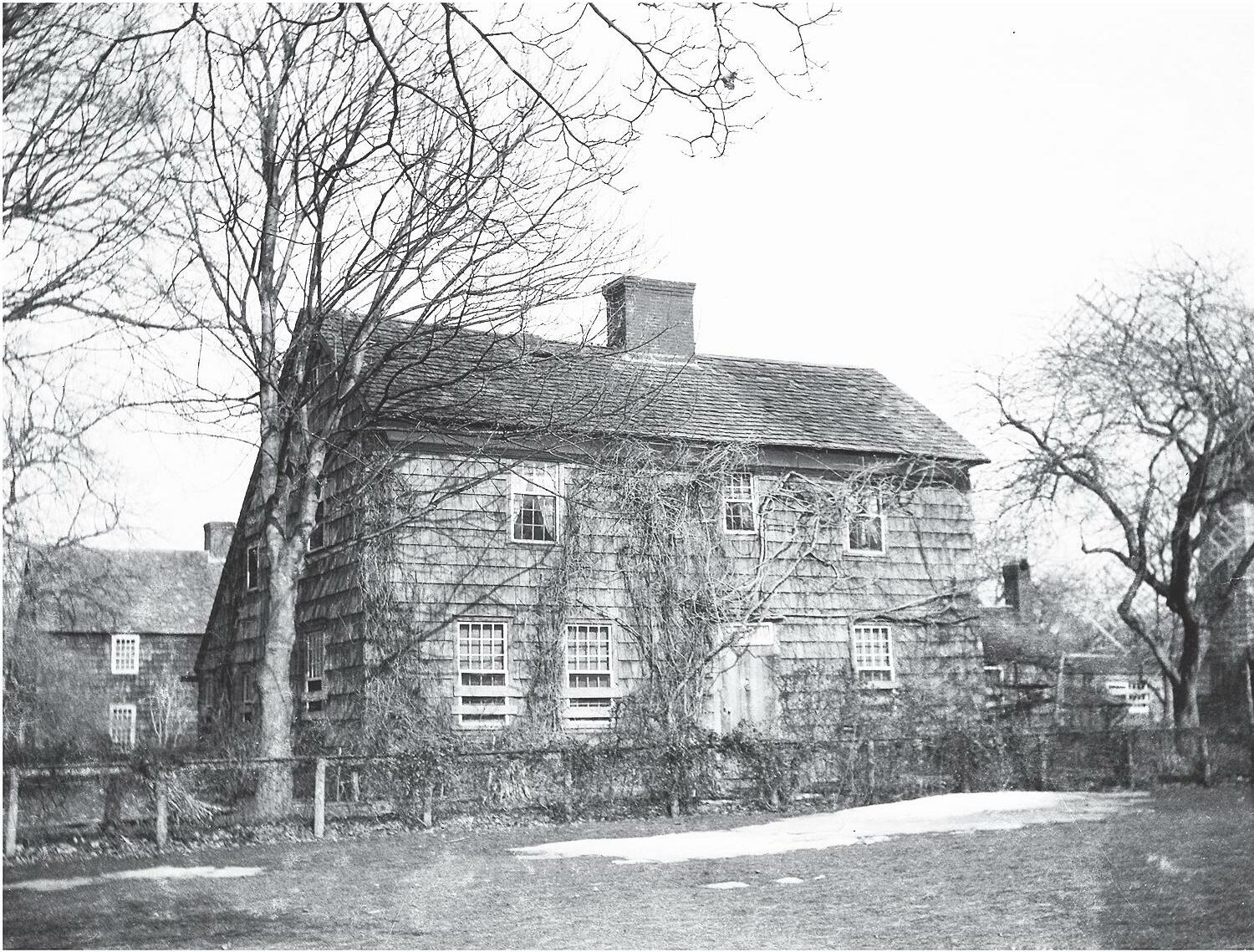
EAST HAMPTON – Conve nient to everything. Furnished 3 bedrooms, 2 baths, gunite pool. $6,000 month year-round. 631702-3713.
CLASSIFIEDS WORK! – Call 631-324-0002 today!






Rooms
CREATIVE – A beautifully furnished sanctuary for one/two guests in Springs, November to May 2023. Private bath. Quiet, clean, restful. Small dog possible. 631-402-2391 text/call.
SPACIOUS – Second-floor suite for one person in quiet Springs neighborhood close to everything. Private entrance, large bedroom with walk-in clos et, your own living room with light food-prep area (no kitchen), and private bathroom. Available now through May 15, $1,500 a month including utilities. No smoking or pets. Excellent ref erences and one month security required. Text 631-379-4848
Commercial Rentals

800 SQ.FT. – Commercial space, Springs by Maidstone Beach. Office/retail. $2,500. 631353-5537.
FOR SALE OR LEASE – East Hampton 3,000 sq. ft., full ser vice medical building. 631-3247770 text or leave message.



Email: thetackleshop@aol.com. No brokers.

AUTO DEPOT

ONE-STOP SHOPPING FOR PRE-OWNED VEHICLES
Garage, Storage



GARAGE SPACE – Want ed. 6 months, preferably de tached access. $200/monthly. 917-699-6956.

Find These Ads Online! Visit: www.easthamptonstar.com
Heavy Equipment

MATHEWS TRENCHING SERVICES. 631-903-4848.
Trenching, Electrical Services, Water Services, Small Machine Work, etc.
The East Hampton Star, November 10, 2022 B9 Advertising Works! Call 631 324 0002 To Learn More! Call Us Today To Learn How Advertising Can Grow Your Business! 631 324 0002 sales@ehstar.com At Your Service Directory Listings The BEST value for your advertising dollar! Call today! 631 324 0002 GET MORE FOR LESS! Contact Us To Learn How Advertising Can Increase Your Business! Call for Rates and Details 631-324-0002 ■ LANDSCAPE & POOL SERVICES ■ Garden & Lawn Garden & Lawn Full Service Property Care Brick & Stone Work Property Management • Expert Tree-Work • Mowing & Maintenance • Seasonal Clean-ups • Fertilization & Rototilling • Landscape Design & Renovation • Pruning • And Much, Much More Reliable & Experienced Anthony Peters Office (631)329-4991 Cell (516) 885-2605 | Fax (631) 604-2811 www.townandcountrypropertymanagement.com Miguel Landscaping 631-204-7946 | 631-353-1375 miguelsis2014@gmail.com Lawn Maintenance • Weeding Planting • Trimming • Pruning Garden Maintenance Spring/Fall Cleanup Snow & Ice Cleanup Cut Trees & Mulch Pool LService andscape Contractors Landscape Contractors Tree Services C a ncun P rofessional Tree Removers Free Estimates Licensed & Insured S t u m p G r i n d i n g S e r v i c e 631 835 9593 631 329 5457 TRUE BLUE Pool Cleaning Service • Openings • Closings • Weekly Maintenance • Year-round Service • Liner Installation • Loop-Loc™ Covers Ken Rafferty 631/324-0441 P.O. Box 2242 Amagansett, NY 11930 Design and Install• Deer Repellent Spring/Fall Feeding• Beds Cleaned Tree & Shrub Pruning• Lawn Mowing 631.668.9120 MICKEY’S LAWNSCAPES, INC Nurturing landscapes from the ground up since 1983 Tree Services Tree Expert Tree Cutting & Pruning · Trimming Edging · Mulching · Planting Transplanting Clean Ups · Lawn Mowing Weeding · Garden Maintenance Mason Driveways · Cobblestone · Patios Bobcat Service (631) 353-1754 CELL JOSE
LANDSCAPING SERVICES Smarter Care from the Roots Up. • Complete Landscape Services • Transplanting • Native Plantings • Tree Health Programs • Revegetation Projects • Specimen Trees and Shrubs • Pruning and Removal • Brush Cutting and Lot Clearing • Planning and Design • Qualified Tree Risk Assessor • Professional and Insured m ontaukarborist@yahoo.com (631) 668-3536 (631) 267-7833 NYS Certified ArboristLandscape Contractors Juan Marquina Free Estimates Cell 631-513-9924 Office 631-324-0117 Lawn Mowing Sodding & Seeding Planting & Transplanting Hedge Trimming Mulching Weeding & Edging Tree Removal Spring & Fall Clean-Ups Complete Fertilization Irrigation Work Stone Work Retaining Walls Patios & Aprons Cobblestone Edges Driveways & Walkways Ponds & Waterfalls Fireplaces • Fences Tile & Stucco Work Pool Coping & Columns Bobcat Available Fully Insured Great References w ww.bestviewland.com EH Town Contractor’s License #9064 LANDSCAPING, INC. JOSE CAMACHO LANDSCAPING SERVICE Tree Expert Tree Cutting & Pruning Trimming –Edging M ulching –Planting Transplanting –Clean Ups Weeding –Bobcat Service Garden Maintenance Mason –Driveways C obblestone –Patio Licensed & Insured (631) 353-1754 Cell
CAMACHO
At Your Service ads are the best value for small business advertising. Call us today to learn how you can increase your business! 631-324-0002 Order online: easthamptonstar zenfolio com/historical 153 Main Street East Hampton 631 324 0002 Fine archival photographsfrom The Star’s Archives Starting at $20
READERS TRUST NEWSPAPERS AND NEWSPAPER WEBSITES



Newspapers still enjoy what matters most to any medium – the best audience. A recent Buzzfeed survey reports that American adults cite print newspapers as their most trusted source. 74% of American adults trust print newspapers. 69% of American adults trust newspaper websites –making them the second most trusted source.And their premium, brand-safe environments lend trust and credibility to businesses advertising there.*
Since 1885
The East Hampton Star, November 10, B2022 10
*Source: New York Press Association
MAKE YOUR AD DOLLARS COUNT!
us
to
*Source: New York Press Association N
Enjoy the insightful reporting and comprehensive arts, culture, and sports coverage from The East Hampton Star’s experienced team of writers, editors, and contributors from your desktop or mobile device. FREE 2 Month Online Subscription! Keep Up With All That’s Happening in The Hamptons All Year Long! To receive your FREE 2 MONTH ONLINE SUBSCRIPTION, send your name, email address and phone number to: subscriptions@ehstar.com with FREE ONLINE OFFER in the subject line
“ ”
Contact
today
learn about advertising opportunities both in print and online: 631-324-0002. sales@ehstar.com
s


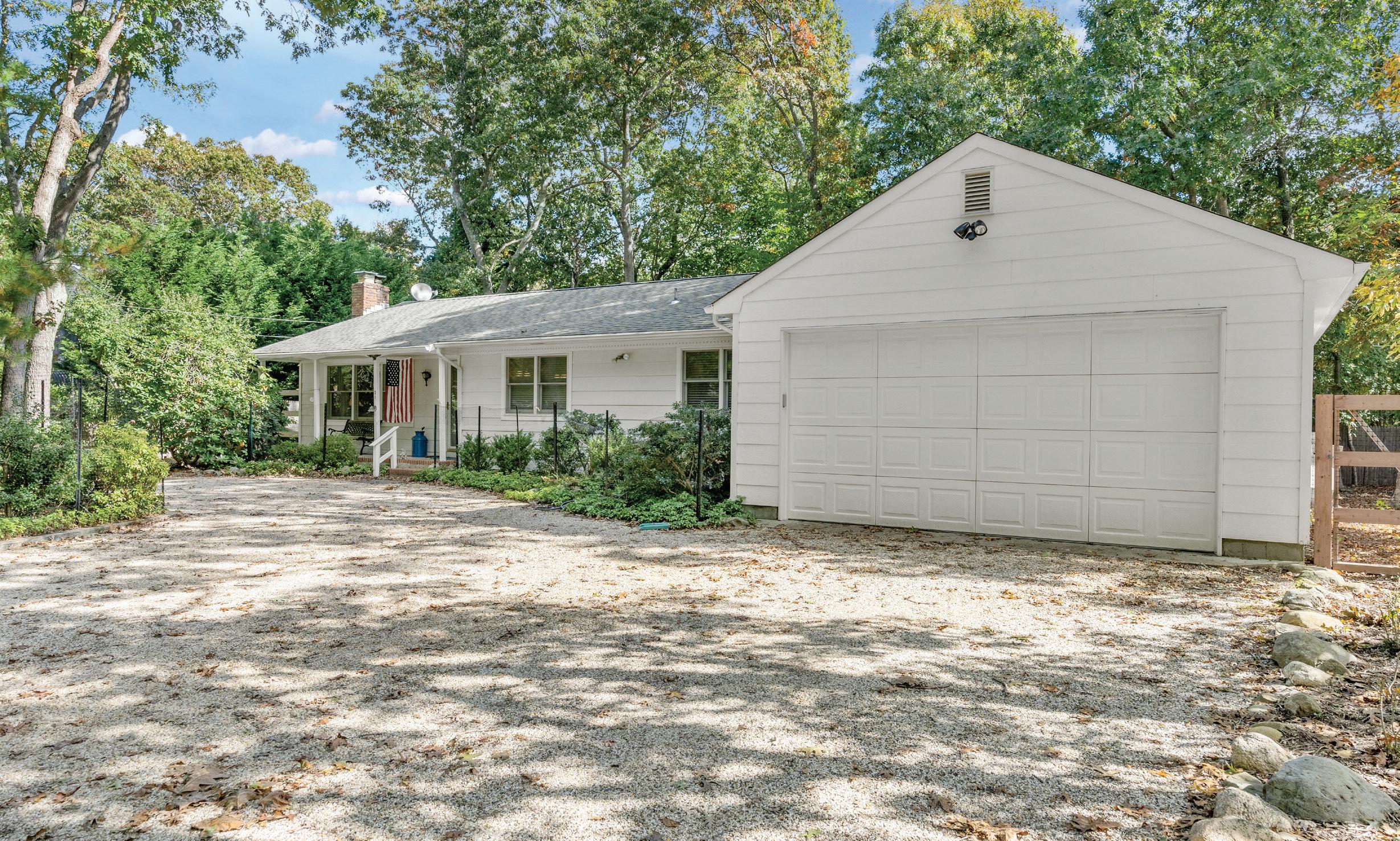
The East Hampton Star, November 10, B2022 12 Renovated & Private East Hampton $3,050,000 | 1.73± Acres | 4,800± sf | 6 BR | 4.5 BA Completely Renovated 2022 | Finished Lower Level Heated Pool | Garage | Adjacent to 14± Acre Reserve 7KettleCourt.com Cristina Matos 631.204.2408 | cmatos@bhsusa.com Michael Petersohn 631.771.5336 | mpetersohn@bhsusa.com Lovely Springs Home East Hampton $979,000 | 0.23± Acre | 1,258± sf | 3 BR | 3 BA Fireplace | Finished Lower Level | 2-Car Garage Large Deck with Retractable Awning | Outdoor Shower Full House Generator | Room for Pool SpringsEH.com Margaret Turner 516.840.4312 | mturner@bhsusa.com Hands Creek Harbor East Hampton $1,950,000 | 0.80± Acre | 2,400± sf | 4 BR | 2.5 BA Many Recent Upgrades | Bright Skylit Interiors Large Deck and Patio | 20’ x 40’ Heated Saltwater Pool Association Water Access 500± Feet Away 8ClamshellAve.com Philip Judson 917.699.4577 | pjudson@bhsusa.com All information is from sources deemed reliable but is subject to errors, omissions, changes in price, prior sale or withdrawal without notice. All rights to content, photographs and graphics reserved to broker. Equal Housing Opportunity Broker. MASTERY OF THE CRAFT MEANS A PERSONALIZED MARKETING STRATEGY TO SELL YOUR HOME.
