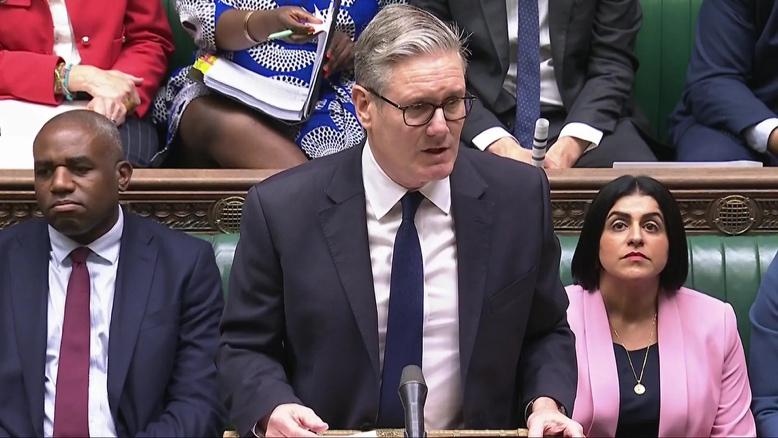
From Manifesto to Reality: How Far Have Starmer’s Promises Been Kept? Safa M
Can Kemi Badenoch Revive the Conservative Party?......……………........ Sarah K
Losing Faith in the Mainstream: The Rise of Reform UK…………….…... Emily J
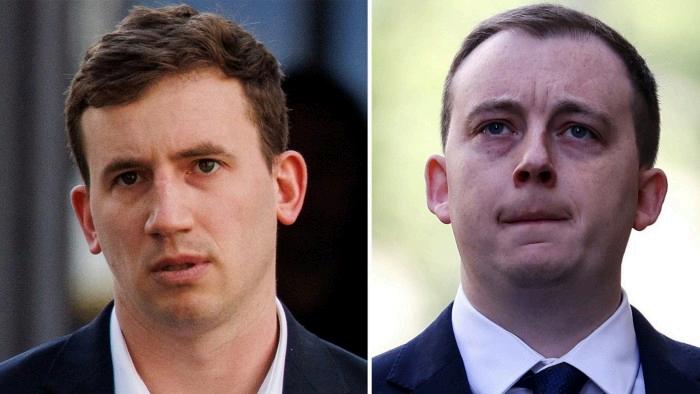
What Does the Collapsed China Spy Case Tell Us about UK-China Relations? . Aaminah K
Why the Lib Dems Have Not Broken the Two-Party System………...…….. Mae H
How Brexit Has Reshaped the Island of Ireland.………………………...…. Zoe W
GLOBAL POLITICS:
The Growing Popularity of Right-Wing Parties in the UK and Europe
Are We Seeing a ‘South Asian Spring’?
Hiba A
Alize Z
BRICS: Challenge to Western Hegemony or Mirage of Power?................. Advik B
Defending Democracy: Balancing Free Speech and Social Safety in the Digital Era
Jet S
The Ethics of Foreign Aid: Charity or Control?………...…….…………… Darsh J
US POLITICS:
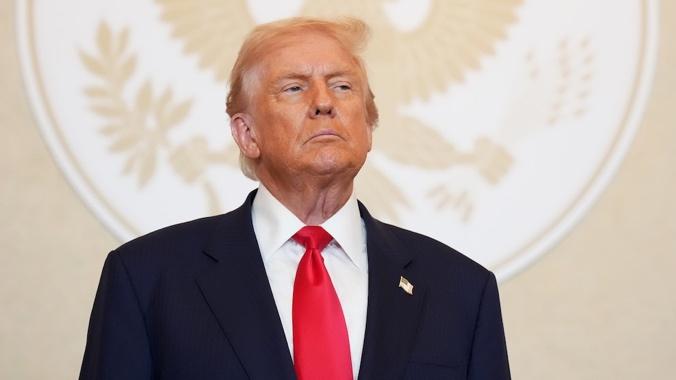
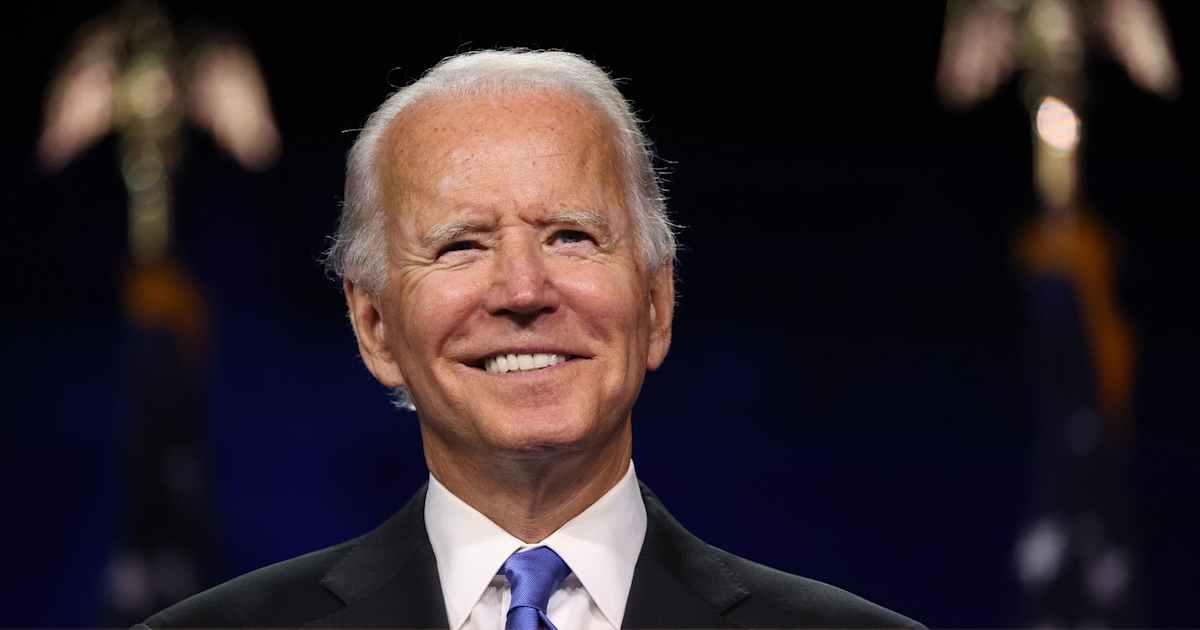
The Rise of Celebrity Politics …………………….……………………......….
Zara H
How the Vietnam War Still Shapes America’s Foreign Policy … Angela P
America’s Political Paralysis and Its Parallels to the Late Roman Republic …. Zayed M
The Rise of Trump and the American Far-Right Kai D
INDIVIDUALS IN POLITICS:
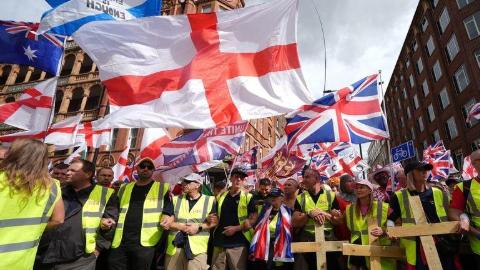
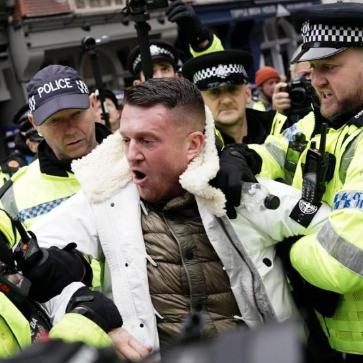
Tommy Robinson and the ‘Unite the Kingdom’ rally..……..…………..…. Lottie C
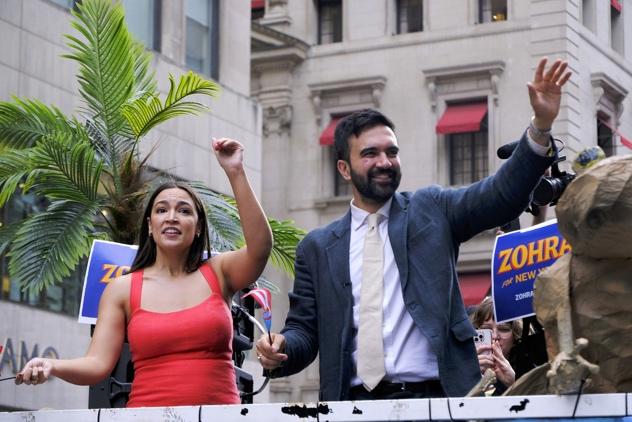
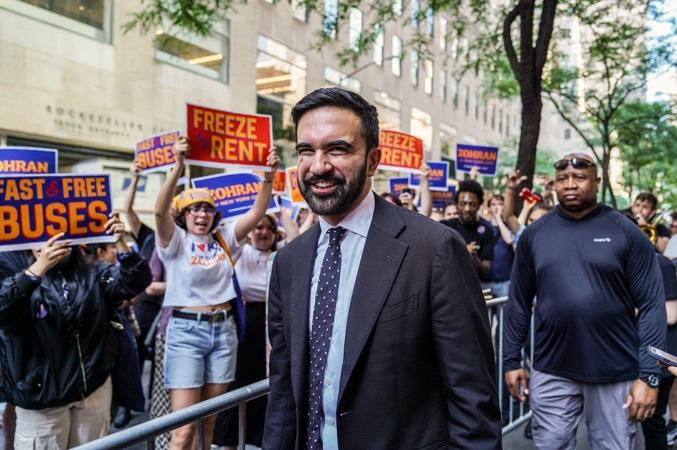
Zohran Mamdani and the NYC Mayoral Race………...…………….…….. Ryka G
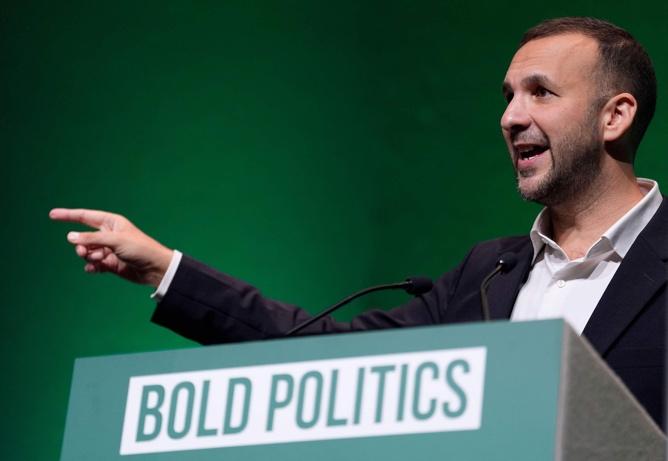
How Zack Polanski Has Transformed the Green Party …. Katherine C
HISTORY IN POLITICS:
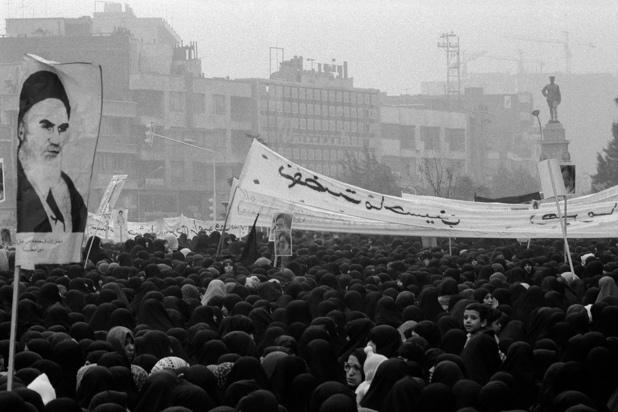
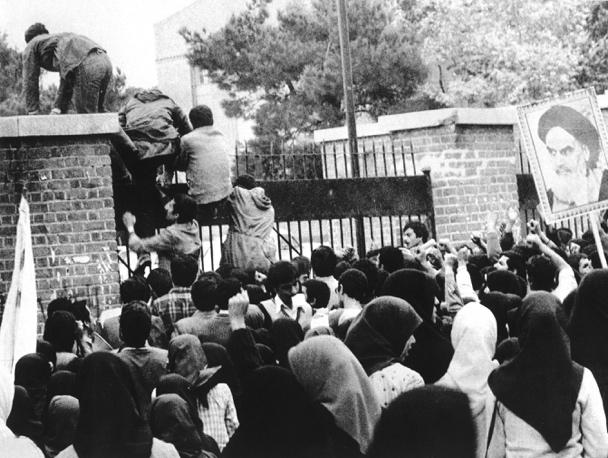
From Monarchy to Theocracy: How the Iranian Revolution Shaped Geopolitics………..…………………………………………..……................. Aryan R
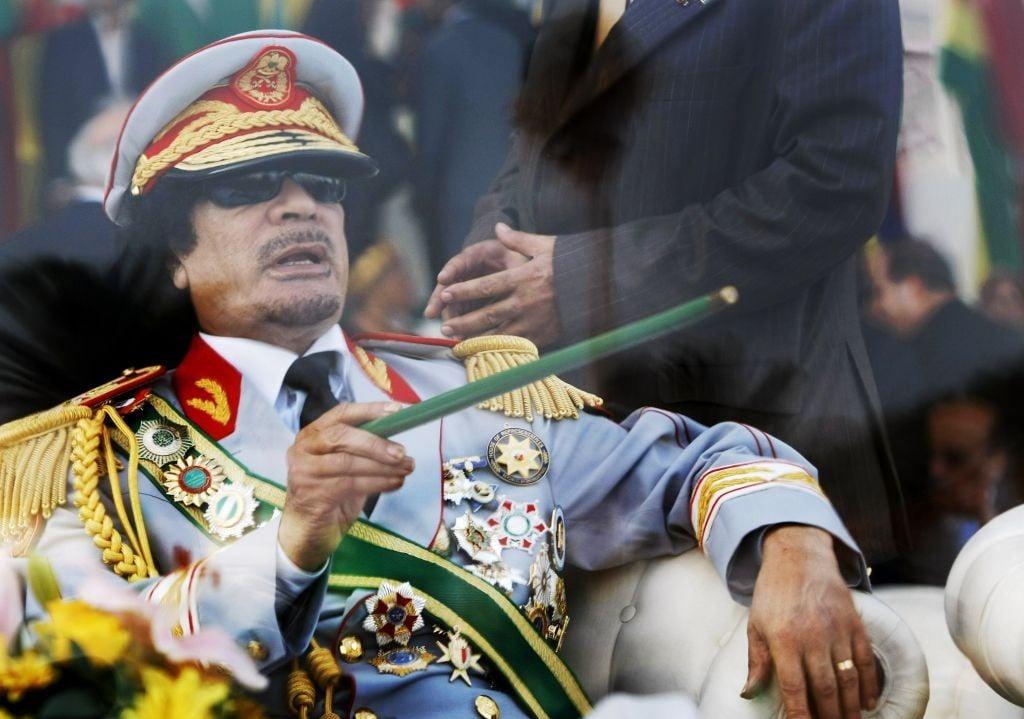
Libya’s Civil Wars: From History to Today Leen A
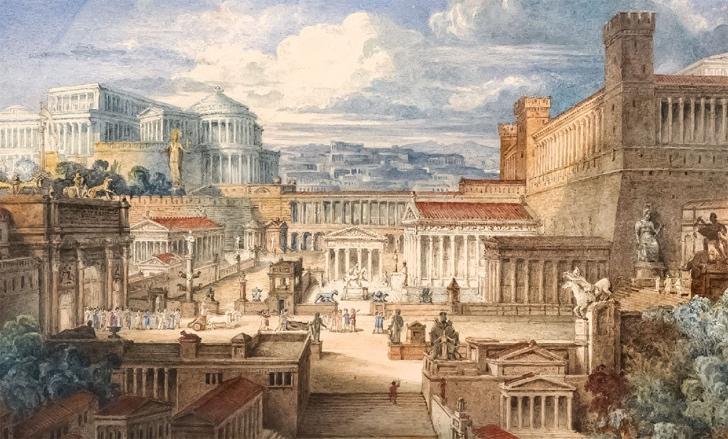
Power and Corruption: Lessons From Rome to Westminster Ishaan M
Democracy from Classical Civilisations to the UK Today…...…………… Lucas M
Shadows of Colonisation: How History Shapes Aboriginal Politics in Australia Today………………………………………………………..………..…….. Kamala B
A Note from the Editor
This term’s issue of ‘The Red & The Blue’ compiles an exciting range of articles that reflect the fragmented and rapidly changing global political landscape. Even as our authors worked on their articles, significant political developments were unfolding daily. From shifting party loyalties across the world to an intensifying struggle over global influence, alongside new and prominent political figures, politics is evolving at an unprecedented rate.
With Britain adjusting to a new political era under Starmer, and the Conservative Party navigating questions of identity and leadership, our UK Politics section explores the forces reshaping Westminster. Meanwhile, on the international stage, the rise of right-wing movements, the debate over BRICS and renewed contestations over democracy illustrate how global politics is being rewritten. Amidst this global landscape in Individuals in Politics, key figures in recent politics have been explored, reminding us that politics is ultimately shaped by people as much as by systems. Additionally, as many students who don’t study Politics have contributed to this edition, we have had the opportunity to explore connections with subjects such as Geography and History, providing a comprehensive understanding of our current political climate.
Thank you to all the Year 10-13 students who have written such insightful articles and to Mia McCaffrey for designing this edition’s eye-catching cover. With this being the final edition for this editorial team and I, we would like to extend a special thank you to Ms Claeys for her support throughout the past year in producing these issues.
Happy Holidays and have a wonderful break.
Enjoy reading, Aaminah K and the 2025 Editorial Team - Katherine C, Kai D & Mikail H
From Manifesto to Reality: How Far Have Starmer’s Promises Been Kept?
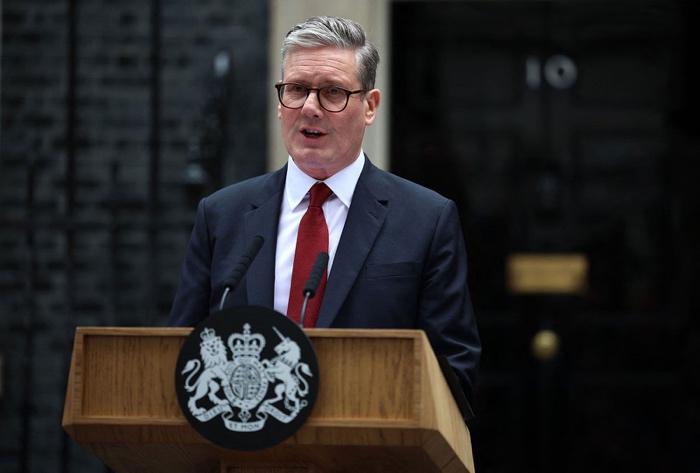
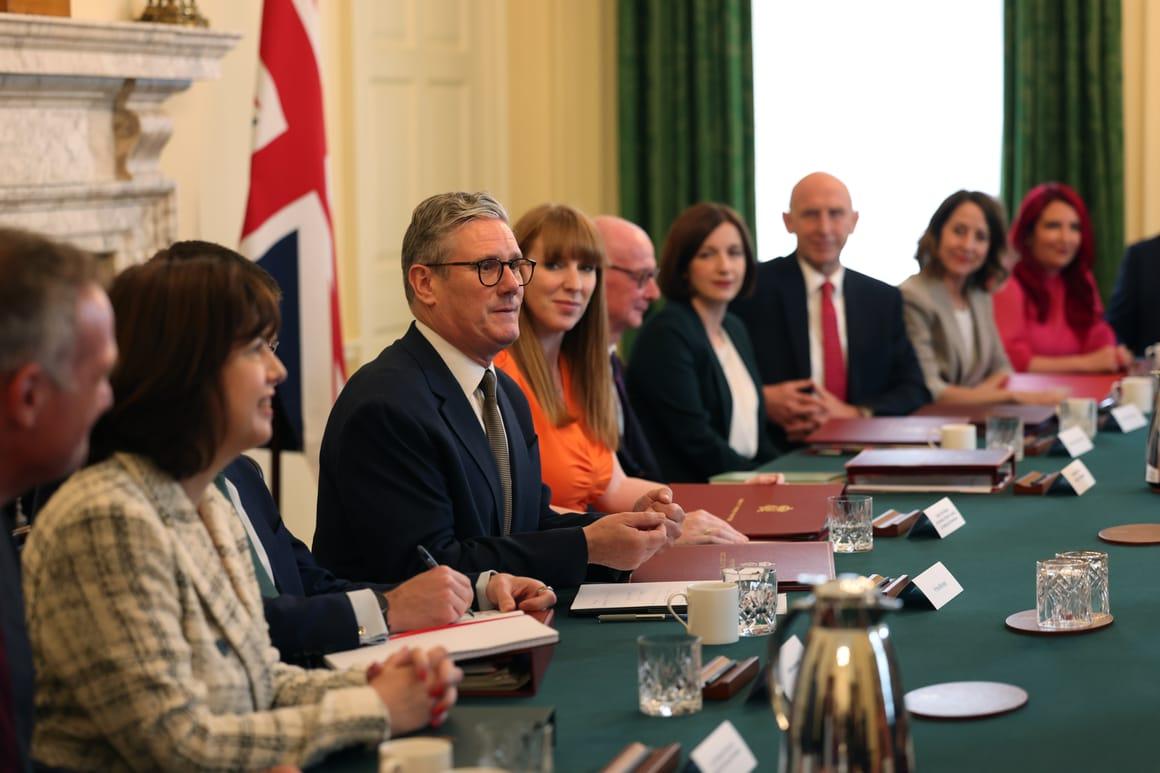
Since July 2024, Sir Keir Starmer has been Prime Minister of the UK as the first of the Labour party since Gordon Brown. Labour won office on a wave of promises to deliver change after 14 years of Conservative rule; their ‘first steps to change’ include delivering economic stability through improving main sectors of the economy, increasing investment, and ‘serving the country’ through modernising and reforming parliament. Manifestos are hugely important to uphold democratic accountability, providing clear and transparent oversight into party aims, enabling citizens to make informed decisions and to hold elected officials accountable once in power. Starmer believes these policies will ‘deliver the change Britain needs’, but how far has Labour actually lived up to these promises and how effective has their time in government been so far?
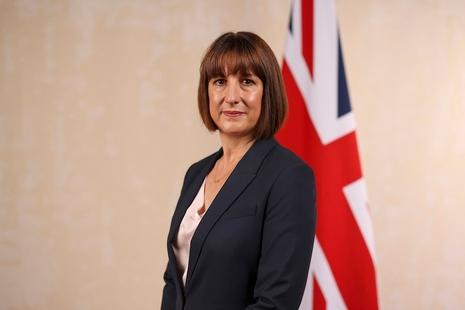
In their outline manifesto commitments, Labour aimed to deliver economic stability with tough spending rules, so ‘we can grow our economy and keep taxes, inflation and mortgages as low as possible.’ Rachel Reeves, Chancellor of the Exchequer, believes the best way to fulfil this promise of growth is to ‘invest, invest, invest’, leading to the creation of the National Wealth Fund (NWF), a fund capitalised with £7.3 billion hoping to attract three pounds of private investment for everyone one pound of public investment. The previous October 2024 budget made clear that the NWF would ‘mobilise billions of pounds of investment into the UK’s clean energy industries and support the delivery of the Industrial Strategy’. Labour believed that by doing so, jobs will be created across the country helping to sustain the UK’s low unemployment rate as well as promoting the growth of main sectors hoped to lead to a multiplier effect of higher proportional economic growth.
According to the government announcement in early 2025, the NWF has fuelled 8,600 jobs in six months, unlocking almost £1.6 billion of private investment’ leading to the UK economy growing by 0.7% in Q1 2025, following only 0.1% growth in Q4 2024. This growth was primarily driven by net trade, and investment, however, was not sustained through to Q2 2025. We can see that Labour’s initial plans of investment succeeded with the NWF being active and running, leading to a 0.6% increase in growth, however the fall in Q2 begs the question of whether this success can be sustained for long term growth.
When it comes to taxation, the story is more complex than an affirmation of Labour’s manifesto pledge. The government reiterated its commitment that “working people will not see higher taxes,” and the manifesto specified that the party would not increase Income Tax,
National Insurance (for workers) or VAT. Yet the Autumn Budget 2024 announced around £40 billion of new tax rises, with key measures including an increase in employers’ National Insurance contributions and lowering the threshold at which employers start paying NICs. While these changes are targeted at businesses these employer taxes frequently feed into wage stagnation, meaning working people may indirectly bear the cost. However, capital-taxes such as Capital Gains Tax and Inheritance Tax were raised, which does align with the government’s shift to “taxing wealth rather than earnings”. Therefore, Starmer is technically upholding the pledge not to raise the three main taxes for workers. Reeves’ future plans for the upcoming Autumn 2025 budget fall in the promise that Labour will not return to austerity, instead aiming to raise £30 billion annually via tax changes to address weakening growth forecasts and higher borrowing costs still without raising the three main taxes.
Labour also believes that to best ‘serve the country’ they must also improve parliamentary representation and accountability in government. In their manifesto, Labour promised ‘constitutional reform’ within Parliament. With the aim of improving democracy, Labour planned to bring about ‘immediate modernisation’ because ‘the second chamber of parliament has become too big’, worsening democratic accountability and the quality of legislation passed in parliament. The House of Lords, before Starmer’s Labour came into government, stood with 92 hereditary peers remaining after the previous House of Lords Act 1999 under New Labour’s Tony Blair. The remaining hereditary peers are thought to infringe on democracy as they remain unelected and, unlike life peers chosen for their experience, are appointed through inheritance, not necessarily on skills they could contribute to Parliament. Therefore, Starmer promised to ensure ‘all peers meet the high standards the public expect of them’ by aiming to introduce legislation to remove the right of hereditary peers to sit and vote in the House of Lords, introduce a mandatory Lords retirement age of 80 years old and a new participation requirement. This, he hopes, will ensure the quality of all members of parliament is upheld. Additionally, to further strengthen democracy Labour vowed to uphold the integrity of elections by allowing 16- and 17-year-olds the right to vote in all further elections to encourage participation and allow for widespread representation of the country.
Since Labour came into government, they introduced the House of Lords (Hereditary Peers) Bill 2024‑25, which would remove the remaining hereditary peers under the House of Lords Act 1999. The Bill outlines that the removal of the remaining 92 hereditary peers will take effect at the end of the Parliamentary session if the bill receives Royal Assent. Furthermore, the proposals for a new retirement age of 80 and lowering voting ages for the next election are now in policy documents and have been debated in Parliament despite not being fully enacted yet. Labour announced in July that 16-year-olds will be given the right to vote in all UK elections, as part of other key changes to modernise UK democracy. Labour has made
concrete efforts and progress, achieving success in introducing ‘immediate’ reform to increase democratic accountability within the House of Lords, as well as their plans to increase voting turnout and integrity in the next general election by lowering the voting age. This suggests that they have and are in the process of living up to these promises
To conclude, Starmer's Labour government has made credible progress in upholding their manifesto promises to kickstart notable constitutional reform and work towards solving the UK’s budget deficit by instigating high levels of economic growth; however, while these economic improvements provide success in the short term, one could question the certainty and stability of these plans at enabling future economic growth for UK economy.
M
Safa
Can Kemi Badenoch Revive the Conservative Party?
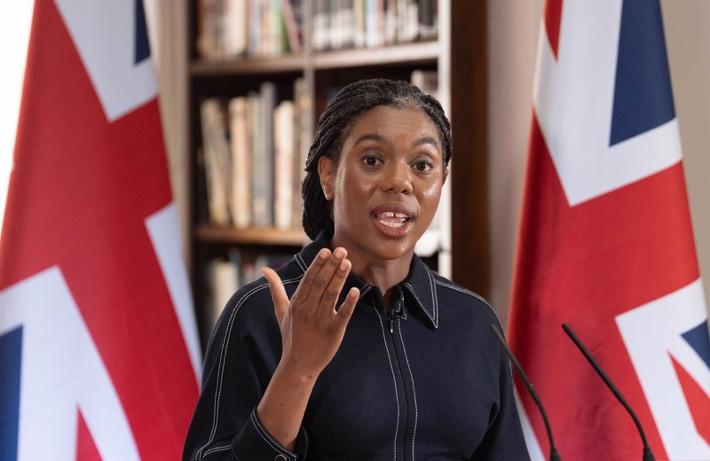
After suffering a historic defeat at the 2024 general election, reduced to just 121 seats and around 24% of the vote, the Conservative Party finds itself at a crossroads. Now led by Kemi Badenoch, a politician who is recognised by her direct, ‘no-nonsense’ and ‘anti-woke’ style as well as her traditional Conservative values, the Conservative Party faces the challenge of re-establishing its identity and relevance after years of turmoil. With Reform UK now leading in the polls while Labour maintains a second place only a small percentage higher than the Conservatives, Kemi Badenoch’s leadership will be decisive in determining whether they can remain a serious political party or risk being erased from the political landscape altogether.
Kemi Badenoch entered the political world in 2005 when she joined the Conservative Party. After a few unsuccessful attempts at office, she eventually secured a parliamentary seat for Saffron Walden in 2017. Over the years, she established herself in government through a series of Cabinet positions. Under Boris Johnson, she served as Exchequer Secretary to the Treasury and Minister for Equalities in the Department for International Trade, and under Rishi Sunak she became Secretary of State for International Trade and Minister for Women and Equalities. Badenoch is known for her traditional Conservative beliefs, her focus on economic stability, and her desire to limit government intervention, which resonates strongly with the Conservative right. Her leadership campaign gained significant support from several influential MPs who backed her aim of reshaping the party’s direction rather than continuing with the same ineffective approach.
With her leadership secured, Badenoch has shifted her focus to laying out a clear set of policies and objectives that she believes can revive the party and win back the public’s trust. One of her main economic proposals is to abolish stamp duty on primary residences, a move she describes as unlocking home‑ownership and stimulating the housing market. In addition to this, she has introduced a “golden economic rule” where she aims to commit at least half of any savings made through spending cuts to reducing the deficit, with the remainder directed to investment or tax relief. On immigration and border control, Badenoch wants to implement tougher conditions for citizenship, including longer qualifying periods for migrants, and she has made withdrawal from the European Convention on Human Rights (ECHR) a key policy so the government can take control of deportations and asylum decisions. These policies are designed to appeal to more traditional Conservative supporters emphasising economic responsibility, increased sovereignty, and stronger borders. However, she may risk losing support from more centrist voters and those outside the Conservative Party if her policies are seen as too radical.
Even with her clear agenda and strong platform, Badenoch still faces several significant challenges. According to an Ipsos survey from October 2025, only 22% of Britons expect Badenoch to become Prime Minister while 63% say it’s unlikely. At the same time, the party’s polling places it in third place behind Reform UK and the Labour Party which highlights the continued loss of support the party faces under her leadership. The growing support for Reform UK poses a real threat to the party as they risk losing their more rightwing supporters. Therefore, Badenoch must balance appealing to core Conservative supporters while also retaining the more moderate voters. In addition to these challenges, she must also manage internal divisions within the party and demonstrate that her policies can be effectively implemented without alienating significant groups of voters. How she navigates these issues will be crucial in determining whether she can rebuild the party’s credibility and secure its return to government.
Badenoch’s leadership marks a defining moment for the Conservative Party. She meant to represent a sense of hope and renewal for a party in need of direction after years of turmoil and instability. Ultimately, though, whether she can succeed in reviving the party depends on her ability to unite the party and convince supporters that her ambitious ideas can be turned into reality, which seems to be a struggle at the moment.
Sarah K
Losing Faith in the Mainstream: The Rise of Reform UK
From 2010 to 2024 the Conservative party was in power with their main opposition being Labour. However, last year Labour finally won, electing a new Prime Minister, Keir Starmer. Since the 1920s, either the Conservative or Labour party have been in government, leaving little room for smaller parties to rise. However, recently, due to a shift in political priorities and public dissatisfaction with the mainstream parties, there has been space for the emergence of Reform UK.
Over their 14-year term, the Conservative party made many mistakes, one of their most famous policy mistakes being the 2022 mini budget by Liz Truss. It was heavily criticised for being “fiscally irresponsible”, containing significant unfunded tax cuts leading to a loss of market confidence and the pound to fall sharply. The NHS also drastically weakened under them. In 2014 patients waiting over 4 hours in A&E was 3.9%, but by the end of their term it was up to 41.9%. Public satisfaction also plummeted from 70% to 24% due to a cut in capital spending and public health grants of more than 20%. Lastly, their pledges to end small boat crossings and reduce the amount of illegal immigration failed time and time again. In 2022, 46,000 people crossed the channel without authorisation which was in fact the highest number so far.
However, in 2024, following Labour’s election, their policies didn’t prove much more successful. In their manifesto, Labour promised not to raise national insurance, income tax, and VAT. They aimed to increase NHS appointments, and they promised to address the problem of illegal immigration. These promising pledges led to a landslide win of 411 seats. However, they have fallen short on all of these. NHS waiting lists have decreased from 7.6 million to 7.4 million, but this does nothing to comfort the 39% of people still waiting over 18 weeks for an appointment. Keir Starmer announced his ‘one in one out’ scheme in July of this year to curb small boat crossing, yet only 70 immigrants have been returned to France because of it. Lastly, Starmer has refused to rule out the possibility of tax rises in the Autumn 2025 budget, despite his pledge not to.
Overall, the British population is left feeling dissatisfied. Both mainstream parties have recently been falling short and not tackling key issues. Therefore, more people tend to now turn towards other options, looking for parties who were previously ignored. This is where Reform comes in.
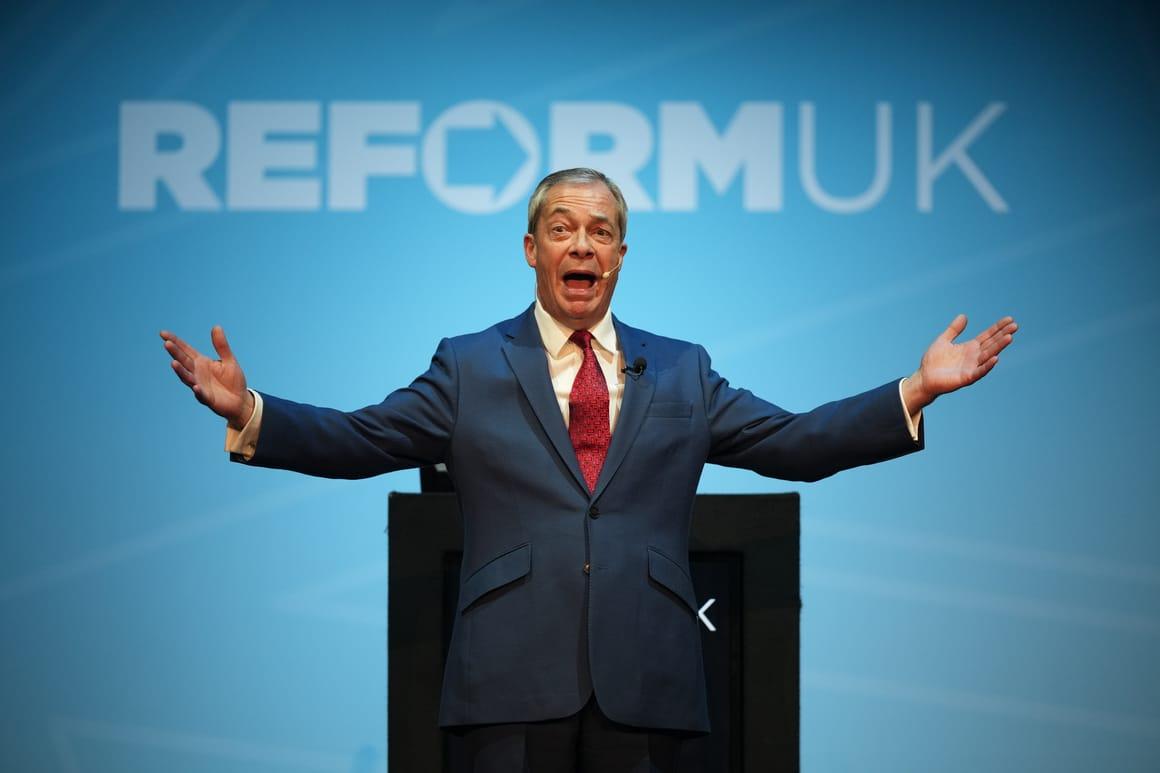
The next election is potentially 4 years away, and at the rate that Reform’s popularity is increasing, it is very likely that at the next general election it could be a battle between Nigel Farage and Keir Starmer. Reform’s opinion polls are currently at 29%, which is very high compared to the Conservative’s 17%. This is worrying for Kemi Badenoch, the current Conservative leader, who now needs to compete with Labour and Reform. Therefore, Badenoch needs to stay relevant and outcompete Reform before the next general election.
There is an evident battle for opposition in today’s politics. Farage comes out with a plan and Badenoch has to one up him. A clear example of this is their recent plans to tackle illegal immigration. In late August, Farage came out with a statement, announcing if Reform gets into power, over the 5-year term he will deport 600,000 illegal immigrants. This included plans to turn ex-military bases into ‘camps’ for them and paying countries such as Afghanistan £2bn to take back the illegal immigrants. Soon after, Badenoch released a similar statement, only bigger. She pledged to deport 750,000 illegal immigrants, 150,000 more than Farage. She has similar plans as him, such as leaving the ECHR and paying countries to take them back, except she is trying to do it on a larger scale to remain competitive.
There has also been a very public clash between the two of them over Reform’s potentially inflated membership numbers. Badenoch accused Farage of manipulating the number of members they have leading to Farage threatening “unless I get an apology, I will take some action”. Membership numbers aren’t just about pride but also signal political momentum and eligibility for funding or influence making this dispute a serious matter. They are not only having silent battles, trying to one up each other on policy recommendations, but they are publicly accusing and threatening each other to try to gain or keep the spot of main opposition.
Ultimately, it is seeming increasingly likely that Reform will be the main competition for Labour at the next general election. It has massively gained popularity in recent months while the Conservatives and Labour continue to disappoint the population. If its membership and opinion poll numbers continue to grow it may even one day be in government.
Emily J
What Does the Collapsed China Spy Case Tell Us About UK-China Relations?
When the espionage charges against Christopher Cash and Christopher Berry collapsed last month, few expected the fallout to ripple through Westminster quite like this. The story that began as two men accused of spying for Beijing has now become a case study of the confusion around Britain’s China policy. The government has insisted its approach to China is rooted in the UK’s national interests, but the trial and recent political statements from both the government and other parties have highlighted the ongoing tension in this relationship.
Cash is a former parliamentary researcher, and Berry is an academic who spent years working in China and both were charged under the Official Secrets Act in April 2024 for allegedly passing sensitive information to a Chinese intelligence agent. They denied all wrongdoing and after months of legal wrangling, the Crown Prosecution Service (CPS) dropped the case. They cited this to the government’s failure to provide clear evidence that China had been defined as a “threat to national security” at the time of the alleged offences.
In most countries, such a legal technicality would pass unnoticed but, in the UK, it has exploded into a political crisis. PM Keir Starmer insists the CPS acted independently and has attempted to shift focus to the previous Conservative government that was in power when the alleged offences took place. His argument that the prosecution could only be based on the Conservative government’s position at that time when China was not defined as a “threat” has been rejected by Conservative leader Kemi Badenoch. She points to several Conservative ministers and government documents describing China as a “threat”. Conservatives also accuse Labour of quietly undermining the prosecution to avoid jeopardising trade talks with Beijing. Former Security Minister Tom Tugendhat stated in Parliament, “Who the hell’s side are you on?”, capturing the uncertainty about how the UK should try to balance the economic benefits of a relationship with China against the potentially dangerous intelligence threat.
The deeper irony is that the government’s own deputy national security adviser, Matthew Collins, explicitly described China as “the biggest state-based threat to the UK’s economic security” and confirmed “large-scale espionage operations” against Britain. However, his later witness statements, submitted once Labour took office, added a diplomatic caveat as he stated that Britain remained “committed to pursuing a positive relationship with China,”
guided by the formula “co-operate where we can, compete where we need to, and challenge where we must.” That line was lifted directly from Labour’s manifesto and has since become shorthand for what critics call the government’s strategic ambiguity toward Beijing and the pursual of relations with China.
The MI5 chief, Sir Ken McCallum, could barely hide his frustration. He confirmed that the agency had disrupted Chinese espionage “in the past week alone” and lamented that “opportunities to prosecute national-security-threatening activity” were not followed through. His words hint at real tension since prosecutions are rare because the evidential bar is so high and because exposing intelligence methods in open court carries its own risks. Despite this clearly difficult moral decision, to the public, a collapsed trial looks like weakness.
Meanwhile, Beijing has seized the opportunity. The Chinese embassy in London called the allegations “pure fabrication” and accused the UK of “smearing and defaming China.” Britain’s hesitation, from Beijing’s perspective, plays neatly into its narrative that Western democracies are divided and ultimately too dependent on Chinese trade to act decisively.
The case also exposes vulnerabilities inside Westminster itself. More than half of MPs were newly elected in 2024, often supported by inexperienced and possibly more naïve staff. For foreign intelligence agencies, this network offers them soft power to enter and gather information. Cash and Berry moved in these types of circles as academics and researchers. Even if no espionage has been proven, this case still becomes a wakeup call on how thin the line can be between legitimate research and accidental information sharing
Beyond the trial lies a larger strategic dilemma about how Britain’s economy remains tied to China through trade, education, and green technology supply chains. At the same time, Chinese cyberattacks and political interference, for instance the intimidation of Hong Kong activists in the UK have become undeniable. The question is now not whether Britain can isolate itself from China as it simply cannot, but whether it can build the institutional resilience to deal with the world’s most powerful authoritarian state without compromising its democratic integrity.
MI5’s new guidance on “Countering Espionage and Foreign Interference” is a start, but the challenge extends far beyond intelligence services. Universities, local councils, and tech companies all operate in spaces where Chinese influence is subtle yet pervasive. As one analyst put it, “China brings a whole-of-system challenge that requires a whole-of-system response.” The collapse of the Cash-Berry case, then, is more than a courtroom setback but a mirror held up to British foreign policy. It reflects the dilemma of the Labour government
that wants to do business with Beijing while insisting it is not being naïve. The truth is that Britain’s China policy still lacks coherence, and the dealing of this case has exposed it to the world.
In the end, the failed prosecution may become symbolic of a wider failure, not of justice, but of strategic clarity. The UK says it will “co-operate, compete, and challenge” but until it decides which of those verbs truly defines its relationship with China, it risks doing none of them effectively.
Aaminah K
Why the Lib Dems Have Not Broken the TwoParty System
Britain has over 300 political parties, but for years, there have been 2 dominant parties in parliament. The Conservative and Labour parties have had their fair share of leading government but what has happened to the Liberal Democrats? They have constantly been in ‘third place’ but have never had the opportunity to step forward and lead completely by themselves. Fluctuating votes and unsteady seats in Parliament has been a recurring problem for them. Although they have had a taste of leadership under the 2010 coalition government, they have never been able to fully breakthrough the 2-party system. But why couldn't they turn their moderate support into major power? To understand why we need to look at the main barriers that have kept them from becoming a major competitor in UK politics.
The Liberals were one of 2 main parties in the late 1800s. Under William Gladstone, they removed tariffs in favour of free trade and established parliamentary accountability for government spending, so their main opposition was the Conservative party. During WW1 the party split over disagreements about the direction of the war between supporters of Asquith and Lloyd George, which allowed the Labour party to obtain votes from the working-class and women. This was the first time that the liberals were no longer one of the two major parties due to internal divisions and poor leadership. In the 1980s, the SDP (Social Democratic Party) and Liberals formed an alliance and in 1988, after 8 months of negotiation, the SDP and the Liberals merged to form the Social and Liberal Democrats. In 2010 they gained brief power, in the coalition government with the Conservatives and they successfully governed together for a full 5-year term. However, support fell again due to the introduction of higher university fees which was partly blamed on the Liberal Democrats.
The Liberal Democrats are a centre-left party who stand for a ‘fair, free and open society’ where no one is ‘enslaved by poverty, ignorance or conformity’. Therefore, they are inbetween Conservative and Labour values and are trying to attract both left and right voters. This makes it unclear where the Liberal Democrats stand and have also led them to compromise on a lot of their principles, raising questions on how trustworthy they are. For instance, during Brexit, the Liberal Democrats heavily campaigned to ‘Remain’ and wanted a second referendum to take place. This distanced many 'Leave’ voters and some ‘Remain’ supporters who wanted to vote for Labour to stop the Conservatives, as they saw the Liberal Democrats as too weak.
The confusion over where the Liberal Democrats stand is costly, with the party struggling to attract Left- or Right-wing voters. Many Liberal Democrat members switched to Labour after the 2010 coalition government which has influenced the activity of voters to this day. Many social issues have been advocated by both Labour and the Liberal Democrats, but Labour tends to benefit from the lack of public trust in the Liberal Democrats. Economically, the public sees the Conservative party as more powerful and more likely to win which also draws more support away from the Liberal Democrats. To make matters worse, smaller parties such as the Greens, attract younger voters while the SNP attracts Scottish voters, moving more possible supporters away. The Liberal Democrats are dealing with pressure from every direction, making it incredibly difficult to gain the support that they need.
The First Past the Post (FPTP) system has been used for year, allowing the party with the most votes in a constituency to win even without a majority, because of this, the system favours the two strongest parties who find it easier to gain votes. The Liberal Democrat votes are spread across many constituencies, instead of having strong geographical areas where they easily win the election. This is why they end up with so few seats. However, if the voting system was changed to Proportional Representation, for example, seats in Parliament would be allocated based on the number of votes received. This would help the Liberal Democrats to gain more influence in parliament, although this is unlikely to happen due to the major parties having little incentive to make changes that would threaten their success. Without this reform, it is incredibly difficult for the Liberal Democrats to break through.
Overall, the Liberal Democrats have faced a collection of obstacles which only seem to worsen with the rising popularity of Reform UK. They are trapped between two dominant parties that show little signs of stepping aside, unless there is a considerable shift in the public opinion. Real change would require electoral system reform, which is incredibly unlikely at the present. This struggle may be a reminder that, in British Politics, the middle ground can be the hardest place to stand.
Mae H
How Brexit Has Reshaped the Island of Ireland
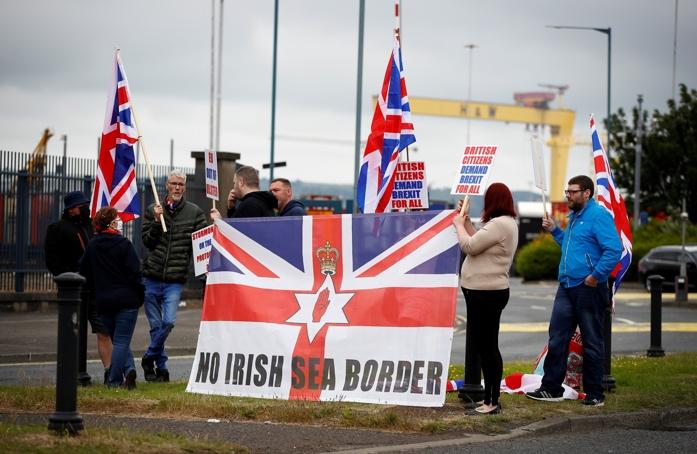
Brexit is commonly regarded as the biggest blunder in modern British history. On the 23rd of June 2016, the United Kingdom voted to leave the European Union, with 52% of voters deciding to leave the EU. However, just a stone’s throw away, across the north channel, Northern Ireland had voted (56%) to remain.
And so began the great contradiction: one part of the UK screaming “Get Out!” – mainly English voters - while another quietly whispered, “Can we stay?” It was the political equivalent of a family ordering two different dinners and then being surprised when nobody is satisfied with what arrives. But the stakes were a bit higher: borders, identities, economies, and a peace process were suddenly thrown onto the negotiation table, with the threat of civil unrest looming overhead.
The imbalance hit Ireland like a badly aimed Brexit bus slogan. The Republic watched with polite horror as its biggest trading partner marched out of the EU waving a sovereignty flag sewn together from nostalgia and questionable statistics. Meanwhile, Northern Ireland was carted away with the not so United Kingdom to Brexit’s 4-year journey that saw the political death of
This imbalance only deepened once the Withdrawal Agreement arrived, a document that read like it was drafted by people who hadn’t slept since the referendum. To avoid re-erecting a hard border on the island of Ireland, Northern Ireland was given the Northern Ireland Protocol. The Northern Ireland Protocol stopped a hard border in Ireland by keeping NI aligned with some EU rules, which meant new checks on goods coming from GB. It was later updated by the Windsor Framework, which brought in “green lanes” with fewer checks for goods staying in NI and “red lanes” with full checks for anything going into the EU. This meant that NI stayed in parts of the EU single market while the rest of the UK stormed off in search of “freedom.” Suddenly, an item travelling from Liverpool to Belfast needed more paperwork than an adoption.
But while politicians argued, real people paid the price. Cross-border communities who had spent two decades enjoying frictionless travel now worried about checkpoints reappearing like a bad sequel. Businesses were hit with a blizzard of forms, rules, and “temporary measures” that felt very permanent. The island of Ireland carried the burden of fixing a crisis it didn’t create.
David Cameron and Theresa May
Since Brexit, the economic gap between Northern Ireland and the Republic of Ireland has become even clearer. The Republic, still part of the EU, has attracted a lot of businesses leaving the UK, especially in tech, finance, and pharmaceuticals. GDP per capita in the Republic is around €105,000, compared with roughly €40,000 in Northern Ireland. Crossborder trade has increased, with goods flowing both ways, but businesses in Northern Ireland face extra paperwork and costs because of the Northern Ireland Protocol. At the same time, the Republic has strengthened its position as a European business hub, highlighting the growing economic imbalance across the island.
Zoe W
The Growing Popularity of Right-Wing Parties in the UK and Europe
Recent years have seen a significant shift in the political landscape of the UK and Europe towards right-wing ideologies. From the emergence of Reform UK under Nigel Farage to the surge of nationalist parties across Europe, there is a considerable rise in popularity of right-wing politics, raising questions about the future of democracy in Europe.
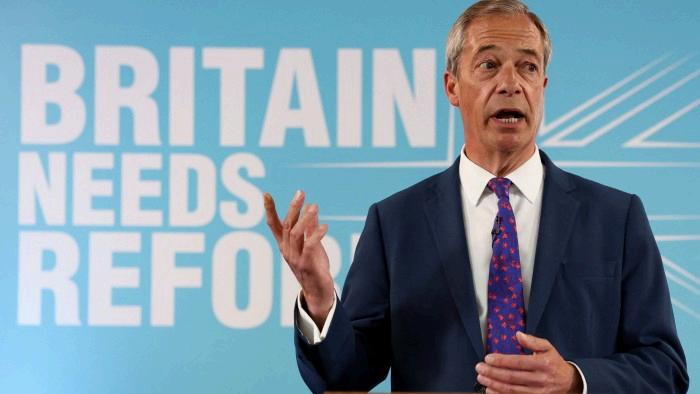
Following the 2024 election, Reform has emerged as a significant political force, securing 14.3% of the vote and 5 parliamentary seats, becoming the third-largest party in terms of vote share, surpassing the Liberal Democrats. This growing success stems from a growing disillusionment with traditional parties and their handling of issues like immigration, which Reform has clearly defined policy ideas about.
Reform has continued to gain momentum in 2025, with some polls placing Reform as high as 34%, clearly surpassing Labour (around the 22% mark). This is due to Reform’s proposed policies that emphasises tight immigration controls, including abolishing indefinite leave to remain and imposing higher English language proficiency requirements for immigrants, which have resonated with voters who argue their concerns about national identity and economic strain. Even within local governance the party’s influence is increasing. In May 2025, Reform UK won the Runcorn and Helsby byelection with 38.7%, which is significant for a party outside the traditional two-party system. However, there have been internal obstacles, especially due to recent controversies over candidate conduct and policy pledges, seen through the abandonment of a £90 billion tax cut plan.
Regardless, of these challenges, Reform’s rapid ascent highlights a broader transformation within British and European politics: a growing scepticism towards established parties and an increasing willingness amongst voters to support movements that promise radical change. Similarly in Germany, the Alternative for Germany (AfD) has also seen a significant increase in support, becoming the second-largest party in the Bundestag. The AfD’s platform focuses on nationalism, Euroscepticism and stringent immigration policies, aligning with broader right-wing movements across Europe, reflecting a shift in German politics towards more populist and nationalist ideologies.
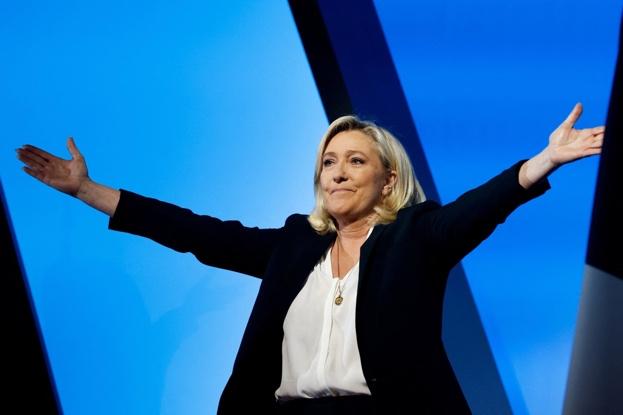
Meanwhile in France, the National Rally (RN), under Marine Le Pen, has gained considerable ground in the National Assembly and emphasises national sovereignty, strict immigration controls, and, similarly to the AfD, Euroscepticism.
In Italy, the Brothers of Italy (FdI), under Giorgia Meloni, have also become a dominant force. They advocate for similar policies on immigration, nationalism, as well as advocating for traditional family values. The FdI’s rise mirrors similar trends in other European countries where right-wing parties are gradually gaining traction.
Several factors could be contributing to this sharp rise in right-wing politics. Economic discontent and dissatisfaction with traditional parties have led people to look for right-wing alternatives, as well as concerns over immigration and national identity, which are issues that are central for right-wing driven parties. Additionally, the media plays a key role in shaping public perceptions and amplifying right-wing narratives while foreign influence and support, especially from right-wing leaders like Donald Trump, suggests that Europe may be joining a broader global trend.
The rise of right-wing politics has significant implications for democracy and governance. Potential policy shifts include much stricter immigration laws, re-evaluation of EU relations, and challenges to civil liberties. Many voices concern about democratic backsliding and erosion of checks and balances, as many right-wing parties demonstrate authoritarian tendencies. There have been very mixed public responses, with protests and civil society organisations pushing against these potential threats to democratic conventions. The future of democracy in Europe relies on the ability of institutions and citizens to uphold democratic values amidst these challenges.
Whether this shift represents a temporary reaction to economic and social pressures or a longterm realignment of political loyalties remains uncertain. What is clear, however, is that the rise of right-wing populism poses urgent questions about the resilience of democratic institutions and the direction in which European politics is heading.
Hiba A
Are We Seeing a ‘South
Asian Spring’?
"History doesn't repeat itself, but it often rhymes.” Mark Twain’s comment still resonates powerfully across today’s political landscape. When Mohammed Bouazizi, a Tunisian fruit seller, decided to immolate himself in protest against the mistreatment he suffered at the hands of the police who confiscated his stall, a sustained shockwave of democratisation was sent across North Africa, marking the ignition of the Arab Spring. Within days, this gesture mobilised the frustrated masses of Tunisia, Egypt, Libya, and Yemen, all of whom were united in the cause of overthrowing corrupt government elites of their nation while demanding equitable opportunities for all. Over a decade later, the same fervour for revolutionary upheaval that once transformed the Arab world appears to be reverberating through South Asia.
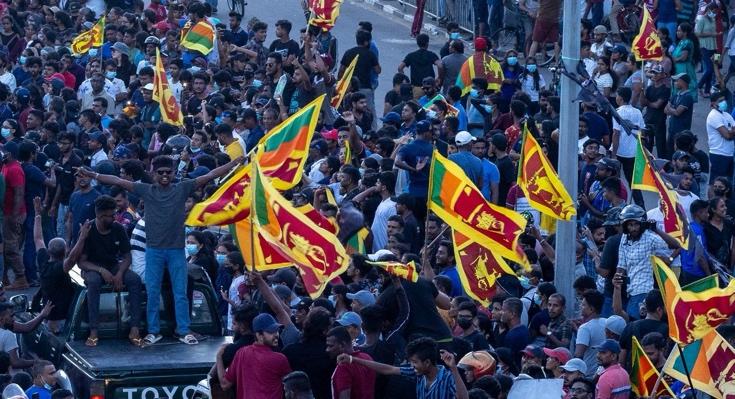
Gen-Z is redefining the nature of revolution in South Asia. As one of the youngest regions globally, with a median age of 28, it comes as no surprise that they are a demographic championing the call for change. Sri Lanka’s Aragalaya (“struggle”) protests in 2022 exemplify this rapid mobilisation of youth. The eruption of Aragalaya can be attributed to three main factors: the dominance of the Rajapaksa political dynasty, Sri Lanka’s increasingly dysfunctional political economy, and the resulting economic crisis. For nearly two decades, the Rajapaksa’s concentration of authority created what many citizens perceived as “sibling sovereignty,” where political sovereignty was treated as a family inheritance rather than a democratic mandate, eventually leading to growing corruption, nepotism, and a lack of accountability among Sri Lanka’s entrenched political elite. Misguided economic policies, rising debt from costly infrastructure projects, and overreliance on tourism and remittances left the country highly vulnerable to external shocks, ultimately contributing to the 2021-2022 economic crisis. These compounding factors and consequent outrage reflect a stark shift in the nation’s political consciousness.
Similarly, Bangladesh’s ‘second liberation’ of 2024 culminated in the ouster of an incumbent leader, Sheikh Hasina. What began as student protests against a civil service jobs quota quickly evolved into a broader rejection of Hasina’s authoritarian grip. Armed with smartphones and satire, protestors weaponised youth culture itself: memes, rap songs, and political parodies spread across social media. Bangladesh exemplifies how the voices of young people can be amplified through digital channels, thereby enabling swift mobilisation to challenge long-standing structural injustices.
Recent political developments in Nepal show striking resemblances to those in countries elsewhere within the continent, such as Bangladesh. Nepal’s case presents various common
threads: a disillusioned youth, united in economic discontent, widespread corruption, and government shortcomings that neglect the needs of citizens. In Nepal, online criticisms regarding politicians' families' ostentatious displays of their opulent lifestyles catalysed the introduction of a social media ban. Nepali youth interpreted this as an attempt to censor freedom of expression (even more pertinent given the fact that Nepal ranks among Southeast Asian nations with the highest proportion of social media users relative to total population). Yet, when trying to ascertain what triggered such a mass uprising, one could view the social media blackout as merely the ‘straw that broke the camel’s back’, masking underlying issues of a sclerotic and indifferent government.
But the problem is more deep-rooted still – a loss of public trust in democracy itself. In 2006, Nepal's millennials took part in a revolution that ousted the monarchy: the result of a Maoist insurgency and decade-long civil war. Following this, Nepalis were promised a "new Nepal" governed by democracy and a new constitution, wherein they could live more prosperously than their predecessors, a superficial commitment to reform that remained unfulfilled.
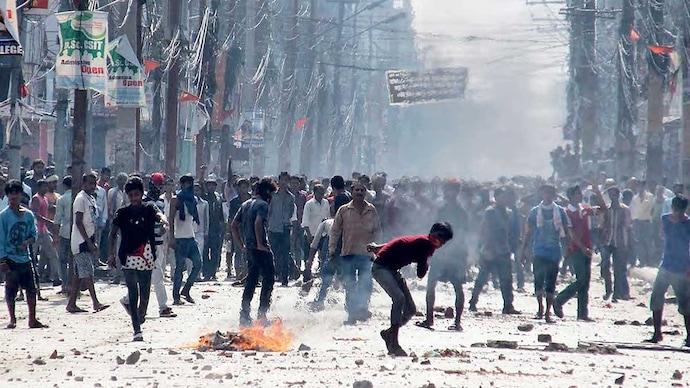
Mounting disillusionment with the state encouraged Nepali youth to henceforth take matters in their own hands. As most of TikTok had not been banned, a group called ‘Gen Z Rebels’ harnessed multiple accounts and virtual private networks to evade detection. One video released, set to the Abba song The Winner Takes It All, was a clip from the wedding of a politician's family, ending on a call to action: "I will join. I will fight against corruption and against political elitism. Will you?" Within a day, it garnered 135,000 views, with its reach extended by influencers who recirculated it. Other groups began following suit until offline chaos ensued. On September 9th, politicians’ residences were stormed and set ablaze, along with the headquarters of all three institutional branches: the Singha Durbar (seat of government), federal parliament, and Supreme Court. At the day's conclusion, 51 fatalities were recorded, marking the highest toll for a protest in Nepal's history. Only two days later, around 10,000 young Nepalese voted for an interim prime minister (former Supreme Court Chief Justice Sushila Karki), albeit through unconventional means. The youth swapped ballot papers for an online poll set up on Discord, a forum frequently utilised by gamers.
So, what can we learn from the movements that took place in Sri Lanka, Bangladesh, and now Nepal? For one, members of Gen-Z within South Asian countries currently possess an insatiable desire to determine their own futures and reverse the excessive abuse of power that occurred under the governance of leaders from their grandparents’ generation. Evidently, social media has established itself as a means for this revolutionary transformation and population mobilisation. Finally, it could be argued that, in these countries, political parties and candidates can no longer come and say whatever they want; people are asking questions
now and demanding adequate repercussions. Unlike the Arab Spring, however, the revolutions of South Asia are still in flux; for now, Gen-Z is re-shaping how protest politics manifests itself in the region and, in turn, is generating hopes for future waves of uprisings in countries like Pakistan, India, and Myanmar, each seeking to escape their respective cycles of democratic regression, corruption, and institutional neglect.
Alize Z
BRICS: Challenge to Western Hegemony or Mirage of Power?
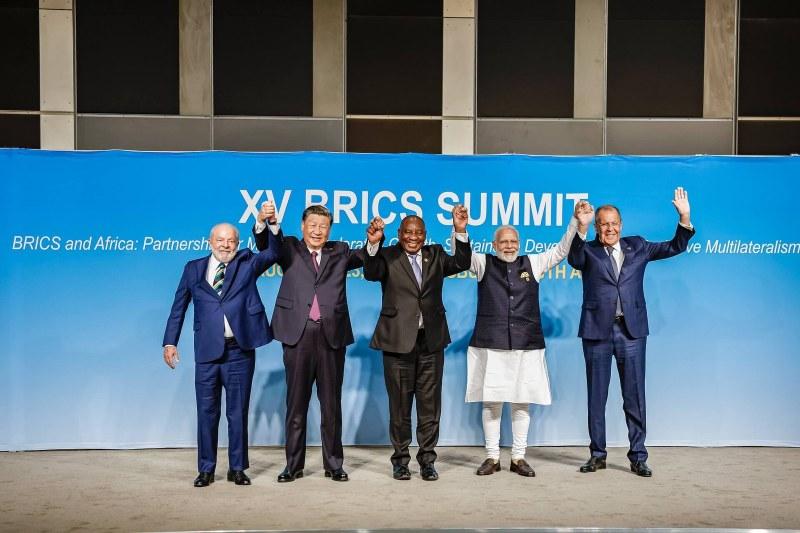
BRICS is a group formed between Brazil, Russia, India, China, and South Africa in 2010, that seeks to create an alternative power bloc to the Western-dominated global order. The first official meeting between the four original members took place in 2009 at Yekaterinburg, with South Africa officially joining in 2011 (turning BRIC into BRICS). From its inception, the group aimed to reform global governance systems that many developing nations viewed as favouring the West, particularly in institutions like the IMF, World Bank, and United Nations.
However, over the following decade, the influence of BRICS began to wane. While the group initially promised to reshape global governance and promote the interests of these emerging economies, the many internal tensions and divisions between the members really diluted this impact. For example, China’s growing dominance created unease among other members, particularly India, which grew wary of Beijing’s economic and military ambitions and had their own historic tensions with China. Russia’s increasing isolation following the annexation of Crimea in 2014 and its later invasion of Ukraine further strained the bloc’s unity.
Alongside these divisions, Brazil and South Arica saw economic slowdowns, along with a lot of political instability and corruption scandals. This was important to a significant extent because it revealed the fragility of BRICS as a coalition at the time -their shared vision was undermined by the competing interests and domestic challenges of its members. As a result, by the late 2010s, BRICS was often dismissed as more of a symbolic partnership than a functional alliance; its summits often generated lofty statements but very few actual tangible outcomes.
Despite these early setbacks, the relevance of BRICS experienced a remarkable revival starting in 2023, when the group announced a major expansion. Six new countries (Saudi Arabia, the UAE, Iran, Egypt, Ethiopia, and Argentina) were invited to join, marking a significant turning point in the bloc’s history (however, Argentina withdrew in December 2023 following President Milei taking office). This expansion allowed BRICS to go from just a loose symbolic alliance to a formidable coalition that represents a significant share of the world's population and energy supply. Ever since then, BRICS has grown in economic and political influence on the global stage, as the bloc now accounts for over 40% of the world’s population and around one-third of global GDP, surpassing the G7
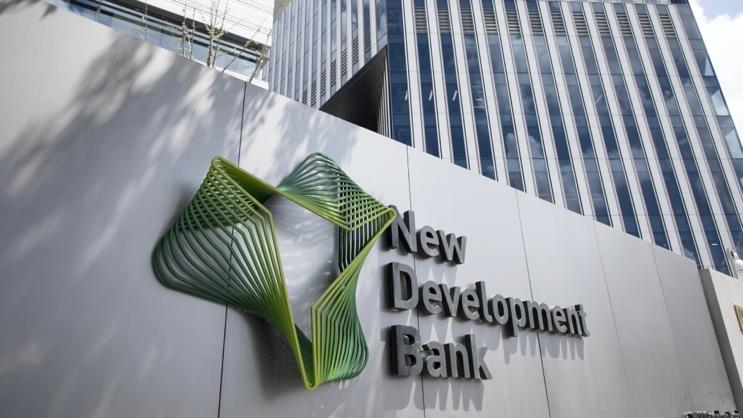
in purchasing power parity terms. The inclusion of major energy exporters like Saudi Arabia and the UAE has strengthened its leverage in global oil and gas markets, allowing BRICS to influence energy pricing and policy. Additionally, the New Development Bank (NDB) has expanded its funding, providing billions in loans for infrastructure and development projects across member states, reducing reliance on Westernled financial institutions. Finally, the bloc has increasingly promoted trade in local currencies, signalling a challenge to the dominance of the U.S. dollar in international trade.
Ultimately, it should be argued that BRICS has evolved massively. At its inception in 2009, BRICS was largely a mirage of power, simply being a loose alliance between countries that shared broad ambitions but lacked cohesion, coordinated strategy, or the means to significantly challenge Western dominance. Since then, however, BRICS has transformed into a more significant and influential bloc with the 2023 expansion having been instrumental in increasing its economic, geopolitical, and energy influence, making it a more credible threat to Western hegemony and signalling a shift toward a more multipolar world. However, the actual significance of that threat remains unclear, as internal divisions such as between India and China continue to persist, and differing national priorities continue to limit the bloc’s ability to act with full cohesion and decisively challenge established Western dominance. Nonetheless, BRICS’ evolution demonstrates that, while it may not yet fully rival Western power, it has become an increasingly important player shaping the dynamics of global politics.
Advik B
Defending Democracy: Balancing Free Speech and Social Safety in the Digital Era
Do you ever question the credibility of social media posts? Are you overwhelmed by increasingly divisive and hostile content, filled with provocative statements and belligerent reactions? If so, you are not alone. Misinformation and hate speech online have spiralled out of control, threatening public safety and the democratic values that we treasure. However, in such a society, freedom of speech is of paramount importance and must be maintained. I will examine the psychological drivers behind misinformation, especially when amplified by influential figures, in addition to the tangible implications of unchecked anti-social rhetoric online. Thus, I argue for robust monitoring and regulations to mitigate detrimental real-world impacts, whilst safeguarding freedom of speech, to ensure that individual rights are preserved whilst preventing societal harm.
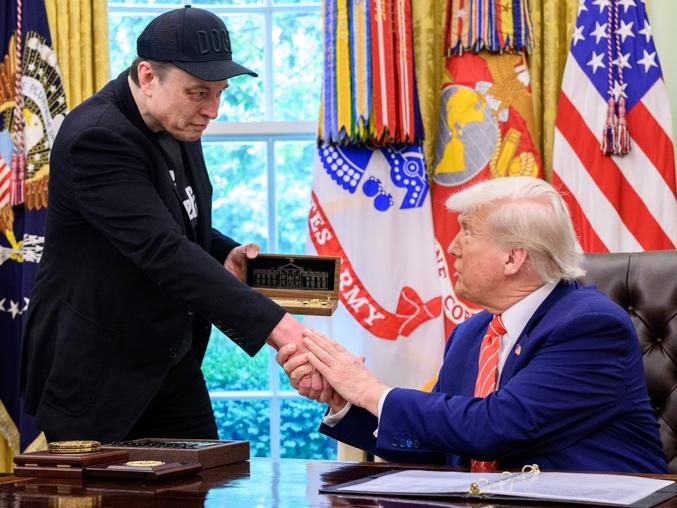
Distinguishing between free expression and harmful content is imperative. The 2018 MIT study, ‘The Spread of True and False Information Online’, conveys how “False news diffuses significantly farther, faster, deeper and more broadly than the truth,” unearthing that false news stories are 70% more likely to be retweeted, highlighting their proliferation. This may be somewhat credited to the fact that misinformation often contains more emotionally engaging content as well as features like confirmation bias intended to resonate more deeply with the public. Thus, misinformation may be shared on far greater scales than official reports. Influential figures like Donald Trump and Elon Musk encapsulate these challenges: their authority can enable them to spread illegitimate claims, consequently fuelling ‘digital wildfires’. In February 2025, Musk amplified unsubstantiated claims, asserting that “TRUMP UNLEASHES CALIFORNIA’S WATER” while “BIDEN AND NEWSOM LET THE FIRES BURN”, reinforcing Trump’s besmirching narrative of Democratic mismanagement under his predecessor (Biden). With Musk’s over 180 million X followers, such reposts illustrate the dangers of widespread misinformation, especially when spread by influential figures. However, while alarming, it is important to note that excessive regulation may stifle debate, highlighting the necessity for policies that reduce harm, without suppressing legitimate discussion.
The permeation of hate speech online is equally harrowing: whilst freedom of speech is a cornerstone of democracy, it must not allow expression that inflicts real harm. The Supreme Court’s 1969 Brandenburg vs Ohio decision set a vital precedent, determining that speech is unprotected, if it is “directed to inciting or producing imminent lawless action and is likely to incite or produce such action”. Legally affirming that regulation is justified when speech
foments violence, marking a clear boundary between free expression and harm. However, it may be argued that the European Union’s 2022 Digital Services Act (DSA), holds a more proactive approach to online regulation. The DSA requires platforms to act quickly to remove illegal content and conduct ongoing risk assessments, creating a more proactive regulatory environment than in the USA. This starkly contrasts with the Brandenburg vs Ohio decision. In the US, speech is protected unless it intends or is likely to incite lawless action; thus, potentially controversial or harmful content may be protected in the US, whilst removed under EU regulation. Subsequently, US officials such as the current Republican Chairman of the Federal Communications Commission, Brendan Carr, have criticised the DSA, suggesting that it would limit legitimate debate and social views, encroaching on US free speech traditions. This division in regulatory opinion raises questions over whether free speech or preventing digital harm should be prioritised. Large-scale extremist groups like the Terrorgram Collective show how when hate speech goes unchecked, it poses the risk of fuelling radicalism and violence, and individual outbursts can also evoke hostility and erode social cohesion. Ultimately, a balanced approach is essential in sustaining free expression whilst minimising its most damaging effects.
Social media is unequivocally under-regulated, with impactful real-world ramifications. A September 2023 UNESCO survey across 16 nations discovered that 85% of its 8000 respondents were greatly concerned by disinformation’s societal impact, underscoring its potential to manipulate society’s direction. In Britain this risk became explicit following the summer 2024 Southport murders, where false claims that the perpetrator was a Muslim asylum seeker ignited a wave of far-right protests. As shown by this example, misinformation can have deleterious effects on society, not only by threatening public safety, but also by widening social divisions and marginalising minorities. Meanwhile, despite its abundance, 93% of Instagram posts flagged as hate speech towards female politicians reportedly go unaddressed, reflecting the urgent need for improved monitoring and action. However, monitoring platforms that operate across multiple jurisdictions is greatly challenging, due to variations in the legal structures of different nations. These examples highlight the need for global bodies such as the EU and the UN to enforce stricter decrees that enhance monitoring, multi-stakeholder oversight, and mandated transparency, to ensure balanced public rights and safety.
In the ever-evolving digital era, unchecked hate speech and misinformation spreads uncontrollably, exploiting democracy; while free speech is paramount, it must not validate malicious behaviour. Balanced regulations could tame the wildfire, ensuring discourse remains responsible, inclusive and safeguarded against harm. Ultimately, a balance must be struck where the preservation of democratic ideals does not come at the expense of societal integrity.
The Ethics of Foreign Aid: Charity or Control?
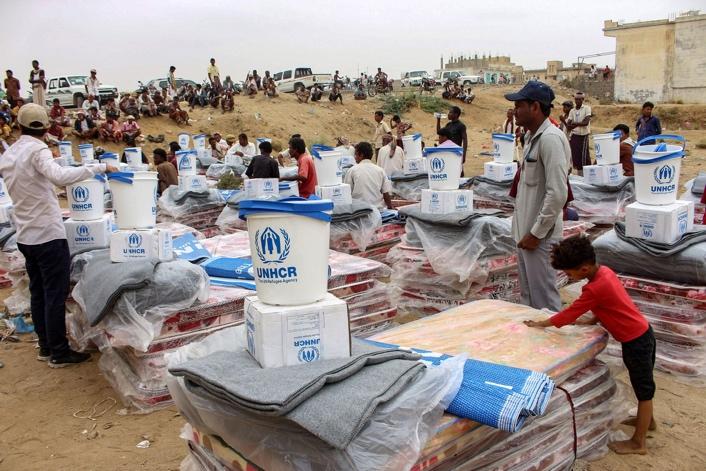
Foreign aid is the transfer of money, goods, or services from one country or international organisation to another to support economic development, humanitarian relief, or political stability. It is often seen as a means of donation or charity and an act of altruism, however the true intentions may be quite the opposite. It may also be used as a geopolitical instrument, where the donor can practically ‘buy’ influence in a country or expect reciprocation through loyalty and concessions by technically being ‘owed’ something back by the receiver.
For a long while now, Yemen has faced severe political instability, corruption, and repeated civil wars, leaving its economy and institutions in collapse. In response, Saudi Arabia started to provide large amounts of aid, including cash, oil shipments, and infrastructure projects. But in my personal view, this was not purely an act of generosity, it was a strategic move pulled by Saudi. This scheme had plenty of strings attached and was often used as a political tool rather than pure charity, ensuring that Yemen’s government supported Saudi interests in the region, particularly in countering Iran and the Houthi rebel movement. Through this so called ‘philanthropy’, Saudi also effectively gained influence within Yemen’s politics, maintaining control over a strategically vital neighbour without direct rule. However, Saudi Arabia defended its intervention in Yemen by pointing out that it began at the formal request of Yemen’s internationally recognised president, Abdrabbuh Mansur Hadi, and therefore framing their involvement as supporting Yemeni sovereignty and restoring the legitimate government after the Houthi takeover of Sana’a in 2014–15. Saudi Arabia also defended its intervention as aiming to prevent regional destabilisation and cross-border attacks as well as humanitarian aid amidst the worsening civil conflict.
Yet, international aid can unintentionally harm the recipient by making them economically dependent on borrowed money and potentially distort national priorities to focus on the donor’s conditions. This could substantially damage the country as the government may shift priorities and take attention away from things like education, healthcare and infrastructure. Furthermore, the funds may be misused or stolen, contributing to corruption or elitist interests in ways, as aid money often comes from outside, not domestic taxpayers, so governments don’t feel the same pressure to justify how it’s spent.
On the other hand, although foreign aid is often criticised, it has achieved real success when transparency, oversight, and long-term planning exist. If public services like healthcare and education, or infrastructure are developed or maintained in times of crisis, it can prove
invaluable. For instance, The President’s Emergency Plan for AIDS Relief (PEPFAR) - a U.S. aid program - has provided lifesaving HIV treatment to more than 20 million people in Africa. This plan was a testament the wide-reaching, lasting, and effective impact foreign aid can have some of the time.
In conclusion, foreign aid remains a double-edged sword, as it is fully capable of delivering priceless help, yet equally serving as a possible engine for political manipulation. While I would argue that cases like Saudi Arabia’s involvement in Yemen expose how aid can become a cover for strategic dominance, programs such as PEPFAR highlight its power to save millions when carried out with transparency and accountability. Ultimately, the recipient nations must be aware of the risks and strings attached with their deals, ensuring that shortterm aid does not come at the expense of long-term freedom and independence.
Foreign aid brings up a challenging ethical question of whether charity without genuine intent can ever be called charity?
Darsh J
The Rise of Celebrity Politics
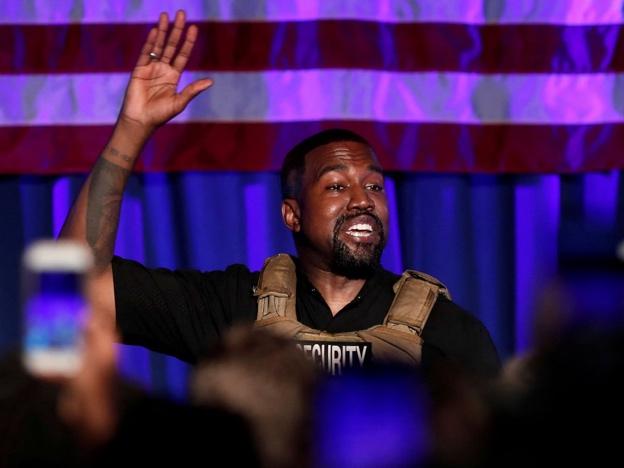
In 2020, Kanye West announced his campaign for US presidency, many people saw it as nothing but a publicity stunt. However, it revealed that fame has become one of the most powerful and strongest form of political influence in modern politics. In today’s world, social media has turned popular celebrities into people with strong political influence. From Donald Trump to Nigel Farage, politics is being shaped by image and popularity over political experience. Kanye’s campaign has shown how easily the line between government and entertainment can be crossed, raising issues and questions about future democracy.
In modern politics, voters connect with personal image and emotional appeal rather than party loyalty or detailed policies. Voters connect with personality so much more, as it creates feelings of trust and a sense of identity. This links to voter psychology which explains that factors like feelings towards a candidate and social group dynamics are often more influential. As social media continues to grow, so does the impact of this. Apps like Instagram and TikTok allow politicians to present themselves in the way they want to be perceived, through posts with their families or moments with supporters. Figures like Kanye West and Donald Trump are increasingly using this approach, using emotion to appeal to voters and create a fan base. Moreover, this has led to strict party loyalty being seen as outdated and unappealing. It is argued that this is because it creates and ‘us vs them’ dynamic, which goes against individual thinking. Additionally, when policies are too complex, it’s harder for the public to hold elected officials accountable for their actions, making it difficult to see whether a policy is benefiting the government as it should be.
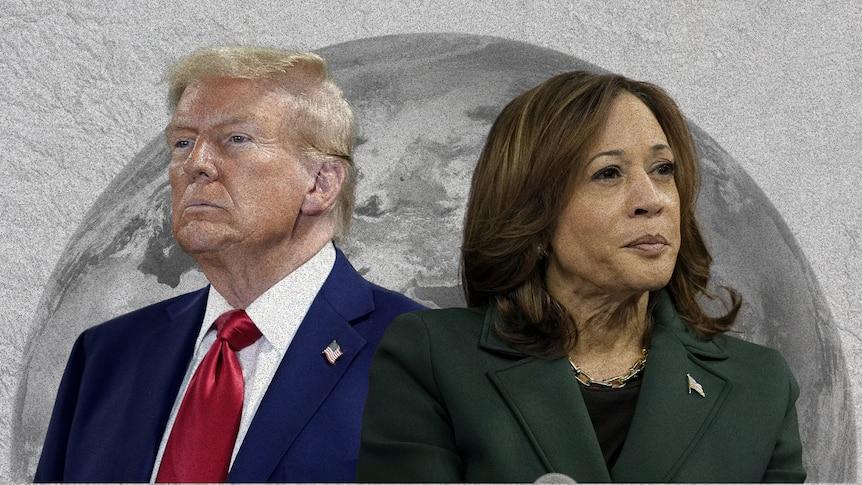
Furthermore, the rise of celebrity politics has had both positive and negative effects on democracy. On one hand, it has increased public engagement and made politics more accessible to younger generations. Social media platforms allow people to feel closer to political figures and understand situations happening around them. However, this also has its downsides. When fame and personality become important factors, it takes away from important political discussions, focusing more on drama and entertainment. Fame can undermine political accountability due to things like ‘cancel culture’. This is seen today, in the US between Kamala Harris and Donald Trump in the 2024-25 election, and in the UK with Nigel Farage and Boris Johnson. While celebrity politics can be
good for democracy, it can also weaken it by spreading misinformation and focusing on creating viral content.
Celebrity politicians often mix their personal identity with the political message they are aiming to send, by using race, gender and religion to connect with their supporters. This is clearly shown in Kanye’s campaign; he framed his political beliefs through his Christian faith and experience as a black artist in America. However, Kanye is not the only person guilty of this, across western democracies many political figures use culture and symbolism to define their image. In the United States, Donald Trump appeals to nationalist and traditional values, while in the UK, Nigel Farage links himself to patriotism and anti-establishment identity. This shows how modern politics is no longer just about policies, but also about shared values and beliefs. However, it can create divides in communities and take away from politics being about genuine policies.
So, fame is becoming an increasing factor in political influence today. This is down to voter psychology, being able to relate to the people you are voting for, as well as it affecting democracy by increasing public engagement but also political figures focusing on fame and entertainment. Finally, politicians are mixing personal identity and political messages, aiming to connect with their supporters but creating divides in communities.
Zara H
How the Vietnam War Still Shapes America’s Foreign Policy
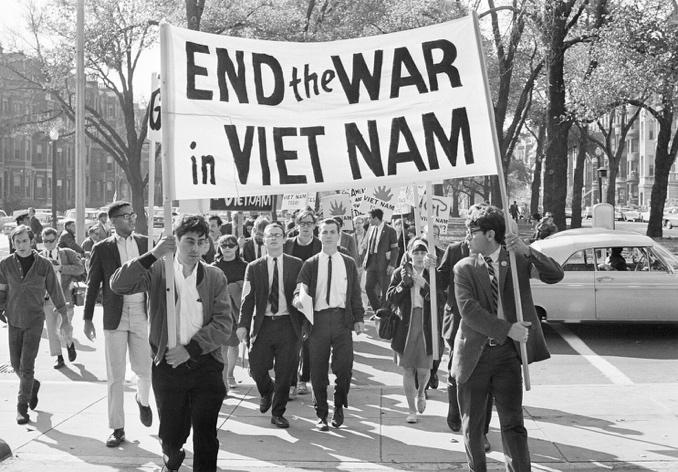
The Vietnam War, which lasted from the early 1950s to 1975, was one of the most humiliating, defining and costly defeats in American history. The Vietnam war was heavily publicised leading to it being labelled the ‘TV war’, with images of dead soldiers, helicopters evacuating Saigon and the anti-war protests in America changing how the US was viewed internationally and by its own citizens. This experience created the 'Vietnam syndrome’ which is a reluctance to commit troops to foreign wars especially when they are expected to be drawn out and unclear like the Vietnam war. The Vietnam syndrome has shaped American foreign policy for decades, even being used today when engaging in other international conflicts. The trauma from Vietnam influenced the government’s caution of repeating the same mistakes in later conflicts.
US involvement in the Vietnam War began as an attempt to stop the spread of communism in Southeast Asia but it soon became a prolonged and unwinnable conflict. Despite the fact that the US had superior military technology, the US could not defeat the Viet Cong for several reasons. Among these are guerrilla tactics and the nationalism of the Vietnamese population. The war had mass casualties with over 58,000 American soldiers killed, and 2 million Vietnamese soldiers and civilians dying. As the war became prolonged, American citizens were growing increasingly upset at the American involvement in the war. The televised nature of the war increased this sentiment, as there were brutal images of napalm attacks, burnt villages from the ‘zippo raids’, and the dead Vietnamese civilians, particularly in the My Lai Massacre. Antiwar protests were growing across the US, specifically amongst college students and civil rights groups who were advocating for an end to the Vietnam war. The US government had been maintaining the position that they were winning the war and making progress in the Vietnam war, but this was discredited with the release of the Pentagon Papers in 1971. The Pentagon Papers revealed that several government officials and administrations had misled the public about the US’s progress in Vietnam which amplified the anti-war movements. After the fall of Saigon in 1975 the US had not only lost the war, but also, it’s reputation as a benevolent superpower.
The ‘Vietnam syndrome’ theory became widely used in the 70s and 80s to describe the political reluctance to use a military presence abroad. The trauma of the public backlash and mass use of resources ultimately resulting defeat cautioned future presidents about sending troops into conflict. US president Jimmy Carter who was elected in 1976, 1 year after the end of the Vietnam war avoided any major military conflicts and focused on diplomacy instead.
His approach was reflective of the Vietnam syndrome and the search for peace. In the 80s, President Ronald Reagan tried to counter the effects of the Vietnam Syndrome by promoting patriotism and American pride. However, President Reagan still avoided open ended conflict and instead focus on short, controlled operations.
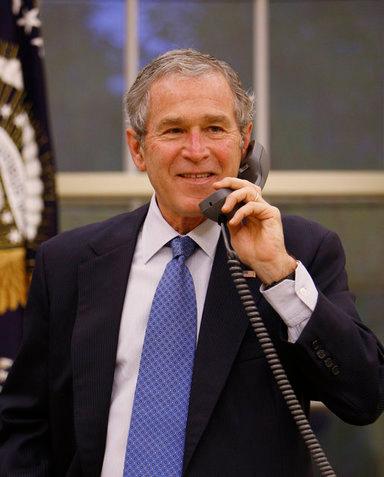
The syndrome continued to influence how the US approached later wars. In the 1991 Gulf War, President George Bush ensured that America’s role was clear, limited and well supported. The war was short lived, lasting only a few weeks and the US troops quickly withdrew avoiding the drawnout occupation in Vietnam. However, this strategy to avoid drawn out conflicts proved ineffective after the 9/11 attacks shook America to its core. In Afghanistan (20012021) and Iraq (2003) the US became trapped in prolonged conflicts. Over time both wars needed many troops and took time which led to mass casualties and unclear goals, similar to Vietnam. When the US finally withdrew from Afghanistan in 2021, images of people clinging onto airplanes and desperate civilians were very similar to photos of the 1975 Fall of Saigon to the victorious communist forces. Even in recent years, the Vietnam war has still had influence on US foreign policy. American leaders understand that the public’s tolerance for mass casualties and unclear conflict is inexistant, so they must ensure their decisions align with these values.
So, the Vietnam syndrome has had a large impact on American foreign policy. The trauma of Vietnam has made the government more sceptical of using military force without clear objectives, pushing American leaders to ensure that they are certain about sending troops into conflicts. Despite this caution occasionally limiting America's power abroad but it has also prevented the US from engaging in any other disastrous wars.
Angela P
America’s Political Paralysis and Its Parallels with the Late Roman Republic
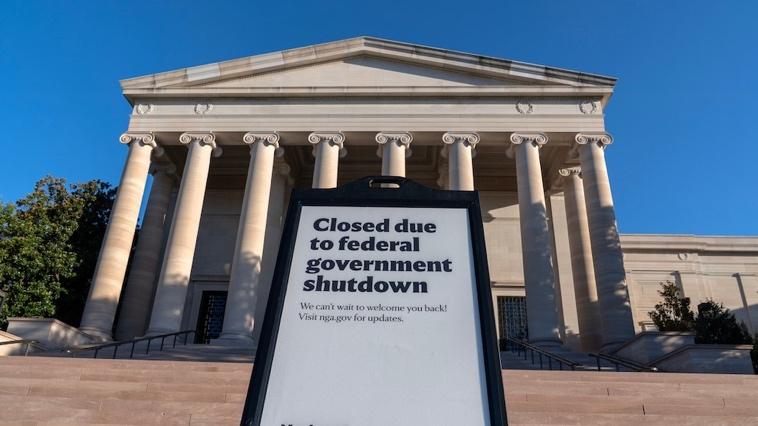
The US government shutdown, which began on October 1st when Democrats and Republicans failed to agree on a funding bill, has just passed its first month and is on track to become the longest shutdown in American history, and potentially the most detrimental to the nation. Political polarisation has deadlocked Congress; the bipartisan system has devolved into futile infighting, with neither side willing to compromise on their stances and pass a spending bill that would keep the nation running. Politicians prioritise incessant loyalty to their respective parties over their duty to the public and to the nation's interests. During the shutdown, some 730,000 government employees will be expected to work without pay, and another 670,000 furloughed; the SNAP benefits programme (food stamps) will lapse for the first time in the programme’s history; and the nation’s air travel has faced increased strain and safety concerns as ATCs remain unpaid yet expected to work.
While the people struggle and go hungry, the President has continued to push the boundaries of his executive authority, infringing on matters that have constitutionally and traditionally been overseen by Congress. He has faced accusations of abusing the shutdown to further his own fiscal policies, possessing unprecedented authority over the Nation’s spending (a power vested with Congress in the Constitution), dismantling entire agencies, firing thousands of workers, and cancelling billions in federal spending, all without any permission from legislators. Trump has also repeatedly struck and destroyed ‘drug boats’ in the Caribbean without congressional approval, raising questions about compliance with the War Powers Act of 1973, skirting international law, and demonstrating a dangerous willingness to unilaterally resort to military force.
Considering the millions employed by the government, and the tens of millions more that the shutdown will directly harm, it is no surprise that the shutdown, and Trump’s rule as a whole, have led to major public discontent. Polls indicate a historic low level of faith and trust in the Government and Congress to serve the national interest. The prevalence of echo chambers in popular social media platforms such as Twitter, where algorithms feed users content that only affirms their existing beliefs, further polarises individuals; These algorithms ideologically isolate users and deepen their mistrust and enmity towards the other ‘side’. Traditional media such as Fox News, whether due to Trump’s censorship efforts or just as a general trend, have also turned largely sensationalist and partisan, abandoning their historic role as a moderating force in politics via objective reporting. There is also a noticeably increasing disconnect between voters and politicians, where politicians are more focused on party agendas than on representing the direct needs of their constituency; this indicates a larger trend where politics
has strayed from its fundamental purpose of serving the people and rather simply serves the ambitions and wealth of those in office.
The founding fathers of the US, when drafting the Constitution, were largely inspired by arguably the most remarkable and successful democracy of all time: the Roman Republic. In many ways, they modelled the constitution of the US and their system of checks and balances after the Roman system. They also recognised the failure and subsequent fall of the Republic: how corruption, factionalism, and the concentration of power within individuals could lead to tyranny, the manner in which Julius Caesar had taken power and been elected Dictator in 49-44BC. The Founding Fathers thus designed the system so that no one branch of the three (executive, legislative, and judicial) had too much power; however, degradation and institutional rot over the centuries have threatened that balance. Now, we have figures like Trump who act authoritatively, without care for the balance of powers outlined in the Constitution and blatantly violate conventions that have governed the nation for centuries.
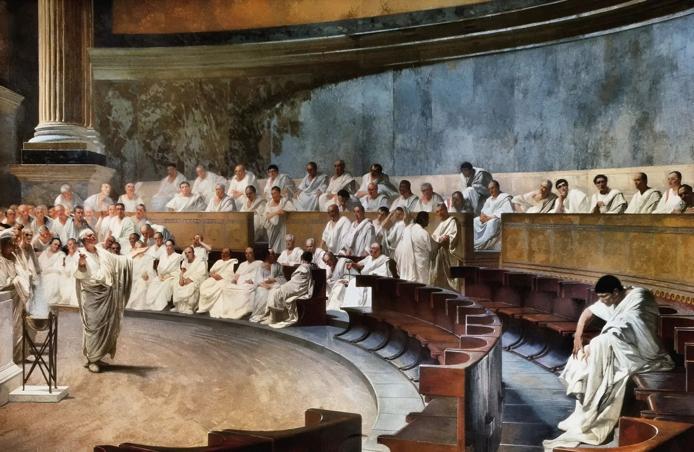
By the late Republic (c. 60 BC), the Roman senate had become paralysed, riddled by warring extremist factions; they were deadlocked (just like the current shutdown), and politicians like Caesar and Pompey the Great began to circumvent the system. The Senate were unable to pass legislation to support the people, such as a land reform act for veterans, and in response, Caesar, Pompey and Crassus formed the First Triumvirate. They initiated populist campaigns to sway the people and used political violence, riots, and assassinations to remove competition; the parallel is evident. In fact, the pervasiveness of political violence was regarded in Rome as one of the major factors that ultimately undermined the democracy of the Republic, a trend we are beginning to see again, for example, in the Jan 6th attack against the peaceful transition of power. In Rome, these demagogue politicians, particularly Caesar, began to flagrantly violate constitutional norms to serve their own interests, culminating in Caesar’s infamous crossing of the Rubicon*, which doomed the Republic and triggered the transition to an autocratic empire.
In the Late Republic, it was the gradual erosion of political traditions and the unchecked transgressions against the constitution that ultimately destroyed the Republic. We are witnessing many of those same patterns emerging in the US today, and the important question is whether the people have learned from the fall of the Roman Republic, or whether America is doomed to suffer the same fate that befell the Romans.
Zayed M
The Rise of Trump and the American Far-Right
We are now nearly a year into Trump 2.0, and it is worth reflecting on how we arrived at this point. The Republican Party currently holds 53 seats in the Senate and 220 seats in the House of Representatives, giving Trump and his allies significant influence over the legislative agenda. Understanding this moment requires examining how a business tycoon and reality TV star captured the presidency of the most powerful nation in the world, reshaping American politics and energising a broad segment of the electorate.
In recent decades, the United States has experienced a noticeable rise in far-right political movements, which have significantly influenced public discourse and electoral outcomes. Traditionally, American politics has been dominated by the Democratic and Republican parties, but farright ideas have increasingly shaped debates on immigration, national identity, and economic policy. The election of Donald Trump in 2016 marked a pivotal moment, highlighting the appeal of far-right messaging to a substantial portion of the electorate. His continued prominence within the Republican Party underscores how these movements have become embedded in American political life.
Several factors explain the growth of the far-right in the United States. Economic concerns play a central role. The decline of manufacturing jobs, wage stagnation, and the pressures of globalization have left many Americans feeling insecure about their livelihoods. Far-right movements often offer simple, direct solutions to these complex problems, promising protection for domestic industries and jobs. For voters who feel left behind by economic change, this approach can be highly persuasive, presenting leaders like Trump as champions of ordinary Americans.
Cultural and demographic changes have also contributed to the rise of the far-right. Increasing diversity, shifts in social norms, and changes in immigration patterns have created anxiety among some groups, who perceive these trends as a threat to their traditional values or way of life. Far-right political messaging often responds to these concerns by emphasizing national identity, law and order, and the preservation of traditional cultural norms. This appeals to voters who feel that mainstream political parties no longer represent their interests or understand their experiences.
Media and technology have further amplified far-right influence. Social media platforms, in particular, allow messages to reach large audiences quickly and directly, bypassing traditional gatekeepers such as newspapers and television networks. Targeted messaging, viral content, and echo chambers can reinforce existing beliefs, mobilize supporters, and heighten political
polarization. For leaders like Trump, these tools provide a direct line to the public, helping to maintain a loyal base of supporters and frame political narratives on their own terms.
In terms of the 2024 election, it cannot be understated the failings of President Joe Biden and the role that played on swinging many moderate voters towards Trump. On the economic front, high inflation and concerns over housing and energy costs have left many Americans feeling financially insecure. Politically, some perceive Biden’s focus on progressive social policies, often described as “woke” initiatives - such as efforts to address systemic racism, gender identity issues, and climate change - has at times alienated moderate and working-class voters who feel these issues are not immediate priorities. Additionally, critics point to perceived inconsistencies in foreign policy and challenges in managing crises such as the withdrawal from Afghanistan and ongoing international tensions, which have contributed to a sense of uncertainty about the administration’s effectiveness. These factors, combined with general political polarization, have created an environment in which opposition figures, like Donald Trump, can present themselves as alternatives promising decisive action and a return to stability.
Donald Trump’s popularity can be understood in light of these economic, cultural, and technological factors. He presents himself as an outsider willing to challenge established norms and confront political elites, positioning himself as a defender of American workers, families, and national interests. His communication style, direct, personal, and often confrontational, resonates with voters who feel disconnected from traditional political messaging. By addressing both economic frustrations and cultural anxieties, Trump has created a broad and dedicated support base that transcends traditional party lines.
Furthermore, Trump’s focus on rallies, media appearances, and social media engagement has allowed him to cultivate a sense of personal connection with his supporters. This approach fosters loyalty, reinforces shared concerns, and strengthens group identity among his followers. His ability to articulate complex issues in simple, relatable terms contributes to his appeal, making politics personal to voters who may feel ignored by mainstream politicians.
So, the rise of the far-right in the United States is the result of multiple interrelated factors, including economic insecurity, cultural change, and the evolving media landscape. Donald Trump’s popularity reflects these dynamics, as he effectively addresses both economic and cultural concerns while presenting himself as a direct, unfiltered voice in American politics. Understanding these trends is essential for analysing contemporary American political life and the challenges posed by increasing polarization and the influence of far-right movements.
Kai D
Tommy Robinson and the ‘Unite the Kingdom’ Rally
The strikingly large parade of over 100,000 people, Union Jack (as well as St. George’s crosses and Israeli) flags and massive wooden crosses on 13 September 2025 sparked many debates. But arguably there is an underlying confusion on the actual nature of the event, which is encapsulated in the debates even surrounding the estimates for the number of attendees. This article will strive to answer the following: What really happened at the rally? Who is ‘Tommy Robinson’, the rally's leader?
What really happened at the rally?
On 13 September 2025, between 110,000 and 150,000 people turned out for rightwing activist Tommy Robinson's ‘Unite the Kingdom’ rally in London (significantly shy of his claim of up to 3 million attendees), with around 5,000 involved in a counter-demonstration. The rally stood for a range of right-wing topics, with speeches taking place on a stage erected in Whitechapel condemning gender ideology, the murder of Charlie Kirk, Keir Starmer’s government, but most fundamentally, demographic change in England, with a clear anti-immigration focus. A wide range of speakers reinforced this rhetoric, from former Apprentice contestant Katie Hopkins, members of the Anglican Clergy, former SAS soldiers, Western European political figures, to billionaire Elon Musk.
Elon Musk made a surprise appearance via video link and claimed in his speech: “Whether you choose violence or not, violence is coming to you. You either fight back or die”, which has been widely condemned for exacerbating political tensions among the crowd and counterprotesters.
The level of violence among protesters has been the subject of much debate online, but the facts stand that: twenty-four people were arrested, of whom only one was believed to have been involved in the counter-protest. London’s Metropolitan Police confirmed only four of its police officers sustained serious injuries (a number that has been massively exaggerated), but still stated its officers faced “unacceptable violence”, with injuries sustained including broken teeth, a possible broken nose, and a concussion.
Who is ‘Tommy Robinson’?
‘Tommy Robinson’ is a pseudonym for Stephen Yaxley-Lennon. He has been known by five different names over the years, predominantly to disguise his extensive criminal history. Arguably, Robinson is the best-known right-wing activist in Britain (he rejects the label ‘farright’) and is a figurehead for nationalism, Christian Zionism, and the movement against mass Muslim immigration in the United Kingdom.
Tommy co-founded his own political party in 2009, the English & Jewish Defence League, later renamed to simply the English Defence League. The party stressed street demonstrations and was a single-issue movement opposed to Islamic extremism and mass immigration. Following three previous convictions for violent offenses, Robinson was arrested again in 2012, serving a 10-month sentence for having entered the United States with a false passport. In 2013, Tommy Robinson formally left the EDL, citing that it had become too extreme, and established the short-lived rival Pegida UK; however, the group quickly fell apart.
By 2017, Robinson had begun referring to himself as a “journalist” and partnered with the Canadian far-right outlet Rebel News. This journalistic career has so far involved extensive posting on ‘X’ (formerly Twitter), the release of a series of documentaries on on-street grooming in Telford, and a self-produced film covering his 2023 court case called ‘Silenced’, as well as a podcast series by the same name.
In 2018, the leader of Reform UK, Nigel Farage, resigned from the UK Independence Party partly because of its increasing association with Robinson, and has since stated Tommy is “not welcome” in the Reform UK party.
From 2014 to 2024, Robinson was charged with 5 more offences and served a total of 34 months in prison. Robinson emerged from his latest 7 month prison term in 2025 (totalling six separate terms in just over a decade) claiming the prison had been ‘messing with [his] visits’, ‘messing with [his] phone calls’ and ‘messing with [his] food’.
This series of claims is believed to have sparked what is seen as Robinson’s current momentum, with Elon Musk taking up his cause with a string of supportive tweets, condemning his placement in “solitary confinement prison for telling the truth”. For context, Robinson was not placed in solitary confinement during his 2025 prison sentence; he was placed in segregation from other prisoners for his own safety.
So, Tommy Robinson is nothing if not a controversial and divisive figure, with public opinion firmly split on both him and his rally in September this year. Some label him a farright agitator, and others a spearhead for free speech and British values. As stated at the beginning of the article, I encourage the reader to decide their own judgment on Robinson and his causes with nuance.
Lottie C
Zohran Mamdani and the NYC Mayoral Race
Zohran Kwame Mamdani was born and raised in Uganda, moving to New York City with his family at the age of 7. Here is where he began his journey into politics. Before running for office, he worked as a housing counsellor and tenant organizer, helping residents fight evictions and unfair housing practices. In 2020 he successfully ran for the New York state assembly, representing Astoria, Queens - marking his official entry into elected politics. This eventually led to him running in the 2025 New York city mayoral race against competitors Andrew Cuomo (independent) and Curtis Sliwa (Republican), where a victory would make him the first South Asian mayor of NYC. The city has traditionally leaned towards the Democrats, however Mamdani’s agenda comes from the democratic socialist wing of the party – leftwing even within the Democratswhich means that democracy should extended beyond politics into the economy, leading to ordinary people, not just corporations or wealthy individuals, having a say in how the economy is run.
His support has been cultivated through a range of strategies, appealing to various groups in NYC, especially focusing on younger people, the working class, as well as immigrant communities. Clearly, his strategies of a strong social media presence, creating emotionally engaging and accessible videos has been largely successful, as his content often blends humour and activism, making progressive ideas more relatable. Moreover, his speeches include personal anecdotes and references, which resonate deeply with working class and immigrant voters, whilst giving minorities a sense of representation that they have not experienced before. For example, after the 9/11 attacks, Muslims in NYC and around the world had to counter a rising tide of Islamophobia, despite young Muslim New Yorkers having spent years developing power in the city by building political institutions, and more. That movement has been growing quietly and steadily for years and Mamdani is now its best and most accomplished expression.
The question whether NYC is going to experience an introduction of progressive politics, has become increasingly prominent due to Mamdani’s potential policies. The main idea behind his political campaign is to build a New York City that works and supports the ordinary people and one that is more sustainable, equitable and democratic, mainly focusing on economic and racial justice. His policies include making the city more affordable for the working class through building affordable housing, no cost childcare, taxing corporations as well as ‘Trump-proofing’ the city, to name a few. For example, Trump has deployed ICE agents to pluck new Yorkers from their families and has also sent already high prices skyrocketing with tariffs. Mamdani has dedicated himself to ensuring immigrants are
protected by getting ICE out of all city facilities and ending any cooperation and promising to fight ICE raids that target undocumented immigrants.
Another one of his key policies is centred around low-income families. For example, ‘freezing the rent’, which is essentially using available resources to build the housing New Yorkers need and bring down the rent. Despite more than two million tenants living in rent stabilized apartments, which should be the bedrock of economic security for the city’s working class, one of the main reasons why families leave New York is due to the housing crisis. In opposition to Mamdani’s policies, Eric Adams, the 110th mayor of NYC, increased the rent on stabilized apartments by 12.6%, furthering the housing crisis. To make the city more affordable for low-income households, Mamdani aims to reduce costs of every aspect of daily life, including no cost childcare, controlling food prices as well as fast and free busses. Despite his successes, Mamdani has also experienced a large amount of opposition due to his ideas on new policies for the city. For example, in June, Donald Trump threatened to cut NYC off from federal funds if Mamdani ‘doesn’t behave himself’ should he be elected. Additionally, in an interview with Fox News, Trump argued that victory was ‘inconceivable’ because he perceived the candidate to be a ‘pure communist’.
So, Zohran Mamdani’s rise to the position of New York City mayor represents more than just a political victory, it marks a shift in the city’s identity and values. His progressive policies which focus on housing affordability, immigrant protection, and economic equality, signal a move towards a city that prioritizes ordinary people over corporate interests. While his agenda has sparked both enthusiasm and controversy, Mamdani’s election demonstrates a growing support among New Yorkers, as well as a symbolic victory worldwide for bold, transformative politics that aim to make the city more representative and sustainable for its diverse population.
Ryka G
How Zack Polanski Has Transformed the Green Party
Founded in the 1990s, the Green Party of England and Wales sought to protect the environment, promote social justice, and create a sustainable economy. These messages echo in today’s Green Party but the spread and reach has been completely revolutionised following Zack Polanski’s leadership win in September 2025. The question then lies in how Polanski has created momentum for a party that has never been able to gain more than 60,000 members despite decades of campaigning? As of October 2025, the Green Party has become the third-largest political party in the UK by membership with around 140,000 members (over double the membership numbers prior to Polanski’s take over). There have been no radical new policies or social media tactics - this leadership turnover has organically reshaped the party to make simply ‘hope normal again’, a slogan that now defines the Green Party. Polanski has proved that having an honest and competent leader can change everything about how individuals view a political party. Politics doesn’t have to be complicated; it can be accessible to everyone- Polanski has shown the importance of being confident and relatable in a time of turmoil for the UK.
Polanski’s rise to leadership was emphatic. Winning over 84% of the vote- the largest margin the party has seen in any contests- he entered office with a clear mandate for change. At the time, the Greens only had around 68,500 members which is a stark increase from the 58,000 at the end of 2024. Yet within weeks of his election, an additional 10,000 people had joined. This immediate surge highlights not just organisational success, but a shift in perception: under Polanski, the Greens began to appear credible, coherent, and emotionally resonant.
For decades, the party faced a persistent crisis of relevance. Despite a clear moral mission, the Greens failed to secure more than 1 parliamentary seats – until 2024 when they won a record 4 seats - and were often viewed as a single-issue, protest movement. The cycle of banal leaders continued until Polanski was elected, and, despite having the same messages as his predecessors, Polanski has been able to make the Green Party relatable and accessible. His two months of leadership have highlighted the importance of communication and rhetoric, especially in a climate where politics feels so complex. Using messaging as simple as making ‘hope normal again’ hooks people in to feel safe in politics again. Considering the political environment with Reform UK’s rise, many people genuinely want ‘hope’ to feel normal again. By positioning the Greens as a genuine left-wing alternative to Labour, Polanski has reframed them as a viable force in British politics rather than a fringe environmental pressure group.
Beyond his rhetoric, Polanski’s policy agenda reflects both clarity and conviction. He champions policies such as wealth taxes to alleviate the pressure on low-income workers, branding his approach as “bold leadership”. This phrase captures his strategic response to the rise of Reform UK: to confront a populist anger not with extremism, but with authenticity and moral confidence. His ideas, though sometimes labelled as radical, are communicated with coherence and calm authority. Even when challenged on national television, Polanski consistently backs his proposals with reasoned arguments and factual evidence, strengthening the perception of him as a leader of integrity rather than ideology.
Equally transformative is Polanski’s personal style. Where figures like Keir Starmer and Kemi Badenoch can appear cautious and technocratic, Polanski’s authenticity sets him apart. His transparency, empathy, and openness foster a sense of trust rarely found in contemporary politics. Despite facing criticisms from the right, Polanski remains composed and principled, focusing on representing communities rather than pursuing personal ambition. This sense of sincerity has helped bridge the widening gap between the electorate and the political elite, making politics feel accessible and human again.
Looking ahead, the trajectory of the Green Party under Polanski appears promising. It’s likely that the Greens will continue to increase their membership numbers, and, if momentum is held until the next general election, they could come out with around 40-50 seats in Westminster. This growth signals a deeper shift in British politics: a growing disconnection between Labour and progressive voters who are turning to the Green Party in search of authenticity and vision. Ultimately, Zack Polanski has demonstrated that a movement built on clarity, compassion, and hope can redefine the boundaries of political success. His leadership has transformed the Green Party from an overlooked pressure group into a credible, valuesdriven alternative at the heart of British politics.
Katherine C
From Monarchy to Theocracy: How the Iranian Revolution Shaped Geopolitics
It's October 1971, Shah Mohammed Reza Pahlavi hosts one of the largest parties and extravagant spectacles in history to celebrate the 2500th anniversary of the Persian Empire. Thousands of guests, including the likes of Queen Elizabeth Il, King Juan Carlos, Spiro Agnew, Nikolai Podgorny attended, enjoying hundreds of fireworks, parades of exotic animals and state of the art performances. This contrasted greatly with the struggles of everyday Iranians. The rural majority faced uneven land reforms, while urban workers faced low pay, rising inflation, and poor living conditions and any political dissent was tightly controlled by the secret police, SAVAK. Yet for the elites and other upper-class individuals, the Shah was viewed as a moderniser, one with a vision and aim to make Iran a first world state. This disparity caused growing discontent over the 1970s until it all came to head in 1978.
In January 1978, state backed newspaper, the Ettela'at, vilified exiled cleric Ayatollah Khomeini. Demonstrators in Qom, a key Shia religious city, interpreted this as an attack on Islam so small strikes demand respect for Khomeini. Security forces opened fire on the protesters and news spread to other key cities like Tehran or Tabriz, causing protests to occur there too. They also had violent crackdowns, and slowly over the course of the year the entire country started to protest. The Shah attempted to enact martial law, but it only inflamed anger alongside Khomeini’s speeches and letters which mobilised millions more. Khomeini, thus, became the unifying leader behind the revolution of protesters from all walks of life.
By January 1979, the Shah fled Iran as he lost support from the military, police and even his own political elites. The next month, Khomeini returned and received a hero's welcome allowing revolutionary forces to take control and stage an orchestrated vote for the proclamation of the Islamic Republic. The revolution had succeeded.
The revolution's aftermath was swift and polarising. Revolutionary tribunals were set up to 'justly try' Shah officials, however most were either arrested or executed. Legislature was rewritten to comply with Shia Shariah law (Islamic law) and a mass exodus of the westernised elite class ensued. The constitution was written by December 1979, with Khomeini proclaiming himself the Supreme Leader of Iran.
The long-term effects of the revolution were major for Iran, shifting from a westernised state to a traditional theocracy. One of the biggest changes due to this is the rapid change in US relations, from allies to sore enemies. The Shah, having just fled to the US due to the
revolution and for critical cancer treatment, saw many Iranians worry the US would help him take control of Iran. This was an especially strong fear due to the previous instance in 1953 when the Shah overthrew PM Mossadegh with the ClA's help.
Thus, due to these fears, a group of extremists stormed the US embassy in Tehran in November 1979, taking 52 Americans hostage. They hoped this would pressure the US to send the Shah back to Iran so he could be put on trial. However, their plan failed, and the crisis lasted 444 days, continuing long after the Shah's death months earlier. The hostage crisis marked a complete breakdown in US–Iran relations, leading to the severing of diplomatic ties, the freezing of Iranian assets in American banks, and the end of any meaningful Western support for the new regime. Carter’s failed attempts to rescue the hostages, especially the disastrous Operation Eagle Claw in 1980, further humiliated the US and strengthened the revolutionary leadership, worsening relations even more. The crisis also didn't just damage US relations, but relations with the entirety of the West, and has pushed Iran firmly into a position of resistance against American influence, shaping its foreign policy up until today.
Additionally, Iraq invaded in 1980, fearing that the Islamic Republic would spread and fund Shi'ite groups in Iraq. The war lasted 8 years and significantly stunted Iran's growth, another consequence of the Iranian Revolution. A further exodus by many educated individuals occurred, which even further harmed Iran's growth and recovery from the revolution. Today Iran faces sanctions from much of the West, is in a Middle Eastern ‘cold war’ with the Saudis, and funds Shi'ite groups in the region, such as Hezbollah.
For the Iranian people, society also faced a complete shift from one pushing for Western ideals to one demanding a restoration of ‘tradition’. Sharia law implemented public dress codes, gender segregation, and censorship on Western media and influences, which have been recently increasingly opposed to by many. All opposing parties were swiftly banned and although there are elections, all candidates are chosen by the supreme leader.
The Iranian Revolution, therefore, didn't just shape Iran's future but also the entire region, inspiring Islamist movements, challenging western influence and completely shifting the regional balance of power. Even today the mass exodus of intellectuals still stunts Iran's development, and the social change shapes millions of lives today.
Aryan R
Libya’s Civil Wars: From History to Today
Over recent years, Libya has faced a myriad of events, most notably its two civil wars, in 2011 and 2014, from which it has arguably never really recovered. Located in the Maghreb region of North Africa, Libya has a predominantly Muslim population, with most situated along the coast in the cities Tripoli and Benghazi.
After gaining independence from Italian colonialism (1911-1943) and a postwar British French occupation in 1951, Libya was ruled by King Idris I for 18 years. However, he was overthrown in a military coup in 1969, which introduced Muammar Gaddafi’s 40-year reign.
Gaddafi established an authoritarian, oneparty regime, where he enforced his idea of a ‘state of the masses’, which he called alJamahiriya. Although he did bring economic prosperity to the country through his utilisation of Libya’s oil wealth, Gaddafi was a dictator accused of abusing human-rights and funding terrorism; this authoritarian, harsh regime was eventually what contributed to his downfall.
Amidst the wave of the Arab Spring, Gaddafi was overthrown and killed in 2011. However, this event was preceded by months of protests, which shaped the first Libyan civil war. Beginning in Benghazi in February 2011, small protests began in response to the arrest of Fathi Terbil, a human rights lawyer in Libya. However, an aggressive response from police, involving tear gas and live ammunition escalated anger, leading to further, larger protests like ‘the Day of Rage’ on February 17th. This was one of the larger demonstrations, where thousands took to the streets of Benghazi, with many protestors being killed or injured at the hands of police violence. After this day, protests increased across Benghazi, cementing the city as an anti-Gaddafi region, essentially beginning the first Libyan civil war, where months of violent conflict occurred between anti-Gaddafi forces and Gaddafi-led militia. Over the following months, thousands of civilians were killed, with forces from NATO intervening under UNSC Resolution 1973 with a mandate to protect civilians and enforce a no-fly zone. In October 2011, Gaddafi was executed in Sirte, and his death put an end to the first Libyan civil war.
However, following Gaddafi’s fall, Libya was unable to form a stable, secure government. Thus, they experienced another civil war three years after. In 2014, elections were held for a new parliament in attempts to secure Libya’s government, however Islamic factions rejected the results. This led to Khalifa Haftar (a former officer under Gaddafi) launching ‘Operation Dignity’, an attempt to remove Islamist and other militia groups. However, this
plan was met with resistance from the militias, leading them to form the ‘Libya Dawn’ (a coalition of many Islamic factions). This group seized Libya’s capital Tripoli and reinforced the rule of the General National Congress in the West. The East was supported by Haftar’s Libyan National Army. This divide in power led to months of conflict between the two sides, as they both battled for power through military force. This conflict lasted 6 years, killing and displacing thousands. In 2020, the UN intervened, introducing a ceasefire in an attempt to put an end to the war. Although the agreement was signed, Libya’s governmental status is still unstable, with militias still holding a significant amount of power over the country.
What drew me to research this historical event was my personal links to this conflict. My grandmother's family was in Benghazi in 2011 and lived through the civil war. During the first few days of the uprising, my grandmother recounts hiding herself and her children in basements, whilst the men would guard houses using any weapons available. Over the first 10 days of the war, all communication was cut as Gaddafi’s forces entered Benghazi. When the press was finally allowed into the area, my family had to contact my family in Dubai using a journalist’s phone. Most of my relatives continue to live in Libya, but still feel the effects and tensions caused by the two civil wars, thus highlighting the significance of these events.
Today, Libya remains politically divided, with opposing powers in the East and West. Corruption and instability that emerged from the civil conflicts have hindered Libya’s ability to develop, preventing the country from every truly progressing past these civil wars.
Leen A
Power and Corruption: Lessons from Rome to Westminster
When Julius Caesar crossed the Rubicon in 49 BCE, he claimed to be saving Rome from corruption. Yet in doing so he helped destroy the Republic. When modern leaders test the limits of law and power, we might ask – how many Rubicons have we crossed? Corruption has remained to this very day in the heart of all political groups ; both this and abuse of power serve as timeless patterns remaining as an ever-present reminder which is seen from ancient Rome to Westminster.
Corruption in the Roman Republic
Corruption affected every level of public life in the final years of the Roman Republic. For the Romans, corruption wasn’t just taking a bribe or breaking a law; it was the moral decay of the Republic itself. A ceased virtus, the public virtue which characterized Roman citizenship. Sallust and Cicero, a famous Roman historian and an orator respectively, called corruption a disease of the body of the state. Roman elites were expected to serve the res publica (the public good). Instead, they replaced honour and service with selfishness and profit. Thus, they used their office for private gains. They were blamed of avaritia (greed) and ambitio (ambition). Elections were tainted by ambitus, the buying of votes through lavish games and gifts. Governors extorted money from the provinces they ruled, while senators traded favours for power. Where was the guardianship when mass bribery and negative campaigns had become the order of the day? Even Cicero, one of Rome's greatest defenders of the Republic, admitted that bribery and patronage had become political norms. The trial of Gaius Verres, a governor whom Cicero accused of looting Sicily and abusing his power, exposed how provincial rule had become a means of personal enrichment. One of Rome's richest men, Marcus Crassus, turned his wealth into political power by using it to sway elections and gain power. Corruption was already inextricably linked to politics by the time Caesar crossed the Rubicon. The Republic had lost both its institutions and its moral compass, a lesson that is still relevant today: when power is exercised without moral restraint, the system that gave rise to it is always destroyed.
Parallels between Rome and Westminster
Though centuries separate Rome from Westminster, the language of corruption remains hauntingly familiar. Power still bends rules; personal interest still overshadows public duty; and moral restraint remains as fragile as ever. Today, it’s measured not in virtue but in violations - conflicts of interest, lobbying scandals, and misuse of public funds. Yet, beneath the legal definitions lies the same moral tension: where does ambition end and abuse of
power begin? In Westminster, lobbying has become a modern representation of Rome’s ambitus. Politicians accept gifts and other donations from donors, who seek political influence or favours from people in positions of political power. The concept of the revolving door between governments and private companies blurs the line between service and self-interest, for example the 2009 MP expense scandal which highlighted how hundreds of British MPs exploited their expense allowance for personal gain. With MPs using taxpayer money for absurd items like Kit Kats, which while relatively cheap stressed the casual misuse of public trust. Similar to Rome’s ambitus, this was corruption in the sense of a slow erosion of virtue – where privilege and power became an excuse for satisfaction.
An even more recent event would be the COVID-19 lobbying scandal which showed how political influence could be harnessed for personal gains and that people with enough money could hold political power themselves in the government. The scandal showed how the government contracts worth billions were awarded to associates of ministers, leading to accusations of cronyism, in essence giving jobs, contracts or advantages to friends or allies, when the government should have simply just been focused on dealing with the crisis as quick as possible. These examples of corruption, similar to which were present in the Roman Republic reveals how the core concept of corruption starts to be more prevalent once people believe that the rules no longer apply to them.
Overall, the time of Ancient Rome demonstrates how bribery can ruin a republic. Westminster may not be Rome, but the emerging pattern is a similar one: the more access and office are treated as private; the less public trust and state capacity exists. The solution is a structural and cultural one: clear rules and real enforcement, along with a public expectation of service over status with ambition only helping when it is tied to accountability.
Ishaan M
Democracy from Classical Civilisations to the UK Today
Athenian and Roman Democracy
The first democratic reforms were introduced in Athens in around 508-7 BC; these quickly influenced other Greek city-states and the newly formed Roman Republic, which began to introduce its own reforms in 493 BC. The word democracy itself comes from the ancient Greek δῆμος (people) and κράτος (power) – which reflects the idea that democracy gives the power of the state to the citizens.
In ancient Athens, there was a direct democracy, in which every citizen was able to participate in the ἐκκλησία (assembly) in which anyone had the right to speak and vote on political matters. Five hundred men were also randomly selected annually to take part in the βουλή (boule), a council managing the daily affairs of the city. To join either, one had to be Athenian, male, and free – excluding slaves, immigrants, and women. Effectively, this meant only one quarter of the population could vote (historians estimate thirty thousand free Athenian men and ninety thousand slaves, immigrants, and women).
Meanwhile, in Rome, the recent overthrow of the monarchy led to the establishment of the Roman Republic, derived from the Latin phrase res publica (public business). The first king of Rome, Romulus, supposedly chose 100 men to form the first Senate and the descendants of these men became the patricians – from the Latin patres (father), i.e. the original 100 senators were the ‘fathers’ of the patrician class. When the republic was founded, the power of the king was divided between two men (called the Consuls), elected annually by the Senate. This system was designed to protect Rome from becoming a dictatorship. However, it was not at all democratic; the Senate typically elected two members of its own as Consul, maintaining patrician dominance. It was not until 493 BC that the plebeians – from the Latin plebs (common people) i.e. anyone who was not a patrician – achieved more power with the establishment of the office of Tribune, who could veto any Senate or Consular decisions. Rome had become marginally more democratic (though not at all as democratic as Athens); the patricians were represented by the Consuls and the Senate while the plebeians were represented by the Tribune.
Both the ancient Athenian and Roman democracies lasted centuries, ending in 322 BC and 27 BC respectively, over which time they evolved in a number of different ways. The following is a summary of their cardinal features and how they differ from the UK.
Similarities & Differences to the UK
The UK democratic system relies on its parliament, divided into two houses: the House of Commons and the House of Lords; the former contrasts sharply with ancient systems. Whilst Roman senators are appointed by the Censors (often based upon wealth and class), the members of parliament are elected in a public vote (at least every 5 years); the Roman Senate more closely resembles the House of Lords, in which members are chosen by the Prime Minister. However, unlike the Roman Senate, the Lords play a more subsidiary role to the Commons which is the main legislative power. Therefore, arguably the UK more accurately represents its citizens because the main governing body is elected, as opposed to Rome in which only the heads of state are elected.
Another key difference which makes the UK fairer is its equal franchise. While only men were allowed to vote in ancient Greece and Rome, the UK enfranchised women in the 1918 Representation of the People Act, and it enfranchised women on the same terms as men in the 1928 Equal Franchise Act.
Lastly, whilst ancient systems were either mainly representative (Rome) or wholly direct (Greece), the UK blends features of both. The House of Commons works representatively –650 people are chosen to represent the will of the citizens. Direct democracy takes the form of referendums, where the public votes on major issues such as Brexit or Scottish independence, which can be either binding (resulting in a new law or policy) or advisory. Technically, due to parliamentary sovereignty, all UK referendums are advisory, but historically all referendums have been treated as binding.
Despite these differences, some democratic principles are shared. All systems placed term limits on politicians. In ancient Athens, the boule is re-selected annually. Similarly, Consuls and Tribunes serve for one year. In modern times, one year could be considered too short for any government to make any meaningful change, so the UK mandates dissolution and reelection of the House of Commons at least every five years. The aim with these limitations is to prevent one person from holding power for too long, as this almost always inevitably leads to corruption and abuse of power.
Finally, an important aspect shared by Rome and the UK is checks on the power of the head of state. In the UK, one of the main roles of parliament is to scrutinise and hold the government to account. Likewise in Rome, the Senate held the Consuls and Tribunes accountable for their actions. Athens, as a direct democracy, had no head of state, thus needed no check on their power.
Lucas M
Shadows of Colonisation: How History Shapes Aboriginal Politics in Australia Today
For over 60,000 years, Aboriginal Australians lived in harmony with the land. They share a deep and sacred history with nature, with a delicate culture that emerged over thousands of years. This way of life was unique to any other race at the time and has endured extreme suffering and violence since. In 1788, the British ‘discovered’ Australia. This conquest declared Australia ‘terra nullius’- the land belonging to none. However, this simply wasn’t true, the land belonged, and still belongs, to the Aboriginal people.
The colonisation of this land has had ever-lasting historical impacts on the indigenous population. This is felt heavily today through political, economic, and social inequality that stems from centuries of marginalisation, dispossession, and the denial of basic human rights. The initial invasion began in what is modern-day Sydney and quickly spread throughout the country from the late 16th century, up until the early 20th century. The Aboriginal people were stripped of their traditions, sacred sites, and sovereignty, as they were subject to foreign customs and laws, in unfamiliar dialects.
Initial frontier battles ended with the massacres of many tribes of Aboriginal people, with an estimated total of over 400 massacres, causing the deaths of more than 10,000 individuals. Nineteen of these massacres are considered to be ‘genocidal’. The expansion of pastoral leases quickly after realising the profitable nature of the Australian land led to the forced removal of Aboriginal people from traditional lands. To this day, there are on-going disputes and legal battles over land and Native Titles, directly stemming from this dispossession.
Between the 19th and 20th century, the emerging governing body introduced protection and assimilation policies. These worked to give genuine legal control over the Aboriginal people, stripping the people of their autonomy, such as the ‘Aborigines Protection Act 1909’ in New South Wales, which gave the states complete control over indigenous people’s employment, marriage, and movement. Other acts such as the ‘Aborigines Act 1905’ in Western Australia meant that for nearly 60 years, Aboriginal people’s lives were tightly controlled through the creation of a ‘Chief Protector’, who held legal guardianship over children, restricted movement, and imposed segregated living areas. Although the act claimed to protect and care for Aboriginal people, in practice it was used to dominate, segregate, and enforce assimilation, causing devastating effects on families, culture, and overall well-being. The modern-day ramifications of policies like these have resulted in intergenerational trauma,
which has contributed to distrust of governments and ongoing social disadvantages, whereby Aboriginal people are largely seen as second-class citizens, and are often victims of police brutality.
It was only as recently as 1976 when the ‘Aboriginal Land Rights (Northern Territory) Act’ and later in 1993, the ‘Native Title Act’ established processes for Indigenous Australians to claim land rights unilaterally. However, these laws are limited in that they can only be enforced if ‘continuous connection’ can be proven, which is difficult due to a lack of proper documentation over the centuries. The political impacts of this result in ongoing struggles for treaties, recognition, and land rights that trace directly to historical dispossession.
Historical injustices are also prevalent in current politics, with stark health, education, employment, and housing disparities remaining clear. There is major overrepresentation of Aboriginal people in the criminal system, as they make up only 3% of the 27.2 million people population, yet are over 30% of those who are incarcerated. This derives from a society whereby alcohol and drug abuse is at the forefront of many Aboriginal communities, due to a lack of exposure when colonisers first invaded. Policies like the ‘Northern Territory Intervention (2007)’ targeted Aboriginal communities without consultation from their representatives. This was seen as a failure by the Australian government to respect the right to self-determine, leading to an increased sense of powerlessness and shame, and further exacerbated systemic inequalities and mistrust, rooted in historical discrimination which continues to shape policy.
In 2017, the ‘Uluru Statement from the Heart’ document was created to call for the constitutional recognition of the First Nations peoples. Its proposed reforms include the establishment of a constitutionally entrenched ‘First Nations Voice’ to Parliament to advise on matters affecting Aboriginal people, and a Makarrata Commission to oversee a process of agreement-making and truth-telling about Australia’s history. This highlights contemporary activism that is directly linked to the colonial history of Australia that has devasted generations of indigenous people.
Yet, these efforts are still not enough. As recently as 2023, a Voice referendum was rejected by Parliament, further indicating the national ambivalence towards the needs of Aboriginal people.
It is clear that the history of Australia is still immediately affecting the First Nation peoples, and the colonial past cannot simply be ignored. Greater efforts to mitigate against systemic issues that abnormally affect Aboriginals undeviatingly develop from unequal laws and policies must be enforced. Reconciliation and meaningful political participation require acknowledging these laws, policies, and historical legacies, and then amending them.