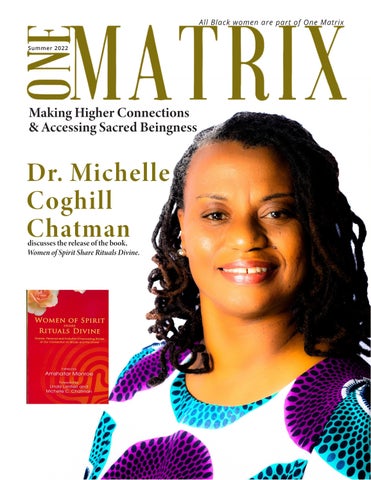
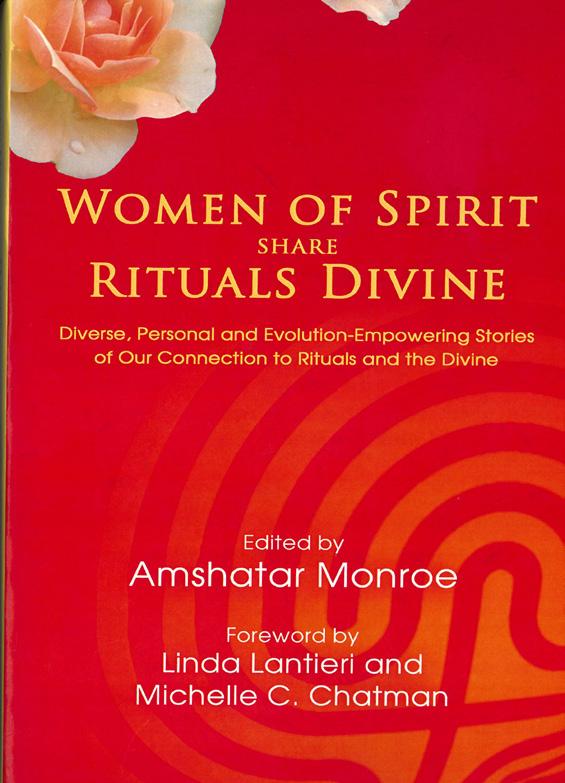
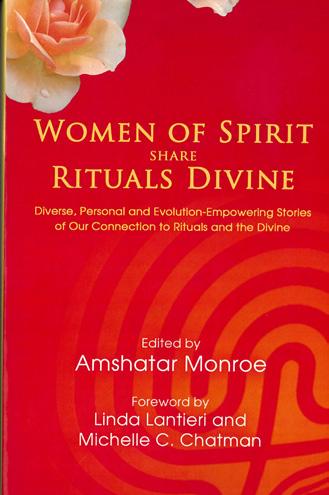
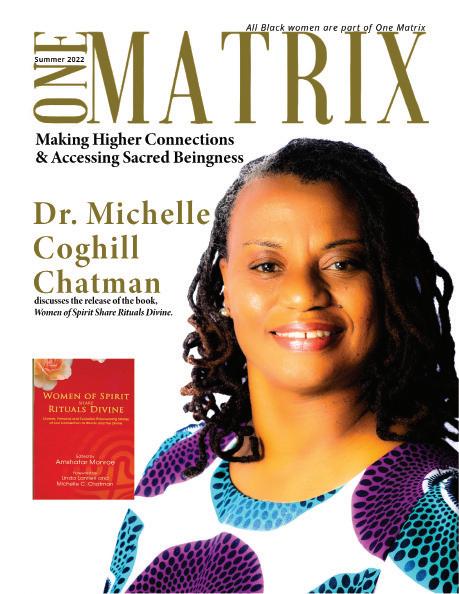
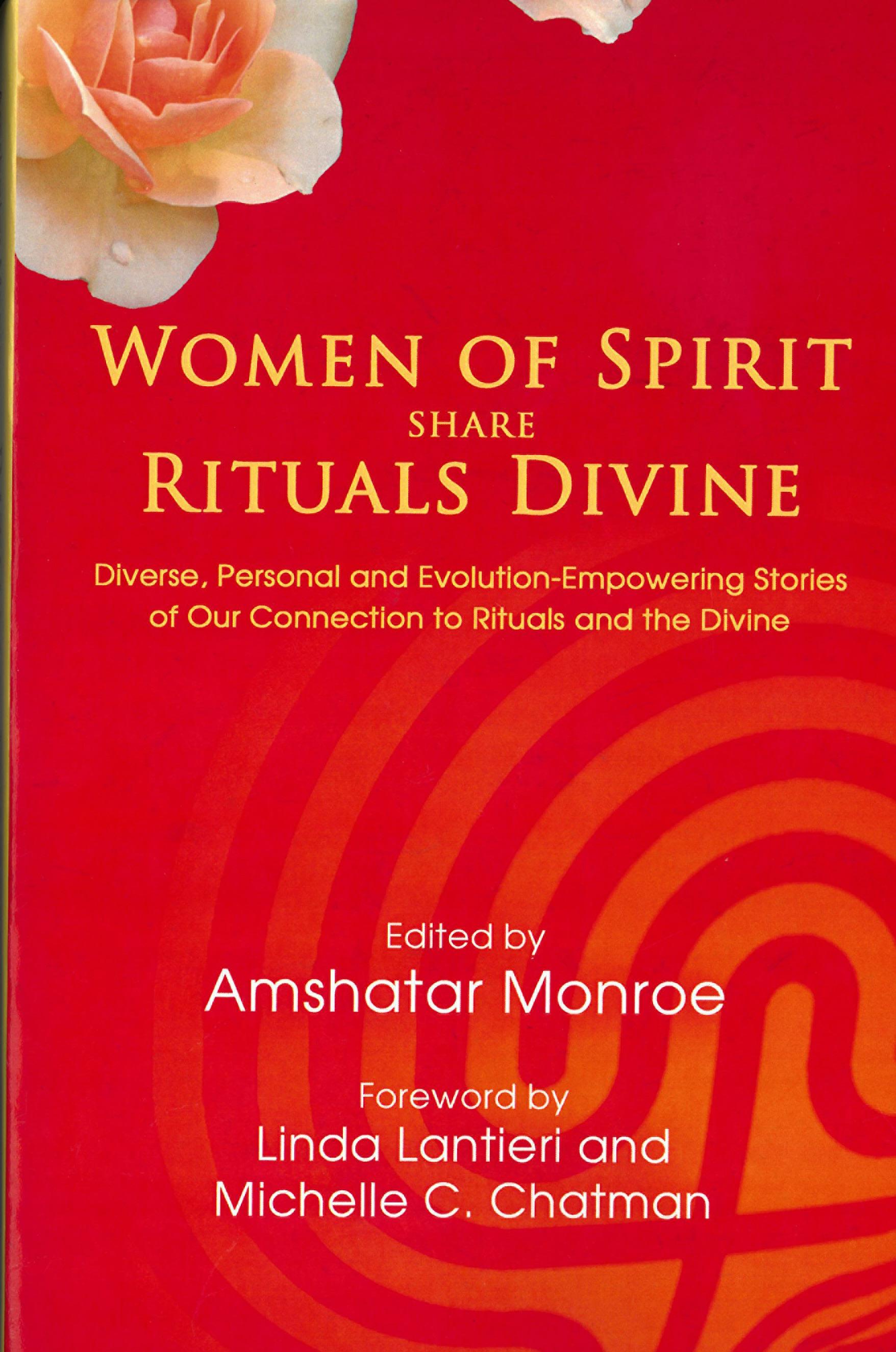
All Black women are part of One Matrix Summer 2022 discusses the release of the book, Women of Spirit Share Rituals Divine. Making Higher Connections & Accessing Sacred Beingness Dr. ChatmanCoghillMichelle
One Matrix Magazine, Summer '22 ONEMATRIX C. Chekejai Coley “Rev Bev.” SaundersBeverlyBiddlePaul Tina Marie Coley Darcie Davis Lauren Truitt The Team Creative Director Senior CreativeGraphicResearcher&IssueManagingEditorEditorAdvisor,Editor,Researcher&ContributorDesign&Contributor Summer 2022 OMM thanks Dr. Michelle Coghill Chatman and the WOSSRD Planning Committee for the collaborative efforts of this issue. Advertising opportunities are available. Please send inquiries to s2ndrising@yahoo.com Light of Truth Available only at One Matrix
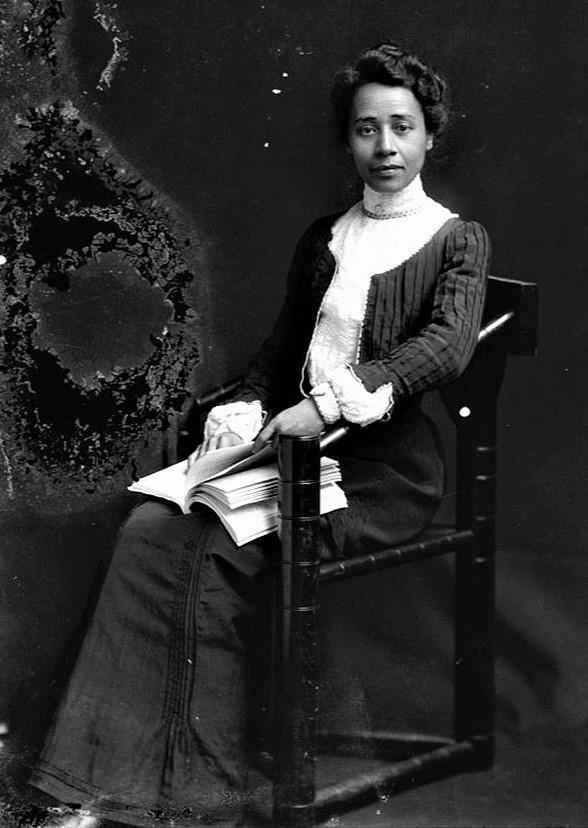
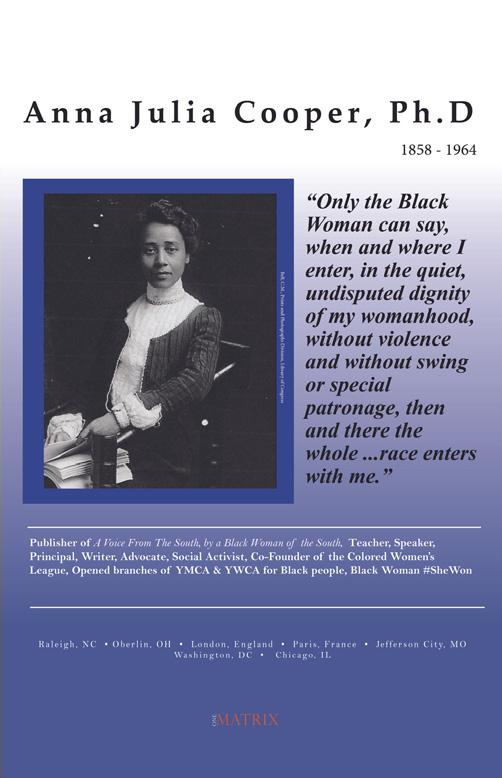
Pg 3 4 The Cut One and Universal Dr. Anna Julia Cooper, the scholar, educator, community advocate, suffragette and activist, aptly stated that, "the woman's cause is one and universal." Simply put, it is and we must work to recognize it as we collect ourselves for the work ahead. Together we prevail! 8 Women of Spirit Interview with Dr. Michelle Coghill Chatman on the new title, WOSSRD and the importance of ritual to connect with the Higher Self. 16 Finding God Within Our Black Women Selves Black women have been denied the connection with their higher selves for centuries. In this story journey, we look at some of the conventions and religious pitfalls that led us to this point and embrace the journey towards our divine selves. We also herald some of the women in spiritual leadership who helped to lead us to a higher path.
CONTENTS
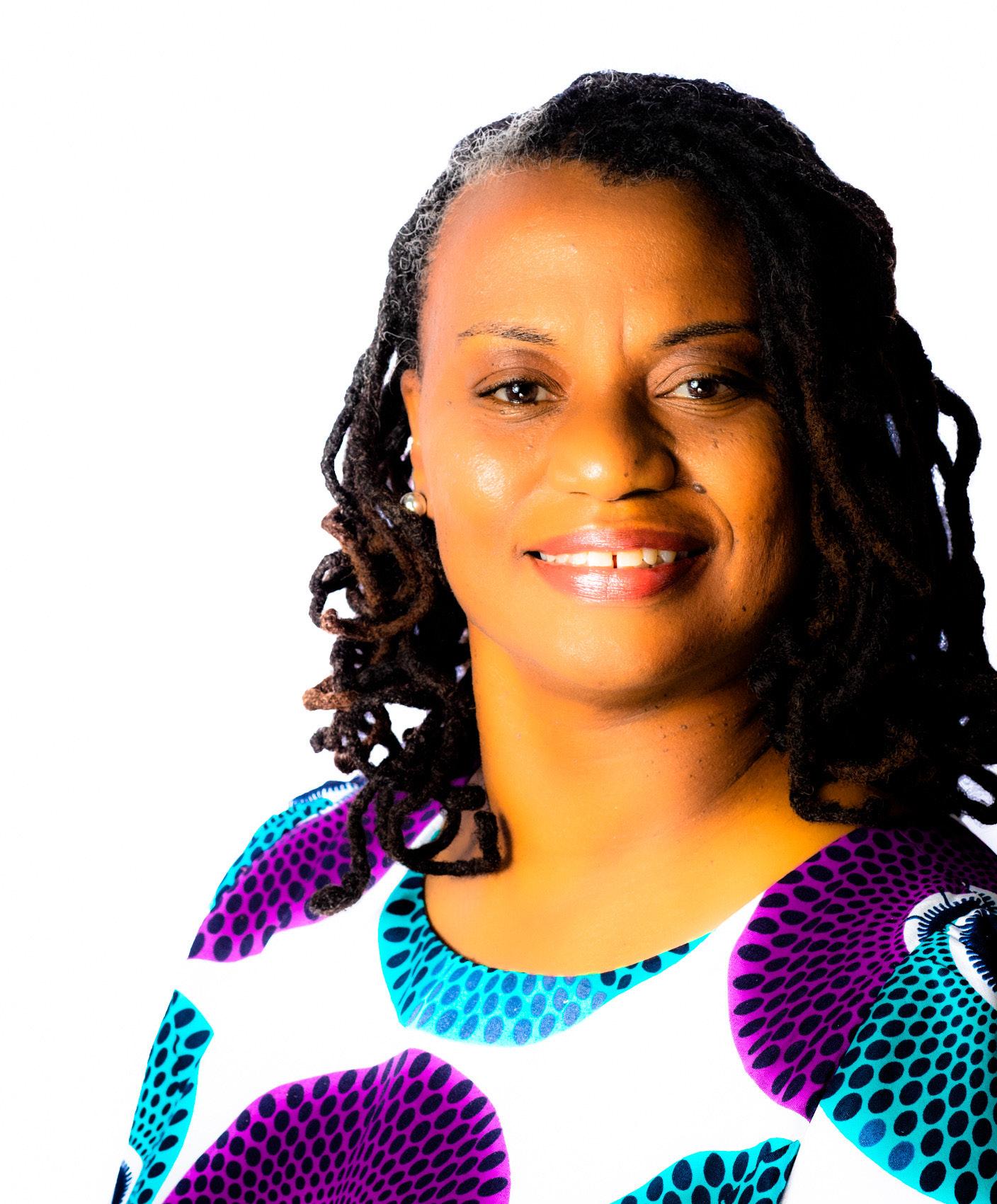
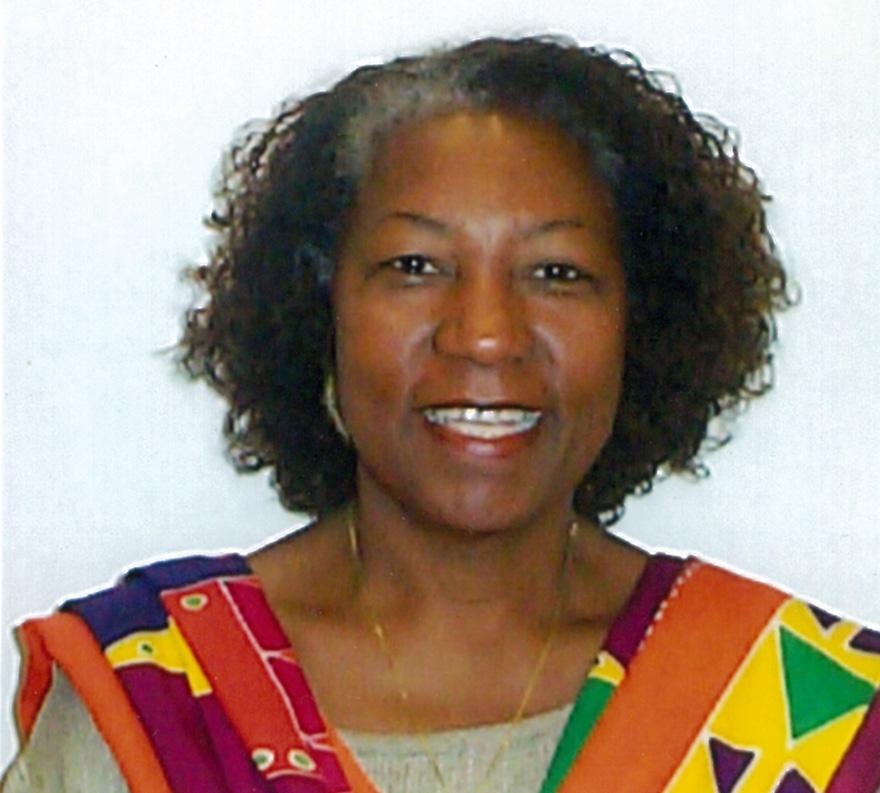
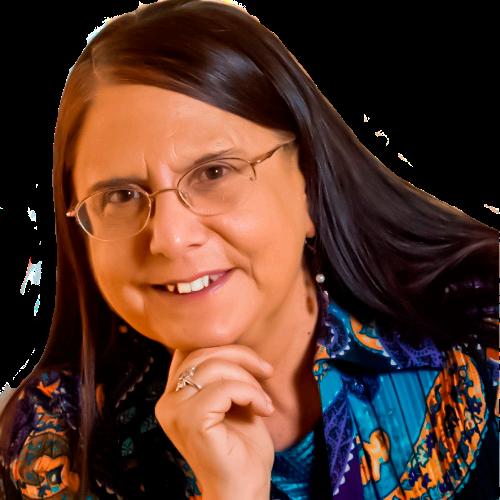
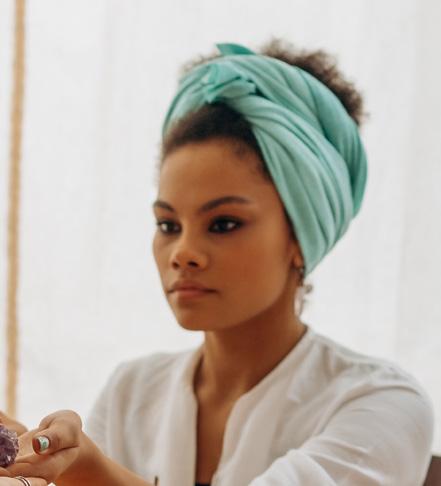
@The_OMM_Collective Gracing our cover is Dr. Michelle Coghill Chatman of the University of the District of Columbia. Dr. Chapman is a contributing writer of WOSSRD and the creator of YouthMind, a mindfulness youth-based intervention program. All images in this issue are public domain or used by expressed permission of the mage owner. OneMatrix


One Matrix Magazine, Summer '22 The Cut ONE AND UNIVERSALONE AND UNIVERSAL
-Chekejai
Ntosaze Shange, the ascended masterful writer penned in her choreopoem, For Colored Girls Who Have Consider Suicide When The Rainbow is Enough, “I found God in myself and I loved Her, I loved her fiercely.” It's truly one of the most powerful and empowering lines ever written anywhere. In that one sentence, she not only tapped into her own creative powers as a Black women, she sent the message out and put every Black women on the earth on special notice of that power within us during a time when we needed it. We need it again, right now for whatever reason fits — spiritual challenges, financial challenges, health challenges, environmental issues, women's rights, Black women's rights, human rights, rights to our bodies or our children, rights to our own minds and thoughts, to our voices — pick one or two and apply the fierce love of your Woman-God-Self and watch everything begin to transform. We share Shange's words again as a reminder of who you are in your God-like state. And, despite the looks of things for women in the country, in the world, we encourage you to Find Her and Love Her — that divine part of you and Love Her with everything that you got until you fill your cup and then do it again and again. And, as you move deeper into your Higher Self and into a deeper sense of self-love, enjoy this issue of One Matrix. In this issue, we look at the role and experiences of women in religious spaces and we explore how women connect to their own power, agency and make higher connections. We feature an interview with Dr. Michelle Coghill Chatman as she discusses the Women Of Spirit Share Rituals Divine (WOSSRD) book – a recent release that features essays and poems from over 40 women from many spiritual avenues who serve in leadership roles. The book was compiled and edited by Amshatar Monroe to help women connect on a higher level. So, step ahead with the understanding that you are created in the likeness and the time has come for us to fully advance into our higher selves. We got this as long as we have each other. Go on now. Tap in!
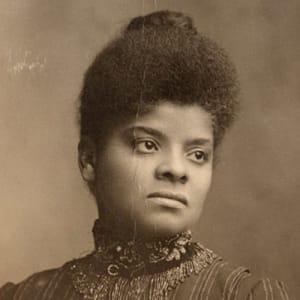
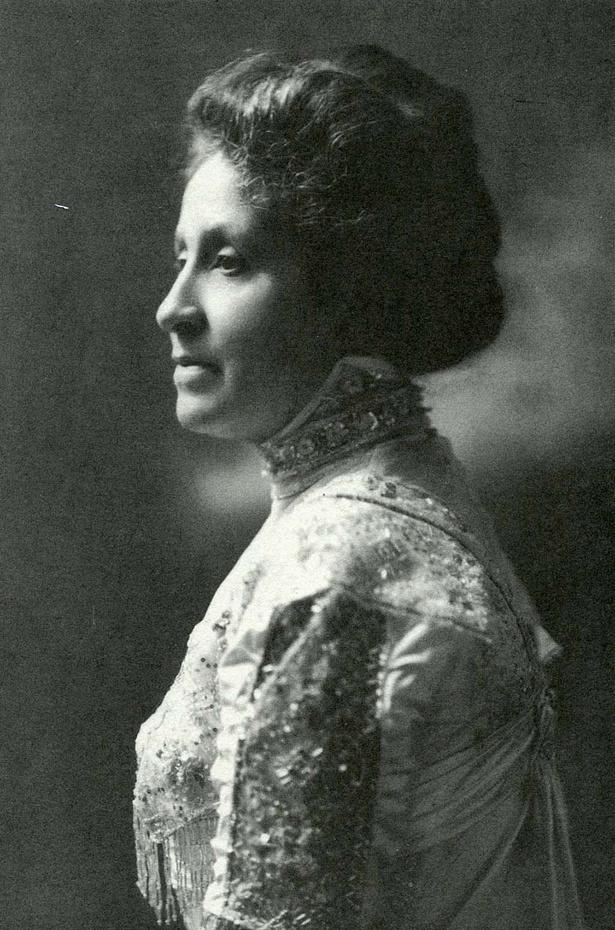
Dr. Anna Julia Cooper
Light for the Journey!
Life Matters, Nappy “A woman’s cause is one and universal”
Pg 5
Women-folk are created in the likeness of the Most High just like men-folk only I would argue that we have an extra measure of that divineness. Like God, women carry and bring life forth. It is simply by design. We take care of the life that is essential to community and to the continuity of everything human. Our work is not only divine, it is necessary. And, we must all come to the understanding of that divine connection as well as come to the knowing that our work here on earth is about more than physical autonomy; it’s about our connection to our Higher Selves which connects us to our power as women.
Dr. Anna Julia Cooper
“A woman’s cause is one and universal”
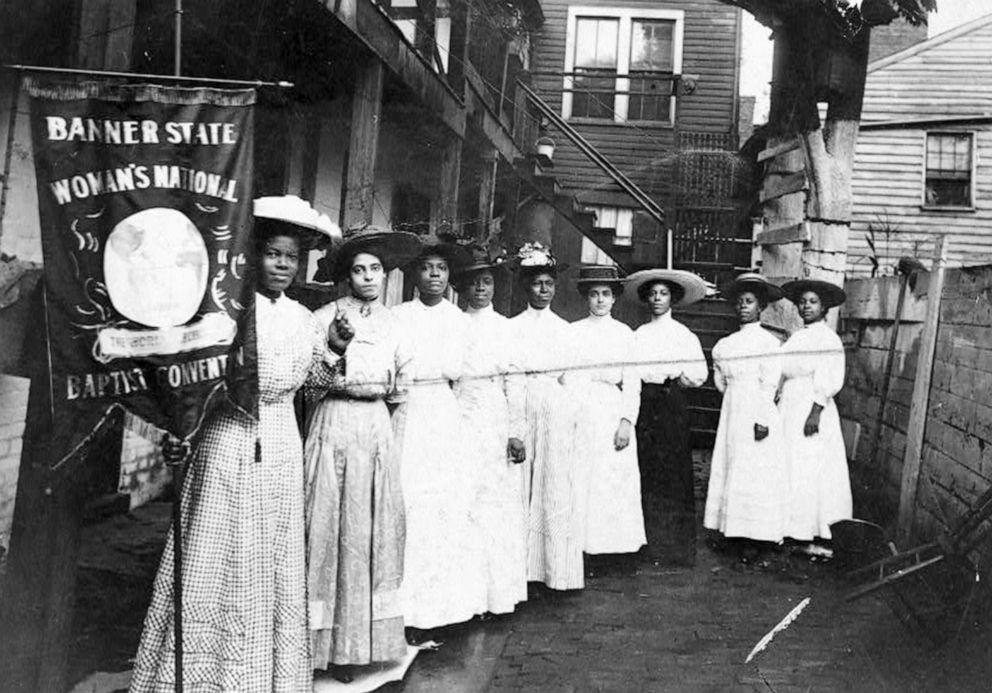
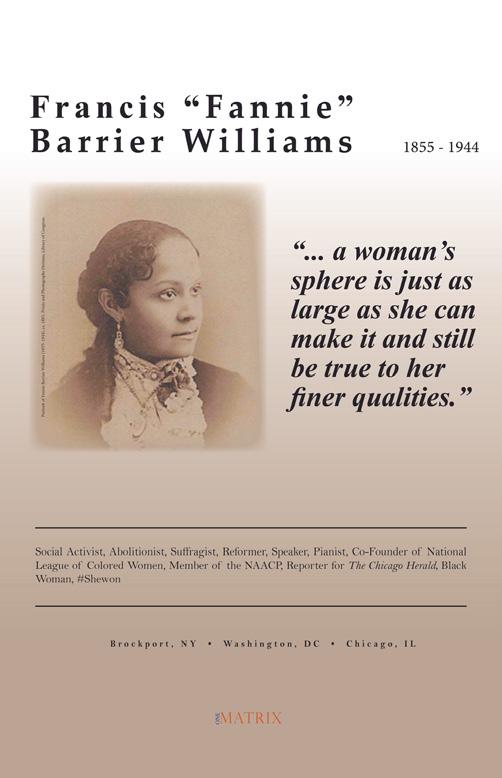
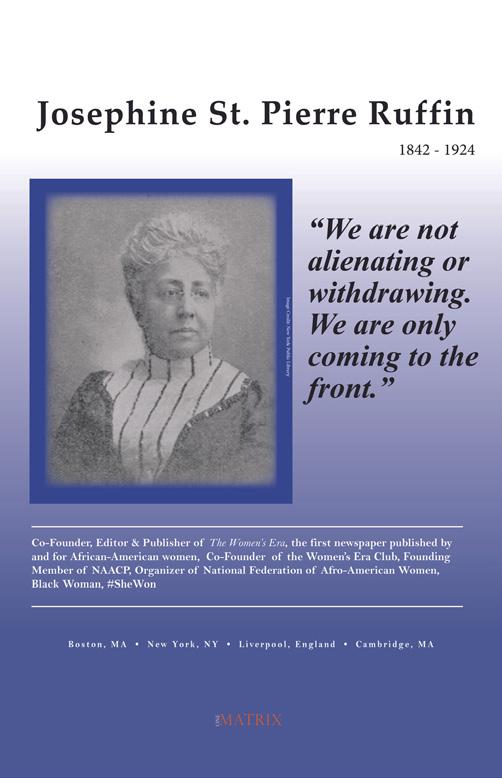
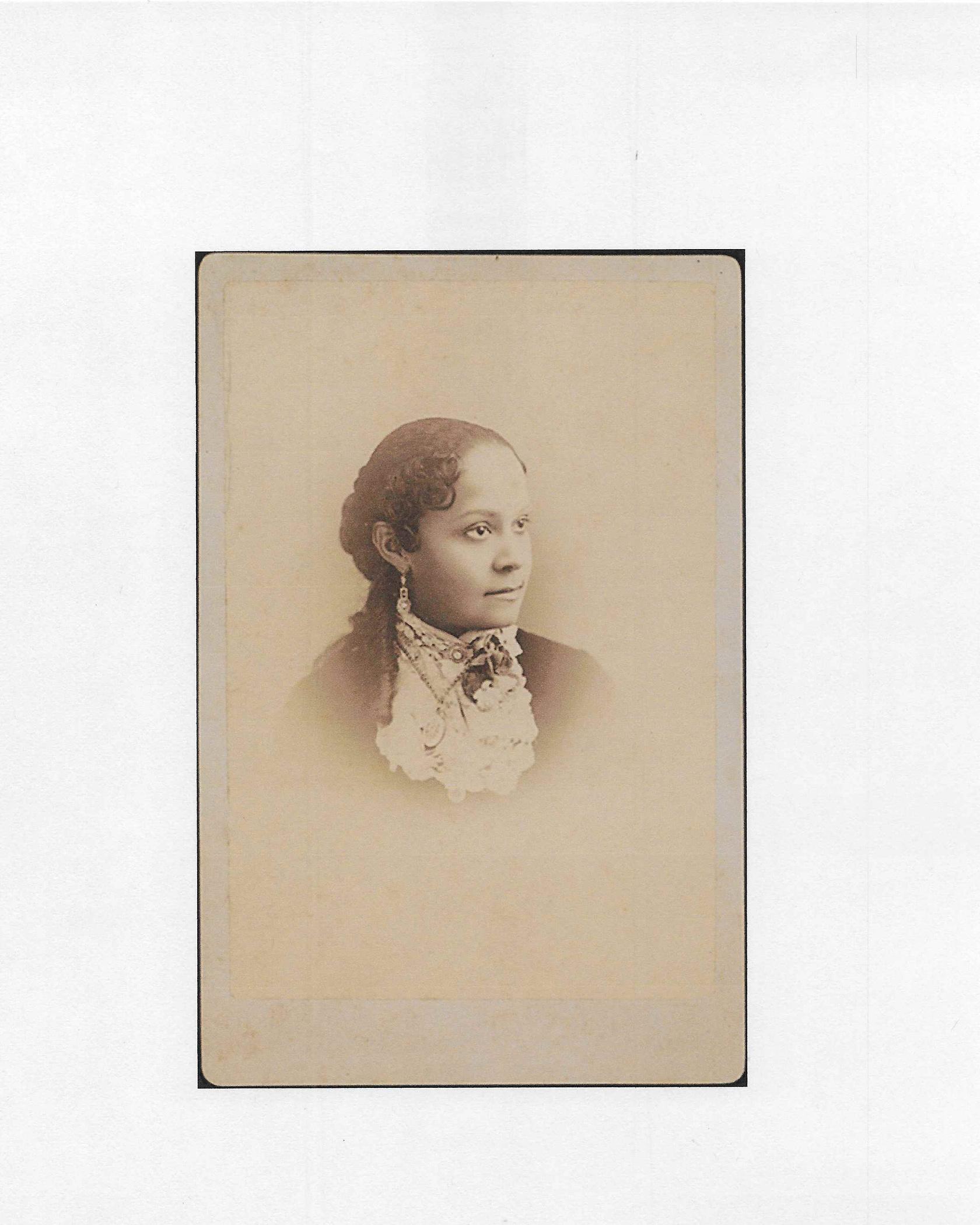
One Matrix Magazine, Summer '22 C O M I N G T O T H E F R O N T C O M I N G T O T H E F R O N T P O S T E R S E R I E S F O R T H E S C H O O L , C L A S S R O O M & H O M E @The OMM Collective One Matrix Myshopify com issuu com/designingsistas





Pg 7
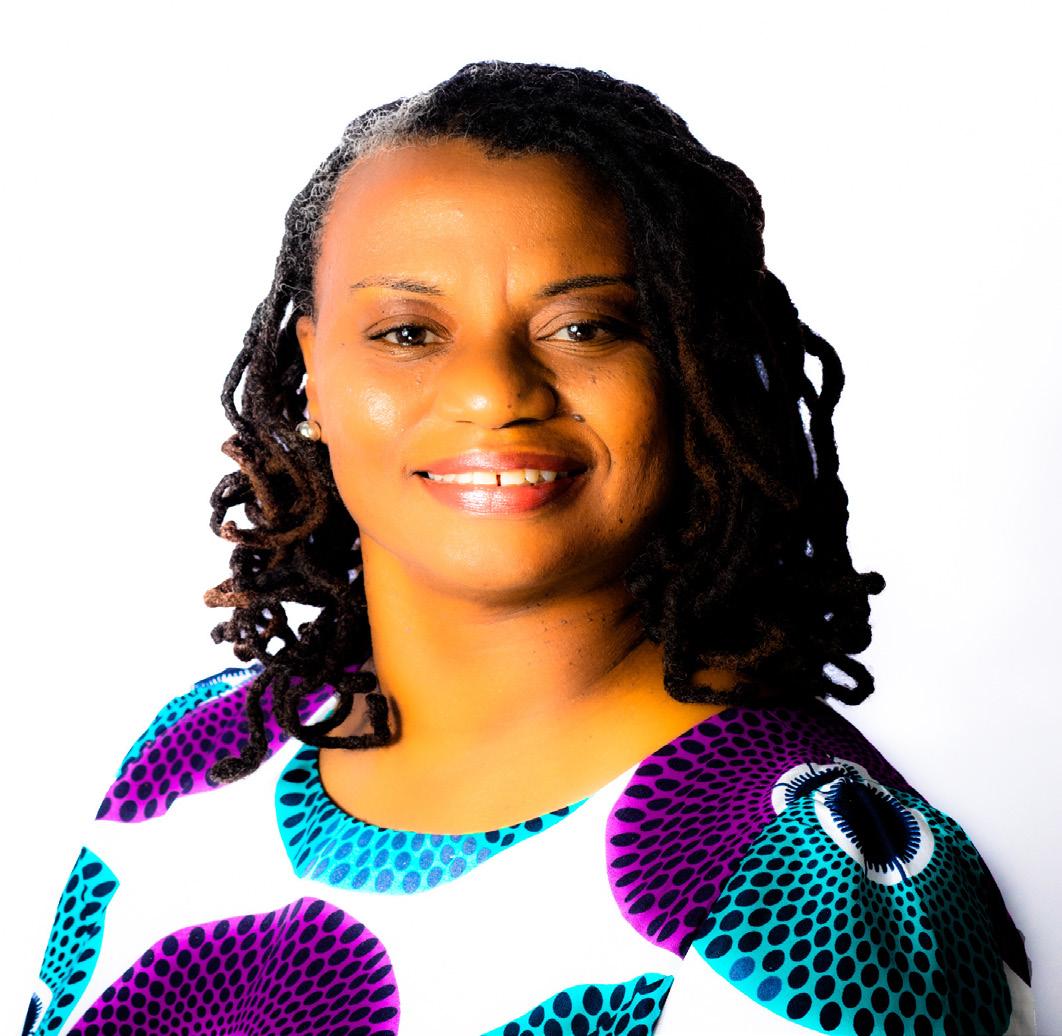
Dr. Chatman's career has included almost three decades of experience in the arts, higher education, human service, youth development, and applied research focused on Black urban communities. As an artist, she has written songs and performed with the DC based spoken word and jazz ensemble BlackNotes. Her song, Oshun Song/Blacknotes Libation, was featured in Spike Lee’s Netflix series, She’s Gotta Have It. Dr. Chatman is also a contemplative scholar, practitioner, and public speaker who has delivered TEDx talks and several other public lectures on mindfulness practices. Her broad impact in the field of mindfulness and contemplative practices has resulted in her being listed as one of the "The 10 Powerful Women in the Mindfulness Movement for 2022" by Mindful Magazine.
We were edging into the beginning of this summer when I sat down to have a conversation with Dr. Michelle Coghill Chatman about the newly released title, Women of Spirit Share Rituals Divine (Women of Spirit Publishing). We talked just before the Roe. V. Wade reversal — a decision that impacted every woman of every racial background in the nation in one way or another. WOSSRD could not have been more timely as the book centers women and divine connection. It definitely has a high calling.
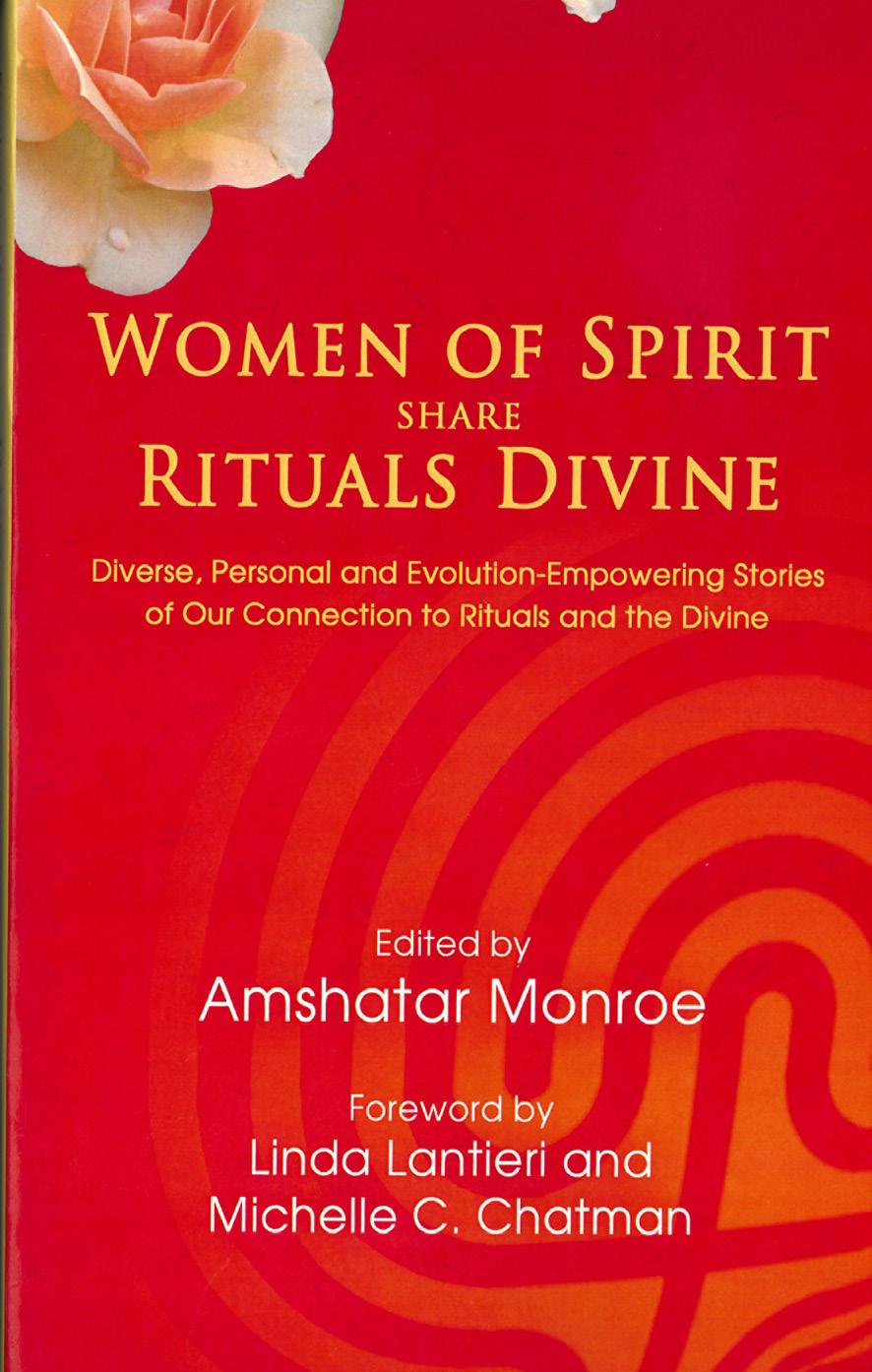
Dr. Chatman is also known as Iya Omo Olufina in the Yoruba community (“Iya” is an honorary Yoruba term meaning, “Mother”). She is a contributing author of WOSSRD which is a collection of essays and other writings by 40 women in spiritual leadership. The anthology was compiled and edited by her godmother, Amshatar “Iya Ololodi” Monroe.
Interview with Dr. Michelle Coghill Chatman about the new release, Women of Spirit Share Rituals Divine (WOSSRD)
Dr. Michelle Coghill Chatman
W o m e n o
Dr. Chatman seamlessly integrates spirituality, social activism, and scholarship to heal and transform people and spaces. Currently she’s a tenured Associate Professor in the College of Arts and Sciences at the University of the District of Columbia (UDC) where she has designed her own mindfulness-based youth intervention program called Youth MIND. Her research examines ancestral computing, decolonizing education, mindfulness in higher education, Black museum labor, and indigenous African spiritual communities in Washington, DC metropolitan area.
One Matrix Magazine, Summer '22
Pg 9 f S p i r i t Tell us about Women of Spirit Share Rituals Divine. It’s an invitation to people — particularly those who identify as women — to center ritual in their lives for the purpose of connecting to their own higher power and sacred personhood." " @Dr_justblackjoy ritualsdivine.com@MChatmanphd

OMM: So, this collection of writings has served to build bridges in some ways? MCC: In some ways, we have to be able to build bridges and form broad relationships. We are a global community and although our particular racial, ethnic, cultural, and spir itual experiences are nuanced in a particular way, there are dimensions of our lives that connect us across the waters transnationally, transcontinentally. And, I think it takes a level of spiritual maturity — not just intellectual maturity — it’s not just a cognitive thing, but I think that it takes a level of spiritual maturity for us to recognize that, value it and use it as a basis for our work moving forward.
OMM: Building those relationships are really key. How did you come to be a part of this project?
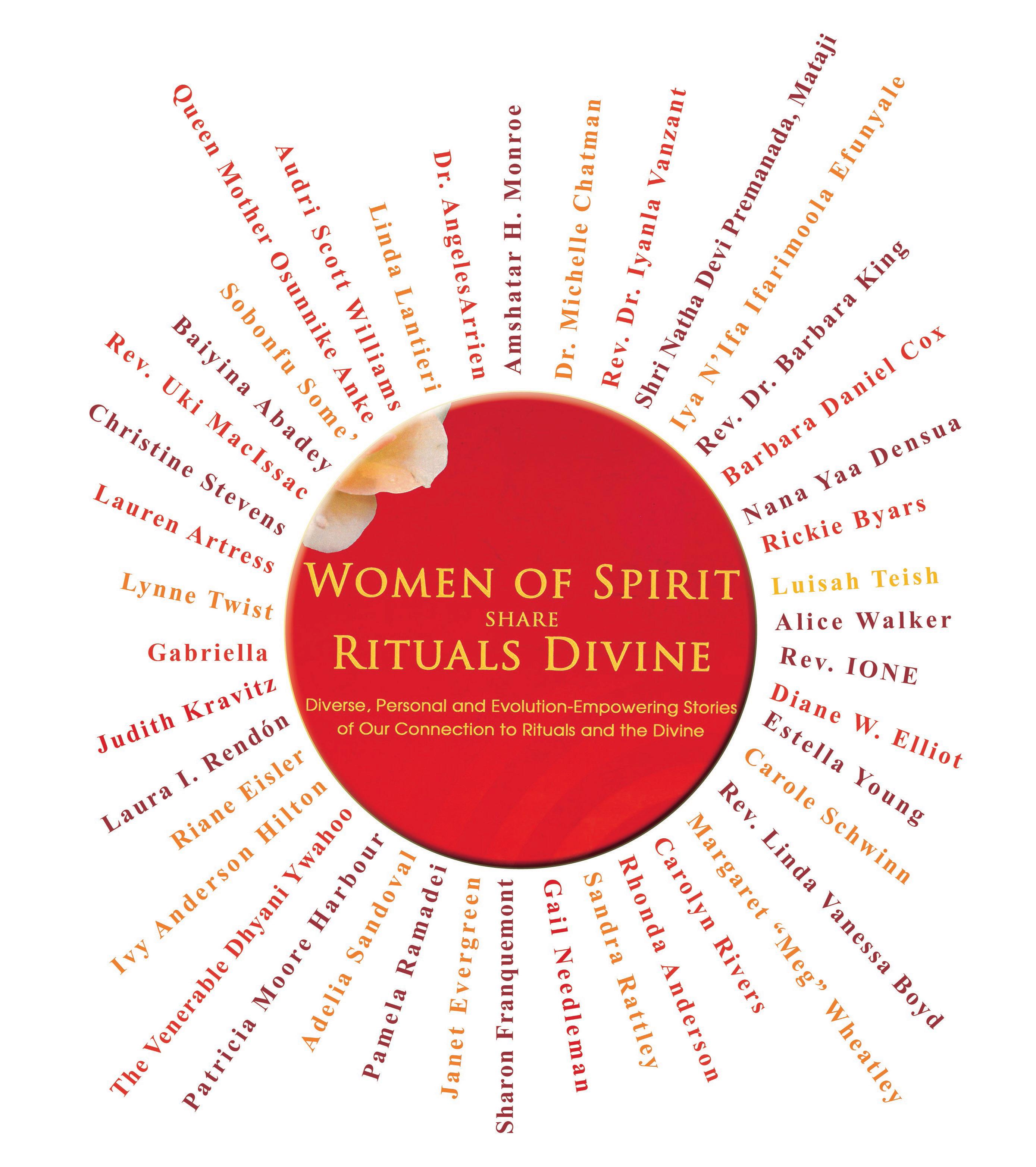
Amshatar “Iya Omo Ololodi” Monroe curated the anthology and included women who have worked in various spiritual communities here [across the US] and abroad. Individually and collectively these women have had tremendous global impacts and they continue to touch people’s lives around the world. These women span several decades of Ololodi’s spiritual journey so there’s an element of history and lineage there. Some have also transitioned since this project, but her relationship with each of the women included is very meaningful. Women such as Rickie Byars, Alice Walker, the Reverend Dr. Iyanla Vanzant, the Reverend Dr. Barbara King, Barbara Daniel Cox, Yeye Luisha Teish and Mother Pamela Taylor and many others are a part of the collection. They each share a story with the intention of enriching the lives of others.
Cumulatively, the women in the book represent healing on a global level. We hope WOSSRD will inspire women as they journey in their divinity.
One Matrix Magazine, Summer '22
MCC: Women of Spirit Share Rituals Divine (WOSSRD) is an offering from and to the Universe. It’s an invitation to people — particularly those who identify as women — to center ritual in their lives for the purpose of connecting to their own higher power and sacred personhood. The book itself is a collection of writings by forty (40) diverse women who share their rituals from their particular paths. All are versed in their respective spiritual practices and traditions.
MCC: Amshatar Monroe (Iya Omo Ololodi) is my Godmother in the Orisha spiritual system. Many years ago she had a wonderful organization called, Sacred Space Where Indigenous Paths Meet which worked to promote, restore and reconcile relationships between Black and “Ritual involves the integration of the inner and outer world; it is an act that we enter into with a sacred intention.”
Linda Lantieri
...the women in healingrepresentWOSSRDonagloballevel.Wehopethebookwillinspirewomenastheyjourneyintheirdivinity.
OMM: The term “ritual” is tough for many people. How can we approach it?
OMM: Why is it important that we observe rituals? And, are you able to put that into a context for women?
Indigenous people. She also had an online program called, Women of Spirit that offered virtual workshops, in-person retreats, and shared sacred time. This book project was born out of those two efforts and as her Goddaughter and a member of the Sacred Space planning committee, I was asked to contribute.
MCC: Borrowing from my WOSSRD Foreword co-author, Linda Lantieri, “ritual involves the integration of the inner and outer world; it is an act that we enter into with a sacred intention.” Sacred intention, not necessarily a religious intention. And, although religion can invite us into ritual, not all rituals need be religious. Rituals aren’t just habits either. There is a distinction between rituals and habits. We brush our teeth every day, which is a habit. It’s a good public health practice but it’s not the same as a ritual. Ritual connects us to something deeper and truer. It connects us to that unseen, yet undeniable force in the universe and in us that sustains all of life. It connects us to Spirit. Rituals are things we do with soulfulness and deep presence. Everybody can engage in ritual because we can all hold a sacred intention and we can see ourselves as sacred because we have life and we are here on the planet.
MCC: It is vastly important that we observe rituals so we can fortify ourselves to do the mobilizing, protesting, care giving, imagining, and connecting across religious, spiritual, cultural, gender, and other perceived lines of difference to liberate ourselves. And, it’s important for us to lean into that ancestral and ritual wisdom so we can stay grounded and resilient in the face of multiple forces of oppression. That’s how I see the work of ritual — the things we do to shore us up to keep sustain ourselves and return us to our spiritual heritage. With that we can bring ritual into our political organizing and our intellectual engagements. We can center and ground with affirmative prayer, song, breath, and deep presence. We can offer that to each other as women so that we will have additional support when we go into these spaces. And, we are sacred.
"
"
Pg 11
OMM: Do you think that we need a reorientation?
OMM: Considering Roe v. Wade and how that impacts a woman’s agency, how can we use ritual to empower ourselves in ways that maybe we have not yet thought of ?
OMM: What more would you like to say about WOSSRD?
MCC: I think it’s just an injustice for anybody to deny a woman agency and Ritualsoversovereigntyherbody. can help us to stay in the fight. They can help us to remember our value and protect our right to determine our destiny. Rituals can fortify us in the work of our lives.
MCC: I do. I think that ritual can restore us to our sacred selves. We’ve lost it, and maybe some of us never even had it. The global supremacy and patriarchy we’ve lived under has also been very effective at removing us from a sense of sacredness. Ritual allow us to remember and reconnect to the sacred part of ourselves.
OMM: What does ritual look like for you?
MCC: A couple of things. This project is about cultivating and fortifying a kind of consciousness and honoring of the divine feminine energy, in ALL of us that will bring about the healing, liberation, and balance that we need to sustain the planet and all of life. This book is as much political as it is metaphysical/ spiritual. Secondly, I am just a spokesperson for this incredible book but this offering is truly a collective labor of love and dedication. It would not have been birthed without a remarkable group of Queen Mother Ritualists who comprised the core organizing committee. So I MUST acknowledge and thank Sandra Rattley, Janell Agyeman, Esharan Monroe-Johnson, Baiyina Abadey, Linda Lantieri, LaTeya Jordan, and Alice Sanders.
OMM: How can people find the book?
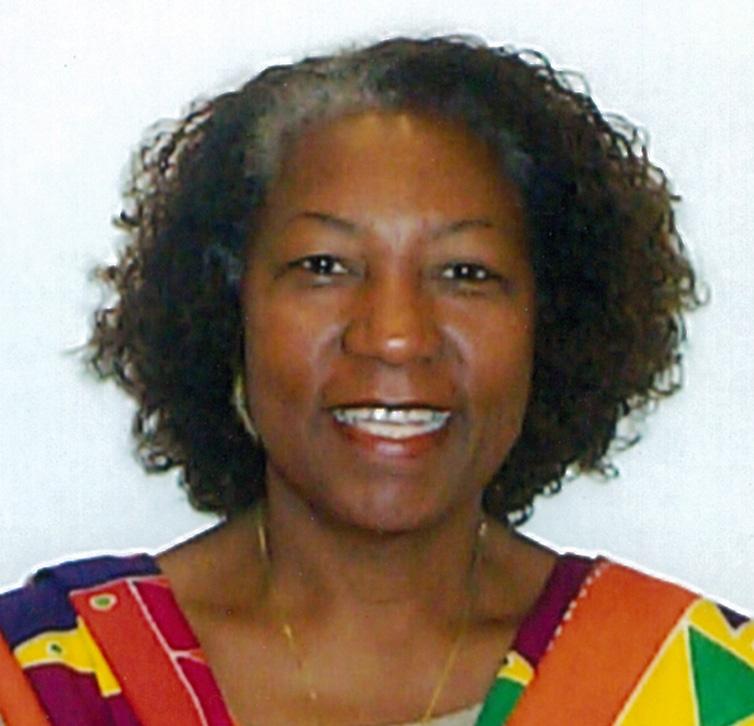
"Iya Ololodi" Monroe
One Matrix Magazine, Summer '22
MCC: It ranges quite a bit and includes shrine work, time in nature, prayer, singing, or participating in spiritual worship. I spend a lot of my days in a state of prayer, a constant conversation with the Divine. An open invitation to be inspired and held by grace. Ritual also looks like stepping outside to do some intentional breathing, taking a quiet moment before a conversation, or engaging in ceremony with people, natural elements and unseen, yet felt spiritual forces like ancestors and divinities.
Amshatar
MCC: Folks can check the website www.ritualsdivine.com for events and also order the book. We will ship it.
OMM: What are you ritualizing these days?
MCC: Oh that’s a great question. I am on a one year sabbatical from teaching this year so I’ll be doing lots of rituals around resting, writing, and traveling. I’ll be ritualizing clarity about my career, guidance for a solo book project, and inspiration for the MICA Lab projects and several personal projects that are in the cue.
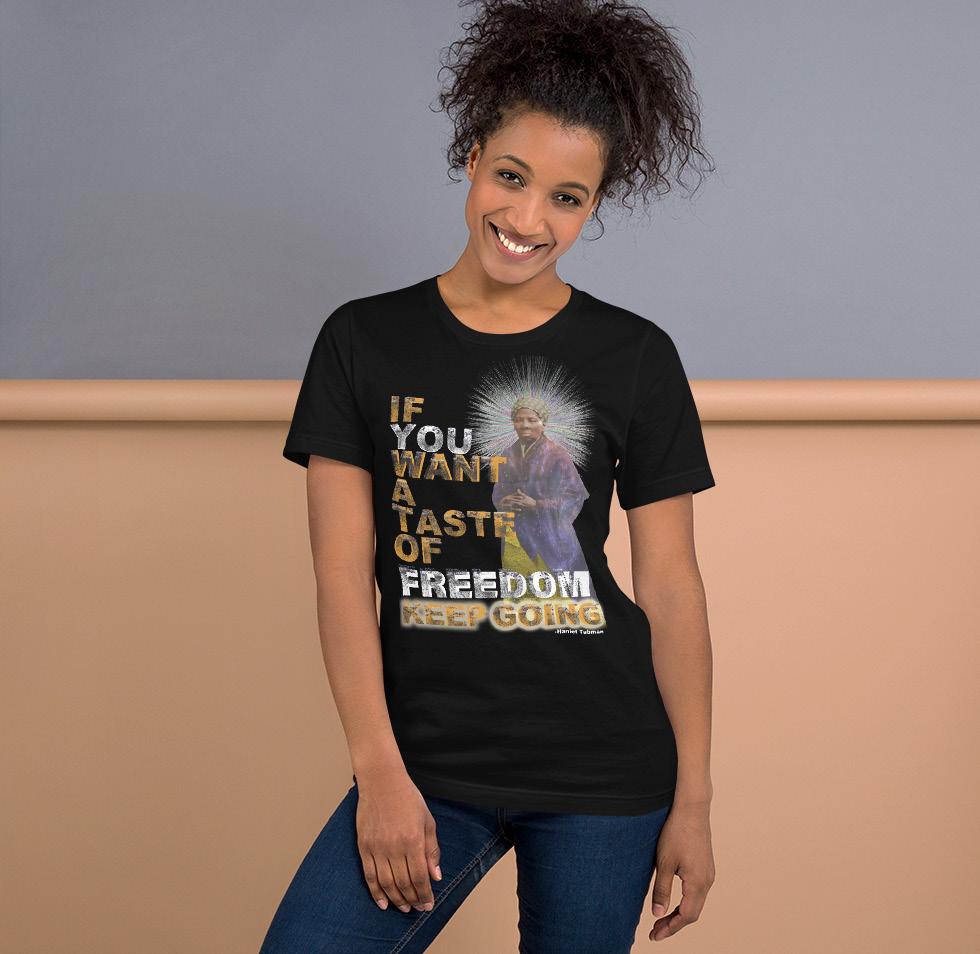
Spirit of Freedom AvailableT-Shirts only at One Matrix
“Racial trauma can also be developed vicariously through someone else’s experience or even intergenerationally (it can literally be in our DNA). Some of the negative outcomes related to racial trauma include depression, anxiety, hypertension, and other chronic illnesses. Symptoms of racial trauma can include depression, anger, recurring thoughts of the traumatizing event, physical reactions (i.e. headaches and chest pains), trouble sleeping, and low selfesteem.”
The Black Collective. (2020, August 17). Coping With Racial Trauma. Https://Www.Theblkcollective.Org/. Retrieved March 9, 2022, from https://www.theblkcollective.org/ourvoices/coping-with-racial-trauma
FACTS:
“According to the Psychology Department at the University of Georgia (2020), over 60% of Black Americans will experience at least one incident of racial discrimination in their lifetime. Racial trauma can be both individual and communal.”
Photo Credit: @RootedColors, Nappy.co
Pg 17

GodFINDING

INSELVESOURBLACKWOMEN With
One Matrix Magazine, Summer '22 “And she had nothing to fall back on; not maleness, not whiteness, not ladyhood, not anything. And out of inventeddesolationprofoundofherrealityshemayverywellhaveherself.” Toni Morrison WHAT SHE SAID
Pg 21 “I found God in Myself and I loved Her, I loved fiercely!”Her Ntosake Shange WHAT SHE SAID
I grew up in a Lutheran church in Southwest Philadelphia. It was called Calvary Evangelical Lutheran Church in the 80s and 90s. Calvary later merged with Immanuel Lutheran — a church that was once headed by one of the first Black women pastors in Philadelphia, Pastor Gwendolyn Johnson-Bond, with her husband Pastor Neil Bond. The two churches merged into what is now New Life Ministries.
Thirdman, Pexels
Gabbyola, Pixabay
she wanted to have her daughter baptized. However, because she was a single mother, her daughter would be baptized privately — on a day and at a time when the church was mostly empty. Somehow, baptizing this unwed mother’s child with the church witnessing would send the wrong message to the church. Is that a real thing? And, was a marriage between parents a real requirement when Jesus baptized people? I can’t say that I ever read a story in the Bible about a child being baptized, but a marriage between parents never came up in my reading as a real requirement for baptism. Did they make that one up? Did all churches carry this same “requirement”? It irritated the heck out of me when I heard either of these stories. More than that, I could see her conflict. Her heart was pure. She wanted her child to experience this rite but you could see her inner conflict. I could see her trying to rationalize the nonsense now placed in her spirit. The "rule" created confusion. More than my own irritation I felt how conflicted she was in that moment. I now know that it was more about patriarchy (“chauvinism” was the word at-the-time) and the dishonoring of women than it was about taking care of the spiritual community or God or salvation. In the 80s, while I was still at Calvary, my mother and another woman became deacons. They were among the first women to move into the position. In the Lutheran Church, there was no distinction between the work of women and men so women were also called deacons. That was over a decade before encountering the patriarchy at Sharon. To me, women not being able to lead at Sharon meant that not only was the woman being cut off from fully participating in the so-called “body of Christ.” All of me — like the rest of the women in this church — would be limited in what I could do the longer I stayed. I wasn’t feeling it personally or spiritually; I felt cut off by the strange design and it did not feel divine because Flaviana Phada, Pixabay
One Matrix Magazine, Summer '22I
The church — when it was Calvary — was a ½ of a block away from where my maternal grandparents lived on South 54th Street and within a ½ mile from where I grew up near Whitby Avenue, so it was always reachable from everywhere that I lived in my young life. In the 90s, I became a member of Sharon Baptist Church, a West Philadelphia church that was then on its way to becoming a mega church. The church had a small space on 59th and Catherine Street at the end of a block of row homes. The congregation was so large that they had two Sunday services and an overflow in the basement of the church where they would broadcast the service on a monitor. I learned from a sista-friend at the time that women were not allowed to speak from the pulpit at that church. There were plenty of women in the church who could have divined the spirit and helped to deliver the message and feed the flock, but they never would, especially not from where the council of men sat — at the helm — on the platform with the pastor. There were plenty of men as well — two to three of them on the left and right of the pastor. They lined up like disciples each Sunday and during any other services. If a woman did get to speak, she would do so from a microphone placed on the floor at the feet of the council. In general, she would only be making church announcements not delivering a sermon. I later heard from another friend at the time who was a young, unwed mother of a then 4-year-old girl that

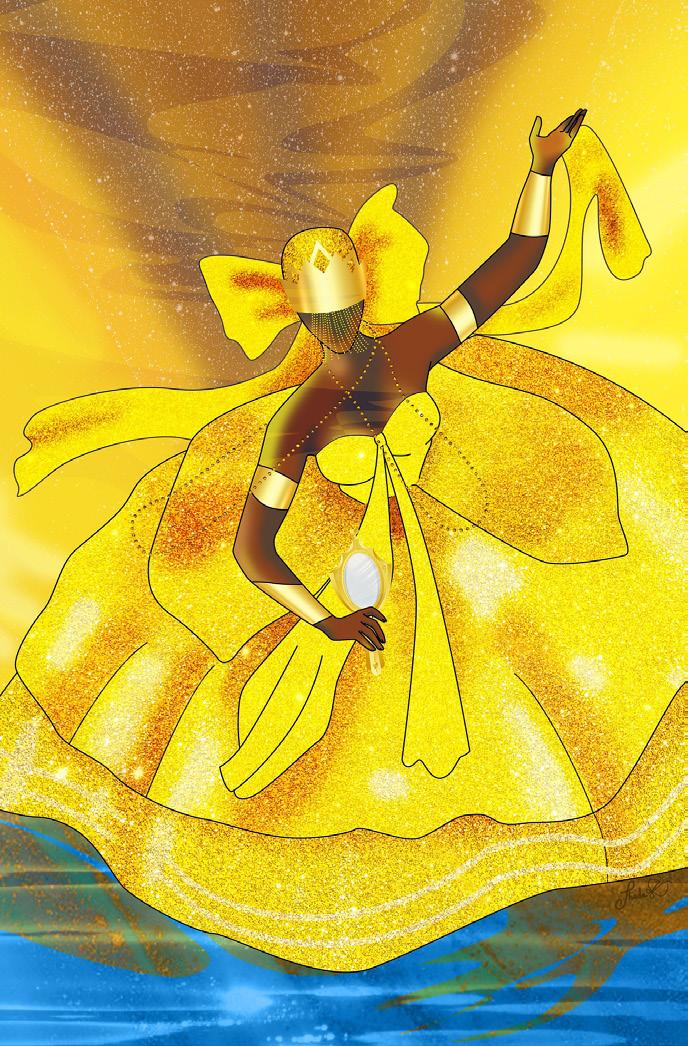
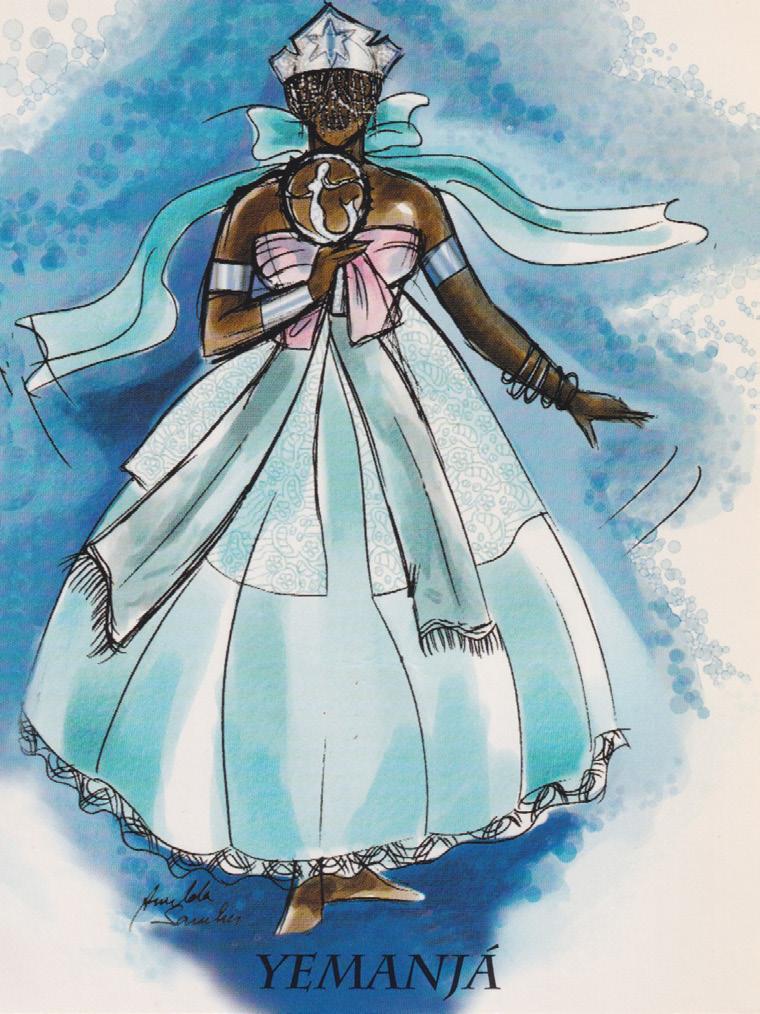
Yemamja, Brasilian Postcard Art Salvador Da Bahia, Brasil
I also knew a woman who was a Jehovah’s Witness, who had, for a time, been silenced in a hall. She was silenced because of a relationship that she was having with a man who was also a member of the congregation. Her silencing came from a council of men. The man in the relationship wasn’t silenced, however.
that relationship could never last. Ideologically we were on separate planes. I could never get a hold of the "obedience" part since it was clearly misaligned with the suppression of women — especially in this case.
Pg 23 it wasn't. It was oppressive. It's historical, however, for the church to be oppressive — especially to Black people. It was one of the tools for enslavement. The idea was almost unanimous. Every church or "major" Western-based religious organization, but the Lutheran church (as far as I understood), was out to suppress women. I even had a boyfriend in my teen years who grew up as a member of the Church Of God In Chris who believed that men were above women because God — in the Christian belief system — created Eve as a helper and that a woman must “submit” to a man. His mantra was, “obedience is better than sacrifice.” Of course,
I had questions: Was this real ordinance? What did
Thirdman,Nappy,PexelsPexelsMarcelo Chagas, Pexels

PexelsProductions,Rodnae PexelsNilov,ikhail
Smith, M. J. (2015b). I Found God in Me: A Womanist Biblical Hermeneutics Reader. Cascade Books, an Imprint of Wipf and Stock Publishers. and validation
One Matrix Magazine, Summer '22 this mean for me — and other women — spiritually? I felt torn and separate from God in those spaces. It was oppressive. Let's just call it what it is. That gender oppression continues to happen in other areas. And, oftentimes, one area feeds into other areas Take the social and political arenas and consider Roe v. Wade and what that has represented as progress for women socially, politically and religiously. Although no one swung physical punches, it was still violent — some of it in the name of Jesus none-the-less. The aim is to deny autonomy, empowerment, and agency of women. The propagation of these oppressions were causing a rift between my higher self and me. I know that many other women experience it as well. Many have even left the church. It led me to wonder how women (we) took it for so long and if there was something more elevating for us. My wondering led me to explore other spiritual avenues — any other religion or spiritual practice that saw women as divine beings who were capable of reaching our God-selves on our own terms, and consistent with what we were sent here to do (our divine mission). I also wanted to know if there were places where we are honored as women. In my search, I found that we were leading in some West African spiritual communities that recognized women as capable spiritual leaders. Indigenous people of color of the world understood the divine nature of feminine energy and how vital it is to life. Those spaces did not seem to be in the chronic battle of the sexes as the church was. And, although admittedly, there is a male figure at the head of some spiritual pantheons, women had respected positions, and no one was out to take power from women or have her reside under foot. I also later learned that women were leading in spaces that practiced a new and more harmonious way of thinking about Christ and his practices — New Thought Christianity — where women like Rev. Sylvia Sumter of Unity of Washington, DC and OMM’s own Rev. Bev can tap into their own power and inspire that in others. And, a few years ago, The Lutheran church — still a vanguard — appointed Patricia Davenport — a Black woman — as a bishop over five counties in Pennsylvania. So, we are coming through and we know it. That is Divine and that is connection. We still have a ways to go before there is a true outward equality, according to a study by Pew Research only 11 percent of all pastors are women yet women make up over 60 percent of the Christian religious body. Despite the percentage of women in the church overall, to date no woman has been recognized by the Catholic Church and, it's not likely that one will be at any point in the near future. Although, at St. Paul’s Baptist Church in North Philadelphia, Rev. Dr. Leslie Callahan became the first Black women pastor within the past decade. What may be more essential than recognition and validation of men in these various religious spaces is our own acknowledgment of our divine connectedness and our ability to lead. Let's lead on. The world is waiting.
The Divide Over Ordaining Women. (2014, September 9). PewResearch.Org. https://www.pewresearch.org/fact-tank/2014/09/09/the-divide-over-or Morrison,daining-women/T.(1971, August 22). What the Black Woman Thinks About Women’s Lib. The New York Times. https://www.nytimes.com/1971/08/22/ar chives/what-the-black-woman-thinks-about-womens-lib-the-black-woman-and.html
Senior Pastor Demographics and Statistics in the US. (n.d.). Zippia.Com. Retrieved August 7, 2022, from https://www.zippia.com/senior-pastor-jobs/ Shange,demographics/N.(1977).
For Colored Girls Who Have Considered Suicide when the Rainbow is Enuf (3rd prt. ed.). Macmillan.
Cliff, M. (1986). “I Found God in Myself and I Loved Her/I Loved Her Fiercely”: More Thoughts on the Work of Black Women Artists. Journal of Feminist Studies in Religion, 2(1), 7–39.
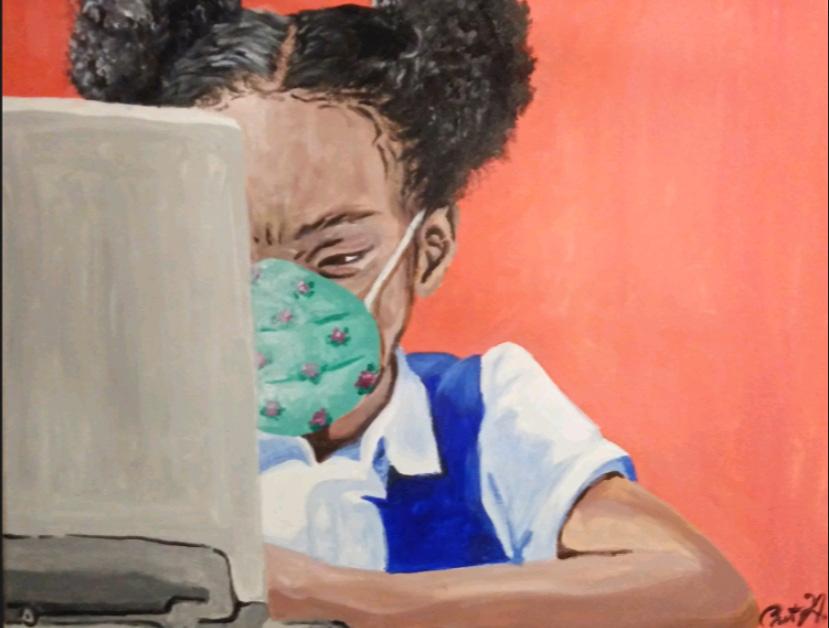
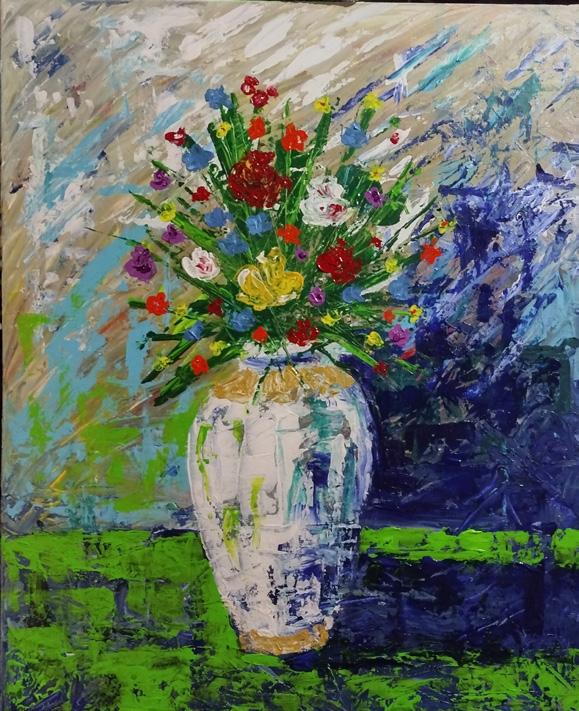
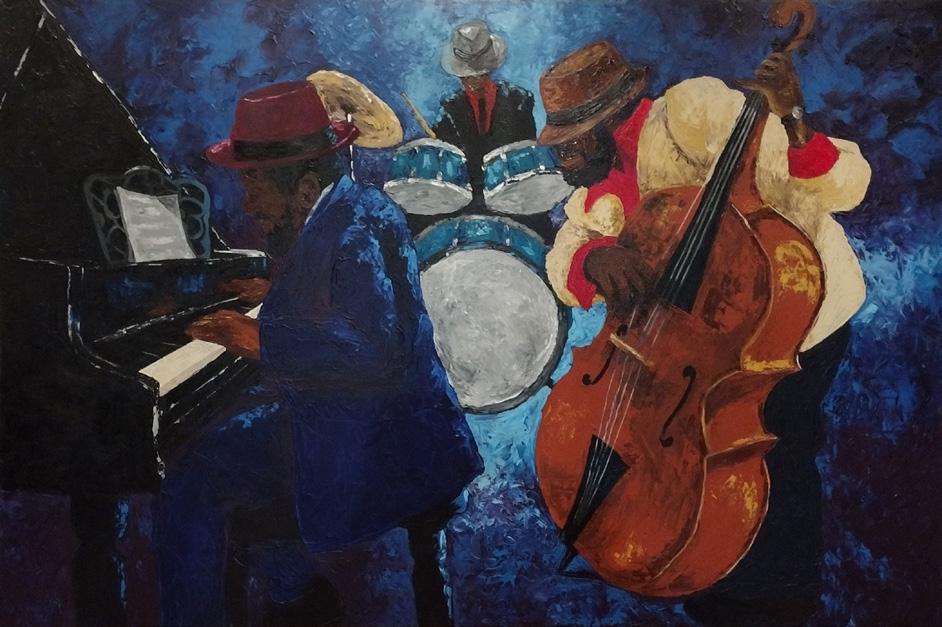
One Matrix Magazine, Summer '22 ExploreVisionYour Chet Highsmith Visual Artist, Visionary, Instructor Originals & Prints 267.679.5811www.chethighsmithart.com267.521.CHET(2438)AbstractsAcrylicsOils Coffee Charcoal Still life LandscapesSign of the Times