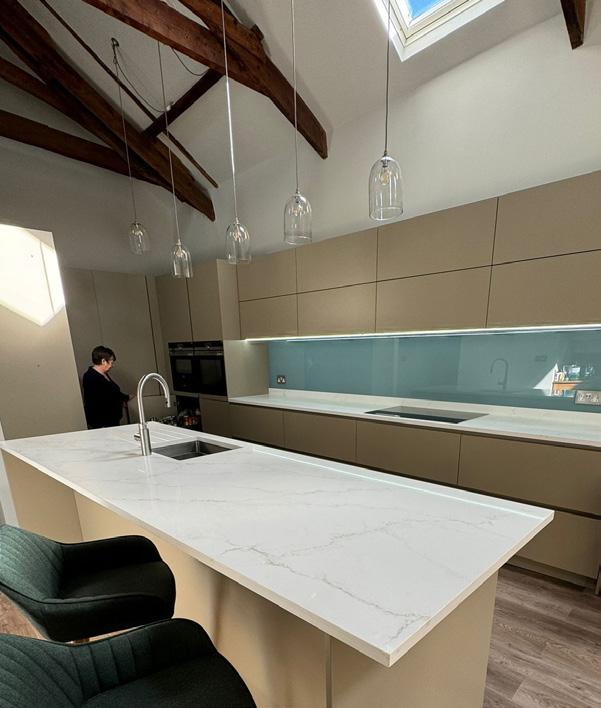
Set within the historic elegance of Hesketh Crescent, The Osborne Hotel offers a dining experience that embodies refined luxury and exceptional service. Recent updates have sparked a renewed focus on quality, blending timeless elegance with modern culinary craftsmanship. The Osborne’s rich heritage continues to inspire, offering guests an elevated experience that mirrors the hotel’s dedication to excellence in every detail.
• Free measure
• Free fitting,
• Fantastic value
We turn them into masterpieces
Tired of boring old blinds?
At Western Curtains and Blinds, we don’t just cover windows, we transform them. With years of experience (established in 1999!), we create stunning window treatments that are as unique as your home.
Free measure & free fitting
Take the stress out of getting the perfect look. Plus, our fantastic value ensures you get top quality without breaking the bank.
Hello, I’m Siri, the editor of Dental Scribe and fellow Plymouth local. We are thrilled to be back with the second edition of Dental Scribe in the city where I was born. Alongside Shaun, who has more than 10 years experience as a dentist, we hope to equip you with new and exciting oral health knowledge.
Editor’s Note
At Dental Scribe Media, our editorial team has a combined 15 years experience in journalism and clinical dentistry. We’re passionate about providing entertaining and informative content about your oral health. In this issue, you can find articles on teeth whitening and caring for your child’s smile alongside curated local recomendations for life in Plymouth.
If you want to continue reading at home, or share with family and friends, simply scan the QR code on the front cover to access the online version.
Dental Scribe is printed and published by Print Options, an independent family-run publisher based in Millbrook, South East Cornwall. They have been running for more than thirty years and we are thrilled to be working with them.
Dental Scribe Media delivers hundreds of magazines to dental practices across the country, where they become waiting room reading material for thousands of patients. If you would like to advertise in front of a captive audience, please don’t hesitate to contact our sales team at
info@dentalscribemedia.co.uk.
Electric vs manual toothbrushes
Root canal: our guide
16 20 What you should know about teeth whitening Caring for your child’s milk teeth
28 Protecting young smiles - our guide to mouthguards
Five must read fiction books
COLEBROOK FOOT CLINIC
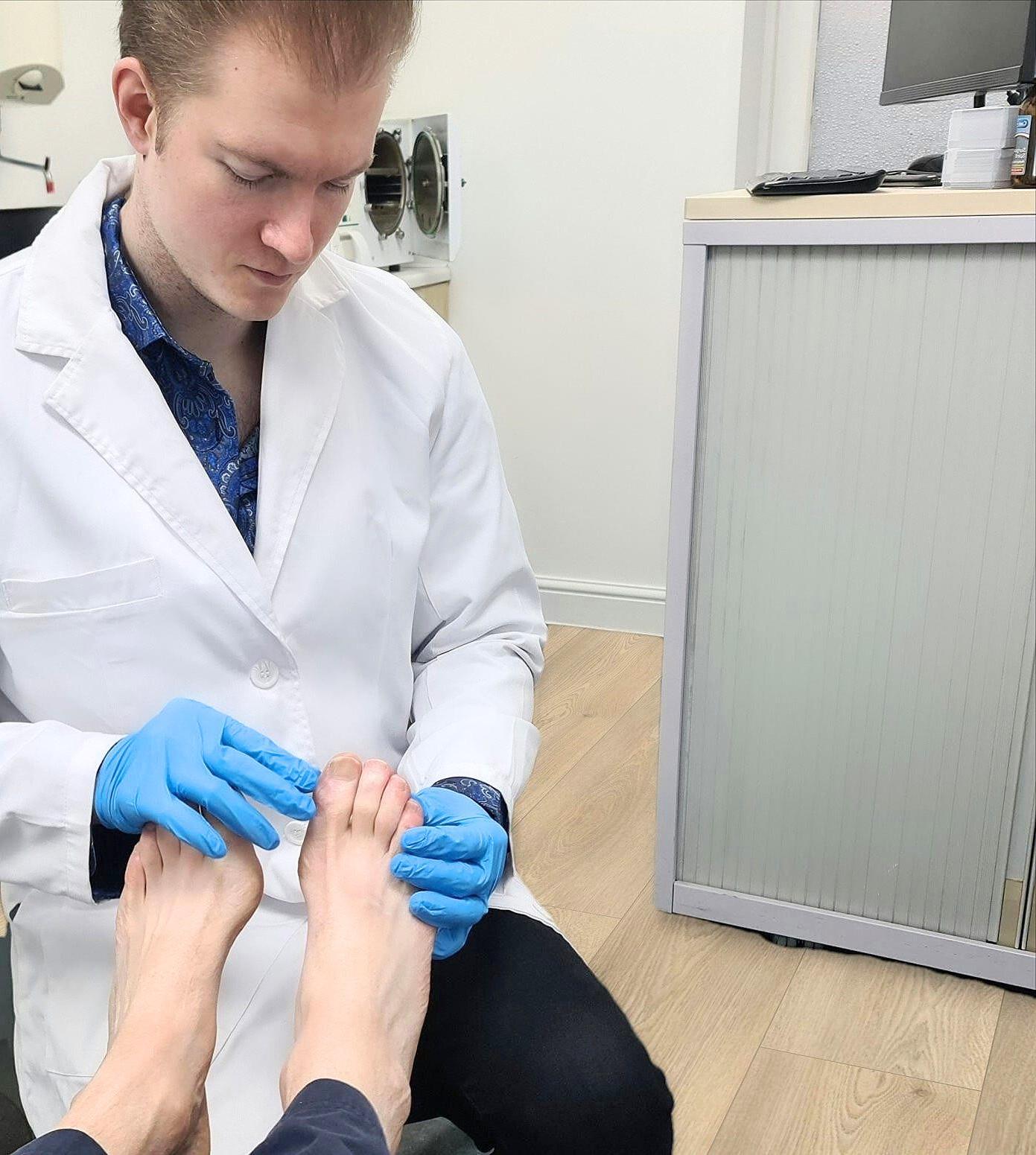
Experience a new approach to foot care with Colebrook Foot Clinic!
Based in Plympton, Plymouth, our clinic offers expert, personalised, and affordable treatments
With over a decade of experience in podiatry, we are dedicated to providing relief and comfort, helping our clients improve both foot health and overall quality of life W E C A R E F O R
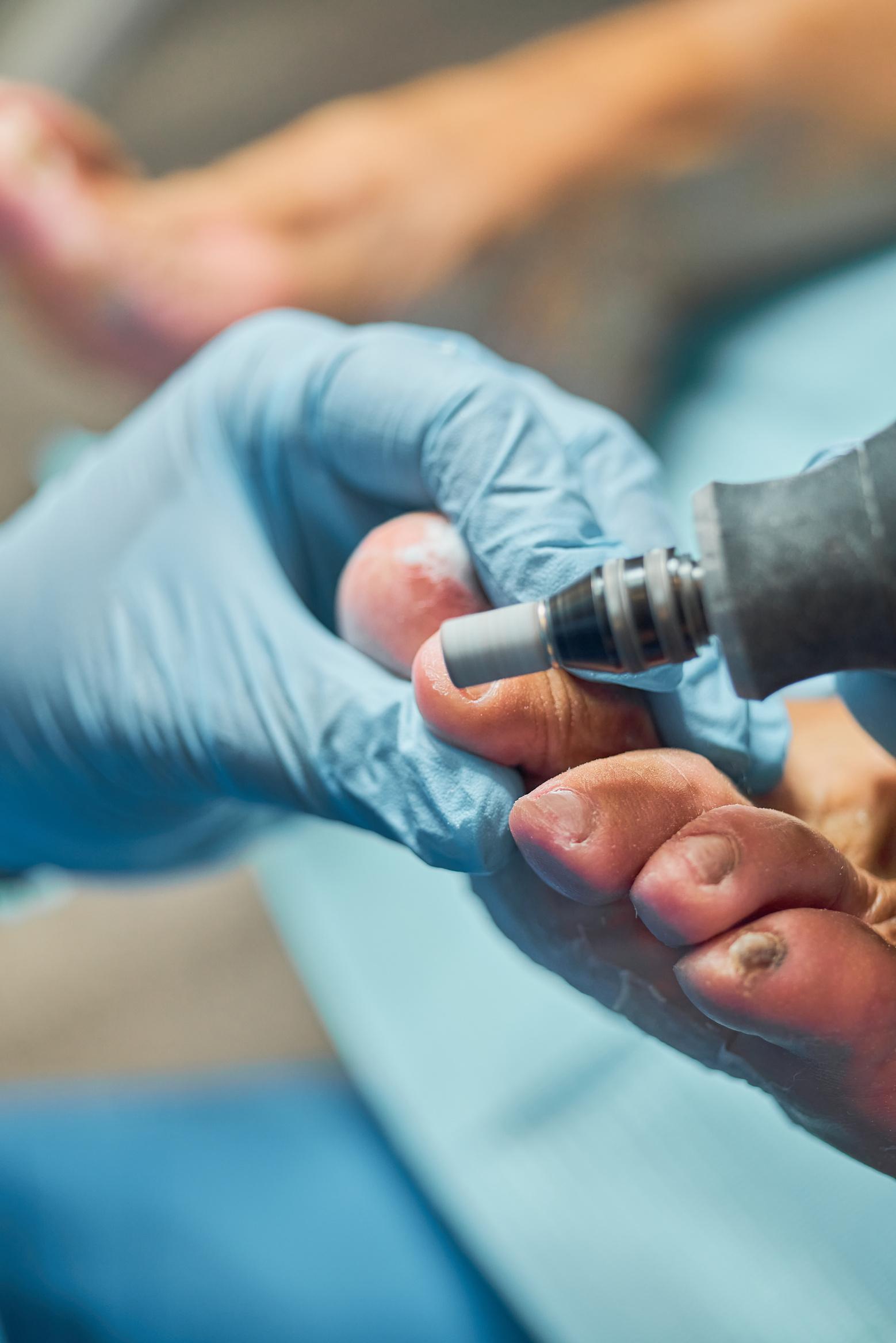
Diagnosis and treatment of common foot conditions
Procedure designed to alleviate discomfort and ensure the health of your
Our highly skilled team is committed to maintaining the highest standards of hygiene and safety, offering a range of services from general foot care and diabetic foot assessments to nail surgery and biomechanical evaluations Book your appointment today and take the first step towards healthy, wellcared-for feet!
Excellent treatment at this clinic Both podiatrists are extremely professional and very friendly. Due to a previous experience I was a very nervous patient at first, but now I look forward to my regular visit Can't rate them high enough Your feet deserve it
Review
Electric
vs manual
What really matters for better oral health...
By Dr Shaun Hodge
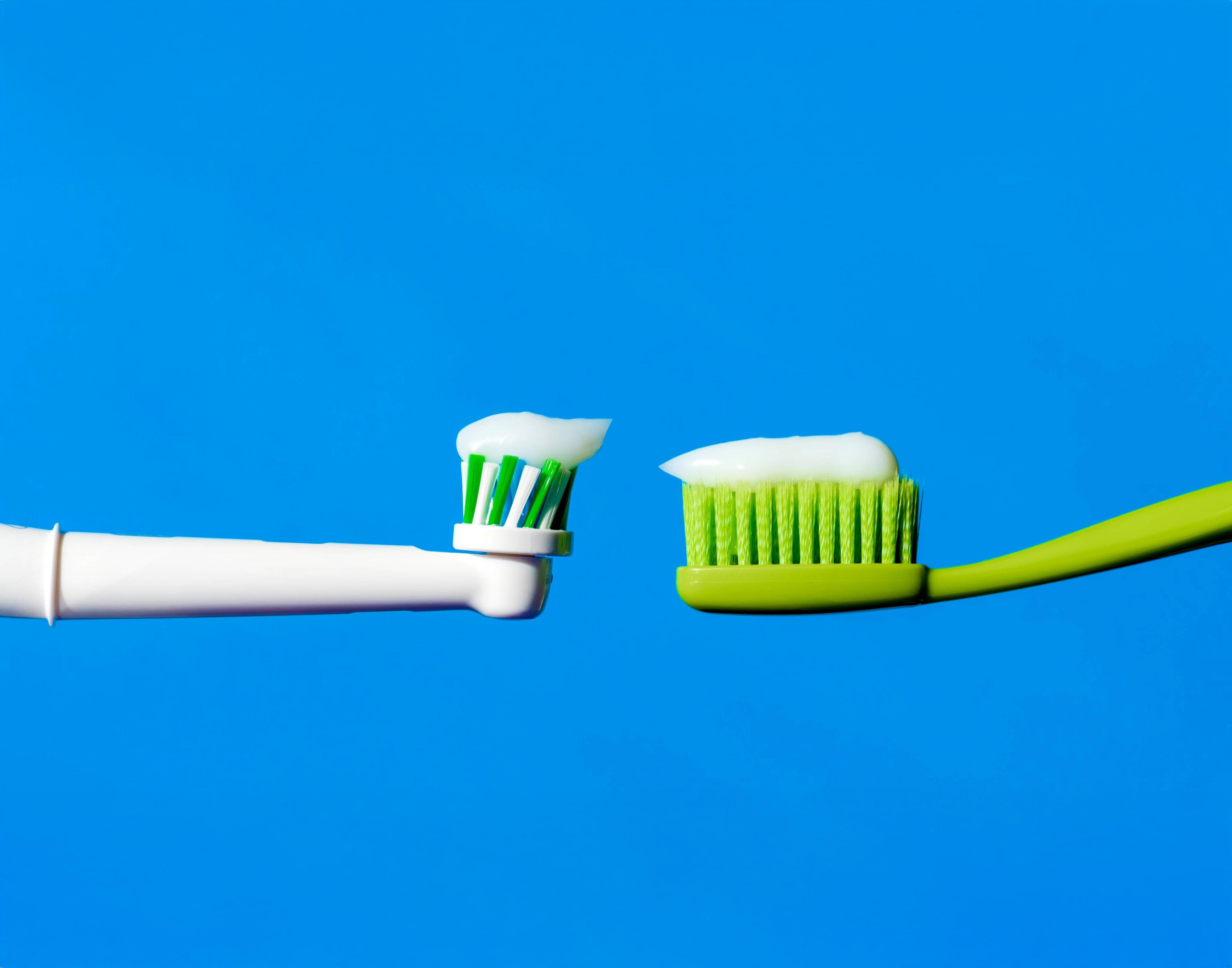
One of the most common questions asked by patients is whether they should be using a manual or an electric toothbrush. With shelves full of sleek, high-tech models boasting pressure sensors, timers, and even Bluetooth connectivity, it is easy to believe that more expensive always means better. However, the science tells a more balanced story: both manual and electric toothbrushes can be highly effective in maintaining oral health. The real difference lies less in the brush itself and more in how it is used. This article will breakdown the differences between the brushes and how you should be using them for the most effective results.
electric
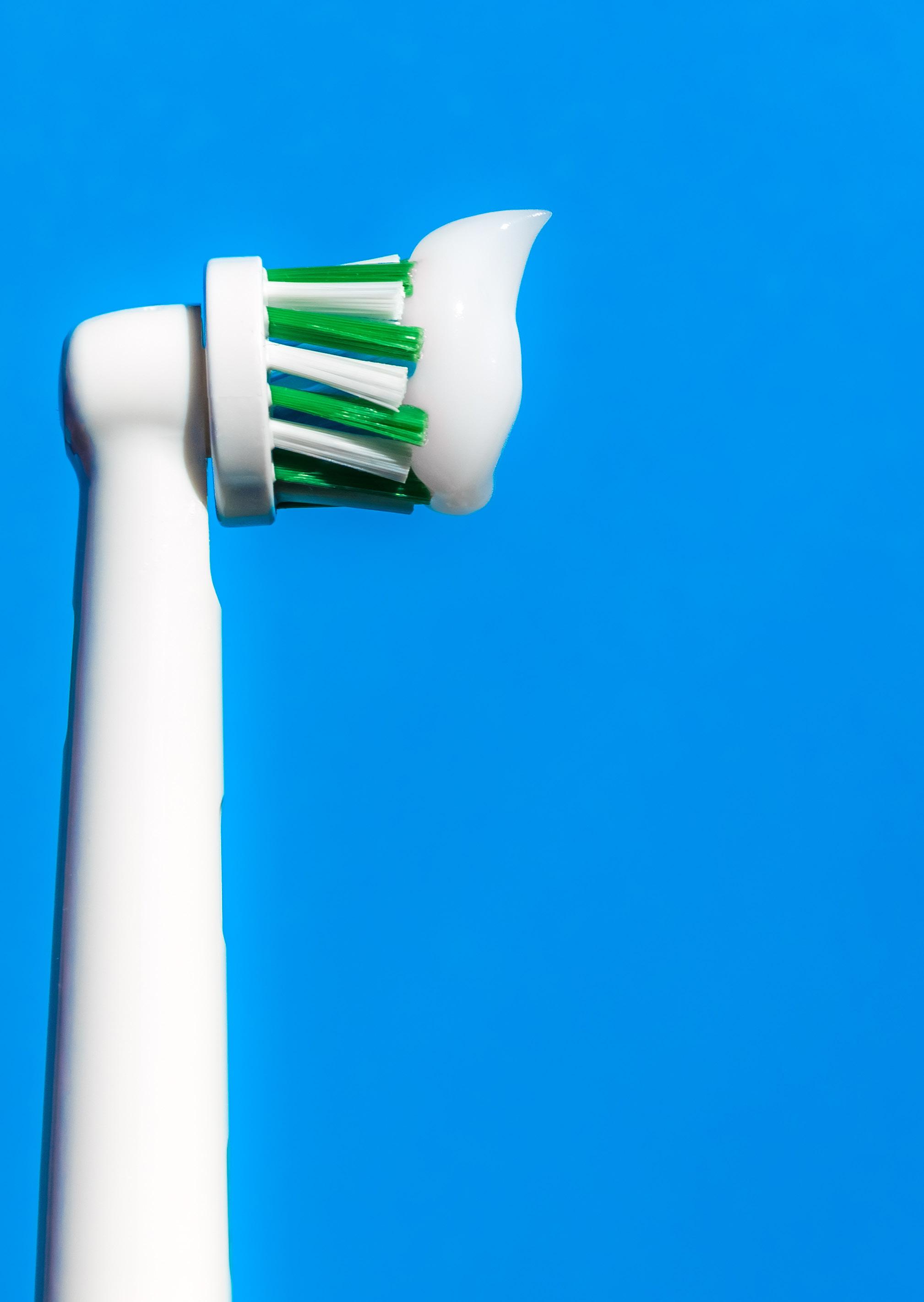
Electric toothbrushes, whether oscillating-rotating or sonic in design, help simplify brushing for patients. They provide consistent, rapid bristle movement that reduces the need for meticulous manual technique. In other words, they “do the work for you.” For patients who struggle with dexterity, such as children, older adults, or those with arthritis, electric brushes can make thorough plaque removal easier.
Research supports this, with large studies having found that powered brushes can produce modest but measurable reductions in plaque and gingivitis compared with manual brushing over time. The difference is not dramatic, but it is clinically relevant, especially for patients who find it difficult to maintain ideal technique with a manual brush.
Manual
Used with good technique, the traditional manual toothbrush remains an excellent tool for keeping teeth clean. Studies consistently show that when patients are instructed in the correct brushing method - gentle circular motions, angling the bristles at 45 degrees to the gumline, and brushing for a full two minutes - plaque and gingivitis can be reduced as effectively as with many electric models. Manual brushes are also
inexpensive, widely available, and easy to replace. The challenge, however, is that proper brushing technique can be difficult to master and maintain over time. Many patients brush too quickly, apply excessive force, or use horizontal scrubbing motions that can contribute to gum recession or enamel wear. This is where electric toothbrushes may offer an advantage.
Both manual and electric toothbrushes can maintain oral health when used correctly. Technique, consistency, and brushing for the recommended two minutes twice a day are far more important than the cost or brand of the brush. For patients who already have excellent technique and motivation, a manual toothbrush is perfectly adequate. For those who struggle with brushing, an electric toothbrush can make good technique easier to achieve. Ultimately, the best toothbrush is the one that helps each individual brush effectively, comfortably, and regularly.
PLYMOUTH ELECTRICIANS AND ELECTRICAL CONTRACTORS
Your trusted electrical experts for home and business. Our NICEIC approved electricians serve Devon, Cornwall, and the wider South West for all domestic, commercial, industrial, and public sector needs.
“A completely professional job from first telephone contact to completion. Work done to all relevant electrical standards and I would not hesitate to use again or recommend to others.”
Teeth Whitening
What you should know ...
Many people dream of a brighter smile, but teeth whitening is often surrounded by confusion. Done properly, under the care of a dental professional, whitening is a safe and effective way to lighten natural teeth and restore confidence without damaging enamel. Most commonly, professional whitening works through gels that contain hydrogen peroxide or carbamide peroxide. These gels release oxygen, which passes through the enamel into the deeper layer of the tooth and breaks down the pigments that cause discolouration. The end result is a lighter, brighter appearance.
Before any treatment begins, your dentist will carefully check your mouth to make sure your teeth, gums and soft tissues are healthy. Any problems such as decay, gum disease or broken fillings need to be addressed first, and your dentist will also record the shade of your teeth so you have a clear idea of what results you might expect to see after treatment.
There are two main ways to whiten teeth professionally. Home whitening is the most common and involves custom-made trays and whitening gel that you use daily. Depending on the type of gel prescribed, trays are worn for a short time during the day or overnight. Treatment usually takes two to six weeks and is suitable for most patients. In-surgery whitening is carried out in the dental chair during a longer appointment. The gums are protected, gel is applied to the teeth and a light may be used to enhance the process. This option is often followed by some home whitening to make sure results last.
When provided by a trained dental
professional, whitening is safe. The most common side effect is sensitivity, which is temporary and can usually be managed with the right products. Whitening toothpastes are widely available, and while they don’t change the natural shade of your teeth, they can help lift surface stains from things like tea, coffee, or red wine.
Over-the-counter whitening kits are often cheaper than professional treatment, but they are not always carefully regulated, and some may irritate your teeth or gums. In the UK and Europe, the law limits nonprofessional whitening products to use just 0.1% hydrogen peroxide. At this very low strength, they are unlikely to produce noticeable whitening results.
It’s also worth remembering that whitening only works on natural teeth. Crowns, bridges and fillings will not change colour, so your dentist may suggest updating visible restorations to match your brighter shade. Results can last 12 to 24 months or more, but lifestyle choices make a big difference. Brushing twice a day, cleaning between your teeth, reducing coffee, tea, red wine and avoiding smoking will all help keep your smile brighter for longer. Regular visits to your dental team are also key.
In short, professional tooth whitening is a predictable, safe and effective way to refresh your smile. If you’re considering it, the best place to start is with a dental consultation so your dentist can guide you towards the treatment that will work best for you.
“I could not recommend highly enough and I will definitely stay again Thank you Michelle, all your hard work is appreciated and you should be really proud of what you provide for your guests.”
COASTAL GLAMPING @ TREGANTLE FARM
Coastal Comfort, Consciously Crafted
Your first choice for personal domiciliary care services.
Rated outstanding by Care Quality Commission, our team of friendly and caring staff at J&C Healthcare Ltd have a combined industry experience of over 20 years.
We offer long and short-term support services to the people of Plymouth, including:
Bespoke
Milk teeth
Every child develops 20 “milk teeth” (also called baby or primary teeth) that usually begin to appear at around 6 months old, though timing can vary. Rarely, some babies are born with natal or neonatal teeth. These are uncommon and usually harmless, but it’s a good idea to check with a paediatric dentist if they appear.
Milk teeth play an important role, they hold space for adult teeth and guide their proper alignment. Because the enamel on baby teeth is thinner than on permanent teeth, they are more susceptible to decay and
erosion, especially when exposed to sugary or acidic foods and drinks.
The lower front teeth usually appear first, followed by the upper front teeth. Some babies experience little discomfort, while others may become restless, drool more, or chew on fingers and toys. Teething is often mistaken for minor illness, but if your child seems unusually unwell, it’s important to seek medical advice to rule out other causes, such as ear infections.
There is no single proven method to relieve teething
Milk teeth
discomfort. Many parents find that offering chilled (not frozen) teething rings and providing extra comfort helps. By age three, most children will have all 20 milk teeth, though a few months variation is normal.
Brushing Your Child’s
Teeth:
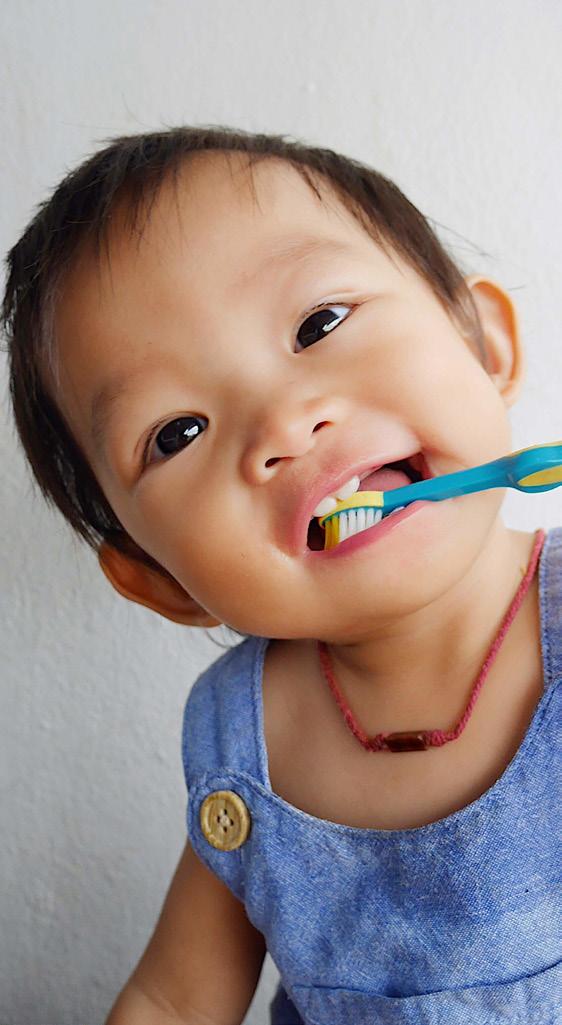
As soon as your child’s teeth start to appear, begin cleaning them with a small, soft-bristled toothbrush. Brush twice a day, making it part of your child’s morning and
bedtime routine and use a small amount of toothpaste suitable for children. As your child grows, encourage them to brush themselves, but continue to supervise until around age seven. The last thing to touch your child’s teeth before bedtime should always be brushing. Both manual and electric toothbrushes are effective when used correctly.
First Dental Visit:
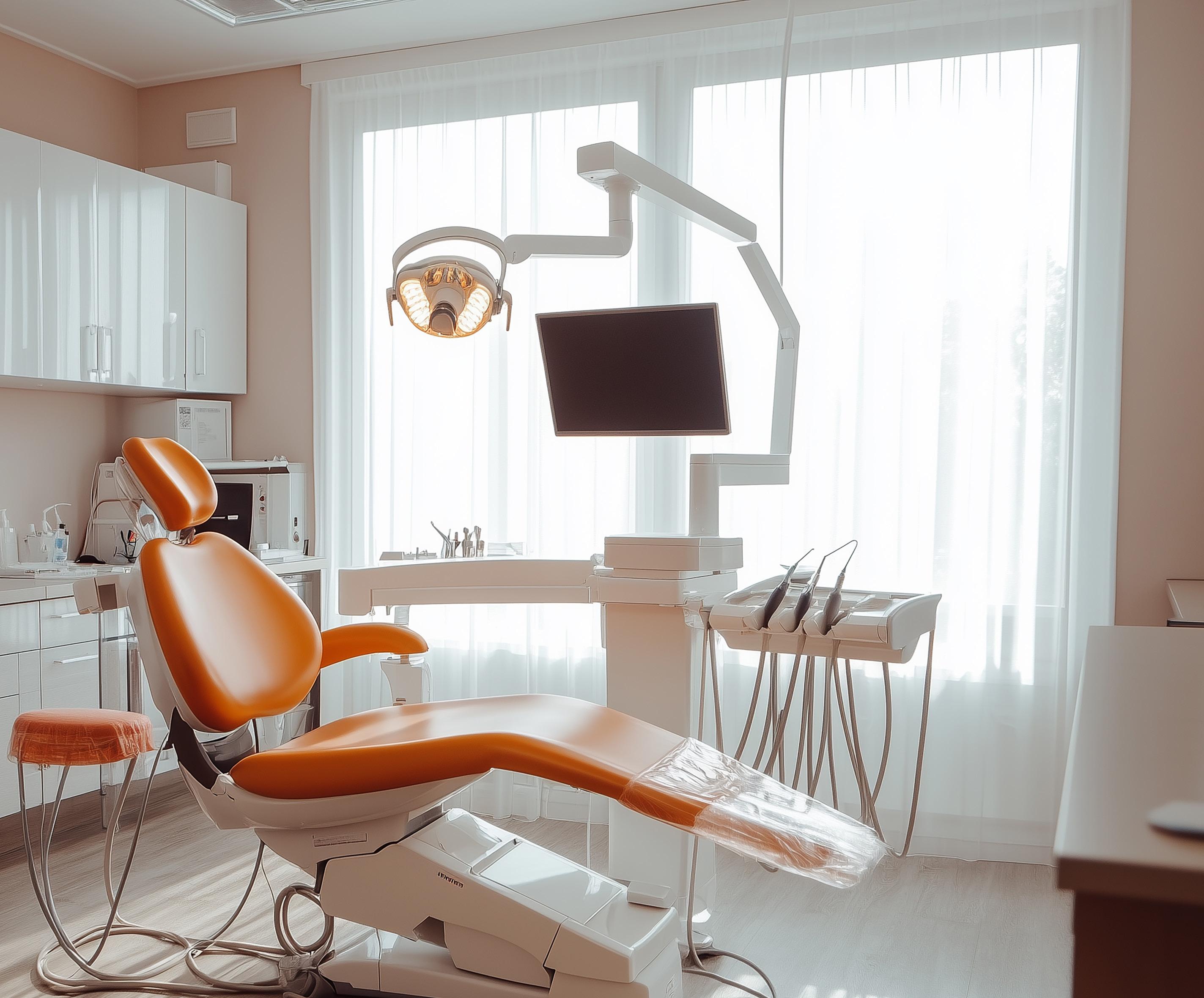
Take your child to the dentist as soon as the first tooth appears, and no later than their first birthday. Early visits help your child become familiar with the dental environment and allow you to ask questions about caring for their teeth. Even if your child doesn’t open their mouth at the first visit, regular exposure to the dental practice builds comfort and confidence. Children should continue regular dental visits at least once a year until adulthood.
Food and Drink:
For the first six months, breast milk or formula provides all the nutrition your baby needs. Around six months, you can start encouraging your child to drink from an open cup instead of a bottle, and aim to stop bottles by the first birthday. Try to limit sugary foods and drinks, including sticky snacks such as dried fruit, and offer water between meals. Never leave your child with a bottle or trainer cup for long periods, especially
at bedtime, and avoid dipping pacifiers or bottles in sweet liquids. Also, avoid putting bottles, dummies, or spoons in your own mouth before giving them to your child, as this can transfer bacteria.
Five Golden Rules for Brushing:
1 Start brushing as soon as the first teeth appear
2 Brush for your child until they can manage themselves, and supervise until around age seven
3 Brush at least twice a day, including before bedtime
4 Use a soft toothbrush suitable for children
5 Make brushing a positive and consistent part of the daily routine
Following these simple steps helps protect your child’s teeth and lays the foundation for a lifetime of healthy smiles.
Second Hand Sundays, The Old School House, Macey St, Torpoint PL11 2AB All profit made from your purchases stays in our community, helping people & projects across South East Cornwall
Root canal treatment: our guide
Despite its scary image, root canal treatment is now a safe, comfortable procedure that can extend the life of your tooth for years. Thanks to modern techniques, it’s usually no more uncomfortable than having a filling, and it’s a reliable way to save a tooth that might otherwise be lost. Here’s what you need to know about when root canal treatment is needed, what the procedure involves, and when specialist care may be recommended.
Inside every tooth is a soft centre called the pulp, which contains nerves and blood vessels. If this tissue becomes infected or damaged, the tooth can’t heal on its own. Causes include deep decay, trauma, cracks, or in some cases advanced gum disease.
Sometimes you’ll know there’s a problem because of toothache or swelling. Other times it’s quieter and may only be spotted on an X-ray or by noticing slight discolouration of the tooth.
weak or damaged areas are cleared away so only healthy structure remains. Then, the infected pulp is removed, the inside of the tooth is disinfected, and the empty space is sealed with a special filling material. Finally, the tooth is rebuilt with either a filling or a crown, giving it the strength to function normally again.
Treatment can take one or more appointments, usually lasting between one and two hours depending on the complexity of the case. What is root canal treatment like?
Before anything starts, your dentist will assess the tooth carefully and explain all the options. In many cases, the alternative to root canal is extraction, so treatment is designed to preserve your natural tooth for as long as possible.
The process is a little like renovating a house: first, any
Will it hurt?
Thanks to local anaesthetic, the procedure itself should be completely comfortable. Some people experience mild soreness for a few days afterwards, but this usually settles quickly with routine pain relief.
Do I need to see a specialist?
Many straightforward cases can be managed by a general dentist. However, some teeth are more complicated to treat - for example, if the canals are curved, very narrow, difficult to locate, or if an old root canal needs to be redone. In these situations, your dentist may recommend you see an endodontist (a specialist in root canal treatment).
Specialists have additional
years of training and use advanced equipment such as microscopes and 3D imaging, allowing them to manage even the most complex cases with precision.
Root canal treatment is a highly effective way to save teeth that might otherwise be lost. With modern care, it’s safe, predictable, and can extend the life of a damaged tooth for many years. If you’re worried about a tooth or have been advised
you may need root canal treatment, our team is here to guide you, whether for routine care or referral to a trusted specialist.
Advice from profession a sl
Together for Childhood is an ambitious 10-year NSPCC initiative which aims to create community partnerships to help end child abuse.
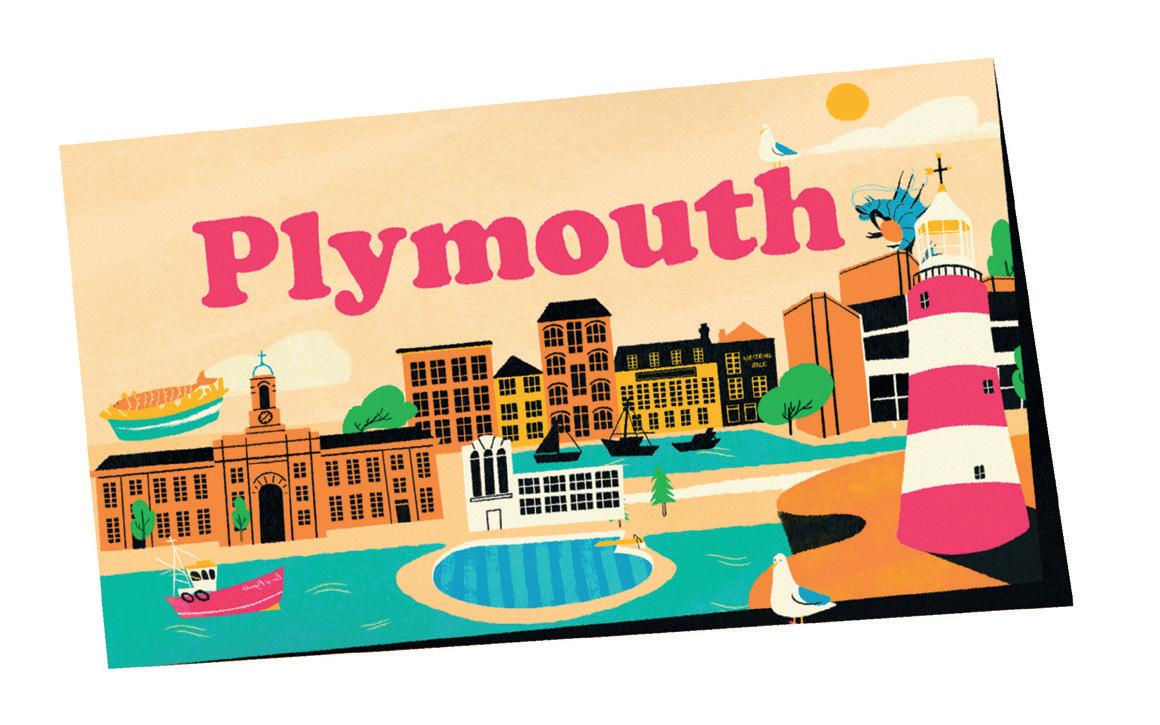
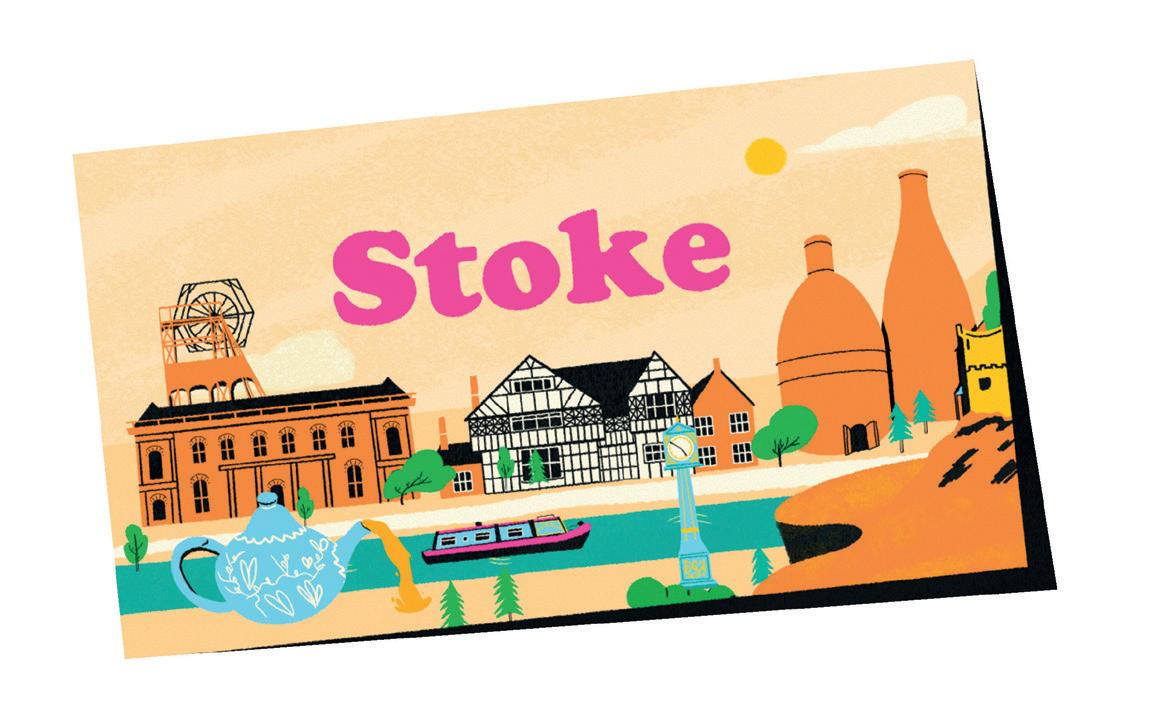
The children’s charity has four place-based Together for Childhood partnerships in Plymouth, Stoke-on-Trent, Grimsby and Govan.
Having now been established for five years the initiative aims to bring local partners and families together to make communities safer places for children. This involves delivering a programme of work that goes beyond developing services to support children and families and instead creates a widereaching programme that leads to sustainable systems change.
By engaging local people, Together for Childhood aims to get them involved in understanding and deciding how they can contribute to keeping children safe.
In Grimsby an awarenessraising and behaviour change campaign was launched to prevent peer-to-peer and partner domestic abuse. Together for Childhood led on abuse prevention campaigns in primary and secondary schools.
Each Together for Childhood location has a different area of focus:
• In Plymouth and Stoke-on-Trent the focus is preventing sexual abuse.
• In Grimsby and Govan the focus is on families facing adversity.
During 2022-23 the NSPCC worked with and supported more than 30,000 children and adults with projects across the four areas covered by Together for Childhood.
Together for Childhood in Govan developed a six-week emotional resilience programme for primary school children in response to reports of social and emotional delays and difficulties post-Covid.
These are just some of the ways that Together for Childhood has been making a difference in local communities.
Together for Childhood is making strong progress towards reaching its ambitious goals of learning what works in preventing child abuse and making communities safer for children. There have already been noticeable changes in partnership working and increased understanding in local communities.
In Plymouth Together for Childhood focused on supporting children and young people to lead and develop child sexual abuse prevention models in schools. This resulted in initiatives including a whole school approach to prevent peer-on-peer harm; and a children and young people-led approach to Relationships, Sex and Health Education (RSHE).
This was also an area of focus for Together for Childhood in Stoke-on-Trent with practitioners working with four local schools to create meaningful and carefully implemented Relationships Education for primary age children and Relationships and Sex Education for secondary aged students.
To find out more about Together for Childhood, visit nspcc.org.uk/ together-for-childhood
For more information about the NSPCC and details of how to support the charity, visit nspcc.org.uk
Protecting young smiles
a guide to mouthguards and sports
By Dr Shaun Hodge
Participating in sports is a fantastic way for children and teens to stay active, build confidence, and develop teamwork skills. But with some sports comes risk, especially for the teeth. Dental injuries are common in contact sports such as football, rugby, hockey, and martial arts, but even non-contact sports like gymnastics, skateboarding, or cycling can lead to broken or knocked-out teeth. Although it’s not common,
it is possible and it’s why we always recommend wearing a mouthguard when enaging in sports or activities where there is risk involved.
A sports mouthguard is the most effective way to protect young smiles.
A mouthguard acts as a cushion between the teeth, gums, and jaws. In the event of a blow to the face, it absorbs and redistributes the impact, reducing the risk of chipped or broken teeth, soft tissue injuries, and even jaw fractures. For growing children, a mouthguard also helps prevent damage to developing teeth and permanent teeth that haven’t yet erupted. Studies consistently show that children who wear mouthguards are significantly less likely to suffer dental injuries during sports.
There are three main types of mouthguards: stock mouthguards, boiland-bite and custom-made.
Custom mouthguards are comfortable, durable and offer the best protection. They also allow normal speech and
breathing during activity. Custom-made mouthguards offer the most comfort which can be important for children: if a mouthguard is uncomfortable, they are less likely to wear it consistently. Unlike stock mouthguards which can shift during activity, leaving teeth exposed to injury, custom-made mouthguards are tailored to your child’s mouth, ensuring full coverage of all teeth, proper thickness in the right areas, and a secure fit that stays in place during play. They also reduce irritation to gums and cheeks.
To get the most out of a mouthguard, it must be cared for properly. Rinse it in cool water before and after use, clean it with a toothbrush or mild soap, and store it in a ventilated container. Avoid chewing on the guard or exposing it to high heat, which can warp its shape. Regularly check
for wear or damage, and replace it as your child’s teeth grow or if the guard becomes worn. Children should understand that wearing a mouthguard protects not just their teeth, but also their confidence, performance, and long-term dental health. Making it part of the standard sports kit along with shin pads, helmets, and other safety gear encourages routine use.
A sports mouthguard is more than just a piece of plastic: it is an investment in your child’s smile. While stock and boiland-bite options provide some protection, a custom-made mouthguard ensures comfort, proper fit, and maximum safety. If you’re still unsure which mouthguard is best for your child, speak to your dentist who will be able to offer more personalised advice and recommendations.
Types of mouthguards:
1
Stock mouthguards:
These are pre-formed and sold in most sports stores. While inexpensive, they often fit poorly and can be bulky or make speaking and breathing more difficult.
3
Custom-made mouthguards:
These are made by a dentist specifically for your child. An impression of the teeth is taken, and the mouthguard is crafted to fit precisely.
2
Boil-and-Bite mouthguards:
These are softened in hot water and then moulded to the teeth. They fit better than stock guards but can still be uncomfortable.
5 must reads
By Evelyn Heis | @amuchneededbreak
As a recent literature graduate and bookseller, it’s safe to say that I love books. I’d be lying if I said my whole life wasn’t consumed by reading and planning my next book! While my reading preferences have changed over the years, I enjoy being challenged by new reading experiences and aim to engage with books likely to push me out of my comfort zone. With that in mind, I’ve put together an eclectic mix of my favourite recent reads. I hope it’ll inspire you to join me in diving into new and challenging books!
Brandy Sour
Composed of twenty-two vignettes, this enchanting novella tells the history of the Ledra Palace in Nicosia, an incredible hotel that was both a local landmark and elite destination in colonial and post-colonial Cyprus. The personal stories of those who frequented, worked, and were connected to the hotel form a narrative that illuminates the history of the island.
Each story ends with a twist, and for some, on the rocks: for each story is accompanied with a drinks recipe that holds emotional and cultural resonance for the narrator.
This short but sweet novel certainly packs a punch. Unique in both form and content, this was a delicious book that I devoured in one sitting.
Translated Fiction, Historical Fiction
The Safe Keep
Fifteen years after WWII, Isabel lives in her late mother’s home in the Netherlands. Although accustomed to her solitary, Isabel, albeit with much protest, is forced to share her family home with her brother’s fiancé, Eva. What ensues is a series of hateful, obsessive, and intense events between the two, as well as a growing passionate affair that changes the course of their lives forever.
The Safekeep offers a glimpse into the effects of inherited intergenerational trauma, set alongside the collective agony and uncertainty of post-war Europe.
Boulder
Boulder begins on a boat in the middle of the sea. Our protagonist, nicknamed Boulder, works as a chef aboard and takes pride in her liberated lifestyle. Until one day she meets Samsa, and they embark on a passionate love affair that whisks Boulder away from her bohemian-seafarer-life to anchoring down inland, in Reykjavik.
The waters of their relationship begin to get choppy as Samsa declares that she wants more for them: she wants to become a mother, even though Boulder does not want to have children. Reluctantly, Boulder agrees to expand their family and what ensues is a portrait of unconventional motherhood on both accounts.
Translated Fiction, LGBTQ+, Women-led, >200 pages
I Died At Fallow Hall
Crooked Plow
Crooked Plow opens with two sisters, Belonisia and Bibiana, who stumble upon a mystical ivory-handled silver blade in their grandmother’s suitcase. In a trance, both sisters put the knife in their mouths, an act which results in one of them losing their tongue, and thus, her voice.
Set in the plantation grounds of Agua Negra, the story traverses across three generations of the ‘Chapeu Grande’ family, who are mystical healers, Quilombolas—the descendants of enslaved Africans who were brought to work in Brazilian plantations—and tenant farmers who adore the land.
Vieira does a magnificent job of creating a narrative that is immersive and lyrical, painting an epic story of tradition, community and family.
Translated Fiction, Historical Fiction, Family Drama
Anna Deerin longs for a tranquil life in the Cotswolds; trading in her ballet shoes and city life for shears and wellies, she moves to a remote cottage in the village of Upper Magna and finds work as a gardener at Fallow Hall. When she clears the last vegetable bed of the season, Anna digs up not twigs but human bones, and the outside world she’s worked so hard to shut out, is readmitted again.
Working alongside Detective Inspector Hitesh Mistry, the unlikely duo discover that this murder is inextricably bound up with issues of gender, family, and community.
Burke-Patel’s gorgeous prose presents a pensive and often tender novel that subverts the classic country house murder mystery.
Literary Fiction, Crime, Family drama,
BODY & MIND TRANSFORMATION COACHING
REECE KYFFIN
KYFF COACHING
DID YOU KNOW...
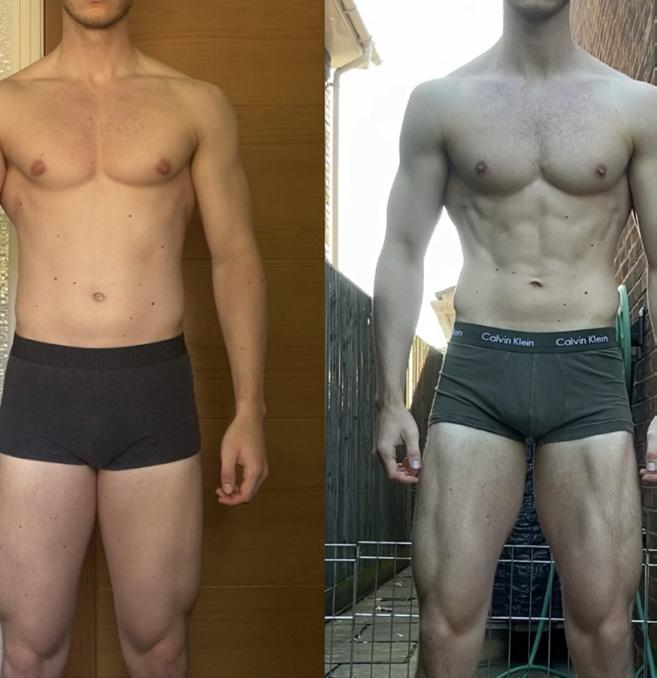
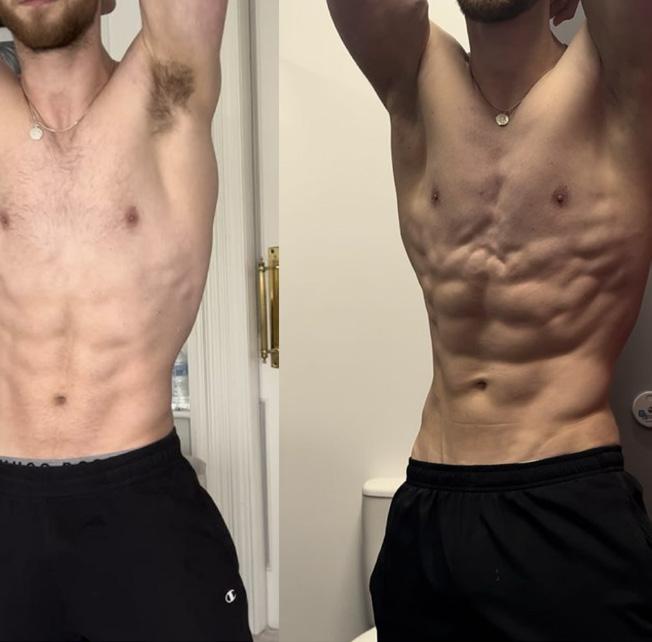
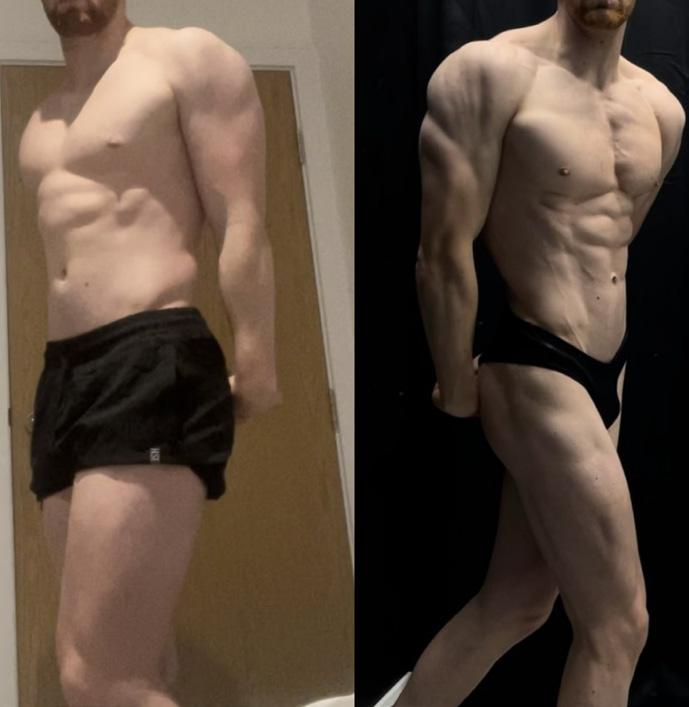
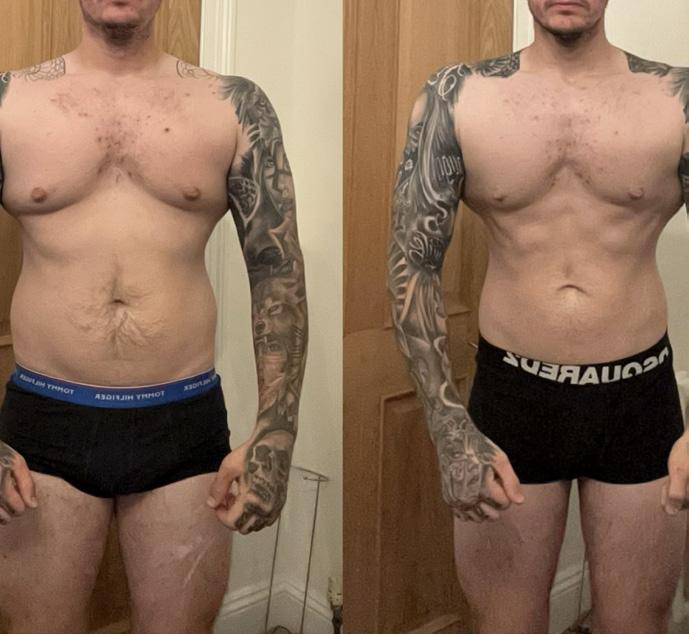
Getting in shape is like brushing your teeth? You can’t just go to the gym once and expect to leave with your dream physique. Just like you can’t brush your teeth once and expect to have the healthiest or whitest teeth of them all.
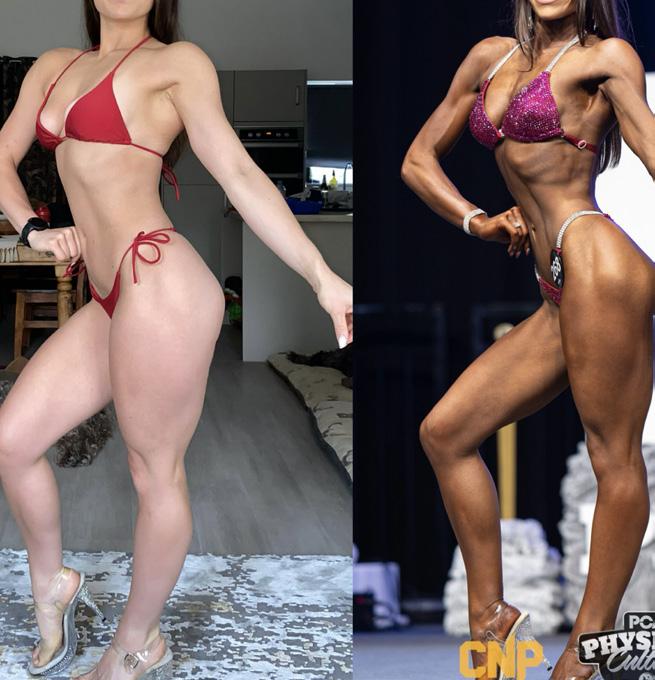
And I know what you’re likely thinking... “why this guy?” and “it’s easy for him to say, he’s a bodybuilder!”
It’s true, but before I was a bodybuilder, I wasn’t one! I trained, dieted and worked hard for years in the gym before I ever considered competing.
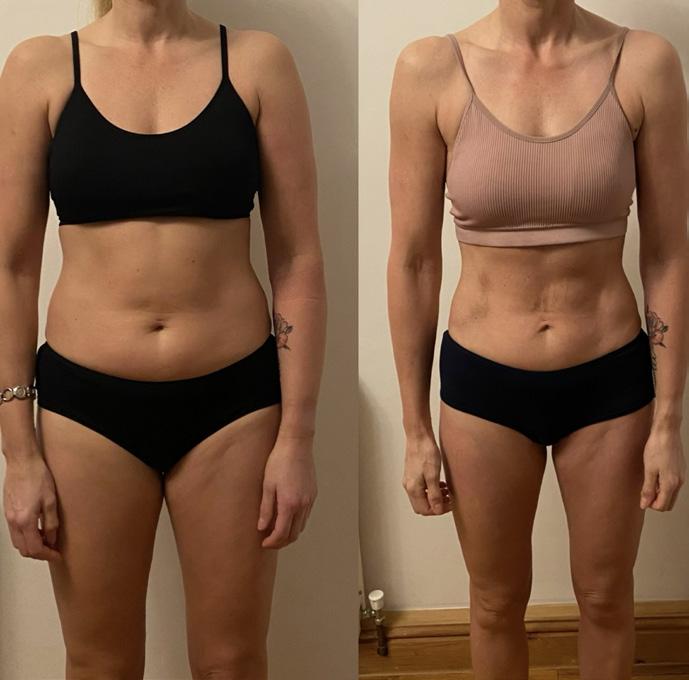
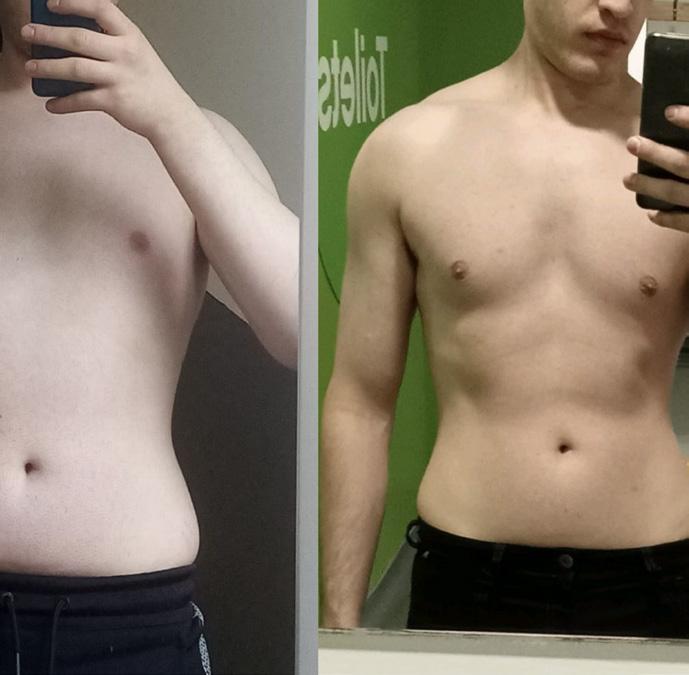
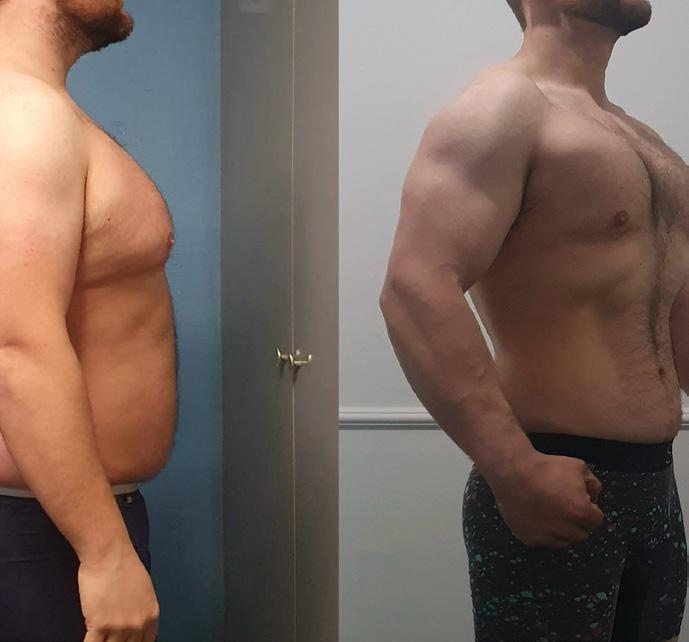
The truth is, most of my clients are non-competitive, they simply want to feel better mentally and maybe fit into their favourite shirt a bit better. I help them to feel confident in whatever they choose to wear (or not wear) and gain self belief again!
My day job involves helping men and women build muscle, lose body fat and feel better about themselves without the gimmicks, fads and typical boring diets. I help real people get real results.
If you’re ready to get into shape and become a better version of you this 2025, contact me today to discuss how I can help you!