






Hello, I’m Siri, the editor of Dental Scribe and fellow Bristol local.
Hello, I’m Siri, the editor of Dental Scribe and fellow Bristol local.
We are thrilled to be launching the first edition of Dental Scribe in the city where we both call home. Alongside Shaun, who has more than 10 years experience as a dentist, we hope to equip you with new and exciting oral health knowledge. At Dental Scribe Media, our editorial team has a combined nearly 20 years experience in journalism and clinical dentistry. We’re passionate about providing entertaining and informative content about your health, as well as carefully curated local recommendations.
All the best and happy reading.

Editor: Siri Thomas, siri@dentalscribemedia.co.uk
Clinical Lead: Shaun Hodge, shaun@dentalscribemedia.co.uk
Copy Editor: Tabitha Breare, info@dentalscribemedia.co.uk
Design: Finley-Mae Stainfield, info@dentalscribemedia.co.uk
Cover: Katie Smith illustratedbykatie@gmail.com
Dental Scribe is printed and published by Print Options, an independent family-run publisher based in Millbrook, South East Cornwall. They have been running for more than thirty years and we are thrilled to be working with them.
Dental Scribe Media delivers hundreds of magazines to dental practices across the country, where they become waiting room reading material for thousands of patients. If you would like to advertise in front of a captive audience, please don’t hesitate to contact our sales team at info@dentalscribemedia.co.uk.
We offer preferential rates for independent businesses and charities.
Electric vs manual toothbrushes
14 18 What you should know about teeth whitening Caring for your child’s milk teeth
Root canal treatment: our guide
Bristol’s hidden outdoor spa 26 Protecting young smiles - our guide to mouthguards
Bristol, Bath, and the Southwest

• Architectural design and passivhaus modelling
• Expert project planning and cost management
• Sustainable materials and thoughtful execution
• Build-only, full design/build – your choice
Thoughtful. Sustainable. Built to last.




What really matters for better oral health...
By Dr Shaun Hodge
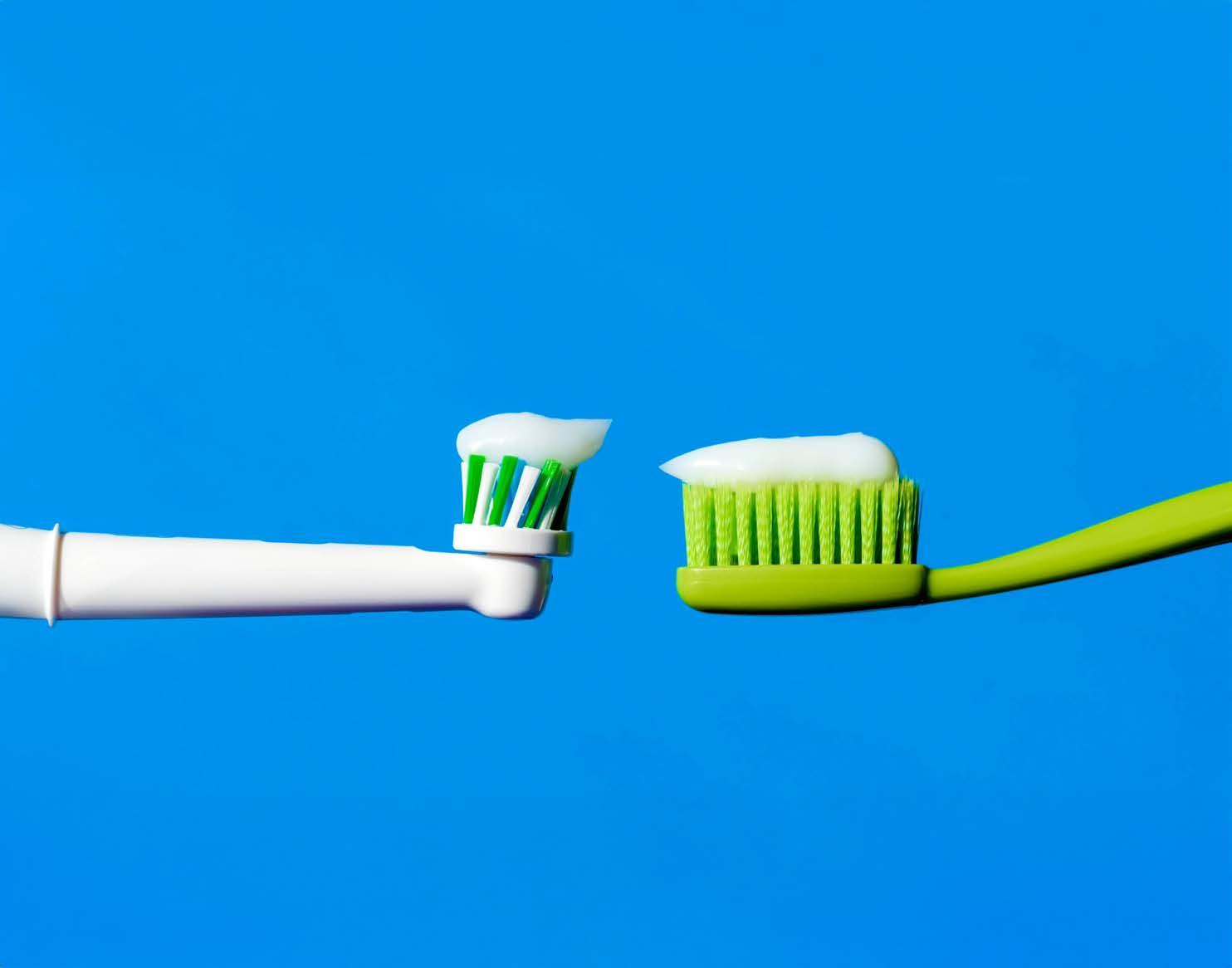
One of the most common questions asked by patients is whether they should be using a manual or an electric toothbrush. With shelves full of sleek, high-tech models boasting pressure sensors, timers, and even Bluetooth connectivity, it is easy to believe that more expensive always means better. However, the science tells a more balanced story: both manual and electric toothbrushes can be highly effective in maintaining oral health. The real difference lies less in the brush itself and more in how it is used. This article will break down the differences between the brushes and how you should be using them for the most effective results.
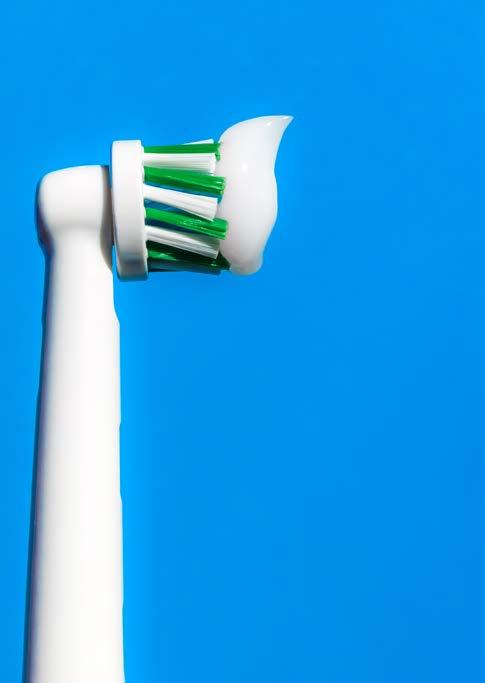
Electric toothbrushes, whether oscillating-rotating or sonic in design, help simplify brushing for patients. They provide consistent, rapid bristle movement that reduces the need for meticulous manual technique. In other words, they “do the work for you.” For patients who struggle with dexterity, such as children, older adults, or those with arthritis, electric brushes can make thorough plaque removal easier.
Research supports this, with large studies having found that powered brushes can produce modest but measurable reductions in plaque and gingivitis compared with manual brushing over time. The difference is not dramatic, but it is clinically relevant, especially for patients who find it difficult to maintain ideal technique with a manual brush.
Used with good technique, the traditional manual toothbrush remains an excellent tool for keeping teeth clean. Studies consistently show that when patients are instructed in the correct brushing method - gentle circular motions, angling the bristles at 45 degrees to the gum line, and brushing for a full two minutes - plaque and gingivitis can be reduced as effectively as with many
electric models. Manual brushes are also inexpensive, widely available, and easy to replace. The challenge, however, is that proper brushing technique can be difficult to master and maintain over time. Many patients brush too quickly, apply excessive force, or use horizontal scrubbing motions that can contribute to gum recession or enamel wear. This is where electric toothbrushes may offer an advantage.

Both manual and electric toothbrushes can maintain oral health when used correctly. Technique, consistency, and brushing for the recommended two minutes twice a day are far more important than the cost or brand of the brush. For patients who already have excellent technique and motivation, a manual toothbrush is perfectly adequate. For those who struggle with brushing, an electric toothbrush can make good technique easier to achieve.
Ultimately, the best toothbrush is the one that helps each individual brush effectively, comfortably, and regularly.
•
•










Many people dream of a brighter smile, but teeth whitening is often surrounded by confusion. Done properly, under the care of a dental professional, whitening is a safe and effective way to lighten natural teeth and restore confidence without damaging enamel. Most commonly, professional whitening works through gels that contain hydrogen peroxide or carbamide peroxide. These gels release oxygen, which passes through the enamel into the deeper layer of the tooth and breaks down the pigments that cause discolouration. The end result is a lighter, brighter appearance. Before any treatment begins, your dentist will carefully check your mouth to make sure your teeth, gums and soft tissues are healthy. Any problems such as decay, gum disease or broken fillings need to be addressed first, and your dentist will also record the shade of your teeth so you have a clear idea of what results you might expect to see after treatment.
There are two main ways to whiten teeth professionally. Home whitening is the most common and involves custom-made trays and whitening gel that you use daily. Depending on the type of gel prescribed, trays are worn for a short time during the day or overnight. Treatment usually takes two to six weeks and is suitable for most patients. In-surgery whitening is carried out in the dental chair during a longer appointment. The gums are protected, gel is applied to the teeth and a light may be used to enhance the process. This option is often followed by some home whitening to make sure results last.
When provided by a trained dental professional, whitening is safe. The most common side effect is sensitivity, which is temporary and can usually be managed with the right products. Whitening toothpastes are widely available, and while they don’t change the natural shade of your teeth, they can help lift surface stains from things like tea, coffee, or red wine.
Over-the-counter whitening kits are often cheaper than professional treatment, but they are not always carefully regulated, and some may irritate your teeth or gums. In the UK and Europe, the law limits nonprofessional whitening products to use just 0.1% hydrogen peroxide. At this very low strength, they are unlikely to produce noticeable whitening results.
It’s also worth remembering that whitening only works on natural teeth. Crowns, bridges and fillings will not change colour, so your dentist may suggest updating visible restorations to match your brighter shade. Results can last 12 to 24 months or more, but lifestyle choices make a big difference. Brushing twice a day, cleaning between your teeth, reducing coffee, tea, red wine and avoiding smoking will all help keep your smile brighter for longer. Regular visits to your dental team are also key.
In short, professional tooth whitening is a predictable, safe and effective way to refresh your smile. If you’re considering it, the best place to start is with a dental consultation so your dentist can guide you towards the treatment that will work best for you.




H o l i s t C o W o r Y o g a f
O u r m e n o p a u s e A t R e t h i n k H o l i s t i c C l o c a l B M S W o r Y o g a f
W o m


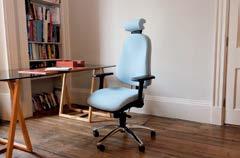


It’s your chair! It's an investment in your health.



"An ergonomic chair isn’t just a seat – it’s a foundation for better posture, improved comfort, and enhanced productivity, supporting both body and mind throughout your day."
Pearce Brothers Mobility is offering a FREE assessment for ergonomic chairs, approved by Occupational Therapists to ensure the best fit for your body. These chairs are perfect for all work environments, whether you're in an office, clinic, or workshop. Say goodbye to discomfort and hello to better posture, reduced back
pain, and improved focus. Plus, mention "Dental Scribe" and unlock an exclusive discount!
2 Stover Road, Yate, Bristol, BS37 5JN

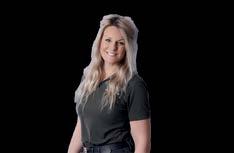

Led by our Occupational Therapist and Postural Management Specialist, Danielle Base, prescribing the right equipment designed to enhance health and well-being for all.
Coco Rose Beauty is a salon in Stoke Bishop, Bristol. We have over 20 years’ experience in the beauty industry. Our staff are fully qualified beauty therapists and offer a variety of professional but affordable treatments.



Every child develops 20 “milk teeth” (also called baby or primary teeth) that usually begin to appear at around 6 months old, though timing can vary. Rarely, some babies are born with natal or neonatal teeth. These are uncommon and usually harmless, but it’s a good idea to check with a paediatric dentist if they appear.
Milk teeth play an important role, they hold space for adult teeth and guide their proper alignment. Because the enamel on baby teeth is thinner than on permanent teeth, they are more susceptible to decay and
erosion, especially when exposed to sugary or acidic foods and drinks.
The lower front teeth usually appear first, followed by the upper front teeth. Some babies experience little discomfort, while others may become restless, drool more, or chew on fingers and toys. Teething is often mistaken for minor illness, but if your child seems unusually unwell, it’s important to seek medical advice to rule out other causes, such as ear infections.
There is no single proven method to relieve teething
discomfort. Many parents find that offering chilled (not frozen) teething rings and providing extra comfort helps. By age three, most children will have all 20 milk teeth, though a few months variation is normal.
Teeth:
As soon as your child’s teeth start to appear, begin cleaning them with a small, soft-bristled toothbrush. Brush twice a day, making it part of your child’s morning and
bedtime routine and use a small amount of toothpaste suitable for children. As your child grows, encourage them to brush themselves, but continue to supervise until around age seven. The last thing to touch your child’s teeth before bedtime should always be brushing. Both manual and electric toothbrushes are effective when used correctly.
Take your child to the dentist as soon as the first tooth appears, and no later than their first birthday. Early visits help your child become familiar with the dental environment and allow you to ask questions about caring for their teeth. Even if your child doesn’t open their mouth at the first visit, regular exposure to the dental practice builds comfort and confidence. Children should continue regular dental visits at least once a year until adulthood.
For the first six months, breast milk or formula provides all the nutrition your baby needs. Around six months, you can start encouraging your child to drink from an open cup instead of a bottle, and aim to stop bottles by the first birthday. Try to limit sugary foods and drinks, including sticky snacks such as dried fruit, and offer water between meals.
Never leave your child with a bottle or trainer cup for long periods, especially
at bedtime, and avoid dipping pacifiers or bottles in sweet liquids. Also, avoid putting bottles, dummies, or spoons in your own mouth before giving them to your child, as this can transfer bacteria.
1 Start brushing as soon as the first teeth appear
2 Brush for your child until they can manage themselves, and supervise until around age seven
3 Brush at least twice a day, including before bedtime
4 Use a soft toothbrush suitable for children
5 Make brushing a positive and consistent part of the daily routine
Following these simple steps helps protect your child’s teeth and lays the foundation for a lifetime of healthy smiles.






Despite its scary image, root canal treatment is now a safe, comfortable procedure that can extend the life of your tooth for years. Thanks to modern techniques, it’s usually no more uncomfortable than having a filling, and it’s a reliable way to save a tooth that might otherwise be lost. Here’s what you need to know about when root canal treatment is needed, what the procedure involves, and when specialist care may be recommended.
Inside every tooth is a soft centre called the pulp, which contains nerves and blood vessels. If this tissue becomes infected or damaged, the tooth can’t heal on its own. Causes include deep decay, trauma, cracks, or in some cases advanced gum disease.
Sometimes you’ll know there’s a problem because of toothache or swelling. Other times it’s quieter and may only be spotted on an X-ray or by noticing slight discolouration of the tooth.
weak or damaged areas are cleared away so only healthy structure remains. Then, the infected pulp is removed, the inside of the tooth is disinfected, and the empty space is sealed with a special filling material. Finally, the tooth is rebuilt with either a filling or a crown, giving it the strength to function normally again.
Treatment can take one or more appointments, usually lasting between one and two hours depending on the complexity of the case. What is root canal treatment like?
Before anything starts, your dentist will assess the tooth carefully and explain all the options. In many cases, the alternative to root canal is extraction, so treatment is designed to preserve your natural tooth for as long as possible.
The process is a little like renovating a house: first, any
Thanks to local anaesthetic, the procedure itself should be completely comfortable. Some people experience mild soreness for a few days afterwards, but this usually settles quickly with routine pain relief.
Many straightforward cases can be managed by a general dentist. However, some teeth are more complicated to treat - for example, if the canals are curved, very narrow, difficult to locate, or if an old root canal needs to be redone. In these situations, your dentist may recommend you see an endodontist (a specialist in root canal treatment).
Specialists have additional
years of training and use advanced equipment such as microscopes and 3D imaging, allowing them to manage even the most complex cases with precision.
Root canal treatment is a highly effective way to save teeth that might otherwise be lost. With modern care, it’s safe, predictable, and can extend the life of a damaged tooth for many years. If you’re worried about a tooth or have been advised
you may need root canal treatment, our team is here to guide you, whether for routine care or referral to a trusted specialist.
Advice from profession a sl








After 20 years living in Southeast Asia, I’ve returned to Bath to share my discoveries with you. Bespoke Getaways offers truly personalised luxury travel experiences built on my local knowledge. I craft journeys that go beyond typical tourist routes, tailored precisely to your interests. From meticulous planning to personal guidance, I ensure every detail is handled seamlessly. Experience Southeast Asia as few travelers can. Get in touch today and let’s create your trip of a lifetime.
—Hem Patel, Founder



By Dr Shaun Hodge
Participating in sports is a fantastic way for children and teens to stay active, build confidence, and develop teamwork skills. But with some sports comes risk, especially for the teeth. Dental injuries are common in contact sports such as football, rugby, hockey, and martial arts, but even non-contact sports like gymnastics, skateboarding, or cycling can lead to broken or knocked-out teeth. Although it’s not common,

it is possible and it’s why we always recommend wearing a mouthguard when engaging in sports or activities where there is risk involved. A sports mouthguard is the most effective way to protect young smiles.
A mouthguard acts as a cushion between the teeth, gums, and jaws. In the event of a blow to the face, it absorbs and redistributes the impact, reducing the risk of chipped or broken teeth, soft tissue injuries, and even jaw fractures. For growing children, a mouthguard also helps prevent damage to developing teeth and permanent teeth that haven’t yet erupted. Studies consistently show that children who wear mouthguards are significantly less likely to suffer dental injuries during sports.
There are three main types of mouthguards: stock mouthguards, boiland-bite and custom-made.
Custom mouthguards are comfortable, durable and offer the best protection. They also allow normal speech and
breathing during activity. Custom-made mouthguards offer the most comfort which can be important for children: if a mouthguard is uncomfortable, they are less likely to wear it consistently. Unlike stock mouthguards which can shift during activity, leaving teeth exposed to injury, custom-made mouthguards are tailored to your child’s mouth, ensuring full coverage of all teeth, proper thickness in the right areas, and a secure fit that stays in place during play. They also reduce irritation to gums and cheeks.
To get the most out of a mouthguard, it must be cared for properly. Rinse it in cool water before and after use, clean it with a toothbrush or mild soap, and store it in a ventilated container. Avoid chewing on the guard or exposing it to high heat, which can warp its shape. Regularly check
for wear or damage, and replace it as your child’s teeth grow or if the guard becomes worn. Children should understand that wearing a mouthguard protects not just their teeth, but also their confidence, performance, and long-term dental health. Making it part of the standard sports kit along with shin pads, helmets, and other safety gear encourages routine use.
A sports mouthguard is more than just a piece of plastic: it is an investment in your child’s smile. While stock and boiland-bite options provide some protection, a custom-made mouthguard ensures comfort, proper fit, and maximum safety. If you’re still unsure which mouthguard is best for your child, speak to your dentist who will be able to offer more personalised advice and recommendations.
1
Stock mouthguards:
These are pre-formed and sold in most sports stores. While inexpensive, they often fit poorly and can be bulky or make speaking and breathing more difficult.
3
Custom-made mouthguards:
These are made by a dentist specifically for your child. An impression of the teeth is taken, and the mouthguard is crafted to fit precisely.
2 2
Boil-and-Bite mouthguards:
These are softened in hot water and then moulded to the teeth. They fit better than stock guards but can still be uncomfortable.



In the heart of bustling Bristol lies a sanctuary designed to help you reconnect—with yourself, your senses, and the world around you. Nestled in the corner of a secret garden is a small, secluded outdoor spa that provides the ultimate city escape. Every inch of Sensate Spa & Studios tells its own story, having been carefully handcrafted using 80% recycled and upcycled materials. Sustainability is at the core of its creation, seamlessly blending mindful design with a deep commitment to environmental care.
The name "Sensate" is derived from the late Latin sensatus, meaning the ability to perceive through the senses—touch, sight, smell, and beyond. This hidden oasis was thoughtfully designed to help you rediscover your feeling self, inviting you to stop, breathe, and simply let go. Recharge your body and create space for healthier choices.
From the moment you walk through the old temple doors, the spa facilities welcome you into a realm of transformation. Experience the invigorating contrast of the sauna and cold plunge pool, while savoring herbal teas served with exceptional care by our dedicated team.
Treatments such as soothing massages and revitalizing facials are tailored to nourish your body, mind, and soul. Meanwhile, a variety of yoga and Pilates classes offer the perfect balance of movement and stillness.
At Sensate Spa & Studios, holistic care extends beyond the physical. Visit us today to begin your journey to wellness, self-care, and community. Your moment of renewal awaits in this tranquil retreat.