
DAVID DAVID PORT FOLIO
David David
EDUCATION
COVENANT UNIVERSITY, NIGERIA
Bachelor of Science; Architecture 2020 - 2024.
GPA: 3.20
Key modules in:
• Design Studio,
• Building Structures,
• Building Services,
• CAD and BIM modelling,
• History of Architecture.
UNIVERSITY OF CINCINNATI, U.S.A Master of Architecture (MArch1) 2024 - 2027.
GPA: 3.39
Key modules in:
• Design Studio,
• Building Structures,
• Building Services,
• CAD and BIM modelling,
• History of Architecture
RELEVANT EXPERIENCE
SAPIR PROJECTS LIMITED, NIGERIA
Graphic Design Intern; Architecture Intern March 2023 - August 2023
• Architectural Design
• Construction Management
• Construction Drafting
• Design Visualisation
• Graphic Designing
• Brand Maintenance
• Social Media Management
• Interior Design
GRAPHIC DESIGN FREELANCING
Logo & Brand Designer From 2018
• Logo Design
• Brand Design
• Brand Restructuring
• Consultation Services
EXTRA-CURRICULAR
COVENANT UNIVERSITY, NIGERIA
Press Unit; Head of Graphics Subunit 2022 - 2023.
• Poster Design for Chapel Services and Events
• Education and Consultation
• Social Media Management
• Resource Distribution
• Organisation Rebranding
CERTIFICATIONS
• The Language of Design: Form and Meaning Coursera: CALARTS
May 2021
• Wood Science: Beyond Building Coursera: West Virginia University May 2021
SOFTWARES Revit AutoCAD
Rhino 3D
Sketchup
Photoshop Illustrator InDesign CorelDRAW
Microsoft Office Suite (Word, Excel, PowerPoint)
Table of Contents
02
. Miller’s Pavilion 06 02. Thin House: ‘Commensal’ . 14 03. Paint Factory 22
04. Other Courseworks . 28
Acoustics Collages Sukkah
05. Graphic Designs . 40
1st Semester
Graduate Studio Project
01Miller’s Pavilion
Rhino 3D
Photoshop Illustrator
The Miller House (1957) by Eero Saarinen exemplifies Mid-Century Modernism, blending open planning, structural clarity, and seamless indoor-outdoor integration. Its gridded layout, floating roof, and sunken conversation pit create a refined yet functional space. Collaborating with Alexander Girard on the interior design and Dan Kiley on the landscaping, Saarinen crafted an
enduring architectural masterpiece of elegance and innovation, but showing intentionality and careful consideration for all aspects of the projects. The design of this pavilion hence sought to preserve the ideals and thought processes of the Miller House design while proposing it’s own originality.
The initial and constant approach to this was to experiement with the gridded layout
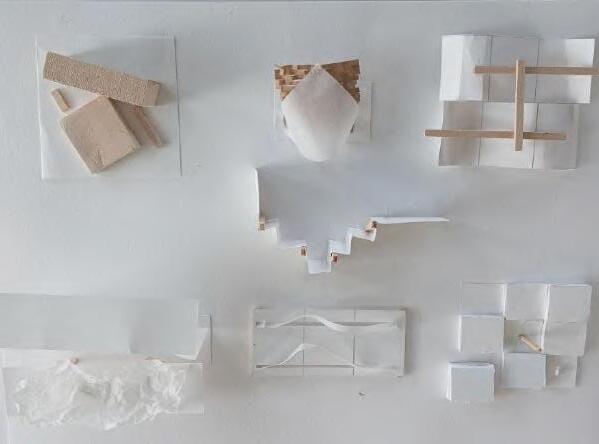
of the Miller House in relation to its well curated and historic site.
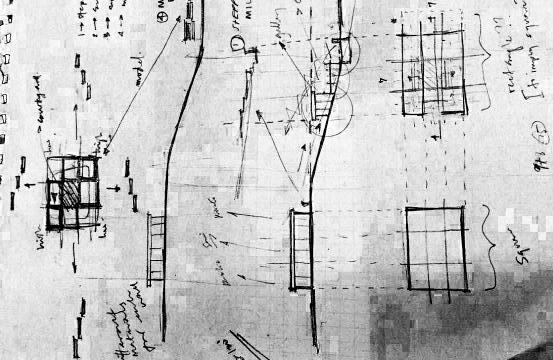
Up: Hand skecthes showing proposal ideas and thought processes
Down: Massing models and form studies of other ideas.
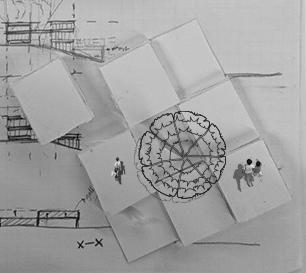
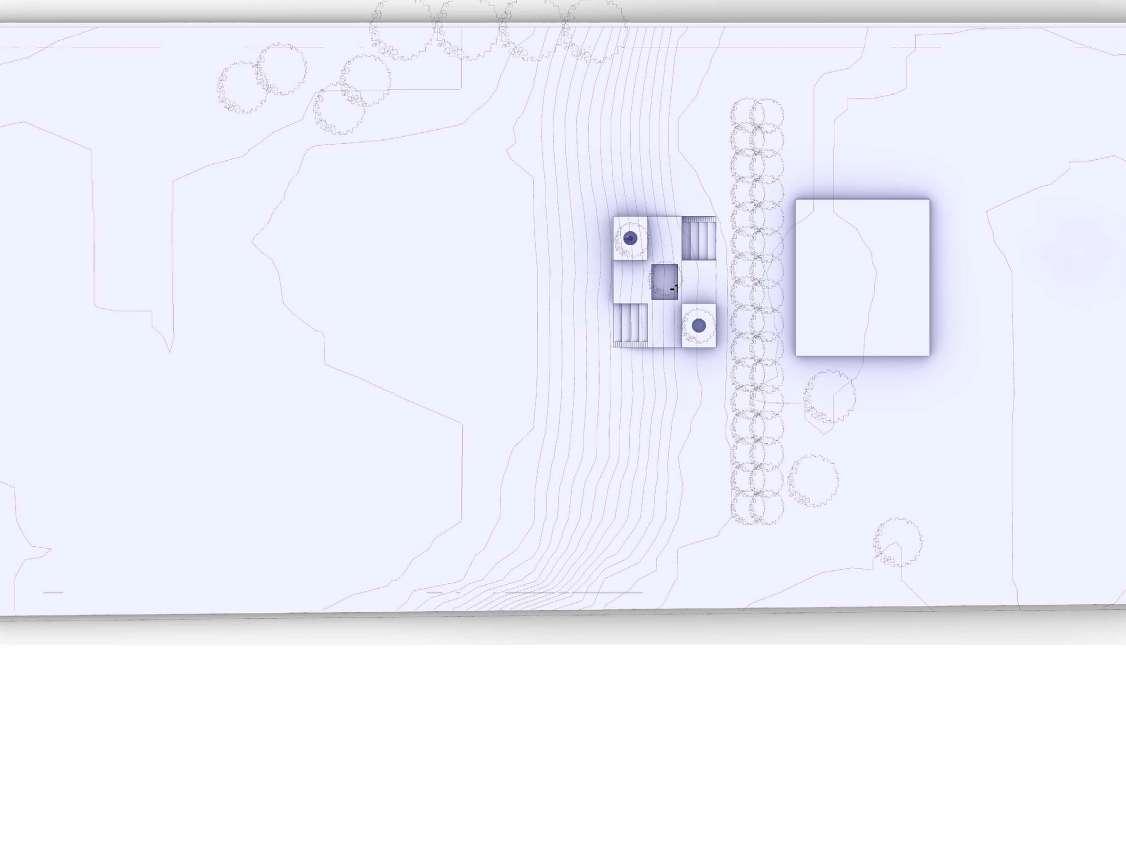
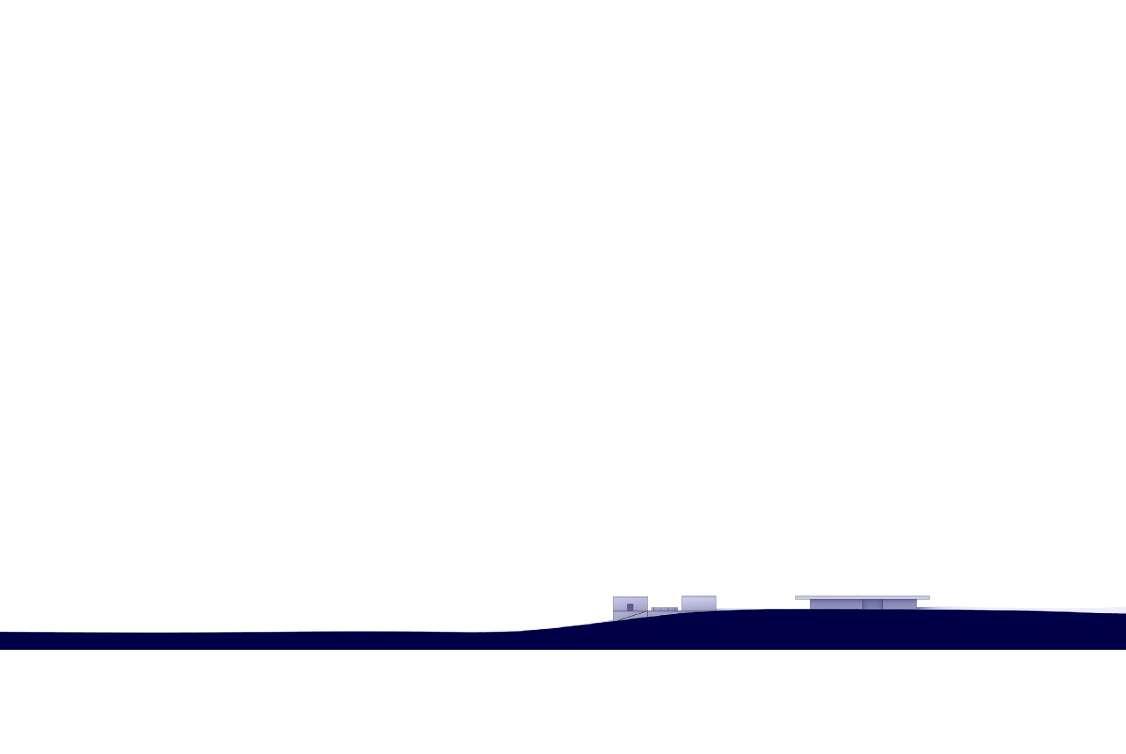
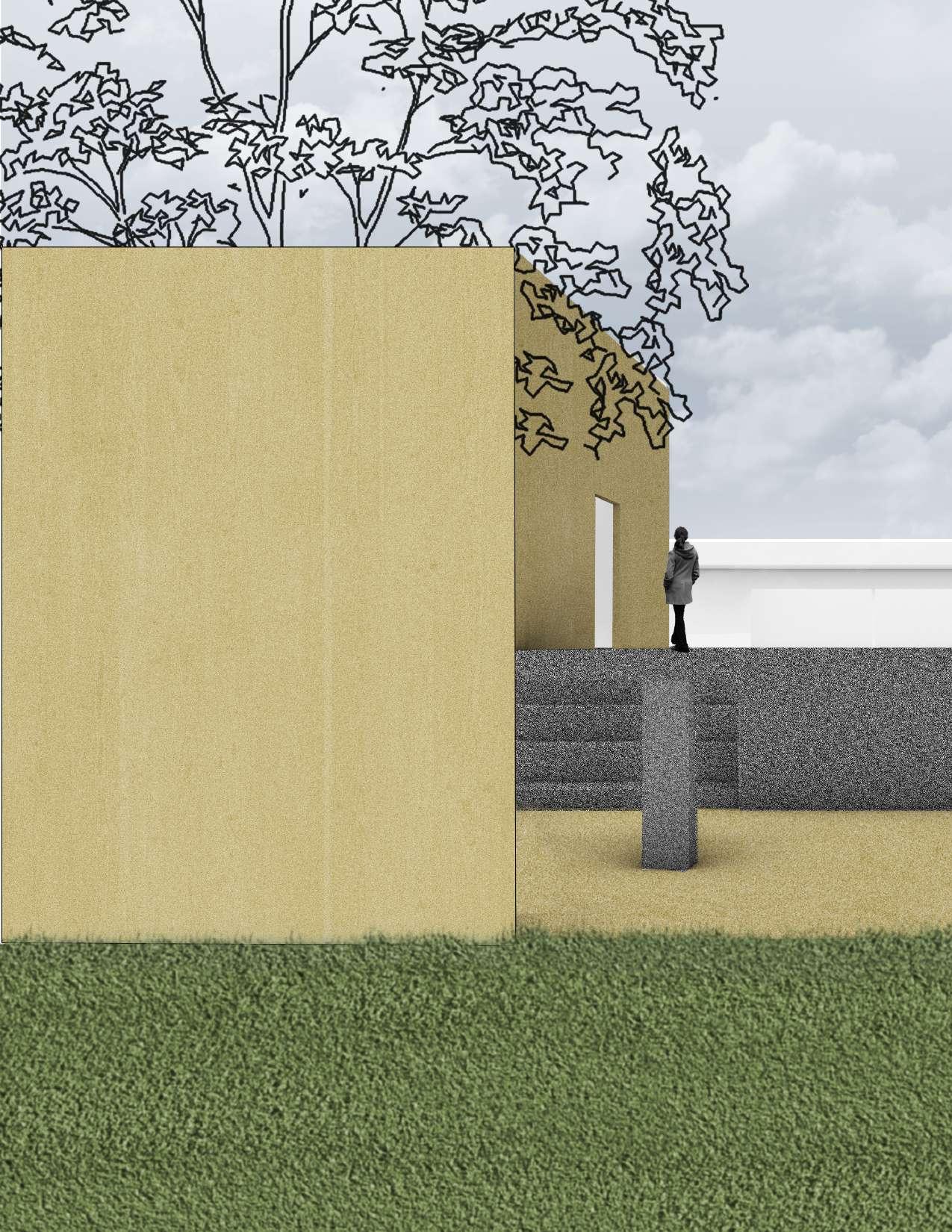
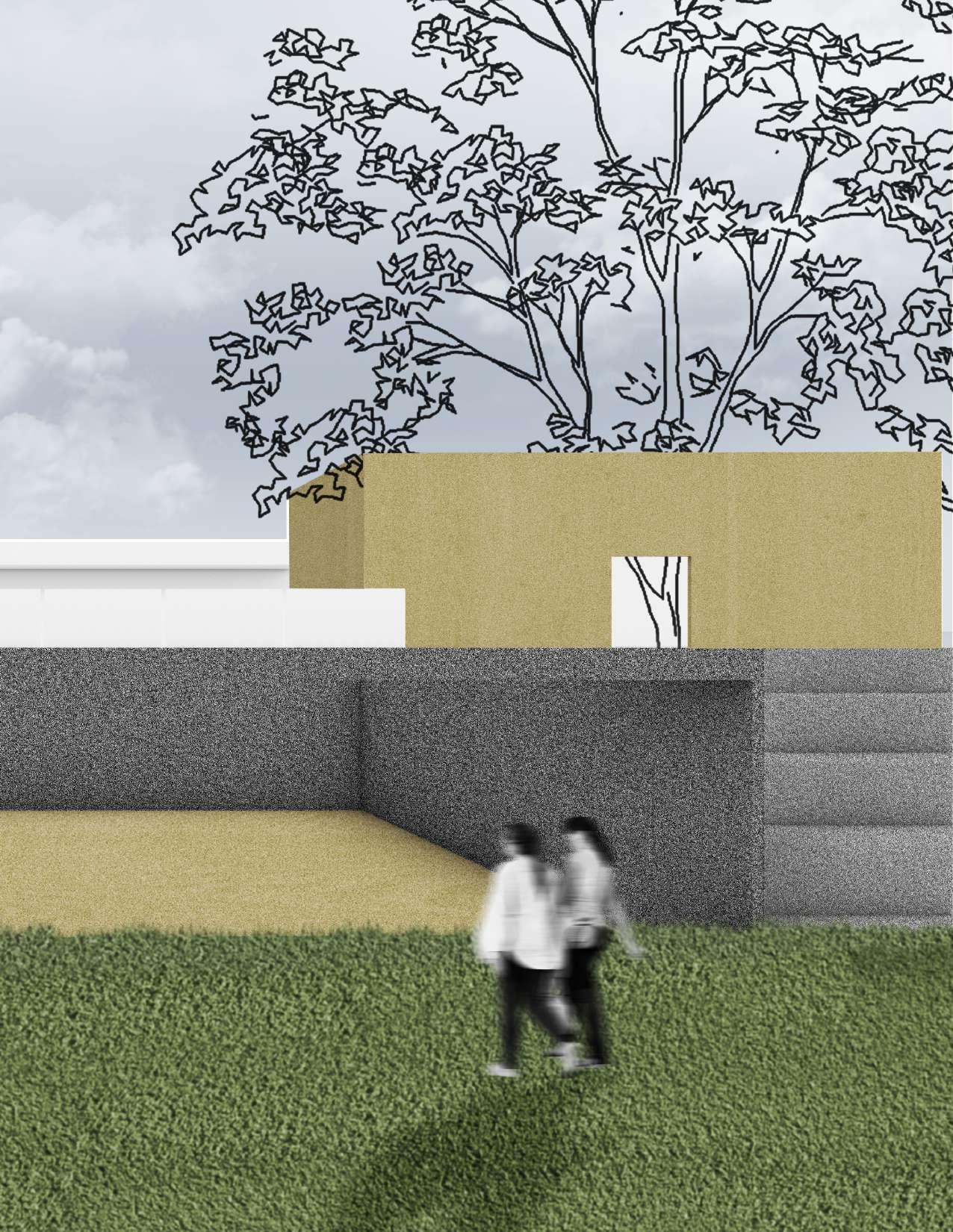
Down: Site plan and elevation of proposed Miller’s Pavilion. Pavilion was designed to match existing Miller House grid, chopping it into 9 surface compenents in likeness of the Miller House. However, underneath the ground was utilized as the pavilion was placed on the sloping section of the site (see next page down for section details). A row of vegetation demarcates intentionally (distance from House to vegetation to Pavilion all equidistant) blending but separating old from new innovation. It also acts as a visual screen.
DAVID DAVID’S
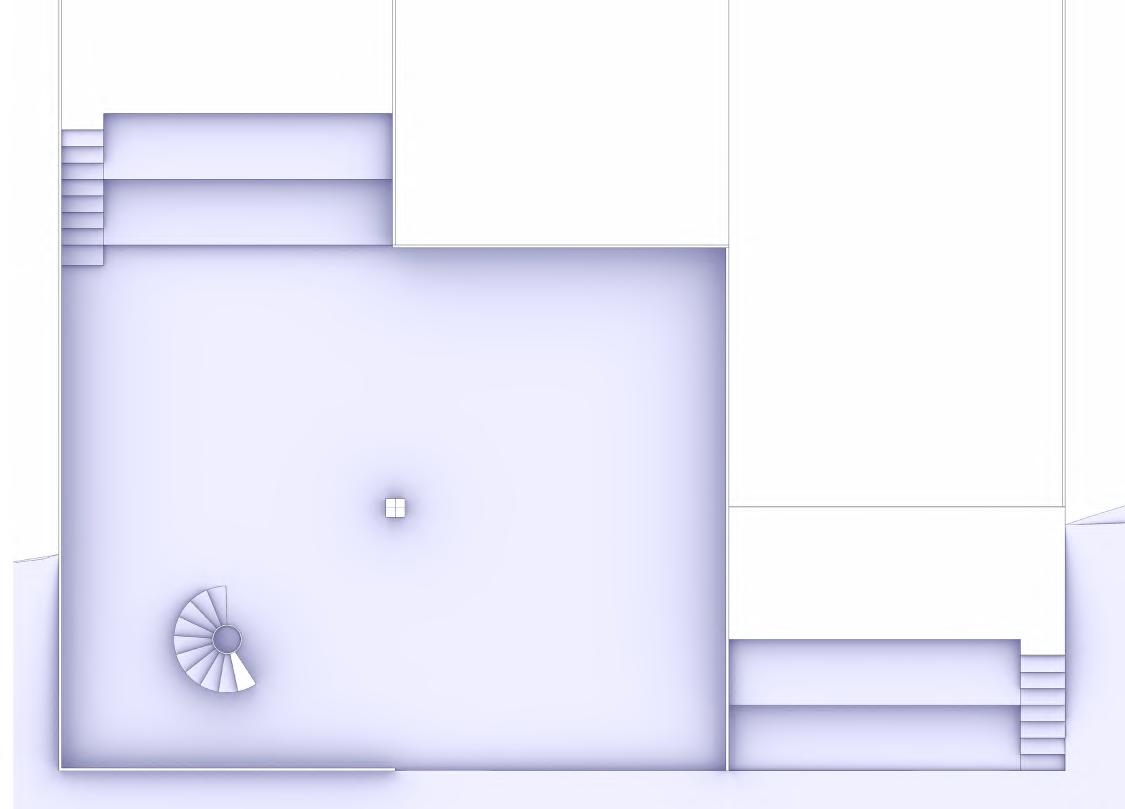
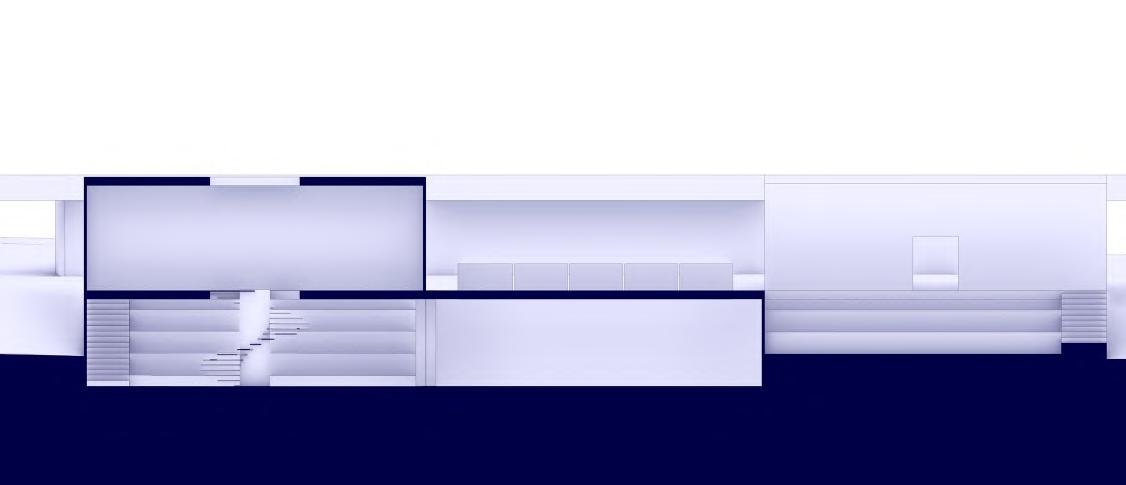
Up: Below ground floor plan.
Down: Section from left to right.
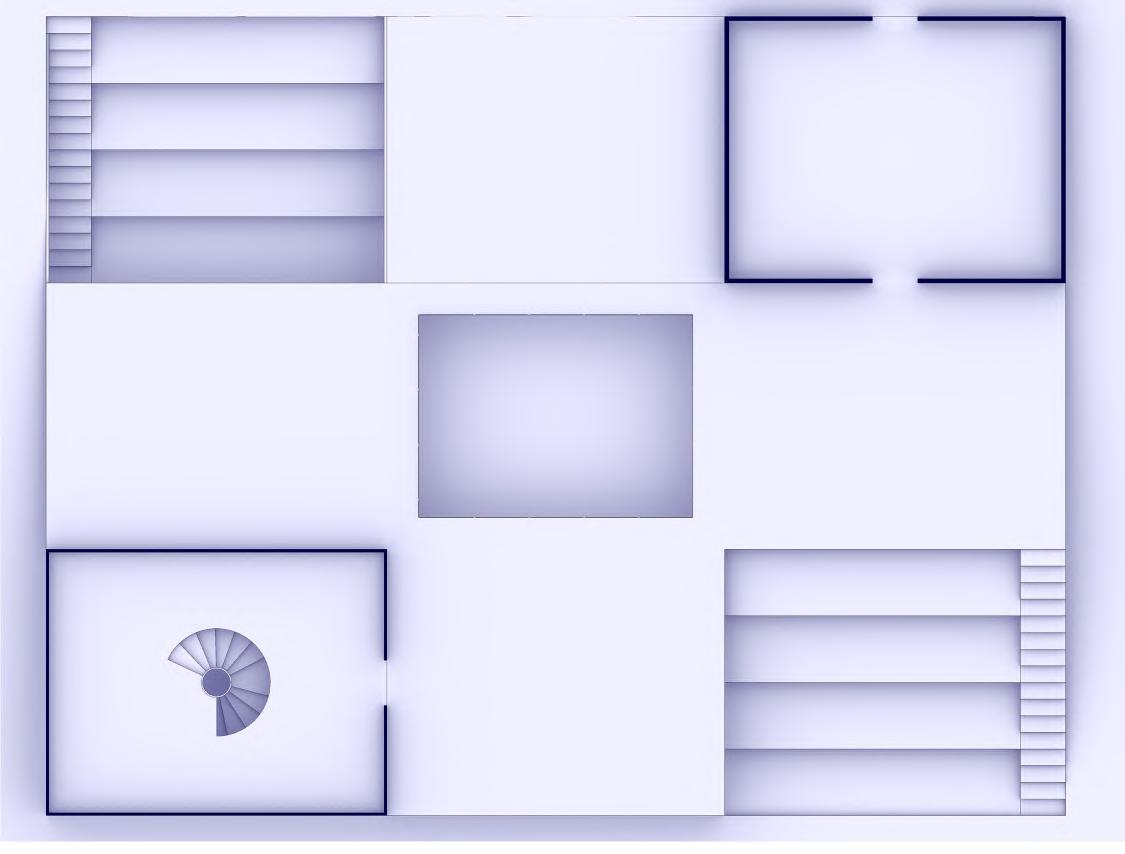

Up: Above ground floor plan.
Down: Section from top to bottom.
2nd Semester Graduate Studio Project
Thin House: ‘Commensal’ 02
Rhino 3D Illustrator
The Thin House is a project that pushes the ideals of what a house should be. Set in an alley or one of two alleys between 2 houses, (above) the thin house challenges the designer to look beyond current ideals of current housing designs forcing me to ask questions like how much space is needed to be comfortable? How much comfort for the
end user can be discomfort for neighbours? Who is the end user of a house, structure or piece of architecture - the owner or target audience, or the community, be it micro or macro? How much does architecture affect day to day lives and if such schemes could be scaled in the future. The approach I took to solving most of the posed questions was
rather unorthodox, I made use of the two alleys, the resulting structure latching on the middle structure as a ‘Parasite’. However, for the intended effected this structure was supposed to cause, ‘Commensal’ was more fitting as the users of the thin house nad the exisitign structure are to be set up to benefit each other.
Republic Street
HAUS GABLES / MALL
Jennifer Bonner did a good job reimagining residential architecture with Haus Gables (2018), a bold experiment in cross-laminated timber (CLT) construction. Featuring six gabled roofs, each elevation of the house having its own gable sweep, the house challenges traditional spatial organization, creating dynamic interiors.
The six gable roofs intersect to form an interesting structure on its own. Another interesting detail was the fenestration punctuation of the house, which on surface level seems whimsical and random, but deeper inspection proves it to not be the case. They follow the weird resulting profile of the elevations.
Images from next page to page 25 show the intervention that was proposed as the Commensal Thin House. Split into three levels, circulation occurs throught the use of stairs and ladders. Walls do not define spaces, but rather the floor plates. The roof is not anything like Haus Gables, its a liveable roof but like hause gables it defines the exterior wall profiles in conjucton with the floors
5th Semester, Undergraduate Studio Project
Paint Factory 03
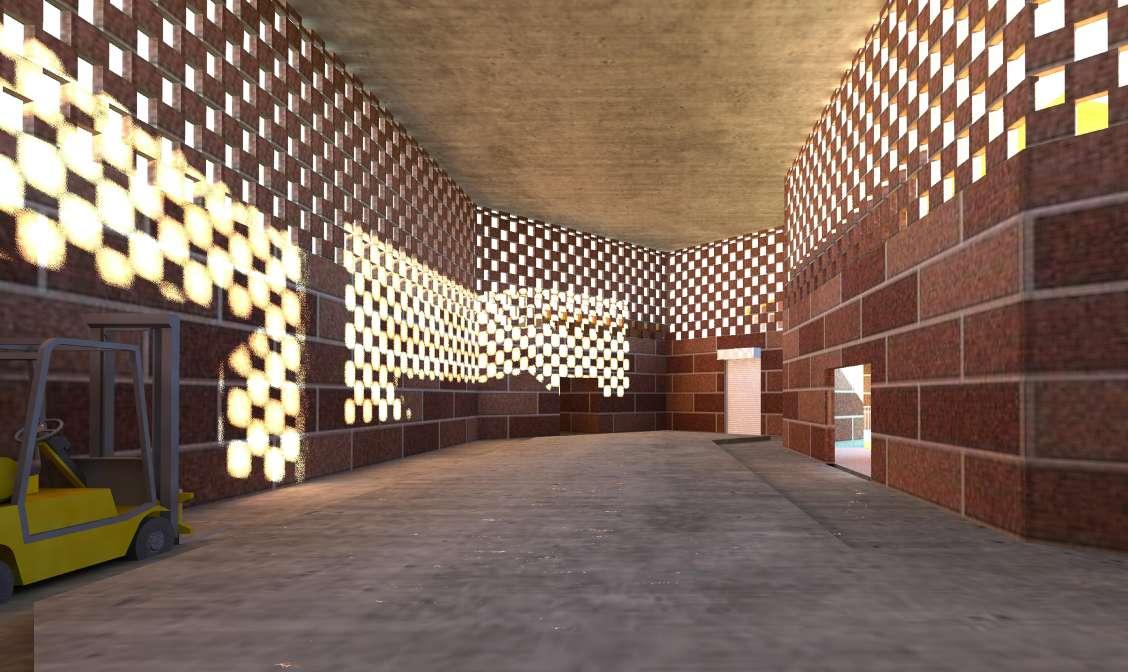
‘Bent steel bar’. Designing a factory poses it’s own set of challenges. A well designed factory will solve the problems of effecient workflow and from an engineering standpoint, structural effeciency. In a paint factory, controlled lighting is very important, for quality control in terms of ensuring that the paint is the right color and consistency
for it’s purpose. Ventilation (for the climate this was designed in), is also an important consideration, and it will be useful to find passive methods to achieve quality standards on such front, enhancing th e sustainabilty of the structure. The design site was a hypothetical location in Ogun, Nigeria. Site analysis on weather and sun path were

carried out to determine the next course of design action for each stage of the design process.
Up: Interior render of the paint factory
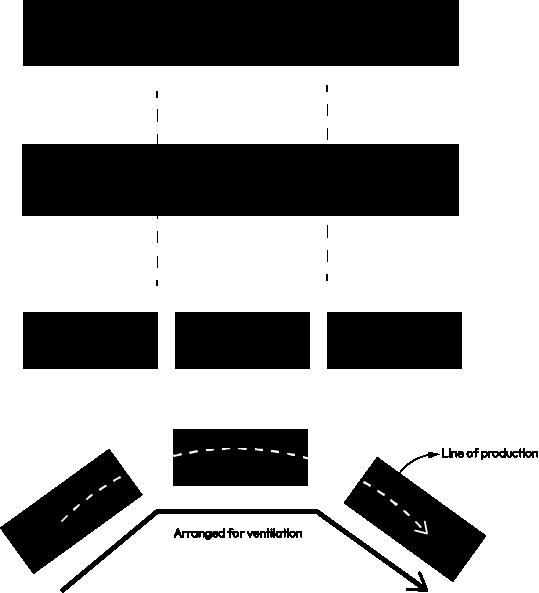
Down: Concept drawings for the design of the facoty



3.
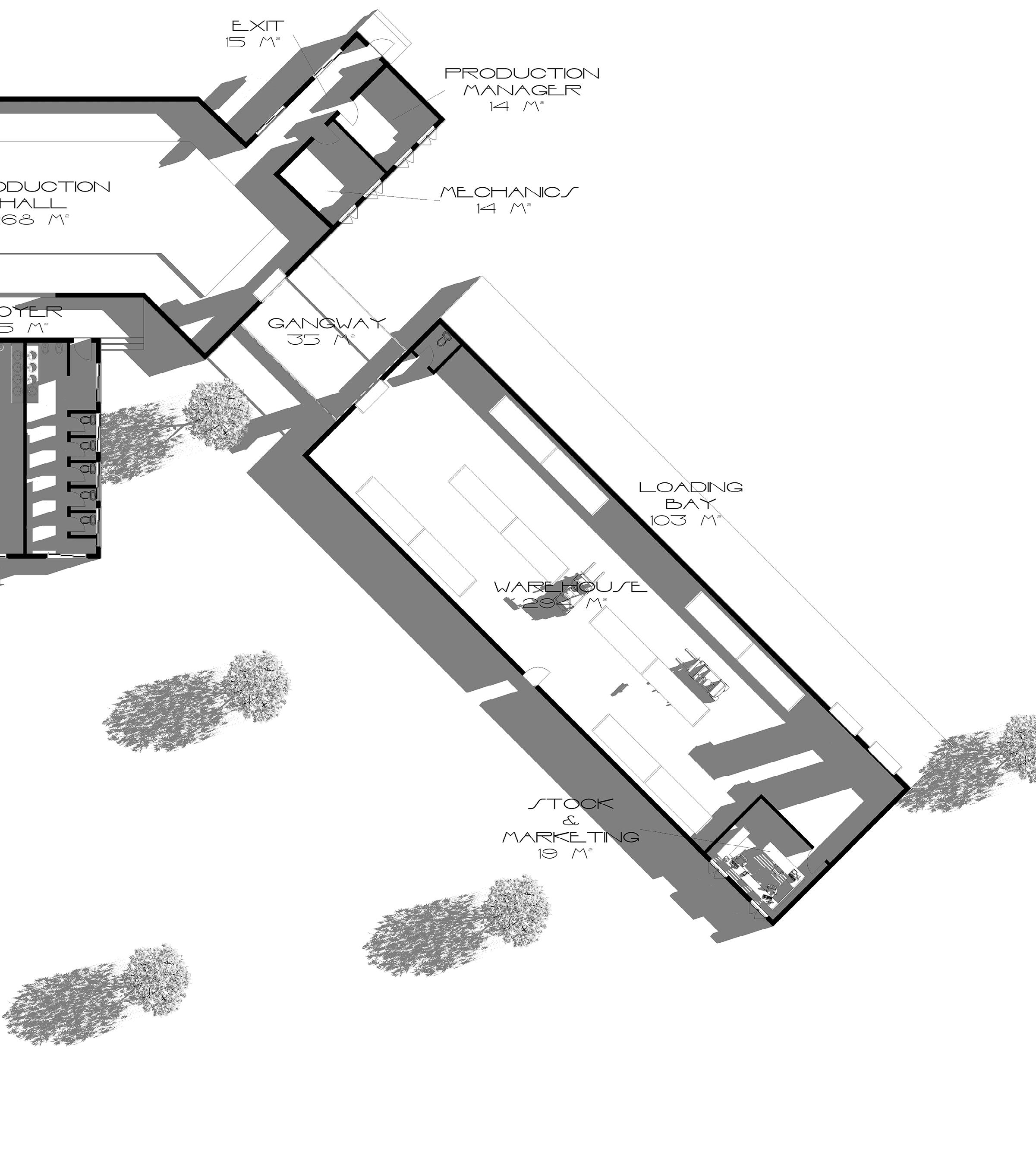
4. Perforated Brick wall making the upper half of the production hall to capitalise on stack effect
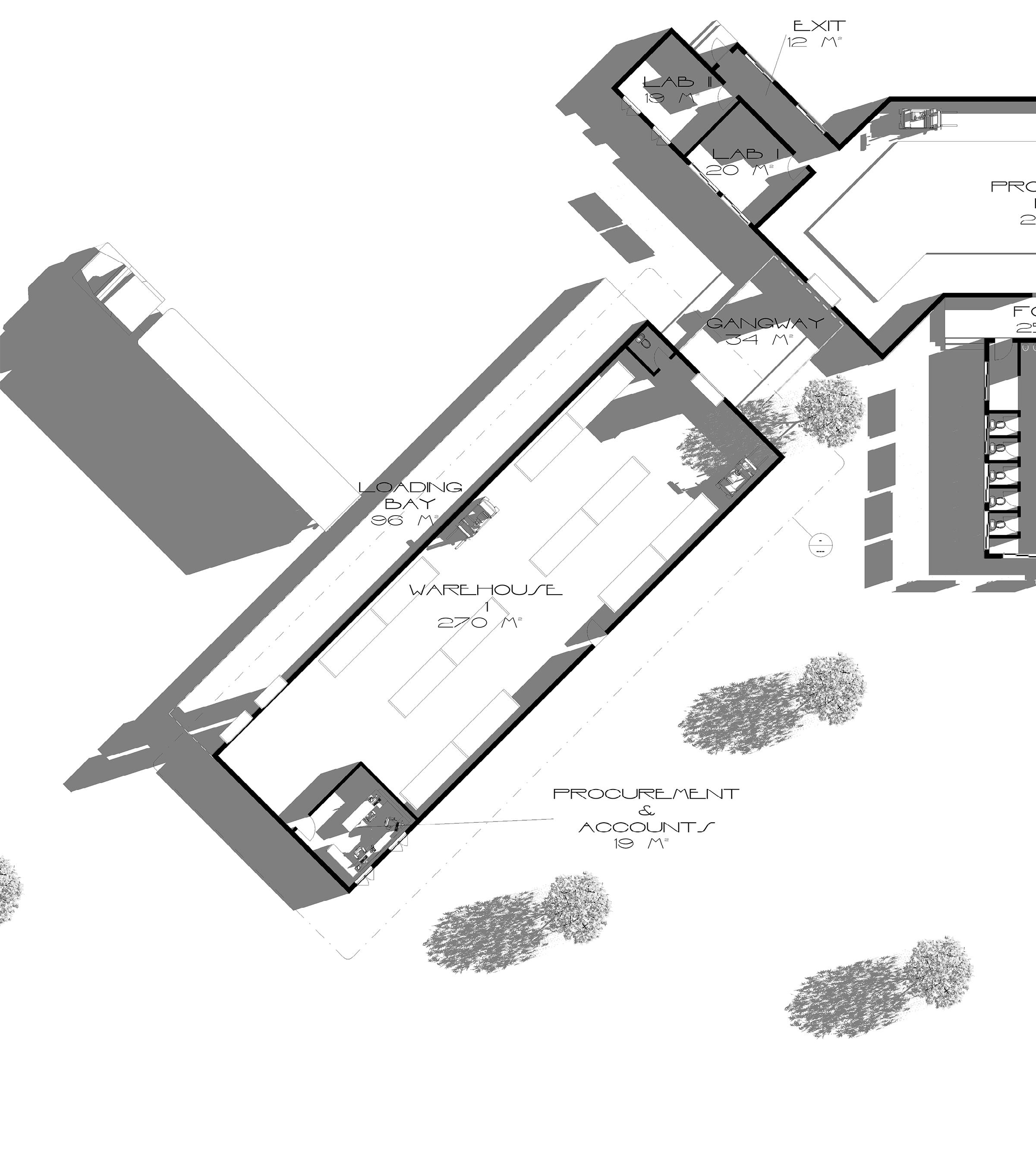
Flanking on either side of the production hall are the warehouses of raw materials and finished products (respectively left to right)
DAVID DAVID’S
1. Galvanized Poly-Vinyl (PVC) Chloride
2. Concrete Parapet wall
Reinforced Concrete Slab
04Other Courseworks
7th Semester, Undergraduate Project
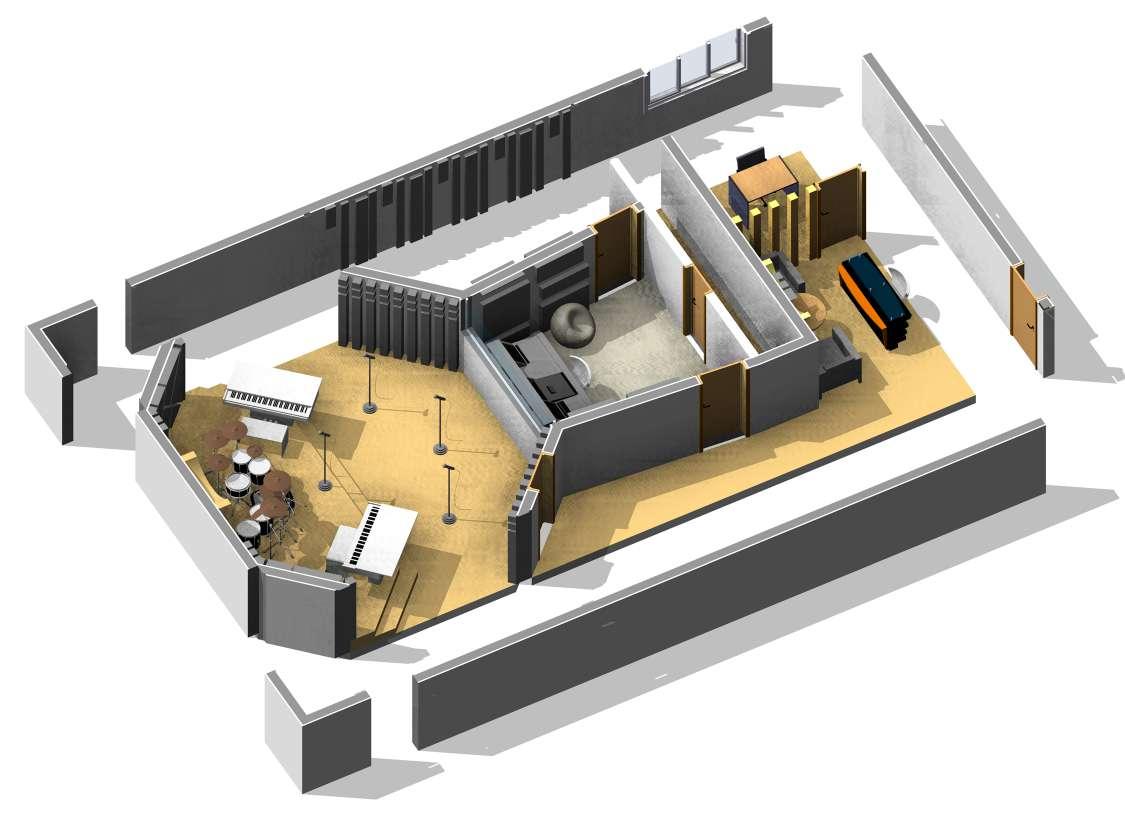
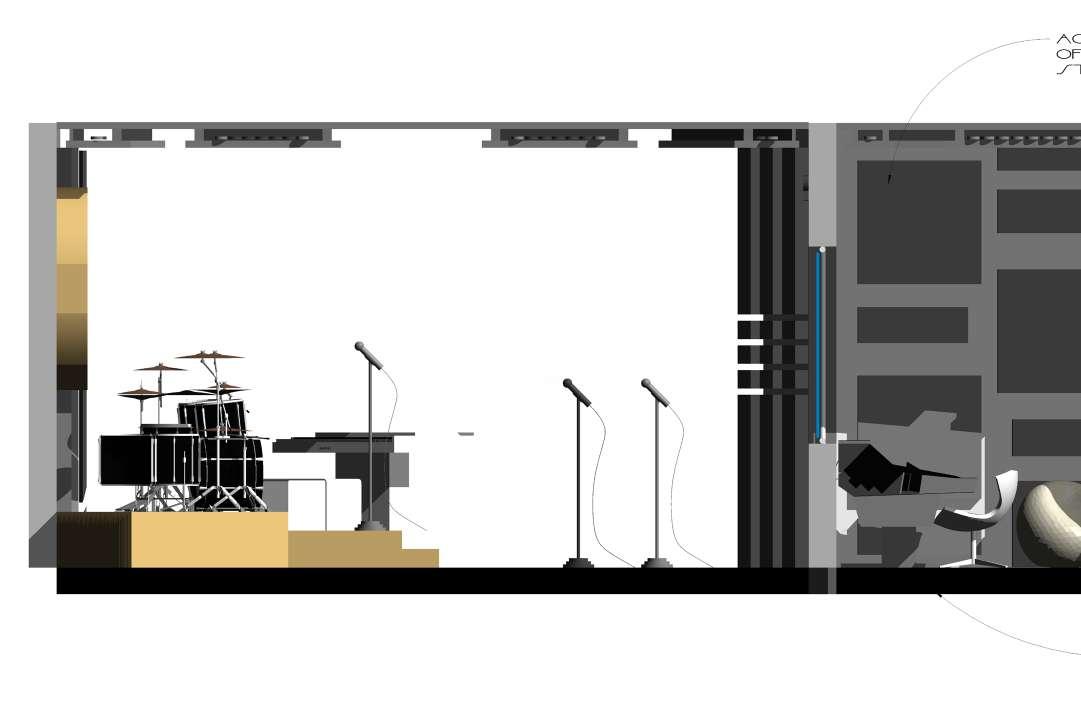
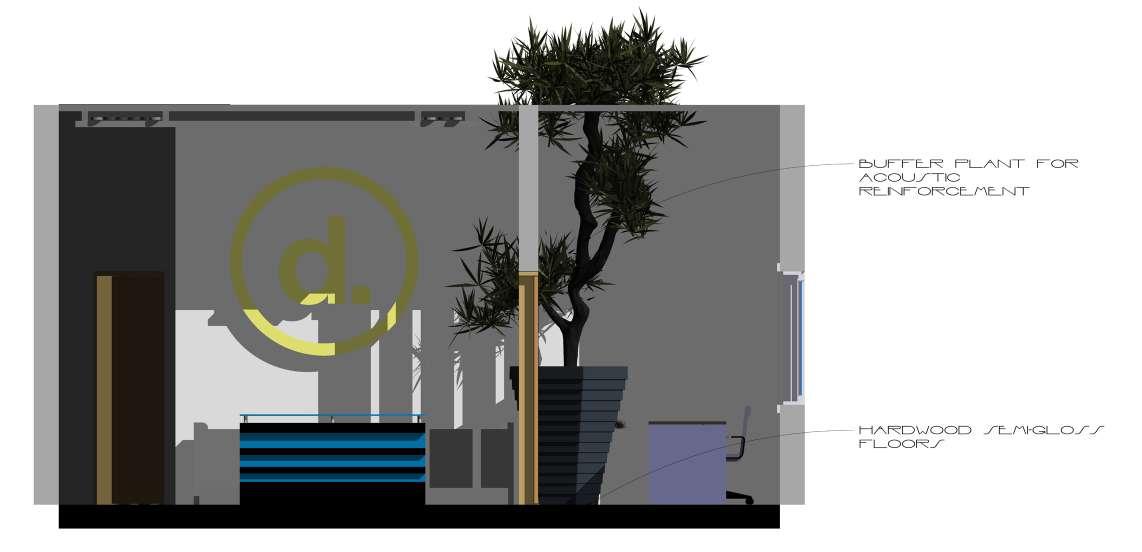
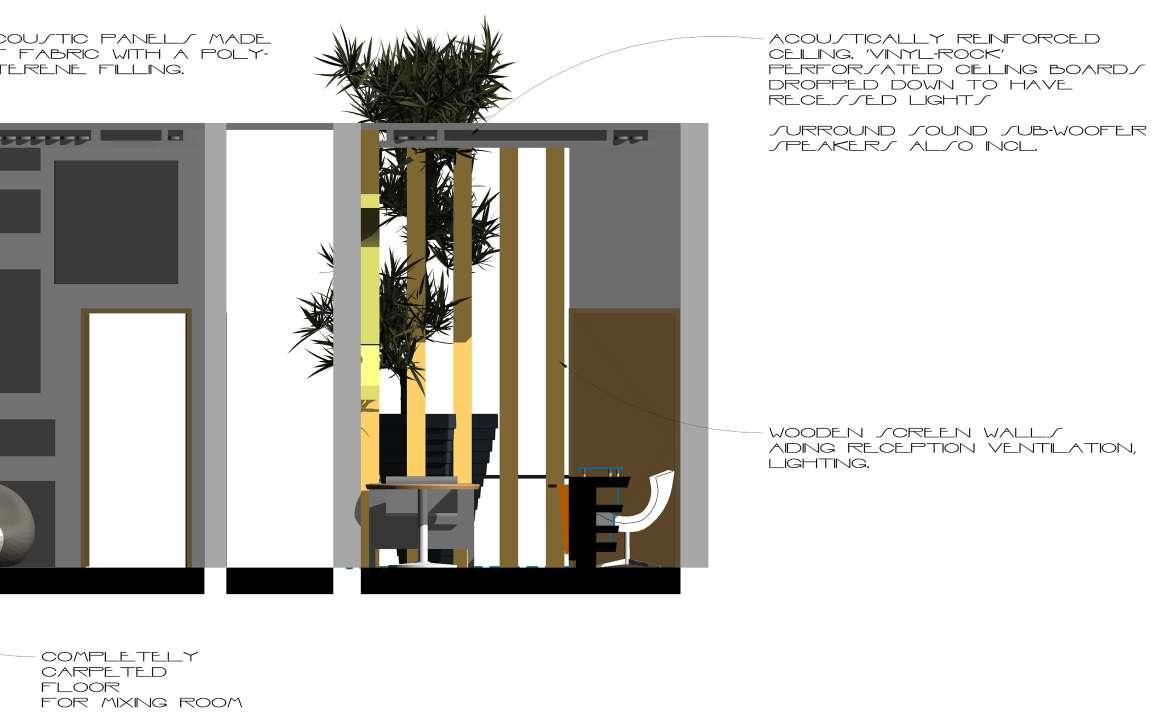
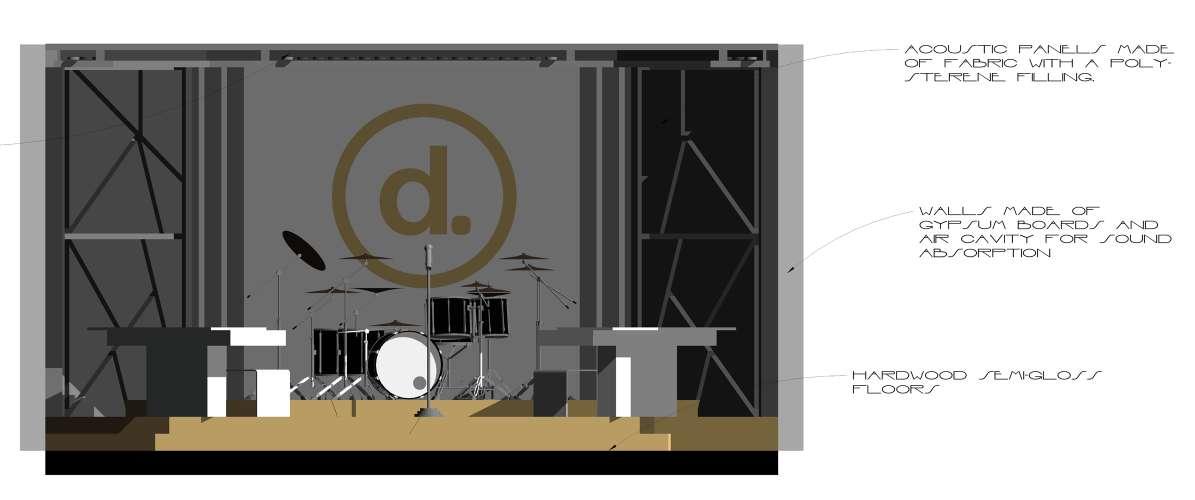
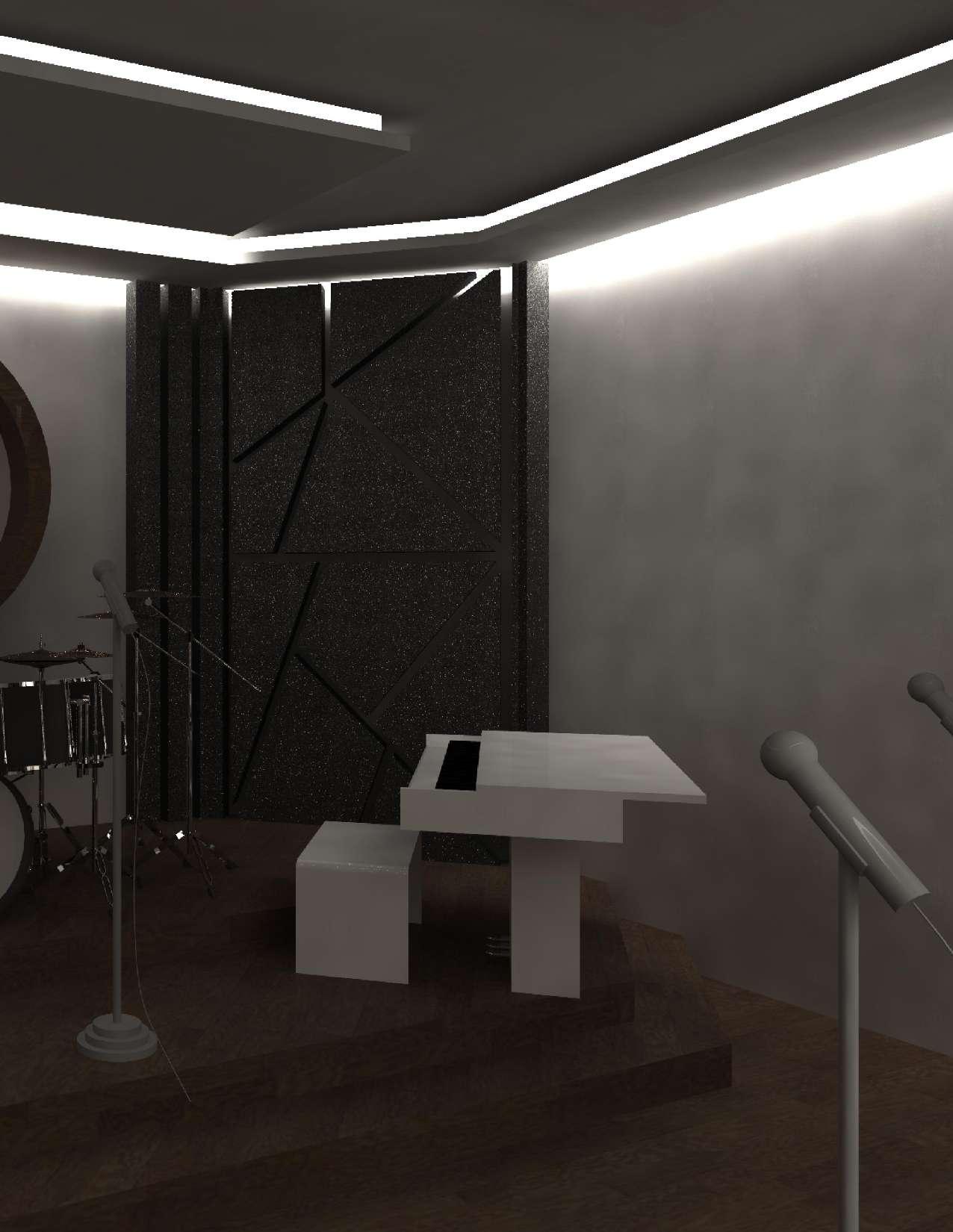
The brief required the development of appropriate acoustical solutions tailored to different hypothetical contexts. My narrative focused on the design of a recording studio, where the primary objective was to enhance sound intelligibility while integrating aesthetic considerations.
This project aimed to assess a fundamental understanding of acoustics, including principles such as sound absorption, diffusion, and isolation. Additionally, the design process emphasized the selection of materials, not only for their acoustic performance but also for their contribution to the overall visual and tactile experience of the space.
The project was constrained to a maximum area of 900 square meters, necessitating efficient spatial planning and thoughtful material selection. The material choices played a crucial role in defining the acoustical quality of the environment and were to be effectively represented through sectional drawings and high-quality visualizations.


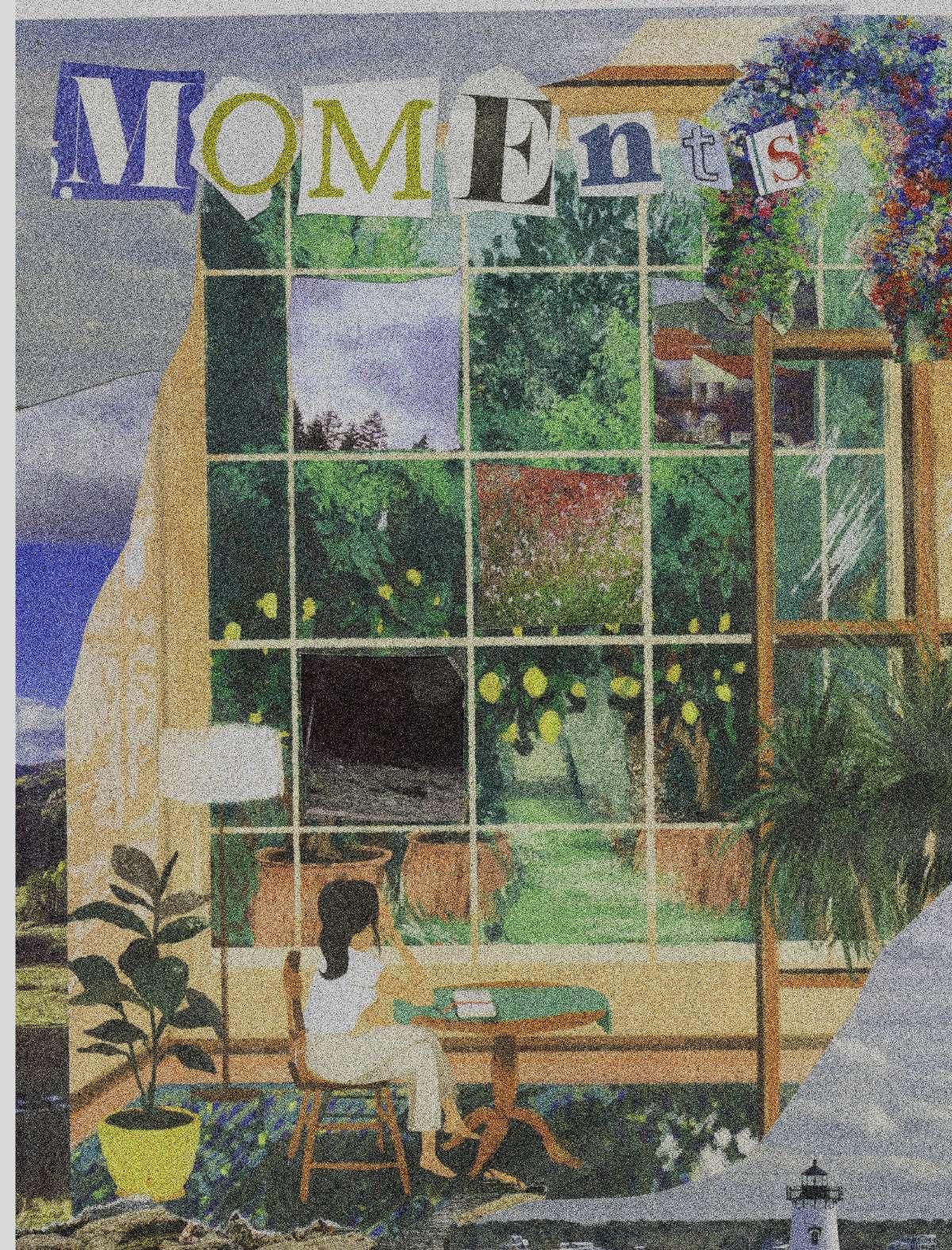
Collages
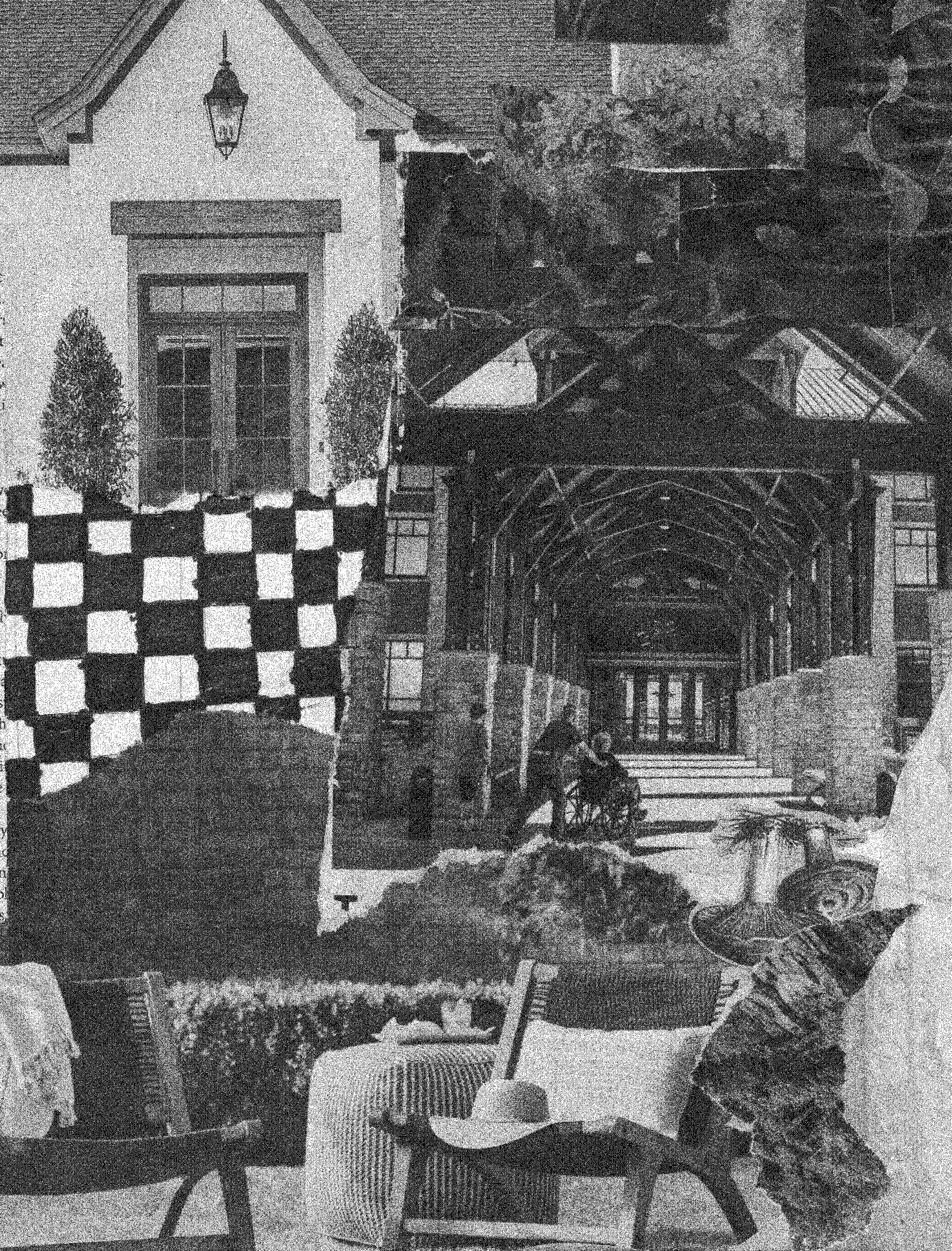
1. Structure & Composition
Chaotic overlapping of images (Archigram, Superstudio)
Dense and fragmented collage (OMA, Smithsons)
Absence of a single unified perspective (Superstudio)
2. Use of Perspective
Discontinuous vision, without a single vanishing point
Multiple scales mixed together (macro and micro)
3. Graphic Elements & Media
Photographs and newspaper clippings (Smithsons, Superstudio)
Black-and-white images
4. Color & Texture
Combination of hyper-realistic images and material textures
Strong contrast between natural landscapes and urban environments
5. Narrative & Message
Exploration of architecture as a boundary and its intertwinedness with nature
1. Structure & Composition
Collages
Organic and Fluid (Archigram)
Dense and fragmented collage (OMA, Smithsons)
2. Use of Perspective
Rigid and controlled perspective (Mies, Smithson)
Multiple scales mixed together (macro and micro)
3. Graphic Elements & Media
Photographs and newspaper clippings (Smithsons, Superstudio)
4. Color & Texture
Combination of hyper-realistic images and material textures
Strong contrast between natural landscapes and urban environments
5. Narrative & Message
Exploration of architecture as a boundary and its intertwinedness with nature
Sukkah
1st Semester, Graduate Studio Project
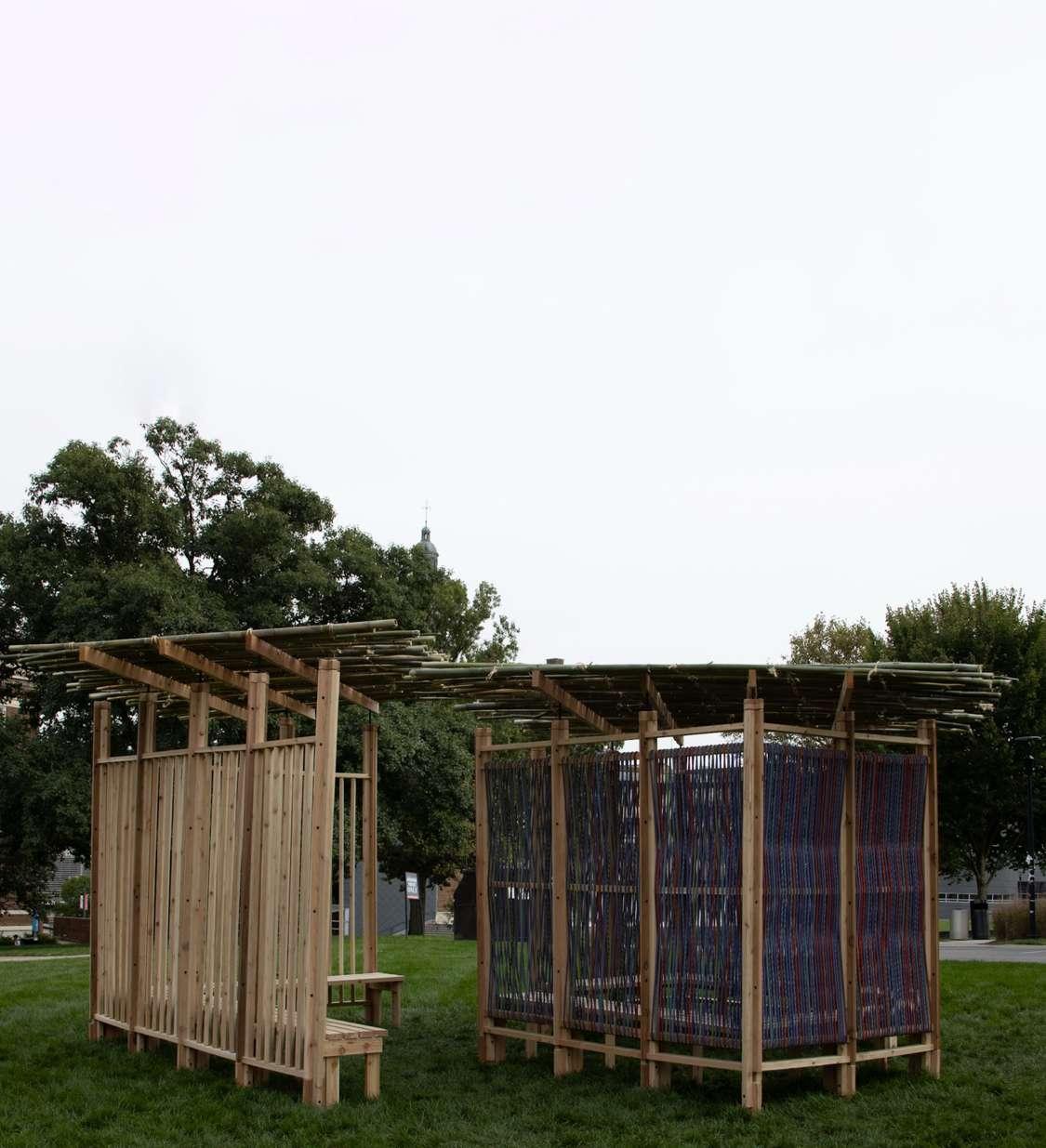
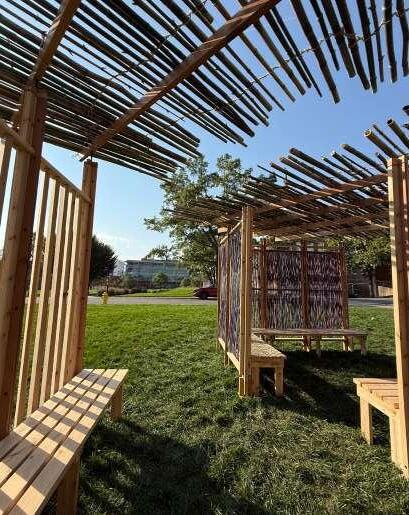
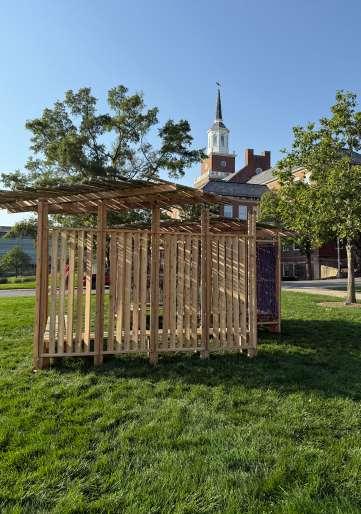
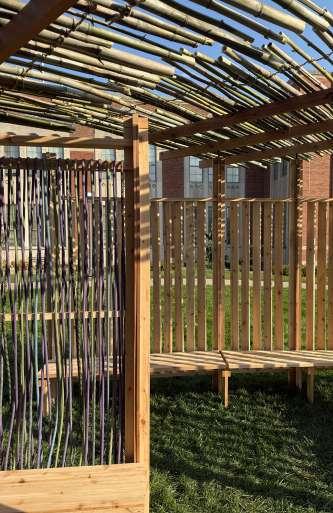
A sukkah is a temporary hut built for Sukkot, commemorating the Israelites’ 40 years in the desert. It symbolizes their fragile dwellings and serves as a space for eating, studying, socializing, or even sleeping during the festival. The sukkah’s openness contrasts
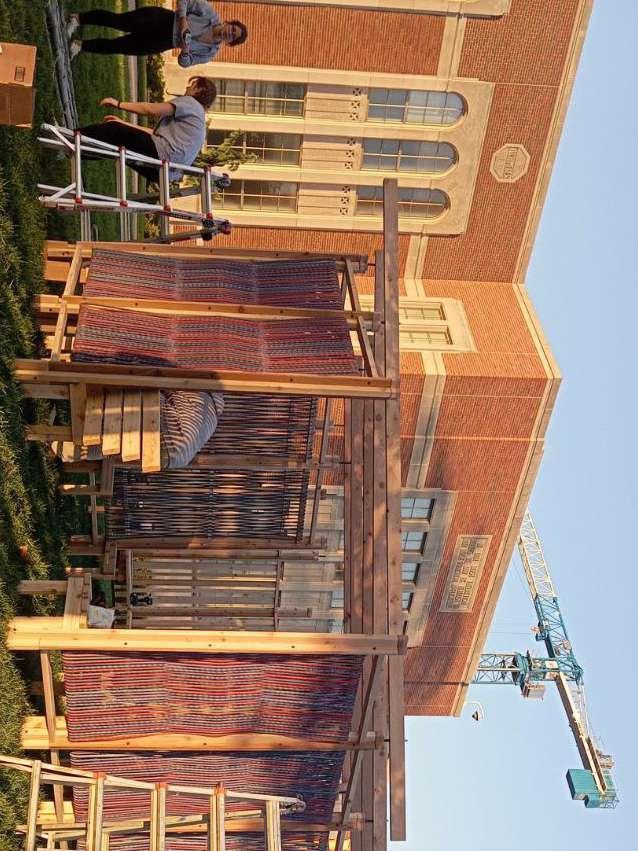
with a permanent home, exposing dwellers to the elements and reminding them of life’s fragility and reliance on greater forces. In collaboration with the rest of the MArch 1 class, the sukkah was designed in rhino and built on a University approved site. Mate-
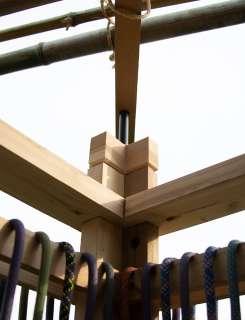
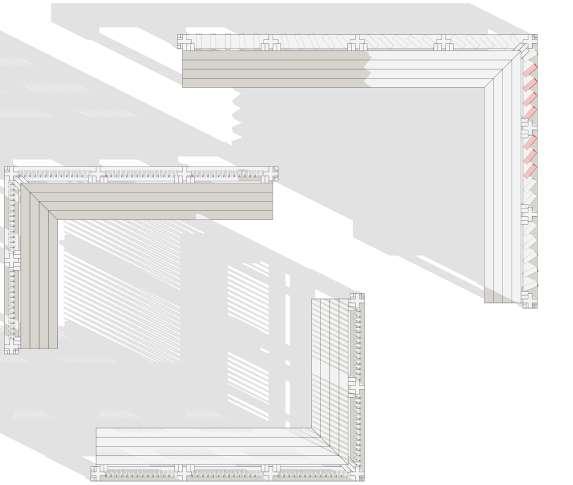
rials for construction were mainly wood, some hardware and used climber’s rope. I was in charge of figuring out how to construct the slat units of the sukkah.





DAVID DAVID’S
Sukkah floor plan
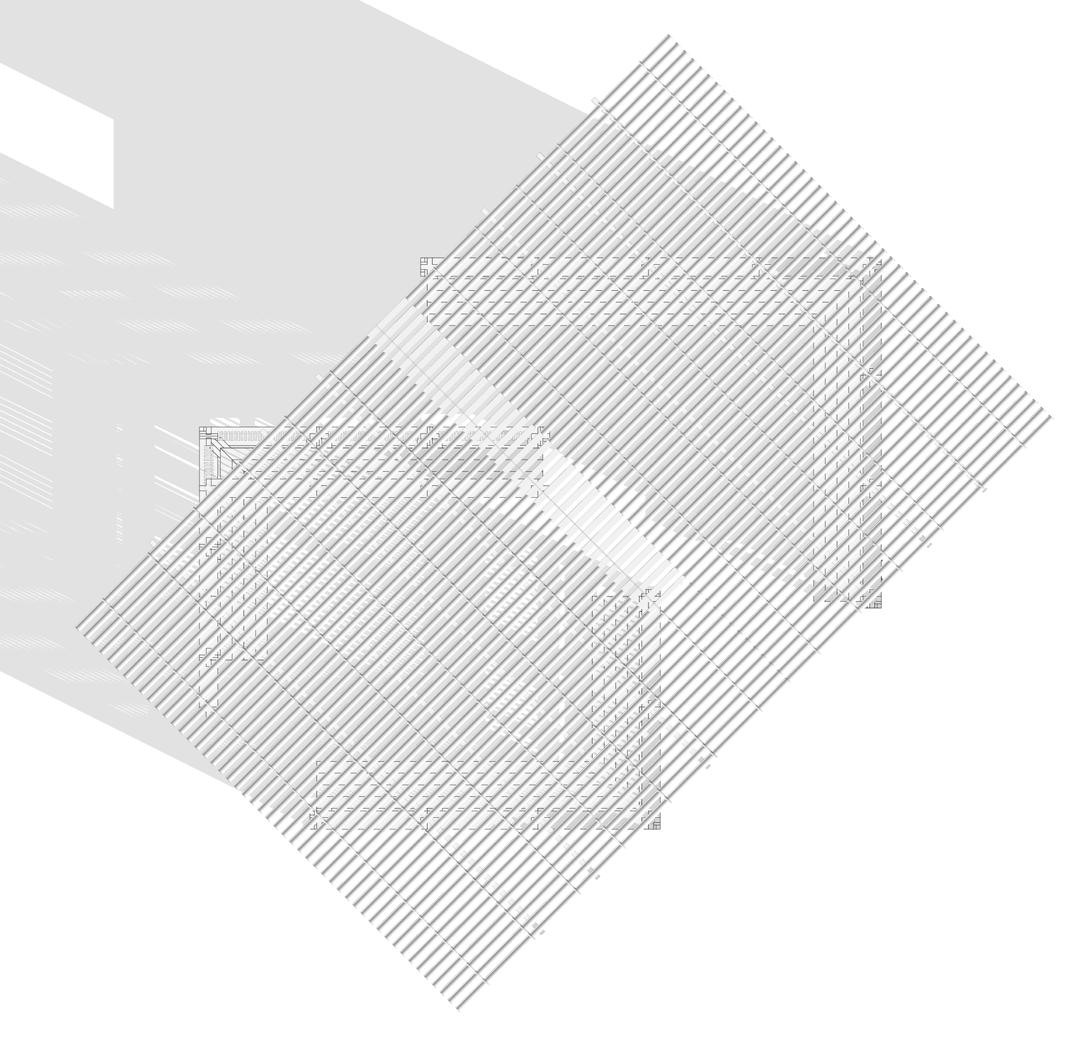
Sukkah roof plan
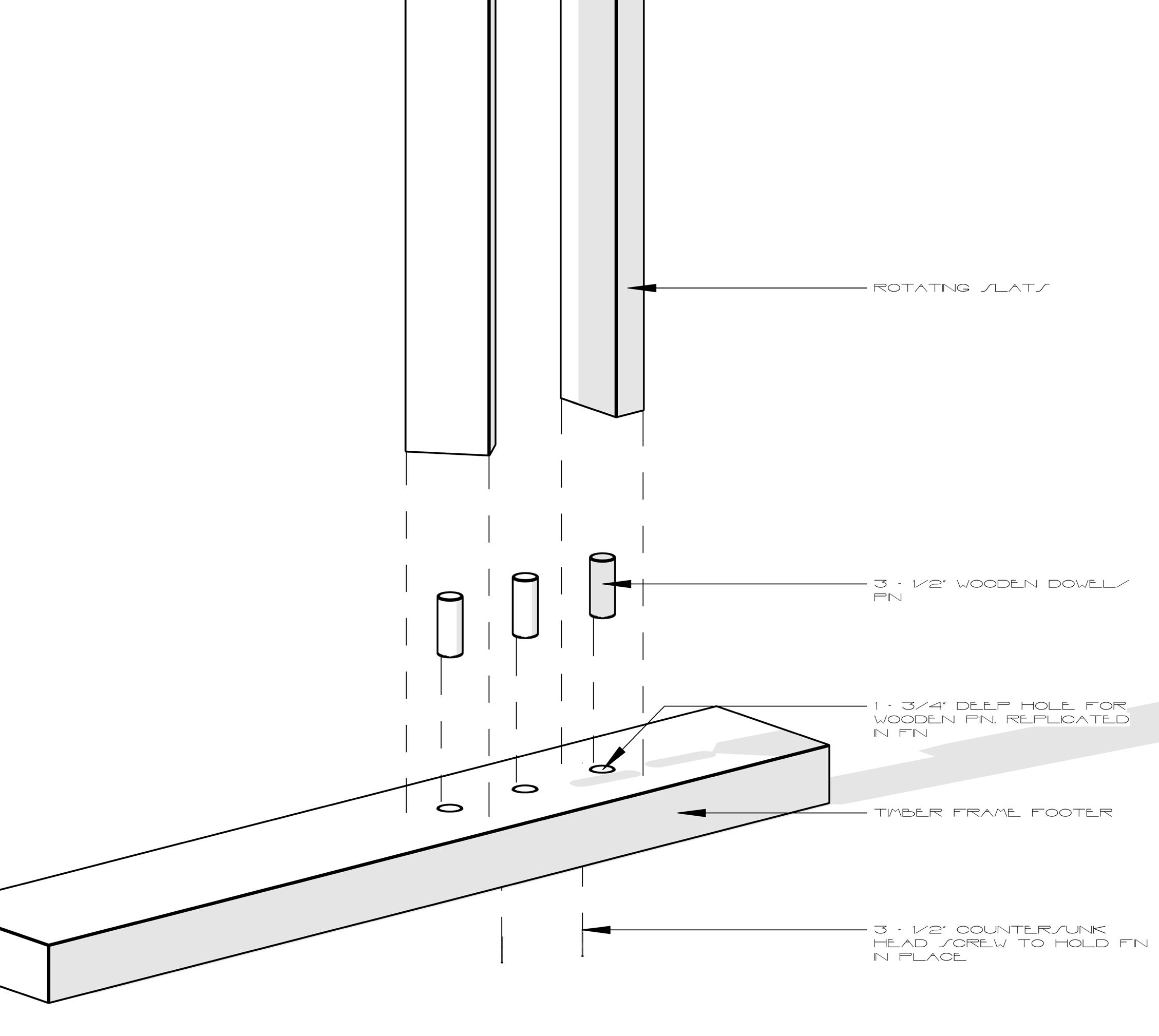
Slat detail
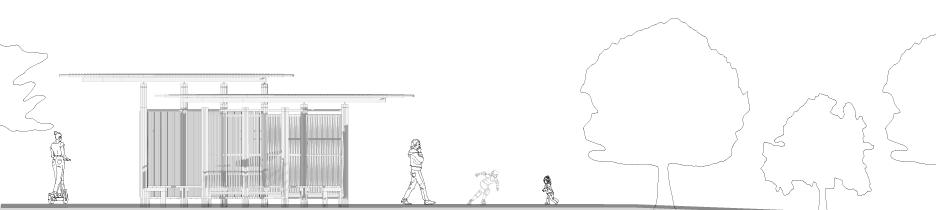
Site section
05Graphic Designs









1. CosMir Solutions Limited
2. Miracle Loving Home Care
3. Cruxnd Inc.
4. Proverbs 31 Woman Conference
5. The Mind Rebranded Conference
6. Betzalel Brand
7. Heavenue Construction
8. Infinite Imagination Studios
9. Okiki Saxophone