MEMBERSHIP MAGAZINE OF THE DALLAS ARBORETUM AND BOTANICAL GARDEN
WINTER 2025 – 2026
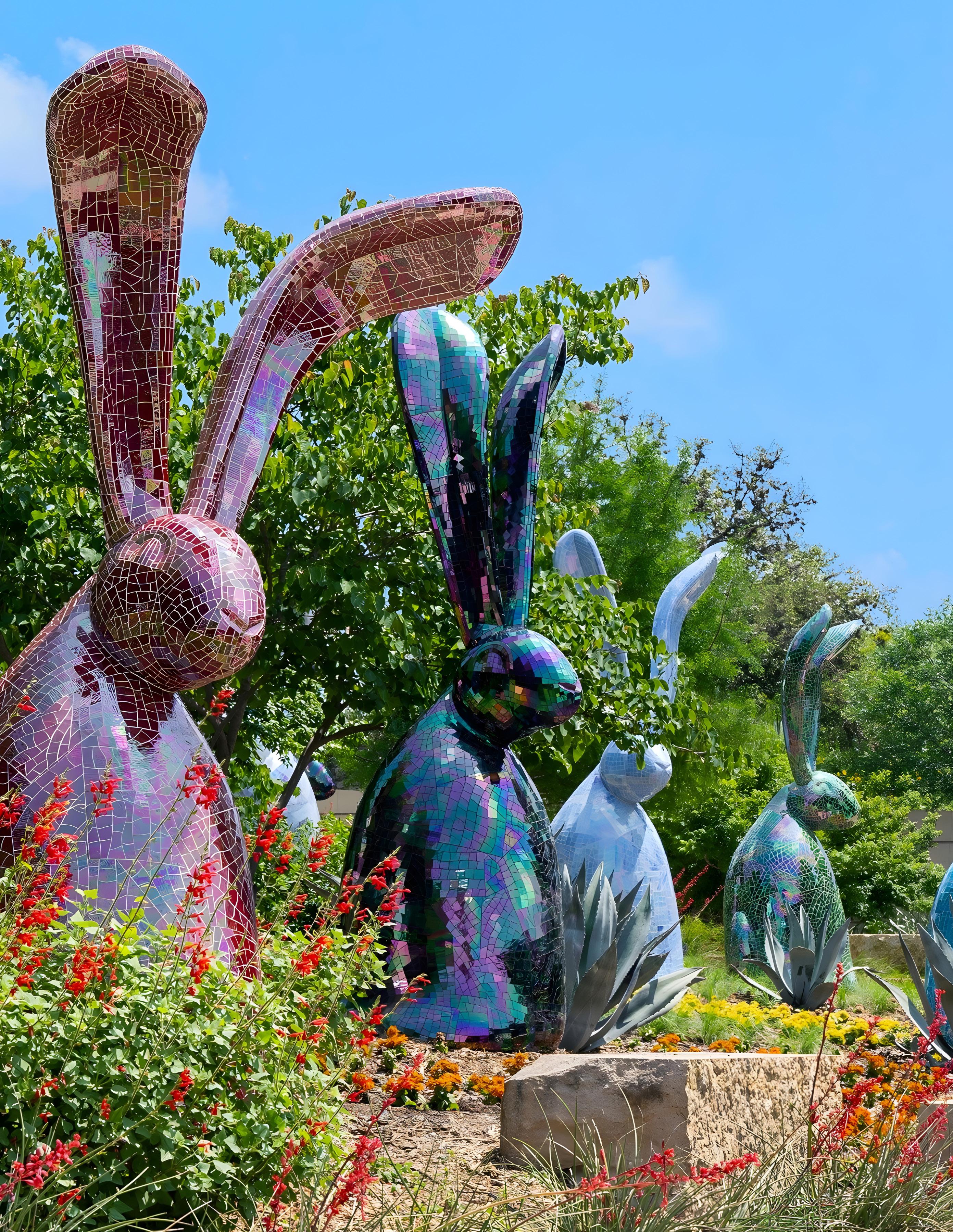
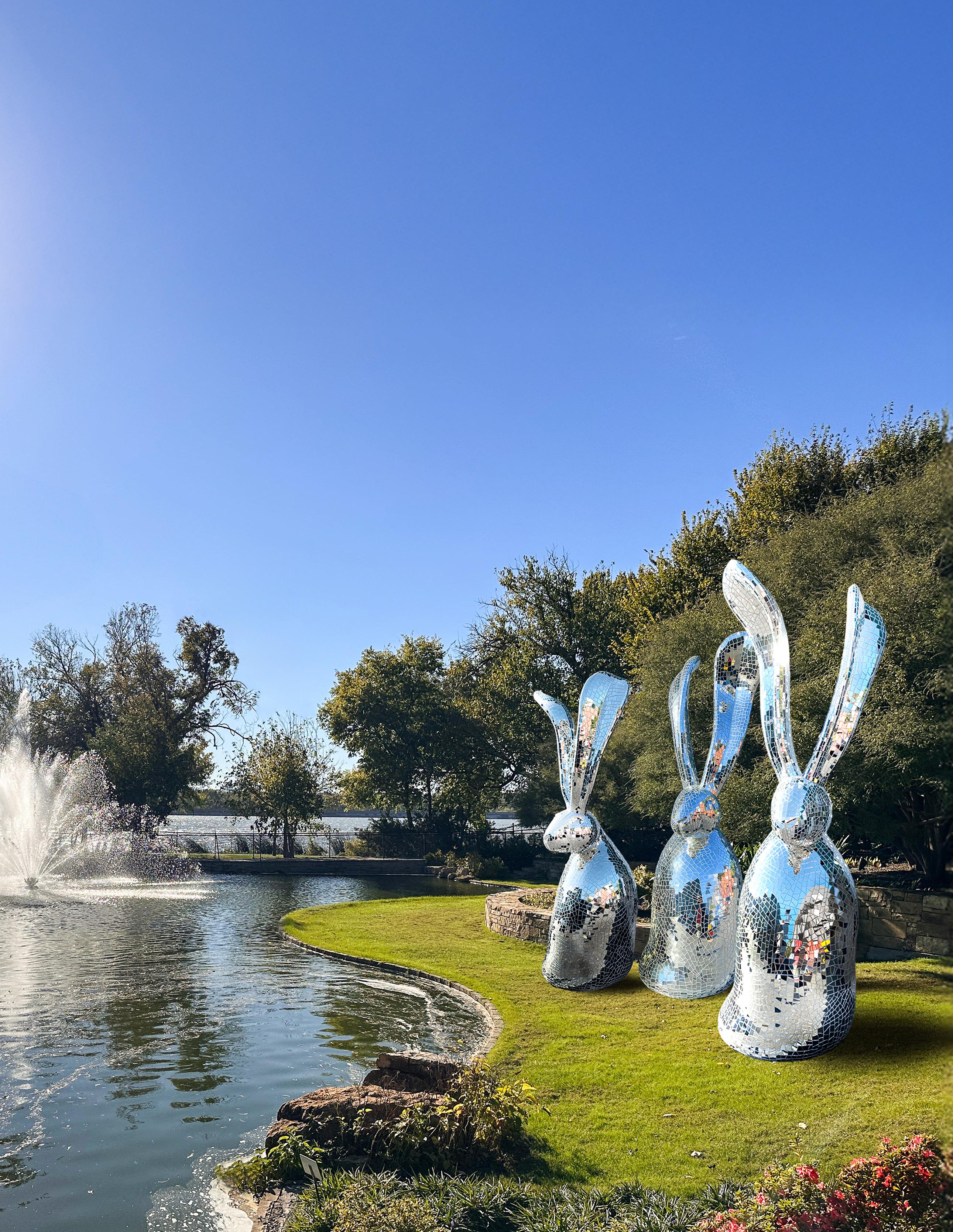
The Fluffle by Hunt Slonem hops into the garden April
Hunt Slonem at the Dallas Arboretum.
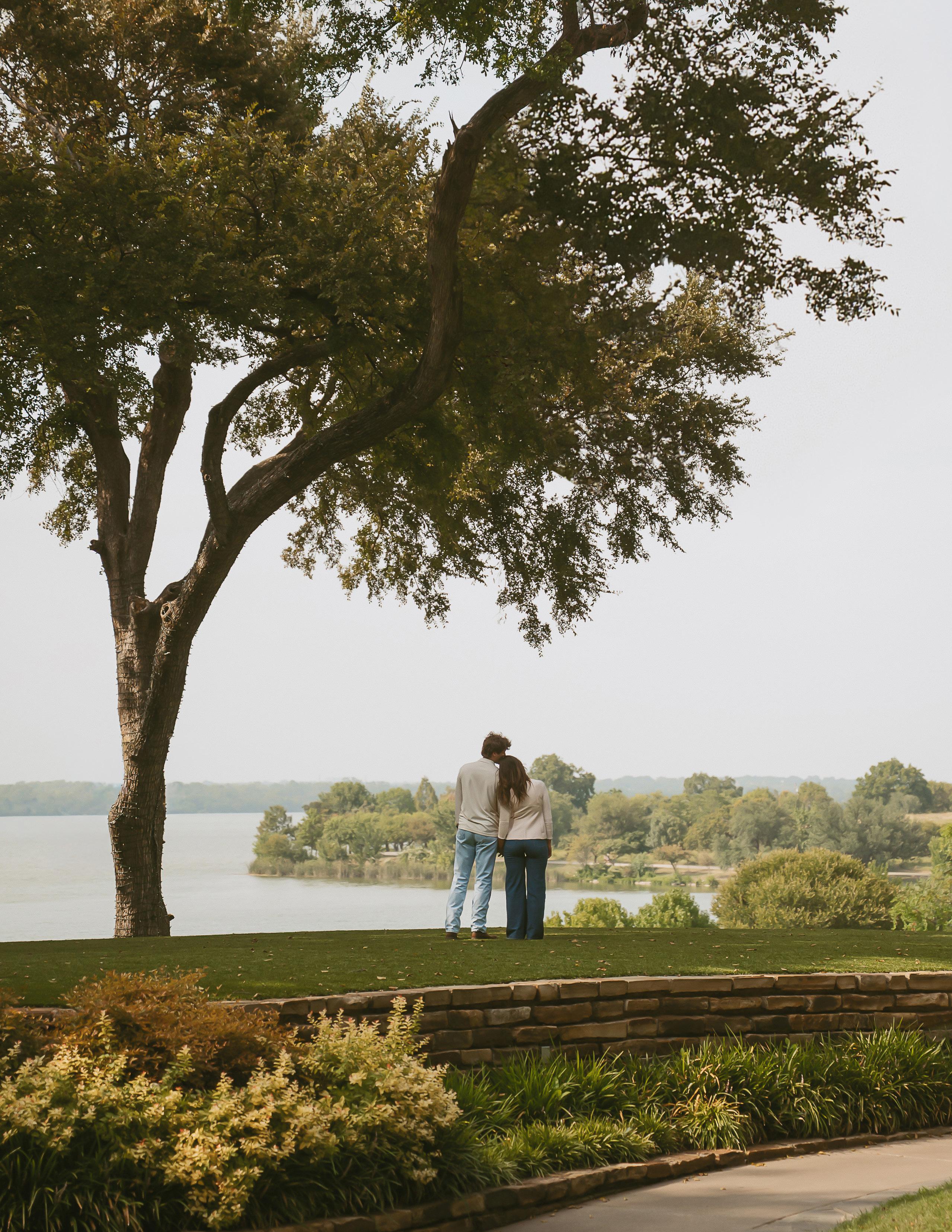
As the seasons shift, the Dallas Arboretum transforms into a place of romance, wonder and celebration. From the crisp winter air to the first blooms of spring, the garden offers a timeless backdrop for cherished memories and new traditions.
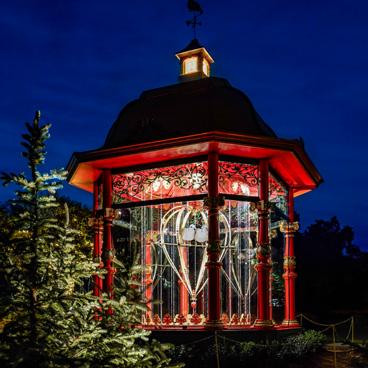
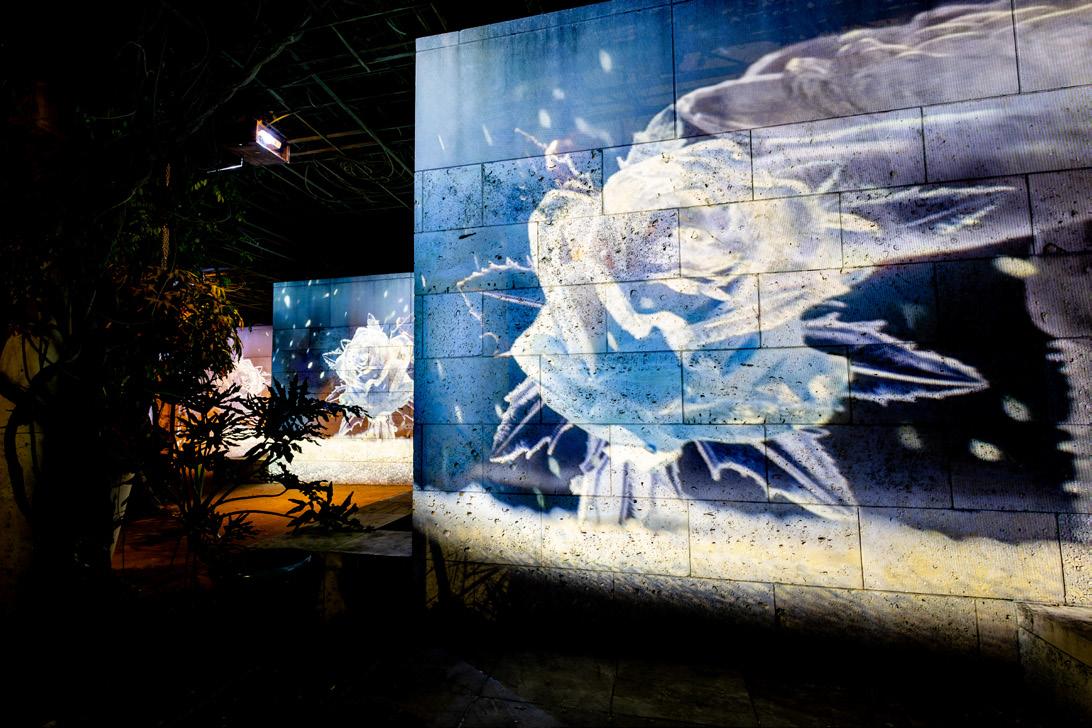
This year, we are thrilled to unveil a stunning new holiday light exhibition, Night Glow, created in collaboration with AURORA. Experience the garden in a whole new way, where festive displays of choreographed color, light, motion and sound create an unforgettable experience that celebrates the beauty of the season.
Looking ahead, we are hopping with excitement to announce the upcoming debut of Hunt Slonem at the Dallas Arboretum: Bunnies, Birds and Butterflies, opening in April 2026. This vibrant exhibition will showcase Slonem’s bold and colorful sculptures, perfectly complementing the natural splendor of our springtime gardens. After all, the union of art and nature is a partnership as old as time—one that continues to inspire and delight across generations.
This season also marks a personal milestone: I am celebrating my second anniversary as president/CEO of the Dallas Arboretum. These past two years have been deeply meaningful—filled with much growth and collaboration. I am grateful each day to work alongside such a dedicated team and to serve a community united
by a passion for the natural world.
In addition, we are wrapping up the first year of our strategic plan, a bold roadmap designed to elevate every aspect of our mission. In future issues of this magazine, we will showcase our progress through the lens of our four strategic pillars, which provide the foundation for continued growth and excellence, shaping everything from programs and partnerships to horticultural innovation and visitor experience.
These efforts are part of our ongoing commitment to magnify the excellence that defines the Dallas Arboretum—ensuring that every visit is inspiring, every program enriching and every bloom unforgettable.
Thank you for being part of this journey with us. Your support empowers us to grow, innovate and remain a garden for all that enriches lives through beauty, learning and connection.
Warmest wishes for a joyful holiday season and a blooming new year.
Sabina Carr President/CEO
CONTENTS
IN BLOOM
04 Holiday at the Arboretum 2025
Our most magical season yet, featuring returning favorites, exciting new experiences and tradition with a twist
08 People, Place and Plants: Ethnobotany in North Texas
Every plant tells a story of deep cultural connection
14 The Camp House
For Director Emeritus of the Dallas Arboretum Steve Coke and his wife, Cheryl, this 1930s showplace is not only part of Dallas history but their own
18 Member Spotlight
Alex and Clay Sutherland nurture a love of nature in the garden
The Burgess Family Serenity Garden, a new shade garden within A Woman’s Garden, will be a space that invites reflection
20 Love Blooms
The Southwest’s largest floral festival, Dallas Blooms, returns in full splendor
26 Sponsors & Donors
A listing of Dallas Arboretum supporters
28 Cool Thursdays Concerts
Our 2026 lineup spans the decades
29 Calendar at a Glance
HOW TO REACH THE DALLAS ARBORETUM
Mail 8525 Garland Road, Dallas, Texas 75218
Phone 214.515.6615 Email info@dallasarboretum.org
HOW TO SUPPORT THE DALLAS ARBORETUM
Dallas Arboretum is an independent nonprofit 501(c)3 organization that receives support from individuals, corporations and foundations. Scan this QR code to learn more.
Supported in part by:
Cascading waterfalls at the Nancy Rutchik Red Maple Rill create a tranquil moment. Photo by Nock Wong.
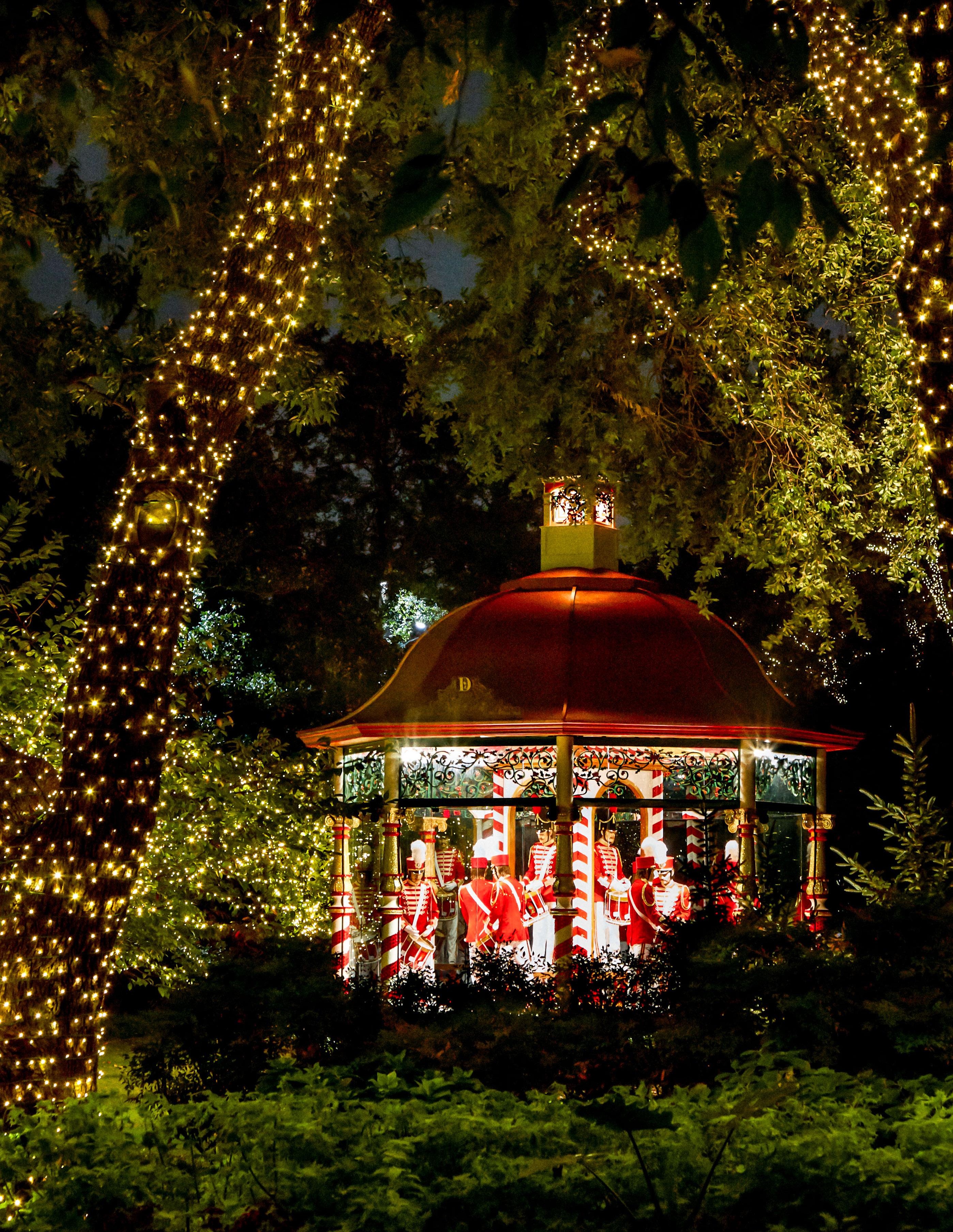
The 12 Drummers Drumming bring the grand finale to the 12 Days of Christmas.
at the Arboretum 2025
A Dazzling Celebration for All Ages
Capturing memories in Santa’s sleigh.
DUSTIN MILLER
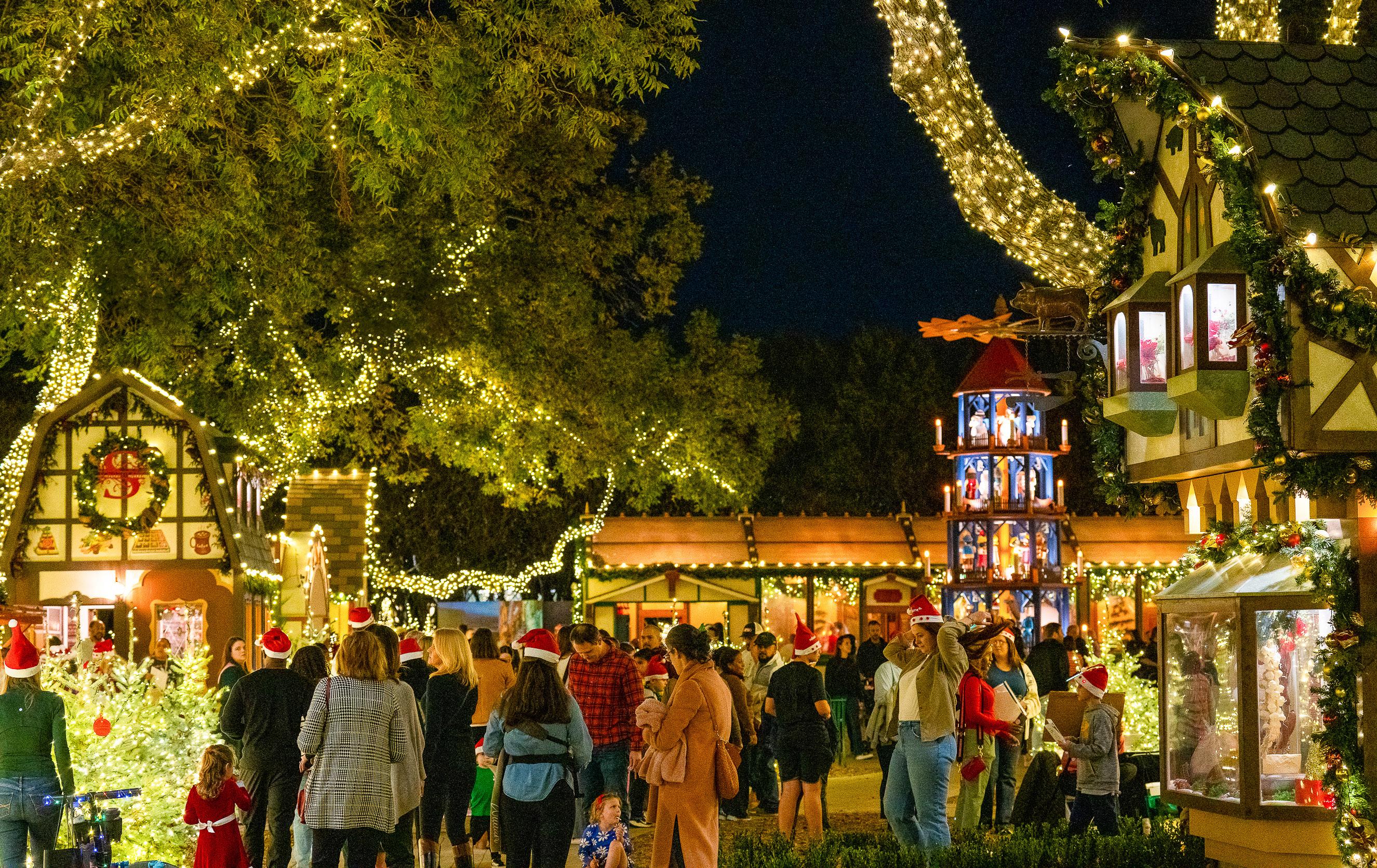
Each winter, the Dallas Arboretum transforms into a spectacular wonderland, filled with timeless charm, immersive artistry and festive delight for guests of all ages. Holiday at the Arboretum 2025 promises its most magical season yet, featuring returning favorites, exciting new experiences and thoughtful touches that celebrate tradition with a twist. From the glowing storefronts of the Christmas Village to the new projection artistry of Night Glow, this cherished festival is more enchanting than ever.
The 12 Days of Christmas in Glass and Light
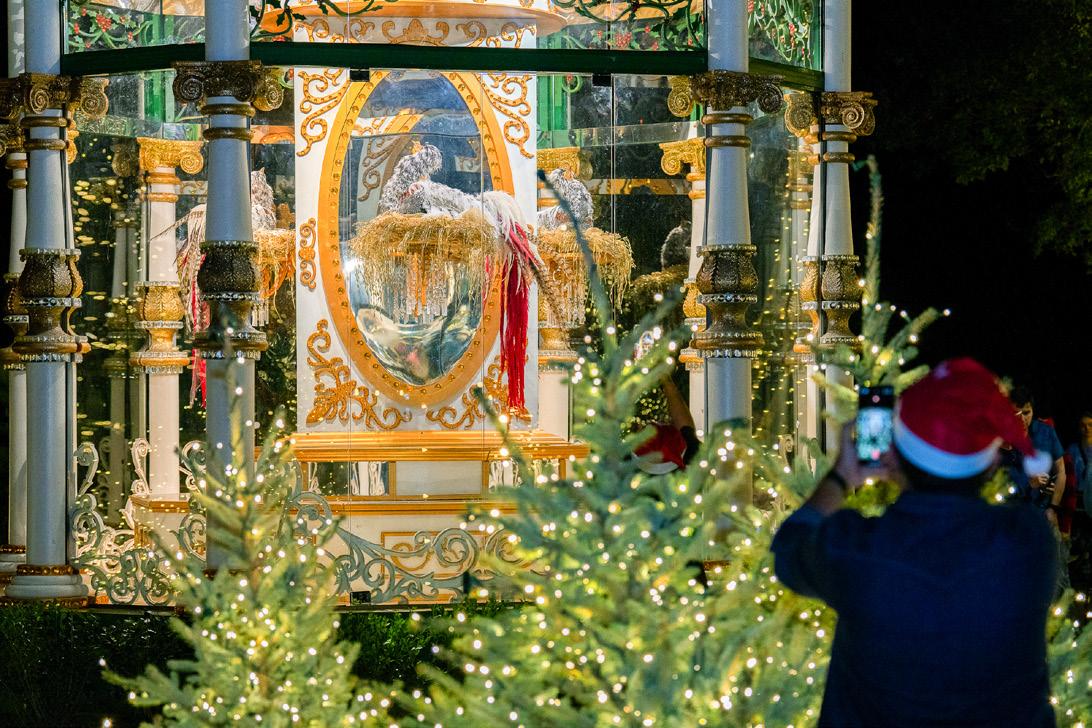
Wander the garden paths and encounter twelve majestic Victorian-style gazebos, each depicting a scene from the classic carol brought to life with mechanical movement, music and detailed artistry. Constructed of aluminum, wood and over 29,000 pounds of glass, the gazebos range from 15 to 40 feet in size and glitter with over 28,000 rhinestones. The 12 Days exhibit continues to wow returning guests and first-timers alike with its scale and beauty, evoking the magic of a music box at garden scale.
Originally envisioned by Tom and Phyllis McCasland, the display took two years to design and fabricate. Each of the 55 mannequins is hand painted and costumed with unique personality and detail. Whether it’s the elegant swans, the energetic drummers or the nine ladies dancing in 180 yards of fabric, every gazebo is a visual poem of light and joy.
Capture the joy of the season, one moment at a time.
Explore the enchanting Pauline and Austin Neuhoff Family Christmas Village.
A European-Inspired Holiday Market
The Christmas Village is a Bavarian-style dream, inspired by traditional German holiday markets. Guests can shop, snack and soak in the ambiance among over a dozen charming shops with custom decor, twinkling lights and glowing window displays. Families are invited to participate in merry giveaways this season, including a custom 2025 ornament or patch from the Toy Shop upon completing the village scavenger hunt, or collect a new baking recipe card each week from the bakery to build a holiday recipe book. The 23-foot-tall Weber Family Christmas Pyramid, handcrafted in Germany over six months, anchors the market. It features 22 hand-carved figurines on each octagonal level and took 15 artisans more than 2,100 hours to complete. The Christkindlmarket returns featuring dozens of local vendors throughout the season. From spiced wine and Bavarian food to visits with Santa and local music, the Christmas Village is a hub of cheer throughout the holidays.
Merry Monochromatic Comes to Life in the DeGolyer House
Guests can explore each room of the historic DeGolyer House—open daily and on an expanded schedule of evenings this season—decorated in traditional holiday splendor with a fresh,
modern twist. Celebrating his 25th year creating holiday magic at the Dallas Arboretum, visual designer Michael Hamilton presents this year’s theme: Merry Monochromatic. Expect dramatic colorblocking, luxurious textures and thoughtfully layered decorations that reimagine festive style while preserving the warmth and elegance of the season.
Light as Art, Garden as Canvas in Night Glow
New for 2025, Night Glow is a dazzling projection mapping installation produced in collaboration with Dallas-based Aurora and Lightware Labs. The Camp House, Lay Family Garden, Secret Garden and Paseo de Flores become luminous works of art in motion. With an eye toward spectacle and storytelling, Night Glow infuses the nighttime garden with dynamic visuals that respond to each space’s unique architecture and foliage. It’s immersive, unexpected and unforgettable.
Holiday Cheer with a Grown-Up Twist
Launching December 14, the new Mistletoe Lounge offers a 21+ pop-up experience with cozy elegance and a spectacular view. Guests can upgrade their evening with access to a VIP bar overlooking the Night Glow projections, perfect for a festive night out or romantic date.
Night Glow powered by AURORA creates a radiant after-dark experience.
The Three French Hens gazebo delights as part of The 12 Days of Christmas display. Smiles and snapshots with Santa.
People, Place & Plants
Ethnobotany in North Texas
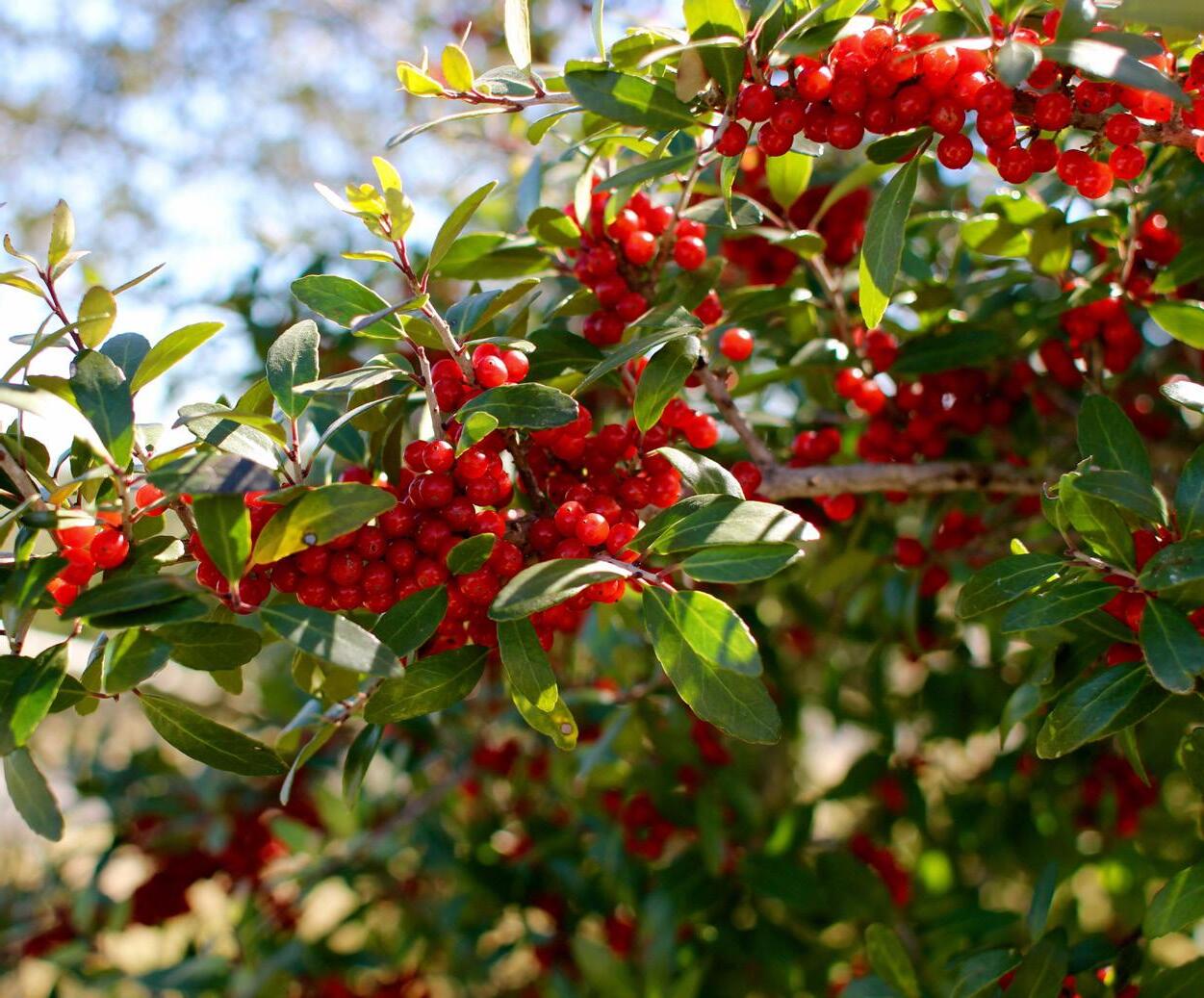
Dwarf Yaupon Holly lines the potager gardens in A Tasteful Place.
Every plant tells a story. At the Dallas Arboretum, we celebrate not only the beauty of the collections, but also the deep cultural connections these plants hold. Ethnobotany—the study of how people and plants shape one another—reveals how the landscapes of North Texas provided food, medicine and meaning for centuries.
Six familiar plants in the garden illustrate these stories. They continue to enrich our lives today, carrying traditions from Indigenous communities to modern kitchens, family tables, and even conservation projects.
Yaupon Holly (Ilex vomitoria)
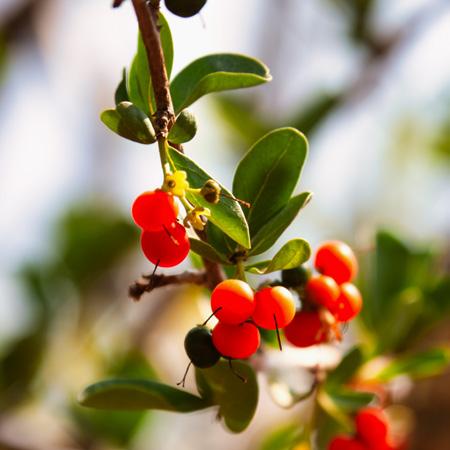
North America’s only naturally caffeinated plant thrives right here in North Texas. Indigenous groups including the Caddo brewed yaupon leaves into a strong infusion consumed in daily life and at ceremonial gatherings. The beverage, high in caffeine and theobromine (also found in chocolate), provided energy and focus. Yaupon was widely traded, traveling far beyond its native
range, a testament to its value in intertribal exchange.
In the 19th century, settlers embraced yaupon as a coffee substitute, particularly during blockades and shortages. Though later dismissed due to misconceptions about its name (vomitoria refers to ritual purging, not its everyday effects), yaupon is enjoying a renaissance. Today, Texas companies are producing teas and blends that highlight its sustainable, local character.
Did You Know?
• Yaupon was nicknamed “Cassina” by early colonists. The word comes from the Timucua and Guale peoples of Florida and Georgia, who used a similar word, cassine or cassina, for the plant and its ceremonial tea. When Spanish and English settlers observed Indigenous groups preparing and drinking the infusion, they borrowed the name.
• Its resilience makes it a favorite in Texas gardens, as it is drought-tolerant, evergreen and attractive to wildlife.
Pecan (Carya illinoinensis)
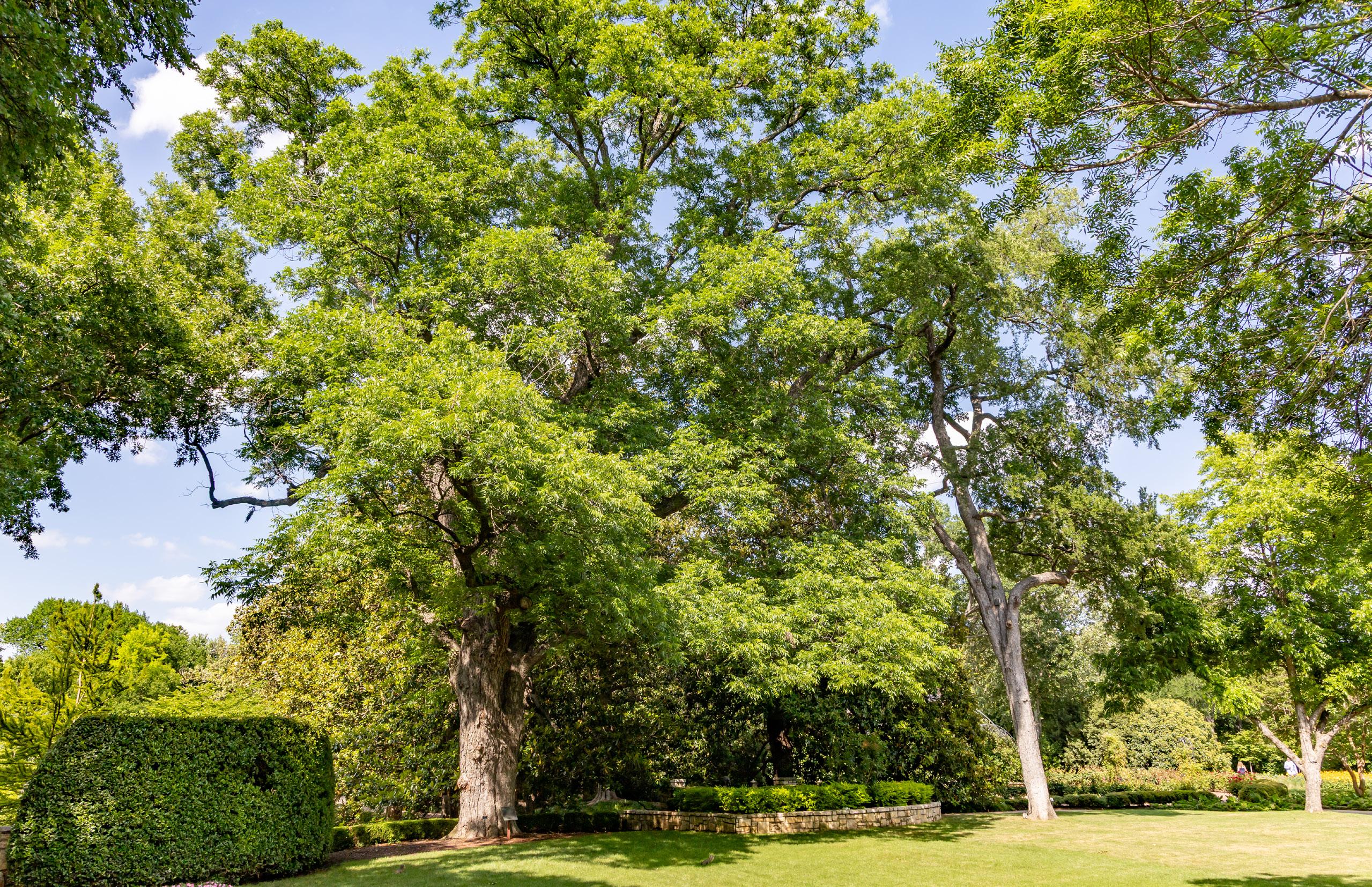
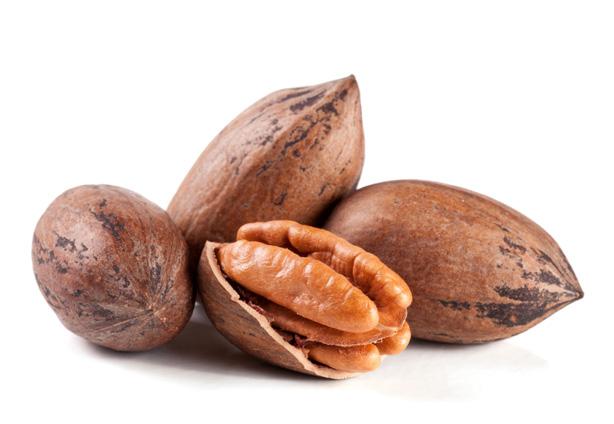
It is no surprise the pecan is the state tree of Texas. For the Caddo and Wichita, pecans were more than food. They were a cornerstone of community life. Nuts were eaten raw or roasted, ground into meal for portable cakes or pressed for a rich oil used in cooking and skincare. The nuts were high in fat and protein, critical for sustaining winter diets and longdistance travel. Pecans also became an item of trade, their abundance making them valuable beyond the groves where they grew.
When Spanish and French explorers first entered Texas, they described vast pecan forests stretching for miles along riverbanks. By the 18th century, pecans were shipped to Europe, spreading this North American treasure abroad. Today, Texas remains one of the top pecan producers in the world, with the nut celebrated in pies, pralines and countless savory dishes.
Did You Know?
• Pecan comes from the Algonquian word pacane, meaning “nut requiring a stone to crack.”
• The Arboretum’s Pecan Grove was already a mature grove when the DeGolyer family purchased the property in 1939.
Pecan Tree Carya illinoinensis at the DeGolyer Estate.
Yaupon Holly ( Ilex vomitoria)
WHERE TO FIND THEM at the Arboretum
Ethnobotany reminds us that every plant is more than its petals, leaves or bark. It is a story of survival, exchange and creativity. As you stroll through the Arboretum, take a moment to notice the pecan trees or passionflowers. They are not only part of our landscape, but also part of us.
PASSIONFLOWER Rory Meyers Children’s Adventure Garden, Lakeside Exhibit Area
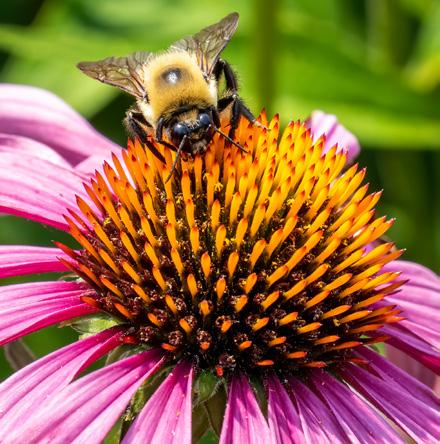
Purple Coneflower (Echinacea angustifolia)
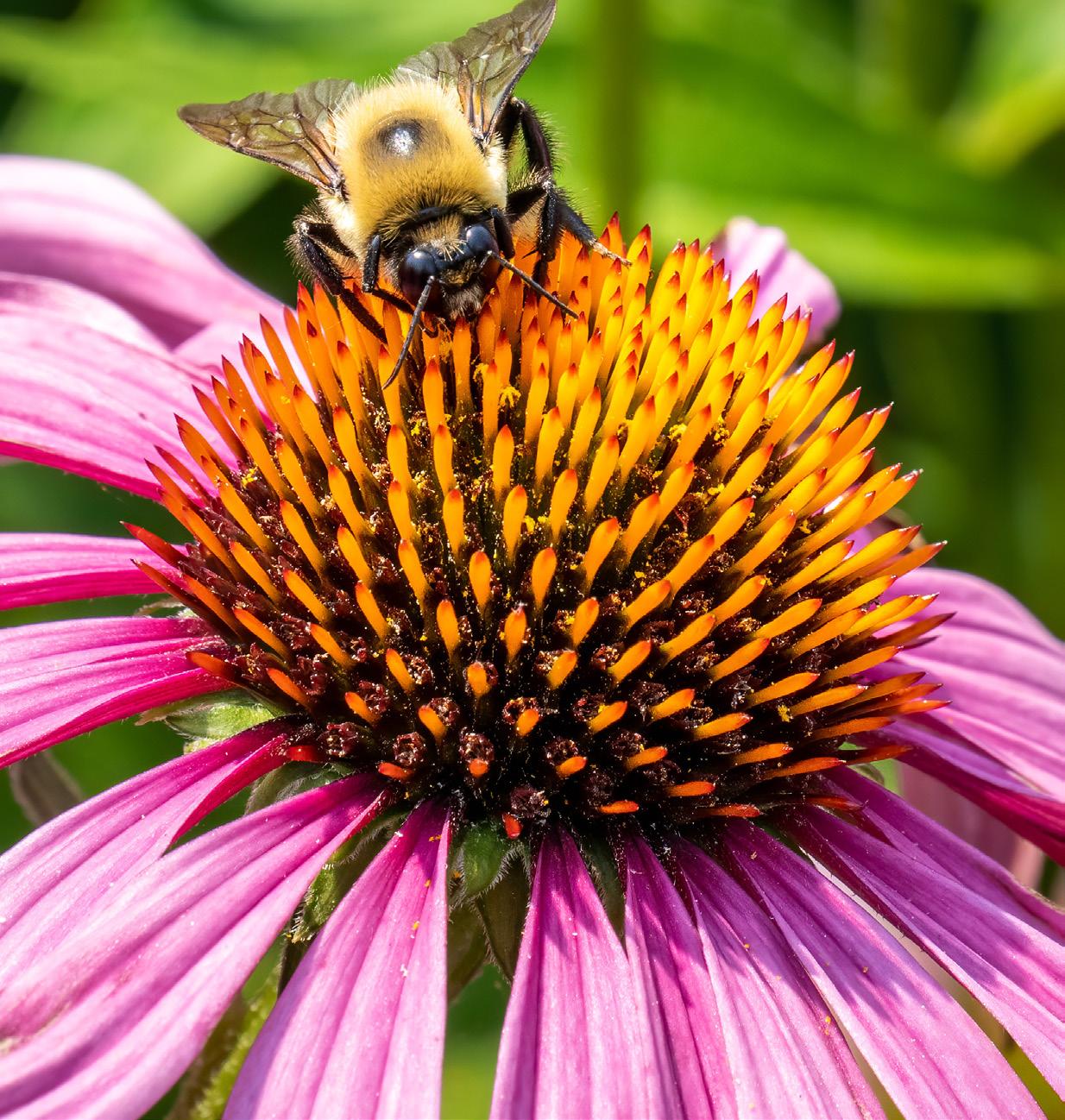
Echinacea’s reputation as an immune booster is well known today, but its roots run deep in Indigenous knowledge. The Kiowa, Comanche, Sioux, Pawnee, Cheyenne and other Plains tribes documented chewing the roots to relieve toothaches and sore throats. Decoctions were prepared for coughs, while poultices treated wounds and snakebites. Its numbing effect made it a trusted oral remedy.
By the 19th century, coneflower entered Euro-American herbal medicine and became a cornerstone of eclectic physicians’ treatments. Though overshadowed by antibiotics in the mid-20th century, echinacea surged back into popularity in the late 20th century and remains one of the most widely sold herbal remedies today. In the garden, its daisy-like blooms brighten summer displays and feed pollinators.
Did You Know?
• Early settlers sometimes called echinacea “snakeroot,” reflecting its use against snakebites.
• Its scientific name comes from the Greek echinos, meaning “hedgehog,” a nod to the spiny central cone.
Purple Coneflower ( Echinacea angustifolia)
PECAN Pecan Grove, DeGolyer Commons
Want to Learn More?
Children’s and Picture Books
• The Prairie That Nature Built by Marybeth Lorbiecki, from Dawn Publications (2014)
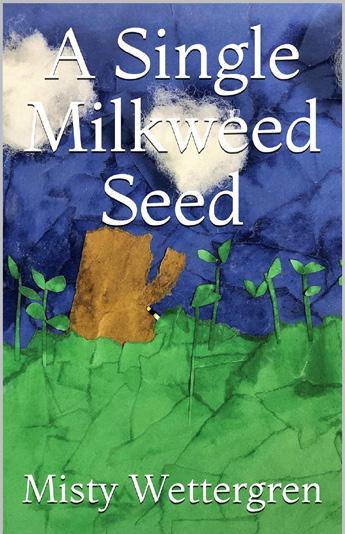
• A Single Milkweed Seed by Misty Wettergren, independently published (new edition, 2018)
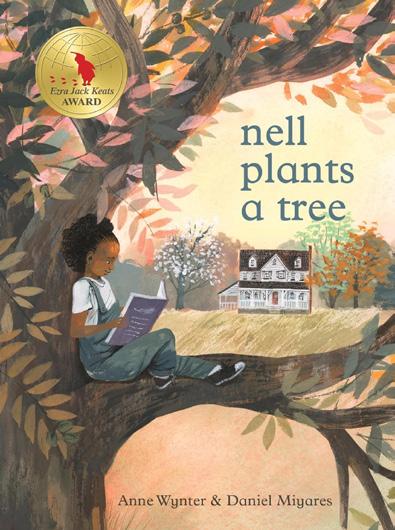
• Nell Plants a Tree by Anne Wynter and Daniel Miyares, from HarperCollins / Balzer + Bray (2023)
General Audience
• Braiding Sweetgrass: Indigenous Wisdom, Scientific Knowledge, and the Teachings of Plants by Robin Wall Kimmerer, from Milkweed Editions (2013)
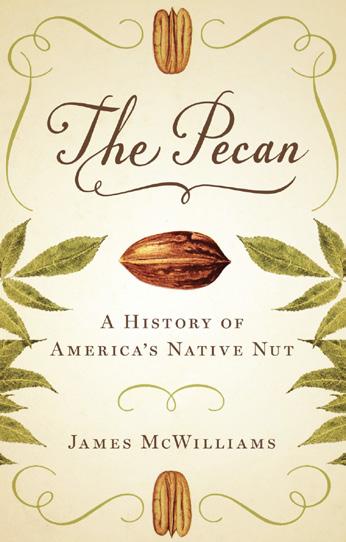
• The Pecan: A History of America’s Native Nut by James McWilliams, from University of Texas Press (2013)
• Milkweed, Monarchs and More: A Field Guide to the Invertebrate Community in the Milkweed Patch by Ba Rea, Karen Oberhauser and Michael A. Quinn, from Monarch Watch / Bas Relief Publishing (2003)
• Caffeine and Culture: The Untold Story of America’s Native Tea — Yaupon Holly by Daniel Storming, independently published (2024)
• The Yaupon Holly Handbook: Cultivation, History and Brewing Techniques by Yaupon Teahouse Press, independently published (n.d.)
Milkweed (Asclepias spp.)
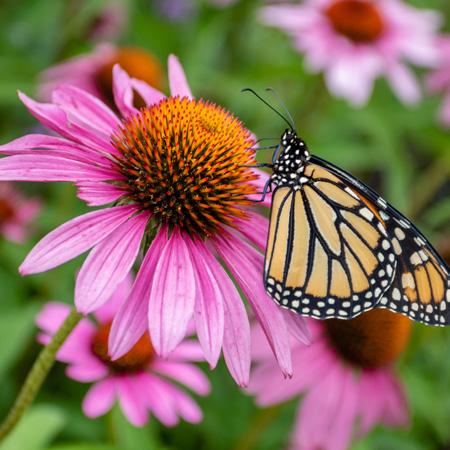
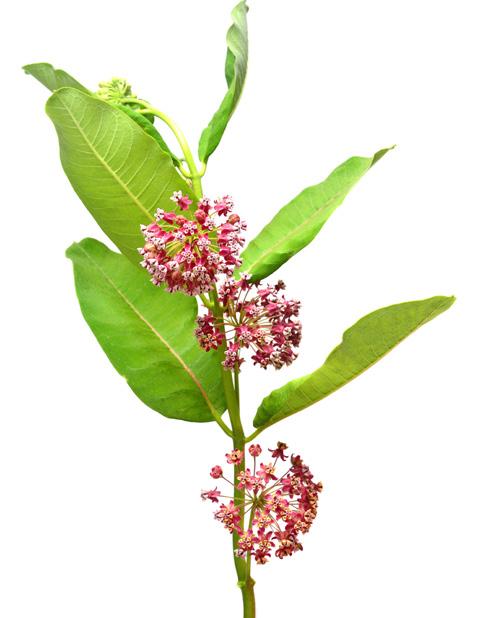
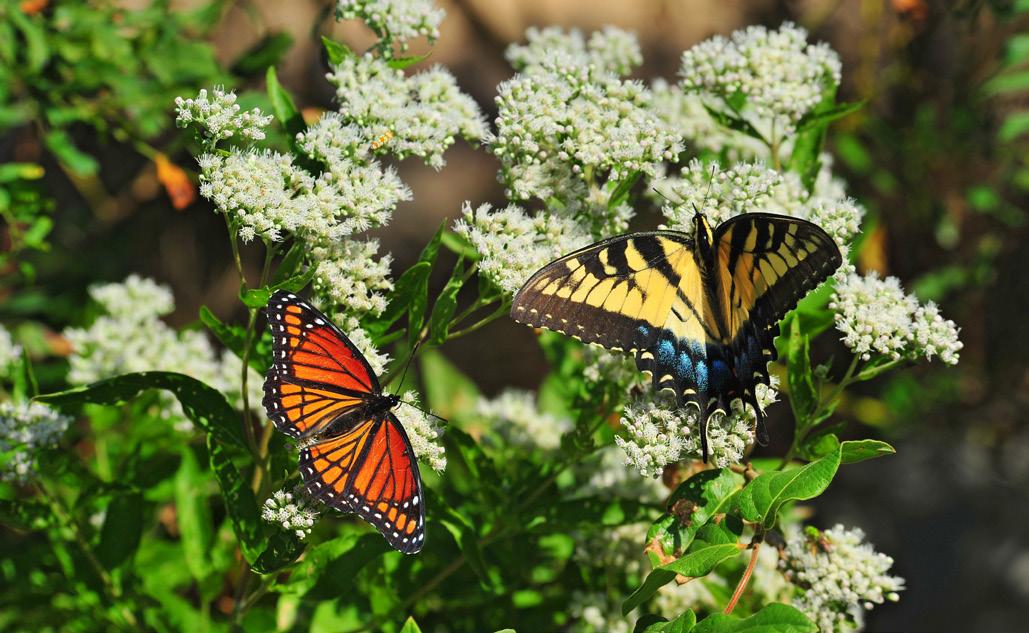
Milkweed is essential for monarch butterflies, but its human uses are just as fascinating. Indigenous peoples harvested the plant’s strong fibers for weaving cordage, fishing nets and textiles. The sap was applied sparingly to remove warts and treat certain skin conditions. Some groups consumed young shoots, flowers and pods, but only after repeated boiling to reduce bitterness and potential toxicity, a practice not recommended casually today.
During World War II, when kapok was cut off from global supply lines, schoolchildren across the United States collected milkweed pods to provide floss for life jackets. Buoyant, lightweight and water resistant, the silky fibers saved lives at sea. Today, milkweed remains critical to conservation as monarch populations decline, bridging its cultural history with urgent ecological needs. Green milkweed ( Asclepias viridis), one of Texas’s earliest blooming species, is especially important for spring monarchs returning from Mexico.
Did You Know?
• During World War II, milkweed floss was used to stuff life vests for U.S. sailors and airmen.
• Monarch caterpillars absorb toxins from milkweed that make them unpalatable to predators.
Milkweed ( Asclepias spp.)
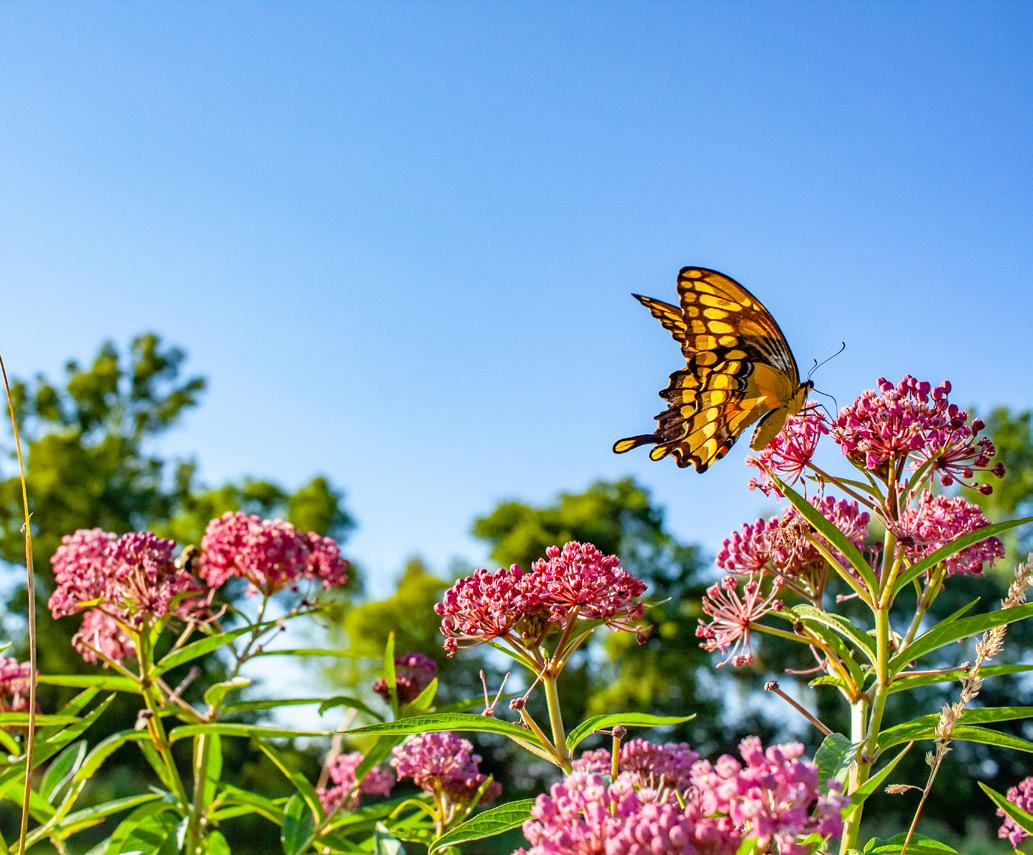
Milkweed provides a vital stop for butterflies in the garden.
Passionflower (Passiflora
incarnata)
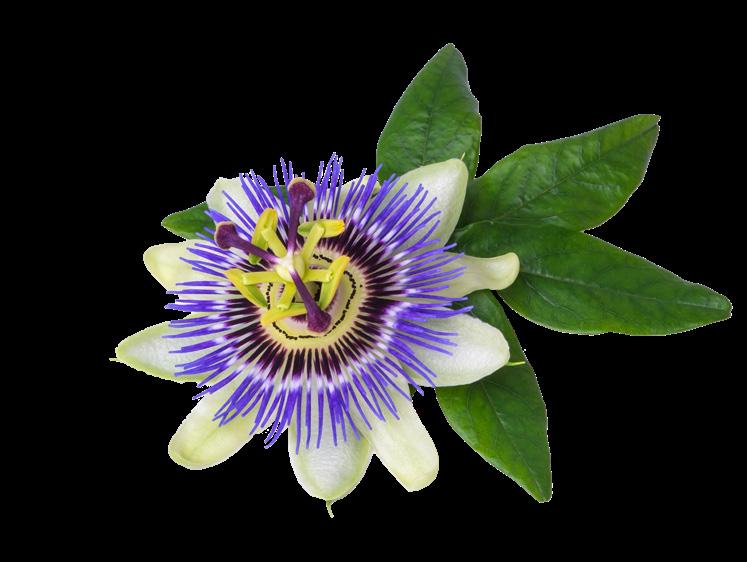
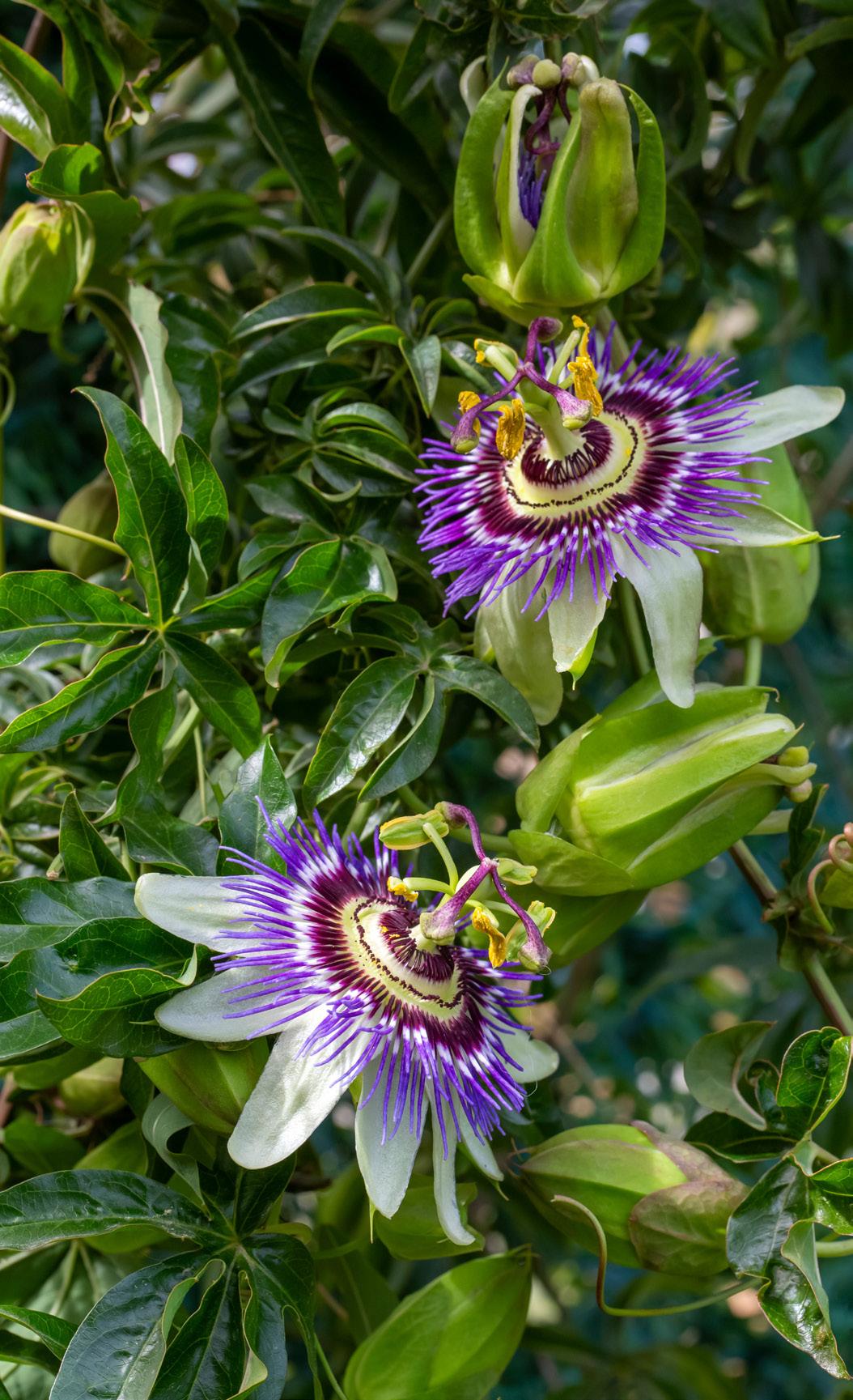
Known for its ornate, climbing blooms, passionflower is also a plant of practical value. Indigenous peoples across the Southeast gathered the fruits—“maypops”—for food, eating them fresh, drying them for later or cooking them into preserves. Traditional remedies included steeping parts of the plant into calming teas and applying poultices for bruises and inflammation.
European settlers quickly adopted these uses, and passionflower has remained both a culinary and medicinal plant. Today, herbal preparations more often rely on the aerial parts— leaves, stems, flowers—rather than the roots. Its sprawling vines thrive in sun and soil, attracting pollinators while offering bursts of unexpected fruit.
Did You Know?
• The name “maypop” comes from the hollow sound the fruit makes when crushed underfoot.
• Passionflower vines can grow more than 15 feet in a single season.
Modern Connections
Ethnobotany is not just history. These plants continue to inspire today’s chefs, herbalists and conservationists. The Dallas Arboretum is fortunate to work with culinary leaders who highlight these ingredients in modern ways.
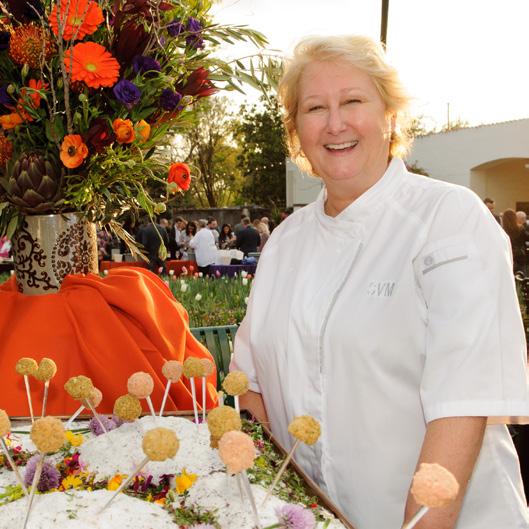
Chef Sharon Van Meter
Our Food & Wine Festival co-chair is known for her approachable, globally inspired recipes that celebrate pecans.
Chef Stephan Pyles is the pioneer of Southwestern cuisine brings nopales, tunas and pecans to the forefront of fine dining.
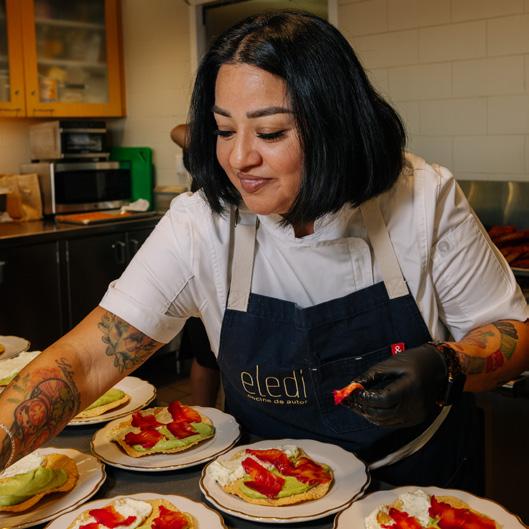
Chef Anastacia Quiñones-Pittman takes a modern Mexican perspective on nopales, tunas and seasonal produce.
Passionflower (Passiflora incarnata)
THE CAMP HOUSE
History, Family and Legacy at the Dallas Arboretum
TOBIE SMITH
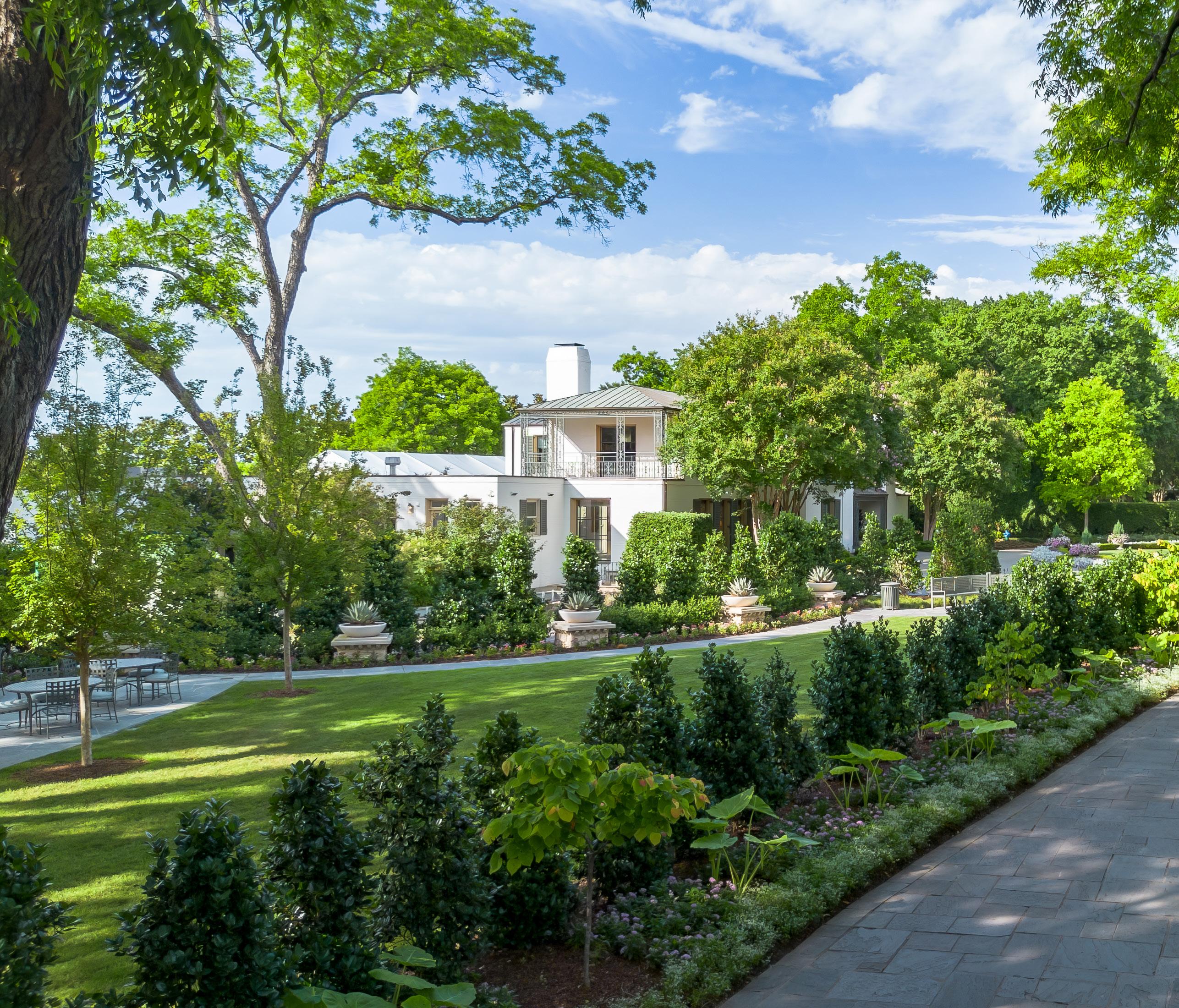
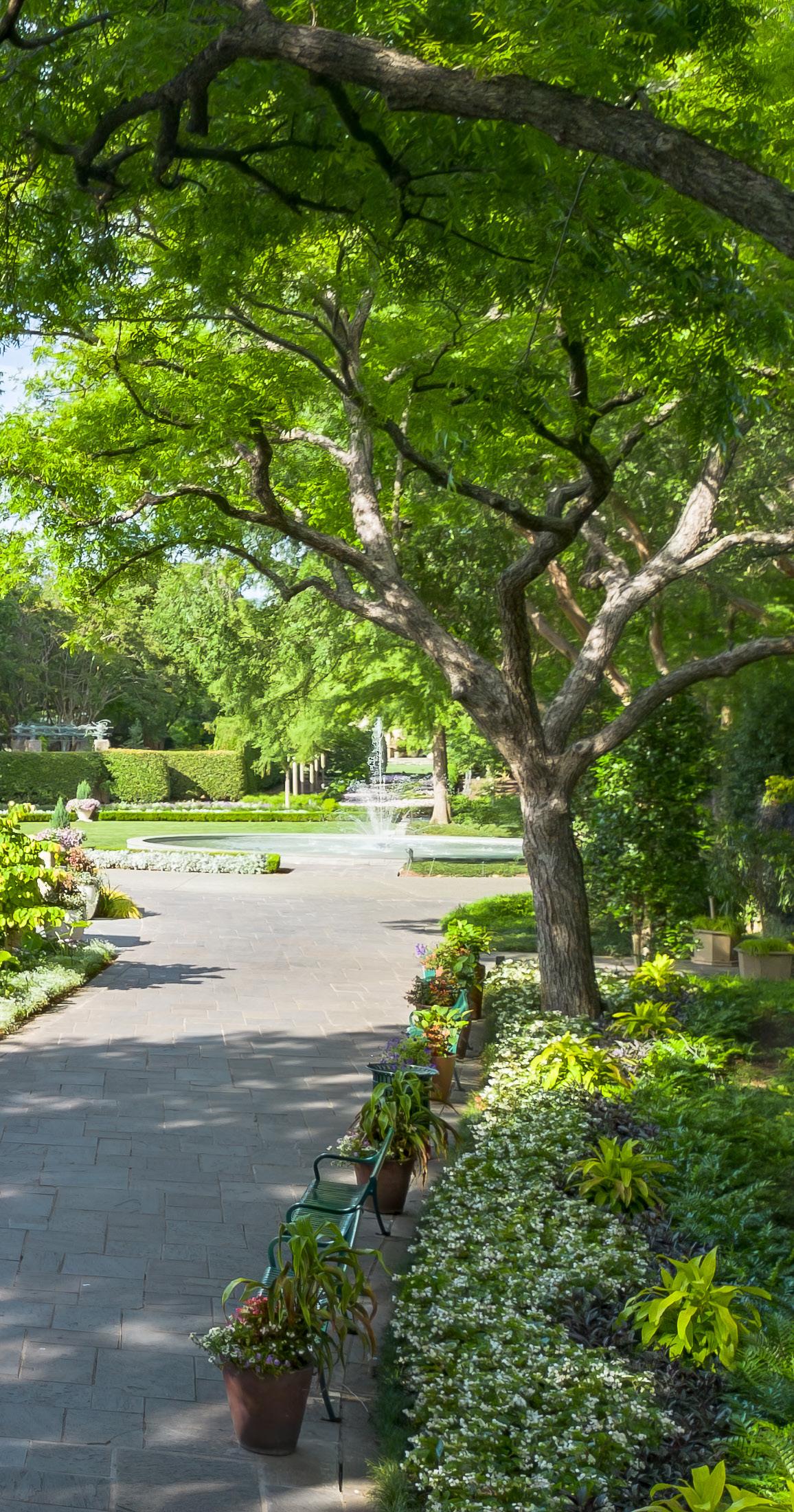
The Paseo de Flores guides guests toward the Camp House.
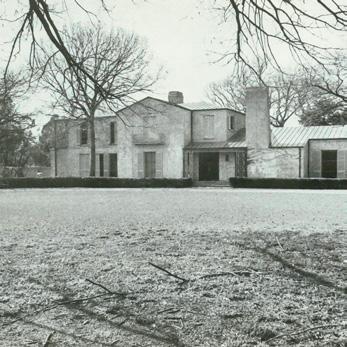
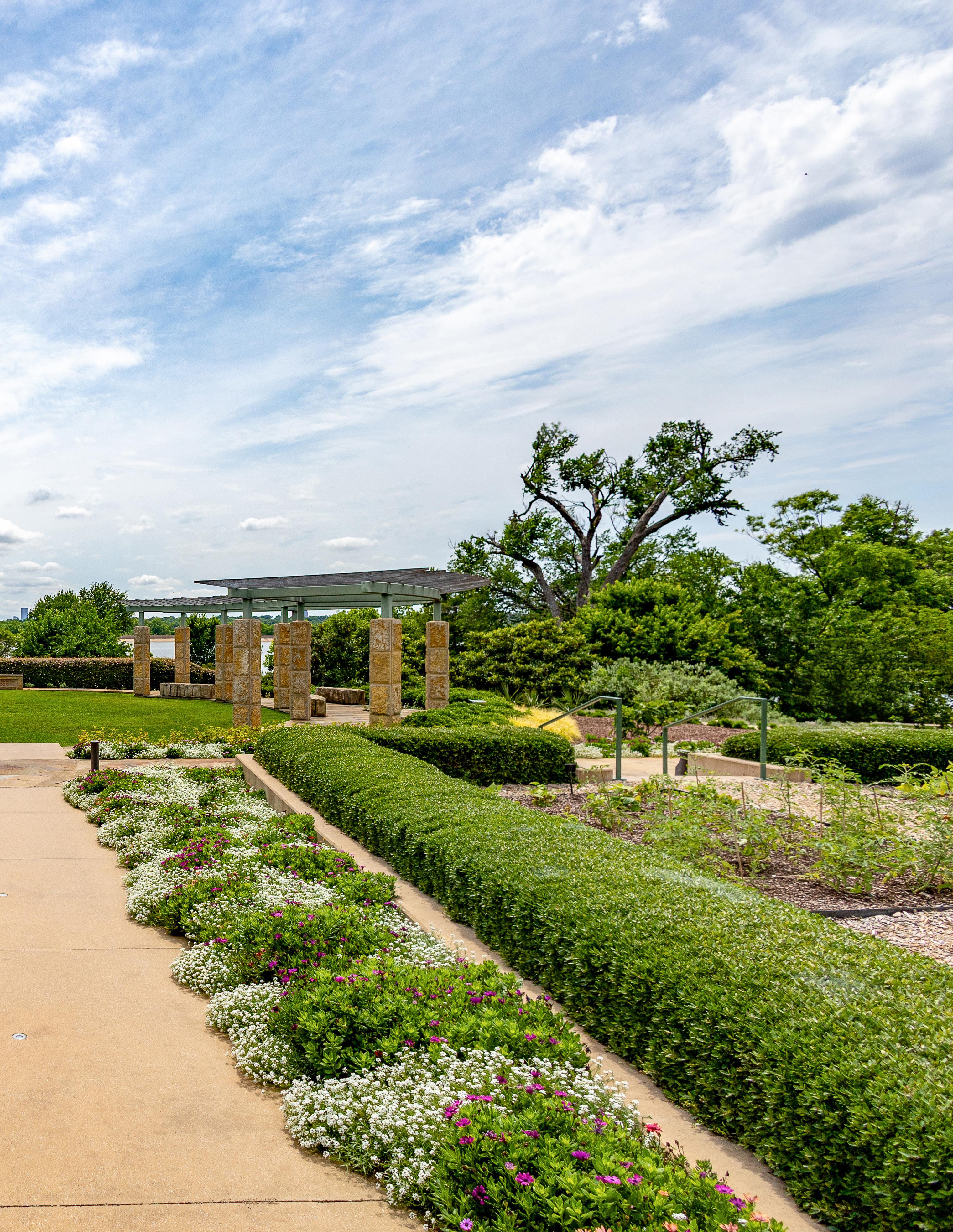
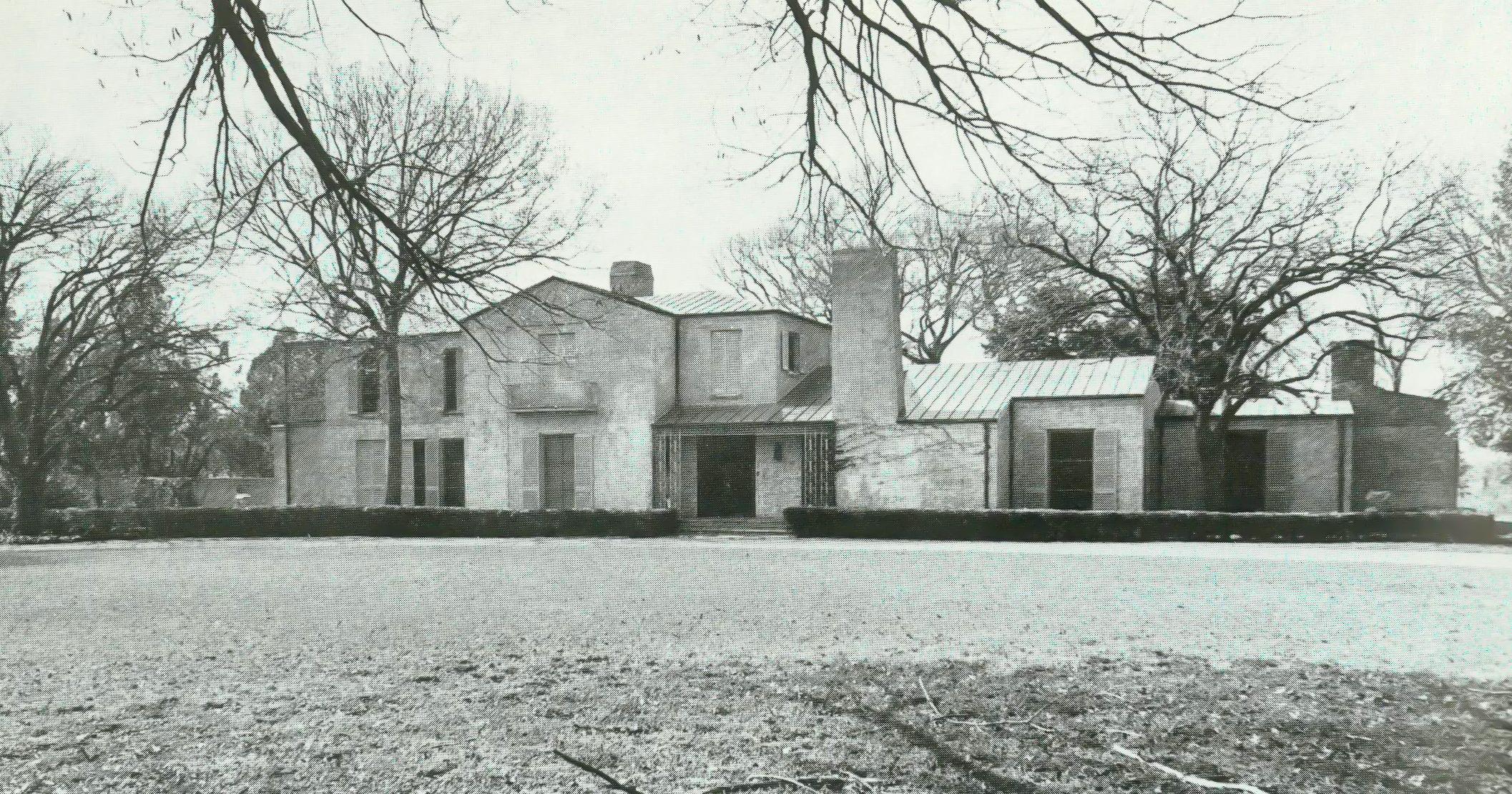
On the eastern edge of the Dallas Arboretum, overlooking White Rock Lake, stands the Camp House, a home built in the 1930s that still whispers of the city’s early history. For Director Emeritus of the Dallas Arboretum and Botanical Garden Steve Coke, also an advisor to the Dallas Arboretum Foundation, and his wife, Cheryl, this place is not only part of Dallas’s cultural story, but also part of their family story since the Camp House was built by Steve’s great-aunt, Roberta Coke Camp.
A Family Connection
The daughter of Henry C. Coke, a noted attorney and civic leader whose influence shaped Dallas for decades, Roberta was married to Alexander “Alex” Camp, a land developer and city councilman. The Camps purchased 22 acres on White Rock Lake in the 1920s. Though they sold surrounding parcels over time, she insisted on keeping the land that became her lifelong sanctuary.
“She told me when I was young that she wanted to be sure this property never turned into apartments or a shopping center,” Steve recalls. “She said it ought to be preserved as a bird sanctuary. At the time, I didn’t think much of it. Looking back now, I realize just how extraordinary that vision was.”
Roberta oversaw every detail of her home’s design, working with prominent Houston architect John Staub. Steve explained that Roberta, opinionated but gracious, famously ordered the entire plan “flipped” to preserve certain views of the property. She lived in the house until her passing, determined that it reflect her standards and her spirit.
Historic view of the Camp House, now a treasured part of the Dallas Arboretum.
A Place of Memories
For Steve, childhood visits to Camp House were magical.
“As a young person, you don’t always appreciate the significance of a place,” he reflects. “But looking back, I see how special it was. I have fond memories of playing on the lawn, though I wasn’t allowed to climb the trees.”
Life at Camp House carried a rhythm of elegance. Roberta maintained a household staff, traveled in a Cadillac limousine and filled her gardens with flowers. Family members often received cut arrangements delivered by her driver, as she never acquired a driver’s license.
“That was her norm,” Steve says. “She loved beauty, order and generosity.”
Roberta’s Legacy
Roberta Coke Camp was more than a gracious hostess; she was a visionary leader. Educated at a time when few women attended college, she managed her own affairs and gave generously to the city she loved.
“There are givers and takers,” Steve reflects. “Roberta was a giver. She gave more than her annual income to charity.”
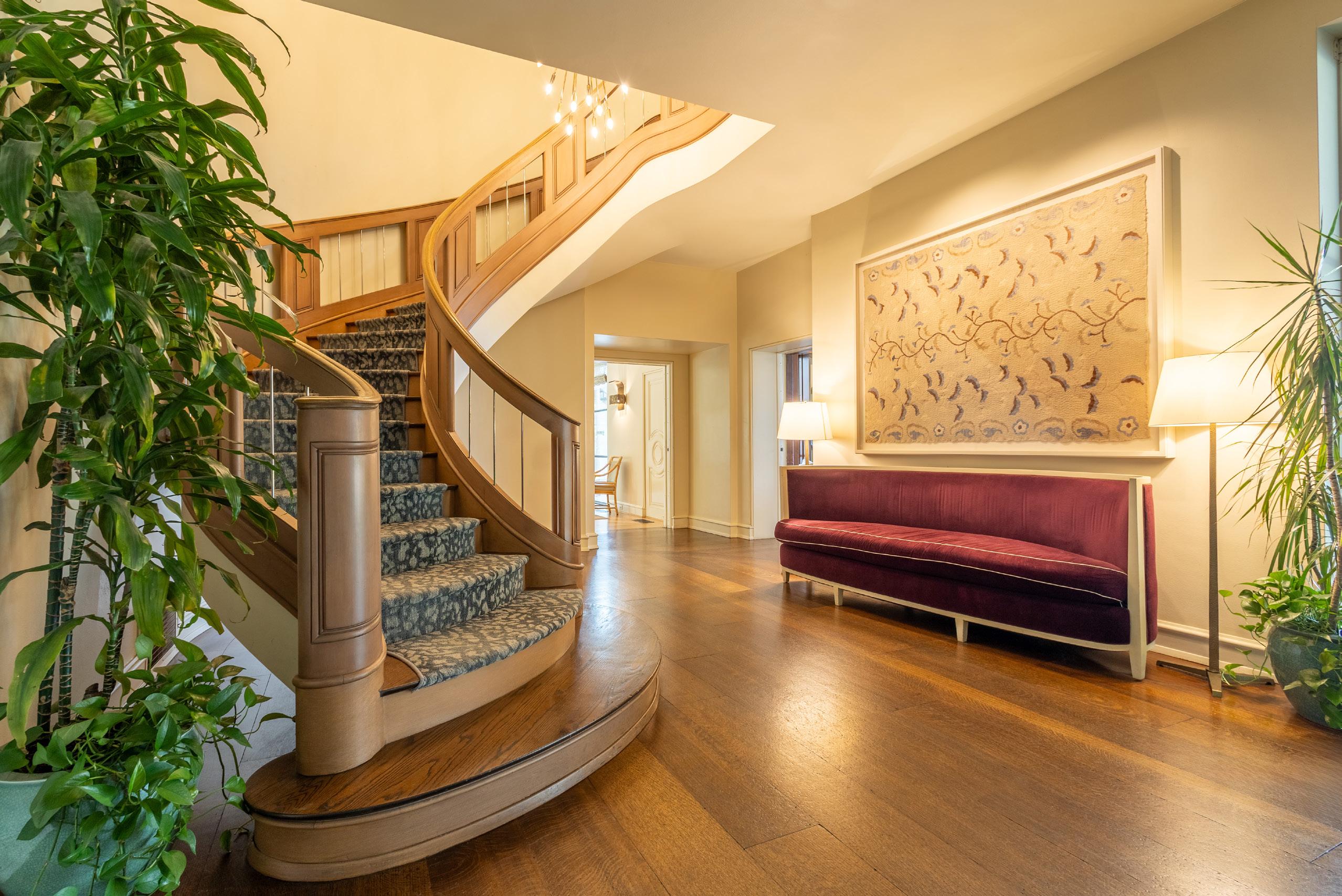
Camp House entry hall.
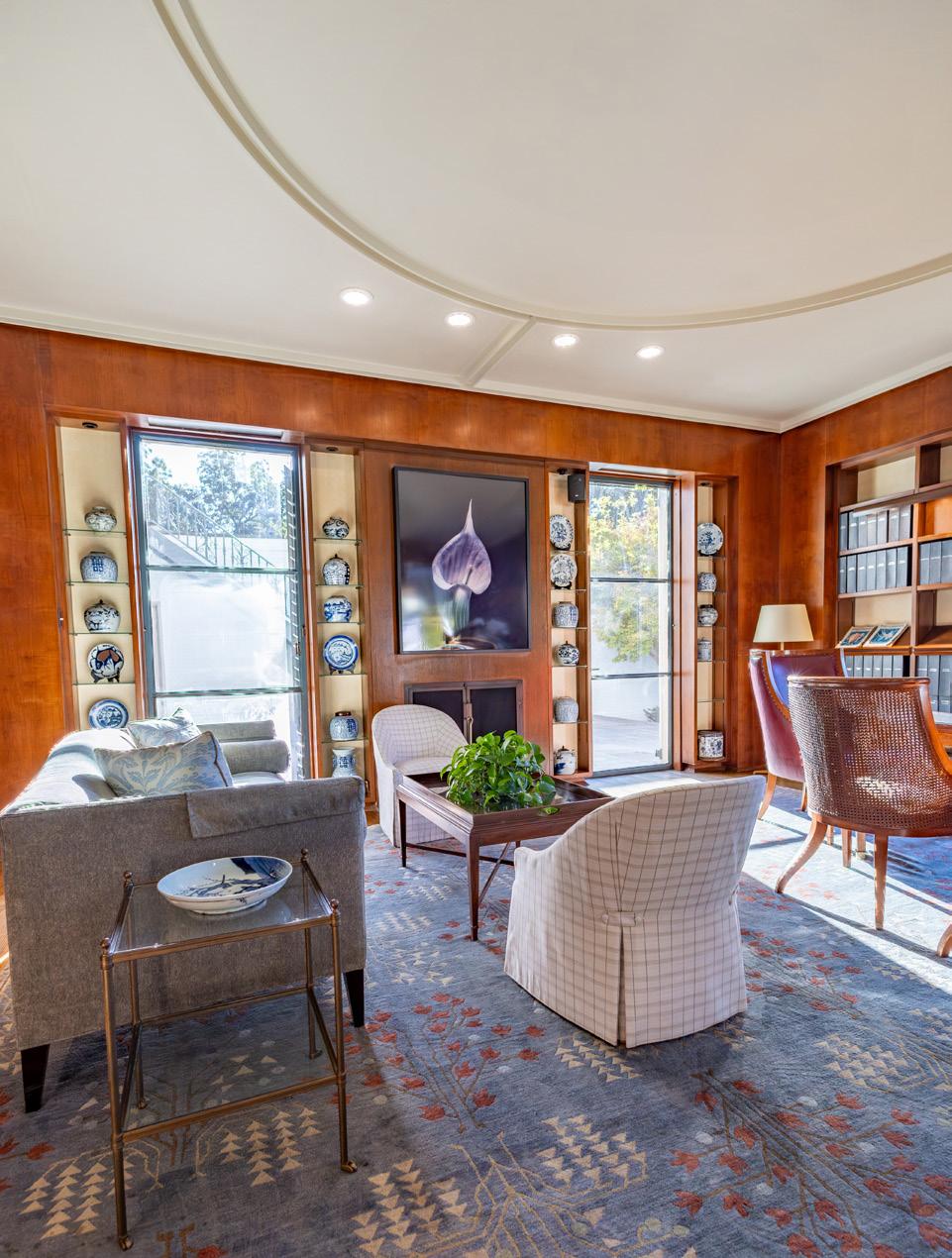
Camp House library.
Roberta was among the first women to serve on the boards of major Dallas institutions, including the Dallas Symphony Orchestra, the Dallas Museum of Art and the Dallas Theater Center. She nurtured a magnificent flower garden on the property, which today is the Arboretum’s Lay Ornamental Garden, and helped found the American Iris Society, ensuring her love of flowers bloomed across generations.
Roberta, an admirable Dallas philanthropist, also left her mark in unexpected places, whether through a controversial but important modern art donation to the Dallas Public Library or her support of medical and scientific research through the Garden Club of America. Her imprint was everywhere, often in ways that remain visible today.
The Arboretum Connection
When plans emerged in the 1970s to form a botanical garden on White Rock Lake, Steve was asked to join the founding board. Inspired by his great-aunt’s vision, he accepted and has remained dedicated ever since. Today, as director emeritus of the Dallas Arboretum and advisor to the Dallas Arboretum
Foundation, Steve marvels at how Roberta’s wish for a bird sanctuary has blossomed into one of the nation’s premier public gardens.
History Meets the Present
The Camp House continues to be a place where legacies are made. It has welcomed dignitaries and presidents, including former president George W. and Laura Bush, for dinners and gatherings. It remains a cherished setting for visitors and members who celebrate milestone occasions, such as weddings and anniversaries, and create new memories on its historic grounds.
Cheryl reflects that Roberta would have loved seeing the Dallas Arboretum become what it is today—a place that welcomes new traditions and connections while honoring its history. From her dream of preserving a bird sanctuary to the flourishing gardens that surround the Camp House today, the property stands strong as a lasting testament to vision, generosity and family legacy.
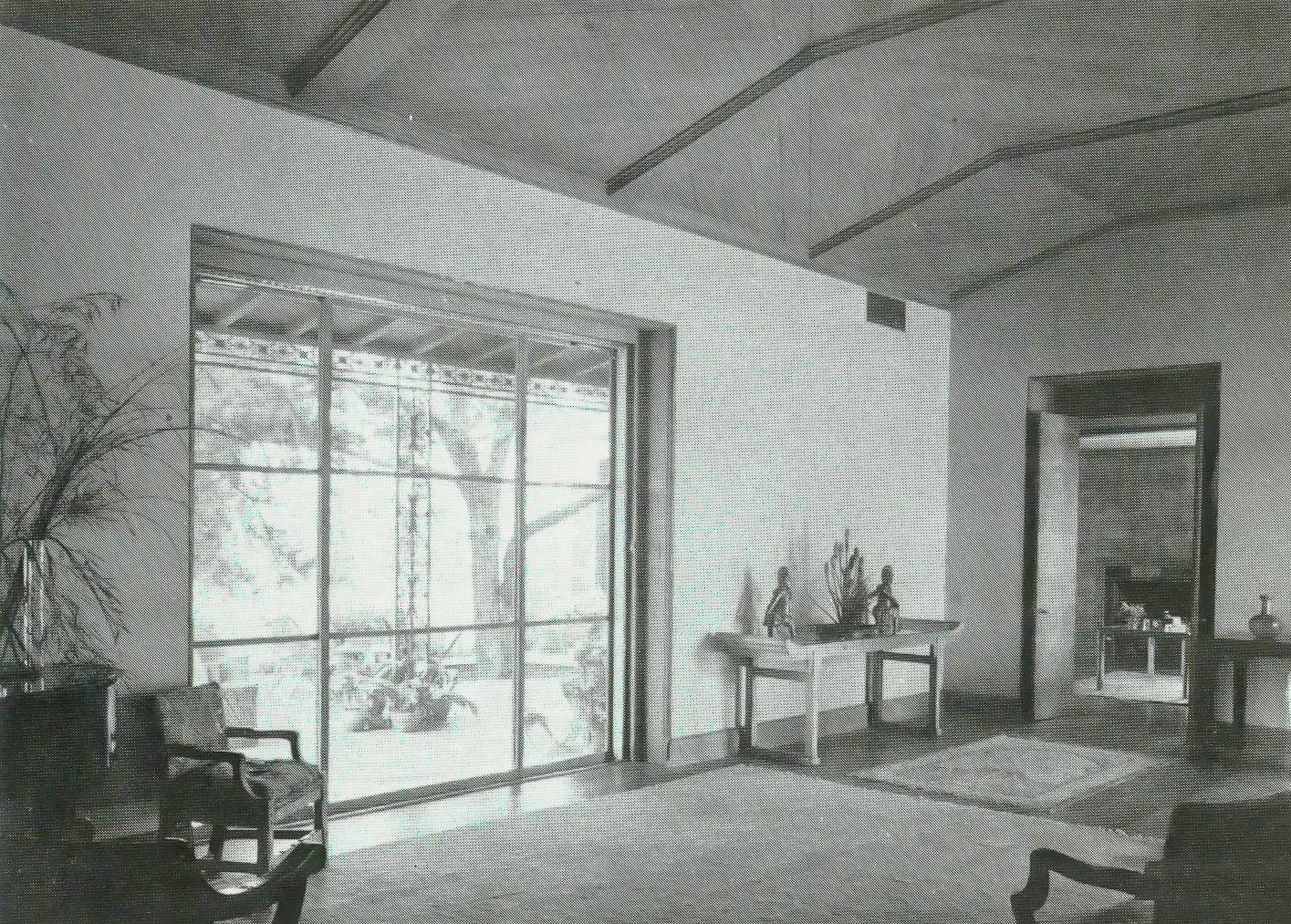
An early view of the Camp House living room.
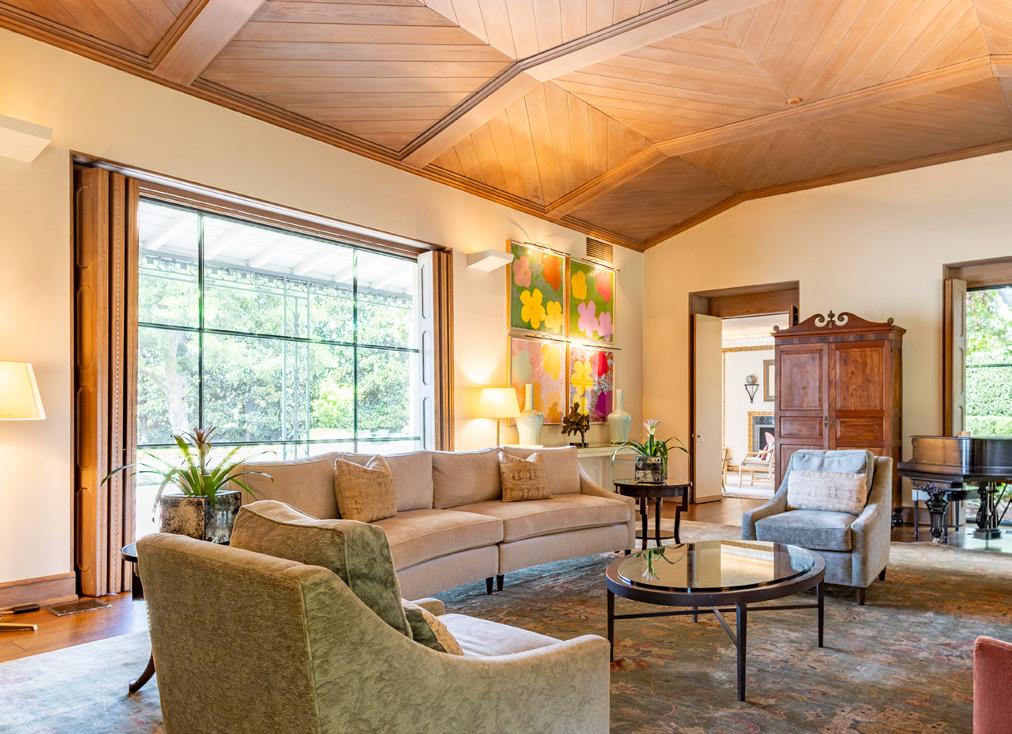
Camp House living room today.
Camp House first floor plan.
Camp House second floor plan.
Cultivating Calm
Where shade plants foster serenity
Anew garden is underway at the Dallas Arboretum. The Burgess Family Serenity Garden, a capital project within the footprint of A Woman’s Garden, is made possible with a gift from Pier and Glenn Burgess through the Women’s Council. For the Burgesses, this addition represents both a personal passion and a lasting contribution to the Arboretum’s future.
With a degree in landscape architecture from The Ohio State University, Pier Burgess, along with her husband Glenn, eagerly identified the space for their namesake garden, and she explains the vision for their garden this way:
“I envision the Burgess Family Serenity Garden as a peaceful, therapeutic landscape designed to engage the senses and cultivate a profound sense of calm. Through features like serene water views, fragrant plantings, and comfortable seating, it will offer visitors a personal retreat – a hidden room nestled under a forest canopy – where they can connect with nature and find solace from the outside world. Imagine entering this space, seeing the water, smelling the moisture in the air, and observing the deep and varied array of Hosta flowers and plants artfully arranged to create a truly immersive experience.”
The landscape design for the garden will feature layered plantings in shades of green that flourish within the Arboretum’s wooded sections and shaded pockets underneath a canopy of mature trees. Hostas, ferns, and hydrangeas will provide variety and contrast, reinforcing the garden’s serene atmosphere. The Hosta, the featured plant in this garden, symbolizes friendship, devotion, calmness, tranquility, and strength. Its long-lived, low-maintenance nature makes it a symbol for enduring friendships, while its lush, shade-loving foliage represents
peace and resilience in adversity. The Hosta’s delicate flowers also symbolize love and devotion. These virtues and attributes are symbolic of all the women dedicated to the love and care of A Woman’s Garden.
Linda Spina, a representative of the Women’s Council, reflects on just how aptly named this new garden is. “Pier and Glenn were captivated by an undeveloped area in A Woman’s Garden that was planned as a cloister or meditative space. It is dominated by a woodland canopy, and we look forward to all the shade-tolerant plantings that will be there.”
The addition to the Dallas Arboretum reflects the four pillars of its strategic plan—Environment, Excellence, Engagement, and Experience. Rooted in Environment, the design, which includes an ADA-compliant walkway offering access to all visitors, highlights shade-tolerant plantings that foster ecological stewardship. The thoughtful layout demonstrates Excellence in landscape architecture, blending horticultural artistry with timeless design principles to create a garden that will mature beautifully over the decades.
Equally important, notes Dallas Arboretum President/CEO Sabina Carr, the garden strengthens Engagement by offering a meaningful connection between donors, visitors, and the Arboretum’s mission.
“This will be a space that invites reflection, fosters learning about plants suited to shaded environments, and deepens appreciation for green spaces. It will also enrich the overall Experience of the Arboretum by creating an intimate, serene retreat that complements the vibrancy of our larger, more expansive displays.”
Rendering of the Burgess Family Serenity Garden project by landscape architect Warren Hill Johnson.
DONORS AND SPONSORS
Member Spotlight: Alex and Clay Sutherland
Though members Alex and Clay Sutherland have been bringing their family to the Dallas Arboretum since their children were born, Alex’s memories of the garden date to her own childhood attending summer camps at the Arboretum, which she describes as “magical.” Now a mother of two, Alex wants to recreate those memories for her two young girls.
“I knew I wanted the Arboretum to be a regular part of their childhood,” Alex says. “There aren’t many places in DFW where kids can be outside and explore. The Arboretum is a sanctuary for moms of young kids trying to encourage outdoor, exploratory play.”
One of the Sutherlands’ favorite parts of membership is Early Morning Member Walks, particularly during autumn. On those special mornings, members can enjoy the garden’s beauty in the quiet hours before it opens to the public. Alex urges others to take advantage of the morning strolls because she says it feels
like having the entire Arboretum to themselves. She also enjoys picnics in the Margaret Elizabeth Jonsson Color Garden with other mom friends.
“We watch our little ones play in the grass and catch up with one another,” she says.
The family also loves the Arboretum’s Cool Thursdays Concert Series. “It’s always fun to picnic and enjoy good music,” Alex says, “especially when the girls start dancing and having fun on the grass.”
For the Sutherland family, membership is about more than free admission and concerts—it is about nurturing a love of nature. By sharing the experience with their two daughters, they are helping sow the seeds of the Arboretum’s future. Each visit strengthens a multigenerational bond, ensuring that the joy they feel today will continue to grow in their family for years to come.
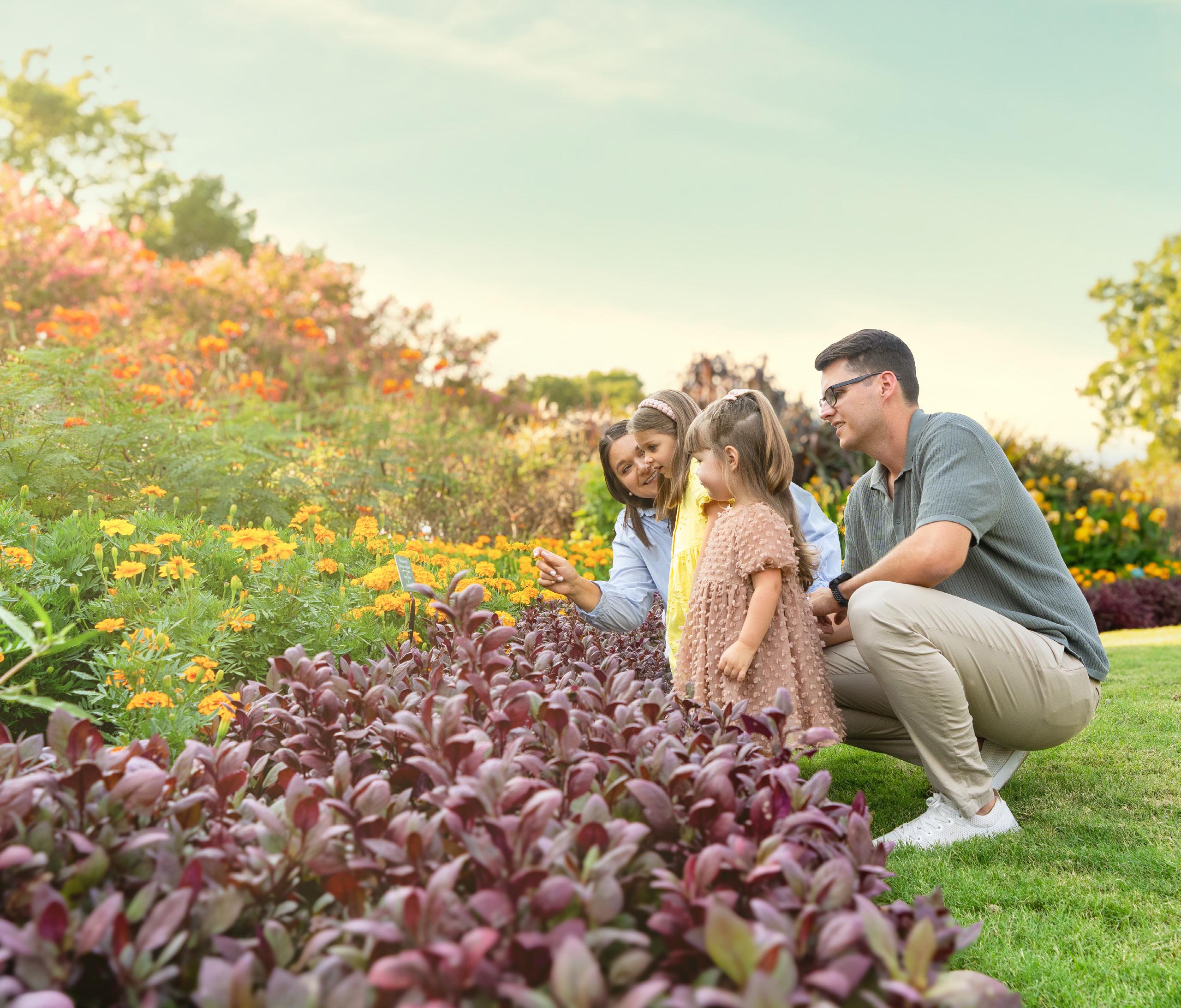
Alex and Clay Sutherland with their daughters.
LOVE BLOOMS
The Foundation of Springtime Magic
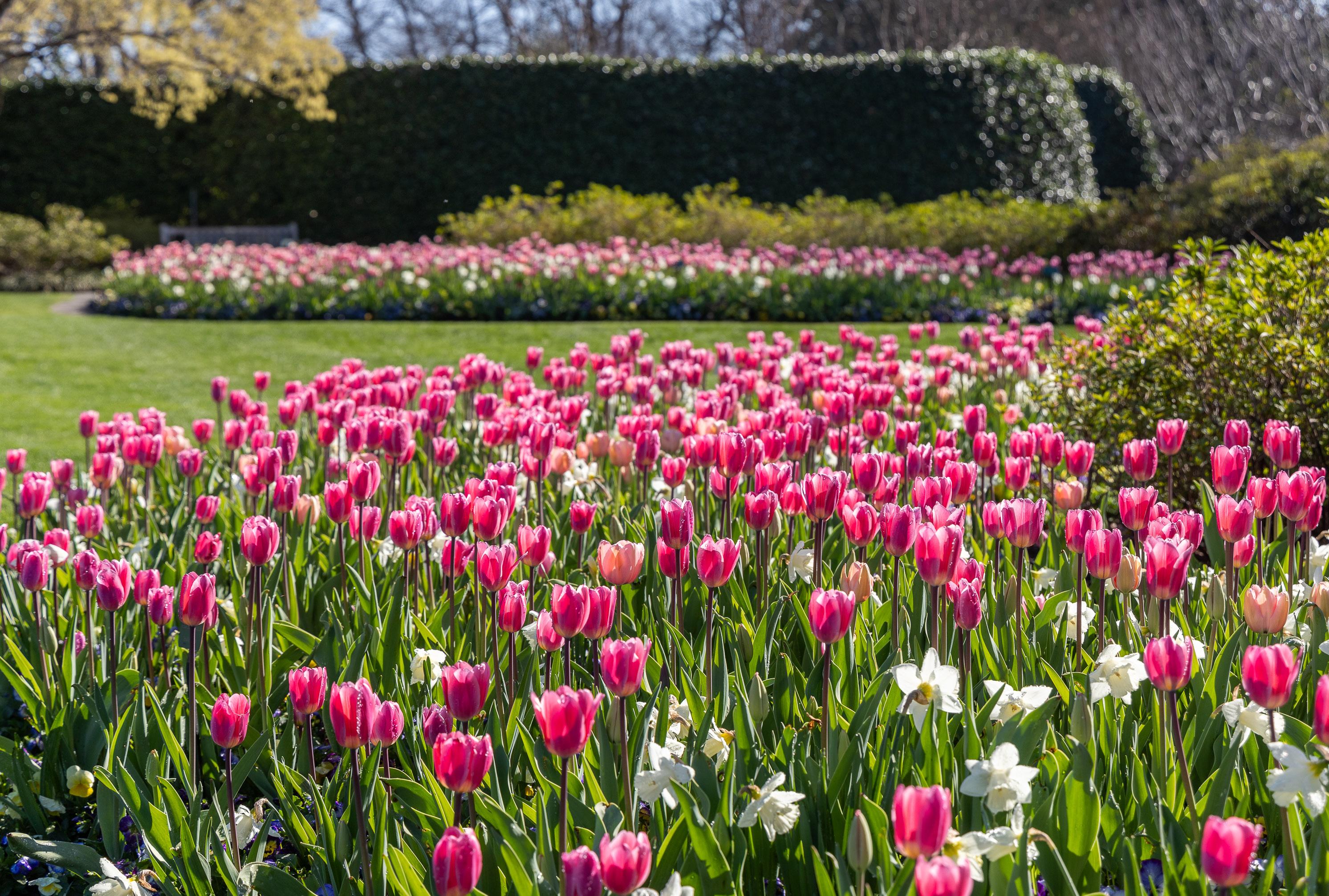
Sweeping views of tulips fill the garden each spring.
DUSTIN MILLER AND MAUREEN GUTIERREZ
Each year, just as winter sighs its last breath, the Dallas Arboretum erupts into a spectacle of color that can only be described as breathtaking. Dallas Blooms, the Southwest’s largest floral festival, returns in full splendor, an ever-evolving masterpiece made not of oil or canvas, but of sunshine, soil and nearly half a million spring bulbs.
THE ART (AND SCIENCE) OF THE BLOOM
Behind every photo-worthy moment at Dallas Blooms is a master plan in motion. Beginning in early December, teams of horticulturists plant over 500,000 spring bulbs, a mix of tulips, hyacinths, daffodils, crocus, muscari, allium, fritillaria and more, all layered with precision and care. Each bulb is nestled six to eight inches deep and topped with a vibrant cover crop of pansies to ensure the garden is beautiful long before the bulbs awaken.
Carefully chosen varieties stagger the bloom times, from the early risers like crocus and daffodils to the late-season grand finale of over 110 varieties of tulips. Together, they create an ever-changing tapestry of color over six glorious weeks.
To keep things perfectly timed, the bulbs spend their early winter chill-out session in a refrigerated trailer, simulating the cold dormancy they would experience in the wild. It is all part of what makes Dallas Blooms more than just a flower show. It is truly a feat of gardening—and it is never the same twice.
Each week brings new waves of color and surprise, as early varieties give way to mid-season stars, and fresh combinations of height, texture and tone unfold across the landscape. The effect makes return visits just as spectacular as the first. It is the perfect season to maximize your membership, whether you’re photographing tulips one weekend or strolling beneath cherry blossoms the next.
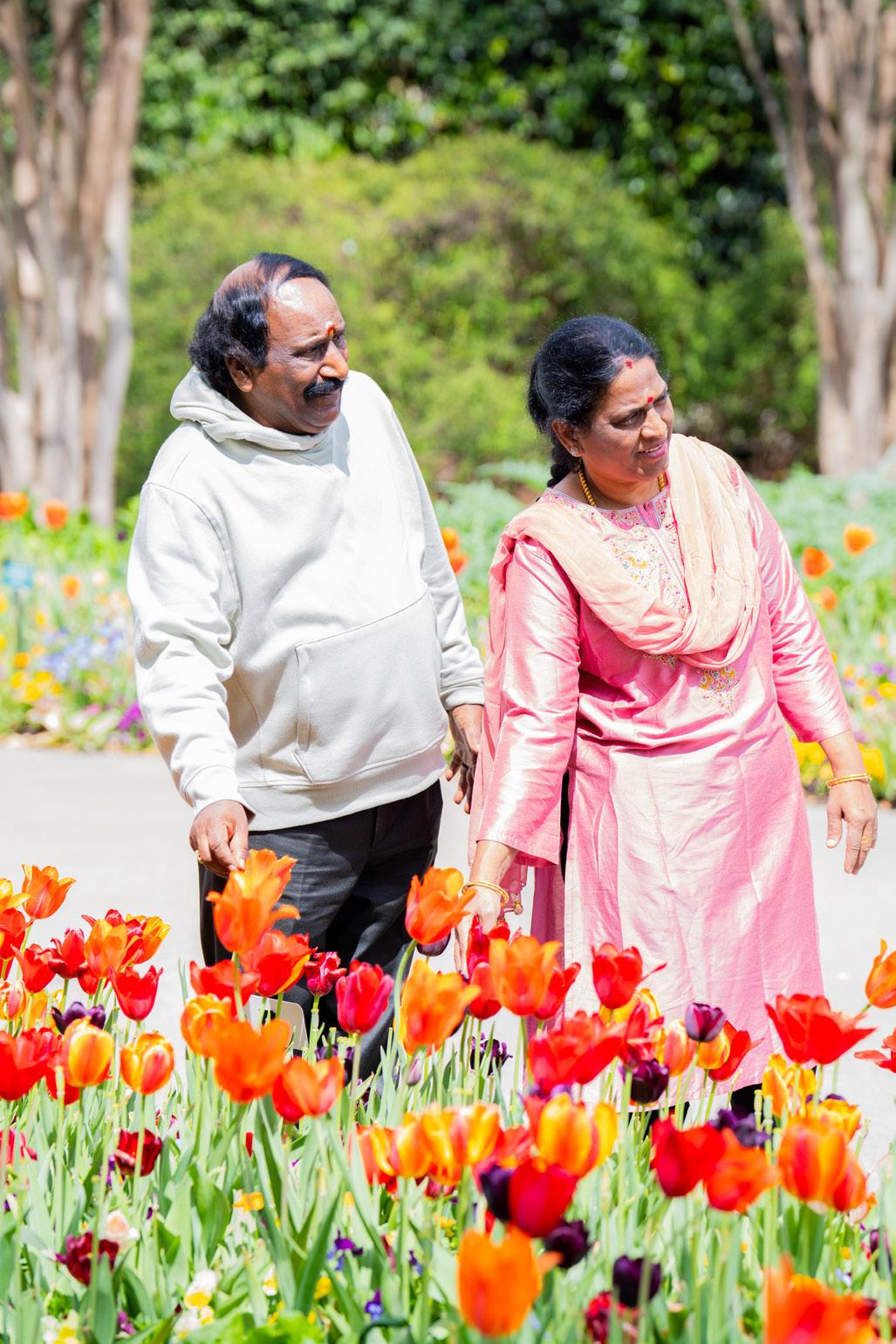
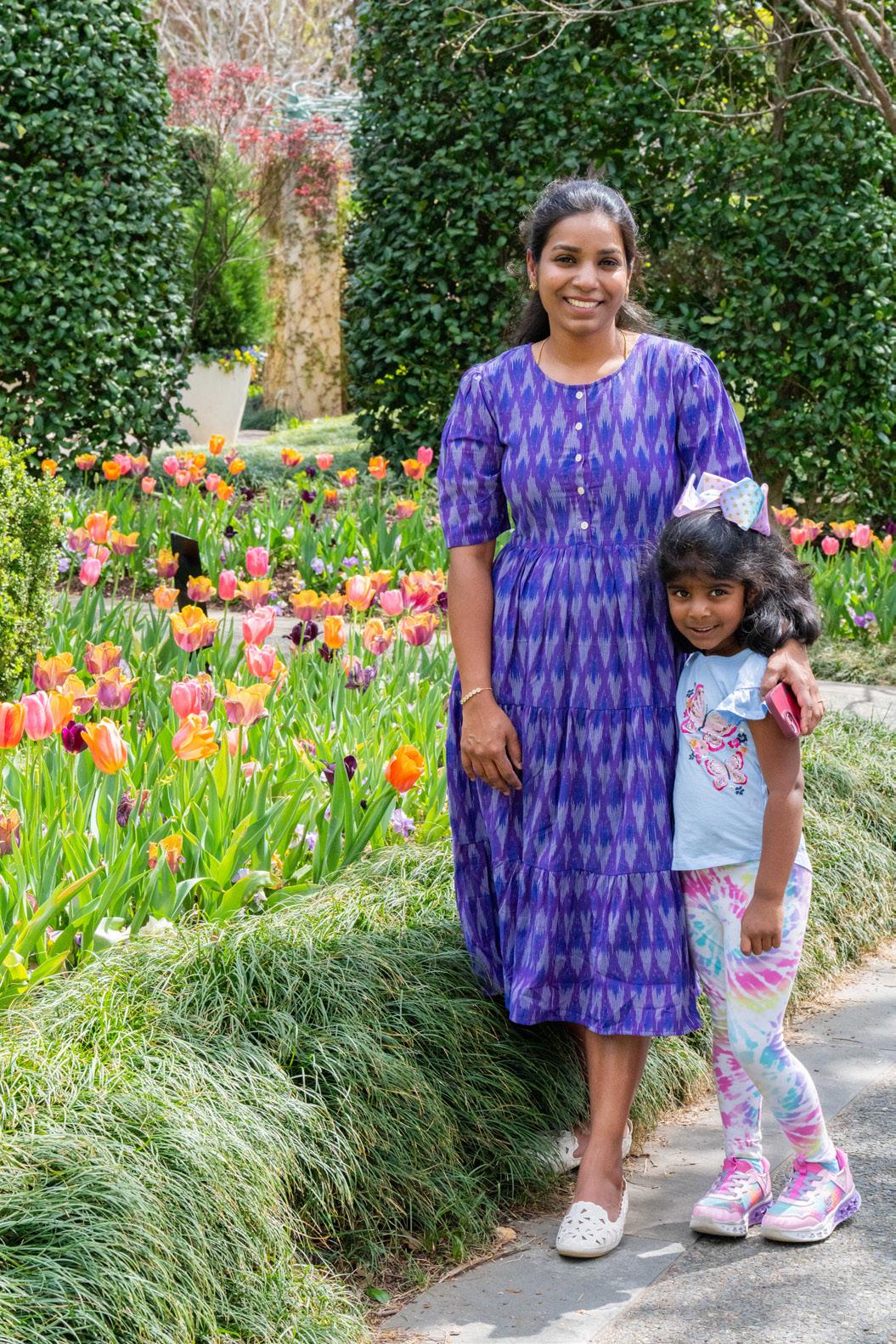
Tulip season is made for two.
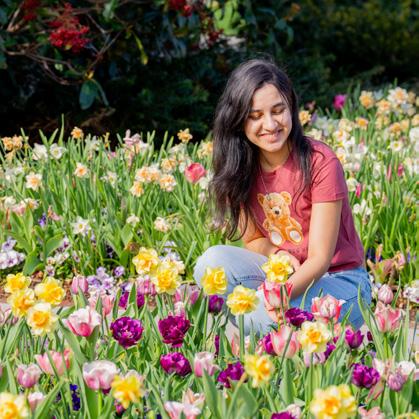
Spring memories start here.
INSIDE THE ORCHID HOUSE: A NEW CHAPTER IN DALLAS BLOOMS
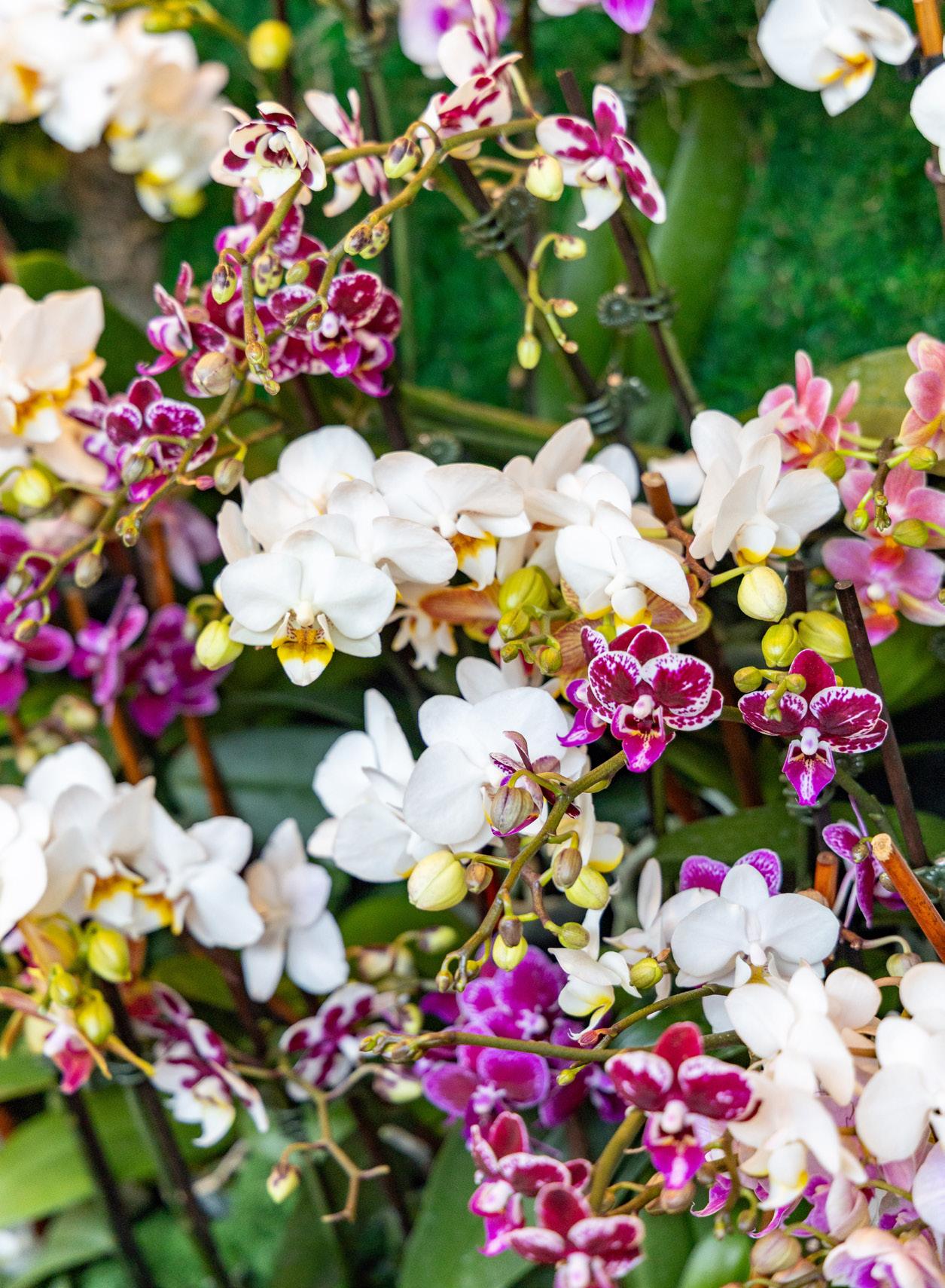
This spring, the beauty does not stop at the garden gate. Step inside the historic DeGolyer House and be transported to another world: the Arboretum’s inaugural full-scale Orchid Show. Here, fragrant Phalaenopsis and sculptural Dendrobiums take center stage in a theatrical fusion of floral and form.
“Designing the Dallas Arboretum’s first full-blown Orchid Show inside the historic DeGolyer House has been a rare opportunity to bring avant-garde design into dialogue with timeless architecture,” shares exhibit designer Michael Hamilton. “My approach emphasizes high style and intentional juxtaposition, pairing the natural elegance of orchids with bold, unexpected design elements that reimagine how guests experience beauty in this iconic space.”
The orchids themselves are just as fascinating as the setting. In their natural environment, most are epiphytes, meaning they grow on trees rather than in soil. Their silver, air-loving roots absorb moisture directly from the air, and their dazzling array of colors and forms offer a striking contrast to the classic furniture and architecture of the DeGolyer House. The result is a lush, sensory-forward experience that blurs the line between botany and art.
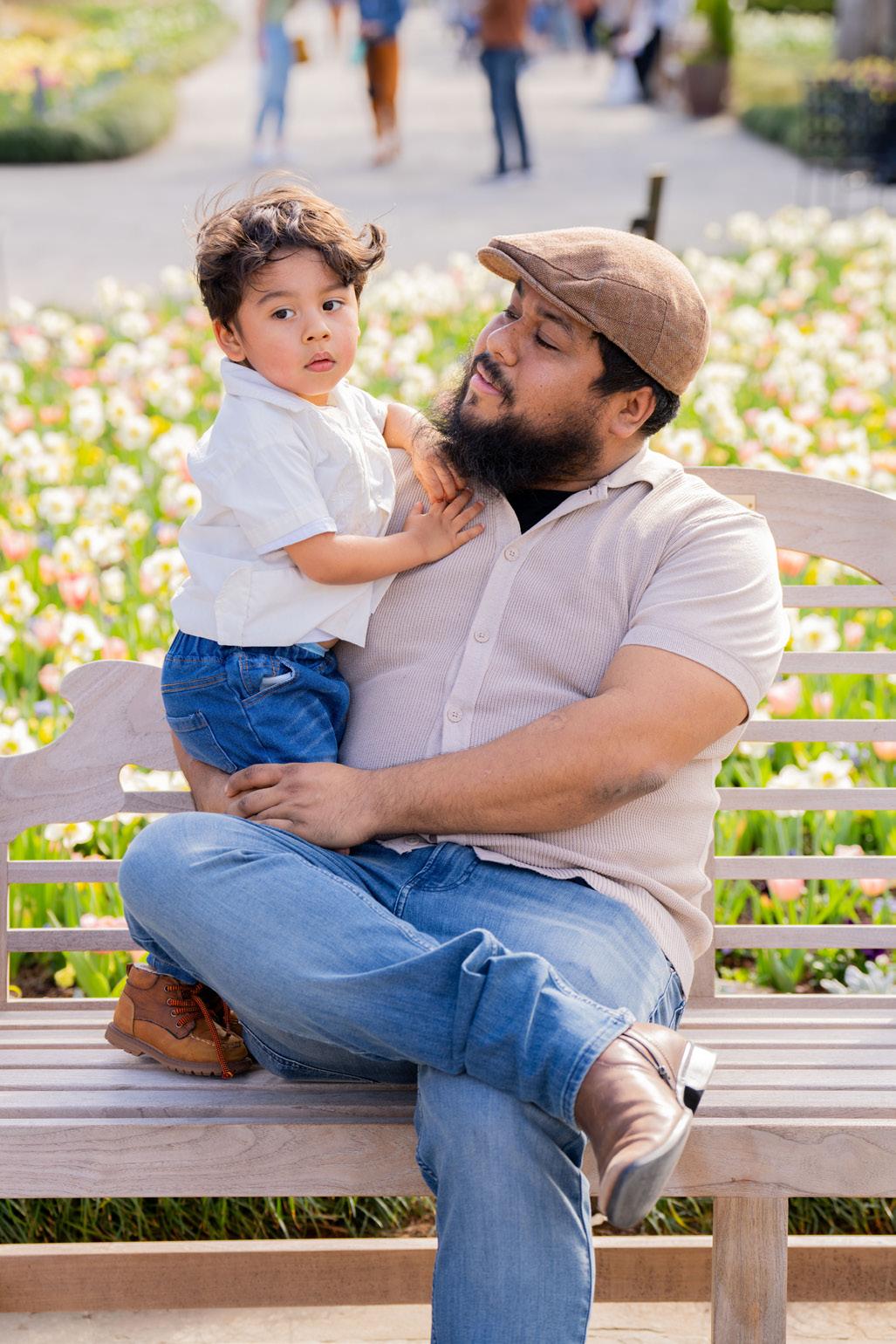
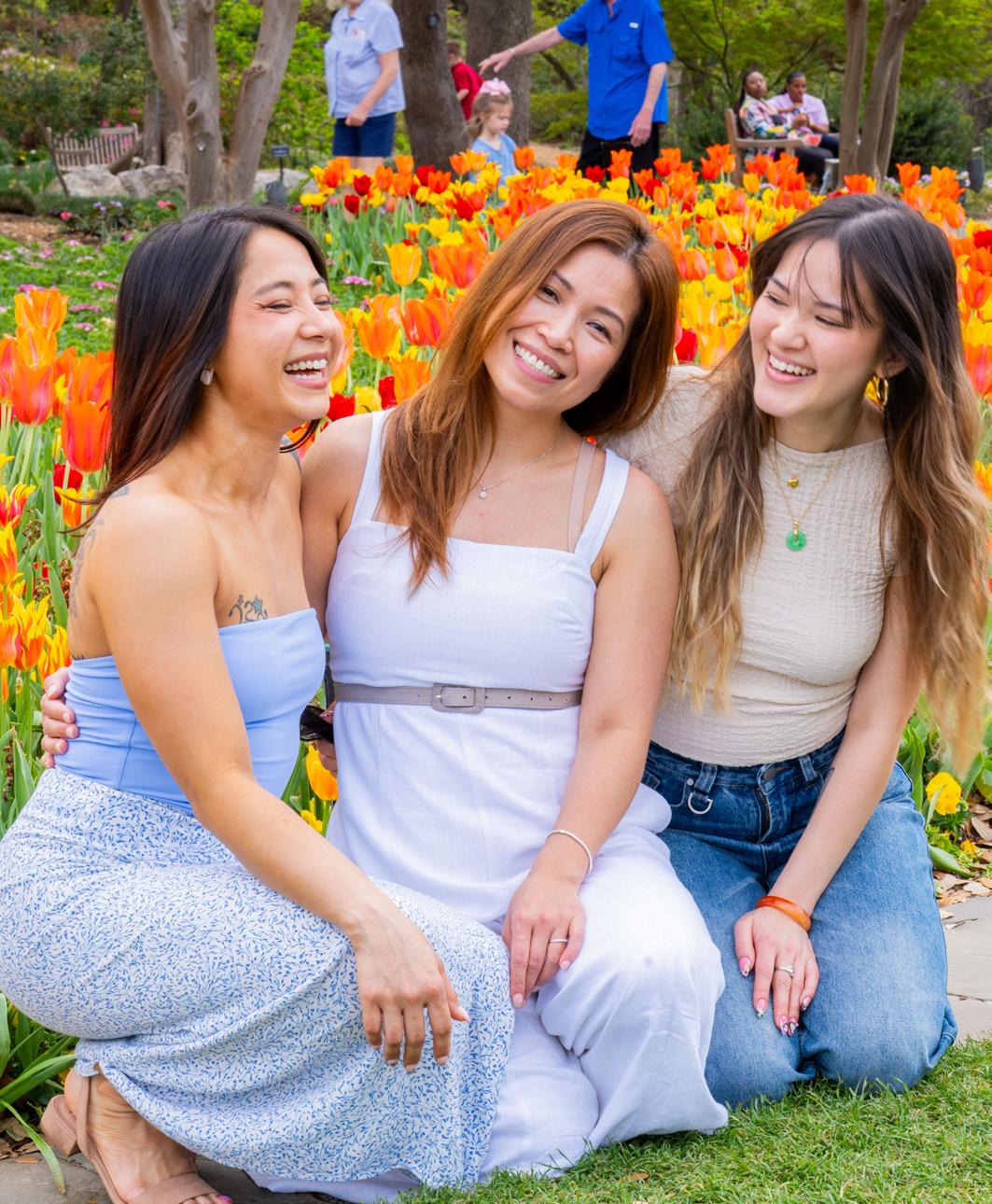
Little moments grow big memories.
Spring blooms are best shared.
The DeGolyer House blooms anew with the Arboretum’s first Orchid Show.
WHERE MEMORIES TAKE ROOT
From family photos amidst the tulips to proposals beneath cascading cherry blossoms, the true magic of Dallas Blooms is how it brings people together. The flowerbeds may be the stage, but it is the memories made here that linger.
Every photo snapped, picnic shared and expression of wonder from a first-time guest are moments that define Dallas Blooms. For many, these moments are now traditions passed down, year after year.
As the tulips fade, the Dallas Blooms festival gives way to flowering cherry trees and a dazzling display of over 150,000 azaleas, carrying the color well into April. Thanks to the work of a dedicated horticulture team at the Tom and Phyllis McCasland Horticulture Center, over half a million annuals are grown and rotated throughout the seasons, ensuring that every visit to the Arboretum, no matter the month, is full of bloom.
Blooms by the Numbers
2026 marks the 41st annual Dallas Blooms festival
500,000 bulbs including 24 narcissus, 12 hyacinth, 110 tulip varieties
500,000 annuals grown at the Tom and Phyllis McCasland Horticulture Center campus
3,000 azaleas
130 flowering cherry trees
National Geographic named the Dallas Arboretum among the “Top ten best places to see cherry blossoms”
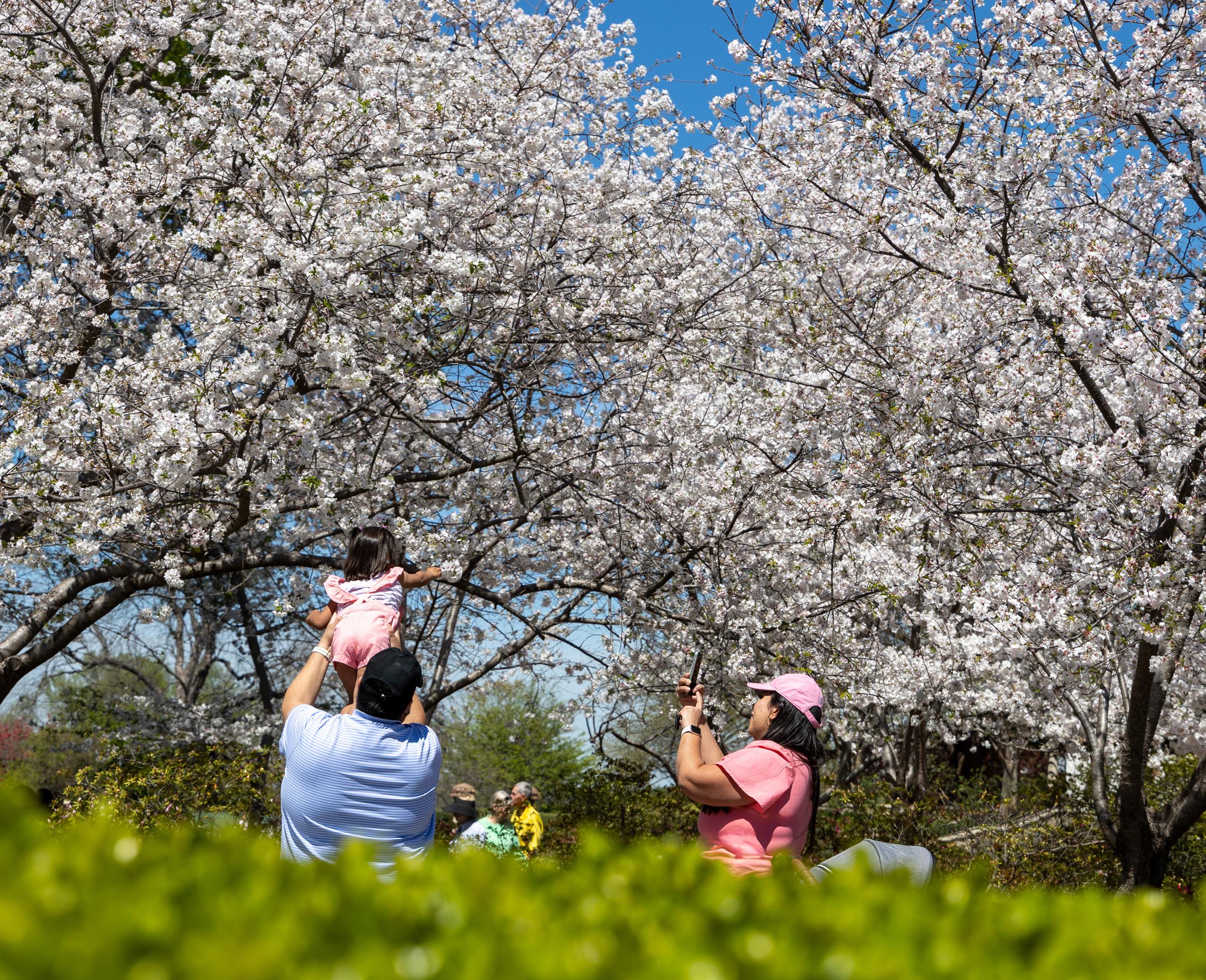
Like big puffy clouds you can touch, Yoshino cherry trees create a breathtaking display.
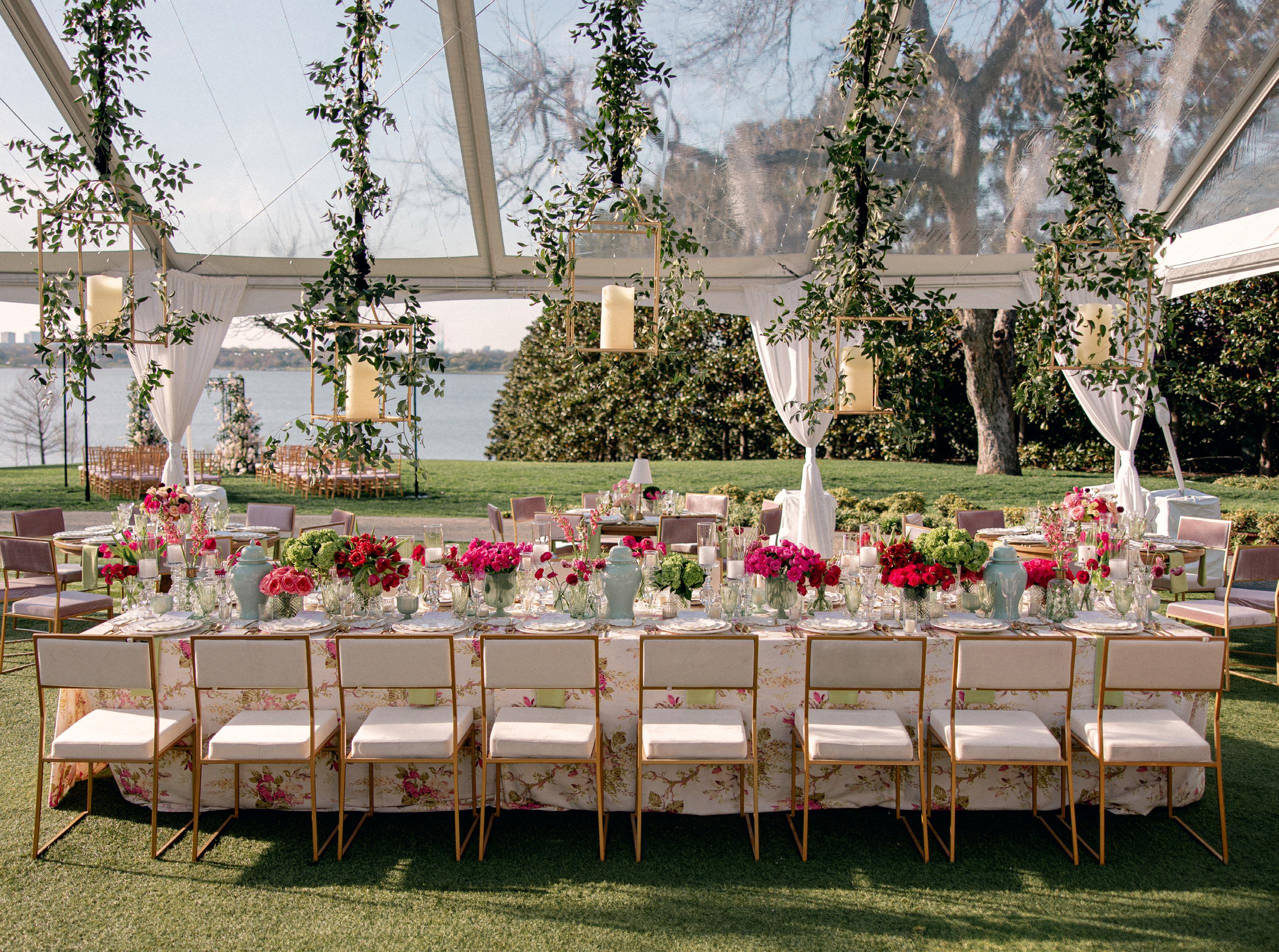
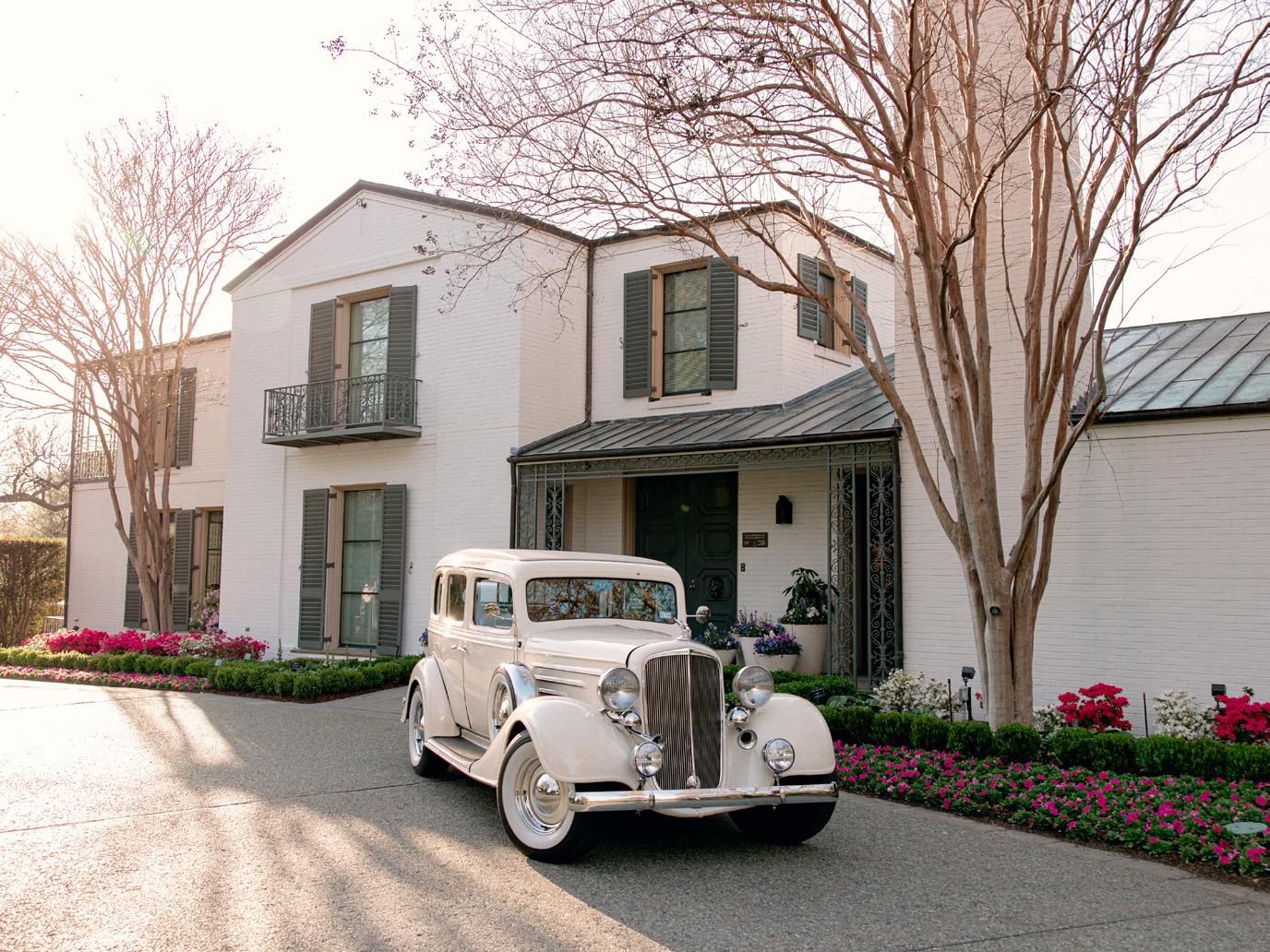
The Camp House Lawn offers a picturesque setting for lakeside weddings. Photo by Molly Murphy Photography.
Entry to the historic camp house. Photo by Molly Murphy Photography.
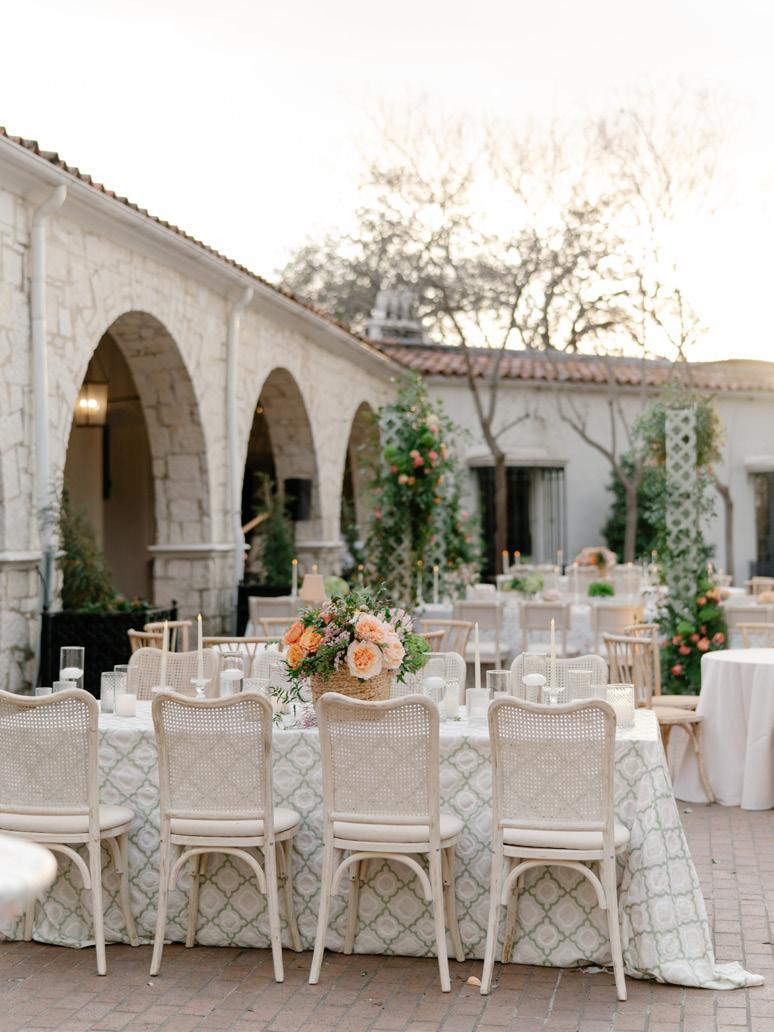
Elegant receptions come to life on the DeGolyer Loggia.
Photo by Stephanie Brazzle.
FROM BLOSSOMS TO MEMORIES THAT BLOOM FOREVER
Love is always in season at the Dallas Arboretum. Engagements do not follow a calendar but unfold beneath the soft pastels of spring, the golden hues of autumn and even the gentle stillness and bright blue skies of winter. It is not uncommon to witness a quiet proposal, hidden in plain sight amidst the splendor of the Arboretum’s pictureperfect gardens.
Members return each year to celebrate their engagement anniversaries, share a picnic beneath the wisteria-covered walkways of A Woman’s Garden, or recreate treasured memories with photographs along the path of Crape Myrtle Allee. Each visit is a chapter in lifelong love stories, set against captivating backdrops.
Another cherished tradition is Afternoon Tea in the DeGolyer Tea Room, a timeless ritual where generations gather. Grandmothers, mothers, daughters and granddaughters come dressed in their Sunday best, sipping tea, sharing stories and weaving new memories into their family legacy.
A SANCTUARY FOR LOVE AND LIFE’S MILESTONES
With over 300 weddings each year, the Dallas Arboretum has become known as Texas’s most romantic and picturesque wedding venue. The gardens have graced the pages of D Weddings, Wed Society and The Knot, capturing the essence of fairytale unions beneath canopies of blooming beauty.
Many couples are drawn to the Arboretum not only for its breathtaking scenery but also its tradition, choosing to wed in the same garden where their parents exchanged vows. The passing down of memories from one generation to the next makes the Arboretum treasured space.
AN INVITATION TO ENCHANTMENT: THE SPRING WEDDING SHOWCASE
If you have ever dreamt of saying “I do” among tulips, roses and fountains, attend the Arboretum’s Spring Wedding Showcase on Tuesday, April 7, 2026.
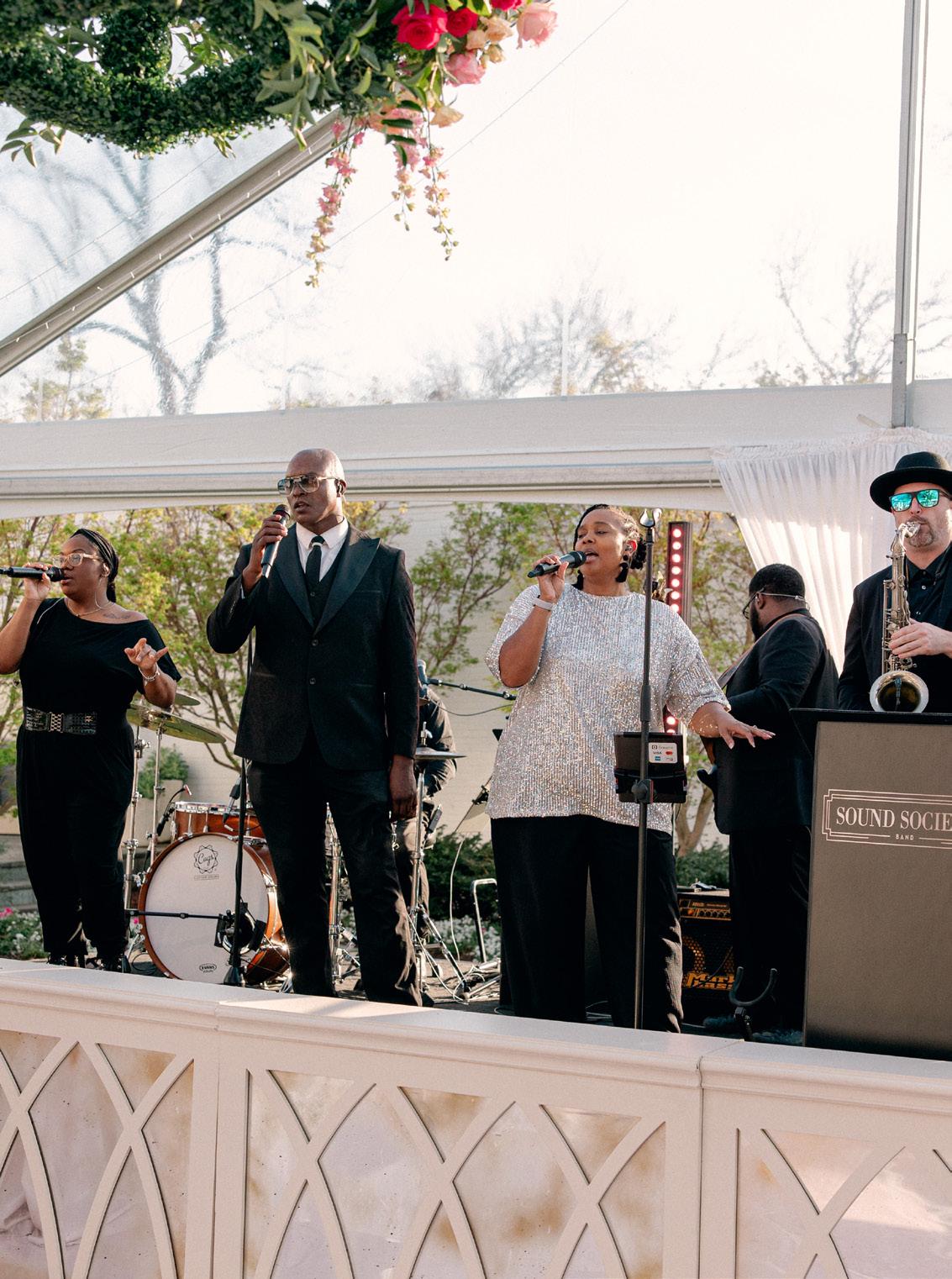
During this evening event, each of the garden’s bookable venues will be beautifully adorned with floral and décor upgrades. Handselected caterers will offer samples of their culinary creations, and live music will float through the air providing a glimpse into the many possibilities. Come, walk through the gardens and imagine your special day!
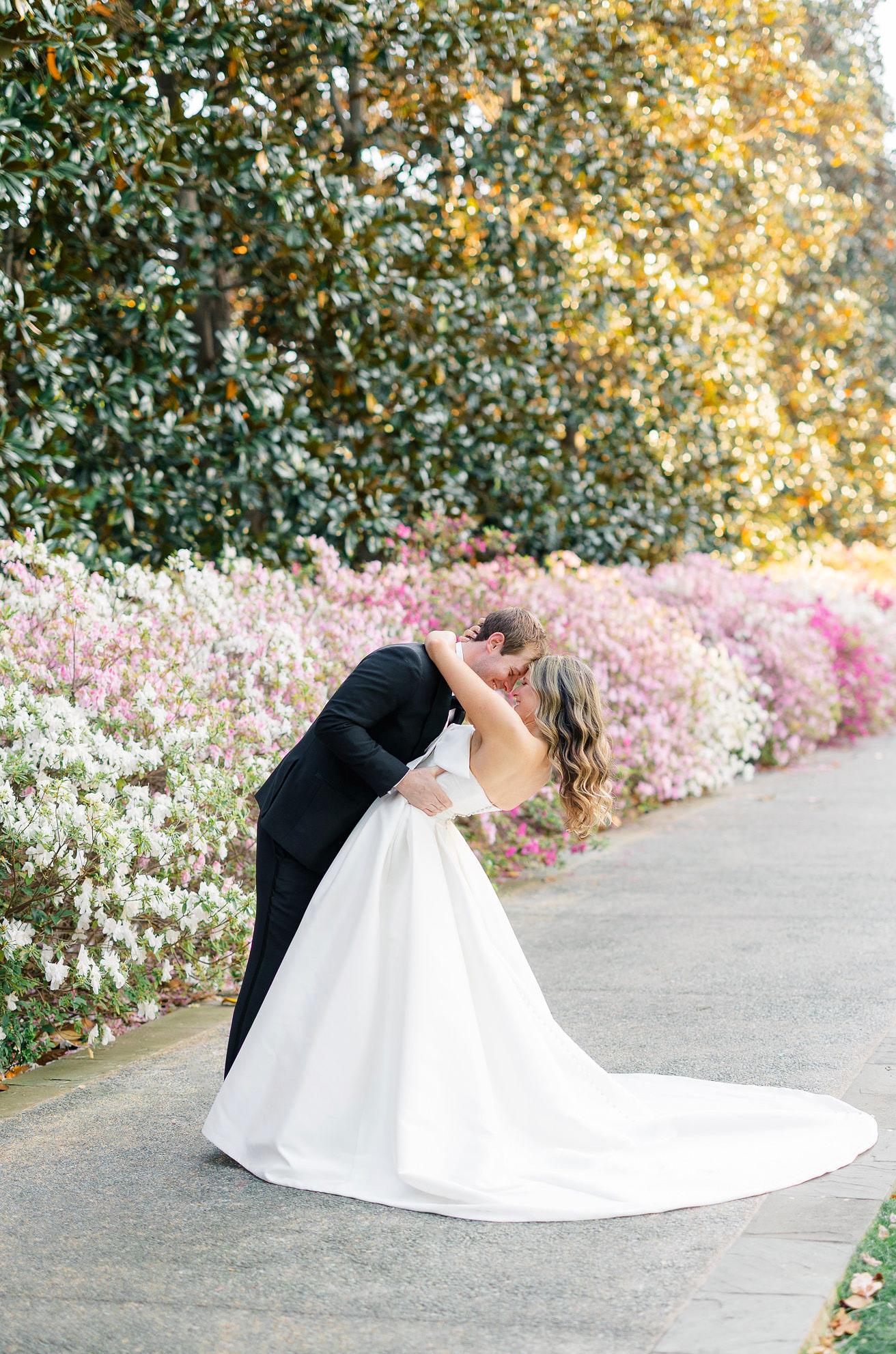
The azalea wall bursts with color for a perfect spring wedding moment.
Photo by Foxbelle Weddings
Discover Dallas-Fort Worth’s top wedding vendors at the Wedding Showcase.
Spring azaleas frame a beautiful moment in Palmer Fern Dell.
Photo by Braden Harris.
Donors and Sponsors
From May 1 - August 31, 2025
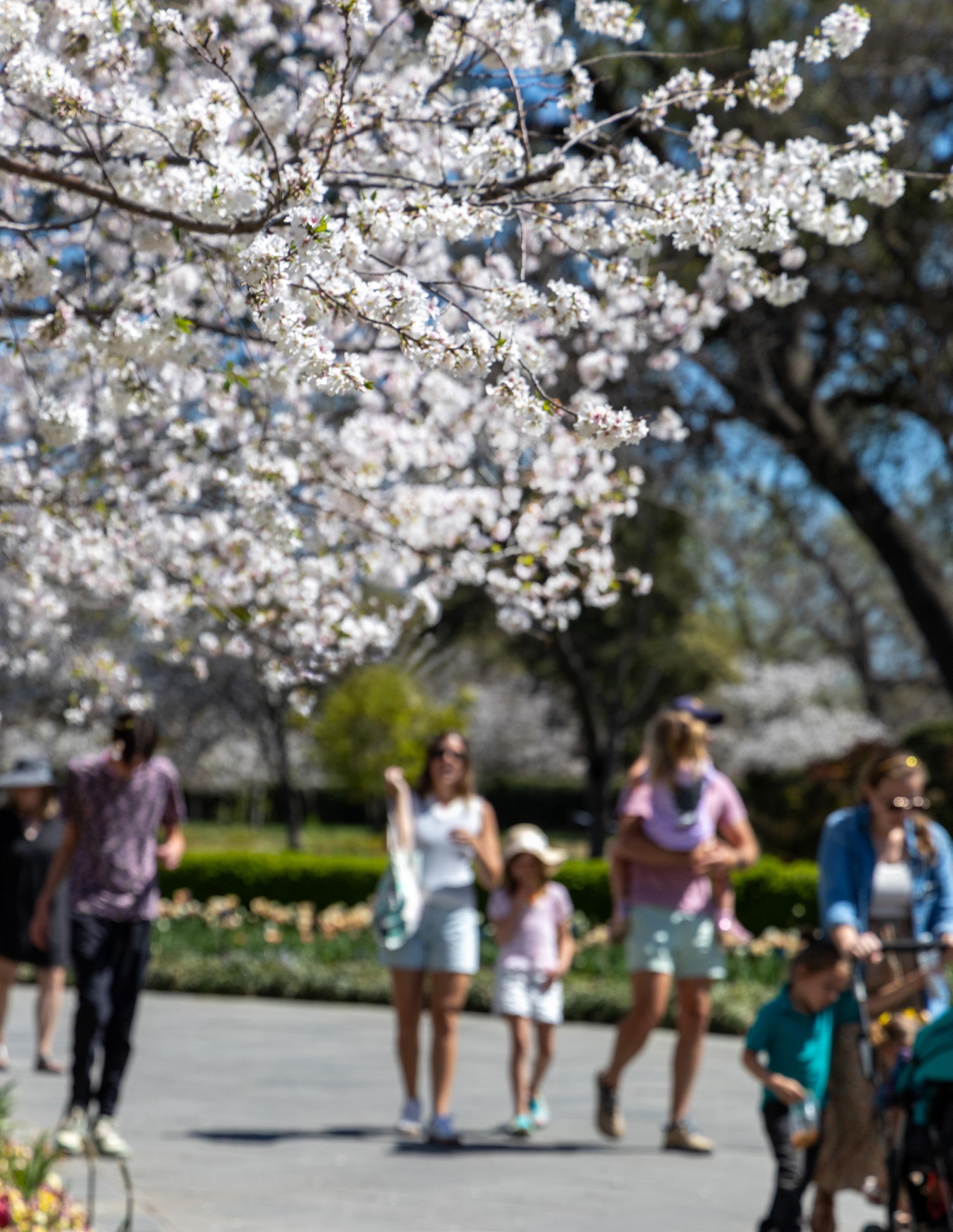
Guests stroll by the Yoshino cherry trees in peak bloom.
THANK YOU!
Donations and sponsorships are meaningful ways to maintain the Dallas Arboretum and promote research and education. The Dallas Arboretum extends its gratitude to these generous sponsors for supporting the mission to be a garden for all.
Dallas Southwest Osteopathic Physicians
$100,000+
Reliant
$50,000 - $99,000
HilltopSecurities, Inc.
The M.R. & Evelyn Hudson Foundation
$25,000 - $49,999
Melinda and Steve Winn
$10,000 - $24,999
Susie and John Adams
President and Mrs. George W. Bush
Joe Buskuhl
CFP Foundation
Maureen and Robert Decherd
The Dodson Foundation, Inc.
Pat and Bob Dryden
Golden Rule Family Foundation
Susie and Louis Gregory
Margaret and Doyle Hartman
Linda Harvey
Clyde C. Jackson, Jr.
Jan and Chuck Jarvie
Junior League of Dallas, Inc.
Eileen and Chris Kendall
Gayle and Bryan McCrory
McDonald’s of North Texas
Pegasus Bank
Ilene Phillips
Kim and Walter Priddy
Heather Bryce and William Rogers
Debbie and Brian Shivers
Mary Silva
Tim Wallace
$5,000 - $9,999
ADP
Terri Boyd and Mike Frank
Carole L. Braden
The Bruning Foundation
Sarah B. Coffman
Doyle & Associates
Dallas Mavericks
The Honorable Susan E. Jelen
Kama Boswell Koudelka
Holly and Tom Mayer
The Murrell Foundation
Payne Mitchell Ramsey Law Group
Chris and Starr Pitzer
The Priscilla Endicott Charitable Foundation
Betty and Stephen Suellentrop
Greg Swalwell and Terry Connor
Weaver Foundation
West Monroe
$2,000 - $4,999
Jill Bee and Dr. Loren Glasser
Blanche Mary Taxis Foundation
Drs. Sara and Jackie Burke
Connie and Kirk Campbell
Catherine A. Corrigan
Erin and Michael Covert
Betty and Carter Creech
Lorna Crocker and Donald Spies
Patricia Crocker
Dodee and Billy Crockett
Elizabeth and Carl Cross
DebnamRust, P.C.
Judy Dodson
Kathy and Tim Eller
Please scan to learn more and donate.
DONORS AND SPONSORS
Caroline Wray Fox and Daniel Fox
Amanda and Mark Francis
Judy and Jim Gibbs
Michelle and Tom Harris
Kathy and Larry Helm
Rick Hubbard
Carol and Bill Huckin
Mark Hutchinson
IRRI TECH, LLC
Francie and Lance Johnsen
Charles Jones
Cindy and Kurt Kalkomey
Kathy and Kevin Korioth
Lira Bravo Law, LLC
Robbi Luxbacher and Steve Alaniz
Myron K. Martin
Ellen McStay
Ruth O’Donnell Mutch
Dan E. Patterson
Vicki and Warren Petersen
Proven Winners North America LLC
Holly Reed
Peggy and Leonard Riggs
Marty Rumble and Mary Lynn Vaughan
Jane Shea
Madeleine and Doug Smith
Linda and Frank Spina
United Way of Metropolitan Dallas
Sherrie and Anthony Varrichio
ViiV Healthcare
Woodlake Outdoor
Jan and Gerry Worrall
Norma Jean and Gerald Worrall
This listing represents annual gifts and sponsorship contributions over $2,000.
Cool Thursdays 2026
Bringing music from across the decades to the garden
The 2026 Cool Thursdays Concert Series kicks off April 23 with Desperado-Eagles Tribute, followed by a lineup of returning favorites and exciting new acts that bring live music from every era to the Martin Rutchik Concert Stage and Lawn.
From the high-energy hits of Purple Madness The Prince Tribute Band to the classic sounds of Turnstiles-Billy Joel, guests can look forward to another season of live music at the Dallas Arboretum. New to the lineup this year are Always Adele Tribute Show, Blonde Ambition the Madonna Tribute, Life In Technicolor (Coldplay), and Bee Gees Gold The Tribute, offering something fresh for longtime concertgoers and new guests alike.
Guests are invited to bring picnics or preorder from an expanded selection of food options. Beer and wine are available for purchase, or guests may bring their own for a $5 corkage fee per reservation. The price of admission also includes access to the garden before each concert, providing a beautiful way to begin the evening. Tickets will go on sale in early 2026.
Cool Thursdays Concert Lineup
April 23: Desperado–Eagles Tribute
April 30: Purple Madness The Prince Tribute Band
May 7: Absolute Queen
May 14: Hard Days Night (Beatles)
May 21: Always Adele Tribute Show New!
May 28: Fleetwood MAC–A Fleetwood MAC Tribute
June 4: Blonde Ambition the Madonna Tribute New!
June 11: Emerald City
September 17: Turnstiles–Billy Joel
September 24: Dancing Dream ABBA Tribute
October 1: Infinite Journey
October 8: Life In Technicolor (Coldplay) New!
October 15: Greggie and the Jets (Elton John Tribute)
October 22: RED–A Taylor Swift Tribute
October 29: Bee Gees Gold The Tribute New!
November 5: Emerald City
Accurate as of 10/27
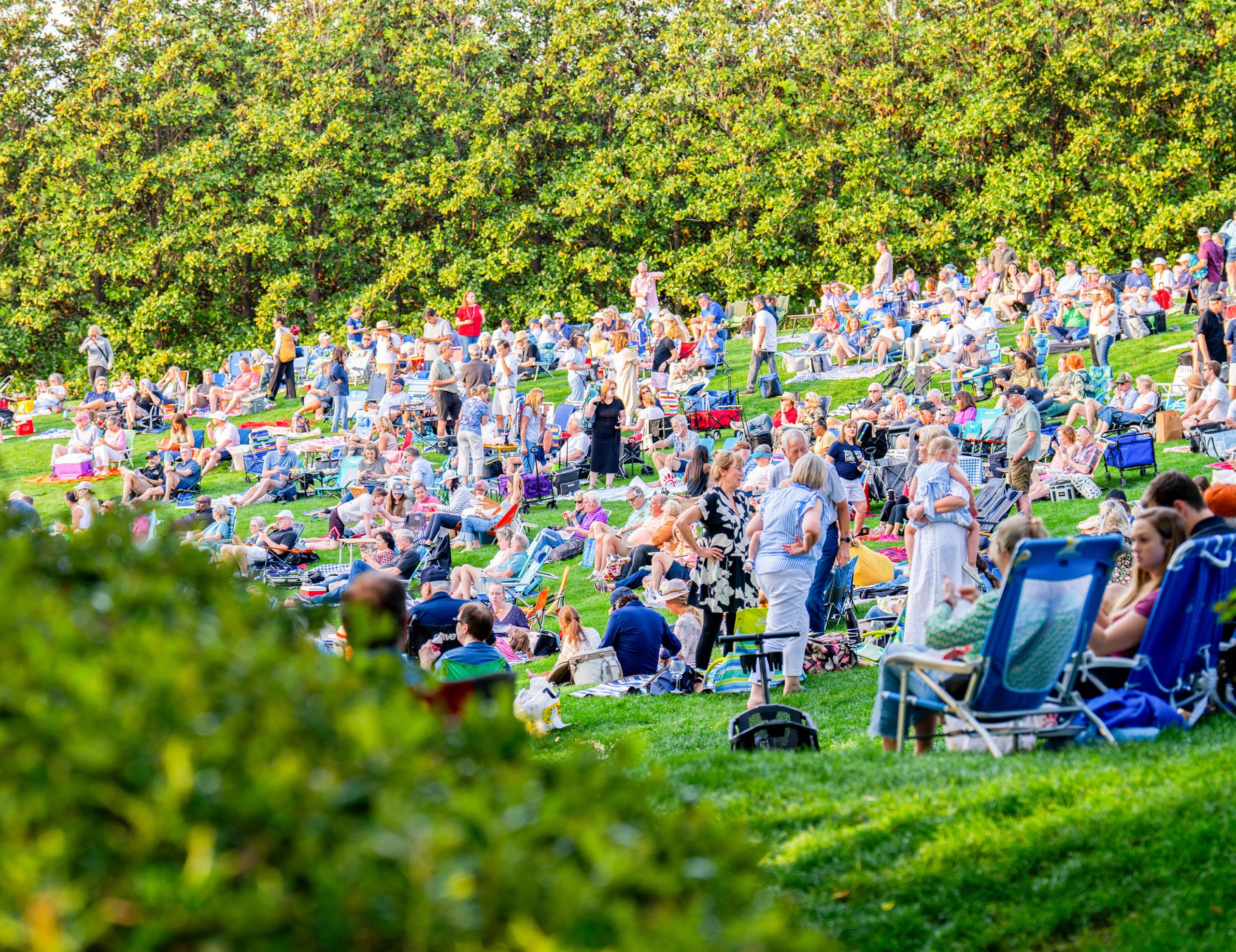
Cool Thursdays Concerts bring music and community to the garden.
Celebrate the Season!
DECEMBER
1, 8, 15 Dallas College Cooks, dish demonstrations with Chef Daniel Alvarenga, A Tasteful Place, 11 a.m.–12 p.m.
3, 7-8, 10, 12-17, 19-23 Holiday Dinner, featuring food stations and preselected courses to enjoy with clients, family or friends, DeGolyer House, 6 p.m., 7:30 p.m.
5-7, 12-14,19-21, 26-28 Garden Chef Series, with Chef Madison Larmeu, Tasting Pavilion, 11 a.m., 12 p.m., 1 p.m.
6, 13, 19, 20-21 Breakfast with Santa, festive breakfast, crafts, and photos with Santa, Rosine Hall, 9–11 a.m.
31 Noon Year’s Eve Celebration, hands-on STEM fun, a bubble dance party and flower ball drop at noon, Rory Meyers Children’s Adventure Garden, 10 a.m.–1 p.m.
JANUARY
2-4 Garden Chef Series, with Chef Madison Larmeu, Tasting Pavilion, 11 a.m., 12 p.m., 1 p.m.
5, 12, 19, 26 Dallas College Cooks, dish demonstrations with Chef Daniel Alvarenga, A Tasteful Place, 11 a.m.–12 p.m.
FEBRUARY
2, 9, 16, 23 Dallas College Cooks, dish demonstrations with Chef Daniel Alvarenga, A Tasteful Place, 11 a.m.–12 p.m.