
Date: 22/01/2026

Irish Independent Circulation: 61.034
Page: 14

Date: 22/01/2026
Irish Independent Circulation: 61.034
Page: 14
Beneathterminals isconveyorbelt networkthesizeof sevenGAApitches

Most passengersstop thinking about their luggage themoment it disappearsbehind the rubber flaps at check-in. What happensnext–whetherit makesthe flight,whereit goes,howit’scheckedandtracked–is largelyamystery
BehindthescenesatDublinAirport,a vast,constantlymovingsystemisworkingtomakesurebagsandpassengers arereunitedattheendoftheirjourneys
Inatypicalyear,theairportprocessesaround19millionpiecesofluggage acrossitstwoterminals.In2019,before Covid-19 broughtaviation to astandstill, 7.1million bags passed through thesystem.
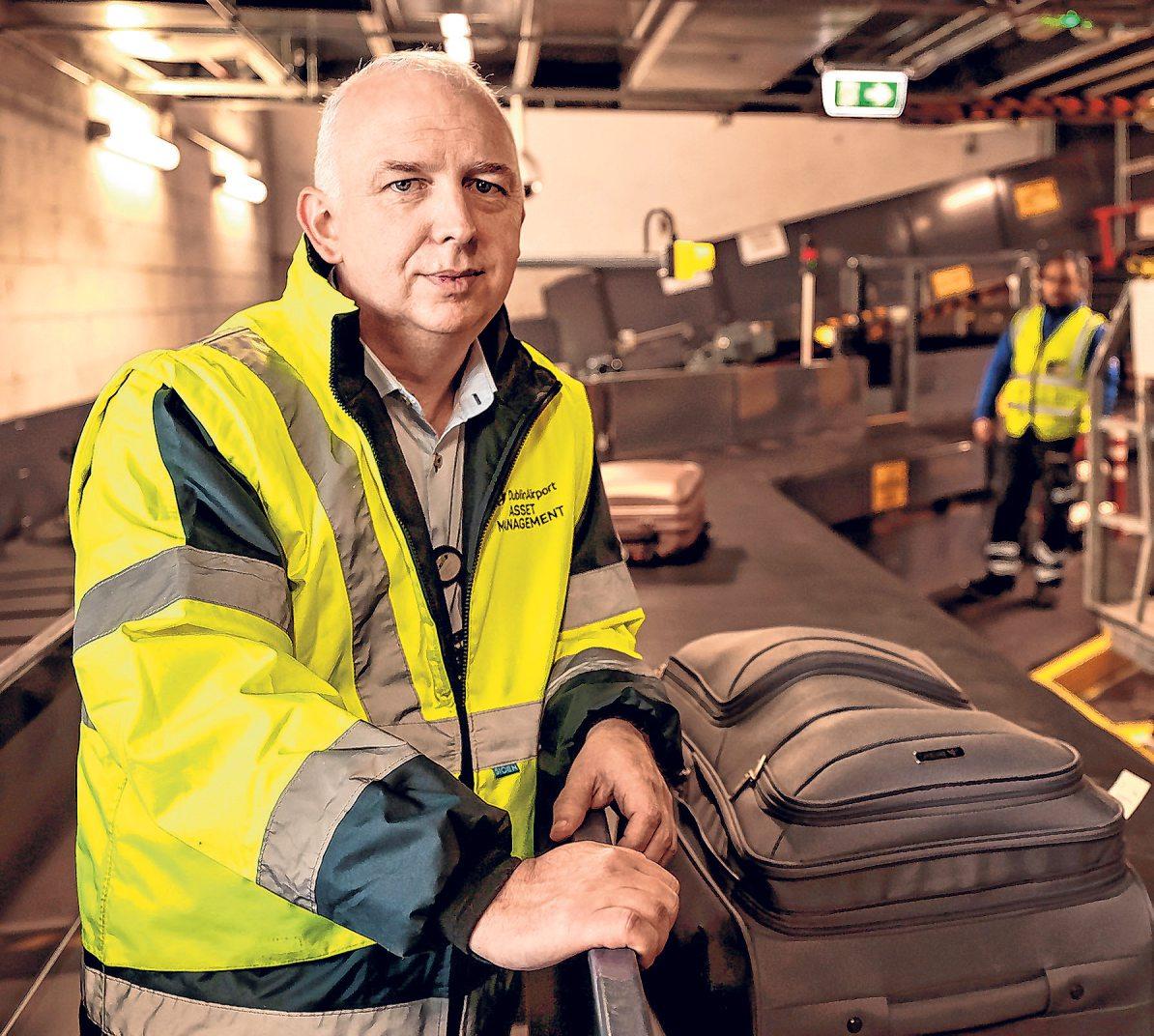
AtthecentreofitallisMarcBrennan DublinAirport’sheadofbaggage,who hasspent26yearsattheairport,25of themworkinginbaggageoperations.
Fromacontrolroomoverlookingthe conveyornetwork,histeammonitors everybag as it snakes through what MrBrennan describes as “a modern, complexsystemthatpeopleonlyever noticewhensomethinggoeswrong”
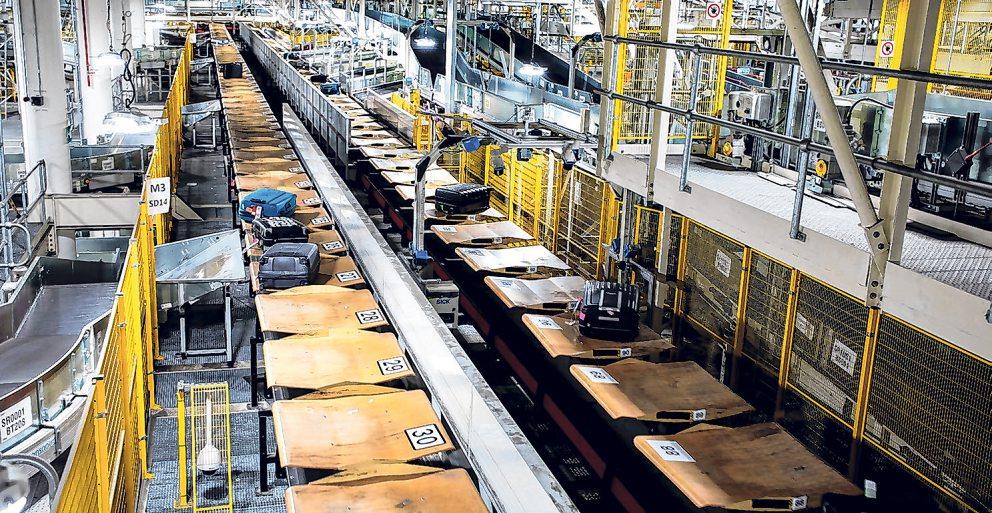
Thecurrentsystemwasinstalledat thebeginningofthepandemic,when theairportwasghostlyquiet.Ithasbeen inoperationsinceMay2023andcovers anareaequivalenttosevenGAApitches. InTerminal2alone,thebehind-thescenesbaggage hall covers an area spread across four floorsofconveyors,scannersandsortingequipment.
If the entirebaggage systemwere laidoutend-to-end,theconveyorbelts beneathDublinAirportwouldstretch for14kilometres
Duringavisittothebaggagecontrol room,MrBrennanexplainedthatthe biggestpriorityforhimand histeam isthroughputandflow.
“The mostimportant thing is that bagsaresafeandsecureastheymove
throughthesystem,butwe’realsoconstantlylooking at throughput –how many bagswecan handle andhow efficientlywecandoit,”hesaid.
HeexplainedtheCCTVmonitoring of theentiresystemand said that,on themid-JanuaryTuesdayonwhichwe spoke,about7,000bagswereintransit.
He also pointed out one of the activesortingmachinesinTerminal2,an automatedsystemconsistingofwoodentraytopsthattippedbagsintodifferentlocations.
Intheory,sectionsofthesystemcan processupto1,200bagsanhour
Inreality,MrBrennansaid,itiscloserto 950,oncevariables such as bag shape,weightandscreeningrequirementsarefactoredin.
“Arealoperationalmeasureforusis whatwecanhandlein15minutes,”he said.Thatisparticularlythecaseduringpeaktravelperiodsorwhenmajor sportingeventsaretakingplace.
WhenapassengeratDublinAirport checks in, theirbag is taggedwith a barcodeand10-digitnumber–thekey toeverythingthatfollows
Almostinstantly,theinformationis senttointernationalbaggagetracking systems,allowingthebagtobefollowed asittravelsthroughtheairport’sconveyors,sortersandscanners.
Lasersand cameras read the tag repeatedlyasthe bag movesthrough the system,recording everyturn and decisionpoint.
“Wecanseeeverypositionit’sbeen in,everyrightturnit’staken,andweget imagesofitaswell,”MrBrennansaid.
“If abag goes missing,that data becomesevidenceinhelpingtolocateit.
Thebag’sfirstmajorstopissecurity screening.Whatmost passengersdo notrealiseisthatcheckedbagsarenot X-rayedinthesamewayashandluggage Instead,theypassthroughexplosives detectionsystems.
Atthefirstlevel,about70pcofbags areautomaticallycleared bythe system’salgorithms.
Fortheremainingbags,imagesare sent to ascreening room beside the baggagehall,whereaspecialistsecurityscreeningcompanyreviewsthem indetail
Screenerscanrotateimages,examine layers andtakeadditional time if somethinglooksunusual.
“If they’re stillnot happy, the bag will stop at aspecific location in the systemanditcannotbetouched,”Mr Brennansaid.
“Atthat point, decision-making changes.Itgoesfrombeinganairport operationalissuetoinvolvingsecurity managementand,potentially,AnGarda Síochána.
He recalls arecent incident inTerminal2whereabagtriggeredaLevel5 securityresponse –the highestcategory.
Thebag,whichhadalreadypassed through check-in andinitialscreening,hadtobeleftinplace,around200 metresintothesystem,whilefurther procedureswerefollowedandanevacuationoftheairporttookplace.
“Thatwasachallengingday,”MrBrennan said. “Thereare ahugenumber ofprocessesthatkickintomakesure everythingissafeandsecure.”
Notallsecurityissuesarethatserious. ALevel4alert,forexample,mightbe triggeredbysomethinglikeawet-cell batteryoranunusualelectronicitem Inthosecases,thebagmayneedtobe openedforinspection
“We’vehadacollege skeletonfroma lab,whichraiseda feweyebrowswhen itappearedon theX-ray”
“If the bag is unlocked, it can be openedwithout the passengerpresent,”MrBrennan said. “Ifit’slocked, thatbecomesmorecomplicated.
Inatypicalyear,thousandsofbags requiresomeform of manual intervention, often forfarmoremundane reasons.Loosestraps,oversizedwheels andribbons tied to handles– acommonwaypassengerstrytoidentifytheir luggage–canallcauseproblems.
“The tag is absolutelycritical,”Mr Brennansaid.“Ifit’scoveredbyribbons orstraps,thescannerscan’treadit.That sends thebag formanualencoding, whichmeans it stays in the system longer.
Despitethis,DublinAirportstillhas oneofthelowest“in-system”timesin Europe
Overdecadesinbaggageoperations, MrBrennanhasseenalmosteverything passthroughthesystem.
“We’vehadprostheticlegsgothrough,” hesaid.“We’vehadacollegeskeleton fromalab–notarealone,thankfully –whichraisedafeweyebrowswhenit appearedontheX-ray.
“You’dseealotofmeat.Peoplecominghomewith rashersand sausages, coolerboxespackedforholidays.Ifit’s notpackedproperly,itcancauseissues.”
Somemomentsstandoutforentirely differentreasons
At the height of the Covid-19pandemic,MrBrennanstoodinTerminal 2onadaywhen only14bagspassed throughthesystem.
“Atanothertimeofyear,thatmight havebeen14,000,”hesaid.“Theplace wascompletelydead.
Attheotherextremearepeaksummerweekends, Christmas andbank holidays,whenthesystemisunderconstantpressure.
“Wehave15peopleondutyatanyone time,24/7,”MrBrennansaid.
Around €200m has been spent upgradingsystems,includingreplacingmuchoftheolderTerminal1equipmentwithmodernglass-basedconveyors,andintroducingnewlocationand trackingtechnology.
On arrival, the averagetime from aircraft stand to the first bag appearing on the carousel is around 18 minutes.TheEuropeanaverageis40.
Despitethescaleandcomplexityof the operation, MrBrennansaid DublinAirport’srateoflostbaggageiswell belowonebagperthousand,alsooutperformingEuropeanaverages.
“Whenyou look at theconveyor system,youmightthinkit’sthesame thingeveryday,”hesaid
“But thereare different challenges anddifferentairlineseverysingleday That’swhatkeepsitinteresting.”