CIO Magazine www.theciomagazine.com is a global knowledge sharing digital platform published by Connecta Innovation Private Limited. All rights reserved. The opinions expressed in the content and pictures provided are those of the authors. They do not purport to reflect the opinions or views of Connecta Innovation Private Limited or any of its subsidiaries, its members or associates and we do not assume any responsibility. The publisher does not assume any responsibility for the advertisements. The content, pictures, and all warranties made in such advertisements are the sole responsibility of the advertisers. CIO Magazine www.theciomagazine.com is a Free Subscription and Free-to-read digital platform strictly not for sale and must be strictly for internal private use only. Publisher does not assume any responsibility arising out of anyone modifying content and pictures, printing a copy of this digital platform in any format and in any country and all matters related to that. “CIO Magazine www.theciomagazine.com“ and “The CIO Magazine www.theciomagazine.com“ trademarks are owned by Connecta Innovation Private Limited.
WHAT IT TAKES TO LEAD WHEN EVERYTHING IS ON THE LINE
Therewas a time when technology sat quietly in the background, doing its job without much attention. Today, it sits at the very heart of every organization, shaping decisions, reputations, and futures in real time. A single digital misstep can ripple across markets in minutes. I often think about how dramatically the stakes have changed. What was once a support function has become a frontline responsibility. Recent studies continue to remind us that digital risks now stand shoulder to shoulder with the most serious business threats, and that reality has altered the weight of leadership in ways few could have predicted.
This is precisely why this moment feels so important to pause and reflect. As enterprises expand across borders, adopt cloud-first strategies, and depend more deeply on data than ever before, leadership in the technology function has become a careful balance of progress and protection. Speed still matters, innovation still excites, but judgment, foresight, and preparedness now carry equal weight. The conversations in this issue of CIO Magazine reflect this shift, where leadership is no longer defined only by what we build, but by what we safeguard.
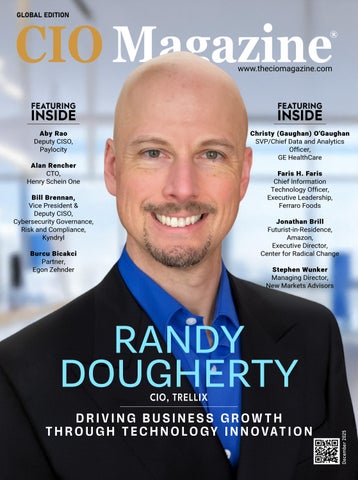
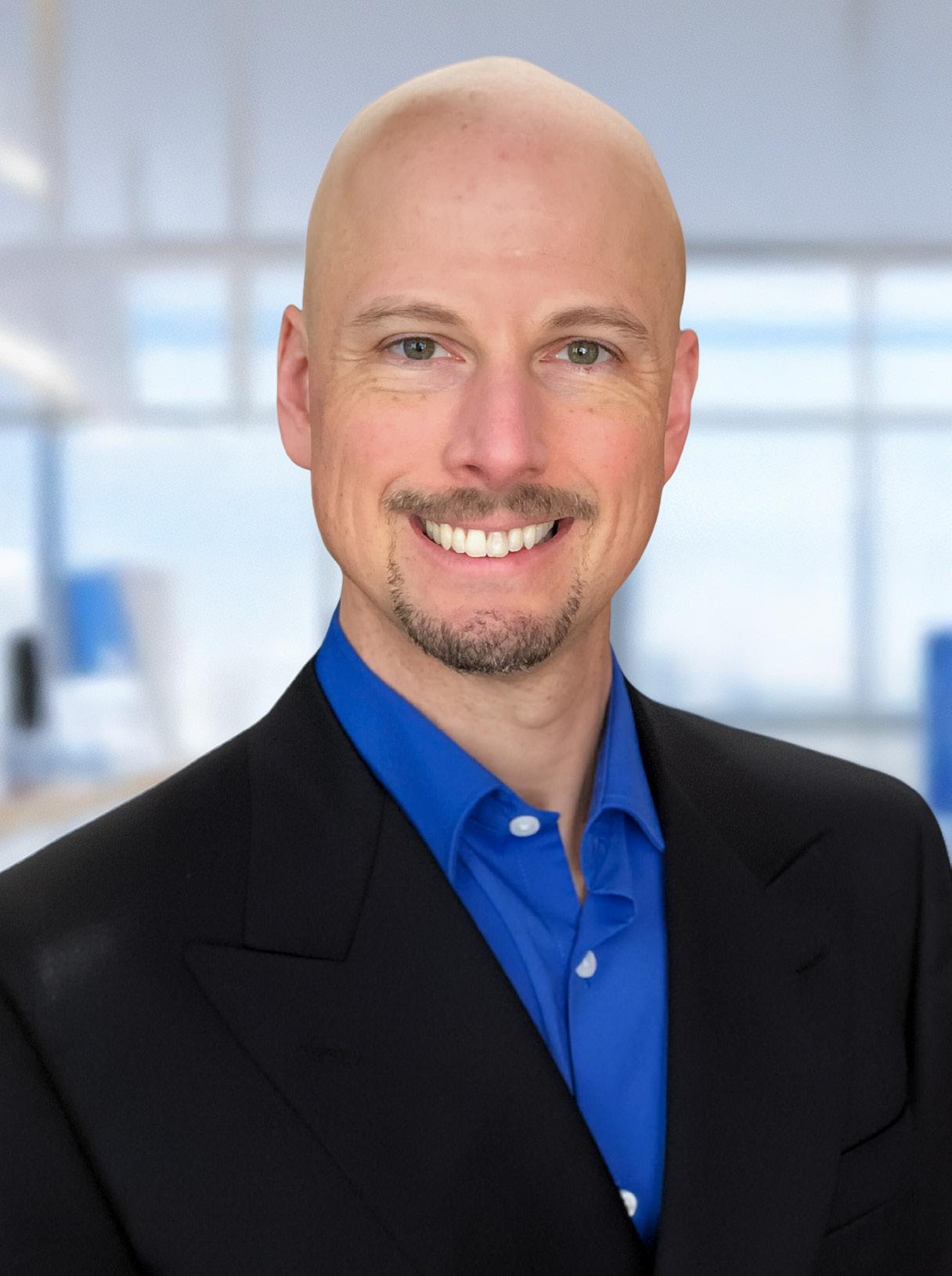
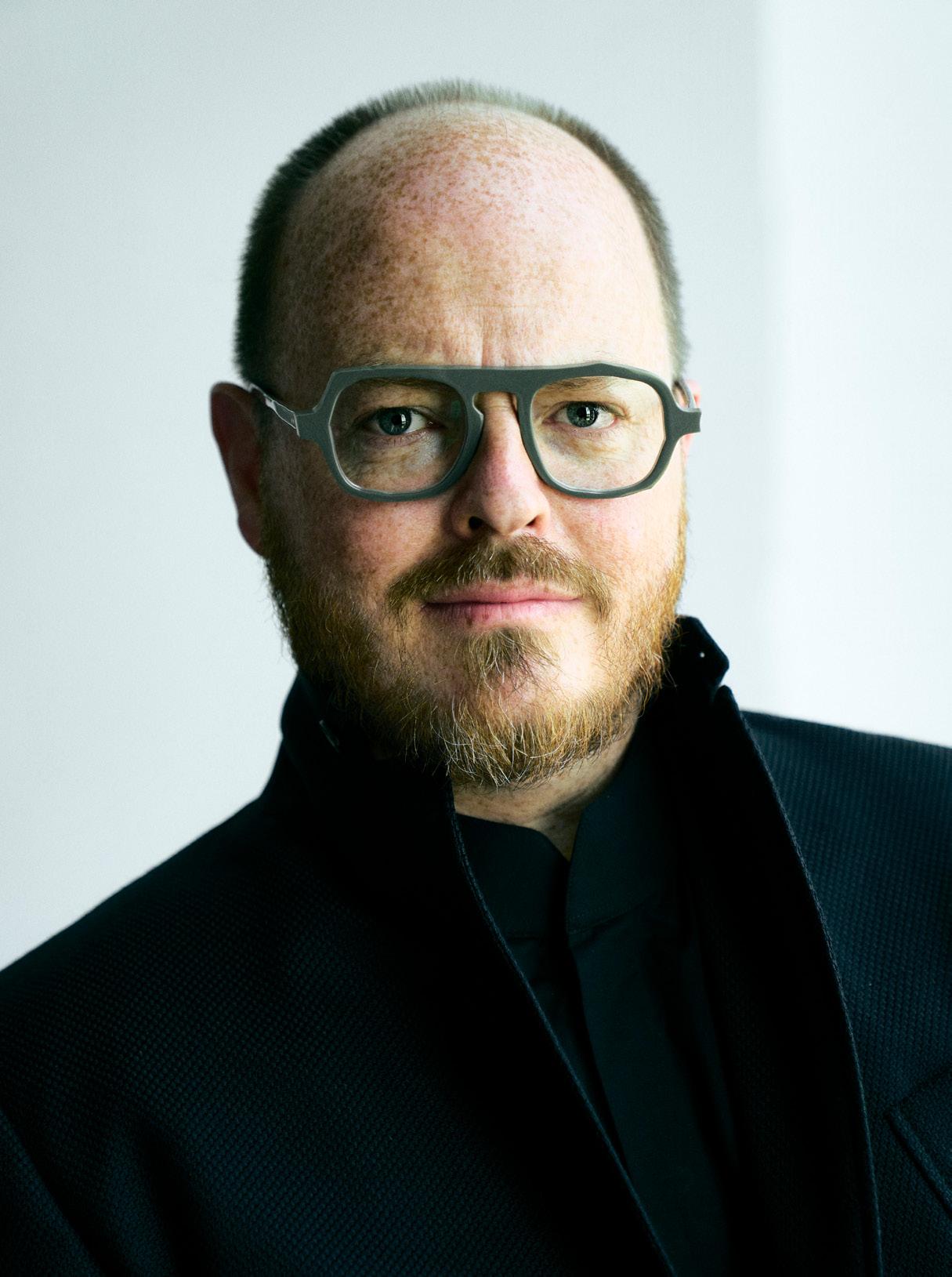
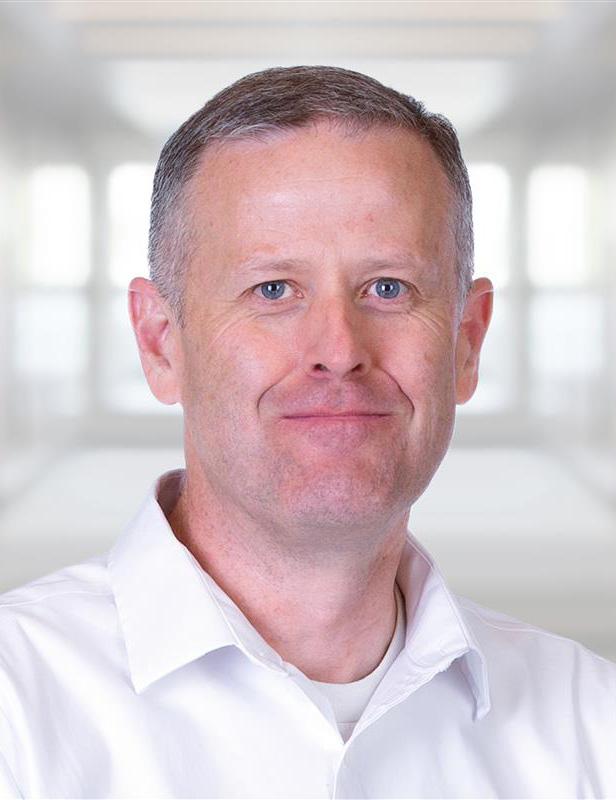
Our cover story captures this evolution through the remarkable journey of Randy Dougherty, Chief Information Officer at Trellix. With more than two decades of experience spanning organizations such as Wellcare, The Nielsen Company, and eXp Realty, Randy has witnessed the industry’s transformation from the inside. His unexpected transition from premed studies into technology, his stewardship through large-scale infrastructure change, and his steady hand during complex carve-outs reveal what modern leadership truly demands. His story is not about chasing the next big trend. It is about staying grounded while the ground itself keeps shifting.
Alongside this feature, our December issue brings together thinkers and practitioners who are navigating similar realities from different angles. Their insights span strategy, execution, research, and the everyday choices that quietly define success.
As we close another year, one thing is clear: leadership today is measured not just by vision, but by vigilance. We invite you to read this issue with an open mind and a forward gaze. The future is already here, and how we lead through it will define what comes next.
Enjoy Reading.
Sarath Shyam
RANDY DOUGHERTY
CIO, TRELLIX
DRIVING BUSINESS GROWTH THROUGH TECHNOLOGY INNOVATION
COVER STORY
EXECUTIVE OP-EDS
Stephen Wunker 34 Managing Director, New Markets Advisors
Rewiring the Organization for AI: Why the CIO Must Lead Like an Octopus
TECH TALKS
Burcu Bicakci 14 Partner, Egon Zehnder
Empowering a Better Future through Tech
Faris H. Faris
Chief Information Technology Officer/ Executive Leadership, Ferraro Foods
Navigating the Future of Food Industry Digitization
Jonathan Brill
28 Futurist-in-Residence at Amazon and Executive Director of the Center for Radical Change
Building the Superintelligent Organization
Bill Brennan 40 Vice President & Deputy CISO - Cybersecurity Governance, Risk and Compliance, Kyndryl Empowering Innovation, Securing the Future
Alan Rencher 46 CTO, Henry Schein One Leading Innovation in Dental Technology
Aby Rao 52 Deputy CISO, Paylocity
Safeguarding Systems, Data, and People
Christy (Gaughan) O'Gaughan 58
SVP/Chief Data and Analytics Officer, GE HealthCare
Transforming Patient Care with DataDriven Solutions
RANDY DOUGHERTY
CIO, TRELLIX
DRIVING BUSINESS GROWTH THROUGH TECHNOLOGY INNOVATION
Randy Dougherty is the Chief Information Officer (CIO) at Trellix, a global cybersecurity company. His 25-plus year career journey is rooted in an early passion for technology and includes key leadership roles at Wellcare, The Nielsen Company, and eXp Realty. He is an experienced leader in large-scale infrastructure and digital transformation, having navigated the evolution from mainframe data centers to cloud environments and successfully steered multiple large-scale double carve-out exercises. As CIO, he drives the enterprise technology and operations strategy, emphasizing cost optimization and embracing cross-functional alignment between IT, security, and the business. He is a strong proponent of using AI as a lever for workforce augmentation and is focused on tackling the immense challenge of data management.
Recently, in an exclusive interview with CIO Magazine, Randy shared insights into his career journey, emphasizing his unexpected transition from premed studies to a passion for technology and leadership roles at prominent organizations. He also discussed the challenges facing technology leaders, the intersection of technology and business, and his approach to staying ahead of the curve. The following excerpts are taken from the interview.
Hi Randy. Can you walk me through your career path and how you got to where you are today?
It's a journey that started in a really unexpected place: I was a premed student at the University of Miami, ready for a career in medicine, when I found this compelling, irresistible passion for computers and programming. That early interest—that shift in focus—set the course for everything. Instead of going to medical school as I originally planned, I ended up earning my MBA in Information Technology, and I never looked back.
I made the transition from that early passion into core technology leadership, gathering key experiences at organizations like Wellcare, Nielsen, and eXp Realty before joining Trellix. My time at Nielsen was a masterclass in scale, where I led a massive matrixed team of global associates. And at eXp Realty, I had to move incredibly fast: we scaled Global IT Operations to support over hundreds of thousands of agents across the globe in record time, driving a significant increase in public share value.
I've literally seen the evolution of IT, from working in mainframe data centers to navigating today's complex cloud and metaverse environments. Along the way, a few core lessons have become my guiding principles: a relentless focus on cost optimization—which has allowed me to eliminate over a substantial amount in annual expense at Trellix —the deep belief that security is everyone's responsibility, and the idea that, within an agile framework, failure is simply a valuable learning opportunity. This broad, hands-on experience ultimately prepared me to lead the Enterprise Technology and Operations strategy here at Trellix.
What aspects of your role as a CIO do you find most rewarding, and why?
What genuinely energizes me is the opportunity to be a true partner to the business and drive measurable, tangible improvements. I don't see my job as sitting in an IT silo. I spend a significant amount of time collaborating with leaders across the organization—in sales, customer success, and finance—to truly understand their critical business drivers, things like ARR and the imperative of cost reduction.
The deep satisfaction comes from effectively translating those business needs into technological solutions that don't just keep the lights on, but actually fuel sales, improve customer success, and measurably reduce costs and enhance efficiency. For instance, a standout moment at Trellix was leading the consolidation of 10 global data centers in one year, which eliminated over a significant amount of annual operating expense with minimal operational interruption. That's the core mission: ensuring every technology investment has a clear business case and drives a powerful return.
What do you believe are the most significant challenges facing technology leaders today, and how do you stay ahead of the curve?
The most significant operational challenge, in my opinion, is managing the sheer volume and velocity of data we're dealing with today. At the same time, we CIOs are under immense pressure to manage growing technology costs while constantly needing to integrate major innovations like Artificial Intelligence.
To stay ahead, I focus on continuous simplification and discipline. I prioritize
CIOs are under immense pressure to manage growing technology costs while constantly needing to integrate major innovations like Artificial Intelligence
investments that hit core business objectives while simultaneously improving our security and resilience. My approach is to simplify priorities, maintain a critical sense of urgency, and consciously avoid being sidetracked by the next "shiny thing.” I know from experience that you need a healthy, optimized underlying foundation before you pour money into any new technology. This discipline is key to maintaining focus and unity across all teams.
How do you think about the intersection of technology and business, and what role do you see technology playing in driving business outcomes?
My perspective is firm: Technology isn't a silo; it has to be completely integrated into the business strategy. As CIO, my primary role is to be a key partner to the business, ensuring our tech initiatives align directly with major company goals.
Technology is the essential lever for achieving business outcomes. It provides the necessary tools to fuel sales, enables better customer success outcomes, and measurably reduces costs and enhances operational efficiency. Every investment must solve a problem and demonstrate a clear return. I view AI not as a silver bullet, but as one lever for workforce augmentation and optimization that achieves true value when used in concert with parallel process improvements.
Can you share a mentor or role model who has had a significant impact on your career, and what advice they gave you?
One of the most impactful mentors in my career was someone who truly embodied resilience. He faced incredible health challenges, battling cancer
and enduring a stroke, yet he never let that stop him. He was a dedicated marathon runner, and he used his own journey as an example, showing me how he continued to run marathons despite everything. His unwavering spirit and determination were incredibly inspiring, and it was through his encouragement and example that I was motivated to run my first marathon. He taught me that no matter the obstacles, with perseverance, you can achieve your goals and push beyond your perceived limits.
What are some of your passions outside of work? What do you like to do in your time off?
I'm a dedicated runner with over ten marathons completed. Running is my way of practicing discipline, endurance, and pushing limits—it provides a great counterbalance to the demands of my professional life. I also stay committed to community service as a local mentor and advocate, and my family and I love to travel and explore global food and wine cultures.
Can you share a book, podcast, or resource that inspires you, and why?
Ray Dalio's "Principles" has profoundly inspired me as a CIO. His emphasis on radical truth and radical transparency, coupled with a systematic approach to decision-making, resonates deeply with my role. Dalio's framework for understanding and learning from mistakes, viewing them as valuable data points for improvement, aligns perfectly with the agile mindset I champion. It reinforces the idea that within an agile framework, failure is simply a valuable learning opportunity, which
is essential for any technology leader driving modern transformation. This philosophy encourages calculated risk-taking and relentless improvement, both critical for navigating the complexities of today's technology landscape.
What is your favorite quote?
It's a quote that speaks directly to the mindset of a technology leader driving change: “If you’re not failing, you’re not pushing your limits, and if you’re not pushing your limits, you’re not maximizing your potential.” — Ray Dalio.
This quote resonates deeply with me because I’ve been guided by the core lesson that within an agile framework, failure should be viewed as a valuable learning opportunity. It’s a belief that encourages calculated risktaking and relentless improvement—which is essential for any technology leader driving modern transformation.
What is your biggest goal? Where do you see yourself in 5 years from now?
My biggest goal, day-to-day, is to maintain a healthy, resilient, and optimized technology foundation at Trellix that directly translates into business advantage.
In the next five years, I anticipate continuing to lead significant digital transformations, building on the current wave of AI to explore the next evolution, which I believe may even involve robotics and the physical manifestation of AI. I see myself continuing to guide the organization through the inevitable transition from the current rapid AI adoption phase into a balanced, settled hybrid environment, ensuring Trellix remains a technological and security leader.
My biggest goal, day-to-day, is to maintain a healthy, resilient, and optimized technology foundation at Trellix that directly translates into business advantage
What advice would you give to aspiring CIOs or technology leaders looking to make a similar career journey?
I have four pieces of advice that I live by: Be a Partner, Not a Provider: Understand that your role is a partnership with the entire business. You must learn to effectively translate the needs of executives in sales, finance, and customer success into tangible technological solutions.
Make Security Your Co-Pilot: Embrace security as a core partner, not a barrier, and
integrate it into development from the ground up, following a DevSecOps mindset.
Demand a Business Case for Everything: Be disciplined in your investments. Always demand a clear business case that demonstrates the technology will tangibly fuel sales, reduce costs, or improve efficiency.
Build a Strong Foundation First: Finally, remember that AI and other new technologies are only effective if you have a strong, scalable foundation beneath them. Don't pour money into new innovations without first optimizing your underlying processes.
Empowering a Better Future through Tech Burcu Bicakci
Partner, Egon Zehnder
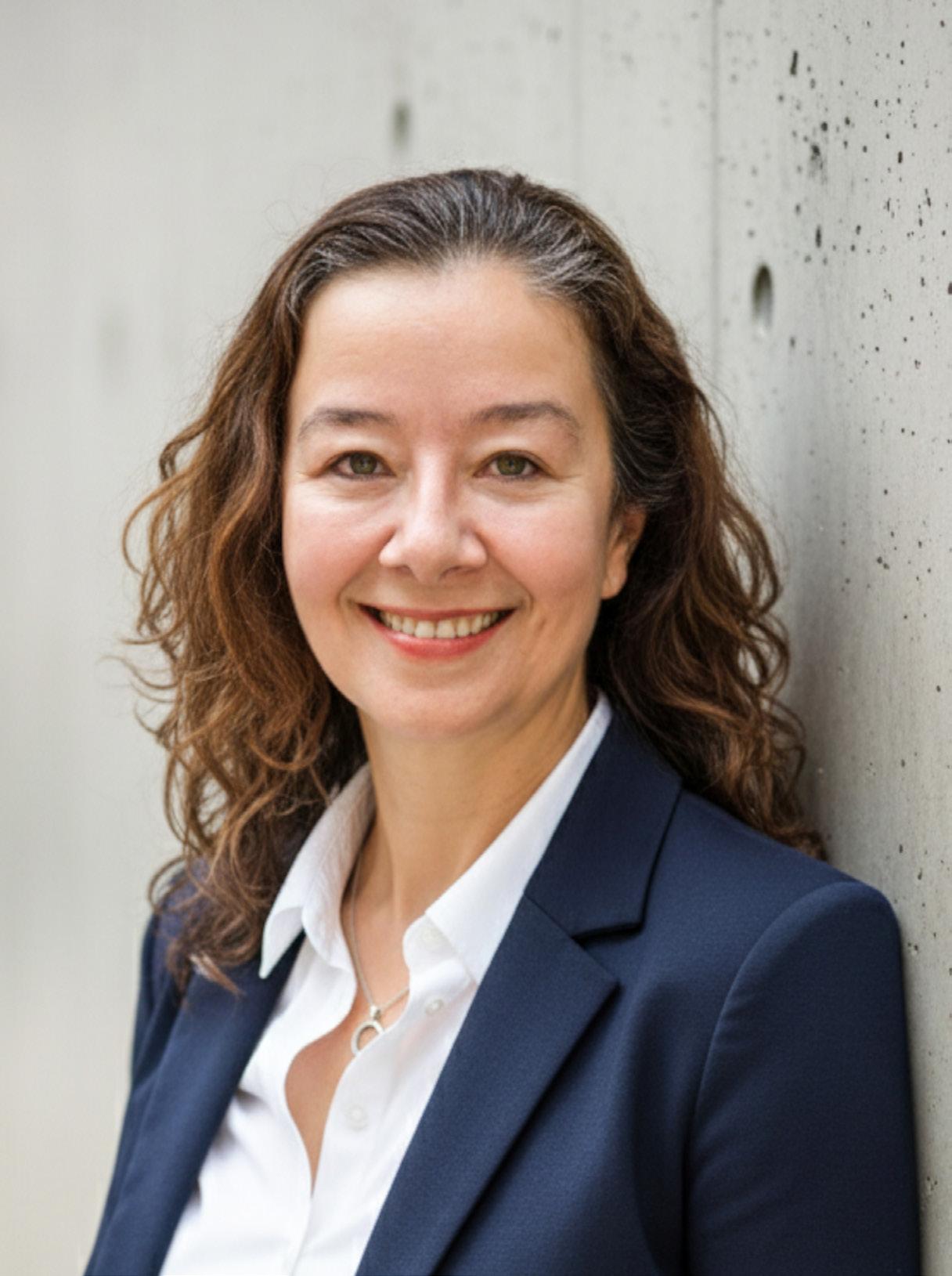
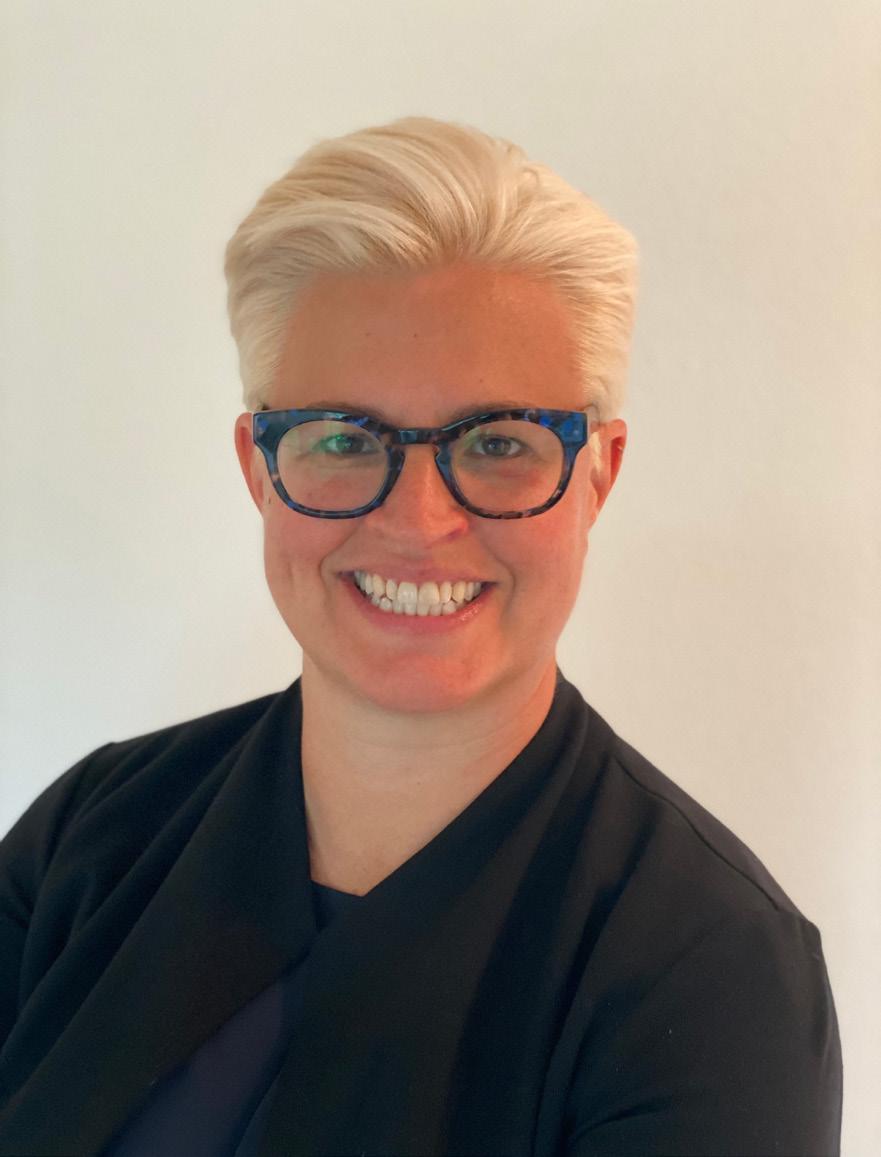
Based in Singapore, Burcu Bicakci has spent her career helping companies and their leaders succeed in the digitizing world. She is active in Egon Zehnder’s Technology & AI Practice and is one of the leading partners for AI. Burcu is a global leader who has lived and worked in three continents. Until recently, she led the firm’s global Communications and Connectivity work, acquiring deep industry expertise across the broader telecoms ecosystem, including OTT, digital infrastructure and digital companies. Burcu’s main areas of focus are digital transformation and technology; she is particularly passionate about defining the evolution of leadership as technology permeates all organizations. She is a trusted talent strategy advisor to clients globally, providing services that span executive search, leadership development, management appraisals, organizational design, and cultural transformation.
Recently, in an exclusive interview with CIO Magazine, Burcu shared insights into her career path, leadership experiences, and perspectives on the future of technology. With experience spanning multiple continents, she advises organizations on building effective leadership teams that thrive in a tech-driven world. Burcu also emphasized the importance of blending technical expertise with interpersonal skills and staying adaptable in an AI-driven landscape. The following excerpts are taken from the interview.
Hi Burcu. Can you walk me through your career path and how you got to where you are today?
I am a globally recognized talent advisor in the technology sector, with a journey that reflects my deep commitment to technology
and leadership. My career began as a software programmer at university where I studied Industrial Engineering, then I started working as a in Procter & Gamble, where I immersed myself in enterprise technology and started an international career, working in three continents
IN THE FUTURE, LEADERSHIP WILL BE DEFINED BY A NEW BLEND OF SKILLS: HIGH-LEVEL AI FLUENCY, STRATEGIC RISK AWARENESS, ETHICAL STEWARDSHIP, AND A COMMITMENT TO CONTINUOUS LEARNING
until I became an information technology leader of eight countries in Middle East and Africa.
Seeking to broaden my impact, I pursued an MBA at INSEAD, which enabled my transition into commercial technology roles at Dell Computers. There, I led initiatives across Europe, driving innovation and scaling technology solutions in competitive markets.
In 2010, I joined Egon Zehnder, marking a pivotal shift to talent advisory in technology, focusing on identifying and developing leaders in technology initially in Turkey, Middle East and Africa, then I relocated to Singapore in 2023, leading technology practice in Southeast Asia and our global AI work. In this role, I advise organizations on building effective leadership teams that can thrive in a tech and AI driven world, bridging the gap between technology and human insight.
Throughout my career, I have remained dedicated to empowering women in technology, advocating for diverse leadership, and fostering inclusive innovation. My journey reflects not only my passion for technology but also my commitment to shaping the future of the industry through talent development and leadership excellence.
The cornerstone of my career advancement has been my insatiable curiosity, a relentless desire for new challenges, and a commitment to hard work as an integral part of my identity. I have been fortunate to work with esteemed organizations that have provided me with invaluable learning experiences, exceptional colleagues and numerous development opportunities. My international assignments have enabled me to reside in various countries, fostering my ability to adapt to
ACTION AND JOURNEY OF SELF DISCOVERY IS MY INSPIRATION RATHER THAN SITTING AND THINKING ABOUT SOMETHING TOO LONG
diverse cultures and work environments while remaining authentic.
What do you love the most about your current role?
What I cherish most about my current role is the opportunity to collaborate with a diverse array of accomplished leaders, from whom I learn something new every day. Each interaction is filled with unexpected insights, meaningful connections, and potential opportunities. I am particularly inspired by engaging in leadership development work that delves into the personal narratives of these leaders, allowing me to understand the experiences that have shaped them into who they are today. The rich variety of backgrounds and pivotal moments in their journeys truly enriches my role. Additionally, working primarily with technology executives keeps me informed about the latest advancements, enabling me to engage in thought-provoking discussions on how technology continuously shapes our world.
What role do you see AI playing in shaping the future of tech leadership, and how can leaders prepare?
AI is fundamentally reshaping the landscape of leadership by driving innovation, transforming decision-making processes, and elevating operational efficiency across organizations. As the adoption of AI accelerates, leaders are increasingly tasked with integrating human and artificial intelligence—moving beyond mere tools and approaching AI as a strategic collaborator in solving complex business challenges and fostering inclusive workplaces.
Artificial intelligence is no longer just an emerging technology—it's a catalyst for
deep transformation in how leaders strategize, make decisions, and guide their organizations through uncertainty. AI's capacity to analyze vast datasets, uncover actionable insights, and automate routine tasks enables leaders to focus on high-impact priorities: championing innovation, accelerating problem-solving, and inspiring creative human intelligence.
In the future, leadership will be defined by a new blend of skills: high-level AI fluency, strategic risk awareness, ethical stewardship, and a commitment to continuous learning. Leaders must cultivate environments that welcome iterative experimentation with AI, foster collaboration between humans and machines, and remain vigilant about the ethical and social implications of AI-driven change.
To prepare, today’s leaders should focus on: Building foundational AI literacy throughout their organizations, ensuring all stakeholders understand both the opportunities and risks. Designing flexible structures and processes that embrace rapid technological shifts and enable real-time adaptation.
Is there a particular person you are grateful for who helped get you to where you are?
Throughout my career, I have been fortunate to learn from numerous leaders who have shaped my thinking and guided me through challenges. Each leader imparted unique lessons that contributed to my authentic identity. In my formative years, my mother was my most significant influence. Her resilience and unwavering drive to empower my sister and me to become strong, independent women have been my guiding forces.
As I transitioned to an international career, I diversified my mentors and drew inspiration from
various leaders. They provided invaluable insights into both effective and less effective approaches, further enriching my professional journey.
Last but not least, my husband has been a big supporter of my career by sharing life, responsibilities and acting as a sparring partner as I needed emotional support.
How do you stay current with the latest advancements in technology and their implications for leadership?
To stay current with the latest advancements in technology and their implications for leadership, I engage in a multifaceted approach. I regularly read industry publications, tech forums, ask AI to curate the latest news for me and follow various forums to gain diverse perspectives. I also have a job that gives me the chance to talk to many experts in the field. Additionally, I actively seek opportunities to converse with thought leaders, which enriches my understanding.
I also challenge myself to teach and write, as these activities compel me to think critically and deepen my knowledge. Finally, as an early adopter, I enjoy experimenting with new technologies and tools, which keeps me connected to the evolving landscape of innovation.
What is your favorite quote?
My favorite quote is from Rumi; which says “The path appears as you walk it”. I always take steps forward, then the path becomes clearer. Action and journey of self discovery is my inspiration rather than sitting and thinking about something too long.
What are some of your passions outside of work? What do you like to do in your time off?
Outside of work, I am passionate about spending quality time with my family, particularly through travel. Exploring diverse cultures and savoring local cuisines enriches our experiences together. I also enjoy cooking and have a deep appreciation for food and wine. Sharing a delightful dinner with close friends is one of my favorite pastimes. Additionally, I value my "me time," which allows me to center myself, ground my energy, read, watch, listen, and reflect.
What is your biggest goal? Where do you see yourself in 5 years from now?
I feel fortunate to be at this stage in my life, engaged in a role I love, surrounded by colleagues who I respect, and learning from remarkable individuals. In five years, I envision myself deeply rooted in Southeast Asia, collaborating with influential technology leaders in the region. I aspire to contribute to their journeys and help shape the tech talent landscape in the region.
Additionally, I hope to witness my son’s growth as a responsible, global citizen with a big heart. My dream is to see him become an agent of positive change, making a meaningful impact and contributing to a brighter future for the world.
What advice would you give to others who are looking to pursue a career in tech leadership or executive search?
For those aspiring to pursue a career in tech leadership or executive search, my advice is to cultivate a blend of technical expertise and interpersonal skills. First, stay curious and
BY COMBINING TECHNICAL ACUMEN WITH STRONG RELATIONAL SKILLS AND A COMMITMENT TO INCLUSIVITY, YOU CAN POSITION YOURSELF AS A VALUABLE LEADER IN THE TECH LANDSCAPE
continuously seek to expand your knowledge of emerging technologies and industry trends. This will not only enhance your credibility but also enable you to engage meaningfully with leaders in the field.
Second, prioritize building strong relationships. Networking is crucial in this industry; connect with mentors, peers, and thought leaders who can provide guidance and insights. Actively listen and learn from their experiences, as this will help you navigate challenges and seize opportunities.
Additionally, embrace a growth mindset. Be open to feedback and willing to adapt your approach as you learn from both successes and setbacks. Finally, remember the importance of inclusivity and diversity in leadership. Advocate for and support diverse talent, as varied perspectives drive innovation and better decision-making in technology.
By combining technical acumen with strong relational skills and a commitment to inclusivity, you can position yourself as a valuable leader in the tech landscape.
I highly recommend executive search for individuals who possess a profound curiosity about human nature, career trajectories, and the interpersonal skills of leaders, as well as those who enjoy listening to personal stories. I firmly believe that exceptional executive search consultants are deeply passionate about their field and cultivate a genuine interest in understanding the complexities of the journeys taken by the leaders they engage with. Consequently, I believe that executive search is best suited for individuals who have accumulated substantial experience in their respective domains.
Navigating the Future of Food Industry Digitization
Faris H. Faris
Chief Information Technology Officer/Executive Leadership, Ferraro Foods
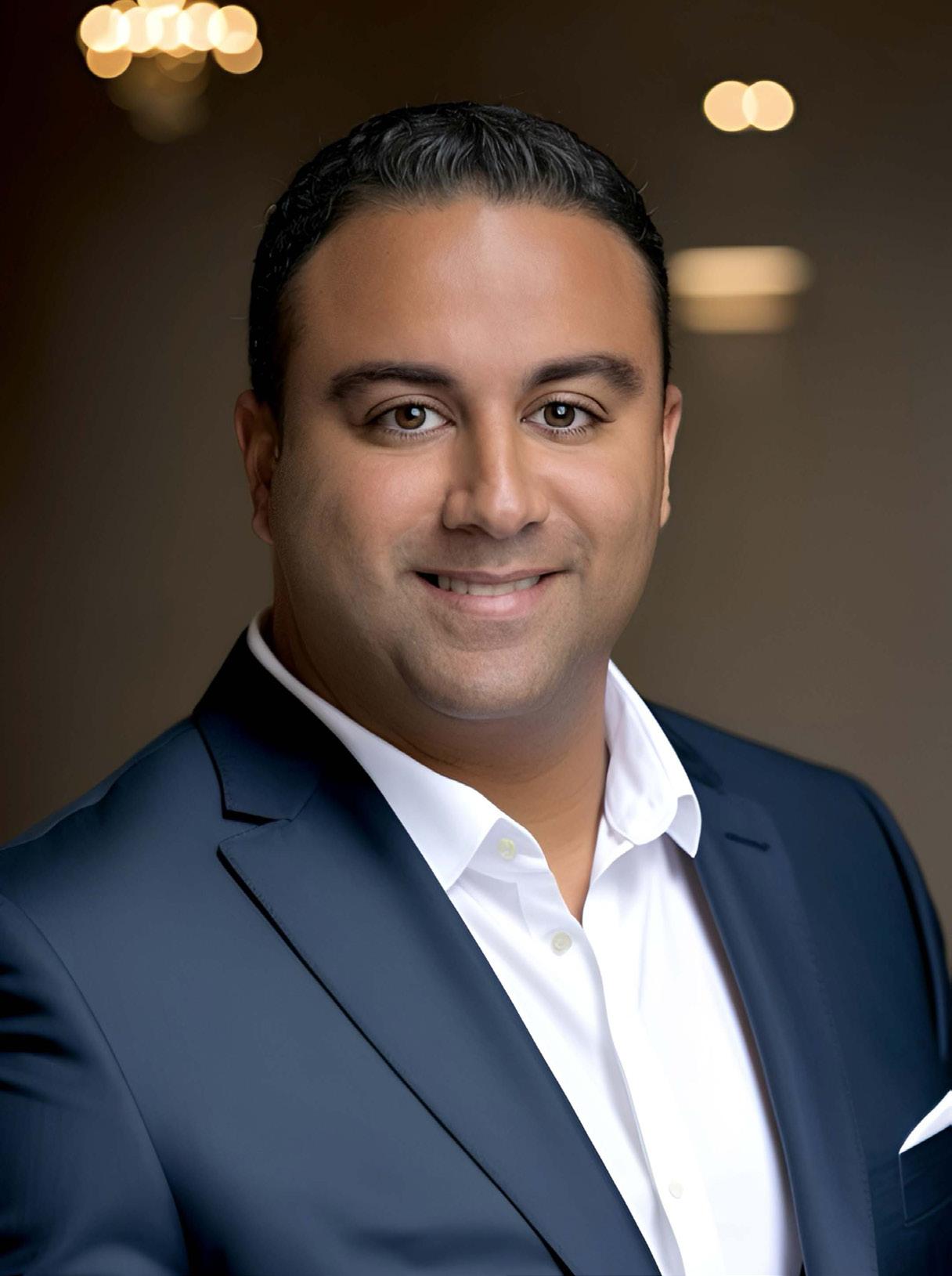
Faris Faris is a results-driven technology executive with a proven track record in leveraging technologies and building winning teams to drive business growth. Experienced in business system and process transformation, Faris excels in building winning teams, identifying opportunities for innovation, cost savings, and driving technical advancements where it counts. Proficient in AI and machine learning, Cyber-Security, ERP, WMS, CRM, and Strategic Planning, Faris has successfully led and delivered enterprise and digital transformational projects to enhance not only customer experience, but business operations and shareholder value.
Recently, in an exclusive interview with CIO Magazine, Faris shared his insights on technology leadership and innovation. He highlighted his passion for strategic planning and leveraging technology to drive business success and emphasized teamwork, clear communication and empowering his team for growth. The following excerpts are taken from the interview.
Hi Faris. Please share your background and areas of expertise.
My name is Faris Faris, and I currently serve as the Chief Information and Technology Officer at Ferraro Foods, a leading Italian food distributor established in 1975. Ferraro Foods is renowned for delivering quality food products, value, and reliable service to the Italian restaurant and pizzeria segment, serving over 8,000 customers across half of the United States.
With over 25 years of experience in technology, I have held various roles, including helpdesk technician, network administrator, service support manager, director of IT, VP of IT, and CIO/CTO. Each of these positions has significantly contributed to my development as a leader in the field.
What do you love the most about your current role?
I love the strategic planning and contributing to the success of business through technology. Watching technology evolve continuously is exciting, learning new tools and systems (such as AI) and the speed at which they are evolving is remarkable and insightful. In addition to the new tools being developed are the individuals that sell them and organizations that use them, allowing me to build my network of peers and contacts which is always invaluable.
What trends do you see shaping the future of technology in the food distribution industry?
Artificial Intelligence (AI) continues to be at the forefront of virtually every business and technology leader's agenda. It is rare to find a conversation between vendors and clients that
BY LEVERAGING THE STRENGTHS OF MY TEAM AND PROMOTING CONTINUOUS TRAINING AND DEVELOPMENT, I LIKE TO FOSTER AN ENVIRONMENT WHERE EVERYONE CAN THRIVE
does not include the topic of AI these days. The advantages of leveraging AI in the food distribution market, as well as other distribution markets, are numerous. If tuned correctly, AI could potentially excel in improving sales through product recommendations, optimizing product replenishment and demand planning, setting competitive product pricing, and enhancing delivery and route optimization.
Can you describe your leadership style, and how you motivate and develop your team?
I strongly believe in the power of teamwork and the importance of clear, consistent communication. By leveraging the strengths of my team and promoting continuous training and development, I like to foster an environment where everyone can thrive. Throughout my career, I have encountered leaders who were more "bosses" than team players, and those who made a significant positive impact on my (and others) career growth. I strive to be the latter, a leader who empowers my team, supports their growth, listens, and provides opportunities for success and advancement in their careers.
Is there a particular person you are grateful for who helped get you to where you are?
There is not one particular person, however, throughout my career, I have been fortunate to work with several seasoned leaders who have significantly influenced my professional growth. These individuals, with over 30 years of experience, instilled invaluable skills and a mindset focused on achieving results. They taught me the importance of perseverance,
innovation, negotiation, and placed me in roles that helped expand my understanding of the supply chain business. This experience includes spearheading three ERP implementations, which honed my skillset and ability to manage corporate-wide cross functional complex projects on time and within budget. While there isn't one specific individual to credit, I am deeply grateful for the wisdom and guidance of these mentors.
What was it like being named a finalist for the 2025 NewYorkCIO ORBIE Awards, and what did it mean for you?
The entire process is very exciting for me, being nominated was an honor in itself, but to be selected as a finalist alongside other exceptionally talented and successful CIOs was a heartfelt moment. The NewYorkCIO ORBIE Awards, along with its affiliates, is an incredible organization that not only fosters great networking opportunities but also provides a platform for professional growth. Through this experience, I have had the privilege of meeting some remarkable C-Suite individuals with whom I look forward to sharing insightful ideas and growing with. Receiving such a reputable honor in the technology world is always rewarding, especially when the focus is heavily based on the success of the business and the support of growth. I firmly believe that if you strive to do your best for not only yourself, but your peers and the business, success will follow. I do my best to stay focused, work hard, work smart, stay abreast of trends, prioritize family, and do my best to consistently deliver on time and within budget.
WE ARE CONSTANTLY EXPLORING INNOVATIVE WAYS TO CONTINUE LEVERAGING ARTIFICIAL INTELLIGENCE (AI) AND AUTOMATION TO ENHANCE BOTH OUR INTERNAL OPERATIONS AND CUSTOMER-FACING
SYSTEMS
What are some of your passions outside of work? What do you like to do in your time off?
Spending time with my wife, Jodi, and our two daughters, Annalise (12) and Ayla (8), along with our golden retriever, Maggie, and our cat, Axl, is one of my greatest joys. I also enjoy playing the guitar occasionally and have a passion for cooking, both in the kitchen and at the outdoor barbecue, I try to make all of my family and friend time special.
Which technology are you investing in now to prepare for the future?
We are constantly exploring innovative ways to continue leveraging artificial intelligence (AI) and automation to enhance both our internal operations and customer-facing systems. Our goal is to identify the right AI tools that can help us achieve cost savings while simultaneously boosting sales, operations, and performance while streamlining our customers' ordering processes through e-commerce, and providing them with efficient, automated services where available.
What is your biggest goal? Where do you see yourself in 5 years from now?
As a forward-thinking technology leader, I am committed to staying at the forefront of evolving technologies. My dedication to this allows me to leverage cutting-edge tools and systems to continue driving business success and innovation.
What advice would you give to young professionals looking to enter your field?
Here is some advice and guidance that resonated with me throughout my career, and which I appreciate and practice daily. First, be proactive and not reactive, always think “what if”, because if there’s a chance it could happen, it will, so be prepared. Second, learn the business you’re in, you are only going to succeed if you understand how your business operates and generates revenue, and how you can contribute to that success via technology. Third, understand that everyone has their own personality, having the ability to understand, adapt, or adjust to people’s personalities is a good skill to have as a leader.
Building the Superintelligent Organization
Jonathan Brill
Futurist-in-Residence at Amazon and Executive Director of the Center for Radical Change
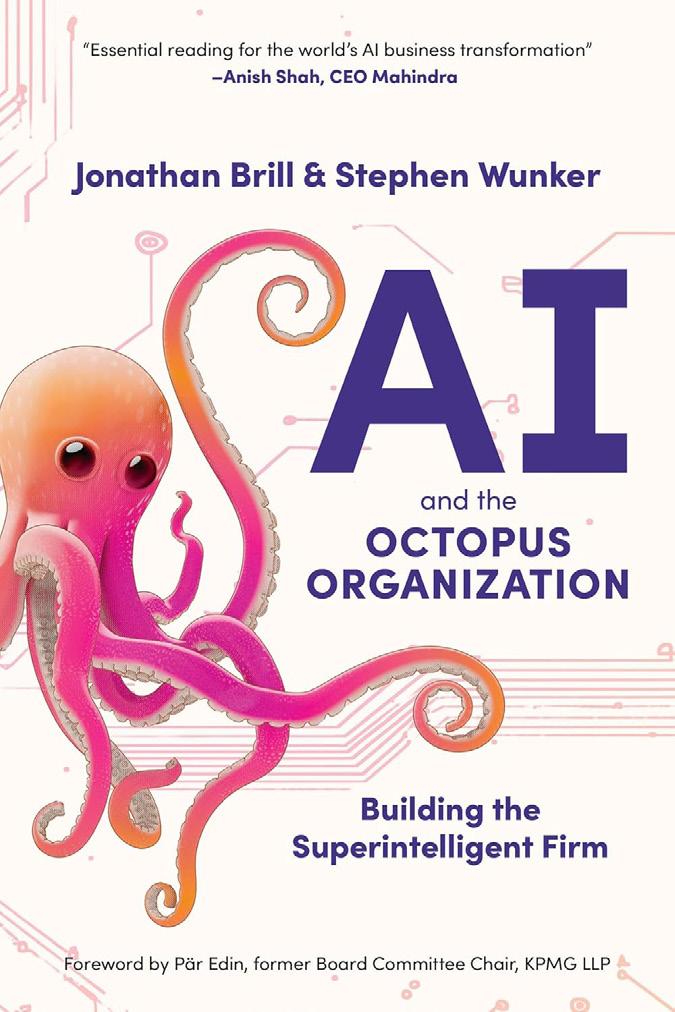
Jonathan Brill is the Futurist-in-Residence at Amazon and Executive Director of the Center for Radical Change. Ranked the #1 futurist in the world by Forbes and described as “the world’s leading transformation architect” by Harvard Business Review, Brill converts the chaos of AI, geopolitical shifts, and economic disruption into bold advantage. He’s unlocked tens of billions for multinational corporations, frontier tech firms, and national governments. He’s the co-author, with Stephen Wunker, of AI and the Octopus Organization: Building the Superintelligent Firm. Learn more at www.aiandtheoctopus.com.
In this insightful conversation with CIO Magazine, Jonathan explains why many AI projects fail not because of technology, but because they’re implemented in rigid, outdated systems. Brill outlines how leaders can transform their organizations into agile, “octopus-like” networks where intelligence is distributed, collaboration thrives, and AI becomes a trusted partner rather than a threat. From building psychological safety to balancing centralized strategy with decentralized execution, Jonathan shares how leaders can prepare for the rise of the superintelligent firm. Below are the excerpts of the interview.
FOR AI TO SUCCEED ORGANIZATIONS MUST DISMANTLE THE INERTIA IN THEIR PROCESSES, INCENTIVES, AND MENTAL MODELS. THEY NEED TO LEAN INTO THE FLUIDITY, TO TRULY BENEFIT FROM WHAT AI OFFERS
You’ve said that many AI initiatives fail not because of the technology itself, but because they’re deployed into broken systems. Could you expand on this idea? What are the most common structural or cultural flaws you see in organizations trying to embrace AI? AI deployments rarely fail because the algorithms don’t work. It’s because the technology is introduced into organizations that were never designed to easily and efficiently take advantage of them. The core problem is that most companies still operate like ammonites — built around shells of stability, control, and hierarchy that once ensured survival but now inhibit it. These structures were optimized for a world of predictable inputs and linear improvement. AI, however, is exponential, fluid, and deeply interconnected. It doesn’t just automate processes; it reshapes the logic of how work gets done.
In many legacy organizations, information flows upward and decisions flow downward. Data lives in silos, middle managers act as interpreters between strategy and execution, and risk is managed through layers of approval. AI doesn’t work in those environments. Instead of empowering teams to act faster and make smarter choices, it becomes another tool waiting for permission.
Compounding the problem are leaders and managers that look at AI as just another project to try out and employees who are anxious of AI’s purposes and the implications to them.
For AI to succeed organizations must dismantle the inertia in their processes, incentives, and mental models. They need to lean into the fluidity, to truly benefit from what AI offers.
The “Octopus Organization” is a striking metaphor. In what ways can leaders practically apply nature’s principles such as adaptability, distributed intelligence, and regeneration to make their organizations AI-ready?
The octopus is not just a metaphor; it’s a biological operating system for resilience. The octopus thrives because it is soft, adaptive, and distributed. It can sense, decide, and act through multiple centers of intelligence, reconfiguring itself in real time without losing coherence. Translating that into organizational practice means building systems that are both decentralized and deeply connected.
Leaders can apply this model by treating AI as the connective tissue—the “neural necklace”—that links an organization’s many arms. Rather than concentrating intelligence in a central brain, they must distribute it to the edges, where context is richest and speed matters most. AI enables this by giving teams the information and judgment support once reserved for senior leadership. Decision making moves closer to the customer; allowing strategy and execution to begin to happen simultaneously.
From your experience with Fortune 500 companies and government agencies, what distinguishes organizations that thrive with AI from those that struggle or stall?
Steve Wunker, my co-author, and I have worked with countless Fortune 500 companies, and have found that the most successful organizations, are the ones that don’t chase AI
for efficiency alone; they pursue it as a strategic amplifier of human intelligence. Their leaders make sure that every model and automation align with the business mission.
They also fully embrace the need for adaptability. Leaders of success AI organizations recognize that they don’t yet know what the future will demand, so they build modular systems that can evolve. Using AI to create feedback loops between data, people, and decisions, to inform future strategies.
Perhaps most importantly, successful adopters treat AI not as a substitute for human expertise but as an extension of collective intelligence. They see it as a coordination technology—one that enables faster pattern recognition, cross-boundary collaboration, and more intelligent risk-taking.
AI’s true promise isn’t replacing us. It’s amplifying our ability to coordinate at scale.
Fear and distrust often undermine AI adoption. What steps can leaders take early on to build psychological safety and ensure teams view AI as a partner rather than a threat?
Interestingly the people who most need to experiment with AI—those in routine cognitive roles—often experience the highest psychological threat. Yet a lot of AI rollouts are mandated with little input from the user further stoking those fears.
Studies on proactivity show that people take initiative when they feel both autonomous and psychologically safe. To create psychological safety, leaders must begin with transparency: explain what AI is for, what it isn’t for, and how it will augment rather than erase human roles.
Trust grows through participation and initiative. When teams are invited to co-design how AI is used in their work—defining the boundaries, reviewing its outputs, shaping its feedback loops—they shift from feeling replaced to feeling empowered. Early wins should focus on freeing people from tedious tasks so they can focus on creative, judgment-driven work. Framing AI as a career mobility accelerator rather than a cost-cutting device signals that the organization values its people’s potential.
You’ve emphasized that becoming AIready doesn’t require a million-dollar rollout. What are some accessible, high-impact actions leaders can implement now to start that transformation?
The entry cost is not capital—it’s courage. The first step is to identify one recurring, time-consuming decision or process that delivers little strategic value. Equip that frontline team with access to AI tools, relevant data, and the authority to act. Measure the outcome not just in efficiency gains but in the quality of learning produced.
The transformation begins when people see AI working for them—simplifying workflows, uncovering insights, reducing friction. Once that trust is built, AI is no longer a mandate but a welcome collaborator.
As AI reshapes roles, decision-making, and workflows, how can leaders maintain balance between centralized strategy and decentralized execution much like the octopus’s distributed intelligence? Going back to the octopus. While the octopus acts locally through its arms, it maintains
global coherence through its neural network. That is the same duality that is essential to AI-enabled organizations. Strategy must provide the unifying purpose, ethics, and guardrails, but execution must be delegated to the periphery, where context lives.
Executives should set direction, define the parameters of acceptable risk, and ensure information symmetry. AI then allows local teams to operate autonomously within those boundaries, making thousands of micro-decisions aligned with the business strategy. Maintaining that balance requires constant feedback loops that allow insight from the edges to reshape strategy at the core.
Looking ahead, how do you see the concept of the “superintelligent firm” evolving over the next decade?
What must today’s leaders unlearn to successfully lead in that future?
The superintelligent firm is not a company that outthinks humans; it’s one that thinks with them—a collective intelligence that merges human judgment, machine precision, and organizational adaptability, enabling it to react, learn, and reallocate resources dynamically.
To successfully lead this type of an organization, executives will need to abandon the belief that foresight comes from prediction rather than preparedness. They will need to lean into ambiguity and create a culture that fosters experimentation, discussion, and willingness to learn and move rapidly.
OUR GOAL SHOULDN’T BE TO PREDICT THE FUTURE, BUT INSTEAD TO UNDERSTAND WHY THE FUTURE IS LEADING TO CHANGE
You’ve worked at the intersection of innovation, strategy, and AI for decades. What personal lessons or mindset shifts have guided your own approach to navigating disruptive change?
One thing that has become very clear to me over the years is that disruption is not an event but a state of being. Our goal shouldn’t be to predict the future, but instead to understand why the future is leading to change. What we
can do about it. And how we can start today preparing for it.
We shouldn’t fear change but be fascinated by it. AI for example, doesn’t just automate work; it invites us to rediscover what makes us irreplaceably human: our capacity for meaning, creativity, and collective imagination.
Leading through disruption is not about mastering machines, but about mastering ourselves and our connection with others.
Stephen Wunker
Managing Director, New Markets Advisors
Stephen Wunker is Managing Director of New Markets Advisors, a global consulting firm helping ambitious innovators, including 32 of the Fortune 500, find their next wave of growth. One of the world’s leading authorities on innovation, he’s led a decade’s worth of AI initiatives, advised hundreds of organizations, and authored five bestselling books. He’s the co-author, with Jonathan Brill, of AI and the Octopus Organization: Building the Superintelligent Firm. Learn more at www.aiandtheoctopus.com
The AI revolution goes far beyond technology; it should be a tectonic shift in how work gets done, how decisions get made, and how companies compete. Yet, for too many companies, AI is a feature enhancement layered on top of existing, suboptimal practices.
AI has not only upended the economics of knowledge work, it’s also broken the model of the traditional, top-down enterprise. To thrive, companies must evolve beyond the rigid structures of the Industrial Age and embrace a radically different model – what we call the Octopus Organization. And no one is better placed than the CIO to lead this transformation.
The Octopus Advantage
Why an octopus? Because it has a totally alien anatomy. It has nine brains – one in the head and one in each arm – allowing it to sense, decide, and act locally while coordinating as a unified whole. It is a living model of distributed intelligence.
That’s the kind of organization we need in the AI Age: fluid, sensing, fast-moving, and intelligent at the edges. AI enables it, but only if we break from the centralized commandand-control hierarchies that were originally built for a telegraph economy, not an AI one.
CIOs as the Architects of Change
To achieve this promise, change has to reach well beyond technology. And that’s where CIOs have a unique superpower: they sit at the intersection of technology, operations, and strategy. By orchestrating data flows, enabling data to surface where it's needed most, and empowering teams in the “arms” with the
BY ORCHESTRATING DATA FLOWS, ENABLING DATA TO SURFACE WHERE IT'S NEEDED MOST, AND EMPOWERING TEAMS IN THE “ARMS” WITH THE INFORMATION REQUIRED TO MAKE DECISIONS, CIOS BECOME ARCHITECTS OF INTELLIGENCE
information required to make decisions, CIOs become architects of intelligence. Take Travelers, the giant insurance company. Mojgan Lefebvre, its Chief Technology and Operations Officer, isn’t just digitizing workflows; she’s transforming the very nature of decision-
making. Her team has used domain-trained large language models to empower underwriters and claims professionals with instant access to specialized knowledge. They can spend less time chasing documents and more time engaging customers and collaborating across teams.
Management by Org Chart Is Over
In traditional organizations, decisions flow upward for approval, and information flows downward in cascades. Matrix management, introduced in the 1960s, didn’t really change that dynamic. But AI breaks that model.
STUDIES SHOW THAT WHILE AI CAN IMPROVE PRODUCTIVITY, IT CAN ALSO UNDERMINE MOTIVATION, ESPECIALLY WHEN IT FEELS LIKE PEOPLE ARE BEING TREATED AS EXECUTORS OF AI ORDERS RATHER THAN AS CRITICALLY-THINKING HUMANS
In Octopus Organizations, AI becomes the nervous system that connects distributed teams. The goal of the technology is coherence, not centralization. Frontline teams gain access to real-time data, predictive models, and AI agents tailored to their roles. They act faster, smarter, and with greater context.
For this to succeed, middle managers must also evolve. They need to be much more than information processors, which is work that AI
can do quite well. They must focus on being coaches of their teams and critical thinkers about AI-supplied outputs. It’s not about shrinking the middle layer but redefining it.
As for senior leaders, they must fight a tendency exemplified by what happened in navies during the early 20th century. Around 1900, a ship’s captain had tremendous autonomy, yet by 1930 that had largely vanished. A single invention was the main
culprit: radio. Because senior officers could dictate orders, they did. AI introduces a similar capability for leaders to peer into far-flung operations and direct operations. Rather than use this transparency of information to meddle, leaders should seek reassurance from it that their devolution of authority is resulting in intended effects.
For CIOs, this is a cultural opportunity as much as a technical one. They have the tools to instrument the organization, to build feedback loops, and to create an octopus-like neural necklace (which connects its arms) to bring together insights across silos. They also need to help re-skill managers and foster the trust that makes decentralized decisionmaking viable.
From Sensing to Action, in Real Time
The power of AI isn’t just speed but also sensing. At Travelers, for instance, underwriters can now analyze aerial imagery and risk data faster than ever. More profoundly, junior staff are empowered to act, building confidence and capability that once took years to develop. AI is accelerating development and flattening hierarchies.
That said, AI tools are only as good as the organizations they serve. The promise of faster decision-making evaporates if frontline teams are still waiting on approval gates or drowning in meetings. The CIO must lead a ruthless push to eliminate friction – whether it’s outdated processes, irrelevant KPIs, or legacy architecture. The best Octopus Organizations hunt for blockers of progress and define risk bands that allow safe autonomy.
Beware the Cultural Cliff
Let's be clear: not everyone will love this.
AI tools, if poorly deployed, can demoralize teams. People fear being replaced. Worse, they may feel their work is being devalued. Studies show that while AI can improve productivity, it can also undermine motivation, especially when it feels like people are being treated as executors of AI orders rather than as critically-thinking humans.
Here again, the CIO has a role to play. By working closely with HR and business leaders, CIOs can help shape a narrative that is empowering, not threatening. Frame AI as a career accelerator, not a job destroyer. Invest in continuous learning. Build systems that augment judgment rather than eliminate it. And always lead with purpose.
Your Transformation Clock Is Ticking
Very quickly, the gap between truly AIinfused firms and everyone else will become insurmountable. You don’t need to overhaul everything at once, but you do need a roadmap. Start with:
Determining which decisions can start being redistributed to the frontline
Building a unified knowledge architecture (your neural necklace)
Reimagining the role of management (it will take time to build the needed capabilities and comfort with new behaviors)
Setting clear risk and AI use boundaries
Continuously measuring cultural and operational readiness
Above all, work with your C-level peers to lead from the center without controlling everything from it.
If you’re the CIO, you’ve got the blueprint. Time to build.
Empowering Innovation, Securing the Future Bill Brennan
Vice President & Deputy CISO - Cybersecurity Governance, Risk and Compliance, Kyndryl
Bill Brennan is Vice President and Deputy Chief Information Security Officer at Kyndryl, leading cyber governance, risk and compliance, vulnerability management, and thirdparty and enterprise security risk, including Business Information Security Officers. Previously, he was VP, Cyber GRC at Leidos and held leadership roles at Lockheed Martin, where he ran a global cybersecurity practice and served as Managing Director for IS&GS Canada and IS&GS Middle East, overseeing multinational organizations exceeding $20M in annual revenue. A 22year cybersecurity leader, Bill holds an M.S. in Management from Rensselaer Polytechnic Institute and a B.S. from James Madison University. He lives in Virginia with his wife and two sons.
Recently, in an exclusive interview with CIO Magazine, Bill shared insights into his career path as a cybersecurity executive and global business leader. He emphasized the importance of education and awareness in improving cybersecurity outcomes, noting that human risk is the single greatest vulnerability. Bill also stressed the need for collaboration in the cybersecurity community and shared his approach to mentorship, encouraging others to discover their passions and build trust. Additionally, he discussed his goals, including changing the perception of cybersecurity from a barrier to a driver of innovation and trust. The following excerpts are taken from the interview.
CYBERSECURITY ISN’T JUST A TECHNICAL CHALLENGE—IT’S A
PEOPLE CHALLENGE, AND ORGANIZATIONS THAT EMBRACE THIS REALITY WILL LEAD IN RESILIENCE
Hi Bill. Can you walk me through your career path and how you became a cybersecurity executive and global business leader?
Cybersecurity has been my focus from day one. I started at Lockheed Martin in the Information Systems Leadership Development Program, rotating through different roles before becoming a program manager. Later, I built and led Lockheed Martin’s global cybersecurity practice, working with government and commercial clients around the world. When Lockheed Martin’s IT business merged with Leidos, I moved into governance, risk, and compliance at the corporate level.
In 2022, I joined Kyndryl as Vice President and Deputy Chief Information Security Officer, where I lead governance, risk—including enterprise and third-party cybersecurity risk and our Business Information Security Officers— compliance, vulnerability management, and human risk programs to strengthen resilience globally.
What do you love the most about your current role?
What I value most is the opportunity to address some of the most complex and evolving security challenges—particularly those driven by AI—at
scale and speed. At Kyndryl, we operate at the heart of mission-critical enterprise technology, which means every decision matters. I’m fortunate to lead a world-class team of cybersecurity professionals and to work in an environment that encourages innovation, experimentation, and cultural transformation. This role allows me to shape strategy, strengthen resilience, and influence how the organization thinks about security in a rapidly changing digital landscape.
What are some areas where you think cybersecurity has the potential to make a significant impact in the future?
Cybersecurity is the great enabler when it comes to innovation and the emerging technologies that organization that are now adopting. For example, ensuring your AI ecosystem is secured from first concept through data selection and full lifecycle operations maintains trust from your users and customers. Additionally, as more development is democratized through low code/no code capabilities, a cybersecurity smart employee population ensures all security requirements are met no matter where new capability comes from.
What role do you think education and awareness play in improving cybersecurity outcomes, and how can organizations promote these?
Education and awareness aren’t just add-ons— they’re the foundation of strong cybersecurity. Human risk is the single greatest vulnerability, and addressing it delivers the highest ROI for any organization. At Kyndryl, we’ve built a culture where cybersecurity is always top of mind through our “Always Available” programs. We don’t rely on passive training. Instead, we create engaging experiences—game shows,
talk shows, even food-review-style videos—all with cybersecurity themes that resonate with employees. Our “Cybersafe Passport” turns secure behavior into a reward system, backed by continuous communication and real-world phishing simulations.
The difference? We measure everything: engagement, resiliency, and impact. These metrics prove that investing in awareness transforms behavior, strengthens culture, and reduces risk. Cybersecurity isn’t just a technical challenge—it’s a people challenge, and organizations that embrace this reality will lead in resilience.
How do you think the cybersecurity community can work together to address common challenges and threats?
One of the best parts of working in cybersecurity is the spirit of collaboration that defines this community. Whether it’s peer-to-peer, government-to-industry, or through professional organizations, open dialogue is what keeps all of us safer. The more we share — especially within common industries or threat landscapes — the stronger and more resilient we become as a collective. Cybersecurity isn’t a competitive advantage; it’s a shared responsibility, and our ability to learn from each other is what ultimately raises the bar for everyone.
What role has mentorship played in your career development, and how do you mentor others?
Mentorship has shaped every part of my career. I wouldn’t be where I am without the mentors who challenged and believed in me early on. In college, I was fortunate to be
guided by a brilliant chief technologist who helped open the door to Lockheed Martin — and who taught me one of the most important lessons of my career: real growth only happens when you’re uncomfortable.
When I mentor others, I try to meet them where they are. For those exploring cybersecurity, I often suggest they start with The Cuckoo’s Egg by Cliff Stoll. If that story sparks something in you — the curiosity, the persistence, the sense of purpose — then you’ll thrive in this field. Mentorship, at its best, is about helping people discover what truly drives them.
Congratulations on being honored as a DC100 Award winner. Our readers would love to know the secret mantra behind your success.
Thank you — I’ve been fortunate to work with incredible people in organizational cultures that value excellence and curiosity. Any success I’ve had comes from being surrounded by teams and leaders who push boundaries and care deeply about what they do.
If there’s a mantra behind it, it’s this: build trust, empower talented people, and stay humble enough to keep learning. When you get those things right, the rest tends to follow.
What are some of your passions outside of work? What do you like to do in your time off?
Most of my time outside of work is focused on my family. We love to travel and have been fortunate to explore much of Europe and most recently, Alaska together. Those experiences keep me grounded and remind
me what all the hard work is for. I’m also an avid reader and a big fan of podcasts; they’re a great way to keep learning and gain new perspectives, even outside the office.
What is your biggest goal? Where do you see yourself in 5 years from now?
My biggest goal is to help people see cybersecurity differently — not as a barrier, but as something that builds confidence and trust in what we create. I’ve seen how the right culture and clarity can turn security from a compliance exercise into a real driver of innovation. That’s what motivates me every day.
In five years, I see myself leading as a CISO, shaping a team and a culture that bring out the best in people — technically, ethically, and creatively. I want to leave a legacy of leaders who see security as a way to enable possibility, not restrict it.
What advice would you give to someone looking to start a career in cybersecurity?
I’d tell them to stay curious and start anywhere — the field is far broader than people realize. Cybersecurity isn’t just about technology; it’s about understanding people, risk, and how organizations work. Learn the fundamentals, but focus just as much on communication, problem-solving, and the people.
Don’t chase titles — chase knowledge. The best cybersecurity professionals I’ve seen are the ones who keep asking why and who can connect the technical to the human. If you can do that, you’ll always be relevant, no matter how fast the field changes.
Wa n t t o S e l l o r fi n d
I nve s t o rs f o r yo u r
B u s i n e s s ?
Leading Innovation in Dental Technology Alan Rencher
CTO, Henry Schein One
Alan Rencher is a technology executive at Henry Schein One, an innovative technology company that provides industry-leading practice management, marketing, and patient engagement solutions. Previously, Alan worked in executive technology leadership roles at MasterControl, Target, Melaleuca, and various other technology companies. Alan enjoys solving complex problems with incredible tech and even better people. Alan holds various engineering and computer science degrees. Alan resides in Highland, Utah, with his wife and four children.
Recently, in an exclusive interview with CIO Magazine, Alan shared valuable insights highlighting his blend of technical and business acumen, shaped by his background in computer science and mechanical engineering. Alan emphasized the transformative role of AI in dentistry, noting its potential to enhance clinical outcomes, automate Revenue Cycle Management, and improve operational efficiency for dentists. He also shared personal hobbies and interests, his favorite quote, future plans, words of wisdom, and much more. The following excerpts are taken from the interview.
IN THE NEXT FIVE YEARS, I EXPECT TO SEE AI RADICALLY IMPROVE THE OUTCOMES OF DENTISTS CLINICALLY, OPERATIONALLY AND ADMINISTRATIVELY
Hi Alan. Can you describe your educational background in engineering and computer science – how did it shape your career path?
My educational background, rooted in both computer science and mechanical engineering, has given me a unique perspective on technology and its practical applications. For example, my training in these disciplines has taught me the importance of approaching challenges analytically and appreciating the interplay between hardware and software in solving complex problems. Combining technical expertise and business acumen, which I have continued refining through education and professional experience, has been invaluable in my career. My ability to bridge the gap between innovation and real-world impact has served me incredibly well in my career, empowering me to approach and tackle problems from multiple angles and lead teams with both confidence and humility.
What do you love the most about your current role?
My role as the Chief Technology Officer of Henry Schein One is both challenging and rewarding. A market leader in improving oral health outcomes and helping to simplify dentistry, Henry Schein One helps make dentists more efficient, increasing the number of patients they see and total treatments they perform. Our position with the market also creates significant opportunities; notably, the pace of innovation is always accelerating and always deepening. While keeping pace with the velocity of innovation can be challenging, it is also extremely rewarding. As the market leader, we have an obligation to provide more than 70,000 dentists’ offices around the world with the best technology that they expect and trust from Henry Schein One.
How do you see technology transforming industries like healthcare in the next 5 years?
AI is creating significant automation and efficiency. However, the technology is also creating significant new risks and challenges. At Henry Schein One, we think about AI and transformation in two ways.
First, AI is a force multiplier that makes our products more automated and simplifies tasks for dentists — for example, improving clinical outcomes through AI-powered diagnosis. Detecting cavities with greater accuracy than a human dentist reduces follow-on treatments, while automating large portions of the revenue cycle streamlines operations. Together, these applications create more efficient, higher-quality clinical experiences for both patients and dentists.
Second, we’ve aggressively embraced AI in our software engineering and quality processes, driving major gains in velocity, quality, and speed to market. While competitors are also accelerating with AI, as the market leader, we’ve leaned in fully and are seeing exponentially stronger results.
In the next five years, I expect to see AI radically improve the outcomes of dentists clinically, operationally and administratively. We are just scratching the surface and it is very exciting!
What do you believe are essential qualities for a technology leader in today’s business environment?
In today’s business environment, a technology leader must be an effective problem solver, able to break down complex challenges and guide teams toward practical solutions. In my line of business and generally, it is essential to
maintain a hyper focus on customer outcomes, especially when people’s health is involved, ensuring that every initiative and decision is driven by the value it delivers to those we serve. Execution is equally important; having great ideas is not enough unless you can translate them into results through disciplined follow-through and collaboration. However, a vital quality for a leader is humility. When you listen to diverse perspectives, keep open to feedback, and recognize that the best solutions often come from collective effort, you build trust and credibility. By combining vision, adaptability, and a relentless commitment to both customers and execution, technology leaders can and have a responsibility to create environments where innovation thrives and teams achieve their best work.
What personal or professional philosophies have contributed to your success, and how have you applied these principles in your career?
Relentless effort and steady improvement are the two philosophies that have shaped my career. I learned the first from my parents, who modeled the kind of quiet, consistent hard work that does not need an audience. From them, I absorbed a simple rule: show up, do the hard thing first, and do not quit when it gets uncomfortable. The second took root during my time living and working as a missionary in Brazil. Immersed in a new language and culture, I discovered that perseverance is most powerful when paired with humility, listening first, meeting people where they are, and taking the next right step even when the path is uncertain. Those principles map directly to how I lead technology teams. We practice quick, agile
delivery not because shipping fast is trendy, but because small, well-aimed increments compound into outsized value. We keep our promises by breaking work down to what we can confidently deliver, then wow customers with visible progress: ship, measure, learn, and iterate. When something does not land, we treat it as feedback, not failure. The point is not to be perfect at launch; it is to be better by Friday than we were on Monday, and better next month than we are today.
In practice, that means tackling the riskiest assumption up front so we can learn early and reduce surprise later. Every release should suggest the next improvement and invite a conversation with customers. We proactively follow up, share what changed because of customer input, and celebrate the people who surfaced the insight. And if we miss a sprint goal or a KPI, we do not miss the next one—we diagnose, adapt, and regain momentum.
Brazil also taught me endurance with empathy. Hard work is not just about grinding; it is about staying present for people— teammates and customers—especially when circumstances are noisy or ambiguous. That lens helps us make better choices: simplicity over cleverness, clarity over volume, and outcomes over activity.
Put simply, my philosophy is this: work hard on the right things, keep moving in small steps, and earn trust through consistent follow-through. That approach has served me from the streets of Brazil to product rooms and boardrooms, and it continues to guide how our team at Henry Schein One turns ideas into impact.
Is there a particular person you are grateful for who helped get you to where you are?
I have tremendous gratitude for all the spectacular people in my personal and professional lives who have helped me become who I am today. I will also say that I have learned far more from failure than I have from success.
What are some of your passions outside of work? What do you like to do in your time off?
I really enjoy spending time with my wife, children and numerous nieces and nephews. We really like outdoor things and trying new things. Recently, I took my kids to the UK and it was very fun to see them experience that country. I have also participated in almost 70 triathlons, most of them sprint and Olympic distance races. Training for those is extremely time-intensive and requires a significant amount of discipline. These days, I really enjoy long bike rides. I live in Utah and we have beautiful road and mountain bike trails that get a ton of miles from me!
What is your favorite quote?
“Lift where you stand.” – Dieter F. Uchtdorf. This quote means that wherever you are, whatever you are doing, look around and find ways to help. It can be anything for anyone. No job or task should be beneath you. No job or task is too great that you can’t figure it out. Just go do it!
What is your biggest goal? Where do you see yourself in 5 years from now? My biggest goal is to create a “three-way win” where our customers, our team members,
and the company all succeed together. For customers, that means delivering solutions that make their lives easier and their practices more efficient. For our team, it is about fostering an environment where we can grow, innovate, and enjoy the work we do. For the company, it is about driving sustainable success through meaningful impact.
on what matters most: delivering exceptional patient care and creating outstanding experiences.
And while we are doing all this, I want us to have fun. Innovation and progress should be exciting, energizing, and rewarding. If we can build solutions that make a difference and enjoy the journey together, that is success in my book.
What advice would you give to professionals looking to build a career in technology leadership?
MY BIGGEST GOAL IS TO CREATE A “THREE-WAY WIN” WHERE OUR CUSTOMERS, OUR TEAM MEMBERS, AND THE COMPANY ALL SUCCEED TOGETHER
In five years, I see myself solving even bigger, more complex problems at a larger scale. Problems that continue to move the needle for dental practices. By then, and hopefully sooner, I envision we will have successfully automated away the mundane, low-value tasks that consume time today, freeing teams to focus
Serve your teams and your customers. Technology leadership starts with problem solving: define the problem precisely, identify constraints, and make trade-offs explicit. Use data, think in systems, and run disciplined postmortems so your team learns faster than the problem changes. Pair that with humility. Admit what you do not know, invite diverse perspectives, and revise your approach when evidence shifts. The best leaders hire people smarter than themselves and create psychological safety so those people can win. No task is beneath you. Credibility comes from serving the team by jumping into on-call when needed, writing documentation, clearing blockers, and doing unglamorous work that keeps the system healthy. Also serve your peers across HR, marketing, sales, and accounting. Become a student of their business so you can connect technology to outcomes and add value anywhere you can. Round it out by translating tech choices into business impact, staying close to customers, and investing in talent through coaching and clear expectations. Over time, your impact is measured by the problems your teams can solve without you in the room. Serve your teams and your customers.
Safeguarding Systems, Data, and People Aby Rao
Deputy CISO, Paylocity
Aby Rao is the Deputy Chief Information Security Officer at Paylocity, where he leads teams driving initiatives in cloud security, identity management, AI security, and governance. With over two decades of experience spanning UI design, application development, and cybersecurity, he has held leadership roles at MetLife and KPMG. He was honored with the DC100 Award by CISOs Connect™ for his leadership as Deputy CISO. Beyond his corporate role, Aby serves on the Board of Directors for Transplanting Traditions Community Farm, mentors graduate students at Duke University, and organizes the Home Is Distant Shores Film Festival showcasing immigrant and refugee stories.
Recently, in an exclusive interview with CIO Magazine, Aby shared insights into his professional trajectory, emphasizing his background in UI design, application development, and cybersecurity. Aby highlighted the importance of adaptability, business alignment, clear communication, and resilience in effective cybersecurity leadership. He also expressed his passion for exploring the intersection of AI and cybersecurity, mentoring emerging talent, and contributing to industry education initiatives. The following excerpts are taken from the interview.
Hi Aby. Please tell us about your background and areas of expertise. I started my career in user interface design and application development before moving into the world of cybersecurity, which gives me a broad perspective on how technology truly serves business needs. Over the years, I have worked at organizations like JP Morgan Chase, MetLife, and KPMG, where I learned from exceptional leaders and peers who shaped my professional outlook. Today, as Deputy CISO at Paylocity, I oversee multiple teams within information security and focus on ensuring our products and operations are resilient against evolving threats. My areas of expertise include Identity and Access Management, Governance, Risk and Compliance, and Cloud Security. More recently, I have been leaning into AI security, a natural extension given the pace at which organizations are adopting these technologies. Having this blend of product, service, and security experience allows me to align technical safeguards with real business outcomes, which is where I find the most impact.
What do you love the most about your current role?
What excites me most is the opportunity to make security an enabler rather than a barrier to business growth. Our customers trust us with critical data, and safeguarding that trust while enabling innovation is both a responsibility and a privilege. My goals are twofold: to enable strong security controls into our products so that they can succeed in the marketplace, and to ensure that our internal operations remain well-protected
against threats. Recently, the work around AI and ML adoption has stretched me to learn and grow in ways I had not anticipated, and I thrive on that challenge. The pace, the unpredictability, and the sheer importance of what we do makes this role deeply fulfilling.
What defines effective Cyber Security leadership in today’s threat landscape?
The threat landscape today is fast-moving, with AI being a perfect example of how quickly technologies are advancing. The velocity of AI’s growth challenges leaders
MY GOALS ARE TWOFOLD: TO ENABLE STRONG SECURITY CONTROLS INTO OUR PRODUCTS SO THAT THEY CAN SUCCEED IN THE MARKETPLACE, AND TO ENSURE THAT OUR INTERNAL OPERATIONS REMAIN WELL-PROTECTED AGAINST THREATS
to keep pace, not just in understanding risks but also in identifying opportunities to use these technologies responsibly. Beyond technical expertise, I believe four characteristics define effective leadership in this era. Adaptability is essential, because threats and business priorities evolve constantly. Business alignment ensures that security is not operating in a silo but is tied directly to the organization’s goals. Clear communication, both up and down the chain, builds trust and clarity across teams. Finally, resilience allows leaders to recover quickly
from setbacks and keep their teams focused. A leader who embodies these traits creates an environment where security can thrive alongside innovation.
Looking ahead, what frontiers in Cyber Security are you most eager to explore further?
I am eager to explore the intersection of AI and cybersecurity more deeply, both in terms of protecting AI models and in leveraging them to make our own defenses stronger. The rapid adoption of AI in enterprises creates both an incredible opportunity and a unique set of risks that we are only beginning to fully understand. In addition, I feel strongly about cybersecurity education, especially for executives who are shaping long-term strategy. In my role at Duke University, I mentor graduate students and speak on cybersecurity topics with a focus on executive decision-making. I also see great value in industry certifications through organizations like AKYLADE, which are helping professionals build resilience and stay ahead. To me, the future lies in a thoughtful blend of technology and education—protecting systems while also preparing people.
How do you stay abreast of rapidly evolving cyber threats and technologies?
My approach has evolved with each stage of my career. Early on, I relied heavily on blogs, podcasts, and even YouTube to learn quickly and absorb as much as possible. As I gained experience, I found conferences, training programs, and professional
networks to be invaluable, as they allowed me to exchange insights with peers facing similar challenges. During the pandemic, I leaned more on analyst resources from firms like Gartner and Forrester to guide decisions in a rapidly shifting environment. Today, I rely on AI-driven tools and agents to surface the most relevant news and research for me, which saves time and helps me focus. I think staying current is less about any one method and more about being willing to adapt how you learn as the landscape changes.
What drives your commitment to mentoring emerging cyber talent?
I have been fortunate to have mentors who not only guided me but also pushed me to step outside my comfort zone, and I carry that responsibility forward. Mentoring for me is not a one-time act but an ongoing cycle that sustains our industry. At Duke University, I mentor graduate students and help prepare them for the realities of the profession, and I also contribute through advisory councils with groups like AKYLADE and the Cloud Security Alliance & Northeastern University’s Trusted AI Safety Expert Certification Program. Each interaction reminds me that mentoring is as much about listening as it is about advising. I also believe in mentoring with a long view—helping young professionals not just succeed individually but also become mentors themselves, so the cycle continues. This is how we keep the field vibrant and resilient.
What skills do you find most critical for success in senior Cyber Security leadership roles?
I think the most important quality is to stay grounded and never lose sight of what and
why you are protecting. Senior leaders must have a keen sense of how the business operates and where it is heading, because security without context cannot be effective. Creativity is also essential—responding to threats often requires thinking beyond standard playbooks. Surrounding yourself with smart, capable talent is critical, and equally important is nurturing that talent into future leaders. Finally, resilience matters at the leadership level, because setbacks are inevitable, but how you lead your team through them defines your effectiveness.
Is there a particular person you are grateful for who helped get you to where you are?
It would be unfair to credit just one individual, as I’ve had the privilege of learning from many along the way. My professors during my graduate studies at the University of Illinois Urbana-Champaign and Drexel University played a major role in shaping my early thinking. At JP Morgan Chase, MetLife, and Drexel, I worked with managers who challenged me and broadened my perspective. But my time at KPMG stands out as a pivotal moment, where the caliber of leaders and peers I worked with had a lasting impact on my leadership style. Each of these experiences, and the people behind them, contributed to who I am today.
What are some of your passions outside of work? What do you like to do in your time off?
Outside of cybersecurity, I consider myself an artist. Filmmaking has been a creative outlet for me for nearly two decades, and it allows me to engage with communities and stories that expand my worldview. I also run the
IN FIVE YEARS, I HOPE TO BE RECOGNIZED NOT ONLY AS A SECURITY LEADER BUT ALSO AS SOMEONE WHO HAS ADDED MEANINGFUL VALUE TO THE BROADER COMMUNITY
Home Is Distant Shores Film Festival, which showcases immigrant and refugee stories from across the world. Through this festival, I have been fortunate to meet and collaborate with remarkable artists and individuals whose journeys inspire me. It is a very different dimension from my corporate role, but one that enriches my life and keeps me grounded.
What is your biggest goal? Where do you see yourself in 5 years from now? My primary goal is to continue in a leadership role where I can protect the systems, data, and people that matter most to society, whether that is financial, healthcare, or even physical safety. I do not try to be too rigid about specifics, because adaptability is crucial in our profession. That said, I do see myself expanding my influence through advisory boards, publications, and teaching, all of which allow me to contribute beyond my immediate organization. In five years, I hope to be recognized not only as a security leader but
also as someone who has added meaningful value to the broader community.
What guidance would you offer to aspiring Cyber Security professionals aiming to build impactful careers like yours?
The most important thing is to embrace continuous learning and to practice what you learn both inside and outside of work. This is a field where knowledge can become outdated quickly, so you must constantly refresh your skills and expand your horizons. Seek out people who inspire you or who share your ambition, because the right network can accelerate your growth. At the same time, resilience is essential, as setbacks are inevitable but often hold the best lessons. And finally, remember that life exists outside of your career— nurturing your passions and relationships will make you a stronger professional and a more balanced leader.
Transforming Patient Care with Data-Driven Solutions
Christy (Gaughan) O'Gaughan
SVP/Chief Data and Analytics Officer, GE HealthCare
Christy O'Gaughan has served as Chief Data and Analytics Officer at GE HealthCare since August 2023. Her team is responsible for leading and overseeing the organization's data strategy, analytics, and internal AI initiatives. They ensure the effective use of data to drive business decisions, improve operational efficiency, and foster innovation. They balance this with also leading enterprise data governance and mitigating risks associated with data management.
Christy has over 25 years of experience in health care working for prominent organizations such as McKesson, Roche, Genentech, IQVIA, and the University of Pennsylvania. Prior to GE HealthCare, she was the Vice President of Data and Digital Innovation at McKesson. In this role, her team was responsible for AI/analytics that delivered over $300M in annual profit.
Before McKesson, she worked for 15-years at Roche/Genentech leading to her role as Vice President/Head of Global Insights and Digital Engagements in Basel, Switzerland. There, she led multiple digital transformational programs to increase value to customers and employees, improve patient outcomes, and gain operational efficiencies. She was recognized as both a sought-after and trusted advisor to senior leaders, skilled at leading and collaborating across teams and realizing the full potential of technical expertise to drive business results.
Recently, in an exclusive interview with CIO Magazine, Christy shared insights into her passion for digital transformation in healthcare, emphasizing that it's not just about technology, but about empowering people, particularly care teams, with timely insights to deliver better patient care. Christy highlighted the importance of data governance in AI adoption, noting that it's a crucial part of GE HealthCare's AI governance framework. As a leader, Christy emphasized the importance of empathy, curiosity, and digital literacy, advising aspiring leaders to prioritize self-care, lead with purpose, and build trust through transparency. The following excerpts are taken from the interview.
AI IS A FOUNDATION TECHNOLOGY, MUCH LIKE ELECTRICITY OR CLOUD, THE REAL PROGRESS WILL COME FROM HOW WE LEVERAGE THIS POWERFUL TOOL
Hi Christy. What drives your passion for digital transformation in healthcare, and how do you see it evolving in the future?
My passion stems from the belief that digital transformation isn’t just about technology, it’s about people. In healthcare, that means empowering care teams with the insights they need when they need them. Over the years, I’ve seen AI evolve from basic categorization to becoming a true clinical partner—surfacing insights, enabling faster decisions, and helping deliver more personalized care. The future lies in interoperability and data liquidity—ensuring information flows securely across systems to support a complete, longitudinal view of the patient. AI is a foundation technology, much like electricity or cloud, the real progress will come from how we leverage this powerful tool.
What do you love the most about your current role?
I truly believe in our purpose, creating a world where healthcare has no limits. There is so much opportunity to improve lives across the globe with innovations in this space. Leading GE HealthCare’s internal AI initiatives means I get to work across functions, helping teams unlock value through responsible innovation. It’s incredibly rewarding to see our data strategy translate into real-world impact—whether that’s improving clinical workflows or enabling smarter operations.
What role do you think data governance plays in ensuring the effective use of AI in healthcare?
Data governance is essential. It is a cornerstone of our broader AI Governance framework,
which also includes responsible AI principles such as accountability, safety, transparency, and the commitment to earning and maintaining the trust of our people, patients, and customers. To reinforce this, we have established an Enterprise Data & AI Governance Council to ensure every AI initiative aligns with our strategic objectives and ethical standards.
How do you stay current with the latest advancements in AI and data analytics, and how do you apply that knowledge in your work?
Well the obvious answer to this is I use AI to help tell me what I need to know. But I also believe in learning from others. I love talking to other practitioners of AI —especially those driving amazing transformations at their organizations. I just got back from an Agentic AI think tank that has me energized. Staying current means being both a student and a connector. I engage with thought leaders, attend industry forums, and collaborate with our internal experts. But more importantly, I focus on translating that knowledge into action—whether it’s through enablement programs that build digital literacy or by embedding AI into our core operations, like using real-time forecasting models in Finance to improve agility.
Is there a particular person you are grateful for who helped get you to where you are?
I am most grateful that I’ve had the privilege to work in organizations that value insights in their decision making. I’ve learned from so many peers, team members, and leaders. One person who has stood out in my career is my
former manager when I was a Senior Director of Marketing Science in the pharmaceutical industry. He taught me the importance of sound, objective analysis coupled with domain expertise deliver the best insights. He also created a culture where everyone felt valued and empowered and where curiosity and kindness were rewarded—that I strive to emulate.
What
is your favorite quote?
I have always loved Margaret Mead’s quote: “Never doubt that a small group of thoughtful, committed individuals can change the world. In fact, it’s the only thing that ever has.” To me, this perfectly captures the essence of digital and AI transformations. Meaningful change does not happen overnight, nor does it happen in isolation. If we are going to harness the power of AI to improve healthcare outcomes around the world, it will require exactly that —a group of thoughtful, committed individuals working together to turn bold ideas into reality.
What are some of your passions outside of work? What do you like to do in your time off?
Outside of work, I’m passionate about staying grounded and connected—to people, to purpose, and to the present moment. I meditate regularly, which helps me find clarity and focus. I also value time spent with my family, hiking a new trail, or reading something that challenges my perspective. For me, stepping away from the screen isn’t about doing less—it’s about being intentional with my energy so I can return with greater creativity and presence. That mindset shapes how I lead, too: with empathy, curiosity, and a deep respect for the human side of transformation.
I WANT TO LIVE IN A WORLD WHERE GLOBAL HEALTHCARE HAS IMPROVED FOR ALL PEOPLE AND WHERE AI HAS HELPED DEMOCRATIZE ACCESS TO LONGER, HEALTHIER LIVES
What is your biggest goal? Where do you see yourself in 5 years from now?
My biggest goal is to continue building a culture where data and AI are not just tools but trusted partners in delivering better care. In five years, I see myself helping lead an organization that has fully embraced digital fluency, where every team member, from finance to frontline clinicians, feels empowered to use data responsibly and confidently. I want to live in a world where global healthcare has improved for all people and where AI has helped democratize access to longer, healthier lives. For me, the future of healthcare is one where innovation is inclusive, governance is embedded, and technology is always in service of people. That is the kind of transformation that lasts and the kind I am committed to driving.
What advice would you give to aspiring leaders in healthcare technology looking to make a positive impact?
First and foremost, care for yourself. AI transformations are, at their core, cultural transformations. They demand time, patience, and dedication, and I have seen too many leaders burn out along the way. Protect your energy so you can protect the energy of your teams. Stay focused on the next three steps your organization needs to take, rather than being overwhelmed by the full journey. Lead with purpose and humility. Embrace change with intention. Build trust through transparency and never underestimate the power of digital literacy. The most impactful leaders are those who bring others along—making space for diverse voices, encouraging shared innovation, and ensuring that progress is collective, not individual.