Digital First Magazine www.digitalfirstmagazine.com is a global knowledge sharing digital platform published by Connecta Innovation Private Limited. All rights reserved. The opinions expressed in the content are those of the authors. They do not purport to reflect the opinions or views of Connecta Innovation Private Limited or any of its members or associates. The publisher does not assume any responsibility for the advertisements and all representation of warranties made in such advertisements are those of the advertisers and not of the publisher. Digital First trademark is owned by DFG Digital First Infotech Pvt Ltd. and Connecta Innovation Pvt Ltd. has permission to use Digital First brand name. Digital First Magazine www.digitalfirstmagazine. com is a Free Subscription and Free-to-read digital platform strictly not for sale and has to be strictly for internal private use only. Publisher does not assume any responsibility arising out of anyone modifying content and pictures, printing a copy of this digital platform in any format and in any country and all matters related to that.
Sarath Shyam
Listening to the Beating Heart of Innovation
Every so often, an idea rises above the noise and reminds us what progress is really about. Lately, I’ve been struck by how often the most exciting breakthroughs in health and technology share one simple trait: they start with people, not products. It sounds obvious, yet industry after industry still struggles to design solutions that truly fit the way we live, heal, and hope. Even as digital tools reshape our world, a recent global survey found that more than half of patients feel healthcare systems don’t fully understand their lived experiences. That gap, small as it may seem on paper, becomes very real in a hospital room or a treatment plan.
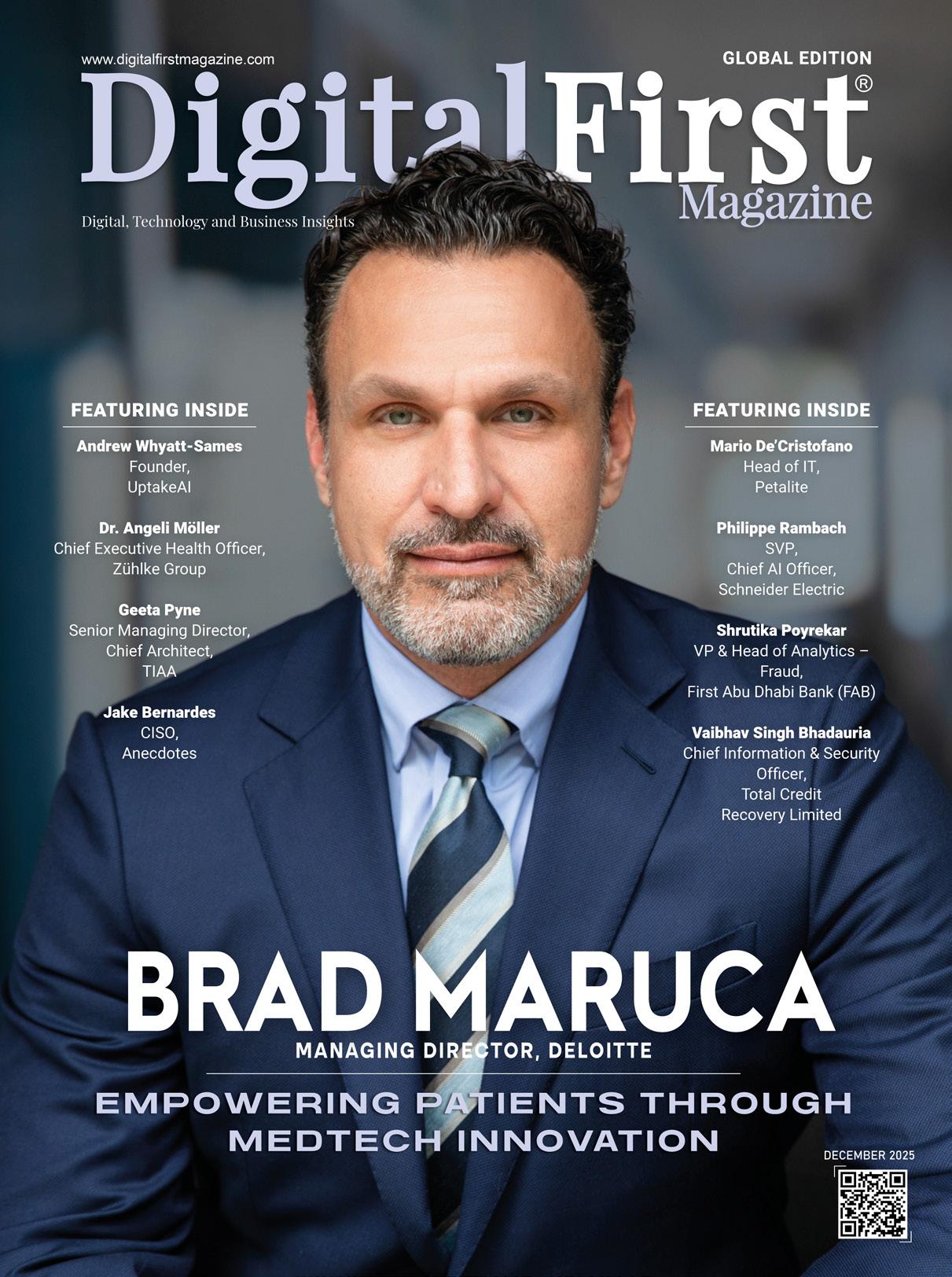
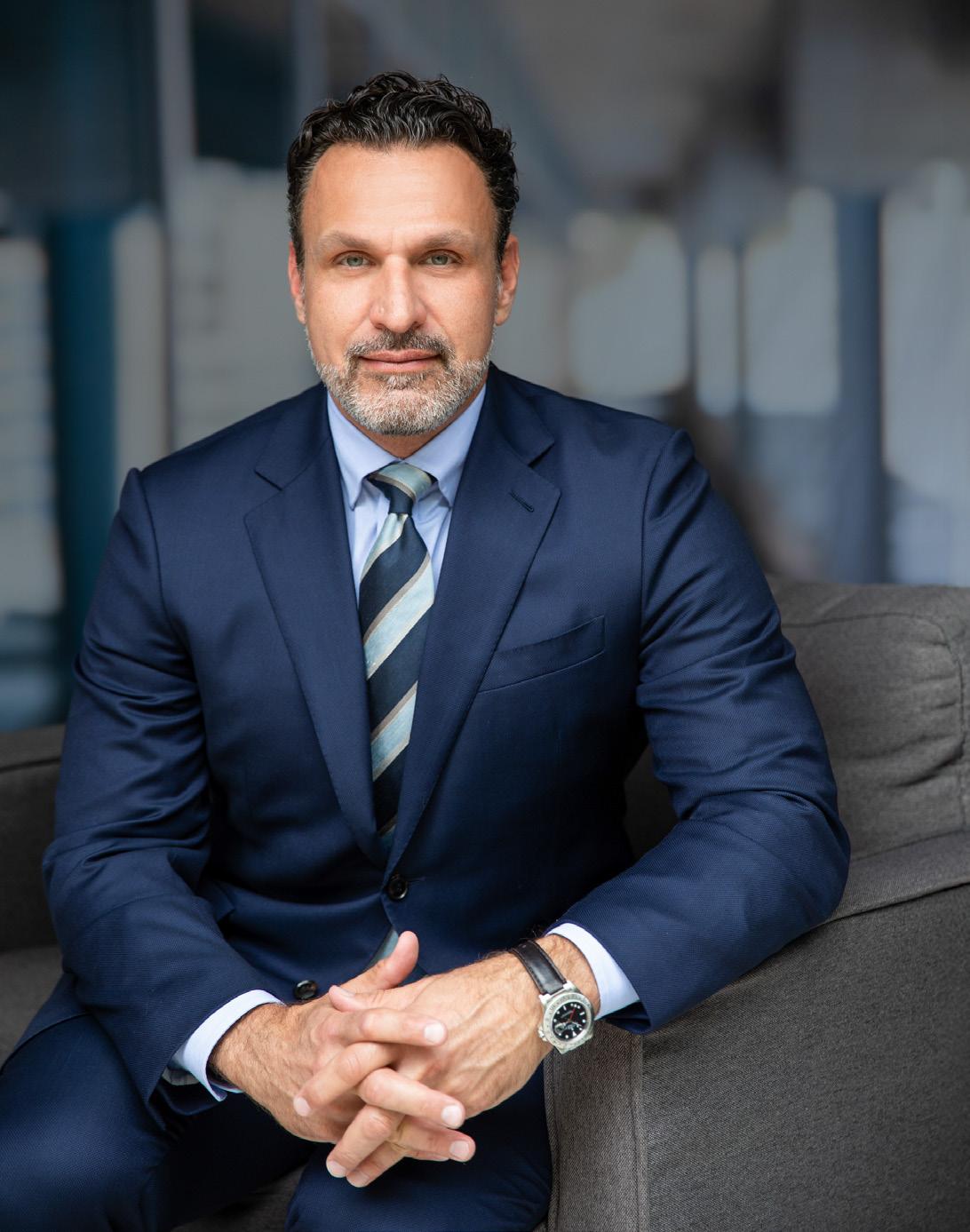
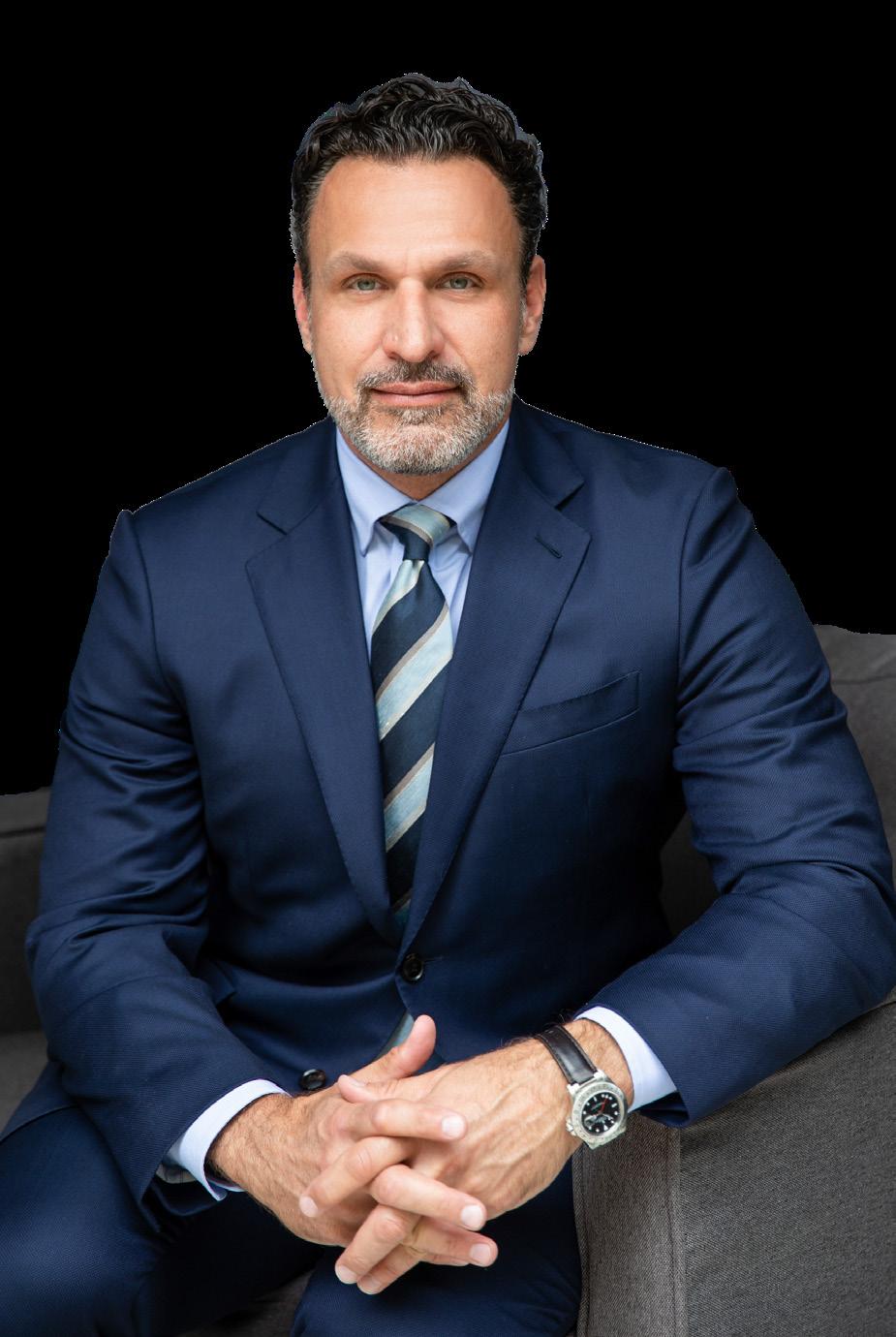
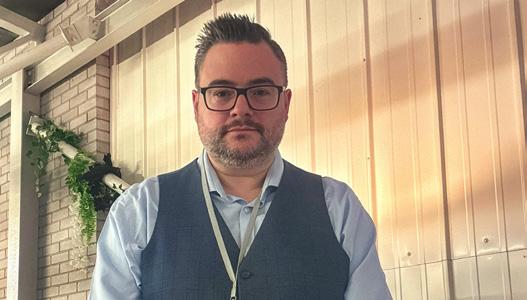
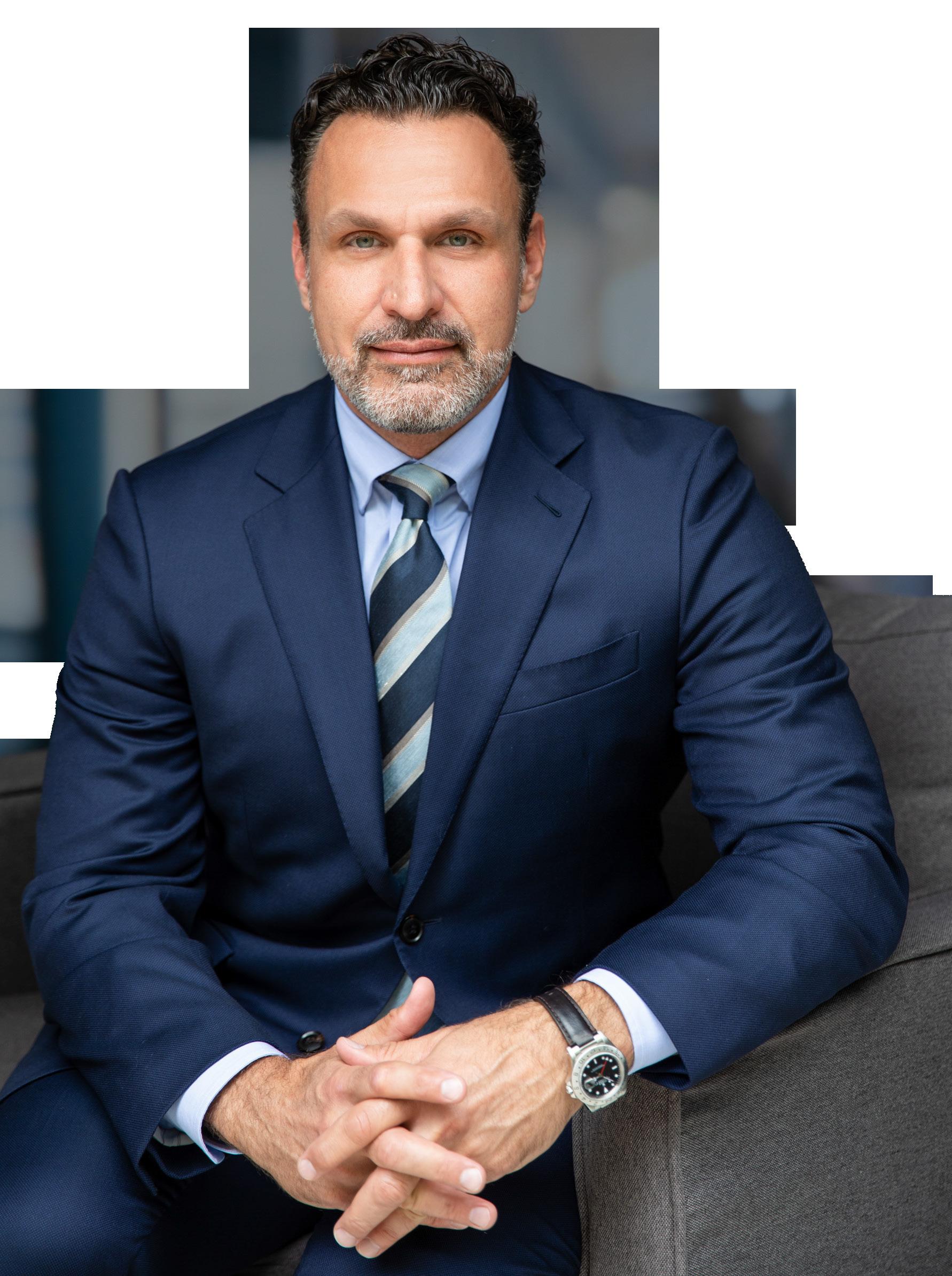
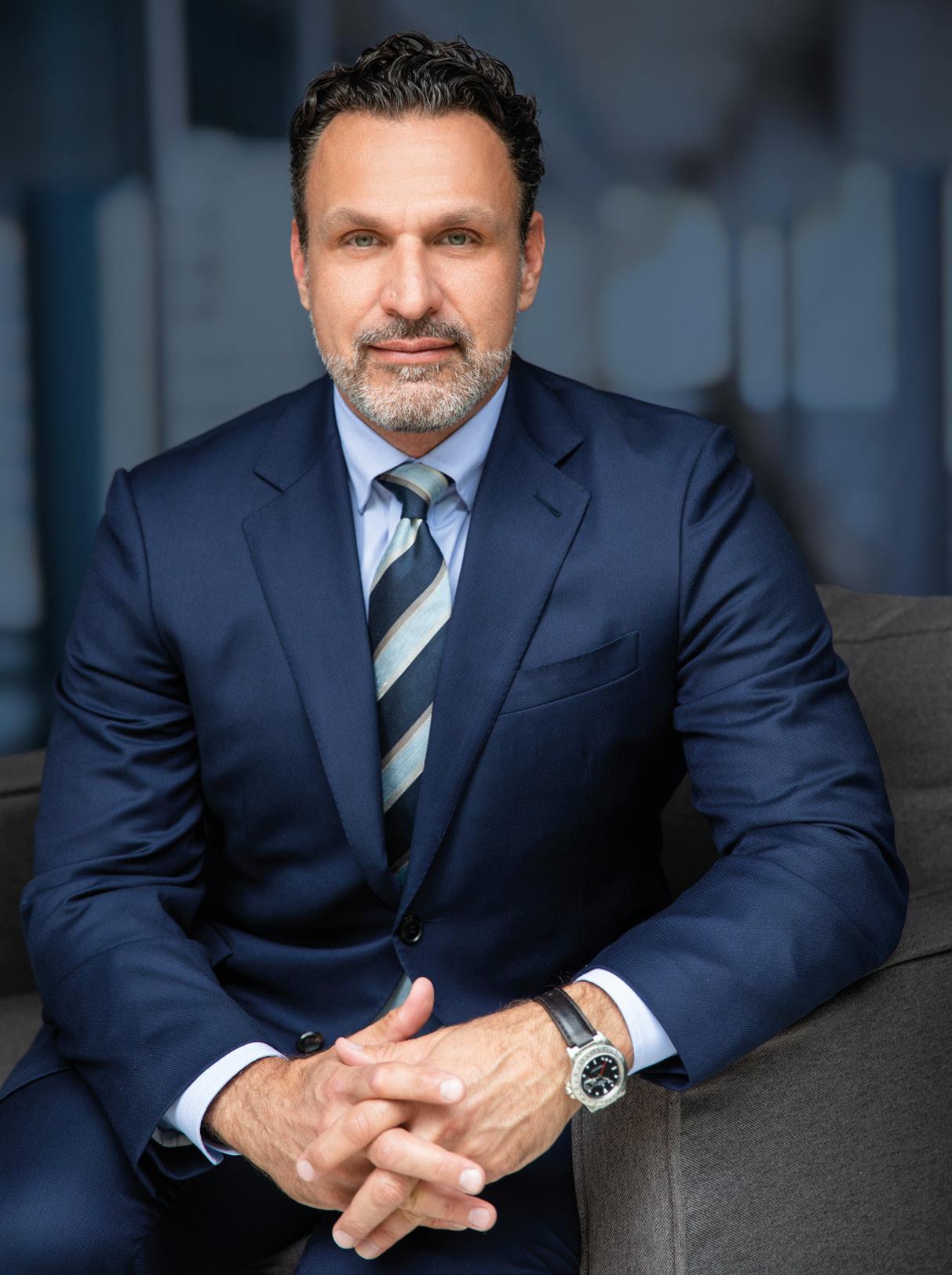
This month at Digital First Magazine, our cover story brings this idea to life. Brad Maruca, Managing Director at Deloitte, has spent more than two decades in MedTech, much of it immersed in neuromodulation. What stands out is not just his expertise but his steady insistence on staying close to the patient journey. Brad shows how leadership grounded in real-world insight can turn complex science into solutions that matter. His story is a reminder that innovation grows stronger when it begins with empathy and ends with impact.
Alongside our cover feature, this issue brings together voices from across the digital and business landscape; leaders, thinkers, educators, and innovators who are all asking the same essential question in their own ways: how do we build solutions that honor human needs while embracing the speed of modern technology? You’ll find fresh takes, practical lessons, and forward-looking ideas woven throughout these pages.
As we close out the year, I invite you to read this issue with curiosity and a sense of possibility. The future of health innovation isn’t shaped in laboratories alone; it’s shaped in conversations, collaborations, and a shared commitment to understanding one another a little better.
Enjoy Reading.
Sarath Shyam
EXPERT OPINION
Why EV’s are Probably the Future: The Intersection of Battery Technology, V2G, Cloud Infrastructure & AI
Mario De’Cristofano, Head of IT, Petalite
Driving AI-Led Transformation in Finance
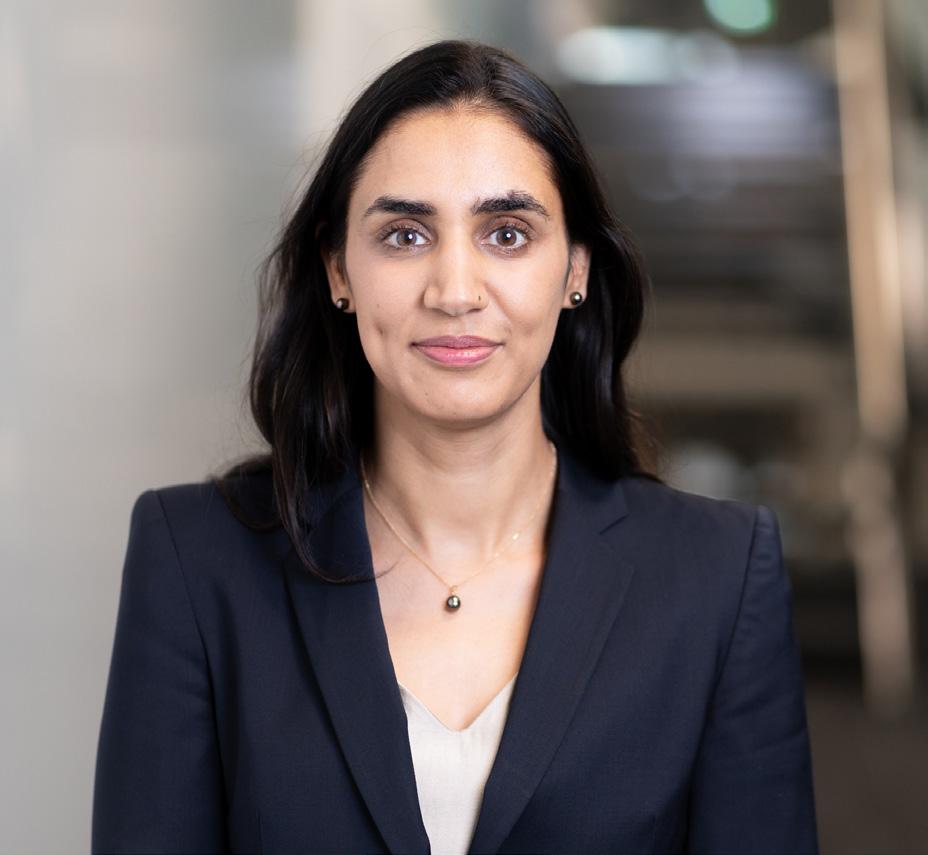
Shrutika Poyrekar, VP & Head of Analytics – Fraud, First Abu Dhabi Bank (FAB)
The AI Leadership Gap: Why Executive Hesitation Is Stalling Digital Transformation
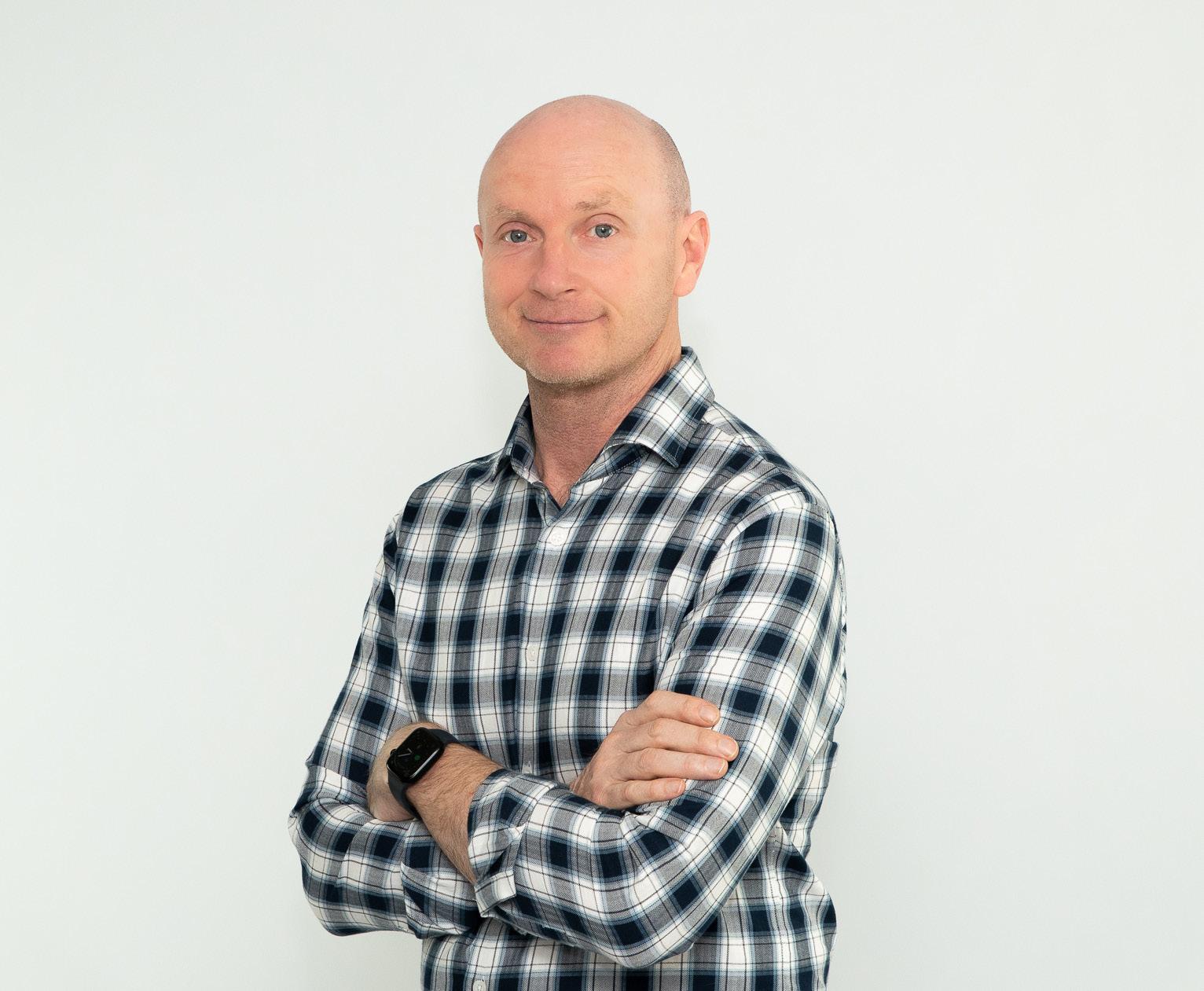
Andrew Whyatt-Sames, Founder of UptakeAI
Driving Innovation and Impact in Healthcare through Technology
Dr. Angeli Möller, Chief Executive Health Officer, Zühlke Group
LEADER’S INSIGHTS
38
Driving Business Growth through Next Gen Architecture
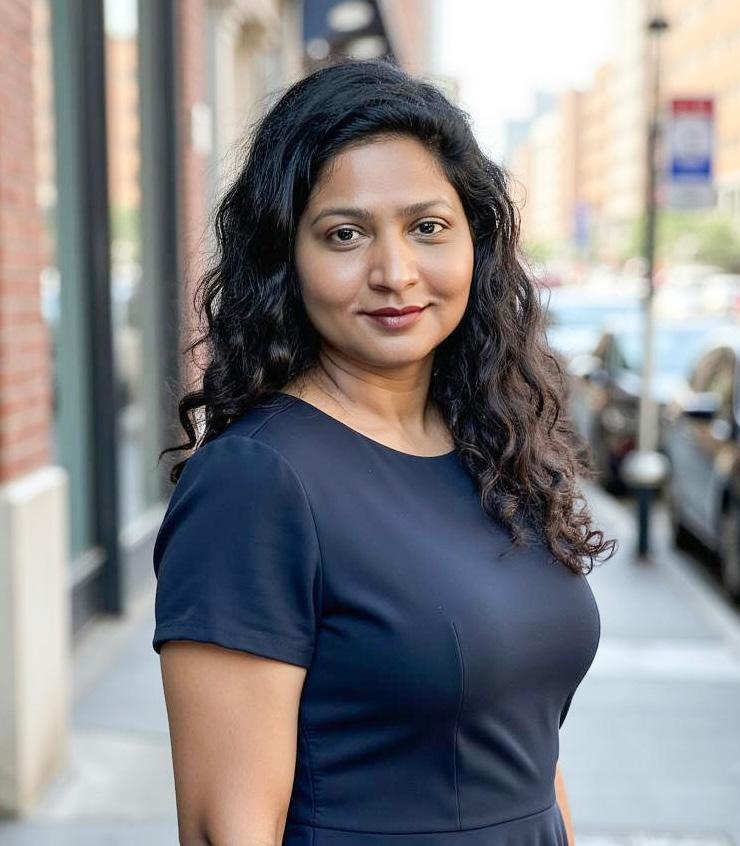
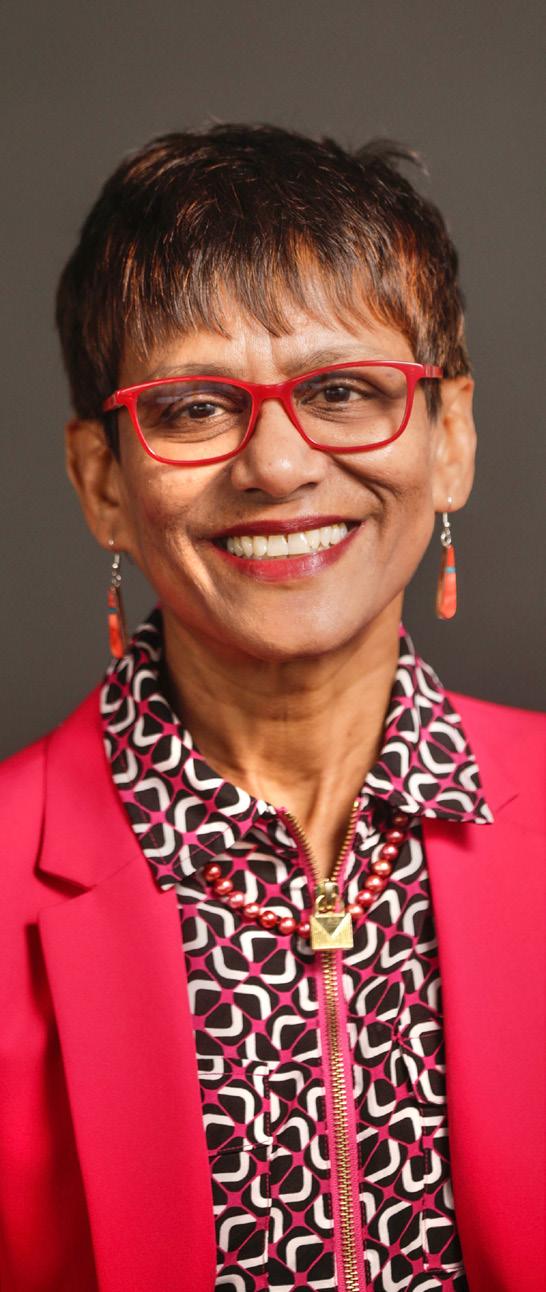
Geeta Pyne, Senior Managing Director and Chief Architect, TIAA
Leading AI Transformation for Business Impact
Philippe Rambach, SVP, Chief AI Officer, Schneider Electric
46
Empowering Business Growth through Cybersecurity Excellence
52
Vaibhav Singh Bhadauria, Chief Information & Security Officer, Total Credit Recovery Limited
Leading a Security-First Culture in Financial Services 62
Jake Bernardes, CISO, Anecdotes
Managing Director, Deloitte
Empowering Patients through MedTech Innovation
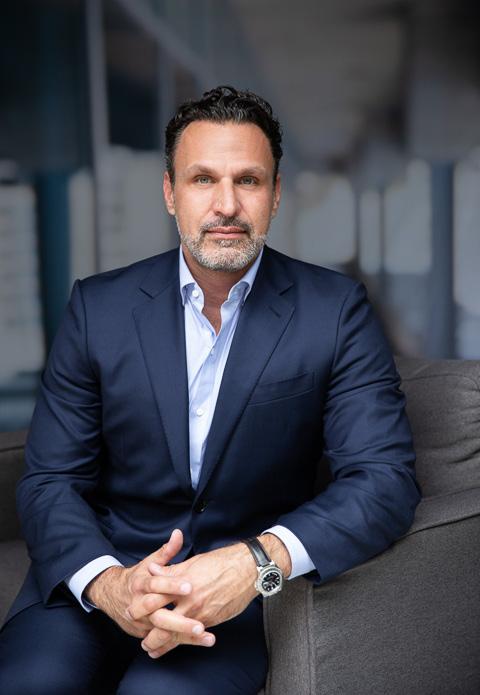
Brad Maruca is a Managing Director at Deloitte with 26 years of hands-on MedTech experience, including 19 years specializing in neuromodulation. He has played a key role in scaling MedTech businesses through leadership in marketing, sales, product management, medical education, and clinical research strategy. Brad is known for translating practical experience into results.
Recently, in an exclusive interview with Digital First Magazine, Brad shared insights into his approach to leadership in MedTech, the importance of understanding patient journeys, and the role of innovation in shaping the future of healthcare. He also shared his personal hobbies and interests, plans, words of wisdom, and much more. The following excerpts are taken from the interview.
Hi Brad. What drives your motivation as a leader in MedTech?
I’m driven by the magnitude and complexity of challenges facing MedTech today. Since most MedTech solutions target elective procedures, our industry often resembles a consumer market, characterized by selfdirected care, high refusal rates, and decisions heavily influenced by reimbursement and outof-pocket costs. Consequently, even the most innovative therapies often reach less than 10% of their potential market. My motivation lies in helping clients “crack the code” on connecting more patients with life-changing therapies and increasing patient acceptance of prescribed treatments. To achieve this, I focus on understanding and influencing every step of the patient journey, from identification and interest to intervention. This requires awareness of patient needs, clinical decision points, stakeholder diversity, and the incentives embedded within care pathways.
What do you love the most about your current role?
What I love most about my current role is the sheer variety and intensity of the work. Each week brings a fresh mix of projects, from commercial strategy and M&A integration to launching new business models, hosting indication expansion workshops, and driving precision sales growth. This diversity means collaborating with subject matter experts at Deloitte and working across different functions, therapeutic areas, and types of manufacturers, keeping the work dynamic and intellectually stimulating. In my previous industry roles, I would often focus on a single function, therapy
area, or product platform for years. That focus taught me accountability, as I lived with the long-term consequences of every decision. At Deloitte, I strive to maintain this same level of accountability, ensuring we’re not just solving today’s problems but delivering lasting value to our clients. To reinforce this, I frequently propose risk-sharing pricing models that align our fees with the outcomes we help achieve. My goal is for our team to share the same sense of ownership for results as our clients do.
What do you believe is the most exciting opportunity in MedTech today?
The convergence of GenAI and connected care is transforming MedTech. For years, connected devices generated data that clinicians couldn’t realistically use because there wasn’t the time or incentive to do so. Now, AI is efficiently bringing salience to actionable insights, and reimbursement is becoming commensurate with the effort involved and value created. Digital
AT DELOITTE, WE HELP CLIENTS DEVELOP CLINICAL AND ECONOMIC NARRATIVES THAT CAN SHIFT PAYER POLICIES AND DRIVE ADOPTION
health is shifting from being an incidental aspect of devices to a core monetizable product, making it actionable, self-sustaining, and ubiquitous.
How do you think industry leaders can best support innovation in MedTech?
Industry leaders can support innovation by first accurately defining what constitutes innovation. From there, they must have strong clinical and economic evidence to support the innovation, and to ensure the right financial incentivize exist to shape behavior. One of my colleagues at Deloitte, says “no money, no mission”. In the US, most Medtech products are class II which means their evidence burden is often to simply establish safety and substantial equivalence but not efficacy. This begs the question, if a technology is substantially equivalent to something already on the market, can it really be considered innovative?
What’s more, we often find the most influential stakeholder is the payer who demands a fast payback horizon, is slow to
SUCCESS IN MEDTECH CONSULTING REQUIRES RELENTLESS CURIOSITY, COMFORT WITH AMBIGUITY, AND THE ABILITY TO MAKE STRATEGIC CHOICES THAT DRIVE DISCIPLINED EXECUTION
change policy to accommodate innovation, and requires industry translate clinical outcomes into economic benefit for their membership. At Deloitte, we help clients develop clinical and economic narratives that can shift payer policies and drive adoption. Ultimately, even the best ideas need a robust business case that appeals to all stakeholders, including payers, not just clinicians.
What mentors or role models have had a significant impact on your career?
I’ve had many mentors and role models—many likely never realized their impact on my life and career, but two stand out: my wife, Niki, whose honest advice and encouragement have guided me through career decisions and tough moments; and Alan Mock, who exemplified technical mastery, integrity, and the importance of immersing oneself across activities and stakeholders to develop true market intuition.
What skills or experiences do you think are essential for success in MedTech consulting?
Success in MedTech consulting requires relentless curiosity, comfort with ambiguity, and the ability to make strategic choices that drive disciplined execution. Consulting presents high-stakes challenges without clear roadmaps. The best consultants co-create solutions with clients, refining them iteratively for real-world results. Consistency, follow-through, and a willingness to work through uncertainty while building trust and partnerships are critical. I also invest in building rapport with clients, as we often work with people who are both highly competent and highly personable.
Can you share a book or resource that inspires you and why?
Only a handful of books truly inspire me. Among those books are Freakonomics, Nudge, and Alchemy. These explore the world through behavioral science and economics. My favorite quote from Rory Sutherland, author of Alchemy, is, “Not everything that makes sense works, and not everything that works makes sense.” My favorite quote from Richard Thaler, author of Nudge, is, “The first misconception is that it is possible to avoid influencing people’s choices.”
The research in these books inspired me to pursue and earn an MS in Financial Economics in 2022 while working full -time.
What are some of your passions outside of work? What do you like to do in your time off?
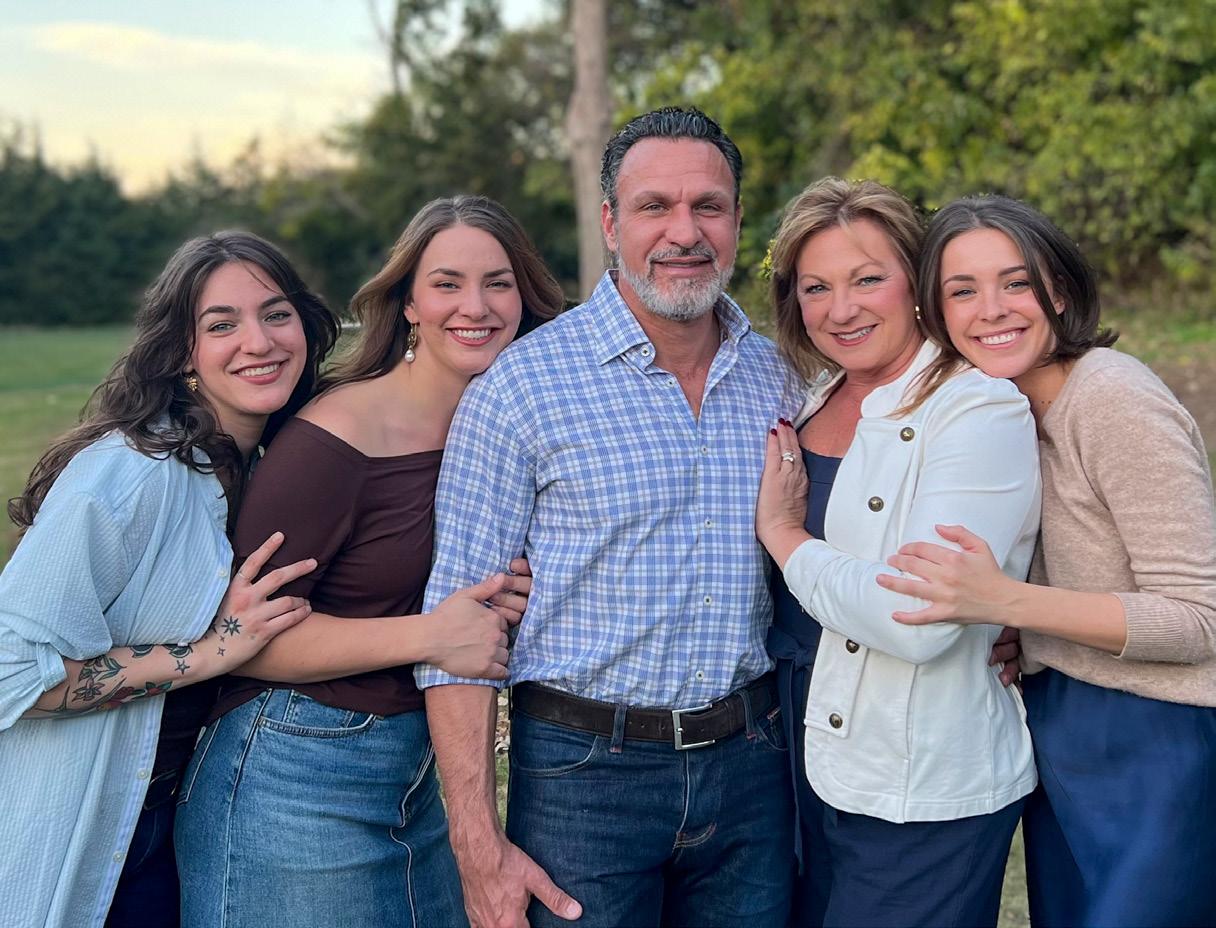
Outside of work, I love to travel with my wife and close friends, staying active, spending time with my Rhodesian Ridgebacks, and playing pickleball with my daughters. Even in my downtime, I’m drawn to reading business books and exploring new research. There’s always something new to learn, and I find real joy in continuously finding new inspiration for great ideas I can bring back to my clients.
What is your biggest goal? Where do you see yourself in 5 years from now?
My biggest professional goal is to help double the patient acceptance rate in MedTech, from 25% to 50%. In five years, I hope to be writing, teaching, and serving on several boards to leverage my experience to help others make meaningful progress in their respective industries and therapeutic areas. I want to distill
MY BIGGEST PROFESSIONAL GOAL IS TO HELP DOUBLE THE PATIENT ACCEPTANCE RATE IN MEDTECH, FROM 25% TO 50%
what I’ve learned into practical guidance for the next generation of MedTech leaders.
What advice would you give to someone starting their career in MedTech?
My advice for those starting in MedTech is to become an expert: learn the clinical landscape, read peer-reviewed studies, attend educational events, and
fully understand both the technical and reimbursement details. Talk to engineers, sales teams, and clinicians for a wellrounded perspective. Keep asking questions, challenge assumptions, and strive for deeper knowledge. MedTech can seem complex and slow-moving, but for those who engage deeply, it offers tremendous rewards and impact. My favorite saying is, “change in MedTech isn’t viral, it’s bacterial.”
Wa n t t o S e l l o r fi n d
I nve s t o rs f o r yo u r
B u s i n e s s ?
Driving Innovation and Impact in Healthcare through Technology
Dr. Angeli Möller, Chief Executive Health Officer, Zühlke Group
Hi Angeli. What inspired you to pursue a career in healthcare and technology, and how have you seen the field evolve over time?
Initially, I was only attracted to the field of healthcare, and didn´t think about the technology aspect. Like most people in our sector, I simply wanted to have a career that had a beneficial impact on society, and I enjoyed biology. It wasn´t more complicated than that.
Technology is obviously what changed. When I began my university studies at age 18 a significant amount of my studies was spent in the lab, learning how to design, perform and analyse a range of molecular biology experiment, however, by the time I had finished my PhD and won a grant for my postdoctoral research we were already working in labs using robotics to run many of those same experiments. Only the hypothesis generation, experimental
People will always be needed in every part of the health ecosystem to provide innovative and compassionate patient care
Dr. Angeli Möller advances AI-driven healthcare innovation, transforming patient care through responsible AI and data-driven solutions. As Group Chief Health Officer at Zühlke, she oversees global initiatives that harnesstechnologyformeaningful,sustainable impact in MedTech and Pharma. Her prior roles include Head of Data and Integrations at Roche, and Vice President of Global Data Assets at Bayer. Angeli co-founded The Alliance for Artificial Intelligence in Healthcare and is Managing Director at Sequoia Growth. She also contributes with her expertise as a scientific advisory board member of Multiomic Health and council member of the UK’s Science and Technology Facilities Council.
Recently, in an exclusive interview with Digital First Magazine, Angeli shared her professional trajectory, insights on the role of Artificial Intelligence evolving in healthcare, personal hobbies and interests, her favorite quote, future plans, words of wisdom, and much more. The following excerpts are taken from the interview.
As an organization, we always need to ensure we have the best people and that the voices of those people can always be heard, which is why inclusive hiring and collaboration practices are key for our business success
design and data analytics components of my training were still relevant. As I look ahead, further automation, and even autonomous labs are inevitable, and my career has allowed me to witness great benefits automated processes can bring to clinical operations and MedTech as well.
During even my academic research, I worked with automated reasoning and machine learning, but when I first entered industry in 2015 there was a lot of scepticism surrounding the value of AI. Through pre-competitive associations like the Pistoia Alliance and the Alliance for Artificial Intelligence in Healthcare, I was able to find likeminded individuals who were convinced that AI would be a corner stone, allowing us to move from digitization to digital transformation, and the progress in the last ten years has been significant. No one tells us anymore that AI has no value for their company, which is a huge relief as it was hard to keep hearing that a decade ago. Over that time I realized the importance of change management and communication when bringing the latest innovations to companies, now I always start every discussion with the product innovation, revenue, costs of goods and time to market
benefits of the transformation and not with the technology itself.
Beyond that, I have also learnt to look over the horizon and now personally have the opportunity to support development of quantum technologies through my position on the science and technology facilities council in the UK, which recently built a quantum computing facility to support multiple fields of scientific research.
What do you love the most about your current role?
The people. Zühlke is a company that provides a range of industries with consulting, digital transformation and engineering, specializing in turning state-of-the-art into competitive advantage. We´re an employee-owned company and our “product” is the minds of the approximately 2000 individuals who make the impossible possible. Much of our machine learning work is of course invisible, but is running in airports, supporting rail systems or hospitals. In our 17 offices worldwide, you can see various highly innovative products we have developed over the years, with
MedTech solutions having the longest history in our company.
How do you see the role of Artificial Intelligence evolving in healthcare, and what implications does this have for patient care and outcomes?
I see acceptance of AI in everyday life. It can help you with your emails, photos, investment decisions, hotel bookings… everything. This means that acceptance for AI in Healthcare is also growing. Regulatory bodies and ethics committees around the world seem to generally be open to the benefits it can bring to patient care and outcomes, and some began to prepare for this innovation years ago, the FDA being one example. There appear to be two roadblocks still to overcome, one is the investment needed, which is currently locked up in legacy systems and processes. Although we see across the over 300 clients for who we have implemented data-driven approaches that the investment can rapidly be reduced once systems are in-place, there is undoubtedly an up-front investment needed. The second roadblock is upskilling. There is a fear that AI and automation will make roles obsolete. It is critical that we support the upskilling and re-training of our workforces to allow them to work alongside AI solutions. People will always be needed in every part of the health ecosystem to provide innovative and compassionate patient care.
How do you approach leadership and innovation in your role, and what qualities do you believe are essential for effective leadership in healthcare? When it comes to innovation, I think it´s simply important to be open to new ideas. The people
who read this magazine are likely already open to new concepts and approaches to working. I think this openness is something we have seen throughout history in all leaders who adopted innovation to achieve great business success as their competitors who were less open to new ideas floundered and disappeared.
What are your thoughts on diversity and inclusion in your field? How important is it to have authentic conversations with leaders, professionals, and changemakers to create more acceptance across the globe?
As an organization, we always need to ensure we have the best people and that the voices of those people can always be heard, which is why inclusive hiring and collaboration practices are key for our business success. Having demographic diversity around the table, in terms of age, gender, socio-economic status and ethnicity, also increases our chances of understanding the needs of the diverse range of clients and ultimately patients that we support.
In our healthcare system inclusion also means listening to the various stakeholders needed for success of any solution, for example patients, caregivers, health insurers, clinicians, engineers and commercial leads. Knowing which roles are critical to success is where all digital transformation implementation should begin.
Who has been a significant influence or mentor in your career, and how have they helped shape your professional journey?
My very first manager in the pharmaceutical industry played a significant role in my career.
He showed me that it was possible to stay authentic and grow into a management position. Up until the day he retired it was clear he cared deeply about the impact we could make through patient-centric digital transformation and that he also supported the team around him completely.
What are some of your passions outside of work? What do you like to do in your time off?
My work is very exciting and takes me all around the world, so outside of work I am quite
boring. I simply enjoy being with my family and friends, and am happy attending concerts, hiking or gardening. I took up paddle-boarding last summer and I have already been out on the lake this year even though there was still some ice around the edges. I enjoy the quiet of nature when I am out on my board.
What is your favourite quote?
I appreciate this quote from Hamlet by Polonius, “This above all: to thine own self be true, And it must follow, as the night the day, Thou canst not
Growing a profitable business allows us to invest in further people development and to ensure sustainable benefits in the healthcare ecosystem
then be false to any man.” I know the first half is usually all that is quoted, but the whole sentence is what resonates for me.
What are your long-term career aspirations, and how do you see yourself evolving as a leader over the next five years?
One of the things I greatly appreciate about my role is my P&L accountability, each year I have a revenue target and EBITA contribution that I need to achieve. Growing a profitable business allows us to invest in further people development and to ensure sustainable benefits in the healthcare ecosystem. I also value our role in contributing to the economy of all the countries in which we have a presence. I hope that wherever the future takes me that I will continue to have the ability to grow impactful businesses.
What advice would you give to individuals looking to break into the healthcare technology field, or transition into a leadership role?
Take some time to understand the skills and experience that are needed in the leadership role you are aspiring for. For example, when leaving science for my first management role, I needed to develop my financial acumen. So, I developed a learning path for myself and sought opportunities that tested my financial management and investment skill sets (at first this took the form a volunteer opportunity until I could make this skill a cornerstone of my day job). Look for opportunities to take on more responsibility but also be sure those opportunities are developing you in the direction you want to go.
The AI Leadership Gap: Why Executive Hesitation Is Stalling Digital Transformation
Andrew Whyatt-Sames, Founder of UptakeAI
AI Adoption Isn’t a Technology Problem—It’s a Leadership Challenge Artificial intelligence is no longer an emerging technology; it is a core driver of competitive advantage. Organisations across industries are leveraging AI to automate processes, enhance decision-making, and unlock new growth opportunities. A recent McKinsey Global Survey on AI found that companies effectively integrating AI at scale experience 20–30% cost reductions and 10–15% revenue growth.
Yet, despite the clear business case, many executive teams remain divided on AI’s role in their strategy. A 2024 PwC report revealed that while 60% of senior leaders believe AI is critical to their company’s future, only 27% say they have a clear implementation plan. This disconnect— between recognising AI’s importance and translating that recognition into action—is not a technical challenge. It is a failure of leadership alignment.
While
AI-driven competitors move decisively, those who delay adoption—whether due to uncertainty, internal resistance, or lack of fluency—risk falling irreversibly behind
Andrew is a psychologist, L&D expert, and AI strategist who helps organisations navigate the human side of AI adoption. As the founder of UptakeAI, he blends social learning, coaching, and technical expertise to accelerate AI literacy and drive cultural change.Withatalentforshiftingresistance into enthusiasm, Andrew helps leaders and teams integrate AI into daily workflows, enhancing performance and engagement. He is a sought-after advisor known for his pragmatic, people-centred approach and thoughtleadershiponAI-poweredcultures. Passionate about innovation, he models AI best practices, ensuring organisations unlock AI’s full potential with clarity, trust, and impact.
AI adoption does not require all executives to become technologists, but it does require a unified vision, cross-functional collaboration, and a willingness to engage with AI firsthand
The consequences of this misalignment are profound. Companies that hesitate risk slowing innovation, losing market share, and eroding stakeholder trust. While AI-driven competitors move decisively, those who delay adoption— whether due to uncertainty, internal resistance, or lack of fluency—risk falling irreversibly behind.
The Leadership Credibility Crisis: When Mixed Signals Undermine Strategy
Strategic misalignment within leadership teams is not a new challenge, but in the context of AI, the stakes are higher. Employees look to executives for clarity on priorities, customers expect businesses to innovate responsibly, and investors want evidence of a forwardlooking strategy.
Yet, mixed signals are common. Consider a recent LinkedIn debate that surfaced tensions around AI’s role in marketing. A senior leader stated:
“If you over-rely on ChatGPT for marketing, you’re lazy. I’d be quick to fire anyone who does.”
The response was immediate:
Industry professionals pushed back, arguing that AI enhances, rather than replaces, creativity.
Executives from other firms weighed in, challenging the leader’s position.
Employees and customers began questioning the company’s actual stance on AI adoption.
No clear response emerged from senior leadership, leaving uncertainty about whether AI was embraced or dismissed.
This kind of public contradiction is not just a PR challenge; it signals deeper strategic fractures. When one executive dismisses AI as a fad while another champions it as a strategic pillar, the organisation is left
without a coherent direction. Uncertainty stifles execution. Employees hesitate, AI initiatives stall, and external stakeholders grow sceptical.
The question executives must ask is: Do our actions and communications reflect a unified AI vision, or are we inadvertently creating confusion?
Why Leadership is the Primary Barrier to AI Adoption
A study by MIT Sloan found that 63% of stalled AI initiatives cite lack of executive alignment as the primary obstacle. Resistance rarely stems from doubts about AI’s capabilities; rather, it reflects a lack of consensus on how AI should be integrated into business strategy.
Common barriers include:
Fear
of
Disruption
– AI challenges traditional leadership structures and decisionmaking processes.
Job Security Concerns –
AI’s automation potential raises concerns among senior leaders about role redundancy.
Lack of AI Fluency –
Many executives feel unprepared to engage in AI discussions, leading to passive resistance.
In many cases, this results in what PwC calls the “Wait and See” trap—a pattern in which executives postpone AI decisions, waiting for clearer market signals or a competitor to move first. However, by the time the competitive landscape clarifies, first movers have already established an insurmountable lead.
Closing the AI Leadership Gap: A Framework for Alignment
AI adoption does not require all executives to become technologists, but it does require a unified vision, cross-functional collaboration, and a willingness to engage with AI firsthand. Based on my experience leading AI implementation initiatives, the following four steps are essential for bridging the leadership gap:
1. Establish a Shared AI Vision
Align AI objectives with business strategy, ethical principles, and competitive positioning. Define measurable KPIs that ensure AI’s impact is assessed against clear business outcomes.
2. Build AI Fluency Among Leadership
Provide tailored executive education that moves beyond technical jargon to focus on business implications.
Encourage leaders to experiment with AI-driven decision-support tools in their own workflows.
3. Align Internal and External Messaging
Ensure all senior leaders communicate a consistent narrative about AI’s role in the company.
Equip customer-facing teams with clear messaging on AI’s benefits and ethical safeguards.
4. Lead by Doing: Hands-On AI Engagement
Sponsor pilot AI projects with cross-functional teams to build internal expertise. Encourage executives to engage directly with AI applications, fostering deeper understanding.
AI in Practice: The Power of Hands-On Engagement
In my experience working with leadership teams, I’ve observed a direct correlation between AI fluency and executive alignment. Organisations where leadership actively participates in AI adoption—whether through hands-on experimentation, pilot programmes, or collaborative workshops—develop clearer, more actionable strategies.
The opposite is also true. In organisations where AI remains an abstract concept, misalignment festers. When executives hesitate to engage with AI tools directly, they default to risk aversion, slowing adoption and creating strategic inertia.
The key takeaway? AI literacy and leadership alignment go hand in hand.
The Market Won’t Wait for Internal Debate
Organisations that fail to align on AI will not just struggle with adoption—they will struggle with survival. While leadership teams debate, competitors are integrating AI, optimising operations, and building market differentiation.
Executives must recognise that AI adoption is not a binary choice between fullscale implementation or complete avoidance. It is a progressive, strategic shift that requires leadership clarity, organisational learning, and measured execution.
The Choice is Clear
AI is transforming industries. The only question is who will lead and who will follow.
So, ask yourself—who’s setting your AI agenda? Your leadership team? Or the market?
Driving AI-Led Transformation in Finance
Shrutika Poyrekar, VP & Head of Analytics – Fraud, First Abu Dhabi Bank (FAB)
Hi Shrutika. What drives your passion for AI and data science, and how do you stay current with emerging trends?
My passion for AI and data science is driven by the challenge of solving high-stakes, real-world problems—especially in fraud prevention, where adversaries constantly evolve. I don’t just apply AI; I architect scalable, intelligent systems that detect and mitigate fraud proactively.
I stay ahead by deeply engaging with AI advancements—fine-tuning LLMs, optimizing RAG pipelines, and integrating ML-driven decision systems into banking operations.
What I love most about my role is building and deploying AI-driven fraud detection at scale on live transactional data LEADER’S
I actively follow AI research, experiment with new methodologies, and ensure my team is leveraging the latest innovations. For me, leadership in AI isn’t just about staying informed; it’s about driving adoption, aligning AI with business strategy, and pushing the boundaries of what’s possible.
What do you love the most about your current role?
What I love most about my role is building and deploying AI-driven fraud detection at scale on live transactional data. Fraud is one of the
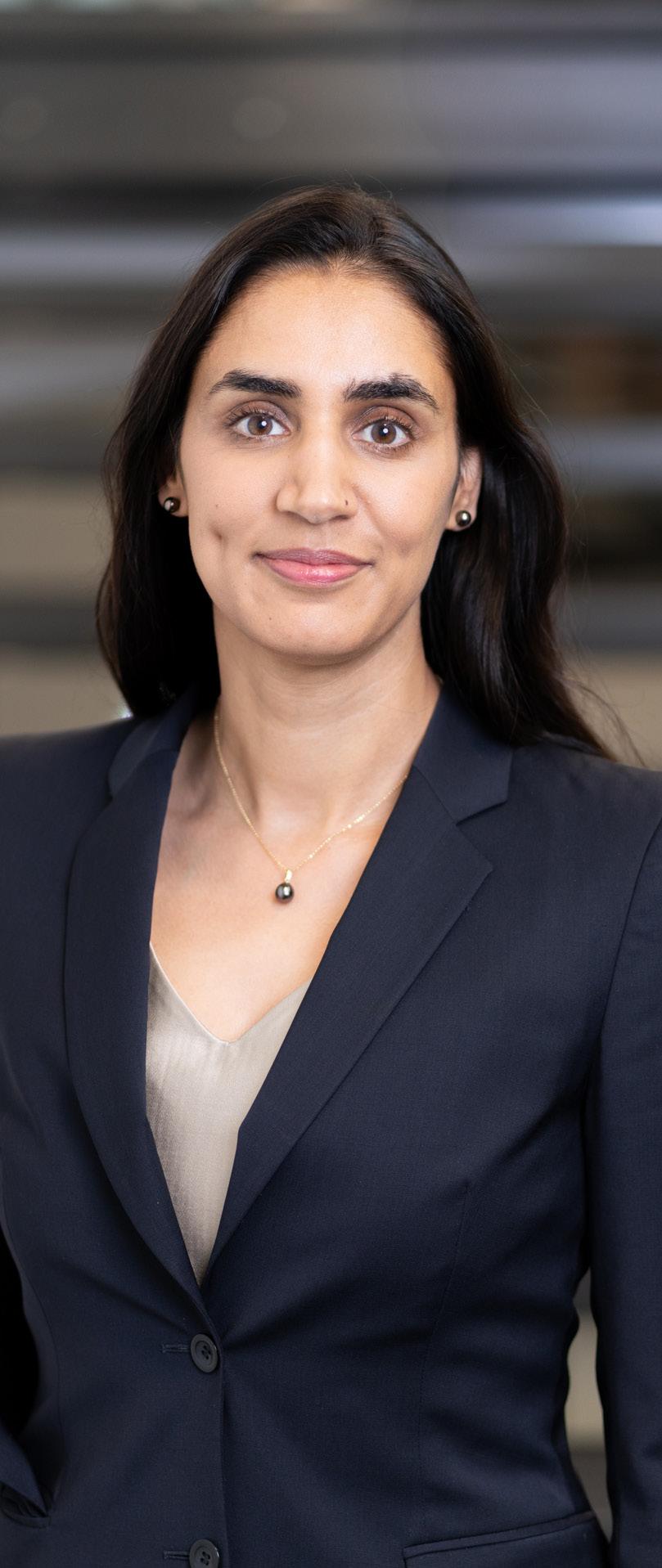
Shrutika Poyrekar is the Vice President and Head of Analytics for Fraud at the largest bank in UAE, driving AI-led transformation in real-time fraud detection and risk management. With deep expertise in MLOps, large-scale AI deployment, and data-driven strategy, she has built scalable, productiongrade AI systems. A passionate leader, they focus on mentoring teams, AI governance, and bridging the gap between AI innovation and business impact. Her long-term vision is leading AI-driven strategy and enterprise transformation at scale.
Recently, in an exclusive interview with Digital First Magazine, Shrutika shared insights on what drives her passion for AI and data science, personal source of inspiration, significant career milestones, future plans, words of wisdom, and much more. The following excerpts are taken from the interview.
The biggest challenges in AI and data science today revolve around execution, trust, and expectations
most complex problems in finance because it requires solving multiple ML challenges—realtime risk scoring, anomaly detection, indirect liability estimation, and high-dimensional behavioral modeling. Essentially, fraud detection is a microcosm of financial AI— person classification, credit risk assessment, and network analysis all come into play.
It’s not just about AI; it’s about making it work in production—deploying models with MLOps for real-time monitoring, handling high-velocity data streams, and ensuring fraud decisions are explainable, precise, and fast. The challenge of optimizing for both accuracy and latency in a live banking environment, while continuously evolving defenses against adaptive fraudsters, is what makes this role exciting.
What do you believe are the most significant challenges facing AI and data science professionals today, and how can they address them?
The biggest challenges in AI and data science today revolve around execution, trust, and expectations. Many AI models never make it to production due to real-world constraints like latency, cost, and integration challenges, with MLOps often overlooked. To drive real impact, AI professionals must prioritize deployment, monitoring, and continuous improvement from the start. Another major hurdle is the gap between AI expertise and applied execution—many practitioners lack real-world implementation skills, while domain experts resist AI-driven insights, assuming outsiders can’t model their industry effectively. Bridging this divide requires hands-on AI leadership and strong cross-functional collaboration. Additionally,
hype vs. reality remains a key challenge. AI isn’t magic, and garbage in, garbage out still holds true—poor data quality, biased inputs, and unrealistic expectations can easily derail AI projects. Overcoming these issues demands clear communication, realistic goal-setting, and a focus on incremental, measurable impact to ensure AI delivers sustainable value.
How do you see the field of AI and data science evolving in the next 5-10 years, and what skills and qualities do you believe will be essential for success in this field?
Over the next 5-10 years, AI and data science will evolve from standalone models to fully integrated, intelligent systems that drive realtime decision-making. The focus will shift from just building models to deploying and operationalizing AI at scale, making MLOps, automation, and real-time data pipelines essential. AI will enhance, rather than replace, human expertise, especially in fields like fraud detection and risk management, where explainability and governance will be critical. Success in this evolving landscape will require a hybrid skill set—deep technical expertise in AI deployment, a strong understanding of domainspecific challenges, and strategic thinking to align AI with business goals. The ability to bridge the gap between AI and business, ensuring ethical, interpretable, and scalable AI adoption, will set leaders apart. As AI adoption grows, professionals who can navigate both technology and business execution will drive the most impact.
What do you think are the most significant opportunities and challenges facing women in technology and leadership positions today?
Women in technology and leadership today have more opportunities than ever, with increasing recognition of the value diverse leadership brings. AI and data science, in particular, offer a meritdriven space where expertise and execution matter more than hierarchy, allowing women to lead transformative change.
However, challenges persist. Breaking into leadership often requires proving competence repeatedly, as biases around technical and strategic decision-making still exist. Many women also balance high-pressure roles with personal responsibilities, making career progression more complex. The key to overcoming these barriers is sponsorship, not just mentorship—having advocates who actively push for women’s leadership in critical decision-making spaces. Building strong networks, driving measurable impact, and fostering inclusive, high-performance cultures are essential for long-term success.
Who has been a significant influence or mentor in your career, and how have they helped shape your professional journey?
My husband has been my biggest mentor, not just in my career but in shaping how I approach problem-solving and leadership. As a founder and a product leader, he has a deep understanding of how technology intersects with business, and being around him has given me invaluable insights into the real-world application of AI. Early in my career, I was deeply focused on complex AI models, often assuming that the most sophisticated algorithm would always be the best solution. However, through our discussions, I realized that not every problem requires an advanced AI approach—sometimes,
the right answer lies in a simple, scalable, and more operationally efficient solution. He taught me to think beyond the model itself—to question whether an AI solution aligns with business objectives, integrates well with existing systems, and ultimately delivers measurable impact.
His experience in building and scaling products has also influenced how I lead teams and drive AI adoption. I’ve learned the importance of balancing technical depth with strategic execution, ensuring that AI isn’t just an academic exercise but a real, functioning system that creates value. More than just offering advice, he has been a sounding board, pushing me to think critically, challenge assumptions, and refine my decision-making. His influence has helped me transition from being just a data
science expert to a leader who understands the bigger picture—how to drive AI at scale while keeping business goals at the core.
What has been your most careerdefining moment that you are proud of?
I’ve had several career-defining moments that shaped my journey. From building the fraud score for one of the largest bureaus, to working on robotic microscopes just because finance felt too conventional at the time, to deploying deep learning solutions for real-time fraud detection at scale in a major bank—each experience reinforced my passion for solving complex problems.
But what I’m most proud of isn’t just the technical achievements—it’s building and
As AI adoption grows, professionals who can navigate both technology and business execution will drive the most impact
mentoring my team. Watching each team member grow, take ownership, and lead their own projects has been the most fulfilling part of my career. Creating an environment where AI talent thrives and scales solutions beyond just models is what I consider my greatest accomplishment.
How do you prioritize your well-being and self-care amidst a demanding career?
Balancing a demanding career with well-being comes down to discipline and intentionality. I take self-care seriously and ensure it’s a consistent part of my routine. My mornings start with beauty detox drinks and meditation to stay grounded and focused. While I’m not always in a strict workout routine, I make an effort to exercise daily to maintain both mental and physical well-being.
Planning is key—I write down my to-dos every night to have a clear roadmap for the next day, helping me stay productive without feeling overwhelmed. For me, proactive selfcare is essential rather than reactive recovery— neglecting it occasionally is fine, but if it becomes the norm, it’s a red flag. The goal isn’t just career success but sustaining it without burnout, ensuring that both professional growth and personal well-being go hand in hand.
What are your long-term career aspirations, and how do you see yourself evolving as a leader over the next five years?
My long-term goal is to become a Chief AI Officer (CAO) and eventually transition into a CTO role, leading AI-driven transformation at scale. I want to shape AI as a core enabler of business strategy—not just as a tool for insights,
but as a system that drives automation, realtime decisioning, and risk management at scale. AI in enterprises needs to move beyond isolated models to fully integrated, productiongrade systems, and I want to be at the forefront of that evolution.
Over the next five years, I see myself evolving from a technical leader to a strategic AI executive, focusing on AI governance, ethical AI adoption, and deploying AI at scale with tangible business impact. I want to bridge the gap between cutting-edge AI research and real-world execution, ensuring that AI solutions are not just innovative but also practical, explainable, and optimized for business needs.
A key part of my journey will be mentoring and scaling high-performing AI teams, fostering a culture where AI practitioners are empowered to build robust, scalable solutions rather than one-off models. I also aim to work more closely with cross-functional stakeholders—product, risk, compliance, and technology teams—to drive AI adoption that is not just technically sound but also aligned with regulatory and operational constraints.
Ultimately, I want to be in a position where I drive AI adoption at an enterprise level, setting the vision for how AI integrates into critical decision-making systems while ensuring responsible and scalable deployment.
What advice would you give to individuals looking to break into the field of AI and data science?
Breaking into AI and data science isn’t just about memorizing algorithms—it’s about deploying AI at scale, integrating it into real business systems, and making sure models don’t fall apart when faced with live data.
Creating an environment where AI talent thrives and scales solutions beyond just models is what I consider my greatest accomplishment
Strong fundamentals in math, statistics, Python, SQL, and cloud platforms are essential, but what truly sets professionals apart is understanding MLOps, data pipelines, and model monitoring. AI isn’t just about accuracy; it’s about solving real problems and ensuring solutions are explainable, scalable, and useful.
Technical skills alone aren’t enough— communicating AI’s business impact is just as critical as building the model itself. Instead of chasing endless certifications, hands-on execution matters: experiment, build end-toend projects, collaborate with different teams, and learn from those who have deployed AI in production. The field moves fast, and success comes to those who stay curious, adaptable, and focused on real-world impact.
Driving Business Growth through Next Gen Architecture
Geeta Pyne, Senior Managing Director and Chief Architect, TIAA
Hi Geeta. What inspired you to pursue a career in enterprise architecture and technology strategy, and what motivates you to continue in this field? I started my career in Space Research and worked across several industries, always figuring out new ways of delivering, driving innovations and transformations. I like big hairy problems, I think Big, Bold and challenge all assumptions. While a tech nerd at heart, I also love people, working with people, bringing the best out of people, aligning on a
common mission, and driving companywide transformations – this is what excites me and drives me, I excel and where I see enterprise architecture and technology strategy gives me that intersection of driving change, growing people while delivering growth for the company, making impact to the Customers. Chief Architect roles are never easy, it requires a unique mindset, ability to influence without authority, change mindset while continuing to learn and grow, that’s what keeps me motivated to continue in this field.
Chief Architect roles are never easy, it requires a unique mindset, ability to influence without authority, change mindset while continuing to learn and grow, that’s what keeps me motivated to continue in this field
Geeta Pyne is a highly experienced Chief Architect and Engineering Leader with about 30 years of industry experience. She has a proven track record of leading digital transformations with next generation architecture strategies to deliver innovativecapabilitiesthatdriveprofitablebusiness outcomes and accelerates SaaS business. A Data Strategy & Enterprise Architecture expert, she has built global high-performance teams, leading to significantimprovementsinefficiency,costsavings, and new revenue generation. Geeta started her careerasaresearchscientistdevelopingalgorithms for Satellite Image Processing and takes pride in holding IP in India’s first parallel computer PARAM and Image Processing system ISROVISION.
Geeta is a trusted advisor to CIOs/CTOs, transformation leader, and change agent with an entrepreneurial mindset with core strengths in enterprise & products architecture, data, AI, and enterprise IT. Additionally, she is an advisor to multiple startups, and is passionate about growing and coaching the next generation of talents. She is also a Board Member/Advisor for several organizations such as Chief Architect Forums & Women in Architecture, SIM, Bay Area, Evanta San Francisco, a Gartner company, Evanta Global CIO, Gartner Peer Insights Ambassador and GTM Capital Advisory Board and to several startups and VCs. She loves to mentor, grow next generation talent, and make a difference especially to young graduates entering the workforce.
Recently, in an exclusive interview with Digital First Magazine, Geeta shared insights on the evolution of enterprise architecture in the next 5-10 years, words of wisdom, the secret mantra behind her success, significant career milestones, future plans, and much more. The following excerpts are taken from the interview.
The enterprise architects will need to be business savvy, understand key industry trends, double down on critical thinking, be extremely flexible and adaptive, start with first principle thinking, bring innovation in every conversation, reimagine and rethink everything
What do you love the most about your current role?
Driving change in 100+ years old company, bringing people across, inspiring, motivating, mentoring and showing the art of possible. Changes are never easy especially in a large legacy company, challenges bring the best of me, and I love being able to influence, push conventional thinking, helping people finding their purpose and making people fall in love with what they do!
How do you see the field of enterprise architecture evolving in the next 5-10 years, and what skills or competencies will be most important for success?
The field of enterprise architecture is getting more and more an integral part of how we run the business, driving business strategy, understanding the intricacies and dependencies
of geo-political influence, resiliency and economic factors will be key for enterprises to thrive in the coming years. The enterprise architects will need to be business savvy, understand key industry trends, double down on critical thinking, be extremely flexible and adaptive, start with first principle thinking, bring innovation in every conversation, reimagine and rethink everything. EA’s must drive skills of the future, architect the organizations, and take central roles of shaping the future. EA’s must be very versatile, besides the core tech technologies like AI and Data, Cloud and Edge, new ways of Compute, Network, Storage, they must pick up skills around responsible policies, ethics, compliance, governance and understand how they come together and last but not the least, sustainability. EAs must drive transformation with architecture for good, good for humanity and establish to get a seat at the table of at World Economic Forums and other venues discussing critical skills and initiatives to make the world a better place. Stay humble, stay hungry!
Can you share your thoughts on the importance of diversity, equity, and inclusion in the field of enterprise architecture, and how do you promote these values in your work?
Enterprise Architecture is rooted in diversity, diversity of thoughts, diversity of problems, diversity of approaches, there is no one size fits all. Different perspectives matter the most and looking from several angles, and you can’t build an EA team without diversity. For me, it is not about gender, it is about bringing talent from all backgrounds to have a holistic thinking and completeness of vision, including everyone’s opinion, giving a seat at the table. I
practice this every day, my team at TIAA and in prior companies, have people from different background, engineering, program management, business analysts, product managers to architects across the stack. What I look for is curiosity, willingness to learn, problem solving attitude, working across the isles, and always looking to bring people together. I encourage everyone to speak up, I create an environment of trust and safety and promote these values leading by examples.
Congratulations on being honored with the AI100 award, Geeta! Your leadership and expertise in enterprise architecture have been an inspiration to many. As someone who has achieved so much in their career, what advice would you give to others looking to follow in your footsteps, and what’s the one thing that’s been key to your success? Thank you so much for your kind words. My advice to anyone looking to make an impact and establish as enterprise architect, will be to start with foundations, get really good in going deep in certain domains, before going broad. You have to be known for your craft in certain domain, for me it has always been data and integrations. Never stop learning, and embracing different perspectives. Be curious, never say no to an opportunity unless you try, shadow anyone you admire, be in business or tech or sales – there is so much to learn from people that complement you. Surround yourself with people that are smarter, different, who will challenge you, push you – get comfortable being uncomfortable, be open, and always believe in the art of possible. There is no short cut for hard work, put in the effort and do everything with utmost diligence
For me, my hunger and curiosity, relentless effort in the success of the projects and organizations, and putting team and company first, has been the key to success
and commitment. For me, my hunger and curiosity, relentless effort in the success of the projects and organizations, and putting team and company first, has been the key to success. For me making a difference, making an impact, driving change and making people smile – yes if I can bring smile to anyone, that makes my Day.
How do you stay current with the latest developments and trends in technology and enterprise architecture?
It is very hard to stay current with so much happening at the speed of light. I follow brilliant minds, that includes startups and establish trend setting companies. Outside work, I am involved with startups and VCs as well as building and contributing to communities to learn, share and grow each other. Communities both inside and outside companies are great sources for me to keep learning. In addition, reading industry journals, attending summits, reading books. I feel every night I sleep, I wake up knowing so little as the world has advanced while I was sleeping ! The more I know, the more I realize how little I know!
Who has been a significant influence or mentor in your career, and how have they helped shape your professional journey? There have been many people in different stages of my life and career. From my mother who was and still is the biggest inspiration forever to instill the confidence, yes, I can, and I will, making me resilient, helping with grit, perseverance and persistence. I have had managers and business partners who believed in me, who saw in me more than what I thought of me, who threw me in the path of challenging projects, only to make me thrive. This has happened in m y first job at ISRO in India, at Arrow Electronics in New York, and later now with VCs and startups. So many people to name, I don’t want to take one or two, but pretty much anyone I worked with either as a peer, or junior or my manager, somehow or the other they all shaped me to be who I am today.
What has been your most careerdefining moment that you are proud of? Looking back, there are so many moments. I would call out a moment from the first
chapter of my career from ISRO. When I was waiting at the ground station to run the software on the first batch of satellite data that was captured on the satellite’s on-board tape recorder, execute my software and being able to see if the algorithm worked, that thrill, that exuberance, that joy, I can’t express in words. Also, the moment I was able to program on India’s first indigenous Parallel Computer, PARAM, with optimized software, and being able to see the parallel data processing with the lights on the PARAM
showing the path of compute and processing, wow those were the moments that made it worth being a computer science engineer. Later in my career, as I switched from being the senior most individual contributor to a people leader, and being able to mentor and grow people, getting people motivated and providing with a purpose, that changed everything for me. I can learn tech any day but being able to bring purpose for people, letting them see the light – that’s my career defining moment and I wouldn’t trade that for anything in the world.
I can learn tech any day but being able to bring purpose for people, letting them see the light – that’s my career defining moment and I wouldn’t trade that for anything in the world
How do you prioritize your well-being and self-care amidst a demanding career?
This is a very hard and tough task and especially in today’s always ON world. Still, I try to keep my physical being well, exercise, walk, and most importantly recharging my inner self. Keeping spirits high and positive energy is critical for me, it is not about how long I work but it is about am I surrounding myself with positivity – negativity drains me, and I try to get out, meet people, walk in nature with my husband, listening to music, watching good movies etc. re-deposit positivity to keep me going. But I
still need to do more for taking care of myself so as not to run out of gas.
What are your long-term career aspirations, and how do you see yourself evolving as a leader over the next five years?
I would like to play a bigger and broader role in the world, would be great to be part of cross companies, global initiatives, creating a platform to innovate on common hard topics, and being an influencer in global architecture and technology, teaching and giving back more to the next generations.
Leading AI Transformation for Business Impact
Philippe Rambach, SVP, Chief AI Officer, Schneider Electric
Hi Phillippe. Can you walk us through your background and what you’re most passionate about in your work?
In short, it would be a combination of science and business.
I graduated from Ecole Polytechnique in France, with a strong background in mathematics and physics and to this day, I am inclined to rely on scientifically proven claims. In my current job, that approach is helping me to look beyond the impressive demos of some
of the AI applications and search for solid capabilities that can really make a difference in our business.
And business has always been the core of my career. I’ve spent more than 20 years holding business responsibilities in many industries. My passion, and the mission I have currently at Schneider Electric, is to drive AI innovation at scale, both internally and for customers, to provide greater efficiency and sustainability through data-based insights.
The AI field is one of few areas where we can implement the newest advancements of technology very quickly into business
Philippe Rambach is the SVP, Chief Artificial Intelligence Officer of Schneider Electric. His mission is to drive AI innovation at scale, both internally and for customers, to provide greater overall efficiency and sustainability through data-based insights. Philippe is a graduate of Ecole Polytechnique in France and joined Schneider Electric in 2010fromAREVA.Hehasmorethan20years of experience in strategy, innovation, and business responsibilities in many industries. He held various leadership roles in Energy Management and Industrial Automation. Most recently, as SVP Industrial Automation Commercial, where he led the commercial organization. He has an international career background and is currently based in France, reporting to the Chief Digital Officer.
In an exclusive interview with Digital First Magazine, Philippe shared insights on the role of AI evolving in business and industry, his favorite quote, personal hobbies and interests, future plans, words of wisdom, and much more. The following excerpts are taken from the interview.
Today my office makes sure we innovate with AI but also implement it in a safe and responsible way, at scale with impact
What do you love the most about your current role?
There are two things that I can say I love about my job. Firstly, it is very rare that you can apply the newest technologies within months or weeks from their invention. Especially in the industry, the time between the announcement of a breakthrough innovation and the possibility to apply it used to be quite significant. The AI field is one of few areas where we can implement the newest advancements of technology very quickly into business.
Secondly, I wouldn’t be equally satisfied with my job if the area of AI application
was considerably different. The mission of Schneider Electric to be the trusted partner in efficiency and sustainability. Support our customers in their efficiency and sustainability ambitions translates into my mission as the Chief AI Officer – the majority of AI-enabled features that we introduce into our offers aim at improving the energy efficiency of homes, buildings, infrastructure, industrial processes, etc. We can apply AI in many various fields, and the fact that we apply it can help solve one of the most pressing challenges related to climate change and energy management, is very important to me personally.
How do you see the role of Artificial Intelligence evolving in business and industry, and what implications does this have for leaders and organizations?
AI is rapidly transforming the landscape of business and industry, at an unparalleled speed of consumer adoption. At Schneider Electric, we see AI evolving as key enabler in two areas. First being the enhanced operational efficiency: AI is enabling businesses to optimize their operations through predictive maintenance, realtime monitoring, automated decision-making and broader access to knowledge. This leads to reduced downtime, increased productivity, and significant cost savings.
The second area is sustainability and energy management: AI-driven solutions are crucial in making the most of clean energy sources. By leveraging AI, we can better manage energy consumption, reduce carbon footprints, and develop smarter, more sustainable infrastructure.
For leaders and organizations, the implications of AI are profound. We already observe how AI augments human capabilities, allowing our employees to focus on highervalue tasks. Leaders need to invest in reskilling and upskilling their workforce to adapt to this new reality.
Another important implication is driven by ethical considerations: as AI becomes more integrated into business processes, it is essential to address ethical concerns such as data privacy, bias, and transparency. Leaders must ensure that AI is deployed responsibly and ethically, otherwise they put at risk their reputation, not to mention the legal consequences introduced by regulations entering into force across the globe.
I believe that leaders who embrace AI and its potential will drive their organizations towards greater efficiency, innovation, and sustainability.
What are some common misconceptions or myths about AI that you’d like to debunk?
I would say, there is more in AI than GenAI can offer, and you don’t need to apply large language models to achieve great results. In fact, it is even recommended not to use GenAI in some cases. What we observe in the energy management domain is that traditional machine learning and deep learning techniques require less computation than generative AI and, when implemented into our EcoStruxure products, they allowed our customers to save up to 30% of energy.
What personal or professional philosophies have contributed to your success, and how have you applied these principles in your career?
In my career I was often responsible for strategy, and I always tried to remember that “culture eats strategy for breakfast”. That’s why I put culture high on the agenda and plan ahead for change management, learning and development, and communications, as key drivers to support successful strategy execution.
What are some of your passions outside of work? What do you like to do in your time off?
I book time to disconnect a few times a year and I use it to practice sports and travel to places that I like to come back to, or to some new destinations.
What is your favorite quote?
One of my favorite quotes is from the story of the Gordian Knot: “It makes no difference how they are loosed.”
In an ancient story, the Gordian knot was a knot that no one was ever able to unravel. According to a prophecy, the man “who could untie the intricate Gordian Knot would become the ruler of all Asia”. Facing the knot, Alexander the Great took his sword and simply cut it, saying “It makes no difference how they are loosed”, and fulfilled the prophecy.
When I apply it to the field of AI, I draw some conclusions: First, obviously, older problems that people could not solve before may be solvable now with the new, AI-based approach. However, much more importantly, let’s always use the most simple and direct solution to a problem (and let’s not use complex AI solutions for the sake of using tech for tech, when simple ones, more cost and energy effective, can do the job!)
Which technology are you investing in now to prepare for the future?
These are technologies that allow us to deliver the same outcomes with a minimum of resources. Especially the energy field is critical – taken the growing energy demand, we need to optimize energy usage, reduce carbon footprint, and enhance resource management. We translate this goal into the AI field - our focus is to balance AI potential and its own carbon footprint - choosing the right solution to the right problem and ensuring a minimal energy usage, but also to ensure the most innovative and efficient data centers to fulfill the energy needs of AI systems.
What are your long-term career aspirations, and how do you see yourself evolving as a leader over the next five years?
That’s a very interesting question. In some way, I think my role will be successful if in the future, the Chief AI Officer is not needed anymore – when AI is so expanded across the company, and we reach such a level of maturity in deploying AI, that perhaps we won’t need a C-level officer anymore. Today my office makes sure we innovate with AI but also implement it in a safe and responsible way, at scale with impact. My aspiration is to continue building that maturity, expanding that approach, and spreading the AI expertise across the company.
What advice would you give to individuals looking to break into the AI field or transition into a leadership role? Learn, obviously. Learn from your peers, learn from resources available for free. I think there is a multitude of ways to learn today and it’s important to be informed about potential and limitations of AI.
In terms of leadership roles, especially in the AI field, I would say: embrace failure as part of the process. Don’t be discouraged by failure of some projects. It’s better to kill an AI project that doesn’t add value than to push it to completion. By some estimates, over 80% of AI projects fail to deliver ROI – is it because the AI use cases were poorly selected? Focusing on high-impact projects and willing to pivot or halt those that don’t meet expectations is crucial for long-term success.
Empowering Business Growth through Cybersecurity Excellence
Jake
Bernardes, CISO, Anecdotes
Hi Jake. What inspired you to pursue a career in cybersecurity, and what motivates you to stay in this field?
I, like many people, fell into this career. I was working in a tech/finance role at KPMG when they opened a position in the pen testing team. I’d grown up playing with computers, building boxes, hacking games and had a inbuilt desire to find a way to break things. I took the entry text (a hack the box) passed it and have never looked back.
I stay because I do what I love, and I love what I do. I’m lucky that my field fascinates me, and I work with super smart people on problems that genuinely interest me. I’m fortunate to be involved in a lot of communities and enjoy speaking and interacting with my peers and presenting whenever given the chance. Cyber is constantly changing, so if like me, you like to be constantly learning and growing, it’s a great place to be right now!
Cyber is constantly changing, so if like me, you like to be constantly learning and growing, it’s a great place to be right now!
Jake Bernardes is a seasoned security leader with significant experience as both a technical consultant & CISO. Having worked, & lived,allovertheworldworkingasaconsultant, vCISO, CISO & Advisor, he learnt a lot about a little or a little about a lot. Jake has significant experience and expertise in building & scaling security functions in both growth & enterprise companies. He is also a specialist in GTM motions for security-focused products with deep experience in supporting international companies in breaking into the US market.
Recently, in an exclusive interview with Digital First Magazine, Jake shared insights into the most significant challenges facing the cybersecurity industry today and how they can be addressed, personal hobbies and interests, future plans, words of wisdom, and much more. The following excerpts are taken from the interview.
I’m not sure there are definable skills or experience you need but you do need to deal with pressure and stress and to be able to solve problems as we constantly face new challenges
What do you love the most about your current role?
My last few roles have all been in security vendors and I love the combined role of both managing our security and compliance posture but also having relevance, a voice and a role in our go to market and business strategy.
What do you believe are the most significant challenges facing the cybersecurity industry today, and how can they be addressed?
We are at a crossroads where we now have a seat at the table with the big boys but most CISOs don’t have the business acumen, experience or language to thrive there. We need to grow up! Learning how to speak exec doesn’t just mean saying our ROI is based on the breach value we are stopping happening. We need to demonstrate how, without potential scenarios, we align with and deliver on business outcomes. Then we need to learn how to effectively articulate that.
How do you see the field of cybersecurity evolving in the next 5-10 years, and what skills and qualities do you believe will be essential for success in this field?
Continuing my thread from above, security professionals need to get both broader and deeper. Depending on their background they need to learn the other sides, maybe technical or maybe risk and compliance. They need to develop better leadership skills and evolve into the facilitators not the blockers they are currently seen as. I’m not sure there are definable skills or experience you need but you do need to deal with pressure and stress and to be able to solve problems as we constantly face new challenges.
One key thing we need to get better at is becoming advisors, not owners. We should be like legal counsel to the businesses we work for advising on risks and remediation instead of currently taking responsibility for risk. That’s a mindset shift and key skillset to develop and I think it’s fundamental for those aspiring to be CISOs.
Is there a particular person you are grateful for who helped get you to where you are?
While at NCC Group Ben Jepson was my Director and he gave me opportunity after opportunity to get uncomfortable and to grow. I’ll be eternally grateful for the trust he placed in me and the guidance he gave me that enabled me to be where I am today.
What are some of your passions outside of work? What do you like to do in your time off?
I have two kids, 10 and 7 years old, who keep me pretty busy but otherwise I love to be outdoors. I’m a keen runner and road cyclist and have a deep love for my beloved Sheffield United soccer team where you’ll find me and my son every week.
How do you approach leadership and team management, and what qualities do you believe are essential for effective leadership?
I’m an advocate for intent-based leadership and recently did a podcast with Assaf Keren (CISO at Qualtrics) talking about this. You have to hire well and then trust who you hire. Set the vision of where you want to be with them and then leave your team to do the operationalisation of that plan. Trust is the key. It’s also fundamental that you care, a team should feel like a family.
Which technology are you investing in now to prepare for the future?
It would be easy to say AI right now but let’s dial that in a bit. We are focusing on areas where there is real potential for this to solve problems or enhance outcomes in a meaningful way. I also think this will drive a whole new approach to third party risk management, so we are spending some time thinking about that right now too.
What is your biggest goal? Where do you see yourself 5 years from now?
Professionally, I want to keynote at BlackHat or RSA at some point. Personally, I want to do Everest Basecamp or Kilimanjaro with my son and do a sub-3-hour marathon.
Five years from now I hope Anecdotes has gone crazy, we hit 1000+ employees and are heading to IPO, that’s the dream for every CISO in a tech company.
What advice would you give to individuals looking to break into the field of cybersecurity?
Don’t listen to what’s you’re being told about required certifications or education. Approach people like me with what you want to do and why. We’re more interested in the individual than the acronyms of security qualifications.
Find your superpower and improve it. Too many people focus on strengthening their weaknesses when the best focus on strengthening their strengths. That’s what makes you succeed, what makes you saleable, what makes you employable. Also don’t be afraid to reach out to people for advice as I, along with most of my peers, am always willing to talk and help.
Why EV’s are Probably the Future: The Intersection of Battery Technology, V2G,
Cloud Infrastructure & AI
Mario De’Cristofano, Head of IT, Petalite
We’ve known for a whilst that despite the media & press coverage to often say otherwise, EV’s are generally a good thing They are an important & mustbe alternative to the internal combustion engine & are fast becoming the centrepiece of a much more efficient energy system all round. I work for an EV scale up that’s innovating in the EV charging solution &
energy management space, but there’s heaps of great innovation happening all across the globe. My interest is the infrastructure that will support all of this, in particular the Cloud.
For me, EV doesn’t just mean being about meeting zero emission or carbon reduction targets, it’s about the revolutionary way we’ll end up storing energy, how operators will power energy grids & people like me will be building infrastructure to support the technology & leveraging tools like AI
Over the past decade, lithium-ion (Li-ion) batteries have made EVs viable by delivering high energy densities and improving range while lowering costs
Mario De’Cristofano is a Head of IT for an EV company in the West Midlands called Petalite, is also a Digital consultant for several organisations in the Midlands & runs a delivery podcast called the Delivery Manager Daily about Agile & programme management. Having previously worked in management consultancy across the UK, Europe&theUSforbrandssuchasUKGov, NationalHighways,theHomeRetailGroup, & Roku, helping software delivery teams do what they do faster better & smarter. Mario’s been responsible for leading & delivering UK Public sector digital services, scalingdevelopmentteams&nowfocuses on helping organisations deliver & execute their IT & Software strategies.
to optimise EV adoption, power delivery & transport systems.
Battery Technology: The future of Power
Fast progress in battery technology is arguably the most critical enabler of the EV revolution at this time. There is of course in every electric vehicle a battery that determines its range, charging speed, and overall capability. Over the past decade, lithium-ion (Li-ion) batteries have made EVs viable by delivering high energy densities and improving range while lowering costs. However, the future promises even more dramatic advancements. Large batteries need a better technology than (Li-ion) & there’s companies all over working on both battery tech & charging & power management innovation. It’s really exciting.
Vehicle-to-Grid (V2G): A Two-Way Energy Revolution
One of the most interesting & in my opinion game-changing innovations in the EV space is Vehicle-to-Grid (V2G) technology, which allows electric vehicles to not only draw power from the grid but also return it when it’s needed like a giant battery on wheels. V2G technology turns them into mobile energy assets that can help balance the power grid. This is really important as currently its very difficult for energy companies to plan & deliver the power requirement needed if everyone were to adopt an EV tomorrow. When an EV is plugged in, it doesn’t just passively consume energy. V2G technology allows it to communicate back with the grid and discharge power back into the system during periods of high demand to which a consumer could be paid for.
For example, imagine millions of EVs charging overnight when demand is low, and then discharging some of that stored energy back into the grid during peak times the next day. This two-way energy flow can help stabilize the grid, reducing the need for expensive and polluting backup power plants.
So with V2G, there’s potentially some significant financial benefits to EV owners. Through V2G programs I’m sure we’ll see pop up from all the major energy providers, drivers could be paid for the energy their vehicles return to the grid, turning their EVs into income-generating assets. As renewable energy sources like wind and solar grow, the ability to store and redistribute energy becomes even more critical, and V2G is the perfect solution.
Decentralized Energy and Grid Stability
The increase of V2G innovation marks the beginning of a decentralized energy system where consumers can also become producers. This shift could lead to much more resilient energy networks, reducing the risk of blackouts and improving energy security. This is vital to help bring in mass adoption for EV & the infrastructure needed. In regions with high renewable energy penetration, like the UK, this flexibility is crucial. Solar and wind power are inherently intermittent, and V2G allows stored energy to be deployed when the sun isn’t shining, or the wind isn’t blowing.
Cloud Infrastructure: The Invisible Backbone of the EV Revolution
V2G technology and the management of millions of electric vehicles on the road demands far more than just smart batteries and
charging systems—it requires a robust, scalable cloud infrastructure. The cars in effect become nodes on a network, just like any other device on any other network. Cloud computing will be the invisible backbone that connects EVs, charging stations, and energy grids, enabling the flow of data and power across these systems in real time. There’s a cost associated to this though, & an exponential rise of data centre needs over the next 10 years. This is something cloud vendors are thinking about right now. Whether it’s a looming crisis is yet to be seen.
Managing Real-Time Data & Where To Store It.
As the number of EVs grows, so does the complexity of managing charging, energy flows, and grid stability. Cloud platforms will be essential for handling the real-time data generated by millions of EVs. Think about every
time a car charges, discharges, or communicates with the grid, data is collected and analysed to ensure the system functions optimally. This requires massive computing power, super low-latency communication, and high levels of security. There are official communication standards, like OCPP 2.0 & rather excitingly, the team I’m involved with are one of the few who work to this standard by default. But it’s still a huge technical problem as each manufacturer will try & have it’s own proprietary solution which isn’t ideal for consumers.
Smart Charging and Predictive Analytics
Cloud-based platforms will also enable smart charging, which adjusts charging times based on grid demand, energy prices, and renewable energy availability. Think about it, an EV could automatically charge when
As EV adoption grows, scaling up the supporting infrastructure—both physical and digital—will be one of the most significant challenges
renewable energy is plentiful and cheap, and avoid charging during peak demand hours when energy is more expensive or know when to sell it back to the grid using V2G for the benefit of the consumer.
Cloud systems can also be used for predictive maintenance. By analysing data from EV batteries and charging stations, cloud platforms can predict when maintenance is needed before a failure occurs, reducing downtime and increasing efficiency, exactly what the team I’m working with is working on. This is particularly important for fleet operators and public transportation systems that rely on EVs to minimize operational disruptions.
How AI will Optimize EV and Energy Systems
AI will be the core that brings all of these technologies together, enabling them to operate in harmony at scale. The insights will be useful for both charge point operators, consumers but also the energy companies themselves as they consider new charging facilities, understand how many charge points are needed, the power they will consume etc.
The incredible amount of data that will be generated by the various batteries, the EV’s themselves, various V2G system interfaces & the grid itself is mammoth & far beyond what a human will ever be able to handle.
AI will be crucial in automating and optimizing these processes.
Optimizing Energy Flow with AI
AI can be used to predict energy demand and supply, helping to balance the grid in real-time. We see simulation tools already available, & cloud vendors do great things with things
like carbon calculators anyway to help plan machine workload, so it’ll be similar for the data for EV charging.
I anticipate we’ll have machine learning algorithms which can analyze historical data, weather patterns, and real-time conditions to optimize when and where EVs should charge or discharge, providing this data to both charge point operators, (to help meet predicted demand for example). This means that rather than relying on static charging schedules, the system can dynamically adjust to the needs of the grid and drivers. This last bit is important as this predictive analysis allows energy companies to meet the demand flexibly & efficiently.
I was at the MOVE2024 conference & I was listening to companies like NVIDIA & BAIDU talk about their fleet management technology & implementing it for things like automated Robotaxi’s, using AI to analyse usage patterns, driver behaviour & things like that to help plan more efficient routes & ease the burden on traffic systems in areas like LA. It was super insightful but the mammoth amount of data being collected & subsequently needing to be stored is eye-watering.
Conclusion: We’ll need to meet the infrastructural scale challenge.
As EV adoption grows, scaling up the supporting infrastructure—both physical and digital—will be one of the most significant challenges.
The role of cloud infrastructure cannot be understated—it’s the digital backbone that will enable smart charging, predictive maintenance, and real-time optimization of energy flows. And with AI playing a central role, we’ll see unprecedented levels of efficiency and automation across the entire EV ecosystem.
Leading a Security-First Culture in Financial Services
Vaibhav Singh Bhadauria, Chief Information & Security Officer, Total Credit Recovery Limited
Hi Vaibhav. What inspired you to pursue a career in information and cyber security, and how have you seen the field evolve over time?
My journey into information and cybersecurity was driven by a deep curiosity about how technology can be both an enabler and a risk factor in today’s interconnected world. Early on, I was fascinated by the evolving landscape of digital threats and the challenge of staying ahead of adversaries. Cybersecurity isn’t just about defense—it’s about strategy, resilience, and ensuring that organizations can thrive in a digital world. Over time, I’ve seen the
field transform from being a purely technical discipline to a business enabler, shaping strategic decisions and ensuring operational resilience. The increasing sophistication of cyber threats, combined with regulatory complexities, has reinforced the need for security to be integrated into the core fabric of organizations.
What do you love the most about your current role?
What I love most about my current role is the ability to drive security as a business enabler rather than just a compliance function. Working at the intersection of technology, risk, and
Security leaders must also focus on embedding security into digital initiatives from the ground up rather than treating it as an afterthought
Vaibhav Singh Bhadauria is a distinguished cybersecurity leader and the Chief Information & Security Officer at Total Credit Recovery Limited. With a deep expertise in financial services, enterprise risk management, and AI-driven security innovation, he has been instrumental in strengthening compliance, resilience, and digital transformation strategies. A recognized thought leader, Vaibhav actively bridges technology with business growth, fostering cross-border collaboration between Canada and India. Beyond his corporate role, he mentors aspiring professionals, advocates for cybersecurity awareness, and contributes to community development, education, and heritage preservation. His leadership continues to shape the future of security, risk management, and technological advancement.
Recently, in an exclusive interview with Digital First Magazine, Vaibhav shared his professional journey, insights into the potential risks and challenges associated with emerging technologies and how they can be mitigated, personal hobbies and interests, future plans, words of wisdom, and much more. The following excerpts are taken from the interview.
strategy, I get to shape policies that protect sensitive information while ensuring seamless operations. Leading a team of dedicated professionals and fostering a security-first culture across the organization is incredibly fulfilling. Seeing security embedded into business processes and witnessing its positive impact on client trust and regulatory compliance is what drives me every day.
What role do you believe security leaders will play in shaping the future of business and technology, and how can they prepare for this shift?
Security leaders are poised to play a pivotal role in shaping the future of business and technology. As digital transformation accelerates, security must evolve from being a gatekeeper to an enabler of innovation. Leaders in this space need to anticipate risks associated with emerging technologies like AI, blockchain, and cloud computing while ensuring organizations remain agile and competitive. Preparing for this shift requires a balance of technical expertise, regulatory acumen, and business strategy. The ability to communicate security risks in a way that resonates with executives and board members will be a crucial differentiator. Security leaders must also focus on embedding security into digital initiatives from the ground up rather than treating it as an afterthought.
What are some common misconceptions or myths about security and compliance that you’d like to debunk?
One of the biggest misconceptions about security and compliance is that they are roadblocks to innovation. Many believe that security is solely about restrictions when, in reality, it is
about enabling businesses to take calculated risks while ensuring resilience. Another myth is that compliance equals security—meeting regulatory requirements is just the baseline; true security goes beyond checkboxes and involves continuous monitoring, threat intelligence, and proactive risk management. There’s also the notion that cyber threats are purely external when, in reality, insider threats—whether intentional or accidental—pose a significant risk. Lastly, some believe that cybersecurity is purely an IT function when, in truth, it requires a company-wide culture of security awareness and accountability.
Can you share your thoughts on the potential risks and challenges associated with emerging technologies, and how security leaders can mitigate these risks while still realizing the benefits of innovation?
Emerging technologies bring immense potential but also introduce new risks. AI, for example, is revolutionizing cybersecurity, but it also presents challenges such as adversarial AI and deepfake threats. The growing adoption of IoT and cloud computing expands the attack surface, making traditional perimeter-based security models obsolete. To mitigate these risks, security leaders must focus on embedding security into the development lifecycle, leveraging automation for threat detection, and fostering a culture of security awareness. Adopting a zerotrust architecture, implementing continuous monitoring, and ensuring strong identity and access management practices are essential strategies. Balancing security with innovation requires a proactive, risk-based approach rather than reactive measures.
How do you approach leadership and team management, and what qualities do you believe are essential for effective leadership in security?
Leadership in security is about more than just technical expertise—it’s about inspiring, mentoring, and fostering a culture of accountability. My leadership philosophy is built on collaboration, continuous learning, and adaptability. A great security leader must be able to translate complex risks into business language, advocate for security at the executive level, and empower teams to take ownership of security initiatives. Emotional intelligence, strategic thinking, and a deep understanding of business priorities are essential qualities for leading effectively in this field. I also believe in leading by example—demonstrating resilience,
ethical decision-making, and a commitment to lifelong learning helps build a high-performing team that stays ahead of evolving threats.
Is there a particular person you are grateful for who helped get you to where you are?
I am incredibly grateful to the mentors and peers who have supported my journey. Throughout my career, I’ve been fortunate to work alongside visionary leaders and industry experts who have challenged me to think beyond conventional security approaches. Their guidance has played a crucial role in shaping my leadership style and approach to risk management. The cybersecurity field thrives on collaboration, and I am thankful for the knowledge-sharing and support I have received along the way.
Adopting a zero-trust architecture, implementing continuous monitoring, and ensuring strong identity and access management practices are essential strategies
For those looking to break into cybersecurity, my advice is to cultivate a mindset of continuous learning and adaptability
What are some of your passions outside of work? What do you like to do in your time off?
Outside of work, I am passionate about fostering innovation, mentoring aspiring cybersecurity professionals, and contributing to the tech community. Beyond my professional interests, I enjoy initiatives that bridge technology with community development. I also have a strong connection to cultural and social programs that drive meaningful impact. Staying engaged in these areas allows me to give back and help shape the next generation of technology leaders.
What is your biggest goal? Where do you see yourself 5 years from now?
My biggest goal is to continue driving transformative security strategies that shape the future of financial services and beyond. In five years, I see myself taking on a broader leadership role where I can influence industry-wide cybersecurity policies and best practices. My focus will remain on strengthening the intersection of security, risk management, and business strategy, ensuring that organizations can innovate securely while maintaining resilience against evolving threats. I also aim to mentor and develop the next generation of security professionals, contributing to a stronger and more adaptive cybersecurity ecosystem.
What advice would you give to individuals looking to break into the field of information and cybersecurity?
For those looking to break into cybersecurity, my advice is to cultivate a mindset of continuous learning and adaptability. Cybersecurity is a rapidly evolving field, and staying ahead requires curiosity and persistence. Gain handson experience through labs, certifications, and internships. Develop both technical and soft skills—understanding risk management, regulatory landscapes, and communication is just as important as mastering security tools. Networking with industry professionals, joining security communities, and seeking mentorship can also accelerate growth in this field. Most importantly, approach security as a business enabler rather than just a technical function—it’s this perspective that will set you apart as a leader in the industry.