
THE RAMBLING ROSE
Clifton High School Pupil Newspaper
Foreword
Whenever I sit down to think of how to précis the most recent issue of our wonderful Rambling Rose, I always look at what is going on in nature. As I write this, the nights are drawing in; twinkly fairy lights are beginning to grace trees and doorways; and there is a definite smokiness to the winter chill. There is something undeniably irresistible about writings that invite us into shadowed corners and flickering lamplight. This issue of the Rambling Rose (our tenth!) embraces that spirit - none more so than Amba’s article on the Gothic: a genre that thrives on mystery, atmosphere, and the thrill of the unknown.
From haunted halls to ghost stories, our journalists explore what it means to confront fear and fascination. Esme’s visit to Shepton Mallet prison reminds us that real-life spaces can feel as chilling as any fictional castle; while Jason’s article on world-building transports us to Antarctica - a landscape as conflicted and sublime as any Gothic moor.
Yet the Gothic is not only darkness; it is also about searching for meaning in complexity. That same impulse runs through this issue’s articles on the joy of orchestras, the history of art, and even the cutting-edge questions of AI in medicine, gender bias in clinical trials, and how to be considered a valid citizen. Each asks: how do we make sense of emerging patterns, whether in art, technology, sound, society, or data?
Revolutions (French or otherwise) carry their own Gothic undertones: the clash of ideals, the shadows of uncertainty, and the human struggle to carve order from chaos. In times of upheaval, we turn to places of refuge and renewal, and what better sanctuary than a room full of books? Leah’s short story, The Library, offers that perfect retreat: a space where knowledge and imagination meet, waiting for you to turn the page.
So settle in, wrap up, and let our tenth Rambling Rose take you from the eerie to the enlightening: a winter’s journey through shadows and sparks of [individual] brilliance.
Stay warm, and season’s greetings to everyone in our community.
Mrs Pippa Lyons-White Head of English
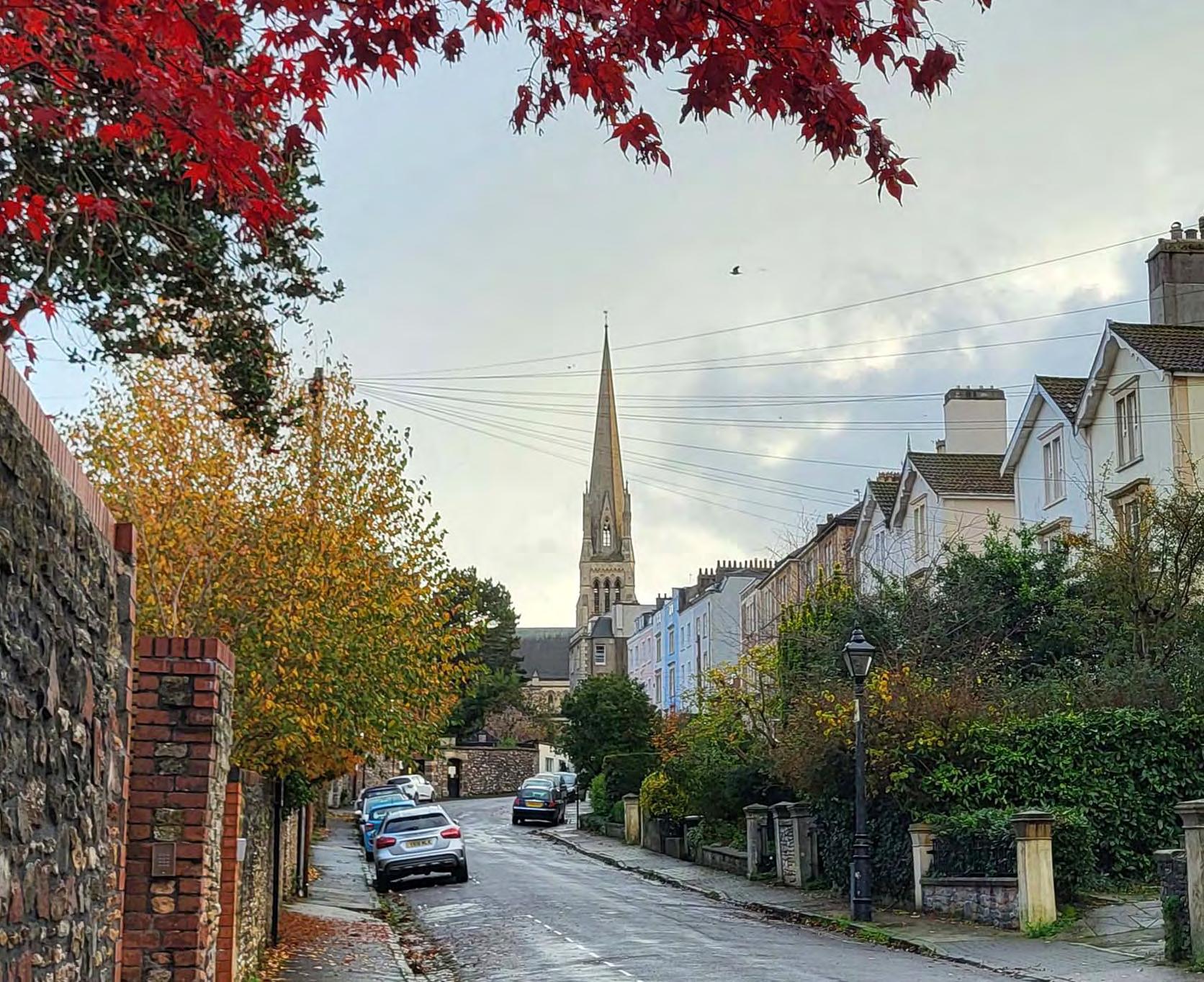
Cover photo by Ethan Chau, Year 13
ART
History of Art
Art has always been humanity’s way of telling its stories, from cave walls to modern galleries. The history of art begins tens of thousands of years ago with cave paintings in places like Lasceax, France. This early work was completed out of raw materials depicting animals and hunting scenes for both ritual and storytelling purposes. As civilisations grew, art became linked to power and religion. Egyptian art focused on gods and the afterlife, producing monumental pyramids and tomb paintings symbolising kingship. In Greece and Rome, artists created marble sculptures and templates showcasing the beauty of gods and humans alike.
After the fall of Rome, art in Europe became deeply tied to Christianity. Mediaeval art filled churches with mosaics, stained glass, and manuscripts. Cathedrals were also designed with their iconic towering spires and colourful windows.
The Renaissance (14th to 17th century) was a turning point. Artists studied anatomy, mathematics and perspective to make their work more life-like. This was the age of Leonardo da Vinci, Raphael, and Michelangelo, whose works were of a more realistic style, embracing creativity.
Modern and contemporary art is a dramatic shift from tradition, reflecting the change and innovation of the 19th century and onwards. Artists like Claude Monet and Pablo Picasso broke away from traditional art by capturing light and vibrancy in everyday life. The 20th century brought colour, with Georgia O’Keeffe’s modernistic paintings and abstract styles shown in Andy Warhol’s work. Art in the world today is very diverse and open to many forms of expression. People create paintings, sculptures, photography, street art, and even digital works using computers and virtual reality. Unlike in the past, where art often followed strict styles or served religious or political purposes, modern art can be personal, experimental, and global. Artists use it to share ideas about identity, culture, technology, and social issues. Museums, galleries, and online platforms make it easier than ever for people everywhere to see and enjoy art, showing that creativity is still a powerful way to connect us across various places and cultures.
Michelangelo
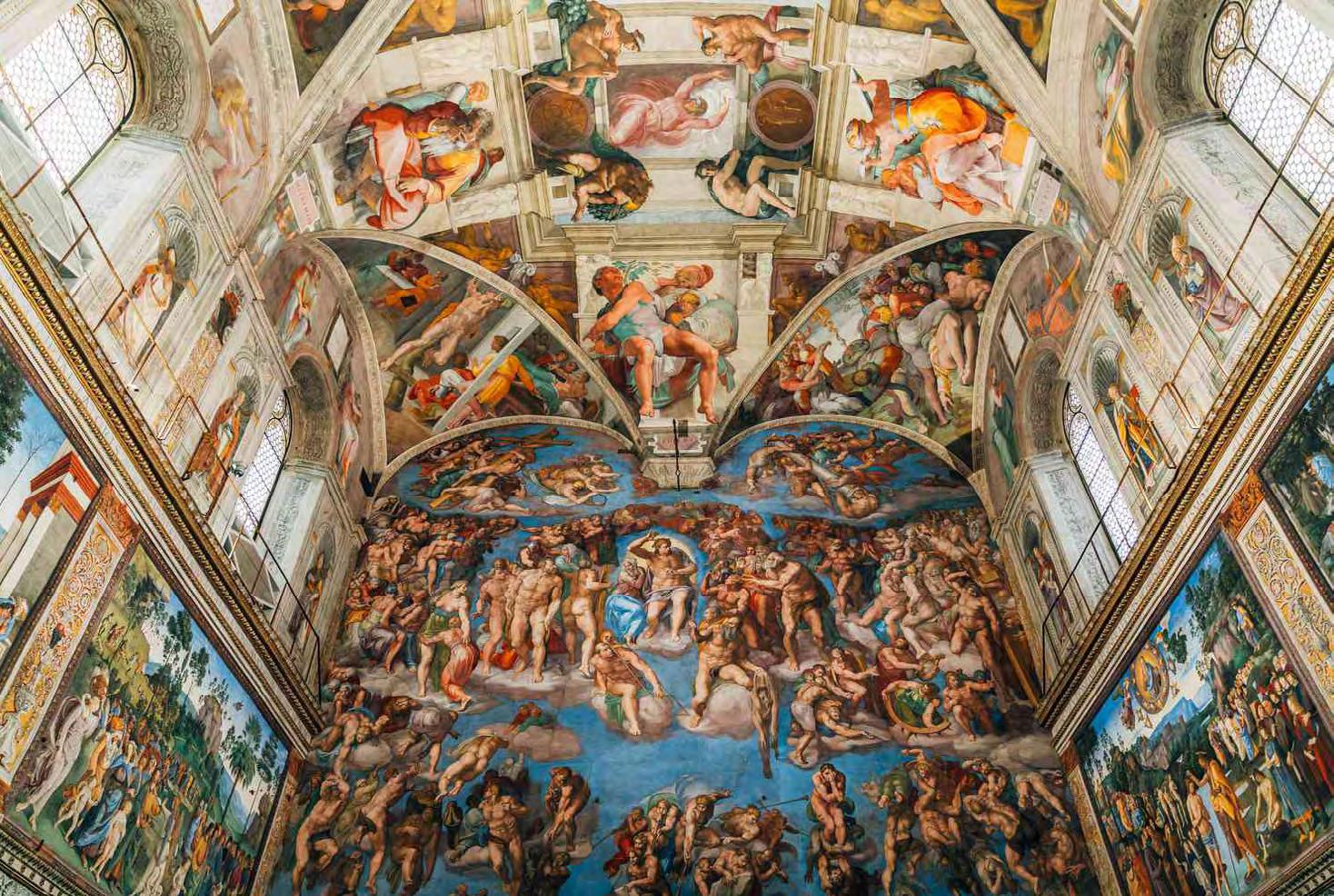
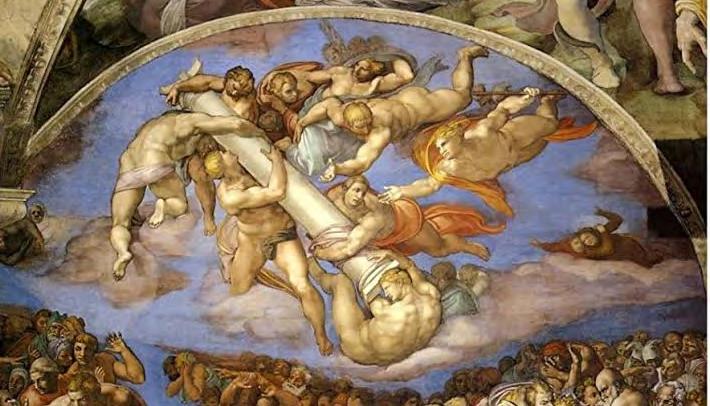
Michelangelo Buonarroti was born in Tuscany in 1475 and died in 1564. He was an Italian artist who had been skilful in sculpture, painting, architecture and poetry. He is best known for some of his major works like the statue of David, the Pietà, and the ceiling of the Sistine Chapel. At 13, he went to Domenico Ghirlandaio in Florence, a leading painter, and studied classical sculpture in the gardens of Lorenzo de’ Medici, exposing himself to humanist ideas. Michelangelo was known for his intense dedication and perfectionism. He once said, “If people knew how hard I had to work to gain my mastery, it would not seem so wonderful at all.” His art combined technical skill, emotional depth, and classical inspiration, influencing many generations of artists. On the facing page are some images of Michelangelo’s work
Overall, art has always been a way through which people share their ideas, beliefs and stories. From the very first cave paintings to the digital works of today, it shows the development of human thought and time in the Earth’s history. Each era of history has left a different mark, whether it is the pyramids in Egypt, or famous paintings like the Mona Lisa. Whether in museums, as paintings, on city walls or online, art still has an impact on people worldwide.

Is AI Ruining the
Art World?
With the rise of AI, anyone can create works of art within seconds with a simple ‘ChatGPT, generate me a picture.’ How can we be sure that AI won’t forever change the art industry? How can we be sure that human creativity won’t be lost to ‘perfect’ AI generated images? To answer these questions, we must first dive into how AI image generation even works.
AI Image Generation
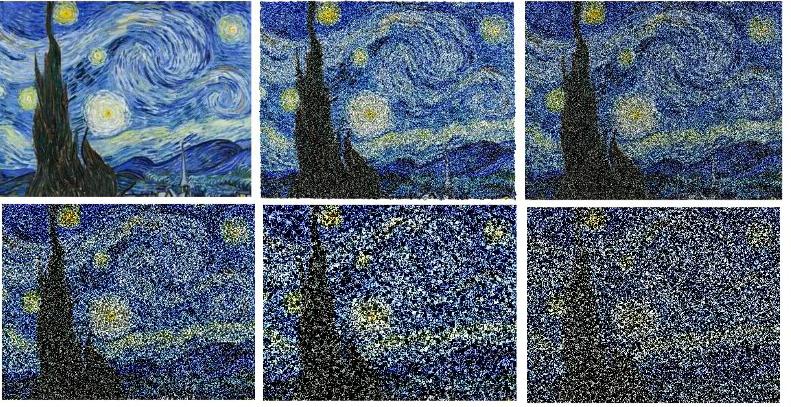
Now I am no computer scientist so when I began to research the topic, I was immediately overwhelmed with complex computing terms. To put it (relatively) simply, AI image generation works through a process called “diffusion”. This process begins with a set of images that slowly adds a pixelated effect (such as adding noise) to the original image.
This image shows the process of adding noise to make the artwork almost impossible to recognise. Once these images have been inputted, the AI software will learn to reverse this process, starting with an almost unrecognisable image and predicting what the original image would’ve looked like. Once it has learned this algorithm, it is able to generate images just from a prompt, predicting what the image will look like. In simple terms, AI software “steals” others’ art, inputs it into themselves and use them to generate images.
Dangers of AI
AI art is seen by some people as a form of expressionism for people who have either physical disabilities or struggles, or just don’t want to draw. However, it is important to recognise the dangers and problems of using such software. Firstly, AI generation is extremely tolling on the environment. This doesn’t just apply to image generation and instead, this applies to all AI usage. Interacting with ChatGPT produces approximately 2-5 grams of CO2 every single time. That’s 10 times the amount of CO2 emitted compared to a Google search. On average, ChatGPT processes over a billion prompts daily and over 20 interactions per person per day, summing up to 912,500,000,000 grams of CO2 emissions happen every year because of ChatGPT usage.
My experiment with AI
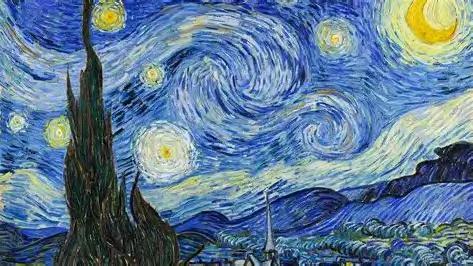
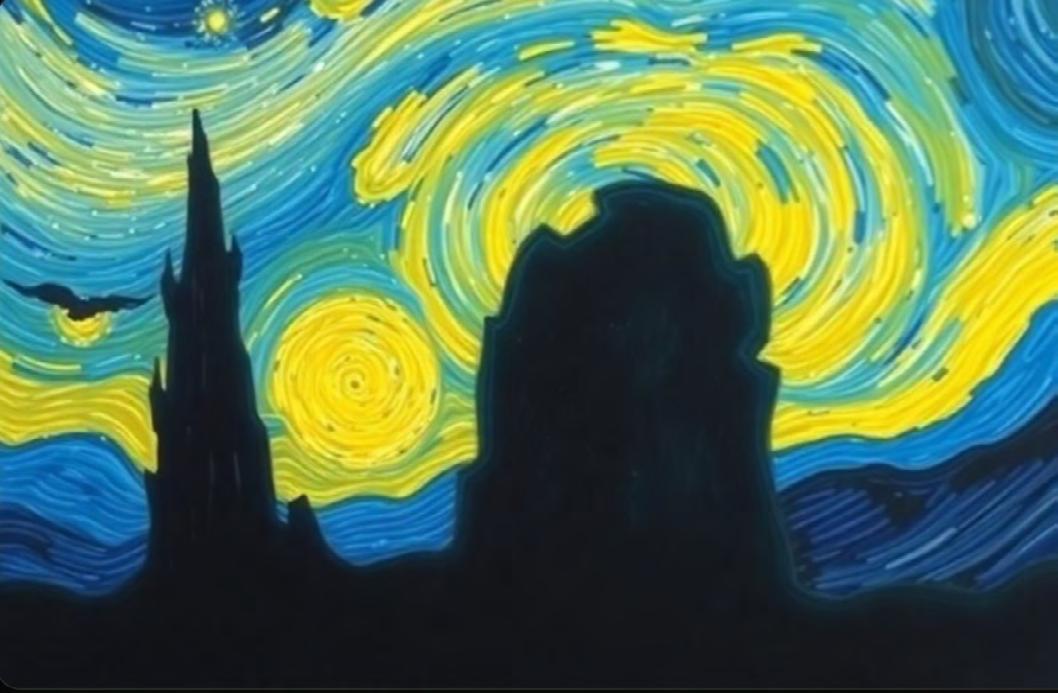
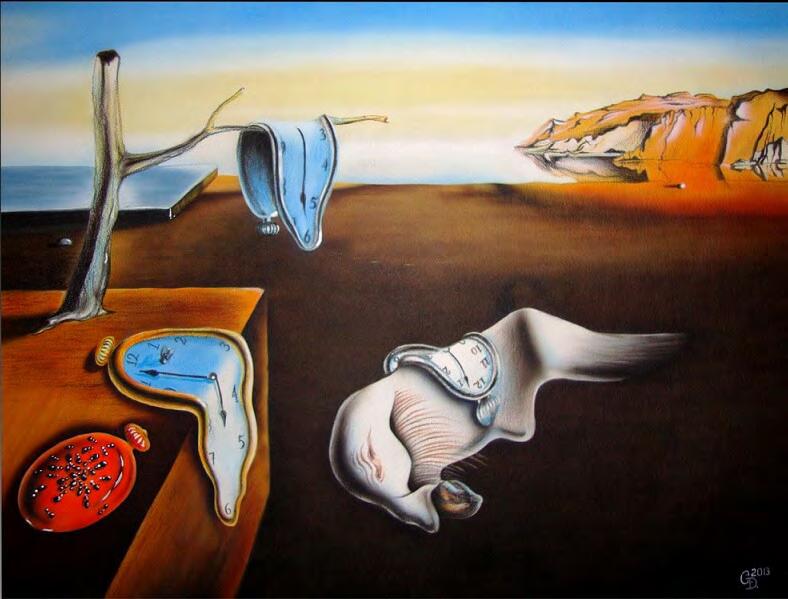
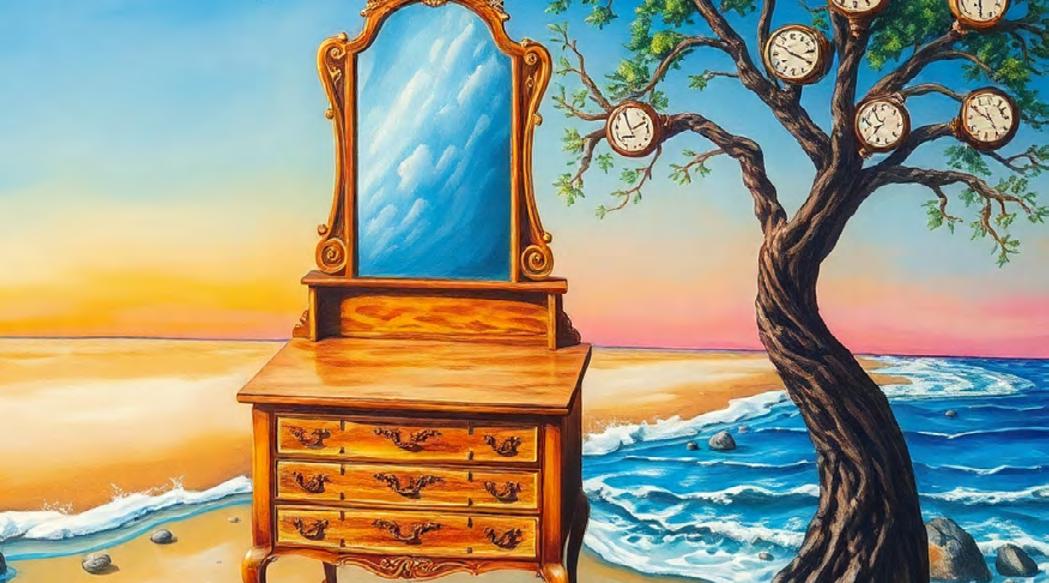
In order to test the efficiency and effectiveness of AI software, I decided to perform an experiment. I inputted basic prompts into an AI software to see if they could “beat” these famous paintings.
Prompt: “Night sky yellow and dark blue with dark shape in foreground swirly van Gogh style”
Prompt: “Beach with dressing table and tree on one side with clocks melting all around Salvador Dali style”

Conclusion

Obviously, the original paintings won by a landslide. However, with AI software improving so rapidly, who knows what the future of art holds. Who knows, maybe one day there will be AI software able to generate a
Prompt: “Lake with lilies Monet style”
better “night sky with yellow and dark blue swirls and dark shape in foreground” than Van Gogh’s iconic piece. However, one thing that AI software will never be able to learn is human emotion. While anyone can generate an image in two seconds and claim it as their own, only artists will know the true meaning behind their own art, the story behind it, mistakes they made and how these mistakes complement the final piece. Because of this, I believe that AI will not replace artists for a long time to come.
ENGINEERING
The Hidden Social Benefits of Civil Engineering
Introduction
The Merriam Webster dictionary lists multiple definitions for ‘infrastructure’; the first defines it as ‘the system of public works of a country, state, or region’1, and this is likely what most people imagine when they think of infrastructure: roads, pipes, power lines, any physical industrial constructions that keep society running. However, infrastructure is more than this, and here’s where the dictionary’s second definition comes in –infrastructure is also ‘the underlying foundation or basic framework (as of a system or organization)’2. As you can see, infrastructure in fact encompasses both physical assets and the non-physical sociopolitical systems through which the former is implemented; infrastructure is simultaneously the painting and the paintbrush used to paint it.
The artist holding the paintbrush would therefore be a civil engineer, responsible for the planning, design, construction, and maintenance of infrastructure projects. This means not only using maths and science to calculate the quantitative specifics of a project, but also commanding a knowledge of humanities like geography and sociology to determine how a project might positively or negatively impact communities socially, economically, and environmentally.
This article briefly covers some examples of the less obvious social benefits of civil engineering projects. Oftentimes, overlaps exist between the social benefits of infrastructure and their economic or environmental benefits. However, this article will primarily analyse infrastructure’s positive social impact, which a humanist would argue to be its most important facet.
Hard vs Soft Infrastructure
It is first important to draw the distinction between ‘hard’ and ‘soft’ infrastructure. There exists multiple interpretations, but the difference typically boils down to hard infrastructure pertaining to industrial projects like transportation or energy networks3, and soft infrastructure pertaining to facilities providing social services like education4 as well as non-physical assets like legal frameworks5. In other words, hard infrastructure always exclusively relates to Merriam Webster’s first definition for infrastructure, whereas soft infrastructure can relate to both their first and second definitions. This article will use the interpretation that hard infrastructure relates to just industrial projects, while soft infrastructure relates to social service facilities and non-physical assets.
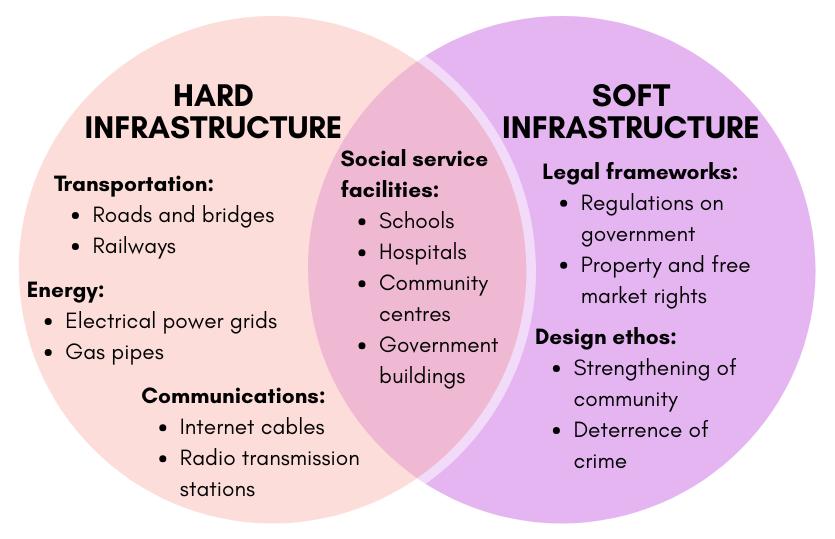
A Venn diagram showing the differences in interpretations of what hard and soft infrastructure involve
1Merriam-Webster (2019). Definition of INFRASTRUCTURE. [online] Merriam-webster.com. Available at: https://www.merriam-webster.com/dictionary/ infrastructure [Accessed 29 Oct. 2025]. 2Ibid.
3Adejuwon, D. (2015). Workshop on Aid for Trade and Infrastructure: Bridging the Financing Gap. [online] Available at: https://www.wto.org/english/tratop_e/devel_e/a4t_e/wkshop_feb15_e/session-i_david_ademola_adejuwo_nigeria.pdf. 4Ibid.
5Yanamandra, S. (2020). Sustainable Infrastructure: An Overview Placing infrastructure in the context of sustainable development. [online] Available at: https://www.cisl.cam.ac.uk/system/files/documents/sustainable-infrastructure-an-overview.pdf.
Hidden Social Benefits of Hard Infrastructure
Although the social benefits of hard infrastructure are typically more noticeable than those of soft infrastructure, it still boasts some lesser-known positive impacts. For example, the improvement of transport infrastructure can cause health benefits in unexpected ways – for example, reduced traffic congestion can benefit both physical health and mental health. Such improved physical health can come from the reduction of air pollution by reducing the number of idling vehicles in traffic6, the enhancement of pedestrian safety by decreasing the number of vehicles on the road7, and the improvement of civilian access to healthcare providers8. As for improving mental health, reduced congestion can remove stress from traffic congestion (i.e. road rage)9 and enhance social connections by reducing a phenomenon known as ‘community severance’, where excessive or poorly-designed traffic infrastructure can ironically restrict access between members of a community due to the presence of barriers like railway lines and motorways prohibiting pedestrian travel. 10
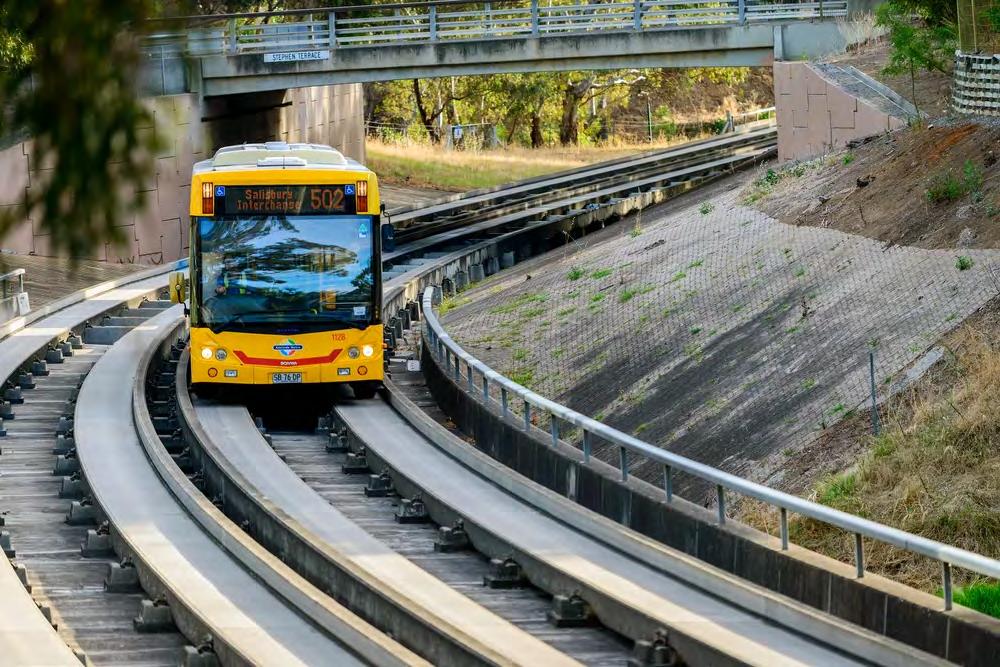
Some examples of methods to reduce congestion include designing roads to optimise traffic flow using intelligent traffic control and interconnected road networks11. It would also help to construct and expand dedicated public transport infrastructure like railways, tram tracks, and guided busways – road tracks for buses that are fully separated from general traffic, unlike bus lanes, and therefore less vulnerable to unauthorised obstructions.
Aside from transportation, effective hard infrastructure relating to water provision can also massively benefit a community – by reducing the destructive effects of widespread lead poisoning. Historically, lead had been extensively used in water pipes for its versatility12; the full magnitude of its toxicity was only made common knowledge in recent decades. Alongside physical effects such as reproductive and respiratory illnesses, lead is also proven to cause long-lasting impacts on individuals’ intelligence and emotional maturity. Studies consistently show that generations of children living in areas that exposed them to even minuscule amounts of lead in childhood are thought to lose an average of five IQ points compared to those who weren’t13. This also stunts emotional development, in turn leading to increased anti-social behaviour and criminal activity in adolescence regardless of socioeconomic status in childhood or adulthood14. Such increased crime is estimated to cost the US $1.2 trillion15, a testament to the large scale of the devastating impacts of lead poisoning. It is therefore important to mitigate its effects with relevant hard infrastructure solutions, such as large-scale government-funded lead pipe removal schemes and building new pipes with alternative materials like copper, iron, or plastic16
6Zorrilla, M. (2020). Better Transport Infrastructure Can Increase Well-Being in the West Midlands. [online] Available at: https://blog.bham.ac.uk/cityredi/ better-transport-infrastructure-can-increase-the-regions-well-being/ [Accessed 29 Oct. 2025].
7Ibid.
8Cambridge Ahead. (2025). The Benefits of Improvements in Public and Active Transport Infrastructure to Quality of Life. [online] Available at: https:// www.cambridgeahead.co.uk/wp-content/uploads/2025/03/rapid-evidence-review-the-benefits-of-improvements-in-public-and-active-transport-infrastructure-to-quality-of-life.pdf.
9Zorrilla, M. (2020). Better Transport Infrastructure Can Increase Well-Being in the West Midlands. [online] Available at: https://blog.bham.ac.uk/cityredi/ better-transport-infrastructure-can-increase-the-regions-well-being/ [Accessed 29 Oct. 2025].
10Transport for the North (2024) Community severance across England. [online] Available at: https://www.transportforthenorth.com/wp-content/uploads/Community-severance-across-England.pdf
11Pinnacle IIT. (2025). How Traffic Engineering is important for Urban Congestion. [online] Available at: https://pinnacleiit.com/blogs/how-traffic-engineering-is-important-for-urban-congestion/ [Accessed 29 Oct. 2025].
12Wani AL, Ara A, Usmani JA. Lead toxicity: a review. Interdiscip Toxicol. 2015 Jun;8(2):55-64. doi: 10.1515/intox-2015-0009. PMID: 27486361; PMCID: PMC4961898.
13Hanna-Attisha M, Lanphear B, Landrigan P. Lead Poisoning in the 21st Century: The Silent Epidemic Continues. Am J Public Health. 2018 Nov;108(11):1430. doi: 10.2105/AJPH.2018.304725. PMID: 30303719; PMCID: PMC6187797.
14T. Schwaba, W. Bleidorn, C.J. Hopwood, J.E. Gebauer, P.J. Rentfrow, J. Potter, & S.D. Gosling, The impact of childhood lead exposure on adult personality: Evidence from the United States, Europe, and a large-scale natural experiment, Proc. Natl. Acad. Sci. U.S.A. 118 (29) e2020104118, https://doi.org/10.1073/ pnas.2020104118 (2021).
15Ibid.
16Drinking Water Inspectorate. (n.d.). Lead in Drinking Water. [online] Available at: https://www.dwi.gov.uk/lead-in-drinking-water/. [Accessed 30 Oct. 2025].
A guided busway in Australia
Hidden social benefits of soft infrastructure
Alongside the social benefits of hard infrastructure in maintaining the physical functioning of society, soft infrastructure can have more subtle effects, such as strengthening the resilience of a community. This means constructing community facilities like parks, community centres, places of worship, libraries, and health centres in conjunction with communal services like educational and sport programmes17. By introducing convenient meeting spaces, members of a community can more easily bond with one another – not only can this increase quality of life, but it can also bring more tangible benefits such as strengthening individuals’ physical and mental wellbeing, consolidating community resilience in times of hardship, and increasing employment opportunities for community members who have learnt new skills from community services like interest classes18. This is a concept known as ‘social capital’, which refers to how the value of a social network in bringing benefits to a community19.
However, attempts to develop social capital can backfire – the construction of communal facilities without proportional consideration of the accompanying provision of community services may make such facilities fall into neglect, possibly attracting crime and diverting resources into repairing the little-used facilities. In addition, if the method of excessively renovating residential infrastructure is used to regenerate neighbourhoods instead of building new communal facilities, “gentrification” may occur, a phenomenon where previous residents of a formerly low-income neighbourhood are displaced and forced to live elsewhere due to increased property prices and cost of living20. Therefore, the development of social capital using infrastructural solutions requires extensive research and planning from civil engineers to determine how a balance between the positive and negative social impacts of soft infrastructure can be struck.
Similarly relating to the concept of balance, soft infrastructure intended to reduce crime in residential areas must also ensure it does not excessively hinder community cohesion. An example of crime-preventing residential infrastructure is cul-de-sacs, where houses are located on dead-end streets instead of interconnected grids. This means only residents have legitimate reasons to enter, residents can easily overlook the whole street, and any potential burglars only have one escape route21. Other solutions include illuminating junctions with public lighting and increasing climate-cooling green space to reduce stress that culminates in criminal activity22.
A cul-de-sac, where houses only have one route for access

However, certain infrastructural solutions have attracted criticism from some civil engineers for being excessive – the removal of public seating may indeed eliminate a source of attraction of antisocial behaviour but can also make neighbourhoods less accessible. Meanwhile, the overuse of culde-sacs in designing the layout of a neighbourhood can also complicate navigation on foot, discouraging active travel. As can be seen, security and community must be held in equal consideration when designing residential infrastructure. Alternatively, investment in supplementary communal infrastructure as described in the previous paragraph can also help deter crime by strengthening community resilience.
17Cambridge Ahead. (2025). The Benefits of Improvements in Public and Active Transport Infrastructure to Quality of Life. [online] Available at: https:// www.cambridgeahead.co.uk/wp-content/uploads/2025/03/rapid-evidence-review-the-benefits-of-improvements-in-public-and-active-transport-infrastructure-to-quality-of-life.pdf.
18Local Trust. (2024). What is social infrastructure? [online] Available at: https://localtrust.org.uk/policy/what-is-social-infrastructure/. [Accessed 30 Oct. 2025].
19Claridge, T., 2004. Social Capital and Natural Resource Management: An important role for social capital? Unpublished Thesis, University of Queensland, Brisbane, Australia.
20Smith, R. (2023). Gentrification Pros and Cons: A Double-Edged Sword. [online] Available at: https://robertsmith.com/blog/gentrification-pros-and-cons/. [Accessed 30 Oct. 2025].
21Watson, S. (2023). Can we design away crime? [online] ww3.rics.org. Available at: https://ww3.rics.org/uk/en/modus/built-environment/ homes-and-communities/urban-design-prevents-crime.html. [Accessed 30 Oct. 2025].
22Washington, S., Love, H., and Sebastian, T. (2022). The infrastructure law’s untapped potential for promoting community safety. [online] Available at: https://www.brookings.edu/articles/the-infrastructure-laws-untapped-potential-for-promoting-community-safety/. [Accessed 30 Oct. 2025].
Finally, the non-physical side of soft infrastructure also provides benefits to society. For example, an active government system enables continual improvements to society through democratic debate, whereas legal frameworks enshrine rights like property rights23. While this may seem as though it concerns law rather than civil engineering, such legal policies not only cannot function without specialised hard infrastructure like government buildings, but also impact the future implementation of infrastructure projects; they are intertwined with civil engineering in both cause and effect. Therefore, these non-physical frameworks can be considered an aspect of civil engineering.
The maintenance of government institutions can be facilitated by constructing geographically accessible physical government infrastructure to ensure constituents and elected representatives from varying locations all have equal access to facilities where they can effectively pursue their political desires; this thus facilitates democracy. In turn, by having an effective system of government in conjunction with a legal system, property rights can be empowered in physical parliamentary or court buildings, giving voices to those who may be, for example, affected by gentrification as described in previous paragraphs.
Conclusion
The maintenance of government institutions can be facilitated by constructing geographically accessible physical government infrastructure to ensure constituents and elected representatives from varying locations all have equal access to facilities where they can effectively pursue their political desires; this thus facilitates democracy. In turn, by having an effective system of government in conjunction with a legal system, property rights can be empowered in physical parliamentary or court buildings, giving voices to those who may be, for example, affected by gentrification as described As is evident, civil engineering is a broad discipline that requires engineers to consider both hard and soft infrastructure. It is therefore fitting that civil engineering solutions help solve a wide range of societal issues, albeit sometimes in less direct and visible ways. Hopefully, this article has brought light to some of these subtleties, and kindled interest in this fascinatingly multifaceted subject.
23Cambridge Ahead. (2025). The Benefits of Improvements in Public and Active Transport Infrastructure to Quality of Life. [online] Available at: https:// www.cambridgeahead.co.uk/wp-content/uploads/2025/03/rapid-evidence-review-the-benefits-of-improvements-in-public-and-active-transport-infrastructure-to-quality-of-life.pdf.
FICTION
A Fictional History of Antarctica
Introduction
Worldbuilding is the art of creating a fictional, imaginary universe. Think creative writing, but without the restrictions of structure or prose. It is probably my favourite pastime, and I have spent countless hours penning history, developing politics, and designing culture.
Throughout my projects, I have definitely spent the most time on the universe my brother and I have named Krillsink Lore. In this world, multiple species besides humans also evolved sentience (intelligence and selfawareness), including penguins. What made penguins special was their isolation from the rest of the world, having established their society in the remote continent of Antarctica. Their seclusion from other civilisations lasted for most of history, with humans only finding the continent in the 1820s – this fact lent me plenty of freedom when developing a fictitious history for Antarctica.
Of course, no fiction is without its influences. Many events in Antarctic history draw parallels to other civilisations throughout the world; in this article, I have placed my real-world inspirations in the footnotes to demonstrate how stories are shaped by history.
This article is not a complete retelling of the lore I have developed, nor is my lore itself complete. There will always be finer details that are appended to this story, and even major facets of this history can be changed later on. Worldbuilding is a process which is never truly finished, and that is precisely what makes it so fun. The following is an abridged version of the mythos I have developed thus far, which I hope inspires you to embark on your own worldbuilding journey one day.
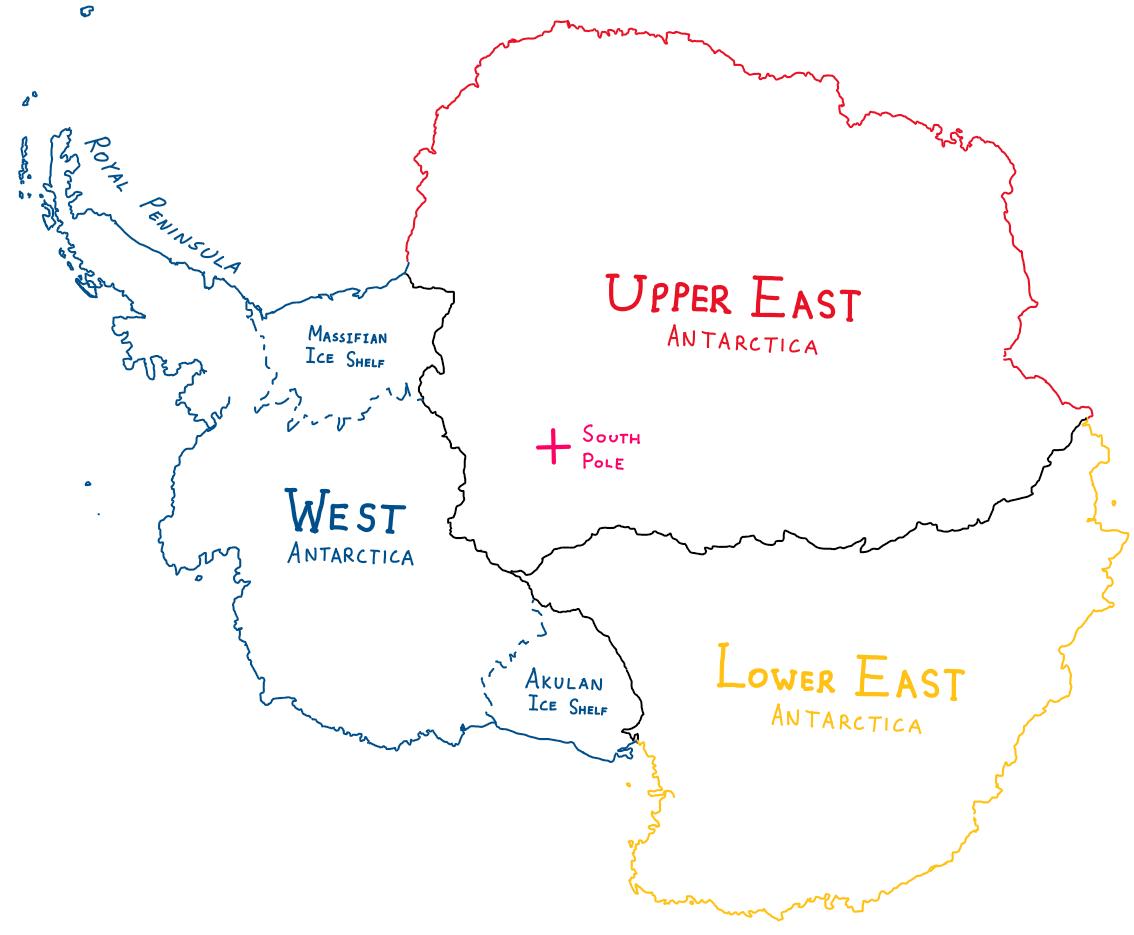
A basic geographic map of Antarctica, with the names of certain major regions included
Early Antarctic Civilisation (until 150 BCE)
Civilisation in Antarctica began as many small, fractured settlements around the continent’s coast. The evolution of intelligence was greatly advantageous for the penguin population, as tool use enabled easier hunts for Paleolithic colonies.
The rockiness of the Antarctic continent benefitted the penguins in a variety of ways. Spears were used in the hunting of seals and whales, which provided blubber as fuel for cooking and warmth. Most settlements constructed houses made of stone, the thickness of which granted some solace in the harsh winter climate. Villages in areas with volcanic activity also carved fishing boats out of light igneous rock.
As the population of these primitive settlements grew over the next few thousand years, so too did their technological advancements. Over the millennia, each of the hundreds of colonies harnessed the resource-rich Antarctic crust – the largest towns established quarries to extract materials such as iron, copper, and nickel. Coal
was an especially important discovery; blubber from the overhunted and dwindling whale population would not have been enough to satisfy the hungry forges of Iron Age Antarctica.
Eventually, the penguins would branch out and explore along the Antarctic coasts, reaching other villages and establishing trade relations. Certain regions along the coast soon became strongly bound by trade routes: both the Royal Peninsula and Akulan Ice Shelf had separately developed trade caravans connecting villages and towns.
By 2000 BCE, the largest few towns had developed into ancient cities. The most notable was Akulako, a sprawling conurbation formed from the merger of multiple towns around an active volcanic island on the Akulan Ice Shelf. Residents exploited the constant flow of lava for the city’s many forges, as well as mining the metal-abundant magma once it had cooled. Akulako’s material output was unrivalled; the city’s prosperity even helped it become the continent’s first shipyard.
It was soon clear that the coastal settlements were not sufficient to sustain growing populations. In search of more accessible metal ore, the first major attempts at inland expansion began. Facilitated by the increasingly important merchant caravans, towns could be established in the mountainous Antarctic interior; these inland settlements received vital supplies of food and in return exported vast amounts of iron and coal. As respite for the sub-zero interior climate, most of these towns were built directly into mountains and caves. Many settlements even took in live fish and krill to establish breeding grounds within expansive glacier caverns, so as to not rely on imports that could be easily disrupted by a week-long blizzard.
Regardless of this, trade caravans were still crucial to Antarctic civilisations. Merchants thus became highly important, with many across the continent establishing local and regional guilds. The most powerful of these was the Massifian Guild, whose merchant families ran a trade monopoly between peninsular settlements and Mount Maszi. Following multiple acquisitions and marriages between the largest of the Guild families, the House of Rau emerged as the dominant trade power across the region. Resultantly, the family soon came to rule the area and became the first emperors and empresses on the continent1
The onset of the Rau Dynasty triggered merchant nobility from the rest of the continent to pursue similar power grabs, as wealthy families competed to gain influence over their region or city. Monarchs drew borders to demarcate land they wished for, with territorial claims often overlapping with those of other nobles – these disputes would lead to many wars throughout the following centuries.
Kingdoms would rise and fall, and land would trade hands many times. The Rau Empire would collapse as incompetent sovereigns were overthrown and opportunistic army officers carved their own states from the kingdom. Throughout this fractured period, many regions also rejected monarchy, establishing republics to defend themselves from the expanding kingdoms and empires.
The Auroran Empire (150 BCE - 920 CE)
In the midst of this chaotic era, a religion began growing in the Far East of the continent. Around 150 BCE, a prophet posthumously named au-Vara began preaching a monotheistic faith. Supposedly in contact with the Architect of Heaven, they soon received a major following across the Eastern coast. Soon, au-Vara led their loyal devotees into a war of unification across Antarctica, claiming to have divine orders to bring harmony to the continent. The conquests were a major success, with the entirety of known Antarctica coming under their holy empire within 30 years2. The effects of this sprawling empire are still felt to this day; the term pertaining to penguins – Auroran – is an anglicised corruption of the prophet’s name.
The Auroran Empire preached a faith of peace and liberalism. Promoting personal freedoms and the uplifting of lower classes, the Empire proved popular among the vast majority of its civilians. The nation would last over a thousand years, becoming the longest lasting state in Antarctic history.
However, this millennium was not without its hurdles. In 700 CE, a major schism befell the au-Varan religion. Being the original birthplace of the faith, the Eastern half of Antarctica held more conservative views of the church – its clergy believed in the enforcement of the au-Varan faith on citizens. On the other hand, many in the West believed the church’s teachings of personal liberty meant there should be freedom of religion as well
1During the Middle Ages, many Italian city-states would be ruled by powerful noble families. These nobles often had mercantile roots, having gained economic and political influence through trade.
2The Prophet Muhammad united the many fractured tribes of the Arabian Peninsula, which was even welcomed by some Arab Jews and Christians due to their dissatisfaction with the constant wars that preceded the establishment of the Islamic State. Further Muslim conquests saw the religion spread throughout North Africa and Central Asia.
as a separation between church and state. This conflict ultimately resulted in the West’s breakaway from the Empire, splitting the continent in two upon the establishment of the Kingdom of Western Antarctica.
The independence of West Antarctica was hugely detrimental to the Auroran Empire, as the region was home to important trade routes and many major cities. Previously, the Empire’s success was engendered by its unification of the continent, as control over all of Antarctica’s resources meant there was no need for trade and diplomacy. By this era, the Empire was largely dependent on its transantarctic logistics – its overreliance on the West therefore hugely damaged it upon the region’s secession.
As the influence of the Auroran Empire waned, its peripheral provinces began dissenting against the au-Varan Church’s authority. These regions were home to many minority cultures, who resented the social and religious hegemony forced upon them by the central church. The successful independence of the West encouraged these provinces to seek their own autonomy, and eventually sovereignty.
The Auroran army failed to contain the independence movements, partially due to their inexperience following centuries of peace. As with the secession of the West, the withdrawal of more and more of its outer provinces brought the Empire into an ever-deepening logistical nightmare. In 920 CE, the Highest Council of the thousandyear-old nation voted to dissolve the Empire, granting independence to the rest of its rebellious provinces and establishing the Republic of Antarctica in place of the monarchy3.
New Imperial Era (920 - 1520s)
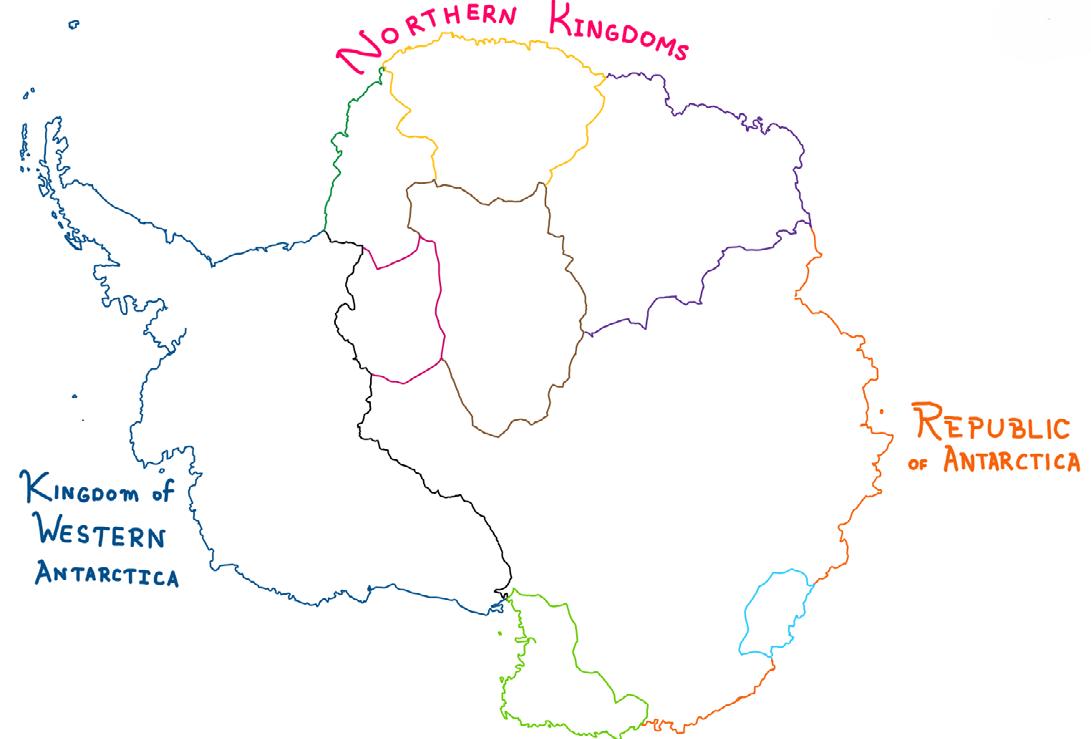
Since its independence, the Kingdom of Western Antarctica had grown prosperous from the infrastructure it inherited from the imperial era. It was a lot more self-sufficient than the other half of the Empire; the Royal Peninsula was rich with valuable metals while the Western coast had plentiful fish populations. In addition, its smaller size greatly reduced logistical challenges, as there were fewer inland cities for which constant trade was required.
After the disbandment of the Auroran Empire, expansionism became a hotly debated topic in the West. Some nobles believed the Kingdom held a claim to be the successor state of the Empire, and rallied for the annexation of the weaker kingdoms that had recently been granted independence. On the other hand, some argued that the self-sufficient Western autarky would have its resources strained if additional provinces were incorporated into it. The monarchy would hold onto the latter viewpoint until the 13th century, when the West’s population growth meant demand for resources exceeded the rate at which they could be extracted.
Despite trade agreements with the minor kingdoms and the Republic of Antarctica, the Kingdom of West Antarctica struggled to appease its populace. To boost the monarchy’s popularity and capture more resources, the West would establish the Second Empire and began several highly successful military campaigns against smaller kingdoms. Among the kingdoms subjugated into the new empire, some were allied with the Republic through defence pacts – heeding their calls for assistance, the Republic of Antarctica entered a long war with the West.
The Sixty Year War was a messy conflict with multiple sides, with each of the many kingdoms nominally supporting the Empire or Republic while pursuing their own political ambitions. In the end, Republican forces suffered several grave naval defeats after the shipbuilding city of Akulako defected towards the Imperialist cause. The conclusion of the war in 1310 saw the Second Empire once again unite the continent under a single banner.
Unlike its predecessor, the Second Empire was ruled by a single sovereign rather than a religious council. Ruling
A map of the kingdoms and republics that succeeded the Auroran Empire
3The Holy Roman Empire lasted just over a thousand years before its dissolution. Right before the Empire was legally terminated, many of its Western states had seceded to form a Napoleonic client nation.
with absolute authority, each successive monarch was in full command of Antarctica’s industry and economy: the result was a vast but highly centralised network of mines, forges, and cities that fed into the Empire’s growing wealth.
The Second Empire’s prosperity was realised most clearly during the reign of Empress Twukwuq. Under her leadership, scientific discovery flourished and education became more widespread, with many universities being established across West Antarctica. In her later years, Twukwuq established Provincial Courts, giving important cities some extent of free rule. Nobles would gain more control over their land, and as such many important families grew massively in wealth and political power.
When the Empress died, the throne was passed to her only son, who was widely seen as incompetent by nobles and civilians alike. Indulging in lavish banquets and expensive vanity projects, he became hated by the Imperial Court he inherited from his mother. Many courtiers and nobles schemed against him, and planned to once again carve the continent up into kingdoms under their rule4.
The courtiers’ final straw came when the Emperor proposed the construction of a grand castle that would have occupied a sizable portion of the Empire’s annual budget. Soon after the project was unveiled, royal guards seized his palace at the behest of the Imperial Court and arrested him for a fabricated list of crimes.
The Emperor’s deposal swiftly descended Antarctica into civil war. Despite the nobles having previously made agreements as to what land each of them would inherit, many would crave more power when the time came. The continent became fractured into numerous kingdoms and alliances, all vying for increased control over their respective regions. Many landlocked cities were cut off from vital trade routes and were forced to sign treaties annexing them into a noble’s territory for survival.
Antarctic Industrial Revolution (1528-1677)
Plenty of these new kingdoms fell in under a year; a lack of trade contributed to their inability to sustain themselves and subsequent absorption into larger empires. By the end of the civil war in 1528, there were only sixteen kingdoms remaining, each of which occupied large areas of the Antarctic continent. The wealthiest of these was the western Kingdom of Massifia, which controlled important trade lanes and contained several significant cities.
The following century saw rapid industrialisation take place across the continent, exacerbated by the economic prosperity that resulted from the end of the war. In the mountains of East Antarctica, the discovery of a mineral named Valkyrine had a significant impact on industry – the versatile mineral could be ignited as fuel yet could also become a strong metal alloy when refined. The Valkyrine industry took off quickly, with mines, refineries, and factories dedicated to the mineral being built across the East.
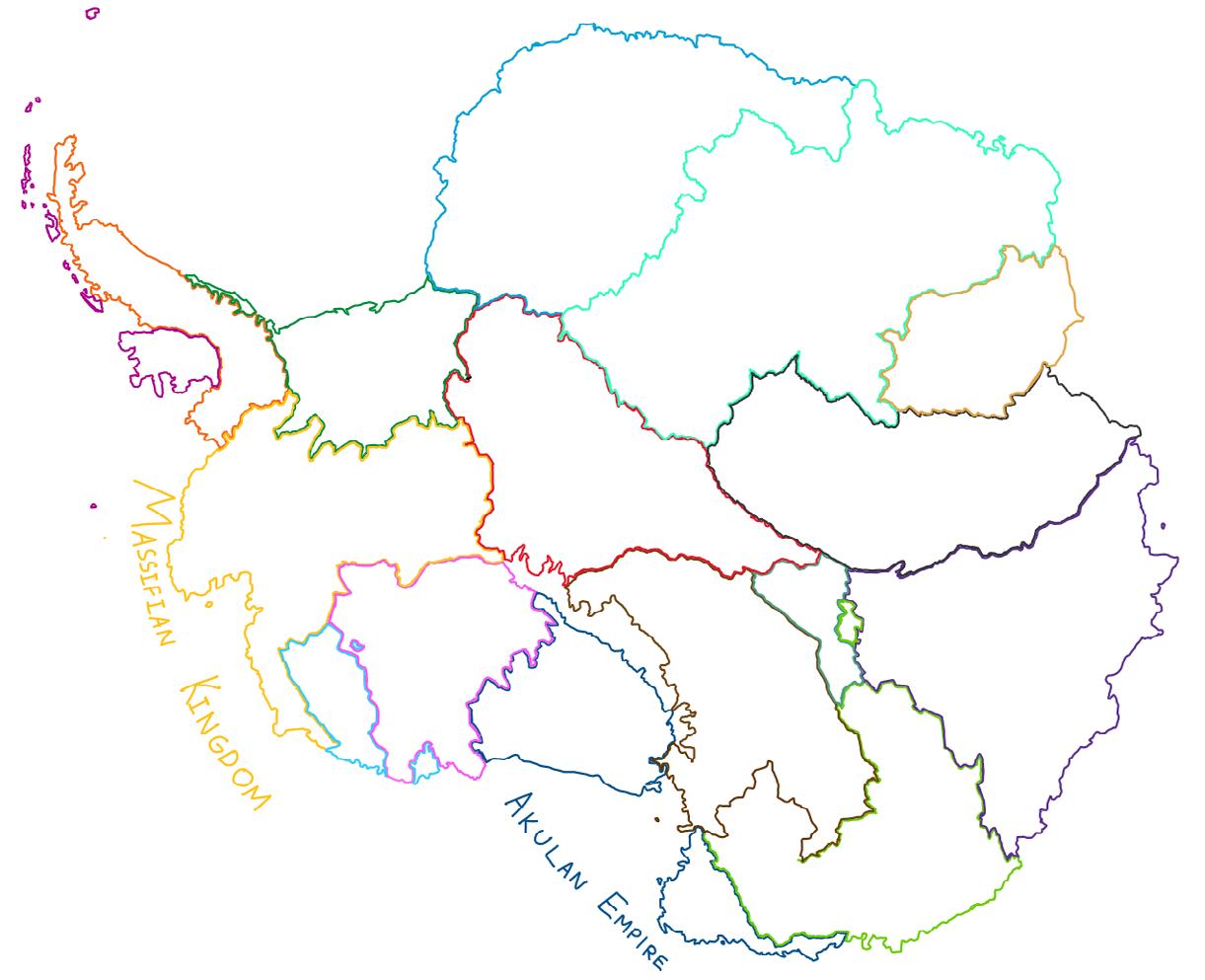
A map of the kingdoms that remained from the civil war. These borders still exist today as provincial borders
Valkyrine power enabled mass manufacturing, contributing greatly to the Antarctic Industrial Revolution. This period is widely considered as Antarctica’s golden age: culture bloomed and increased manufacturing led to an improved quality of life among the middle class. Ice jazz, a genre still popular to this day, was born in this era. Trade between the kingdoms increased, with Eastern kingdoms exporting vast amounts of Valkyrine in return for machinery and luxury goods from the wealthier West.
The Akulan Kingdom even became a seafaring power, exploring beyond the inhospitable Southern Ocean and
4Many Chinese dynasties would undergo a similar cycle, where a benevolent Emperor would be followed by incompetent successors throughout multiple generations. They would then be overthrown and replaced with a new dynasty, which would often then follow the same cycle.
reaching the human Polynesian Empires in the Pacific. Although this contact between the empires was brief, the penguins soon became enshrined in Pacific folklore – a fact that would prove significant later.
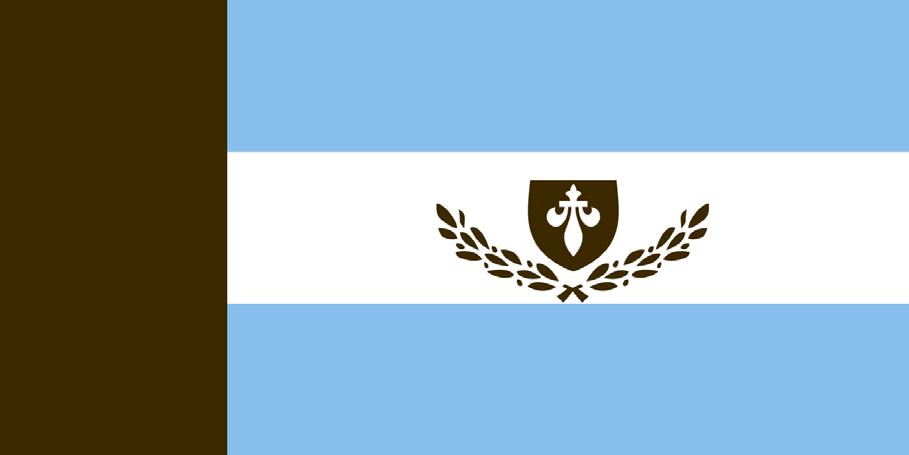
To facilitate the massive rise in trade, the kingdoms would collaborate and create a multi-national organisation known as the Transantarctic Interregnum – a political alliance between every kingdom in Antarctica that would be used by monarchs to negotiate trade deals as well as control their citizens.
Regardless of the rapid increase in Antarctica’s wealth, the new prosperity was clearly unbalanced. While civilians in the West did benefit from improved standards of living under the Industrial Revolution, wealthy noble families would become exponentially richer. The wealth gap in the East was even more dramatic – labourers were afforded far fewer personal freedoms than their overlords. Worker rights and safety regulations were at a minimum; the Valkyrine industry was far too valuable for the nobles to justify otherwise. Labour movements would often fail to gain enough momentum before they were crushed, meaning these inequalities were left to grow for over a hundred years. For sweeping change to occur, the lower class needed a saviour with enough wealth and political power to lead them5.
The Eastern Spring (1677-1701)

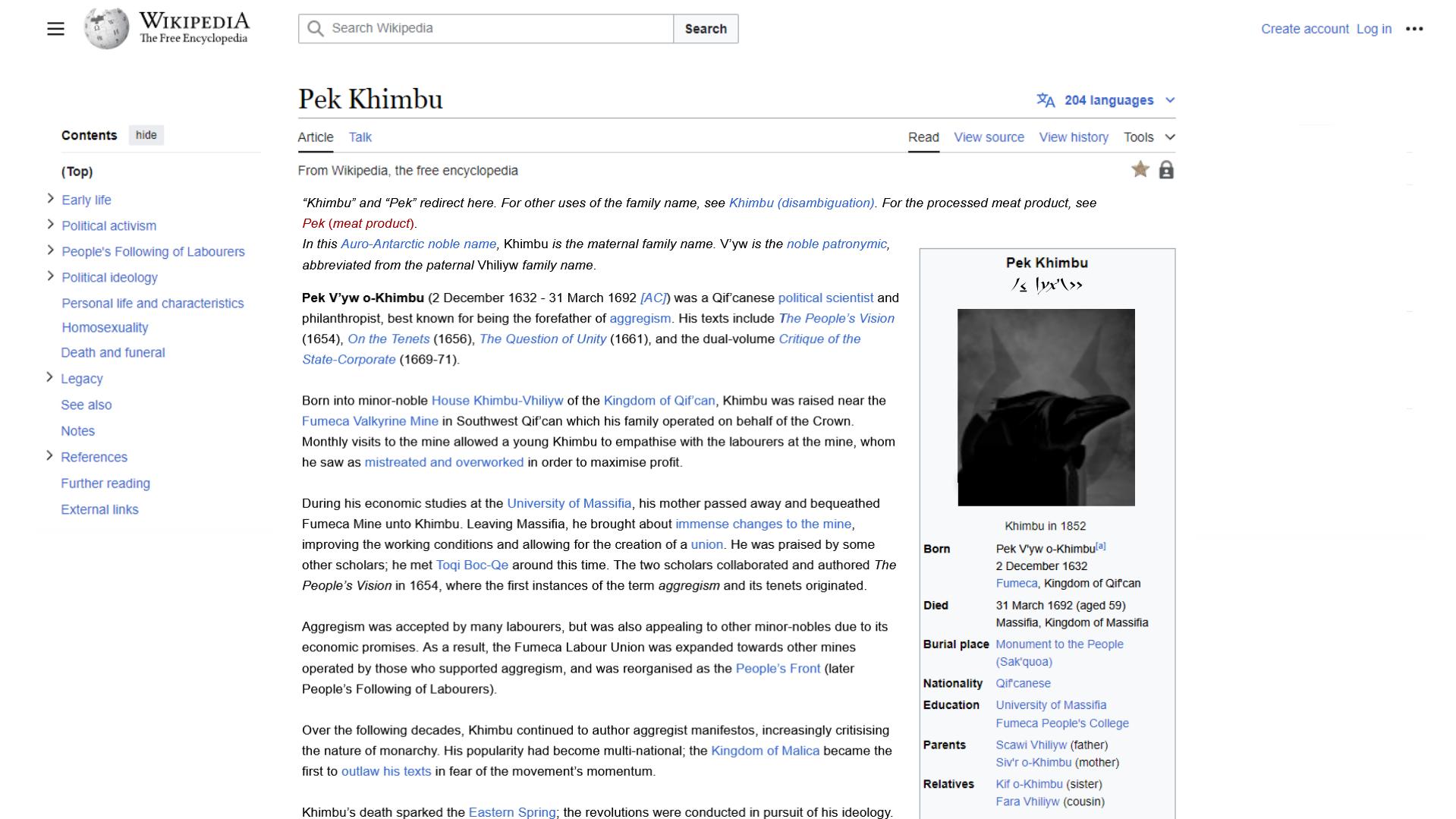
In 1632, Pek Khimbu was born to a minor noble family in East Antarctica. His family owned a quarry, where a young Khimbu began sympathising with the poor treatment of workers across the Eastern kingdoms. While at university in the West, he crafted a political ideology in which the common people would be prioritised over monarchs or emperors. The ideology was named Tenetism, in reference to the Four Tenets which Khimbu described in his first manifesto:
1. All For One…
Khimbu stated that the citizens of a state should work together for a common goal that is considered a greater good for the nation.
2. ...And All For All
Khimbu argued that all of Antarctica should be united, as this would prevent clashing national interests. Tenetism called for amity, fraternity, and cohesion among all peoples and cultures.
3.
Not One For One…
This was the belief that the interest of the nation should always be prioritised. Khimbu declared that civilians should not strive towards goals that benefitted only themselves – society can only be improved through selflessness and total loyalty to the nation.
4.
...Nor One For All
Khimbu wrote that the reins of a nation should be held by workers, not by a single leader or group – whether they were a sovereign of an empire, a member of a noble family, or dictator of a republic.
A system where workers would be prioritised over a monarch became popular, especially among Upper Eastern Antarctica. The Antarctic Industrial Revolution had led to the region becoming industry-dominant; workers from mines, refineries, and factories toiled harder while the nobility became increasingly rich and dependent on the resources provided by the region. This wealth disparity angered many, with Khimbu’s teachings therefore becoming a favourable option.
5Karl Marx, the father of communism, was funded by his wealthy collaborator Friedrich Engels. Despite his wealthy family background and partial ownership of multiple textile mills, Engels was highly critical of capitalist mistreatment of workers, and dedicated his work towards revolutionary socialism.
Flag of the Transantarctic Interregnum
In 1677, Pek Khimbu formed the People’s Following of Labourers (PFL). Espousing Tenetism and promoting increased labour rights, the Following was massively popular. It amassed over several million followers by the end of the decade, presenting a formidable threat against both imperial rule and noble corporations6
When Khimbu died in 1692, many workers across the East – PFL members or otherwise – went on strike. The Tribute Movement was the largest labour protest in Antarctic history yet, and was successful in grinding the continent’s economy to a halt. Under pressure from the Transantarctic Interregnum, the monarchs across East Antarctica attempted a crackdown on the strikes and anti-nobility sentiment.
The militaries of each kingdom were deployed into cities, where PFL leaders were arrested and protests were violently suppressed. This ultimately culminated in the Bondoq Plaza Massacre, where hundreds of unarmed protestors were killed by infantry and cannon fire outside a royal residence. Despite attempts to contain news about the slaughter, information escaped and was met under intense outcry7. Particularly in the East, those who had considered themselves politically neutral grew antagonistic of the royalty, while those already opposed to nobility increasingly sought more forceful methods to bring about change.
A week following the massacre, a faction broke off from the Following, calling themselves the Devout PFL8.
The new splinter organisation was a paramilitary group, intent on using violent means to bring about Tenetist republicanism. On the summer solstice of 1693, the D-PFL organised a mass terror event across Upper East Antarctica, during which guerilla fighters stormed a dozen noble and royal palaces9. The solstice attacks marked the start of the Eastern Spring, a revolution that would grow to topple all five kingdoms in Upper East Antarctica.
In the wake of the attacks, the Upper Eastern Kingdoms dramatically increased their crackdown of any labour movements: any worker with suspicion of links to the PFL or D-PFL was imprisoned. The mass arrests resulted in a sharp decline in the workforce and a heavy strain on the economy – even business owners and the middleclass began to feel displeased by the continually incompetent monarchies.
6Although it was created within a dictatorship, Poland’s Solidarity trade union enjoyed similar levels of stratospheric growth. Gaining 10 million members within a year of its founding in 1980, its influence was in large part responsible for the country’s transition into democracy. The trade union went on to win the first free national election in a landslide victory and formed the first government of the Polish Republic.
7The 1989 Tiananmen Square Massacre saw hundreds to several thousands of protestors killed by the Chinese military. Although widely criticised outside of China, it is a subject of heavy government censorship to this day, with information regarding the murders being expunged or thoroughly whitewashed as an event mainly featuring violent rioters attacking valiant servicemen
A screenshot of Pek Khimbu’s Wikipedia article
Despite having the same goals in mind, the PFL and D-PFL were locked in rivalry. Many PFL members rejected the violent nature of the paramilitary group, while the D-PFL was often undermined by the original Following’s smear campaigns against it. However, the increasingly authoritarian acts of the kingdoms saw the two organisations cooperate in opposition to nobility.
What came to be known as the Basalt Pact established a coalition between the groups, which would aim to replace each of the Upper East’s monarchies with a Tenetist republic. Both groups recognised the growing desperation of the nobles and resentment from the populace as opportunities for a regime change. Upon publishing their declaration of rebellion, the coalition ordered a number of uprisings across the region. Many civilians joined the cause to fight against the monarchies, which scrambled to deploy their soldiers to quell the resistance.
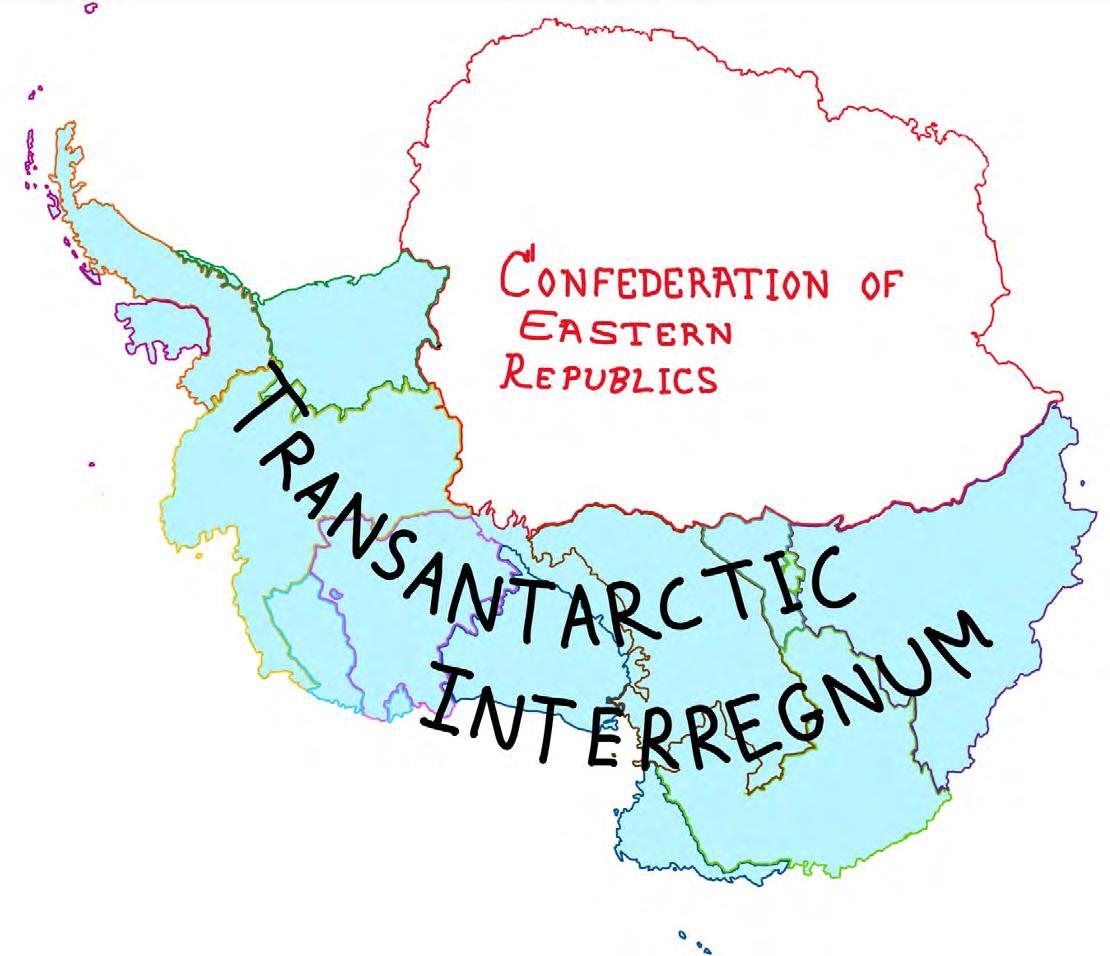
Map of Antarctica following the Eastern Spring. Note that the Transantarctic Interregnum is not a country, but an alliance of independent kingdoms
The revolutionary war lasted a mere three years. Despite receiving military aid from the Transantarctic Interregnum, the Upper East Kingdoms could not survive the popular uprising. One by one, the five monarchs were toppled and exiled, with a republic being established in their place. These five republics were united under the Confederation of Eastern Republics (CER), wherein power was shared between the republics in the Grand Council. This new nation spanned the entirety of the Upper Eastern Antarctica region (refer to the basic geographic map at the start of the article), therefore dwarfing each of the remaining kingdoms in size. As agreed to in the Basalt Pact, political affairs of the Confederation would be handled by the PFL, while the D-PFL would form part of their new military. This new nation would be independent from any monarch, and thus had no seat at the Interregnum.

The Confederation of Eastern Republics (1701 - 1775)
The establishment of the Confederation was of great worry to the other kingdoms. Many monarchs feared a similar uprising would befall themselves, and thus increased military funding for their kingdom. For 70 years, the Confederation coexisted with the other kingdoms – occasional border skirmishes took place, but for the most part tensions were allowed to simmer.
Within these seven decades, the Confederation was in constant turmoil. Tenetism soon proved itself unsustainable, as the economic stagnation that the ideology was designed to thrive in could only be achieved in a nation spanning the whole continent. Without sufficient resources or trade, the CER suffered blows to its industrial production.
To resuscitate its economic output, the PFL was forced to sign the Treaty of Sanquo’a, a trade deal with the Transantarctic Interregnum that came with the prerequisite that it would not be allowed to promote Tenetism beyond the Confederation’s borders. The CER also shifted from Tenetism to a new doctrine dubbed ‘aggregism’ (after the word aggregate), which scholars had designed to be a more economically successful ideology. Both of these decisions were unpopular among Khimbu’s loyalists, many of whom populated the D-PFL army.
Under their radically different political systems, relations between the kingdoms and the Confederation slowly worsened over the 18th century. Unbeknownst to regular civilians, multiple kingdoms had invested in military
8There is a frankly absurd number of splinter organisations of the Irish Republican Army, including the Provisional IRA, Official IRA, New IRA, Continuity IRA, and the Real IRA.
9The Tet Offensive was a large-scale assault by the Viet Cong on South Vietnamese towns and cities in 1968. Among the many targets of the attack were American buildings such as the US embassy in Saigon, which was occupied by guerilla fighters for multiple hours.
Flag of the Confederation of Eastern Republics
espionage against the CER, with some intentionally fuelling distrust between the PFL government and D-PFL military. Disagreements between the two organisations peaked in the 1770s, when the military accused the government of treason due to its soft stance on increasing imperial aggression.
The numerous clashes came to a head in the Dusk Revolt, wherein the military violently overthrew the PFL and declared itself the legitimate government of the Confederation. In the ensuing chaos, multiple kingdoms jointly marched their troops into the Eastern Republics under the guise of peacekeeping. The D-PFL found itself divided and in disarray: Khimbu loyalists struggled to take over the reins of governance while other soldiers disapproved of the group’s coup d’état and refused to arrest the deposed politicians. Unable to unify against Interregnum peacekeeper forces, the Confederation fell as quickly as it had risen.
With troops occupying the major cities of the former CER, the Transantarctic Interregnum restored the five Upper Eastern kingdoms that preceded the Confederation, appointing powerful aristocrats as each of their new monarchs. These kingdoms would be reincorporated into the Interregnum to protect them against potential revolutionaries, once again uniting the governments across the continent in a pro-monarchy alliance. Under the new monarchies, protests soon became uncommon as civilians grew fearful of the royal militaries’ modernised weaponry. All the while, the opportunity for resistance shrunk more with each piece of legislation that legitimised power within the new royal families – it was not until a century later that the spark of revolution would return.
Lantern Revolution (1860s)
Throughout these hundred years, humans finally reached Antarctica, with British hunting vessels having been shocked to find coastal ports in the otherwise barren whaling waters. Returning to Britain in 1822, the sailors would relay tales of the penguin civilisations to the public. However, they were met with scepticism, and demand for further expeditions would not arrive until decades later.
The call for Eastern Antarctic dissent would once again erupt in 1868, when a large explosion from a Valkyrine refinery razed large parts of the Lower Eastern factory city of Vuji. The incident, attributed to poor worker safety regulations, was met with anger by the few labour unions that were allowed to operate. Unfortunately for the monarchies, the event coincided with a period of general disdain for corruption among the Eastern nobility, and was therefore exploited by some labour groups to spread republican sentiment.
Over the following months, what began as an illegal strike within Vuji blossomed into a movement spanning the entire Eastern half of the continent. Despite the state media’s attempts to control the narrative, dissenters printed their own newspapers to distribute in every major Eastern city. The most significant of these was the Aggregist Voice, a paper espousing its titular ideology and published by the labour group Sunrise Order10
As the peaceful protests gained momentum, the East’s monarchs were placed in a dilemma. Uneager to repeat the events of the Eastern Spring, they acquiesced to certain aggregist demands, including the right to local elections. This proved disastrous for the nobility, as the first triennial election saw metropolitan and provincial councils become dominated by aggregists. Despite their limited power as local representatives, their arrival into office bolstered republican efforts by allowing law enforcement authorities to turn a blind eye to the increasingly rebellious populace.
On the third anniversary of the Vuji Incident, multiple cities across the East seceded from their respective kingdoms. The separatist movement was largely backed by the Sunrise Order, which by this time had developed a secret paramilitary wing – revolutionaries would clash with the royal militaries that were deployed into secessionist cities. Despite early losses, the revolution would be revived after a speech made by the Order’s Chairwoman Hu’aun Wyto was widely circulated in the Aggregist Voice. Following the publishing of the speech, many royal soldiers grew disillusioned with the anti-worker sentiment of the nobility and defected to the Order, providing the rebels with weapons stolen from their barracks.
After seizing total control of the rebellious cities, the Order turned to ‘liberating’ the rest of the kingdoms. Having been born from the Interregnum’s funding, the relatively young Upper Eastern Kingdoms had previously relied
10Many revolutionary groups propagated their ideas with newspapers. The Bolshevik newspaper Pravda published Lenin’s April Theses; its promise of ‘Peace, Land, and Bread’ secured much popular support for the communist revolutionaries. Meanwhile, the Nazi Party distributed ‘Der Stürmer’ throughout its early years, a virulently anti-Semitic propaganda newspaper which played a vital role in their popularity and rise to power.
11The Horseshoe Theory in politics argues that far-left and far-right policies contain some close resemblances rather than being polar opposites. Both Nazism and communism have resulted in autocratic dictatorships, where a one-party nation is supposedly necessitated by the evils of the elite and preexisting authorities. Extremist ideologies of either end of the political spectrum often hold onto oversimplified views of the world, with anyone opposing
on the West’s military aid to quell resistance. However, the Western kingdoms were embroiled in economic trouble at this time and thus were reluctant to finance the East. The five Upper Eastern Kingdoms swiftly fell to the now heavily armed Order, which was rapidly increasing in popularity.

Fearing violent upheaval from without and within, the Lower Eastern monarchs fled the region. The Sunrise Order was widely received as saviours, and were given popular permission to institute sweeping changes. The Order established the Union of Eastern Republics, with Hu’aun Wyto at the helm as Chairwoman. With her plenary executive authority, she outlawed support of nobility and seized corporations into the Union. Despite the totalitarian political climate engendered by Wyto, public sentiment in the East was far too anti-royalist at this time to notice the similar ensnarement of freedoms brought about by the increasingly power-hungry Sunrise Order11
Two-State Era (1870s - 1946)
Throughout this time of unrest, the rest of the world had begun to learn of Antarctica. As Britain stepped its imperial colossus into Oceania, they learnt of Polynesian tales regarding a civilisation of birds at the South Pole. Compounded with Norwegian and Russian sightings of the continent, the government finally ordered an expedition to Antarctica in 1875. Landing in the Western Kingdom of Massifia and looking to claim the continent for the British Crown, the expeditionaries were surprised to find a kingdom as industrialised as itself.
Rather than establishing a colony, the British left Antarctica with a trade deal with the Massifian Kingdom. The
Antarctic nobles, yet again in fear of an aggregist takeover, looked to remilitarise. Therefore a deal was made: Britain would receive a share of Antarctica’s mineral wealth, and in return it was promised that they would provide ships, machinery, and weapons for the kingdoms in their standoff against the East. As monarchists themselves, the British Crown did not want this new world to fall into the hands of what they perceived as a socialist threat.
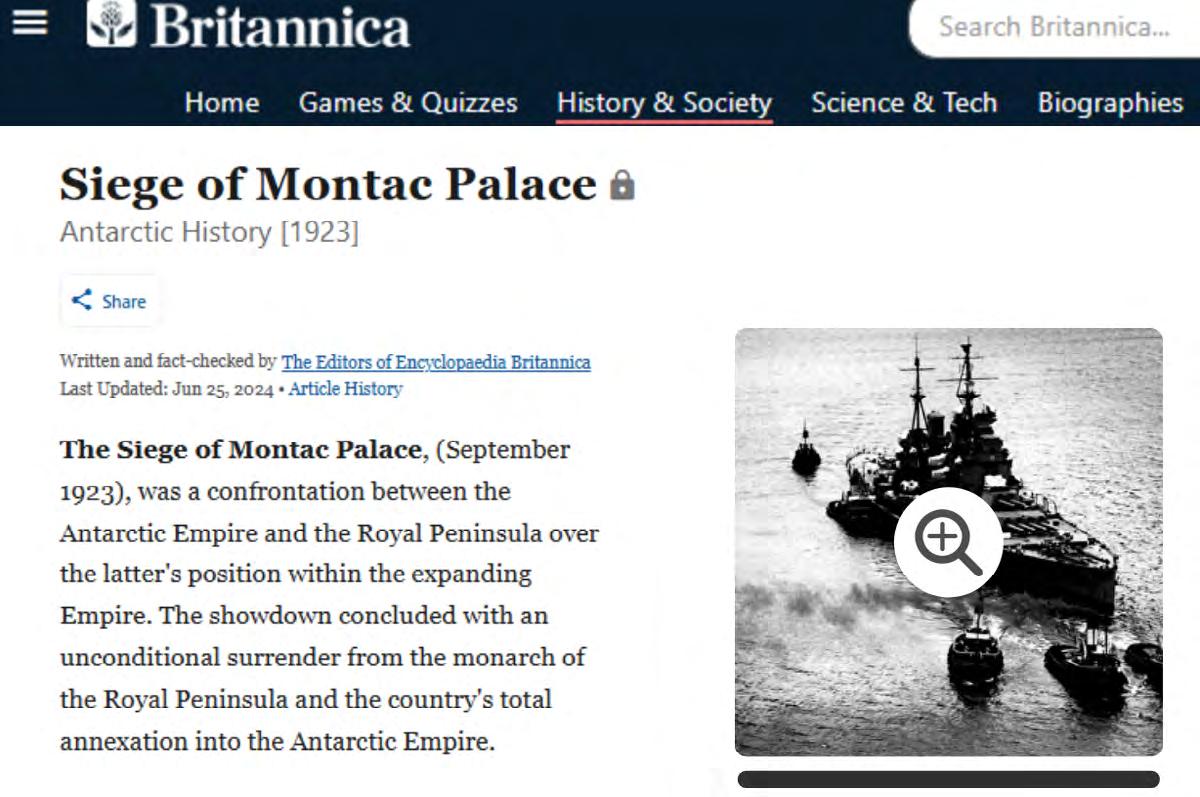
Already the wealthiest of the Western kingdoms, Massifia soon grew into a military powerhouse as well, and it soon came to dominate the Transantarctic Interregnum. The Massifian king, eager for more power, proposed the establishment of the Antarctic Empire – a single nation across West Antarctica with himself as its emperor. This was not without resistance; the proposal was met with fury from the other kingdoms. Regardless, the Empire was established with the Kingdom of Massifia and some of its allied kingdoms in 1894. Slowly, the remaining kingdoms were pressured into accepting annexation. By the 1920s, the West was fully united under the imperial banner, and two nations remained on the continent: the Antarctic Empire and the Union of Eastern Republics.
Flag of the Union of Eastern Republics
Flag of the Antarctic Empire
An Encyclopaedia Britannica entry regarding the annexation of the Royal Peninsula into the Antarctic Empire
Tensions between the countries would rise substantially throughout the following decades, with the threat of war constantly looming over the continent. An intense arms race saw expansive developments in each nation’s army and navy, with Britain and later America funding the Empire and the Soviets bankrolling the Union after Stalin took power.
Under the regime of the Sunrise Order, colossal amounts of propaganda was produced to cultivate a sense of anti-Western resentment and fear. To advance their aims of mass radicalisation, the long-dead au-Varan religion was revived in a new form dubbed Neovaranism. The state religion had notable changes from the original faith; scriptures emphasising personal liberties were minimised and replaced with teachings about freedom from nobility and the importance of unity with other workers (under a central authority, of course). It was by no coincidence that the Archbishop of the Neovaran Church often served alongside Chairwoman Wyto herself – policies passed in the Union government often found themselves twisted into sermons supposedly from a divine messenger12.
Beyond the revival of au-Varanism, the Sunrise Order also saw other numerous references to the former Auroran Empire. Despite the Union’s republican nature, Chairwoman Wyto saw it as a successor to the Empire – Unionist architecture was deeply reminiscent of the ornate classical style used by the au-Varan Church13. Like the Auroran Empire, the Union was also ruled by the “Highest Council”, consisting of the most important people of the republics. Although some politicians within the Sunrise Order voiced anger at what they saw was a betrayal of the organisation’s ideals, they were quickly silenced and replaced with loyalists.
Before Hu’aun Wyto’s death in 1928, she instructed her title of Chairperson be handed down to her son. The hypocrisy of the role passing from parent to son in an anti-monarchic state was not lost on the populace, although most stayed quiet after those who protested were arrested and disappeared en masse14. Chairman Axaun Wyto’s rule was even more authoritarian than his mother’s, with the Sunrise Order, military, and even the Highest Council being purged of anyone who could resist his power15. As a result, the Council became populated by sycophants, which ironically would eventually contribute to Wyto’s downfall.
The opposing Antarctic Empire was also far from perfect16 Although it had a Parliament and (nominally) democratically elected Prime Minister, suffrage was not at all universal and elections were considered neither free nor fair. Regardless of the rigged democracy, the Emperor was still head of state, and held significant power over the nation. Surveillance was also rampant, with the Imperial Security Office imprisoning many over suspicions of supporting aggregism.
Antarctic Grand War (1946-1950)
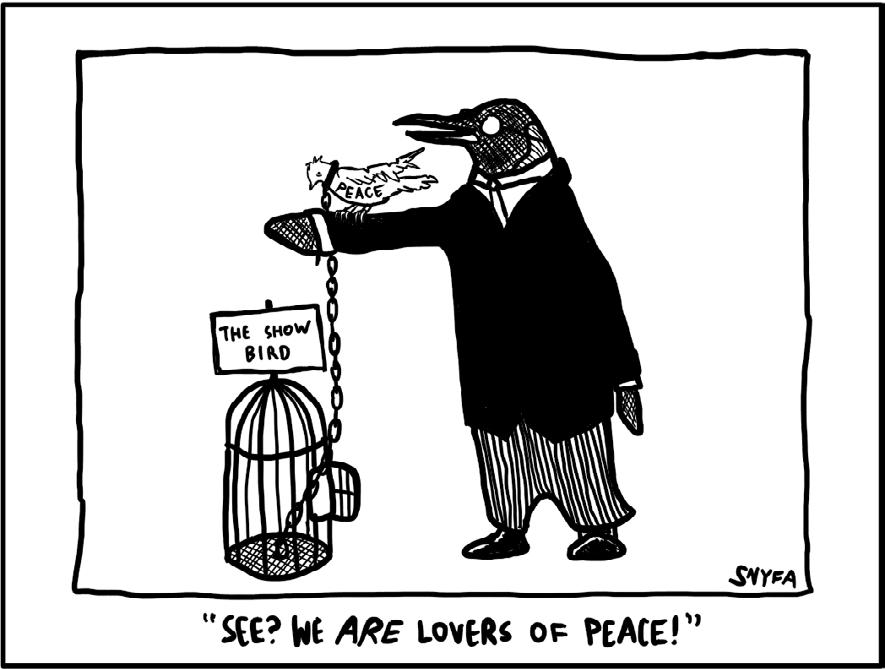
An American political cartoon mocking the Antarctic Empire’s relentless arms race while claiming to have a moral high ground
The Antarctic continent remained out of both world wars, as both its nations were preoccupied in arming for an inevitable conflict against one another. The Grand War would finally come in 1946, when Union Chairman Wyto began a rapid invasion of both ice shelves under imperial rule. Although achieving quick advancements early in the war, the Republican war efforts were stalled when Imperial reinforcements held them back from the mainland. Led by ruthless War Minister Piki Caqan, the Imperial forces were determined to keep the Republicans on the ice shelves while they maintained control over the advantageous highlands.
the country away from Christianity to an explicitly pro-Nazi pagan religion. With most other churches banned, most remaining Protestant groups were annexed into the Reich Church to ensure they did not preach dissent against Nazi atrocities. 13Stalinist rule saw the rise of socialist classicism in architecture, where buildings were designed at a monumental scale and with abundant decorative elements.
14North Korea is probably the most egregious example of a communist nation being far from representative of the common people. Its position of Supreme Leader is dynastic, having passed down twice from father to son.
15Stalin and Hitler both instituted extensive internal purges. Stalin’s paranoia led to the Great Purge, in which suspected dissenters in the Communist Party and military were charged with treason and executed. An estimated one million were killed. In 1934, Hitler’s SS orchestrated the Night of the Long Knives, in which rival Nazis such as Ernst Röhm and Gregor Strasser were murdered.
16For most of the 20th century, both the People’s Republic of China and the Republic of China (Taiwan) engaged in rampant human rights abuses. Until 1987, Taiwan was held under martial law, with those opposing the regime being subject to torture and execution. Regardless, it received US support due to its opposition to communism. The People’s Republic of China is still a dictatorship, with countless atrocities throughout its 76-year history.
17Hitler’s decision to invade the Soviet Union in 1941 was partially influenced by the slow progress made in the Western Front, where the Blitz had failed in gaining German air superiority over Britain. Although initially successful, Operation Barbarossa is widely seen to have contributed to the eventual downfall of Nazi Germany – opening a new front stretched German forces thin and resulted in major losses in Africa and Italy.
With the Imperial city of Akulako under siege and completely surrounded by Republican forces, Chairman Wyto ordered an extensive bombing campaign of the city, hoping to draw the Imperial forces out of their safe position to defend the Akulans. However, Caqan refused to compromise his army’s advantage, and allowed the bombing to continue. Only when the city was mostly destroyed did Wyto order a ground invasion of the city.
Wyto’s decision for such a large-scale bombing campaign was met with disapproval among some in the Highest Council of the Union. Akulako was the largest industrial region on the continent – none of the East’s own industrial cities could match its manufacturing output. By destroying vast swathes of Akulako’s factories rather than capturing them, the Republic had given up the opportunity to commandeer the city’s production of weapons, vehicles, and warships. The first cracks of the Highest Council’s loyalty had begun to show.
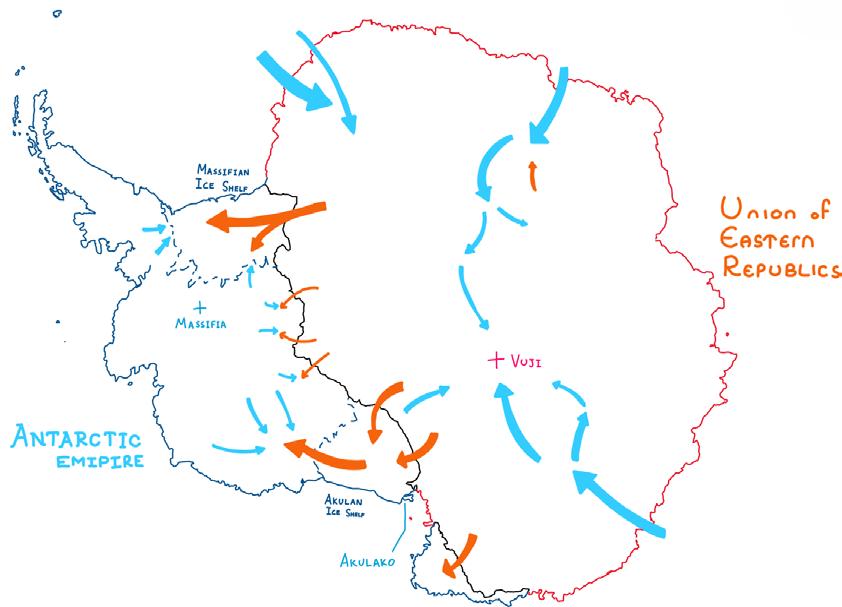
A map of the major troop movements throughout the Grand War. Blue represents the Antarctic Empire and orange represents the Union of Eastern Republics
Impatient for progress, Chairman Wyto ordered a third battlefront to be opened17. The mountain range dividing Antarctica was sparsely defended by Imperial forces; nevertheless, an invasion there would be highly risky as it would involve funnelling Republican soldiers through dangerous and narrow mountain passes. The mountain pass campaign was brief, with a combination of weather and quick Imperial defences driving the Union troops away. Furious, Wyto commanded the retreating Republicans to destroy any village or town they travelled through, murdering thousands in the process.
The atrocity drew international attention. Although the newly created United Nations attempted to pass legislation against the Union of Eastern Republics, all proposals were vetoed by the USSR. In response, the US Congress under President Truman ratified the Antarctic Alliance Aid Bill. Also known as the Triple-A Bill, the act promised to provide the Antarctic Empire with military and monetary support, beginning with a substantial grant for the Imperial Navy18. Combined with Imperial War Minister Caqan’s political manoeuvring, the Empire’s military began arming for a massive counter-invasion against the Union.
During the early years of the conflict, control over the Antarctic Empire’s war effort was largely split between the Imperial Military (led by War Minister Caqan) and the Imperial Parliament (led by Prime Minister Yao’ii Endanan). While most members of the Parliament were in support of the war, many were sceptical of the military’s mass spending, which was majorly straining the country’s economy. As such, the war budget was limited, much to Caqan’s infuriation.
Later in the war however, Prime Minister Endanan became terminally ill. Having been elected a decade prior, he was diagnosed with cancer in 1945. His condition quickly deteriorated and he became less and less active in Parliament. Despite calls for his resignation, Endanan refused to step down, leading to a decrease in support for his cabinet. By his death in 1947, Caqan had successfully rallied a majority in Parliament behind his cause, and massively increased funding for the war effort.
With Caqan’s new budget and American military aid, the Imperial Navy and Air Force grew immensely. By 1948, the Antarctic Empire was able to break the war’s stalemate with a series of successful attacks along the Eastern coastline. Caught by surprise and outnumbered massively, the Republic’s forces were soon forced into a hasty retreat from the border. This was exacerbated by Chairman Wyto’s poor war tactics, which deeply frustrated the Highest Council of the Union. Having been brought to power as sycophants and usurpers, the powerhungry Council members revolted against Wyto, establishing their own splinter governments from Republican territory19. Some of the rebellious Council members swiftly allied with the Empire to evade any punishment they would otherwise face, handing over valuable factory cities to the Imperial war effort in the process. By 1949, Imperial troops had surrounded the capital and the Union’s defeat looked inevitable. To escape the
18President Truman was deeply worried about the spread of communism – he was a strong proponent of the domino theory, believing that a nation that fell to communism would spread it to another. US foreign policy therefore followed the Truman Doctrine, which promised aid to countries under threat from “armed minorities or outside pressures”. The Doctrine was put into effect through the Greek and Turkish Assistance Act of 1947, which funded the countries’ wars against communist rebels.
19As Nazi Germany suffered increasing losses throughout the war, some within the military and government sought to betray Hitler’s authority. The July 20 plot saw members of the German Army attempt to assassinate and replace the Führer; the plan’s failure led to the purge of those suspected to have known of or participated in the plot. In 1945, the inevitability of Nazi defeat led SS leader Heinrich Himmler to attempt a peace deal with the Allies without Hitler’s knowledge in order to protect himself.
besieged city, Wyto arranged a short charter flight from his bunker to an aircraft carrier bound for the Soviet Union – however, his plane soon crashed into the Southern Ocean while navigating through a storm, killing the Chairman. A few days later, the remaining members of the Highest Council signed an unconditional surrender, effectively dissolving the Union of Eastern Republics and entirely uniting the continent under the Antarctic Empire.
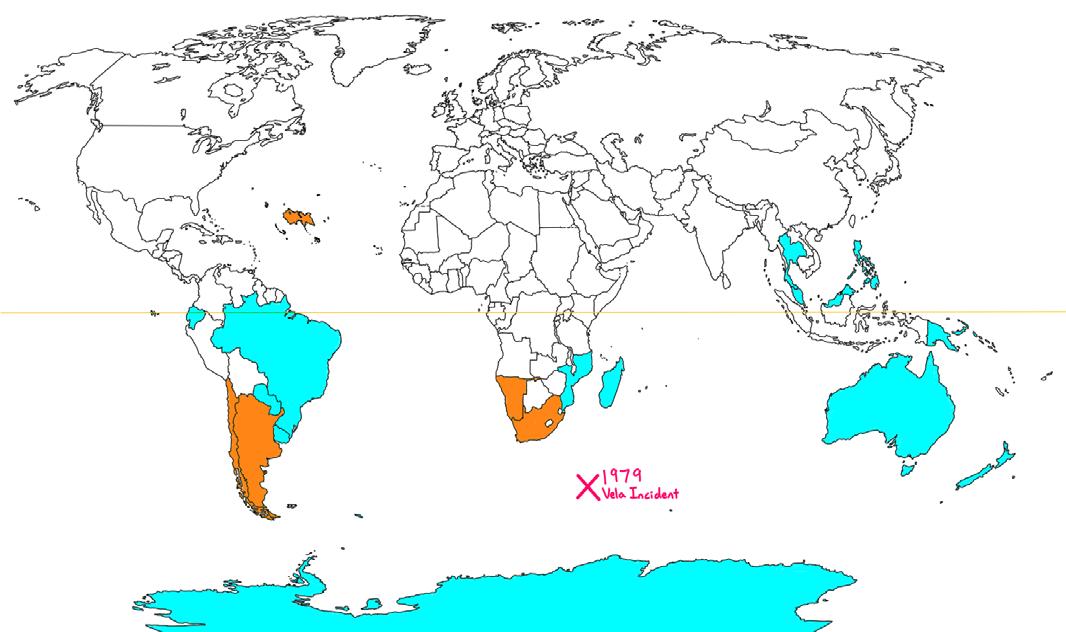
Antarctica in the Cold War (19501970)
After the war, the Imperial government was reorganised under pressure from the United States. The reorganisation centralised power into the central government, reducing provincial autonomy as well as transferring most of the Emperor’s power to a democratically elected Prime Minister.
Following his successes in the Grand War, Piki Caqan received a surge in popularity among the West. His campaign for Prime Minister was successful; he led the right-wing Imperialist Party and was thus backed by the United States. A nationalist and militarist, Caqan was eager to show the nation’s allegiance with the US against communism. He proposed a Southern Hemisphere counterpart to NATO, with Antarctica as its foremost power.
In 1952, the US voiced approval of the proposal, and Antarctica signed the Maputo Agreement with seventeen other countries to form the Southern Co-Protection Sphere (Scopros).
Scopros was founded primarily as a military organisation; each member was entitled to Antarctic protection if under communist threat. Antarctic troops saw small scale deployment in member states such as Mozambique and Malaya, but Caqan’s main goal was to spread Antarctic influence abroad through the establishment of overseas naval bases.
The largest test of Caqan’s ambition came in 1965. Following the Gulf of Tonkin Incident off the North Vietnamese coast, the US had approved the first deployment of ground troops to Vietnam20. America’s President Johnson sought support from Antarctica, which held a military presence in nearby Southeast Asian countries. Hoping to further improve trade relations with the US, Caqan obliged, sending troops and warships from bases in Thailand and the Philippines.
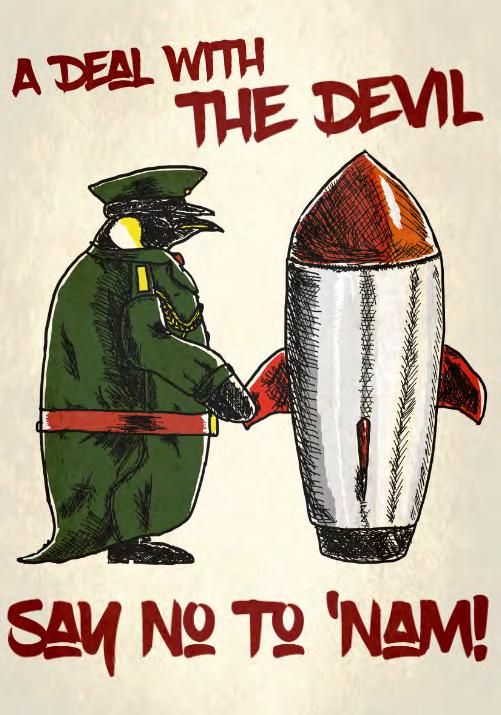
While most civilians supported the ideals of Scopros, Caqan’s involvement in Vietnam was controversial. The war soon proved costly, taking much more resources and troops than initially expected. Mounting casualties notwithstanding, the Antarctic government remained steadfast in their commitment in Vietnam – Caqan held an iron grip on the Imperialist Party, which
20The Gulf of Tonkin Incident occurred in international waters off the Vietnamese coast, where US naval ships alleged that they were attacked by communist North Vietnamese vessels. After the event, the US Congress granted President Lyndon B. Johnson the unprecedented authority to launch military action in Vietnam without a declaration of war.
21Many Americans thought US involvement in Vietnam would be a quick affair. Instead, the war lasted over ten years and led to the deaths of 58,000 US soldiers. Despite growing protests against the war, the US withdrawal would only begin after Richard Nixon was elected into office on a campaign of leaving Vietnam.
22See footnote 9. Before the attack, most Americans were hopeful that the war would soon end. However, after suffering great losses during the offensive, many began to doubt America’s place in the war.
A map of Scopros member states during the Cold War. Blue denotes current members and orange denotes countries that have since left or been expelled
The flag of Scopros
A propaganda poster protesting Antarctic involvement in Vietnam
had a majority in Parliament21.
The 1968 Tet Offensive further humiliated Caqan; the communist assault on Saigon demonstrated the US and Antarctica’s lack of control over the war22. Angered by the Viet Cong’s brazen attack on Antarctic troops, Caqan doubled down, pushing for the introduction of conscription into the Antarctic military. This proved highly unpopular, as support for the war was at an all-time low. Furthermore, despite Caqan’s previous success over the battlefields of the Grand War, his tactics in Asia proved disastrous. Antarctica suffered heavy losses against guerilla fighters, and many questioned the wisdom of sending penguins to fight in the humid jungles of Vietnam. Outrage against the war therefore led to the Imperialist Party’s catastrophic defeat in the 1970 general election. Victorious was the anti-war Antarctic Progressive Party, which campaigned upon reducing Antarctica’s military affairs and a focus on domestic reforms. Under the APP, Antarctica withdrew from Vietnam and banned conscription in its constitution. Furthermore, Scopros was reorganised into a diplomatic and economic assembly rather than a military body.
Auroran Renaissance (1970 onwards)
Diplomatic reforms would see Antarctica diverging from US foreign policies, instead choosing to seek a path of neutrality for the remainder of the Cold War. The APP massively decreased the Empire’s defence spending, reversing centuries of Antarctica’s seemingly unending cycles of military armament. Caqan’s centralisation of government powers would be overturned, with increased autonomy being granted to each province. Improved democratic standards would also be implemented through elevated press freedom and increased local elections. The APP also invested heavily in the East, which had suffered from economic neglect since its annexation into the Empire. Lastly, the worker protection rights and wage reforms introduced by the Party massively boosted its popularity, resulting in its domination in the following few elections.

During this time, Antarctica led the charge against the South African apartheid state. Following the regime’s brutal police crackdown on protestors in the Soweto township, Antarctica became one of the first countries pushing for an international embargo against South Africa. In 1979, a secret joint nuclear test between South Africa and Israel was detected in the Southern Indian Ocean, leading to international condemnation23 Due to the tests’ proximity to Antarctica, they began openly advocating for a regime change that would end apartheid.
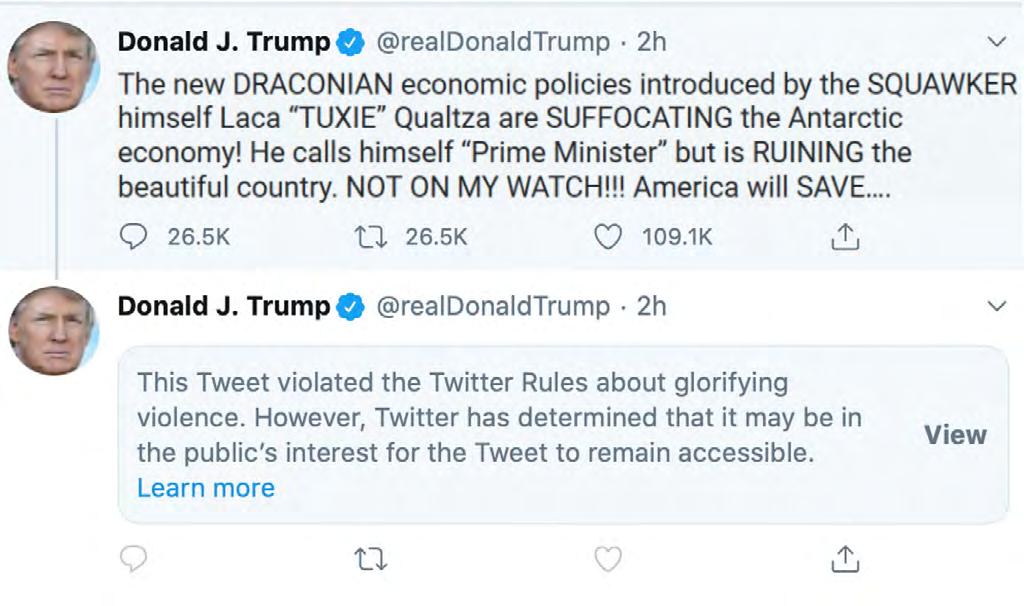
Domestically, the APP also began implementing proenterprise policies to take advantage of the continent’s resources. Most significantly, funding for the state petroleum company was increased dramatically following research discovered Antarctica’s vast oil reserves24. The country also exported rare earth metals and Valkyrine, with many nobility-owned corporations contributing to Antarctica’s economic boom25.
Moreover, the Antarctic Empire was reorganised as the Federal State of Antarctica in 1982. Provincial autonomy was further increased, as the Empress surrendered all administrative powers and adopted a diplomatic role as the nation’s figurehead. This reformation has paved the way for the present day, where Antarctica has become one of the most progressive countries in the world. It scores highly in freedom and democracy indices,
23The event is known as the Vela Incident, after the satellite that detected the explosions. Under the apartheid regime, South Africa had developed extensive weapons of mass destruction, including biological and chemical warfare programmes. Following the end of the apartheid, South Africa would surrender its nuclear arsenal.
24Studies have estimated that Antarctica’s oil reserves hold 511 billion barrels worth of oil, almost double Saudi Arabia’s 268 billion barrels.
25China’s rare earth metal industry was vitally important for its economic boom. In the present day, Chinese rare earth metal mines produce 70% of the global supply, and 90% of all rare earth metal is processed and refined in China.
26Much of the South Korean economy is dominated by ‘chaebols’ – massive conglomerates run by wealthy families. 41% of the Korean GDP is composed of just four corporations; the companies’ economic importance grants the families immense political power and legal immunity.
Flag of the Federal State of Antarctica
A Twitter thread by Donald Trump denouncing the Antarctic Prime Minister’s green energy initiative involving shrinking the petroleum industry

Currently, the Federal State of Antarctica is the third wealthiest country in the world, only behind the US and China. Its economic output has given it a significant standing in global diplomacy, where it has been a strong advocate for peace and universal rights. Despite the continent’s relative isolation from other countries, the capital – Massifia City – has also blossomed into an international economic and cultural hub.
consistently ranking among Nordic countries in these metrics. In 2019, the country made history by electing its first transgender Prime Minister, an achievement championed as a great advancement for queer awareness and representation.

However, Antarctica is not a perfect nation. The pro-enterprise policies that helped the country become a financial powerhouse have also enabled a few corporations to dominate its economy. These conglomerates are often owned by noble families, and absorb smaller companies into themselves to gain monopolies over certain markets26
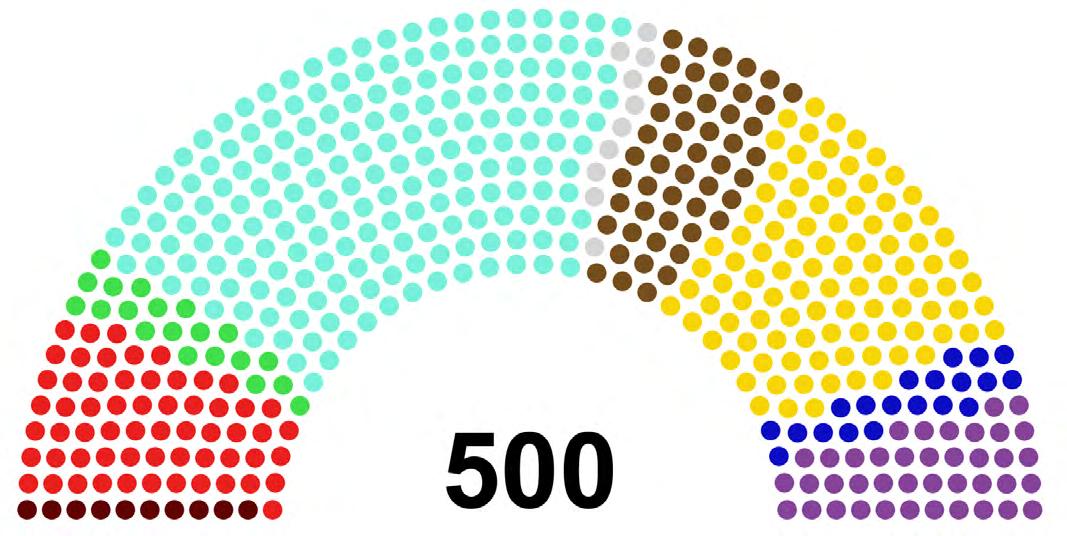
Like many countries around the world, Antarctica has recently experienced a wave of political polarisation. The far-right populist Auroran Front opposes many of the APP’s progressive policies – the party argues that the Antarctic government’s extensive humanitarian efforts worldwide produce strain on their economy. Despite Antarctica’s traditionally liberal interpretation of gender identity and roles, globalisation has led to newfound criticisms of the Prime Minister’s transmasculinity. The 2024 federal election was the most split since Antarctica’s adoption of democracy; the APP lost significant shares of votes to other leftist parties and was forced to form a three-party coalition, while the right-wing bloc collapsed as voters flocked to the Auroran Front.
Despite this growth in extremism, many Antarcticans remain hopeful. The Auroran Front saw a slump in approval after Trump imposed a staggering 35% tariff on Antarctic exports27. The decrease in trade with the US has seen Antarctica strengthening its economic relations with other Scopros member states, as well as allies such as the European Union.
Across the world, Antarctica is seen as a guiding light in uncertain times, with the Federal State taking a stand against the rise of far-right politics across the world. The determination of the Antarctic populace in the face of such dangers is a source of inspiration for many, as is the continent’s prosperity in spite of the many challenges it faced throughout its long history. As an ancient isolated civilisation forced into self-sufficiency, those in Antarctica were still able to forge success despite their massive
27Despite the Canadian Conservative Party’s overwhelming probability of victory in the months and years leading up to the 2025 federal election, Trump’s tariffs and threats of annexation led to a spectacular collapse in their approval and their subsequent defeat to the Liberal Party. A similar, though less dramatic trend would be observed in the Australian federal election a few days later.
Flag of the International Olympic Committee
A postcard from Massifia, Antarctica
The results of the 2024 Federal Election. The APP (cyan) leads a leftist coalition against the right-wing opposition parties and far-right Auroran Front (purple)
obstacles. To developing and developed countries alike, the tale of Antarctica is one of resilience and inspiration, and will be told for generations to come.
Conclusion
The story of Antarctica was (and continues to be) inspired by numerous nations across history, and maybe you’ve even learnt some real-world history from reading through this article’s many footnotes. This project has certainly allowed me to conduct my own research into history and politics – these topics are fascinating to me and the opportunity to learn about them is another reason I enjoy this pastime so much.
Maybe this article has sparked your own creativity, and you want to start your own worldbuilding project. Your stories can begin anywhere and take any form, from alternate history to speculative biology – worldbuilding is a hobby that can span any interest and passion. Don’t fret about writing your lore in a hundred-page Google Doc or sculpting in every last detail of a project right from the get-go: after all, the fun of making a universe is in the creative process.
The example in this article might seem daunting, but it all began from a simple concept and framework, with specifics being filled in later on in the lore’s development. As long as you have an idea that you are excited to expand upon, the rest of your own world will come naturally. So if you’re ready to embark on this fulfilling journey, feel free to grab a pen, draw some maps, write some history, and let your imagination run wild.
The Library
THEY SAY knowledge is power.
*
“The books—”
She says it like the name of a child. Like half of their genetic coding is hers, like every word struck a chord and somehow became human in her head. Guilt gnaws, heavy and scraping, behind my sternum. This is something few can say: I feel like Caesar.
You know how much power a good story holds? She asked me once, mid-history homework. That was when she still had that temporary air of holiness all older siblings have. Not good, not bad. Just god-adjacent.
I was too pleased to be included in the conversation for once. To be considered, for once. I don’t know. How much?
It’s the best way to persuade someone. That’s what all the dictators do: tell you a story.
I was not entirely sure what a dictator was, but that sounded wise.
A fire was a bit dramatic, even for me, I can agree. I won’t even consider the repayments I’m about to have to make (let’s say each book is ten quid, and maybe fifteen on one shelf). I wait for the anger. The spite, the screaming, the sobbing.
I’m not waiting for my sister to kneel down in the wet ashes, her black tights dusted like someone has wiped chalky hands on her knees. My lighter glints dully in the gritty light. I think she’s fishing out half a book, the gold lettering peeling inside its plastic sleeve. No amount of Sellotape is going to rejuvenate that.
“Jesus Christ, Soph. Just yell at me already,” I say, scuffing a shoe. She ignores me, high and mighty even as she curls in the wreckage of what I have done. I want, a little bit, to scream. She is so far from me, from my rage and war-mongering and bloodlust, so different and yet as familiar as the shape of my teeth under my tongue.
*
Do you think—
Peace is instinctive? Like chaos? Like maybe we really all belong in some idyllic garden and actually all this burning is only temporary, futile, effort? Who cares about nuclear arms when who would risk mutually assured destruction?
Destruction. Fair, really, an eye for an eye. Information for a promise. Safety for information.
*
I step on a charred hardback cover, spine sticky with melted glue, and it crunches under me. These aren’t just books. This was Sophie’s dream: a library, a community, a haven. She was going to open it tomorrow; I’d smiled with her for a selfie in front of the fresh paint. The books took less than two hours to burn.
It had sort of felt good, the first bit, watching shivering flames dance over paper edges. Orange hot on my face as the shelving caught. Oxygen sweet in between lungfuls of thick smoke. I was probably smiling. Then… Then I’m not sure. In hindsight, I think it was the loss of control. At some point, (after the very top shelf lit up) it was no longer intentional. There was no spite in the charred splinters, no vengeful justification. It was just ruination, as inevitable as a natural disaster. Then I started to feel sick. There was no moment of terror, or realisation, because I was in full knowledge the entire time. I knew what I had done; I didn’t know how to stop what I would cause. And every inhale-cough-exhale was words and memories and attachments lost. Fire is not merciful.
Everything I did next was entirely selfish, because I refused to call 999, to take accountability. I ran the tap in the tiny kitchen/storeroom until water flooded the steel draining rack beside it; wrenched the fire extinguisher
off the wall and worked out how to spray it; burnt blisters into my hands throwing books off the crumbling structure. It was all much easier than dialling Sophie.
*
She cradles a paper coffee cup, leant on the table in what is left of the tiny library. We make eye contact eventually. It feels final.
“Why did you put it out?”
What? “What?”
I do not get a response. It’s on me, now, to fix this. Superficially.
I cough. “That wasn’t what I wanted. I thought—I thought I wanted the power. But seeing the damage that couldn’t be undone… That wasn’t power.”
“I can buy more books.” Sophie doesn’t look angry. She looks tired. “I can buy more books, but that won’t make you appreciate or respect them. You can put out the fire, but that doesn’t mean you didn’t enjoy starting it.”
We are thrilled to share that 'The Library' by Leah Daley won in the Year 9-11 category of the Clifton LitFest Young Adult Writing Competition 2025. Congratulations to Leah!
Aggie Knox Cartwright, Year 12
HISTORY
The French Revolution
Can you imagine our nation's monarchy being overturned?
This is exactly one of the many events that happened during the French Revolution: a global turning point in history where French citizens overthrew their monarchy and system of government from 1789-99. Its ideas and aims were associated with modern trends like liberalism, equality, the development of nationalism, establishing the idea of a ‘citizen’ and emphasising individual rights. It lasted ten years and reshaped the entire nation, forming a base for other countries to do the same in following years.
Why did it happen? Here are a few key reasons: By 1789, France was in a dire crisis.
1. France had a monarchy like England today. Life centred around the French King, Louis XVI, who had complete power. Whilst this system of monarchy did work in many countries like England, Louis XVI was indecisive, introverted, and lacked charisma. This meant that his inherited problems of an inefficient taxation system only got worse. Louis failed to control the court in Versailles, Paris, which had thousands of courtiers living there at one time. King Louis XVI’s wife, the Austrianborn princess Marie Antoinette, was also incapable of ruling the public. The royal couple became a target for popular discontent, with incapability to deal with reforms leading to rising food prices, contributing to the downfall of the monarchy.
2. French finances were in a mess by the 18th century. The taxation system meant the wealthiest paid almost no tax, and
since wealth equalled power, this significantly threatened the monarchy’s rule. Unable to change the tax system, finance minister Jacques Necker raised funds for the government by taking out loans instead of taxes. Whilst this had some shortterm benefits, it pushed the country further into debt. With France virtually bankrupt, and the King’s influence too weak to make change, the French economy suffered more and more.
3. A series of unfortunate events also contributed. The cost of living increased by over 60% between 1741 and 1785, and two years of poor harvests in 1788 and 1789 caused the price of necessities like food to be dramatically inflated along with a drop in wages. All these hardships lead to increased resentment from French citizens towards Louis XVI. Accusations of the royal family performing extravagant spendings increasingly strained tensions, heightening the risk of a revolution. This was particularly targeted at Marie Antoinette's personal spending, giving her the nickname ‘Madame Déficit’.
4. In 1789, the French population was sorted into something called the ‘Three Estates’. Whilst the richer members of society, like nobles, lived in luxury, the ordinary people in the ‘Third Estate’ suffered hugely. From paying the majority of the taxes, to facing hunger and poverty, relentless suffering made the people unhappy and desperate for change. This, along with the declining feudal system which created a power vacuum that the bourgeoisie (middle class) had to fill, meant Louis no longer had fully sufficient power to rule without the risk of an uprising.
This sets the scene to why the people of France wanted to overthrow the monarchy. The fulfilment of these events
took place between 1789-99, resulting in both the king and queen being executed publicly.
The key events:
1789: the revolution in action
• In May, King Louis XVI called the Estates-General, an assembly of representatives, to solve France’s financial crisis.
• In June, the Third Estate (commoners), frustrated by inequality, declared itself the National Assembly claiming to represent all French people. They made an oath vowing to not disband until a new constitution was created.
• Then, in July, the storming of Bastille occurred: a mob of unhappy citizens of France, upset at their King and government, stormed a prison called the Bastille fortress. This was hugely symbolic as the prison was a symbol of royal authority, which had been undermined marking of the end of the monarchy’s absolute power.
• On 26th August, the National Constituent Assembly adopted the Declaration of the Rights of Man and of the Citizen, a document stating principles like liberty and equality. This was a direct result of the abolition of feudalism on 4th August.
• In early October, the Women’s March of Versailles began; thousands of women, furious at their poor economic conditions, marched 12 miles to the Palace of Versailles demanding bread and Louis’ return to Paris. Eventually, the King agreed to leave Versailles, marking a significant political shift by ending his own independence.
1790: reforming France
• In January, the National Assembly reorganised France into 83 new regions, aiming for more equal representation.
• The Civil Constitution of the Clergy was passed in July, putting the Catholic church under control of the state, angering many Catholics. Later, clergies were also forced to swear an oath of loyalty to the nation, creating rivalry between the Catholic Church and government.
1791: discontent rapidly grew
• In June, the Flight to Varennes occurred: Louis XVI and his family tried to flee Paris but were captured and returned,
shattering trust in the monarchy.
• France adopted its first written constitution in September, further limiting the King’s powers.
• The pivotal Champs de Mars Massacre followed.
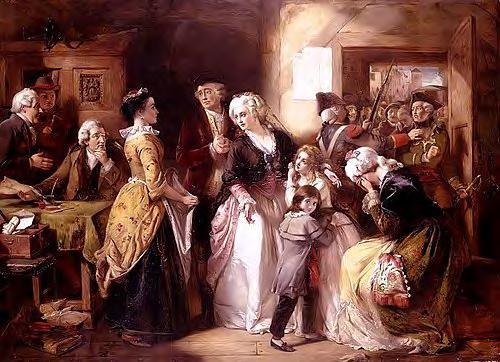
Thousands of people gathered at the Champs de Mars to sign a petition demanding the abdication of the King, proving the strong discontent the French now felt when regarding King Louis XVI.
1792: the complete collapse of the monarchy
• Mid-way through the year France declared war on Austria. For the next seven years, the ‘French Revolutionary Wars’ continued between France and various European powers. The war was already going badly when summer came by, and the French economy was suffering even more than before. Despite this, by September the French victory at the Battle of Valmy drove Austrian forces out of France. This was a major psychological win for the French and boosted morale temporarily.
• The following day, on 21st September, the monarchy was officially abolished. This was done by the National Convention which was a new assembly. It then went on to establish the French Republic.

1793: King Louis XVI’s execution and the Reign of Terror begins
• Louis XVI was executed by guillotine for treason on 21st January.
• As the year went on, the war expanded, with France now fighting many European powers such as Britain, Spain, Austria, and the Netherlands.
• The Committee of Public Safety was created in April. One
of its main aims was to defend the nation against its enemies.
• In September, the Law of the Maximum set price limits on food to fight inflation. This is a key example of the time when the French actively tried to overcome their economic issues during the revolution.
• The Reign of Terror intensified in December: a period of intense violence and mass execution aiming to eliminate opposition and consolidate power through drastic measures. This was led by Maximilian Robespierre, and in this period, Marie Antoinette was executed. However, this instilled mass fear and distrust. The French economy was negatively affected by the constant threat of arrest and execution.
1794: the end of the Reign of Terror
• The Committee of Public Safety was now governing virtually as a dictatorship. Individuals like Robespierre were key members of this, becoming its leader. However, in July, he was executed, marking the end of the Reign of Terror. In this period, almost 20,000 people were killed: a significant statistic displaying the violence of the era and loss of French citizens, specifically commoners.
1795: the Directory comes into power
• The Treaty of Basel occurred: a series of three peace treaties firstly with Prussia, then with other nations like Spain, aiming to end hostilities between Revolutionary France and some of its enemies during the wars of the French Revolution.
• A new constitution called ‘the French Constitution of 1795’ was set up in August. It established the Directory, a five-member executive body, marking the end of the more radical phase of the French Revolution. This was perhaps a direct result of both monarchs being executed in 1793.
• In October, the 13 Vendémiare royalist uprising happened. In Paris, royalists rebelled against the new government of the Directory but were defeated by the French Republican army, led by Napoleon Bonaparte.
1796-97: Napoleon on the rise
• Napoleon was appointed Commander-in-Chief of the Army of Italy by the French Directory in March. He took over the French ‘Army of Italy,’ drove the Austrians and Sardinians out of Piedmont (Italy), defeated the Papal States, and occupied Venice. This was his first major victory for France.
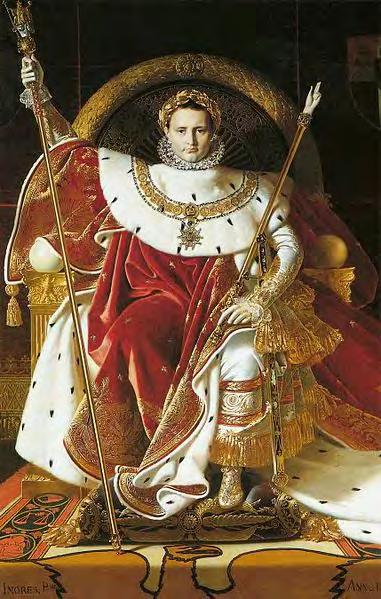
• In 1797, he signed the peace treaty of Campo Formio with Austria ending the War of the First Coalition. This expanded France’s territory, consolidating its control over Italy and leaving them at War with only England.
• The system was still extremely fragile. The Coup of 18 Fructidor in September 1797, when France’s revolutionary government used military force to block royalists from regaining power, led to harsher rule, and paved the way for Napoleon’s rise.
1798-99: the end of the revolution
• France faced many problems in 1799 like political corruption, economic strain and military defeats.
• On 9th November 1799, Napoleon Bonaparte seized power in France through the Coup of 18 Brumaire. This was a violent takeover overthrowing the system of government under the Directory and set up a new government called the French consulate which lasted until 1804. This made Napoleon ‘first consul’ of France and is often viewed as the ultimate end of the French Revolution.
The nature of the French Revolution influenced many other nations to do similar things in order to abolish their monarchy, creating many notable long-term impacts. A key example of this was the Haitian revolution; several different groups in Haiti were inspired by the Declaration of the Rights of Man (1789, see above) to seek more freedom. In 1791, the civil war along with a slave revolt in Haiti started the revolution. It encouraged France to abolish slavery in 1794 and crucially led to the establishment of Haiti as an independent and free state.
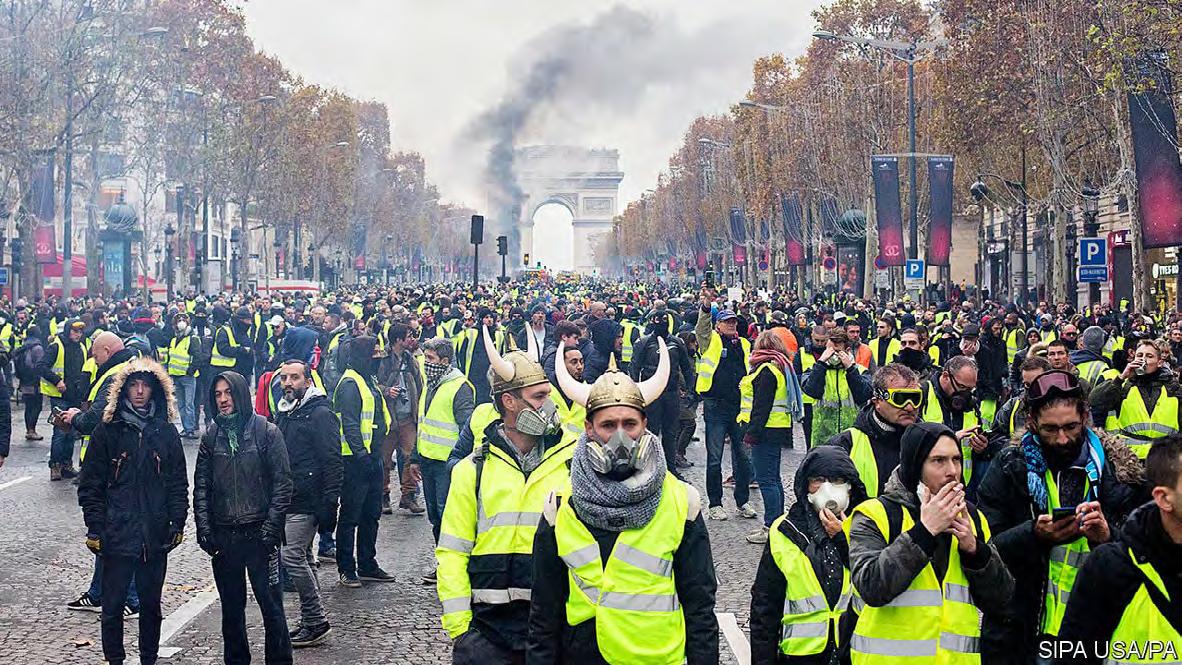
In France today, people are still very politically active and like to demonstrate this on the streets. For example, the Gilets Jaunes (yellow vest movement) were a series of weekly protests in France from 2018 to 2020, aiming to sort out the poorly designed economic system of France. It received international recognition, approximately 3 million people took part, and achieved some success such as an increase in the minimum wage by the French president Emmanuel Macron. This mirrors many events of the French Revolution. Much political activism today, particularly in France, reflects the legacy of the revolution, displaying its popular ideas such as resistance to elite power, and carrying them on into the modern society.
In summary, the French Revolution was a major turning point in both French and global history which resulted in Napoleon Bonaparte’s rise to power. The Revolution achieved lots, from abolishing their monarchy and feudalism, to inspiring many other nations across the world to do the same.
Many historians argue that if this revolution never took place, Europe’s broader shift towards liberalism and equality would have been heavily delayed, and today the world would likely have a less extreme and focussed shift on reform.
The Life of a Shepton Mallet Prisoner
Although Shepton Mallet Prison may now be known for its challenging cell escapes, engaging tours, and paranormal activity, it was once a prisoner’s living nightmare. The first inmates were housed in 1625, and after being closed in 1930 and reopened at the start of WWII, the prison was eventually decommissioned in 2013. However, during its time as a running prison, it was responsible for the executions of multiple inmates and the psychological damage of countless.
the treadwheel.
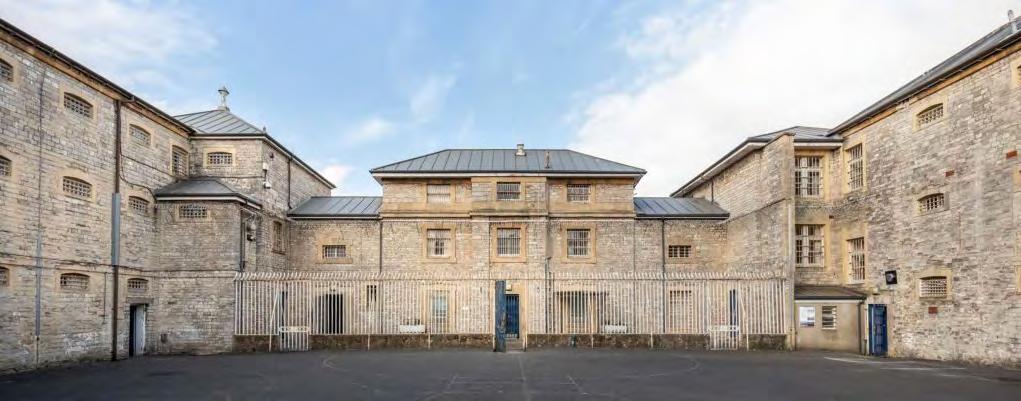
During the early years of the prison, the gaolers’ salaries being unpaid resulted in harsh punishments, and overall, very poor sanitation. Due to little ventilation and the cooped-up nature of the prison, diseases such as ‘gaol fever’ spread like wildfire across the prison cells. Although an infirmary was available, it was mostly avoided by inmates as it was seen as a deadly pool of pathogens, and catching a fatal infection or disease was almost guaranteed after spending time in the small room. Furthermore, modern toilets were not accessible in the 17th century, when the prison was first opened, and were only gradually introduced much later, painting a picture of the uncleanliness (and smell) that would have been around at the time.
The most extreme punishment at Shepton Mallet would have been the death penalty, with over 200 crimes being punishable by execution by the end of the 1700s, and the hanging of multiple inmates. However, the prisoners were burdened by nothing short of physically and psychologically gruelling daily tasks. These were mainly set in the form of hard labour, which included oakum picking, the crank and
Oakum picking was a painful task that involved the unravelling of old and worn-out pieces of rope into tiny fibres, which frequently led to bleeding and infections in the hands and fingers due to the rough texture of the rope. The crank (arguably the most useless) involved the action of turning a handle repeatedly for hours upon end, for the sake of creating discomfort and testing the patience of the prisoners. This punishment even came with the option for gaolers to adjust the handle, making the task even more difficult and gruelling. Finally, the treadwheel (the only task that served a useful purpose) involved the prisoners stepping on a large, revolving cylinder for hours in order to power the mill just outside of the prison. Shepton Mallet also introduced a ‘silent and separate system’ in the mid-1800s, enforcing the complete silence and separation of all inmates.
I can only imagine the horrors that Shepton Mallet prisoners must have had to face, especially those unfortunate enough to have been housed during the early centuries of the prison. However, staff working at the prison today admit that they still receive visits from ex-inmates who spent time in the prison nearer to its decommission, and who share stories of their experiences as Shepton Mallet prisoners.
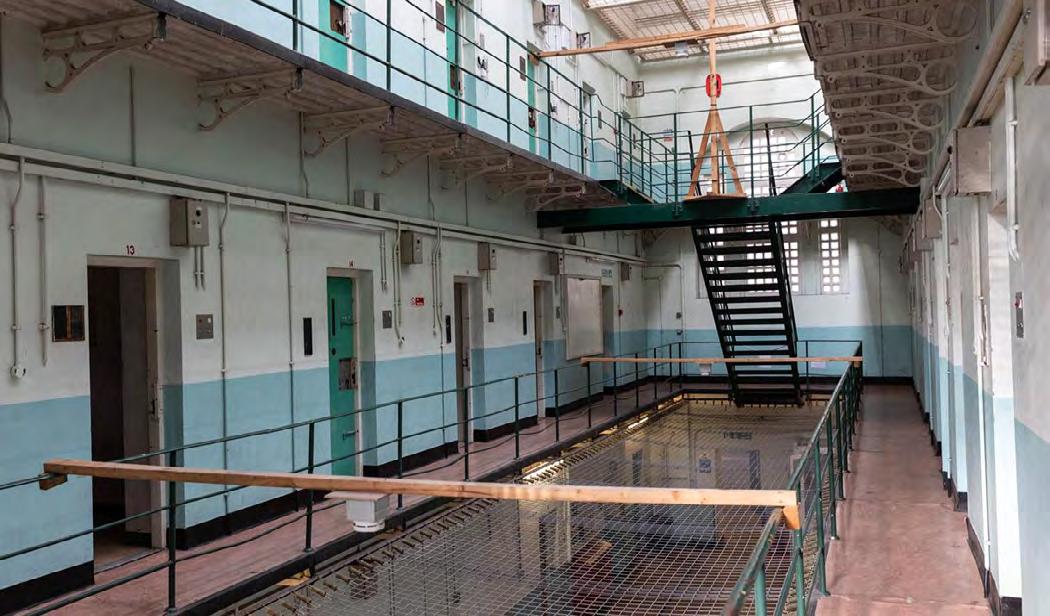
Esme was inspired to write about Shepton Mallet Prison following her recent visit, as part of her A Level Sociology coursework.
To What Extent can Ghost Stories and Hauntings Determine Historical Evidence?

Occurrences of paranormal activity have been documented and debated since 2100 BCE; every culture from those amongst the Amazonian rainforest to those in Russia has some sort of ghost story or para-biological folklore, usually reflecting their beliefs and fears. Although supernaturality may be seen as delusional and untrue to a sceptic, paranormal stories, whether fabricated or backed up by evidence, can arguably give us an insight into history. Depictions of ghosts and beliefs surrounding them can be traced back through religion, literature, law, memorials and folklore. However, considering a range of opinions of the validity of the topic, can paranormal accounts be taken seriously enough to form laws and back up facts?
Three famous ghost stories woven in history include: sightings of Anne Boleyn at the Tower of London, the Bell Witch case and accounts of military ghosts. The first sighting of Anne Boleyn was in 1536. When Henry VIII, the husband of Anne Boleyn before she was executed, reformed the church, the Protestant Church of England rejected the idea of purgatory (a neutral afterlife where souls are tested for their sins). It suggested that either people who saw Boleyn were rejecting the new church and were still believers of
purgatory, or that they still supported her by spreading gossip of her ghost, despite Henry VIII’s attempts to destroy her image and reputation. Therefore, although a supposed image of Anne Boleyn did exist, the fact that people claimed to see her as a spirit gives better insight into how people in Tudor England viewed the reformation and Henry VIII.
The second example is the Bell Witch case. From 1817 to 1823, the Bell family of Tennessee experienced hauntings of a poltergeist that they claimed was terrorising the entire family, especially one of the children, Betsy, and the father, John. They told authorities that an invisible and violent entity was hurting the children, whispering, forming unexplainable apparitions like animals, as well as scratching. Eventually, John Bell was poisoned, supposedly by the witch. He is one of the 10 documented deaths caused by the supernatural, and the only one in America. The secondary evidence that can be pulled from this case is its legal impact; people in 1800s America incorporated spirituality into law. This is also seen from the witch trials, also based upon ‘satanic’ interferences from spirits, showing how the law reflects a culture’s beliefs.
Finally, ghost stories revolving around war are also common. In 1941, when Britain was amid World War II, HMS Barham was fired upon by German torpedoes and sunk, losing 862 crew members. However, what makes the case paranormal is that a woman in Portsmouth, Helen Duncan, reported in detail that she had a vision of the sailors wearing uniforms and claimed to be from the HMS Barham, as well as the ship’s captain, telling her to alert their loved ones that they had died in the sinking. What makes this so unsettling is that the sinking was reported in January 1942, but she spoke out about it in early December 1941.
Although you could argue it was simply a lucky guess, the specificity of the claim shows that ghost sightings were, in this case, valuable sources of evidence to report casualties in war and premonitions relating to the military. Still, she was accused of witchcraft under the Witchcraft Conviction Act of 1735 and was arrested on satanic chargers. This could be viewed as having undermined her value, as it was challenged by the law, however it also hints that attitudes towards paranormal stories were becoming rejected by the 1940s, showing the decline in superstition.
The most obvious argument disproving hauntings is that they are rooted in assumptions and not proof. There is little to no primary evidence from these cases online and although I found two photos of Anne Boleyn’s ghost, they could have easily been distorted or edited to make false claims. In more recent times, ‘evidence’ from hauntings often comes in the form of videos and audios, for example Ed and Lorraine Warren were investigators who often made audio recordings of people who had experienced hauntings. However, they also could have been edited to prove a point, rather than to investigate unbiasedly. Due to the rise in medical progress and the Industrial Revolution, religious biases about the supernatural have gone out of fashion, instead people believe concrete facts about death provided by science.
Another argument is that the Black Death, which killed around 40% of the population in Europe by 1353, as well as other fatal illnesses being far more common, caused the general mortality rate to skyrocket; therefore it could be concluded that grief caused people to speculate more about death, as well as the illnesses potentially causing mental states to become distorted. It could also be argued that the mass loss of lives would have produced more ghosts, especially given that mass graves meant that people were not buried following Christian traditions. They could therefore be resentful and come back to plea for proper burials. This could have contributed to the rumours of Anne Boleyn, giving the claims less validity. However, there are limited accounts of ghosts from the Middle Ages, so this theory, formed by author Roger Clarke, is not backed up by evidence, showing a lack of validity.
With the introduction of the horror genre through Gothic literature and its exaggeration in cinema, ghost stories have been morphed into a source of entertainment, with famous movies including: The Conjuring series (2013-2025), The Haunting of Hill House (2018), Poltergeist (1982) and over 200 horror movies available on Netflix, with many of them being ‘based on true stories’. On one hand, this popularity of the supernatural in the media shows how people are engaging with paranormal stories. However, it could also be argued that because cinema has exaggerated paranormal stories, many people see them as even more irrational, therefore depicting actual hauntings as entertainment. Furthermore, many other forms of media including podcasts and video platforms like YouTube frame supernaturality as satire.
The intentions of this at face value appear to be entertainment, however connections to the dead could also provide clarity to believers, encourage debates on life after death or direct research into preexisting true supernatural sightings. For example, the Conjuring series, directed by James Wan, takes
fictional perspectives on true stories and exaggerates them at the same time. However, he also unearths cases in the process, causing people to form theories and scepticism about famous cases (an example being the Enfield house in The Conjuring 2).
However, if ghosts existed in literature throughout history (Hamlet, Macbeth, Christmas Carol, Wuthering Heights, etc) why are they seen as fake in modern times? The obvious answer is that through the Industrial Revolution and progression in science, ghost stories have lost their relevance. Nonetheless, this decline in belief does not take away from the cultural history of ghosts; we still acknowledge what people throughout history conspired about death.
Overall, the circulation of exaggerated paranormal media arguably sabotages actual cases, causing the average person to be influenced by films to view the supernatural as fake, immediately jumping to a sceptical conclusion. According to a survey from the University of Hertfordshire, just one in three people in England believe in ghosts, while only a quarter believe communication with the dead is possible, according to new results released from the National Folklore Survey for England. Compared to the widespread belief in the Middle Ages as well as recent developments in scientific research, a smaller proportion of people in the UK believe in the supernatural now, which could be explained by the rise of paranormal stories in mainstream media.
In conclusion, although ghost stories almost always have explanations and are not backed up by concrete evidence, revealing that they cannot be used to form solid conclusions about historical events and people, the supernatural can provide evidence of historical cultures, with emphasis on religion. Despite legal (and potentially photographic) evidence from the Bell Witch case and many modern cases providing clues as to if people believed in ghosts, it is difficult to determine if ghosts exist. Consequently, primary ‘evidence’ from poltergeist cases cannot be 100% trusted and used to prove facts. Therefore, while ghost stories can be reliable when viewed as secondary evidence on topics like cultures’ views of death and responses to hauntings, they usually cannot be deemed as reliable pieces of primary evidence.
Amba Derrington, Year 12
The Roots of Gothic Horror LITERATURE
Created in the late 1700s, Gothic literature has haunted readers and audiences for centuries through iconic and thrilling stories. Its influence still affects literature and plays today, leaving readers and audiences with a feeling like no other.
The genre first emerged in Britain, mixing the crumbling medieval countryside with the supernatural. Inspired by ghost stories and folk tales of their own surroundings, Gothic authors emerged. These included Ann Radcliffe and Matthew Lewis, to name a few. By the 19th century, cult classics such as Mary Shelley’s Frankenstein and Bram Stoker’s Dracula were written, shining a new light onto the supernatural.
Matthew Lewis’s The Monk was extremely controversial at the time, and even now. With themes of rape, incest and satanism, the book disgusted many Christians when it was published. Telling the story of a monk named Ambrosio who was seduced by a demon named Matilda to give his soul to the devil, the book explores paranoia and religion in such an individual way that even critics couldn’t help but be amazed by it.
The main themes that make Gothic Literature so iconic include madness, isolation and most importantly, the unknown. The unknown represented the creatures such as Dracula, the more supernatural side to the Gothic. Fear also emerged due to developments in science and understanding of the natural world at the time. Therefore, fatal errors in scientific experiments were also a popular theme in books such as Frankenstein, a metaphor for humanity’s search for
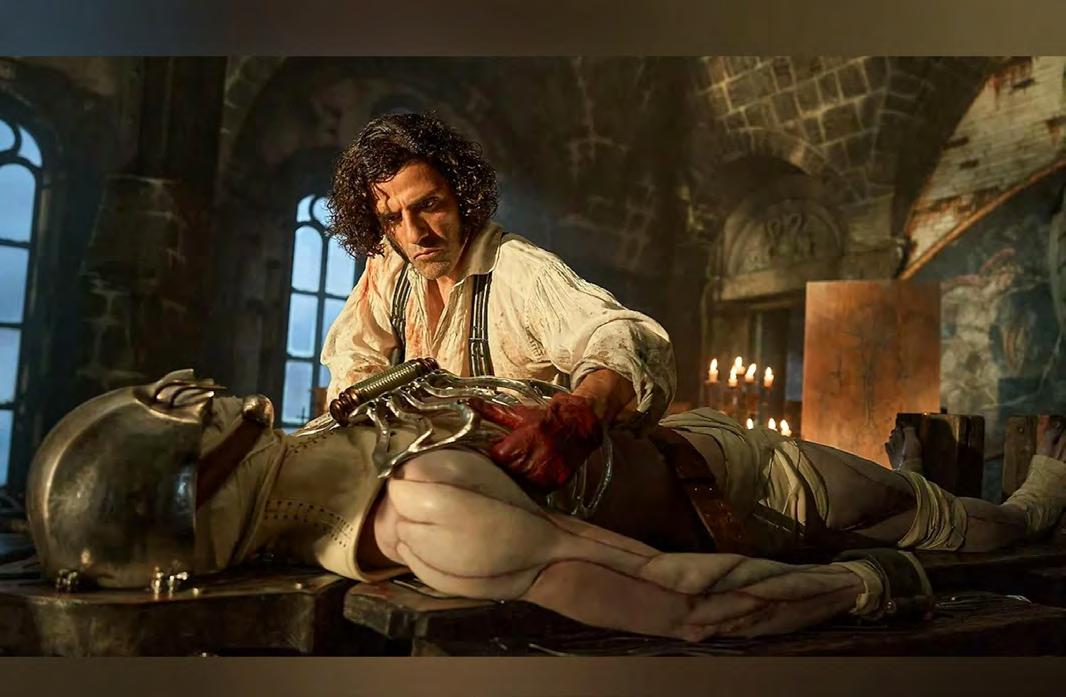
perfection, and curiosity that can lead to tragedy.
These themes are also reflected in modern horror literature, with authors such as Stephen King taking inspiration from the Gothic. The trope of “locked in an abandoned castle with a monster” is shown in his famous novel “The Shining” with Jack Torrance becoming insane in the Overlook Hotel. Long winding corridors and endless empty rooms drive him mad, along with the coming of the snow, reflecting the Gothic idea of how a human mind can be changed into something sinister by fear.
There are also Gothic movies which are either adaptations of the original books, or completely new stories inspired by them. Some adaptations slightly change the story, for example in Guillermo del Toro’s Frankenstein which released recently, Elizabeth and William are getting married, while in the novel Victor and Elizabeth get married. Through this adaptation, del Toro gives Elizabeth more autonomy, separating her from Victor’s dangerous ambition and granting her her own beliefs and opinions. The hinted forbidden romance between them further highlights Victor’s own isolation, and Elizabeth’s rejection of him reminds him of the creature’s life, rejected by Victor himself. I think this is an interesting change to the original, as it develops both of their characters and makes the book’s moral clearer.
In the book, Victor has “everything” and the creature has “nothing”, so the creature takes all Victor has. In del Toro’s film, Victor has similarly little to the creature but still harbours the same hatred for it. I think that this highlights the injustice the creature faces better than the book, where Victor’s hatred can be explained by acts that the creature commits. The film displays the disgust Victor has for this creature even at the beginning and shows to the audience how horribly the creature was treated. While the book is obviously a cult classic and has influenced so much of gothic and horror media even to this day, the comparison of this and del Toro’s film is still very interesting.
As you can see, from the first classic books to modern day adaptations that focus on morals rather than horror, the Gothic has haunted our minds from the beginning.
In the book, Victor has “everything” and the creature has “nothing”, so the creature takes all Victor has. In del Toro’s film, Victor has similarly little to the creature but still harbours the same hatred for it. I think that this highlights the injustice the creature faces better than the book, where Victor’s hatred can be explained by acts that the creature commits. The film displays the disgust Victor has for this creature even at the beginning and shows to the audience how horribly the creature was treated. While the book is obviously a cult classic and has influenced so much of gothic and horror media even to this day, the comparison of this and del Toro’s film is still very interesting.
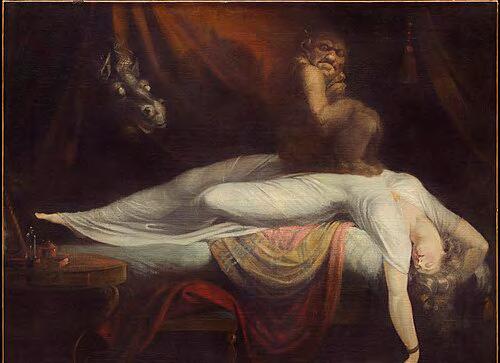
As you can see, from the first classic books to modern day adaptations that focus on morals rather than horror, the Gothic has haunted our minds from the beginning.
The Use of AI for Cancer Diagnosis Across the World MEDICINE
Artificial Intelligence (AI) in medicine is a very recent breakthrough, and it is already rapidly changing the face of healthcare. AI offers new opportunities for faster and more accurate cancer diagnosis, which would be a potential lifesaver for the multitude of people who go undiagnosed or misdiagnosed each day as cancer is a leading cause of death worldwide. It is estimated that in America, by the end of 2025, there will be 2,041,910 new diagnoses of cancer and that 618,120 people will die from it1. This shows how imperative it is that we find a way to detect the cancer early and how to treat it. This article explores some of the ways in which three countries – Japan, the United Kingdom, and the United States – are using and developing AI models to improve cancer detection.
Japan:
In Japan, AI is being used for cancer diagnosis, specifically endoscopies. An endoscopy is a procedure that examines the internal structures in the body by inserting a thin tube called an endoscope, which has a light and camera attached so it can take pictures of specific areas. This procedure is only slightly invasive and does not require surgery but can still be used to identify problems within the body. Since Japan holds a 98% share of the endoscope market and they are relatively safe, they are used regularly2.
Despite this, it is difficult to diagnose cancer from just the photos from the endoscopy, a skill that even specialist doctors require decades of experience to perfect. However, Japanese startup AI Medical Services (AIM) is trying to perfect these skills through AI. They have developed a tool that can analyse the images from the endoscopy of patients’ stomachs and colons and indicate the likelihood of it eventually developing cancer. Since this AI tool has been given over 200,000 high-resolution videos of human organs from around 100 medical institutions across Japan, it can analyse the images in real time, which means that it can confirm areas that could be of substantial risk while the doctors conduct the examinations.
Even though thousands of image diagnoses are used to identify cancer daily, 20% of early-stage stomach cancer is still overlooked. This AI tool decreases this statistic as it can improve the accuracy when deciding whether or not cancerous cells are present
(it has a 94% accuracy). It can also analyse an image in 0.02 seconds, rather than the 4 seconds it takes for a specialist3, so it will help to relieve the workload of physicians. There is a small debate over whether this is a good thing or not. On one hand, being fast does not necessarily mean it is more accurate, but on the other hand the AI model has only been trained to detect cancer and so should make less mistakes than humans.
However, a physician still has to give the final diagnosis as it could have made errors that are easy for humans to spot. This means that the AI tool will essentially be used as an aid to speed up a diagnosis and highlight anything a human may have missed. Dr Tomohiro Tada states that “the conversation of human and AI inspections can enhance the accuracy of cancer detection”, which has been proved by the many trials conducted. However, some believe this statement is biased as he is the founder of the company4.
United Kingdom:
In the UK, an AI tool is being made and tested on a large scale in the NHS screening services due to a new cloud system. The research platform for this, nicknamed AIR-SP, is being built to get trusts across the country to join the AI screening trials and increase the speed of diagnosis by having more data to input. This platform will take two years to build but it is simultaneously being trialled and tested, so if it is proved effective by 2027, it could be used in the NHS.
AIR-SP will identify the changes in breast tissue that could develop into cancer and will refer the patient for further investigations if needed. This will support almost 700,000 women across the UK that are participating in the National Institute for Health and Care Research-funded trial to try and gather data for this platform5.
At the moment, IT solutions across multiple health trusts are needed for each research study to ensure that AI can access the images. This requires lots of money – sometimes up to £3.5 million per study. The government has allocated £82.5 million to cancer research and drug testing across the UK6, but this will not be enough to cover how many research studies scientists want to conduct. However, this new
platform is expected to save £2-3 million for each study, as it simplifies the process and allows AI products to be tested in a secure environment, so more tests can run for the same amount of money7.
United States:
In the USA, AI is being used in a multitude of separate ways to try to find and diagnose cancer. There are many AI projects that have already been set up to help diagnose cancer, and others that are still being tested and improved every day.
For example, the National Cancer Institute (NCI) and the Department of Energy worked together to research if AI could ‘stimulate the atomic behaviour of the RAS protein, which is one of the most commonly mutated proteins in cancer.’ They believed that this research could find out how to target mutations in the RAS gene by helping scientists understand how RAS interacts with proteins.
The NCI have also started to use AI to process medical images, such as mammograms, which is much quicker than if a human did it. This means that while the AI is processing, the doctors can focus on other tasks that require technical judgement or physical skills, saving the doctors lots of work and time. There has been research done that supports the idea that AI imaging improves the detection rate of breast cancer on mammography and that it can help predict if there are any long-term risks of invasive breast cancers.
Currently, several AI models are being used for cancer detection imaging, such as the Owkin’s model, CHIEF, Google Deepmind and Prov-GigaPath. These models need extensive amounts of data to train them, and their outcomes usually change depending on the tissue type or imaging technique, so they are not very dependable. Most of these models use self-supervised learning, which is a technique that trains AI models with unlabelled data, and has proved that AI performs better with a variety of tasks after this type of training. However, even with the development of self-supervised learning models, AI models still have limited generalisability and small task emphases, so their uses are restricted.
Bibliography:
1National Cancer Institute (2025). Cancer Statistics. [online] National Cancer Institute. Available at: https://www.cancer.gov/about-cancer/understanding/ statistics.
2Naoko Tochibayashi and Kutty, N. (2023). Japanese doctors are creating crucial AI healthcare tools. [online] World Economic Forum. Available at: https:// www.weforum.org/stories/2023/12/three-ai-tools-setting-the-stage-for-a-tech-revolution-by-japans-entrepreneurial-doctors/.
3Department of Health and Social Care, NHS England and The Rt Hon Wes Streeting MP (2025). AI to be trialled at unprecedented scale across NHS screening. [online] GOV.UK. Available at: https://www.gov.uk/government/news/ai-to-be-trialled-at-unprecedented-scale-across-nhs-screening.
4Sollof, J. (2025). Government to fund UK cancer research through AI. [online] Digital Health. Available at: https://www.digitalhealth.net/2025/02/ government-to-fund-uk-cancer-research-through-ai/.
5National Cancer Institute (2024). AI and Cancer - NCI. [online] www.cancer.gov. Available at: https://www.cancer.gov/research/infrastructure/artificialintelligence.
6Tiwari, A., Mishra, S. and Kuo, T.-R. (2025). Current AI technologies in cancer diagnostics and treatment. Molecular Cancer, 24(1). doi:https://doi.org/10.1186/ s12943-025-02369-9.
Why does Medicine Need More Women in Clinical Trials?
Women represent half of the world’s population, yet they only represent fewer than half of the participants in clinical trials. From 2016 to 2019, women only represented around 40% of the participants in phase 1-3 clinical trials. This figure was still the case for trials related to health conditions such as cardiovascular disease, which was the leading cause of death for women worldwide in 2021. This is problematic as it leads to large gaps in our understanding about women’s health. This then causes misdiagnosis and inappropriate treatments, simply because healthcare professionals don’t know enough about women’s health. In fact, women are twice as likely to experience adverse reactions to drugs compared to men. This could be attributed to the fact that there is not enough research to allow both the doctors and the patients to make informed decisions.
In the 1950s and 1960s, thalidomide was marketed as a ‘miracle solution’ as it promised to cure morning sickness and sleep problems for pregnant women. However, soon it became apparent that this ‘miracle solution’ was instead causing thousands of babies to be born with birth defects. Therefore, in 1977, the FDA banned all women of childbearing age from participating in any early-phase clinical trials. Although the ban was then lifted in 1993, this policy of excluding women from clinical trials had become the norm.
At the moment, most clinical trials are randomly controlled trials, and this can be a problem because often, they don’t break down the data found by sex of the participants. This means that it is difficult to tell if there are differences in the safety and efficacy of the treatment between men and women. As men and women are biologically different, it makes sense that treatments and drugs will work differently amongst the sexes, yet this is rarely represented and acted on in clinical trials. The problem, however, is not just in how the data is collected, it is also the fact that female participants are still in the minority in clinical trials.
There are a few models that can be used as an alternative to the traditional randomly controlled clinical trial, for example target trial emulation and digital twins. Target trial emulation is when researchers create a plan, similar to one that a randomly controlled trial would use, but then instead of recruiting participants, analyses data such as patient records, which have already been collected. This is useful, as the researchers can choose which pieces of data to analyse to cover a more diverse population. Therefore, they can make the
split of men and women equal in the trial. However, this alternative option can only be used to test already existing drugs and treatments, as it uses previously collected data. This also requires advanced health record systems, which many countries don’t have.
Another alternative option is to use digital twins. This is when a virtual representation of a person is built using machine learning. The digital twin can then be used to predict health trajectories of people with a similar profile to the digital twin or to simulate potential strategies. This can help researchers understand the effects of a type of drug on a wider range of people, as they don’t need a physical participant and can test medicines remotely. The digital twins can also become models for female physiology. For example, they could be trained to replicate changes in the brain throughout the menstrual cycle, and then treatments could be tested against these models to see if they work differently during different parts of the cycle. However, one limitation of these is that they are often trained using data from predominantly white, affluent populations. They also sometimes do not incorporate key aspects of a person’s identity, such as their gender or age, and therefore these models are less accurate for certain groups, worsening the already existing inequalities in treatment outcomes. However, this limitation could be overcome by making the datasets more diverse, and ensuring that all data is recorded correctly, with all parts of the person’s identity noted. Although both online models are useful, there are challenges to using them, such as the fact that they often cannot access high quality data that have been collected over a long period of time. Therefore, diverse clinical trials are needed to thoroughly test a treatment.

As clinical trials are essential to the testing phase of a new treatment, researchers need to find strategies that can help to correct the under-representation of women. Three strategies that have already been
suggested are to simplify eligibility criteria, use decentralised trials and to redesign the trials with the influence of people with lived experiences. At the moment, many clinical trials use overly complex screening and have strict eligibility criteria. This means that they often exclude people who could benefit from the study, and therefore the study population may not reflect the representation of different traits in real world patients. For example, in an analysis of 283 randomised trials, nearly 40% included unjustified exclusions related to pregnancy. In the UK, only 1.1% of all clinical trials allow pregnant women to participate and only 0.6% allow lactating women to participate. This means that there is little evidence to help doctors to manage the medical needs of pregnant women, because there is not enough research. This can the lead to pregnant women having to choose between taking a risk to have treatment with insufficient research, or to leave their problem untreated.
Another strategy is to use decentralised trials. These aim to ‘meet people where they are’, so for example, they might use home-based testing or virtual follow-ups, instead of participants having to travel to a research facility. By doing this, it helps to overcome barriers to participation, as it will reduce travel and time commitments for the participants. This will allow people with responsibilities such as childcare or caregiving to still participate as it reduces the commitment they would need to make, which is impossible for many. This approach has already been used successfully for female-specific conditions such as pregnancy. This strategy can also decrease the burden for those in the research team by facilitating trial follow-ups.
Another strategy which can be used is to redesign the trials with the help of people with lived experiences. Those who are in a similar situation, for example have children, to those which the researcher is wishing to recruit, can advise the researcher on adaptations which could be used to help them to be able to participate. This expands trial access and improves the recruitment and retention rates of the trial as it will meet the participants needs.
In conclusion, it is vital for research into new treatments to include an equal, or proportionate number of women. This will help to prevent unnecessary problems for women in the future when accessing medicines. Although models could help to achieve this, it is also vital for clinical trials to have a more diverse study population, in order to prevent inequalities in accessing essential treatments.
References:
Jana Wong, Year 10
My Love for Orchestras MUSIC
Orchestras are one of the few things I would definitely recommend participating in if you are a passionate musician like me. It totally changed my life, not only socially but also in terms of skills and my mindset. Here’s why orchestras are so important to me and the orchestras I love the most.
What made me love orchestras:
I really love orchestras because not only am I improving musically but also interacting with people everywhere has improved my social skills so much. Also, I feel much more confident now compared to when I started playing for an orchestra. I used to think that playing with others was difficult but now I enjoy playing with different people. Being in an orchestra really helps you develop so many skills like teamwork and multitasking – playing music while listening to other instruments, tuning and balancing in between. However, the things that I love most about orchestras are the moment when you perform your music together in a concert, the adrenaline rush from this, and the applauses and smiles after the concert. I find them really beautiful.
BBO & BYO
I joined the Bristol Bridge Orchestra in Year 6, and this was the first orchestra I’ve ever been to! I decided to join an orchestra back then because I just wanted to try playing with different people and this was a new thing for me. I wanted to step out of my usual habit of playing the flute alone. Every Saturday I felt welcomed in the orchestra and I started to love it.
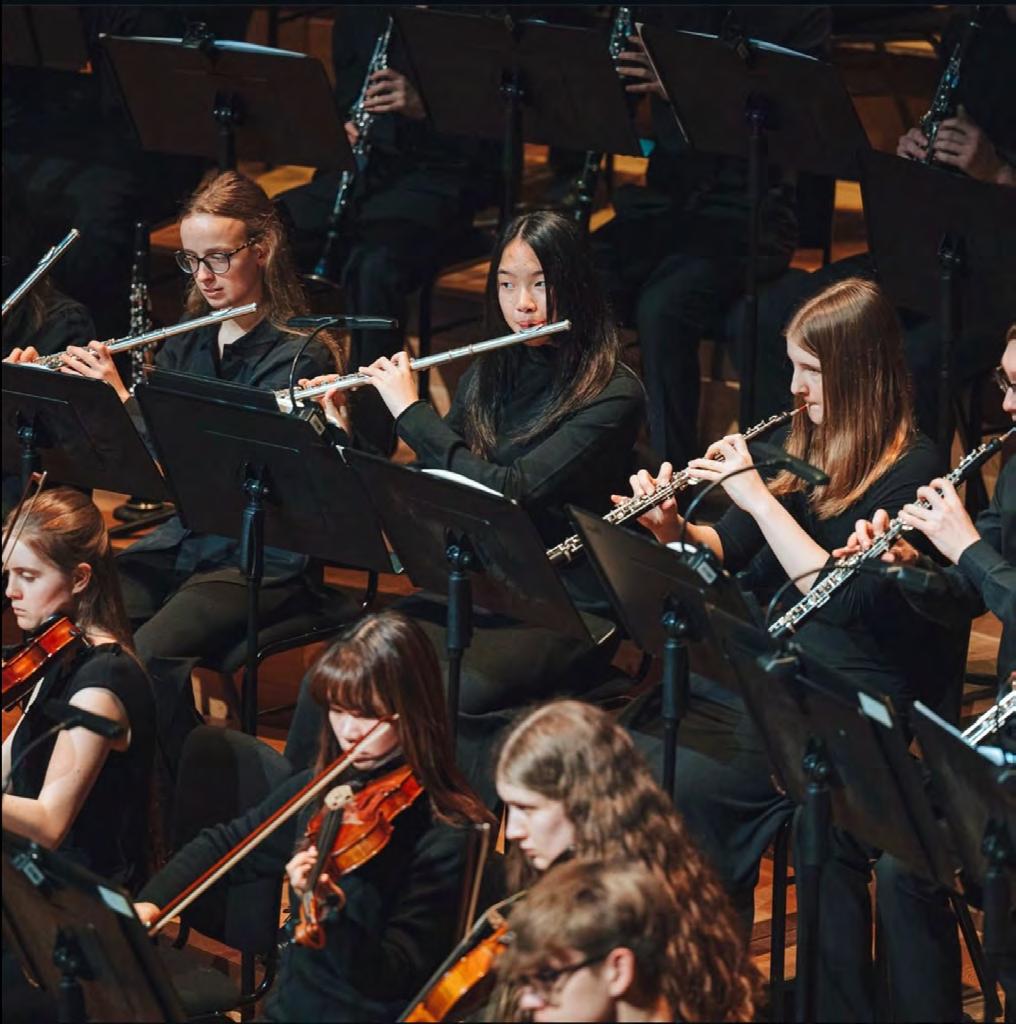
As I was getting better at the flute, I felt that the Bridge orchestra wasn’t enough for me to grow. The music was getting easier, and I didn’t feel the excitement of getting challenged. I decided to join the Bristol Youth Orchestra in Year 7. I was really confused and intimidated at first because everyone there was older than me and I felt really out of place not knowing if I would make any friends here. However, that instantly changed when I started chatting with the flute members. I found that there wasn’t much difference between talking to people around the same age, as we all have similar interests and got along very well. It was also helpful to listen to advice from older students on schoolwork as they have experienced it too. In Year 9, I became the principal flautist and now I’m the one showing and teaching new members on how to become a better orchestra player. It felt very strange at first, but I feel very proud of myself to come this far in my journey of an orchestra player. This Autumn Term we are playing pieces by female composers to showcase the brilliance of women in the composing society. One of the pieces we are playing is a commission, meaning that the composer specifically composed the piece for us. We played several commissions in previous concerts as well. I find it a really cool experience as the composer would comment directly to us and also you would’ve never seen or listen to the piece before.
NCO
NCO, short for National Children Orchestra is where young people from around the country, even some from abroad, come together and create music. I joined the NCO in April when I was in Year 7. I was honestly scared because I would need to be away from my family for a week meeting people I have never met before, but I was also curious because all the people there are all exceptional musicians. I made a lot of amazing memories in this week – I made a lot of incredible friends and learnt a lot. I think the NCO was a place where my mindset completely changed as there were specialists coming and giving advice as professionals to help us enjoy our lives as musicians fully.
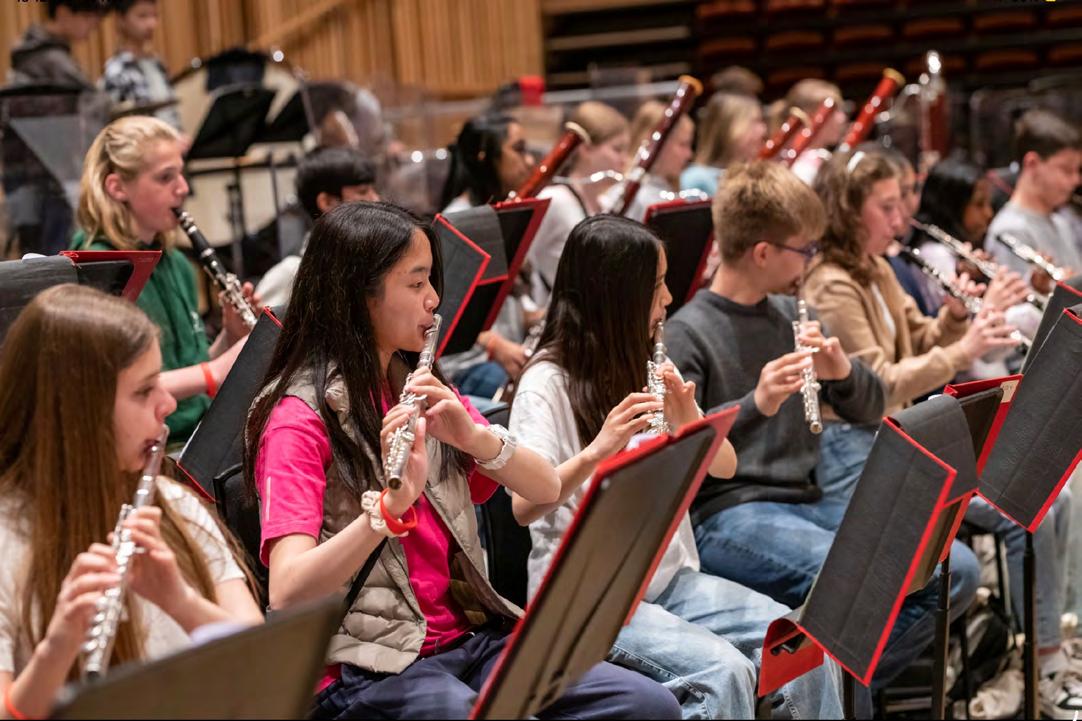
I also participated in the NCO in spring and summer in Year 9 and those were really the best weeks I’ve ever had. I enjoyed it a lot more because this was the last year in NCO and the last year playing with some of them so I tried to make as much good memories as I could. In spring we got to work with a very experienced conductor, Dominic Wheeler. The theme was “Young Person’s Guide to the Orchestra” and the set-lists was filled with music each one showcasing the speciality of each section of the orchestra: harps, string, woodwind, brass and percussion. I got a solo ovation in one of the music as a piccolo player, and I felt really proud of myself as I have practiced and improved so much on the piccolo in the week. I also felt very grateful to the flute tutor, Henry for giving me great advice. Then it was the summer week. The theme in the summer was film music, and the set list featured many famous films like Pirates of the Caribbeans and The Lord of the Rings. There was also the tradition of the NCO playing a piece called “Qué Rico Mambo” at the end with dramatic and fun choreographies. Everyone really loves this piece because we can truly have fun playing it without holding ourselves back. I think that this song connects with our energy at the end of a concert very well. It was also a pleasure working with the amazing conductor, Andrew Morley. His enthusiasm made the experience even better.
My thoughts
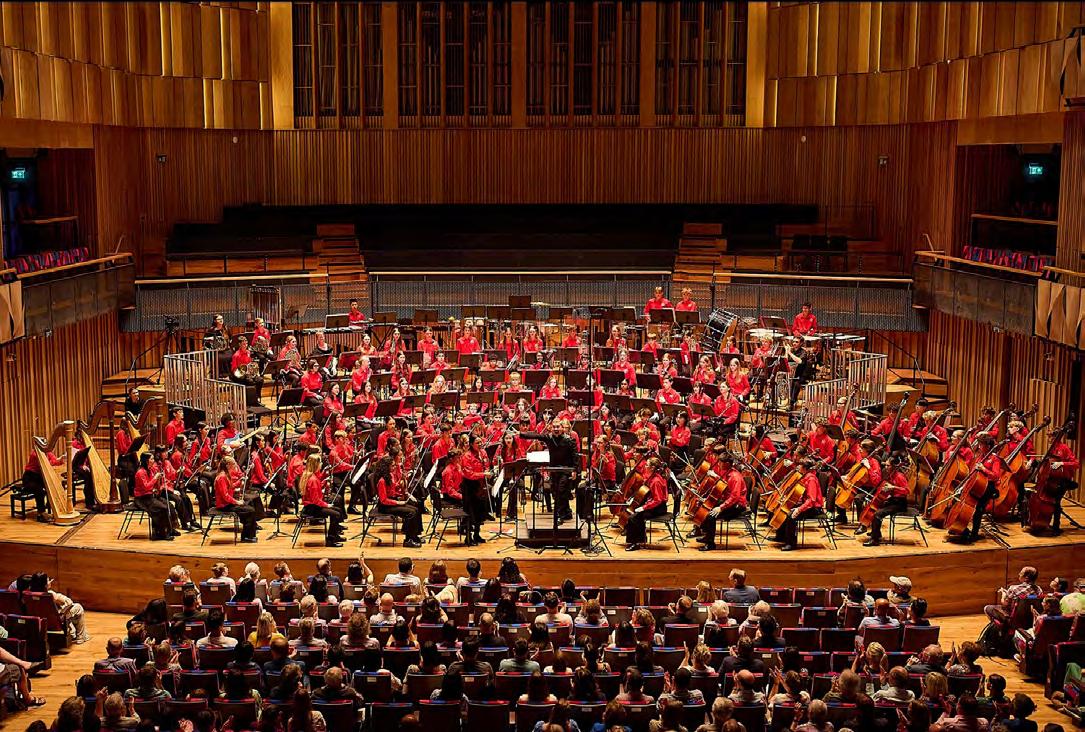
I am really grateful for the fact that I started to join orchestras because without it, I wouldn’t have grown so much and made those unforgettable memories with my friends. Orchestras made me love music more. I did the NYO inspire course recently in the October half-term and I was very grateful to see so many people from all around the UK and create such amazing music. I was also very happy that I saw a few friends from the NCO there as well. I’m going to have a few concerts in November—the BYO winter concert (on my birthday!) and the NCO winter weekend in London where it would be my last time playing with the members there.
24 Questions: Between Detachment and Validation SOCIETY
Hello! “Stranger”1 here.
Due to complex political matters, many Hongkongers left their homeland for the UK, including me — I immigrated at the end of 2021 via the British National (Overseas) visa. I gained the right to stay in the UK for five years and to obtain Indefinite Leave to Remain (ILR) after that. I can then apply for British citizenship if I stay for one more year.
Although, of course, this all comes at a cost. In order to officially not be a stranger anymore, I must take a B1 level English test (roughly equivalent to Year 9) despite having iGCSEs in English Language and English Literature (for some reason), and the mysterious Life in the UK test. I’ll have to do them before the end of 2026, so I figured I should do some research on this, because why not.
The Life in the UK test consists of 24 multiple choice questions and has a passing mark of 18 (or 75%). According to the Home Office, it ensures that applicants for ILR or citizenship, aged 18-64, have “sufficient knowledge of language and life in the UK”. So of course, the test focuses on important information and facts that immigrants living a normal life would pick up during their residency, right? Here’s a sample question:
Q. When did the English civil war begin?
A. 1646
B. 1641
C. 1642
D. 1640
There is the question of the accessibility of the information required in the question — it is extremely difficult to imagine that the “average” immigrant, say a 41-year-old office worker, would gain this piece of knowledge without looking for it, and then remember it for the test. However, the main question is the relevancy of the exact year a civil war 400 years ago began to modern life in the UK.
Firstly, while there’s undoubtedly no harm in knowing it, lacking this fact arguably has minimal effect to one’s life in the UK in the modern world. How many people around you would find this piece of information useful in their day-to-day life? And have you ever encountered a situation in life where not knowing about this would cause inconvenience (except tests at school of course)?
Secondly, listing four closely spaced years in a single question seems unnecessarily detailed — asking which century the war occurred in for example could arguably be a more effective approach, as it gives the mark to those who understand the rough timeline of British history without forcing everyone to take a random guess except for those who memorised the book word for word.
However, of course, there are always many different valid arguments on a single topic, especially on a political one. A more cynical view of the test could be that it serves as a filter for intelligence and memory, a claim that requires further investigation. Some could suggest that the test is used to encourage a more holistic understanding of British culture. To examine these claims, we’ll need some data.
1Maddox, David. “Starmer Doubles down on “Island of Strangers” Immigration Row amid Growing Labour Revolt.” The Independent, 13 May 2025, www. independent.co.uk/news/uk/politics/keir-starmer-island-strangers-immigration-row-b2750020.html
Data Collection
Despite the obvious doubts above, the Home Office still requires a pass in the Life in the UK test from all ILR applicants, so maybe there are multiple sides to the problem that we don’t know of. However, of course, no matter how justified it is, the test is useless if it doesn’t help reach the target of checking whether applicants have “sufficient knowledge of language and life in the UK”. That being said, without real data, no conclusion can be made, and after some consideration, here’s how I decided to collect the required data:
Test subjects: three groups of four Year 13s:
• Native UK Students (Group N)
• Students who immigrated from Hong Kong and have lived in the UK for 3-4 years (Group I)
• Students currently studying in Hong Kong and have never lived in the UK before (Group 0)
Task: Complete 12 questions in the Life in the UK test. To ensure coverage of the entire “specification”, two complete 24-question mock tests are split into four 12-question parts.
The questions have been sourced from the website britizen.uk (the official book is out of bounds due to copyright issues).
After marking the tests, I will compare the scores of each group. If the test is indeed effective, the results should display the following:
• Group N having the highest score, followed by Group I and then Group 0. This implies that the longer you live in the UK the better you are at the test, therefore the information in the test is relevant and accessible, yet only to those living in the UK. The theoretically most optimal test has Group N scoring 100% and Group 0 scoring around 28% (through random guessing; each question has 3.625 options on average).
• Group N must pass the test and Group 0 must not pass the test. If Group N does not pass the test, the test is obviously too difficult and involves information inaccessible and irrelevant to those living in the UK. It can be argued that passing this test requires preparation, such as revision. However, native students do not encounter problems when living in the UK due to lacking the knowledge in the test, therefore it contains information irrelevant to one’s life in the UK. We can then conclude that the test has failed to fulfil the Home Office’s aim to check for “sufficient knowledge of language and life in the UK”, as knowing these things well (a group of native students being a prime example) has not led to passing the test.
If Group 0 passes the test, the test is too easy and involves facts that are not specific enough to life in the UK. In both cases, the test does not serve its intended purpose.
Participant Number
Group N (Native UK Students)
Group I (Students immigrated from Hong Kong 3-4 years ago)
Group 0 (Students studying in Hong Kong)
Two conclusions can be drawn from these results. Firstly, every group failed the test. You could argue that they just got unlucky, and that they might have the ability to pass (i.e. to answer 75% of the questions correctly). After all, concluding from results from such a small sample size indeed risks making wrong calls. To test this argument, we can use the binomial distribution to find the p-value of their actual probability of getting a question right (referred to as P(right) from now on) is 75%, which is the fancy way of saying “if their P(right) is 75%, what is the chance that they fail with the mark they got or worse?”.2 If the calculated p-value is too low (we usually use 5% as the threshold), we say that it most likely did not happen randomly and that their real P(right) is less than 75%.
2The more “correct” approach would be to use the “Single-Sample Wilcoxon Signed-Rank Test”, as it assumes less about my data. However, I do not have enough data to get a meaningful result from this test, so I used the binomial distribution instead.
This is because it is more likely for them to get a lower score if they had a lower P(right).
p-value [X~B(48,0.75)]
As you can see, on average, all our groups as a whole are very unlikely to pass the test, indicating that the test is exceptionally likely to be too difficult.
Secondly, Group 0 got a higher mark than Group I. I hope that you’re on the same page as me: This doesn’t make sense at all! How would people who have never lived in the UK be better than those who have lived in the UK for 3-4 years at a test on UK-specific knowledge?
There are two possible explanations for this. Firstly, it could have just happened by pure chance (again), and that if we look at the big picture and examine every member of each Group in the world, the P(right) of Group N is the greatest, followed by Group I and then Group 0, (therefore the test works). In other words, my sample did not represent the “population”, or “the whole picture” well enough to conclude decisively that the test doesn’t work. To test this claim, we run another hypothesis test. Here’s the p-value for each “ordering”.
(The ordering N>I>0 refers to the claim that P(right) for each group follows the descending order: Group N, Group I, Group 0. N>I>0 is the claim discussed above.) Ordering
A simple description of the method used here, known as Bayesian Bootstrapping, to find the p-value is as follows:
1. Write the score of each participant on separate cards and put them into Groups N, I, 0.
2. We then start with Group N: We draw a Group N card, record its value, and put it back into the Group N pile. We do this four times.
3. Repeat step 2 for Groups I and 0.
4. Here’s an example of what we might get after this:
Groups Original data Redrawn data (after step 3) Mean (or Average)
5. We then compare the mean. In this case, the means follow the ordering 0>N>I, so we give one point to this ordering.
6. We repeat the whole process lots of times (like 300,000 times). (Ideally, a computer does this for us.) We then calculate ((number of points)/(number of times the process has been repeated)*100)%, which is the probability of each ordering getting a point every time we run the process.
This method works well for small sets of data, like this one, and does not require many assumptions, perfect for cases like this where we know little about how test results, and therefore aptitude to the test, are distributed amongst the bigger population.
The p-value for the claim is greater than the threshold of 5%, therefore there is no significant evidence to suggest that the real ordering is not N>I>0. However, it still falls behind that of N>0>I and 0>N>I, so it is difficult to argue that there is significant evidence of the claim being the truth either.
The second explanation is that there are many variables that could not be controlled, such as the participants’ academic attainment, or their interest in modern affairs perhaps. In other (extreme) words, I might have just accidentally picked Hong Kong students that were geniuses and watched the news and read history books 24/7.
To eliminate this, I asked Copilot to generate a set of 12 questions that were similar in difficulty to the Life in the
UK test, but were based on global topics: global history, global politics, global culture and values, you get my point. If someone is good or bad at both tests, it means that their knowledge of the world is not specific towards the UK; if someone has a better score in the Life in the UK test, this implies that they know the UK better than the rest of the world and vice versa. This controls the variables mentioned above, as people who are innately better at these topics would score well in both tests. If we compare the difference between the scores, we get a better picture of the group having a better knowledge of the UK alone.
UK-Global Ratio (Ratio greater than 1 = Know more about the UK relative to global knowledge and vice versa):
Again, just by comparing the means may not give us the full picture, so I use Bayesian Bootstrapping on the data set again:
Calculated p-value of each ordering of underlying UK-Global ratios of each group:
As you can see, the p-value of N>I>0, the ordering suggesting that the test works, has dropped dangerously close to 5%. However, as it hasn’t fallen through the threshold, we cannot claim that there is “statistically significant evidence” that N>I>0 is not the real ordering of abilities. However, we can conclude that our results are highly suggestive of the test’s failure to reach the aim of checking whether applicants for ILR have “sufficient knowledge of language and life in the UK”, as we have calculated a low p-value for the hypothesis that time spent living in the UK has a positive effect on one’s aptitude to the test.
Reflection
Looking back, there are a few problems with my project here. Firstly, there is the obvious argument that the government employs countless exceptional statisticians who most likely know way better than a 17-year-old A-Level student about the efficacy of this test, and that I should just shut up and take it. Secondly, the small sample size undoubtedly impacts the accuracy of the p-value calculated (I don’t have many friends). Furthermore, many of my methods assumed that all the data in one group come from the same distribution, similar to assuming that all four tests were done by the same person, yet in reality, I should have considered them as coming from different distributions. I had to do this because I didn’t have sufficient data to conclude anything if I had pivoted to those more accurate methods (blame my pathetic socialising skills again).
Finally, I have referenced the Home Office’s official aim of confirming whether applicants for ILR have “sufficient knowledge of language and life in the UK”. However, as you all know, adults love hiding the truth. Perhaps I should not have been so naïve and should have considered the test’s possible hidden purposes. If I were to guess, the real aim is most likely to test applicants’ determination to be a citizen by checking whether they are willing to revise and prepare for the test. There are even official study guides for the test, containing information you must cram into your brain and practise questions for grinding before the real thing. In other (more controversial)
words, the test might serve as a cherry-picking mechanism, only deeming those with sufficient dedication and/ or intelligence worthy of being a part of the former empire where once the sun never set.
To be honest, I should stop yapping for now as it doesn’t change the fact that I’ll have to take the test soon. Who knows, maybe I’ll be more familiar to the government in a bit.
Or maybe not.3
Update in November 2025: The UK government has announced its plans to add requirements to receiving ILR, including the requirement that applicants who are 18 by the time they apply must have had an annual income of at least 12,570 pounds for 3-5 consecutive years. And yes, although information is still vague at this stage, this could be interpreted as the government expecting me to start working full-time when I was 13-15 if I want my ILR on time. If this is implemented, good news(?)! I don’t have to take the Life in the UK test any time soon (yay) because I can’t apply anyways.
3Francis, Sam. “Reform
OUR APPEAL
150 years of Clifton High School: Funding The Future
In this article, Mrs Liz Bond tells us about the incredibly exciting work underway, led by the Development Office, to help celebrate the huge milestone for our community.
A love of learning has, and always will be, at the heart of an education at Clifton High School. Pupils develop inquisitive minds and a sense of belonging, whilst we as a School continue to uphold a reputation for high academic standards alongside a nurturing approach to learning. Our values remain strong, integrating the fundamental principles laid down by our Founders Lieutenant Colonel Arnold Pears, Reverend John Percival, Miss Catherine Winkworth and Mrs Sarah Wollaston nearly 150 years ago. As we approach this significant milestone in 2027 it is a time to look to the future, continuing to build upon this wonderful legacy.
To honour this significant milestone, we at Clifton High School are launching our ‘Funding the Future’ Appeal, helping us make a significant and lasting impact on the lives of many more children across the Bristol area by focusing on two key areas:
• Firstly, we would like to invest in our current science laboratories. Beyond aesthetic improvements, our last major rebuild was in 1978, when the Senior School was a girls-only environment. Through our Appeal, we aim to inspire future generations by redesigning and refurbishing the science facilities. This will provide an additional, first-class dedicated space for infant and junior pupils to explore science and the living world, as well as provide a hub for learning that will be open to our wider community.

• Secondly, through our bursary programme, we wish to ensure that all families who have a genuine thirst for knowledge are able to access a Clifton High School education, irrespective of their financial circumstances. We will continue to build upon our existing support by offering a maximum of four partially or fully funded bursary places in every year group across our Senior School and Sixth Form as well as providing a dedicated bursary tutor to support the pupils as they journey through our School.
For further information please visit our Appeal hub Funding The Future. Here’s to the next 150 years of success at Clifton High School!
READERS' LETTERS
To whom it may concern.
A neighbour of ours lent me his copy of the Ninth Issue as my wife and I have had links with the school in the past.
I have to say that we were amazed at the variety of articles from Street Food to Science Fiction. It made good reading and showed the amazing talents of today’s students.
One short article I really enjoyed was the one about My Grandfather’s Cars. Goodness! I have had many cars in my life not so many sports cars. I did note that I managed to share one car with the author’s Grandfather, and that is an MGF - of which there is no photograph and I still have mine! But like him, I might be going fully electric in the near future.
Yours sincerely, Ralf T.
GET INVOLVED
We Want to Hear From You!
Do you have thoughts or opinions on the topics covered in this edition of The Rambling Rose? We invite you to share your views with us!
Submit your 'Readers' Letters' to marketing@cliftonhigh.co.uk.
Selected letters will be featured in our upcoming editions. We look forward to hearing from you and sparking engaging discussions within our School community!
Showcase your creativity by writing for The Rambling Rose!
Are you an artist? A writer? Someone with an opinion? Do you have a unique perspective? Have you got a passion you would like to tell others about? Perhaps you just want to flex your writing skills in preparation for a project, your EPQ, or to add to your CV.
We want to feature your work!
To contribute your work to the next issue of the Rambling Rose, please add your name to the club on SOCS in the new term. Alternatively, you can contact Mrs Lyons-White at plyonswhite@cliftonhigh.co.uk.