CBABC submissions advocate on behalf of the Judiciary
Your Association not only speaks for lawyers; we are often called upon to advocate for judges as well. For example, CBABC has a long tradition of actively working to prevent potential political interference regarding the appointment of, and compensation for, judges in B.C. and, through the National CBA, throughout Canada.
Represented on the Judicial Council of B.C. by our President, the CBABC assists the Council by preparing confidential reports on all applicants for the Provincial Court Bench. The CBABC is also represented on the Advisory on Judicial Appointments for B.C. for federally-appointed judges.
This year, the CBABC made submissions to both the B.C. Judges Compensation Commission for Provincial Court judges and the Judicial Justices of the Peace Compensation Commission. The Judicial Compensation Act requires each of these commissions to report to the Legislative Assembly on all matters respecting the remuneration, allowances and benefits of judges and judicial justices of the peace and to make recommendations with respect to those matters for each of the next three fiscal years. Under the Act, the Legislative Assembly may reject any of the commissions’ recommendations as being unfair or unreasonable, and set the remuneration.
The CBABC has recommended that the government provide fair and reasonable compensation for both provincial court judges and justices of the peace.
For the Judges Compensation Commission, the CBABC submitted, following the legal principles set down by the Supreme Court of Canada, that:
• the key components of judicial independence are: security of tenure, administrative independence and financial security;
• judicial compensation commissions must be independent, objective and effective;
• judges’ salaries must not fall below the basic minimum level of remuneration for the office of a judge that is adequate, commensurate with the status, dignity and responsibility of their office;
• judges, although they must ultimately be paid from the public purse, are not civil servants since civil servants are part of the executive, and judges, by definition, are independent of the executive;
• if a government rejects the recommendations of a judicial compensation commission, the government must articulate legitimate reasons, relying upon a reasonable factual foundation, for why it has chosen to depart from the recommendations of the commission; and
• a government must respect the commission process and achieve the purposes of the commission: to preserve judicial independence and depoliticize judicial remuneration.
For a complete version of both CBABC submissions please visit: www.cba.org/bc. BT
Canadian bar Association, b.C. branch 10th Floor, 845 Cambie Street vancouver, b.C. v6b 5T3
Tel: 604-687-3404
Toll-free (in b.C.): 1-888-687-3404 bartalk@bccba.org
barTalk is published six times per year by the Canadian bar Association, british Columbia branch.
BarTalk Senior Editor Jesse Tarbotton
BarTalk Editor
Deborah Carfrae
Staff Contributors
Fran Hodgkins
Jennifer Weber
Editorial Board Chair
David Dundee
Editorial Board Members
James m bond
Jack micner
Pamela murray
Gurminder Sandhu
barinder Sanghara
veronica Singer
Dierk ullrich
Craig Watson
Send your L ETTERS TO THE E DITOR to: Jesse Tarbotton, barTalk Senior editor
Canadian bar Association, b.C. branch Fax: 604-669-9601
This publication is intended for information purposes only and the information herein should not be applied to specific fact circumstances without the advice of counsel.
The Canadian bar Association, british Columbia branch represents more than 6,000 b.C. members and is dedicated to improving and promoting access to justice, reviewing legislation, initiating law reform measures and advancing and improving the administration of justice.
barTalk Publication Sales Agreement #40741008
CBABC 2nd ANNUAL CONFERENCE
San Francisco, California
November 16-17, 2007
San Francisco Style is fast approaching – and now you can save your place with a $200 deposit.
The CbAbC’s 2nd Annual Conference, november 16th and 17th in San Francisco California will be here before you know it. Interest in this event has been very high and many of you have told us that you have been waiting to register and pay the entire registration fee, even though you are worried that you might lose the opportunity to attend this registration-capped event. Well, we have good news for you! With a $200 deposit, you can hold your registration (provided that the remaining amount of your registration fee is paid by the early bird registration Deadline: September 21, 2007).
For details on how to register with a $200 deposit, call Jennifer Weber at 604-687-3404.
We’re looking forward to seeing you in San Francisco!
Let’s Turn Up the Heat on PST
…this is one of the most discriminatory taxes we have ever seen.
The above quote comes from the late Fred Gingell, MLA, at the time the Liberal finance critic, in response to the introduction into the House by the Finance Minister, Glen Clark, on Thursday, April 30, 1992 of amendments to the Social Services Tax Act to impose a provincial sales tax on legal services.
Frits verhoeven
President 2006/2007 b.C. branch Canadian bar Association
With the dismissal of the Christie case by the Supreme Court of Canada on May 25, 2007, the government has established that it has a constitutional right to continue to tax legal services, whether or not it is fair, just or wise to do so. For our part, the CBABC has decided to continue the campaign to fight this outrageous tax.
Is “outrageous” (admittedly, an overworked adjective) too strong a word to use? I don’t think so.
I have now made presentations three years running to the Legislative Standing Committee on Finance on the topic of abolishing the tax on legal services. I have met with several Ministers and numerous MLAs on this topic. No one in or out of government has ever mounted any rational defence of the tax. It is practically conceded that the tax is discriminatory, unfair, bad for business, and generally makes no sense whatsoever, yet the tax remains. Why is that?
The answer, of course, is that the tax brings in well over $100 million per year, with very little effort on the part of the government, and not much opposition.
In partial defence of its position, the government says that every province other than Alberta and Ontario taxes legal services. There are three things
that need to be said in response to that:
1. No other province targets legal services for a special tax. Every other province that taxes professional services taxes them all equally. Above all else, this is what makes the tax so repugnant. It is as though access to justice ought to be specifically discouraged;
2. From a competitive point of view, Alberta and Ontario are the provinces that matter the most;
3. In three of the provinces that have a tax on professional services (Newfoundland, Nova Scotia, and New Brunswick), the tax is a G.S.T style harmonized sales tax, the effect of which is that business clients do not generally pay it. Quebec has a similar tax that in effect business clients do not generally pay. Therefore these provinces, too, are more competitive than B.C. for legal services to business. Saskatchewan, Manitoba and Prince Edward Island charge a traditional P.S.T. style tax, which is levied against all professional services.
The government also says that, although tax proceeds are not earmarked for legal aid, it spends a lot of money on legal aid and on the justice system generally. But why should legal fee paying clients be solely responsible for funding legal aid, and for the costs of the justice system, while the general taxpaying public pays nothing? In 1992, Fred Gingell said, “It simply isn’t logical; it is fuzzy thinking,” and he was right.
Appeals to reason have not persuaded the government to eliminate the tax. The fact is that
CA rol I ne nev I n EXECUTIVE DIRECTOR
Our Dirty Little Secret
Who’s not p aying the bill for the profession?
When CBA membership became voluntary, 60 per cent of the profession gave us their vote of confidence and renewed their membership. To all those who supported us, I say “thank you”! We are now lean, strong and primed for growth – our revenues are stable, our staff is energized, and our programs and services are expanding.
Caroline
nevin executive Director b.C. branch Canadian bar Association
We owe our current success to our longtime supporters – all the big law firms, large segments of corporate counsel, hundreds of mid-size and small firms, and thousands of solo practitioners, public sector lawyers and young soon-to-be lawyers who give us their hard-earned membership dollars each year.
So here’s my quandary: our work is funded by 6,000 men and women who have made the choice to belong, but everywhere I go in B.C. I meet very nice lawyers who sheepishly admit that they value the CBA – and use our benefits – despite not being members at all.
I find that interesting. What it means is that these people have decided that the rest of the profession should foot the bill for a strong lawyers’ organization in Canada and B.C. – to protect their interests and those of their clients, to run Sections, create valuable print and online resources, and generally, to invest in keeping the Canadian legal profession strong and vibrant.
It costs $237 for members and $525 for non-members. When a Vancouver law office didn’t qualify for the member rate, the order miraculously came back under the same assistant’s name and credit card, but with a new (member) lawyer’s name from Nanaimo. Likewise, there are a number of Section meetings that have regular attendance from non-member lawyers, known to other paying members in the room.
I can appreciate that those who can afford it may be content to have less well-off lawyers benefit; there are many B.C. lawyers struggling to get by who deserve all the help and support we can give them. The people who perplex me are those who can – but choose not to – pay the $50 a month it takes to support the work of the CBA on behalf of every lawyer.
“everywhere I go in b.C., I meet very nice lawyers who sheepishly admit that they value the CbA – and use our benefits – despite not being members at all.”
Our dirty little secret is that we all know non-paying lawyers, but we somehow consider it rude to raise the “free rider” issue. I know lawyers in the far reaches of this province who don’t make much money, and lawyers with public or private sector employers who won’t pay their full fee. Yet, they consistently pay for membership out of their own pockets, making a strong personal statement about their role as a member of the legal profession. To those who benefit from the CBA without becoming a member, I say “If they can do it, so can you.”
The most fascinating part is that it isn’t just oneway complicity. I had an order form cross my desk last week for our Support Staff Compensation Survey.
If you have chosen to belong to the CBA, again, thank you. If you or someone you know hasn’t joined but could, perhaps it’s time you asked “Why not?” BT
Court Challenges Program
The CbA restated its views on the merits of the Court Challenges Program to the House of Commons official languages Committee in June. Speaking for the CbA, melina buckley of vancouver told mPs the program was an essential tool in the development of a rich jurisprudence with respect to official languages as well as equality rights under s.15 of the Charter
CBA on the Court Challenges Program uuu http://www.cba.org/ cba/news/ccp/default.aspx
$Draft Money Laundering Regulations Published
The federal government has just released new draft regulations under the Proceeds of Crime (money laundering) and Terrorist Financing Act, which would apply to the way lawyers (and other professions) identify clients, verify their identity, and maintain client records. The CbA will consider and respond to the draft regulations within the 60-day period allowed. The regulations are available in the June 30 edition of the Canada Gazette
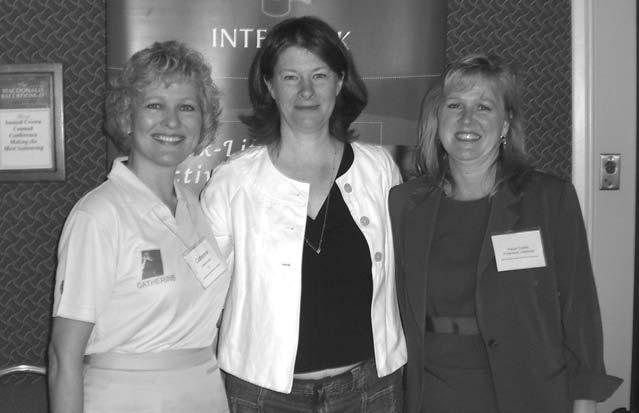
The branch’s membership and Work life balance Committees attended the Crown Counsel Conference in Whistler. From left to right are Catherine Sas, QC, Chair of the Work life balance Committee, Judith Janzen, Chair of the membership Committee and Paula Cayley, Ad-hoc member of the Work-life balance Committee and executive Director of Interlock.
Bill C-32 May Lead to Extensive Litigation
While it supports the underlying goals of Bill C-32 (Criminal Code amendments – impaired driving), the CBA cautions that impaired driving already consumes a disproportionate amount of court time and resources, and the amendments may open the door to new litigation, including challenges under the Constitution and Canadian Charter of Rights and Freedoms. Mitchell MacLeod of Charlottetown, a member of the CBA’s National Criminal Justice Section, appeared before the Commons Justice and Human Rights Committee in June.
The CBA’s expert task force on conflicts of interest has begun its work to develop practical guidelines, advice, and solutions to help lawyers and law firms better serve their clients. The task force will report on its progress at the CBA’s August 2008 Canadian Legal Conference in Quebec City. The CBA has enlisted the broadest base of input for the task force – lawyers representing large, small, urban, and rural law firms, in-house counsel, and all areas of practice. It includes client representatives, an ethicist, a liaison from the Federation of Law Societies of Canada, a law society insurer, and a noted conflicts expert.
Details
uuu http://www.cba.org/CBA/groups/conflicts/
Award-Winning Program
The International Development Committee and partner IBM Consulting are the winners of the 2007 CHF Award for Improvement of Social Infrastructure, a Canadian award recognizing outstanding work in international co-operation and development. It honours the CBA for its just completed Canada-China Legal Aid and Community Legal Services project. The project helped strengthen China’s legal aid and community legal services system.
International development program uuu http://www.cba.org/CBA/IDP/InterDev/
Law Firm Leadership Conference
Oct. 14-16, 2007
Montreal
This year’s third annual Law Firm Leadership Conference – Oct. 14-16, 2007 in Montreal – focuses on ToolsfortheSuccessfulCanadianLawFirm Breakout sessions will tackle conflicts, best practices for managers, and effective media relations. The lineup of speakers includes Derek Burney and Raymond Chrétien on U.S.-Canada relations, political columnist Chantal Hébert, and Cisco’s Mark Chandler on technology and the law.
Highlights of Canada’s leading Competition Law Conference include a high-profile panel presenting a mock international cartel investigation and parallel multi-jurisdictional class action proceedings and a panel on recent changes to competition policy in the telecommunications industry. Commissioner of Competition Sheridan Scott is the keynote speaker.
Details
uuu http://www.cba.org/cba/cle/cle00/comp_07.aspx
Increase Funding for Legal Aid
The Perfect Legal Bill
If clients pay their bills without complaint, lawyers assume that a laundry-list billing approach works. The doubt should begin to creep in, however, if several weeks pass without payment. An unpaid bill generally indicates that clients have one of four problems. This month on CbA Practicelink, learn about these client complaints and discover the elements of the perfect legal bill.
Also new on CbA Practicelink:
• Podcast: Developing a Conflict Checking System for Your law Firm
• Cool Technology for Hot lawyers
• News: Sedona Canada e-Discovery Principles released
• Quick tips on marketing, financial management, client services and more.
All this and much more uuu http://www.cba.org/ practicelink
The CbA, along with the attorneys general of ontario, Saskatchewan, and nova Scotia, has called on the federal government to increase funding for legal aid. At a news conference in June, CbA First vice-President bernard Amyot of montreal said: “The Canadian bar Association believes that legal aid is the key to the courthouse door. For those without the economic means, that key is beyond their reach. All of us – regardless of means – must be assured of effective and equal access to the judicial system when the fundamental interests are at stake.”
Full text uuu http://www.cba.org/CbA/news/pdf/2007-06-20_legalaid.pdf
Section Update
Keep your practice current
The following are brief summaries of several recent Section meetings held throughout the province. More detailed information, minutes, and Section Papers from the Section meetings are accessible online at www. cba.org/bc for enrolled CBA members.
TOPIC: The use of Trusts and Societies by First nations: update on Governance and Tax Issues
Mr. Shepard spoke of the challenges in adopting the trust format focusing on process issues arising generally and with a particular focus on the fiduciary duty of Chief and Council (C&C) to membership. He highlighted a number of important points, including: trustees following rules of natural justice – can’t just arbitrarily benefit one group; the value of meeting (separately) with a number of family groupings; and the use of plain language drafting notes to assist the community. Angela D’Elia discussed the structure of Nisga’a government with a particular focus on the use of societies
LABOUR LAW
MEETING: June 18, 2007
SPEAKERS: The Honourable mr. Justice Stephen Kelleher; Shona A. moore, QC; and Peter F. Parsons
TOPIC: retirement from labour Arbitration of Donald r munroe, QC
as the corporate form for urban locals which provide services to urban Nisga’a citizens and also yield elected representatives from urban centres to the Nisga’a legislative and executive bodies. Approximately 50 per cent of Nisga’a population exists in urban areas so there is a significant role for these societies in providing services to Nisga’a citizens (e.g. child and family services).
CORPORATE COUNSEL
MEETING: June 11, 2007
SPEAKER: Paul Kelly, Jr, former General Counsel of nike
TOPIC: legal Issues Facing a Company with International operations
During his 17 years with Nike, Mr. Kelly served in several key roles including overseeing Nike’s global government affairs team and its activities through offices in Washington, D.C., Oregon, Brussels, Singapore and
This year’s annual Labour Law Section end-of-year dinner held at the Law Courts Inn honoured respected Arbitrator Donald R. Munroe, QC on the occasion of his retirement from labour arbitration. The dinner was attended by more than 140 members and guests, who were entertained by lively reminiscences of Arbitrator Munroe’s remarkable contribution, spanning more than three decades, to the labour relations community and the practice of labour law in British Columbia. Thanks go to the speakers at this event, Peter F. Parsons, Shona A. Moore, QC, and the Honourable Mr. Justice Stephen Kelleher.
“Don Munroe’s retirement will result in a real loss to the Labour Law community. It was wonderful to see so many who came out to celebrate Don’s illustrious career.”
– Section Co-Chair, Diane MacDonald
Beijing. Mr. Kelly used a particular long-term series of litigation taking place in many countries over many years to illustrate the complexities of international business relationships and legal risks. He focused on the need to carefully select foreign counsel, manage expectations within your internal clients and to expect the unexpected. He illustrated the large differences in litigation practice in a civil law environment and frankly addressed some mistakes and lessons learned by Nike during the years of these court cases.
REAL PROPERTy –VANCOUVER
MEETING: June 6, 2007
Section Enrolment 2007-2008
Attendance at Section presentations, either in-person or by teleconference, is reportable as coursework on your professional development activities report to the law Society of b.C. meetings begin in September for CbA members.
Register today!
SPEAKERS: Darcy Hammett, Director of Strategic operations, land Title and Survey Authority; Sandy King, Program Analyst, land Title and Survey Authority; and ed Wilson, lawson lundell llP
IMMIGRATION LAW
MEETING: June 27, 2007
SPEAKER: margaux Kaczor, Client Services unit (CIC-vancouver)
TOPIC: Permanent resident Card renewals
TOPIC: update on electronic Filing and Standard Form Contract of Purchase and Sale – leasehold Interest in Indian reserve lands
A PowerPoint presentation of the update on electronic filing and an overview of new developments, including the electronic submission of digital survey plans, were provided to the members by guest speakers Darcy Hammett and Sandy King. To date there have been more than 460,000 applications for e-filing. Mr. Wilson discussed the standard contract for Native Lands and the increase of condos being built on Native Lands. He asked members to review the new set of CBA undertakings on Native Land and send any comments to him. BT
Margaux Kaczor provided immigration practitioners with an update on Permanent Resident Card processing. Of the two million cards issued so far, the first ones will have to be renewed in the next few months for those permanent residents who have not become Canadian citizens. Ms. Kaczor discussed how the Department was seeking to deal with the anticipated increase in PR Card applications, and addressed questions from the members on processing issues.
“Since the PR Card, with its fixed validity period, was a new initiative introduced in the current legislation in 2002, our members are interested to learn practical tips on renewing it. This issue has widespread effect so we are pleased to learn and pass along useful information to clients and colleagues.”
– Chair-elect Craig Natsuhara was pleased with the timing of the presentation, on the eve of the five-year anniversary of the introduction of the Immigration and Refugee Protection Act, when the cards (which have a five-year validity in most cases) started being issued.
The Developing Gap in Law Schools
Seeing the big picture
IAnd though my lack of education Hasn’t hurt me none I can read the writing on the wall...
Words and music by
Paul Simon
n talking with lawyers of all ages, there is a general consensus that while law schools teach the theory of law well, they do a less-than stellar job in actually preparing lawyers to practice law. While anecdotal evidence is interesting, Gene Koo of The Berkman Center for Internet & Society at Harvard Law School, in collaboration with the LexisNexis Group, did a study on the gaps between what is taught in law schools and the skills that are needed in the workplace (http://papers.ssrn.com/sol3/papers. cfm?abstract_id=976646).
They found:
David J. bilinsky is the Practice management Advisor for the lSbC. e-mail: daveb@lsbc.org blog: www.thoughtfullaw.com
• “More than 75 per cent of lawyers surveyed said they lacked critical practice skills after completing their law school education.
• Today’s workplace demands skills that the traditional law school curriculum does not cover.
Many attorneys work in complex teams o distributed across multiple offices: nearly 80 per cent of lawyers surveyed belong to one or more work teams, with 19 per cent participating in more than five teams. Yet only 12 per cent of law students report working in groups on class projects.
Smaller firms can stay competitive with o larger firms through more nimble deployment of technology tools and by exploiting the exploding amount of data openly
available on the Web. Attorneys at these firms need tech-related skills to realize these opportunities.
• Legal educators seriously under-utilize new technologies, even in those settings, such as clinical legal education, that are the most practice-oriented.”
The question is, are law schools adequately preparing student for real-life practice? According to Prof Gary Munnuke of Pace University, who started teaching the first course on law practice management in law school in 1982, of the 218 law schools in the USA (stu.findlaw.com/schools/fulllist.html), only about 53 have started to teach some sort of practice management component, which is approximately 24 per cent of the total. (www.abanet.org/lpm/magazine/articles/ v33/is4/an13.shtml) (I wish I could find similar stats for Canada, but I am not optimistic that we are markedly different).
At least in Canada we have the articling period, which offers a period of transition from law school to practice. In my discussions with US lawyers and bar associations, they recognize the need for a graduated licensing program or other change to their system that would allow a similar buffer period between leaving law school and setting up in practice. But the articling period only sidesteps the issue as to whether the mandate of law school should be to teach students about the law, or prepare lawyers for practice.
The Berkman study notes that law students should be exposed to four new skill areas: • knowledge-generating (separating knowledge from data, or in other words, dealing with information overload)
• techno-social (working with colleagues via technology. An example is negotiating settlements via e-mail and other “low emotional bandwidth” methods that require different social skills than face-to-face negotiations)
• metapractice (translation of one-off situations into systems of practice. This skill set incorporates “systems level” thinking that allows a lawyer to combine technology with the process of law and build systems that deliver legal services in a cost-effective manner up and down the value chain) and • for those who manage lawyers, technology management skills.
The emphasis on teamwork, collaboration skills (including on-line collaboration skills as are necessary to draft and edit a document among different parties in different time zones using the Internet) and how technology has changed the way lawyers practice law are overriding themes of this study. An interesting aspect is the growing need for lawyers to work in teams, supported by technology. This is not surprising for lawyers in larger firms, but the study found that 53 per cent of respondents in firms of 2-20 lawyers report belonging to at least one team. Interestingly, while e-mails, conference calls and in-person meetings were found “useful” for team collaboration, “Practice-specific software such as litigation support or document management systems represents another significant means of collaboration (46 per cent)”. This rather counters the image of the solitary knight riding off to do battle on behalf of a client. It further underscores the
FromthePresident–continuedfrompage4
the legal profession in British Columbia has not so far been able to bring sufficient political pressure to bear, and so our clients continue to be unfairly targeted for this tax, and the legal profession in British Columbia remains at a competitive disadvantage vis a vis other professionals both inside and outside B.C. It is time to mobilize a broad-based campaign to
importance that litigation support technology has come to play in helping litigation lawyers work as a team as well as organize the case!
Certainly there is a need for law schools to have clinical development programs, which expose students to the actual practice of law. However, the report noted for even those law schools that had clinical programs in place, “not all clinical programs have robust technology infrastructures, meaning that students may not in fact be experiencing fully authentic practice.” The report’s author also found that lawyers entering smaller practices may need more extensive and specific training in technology management skills than their big-firm counterparts.
The report’s author found that at one top-tier school with several clinical programs in place, only the largest clinical projects actively use Time Matters; the others apparently lack the resources necessary to customize the product to their needs. While the study found that generally speaking law students are much more skilled with technology than the lawyers in the firms in which they are hired, law students come out of law school with at best, a limited exposure to the legal technological tools that are actually in use in law firms. This raises the question of where lawyers are going to acquire the knowledge of how to effectively use legal technology – if not in law school and not in practice, then exactly where? Perhaps it is time to look at the reports in black and white and read the writing on the wall... BT
The views expressed herein are strictly those of the author and may not be shared by the author’s employer, the law Society of b.C.
oppose the tax. So contact your MLA and demand to know his or her position on this. Take every opportunity to remind the government that this tax must be abolished. Write a letter to the Minister of Finance about this. Suggest that your clients do the same. Let’s see if together we can finally get rid of this tax! BT
This is my last barTalk column as President. It has been a great honour to serve the 6,000 members of the CbAbC as President. I am grateful for the tremendous goodwill and support I have received. I especially wish to thank my colleagues on the executive Committee, all of our CbAbC volunteers, and finally, our dedicated staff.
Juris Envy
Is there a Doctorate in the House?
Twenty two years ago, I was asked by a lawyer at my old firm whether I was going to The Law School that night for a reception. “Are they helicoptering us there or do we have to take the Ferry?” I answered, knowing full well that when she said “The Law School,” she meant UBC, and not UVic. Thus began my long and arduous mission of convincing my Vancouver colleagues that just like there’s more than one cola in the world, there’s more than one law school in B.C. too. Many fine lawyers went to UVic by choice, rather than that other place, (which like the word Voldemort, I try not to mention too much by name, lest it encourage them). Although we’re in the minority in terms of representation in the Vancouver firms, we’re in the majority in terms of blowing horns about our old Alma Mater, its culture, its instructors, the nearby pubs, its Rugby Team (at least in my day), and dare I brag, its vastly superior building.
Tony Wilson is a Franchise and Intellectual Property lawyer at boughton. nothing official was recently voted one of the top four regular magazine columns in Western Canada by the Western magazine Awards Foundation, and he will never let anyone forget it!
LL.B. recipients the option of converting to the more “desirable” J.D.
But we all know the real reason why UBC is doing this, don’t we? It’s not that LL.B.’s may be seen as the poor cousin of the J.D. in the New York or London job markets. It’s really because they want to taunt us. They want us to call them all “Doctor”!
To avoid jeopardizing undergraduate funding formulas when you start awarding J.D.’s instead of LL.B.’s, and to dissuade UBC grads from bragging incessantly about their new doctorates, dishing out mock Viagra prescriptions at parties and offering medical examinations along with legal advice, my solution is for both law schools to award J.D.’s to any of their graduates who have been called to the Bar (any bar!). The catch is, like an MA (Oxon), a formal dinner must be attended after a year in the trenches of life before you can get it.
I feel compelled to trumpet UVic’s law school, in part because it actually admitted me (last, but who’s counting), but also because the class I graduated from in 1985, was more or less all called in 1986, and amazingly, 21 years have slipped between then and now. If we ever see each other, we compare notes about who among us are now judges, the sports statistics of our kids, the possibility that partnership may be the booby prize and not the prize, and the recreational uses of Viagra.
But the long standing rivalry between the two law schools is about to enter a new phase. Like U of T a few years ago, UBC is now formally considering granting Juris Doctorates to its new law grads and giving its old
The essential question of course, is where should the dinners be held? No doubt, the newly converted UBC J.D.’s of my vintage would strive to have it somewhere posh in Vancouver. But as I act for many of the best restaurants in town, I could call in a few favours and surreptitiously squeeze all the converted UVic J.D.’s into the same restaurant on the same night, just to have the most Quacks under one roof and get in the Guinness Book of World Records. Then, we could all call each other “Doctor”, drink to our health and reminisce about old times.
But life is busy for all of us, and there is never enough time, even for old times. If the J.D. is ever awarded, it will come in the mail like the Visa bill, together with sincere congratulations and another heartfelt request for money. BT
Law Student and young Lawyer Resources
What can the Canadian Bar Association (CBA) do for you? We can introduce you to young lawyers nationwide, assist in developing your networking skills, and through participation in Sections help you gain professional advantage in your law practice. As a CBA member, you will receive valuable discounts on communications, entertainment, travel and leisure, office supplies and professional services, in addition to many other benefits. Currently, listservs are available for articling/law students and young lawyers.
Patricia Jordan is the CbAbC manager, Interactive media. She welcomes your comments, questions and suggestions.
Tel: 604-646-7861
e-mail: pjordan@bccba.org
The CBA offers outstanding Continuing Legal Education programs for members, regardless of your experience level. Conferences, short seminars and workshops are presented in locations across the country or via the web so that members can make the best use of their time.
If you are already a member of the CBA, you know that we do serious work. If you haven’t joined your professional association, we invite you to visit www.mycba.ca to discover the many benefits of membership and how you can be involved in advancing the legal profession and matters of law in Canada and around the world.
DID yOU KNOW?
• Law school students can enjoy all the benefits of CBA membership for just $20
• Articling/Bar admission students pay just $70.91 to join the CBA
• CBABC articling and law students are eligible to receive three free Section enrolments.
SITE DU JOUR
www.cba.org/cba/PracticeLink
CBA PracticeLink, a national award-winning website, offers a wealth of information to assist law students and new lawyers. Whether you’re starting your journey or charting a new career course, firsts can be frightening. You’ll find many insightful resources that focus on new lawyers as well as sole practitioners and small firms in “Starting Out.” Recent articles include:
• SMART Growth for Law Firms
• Starting a New Firm: Top 10 Mistakes to Avoid and Top 10 Tips for Success
• Technologies for Solo, Home, and Mobile Lawyers
• Packing My Own “Chute”
• Independence Day: Starting Your Own Law Firm.
CBA PracticeLink takes podcasting technology one step further, by accompanying the online audio with a synchronized online visual presentation. Recent podcasts include:
• Developing a Conflict Checking System for Your Law Firm
• Developing a Client Service Standards Policy for Your Law Firm
• A Fresh Look at Fee Collection for Lawyers
• New Ways to Practice Work/Life Balance
• Podcasting: The Latest Addition to the Legal Marketing Toolkit.
Join online today to take advantage of everything the CBA has to offer. Visit the “Law Student and Young Lawyer Resources” page in “Practice Resources” at www.cba.org/BC for more information. BT
every effort is made to ensure the accuracy of the information provided to you in this article but the information should not be relied upon. lawyers should refer to the specific legislative or regulatory provision. You will see a reference in some cases to the number of the bill when it was introduced in the House. This number may be different from the chapter number of the new Act which is quoted after the title of the Act and which is the proper citation for the Act. The bill number has been given to make it easier for you to note up the bills you may have in your library.
Sections 1 to 3, 5 to 20, 21 (a), 21(c) enacting section 168(6) of the School Act, 22 to 24, 25 enacting sections 170.4 and 170.5 of the School Act, 26 to 33, 39 and 40 are in force July 1, 2007. Sections 4 and 21(b) are in force September 4, 2007
Sections 3(a) enacting the definition “summary of site condition” and (c), 5, 8 to 11, 14 (a) and 17 are in force July 1, 2007
CURRENT FROM MAy 8 - JULy 3, 2007
legislative update is provided as part of the CbAbC legislative and law reform program. It is a service funded by CbA membership fees, and is therefore provided as a benefit of CbA membership. The full version of legislative update is now only published online, available to CbA members exclusively at www.cba.org/bc.
FINANCE STATUTES AMENDMENT
ACT, 2007, S.B.C. 2007 , C. 7 (BILL 14)
Sections 79 to 84 are in force July 1, 2007. Sections 1, 4, 6, 8, 9, 11, 14, 15, 18 to 21, 24, 25 and 27 to 30 are in force July 1, 2007
FINANCE STATUTES AMENDMENT
ACT, 2006, S.B.C. 2006 , C. 12 (BILL 18)
Sections 72 and 73 are in force June 18, 2007
FINANCE STATUTES (INNOVATIVE CLEAN ENERGy FUND)
AMENDMENT ACT, 2007, S.B.C. 2007, C. 17 (BILL 30)
Act is in force September 1, 2007
MISCELLANEOUS STATUTES
AMENDMENT ACT, 2007, S.B.C. 2007, C. 8 (BILL 12)
Section 15 and 16 are in force June 1, 2007. Section 18 is in force July 1, 2007
Section 5 is in force June 21, 2007. Section 9 is in force June 21, 2007
PUBLIC INQUIRy ACT, S.B.C. 2007, C. 9 (BILL 6)
Act is in force June 21, 2007
PUBLIC SAFETy STATUTES
AMENDMENT ACT, 2007, S.B.C. 2007, C. 28 (BILL 16)
Sections 24 to 28 are in force June 20, 2007. Sections 1 and 2 are in force June 21, 2007. Sections 22 and 23 are in force June 21, 2007
REPRESENTATIVE FOR CHILDREN AND yOUTH ACT, S.B.C. 2006, C. 29 (BILL 34)
Sections 6(c) and 14, section 11, as amended by section 11 of the Child and Youth Statutes (Representation Improvement) Amendment Act, 2007, section 12, as amended by section 12 of the Child and Youth Statutes (Representation Improvement) Amendment Act, 2007, section 13, as amended by section 13 of the Child and Youth Statutes (Representation Improvement) Amendment Act, 2007 and section 16, as amended by section 11 of the Child and Youth Statutes (Representation Improvement) Amendment Act, 2007, are all in force June 1, 2007
SCHOOL (STUDENT ACHIEVEMENT ENABLING) AMENDMENT ACT, 2007, S.B.C. 2007, C. 29 (BILL 20)
Sections 1 and 2(b) to (d), 8 to 15, 17, 19, 20 enacting sections 82.1 (1), (2)(b), (3) and (4) and 82.2 to 82.4 of the School Act, 21 to 28, 30, 31, 33, 34, 37(a), 38, 40, 41, 42 enacting section 175(2) (s) of the School Act, 43 to 47 and 49 are in force July 1, 2007. Sections 18, 29 and 35 are in force July 16, 2007. Sections 2(a), 3 to 5, 16, 36, 37(b) and 39 are in force November 1, 2007
SECURITIES TRANSFER ACT, S.B.C. 2007, C. 10 (BILL 9)
Act, except section 135, is in force July 1, 2007
TEACHING PROFESSION (TEACHER REGISTRATION) AMENDMENT ACT, 2007, S.B.C. 2007, C. 33 (BILL 21) Act is in force July 1, 2007
TOBACCO SALES (BANNING TOBACCO AND SMOKING IN PUBLIC PLACES AND SCHOOLS) AMENDMENT ACT, 2007, S.B.C. 2007, C. 12 (BILL 10)
Sections 1, 6(b) and 10 are in force September 1, 2007. Sections 2, 3 enacting section 2.2 of the Tobacco Control Act, 5(b) and 11 are in force September 2, 2007. Sections 6(a), 7 and 9 are repealed September 2, 2007
TOBACCO SALES (PREVENTING yOUTH ACCESS TO TOBACCO) AMENDMENT ACT, 2006, S.B.C. 2006, C. 10 (BILL 12) Act is in force September 1, 2007
A Day in the Life of the Equity Ombudsperson, LSBC
No day is the same!
When you think of the word “routine,” it does not apply. You may have your coffee on your desk, researching, and preparing yourself to write an article to educate the profession on a specific issue related to discrimination and harassment, when the phone rings. That phone call could be from a lawyer, articling student, student or a staff member at a law firm. It is Anne Bhanu Chopra’s job to be available to the caller, to assist them in a variety of ways: 1) by providing them with a safe place for them to talk confidentially about a problem; 2) helping them identify the issues and the options available to them, as well as advice about those options; and 3) directing them to other resources, such as counselling.
Anne bhanu Chopra, b.Comm., mIr (Queen’s) equity ombudsperson, lawyer, Coach
their firms. For example, Anne has received calls from partners who would like to approach another lawyer who has been sexually harassing a female lawyer in their firm. They resolved the situation by working on creating a strategy which suited the partner’s personality and his firm. The main function of the position is to deal with issues confidentially and to reach a resolution; the law firm can actually avail themselves of an independent, free resource to deal with the situation (on a pro-active basis) where it doesn’t have the expertise.
Anne’s position is not a traditional ombudsperson, an advocate for the public; rather, it is closer to an organizational ombudsperson, which assists an organization, e.g. a bank, to resolve complaints from clients, informally and on a confidential basis. In fact, the LSBC Equity Ombudsperson is a neutral, independent, part-time position, funded by the Law Society of British Columbia, to assist the foregoing callers, confidentially on sensitive issues. The various other law societies have also adopted similar type positions, as they have equally found that callers are quite hesitant to avail themselves of the formal complaints system when it comes to sensitive issues such as sexual harassment or discrimination.
Anne believes there are still many law firms which are unfamiliar with how this mechanism could assist them if they integrated it into their internal policies. However, some firms have contacted Anne, on a pro-active basis, and have used the mechanism to resolve issues which have arisen in
This is a wonderful position for anyone who has a multi-disciplinary background, because, when an issue arises, it calls for the ombudsperson to examine it from the employer’s, business, law, educational, human resources, and the client’s personal perspective. Anne personally finds it quite satisfying as she has that background. One of the best parts about working in this position is that she gets to use her legal training and background to do what she thought the law was about: empowerment! Further Anne gets to work with and learn from individuals who are bright, talented and want to give to the profession, like the benchers and the Equity and Diversity Committee. Lastly, she actively finds opportunities to eliminate systemic discrimination. For example, she joined the Mentoring Committee of the WLF at the very start, and did so with the intention of eliminating the bias for women, of not being able to readily find female mentors. Anne continues to work toward change, even though it is slow at times!
For more information you can contact Anne Bhanu Chopra, who credits the school playground for teaching her the basics of fairness and equality, at 604-687-2344. BT
Analyze This
How breakthrough search technology is changing the game in E-Discovery
E-mail is now the #1 source of evidence in corporate legal matters. As a result, the E-Discovery market is growing by 60 per cent annually – now the most costly component of the legal and investigatory process. And as complexity increases, the associated costs and risks continue to soar.
Companies that are unable to quickly analyze their electronic documents are extremely vulnerable – without sufficient understanding of their legal position, corporate counsel is paralyzed, or worse, misled. The current approach to E-Discovery offers little relief – it is a process dominated by a parade of outsourced service providers, and it relies largely on manual approaches and methods that are error prone, time consuming and simply not scalable to address the exponential growth in content being created and stored electronically.
ramon nunez Ceo, metalInCS
Without analysis technology, a legal team must start its review process from scratch, with no real idea what may be unearthed. This means that all of a case’s e-mail messages and documents (numbering in the hundreds of thousands for large organizations) must be reviewed and coded one-by-one, in no discernable order. As a result, many of the messages and documents may appear nonsensical and irrelevant to the hired reviewers.
Armed with little knowledge, the reviewer struggles to identify documents that may be of importance. Those documents that are flagged are routed to the legal team, which then attempts to make sense of the poorly filtered stack of potential evidence.
If unexpected evidence is unearthed midway through a case, chaos may ensue. Changing the direction of a traditional E-Discovery investigation can mean having to completely start over, re-reviewing e-mails under completely new criteria.
Analysis technology not only makes it possible to find vital information at the earliest stages of an investigation – which can help shape an accurate case strategy – it also makes it possible to change direction quickly, without unnecessary disruption or additional costs.
The ability to assess cases at their earliest stages can reduce overall E-Discovery costs by as much as 75 per cent, and can reduce the typical document review load by as much as 80 per cent – significant considering that analysts forecast E-Discovery software and services to be a $7 billion market by 2007.
When attorneys and their support staff can use software to begin assessing data early in their handling of the case, they can do a better job of prioritizing and triaging the data. Early case assessment technology enables corporate counsel or law firms to quickly find and drill down on the most relevant case material during the early stages of a case, often within hours of processing content. This gives them the opportunity to focus efforts on the data that is likely to mean the most to the case at hand.
At the same time, an effective early assessment could lead counsel to the conclusion that as much as 80 per cent of the data they processed is irrelevant and doesn’t need anything more than a cursory examination. Such early insight can inform initial strategic decision-making and drive more favorable case outcomes.
The legal community is slowly awakening to the harsh reality that the current E-Discovery process is slow, overly complicated, costly, error prone, and fraught with risk. Ultimately, adopting analysis technology is the only way corporate counsel and law firms can streamline the now overwhelming process while improving efficiency and maintaining more control over their own information. BT
The Summer is Hot
PLTC’s busiest session
BarTalk interviewed Lynn Burns, a Deputy Director of The Law Society of B.C., and head of the Professional Legal Training Course, about what’s happening at PLTC.
1. IS PLTC ANy DIFFERENT NOW THAN WHEN THE LAW SOCIETy TOOK OVER FIVE yEARS AGO?
There have been many changes at PLTC. One significant change is that PLTC’s numbers are way up, putting pressure on PLTC resources particularly during the summer session. The profession is now very mobile, within Canada and internationally. Due to the mobility rules, lawyers from other provinces no longer attend PLTC. Some foreign lawyers are also exempt from attendance. Nevertheless, PLTC enrolment has grown substantially. The province is booming. PLTC did not anticipate such high enrolment and they are not sure if it will continue. PLTC analysis now shows that more students come from other provinces and the greatest single increase is international. This makes for wonderfully diverse classrooms, but no predictability.
lynn burns, Deputy Director, Professional legal Training Course, lSbC
required to attend the next session, and that is not their preference. In the past, it was easier for local firms that take multiple students to spread their PLTC attendance equally over the three sessions. There were fewer students, some took the summer off, and the firm training rotation meant it didn’t matter which session a student attended. Now, there are more students and few take the summer off, but they’re not needed in the firms where student offices are filled with second year law students. Increasingly, firms want their new articled students to attend PLTC in the summer. Together these factors have increased demand for the PLTC summer session.
3. WHAT CAN BE DONE TO ALLEVIATE THE PRESSURE?
2. SOME FIRMS HAVE BEEN UNABLE TO ENROLL THEIR STUDENTS IN THE PLTC SESSION OF THEIR CHOICE. WHy DOES PLTC PLACE RESTRICTIONS ON STUDENT ENROLMENT?
PLTC has no restrictions on when students can enroll, but PLTC does have registration deadlines and limited capacity. Annually, over three sessions, (spring, summer and fall), PLTC can take approximately 400 students. Although PLTC’s numbers have increased, registration is still below that figure. However, the summer is hot! It is the most popular session by far. PLTC add two extra classes May-July, but there are still more applicants than PLTC can accommodate. Meanwhile, there’s room in the other sessions. As a result, some applicants are
While PLTC ask all firms to spread their students over two or three PLTC sessions, it is clear PLTC need to look at PLTC’s own policies and procedures to see how they can take more local students in the summer. Some suggestions that have been made are not workable for a variety of reasons. PLTC have full time premises and excellent teaching staff year round. Their contribution is generously supplemented by volunteers willing to share their expertise and experience with the students. Some options PLTC are currently exploring include; an additional class, increased class size, and/or changes to PLTC’s enrolment procedures and priorities. None of these are without serious problems, including cost, tuition fees, premises, staffing, recruitment of volunteers in the summer, and the impact greater numbers would have on the PLTC schedule and content. Of course, it is extremely important that PLTC do not compromise the effectiveness and quality of the course and its reputation for excellence. BT
Legal Aid Initiatives Benefit Lawyers and Clients
This fall, the Legal Services Society (LSS) will complete a series of significant tariff improvements which we hope will encourage more private lawyers to participate in the legal aid system.
These are exciting and challenging times for legal aid in B.C. In addition to LSS’s work on the tariff renewal project, which began in 2004 with an extensive review of how we compensate lawyers, we have developed a number of successful and innovative programs for clients. This work has led us to ask some fundamental questions about the future of legal aid and, in particular, how we can ensure LSS’s clients are getting the results they want and need from LSS services.
mark benton executive Director legal Services Society (lSS)
For instance, we’ve discovered –much to even LSS’s surprise – that early intervention with limited information and advice from skilled lawyers very often results in speedy, lasting and valued results for clients. We’ve also found that during the legal process the more involved clients are in making decisions that affect them, the more satisfied they are with the results. These lessons led us to examine how LSS services can best benefit clients, and this, in turn, led us to set legal aid renewal as a strategic priority for the coming years.
First, a word about tariff renewal. The changes we’ve made range from expanding family law services, eliminating holdbacks and implementing tiered rates that recognize lawyers’ experience to adding quality assurance support and introducing new payments for services in all areas of law (see the report Overview of LSS Tariff Review and Renewal [http://www.lss.bc.ca/assets/for_lawyers/Overviewof LSSTariffReviewandRenewal2004-2007.pdf] on the LSS website for more details). Together, the value of these improvements is expected to reach about $13 – $14 million per year. We’re proud of this achievement, and pleased that the changes have met with widespread approval and appreciation from the legal profession.
But we’re not stopping there. We’ve learned important lessons from consultations with justice system service providers and evaluations of LSS’s newer programs, particularly LSS’s family law initiatives.
We’re in the process of identifying concrete initiatives that will allow us to make a positive difference for clients – the kind of difference that not only helps them find enduring solutions to their immediate legal problems, but supports them so they can move on with their lives. We want LSS services to be available to clients where and when they need them, and we want clients to be able to participate in solving or avoiding legal problems.
To accomplish this, we must provide lawyers with resources and support so they can take a more integrated approach to serving clients. This isn’t to back away from LSS responsibility to provide clients with legal representation when that’s what they need; rather it’s to reach into a broader domain to get the best possible results for them. We will look at further tariff improvements in this context.
On behalf of everyone at LSS, I want to thank the many lawyers across B.C. who participated in the tariff renewal consultations and who continue to provide advice and representation to LSS clients. I hope more of you will join us as we move forward to make the B.C. legal aid plan ever more responsive to client needs. BT
New UBC Law Building Program Passes First Round of Approval by Board of Governors
Pen will soon be put to paper in the design of a planned state-of-theart UBC Faculty of Law building. First announced in 2006, the proposed project passed a critical milestone this spring when the UBC Board of Governors granted “Board 1” approval in principle to the location, preliminary operating and capital budgets, and schedule for the project. Next on the agenda is the final selection of the architect, made possible by the release of $200,000 from the Board of Governors for conceptual drawings. This was the first opportunity the University’s Board of Governors had to review the Faculty’s new building project, which has been in the planning phases for several years.
Penny Cholmondeley, ubC law Communications and events Coordinator
The proposed new building will be built on the Faculty’s current site, completely replacing existing facilities in the Curtis Building and annexes. Expanded and enhanced classrooms and research facilities are part of the preliminary plans, which also include modernizing the law library and creating central, prominent and publicly accessible clinical space. The entire province of British Columbia will benefit from these changes.
“The building will provide an enhanced learning environment that will allow us to continue attracting and retaining the best and brightest students, faculty, and staff. It will help ensure future generations of law students receive an unparalleled education in the best possible environment,” says Dean of Law Mary Anne Bobinski. “The support we’ve received from alumni and the profession so far has made an incredible difference in securing approval for this much-needed project.”
Initial support from the legal community has been generous: Farris, Vaughn, Wills & Murphy LLP
provided a $1 million leadership gift to kick-off the fundraising effort. One of the new building’s large lecture halls will be named Farris Hall to honour the firm’s long association with UBC. UBC also plans to name a prominent lecture theatre “Ladner Hall” in memory of UBC Alum and renowned B.C. lawyer Thomas E. Ladner, QC, in recognition of a generous $1 million donation made by Borden Ladner Gervais LLP (BLG) and the Ladner family. The Law Foundation of British Columbia generously provided $6 million to create a matching fund for the first round of donations. Other significant gifts will be publicly announced in the coming months. Fundraising efforts will culminate in a broad-based appeal to alumni within the next year.
The preliminary timeline considered and approved by the Board of Governors indicates the project could commence as early as the fall of 2008 and see the Faculty move into its new facilities in the summer of 2010. The Faculty will occupy swing space on the UBC campus during the construction period. The rapid timeline reflects the University’s and Faculty’s commitment to ensuring that the law school remains at the forefront of legal education, in Canada and globally.
“UBC Law’s faculty and students are among the best in North America and the world,” adds Dean Bobinski. “The new building project will ensure that we can continue to prepare the graduates to assume leadership roles in practice and in public service.”
The Faculty is developing a “Building Update” e-mail to update interested alumni and friends of the Faculty on the building project. To subscribe please send an e-mail to: lawdean@law.ubc.ca. BT
Students for Success
An innovative approach to teaching law
After only a year of law school, I am still unsure about the nature of the realworld of law. Despite this, I believe that students from the University of Victoria (UVic) will succeed in this world. Success, some say, is opportunity meeting preparation; the curriculum, the mode of instruction and the quality of the Faculty adequately prepare students for such an achievement.
raphael Tachie is the vice President, external of the law Students Society at the Faculty of law, university of victoria. He is also the President of the black law Students Association of Canada.
If success in the world of law requires the ability to sift through facts, identify the legally relevant issues, research the law and give legal opinion, then the struggle through Legal Research and Writing (LRW) was worth it. LRW instructs students in the mechanics of disentangling facts; recognizing legally relevant issues, conducting legal research, identifying the relevant law and drafting legal memos in concise and logical manner.
UVic Law students can use their ability to research the law to effectively represent their clients. The lessons learnt during the first year moot will be of great assistance in this regard. The moot provides students with their first tentative steps into legal advocacy. With sweaty palms and quivering voices, UVic students learn to advocate for their clients, in spite of their personal opinions.
Legal Process provides an opportunity for students to learn that the practice of law requires (at times) that advocates separate their personal beliefs from a client’s position. Innovative methods of instruction place students in situations where they are forced to learn how to effectively balance often competing positions. Students discover that
the law has differential impacts on people and that responses to this impact can be very personal.
The Faculty at UVic employ a variety of methods to show the impact of the law. Students are exposed to a range of pedagogical approaches that enable them to learn not just the normative principles but also the theory/rationale underlying those principles. This diversity in teaching methods allows students to assess their own approach to the law.
Other techniques of teaching include combining lessons in contract and tort law to show how certain issues straddle different areas of law in real life. Working in small groups and role playing in some courses allow students to consider arguments surrounding an issue from several angles. If success as a lawyer lies in the ability to critically consider different ways of understanding and practising law, UVic students are more than prepared to do that.
Professors are there to help students with the often difficult transition from undergraduate to legal education. Their open door policy allows them to engage students in meetings to help students find solutions to challenges such as disappointing grades on exams. They help students examine different techniques of studying and identify alternate strategies for success. UVic students learn to gauge their abilities, reassess strategies where they have been ineffective and find ways to improve.
Given the opportunity UVic students will show that the curriculum and how it is taught at the law school sufficiently prepare them to not only succeed but also excel in the real-world of law. BT
Ravi Hira, QC of Watson Goepel Maledy LLP believes that lawyers of any age, at any point in their career, can benefit from participating in the Lawyer Referral Service (LRS). In operation since 1955, the LRS is designed to encourage members of the public to meet with a lawyer if they find themselves in a situation where access to legal expertise might be beneficial or necessary. Lawyers registered in the LRS agree to provide a consultation of up to 30 minutes for a nominal fee of $25.
Ravi says “the larger downtown law firms can also subscribe to the Lawyer Referral Service and I know a very senior partner of a downtown law firm who gets referrals in the tax area and is able to assist the public.” First introduced to the service by his wife (The Honourable Judge Thérèse Alexander), Ravi has been involved in the program for more than 15 years and sees the service as an ideal way “to introduce the public to lawyers and give them access to legal services.”
LRS operators receive initial telephone inquiries, determine the nature of the caller’s legal problem and provide the name of a lawyer in the caller’s community. The lawyer is then notified of the referral. It is the caller’s responsibility to arrange a suitable appointment time with the appropriate lawyer. The LRS receives about 60,000 inquiries each year and makes more than 33,000 referrals. A significant number of calls to the service result in billable activity. Ravi Hira describes the program as “an opportunity to meet potential clients, to help people, and to develop clients – it’s a win-win situation.”
The LRS, which is funded by the Law Foundation of B.C., is a key program of the Canadian Bar Association B.C. Branch. It works to connect the profession with the general public while breaking down barriers that can impede access to justice. Ravi says that the LRS is a “CBABC program that greatly benefits the Bar and is a prime example of why all lawyers should support a strong and vibrant association.”
To enroll in the LRS please visit www.cba.org/ BC/Initiatives/main/lawyer_referral.aspx, download an application form and fax the completed form to 604-669-9601 or toll free 1-877-669-9601.
Contact the LRS in the Lower Mainland by calling 604-687-3221 or outside the Lower Mainland at 1-800-663-1919 (B.C. access only). BT
ravi Hira, QC Watson Goepel maledy llP
Vancouver Lawyers Rock Again for Charity
nine vancouver rock bands comprised mainly of lawyers competed again on June 8th this year in the Sixth Annual battle of the bar bands to raise money for the CbA (b.C.) benevolent Society. The event was held at the Commodore ballroom, vancouver’s premier rock venue, and the bands played to a sold out house. The fundraising was the best effort ever with ticket sales and firm and corporate donations approaching $80,000. rick Cluff of CbC radio one’s morning show, The early edition, served as emcee again and delighted the crowd with his witty introductions and between-acts patter.
mr. Fancy education musicians (left to right): Patrick Aldous, drums and vocals (Atkins & Company); Kevin Coles, lead guitar and vocals (cool guy who hangs out with lawyers); brian Wallace, QC, William Shatner impersonator (lawson lundell); michael bain, bass and lead vocals (Hamilton Howell, ex-pat lawson lundell); Tom Woods, guitar (lawson lundell); and melissa Yeung, keyboards (lawson lundell).
The winning band this year was mr. Fancy education, comprised mostly of lawyers from lawson lundell. Their set included performances of “Honey Hush” by Paul mcCartney, “Walkin’ on the Sun” by Smashmouth and “I’m the man” by Joe Jackson. The real show-stopper however was mr. Fancy’s performance of the ben Folds Five version of “Common People” featuring brian Wallace, QC performing the petulant, spoken word role played by William Shatner in the recording and on the YouTube video. For video clips of mr. Fancy education’s performance at the battle and other information about the band, visit www.mrfancyeducation.ca.
The calibre of the music at the battle of the bar bands reaches higher levels each year. All the bands put in outstanding performances. Second place in the competition this year went jointly to Twisted Solicitor (mcCarthy Tétrault) and novel Positions (with players from numerous firms). Honours for top law firm sponsor were taken again by mcCarthy Tétrault and those for the top corporate sponsor went to nuvo magazine Acknowledgement is also due to the battle’s organizing committee, Derek brindle, QC (Singleton urquhart), roger Holland (Singleton urquhart), Stephanie Hacksel (ZSA) and Tom Woods (lawson lundell).
11th Annual CBA/VBA Golf Tournament Breaks Records
The 11th annual Canadian Bar Association/Vancouver Bar Association Golf Tournament held on June 21, 2007 was the most successful tournament to date raising more than $12,000 in support of the Law Student Awards fund.
After many bogies, pars and an eagle or two, golfers headed for the “19th Hole” for a fabulous buffet dinner and slide show featuring all the participants. Featured winning Teams are:
First Place
• Joe Doyle
• Don Remenda
• Alan Rose
• Mike Tammen
Men’s longest drive
• Craig Ash (1st)
• Jim Baily (2nd)
Second Place
• David Dundee
• Mark Home
• Gordon MacRae
• Katherine MacRae
Woman’s longest drive
• Anna Fung, QC (1st)
• Stacey Briggs (2nd)
Third Place
• John Grieve
• Mike Kennedy
• Lance MacGregor
• John McEwon
Men’s closest to the pin
• Scott Urquhart (1st)
• Clay Whiteman (2nd)
Women’s closest to the pin
• Gina Henley (1st)
• Miha Accettura (2nd)
Four golfers sank a 35 foot putt in the annual putting contest! A silent auction was held during dinner with amazing prizes that included weekend getaways, drivers, and more. The 50/50 contest netted the winner $342.50. Special thanks to all our sponsors and generous golfers who contributed to the success of the event.
UBC Faculty of Law Mentorship Program and Reception
UBC Faculty of Law Career Services Office and the CBABC will be hosting their annual Mentor Reception in October. This reception is a chance for volunteer mentors to initially meet their assigned law student. The Mentorship program is an excellent opportunity for law students to gain an inside perspective on the legal profession.
Mentors and students are paired up based on the area of practice the student is interested in. Mentors are encouraged to interact with their student in whatever way works best for the pair, but could include discussing files, observing court appearances or talking about the life and work balance in the legal profession.
The Mentorship Program is run on a volunteer basis and lawyers interested in participating should contact the UBC CBA Student Representative Shane Hopkins-Utter at ubc_cba_mentorship_program@yahoo.ca. This is a great chance to help out budding lawyers and encourage CBA membership.
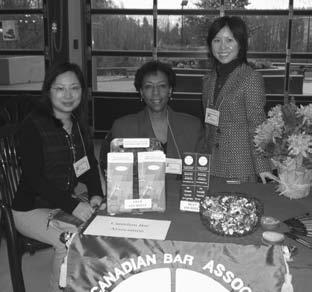
A free public forum in recognition of International Women’s Week was held on march 10, 2007 at the bell Centre for the Performing Arts in Surrey. A panel of five speakers, moderated by renu bakshi of CTv was based on “Hidden victims a Forum on Family violence.”
The lawyer referral Service of the Canadian bar Association b.C. branch provided a display on the Dial-A-law/lawyer referral program and was represented by three staff members.
left to right: Annie Chen, bianca bishop and Christine Zhang.
Top Firms Put HELM on the Map
The inaugural legal marketing Association – vancouver Chapter Helm Awards (Honouring excellence in legal marketing) was held on June 14, 2007. The Helm Awards recognize strategy, creativity, achievement and overall excellence in legal marketing initiatives undertaken by lawyers and their firms. A prestigious judging panel from the business community reviewed nominations and selected the following award recipients:
u young Lawyer Award – Chris bennett, Davis llP
u Firm/Marketer of the year – Alexander Holburn beaudin & lang llP
u Lifetime Achievement Award – John W. elwick, Partner, Alexander Holburn beaudin & lang llP
u Managing Partner Award – William Westeringh, managing Partner of Fasken martineau Dumoulin llP
u Corporate Social Responsibility – Farris, vaughan, Wills & murphy llP
Branch and Bar Calendar (see cba.org/bc for details)
August – September 2007
August 12-14
August 21-25
September 6-9
September 11
September 13
September 13
September 26
September 29
CBA Canadian Legal Conference (Calgary, Alberta)
International Association of Young Lawyers: 45th Annual Congress (Toronto, Ontario)
Cariboo Bar Association AGM (Wells, British Columbia)
New Westminster Bar Association Annual Bench & Bar (Westminster Club)
CBABC Section Chair Orientation (Law Courts Inn)
Executive Committee (CBABC Boardroom)
Fraser Valley Bar Association Meeting (Melange Restaurant)
Canadian Bar Association, British Columbia Annual General Meeting and Provincial Council (Delta Airport Hotel, Richmond)
The Canadian bar Association offers member discounts on sports, events, entertainment, hotels, travel and many other services. For further information on these and the many other member discount offers visit our website at http://www.cba.org/bC/ membership/main/member_savings.aspx
Legal Recruitment
The Counsel Network offers an exclusive Preferred recruitment benefits Package for member law firms of the Canadian bar Association. new, innovative and unique, the Preferred recruitment benefits Package is a valuable benefit of CbA membership. Designed for law firms, this package offers premium enhancements and discounts over regular recruitment services, fees and benefits.
Insurance
The Canadian Bar Insurance Association (CBIA) offers 15-25 per cent savings on Personal Term life Insurance, up to 50 per cent savings on Personal and business Disability expense Insurance and plans for your retirement.
Financial
Sports
CANUCKS
Canuck tickets will be available in September. reserve your tickets now to avoid disappointment at members@bccba.org
LIONS TICKETS
Come join in the excitement as Dave Dickenson, Geroy Simon, Jason Clermont and the BC Lions work toward another Grey Cup win. 15 per cent of each ticket sold will go toward the CbA (bC) benevolent Society. This is a great opportunity to raise funds for a worthwhile cause.
Playland/PNE
This year’s program offers CbA members and their families savings of up to 24 per cent on tickets to various PNE events including Playland, The Fair at the Pne, Fright nights and other special events held at the Pne
Communications
ROGERS WIRELESS
CbA members receive exclusive pricing and airtime options.
NUNCIATE
A and Enunciate have partnered to offer you professional and effective conferencing solutions. CbA members have access to wholesale prices, per second billing, online account management and much more.
Canadian Bar Association Financial Services (CBAF): is a not-for-profit corporation controlled and directed by lawyers. CBAF provides and offers various financial products and services to members of the legal community, their families and employees including superior, low cost financial and investment services, specifically tailored to their needs.
Document Finishing Equipment
International Binding & Laminating Systems Inc. offer members 15-20 per cent discounts on products and services.
Document Destruction and Information Management
Secruit/Shred-it provides the highest level of information security through Securit Records Management and Shred-it Document Destruction. It offers a customized off-site information management solution, from active file management and long-term box storage to media vault programs providing controlled environments. Your confidential documents are disposed on-site using proprietary technology in mobile shredding trucks to ensure the most efficient destruction. CbA members receive preferential rates for both information management and document destruction services.
Bar Moves
Have you recently changed firms or opened a new firm? Send submissions (maximum 25 words) to bar moves at cba@bccba.org.
DAN MOSELEy has joined the firm of McQuarrie Hunter as an associate. Mr. Moseley practises at McQuarrie Hunter’s Surrey office located on 104th Avenue in the areas of commercial and contract law, construction litigation, real estate litigation, employment law and personal injury claims.
ROBERT D. DIEBOLT, QC, Professor Emeritus and former Associate Dean of U.B.C. Faculty of Law, has joined Nathanson, Schachter & Thompson LLP as Associate Counsel.
In June 2007, PETER TORN joined Lang Michener’s Vancouver office, coming from Parlee McLaws Edmonton and Calgary offices. Mr. Torn is an associate in the Securities Practice Group, and was called to the Bar in 2006.
In June 2007, SANDy (NINGyAN) WANG joined Lang Michener’s Vancouver office as an associate in the Securities Practice Group. Ms. Wang has five years of experience practising law in the People’s Republic of China (PRC), and remains qualified to practise law in the PRC.
In May 2007, JOSH SCHMIDT joined Lang Michener’s Vancouver office as an associate in the Securities Practice Group. Mr. Schmidt was called to the Bar in May 2007.
In May 2007, MARNIE FOSTER joined Lang Michener’s Vancouver office as an associate in the Business Law Practice Group. Ms. Foster was called to the Bar in May 2007.
DANIEL DEX was called to the Bar in British Columbia in May 2007. Mr. Dex has been an associate in the Securities Practice Group at Lang Michener since May 2006, and was previously called to the Bar in the United States in 1996.
DANA DUNCAN has joined Nash & Company to continue her litigation practice. Most recently, Dana was a partner of Ogilvy Renault in Vancouver.
DAVID A. LIDEN has joined the Vancouver law firm Remedios & Company as senior associate counsel to continue his commercial and residential real estate and corporate and commercial practice.
ANDREW SPENCE, formerly of Macaulay McColl, has recently joined the firm of DuMoulin Boskovich where he will continue his litigation practice.
As of June 1, 2007 RyAN T. ASHMEAD has joined Koffman Kalef LLP as an Associate where he will practice Securities Law.
Davis LLP welcomes former associate CHRIS BENNETT to the Partnership. Chris has built a strong practice in Intellectual Property (Trademarks), Technology, Franchising and Distribution, Privacy and Video Game Law.
Davis LLP is pleased to welcome new associates MAGGIE CAMPBELL (Litigation), CHRIS METCALFE (Intellectual Property and Patents, Corporate/Commercial/M&A) and KATE SAUNDERS (Health, Human Rights and Privacy Law) to the Vancouver office on completion of their articles in May 2007.
Although Tony Wilson’s “nothing official” column may be the first thing b.C. lawyers read in barTalk, others seem to be reading him too. out of almost 50 nominations, nothing official was voted by the Western magazine Awards Foundation as one of the four top regular magazine columns in Western Canada. Congratulations Tony!
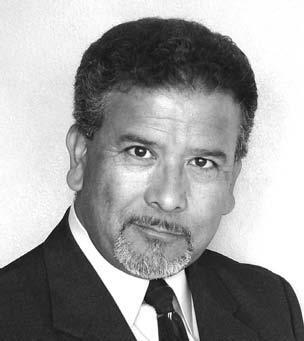
Dan moseley
NEW MEMBERS
The CBABC Branch welcomes its newest members! The following new members joined in the months of May and June of 2007:
Regular Members
JENNIFER BERGMAN
Watson Goepel Maledy LLP
Vancouver
ALAKANANDA CHATTERJEE
Gowling Lafleur Henderson LLP
Vancouver
GERALDINE CHEN
Greiner, Bethell & Company
Burnaby
DANIEL D. DEX
Lang Michener LLP
Vancouver
ROBERT L. GALLETTI
Bacchus Law Group
Vancouver
CATHERINE M. GRAHAM
Gowling Lafleur Henderson LLP
Vancouver
JAMES D.T. JERMyN
Borden Ladner Gervais LLP
Vancouver
HAyLEy D. LAKER
Moskowitz & Meredith LLP
Vancouver
LINDSEy LECLAIR
DuMoulin Boskovich
Vancouver
DREW MILDON
Woodward & Company
Victoria
GREG SMITH
Borden Ladner Gervais LLP
Vancouver
ELAINE THAM
Borden Ladner Gervais LLP
Vancouver
NINGyAN WANG
Lang Michener LLP
Vancouver
Articling Students
ILAN BURKES
Vancouver
JULIA DMyTRySHyN
Kornfeld Mackoff Silber LLP
Vancouver
ALEXANDER FANE
Bull, Housser & Tupper LLP
Vancouver
MICHAEL FULTON
Kamloops
KARINE GRUBB
Borden Ladner Gervais LLP
Vancouver
MARGARET HALL
McLellan Herbert
Vancouver
KRISTIL HAMMER
Borden Ladner Gervais LLP
Vancouver
SATPRAKASH HARWOOD
Ratcliff & Company LLP
North Vancouver
ELIzABETH JAWL
MacKenzie Fujisawa LLP
Vancouver
AURORA JOHANNSON
Kelowna
MICHELE KIM
Fasken Martineau DuMoulin LLP
Vancouver
LEO LANE
Legal Services Society
Vancouver
CHRIS LEMON
Richards Buell Sutton LLP
Vancouver
CAROLINE MACDONALD
Burns, Fitzpatrick, Rogers & Schwartz LLP
Vancouver
RINA MAHARAJ
Bull, Housser & Tupper LLP
Vancouver
SARAH MCEACHERN
Borden Ladner Gervais LLP
Vancouver
EVA ROSS
Vancouver
ANDREW SCHAFER
Bull, Housser & Tupper LLP
Vancouver
MATTHEW SIREN
Edwards, Edwards & Edwards
Burnaby
SANJUKTA TOLE
Bull, Housser & Tupper LLP
Vancouver
JOANNA TRACK
Lidstone, Young, Anderson
Vancouver
CLEBC Update
VEHICLE INSURANCE: BRITISH COLUMBIA LEGISLATION AND COMMENTARy
Cle is delighted to announce the new vehicle Insurance: british Columbia legislationand Commentary – your guide to the recent changes to vehicle insurance in british Columbia. The Insurance (motor vehicle) Act and the revised regulation (1984) under the Insurance (motor vehicle) Act are renamed the Insurance (vehicle) Act and Insurance (vehicle) regulation, a new optional insurance part has been added, and many sections have been amended, moved around, or repealed.
This convenient book includes an overview of the Insurance (vehicle) Act and regulation by Don Yule, QC, a leading insurance practitioner, highlighting major changes and new provisions. His commentary, included throughout the consolidated versions of the Act and regulation, along with the June amendments below each section of the legislation, help practitioners to understand the changes and easily compare the old and new versions of the legislation. Tables of concordance and a comprehensive index help to make this new book an indispensable tool for finding your way around the new legislative scheme.
For more information, and to place an order, visit http://www.cle.bc.ca/cle/publications/default.htm or call ClebC Customer Service department at 604893-2121, or toll-free in Canada, 1-800-663-0437.
SARAH VANDERVEEN
Edwards, Kenny & Bray LLP
Vancouver
KyLIE WALMAN
Borden Ladner Gervais LLP
Vancouver
ERIC yEUNG
Borden Ladner Gervais LLP
Vancouver
Law Students
DANA K. BOUTILIER
DEMPSTER
Victoria
JASROOP GREWAL
Vancouver
NOAH SARNA
Boughton Law Corporation
Vancouver
JEANNINE TSE
Vancouver
Associates
HELENA MARGARET CLIFT
Vancouver
JANE VICTORIA HELEN
WILLIAMS
London
The Board of Governors of the Law Foundation of B.C. met on June 16, 2007. Chair Warren Wilson, QC is pleased to announce that funding totalling $2,454,477 has been approved for the following:
Funding totalling $1,743,480 was approved for the following 31 Projects under the 2007 Large Projects Initiative (56 projects were notfunded):
$75,000
B.C. COALITION TO ELIMINATE ABUSE OF SENIORS
Older Adults Law Clinic Needs Assessment Project
B.C. LAW INSTITUTE Employment Leave and Other Entitlements in Relation to Care Giving for Family Members Project
CANADIAN BAR ASSOCIATION, B.C. BRANCH
Aboriginal Student Scholarship Project
CANADIAN MENTAL HEALTH ASSOCIATION – B.C. DIVISION Mental Health Diversion Project
CONTINUING LEGAL EDUCATION SOCIETy OF B.C. Land Title Practice Manual Online
PARENT SUPPORT SERVICES OF B.C. Grandparents Raising Grandchildren – Legal Research and Workbook Project
PRO BONO LAW OF B.C. AND WESTERN CANADA SOCIETy TO ACCESS JUSTICE IN ASSOCIATION WITH THE SALVATION ARMy PRO BONO PROGRAM
Pro Bono Coordination and Cross-Referral Project
UNION OF B.C. INDIAN CHIEFS Specific Claims Research Workshops
VANCOUVER COMMUNITy COLLEGE FOUNDATION
Multilingual Online Glossary of Legal & Court Related Terms: Developing an Additional Language
Multilingual Online Glossary of Legal & Court
Related Terms: Development of Immigration Law
Multilingual Online Glossary of Legal & Court Related Terms: Development of Family Law
WEST COAST PRISON JUSTICE SOCIETy Prisoners’ Human Rights Project
$73,586
PACIFIC ASSOCIATION OF FIRST NATIONS WOMEN
Section 84 Environmental Scan
$68,551
OKANAGAN ADVOCACy AND RESOURCE SOCIETy
Regional Training Advocacy Project
$68,350
yOUNG WOMEN’S CHRISTIAN ASSOCIATION OF VANCOUVER (yWCA) Legal Education for Women Project
$60,000
LAW COURTS EDUCATION SOCIETy ON BEHALF OF SUPREME COURT
SELF-HELP INFORMATION CENTRE ADVISORy COMMITTEE
Research into Providing Self-Help Services – Supreme Court Family/Civil Litigation
$57,000
ELIzABETH FRy SOCIETy OF GREATER VANCOUVER
Securing the Rights and Healthy Futures for Children of Offenders
$55,000
WOMEN’S LEGAL EDUCATION AND ACTION FUND (LEAF)
Monitoring Equality Jurisprudence and Legal Trends
$50,500
SOCIETy FOR AFFORDABLE HOUSING EDUCATION, AWARENESS AND DEVELOPMENT (AHEAD)
DUCKS UNLIMITED CANADA Green Infrastructure Bylaw Initiative
LEGAL SERVICES SOCIETy ON BEHALF OF PUBLIC LEGAL EDUCATION AND INFORMATION WORKING GROUP OF B.C. Public Legal Education and Information Working Group Portal Website
Family group conferencing and advocacy project (Year 2)
$98,497
VANCOUVER ABORIGINAL AND FAMILy SERVICES
Family Group Decision Making Conference Project (Year 1)
$20,000
FAMILy SERVICES OF GREATER VANCOUVER
Development grant – Aboriginal Mediation Services for Lower Mainland Families
For full details of the programs and projects that received funding, please visit The Law Foundation of British Columbia’s website at www.lawfoundationbc.org.
CLASSIFIED (per line)
CbAbC members/Firms
$25
Commercial organizations $50
Next deadline: September 7
DISPLAy
3” x 2.5”
CbAbC members/Firms $450
Commercial organizations $900
6” x 2.5”
CbAbC members/Firms
Commercial organizations
Next deadline: September 7
INSERT (all of B.C.)
CbAbC members/Firms
Commercial organizations
Next deadline: September 15
Next mailing: october 5
$810
$1,620
$1,200
$2,400
Direct BarTalk advertising inquiries to: Jesse Tarbotton
barTalk Senior editor
Tel: 604-646-7856 or 1-888-687-3404
e-mail: jtarbotton@bccba.org
S ERVICES
INTELLECTUAL PROPERTy: Let us assist you in providing protection for your clients. Douglas B. Thompson Law Corporation –Registered Patent Agent, Registered Trade Mark Agent. Practice restricted to Intellectual
ELDERCARE ASSESSMENT, CONSULTING, CARE MANAGEMENT, SEMINARS Diamond Geriatrics, Inc. www.diamondgeriatrics.com. 604-874-7764.
Law Student Issue – National Magazine
The 2007 law Student edition of the national will be published in early September. Copies will be mailed out to each law school and an e-mail link to the online version will be circulated. Stories covered this year include five new practice areas that didn’t exist ten years ago, the changing face of law school faculty, and tips and advice from nine established lawyers to today’s new graduates. Shorter items will focus on conflicts of interest for students, what firms expect from their summer students, and trends in associate recruitment.