Heiner Goebbels
Landschaft mit entfernten Verwandten
Materialausgabe
Landscape With Distant Relatives - Issue of Materials
Paysage avec parents éloignés - distribution de matériel (2002)
Partitur

Landscape With Distant Relatives - Issue of Materials
Paysage avec parents éloignés - distribution de matériel (2002)
Partitur
Preface - Vorwort
Draft Concept - Konzeptskizze
Instrumentation - Instrumentierung
1. Entrada – Non Sta (G.Bruno) Choir and Ensemble
Scene for choir in the background. The text speaks about a permanent movement of all things („nothing stands still“) and about the identical determination for all – independent of the movement’s direction.
Chorszene im Hintergrund. Der Text spricht von der unablässigen Bewegung aller Dinge ("Nichts steht") und der gleichen Bestimmung, die allem zu teil wird - unabhängig von der Richtung der Bewegung.
2. The Sirens (G.Stein) Voice and Small Ensemble
Renaissance – Scene in a public space. One speaks of war and bombardments, and that they take so long so long: „alas I say I hate to have lovely places all smashed up and French people killed but what can I do?”
Renaissance-Szene im öffentlichen Raum: Man redet vom Krieg und den Bombardements, und daß sie solange dauern, so lange: "Ach, sage ich, ich hasse es wenn schöne Orte zerstört werden und Franzosen umkommen, aber was kann ich tun?“
3. Gerade und Kreis (G.Bruno) Voice and Small Ensemble
Another speaker observes the likeness of a straight line and a circle in the infinite, with which he tries to prove the concordance of contradictions.
Ein anderer betrachtet die Gleichheit von Gerade und Kreis im Unendlichen, womit er die die Übereinstimmung der Gegensätze zu beweisen sucht.
4. Ove è dunque (G.Bruno) Choir and Small Ensemble
Some of those, who just have thought to be sure of something, don’t understand anything anymore: “Where then is that beautiful order, that lovely scale of nature?”
Einige, die gerade noch glaubten, etwas Gesichertes verstanden zu haben, verstehen jetzt gar nichts mehr: "Wo bleibt denn unsere schöne Ordnung, die Stufenleiter der Natur?"
5. Solo for Clavichord Small Ensemble
6. Choral (A.Krieger/M.Reger) Choir and Ensemble
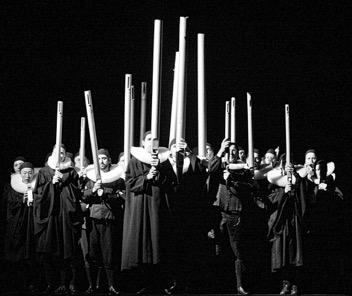
„Now that the Day Hath Reached Its Close...“ A choreography with organ pipes.
„Nun sich der Tag geendet hat...“ Eine Choreographie mit Orgelpfeifen
7. Il y a des jours (H.Michaux) Baritone, Choir and Small Ensemble
On some days, everything looks flat like a canvas.
An manchen Tagen wirkt alles flach wie eine Leinwand.
Act
1. Les Inacheves (H.Michaux) Ensemble
Music for a masked orchestra in front of a landscape painting Musik für vermummtes Orchester vor einem Landschaftsbild
2. Dialogue (F.Fénelon) Two Voices and Small Ensemble
Dialogue about an invisible painting, which represents beauty and horror at the same time: „Landscape with a Man killed by a Snake“
Dialog über ein unsichtbares Gemälde, auf dem Schönes und Schreckliches gleichermaßen zu sehen sind: "Landschaft mit dem von der Schlange getöteten Mann"
3. Et c’est toujours (H.Michaux) Voice, Choir and Sampler
Dance class for men, a rhythm machine, one poem. Tanzschule für Männer, eine Rhythmusmaschine, ein Gedicht.
4. 19th Century / Abendmahl (G.Stein / Leonardo) Baritone, Choir, Voices and Ensemble
Darkening. A rococo tableau. The topic war is renewed, they speak of the 19th century and the stars, and that eclipses of the moon are only an amusement for peace-time. A long table is being installed, and everybody takes a seat. Verdunkelung. Ein Rokoko-Tableau. Das Kriegsthema wird wiederaufgenommen, man spricht vom 19. Jahrhundert und den Sternen; und darüber, daß Mondfinsternisse nur in Friedenszeiten ein Vergnügen sind. Ein langer Tisch wird installiert, an dem sich alle einfinden.
5. Nuit cubique (H.Michaux) Voice and Ensemble
The night is defined as a cubic space, in which a sisiphus-like battle against cellar and arches describes the unsuccessful attempt to find the way out into the open air. „But one day the situation might be different, maybe.“
Die Nacht wird als kubischer Raum definiert, in dem ein sisyphosartiger Kampf gegen Keller und Gewölbe den mißlingenden Versuch beschreibt, ins Freie zu finden. "Doch vielleicht wird sich die Lage eines Tages ändern".
6. Tanz der Derwische / Emplie de (H.Michaux) Voice and Small Ensemble
A ritual dance of whirling dervishes to the music by Nagara drum, Ney-flute and others. A voice speaks softly of screams – and of pleats, which surround us.
Ritueller Tanz der Derwische zur Musik einer Nagara-Trommel, Ney-Flöte u.a.
Eine Stimme spricht leise von Schreien - und von Falten, die uns umgeben.
1. Coriolan (T.S.Eliot) Voices, Choir and Ensemble
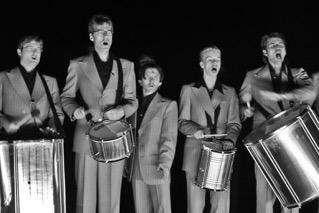
Spectators form a guard of honor, a phalanx of drummers, a triumphal march, the weapon inspector lists machine guns and airplanes, the triumphator is expected.
Ein Spalier von Zuschauern, eine Phalanx von Trommlern, ein Triumphmarsch, die Waffen werden aufgezählt, der Triumphator wird erwartet
2. Homme-Bombe (H.Michaux) Voice and Ensemble
The man-bomb is tired of killing. Now he will paint. He loves the colours, when they come out of the tube. Der Bombenmensch hat das Töten satt, er will malen. Er liebt die Farben, wenn sie aus der Tube kommen.
3. Schlachtenbeschreibung (Leonardo) Baritone, Choir and Ensemble
How to represent a battle? A text as a landscape as a concept for a painting. And it is highly recommended that the balls from the guns must have a train of smoke following their flight.
Wie kann eine Schlacht beschrieben werden? Eine Textlandschaft als Konzept für ein Gemälde. Und daß es sich auf den Bildern besser macht, wenn hinter den Geschossen ein wenig Rauch fliegt.
4. Well Anyway (G.Stein) Voice, Choir and Ensemble
„The nineteenth century liked to cry liked to try liked to eat liked to pursue evolution and liked war, war and peace peace and war and no more.“
„Das neunzehnte Jahrhundert weinte gern meinte gern aß gern strebte gern nach Evolution und hatte gern Krieg, Krieg und Frieden Frieden und Krieg und weiter nichts.“
5. Did it Really Happen (G.Stein) Voices and Ensemble
Women in rococo costumes are dancing and turning: history is repeating and nobody wants to learn by it. Frauen im Rokoko-Kostüm tanzen und drehen sich: Geschichte, die sich wiederholt, aus der niemand lernen will.
6. Les Suivantes (M.Foucault) Voices and Ensemble
Reenactment of a painting. The text asks: who is looking at whom? Ein Gemälde wird szenisch rekonstruiert, der Text fragt: wer blickt auf wen?
7. Kenha hi kya (A.R.Rahman) Voice and Ensemble
Indian song describing a mysterious, unique encounter, where the eyes meet with stranger. Ein indisches Lied. Der Text spricht von einer geheimnisvollen, einmaligen Begegnung, in der dem Blick eine besondere Bedeutung zukommt.
8. Temple 1 (H.Michaux) Voice and Small Ensemble
Instrumental image with six bells on the scene. Everything is orange. Instrumentales Bild mit sechs Glocken auf der Bühne. Alles ist orange.
1. La fronde a hommes (H. Michaux) Voice, Choir and Ensemble
You can’t get rid of the humans. they never get shot far enough. Sometimes they come back forty years later. Man kann die Menschen nicht loswerden. Sie sind stärker und manchmal kommen sie vierzig Jahre danach wieder zurück
2. Just like that (G. Stein) Voice and Ensemble
Again the Rococo tableau - it has changed. Talks and topics of the earlier parts are renewed: the unchanged terror of war, the repetition of history.
Erneutes, verändertes Rokoko-Tableau. Die Gespräche und Themen der vorherigen Akte werden wiederaufgenommen: der unveränderte Schrecken des Krieges, die Wiederholung der Geschichte.
3. Minima Maxima (G.Bruno) Voice and Ensemble
Monologue on the unity of the things and contraries: warm and cold, corruption and generation, hate and love, angry and patient, concave and convex.
Monolog über die Einheit der Dinge und der Gegensätze: warm und kalt, Untergang und Entstehung, Hass und Liebe, Zorn und Geduld, konkav und konvex.
4. Bild der Städte Small Ensemble
Scale models of cities are carried in, are considered and discussed. Stadtmodelle werden hereingetragen, betrachtet und diskutiert.
5. You disappear (G.Stein) Voice and Ensemble
Mediæval means, that all is uncertain. You can be driven away or taken away, burned away or left behind, that is what it is to be mediæval.
Mittelalterlich heißt, daß alles ungewiß ist. Man kann vertrieben werden oder fortgeholt, abgebrannt oder zurückgelassen - das heißt mittelalterlich sein.
6. Wo ? (G.Bruno) Baritone, Choir and Small Ensemble
Again the order of nature is questioned. Now in German.
Die Frage nach der Ordnung der Natur wird noch einmal gestellt. Jetzt auf Deutsch.
7. Ich leugne nicht (G.Bruno) Voice, Choir and Small Ensemble
One voice rejects the doubts: „I don’t deny the distinction of the elements, but this order - there is but one single container...“
Es erhebt sich eine Stimme gegen diese Zweifler „Ich leugne nicht die Unterscheidung, aber ich leugne diese Rangfolgeeins ist das Umfassende und Umfangende...“
8. Krieg der Städte (G.Bruno) Voice and Small Ensemble
A thunderstorm is coming, the cities are in rivalry, which turns in military conflicts, one city is shot afire.
Ein Gewitter zieht auf, es entwickelt sich eine Rivalität der Städte, die in kriegerische Handlungen übergeht, eine Stadt wird in Brand geschossen.
9. On the Road (G. Stein) Voice and String Ensemble
We hear many small stories, everybody is telling stories all the time: about dogs and chicken, trucks, prisoners and the red cross; and you cannot believe anymore, what people say.
Man hört die vielen kleinen Geschichten, die jeder jedem unablässig erzählt: von Hunden und Hühnern, von Lastwagen, Gefangenen und dem Roten Kreuz, und daß man nicht mehr glauben kann, was die Leute alles so erzählen.
10. And We Said Goodbye Flute and Clarinet
12. On the Radio (G.Stein) Voices and Ensemble
„Life and death and death and life.“ We hear of more rumours and the news in the radio: „if anybody can hear everything and everybody can hear the same thing, so what is the use of conquering.“
„Leben und Tod und Tod und Leben.“ Von den Gerüchten und den Nachrichten im Radio: "wenn jedermann dasselbe hören kann, was hat es denn für einen Zweck zu erobern ?"
13. Different Nations (G.Stein) Voice and Sampler
„And anyway it is evening and nearly midnight and I will be listening to the last news just before going to bed again. It is funny the different nations begin their broadcasting“. Certainly it is so nations must go on, they certainly must.
„Und wie dem auch sei jetzt ist es Nacht fast Mitternacht und ich will noch kurz vor dem Schlafengehen die letzten Nachrichten hören. Es ist merkwürdig wie verschiedene Nationen ihre Sendungen beginnen“. Aber die Nationen müssen weitermachen ja das müssen sie.
14. Out Where the West Begins (A. Chapman/ E. Philleo) Choir and Hillbilly-Ensemble
An American evening in the homeland; they sing of the good times in the wild west. All in the comparative degree: where the sun is a little brighter, where the snows are a trifle whiter, where the skies are a trifle bluer, where friendship's a little truer.
Ein amerikanischer Heimatabend; man singt in Hillbilly Manier vom wilden Westen. Lauter Komparative: die Sonne ist heißer, der Schnee ist weißer, der Himmel etwas blauer, die Freundschaft nicht lauer....
15. Train Traveling (G.Stein, H.Michaux, Trad.) Voices, Choir and Hillbilly-Ensemble
Stories of traveling and of its uselessness: „I put the mountains whenever and wheresoever I want.“
Vom Reisen und von dessen Nutzlosigkeit ist die Rede: "Berge stelle ich mir hin, wann und wo es mir paßt"
16. Temple 2 (N.Poussin) Voice & Tutti with Temple Bowls a.o.
A space, where everybody is equal, a permanent coming and going. One voice resumes the most important conditions of painting: „Nothing is visible without distance“
Ein Raum, in dem alle gleich sind; ein ständiges Kommen und Gehen; eine Stimme resümiert die wichtigsten Voraussetzungen der Malerei " Es gibt nichts Sichtbares ohne Distanz"
ABCD (G.Bruno) Baritone, Choir and Ensemble
Someone tries to claim his view of the world in an incomprehensible formula and to explain it. Einer versucht in einer undurchschaubaren Formel sein Weltbild zu behaupten und zu erklären.
The Sirens (G.Stein) Voice, Choir, Signal Horns and Small Ensemble
2nd Act
Dialogue (F.Fénelon) Voice and Ensemble
Every Night (G.Stein) Voices and Ensemble
3rd Act
Triumphmarsch (T.S.Eliot) Voices, Drums and Ensemble
Kenha hi kya (Mehboob, Rahman) Lead Sheet
4th Act
Fronde a homme Ensemble
Just Like That (G.Stein) Voice and Ensemble
Horn and Choir
Krieg der Städte 2 Small Ensemble And We Said Goodbye Trio
the Road 2 (G.Stein) Voice and Ensemble
List of Versions - Aufstellung der bisherigen Fassungen
Description of a picture, table-parties and comparative degrees: About the opera Landscape with Distant Relatives
Bildbeschreibungen, Tischgesellschaften und Komparative: Zu Landschaft mit entfernten Verwandten
Descriptions de toiles, sociétés attablées et comparisons: À propos de Paysage avec parents éloignés
Vorwort
Landschaft mit entfernten Verwandten hat keine Handlung im traditionellen Sinn. Es stellt vielmehr – nach Motiven aus den bildenden Künsten – eine lose Folge von Situationen dar, in der sich Musik, Text, Raum und szenische Aktion auf vielfältige Weise durchdringen. Giordano Bruno bezweifelt darin die Hierarchie des Universums und propagiert ein Gleichgewicht der Gegensätze. Die Texte von Leonardo Da Vinci, Gertrude Stein, Henri Michaux u.a. kreisen um die Schrecken des Krieges auf der Schwelle von privater und öffentlicher Erfahrung. Die Struktur der Oper gleicht nach Heiner Goebbels' eigenen Worten eher dem Gang durch ein Museum, bei dem für den Betrachter der Bilder aus verschiedenen Zeiten und Kulturen auch der Raum für eigene Assoziationen bewußt offen gehalten ist. Durchgehende Motive sind Tischgesellschaften und Bildbeschreibungen, vor allem immer der "öffentliche Raum", in dem es gilt – frei nach Hannah Arendt – "nicht übereinander herzufallen".
Dieser offenen, nicht linearen und nicht zentrierten Form entsprechend hat Heiner Goebbels zwischen 2002 und 2012 immer wieder verschiedene Varianten mit unterschiedlicher Dauer und Unterteilung entwickelt - sowohl für die szenischen Realisierungen mit dem Ensemble Modern (die Genfer, die Berliner und die Frankfurter Fassung) als auch für die akustischen Editionen (SWR und ecm-records). Im Anhang sind diese Varianten genauer gelistet.
Zur Spezifik seiner szenischen Fassungen gehört, daß - ergänzt von einem Bariton, einem Schauspieler und einem Choralle szenischen Aktionen, Tänze, Choreographien und viele Sprecherrollen bei den Instrumentalisten des Ensemble Modern liegen. Für neue Inszenierungen und Varianten ist es sehr wohl denkbar, daß die Bilder und Szenenfolgen stattdessen von Tänzern, Schauspielern, Sängern und Statisten wahrgenommen werden und das Ensemble im Orchestergraben verbleibt. Für neue Fassungen können nach Rücksprache mit dem Komponisten alle Parameter verändert werden - auch die Sprache, die Instrumentierung, die Auswahl der Kompositionen.
Mit Songs of Wars I have seen entstand zusätzlich 2007 eine Auskoppelung der Teile, die auf Texten von Gertrude Steins Roman Wars I have seen beruhen. Ergänzt um zusätzliche neue Kompositionen und instrumentale Einschübe mit Shakespeare Musiken von Matthew Locke ist dieses von der Oper unabhängige szenische Konzert inzwischen von mehreren Ensembles in Europa und den USA aufgeführt worden – darunter auch Aufführungen, bei denen die Texte von Gertrude Stein in französischer, tschechischer, katalanischer Sprache übersetzt und gesprochen wurden.
Heiner Goebbels
Frankfurt am Main, August 2016
Preface
„Landscape with distant Relatives“ does not follow a traditional narrative. It is a rather loose sequence of situations, in which music, text, space and performing activities interact in manifold ways – inspired by motifs of visual arts. Giordano Bruno questions the hierarchy of the universe and preaches a balance of the opposites. The words by Leonardo Da Vinci, Gertrude Stein, Henri Michaux and many others circle around the horror of wars on the threshold of private and public experiences. The structure of the opera resembles – in Heiner Goebbels’s own words – a walk through a museum, in which the space for the imagination of the spectator looking at the images from different times and cultures is intentionally left open. Constant motifs are table parties and picture descriptions and especially the ‚public space’, in which it is appliedas Hannah Arendt puts it - "not to attack one upon the other“. Corresponding to this open, non-linear and non-centralized form Heiner Goebbels developed between 2002 and 2012 different versions with varying durations and divisions – both for the staged versions with the Ensemble Modern (for Geneva, for Berlin, for Frankfurt) and for acoustic editions (for SWR and ecm-records). You can find a list of these versions in the annex.
It belongs to the specifics of his own stagings, that all performing activities (dances, choreographies and many speaking parts) have been realized by the instrumentalists of the Ensemble Modern – supported by a baritone, one actor and a choir. For new stagings and versions it is very possible, that that the ensemble stays in the pit and the images and scenes are performed by dancers, actors, singers and extras. For new versions all parameters can be altered –– even the language, the instrumentation, the size of the ensemble and the choice of compositions - after consulting the composer. In 2007 Heiner Goebbels developed with „Songs of Wars I have seen“ a sequence of those compositions based on the texts by Gertrude Stein’s „Wars I have seen“. Completed with a some new parts and instrumental insertions of Matthew Locke’s Shakespeare musics this cycle has been performed independently of the opera by several ensembles in Europe and the US - sometimes in performances, for which the texts by Gertrude Stein have been translated and spoken in french, czech and catalan.
Heiner Goebbels
Frankfurt am Main, August 2016
Dieser bisherige Arbeitstitel „Landschaft mit entfernten Verwandten“ steht für die Nähe dieser Oper zu Arbeiten in der bildenden Kunst, aus der nicht nur einzelne Bild-Motive gewonnen wurden (von Lorrain, Turner u.a.), auch Original-Texte von Malern (Poussin, Leonardo da Vinci, Michaux u.a.) werden, neben anderen, Bestandteile des Librettos sein. Die Perspektive dieser Arbeit gilt nicht einer landschaftlichen Idylle, sondern einem genauen Blick auf dezentral organisierte Bilder; auf einen Blick, den wir zwar auch aus der Landschaftsmalerei kennen, der sich hier aber - aus einiger Entfernung - auf Personengruppen richtet. Dabei entstehen vor allem in der Konstellation der Figuren gesellschaftliche, chorische Bilder aus verschiedenen historischen Epochen und an unterschiedlichen kulturellen Orten - die sich auch in der musikalischen Anlage wiederfinden. Die zuweilen überraschende Verknüpfung dieser Bilder verweigert sich einer narrativen Lesbarkeit und verweist die Zuschauer / Zuhörer auf die diesen Bildern gemeinsam zu Grunde liegenden strukturellen Erfahrungen und Beobachtungen. Die Rezeption dieses Musiktheaterstücks ähnelt damit vielleicht eher einem szenischen, auskomponierten Parcours durch eine Gemäldegalerie als der linearen Dramatik eines konventionellen Librettos. Auch die Herkunft vieler Texte von Giordano Bruno bis T.S.Eliot und Gertrude Stein steht dafür ein. Letztere hat in ihren ‚landscape plays‘ auf literarischem Gebiet versucht, einem vergleichbaren Lesen den Boden zu bereiten. Die Darsteller sind die Musiker des Ensemble Modern, der Chor der Genfer Oper und einige Solisten (Sänger / Schauspieler). Musikalische Formationen sind substanzielle Bestandteile der inszenierten Bilder: eine lebende Orgel, ein Trommelorchester, und - neben dem konventionellen Instrumentarium des Ensembles: kleinere Besetzungen sehr divergierender Instrumente, wie zum Beispiel die Verwendung von Zink (einer historischen Trompete), Cembalo, Tablegitarre, chinesischen Flöten, iranischer Trommeln , Sampler u.v.a. In einzelnen Sätzen werden sowohl der Chor als auch einige Musiker unter dem Einsatz von Live-Elektronik auch aus dem Orchestergraben heraus die Szene begleiten. In immer wieder anders ausgestatteten Varianten kehren dabei bestimmte Bilder wieder, die z.B. mit ‚Tischgesellschaft‘‚ ‚Bildbeschreibung‘, ‚Ladies voices ‘ ‚Last supper‘ u.a. überschrieben sind. Die Oper ist in mehrere Akte unterteilt (mit voraussichtlich einer Pause), die jeweils von orchestralen Vorspielen, und/oder chorischen Prologen eingeleitet werden. Musikalische Formen innerhalb der Akte sind u.a. mehrere (unterschiedlich besetzte) Suiten. Die musikalische Leitung hat Franck Ollu.
Heiner Goebbels, Mai 2002 Text vor der Genfer Uraufführung
Concept
The previous working title „Landscape With Distant Relatives“ stands for the proximity of this opera to works of the visual arts. Not only visual motifs (by Lorrain, Turner) inspired me, but also original texts of painters (Poussin, Leonardo da Vinci, Michaux u.a.) will be part of the libretto - among others.
The perspective of this work is not directed on an idyllic rural scene, but on the precise view on decentralized pictures; though we know this view from landscape paintings, here - from some distance - it is directed towards groups of people. In the constellation of the figures I want to develop social and choral pictures of various historical times and at different cultural places – which can also be discovered in the musical construction. The sometimes surprising connection between these scenes rejects a narrative readability and refers for the spectator to the structurally common experiences and observations in those pictures. Maybe the reception of this music theatre piece resembles more a staged and composed Parcours through a portrait gallery than the linear drama of a conventional libretto. Also the origin of many texts - from Giordano Bruno to T.S.Eliot and Gertrude Stein – stands for it. The latter has tried to prepare a similar way of reading in her ‚landscape plays’.
The performers will be the instrumentalists of Ensemble Modern, the Choir of the Opera de Geneve plus some soloists (singer / actor). Musical formations are substantial parts of the staged scenes: a living church organ, a group of drummers, and – beyond the conventional instrumentation of the ensemble: smaller instrumentations of varying instruments, a zink (historical trumpet), harpsichord, table-guitar, Chinese flutes, Iranian drums, sampler and many others. In some movements both the choir and the instrumentalists accompany the scene from the pit (amplified with live electronic). Certain pictures recur in always different versions described as ‚Table Party’‚ ‚Picture Description’, ‚Ladies voices‘ ‚Last supper‘ a.o.
The opera is divided in several acts (presumably with one break) each with introduced by instrumental preludes or choral prologues. Musical forms within the acts are several ‚suites’ in different instrumentations. Musical director is Franck Ollu.
Heiner Goebbels, May 2002
Text written before the creation in Geneva Konzept
Instruments and Voices
(can be enlarged, especially the string section)
Flute (doubling Piccolo, Sopranblockflöte, Bassflöte)
Oboe (doubling Musette)
Clarinet (doubling Eb-Clarinet)
Bass Clarinet
Bassoon
Horn
2 Trumpets (doubling Piccolo Trumpet, poss. Zink)
2 Trombones (Bass Trombone, poss. Soprano Trombone)
Baritone
Actor
Speakers
Choir (S/A/T/B 8 Voices - 16/32 ad lib.)
Harp
Piano / Harpsichord / Clavichord (ad lib.)
Sampler (88 Key Masterkeyboard, Software Sampler) *
Accordion (ad lib.)
Percussions:
Marimba, Vibraphone, 2 Snares, Große Trommel, Cymbals
4 Timpanies, Drumset (Bassdrum, Snare, China Cymbal, Hi Hat)
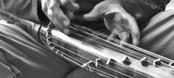
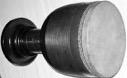
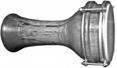
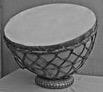
Tam Tam, Logdrums, Thundersheet, Bells (in F# and G#), Thai Gong in D, Maracas, Egg, Guiro, Triangle, Finger Cymbals (c#), high/low Schellen (Jingles, Sleighbells etc.), Caxixi (small and large), Valiha (Madagaskar Zither), Cymbalom, Zither, Daf, Tombak (or Dumbek)
2 Violins
Viola
2 Violoncellos
Contrabass (doubling E-Bass)
Table Guitar
Table Cello
Acoustic Guitar (Steel Strings)
Banjo
aprox. 25 Temple Bowls (different sizes, chromatic pitches) on cushion with leather wrapped mallet
Playback CD * (handled by the Sound Engineer)
*) Playback CD (audiofiles) and Sampler Instruments (EXS24, Logic, Macintosh Computer) are available as a download
All instruments and voices have to be amplified individually.




Text:
Giordano Bruno
De l’infinito universo et Mondi - Dialogo terzo (Venezia, 1584)
Über das Unendliche, das Universum und die Welten / On the Infinite Universe and Worlds / L’infini, l’univers et les mondes
Non sta, si svolge e gira
Quanto nel ciel e sott’ il ciel si mira.
Ogni cosa discorre, or alto or basso,
Benché si ‘n lungo o ‘n breve,
O sia grave o sia leve;
E forse tutto va al medesmo passo
Ed al medesmo punto.
Tanto il tutto corre sin ch’ è giunto.
Tanto gira sozzopra l’acqua il buglio, Ch’ una medesma parte
Or di su in giú or di giú in su si parte;
Ed il medesmo garbuglio
Medesme tutte sorti a tutti imparte.
Naught standeth still, but all things swift and whirl
As far as in heaven and beneath is seen.
All things move, now up, now down, Whether on a long or a short course, Whether heavy or light;
Perchance thou too goest the same path
And to a like goal.
For all things move till overtaken,
As the wave swirleth through the water, So that the same part
Moveth now from above downward
And now from below upward, And the same hurly-burly
Imparteth to all the same successive fate.
Es steht nicht, es wendet und dreht sich
Was man am Himmel und unter dem Himmel erblickt.
Ein jedes läuft bald hinauf, bald hinab, sei es für eine lange oder kurze Strecke, sei es schwer oder leicht; und vielleicht geht alles im gleichen Schritt und zum gleichen Punkt.
So lange läuft alles, bis es angekommen ist.
So treibt das Wasser den Eimer rundum, daß derselbe Teil bald von oben nach unten, bald von unten nach oben sich fortbewegt und dasselbe Band teilt gleiche Schicksale allen zu.
Rien ne tient, mais tourne et roule
Tout ce qui dans le ciel et sous le ciel se voit. Toute chose court, tantôt vers le haut, tantôt vers le bas, Que son temps soit long ou bref, Qu’elle soit pesante ou légère ; Et peut-être tout va du même pas Et vers le même point.
Tant qu’il n’est arrivé, court le tout. Tant le seau tourne l’eau sens dessus dessous, Qu’une même partie, la voilà partie
Tantôt de haut en bas, tantôt de bas en haut, Et la même pagaille
A tous assigne le même sort.
Renaissance – Scene in a public space. Renaissance-Szene im öffentlichen Raum
After the Entrada the choice of instruments in all the following movements of the first act reflects the fact, that all instruments should be playable on stage – but they don’t have to. In the Annex you find a version including choir and signal horns.
Nach der Entrada ist die Instrumentation aller folgenden Sätze des ersten Aktes so gewählt, daß nahezu alle Instrumente auf der Bühne gespielt werden können - aber nicht müssen. Im Annex findet sich ein Version mit Chor und Signalhörnern.
Text:
Gertrude Stein
Wars I Have Seen, New York 1945
Kriege die ich gesehen habe, Frankfurt am Main 1984 / Guerres que j’ai vues
The siren that warns for the bombardments is not working any more, I suppose it was worn out as they say here they have succeeded in putting it out of order, but who they they are nobody knows and now the Germans are to warn us by trumpeting but after all that does not really wake one up if one is really asleep so everybody prefers it, that is all everybody talks about is bombardments and naturally nobody is pleased, and whether the aim is good or not is hotly discussed, they say they should not fly so high, though they do admit that the precision of hitting is very great, nevertheless they say if they flew lower there would be less destruction round and about and as the defence is practically non-existent why not fly lower, others say they should not bombard at all and everybody will hate them and they did love the Americans but I said you know how they are here the French forget the past and enjoy the present yes they answer but our towns and all the dead, oh dear they say to me can you not stop them, alas I say I hate to have lovely places all smashed up and French people killed but what can I do, well they say, anyhow it is going on so long so long, and sometimes we that were most optimistic are getting kind of pessimistic it is going on so long.
Die vor Bombenangriffen warnende Sirene funktioniert nicht mehr, ich nehme an sie ist ausgeleiert wie man hier sagt man hat es geschafft sie außer Betrieb zu setzen, aber wer dieser man ist weiß niemand und jetzt müssen uns die Deutschen durch Trompeten warnen aber eigentlich weckt einen das nicht wirklich auf wenn man wirklich schläft also hat jeder es lieber so, das heißt alles worüber alle reden sind die Bombenangriffe und natürlich ist niemand entzückt und ob die Absicht gut ist oder nicht wird heiß diskutiert, man sagt sie sollten nicht so hoch fliegen, obwohl man zugibt daß die Treffsicherheit sehr groß ist, nichtsdestoweniger sagt man wenn sie niedriger fliegen gibt es weniger Zerstörung ringsum und da die Abwehr praktisch nicht existiert warum nicht niedriger fliegen, andere sagen man sollte überhaupt nicht bombardieren und jeder haßt sie und sie haben die Amerikaner geliebt aber ich sagte ihr wißt wie sie hier sind die Franzosen vergessen die Vergangenheit und genießen die Gegenwart ja antworten sie aber unsere Städte und all die Toten, o Himmel sagen sie zu mir können Sie sie nicht daran hindern, ach sage ich ich hasse es wenn schöne Orte zerstört werden und Franzosen umkommen aber was kann ich tun, nun sagen sie, jedenfalls dauert es so lange so lange, und zuweilen werden die Optimistischsten irgendwie pessimistisch es dauert so lange.
La sirène qui nous prévient des bombardements ne marche plus, je crois qu’elle était usée comme on dit ici ils ont réussi à la faire tomber en panne, mais qui est ce ‘ils’ personne ne sait et maintenant les allemands doivent nous prévenir à la trompette mais après tout ça ne réveille pas vraiment si on dort profondément alors tout le monde aime mieux ça, c’est ce dont tout le monde parle c’est les bombardements et évidemment personne n’est content, et ça discute ferme pour savoir si la cible est bonne ou non, ils disent qu’ils ne devraient pas voler si haut, bien qu’ils admettent quand même que la précision du tir est très grande, ils disent pourtant que s’ils volaient plus bas il y aurait moins de destructions aux alentours et puisqu’il n’y a quasiment pas de DCA pourquoi ne pas voler plus bas, d’autres disent qu’ils ne devraient pas bombarder du tout et que tout le monde va les détester et qu’ils aimaient bien les américains jusque là mais j’ai dit vous savez comment ils sont ici les français oublient le passé et jouissent du présent oui répondent-ils mais nos villes et tous les morts, bon dieu ils me disent vous ne pouvez donc pas les arrêter, hélas je réponds ça me fait horreur de voir tous ces endroits magnifiques pulvérisés et les français massacrés mais qu’est-ce que je peux faire, bon ils me disent, de toutes façons ça fait si longtemps que ça dure, si longtemps, et parfois nous autres qui étions les plus optimistes on devient pour ainsi dire pessimistes ça fait si longtemps que ça dure.
The Sirens that warns for the bombardments is not working any more, I suppose it was worn out as they say here they have succeeded in putting it out of order, but who they they are nobody knows and now the Germans are to warn us by trumpeting but after all that does not really wake one up if one is really asleep so everybody prefers it, that is all everybody talks about is bombardments and naturally nobody is pleased, and whether the aim is good or not is hotly discussed, they say they should not fly so high, though they do admit that the precision of hitting is very great, nevertheless they say if they flew lower there would be less destruction round and about and as the defence is practically non-existent why not fly lower others say they should not bombard at all and everybody will hate them and they did love the Americans but I said you know how they are here the French forget the past and enjoy the present yes they answer but our towns and all the dead oh dear they say to me can you not stop them alas I say I hate to have lovely places all smashed up and French people killed but what can I do well they say, anyhow it is going on so long so long, and sometimes we that were most optimistic are getting kind of pessimistic it is going on so long
Text:
Giordano Bruno
De la causa, principio et uno - Dialogo quinto (Venezia, 1584)
Von der Ursache, dem Prinzip und dem Einen / On Cause, Principle and Unity
Sagt mir:
Was ist der graden Linie unähnlicher als der Kreis? was dem Graden entgegengesetzter als das Krumme? Dennoch stimmen sie im Princip und im kleinsten Teile überein.
Denn welcher Unterschied liesse sich... zwischen dem kleinsten Bogen und der kleinsten Sehne entdecken?
Ferner im Grössten: welcher Unterschied liesse sich zwischen dem unendlichen Kreise und der graden Linie finden?
Seht ihr nicht, wie der Kreis, je grösser er ist, sich um so mehr mit seinem Bogen der Gradlinigkeit nähert?
Wer ist so blind, dass er nicht sähe, wie der Bogen, je grösser er wird, und je grösser der Kreis, dessen Teil er ist, um so mehr sich der graden Linie annähert, die durch die Tangente bezeichnet wird?
Hier muss man doch sicher sagen und glauben, dass wie die Linie, je mehr ihre Grösse zunimmt, um so mehr sich der Graden annähert, so auch die grösste von allen im Superlativ mehr als alle andern grade sein muss, so dass zuletzt die unendliche Grade sich als der unendliche Kreis erweist.
Da seht ihr, dass nicht nur das Grösste und Kleinste in einem Sein zusammentreffen, wie wir öfter ausgeführt haben, sondern auch im Grössten und im Kleinsten die Gegensätze eins und ununterschieden werden.
Tell me:
what is more unlike a straight line than the circle? Is there anything more opposite to a straight line than a curve? And yet, they coincide in the principle and the minimum.
What difference could you find between the minimum arc and the minimum chord?
Furthermore, in the maximum, what difference could you find between the infinite circle and the straight line?
Do you not see that the larger the circle, the more its arc approximates straightness?
Who is so blind that he cannot see how the arc, by being larger and the arc, by being larger tend to be parts of ever-larger circles, and, therefore, approach ever more closely the straightness of the infinite line of the infinite circle?
We must, therefore, say and believe with absolute certainty that, as that line which is longer is also, because of its greater length, more straight, the longest of all must superlatively be the straightest. The infinite straight line thus finally becomes the infinite circle.
Here, then, is how not only the maximum and the minimum converge into one being, as we have already shown elsewhere, but also how, in the maximum and the minimum, contraries come to be but one, and to be indistinct.
Sagt mir:
Giordano Bruno
Was ist der graden Linie unähnlicher als der Kreis?
was dem Graden entgegengesetzter als das Krumme?
Dennoch stimmen sie im Princip und im kleinsten Teile überein.
/ The Sirens that warns for the bombardments is not working any more, I suppose it was worn out as they say here they have succeeded in putting it out of order, but who they they are nobody knows and now the Germans are to warn us by trumpeting but after all that does not really wake one up if one is really asleep so everybody prefers it, that is all everybody talks about is bombardments and naturally nobody is pleased, and whether the aim is good or not is hotly discussed, they say they should not fly so high, though they do admit that the precision of hitting is very great, nevertheless they say if they flew lower there would be less destruction round and about and as the defence is practically non-existent why not fly lower, others say they should not bombard at all and everybody will hate them and they did love the Americans but I said you know how they are here the French forget the past and enjoy the present yes they answer but our towns and all the dead, oh dear they say to me can you not stop them, alas I say I hate to have lovely places all smashed up and French people killed but what can I do, well they say, anyhow it is going on so long so long, and sometimes we that were most optimistic are getting kind of pessimistic it is going on so long
Sampler
The Sirens that warns for the bombardments is not working any more, I suppose it was worn out as they say here they have succeeded in putting it out of order, but who they they are nobody knows and now the Germans are to warn us by trumpeting but after all that does not really wake one up if one is really asleep so everybody prefers it, that is all everybody talks about is bombardments and naturally nobody is pleased, and whether the aim is good or not is hotly discussed, they say they should not fly so high, though they do admit that the precision of hitting is very great, nevertheless they say if they flew lower there would be less destruction round and about and as the defence is practically non-existent why not fly lower, others say they should not bombard at all and everybody will hate them and they did love the Americans but I said you know how they are here the French forget the past and enjoy the present yes they answer but our towns and all the dead, oh dear they say to me can you not stop them, alas I say I hate to have lovely places all smashed up and French people killed but what can I do, well they say, anyhow it is going on so long so long, and sometimes we that were most optimistic are getting kind of pessimistic it is going on so long
The Sirens that warns for the bombardments is not working any more, I suppose it was worn out as they say here they have succeeded in putting it out of order, but who they they are nobody knows and now the Germans are to warn us by trumpeting but after all that does not really wake one up if one is really asleep so everybody prefers it, that is all everybody talks about is bombardments and naturally nobody is pleased, and whether the aim is good or not is hotly discussed, they say they should not fly so high, though they do admit that the precision of hitting is very great, nevertheless they say if they flew lower there would be less destruction round and about and as the defence is practically non-existent why not fly lower, others say they should not bombard at all and everybody will hate them and they did love the Americans but I said you know how they are here the French forget the past and enjoy the present yes they answer but our towns and all the dead, oh dear they say to me can you not stop them, alas I say I hate to have lovely places all smashed up and French people killed but what can I do, well they say anyhow it is going on so long so long and sometimes we that were most optimistic are getting kind of pessimistic it is going on so long
Denn welcher Unterschied liesse sich... zwischen dem kleinsten Bogen und der kleinsten Sehne entdecken?
Ferner im Grössten: welcher Unterschied liesse sich zwischen dem unendlichen Kreise und der graden Linie finden?
Sampler
Seht ihr nicht, wie der Kreis, je grösser er ist, sich um so mehr mit seinem Bogen der Gradlinigkeit nähert?
Wer ist so blind, dass er nicht sähe,wie der Bogen, je grösser er wird, und je grösser der Kreis, dessen Teil er ist, um so mehr sich der graden Linie annähert,
die durch die Tangente bezeichnet wird?
Hier muss man doch sicher sagen und glauben, dass wie die Linie, je mehr ihre Grösse zunimmt, um so mehr sich der Graden annähert,
The Sirens that warns for the bombardments is not working any more, I suppose it was worn out as they say here they have succeeded in putting it out of order, but who they they are nobody knows and now the Germans are to warn us by trumpeting but after all that does not really wake one up if one is really asleep so everybody prefers it, that is all everybody talks about is bombardments and naturally nobody is pleased, and whether the aim is good or not is hotly discussed, they say they should not fly so high, though they do admit that the precision of hitting is very great, nevertheless they say if they flew lower there would be less destruction round and about and as the defence is practically non-existent why not fly lower, others say they should not bombard at all and everybody will hate them and they did love the Americans but I said you know how they are here the French forget the past and enjoy the present yes they answer but our towns and all the dead, oh dear they say to me can you not stop them, alas I say I hate to have lovely places all smashed up and French people killed but what can I do, well they say, anyhow it is going on so long so long, and sometimes we that were most optimistic are getting kind of pessimistic it is going on so long
so auch die grösste von allen im Superlativ mehr als alle andern grade sein muss,
so dass zuletzt die unendliche Grade sich als der unendliche Kreis erweist.
Da seht ihr, dass nicht nur das Grösste und Kleinste in einem Sein zusammentreffen,
wie wir öfter ausgeführt haben, sondern auch im Grössten und im Kleinsten die Gegensätze eins und ununterschieden werden.
Text:
Giordano Bruno
De l’infinito universo et Mondi - Dialogo terzo (Venezia, 1584)
Über das Unendliche, das Universum und die Welten / On the Infinite Universe and Worlds / L’infini, l’univers et les mondes
Ove è dunque quel bell’ordine, quell bella scala della natura, per cui si ascende dal corpo più denso quale è la terra, al lem crasso, quale è l’aqua al chiaro al più chiaro al chiarissmo?
Dal tenebroso Al lucidissimo?
dal gravissimo al grave da questo al lieve, dal lieve al levissimo, indi a quel che non è nè grave né lieve?
Dal mobile al mezzo, Al mobile dal mezzo
Where then is that beautiful order, that lovely scale of nature rising from the denser and grosser body which is our earth, to the less dense which is water and on to the subtle, to the yet subtler on to the subtlest
From the obscure to the brightest?
From the heaviest to the heavy, thence to the light, on to the lightest and finally to that which is without weight or lightness?
From that which moveth toward the centre to that which moveth from the centre and then to that which moveth around the centre?
Wo bleibt dann unsere schöne Ordnung, diese schöne Stufenleiter der Natur, auf der man emporsteigt vom dichtesten und solidesten Stoff, der Erde, zum weniger dichten, dem Wasser, zum feinen, zum feineren, zum feinsten?
Vom finsteren zum lichtesten?
Vom schwersten zum schweren, von diesem zum leichten, vom leichten zum leichtesten, von diesem zu dem, der weder schwer noch leicht ist?
Von dem der sich zum Mittelpunkt hin bewegt, und von diesem zu dem, der sich um den Mittelpunkt herum bewegt?
Où est donc ce bel ordre, cette belle échelle de la nature par laquelle on s'élève du corps le plus dense et le plus grossier, qui est la terre, à celui moins grossier, qui est l'eau, au clair, au plus clair, au parfaitement clair?
Du ténébreux au plus lumineux?
Du plus grave au grave, de celui-ci au léger, du léger au plus léger, et enfin à celui qui n'est ni grave ni léger?
Du corps qui se meut en di-rection du milieu au corps qui se meut à partir du milieu, jus-qu'à celui qui se meut autour du milieu?
This instrumental movement has never been completely performed yet.
Dieser instrumentale Satz ist bislang nie vollständig aufgeführt worden.
For all the 27 keys of this choral organ pipes in the original pitch have been purchased for the first staging of the opera. The musicians of the Ensemble Modern played them live on stage, individually carrying and blowing one pipe each. The movements of the musicians have been choreographed. But you can also think of versions, in which the choral is sung or instrumentally performed and adapted by the choir or the ensemble.
Für die Uraufführung wurden die 27 Töne des Choralsatzes von Max Reger als Orgelpfeifen in der Originaltonhöhe beschafft und von den Musikern des Ensemble Modern live auf der Bühne ‚gespielt’, d.h. einzeln angeblasen. Die Bewegungen der Musiker waren in verschiedene Konstellationen choreografiert.
Denkbar sind aber auch Varianten bei denen der Choral vom Ensemble und/oder vom Chor gesungen oder instrumental musiziert und bearbeitet wird.
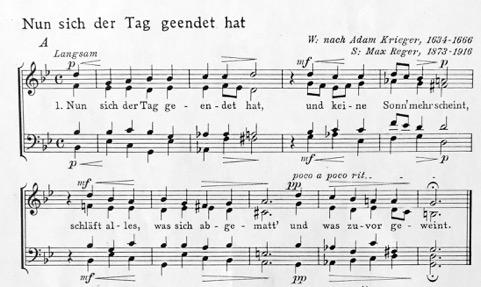
1.Nun sich der Tag geendet hat, und keine Sonne mehr scheint, schläft alles, was sich abgematt' und was zuvor geweint.
2. Nur ich, ich gehe hin und her und suche, was mich quält, ich finde nichts als ungefähr, das was mich ganz entseelt.
3.Ihr Sterne hört zwar meine Not, ihr helft mir aber nicht, denn euer Einfluß macht mich tot und blendet mein Gesicht.
4. Du Schöne bist in Schlaf gebracht und liegst in stiller Ruh; ich aber geh' die ganze Nacht und tu' kein Auge zu.
5. Erhöre doch den Seufzerwind, der durch die Fenster geht, der sagt dir, wie du mich entzünd't, und wie es mit mir steht.
6. Bist du der Ursprung meiner Pein, so such' ich bei dir Rat, durch dich kann mir geholfen sein! Ach, tu es in der Tat.
7. Indessen habe gute Nacht, du meine Lust und Pein, und wenn du morgen aufgewacht, so laß mich bei dir sein.
"Now that the Day Hath Reached Its Close"
1. Now that the day has reached its close, The sun doth shine no more, In sleep the toil-worn find repose And all who wept before.
2. But Thou, my God, dost never sleep, For Thou Thyself art Light; No darkness, howsoever deep, Can dim Thy perfect sight.
3. Therefore, O Lord, remember me Throughout the gloom of night, Protect Thou me most graciously And shield me with Thy might.
4. Keep satan's fury far from me By many an angel arm; Then shall I be from worry free And safe from every harm.
5. I know the evil I have done Doth cry aloud to Thee; But yet in mercy Thy dear Son Hath full atoned for me.
6. In Him accepted I shall be When suppliant at Thy feet, He is my Surety and my Plea Before Thy judgment-seat.
7. And so I close my weary eyes, Sweet peace within my breast, Why toss about in fears or sighs? God watches while I rest.
8. Should this night prove the last for me In this sad vale of cares, Then lead me, Lord, to dwell with Thee And all Thy chosen heirs.
9. And thus I live and die to Thee, Strong Lord of hosts indeed. In life, in death, deliver me From every fear and need.
The position of this movement has been changed several times: sometimes as the final movement of the first act, sometimes to finish the third act, sometimes as an overture - even in an instrumental version without singer and choir.
Die Position dieses Satzes hat in dieser Oper verschiedene Varianten durchlaufen: mal als Ende des 1. Aktes, mal als Ende des 3.Aktes, mal als Ouvertüre - auch in einer instrumentalen Version ohne Sänger und Chor
Text:
Henri Michaux
Qui je fus (1927)
Il y a des jours où je vois tout aplati comme sur une toile, et à distance, et qu’on me dise alors ”viens”, d’abord un personnage d’une toile parle-t-il? – et puis, attendez, attendez donc, mon l‘âme est en quenouille autour de ma colonne vertébrale, et se dérouler ne peut se faire d’un coup. Il me faut plusieurs heures.
Es gibt Tage, da sehe ich alles platt, wie aus einer Farbtube auf eine Leinwand gedrückt, und entfernt; und wenn man dann „komme“ zu mir sagt, so, dies zunächst, gibt es denn überhaupt Leinwandfiguren, die sprechen?, also wartet mal, ja so wartet doch, und dann ist meine Seele wie um meine Wirbelsäule herumgewunden, einem Knäuel gleich, und wird sich wieder auseinanderwinden, so auf einmal geht das nämlich nicht. Da brauche ich mehrere Stunden dazu.
There are days, when I see everything flat, like on canvas, and from a distance, and when someone says „come“ to me – a figure from a canvas, can he speak?well then, wait, wait a second, my soul is twisted around my spine like a ball, and will curl itself out, but it doesn’t work at once. It takes me several hours.
Music for a masked orchestra in front of a landscape painting Musik für vermummtes Orchester vor einem Landschaftsbild
The poem by Henri Michaux, which gave ist name to this instrumental composition, was a source of inspiration for the staging and never heard in the performances. The image in a way replaced the text.
Das Gedicht von Henri Michaux, nach dem dieser instrumentale Satz benannt ist, war eine Inspirationsquelle für die Inszenierung, und ist bislang in den Aufführungen nicht zu hören gewesen. Das Bild hat gewissermaßen den Text ersetzt.
Henri Michaux
Les Inachevés, in: Apparitions (1946)
The Unfinished, in: Life in the Folds, Cambridge 2016
Visage qui ne dit qui ne rit qui ne dit ni oui ni non.
Monstre Ombre.
Visage qui tend, qui va, qui passe, qui lentement vers nous bourgeonne...
Visage perdu.
Face that doesn’t speak doesn’t laugh that says neither yes nor no. Monster. Shadow. Face that stretches, that goes, that flows, that slowly to us buds . . . Lost face.
Gesicht, das nicht spricht das nicht lacht das weder ja noch nein sagt
Monster
Schatten
Gesicht das sich streckt das geht das vorbeigeht. das langsam zu uns ausschlägt
Verlorenes Gesicht
You find an alternative instrumentation in the annex, which follows track 8 of the Radio-Opera-edit (CD1)
Eine alternative Instrumentierung, die dem 8. Track der SWR-Opernfassung (CD 1) entspricht, findet sich im Annex.
Text:
François Fénelon
Dialogue des morts, Leonard de Vinci et Nicolas Poussin, Paris 1718
Dialog der Toten, Dialogues of the Dead
Poussin: Représentez-vous un rocher qui est dans la coté gauche du tableau. De ce rocher tombe une source d’eau pure et claire qui, après avoir fait quelques petits bouillons dans sa chute, s’enfuit au travers de la campagne. Un homme qui était venu pour puiser de cette eau, est saisi par un serpent monstrueux. Le serpent se lie autour de son corps, et entrelace ses bras et ses jambes par plusieurs tours, le serre l’empoisonne de son venin, et l’étouffe. Cet homme est déjà mort. Il est étendu. On voit la pesanteur et la roideur de tous ses membres. Sa chair est déjà livide. Son visage affreux représente une mort cruelle.
da Vinci: Si vous ne nous présentez point d’autre objet, voilà un tableau bien triste.
Poussin: Vous allez voir quelque chose qui augmente encore cette tristesse. C’est un autre homme qui s’avance vers la fontaine: il aperçoit le serpent autour de l’homme mort. Il s’arrête soudainement. Un de ses pieds demeure suspendu. Il lève un bras en haut, l’autre tombe en bas. Mais les deux mains s’ouvrent; elles marquent la surprise et l’horreur.
da Vinci: Ce second objet, quoique triste, ne laisse pas d’animer le tableau, et de faire un certain plaisir semblable à ceux que goûtaient les spectateurs de ces anciennes tragédies où tout inspirait la terreur et la pitié; mais nous verrons bientôt si vous avez...
Poussin: Stellen Sie sich einen Felsen vor, der sich auf der linken Seite des Gemäldes befindet. Aus diesem Felsen entspringt eine Quelle mit reinem und klarem Wasser, die die Ebene durchquerend entflieht. Ein Mann, der gekommen war, um von diesem Wasser zu schöpfen, ist von einer riesigen Schlange ergriffen worden. Die Schlange ist um seinen Körper gewunden und mit seinen Armen und Beinen vielfach verschlungen. Die Schlange hat ihn mit ihrem Gift betäubt und erstickt. Der Mann ist bereits tot. Er liegt ausgestreckt. Sein Körper ist schon leichenblaß. Sein schreckliches Gesicht deutet auf einen grausamen Tod.
da Vinci: Wenn Sie uns keinen anderen Ausschnitt beschreiben wollen, ist das ein ziemlich trauriges Gemälde.
Poussin: Sie werden Dinge sehen, die diese Traurigkeit durchaus vergrößern werden. Da ist ein anderer Mann, der sich der Quelle nähert: er sieht die um den toten Mann gewundene Schlange. Er hält plötzlich an. Einer seiner Füße verharrt in der Schwebe. Er hebt einen Arm, den anderen lässt er fallen. Die beiden Hände öffnen sich jedoch und kennzeichnen die Überraschung und den Schrecken.
da Vinci: Dieses zweite Objekt, ebenso trist, belebt das Gemälde für den Betrachter nicht, sondern gibt ein gewisses Vergnügen, ähnlich dem, dass die Zuschauer jener antiken Tragödien genießen, wo alles vom Schrecken und dem Mitleid inspiriert ist; aber wir werden gleich, wenn Sie ...
Poussin: Ah, ah! Vous commencez à vous humaniser un peu; mais attendez la suite, s’il vous plaît, vous jugerez selon vos règles quand j’aurai tout dit. Là auprès est un grand chemin, sur le bord duquel paraît une femme qui voit l’homme effrayé, mais qui ne saurait voir l’homme mort, parce qu’elle est dans un enfoncement, et que le terrain fait une espèce de rideau entre elle et la fontaine. La vue de cet homme effrayé fait en elle un contrecoup de terreur. Ces deux frayeurs sont, comme on dit, ce que les douleurs doivent être, les grandes se taisent, les petites se plaignent. La frayeur de cet homme le rend immobile. Celle de cette femme, qui est moindre, est plus marquée par la grimasse de son visage. On voit en elle une peur de femme, qui ne peut rien retenir, qui exprime toute son alarme, qui se laisse aller à ce qu’elle sent; elle tombe assise, elle laisse tomber et oublie ce qu’elle porte; elle tend les bras et semble crier. N’est-il pas vrais que ces divers degrés de crainte et de surprise font une espèce de jeu qui touche et qui plaît?
da Vinci: J’en conviens. Mais qu’est-ce que ce dessin? Est-ce une histoire? Je ne la connais pas. C’est plutôt un caprice.
Poussin: C’est un caprice. Ce genre d’ouvrage nous sied fort bien, pourvu que le caprice soit réglé, et qu’il ne s’écarte en rien de la vraie nature. Sur le devant du tableau, les figures sont toutes tragiques. Mais dans ce fond tout est paisible, doux et riant.
da Vinci: Le côté gauche de votre tableau me donne de la curiosité de voir le côté droit.
Poussin: C’est un petit coteau qui vient en pente insensible jusques au bord de la rivière
da Vinci: Etn le ciel, comment l’avez-vous fait?
Poussin: Il est d’un bel azur, mêlé de nuages clairs qui semblent être d’or et d’argent.
da Vinci: Qu’y a-t-il dans le milieu de ce tableau au-delà de cette rivière?
Poussin: Une ville don’t j’ai déjà parlé. On voit de vieilles tours, des créneaux, de grands édifices, et une confusion de maisons dans une ombre très forte. Les montagnes, de figure bizarre, varient l’horizon, en sorte que les yeux sont contents.
Poussin: Ah, ah! Sie werden langsam ein bisschen menschlicher; aber beachten Sie bitte das Folgende, dann werden Sie nach Ihren Regeln urteilen können, wenn ich alles beschrieben habe. Dort angrenzend ist ein breiter Weg, an dessen Rand eine Frau erscheint, die diesen Mann erschreckt ansieht, während sie den Toten nicht sehen kann, weil er in einer Vertiefung liegt, und das Gelände eine Art Vorhang zwischen ihr und der Quelle bildet. Der Blick des erschrockenen Mannes ruft in ihr den Widerschein des Schreckens hervor. Diese beiden Schrecken sind, wie man sagt, dass Leiden sein sollen: die großen lassen verstummen, die kleinen klagen. Die Angst des Mannes hält ihn unbewegt. Die der Frau, deren Angst geringer ist, ist mehr durch ihren Gesichtsausdruck gekennzeichnet. Man sieht in ihr die Angst einer Frau, die nichts zurückhalten kann, die all ihre Unruhe zeigt, die sich ihren Gefühlen überläßt; sie fällt auf die Knie und verliert was sie trägt; sie breitet die Arme aus und scheint zu schreien. Nicht wahr, diese verschiedenen Grade der Furcht und Überraschung ergeben eine Art Spiel, das berührt und gefällt?
da Vinci: Ich gebe es zu. Aber was ist das für ein Bild? Ist das eine Historie? Ich kenne sie nicht. Es ist eher ein Einfall.
Poussin: Es ist ein Capriccio. Diese Gattung der Arbeit steht uns wohl an, vorausgesetzt, das der Einfall Regeln folgt und sich nicht von der wahren Natur entfernt. Im Vordergrund des Gemäldes sind die Figuren alle tragisch. Aber im Hintergrund ist alles friedlich, sanft und freundlich.
da Vinci: Die linke Seite Ihres Gemäldes macht mich neugierig die rechte zu sehen.
Poussin: Da ist eine kleine Anhöhe, die in einem unmerklichen Abhang zum Ufer des Flusses hinabfällt.
da Vinci: Und den Himmel, wie haben Sie den gemacht?
Poussin: Mit einem schönen Azurblau, gemischt mit hellen Wölkchen, die golden und silbern schimmern.
da Vinci: Was ist denn in der Mitte des Gemäldes, jenseits des Flusses?
Poussin: Die Stadt, von der ich schon gesprochen habe. Man sieht alte Türme, Zinnen, große Gebäude und eine Zusammenballung von Häusern in einem starken Schatten. Die Berge, von sonderbarer Gestalt, verändern auf eine das Auge zufriedenstellende Art den Horizont.
Poussin: Imagine a rock on the left side of the picture: from this rock falls a pure bright spring, which, after sparkling a little in its fall, runs off across the country. A man, coming to draw water at the spring, is seized by a large serpent. The serpent winds round his body, and twines several times round his arms and legs, presses him, poisons and strangles him. The man is dead; he is stretched out. The weight and stiffness of his limbs is seen. His flesh is already livid. His face of horror expresses a cruel death.
da Vinci: If you introduce no other object, this is but a melancholy picture.
Poussin: But you will find in it something more melancholy still. Another man advances towards the fountain ; he perceives the serpent round the dead man. He stops suddenly. One of his feet remains suspended. He raises one arm, the other falls. But the two hands are spread, they mark surprise and horror.
da Vinci: This second object, although melancholy, fails not to animate the picture, and to give a certain pleasure, like that felt by the spectators of those ancient tragedies, where every thing inspired terror and pity: but we shall soon see if you …
Poussin: Ah, ah! you begin to be a little softened: but wait for the rest if you please. Close by there is a high road, on the side of which there is a woman, who sees the terrified man, but who cannot see the dead man, because she is in a hollow and the ground makes a sort of a screen between her and the spring. The sight of the frightened man causes in her a counterstroke of fear. These two expressions of alarm are, as one may say, what griefs ought to be; the greater are silent, the lesser complain. The terror of the man makes him motionless. That of the woman, which is less, is more marked by distortion of her face. In her you see a woman’s fear, who can contain nothing; who expresses all her alarm, and gives way to all her feels; she falls, and let’s fall and forgets what she was carrying. She extents her arms, and seems to cry out. Do not the various degrees of fear and surprise make a kind of play that touches and gives pleasure?
da Vinci: I acknowledge it. But what is the design ? — is it history ? I don’t know it. It is rather a caprice.
Poussin: It is a caprice. This kind of composition succeeds very well, provided the fancy by regulated, and that it does not depart from the truth of nature. In the foreground all the figures are tragic. But behind all is peaceful, soft, and gay.
da Vinci: The left side of your picture makes me curious to see the right side.
Poussin: There is a little hill, sloping down insensibly to the river.
da Vinci: But that sky, how have you managed it?
Poussin: It is a fine blue, mixed with bright clouds, that look like gold and silver.
da Vinci: What is there in the middle of the picture, beyond the river?
Poussin: A town which I have already mentioned. There are old towers, battlements, large buildings, and a confusion of houses in strong shadow; which relieves certain parts. The mountains, of irregular shapes, vary the horizon, so that the eye is satisfied.
/
Poussin:
Représentez-vousunrocherquiestdanslacotégauchedutableau. Decerochertombeunesourced’eaupureetclairequi, aprèsavoirfaitquelquespetitsbouillonsdanssachute, s’enfuitautraversdelacampagne. Unhommequiétaitvenupourpuiserdecetteeau, estsaisiparunserpentmonstrueux. Leserpentselieautourdesoncorps,etentrelacesesbras etsesjambesparplusieurstours, leserrel’empoisonnedesonvenin,etl’étouffe. Cethommeestdéjàmort.Ilestétendu. Onvoitlapesanteuretlaroideurdetoussesmembres. Sachairestdéjàlivide. Sonvisageaffreuxreprésenteunemortcruelle.
daVinci: Sivousnenousprésentezpointd’autreobjet,voilàuntableaubientriste.
Poussin: ilaperçoitleserpentautourdel’hommemort. Ils’arrêtesoudainement.Undesespiedsdemeuresuspendu. Illèveunbrasenhaut,l’autretombeenbas. Maislesdeuxmainss’ouvrent; ellesmarquentlasurpriseetl’horreur.
daVinci: Cesecondobjet,quoiquetriste, nelaissepasd’animerletableau, etdefaireuncertainplaisirsemblableàceux quegoûtaientlesspectateurs decesanciennestragédiesoùtoutinspiraitlaterreuretlapitié; maisnousverronsbientôtsivousavez...
Voices: Poussin daVinci
/ Ah,ah! Poussin: Vouscommencezàvoushumaniserunpeu; maisattendez
Voices: Poussin daVinci
/ lasuite,s'ilvousplait, vousjugerezselonvosrègles quandj'auraitoutdit. Là auprès
&
12 & ? / estungrandchemin surbord duquelparaîtunefemme quivoitl'homme
? & ? / effrayé, maisquinesauraitvoirl'hommemort, parcequ'elle estdansunenfoncement, etqueleterrainfaitune & & B ? ?
Voices: Poussin daVinci
/ espècederideauentreelleetlafontaine. Lavuedecethommeeffrayéfaitenelleuncontrecoupdeterreur.
Cesdeuxfrayeurssont, commeondit, cequelesdouleurs doiventêtre, & & B ? ?
/ lesgrandes setaisent lespetites seplaignent. Lafrayeurdecethomme
/ lerendimmobile. Celledecettefemme quiestmoindre, estplusmarquéeparlagrimassedesonvisage.
elletombeassise, ellelaissetomber etoubliecequ'elleporte; elletendlesbras
& B ? ? / etsemblecrier. N'est-ilpasvraisque quecesdiversdegrésdecrainteetdesurprise
/ fontuneespècedejeuquitoucheetquiplait?
DaVinci:
J’enconviens.Maisqu’est-cequecedessin?Est-ceunehistoire?Jenelaconnaispas.C’estplutôtuncaprice.
/ Poussin: C’estuncaprice.Cegenred’ouvragenoussiedfortbien,pourvuquelecapricesoitréglé,etqu’ilnes’écarteenriendelavraienature.
/ Surledevantdutableau,lesfiguressonttoutestragiques.Maisdanscefondtoutestpaisible,douxetriant.
Poussin: C’estunpetitcoteauquivientenpenteinsensiblejusquesauborddelarivière
/ DaVinci: Lecôtégauchedevotretableaumedonnedelacuriositédevoirlecôtédroit.
DaVinci:
/ Etnleciel,commentl’avez-vousfait?
Poussin:
Ilestd’unbelazur,mêlédenuagesclairsquisemblentêtred’oretd’argent.
Qu’ya-t-ildanslemilieudecetableau au-delàdecetterivière? /
Poussin:
Unevilledon’tj’aidéjàparlé.
Onvoitdevieillestours,descréneaux,degrandsédifices,etuneconfusiondemaisonsdansuneombretrèsforte. Lesmontagnes,defigurebizarre,varientl’horizon,ensortequelesyeuxsontcontents.
The poem by Henri Michaux inspired the first staging to a repetitiv training in a ‚dance school for men’; one of the dancers spoke the text to the simple pattern of a rhythm machine (Sample: tension). The version for choir has never been performed yet, but its tempo is identical with the sample of the rhythm machine.
On the acoustic stage of the Radio-edit and CD this text finishes the sounds of Temple 1 at the end oft he third act.
Das Gedicht von Henri Michaux inspirierte die Inszenierung der Uraufführung zu den repetitiven Versuchen einer‚Tanzschule für Männer’, einer der Tänzer sprach den Text - begleitet von den einfachen Pattern einer Rhythmusmaschine. Die Chorfassung wurde bislang nicht aufgeführt, ihr Tempo ist identisch mit dem Sample der Rhythmusmaschine (Sample: tension).
Auf der akustischen Bühne der Radio- und CD-Version beschließt dieser Text die Klänge von Temple I am Ende des 3.Aktes.
Text:
Henri Michaux
Et c'est toujours, in: La vie dans les plies, 1949
And it’s still, in: Life in the Folds, Cambridge 2016
Et c’est toujours le percement par la lance l’essaim de guêpes qui fond sur l’oeil la lèpre et c’est toujours le flanc ouvert
et c’est toujours l’enseveli vivant et c’est toujours le tabernacle brisé le bras faible comme un cil qui lutte contre le fleuve et c’est toujours la nuit qui revient l’espace vide mais qui guette
et c’est toujours la vieille sangle et c’est toujours l’enseveli vivant et c’est toujours le balcon écroulé. Le nerf pincé au fond du coeur qui se souvient l’oiseau-baobab qui fouaille le cerveau le torrent où l’être se précipite
et c’est toujours la rencontre dans l’orage et c’est toujours le bord de l’éclipse et c’est toujours derrière la palissade des cellules l’horizon qui recule, qui recule...
And it’s still the piercing of the lance the swarm of wasps swooping into the eye the leper and it’s still the open flank
Und es ist immer der Stich mit der Lanze der Wespenschwarm, der auf dem Auge den Aussatz verursacht
Und es ist immer die offene Flanke
Und es ist immer der lebendig Begrabene
and it’s still the one buried alive and it’s still the broken tabernacle the arm as weak as an eyelash fighting the flood and it’s still the night returning the space empty but watching and it’s still the old strap and it’s still the one buried alive and it’s still the collapsed balcony. The pinched nerve in the depth of the heart remembering the baobab—bird whipping the brain the torrent into which being hurls itself and it’s still the encounter in the storm and it’s still the edge of the eclipse and it’s still behind the palisade of cells the horizon receding, receding. . .
Und es ist immer das zerschlagene Tabernakel der Arm, schwach wie eine Wimper, kämpfend gegen den Fluß
Und es ist immer die Nacht, die zurückkehrt, der leere Raum, aber lauernd
Und es ist immer der alte Gurt
Und es ist immer der lebendig Begrabene
Und es ist immer der eingestürzte Balkon der eingeklemmte Nerv auf dem Grunde des Herzens, das sich erinnert der fette Riesenvogel, der das Gehirn geißelt der Strom, den das Sein hinabstürzt
Und es ist immer die Begegnung im Sturm
Und es ist immer der Rand der Finsternis
Und es ist immer hinter der Palisade der Zellen der Horizont der zurückweicht, der zurückweicht
Darkening. A rococo tableau. A long table is being installed, and everybody takes a seat. You find an alternative version of 19th century (without Abendmahl) in the annex, titled „Every Night“ Verdunkelung. Ein Rokoko-Tableau. Ein langer Tisch wird installiert, an dem sich alle einfinden. Eine alternative Version von 19th Century (ohne Abendmahl) findet sich im Annex, unter dem Titel „Every Night“.
Text:
Gertrude Stein
Wars I Have Seen, 1945
Kriege die ich gesehen habe, Frankfurt am Main 1984 / Guerres que j’ai vues
There was nothing more interesting in the nineteenth century than little by little realizing the detail of natural selection in insects flowers and birds and butterflies and comparing things and animals and noticing protective colouring nothing more interesting, and this made the nineteenth century what it is, the white man's burden, the gradual domination of the globe as piece by piece it became known and became all of a piece, and the hope of Esperanto or a universal language.
Here we can see every night when the moon is bright In the nineteenth century, there was reading, there was evolution, there were war and anti-war which were the same thing, and there was eating. Even now I always resent when in a book they say they sat down to a hearty meal and they do not tell just what it was they ate.
Here we can see every night when the moon is bright and even when it is not, we cannot see them but we hear them, they hum and then from time to time they drop a light and they give us all a very great deal of delight. And why. Because they are going to drop bombs on the Italians. Anybody can like an Italian but just the same we can have a great deal of pleasure in hearing all these airplanes hum and see them drop lights on their way to bomb Italians. Why we all say do they not give in. Not so exciting perhaps but more useful, useful that is if you want to go on living in a country has not been overwhelmed by destruction.
Here we can see every night when the moon is bright Last night just before the airplanes came there was a complete eclipse of the moon, the shadow of the earth fell on the moon, none too soon and then slowly it passed away, it was very nice, but none of the newspapers and none of the radios mentioned it. Eclipses are an amusement for peace-time and yet all the same said my neighbour, she is a country-woman, it makes one think of all those worlds turning around and around. Yes I said it is more terrifying even than war. Yes she said. And it was twelve o'clock at night and the moon was shining bright again and we went to bed and a little after we heard the airplanes humming and we saw the lights dropping and then we shut out the moonlight and then we were sleeping. All this is an introduction to the nineteenth century feeling about science.
Stars are not really more than just what they look like. If they are then are they really realer than war. It is just that that makes the twentieth century, know what science teaches and whether it is or whether it is not what science teaches, since war is really and therefore it is what it is, that is everybody gets to meet anybody friends and enemies we have then now enemies in the house and in the barn, and it does not make any difference about the stars and it does not make any difference about war, only really it does make a difference about war seeing the trains pass with the enemy on them yes it does, but the stars whether they are what they look like or what science teaches, does it make any difference and anybody can answer that it does not.
Leonardo Notate zu ‚Das Abendmahl’, 1508
The Last Supper, in: The Notebooks of Leonardo da Vinci
Ein anderer trank, ein anderer ließ den Becher und ein anderer wandte seinen Kopf. Ein anderer schiebt die Finger seiner Hände ineinander, Ein anderer hat sie geöffnet, und ein anderer zeigt die Innenflächen, ein anderer zieht die Schultern hoch, und ein anderer öffnet staunend seinen Mund. Ein anderer sagt seinem Nachbarn ins Ohr, und ein anderer hört ihm zu, ein anderer beugt sich zu ihm hin, zugleich hält ein anderer ein Messer und ein anderer das Brot, Noch ein anderer schüttet mit der Hand einen Becher vom Tisch, während ein anderer sich umdreht.
Ein anderer schaut. Ein anderer bläst auf sein Essen. Noch ein anderer beugt sich nach vorne, und ein anderer hält sich die Hand vor die Augen. Noch ein anderer neigt sich hinter den, und ein anderer schaut auf den Sprechenden.
One who was drinking and has left the glass in its position and turned his head towards the speaker. Another, twisting the fingers of his hands together turns with stern brows to his companion. Another with his hands spread open shows the palms, and shrugs his shoulders up his ears making a mouth of astonishment. Another speaks into his neighbor's ear and he, as he listens to him, turns towards him to lend an ear, while he holds a knife in one hand, and in the other the loaf half cut through by the knife. Another who has turned, holding a knife in his hand, upsets with his hand a glass on the table. Another lays his hand on the table and is looking. Another blows his mouthful. Another leans forward to see the speaker shading his eyes with his hand. Another draws back behind the one who leans forward, and sees the speaker between the wall and the man who is leaning.
Ici on voit toutes les nuits, quand la lune luit
Il n’y a rien eu de plus intéressant au dix-neuvième siècle que de comprendre petit à petit les détails de la sélection naturelle chez les insectes les fleurs et les oiseaux et les papillons et de comparer les choses et les animaux et d’observer les phénomènes de mimétisme rien de plus intéressant, et c’est ce qui a fait du dix-neuvième siècle ce qu’il est, le fardeau de l’homme blanc, la domination progressive de la planète au fur et à mesure qu’on la découvrait morceau par morceau et qu’elle ne faisait plus qu’un morceau, et l’espoir de l’Espéranto ou d’une langue universelle. Ici on voit toutes les nuits, quand la lune luit
Au dix-neuvième siècle, il y avait la lecture, il y avait l’évolution, il y avait la guerre et l’anti-guerre qui étaient la même chose, et il y avait ce qu’on mangeait. Maintenant encore c’est une chose que je déteste dans les livres quand ils disent ils s’assirent devant un repas copieux sans nous dire exactement ce qu’ils mangeaient. Au dix-neuvième siècle ça se faisait souvent. Et de nos jours 1943 lorsqu’on mange bien en fait c’est comme la prohibition on est si sûr qu’on ne mangera plus jamais qu’on n’est pas gourmand mais on mange tout bon de nos jours on pourrait penser qu’on n’aurait pas spécialement de plaisir à savoir ce que mangeaient les personnages de roman quand ils mangeaient, mais en fait si, énormément,
Ici on voit toutes les nuits, quand la lune luit et même quand elle ne luit pas, on ne les voit pas mais on les entend, ils bourdonnent et puis de temps en temps ils laissent tomber une bombe éclairante et ils nous font à tous une joie délirante. Et pourquoi. Parce qu’ils vont larguer des bombes sur les italiens. Tout le monde peut aimer les italiens mais quand même on peut avoir un plaisir fou à entendre tous ces avions bourdonner et à les voir lâcher des bombes éclairantes en chemin quand ils vont bombarder les italiens. Pourquoi on se dit tous refusent-ils de céder. Moins passionnant peut-être mais plus utile, c’est-à-dire utile si on veut continuer à vivre dans un pays qui n’a pas été anéanti par les destructions.
Hier soir juste avant l’arrivée des avions il y a eu une éclipse totale de la lune, l’ombre de la terre est tombée sur la lune, elle y a mis le temps et puis lentement elle est repartie, c’était très beau, mais pas un seul journal pas une seule radio n’en a parlé. Les éclipses sont un divertissement pour temps de paix et pourtant on a beau dire dit ma voisine, c’est une paysanne, ça nous fait penser à tous ces mondes qui tournicotent à l’infini. Oui je lui réponds c’est encore plus effrayant que la guerre. Oui elle me dit.
Et puis ça a été minuit et la lune s’est remise à briller et on est allé se coucher et peu après on a entendu le grondement des avions et on a vu tomber les éclairantes et après on a tiré les rideaux sur le clair de lune et après on dormait. Tout ça c’est une introduction au sentiment de la science au dix-neuvième siècle.
Es gab nichts Interessanteres im neunzehnten Jahrhundert als sich nach und nach den Einzelheiten der natürlichen Auslese bewußt zu werden bei Insekten Blumen und Vögeln und Schmetterlingen und Dinge und Tiere zu vergleichen und Schutzfärbung zu bemerken nichts Interessanteres, und das machte das neunzehnte Jahrhundert zu dem was es ist, des weißen Mannes Bürde, die allmähliche Beherrschung des Erdballs Stück für Stück bekannt wurde und ganz zu einem Stück wurde, und die Hoffnung auf Esperanto oder eine Weltsprache. Hier können wir sehen in jeder Nacht wenn der Mond lacht… Im neunzehnten Jahrhundert, da war Lesen, da war Evolution, da war Krieg und Gegenkrieg was dasselbe ist, und da war Essen. Noch jetzt verstimmt es mich immer wenn in einem Buch steht sie setzten sich zu einem herzhaften Mahl nieder und überhaupt nicht gesagt wird was sie aßen. Hier können wir sehen in jeder Nacht wenn der Mond lacht und sogar wenn er nicht lacht, wir können sie zwar nicht sehen aber wir hören sie, sie brummen und dann lassen sie ab und zu ein Licht herunterfallen und das gibt sehr viel Zuversicht, uns allen. Und warum. Weil sie im Begriff sind Bomben auf Italiener zu werfen. Jeder kann einen Italiener gern haben aber gleichwohl kann es uns sehr viel Vergnügen breiten all diese Flugzeuge brummen zu hören und zu sehen wie sie die Lichter werfen auf ihrem Weg zum Bombadieren der Italiener. Warum geben sie nicht auf sagen wir alle. Was vielleicht nicht so aufregend ist aber nützlicher, nützlich nämlich wenn man weiter in einem Land leben will das nicht durch Zerstörung überwältigt worden ist.
Les étoiles ne sont pas vraiment plus que ce dont elles ont l’air. Si elles le sont alors elles sont vraiment plus vraies que la guerre. On peut dire que c’est ça qui fait le vingtième siècle, savoir ce que la science nous apprend et si oui ou non c’est ce que la science nous apprend, car la guerre est une réalité et par conséquent elle est ce qu’elle est, c’est-à-dire que tout le monde fraye avec tout le monde amis et ennemis d’autrefois maintenant on a des ennemis dans la maison et dans la grange, et ça ne change absolument rien aux étoiles et ça ne change absolument rien à la guerre, bon enfin ça change quand même les choses pour la guerre de voir passer les trains chargés d’ennemis oui ça change, mais les étoiles qu’elles soient ce qu’elles sont ce dont elles ont l’air ou ce que la science nous apprend, est-ce que ça change quoi que ce soit et n’importe qui pourra vous dire que non.
Hier können wir sehen in jeder Nacht wenn der Mond lacht… Gestern Nacht gerade bevor die Flugzeuge kamen gab es eine totale Mondfinsternis, der Schatten der Erde fiel breit auf den Mond, zur rechten Zeit und dann zog er langsam vorbei, es war sehr hübsch, aber keine Zeitung und kein Radio erwähnte es. Verfinsterungen sind ein Vergnügen in Friedenszeiten, und dennoch sagte meine Nachbarin, sie ist eine Bäuerin, man denkt dabei an all die vielen Welten die sich drehen und drehen. Ja sagte ich es ist sogar noch erschreckender als Krieg. Ja sagte sie. Und es war zwölf Uhr in der Nacht und der Mond hat wieder gelacht und wir gingen zu Bett und ein wenig später hörten wir die Flugzeuge brummen und wir sahen die Lichter fallen und dann schlossen wir das Mondlicht aus und dann schliefen wir. All dies ist eine Einführung in die gefühlsmäßige Haltung des neunzehnten Jahrhunderts zur Wissenschaft. Sterne sind nicht wirklicher als sie aussehen. Wenn doch dann sind sie wirklich wirklicher als Krieg. Genau das macht das zwanzigste Jahrhundert aus, zu wissen was die Wissenschaft lehrt und ob es stimmt oder nicht stimmt was die Wissenschaft lehrt, da Krieg wirklich ist und deshalb ist was er ist, das heißt jeder mit jedem zusammentrifft, Freunde und Feinde, Feinde hatten wir jetzt im Haus und in der Scheune, und das ändert nichts an den Sternen und es ändert nichts am Krieg, nur ist der Krieg in Wirklichkeit doch anders wenn man die Züge vorbeifahren sieht mit dem Feind darin ja das ist anders, aber ob die Sterne sind wie sie aussehen oder so wie die Wissenschaft es lehrt, lindert das irgend etwas und darauf kann jeder antworten nein es ändert nichts.
Inthe19thcenturytherewasnothingmoreexcitin thanclimbingahighhilloramountainandseeing theraindrivingacrossawideplainorvalleywith thesunfollowing
Therewasnothingmoreinteresting
ininsectsflowersandbirdsandbutterfliesandcomparingthings andanimalsandnoticingprotectivecolouringnothingmoreinteresting, andthismadethenineteenthcenturywhatitis,thewhiteman'sburden, thegradualdominationoftheglobeaspiecebypieceitbecameknown andbecameallofapiece,andthehopeofEsperantoorauniversallanguage.
EvennowIalwaysresentwheninabooktheysay theysatdowntoaheartymealandtheydonottelljustwhatitwas theyate.Inthenineteenthcenturytheyoftendid.Andinthesedays 1943wheneatingwellactuallyitislikeprohibitiononeissocertain thatoneisnevergoingtoeatagainthatoneisnotgreedy butonedoeseateverythingwellinthesedaysyouwouldimagine
thatyouwouldnottakepleasureinwhatthecharactersinanovelate whentheydideat,butonedoesenormously,thatoneisnotgreedy butonedoeseateverythingwellinthesedaysyouwouldimagine thatyouwouldnottakepleasureinwhatthecharactersinanovelate whentheydideat,butonedoesenormously,
evenwhenitisnot, wecannotseethembutwehearthem,theyhumandthenfromtimetotimethey dropalightandtheygiveusallaverygreatdealofdelight.Andwhy. BecausetheyaregoingtodropbombsontheItalians.
AnybodycanlikeanItalianbutjustthesamewecanhaveagreatdealof pleasureinhearingalltheseairplaneshumandseethemdroplights ontheirwaytobombItalians. Whyweallsaydotheynotgivein.Notsoexcitingperhapsbutmoreuseful, usefulthatisifyouwanttogoonlivinginacountry hasnotbeenoverwhelmedbydestruction.
[Voc.2]
Lastnightjustbeforetheairplanescametherewasacompleteeclipseofthemoon,theshadowoftheearth fellonthemoon,nonetoosoon andthenslowlyitpassedaway,itwasverynice,butnoneofthenewspapersandnoneoftheradiosmentionedit.
Eclipsesareanamusementforpeace-timeandyetallthesamesaidmyneighbour, sheisacountry-woman,itmakesonethinkofallthoseworldstourningaroundandaround. YesIsaiditismoreterrifyingeventhanwar.Yesshesaid.
anditwastwelve 'oclockatnight andthemoonwasshinning - bright
andwewenttobedandalittleafterweheardtheairplaneshumming andwesawthelightsdroppingandthenweshutoutthemoonlight andthenweweresleeping.Allthisisanintroductionto thenineteenthcenturyfeelingaboutscience.
[Voc.1]
Starsarenotreallymorethanjustwhattheylooklike. Iftheyarethenaretheyreallyrealerthanwar. Itisjustthatthatmakesthetwentiethcentury, knowwhatscienceteachesandwhetheritisorwhetheritisnotwhatscienceteaches, sincewarisreallyandthereforeitiswhatitis,thatiseverybodygetstomeetanybodyfriends andenemieswehavethennowenemiesinthehouseandinthebarn,
[Voc.1]anditdoesnotmakeanydifferenceaboutthestarsanditdoesnotmakeanydifferenceaboutwar, onlyreallyitdoesmakeadifferenceaboutwarseeingthetrainspasswiththeenemyonthemyesitdoes, butthestarswhethertheyarewhattheylooklikeorwhatscienceteaches, doesitmakeanydifferenceandanybodycananswerthatitdoesnot.
Text:
Henri Michaux
Les travaux de Sisyphe, in: Apparitions (1946)
The Labors of Sisyphus, in: Life in the Folds, Cambridge 2016
La nuit est un grand espace cubique. Résistant. Extrêmement résistant. Entassement des murs et en tous sens, qui vous limitent, qui veulent vous limiter. Ce qu’il ne faut pas accepter. Moi, je n’en sort pas. Que d’obstacles pourtant j’ai déjà renversés.
Que des murs bousculés. Mais il en reste. Oh! Pour ça, il en reste. En ce moment je fais surtout la guerre des plafonds. Les voûtes dures qui se forment au-dessus de moi, car il s’en présente, je les martèle, je les pilonne, je les fais sauter, éclater, crever, il s’en trouve toujours d’autres par derrière. De mon énorme marteau jamais fatigué, je leur assène des coups à assomer un mammouth s’il s’en trouvait encore un . . . et là.
Mais il ne s’y rencontre que voûtes, voûtes têtues, cependant qu’il faut qu’elles se brisent et s’abattent. Il s’agit ensuite de désencombrer ce lieu conquis des débris qui masquent ce qui vient au delà, que je ne devine d’ailleurs que trop, car il m’est évident qu’il y a encore une voûte plus loin, plus haute, qu’il faudra abattre aussi.
Ce qui est dur sous moi, ne me gêne pas moins, obstacle que je ne puis, que je ne dois supporter, matière du même immense bloc détesté où j’ai été mis à vivre.
A coup de pic, je l’éventre, puis j’éventre le suivant. De cave en cave, je descends toujours, crevant les voûtes, arrachant les étais.
Je descends imperturbable, infatigué par découverte de caves sans fin dont il y a un nombre que depuis longtemps j’ai cessé de compter, je creuse, je creuse toujours jusqu’à ce que, un travail immense fait, je sois obligé de remonter pour me rendre compte de la direction suivie, car on finit par creuser en colimaçon. Mais arrivé là-haute, je suis pressé de redescendre, appelé par l’immensité des reduits à défoncer qui m’attendent. Je descends sans faire attention à rien, en enjambées de géant, je descends des marches comme celles des siècles – et enfin, au delà des marches, je me précipite dans le gouffre de mes fouilles, plus vite, plus vite, plus désordonnément, jusqu’à buter sur l’obstacle final, momentanément final, et je me remets à déblayer avec une fureur nouvelle, à déblayer, à déblayer, creusant dans la masse des murs qui n’en finissent pas et qui m’empêchent de partir du bon pied. Mais la situation un jour, se présentera différente, peut-être.
Die Nacht ist ein großer kubischer Raum. Widerstandsfähig. Äußerst widerstandsfähig. Aufstau von Mauern in allen Richtungen, die dir Grenzen setzten, Grenzen setzten wollen. Was nicht akzeptiert werden darf. Ich aber, ich komme darüber nicht hinaus. Wieviele Hindernisse habe ich trotzdem schon umgestürzt. Wieviele Mauern zu Boden geworfen. Aber es bleiben noch welche. O trotzdem, es bleiben immer noch welche. Gegenwärtig führe ich vor allem Krieg gegen die Deckengewölbe.
Die harten Wölbungen, die sich über mir bilden, denn daran fehlt es nicht, bearbeite ich mit dem Hammer, bearbeite ich mit dem Stößel, ich lasse sie zerspringen, aufplatzen, auseinanderbrechen, dahinter finden sich immer andre.
Mit Spitzhackhieben reiße ich den Boden auf, dann reiße ich den nächstfolgenden auf.
Von Keller zu Keller steige ich hinab und immer wieder hinab, zersprenge die Wölbungen, reiße die Stützen heraus. Unerschütterlich steige ich hinab, nicht zu ermüden durch die Entdeckung von Kellern ohne Ende, sie folgen in einer Anzahl aufeinander, die ich seit langem zu zählen aufgehört habe, ich grabe, ich grabe immerfort weiter.
Ich steige hinab, ohne auf irgendetwas achtzugeben, mit Gigantenschritten steige ich hinab, auf Stufen, die wie Jahrhunderte sind – und schließlich, jenseits der Stufen, stürze ich mich in den Abgrund meiner Grabungen, immer schneller und schneller und immer planloser, bis ich auf ein letztes Hindernis stoße, ein momentan letztes, und ich fange an abzutragen, abzutragen, mit neuer Wut abzutragen, Gänge aushebend in der Masse der Mauern, die nicht aufhören mich zu hindern, leichten Fußes hinauszukommen. Doch vielleicht wird sich die Lage eines Tages anders darstellen.
Night is a great cubic space. Resistant. Extremely resistant. Crowding walls, and from every direction, restricting you, which try to restrict you. Which shouldn’t be accepted.
Personally, I don’t extricate myself. And yet I’ve already overcome so many obstacles.
I’ve knocked down so many walls. But more remain. Oh, for all that, more remain! At the moment, I’m waging war against ceilings in particular. ‘ The hard vaults that form over me, because they appear, I hammer at them, I pound them, I make them jump, shatter, burst, and there are always others behind, them. With my enormous, tireless hammer, I deal them blows that could fell a mammoth, if one were still to be found . . . and there. But there are only vaults, stubborn vaults, which have to be broken and battered down. Then it’s a question of clearing that conquered place of the debris that masks what comes from beyond, which foresee all too well, for that matter, because it’s obvious to me that there’s still another vault further on, higher up, that will also have to be battered down. What is hard beneath me bothers me just as much, an obstacle I cannot, I must not tolerate, of a material from the same huge hated block in which I’ve been put to live.
Through the blows of a pickaxe, I rip it up, then I rip up the next one.
I keep descending, from cellar to cellar, crushing vaults, tearing up supports.
I descend, imperturbable, unwearied by the discovery of cellars without end, so many that I stopped counting them long ago, I dig, I keep digging until, this endless job done, I’m obliged to climb back up to take account of the direction I’ve taken, for you end up digging in a spiral. But once I’m up there, I’m in a hurry to get back down, called by the vast recesses waiting for me to smash them in. I descend, paying no attention to anything, with giant strides, I descend stairs like those of the centuries —and at last, beyond the stairs, I hurl myself into the chasm of my excavations, more quickly, more quickly, more confusedly, until, stumbling on the final obstacle, the momentarily final obstacle, I start shoveling again with newfound fury, I shovel, shovel, digging into the endless mass of walls that keep me from starting off on a good foot.
But one day the situation will be different, perhaps.
jen'ensortpas.Qued'obstaclespourtantj'aidéjàrenversés. Quedesmurs
Encemomentjefaissurtoutlaguerre desplafonds.
puisjel'éventrelesuivant. Decaveencave, jedescends toujours, crevantles voûtes, arrachantlesétais. Jedescends imperturable, infatiguépar découvertedecaves
sansfindontilya unnombre quedepuislongtemps j'aicessédecompter, jecreuse, jecreusetoujours
Maisarrivélà-haute,jesuispresséderedescendre, appeléparl'immensité desreduits àdéfoncerquim'attendent. Jedescends
sansfaire attentionàrien, enenjambées degéant, jedescends desmarches commecelles dessiècles -etenfin, audelàdesmarches,jemeprécipitedans legouffredemesfouilles,
plusvite, plusvite, plusdésordonnément, jusqu'àbutersurl'obstaclefinal, momentanémentfinal, etjemeremets àdéblayer avecunefureurnouvelle,
moltocresc.
„Timeout“ with a remote ritual. On stage dervishes are whirling, following the pulse of a nagara (drum of azerbaijan). It is be recommend to involve turkish musicians with a ney-flute and other instruments (like an oud), which are characteristic for the music of the whirling dervishes in a Sufi ceremony
‚Auszeit’ mit einem uns fremden Ritual. Auf der Bühne drehen sich Derwische dem Puls einer Nagara folgend (eine Trommel aus Aserbeidschan) um die eigene Achse. Wünschenswert wäre dazu die Einbeziehung türkischer Musiker mit einer Ney-Flöte und anderer Instrumente (z.B. Oud), die für die Musik der tanzenden Derwische des Sufi Ordens charakteristisch sind.
Text:
Henri Michaux
Emplie de, in: La vie dans les plies, 1949
Full of, in: Life in the Folds, Cambridge 2016
Emplie de moi
Emplie de toi.
Emplie des voiles sans fin de vouloir obscurs. Emplie de plis.
Emplie de nuit.
Emplie des plis indéfinis, des plis de ma vigie. Emplie de pluie.
Emplie de bris, de débris, de monceaux de débris. De cris aussi, surtout de cris. Emplie d’asphyxie.
Trombe lente.
Full of me
Full of you.
Full of endless veils of obscure desires.
Full of folds.
Full of night.
Full of unlimited folds, the folds of my lookout.
Full of rain.
Full of shards, of debris, of heaps of debris.
Of cries as well, especially cries.
Full of asphyxia.
Slow torrent.
Umfaltet von mir Umfaltet von dir.
Umfaltet von den endlosen Schleiern dunklen Wollens Umfaltet von Falten.
Umfaltet von Nacht.
Umfaltet von ungewissen Falten, den Falten meines Ausgucks. Umfaltet von Regen.
Umfaltet von Brüchen, von Trümmern, von Haufen von Trümmern. Von Schreien auch, vor allem von Schreien.
Umfaltet von Ersticken. Langsamer Wolkenbruch.
This scene has been composed for a drum ensemble on stage. But the seperation of scene and sound is also possible.
Komponiert wurde diese Szene für eine Trommelgruppe auf der Bühne. Die Trennung von Szene und Klang ist aber denkbar.
Spectators form a guard of honor, a phalanx of drummers, a triumphal march
You can find a shorter and simplified version in the annex.
Ein Spalier von Zuschauern, eine Phalanx von Trommlern, ein Triumphmarsch
Eine gekürzte und vereinfachte Version findet sich im Annex.
T.S.Eliot
Triumphal March, I. Coriolan, in: ”The complete Poems and Plays”, 1952. Coriolan I. in: Gesammelte Gedichte, Frankfurt am Main, 1972.
Stone, bronze, stone, steel, stone, oakleaves, horses` heels
Over the paving.
And the flags. And the trumpets. And so many eagles. How many? Count them. And such a press of people. We hardly knew ourselves that day, or knew the City. This is the way to the temple, and we so many crowding the way.
So many waiting, how many waiting? what did it matter, on such a day?
Are they coming? No, not yet. You can see some eagles. And hear the trumpets. Here they come. Is he coming?
We can wait with our stools and our sausages. What comes first? Can you see? Tell us. It is
5,800,000 rifles and carbines, 102,000 machine guns, 28,000 trench mortars, 53,000 field and heavy guns, I cannot tell how many projectiles, mines and fuses, 13,000 aeroplanes, 24,000 aeroplane engines, 50,000 ammunition waggons, now 55,000 army waggons, 11,000 field kitchens, 1,150 field bakeries.
What a time that took. Will it be he now? No, Those are the golf club Captains, these the Scouts, And now société gymnastique de Poissy
And now come the Mayor and the Liverymen. Look:
There he is now, look:
There is no interrogation in his eyes
Or in the hands, quiet over the horse`s neck,
And the eyes watchful, waiting, perceiving, indifferent
Now they go up to the temple. Then the sacrifice. Now come the virgins bearing urns, urns containing
Dust
Dust
Dust of dust, and now
Stone, bronze, stone, steel, stone, oakleaves, horses` heels
Over the paving.
That is all we could see. But how many eagles! and how many trumpets!
(And Easter Day, we didn`t get to the country, So we took young Cyril to church. And they rang a bell
And he said right out loud, crumpets.)
Don´t throw away that sausage, It´ll come in handy. He´s artful. Please, will you
Give us a light?
Light
Light
Et les soldats faisaient la haie? ILS LA FAISAIENT.
Pierre, bronze, acier, pierre, feuilles de chêne, fers à cheval
Sur les pavés.
Et les drapeaux. Et les trompettes. Et tant d'aigles.
Combien d'aigles? Comptez-les. Et une telle masse de gens. On se reconnaissait à peine, ce jour-là, on connaissait à peine la Ville.
Voici la route vers le temple, et nous, si nombreux à bloquer la route. Si nombreux à attendre. Combien, à attendre? quelle importance, un jour pareil?
Ils arrivent? Non, pas encore. On aperçoit des aigles. Et on entend les trompettes.
Les voici qui arrivent. Et lui, il vient?
La vie éveillée de notre Ego consiste à percevoir.
Nous pouvons bien attendre, avec nos tabourets et nos saucisses.
Qu'est-ce qui vient en premier? Vous voyez? Dites-nous, Ce sont
5'800'000 carabines
102'000 mitraillettes
28'000 mortiers
53'000 pièces d'artillerie lourde
je ne saurais dire combien de projectiles, de mines et de détonateurs
13'000 avions
24'000 moteurs d'avions
50'000 chariots de munitions et maintenant 55'000 fourgons militaires
11'000 cuisines roulantes
1'150 boulangeries de campagne.
Que de temps cela a pris. Est-ce qu'à son tour il va apparaître? Non, Là-bas, on voit les capitaines du club de golf, ici les scouts,
Et voici la Société de gymnastique de Poissy
Et voici venir le maire et les corps de métiers. Regardez
Le voilà, maintenant, regardez:
Nulle interrogation dans son regard
Ni dans ses mains, tranquilles sur le cou de son cheval,
Et ses yeux, attentifs, patients, perceptifs, indifférents.
O caché sous l'aile de la colombe, caché dans le giron de la tortue
Sous le palmier à midi, sous l'eau courante
Au cœur immobile du monde qui tourne. O caché.
Maintenant ils se dirigent vers le temple. Ensuite, le sacrifice.
Voici venir les vierges qui portent des urnes, des urnes contenant
De la poussière
De la poussière
De la poussière de poussière, et maintenant
Pierre, bronze, pierre, acier, pierre, feuilles de chêne, fers à cheval
Sur les pavés.
C'est tout ce que nous avons pu voir. Mais combien d'aigles! et combien de trompettes!
(Et dimanche de Pâques, nous n'avons pas réussi à aller à la campagne,
Alors nous avons emmené le gamin à l'église. Et la cloche a sonné
Et il a dit, haut et fort, pompettes.)
Ne jette pas cette saucisse,
Elle peut encore servir. C'est un petit malin. S'il vous plaît, Auriez-vous du feu?
Du feu
Stein, Bronze, Stein, Stahl, Stein, Eichenlaub, Hufschlag Über das Pflaster.
Und dann die Fahnen. Und die Fanfaren. Und so viele Adler. Wieviele denn?
Zähle sie.
Und ein Andrang von Leuten. Wir kannten uns selber kaum mehr, damals, noch unsere Stadt. Das ist der Weg zum Tempel, und wir so zahlreich drängend auf diesem Weg.
Soviele Wartende, wieviele denn? Was sind Zahlen, an so einem Tag?
Kommen sie schon? Nein noch nicht. Seht dort die Adler. Horch! die Fanfaren. Sie kommen. Ist er unter ihnen?
Wir können warten, mit unsren Feldstühlen und unsren Würstchen. Was führt den Zug an? Seht ihrs? Sagt es uns. Hier kommen
5 800 000 Gewehre und Karabiner, 102 000 Maschinengewehre, 28 000 Minenhelfer, 53 000 Geschütze und Feldhaubitzen, Granaten, Minen und Zünder, mehr als ich zählen kann, 13 000 Flugzeuge, 24 000 Flugzeugmotoren, 50 000 Waggons Munition, und jetzt 55 000 Armeelastwagen, 11 000 Feldküchen, 1150 Feldbäckereien.
Du feu
Et les soldats faisaient la haie? ILS LA FAISAIENT.
Das hat lange gedauert. Kommt er jetzt endlich? Nein, Das hier sind die Golfklub-Kapitäne, das sind die Pfadfinder, Und jetzt kommt die société gymnastique de Poissy Und jetzt der Oberbürgermeister, die Gilden der City of London. Seht, Da ist er endlich, seht nur:
Sein Auge fragt nicht, es fragen nicht Seine Hände, ruhig über dem Pferdehals, Und die Augen wachsam, abwartend, aufmerksam, gleichmütig.
Jetzt gehen sie zum Tempel hinauf. Dann das Opfer. Jetzt kommen die Jungfrauen, Urnen im Arm, Urnen Mit Staub gefüllt, Mit Staub, Staub, aus dem Staub geworden, und jetzt Staub, Bronze, Stein, Stahl, Stein, Eichenlaub, Hufschlag Über das Pflaster.
Mehr haben wir nicht gesehen. Doch wieviele Adler! Und wievieler Fanfaren Gegleiß!
(Und am Ostersonntag fuhren wir nicht aufs Land, Dafür nahmen wir Cyril mit in die Kirche. Und als das Glöcklein klang, da rief er auf einmal ganz laut: crumpets)
Wirf dein Würstchen nicht weg, Du wirst noch froh darum sein. Er hat’s faustdick hinter den Ohren. Haben Sie Feuer, bitte?
Feuer, Licht
Licht
Et les soldats la haie? ILS LA FAISAIENT.
"Somanycrowdingtheway somanywaitinghowmanywaiting?"
The text of Henri Michaux is interrupted by an improvisation with trumpets, trombones, e-bass and drums, growing out of the last sounds of 3.1. (bar 160-200) – first powerful, later loosing intensity and fading slowly out.
Aus den letzten Klängen von 3.1. (T.160 - 202) erfolgt eine freie, zunächst kraftvolle, mit der Zeit an Intensität verlierende Improvisation mit Trompeten, Posaunen, E-Bass, Drums, in die immer wieder der Text von Henri Michaux einschneidet.
Text:
Henri Michaux
Homme-bombe, from: Liberté d’action (1945)
Man-Bomb, in : Life in the Folds (translated by Darren Jackson, 2016)
Der Bombenmensch, in: Gong bin ich, Reclam 1991.
Non, je n’ai pas d’usine, je n’ai pas d’outils. Je suis un des rares hommes-bombes. Je dis rares, car s’il en est d’autres, que ne l’ont-ils déclaré un jour? Il est vrai, il demeure possible qu’il y en ait eu. Nous sommes obligés à quelque prudence.
”Eclater, ça peut être dangereux, un jour”, pense le public. Après tuer, les caresses. ”Qu’il dit, pense le public, mais s’il demeure dans le tuer, s’il enfonce dans le tuer, s’il réalise enfin le tuer” et le public, toujours magistrat en son âme simple, s’apprête à nous faire condamner.
Mais il est temps de me taire. J’en ai trop dit. A écrire on s’expose décidément à l’excès.
Un mot de plus, je culbutais dans la vérité.
D’ailleurs je ne tue plus. Tout lasse. Encore une époque de ma vie de finie. Maintenant, je vais peindre, c’est beau les couleurs, quand ça sort du tube, et parfois encore quelque temps après. C’est comme du sang.
No, I've no factory, no tools. I'm one of those rare man-bombs.
I say rare because if there are others why haven't they made themselves known? True, there may well have been others. We have to exercise some caution.
"Exploding could get dangerous some day," thinks the public.
After killing, caresses. "So he says," thinks the public, "but if he remains in the slaughter, if he sinks into the slaughter, if it moves him finally to slaughter," and the public, always the judge in its simple soul, is ready to condemn us.
But it's time for me to stop talking. I've said too much.
Writing obviously leaves us much too exposed. One word more and I'd tumble into truth.
Anyway, I've stopped slaughtering. Tired of it. One more period of my life that's over. Now, I'm going to paint, they're beautiful, colors, when they come out of the tube, and sometimes, even for a while after. It's like blood.
Nein, eine Fabrik habe ich nicht, nein, auch keine Werkzeuge. Ich bin einer der seltenen Bombenmenschen.
Selten, den gäbe es andere, warum hätten sie sich nicht eines Tages zu erkennen gegeben? Allerdings besteht die Möglichkeit, daß es welche gegeben haben könnte. Sind wir doch zu einiger Vorsicht gezwungen.
"Explodieren, das kann eines Tages gefährlich werden" denken die Leute....
Aber es ist höchste Zeit, daß ich schweige. Ich habe schon zuviel gesagt.
Beim Schreiben exponiert man sich entschieden über jedes Maß hinaus.
Ein Wort mehr, und ich wäre kopfüber in die Wahrheit gestützt. Übrigens töte ich gar nicht mehr. Man hat alles einmal satt. Wieder eine Epoche meines Lebens abgeschlossen. Jetzt werde ich malen, Farben sind etwas Schönes, wenn das so aus der Tube kommt, und manchmal auch noch eine Weile danach. Es sieht wie Blut aus.
Text:
Leonardo da Vinci
I manoscritti di Leonardo da Vinci, 1492.
Leonardo da Vinci: Schriften, S.187ff. / Comme on doit représenter une bataille /
The way of representing a battle, in: Complete Works
Wie eine Schlacht darzustellen ist. Zuerst wirst du den Rauch der Artillerie machen, der sich in der Luft mit dem von der Bewegung der Pferde und der Kämpfenden aufgewirbelten Staub vermischt; diese Mischung wird dann so aussehen: der Staub hat ja, da er zur Erde gehört, ein Gewicht, und obwohl er sich wegen seiner Feinheit leicht erhebt und mit der Luft vermengt, kehrt er doch immer wieder gern auf den Erdboden zurück, der Rauch wird eine bläuliche Farbe annehmen und der Staub wird zu seiner eigenen Farbe neigen. Je tiefer die Kämpfenden in diesem Gewölk stecken, desto weniger wird man sie sehen und desto weniger werden sich ihre hellen und dunklen Stellen voneinander unterscheiden. Die Gesichter und die Gestalten und ihr Aussehen, wirst du rötlich malen. Die Luft sei voller Pfeile, die in verschiedenen Richtungen fliegen: der eine aufwärts, der andere abwärts, der in gerader Linie, und hinter den Geschossen soll ein wenig Rauch fliegen. Du wirst auch ein Pferd machen, das seinen Reiter tot hinter sich herschleift, und dahinter die Spur des durch Staub und Schlamm geschleiften Leichnams. Zu Füßen der Kämpfer mache Waffen aller Arten: zerbrochene Schilde, Lanzen, Schwerter und ähnliches. Tote wirst du machen, einige halb mit Staub bedeckt, andere ganz. Die Besiegten mache blaß mit hochgezogenen Augenbrauen, und die Haut darüber sei schmerzlich gekraust. Die hoch gewölbten Lippen sollen die oberen Zähne freigeben, die Zähne so verteilt sein, daß ein Wehgeschrei entsteht; Dann mache noch andere, die mit weit aufgerissenem Mund schreiend fliehen. Andere sollen sterbend die Zähne zusammenbeißen, die Augen rollen, sich die Fäuste an den Leib drücken und die Beine verdrehen. Man könnte auch viele Männer sehen, die alle zusammen über ein totes Pferd gefallen sind.
Auch einige Sieger
Und mache keinen ebenen Ort außer den mit Blut gefüllten Fußstapfen.
Chor:
et ne faire aucun endroit plat, si ce n’est les traces des pas remplies de sang
The way of representing a battle. First you must represent the smoke of artillery mingling in the air with the dust tossed up by the movement of horses and the combatants. And this mixture you must express thus: The dust, being a thing of earth, has weight; and although from its fineness it is easily tossed up and mingles with the air, it nevertheless readily falls again. The smoke will assume a bluish tinge and the dust will tend to its colour. The more the combatants are in this turmoil the less will they be seen, and the less contrast will there be in their lights and shadows. Their faces and figures and their appearance you must redden. The air must be full of arrows in every direction, some shooting upwards, some flying level. The balls from the guns must have a train of smoke following their flight. Make also a horse dragging the dead body of his master, and leaving behind him, in the dust and mud, the track where the body was along.
You must scatter arms of all sorts among the feet of the combatants, as broken shields, lances, broken swords, and other such objects. And you must make the dead partly or entirely covered with dust.
You must make the conquered and beaten pale, their brows raised and knit and the skin above their brows furrowed with pain, and the lips arched upwards and discovering the upper teeth; and the teeth apart as with erying out in lamentation. Others represent shouting with their mouths open, and running away.
Others must be represented in the agonies of death grinding their teeth, rolling their eyes, with their fists clenched against their bodies and their legs contorted. Their, again, might be seen a number of men fallen in a heap over a dead horse. You would see some of the victors.
And there must not be a level spot that is not trampled with gore.
Comme on doit représenter une bataille. Vous peindrez premièrement la fumée de l'artillerie mêlée confusément parmi l'air avec la poussière que font les chevaux des combattans, lequel mêlange vous exprimerez ainsi: La poussière est une chose terrêtre & pesante, & bien qu'étant fort menue elle soit facilement éleuée en l'air, neanmoins elle retombe naturellement, & il n'y a que le plus subtil qui demeure quelque temps mêlé dans l'air: la poussière, & la fumée paraîtra d'une couleur un peu azurée & bleüastre, mais la poussière conservera son coloris naturel du côté du jour; Plus les combattans seront mêlez parmi ce brouillard, moins on les pourra discerner, & moins encore la difference de leurs lumières d'avec les ombres. Vous allumerez d'une couleur rouge les visages, les personnes; que l'air soit rempli d'éclairs de plusieurs manières, que l'un tire en haut & l'autre retombe en bas, les uns soient portez en ligne droitte, que les balles des arquebuzes laissent apres elles une traisnée de fumée. Vous ferez encore voir quelques chevaux entrainans & deschirans miserablement leur maître mort, attaché par les étriers, ensanglantant tout le chemin où il passe. Les vaincus mis en deroute auront le visage pâle, les surcils hauts & étonnez, le front crespé & tout seillonné de rides, les narines tou tes retirées en arc & replissées depuis la pointe du nez jusqu'aupres de l'œil, la bouche beante & les levres retroussées, descouvrant les dents & les deserrant comme pour crier bien haut; le champ de bataille sera couvert d'armes de toutes sortes sous les pieds des combattans, de boucliers, de lances, d'épées rompues, & d'autres semblables choses: entre les morts on en verra quelques-uns demicouverts de tous ces debris & de la poudre, & quelques autres tous couverts & presque enterrez; on en verra d'autrès en mourant grincer les dents, rouller les yeux, serrer les poings, & faire diverses contorsions du corps & des jambes: on pourra representer quelque cheval eschappé, & quelques-uns des vainqueurs. il ne faut rien voir en tout le champ de bataille qui ne soit rempli de sang
Perc.1
Perc.2
Samp.
mit hoch ge - -zo-ge-nenAu-gen-braun, und dieHaut da-rü-bersei schmerz lich - ge-kraust.
Perc.1
Perc.2
Samp.
Text:
Gertrude Stein
Wars I Have Seen, 1945
Kriege die ich gesehen habe, Frankfurt am Main 1984 / Guerres que j’ai vues
VOICE 1 well anyway the nineteenth century liked to cry liked to try liked to eat liked to pursue evolution and liked war, war and peace peace and war and no more
When I was then I liked revolutions I liked to eat I liked to eat & CHOIR I liked to cry not in real life but in books and in real life there was nothing much to cry about but in books oh dear me, it was wonderful there was so much to cry about and then there was evolution. Evolution was all over my childhood, walks abroad with an evolutionist and the world was full of evolution, biological and botanical evolution, with music as a background for emotion and books as a reality, and a great deal of fresh air as a necessity, and a great deal of eating as an excitement and as an orgy, and now well just then there was no war no actual war anywhere.
nun jedenfalls das neunzehnte Jahrhundert weinte gern meinte gern aß gern strebte gern nach Evolution und hatte gern Krieg, Krieg und Frieden Frieden und Krieg und weiter nichts.
So wie ich damals war hatte ich Revolution gern und ich aß gern und aß gern ich weinte gern nicht im wirklichen Leben sondern über Bücher, im wirklichen Leben gab es nichts worüber man weinen mußte aber in Büchern du meine Güte, es war wunderbar da gab es soviel worüber man weinen konnte und dann gab es die Evolution. Meine Kindheit stand ganz im Zeichen der Evolution, unterwegs im Ausland mit einem Evolutionisten und die Welt war voll Evolution, biologischer und botanischer Evolution, mit Musik als Hintergrund für die Emotion und mit Büchern als Wirklichkeit, und sehr viel frischer Luft als Notwendigkeit, und sehr viel Essen als Erregung und Ausschweifung, und gerade damals gab es keinen Krieg keinen aktuellen Krieg irgendwo.
Bon passons le dix-neuvième siècle aimait pleurer aimait se leurrer aimait manger aimait poursuivre l’évolution et aimait la guerre, la guerre et la paix la paix et la guerre et rien d’autre.
Quand j’étais à l’époque j’aimais les révolutions j’aimais manger j’aimais manger j’aimais pleurer pas dans la vraie vie mais dans les livres et dans la vraie vie il n’y avait pas vraiment de quoi pleurer mais dans les livres 25 alors là, c’était une vraie fête tellement il y avait de quoi pleurer et puis aussi il y avait l’évolution. L’évolution a bercé toute mon enfance, marches à l’étranger avec un évolutionniste et le monde était rempli de l’évolution, évolution biologique et botanique, avec la musique comme fond sonore de l’émotion et les livres comme réalité, et pas mal d’air frais comme nécessité, et pas mal de dîners comme ivresse et comme orgie, et maintenant bon à l’époque il n’y avait pas de guerre pas de vraie guerre nulle part.
Ohdearme,
Text:
Gertrude Stein Wars I Have Seen, 1945 Kriege die ich gesehen habe, Frankfurt am Main 1984 / Guerres que j’ai vues
VOICE 2 1. Did it really happen, oh yes she said, it does happen and it did happen. Well so life goes on,
2. we had just been reading Shakespeare Richard the Third, and and the things they say there do sound just like that,
TUTTI so why not, anything is so if the country makes it so, and a century makes it so when it is so, just like that. just like that.
VOICE 2 3. Did it really happen ?
TUTTI oh yes she said,
VOICE 2 it does happen
TUTTI and VOICE 2 and it did happen. Well
TUTTI so life goes on,
4. we had just been reading Shakespeare Richard the Third, and and the things they say there do sound just like that, so why not, anything is so if the country makes it so, and a century makes it so when it is so, just like that. Just like that.
VOICE 2 5. history does repeat itself, I have often thought that that was the really soothing that history does. The one thing that is sure and certain is that history does not teach, that is to say, it always says let it be a lesson to you but is it ?
TUTTI 6. Not at all
VOICE 2 Not at all because circumstances always alter cases and so although history does repeat itself it is only because the repetition is soothing that anyone believes it,
TUTTI 7. nobody
VOICE 2 nobody wants to learn either by their own or anybody else's experience,
TUTTI nobody does,
VOICE 2 no they say they do but no
TUTTI nobody does.
VOICE 2 Yes
TUTTI nobody does.
8. we had just been reading Shakespeare Richard the Third, and and the things they say there do sound just like that, so why not, anything is so if the country makes it so, and a century makes it so when it is so, just like that. Just like that.
Ist das wirklich passiert oh ja, sagte sie es passiert und es ist passiert. Nun das Leben geht weiter, wir hatten gerade Shakespeare gelesen Richard den Dritten, und was da gesagt wird klingt genauso also warum nicht, alles ist so wenn das Land es so macht, und Jahrhundert macht es so wenn es so ist, einfach so.
Ich habe oft gedacht daß die Geschichte sich wiederholt. Das einzig sichere und gewisse ist daß die Geschichte nicht lehrt, das heißt, sie sagt immer laßt es euch eine Lehre sein aber ist es das. Ganz uns gar nicht weil die Umstände immer den Fall verändern und obwohl sich die Geschichte tatsächlich wiederholt, glaubt jeder nur deshalb daran weil die Wiederholung beruhigend ist, niemand niemand will lernen weder aus der eigenen Erfahrung noch aus der von anderen, niemand will lernen, nein sie sagen sie wollen lernen aber nein niemand will lernen, niemand will lernen. Ja niemand will lernen.
Est-ce que c’est vraiment arrivé, mais oui dit-elle, bien sûr que ça arrive et que c’est arrivé. Bon alors la vie continue, on venait de lire Shakespeare Richard 10 III, et ce qu’ils disent là-dedans c’est tout à fait ça, alors pourquoi pas, tout se passe comme ça si le pays le veut comme ça, et un siècle le veut comme ça quand c’est comme ça, quand c’est comme ça,Est-ce que c’est vraiment arrivé, mais oui dit-elle, bien sûr que ça arrive et et que c’est arrivé. Bon alors la vie continue, on venait de lire Shakespeare Richard III, et ce qu’ils disent là-dedans c’est tout à fait ça, alors pourquoi pas, tout se passe comme ça si le pays le veut comme ça, et un siècle le veut comme ça quand c’est comme ça, quand c’est comme ça, En fait l’histoire se répète, je me suis souvent dit que c’était le seul réconfort que l’histoire se répète. Ce qui est sûr et certain c’est que l’histoire n’enseigne rien, c’est-à-dire, elle dit toujours que cela vous serve de leçon mais en est ce une ? Pas du tout ? Pas de tout.parce que les circonstances changent toujours la donne et donc bien que l’histoire se répète ce n’est que parce que la répétition est réconfortante qu’on est prêt à y croire, personne personne veut apprendre ni de son expérience personnelle ni de celle des autres, personne n’y arrive, non ils disent que si mais personne n’y arrive. Oui personne n’y arrive. on venait de lire Shakespeare Richard III, et ce qu’ils disent là-dedans c’est tout à fait ça, alors pourquoi pas, tout se passe comme ça si le pays le veut comme ça, et un siècle le veut comme ça quand c’est comme ça, quand c’est comme ça,
shesaid, itdoeshappen And? anditdidhappen. Well, So? lifegoeson,
/ historydoesrepeatitself, Ihaveoftenthoughtthatthat was__the reallysoothingthingthat historydoes. Theonethingthatissureand
circumstancesalwaysaltercasesandsoalthoughhistorydoesrepeatitselfitisonlybecausetherepetitionissoothingthatanyonebelievesit,
/ nobodynobodywantstolearneitherbytheirownoranybodyelse'sexperience,nobodydoes,notheysaytheydobutnonobodydoes.Yesnobodydoes.
Reenactment of a painting. / Ein Gemälde wird szenisch rekonstruiert
During the description of the painting ‚Las Meninas’ by Diego Velasquez the musicians play variations of this pattern, which they had agreed on before: variations in the instrumentation, in the dynamic and articulation: strings, wood winds, brass, harp, piano, harpsichord, etc. pizz, collegno, pp sfz a.o.
Während der Bildbeschreibung des Gemäldes „Die Hoffräulein“ von Diego Velasquez variieren die Musiker - nach vorherigen Verabredungen - die instrumentalen Besetzungen, die Dauern, die Dynamik und die Artikulationen des notierten Patterns: Streicher, Holzbläser, Blechbläser, Harfe, Piano, Cembalo etc...pizz., collegno, pp, sfz, etc... Der Text und die Musik können aus- oder überblenden in 3.7.
Michel Foucault
Les Suivantes, in: „Les mots et les choses“ 1966
Die Hoffräulein, in: Die Ordnung der Dinge, Frankfurt am Main, 1974. The Order of Things, Pantheon books 1970 / Las palabras y las cosas,
Le peintre est légèrement en retrait du tableau. Il jette un coup d'oeil sur le modèle; peut-étre s'agit-il d'ajouter une dernière touche, mais il se peut aussi que le premier trait encore n'ait pas été posé. Le bras qui tient le pinceau est replié sur la gauche, dans la direction de la palette; il est, pour un instant, immobile entre la toile et les couleurs. Cette main habile est suspendue au regard; et le regard, en retour, repose sur le geste arrêté. Entre la fine pointe du pinceau et l'acier du regard, le spectacle va libérer son volume.
En prenant un peu de distance, le peintre s'est placé à côté de l'ouvrage a iquel il travaille. Cest-à-dire que pour le spectateur qui actuellement le regarde, le tableau tourne le dos: on ne peut en percevoir que l'envers, avec l'immense chassis qui le soutient. Le peintre, en revanche, est parfaite ment visible dans toute sa stature;
Le peintre fixe un point invisible, mais que nous, les spectateurs, nous pouvons aisément assigner puisque ce point, c'est nousmêmes : notre corps, notre visage, nos yeux. Le spectacle qu'il observe est donc deux fois invisible: puisqu'il n'est pas représenté dans l'espace du tableau, et puisqu'il se situe précisément en ce point aveugle, en cette cache essentielle où se dérobe pour nous-mêmes notre regard au moment où nous regardons.
Des yeux du peintre à ce qu'il regarde, une ligne impérieuse est tracée que nous ne saurions éviter, nous qui-regardons: elle traverse le tableau réel et rejoint en avant de sa surface ce lieu d'où nous voyons le peintre qui nous observe; ce pointillé nous atteint immanquablement et nous lie à la représentation du tableau.
Nul regard n'est stable. Et la grande toile retournée là l'extreme gauche du tableau exerce là sa seconde fonction: obstinément invisible, elle empêche que soit jamais repérable ni définitivement établi le rapport des regards. Parce que nous ne voyons que cet envers, nous ne savons qui nous sommes, ni ce que nous faisons.
Les autres personnages du tableau sont pour la plupart tournés eux aussi vers ce qui doit se passer en avant
La frise qui occupe le premier et le second plan du tableau représente, - si on y comprend le peintre - huit personnages. Cinq d'entre eux, la tète plus ou moins inclinée, tournée ou penchée, regardent à la perpendiculaire du tableau. Le centre du groupe est occupé par la petite infante, avec son ample robe grise et rose. La princesse tourne la tète vers la droite du tableau, alors que son buste et les grande volants de la robe fuient légèrement vers la gauche; mais le regard se, dirige bien d'aplomb dans la direction du spectateur qui se trouve en face du tableau.
Der Maler steht etwas vom Bild entfernt. Er wirft einen Blick auf das Modell. Vielleicht ist nur noch ein letzter Tupfer zu setzen, vielleicht ist aber auch der erste Strich noch nicht einmal getan. Der Arm, der den Pinsel hält, ist nach links, in Richtung der Palette, geknickt und verharrt einen Augenblick unbeweglich zwischen der Leinwand und den Farben. Die geschickte Hand ist durch den Blick einen Moment zum Stillstand gekommen; andererseits ruht der Blick auf der Geste des Einhaltens. Zwischen der feinen Spitze des Pinsels und dem stählernen Blick kann das Schauspiel seinen vollen Umfang entfalten.
Der Maler hat sich in einige Entfernung neben das Bild gestellt, an dem er gerade arbeitet. Für den Betrachter steht er rechts von seinem Bild, das die äußerste linke Seite einnimmt. Demselben Betrachter ist nur die Rückseite des Bildes sichtbar, nur das riesige Gestell ist dem Blick freigegeben. Dagegen ist der Maler völlig sichtbar.
Der Maler fixiert einen unsichtbaren Punkt, den wir Betrachter aber leicht bestimmen können, weil wir selber dieser Punkt sind: unser Körper, unser Gesicht, unsere Augen. Das von ihm beobachtete Schauspiel ist also zweimal unsichtbar, weil es nicht im Bildraum repräsentiert ist und weil es genau in jenem blinden Punkt, in jenem essentiellen Versteck liegt, in dem sich unser eigener Blick unseren Augen in dem Augenblick entzieht, in dem wir blicken.
Von den Augen des Malers zu dem von ihm Betrachteten ist eine beherrschende Linie gezogen, der wir als Betrachter uns nicht entziehen können. Sie durchläuft das wirkliche Gemälde und erreicht diesseits seiner Oberfläche jenen Ort, von dem aus wir den Maler sehen, der uns beobachtet.
Kein Blick ist fest. Und darin liegt die zweite Funktion der großen Leinwand, deren Rückseite wir an der äußersten Linken sehen. Hartnäckig unseren Blicken entzogen, verhindert sie, daß die Beziehung der Blicke jemals feststellbar ist und definitiv hergestellt werden kann. Weil wir nur diese Rückseite sehen, wissen wir nicht, wer wir sind und was wir tun.
Die meisten anderen Personen auf dem Bild haben ebenfalls ihre Blicke auf das gerichtet, was sich vor ihnen abspielt.
Der Fries, der den Vorder- und Mittelgrund des Bildes darstellt, wenn man dabei den Maler einbezieht, repräsentiert acht Personen. Fünf unter ihnen mit mehr oder weniger geneigtem, abgewandten oder gebeugtem Kopf schauen senkrecht aus dem Bild. Das Zentrum der Gruppe nimmt die kleine Infantin mit ihrem weitem grauen und rosa Kleid ein.
Die Prinzessin wendet den Kopf zur Rechten des Bildes, während ihr Oberkörper und die großen Volants des Kleides leicht nach links gehen. Aber der Blick ist genau senkrecht in die Richtung des Betrachters gerichtet, der sich vor dem Bild befindet.
El pintor está ligeramente alejado del cuadro. Lanza una mirada sobre el modelo; quizá se trata de añadir un último toque, pero también puede ser que no se haya dado aún la primera pincelada. El brazo que sostiene el pincel está replegado sobre la izquierda, en dirección de la paleta; está, por un momento, inmóvil entre la tela y los colores. Esta mano hábil depende de la vista; y la vista, a su vez, descansa sobre el gesto suspendido. Entre la fina punta del pincel y el acero de la mirada, el espectáculo va a desplegar su volumen.
Tomando un poco de distancia, el pintor está colocado al lado de la obra en la que trabaja. Es decir que, para el espectador que lo contempla ahora, el cuadro está vuelto de espaldas; lo puede percibirse el reverso con el inmenso bastidor que lo sostiene. En cambio, el pintor es perfectamente visible en toda su estatura;
El pintor fija un punto invisible, pero que nosotros, los espectadores, nos podemos asignar fácilmente ya que este punto somos nosotros mismos: nuestro cuerpo, nuestro rostro, nuestros ojos. Así, pues, el espectáculo que él contempla es dos veces invisible; porque no está representado en el espacio del cuadro y porque se sita justo en este punto ciego, en este recuadro esencial en el que nuestra mirada se sustrae a nosotros mismos en el momento en que la vemos.
Desde los ojos del pintor hasta lo que ve, está trazada una línea imperiosa que no sabríamos evitar, nosotros, los que contemplamos: atraviesa el cuadro real y se reúne, delante de su superficie, en ese lugar desde el que vemos al pintor que nos observa; este punteado nos alcanza irremisiblemente y nos liga a la representación del cuadro.
Ninguna mirada es. La gran tela vuelta de la extrema izquierda del cuadro cumple aquí su segunda función: obstinadamente invisible, impide que la relación de las miradas llegue nunca a localizarse ni a establecerse definitivamente. Por el hecho de que no vemos más que este revés, no sabemos quinos somos ni lo que hacemos.
Los otros personajes del cuadro están, en su mayor parte, vueltos hacia lo que debe pasar
El friso que ocupa el primer y el segundo plano del cuadro representa --si incluimos al pintor—ocho personajes. De ellos, cinco miran la perpendicular del cuadro, con la cabeza más o menos inclinada, vuelta o ladeada. El centro del grupo es ocupado por la pequeña infanta, con su amplio vestido gris y rosa. La princesa vuelve la cabeza hacia la derecha del cuadro, en tanto que su torso y el guarda infante del vestido van ligeramente hacia la izquierda; pero la mirada se dirige rectamente en dirección del espectador que se encuentra de cara al cuadro. Una línea media que dividiera al cuadro en dos secciones iguales, pasaría entre los ojos de la niña. Su rostro está a un tercio de la altura total del cuadro. Tanto que, a no dudarlo, reside allí el tema principal de la composición; el objeto mismo de esta pintura.
Jagdish Mistry, the indian violinist of Ensemble Modern inpired me to include this well known Bollywood Song. He sings it himself during the show. The instrumental adaption is an improvised dissolving and fragmentation of the musical material – up to careful noise-art sounds. The song will be suddenly interrupted by the next scene. The following transcription (and the piano arrangement in the annex) are only good for orientation.
Jagdish Mistry, der indische Geiger des Ensemble Modern, inspirierte zu diesem bekannten Bollywood Song, den er in der Aufführung auch selbst singt. Die instrumentale Bearbeitung besteht aus der improvisierten Auflösung und Fragmentarisierung des musikalischen Materials bis ins Geräuschhafte. Sie wird hart vom Beginn der nächsten Szene unterbrochen. Die folgende Transkription und das Klavierarrangement im Annex dienen lediglich zur Orientierung.
MEHBOOB (Lyrics)
Music: A.R. Rahman
Gumsum gumsum gup chup, gumsum gup chup - 2
Halchal halchal ho gayi teri, honth hai tere chup
Khalbal khalbal ho gayi teri, baithi hai tu gupchup
Pyaare pyaare chehre lekar dediya ishaara
Dekha teri aankhon mein hai sapna koi pyaara
Humse gori naa tu sharma, kehde humse zara - 2
Kehna hi kya yeh nain ek anjaan se jo mile
Chalne lage mohabbat ke jaise yeh silsile
Armaan naye aise dil mein khile,
Jinko kabhi main naa jaanoon
Voh humse, hum unse kabhi naa mile,
Kaise mile dil naa jaanoon
Ab kya kare, kya naam le,
Kaise unhe main pukaaroon
Kehna hi kya yeh nain ek anjaan se jo mile
Chalne lage mohabbat ke jaise yeh silsile
Armaan naye aise dil mein khile, Jinko kabhi main naa jaanoon
Voh humse, hum unse kabhi naa mile,
Kaise mile dil naa jaanoon
Ab kya kare, kya naam le,
Kaise unhe main pukaaroon
Pehli hi nazar mein kuch hum,
Kuch tum ho jaate hai yun gum
Nainon se barse rim jhim,
Rim jhim humpe pyaar ka saavan
Sharm thodi thodi humko aaye to nazarein jhuk jaayen
Sitam thoda thoda humpe shok hawa bhi kar jaaye
Aisi chali, aanchal ude, dil mein ek toofaan uthe
Hum to lut gaye khade hi khade
Kehna hi kya yeh nain ek anjaan se jo mile
Chalne lage mohabbat ke jaise yeh silsile
Armaan naye aise dil mein khile, Jinko kabhi main naa jaanoon
Voh humse, hum unse kabhi naa mile,
Kaise mile dil naa jaanoon
Ab kya kare, kya naam le,
Kaise unhe main pukaaroon
Gumsum gumsum gup chup, gumsum gup chup - 2
Halchal halchal ho gayi teri, honth hai tere chup
Khalbal khalbal ho gayi teri, baithi hai tu gupchup
Pyaare pyaare chehre lekar dediya ishaara
Dekha teri aankhon mein hai sapna koi pyaara
Humse gori naa tu sharma, kehde humse zara - 2
In honthon ne maanga sargam,
Sargam tu aur tera hi pyaar hai
Aankhen dhoonde hai jisko har dam,
Har dam tu aur tera hi pyaar hai
Mehfil mein bhi tanha hai dil aise, dil aise
Tujhko kho naa de, darrta hai yeh aise, yeh aise
Aaj mili aisi khushi, jhoom uthi duniya yeh meri
Tumko paaya to paayi zindagi
Kehna hi kya yeh nain ek anjaan se jo mile
Chalne lage mohabbat ke jaise yeh silsile
Armaan naye aise dil mein khile,
Jinko kabhi main naa jaanoon
Voh humse, hum unse kabhi naa mile, Kaise mile dil naa jaanoon
Ab kya kare, kya naam le, Kaise unhe main pukaaroon
Kehna hi kya yeh nain ek anjaan se jo mile
Chalne lage mohabbat ke jaise yeh silsile
Kehna hi kya
--CHORUS--
Gumsum gumsum gup chup, gumsum gup chup - 2
(Silent and secretive, silent and secretive)
Halchal halchal ho gayi teri, honth hai tere chup (You are all shaken, your lips are silent)
Khalbal khalbal ho gayi teri, baithi hai tu gupchup (You are all disturbed, you are sitting silently)
Pyaare pyaare chehre lekar dediya ishaara (With your lovely face you've given us hints)
Dekha teri aankhon mein hai sapna koi pyaara (We have seen that there is some sweet dream in your eyes)
Humse gori naa tu sharma, kehde humse zara - 2 (Don't be shy of us, tell us a little)
--FEMALE--
Kehna hi kya yeh nain ek anjaan se jo mile (What is there to say, my eyes met with a stranger)
Chalne lage mohabbat ke jaise yeh silsile (As if a love story has started)
Armaan naye aise dil mein khile, jinko kabhi main naa jaanoon (Wishes that I never knew before are blooming in my heart)
Voh humse, hum unse kabhi naa mile, kaise mile dil naa jaanoon (If he and I never met, I don't know how our hearts would have met)
Ab kya kare, kya naam le, kaise unhe main pukaaroon
(What do I do now, what is his name, how can I call him?)
Kehna hi kya yeh nain ek anjaan se jo mile
(What is there to say, my eyes met with a stranger)
Chalne lage mohabbat ke jaise yeh silsile
(As if a love story has started)
Armaan naye aise dil mein khile, jinko kabhi main naa jaanoon
(Wishes that I never knew before are blooming in my heart)
Voh humse, hum unse kabhi naa mile, kaise mile dil naa jaanoon (If he and I never met, I don't know how our hearts would have met)
Ab kya kare, kya naam le, kaise unhe main pukaaroon (What do I do now, what is his name, how can I call him?)
Pehli hi nazar mein kuch hum, kuch tum ho jaate hai yun gum (At first sight him and I got a little lost)
Nainon se barse rim jhim, rim jhim humpe pyaar ka saavan (A shower of love fell dripping from our eyes)
Sharm thodi thodi humko aaye to nazarein jhuk jaayen (When I got a little shy my eyes turned downward)
Sitam thoda thoda humpe shok hawa bhi kar jaaye (A breeze of wind also gave me a little torture)
Armaan naye aise dil mein khile, jinko kabhi main naa jaanoon (Wishes that I never knew before are blooming in my heart)
Voh humse, hum unse kabhi naa mile, kaise mile dil naa jaanoon (If he and I never met, I don't know how our hearts would have met)
Ab kya kare, kya naam le, kaise unhe main pukaaroon (What do I do now, what is his name, how can I call him?)
--CHORUS--
Gumsum gumsum gup chup, gumsum gup chup - 2
(Silent and secretive, silent and secretive)
Halchal halchal ho gayi teri, honth hai tere chup (You are all shaken, your lips are silent)
Khalbal khalbal ho gayi teri, baithi hai tu gupchup (You are all disturbed, you are sitting silently)
Pyaare pyaare chehre lekar dediya ishaara (With your lovely face you've given us hints)
Dekha teri aankhon mein hai sapna koi pyaara
(We have seen that there is some sweet dream in your eyes)
Humse gori naa tu sharma, kehde humse zara - 2 (Don't be shy of us, tell us a little)
--FEMALE--
Aisi chali, aanchal ude, dil mein ek toofaan uthe (It blew such that my sari flew, a storm brewed in my heart)
Hum to lut gaye khade hi khade (I was totally taken while standing)
Kehna hi kya yeh nain ek anjaan se jo mile
(What is there to say, my eyes met with a stranger)
Chalne lage mohabbat ke jaise yeh silsile
(As if a love story has started)
In honthon ne maanga sargam, sargam tu aur tera hi pyaar hai (These lips asked for a song, the song is you and your love)
Aankhen dhoonde hai jisko har dam, har dam tu aur tera hi pyaar hai
(What my eyes search for at every moment is you and your love)
Mehfil mein bhi tanha hai dil aise, dil aise (Even in a crowd my heart is alone like this)
Tujhko kho naa de, darrta hai yeh aise, yeh aise
(My heart fears losing you like this)
Aaj mili aisi khushi, jhoom uthi duniya yeh meri (I got such happiness today, my whole world is dancing)
Tumko paaya to paayi zindagi
(When I found you I found life)
Kehna hi kya yeh nain ek anjaan se jo mile
(What is there to say, my eyes met with a stranger)
Chalne lage mohabbat ke jaise yeh silsile
(As if a love story has started)
Armaan naye aise dil mein khile, jinko kabhi main naa jaanoon (Wishes that I never knew before are blooming in my heart)
Voh humse, hum unse kabhi naa mile, kaise mile dil naa jaanoon
(If he and I never met, I don't know how our hearts would have met)
Ab kya kare, kya naam le, kaise unhe main pukaaroon (What do I do now, what is his name, how can I call him?)
Kehna hi kya yeh nain ek anjaan se jo mile
(What is there to say, my eyes met with a stranger)
Chalne lage mohabbat ke jaise yeh silsile
(As if a love story has started)
Kehna hi kya
(What is there to say)
Another ritual starts on stage: six gas containers - cut up in different lengths (and pitches) - are slowly lowered from the top and hit with metal mallets hard, simultaneously (or quickly after each other) by six performers. Then the performers ran in the background of the stage and leave the sound material to the sound designer, who creates a distortioned soundscape with various live-electronic programs out of this cluster. When this sound is fading out, the performers ran again to the ‚bells‘ and start hitting them again. This ritual is repeated a few times until the break or the beginning of act IV
Auf der Bühne beginnt ein weiteres Ritual: sechs in unterschiedlicher Länge (d.h. Tonhöhe) angesägte Gasflaschen werden langsam von oben auf die Bühne herabgelassen und von sechs Performern mit Metallschlegeln hart, gleichzeitig bzw. kurz nacheinander angeschlagen. Danach rennen sie zurück in den Bühnenhintergrund und überlassen das Klangmaterial dem Sounddesigner, der mit verschiedenen live-elektronischen Programmen aus dem entstandenen Cluster eine verzerrte Klanglandschaft entwirft. Erst wenn diese ausklingt, rennen die Performer wieder zu den Glocken und beginnen von Neuem. Das wiederholt sich einige Male bis zum Beginn der Pause oder des 4. Aktes.
Text:
Henri Michaux
La Fronde à Hommes, in: ”Liberté d’action” (1945)
The Man-Sling, in: Life in the Folds, Cambridge, 2016,
J’ai aussi ma fronde à hommes. On peut les lancer loin, très loin. Il faut savoir les prendre. Cependant on les lance difficilement assez loin. Pour dire vrai on ne les lance jamais assez loin. Ils vous reviennent des quarante ans après parfois, quand on se croyait enfin tranquille tandis que c’est eux qui le sont, revenant du pas égal de celui qui ne se presse pas, qui se serait trouvé là encore il y a cinq minutes et pour revenir aussitôt après.
I also have my man—sling. You can shoot men with it far, really far. You have to know how to load them. Yet it’s difficult to shoot them far enough. Quite frankly, they never get shot far enough. Sometimes they come back forty years later, as you’re thinking you can at last feel at ease, when they’re the ones at ease, returning with the even step of someone in no hurry, someone who could have been there five minutes ago and was to return right after.
Ich besitze auch meine Menschenschleuder. Damit kann man sie in die Weite schleudern, in sehr weite Ferne. Man muss nur verstehen, sie zu fangen. Dennoch ist es schwierig, sie weit genug zu schleudern. Um die Wahrheit zu sagen, man schleudert sie niemals weit genug. Vierzig Jahre danach kommen sie manchmal zurück, wenn man endlich Ruhe zu haben glaubte, während doch sie es sind, die ihre Ruhe bewahrt haben und mit so gleichmäßigen Schritt zurückkehren wie einer, der sich nicht zu beeilen braucht, der erst vor fünf Minuten weggegangen wäre, um gleich wiederzukommen.
You find a shorter version oft he instrumental part in the annex. Im Anhang findet sich eine kürzere Version des instrumentalen Teils
Text:
Gertrude Stein
Wars I Have Seen, 1945
Kriege die ich gesehen habe, Frankfurt am Main 1984 / Guerres que j’ai vues
We spend our Friday afternoons with friends reading Shakespeare, we have read Julius Cæsar, and Macbeth and now Richard the Third and what is so terrifying is that it is all just like what is happening now. Macbeth seeing ghosts well don't they, is not Mussolini seeing the ghost of his son-in-law, of course he is you can see him seeing the ghost of his son-in-law, his last speech showed that he did, and any of them, take the kings in Shakespeare there is no reason why they all kill each other all the time, it is not like orderly wars when you meet and fight, but it is all just violence and there is no object to be attained, no glory to be won, just like Henry the Sixth and Richard the Third and Macbeth just like that, very terrible very very terrible and just like that.
Wir verbringen unsere Freitag-Nachmittage mit Freunden und lesen Shakespeare, wir haben Julius Caesar gelesen, und Macbeth und jetzt Richard den Dritten und das Erschreckende ist daß alles genauso ist wie das was jetzt geschieht, wenn Macbeth Geister sieht nun tun sie es vielleicht nicht, sieht Mussolini vielleicht nicht den Geist seines Schwiegersohns, natürlich sieht er ihn man kann ihn sehen wie er den Geist seines Schwiegersohns sieht, seine letzte Rede zeigte daß er ihn sah, und jeder von ihnen, nehmt die Könige bei Shakespeare es gibt keinen Grund warum sie einander ständig umbringen, das sind keine gewöhnlichen Kriege in denen man aufeinanderstößt und kämpft, sondern es ist einfach Gewalt und da ist kein Ziel zu erreichen, kein Ruhm zu gewinnen, genau wie bei Heinrich dem Sechsten und Richard dem Dritte. und Macbeth genauso, sehr schrecklich sehr schrecklich und genau so.
On passe le vendredi après-midi avec des amis à lire Shakespeare, on a lu Jules César, et Macbeth et maintenant Richard III et ce qui est si effrayant c’est que c’est exactement comme ce qui se passe maintenant. Macbeth voit des fantômes ben eux aussi, et Mussolini, il ne voit pas le fantôme de son gendre peut-être, bien sûr on peut le voir en train de voir le fantôme de son gendre, dans son dernier discours c’était évident, et tous autant qu’ils sont, prenez les rois dans Shakespeare il n’y a pas de raison pour qu’ils passent leur temps à s’entretuer, ce n’est pas comme des guerres bien organisées où on se donne rendezvous et on se bat, mais ça n’est que de la violence et il n’y a pas de but à atteindre, pas de gloire à gagner, exactement comme Henry VI et Richard III et Macbeth exactement comme ça, exactement comme ça, vraiment atroce, vraiment vraiment atroce et exactement comme ça.
WespendourFridayafternoonswithfriendsreadingShakespeare, wehavereadJuliusCæsar,andMacbethandnowRichardtheThird andwhatissoterrifyingisthatitisalljustlikewhatishappeningnow.
youcanseehimseeingtheghostofhisson-in-law, hislastspeechshowedthathedid, andanyofthem, takethekingsinShakespeare
justlikethat, veryterrible veryveryterrible andjustlikethat.
Text:
Giordano Bruno
De la causa, principio et uno - Dialogo quinto (Venezia, 1584)
Von der Ursache, dem Prinzip und dem Einen, Hamburg, 1872 / On Cause, Principle and Unity
Wer wüsste nicht, dass das Princip der Wärme etwas untheilbares und darum von aller Wärme geschiedenes ist, weil das Prinzip keines von den abgeleiteten Dingen sein darf?
Wenn dem so ist, wer kann etwas gegen die Behauptung einwenden, dass das Princip weder warm noch kalt ist, sondern eine Identität des Warmen und Kalten ist? So ist denn ein Entgegengesetztes Princip des andern, und die Veränderungen bilden deshalb einen Kreislauf nur dadurch, dass es nur ein Substrat, ein Princip, ein Ziel, eine Fortentwickelung und eine Wiedervereinigung beider giebt. Das Minimum der Wärme und das Minimum der Kälte sind durchaus eins und dasselbe.
Daher ist es offenbar, dass das Maximum und das Minimum im Wechselspiel der Veränderung zusammentreffen. Deshalb pflegen die Aerzte nicht ohne Grund grade bei der vollkommensten Gesundheit besorgt zu sein; im höchsten Grade des Glücks sind vorsichtige Leute am bedenklichsten. Ist nicht der letzte Rest des Zerstörten Princip des Erzeugten? Gewiss, wenn wir recht erwägen, sehen wir ein, dass Untergang nichts anderes als Entstehung und Entstehung nichts anderes als Untergang ist: Liebe ist eine Art des Hasses, Hass endlich ist eine Art der Liebe: die Liebe zu diesem ist der Hass gegen jenes. Der Substanz und Wurzel nach ist also Liebe und Hass eins und dasselbe. Woher entnimmt der Arzt das Gegengift sicherer als aus dem Gifte? Was liefert besseren Theriak als die Viper? In den schlimmsten Giften die besten Heilkräfte. Wohnt nicht ein Vermögen zwei entgegengesetzten Gegenständen bei? Nun, woher glaubst du denn, kommt dies, wenn nicht davon, dass das Princip des Seins ebenso eins ist, wie das Princip des Begreifens beider Gegenstände eines ist. Nicht zu reden davon, dass das Kugelförmige auf dem Ebenen ruht, das Concave im Convexen weilt, das Zornige mit dem Geduldigen verbunden lebt, dem Hoffährtigsten am allermeisten der Demütige, dem Geizigen der Freigebige gefällt.
Who does not know that the principle of heat is indivisible and, in consequence, is separated from all heat, since the principle cannot be any of the principled things? And if this is true, who can hesitate to affirm that the principle is neither cold nor hot, but that there is one and the same principle for cold and heat? What explains that a contrary is the principle of its opposite, and that, therefore, the transmutations are circular, if not the existence of a subject, of a principle, of a term, and a continuity and a coincidence between the one and its contrary? Are not maximum heat and minimum cold wholly one? Is it not from the limit of maximum heat that we obtain the point of departure in the movement toward cold? It is evident, therefore, that not only do the two maxima sometimes coincide in their opposition and that the two minima coincide in their agreement, but etiam[also] that the maximum and the minimum coincide through the vicissitude of transmutation. Therefore, it is not without cause that physicians are often concerned when faced with the best of health, or that those with foresight grow doubly prudent in periods of greatest happiness. Who does not see that corruption and generation derive from the same principle? Is not the end of the corrupt thing the beginning of the thing generated? Do we not similarly say: to take that, is to posit this? There was that, there is this? If we use our judgement wisely, we see clearly that corruption is nothing but a generation, and generation is nothing but a corruption; love is a hate and hate is a love, in the end. Hate of the contrary is a love of the congruent, and the love of this is the hate of that. Therefore, in substance and at the root, love and hate, amity and discord are the same thing. Where does the physician find the antidote more surely than in poison? Who delivers a better theriac than the viper? The best remedies lie in the worst venoms. Is a potency not the potency of two contrary objects? And how do you think that can be explained, if not because the principle of the being of both the one and the other is one, as is the principle of their conception, and if not because the contraries are related to one and the same substratum, just as they are apprehended by the same sense? Not to mention that the sphere rests on the plane, the concave remains on and settles into the convex, the irascible lives in accord with the patient, the prideful likes the humble the best and the bountiful the miser.
It is true also for the 4th act, that most of the transportable instruments (even the harpsichord, the timpanies) can be performed on stage defining the public the social space (plaza, square, hall, palace, foyer, arcades etc.). Also this movement. But this is not a condition.
Auch für den 4. Akt gilt, daß meist alle transportablen Instrumente (auch das Cembalo, die Pauken) auf offener Bühne gespielt werden und damit quasi den öffentlichen bzw. gesellschaftlichen Raum (Platz, Halle, Palast, Saal, Wandelhalle, Arkadengang etc.) bespielen. So auch dieser Satz. Das ist aber keineswegs vorausgesetzt.
Text:
Gertrude Stein
Wars I Have Seen, 1945
Kriege die ich gesehen habe, Frankfurt am Main 1984 / Guerres que j’ai vues
Mediæval means, that life and place and the crops you plant and your wife and children, all are uncertain. They can be driven away or taken away, or burned away, or left behind, that is what it is to be mediæval. And now and here 1943, it is just like that, you take a train, you disappear, you move away, your house is gone, your children too, your crops are taken away, there is nothing to say, you are on the road, and where are they, if you go there is nobody to say so, anything can come and anything can go everything is all the same what can happen here can happen there, and what can happen there can happen anywhere and it does, - beside it does. That is true for medieval times too.
Mittelalterlich heißt, daß das Leben und der Ort und die Saat die du pflanzt und deine Frau und Kinder, alles ungewiß ist. Sie können vertrieben werden oder fortgeholt werden, oder abgebrannt werden, oder zurückgelassen werden, das heißt mittelalterlich sein. Und jetzt und hier 1943, ist es genauso, du nimmst einen Zug, du verschwindest, du ziehst weg, dein Haus ist dahin deine Kinder auch, man nimmt dir die Saat und keiner weiß Rat, auf Straßen mußt du wandern und wo sind die andern, verläßt du den Ort, sagt keiner ein Wort, alles kann kommen und alles kann gehen,alles ist das gleiche, was hier geschehen kann kann dort geschehen, und was dort geschieht kann überall geschehen und es geschieht, geschieht nebenbei. Das gilt auch für mittelalterliche Zeit.
Médiéval veut dire que la vie et l’endroit où vous vivez et les récoltes que vous faites et vos femmes et enfants, tout est incertain. Ils peuvent être anéantis ou emportés, ou incendiés, ou abandonnés, c’est cela que ça veut dire être médiéval. Et ici et maintenant 1943, c’est tout à fait ça, on prend le train, on disparaît, on déménage on perd sa maison, ses enfants aussi, les récoltes sont emportées, il n’y a rien à dire, on est sur la route, et eux où sont-ils si on s’en va il n’y a personne pour vous le dire, tout peut venir et tout peut partir et ils peuvent dire oui et non, et ils peuvent dire, partez, ils ne disent jamais vraiment venez, enfin si ils le disent maintenant, ils disent venez maintenant, et il faut qu’ils viennent et il faut qu’ils partent, tout est pareil ce qui peut arriver ici peut arriver là-bas, et ce qui peut arriver là-bas peut arriver n’importe où et d’ailleurs ça arrive, ça arrive vraiment. C’est déconcertant de se dire et ça vous fait un drôle d’effet, qu’à tout moment non seulement on peut vous dire de partir et vous partez mais aussi qu’on peut vous prendre. Et on reste quand même, et si on reste on ne s’en va pas. C’était vrai aussi à l’époque médiévale.
Instead of this version you can play 4.11 „Zink“, a shorter instrumental version for Zink or trumpet and small ensemble. Statt dieser Fassung wird meist eine kürzere instrumentale Version für Zink und kleines Ensemble gespielt, Nummer 4.11 „Zink“.
Text:
Giordano Bruno
De l’infinito universo et Mondi - Dialogo terzo (Venezia, 1584)
Über das Unendliche, das Universum und die Welten / On the Infinite Universe and Worlds / L’infini, l’univers et les mondes
Wo bleibt dann unsere schöne Ordnung, diese schöne Stufenleiter der Natur, auf der man emporsteigt vom dichtesten und solidesten Stoff, der Erde, zum weniger dichten, dem Wasser, zum feinen, zum feineren, zum feinsten?
Vom finsteren zum lichtesten?
Vom schwersten zum schweren, von diesem zum leichten, vom leichten zum leichtesten, von diesem zu dem, der weder schwer noch leicht
Where then is that beautiful order, that lovely scale of nature rising from the denser and grosser body which is our earth, to the less dense which is water and on to the subtle, to the yet subtler on to the subtlest From the obscure to the brightest?
From the heaviest to the heavy, thence to the light, on to the lightest and finally to that which is without weight or lightness?
Où est donc ce bel ordre, cette belle échelle de la nature par laquelle on s'élève du corps le plus dense et le plus grossier, qui est la terre, à celui moins grossier, qui est l'eau, au clair, au plus clair, au parfaitement clair?
Du ténébreux au plus lumineux?
Du plus grave au grave, de celui-ci au léger, du léger au plus léger, et enfin à celui qui n'est ni grave ni léger?
Du corps qui se meut en di-rection du milieu au corps qui se meut à partir du milieu, jus-qu'à celui qui se meut autour du milieu?
Text:
Giordano Bruno
De l’infinito universo et Mondi - Dialogo terzo (Venezia, 1584)
Über das Unendliche, das Universum und die Welten / On the Infinite Universe and Worlds / L’infini, l’univers et les mondes
Ich leugne nicht die Unterscheidung... aber ich leugne diese Rangfolge, diese Anordnung, d.h. daß die Erde vom Wasser umgeben und bedeckt sei, das Wasser von der Luft, die Luft vom Feuer, das Feuer vom Himmel. Denn ich behaupte: eins ist das Umfassende und Umfangende all dieser Weltkörper und großen Maschinen, die wir in diesem unermeßlichen Gefilde zerstreut sehen, und jeder dieser Körper, jedes dieser Gestirne, jede dieser Welten ist aus dem, was man hier Erde, Wasser, Luft und Feuer nennt, zusammengesetzt; nur daß sie, sofern in der Art ihrer Zusammensetzung das Feuer überwiegt, Sonnen heißen und eigenes Licht ausstrahlen, sofern aber das Wasser vorwiegt, Erden, Monde oder ähnliche Gestirne sind, die von den Sonnen ihr Licht empfangen. Auf diesen Sternen also oder Weltkugeln, wie wir sie lieber nennen wollen, sind verschiedenartige Teile von mannigfacher Zusammensetzung nach Lage und Gestalt, Felsen, Seen, Flüsse, Quellen, Meere, Sandwüsten, Metalle, Höhlen, Berge, Ebenen usw. ebenso untereinander geordnet, wie bei den Tieren die heterogenen Teile mit den verschiedenen und mannigfaltigen Komplexionen von Knochen, Eingeweide, Venen, Arterien, Fleisch, Nerven, Lungen zu Organen und Gliedmaßen von dieser und jener Gestalt, die auch sozusagen ihre Berge und Täler, ihre Schluchten, ihre Gewässer, ihre besonderen Lebensgeister und ihre Wärme besitzen, mit ganz ähnlichen Vorkommnissen und Empfindungen für alle meteorologischen Einflüsse, als z.B. Katharrhe, Ausschlag, Steinbildungen, Schwindel, Fieber, Entzündungen und unzählige Dispositionen und Empfindungen, die den Nebeln, dem Regen und Schnee, den Dürren, den Blitzen, Donnerwettern und Erdbeben im großen Körper entsprechen.
parties dites hétérogènes suivant les multiples et diverses complexions d’os, d’intestins, de veines, d’artères, de chair, de nerfs, de poumons, de membres de différentes figures ; ayant leurs monts, leurs vallées, leurs cavités, leurs eaux, leurs esprits, leurs feux, avec des accidents analogues à tous les phénomènes météorologiques : comme sont les catarrhes, érésipèles, calculs, vertiges, fièvres et autres innombrables dispositions et états, qui correspondent aux brouillards, pluies, neiges, canicules, ignitions, aux éclairs, tonnerres, tremblements de terre.
I deny not the distinction of the elements, for I leave everyone at liberty to distinguish as he pleaseth concerning natural things. But I deny this order, this disposition that the earth is surrounded and contained by water, water by air, air by fire, fire by the heaven.
Je ne nie pas cette distinction, mais je nie cet ordre, cette disposition: c’est-à-dire que la Terre soit encerclée et contenue par l’eau par l’air, l’air par le feu, le feu par le ciel. Parce que je dis qu’il n’y a qu’un seul contenant qui comprend tous les grands corps et les grandes machines que nous voyons comme disséminés et répandus dans cet immense champ, où chacun de ces corps, astres, mondes et lumières éternelles est composé de ce que l’on appelle terre-eau-air-feu. Et si dans la substance de sa composition prédomine le feu, on désigne ce corps sous le nom de soleil, lumineux par lui-même ; si prédomine l’eau, on désigne ce corps sous le nom de terre, lune, ou autre corps de semblable condition, rendu brillant par un autre, comme il a été dit. Donc, dans ces astres ou mondes, comme on voudra les appeler, on conçoit que ces parties dissemblables sont ordonnées de la même façon selon les complexions diverses et variées de pierres, étangs, fleuves, sources, mers, sables, métaux, cavernes, monts, plaines et autres semblables espèces de corps composés, de sites et de figures, exactement comme se trouvent dans les animaux des
Because I say there is but one single container that comprehendeth all bodies and those great frames which appear to us as scattered and sparse in this vast field, wherein every one of those bodies, stars, worlds and eternal lights is composed of that which is named earth, water, air and fire. Those in the substance of whose composition fire doth predominate, will be called sun, bright in itself; if water doth predominate, we give the name tellurid body, moon or such like which shineth by borrowed light, as hath been said. In these stars then or worlds as we will call them, these dissimilar parts must be understood to be disposed according to their various and diverse complexions of rocks, pools, streams, springs, seas, sands, metals, caverns, mountains, plains and other similar sorts of composite bodies, sites and shapes; in the same fashion among animals the parts are named heterogeneous according to the diverse and varied complexions of bones, intestines, veins, arteries, flesh, nerves, lungs, members of one or another shape presenting their excrescences, hollows, caves, waters, spirits, fires, with the accidents corresponding to all meteoric impressions, such as catarrhs, inflammations, stones, vertigoes, fevers and innumerable other dispositions and qualities corresponding to mists, rains, snows, heats, lightnings, thunderbolts, thunders, earthquakes and winds, tempests, torrid or that toss sea-weed.
This movement is played to a soundscape which turns from rain and thunderstorm (beginning in 4.5.) all of a sudden into war sounds, canonfire and explosions .
Dieser Satz wird zu einer Soundcollage gespielt, die aus dem im vorigen Satz beginnenden Regen und Gewitter plötzlich in Kriegsgeräusche, d.h. Kanonenschläge und Explosionen übergeht.
Text:
Gertrude Stein
Wars I Have Seen, 1945
Kriege
die ich gesehen habe, Frankfurt am Main 1984 / Guerres que j’ai vues
On the road I met a woman an oldish woman and we were going the same way and we talked as we walked. She said a little farther along she had a house but she did not live there. She had had a sister paralysed for thirtyfive years who had lived there and she died two years ago. She now lived with her brother-in-law somewhere else, he was all she had but of course some one stayed in the paternal house to take care of the children. Oh yes I forgot I had Basket on a leash because on the road as there is a cement works there are many trucks, of course there are quite a number of automobiles, no German ones, French ones the French always keep going somehow, well anyway I said I had Basket on a leash because he having worms was a little nervous he almost was run down by an automobile, so I told her and I said a dog is so easily killed, yes she said we had one at the paternal house and he went blind and so we had to have him killed, and I said we had a little dog we loved very much and he had to be killed because he had diabetes, and is he dead she said and I said yes, and she said it is different with chickens, she said just the other day a camion came along and he ran over one of our chickens and he did not notice it he just went on but a little later another one came along and he noticed it and he stopped and got down and gathered in the chicken and went on, just then my nephew came out and saw him and as he went away he noticed the number so a little later when the camion came back again my nephew stopped him and said you have to pay me for that chicken that is to say not money I do not want money I want the chicken, and the man said not at all I will pay you but I will not give you the chicken and my nephew said he did not want payment he wanted the chicken and the man said he did not have it which was probably a lie but still perhaps he had already eaten it, but anyway my nephew said well I will take the money, no said the other I am not paying you anything, why not said my nephew, because I am not said the driver and my nephew said well suppose you give it to the Red Cross to make a package for a prisoner not at all said the driver and he drove away and said I what did your nephew do, I have no nephew she said I only have a niece that is to say I only have a father-in-law, that is not my house where I live it belongs to my brother-in-law and just then our roads parted and we said good-bye.
Auf der Straße traf ich eine Frau eine ältere Frau und wir hatten den gleichen Weg und während wir so gingen redeten wir von mancherlei Dingen. Sie sagte etwas weiter entfernt habe sie ein Haus aber sie lebe nicht dort. Sie habe eine Schwester gehabt die fünfunddreißig Jahre lang gelähmt war die habe dort gelebt und vor zwei Jahren sei sie gestorben. Sie selbst lebe jetzt mit ihrem Schwager woanders, er sei alles was sie habe aber natürlich sei jemand im väterlichen Haus um die Hühner zu versorgen. Ach ja ich vergaß ich hatte Basket an der Leine weil es auf der Straße die gerade zementiert wird viele Lastwagen gibt, natürlich gibt es auch ziemlich viele Automobile, keine deutschen, französische die Franzosen schaffen es immer irgendwie weiterzukommen, nun ja ich sagte ich habe Basket an der Leine weil er da er Würmer hat etwas nervös ist beinahe ist er schon einmal unter ein Automobil gekommen, das erzählte ich ihr und ich sagte ein Hund wird so leicht überfahren, ja sagte sie wir hatten einen im väterlichen Haus und er wurde blind und deshalb mußten wir ihn töten lassen, und ich sagte wir hatten einen kleinen Hund den wir sehr liebten und der getötet werden mußte weil er zuckerkrank war, und ist er jetzt tot sagte sie und ich sagte ja und sie sagte bei Hühnern ist das anders, sie sagte gerade neulich ist ein Lastwagen daher gekommen und der überfuhr eines unserer Hühner und er bemerkte es nicht er fuhr einfach weiter aber kurz darauf kam ein anderer und der bemerkte es und er hielt an und stieg aus und nahm sich das Huhn und fuhr weiter, gerade da kam mein Neffe heraus und sah ihn und als er wegfuhr notierte er sich die Nummer und als der Lastwagen etwas später zurückkam hielt mein Neffe ihn an und sagte Sie müssen mir das Huhn bezahlen das heißt kein Geld ich will kein Geld ich will das Huhn, und der Mann sagte kommt nicht in Frage ich will zahlen aber das Huhn werde ich Ihnen nicht geben und mein Neffe sagte er wolle keine Bezahlung er wolle das Huhn und der Mann sagte er habe es nicht was wahrscheinlich eine Lüge war aber vielleicht hatte er es schon gegessen, aber jedenfalls sagte mein Neffe gut ich werde das Geld nehmen, nein sagte der andere ich zahle Ihnen überhaupt nichts, warum nicht sagte mein Neffe, darum sagte der Fahrer und mein Neffe sagte nun ich nehme an Sie geben es dem Roten Kreuz für ein Paket an einen Gefangenen ich denke nicht daran sagte der Fahrer und er fuhr weg und was tat Ihr Neffe, sagte ich ich habe keinen Neffen sagte sie ich habe nur eine Nichte das heißt ich habe nur einen Schwiegervater, das ist nicht mein Haus in dem ich wohne es gehört meinem Schwager und in diesem Moment trennten sich unsere Wege und wir sagten Auf Wiedersehen.
Sur la route j’ai rencontré une femme une femme plutôt âgée et on allait dans la même direction et on a parlé en marchant. Elle m’a dit un peu plus loin qu’elle avait une maison mais qu’elle n’y habitait pas. Elle avait eu une sœur paralysée pendant trente-cinq ans qui avait habité là-bas et qui était morte deux ans auparavant. Maintenant elle habitait ailleurs chez son beau-frère, il ne lui restait plus personne d’autre mais bien sûr il y avait toujours quelqu’un dans la maison paternelle pour s’occuper des enfants. Ah oui j’ai oublié je tenais Basket en laisse parce que sur la route il y avait une cimenterie alors il y avait beaucoup de camions, bien sûr il y a beaucoup de voitures, pas d’allemandes, des françaises les français se débrouillent toujours pour les déplacements, bon alors je disais que je tenais Basket en laisse parce qu’il avait des vers il était un peu nerveux il a failli se faire écraser par une voiture, alors je le lui ai dit et j’ai dit un chien ça se fait tuer très facilement, oui elle m’a répondu on en avait un à la maison chez mon père et il est devenu aveugle et donc il a fallu le faire tuer, et je lui ai dit qu’on avait un petit chien qu’on adorait et qu’il avait fallu le faire tuer parce qu’il avait le diabète, et alors il est mort elle m’a demandé et j’ai répondu oui, et elle a dit c’est pas pareil pour les poulets, elle a dit l’autre jour un camion est passé et il a écrasé un de nos poulets et il ne s’en est pas aperçu il a continué mais un peu plus tard un autre camion est passé et lui il s’en est aperçu et il s’est arrêté et il est descendu et il a ramassé le poulet et il est reparti, juste au moment où mon neveu sortait et il l’a vu repartir il a retenu le numéro alors un peu plus tard quand le camion est repassé mon neveu l’a arrêté et lui a dit il faut me rembourser ce poulet c’est à dire pas en argent je ne veux pas d’argent je veux le poulet, et le type lui a dit pas question je vous rembourse mais je ne vous donne pas le poulet et mon neveu lui a dit qu’il ne voulait pas de paiement mais qu’il voulait le poulet et le type lui a dit qu’il ne l’avait pas ce qui était probablement un mensonge mais bon peut-être qu’il l’avait déjà mangé, alors mon neveu a dit bon j’accepte l’argent, non a dit l’autre je vous paye rien du tout, pourquoi ça dit mon neveu, parce que dit le chauffeur et mon neveu a dit bon une supposition que vous le donneriez à la Croix Rouge pour faire un colis pour un prisonnier pas question dit le chauffeur et il est reparti et je lui dis qu’est-ce qu’il a fait votre neveu, j’ai pas de neveu elle me répond je n’ai qu’une nièce c’est à dire que je n’ai qu’un beau-père, la maison où j’habite n’est pas à moi elle appartient à mon beaufrère et c’est le moment où nos routes se sont séparées et on s’est dit au revoir.
You find a trio version for flute, clarinet and violoncello in the annex. Im Annex findet sich noch eine dreistimmige Version für Flöte, Klarinette und Violoncello
Gertrude Stein
Wars I Have Seen, 1945 Kriege die ich gesehen habe, Frankfurt am Main 1984 / Guerres que j’ai vues
Everything is dangerous and everybody casually meeting anybody talks to anybody and everybody tells everybody the history of their lives, they are always telling me and I am always telling them and so is everybody, that is the way it is when everything is dangerous. Life and death and death and life.
I like to listen to the Germans talking English on the radio. There was a funny one the other day.
That is what makes it so extraordinary, everybody listens to the radio, they listen all day long because almost everybody has one and if not there is their neighbour's and they listen to the voice from any country and yet what they really believe is not what they hear but the rumours in the town, by word of mouth is always the most convincing, they do not believe the newspapers nor the radio but they do believe what they tell each other and that is natural enough, all official news is so deceiving, so why not believe rumours, that is reasonable enough, and so they do, they believe all the rumours, and even when they know they are not true they believe them, at any rate they have a chance of being true rumours have but official news has no chance of being true none at all, of course not.
Now they can do the radio in so many languages that nobody any longer dreams of a single language, and there should not any longer be dreams of conquest because the globe is all one, anybody can hear everything and everybody can hear the same thing, so what is the use of conquering, and so the nineteenth century now in '43 is slowly coming to an end.
So they go on, and all the radio stations interfere so that nobody can hear any one and in the midst of all the misery it is not childish but very small boyish. It is strange the world to-day is not adult it has the mental development of a seven-year-old boy just about that. Dear me.
Maintenant on peut faire de la radio en tellement de langues différentes que personne ne rêve plus de langue unique, et il ne devrait plus y avoir de rêves de conquête parce que la planète est toute une, tout le monde peut tout entendre et tout le monde entend la même chose, alors à quoi ça sert de conquérir, et donc le dix-neuvième siècle maintenant en arrive lentement à sa fin. Alors ça continue, et toutes les stations de radio se mélangent si bien que personne n’entend plus rien et au milieu de tout ce chagrin ce n’est même plus faire l’enfant c’est faire le petit garçon. C’est étrange que le monde d’aujourd’hui ne soit pas adulte qu’il ait l’âge mental d’un petit garçon de sept ans à peu de chose près. Ah vraiment.
Alles ist gefährlich und jeder der zufällig irgend jemanden trifft spricht mit jedem und jeder erzählt jedem die Geschichte seines Lebens, sie erzählen sie immer und ich erzähle sie ihnen immer und so macht es jeder, das ist nun einmal so wenn alles gefährlich ist.Leben und Tod und Tod und Leben. Leben und Tod und Tod und Leben. Leben und Tod und Tod und Leben.
Tout est dangereux et tout le monde au hasard des rencontres parle à tout le monde et tous racontent à tous l’histoire de leur vie, ils n’arrêtent pas de me raconter et je n’arrête pas de leur raconter et tout le monde le fait, ça se passe comme ça quand tout est dangereux. La vie et la mort et la mort et la vie. La vie et la mort et la mort et la vie. J’aime bien écouter les allemands parler anglais à la radio. Il y en avait un de très comique l’autre jour. C’est ça qui est vraiment extraordinaire, tout le monde écoute la radio, on l’écoute toute la journée parce que tout le monde ou presque en a une sinon il y a celle des voisins et on écoute la voix de tous les pays et pourtant ce qu’on croit vraiment ce n’est pas ce qu’on entend mais le rumeurs qui courent en ville, le bouche à oreille est toujours le plus convaincant, on ne croit pas les journaux ni la radio mais on croit vraiment ce qu’on se raconte les uns aux autres et c’est bien naturel, toute l’information officielle est un tel mensonge, alors pourquoi ne pas croire les rumeurs, c’est plutôt raisonnable, alors on le fait, on croit toutes les rumeurs, et même quand on sait qu’elles ne sont pas vraies on les croit quand même, en tout cas elles ont une chance d’être vraies les rumeurs mais l’information officielle n’a aucune chance d’être vraie strictement aucune, bien sûr que non.
Genau das macht es so ungewöhnlich, jeder hört Radio, man hört den ganzen Tag über zu weil fast jeder eines hat und wenn nicht gibt es das des Nachbarn und man hört die Stimme aller möglichen Länder und doch ist das was man wirklich glaubt nicht das was man hört sondern die Gerüchte in der Stadt, das was von Mund zu Mund geht ist immer das überzeugendste, man glaubt weder den Zeitungen noch dem Radio aber man glaubt was man einander erzählt und das ist ganz natürlich, alle offiziellen Nachrichten sind so täuschend, warum also nicht Gerüchten glauben, das ist durchaus verständlich, und deshalb tut man es, man glaubt all den Gerüchten, und selbst wenn man weiß daß sie nicht wahr sind glaubt man ihnen, jedenfalls haben sie eine Chance wahr zu sein Gerüchte haben das so an sich aber offizielle Nachrichten haben keine Chance wahr zu sein überhaupt keine, natürlich keine. Jetzt kann man kann durch das Radio in so vielen Sprachen sprechen daß niemand mehr von einer einzigen Sprachen träumt, und es sollte keine Eroberungsträume mehr geben, weil der Erdball ein Ganzes ist, jeder kann alles hören und jedermann kann dasselbe hören, was hat es also für einen Zweck zu erobern, und so geht das neunzehnte Jahrhundert jetzt `43 langsam zu Ende.
Und so fährt er fort und so fährt man fort, und alle Radiostationen stören einander so daß keiner den anderen hören kann und mitten allem Unglück ist das nicht das nicht kindlich sondern sehr kindisch. Es ist merkwürdig, die Welt heute ist nicht erwachsen sie hat die geistige Entwicklung ungefähr eines Siebenjährigen. Oje.
/ believeisnotwhattheyhearbuttherumoursinthetown,bywordofmouthisalwaysthemostconvincing,theydonotbelievethenewspapersnortheradio
/ buttheydobelievewhattheytelleachotherandthatisnaturalenough,allofficialnewsissodeceiving,sowhynotbelieverumours,thatisreasonableenough,
/ andsotheydo,theybelievealltherumours,andevenwhentheyknowtheyarenottruetheybelievethem,atanyratetheyhaveachanceofbeingtruerumourshave
everything isdangerousandeverybodycasually meetinganybodytalkstoanybody andeverybodytellseverybodythehistoryoftheirlives,theyare alwaystellingmeandIam alwaystellingthemandso
/ Nowtheycandotheradioinsomanylanguagesthatnobodyanylongerdreamsofasinglelanguage,andthereshouldnotanylongerbedreamsofconquest
becausetheglobeisallone,anybodycanheareverythingandeverybodycanhearthesamething,sowhatistheuseofconquering,andsothenineteenthcentury
/ nowin'43isslowlycomingtoanend.Sotheygoon,andalltheradiostationsinterferesothatnobodycanhearanyoneandinthemidstofallthemiseryitisnot
/ childishbutverysmallboyish.Itisstrangetheworldto-dayisnotadultithasthementaldevelopmentofaseven-year-oldboyjustaboutthat.Dearme.
Text:
Gertrude Stein
Wars I Have Seen, 1945 Kriege die ich gesehen habe, Frankfurt am Main 1984 / Guerres que j’ai vues
and anyway it is evening and nearly midnight and I will be listening to the last news just before going to bed again. It is funny the different nations begin their broadcasting I wish I knew more languages so that I could know how each one of them does it. The English always begin with this is London, or the B.B.C. home service, or the overseas service. The Americans say with poetry and fire, this is the voice of America, one of the United Nations, speaking to you across the Atlantic. Then the Frenchmen, say Frenchmen speaking to Frenchmen, they always begin like that, and the Belgians are simple and direct, they just announce, radio Belge, and the national anthem, and the Swiss so politely say, the studio of Geneva, at the instant of the broadcasting station of Berne will give you the latest news, and Italy says live Mussolini live Italy, and they make a bird noise and then they start, and Germany starts like this, Germany calling, Germany calling, in the last war, I said that the camouflage was the distinctive characteristic of each country, but in this war it is the heading of the broadcast that makes national life so complete and determined. It is that a nation is even stronger than the personality of any one, it certainly is so nations must go on, they certainly must.
Und wie dem auch sei jetzt ist es Nacht fast Mitternacht und will noch kurz vor dem Schlafengehen die letzten Nachrichten hören. Es ist merkwürdig wie verschiedene Nationen ihre Sendungen beginnen ich wünschte ich könnte mehrere Sprachen so daß ich verstehen könnte wie jede es macht. Die Engländer beginnen immer mit hier ist London, oder der B.B.C. home service, oder der over seas service. Die Amerikaner sagen mit Poesie und Feuer, hier ist die Stimme Amerikas, eine der Vereinten Nationen, hier ist die Stimme Amerikas die über den Atlantik zu Ihnen spricht. Und der Franzose, will sagen Franzosen die zu Franzosen sprechen, sie beginnen immer so, und die Belgier sind einfach und direkt, sie melden sich einfach mit Radio Belgien, und der Nationalhymne, und die Schweizer sagen so höflich Studio Genf, es folgen jetzt die Nachrichten der schweizerischen Depeschenagentur Bern und Italien sagt es lebe Moussolini es lebe Italien, und sie machen ein Vogelgeräusch und fangen dann an, und Deutschland fängt an mit Deutschland ruft, Deutschland ruft, im letzten Krieg sagte ich die Tarnung sei das charakteristischste Merkmal jeden Landes gewesen, aber in diesem Krieg ist es der Anfang der Radiosendung der das nationale Leben so vollständig und entschlossen macht. Es ist so eine Nation ist sogar stärker als die Persönlichkeit von wem auch immer, bestimmt ist es so die Nationen müssen weitermachen ja das müssen sie.
Mais bon c’est la fin de soirée et il est presque minuit et je vais encore une fois écouter les dernières informations avant d’aller me coucher. C’est amusant les différentes nations quand elles commencent leurs émissions ah si je parlais plus de langues je pourrais comprendre comment chacune d’elles s’y prend. Les anglais commencent toujours par ici Londres, ou le home service de la BBC, ou le service international, ça fait toujours partie de cette agréable vie domestique, d’importance cruciale pour tous les anglais ou toutes les anglaises. Les américains disent avec poésie et ferveur, ici la voix de l’Amérique, et ensuite avec un souci de modestie et de bon voisinage, celui des Nations Unies, ici la voix de l’Amérique qui vous parle depuis l’autre côté de l’Atlantique. Et puis les français, ils disent les français parlent aux français, ils commencent toujours comme ça, et les belges qui sont simples et directs, ils se contentent d’annoncer, radio belge, et puis hymne national, et les français disent aussi, Honneur et Patrie, et les suisses qui déclarent si poliment, le studio de Genève, à l’instant notre station émettrice de Berne va vous donner les dernières informations, et l’Italie dit vive Mussolini vive l’Italie, et ils font un bruit d’oiseau et après ils commencent, et l’Allemagne commence comme ça, l’Allemagne appelle, l’Allemagne appelle, pendant la dernière guerre, j’ai dit que le camouflage était le caractère distinctif de chaque pays, chaque nation imprimait sa marque sur son camouflage, mais pendant cette guerre-ci c’est l’intitulé de l’émission même qui rend la vie de la nation si entière et décidée. C’est que la nation est encore plus forte que la personnalité de chacun, c’est bel et bien ça les nations doivent continuer, il faut absolument qu’elles le fassent.
[Knisterzapp]
Andanywayitiseveningandnearlymidnight andIwillbelisteningtothelastnewsjustbeforegoingtobedagain. Itisfunnythedifferentnationsbegintheirbroadcasting IwishIknewmorelanguagessothatIcouldknowhow eachoneofthemdoesit.
TheEnglishalwaysbeginwiththisisLondon,ortheB.B.C.homeservice, ortheoverseasservice,alwayspartofapleasanthomelife, ofsupremeimportancetoanyEnglishmanoranyEnglishwoman. TheAmericanssaywithpoetryandfire,thisisthevoiceofAmerica, andthenwithmodestyandgoodneighbourliness, oneoftheUnitedNations, itisthevoiceofAmericaspeakingtoyouacrosstheAtlantic. ThentheFrenchmen, sayFrenchmenspeakingtoFrenchmen, theyalwaysbeginlikethat, andtheBelgiansaresimpleanddirect, theyjustannounce,radioBelge,andthenationalanthem, andtheFrenchmanalsosay,HonourandCountry, andtheSwisssopolitelysay,thestudioofGeneva, attheinstantofthebroadcastingstationofBernewillgiveyouthelatestnews, andItalysaysliveMussoliniliveItaly, andtheymakeabirdnoiseandthentheystart, andGermanystartslikethis,Germanycalling,Germanycalling, inthelastwar,Isaidthatthecamouflagewasthedistinctivecharacteristicofeachcountry, eachnationstampeditselfuponitscamouflage,butinthiswaritistheheadingofthebroadcast thatmakesnationallifesocompleteanddetermined. Itisthatanationisevenstrongerthanthepersonalityofanyone, itcertainlyisso nationsmustgoon, theycertainlymust.
Poem by Arthur Chapman, Music by Estelle Philleo, 1911/1917
It is not my intention to perform the two cowboy songs (4.14 and 4.15.) with virtuosity nor to to make fun of it. The source of inspiration was a visit in a lodge at the rocky mountains in summer 2001, where local amateurs played with each other on violins and banjos hillbillymusic on a small stage during a long nostalgic evening.
Es ist weder die Absicht, die beiden Cowboy-Songs (4.14, 4.15) von Anfang des 20. Jahrhunderts virtuos aufzuführen, noch sich darüber lustig zu machen. Die Inspiration dazu gab mir ein Besuch in einer Lodge der Rocky Mountains im Sommer 2001, wo auf einer kleine Bühne lokale Amateure sich abwechselnd mit Geigen und Banjos einen nostalgischen Abend lang gegenseitig Hillbilly-Musik vorspielten.
Out where the handclasp's a little stronger, Out where the smile dwells a little longer, That's where the West begins;
Out where the sun is a little brighter, Where the snows that fall are a trifle whiter, Where the bonds of home are a wee bit tighter, That's where the West begins.
Out where the skies are a trifle bluer, Out where friendship's a little truer, That's where the West begins.
Out where a fresher breeze is blowing, Where there's laughter in every streamlet flowing, Where there's more of reaping and less of sowing, That's where the West begins.
Out where the world is in the making, Where fewer hearts in despair are breaking, That's where the West begins.
Where there's more of singing and less of sighing, Where there's more of giving and less of buying, And a man makes friends without half trying-That's where the West begins.
Là où le monde est en train de se faire, Où moins de cœurs se désespèrent, C'est là que l'ouest commence.
Où l'on a plus l'habitude de chanter que de soupirer, Où l'on a plus l'habitude de donner que d'acheter, Et où un homme se lie d'amitié sans s'efforcer –C'est là que l'ouest commence.
Là où les mains se serrent un peu plus chaleureusement, Là où les sourires s'effacent un peu plus lentement, C'est là que l'ouest commence; là où les rayons du soleil sont un brin plus brillants, Où les flocons qui tombent sont un poil plus blancs, Où l'amour des siens est juste un peu plus franc, C'est là que l'ouest commence.
Là où le ciel est d'un bleu légèrement plus clair, Là où les amis sont un peu plus sincères, C'est là que l'ouest commence.
Là où souffle une brise plus douce, Où l'on entend un rire dans la moindre source, Où les blés, à peine semés, poussent, C'est là que l'ouest commence.
Dort wo die Welt noch im Entstehen
Wo weniger Herzen vor Kummer vergehen
Da fängt der Westen an
Wo mehr Gesang ist und weniger Tränen
Wo mehr Geben ist und weniger Nehmen
Und man mühelos neue Freunde gewinnt
Dort fängt der Westen an.
Dort wo der Handschlag noch etwas strenger,
Dort wo das Lächeln noch etwas länger,
Da fängt der Westen an;
Dort wo die Sonne ein bißchen heißer
Dort wo der Schnee noch ein wenig weißer
Wo die Bande der Heimat noch enger sind,
Dort fängt der Westen an
Dort wo der Himmel noch etwas blauer
Dort wo die Freundschaft kein bißchen lauer
Da fängt der Westen an
Dort wo die frischere Brise säuselt
Dort wo Gelächter in Bächen sich kräuselt
Wo man mehr erntet und weniger sät
Dort fängt der Westen an
Gertrude Stein Wars I Have Seen, 1945 Kriege die ich gesehen habe, Frankfurt am Main 1984 / Guerres que j’ai vues
Henri Michaux
Liberté d’action, in: Liberté d’action (1945) Freedom of Action in: Life in the Folds, Cambridge 2016
Elizabeth Cotten Freight Train, 1906/1912
Je ne voyage plus. Pourquoi que ça m’intéresserait les voyages?
But to get back to train traveling more and more I like to take a train I understand why the French prefer it to automobiling, it is so much more sociable and of course these days so much more of an adventure, and the irregularity of its regularity is fascinating
Ce n’est pas ça. Ce n’est jamais ça.
As I said we were going to Chambery and we got ready and got to the station well ahead of time as is our custom and with all our papers in order as our custom.
When we arrived at the station of course the train was not there it never is and we had a long conversation with our friend the gendarme who helps us get around and helps us get a goat, and helped us every way they help anybody every day often to get away, they do do that.
Je peux l’arranger moi-même leur pays. De la façon qu’ils s’y prennent, il y a toujours trop de choses qui ne portent pas.
Ils se sont donné du mal inutilement, ces New-Yorkais avec leurs gratte-ciels, si faciles à survoler, ces Chinois avec leurs pagodes et leur civilisation de derrière les fagots. Moi, je mets la Chine dans ma cour. Je suis plus à l’aise pour l’observer. Et ils n’essayent pas de me tromper comme ils font chez eux, aidés par leur propagande xénophobe. Ils font chez moi tranquillement leur petit commerce. L’argent passe, et passe. Ça leur suffit, pourvu qu’il passe. Et ils arrivent de la sorte à élever leur nombreuse famille . . . si je leur en laisse le temps. Même sans argent, ils y arrivent, et à l’avoir peut-être encore plus nombreuse, aidés par la misère et par l’abandon au destin. Il faut même que j’y prenne garde.
Ce n’est pas moi non plus qui irais au Tyrol ou en Suisse, risquer au retour une grève des chemins de fer et des lignes aériennes et de me trouver coincé comme un cancrelat sous une semelle. Pas si fou!
Les montagnes, j’en mets quand ça me chante, où ça me chante, où le hasard et des complaisances secrètes m’ont rendu avide de montagnes, dans une capitale, encombrée de maisons, d’autos et de piétons préparés exclusivement à la marche horizontale et à l’air doucereux des plaines. Je les mets là (pas ailleurs), en pleine construction de briques et de moellons, et les bâtiments n’ont qu’à faire place. D’ailleurs, ce sont des volcans, mes montagnes, et fin prêts à cracher une nouvelle hauteur en moins de deux. Ils s’élèvent donc entre les pâtés de maisons du reste affreuses qu’ils bousculent pour prendre place, la place qu’ils méritent. Ils sont là maintenant
Sinon, est-ce que je continuerais d’habiter cette ville opaque? Est-ce que quelqu’un continuerait d’y habiter?
Non.
Freight train, freight train goin' so fast. Freight train, freight train goin' so fast. Please, don't tell what train I'm on, so they won't know where I'm gone.
Sans cette invasion volcanique, la vie dans une grande ville serait bientôt tout à fait insupportable.
When I die, Lord, please bury me deep, Way down on old Chestnut Street, So I can hear old Number Nine As she comes a-rolling by.
Freight train, freight train goin' so fast. Freight train, freight train goin' so fast. Please, don't tell what train I'm on, so they won't know where I'm gone.
When I am dead and in my grave, No more good times here I'll crave, Place the stones at my head and feet And tell them all that I'm gone to sleep.
Freight train ...
Ich reise nicht mehr. Reisen, was für ein Interesse sollte das für mich haben?
Aber um auf das Zugfahren zurückzukommen je länger je lieber reise ich mit dem Zug ich verstehe warum die Franzosen es dem Autofahren vorziehen, es ist soviel geselliger und heutzutage natürlich soviel abenteuerlicher, und die Unregelmäßigkeit seiner Regelmäßigkeit ist faszinierend.
Das brauche ich nicht.
Niemals brauche ich das.
Wie ich sagte waren wir im Aufbruch nach Chambery und wir machten uns fertig und kamen zum Bahnhof viel zu früh wie es unsere Gewohnheit ist und mit all unseren Papieren in Ordnung wie es unsere Gewohnheit ist. Als wir am Bahnhof ankamen war der Zug natürlich nicht da er ist nie da und wir hatten eine lange Unterhaltung mit unserem Freund dem Polizisten der uns hilft zurechtzukommen und uns hilft eine Ziege zu bekommen, und half uns auf jede Weise sie helfen allen täglich in jedem Falle und oft auch wegzugehen, das tun sie wirklich.
Ihr Land kann ich mir selbst zusammenbasteln. So wie sie sich anstellen, gibt es immer zuviele Dinge, die daneben gehen.
Sie haben sich unnötig Mühe gegeben, diese New-Yorker mit ihren Wolkenkratzern, die so leicht überflogen werden, diese Chinesen mit ihren Pagoden und ihrer hochgestochenen Kultur.
Ich für meinen Teil, ich verlege China in meinen Hof. Da ist es bequemer zu beobachten. Und sie versuchen nicht, mich zu betrügen, wie sie es bei sich zu Hause tun, mit Hilfe ihrer fremdenfeindlichen Propaganda. Bei mir betreiben sie in aller Ruhe ihre kleinen Handelsgeschäfte. Das Geld geht von einer Hand in die andere, das genügt ihnen, Hauptsache, es geht.
Ebensowenig würde ich nach Tirol gehen oder in die Schweiz, um auf der Rückreise einen Eisenbahn- oder Flughafenstreik zu riskieren und wie eine Küchenschabe unter einer Schuhsohle eingekeilt zu werden.
So dumm!
Berge stelle ich mir hin, wann es mir paßt und wo es mir paßt, falls der Zufall oder geheime Neigungen mich einmal nach Bergen gierig gemacht haben: in der Großstadt, verstopft von Häusern, Autos und Fußgängern, die ausschließlich auf das horizontale Gehen und die lauliche Luft der Ebenen eingeschworen sind.
Dort stelle ich sie hin (nicht woanders!), mitten zwischen Ziegel und Baustein, und die Häuser müssen ihnen Platz machen. Außerdem, meine Berge, das sind Vulkane, und immer gleich dabei, eine neue Höhe auszuspucken, fast augenblicklich. Sie erheben sich also zwischen übrigens scheußlichen Häuserklumpen, stoßen sie zur Seite um Platz zu finden, den Platz, den sie verdienen. Jetzt sind sie da. Würde ich sonst weiter in dieser trüben Stadt wohnen bleiben? Würde irgendjemand noch hier wohnen bleiben? Nein.
Freight train, freight train goin' so fast. Freight train, freight train goin' so fast. Please, don't tell what train I'm on, so they won't know where I'm gone.
Ohne diese vulkanische Invasion wäre das Leben in einer großen Stadt bald völlig unerträglich.
When I die, Lord, please bury me deep, Way down on old Chestnut Street, So I can hear old Number Nine As she comes a-rolling by.
Freight train, freight train goin' so fast. Freight train, freight train goin' so fast. Please, don't tell what train I'm on, so they won't know where I'm gone.
When I am dead and in my grave, No more good times here I'll crave, Place the stones at my head and feet And tell them all that I'm gone to sleep.
Freight train ...
I don’t travel anymore. Why would travel interest me?
It doesn’t. It never does.
I can arrange their country myself. There is always too much about the way they do things that just doesn’t work.
They didn’t need to go to such lengths, these New Yorkers with their skyscrapers so easy to fly over, these Chinese with their pagodas and their ancient civilization. I put China in my courtyard. It’s more comfortable to observe it there. And they don’t try to fool me like they do in their own country, with their xenophobic propaganda.
They carry out their retail trading tranquilly at my house. Money flows, and flows. That’s all they need, as long as it flows. And they find a way to raise their large family . . . if I give them enough time.
Even without money they find a way, and maybe have an even larger family, aided by misery and a resignation to destiny. Even so, I still need to take care.
Neither would I go to Tyrol or to Switzerland, to risk a railway and airline strike on the way back and find myself trapped like a cockroach under a boot.
I’m not that crazy!
I’d put the mountains where and when I like, where chance and some secret whim made me passionate for mountains, in a capital crammed with houses, cars, and pedestrians prepared exclusively for horizontal walking and the fresh air of the plains.
I’d put them there (not elsewhere), among the brick construction and rubble work, and the buildings have only to make room.
Moreover, they’re volcanoes, my mountains are, ready to spit up a new height in no time.
They rise up between the blocks of dreadful houses, jostling them to take their place, the place they deserve.
But to get back to train traveling more and more I like to take a train I understand why the French prefer it to automobiling, it is so much more sociable and of course these days so much more of an adventure, and the irregularity of its regularity is fascinating
As I said we were going to Chambery and we got ready and got to the station well ahead of time as is our custom and with all our papers in order as our custom. When we arrived at the station of course the train was not there it never is and we had a long conversation with our friend the gendarme who helps us get around and helps us get a goat, and helped us every way they help anybody every day often to get away, they do do that.
Freight train, freight train goin' so fast. Freight train, freight train goin' so fast. Please, don't tell what train I'm on, so they won't know where I'm gone.
They’re there now.
Otherwise, would I continue to live in this opaque city? Would anyone continue to live here?
No.
Without this volcanic invasion, life in a large city would soon be utterly unbearable.
When I die, Lord, please bury me deep, Way down on old Chestnut Street, So I can hear old Number Nine As she comes a-rolling by.
Freight train, freight train goin' so fast. Freight train, freight train goin' so fast. Please, don't tell what train I'm on, so they won't know where I'm gone.
When I am dead and in my grave, No more good times here I'll crave, Place the stones at my head and feet And tell them all that I'm gone to sleep.
Freight train ...
Temple bowls in different pitches will first be hit with mallets and later kept ringing by rubbing the mallets against the rim in clockwise movements. To this cluster the text is spoken. Inbetween double hits on a big drum (or Bassdrum) are added regularly, and in the background long wheeping glissandi sounds of a table guitar (stimulated with an ebow).
Bowls / Temple Bowls / Rin Gongs
eather wrapped mallet
Klangschalen verschiedener Tonhöhen werden zunächst mit einem Klöppel angeschlagen und danach mit im Uhrzeigersinn langsam kreisenden Klöppelbewegungen am Rand der Schale reibend zum Schwingen gebracht. Zu diesem dabei entstehenden Cluster wird der Text gesprochen. Dazwischen gibt es regelmäßige Doppelschläge auf eine große Trommel (oder Bassdrum) und im Hintergrund langgezogene glissandierende Töne von einer mit einem Ebow zum Schwingen gebrachten Table-Gitarre
Text:
Nicolas Poussin lettres et propos sur l’art: à M. de Chambray, Rome, le 1er Mars 1665
Principes que tout homme capable de raison peut apprendre:
Il ne se donne point de visible sans lumière.
Il ne se donne point de visible sans moyen transparent.
Il ne se donne point de visible sans terme.
Il ne se donne point de visible sans couleur.
Il ne se donne point de visible sans distance. Il ne se donne point de visible sans instrument.
Ce qui suit ne s’apprend point, ce sont parties du peintre. Il faut commencer par la disposition, puis par l’ornament, le decore, la beauté, la grâce, la vivacité, le costume, la vraisemblance et le jugement partout.
Principles which any person who is capable of thought can understand.
Nothing is visible without light
Nothing is visible without a transparent medium
Nothing is visible without form
Nothing is visible without colour
Nothing is visible without distance
Nothing is visible without visual tools
Things which cannot be learnt and which represent significant components of painting.
We should start with composition or arrangement; then comes embellishment, decorum, beauty, gracefulness, liveliness, the usual things, probability, and judgement everywhere.
Grundsätze, welche jeder Mensch, der überhaupt zu denken im Stande ist, verstehen kann.
Es gibt nichts Sichtbares ohne Licht
Es gibt nichts Sichtbares ohne ein durchsichtiges Medium
Es gibt nichts Sichtbares ohne Form
Es gibt nichts Sichtbares ohne Farbe
Es gibt nichts Sichtbares ohne Distanz
Es gibt nichts Sichtbares ohne Werkzeug des Sehens
Dinge, die sich nicht lernen lassen und welche die wesentlichen Bestandteile der Malerei ausmachen.
Mit der Disposition oder Anordnung ist zu beginnen; dann kommt die Ausschmückung, das Dekorum, die Schönheit, die Grazie, die Lebendigkeit, das Übliche, die Wahrscheinlichkeit, und überall das Urteil.
Text:
Giordano Bruno
De l’infinito universo et Mondi - Dialogo secundo (Venezia, 1584)
Über das Unendliche, das Universum und die Welten / On the Infinite Universe and Worlds
Erstens kann Unendliches von Endlichem keine Einwirkung erleiden....
Dies zu prüfen, setze man A als ein Unbegrenztes, B als ein Begrenztes, und da jede Bewegung in der Zeit stattfindet, G als die Zeit, in welcher A eine Bewegung bewirkt oder erleidet. Nehmen wir sodann einen Körper von geringerer Größe an, den wir D nennen, und diese Linie wirke auf einen andern Körper, den wir zur Vervollständigung der Proportion als H einführen, in derselben Zeit G.
Dann wird es klar einleuchten, daß die kleinere Einwirkung des D zu derjenigen des größeren B sich verhalten muß, wie das Leiden des Begrenzten H zu einem begrenzten Teile von A, der als A Z
bezeichnet werde.
Wenn wir nun das Verhältnis des ersten Einwirkenden zum dritten Leidenden umtauschen mit dem Verhältnis des zweiten Einwirkenden zum vierten Leidenden, so erhalten wir die Proportion D zu H gleich B zu A Z. Dies ist unmöglich.
First that the infinite cannot be patient of the finite…. This will be seen if we take the infinite body A, the finite body B, and, since all motion is within time, we will have time G, within which A either moveth or is moved.
We will then take the smaller body B; and the line D shall act on another body H, so that the action is completed in the same time G. Thus it will be observed that the proportion between D the smaller agent, and B, the larger, is equal to the proportion between the finite patient H, and [some] finite part of A, viz., AZ.. Now when we change the proportion between the first term, agent D, and the third term, patient H, so that this proportion shall equal that between the second term, agent B, and the fourth term, patient AZ, that is to say, the proportion will be the same between D and H as between B and AZ This is Impossible.
improvisewithintonationandexpressionaccordingtothesignalhorns
IntonationundAusdruckimprovisieren(mitdenSignalhörnern)
Voices:
Decerochertombeunesourced’eaupureetclairequi, aprèsavoirfaitquelquespetitsbouillonsdanssachute,s’enfuitautraversdelacampagne.
Unhommequiétaitvenupourpuiserdecetteeau,
estsaisiparunserpentmonstrueux.
Leserpentselieautourdesoncorps,
etentrelacesesbrasetsesjambes
Voices: Poussin daVinci
Ilestétendu. Onvoitlapesanteuretlaroideurdetoussesmembres.
Sachairestdéjàlivide.Sonvisageaffreuxreprésenteunemortcruelle. Sivousnenousprésentezpointd’autreobjet,voilàuntableaubientriste.
? & / Vousallezvoirquelquechosequiaugmenteencorecettetristesse. C’estunautrehomme quis’avanceverslafontaine:
Voices: Poussin daVinci
Poussin:
ilaperçoitleserpentautourdel’hommemort. Ils’arrêtesoudainement.Undesespiedsdemeuresuspendu. Illèveunbrasenhaut,l’autretombeenbas. Maislesdeuxmainss’ouvrent; ellesmarquentlasurpriseetl’horreur.
Cesecondobjet,quoiquetriste, nelaissepasd’animerletableau, etdefaireuncertainplaisirsemblableàceux quegoûtaientlesspectateurs decesanciennestragédiesoùtoutinspiraitlaterreuretlapitié; maisnousverronsbientôtsivousavez... daVinci:
Voices: Poussin daVinci
Poussin:
/ Ah,ah!
Vouscommencezàvoushumaniserunpeu; maisattendez
lasuite,s'ilvousplait, vousjugerezselonvosrègles quandj'auraitoutdit. Là auprès
estungrandchemin surbord duquelparaîtunefemme quivoitl'homme
/ effrayé, maisquinesauraitvoirl'hommemort, parcequ'elle estdansunenfoncement, etqueleterrainfaitune
espècederideauentreelleetlafontaine. Lavuedecethommeeffrayéfaitenelleuncontrecoupdeterreur.
Cesdeuxfrayeurssont, commeondit, cequelesdouleurs doiventêtre,
/ lesgrandes setaisent lespetites seplaignent. Lafrayeurdecethomme
Voices: Poussin daVinci
? / lerendimmobile. Celledecettefemme quiestmoindre, estplusmarquéeparlagrimassedesonvisage.
Voices: Poussin daVinci
Onvoitenelleunepeurdefemme, quinepeutrienretenir, quiexprimetoutesonalarme,
Voices: Poussin daVinci
/ quiselaissealler àcequ'ellesent;
Voices: Poussin daVinci
& B ? &
& / elletombeassise, ellelaissetomber etoubliecequ'elleporte; elletendlesbras
& B ? & ‹ / etsemblecrier. N'est-ilpasvraisque quecesdiversdegrésdecrainteetdesurprise
Voices:
/ fontuneespècedejeuquitoucheetquiplait?
DaVinci:
J’enconviens.Maisqu’est-cequecedessin?Est-ceunehistoire?Jenelaconnaispas.C’estplutôtuncaprice.
Poussin:
C’estuncaprice.Cegenred’ouvragenoussiedfortbien,pourvuquelecapricesoitréglé,etqu’ilnes’écarteenriendelavraienature.
/ Surledevantdutableau,lesfiguressonttoutestragiques.Maisdanscefondtoutestpaisible,douxetriant.
Poussin:
C’estunpetitcoteauquivientenpenteinsensiblejusquesauborddelarivière
/ DaVinci: Lecôtégauchedevotretableaumedonnedelacuriositédevoirlecôtédroit.
DaVinci:
/ Etnleciel,commentl’avez-vousfait?
Poussin:
Ilestd’unbelazur,mêlédenuagesclairsquisemblentêtred’oretd’argent.
Qu’ya-t-ildanslemilieudecetableau au-delàdecetterivière? / Unevilledon’tj’aidéjàparlé. Onvoitdevieillestours,descréneaux,degrandsédifices,etuneconfusiondemaisonsdansuneombretrèsforte. Lesmontagnes,defigurebizarre,varientl’horizon,ensortequelesyeuxsontcontents.
Poussin:
Inthe19thcenturytherewasnothingmoreexcitin thanclimbingahighhilloramountainandseeing theraindrivingacrossawideplainorvalleywith thesunfollowing
Therewasnothingmoreinteresting inthenineteenthcentury thanlittlebylittlerealisingthedetail ofnaturalselection
ininsectsflowersandbirdsandbutterfliesandcomparingthings andanimalsandnoticingprotectivecolouringnothingmoreinteresting, andthismadethenineteenthcenturywhatitis,thewhiteman'sburden, thegradualdominationoftheglobeaspiecebypieceitbecameknown andbecameallofapiece,andthehopeofEsperantoorauniversallanguage.
Herewecansee every 3 - night when themoon isbright
Inthenineteenthcentury,therewasreading, therewasevolution,therewerewarand anti-warwhichwerethesamething, andtherewaseating.
EvennowIalwaysresentwheninabooktheysay theysatdowntoaheartymealandtheydonottelljustwhatitwas theyate.Inthenineteenthcenturytheyoftendid.Andinthesedays 1943wheneatingwellactuallyitislikeprohibitiononeissocertain thatoneisnevergoingtoeatagainthatoneisnotgreedy butonedoeseateverythingwellinthesedaysyouwouldimagine thatyouwouldnottakepleasureinwhatthecharactersinanovelate whentheydideat,butonedoesenormously,thatoneisnotgreedy butonedoeseateverythingwellinthesedaysyouwouldimagine thatyouwouldnottakepleasureinwhatthecharactersinanovelate whentheydideat,butonedoesenormously,
evenwhenitisnot, wecannotseethembutwehearthem,theyhumandthenfromtimetotimethey dropalightandtheygiveusallaverygreatdealofdelight.Andwhy. BecausetheyaregoingtodropbombsontheItalians. AnybodycanlikeanItalianbutjustthesamewecanhaveagreatdealof pleasureinhearingalltheseairplaneshumandseethemdroplights ontheirwaytobombItalians.
Whyweallsaydotheynotgivein.Notsoexcitingperhapsbutmoreuseful, usefulthatisifyouwanttogoonlivinginacountry hasnotbeenoverwhelmedbydestruction.
Lastnightjustbeforetheairplanescametherewasacompleteeclipseofthemoon, theshadowoftheearthfellonthemoon,nonetoosoonandthenslowlyitpassedaway, itwasverynice,butnoneofthenewspapersandnoneoftheradiosmentionedit. Eclipsesareanamusementforpeace-timeandyetallthesamesaidmyneighbour, sheisacountry-woman,itmakesonethinkofallthoseworldstourningaroundandaround. YesIsaiditismoreterrifyingeventhanwar.Yesshesaid.
andwewenttobedandalittleafterweheardtheairplaneshummingand wesawthelightsdroppingandthenweshutoutthemoonlightandthen weweresleeping.Allthisisanintroductiontothenineteenthcentury feelingaboutscience.
Starsarenotreallymorethanjustwhattheylooklike. Iftheyarethenaretheyreallyrealerthanwar. Itisjustthatthatmakesthetwentiethcentury,knowwhatscienceteaches andwhetheritisorwhetheritisnotwhatscienceteaches,sincewarisreally andthereforeitiswhatitis,thatiseverybodygetstomeetanybodyfriends andenemieswehavethennowenemiesinthehouseandinthebarn, anditdoesnotmakeanydifferenceaboutthestarsanditdoesnotmake anydifferenceaboutwar,onlyreallyitdoesmakeadifferenceaboutwar seeingthetrainspasswiththeenemyonthemyesitdoes,butthestars whethertheyarewhattheylooklikeorwhatscienceteaches, doesitmakeanydifferenceandanybodycananswerthatitdoesnot. Andsotheworldismediaevaljustasmediaevalasitcanbe.
"Andwe?" "Somanycrowdingthe waysomanywaiting howmanywaiting?"
"Whatdiditmatter onsuchaday?" nacheinpaarWiederholungen: "Aretheycoming?"(laut)
"Ishecoming?Wecanwaitwithour stoolsandsausages"
mfcresc.währendderWiederholungen
mf cresc.währendderWiederholungen
wiederholenbiszumEinsatzderTrompete q=120 langsamesdecrescendo
HolzbläserwechselnzudenInstrumenten
RAHMAN
Lyrics by: MEHBOOB
Arranged by: LEON DE SOUZA
fromManiRatnam’s Bombay arrangedbyLeondeSouza KehnaHiKya
MusicbyA.R.Rahman LyricsbyMehboob
(Femalesolo)1˝
WespendourFridayafternoonswithfriendsreadingShakespeare, wehavereadJuliusCæsar,andMacbethandnowRichardtheThird andwhatissoterrifyingisthatitisalljustlikewhatishappeningnow.
Auf den folgenden Seiten finden Sie eine Auflistung der bisher realisierten Fassungen bzw. Auskoppelungen:
Landschaft mit entfernten Verwandten / Genfer Fassung (2002) ca. 150 min.
Bildbeschreibung (Luzern) 2003 – (separat als Suite verlegt bei Ricordi) ca. 40 min Mit Triumphmarsch, Schlachtenbeschreibung, Les Inacheves u.a.
Landschaft mit entfernten Verwandten /Berliner Fassung (2003) ca.120 min.
Songs of Wars I Have Seen (2007) - (separat verlegt bei Ricordi) ca. 60 min Szenisches Konzert mit Texten von Gertrude Stein
Landschaft mit entfernten Verwandten / SWR Radio-edit (Redaktion Oper) Ursendung 23. April 2006) 110 min - > CD1 + CD2
Landschaft mit entfernten Verwandten / SWR Radio-edit - Hörstück (Redaktion Hörspiel, Ursendung 8. April 2006) 50 min - > CD3
Landschaft mit entfernten Verwandten / CD ecm-records, 2007, 80min - > CD4
Landschaft mit entfernten Verwandten / Frankfurter Fassung (2011), 100 min
Landschaft mit entfernten Verwandten - Video (2011), 55 min - > DVD 1 Videoexcerpts der Berliner Aufführung 2003
I.AKT
Genfer Fassung Stand Oktober 2002
Entrada
Non sta (G.Bruno)
SUITE I – DELL’ INFINITO
The sirens (G.Stein)
ABCD (G.Bruno)
Gerade und Kreis (G.Bruno)
Ove è dunque (G.Bruno)
Clavichord-Solo
Choral (M.Reger)
Il y a des jours (H.Michaux)
II. A K T Les Inachevés
Dialogue des morts, Leonard de Vinci et Poussin (F.Fénelon)
Et c’est toujours (H.Michaux)
Suite II - Tischgesellschaft
In the 19th century (G.Stein)
Das Abendmahl (Leonardo da Vinci)
Last Night (G.Stein)
La Nuit (H.Michaux)
SUITE III – DERWISCHE / EMPLIE DE (H.Michaux)
III. A K T
SUITE IV – TRIUMPHMARSCH
Coriolan (T.S.Eliot)
Homme-Bombe (H.Michaux)
Schlachtenbeschreibung (Leonardo da Vinci)
SUITE V – LAS MENINAS
Did it really happen (Well anyway) (G.Stein)
Did it reaslly happen 2 (G.Stein)
Les suivantes (M.Foucault)
Kenha hi kya
Temple I
IV. AKT La Fronde à Hommes (H.Michaux)
Suite VI – De la Causa
Just like that (G.Stein)
MINIMA UND MAXIMA (G.BRUNO)
Wo? (G.Bruno)
You disappear (G.Stein)
Ich leugne nicht (G.Bruno)
On the road (G.Stein)
On the radio (G.Stein)
SUITE VII - LAST SUPPER
Out Where the West Begins (Chapman/Philleo)
Train Travelling (G.Stein)
Freight train (traditional) / Je ne voyage plus. (H.Michaux)
Temple 2 (N.Poussin)
Die Genfer Fassung enthält gegenüber der Berliner Fassung im Jahr darauf zusätzlich noch ein Clavichord- Solo, das Stück „Das Abendmahl“(nach Leonardo da Vinci) und einen vierstimmigen Max Reger Choral - gespielt auf einzelnen von den Musikern getragenen und geblasenen Orgelpeifen.
Berliner Fassung Stand 08.02.2003
I. A K T
Entrada
Non sta
The sirens
Gerade und Kreis
ABCD
Ove è dunque
II. A K T
Les Inachevés
Dialogue des morts, Leonardo da Vinci und Poussin
Et c’est toujours
In the 19th century
La Nuit
Emplie de (Tanz der Derwische)
Coriolan
Homme-Bombe
Schlachtbeschreibung
Did it really happen
Les suivantes kenha hi kya
Temple I
Il y a des jours
La Fronde à Hommes
Just like that
Minima und Maxima
You disappear
Wo? (Zink Solo)
Ich leugne nicht
On the Road
On the Radio
Different Nations
Out where the west
Je ne voyage plus.
Train Travelling
Freight train
Temple II
Akt I
Entrada / Non sta (Vorspruch)
•Chorszene im Hintergrund. "Nichts steht". Der Text spricht von der unablässigen Bewegung aller Dinge und der gleichen Bestimmung, die Allem zuteil wird - unabhängig von der Richtung der Bewegung. aus „Dell’infinito, universo e mondi“ (3.Dialog) von Giordano Bruno (italienisch) Suite I - Dell infinito
• Renaissance-Szene im öffentlichen Raum: Man redet vom Krieg und den Bombardements, und daß sie so lange dauern, so lange: "Ach, sage ich, ich hasse es wenn schöne Orte zerstört werden und Franzosen umkommen, aber was kann ich tun?"
•Ein anderer betrachtet die Gleichheit von Gerade und Kreis im Unendlichen, womit er die Übereinstimmung der Gegensätze zu beweisen sucht.
Ein anderer versucht dagegen in einer undurchschaubaren Formel sein Weltbild zu behaupten und zu erklären.
•Einige, die gerade noch glaubten etwas Gesichertes verstanden zu haben, verstehen jetzt gar nichts mehr: "wo bleibt denn unsere schöne Ordnung, die Stufenleiter der Natur?" aus: „Wars I Have Seen“ von Gertrude Stein (englisch); aus: „De la causa, principio e uno“ (5.Dialog) und „Dell’infinito, universo e mondi“ (2. und 3.Dialog) von Giordano Bruno (deutsch und italienisch)
Akt II
Les Inachevés
•Musik für vermummtes Orchester vor einem Landschaftsbild.
Dialogue des morts – Leonardo da Vinci et Nicolas Poussin
•Dialog über ein unsichtbares Gemälde, auf dem Schönes und Schreckliches gleichermaßen dargestellt ist: "Landschaft mit dem von der Schlange getöteten Mann" aus: „Dialogues des morts“ von François Fénelon (französisch)
Et c’est toujours
•Tanzschule für Männer, eine Rhytmusmaschine, ein Gedicht.
Von Henri Michaux, in: „La vie dans les plis“ (französisch)
Suite II – Tischgesellschaft
• Verdunkelung. Ein Rokoko-Tableau. Das Kriegsthema wird wiederaufgenommen, man spricht vom 19. Jahrhundert und den Sternen; und darüber, daß Mondfinsternisse nur in Friedenszeiten ein Vergnügen sind. Ein langer Tisch wird installiert, an dem sich alle einfinden. Die Nacht wird als kubischer Raum bezeichnet, in dem ein sisyphosartiger Kampf gegen Keller und Gewölbe den mißlingenden Versuch beschreibt, ins Freie zu finden. "Doch vielleicht wird sich die Lage eines Tages ändern".
aus: „Wars I Have Seen“ von Gertrude Stein (englisch); „Les travaux des Sysiphe“ von Henri Michaux, aus: „Apparitions“ (französisch)
Suite III – Derwische
•Ritueller Tanz der Derwische zur Musik von chinesischer Bambusflöte und Nagara
•Eine Stimme spricht leise von Schreien - und von Falten, die uns umgeben.
„Emplie de“ von Henri Michaux, aus: „La vie dans les plis“ (französisch)
Akt III
Suite IV – Triumphmarsch
•Ein Spalier von Zuschauern, eine Phalanx von Trommlern, ein Triumphmarsch, die Waffen werden aufgezählt, der Triumphator wird erwartet.
•Riesige Puppen werden aufgezogen, und zum Tanzen gebracht. Der Bombenmensch hat das Töten satt, er will malen.
„Triumphal March“ von T.S.Eliot, aus: „Coriolan“, erster Teil (englisch); „Homme-bombe“ von Henri Michaux, aus: „Liberté d’action“ (französisch
Schlachtbeschreibung
Wie kann eine Schlacht beschrieben werden ? Eine Textlandschaft als Konzept für ein Gemälde. Und daß es auf den Bildern besser aussieht, wenn hinter den Pfeilen ein wenig Rauch fliegt. Aus den Pariser Handschriften (Institut de France) von Leonardo da Vinci, in: „Sämtliche Gemälde und Schriften zur Malerei“ (deutsch)
Suite V – Las Meninas
•Frauen im Rokoko-Kostüm tanzen und drehen sich: Geschichte, die sich wiederholt, aus der niemand lernen will.
•Ein Gemälde wird szenisch rekonstruiert, der Text fragt: wer blickt auf wen ? aus: „Wars I Have Seen“ von Gertrude Stein (englisch); aus: „Les Suivantes“ von Michel Foucault, in: „Les mots et les choses“ (spanisch und französisch)
Kenha hy kya
•Ein indisches Lied. Der Text spricht von einer geheimnisvollen, einmaligen Begegnung, in der dem Blick eine besondere Bedeutung zukommt.. von A.R.Raahman (hindi)
Temple I
•Instrumentales Bild mit sechs Glocken. Alles ist orange.
Il y a des jours
•Intermezzo vor dem Vorhang: an manchen Tagen wirkt alles flach wie eine Leinwand. von Henri Michaux, Aus: „Tel des conseils d’hygiène à l’âme“, aus: „Que je fus“ (französisch)
Akt IV
La Fronde à hommes
•Man kann die Menschen nicht loswerden. Sie sind stärker und kommen noch vierzig Jahre danach wieder zurück. von Henri Michaux, aus: Liberté d’action (französisch)
Suite VI – De la Causa
•Erneutes, verändertes Rokoko-Tableau. Die Gespräche und Themen der vorherigen Akte werden wiederaufgenommen: der unveränderte Schrecken des Krieges, die Wiederholung der Geschichte, die Einheit der Dinge und der Gegensätze, die Frage nach der Ordnung der Natur "Ich leugne nicht die Unterscheidung, aber ich leugne diese Rangfolge "
•Stadtmodelle werden hereingetragen, betrachtet und diskutiert, ein Gewitter zieht auf, es entwickelt sich eine Rivalität der Städte, die in kriegerische Handlungen übergeht, eine Stadt wird in Brand geschossen.
•Es wird aufgeräumt; man hört die vielen kleinen Geschichten, die jeder jedem unablässig erzählt: von Hunden und Hühnern, von den Gerüchten und den Nachrichten, vom Radio: "Jedermann kann dasselbe hören, was hat es also für einen Zweck, zu erobern ?"
aus: „Wars I Have Seen“ von Gertrude Stein (englisch); aus: „De la causa, principio e uno“ (5.Dialog) und „Dell’infinito, universo e mondi“ (3.Dialog) von Giordano Bruno (deutsch)
Suite VII – Last Supper
•Ein amerikanischer Heimatabend; man singt in Hillbilly Manier vom wilden Westen: die Sonne ist heißer, der Schnee ist weißer, das Lächeln länger, der Handschlag strenger, der Himmel blauer... Vom Reisen und von dessen Nutzlosigkeit ist die Rede: „Ich verlege China in meinen Hof.“ Out where the west begins von Arthur Chapan und Estelle Philleo (englisch); aus: „Wars I Have Seen“ von Gertrude Stein (englisch); Freight Train (traditional, englisch); Liberté d’action von Henri Michaux, aus: Liberté d’action (französisch)
Temple II
•Ein Raum, in dem alle gleich sind; ein ständiges Kommen und Gehen; eine Stimme resumiert die wichtigsten Voraussetzungen der Malerei, z.B.: " Es gibt nichts Sichtbares ohne Distanz" Aus: Lettre à Monsieur de Chambray (Rom, den 1. März 1665) von Nicolas Poussin (französisch)
Heiner Goebbels
Landschaft mit entfernten Verwandten
Langfassung / Redaktion Oper SWR2 Ursendung 23.4.2006
CD 1 - I. AKT
01 Il y a des jours (instrumental) 1’48
02 Non sta (Bruno) Es steht nicht, es dreht und wendet sich 0’52
03 The sirens (Stein) Die Sirene funktioniert nicht mehr 2’20
04 Tanto il tutto (Bruno) Und alles läuft im Kreis 0’48
05 Gerade und Kreis (Bruno) Gerade und Kreis 2’13
06 Ove è dunque (Bruno)Wo bleibt dann unsere schöne Ordnung? 2’49 II. AKT
07 Les Inachevés (instrumental) 4’29
08 Leonardo da Vinci und Poussin: Dialogue des morts (Fénelon) 5’13
09 In the 19th century (Stein) Im Neunzehnten Jahrhundert 4’20
10 La Nuit (Michaux) Die Nacht ist ein großer kubischer Raum 3’19
11 Tanz der Derwische / Emplie de (Michaux) Umfaltet von Falten 8’28 III. AKT
12 Coriolan (Eliot) Ein Triumphmarsch 5’44
13 Homme-Bombe (Michaux) Ich bin einer der Bombenmenschen... 3’59
14 Schlachtenbeschreibung (da Vinci) 9’02
15 Did it really happen? (Stein) Die Geschichte wiederholt sich... 4’11
16 Les suivantes (Foucault) Kein Blick ist fest... 3’42
17 Kenha hi kya (Rahman) 5’05
18 Et c’est toujours (Michaux) Und es ist immer... 2’58
Dauer CD1 72’
CD2 - IV. AKT
01 Il y a des jours (Michaux) Es gibt Tage, da seh’ ich alles platt... 3’24
02 La Fronde à Hommes (Michaux) Die Menschenschleuder 2’22
03 Just like that (Stein) Und es ist genau so 1’49
04 Städte (instrumental) 1’27
05 Ich leugne nicht die Unterscheidung (Bruno)2’56
06 Krieg der Städte (instrumental) 1’40
07 On the road (Stein) Auf der Straße 2’43
08 And we said goodbye (instrumental) 0’40
09 On the radio (Stein) Im Radio 3’39
10 Different nations (Stein) 2’05
11 Out Where the West Begins (Chapman/Philleo) 3’25
12 Je ne voyage plus (Michaux), Train Travelling (Stein), Freight train (trad.) 4’36
13 Principes (Poussin) Es gibt nichts Sichtbares ohne Distanz 6’17
Dauer CD2 37’10
Forperusalonly
Heiner Goebbels
Landschaft mit entfernten Verwandten Hörstückfassung - SWR2, Redaktion Hörspiel, Ursendung 8.4.06
Mit Ensemble Modern, Deuutscher Kammerchor, David Bennent, Ltg: Franck Ollu
01 Il y a des jours 1’48
02 Non sta (Bruno) Es steht nicht, es dreht und wendet sich
03 The sirens (Stein) Die Sirene funktioniert nicht mehr 2’16
04 Tanto il tutto (Bruno) Und alles läuft im Kreis 0’52
05 In the 19th century (Stein) Im Neunzehnten Jahrhundert 4’22
06 Les Inachevés 1’05
07 Zink Solo
08 Just like that (Stein) Und es ist genau so 1’44
09 Coriolan (Eliot) Ein Triumphmarsch 5’42
10 Homme-Bombe (Michaux) 1’06
11 Did it really happen? (Stein) Die Geschichte wiederholt sich. 4’11
12 La Fronde à Hommes (Michaux) Die Menschenschleuder 2’23
13 Ich leugne nicht die Unterscheidung, (Bruno) 2’58
14 Krieg der Städte 1’40
15 On the road (Stein) Auf der Straße
16 And we said goodbye
17 On the radio (Stein) Im Radio
18 Different nations (Stein) 2’05
19 Out Where the West Begins (Chapman/Philleo) 4’28
20 Principes (Poussin) Es gibt nichts Sichtbares ohne Distanz
Gesamtdauer des Hörstücks 50 min.
CD 4, Version ECM, 2007
Heiner Goebbels Landschaft mit entfernten Verwandten
Mit dem Ensemble Modern David Bennent, Georg Nigl, Deutscher Kammerchor, Leitung: Franck Ollu
Words by Gertrude Stein, Giordano Bruno, T.S.Eliot, Henri Michaux, Leonardo da Vinci a.o.
part one
01 Il y a des jours
The Sirens (Stein)
Ove è dunque (Bruno)
Coriolan - Triumphmarsch (Eliot)
09 Homme-Bombe (Michaux)
10 Schlachtenbeschreibung (da Vinci)
11 Well, anyway (Stein)
12 Did it really happen? (Stein)
13 Kenha
Heiner Goebbels
Songs of Wars I have seen (szenisches Konzert mit Texten von Gertrude Stein für Ensemble) (2007)
enthält neben neuen Kompositionen von Heiner Goebbels und Musik von Matthew Locke u.a. die folgenden Sätze aus Landschaft mit entfernten Verwandten:
Les Inacheves
Just like that
Well anyway
Did it really happen
The Sirens
On the Road
On the Radio
And we said goodbye Zinksolo
In the 19th century
Translated by David Roesner and Christina M. Lagao, 2015
NICOLAS POUSSIN: There are characters in the front of the picture, all tragic. But in the background it’s all very peaceful, gentle and friendly.
LEONARDO DA VINCI: The left side of your picture makes me want to see the right side.
This fictitious ‘dialogue of the dead’1 is part of the first description of a picture in the music-theatre production Landscape with Distant Relatives. Even if this opera of images seems to be unconnected at first sight there are several persistent motifs: the descriptions of pictures amongst several other things. In the example above the two painters are discussing the visual composition of Poussin’s painting Landscape With a Man Killed by a Snake, which remains invisible for the spectator/listener – an extraordinary balance between horror and beauty. The struggle for this balance provokes a variety of perspectives in this opera, which again and again let the onlookers’ eyes wander from left to right, from background to the front, from this scene to the next and so on.
The landscapes in Poussin’s paintings already often lack a clear centre and looking at them demands respect to all the details. Apart from the already mentioned balance, this is made possible by Poussin’s second talent: his accuracy even at the greatest distance, his ability not to exclude less important things by blurring them or emphasizing only the important ones, but instead giving even buildings in the far distance or groups of people on the horizon the exact same attention and accuracy as the objects in close proximity. Some people are being killed in the front of the painting, others are fishing in the lake on the far right and in the background there are teenagers boisterously taking a bath in the lake ignorant of what is going on. This grants the audience the freedom of perception; enabling us, authorizing the sight of the audience; and the fact that both these verbs are connected to the idea of power emphasizes the proposition.
In the third act of the opera there are even more picture descriptions, all of which seem to have in common that they direct the onlookers’ attention to the seemingly unimportant or to the mere act of looking itself:
- The triumphal procession in the poetic form of a poem by T. S. Eliot in which the time of awaiting the emperor’s arrival is spent waiting, looking at the weaponry and eating sausages. ‘What a time that took. Is it him now? No.’2
- ‚How to depict a battle’, an instruction by Leonardo da Vinci to paint the unpaintable, the violence of war; the instructions are suggestions regarding the use of colours: ‘you want to paint the warriors in reds ... paint the defeated in pales ... ’. 3
- The explanation and scenic reconstruction of the gazes and representations in the painting Las Meninas by Velázquez according to a text by Michel Foucault, which circles around a present/ absent reigning couple in the front/ background.4
The topic of the opera then – expressed in language, singing, drumming and dancing – is images that refuse to occupy the powerful and often violent centre, or exclude or shift it; the centering of everything is never staged but only aspired to, implied, worked towards; eventually the centre is left vacant in order to be discussed, to be focused on and repossessed by us, the living onlookers – just like the two dead painters did before. Photographs by Andreas Gursky, Walter Niedermayr and Axel Hütte also often lack a central object and – following in the tradition of Poussin’s landscape paintings – every detail in the distance needs to be equally spotted and honed in on by the spectator.
This way of looking, this way of reading, is a process that has been applied to literature by the American author Gertrude Stein in her ‘landscape plays’. Pieces without a narrative thread or linearity, sounds and textual fragments the audience can browse, listen to and glance over. In her later work, however, she abandons her playful approach to language, which sometimes appears almost meaningless and only accessible as rhythm and music, and takes us a step further. In her memoir Wars I Have Seen 5 she succeeds in creating a similarly productive interplay between making sense and blurring meaning by contrasting various narrative methods; in doing that she effortlessly transforms the ‘landscape-principle’ into an exceedingly political perspective: in the year 1943 during the war, which she spent in France, she juxtaposes seemingly unimportant observations with very severe ones. She ceaselessly switches, mixing personal and public facts without pausing for air: that, for instance, ‘shoes are worn again with leather soles and not like at the beginning of the war with wooden soles, because now in 1943 everyone expects war soon to be over, as the peasants keep stating that every beginning has an ending’, or that the useless killing reminds her of Shakespeare’s Richard III, that history repeats itself without anyone being prepared to learn from their experience ... and suddenly she writes sentences like ‘I hate to have lovely places all smashed up and French people killed but what can I do?’6
In Gertrude Stein’s work, then, we also find a rare balance between humour, cynicism, terror and callousness, provocative distance or provocative empathy. Is her beloved dog suffering from diabetes more important to her than the question whether the bombs aimed at Italy are appropriate? With this seemingly random coexistence of gossipy detail, sweeping global-historic assumptions and very accurate political observations she provokes what we already appreciate in Poussin’s work: the gaze/ focus/ assessment upon/of the events by the reader. Not shielding us from this is a particular quality of hers, which I also try to translate into my work in music-theatre.
What do the tables have to do with that? Time and time again they are being carried in, gathered, put into groups, constituting thus a second of the recurring motifs. Sometimes a person stands on a table when they want their speech to be heard amongst all the noisy trumpets, the tables are also used to put musical sheets on them or to play an instrument on them, even to display a whole city, develop it, discuss it and then playfully let it go up in flames. Moreover, people continue to sit down at the tables to resolve things. Table-parties and last supper scenarios appear in every act of the opera at least once; on one occasion even as a direct quote of a work of art by Katharina Fritsch (Tischgesellschaft), currently in the Museum für Moderne Kunst Frankfurt: 32 identical human life-size figures sit at a 16 meter long table. Once a year, by the way, and this is not widely known, 32 people dressed in black meet in this museum at a similarly decorated table for a simple, ritualistically staged sponsors’ dinner.
When the lighting slowly fades in the second act of my opera, you can see around 30 people sitting and standing at just such a long table: musicians of the Ensemble Modern, members of the Deutscher Kammerchor, an actor, a singer and several extras; no food is being served, but small hand-cymbals are being distributed like plates, which are later played on with sticks, growing into a large crescendo; furthermore, the musicians bring their instruments to the table. If their instruments were not suitable to be played at the table, they were altered, acquired or invented just for this very purpose: the pianist carries in a clavichord, the cellist a table-cello, the bass-clarinetist a garden hose with a saxophone mouthpiece etc. This is accompanied by a conversation using Gertrude Stein’s words about stars and the question why in wartime the lunar eclipses remain quite unnoticed, even if these are on the whole much more frightening than war itself; and one listens to a text by Henri Michaux, who describes this night claustrophobically as a cubic space, in which a Sisyphus-like struggle against a cellar and its walls characterizes the failed attempt to escape into the open. ‘Maybe things will change one day.’7
Why is it that this opera is entitled Landscape with Distant Relatives? Why are the fine arts so important as a source of inspiration and why do table-parties especially take on such an important role in it?
Other people’s love stories on stage have always bored me and moreover I don’t think that one can really tackle the social plays of power by reducing them to psychological relationship conflicts –which unfortunately happens continuously in theatre and opera. I am interested in social constellations that go beyond the individual; I am interested in the public sphere and I stick with Alexander Kluge: ‘Within the close vicinity which we can experience, decisions don’t take place.’ 8 We surely would like that, we crave for that to happen, but de facto it is not like that. I am more than happy, then, to participate in educating our long-distance senses, which Kluge advocates, since only distance provides us with the opportunity to detect proximity, to discover similarities, relations. ‘Those with their eyes peeled on the object cannot see it’, Heiner Müller once said. Here, on this precarious threshold of the personal and the public, which everyone needs to define for themselves, we will find the key to the idea of the table-parties:
The public space like the world we all have in common gathers people and at the same time inhibits them from mutually savaging each other. It is not actually, at least not primarily, our profusion that makes the conditions in a mass society hardly tolerable for everyone; it is in fact the case that the world has lost its power to assemble, which means to separate and to connect. In being so uncanny, the situation is similar to a spiritual séance, where a certain number of people assembled around a table suddenly see the table in their midst vanishing by some magical trick, so that two persons sitting vis-à-vis are no longer separated, but at the same time neither connected any more by something tangible.9
The table thus guarantees an agreement, some sort of general denominator for the simultaneous presence of countless contradicting aspects and perspectives, which don’t have to surrender any of the individual differences. The next problem on the list is to have the confrontation, to settle the dispute, an assessment and negotiation of all different points of view. The table-parties, in which incidentally the chair at the head of table usually remains unoccupied, are hence also invitations to the audience to figuratively find their own seat at the table.
Despite this quasi-democratic quality of an agreement, which is a condition of the table-party, it doesn’t tell us anything about the ‘how’ and ‘what’ of the negotiation itself. Even Saddam Hussein had such a table, as we could observe during this war10 conducted in a cowboy manner; he did,
however, obviously occupy the key position at the head of the table and thus forcibly took over the productively empty space of this arrangement. His double was easily spotted by the fact that he was only listening in these table-parties and never led any conversation.
The comparatives are the actual problem. They are the source of social conflicts. Developed from degrees of comparison. ‘Destructive violence rises from superlatives’,11 says Canetti. It is already planted in the comparatives: to place oneself above others. Eclipsing the less important. Placing the better actor centre stage. Understanding each deviation as a call for a judgement whilst misjudging the fact that something isn’t better or worse, just different – and braving that. This was perfectly clear to Giordano Bruno, who in contrast suggests his theory of the identity of oppositions. He mistrusted the hierarchy of the universe and assumed ‘the straight line and the circle’ to be exactly the same in infinity. As an early dialectician he challenged ‘not the distinctions but the succession’.12
The timid ones always call upon the law of nature – asking for reassurance in the dreaded chaos of equality on principle: ‘Where is the order of things, the hierarchy of nature?’ This is how act one closes. The singers of the choir are presented as an early modern crowd dressed in characteristic white ruffs like the ones we know from paintings by Frans Hals or Rembrandt; they sit or stand as a tableparty around a table debating this question while singing.
It gets answered three acts later – at the same table. Some cowboys, Hillbilly style, whose best years are over, meet in a bar where the order of things is still intact, where everything is a little better than anywhere else: in the Wild West.
Where then is that beautiful order, that lovely scale of nature rising from the denser and grosser body which is our earth, to the less dense which is water and on to the subtle, to the yet subtler on to the subtlest?
From the obscure to the brightest? From the heaviest to the heavy, thence to the light, on to the lightest and finally to that which is without weight or lightness?
From that which moveth toward the centre to that which moveth from the centre and then to that which moveth around the centre?13
Out where the handclasp's a little stronger, Out where the smile dwells a little longer, That's where the West begins;
Out where the sun is a little brighter, Where the snows that fall are a trifle whiter, Where the bonds of home are a wee bit tighter, That's where the West begins.
Out where the skies are a trifle bluer, Out where friendship's a little truer, That's where the West begins.
Out where a fresher breeze is blowing, Where there's laughter in every streamlet flowing, Where there's more of reaping and less of sowing, That's where the West begins.
Out where the world is in the making, Where fewer hearts in despair are breaking, That's where the West begins.
Where there's more of singing and less of sighing, Where there's more of giving and less of buying, And a man makes friends without half trying That's where the West begins.14
In both of these table-settings there isn’t the protagonist towards whom all is centred. There is nothing like the unequivocality that narrows the gaze, judges a situation or determines a certain way of reading and interpreting, but the constant attempt to keep the images in a fragile balance or to open them up. The audience is supposed constantly to re-focus its attention on the persons onstage anew.
Music has always been accused of being intangible, non-discursive and deployable for anything and everything; we’ve known for a long time that this also applies to images. A work of art by the Albanian artist Sisley Xhafa for instance, which I have turned into a composition for the opera, shows the following image: a symphony orchestra is arranged for a photograph and all musicians are wearing black hoods, of the kind we know from bank robberies. For me the tension between the sophisticated skills of playing their instruments, the civilized practice of their art and a distressing outer appearance – the hoods seem to suggest that these people also know how to handle more dangerous equipment – belongs to the same context of a balance between terror and beauty.
This idea only collapsed temporarily when last autumn we saw on the television the images of Chechen rebels taking hostages in a Moscow musical theatre building, as they forced their way onto the stage dressed with the exact same masks that the musicians of the Ensemble Modern were wearing simultaneously on an opera stage in Geneva. For a moment I came to believe that this scene would no longer work, would now turn into a political statement on current affairs. Seconds later, however, footage of the Russian task force training to storm the theatre building in order to free the hostages was broadcast in the same television programme: they were of course wearing the same masks. Only now the balance was restored and it became clear: the scene had not lost any of its tension and ambiguity. The act of wearing a mask is not in itself an indication of which political landscape our distant relatives come from.
That ‘a band of robbers and a crowd of saints are actually not so unalike’, can also be found in Hannah Arendt’s writings: ‘One of them does not care for the world, because they are too bad for it, the other because they are too good.’
Heiner Goebbels, May 2003
In: Aesthetics of Absence, Routledge, London and New York 2015
1 F. Fénelon, Dialogues of the Dead, London: Browne, 1760 [1718].
2 T. S. Eliot, ‘Coriolan’, in Werke Band 4, Gesammelte Gedichte, Frankfurt am Main, 1988 [Collected Poems 1909–1962, New York: Faber and Faber, 2002].
3 Leonardo da Vinci, ‘Schlachtbeschreibung’, in A. Chastel (ed.) Leonardo da Vinci. Sämtliche Gemälde und die Schriften zur Malerei, München: Schirmer/Mosel, 1990.
4 M. Foucault, Die Ordnung der Dinge, Frankfurt am Main: Suhrkamp, 1974 [The Order of Things, London: Routledge, 1989 (1966)].
5 G. Stein, Wars I Have Seen, New York: Random House, 2013 [1945].
6 Ibid., p. 121.
7 Michaux, H., ‘Die Arbeit des Sysiphos’, in Dichtungen, Schriften Band II, Frankfurt am Main: Suhrkamp, 1971.
8 A. Kluge, ‘Das Politische als Intensität alltäglicher Gefühle’, in Theodor Fontane, Heinrich von Kleist, Anna Wilde, Berlin: Wagenbach, 1987.
9 H. Arendt, Vita activa oder Vom tätigen Leben, München: Piper, 1967, p. 52 [The Human Condition, Chicago: Chicago University Press, 1999 (1958)].
10 DR’s note: Heiner Goebbels was writing this at the time of the Second Gulf War.
11 E. Canetti, Die Provinz des Menschen, Frankfurt am Main: Hanser, 1976 [The Human Province, trans. Joachim Neugroschel, New York: The Seabury Press, 1978].
12 G. Bruno, De I’Infinito Universo et Mondi [On the Infinite Universe and Worlds], 1584.
13 G. Bruno, Zwiegespräche vom unendlichen All und den Welten, Darmstadt: Wissenschaftliche Buchgesellschaft, 1983.
14 A. Chapman, Out Where the West Begins, New York: Houghton Mifflin, 1917.
Bildbeschreibungen, Tischgesellschaften und Komparative Zu "Landschaft mit entfernten Verwandten"
NICOLAS POUSSIN: "Im Vordergrund des Gemäldes sind die Figuren alle tragisch. Aber im Hintergrund ist alles friedlich, sanft und freundlich."
LEONARDO DA VINCI: "Die linke Seite Ihres Gemäldes macht mich neugierig die rechte zu sehen." 1
Dieser fiktive "Dialog der Toten" ist Teil einer ersten Bildbeschreibung in dem Musiktheaterstück "Landschaft mit entfernten Verwandten". Auch wenn diese Bilderoper auf den ersten Blick so unzusammenhängend erscheinen mag, sich sogar gerade um diesen Eindruck bemüht, gibt es mehrere durchgehende Motive: unter anderen die Bildbeschreibungen. Hier diskutieren gerade die beiden Maler die Bildkomposition in dem für den Betrachter unsichtbaren Gemälde "Landschaft mit dem von der Schlange getöteten Mann" - eine außergewöhnliche Balance von Schrecken und Schönheit. Das Ringen um diese Balance provoziert auch in dieser Oper eine Perspektivenvielfalt, die den Betrachter immer wieder zwischen links und rechts, vom Vordergund zum Hintergrund, zwischen Ton und Text, gespielter und erzählter Zeit, von dieser zur nächsten Szene, usw. schweifen läßt.
Schon den Landschaften in Poussins Gemälden fehlt oft ein eindeutiges Zentrum, und der Blick auf sie braucht den Respekt für alle Details. Daß das möglich ist, verdanken wir - neben der angesprochenen Balance - der zweiten Qualität Poussins: nämlich auch in der größten Entfernung nicht ungenau zu werden, nicht Unwichtiges durch Unschärfe auszugrenzen oder Besonderes hervorzuheben, sondern selbst einem in größter Weite zu findenden Gebäude oder einer Personengruppe, die am Horizont auftaucht, die gleiche Genauigkeit zukommen zu lassen wie den Objekten in der Nähe. Die einen werden im Vordergrund gerade gemordet, die anderen fischen weiter rechts im See und im Hintergrund gehen Jugendliche ausgelassen baden und bekommen von all dem nichts mit. Das läßt dem Betrachter die Freiheit der Wahrnehmung; ermächtigt uns, autorisiert den Blick des Zuschauers; und daß diese beiden Verben etwas mit Macht zu tun haben, unterstreicht das Vorhaben.
Im dritten Akt der Oper folgen weitere Bildbeschreibungen, denen dies gemeinsam zu sein scheint: - ein Triumphmarsch in der poetischen Form eines Gedichts von T.S.Eliot, bei dem man die Zeit bis zur Ankunft des Kaisers im wesentlichen mit Warten verbringt, mit Waffenschau und Würstchen. "What a time that took. Will it be he now? No." 2
- "Wie eine Schlacht darzustellen ist", eine Anleitung Leonardo da Vincis zum Malen des Nichtdarstellbaren, der Gewalt des Krieges; eine Anleitung, die er in Farbempfehlungen auflöst: "die Kämpfenden wirst Du rötlich malen...die Besiegten mache blaß...". 3 - die Erörterung und szenische Rekonstruktion der Blicke und Repräsentationen im berühmten Gemälde "Las Meninas" von Velasquez nach einem Text von Michel Foucault, der um ein anwesendes/nichtanwesendes Herrscherpaar im Vordergrund/Hintergrund kreist. 4
Es wird also über Bilder gesprochen, (gesungen, getrommelt und getanzt), die sich weigern das mächtige, oft gewalttätige Zentrum zu besetzen, oder es ausklammern, verschieben; die Zentrierung wird nicht in Szene gesetzt, nur angestrebt, angedeutet, auf sie hingearbeitet; schlußendlich bleibt sie ausgespart, um - wie von den beiden toten Malern - jetzt von uns, den lebenden Betrachtern diskutiert, fokussiert und eingenommen werden zu können.
Dieser Blick, diese Art des Lesens, ist ein Verfahren, das die amerikanische Autorin Gertrude Stein mit ihren 'landscape plays' auf die Literatur übersetzt hat. Stücke ohne narrativen Strang und lineare Richtung, Klang und Textstücke, in denen der Zuschauer sozusagen herumschauen, herumhören, herumlesen kann. In ihrem Spätwerk aber verläßt sie die Sprachspiele, die uns manchmal fast sinnlos erscheinen oder nur noch rhythmisch, musikalisch, zu erschließend sind - und geht einen Schritt weiter: In dem Roman "Wars I have seen" ("Kriege, die ich gesehen habe") gelingt ihr ein ähnlich produktives Wechselspiel von Sinngebung und Sinnentzug mit der Gegenüberstellung verschiedener Erzähltechniken; womit sie das 'Landschaftsprinzip' auf sehr entspannte Weise zu einer überaus politischen Perspektive werden läßt: im Kriegsjahr 1943, das sie in Frankreich verbringt, montiert sie ganz unwichtig erscheinende mit sehr schwergewichtigen Beobachtungen. Sie schwadroniert unablässig, vermischt atemlos ständig Privates mit Öffentlichem: daß man z.B. wieder "Schuhe mit Ledersohlen trägt und nicht wie zu Beginn des Krieges nur mit Holzsohlen weil alle jetzt 1943 damit rechnen daß der Krieg bald vorbei ist wie der Bauer schon sagt alles was einen Anfang hat muß ein Ende haben", oder daß ihr das sinnlose Töten so vorkommt wie bei Shakespeares Richard III, daß sich Geschichte wiederholt und keiner aus seinen Erfahrungen lernen will... und plötzlich tauchen Sätze auf wie "I hate to have lovely places all smashed up and French people killed but what can I do ? “ 5
Auch bei Gertrude Stein also eine seltene Balance zwischen Humor, Zynismus, Schrecken und Gleichgültigkeit, provozierender Distanz oder provozierender Anteilnahme. Ist ihr der geliebte Hund mit Diabetes dann doch näher als die Frage, ob die Bomben auf die Italiener angebracht sind ? usw.
Mit diesem scheinbar ungeordneten Nebeneinander von geschwätzigen Details und großen weltgeschichtlichen Vermutungen und sehr genauen politischen Beobachtungen provoziert sie das, was wir bei Poussin schon geschätzt haben: den Blick / den Focus / die Bewertung des Gesehenen durch den Leser. Daß sie uns das nicht erspart, ist ihre Qualität, die ich versuche für das Musiktheater zu übersetzen.
Was haben die Tische damit zu tun ? die immer wieder reingetragen, rangeschafft, umgruppiert werden, und die ein Zweites dieser durchgehenden Motive sind. Manchmal steht auch jemand drauf, wenn er sich für eine Rede zwischen all den Tröten Gehör verschaffen will, man nutzt sie um Noten abzulegen oder darauf ein Instrument zu spielen, oder um gar eine ganze Stadt auszubreiten, auszubauen, zu erörtern, bis sie dann spielerisch in Flammen aufgeht. Vor allem aber setzt man sich immer wieder an die Tische, um zu klären. Tischgesellschaften, Abendmahlszenen tauchen in jedem Akt der Oper mindestens einmal auf; einmal sogar im wörtlichen Zitat der gleichnamigen Arbeit von Katharina Fritsch, die im Besitz des Museums für Modern Kunst Frankfurt ist: an einem 16 Meter langen Tisch sitzen 32 identisch geklonte Personen in Originalgröße. Und einmal im Jahr übrigens, das ist kaum bekannt, treffen sich in diesem Museum an einem derart gestalteten Tisch 32 schwarzgekleidete Personen zu einem einfachen, rituell-inszenierten Sponsorenessen.
Wenn es im zweiten Akt meiner Oper langsam dunkel wird, sitzen und stehen an einem solchen langen Tisch ca. dreißig Menschen. Musiker des Ensemble Modern, Mitglieder des Deutschen Kammerchors, ein Schauspieler, ein Sänger und mehrere Statisten; ihnen wird zwar kein Essen serviert, aber es werden kleine Handbecken wie Teller verteilt, die später mit Stöcken gespielt zu einem großen Crescendo anwachsen; darüberhinaus haben die Musiker Instrumente auf dem Tisch. Wenn sich die angestammten Instrumente nicht zum Spielen am Tisch eigneten, wurden dafür sogar eigens andere, tischfähige, angeschafft oder gebaut: der Pianist trägt ein Clavichord herein, der Cellist ein Tablecello, der Bassklarinettist einen Gartenschlauch mit Saxophonmundstück etc. Dazu geht die Unterhaltung mit den Worten Gertrude Steins über die Sterne, und warum Mondfinsternisse in Kriegszeiten ziemlich unbeachtet bleiben, obwohl sie doch insgesamt gesehen durchaus erschreckender sind als Krieg; und man lauscht einem Text von Henri Michaux, der diese Nacht klaustrophobisch als kubischen Raum beschreibt, in dem ein sisyphosartiger Kampf gegen Keller und Gewölbe den mißlingenden Versuch beschreibt, ins Freie zu finden. "Doch vielleicht wird sich die Lage eines Tages ändern". 6
Warum diese Oper "Landschaft mit entfernten Verwandten" heißt ? warum die bildende Kunst als Inspirationsquelle dabei so wichtig ist und warum die Tischgesellschaften speziell dabei eine so prominente Rolle spielen ?
Liebesgeschichten anderer haben mich auf der Bühne immer gelangweilt und ich glaube auch nicht, daß man den gesellschaftlichen Kräfteverhältnissen dadurch zuleibe rücken kann, daß man sie auf psychologische Beziehungskonflikte hin reduziert - was leider in Theater und Oper immer wieder passiert. Mich interessieren, gesellschaftliche, überindividuelle Konstellationen, mich interessiert der öffentliche Raum, und halte es hier mit Alexander Kluge: "In der Nähe, die uns erfahrbar ist, finden die Entscheidungen nicht statt" 7
Das hätten wir zwar gerne, danach sehnen wir uns, aber de facto ist das nicht so. An der Ausbildung der Fern-Sinne, für die Kluge plädiert, beteilige ich mich also gerne. Weil erst die Entfernung uns im Grunde die Möglichkeit eröffnet, eine Nähe aufzuspüren, eine Ähnlichkeit zu entdecken, eine Verwandtschaft. "Wer mit dem Auge auf dem Gegenstand liegt, sieht ihn nicht " hat Heiner Müller gesagt. Und an dieser prekären Schwelle von Öffentlichem und Privaten, die jeder für sich selbst definieren muß, finden wir auch den Schlüssel für die Tischgesellschaft:
"Der öffentliche Raum wie die uns gemeinsame Welt versammelt Menschen und verhindert gleichzeitig, daß sie gleichsam über- und ineinanderfallen. Was die Verhältnisse in einer Massengesellschaft für alle so schwer erträglich macht, liegt nicht eigentlich, jedenfalls nicht primär, in der Massenhaftigkeit selbst, es handelt sich vielmehr darum, daß in ihr die Welt die Kraft verloren hat zu versammeln, d.h. zu trennen und zu verbinden. Diese Situation ähnelt in ihrer Unheimlichkeit einer spiritistischen Séance, bei der eine um einen Tisch versammelte Anzahl von Menschen plötzlich durch irgendeinen magischen Trick den Tisch aus ihr Mitte verschwinden sieht, sodaß nun zwei sich gegenüber sitzende Personen durch nichts mehr getrennt, aber auch durch nichts Greifbares mehr verbunden sind." (Hannah Arendt) 8
Das heißt der Tisch garantiert eine Übereinkunft, eine Art Generalnenner für die gleichzeitige Anwesenheit zahlloser sich widersprechender Aspekte und Perspektiven, die nichts von der Verschiedenheit des Einzelnen preisgeben muß. Das jetzt anstehende Problem, ist das Austragen der Konfrontationen, der Vergleich, die Bewertung und das Aushandeln der unterschiedlichen Positionen.
Trotz dieser quasi demokratischen Qualität der Übereinkunft, die die Tischgesellschaft voraussetzt, teilt sie uns nichts mit über das 'wie' und 'was' verhandelt wird. Auch Saddam Hussein hatte einen solchen Tisch, das konnte man während des nach Cowboy - Manier geführten Krieges beobachten; aber natürlich hielt er die Schlüsselposition am Kopfende besetzt und hat damit das produktiv leere Zentrum dieser Konstruktion gewaltsam in Beschlag genommen. Seinen Doppelgänger erkannte man daran, daß er bei diesen Tischgesellschaften nur zuhörte und nicht allein das Wort führte.
Das Problem sind die Komparative. Aus ihnen entwickeln sich die gesellschaftlichen Konflikte Aus den Steigerungsstufen. "Von Superlativen geht eine zerstörerische Gewalt aus" 9 sagt Canetti. Sie ist in den Komparativen schon angelegt: Sich über Andere stellen. Weniger Wichtiges Verdecken. Den Besseren Schauspieler in den Vordergrund schieben. Die Differenz immer als Wertung auszumachen; dabei zu verkennen, daß etwas nicht besser oder schlechter, sondern anders ist - und das auszuhalten. Das war Giordano Bruno klar, der dagegen seine Theorie der Übereinstimmung der Gegensätze formuliert, die Hierarchie des Universums bezweifelt hat und "Gerade und Kreis" im Unendlichen als Dasselbe ansah. Als früher Dialektiker bezweifelt er "nicht die Unterschiede, aber die Rangfolge". 10
Die Ängstlichen berufen sich aufs Naturgesetz und fragen im befürchteten Chaos einer prinzipiellen Gleichheit nach der beruhigenden Ordnung: "Wo bleibt denn da die Ordnung, die Stufenleiter der Natur?" Damit schließt der erste Akt. Die Chorsänger als frühneuzeitliche Personengruppe in den charakteristischen weißen Halskrausen, wie wir sie auf den Bildern von Franz Hals oder Rembrandt gesehen haben; sie sitzen und stehen als Tischgesellschaft um einen Tisch und debattieren diese Frage singend.
Beantwortet wird sie drei Akte später - am selben Tisch. In einer Kneipe treffen sich abgehalfterte Cowboys in Hillbilly Manier und wissen, wo die Ordnung aufrechterhalten ist, wo alles ein bißchen besser ist als anderswo: im Wilden Westen.
I.Akt
"Wo bleibt dann unsere schöne Ordnung, diese schöne Stufenleiter der Natur, auf der man emporsteigt vom dichtesten und solidesten Stoff, der Erde, zum weniger dichten, dem Wasser, zum feinen, zum feineren, zum feinsten?
Vom finsteren zum lichtesten? Vom schwersten zum schweren, von diesem zum leichten, vom leichten zum leichtesten, von diesem zu dem, der weder schwer noch leicht ist?
Von dem der sich zum Mittelpunkt hin bewegt, und von diesem zu dem, der sich um den Mittelpunkt herum bewegt?"
IV Akt
Out where the handclasp's a little stronger, Out where the smile dwells a little longer, That's where the West begins; Out where the sun is a little brighter, Where the snows that fall are a trifle whiter, Where the bonds of home are a wee bit tighter, That's where the West begins.
Out where the skies are a trifle bluer, Out where friendship's a little truer, That's where the West begins. Out where a fresher breeze is blowing, Where there's laughter in every streamlet flowing, Where there's more of reaping and less of sowing, That's where the West begins.
Out where the world is in the making, Where fewer hearts in despair are breaking, That's where the West begins.
Where there's more of singing and less of sighing, Where there's more of giving and less of buying, And a man makes friends without half trying That's where the West begins 10
Es gibt in diesen beiden Tisch-Bildern nicht den Protagonisten, auf den hin alles zentriert ist. Es gibt auch nicht die Eindeutigkeit, die den Blick verengt, die Situation denunziert, oder sie auf eine interpretatorische Lesart festlegt, sondern den ständigen Versuch, die Bilder in einer fragilen Balance zu belassen oder sie zu öffnen. Der Blick des Zuschauers soll seine Aufmerksamkeit auf die Personen immer wieder neu einstellen können.
Man hat der Musik immer den Vorwurf gemacht, sie sei nicht greifbar, inhaltlich definiert, und für alles und jedes einsetzbar; man weiß es längst, es ist mit den Bildern nicht anders. Eine Arbeit des albanischen Künstlers Sisley Xhafa zum Beispiel, die von mir für die Oper auskomponiert wurde, zeigt folgendes Bild: ein Symphonieorchester sitzt auf einem inszenierten Photo und alle haben schwarze Kapuzen auf, die man von Banküberfällen kennt.
Die Spannung aus kultivierter Instrumentalbeherrschung, zivilisierter Kunstausübung und erschreckendem Äußeren - die Kapuze scheint zu suggerieren, daß sich diese Leute vielleicht auch noch mit gefährlicheren Gerätschaften auskennen - steht für mich im gleichen Kontext einer Balance von Schrecken und Schönheit. Nur kurzfristig brach diese zusammen, als im vergangenen Herbst im Fernsehen Bilder von der Geiselnahme tschetschenischer Rebellen in einem Moskauer Musicaltheater zu sehen waren: wie sie mit genau den gleichen Masken die Bühne erstürmten, die zeitgleich die Musiker des Ensemble Modern auf der Genfer Opernbühne trugen. Für einen Moment mußte ich glauben, die Szene ginge jetzt nicht mehr, würde sie jetzt zum tagespolitischen Statement. Wenige Sekunden später wurden aber in derselben Fernsehsendung Filmbeiträge gezeigt, in denen das russische Sonderkommando bei Übungen für den Sturm auf das Musicaltheater zur Befreiung der Geiseln zu sehen war: sie trugen natürlich dieselben Masken. Erst jetzt war die Balance wieder hergestellt und klar: die Szene hat ihre Spannung, ihre Uneindeutigkeit nicht verloren. Das Tragen der Maske selbst ist noch kein Indiz für die politische Landschaft, aus der die entfernten Verwandten kommen.
Daß sich "eine Räuberbande und eine Schar Heiliger gar nicht so unähnlich sind", auch das steht bei Hannah Arendt. "Die einen kehren sich nicht um die Welt, weil sie zu schlecht, die andern, weil sie zu gut für sie sind“. 8
Heiner Goebbels, Mai 2003
In: Lucerne Festival (Hrsg.): Composers-In-Residence -Lucerne Festival, Frankfurt/Basel 2003
1. Francois Fenelon, Dialog der Toten, Paris, 1718
2. T.S.Eliot, Coriolan, in: Werke Band 4, Gesammelte Gedichte, Frankfurt 1988
3. Leonardo da Vinci, Schlachtbeschreibung, in: André Chastel (Hrsg.) Leonardo da Vinci Sämtliche Gemälde und die Schriften zur Malerei, München 1990
4. Michel Foucault, in: Die Ordnung der Dinge, Frankfurt am Main, 1974
5. Gertrude Stein, Kriege die ich gesehen habe, Frankfurt/Main 1984
6. Henri Michaux, Die Arbeit des Sysiphos, in: Dichtungen, Schriften, Band II, Frankfurt/Main, 1971
7. Alexander Kluge, Das Politische als Intensität alltäglicher Gefühle, in: Theodor Fontane, Heinrich von Kleist, Anna Wilde, Berlin 1987
8. Hannah Arendt, Vita activa oder Vom tätigen Leben, München 1967; diesen Hinweis verdanke ich Eva Meyer, Tischgesellschaft, Basel 1995
9. Elias Canetti, Die Provinz des Menschen, Frankfurt 1976
10. Giordano Bruno, Zwiegespräche vom unendlichen All und den Welten, Darmstadt 1983
11. Arthur Chapman, Out where the West begins, 1922
À propos de "Paysage avec parents éloignés"
NICOLAS POUSSIN: "Sur le devant du tableau, les figures sont toutes tragiques. Mais dans le fond, tout est paisible, doux et riant."
LEONARDO DA VINCI: "Le côté gauche de votre tableau me donne de la curiosité de voir le côté droit.“
Ce "Dialogue entre les morts" fait partie d'une première description de tableau dans "Paysage avec parents éloignés". Même si, à première vue, cet opéra d'images peut sembler incohérent, s'il s'efforce de donner cette impression, on y trouve pourtant des thèmes permanents: entre autres les descriptions de tableaux. Ici, les deux peintres discutent de la composition de la toile, invisible pour le spectateur "Paysage avec l'homme tué par un serpent" un équilibre extraordinaire entre l'effroi et la beauté. La tension autour de cet équilibre provoque également dans cet opéra une multitude de perspectives, qui déplacent le spectateur de gauche à droite, de l'avant-plan à l'arrière-plan, du son au texte, du temps joué au temps raconté, de cette scène à la suivante, etc.
Il manque habituellement aux paysages dans les tableaux de Poussin un centre clairement défini, et le regard du spectateur doit se porter avec respect sur tous les détails. Que cela soit justement possible est le résultat (aux côtés de l'équilibre que nous avons défini) de la seconde qualité principale de Poussin: le fait que, même dans la plus grande distance, il ne devient pas imprécis, ne laisse rien d'inessentiel de côté en le rendant flou, ou au contraire ne renforce rien d'important, mais que, même les bâtiments ou les groupes de personnages qui se trouvent à la plus vaste distance, voire à l'horizon, sont représentés comme les objets du premier plan. Les uns viennent à l'instant d'être tués, les autres pêchent au lac à droite de la toile et, au fond, des adolescents se baignent tranquillement et ne s'aperçoivent de rien. Ainsi, le spectateur a-t-il la liberté de sa perception; la manière de faire de Poussin permet, autorise notre regard ; et le fait que ces deux verbes aient à voir avec le "pouvoir" souligne cette propriété.
Au troisième acte de l'opéra se poursuivent d'autres descriptions de tableaux, qui possèdent certaines propriétés en commun une marche triomphale sous la forme d'un poème de T. S.Eliot, dans lequel on occupe le temps d'une attente de la venue de l'Empereur avec un défilé d'armes et la dégustation de petites saucisses. "What a time that took. Will it be he now?“
"Comment on doit décrire une bataille", les prescriptions de Léonard de Vinci concernant la peinture du non-représentable, à savoir la violence de la guerre ; des conseils qui se concluent par des recommandations sur l'usage des couleurs "il faut peindre en rouge les combattants.., les vaincus avec une couleur pâle..." l'explication et la reconstruction scénique des regards et des représentations dans la célèbre toile de Velasquez "Les Ménines" d'après un texte de Michel Foucault, qui se focalise sur la thématique du couple régnant présent/absent en avant-plan/arrière-plan.
D'autres tableaux sont discutés (chantés, tambourinés et dansés), qui se refusent à occuper le centre puissant, souvent violent, ou qui le mettent entre parenthèses, le repoussent; celui-ci n'est pas mis en scène, mais simplement recherché, suggéré, l'artiste travaille autour de lui ; finalement, on l'omet afin qu'il soit mieux discuté, perçu et mis au centre de notre intérêt par nous, spectateurs d'aujourd'hui comme c'était déjà le cas pour les deux peintres cités.
Ce regard, cette manière de lire, est un procédé que l'écrivain américain Gertrude Stein a transcrit en littérature avec ses "Landscape Plays". Des pièces sans tension narrative et direction linéaire, des pièces sonores et textuelles, dans lesquelles le spectateur peut circuler par le regard, l'écoute et la lecture. Dans son oeuvre tardif l'écrivain américain abandonne les jeux de langage, qui nous semblent parfois absurdes et ne sont en fait apperceptibles que sur le plan rythmique et musical, pour aller plus loin dans sa quête dans le roman "Wars I Have Seen", elle parvient à obtenir un jeu de rôles productif entre sens et absence de sens grâce à la confrontation de différentes techniques narratives. En cela elle transforme sans crier gare le "principe du paysage" en perspective éminemment politique : pendant l'année 1943, qu'elle passe en France, elle propose un montage d'observations anodines avec d'autres plus lourdes de conséquences. Elle ne cesse de pourfendre, mélange sans arrêt les sphères privées et publiques que l'on puisse par exemple "de nouveau porter des chaussures avec des semelles en cuir et non pas comme au début de la guerre avec des semelles en bois parce que tout le monde s'attend en 1943 à ce que la guerre se termine vite, comme le dit le paysan, tout ce qui a un début doit avoir également une fin", ou bien que la mort absurde lui paraisse la preuve, comme pour "Richard III" chez Shakespeare, que l'histoire se répète indéfiniment et que personne ne veut apprendre du passé... et subitement des phrases surgissent comme "je déteste voir des lieux plaisants détruits et les Français tués mais qu'y puis-je ?" On trouve également chez Gertrude Stein un équilibre étrange entre l'humour, le cynisme, l'effroi et l'indifférence, la distance ou la prise de position provocatrices. Le chien aimé avec son diabète la concerne-t-elle vraiment plus que les bombes sur l'Italie ?
Avec ce mélange, chaotique en apparence, de détails bavards, de grandes hypothèses historiques et d'observations politiques très précises, Stein provoque ce que nous avons déjà apprécié chez Poussin le regard / la concentration / l'appréciation de la chose vue par le lecteur. Le fait qu'elle ne nous épargne pas cet effort est sa grande qualité, que je m'efforce de traduire sur la scène. [...]
Le problème est dans les comparaisons. Ce sont des comparaisons que naissent les conflits de société. Des échelles. Canetti écrit "Des superlatifs naît une puissance destructrice." Cette dernière est déjà contenue dans les comparatifs se placer au-dessus des autres. Dissimuler quelque chose de moins important. Mettre en avant le meilleur acteur. Poser toujours la différence comme un jugement de valeur; et par-là même ne pas reconnaître que quelque chose n'est ni mieux ni moins bien, mais autre et le supporter comme c'est. Cela était clair pour Giordano Bruno, qui a formulé sa théorie de l'accord des contraires, a mis en doute la hiérarchie de l'univers et considérait "la droite et le cercle" comme identiques dans l'infini. Comme dialecticien de la première heure, il contestait "non pas les différences, mais les hiérarchies". Les peureux se réfugient derrière les lois naturelles et recherchent derrière le chaos d'une égalité essentielle qui les angoisse un ordre plus rassurant :"Où se trouve l'ordre, l'échelle de la nature?" Avec ces mots se conclut le premier acte. Les choristes sont habillés en cols blancs caractéristiques des débuts de l'époque moderne, comme nous les connaissons des tableaux de Franz Hals ou de Rembrandt ; ils sont attablés et discutent cette problématique en chantant.
La réponse vient trois actes plus tard (encadré ci-contre) à la même table. Des cowboys à moitié éméchés se croisent dans un bar et affirment savoir où l'on peut faire respecter l'ordre, où tout est un peu mieux qu'ailleurs dans le Wild West. À ces deux tableaux attablés ne participe pas le protagoniste autour duquel tout est centré. On ne trouve pas non plus l'unicité de sens qui rapetisse le regard, dénonce la situation, ou encore la fixe sur un seul type de lecture interprétative, mais la tentative permanente de laisser les images dans un équilibre fragile. Le regard du spectateur doit pouvoir se concentrer à tout moment sur les personnes.
Heiner Goebbels, mai 2003
Traduit de l'allemand par Éric Denut.
In: Programme of Festival d'Automne, Paris 2004 Texte intégral en français publié dans Musica Falsa, septembre 2004
Source Materials - Quellenverzeichnis
Giordano Bruno, De l’infinito universo et Mondi (Venezia, 1584)
Giordano Bruno, De la causa, principio et uno (Venezia, 1584)
Arthur Chapman / Estelle Philleo, 1911/1917
Elizabeth Cotten, 1906 / 1912
T.S.Eliot, The Complete Poems And Plays, San Diego New York London, 1952
François Fénelon, Dialogue des morts, Leonard de Vinci et Nicolas Poussin, Paris 1718
Michel Foucault, Les Mots et les choses, Paris 1966
Leonardo da Vinci, I manoscritti di Leonardo da Vinci, 1492.
Mehboob / A. R. Rahman, Kenha hi Kya, Arr. by Leon de Souza, Universal Music Publishing India
Henri Michaux, Qui je fus, Paris 1927
Henri Michaux, La Vie dans les plis, Paris 1949
Henri Michaux, Apparitions, 1946
Nicolas Poussin, lettres et propos sur l’art: à M. de Chambray, Rome, le 1er Mars 1665
Gertrude Stein, Wars I have Seen, New York 1945
Translations - Übersetzungen:
Giordano Bruno, Über das Unendliche,das Universum und die Welten, aus dem Italienischen übersetzt von Christiane Schultz, Reclam, Stuttgart 1994
Giordano Bruno, Von der Ursache, dem Prinzip und dem Einen, aus dem Italienischen übersetzt von Adolf Lasson, Meiner Verlag Hamburg, 1872
T.S.Eliot, Coriolan I Triumphmarsch übersetzt von Hans Magnus Enzensberger, in: Gesammelte Gedichte, Frankfurt am Main 1972
Michel Foucault, Die Ordnung der Dinge, aus dem Französischen von Ulrich Köppen, Frankfurt am Main, 1974
Michel Foucault, The Order of Things, Pantheon books 1970
Michel Foucault, Las palabras y las cosas, Traducción de Elsa Cecilia Frost, http://www.enfocarte.com/4.24/filosofia.html
Leonardo da Vinci: Schriften, S.187ff.
Henri Michaux, Life in the Folds, translated by Darren Jackson, Wakefield Press, Cambridge, Massachusetts, 2016
Henri Michaux, Der Bombenmensch, in: Gong bin ich, Übersetzt aus dem Französischen von Ralf Pannowitsch, Reclam 1991
Gertrude Stein, Kriege die ich gesehen habe, aus dem Amerikanischen von Marie-Anne Stiebel, Suhrkamp Verlag Frankfurt am Main, 1984
Gertrude Stein, Guerres que j'ai vues, übersetzt für die französische Aufführungen von "Chants de guerress que j'ai vues" zur 'Biennale Musiques en Scene', Lyon 2014 von Pierre Bourhis.
Further translations of the texts by Giordano Bruno, Nicholas Poussin, Leonardo da Vinci, Francois Fenelon, Henri Michaux are either part of Public Domain or done by Heiner Goebbels / Stephan Buchberger for this edition weitere Übersetzungen der Texte sind Teil der Public Domain oder von Heiner Goebbels und Stephan Buchberger für diese Ausgabe angefertigt.