
Digital Wellbeing @ Caldicott
Survey results & resources for staff & parents


Dear Parents,
Thank you sincerely for taking the time to complete our recent survey on screen time, social media and wellbeing. We had an outstanding response across the school, which reflects how important this topic is within our community.
The results highlight a shared determination among parents to safeguard childhood, support healthy development and promote positive digital habits.
Key themes from the survey include:
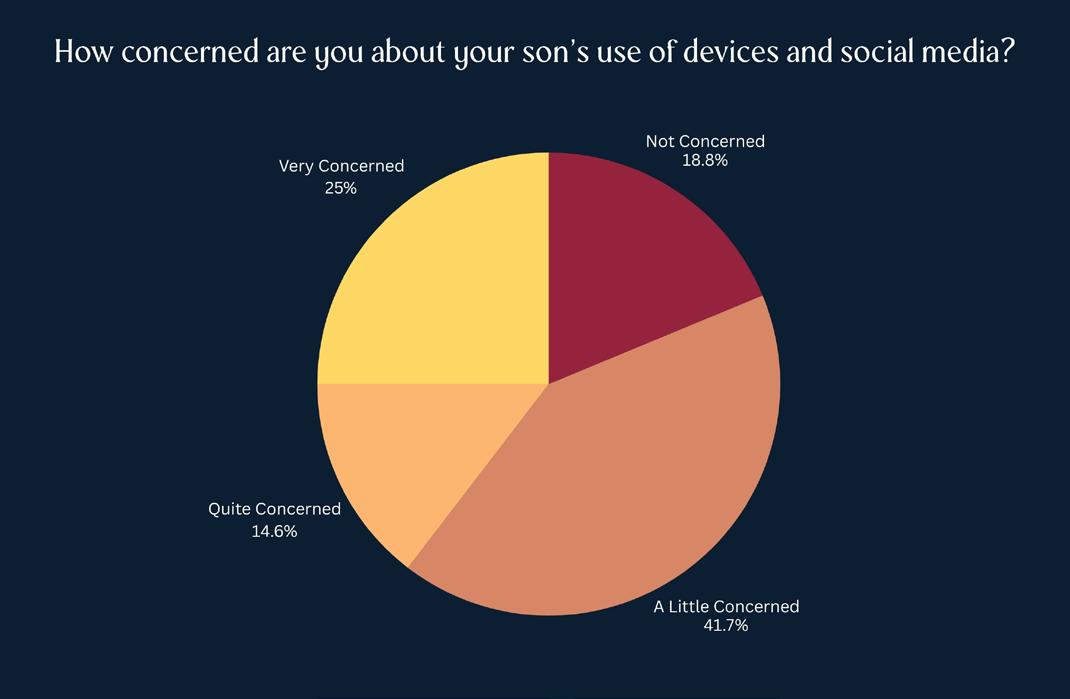
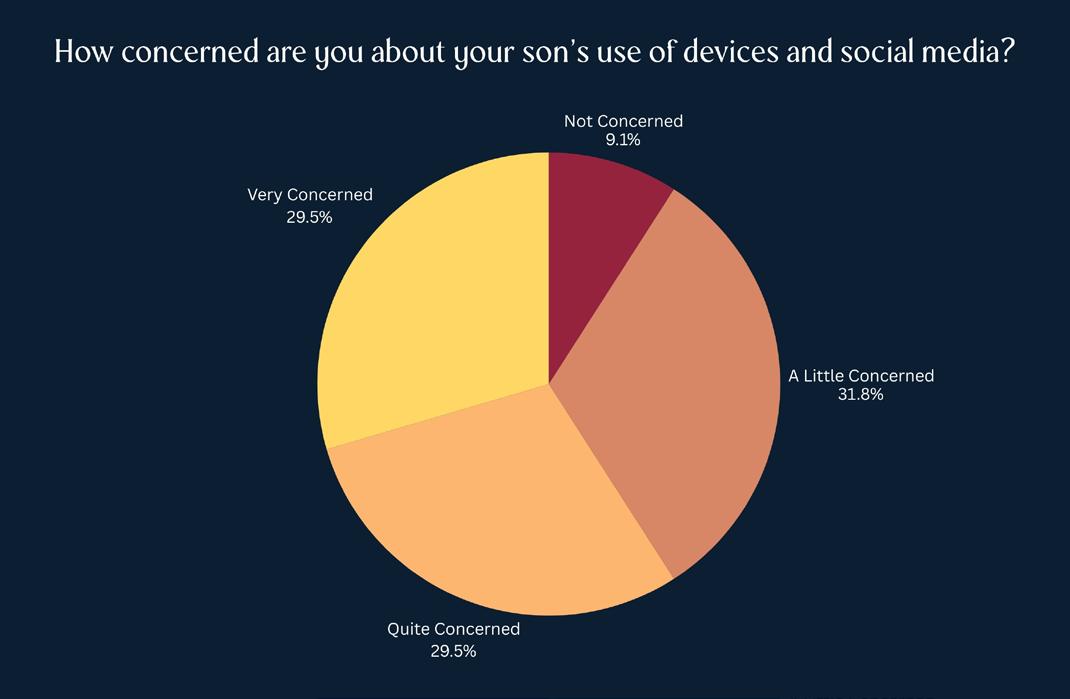
• Strong parental concern about screens and social media use, particularly the impact on attention, mood and sleep.
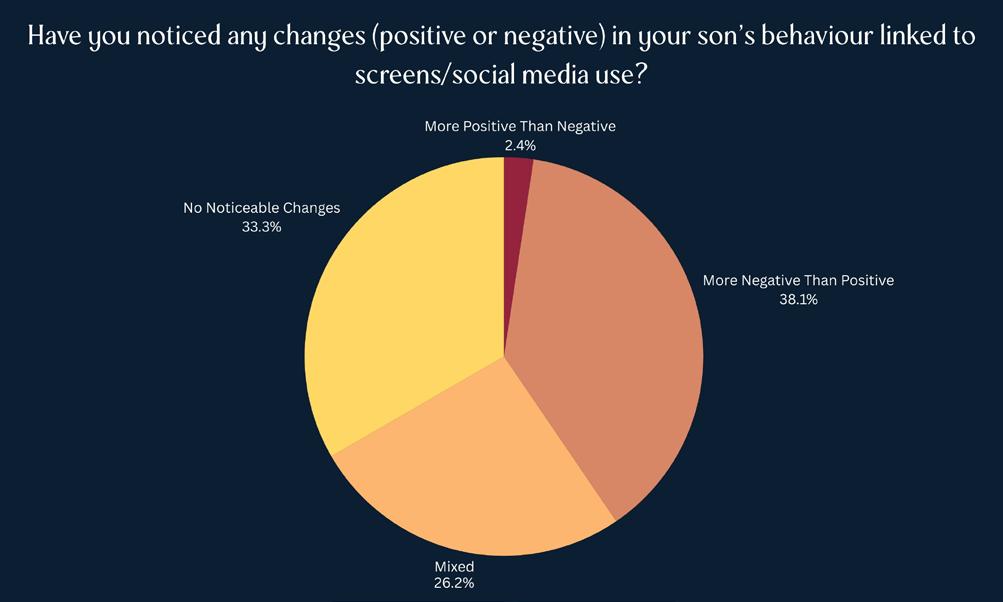
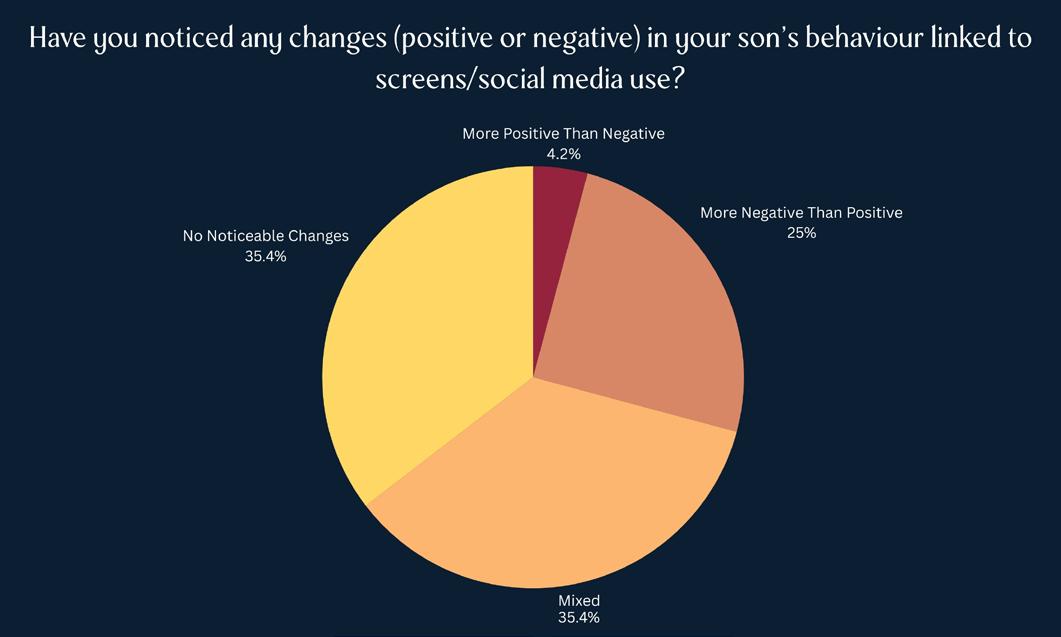
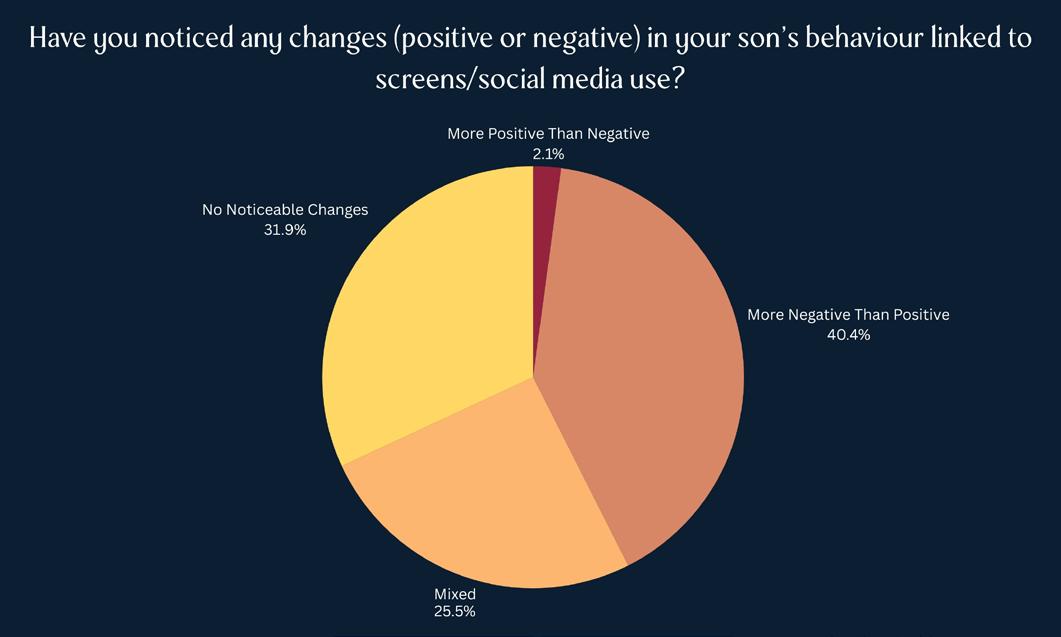
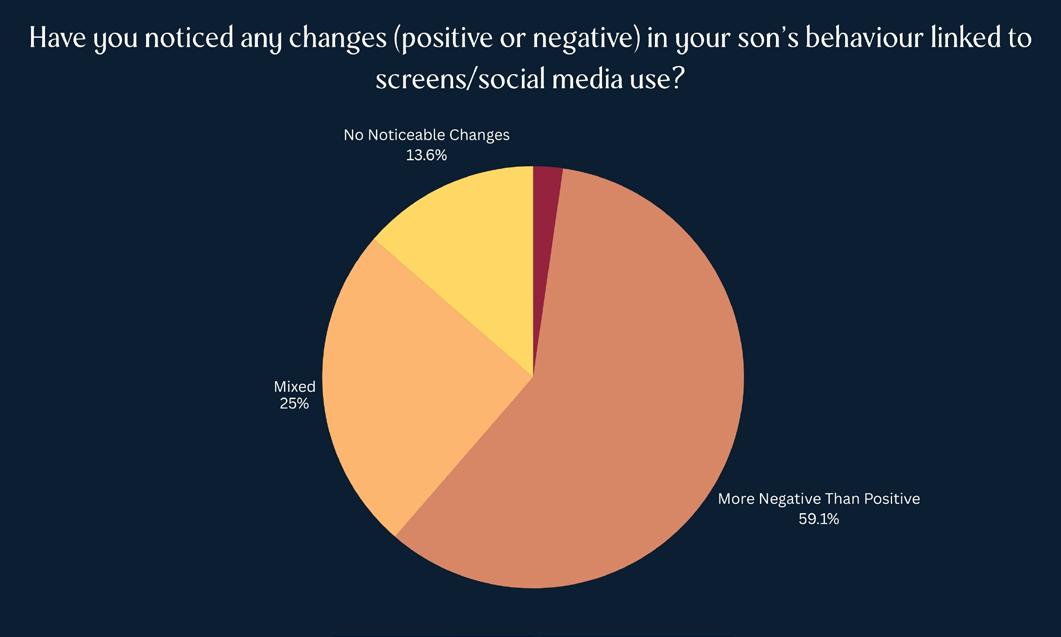
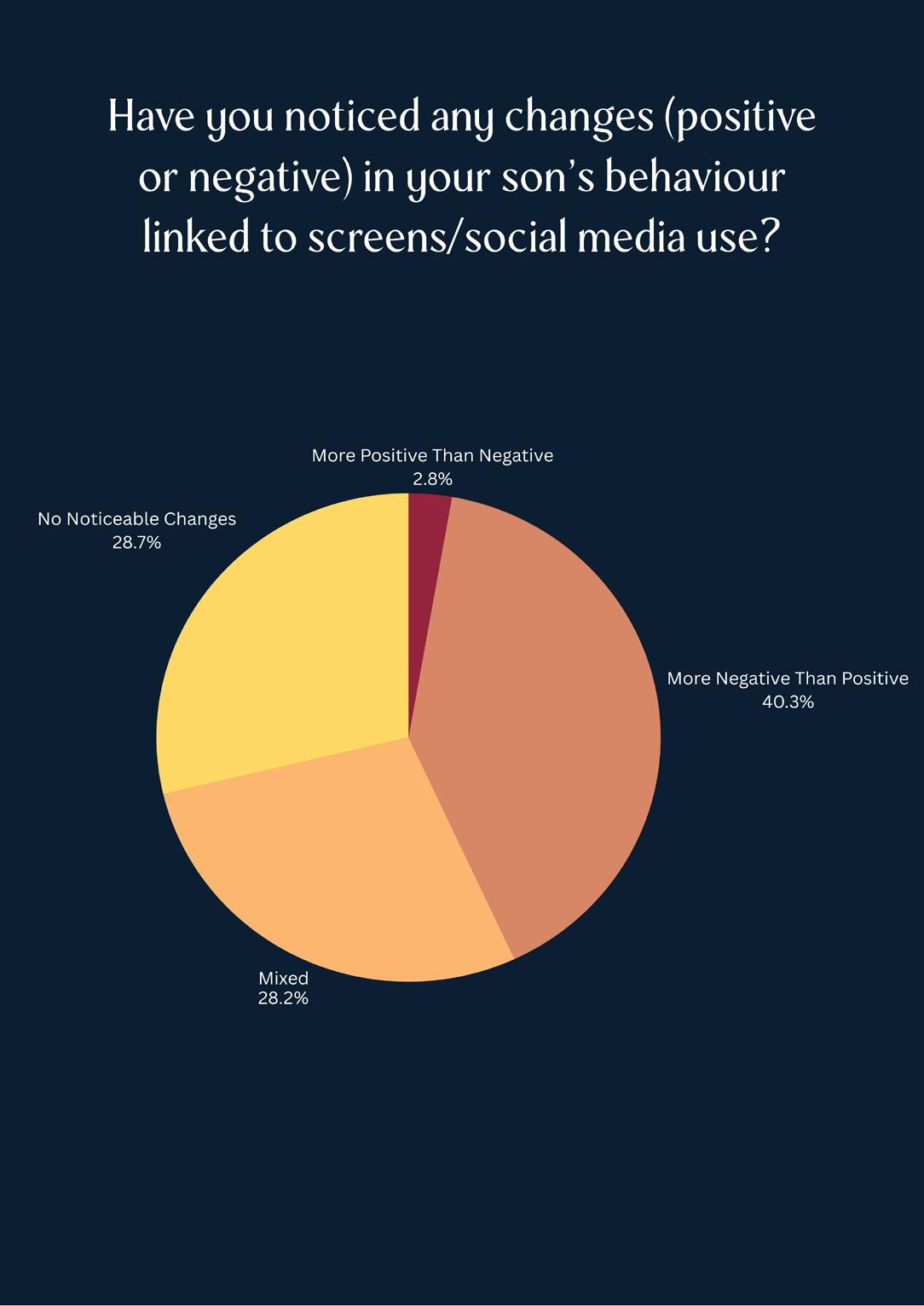
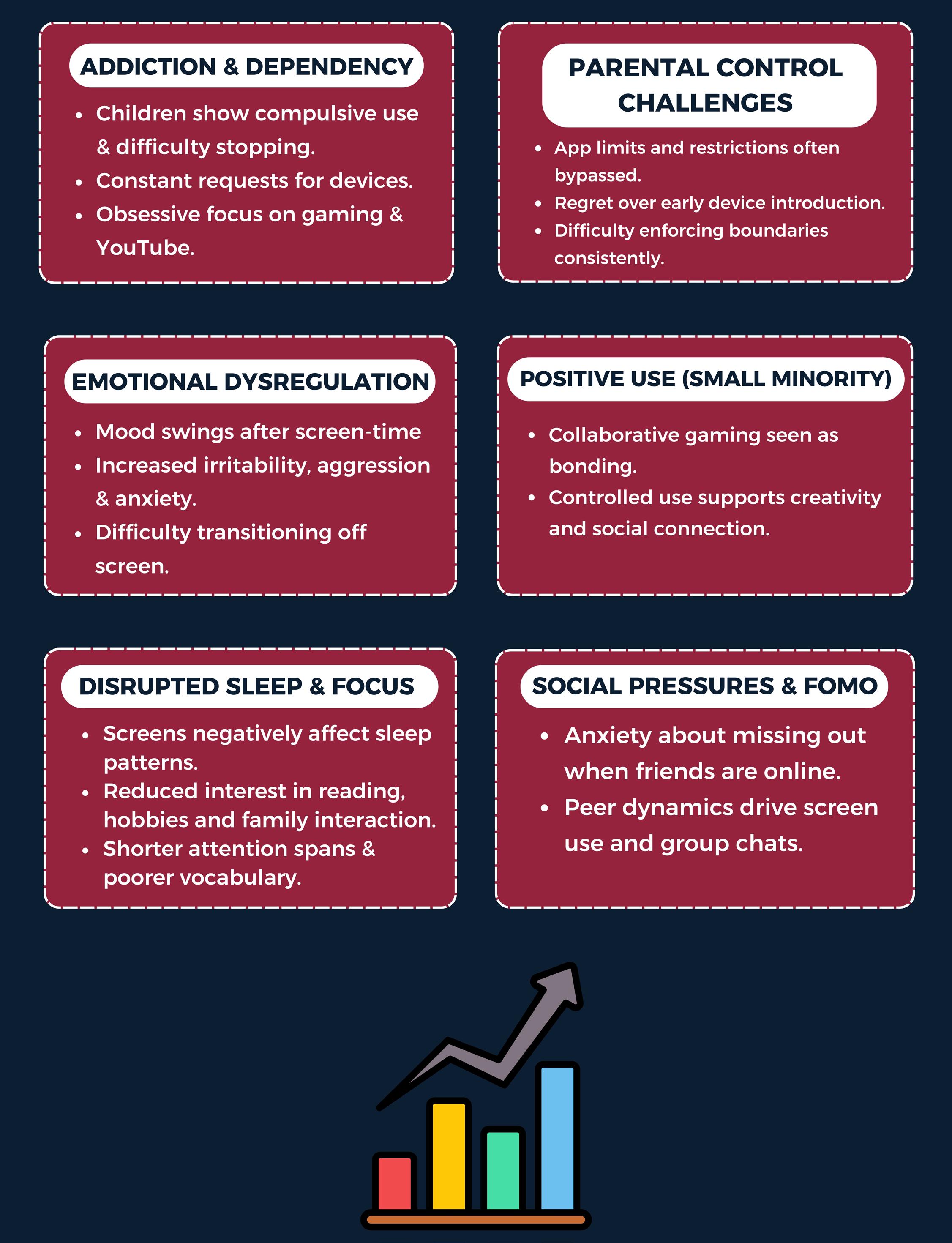
• Consistent reports of mood and behaviour changes after screen use, especially irritability, difficulty transitioning off devices and reduced interest in other activities.
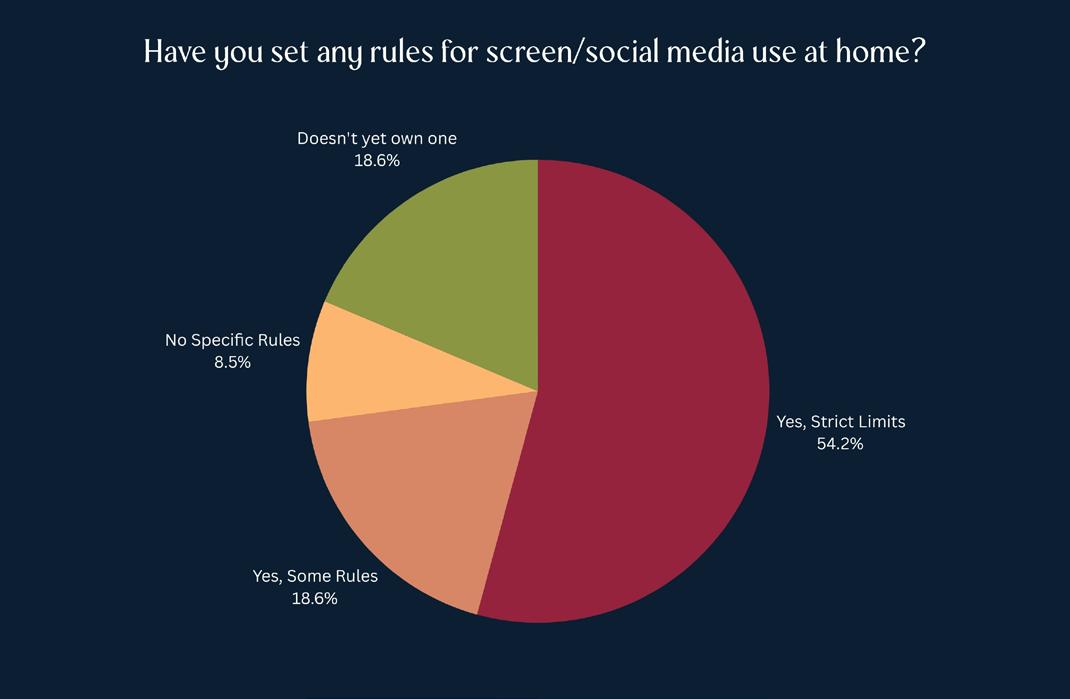
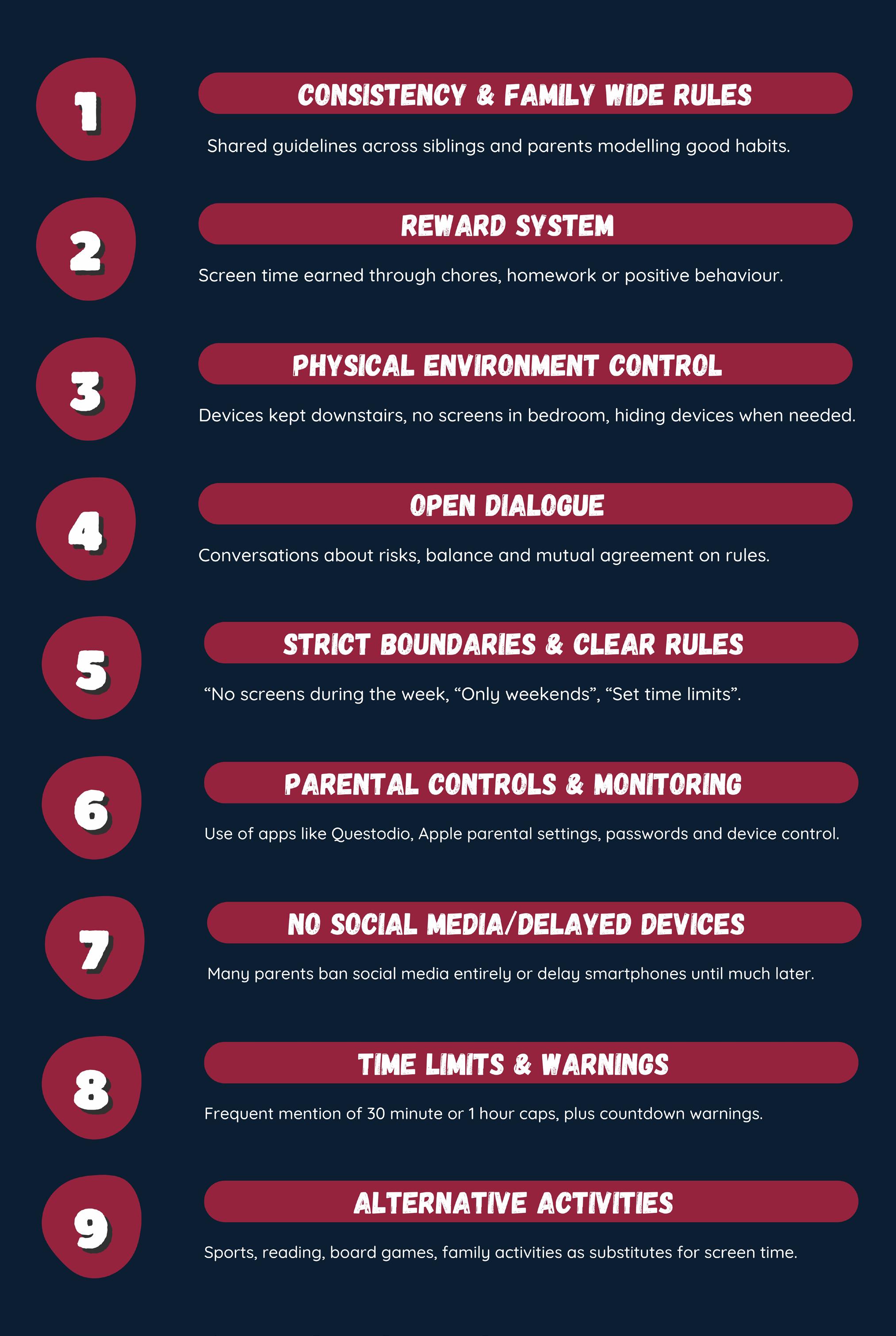
• Widespread use of firm boundaries and clear agreements, including weekend-only access, parental controls and noscreens-in-bedrooms rules.
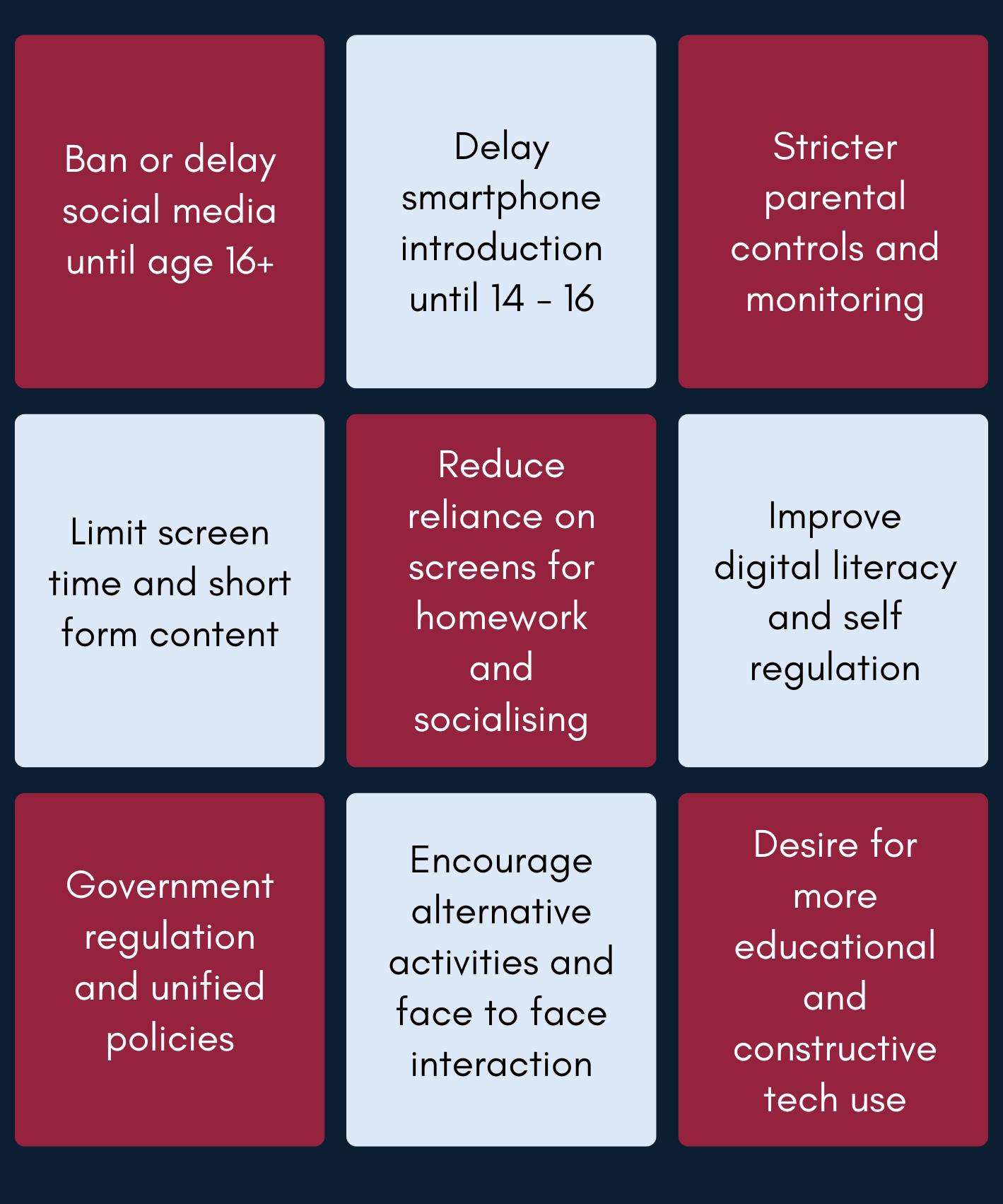
• A wish for collective community standards, including delayed access to smartphones and social media, and even nationallevel age limits.
• Recognition that technology can support learning and social interactions when used in a balanced and supervised way.
Many parents expressed positive outcomes from:
• Consistent rules and routines
• Prioritising sport, reading and family time
• Delaying personal devices and social media
• Open conversations about safety, balance and responsibility
There is clearly a strong interest in working together as a community to set expectations and support one another. We are encouraged that many of you would like to be involved in a parents’ panel as part of a broader school-wide conversation on digital wellbeing.
At Caldicott, we believe that safeguarding childhood and promoting balance in a digital world is central to our pastoral mission. This initiative reflects our commitment to helping boys develop healthy digital habits and resilience in an increasingly connected society. We are taking proactive steps, including:
• Hosting the Digital Wellbeing Conference & Parent Panel on 27th February (17.30 - 19.00) to help develop shared approaches.
• Integrating digital literacy and wellbeing into our curriculum.
• Working with parents to create a united approach to screen use and social media.
We have collated the results and themes from this survey into this parent/staff resource pack. This also includes a message from Dr Kathy Weston of Tooled-Up Education, who personally selected the best and most relevant resources you can access from their fantastic platform.
Our aim is not to remove technology from children’s lives, but to help them develop healthy, balanced and informed habits, together, supported by a united school community.
Thank you again for your openness, honesty and partnership.
Warmest regards,
Lele Di Maso Assistant Deputy Head (Pastoral)
Parent Survey On Screens, Social Media & Wellbeing - Responses: 6th Form: 42/44 (95%)
5th Form: 48/59 (81%)
4th Form: 47/64 (73%)
3rd Form: 42/42 (100%)
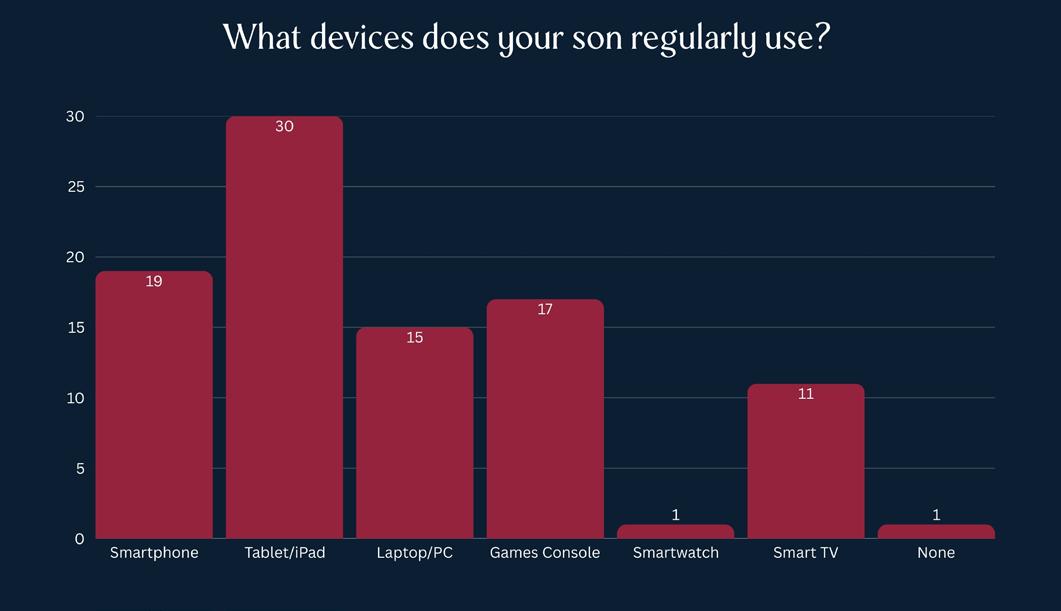
Total Figures Across All Year Groups (3rd - 6th Form):
Common Themes From Survey
What Specific Behaviour Have You Noticed In Your Son Linked To The Use Of Screens/Social Media?
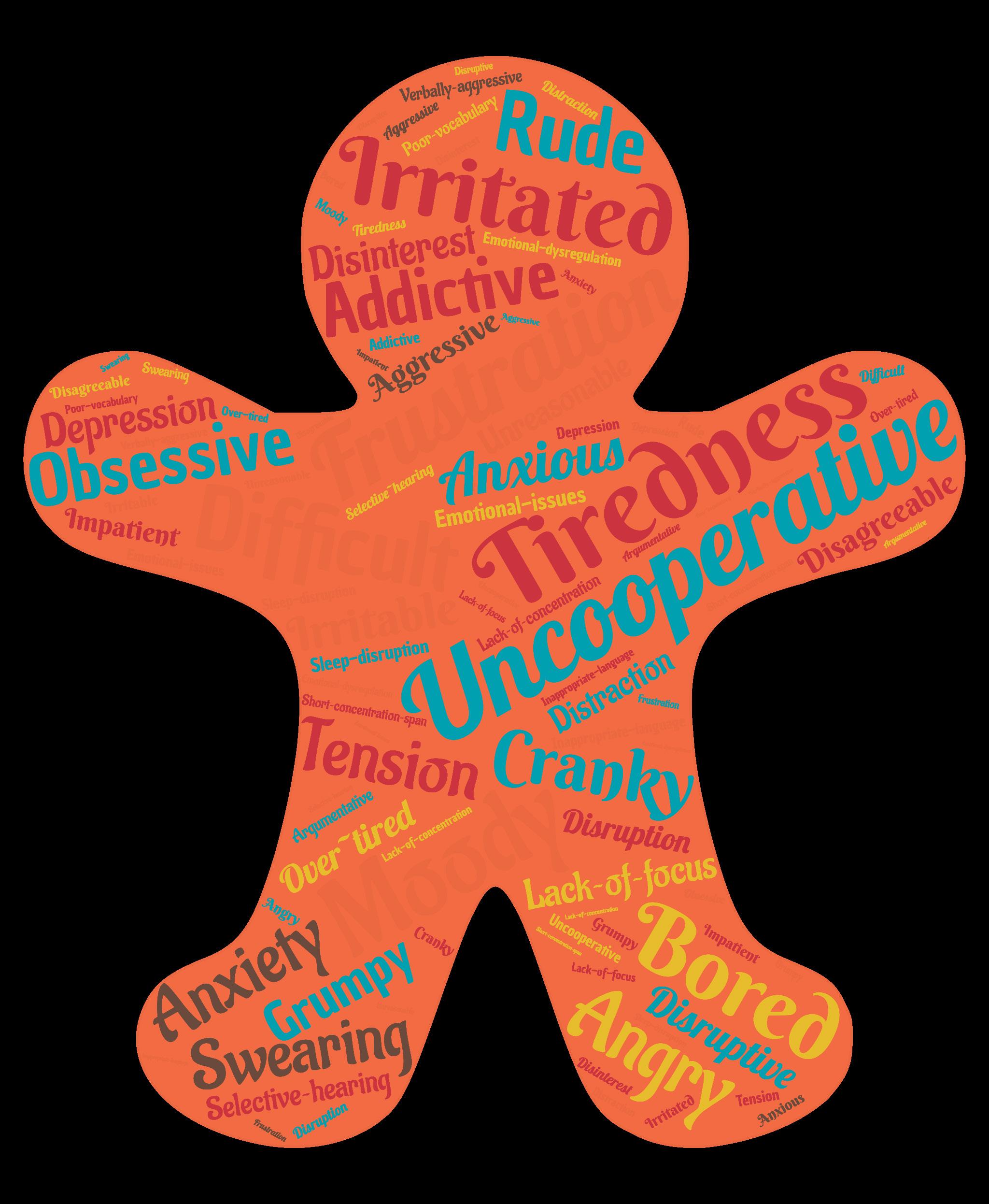
What Strategies Have You Found Effective In Managing Your Son’s Screen Or Social Media Use?
If You Could Change One Thing About Children’s Use Of Technology Today, What Would It Be?
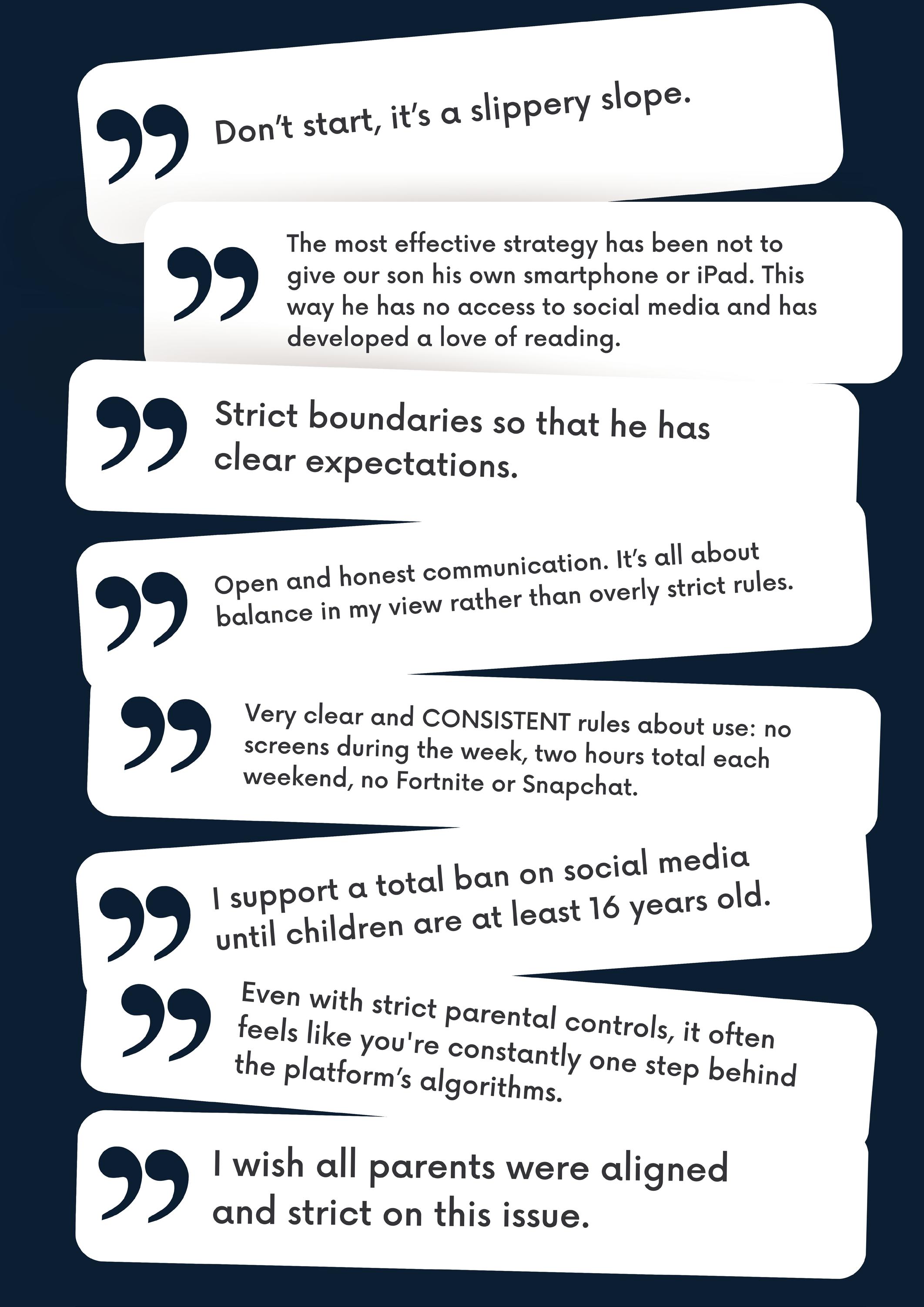
Quotes From The Parent Survey
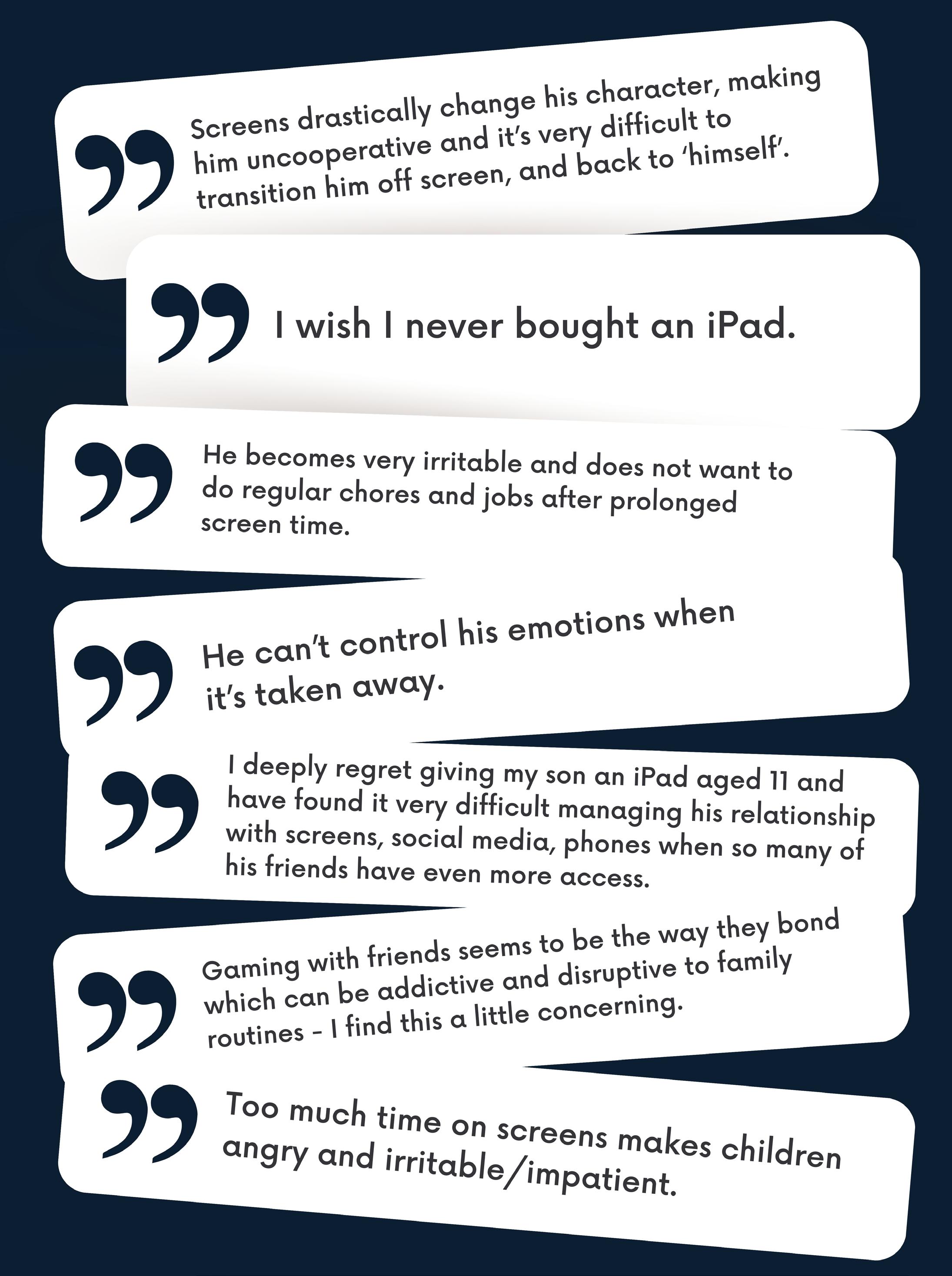
Quotes From The Parent Survey
How Do Our Results Compare Nationally?
To put our survey findings in perspective, here are some recent UK statistics from OFCOM (2025) for UK children aged between 8-14. These highlight similar concerns about screen time, social media use, and wellbeing across the country. Comparing our data with national trends reinforces the importance of working together as a community to support healthy digital habits.
Average Daily Screen Time by Age Group
• UK children aged 8–14 spend ~3 hours/day online (average).
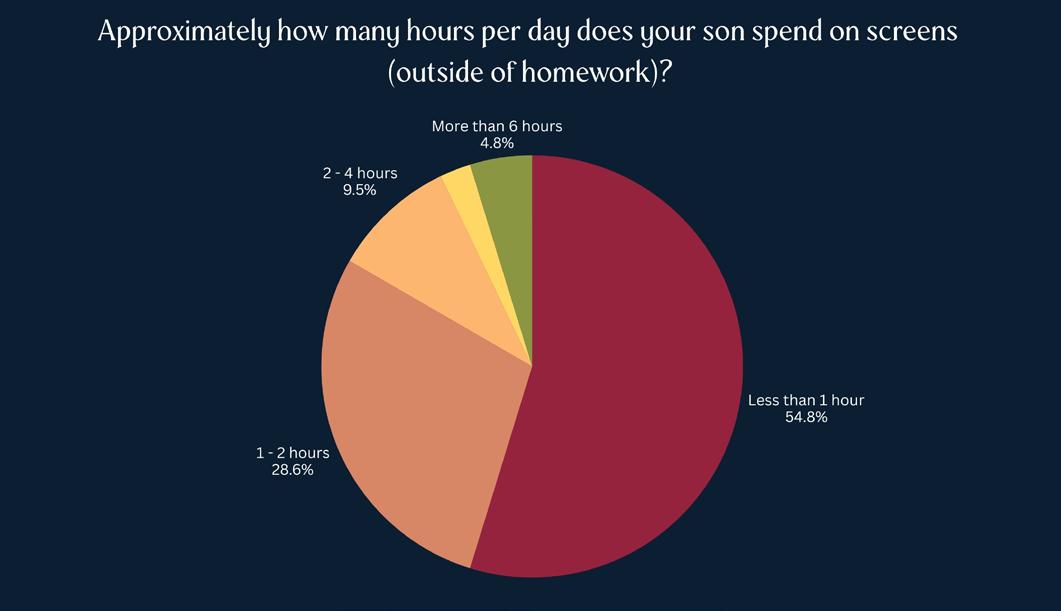
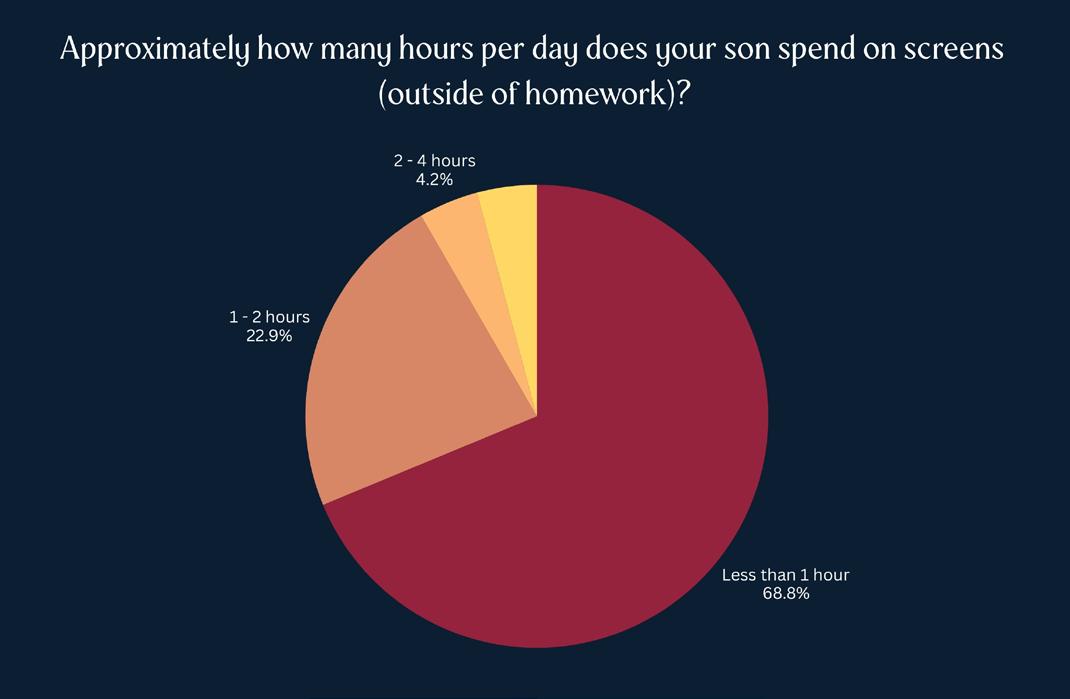
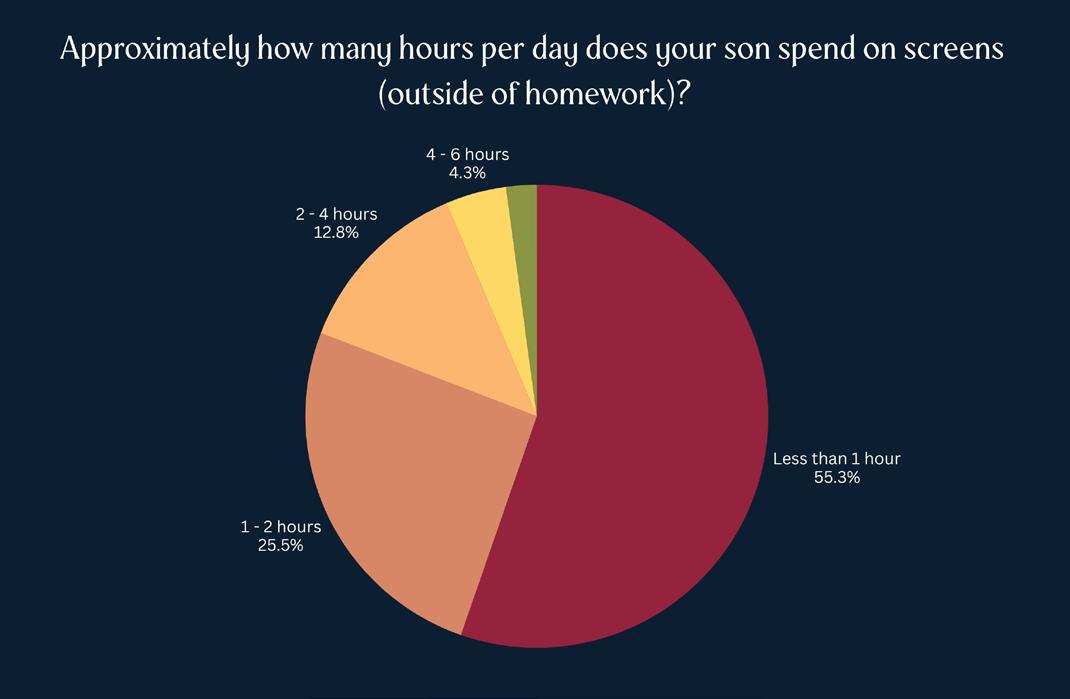
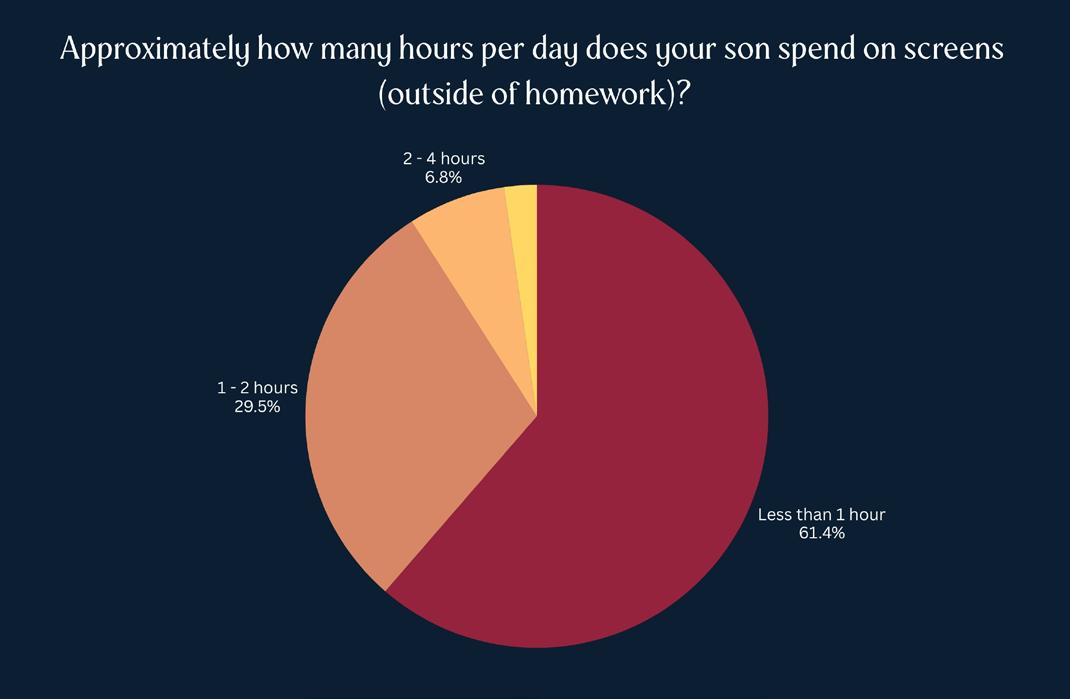
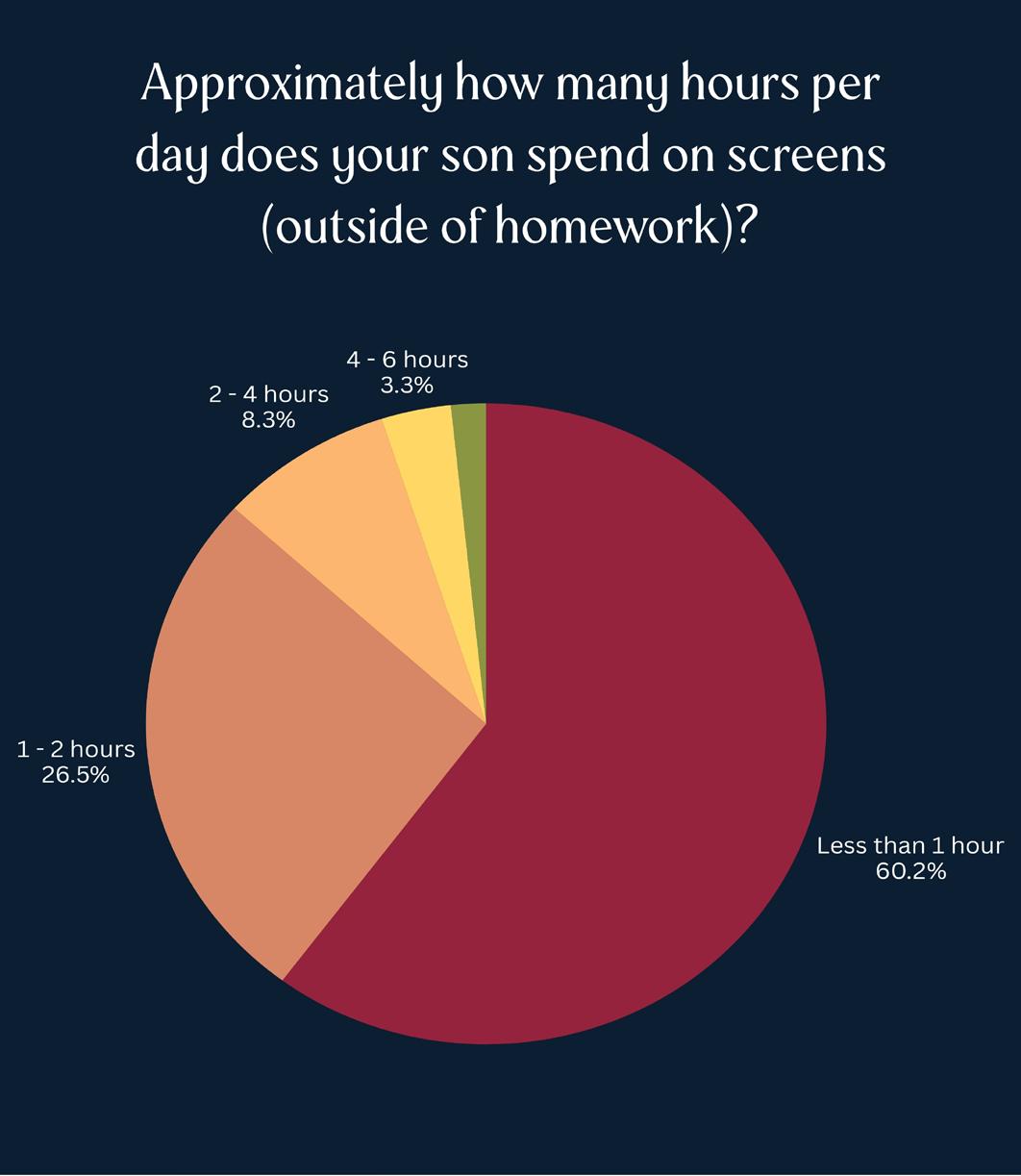
• Caldicott: 60.9% spend <1 hour, 26.8% spend 1–2 hours, only 1.7% spend >6 hours.
Age of First Smartphone
• 8–11 years: ~59% own a smartphone; 12–14 years: ~94% own a smartphone.
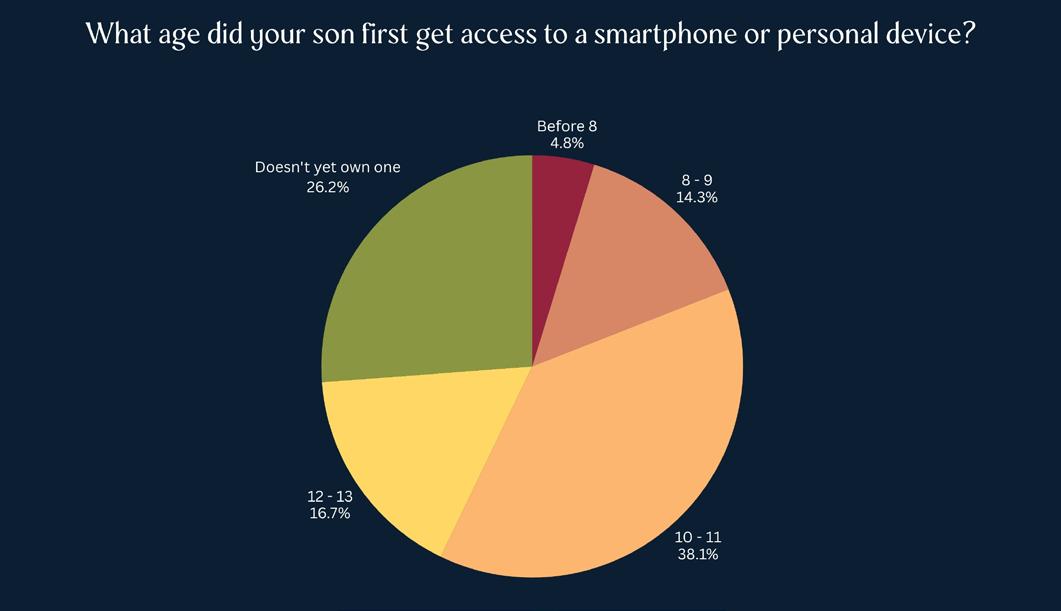
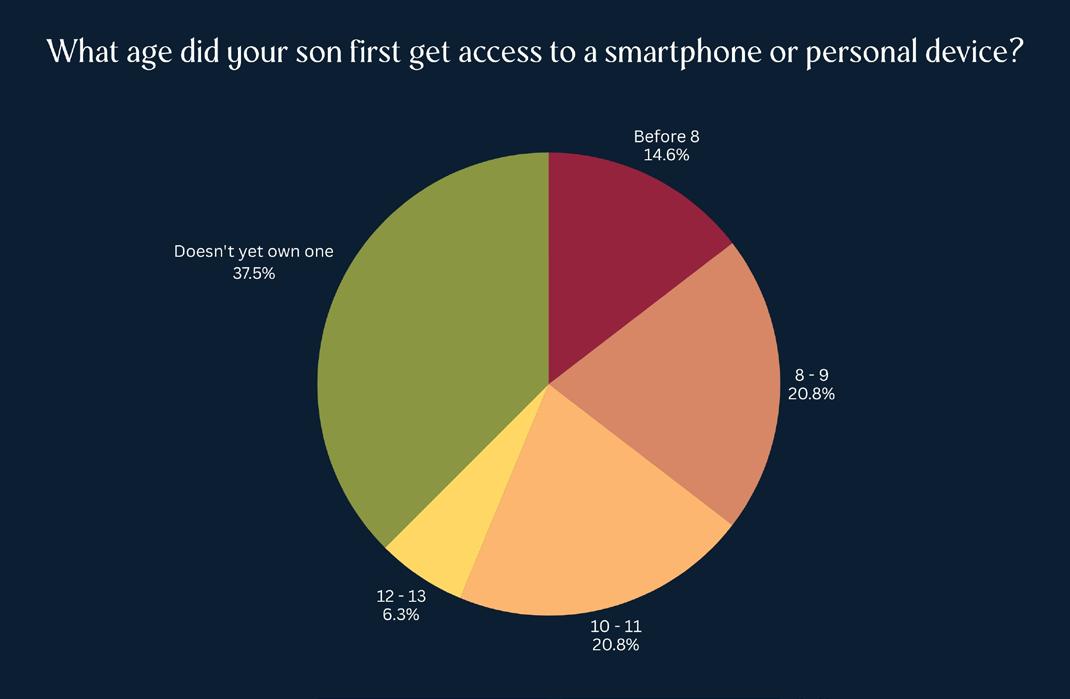
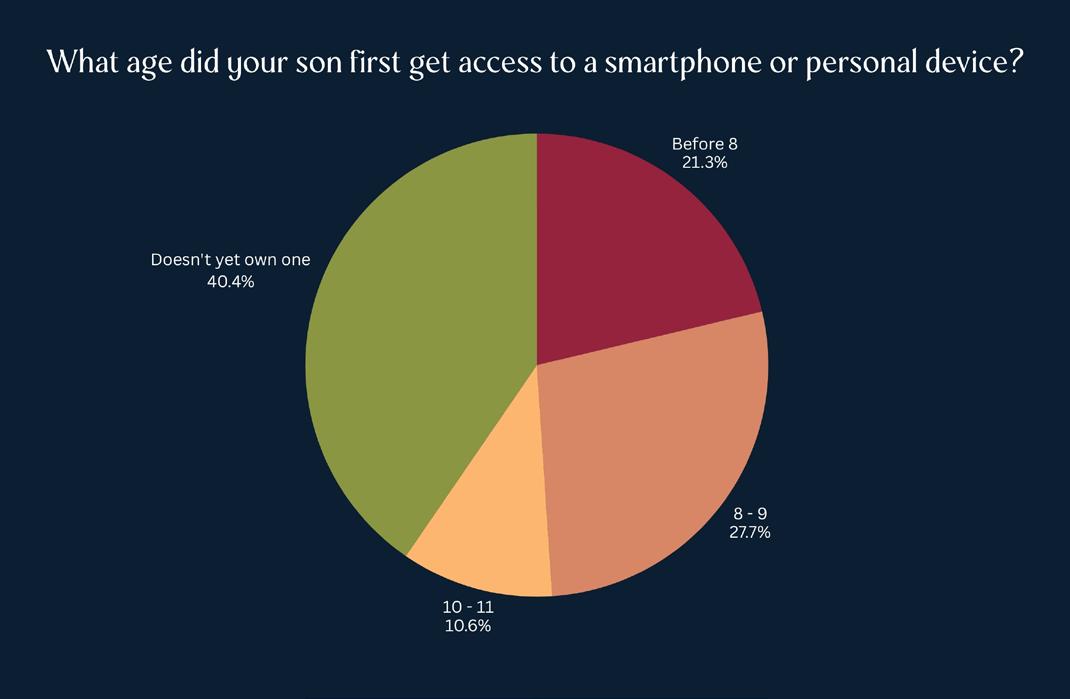
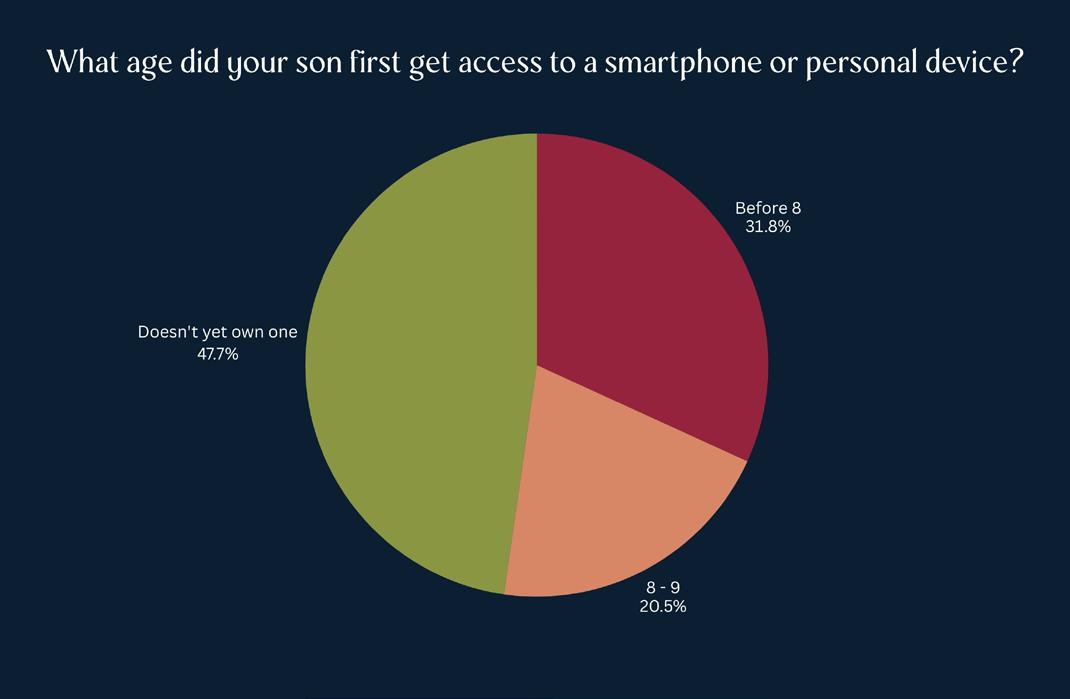
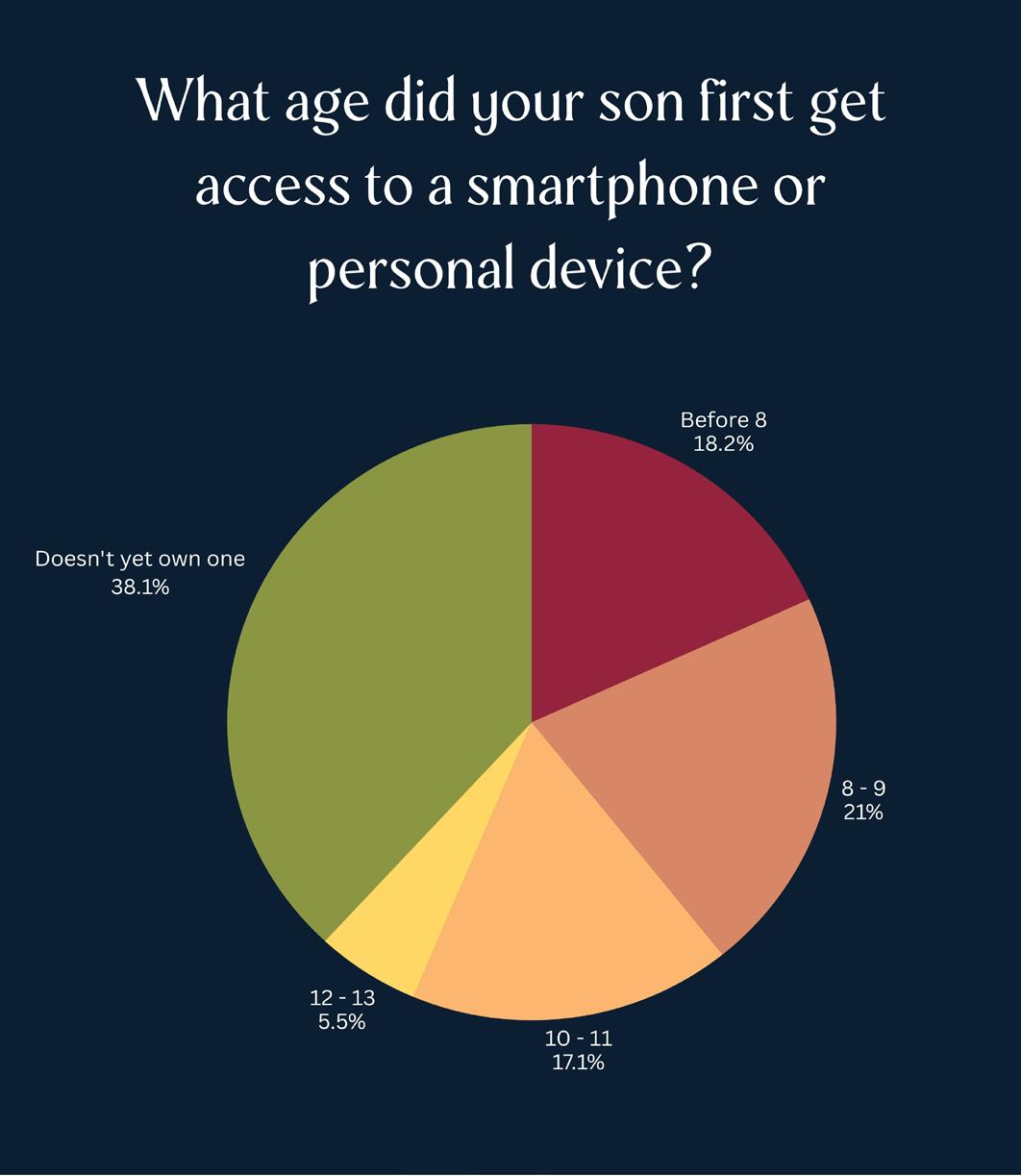
• Caldicott: 38.5% don’t own one, 21.2% got one at 8–9, 18.4% before 8, 17.3% at 10–11.
Most Popular Apps/Platforms
• UK: YouTube (81%), WhatsApp (63%), Roblox (60), TikTok (47%), Snapchat (45%).
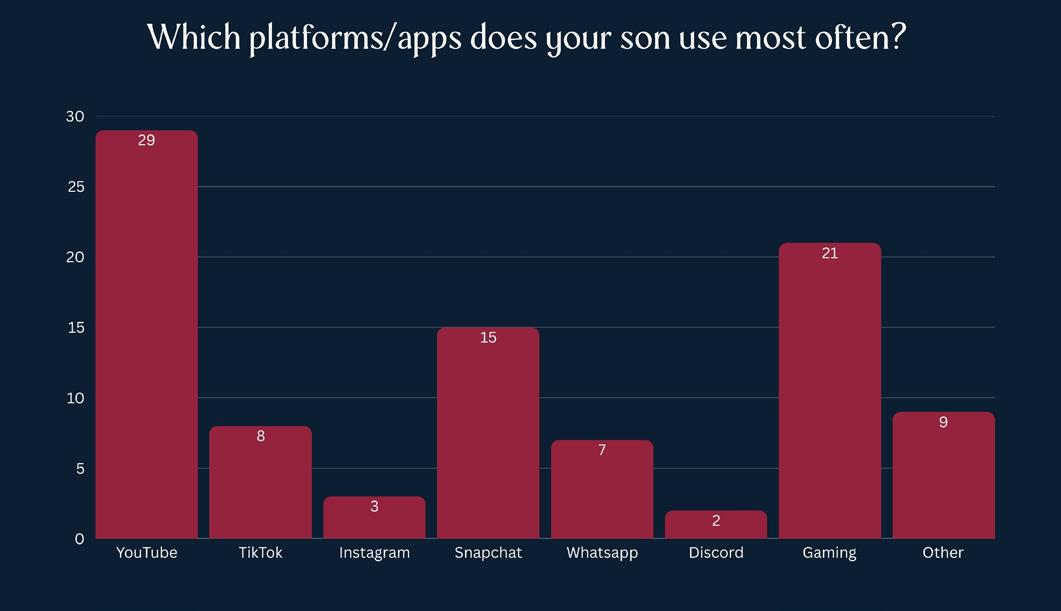
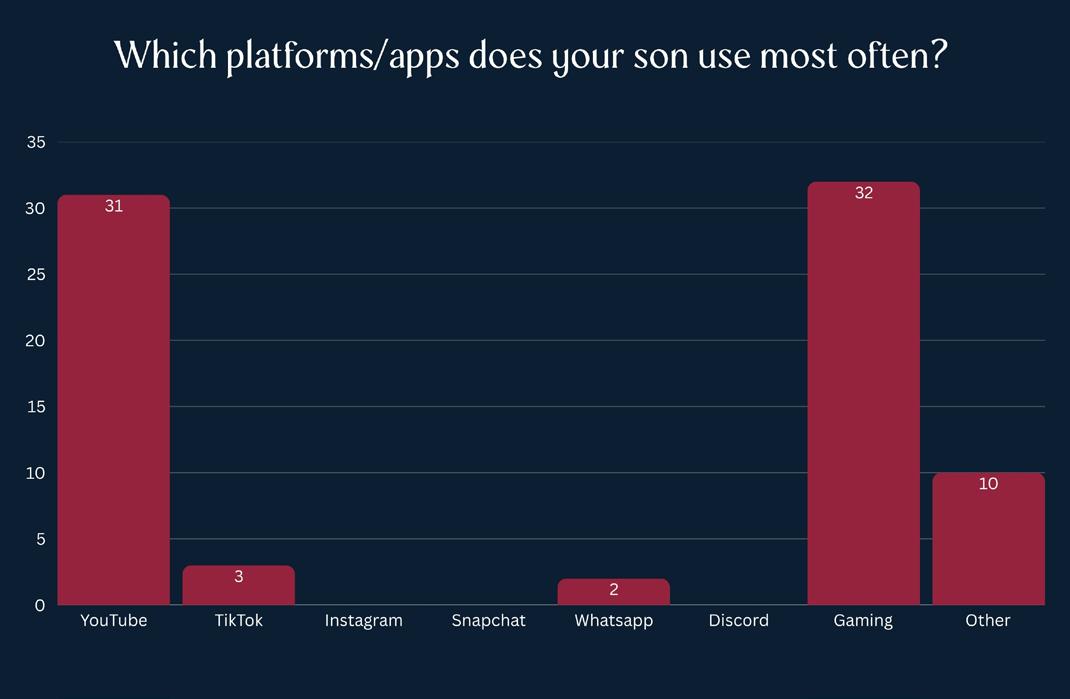
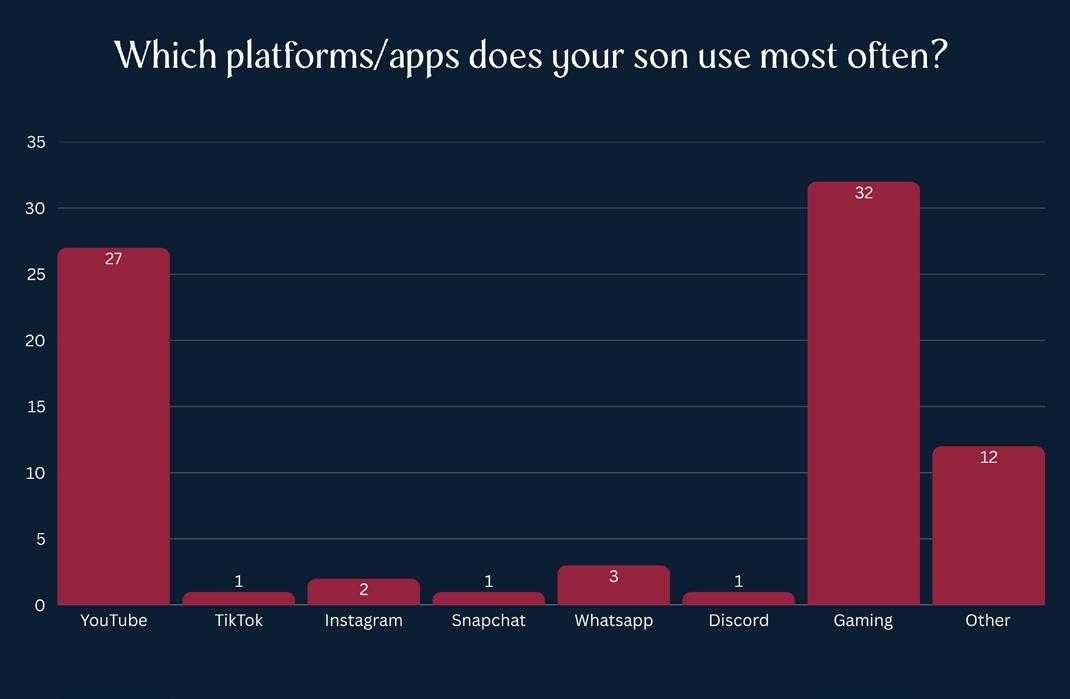
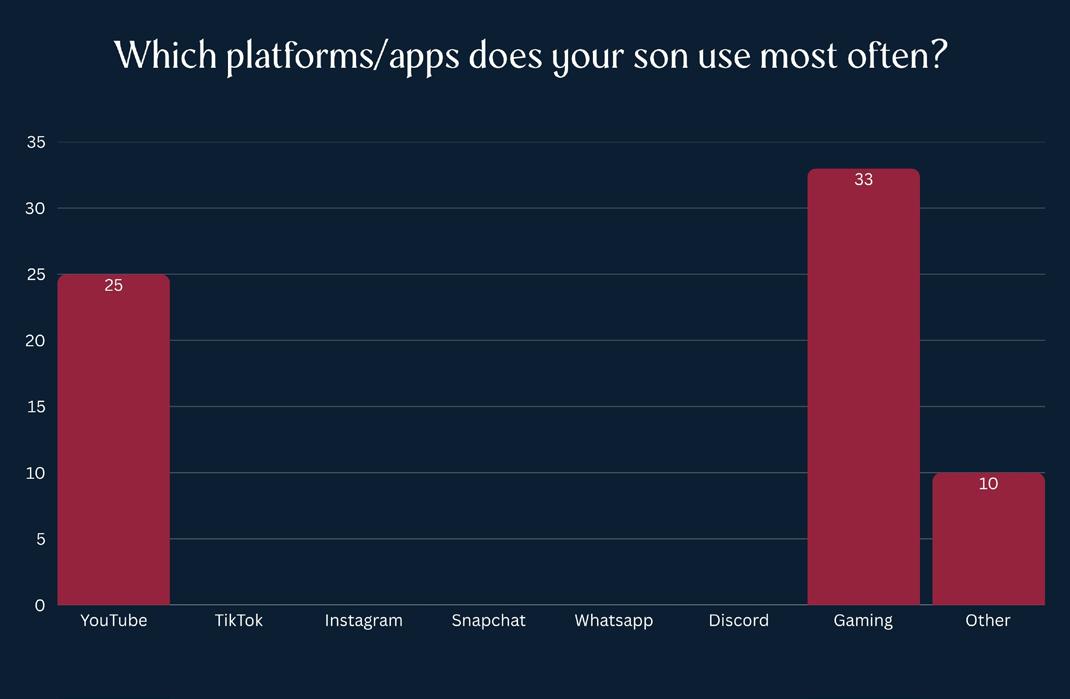
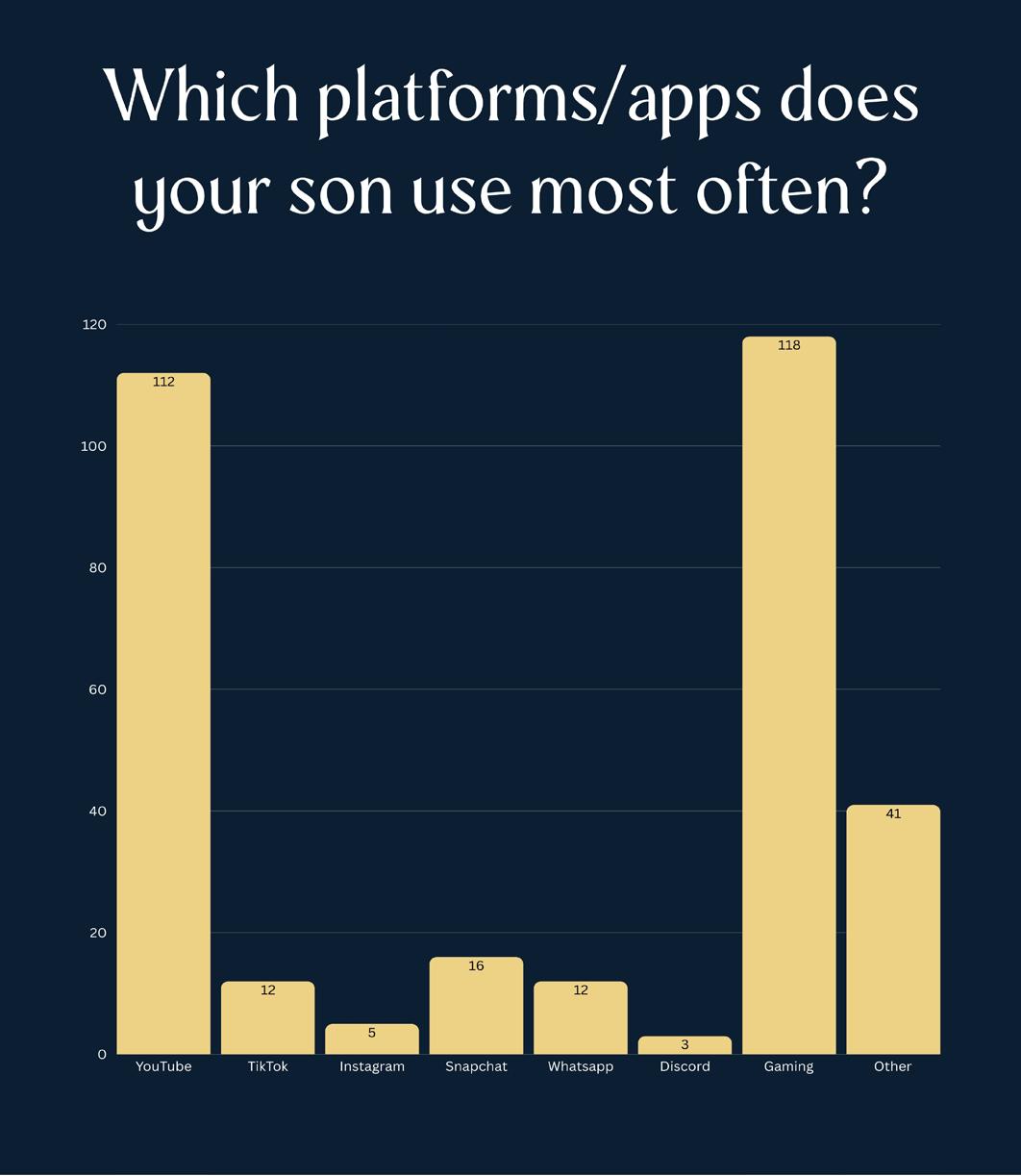
• Caldicott: Gaming (65.9%), YouTube (62.6%), TikTok & WhatsApp only 6.7% each, Snapchat 8.9%.
Parental Concerns
• UK: 77% worry about age-inappropriate content, 70% bullying, 68% self-harm content, 62% data privacy.
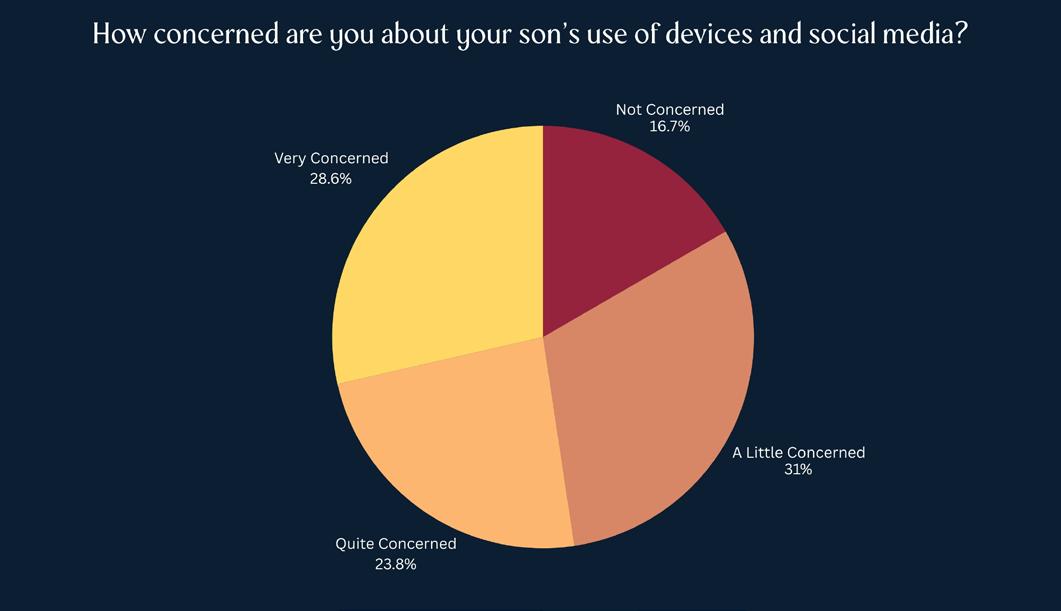
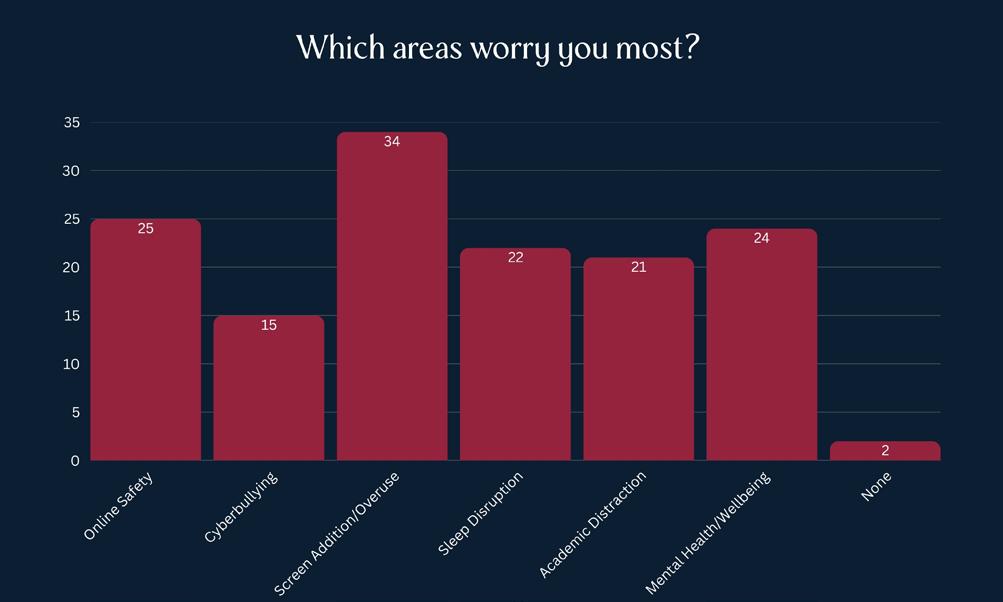
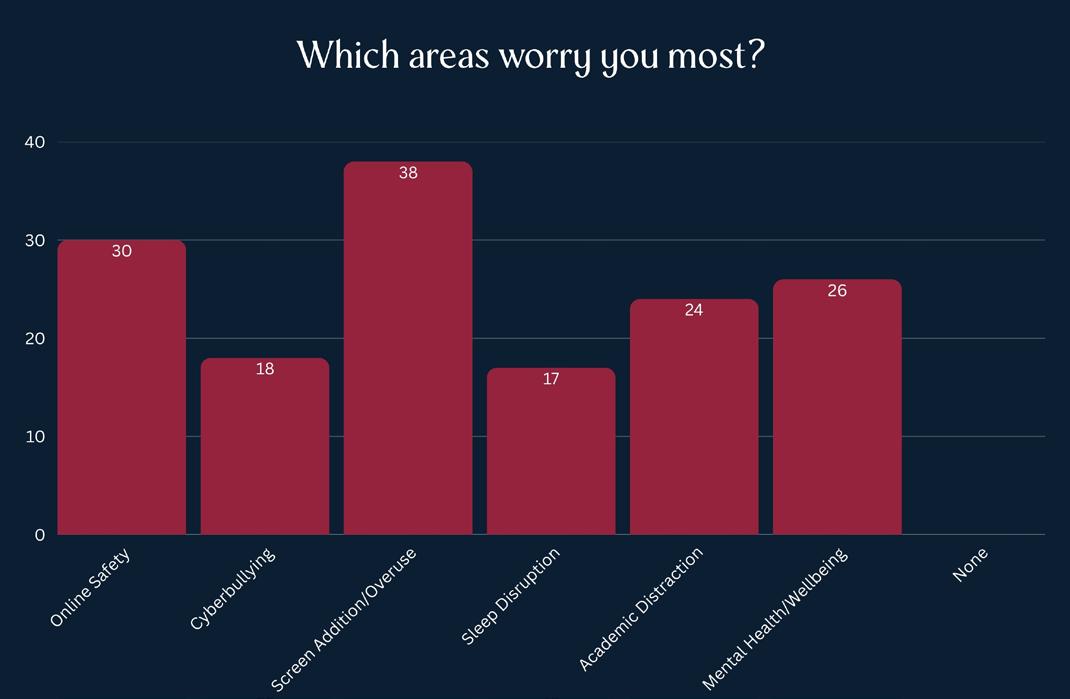
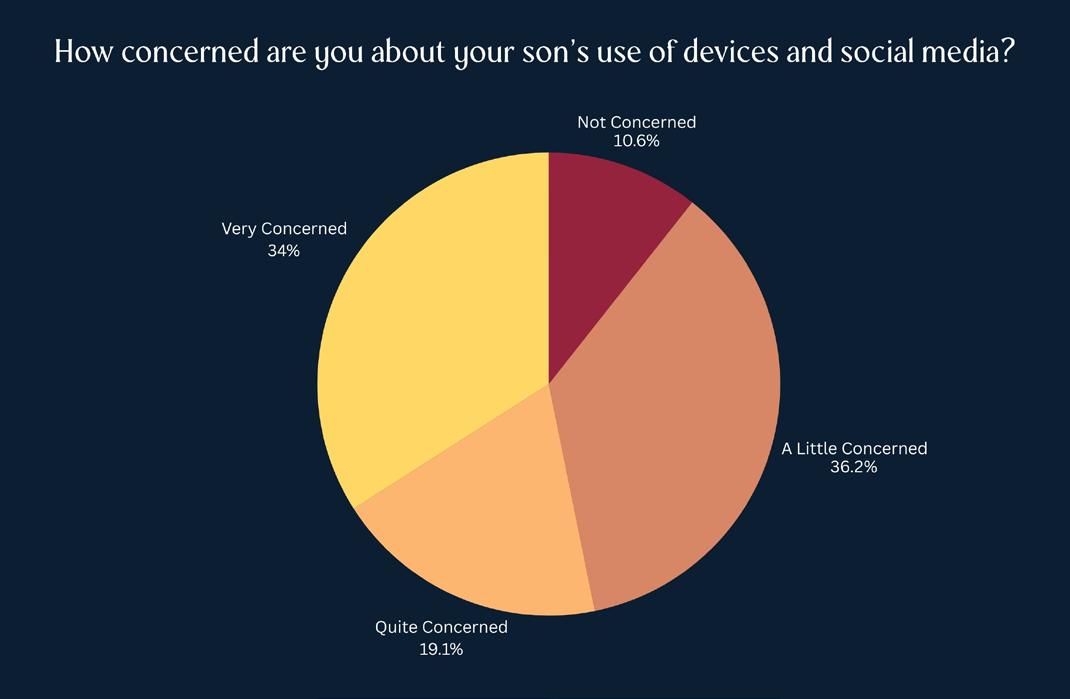
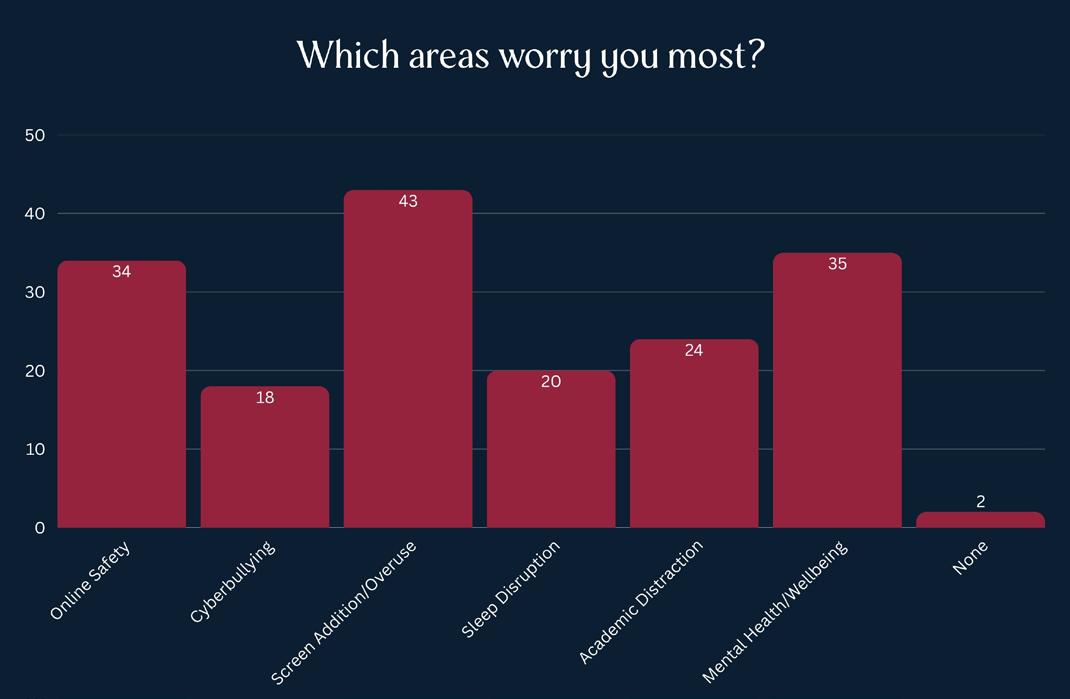
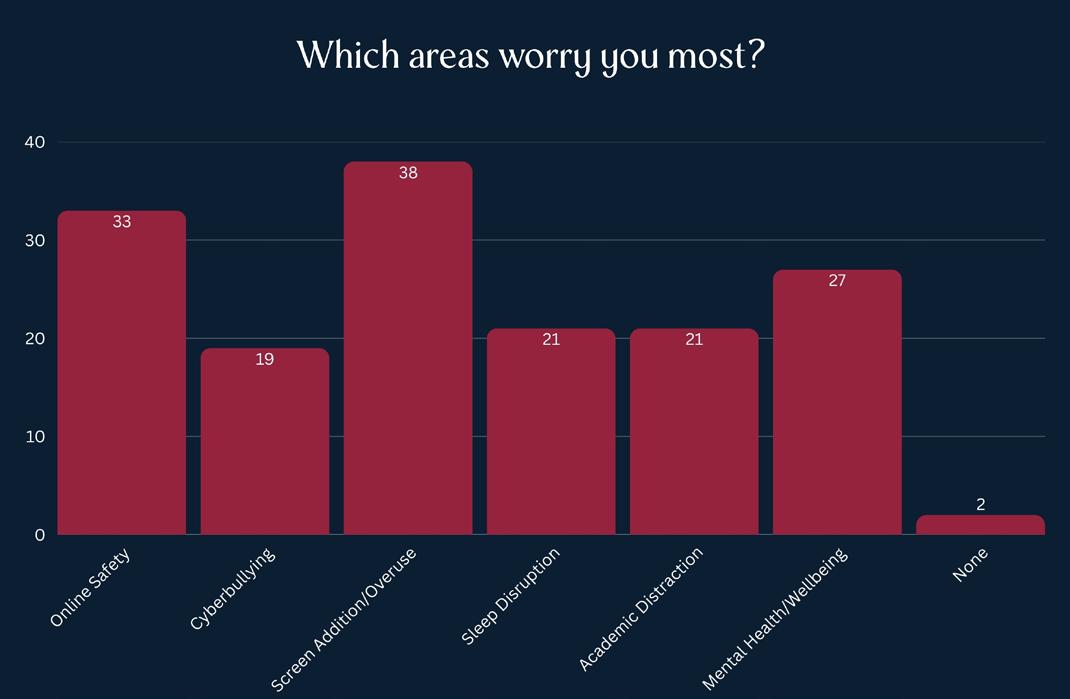
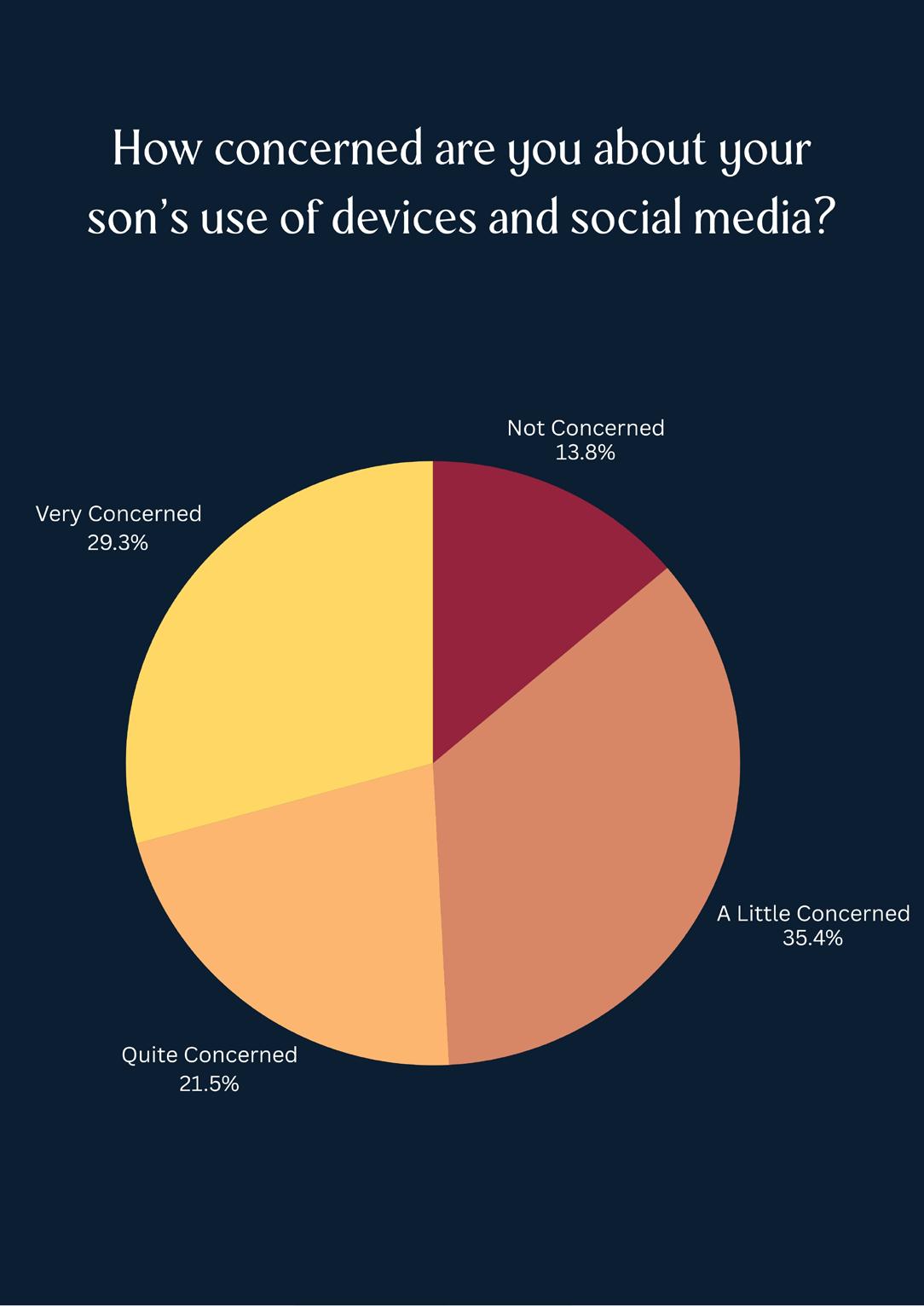
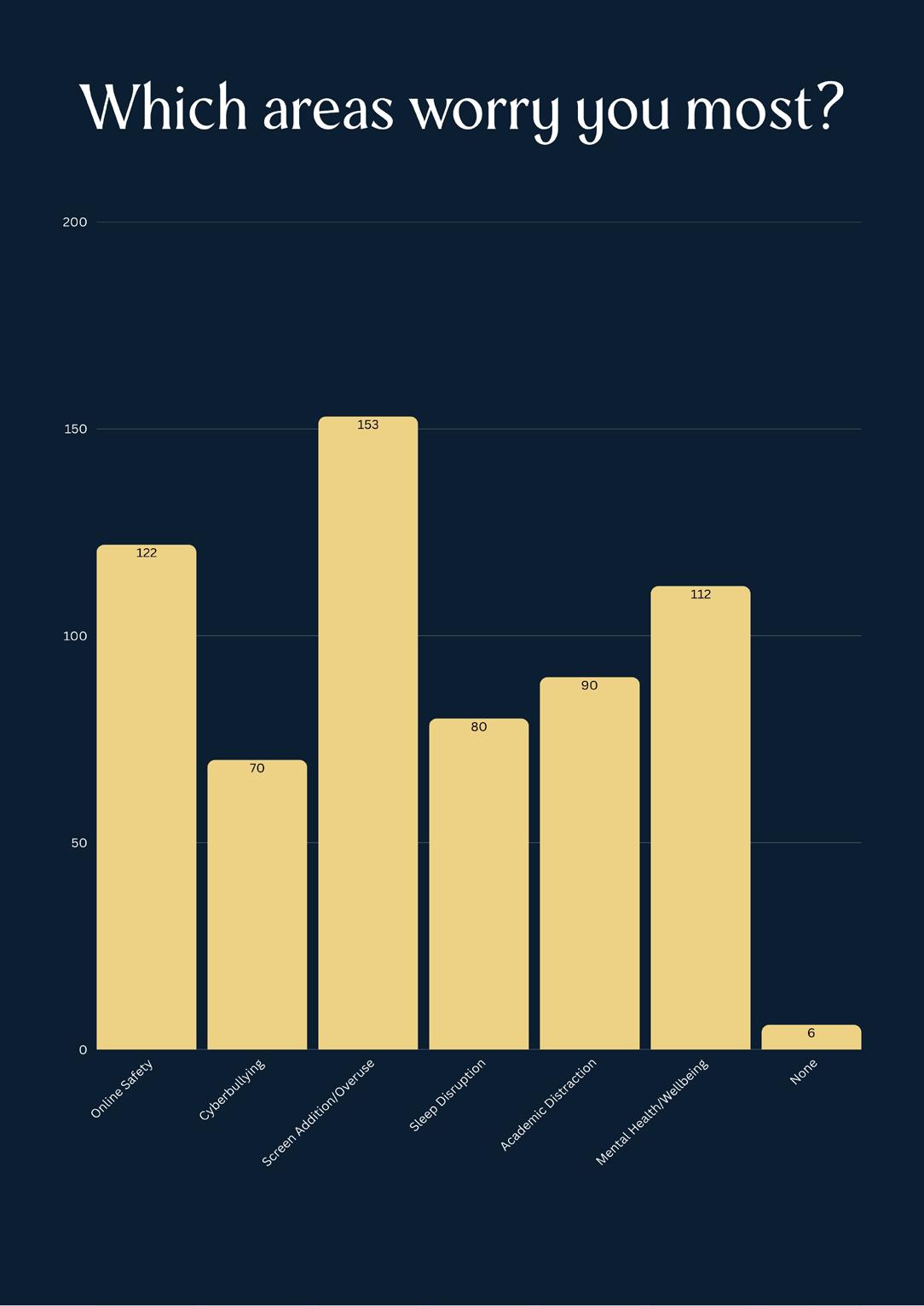
• Caldicott: Screen addiction (85.5%), Online safety (68.2%), Mental health (62.6%), Sleep disruption (44.7%).
Rules & Boundaries
• UK: 75% of parents talk about online safety regularly, but enforcement is weaker.
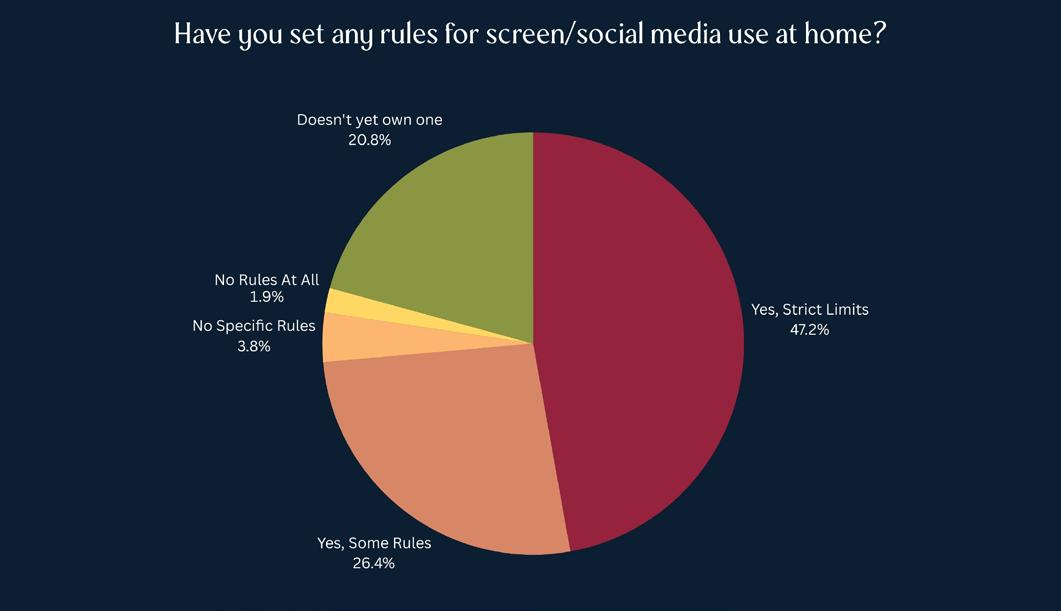
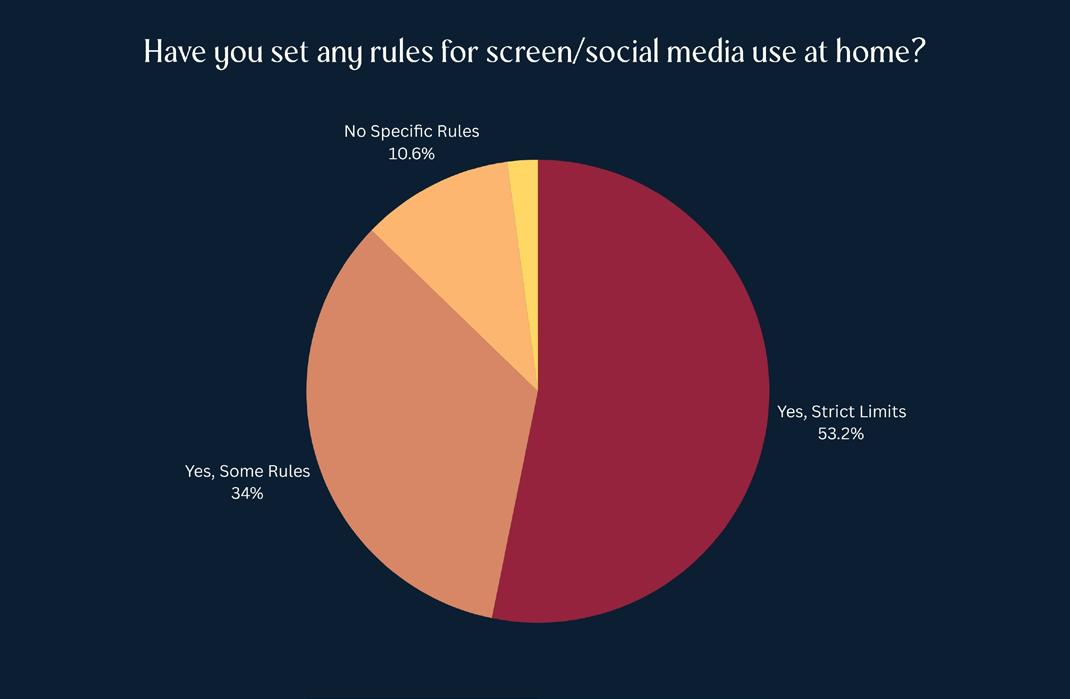
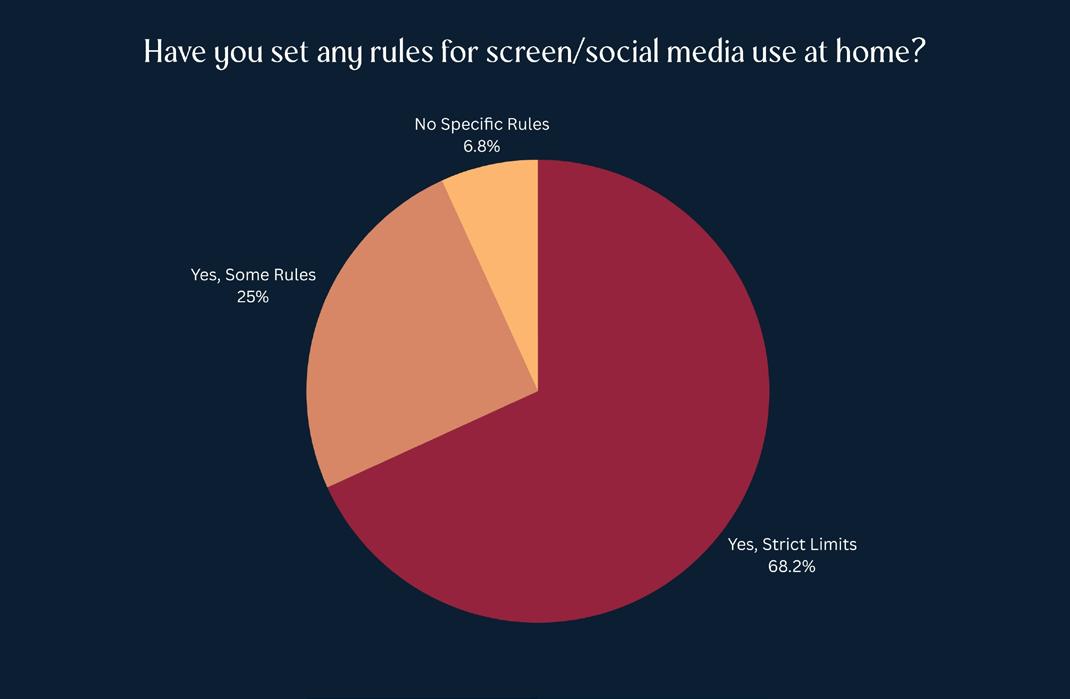
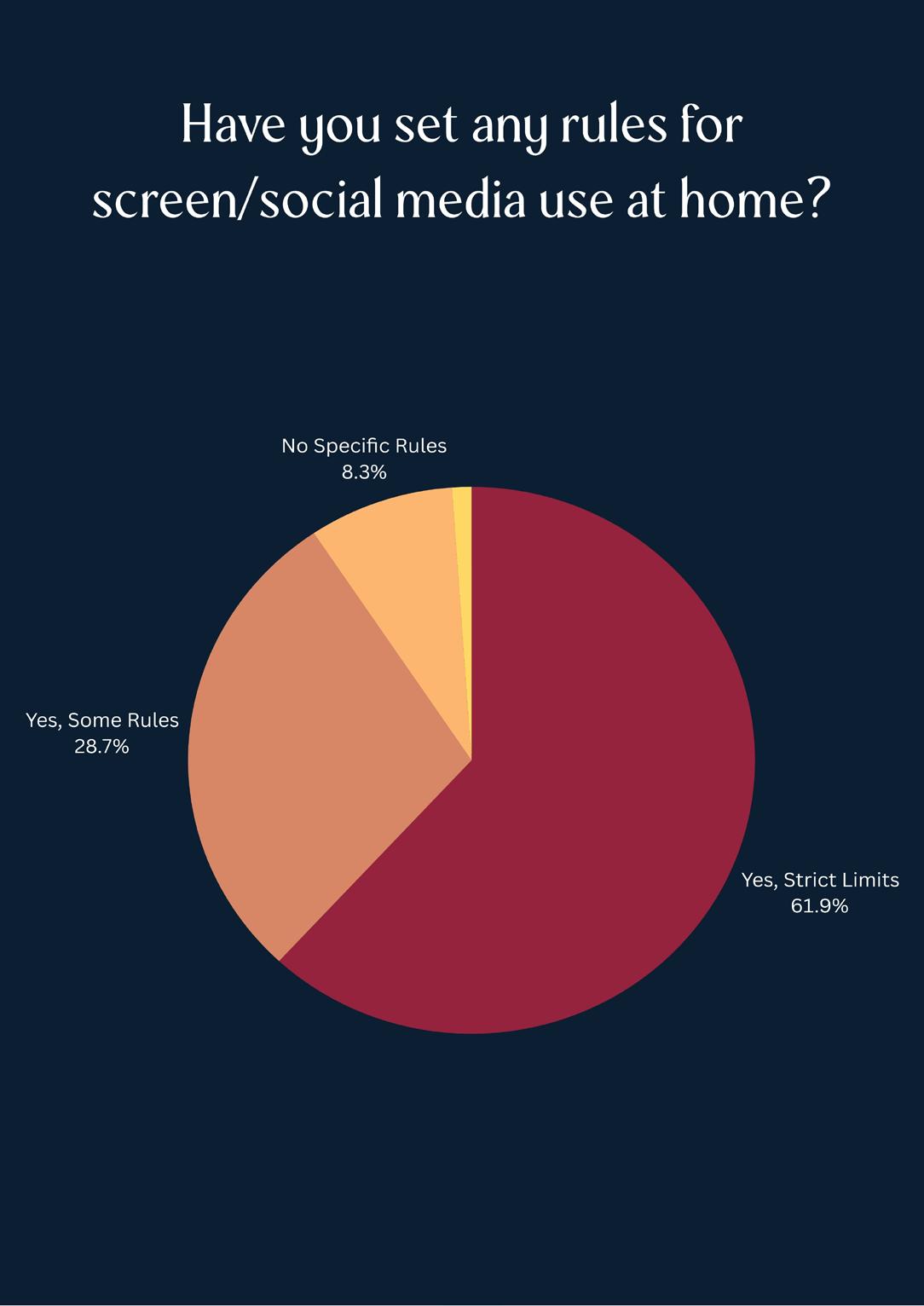
• Caldicott: 62.6% strict limits, 29.1% some rules, only 1.1% no rules.

Key Differences
• Screen time: Caldicott pupils spend far less time online than national average.
• Smartphone age: Caldicott parents introduces devices later than UK trend.
• App use: Gaming dominates at Caldicott; TikTok/Snapchat far less common.
• Concerns: Addiction is a bigger worry at Caldicott than nationally.
• Rules: Caldicott families enforce stricter boundaries than national norm.
National Guidance on Online Safety
Keeping children safe online isn’t just a school priority, it’s a national one. The Department for Education’s statutory guidance, Keeping Children Safe in Education (KCSiE) 2025, has introduced important updates that every parent should be aware of. These changes reflect the growing risks in the digital world and the need for schools and families to work together to protect children.
Keeping Children Safe in Education (KCSiE) 2025, places even greater emphasis on online safety. Schools are now required to address new digital risks, including misinformation, disinformation, and conspiracy theories, alongside traditional concerns such as harmful content and cyberbullying. The guidance reinforces the importance of effective filtering and monitoring systems, proactive conversations about online safety, and educating pupils on the “Four Cs” of digital risk: Content, Contact, Conduct, and Commerce.
Parents play a vital role too. KCSiE 2025 encourages schools to work closely with families, ensuring children are protected both in school and at home. This means setting clear boundaries, using parental controls, and talking openly about online experiences. The updates also highlight the safeguarding implications of emerging technologies like AI and the need for vigilance around apps and platforms that children use daily.
By understanding these changes, we can work together to create a safe, balanced digital environment for every child.


We are proud to partner with Tooled Up Education, a leading platform for evidence-based parenting and education resources. Dr Kathy Weston has reviewed our survey results and shared her reflections, along with a curated selection of practical tools and guides for Caldicott families.
As part of this partnership, all parents have free access to the full Tooled Up library, offering webinars, articles, and activities to help you navigate digital wellbeing and much more. Dr Weston will be one of the keynote speakers at our Digital Wellbeing Conference.
Message From Dr Kathy Weston of Tooled Up Education
Thank you for taking the time to read through this important survey summary and for the insights you have shared with the school. These insights reflect a community that is deeply committed to safeguarding childhood, promoting healthy habits and ensuring that boys feel grounded, supported and confident as they navigate an increasingly digital world.
At Tooled Up Education, we firmly believe that positive digital wellbeing is built through consistency, collaboration and conversation. The themes emerging from this survey, clear boundaries, delayed access to devices, parental alignment and a desire for strong community standards, mirror what research shows to be most protective for young people today.
To ensure that parents feel equipped, empowered and supported beyond this survey, I would like to signpost you to a range of high-quality resources available through the Tooled Up Education platform that you have full, free and unfettered access to as a current Caldicott Parent. To access the links below, you must be logged into Tooled Up as a registered parent (visit: www. tooledupeducation.com/register and use this ‘organisational pin’: CAL1001 when prompted.
Useful Resources for Supporting Children’s Use of Digital Devices at Home:
If you have a child aged 8-10 years: Phones and Devices: A Plea to Parents of Children Aged 8-10
If you have a child aged 11-13 years: Children’s General Use of Digital Devices at Home (for Parents of Pupils Aged 11 - 13)
Inspiration for family digital agreements: Family Digital Values
Class or year group agreement templates: Digital Use Parent Pledge Template
Raising boys in the digital world and keeping them safe: Raising Boys in the Digital Space and Keeping Them Safe
Weighing up smartphone acquisition within family life: What Exactly is a ‘Smartphone Free Childhood’ and How Might Parents Implement One?
Alternatives to being on a smartphone: 50 Activities to Try Instead of Looking at a Smartphone
Children turning to AI chatbots for advice: Beyond the Filter
Boys and body image dissatisfaction: Addressing Body Image Concerns Among Boys - Reaching Boys Early Conference Talk
The Rise of Online Misogyny and Thoughts on Adolescence (on Netflix):
Netflix’s Adolescence: Suggested Reflections for Parents and Educators - Part One (Boys and Men)

Please note, this is merely a small selection of the extensive material available to you on our site on all aspects of parenting, family life and education.
As next steps, I warmly welcome the school’s intention to host a Digital Wellbeing Conference and Parent Panel, and I look forward to supporting this collaborative effort. When schools and families work together, the impact on children’s wellbeing is profoundly positive.
Thank you once again for your honesty, engagement and commitment to this ongoing conversation. It is a privilege to support your community as you continue to strengthen boys’ digital resilience and ensure that technology enhances, rather than diminishes, their childhood and development.
With warmest wishes, Dr Kathy Weston

Many parents expressed a desire to delay smartphones and social media access. The Smartphone Free Childhood movement provides thoughtprovoking resources and practical ideas for families who want to explore this approach. We will also feature a representative from this movement in our upcoming Digital Wellbeing Conference.
Interesting resources to Read, Listen and Watch from Smartphone Free Childhood.
Four Simple Strategies That Will Help Your Family Stay