RHEINMETALL UK: DELIVERING RELEVANCE, RELIABILITY AND RESILIENCE



PROJECT DIRECTED BY: MARK CAWSTON

PROJECT DIRECTED BY: MARK CAWSTON
Rheinmetall UK is investing at an unprecedented scale to strengthen Britain’s sovereign defence capability, industrial resilience, and technological edge. With a total investment of around £200 million – covering initiatives from the new Gun Hall facility in Telford to advanced AI-driven autonomy, next-generation uncrewed systems, and delivery of platforms like Challenger 3, Boxer, and logistic vehicles - the company is directly aligned with the UK Ministry of Defence’s Strategic Defence Review 2025 priorities.
Through a deliberate strategy of bringing intellectual property, manufacturing, and high-value jobs into the UK, Rheinmetall UK is enabling a force structure built around the 20-40-40 vision and an “always-on” production capacity for critical equipment and munitions. Partnerships with British SMEs, universities, and technology innovators are creating a future-ready defence workforce, while integration with NATO-aligned supply chains ensures interoperability and export growth.
The message is clear: Rheinmetall UK is a committed, long-term partner in Britain’s defence ecosystem, delivering relevance, reliability, and readiness for the challenges ahead.
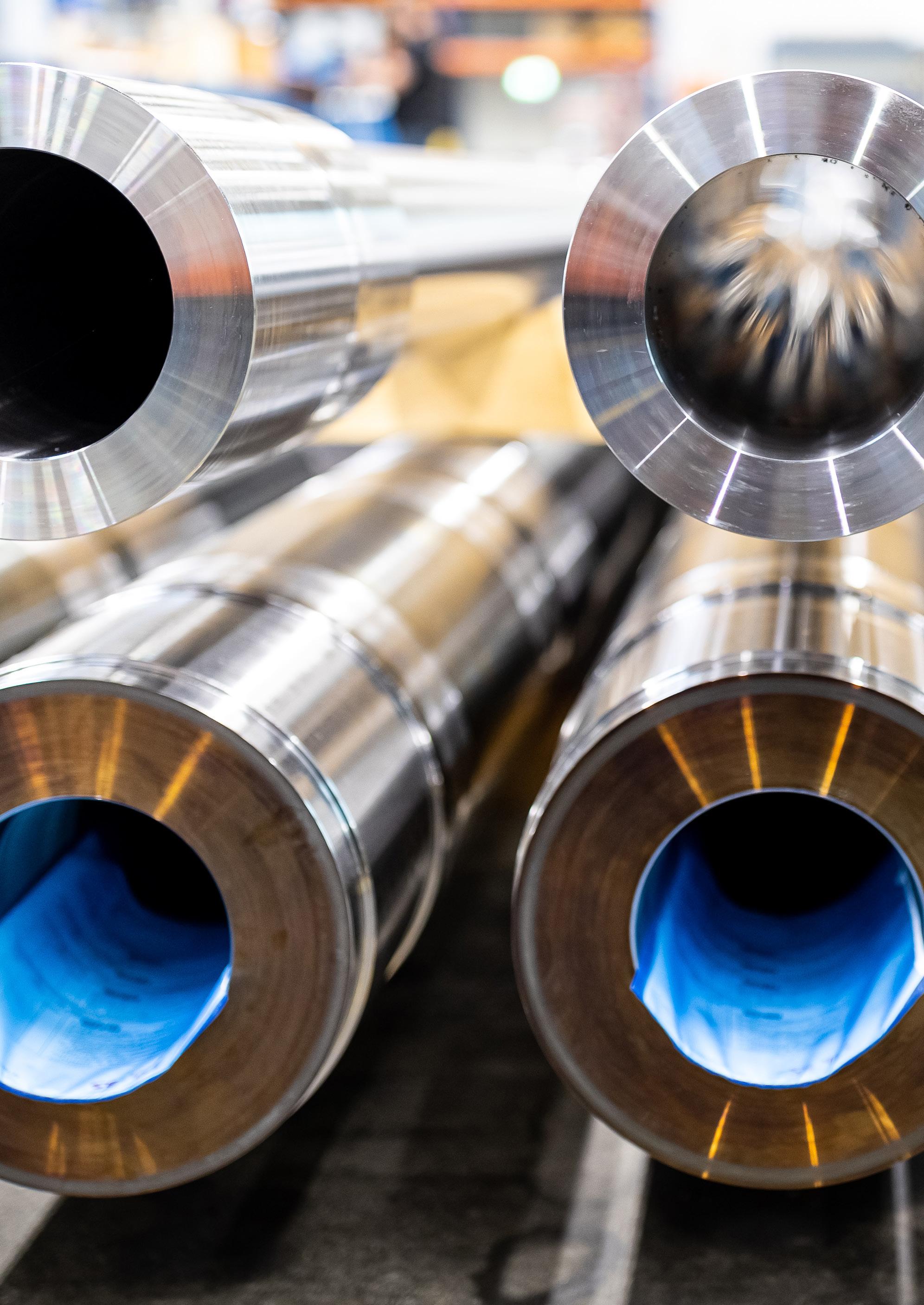
That message is now being realised most visibly in Telford, where the construction of the Gun Hall is reshaping Britain’s industrial landscape. The facility restores a sovereign capability not seen for generations: the production of largecalibre barrels for artillery and armoured platforms. This is not simply an investment in metal and machinery, but in strategic assurance. The United Kingdom will no longer be reliant on external sources for a fundamental component of its warfare capability. Over the coming decade, the project will generate around 100 direct skilled jobs, revitalise regional supply chains, and reinforce the MOD’s ambition under SDR 2025 to mobilise industry at pace when demand surges. It is both a safeguard for sovereignty and a catalyst for economic renewal.

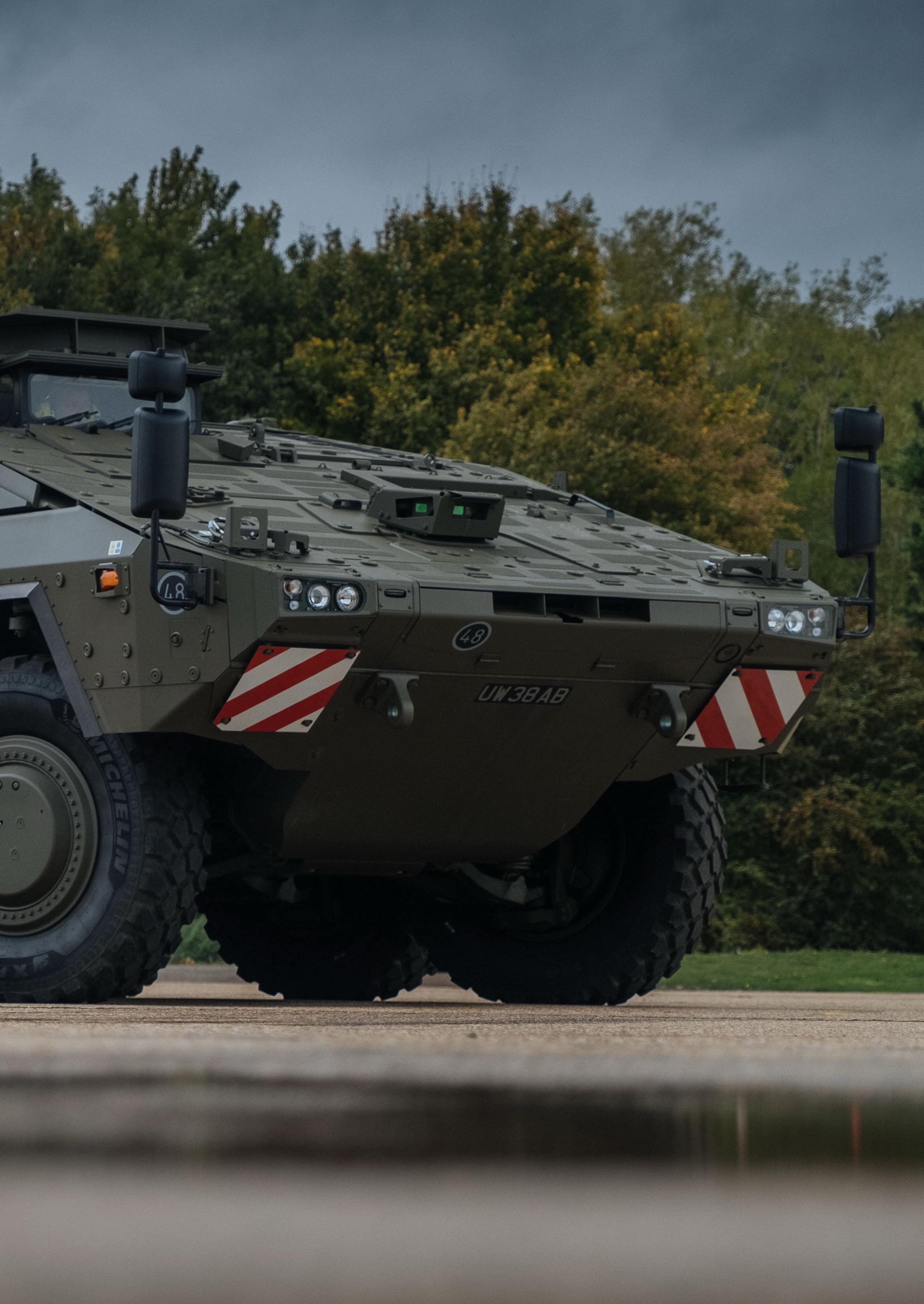
At the core of Thales’ Glasgow operations is a philosophy of empowering crews to ‘see first and act first’. This approach has shaped the technology company’s solutions for decades, from the periscopes of the First World War to the state-of-the-art sighting systems on Challenger 3, Thales’ Glasgow site has been synonymous with precision optics and sighting systems that have shaped the battlefield. These technologies are not only about precision; they are fundamentally about survivability, giving operators the tools to complete missions while protecting lives. This same ethos drives Thales’ contributions to two of the British Army’s most significant modernisation programmes, both delivered in partnership with Rheinmetall: the Boxer Mechanised Infantry Vehicle (MIV) and the Challenger 3 Main Battle Tank.
In partnership with Kongsberg, Thales supplies the Protector RS4 Remote Weapon Station (RWS) for the Boxer MIV. The RS4 is the most widely fielded RWS in the world, with over 20,000 units deployed globally. For the British Army variant, Thales has integrated its high-performance thermal imager and laser rangefinder modules, pairing them with a heavy machine gun and optional Javelin antitank guided missiles. The system also incorporates Thales’ acoustic shot detection and multi-barrel smoke grenade launcher, offering crews both offensive reach and defensive protection.
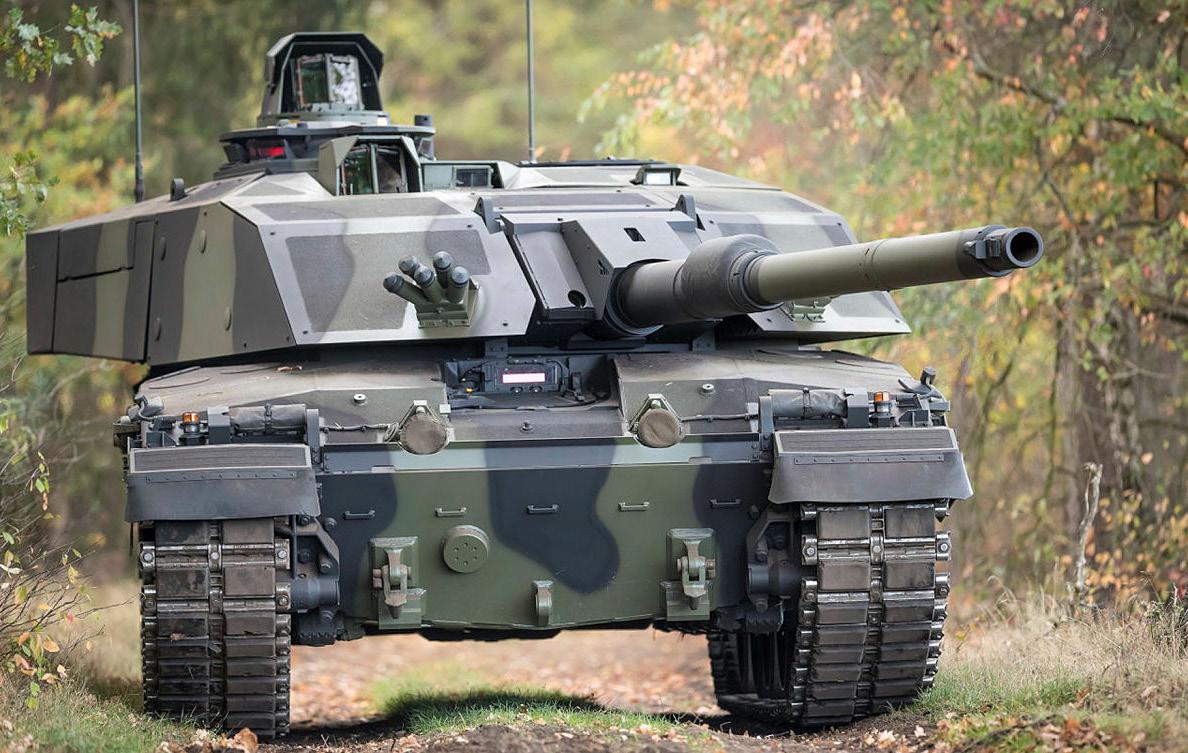
Meanwhile, the Challenger 3 programme benefits from Thales’ TrueHunter commander and gunner sighting systems. Unlike the Challenger 2, both sights are dual-axis stabilised, day-night capable, and able to fire the main
weapon. This enables the commander to identify and hand off targets to the gunner in seconds. When combined with Thales’ DigitalCrew® AI application, the system provides advanced image processing, automated target tracking, and dramatically shortens the Observe, Orient, Decide, Act (OODA) loop. In practice, this means crews can detect threats at long range, act more decisively, and deny the enemy the chance to respond.
Beyond technology, the partnership between Rheinmetall and Thales exemplifies the importance of industrial and supply chain resilience. By producing advanced systems domestically, sustaining skilled employment, and embedding innovation in the UK’s defence economy, Thales ensures that the armed forces are not dependent on fragile global supply chains. This is a defence industrial strategy in practice, securing both capability and sovereignty.
Historically, sensors and sights have been designed to be viewed by the human eye and processed by the brain. But as modern armoured vehicles carry ever more sensors, the cognitive burden on crews has grown. Thales’ answer is DigitalCrew, an AI-driven virtual operator that processes sensor outputs in parallel to the human team.
DigitalCrew uses machine learning to monitor multiple inputs, detect and identify threats, and assist in prioritisation and engagement decisions. By reducing the OODA loop, it enhances survivability in complex, asymmetric


environments. In essence, it gives vehicle crews a digital teammate, one capable of relentless observation and instantaneous data processing.
Looking ahead, this approach will evolve rapidly. Within the next decade, vehicles will rely on edge processing to convert raw sensor data into actionable insights in real time. Sensor fusion will become the norm, drawing on lidar, radar, electrooptical/infrared, acoustic and even hyperspectral imaging. Vehicles will operate as nodes within a networked grid, sharing data with drones, satellites, headquarters and other assets to generate a comprehensive picture of the battlefield. Importantly, these advances will not be confined to new builds. With large stockpiles of legacy armoured vehicles, upgrading existing platforms remains essential. Thales has ensured that certain DigitalCrew capabilities can be integrated into current systems without demanding bespoke hardware, delivering future capability without abandoning proven assets.
Nowhere is the need for rapid innovation clearer than in countering the growing threat of small drones. The war in Ukraine has demonstrated how inexpensive, weaponised uncrewed systems
can devastate armoured formations. Fast, agile, and increasingly guided by AI, drones are difficult to detect and neutralise. Thales is applying its expertise in sensors to develop counter-UAS solutions capable of detecting small drones across wide fields of view at ranges that allow time for effective countermeasures. By adapting its heritage in land platform optics to meet this new challenge, Thales is working to ensure that armoured vehicles remain viable even as the nature of threats evolves.
Another frontier lies in the integration of autonomous systems. Thales is developing technology which enables autonomous platforms to team with crewed vehicles, extending their sensing range and exposing robotic scouts to risk instead of human operators. These humanmachine teams enhance survivability by allowing vehicles to manoeuvre more safely and detect hidden or distant threats. Thales has demonstrated this technology in its recent research and development project with Dstl, called L-DRIC (Land Digital Robotics and Autonomous Systems Integration Capability). The development of these systems is accelerated by digital twin technology, virtual models that allow engineers to test software,
integration, and operational concepts in a simulated environment. Digital twins reduce cost and time, de-risk real-world deployment, and continuously improve as real-world data refines the model. In an era where speed of adaptation is crucial, this capability offers a decisive advantage.
Over the next decade, advances in autonomy, AI, and sensor technology will enable drones and uncrewed platforms to undertake increasingly complex missions. At the same time, counterUAS measures will evolve in response, creating a dynamic cycle of measure and countermeasure. For Thales and its partners, the challenge will be to stay one step ahead.
Cutting-edge solutions aren’t new to Thales; they’ve been pioneering them in Glasgow for over 100 years. Originally founded as Barr & Stroud Ltd in 1888, the site has been integral to the defence of the United Kingdom, supplying periscopes to the Royal Navy since the First World War and providing advanced sights for every British main battle tank over the past 50 years. Today, it remains the oldest part of Thales’ UK operations, anchoring both heritage and innovation in the nation’s defence industry.
This legacy is more than history; it represents a direct and continuing contribution to the local economy. With 7,800 employees across the UK, including 1,000 within the Optronics and Missile Electronics Business Line headquartered in Glasgow, Thales sustains thousands more jobs through its supply chain. The company’s role in high-end manufacturing and technological development reinforces Britain’s industrial resilience at a time when sovereign capability is more critical than ever.
As threats evolve, from drones to asymmetric engagements, so too must the technologies designed to meet them. Through DigitalCrew, counter-UAS solutions, autonomous teaming, and digital twins, Thales is reshaping the future of armoured warfare. Ultimately, the mission remains constant: to give crews the ability to see first, act first, and survive. In doing so, Thales is not just supporting the British Army; it is reinforcing the UK’s sovereign capability, protecting lives, and pulling the future into the present.
www.thalesgroup.com
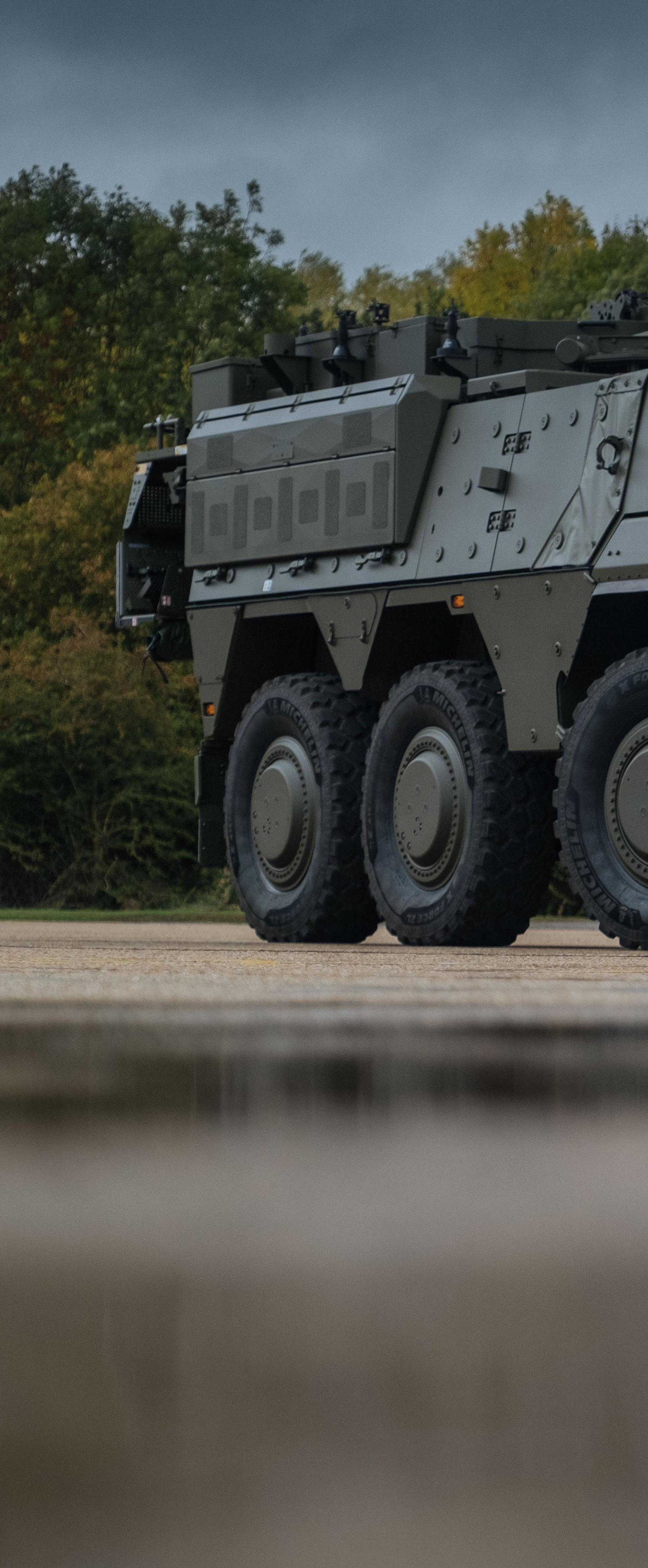
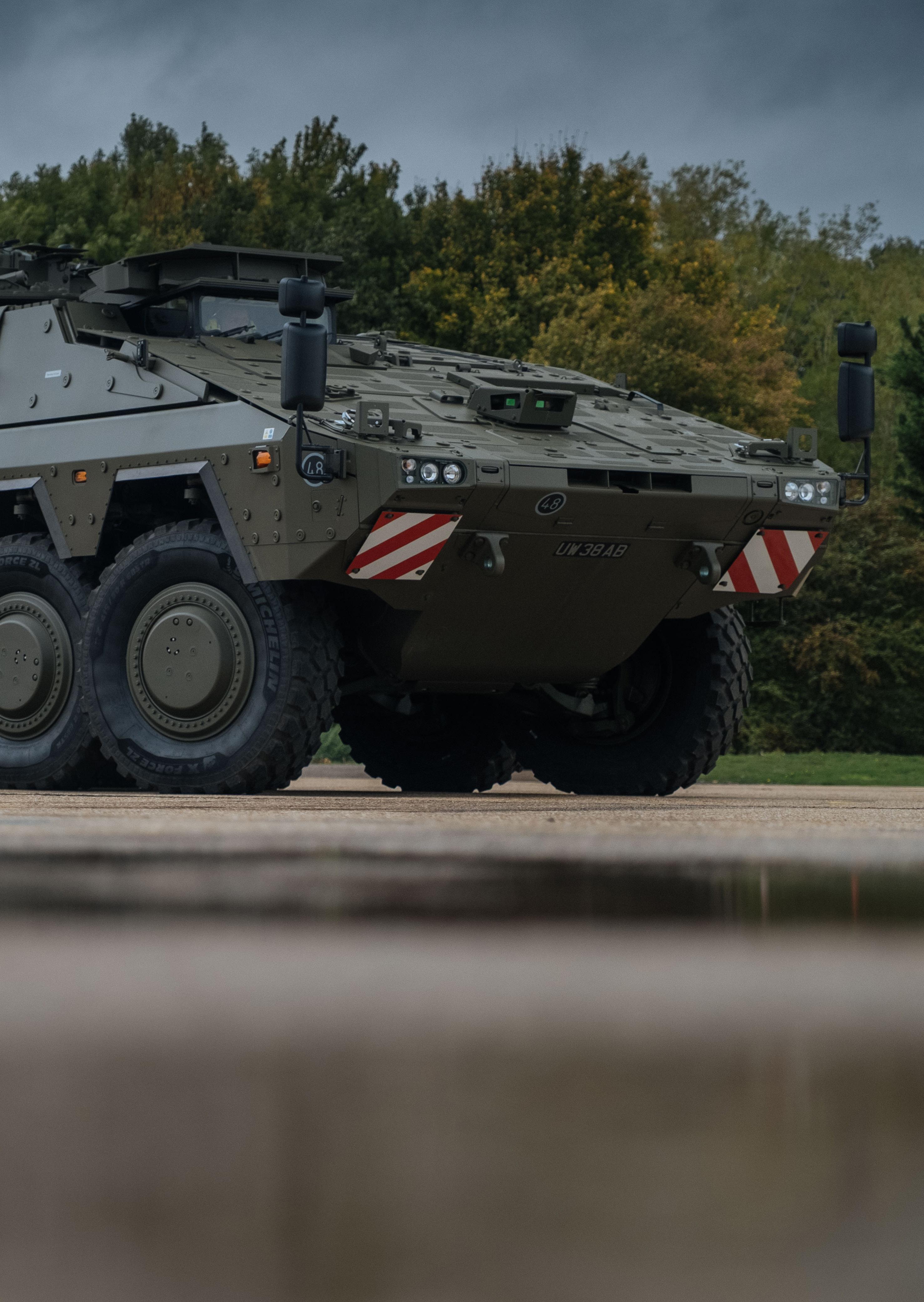
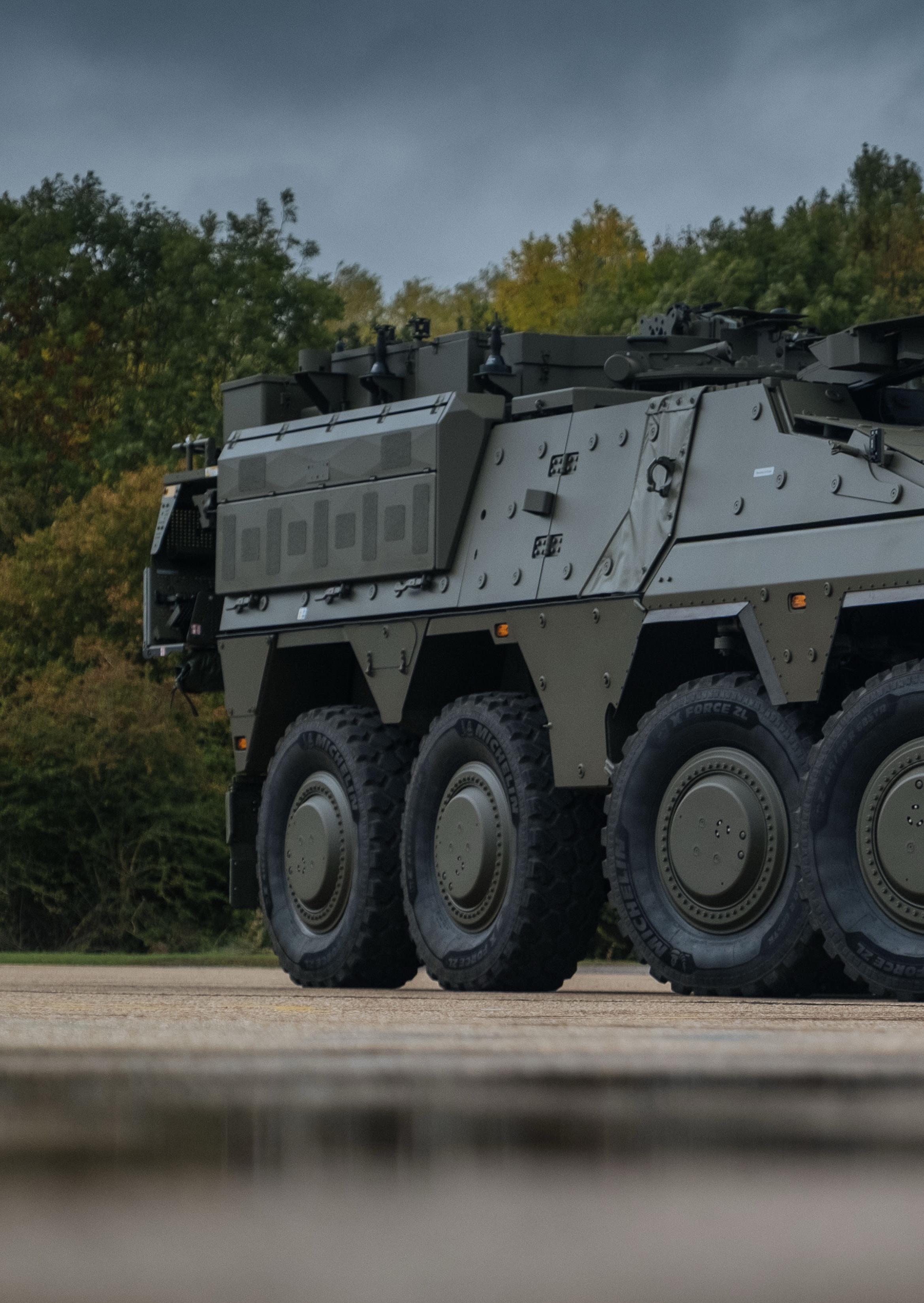
The logic underpinning this approach is clear. Sovereign capability is best preserved by combining international collaboration with strong domestic industrial foundations. The Boxer programme illustrates the balance. While Boxer is the product of multinational cooperation, more than 60 per cent of each British Army vehicle’s value is generated in the UK. The transfer of intellectual property allows Rheinmetall UK not only to build vehicles domestically, but also to adapt them for specific British requirements and evolve them for future needs. At the same time, the programme sustains thousands of jobs in British engineering and manufacturing,
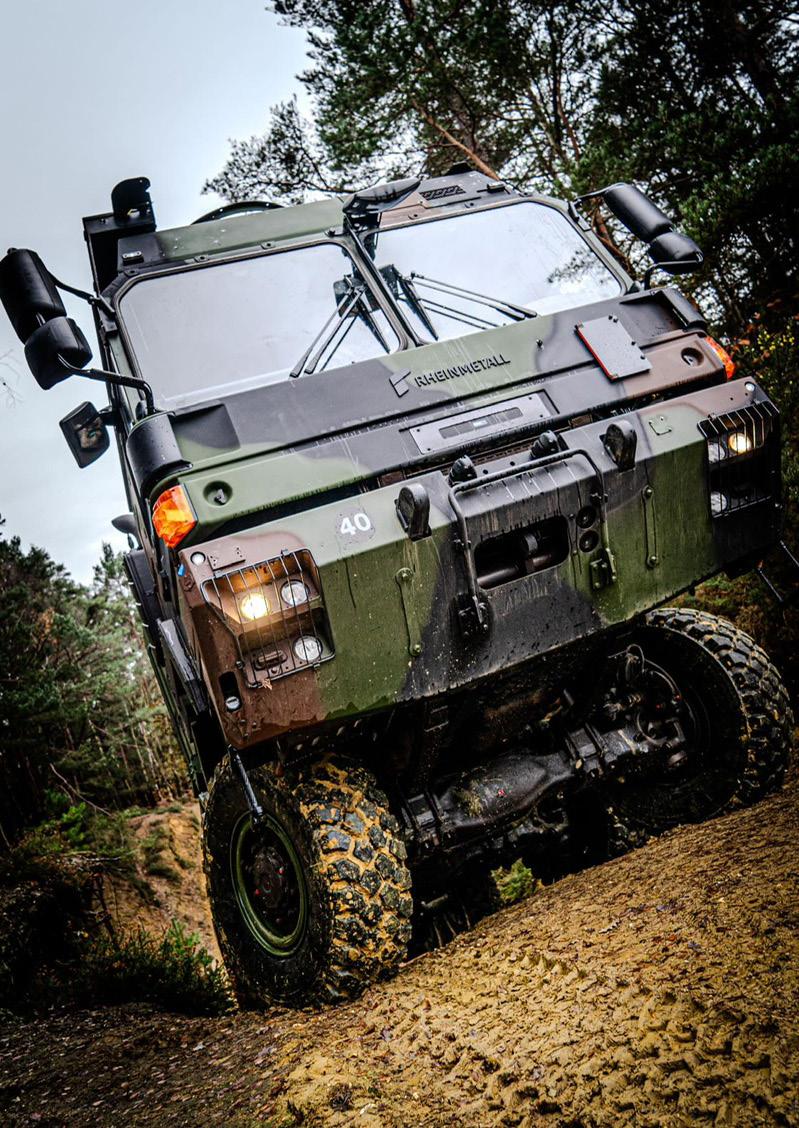
while maintaining NATO interoperability. Equally important is Rheinmetall’s push into AI and autonomy. These are not distant concepts, but capabilities being trialled and refined today. Mission Master uncrewed ground vehicles are already demonstrating advanced sensor and mobility functions. Battlesuite software is giving commanders the benefit of AI-driven decision support, compressing the time between sensing and acting. Rheinmetall MAN Military Vehicles have successfully tested leader-follower autonomy, allowing convoys of supply trucks to operate with reduced manpower in hazardous environments. In Britain,
the newly formed Autonomous Systems Centre of Excellence is accelerating these developments. The centre is not only focused on technology, but also on the frameworks that will allow autonomy to be deployed responsibly: data assurance, ethical oversight, and seamless integration with existing equipment. Rheinmetall is making sure the UK shapes the future of autonomy rather than merely adopting solutions developed elsewhere.
This determination to lead extends to its partnership with Anduril, where platforms such as Barracuda and Fury are being advanced to meet the challenges of
contested, GPS-denied environments. These uncrewed systems bring scalable, cost-effective intelligence, surveillance, reconnaissance, and precision-strike capabilities, which will be central to the MOD’s Recce-Strike and 20-40-40 models. When integrated into broader command networks and paired with crewed assets, they deliver commanders more tactical options while reducing risk to soldiers. The result is a more flexible and survivable force structure.
Rheinmetall’s credibility rests not only on long-term investment and nextgeneration programmes, but also on its
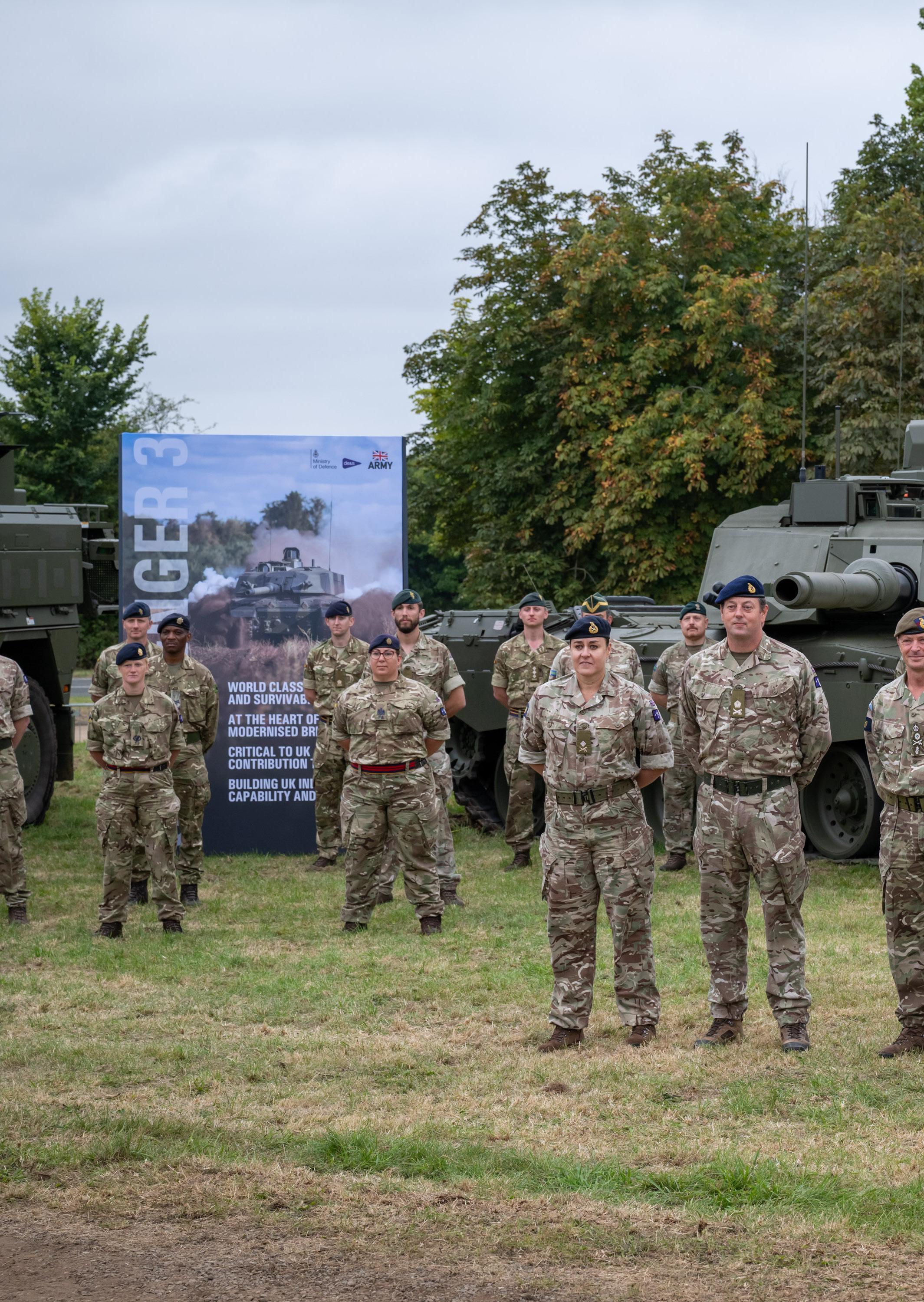
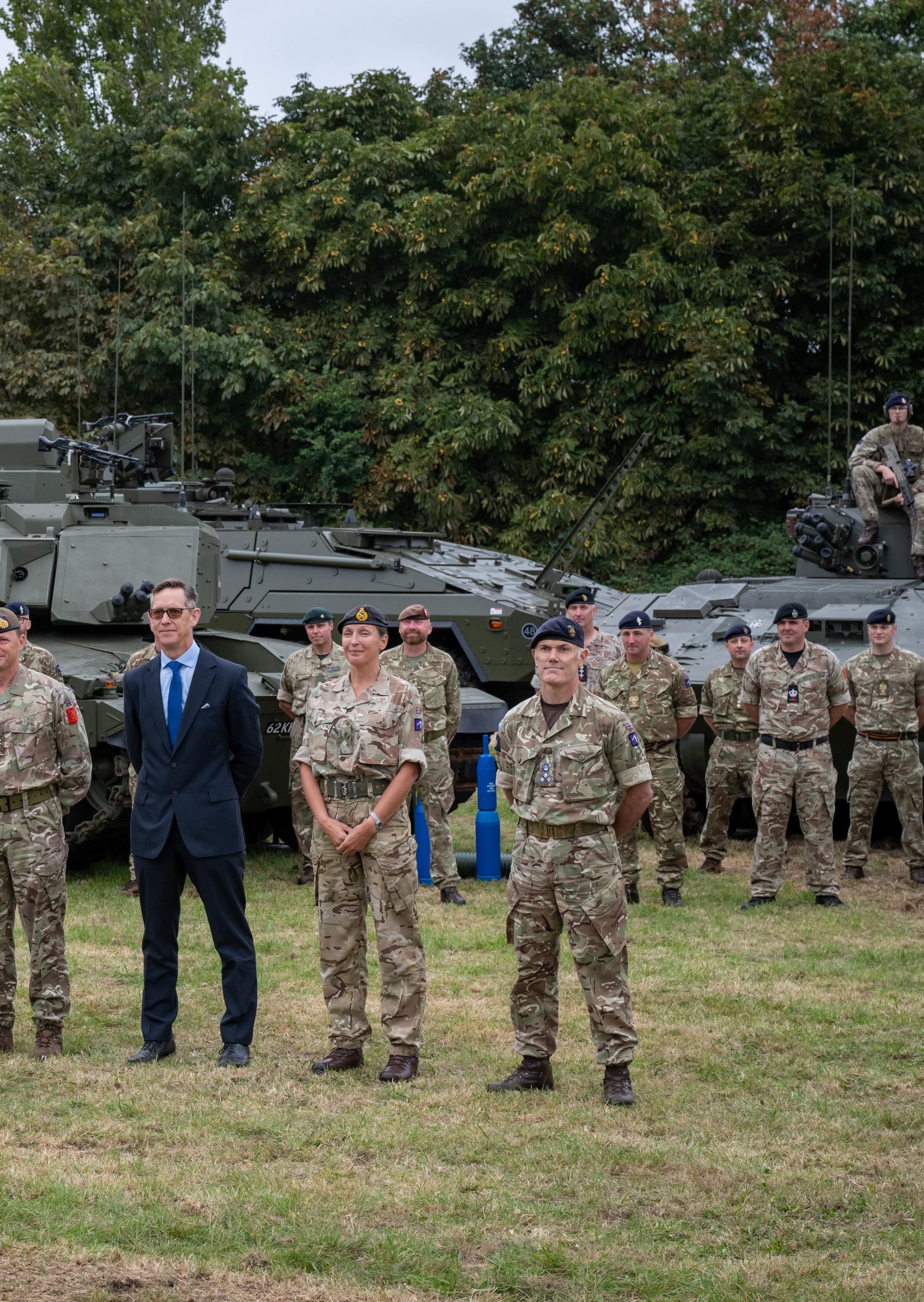
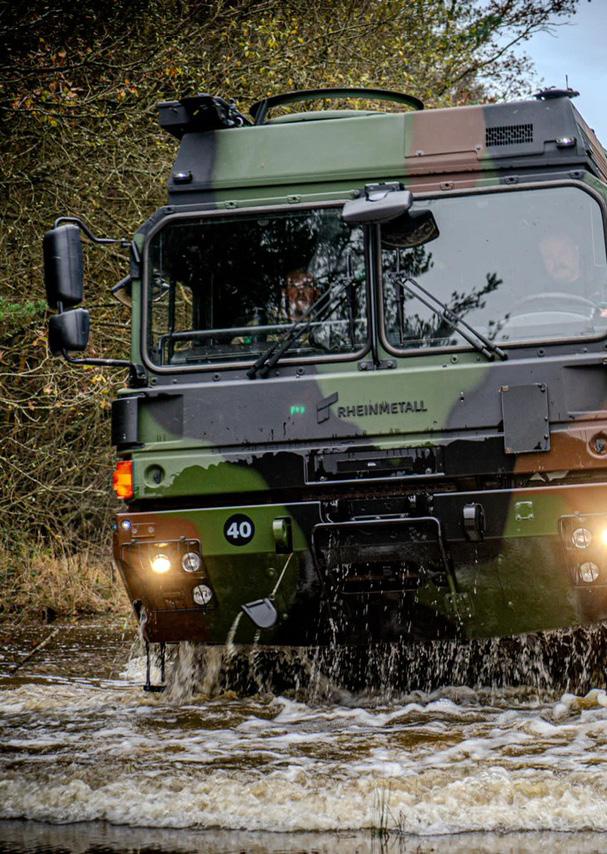
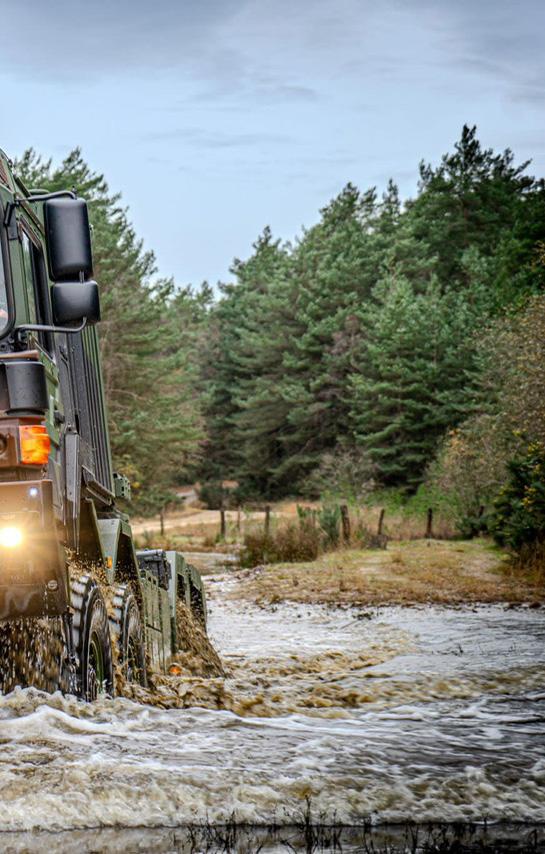
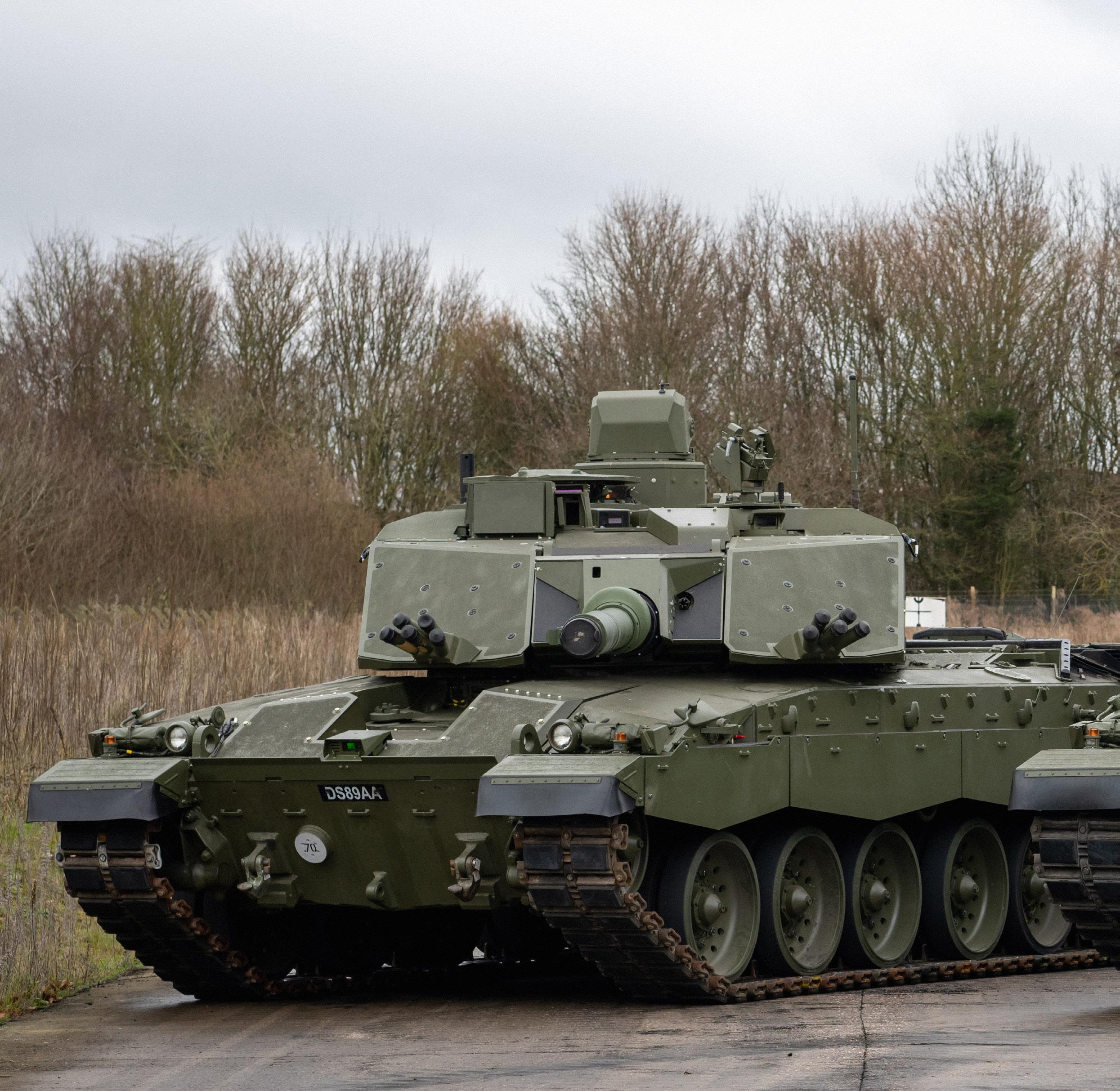
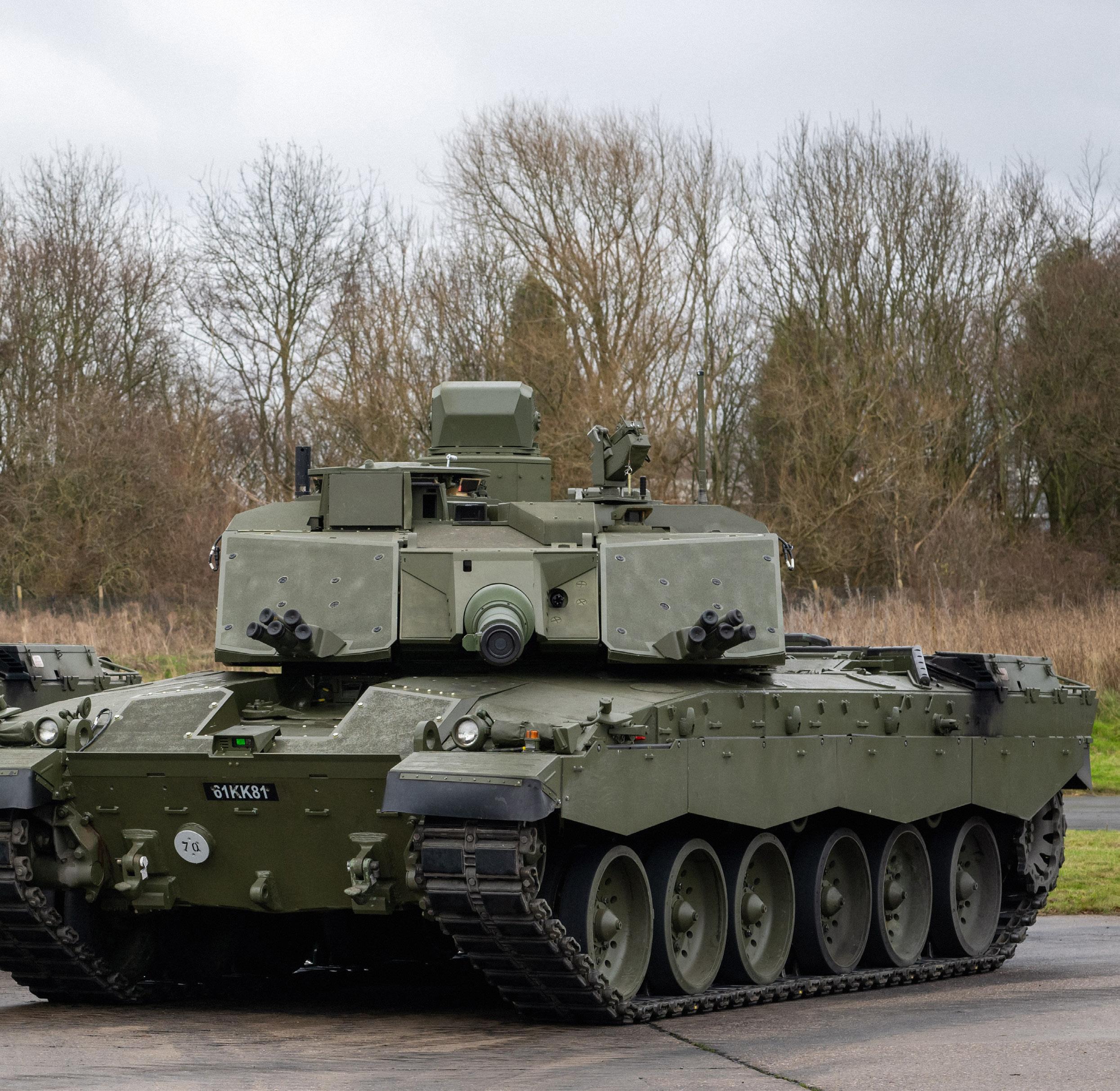
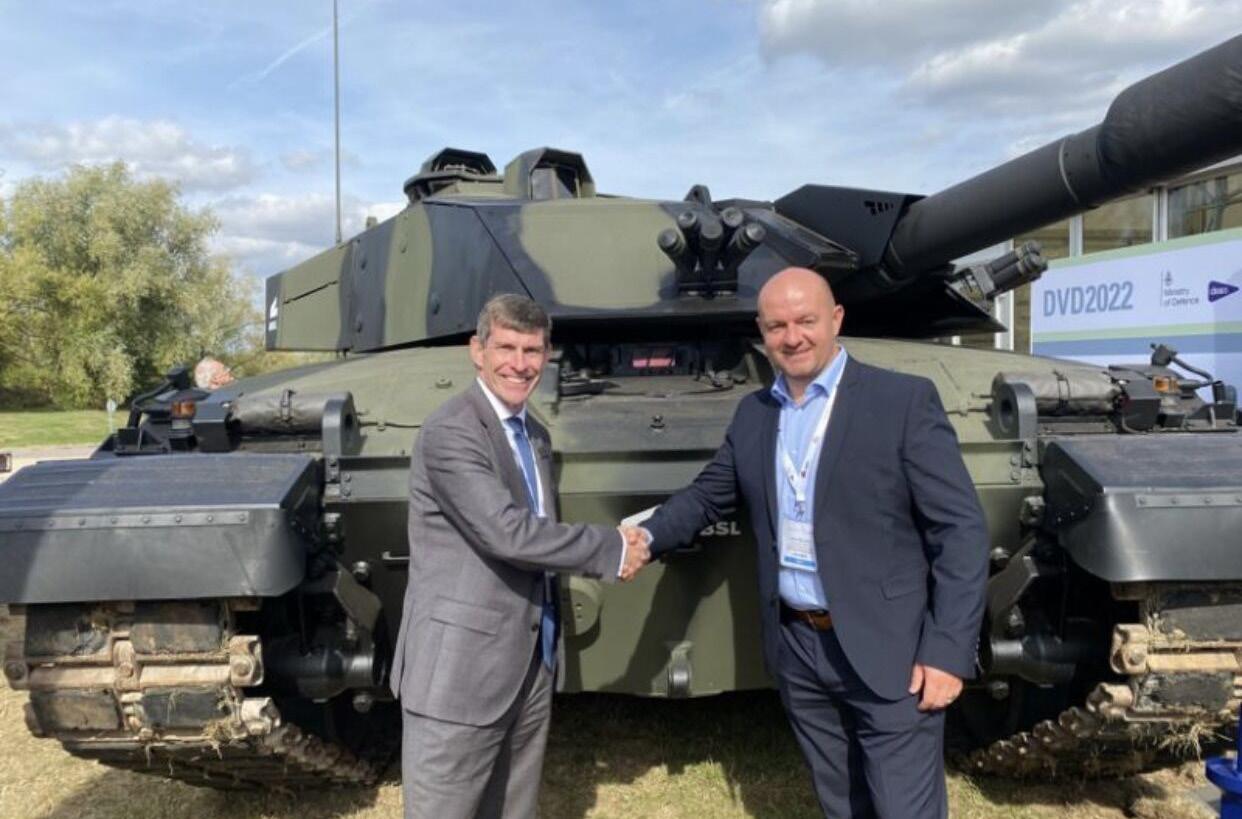
ability to deliver when the Army needs capability now. Its delivery of 500 HX tactical trucks in only seven months is a compelling example of responsiveness. Meanwhile, the Challenger 3 programme represents one of the most ambitious upgrades in British armoured history, equipping the platform with advanced protection systems, digital architecture, and active defensive measures to guarantee relevance through to the 2040s. Boxer, likewise, is being built with modularity in mind, enabling rapid upgrades as new technologies mature. In every case, Rheinmetall underscores that its success is not measured in technical brochures, but in operational relevance on the battlefield.
That operational relevance depends in no small part on supply chain resilience. Global shocks have underscored how vulnerable fragmented networks can be. Rheinmetall UK’s answer is a layered
strategy. At its foundation is sovereign production, exemplified by the Gun Hall. Around this are long-term relationships with British SMEs, which provide agility and rapid response. Finally, integration with NATO-aligned supply networks gives the flexibility and redundancy needed in a crisis. This threefold approach ensures the British Army can be supported both in steady-state conditions and during periods of intense operational tempo.
Exports provide another dimension of resilience. The UK–Germany Defence Export Treaty has unlocked smoother pathways for joint sales abroad. Rheinmetall sees strong opportunities for Challenger 3 derivatives, Mission Master UGVs, the Skynex and Skyranger air defence systems, and its munitions portfolio. Boxer and HX trucks, proven in British service, also offer credibility for allied adoption. Export-led growth is more than a commercial goal; it sustains
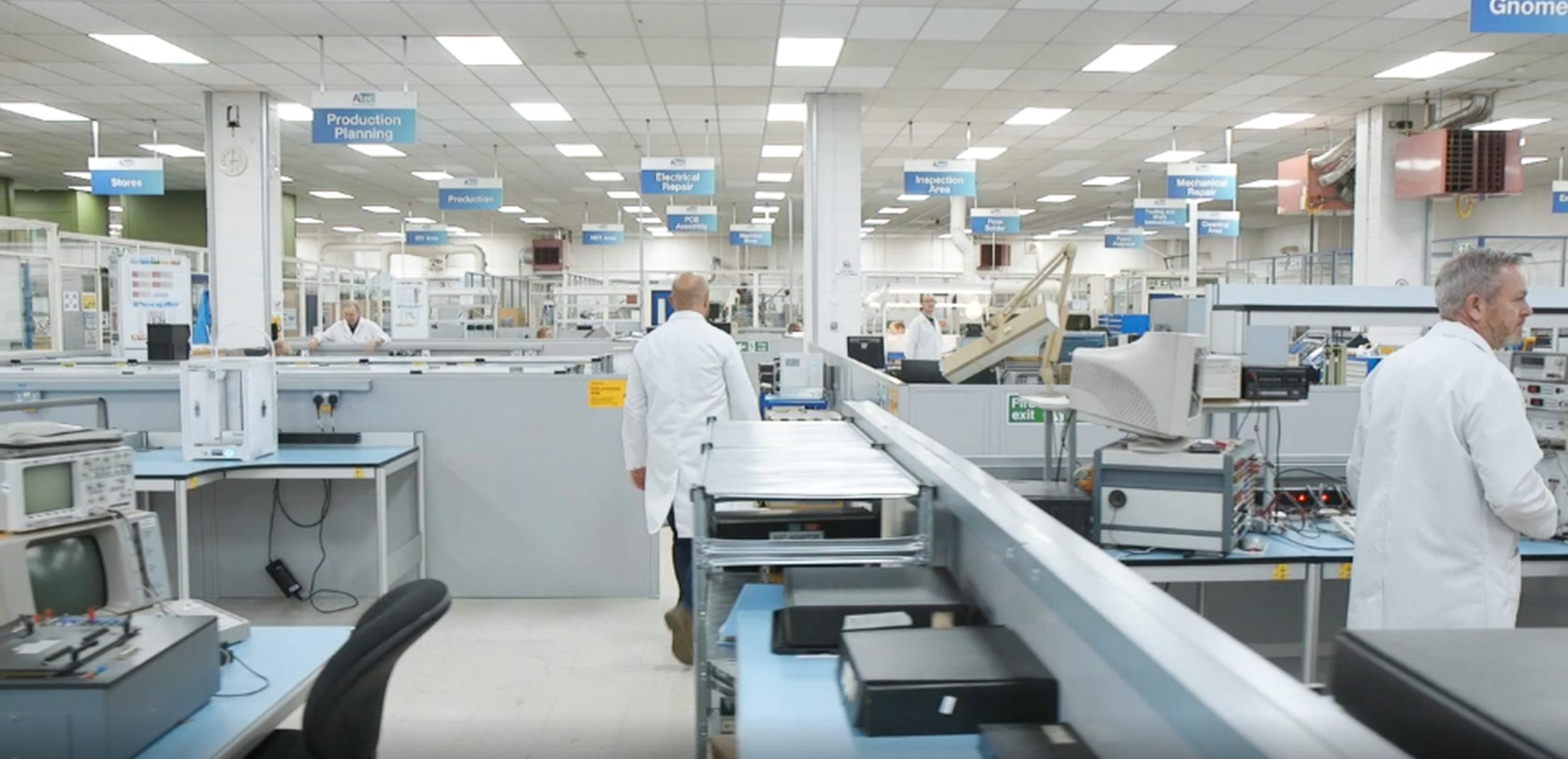
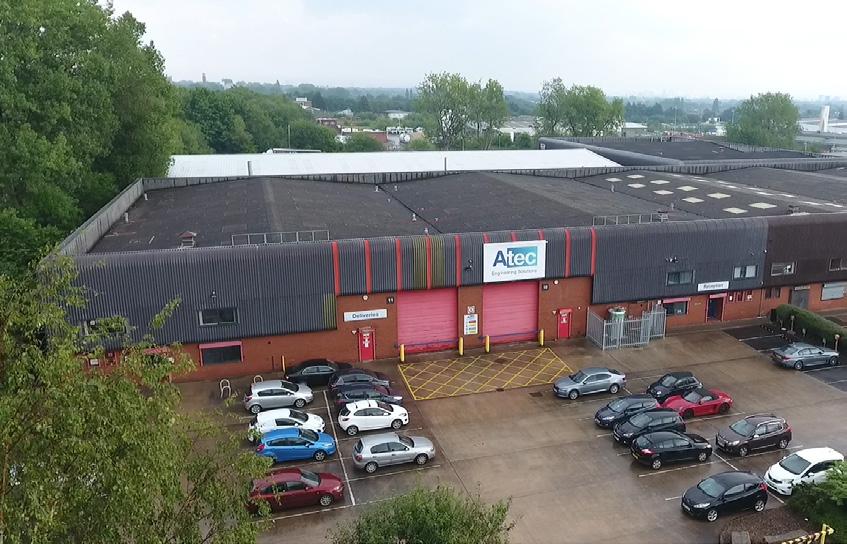
Atec Engineering Solutions have been providing design, manufacture and through life support to safety critical environments for more than 80 years and our strategic partnership with RBSL aligns perfectly with our commitment to provide support to the UK MoD and its operators.
Atec’s position on both BOXER (MIV) and Challenger 3 are critical to us as a UK based SME.

domestic R&D, supports thousands of jobs, and ensures the UK maintains a globally competitive defence industrial base.
Rheinmetall is also ensuring that environmental responsibility is not sidelined. Across its UK operations the company is embedding cleaner production methods, investing in energy-efficient machinery, and sourcing more sustainable materials. Its modular approach to vehicle and weapon system design extends service life, simplifies upgrades, and reduces waste. These choices align with the MOD’s net zero targets and highlight the reality that sustainability is not at odds with defence capability. In fact, designing for longevity and efficiency enhances resilience, ensuring platforms remain effective for decades with lower environmental cost.
Another area where Rheinmetall is making decisive investment is in munitions. The renewed focus on ammunition stockpiles, driven by surging global demand and the lessons of recent conflicts, has transformed this once-overlooked sector into a strategic priority. Rheinmetall’s joint venture in Romania highlights efforts to allied capacity, ensuring an “always-on” supply of munitions that meets SDR 2025’s call for permanent readiness.
None of this is possible without people. Rheinmetall UK recognises that sovereign capability depends on sovereign skills. It is investing heavily in workforce development, creating hundreds of new roles and expanding apprenticeships, technical training, and partnerships with universities. STEM outreach programmes are inspiring young people to pursue careers in defence engineering and digital technology, while upskilling initiatives ensure today’s employees stay at the forefront of manufacturing and autonomy. The result is not just a stronger company, but a stronger national skills base that will support Britain’s defence industry for decades.
Platforms such as Challenger and Boxer are treated as living systems, continuously upgraded to remain relevant in changing threat environments. At the same time, Rheinmetall is investing in entirely new domains, from AI-enabled decisionmaking to uncrewed platforms and integrated networks, often through partnerships with agile British SMEs. This blend of proven engineering and cutting-edge development reflects exactly what SDR 2025 calls for: fast, relevant, and resilient innovation grounded in operational need.
Looking towards 2030, Rheinmetall UK defines success not merely as scale or contract wins, but as trust and embeddedness. By then, it expects to be leading platforms like Challenger 3 and Boxer through their full lifecycle, expanding the UK’s intellectual property base, growing exports, and sustaining a resilient industrial foundation. Above all, it seeks to embody the three attributes that now define its mission: relevance, reliability, and resilience.
“Rheinmetall UK is investing in Britain’s future defence strength - bringing worldclass IP, manufacturing, and jobs into the UK, restoring critical sovereign capabilities, and delivering cutting-edge systems for the British Army and our NATO allies. Our focus is simple: relevance, reliability, and resilience for the challenges ahead.”
In the end, Rheinmetall UK’s story is not simply about investment or technology. It is about commitment. The company is embedding intellectual property, creating sovereign capability, and aligning itself with Britain’s long-term defence needs. It is revitalising supply chains, advancing autonomy and AI, supporting sustainability, and nurturing the workforce of the future. It is doing so at a scale that sets a new benchmark for what partnership between industry and government can achieve. In an age when resilience has become the true measure of strength, Rheinmetall UK is ensuring that Britain’s defence future is sovereign, sustainable, and strategically assured. www.rheinmetall.com