DECEMBER 2025-FEBRUARY 2026
ISSUE 104
DECEMBER 2025-FEBRUARY 2026
ISSUE 104
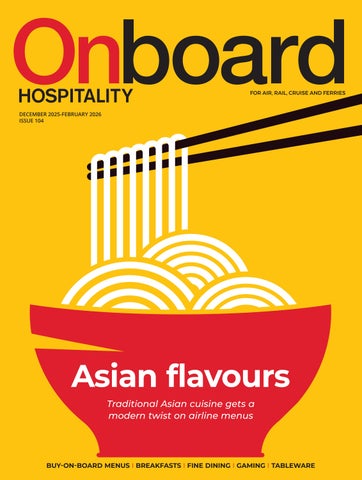
Traditional Asian cuisine gets a modern twist on airline menus
EDITORIAL
ACTING EDITOR
Bev Fearis bev.fearis@bmipublishing.co.uk
TECHNOLOGY & RETAIL EDITOR Stuart Forster stuart.forster@onboardhospitality.com
CONTRIBUTING EDITORS
Julie Baxter, Jo Reeder, Jo Austin
CONTRIBUTORS
Kelly Stevenson, Melissa Adamski
TASTE OF TRAVEL COORDINATOR Jo Austin
EDITORIAL DIRECTOR Steve Hartridge
PUBLISHER Sue Williams sue.williams@onboardhospitality.com
ASSOCIATE PUBLISHER Craig McQuinn craig.mcquinn@onboardhospitality.com
DESIGN & PRODUCTION
DESIGNERS
Caitlan Francis, Colette Denham, Matt Bonner
OPERATIONS DIRECTOR Clare Hunter
PRODUCTION ADMINISTRATOR Steve Hunter
BMI PUBLISHING
MANAGING DIRECTOR Matt Bonner
CEO Martin Steady
SUBSCRIPTIONS Kay Fisher subscriptions@bmipublishing.co.uk
(PRINT) ISSN 2046-2042. ©BMI PUBLISHING LTD 2023. ONBOARD HOSPITALITY IS PUBLISHED BY BMI PUBLISHING LTD: 501 THE RESIDENCE, NO. 1 ALEXANDRA TERRACE, GUILDFORD, GU1 3DA, UK. T: 020 8649 7233 E: ENQUIRIES@BMIPUBLISHING.CO.UK BMIPUBLISHING.CO.UK
WHILE EVERY EFFORT IS MADE TO ENSURE ACCURACY, BMI PUBLISHING LTD CANNOT BE HELD RESPONSIBLE FOR ANY ERRORS OR OMISSIONS. COVER IMAGE: ISTOCKPHOTO.COM/DAR WOTO Regularly read in over 70 countries worldwide and mailed to our 25,000+ international database. Read this magazine in digital form, share it virtually or subscribe. If you are looking for a supplier or caterer, check out onboardhospitality.com/finder
Connect online
@OBHMagazine Onboard Hospitality at linkedin.com onboardhospitality.com



RECOGNISING EXCELLENCE IN AIR, RAIL, CRUISE AND FERRIES awards.onboardhospitality.com



Bev Fearis ACTING EDITOR Onboard Hospitality
Wow! If proof be needed of excellence and innovation in this sector, let me share with you some exciting news about the 2026 Onboard Hospitality Awards. We're still counting, but already we're seeing a record number of entries, jumping from just under 200 in 2025 to...wait for it...nearly 300. And, as ever, the quality of submissions is extremely high. I don't envy our expert judges (see page 12) who will have some tough decisions to make, but before then, it's your turn. All of the entries will be featured on our website, onboardhospitality.com, so check them out and have your say when public voting opens on January 1.
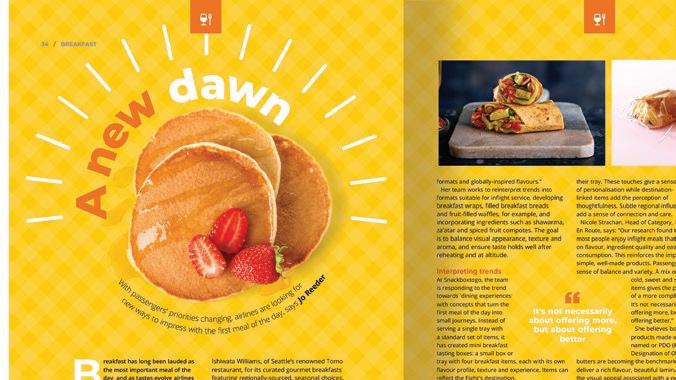
We've added new F&B categories for 2026 and we explore one of them, breakfasts, in our in-depth feature on page 34. Also in this issue, we look at the latest trends in fine dining (page 38) and tableware (page 48), while our cover story examines the growing influence of Asian cuisine (page 26).



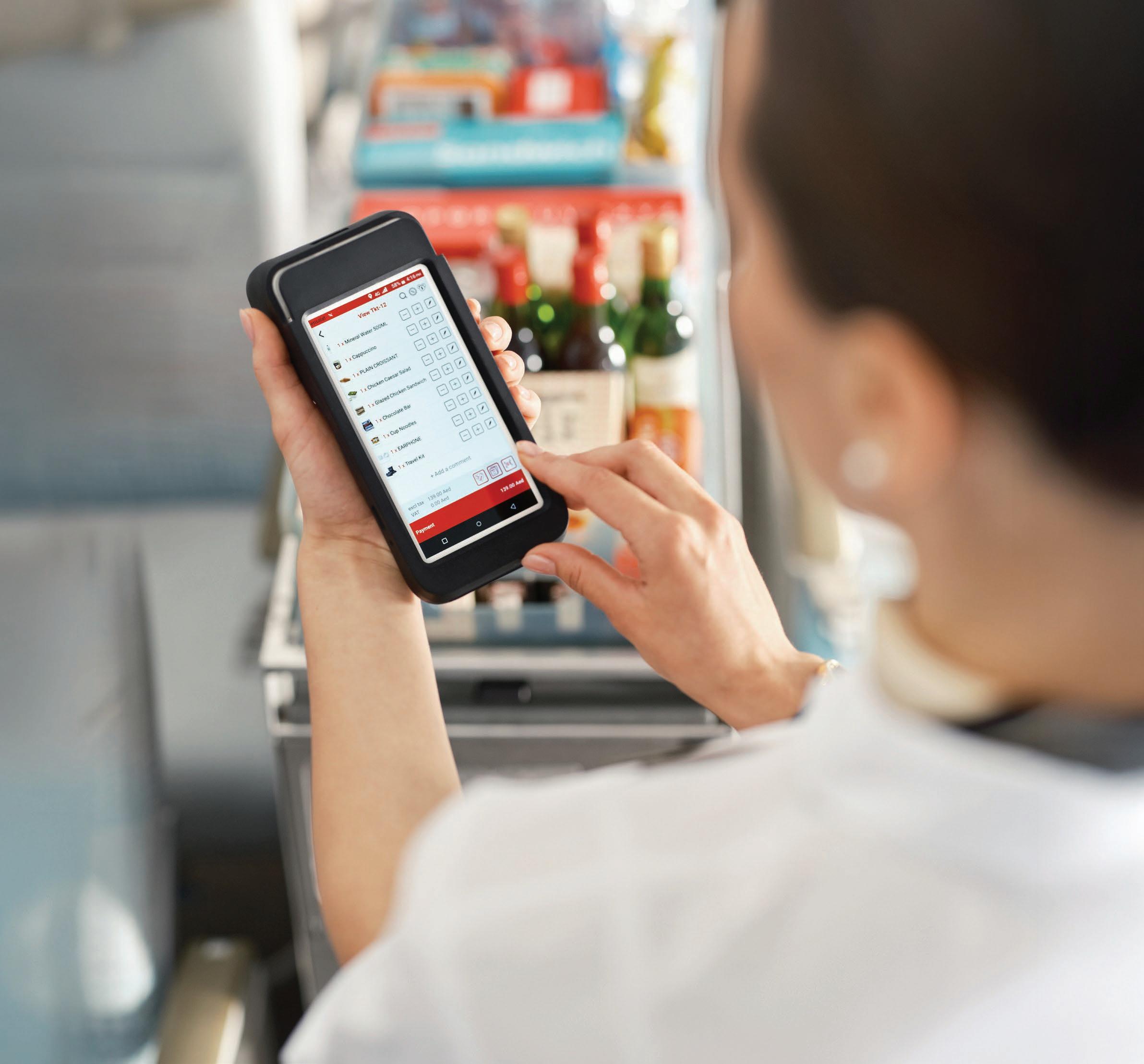
We explore the power of buy-on-board menus (page 66), delve into the world of inflight gaming (page 64), and chart game-changing developments in onboard connectivity (page 62).
I can't wait to see what the next year brings, but in the meantime, I wish you all a fun festive break –and a well-deserved rest!
MEET THE TEAM...






46 Regional diets: From Mediterranean to Blue Zone, which
48 Tableware: The latest design trends
Focus on: Korean Air
56 Inflight gaming: How onboard connectivity is transforming gaming 61 In Conversation: Bill Milroy, ThinKom Solutions 62 Connectivity: Amazon Leo in the spotlight
64 Retail trends: Report from TFWA Cannes 2025 66 Buy-on-board menus: Why menus are crucial to drive onboard F&B sales
























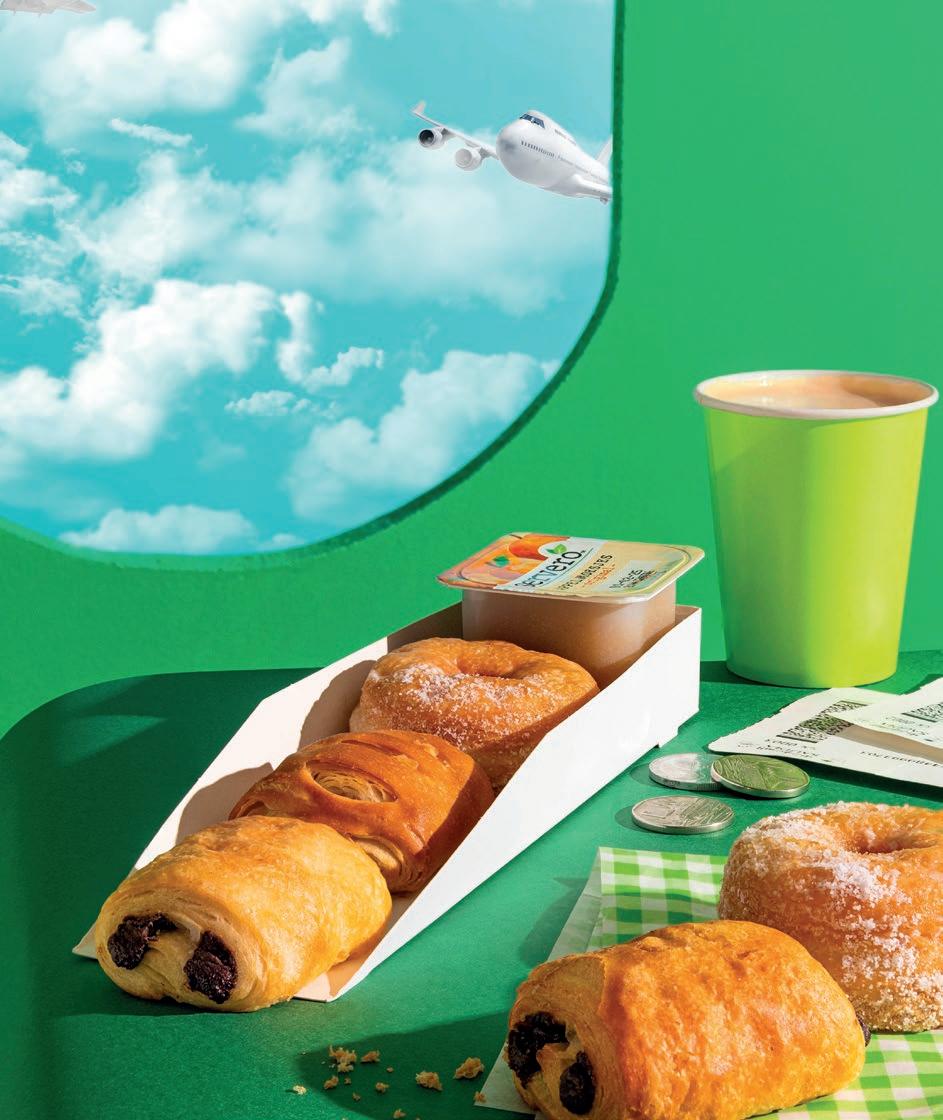




SWISS has introduced new First and Business amenity kits for kids, in partnership with Skysupply.
The fun, practical and sustainable amenity kits have been tailored for children under 12, and feature drawstring bags that can be carried by hand or worn as a backpack.
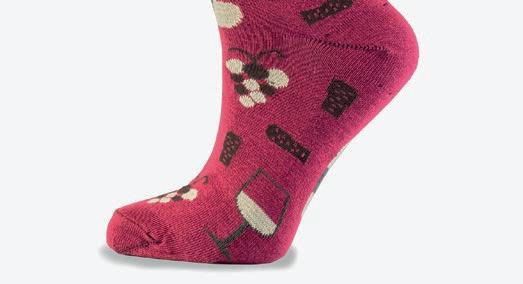
The bags are made of recycled polyester and include a light-blue sleeping mask, sage-green socks with airplaneshaped grips, a blue Humble toothbrush made of cornstarch with toothpaste, and an Os and Xs game. The bag itself is printed with the game's grid, doubling as the board.
“By combining practical and entertaining items made from sustainable materials and designed for reuse, SWISS strengthens its connection with the next generation of travellers – tomorrow’s loyal customers,” a spokesman said.
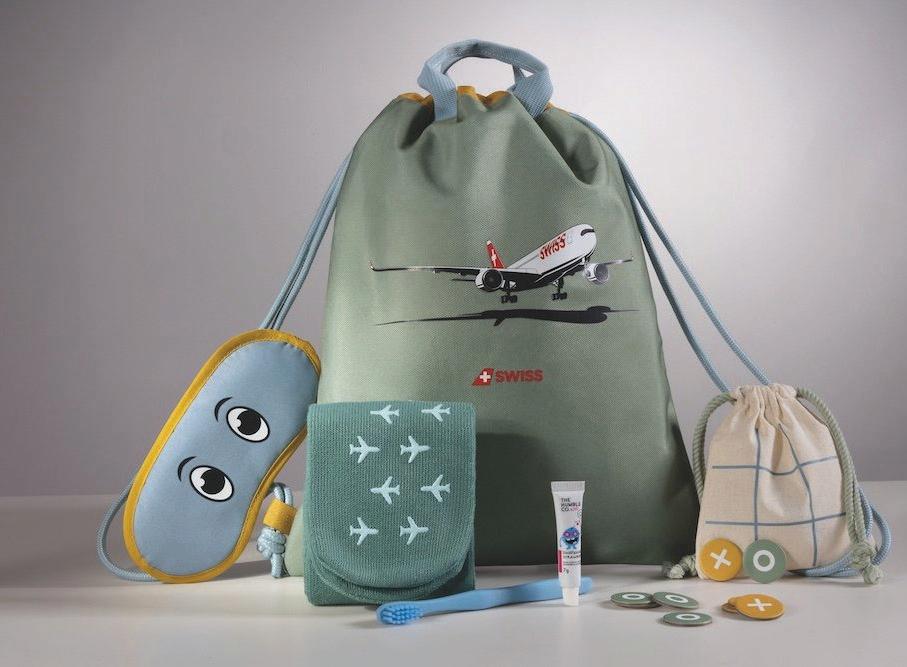
Virgin Atlantic's F&B winter service now includes a new breakfast concept, seasonal dishes and mid-flight pizzas.
Launched after passenger feedback prioritised 'simplicity, balance and freshness', the service in Upper Class and Premium includes a cold continental entrée, paired with a layered yoghurt, fruit and a granola bowl.
New main courses in Upper Class include oven baked chicken breast or a mini chicken pie; baked cod with smoky tomato ragù or a vegetarian Ras el Hanout roasted aubergine
with tomato sauce, feta and sumac yoghurt.
New wellness drinks include the Pentire Paloma, a botanical non-alcoholic cocktail, and the Revibed Raspberry & Açaí Superfood RTD.
A refreshed snack selection features British brands such as Kooky Mango, Nourish Vegan Health Bars and Art of Chocolate Mini Bars.
In Premium, there is a new cod fishcake with crushed minted peas.
The popular Mile High Tea returns with refreshed patisserie items and new sweet and savoury selections.
• All Nippon Airways has renewed its wine selection on international flights with an 82-bottle lineup curated from a global pool of more than 1,000 submissions • dnata Catering & Retail has introduced a new inflight retail programme for Aer Lingus as part of a new, five-year contract which will sit alongside its contract for catering services • American Airlines has partnered with Lingokids and Audible to add more kids entertainment, including the first five chapters of Harry Potter and the Sorcerer’s Stone, songs, stories and games • Korean Air is switching its inflight meal containers to those made from more sustainable plant-based materials
• Singapore Airlines is introducing an exclusive range of gourmet desserts for Premium Economy and Economy class passengers designed by guest chef Monica Galetti • Etihad is to deploy Viasat Amara across its entire widebody and narrowbody fleets to revolutionise the passenger experience, provide high-speed inflight connectivity for streaming, live TV, social media and browsing • Creative Nature has created a new, exclusive product, Light and Crunchy Thins, for Austrian Airlines, free from 14 allergens, vegan-friendly and made with natural superfoods • Air Astana has incorporated a Kazakh heritage motif into the design of its new Meridian Business class headset from Linstol •
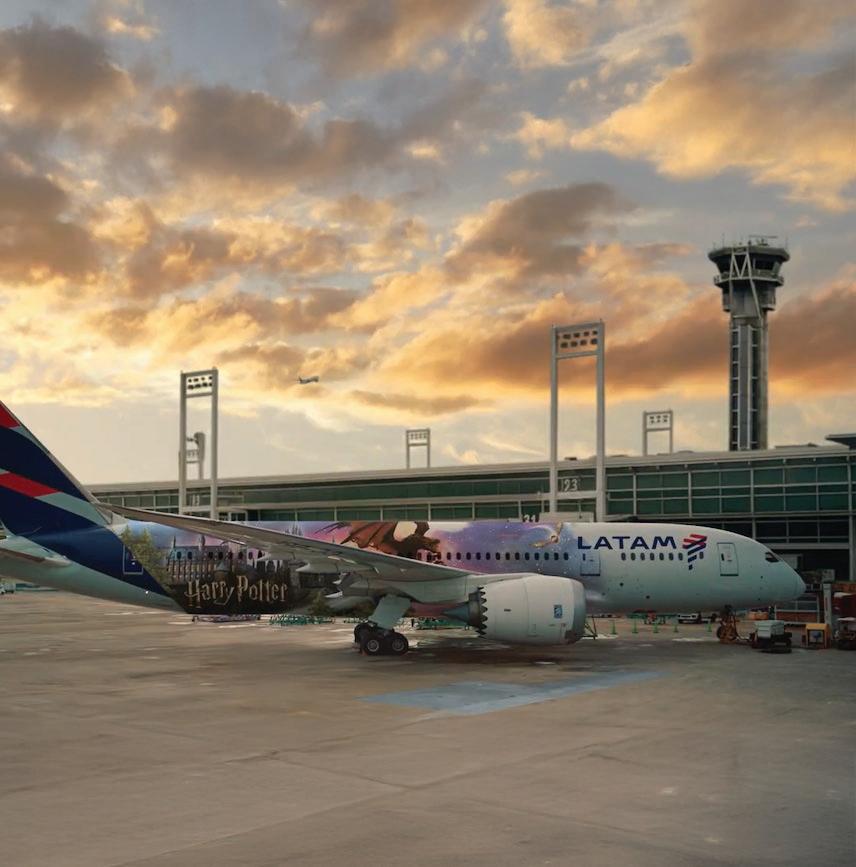
LATAM HAS PARTNERED WITH WARNER BROS TO LAUNCH HARRY POTTER THEMED LIVERY, INTERACTIVE EVENTS AND ACTIVATIONS FOR THE WIZARD'S 2OTH ANNIVERSARY IN 2026.
British Airways has signed a deal with Starlink that will give passengers in all cabin complimentary Wi-Fi from 2026. Offering connectivity speeds similar to those in well-connected homes, Starlink’s Low Earth Orbit satellite constellation provides fast connectivity even in isolated areas of the world.
BA’s Starlink rollout will begin in 2026 and the service will be accessible for streaming, working and keeping in touch without any special login. This is the latest
milestone in the airline's £7 billion investment in transformation announced in 2024.
Sean Doyle, Chairman and Chief Executive at British Airways, said: “Launching Starlink on both long-haul and short-haul aircraft is game-changing for us and our customers, elevating their experience onboard our flights by offering them seamless connectivity from gate to gate. Especially on short-haul, this will really differentiate us from our competitors,” he added.
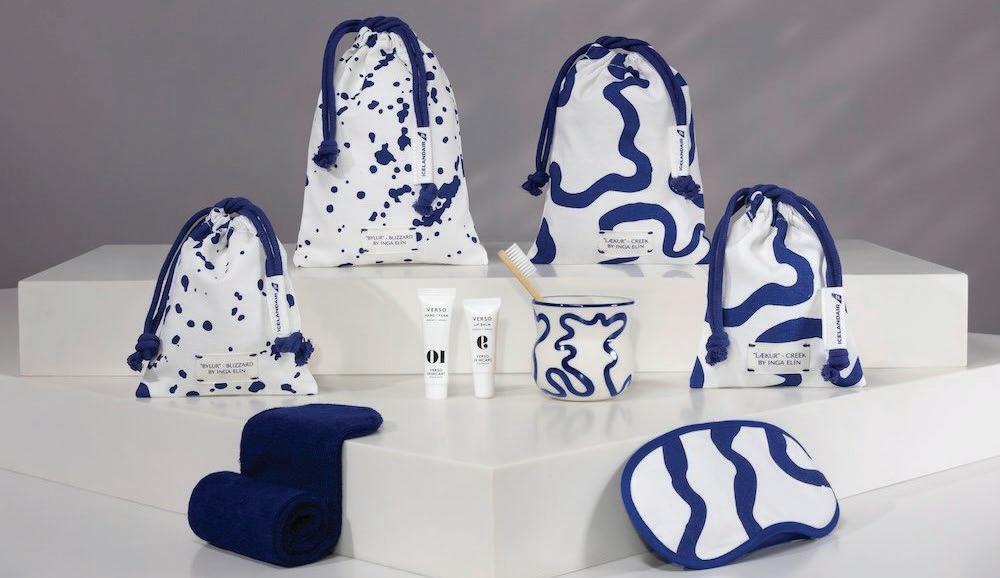
Icelandair is introducing on-demand Business class amenity kits available in more than 200 patterns, designed by Inga Elín, a local artist best known for the Veltibolli cup.
Passengers can choose contents from an amenity kit selection outlined in the inflight drinks menu.
Options include a sleeping mask with a pattern that matches the bag, a paper-wrapped dental kit with a bamboo toothbrush and toothpaste, paper-wrapped earplugs, socks, as well as lip balm and hand cream from Verso Skincare, a Swedish brand with a strong Nordic ethos, which shares Icelandair’s values.


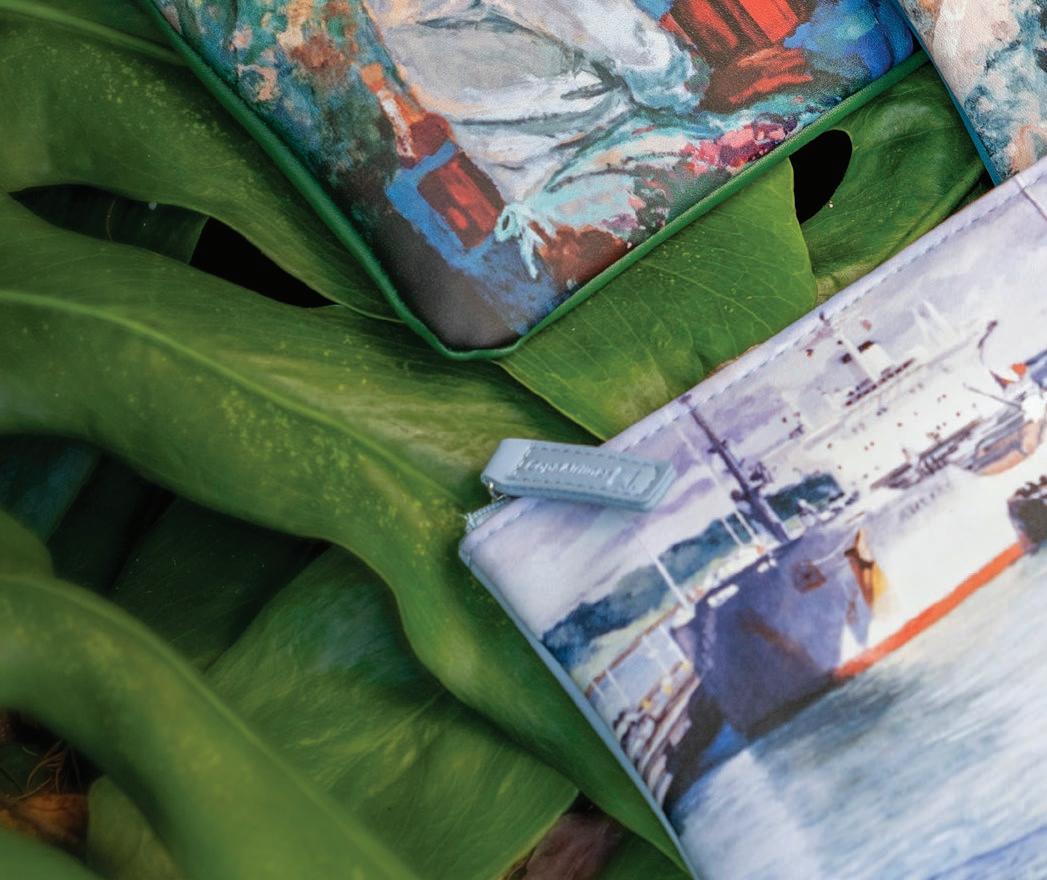
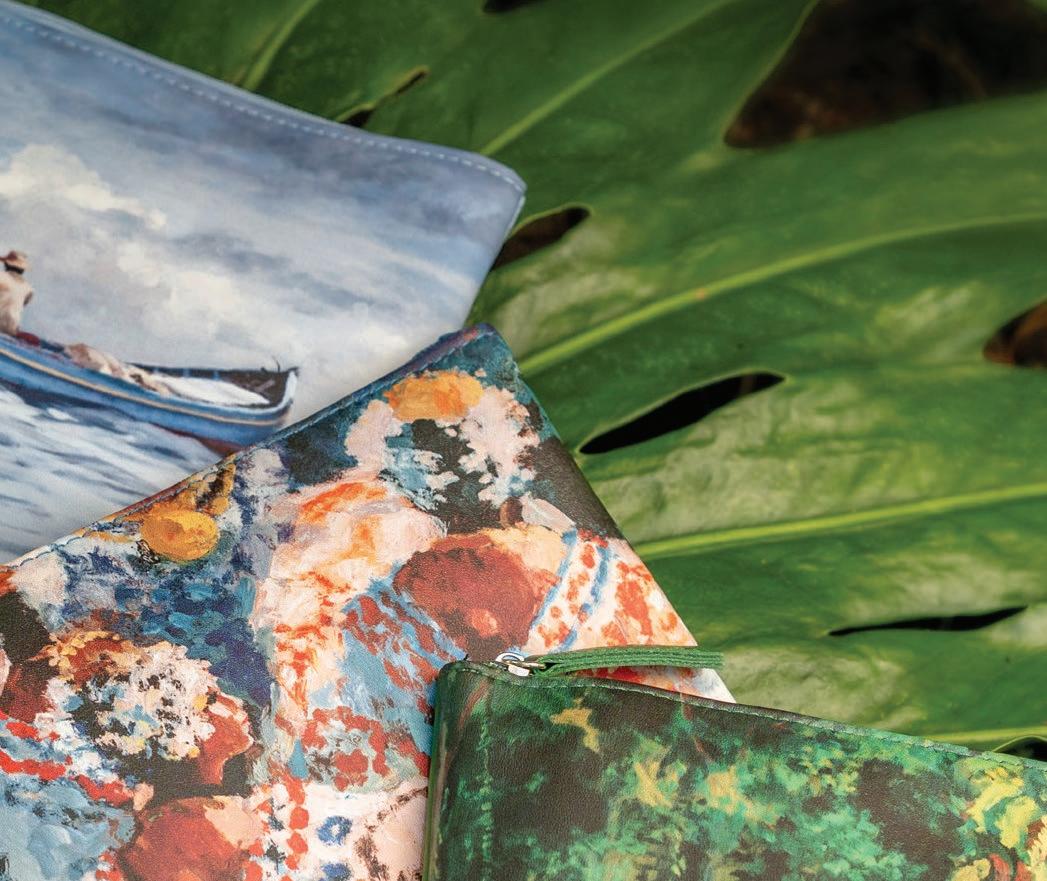
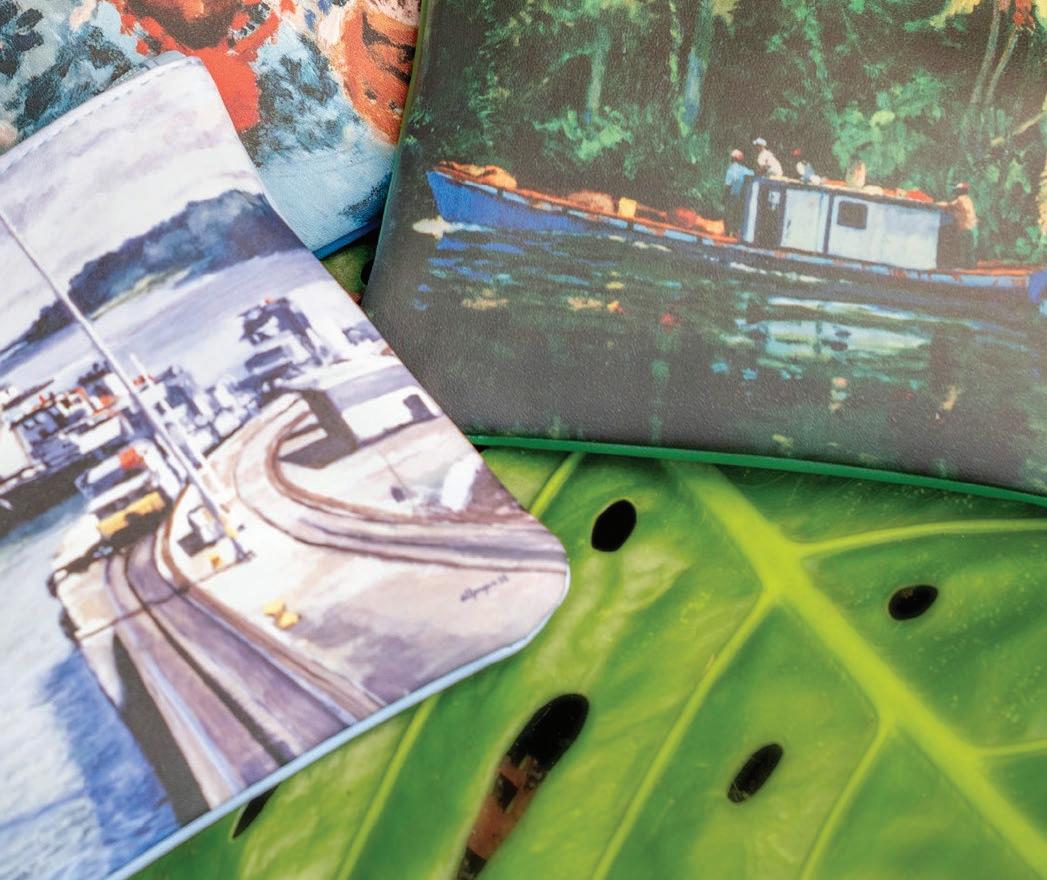
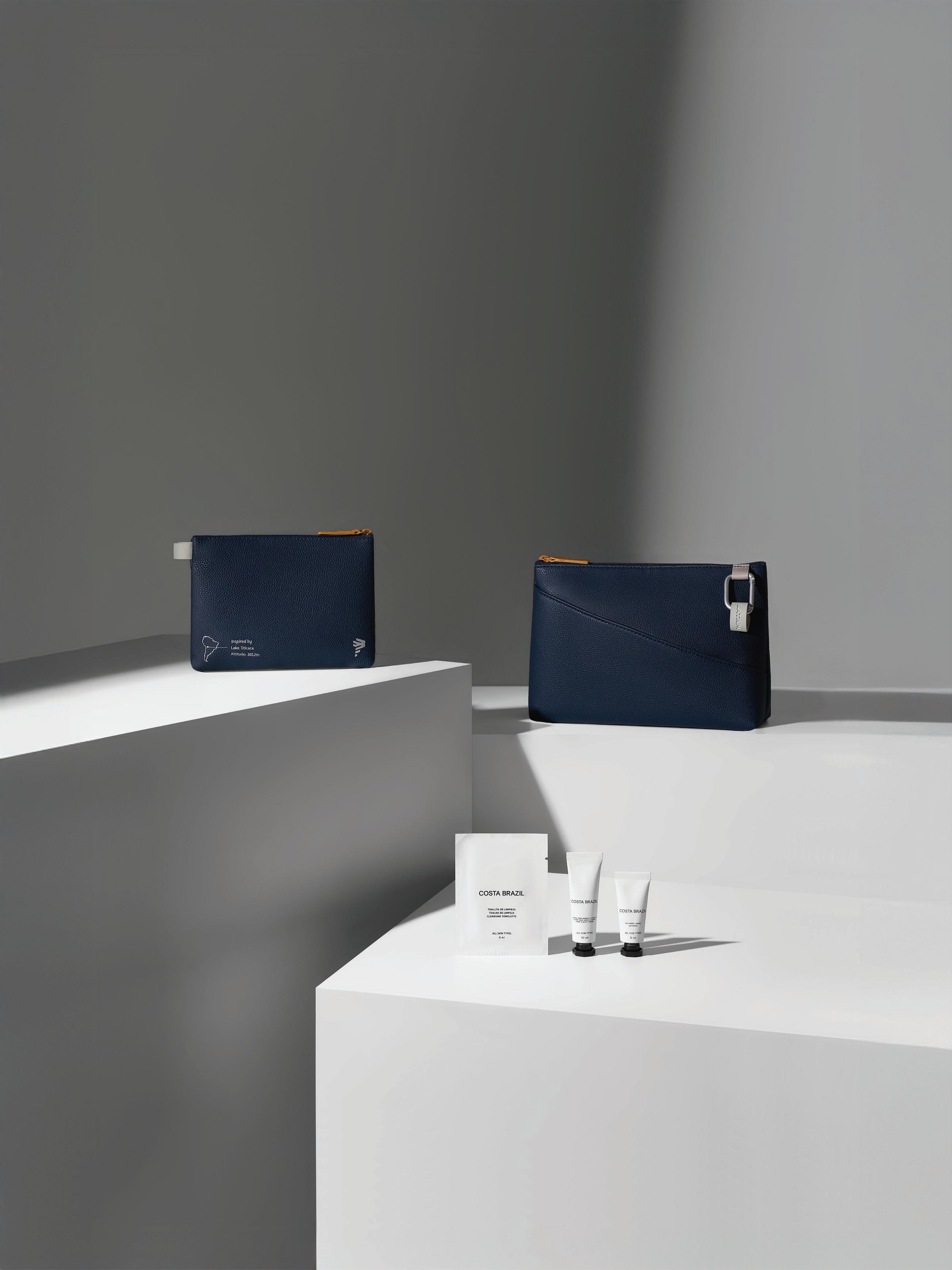
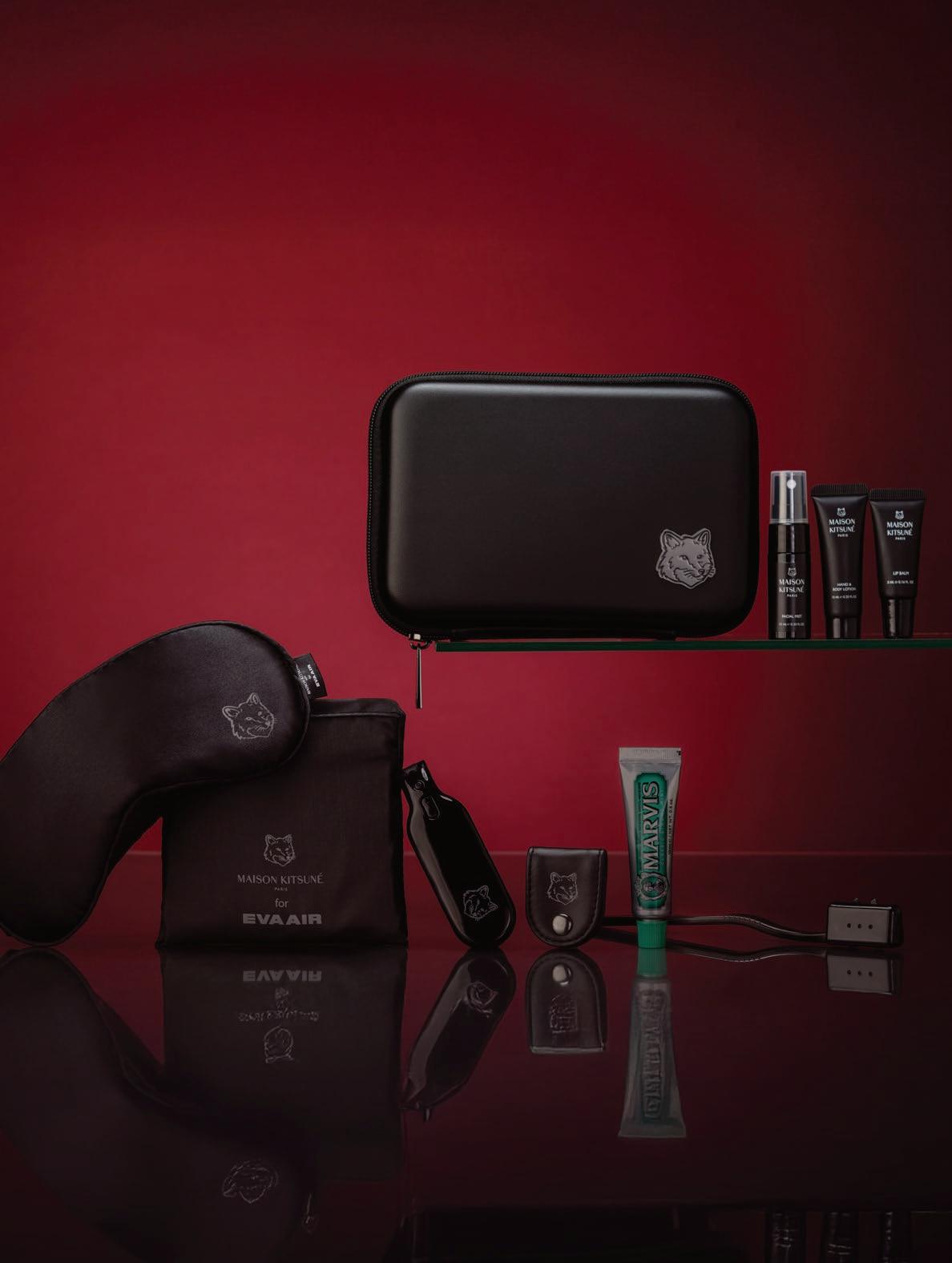
The all-new Copa Airlines Business Class Amenity Kit redefines the inflight experience to one of artistry, culture, and elegance.











PROMOTED WITHIN: American Airlines
TO: Senior VP and Chief Customer Officer Previously SVP of Regionals and Cargo, Garboden now oversees teams dedicated to creating and delivering American Airlines' customer experience.

WITHIN: Easyjet TO: Head of Inflight Retail Operations
This new role is the latest in a 24-year career at easyjet which has seen Philpot progress from cabin crew to training, Cabin Services in Customer & Standards, and Retail Manager for F&B.

JOINS: American Airlines
AS: SVP Customer Experience Design & Strategy Crawford moves from Delta Airlines to lead strategy/design teams responsible for lounges, premium guest services, F&B, inflight product, IFE, interiors and customer journey.

Retail at sea is one of the fastest growing travel retail sectors. Fletorides brings experience from his time at Tourvest, 3Sixty and AF Retail Services to one of the UK's most well-known cruise retailers.

WITHIN: dnata Catering and Retail TO: Regional CEO, Australia and Southeast Asia Rees previously served as CFO at dnata Catering & Retail, Australia, and has played a pivotal role in supporting its transformation and growth into Southeast Asia.

With over 15 years of experience in scaling European operations, managing airline accounts and driving innovative F&B strategies, O'Neill blends strategic thinking and creative execution.




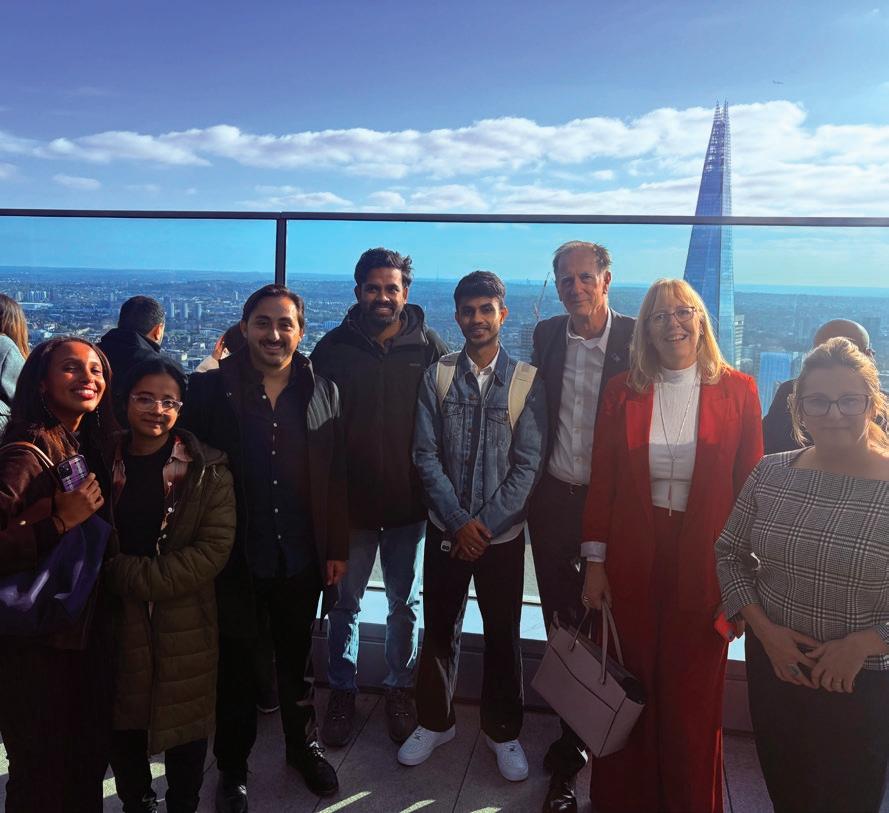
Oxford Brookes University's hospitality and tourism students were treated to an inspirational day at Rhubarb Hospitality HQ for the latest event linking academia and industry leaders.
Facilitated by The Hayward Partnership for the second year running, this event linked Masters students with PB Jacobse (CEO), Diego Cardoso (Global VP of Culinary) and Monika KowalewskaKheir (Sky Garden Director) along with the rest of the Rhubarb Hospitality team, to help bring hospitality theory to life and inspire them as the next generation of hospitality leaders.
The Rhubarb team also laid out the red carpet, not to mention amazing canapes and cocktails, at one of its premium venues in London, the iconic Sky Garden.
If your organisation would like to inspire the next generation, get in touch!
mike@thehaywardpartnership.com or lance@thehaywardpartnership.com
Sarah Klatt-Walsh
Sustainability Lead at FORMIA
THP Partner




IFSA Foundation Board Member



The IFSA Foundation, together with industry sponsors, provides educational scholarships, enhancing membership benefits and attracting new talent.
FORMIA has sponsored IFSA scholarships since 2021, and in 2024 created a 'FORMIA' scholarship for students in design and/or sustainability. The 2024 recipient studies design at Central St. Maarten’s in London, bringing a unique design focus to the onboard sustainability challenges.
The 2025 recipient, from the National University of Singapore, is pursuing a degree in environmental studies and aims to integrate sustainable practices into business models, operational processes and innovative solutions.
These personal missions align with the industry's goal of delivering memorable customer experiences while fostering prosperous communities and a healthy planet. They highlight again how supporting future talent directly supports our industry.
sarah@thehaywardpartnership.com
ROLE OPPORTUNITIES
Looking for your next job? Look no further!
The Hayward Partnership, in collaboration with Partnerwise, is looking to place several roles. Get in touch to find out more:
• Sales Manager •
Development Director • F&B Director
• Business Development Manager



Key to the enduring success of the Onboard Hospitality Awards is our unique judging process, of which we are extremely proud.
Peer pressure
All entries are first voted for online by our international readership, allowing for informed peer-to-peer recognition.
Those eligible to vote are our readers, the buyers and suppliers of onboard hospitality who are best placed to recognise a good product or service, or a true innovation.
These are the people – you and your colleagues – who are the industry insiders with expertise in the field. The online voting determines who makes it to the final round. These entries are

Melissa Adamski Travel Nutrition Expert, Nutted Out Nutrition

Gustaf Öholm Founder, Aviation Culinary & Guest Experience (ACG)
Our commitment to honest and transparent judging…
then invited to provide product samples to be judged in person by our independent panel.
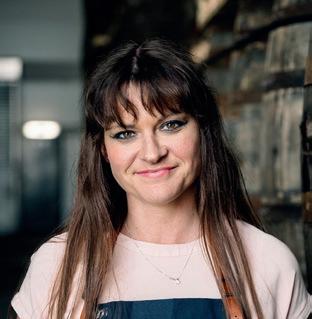
Kelly Stevenson Director, JetVine



Expert opinions

Our judges are experts with many years of onboard hospitality experience. They include buyers and decisionmakers from airlines and rail companies, as well as chefs and caterers, industry consultants and professional travellers.

This year the panel has brought together experts from Canada, the US, the Middle East, Australia and Europe, offering a truly global perspective.

Simone Walli Culinary Art and F&B Onboard Concept Manager, Austrian Airlines
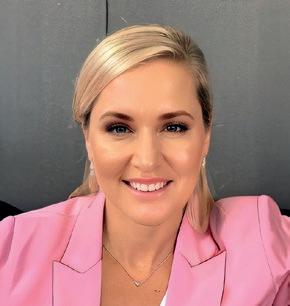

Louise Leaupepe Inflight Experience, Riyadh Air

Paul Mills Former Head of Inflight Services, Virgin Atlantic



Bassem Riahi Director Onboard Experience, Air Canada
Justin Cook Inflight Product and Catering Leader, TUI




Markus Gilges Regional Product Specialist, Independent


Summer Staninski Market Research Analyst, Valour Consultancy



















Happy Keerthi Chair of APOT & Consultant

Paula Lafora Ornosa Director of Customer Experience, Iberia

Steve Walpole Professional Chef Consultant

Jodi Spicer Managing Director, Premium Guest Services, American Airlines

Lance Hayward Founder, The Hayward Partnership


ONBOARD HOSPITALITY AWARDS / 13

JUDGING CRITERIA FIRST IMPRESSIONS • INNOVATION • QUALITY • DURABILITY • LIFESPAN • WEIGHT • USEFULNESS • DESIGN • FUNCTIONALITY • TASTE • CONTENT • ADDING TO THE CUSTOMER EXPERIENCE

Mel Berry Director Inflight Customer Experience, Vueling


Sandra Pineau-Boddison Partner, The Hayward Partnership



Philip Dixon Development Chef, Monty’s Bakehouse


Yann Bayeul Catering Product & Service Manager, Eurostar


Julianne Ponan MBE Founder, Creative Nature Superfoods


Karen MacKenzie Consultant

Caroline Thompson Independent Consultant, Brown Sugar Development


Michelle Green Founder and Owner, Megolution Ltd
JUDGES ARE EXPERTS WITH MANY YEARS OF ONBOARD HOSPITALITY EXPERIENCE

Hari Kamaluddin Global Inflight F&B Manager, Virgin Atlantic

Cast your vote in the 2026 Onboard Hospitality Awards and help decide who makes it through to the next stage
Online voting opens : JANUARY 9 2026

Online voting closes : JANUARY 23 2026
Finalists unveiled: FEBRUARY 2 2026
Judging day : FEBRUARY 26 2026
Winners revealed: APRIL 14 2026
For queries contact: sue.williams@onboardhospitality.com or craig.mcquinn@onboardhospitality.com
LUNCH!
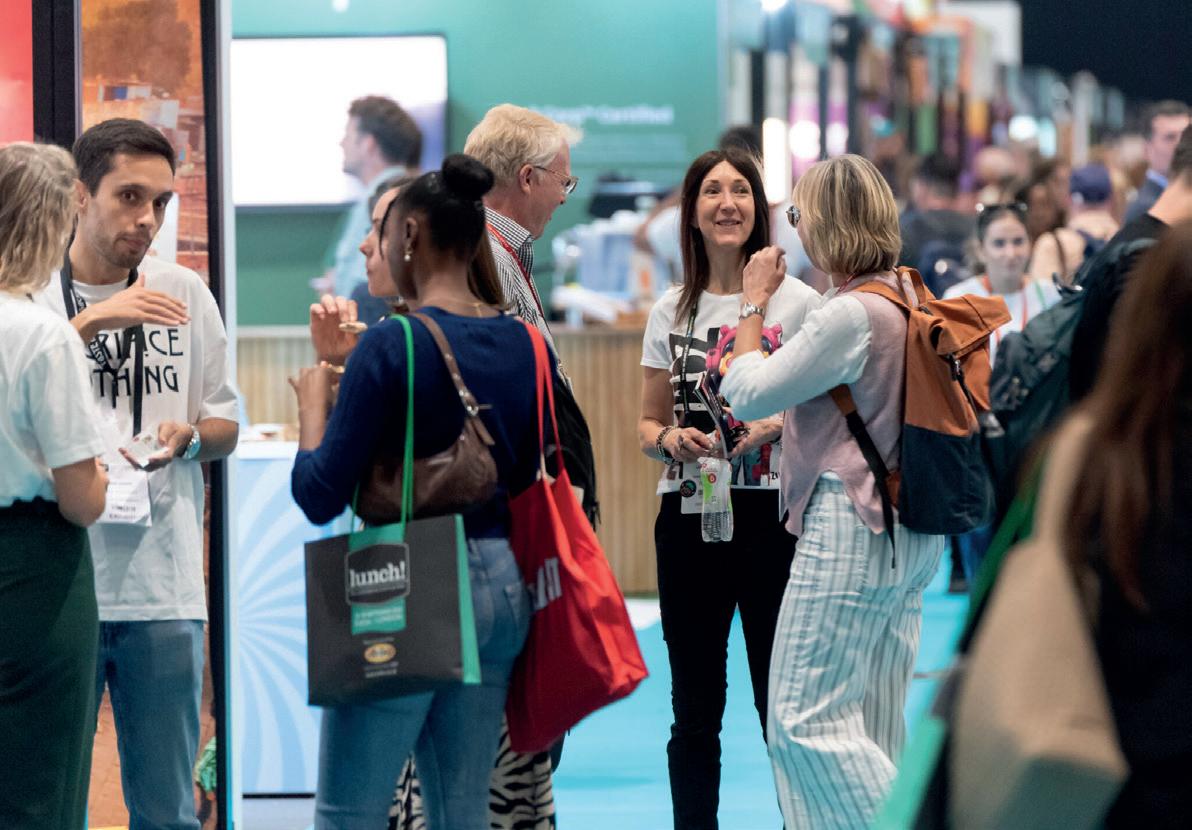
Nutritious and immune-boosting food and drinks dominated the show floor at this year’s lunch! event. Protein bars, natural drinks and gut health took the lion’s share of exhibition space with the wellbeing theme inspiring a host of innovative new products.
“We’re seeing a surge of forward-thinking brands redefining what food-to-go can be, from functional drinks to nutritious, healthy snacks designed for convenience,” said Event Director Katie Tyler. Onboard Hospitality toured the stands...
Grandmothers in Uganda are the proud packers and benefactors of a new healthy fruit snack product, From Grandmas Gardens (FFG). The 100% natural mango and pineapple slices are hand-prepared and gently dried at source, with profits helping to fund tools, land and training. The 35g and 100g fruit pouches are vegan, glutenfree and high in fibre.
UNROOTED is addressing ingredient scrutiny with products that are baobabboosted, making them naturally high in both soluble and insoluble fibre. Sales from the six shots range support more than 150 children through school in baobabharvesting communities in Zimbabwe.
Emmunoballs snack packs offer a nutritious and natural, high-energy boost. Immunityboosting ingredients and superfood spices pack in the vitamins and anti-inflammatory properties to strengthen natural defences.
Vita Coco is keen to tell the industry about the wonder nutrients in coconut water and will debut at WTCE in Hamburg next year.
Turmeric Co. and Raw Hydrate are redefining functional nutrition and hydration through new health shots in five
Drink up
Flavoured sparkling mineral waters are making their mark in the beverages space.
Family-run Forever Farmers offers tinned and bottled flavoured sparkling water from its carbon-neutral farm with flavours including elderflower and honey and cucumber and rosemary.
Naturally rich in minerals and electrolytes, eauYES is a clean mineral water from the Mediterranean; and Juno is a lightly sparkling canned bamboo water infused with yuzu, mango or passion fruit. Bamboo water is presented as ethical and vegan, and known for its hydration and helpful detoxing qualities.
Dole Packaged Foods Europe was also at the London event to showcase its new 198g Fruit in Juice cups with natural ingredients and 98% recyclable packaging, another healthy option for airlines to consider. • Lunch! returns to Excel London on September 16-17 2026. lunchshow.co.uk
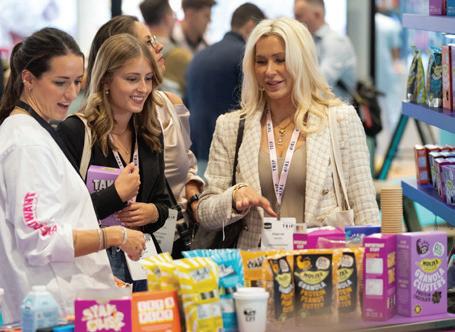
Lunch! 2026 will be part of a 'super show' run alongside the Natural & Organic Food Show and The National Restaurant, Pub & Bar Show
Passenger experience leaders gathered in Singapore in November to network, learn and discover what’s new and exciting in the onboard space
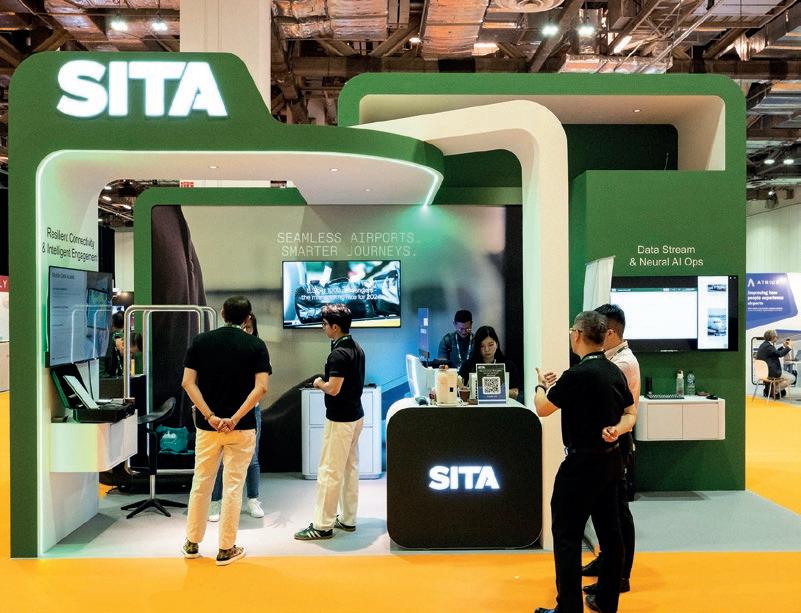
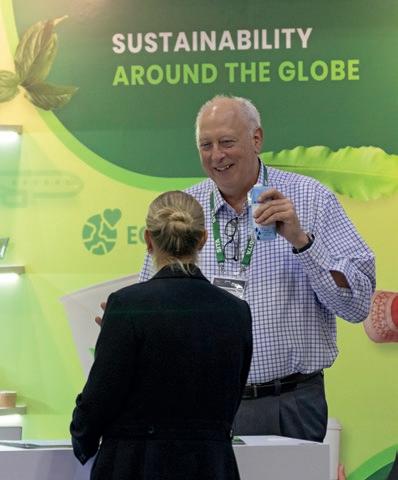
Arecord number of companies active in the onboard industry showcased their products and services at the 2025 Onboard Hospitality Forum-Asia.
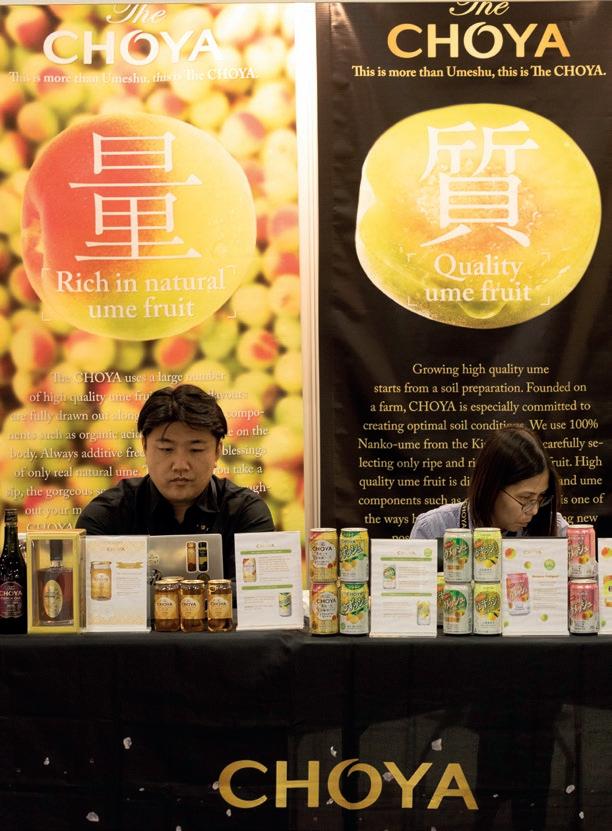
Representing an A to Z of industry products and services – in terms of amenities, food and drink, serviceware and retail solutions – exhibitors included AAB-inflight, Aviasoft, Bodd, CHOYA, En Route, Envibe, Flightparts, Gispol, ITW Envopak, Ivan’s Pies, John Horsfall, J-SECO Aviation Supplies, Korita Aviation, Linstol, Manna From Heaven, Orange One Inflight, RMT Global Partners and Zibo Rainbow.
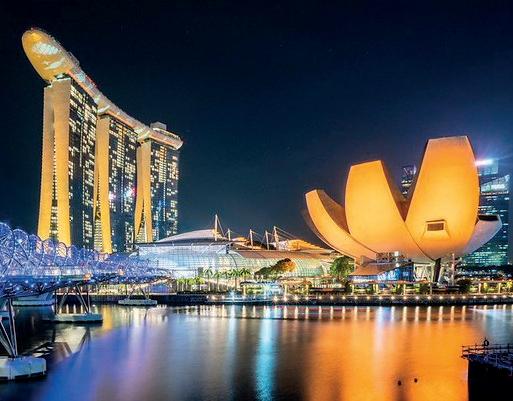
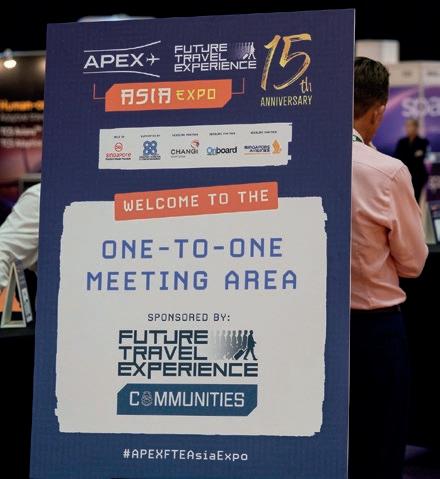
Celebrating 15 years Forum-Asia, organised by Onboard Hospitality, had a dedicated space within the co-located APEX FTE Asia Expo, held in the Sands Exhibition and Convention Centre at Marina Bay in Singapore, on November 11-12.
APEX FTE has grown into the AsiaPacific region’s largest free-to-attend innovation and passenger experience event for the aviation industry over the past 15 years. Organised by Future Travel Experience, this year’s expo had the theme of Accelerating Innovation. More than 60 exhibitors presented their products and services across the stands on the show floors. Following the event, FTE reported that 1,250 attendees were welcomed through the doors.
Ryan Ghee, Chief Operating Officer of Future Travel Experience, commented: “It was a pleasure to see APEX FTE Asia Expo and the co-located Onboard Hospitality Forum-Asia 2025
APEX FTE has grown into the Asia-Pacific region's largest freeto-attend innovation and passenger experience event for the aviation industry over the past 15 years
RYAN GHEE, FTE COO
Moderating the panel discussions was a tremendous experience bringing together experts at the cutting edge of their field
STUART FORSTER, TECHNOLOGY AND RETAIL EDITOR, ONBOARD HOSPITALITY
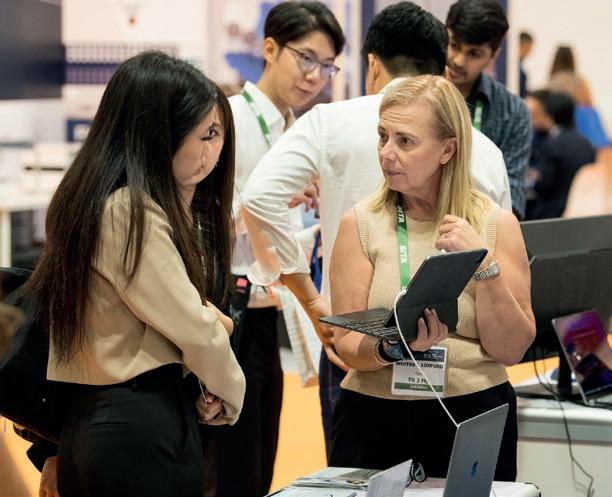

bring together industry leaders and innovators from across Asia-Pacific and beyond to showcase their customer experience and innovation excellence, learn from one another, and make valuable new connections.”
In addition to stopping by the exhibition stands to discover products and services which enhance the passenger experience, visitors had opportunities to attend sessions at two simultaneously held conferences.
The Premium Conference brought together innovators and C-suite executives from airports, airlines and related companies. It was open to the show’s Premium Pass holders. Focus areas included inflight experiences, innovations relating to ancillary revenue generation, strategies for implementing artificial intelligence (AI) and digital transformation strategies. Autonomous airport operations and robotics were also on the agenda.
Out on the show floor and free for all participants to attend, the Expo Stage included two panel discussions moderated by the Technology and Retail Editor of Onboard Hospitality magazine, Stuart Forster.
“Moderating the panel discussions in Singapore was a tremendous experience bringing together experts at the cutting edge of their field. We could easily have had significantly longer sessions, given the content being discussed and their passion for what they do. It required immense self-discipline to keep an eye on the clock when audience members were so engaged and keen to hear more,” said Forster.
On the opening day, Edwin Lim, Head of Commercial and Retail – Catering Division at dnata, and Dr Melissa Adamski, a nutrition expert, participated
in a session titled: The passenger experience: How a sharper focus on passenger comfort and wellbeing is shaping inflight service and F&B. Lim discussed how data is being used to hone inflight offerings and passengers’ ability to explore menus and make pre-flight selections. Adamski explored the impact of food service timings on passenger wellness.
On the second day, a session titled Better together: The power of industry collaborations to innovate and raise the bar, saw Nick Wiley, Managing Director of En Route, explore how collaborations allow companies to focus on their strengths while leveraging expertise. Matt Crane, Founder of the Aviation Sustainability Forum, discussed the shocking scale of food waste on commercial flights and how a shift to collaborative thinking is necessary for the industry’s collective good.
Aigerim Zhambyl, Senior Manager Inflight Product at Air Astana, highlighted how passenger expectations have shifted beyond transportation toward emotional connection, cultural storytelling and meaningful service. The focus was Air Astana’s new Economy amenity kit collection, created in collaboration with Kazakh artists. “The collection transforms the amenity kit from a basic comfort item into a cultural ambassador,” explained Zhambyl.
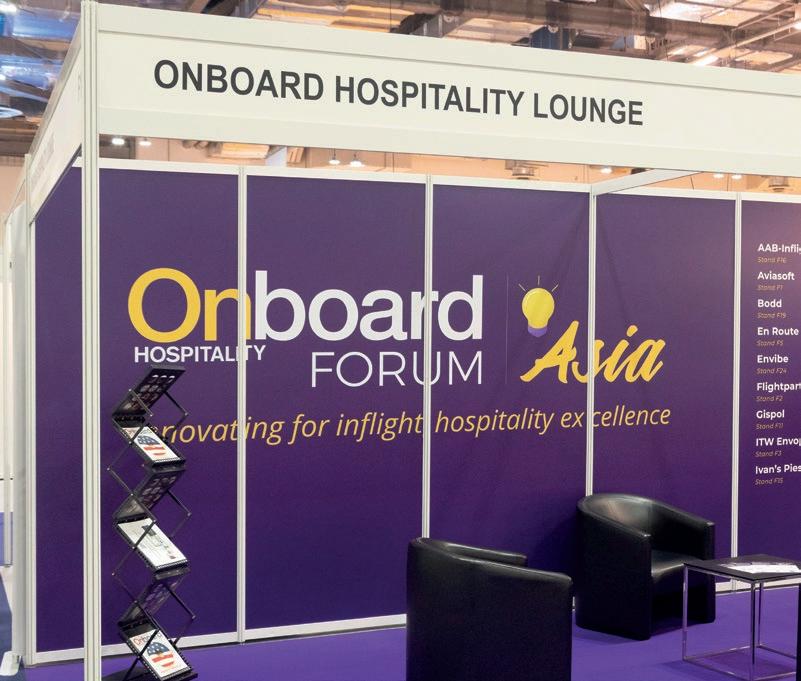
In addition to their own stands, participants in Forum-Asia could make use of the Onboard Hospitality-branded Buyers’ Lounge. Seating was available, as were copies of the most recent edition of Onboard Hospitality magazine.
“It was a great show, a great opportunity to meet a lot of folks in some markets that we're not quite in yet. We saw a lot of great
airlines come by, had a lot of great conversations, and it's just a great overall forum. Singapore is a wonderful city to do this,” said Erick Ray, Global Director of Sales and Business Development, RMT Global Partners.
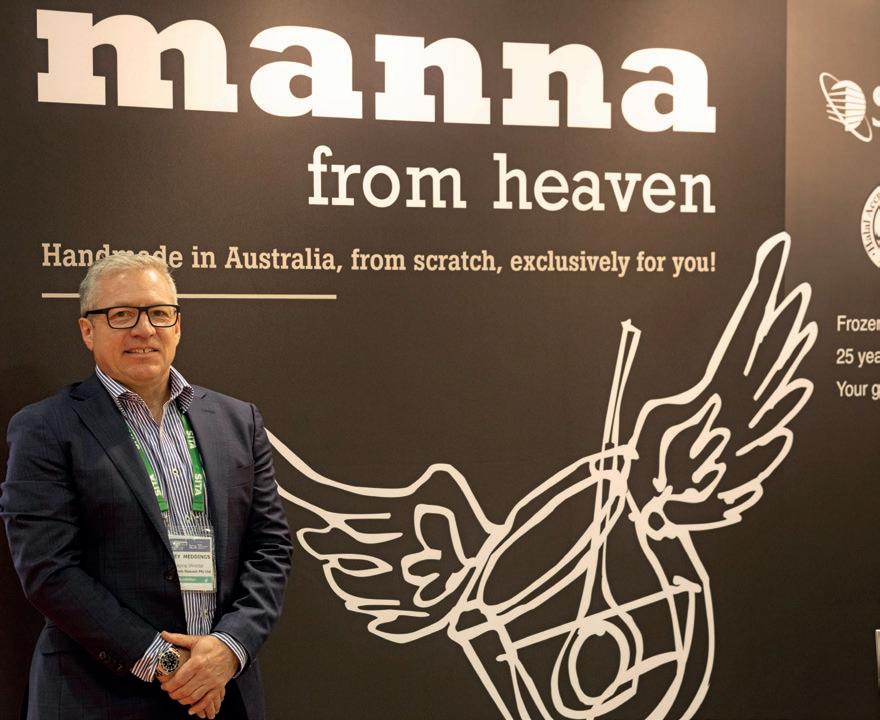
"It's been really great to see the aviation industry come together: lots of good people to talk to, lots of insights and we're already looking forward to next year. It's important for the industry to keep collaborating and communicating, and talking about the future," said Ashley Meddings, Director of Manna From Heaven.
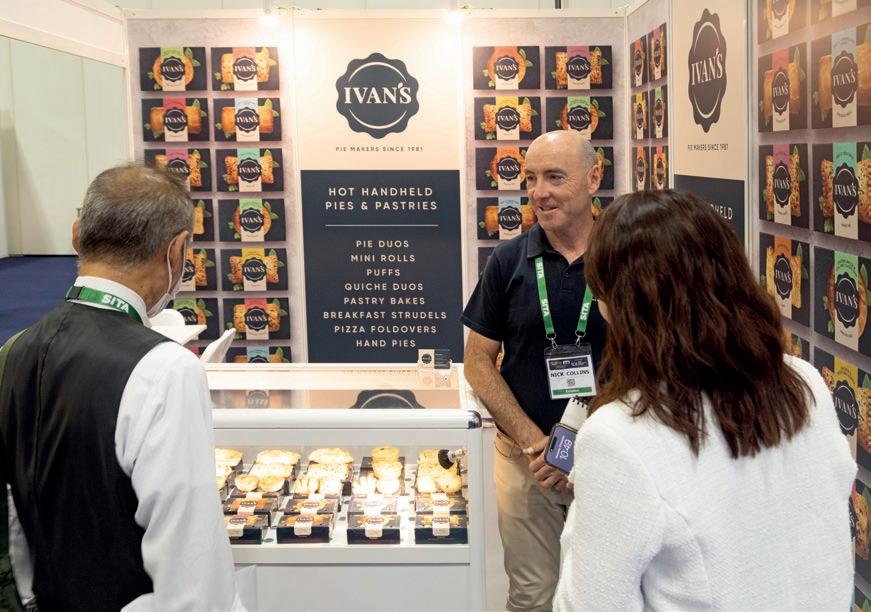
Nick Collins, Managing Director at Ivan’s Pies, said: “We enjoyed meeting people from different aspects of the airline industry. I had some significant meetings with some airline customers from the catering teams, which was valuable for us.”
Forging connections
Denis Cheremissin, CEO of Aviasoft, described the show as: “A good opportunity to meet similar businesses to ourselves and look at potential collaborations and build better solutions and a brighter future.”
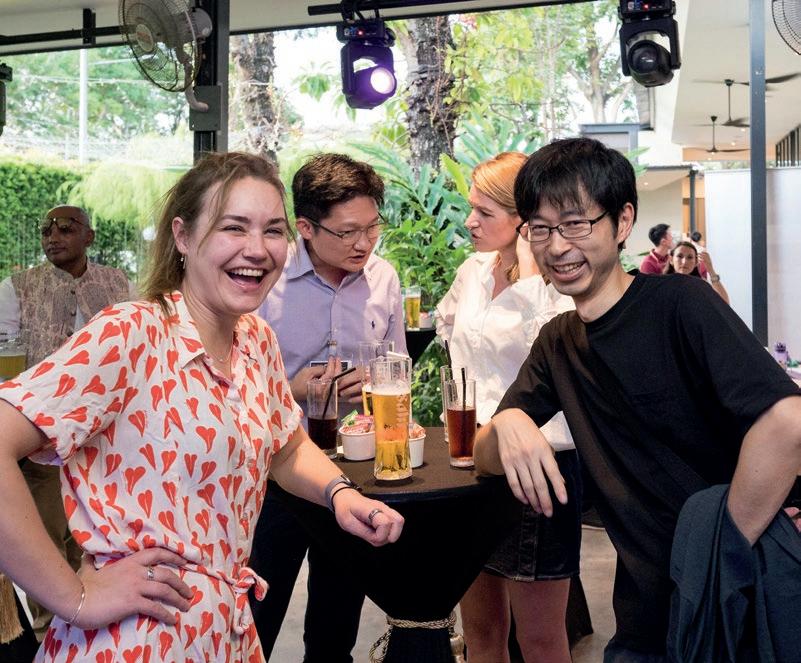
Nicky Slater, Business Development Manager – Airlines at ITW Envopak, said: “The networking events are a great way to have informal conversations with both airlines and suppliers alike. I look forward to the show being bigger and better next year with the addition of the APEX Global Expo.”
In 2026, APEX FTE Expo Asia 2026 will combine APEX Global EXPO with FTE’s long-established regional APAC event. This 'mega event' will take place at Sands Exhibition and Convention Centre at Marina Bay in Singapore on November 18-19. futuretravelexperience.com apex.aero •
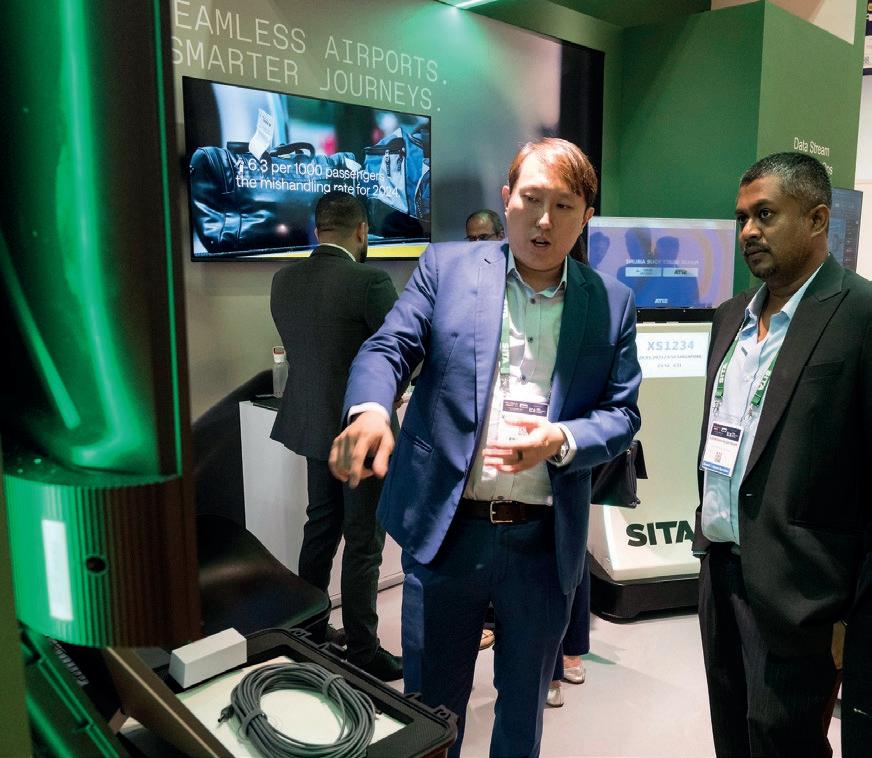

Attending the Onboard Hospitality Forum-Asia allowed me to make key new contacts in the APAC region
NICKY SLATER, BUSINESS DEVELOPMENT MANAGER – AIRLINES, ITW ENVOPAK
THE SINGAPORE SHOW IS A GOOD OPPORTUNITY TO SEE FRIENDS AND CUSTOMERS IN THE AREA
OLIVER PLATT, COMMERCIAL DIRECTOR, JOHN HORSFALL
www.wessco.net info@wessco.net
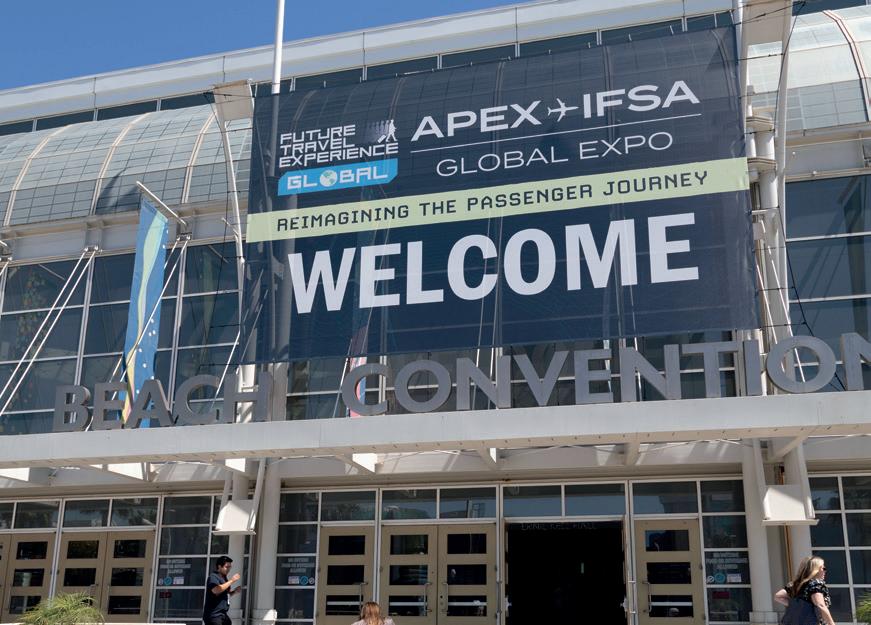
Members of the Airline Passenger Experience Association (APEX) and International Flight Services Association (IFSA) gathered in Southern California from September 9-11. Long Beach Convention and Entertainment Center hosted the 2025 APEX/IFSA Global EXPO, which was co-located with the Future Travel Experience (FTE) Global event.
Approximately 2,500 industry professionals and representatives of 120 airlines and airports were present. Commenting on the event, Dr Joe Leader, CEO of APEX/IFSA/FTE Group, said: "APEX/IFSA Global EXPO stands as the thought leadership conference aviation event that defines the future of aviation. Transcending the concept of a trade show, APEX/IFSA Global EXPO unites the industry’s most visionary leaders, boldest innovations and most transformative partnerships to actively reimagine what remains possible."
Fashion and karaoke
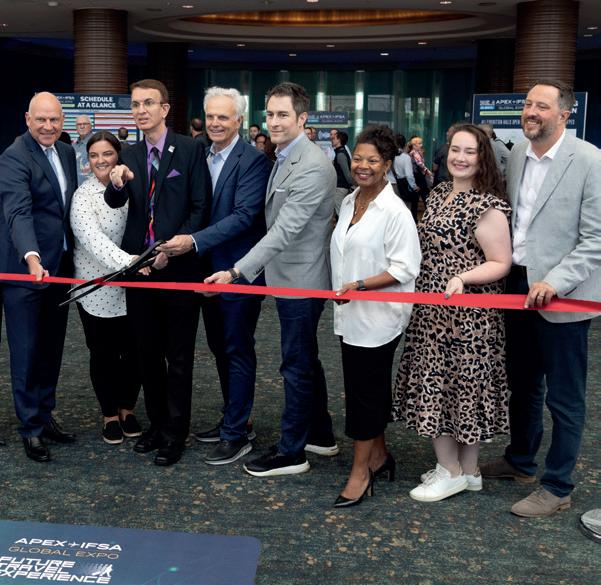
On the show's first morning, APEX CEO keynote speeches and interviews, anchored by the BBC's Ben Thompson, preceded a networking lunch and ribbon cutting. Scott Kirby, CEO at United Airlines, was presented with the prestigious APEX CEO Lifetime Achievement Award.
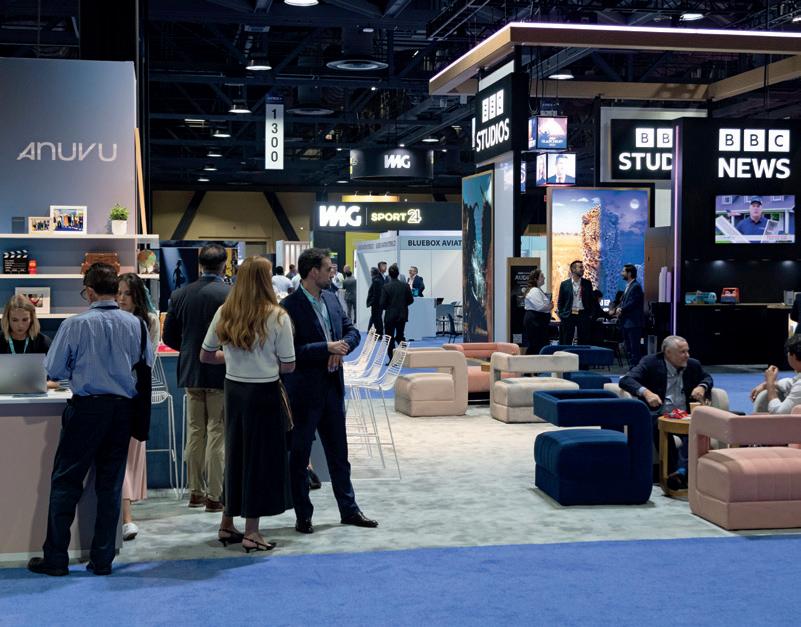
This year, the APEX section of the show floor was open an afternoon earlier than the IFSA booths. This enabled thought leadership events to be held on the show floor stage.
At the end of the opening day, APEX members could mingle and network during an opening reception. That presented an opportunity to view action on a different type of runway to that

At APEX Global EXPO 2025 we showed how our PRISM IFE Client Portal brings clarity and simplicity to content workflows –driving better results"
DIMI TSIRANGELOS SPAFAX
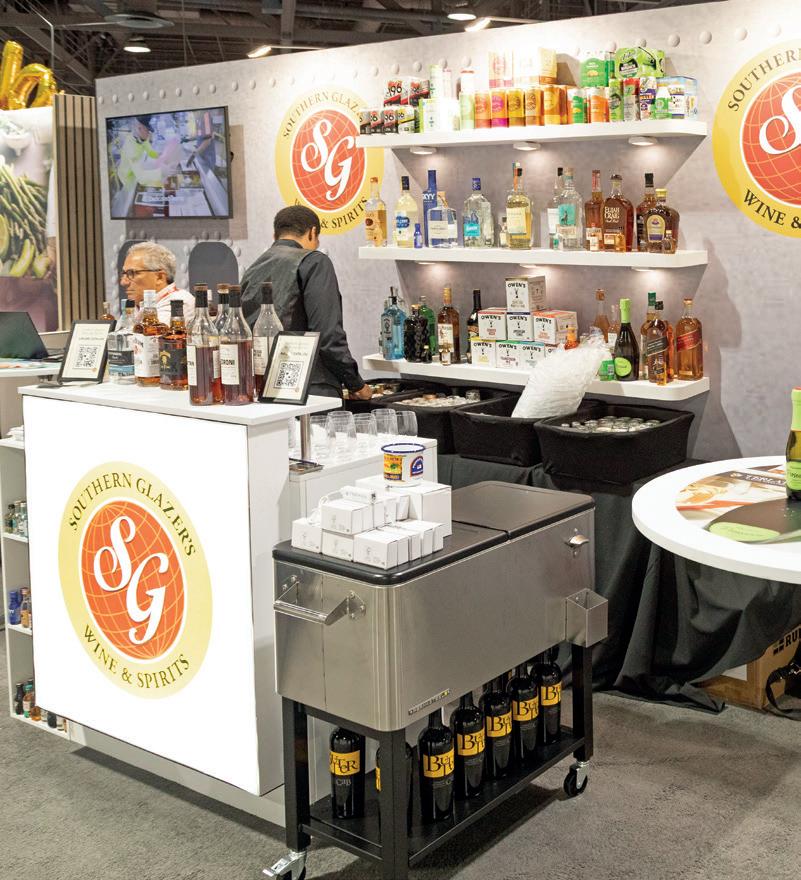
The energy we generated echoed across the show floor. AMI Group and our partners make the perfect pairings"

which industry professionals are used to with a catwalk show by the Professional Clothing Industry Association Worldwide (PCIAW) . That was followed by some impressive performances on the karaoke microphone.
New for the 2025 show was the Amenity Zone, located at the intersection of the IFSA and APEX show floors. It featured suppliers including Wessco, Procurall and FORMIA. The latter announced a transition in leadership, with Roland Grohmann handing over to new CEO Wilbert de Louw in the coming months.
A ceremonial signing at West Entertainment's booth formalised a multi-year partnership with All Nippon Airways (ANA). The former's CEO, Rick Warren, and Toshiya Shimada, ANA's Vice President of Product and Services Planning, signed the document.
Letronics publicly unveiled its PRM Transfer Lift WL790 at the EXPO. It is capable of lifting those people who need assistance into herringbone seating and premium suites.
Foodcase International and Omnevo partnered to unveil the AI-powered Guru Yogi Namak app. Blending mindfulness and wellness with insights into nutrition, the app can provide airline passengers with tailored wellbeing advice during their journeys.
Elsewhere, FlighPath3D used the show to showcase a unique inflight map for Riyadh Air. FlightPath3D also announced the introduction of Destination Stories – powered by the AI-powered travel companion Luci – as a way for passengers to virtually explore destinations and make plans.
Attendees reported quality meetings during the EXPO and opportunities to receive helpful feedback from airlines. Rebecca Hertz Dobo, Business Operations Director at Freshorize, highlighted a benefit of attending, when she said: "We've been at IFSA now so many years, and it's neat to see how we have changed every year and how we're continuing to grow and innovate, and it's all because of the feedback that the airlines have given us."
Oliver Platts, Commercial Director at John Horsfall, commented: "The Americas market is crucial to the global aviation industry and IFSA provides a unique opportunity to meet with key customers and contacts from the airline world in one location."
As delegates departed Long Beach and looked ahead to 2026 they learnt of a change in format for 2026. The two organisations - IFSA and APEX - will hold separate events next year.
The show was amazing. So many opportunities for my brand, Molly Bz Cookies. Lots of cool connections too. I'll be back, for real!"
MOLLY BLAKELY MOLLY BZ COOKIES
On September 9-10, the 2026 IFSA Global EXPO will be held at the Gaylord Texan Resort and Convention Center in Grapevine, Texas, less than a 10-minute drive from Dallas Fort Worth International Airport.
The 2026 APEX Global EXPO will return to Singapore for the first time in a decade and will take place on November 18-19 at Sands Expo and Convention Centre. The event will co-locate with Future Travel Experience's Asia Expo ifsa.aero, apex.aero •

Registration for the co-located 2026
World Travel Catering & Onboard Services Expo (WTCE) and Aircraft Interiors Expo (AIX) is now open. The two events will be held at the Hamburg Messe on April 14-16.
The largest annual gathering of global airlines and suppliers attracts more than 200 commercial airlines and over 800 exhibitors for three days of networking, product launches and fresh insights in cabin interiors and onboard services for aviation.
The big picture
The week begins with the Passenger Experience Conference (PEC) on April 13, bringing together airline executives and industry leaders for strategic discussions on digital transformation, passenger wellness, sustainable travel and more.
The full-day conference provides senior decision-makers with expert insights, big-picture thinking, future direction and competitive advantage before the exhibition floors open on April 14.
Confirmed speakers so far include representatives from Lufthansa Group, United Airlines, Teague, Panasonic Avionics, Tangerine, Fiji Airways, Aer Lingus, Ethiopian Airlines Group and Saudi Airlines. Additional speakers will be announced soon.
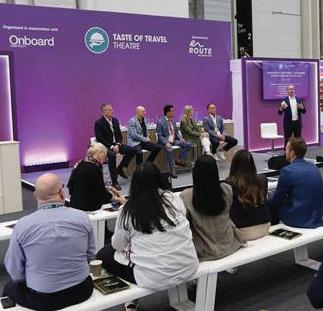
The engaging and educational discussions will continue during the exhibition thanks to the Taste of Travel Theatre, organised by the team at Onboard Hospitality.
New to WTCE
WTCE 2026 will return with an expanded show floor, including the addition of Hall A2, dedicated exclusively to gategroup and its onboard brands.
For the first time, WTCE will have a dedicated area for onboard beverages. The Drinks Zone in Hall A4 will showcase an
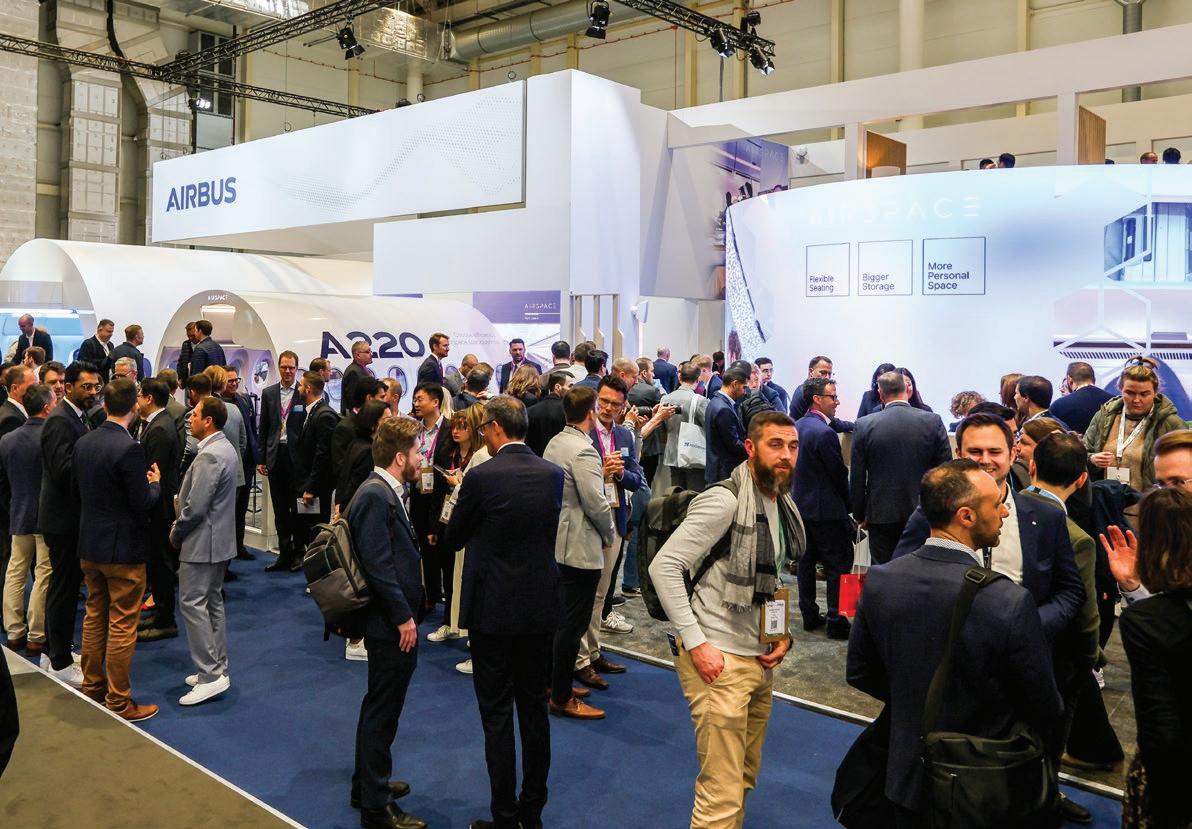
array of emerging and established brands.
As in previous years, visitors will be able to explore the latest products and services while following themed trails spotlighting suppliers leading the way in environmental solutions, passenger comfort and wellbeing and onboard technology.
Back again for 2026, a First-Time Exhibitor Village will offer a launchpad for new suppliers bringing fresh ideas to the onboard sector.
“WTCE 2026 will reflect the evolution of onboard services as a key driver of airline identity, passenger satisfaction and ancillary revenue," says Shona Thomson, WTCE Event Manager.
"It’s the place to be for anyone looking to uncover the ideas, products and partnerships that will shape the future of onboard hospitality."
The industry's finest
WTCE will also host the 2026 Onboard Hospitality Awards. All finalists are invited to attend the presentation ceremony at the Taste of Travel Theatre on April 14 at 5pm. •
WHAT: ACA
Leadership Symposium
WHERE: Toulouse
WHEN: February
18-20 2026
The Airline Catering Association (ACA) will hold its second Leadership Symposium in Toulouse, France.
The objective of the event is to foster innovation and collaboration among caterers supplying the airline catering industry.
In addition to catering service providers, airline executives and industry experts will participate in discussions about trends in this constantly evolving sector. Best practices will be debated and key challenges will be addressed too.
Having established a platform that addresses global standards in airline catering, ACA is aiming to drive improvements relating to sustainability, operational efficiencies and, of course, service quality.
A pitching session, whose format is inspired by the TV show Dragon's Den, is designed to enable suppliers to raise their profiles among members. Whether size
WHAT: AmberSky WHERE: Riga WHEN: February 17-19 2026
With a strong focus on inflight retail, AmberSky returns to the Latvian capital for the third successive year in 2026. Crew training is a significant feature of this event, with representatives present from airlines across Europe. Suppliers will have opportunities to showcase products, and gain direct feedback from airline crew - the people who will be selling their offering on to passengers. ambersky.aero
matters in supply chains and kitchens will be one of three topics discussed in the panel sessions scheduled for February 19. The symposium will conclude with a visit to and tour of the Airbus facilities that are in France's 'Pink City'. evaintmedia.com/aca-leadership-
WHAT: Aircraft Interiors Middle East
WHERE: Dubai
WHEN: February 4-5 2026
Co-located with MRO Middle East, Aircraft Interiors Middle East
(AIME) will be much expanded when it returns in 2026. Visitors can look forward to a larger hall with more than 250 suppliers showcasing their products and services. Panel discussions, case studies and presentations will feature in the free-to-attend Go Live! Theater. aime.aero
APRIL 14-16
Aircraft Interiors Expo (AIX) and World Travel Catering and Onboard Services Expo (WTCE), Hamburg Messe aircraftinteriorsexpo. com
MAY 13-15
World Innovation Summit Pittsburgh futuretravel experience.com
JUNE 3-4
Aviation Festival
Americas Miami Beach Convention Center terrapinn.com
JUNE 4-6
France Air Expo Lyon Bron Airport franceairexpo.com




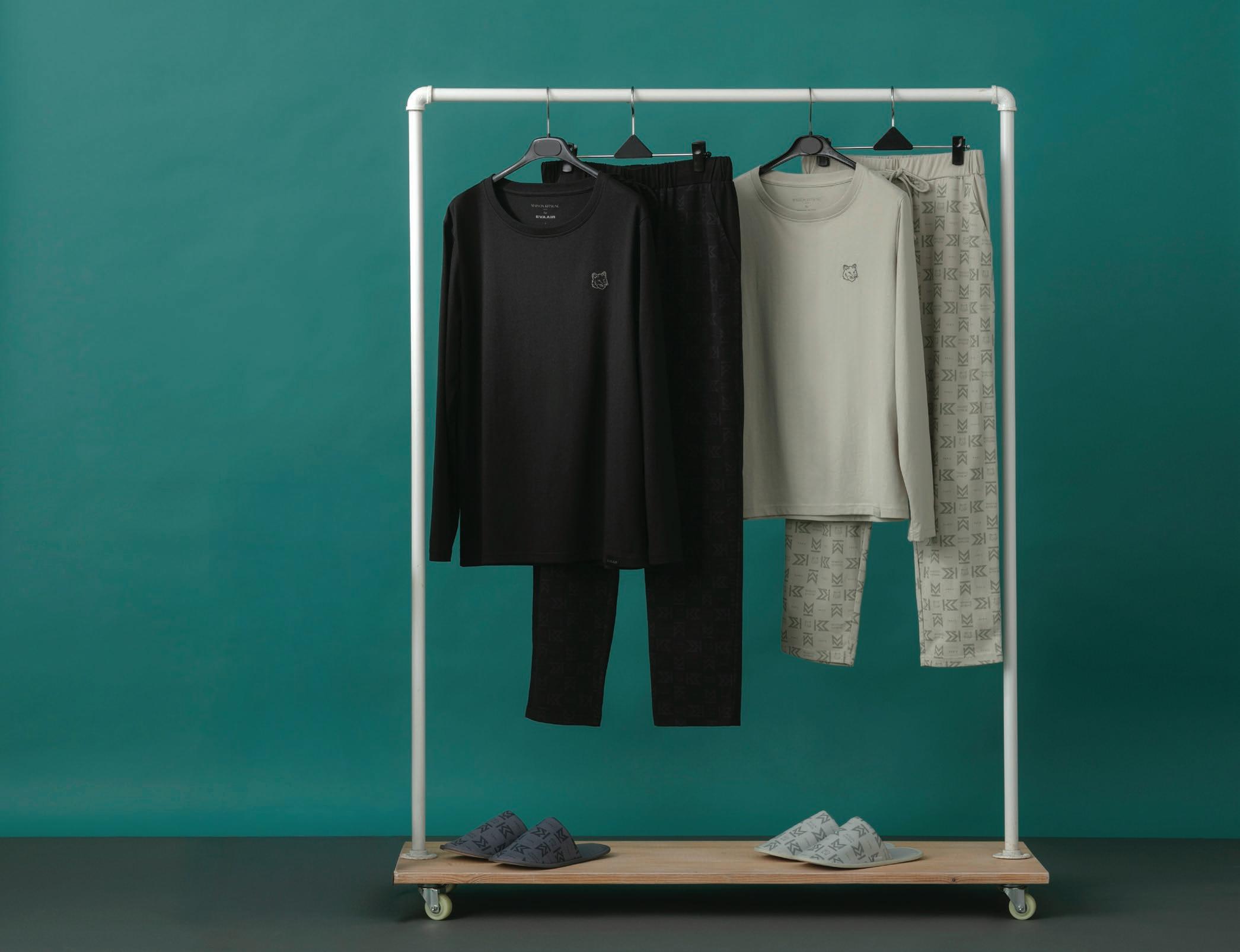
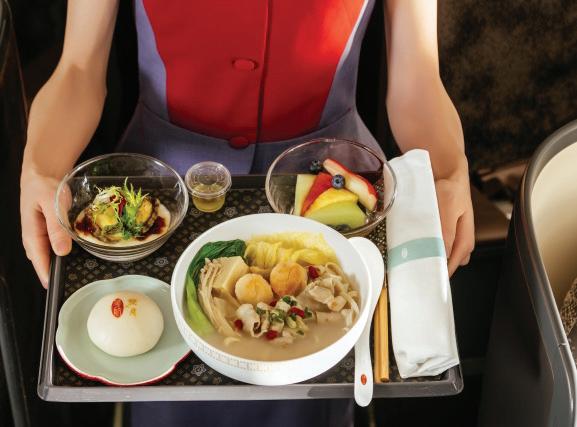
Asian cuisine gets a modern twist onboard to meet passenger cravings for fresh flavours, reports Julie Baxter
Asian cuisine chimes perfectly with today’s culinary trends and as consumers increasingly recognise the region’s cultural complexity, the variety, versatility and health benefits of the food tick many boxes.
Southeast Asian foods in particular are having a bit of a moment, with the global enthusiasm for K-pop music and K-beauty moving the spotlight onto Korean cuisine and the popularity of Asian films and television bringing Vietnamese and Filipino cultures to the world’s attention too.
Asian condiment makers all report strong sales of products such as sriracha from Thailand, Chinese chilli crisp oils, Japanese-inspired rāyus and miso, and Korean doenjang and gochujang; with zesty yuzu, spicy Sichuan pepper and sweet char siu sauces also on the up.
Such sauces are used across Asian cuisine to add layers of flavour and depth. Many get their character from a long, slow fermentation process, and their popularity mirrors the growing demand for fermented kimchi, kefir, kombucha and miso soups, widely promoted for their health benefits.
Purists will recoil at some modern mash-ups: the Vietnamese pizza, the birria ramen (mixing Mexican stew with Japanese noodles), Korean bulgogi tacos, sushi burritos, ramen carbonara or pizza dumplings, but these unlikely fusions do at least help consumers experiment with new flavours via familiar comfort dishes.
In more authentic offerings, Vietnamese pho and dumplings have gained popularity and banh mi (a kind of Vietnamese short baguette) are making their mark. Authentic or not, the plethora of Chinese, Thai and Indian takeaway and ready meals available along the high street shows these tastes are widely embedded worldwide. Singapore-based SATS Food Solutions put Asian cuisine at the forefront of its WTCE activities this year, bringing chicken balti duo pies, spring onion chicken with noodles, green curry vegetables with rice, a signature satay, dhal curry, payasam (an Indian dessert)

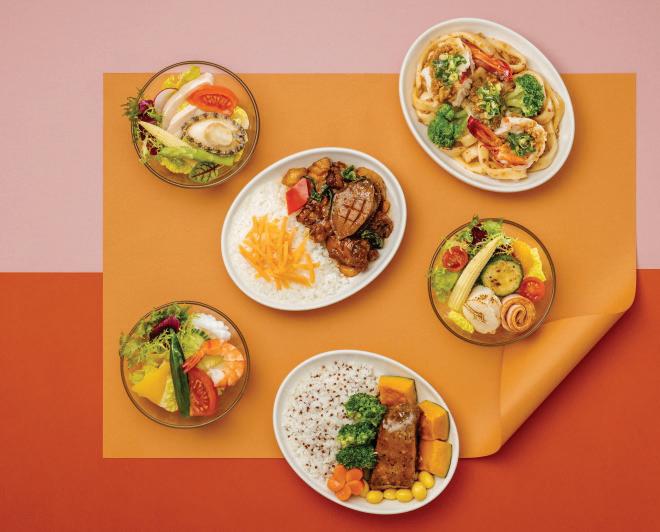
and a vegetable jalfrezi lattice to the show, as examples of its Asian innovations. Stanley Goh, CEO, says: “We provide food services to over 130 international carriers, nearly half of which are Asian airlines, so we understand the complexity and diversity of Asian cuisines and how to replicate their authentic taste at 30,000ft. We tap into the regional culinary expertise of our production network in China, India, Japan, Singapore and Thailand to produce globally popular authentic Asian meals.”
To ensure consistency across all kitchens, SATS launched a digital platform called the Culinary Knowledge Base to standardise the preparation and cooking processes of the dishes and share knowledge. Goh adds: “Our capability lies in finding valuable solutions.
regional ingredients, and presented with a modern touch. Our focus is on delivering culinary excellence that reflects the spirit of Asia — vibrant, diverse and evolving — and to help build stronger passenger experiences through menu differentiation and innovation.”
There is rising demand for functional and health-conscious menus too, such as low-carb, high-protein, plant-based or immunity-boosting dishes, and Farran sees sustainability and traceability as a key priorities. “Airlines and passengers alike are asking where ingredients come from, how they are sourced and what impact they have on the environment.”
the taste and texture of the original dish
For example, Asian cuisines often include broth or gravy, which can affect food quality or pose challenges during uplift. We offer solutions that allow the menu to maintain the taste and texture of the original dish.”
Mohammad Farran, General Manager at Bangkok Air Catering (BAC), reports a strong movement toward authenticity, wellness and sustainability across the Asia Pacific region. He says: “Passengers are looking for meals that tell a story — dishes rooted in local culture, made with
In response, BAC partners with local farms and suppliers across Thailand for fresh, traceable ingredients, and tailors menus to meet both global and local expectations, for example integrating Thai superfoods, herbs and spices into modern preparations that appeal to the palates of international travellers.
Farran adds: “We emphasise balanced menu engineering so every dish maintains flavour integrity and quality even after reheating onboard. Introducing new ingredients, techniques, or health-driven recipes means constant testing and adaption to ensure optimal results at altitude. This pushes our chefs to
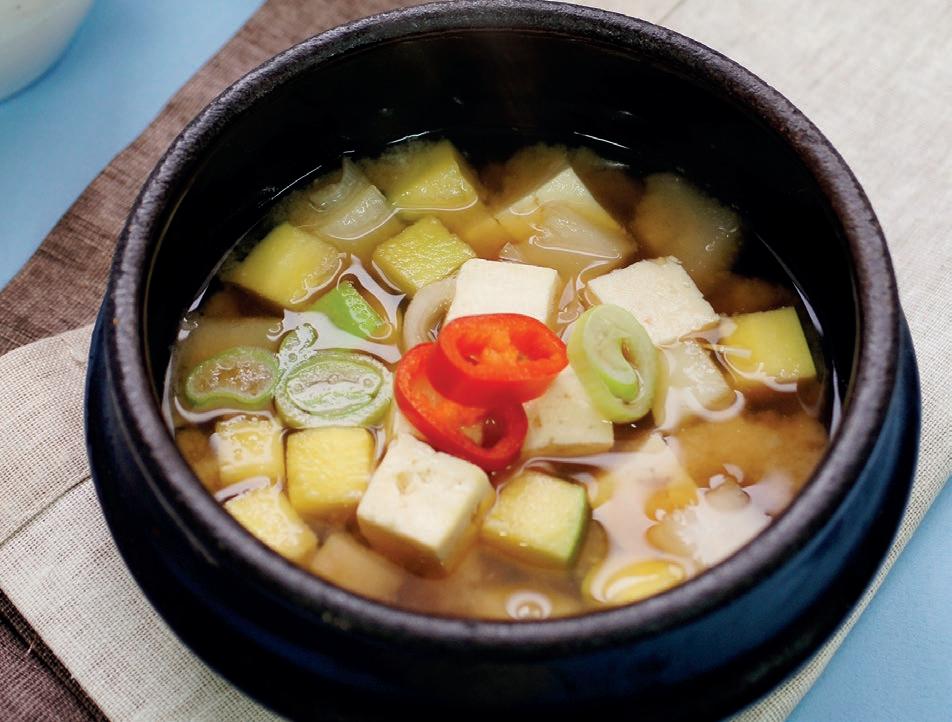
continuously evolve, experiment with flavour stabilisation, and refine textures and aromas that work well in the cabin environment.”
A collaboration with Bangkok Airways integrated regional Thai ingredients and culinary traditions but modernised recipes to suit the inflight environment, while maintaining ‘authenticity and soul’. Chefs drew on the delicate balanced flavours of central Thailand and the bold, aromatic profiles of the north and south.
At dnata, Robert Smithson, Head of Culinary, Catering & Retail Australia, notes a further trend: “We’re seeing a clear shift to ‘quality over quantity’. Airlines are moving away from offering more for the sake of volume and focusing on crafting smaller meals with one or two ‘hero’ premium ingredients. By focusing on the centre of the plate, we can highlight provenance and preparation and deliver something that really feels elevated. We can celebrate local produce and ingredients that are in season.”
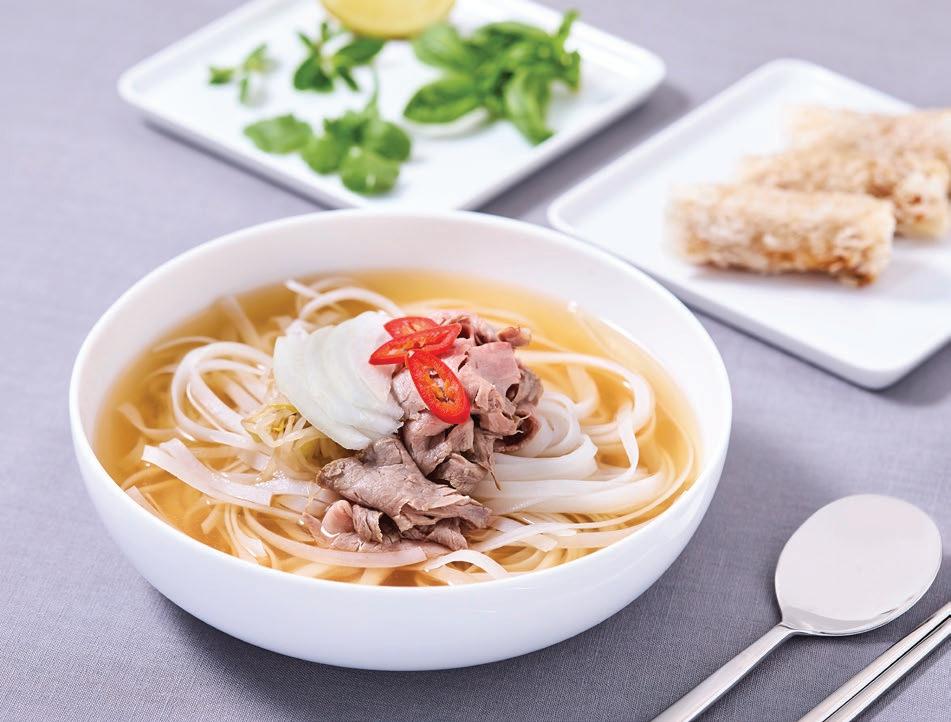
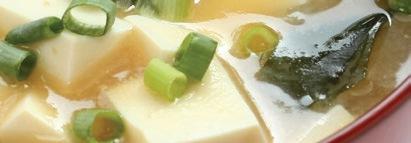
Smithson adds: “As Asian food becomes more familiar to the western palate, and with younger generations being more adventurous, we see more Southeast Asian flavours incorporated into menus. Meat and potatoes in Economy are being replaced with aromatic dishes designed to provide surprising alternatives. Our Asian carriers stretch from Japan and South Korea down to Singapore and Malaysia. Each brings its own food culture. For one airline, that might mean miso soup or ramen broths, for another, it’s Korean bibimbap. In Southeast Asia ingredients like fish sauce, palm sugar and sambal are staples and these flavours work well at altitude and reheat beautifully.”
Airlines and passengers are asking where ingredients come from, how they are sourced and their impact
To achieve this, his team works to a ‘paddock to plane’ philosophy, liaising with its supply chain months in advance to ensure products they want to use are sustainable and available in volume when needed, and they chose ingredients as close to their source as possible.



while other Asian cuisines
At dnata’s Singapore catering facility, adjacent to Changi Airport, around 20% of the 20,000 meals prepared each day feature Chinese cuisine, while other Asian cuisines



choose Japanese, Korean and Thai dishes while


account for 10%. Singaporean passengers often choose Japanese, Korean and Thai dishes while travelling because of their novelty compared to widely available local favourites.


Packed with flavour and varying in texture, the
Dim sum, for example, is a classic Chinese staple, typically associated with Cantonese cuisine. The bite-sized dishes can be savoury or sweet, and are frequently served with tea. Packed with flavour and varying in texture, the dnata team says dim sum lends itself well to elevated dining in the air.








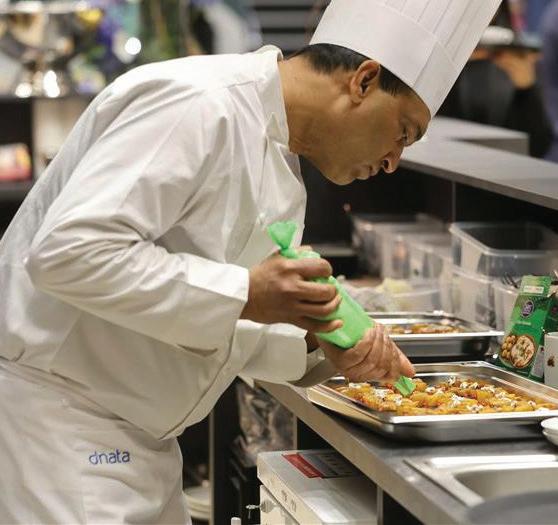
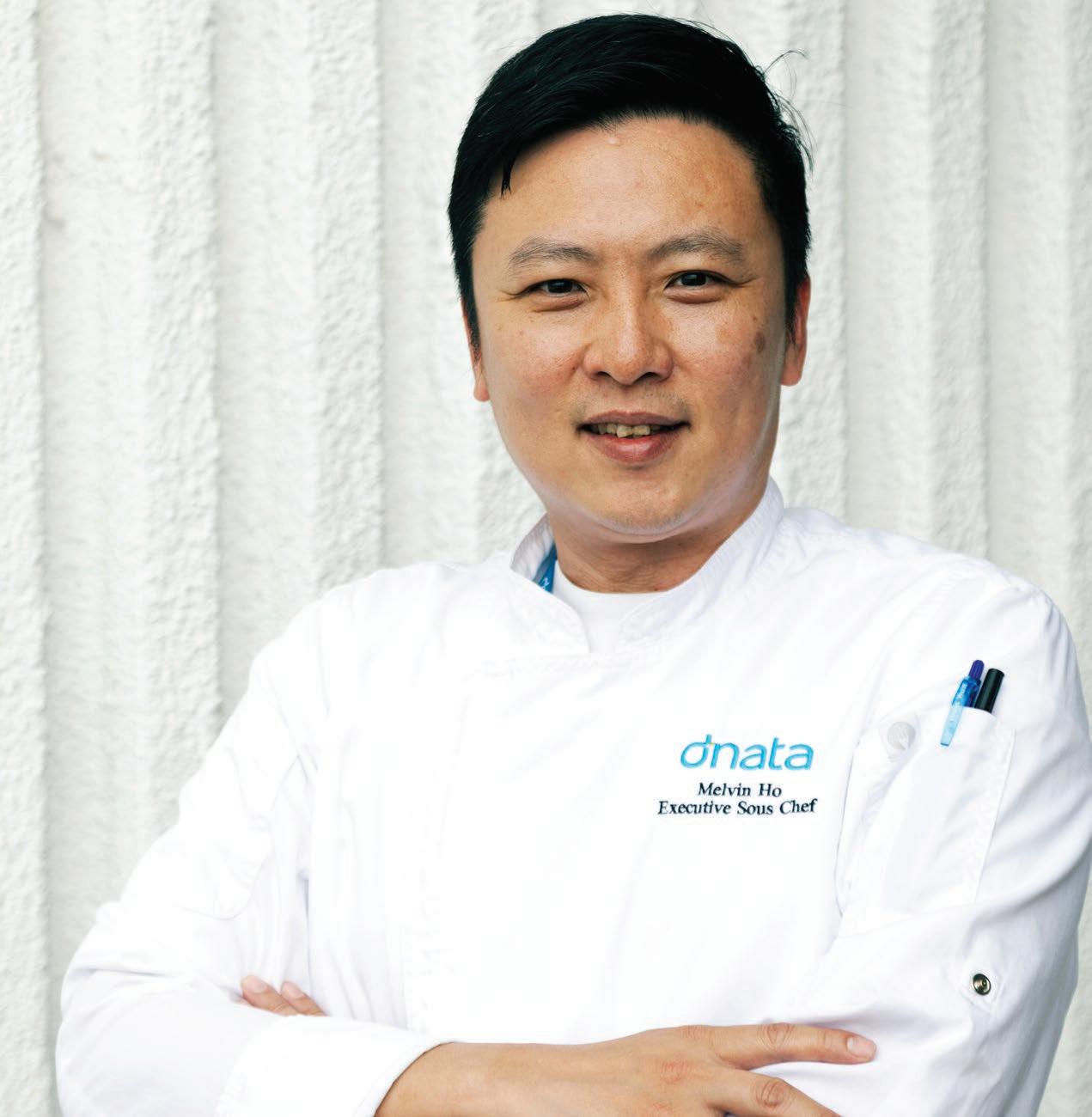
Melvin Ho, Executive Sous Chef at dnata in Singapore, explains: “All our dim sum is made freshly in-house each day — about 1000 to 1200 pieces daily. We have about 10 different types of dim sum in production including Shanghai dumplings, as well as prawn toast and deep-fried dumplings.”
The team prepares all these by hand, individually filling, shaping and, where necessary, expertly crimping the edges. A dim sum specialist with around 20 years experience can make two to three pieces a minute, on average.
Served on the day of production or the next day, the dim sum is heated onboard. Using cabbage leaves during that process helps ensure that the pieces do not stick together.
While Asian street food regularly makes a buzz on social media, for some airlines it is high-end restaurant collaborations that count, especially for premium cabins. China Airlines, for example, says its partnerships reflect a commitment to high-end quality.
It has partnered with MoonMoon Food, the seven-time Michelin Bib Gourmand-listed restaurant and healthy broths specialist, and also with upscale vegetarian restaurant, Yang Ming Spring, for a new menu prioritising health and ‘a pure dining experience that is both surprising and satisfying’.
For Japanese cuisine, it partners with Taipei’s


overseas-certified branch of and its new Skyward 3-Stars in Taiwan) and features menus














Toutouan, the only overseas-certified branch of that top Tokyo restaurant; and its new Skyward 3-Stars Private Cuisine menu is a collaboration with Le Palais (the only three-star Michelin restaurant in Taiwan) and features menus inspired by Taiwan's first Michelinstarred chef, Ken Chen.





A partnership with MIPON, a Michelin onein Taipei, brings classic Taiwanese dishes onboard.
A partnership with MIPON, a Michelin onestar restaurant at the Grand Mayfull Hotel dishes onboard.
Meat and potatoes in Economy are being replaced with aromatic and surprising alternatives
Similarly, Korean Air, complete with a refreshed logo and livery has reimagined and elevated its inflight dining experience across all cabin classes in collaboration with Chef Saekyeong Kim, who is renown for his acclaimed fine-dining restaurant, Cesta, in Seoul.
Culinary refresh
The general theme of the airline's culinary refresh is towards offering more seasonal fine dining onboard and including a range of classical Korean dishes that have been reimagined with a modern twist. The F&B refresh team has also prioritised using locally-sourced Korean ingredients whenever available.
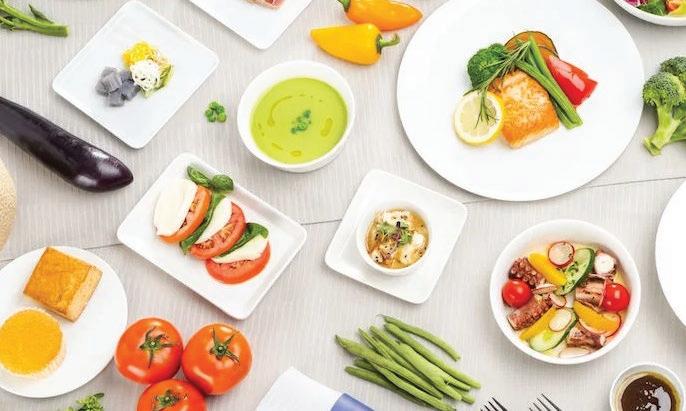
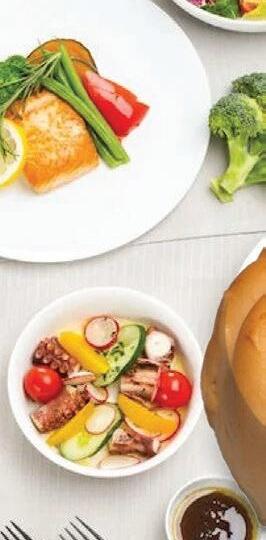






One Korean staple served in all cabins is Bibimbap, Korea’s unofficial national dish, which is very popular and has cooked rice as its base. It comes in several guises and can include salmon, octopus, brisket and doedeok (wild mountain root). The dish is completed for onboard service with a helping of gochujang (Korean chilli
pepper paste).











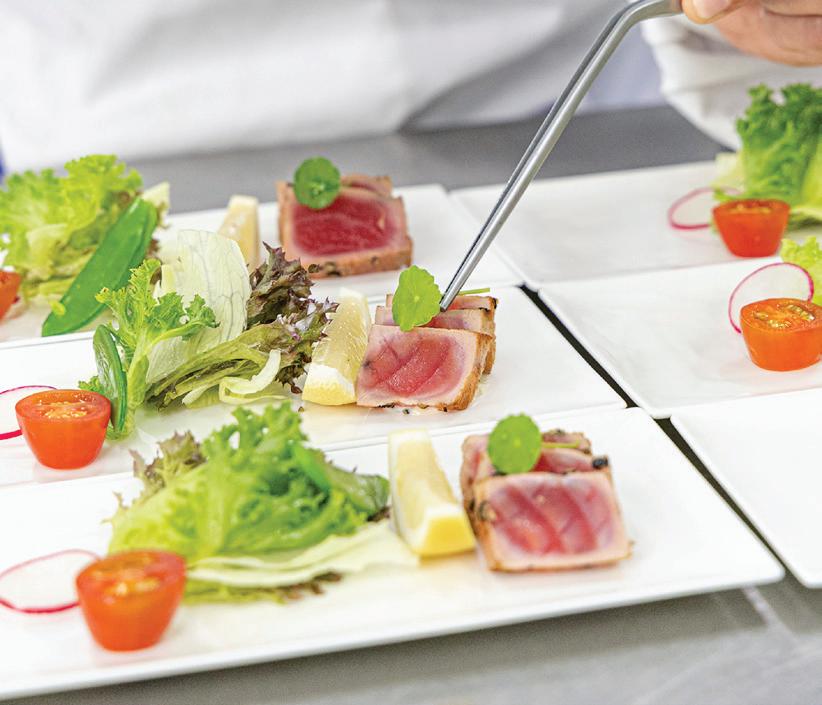
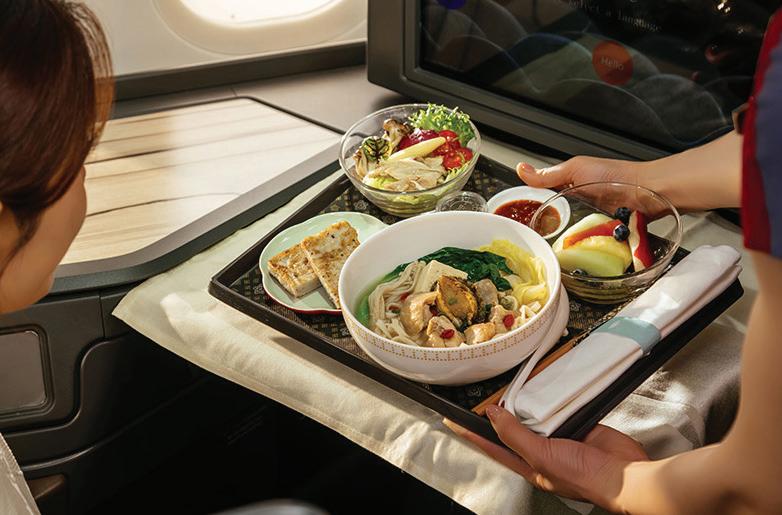
Above: Delicate interpretations from Bangkok Air Catering; Fresh flavours on China Airlines
Below: Baked bao buns from En Route for hand-held service
The focus on specific ingredients reflects the attention given to culinary detail. The rice used in Korean Air’s First class cabin, for example, is ‘Baeksemi’, a premium, patented brand of shortgrain white Korean rice with a sticky texture that makes it easy to pick up with chopsticks.
For First and Prestige (Business) classes, an expanded multi-course service features refined amuse-bouches (for example, tuna tacos, lobster with mango salsa, and caponata and chickpea with feta cheese) and main courses like Korean grilled Spanish mackerel, grilled beef tenderloin with red wine sauce, and braised beef brisket bibimbap. There is also a new range of crafted desserts, including artisanal Petit Fours.
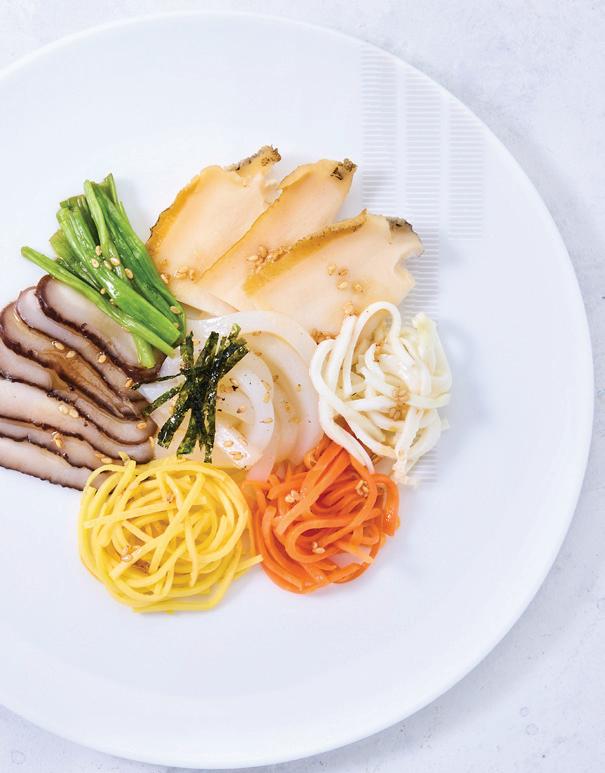
Other new Korean dishes in Prestige include octopus multigrain rice, abalone rice bowl, and sinseollo (royal hot pot), radish bibimbap and mushroom rice bowls in autumn and winter.
Hospital to incorporate clinical guidelines for conditions such as diabetes, hypertension and cardiovascular disease into its special meals.
Airlines increasingly embrace local cuisine as a way to connect travellers
Asian flavours are also finding their place in hand-held products and second service items. David Helm, Director, Asia Pacific, at En Route, says: “Airlines increasingly embrace local culinary cuisine as a way to connect travellers to place and culture. They want to go beyond generic ‘international’ options to offer authentic tastes, ingredients and the spirit of the region. We leverage our partnerships in Australia and Asia to adapt our hot handhelds, frozen entrees, bakery, ambient snacks, desserts and cheeses to meet customer preferences whilst adhering to regional legislated compliance requirements.”
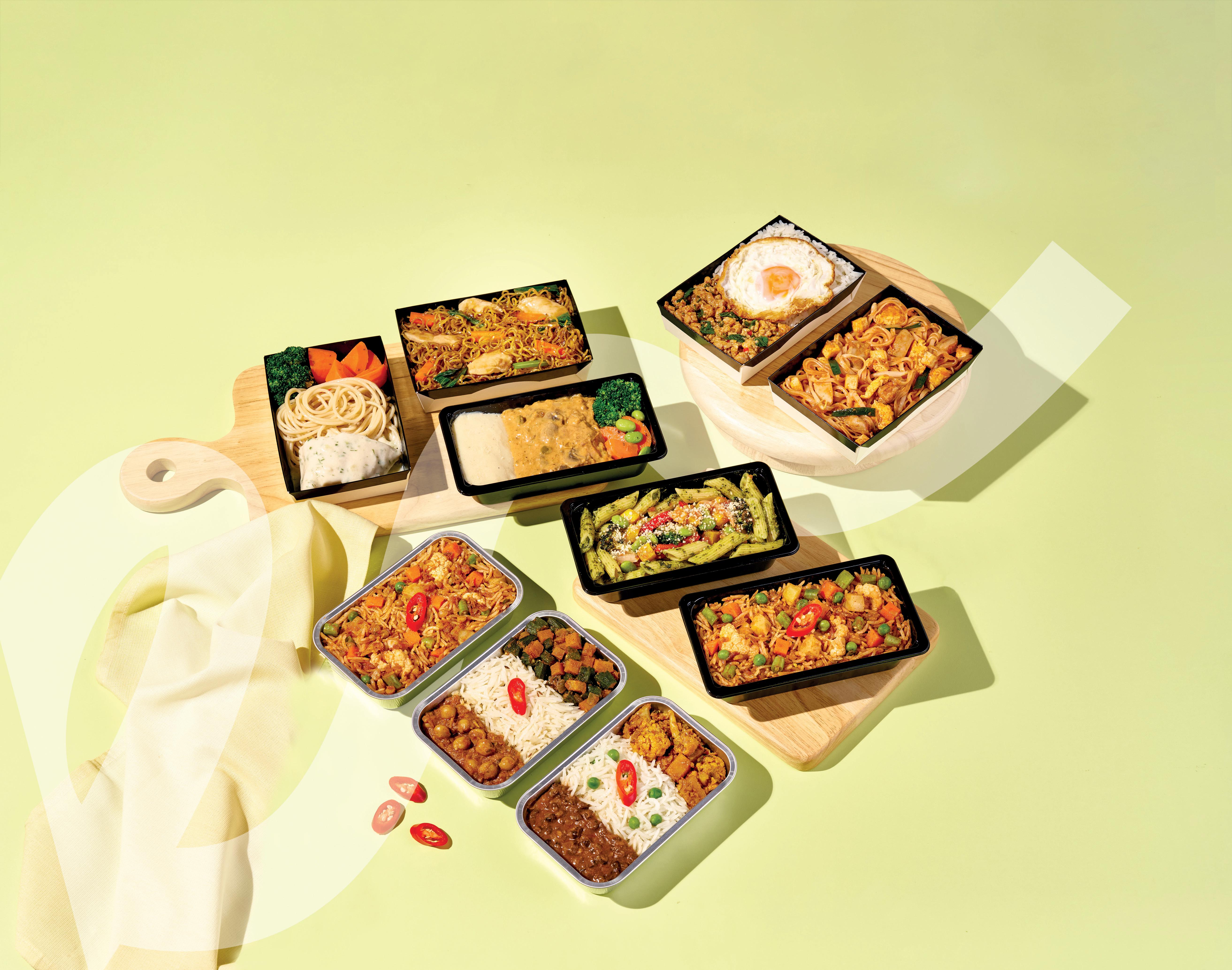
The enhanced Economy options feature bibimbap variations with salmon, spicy octopus or pork, beef bulgogi and braised pork and kimchi with rice. These sit alongside global trend dishes like tofu pad thai, spicy stir-fried eggplant, and rosé pasta.
The new menus — some of which are available as pre-orderable meals — include seven types of vegetarian dishes and a Korean vegan meal.
The airline also worked with Inha University
The team partners with Farm2Plate in Thailand and believes that by producing locally, in region, a broader, more cost-effective range can be offered without significant import restrictions or distribution cost. All its meals and snacks in Asia are produced in predominantly halal-certified facilities. Newest to its bespoke range are baked pepper chicken bao buns - translating a familiar regionally-loved flavour into an airline ovenable format that feels culturally relevant and comforting. Further baked bao buns - with char sui pork and honey soy chicken – will launch onboard soon. •
Melvin Ho, Executive Sous Chef at dnata Catering and Retail, Singapore, discusses aspects of dnata's catering operations near Changi
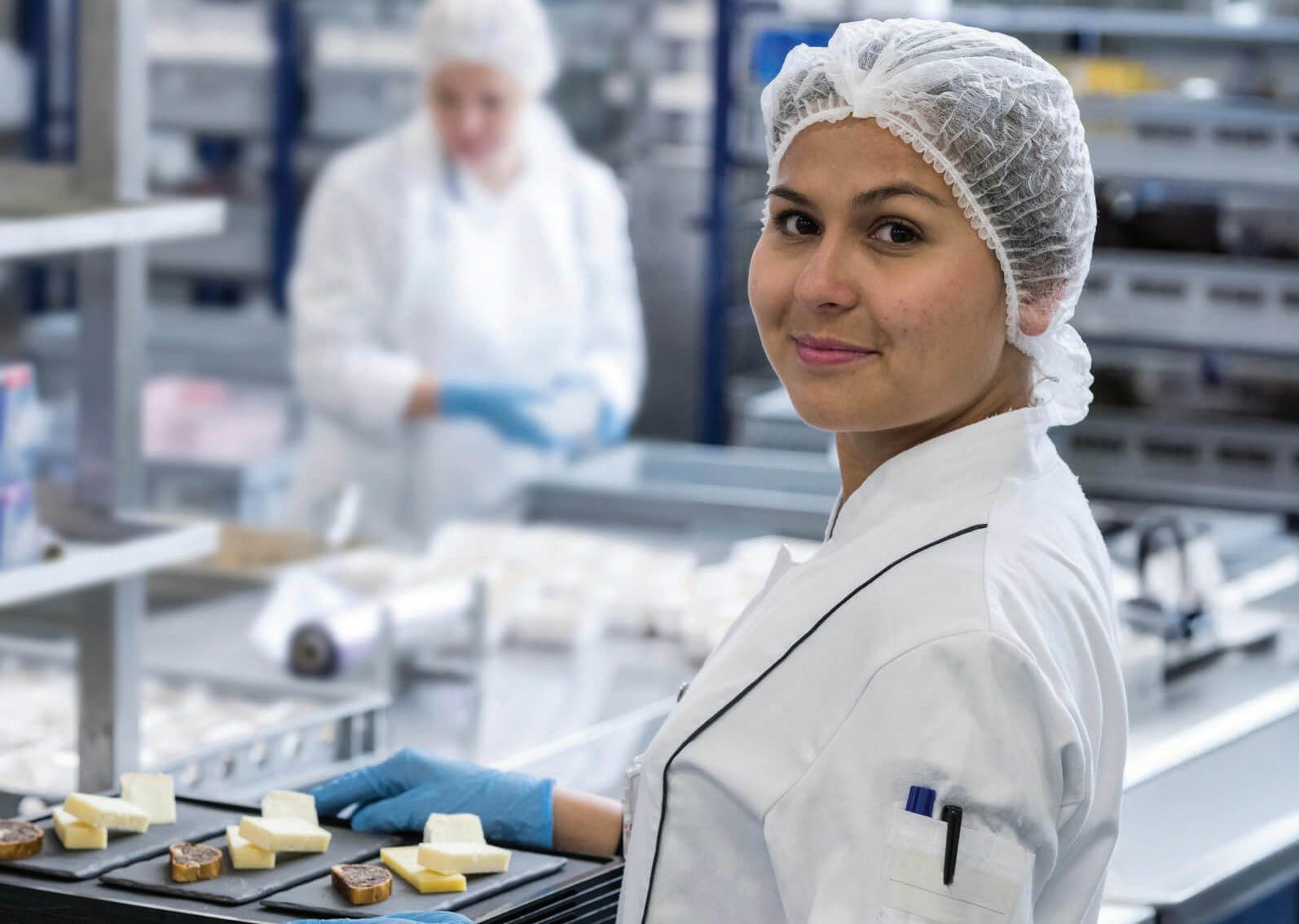
These large-scale kitchens in the dnata catering facility next to Changi Airport currently prepare between 18,000 and 20,000 inflight meals a day for airlines. On top of that, we have an average of 700 special meals – mainly children's meals, vegan meals, diabetic meals, gluten-free meals and Hindu meals.
During the holiday season in December, we prepare up to 1,000 special meals a day. We have a lot of children's meals during that period. Similar to any other airline catering kitchen, the food is mass-produced: it’s bulk-cooked and then plated in batches. It’s a quick turnaround. Anything cooked is plated and on a flight today or tomorrow.
As you can imagine, a leafy salad sitting in a fridge deteriorates pretty quickly. So the quicker we get it out, the better it
is. First, we weigh our salad and create what we call our ‘golden sample’. We put that at the front. Every one that follows is prepared to look like that. That’s the same process for everything, whether it’s a salad, a sandwich or a meal. We’ll make our golden sample, start the process and make sure they are consistent.
The peak period is from nine in the morning until six in the evening. There are more departures in the evening and early morning. Everything is freshly made and cannot be kept more than 48 hours.
We have a forecast, every day, of how many kilograms of each ingredient we need. We give our purchasing team the forecast. Every day, they will bring in whatever we require. Every day, we make sure that we have enough and not over what we need.
Raw material is delivered daily: fresh fruits, fresh vegetables and protein. We have receiving and production teams team working daily – 24/7.
Can’t get fresher
The produce arrives fresh. It's pretty much put straight into a meal, and then it's flying. It can't get any fresher than here.
Some of the vegetables are produced in Singapore’s vertical farms. The most popular protein is chicken breast. Then for fish, we have grouper, snapper and sea bass. Then for Economy class we have more cost-effective fish, like dory or perch.
Food must be cooked to at least 75°C before it's put into a blast chiller, where it must chill down to less than 5°C before it can be kept in the chiller.
We prepare Western, Chinese, Indian and other Asian cuisines. dnata.com •

JoReeder
Withpassengers'priorities changing, airlines arelookingfor newwaysto impress with the first meal of theday,says
Bthe most important meal of the day, and as tastes evolve airlines their breakfast game to offer healthier options, greater choice, better and elements of personalisation

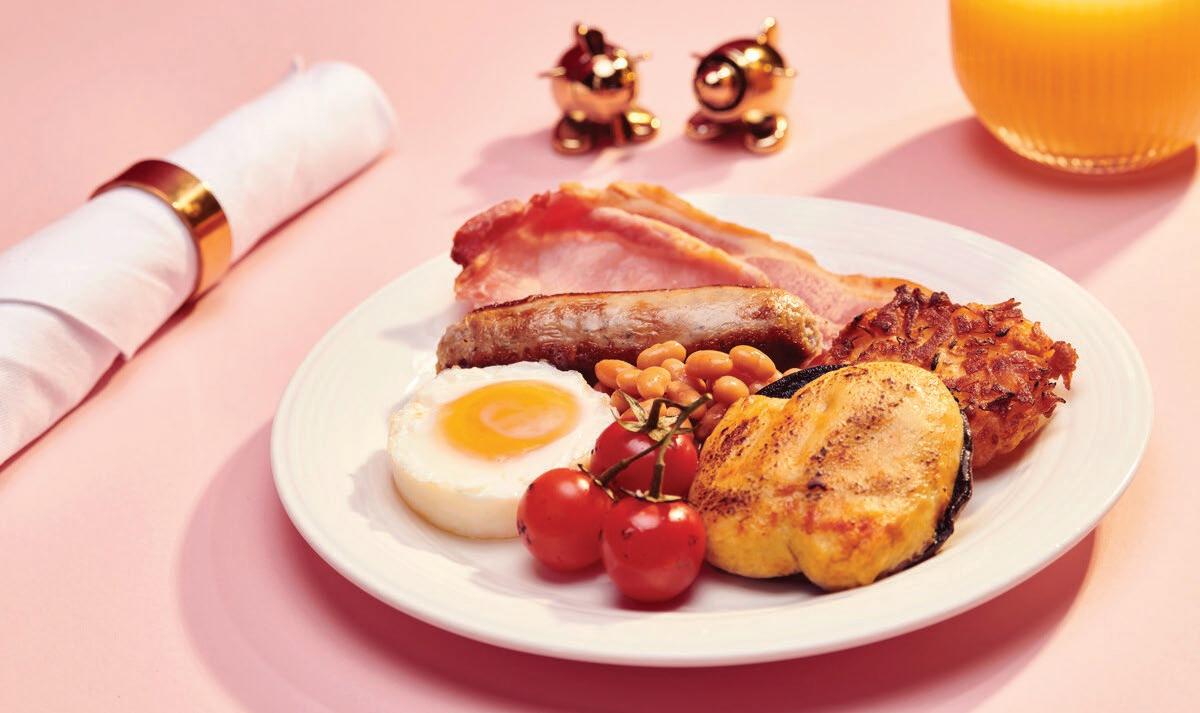
Noting that passengers most appreciate “simplicity, balance and freshness”, Virgin Atlantic has redesigned its morning service to offer a cold continental entrée, with a layered yoghurt, fruit and granola bowl. Iberia has added specialities like Mallorcan ensaimada – the island’s local pastry – with yoghurt on some flights; and Korean Air has switched from dairy products to lactose-free and plant-based alternatives. Alaska Airlines worked with Chef Brady

restaurant, for its curated gourmet breakfasts featuring regionally-sourced, seasonal choices, like mochi waffle and fried chicken, brioche French toast and coconut chia.
Evolving concepts
Suppliers see a push towards quality. Joanne Veale, Brand Manager at Monty’s Bakehouse, says: “There’s a noticeable demand for the premiumisation of the breakfast experience –think authentic, locally-sourced ingredients and ‘café-style’ presentations. Warm, comforting breakfasts are also key as passengers seek dishes that balance indulgence with nutrition, and favour high-protein options, innovative




formats and globally-inspired flavours."





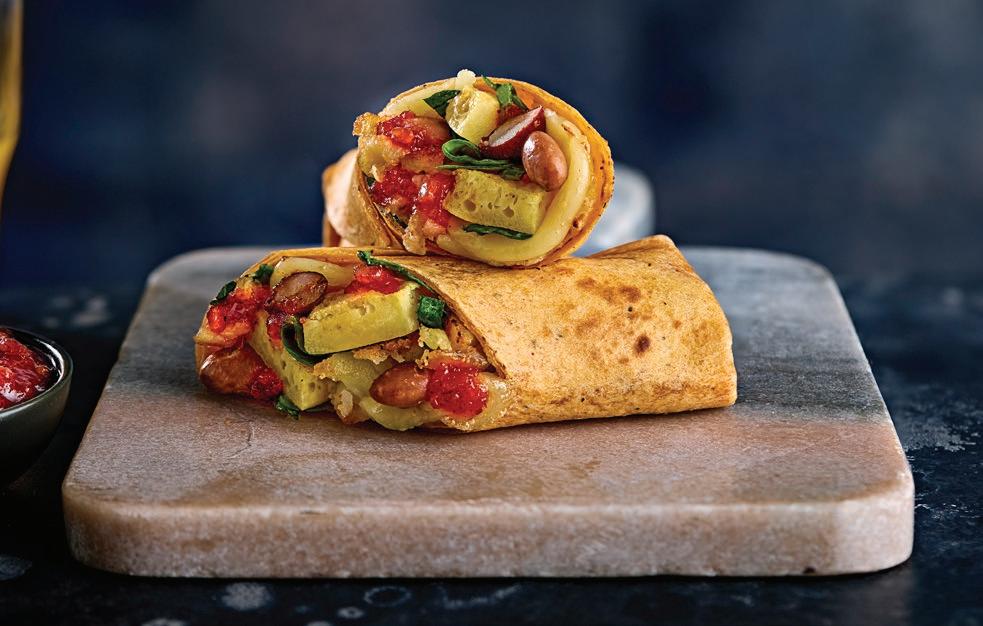
Her team works to reinterpret trends into formats suitable for inflight service, developing breakfast wraps, filled breakfast breads and fruit-filled waffles, for example, and incorporating ingredients such as shawarma, za’atar and spiced fruit compotes. The goal is to balance visual appearance, texture and aroma, and ensure taste holds well after reheating and at altitude.



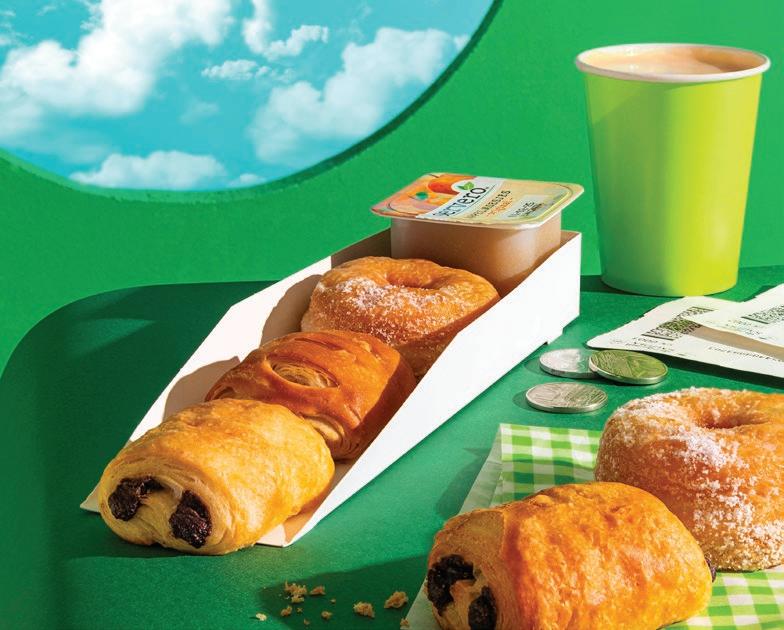
At Snackboxtogo, the team is responding to the trend towards 'dining experiences' with concepts that turn the first meal of the day into small journeys. Instead of serving a single tray with a standard set of items, it has created mini breakfast tasting boxes: a small box or tray with four breakfast items, each with its own flavour profile, texture and experience. Items can reflect the flight's destination.




















thoughtfulness. Subtle regional influences
their tray. These touches give a sense of personalisation while destinationlinked items add the perception of thoughtfulness. Subtle regional influences add a sense of connection and care.





It's not necessarily about offering more, but about offering better


Else Meijer, NPD Manager, says: “Passengers are looking for a moment of enjoyment and distraction. They appreciate variety and an experience. Breakfasts can play a fun role in lifting the mood and engaging senses.”
En Route’s research into breakfast trends found that passengers value choice, freshness and perceived control. They like being able to make small decisions – such as adding granola to yoghurt, choosing a vegetarian component or adjusting how they combine elements on












Nicole Strachan, Head of Category, Bakery, En Route, says: “Our research found that most people enjoy inflight meals that deliver on flavour, ingredient quality and ease of consumption. This reinforces the importance of simple, well-made products. Passengers value a sense of balance and variety. A mix of hot and cold, sweet and savoury items gives the perception of a more complete meal. It’s not necessarily all about offering more, but about offering better."








This of a more complete meal.

She believes baked products made with named or PDO (Protected Designation of Origin)
butters are becoming the benchmark as they deliver a rich flavour, beautiful lamination and the visual appeal associated with a premium experience. She adds: "There’s also a growing appetite for savoury options. Mini pastries remain popular but naturally-sweet fillings such as dried fruit and nuts, rather than icings or custards, are favoured. Seeded and sourdough breads are also popular as their higher fibre and protein content make them appealing.”









Foodcase International also reports a shift towards healthier, higher-protein breakfasts, with requests for more functional items including yoghurts, smoothies with added protein, granolas with seeds and nuts, and reduced-sugar alternatives.















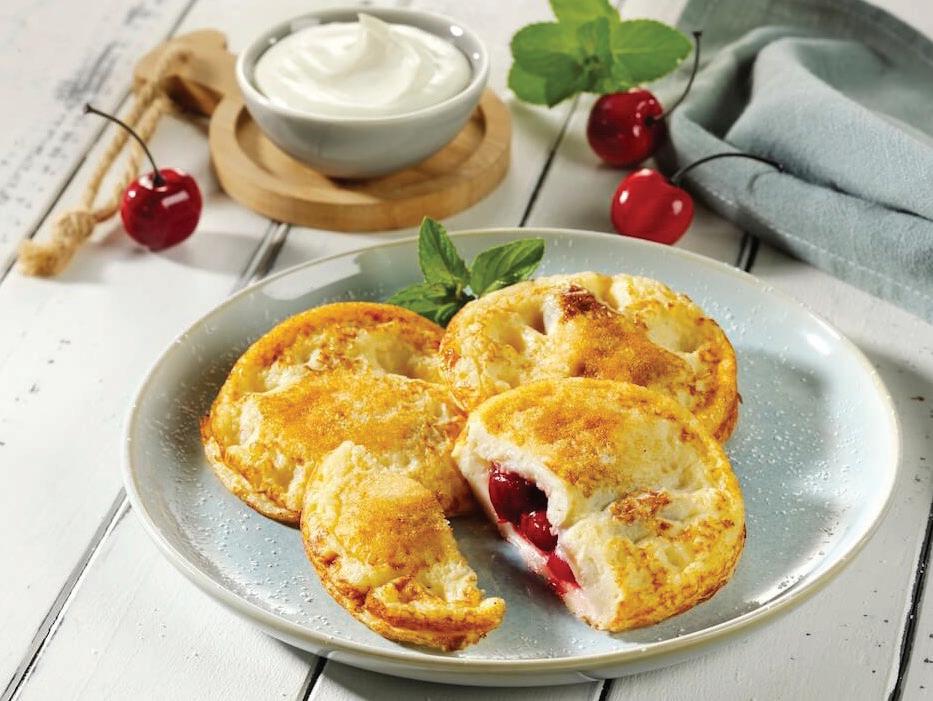
Family firm, Gut Springenheide, offers a range of fresh egg-based breakfast options, including its popular cherry pancakes, now available in a 70g size. The company draws on generations of farming tradition, uses its own fresh eggs and quality flour to ensure the fluffy pancakes look great, while the natural juice of the cherries in the batter gives a sweet, slightly tart and aromatic profile, designed to bring the comfort of home onboard.


The team at Deli Lites, which has two of its breakfast wraps onboard British Airways, sees wellness leading the charge, with demand up for functional foods that support health and energy levels during travel. They contend that breakfast is no longer just about convenience; it’s about offering passengers something that ensures they feel good in the air and beyond.


























Gary McDowell, Head of Food Innovation and Development, Deli Lites, explains: “Our breakfast products are designed to support wellness, with high protein and fibre content. We stay on trend by using locally-sourced ingredients wherever possible, ensuring our food is nutritious and delicious. These shifts have pushed our team to innovate not just nutritionally, but gastronomically. We’re committed to delivering meals that taste great at altitude. Many health-focused products sacrifice taste for function, but we strive to achieve both.”

















Breakfast is no longer just about convenience, it's about feeling good in the air and beyond














Buy-on-board (BoB) breakfasts are also important and Foodcase notes that airlines are elevating their offerings, often combined with a growing focus on pre-ordering and pre-selection. Several of its BoB customers – including easyJet, Transavia and Eurowings – have items from its ambient portfolio, either as single products or as part of combined boxes.

Geert Doek, CEO, Foodcase, says: “For BoB we primarily work with our ambient range, both for hot meals and snack boxes, featuring shelf-stable yoghurts, granolas, protein bars, juices, filled bread rolls and sandwiches. The range has extended to include hot breakfast selections such as a frittata with sausage and beans. These have a shelf life of over nine months.






“Our R&D team invests heavily in developing ambient options that are on a par with frozen in terms of taste and quality. For ambient breakfast boxes, one of the main challenges remains sourcing the right shelf-stable components, particularly sandwiches and breads, where it can be difficult to find truly tasty products with a sixmonth shelf life.”


The passenger upset triggered when British Airways trialled removing hot breakfasts from domestic routes shows breakfast remains important inflight. Elevating the essentials, reflecting both indulgence and balance, and creating something familiar yet refined seems key. Breakfast, in short, offers airlines a powerful moment to exceed expectations, delight and inspire their passengers. •













Snackboxtogo is developing inflight breakfasts; while Gut traditional recipes and fresh flavours onboard 'dining experiences' for Springenheide brings















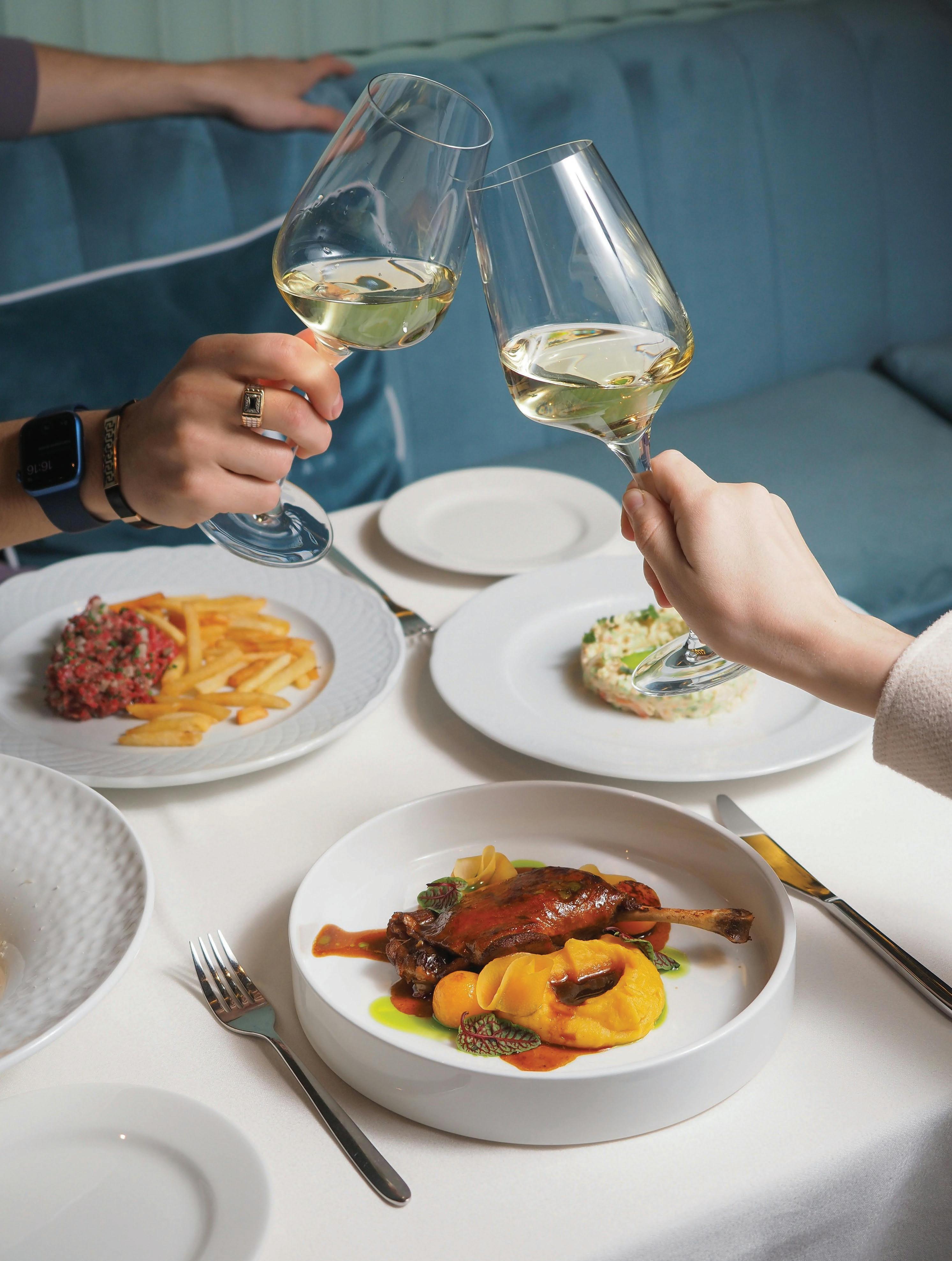
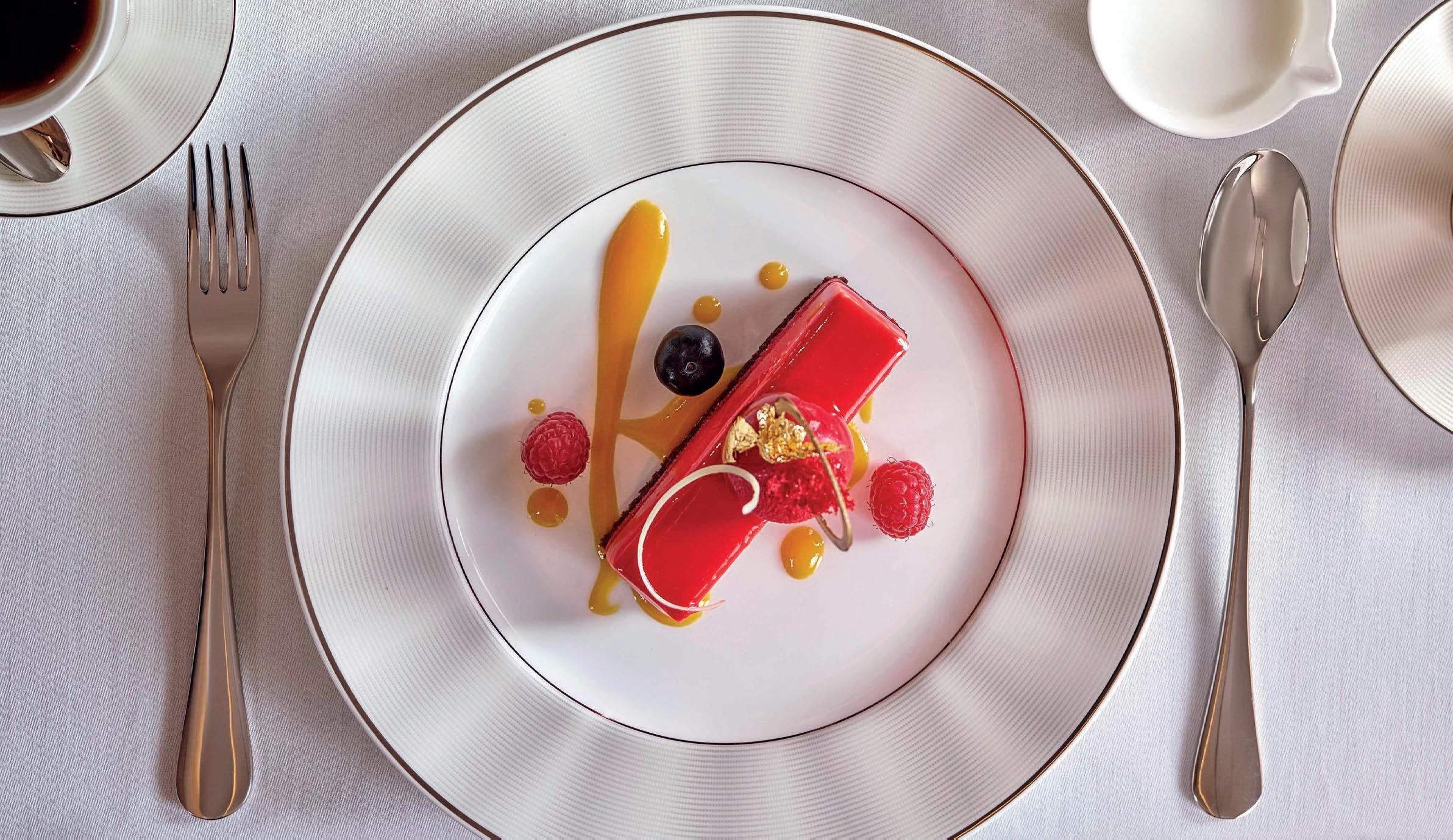
Fine dining never goes out of fashion but its interpretation onboard is entering a new era of quiet sophistication, reports Julie Baxter
Some things never change. Caviar and Champagne will always be icons of luxury, but for fine dining onboard a subtle shift in style is afoot, it seems Craig Devoy, Chief Operating Officer for the YATES+ Culinary Team, explains: “Once defined by silver service and spectacle, First Class dining is entering a new era of quiet sophistication. The icons still reign supreme but the essence of luxury is shifting. Today’s indulgence is measured in craftsmanship, balance and sensory precision.”
He recognises that the indulgence
of a product like caviar and the ritual around Champagne is “timeless, deliberate, and unapologetically elegant” but adds: “Even the most iconic rituals are being refined. The future of inflight dining is not about replacing what works — it’s about rediscovering why it matters. Luxury is evolving into a quieter, more curated expression of indulgence, one that celebrates provenance, intention and calm precision.”
His team sees a new definition of indulgence emerging across Asia, the Middle East and Europe with focus shifting from abundance to artistry: smaller portions, seasonal ingredients, and a balance between richness and restraint.
“Menus are becoming more deliberate and sensory. Presentation mirrors the finest restaurants — bone china, crisp linen, hand-blown glass — yet pared back to feel calm, not crowded," he says.
Airlines are adjusting fine dining to reflect this change. Lufthansa, for example, is marking its 100th anniversary with over €70 million of investment in its Future Onboard Experience programme (launching in spring) with a series of Signature Moments including a rose and caviar service, an Avionic signature drink and signature menus created by top chefs. CEO Jens Ritter, says: “We are investing investing in a top premium product with more individuality, greater comfort and extraordinary Signature Moments.”
At Air France the new La Première, launched in October, was developed in collaboration with three-star Michelin chefs Anne-Sophie Pic and Alain Ducasse and Xavier Thuizat, head sommelier for Air France and the Hôtel de Crillon, a Rosewood Hotel. Singapore Airlines flags up its commitment to fine dining through its Book the Cook programme for main courses in premium cabins on flights over 1.5 hours duration

partnerships with producers and growers to design menus that reflect the same care and quality you’d find in high-end establishments.
Luxury travellers continue to seek exclusivity, personal attention, and exceptional culinary craftsmanship
Smithson adds: “The biggest challenge is working with produce that’s seasonal or affected by supply volatility. We manage this by staying flexible where we can, using descriptions like ‘market greens’ so we can always source the best available ingredients in season. Close collaboration with airlines is key. It ensures high standards without over-promising and gives passengers the freshest available ingredients year- round.”
Etihad Airways says it aims for the quality and attention to detail of a world-class restaurant for First passengers where it includes classic Emirati dishes and destination-inspired options, personalised recommendations and pairing suggestions.
Robert Smithson, Head of Culinary at dnata Catering & Retail Australia, confirms: “There is absolutely still a place for high-end experiences onboard and airlines use First to show this. Passengers love experiences that feel like a five-star restaurant, and they will pay for that, particularly on long-haul flights.”
For this reason dnata’s culinary team has members drawn from leading five-star hotels and high street restaurants who forge strong
Mohammad Farran, General Manager at Bangkok Air Catering, calls the current shift in fine dining “a trend towards refined simplicity”, which means fewer elements on the plate but each executed flawlessly with impeccable provenance and detail. He says: “Airlines investing in First Class dining are not just serving meals, they are creating a brand statement. Luxury travellers continue to seek exclusivity, personal attention, and exceptional culinary craftsmanship. The challenge lies in delivering that restaurant-level perfection in a pressurised cabin with limited space, time and resources.”
Where investment allows, his team looks to source premium ingredients like caviar,
truffles and wagyu beef, and tailors the menus for meticulous plating solutions designed to maintain elegance and freshness and make fine dining at altitude truly memorable.
Devoy says caviar remains the star but now it may arrive with subtle accompaniments: smoked salt, micro-herbs or warm blinis made to order. Items such as truffle, lobster and heirloom vegetables appear in compact, perfectly presented dishes.
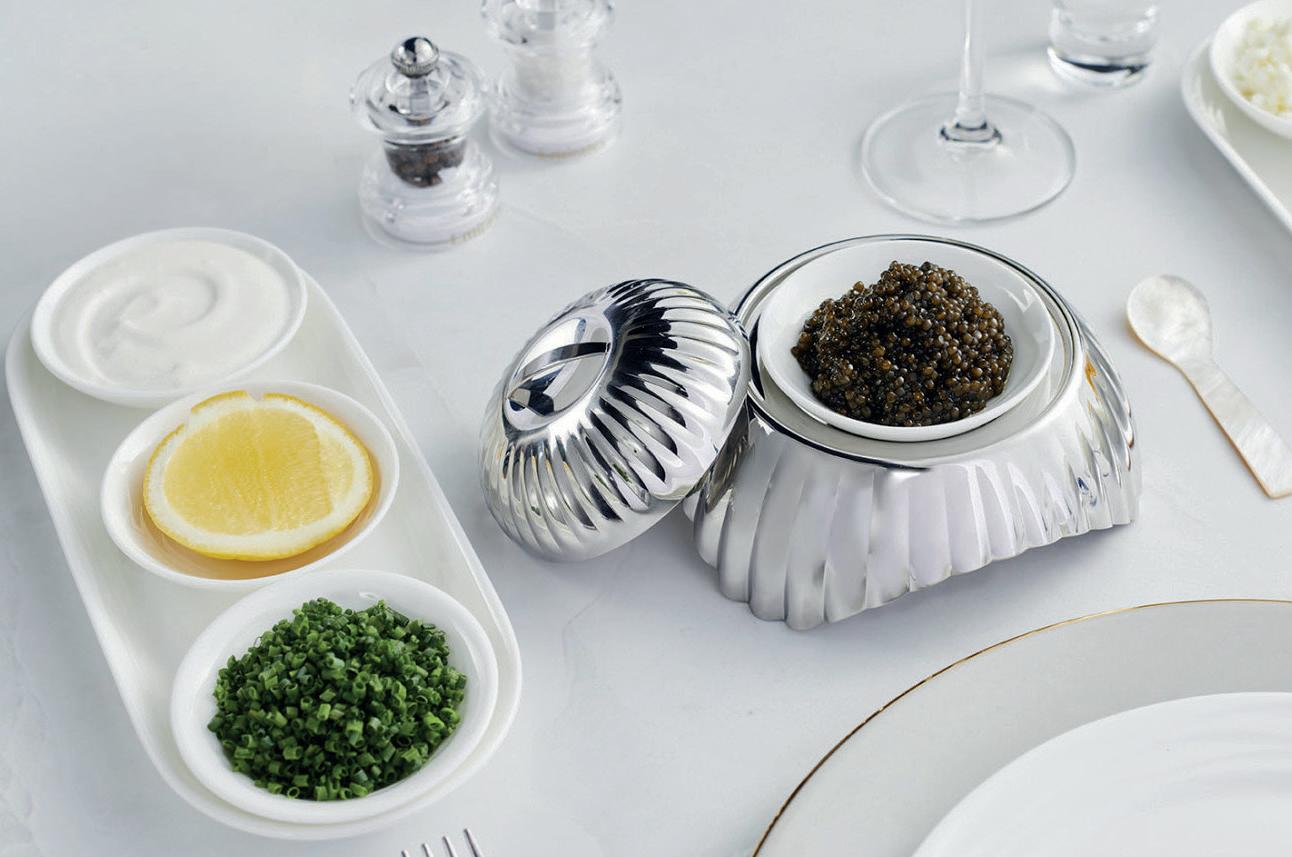
Emirates, which serves some of the world’s most premium Ossetra caviar in First, reports a 30% increase in consumption in the past year and presents it with a distinctive 'caviar ritual'. Unlimited amounts are offered by cabin crew wearing pristine white gloves. A white tablecloth is laid for the caviar served in an exclusive Emirates engraved presentation bowl with lid reveal. Diners are given a pure Mother of Pearl spoon "so that the delicate taste is not tainted by oxidation from stainless steel utensils". The offer includes crispy melba toast, soft blinis, egg yolk, egg white, chives, white onions, sour cream and lemon, and is paired with Dom Pérignon Champagne.
Luxury is less about opulence and more about orchestration, purpose and poise
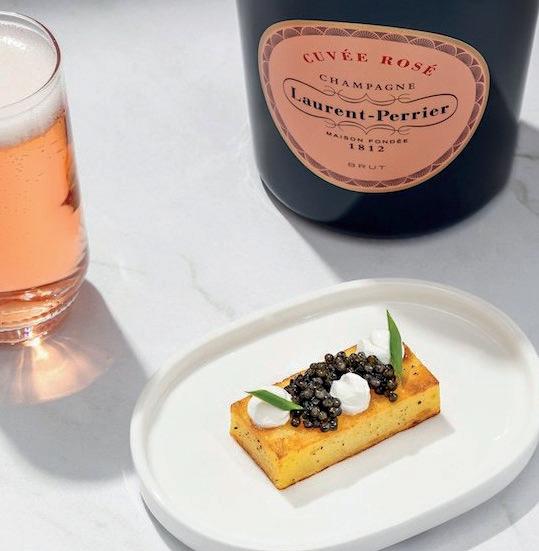
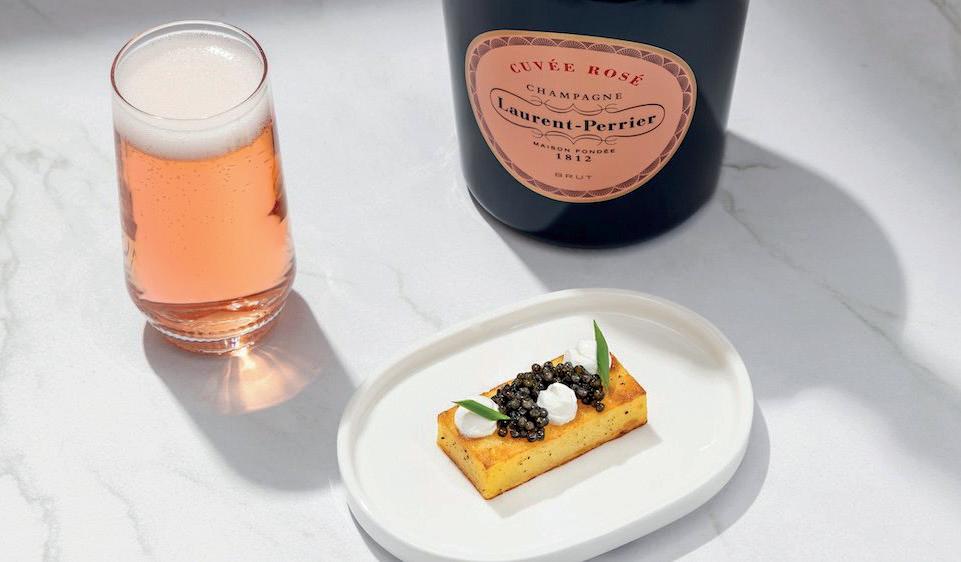
United Airlines also introduced a new Ossetra caviar amuse-bouche service this year, paired with Champagne Laurent-Perrier Cuvée Rosé. Champagne remains the benchmark but, says Devoy, it is now more selective, with curated vintages and prestige cuvées chosen for depth, freshness and character at altitude. Alongside there are now light aperitifs, botanical tonics and elegant zero-proof creations, which can maintain prestige but also reflect a modern luxury that values clarity, wellness and craftsmanship. Devoy concludes: “This is mindful hedonism: indulgence that restores rather than overwhelms. It’s less about opulence and more about orchestration — where every element has purpose and poise. First Class dining will never lose its icons — it will refine them. Caviar and vintage Champagne remain the emblems of success and celebration. The weight of the crystal, the chill of the roe, the soft hiss as a cork releases at altitude — these gestures remain the heartbeat of First Class dining. They are not trends, they are traditions, preserved precisely because they still move us. But the new fine dining centres on refinement rather than extravagance, icons now sit within a broader philosophy of balance, wellbeing and craftsmanship. The experience is still indulgent, but its language has changed: quieter and infinitely more personal. The new luxury isn’t louder — it’s smarter, calmer, and designed for those who understand restraint.” •





























































































































GIC International Catering recently celebrated 25 years of being in business. Stuart Forster takes a look at the company based near Frankfurt Airport
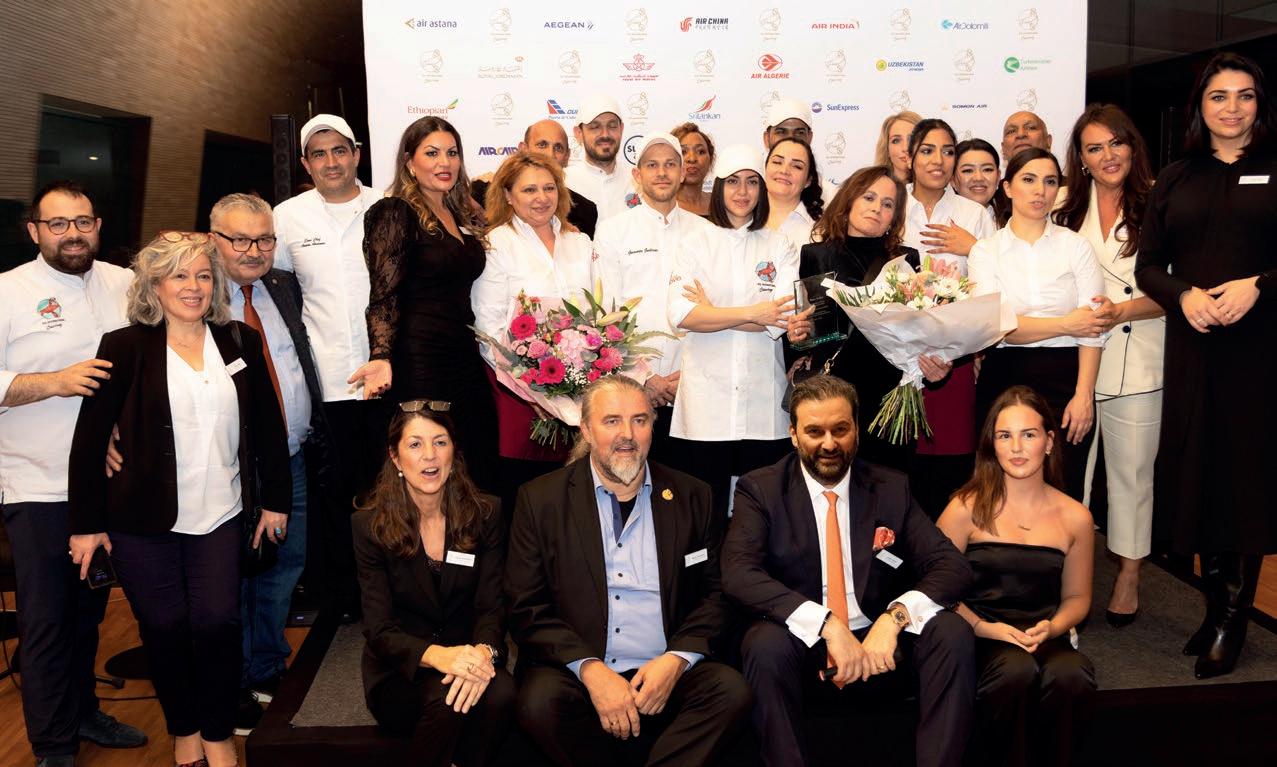
Airline representatives, shareholders and long-term suppliers were among the guests present at GIC International Catering’s jubilee event in October. It was held at the FRALounge, offering views of aircraft taking off and landing at Frankfurt Airport.
The company is based in Kelsterbach, where one in three jobs is dependent on the nearby airport. GIC has a staff of 170, catering for up to 60 flights a day and also providing meals for local schoolchildren and representatives of Eintracht Frankfurt, when the football club travels.
A German company with Turkish roots, GIC had three founders who instilled values that continue to influence how business is done – including diligence, discipline and consistency. “They taught us the right mentality towards work…what you do is actually like a self-portrait. My father always used to say you just need to work, but you need luck as well,” says Göksel Yildrim, the current CEO.
His late father also emphasised that business should be approached with a can-do mindset. “With the right mentality, things can be done. In the Turkish

















mentality, every challenge is an opportunity,” adds Yildrim.
“The most important thing is that you need the right people,” continues the CEO, explaining that showing appreciation and respect to both employees and business partners is at the heart of how the company operates.
A range of cuisines is prepared in the kitchen facility,10 minutes’ drive from the airport.
Approximately
be more environmentally friendly, producing its own electricity and recycling wastewater.
What we do is with all our passion and all of our love
30% of those, including around 500 meals a day for Air Dolomiti, are for passengers in Business class.
The company has expansion plans that include opening a new 10,000-square-metre unit close to the airport. The premises will
Aware of his responsibilities to 170 families, Yildrim recognises that a strong foundation is the basis for success. Investing in the team is central to transferring knowledge key to maintaining skills and competency while the team grows. “I‘m very proud of my team and I'm proud of being in the airline catering industry. Life is short and it will be very sad if we don't have the space for being an artist in our jobs,” he adds.
His outlook of looking to the stars while remaining grounded guides the company’s approach to doing business. gic-international.com •



Our natural, food-based inflight materials contain no petrochemicals or microplastics. Backed by leading plastic-free certifications, our straws and serviceware deliver dependable performance on every flight. Made from natural ingredients that ar e as familiar as the coffee you serve onboard.
























Ashley
that show some love to their
The majority of passengers are seated in Economy, so shouldn’t more be done to curate a selection of food and beverage products that really makes them feel valued and cared for?
Premium passengers receive carefully curated offers that are clearly designed to impress and satisfy. They have an elevated level of perceived value and create truly memorable travel experiences, which in turn assist ticket sales. In contrast, the offer to Economy cabin passengers can sometimes seem rather an afterthought.
A client recently asked me to look at a hot handheld product that was already flying in Economy. It was labelled as a meat pie. Yet when I looked more closely, I was surprised to read that the product’s primary ingredient was water (at more than 40%). In food manufacturing, the only ingredient cheaper than water is air!
The cost difference between something with a list of processed ingredients and a more wholesome product – with ingredients that enhance wellbeing and offer nutritional value – can be as little as 20% of raw material costs.
Economy passengers deserve better, and in doing better airlines will benefit in multiple areas



Other production costs, including packaging, remain constant, but if a product disappoints, there can be a disproportionate cost on the other side of the offer. Remember there is the offload and waste disposal cost if a product is not fully consumed and that cost can be higher than the ‘savings’ on the ingredients.




In an industry focused on sustainability, serving sub-standard products makes no sense. These products increase waste offload and decrease customer satisfaction. The very opposite of most airlines’ stated

ingredients. objectives.
Perceived savings at the product selection stage have the potential to increase costs in other budget areas. And these can ultimately outweigh the initial savings significantly. All businesses should aim to perform at optimum efficiency. Choosing the right product can lift the passenger experience, reduce waste, help retain loyalty and secure good PR. Investing in quality can bring a quadruple-win. And improving efficiency in business-operations naturally leads us to a more sustainable outcome. A more efficient and sustainable inflight food offering means investing in quality.
Economy passengers deserve better than some of the dishes that are occasionally served, and in doing better airlines will benefit in multiple areas. •
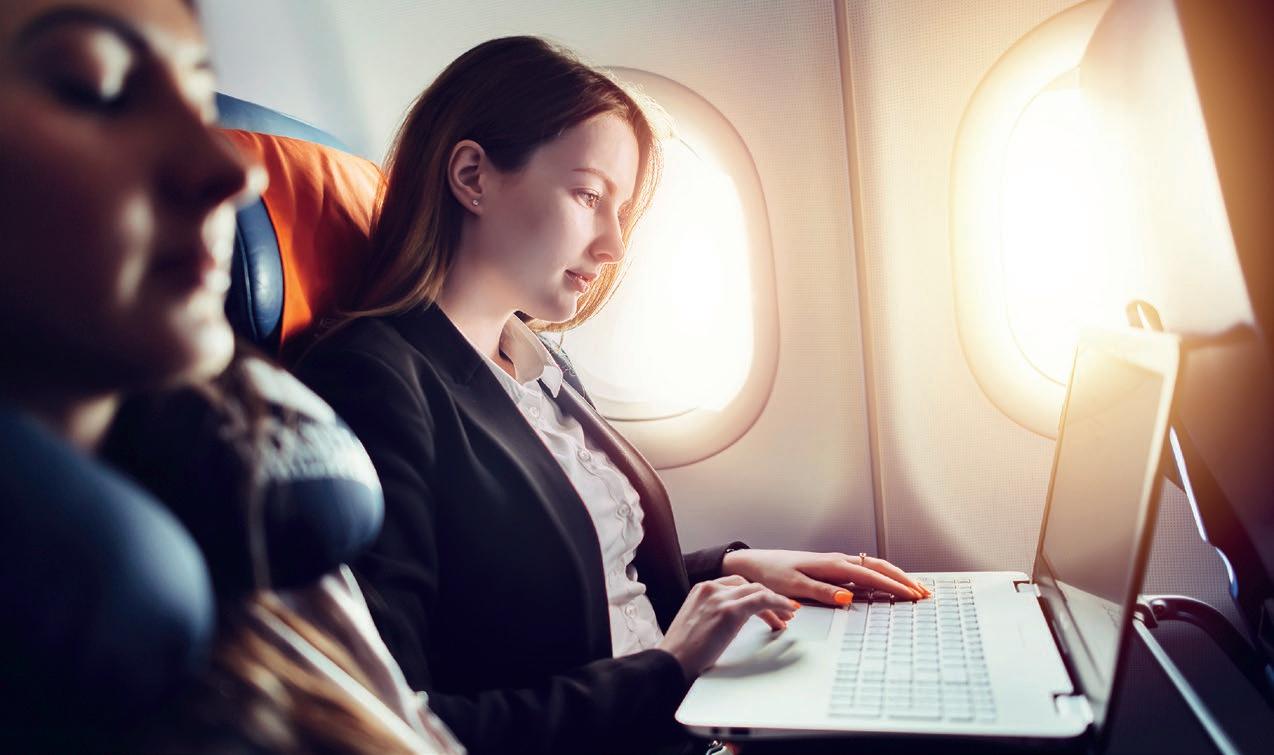
With more and more carriers launching free Wi-Fi inflight, is the pressure that comes from a digital connection only adding to passenger stress?
In this connected age, the break from the 24/7 internet connection provided by flying is, for many passengers, often a welcome relief – a rare opportunity for a digital detox.
And yet, we currently see a speedy rise in the number of airlines now offering free Wi-Fi to passengers across all cabins in their fleet –removing the opportunity for a mental break from the online world inflight.
"There is a bit of a domino effect going on here," says David Whelan, Senior Research Analyst Valour Consultancy. "A lot of airlines have announced plans to transition over to a free Wi-Fi model and others are following to compete."


benefit they would see is improving g



work or social media inflight, it's not always the case. Whelan believes the choice to switch off from virtual stress lies with the passenger.





















Of course, there is good reason for airlines to roll out this change. " an airline perspective, the major benefit they would see is improving the passenger experience and increasing their Net Promoter Score", adds Whelan. But that said, many cost-conscious LCCs still don’t see the business case for Wi-Fi, never mind free Wi-Fi. "It very much depends on the business model of the airline," he concludes.




"People typically have 24/7 access to Wi-Fi/ data on the ground


it may create an extra pressure on those travelling for business to be online, however these passengers were already the most likely to be paying to use the Wi-Fi anyway.





cost-conscious LCCs still don’t see the and so it fits into that
Many people enjoy the digital detox and can continue to do so












similar to that," he says. "I suppose an airline would argue they are just giving


"A big advantage for passengers is being able to stay in touch with family and friends, and free Wi-Fi can be particularly useful for coordinating pick-ups upon arrival."


passengers the option –connect to the Wi-Fi and,


people can still opt not to from what we have heard on take-up rates, many people are still choosing this option. Many people enjoy the digital detox and can continue to do so.



people enjoy the digital detox


"I suppose you could argue

Aside from the question of whether to connect or not, most passengers say they prefer free Wi-Fi to paid Wi-Fi, says Whelan. "After all, there are now very few places where you do pay to use Wi-Fi. Part of the shift to free Wi-Fi is about aligning with customer expectations and their experience on the ground." •


Combining cultural food experiences and good nutrition onboard seems like a win-win. Travel dietitian Dr Melissa Adamski explores how to do it right
There is nothing I love more than travelling and exploring different cultures and their food experiences. There’s an incredible variety of foods out there and so many different eating patterns and customs to discover.
With a strong link between diet and health now well established, it is also interesting to ask as you travel the world: Is one country’s approach to eating better than any others? And could exploring cultural influences on diets and global eating habits be the key to designing an onboard catering offer that it both nutritious for passengers and showcases the cultural flavours of the airline and its destinations?
Guide the way
Food guidelines worldwide are designed to promote nutritious eating habits but that guidance also has to be country-specific and relevant to the local diet. There are many underlying similarities in the guidelines, yet each has its own cultural lens regarding the types of foods being recommended to reflect the availability of produce and the established favourites of the
poopulation. You can view these dietary guidelines of a specific country via the Food and Agriculture Organisation within the UN.
In addition to country-specific dietary advice there is also data on the eating patterns associated with specific locations, and this data has helped highlight some particularly healthy populations and shone a spotlight on their food choices: the Mediterranean diet and Nordic diet, for example.



The Mediterranean diet is extensively researched and clearly associated with health benefits. The focus is on consuming mostly fruits and vegetables, extra virgin olive oil, nuts, seeds and beans, with some dairy, eggs, fish and chicken and occasionally red meat.

researched and clearly associated with health is emphasis on berries, oily fish (such









Meanwhile, the Nordic diet is similar but with some cultural differences in the types of foods chosen, so more emphasis on berries, oily fish (such as salmon, mackerel and herring), wholegrain cereals (such as rye), cabbages, root vegetables and low-fat dairy products.




Into the blue
Garnering much attention in recent years is the Blue Zone diet, highlighting the eating principles followed by those in the most long-living populations. The Blue Zones include Okinawa in Japan, Icaria in Greece, Sardinia in Italy, the Nicoya Peninsula in Costa Rica, and in some lists, Loma Linda in California. These locations were identified from research in 2004 by a National Geographic Expedition into longevity and identified places with a high number of people living to 100 years old, and with lower levels of chronic health conditions.
good practice






the original research, and the influence of commercial interests. But regardless of this, it is interesting that the principles of Blue Zone diets do align with the principles of dietary guidelines and healthy eating patterns worldwide. Again the emphasis is on fruits, vegetable and wholegrain consumption for good health.
Bring it onboard
Healthy eating principles can be applied across cultures, routes and availability
The Blue Zone diet considers the traditional eating patterns of those living in these locations and while not all those living in Blue Zone eat exactly the same, there are similarities. Differing cultural dietary practices persist but broadly all include a focus on consuming wholefoods and eating mostly plant-based foods, with minimal to no animal-based products. The Blue Zone populations also all eat plenty of vegetables and fruits, beans and pulses, nuts and seeds and






While the Blue Zone, Mediterranean and Nordic diets are not the only way to eat for health, they do help highlight some baseline principles for eating well. And drawing inspiration from such principles can offer a way to deliver both nourishment and unique cultural experiences for airline passengers. Healthy eating principles can be applied across cultures no matter the route network and types of food available in each country.








It is true there has been some debate, and criticism raised, regarding the zones, and some have questioned
Incorporating cultural influences into onboard meals is not a new idea, but going a step further and considering nutritious eating patterns could certainly help better support passenger health and wellbeing as well as providing memorable cultural experiences onboard. •
Your inflight tableware can speak volumes. Julie Baxter discovers what today’s designers are trying to make their sets say


The airline tableware market is set for growth. Volumes are being driven by increasing passenger numbers and a demand for enhanced inflight dining, while new materials are spurring innovation.
Advancements in materials and manufacturing are focused on lightweight, durable and ecofriendly options to meet sustainability pressures, but recent launches suggest there is also a move towards classy, premium tray sets chosen to say as much about an airline’s brand and values as its uniforms and livery.
Design teams are being encouraged to take inspiration from the airline’s branding, to draw on key elements of airline strategy or reflect the home nation and its back-story.
The brief given to Royal Air Maroc’s supplier, Global Inflight Products (GIP), for example, was to ‘create elegant and distinctive tableware that would leave a lasting, positive impression’ but would also ‘embody Moroccan culture and core values’. Shapes and pieces incorporate patterns inspired by traditional Moroccan tableware for a contemporary set that blends cultural representation with functional design to support the cuisine’s colours and textures. Similarly, Icelandair wanted its new Business tableware concept, by Kaelis, to reflect its nation’s natural landscapes. Volcanoes, icy water and lava plains influenced the shapes, textures and colours of the crockery. The dessert and bread bowls reflect the contours and textures of glaciers. With fluid lines and tactile finishes, the goal was to connect passengers with those
landscapes and ‘to elevate inflight dining beyond necessity into artistry.’ Versatility was built in, with pieces that could be mixed and matched to suit differing meal services.
Meanwhile, a fine chinaware collection for Brussels Airlines Business took its design lead from the airline’s uniforms, featuring a warm white base and signature-coloured bowl incorporating blue and bronze accents seen elsewhere in the brand. Supplier, deSter, used organic, round shapes to create a ‘natural and harmonious visual appeal’. Tamilla Van Aerden, Business Development Manager – Travel at deSter, says: “The collection perfectly aligns with the airlines’ vision for a premium Business class. It not only exudes elegance but also ensures practicality and durability for inflight dining.”
Function forward
Global-c drew on the Scandinavian skies for its work on the new SAS tableware for Business (Europe) but insists functionality was also key.
Erik Indekeu, Head of Design, says: “Design is where stories come to life. We are always looking for an original angle and the spectacular Scandinavian skies with awesome gradients from blue to pink/orange became our inspiration, and the simple shapes of the equipment allowed us to add artwork with gradients. We were determined to interpret every detail and functional requirement into a striking design that celebrated the SAS brand. While looking nice is one thing, expertise in catering handling, galley and trolley loading, tray assembly, lidding and food presentation all had to be looked after in very careful detail.”

look print was selected to make recycling of the printed paper items possible too.”
Versatility was built in, with pieces that could mix and match to suit differing meal services
Making connections isn’t a trend limited to premium classes. EVA Air partnered with Clip for its Brilliant Glaze collection, using durable resin to create bowls, casseroles, cups and trays inspired by Taiwan’s tea plantations. The Economy cabin brief came with weight, cost and durability constraints but the team showed it was still possible to express brand and heritage through texture, tone and form. The collection also supports the carrier’s sustainability goals by reducing single-use plastics.


His colleague Ilse Veldhuis, Design Director at Global-c, adds: “A few details we are particularly proud off are the small pits lasered in the bottom of the Champagne glasses where the bubbles start to ascend; the technical achievement of the gradient on the double-walled mugs, aligned with the printed items; and the 3D Nordic stone texture in combination with a non-slip label on the bottom of the trays. A special metallic-











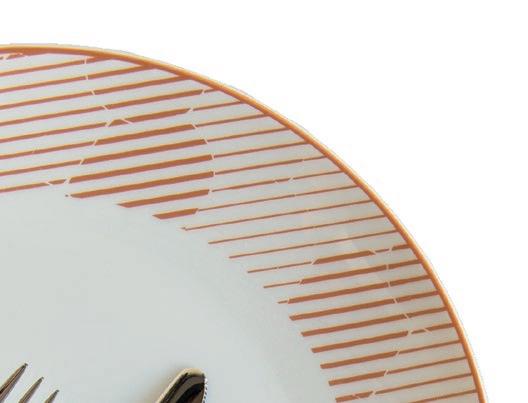
Etihad also focused on sustainability and put its pledge to remove 80% of single-use plastics from its operations central to its Economy tableware brief for deSter. The resulting range – a tray, casserole dish, side bowls, lids and platter – is made from recycled, high-quality plastic, which launched with a closed-loop recycling programme. Items are collected, washed and reused until they reach their end-of-life when they are washed, ground down and remanufactured, ensuring full circularity.



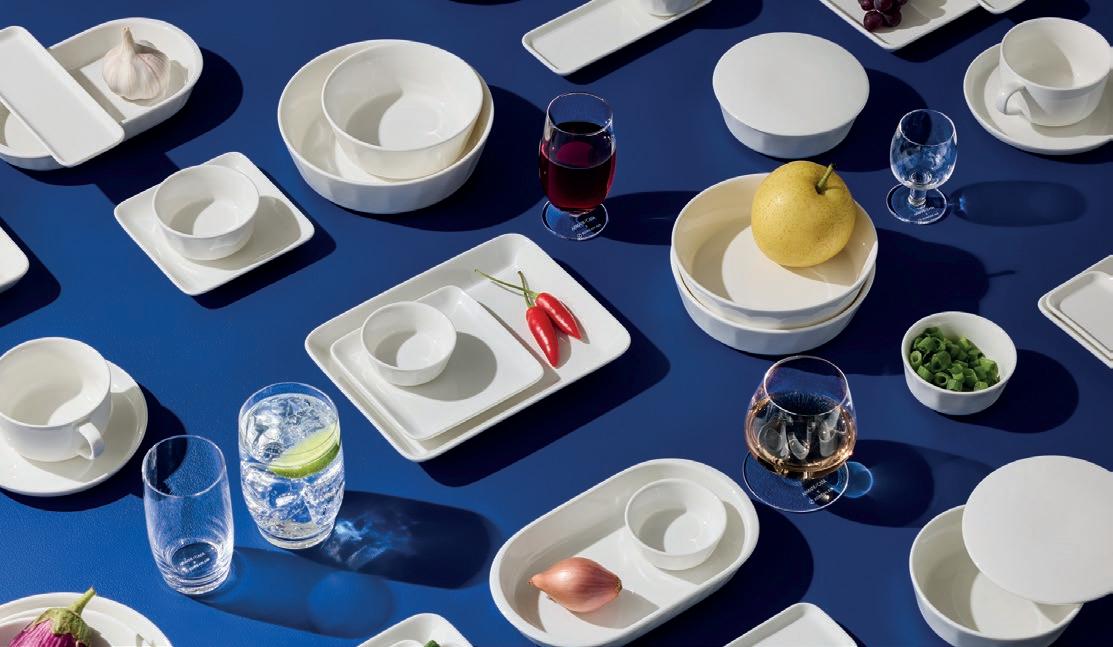
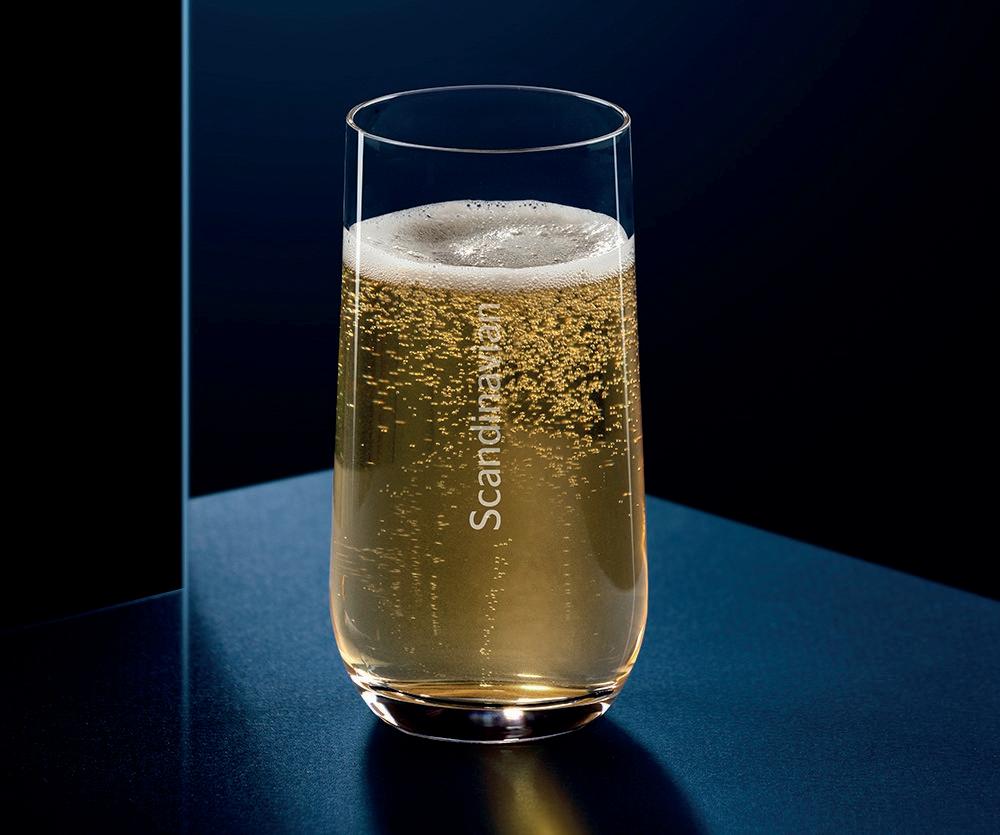
The set is used alongside premium stainlesssteel cutlery, biodegradable paper cups, wooden stirrers and pressed paperboard alternatives, and won deSter a Red Dot product design award earlier this year.
Zulkiflie Jumaat, Senior Manager Guest Experience and Product Development at Etihad Airways, says: “This tableware is more than just functional – it’s a statement of our commitment to design and innovation. The look and feel mirrors the Etihad brand: it looks premium, performs exceptionally and contributes to a sustainable operation.”




performance and aims to ‘balance timeless simplicity with modern practicality’.
Janet Gibson, Buzz Group Client Services Director (APAC & EU), says: “Prestige inflight dining demands a balance of design and practicality. By weaving cultural references and brand values into each design, we craft pieces that not only enhance the inflight dining experience but also deepen the connection between the passenger, airline and the journey itself.”
We wanted every surface to whisper the brand promise rather than shout it
Singapore Airlines collaborated with SATS to develop sustainable tableware created using natural materials compatible with digesters. Environmentallyfriendly food packaging, called Doodle, replaced the plastic casserole ware, single-use plastic cups and polybags to help to cut single-use plastics on meal trays by 80% (by weight).

friendly food packaging, called Doodle, replaced weight).





Likewise, when Clip worked with the premium leisure carrier, beOnd, the goal was to create a tableware collection that signalled the brand’s positioning from the moment the tray was laid. Featuring fine china with watermark patterns, gilded accents and bespoke Robert Welch cutlery, the collection is complemented by Chilewich place settings and lead-free crystal glassware.


Korean Air decided that partnering with an established brand was the way to go, bringing in premium fashion brand, Armani/Casa, for the Business table set.

The white range blends contemporary design with Korean sensibility. It includes rectangular plates and round bowls with a subtle accent, and evokes bamboo – a material synonymous with the home country and a symbol of strength, resilience and longevity. Facilitated by Buzz, the range was optimised for size, weight and
This restrained, ‘quiet luxury’ aims to reinforce beOnd’s brand promise. Clip Director, Augustin Scott de Martinville, says: “We wanted every surface, every plate to whisper the brand promise rather than shout it. Subtlety, coherence, tactility and harmony can speak volumes. “Luxury or cultural cues should enhance the experience, not compete with it. Of course there are constraints onboard but pattern, tone and texture can communicate meaning even under physical or commercial limits. I believe tableware works best when developed alongside brand, service and cabin design, not as a bolt-on.” •
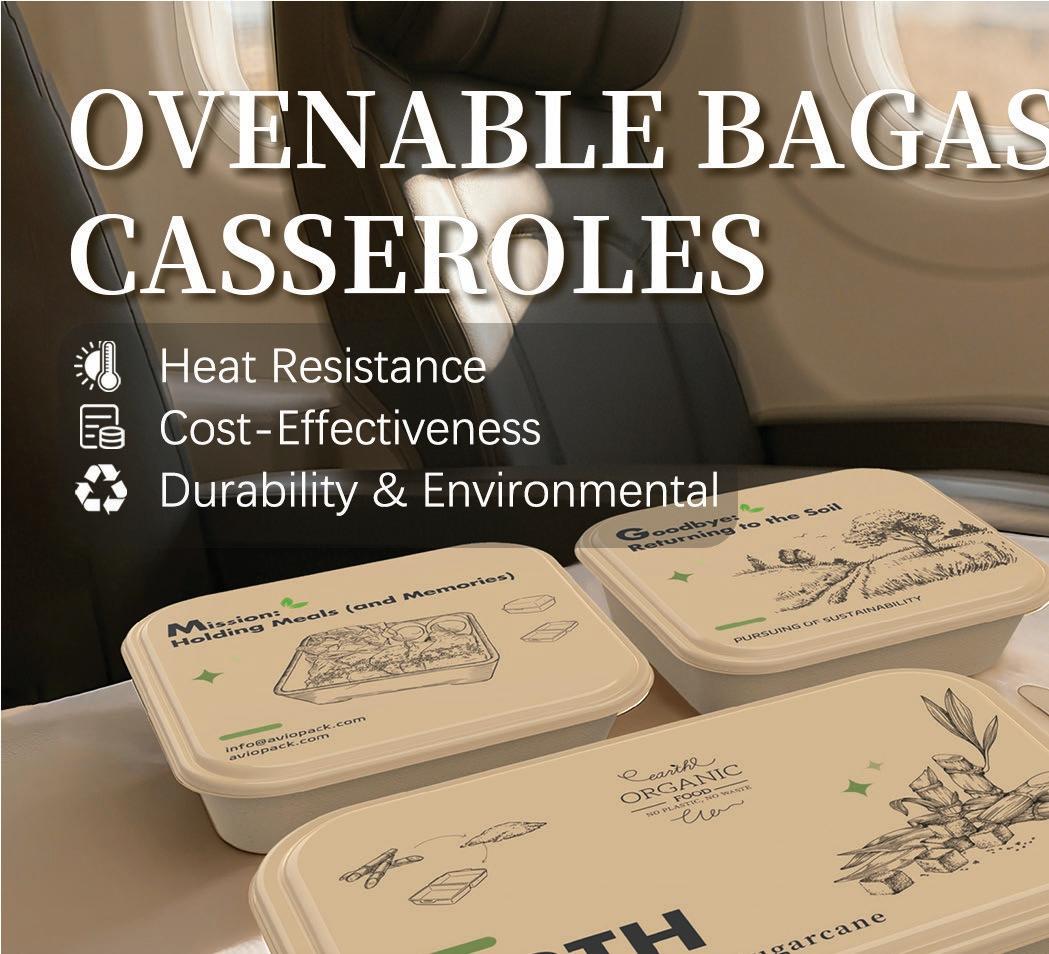




By joining forces with top global upmarket brands Korean Air is on a mission to be the leader in luxury inflight products, says Steve Hartridge
Korean Air’s stated goal of creating an inflight experience that is on a par with luxury hospitality standards moved up several notches this year when it unveiled a major refresh of its onboard products.
New in First and Prestige (Business) are bedding, loungewear, tableware and amenity kits crafted by leading upmarket global brands.
The upgraded inflight items – which took around two years from initial review to final procurement and introduction – are now on long-haul routes equipped with First Class seats, and short-, medium-, and long-haul routes featuring Prestige Class.
David Pacey, Executive Vice President of Inflight Service and Lounges at Korean Air, said aligning with top luxury brands is a tangible commitment to providing the ultimate comfort in the sky.

"Korean Air is dedicated to providing an experience that transcends mere transportation, elevating the journey to match the uncompromising











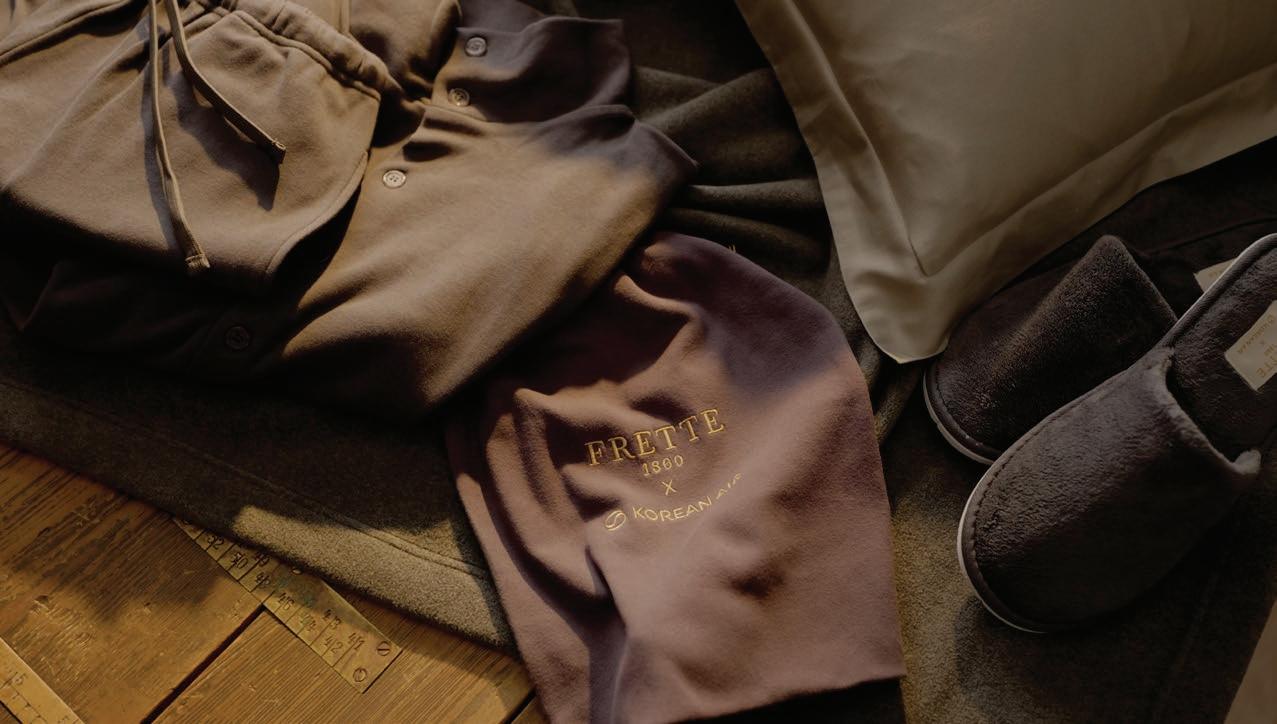
standards of a five-star hotel – the core concept guiding our mission to become the world's best loved airline," he said.
– and glassware supplied by Riedel.
The Austrian company says its glass products are designed to enhance the aroma and flavour of different drinks.
Passengers in Prestige also dine off upgraded dishware and glassware crafted by Armani/Casa.








Italian company Frette provides the bedding and loungewear in First and Prestige. In both cabins it supplies quilted mattresses, including an Air Coil mattress from Eco World in First, a cotton blanket and a pillow.

Those in First also get a duvet and pillow set with a duck-down filling along with slippers and pyjamas for both men and women.























In First Class, meals are served on china dinnerware made by French company Bernardaud, accompanied by Christofle cutlery – a design that incorporates the Korean Air logo

For its new amenity kits, Korean air turned to exclusive British company Graff. The First Class collection comes in two pouches (for men and women), with five high-quality cosmetic items: a face cream, a facial mist, a hand cream, a lip balm and a perfume. In addition, there are four convenience items: a toothbrush set, earplugs, eye mask and a comb. Those in Prestige receive unisex pouches with a lip balm, hand cream, perfume, toothbrush set, earplugs and eye mask. •

















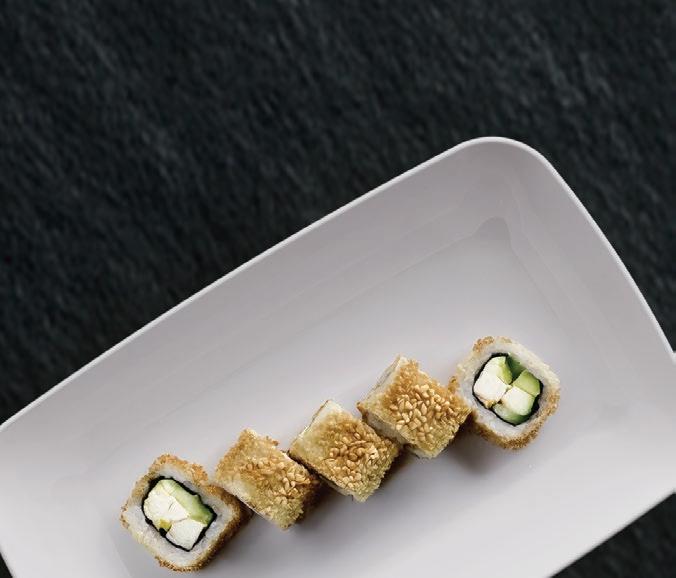





Sky-Blue Inflight Ltd is shaping the future of onboard service through thoughtful design and dependable end-to-end supply. As we enter the market, we’re not just here to participate — we’re here to make waves. Our mission is to elevate every inflight moment through products that combine style, performance, and sustainability.






One example is our Nimbuva Cups which is not just any ordinary Paper Cup, these have been designed with a groundbreaking and innovative lining that allows them to be 100% Compostable, Recyclable and Compostable, all whilst being 99.25% Plastic Free! What makes this Cup even more special, is that although they are suitable for Tea, Coffee and Carbonated drinks, they are also suitable for most types of Alcoholic Beverages such as Whiskey and Gin and Tonic, reducing Single Use Plastic!

At the heart of Sky-Blue’s growth is its UK-based design team, combining manufacturing expertise with user-centred thinking to craft onboard products that reflect each airline’s identity and perform seamlessly inflight.

We offer a fully managed process from concept to delivery, ensuring consistency and delivering longterm value. Sustainability and innovation are central to every product we design. From our Ultralight and Hollow Handle Cutlery to Tableware that supports fuel efficiency, as well as recyclable, reusable and biodegradable items, each solution is developed to minimise environmental impact throughout its lifecycle.
We prioritise responsibly sourced materials that are durable and efficient in-flight. Whether designing for commercial washing and reuse or creating compostable alternatives to single-use plastics, we ensure sustainability aligns with performance and passenger experience.





Supporting a new era of inflight excellence, we bring together elegance, efficiency and environmental
responsibility.



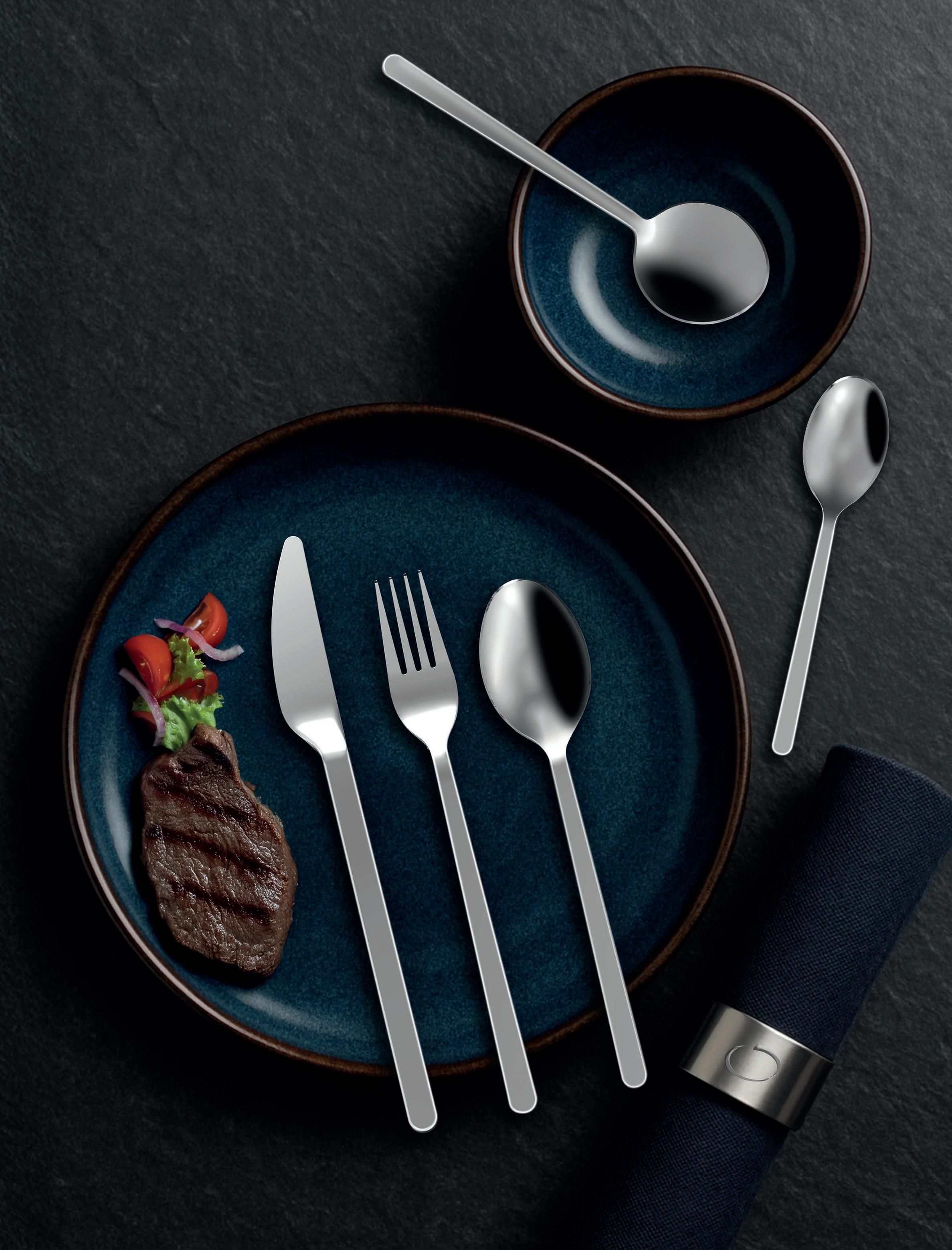
Our Cutlery ranges for Economy, Business and First Class are thoughtfully crafted for durability, reduced weight and refined presentation. Our latest designs will be launched shortly, setting a new standard in onboard service. www.sky-blue.uk



Gaming is no space invader on inflight entertainment systems, says Stuart Forster, it’s an integral and evolving part of the passenger experience
High-speed connectivity is set to transform inflight gaming, which serves a far more significant function than simply providing entertainment during flights. Moment’s latest report on inflight entertainment (IFE) reveals that gaming is the second most used content category after video-on-demand.
Engagement with the passenger through gaming creates awareness of an airline’s brand and is very important, according to Dimitrios Tsirangelos, Vice President of Business Development, Technology and Innovation at global travel media agency Spafax.
“You gamify that in the way that you receive points; you receive miles. You are put on a leaderboard and compete with other passengers,” he says.
Spafax does that with StoryWonder, which encourages passengers to learn about an airline and its destinations. That strategy is likely to be implemented again in future games.
“There have been attempts in the past where passengers could interact with each other and play a game in the seatback system,” continues Tsirangelos. “Now, passengers could go online on
a Starlink or Amazon Leo connected aircraft, and with a tablet, play the games that they play at home and play against each other.”
Speedy connections
Vincent Cayuela, Product Manager at Moment, explains: “Like many types of content, video games are necessarily bandwidth-intensive and require a high level of connectivity to provide an optimal experience. This type of content has long been limited to a short selection of classic arcade titles, accessible from the seatback screen. They ran on low-power processors and very lightweight operating systems, designed to be stable, energy-efficient, and easy to maintain, with no updates required.
“High-speed connectivity is expanding the possibilities for inflight gaming. Thanks to modern satellite and 5G-based air-to-ground networks, airlines can now introduce live and multiplayer experiences that depend on realtime interaction and cloud processing, services previously limited by latency and bandwidth constraints.”
Virgin Atlantic is set to become the first UK airline to offer free, streaming quality Wi-Fi






across its fleet. Flying Club members will have unlimited usage, making gaming on personal devices and portable consoles seamless.
“We’re working with our inflight entertainment partners to bring mainstream online gaming directly to the seatback screen, ensuring every guest can connect, play and engage at 38,000ft, just as they do on the ground,” says Josh Payne, the airline's Senior Manager –Entertainment.
latency connectivity. Live updates were posted on Qatar Airways’ social media channels.
Guests can now enjoy experiences that simply weren't previously possible in the skies
“The real breakthrough is online gaming. Thanks to high-speed, low-latency connectivity, playing online onboard is no longer aspirational – it’s here. Whether on a mobile, a portable console or via the inflight entertainment system in the future; guests can now enjoy experiences that simply weren't previously possible in the skies,” he continues.
In May 2025, Qatar Airways hosted the world’s first major inflight gaming competition. Gaming in the Sky was held on a Doha-London flight. Two teams competed in real-time via Starlink’s low-
“We see gaming becoming fully inclusive, available to every guest onboard," says Payne at Virgin Atlantic, who adds that Virgin's Retreat Suite’s 27-inch screens will be ideal for longer or more cinematic gameplay. "Looking further ahead, there’s exciting potential for inflight gaming to evolve into a more social experience, where guests can choose to connect and interact with one another in shared gaming worlds," he adds
It's educational Games help entertain youngsters as well as adults, and can educate too. FlightPath3D has gamified its Kids Map to make geography playful, adding progress badges, puzzles and minigames. As youngsters unlock new areas, they can explore continents and oceans, discovering places along the way.
Andy Masson, President of FlightPath3D, identifies his company’s demonstrations with

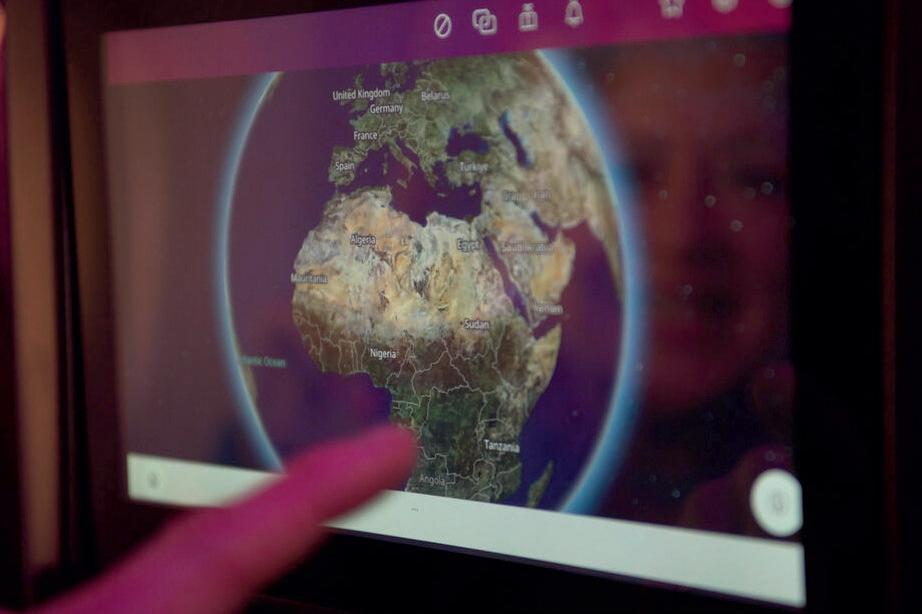


Eutelsat and its OneWeb constellation as key to showing airlines the dramatic effects that low latency – of under 100 milliseconds – can have on the passenger experience.
“At that level of responsiveness and speed, we can now unlock new passenger experiences including seamless support for enterprise applications, video conferencing, VoIP communication and live gameplay,” says Masson.
Serious gamers like to use their personal accounts to play games, rather than options traditionally found on legacy IFE systems, he explains.
“Ask any competitive online gamer, and they will tell you that low latency is nonnegotiable. These can be highly competitive e-sports enthusiasts who track their rankings match-to-match, want to unlock perks in-game as quickly as they can, and scrutinise their position in global rankings for the games they play. To offer them an experience with the latency of GEO [Geostationary Earth Orbit] services is a nonstarter for this kind of avid gamer,” he adds.
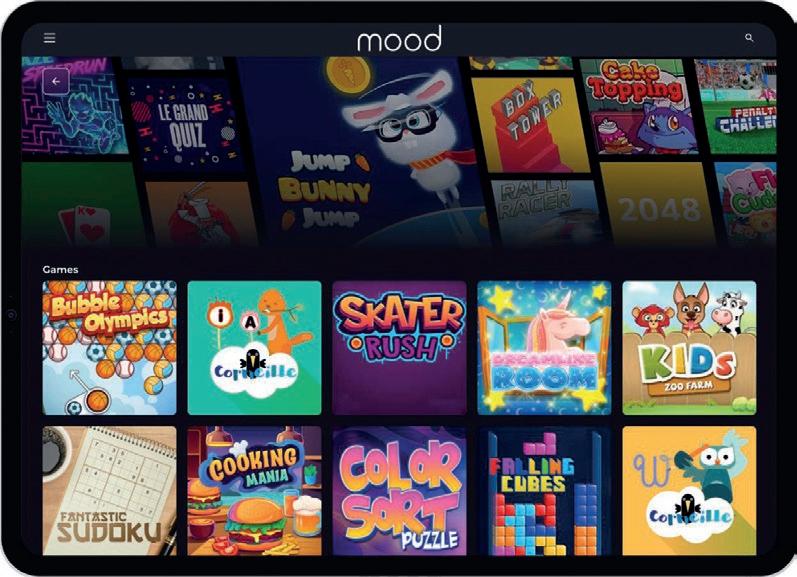
expansive KrisWorld IFE system. A connected entertainment experience, with cloud gaming and multiplayer options, is almost within reach, thanks to the availability of lowlatency connectivity.
There's exciting potential for inflight gaming to evolve into a more social experiences
Dr Jörg Waber, Press Spokesperson at Lufthansa Group, says upcoming enhancements to Lufthansa Group’s connectivity systems will unlock near real-time experiences.
"Further, with the introduction of Allegris, we’ve also deployed one of the most advanced IFE platforms in the industry, delivering significantly improved performance and optimised media rendering, including gaming,” he says.
In that, Lufthansa Group is not alone. Singapore Airlines’ implementation of Starlink will expand gaming options beyond the titles available in the
Cloud in the sky
Stanley Ng, Senior VP of Business Development at Stellar Entertainment, believes high-speed connectivity is key to introducing cloud gaming platforms to deliver console-quality games streamed directly to personal devices or seatback screens. Dynamic content updates can also keep game libraries fresh and relevant with mid-cycle updates.
“This evolution mirrors what passengers already enjoy on the ground, creating opportunities for airlines to offer familiar, high-quality gaming experiences that enhance satisfaction and open the door to ancillary revenue streams,” says Ng.
Yet Moment’s Cayuela warns that lowlatency connectivity is not all that is needed to revolutionise gaming. “AI and data analytics, embedded in IFE systems, will also play a major role, helping airlines recommend games based on passenger profiles or travel duration, creating a more tailored experience,” he explains •







































































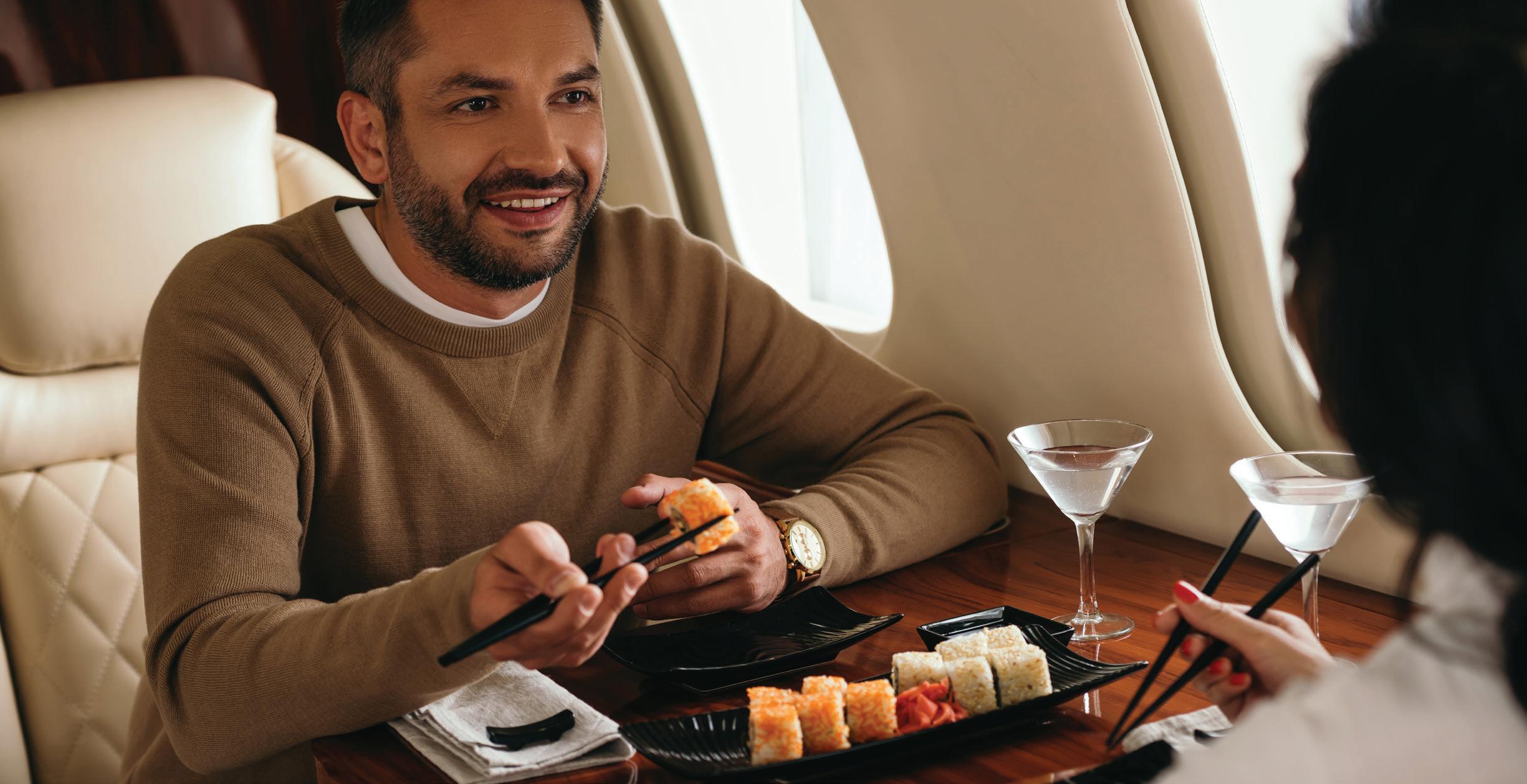
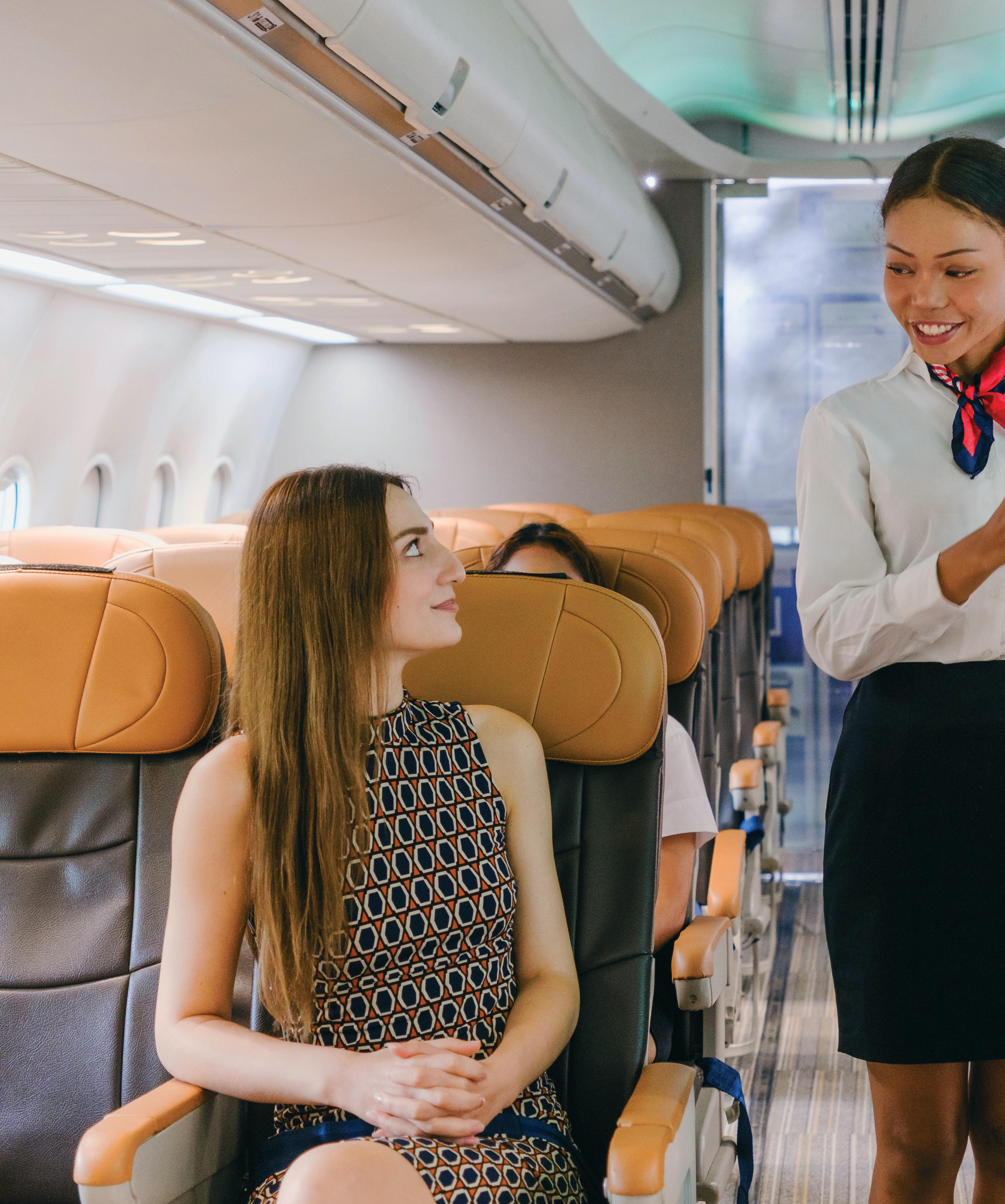
Bill Milroy, Chairman and Chief Technology Officer of ThinKom Solutions, discusses the significance of the new IFC Antenna Buyer Handbook
ThinKom has joined the Seamless Air Alliance (SAA).
This is the first year that we've been in it. We’ve participated, along with Boeing, Airbus and some of our competitors, to create an antenna engineering handbook, the IFC Antenna Buyer Handbook.
SAA handbooks are normally only available to members to encourage membership but in this particular case, the SAA made the decision to make this public. Anybody can download the 60-page document.
It’s got a very nice executive summary in the beginning and has just five basic questions. Three of them are servicerelated. Two of them are actually management, cost and commercials oriented, that we, as an industry, would suggest that any airline considering different services with different

antennas, would want to ask to get better informed decisions.
That’s what we’re trying to offer in our products. Part of having no regrets in making that purchase decision is to make sure you did it with all the information available, and we offer also that flexibility. The purpose of the IFC Antenna Buyer Handbook is to make sure you ask all the right questions.
As an antenna supplier, we don’t sell directly to the airlines – although that might change at some point. What we try to do is take the viewpoint of the airline, and we think the airline does not want to be stuck – both technically, and not able to use these extra services – or stuck commercially.
When it is time to negotiate your contract, and if you only have one supplier, they’re going to say: ‘We’re doubling your price and if you don’t like it, you can take our equipment off the plane.’
The future is unclear, so we think the best thing to do is to use a multi-orbit, multi-constellation, and in some cases, multi-beam antenna solution. Our Ka 2517 is a multi-orbit, multiconstellation solution.
It's a pretty exciting time. Exciting can be terrifying and also make you feel really good. GEO [Geostationary Earth Orbit], we think, will continue to play a really important part, particularly through Intelsat and their Epic systems but also with SES and their Ka band systems. Ka band GEO is still a really big deal, and still will prove to be the best for delivering concentrated, particularly broadcast-like streaming.
Some users say you don't need GEO – Viasat, Intelsat or SES would disagree. We believe GEO will continue to play a big role, and that's why we're continuing to enable that. •











On November 13, Amazon renamed its much-anticipated Low Earth Orbit satellite constellation so that Project Kuiper, a name inspired by the circumstellar disc beyond Neptune, became Amazon Leo.







The network’s goal is to deliver fast, reliable connectivity to communities and businesses, including select JetBlue aircraft, from the beginning of 2027. For aviation customers, accessing the network via a full-duplex, Ka-band phased array antenna promises download speeds of up to one gigabit per second on a single device and enhanced uplink capabilities. That kind of connectivity is enough to support bandwidth-intensive activity during flights, including streaming and scrolling social media.




Stuart Forster looks at Amazon Leo and consults with industry experts on its implications for inflight connectivity (IFC) …

reusable launch vehicles, and phased array antennas have dramatically reduced the cost and complexity of deploying and operating satellite constellations.”





Regulatory changes are a factor in recent developments, he adds: “Governments and international aviation authorities are increasingly supportive of new satellite technologies, facilitating faster adoption and certification.”




A memorandum of understanding has been signed to integrate Amazon Leo into the Airbus catalogue of HBCPlus programme offerings.

That means Airbus customers will have the option of using Amazon Leo connectivity.



When complete, Amazon Leo’s constellation of more than 3,200 satellites will orbit between 367 and 392 miles (590 and 630 km) above Earth.
An enterprise preview with select business customers began in November 2025. Plans exist to roll out the service in 2026.

On LinkedIn, Carlos Placido, the satcom advisor, commented: “Since the late 1950s, the satellite industry has evolved consistently, with leaps in efficiency, capability, and reach. But the current transformation is different. Satellite broadband is becoming mainstream, and direct-to-device connectivity is next. We are witnessing the satellite industry shift into an entirely new gear.”


Hayward Partnership founder Lance Hayward explains: “Advances in satellite miniaturisation,

Bill Millroy, Chairman and Chief Technology Officer at Thinkom Solutions, says: “We believe Amazon Leo adds yet another choice for future airline IFC, in terms of an available and growing pallet of orbits and service providers. Choice is definitely a good thing from an airline viewpoint.”

That adds options relating to coverage, capacity and service cost-competition.
Yet it could add to the fear of making a mistake by choosing poorly.

“Perhaps something to consider for airlines flying northern routes?” he suggests.



Millroy points out that the coverage provided by Gen1, Amazon Leo’s first generation, will be concentrated in low- and midlatitudes but offers no coverage above 55° North.




























Kai Kosicki, Hayward Partnership partner and the founder of ExpAir, says: “In short, it’s Amazon’s future global internet service delivered from space, designed to compete with Starlink and expand internet access worldwide…Amazon Leo is a game changer because it combines nextgeneration satellite technology with Amazon’s global cloud infrastructure, enabling faster connectivity, smarter operations, new revenue streams, and a radically improved passenger experience.”






For airlines, the significance is likely to be manifold, according to Kosicki. In addition to a better passenger experience through inflight video calls and reliable messaging, stronger integration with Amazon Web Services is likely to improve airline operations and realtime data use. It also opens new opportunities to generate onboard revenue through e-commerce, premium Wi-Fi and content.











“Greater competition with Starlink, pushing prices down and innovation up,” will be another welcome benefit, according to Kosicki, who foresees potential operational benefits relating to real-time aircraft data, maintenance




insights and enhanced crew tools. When the Amazon LEO network is mature, it will bring improved coverage on polar, oceanic and remote routes.





Lance Hayward adds that reducing credit card declines and fraud will be beneficial to both airlines and passengers. He identifies those as a “growing and significant issue impacting on revenue and profit, while also being a source of frustration for customers who are blocked from making a transaction".



“One of the bigger concerns is its potential impact on human interaction as part of the hospitality experience onboard,” warns Hayward.
“The adoption of Amazon Leo could potentially reduce direct human interaction between passengers and airline staff. While some travellers appreciate the efficiency of digital assistance, others may miss the personal touch and empathy that human staff provide, especially during stressful situations such as delays or cancellations.”







The coming of Amazon Leo is undoubtedly something that we’ll revisit on these pages over the years ahead. leo.amazon.com •















After browsing the aisles of travel retail show TFWA Cannes 2025, Kelly Stevenson charts the latest trends in inflight buying
Airline boutiques, or inflight retail shops, are today curated shopping platforms allowing passengers to purchase luxury goods, gifts, beauty and premium wines and spirits. Depending on the airline, products may be sold the traditional way, onboard from the trolley; via pre-order for seat delivery, or online for home delivery – or a mix of all three options. The focus is on exclusivity, storytelling and for the passenger
From conversations on the TFWA show floor, recurring themes provide great insight into this niche but seemingly ever-growing channel.
Greater variety, less risk



convenience










The shift toward pre-order and seat delivery is a key evolution. Melissa Broomes, Diageo, Key Account Manager – Airlines, observes: “Airlines are happy to list more products online and deliver to the passengers’ seats after purchase rather than load products onboard with no guarantee of a sale."

approaches. Korean Air’s pre-order
Leading carriers have taken distinct approaches. Korean Air’s pre-order system enables customers to choose high-end items before travel, delivered directly to their seat. Virgin Atlantic has invested in technology through Omnevo and fulfilment partner Tourvest that allows it to expand its 'Retail Therapy' boutique with a wider, more dynamic offer. Singapore Airlines’ KrisShop integrates e-commerce and inflight retail seamlessly; while Qantas and Emirates continue to offer thoughtful assortments of fragrances, fashion and fine wines selected to reinforce their brand prestige.


















Among spirits, Smirnoff Blue Vodka continues to dominate. Previously exclusive to airlines but now available across airport stores too, this has not affected sales inflight. The insight here is that brand legacy and consumer loyalty can maintain inflight strength even when exclusivity is diluted.
Barriers to boutique entry
Attilio Briccola, CEO of Brics, describes a delicate balancing act. He explains that while Brics has enjoyed success on Singapore





















Channel strategy










Airlines’ Krisshop and Lufthansa’s online boutique, it finds some airline boutique environments “too competitive” when weighed against listing and marketing fees and lower sales than airport stores, for example. This view is backed up by Sophie Imberton, Sales Director at Novi, who says Global Travel Retail is a new channel for them. Bringing beauty concepts like Jozz Beauty to airline boutiques is possible, but she says: "Breaking in is difficult … this channel is about knowing the right people." She reiterates the space constraint on aircraft is real and while airlines want to expand their ranges, every SKU (inventory item) must justify its space and return.
Jean-Christian De La Chevalerie, Travel Retail Director Champagne Laurent Perrier, explains that in the Korean Air pre-order and deliver-to-aircraft model, success comes by introducing something new, high luxury, prestigious and sometimes exclusive.
"High price items work more effectively in this space," he says, and notes that while some airlines are reducing or removing inflight boutiques, others are growing theirs.
Gifting and premium
Familiar to airport stores the world over, Guylian historically focused on airport sales but is now exploring boutique and store-to-seat models in collaboration with inflight catering partners. Loveratti, for whom Global Travel Retail is a completely new channel, is entering as a superpremium confectionery brand aiming to meet rising demand for choice and luxury in boutique offerings. Some of the new entries to the channel bring a niche but relevant gifting opportunity such as the ‘Sommelier Socks’ seen at the show – a fun offer for customers, lightweight and, for brands, a unique way to merchandise.
























of Miracle Foot Cream (functional but luxe) and how passengers feel proud to show off the brand purchased, while functionality is best in class. The team at the show emphasised high quality, sustainably sourced and provenance as key brand credentials.
João Vasconcelos, Sales Director Global Duty Free, Taylor’s Port, notes the contrast between pouring and sales across airlines who desire strong domestic products to pour onboard but much more premium aged, trade-up bottles for retail. He says trends have shifted to Tawny Ports, so aged quality Port is rising across boutique listings. He adds that airlines seek exclusives, though minimum order quantities (MOQs) often pose challenges. Joao shared an impressive bottle of one of their boutique exclusive products — a collaboration with Tallink on Stockholm–Helsinki routes — showing creative, route specific exclusivity.
TFWA Cannes 2025 reaffirmed that airline boutiques are no longer novelty offerings pushed on a trolley, but strategic, high-margin, often experiential retail. The brand voices at the show offer clarity on the trends for this sector: pre-order and seat delivery models, curated high-luxury assortments, exclusive product collaborations and functional luxury beauty will all be key to the future.

Above: Gifting opportunities such as the Sommelier Socks and Guylian chocolates offer strong potential Below: Smirnoff Blue Vodka continues to dominate, while niche high luxury, such as the Miracle Foot Cream, can support good profits








Margaret Dabbs OBE, owner of the company, sees strong demand for niche, high-luxury beauty and explains how people desire these products, which in turn supports profitability. She cites the success








Successful boutiques will be those that balance risk, inventory, convenience and storytelling. Looking ahead, the boutique channel is poised to be an important differentiator for airline positioning in luxury travel.
F&B menus can be the difference between making or breaking sales. Jo Reeder looks at the latest trends

In today’s competitive market, middle of the road is no longer good enough, especially when it comes to buy-on-board menus where choice and value are crucial to driving onboard sales.
Designing a menu is part art, part psychology and part sales strategy. When it comes to menu design, high quality imagery is crucial to help sell a product. Photography should be appealing, spark interest and accurately reflect the product; descriptions should be short, factual and use enticing language. Clear pricing is also important, particularly when offering product bundles.
Just as supermarkets have capitalised on the meal deal trend, airlines are following suit. Grouped offers give passengers better value and meal combinations increase the average transaction value, as well as enhancing passenger satisfaction. To capitalise on impulse buying, the deal needs to be simple, and pairing a lesser-known brand with well-known products can boost visibility and ensure fresh food is sold first, decreasing food waste and cost.
Alyna Trotman, a Subject Matter Expert, The Hayward Partnership, explains: “Meal deals encourage passengers to spend more
than they would on individual items. Combos simplify decision-making and often feel like better value. Pre-set combos also streamline cabin crew service, reducing transaction time and complexity. They can help airlines manage inventory, minimise waste and optimise trolley space. Passengers often perceive combos as a deal even if the discount is only small, which boosts satisfaction and can lead to repeat purchases, especially on short-haul flights.”
Transavia, as an example, highlights its bestselling meal deal at the beginning of its menu, combining three product groups – main meal, a drink and a snack. Laura Heijmann, the airline’s Buy-on-Board Manager/Inflight Sales Manager, says: “We present our buy-on-board options with a printed menu and it is the photo that really sells the product. We tested a more restaurantstyle menu without photos, but it didn’t work. Nor did digital menus. Descriptions should be as short as possible and crew announcements and upselling are also key sales drivers.
“Our menu is structured around different F&B moments. We start with coffee or tea and something sweet, then offer options such as fresh sandwiches, hot snacks and soup. After
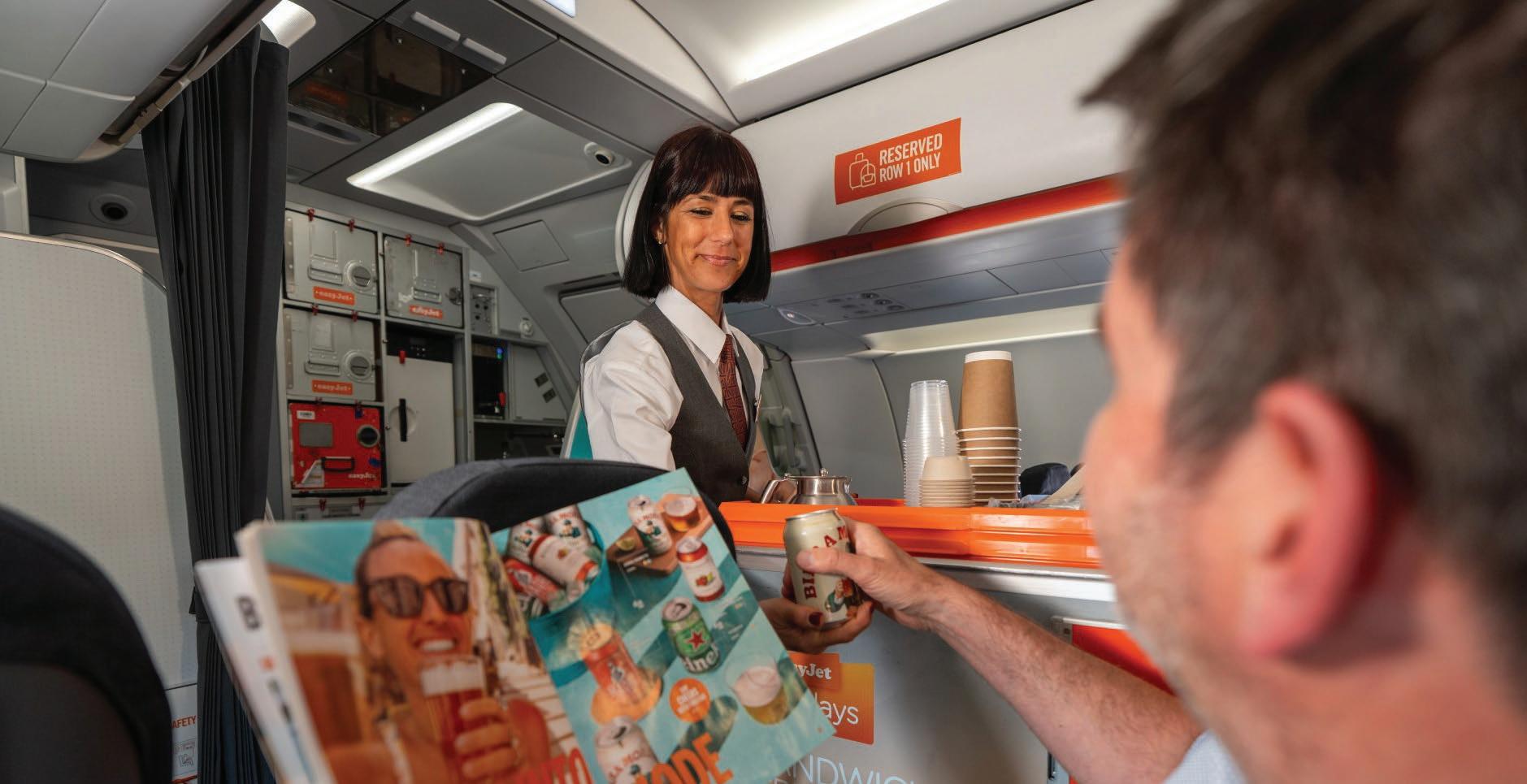
that, we focus on salty and sweet snacks, alcoholic drinks and cold beverages.”
It's all science
easyJet has recently redesigned its onboard menu and renamed the magazine “CAFE.SHOP” with the strapline “HOLIDAY. STARTS. HERE”. The airline worked with a behavioural science agency to ensure an optimal lay out which was easy to understand and navigate.
Its menu is updated twice a year in line with seasonal changes. For each change there’s a rigorous proofing process to make sure important mandatory information, like listing allergens, is correct. Emma Durkin, Retail Marketing Lead, easyJet, explains: “We have worked hard to make our onboard menu evoke a feeling of ‘unbounded joy’, bringing our brand personality to the forefront to ensure passengers feel the onboard experience is as joyous as their destination. Enticing language and images encourage them into the holiday mood with headlines such as “Hop into holiday mode”, “Go on. You’re on holiday”, “Go all inclusive” and “Perfect pairings at 30,000 feet”". Combinations mix hot drinks and snacks, a glass of wine with a tapas snack box, beer and pasta dishes. A “Best on board” section highlights customer favourites with straplines like “Toast(ie) to that”, “Crunch time” and “Brew, sip, repeat”.
impulsive,” adds Durkin. “The most important factor in designing our menus is comprehension – is it clear what product we’re selling? Is the price clear? Are allergens easy to find and understand? These are our priority. After that, we like to have some fun with the copy and inject our tone of voice into the descriptions.”

Norwegian Air uses a single, combined menu for all flight segments. Menus are updated twice a year and it also produces a separate leaflet for special offers and seasonal campaigns, refreshed quarterly. “The process is extensive and typically begins six to seven months before we change. We gather insights through trade fairs, supplier interactions, crew and passenger feedback, trend reports and analysis of current sales performance,” says Ilze Silina, VP Inflight Retail.
“Then we evaluate different products before finalising our selection, setting the price and developing the menu layout and design. Each stage requires close collaboration across multiple stakeholders to ensure the final menu not only reflects passenger preferences but also supports the airline's commercial goals and brand experience.”
“Sales onboard are mostly
The Café selection is an important revenue driver, organised by intuitive, complementary categories such as coffee with bakery items or wine and tapas, to reflect natural purchasing behaviour. Combo offers are presented as “Value Deals”, to encourage spontaneous, unplanned purchases amongst passengers.






























In categories such as wine, the menu provides additional details like flavour profiles or tasting notes. This helps passengers decide which wine suits their preferences and helps crew to understand the products and guide passengers to informed choices. The wine category has evolved significantly over recent years and that is a trend that’s expected to continue.







If





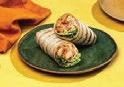





Norwegian also notes a move towards digital solutions. “Today’s passengers are increasingly used to digital shopping experiences, whether that’s online or through apps and QR codes,” says Silina. “We see a growing expectation for similar convenience onboard, particularly amongst Gen Z and Gen Alpha. Exploring digital sales channels allows passengers to browse and purchase at their own pace, rather than within the short time frame when the trolley passes by. Understanding how to engage these passengers – through relevant product choices, digital interfaces and sustainability messaging – is key to unlocking future growth and improving onboard sales performance.”
Gen Z thinking









look out for reviews, ratings, product and key ingredient information, and they make price comparisons before buying. “If airlines are to successfully engage with this generation they and their concessionaires need to reconsider elements of menu planning and design and a shift to digital menus where this kind of supplemental information can be readily shared and updated,” says Hayward.















Lance Hayward, Founder and MD at The Hayward Partnership (THP), points to research done in partnership with Dr. Melissa Adamski, Nutted Out Nutrition, Mike Pooley, Partner at THP, and a group of 197 marketing students from Oxford Brookes University, which revealed that Gen Z’s inflight buying patterns clearly reflect how they shop on the ground. They want to know what their peers are buying and will

Icelandair’s Þórunn Björg Guðmundsdóttir says passengers already expect a more digital, seamless ordering experience with a move towards in-seat ordering. “They also expect personalisation – they want more than the standard offering. Finding the balance in that while reducing waste isn’t an easy task,” he observes.


Heijmann at Transavia also sees the potential of in-seat ordering. “Allowing passengers to order from their seat will open opportunities for targeted offers depending on the destination or time of day,” she notes.


“What we’ve learned is that stated passenger preferences and actual buying behaviour don’t always match. Trends don’t necessarily drive sales onboard – it’s about having a balanced, appealing selection and making sure crew bring it all to life during the service.”




As for the future, Trotman at THP believes more airlines will offer exclusive pre-order items, encouraging passengers to order via apps or websites, often with exclusive items not available onboard. But eye-catching imagery, on-brand copy and perceived value will remain the key sales drivers. Get that right and most agree, the rest will follow. •






The Onboard Retail event for airline onboard service, catering and retail leaders.
AmberSky 2026 brings together airline managers and top suppliers for three days of networking, learning and one-on-one meetings focused on airline-retail growth. Thirty to forty airlines from around the world will attend, offering direct access to key decision makers.
It is the only global event that elevates onboard retail among all stakeholders – including cabin crews. Of course, traditional catering topics are also covered, ensuring a complete overview of the industry.

See it in action
Discover products, retail concepts and best practices to enhance your onboard sales. Set pre-scheduled meetings to ensure that your time is productive. The cabin crew retail training and competition is a unique opportunity to stand out should your crew win. If you manage, evaluate or plan onboard retail, be sure to attend.
Meet airline buyers ready to engage on retail and catering projects. If you are a supplier, operator or concessionaire in inflight retail, be sure to attend.
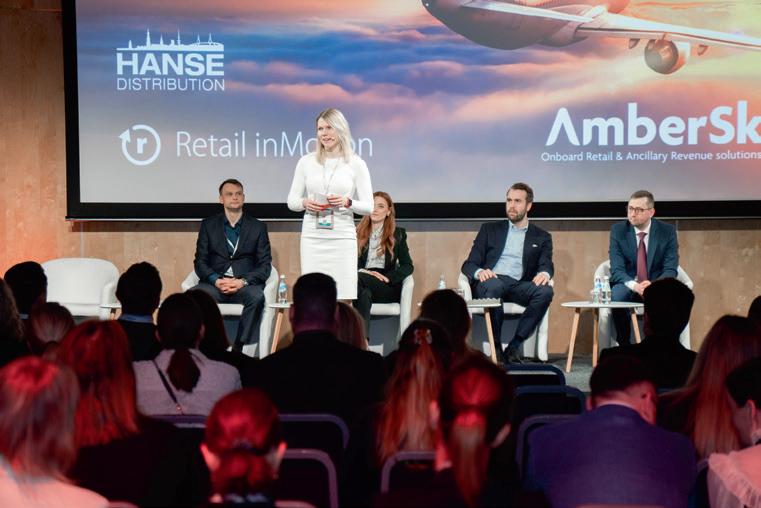
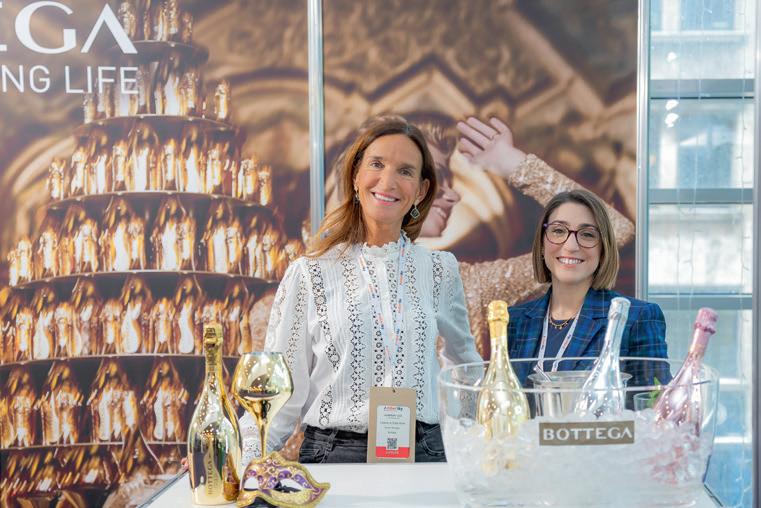
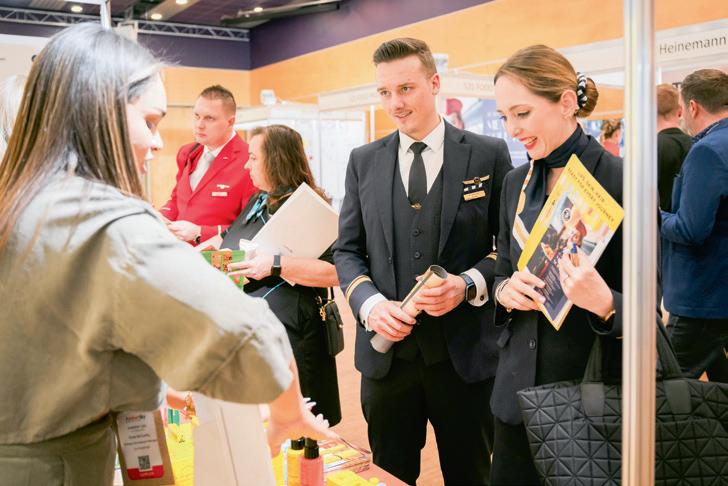
For more information and registration please contact: Zigmars Valujevs zigmars.valujevs@ambersky.aero www.ambersky.aero
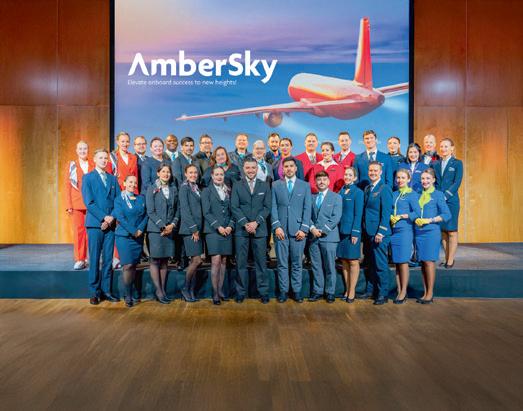
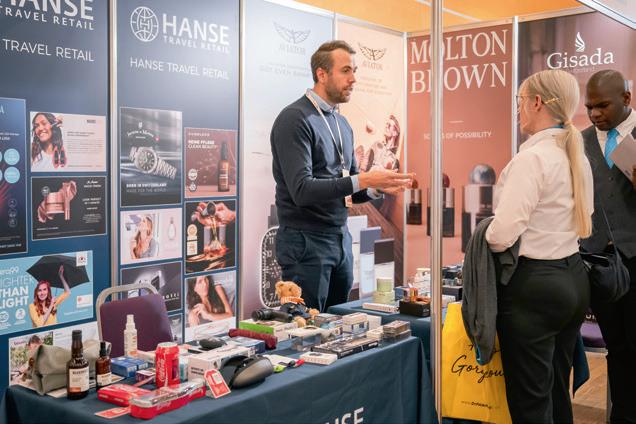
• Pre-scheduled, targeted meetings for all participants • Hands-on product and retail concept showcases • Cabin crew retail training and competition • Evening networking events • Full catering throughout
Powered by