2025
Overview of the Belgian data center market



Belgium’s digital infrastructure sector is evolving at an unprecedented pace. What was once a modest, domestically focused market is now taking shape as a strategic European hub, supported by a resilient, future-oriented, and sustainable ecosystem.
This transformation of our industry reflects Belgium’s growing recognition that digital infrastructure — data centers, connectivity, and cloud — forms the foundation of our economic strength, innovative capacity and social progress. With this second edition of the State of Belgian Data Centers Report, the BDIA aims to provide a clear and factual overview of the evolutions.
The report highlights both the opportunities and challenges that define the road ahead, from grid capacity and sustainability to talent attraction and policy alignment. The insights gathered stem from operators, suppliers, ecosystem partners, policymakers and researchers across the country, thus offering a comprehensive picture of a sector that is maturing in scale, impact as well as international relevance.

As a platform representing the industry, the Belgian Digital Infrastructure Association (BDIA) remains committed to make the voice of the industry heard and pave the way for the future by connecting public and private stakeholders, encouraging evidence-based dialogue and promoting policy frameworks that foster investment certainty, energy efficiency and digital autonomy.
Looking ahead to 2026 and beyond, our ambition is to help shape a resilient and sovereign digital economy for Belgium - one that strengthens Europe’s competitiveness while respecting people, the environment and our shared climate goals.
Carole Santens Managing Director Belgian Digital Infrastructure Association
Belgium enters 2026 with a rapidly maturing digital infrastructure sector. Following two years of record announcements and construction, the industry is shifting from expansion plans to delivery. Colocation and hyperscale capacity will exceed 260 MW IT power by year-end 2026, split into 105 MW for the colocation sector and 158 for hyperscale data centers. Investment momentum remains high, led by Google’s €5 billion programme in Wallonia, Microsoft’s Belgium Central cloud region, and the ongoing expansion of in the colocation market.
Artificial Intelligence remains the dominant catalyst. Facilities are being redesigned for liquid-cooled, high-density compute, while Belgium’s newly designated EU AI Factory Antenna strengthens collaboration with Finland and Germany, ensuring access to European AI-training capacity. AI demand is real but paced by grid allocation - power, not space, dictates deployment timing.
By 2026, the colocation sector’s GDP contribution approaches €1.3 billion, including direct, indirect, and induced effects, while employment effects for the total sector - colocation plus hyperscale - rises to around 4,700 FTEs. These figures underscore data centers’ role as one of Belgium’s fastest-growing digital-economy contributors.
Sustainability frameworks are now fully operational. Operators report PUE values between 1.2 and 1.4, with most sourcing renewable energy via PPAs or green supply contracts, and new builds targeting 1.2 or lower. Heat-reuse integration is expanding and EU-mandated EED reporting for data centers ≥ 500 kW is already in effect. By 2026, it is expected to be fully embedded in Belgian regulatory practice, cementing sustainability disclosure as the sector’s baseline.
Data centers are one of Belgium’s fastestgrowing digital-economy contributors.
Policy attention is shifting from planning to execution. Elia’s flexible-connection schemes and further permit streamlining will determine how quickly new capacity can be energised. Power availability, technical skills, and permitting speed remain the three decisive variables for 2026. Yet, Belgium’s dense connectivity, EUaligned governance, and strong domestic ecosystem give it a clear trajectory toward becoming a sustainable, AI-ready digital hub at the heart of Europe.
This report also incorporates the findings of the inaugural State of Belgian Data Centers Survey, a qualitative assessment conducted among operators, developers, and suppliers active in Belgium’s colocation, enterprise, and infrastructure ecosystem. The survey captures real-world sentiment and operational experience as the market transitions into its delivery phase. Key insights include:
• Power and permitting dominate concerns: Respondents identified grid access and permitting timelines as the main inhibitors to expansion, far outweighing cost or demand issues.
• Strong sustainability alignment: Nearly all surveyed operators report active participation in the Climate Neutral Data Center Pact (CNDCP) and EED compliance planning, with most already tracking energy and water efficiency metrics.
• Skills as a growing bottleneck: Many respondents highlighted shortages in electromechanical and HVAC expertise as the most pressing workforce issue, despite new partnerships with technical education institutions.
• AI-driven transformation: Operators and suppliers anticipate that AI workloads— particularly inference and hybrid deployments— will reshape power density, cooling, and interconnection strategies over the next two years.
• Confidence in Belgium’s position: Respondents view Belgium as technically advanced and connectivity-rich, but emphasise the importance of grid flexibility and regulatory consistency to sustain competitiveness within Europe.
These survey results confirm that Belgium’s data-center industry is entering 2026 with optimism but also realism: demand is strong, sustainability is embedded, yet energy and human capital will define the pace of progress.
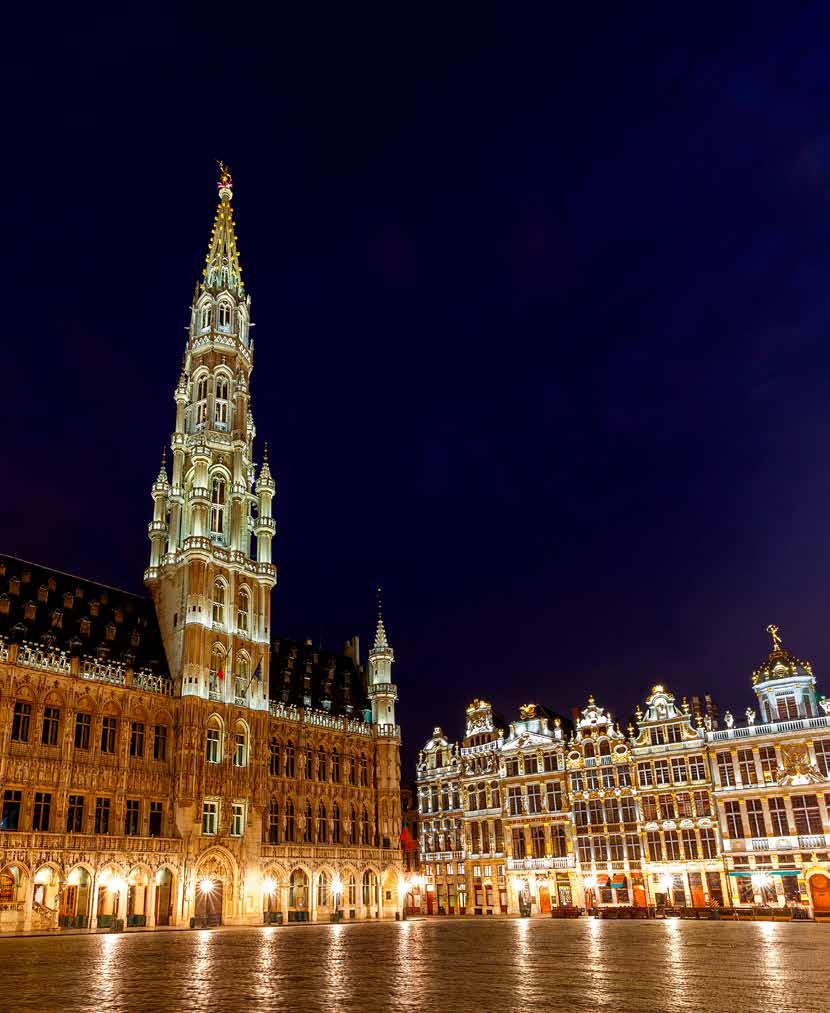
The Belgian data center market has entered a phase of sustained expansion and structural consolidation. Following a period of delayed investment decisions, market activity has increased significantly over the past year. The acceleration of global investments in AI infrastructure, combined with continued demand for cloud and digital services, is reshaping data center strategies worldwide and influencing developments in Belgium.
Several projects that were previously on hold have now progressed into active construction or expansion. New facilities are being developed across multiple regions, supported by both domestic and international investors. The market is characterised by both consolidation among established operators and by the entry of new participants seeking to gain a foothold.
At the same time, operators face a tightening regulatory environment, with increasing emphasis on sustainability, energy efficiency, and spatial planning. These developments are driving further innovation in power and cooling solutions and greater transparency regarding environmental performance.
Belgium’s position within the European data center landscape has continued to strengthen.
Belgium’s position within the European data center landscape has continued to strengthen. Its central location between the major hubs of Frankfurt, London, Amsterdam, and Paris, together with high network connectivity and a pragmatic regulatory framework, makes it an attractive alternative to congested tier-1 markets. The country’s openness to sustainable data center development is reflected in ongoing expansion projects in the Brussels region and new large-scale investments, including those in Wallonia by Google.
In the fourth edition of the State of Belgian Data Centers report, Pb7 Research reviews the evolution of the Belgian data center market over the past year, identifies the principal trends shaping its development, and provides an outlook for the coming years. The analysis focuses primarily on colocation data centers, while also examining enterprise and hyperscale facilities to present a comprehensive overview of the national data center ecosystem.
The BDIA (Belgian Digital Infrastructure Association), the national trade organisation representing the interests of the digital infrastructure sector in Belgium, commissioned Pb7 Research, an independent data center research institute, to update the annual in-depth analysis of the Belgian data center market. The primary objective of this study is to establish
To meet these objectives, Pb7 Research applied a comprehensive combination of research methods and analytical approaches. Extensive desk research was undertaken to build a detailed database of Belgian data centers, serving as the basis for identifying market trends and developments. This dataset enabled the creation of analytical models to quantify the size, structure, and socio-economic impact of the data center market.
a reliable and consistent data foundation that objectively qualifies and quantifies the sector’s economic and societal significance. The study seeks to improve understanding of the market’s structure, growth dynamics, opportunities, and challenges, and to provide evidence-based insights that support the sustainable development of the data center industry in Belgium.
In addition, broader trend analysis was conducted to place developments in Belgium within the context of the broader European and global data center landscape. The key outcomes are in Appendix II. Key findings are presented throughout the report in separate boxes. A detailed description of the applied methodology and underlying data sources is provided in Appendix III of this report.
The evolution of data centers in Belgium mirrors the broader trajectory of digital infrastructure development in Europe, shaped by the rise of cloud computing, AI, connectivity, and geographic advantages. Over time, what began as enterprise-owned facilities has
evolved into a mix of colocation and hyperscale campuses - playing a growing role in Belgium’s position in the European digital economy. Belgium is increasingly emerging as a strategic alternative to Europe’s traditional tier-1 hubs.
In Belgium’s early stage of data center development, most facilities were operated by individual organisations (e.g., banks, telecoms, public institutions) and were modest in size compared to modern hyperscale sites. These on-premises or local data centers focused primarily on reliability, local connectivity, and security, rather than large-scale sharing or interconnection. As digital technologies advanced and demand for capacity scaled, the limitations of this model (cost, scalability, and flexibility) became evident, creating the impetus for change.
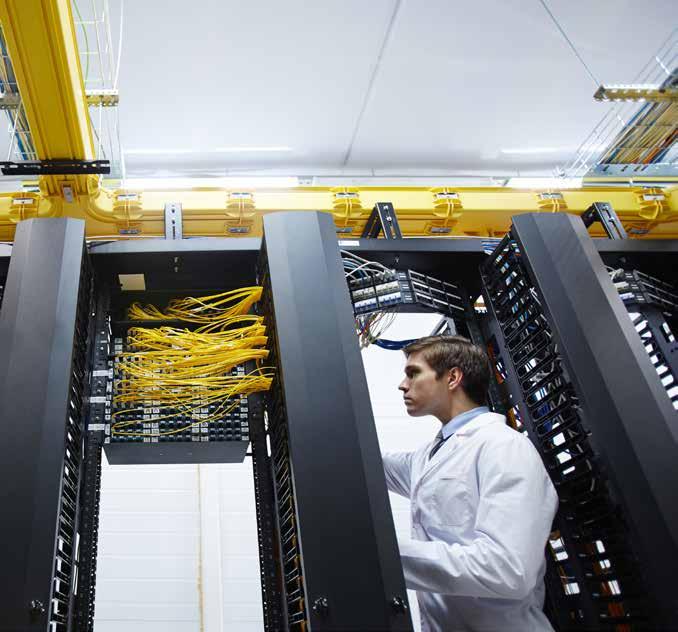
The rise of the Internet created the need for scalable, shared infrastructure. By the late 1990s and early 2000s, the growing need for scalable and cost-efficient infrastructure led to the emergence of colocation data centers in Belgium. These facilities allowed organisations to share physical infrastructure while maintaining control over their IT systems, reducing costs and improving reliability compared to on-premises solutions.
Similar to most other European markets, Belgium’s colocation facilities primarily served a domestic role, focusing on local enterprises, government institutions, and service providers. Their function was to provide professional,
The rise of cloud computing in the early 2010s marked a turning point in the global data center landscape. Large-scale hyperscale facilities operated by major cloud providers such as Amazon Web Services (AWS), Microsoft Azure, and Google Cloud began to redefine how digital infrastructure was designed and operated. These facilities, often tens or even hundreds of megawatts in scale, were built to deliver vast computing capacity with high efficiency, flexibility, and automation—capabilities far beyond those of traditional enterprise or colocation data centers.
However, this hyperscale expansion was not evenly distributed across Europe. The majority of the major hyperscale data centers were
secure, and reliable alternatives to in-house server rooms rather than to compete with the major international hubs.
At the same time, the broader European market became increasingly concentrated in the so-called FLAP hubs—Frankfurt, London, Amsterdam, and Paris—which offered significant advantages in connectivity, scale, and access to international networks. These locations attracted the majority of early data center investments, while Belgium’s data center market developed steadily at a domestic scale, supported by local demand and improvements in regional connectivity.
concentrated in the Nordics, Ireland, and the Benelux. Google selected Saint-Ghislain as one of its key locations and continues to invest in Belgium to this day. The broader shift toward cloud adoption during this decade laid the groundwork for Belgium’s later evolution.
As Belgian organisations increasingly adopted hybrid and cloud-based IT strategies, demand for professional colocation capacity grew, setting the stage for subsequent market expansion and the gradual interest of international investors in the years that followed. More recently, data center operators in Belgium have begun to benefit from new local regions being rolled out across Europe, most notably by Microsoft, which opened its new Belgian region in November 2025.
The emergence of generative AI and high-performance computing (HPC) is driving demand for data center infrastructure in Belgium across both the colocation and hyperscale markets. Workloads that require intensive compute, rapid connectivity, and high-density power are driving new investment and site design thinking. Belgium’s ability to supply or attract such infrastructure - supported by connectivity, its central location, and evolving regulatory and sustainability frameworks - positions it well to benefit from this trend. Meanwhile, the pressure on power grids, site availability, and permitting is also increasing in Belgium, consistent with patterns seen across Europe.
Despite the favourable fundamentals, the Belgian data center industry faces several challenges. These include securing sufficient power capacity (especially for high-density AI and hyperscale loads), navigating grid-connection constraints, managing land and zoning issues, and meeting increasing sustainability and regulatory demands. Looking ahead, the convergence of cloud, AI, edge computing, and sustainability will continue to reshape the market. Belgium is well positioned to capitalise on these shifts, offering an attractive alternative to saturated tier-1 hubs, provided that infrastructure, connectivity, power,and regulatory frameworks keep pace with demand.an attractive alternative to saturated tier-1 hubs, provided that infrastructure, connectivity, power, and regulatory frameworks keep pace with demand.
The convergence of cloud, AI, edge computing, and sustainability will continue to reshape the market.
At the end of 2025, enterprise data centers significantly outnumber colocation and hyperscale data centers. More than 200 enterprise data centers have been identified with a capacity of 50 kW or more, most of which are relatively small, below 1 MW. Colocation data centers are, on
average, larger than enterprise data centers, but are also outnumbered by enterprise data centers in terms of number and IT power volume, for now. Change is coming, though, as data center size is increasing rapidly, new vendors are entering the market, and incumbent market leaders
continue to invest. Although Google has multiple data center facilities operational, they are currently located at a single campus. As a result, we count hyperscale ownership as a single entity.
While enterprise data centers remain the most common in terms of numbers, (scale) colocation data centers that are now emerging will start to catch up to the enterprise market in terms of IT power.
At the end of 2025, the colocation market had a total supply of 105 MW, a 15% increase from 2024. And this is expected to increase strongly further in the coming years. If we combine the colocation and
Total IT Power (MW), Belgium - 478 MW Total
hyperscale markets, we see that the combined commercial data center market has more IT power than the enterprise market.
Colocation and hyperscale facilities are typically more modern and provide higher power per rack (kW) than enterprise data centers. Between now and 2030, strong growth is expected across all commercial segments, particularly in the emerging scale colocation market.
Several key forces are shaping the Belgian data center landscape, including market dynamics, technological innovation, and regulatory evolution. Belgium’s position between the FLAP-D hubs, its strong connectivity, and growing digital economy make it an increasingly strategic location for data infrastructure. However, growth is constrained by power availability and regulatory conditions.
Belgium has been designated as an AI Antenna by the EU.
Belgium’s economy continues to digitalise rapidly, with strong demand from enterprises, telecoms, and the public sector driving expansion in IT infrastructure. The use of cloud computing has matured into hybrid and multi-cloud models, where organisations balance public-cloud flexibility with colocation and private-cloud control. While hyperconnectivity regions remain concentrated in FLAP-D markets, Belgium benefits from its proximity and interconnectivity, with colocation facilities serving as key gateways for hybrid and edge deployments.
Artificial intelligence and high-performance computing have become key drivers of new data center demand in Belgium. AI training workloads continue to cluster in large campuses such as Google’s Saint-Ghislain and Farciennes sites, while AI inference workloads are spreading toward metropolitan areas to support latency-sensitive applications. This is stimulating demand for highdensity, low-latency infrastructure, encouraging innovation in liquid cooling, power delivery, and interconnection.
Although Belgium was not selected as a host country for one of the EU’s AI Factories - the compute facilities co-funded under the European Commission’s Chips and Digital programmes - it has instead been designated as an AI Antenna. The AI Antenna serves as Belgium’s coordination hub within the broader European AI infrastructure network. Its mission is to link national stakeholders (research institutions, government, and industry) with the EU’s distributed compute network, ensuring access to HPC and AI training resources located in other member states.
Through this role, Belgium will collaborate closely with the EU AI Factories established in Finland and Germany, focusing on integration, interoperability, and capacity sharing. The Antenna promotes domestic adoption of AI by supporting local R&D and ensuring Belgian organisations can leverage European-scale computing resources without hosting the physical infrastructure.
Belgian operators are preparing for AI-driven density increases, with rack loads rising beyond 30–50 kW and some facilities planning for liquid cooling. In parallel, sustainability remains a central focus: operators pursue renewable power purchase agreements (PPAs), advanced cooling systems, and heat re-use integration with local district networks. Several campuses now include provisions for heat recovery to support municipal heating grids, particularly in Brussels and Wallonia, such as Digital Realty BRU02, KU Leuven ICTS Datacenter, and Google in Farciennes.
AI is real - but power-paced AI/GPU demand is already reshaping pipeline conversations and technical designs (liquid/ advanced cooling, higher rack densities, larger contiguous power blocks). Yet energy prices and availability constrain deployment cadence; high opex and uncertain interconnection dates slow what would otherwise be rapid scaling. Teams are hardening designs now (power & cooling envelopes, interconnect, floor loading) so they can move when power lands: “Preparations are being made now to accommodate tomorrow’s AI.” Net: the AI curve isn’t hype here - it’s sequenced by power.
Power availability has become the defining constraint for future expansion. Grid operator Elia is introducing flexible connection models and staged energisation schemes to reconcile industrial, residential, and digital demand. This is prompting closer cooperation between operators, utilities, and policymakers. On-site generation and battery energy storage systems (BESS) are emerging as practical complements to enhance reliability and grid stability.
Implementation of the European Energy Efficiency Directive (EED) is now influencing data center reporting and design standards in Belgium. Operators with IT loads exceeding 500 kW must disclose performance metrics on energy use, renewables, and heat reuse, while new permits often include sustainability obligations.
Belgium’s central role in EU governance and its cross-border connectivity make digital infrastructure a matter of national and European strategic importance. Policymakers emphasise resilience, lawful data access, and sovereignty, aligning with broader European initiatives on trusted cloud and data localisation.
Customers want choice and control: data residency, workload segregation, and robust encryption/governance options. Respondents broadly agree that a strong domestic DC ecosystem underpins sovereignty aims - but they worry about fragmentation and the lack of a unified industry voice. “The sector is currently too fragmented and needs to unite quickly.” Beyond compliance, the commercial edge lies in guaranteeing trusted location and operational transparency while maintaining competitive performance and interconnectsomething a coordinated Belgian sector could credibly market at home and across the EU.
Belgium’s digital infrastructure has evolved from small, enterprise-operated server rooms into a diverse ecosystem of enterprise, colocation, and hyperscale data centers that now form a critical part of Europe’s digital backbone. Historically focused on domestic demand, the market has matured rapidly due to growing cloud adoption, connectivity improvements, and significant investments from global players such as Google.
Belgium’s strong interconnection, central position between the FLAP hubs, and pragmatic regulatory environment have made it an increasingly strategic location for digital infrastructure, even as power and permitting constraints remain key challenges.
The rise of artificial intelligence and highperformance computing is accelerating demand for high-density, sustainable facilities, driving innovation in liquid cooling, renewable energy sourcing, and heat reuse. While enterprise data centers still dominate in number, the commercial colocation and hyperscale segments are expanding rapidly, positioning Belgium for continued growth - provided grid flexibility, renewable integration, and sustainability requirements evolve in step with accelerating digital demand.

Belgium sits at the heart of Europe’s backbone: a small, open economy with dense metro fibre, short-haul access to UK landings across the North Sea, and fast cross-border routes into the Netherlands, France, and Germany. On fixed networks, Belgium is already a gigabit leader by Very High-Capacity Network (VHCN) coverage, while full-fibre is now scaling after years of DOCSIS-led gigabit. The European Commission’s country assessment1 places Belgium at 96% of households covered by VHCN (gigabit-capable), and the national regulator BIPT reports 95% of the territory covered by fixed networks at ≥1 Gbps, well above the EU average2
Belgium’s network position is an asset. Belgium benefits from a central location, strong metro coverage, and proximity to FLAP hubs, offering attractive latency and diverse routes for both enterprises and the cloud. This connectivity base supports positioning Belgium as a near-core alternative for AI/cloud capacity spillover. However, respondents see further upside in more international landings and long-haul diversity, which would bolster resilience and attract workloads sensitive to path redundancy. As one respondent summarised, Belgium is the “Center of EU, strong connectivity with high VHCN coverage,” but continued investment is needed to lock in that edge.
Belgium can be positioned as a near-core alternative for AI/cloud capacity spillover.
Belgium’s fixed footprint pairs near-universal gigabit reach with a transition phase to FTTP. The policy baseline (Digital Decade) confirms Belgium’s leadership in VHCN coverage, while also noting that FTTP still trails EU leaders - a legacy of the country’s strong HFC/VDSL base being counted as VHCN.
Execution is now oriented to structural fibre. Proximus continues to target 4.2 million homes and businesses passed by the end of 2028 (70% FTTH/B coverage), a target stated consistently since 2020 and reiterated across company presentations and quarterly reports. In July 2024, Proximus acquired full ownership of Fiberklaar (its Flanders FTTH/B vehicle), simplifying governance
and accelerating delivery; Unifiber continues in Wallonia. The operator’s stated ambition, together with JV delivery models, underpins a material FTTP step-up through 2026–2028 while upgraded HFC sustains gigabit in harder-to-reach areas.
Belgium already provides the gigabit “surface area” demanded by enterprises and households; the key upgrade over the next cycle is deepening FTTH/B (better upstream, latency, and energy efficiency) through large-scale roll-outs, complemented pragmatically by modernised cable where fibre is slower to land.
Belgium’s North Sea posture is selective but strategic: rather than vast transoceanic hubs, the country anchors short-haul UK–BE links and then leverages dense terrestrial mesh to reach Amsterdam, Frankfurt, and Paris. The most important new development is EXA Infrastructure’s (July 2025) 1,200 km London–Amsterdam–Frankfurt–Brussels route, which includes a 115 km subsea span from Margate (UK) to Ostend (BE) built with ultra-low-loss G.654C fibre. It is the first new North Sea subsea cable on this corridor in about 25 years, adding fresh physical diversity and optical performance to the UK–Benelux span.
Q&E North Ostend
Source:
2025
(UK)
This new-build complements existing UK–Belgium systems. The Tangerine cable (RFS 2000) lands at Mariakerke (Ostend) and Dumpton Gap (Broadstairs) with 192 fibres (121 km), and the UK–Belgium branch of Pan-European Crossing (PEC) provides another historic path into the Brussels area. Together, legacy capacity plus the EXA route improve diversity, latency, and resilience for Belgium-centric workloads and carrier backbones.
Mercator B1
Pan European Crossing (Colt)
Tangerine (Colt)
Q&E North (EXA)
For international reach, Belgium’s playbook is clear: reinforce the United Kingdom-Belgium span with modern plants and lean on terrestrial crossborder fibre to scale into FLAP hubs.
This suits Belgium’s role as a near-core location with strong metro interconnection and lowlatency access to Europe’s primary IX and cloud regions.
Belgium’s role in European interconnection is anchored by BNIX (Belgian National Internet eXchange) in Brussels. Operated by Belnet and established in the mid-1990s, BNIX serves as the country’s neutral peering fabric, where ISPs, content platforms, CDNs, and cloud networks exchange traffic at low latency. BNIX is metrodistributed across four points of presence - Digital Realty BRU1 (Zaventem), LCL Diegem, Lumen Evere, and Unix-Solutions Zaventem - placing public peering within key carrier-dense facilities.
In 2024, the platform regularly exceeded 500 Gbit/s, with a recorded peak of 520 Gbit/s on 4 November 2024, signalling continued growth in domestic exchange and caching. Public directories indicate that well over 70 networks are present at BNIX (a snapshot varies over time), and participants can leverage route-server sessions for quick interconnect. Together, these features
make BNIX an efficient locus for Belgian eyeballs and a convenient staging point for edge caches serving the Benelux.
Belgium’s second Internet Exchange, BelgiumIX, further expands the country’s interconnection landscape. BelgiumIX operates as a commercial, distributed Internet Exchange Platform with points of presence in Antwerp, Brussels, and Ghent, extending peering beyond the capital and supporting regional connectivity. It targets enterprises, smaller ISPs, and content providers seeking flexible peering arrangements closer to end users. By complementing BNIX’s national role, BelgiumIX contributes to greater network diversity and redundancy, as well as to more competitive access to IP transit within Belgium’s metro areas.
Beyond these exchanges, Brussels’ major data center campuses add depth to the IP-transit marketplace. Digital Realty’s Brussels metro advertises over 100 carriers on campus and direct access to BNIX and NL-ix, while LCL runs multiple carrier-rich sites across the metro. Tier-1 and major backbone operators (e.g., Hurricane Electric) list PoPs at BRU1, and PeeringDB facility pages confirm broad transport and remotepeering options. The practical upshot is that networks in Belgium can combine public peering (BNIX) with competitive transit and remote peering into pan-EU fabrics (e.g., AMS-IX, DE-CIX, LINX) via on-net carriers - achieving redundancy
and cost efficiency without leaving the Brussels metro.
Internationally, Belgium’s short North Sea spans to the UK, complementing terrestrial backbones into the Netherlands, Germany, and France. The new EXA Infrastructure route adds fresh physical diversity and modern G.654C fibre, while legacy systems such as Tangerine and Pan-European Crossing provide additional paths to UK hubs. This mix of new-build subsea and dense cross-border terrestrial connectivity underpins low-latency IP transit and resilient routing for platforms operating from Brussels.
Belgium treats digital connectivity as critical infrastructure within an EU-aligned policy frame. Regarding fixed and mobile coverage, the European Commission’s Digital Decade country assessment (2024) recognises Belgium’s very high VHCN (gigabit-capable) footprint and urges faster FTTH/B and 5G rollouts, especially in rural areas - an approach Belgium reflects in its Digital Decade Roadmap submission (Dec 11, 2024). The national regulator BIPT tracks coverage and quality while noting the need to deepen full-fibre and mid-band 5G. Policy remains market-led, though - operators drive most capex - while the state focuses on removing barriers (permits, street works coordination) and aligning with EU targets and state-aid rules for any residual “hard-to-reach” zones.
On security and resilience, Belgium fully transposed NIS2 via the Law of 26 April 2024 (in force 18 October 2024) and a Royal Decree of 9 June 2024,
designating the Center for Cybersecurity Belgium (CCB) as the competent authority. This regime imposes risk management, incident reporting, and governance duties on essential entities across telecoms, cloud, and data center operations.
In parallel, for international connectivity at sea, Belgium relies on a clear Marine Spatial Plan (Royal Decree framework) and a cable-laying permit process under the FPS Economy, while aligning with the EU’s 2025 Action Plan on undersea cable security. The combination of planning, permits, plus EU security guidance has proven sufficient to enable recent landings while safeguarding subsea assets.
Finally, policy interfaces with the broader energy system, recognising that grid capacity and connection lead-times increasingly shape data center siting and cloud expansion. Belgium’s Elia adequacy and flexibility studies (and national plans
for the North Sea) inform spatial and investment choices. At the same time, operators pursue cleanenergy PPAs, efficiency, and demand-response to integrate growth with climate and security objectives. In sum, Belgium’s approach blends
EU-aligned goals, market-driven rollout, targeted regulatory modernisation and energy-system coordination to keep connectivity robust, secure, and scalable through 2030.
Belgium enters 2026 with nearuniversal gigabit coverage and a clear trajectory toward deeper full-fibre penetration.
Belgium enters 2026 with near-universal gigabit coverage and a clear trajectory toward deeper full-fibre penetration. Very High-Capacity Networks (VHCN) are now effectively nationwide, and FTTH/B rollout is accelerating across both urban and regional areas. Internationally, Belgium maintains a selective but strategic connectivity posture: short-haul links to the UK are complemented by the new EXA Infrastructure subsea route, enhancing physical diversity alongside existing cables and dense terrestrial backbones toward Amsterdam, Frankfurt, and Paris.
Domestic interconnection is anchored by BNIX, distributed across four points of presence in the Brussels area, and complemented by BelgiumIX, which extends peering to Antwerp and Ghent. Brussels’ carrier-rich campuses host 100+ networks, with direct BNIX/NL-ix access and remote peering to AMS-IX, DE-CIX, and LINX, ensuring low latency and competitive transit costs.
Policy remains EU-aligned and marketdriven: the government focuses on reducing procedural barriers (permits, street works), has fully implemented NIS2, and oversees subsea development through marine spatial planning and an EU cable-security framework. At the same time, grid capacity is recognised as the primary constraint on future growth, prompting closer coordination between operators and grid stakeholders. New data centers increasingly pair expansion with renewable Power Purchase Agreements (PPAs), grid-flexibility arrangements, and heat re-use commitments to support sustainable scaling.

Domestic digitalisation, cloud adoption, and international connectivity have been key drivers of Belgium’s colocation market to date. Colocation data centers provide secure, redundant, and energy-efficient environments for IT and networking infrastructure, serving enterprises, public institutions, and service providers that prefer to outsource facility management. This category includes retail and wholesale colocation, as well as built-to-suit and scale facilities designed for large tenants such as cloud or AI operators.
As of the end of 2025, there will be 46 operational colocation data centers (retail, wholesale, and scale) with an IT power capacity above 50 kW, operated by 24 providers. In addition, a handful of smaller local facilities remain below this threshold but collectively represent less than 5% of total installed IT power.
Belgium’s colocation landscape continues to expand, driven by both domestic enterprise demand and increasing regional importance within Europe’s cloud and interconnection ecosystem. There have been several expansions, e.g., from LCL, the first Belgian facilities from EdgeConnex and Kevlinx, and consolidation: Datacenter United acquired Proximus’ facilities in Machelen, Mechelen and Evere.
Colocation has become a central element of Belgium’s hybrid-cloud architecture. Many Belgian organisations choose colocation to complement their public-cloud deployments, combining direct cloud-on-ramp connectivity with dedicated private infrastructure without major real estate or energy management investments.
In addition to existing facilities, several new campuses and expansions are under construction or announced, representing more than 100 MW of incremental capacity through 2030. We see firm expansion plans from incumbent market leaders Datacenter United and LCL, while we expect significant expansions from Kevlinx, EdgeConnex, and potential new entrant Ark Data Centers.
Belgian colocation data centers are increasingly concentrated in and around Brussels, reflecting the city’s role as both the political capital of Europe and the country’s central connectivity hub. The Brussels–Zaventem–Diegem corridor hosts the highest density of commercial data centers, including facilities from Digital Realty, LCL, Unix Solutions, Lumen, and others. The region offers direct access to BNIX and BelgiumIX, proximity to Tier-1 carriers, and easy integration with European backbone routes.
As in other European countries, we expect scale colocation data centers to drive the most significant market growth, driven by hyperscale and AI cloud demand. Together, these projects will reshape Belgium’s colocation landscape, particularly as Brussels consolidates its position as the country’s interconnection hub.
Beyond Brussels, Antwerp and Ghent host smaller, enterprise-oriented facilities that often serve regional industries and logistics operators. The Liège region, with its growing logistics and tech ecosystem, also shows increasing interest in local edge and colocation capacity. Apart from that, we see Hainaut has entered the map; now
*Yellow: Flanders provinces; black: Brussels; red: Walloon provinces
Figure 5: Colocation data center IT Power (MW, % of total), by province*, End-of-Year 2025 Source: Colocation and hyperscale data center database, Pb7 Research, 2025v2
Digitalisation, cloud, and AI remain the strongest growth drivers. Belgian enterprises are modernising their IT strategies, consolidating or closing older on-premises server rooms and shifting workloads either to the cloud or to third-party colocation environments. Increasing regulation on energy efficiency and sustainability also discourages the continued operation of small, outdated enterprise facilities.
Grid capacity and, especially, allocation/lead times are the single biggest throttle on market growth. Even where total generation appears adequate on paper, the ability to secure timely, firm connections at the right locations is uncertain, which, in turn, delays site selection, financing, and customer commitments. Respondents repeatedly framed power as
However, several structural constraints remain. The most significant is power availability. As grid operator Elia warns of limited spare capacity in some industrial zones, flexible-connection models and staged energisation schemes are becoming essential. Access to technical skills is another
Even with demand and prospects in place, time-to-permit and predictability of approvals are cited as routine schedule risks. Challenges compound when power upgrades, water considerations, and environmental constraints must be coordinated across multiple authorities. Respondents urged more precise criteria,
On the supply side, international demand— especially from cloud providers, content platforms, and AI infrastructure investors—is reshaping the market. While Belgium is not yet a full-tier-1 cluster on the scale of FLAP-D, it increasingly serves as an overflow and interconnection location for operators seeking proximity without the congestion and high land prices of the major hubs.
the pinch point that determines what can be built, where, and when, ahead of any other factor (real estate, talent, even demand). As one put it: “The energy exists… allocation is the challenge.” The practical implication is that successful projects start with a power strategyearly reservation, flexibility options, and credible grid roadmaps - rather than with buildings.
emerging bottleneck; operators and vendors are working with vocational and engineering institutes to expand the skilled workforce required to build and maintain new facilities.
standardised processes, and faster decision cycles, arguing that this would unlock private investment already at the table. A pointed suggestion: “Speed up permitting… encourage grid balancing through incentives.” In short, regulatory friction is not a showstopper, but it is a measurable drag on delivery.
The size of the colocation market can be measured in various ways. The following paragraphs will first examine investments in the construction and fitout of data centers between 2023 and 2031. These investments result in strong growth in data center supply, measured in IT power supply (Megawatts).
Investment activity remains high, with several multi-MW projects underway or announced. Cumulative construction and fit-out spending for 2024–2031 is projected at €3.3 billion, with the largest share allocated to scale and wholesale
The market is sized using the colocation and hyperscale database built by Pb7 Research, which includes practically every colocation and hyperscale data center in Europe with a capacity of 50 kW or more, combined with an estimate for the remainder.
colocation campuses. The underlying growth trajectory is supported by AI infrastructure demand, rising rack densities, and continuous upgrades for energy efficiency and sustainability.
Measured by installed IT power, Belgium’s colocation (including scale) market is expected to reach 105 MW by the end of 2025, an increase of 15% over the previous year. Growth is expected to continue strongly through 2031, driven by both
domestic hybrid-cloud adoption and the expansion of scale colocation capacity. The compound annual growth rate of colocation data center IT power is 21.5% between 2024 and 2031, with an expected capacity of 344 MW in 2031.
Source: Colocation and hyperscale data center database, Pb7 Research, 2025v2
The Belgian colocation market is evolving into a regional connectivity and interconnection hub.
The Belgian colocation market is in an accelerated phase of expansion and structural transformation. Historically domestic in scope, it is evolving into a regional connectivity and interconnection hub, driven by strong demand from hybrid-cloud and AI workloads. Growth is increasingly concentrated in and around Brussels, supported by national fibre coverage, proximity to major European networks, and a supportive—though increasingly regulated— investment climate.
Challenges persist around grid capacity, permitting, sustainability compliance, and the availability of a technical workforce, but Belgium’s central location, strong interconnection ecosystem, and emerging large-campus projects position it well to capture sustained growth through 2030 and beyond.

Next to colocation, Belgium’s data center landscape is materially shaped by hyperscale owner-operator Google. Like other cloud providers, Google runs a hybrid footprint that combines selfbuilt campuses with leased colocation capacity to optimise scale, time-to-market, and proximity to demand. Self-builds deliver economies of scale and efficiency (power, cooling, automation), while colocation enables rapid regional presence and interconnection.
Saint-Ghislain is Google’s first European data center campus (first facilities online since 2009) and has been expanded in multiple phases. The site pioneered chiller-less cooling using industrial water systems and on-site solar, with further process optimisations to reuse cooling water up to four times before discharge. Google reports having
invested more than €5 billion in Belgium since 2007, before its latest programme. Google broke ground in April 2024 on a second Belgian campus in Farciennes, with an initial capex of about €1 billion, including solar power integration and heat recovery to feed a district heating network.
In October 2025, Google announced a new €5 billion programme in Belgium through 2027 to expand AI and cloud infrastructure, with hundreds of new jobs and new renewable energy agreements. A substantial share of this spend targets additional capacity at Saint-Ghislain and progress on the second Walloon campus at Farciennes.
Google announced a new 5 billion euro programme in Belgium to expand AI and cloud infrastructure.
The same trends that drive the colocation market - digitalisation, cloud, and artificial intelligence - are currently driving growth in hyperscale data center construction. Apart from the continued investments in European-wide campuses, such as in the Walloon province, hyperscale cloud providers, are moving closer to their customers as soon as market size allows it3. They are currently rolling out in a growing number of national and metropolitan regions across Europe, as Microsoft is doing in Belgium.
While colocation and hyperscale data centers attract most of the attention, enterprise-operated data centers remain a vital part of Belgium’s digital infrastructure. This category includes a wide variety of operators: government bodies, universities, hospitals, banks and insurers, industrial and logistics firms, telecom operators, and IT service providers. Many of these organisations maintain hybrid environments, combining on-premises data centers with colocation and cloud resources to balance control, compliance, and scalability.
Enterprise facilities in Belgium typically resemble small colocation sites in function but operate at a smaller scale - often below 500 kW of IT load, and many below 100 kW. These facilities must deliver the same levels of power, cooling, and security as commercial operators, yet lack comparable economies of scale. As a result, they tend to be less energy efficient and more staff-intensive, with infrastructure management handled by IT generalists rather than dedicated data center specialists.
A substantial base of mission-critical in-house data centers remains.
Over the past decade, enterprise data center footprints have been shrinking as workloads migrate to the cloud or professional colocation providers. This trend is especially visible among financial institutions, universities, and public-sector agencies, many of which are consolidating legacy server rooms into fewer, more efficient locations or relocating compute workloads to hybrid-cloud environments. A good example is the Belgian army, which has announced new data center investments alongside a move towards the cloud.
Nevertheless, a substantial base of mission-critical in-house data centers remains - particularly in sectors that require data sovereignty, low latency, or strict regulatory compliance (e.g., healthcare,
government, and defence). For example, KBC Bank is building new data centers to improve efficiency and sustainability.
Recent geopolitical and digital-sovereignty discussions in Europe are also prompting some Belgian organisations to reassess their reliance on non-EU cloud platforms, leading to renewed interest in modernised, private, and sovereign cloud architectures hosted within national borders. Additionally, AI investments are sparking new growth in the enterprise market, especially in academia.

Data centers are a cornerstone of Belgium’s digital infrastructure and are increasingly measurable in terms of their socioeconomic impact. Their most important contribution lies in enabling the digital economy - providing the secure, redundant and efficient infrastructure required to support digitalisation across industry, government, research and society. Digital infrastructure boosts productivity and competitiveness, powers innovation in both public and private sectors, and supports the creation of new digital services and business models.
Beyond these broad downstream benefits, the direct and indirect economic footprint of data centers is significant. The Belgian market attracts both domestic and international investmentfrom colocation providers expanding capacity to hyperscale operators like Google in Hainaut, and Microsoft’s Belgium Central cloud region. These projects generate significant jobs, sustain a large technical supply chain, and contribute to tax revenues and community initiatives.
The economic impact of data centers can be grouped into three components:
• Direct effects – GDP contribution and employment generated by the operation of data centers themselves.
• Indirect effects – economic activity in the supply chain (construction, equipment manufacturing, utilities, maintenance, and services).
• Induced effects – local consumption and employment supported by the spending of direct and indirect employees.
Belgium’s data center workforce spans three segments: colocation and hyperscale operators, enterprise and institutional data centers, and the supply chain.
• Colocation and hyperscale facilities employ highly specialised technicians, engineers, and data center managers.
• Enterprise and institutional data centers - found in banks, hospitals, universities, and government institutionsmaintain in-house capacity but often in hybrid configurations alongside colocation and cloud.
• The supply chain includes construction firms, energy and cooling system providers, security services, and ICT integrators.
Combined, the sector directly supports several thousand FTEs and indirectly many more through project delivery and facility operations. Induced employment effects arise from local spending by these workers and contractors in areas such as housing, retail, and services. If we only look
at colocation and hyperscale data centers, total employment in 2025 is well over 4,400 FTEs and is expected to grow by 7% to over 4,700 in 2026. With a compound annual growth rate of 7%, we expect to reach over 7,000 FTEs by 2031.
If we only look at colocation and hyperscale data centers, total employment in 2025 is well over 4,400 FTEs.
As in most European markets, the availability of qualified technical staff is becoming a limiting factor. Belgium benefits from a strong base of engineering and ICT education, yet industry demand outpaces supply. Data center operators report shortages in electromechanical engineers, HVAC specialists, and network technicians.
In response, the sector is collaborating with vocational schools and universities to design targeted training modules. Programmes such as “DigiSkills Belgium” and regional VET initiatives (IFAPME, Le FOREM, and especially VDAB) are being aligned with the data center skill set.
Skills gap is persistent. Specialist profiles in power systems, cooling, controls, and 24/7 operations remain scarce relative to demand. The sector’s rapid shift toward high-density, automation, and gridinteractive operations widens the competency gap further. Many organisations compensate with in-house academies and on-the-job
training, but they view this as a workaround rather than a solution. One candid remark captured the mood: “No, absolutely not. We provide our own training programs.” Sustained growth will require tighter alignment between industry and education, and clearer DC career pathways.
The sector is also seeking to diversify its talent base, encouraging female participation and lateral entry from the energy, defence, and telecom sectors—groups with compatible technical experience.
If we look at the value created by data centers, for now, we only consider colocation data centers. For hyperscaler-owned data centers, the economic value is too interwoven with other revenues.
Having said that, it would definitely be interesting to quantify the GDP effects in the supply chain.
Looking at the GDP contribution of colocation and scale data centers, we anticipate a direct contribution of €127 million in 2025, rising to €157 million in 2026. Suppliers to these data centers contributed even more to GDP, exceeding €800 million in 2026. And on top of that, we have calculated an additional € 300 million in induced effects. In total, the GDP contribution of colocation data centers is expected to reach close to € 1.3 billion. Taking into account the market growth, the total contribution will be € 8,4 billion from 2025 to 2030.
Since we have used a conservative forecast for the late 2020s, resulting in a stabilisation of indirect and induced contributions, overall contributions plateau somewhat in 2027. If additional scale data centers are attracted to Belgium, overall contributions are expected to exceed our predictions.
In addition to corporate taxes, data centers support local communities through property taxes, employment, and community projects - including STEM education partnerships, heat reuse initiatives, and renewable energy PPAs that reinforce Belgium’s sustainability targets.
Data centers are evolving into a strategic enabler of Belgium’s digital and economic resilience. Their direct footprint may be modest, but their catalytic role is substantial—driving innovation, creating high-value jobs, and anchoring Belgium’s position within Europe’s digital backbone. From an economic standpoint, the sector’s contribution spans three interconnected layers:
• Direct: operational revenues, skilled employment, and tax contributions.
• Indirect: supply-chain stimulation across engineering, energy, and ICT services.
• Induced: local consumption and community benefits from wages and reinvestment.
While challenges persist, especially around power availability and skilled labour - Belgium’s balanced mix of hyperscale, colocation, and enterprise data center activity positions it well to deliver sustained socioeconomic benefits through 2030 and beyond.
Data centers in Belgium make an increasingly significant contribution to the digital economy, but, as in all European markets, their growth must align with environmental and energy transition goals. The Belgian data center industry is already highly electrified, among the earliest to adopt renewable energy sourcing, and part of the Climate Neutral Data Center Pact (CNDCP), a voluntary EU-wide initiative committing operators to climate neutrality by 2030. Members pledge to reduce energy and water usage, adopt circular-economy principles, and maximise heat recovery and renewable procurement.
Sustainability is pragmatic Operators are acting on what’s controllable today—on-site PV/wind where feasible, BESS pilots, granular monitoring/controls, and cooling optimisation—while exploring heat-reuse and demand-response models as they pencil out. The emphasis is on solutions that improve both sustainability and resilience (e.g., peak-
At the regulatory level, the EU Energy Efficiency Directive (EED) now requires all data centers with an IT load of≥500 kW to report annually on metrics such as Power Usage Effectiveness (PUE), Water Usage Effectiveness (WUE), and Energy Reuse Factor (ERF). These reports, submitted through national authorities, are becoming the main instrument for tracking and comparing environmental performance across the EU. Belgium’s Federal Energy Administration and regional governments have integrated EED oversight into their sustainability strategies, making transparency and benchmarking standard practice in the market.
shaving, backup synergies, and grid services). One respondent’s priority list—“Deploy waste heat… grid balancing and peak shaving”— illustrates the shift from theory to measurable, system-level contributions. Expect sustainability requirements to shape site choices and design standards increasingly.
Because data centers are fully electrified, their climate impact depends almost entirely on the source of their electricity. Belgium’s electricity mix is now roughly 70% low-carbon (nuclear plus renewables), and operators are moving rapidly to Power Purchase Agreements (PPAs) and on-site solar or battery storage. Examples include:
• Google’s Saint-Ghislain and Farciennes campuses run on 100% renewable energy and are linked to multiple local solar and wind projects in Wallonia.
• LCL, Datacenter United, Digital Realty, and others have committed to renewable-only supply contracts and are exploring on-site PV and BESS systems.
Still, rising density from AI workloads raises the sector’s total power demand. Coordination with Elia, the national grid operator, is increasingly crucial to balance new high-density loads with available transmission capacity.
Belgian operators report PUE values typically between 1.2 and 1.4, depending on the cooling method and density, comparable to the European average of 1.39. Newer facilities such as Digital Realty BRU02 (Zaventem) and Google’s Farciennes campus incorporate liquid-cooling and heatrecovery design from the outset.
Water usage is a rising concern in parts of Europe, but Belgium’s temperate climate and preference for closed-loop or air-based cooling systems keep consumption moderate. Several data centers operate with near-zero WUE, using adiabatic
Belgium’s data center sector combines high electrification, strong renewable sourcing, and early compliance with EU sustainability frameworks. Participation in the CNDCP, implementation of the EED, and heat reuse place the country among Europe’s more sustainable digital infrastructure markets.
A growing number of operators also adopt BREEAM or LEED standards and reuse existing industrial sites (brownfields) to limit embodied carbon. Circular use of materials and modular construction techniques are becoming standard for both new builds and retrofits of enterprise facilities.
or free-air cooling for most of the year. Others are experimenting with rainwater harvesting or industrial water reuse to reduce reliance on potable water further.
Challenges remain, particularly around grid capacity, renewable expansion, and the rising energy density of AI infrastructure. But the trend is unmistakably towards deeper integration between digital growth and climate goals. Belgium’s mix of policy oversight, private investment, and innovation shows how a mature, urbanised market can scale digital infrastructure responsibly and efficiently.
By 2026, Belgium’s data center sector will have moved from expansion to execution. Following two years of unprecedented announcements and construction starts, the focus now shifts to energising capacity, integrating with the power grid, and embedding sustainability standards into daily operations. The country’s role in Europe’s digital ecosystem is no longer emerging. It is being realised.
The commercial data-center base - colocation and hyperscale combined - will surpass 260 MW of installed IT power by the end of 2026. Expansion is increasingly concentrated in Brussels and Wallonia, where hyperscale and scale-colocation campuses
Artificial Intelligence has become the driver of structural design. New halls are being built for high-density, liquid-cooled compute and directgrid flexibility, setting the technical baseline for Belgium’s next-generation facilities. The
Artificial Intelligence has become the driver of structural design. New halls are being built for high-density, liquid-cooled compute and directgrid flexibility, setting the technical baseline for Belgium’s next-generation facilities. The
form the backbone of national digital infrastructure. The pattern is one of consolidation rather than dispersion: fewer but larger, more efficient sites delivering high availability to a growing mix of domestic and international clients.
establishment of the EU AI Factory Antenna in Belgium further embeds the country into Europe’s AI infrastructure network, ensuring alignment with continental compute capacity planning and collaboration on model training.
establishment of the EU AI Factory Antenna in Belgium further embeds the country into Europe’s AI infrastructure network, ensuring alignment with continental compute capacity planning and collaboration on model training.
Compliance with the EU Energy Efficiency Directive (EED) and adherence to the Climate Neutral Data Center Pact (CNDCP) make 2026 the first year of fully standardised sustainability reporting. Average PUE values between 1.2 and 1.4 place
Belgium among Europe’s most efficient markets, with new builds targeting even lower ratios. Heatreuse systems are transitioning from pilot stage to production use, and renewable PPAs are standard practice across all large operators.
With the construction phase giving way to activation, power allocation now determines timing. Collaboration with Elia on flexible connection schemes, energy storage, and demand response integration will determine how quickly new
The skills gap persists, especially in electrical, HVAC, and mechanical disciplines. Yet, collaboration between operators, vocational institutions, and
capacity comes online. Grid readiness - not real estate - has become the strategic bottleneck of the Belgian data-center economy.
regional governments is scaling up. 2026 will test whether these efforts can meet the accelerating demand for qualified technicians and engineers.
Survey responses from Belgian data-center operators and ecosystem partners confirm and nuance these findings. The survey results reinforce the report’s central message: Belgium’s data center
sector is technically advanced, environmentally aligned, and commercially confident—but its success will hinge on the speed of grid integration and the development of specialised talent.
Grid readiness - not real estate - has become the strategic bottleneck of the Belgian data center economy.
2026 marks Belgium’s operational inflexion point: the transition from blueprint to backbone. Growth is not just measured by announcements, but also by delivery: capacity energised, grids connected, and sustainability verified. The challenges the market faces, such as skills shortages and power restraints,
are not unique to Belgium. If the sector can build on improved coordination among policymakers, utilities, and operators, Belgium can grow further into one of Europe’s most efficient, compliant, and AI-ready data center markets.
The data center market has evolved significantly, leading to the emergence of specific data center products that can be segmented accordingly. Data centers come in various forms and sizes, with the key focus of this study being on colocation (multitenant) data centers. Additionally, hyperscale and enterprise data centers (single tenant) are examined, as they employ similar professionals,
compete with colocation facilities for the housing and hosting of IT equipment, data, and applications, and must adhere to many of the same regulations. While there are different definitions for various types of data centers in the market, the following classifications are used:
Single tenant data centers
• Enterprise data center
- Data centers and server roo (50kW+ IT power)
- Managed Service Provider data centers (IT services hosting, but no customer access)
- Crypto mining facilities (no colocation)
• Retail colocation (customer contracts <1 MW): data centers that rent out rack unit space, racks, cages, or even complete rooms or halls, but typically to customers with a contracted workload of a maximum of 1 MW.
• Hyperscale owned data center.
- Designed and operated by hyperscalers such as Alibaba, Apple, AWS, Bytedance, Google, Meta, and Microsoft; typically, >20 MW
Multi-tenant or colocation data centers
• Wholesale colocation (customer contracts >1 MW): data centers that rent out bigger spaces, typically rooms or halls, sometimes cages, with contracted workloads of 1 MW or above
- AI Data Centers are a specific class of Wholesale colocation with power density exceeding 20kW per cabinet.
• Micro data centers (<50 kW) are considered out of scope.
• Scale colocation: extensive facilities that are built-tosuit and/or powered shells by colocation data center operators; typically, 20 MW or more.
In September and August of 2025, we sent out a qualitative survey. 14 companies, operators, and suppliers to the sector, responded. Summarising, the outcomes per question can be summarised as follows:
Market drivers for 2026
• AI and high-density compute; ongoing cloud/ data growth.
• Low-latency interconnects and edge use cases.
• Sustainability and cost efficiency stay on the roadmap.
• “Growth of AI & hyperscalers, energy availability, geopolitical conditions.”
Market challenges for 2026
• Power availability and rising energy costs.
• Talent shortage (specialist profiles).
• Finding suitable sites; permitting complexity.
• “Technical staff, availability of utilities (power, land, water), CO₂ emissions.”
What changes are being made to address these?
• Designing for high-density (liquid/advanced cooling) and a smaller footprint.
• In-house training/sourcing upgrades; more vertical partnerships.
• “Innovation for high density that enables a smaller footprint.”
Investment climate in Belgium
• Generally favourable, but constrained by grid distribution/lead times and permitting clarity.
• “Currently still favourable; however, the way power is allocated is holding us back.
Belgium’s connectivity strengths
• Central location in Western Europe; strong metro and long-haul reach; low-latency access to FLAP hubs.
• “Center of the EU, strong connectivity with high VHCN coverage.”
Should Belgium invest more in cable landings/long-haul?
• A clear “yes” - to cement hub status and resilience.
• “Definitely; it anchors Belgium’s strategic position as a hub.”
Other domains needing improvement
• Energy price stability and predictability.
• Faster, more flexible approvals for network/ power works.
• “The government’s flexibility for new connections could be improved.”
How AI demand is changing your activities
• Preparing AI-ready designs; more GPU- and HPC-oriented conversations.
• Noticeable increase in data center projects and network upgrades.
• “Preparations are being made now to accommodate tomorrow’s AI.”
AI market: real or hyped?
• Real, but growth pace depends on energy cost/ availability and concrete use cases.
• “Real… as long as the energy cost remains higher than in neighbouring countries…”
How do you enable digital sovereignty for customers?
• Data residency choices, private/sovereign environments, encryption, and segregation.
• “For confidential projects, we ring-fence the data… using the client’s dedicated platforms.”
Is a strong Belgian data center sector crucial for sovereignty?
• Broad agreement, but it needs scale and coordination; today, the sector is seen as too fragmented.
• “The sector is currently too fragmented and needs to unite quickly.”
Energy access: opportunity or challenge?
• Overwhelmingly a challenge: capacity and allocation are the pinch points.
• “The energy exists… allocation is the challenge.”
Grid flexibility (demand response, BESS)
• Early but growing: pilots/consideration of battery energy storage systems (BESS) and demand response in new builds.
• “We’re looking for solutions to let the data center play an active role in the grid.”
Siting: ease of finding locations
• Hard and getting harder: grid capacity, space pressure, environmental constraints.
• “Finding a suitable location is difficult… electrical capacity, connectivity, permits.”
What have you already done on energy efficiency/footprint?
• Renewables (PV), office/site efficiency, EV fleets, better monitoring, and optimised cooling.
• “Renovations, insulation, solar panels, water recovery…”
Plans for the coming years
• Further data center sustainability (including water), automation in energy management, and AI-readiness.
• “Further improve sustainability… and integrate automated energy-management solutions.”
Sustainability investments/innovations to watch
• Heat reuse, BESS, grid services, circular cooling.
• “Deploy waste heat… grid balancing and peak shaving.”
Government: supporter or brake?
• Mixed - often perceived as a brake through process/permits (location-dependent); desire for more precise, faster execution.
• “Could use more support… especially available sites and sufficient electricity.”
What works well today
• Strong interconnection, EU-level digitalisation push; some on-site wind/PV/BESS examples.
• “We install wind, PV, and BESS on site.”
Key improvements (permits, tax, communication, energy policy)
• Speed up permit approvals, align fiscal incentives, maintain a stable long-term energy policy, and engage in proactive communication.
• “Speed up permitting… encourage grid balancing through incentives.”
What can data centers do to win local support?
• Transparent communication, community heat reuse, skills/jobs programmes, shared infrastructure.
• “Co-invest in district heating networks… communicate transparently about energy and water use.”
The biggest obstacles in attracting talent
• Scarcity of specialist profiles; competition with other sectors; expectations versus rapidly evolving skill needs.
• “On the one hand, scarcity… on the other hand, rapidly changing requirements.”
Is education aligned with sector needs?
• Strong interconnection, EU-level digitalisation push; some on-site wind/PV/BESS examples.
• “We install wind, PV, and BESS on site.”
Message to policymakers/investors
• Be bold in positioning, coordinated promotion, long-term energy, and infrastructure commitments.
• “DARE to innovate… Put Belgium on the map as an attractive place for data centers.”
For this study, a selection of research methodologies and analyses has been used. The research is based on desk research. Various sources and methods have been used to estimate market sizes, create forecasts, and quantify economic impacts as realistically as possible.
The basis for quantifying the market is a robust colocation and hyperscale data center database, supported by desk research. There are several lists available on the market, but none are close to complete or consistent, and they often contain outdated data. The Belgian data center database is built and maintained by Pb7
To build an economic impact model, additional data was collected first to determine the direct effects (GDP contribution and employment by data centers). Revenue and employment data identified by operators have been extrapolated and combined with the new survey data for
Research through a combination of existing sources, online searches, and checks to verify data. If data is unavailable, estimates are made based on other sources (e.g., rack counts or building layout). The aim is to include all existing (and planned, if made public) data centers that offer colocation with IT power of 50 kW or more. The database
consists of operator name, location (address), size of the data floor (m2), building (m2), and IT power capacity (MW). It was recognised that identifying a group of small facilities was not possible, so an estimate was developed for facilities in the long tail.
hyperscale and colocation data centers.
To calculate the indirect (GDP contribution in the supply chain) and induced effects (consumer spending by direct/indirect workers), the proven method of applying national input/output statistics4 to build an economic impact model was used
The model includes adjustments to the official input/output statistics based on previous bespoke studies of data center spending patterns (e.g., average construction spending during periods of rapid expansion) and on input from specific construction projects to improve the model’s accuracy.
To build market forecasts, a combined top-down and bottom-up approach was used. From the bottom up, it identified planned expansions and construction plans, and distributed expected deliveries over time based on realistic estimates. Estimates were included for projects that are not yet visible but are likely to emerge in the medium- to longterm. From the top down, the approach compared outcomes with available (international) market forecasts, identified the gaps, and adjusted the data where necessary.
Many project announcements include investment figures, leading to extrapolated figures for projects where no relevant data were published. Investment plans were distributed across the expected construction periods, accounting for potential delays, to forecast annual investments.
To size and forecast the colocation market, a model was built that split the market into retail and wholesale colocation and scale colocation data centers. Revenues per segment per Megawatt were derived from bespoke research projects
and cross-checked against revenue figures from (globally) listed data center operators, enabling estimation of revenue per Megawatt differences by country. For the forecast, it was assumed that pricing will increase moderately over the forecast period.
Pb7 Research is an independent IT research firm with a long track record in the data center sector. It provides independent research and advice to support the successful deployment of new technology in European markets. Pb7 supports technology marketers and strategists by identifying and analysing market and competitive opportunities and challenges, helping technology buyers make well-informed decisions, and helping policy makers with key statistics and market insights. Pb7 Research is a specialist in data center infrastructure and services, cloud, edge, IoT, and other emerging technologies.
Contact: Peter Vermeulen, Principal Analyst
Tel.: +31 657 585 156
Email: peter@pb7.nl Website: www.pb7.nl
Stijn Grove Penningmeester
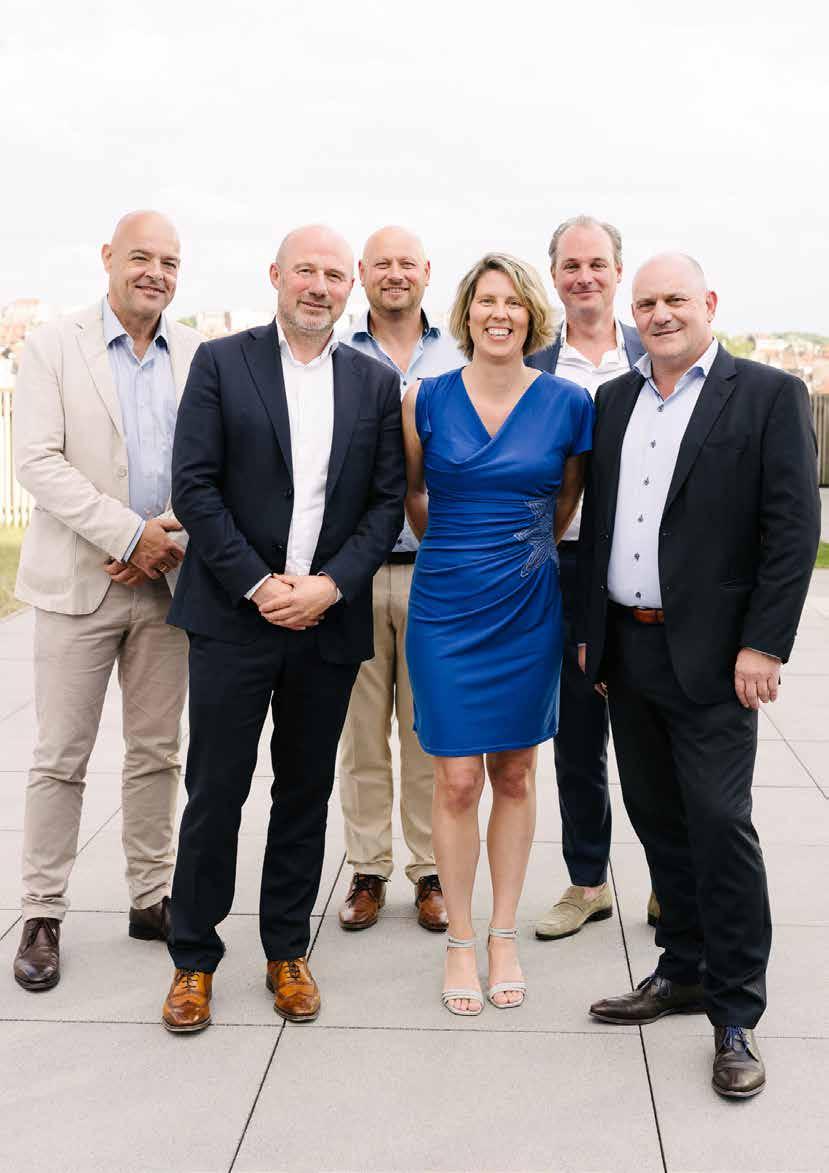
Friso Haringsma Voorzitter
Hans Witdouck Bestuurder
Carole Santens Managing Director
Barro Luitjes Secretaris David Louis Bestuurder
The State of the Belgian Data Centers is an annual study initiated by the Belgian Digital Infrastructure Association (BDIA). The report is a combination of research exclusively done by Pb7 Research and BDIA.
Edition 2025, release date : December 2025
Contributions
Pb7 Research (Peter Vermeulen), BDIA
Final editor & artwork the content company (Björn Crul, Bruno Jacques)
Images
Envato, Martin Pilette
Availability: Our publications are free to download on www.bdia.be
All rights reserved | © Belgian Digital Infrastructure Association
The State of the Belgian Data Centers Report 2024: (herein:“Report”) presents information and data that were compiled and/or collected by the Belgian Digital Infrastructure Association (all information and data referred herein as “Data”). Data in this Report is subject to change without notice. Although the Belgian Digital Infrastructure Association takes every reasonable step to ensure that the Data thus compiled and/or collected is accurately reflected in this Report, the Belgian Digital Infrastructure Association: (i) provide the Data “as is, as available” and without warranty of any kind, either express or implied, including, without limitation, warranties of merchantability, fitness for a particular purpose and non-infringement; (ii) make no representations, express or implied, as to the accuracy of the Data contained in this Report or its suitability for any particular purpose; (iii) accept no liability for any use of the said Data or reliance placed on it, in particular, for any interpretation,decisions,or actions based on the Data in this Report.
Other parties may have ownership interests in some of the Data contained in this Report.The Belgian Digital Infrastructure Association in no way represents or warrants that it owns or controls all rights in all Data, and the Belgian Digital Infrastructure Association will not be liable to users for any claims brought against users by third parties in connection with their use of any Data. The Belgian Digital Infrastructure Association, its employees do not endorse or in any respect warrant any third-party products or services by virtue of any Data, material, or content referred to or included in this Report.