













The 2026 Australia Day Honours have recognised hundreds of Australians whose work is helping to build a more inclusive community, with strong representation from the disability sector.
er to remove barriers and create meaningful opportunities for participation.
For WhatsUp in Disability readers, the 2026 Honours serve as a timely reminder that progress happens when lived experience is valued, voices are heard and inclusion is embedded in everyday deci-
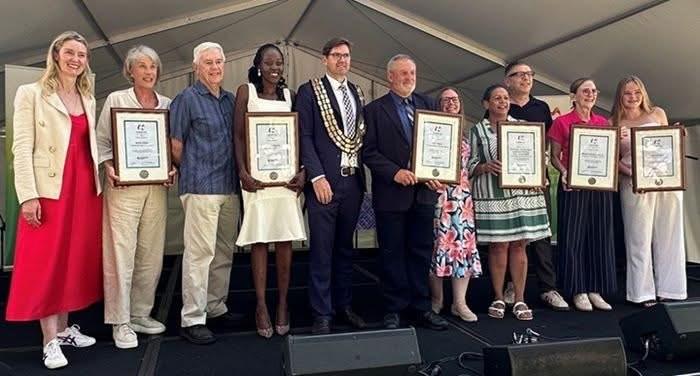
Many recipients were acknowledged for their leadership and advocacy in advancing the rights of people with disability, improving access to services, and strengthening peer-led and communitydriven support. Importantly, the honours also recognise people with lived experience of disability who are using their voices, skills and determination to drive change.
From grassroots organisations to national initiatives, the achievements celebrated this year highlight the power of collaboration — between individuals, families, carers and allies working togeth-
sions. These awards acknowledge not only individual achievement, but the ongoing work of a community committed to fairness, dignity and belonging for all.

Steven Paull WhatsUp in Disability
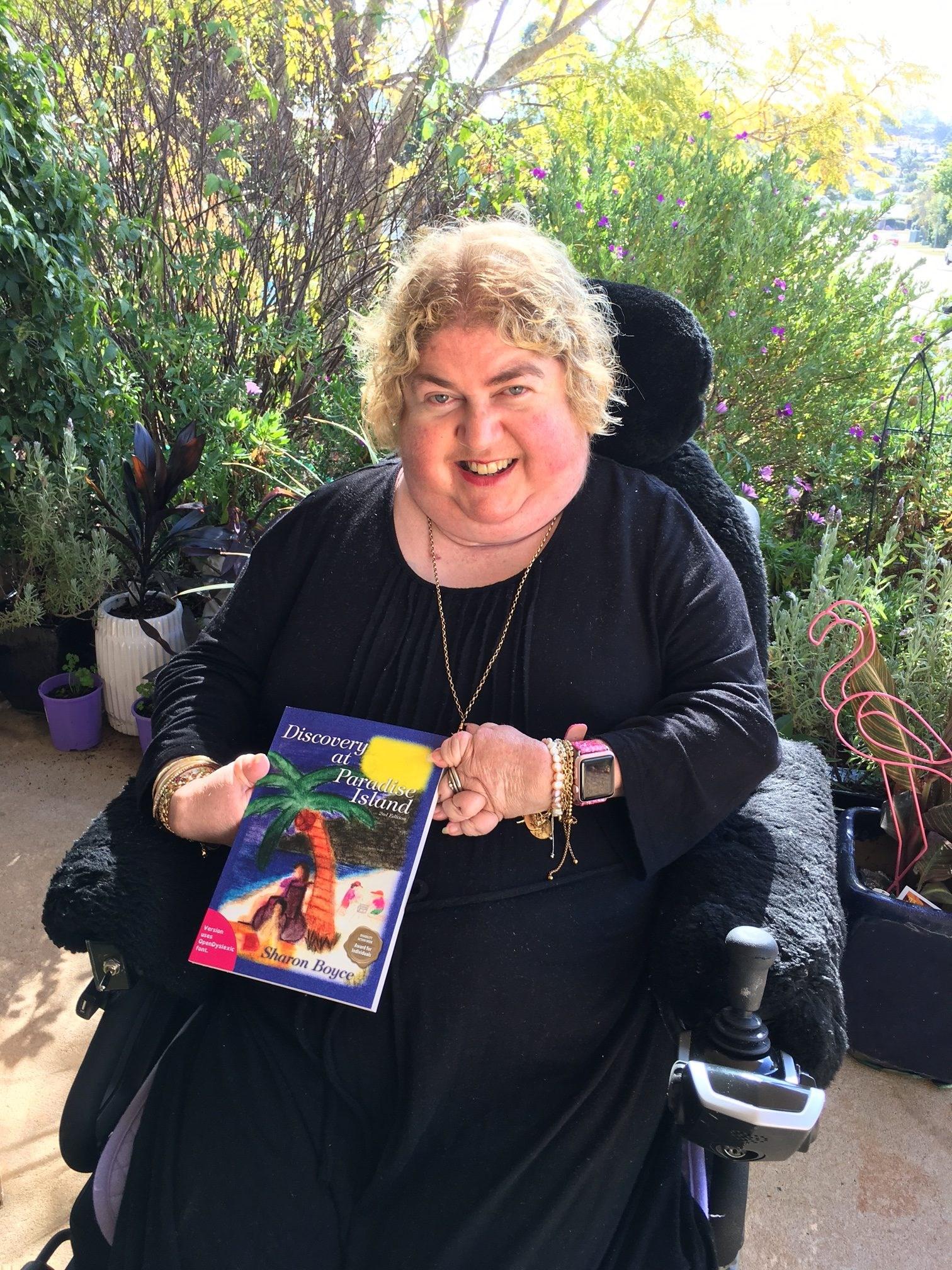
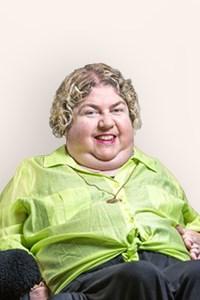
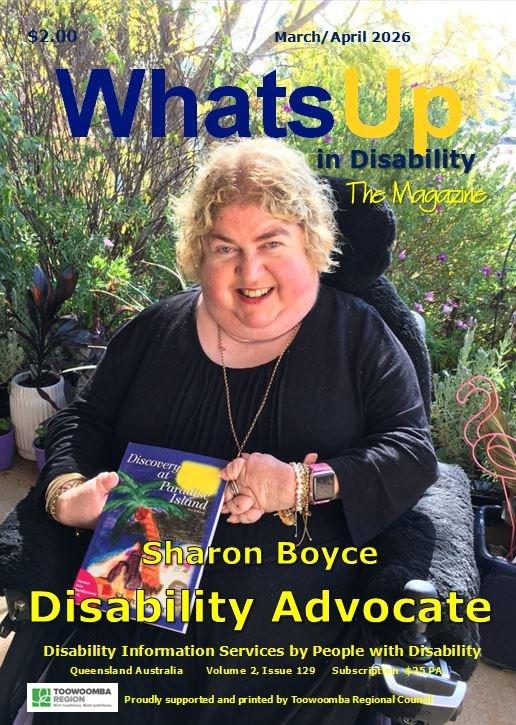
Dr Sharon Boyce is a prominent Australian disability advocate, educator, author, and researcher based in Toowoomba, Queensland. She is widely recognised for her work in promoting inclusion and diversity through her lived experience with juvenile chronic arthritis. Dr Boyce holds several significant positions, including Chair of the Queensland Disability Advisory Council (QDAC) and advisor to the Queensland Minister for Seniors and Disability Services. Nationally, she is a member of the National Disability Insurance Scheme (NDIS) Independent Advisory Council and the President of Physical Disability Australia. She is also the founder and CEO of Discovering DisAbility and Diversity, an educational program focused on disability awareness, and a member of the Brisbane 2032 Legacy Committee.
As an author, she has written children's books and a research-based book on dyslexia. She holds a Doctor of Letters and lectures part-time at the University of Southern Queensland. Additionally, she is an artist who uses art to explore self-expression related to her disability.
Dr Boyce's work has been recognised with several awards, including an Education & Training Award at the Toowoomba Business Disability Awards, a Human Rights Award in 2008, and a Queensland Regional Achiever Award in 2012.
Dr Sharon Boyce is a key figure in the governance and strategic direction of the National Disability Insurance Scheme (NDIS), serving in high-level advisory and operational roles.
Sharon is an appointed member of the Independent Advisory Council (IAC) a
ByStevenPaull
role she was reappointed to in late 2023 for a term ending in November 2026. In this capacity, she provides expert advice directly to the NDIA Board on issues impacting participants, specifically focusing on the complexity of disability and ensuring diverse community perspectives are heard.
As Chair of the Queensland Disability Advisory Council (QDAC) she leads this state-level body in providing specialist advice to the Queensland Government on the implementation and impact of the NDIS within the state.
Sharon has been actively involved in NDIS co-design and engagement processes, contributing to strategic discussions on the scheme's future and representing the interests of participants during major reviews and legislative changes.
CEO of Aus Inclusion and through this organisation, she acts as a registered NDIS provider across several areas, including specialist disability accommodation (SDA), early childhood interventions, and high-level care services.
Sharon is a qualified NDIS Auditor and Trainer, assisting in maintaining scheme standards and providing educational programs for other providers and practitioners.
Drawing from her lived experience in Toowoomba, she advises on disability issues from a regional perspective, ensuring that the unique challenges of rural and regional NDIS participants are addressed.
Continued on Page 6
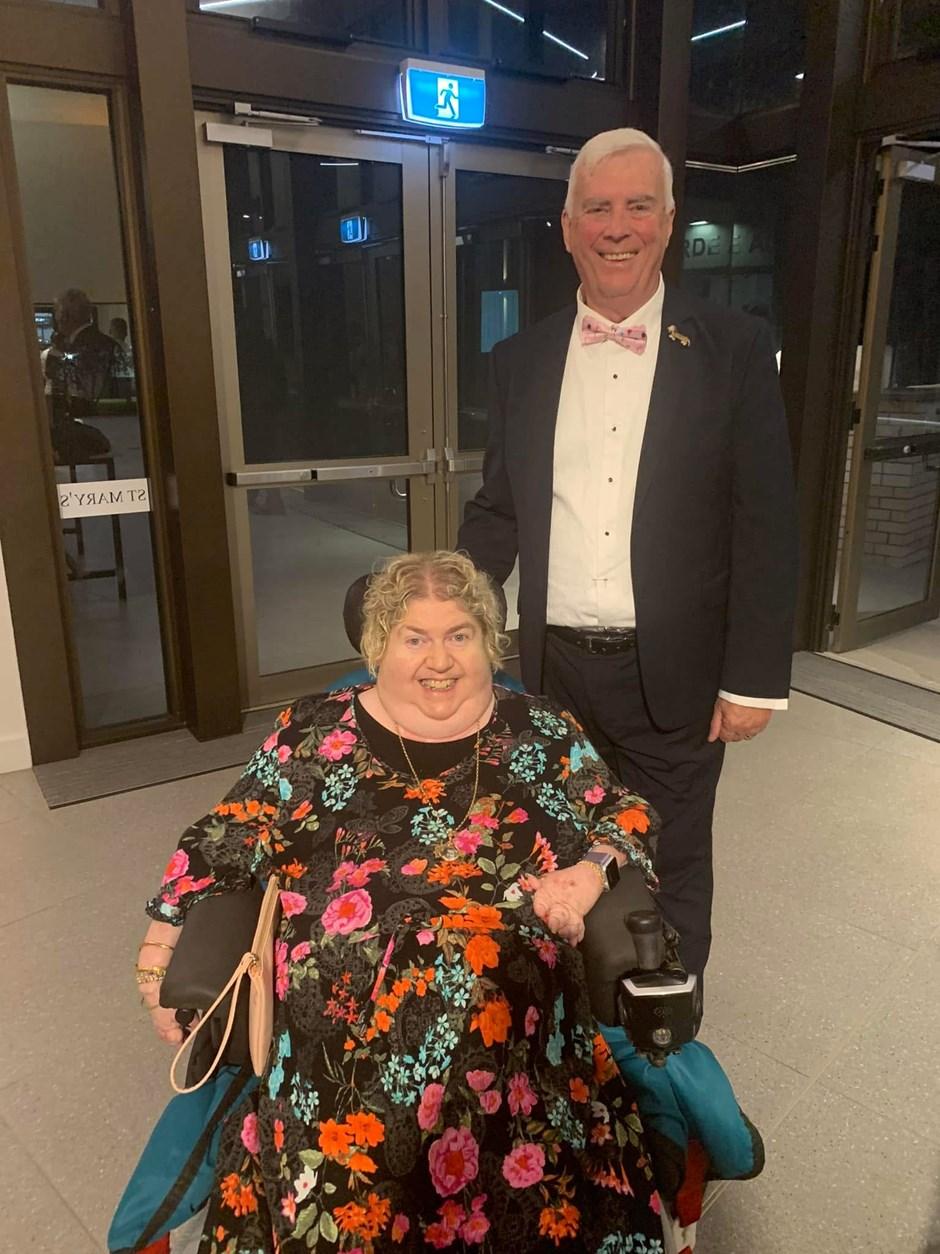
"My body may function differently, but I'm still a valuable and prominent member of the community"
Continued from Page 4
Sharon has developed several specialised resources through her organisation, Discovering DisAbility and Diversity, to foster inclusion in schools and workplaces.
"Another Day in the Life of Sharon Boyce": This first-of-its-kind physical disability resource kit includes 26 laminated wall posters and a DVD. It is designed for educators, healthcare workers, and families to provide a visual and narrative understanding of living with a physical disability.
Dyslexia Folder and Quick Solutions Kits: Practical tools that provide simulations and strategies to help teachers and parents support individuals with dyslexia in everyday learning environments.
Experiential Programs: She offers hands -on awareness programs tailored for various age groups from early childhood to secondary school allowing participants to explore disabilities through guided activities and simulations.
"Discovering Dyslexia – Experiencing Mysteries, Exploring Solutions": Based on her doctoral research, this comprehensive guide uses simulated texts to help readers "feel" the frustration of information processing with dyslexia. It covers the condition’s history, educational impacts, and practical classroom solutions.
"Discovery at Paradise Island": A children’s adventure novel (part of the NSW School Syllabus) that introduces disability themes through a mystery story. It is also available in OpenDyslexic font and audio formats to improve accessibility for readers with learning or vision impairments.
Inclusive Education Research: Her work at the University of Southern Queensland focuses on creating an "inclusive classroom" model where a student's strengths are prioritised over their labels, encouraging teachers to adjust pedagogy to suit diverse learning needs.
"A Voice of Boyce": A YouTube series and video blog where she discusses dyslexia diagnosis, emotional impacts on families, and practical inclusive practices for the workplace.
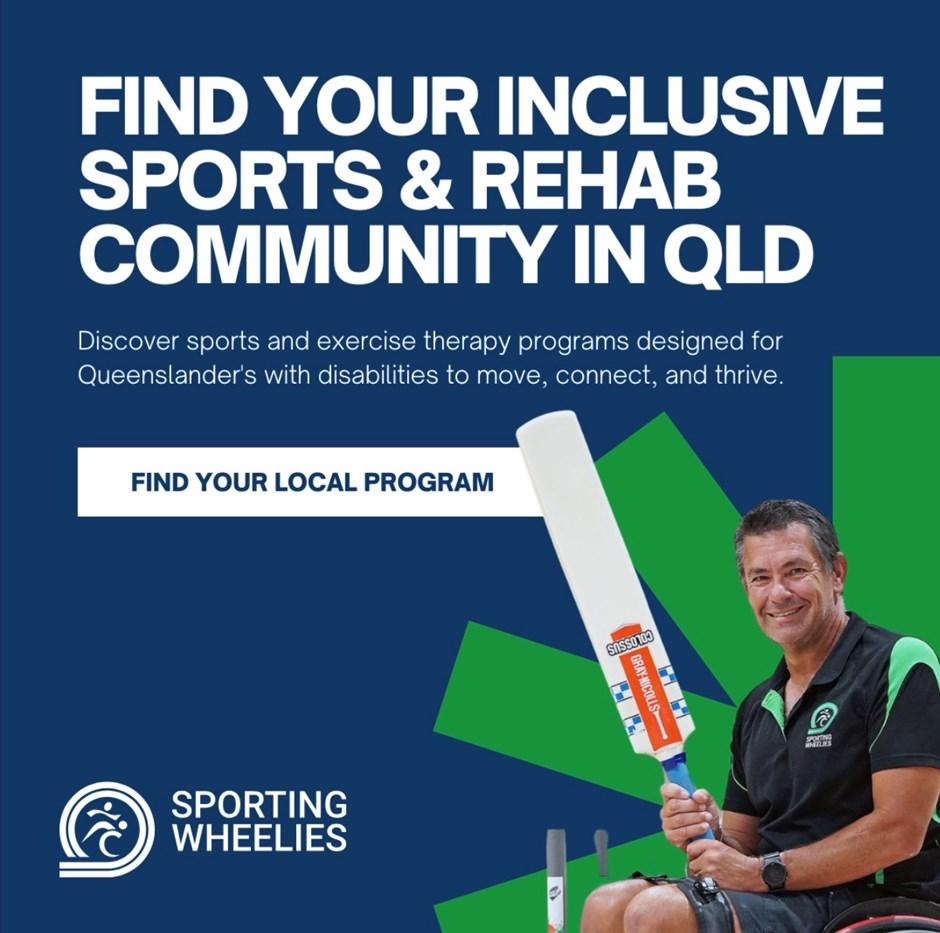
Sporting Wheelies is a premier, inclusive community in Queensland offering tailored sports, recreation, and rehabilitation (including gym and therapy) for people with disabilities at their Milton clubhouse and throughout the state. Other key options include Special Olym-
pics Queensland (intellectual disabilities), ARRC Rehabilitation Centre on the Gold Coast, and Riding for the Disabled Association of QLD.
For information go to: https://www.sportingwheelies.org.au/
Australia is taking a significant step towards a more coordinated and sustainable approach to community sport facility provision, with the development of the nation’s first National Community Sport Infrastructure Plan now underway.
Led by the Australian Sports Commission (ASC), the Plan is designed to support more informed, consistent and collaborative decision-making about how community sport infrastructure is planned, funded, upgraded and used across the country. It forms a key pillar of Play Well, the ASC’s sector-designed national participation strategy, which aims to ensure everyone has a place in sport.
More than 2,500 stakeholders – including local governments, state agencies, sports organisations, facility managers and community members – contributed to consultations throughout 2025. Their feedback highlighted persistent and interconnected challenges facing community sport infrastructure nationally.
Key issues identified include:
• Ageing and fragmented facilities that no longer meet contemporary participation needs
• Complex and inconsistent planning processes across jurisdictions
• Limited access to facilities, including restricted community use of school in-

frastructure
• Rising operational and development costs, with heavy reliance on government funding
• Ongoing barriers to participation for women, multicultural communities and people with disability
• Underutilisation of existing facilities outside traditional peak periods
According to ASC Acting Executive General Manager of Sport and Community Capability Lindsey Reece, addressing these systemic issues is critical if infrastructure investment is to deliver meaningful participation outcomes.
Reece noted “If we don’t accurately define, clearly understand and actively address identified problems, investment will simply deliver assets rather than the high-quality, inclusive participation outcomes the system needs."
The Plan is being developed against a backdrop of changing participation patterns, increasing climate pressures and constrained public resources. Rather than focusing solely on building new facilities, consultation feedback emphasised the need for a clearer national vision around the right number, mix and type of places to support participation
for people of all ages and abilities, close to where they live.
The proposed vision for the Plan is:
“Everyone has a place to play.”
Central to achieving this vision is a shared sector-wide principle – described as the Plan’s common ground – that recognises the different roles of governments, sports and facility owners while encouraging greater alignment.
That common ground is articulated as: “Optimise what we have, grow what we need.”
This approach places greater emphasis on maximising the use of existing infrastructure, improving access and flexibility, and making smarter, evidence-based decisions about where new investment is genuinely required.
The National Community Sport Infrastructure Plan sits within the broader Play Well strategy, launched by the ASC to address long-term declines in organised sport participation and changing community expectations around physical activity.
Play Well shifts the focus from traditional participation models to a more inclusive, participant-centred system, supporting:
Flexible and welcoming sport experiences
Better integration between sport, active recreation and community spaces
Environments that support women and girls, culturally diverse communities and
Stronger collaboration across all levels of government and the sport sector
Within this framework, infrastructure is seen as a critical enabler – not just of sport delivery, but of broader health, social connection and community wellbeing outcomes.
The final phase of work on the Infrastructure Plan will take place over the next six months and will involve targeted engagement to:
Validate the key challenges identified through consultation
Test and refine the shared vision and common ground statement
Identify the system enablers required to support change
Confirm priority projects and actions with national impact
The National Community Sport Infrastructure Plan is expected to be released mid-year and is anticipated to play a central role in guiding future investment and policy decisions across Australia’s community sport and recreation landscape.
For local governments, facility planners and sport organisations, the Plan signals a shift towards more coordinated, evidence-led infrastructure planning – with an emphasis on access, inclusion and making better use of the assets communities already have.
A new Federal Court decision has confirmed that a person with early access to an Aged Care package is eligible for the NDIS. This decision matters because the NDIA has been rejecting applications to the Scheme through a narrow interpretation of the eligibility requirements. The NDIS Act states that a person must establish that they are likely to require an NDIS support for their lifetime. The NDIA interpreted this to mean that a person would not be eligible for the NDIS if the support they required could be provided by another government system.
The Federal Court found the NDIA’s approach was incorrect. This decision might also impact people who access other service systems (e.g. accident or injury compensation Schemes) who have been found ineligible for the NDIS.
Federal Court decisions set precedents. So legally, the NDIA would be expected to follow the Federal Court’s interpretation of the law (or appeal the decision).
There is an age cap on the NDIS. If someone is over 65 when they seek access to the NDIS, they won’t meet the age requirements to get onto the NDIS. People who are already on the NDIS when they turn 65 are not automatically removed from the Scheme. But their access as an NDIS participant is revoked if they are over 65 and permanently receive ongoing aged care funded services.
One example of this might be moving
ByChrisCoombesDSC
into a bed in a Commonwealth-funded aged-care facility after turning 65. Though there is an exception if they receive a ‘specialist aged care program’, as defined under the Aged Care Act.
Unlike the NDIS, the Aged Care home care system is capped. Aged care also takes co-payments, which are calculated based on a person’s financial situation. Consequently, people can receive NDIS Plans that far exceed anything they would get on the Aged Care package. This means people with higher levels of disability-related support needs often prefer to access the NDIS.
The NDIS can’t fund things that are the responsibility of the Aged Care systemsee section 22 of the s10 in and out lists, transitional arrangements, and the Applied Principles and Tables of Support. For example, the NDIA will not fund supports provided by a residential aged care service, like personal care supports, including bathing, dressing, and toileting (except where the person entered residential aged care before 65 and there is agreement between the funding bodies).
Some people might gain access to Aged Care before turning 65. People may qualify early if they are at risk of homelessness or are homeless, and Aboriginal or Torres Strait Islanders can be eligible when they are over 50.
At age 64, Ms Sutherland applied to the NDIS. She was already receiving a level
2 Aged Home Care package, which she described as “grossly inadequate.”
To be eligible for the NDIS, among all the other criteria, a person needs to prove they are “likely to require NDIS supports under the National Disability Insurance Scheme for the person’s lifetime”. Because Ms Sutherland had access to an Aged Care package, the NDIA said she could not establish that she met this criteria. She applied for internal and then external review at the Administrative Review Tribunal (ART), where she was represented by Regional Disability Advocacy Service and then Victoria Legal Aid.
The Tribunal ordered the NDIA grant Ms Sutherland access to the Scheme. The Tribunal said the NDIA made a mistake in saying people can’t access the NDIS if the supports they require can be ‘sourced, funded or provided’ by another government service.
The Tribunal found that applicants like Ms Sutherland only needed to establish they likely need support under the NDIS for her lifetime, regardless of whether it might be funded by another government system.
There have been several other decisions last year at the Tribunal that concluded the opposite view: you cannot get onto the NDIS if you receive an Aged Care package. In a similar matter, an Indigenous woman was shut out of the NDIS because she had early access to Aged Care.
This woman told the Tribunal it is: “highly concerning if efforts like this to close the gap between Indigenous and non-Indigenous health and lifeexpectancy outcomes inadvertently create a two-tiered system whereby Indigenous people with disability over the age of 50 are only able to access the very limited supports available under the aged care system, whilst nonIndigenous Australians of the same age and with the same functional impairments are able to access funding reflective of the full extent of their disability support needs through the NDIS”.
Continued on Page 12
Continued from Page 11
Even still, this Tribunal Member found she was ineligible because she had early access to an Aged Care Package. The Tribunal Member said in this case that it does not matter whether the person simply promises not to use the Aged Care package; she still isn’t eligible for the NDIS.
The NDIA appealed Ms Sutherland’s Tribunal win up to the Federal Court of Australia. The NDIA argued that applicants must prove that the supports they need aren’t more appropriately provided or funded outside the NDIS. The Judge concluded that the bar doesn’t need to be this high to satisfy the eligibility criteria. Instead, this section of the access criteria relates to the “ongoing nature of the support required to address the effects of the person’s impairments.”
In other words, a person must show a lasting need for NDIS supports, they don’t establish what supports are available under other service systems.
The Judge dismissed the case, meaning the participant won. Therefore, Ms Sutherland, despite having an aged care package, was now able to access the NDIS. The Judge ordered the NDIA to pay her legal costs. But the decision does not mean the NDIA have to fund things most appropriately funded by the Aged Care system, which still can’t be funded under the Transitional Rules.
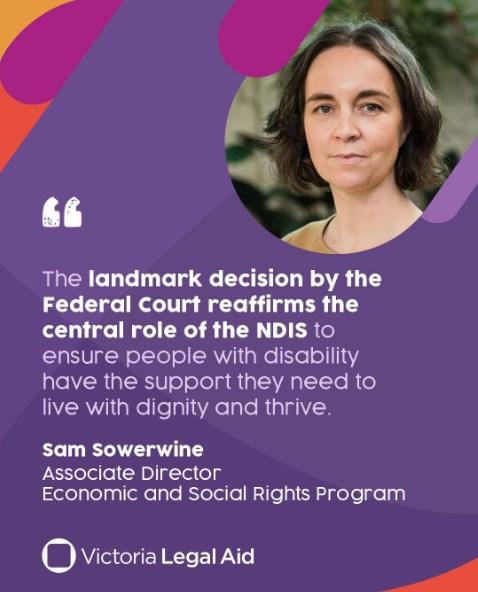
This case may have implications for people who have been found ineligible for the NDIS because they access other systems as well, like accident and injury compensation schemes and schemes that provide smaller amounts of funding. Associate Director Sam Sowerwine said in a Victoria Legal Aid press release; “People with disability already experience a range of barriers to living with dignity in the community. They should not face the burden of having to show that all of their support needs cannot be met by other services just to access the NDIS, particularly when available services might also depend on location, can change over time or be cut in the future”.
This case will also give hope to the disabled Australians with early aged care access, who may now also be able to access the NDIS. The final words are for Ms S, who told VLA, ‘I am so relieved that I will be able to continue receiving disability supports.’
This is general information only. I am not a lawyer. This is not legal advice. It is open to the NDIA to appeal the decision to a higher court. Advocacy can be found at Ask Izzy and advice can be sought at your local Legal Aid.
For more information go to: https://www.legalaid.vic.gov.au/accessndis-safeguarded-federal-court-win
Chris Coombes is an Australian disability sector expert currently serving as the Lived Experience Lead at Knowmore, a national legal service for survivors of institutional child sexual abuse.
ByStevenPaull
the Justice Liaison programme with the NDIA and worked as a non-legal Appeals Advocate. A side gig as an Independent Expert Reviewer gives Chris hope about a fairer system for NDIS reviews, while

Chris entered the sector as a support worker 13 years ago. Early on, Chris was working alongside a person who was unnecessarily detained in a prison. The injustice ignited a fire in their belly for a fairer system and drove them to study social policy. Completing a masters from the London School of Economics, Chris gained a global lens to dissect disability policy in Australia.
Chris has since supported the roll-out of
writing articles and training brilliant workers with DSC fills Chris' cup.
Chris’ enthusiasm and eagerness to learn from all makes them a valued team member. Chris’s other talents include hide-and-seek and making people feel good about themselves.
He is a core team member at Team DSC, where he provides training and writes on NDIS policy.
Disability Representative Organisations acknowledge the passage of the Combatting Antisemitism, Hate and Extremism (Criminal and Migration Laws) Bill 2026 (Cwth) and the additional protections it introduces to address serious forms of hate and extremism in Australia. The event of 14 December 2025 targeting the Jewish community at Bondi beach was an abhorrent act of hate and antisemitism. Such acts have no place in our Australian community. Strengthening legal responses to hatred and violence is an important part of improving social cohesion and community safety.
However, the Bill does not deliver comprehensive protection for minority groups, including people with disability. While it strengthens responses to serious extremism and hate-motivated conduct, it does not introduce a federal criminal offence for serious vilification. Instead, at the federal level, criminal liability remains largely limited to speech that urges or threatens the use of force or violence against targeted groups. As Disability Representative Organisations have consistently argued, including through previous submissions, this threshold is too high and does not reflect the serious psychological and community harm caused by serious vilification that falls short of urging or threatening violence.
We note that the Bill introduces aggravated sentencing provisions for hatemotivated offending. While we welcome
ByStevenPaull
recognition that crimes motivated by hatred warrant stronger sentencing responses, we are disappointed that people with disability were excluded from these provisions. We are also disappointed that amendments which would have extended aggravated sentencing to additional targeted groups were not adopted. This outcome perpetuates gaps in Australia's hate crime laws and results in unequal treatment of communities experiencing forms of identity-based harm.
Disability Representative Organisations are concerned that Australia's hate speech and vilification laws, taken together across jurisdictions, continue to fall short for people with disability. Protections remain inconsistent, and people with disability are not reliably or explicitly covered across legislative frameworks. Hate speech reform is therefore not finished business. To achieve social cohesion, hate speech and vilification laws must operate within a comprehensive,
consistent and rights-based legal framework that provides equivalent protection across protected attributes, including people with disability.
Further reform is necessary to address gaps in Australia's hate speech and vilification framework affecting people with disability and the settings in which our communities experience identity-based hatred. This includes congregate environments such as group homes, aged care facilities and other institutional settings, where harm is often underreported and insufficiently addressed under our existing laws. We urge Parliament to commit to this next stage of reform and to meaningful co-design with affected communities.
We acknowledge strong safeguards must sit alongside any expansion of hate and extremism laws. These safeguards are essential to protect procedural fairness, democratic participation and human rights. This includes ensuring laws do not unintentionally restrict peaceful protest, non-violent resistance, political expression or community advocacy, and that enforcement powers are applied proportionately and transparently with independent oversight.
We also acknowledge the need for protections for people with disability who may be subject to criminal justice processes. A recent case in Victoria highlighted failures in the conduct of law enforcement when engaging with a young person with disability who was charged with terrorism offences. This demonstrates the pressing need for safeguards that ensure people with disability are treated fairly and safely by law enforcement and met with support, not punishment, when harm arises from unmet needs or systemic barriers.
The signatories to this statement are united in our readiness to participate in a genuine, meaningful co-design process with government and Parliament to progress the next stage of reform. The Disability Royal Commission laid bare the scale and severity of violence, abuse, neglect and exploitation experienced by people with disability, including identitybased harm in closed and institutional settings. This harm continues to occur. Adequate legal protections and effective recourse against identity-based harm are a necessity for people with disability. We will continue to advocate for a Human Rights Act and reforms that uphold the human rights of people with disability and strengthen Australia's hate speech and vilification laws so they deliver real protection in practice. People with disability have the right to live free from hatred and vilification, and future reforms must reflect that fundamental principle.
Statement endorsed by:
• Australian Autism Alliance
• Children and Young People with Disability Australia
• Community Mental Health Australia
• Disability Advocacy Network Australia
• Down Syndrome Australia
• National Ethnic Disability Alliance
• People with Disability Australia
• Physical Disability Australia
• Queensland Advocacy for Inclusion
• WhatsUp in Disability
• Women With Disabilities Australia
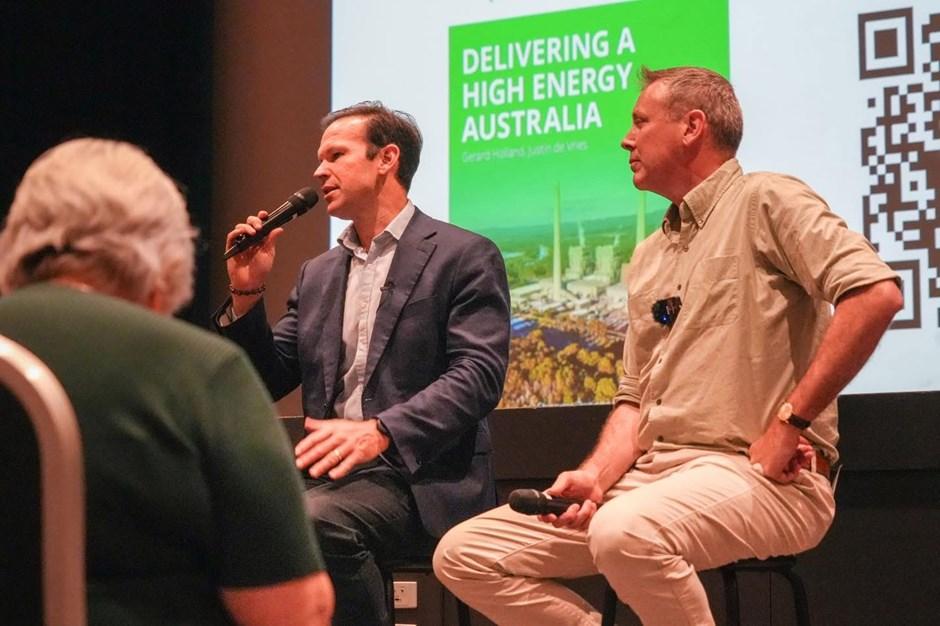
The forum featured 2 speakers Garth Hamilton, Federal Member for Groom and Senator Matt Canavan who delivered a comprehensive critique of Australia’s Net Zero policy framework and its practical outcomes. They argued that Net Zero has become the central organising principle of the Australian economy, distorting priorities across government and industry and imposing high costs on national security, local communities, energy affordability, productivity, and living standards.
A major theme is that reported emissions reductions largely reflect land use changes rather than genuine declines in energy, industry, agriculture, or waste emissions raising concerns about the real pace of decarbonisation and the sustainability of current methods.
Garth highlighted how carbon considerations now permeate almost every government and economic decision from new business approvals and hospital design to defence planning and diplomatic positions creating structural winners and losers.
Traditional sectors (mining, gas, abattoirs, steel, cement, transport) face heavier compliance burdens and reduced competitiveness, while subsidised segments (offshore wind, hydrogen, carbon capture, critical minerals) benefit from large public transfers.
He suggests alternative organising principles for economic policy prioritising real wages, productivity, GDP per capita, and family-centred policies rather than carbon metrics.
Matt provided a data-driven assessment contending that Net Zero has failed on its core promises (cheaper power, job creation, environmental impact), with electricity and gas costs rising sharply, heavy-industry jobs declining, energy productivity dropping, and industrial competitiveness eroding.
He questioned the feasibility of the current emissions “run rate” toward 2050, critiques modelling assumptions that undervalue coal’s role and existing infrastructure, and underscores the macroeconomic burden of the transition estimating trillions in costs and significant per-capita implications.
He also warned that carbon credit schemes and land use changes driven by consumer offsets are locking up millions of hectares of productive farmland, harming rural economies, food security, and environmental stewardship.
• Replace emissions targets with lowest possible energy prices as the organising principle.
• Align with peer developed countries no faster than others; cooperate without leading at economic cost.
• Support all energy resources: Coal,
ByStevenPaull
gas, uranium, and renewables; avoid overbuilding intermittent sources at once.
• Increase utilisation of existing coal fleet (currently 2/3 capacity) to add effective dispatchable capacity quickly.
• Emphasise reliability: Dispatchable resources over intermittent “turn up when they choose.”
• Prioritise national security and industrial strength over emissions metrics.
• Ensure fairness for rural Australia: Avoid disproportionate burdens; address agricultural and regional impacts.
• Practical environmental stewardship:
Sustainable human-nature integration (fishing, hunting, camping, 4WD) while avoiding large-scale land conversion for arbitrary targets.
• Encourage public access to detailed policy research pages for specifics. Both speakers called for rethinking or changing Net Zero, focusing instead on lowest possible energy prices, a balanced energy mix (coal, gas, uranium, renewables), fairness for rural communities, national security, and practical environmental management aligned with Australian livelihoods.
Thought provoking and realistic Editor
By ClaudiaForsbergABCBallarat
At the official opening of the Wombat Hill Botanic Gardens Day Basin, Councillor Tony Clark asked attendees to close their eyes.
"Embrace the true beauty, not just the visual beauty, but the true beauty that this new area has to offer," Cr Clark said.
"Hear the birds, the wind through the trees it's not just about how things look but all the other senses involved as well."
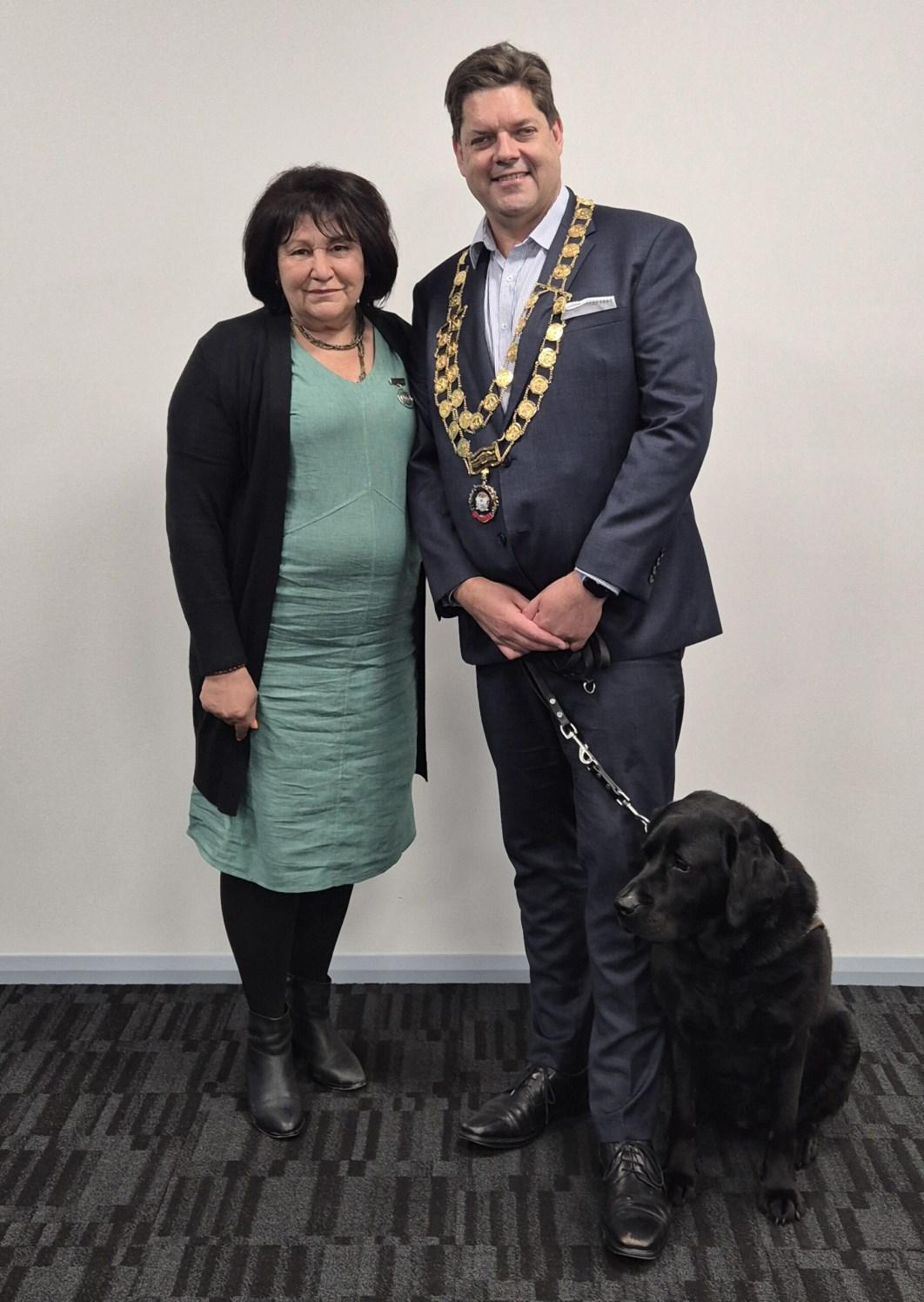
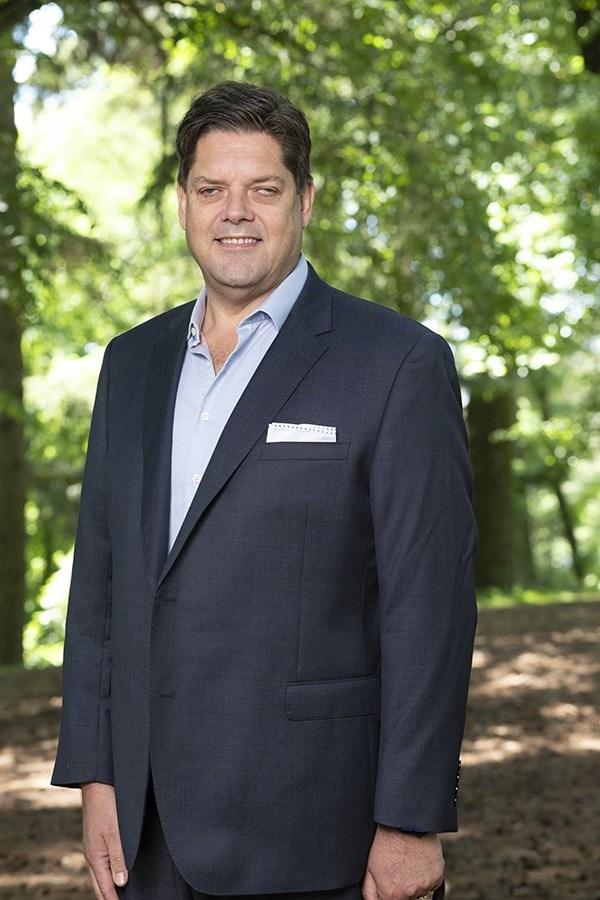
It was just one part of the unique perspectives Cr Clark said he hoped to bring to his new role as mayor of Hepburn Shire Council.
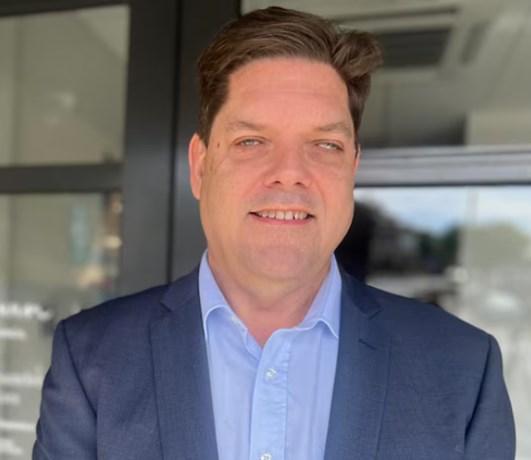
Legally blind since he was 20, Cr Clark, now 56, became the first person with a disability to hold the role of mayor in Hepburn Shire when he was elected to the position in November 2025.
"I'm sure there are some people out there wondering how you can do the job of mayor when you're blind," Cr Clark said.
"At the end of the day, we are all a prisoner of our own personal experiences, and I think people fear difference."
Cr Clark said his lived experience with disability would "change how we do things and think about things" for the better.
"Making our services, particularly in places like government and local council, accessible actually improves it for everybody and that's what we're here for making a better quality of life for everybody," he said.
While the job of mayor remains the same, how it is done is being put to the test as Cr Clark employs assistive tools to get around his vision impairment.
"I use adaptive technology [such as] a program called JAWS which actually reads out everything that I need to access and puts it into audio form, and I listen to it at 450 words a minute," Cr Clark said, adding that people speed reading could reach about 350 words per minute.
His workplace has also made other adjustments, including conducting specialised training on how to present to the council in an accessible format and accommodating his guide dog, Timmy.
Hepburn Shire CEO Bradley Thomas said some of the workplace adjustments had been really simple, "while others have been a little bit more complicated and taken some time to implement".
"I certainly don't think we've got it 100 per cent perfect," Mr Thomas said.
Mr Thomas said Cr Clark had been a valuable asset to the workplace and his community.
"Tony, in terms of his disability or impairment and being blind, has also brought a really great focus on us as an organisation around some of our inclusive behaviours," Mr Thomas said.
"It does give you a really clear reminder that people of all abilities can [drive] themselves to do these great roles."
Cr Clark said he hoped that by sharing his story, he could inspire the next generation of disabled leaders.
"That lived experience brings immense value," he said.
"It shouldn't be looked at as a negative, it's actually a strength.”
"One of the key things I've harnessed throughout my life is my lived experience because it has to be that philosophy of 'we need to focus on what we can do, not what we can't do'."
The NDIS Quality and Safeguards Commission (NDIS Commission) has welcomed the Federal Court of Australia’s decision today to impose a $1.1 million penalty against Oak Tasmania for failures to keep NDIS participants safe and failing to report hundreds of serious incidents within required timeframes.
The penalty is the largest ever imposed on a Tasmanian NDIS provider.
Oak Tasmania is a registered NDIS provider which delivered daily living supports to participants in shared living arrangements or group homes.
The court proceedings, initiated by the NDIS Commission, concerned multiple incidents where NDIS participants did not receive competent supports and services while in Oak Tasmania’s care, putting their health and safety at risk.
The Court found instances where care management plans were not followed, staff were not adequately trained to meet participants’ support needs, medical devices and medication were not properly administered, and an adolescent was not properly supervised.
Oak Tasmania admitted to 6 contraventions of the NDIS Practice Standards and Code of Conduct, as well as 474 contraventions of the Reportable Incidents Rules.
The Federal Court found that Oak’s extensive reporting failures deprived the regulator of timely information and compromised “the ability of the Commission-
er to keep participants safe.”
In delivering the Court’s judgment, Justice McEvoy said that Oak’s conduct caused or risked causing harm “of the utmost seriousness” to people with disability and that families and carers “likely experienced stress and anxiety in entrusting Oak as the provider of a necessary service” in circumstances of noncompliance with rules designed to protect them.
The judgment also noted that delays in reporting meant some individuals “may have been deprived of prompt, adequate and necessary treatment or responses.”
NDIS Quality and Safeguards Commissioner Louise Glanville said the Court’s decision reinforced the importance of safeguarding the rights, safety and dignity of people with disability.
“This penalty sends a clear message that the safety of people with disability is non -negotiable,” Ms Glanville said.
“NDIS providers have a fundamental obligation to deliver safe and competent supports. Registered providers must also report serious incidents to the NDIS Commission, so risks can be identified and addressed.
“When providers fail to meet these obligations, the NDIS Commission will take strong enforcement action to hold them to account.”
As a condition of registration, NDIS providers are legally required to report serious incidents to the NDIS Commission within specified timeframes. These reporting obligations are a critical safeguard designed to protect participants from harm.
Providers that fail to comply with their registration requirements can expect
significant regulatory action and penalties.
The total $1.1 million penalty imposed on Oak Tasmania is comprised of:
• $750,000 for failures to comply with the NDIS Code of Conduct and Practice Standards; and
• $350,000 for failures to comply with the NDIS Reportable Incident Rules.
The Court also ordered Oak Tasmania to pay the NDIS Commission’s legal costs in the total amount of $200,000.
Thursday 29 January 2026
The NDIS is updating the my NDIS mobile app to improve accessibility, simplify navigation and make it easier for participants to manage their plans.
The app works alongside the my NDIS participant portal and myplace portal. Together, the app and portals help participants easily and flexibly self-manage their NDIS funds.
The changes will be made from February. The update will either occur automatically, or you will receive a notification in the app when the changes are available to manually update.
The updates will improve accessibility by:
• making the app more predictable and easier to learn for a wide variety of users
• using clearer error messages and guidance
• increasing support for large text, so users can select their preferred text size
• introducing dark mode where a user has this activated in their phone settings
• for participants who use VoiceOver, removing announcements after every
keystroke, making it easier to complete forms.
Participants helped us to design these changes through surveys, working groups and testing.
There is no change to the way participants manage their NDIS plan with the updated app.
When using the app to make claims, you may receive a pop up ‘prompt’ if something doesn’t look right. For example, if the claim description you enter doesn’t look like an NDIS support, you may receive a prompt.
The prompt message will ask you to confirm if you’ve entered the correct information. You can either confirm if the information is correct or edit it.
The prompts aren't AI-generated. They are there to help you along the way, and to reduce errors that may slow down approval of your claims.
When you upload evidence to support your claims, the new invoice recognition feature will be able to quickly identify if the document you’ve uploaded is a valid form of evidence, such as a receipt or invoice.
This feature will also let you know if your photo or scan is blurry or unusable. If so, you’ll be prompted to upload it again.
We may make this feature available to users of Android phones in the future.
We’re removing the text limit on the ‘Your Goals’ page to allow you to see more information and replacing the current text box with lists. This will help avoid scrolling and improve accessibility.
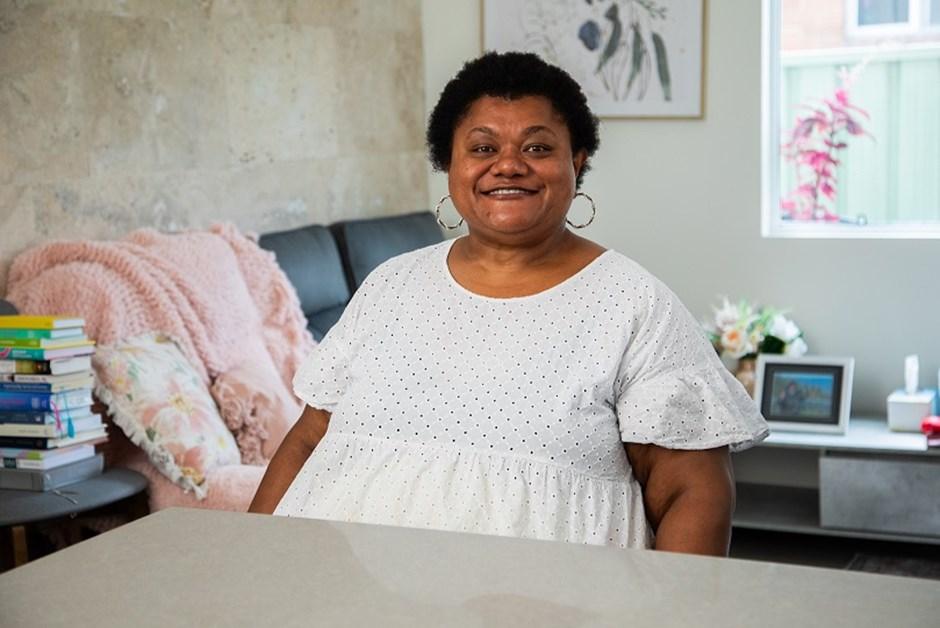
Lowami was ready to change her life.
She just needed to know where to start.
Lowami greets you with a warm, immediate smile, the kind that makes you feel welcome before a single word is exchanged. It’s difficult to imagine that, for nearly a decade, her life was defined by homelessness, mental health conditions and the constant strain of trying to access support systems she couldn’t quite reach.
“Ten years ago, my life wasn’t where I wanted it to be. I felt trapped and couldn’t make the choices I wanted to make for myself,” she says.
She spent years looking for help, only to be met with complex processes and services that felt disconnected from one another. Each attempt left her feeling more overwhelmed.
She is not alone in this struggle; data shows that nearly one-third of people accessing homelessness services are also managing mental health issues, a dual challenge that often requires complex, coordinated support that can be hard to find.
That changed the day she found the Disability Gateway, an Australian Government initiative designed to act as a central point for information, services, and practical support for people with disability, their families and carers.
“When I called the Disability Gateway, the first thing they said to me was, ‘Welcome, how can we help you?’ and that made me feel very safe," Lowami recalls. "It was the most reassuring thing for me to just have someone
ByMikoHernandez
acknowledge me and say, ‘Look, I know it’s been hard, but I can help you.’”
In just three working days, the Disability Gateway team had mapped out Lowami’s needs and connected her with a local advocacy organisation in Northern Sydney. There, she was assigned an advocate who looked at her life holistically, helping her secure housing, employment, and the right support services.
“I could tell they really cared, I wasn't just a number to them. They also didn’t talk to me with pity, they just wanted to understand my situation so they could help me,” continues Lowami.
Through the Gateway's referral network, Lowami also accessed a financial counsellor to help manage her finances and cut ties with a gambling organisation that she says was exploiting her vulnerability. It was a crucial step in a landscape where financial hardship affects 66% of those experiencing gambling harm.
With a safe home, meaningful work and the right support behind her, Lowami found the space to form deeper relationships and find a community of friends who continue to support her on her journey.
“Sometimes I have to pinch myself," she says. "If you'd told me 10 years ago that I would be gainfully employed, seeing a psychiatrist, and living my best life, I would've told you, pfft!”
Today, she is finishing a TAFE Business Certificate III and recently received an
award for Academic Excellence. She has dreams of one day pursuing a university degree.
“I always wanted to work in an office, but I was told growing up that I wasn’t smart enough,” she says. “Now I know that wasn’t true.”
Giving back is also part of her future. She hopes to volunteer with a local community organisation to support others on their own paths to stability and independence.
“If you don’t know where to start start here”
Lowami wants more people to know that the Disability Gateway can be a first step, especially for those unsure of where to begin or whether they would
be able to find the support they need.
“If you don’t know where to start, start with the Disability Gateway," Lowami says. "Ring them up and tell them what your issue is. All it takes is a phone call, and they will do the research and come back to you with solutions.”
For more information visit https://www.disabilitygateway.gov.au/ https://www.aihw.gov.au/reports/ homelessness-services/specialisthomelessness-services-annual-report/ contents/about https://aifs.gov.au/all-research/research -snapshots/national-gamblingprevalence-study-pilot-2024
This interview covered mobility and patient handling equipment offered by AidaCare, focusing on two product categories: patient lifters and pull-apart mobility scooters.
I asked about new lightweight patient lifters that reach the ground, including their weight, functionality for lifting fallen individuals, and staffing requirements.
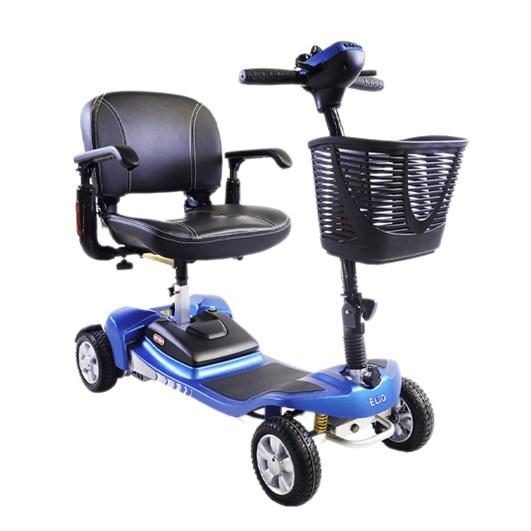
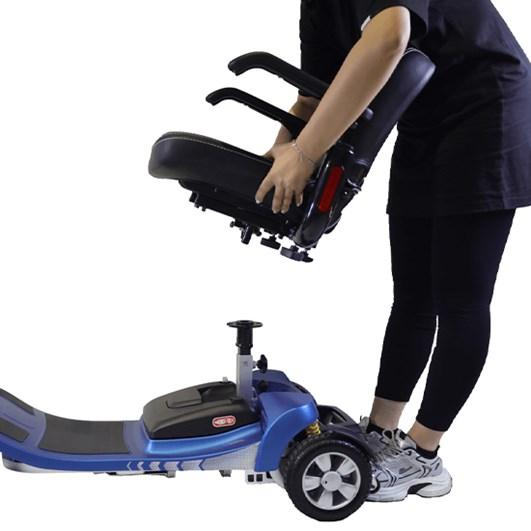
The interview then moved to pull-apart mobility scooters, examining range, robustness, intended use (primarily indoors/sidewalks), price points, and weight capacities.
The interview was about gathering information for a healthcare or personal care setting.
The interview involved 2 AidaCare representatives, Joe and Simon. Joe introduced a new line of lightweight patient lifters (standing and fall lifters) that can reach the ground to assist individuals who have fallen.
Simon presented a new range of pullapart mobility scooters, highlighting variations in safe working loads, price, and power to tailor solutions for users. The customer, familiar with a pull-apart ebike, engaged to understand practical applications, limitations, and specifications.
For patient lifters, the core challenge is assisting individuals who have fallen when standard lifters cannot reach the floor, making sling placement difficult. This increases physical strain and risk for caregivers and can delay safe transfers.
Many lifters lack low-profile legs or sufficient reach to get under beds or down to the floor, leading to manual lifting or waiting for emergency services. A related issue is the workplace health and safety recommendation from Queenstown Health for 2 people to operate a lifter, which is not always feasible in small spaces, creating compliance and logistical challenges for facilities or home care with limited staff or space.
For scooters, the challenge is finding a product that matches specific needs rather than a one-size-fits-all solution. Users require alignment on safe working load, travel distance, power, and budget. A poor match can result in a scooter that is inadequate or overly costly and complex. Some pull-apart models are primarily designed for indoor or smooth sidewalk use and have minimal suspension, making them unsuitable for rougher terrain.
The customer expects a patient lifter that can effectively lift a person from the floor, with the device reaching the ground to simplify sling placement under a fallen individual. Success includes the potential for single-caregiver operation in certain circumstances (noting the twoperson recommendation) and low-profile legs to fit under beds.
The customer expects a mobility scooter tailored to a specific user’s weight and intended use, with options covering price points (from $1800 to $3500 for pullaparts), safe working loads (115 kg to 136 kg for pull-aparts), and robustness.
Success is matching the right scooter to the right person, avoiding a one-size-fits -all approach.

• The new lightweight patient lifters (standing and fall lifters) weigh approximately 40 to 42 kilos.
• The lifters feature large 125mm Tente casters for easy manoeuvrability.
• While one person can operate the lifter in certain situations, the standard recommendation is two people; in some cases, calling an ambulance is necessary.
• Pull-apart scooters are not designed for rough roads and have very little suspension.
• More robust solid-unit scooters are available and can carry 180–220 kilos For more information go to: https://www.aidacare.com.au/products/

Company says doll is the latest expansion of its commitment to representation and inclusion

Mattel launches its first autistic Barbie. Coming barely 6 months after its first doll with type 1 diabetes, this newest addition to Barbie’s Fashionistas range is designed so that more children “see themselves in Barbie” and to encourage all children to play with dolls that reflect the world around them.
Autism is a form of neurodivergence that influences how people experience and interact with society. While characteristics of autism vary according to the individual, more than one child in a hundred is believed to be autistic, according to the World Health Organization.
Created in collaboration with the US charity the Autistic Self Advocacy Network, the autistic Barbie is designed to represent some of the ways children with autism may experience, process and communicate with the world.
The doll’s eyes gaze slightly to one side, reflecting how some autistic people avoid direct eye contact. She has fully bendable elbows and wrists, enabling repetitive physical movements such as stimming and hand-flapping that help some people with autism to process sensory information or express excitement.
She has a (pink, of course) fidget spinner on her finger that helps reduce stress, wears (pink) noise-cancelling headphones to reduce sensory overload and carries a (yes, you’ve guessed it, pink) tablet with symbol-based augmentative and alternative communication buttons on its screen to help her cope with everyday communication.
ByAnnaBawdenTheGuardian
Barbie also wears a loose-fitting, purple pinstripe A-line dress with short sleeves and a flowy skirt to minimise fabric-toskin contact. Purple shoes complete the outfit, with flat soles to promote stability and ease of movement.
While the first Barbies date to 1959, until 2019 there were no dolls with disabilities. Now there are blind dolls, as well as Barbies in wheelchairs, with Down syndrome, prosthetic limbs, vitiligo and hearing aids. There is also a Ken doll with a prosthetic leg, another who uses a wheelchair with a ramp, and one with hearing aids.
Jamie Cygielman, the global head of dolls at Mattel, said it was the latest expansion of the company’s commitment to representation and inclusion.
“Barbie has always strived to reflect the world kids see and the possibilities they imagine, and we’re proud to introduce our first autistic Barbie as part of that ongoing work,” she said. The doll “helps to expand what inclusion looks like in the toy aisle and beyond because every child deserves to see themselves in Barbie”, she added.
“We engaged with the autistic community throughout the design process, always mindful that autism is experienced differently by every individual and is not always visible. The elements of this doll reflect how some people on the spectrum may experience and express the world, and we hope that by partnering with influential voices within the community, Barbie can continue to showcase a broader range of authentic expe-
riences.”
Jolanta Lasota, the chief executive of Ambitious about Autism, said:
“Theoretically any Barbie can be reimagined as autistic, because autism doesn’t have one look. But representation is powerful and Barbie is an iconic toy, so we hope many autistic children feel pride at seeing some of their experiences reflected in this new doll.
“We know some autistic young people are reluctant to use supports such as ear defenders and stim toys at school for fear of standing out, so the more we can normalise these types of visible markers the better.
“With girls 3 times less likely than boys to be diagnosed with autism, this toy also shines a light on the experiences of autistic girls, who often slip under the radar.”
Ellie Middleton, an author and founder of an online community for neurodivergent people, said she hoped the Barbie would challenge some of the misconceptions around autism, which were a factor in her late diagnosis.
“I never considered, and the people around me never considered, that I might be autistic, because we had never seen anyone that looked like me, acted like me, or had anything in common with me have that label assigned to them.” Having an autistic Barbie changes that, she added. “She is showing young girls that it is OK to be autistic, it is OK to be different, and it is OK to wear those differences with pride.”

ByStevenPaull
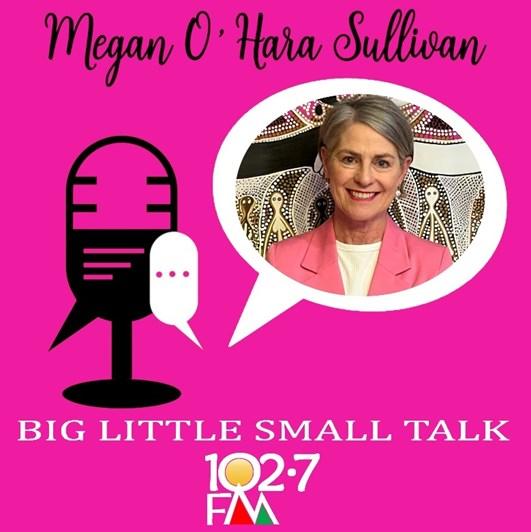
Megan O’Hara Sullivan hosts a radio show called “Big Little Small Talk” on Toowoomba’s 102.7 FM. The program focuses on engaging conversations with a diverse range of guests from the community.
Megan explores various topics, from personal stories and local issues to broader societal themes, offering listeners insights and different perspectives.
This platform not only highlights the uni que stories of individuals but also fosters community connection and dialogue. Me gan's ability to draw out interesting narr atives makes the show a valued part of t he local media landscape.
Megan O’Hara Sullivan is a notable figure in Toowoomba, known for her work in the community and involvement in local government. She has a background in both business and community service, contributing significantly to the region.
Megan has served on the Toowoomba Regional Council, where she has been involved in various initiatives to enhance the community’s wellbeing and infrastructure.
Her focus often includes improving local services, supporting sustainable development, and advocating for inclusive policies that benefit diverse groups within the community.
In addition to her role in local governme nt, Megan has been active in various co mmunity organisations. Her efforts frequ ently emphasize collaboration and innov
ation to address local issues, fostering a sense of community and shared responsi bility.
Megan’s background also includes and emphasis on education and communication, leveraging her skills to engage effectively with residents and stakeholders. Her commitment to public service and community engagement has made her a respected leader in Toowoomba.
Her story reflects a dedication to improvi ng the quality of life for all residents thro ugh thoughtful governance and active pa rticipation in community-building efforts.
I have been interviewed by Megan and enjoyed the experience greatly and I have found her to be an intelligent and caring interviewer. Take the opportunity to listen to her broadcast as it is a enjoyable and educational experience.
Editor











STEVEN PAULL President
COURTNEY CARROLL Editor

JESS
WRIGHT Secretary
ANN PAULL Treasurer
PUBLISHER Disability Media Association Inc (Australia)
TELEPHONE (07) 4632 9559
MOBILE 0427 987 654
OFFICE: Paul Myatt Community Centre 11-15 Alexander Street Toowoomba (open Monday to Friday 9:00am-3:00 pm)
E-MAIL: steven@bigdog.au
MANAGEMENT BOARD: Steven Paull (President) Courtney Carroll (Editor) Jess Wright (Secretary) Ann Paull (Treasurer)
CONTRIBUTORS: Bronwyn Herbertson, Sharon Boyce, Aidan Wilcock, Dean Gill, Jess Wright, Steven Paull and many others.
PUBLISHED
January/March/May/July/September/November
ABN 72 821 350 911
DISCLAIMER/INDEMNITY
Articles and adverts reproduced on these pages are accepted and published in good faith. It is a condition of acceptance that sponsors and article writers accept full responsibility for their sponsorship and articles, and will fully indemnify the producers in the event of any claims or legal proceedings against them. Articles published are not necessarily the view of the publishers. Sponsorships are also accepted on the basis that they do not conflict with any discrimination laws or other laws currently in force.
WhatsUp is a non profit and charity organisation, we are not funded in any way, and have to cover costs of this publication by charging for sponsorship. WhatsUp reserves the right to adjust, resize or move sponsorship posts when necessary to allow for editing
WhatsUp
1) SUBSCRIPTION (In advance) $25 per year (includes delivery/postage).
2) A single edition of WhatsUp can be bought at the office and selected outlets. You may also subscribe by using the form on the outside cover.
3) Reference copies are held in the Tourist Office and Regional Libraries.
COPYRIGHT
Copyright Protected. All pages are subject to copyright law and may be copied only with the permission of WhatsUp. Copies are not to be used commercially or for profit or for personal financial gain. Permission may be granted to copy only if the purpose is to give it away to others for their personal interest but not to any other organisation or service.
All articles are accepted in good faith and are not necessarily the view of the Editorial team or Management. Articles are accepted on the understanding that in the event of any claims against WhatsUp, the writer of the article will take full responsibility and indemnify WhatsUp in the event of legislation against it. Articles are also accepted on the understanding that the contents do not breach any Disability laws or other legislation currently in use.
WhatsUp In Disability is provided as a Master Copy to individuals and organisations or to view online at our website. We are environmental friendly, we do not print any more copies than is absolutely necessary. We prefer and encourage the practice of passing the magazine from person to person or copying the whole magazine to pass on to others. Permission is needed to copy (see Copyright above) When copying the magazine we require that the pages be marked ‘copy’.

TRC has endorsed simplifying the application process for the annual competitive Community Grants Program.
TRC Community Development, Facilities and Tourism portfolio spokesperson Cr James O’Shea welcomed the revitalised grants Policy and Guideline.
The new process will be in effect for applications under the one funding round for the 2026/27 financial year, which opens on July 1, 2026.
Cr O’Shea said the former grant programs (Community Economic Development Grants, Community Support Grants, Environment Grants, Events Support Grants, Sports Tourism Event Grants, Sport and Recreation Grants, and Youth Support Grants) will be phased out, to make way for a transformed approach under one clear Policy and Guideline to better support the community.
“Eligible community and not-for-profit groups will notice an easier application process (a streamlined application form) and clearer guidelines under one grant policy. The shift is designed to improve the applicant experience and offer greater consistency, fairness and transparency for grant applicants, particularly regional applicants,” Cr O’Shea said. “Council also encourages applicants to consider searching for alternative funding sources via the Grants Guru online portal.”
Cr O’Shea said applicants were encouraged to speak with Council’s Grants & Sponsorship Officer or Council’s Community Development Officers (CDOs) by calling 131 872 to receive assistance with respective applications.
www.whatsupindisability.org
To contribute to the next edition please send your article to steven@bigdog.au
by the 20th February/April/June/August/October/December to reserve your sponsorship or story