



Preamble
This Emergency Management Plan provides details on how BigDog Support Services Pty Ltd and Scottvale Health Club Group (BigDog) will prepare and respond to emergencies. This is within consideration of effective planning processes to prepare, prevent, manage and respond to emergency and disaster situations whilst mitigating risks to and ensuring continuity of supports that are critical to the health, safety and wellbeing of clients. This policy is designed to be read in conjunction with the Continuity of Support Policy, should there be a disruption to a Clients rostered shift.
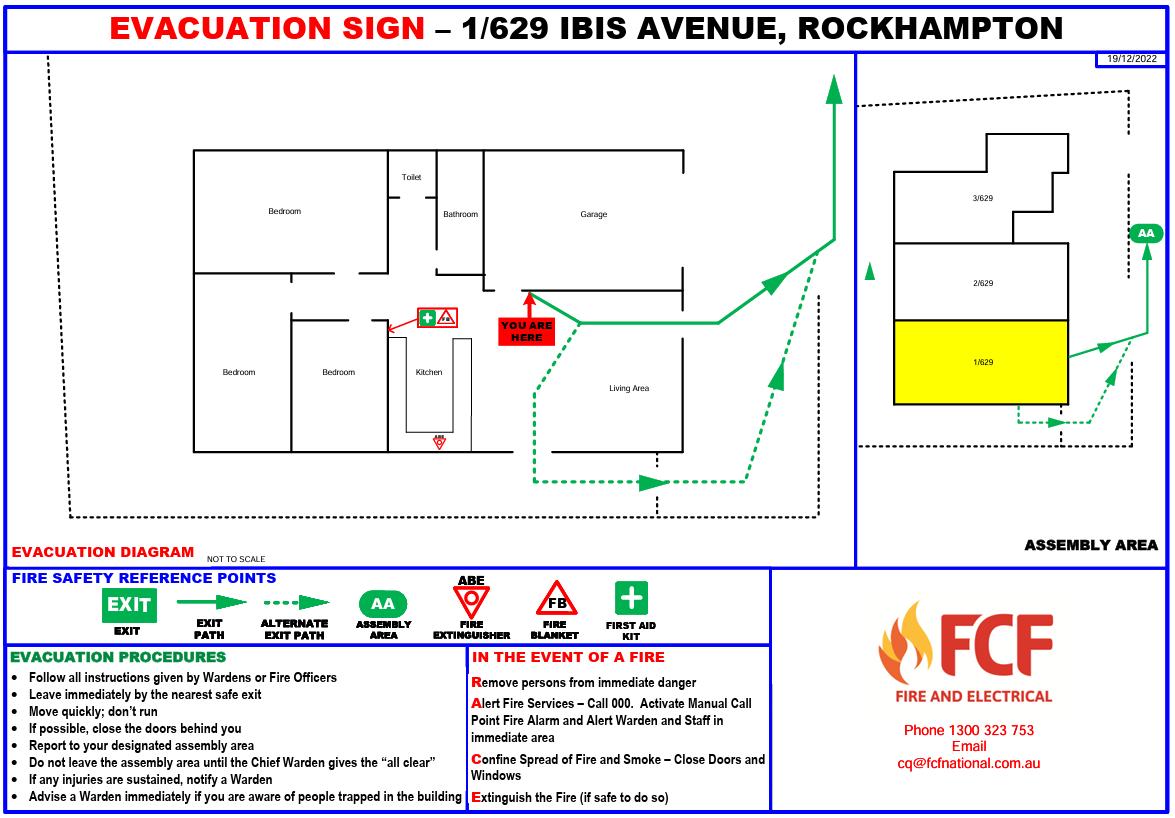
1/629 Ibis Avenue Kawana
This plan outlines BigDog Emergency Management arrangements and covers all employees, contractors, clients and visitors to the premises.
In the case of an emergency always first follow the direction of Emergency Services and Government Agencies.
At BigDog, we emphasise that no asset or material is worth more than a person’s life, ensure yourself and everyone around you is safe and removed from danger prior to attempting to mitigate a threat.
Preventative Measures

Installation of Fire and Emergency equipment (Smoke alarms; fire extinguishers; fire hoses, first aid kit; fire and evacuation signage)
Fire and Emergency evacuation plan and map
Employee training in using emergency equipment
Regular testing and maintenance of fire and emergency equipment
First Aid Officers
Monitor severe weather and flood warnings, particularly for employees travelling to family homes and outreach activities.
Rescheduling of activities when warnings indicate
Head office monitors and communicates severe weather warnings and cancels shifts for rostered staff in risk affected areas.
Plan and source options for sandbagging sites due to ground level risks in any location.
BigDog Properties regularly undertake cleaning of gutters and trimming of trees to mitigate risk of damage to property or person.
Emergency Supply Kit in all BigDog Buildings
All incidents, escalations and threats – no matter how minor - logged in CareMaster Management to review all reported incidents for assessment of possible escalation
Employees are required to maintain up to date First Aid and CPR certification
Fire
In case of fire, ALWAYS prioritise life over property.
1. Immediate Response
Call 000 (Triple Zero) immediately and state: Fire
Exact address of the premises
Any known risks (clients with mobility issues, oxygen use, etc.)
Alert everyone in the house clearly and calmly.
Notify Director, Administration Office or On-Call with details of event.
2. Evacuation
Evacuate immediately if it is safe to do so.
Follow the nearest safe exit.
Do not stop to collect personal belongings.
Assist clients according to their individual emergency support needs
Use mobility aids or evacuation equipment where required
Ensure clients remain calm and supported
� � � If smoke is present:
Stay low to the ground
Cover mouth and nose if possible
3. Assembly Point
Move everyone to the designated assembly point.
Conduct a headcount of all clients, staff, and visitors.
Report any missing persons immediately to Emergency Services.
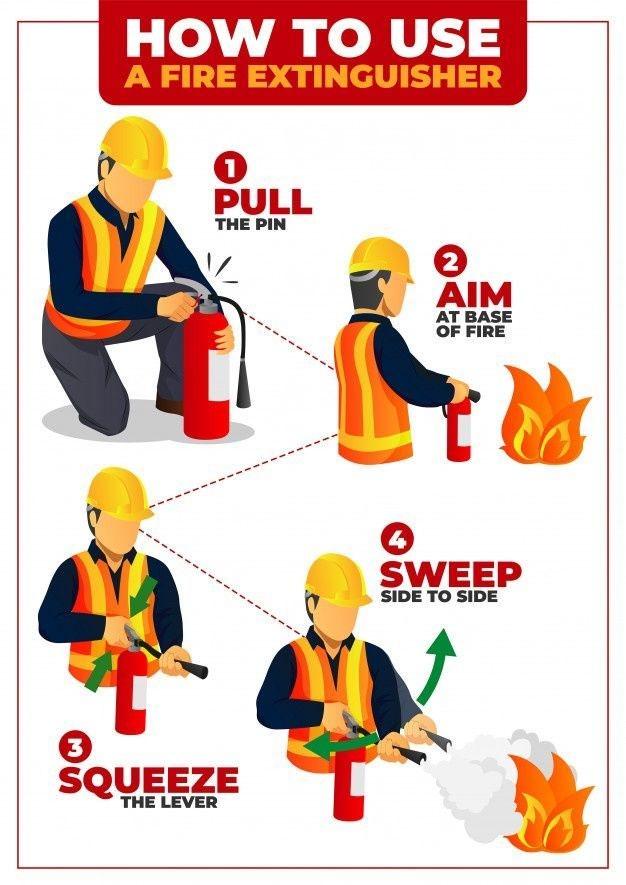
4. Firefighting (Only if Safe)
Staff may attempt to extinguish a small, contained fire using a fire extinguisher ONLY IF: They are trained
The fire is small and not spreading
There is a clear exit behind them
Do NOT attempt firefighting if there is any risk to personal safety.
5. Clients Unable to Evacuate
If evacuation is not possible:
Move to the safest room available
Close doors to slow fire spread
Place towels or clothing under door gaps
Call 000 and inform Emergency Services of your location
Signal from a window if safe to do so

Bushfires
Bushfire behaviour depends on several factors, including weather conditions (temperature, wind), fuel sources (vegetation) and even the topography of the environment. Grass fires are one of the most common types of bushfires. Dried out, dead grass must be slashed, mowed and cleared regularly during summer.
Australia’s native scrubland vegetation creates serious fire risks as they burn slowly but intensely, and the additional heat could lead to trees or man-made structures catching on fire.
1. Establish a chain of command for emergency personnel to ensure that all safety protocols are followed and that everyone is on the same page.
2. Establish evacuation routes and shelters for people to evacuate to. Mark evacuation routes and shelters with signs for easy identification.
3. Provide fire safety training to all personnel so that they are aware of the risks associated with bushfires and how to mitigate them.
4. Prepare an emergency kit with supplies that is stored in a safe, accessible location.
5. Monitor the situation closely and stay informed of any developments. Be prepared to evacuate if necessary.
6. Have a communication plan in place so that all personnel can be contacted in the event of an emergency.
7. Have an emergency response plan in place to ensure that all personnel are aware of their roles and responsibilities in the event of a bushfire.
8. Establish a backup plan in case the primary plan fails. This should include alternate evacuation routes and shelter locations.
9. Have a post-fire assessment plan in order to assess the damage caused by the bushfire and to identify areas that need to be addressed.
10. Have a recovery plan in place to address any damage caused by the bushfire and to help people recover from the event.
Response Plan
As per Fire Plan as well as:
Follow directions from emergency services personnel and emergency announcements.
IF SAFE TO STAY close all doors and windows, ensure anything that can move around or can become a projectile is removed or placed inside cupboards.
IF UNSAFE TO STAY remove all Clients, Visitors, Contractors and Staff from imminent Danger. Communicate with Senior Management regarding an alternate unaffected location to evacuate to. Leave premises secure.
Heatwaves
A heatwave is an extended period of unusually high temperatures and often high humidity compared to the usual local climate and past weather. Heatwaves and hot weather kill more people in Australia than bushfires, cyclones and any other hazard, so it’s important to adapt your activities and have a plan to keep cool and look after yourself this summer.
1. Prepare the premises to make it cooler where possible, e.g. installing fans, or shade cloths. For pre-existing fans and air conditioners, make sure they have been serviced and are working well.
2. Consider buying personal cooling items, such as an ice vest or small fans. Get a cooling bag for water and medications.
3. Some medical conditions can get worse in extreme heat. Make sure your conditions are well managed and you have a plan in place for when a heatwave or blackout occurs.
4. Plan ahead to make sure you have enough supplies, such as food, water and any medication required.
5. Make a plan for any pets or animals and ensure they have enough food and water and a cool place to shelter during a heatwave or a blackout.
6. Investigate public locations in your local area where you could go to stay cool e.g. community centres, libraries, movie theatres.
Response Plan
Stay inside and keep out of the heat as much as possible. Avoid sport and heavy exercise during peak hours of the day.
Drink plenty of fluids to stay hydrated, even if you don’t feel thirsty.
Keep the premises cool by using external shade cloths or blinds to shield the inside of the house from direct sunlight.
Where possible use a combination of air conditioning and fans to keep certain rooms in the house cool. Electric fans can be an effective method of cooling if air conditioning is not available.
If not using air conditioning, open windows during the cooler parts of the day and allow ventilation between rooms.
Take cool showers or baths, splash yourself with cold water, or use a cool damp cloth to cool down.
If it’s too hot at the premises, go to an airconditioned shopping centre, community centre, library or the local swimming pool.
Avoid direct exposure to the sun where possible and protect your clients with appropriate clothing (loose-fitting, lightweight and light-coloured).
Do not leave clients or animals in parked vehicles.
Keep in touch with the office
Cyclones and Storm Surges
In Queensland, communities within 50 kilometres of the coastline heading north from Bundaberg are most susceptible to cyclones, however accompanying wind and rain from weakening cyclones can affect communities throughout all parts of Queensland.
Cyclones are powerful weather systems that can cause significant damage to the built and natural environments. They develop from low pressure systems that develop over warm oceans in the tropics, and generally intensify over several days, generating severe winds, heavy rain and flooding. Cyclones produce very strong and potentially destructive winds that rotate clockwise around a calm centre (the ‘eye’).
As a cyclone approaches, the wind and rain gradually increase over several hours. Winds caused by cyclones are powerful enough to break large trees, roll over sea containers, and blow away unsecured caravans, garden sheds and poorly constructed roofed patios. Strong winds associated with cyclones can cause extensive property damage and turn loose items into wind-borne debris that cause further building damage. Slow moving cyclones can take many hours to move past a particular location, causing extreme wind and rain that can last up to 12 hours.
1. Monitor weather forecasts and warnings issued by the National Weather Service or other local authorities. Be prepared to take action if necessary.
2. Have an evacuation plan that includes a designated evacuation route and a safe place to go in the event of a storm.
3. Have an emergency supply kit ready with essential items.
4. Take steps to secure the home such as boarding up windows, removing outdoor furniture and debris, and tying down any loose items.
5. Stay informed of the latest storm updates. Listen to your local radio or television station for official instructions from emergency management officials.
6. Follow the instructions of your local emergency management officials and evacuate if necessary.
7. During a storm, remain indoors and away from windows. Make sure to stay in an interior room and away from any falling debris.
Response Plan
As per Fire Plan as well as: Follow directions from emergency services personnel and emergency announcements.
IF SAFE TO STAY close all doors and windows, ensure anything that can move around or can become a projectile is removed or placed inside cupboards.
IF UNSAFE TO STAY remove all Clients, Visitors, Contractors and Staff from imminent Danger.
Communicate with Senior Management regarding an alternate unaffected location to evacuate to. Leave premises secure.
Floods
Living with flooding is a natural part of life in Queensland. We can’t prevent floods from happening, but we can take steps to be prepared by understanding our flood risk, where and how we get our flood warnings, and what steps we can take to reduce the impact of floods on our lives.
1. Identify areas of risk of flooding, review local maps, talk to local residents, and check with local government and emergency planning officials.
2. Develop an evacuation plan that outlines the steps to be taken in the event of a flood. Be sure to include information about what to do if you are trapped by rising water, how to reach safety, and how to communicate with family members.
3. Prepare a personal disaster kit with supplies that is stored in a safe, accessible location.
4. Stockpile sandbags at critical locations around your home or business to help prevent flooding.
5. Create a plan with clients and staff that outlines how you will stay in contact with each other in the event of a flood.
6. Stay informed about the latest flood warnings and advisories by monitoring local media and other sources of information.
7. Secure your property by taking steps to protect your home, such as raising furniture and other items off the floor and moving valuable items to higher ground.
8. Contact your insurance provider to determine what type of coverage you have in the event of a flood.
9. Have a plan of action if a flood occurs, such as turning off the main power and gas, and evacuating to a safe location.
10. Monitor the situation even after the flood has passed, as flooding can cause long-term damage to structures and property.
Response Plan
As per Fire Plan as well as: Follow directions from emergency services personnel and emergency announcements.
IF SAFE TO STAY close all doors and windows, ensure anything that can move around or can become a projectile is removed or placed inside cupboards.
IF UNSAFE TO STAY remove all Clients, Visitors, Contractors and Staff from imminent Danger.
Communicate with Senior Management regarding an alternate unaffected location to evacuate to.
Leave premises secure.
Bomb, Arson, Suspicious Mail or other Personal Threats
Bomb threats, arson, suspicious mail, and personal threats pose a serious risk to the safety of clients, employees, and visitors. These incidents may occur with little or no warning and require immediate, calm, and coordinated action. The primary objective in all situations is to protect life, follow directions from Emergency Services, and ensure the safety and wellbeing of all clients, particularly those with additional support needs.
Employees must remain vigilant, report concerns immediately, and never attempt to investigate, handle, or resolve a threat themselves.
Response Plan
1. If a bomb threat is received:
Remain calm and take the threat seriously
Do not hang up (if on the phone)
Record as much information as possible
Exact wording of the threat
Time and method received
Caller’s voice, background noises, accent, or tone
Call 000 (Triple Zero) immediately and follow instructions.
Notify the Director or Incident Management Team
2. If arson is suspected or a deliberate fire is identified:
Treat the situation as a fire emergency.
Call 000 immediately.
Activate fire alarms and evacuate the premises.
Assist all clients to the designated assembly point.
Do not attempt to extinguish the fire unless trained and it is safe to do so.
3. If suspicious mail is identified:
Do NOT touch, open, shake, or move the item
Isolate the area immediately
Keep others away
Call 000 and follow instructions
4. Other Personal Threats (Verbal, Written, or Behavioural) includes threats of violence, stalking, aggressive behaviour, or credible threats to employees or clients.
Take all threats seriously
If there is immediate danger, call 000
Medical Emergency
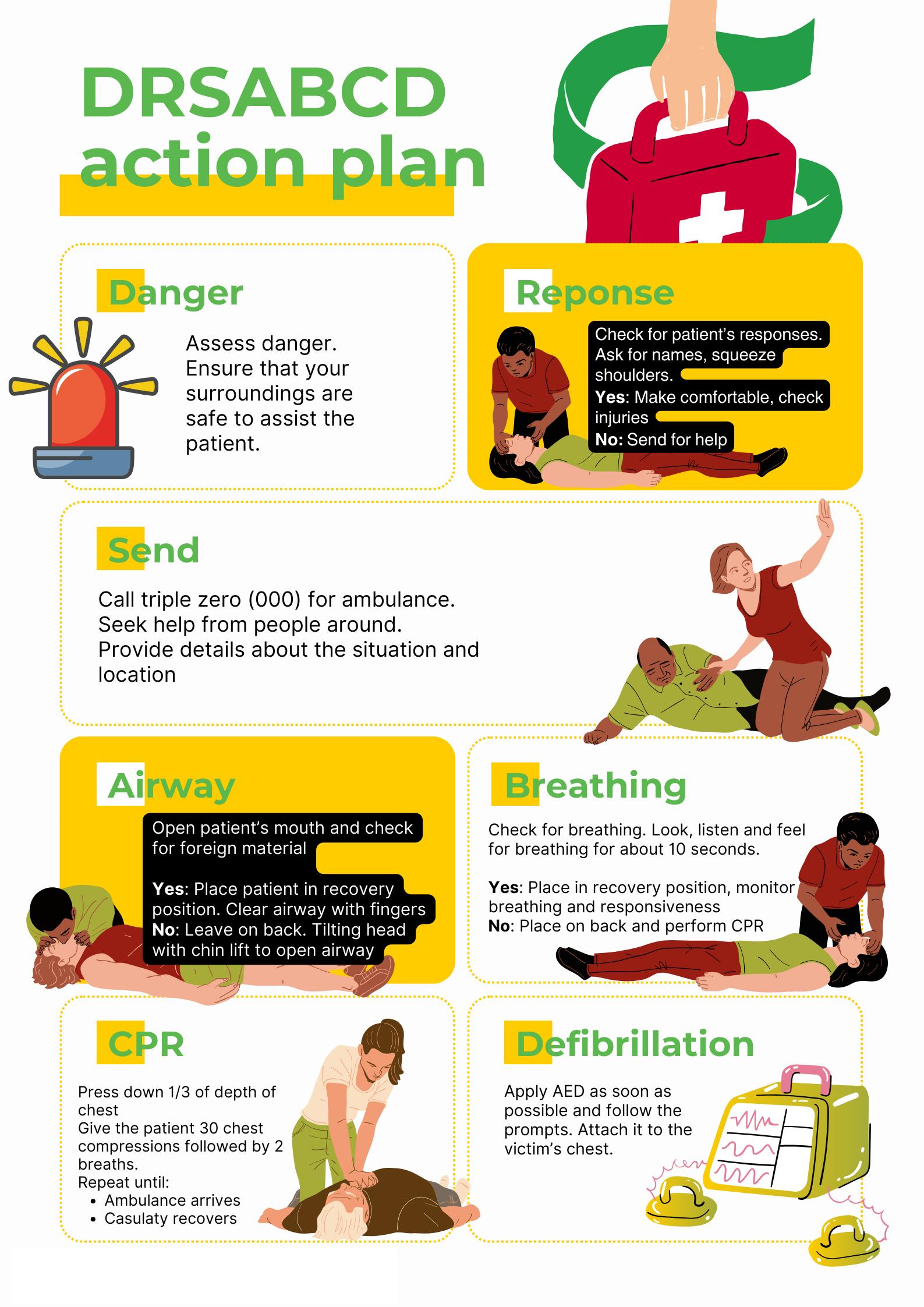
A medical emergency may involve any situation where a client or staff member is in urgent need of medical attention due to injury, illness, or a sudden health crisis (e.g., stroke, heart attack, severe allergic reaction, etc.).
Response Plan
1. Assess the Situation:
Ensure that the scene is safe for you and the affected individual.
Quickly assess the condition of the person and identify symptoms (e.g., unconsciousness, difficulty breathing, severe bleeding, etc.).
2. Call 000 (Triple Zero) immediately:
Clearly state that it is a medical emergency and provide the address of the premises.
Give details about the condition of the individual, any known medical conditions, and medications.
Follow any directions given by the operator.
3. Provide First Aid:
CPR: If the individual is not breathing or their heart has stopped, begin CPR if trained.
Bleeding: Apply pressure to control bleeding using a clean cloth or bandage.
Airway Obstruction: If the person is choking and unable to breathe, perform the Heimlich manoeuvre if trained.
4. Assist Emergency Services:
Ensure the person is as comfortable as possible until Emergency Services arrive. Provide medical history (if available), including any pre-existing conditions, medications, and allergies (from the individual’s CareMaster records or Medical Book).
Ensure clear access to the person for emergency personnel.
5. After the Emergency:
Document the incident in an Incident Report, including the actions taken and any additional support required.
Notify the Director or Management Team
Arrange for follow-up care or adjustments to client care plans.
If with multiple Clients, do not leave them unaccompanied, contact head office or On Call if insufficient employees available to accompany Client to hospital.
Hazardous Materials Emergency
A hazardous materials (hazmat) emergency occurs when a dangerous substance, such as a chemical spill, gas leak, or exposure to toxic materials, poses a risk to health or the environment.
Response Plan
1. Assess the Situation:
Identify the substance involved (e.g., chemicals, gases, cleaning agents).
Ensure you are not exposed to the hazardous material. If possible, move to a safe location immediately.
Avoid contact with the material or inhaling fumes.
2. Call 000 (Triple Zero) immediately:
State that it is a hazardous materials emergency and provide the exact address. Describe the hazardous material and its risks (if known), including the location of the spill or leak.
3. Evacuate the Area:
Evacuate immediately from the area if the substance is hazardous. Use the nearest safe exit and do not use elevators.
Close all doors behind you to contain the hazard.
Assist clients according to their individual emergency needs (e.g., mobility assistance, medical support).
4. Isolate the Area:
If safe to do so, prevent anyone from entering the contaminated area. If applicable, turn off ventilation systems to prevent the spread of hazardous fumes or particles.
Mark the area with visible signage to indicate a hazardous zone.
5. Decontamination (If Necessary):
If you or others have come into contact with hazardous material, decontaminate immediately by removing contaminated clothing and rinsing exposed skin with water.
Use available personal protective equipment (PPE) such as gloves, masks, and goggles if available.
Follow Emergency Services instructions for any specific decontamination steps.
6. Assist Emergency Services:
When Emergency Services arrive, provide them with all relevant information about the hazardous substance, location, and affected individuals.
Provide medical records for clients who may have been exposed to hazardous materials
Pandemic
Pandemics happen when a novel influenza virus emerges that infects and can be efficiently transmitted between humans. Animals are the most likely reservoir for these emerging viruses; avian viruses played a role in the last three influenza pandemics. Two of these pandemic-causing viruses remain in circulation and are responsible for the majority of influenza cases each year.
Preventative measures:
1. Signage outlining universal hygiene practices to be displayed at the entry of offices and in bathrooms, kitchens, and other areas as appropriate.
2. Employees are provided with appropriate PPE including hand sanitizer. Hand sanitizer available in communal areas (reception, toilets, kitchen)
3. Regularly cleaning of all communal spaces and BigDog owned properties
4. Employees complete health and hygiene training.
Response Plan
Follow all guidelines from current state health advice
Where physical distancing cannot be maintained a weekly rotating roster will be implemented with some staff working from home and others in the office. Intensive cleaning will take place at the end of each week.
Employees minimize physical contact with colleagues, children, and families. Face to face meetings will be held in exceptional circumstances only with appropriate risk assessment, universal hygiene measures/PPE, physical distancing and in an open space.

Increase cleaning in all offices and provide products for staff to regularly clean high traffic areas such as doorknobs, desks, toilets and kitchen areas.
Pandemic risk assessment to be conducted prior to contact with families, children or other visitors.
Physical distancing measures will be implemented based on relevant health/government advice.
Employees who have been identified as having close contact with a known person with a diagnosed illness will be requested to self-isolated in accordance with recommended by current state health advice
Emergency Supply Kit
A backpack in each house should contain the following items.
1. Bottled Water
2. Food and Protein Bars
3. First aid kit
4. Battery operated torch
5. Battery-operated radio, and other essential items
Medication and Medical Records
For clients who require specific medications or medical supplies (such as insulin, oxygen, etc.), have a plan for storing and accessing these items quickly during an emergency.
Communication Aids
If any clients rely on communication aids (like communication boards, speech devices), ensure that these are easily accessible during emergencies. Consider having a "Go Bag" for each client with their personal medical equipment and communication devices.
Comfort Items
If clients are especially young or vulnerable, consider including comforting items (like a favourite toy or blanket) in emergency kits to help with anxiety.
Emergency Contact Details
Ensure that all clients’ emergency contact details are always up-to-date, and that there is a backup system to store and retrieve these details if needed and make this information accessible offline (printed copies in the grab bags and emergency kits) as well as digitally.
Summary
Emergencies and natural disasters can affect anyone at any time. Depending on where the home is, some natural disasters are more likely to happen than others and our plans should reflect this.
After an emergency, provide access to mental health services for both employees and clients. Stress, trauma, or shock can affect people long after the event itself has ended. Also hold a debriefing meeting to evaluate what went well and identify areas of improvement. This feedback should inform future planning and training.
The National Principles for Child Safe Organisations outline the importance of BigDog having effective policies and procedures that document how BigDog is safe for children and young people and also emphasise the importance of embedding child safety and wellbeing in organisational leadership, governance and culture.
Version Details
This plan will be reviewed every twelve (12) months unless circumstances deem it necessary to review earlier. The review process will involve an analysis of the usefulness of the plan over the period of implementation and to note any changes which are required in order to improve the plan. Emergencies can change quickly, and regular revisions will ensure the plan stays relevant. If minor changes are made to the plan in wording or to clarify the intent, the version number will indicate this by adding a ‘point’ i.e. Version 1.1 indicates the original version with the first round of minor changes made. A significant change to the wording or intent of the policy will be indicated by a new whole number i.e. Version 2.0.
Date V Details
January 2020 5.0 Formed part of 2.8 Continuity of Supports Policy (2.8.6)
January 2022 5.1 New policy 2.9 Emergency and Disaster Management to match NDIS Practice Standards and Quality Indicators November 2021 Version 4 and applies to existing registered NDIS providers from 24/01/2022.
January 2023 6.0 “Participant” is returned to “Client” for NDIS and Child Safety.
January 2024 6.1 Disability Services Act 1986 replaced with Disability Services and Inclusion Act 2023 and policy review process included. Included Person-Centred Emergency Preparedness Workbook
June 2025 6.2 Scottvale Health Club has plan, responsible officers updated
January 2026 6.3 Standardised Plan developed for each premises
Notes