aae2016 Research Based Education - Volume One
133
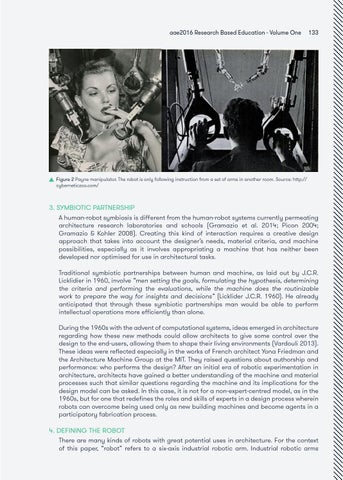
Figure 2 Payne manipulator. The robot is only following instruction from a set of arms in another room. Source: http:// cyberneticzoo.com/
3. SYMBIOTIC PARTNERSHIP A human-robot symbiosis is different from the human-robot systems currently permeating architecture research laboratories and schools (Gramazio et al. 2014; Picon 2004; Gramazio & Kohler 2008). Creating this kind of interaction requires a creative design approach that takes into account the designer’s needs, material criteria, and machine possibilities, especially as it involves appropriating a machine that has neither been developed nor optimised for use in architectural tasks. Traditional symbiotic partnerships between human and machine, as laid out by J.C.R. Licklidier in 1960, involve “men setting the goals, formulating the hypothesis, determining the criteria and performing the evaluations, while the machine does the routinizable work to prepare the way for insights and decisions” (Licklider J.C.R. 1960). He already anticipated that through these symbiotic partnerships man would be able to perform intellectual operations more efficiently than alone. During the 1960s with the advent of computational systems, ideas emerged in architecture regarding how these new methods could allow architects to give some control over the design to the end-users, allowing them to shape their living environments (Vardouli 2013). These ideas were reflected especially in the works of French architect Yona Friedman and the Architecture Machine Group at the MIT. They raised questions about authorship and performance: who performs the design? After an initial era of robotic experimentation in architecture, architects have gained a better understanding of the machine and material processes such that similar questions regarding the machine and its implications for the design model can be asked. In this case, it is not for a non-expert-centred model, as in the 1960s, but for one that redefines the roles and skills of experts in a design process wherein robots can overcome being used only as new building machines and become agents in a participatory fabrication process.
4. DEFINING THE ROBOT There are many kinds of robots with great potential uses in architecture. For the context of this paper, “robot” refers to a six-axis industrial robotic arm. Industrial robotic arms