AUSTRALIAN PAIN SOCIETY NEWSLETTER

VOLUME 38, ISSUE 4
VOLUME 39, ISSUE 10
Another year may be ending but rather than winding down, this edition of the APS newsletter is full of contrasts. As I preview the contributions, I am amazed by the breadth of subject matter.
The Basic Pain Research SIG have come up with a fascinating report on pH-sensitive nanoparticles that are absorbed into cells targeting specific receptors and precisely inhibiting the signalling leading to chronic pain. Incredibly high technology. Flagged as an alternative to opioids, which has to be a plus, I am fascinated by the innovation. Contrast this with the next submission from the Pain in Childhood SIG and the use of words and pictures in taking a child with their therapists, and their carers on a narrative leading to a better understanding of pain. Low tech but equally valuable.
Ivan Lin et al. continue this narrative theme looking at improving physiotherapy communication with first nation patients and the wonderful concept of a “clinical yarn”. Two words which conjure up the interplay with getting the story and providing treatment in a seamless conversational consultation.

John Quintner and Milton Cohen contribute on a more philosophical level about the pain narrative. Chronic Pain and Chronic Primary Pain are to be added to the International Classification of Diseases (11th revision) –ICD-11. While there is an IASP definition of pain, “chronic” caries a different definition according to those that experience it. They also discuss this further in the “Meanings
of Pain Volume 2”, a book reviewed by co-editor Lincoln Tracy which explores these concepts in more depth.
Lincoln Tracy seems to be indefatigable and produces another interview with Dr. Alette De Jong, Registered Nurse and Nurse Researcher who works in the Netherlands. I love her concept of measuring pain not by a number out of ten or a visual analogue scale but by whether it is bearable or not.
Bruggink, Holliday et al. have written about the multi-morbidity management of chronic conditions with an additional twist. They succinctly point out five important aspects: passive and active therapies (Bio-mechanical); mind-body (Psycho-); connectedness (Socio-); activity - that is regular and sustained; and nutrition. Diet and dietary manipulation are a new frontier in pain management and I am glad this has been brought to our attention.
As 2019 eases and we slip into celebrating with family and friends can I wish you a joyfilled holiday and a wonderful New Year.
Dr Nicholas Cooke Locum EditorIt is with great sadness that we bid farewell to Dr Stephanie Davies as she steps down from her role as APS Newsletter Editor.
Stephanie took on this role in December 2015 and has ably guided the newsletter over the last four years of her leadership.
Stephanie always contributed thought provoking editor notes, which at times lead to spirited letters to the Editor. Such engagement with our readership demonstrated the passion and commitment of our members, which in turn benefits others on their journey to manage their pain.
Another of Stephanie’s initiatives was to expand the editorial team to ensure the smooth running of the newsletter. For this we will always be grateful.
For those who don't know Stephanie personally, you can be assured that she will not slow down! Her energy and drive will simply be refocused into new projects and adventures.
Her commitment to the APS remains unwavering and we look forward to seeing her at our conferences in Hobart and beyond.
Thank you Stephanie!
To ensure continuity of publication, we are seeking Expressions of Interest (EOI) for additional members of the APS Newsletter Editorial Team. Broadly, the responsibilities include:
1. To assist in the production of the newsletter to provide more scientific content and strength to the newsletter; in particular, to alert APS members to recent publications by providing two or more references of interest to readers; these could be by:

a. listing the title, key authors and where to find the reference; or
b. by a brief synopsis provided by you; or,
c. perhaps best of all, by obtaining the abstract (with permission to use it.)
2. To act as a reviewer for the APS newsletter content
3. To undertake editorial duties with frequency determined by role undertaken (e.g., senior editor versus secondary editor).
If you are interested in this role, and have further queries please contact Kristy Gorenc at the APS Secretariat aps@apsoc.org.au.
Applicants will be asked to submit a written EOI with their CV.
Hi Everyone, I can’t believe it’s nearly the end of the year already! Where did that time go??? I hope you’re all feeling a little more prepared for the festive season than I am currently.
As usual, we’ve had a busy few months in the APS office but I’m pleased to say that we’re already making solid progress against the goals we set out in our 2019-2021 strategic plan.
EDUCATION: Planning is underway for the inaugural Australasian Pain School to be held in November 2020. We’ve drafted a curriculum blueprint, identified key expertise required from faculty, secured partial funding, and locked in IASP as our first official partner. At this stage, we reckon we’re on track to meet our projected deadlines! Other educational activities have included liaison around the recent government grant for pain education, promoting pain education in the nursing and aged care sectors, and exploring opportunities to secure access to the Australian Physiotherapy Association Level 1 Pain course for APS members (stay tuned for more information about this shortly). Plus, a quick reminder, if you would like to participate in our information curation experiment to help the APS feed become an even more concentrated source of interesting and useful multi-disciplinary information then please retweet items of interest with the @AusPainSoc handle and #AusPainSoc tag.
ADVOCACY: APS was proud to help Minister Hunt and Painaustralia launch the ‘National Pain Service Directory’ at Parliament house in October. The directory was originally informed by information from the APS Facility Directory and we thank Painaustralia for their recognition of our contribution to this initiative. For those of you who missed it, the presentations from the launch are available here. Our Immediate Past President, Ms Fiona Hodson, is continuing her fantastic advocacy in the aged care sector, securing a 5-minute presentation slot at the upcoming Royal Commission into Aged Care community forum in Newcastle. I would also like to acknowledge the many dedicated APS members and colleagues who worked hard to support three solid bids to bring the IASP World Congress back to Australia in 2024. Together, the groups did a fantastic job of showcasing what this country has to offer but unfortunately, the final vote went in favour of Bangkok.
RESEARCH: The updated and expanded Professional Connection Grant has been launched and Dr Nicole Andrews, our third, and possibly final, APS-APRA_CFK#3 Clinical Research Grant recipient is settling into her project. Our PhD scholars also continue to make great progress, ably supported by the dedicated team at APRA.
SERVICES AND RESOURCES: In order to ensure that APS resources remain current, review dates are now being set at the point of publication. Accordingly, a working party has been convened, under the leadership of Dr Laura Prendergast (VIC State Director), to review our position statement regarding the role of psychology in the management of persistent pain.

A review strategy has also been devised for our Pain in Residential Aged Care Facilities: Management Strategies book and we are currently exploring options to release an electronic version of this resource. Lastly, the update for the PMG toolkit (an important complement to our RACF guideline) is progressing well under the leadership of Dr Steven Savvas and the team at NARI.
MEMBERSHIP: As you might recall, your APS Board made a commitment to strengthen the ways that we communicate with members. To this end, we recently trialled a video message as a new way of sharing information. I’d really like to thank everyone who took the time to let us know what they thought about that initiative, with feedback so far suggesting that members would welcome more video messages when there is key information to be shared. Also in line with member feedback, invitations are being drafted for local networking opportunities; the timing of which will vary across states according to local requirements.
GOVERNANCE: As I mentioned in my video message, we are now fully registered as a charity with Deductible Gift Recipient (DGR) status and work is underway to update the bylaws of our constitution in order to reflect this change in our organisational status. APS has also signed on as a member organisation of the Australian Ethical Health Alliance (AEHA), with Dr Michelle Harris (SA State Director) as our designated representative. This was a strategic decision on behalf of the APS Board, to help ensure that we continue to strengthen and refine our governance practices.
Lastly, it gives me great pleasure to welcome Kristy Gorenc to the APS secretariat team! Although Kristy has only been on board for a few weeks, she’s already established herself as a valuable addition to the team. In light of the growing activities undertaken
by the Society, the Board has taken this opportunity to increase the secretariat time by one day per week. Accordingly, Kristy will be in the office on Tuesdays AND Wednesdays to provide some much needed back-up for Tracy.
Phew, that was a lot. Apologies for the long report but as you can see, there’s been a lot happening. I’m always happy to field questions or receive feedback from members so please don’t hesitate to reach out if there’s something you think we need to be aware of.
I hope you all have a safe and happy Christmas and may the new year bring you loads of joy.
Thank you for your support of APS over 2019! Until next time…
All the best Anne
Have you heard?
APS 2020 registrations are now open! Get in early and secure your saving to attend Australia’s only multidisciplinary conference offering insights into the complex nature of pain management from a variety of medical, nursing, and allied health perspectives.
To register please click here!
Considering the benefits of your membership?
Save on your APS 2020 registration fee!
Non-Member Registration Price VS Becoming an APS Member
APS Student Member Registration Price
Early Bird
Before 19 February 2020
$1,140 OR
Being a member saves you up to $280 after membership fees!
Only $230 Being a member saves you $845 after membership fees!
Colleagues interested in becoming members and saving on their registrations too?
Tell them to become an APS Member and start saving right away!
We look forward to welcoming you to Hobart, Tasmania.
Should you have queries, please contact the Conference Secretariat.
2020 will bring us more challenges in the IASP Global Year for the Prevention of Pain.
You can look forward to an extensive program including eight pre-conference workshops, three international keynote speakers, seven national speakers, 18 topical sessions, and five social functions.
Follow the links to start planning your conference experience today!
Program Overview
Keynote Speakers
Pre-Conference Workshops
Social Program
Discipline Sub-Group Meetings
Topical Concurrent Workshops
Trainee Session
For information on APS 2020 visit the website
We look forward to welcoming you to Hobart, Tasmania!
At the end of this session those attending the Acute Pain Workshop will become familiar with how and why some individuals are more susceptible to pain than others.
The program will briefly revisit the neurobiology of the brain; see what can be done to educate the community in the prevention of pain escalation in an individual, and what health clinicians and Australian government bodies have initiated to prevent further suffering. We will attempt an exploration into identifying the characteristics that make some people, both adults and children more vulnerable or conversely, more resilient to pain.
This dynamic workshop will be of interest to medical, nursing, and allied health staff.
When: Sunday 5 April 2020, 8.30 am – 5.00 pm
Where: Hotel Grand Chancellor, Hobart
Cost: Start from $160 (Full Day) per person – Early Bird Registration Deadline: 18 Feb 2020
To register or for further information please visit, https://www.dcconferences.com.au/aps2020/pre-conference_workshops
You are invited to attend

This workshop will run a full day workshop covering acute and chronic pain topics. The program will include didactic presentations on the implementation of Australia’s newest paediatric chronic pain service, the use of accelerometry in the chronic pain clinic, and in-line with the 2020 IASP global year, biospsychosocial interventions for the prevention of pain. There will also be two interactive sessions: a case-based discussion exploring the challenges of assessing and managing complex pain in both the acute care and outpatient settings, and a workshop on pain education, and its application in various contexts. The intended audience will be anyone with an interest in the management of pain in children, from community services through to tertiary level children’s hospitals.
When: Sunday 5 April 2020, 8.30 am – 5.00 pm
Where: Hotel Grand Chancellor, Hobart
Cost: Start from $160 (Full Day) per person – Early Bird Registration Deadline: 18 Feb 2020
To register or for further information please visit, https://www.dcconferences.com.au/aps2020/pre-conference_workshops
You are invited to attend
This workshop will present current basic pain research in Australia to showcase the community, and discuss mechanisms underlying nociception: from characterisation of basic molecular and cellular processes, though to their impact on clinical outcomes.
The workshop will showcase the next generation of pain researchers, including local Tasmanian research, and a special “neuro-immune” topical session, to look deeper into processes and therapeutic opportunities for inflammatory pain conditions. This will involve presentations from clinical and basic pain research investigators with expertise in arthritis, followed by a panel discussion.
When: Sunday 5 April 2020, 8.30 am – 12.30 pm
Where: Hotel Grand Chancellor, Hobart
Cost: Start from $110 per person – Early Bird Registration Deadline: 18 Feb 2020
To register or for further information please visit,
https://www.dcconferences.com.au/aps2020/pre-conference_workshops
You are invited to attend
The Fundamentals of Pain pre-conference workshop is a succinct overview of the physiology, pharmacology and clinical approach to the assessment and management of pain. Aimed at the general practitioner, specialist or allied health clinician wishing to update their knowledge and approach to the patient suffering pain.
This workshop will utilise a socio-psycho-bio model of pain, developing a mechanistic based approach to pain management. A case study will be presented for open discussion, utilising the perspectives of a multidisciplinary audience.
This workshop will compliment those with an interest in attending an afternoon session on pharmacology, acute pain or physiotherapy topics.
When: Sunday 5 April 2020, 8.30 am – 12.30 pm
Where: Hotel Grand Chancellor, Hobart
Cost: Start from $110 per person – Early Bird Registration Deadline: 18 Feb 2020
To register or for further information please visit,
https://www.dcconferences.com.au/aps2020/pre-conference_workshops
You
New Horizons in the Prevention of Pain
In line with the IASP Global year for the prevention of pain, this workshop will address the need for early identification and preventative treatment in rheumatology, women’s health and substance use disorder. With growing interest in the use of nutraceuticals for the prevention of pain, this workshop will closely explore the pharmacology of such modalities and the evidence for and against its use.
The workshop will include a case study for practical application of principles that will be addressed by the various expert speakers. There will be opportunities for questions and networking with peers, so that current evidencebased science can be optimised in everyday practice.
The intended audience includes GPs, Pharmacists, Specialists and other Allied Health professionals with interest in pharmacology and its application in persistent pain within the clinical setting.
When: Sunday 5 April 2020, 1.30 pm – 5.00 pm
Where: Hotel Grand Chancellor, Hobart
Cost: Start from $110 per person – Early Bird Registration Deadline: 18 Feb 2020
To register or for further information please visit,
https://www.dcconferences.com.au/aps2020/pre-conference_workshops
The Musculoskeletal Clinical Translation Framework was released in 2018, to assist clinicians identify different factors that may influence the development, maintenance or resolution of musculoskeletal pain.
This workshop will be appropriate for any clinician who deals with any pain condition, not only musculoskeletal pain.
The workshop will be highly practical, incorporating training in the use of the framework. This will be immediately useful in clinical practice.
When: Sunday 5 April 2020, 1.30 pm – 5.00 pm
Where: Hotel Grand Chancellor, Hobart
Cost: Start from $110 per person – Early Bird Registration Deadline: 18 Feb 2020
To register or for further information please visit,
https://www.dcconferences.com.au/aps2020/pre-conference_workshops
Thank you to APS members Priyank Shenoy, Wendy Imlach, and Nicholas A. Veldhuis and their colleagues Paulina D. Ramírez-García, Jeffri S. Retamal, Matthew Sykes, Nghia Truong, Luis Constandil, Teresa Pelissier, Cameron J. Nowell, Song Y. Khor, Louis
M. Layani, Chris Lumb, Daniel P. Poole, TinaMarie Lieu, Gregory D. Stewart, Quynh
N. Mai, Dane D. Jensen, Rocco Latorre, Nicole
N. Scheff, Brian L. Schmidt, John F. Quinn, Michael R. Whittaker, Thomas P. Davis, Nigel
W. Bunnett for sharing the following recent publication.
Article first published online: 4 Nov 2019
Journal Reference: Nature
Nanotechnology
DOI: 10.1038/s41565-019-0568-x
Link: https://www.nature.com/articles/ s41565-019-0568-x
Nanoparticle-mediated drug delivery is especially useful for targets within endosomes because of the endosomal transport mechanisms of many nanomedicines within cells. Here, we report the design of a pH-responsive, soft polymeric nanoparticle for the targeting of acidified endosomes to precisely inhibit endosomal signalling events leading to chronic pain. In chronic pain, the substance P (SP) neurokinin 1 receptor (NK1R) redistributes from the plasma membrane to acidified endosomes, where it signals to maintain pain. Therefore, the NK1R in endosomes provides an important target for pain relief. The pH-responsive nanoparticles enter cells by clathrinand dynamin-dependent endocytosis and accumulate in NK1R-containing endosomes. Following intrathecal injection into rodents, the nanoparticles, containing the FDA-approved NK1R antagonist aprepitant, inhibit SP-induced activation of spinal neurons and thus prevent pain transmission. Treatment with the nanoparticles leads to complete and persistent relief from nociceptive, inflammatory and neuropathic nociception and offers a much-needed non-opioid treatment option for chronic pain.
Introduction: Nanoparticle-mediated drug delivery is especially useful for targets within endosomes because of the endosomal transport mechanisms of many nanomedicines within cells. Here, we report the design of a pH-responsive, soft polymeric nanoparticle for the targeting of acidified endosomes to precisely inhibit endosomal signalling events leading to chronic pain. In chronic pain, the substance P (SP) neurokinin 1 receptor (NK1R) redistributes from the plasma membrane to acidified endosomes, where it signals to maintain pain. Therefore, the NK1R in endosomes provides an important target for pain relief.
Methods: pH-responsive self-assembling nanoparticles were made through synthesis of copolymers that consist of hydrophobic and hydrophilic portions. When co-injected with the hydrophobic small molecule antagonist Aprepitant, the particles passively incorporate the drug into the hydrophobic core. These were tested in cells (HEK and cultured primary neurons) to confirm endosomal uptake and inhibition of NK1R-mediated endosomal signalling processes and subsequently in chronic inflammatory and neuropathic pain models in mice.
Results: The pH-responsive nanoparticles enter cells by clathrin- and dynamindependent endocytosis and accumulate in NK1R-containing endosomes. Following intrathecal injection into rodents, the nanoparticles, containing the FDA-approved NK1R antagonist aprepitant, inhibit SP-induced activation of spinal neurons and thus prevent pain transmission.
Conclusions: Treatment with the nanoparticles leads to complete and persistent relief from nociceptive, inflammatory and neuropathic nociception and offers a much-needed non-opioid treatment option for chronic pain.
Declaration: Dr Nicholas Veldhuis, Dr Daniel Poole and Prof Nigel Bunnett are funded in part from Takeda Pharmaceuticals
Thank you to APS members: Joshua W Pate, Julie M Hush, Meg Pounder and their colleagues Tim Noblet, Mark J Hancock, Renee Sandells, and Verity Pacey for sharing their recent publication.
Article first published online: October 28, 2019
Journal Reference: BMJ Open
DOI: 10.1136/bmjopen-2019-033199
Link: https://bmjopen.bmj.com/ content/9/10/e033199
ABSTRACT
Objective: A person’s concept of pain can be defined as how they understand what pain actually is, what function it serves and what biological processes are thought to underpin it. This study aimed to explore the concept of pain in children with and without persistent pain.

Design: In-depth, face-to-face interviews with drawing tasks were conducted with 16 children (aged 8–12 years) in New South Wales, Australia. Thematic analysis was used to analyse and synthesise the data.
Setting: Children with persistent pain were identified from a pain clinic waiting list in Australia, and children without pain were identified through advertising flyers and email bulletins at a university and hospital.
Participants: Eight children had persistent pain and eight children were pain free.
Results: Four themes emerged from the data: ‘my pain-related knowledge’, ‘pain in the world around me’, ‘pain in me’ and ‘communicating my concept of pain’. A conceptual framework of the potential interactions between the themes resulting from the analysis is proposed. The concept of pain of Australian children aged 8–12 years varied depending on their knowledge, experiences and literacy levels. For example, when undertaking a drawing task, children with persistent pain tended to draw emotional elements to describe pain, whereas children who were pain free did not.
Conclusions: Gaining an in-depth understanding of a child’s previous painrelated experiences and knowledge is important to facilitate clear and meaningful pain science education. The use of ageappropriate language, in combination with appropriate assessment and education tasks such as drawing and discussing vignettes, allowed children to communicate their individual concept of pain.
This is an open access article distributed in accordance with the Creative Commons Attribution Non Commercial (CC BY-NC 4.0) license, which permits others to distribute, remix, adapt, build upon this work noncommercially, and license their derivative works on different terms, provided the original work is properly cited, appropriate credit is given, any changes made indicated, and the use is non-commercial.
Declaration: Joshua Pate has received funding for his Ph.D. Scholarship from the Macquarie University Research Training Program (RTP).
Thank you to APS members John Quintner and Milton Cohen for sharing the following recent publication.
Article first published online: 1 September 2019
Journal Reference: Springer Link
DOI: doi.org/10.1007/978-3-030-24154-4_13
Link: https://link.springer.com/ chapter/10.1007/978-3-030-24154-4_13
ABSTRACT
Objective: A person’s concept of pain can be defined as how they understand what pain actually is, what function it serves and what biological processes are thought to underpin it. This study aimed to explore the concept of pain in children with and without persistent pain.
Introduction: “Chronic pain” and “chronic primary pain” in particular are both about to appear in the international taxonomy, ICD-11. While this is likely to have great utility at administrative and possibly clinical levels, the question arises as to whether people experiencing chronic pain also will benefit.
Methods: The definitions (denotations) of “chronic pain” as symptom, disease and diagnosis are refracted through the constraints of language, especially figures of speech, in order to ascertain if “meaning” is possible.
Results: “Chronic (primary) pain” as a taxonomic entity remains tied to the definitional link of “pain” itself to actual or apprehended tissue damage. This situation does not assist the plight of those experiencers of pain in whom tissue damage cannot be demonstrated.
Conclusion: While the definition of pain itself is constrained by the link to tissue damage, there can be no satisfactory denotation of “chronic pain” for those who live with that experience. As such, meaning remains elusive.
Clinical Implications: “Chronic pain” and “chronic primary pain” in particular are about to appear in the international taxonomy, ICD-11. While this is a welcome development towards the recognition of chronic pain as a societal and clinical problem, with positive diagnostic, therapeutic and administrative implications, the question also arises, whether this “entity” carries meaning for those who experience it. This article argues that, while pain itself is defined as being linked to tissue damage, there can be no satisfactory denotation of “chronic.
Declaration: The authors have nothing to declare.
Thank you to APS member Laura Bruggink, Chris Hayes, Katherine Brain, Simon Holliday and their colleague Gali Lawrence for sharing the following recent publication.
Article first published online: Oct 2019
Journal Reference: Australian Journal of General Practice
DOI: 10.31128/AJGP-06-19-4966
Link: https://www1.racgp.org.au/ ajgp/2019/october/chronic-pain
Introduction: Chronic non-cancer pain (CNCP) frequently co-occurs with other chronic conditions, resulting in multimorbidity. The aim of this article is to summarise current approaches to CNCP management and explore areas of specificity and overlap with chronic conditions in general.
Methods: Clinicians with experience in pain management and from a variety of disciplines including medical, psychology, physiotherapy and dietetics summarized the best available evidence for the treatment of CNCP and compared and contrasted these strategies with the treatment of other chronic conditions. The collation and summary of the evidence was structured using the wholeperson approach which includes the biopsychosocial aspects (biomedical, mindbody and connection) and lifestyle aspects (physical activity and nutrition).
Results:
• Biomedical: It can be challenging to balance biomedical (passive) treatment with lifestyle (active) treatments. Passive treatments may seem attractive by saving clinician’s time or better suiting their funding models. Passive treatments also do not require as much motivation or effort from the patient and perceived short-term treatment benefits may be immediate.
• Mindbody: Psychological strategies enhance behavior change which is vital to treat both CNCP and chronic conditions.
• Connection: Addressing social factors give meaning and purpose in life. Positive social connections are a predictor of general health and support behavior change.
• Activity: Physical activity is important for both the prevention and treatment of CNCP and chronic conditions. Regular activity of any kind and sustained over time is best.
• Nutrition: Healthy eating enhances bodily functions associated with CNCP and other chronic conditions. It is also important to consider and address the motivators and barriers that influence eating behaviors.
Conclusions: The biomedical component of the management of chronic conditions may be condition-specific. However, mindbody, connection, activity and nutrition components entail significant overlap and are helpful across conditions. Effective practice avoids overemphasis on medical treatments at the expense of evidence-based, multidimensional lifestyle approaches. CNCP management illustrates the case for reconceptualising chronic condition management using a generic lifestyle-based approach. This capitalises on overlapping treatments, creates system efficiency and allows patients with multimorbidity to be treated more effectively in primary care, with only a small subgroup referred to conditionspecific tertiary services.
Key messages:
• CNCP frequently occurs amid multimorbidity
• Treatment strategies for many chronic conditions overlap (e.g. increase physical activity)
• There is potential gain in system efficiency and treatment outcomes by investing in generic lifestylebased management applied across conditions
Declaration: Authors have nothing to declare.
Thank you to APS members: Ivan Lin and his Colleagues Charmaine Green, and Dawn Bessarab for sharing the following recent publication.
Article first published online: Oct 2019
Journal Reference: Journal of Physiotherapy
DOI: 10.1016/j.jphys.2019.08.008
Link: https://www.sciencedirect. com/science/article/pii/ S1836955319300955?via=ihub
ABSTRACT
Introduction:
In Australia there are stark disparities in a range of health and socioeconomic indices between Aboriginal and non-Aboriginal Australians. Musculoskeletal pain amongst Aboriginal Australians has received less attention than other health conditions, yet the prevalence and burden are high, access to care is relatively low, and the quality of care is suboptimal. Evidence for effective musculoskeletal pain management increasingly supports the type of care that physiotherapists provide.
Methods: Better access to physiotherapy could reduce the burden of musculoskeletal pain for Aboriginal people and communities. Better engagement by physiotherapists in Aboriginal musculoskeletal pain care should be a priority.
Results: Access to care is influenced by a range of geographical, financial, social and cultural factors;4 however, there is increasing awareness about the role of interpersonal factors, including patient/ practitioner communication, in facilitating or impeding access. A simple and practical step that physiotherapists can take to improve care quality and enhance access for Aboriginal people with musculoskeletal pain is to focus on the effectiveness of their communication. Arguably, ineffective communication is the biggest barrier for Aboriginal people with musculoskeletal pain when seeking care.
Conclusions: Re-framing patient communication as a ‘clinical yarn’6 has the potential to improve access to physiotherapy care and outcomes for Aboriginal people with musculoskeletal pain.
Implications/Discussion: Ivan Lin was supported by a National Health and Medical Council Early Career Fellowship (APP1090403)

Reminder that we are keen that members inform us when they have publications so that this can be shared with your APS colleagues.
Please send the newsletter editor (via the APS Secretariat, aps@apsoc.org.au) the title, authors and reference (i.e. the journal, volume etc.) of the article, preferably with a short explanatory note to give our readers the gist of the article, e.g. the conclusions part of the abstract; if you would like to supply a short commentary on the article, even better.
Many of you would know of William Howard; a well-known contributor to the Australian Pain Society. What you may not know is Will has been an anaesthetist and then the Director of the Pain Service at Austin Health (one of the largest Tertiary hospitals in Melbourne) for more than 30 years.
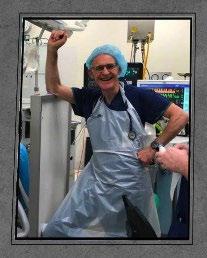
When appointed a Staff Anaesthetist role, Will secured his interest in pain with mentors known to the pain world such as Taffy Jones, Jane Trinca, Laurie Doolan, and Julia Fleming. The pain service empire developed over many years and became an integral part of inpatient care and continuing care for chronic pain patients.
In his spare time, Will was the editor of the APS eNewsletter from 2005 – 2015, then the secretary of the APS from 2015 to now.
Will is now pursuing interests in travel, family, and his handicap on the golf course. We wish you all the best with your professional retirement Will, and thank you for all of your work!
Megan Yeomans and all of your work colleagues at Austin Health
APS reviewer name: Lincoln Tracy
Lincoln is a researcher and freelance writer based in Melbourne. Follow him on Twitter @lincolntracy.
Author/s: Simon van
Date published: 2019
Publisher: Springer
Rysewyk (Editor)
ISBN: 978-3-030-24153-7
BOOK REVIEW:
Meanings of Pain Volume 2: Common Types of Pain and Language is the second instalment of a three-part series from Simon van Rysewyk following the 2016 release of Meanings of Pain, the first book devoted to studying the meanings of pain. There is a prominent and consistent theme of using first-person experiences to fully describe the impact of chronic pain. The foreword from Marc Russo sets this theme right from the beginning, discussing how his own experiences as a pain clinician and researcher have been influenced by a triple level spinal fracture and a C6 radiculopathy.
The early chapters of the book continue this theme, providing detailed narratives from people with pain about their pain and recovery. Later chapters highlight the common themes experienced by people with pain regardless of the cause, including spinal pain, arthritis-related pain, endometriosis-associated pain, labour pain, complex regional pain syndrome, cancer pain, and diabetic peripheral neuropathic pain. The chapter on labour pain was of particular interest, exploring concepts relating to
the reconceptualisation of labour pain to improve the likelihood of positive experiences associated with labour pain and reduce the need for pharmacological intervention.
The final four chapters of Meanings of Pain Volume 2: Common Types of Pain and Language change tact, shifting focus to discuss topics such as how the connotations of pain fit into a sociopsycho-biological framework, whether a diagnosis of chronic pain is meaningful, and the meanings of pain expression and communications. These chapters feature excellent contributions from Australian
Pain Society members John Quintner, Milton Cohen, and Melanie Galbraith. The chapter discussing the upcoming revisions to the International Classification of Diseases, 11th edition (ICD-11) and the inclusion of chronic pain within this coding system highlights the potential diagnostic, therapeutic, and administrative benefits. Yet it also discusses the constraints of the continued link between tissue damage and pain and the negative impact this may have on the plight of people with pain where tissue damage cannot be demonstrated. Discussions such as these are particularly relevant in the current environment, considering the recent proposed changes to the definition of pain from the International Association for the Study of Pain.
In their praise for the first volume of Meanings of Pain Christin Bird, former Assistant Editor of this eNewsletter, stated that it was “a ‘must have book’ for those
looking after patients with chronic pain.” After reading the second volume of van Rysewyk’s work I must agree with those words—this substantial undertaking is brilliant resource for healthcare providers, researchers, individuals living with chronic pain, and their family members. It continues to highlight the impact that chronic pain has on the lives of many and the importance of being able to understand the meaning of pain both for the experiencer and the observer. Meanings of Pain Volume 2: Common Types of Pain and Language builds upon the strong foundation set by the first volume and leaves those with an interest in pain eagerly waiting the third and final volume of the series.
Declaration
Lincoln Tracy has nothing to declare.
Alette De Jong, a registered nurse and nurse researcher, has been involved in burn care at the Burn Centre of the Red Cross Hospital in Beverwijk, the Netherlands, since 1985. After completing her nursing qualifications Dr De Jong went onto study nursing science at the University of Wales in Cardiff, United Kingdom, and obtained her PhD in 2013. Dr De Jong initiates, performs, and coordinates research in the field of burns nursing at the Red Cross Hospital and for the Association of Dutch Burn Centres to improve the quality of nursing care. Her research interests include pain measurement and pain management following burn injury. You can follow her on Twitter @AletteEEdeJong.
Dr De Jong sat down with Lincoln Tracy, a research fellow from Monash University, Australia, at the 43rd Annual Scientific Meeting of the Australian and New Zealand Burns Association Annual Scientific Meeting, which took place on October 15-18, 2019, in Hobart, Australia. Dr De Jong discussed her journey to become the first nurse researcher in burns care in the Netherlands, the importance of accurate pain measurement, and the challenges in implementing clinical change based on research findings. Below is an edited transcript of their conversation.
What was your path to becoming a burns nurse?
When I left high school, I didn’t know what to study. There were several options available to me—such as physiotherapy, nursing, and occupational therapy—but I’d been advised to study nursing. While it wasn’t my first choice, I followed the advice I’d been given and pursued nursing. I started my on-the-job training at the Red Cross Hospital in Beverwijk in the Netherlands. There was a burns centre in
this relatively small hospital, but as nursing students we weren’t allowed to work there because it was too complicated. The on-the-job training was a combination of working in daily practice and studying. You went to school for one week per month and the rest of the time you spent working on the wards in the hospital. It was hard to balance the study and the shifts.
I was very curious about the burns centre. I discussed the possibility of working in the burns centre with the head of the nursing studies in the hospital on multiple occasions. He eventually spoke with the manager of the burns centre and asked whether it would be possible for me to work day shifts during the summer, when they were very busy and short on staff. The head of nursing studies eventually convinced the manager, and I spent the last year of my studies working in the burns centre. Over that summer, I really got the impression that this was the place for me.
What did you find so interesting about working in the burns unit?
The diversity of patients was one thing that was interesting—we saw patients of all ages and backgrounds. We also saw patients that we called “accident prone”, so lots of psychiatric, addiction, and elderly patients. Because the patients would stay in the burns unit for quite a long time, we got to know them very well. The technical parts of the burns unit—such as wound care—was also interesting to me. The nurses in the burns unit were also quite independent, which I was not used to from working on the normal wards.
How did you make the transition from working clinically to getting involved in research?
When I graduated from my nursing studies in 1984, getting involved in research was never an aim. But after I started working on the wards, I had the impression that I had to do something related to research. Luckily, there were a few examples I could follow. I got the opportunity to help some of the doctors with the basic research they were doing on the ward, which I found quite interesting. I also had a colleague at the Burn Centre in Rotterdam who had previously studied nursing science, and she was a real inspiration for me.
But one of the real turning points was seeing a so much pain in the patients who were in the burns unit. I thought I had to do something about it, because so much of the pain was poorly managed. I wanted to understand why, so I think the idea of using nursing science to find a solution to the problems you see in daily practice was really appealing to me. After my graduation as a nurse scientist in 2000 I created a role as a research nurse, as this role didn’t exist at the time. I was a pioneer at the time, and I like to still think I am.
As a nurse researcher I was responsible for the whole process of research, all the way from fundraising to publication and presentation of the results. Once I had a couple of presentations my supervisor said, “Maybe you could put it together as a thesis?” In the Netherlands, you write your thesis first and then defend it orally. I had never officially been a PhD student; it just happened, like a lot of other things in my life. But I’m glad it worked out that way.
Why is it important for nurses to be involved in research? Do you have any advice for nurses who are interested in research?
There are many reasons why this is important. First, it makes the profession stronger by founding daily practice on research, rather than habits. Most of the older nurses justify some of their daily practices by saying that “we’ve done this for ages, and it’s always been okay”—and this is not always true. Getting involved in research is also good for the positioning of the profession. Nurses used to obey doctors without question. But if you are familiar with the latest research you can develop a level of autonomy and
"
...using nursing science to find a solution to the problems you see in daily practice was really appealing to me. "
potentially overrule the doctors by saying “Okay, I’ve read this article—or even wrote it myself—which is the latest evidence. So, we are going to do it this way, and not the way you suggest.”
If you are interested in undertaking research as a nurse you need to make that very clear to your management, because usually they aren’t very interested in nursing research. In many cases they put greater importance on having nurses bedside, which is important for daily practice. So, you really must convince them that this is important. You may also need to find a mentor or have someone to guide you if you are new to the research. In retrospect I was very lucky, as I had great mentors earlier in my career but didn’t realise it at the time.
What are some of the challenges in researching pain measurement and management?
If you want to manage pain appropriately you need to be able to measure it. Without accurate measurements you won’t know if your management is effective or not. But when I wanted to jump in and start pain management, I soon realised that we had no idea of how to measure it. So, we had to start from square one and investigate adult patients who can provide us with self-reports about pain. When we started researching some of the instruments and measures, we found that we were analysing how much pain adults were able to self-report.
Then you realise that there are other patient groups who are not able to provide self-reports—in these cases, you need structured pain behaviour scales. I started investigating research in children under the age of four who were unable to provide a numeric rating of their pain. We then set out to test the existing scales to determine if they were usable in our
specific setting. Burn pain is different from post-operative or chronic pain—it is longlasting, fluctuating, and unpredictable. We found that having the nurses observe patients in a structured way was much more accurate at measuring pain compared to when they give their own interpretation of what pain they thought the patient was experiencing.
I’m also looking at pain measurement in patients who are admitted to the ICU and ventilated, as these are another group who are unable to self-report. And while there are existing behavioural scales, they have never been tested for burn care. Many of these scales rely on facial expressions as part of their measurement. However, burns patients often have facial burns, or have bandages on their face that make it difficult to determine their facial expressions. We aren’t sure if the traditional scales work in this population.
Has your research led to any changes in clinical practice?
Yes, based on some of the research I have been involved with we now ask an additional question when assessing their
" We found that having the nurses observe patients in a structured way was much more accurate at measuring pain... "
pain. We ask patients to provide a rating of their pain, like normal, but now we also ask whether that rating is bearable or not This came about because we were seeing that while some patients feel that pain that is eight out of ten is bearable, while others were saying that a two out of ten was unbearable. If the patient feels that the pain is unbearable, then you need to adapt your pain management strategies. If the pain the patient is experiencing is bearable, then you can discuss the possibility of decreasing the use of certain medications.
And while a small change like this sounds very easy in theory, it was challenging to implement this in daily practice. We needed to convince the IT department to adapt the electronic patient file to make room for the additional question. We had to educate nurses and doctors, because we had to convince the doctors to ask the nurses in the multidisciplinary team meetings about the pain scores for each patient and if they were bearable. Implementation is always ongoing and difficult, but we managed to get it done in the end.
How important is it to take a multidisciplinary approach to pain management in burn patients?
It all starts with the burn care nurses, because they are responsible for measuring the pain and informing the rest of the team about how the patient is feeling. They are also heavily involved with pain management and liaise with the doctor or sedation specialist—an anaesthesiology nurse who can give sedation to patients. We have these nurses in our hospital, which is a very good development. But the important thing is that the team utilises non-pharmacological pain management as an extra and not as a replacement for pharmacological pain management. We have a working group that focuses on collected a range of evidence-based interventions we can offer to our patients,
and we are now in a stage where we want to investigate which intervention suits individual patients the best.
Outside of work, what do you like doing with your spare time?
I used to run a lot but had to give that up because of pain issues in my back and knees. So, I started cycling instead. Initially I was just doing spin classes in the gym, but then I heard about a planned on-road tour. It was about a 60-kilometre ride close to where I live, yet it took me to places I had never seen before. It was all so nice and beautiful in the open air—I was surprised by how much I liked it! I also enjoy Netflixing when I have the time. I’m currently watching the last season of ‘The Fresh Prince of Bel Air’—I love it. It’s so funny to go back to the 80’s and watch how Will Smith develops as an individual and an actor.
Lincoln Tracy is a researcher and freelance writer based in Melbourne, Australia. He is a member of both the Australian Pain Society and the Australian and New Zealand Burns Association. You can find him on Twitter @ lincolntracy.
Alette De Jong is a current Fellow of the Leadership Mentoring in Nursing Research 2.0 program. Over a two-year period, Fellows aim to help develop leading researchers in nursing science on a national and international scale. The overall goal is to obtain international funding for collaborative nursing research.

Initial steps have already been taken, with collaborations between Belgian burns centres, the University Hospital Bergen (Norway), and the Universities of Tasmania, Adelaide, and Western Australia already in place.
These international collaborations have great potential, such as focusing on nursing-sensitive quality indicators relating to pain, procedural anxiety, delirium, sleep, and much more. Once a method for reliably assessing these indicators has been developed, the next step would be connecting these indicators with nurse-led protocols to improve patient care.
If you are interested in taking part, or would like to learn more about this fantastic opportunity to educate the next generation of nurses and invest in nursing research, please do not hesitate to contact Alette via Twitter (@AletteEEdeJong ) or email. She would love to hear from you!

This article was first published in the Macquarie University Lighthouse and is reproduced with kind permission.
BY FRAN MOLLOYAssociate Professor Blake Dear, Department of Psychology, blake.dear@mq.edu.au 02 9850 9979 / Ph 0404 777 707
https://researchers.mq.edu.au/en/publications/ the-pain-course-12-and-24-month-outcomes-from-a-randomized-contro
A free eight-week online course is changing the lives of thousands of Australians who suffer from chronic pain.
Helen* has chronic long-term pain – and she will probably live with it for the rest of her life. Like many people in her situation, Helen’s world shrank more and more as she avoided anything that might make the pain worse.
as well as taking up my hobbies again which is making me happier and helping me feel more ‘normal’ again,” she said.
Around 20 per cent of the population will have pain that has lasted longer than three months; and around six per cent will have a persistent pain that interferes with their day-to-day life and continues despite available medication and treatment.
Helen was one of 1600 people who participated in early research trials through Macquarie University’s not-for-profit eCentreClinic (www.ecentreclinic.org ). Around 400 of these patients were followed up for two years after doing the online course – and like Helen, most of them found significant life improvements as a result.
RECLAIMING LIFE: AFTER DOING MACQUARIE UNIVERSITY’S FREE ONLINE PAIN COURSE, MOST PEOPLE WILL EXPAND THEIR ACTIVITIES

But a free eight-week online pain course now available at MindSpot (part of Macquarie University’s clinical enterprise, MQ Health), has helped Helen reclaim her life. “I’m now increasing my social activities
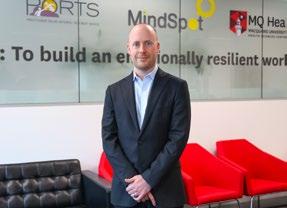
Associate Professor Blake Dear is co- Director of Macquarie University’s eCentreClinic, the psychology research unit that came up with the online pain course as part of its role to develop and evaluate treatments for common health conditions.
“We now know that psychological treatment is a really effective therapy for people with chronic pain,” he says.
Leading specialist pain management clinics routinely review a patient’s physical health and medications - and will often also recommend a psychologically based program, Dear says.
“We have developed an online course that lets people who have chronic pain access that treatment for free and without having to travel,” he says.
Dear led a research team that evaluated Macquarie University’s internet-delivered pain management program, following up 490 participants after three, 12 and 24 months.
Before signing up for the eight-week course, people need to have had their pain medically investigated at some stage, Dear says. But the course can occur alongside, or following, medical treatment.
“This program doesn’t focus on the pain or where it is coming from or what is causing it,” says Helen. “The focus is on reclaiming your life back by incorporating the things you used to do in your life.”
Some of the conditions associated with persistent pain include osteoarthritis and rheumatoid arthritis, various diseases such as MS, injuries and pain post-surgery, people who’ve developed pain as a result of chemotherapy and women with endometriosis.
“Persistent pain occurs with a really wide range of causes; and there’s also a lot of people where there’s no clear medical reason for their persistent pain, but it’s definitely there,” Dear says.
BLAKE DEAR
ASSOCIATE PROFESSOR BLAKE DEAR SAYS THAT ONLINE PAIN THERAPY DOESN’T REPLACE MEDICAL TREATMENT
The study found significant clinical improvements in disability, depression, anxiety, and pain levels for all participants after three months, and found that the effects continued two years after the participants had completed the course.
The research trials are now complete and the course has been freely available through the MindSpot clinic, with around 600 people completing the course since 2017.
Feedback from MindSpot patients shows that the program’s useful information, pragmatic strategies and clinician support are helping users get their lives back on track.
“The activity schedule is great as it stops me from overdoing things which then only increases my pain which starts the pain cycle again,” Helen says. “I hadn’t
" I had cut out of my life things that made me happy, which mostly didn’t cause pain "
realised how much I had cut out of my life unnecessarily, things that made me happy which mostly didn’t cause pain.”
Helen says that while she knows pain will be with her for her whole life, the course has shown her that pain doesn’t need to stop her from being active and doing things she enjoys.
“I’ve already started reclaiming my life,” she says. “I can’t wait to lead a more fulfilled life where pain is a minor aspect of my life, not a major aspect.”
Pain usually improves with time – but some people never recover
Most people – and most pain – will get better with time, says Dear – but some people never fully recover from certain injuries or conditions and have pain that lasts and lasts.
“Chronic pain is variously defined as lasting more than three or six months,” says Dear.
“When that pain starts to impact the different areas of people’s life, like being able to play with their kids or do things for their family or go to work or even drive, that’s when a pain management program is worth considering.”
There’s misunderstanding that psychological pain therapy is only useful where someone has a mental health issue, Dear says.
“While it’s very common when pain persists over a long period of time and it starts to impact the different areas of people’s lives, that they will struggle with their mental health – but that’s not true of everyone,” he says.
The program is designed to help people manage the challenges that pain causes in their day to day activities, and can also help them tackle mental health issues that come up.
“The program helps people to understand what’s happening in the brain and the body
when you have chronic pain, and then teaches very practical skills they can use to do things in their life that are important to them, despite pain.”
After a serious accident, David* now suffers from regional pain syndrome and fibromyalgia and also has crushed vertebrae and scoliosis. These cause him ongoing and severe pain in his back, hips and legs.
Since doing the online course, he says he’s been more able to control his responses. “Now, I don’t go into a spiral of torment when my pain is really bad,” he says. “I’m also taking less breakthrough pain medication.”
David* now has a structured approach to managing pain, which works far better than the piecemeal way he used to cope. “The course helped me explain the reality of living with chronic pain in a way that made it easier for my friends and family to understand,” he says.
People doing the course learn to build up over time so they can do more, Dear says, because often people cut back from things they like to do because of pain.
"When pain impacts different areas of your life like work or driving, a pain management program is worth considering"
“We teach people to start to monitor and really examine their thoughts and their thinking processes, because we know from a lot of research that what people are thinking has a big impact on how they handle pain,” he says.
For example – a person with significant back pain may get concerned that they are adding to the damage to their back each time they do something. Those fears will make it much harder for them to manage their pain.
good internet access, and who instead can read printed workbooks and have telephone support from a clinician.
Life-changing results
Sarah* has dealt with chronic arthritis pain for many years, and says the course was life-changing.
“When you are living with chronic pain, it can be hard to see any way out of it. This course offers an alternative that is not based on surgery or medication or medical practitioners, but on what you can do yourself to help manage your pain,” she says.
“It may not solve the problem completely, but it empowers you to take control of your pain and be proactive in its management.”
Faster, Higher, Stronger: Is there a limit to human endurance?
It’s official: being kind makes you happy and healthy
Change your thinking: The course shows people how to pace themselves
“But if you’ve got chronic pain and cause has been properly investigated, then having those kinds of thoughts that there is this damage can make it that much harder to manage.”
People learn about their internal thinking patterns around pain, and instead of being anxious, learn to pace themselves.
The program involves five lessons spread over eight weeks, with ongoing access to the material for six months after. The free program is funded by the Federal government.
“We know that financial costs are a huge barrier for people who have severe pain,” says Dear.

The clinic has also sent the program to people in remote areas who don’t have
Many specialist pain clinics have long waiting lists, and it can be challenging for people experiencing chronic pain to travel and to bear the expense of attending them. Online psychological pain management programs allows people to access an important component of pain management more easily.
There are hundreds of stories like those of Helen, David and Sarah – and Blake Dear hopes that, as the clinic becomes betterknown, there will be thousands more tales from people who have improved their lives as a result.
*Names and identifying details have been changed.

These newly renamed and expanded grants are available to Nursing, Allied Health Professionals and Trainee/Early Career Researchers.
The Clinical Professional Connection Grant is designed to support APS members in the following ways:
• Nursing or allied health clinicians from non-metropolitan locations to visit a major metropolitan multidisciplinary pain centre, for the duration of generally one (1) week. Visits are intended to support professional learning (including the exploration of new models of care) that can inform service development in non-metropolitan services with single or limited discipline profiles;
• Trainee/early career researchers (i.e., researchers currently undertaking their PhD, or within five years of PhD conferral) to visit a major metropolitan multidisciplinary pain centre for the purpose of conducting/initiating a clinically-oriented research project that involves the development of a new partnership/collaboration with allied health, nursing or medical pain specialists. Projects can use basic science or applied methods, but the clinical relevance of the project must be clearly articulated.
See website for Eligibility Criteria, Terms and Conditions, and application form.

The Better Pain Management program comprises of 12 online education modules, each designed to be completed in one hour, which can be purchased individually, or as a course. The program, developed by the Faculty of Pain Medicine has been designed for specialist and general medical practitioners, medical students, nurses and allied health practitioners engaged in the care of patients with persistent pain.



Each interactive learning module is designed to provide additional insights into pain management and approaches. The modules have been developed with clearly defined learning objectives and have used illustrations and animations to make them engaging. They are case study based, interactive, and include questionnaires to ensure effective comprehension and completion of each unit, including case-based scenarios as well as video case presentations. Each module is designed as a one hour activity that can be completed at a participant’s own pace and all participants receive a Certificate of Completion at the end of training.
APS members can purchase modules in the program at 20% off the list price using the exclusive links in the Member’s section.
APS members now have real flexibility to purchase individual modules or put together a self-directed learning program consisting of a group of modules that specifically meets their needs. Designed by world leaders in pain medicine, this program is designed to help APS members who care for patients with persistent pain, engage in ongoing, continuous professional learning.
To access the 20% discount for single modules or to put together your own selfdirected learning program, please login to the Members Area of the APS website.
NOTE:
The FPM has other discounts for various courses (packages of modules). If you choose to buy a course of modules, please go directly to the Better Pain Management website.
Procedures in Pain Medicine Clinical Care Standard
Call for feedback
The Faculty of Pain Medicine (FPM) has promulgated a pilot Procedures on Pain Medicine Clinical Care Standard
This clinical care standard is being piloted for six months and will be reviewed again in April 2020. The FPM welcomes feedback during this time.
Please provide your feedback to Cassandra Sparkes, Education and Research Development Co-ordinator via email: fpm@anzca.edu.au
and copy the APS Secretariat: aps@apsoc.org.au
The Department of Pain Medicine and the Clinical Research Unit for Anxiety and Depression (CRUfAD), both based at St. Vincent’s Hospital, have developed an effective online program to help people with chronic pain. We want to test whether additional telephone support will make it better. We are currently recruiting patients to participate in a Randomised Controlled Trial of the Reboot Online Program. The study involves completing 8 lessons over 16 weeks. Successful applicants will be randomly allocated to a group commencing the program as usual or a group who will be offered the online treatment with additional fortnightly telephone support. If you have experienced persistent pain for three months or more, have a computer with internet access and a printer, and are 18 years or over, this may be the program for you. If you are interested in taking part in randomised controlled trial, please go to: https://redcap.stvincents.com.au/surveys/?s=XD3NRFDCFP or email us at tania.gardner@svha.org.au
This study has been approved by St Vincent’s Hospital Human Research Ethics Committee reference number: HREC/2019/ETH08682

KEYNOTE PRESENTER
Professor Lorimer Moseley, University of South Australia

REGISTRATIONS NOW OPEN
Earlybird registration rate closing 6 February 2020
researchtopractice2020.com. au
CONFERENCE CHARITY

Helping all Australians access community-based pain education

CALL FOR ABSTRACTS
Now open, closing on 22 November 2019
PLATINUM SPONSOR
DESTINATION SPONSORS
For full information including the program, registration, call for abstracts and awards, visit researchtopractice2020.com.au

FPM SYMPOSIUM
FRIDAY MAY 1, 2020

PAN PACIFIC PERTH
Neuromodulation Society of Australia & New Zealand

14th Annual Scientific Meeting (NSANZ 2020) Neuromodulation,Value Based Care
7-9 AUGUST 2020
Sofitel Brisbane Central, Queensland

Cadaver Workshop
7 AUGUST 2020

QUT Medical Engineering Research Faculty, Brisbane
www.dcconferences.com.au/nsanz2020
Abstract submissions Now open

Concurrent Workshops Deadline 22 April 2020
Free Paper and Poster Deadline 20 May 2020
Online Registration opens 28 May 2020
• IASP Early Career Research Grants Program
Submissions for 2020 open from 09DEC19 to 05FEB20: https://www. iasp-pain.org/Education/GrantDetail. aspx?ItemNumber=712
• Consider PA Pain Service Directory link?
Resource from NPSMedicineWise: https://www.nps.org.au/news/ if-not-opioids-then-what?
• Latest opioids data from the Australian Bureau of Statistics: https://www.abs.gov.au/ausstats/ abs@.nsf/MediaReleasesByCatalogue/ CC21BEAE2026450DCA25847F0013A 28F?OpenDocument
• Australia’s annual overdose report 2019: http://www.penington.org. au/australias-annual-overdose-report-2019/
• Chronic Pain: Is Australian healthcare really helping people who have chronic pain? Radio National discussion on 23JUN19: https://radio.abc. net.au/programitem/pgE7Pk0jlV
• New videos from NSW Health: Working with Aboriginal People https://www.youtube.com/ watch?v=AV4Muq87ekQ&feature=em-uploademail
• Medicinal cannabis for chemotherapy-induced nausea and vomiting (CINV): prescribing with limited evidence – Published 12 November 2018: https://www.mja.com.au/ journal/2019/210/1/medicinal-cannabis-chemotherapy-induced-nausea-and-vomiting-prescribing-limited
• The Third Australian Atlas of Healthcare Variation: latest issue, available online at https://www.safetyandquality.gov.au/atlas
• Palliative Care Australia (PCA) and Australian Indigenous: HealthInfoNet (HealthInfoNet) has launched a new Palliative Care and End-of-Life Resource Portal for the workforce who support Aboriginal and Torres Strait Islander peoples at Parliament House in Canberra. The palliative care and end-of-life portal is designed to assist health professionals who provide care for Aboriginal and Torres Strait Islander people, their families and communities. https://healthinfonet. ecu.edu.au/learn/health-system/ palliative-care/
• Painaustralia eNewsletter latest issue, available online at: http:// www.painaustralia.org.au/media/ enews
• ePPOC- electronic Persistent Pain Outcomes Collaboration: For more information about ePPOC, refer to the website: http://ahsri.uow.edu.au/ eppoc/index.html
• PainHEALTH website: http://painhealth.csse.uwa.edu.au/
• ANZCA/FPM Free Opioid Calculator App: Smart phone app that converts opiates to milligrams of morphine, available for both iPhone and Android: http://www.opioidcalculator.com.au
• Stanford University: CHOIR Collaborative Health Outcomes Information Registry: https://choir. stanford.edu/
• 2019 Global Year Against Pain in the Most Vulnerable Launched 31JAN19 See information and resources on our website: http://www.apsoc.org.au/ global-year-against-pain
• Opioid Podcasts for GPs: 20 week series from the Hunter Postgraduate Medical Institute: http://www.gptrain
ing.com.au/recent-podcasts
• Airing Pain: Pain resources via an online radio show produced by Pain Concern, a UK registered Charity: http://painconcern.org.uk/airing-pain/
• Digital Health Guide: Developed by Primary Health Network Tasmania: https://digitalhealthguide.com.au/Account/ LogOn?ReturnUrl=%2fSpecialtyForm ulary%2f2
At login. Username: connectingcare Password: health
• Indigenous Resources: New webpage on the APS website aggregating Indigenous resources: https:// www.apsoc.org.au/IndigenousResources
• IASP Statement on Opioids: Approved February 2018: https:// www.iasp-pain.org/Advocacy/ OpioidPositionStatement
This reference can also be found on the APS Position Papers webpage.
• NSW Cannabis Medicines Advisory Service (CMAS): Launched 29JAN18
Fact Sheet on our website: https://www.apsoc.org.au/PDF/ Fact_Sheets/20180129_NSWCannabisMedicinesAdvisoryServiceCMAS_Fact_Sheet_FINAL.PDF
Service available: 9am-5pm Monday-Friday
Hotline: (02) 4923 6200 or email: HNELHD-CMAS@hnehealth.nsw.gov.au
• Choosing Wisely Australia – News & media: http://www.choosingwisely. org.au/news-and-media
• Over the counter codeine – changes to supply: https://www.nps.org.au/ medical-info/clinical-topics/over-thecounter-codeine-changes-to-supply
• Medicines with codeine – what you need to know: https://www.nps. org.au/medical-info/consumer-info/ medicines-with-codeine-what-youneed-to-know
• Low Back Pain resources published 16OCT18: https://www.nps.org. au/medical-info/clinical-topics/ low-back-pain
TGA
• Codeine information hub: https:// www.tga.gov.au/codeine-info-hub
• Guidance for the use of medicinal cannabis in the treatment of chronic non-cancer pain in Australia, v1-DEC17: https://www.tga.gov. au/publication/guidance-use-medicinal-cannabis-treatment-chronic-non-cancer-pain-australia
• Our Mob- Resources for Aboriginal People: https://www.aci.health.nsw. gov.au/chronic-pain/our-mob
• Brainman and Pain Tool Kit translations, SEP15: http://www.aci. health.nsw.gov.au/chronic-pain/ translated-resources
• Pain Management Resources: http://www.aci.health.nsw.gov.au/ resources/pain-management
• Quicksteps to Manage Chronic Pain in Primary Care: http://www.aci.health. nsw.gov.au/chronic-pain/health-professionals/quick-steps-to-managechronic-pain-in-primary-care
• Built into Quicksteps: “How to de-prescribe and wean opioids in general practice”: http://www.aci. health.nsw.gov.au/chronic-pain/ health-professionals/quicksteps-to-manage-chronic-painin-primary-care/how_to_de-prescribe_and_wean_opioids_in_general_practice
• A list of helpful apps for consumers and clinicians now available at: http://www.aci.health.nsw.gov.au/ chronic-pain/health-professionals/ management-of-chronic-pain
• Chronic Pain in the ED: https://www. aci.health.nsw.gov.au/networks/ eci/clinical/clinical-resources/ clinical-tools/pain-management/ chronic-pain-in-the-ed
• APS Plenary Recordings
As an exclusive benefit to APS members, the following Plenary videos are now available for free access:
- 2018 conference in Sydney
- 2017 conference in Adelaide
- 2016 conference in Perth
• Better Pain Management online learning modules
APS members receive a 20% discount
• BPR SIG Expert Database Survey and Results
• Refer to our website for a full listing of media releases: http://www.apsoc.org. au/Media
PHD SCHOLARSHIP SPONSOR
SCHOLAR TOPIC
Seqirus #1 — APS — APRA Sherelle Casey “Cannabinoids for neuropathic pain”
Cops for Kids #2 — APS — APRA
Cops for Kids #3 — APS — vAPRA
PAST SCHOLARS
Dr Tasha Stanton “Reframe the pain: Dividing attention and altering memory to reduce needle pain and distress in children”
Dr Nicole Andrews
PHD SCHOLARSHIP SPONSOR
APS #1 — APRA
SCHOLAR
“An evaluation of the usability of a paediatric version of the Pain ROADMAP app”.
Samantha South 1999
“Antinociceptive pharmacology of morphine and its major glucuronide metabolites”
CSL #1 — APS — APRA
CSL #2 — APS — APRA
Mundipharma #1 — APS — APRA
APS #2 — APRA
Mundipharma #2 — APS — APRA
Lara Winter 2004
Anne Pitcher 2006
Kathryn Nicholson Perry 2007
Debbie Tsui 2008
Zoe Brett 2011
“Antinociceptive properties of the neurosteroid alphadolone”
“Conditional comfort: A grounded theory study in nursing approaches to acknowledging and responding to pain in nursing home residents with dementia”
“Pain Management Programmes in Spinal Cord Injury: Cognitive Behavioural Pain Management Programmes in the Management of Sub-acute and Chronic Spinal Cord Injury Pain”
“Preclinical studies in painful diabetic neuropathy”
“Individual differences in vulnerability to the development of chronic pain following injury”
APS #3 — APRA Susan Slatyer 2013
“Caring for patients experiencing episodes of severe pain in an acute care hospital: Nurses’ perspective”
APS #4 — APRA Amelia Edington 2013
“Defining inhibitor binding sites unique to the glycine transporter, GLYT2: A potential target for the treatment of chronic pain”
Janssen Cilag #1 — APS — APRA Mary Roberts Due “An investigation of the role of sleep in chronic pain”
Mundipharma #3 — APS — APRA Audrey Wang 2017 “The cortical integration of tactile sensation in complex regional pain syndrome”
Janssen Cilag #2 — APS — APRA Sarah Kissiwaa 2017 “Pain induced synaptic plasticity in the amygdala”
APS #5 — APRA James Kang 2019 “The effect of nerve injury on behavioural selection and its relationship to prefrontal function”
Cops for Kids #1-APS-APRA Dr Adrienne Harvey
“A pilot study of gabapentin for managing pain in children with dystonic cerebral palsy”
NEW MEMBERS
NEW MEMBERS AT 27 NOV 2019
TITLE FIRST NAME LAST NAME DISCIPLINE GROUP
Ms Elizabeth Hayes Psychology
Miss Alice Mitchell Physiotherapy
Miss Tiffani Mungoven Science Research
Dr Feng Pan Rheumatology
Mr Adrian Ram Exercise Physiologist
Mrs Martina Salib Pharmacy

RENEWAL NOTICES FOR 2020 HAVE BEEN SENT BY EMAIL TO MEMBERS IN LATE NOVEMBER.
Thank you for your continued support and membership of the APS.
Please note:
1. We understand that circumstances change, so each year we ask you to select your appropriate level of membership.
2. This system of self-reporting subscription levels was implemented in 2009 for the benefit and fairness of all members.
As previously advised the Australian Pain Society Board resolved at the Strategic Planning Meeting in August 2019, that membership fees will increase for 2020 to the following rates:

a. Regular A $110
b. Regular B $205
c. Regular C $310
d. Retired $65 Concessional Rate
e. Student $65 Concessional Rate
(Please note that such resolutions by the APS Board are permitted under clause 6.7 of the new APS constitution, adopted on 10 April 2019.)
Before renewing online, please ensure you Review and update your member profile. Payments can be made by Credit Card, BPAY, or Cheque.
11-12 Feb 2020
Australia & New Zealand Musculoskeletal Clinical Trials Network - ANZMUSC 2020 ANZMUSC Annual Scientific Meeting and Pre-meeting Planning Workshop TBA, Wellington, New Zealand admin@anzmusc.org
18-21 Mar 2020
New Zealand Pain Society Annual Scientific Meeting 2020 Making the Connection - Cortex, Culture and Community Copthorne Hotel, Bay of Islands, New Zealand https://www.nzccp.co.nz/events/conferences/new-zealand-pain-society-2020-conference/
28-29 Mar 2020
The Pain Association of Singapore Annual Scientific Meeting 2020 One Farrer Hotel, Singapore https://www.pain-asm.com
2-4 Apr 2020
Exercise & Sports Science Australia (ESSA)
Research to Practice 2020
Perth Convention and Exhibition Centre, Perth, WA http://researchtopractice2020.com.au
5-8 Apr 2020
Australian Pain Society 40th Annual Scientific Meeting
In the IASP Global Year for the Prevention of Pain Hotel Grand Chancellor, Hobart, TAS https://www.dcconferences.com.au/aps2020/
27 Apr - 1 May 2020
SpineWeek Committee
SpineWeek 2020
Melbourne Convention and Exhibition Centre, Melbourne, VIC https://www.spineweek.org
1 May 2020
Faculty of Pain Medicine (FPM) Symposium
Impart Nurture Grow Pan Pacific Hotel, Perth, WA http://fpm.anzca.edu.au/events/2020-fpm-symposium
1-5 May 2020
Australian and New Zealand College of Anaesthetists (ANZCA) Annual Scientific Meeting 2020
Inform Inspire Influence
Perth Convention and Exhibition Centre, Perth, WA
https://asm.anzca.edu.au
15-17 May 2020
Australian Psychological Society College of Clinical Psychologists 2020 Annual Conference
Complexity in Practice
Sofitel Brisbane Central, Brisbane, QLD
https://www.psychology.org.au/APS-CCLIN-Conf/2020
25-26 May 2020
National Rural Health Alliance 7th Rural and Remote Health Scientific Symposium
Shaping the future
Alice Springs Convention Centre, Alice Springs, NT
http://www.ruralhealth.org.au/7rrhss/
31 Jul - 2 Aug 2020
Pharmaceutical Society of Australia - PSA20
TBA
TBA, Sydney, NSW
https://www.psa.org.au/networking-events/information-on-major-events-and-conferences/
4-8 Aug 2020
International Association for the Study of Pain (IASP)
19th World Congress on Pain
RAI Amsterdam Convention Centre, Amsterdam, Netherlands
https://www.iaspworldcongress.org
7-9 Aug 2020
Neuromodulation Society of Australia & New Zealand (NSANZ) 14th Annual Scientific Meeting
Neuromodulation, Value Based Care
Sofitel Brisbane Central, Brisbane, QLD
https://dcconferences.eventsair.com/nsanz2020/
22-25 Sep 2020
Rehabilitation Medicine Society of Australia and New Zealand (RMSANZ)
5th Annual Scientific Meeting: Forging Alliances, New Horizons
Gold Coast Convention and Exhibition Centre, Gold Coast, QLD
https://www.dcconferences.com.au/rmsanz2020/
6-8 Oct 2020
International Federation of Orthopaedic Manipulative Physical Therapists (IFOMPT)
IFOMPT 2020: Innovate - Integrate Melbourne Convention and Exhibition Centre, Melbourne, VIC https://ifomptconference.org
25-28 Mar 2021
IASP Pain in Childhood SIG
ISPP 2021 13th International Symposium on Pediatric Pain: Knowledge, Growth, Practice Cordis Hotel, Auckland, New Zealand https://www.ispp2021.org
23-25 Jun 2021
Occupational Therapy Australia
TBA
Cairns Convention Centre, Cairns, QLD https://www.otaus2021.com.au
VISION:
All people will have optimal access to pain prevention and management throughout their life.
MISSION:
The Australian Pain Society is a multidisciplinary association whose mission is to advance pain prevention, management and clinical practice.
PRIORITIES:
In order to achieve our mission, the Australian Pain Society will provide:
• Education
• Advocacy
• Research
• Services and resources

• Membership
• Good governance and operations
PRESIDENT:
Dr Anne Burke
Central Adelaide Local Health
Network, Royal Adelaide Hospital
Adelaide SA 5000
Tel: 08 8222 5403 | Fax: 08 8222 5904
PRESIDENT—ELECT:
Ms Trudy Maunsell
Acute Pain Service
Princess Alexandra Hospital
Woolloongabba QLD 4102
Tel: 07 3176 5547 | Fax: 07 3176 5102
SECRETARY:
Dr Will Howard

Director, Pain Service
Austin Health
Studley Road
Heidelberg VIC 3084
Tel: 03 9496 3800 | Fax: 03 9459 6421
TREASURER:
Mr Tim Austin
Camperdown Physiotherapy
Inner West Pain Centre
100 Carillon Avenue
Newtown NSW 2042
Tel: 02 9517 1787 | Fax: 02 9516 2491
ACT DIRECTOR:
Dr Andrew Watson


Calvary Hospital
Canberra ACT 2617
Tel: 02 6201 6352
NSW DIRECTOR:
Dr Tim Ho

Royal Prince Alfred Hospital
Inner West Pain Centre
100 Carillon Avenue
Newtown NSW 2042
Tel: 02 9517 1764 | Fax: 02 9517 1832
NT DIRECTOR:
Ms Diann Black
Recovery
Royal Darwin Hospital
Casuarina NT 0811
Tel: 08 8931 1029 | Fax: 08 8922 8325
QLD DIRECTOR:
Mrs Joyce McSwan
Gold Coast Primary Health Network
Persistent Pain Program, QLD

Tel: 0412 327 795 | Fax: 07 3539 9801
SA DIRECTOR:
Dr Michelle Harris

Royal Adelaide Hospital and Lyell McEwin Hospital
Adelaide SA
Email: michelle.harris2@sa.gov.au

TAS DIRECTOR:
Dinah Spratt
Physiotas Physiotherapy
3/11 Poyston Drive
Shearwater TAS 7307
Tel: 03 6428 7500 | Fax: 03 6424 7811
VIC DIRECTOR:
Dr Laura Prendergast


Pain Service, Austin Health
Chronic Pain Clinic, Goulburn Valley Health VIC

Tel: 03 9496 3134 or 03 5832 3020
WA DIRECTOR:
Mr Shadreck Tozana
Functional Revival and Baptistcare
Bethal, 2 Bethal Way Albany WA 6330
Tel: 0437 541 165 | Fax: 08 9841 8480
IMMEDIATE PAST PRESIDENT:
Ms Fiona Hodson
Hunter Integrated Pain Service
John Hunter Hospital Campus
New Lambton NSW 2305
Tel: 02 4922 3435 | Fax: 02 4922 3438
SPC CHAIR:
A/Prof Kevin Keay





Department of Anatomy
University of Sydney
Sydney NSW 2006
Tel: 02 9351 4132 | Fax: 02 9351 2817
IASP LIAISON:
Professor Michael Nicholas
Pain Management Research Institute
Royal North Shore Hospital
St Leonards NSW 2065
Tel: 02 9926 7894 | Fax: 02 9662 6279
Website: www.iasp–pain.org
COMMUNICATIONS/WEBSITE/ SOCIAL & OTHER MEDIA COORDINATOR:
Dr Will Howard Director, Pain Service Austin Health
Heidelberg VIC 3084
Tel: 03 9496 3800 | Fax: 03 9459 6421
NEWSLETTER EDITOR:
Dr Stephanie Davies


WA Specialist Pain Services
Cottesloe WA 6011
Tel: 0412 933 419 | Fax: 08 9286 8023
NEWSLETTER ASSISTANT
EDITOR:
Dr Lincoln Tracy
School of Public Health and Preventive Medicine
Monash University
Melbourne VIC 3004
Tel: 03 9903 0288
PHD SCHOLARSHIP CHAIR:
A/Prof Michael Farrell
Department of Medical Imaging and Radiation Services

Monash University
Clayton VIC 3800
Tel: 03 9905 6094 | Fax: 03 9902 9500
SECRETARIAT:
DC Conferences Pty Ltd
PO Box 637
North Sydney, NSW 2059
Tel: 02 9016 4343 | Fax: 02 9954 0666
Email: aps@apsoc.org.au
Website: www.apsoc.org.au