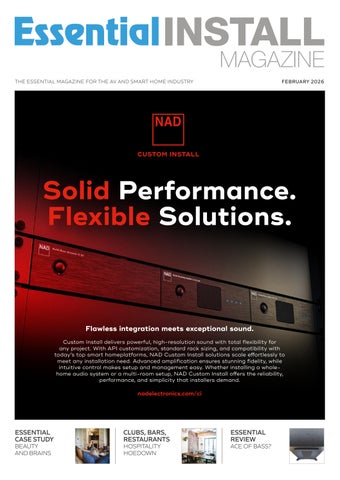
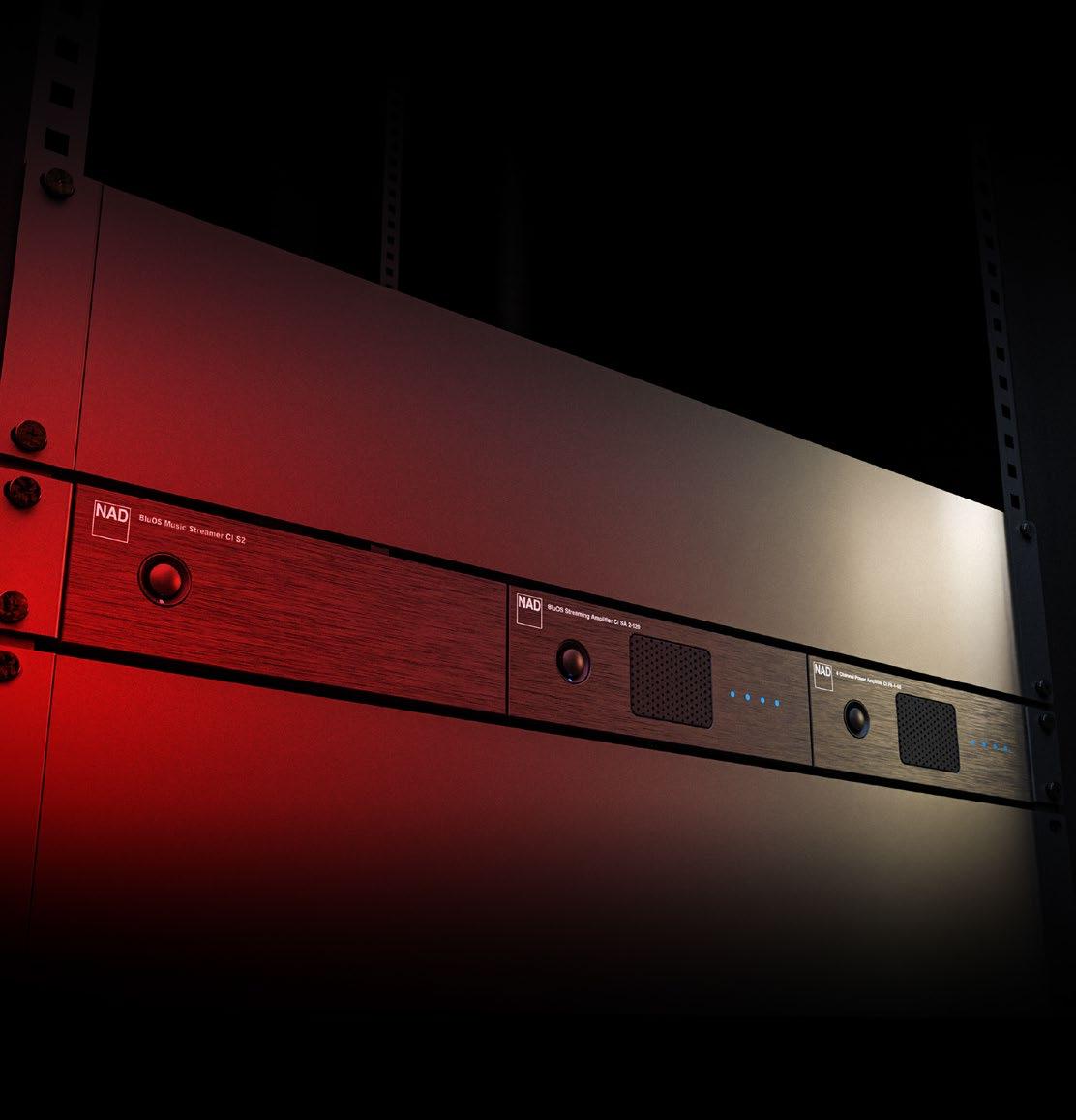
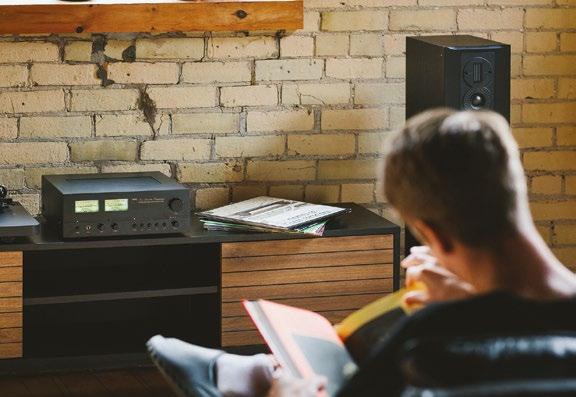
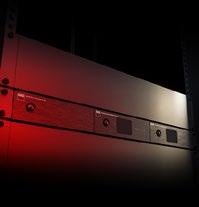
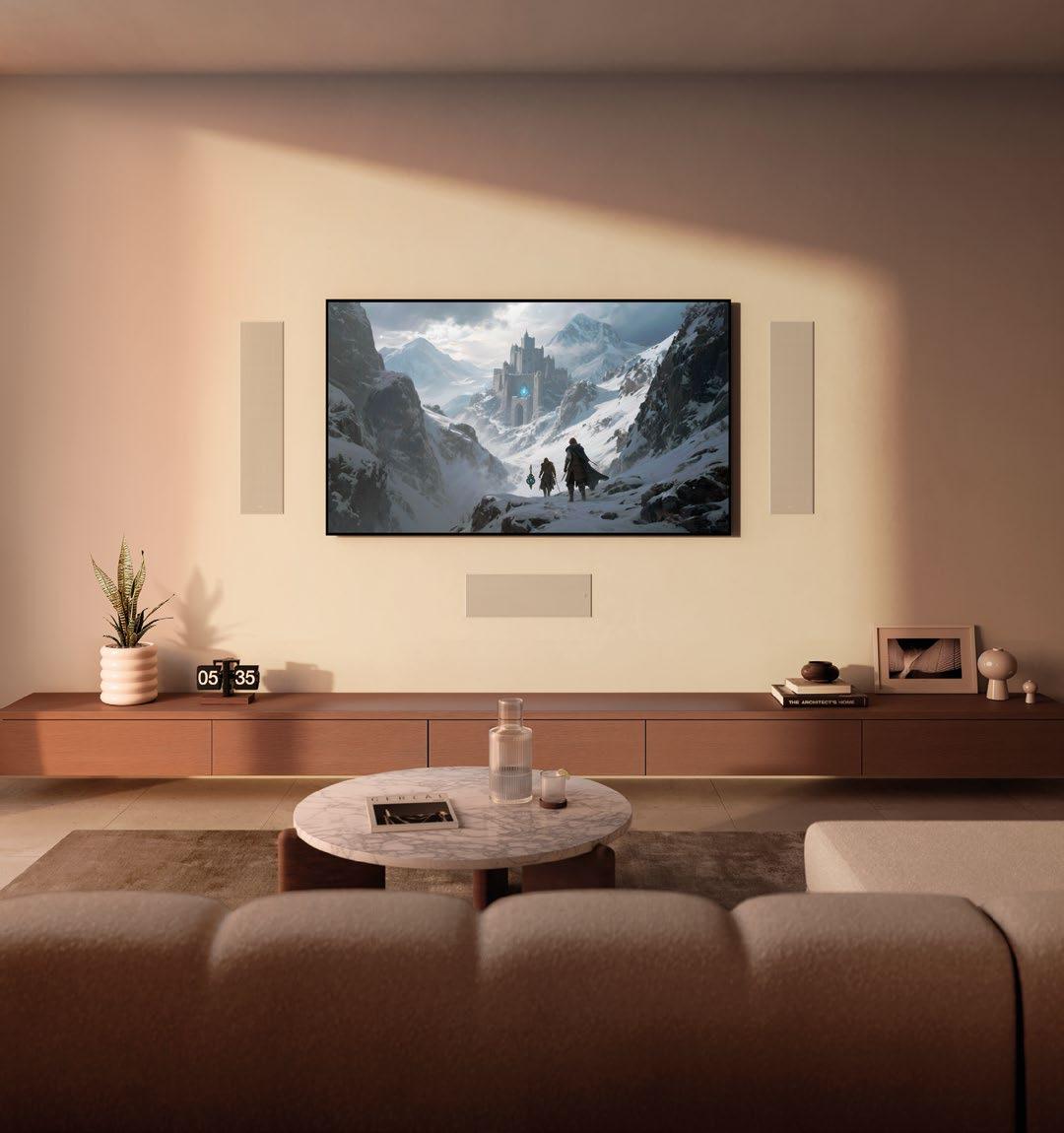
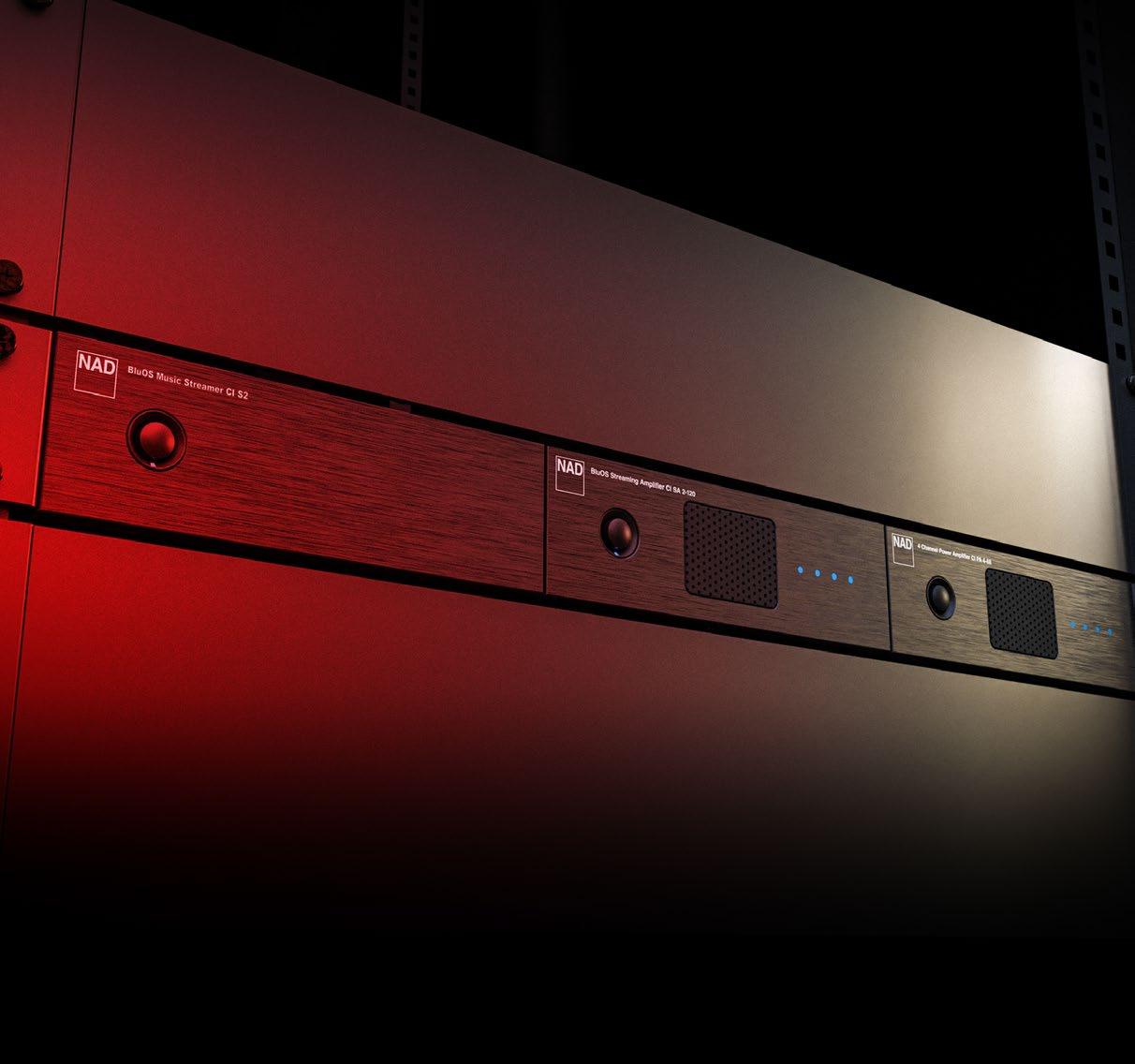
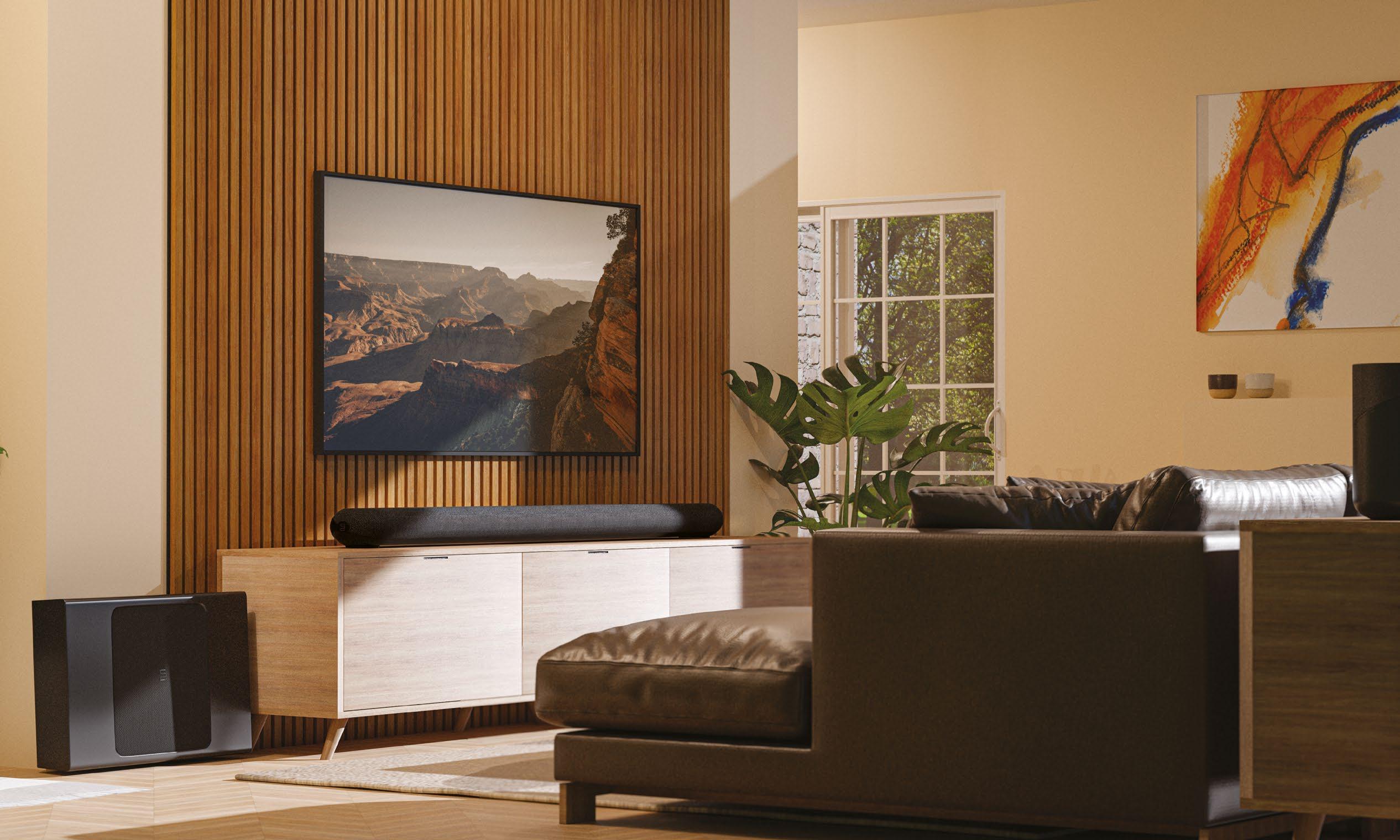
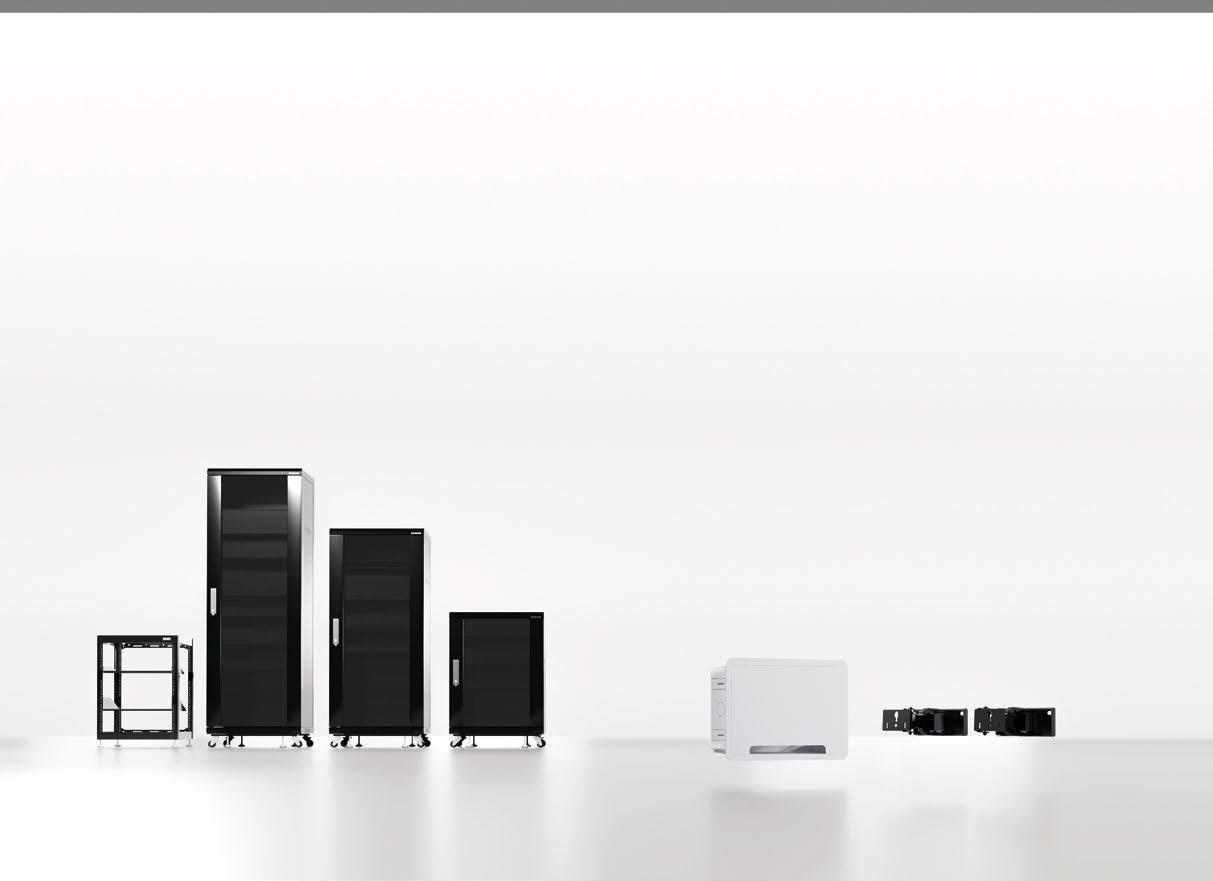
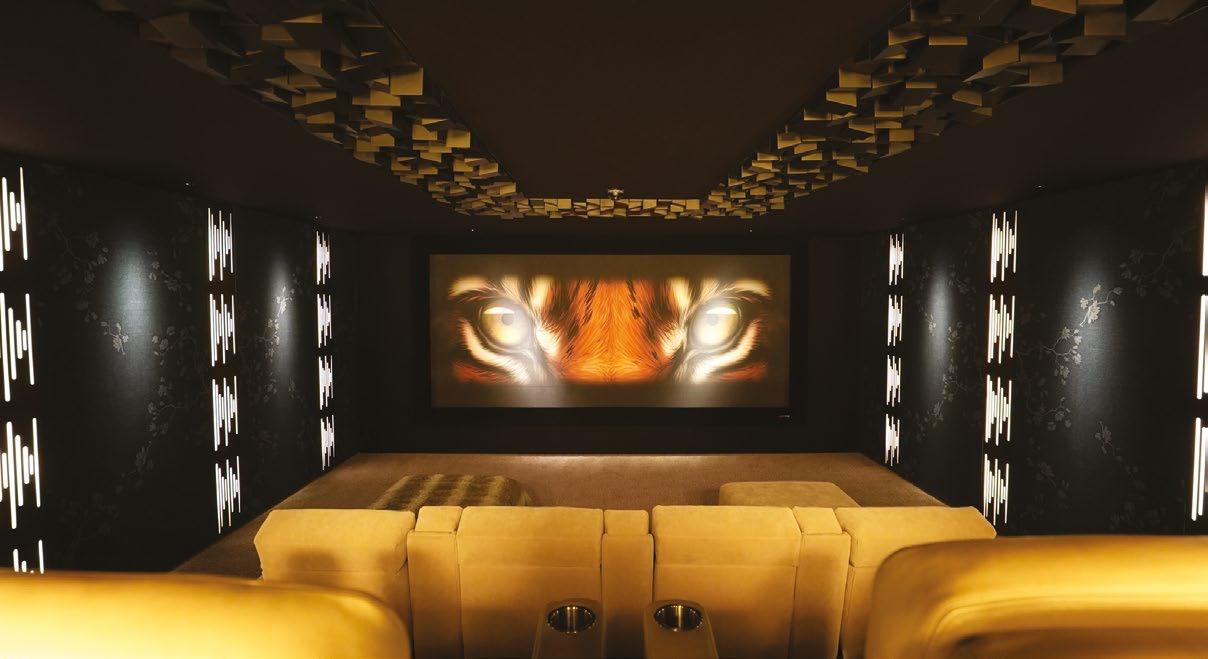
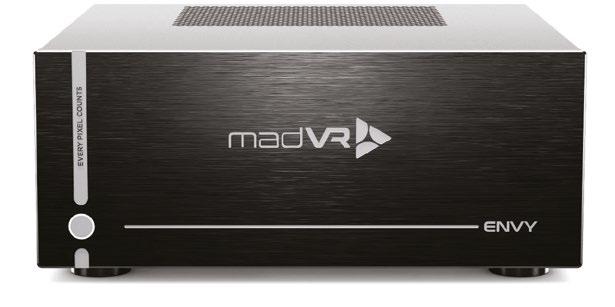
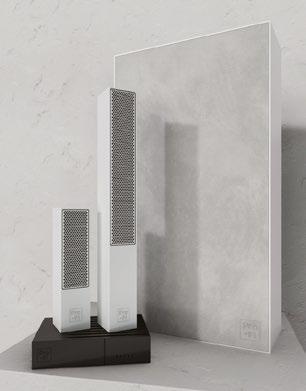
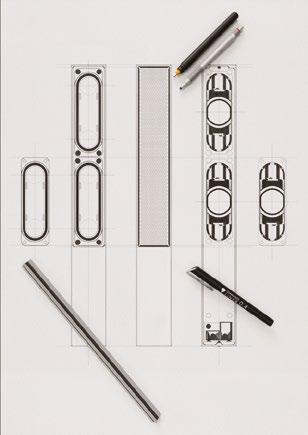
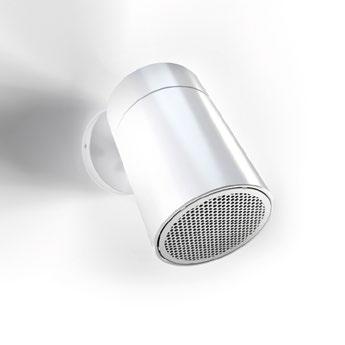
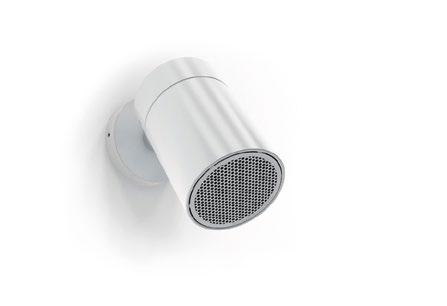
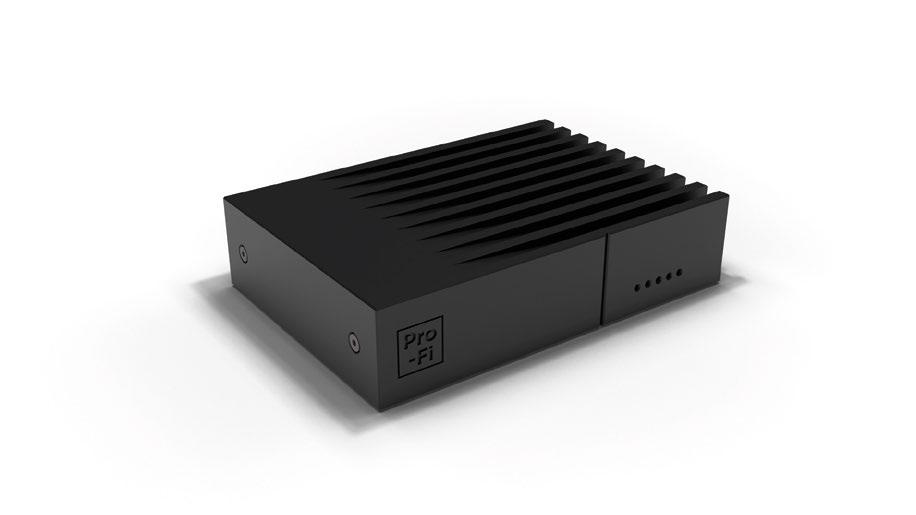
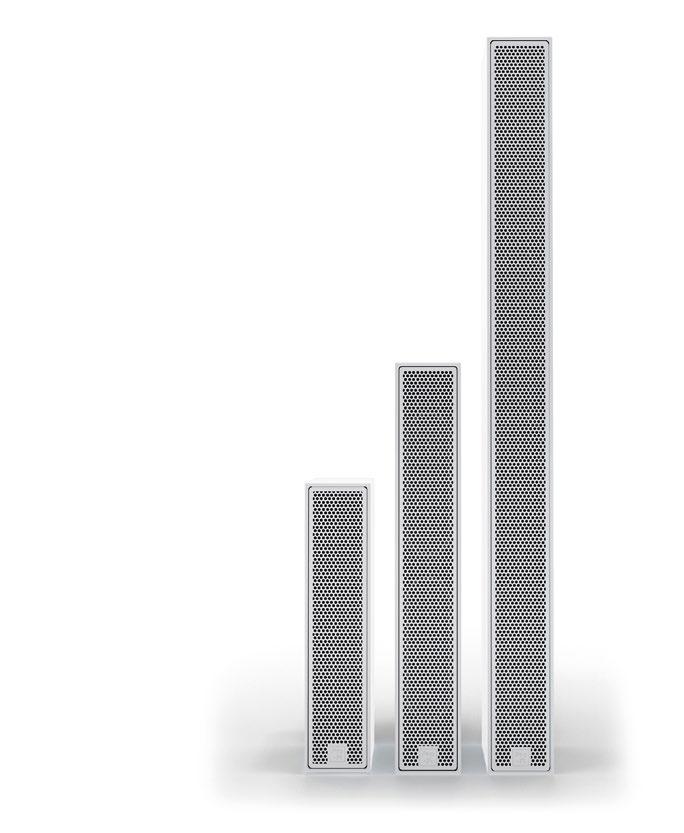
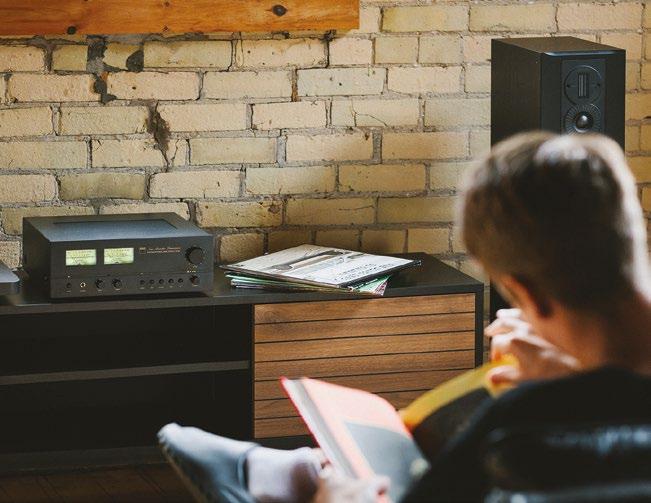
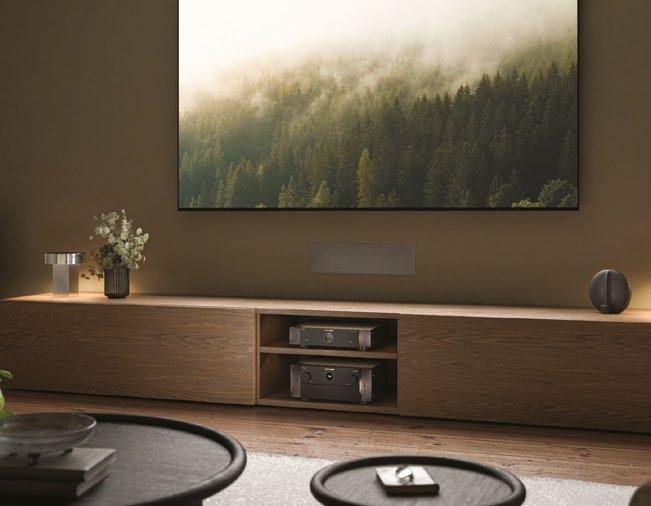
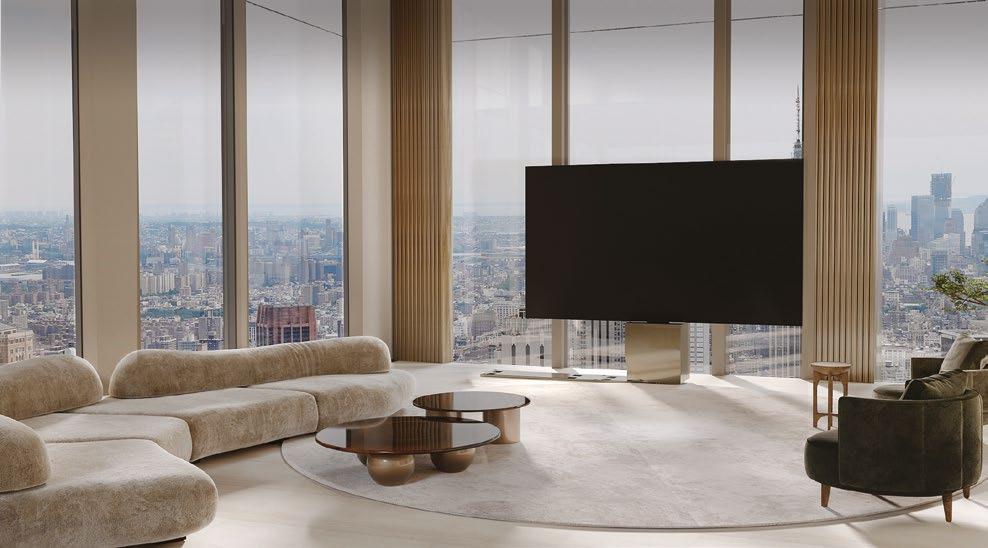
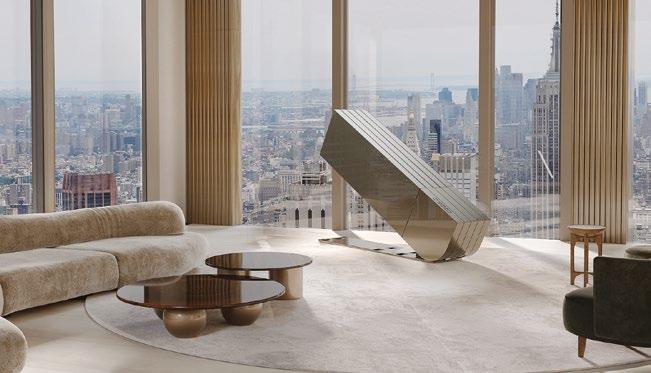
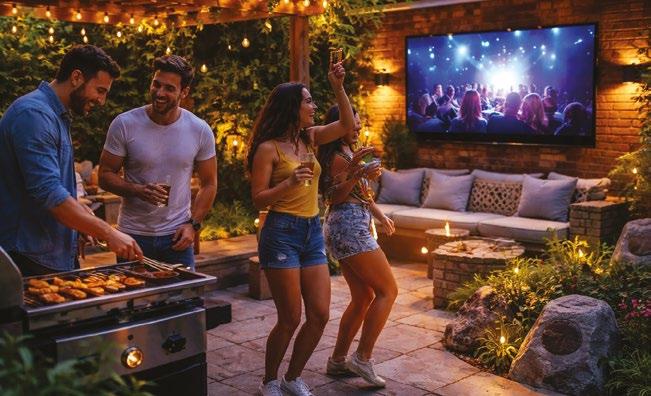
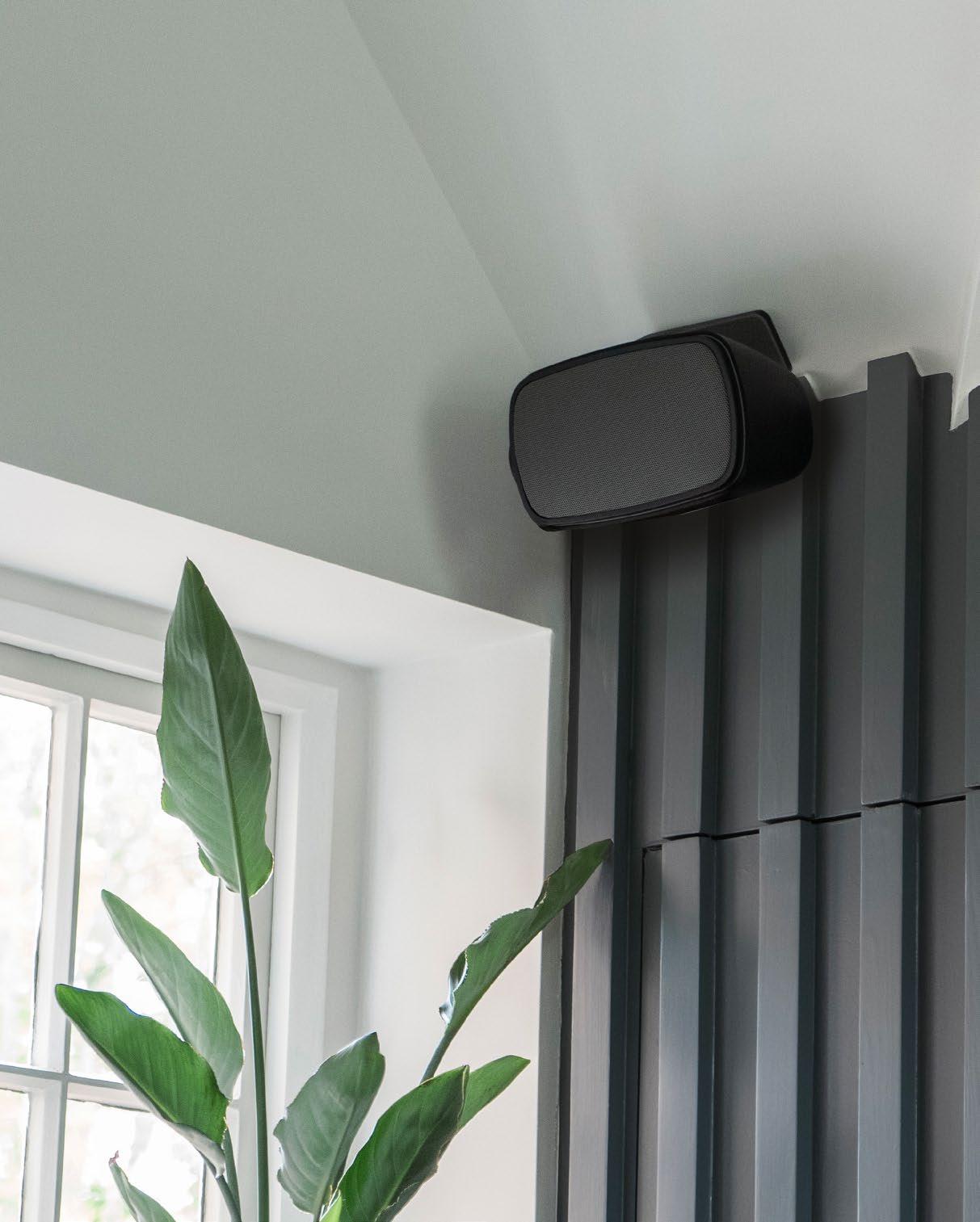
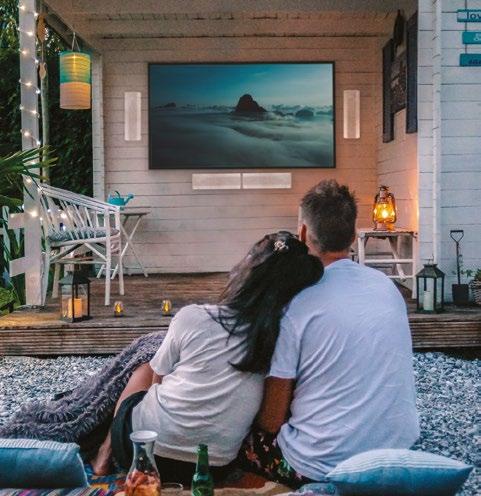
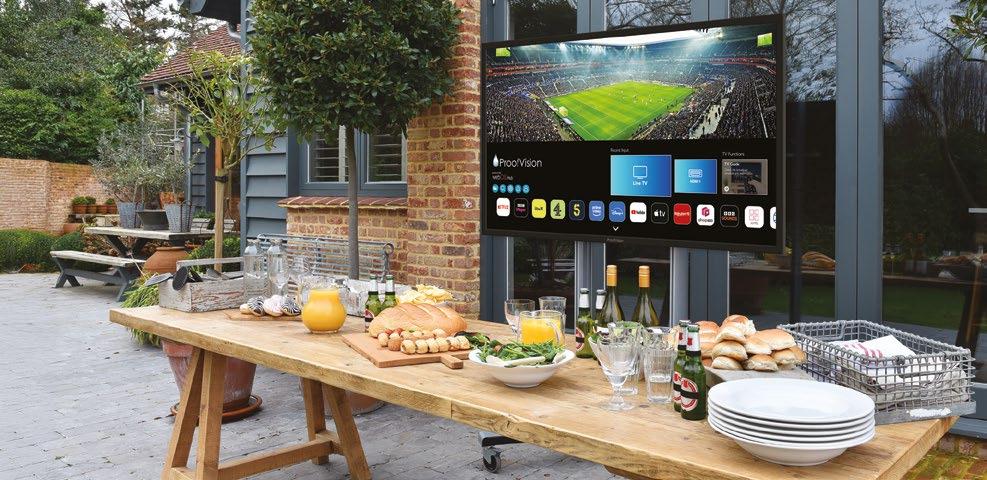
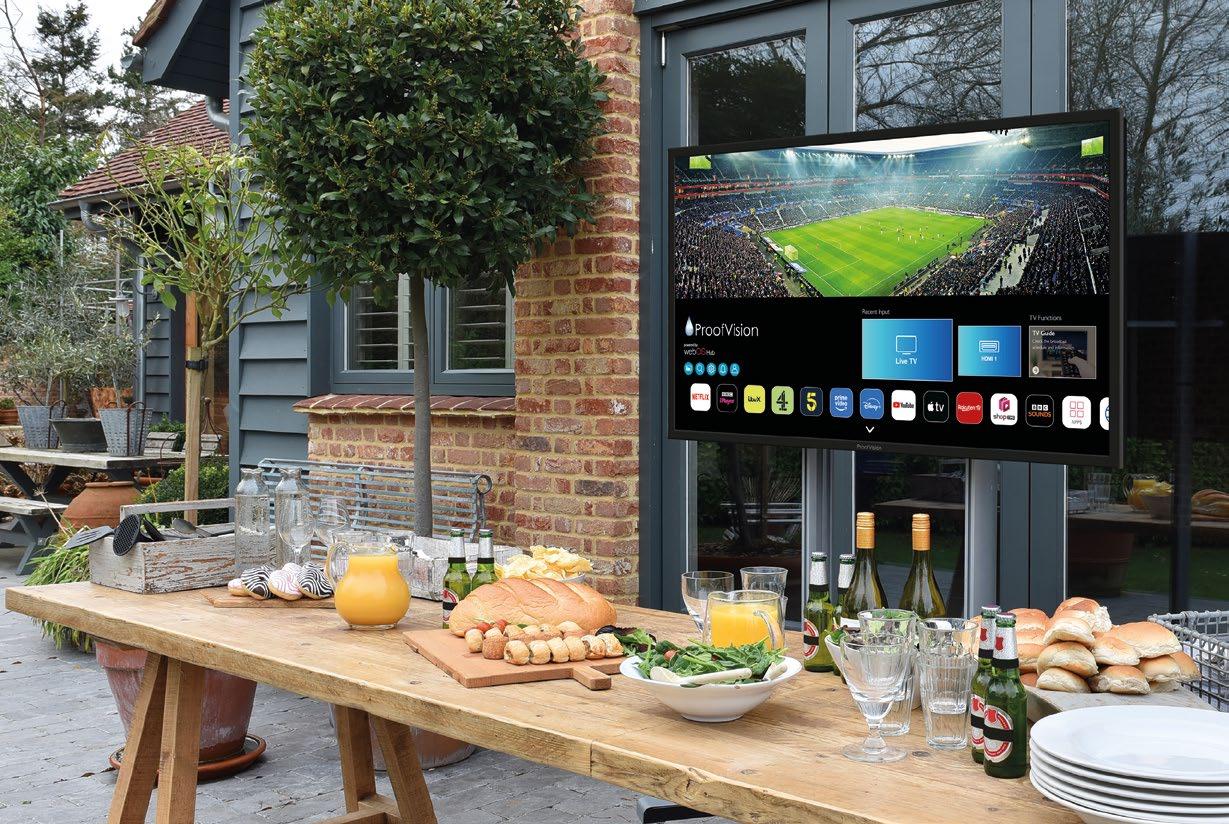
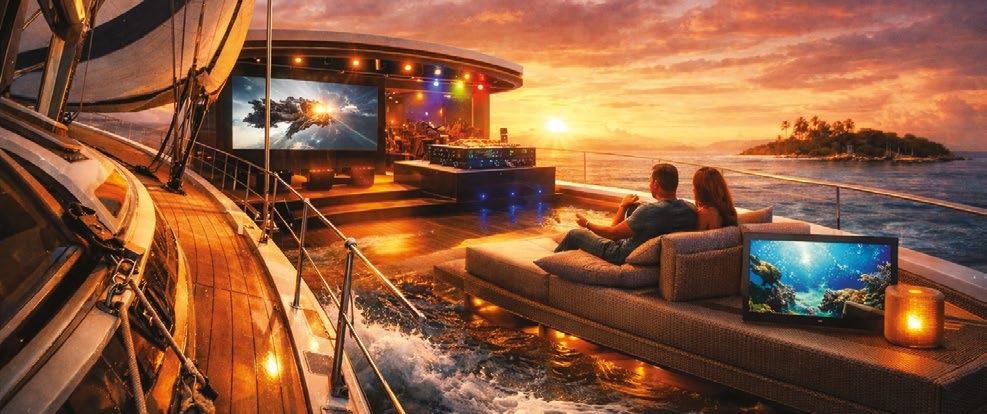
Custom Install delivers powerful, high-resolution sound with total flexibility for any project. With API customization, standard rack sizing, and compatibility with today’s top smart homeplatforms, NAD Custom Install solutions scale effortlessly to meet any installation need. Advanced amplification ensures stunning fidelity, while intuitive control makes setup and management easy. Whether installing a wholehome audio system or a multi-room setup, NAD Custom Install offers the reliability, performance, and simplicity that installers demand.
Uncompressed 4K 60Hz 4:4:4 and 1Gb LAN
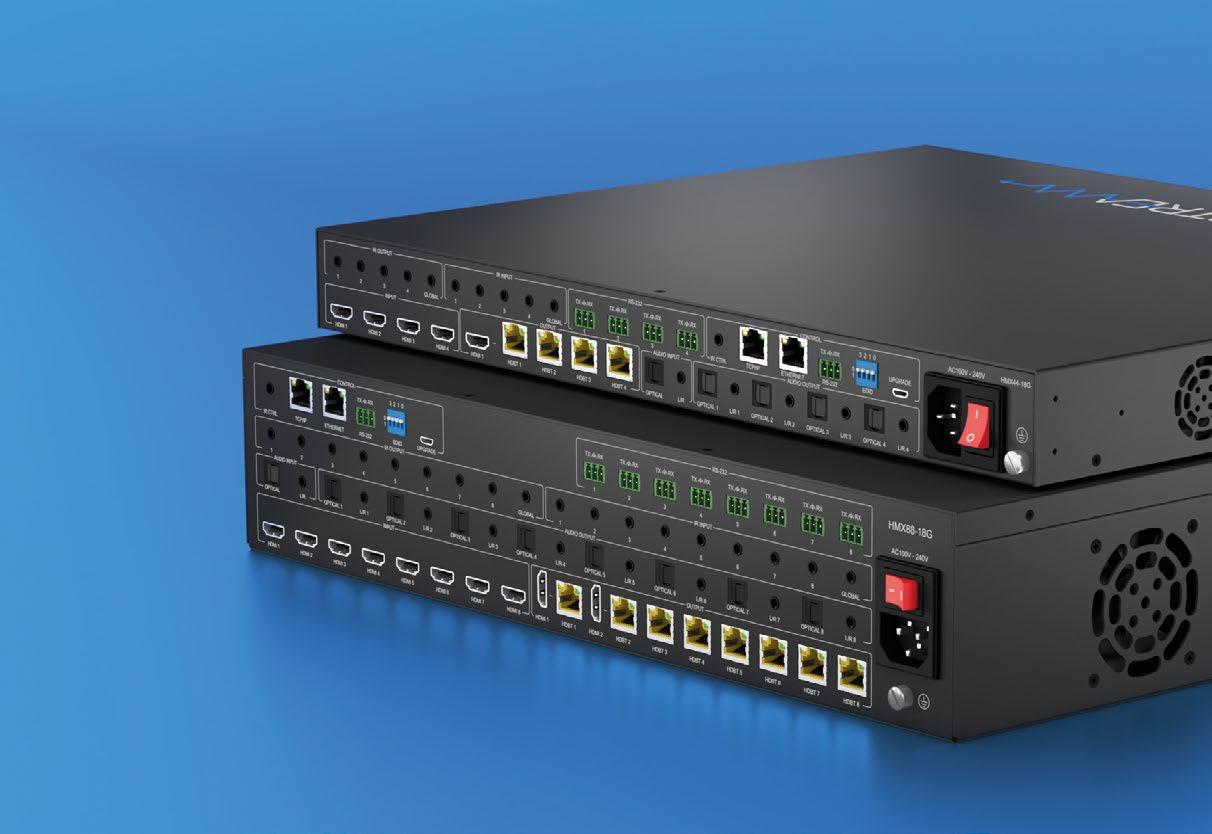
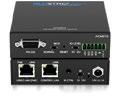
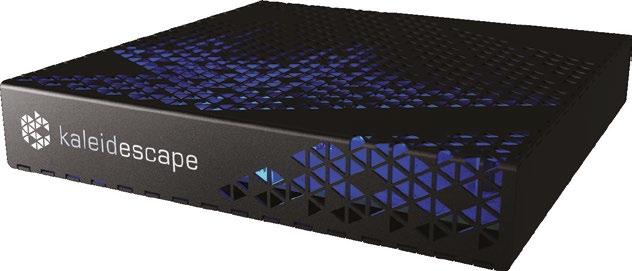
We are pleased to announce the launch of the first HDBaseT™3 matrix product to the market
Using HDBaseT™3 technology, these powerful HDBaseT™ matrix support uncompromised 4K 60Hz 4:4:4 resolutions over distances up to 100m over a CAT6A. The new HMX88-18G and HMX44-18G come into their own with advanced audio features specifically designed for maximising the integration of AV sources in the modern home. Enhanced audio routing is achieved through the integrated audio matrix. This enables the audio from displays (via HDMI ARC or Optical S/PDIF), and all other sources to be embedded and routed through the system at the users discretion. The inclusion of a 1Gb Ethernet channel allows for LAN serving to all HDBT outputs / zones as required, IR and RS-232 pass-through, advanced EDID management, and PoC provide the ultimate flexibility.
The combination of these technology features enable our installation partners the ability to create a truly immersive AV experience throughout the home.
NEW
HMX88-18G
8x8 HDBaseT™3 AV Matrix
• Uncompressed / unconverted 4K 60Hz 4:4:4 to 100m
When this issue lands on desks and doormats, a sizable chunk of our industry will be at or might have just returned from ISE 2026. It is currently the biggest date in the calendar for smart home and luxury AV, so there will be lots to get our teeth into in terms of new products and innovation.
But at the time of writing, nothing has happened yet. No surprise launches have dazzled us. No keynote has gone off-script. No one has uttered the phrase ‘gamechanger’. So instead of speculating wildly or pretending to have a crystal ball, it feels like a better moment to talk about something more fundamental – and arguably more important – than any single product or announcement: Cooperation.
UNCERTAIN FUTURE REQUIRES STRENGTH
If there is one thing this industry does quietly well, it is working together. Integrators, manufacturers, distributors, designers, consultants and installers all pull in broadly the same direction, sometimes across company lines, territories and time zones. It is not always perfect and it is not always easy, but it is real.
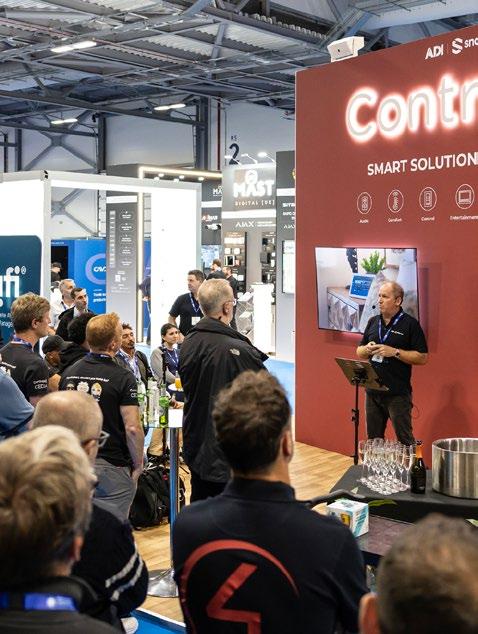
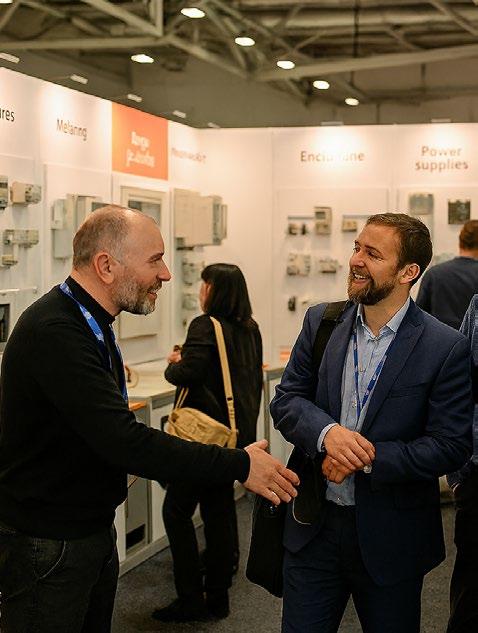
That spirit of cooperation is what makes ISE, and our own EI Live! and now ECN Live! work in the first place. It is not just a show of boxes and booths. It is meetings, conversations, shared problems, borrowed ideas and the occasional borrowed charger. It is competitors swapping notes in corridors and collaborators sketching out future plans over a coffee. EI can promise that this does not happen in every sector,
and it is something worth recognising.
And it matters more than ever because, let’s be honest, 2026 is not shaping up to be the calm, predictable year some might have hoped for. The world stage remains noisy, volatile and often led by people who seem far more interested in headlines and their own unjustifiably inflated egos than hard work. Stability feels in short supply and confidence in long-term planning is being tested in just about every market. So what do we do? We roll our sleeves up.
Waiting for someone else to fix things has never been a winning strategy and it is unlikely to suddenly become one now. Instead, the smart home and luxury AV sectors need to keep doing what we do best: adapt, collaborate and evolve. Share knowledge. Support partners. Build relationships that last longer than the news cycle.
Creativity is not just about system design or cinema aesthetics. It is about business models, customer engagement and finding new opportunities when old ones wobble. Cooperation is not a buzzword. It is the difference between weathering change alone or facing it together. Evolution is not optional. Technologies, expectations and markets move whether we like it or not.
For our part, we are offering evolved in-person opportunities in the form of EI Live! moving to Birmingham NEC and co-locating with a brand-new sister event, ECN Live! Check out eiliveshow.com and ecnliveshow.com for all the details.
New ideas, new conversations and new challenges will be waiting at ISE and at EI Live and ECN Live! But the real strength of this industry is not confined to a show floor, it is in the collective mindset that says we will figure it out, together.
GETTING IN TOUCH
EDITOR-IN-CHIEF
Daniel J Sait, dan@allthingsmedialtd.com
MANAGING DIRECTOR
Ian Kitchener, ian@allthingsmedialtd.com
GROUP AD MANAGER
Steve White, steve@allthingsmedialtd.com
SALES DIRECTOR
Kelly Byne, kelly@allthingsmedialtd.com
CEO
David Kitchener, david@allthingsmedialtd.com
STUDIO MANAGER
Mark Weller, mark@allthingsmedialtd.com
ACCOUNTS
susan@allthingsmedialtd.com
Essential Install magazine, Suite 14, 6-8 Revenge Road, Lordswood, Chatham, Kent ME5 8UD
T: +44 (0)1634 673163
F: +44 (0)1634 673173 www.essentialinstall.com
SOCIALS
/INSTALL_MAG /ESSENTIALINSTALL
The editors and publishers do not necessarily agree with the views expressed by contributors, nor do they accept responsibility for any errors in the transmission of the subject matter in this publication. Whilst we make every effort to ensure that everything is factually correct, we cannot be held responsible if factual errors occur.
In all matters, the editor’s decision is final. Editorial contributions to Essential Install magazine are welcomed, and the editor reserves the right to alter or abridge text prior to the publication. All articles are copyright and remain the property of Essential Install magazine.
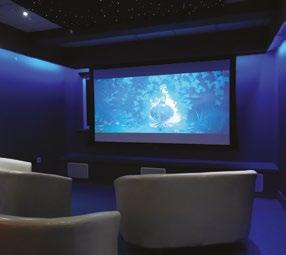
Bring the Theatre Home
KEF Extreme Home Theatre Speakers
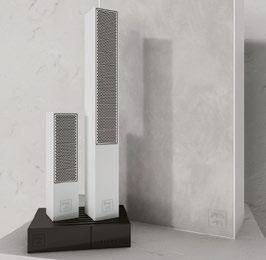
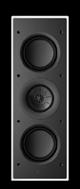
For unmatched sonic excellence, KEF’s Extreme Home Theatre range now delivers even more immersive cinematic sound. Engineered for powerful performance in both dedicated home theatres and multipurpose rooms, the compact Ci5120QLM-THX and Ci3120QLM-THX feature a 12 th generation Uni-Q driver array with Metamaterial Absorption Technology (MAT™) and long-throw bass drivers, ensuring accurate, high-fidelity sound in any setting.
Hide your speakers, not your sound.
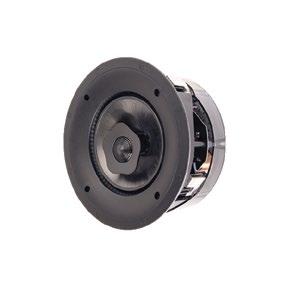
Ready to elevate your next AV project with high-performance Architectural Speakers from KEF? Scan the QR code to contact us to discuss KEF in-wall and in-ceiling solutions.
Ci5120QLM-THX Ci3120QLM-THX
23-24 SEPTEMBER 2026
BIG NEWS IN THE AV & SMART HOME SECTOR!
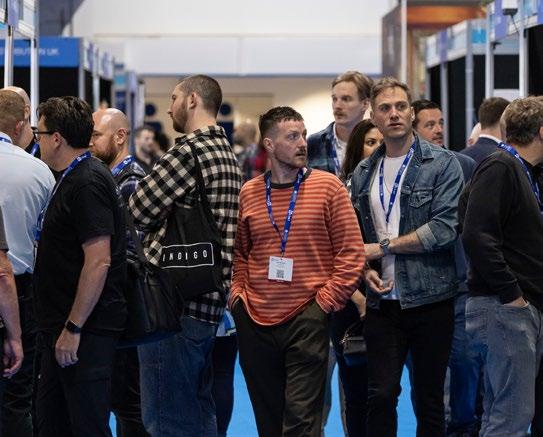
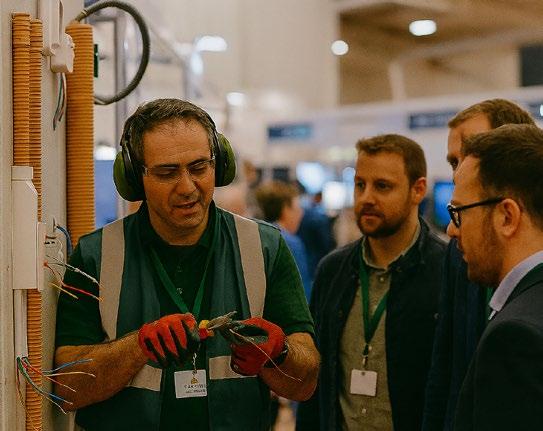
EI Live! the UK’s top trade show, teams up with ECN Live! for an all-new event experience. This unique collaboration promises unparalleled insights and opportunities in a unified venue.
The residential AV and home automation industries have relied on EI Live! as a primary event for 14 years, but as the market grows and overlaps with electrical contracting, there is an opportunity to bridge these industries. To address this, EI Live! is re-locating to the NEC Birmingham for its 2026 event and will run alongside ECN Live! This joint exhibition creates a collaborative space for AV and smart home professionals to engage directly with electricians and electrical contractors, fostering synergy across these interconnected markets.
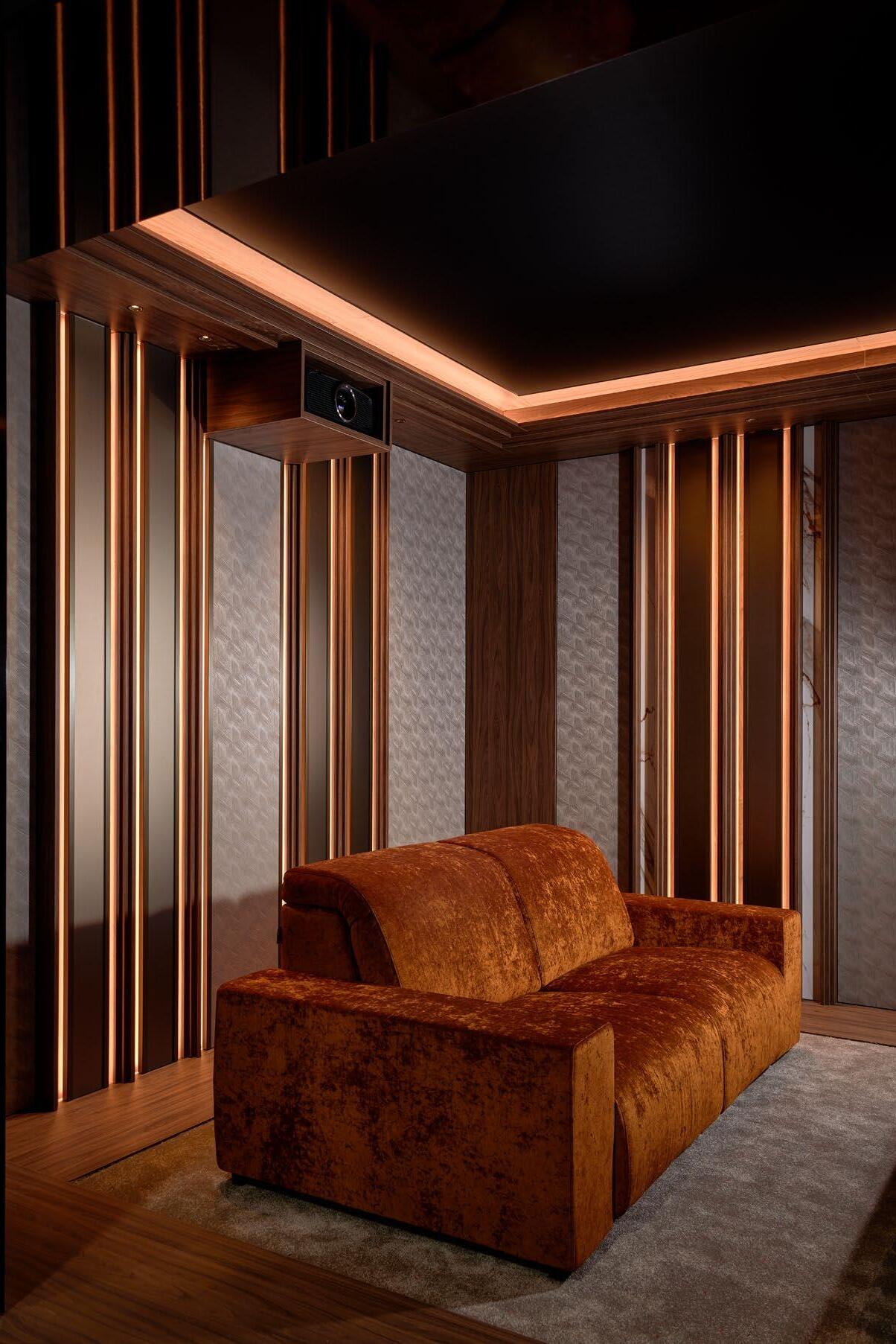
MCINTOSH, SONUS FABER AND INDIGOZEST PARTNER ON MOORGEN’S SHOWROOM CINEMA
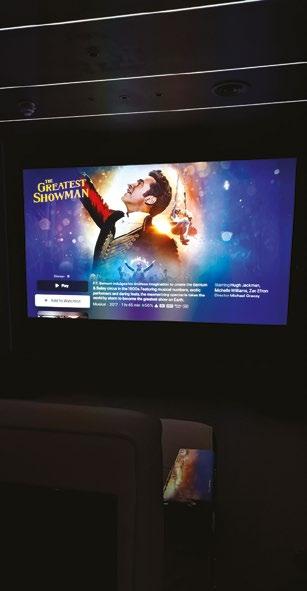
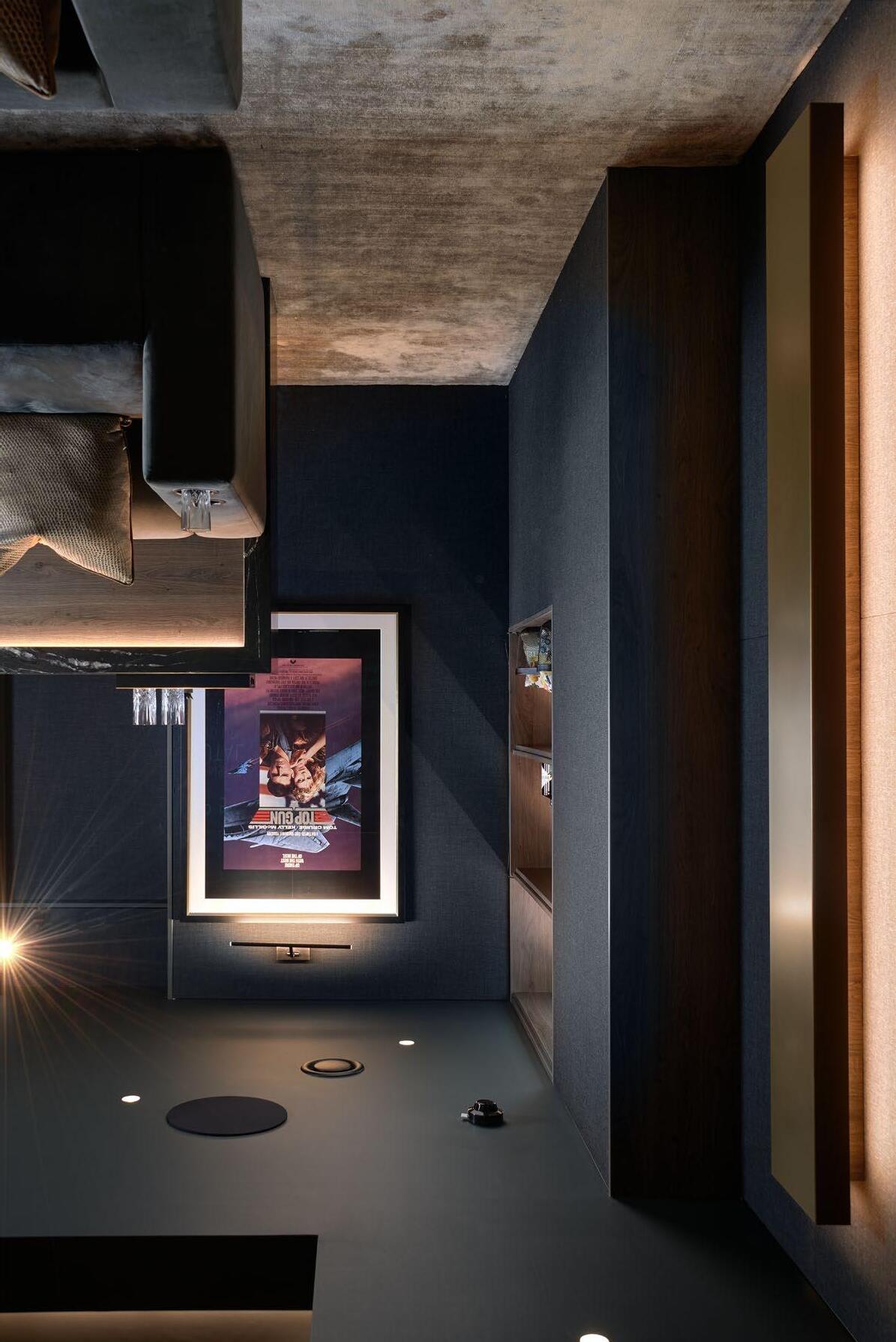
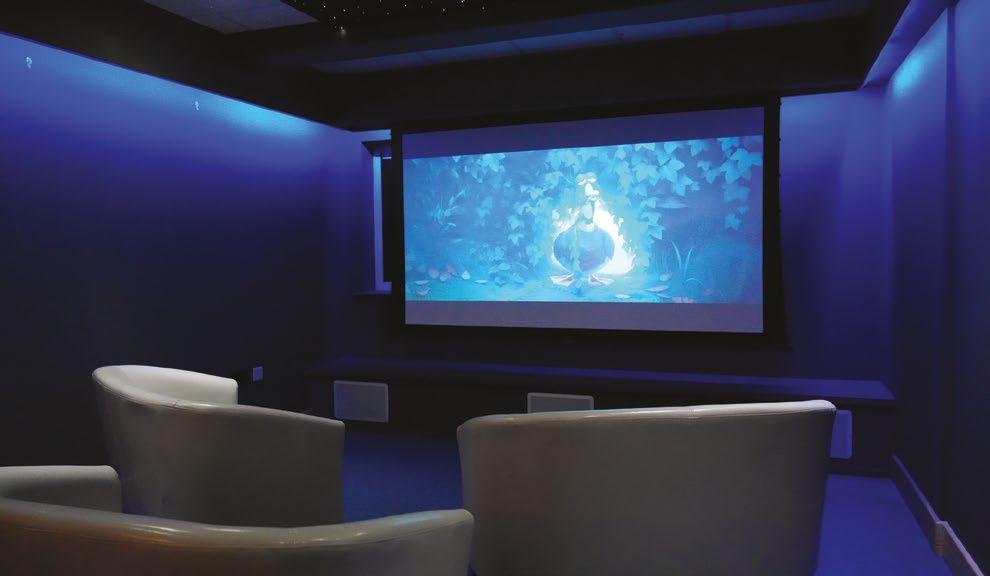
McIntosh and Sonus faber have joined home automation specialist, IndigoZest to deliver a world-class home cinema at Moorgen’s new flagship showroom in London’s Chelsea Design District. The installation introduces the German luxury smart home brand’s products to the UK and features a reference-level cinema system with premium audio solutions from both McIntosh and Sonus faber.
The system incorporates the Sonus faber Palladio in-wall series and results from IndigoZest working alongside Moorgen to bring the company’s design-led smart home solutions to the UK for the first time. The project also marks one of the first collaborations under The Faraday Club, a UK collective of premium technology brands spanning audio, visual, home automation and luxury lighting.
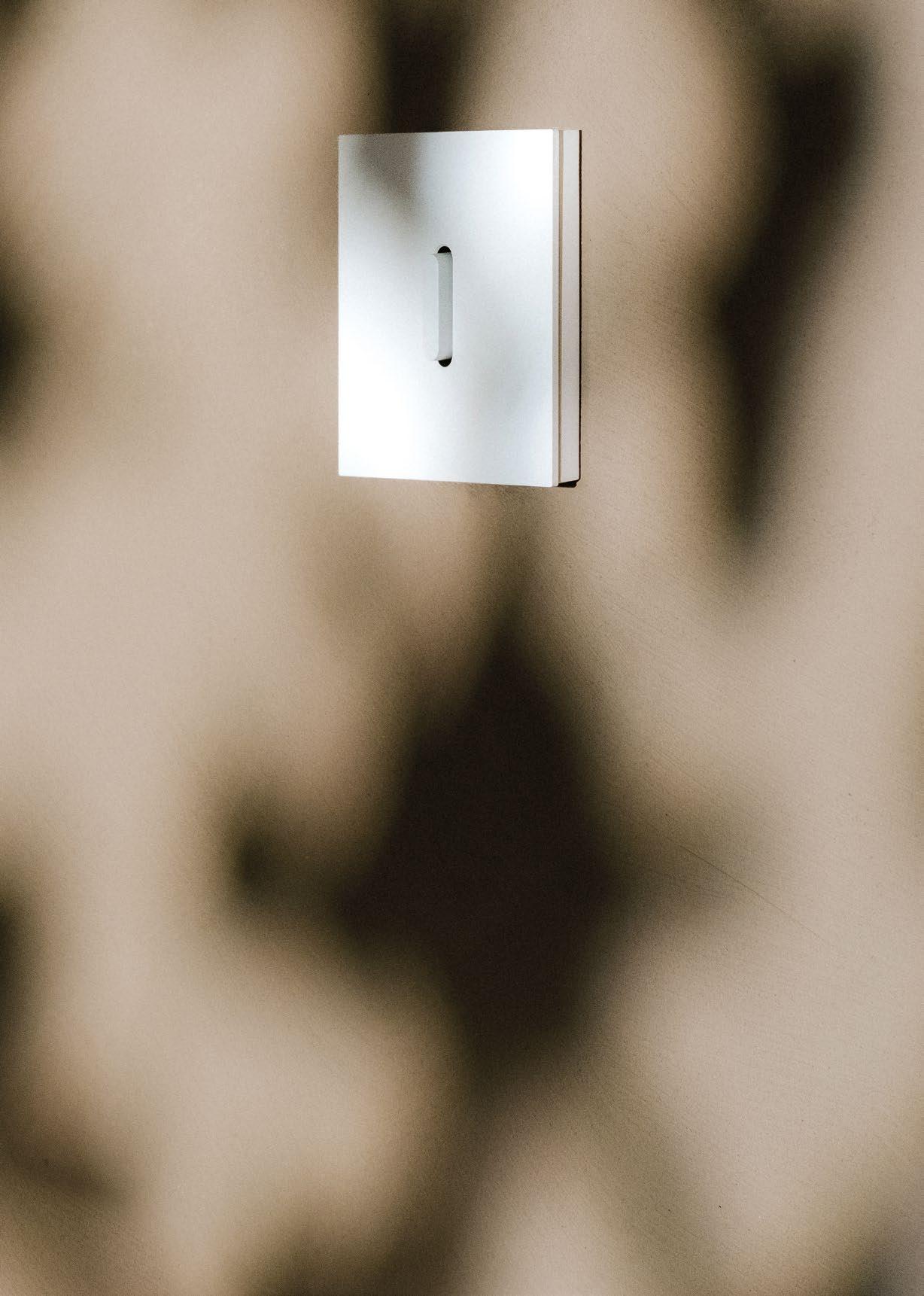
Germany-based Moorgen has earned a reputation as a forward-thinking smart home design house. Partnering with renowned designers including Steve Leung, Andrea Bonini and Jorge Herrera, Moorgen produces tactile, high-end products designed to complement luxury interiors. From architectural and decorative lighting to smart locks, sensors and control systems, each product combines
cutting-edge technology with meticulous interior design.
The Chelsea showroom provides a UK base for Moorgen’s portfolio, allowing industry specialists and clients to experience the brand’s vision for the luxury home. At the centre of the space, visitors encounter a home cinema installation designed to appeal to the most discerning audio and home cinema enthusiasts.
IndigoZest facilitated the design and installation of the cinema system, introducing McIntosh and Sonus faber to ensure referencelevel performance. The audio setup includes three Sonus faber Palladio PC-664 and two Palladio PC-664P in-wall loudspeakers, paired with two GRAVIS II subwoofers. McIntosh’s MHT300 Home Theatre Receiver powers the system, delivering a fully immersive audio experience.
Visual components include Screen Line’s Living Thin Acoustically Transparent Screen and a Christie 4K860-iS 1DLP Laser Projector, providing 4K UHD video playback.
Moorgen moorgen.de
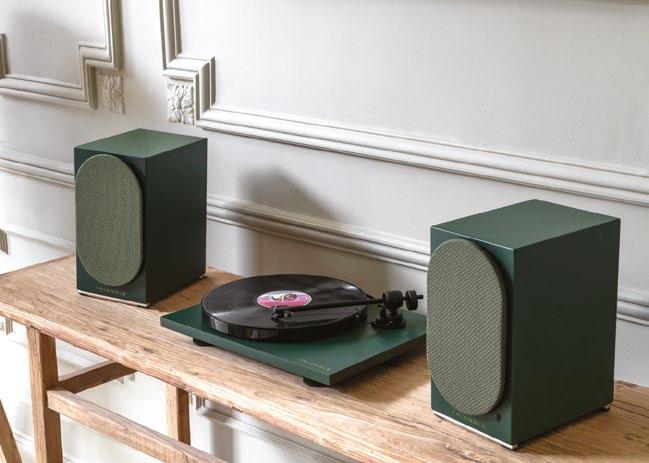
HEA DISTRIBUTION APPOINTED NEW UK DISTRIBUTOR FOR TRIANGLE HI-FI
HEA Distribution has been appointed as the new UK distributor for French loudspeaker manufacturer Triangle Hi-Fi.
Effective immediately, HEA Distribution will oversee all UK retail, CI and consumer-facing sales, as well as PR, marketing and support for Triangle’s full range of loudspeakers.
Founded in 1980 in Soissons, France, Triangle has spent more than four decades refining the art of loudspeaker design, from the Esprit and Borea series to the flagship Magellan line handcrafted in its dedicated Atelier.
Elodie Deveau, Triangle’s Export Sales Manager, commented, “We are thrilled to begin
this new partnership with HEA Distribution. Triangle has always been committed to delivering emotionally engaging sound shaped by passion, precision and artisanal expertise. HEA’s strong reputation, technical knowledge and customerfirst approach make them the ideal partner to strengthen Triangle’s presence in the UK. Together we look forward to bringing the Triangle experience to an even wider audience.”
Stephan Orphanides, CEO of HEA Distribution, added, “Triangle is a brand with remarkable heritage and a fiercely loyal global following. Their mix of craftsmanship, design elegance and acoustic performance aligns perfectly with our values at HEA Distribution. We’re excited to expand the reach of Triangle’s loudspeakers into a range of retail spaces, ensuring more UK listeners can enjoy the beauty and energy for which Triangle is known.”
To support Triangle’s addition to the HEA portfolio, HEA Distribution will continue strengthening its sales, training and technical support initiatives across all categories – further enhancing the premium service offered to its retail and installation partners.
HEA Distribution headistribution.com
The account will benefit from the continuity offered by Matt Esau’s recent appointment as Commercial Director at HEA
Seating in the cinema is supplied by Pavone Design
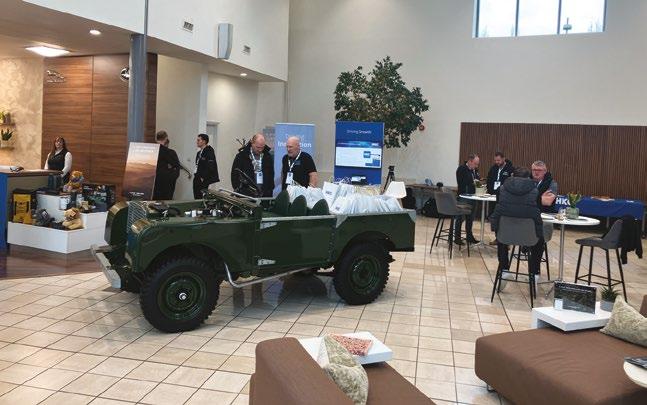
HKC Security recently hosted an event at the Jaguar Land Rover Experience in Liverpool, bringing together professional security installers from across the UK to learn about its latest development in alarm technology: the SecureHub alarm panel.
At the event, installers were given the opportunity to experience SecureHub in action through live demonstrations and technical presentations led by HKC’s product experts. Installers were able to explore equipment options and find out more about the benefits of the fully wireless Grade 2 system.
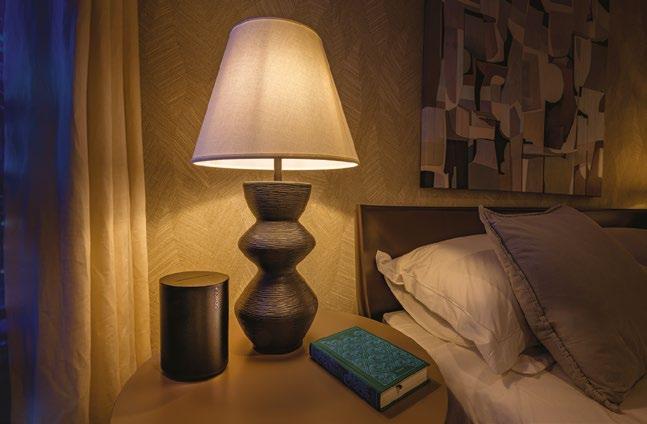
SONOS ERA 100 PRO BRINGS SIGNATURE SOUND TO KENSINGTON
A new residential scheme in London is using the Sonos Era 100 Pro, showcasing how integrated audio can help set the tone for a high-end lifestyle experience.
100 Kensington is a luxury development by SevenCapital and MARK Capital Management, delivering a collection of premium one-, twoand three-bedroom apartments across several buildings. The first phase to welcome residents is The Oria, set to become the tallest residential building in Kensington and Chelsea, offering uninterrupted views across the capital.
To support sales of the development, SevenCapital has created an immersive marketing suite within a former bank building on Kensington High Street. Designed to introduce prospective buyers to the 100 Kensington lifestyle, the space includes multiple demonstration areas and two mock apartments, all aimed at a discerning, highnet-worth audience.
SevenCapital wanted an audio solution that could immediately engage visitors on arrival while remaining intuitive for staff to operate.
Following an evaluation of audio options, Sonos was selected as the integrated audio platform for the marketing suite.
The system needed to be both a practical day-to-day tool and a sales aid, allowing staff to demonstrate the type of audio experience buyers could expect in their future homes.
The system’s speed of installation, enhanced connectivity options and integration with HKC’s expanding ecosystem were key talking points throughout the day, positioning SecureHub as the next evolution in professional-grade intruder alarm technology.
The event also provided valuable networking opportunities, with HKC’s senior team on hand to discuss product updates, business support and upcoming developments. As part of the day, attendees were treated to an immersive driving experience.
Damian Lloyd, Head of Marketing at HKC, said, “SecureHub is an alarm panel truly designed for today’s security professional –giving them everything they need to deliver smart and reliable installations.
“Showcasing it to our installer network at the Jaguar Land Rover Experience felt like the perfect opportunity to highlight its streamlined setup, flexible system configuration and seamless connectivity. Engineered with the professional installer in mind, SecureHub marks a step forward in alarm panel design.”
HKC Security hkcsecurity.com
The building features extensive glazing and reflective surfaces, including a striking glassfronted façade, requiring precise control to maintain clarity and consistency. The system also had to deliver sufficient power for corporate events and promotional gatherings.
Following a site inspection, Sonos Platinum Installer, Musical Images specified a system comprising six Era 100 Pro speakers and two Era 100 models.
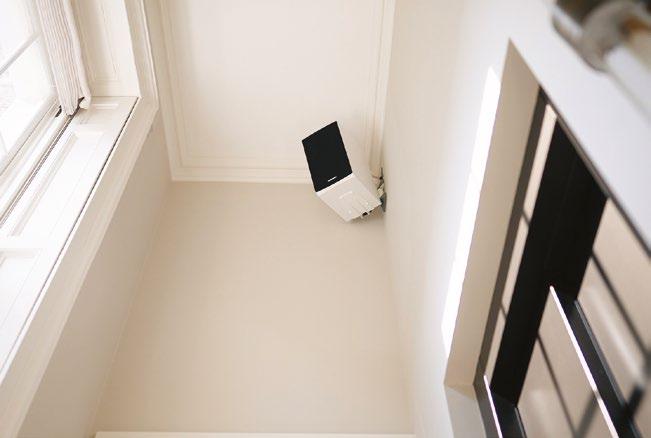
The Era 100 Pro units were installed across the main marketing suite, mounted high within
the exposed ceiling. To preserve the interior design, the speakers were fixed to existing cable trays, allowing them to blend into the blackpainted ceiling. Black-finished speakers were chosen to match the contemporary aesthetic.
HKC SecureHub is available now via HKC’s approved distribution partners.
Sonos Trueplay technology played a key role in optimising performance
CEDIA APPOINTS FIRST FEMALE CHAIRPERSON AND NEW BOARD MEMBERS
CEDIA has announced several additions to its Global Board of Directors for the 2026-2028 term. Following a slate vote overwhelmingly approved by CEDIA members, integrators Rich Green of Rich Green Design, Jennifer Mallett of Level Up Automation and James Ratcliffe of Homeplay Ltd have now assumed their positions as Board Directors. Joining them will be Board-appointed members, Kris Hogg of Samsung and Maryellen Oswald of Somfy.
The newly elected slate of Officers forming the Executive Committee will be led by Chairperson Amanda Wildman. An integrator and President/Owner of TruMedia Home, Amanda becomes the first woman to hold the Chairperson role in CEDIA’s history.
Alongside her, Edward Gilmore will serve as Vice Chairperson, Stuart Tickle as Treasurer and James Chen as Secretary. Former Chairperson Alex Capecelatro will assume the role of Immediate Past Chairperson and remain on the Executive Committee.
“I am honoured to be voted in as Chairperson of the CEDIA Board of Directors and am deeply grateful to our members, volunteers, and mentors who make this organisation what it is,” said Amanda. “After more than a decade of volunteering and working hands-on in the field, I look forward to carrying the knowledge and experience shared by this community with me as we chart CEDIA’s course together over the next two years.”
“CEDIA’s Board represents the best in the industry and it is a privilege to work with them each day to guide our global trade association,” added CEDIA Global President and CEO, Daryl Friedman. “From my first day as CEO, Amanda helped me understand this industry from the integrator’s point of view, even having me serve
as an ‘apprentice for a day’ with her team. Her years of commitment to CEDIA as a volunteer, educator and Board member will serve her well in this important leadership role.”
CEDIA cedia.org
MIDWICH GROUP STREAMLINES PRO AV PRODUCT INFORMATION USING ICECAT
The Midwich Group has announced it will use Icecat as a central source of product information across its webshop environments, supporting multiple group identities and specialist pro AV entities.
The use of Icecat will be rolled out in phases across the Midwich Group, including, among others, Midwich Benelux and Kern & Stelly.
With this approach, Midwich Group places its customers at the centre by ensuring scalable, consistent access to high-quality product content, an essential advantage in the pro AV
market where online visibility, speed and data accuracy are key.
Icecat is a global product data platform that provides standardised, structured product information for millions of products across thousands of brands.
In plain English, it’s a huge, shared product content database that manufacturers upload to and distributors, retailers, installers and e-commerce platforms pull from.
Icecat provides structured and validated product information that can be applied across
the pro AV workflow, including webshops and dealer portals, tender and project environments, quotation and configuration tools and internal sales and advisory platforms.
An increasing number of distributors, integrators and resellers already rely on Icecat as their content layer. Midwich Group’s decision reflects this broader market development and by maintaining reliable, up-to-date and consistent product information across every channel, the Group not only strengthens its own digital performance but also enables its customers to work more efficiently, make informed decisions and in turn build stronger trust with their end users.
Within the Midwich Group ecosystem, brands are encouraged to make their product information available through Icecat to ensure customers get the best service. Brands that maintain structured and up-to-date Icecat content can benefit from improved online visibility across channel partners, consistent product presentation on multiple platforms, faster time-to-market and reduced manual content management.
For manufacturers, this supports greater control over their product messaging and improved reach within the professional AV channel.
CEDIA Chairperson Amanda Wildman
Re-Sauce, the global sales and business consultancy, has announced the appointment of Beky Cann as Head of Global PR & Marketing. Beky joins the Re-Sauce leadership team in 2026 to expand the consultancy’s communications and media services worldwide, strengthening its ability to support clients in brand storytelling, channel influence, trade press engagement and strategic marketing delivery across Europe, the Middle East, India, North America and APAC.
With 25+ years of PR and marketing experience, including senior international roles in the professional AV, workplace, enterprise technology and digital signage sectors, Beky brings deep market knowledge and an expansive network of connections built on decades of trust and industry collaboration.
Her appointment marks a pivotal milestone for Re-Sauce as it enhances its service portfolio, now offering a fully unified global communications function alongside its established sales introduction and business growth offerings.
Beky said: “This is an exciting new chapter for me personally. I’ve built my career on telling the stories behind great technology brands, in a way that’s authentic, technical and memorable. Through Re-Sauce, I’m looking forward to delivering PR and marketing programmes that build long-term influence while maximising impact at major industry events, kicking off with ISE 2026.”
Integrated access control and security manufacturer TDSi has welcomed Damian Garner to the team. Damian joins as New Business Sales Associate and brings over 20 years of sales and commercial leadership experience across B2B and B2C markets, strengthening TDSi’s commitment to customer partnerships, innovation and sustainable growth.
Speaking about his appointment, Damian commented, “Customers trust TDSi because the products perform, the technology is robust and the support behind it is ssecond to none. I am excited to be joining at such a pivotal time, bringing fresh perspectives from outside the security sector and helping strengthen collaboration between TDSi and its Hirsch Group (formerly Vitaprotech Group) sister companies. I look forward to driving new customer and partner relationships, expanding TDSi’s market presence across new sectors and supporting strategic initiatives that will shape the company’s next phase of growth.”
HEA Distribution has appointed Matt Esau as Commercial Director. Matt brings deep industry experience and a strong track record in high-end audio distribution and commercial leadership, strengthening HEA’s strategy as it continues to grow its presence across the UK market.
Joining HEA Distribution at a pivotal moment, Matt’s appointment marks the next step in the company’s continued growth and development. In 2025, HEA expanded both its premium audio portfolio and its team, reflecting its commitment to delivering a full-spectrum brand-building experience – from tailored PR and marketing support and expert training to technical insight and event presence. That growth is set to accelerate into 2026, with new brand signings imminent.
Matt joins HEA Distribution following senior commercial roles in the audio sector, most recently leading the Hi-Fi division at SCV Distribution (now part of Sound Service UK), where he was instrumental in driving sales growth, developing brand-partner relationships and supporting independent retailers across the UK and Ireland.
Matt will be responsible for shaping HEA Distribution’s commercial strategy, expanding key channel partnerships and delivering a cohesive sales vision across all audio and lifestyle categories. He will work closely with HEA’s leadership team to accelerate the company’s growth ambitions and enhance service delivery to both existing and future brand partners.
Matt commented: “I’m delighted to join HEA Distribution. The company’s reputation for excellence, commitment to its partners and strategic vision make it one of the most dynamic distributors in our industry. I look forward to working with the team to build on HEA’s success and deliver meaningful value to our brands, retailers and customers across the UK.”
Humly, the Scandinavian workplace experience company, has promoted Jonathan Boutin to Head of Marketing, effective immediately. Based in Stockholm, Jonathan will lead all global marketing initiatives across strategy and communications and ensure that all marketing activities align with the Humly brand. He reports to CEO Anders Karlsson.
Jonathan joined Humly three years ago in a sales and marketing role that prioritised partner relations, business development and market expansion, where he successfully established and grew the company’s channel
partner network in North America. Many of his responsibilities required close collaboration with Humly’s sales operation, fuelling his familiarity with customer challenges and how to address them through product lines and sustained marketing efforts.
Jonathan has already been hard at work on a holistic rebranding initiative that will refine Humly’s marketing and messaging for the company’s next phase, better align Humly with ideal customer profiles, and extend the company’s brand presence. The latter includes expanding into new markets and verticals to increase brand value.
“The Humly brand has made a strong impact across active business regions in our first halfdecade of business, and we have consistently refined and evolved our messaging over time,” said Jonathan. “As we prepare to introduce our new branding, it’s my goal to ensure that all marketing activities align with our ability to create sustainable campaigns and support sales and business growth.”
AVPro Global Holdings LLC , parent company of AVPro Edge, AudioControl Pro, Bullet Train, RTI, ProControl, ThenAudio, and Murideo, has announced the appointment of Matt Murray, formerly Chief Technology Officer, as Chief Executive Officer and the transition of AVPro founder Jeff Murray from CEO to Chairman of the Board. Matt, a seasoned senior leader who, alongside his father, built the foundation of AVPro— recognised on the Inc. 5000 list of America’s fastest-growing private companies—now leads the organisation’s day-to-day and long-term operations. United by the vision ‘to be recognised as the best AV signal distribution and control products and services company on the planet,’ Matt assumes overall leadership of the enterprise while Jeff remains deeply engaged in strategy, governance and mentoring. This planned generational leadership evolution honors AVPro’s heritage and opens new dimensions for future growth and innovation.
“Watching Matt step into the CEO role is incredibly rewarding for me both as a founder and as a father, because he helped build AVPro from day one and deeply understands what makes this company special,” said Jeff. “This transition respects the heritage we’ve created and positions AVPro to explore new dimensions of innovation, opportunity, and customer satisfaction in the years ahead.”
Matt
Esau
Matt Murray
Beky Cann
Damian Garner
Jonathan Boutin
Solid Performance. Flexible Solutions.
Designed for Integration: Inside NAD’s New CI Modular Series
As AV systems grow more complex, integrators are increasingly looking for solutions that simplify design without compromising performance. Rack space is tighter, energy efficiency matters more, and clients expect seamless control. NAD’s Modular Series has been developed for these realities in mind; a new line engineered specifically for custom AV integration. NAD’s new Modular Series draws on decades of audio engineering expertise. That heritage includes the development of BluOS, the popular multi-room streaming platform for residential and commercial projects.
Developed by Lenbrook Media Group,
and the company behind Bluesound, PSB Speakers, and NAD Electronics, BluOS is a proprietary music management software that gives NAD CI ability to develop tools and features directly for integrators.
Designed for Integrators
The CI PA4-60 Power Amplifier, SA2120 BluOS Streaming Amplifier, and S2 BluOS Streaming modules were shaped by direct feedback from integration partners. Four principles guided their development: performance, reliability, ease of installation, and efficiency.
Performance and reliability are foundational. NAD’s amplification expertise, combined with the stability of the BluOS software ecosystem, provides a dependable backbone for all types of installs. Compact chassis dimensions, flexible mounting options, included rack accessories, and snap-on speaker connectors are all intended to reduce time on site and simplify servicing.
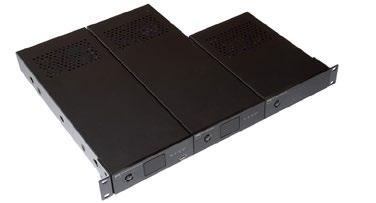
Efficiency is equally important. Each module occupies just 1/3 of a rack width at 1U heigh, allowing very high rack density. Low heat output and energy-efficient operation reduce cooling requirements and help control costs— particularly valuable in large, centralised systems.
A Modular Approach to System Design
With the new Modular products, NAD set out to maximize system flexibility. The series acts as a set of building blocks that be combined to suit a wide range or project sizes—from small decentralised systems to large, rackbased deployments.
BluOS plays a central role in this flexibility. Because it is NAD’s own platform, features can be developed specifically for integration use cases. Dynamic Power Management allows certain CI amplifiers to be configured either as a single high-power zone or as two independent streaming zones. Configurable smart input triggers allow the device to respond automatically to door entry systems or security alerts, adding a layer of automation in projects without full control systems.
True Audio Performance
Performance is at the core of the Modular series. Decades of NAD’s breakthrough amplification is part of the DNA. Unlike conventional Class D designs, NAD’s DirectDigital™ amplification keeps the signal path in the digital domain throughout the amplification stage, shortening the signal path and reducing noise and distortion.
For streaming, this approach is particularly effective. Music from streaming services or a TV show via HDMI eARC remains digital until the output stage, preserving detail and dynamics at both low and high listening levels. In the S2 high-performance ESS DACs that ensure conversion is handled with audiophile-grade precision.
Trusted Solutions for All Applications
The NAD CI SA2-120 in particular is designed to work across a wide range of installations, its a compact streaming amplifier which can be deployed in central racks, powering multiple zones with minimal space, or use in decentralized systems where its small and flexible footprint allows discreet placement behind a TV or in a cabinet.Builtin Wi-Fi, Bluetooth, and HDMI eARC support make the products well suited to retrofit projects where running new cabling might not be feasible.
Where flexibility of amplification is needed, the S2 streaming module can be combined with power amplifiers configured to match different speaker types, power requirements, and distribution formats, including low impedance and 70/100-volt systems and where DSP is required for integrators to finetune performance for architectural speakers.
With BluOS, all NAD CI systems can be controlled via the BluOS app, integrated with major control platforms like Control4 and Crestron, or connected to building management systems such as KNX. Smart triggers and custom BluOS features like network-based audio announcements allow the system to function as a standalone solution.
A Platform for the Future
The CI Modular Series reflects NAD’s commitment to the integration world. By combining, efficient hardware with a powerful and evolving software platform, NAD is offering integrators a system that is easy to specify, fast to install, and scalable as project demands grow. For AV consultants and integrators seeking performance without complexity, NAD and BluOS are an ecosystem designed not just for the next install, but for systems well into the future.
FITZROY SQUARE: MODERNISING A GRADE I LISTED GEORGIAN TOWNHOUSE
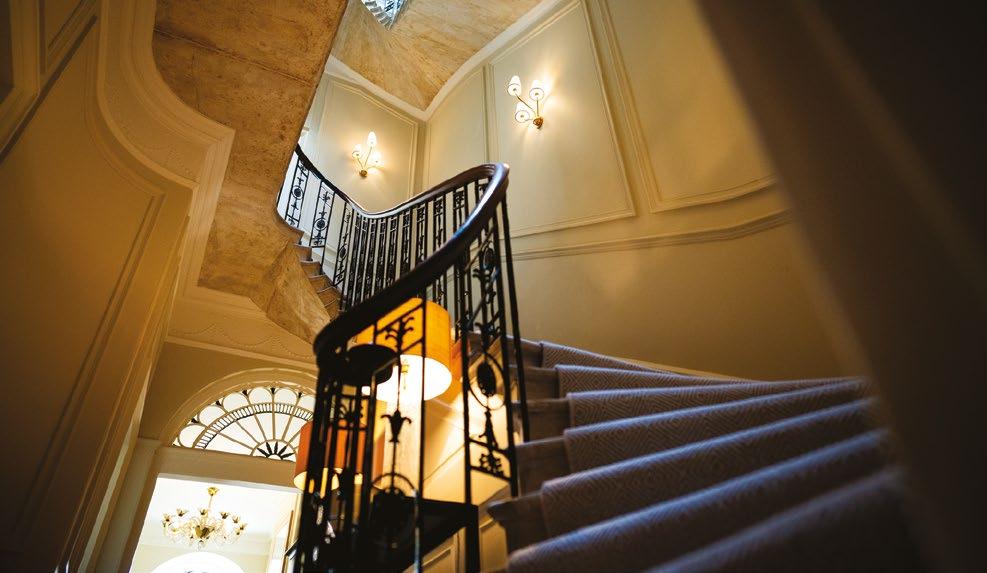
Amid the stately streets of Dublin, a Grade I listed Georgian townhouse quietly reveals a new standard for refined smart living. The project was entrusted to Mosaic Audio & Visual. The company truly delivered, capturing the 2025 CEDIA Award for Best Integrated Home Level III.
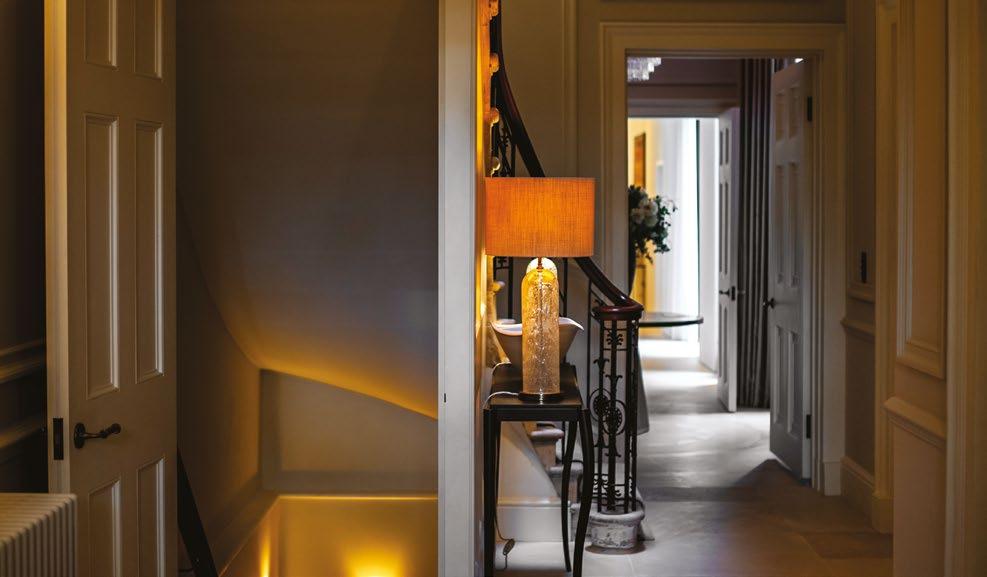
The renovation became an exercise in balancing heritage with innovation. What started as a wish to preserve history while embracing the latest home technology evolved into a showcase of subtle integration and tailored luxury.
The client sought to modernise and expand their Georgian townhouse without sacrificing its historic essence. This involved refurbishing the mews building, adding a spa and underground pool, and discreetly weaving in building controls—from full-house audio and hidden TVs to advanced security and automatic fireplaces. Every feature was carefully chosen to harmonise with the home’s elegant blend of old and new, ensuring a seamless experience that respects both the property’s legacy and the client’s desire for effortless control.
SUBSYSTEMS INSTALLED AND INTEGRATED
A comprehensive suite of advanced subsystems was installed to deliver a truly integrated smart home experience within the Georgian townhouse. The fire system is engineered to detect early signs of fire, issuing alerts via alarms and activating sprinklers to suppress and control any outbreak. Security and alarm systems safeguard the property and its residents from unauthorised access, intrusion and other potential threats, utilising an array of sensors such as window contacts and presence detectors. Should a breach occur, the alarm system ensures an immediate response.
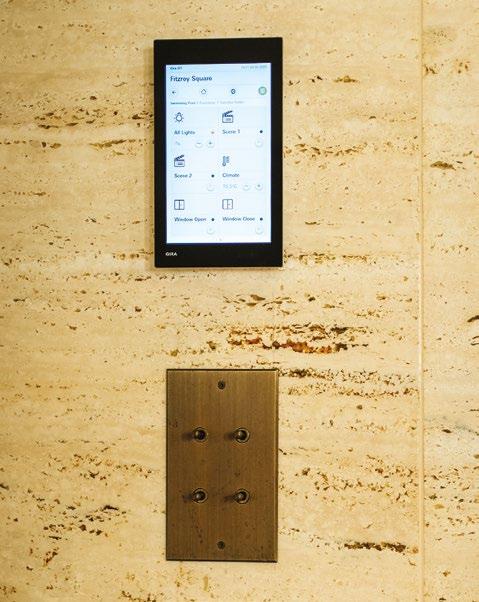
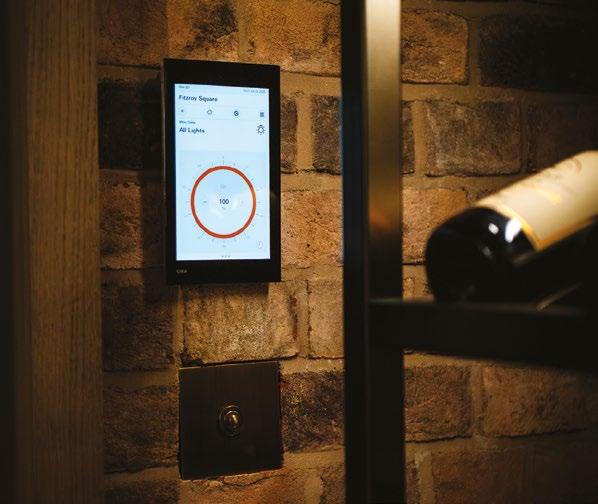
CCTV provides visual surveillance and monitoring capabilities, supporting real-time viewing and recording of activities throughout the property. This system not only serves as evidence in case of incidents but also enables remote monitoring, enhancing peace of mind and situational awareness. It operates in close coordination with the security and alarm subsystems. Keypads, touchscreens and other user control interfaces act as the primary tools for managing and interacting with these subsystems. These interfaces offer a centralised, user-friendly means to control security (arming/ disarming), HVAC (temperature adjustments), lighting, audio, blinds and additional features, with each keypad programmed to the client’s specific requirements.
Whole-home audio allows for distributed entertainment across the residence, supporting playback from streaming platforms, local files and radio in different zones or rooms, either independently or synchronously. This capability enriches the ambience and enjoyment of living spaces. Network video manages all televisions installed in the building, supporting multiple services—streaming, local files, satellite—across various zones, and works in tandem with the audio system for complete home entertainment.
Fireplace control enables safe and convenient operation of fireplaces, with
adjustable ignition, flame intensity and heat output. Blind control provides automated and remote management of window blinds, shades and curtains, making it easy to regulate natural light, privacy and energy efficiency through motorised systems. Integration with KNX systems allows for scheduled adjustments according to the client’s preferences. The HVAC system regulates indoor climate for comfort and air quality, controlling temperature, ventilation, zoning, scheduling and remote access to optimise both comfort and energy efficiency.
BMS control offers centralised oversight and management of the property’s mechanical
and electrical systems. Automated control is achieved through pre-set parameters, realtime sensor data and occupancy patterns, maximising energy efficiency, occupant comfort and the safe operation of equipment. The BMS also supports fault detection, alarm management and data logging, enabling proactive maintenance, reducing downtime and enhancing overall building performance.
TECHNICAL SOLUTION AND ADAPTATION
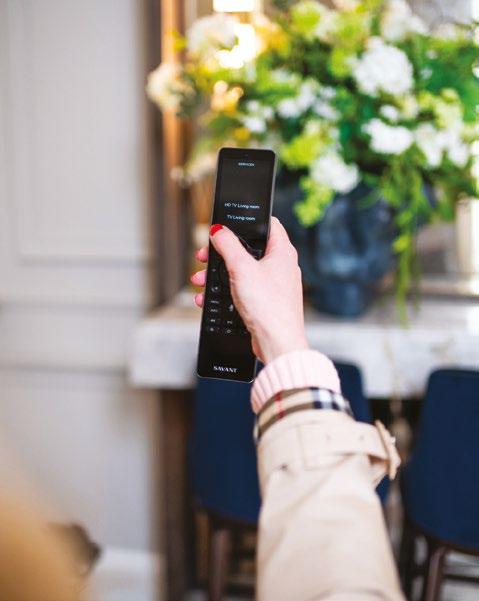
The smart building solution was centred around the KNX protocol, facilitating integration of diverse subsystems including HVAC, lighting and blind control. The full home AV systems featured premium speakers of various types, from freestanding models to those discreetly installed in the ceiling, tailored to each space. Security systems were unified, integrating access control, intrusion detection, and alarms to enhance safety and monitoring.
The client’s brief prioritised elegance, seamless integration, and a control system that complemented the building’s aesthetic. To address these requirements, Meljac keypads and discreet power solutions were selected for their high-quality and visual appeal, ensuring they harmonised with the townhouse’s design. The choice of KNX as the central communication protocol enabled the integration of disparate systems under a single, unified control platform, eliminating the complexity of managing multiple independent systems and delivering a holistic, intuitive control experience for the client.
Electrical infrastructure was strategically zoned, with over 10 panels and racks distributed across three zones, ensuring efficient wiring and reliable operation in the large property. This careful planning also simplified future maintenance and allowed for straightforward expansion.
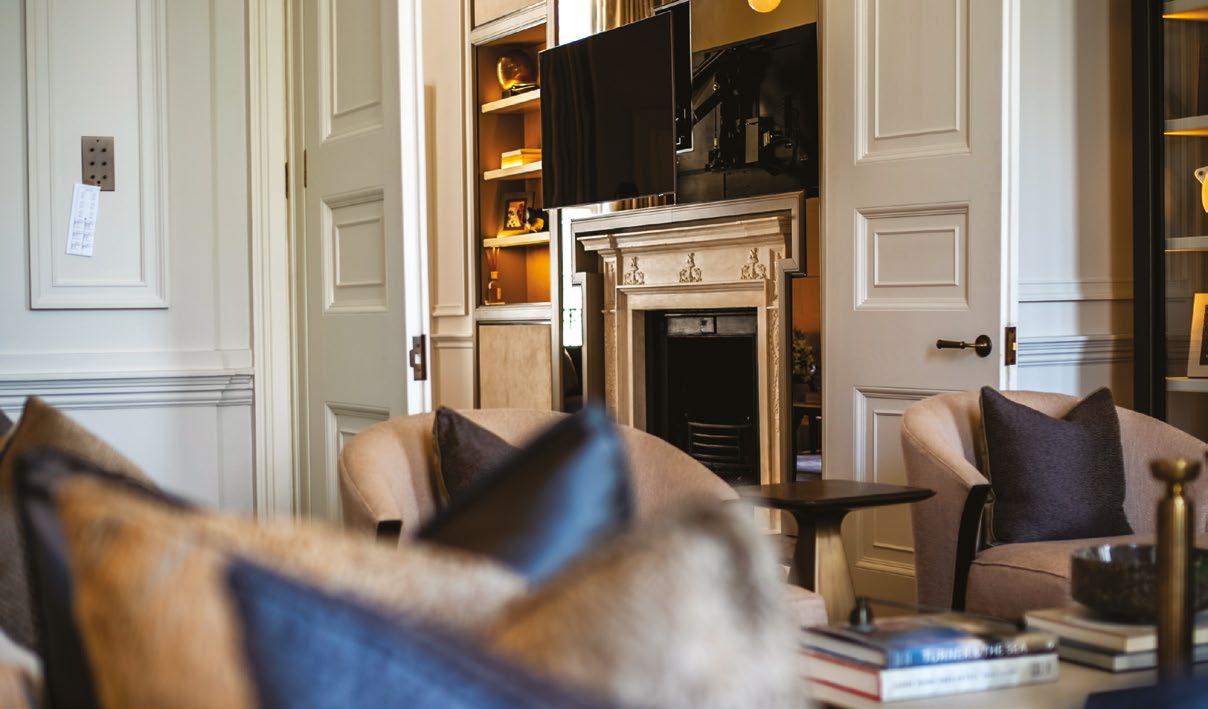
A fully concealed television was installed, designed to slide out from an office space, preserving the elegance of the room and providing
an unobtrusive background for meetings. Throughout the project, a flexible and collaborative approach was maintained, adapting readily to evolving client requirements. The open nature of the KNX protocol proved invaluable for accommodating modifications; for instance, when changes were requested to keypad programming in particular areas, the KNX architecture enabled straightforward reprogramming of lighting control modules
without requiring hardware replacements. The initial zoning strategy provided a robust foundation for future changes, allowing new subsystems to be added or existing ones expanded within specific zones, with preplanned infrastructure and local panel capacity simplifying integration. This foresight minimised disruption and ensured efficient implementation of modifications.
Easy and elegant control was essential
DESIGN COLLABORATION
Collaboration with design professionals was instrumental in ensuring that the smart building solutions seamlessly complemented the townhouse’s aesthetic and architectural vision. From the outset, the integrator maintained clear and proactive communication with architects, interior designers and M&E contractors, regularly sharing system designs and specifications and responding promptly to queries. By providing early samples of frontend equipment, Mosaic AV enabled the design team to select options that aligned with their vision, while adapting technical proposals in
response to evolving requirements and specific requests. This flexible approach, supported by technical expertise, ensured that elements such as televisions remained hidden behind bespoke mechanisms and speakers were discreetly installed where permitted, preserving the elegance of each space. Through collaborative problem-solving and shared decisionmaking at every stage, the project achieved a harmonious integration of technology that not only enhanced the building’s functionality and comfort, but also respected and elevated the overall design intent.
CHALLENGES AND RESOLUTIONS
The restrictions imposed by the building’s listed status limited development options, such as preventing the installation of ceiling speakers in certain areas. These challenges were addressed through clear communication with architects, M&E contractors and interior designers, with detailed drawings provided at each stage to clarify intentions and ensure alignment among all parties involved.
Mosaic Audio & Visual mosaic-av.com
Many aspects of the home needed to be carefully monitored and controlled
Cleverly hidden TVs were essential to maintain the correct aesthetic
ACE OF BASS?
Our trade-focused reviewer Richard Stevenson gets up close and personal with the powerful Perlisten D8is: is it love?
Spoiler alert: the Perlisten D8is is the best subwoofer I have reviewed in 25 years as an audio reviewer. Just when I thought my age suggested I was past ‘raving’, this sub has brought out my inner raver, journalistically and in the listening room.
There are premium subwoofers that fill space with epic levels of LF. There are subwoofers that deliver nuanced, detailed bass output, enhancing the overall spectrum for music and movies. And then there are subwoofers that successfully solve problems. The D8is is all three.
Yes, it carries a price tag that will make even seasoned integrators pause, but spend time with it in a real installation context, and the logic becomes clear. This is not simply a premium subwoofer. It is a design-led, system-level LF solution for high-performance cinema and mixed-media rooms where space, aesthetics and acoustic authority all matter equally. Isn’t that precisely the brief from pretty much every high-end client you have ever worked for?
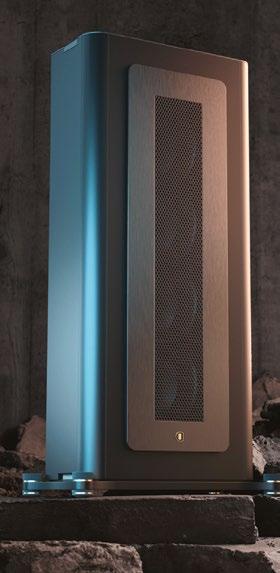
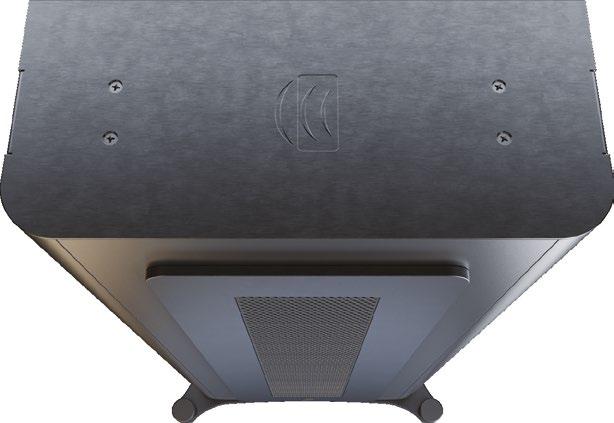
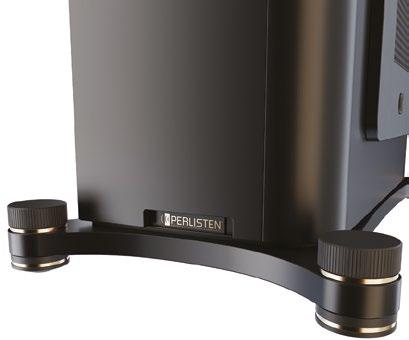
The defining USP of the D8is is obvious the moment you see it in the flesh. Instead of the familiar cubic monolith that demands floor space and can muck up the finely crafted décor, Perlisten has created a tall, shallow, upright enclosure intended to sit against a wall. At just 24cm deep, it’s asking to be slotted behind an easy fabric wall, free-standing or mounted on the wall using the supplied hardware. At 103kg, the latter will present its own challenges!
Standing approximately 114cm tall and 51cm wide, the cabinet is all-metal with trim and parts machined to perfection. As an exengineer, I find the industrial design, machined components and anodised satin back finish frankly beautiful. Yet it is just as easily hidden behind a Laura Ashley fabric wall for clients with more delicate visual tastes.
The unit’s solo connection is a pair of push-post speaker terminals, which is possibly the only part of the entire package that isn’t engineered to the nth degree. The chunky gold-plated binding posts as fitted to the accompanying outboard amplifier would have been nicer if a little less practical. The ‘is’ in D8is denotes Perlisten’s in-wall and system-focused design philosophy, and part of that is separating the amplifier from the enclosure.
The electronics are housed separately in a 2U-high rack-mountable enclosure with a 2.8in touchscreen for basic setup. For integrators, this means that heat stays in the rack, not behind a fabric wall, service access becomes straightforward and firmware updates and DSP control are centralised. The core processor is high-spec, featuring an ARM Cortex-M4 with a TI 48-bit DSP module. You get line-level and balanced XLR stereo inputs and outputs, should you wish to daisy-chain more D8is (??!), and an AES/2 output. Maximum rated output is 3,000W or 3kW RMS, which itself just makes me want to say ‘mwa haa haaaa’ like a Bond villain.
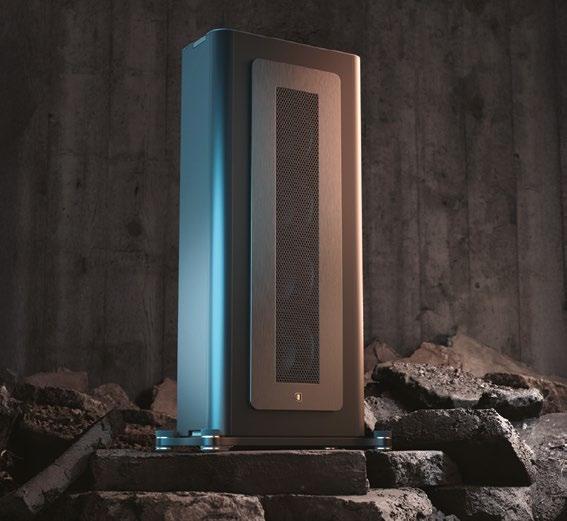
Inside the monster subwoofer is eight – yes, eight – 215mm (8.5in) long-throw drivers with carbon-fibre cones and magnet assemblies that could probably levitate a small car. They are arranged in two banks of four facing the same direction but electrically wired in push/pull configuration. That creates the most significant air pressure between the two banks, which exits the monolithic cabinet through the long frontal grille. In sheer square inches of cone area, the design is equivalent to a single 24in driver – all without suffering the array of issues incurred in getting a cone that large to be light, stiff and remain pistonic under high load.
We spoke to Erik Wiederholtz, the CTO at Perlisten Audio, to get an inside track on
the design philosophy because after a few days of testing, the D8is was really baking my noodle. Erik noted that the multiple smaller drivers in force-cancelling configuration spread mechanical stresses, reduce distortion and maintain piston-like behaviour at extreme excursion levels. Ergo, it is capable of delivering the super-fast transient response of smaller drivers in a push-pull design, alongside the bass depth and SPL output of a 24in. ‘Mwa ha haaaaa’, for the second time.
CLIMB ON BOARD
The onboard DSP is fairly comprehensive with several presets and a manual parametric system. Honestly, in an installation specifying an £18k subwoofer, there will undoubtedly be some high-end EQ system in the mix, so I can’t really critique its lack of on-board EQ automation here either. The app is equally straightforward and user-friendly, with presets, limiters and fine-grain controls, and a big, bold volume control/display.
So how did this unique, expensive, up-against-the-wall subwoofer sound in a realworld installation? Performance is absolutely mind-blowingly good. The LF attack and punch are among the tightest I have ever heard, the depth and extension is sub-sub bass, the articulation of distinct notes and frequencies is truly amazing, and the max SPL is something I could not even get close to… for fear of structural damage to the listening room.
For cinema, the dynamic punch is ferocious. Explosions hit with physical authority, yet never blur into one-note thuds. Low-frequency effects dig astonishingly deep, delivering infrasonic weight you feel in your chest rather than simply hear. At the same time, there is an uncanny sense of control. Even at extreme levels, the D8is sounds composed, almost effortless.
For music, the achievement is arguably even greater. Bass lines are textured, pitchaccurate and rhythmically locked in. Kick drums have snap and body. Double bass has wood, string and air, and detailing across the LF spectrum is sublime. The D8is worked equally well with three different brands and sizes of speakers I tested it with and it integrated seamlessly rather than announcing itself as a separate entity.
It delivers immense energy with up-tempo tracks, and my ‘best of progressive techno’ mixtape gave it a serious workout. It’s so addictive that you keep reaching for ‘just one more track’ while tactfully avoiding calls from UK distributor Karma AV asking for their sample back. OK, the last bit may be just me.
And all this from a design that takes up virtually no floor space, doesn’t need to be moved around to hit the perfect spot and can be hidden behind a 6in-deep fabric wall and/or hung on the wall. You don’t even need to do rear-panel upside-down acrobatics to set it up, as that is all handled in the rack by the outboard amp/DSP. In 25 years of reviewing, only a handful of audio products have genuinely re-engineered my perception of the category, and the D8is has redefined what I thought was even possible from a subwoofer.
THE BUSINESS CASE
From a business perspective, the D8is opens many doors. In rooms where clients or their IDs previously rejected large subs on aesthetic grounds, this becomes an easy upsell. In high-end cinemas where two or three premium subs might normally be specified to achieve output and uniformity, a single D8is could potentially do the job alone.
In very large rooms, I would still advocate multiple subs for modal control, but in spaces where the alternative would be two or three large boxes, the D8is is a very compelling story. One enclosure, one mounting location and one small visual compromise at worst, even if you can’t slot it behind a fabric wall. Less disruption, less cabinetry, less negotiation with architects. The price suddenly makes sense.
The Perlisten D8is is a truly unique product that simplifies design conversations while simultaneously elevating the upper end of audio performance. Now that is a rare beast indeed.
TWO OPENINGS, ONE SHARED BRIEF
Building a cinema room that supports care.
In specialist AV, it is easy to talk about performance first: brightness, control, audio coverage and source routing. Yet some of the most meaningful installations are judged on different measures: whether a room feels welcoming, whether it works first time for busy staff and whether it creates a moment of normality for children and families going through a difficult day.
Together for Cinema has built its reputation around exactly that kind of outcome. Working with charities, care providers and the installation community, it designs and delivers cinema rooms into children’s hospices, hospitals and supported settings across the UK. At the end of 2025, two projects reached completion and were formally celebrated with opening receptions: a brand-new cinema room within
Bradford Royal Infirmary’s children’s ward and a refurbishment of the cinema at Bluebell Wood Children’s Hospice in South Yorkshire. Both show what can be achieved when a clear purpose is matched with thoughtful integration.
BRADFORD ROYAL INFIRMARY: CINEMA ON THE WARD
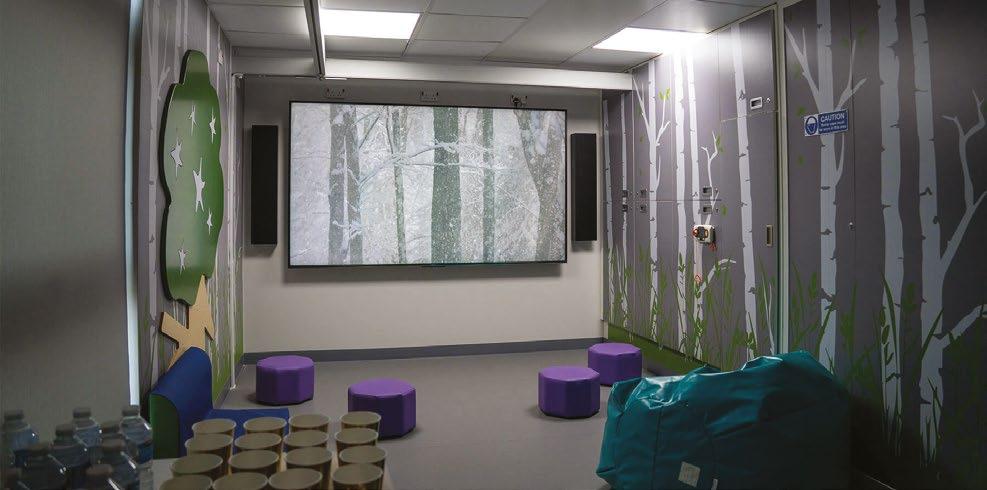
Installing AV into a hospital environment is rarely about creating a showpiece. The space needs to be calm, practical and easy to operate, while still delivering an experience that feels special. Together for Cinema’s new room sits within the Children and Young People’s Unit and the project is notable not just for the benefits it brings on site, but also for what it represents regionally: Bradford is the first hospital in Yorkshire to have a cinema installed on one of its wards.
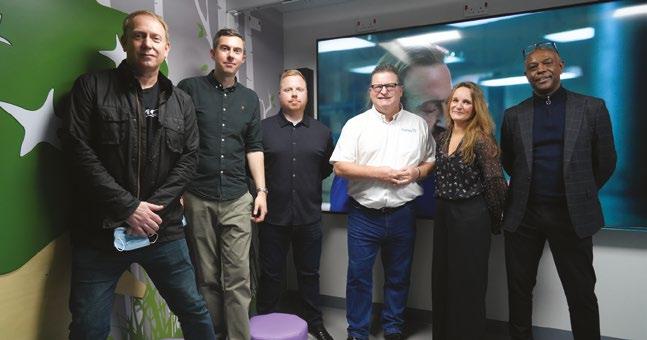
The delivery programme was tight. Installation began on 6th October, with final sign-off on the 9th. The official opening reception followed on 28th November, bringing together children, families, staff and supporters from the AV community to mark the new space.
Credit for delivery and coordination sits with the installer. Knaresborough-based home cinema specialist Clever Association, acting as installer and project manager, translated the brief into a working room inside a live clinical setting, a crucial role. In locations like this, the integrator balances safety, access, infection control, staff routines and the need for the room to feel distinctly non-clinical once the door closes.
Equipment choices reinforce the aim of creating impact with simplicity. The system centres on a 100-inch Hisense smart TV, delivering a big-screen experience in challenging lighting conditions. Audio is handled via an AudioControl Bijou 5100D AV receiver, with the display mounted using a B-Tech bracket. It is a concise specification, but a sensible one for a ward space, where reliability, straightforward operation and minimal fuss are essential.
The result is a room that can be used flexibly, supporting films and shared viewing while also offering a change of scene from beds and bays. For the hospital, that can mean a calmer environment and a better experience for families who may be spending long periods on the ward. For the installer community, it is a reminder that good integration is not only about technical ambition, but also about delivering a system that genuinely fits the site and the people using it.
BLUEBELL WOOD: UPDATING A ROOM THAT ALREADY MATTERED
If Bradford is about introducing cinema to a ward setting, Bluebell Wood is about sustaining something that has long been part of hospice life. Together for Cinema originally installed a cinema room in 2012, with Colin Scott of ET Home Cinema closely associated with that first build and praised for going beyond
expectations to deliver a space that was both forward-looking and easy to use, with a clear track record of serving children, families and staff over many years.
A refurbishment is a different kind of challenge. The objective is not to reinvent what people value, but to protect the character of the room while modernising the infrastructure and usability. Work started on 24th November, was completed and signed off on the 26th, followed by an opening reception on the 27th.
Installer recognition for the refurbishment goes to TaylorMade Smart Homes Ltd, notably its Director, Jack Taylor. For Essential Install readers, it is a familiar story: refurbishments often rely on careful planning, tidy execution and a strong focus on control and supportability, because the venue cannot afford downtime and the room needs to be intuitive for a range of users.
The donated equipment list points to an integration-led approach that treats the backbone of the system with the same seriousness as the front-end experience. An Alltrade 18U floor-standing rack provides structure and serviceability, while a Control4
Core5 platform, supplied via Control4 and Snap One, supports control. Those choices speak to long-term usability, making it easier for staff to run sessions and for the system to be maintained over time.
THE SHARED LESSON FOR THE TRADE
These two projects sit in different environments, but they share a consistent theme: usability is the real feature. In a hospital ward, the room needs to be inviting and dependable, operating smoothly around clinical realities. In a hospice, it needs to provide comfort and familiarity, helping families create moments together. They also highlight how central the installer is to outcomes like these. For Together for Cinema, that partnership is the engine of the model. For the wider industry, it is a practical reminder that the skills used every day in residential and commercial projects can have a direct, positive impact when applied in the right places.
Together for Cinema togetherforcinema.co.uk
WHY PROPOSALS MATTER MORE THAN YOU THINK
In complex integration projects, the proposal isn’t paperwork. It’s a strategy. And the data proves it. EI brings you more vital insight from our resident number-cruncher and CI expert Jason Knott.
There’s a myth in the custom installation industry that proposals are just a simple administrative task between a good sales conversation and a signed contract. All you need to do is get the scope of work roughly right, polish the cover page, send it off and let the relationship do the heavy lifting. But the data says otherwise.
Looking at aggregated 2025 data from D-Tools Cloud, one thing becomes clear very quickly: as projects get larger and more complex, the proposal becomes the single biggest lever you have over maintaining a reasonable sales cycle, maintaining your margin, and elevating customer satisfaction. If you get it right, everything downstream improves; if you get it wrong, the wheels start coming off.
NUMBER OF PROPOSAL REVISIONS
Let’s start with revisions. On simple jobs with fewer than 10 line items, the average opportunity requires just 1.08 proposals. That’s effectively one-and-done. But once you move into complex territory, 50 line items or more, that number jumps to around three proposals per deal. That’s a bit annoying, but still manageable.
It’s when you get to highly complex projects with 500 line items or more that things get scary. Here, the average number of proposals ranges from eight to nine. That’s not refinement, that’s rework. And rework is expensive, even before you factor in the opportunity cost of what your team could have been doing instead.
56%, see a price reduction of 10% or more. That’s already sobering. But on larger projects, where revisions pile up and timelines stretch, discounting becomes almost inevitable. By the time a proposal has been revised half a dozen times, the conversation has often shifted from value to cost. At that point, you’re negotiating against your own document but hopefully you are maintaining your margin in every version.
These three factors feed each other. More complexity leads to more revisions. More revisions extend the sales cycle. Longer sales cycles increase the likelihood of discounting. Discounting erodes margin. Margin pressure forces shortcuts. Shortcuts lead to errors. And errors lead to, you guessed it, more revisions.
This is why proposal creation cannot be treated simply as an administrative task, especially on larger jobs. It is not something to hand off to the least senior person in the room or rush through at the end of a long sales process. Your proposal is where scope discipline lives. It’s where expectations are set, assumptions are made explicit, and value is defended.
The best-performing integrators I speak with treat proposals as a strategic capability. They invest in accurate data, consistent structure and repeatable processes. They aim to get it right early, knowing that every avoided revision saves time, protects margin, and builds confidence with the client.
LONGER SALES CYCLE
Revisions don’t happen in isolation. They stretch the sales cycle. Simple proposals are accepted, on average, in just 18 days. That’s fast, decisive and healthy for cash flow. Highly complex proposals take an average of 86 days to close. Nearly three months of back-and-forth, scope changes and second-guessing. Every revision resets the clock. Every clarification introduces friction. The longer a deal drags on, the more chances there are for something to go wrong.
PRICE EROSION
Lastly, there is often discounting taking place in every quote. Across all proposals, regardless of size, 67% experience some form of value engineering or discounting. More than half,
The challenge for integrators is simple, but uncomfortable: benchmark yourself against these numbers. How many times do your complex proposals get revised? How long do they really take to close? How often do you cave on price, and by how much? If your figures are worse than the benchmarks, it’s not bad luck. It’s the process.
Hear the Whole Picture PULSE CINEMA
The Bluesound PULSE CINEMA is where sound and simplicity meet. Designed for music lovers who want more from their living room, this all-in-one soundbar delivers Dolby Atmos–powered immersion for everything you hear — from playlists to blockbusters. 12 drivers work together to produce rich, spacious sound, with a dedicated center channel for clear dialogue and upfiring speakers that bring height and depth to the experience. With BluOS, you can stream high-resolution music throughout your home or build a wireless surround system using other Bluesound speakers — all controlled from one intuitive app. And with flexible mounting options and automatic orientation adjustment, setup is refreshingly easy. The PULSE CINEMA fits seamlessly into your space and fills it with every detail of the audio you’ve been missing. It’s not just about better sound. It’s about hearing the whole picture.
INDEPENDENT LIVING
Alan Matthews, Director at Automated Spaces, examines an additional frontier for smart home professionals.
CEDIA has long encouraged our industry to look beyond the technology itself and focus on the outcomes it can deliver. For me, that thinking really gathered momentum in 2022, when the Smarter Homes for Independent Living report – co-sponsored by CEDIA – surfaced at a CEDIA Tech Summit. This was a genuine lightbulb moment.
The principle that technology exists to enhance dignity, comfort and connection and the significant impact this could make in the independent living sector really struck a chord. It’s an ethos that sits at the heart of Automated Spaces – shaped from years of working with clients whose needs didn’t fit neatly into a ‘traditional’ smart home box.
So much of what integrators already do – lighting, access control, automation, environmental control, entertainment, sensory cues – is deeply relevant to individuals who need support to live independently. What we hadn’t done was map those solutions to the outcomes that matter most in the health and social care sector.
And that’s where the gap exists. Occupational therapists assess needs and make recommendations, Home Improvement Agencies (HIAs) manage funding and delivery, yet the technical vocabulary is often missing. The outcomes are clear: safer movement, easier access, less reliance on carers. However, the approaches fell short.
I’ve repositioned Automated Spaces to bridge that gap, turning goals into practical, replicable solutions. A request for ‘simplified access’ might become a bundle of smart locks, hubs, presence sensors and communication pathways. ‘Increased independence at night’ becomes automated lighting, discreet alerts, and environmental monitoring. By working closely with occupational therapists, retirement village managers and care home operators, we can take pressure points and turn them into implementable, scalable technology outcomes.
CEDIA played a crucial role in helping us develop this approach. Through their introductions, we connected with Foundations – the national body for HIAs, handyperson services and Disabled Facilities Grant (DFG) delivery. From there, we helped create a dedicated Home Automation guide for their website. Prepared by CEDIA on behalf of Foundations, the guide explains how mainstream home automation can enhance independent living and how organisations can access professional expertise.
We’ve since spoken at multiple Foundations events, hosted HIAs at our independent living technology show house, contributed to Foundations LIVE webinars; we even attended The Royal Society’s Parliamentary Breakfast Reception on technology for disability inclusion and accessibility. At this reception, we even had the opportunity to demonstrate our Independent Living Smart Spaces concept to the Minister of State for Social Security and Disability, The Rt Hon Sir Stephen Timms MP. The engagement has been overwhelming. There is real appetite for practical guidance and willingness to embrace technology in care settings.
From an integrator’s perspective, the opportunities are vast. Independent living technology isn’t a departure from what we do; it’s a reframing of it. Around 80% of systems we already install are now recognised within government-backed frameworks. Care homes, in particular, are an underserved market, not only for safety and wellbeing but also for experiential spaces like media rooms, cinemas, and communal AV zones. Professionallyinstalled systems can provide discreet, elegant solutions, opening new avenues for integrators while improving the quality of life for residents.
The momentum hasn’t gone unnoticed. Recently, we were honoured to receive the 2025 CEDIA EMEA Smart Home Award for ‘Technology Beyond the Home’ – a milestone
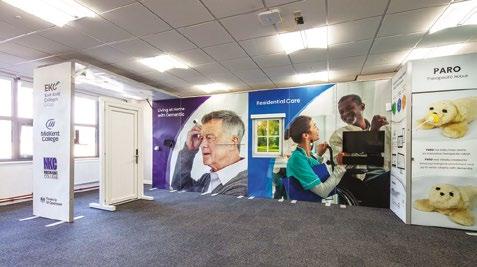
that feels like coming full circle from the start of this journey. The project that created demonstration suites at six colleges, for a consortium of three groups of colleges in Kent led by East Kent Colleges Group, was also recognised in the recently released Policy Connect report, ‘ATech Skills for Adult Social Care: Building the Care Workforce to Put People in Control of Their Lives’. This recognition not only affirms our efforts as a team but also acknowledges the many integrators who are now beginning to expand their offerings beyond traditional residential settings.
Looking ahead, I’m excited to be speaking at ISE 2026 in my session, ‘Empowering Independence: Smart Technology for Living Well’ (February 5, 10:00–11:30, CC1.2). I’ll explore how smart home technology can support independent living and show integrators how easily these solutions can be integrated into their portfolios. The core message is simple: the skills and experience we’ve honed within smart home integration are already highly relevant in environments focused on care, wellbeing and independence. There’s no need to reinvent what we do; we must simply build on already strong foundations to tackle real-world challenges faced by individuals and care providers.
Of course, these advances are not happening in isolation. By connecting industries, raising standards, and encouraging us to think differently, CEDIA continues to open doors to opportunities that are both commercially rewarding and genuinely meaningful. Independent living isn’t a niche, and the future is opening up for integrators who are prepared to think creatively and act with purpose. It’s an exciting time to be part of this industry and movement.
To find out more about Automated Spaces, visit automatedspaces.co.uk/independent-livingtechnology.
A touch of smart design
Meet Niko: your experienced partner in intelligent home control.
In a world of constant noise, Niko creates smart technology that quietly makes life better. It naturally blends into every home.
More than a century ago, Niko started creating quality electrical solutions for every type of building. For more than 25 years we have been bringing smart control and elegant design to residential projects across Europe.
Niko is the trusted partner for installers and architects who value quality, reliability, and timeless design, offering not only products but also training and hands-on project support.
Build smarter. Work with Niko.
SONOS SERVES UP IMMERSIVE SOUND AT WENDY’S
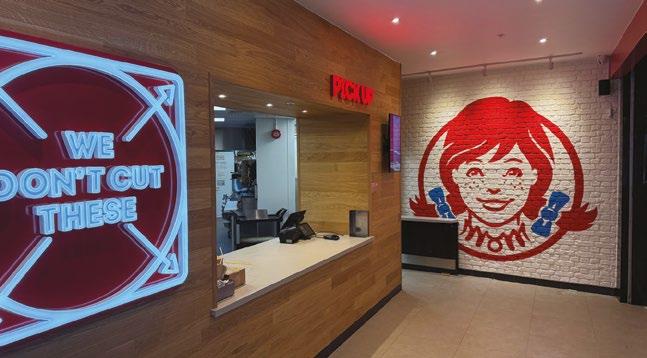
Paul’s Aerial Solutions employed the Sonos Era 100 Pro to deliver an immersive audio experience for Wendy’s at Touchwood Shopping Centre, Solihull.
American fast-food brand Wendy’s continues to build momentum in the UK as it works towards an ambitious expansion programme targeting 50 outlets nationwide. Since opening its first British restaurant in Reading in 2021, the brand has focused on delivering a consistent and engaging in-store experience, with sound playing an increasingly important role.
At the Touchwood Shopping Centre in Solihull, operated by UK franchise partner Blank Table, Wendy’s has invested in a new audio solution designed to enhance atmosphere while remaining visually discreet. Four Sonos Era 100 Pro loudspeakers have been installed throughout the restaurant, creating a more immersive and controlled sound environment for both customers and staff. The success of the Solihull project has since led to further rollouts, including a recently completed installation at the Merry Hill Shopping Centre in Brierley Hill, near Dudley.
THE CHALLENGE
For Carl Morris, Managing Director at Blank Table, operator of Wendy’s and a selfdescribed “super fan of Sonos”, choosing the brand was straightforward. The Solihull site itself, however, presented a number of practical challenges.
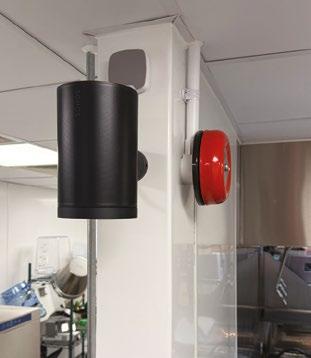
With open ceilings, exposed cable trays and strong industrial design cues, achieving both clean aesthetics and even sound coverage proved difficult using traditional commercial audio solutions. Previous systems relied on speakers suspended from cable trays, creating
visual clutter and inconsistent performance across the space. For a busy restaurant operating within a shopping centre, clarity, consistency and control were essential.
Music also needed to act as a clear differentiator from the surrounding retail environment, helping to draw customers into the restaurant and reinforce Wendy’s brand identity. Zoned audio control was a key requirement, allowing different areas of the space to be adjusted throughout the day, while the system needed to be robust enough to handle a wide range of music without sacrificing quality. Ease of installation and day-to-day operation were also high priorities.
THE SOLUTION
The Sonos Era 100 Pro proved well-suited to the brief. Its compact form factor allowed the speakers to be mounted discreetly, either on white bulkhead walls or higher against the black ceiling, blending naturally into the restaurant’s design. Installation was handled by Paul’s Aerial Solutions, a long-standing and trusted partner of Blank Table, with minimal disruption thanks to simple mounting hardware and CAT6 cabling.
Music plays a central role in shaping the Wendy’s customer experience, with a dedicated music provider supplying a varied mix of genres throughout the day. The Era 100 Pro delivers consistent sound quality regardless of playlist, ensuring the atmosphere remains balanced and engaging at all times.
Zoning flexibility has been particularly valuable. Louder, more energetic audio can be used towards the front of the restaurant to create impact, while quieter zones offer a calmer environment for customers who wish to relax or work. Control is handled via the Sonos app, allowing staff to manage volume and music selection quickly and intuitively from a tablet.
“It just works really well. I think they’ve nailed it with the ease of use of the app,” says Carl.
THE RIGHT RESULT
Feedback from both customers and Wendy’s corporate team has been overwhelmingly positive. On the strength of the Solihull installation, Sonos Era 100 Pro has now been deployed at the Merry Hill Shopping Centre location, with further sites planned as Wendy’s continues its UK expansion.
While still early in the rollout, Carl is already confident in the long-term value of the system. “The system ticks every box and sounds even better now than it did two months ago,” shares Carl. “The ROI is stunning and for the quality and performance you get, it’s a fantastic value proposition. I would recommend Sonos 100%; I wouldn’t go anywhere else.”
By combining thoughtful system design, intuitive control and professional installation from Paul’s Aerial Solutions, Wendy’s has created a sound environment that enhances atmosphere, supports operations and reinforces the brand’s commitment to quality at every touchpoint.
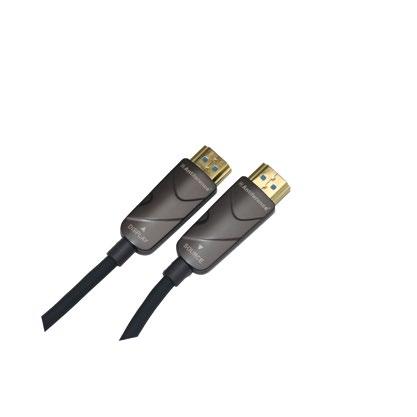
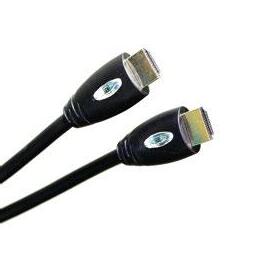
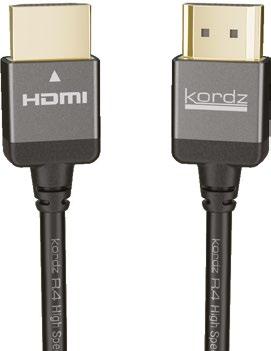
SLIM 4K HDMI CABLES
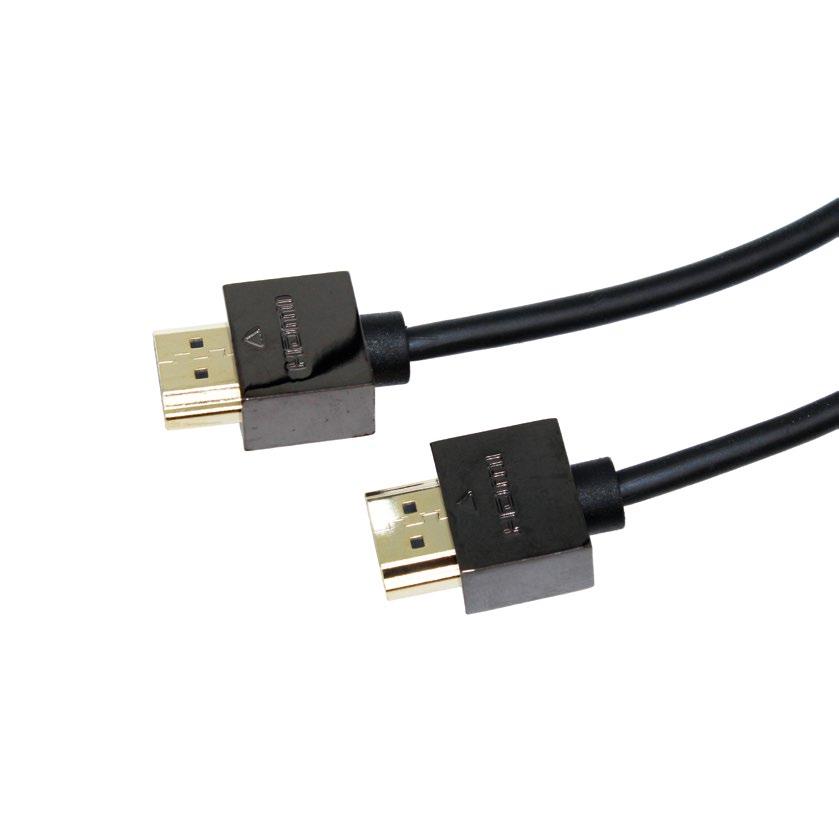
Slim 4K HDMI cables
High Speed with Ethernet
Micro compact gold plated HDMI connections
0.5m - 3m lengths
Forms part of comprehensive range of HDMI cables
cables for every application
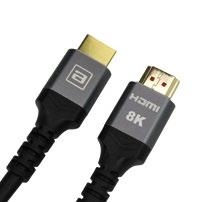
Certified Standard
8K
Elevate your audio experience
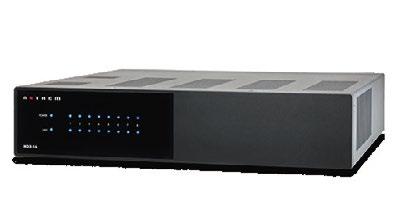
• Built-in Anthem Room Correction (ARC® Genesis) - optimises sound for each zone with built-in speaker profiles for Paradigm speakers
• Efficient and powerful Class-D amplification delivers reliable, high-fidelity audio across multiple zones.
• Supports 8 zones with independent DSP control.
• Compatible with all leading control systems. Contact the Invision | Pulse Cinemas team for
Jonny McKee, VP Product & Customer Support, Amino Communications, examines the right way to retail.
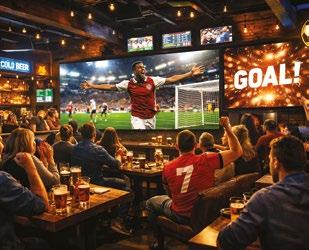
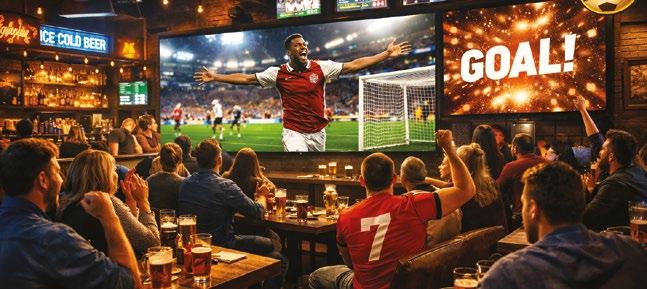
Walk into enough pubs, bars and casual dining venues and you’ll see the familiar legacy footprint: flat screens installed to show live sport, often added piecemeal over time, with little integration and limited control. Staff might be able to change a channel, but in all but the largest, most advanced venues no estate-wide logic, scheduling or commercial coordination exists. For years that was good enough. The screens served their basic purpose: show the match.
But the game has changed. Hospitality no longer competes on sport alone. Operators are designing spaces that pivot fluidly between moods and audience: lunchtime ambience, after-work quizzes, family dining, live music and Saturday-night sport. In that environment, AV systems need to be more than passive endpoints. They need to support dynamic, managed transitions that are tightly connected to the venue’s operations and goals.
Another driver behind the shift is content rights and delivery models. Many existing AV systems were built on a satellite-era assumption: a dedicated screen for a dedicated source. This siloed approach made sense when options were limited, but it also restricted flexibility, delayed updates and made content harder to manage.
Now the industry is moving into a hybrid era. Commercial-grade sports and entertainment are increasingly delivered over IP. Solutions like DIRECTV for BUSINESS signal this shift, offering streaming delivery for bars and restaurants as a complement or alternative to satellite. Even when satellite
remains, operators are asking: how do we future-proof this?
The safest answer isn’t picking one source over another. It’s specifying AV systems that can support legacy sources, modern apps and emerging formats without fragmenting the user experience or requiring rip-and-replace upgrades.
MANAGED AV
The goal isn’t ‘more screens’. It’s a managed experience layer, one that adapts content based on time of day, audience, event or zone. And it must do this reliably, at scale and without making life harder for front-line staff.
That means:
• Central control with local input: HQ sets branding, templates and rules while local teams retain safe flexibility for community events, promotions or specific crowd needs.
• Scheduled switching and simple overrides: Systems move seamlessly between lunch, quiz, match and evening mode, while staff have intuitive, role-based access leaving no room for error or guesswork.
• Integration with everything else: from menus and promotions to social feeds and local event listings, the screens need to work as part of the venue’s full operational stack, not in isolation.
For all this to work, integrators play a more strategic role than ever before. They’re not just deploying hardware; they’re enabling hospitality
brands to offer a consistent, curated and compliant experience across an estate.
This shift brings opportunity. Installers can help standardise AV capability across mixed estates without replacing every screen. External media players – deployed alongside or instead of built-in System-on-Chip (SoC) – can unify the platform, extend lifecycle and simplify updates. Media-player-led architectures allow for zerotouch provisioning, remote OS updates and content configuration, turning bespoke installs into scalable, service-ready systems.
More importantly, AV integrators are now positioned to deliver ongoing value. With the right tools, they can offer managed services, remote monitoring, support and even content operations, redefining what ‘AV support’ looks like in hospitality.
This shift also unlocks creative potential. With centralised content control, screens evolve from static endpoints into immersive and responsive storytelling tools. Think live event feeds, branded quiz nights, dynamic promotions and thematic takeovers – delivered with control, consistency and agility.
These capabilities are foundational for interactive, immersive AV design – exactly the kind of experience that younger audiences now expect from their favourite hangouts. They also pave the way for Digital Out-of-Home (DOOH) media. Once operational basics – like proof-ofplay, fill rates and API-based ad triggers – are in place, screens can become part of a monetisable media network, not just a venue cost.
FINAL WORD
For clubs, bars and restaurants, the AV question is no longer ‘on which screen to deploy which service’. It’s: ‘can our platform be dynamic and evolve?’
By designing for flexibility, governance and ongoing service, operators and their integrators can move beyond the old ‘TV on the wall’ mindset. Instead, they create a screen estate that is responsive, immersive and commercially valuable. A system that enhances guest experience hour by hour while supporting the long-term vision of the business.
I DIDN’T REALISE I WAS BUYING A PUB
Chris Pinder – owner of Malvern Town Football Club and HDA, muses on the importance of AV in his experience running a hospitality venue.
When I bought Malvern Town Football Club back in 2012, I thought I was buying a football club. What I hadn’t really considered was that I was also, in effect, buying a bar.
In the early days, that bar felt like a pain. Staffing issues, stock, tills, cellars, licensing, breakages – all the realities that come with hospitality. It felt peripheral to the ‘real’ job, which in my mind was football: building a team, improving facilities and trying to move forward on the pitch.
It took a few years to sink in, but the truth is this: if a non-league football club wants to be sustainable, the bar is not a side issue. It’s critical. The profits generated are what allow you to invest on the pitch, improve facilities off it, and keep climbing levels without relying on favours, donations or goodwill. Ignore the bar and progress stalls.
Running a bar today is tougher than it has ever been. Energy bills are punishing. Staffing is fragile. Margins are thin to the point of transparency. Every pound has to work harder than before. Add in the cost of broadcast sport – with Sky subscriptions pushing £35,000 a year – and it’s easy to see why many venues are questioning whether it is worth the effort.
Most people know me through my work in AV and control systems, but what’s less obvious is that I also live the hospitality reality week in, week out. I don’t theorise about pubs – I run one. I see the operational headaches, the stress points and the moments where technology either supports the business or lets it down.
In a town the size of Malvern, only two venues consistently show live sport: our clubhouse and one other pub. That alone tells you something. Sport used to be a given in pubs. Now, many actively opt out.
From where I’m standing, there are two main reasons.
The first is cost. Broadcast rights are expensive, and if screens are treated as nothing more than ‘a TV on the wall’, the return can feel marginal quickly.
The second is stress. Live sport has a habit of exposing every weakness in an AV system. Wrong channel. No sound. Screens not switching on. If that happens five minutes before kick-off, the atmosphere evaporates and the takings too.
I don’t blame anyone for removing screens. But that decision is often driven by bad experiences rather than the potential of live sport done properly. Because when it works, it works exceptionally well.
The data is clear. Venues that show sport see longer dwell times. Major fixtures lift footfall. People arrive earlier, stay later and spend more while there. Live sport generated over a billion pounds of additional income for UK pubs in a single year. That isn’t theory – that’s rent, wages and survival.
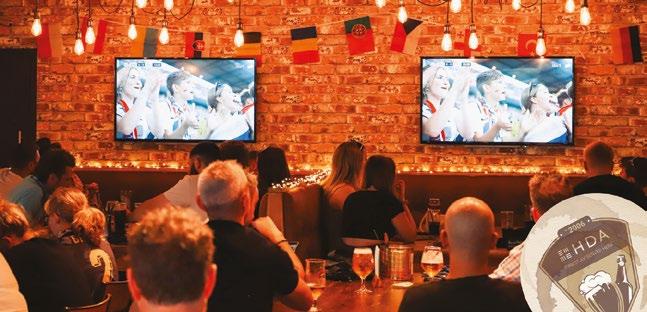
And yes, it is the ‘HDANYWHERE Stadium’, but our AV systems aren’t there as branding vanity. They’re there because having sport on in the clubhouse keeps people in the building longer, spending more and coming
back. It has enhanced the club’s reputation across the town and wider area as a place worth spending time.
TECHNIQUE
One of the biggest mistakes the hospitality industry makes is framing screens too narrowly. They’re often seen as expensive luxuries that only justify themselves during live sport. When there’s no match on, they default to generic TV or sit idle, reinforcing the idea that they’re hard to justify. Screens are not just for football. Used properly, they shape atmosphere, promote events, reinforce identity and quietly influence behaviour.
We recently launched our own beer, Langland Lager. For a couple of weeks before it arrived, we promoted it on the screens in the clubhouse. Nothing flashy. Just presence. When the first delivery landed, it sold out the same day and is now one of our top-selling beers. That isn’t clever marketing. It’s simply making better use of what’s already there.
The technology is no longer the barrier. Digital signage players cost a couple of hundred pounds; templates are readily available; scheduling can be automated. The real shift is simplicity.
Owning a bar has changed how I think about AV control. Staff turnover is normal, training time is limited, remotes disappear, managers aren’t always on shift. If a system relies on confidence, menus or memory, it will fail. What staff need is certainty, fixed buttons, predictable outcomes. One press turns everything on, one press switches to the match. One press shuts the building down at closing time. If someone on their first shift can operate the system, you’ve nailed it.
That thinking feeds into how we deploy AV and control in hospitality environments. Fewer options, clear outcomes, technology that stays out of the way. Removing screens entirely feels like a step backwards. Not because sport is mandatory, but because flexible, reliable AV gives venues options – from matchdays to quiz nights, private events, promotions and atmosphere.
OPTIMAL AUDIO STRIKES THE RIGHT CHORD FOR BARS AND HOSPITALITY VENUES
David Morbey, Product Manager, Optimal Audio, Focusrite Group Audio Reproduction Division, offers a hospitality overview.
You’ll know yourself that hospitality venues live and breathe atmosphere. Whether it’s a local coffee spot, a late-night bar, or a destination restaurant, lighting, layout, service and menu all play their part. The soul of any venue, however, is in the audio. Audio sets the emotional tempo. Too loud and it becomes intrusive. Too quiet and the room feels flat. Getting it right, consistently day after day, is where Optimal Audio comes into its own.
Designed from the ground up for hospitality, Optimal Audio takes a refreshingly focused approach. Rather than overwhelming venues with complex pro-audio workflows, Optimal Audio delivers complete, curated audio ecosystems that are intuitive to operate, easy to schedule automatically, quick to install and easy to live with. The result is a soundtrack that works in harmony with the space, staff and customers – without demanding constant technical attention.
AUDIO THAT ADAPTS TO THE RHYTHM OF THE DAY
Hospitality spaces rarely stand still. Morning coffee service, lunchtime bustle, relaxed afternoon trade and high-energy evenings all demand different sonic moods. Optimal Audio systems are designed to flex with these changing requirements, allowing venues to move effortlessly between atmospheres.
At Dead Wax Norwich, a venue built around vinyl culture and live indie music, Optimal Audio helped spin the space back to life. The
system delivers warm, engaging background sound during daytime trading, while having the headroom and clarity needed for energetic evenings – all controlled simply by staff, not engineers. Crucially, that performance extends beyond the main room, maintaining consistent sound quality throughout ancillary spaces.
This adaptability is equally valuable in restaurants. At Das Lupo, a Mediterraneaninspired dining space, Optimal Audio was chosen to complement the venue’s carefully crafted aesthetic. The system feeds the atmosphere without overpowering conversation, ensuring that music enhances the dining experience rather than competing with it. The audio becomes part of the design language: present, but never distracting.
DESIGNED FOR STAFF, NOT SOUND ENGINEERS
One of the defining strengths of Optimal Audio is usability. Hospitality staff are experts in service, not system management – and audio should never slow them down. With intuitive control via wall panels or any mobile device with a web browser, day-to-day operation becomes second nature.
The ability to schedule routines to transition automatically means audio control can be mostly hands-off. Whether that’s a simple volume change, switching on an area of the venue at a certain time, or resetting the system to its default values at the end of the day for a fresh start in the morning.
This was a decisive factor for Bear Coffee, where simplicity and consistency across multiple sites are paramount. Routine scheduling creates a uniform brand experience from venue to venue and when necessary, staff can adjust volume or select presets confidently, without fear of mis-setting the system.
At larger hospitality environments, such as hotels, that ease of use becomes even more critical. At Crowne Plaza, Optimal Audio delivers sound across multiple zones, each with its own acoustic and functional demands. From relaxed lounge areas to busier social spaces, the system ensures the right sound is delivered in the right place – all managed from a single, coherent platform.
PERFORMANCE WITHOUT COMPROMISE
While simplicity is central to Optimal Audio’s philosophy, performance is never sacrificed. Loudspeakers are engineered to deliver clarity, consistency and coverage tailored to hospitality environments, while amplification and processing are optimised as a complete system – not a collection of disparate parts.
Zoning, source management and presets are all part of the design, enabling venues to maintain control over atmosphere without constant manual adjustment. Whether it’s even coverage across a bar, subtle reinforcement in a restaurant, or dynamic sound for evening trade, Optimal Audio systems are built to perform reliably, day in and day out.
For bar and hospitality operators, audio is no longer a luxury – it’s a business tool. It shapes dwell time, influences mood and reinforces brand identity. Optimal Audio understands this reality, delivering systems that are not only sonically impressive, but operationally smart.
By combining considered system design, intuitive control and hospitality-focused performance, Optimal Audio empowers venues to create memorable experiences – without adding complexity behind the scenes. In a sector where atmosphere is everything, Optimal Audio ensures the soundtrack always hits the right note.
PROFESSIONAL SOUND IS THE NEXT STANDARD IN HOSPITALITY
Nick Fichte,
Global Business Development Lead, Hospitality at L-Acoustics sets the standard.
The dividing line between a good hospitality experience and a great one is increasingly about the details that engage all senses. Lighting, décor and cuisine all matter, but what ties the experience together is sound. The challenges are remarkably consistent across the environments installers find themselves working in. Delivering pristine sound without overpowering conversation. Creating systems that adapt to different moments of the day. Whether it’s a private cinema in a London townhouse or a Dubai restaurant that shifts from dinner service to late-night energy, the technical demands and the stakes are equally high. The only difference is scale and audience.
Hospitality venues today compete on experience. Guests expect environments that feel curated and immersive, where every element, from the menu to the music, contributes. The most successful venues understand that sound isn’t background— it’s foreground. It sets the emotional tone. A restaurant that needs to shift from refined dinner service to high-energy nightlife can’t rely on a system designed for ambient music. The dynamic range isn’t there. The control isn’t there. And critically, the operational flexibility to adjust in real-time as the room fills and the energy changes simply doesn’t exist with entrylevel systems.
This is where professional systems prove their value. The ability to zone audio independently. To scale volume and tonal character as crowd density changes. To give staff intuitive control without requiring an engineer on-site. These aren’t luxury features, they’re operational necessities.
INTEGRATING POWER WITH AESTHETICS
One of the most common challenges in hospitality is the tension between acoustic performance and visual discretion. Owners and designers invest in creating stunning interiors, and the last thing they want is for speakers to clash with the aesthetic.
This tension is particularly acute in venues with maximalist design—spaces layered with art, marble, custom finishes and architectural details. The sound needs to deliver both the clarity required for background music and the power to support live performances or DJ sets, all without intruding on the visual experience.
The solution is to work in constant dialogue with the design team from the earliest stages. When integrators are involved during the architectural planning phase they can specify loudspeakers that are powerful yet compact enough to integrate seamlessly. Speakers can even be custom-finished to match interior details. The key is understanding that discretion and performance aren’t mutually exclusive. But this requires planning, not retrofitting.
What’s notable in recent years is how professional sound has moved from being a differentiator to an expectation - especially for brands operating at scale. Multi-location restaurant groups, luxury hotel brands and high-profile chef-driven concepts increasingly recognise that audio consistency matters as much as menu consistency or service standards. When a brand establishes a sonic signature at one location, guests expect that same level of quality at the next. This is partly about brand coherence, but it’s also practical: once you’ve invested in the infrastructure and training for a professional system, replicating it becomes significantly easier than starting from scratch with each new venue. This kind of system design isn’t about over-engineering. It’s about future-proofing. Venues evolve. Programming changes. What starts as a dinner-focused concept might add brunch with live music or late-night events. A properly specified system adapts without requiring an overhaul.
One of the persistent myths is cost. Many venue owners assume that stepping up to a professional-grade system represents a significant premium over consumer or entry-level commercial options. But when you compare like-for-like performance, especially with newer compact models designed specifically for
installation, the gap isn’t as wide as people think. High-quality systems often require fewer speakers to achieve superior results. A common mistake is over-saturating a space with mediocre loudspeakers to compensate for poor coverage or insufficient power. With properly specified equipment and strategic placement, you can achieve cleaner aesthetics, better performance, and often a more balanced total investment. It’s not about spending more; it’s about spending strategically.
Beyond traditional hospitality, there’s a growing opportunity in light commercial spaces; boutique hotels, co-working lounges and upscale retail environments where the audio experience contributes to the brand. These venues face similar challenges: limited space, high aesthetic expectations and the need for flexible systems that can shift between different uses throughout the day.
What’s exciting about this expansion is that the same principles we apply in luxury residences and yachts - delivering referencegrade performance in visually constrained environments - translate to these commercial applications. It’s not about forcing residential solutions into commercial spaces; it’s about recognising that the expectations around sound quality and design integration are converging.
The client profile is also converging. Developers and operators who have traditionally drawn a hard line between residential and commercial projects are increasingly approaching both with the same level of attention to detail.
L-Acoustics l-acoustics.com
Speaker Stands & Wall Mounts
designed for Sonos™ Era 100 and Era 300
Achieve placement perfection with speaker mounts and stands from Sanus, designed for style and flexibility.
Optimal audio performance from anywhere in the room, cable management, and sleek design Designed
for use with the Sonos® Home Sound System
Premium Mounting Solutions
For 35+ years, we’ve designed premium products to get the most out of your speakers, TV, and today’s latest technologies. We provide the best experience through design, support, and ease of install.
Premium TV Mounts
SANUS sets the standard for mount technology
Innovative design and outstanding safety features make them perfect for all AV needs. Fast and simple to install, they offer a clean and stylish finish - while boasting unparalleled performance.
Accessories for Sonos®
Get the perfect sound from your ERA 100 and 300 speakers or Sonos Arc soundbars with SANUS’ compatible mounts and stands. Our adjustable height stands, tilt/swivel wall mounts and our complementary sleek, subtle design provide the perfect positioning.
Premium Racks
PREASSEMBLED COMPONENT RACKS: strong and sturdy construction in heavy gauge welded steel. Available in 15U, 27U, 36U and 44U. STACKABLE SKELETON RACKS: can be floor or wall-mounted for maximum versatility. Available in combinable 10U, 15U and 20U sizes.
Specialties
From universal soundbar mounts and cable management solutions, to TV Media in-wall box, AV component shelves and projector mounts, SANUS has thought of everything to finish any AV install to perfection.
ALCONS AUDIO RETURNS
At the back end of last year, Pulse Cinemas announced that Alcons Audio was making a spectacular return to the main cinema at Pulse Cinemas HQ. Much of that work is now completed and integrators are encouraged to come and experience this next-level home cinema performance.
The largest demo room in the building, the large cinema has long served as a stage for the very latest advances in dedicated home cinema technology. That ambition moves forward once again as three industry-leading partners come together to deliver a new benchmark in performance and system control, fully aligned with the latest capabilities from Trinnov, Alcons Audio and the AVA control platform.
The latest evolution of this space has taken place in several phases. Alcons Audio speakers returned to the cinema last year and have now been updated with a new array of speakers that truly delivers on the original vision for the space. Trinnov has been present throughout. The cinema is currently controlled by the highly capable Altitude32. The cinema, like the rest of the Pulse Cinemas demonstration facility, continues to be controlled by the ever-evolving AVA smart remote platform.
ALCONS AUDIO PERFORMANCE
The large cinema now boasts a full array of the latest Alcons Audio loudspeakers, delivering four CRMSQ 80 units for the LCR channels, alongside four CRMS LFE-18 Compact
Reference Subwoofers and three CRMS LFE-18 SL Compact Reference Slimline Subwoofers. Surround duties are handled by two CRMS SRHV 9040-4 Reference Surround Speakers and 12 CRMSC SRIW 120-4 Compact Reference Surround Speakers. Dedicated control for these high-performance units comes from two Sentinel 10 amplifiers, one Sentinel 3 and two Director 6 controllers.
With this speaker array in place, a complete sweep of WaveForming has been carried out by David Meyerowitz, Technical Sales Manager, International, High End at Trinnov, delivering the full capabilities of this important
bass innovation. With seven subwoofers now present in the room, four at the front and three at the rear, we believe the bass performance fully realises the potential of this latest Trinnov advancement.
The new speaker array has also been altered in terms of layout to take full advantage of the latest Trinnov software updates, which amount to a total reimagining of what the platform is capable of. These updates include placing the latest audio codec platforms right at the heart of the software. This provides further reason to revisit the cinema or experience it for the first time.
Kapes Patel, Business Development & Technical Director, expresses delight with the level of performance achieved through collaboration with Alcons Audio and Trinnov.
“The clarity throughout the room is phenomenal,” says Kapes. “The dialogue, the detail, everything is so clear and precise that whatever the content, the full vision of those who created the work is available to the audience.”
Kapes adds, “The dynamics are also amazing. The cinema can go very loud, but remains effortless to listen to with no fatigue at all. Reference levels are never a problem with this combination of products, yet there is no compromise in quality or enjoyment.
“As expected, the bass performance is off the scale. With all the subwoofers in place and WaveForming fully implemented, coverage across the room is completely uniform. Bass detail and performance are now being revealed in sequences that were previously very familiar. From subtle low-level information through to large-scale impact, this system delivers across the full spectrum.”
MADVR TRAINING
A key part of the main cinema is the madVR platform, which continues to enhance an already impressive visual performance. This platform has also been a recent focus for the team,
with a dedicated training day scheduled earlier this year. For those reading this ahead of February 12, there may still be time to register for the Advanced madVR Training at Pulse Cinemas HQ.
This exclusive mid-level madVR-based video training session is limited to 15 installers. For those unable to attend or reading after the event, full information and advice on this advanced video platform remains available through Pulse Cinemas.
The session is designed to build a deeper understanding of video performance, system setup and optimisation across both projectors and displays. Practical insight into video processing, real-world calibration workflows and methods for extracting outstanding picture quality in residential environments, form the core of the course, highlighting the capabilities of the madVR platform.
Training includes a live projector calibration in Pulse Cinemas’ main cinema using the Sony GTZ380, along with guidance on achieving optimal performance from Sony TVs, one of the most widely specified display brands in the market.
The course is presented by Jason Dustal, Senior Field Specialist at madVR Labs and one of the most respected calibration and video experts in the AV industry. With over 25 years of experience across ISF, CEDIA and professional standards development, Jason brings exceptional expertise to the session. Early enquiries are encouraged for those wishing to attend or to learn more about future madVR training opportunities.
Pulse Cinemas pulsecinemas.com
Alcons Audio make a fantastic return to the large cinema
PROFESSIONAL FIDELITY LUXURY DESIGN FROM SRND GROUP
Meeting the physical, technical and aesthetic demands of high-end spatial audio applications.
Pro-Fi is a meticulously engineered range of speakers, subwoofers and Dante-enabled DSP amplifiers built for high-channel-count spatial audio, with understated luxury evident in every detail. Developed to meet the exacting requirements of premium installations, the range combines professional-grade performance with a refined visual presence suitable for the most demanding environments.
Compact, DSP-optimised speakers deliver surprising output and impressive extension for their size, ensuring clarity and consistency even in complex multi-speaker arrays. The subwoofers deliver the authority and control of a much larger system, providing impact and depth without unnecessary bulk. Complementing these components, the amplifier range offers precisely matched power, advanced processing and flexible connectivity options, giving integrators the right tools for every installation scenario.
Pro-Fi was created with a clear mission: to deliver uncompromising spatial audio solutions that seamlessly blend professional fidelity with refined, architectural design. In high-channelcount applications, every speaker matters, and Pro-Fi ensures that each element is engineered to perform flawlessly while integrating discreetly into its surroundings. The result is a system that supports immersion without visual distraction, allowing sound to take centre stage.
“Pro-Fi is engineered from the ground up for ultimate spatial audio, purpose-built for high channel counts, wide dispersion and precise control. Premium performance, discreet luxury design and a system that simply disappears into the room,” says Simon Ridley, Co Owner.
These products are born from a philosophy of rigorous engineering, meticulous material selection and a dedication to balance. Every Pro-Fi speaker embodies three essential qualities that define the range.
Size – Compact, discreet and versatile, enabling effortless integration into a wide variety of spaces without compromising performance or placement flexibility.
Frequency Extension – Delivering remarkable low-end presence and pristine high-frequency detail from enclosures far smaller than expected, ensuring consistency across the system.
Visual Impact – Elegant, understated aesthetics crafted from precision-machined aluminium, available in timeless finishes to suit both residential and commercial interiors.
This balance allows Pro-Fi to create sound systems that are not only technically advanced but also visually harmonious. Whether installed in a private cinema, luxury residence, boardroom, restaurant or gallery, Pro-Fi systems provide the foundation for immersive audio experiences that engage and captivate audiences while respecting the architectural intent of the space.
Neil Davidson, Co Owner, adds, “As a SRND Group brand, designed and built in the UK, every Pro-Fi product reflects our belief that true performance arises when engineering excellence meets design integrity. We do not compromise, and neither should the environments these systems serve.”
SRND Group is a UK-based specialist delivering innovative audio, video, architectural integration, lighting, content, control and interior architectural solutions for a broad range of immersive environments. Its portfolio supports projects across private residential, commercial, cultural, wellness and experiential sectors, with a clear focus on elevating how people experience the spaces in which they live, work and gather.
The Group brings together the manufacturing businesses of Display Technologies (DT), Complete Acoustic
Treatment Systems (C-ATS), Light Walls, Fabric Walls and Pro-Fi, alongside a curated portfolio of premium third-party products. This structure enables SRND Group to offer a complete, end-to-end solution for partners creating immersive environments using industry-leading technologies and audiovisual equipment. Its UKbased businesses ship internationally, delivering precision-engineered products designed with a strong emphasis on quality, consistency and long-term performance.
Together, SRND Group and Pro-Fi represent a unified vision, where engineering excellence, design integrity and personalised partner support combine to create immersive environments without compromise. To learn more, visit SRND Group’s immersive environment categories or contact the team to discuss upcoming projects.
Pro-Fi pro-fi.uk
Meeting the physical, technical and aesthetic demands of high-end
and amplifiers enables high-channel-count spatial audio systems with exceptional performance and understated, yet luxurious styling. Every component in the system, along with our advanced electronics and exquisite choice of materials and finishes, delivers the finest spatial audio solution available.
Explore our solutions
pro-fi.uk
ALIGNING ARCHITECTURAL DESIGN AND PHYSICAL SECURITY
Richard Huison, Managing Director at TDSi, integrated access control specialist, examines form meeting function.
In an ideal scenario, architects and security specialists collaborate from the outset of construction. When building design and physical security systems are developed together, the result is a seamless blend of aesthetics and protection. Architecture supports security and security enhances usability, safety and confidence.
Thoughtful design elevates security. Strategically placed access points make controlled entry systems more effective. Vehicular entrances can be designed with Automatic Number Plate Recognition (ANPR) or RFID in mind, while pedestrian routes can be channelled through monitored zones that naturally guide people into secure areas. These choices strengthen protection and improve the user experience, making access smooth and intuitive.
Yet in practice, security is often introduced late or retrofitted into environments where these design luxuries are not always available, which is where the ingenuity of installers working closely with security providers becomes essential.
Retrofitting security into existing buildings, especially those with architectural or historical significance, can present its own challenges. Listed buildings, for example, often have preservation rules that limit structural changes. In such cases, traditional wired systems may be impractical or even prohibited. Flexibility is therefore essential.
For example, wireless locking solutions that integrate with access control simplify secure installations where cabling is not feasible or legacy components must remain, allowing older buildings to be upgraded to modern security standards without compromising their character or design integrity.
THE ROLE OF PIDS
Security is not just confined to the building itself, of course. The perimeter is the first line of defence and its design must work hand in hand with protective systems. Perimeter Intrusion Detection Systems (PIDS) provide early warning and deterrence before an intruder reaches the building. Their modular, scalable design makes them suitable for both new developments and retrofits.
When perimeter security is considered early in the design process, it can be incorporated discreetly and effectively. Electrified fencing or microphonic cable systems, for instance, can be integrated into existing barriers or
landscaping features, maintaining the site’s aesthetic while adding a vital layer of protection. Retrofitting perimeter security is often far more straightforward than expected, with numerous providers offering discreet, flexible solutions that can be easily added to existing fence lines and borders. Many solutions are specifically designed to blend into established layouts while still delivering a vital layer of protection.
Ultimately, the success of aligning building design with physical security lies in flexibility and integration. Systems must adapt to the constraints of the built environment, whether that means supporting wireless infrastructure, integrating with third-party platforms or accommodating legacy systems. The best systems for tackling this are ones that offer open architecture, seamless integration and centralised control. The goal is simple: ensure that security enhances, rather than hinders, the built environment.
THE HUMAN FACTOR
Technology and architecture alone cannot guarantee security – people are central to its success. Training staff, educating occupants and ensuring clear communication about how systems work are vital to building trust and compliance. When users understand and feel confident in the systems around them, adoption is smoother and the likelihood of bypassing or misusing security measures is reduced. A human-centric approach ensures that design and technology are supported by behaviour and culture.
As threats evolve and regulations tighten, buildings must be designed with adaptability in mind. Systems that can scale, integrate with
emerging technologies and support evolving standards will remain effective for longer and deliver better return on investment. Considering sustainability is also key: energy-efficient security solutions and environmentally sensitive installations are increasingly expected by stakeholders. By future-proofing design choices, organisations can avoid costly overhauls and ensure resilience in the face of change.
Unified command platforms also play a role in future-proofing. By consolidating diverse systems into one configurable environment, they make it easier to adapt to new technologies, evolving regulations and expanding site requirements. This reduces operational costs and ensures that security infrastructure remains effective as threats and standards change.
BRIDGING THE GAP
The most effective outcomes occur when building design and security are planned together. But even when that is not possible, the right technologies can bridge the gap. Installers need to be aware of solutions that demonstrate how robust protection can be delivered without compromising design, usability or compliance.
For installers, consultants and building owners, the message is clear: security should never be an afterthought. By embedding it into the design process, or by choosing adaptable technologies when retrofitting, organisations can achieve environments that are both secure and welcoming. In today’s world, where threats are evolving and expectations of usability are higher than ever, this integration is not just desirable – it is essential.
Click bait
Introducing the Crestron Cevo Mini Remote — simply irresistible
In today’s technology-packed smart homes, simplicity is the definitive luxury. But simple doesn’t mean limited — it means focused. Our all-new Cevo Mini Remote delivers effortless entertainment and environment control in a smaller, ergonomically designed package you’ll want to hold onto. Experience the ease of fewer buttons, an intelligent layout, and direct access to the shortcuts you use every day. Try one and see what refined design feels like in your hand.
ARE ROBOTICS THE SMART HOME’S NEXT BIG OPPORTUNITY OR JUST ANOTHER GIMMICK?
With LG, Samsung and other big players launching domestic robot concepts, this subject will keep coming up over the next few years, but will it be an I, Robot nightmare or a Bicentennial Man love story?
Every few years, the smart home industry has to deal with new ideas that can either help or hinder the market. Voice control, AI, the metaverse, even tablets when they came out introduced the help or hinder factor. Now robotics will get its turn. And as mobile robots begin to creep from tech shows into domestic marketing campaigns, it is fair to ask whether this is a genuine shift or just another distraction waiting to fade away.
On the surface, robotics feels inevitable. We already accept robot vacuum cleaners and autonomous lawn mowers as part of everyday life. They work, ‘mostly’ and solve a clear problem or do a specific task that often some humans don’t enjoy. But when manufacturers start talking about robots that patrol homes, deliver objects or act as companions, the industry enters much murkier territory.
LG has its CLOiD concept, Samsung its Ballie, and Ecovacs Robotics, a global brand in robot vacuum and multifunction cleaning robots, has recently expanded its portfolio to include window cleaners, lawn robots and a robotic pool cleaner as well as an AI personality robot. Other notable introductions include 1X Technologies, a well-funded humanoid robotics company developing NEO, a general-purpose home humanoid robot expected to enter the market around 2026. Also, Linkhome AI recently introduced both humanoid and quadruped home robots designed for basic assistance, environmental inspection and companionship.
So technology moves on, but the challenge for robotics in the smart home is not technology, it is relevance. Homeowners in our market are not looking for novelty. A ‘Metal Mickey’ type companion might be fun at first, but how long before it just gets annoying, especially if it can’t actually do that much. Homeowners are looking for reliability, value and solutions that genuinely make life easier without adding friction. Many early robotic concepts look impressive on a stand but struggle in real homes with real layouts, real families and real expectations.
That does not mean robotics has no future in residential systems. Far from it. But its impact looks like it will be gradual and crucially, contextual.
MEGAHELP OR MEGATRON?
In the short term, robotics looks like it will remain largely consumer-led. Plug-and-play products will dominate, often bought online and used in isolation. Some will work well enough to justify their cost. Others will quietly end up switched off in cupboards. That phase is unavoidable and necessary. It is how categories mature. But I guess the trick is when or how do installers get involved, if at all?
Where things become more interesting is when robotics starts to intersect properly with home automation. A robot that moves around a property is not just a gadget. It could be a mobile sensor platform. It can see, hear, measure and report. When that information is tied into security, lighting, heating and monitoring systems, it becomes something far more useful, and something our sector could get involved with and improve potentially.
Robotics will not succeed as a standalone category. If it is to succeed, it will be part of a designed system. Navigation, behaviour, privacy, scheduling and interaction with other technologies all require careful consideration.
Out-of-the-box settings are rarely enough in complex homes and that is before clients start asking why a robot behaves one way at night and another during the day.
There is also a strong case for robotics in assisted living and lifestyle support. An ageing population wants independence without complexity. Robots that can check rooms, relay alerts or assist with daily routines could add genuine value, but only if they are robust, discreet and properly integrated. That does not happen without professional involvement.
Of course, some robotics products will remain gimmicks. That is not a criticism, it is simply reality. Every emerging category produces noise before clarity. The winners will be those that quietly do useful jobs, integrate cleanly and earn their place in the system rather than demand attention. For installers, the opportunity is not about selling robots. It is about designing experiences. If it catches on, robotics will become another layer in the smart home, much like sensors or voice interfaces. When it works well, clients may barely notice it. They will just notice that their home feels more responsive, more aware and more helpful.
VIVA VIMAR!
With the start of the new year, Vimar has announced its new January launches, including the 7in and 10in View Touch devices which are designed to ensure comprehensive supervision of all systems in a smart home, including the View Wireless smart home, By-me Plus home automation – and with the integration
of Elvox Video Door Entry – the By-alarm Plus burglar alarm and Elvox CCTV video surveillance systems.
The Linea series has also been enhanced for environments requiring IP55 protection. The new watertight covers, available in formats with two, three and four modules, offer robust
CRESTRON COSIES UP TO DOMEX
Domex, provider of home automation solutions, has announced a strategic partnership with Crestron to integrate the brand’s Cresnet Bus technology into Domex’s touch panels for residential and commercial environments.
Through this partnership, Domex will utilise Crestron’s Cresnet Bus – the robust, low-voltage wired communication backbone – to enable seamless control of lighting, climate, shading, AV and building systems.
The integration ensures stable communication, simplified installation and centralised management, meeting the demands of high-end smart homes, hospitality projects and enterprise-grade deployments.
Domex’s design emphasises clean lines, refined finishes and thoughtful detailing to create a sophisticated look that balances style with functionality and quality materials.
Crestron’s Cresnet Bus is recognised for its dependable power and data delivery over a single cable, reducing complexity while increasing system integrity. Combined with Domex’s design-focused approach, the
partnership enables integrators and end users to benefit from faster commissioning, consistent performance and long-term system flexibility.
“Partnering with Crestron marks a significant milestone for Domex,” says Shay Yerushalmi, CEO of Domex. “By leveraging Cresnet Bus
safety and reliability without compromising on elegance.
The Linea multisensor with XT platform is now available in a KNX version. Equipped with four integrated sensors and an LED matrix for monitoring various environmental parameters, it now delivers advanced performance and precision.
In the world of Elvox Video Door Entry, the Pixel Up range of external video door entrance panels has expanded. Joining the classic brushed stainless steel finish are four new variants: black metal, champagne, copper and black painted.
Vimar has also introduced a range of cameras and solutions based on IP technology, designed for complete remote control. Key new products include cameras that sport a compact and stylish design.
The Plus Panoramic is a next-generation 180° panoramic camera with dual optics, offering high resolution, active deterrence and advanced video analysis, while the Color Plus bullet camera, designed for demanding installations, features ultra-high sensitivity (0.0005 lux and F1.0) and provides crystalclear images and chromatic detail in darkness without the need for additional lighting.
Vimar vimar.com
technology, we can deliver rock-solid wired performance and give Crestron integrators a wide choice of elegantly designed touch panels.” Match Distribution
Domex is distributed in the UK by Match Distribution
Vimar offers new choices for 2026
WATERFALL AUDIO UNVEILS LCR1000
Waterfall Audio has unveiled the LCR1000 integrated loudspeaker.
The launch marks the latest addition to the Pro Custom Series, which celebrates 10 years of international success, offering integrators globally a blend of performance, flexibility and ease of integration, says the company.
The LCR1000 sits at the top of the Pro Custom range and is designed for cinema rooms up to 100m², delivering reference-level performance in demanding environments. Remaining faithful to Waterfall’s shallow-depth philosophy, the speaker requires less than 20cm of recess behind the screen, preserving valuable space while integrating with the company’s proprietary baffle structure for modular and rapid installations.
The flagship model features a two-part architecture with mechanically independent low- and high-frequency modules that stack vertically. It operates in active bi-amplification as standard, paired with Waterfall’s RS700
NAD GETS INTEGRATED
‘Bi-amp Edition’ amplifier by ATOHM for optimum performance.
The low-frequency section, housed in a bass-reflex enclosure, covers 40Hz – 400Hz with four 18cm ATOHM LD180 long-excursion drivers, delivering controlled, musical bass. The high-frequency section operates from 400Hz – 28,000Hz and features an 18cm ATOHM MLD180 driver for midrange reproduction and a 28mm ATOHM neodymium tweeter. The speaker reproduces voices and fine details at unprecedented sound pressure levels, rivalling the most refined Hi-Fi speakers, says the company.
With 1 kW power handling (LF: 600W / HF: 400W) and 94 dB efficiency (2.83V / 1m), the LCR1000 can reach 124dB peak at 1m, combining high-impact output with the musicality that defines the Waterfall signature.
NAD Electronics has expanded its heritageinspired Classic Series with the launch of two new stereo integrated amplifiers, the NAD C 3030 and NAD C 3030S.
The NAD C 3030 Stereo Integrated Amplifier is aimed at listeners seeking a streamlined Hi-Fi experience with distinctive design. Delivering 50W per channel, the amplifier is engineered to provide clean, dynamic power with the musical accuracy
and control associated with NAD’s amplification heritage.
Despite its vintage-inspired appearance, the C 3030 is equipped for modern use. HDMI eARC enables simple integration with a television, allowing users to enhance TV, film and gaming sound through a stereo system. Bluetooth with aptX HD supports high-quality wireless playback, while a bassmanaged subwoofer output with adjustable
high-pass filtering allows for well-integrated 2.1 system configurations.
Positioned as the most accessible vintagestyled amplifier in NAD’s Classic Series, the C 3030 offers an entry point for listeners seeking character, practicality and proven performance without unnecessary complexity.
Building on the same design foundation, the NAD C 3030S Integrated Streaming Amplifier adds BluOS high-resolution multi-room streaming for greater versatility. Supporting lossless playback up to 24-bit/192kHz and native MQA decoding, BluOS provides access to more than 20 streaming services, internet radio and local or networked music libraries, all controlled via a dedicated app.
In addition to BluOS, the C 3030S includes HDMI eARC, Bluetooth with aptX HD, a built-in moving magnet phono stage for vinyl playback, analogue and optical digital inputs and a bassmanaged subwoofer output. This connectivity allows the amplifier to function as a complete standalone streaming system, the centre of a 2.1 setup or part of a wider multi-room audio installation.
Like the C 3030, the C 3030S delivers 50W per channel of NAD amplification. It is also the most affordable BluOS-enabled amplifier in the Classic Series, extending the platform’s capabilities to a broader audience within a design-led product.
NAD Electronics nadelectronics.com
Waterfall Audio waterfallaudio.com
Fresh integrated options from Waterfall Audio
The NAD C 3030 is available now to authorised NAD retailers, with the C 3030S scheduled to launch in Spring 2026
PROCELLA AUDIO INTRODUCES
Procella Audio is celebrating 20 years of innovation with a major new product concept called IMMERSIO, a new LED/audio platform.
POWER UP WITH MARANTZ
Marantz has launched a pair of new reference-quality home cinema components: the AV 30 11.4 channel AV preamplifier and AMP 30 power amplifier. Both are capable and flexible home theatre components that can be combined with other Marantz products to address different system configurations and performance requirements, says the maker.
AV 30 and AMP 30 incorporate the latest generation of Marantz’s porthole display, combined with the brand’s luxurious industrial design language. The elegant fascia plates on both models feature selectable side illumination, with a fold-down front panel on the AV 30 to conceal all least-used functions when not in use. The remote control has also been carefully considered and features backlighting for darkened rooms.
The AV 30 deploys the latest and most powerful Analog Devices SHARC dual-core DSP chipset coupled to high-quality 32-bit DACs.
The result is a digital platform able to precisely decode and accurately process all forms of incoming audio, from high-resolution stereo to the latest forms of immersive sound, including Dolby Atmos, IMAX Enhanced, DTS:X and AURO-3D. The AV 30 combines that processing capability with Audyssey MultEQ XT32 advanced room optimisation. The AV 30 also features optionally available Dirac Live, Dirac Bass Control and Dirac Active Room Treatment (ART).
IMMERSIO AND REINVENTS THE P8
IMMERSIO represents a significant evolution for the brand, combining advanced LED screen hardware with Procella’s in-house audio expertise in a single, integrated solution. Designed to address growing demand for LED installations, IMMERSIO is targeted at premium residential environments and applications.
The range will be offered in Premium and Elite lines, with screen sizes spanning from 4m² to 11m². Central to the concept is the integration of Procella loudspeakers for LED, leveraging knowledge developed in commercial cinemas.
Widely regarded as a benchmark in highperformance cinema audio, the original Procella P8 speaker platform set new standards when it was first introduced. The original P8 was engineered in-house to deliver exceptional power, precision and immersion.
Procella has now introduced the next evolution of the P8 flagship loudspeaker, designed completely from the ground up. Procella dealers can expect a design that builds
on the legacy of the original, delivering even greater performance and reinforcing Procella’s position as a leading force in cinema audio. All of these concepts are/were being demonstrated at ISE 2026, depending on when you are reading this. Also featured at ISE 2026 will be/ were the UNO Series of subwoofers, in the form of the U21 and U24 models.
From compact living spaces to large, dedicated cinemas, the UNO Series enables a wide range of environments to benefit from Procella’s reference-level sound. Procella’s latest concepts will be/were brought to life in a high-performance demonstration room on Stand 2F240. Centre stage is the IMMERSIO AV concept, combining a high-performance LED screen with Procella P628 loudspeakers for an immersive audiovisual experience.
Procella Audio procella.audio
The unit also includes HEOS, giving access to a broad range of streaming service content.
The AMP 30 is powerful and versatile enough to suit multiple different system configurations. AMP 30 is configured as a slimline, cool-running six-channel power amplifier with 200W per channel (8ohms, 1kHz, THD 0.05 % at two channel driven), which is sufficient to drive multiple different speaker configurations and speaker layouts.
It also provides the option of reconfiguring pairs of 200W amp channels into bridged-tiedload (BTL) outputs, with up to a maximum of three channels of 400W available, if the chosen speaker system requires it.
Marantz marantz.com
A powerful new duo from Marantz
Procella Audio is set for a very big 2026
MULTIPLE CHOICE FROM SONOS
Sonos has announced Amp Multi, a multichannel streaming amplifier designed to simplify and scale residential audio installations. Developed in collaboration with integrators, Amp Multi extends the Sonos platform into larger and more sophisticated homes while retaining the simplicity and sound quality the brand is known for.
The launch responds to growing demand from installers working with open-plan layouts and multi-use spaces, where systems must adapt as designs evolve.
Amp Multi features eight amplified outputs delivering 125W each, with support for up to four configurable zones.
Designed specifically for professional workflows, Amp Multi allows any output to be assigned to any zone, scale by adding additional units. Each output can drive up to three Sonos Architectural speakers, enabling high-density installations across multiple spaces without compromising stability or sound quality, says the company.
Amp Multi uses an efficient gallium nitride power architecture combined with Class-D
post-filter feedback to deliver clean, controlled sound and improving thermal efficiency.
Setup is streamlined through a unique audible chirp emitted by each unit when triggered from the Sonos app, removing the need for manual PIN entry and reducing rack identification time. The app enables more efficient management of zones, sources and outputs, while maintaining a simple experience for homeowners.
ProTune is a new manual optimisation tool that gives integrators granular control over each output. This includes a 10-band parametric EQ, gain adjustment, width control and delay offset,
DOORBIRD D11X SWOOPS IN ON CRESTRON HOME
DoorBird IP D11x video intercoms are now fully compatible with Crestron Home, providing professional installers with a streamlined solution for smart entry management. Support for the D18x series is expected to follow soon.
Developed in collaboration with Crestron, the integration allows D11x devices to communicate directly with Crestron Home touch screens via the RAVA protocol. The
hardware-free setup simplifies installation, letting installers configure DoorBird stations quickly while maintaining full control from the Crestron interface.
Key installer-friendly features include group calling from DoorBird to Crestron panels, relay control for gates and doors, and realtime event notifications for doorbell presses, motion detection, fingerprint authentication,
allowing systems to be fine-tuned. Optimise Sonos Speakers provides detailed DSP profiles for Sonos Architectural speakers. Amp Multi uses a 1.5U chassis and can be paired with a dedicated 2U rack mount, sold separately, which creates built-in ventilation space above and below each unit. A flat-back design and recessed connectors allow the unit to stand upright during installation, with the full process requiring only eight screws.
Sonos Sonos.com
and RFID scans on D18 models. The Express Configuration option enables DoorBird units to be switched into “Crestron mode” during setup, reducing commissioning time and minimising complexity on site.
“Integrating DoorBird with Crestron Home reinforces our focus on delivering seamless smart home solutions for installers,” Georgio Galaris, Manager of Residential Marketing at Crestron, says. “By combining Crestron Home’s intuitive control with DoorBird’s advanced IP video door stations, installers can deliver smarter, more secure, and highly connected living environments with minimal effort.”
For installers, the integration provides a clear path to enhanced project efficiency while offering clients advanced security and convenience. The DoorBird D11x compatibility demonstrates the benefits of leveraging interoperable platforms in luxury residential automation projects.
Crestron Home is a sophisticated smart home platform that manages lighting, climate, audio, video, security, and more. Its broad support for third-party devices and certified drivers allows professional installers to deliver fully personalised and automated smart home experiences with reliability and scalability.
DoorBird doorbird.com
New partners in automation, DoorBird and Crestron Home
Amp Multi will be available globally to Sonos installation partners in the coming months
Basalte Home, the future of the modern home
Imagine. At the slightest touch the room dims to the right scene, music starts playing and the curtains close. Ready for a cosy evening. Easily control everything with a gentle touch of your Basalte Home app, design keypads and intelligent remote control.
Visit our booth 2G150 at ISE and discover how we unite exclusive design and smart home technology.
Scan the QR-code and join us at ISE.
basalte.be
design for your intelligent home
23-24 SEPTEMBER 2026
NEC BIRMINGHAM, UK
A GAME CHANGING EVENT FOR THE ELECTRICAL CONTRACTING INDUSTRY
Covering everything from Lighting and Wiring Accessories to EV and Renewables.
ECN Live! 2026 is an industry game changing trade show for electrical contractors, electricians, buyers, specifiers, and key stakeholders in the electrical contracting sector. Gain valuable insights into the most valuable aspects of electrical contracting, such as lighting, circuit protection, cable management, HVAC, fire safety, EV, renewables, solar and more! ECN Live! will be co-locating with EI Live!, the UK’s only dedicated smart home show, an already established show, now in its 15th year. Given the synergy between these two markets, electrical contractors and electricians will gain valuable knowledge about the world of smart home integration and add another string to their bow as an installer. Don’t miss this innovative co-located event that defines the standard for connection, knowledge sharing, and solutions tailored for today’s electrical professionals.
Experience this TV live at ISE Barcelona 2026. Find us in Hall 1, Booth 1E350
Exterior and Marine AV Special
5
6
Jose
Parker
Rico Vögli, Founder
Kordz
C SEED N1 TV
When Architecture Becomes Cinema. C SEED explains the power and poise of the N1 TV.
In contemporary architecture, technology is no longer something to be added after the fact. It must belong. It must respond to space, respect proportion and disappear when not required.
The C SEED N1 was conceived precisely at this intersection, redefining the role of television as an architectural element rather than an electronic device.
Free from walls, visible cabling and structural compromise, the C SEED N1 exists as an autonomous design object, present only when invited. It challenges the conventions of how ultra-large displays integrate into refined interiors, offering a cinematic experience that enhances architecture instead of competing with it.
At rest, the N1 appears as a sculptural piece of luxury furniture. When activated, it performs a precisely choreographed transformation: five MicroLED panels rise and unfold in synchrony, aligning seamlessly into a commanding cinematic surface of remarkable scale. The motion is silent, deliberate and controlled. To adapt to its surroundings, the C SEED N1 TV can rotate up to 180 degrees, ensuring optimal viewing alignment from anywhere.
DESIGN WITHOUT COMPROMISE
The defining quality of the C SEED N1 TV is freedom. Unlike traditional televisions that demand walls, cables and permanent presence, the C SEED N1 TV stands independently. It can be positioned centrally in a room, integrated into open-plan living environments, placed in front of glass façades or aligned within complex
architectural layouts — locations previously impossible for large-format displays.
This autonomy allows architects and designers to preserve sightlines, symmetry and spatial intent. When the screen is not in use, the room remains as designed. When entertainment is desired, the C SEED N1 TV emerges with authority — without altering the architecture around it.
Such versatility makes the C SEED N1 TV uniquely suited to high-end residences, penthouses, yachts and commercial spaces where flexibility and visual restraint are essential.
4K MICROLED TECHNOLOGY
At the core of the C SEED N1 TV lies a display system engineered to meet the highest cinematic expectations. Five precisionmanufactured MicroLED panels unfold and align with absolute accuracy, forming a 4K display surface without visible seams or interruptions.
The N1 embodies engineering artistry through its advanced MicroLED technology and proprietary Adaptive Gap Calibration, ensuring a perfectly aligned screen every time. This technology actively compensates for mechanical tolerances and environmental influences, eliminating visible panel borders and creating the illusion of a single uninterrupted canvas.
With 16-bit colour processing depth and HDR10+ support, the N1 delivers breathtaking realism, extraordinary brightness and a colour spectrum that surpasses conventional display technologies. Capable of reproducing up to 64
billion colours, the image remains rich, nuanced and natural. Total Black surface treatment further elevates visual performance. By eliminating glare and enhancing contrast, it allows blacks to remain deep while preserving fine detail in even the darkest scenes. The result is an image with exceptional depth, dimensionality and cinematic presence, regardless of ambient lighting conditions.
Built from durable, long-life MicroLEDs, the N1 is designed for up to 100,000 hours of operation, ensuring consistent performance and longevity far beyond traditional display technologies.
CENTRE SLIDING OPTION
With the new Centre Sliding Option, the C SEED N1 TV can now glide smoothly into the exact centre of the base plate, creating a perfectly balanced and visually harmonious installation. This added mobility offers greater freedom in room design, ensuring the screen aligns precisely with the seating position or architectural layout. Whether aiming for a symmetrical focal point, needing greater flexibility in positioning or simply preferring a cleaner, more centred aesthetic, the Centre Sliding Option provides a refined and effortless solution. The movement is engineered to be silent, stable and precise — fully in line with C SEED’s commitment to premium mechanical performance and elegant design.
PRECISION ENGINEERING, MADE IN AUSTRIA
Every C SEED N1 TV is engineered and manufactured in Austria, where precision is not a claim but a discipline. From mechanical movement to display calibration, each component is developed, tested and assembled to meet uncompromising standards of performance, reliability and durability.
The unfolding mechanism — the defining feature of the N1 — represents years of engineering development. Its motion is smooth, silent and perfectly synchronised, ensuring longterm reliability while preserving the elegance of the experience. This balance between mechanical complexity and visual simplicity defines the character of the N1.
Materials are selected not only for durability but for their tactile and aesthetic qualities. Finely finished metals, carefully crafted wood elements and precisely resolved joints reflect an architectural approach to product design — one where every detail is intentional.
VERSATILITY ACROSS SPACES AND APPLICATIONS
The C SEED N1 TV was designed to perform across a wide range of environments. In residential settings, it allows homeowners to
enjoy large-format cinema without surrendering walls, views or design intent. In marine applications, its free-standing construction and fold-away design make it ideally suited for yachts where space, balance and adaptability are critical.
In commercial environments, the N1 becomes a focal point that elevates the experience without overwhelming it. Its ability to appear and disappear on demand transforms how spaces are used, enabling environments to shift seamlessly between everyday living and immersive entertainment.
This versatility positions the N1 not merely as a display but as a spatial solution, one that responds to the evolving expectations of modern architecture and luxury lifestyles.
SMART HOME INTEGRATION
Designed for contemporary living, the C SEED N1 TV integrates seamlessly into existing smart home ecosystems. Compatible with leading home automation platforms, it can be controlled in harmony with lighting, audio, shading and climate systems — creating a cohesive and intuitive user experience.
With a single command, the N1 can unfold as lights dim, shades close and audio systems engage — transforming the environment into a cinematic setting without manual intervention. For integrators, this ensures straightforward integration into complex automation scenarios. For users, it delivers effortless control and a refined sense of orchestration.
SIZES, FINISHES AND CREATIVE FREEDOM
The C SEED N1 TV is available in three sizes — 110in, 137in and 165in — allowing homeowners to select the ideal scale for each environment. Regardless of size, proportions, performance and motion remain consistent across the range.
To complement its architectural flexibility, the C SEED N1 TV is offered in an extensive selection of finishes. Classic options emphasise timeless elegance, Statement finishes
introduce expressive materials, while the Wood collection brings warmth and natural texture into refined interiors. Bespoke finishes enable complete customisation in material, colour and surface treatment.
To support the design process, C SEED offers an online configurator on its website, allowing professionals and clients to explore sizes, finishes and combinations. It provides a powerful tool for visualising how the N1 will integrate into specific architectural contexts — and for shaping a display that feels entirely personal.
EFFORTLESS CONTROL WITH THE C SEED MEDIA CONTROLLER
Complementing the C SEED N1’s refined design is the C SEED Media Controller, an elegant all-in-one unit that simplifies even the most demanding installations. By unifying audio-video processing, programmable logic, video input selection and system control into a single solution, the unit eliminates the need for external racks, complex cabling or dedicated technical rooms.
Positioned in the same space as the C SEED N1 TV, installation becomes faster and cleaner: one controller, one power line and short local cable runs. Fully integrated hardware reduces interfaces, improves reliability and simplifies servicing.
With a single device, users control the entire transformation — from sculpture to cinema — along with input selection, brightness and volume.
A NEW STANDARD FOR LARGE-FORMAT TVS
“Our ambition was to create a TV that satisfies the most demanding technological expectations while resonating deeply with those who value design and space,” says Alexander Swatek, CEO of C SEED. “The N1 is not just a TV, it is a statement. A cinematic experience that enhances architecture rather than competing with it.”
Presented at Integrated Systems Europe, the C SEED N1 offers a clear vision of the future of ultra-large displays: technology that appears only when invited, performance without visual compromise and design that remains timeless.
Visitors are invited to experience the C SEED N1 137in 4K MicroLED TV in bespoke wood finish in person at ISE Barcelona — Hall 1, Booth 1E350. Here, the N1 reveals its true character: the precision of its movement, the scale of its cinematic presence and the quiet confidence of its design can only be fully understood when experienced firsthand. The N1 is meant to be seen, felt and remembered.
C SEED cseed.com
EXTENDING THE CONNECTED HOME BEYOND ITS WALLS
Michael Johnson, Commercial Head, UK & Global Marketing Director at Monitor Audio, examines the potential of exterior system expansion.
Outdoor spaces are no longer treated as an afterthought in residential design. Gardens, terraces, balconies and exterior living areas are now planned with the same intent and investment as interior rooms. This shift reflects a broader change in how people live: the connected, content-rich lifestyle that once stopped at the back door is now expected to continue seamlessly outdoors.
This evolution brings both opportunity and responsibility. Delivering high-performance AV experiences in exterior environments requires a balance of design sensitivity, engineering robustness and system intelligence. Our approach is rooted in understanding how these spaces are used, how they integrate with the wider home and how products must perform reliably over the long term.
Architects, landscape designers and homeowners view outdoor areas as functional living zones rather than decorative spaces. Kitchens move outside. Dining becomes seasonal, but regular. Entertaining shifts fluidly between inside and out. This change has accelerated as people place greater value on wellbeing, social connection and flexible use of their homes. Materials, finishes and spatial flow are carefully considered to ensure visual harmony between indoor and outdoor. Technology must follow the same principle. Loudspeakers, displays and control interfaces can no longer feel like additions; they must integrate while delivering performance that matches expectations set indoors.
CONSUMER EXPECTATIONS
Alongside this design evolution comes an expectation from consumers: the outdoor experience should not feel like a compromise. From streaming music to watching live sport or films, users expect the same level of access, reliability and ease of use.
This means consistent connectivity, intuitive control and immediate access to entertainment across audio and visual platforms. Whether adjusting volume zones, selecting playlists or triggering lighting and shading scenes, users want a unified experience.
For installers, this raises the bar. Outdoor AV solutions must operate as part of a single, cohesive system, one that extends beyond physical boundaries while maintaining performance integrity.
Designing products for exterior use is fundamentally different from indoor use. Temperature fluctuations, moisture, UV exposure, airborne contaminants and physical impact all place stress on materials and components. Performance must remain consistent across seasons, not just during ideal conditions.
At Monitor Audio Group, outdoor product development begins with these realities. Engineering decisions are driven by long-term reliability as much as acoustic performance. Enclosures, drivers, fixings and internal components are selected and tested to withstand harsh environments without degradation of sound quality. A clear example of this philosophy is found in the Climate Series 3G.
Climate Series 3G products are IP66 rated, providing protection against dust ingress and powerful water jets. This level of ingress protection is essential for long-term outdoor use, particularly in exposed locations where weather conditions are unpredictable.
Outdoor AV systems must be flexible enough to accommodate a wide variety of installation scenarios. From wall-mounted speakers on terraces to discreet placement within landscaped gardens, fitment options play a critical role.
Considered mounting solutions allow integrators to achieve optimal coverage while respecting architectural intent. Adjustable brackets, secure fixings and discreet cable management ensure installations remain visually unobtrusive and mechanically robust. Products must be designed with predictable dispersion and output characteristics, enabling accurate system planning.
Electronics also play a critical role. Outdoor audio is rarely standalone; it forms part of a wider multi-zone system. Amplification, DSP and control interfaces must be configurable, allowing integrators to tailor performance to specific environments and user preferences. This configurability supports integration with established smart home platforms, enabling unified control of all systems. When executed correctly, the result is a system that feels invisible to the user. Music follows them outside without interruption. Control remains intuitive. The boundary between indoor and outdoor spaces dissolves.
Automation is the final piece that brings outdoor AV to life. By integrating AV systems with broader smart home controls, outdoor spaces become dynamic environments that respond to user behaviour and context. A single command can trigger music, adjust lighting, activate heating or cooling elements and prepare a space for entertaining. Scheduled automation ensures systems power down when not in use, protecting equipment and improving energy efficiency. Integration also enables remote monitoring and diagnostics, providing peace of mind for homeowners and valuable support capabilities for installers.
For manufacturers, this means designing products that are open, compatible and reliable within these ecosystems. It also means supporting integrators with clear documentation, predictable performance data and robust testing standards.
The growth of outdoor AV and automation reflects a deeper shift in how homes are designed, experienced and valued. Exterior spaces are no longer secondary; they are essential components of modern living.
HOW DOES YOUR GARDEN GROW?
Barry Sheldrick, Director of Sales at DbM, examines the exterior sector and its potential for expansion.
As a number of you will no doubt agree, when looking to add audio playback to an outdoor space, one of the first tasks is also one of the most important. That is to reset and recalibrate the client’s expectations. Many people’s idea of outdoor audio will be defined by the act of moving a Bluetooth speaker out of the house, plonking it on a table in the garden and pressing play on their phone. With the performance bar set at such a low level, there is huge scope for raising your clients’ eyebrows, improving their entertainment options and having them gladly increase their proposed installation budgets.
The wide choice of products now available allows us to design systems that offer a wide range of performance, from incredibly smooth and open-sounding background music, distributed at appropriate volume levels around the client’s outdoor space, all the way up to installations that can emulate Glastonbury’s main stage system – should that be the desired result. Only a tiny minority of people will have experienced the levels of fidelity and scale of output that are possible outside. The majority are unlikely to have any reason to even envision what is possible.
Hence, demonstrations become invaluable. We can enthuse about how well systems perform until we are blue in the face, but it is nigh-on impossible to truly imagine how amazing things can sound – especially when the commonly perceived benchmark for home outdoor audio is so low.
If the performance bar for what can be achieved is raised substantially, clients become much more engaged with possibilities that relate to their lives. Investments in outdoor spaces can
be massive; people love the idea of entertaining into the evening: drinks parties, barbecues, pool parties, private DJs and even outdoor cinemas. All of these and more, are possible – but only if the client feels it is worthwhile. A real-world experience can unlock resistance, not just to the financial outlay, but also to the potential upheaval of having work carried out.
As distributors with demonstration systems at our HQ, here at DbM we are more than happy to host such an experience, or we can team up with you for a site visit to set up a simple demo for the client to hear.
While audio considerations are front and centre, it is essential not to underestimate the part played by the control aspects of an installation. With the potential performance we have on tap (i.e. VAST!), controlling how and where audio is directed can make or break the success of a system. By hearing the system out in the elements, your client will appreciate how many speakers and subwoofers may be needed to get even coverage across their spaces, and how we can zone off areas of the property, minimising noise spill. Seeing visually discrete products ‘in the flesh’ is the best evidence that the system can remain acceptably unobtrusive. Such a meeting provides a great opportunity to understand how the client plans to use their spaces. A few simple questions are likely to unlock information vital to shaping the plans.
“What a stunning space you have. I guess you have lots of friends and family over for parties, don’t you?” The answer to this can tell you so much. If they say they do, it tells us that we should aim to provide SPLs high enough to accommodate that type of entertainment. If
we know they are going to party, let’s design a system that will exceed their expectations.
If, on the other hand, you discover that the main use of the space is for the client and their family to unwind and relax after a week of work, we can acoustically profile the space to help design a solution that delivers rich, full-range sound at suitably serene background levels. By ensuring there are no annoying audio hotspots or dead zones, we can provide carefully controlled sound coverage over the whole area.
In addition to covering audio performance and control options, a meeting with the client is also a great opportunity to understand how the outdoor space is maintained. Where possible, it can be advantageous to bring the groundskeeping team into the discussions at an early stage. Their input can make a huge difference in how the system is installed. Being sympathetic to the planting scheme, understanding maintenance challenges and, in some instances, even utilising that team to deploy products, can earn the ‘buy-in’ of everyone involved. They all must live with the system, so having everyone on board is a real step towards achieving an installation that does the best job from day one and continues to keep everyone happy for a long time to come.
Visually discrete products with controlled dispersion and DSP amplification, in-person demonstrations and design service support all contribute to ensuring you get great audio coverage, high-quality aesthetic design and SPLs to meet your clients’ needs. Get in touch with DbM to find out more about delivering a system that your clients will LOVE.
HOW OUTDOOR AV CAN BE A GROWTH ENGINE FOR 2026
International Business Director at
Outdoor spaces offer untapped potential for AV dealers across Europe in 2026. Homeowners increasingly regard patios, gardens and pool areas as seamless extensions of their living rooms. Often the largest rooms in the house, these generate just 5% of typical dealer revenue, according to CEDIA research. Positioning outdoor AV automation as a core offering, rather than an afterthought, establishes it as a powerful growth driver.
Dealers frequently relegate outdoor AV to add-ons, bundling basic speakers or lights only after securing indoor systems. This overlooks the vast scale: outdoor areas accommodate gatherings for dozens, demanding robust, weatherproof technology. Manufacturers offer multi-room audio that syncs effortlessly with indoor zones, landscape lighting transitions from ambient glow to party vibes, and motorised screens deploy for shade or projection.
Surveys indicate outdoor projects comprise under 5% of integrator income, despite 70% of luxury homes boasting enhanced exteriors. Reframing outdoors as essential infrastructure unlocks potential. European homeowners invest heavily in al fresco living, with increasing demand for smart controls for irrigation, heaters and AV. Dealers bypassing this miss recurring revenue from upgrades, service contracts and expansions.
WHY DEMOS SEAL THE DEAL
No tactic closes outdoor AV sales like an immersive demonstration. Unlike cramped indoor pitches, gardens enable spectacle: powerful subwoofers deliver bass that pulses through loungers, LED strips synchronise with playlists, and automated misters or fire pits create instant atmosphere. Transform the garden into a showroom event; invite neighbours, serve drinks and reveal zones lighting up as guests explore.
During site visits, get to know your customer’s habits and pinpoint high-potential areas: weathered barbecue patios signal heavy use, clustered seating calls for distributed audio, pool areas call for speakers. Ask probing questions: ‘How often do you entertain here?’ or ‘What frustrates you about evening gatherings?’ Steer clear of pricing initially; map client visions to scalable packages instead.
After the demo, avoid quoting lump sums. When asked, ‘How much?’, respond with discovery: ‘Where do you see sound coverage— around the fire pit or full perimeter? Lights in
Origin Acoustics, Jose Coelho, takes a look outside.
trees or along hardscaping? Shading for the dining zone?’ Record responses, then follow up with a dedicated outdoor proposal within days. This plants seeds; even if indoor budgets falter, outdoor projects stand alone, primed for phasetwo installations.
The benefits multiply. Outdoor systems deliver 20–30% higher margins thanks to specialised components such as IP-rated speakers and UV-stable cabling, alongside upsell routes to whole-home integration. Clients return for refinements, such as poolside soundbars or grill-adjacent control panels.
TECH STACK FOR SEAMLESS AUTOMATION
Core components turn gimmicks into cohesive ecosystems, embracing 2026 trends such as solar power and motorised shading.
For the audio landscape, rock speakers paired with standalone all-in-one systems and potent buried subwoofers for immersive bass are key. Lighting should be app-controlled, using dimmable LEDs with motion sensors, warm perimeter strips and smart arrays for mood and security.
Don’t forget shading and screens: motorised retractable screens, louvered pergolas and solar-powered awnings enable year-round enjoyment. Power and sustainability are also key deliverables. Solar panels for off-grid zones, smart irrigation systems and Wi-Fi extenders are all in demand.
For control, ensure weatherproof keypads and remotes are employed and that automation includes infrared heaters or fire pits for all-
season appeal. Buried conduits and solar backups address power challenges, while AIdriven scenes learn habits amid surging demand for privacy screens and outdoor TVs.
CEDIA highlights outdoor AV as a prime growth sector alongside home cinema and lighting, with 34% of UK installers routinely deploying such systems amid 7% smart home market expansion. Our data indicates that integrators prioritising outdoors achieve 25–40% portfolio growth. For 2026, remote work’s al fresco office trend drives a 35% demand surge, according to CEDIA forecasts. Increasing outdoor AV to just 15% of turnover could double high-margin installs.
OVERCOMING OBJECTIONS
Today’s systems offer strong reliability and weather protection via IP65+ ratings and surge protection, so emphasise warranties and peace of mind. Also underline the investment in the home as an ROI: automated landscapes can lift property values by as much as 12%.
Collaborate with specialists such as landscapers and groundspeople as you would with other trades inside the home; this drives deliverability and a better result all-round.
Overlooking outdoor AV doesn’t leave money on the table—it is the table. Forwardthinking dealers present gardens as premium rooms, dazzle with demos and propose modular solutions. Clients visualise revitalised retreats; revenue follows. Begin with your next site survey: eye the barbecue zone, choreograph the show—growth lies outdoors.
Fun times, shaped around clients’ lifestyles equals increased revenue
Let’s Take This Outside....
With outdoor living firmly on clients’ agendas, now is the ideal time to reset expectations around what high-performance outdoor audio can truly deliver. From subtle, evenly distributed background music to systems capable of genuine event-level impact, the opportunity to elevate both experience and project value has never been greater.
Speak to DbM today to explore outdoor audio demonstrations, design support, and solutions that will help you inspire clients and unlock bigger opportunities.
High-fidelity performance, outside, or in.
Series 3G
The all-new Climate Series 3G is designed to deliver true Monitor Audio high-fidelity performance. The two contemporary designs, small and medium in size, can withstand the toughest of outdoor environments, satisfying a demanding IP66 rating. Moreover, due to the sleek aesthetic design and ease of installation, Climate Series 3G is equally at home being discreetly installed inside as well as outside.
Listen Again.
“I can’t say I have ever seen a better designed, well-thought-through multi-use speaker” Explore more
Essential Install Magazine
Climate
OUTDOOR AUDIO: KEEP IT SIMPLE
Why simplifying outdoor audio is the key to weatherproof entertainment that actually gets used. Amit Ravat, Founder & Director, Lithe Audio.
Outdoor entertainment has reached an inflection point. What was once a seasonal luxury, such as background music for summer barbecues, has evolved into fully fledged outdoor cinema and music systems designed for year-round use. Outdoor TVs, covered terraces, garden rooms and hybrid indoor/ outdoor spaces are now common. Yet despite this growth, many outdoor audio installations continue to fail in a far more basic way: they are too complex to install, too rigid to adapt and too difficult for end users to operate.
The uncomfortable truth for the industry is this: outdoor audio does not break down because clients want less technology. It breaks down because the technology is often overengineered for the environment it is placed in. The next phase of outdoor AV adoption will not be driven by higher specifications, but by simplification.
From a technical standpoint, outdoor spaces are fundamentally less predictable than interior rooms. Temperature fluctuations, moisture ingress, UV exposure and seasonal use patterns all place greater strain on equipment and infrastructure. Add to this the fact that outdoor listening positions are rarely fixed and it becomes clear that outdoor audio systems must be more forgiving, not more complicated.
Indoor AV design principles, i.e., multiple zones, layered control systems, complex signal chains, are often carried outdoors with little adjustment. In practice, this increases failure points and reduces long-term reliability. Outdoors, every additional connection, amplifier or control layer introduces risk.
Simpler system architectures, by contrast, reduce those risks. Fewer components mean fewer points of ingress, fewer terminations to fail and fewer configuration errors during commissioning.
OUTDOOR CINEMA
The rise of outdoor cinema has only amplified the problem. Pairing audio with an outdoor TV introduces new technical considerations: lipsync, dialogue clarity, latency, input switching and reliable source selection. When these systems are overly complex, the result is often unpredictable, resulting in audio dropouts, sync issues, or a system that only one person in the household knows how to use.
From an installer’s perspective, outdoor cinema also increases client expectations. If a system is positioned as a primary entertainment space rather than a novelty, tolerance for friction drops sharply. A system that requires multiple apps, remote controls or complicated switching sequences will not survive regular use.
The lesson is clear: outdoor cinema systems must be designed to behave more like consumer-friendly appliances than traditional AV racks.
Wiring challenges are frequently the deciding factor in whether an outdoor audio project proceeds at all. Long cable runs, limited access once landscaping is complete, coordination with builders or gardeners, and the availability of power outdoors all complicate installation.
In retrofit scenarios, these issues are magnified. Clients are often reluctant to disturb finished gardens or exterior surfaces, which puts pressure on installers to find routing solutions that are discreet, fast and reliable.
Systems that minimise wiring complexity, whether through integrated amplification, reduced
speaker counts or simplified signal paths, offer a tangible advantage. They shorten install times, reduce labour costs and significantly lower the likelihood of call-backs caused by loose connections or environmental exposure.
Outdoor spaces change. Furniture layouts evolve, planting matures and usage patterns shift across seasons. Fixed, visually dominant speaker placements that seemed acceptable at install stage often become compromises over time.
Adaptable mounting options, as offered by Lithe Audio’s iO1 weatherproof speakers with six mounting options, allow installers to respond to these realities without redesigning the system.
USABILITY
Perhaps the most overlooked factor in outdoor audio design is usability. Outdoor systems are shared systems used by adults, children, guests and visitors. If operation depends on one individual who understands the technology, the system has already failed.
This is especially true when systems are expected to handle both music playback and TV audio. Switching between sources should be intuitive, predictable and fast. Volume control should be obvious. If users have to think about how to use the system, they simply won’t.
This reality is driving installers to actively seek out simpler outdoor audio platforms, to find solutions that reduce installation complexity while delivering dependable performance for both music and outdoor cinema. It is why the market is increasingly gravitating towards easyto-install, integrated outdoor audio systems, including those developed by brands such as Lithe Audio, which reflect a broader industry shift away from complexity for its own sake.
The future of outdoor audio will not be defined by how many features a system can support, but by how reliably it performs in real-world conditions. Simplification improves resilience, speeds installation, reduces maintenance and, most importantly, ensures systems are actually used.
As outdoor entertainment continues to mature, installers who embrace simpler design philosophies will be better positioned to deliver systems that stand the test of time. In outdoor audio, less really is more.
THE GREAT OUTDOORS
2026 is the year the garden becomes a primary living zone, says specialist maker ProofVision.
For years, outdoor AV was often treated as a secondary consideration—a seasonal luxury or a ‘nice-to-have’ add-on to indoor renovations. But in 2026, a shift in lifestyle architecture has made the garden a central living area that demands the same technological sophistication and reliability as the lounge or boardroom.
The transition from ‘weather-resistant’ to ‘lifestyle-integrated’ marks the next evolution for the industry. It’s no longer enough to offer rugged hardware; the focus must be on seamless outdoor entertainment experiences.
BREAKING THE SEASONAL BARRIER
Historically, the UK market has been hesitant to invest in outdoor AV due to the perceived ‘three months of sun’ limitation. Recent years, however, have seen a rise in year-round outdoor living, driven by highend heating, pergolas with automated louvred roofs and hardware designed for the British outdoors.
Installers now ask, not ‘can it survive a rainstorm?’ but ‘can it perform in sunlight or endure the British winter?’ True year-round usability requires thermal management. Beyond IP ratings (IP55 or higher as a baseline for water and dust protection), it’s about fanless, highend aluminium chassises that prevent the liquid crystal from freezing in January or overheating in July.
SIMPLICITY: THE GOLDEN THREAD OF AUTOMATION
The biggest barrier in outdoor entertainment has always been complexity. If clients have to hunt for a waterproof remote or if outdoor audio doesn’t sync with indoor streaming, the system won’t be used.
The trend for 2026 is Control Simplicity. Outdoor displays are now treated as endpoints in unified IP systems such as Crestron, Control4 or RTI. webOS-driven interfaces mean outdoor screens operate just like indoor ones. Familiarity encourages usage.
“Our goal is to remove the friction between indoor and outdoor experiences,” says Raj Parmar, Sales and Marketing Director at ProofVision. “By integrating familiar platforms and ensuring compatibility with major automation systems, the outdoor screen is simply another screen in the smart home ecosystem.”
AUDIO ZONING AND THE ‘ACOUSTIC FOOTPRINT’
While the screen is the centrepiece, the latest innovation lies in audio. In 2026, outdoor AV is moving towards highly directional, multizone setups.
Instead of two high-powered ‘rock’ speakers, the professional approach uses distributed near-field audio. Satellite speakers and inground subwoofers create a ‘blanket’ of sound, allowing lower volumes while delivering an immersive experience. The result: a contained ‘audio fence’ that keeps entertainment in the garden and noise complaints away.
HOSPITALITY: THE ‘THIRD SPACE’ EVOLUTION
The trend extends to hospitality. Pubs, hotels and restaurants now see outdoor AV as a revenue driver. High-brightness (1,000+ nits) screens deliver 4K sports or digital signage in all weather, transforming underused terraces into profitable spaces. Many venues are already planning investments ahead of the World Cup in June. Here, the requirement is ‘install and forget.’ Commercial displays must withstand heavy use without constant maintenance, offering the same reliability expected indoors.
CONCLUSION: THE NEW STANDARD
Outdoor entertainment is no longer a novelty; it is part of core smart home and commercial AV. Installers aiming to stay ahead should focus on:
• High-brightness displays that cut through daylight
• Proper thermal and environmental resilience, beyond basic IP ratings
• Unified control with familiar interfaces to minimise friction
• Distributed audio that enhances the experience without causing noise issues
By combining high-brightness technology, robust weatherproof hardware, and intuitive control systems, the industry is delivering exceptional outdoor AV experiences—turning gardens and terraces into true extensions of the home or venue, without walls.
THE OUTDOOR TV BUILT FOR THE SUMMER OF 2026
Transform the garden into a Primary Fan Zone with the Lifestyle Plus MX
Whether it’s a residential patio, a luxury poolside, or a pub garden, the Lifestyle Plus MX is engineered to withstand the elements and exceed client expectations. Ideal for the 2026 World Cup and beyond, this is the ultimate display for installers who demand reliability and performance.
Engineered for the Professional Installer
High Brightness: 1000nits delivers stunning visuals even in the bright sunlight.
IP55 weatherproof design: Fully resistant to rain, dust, and the unpredictable British weather.
Smart integration: Powered by webOS with drivers compatible with Crestron, Control4, and other leading home automation systems.
Why Choose ProofVision?
4K Ultra HD resolution: Crystalclear picture quality with vibrant colours for an immersive match-day experience.
Effortless installation: Designed with VESA mounting for versatile and rapid deployment in any setting.
• Trusted by AV professionals: The go-to choice across the UK for reliable outdoor performance.
• Peace of Mind: Backed by a comprehensive 2-Year Warranty.
• Expert Support: Supported by a dedicated UK-based team, ensuring every installation is a success.
THIS YEAR’S TRENDS: MARINE RETROFITTING AFTER THE MEDITERRANEAN BUSY SEASON
Georgio Galaris, Manager of Residential Marketing, Crestron, explores the trends that marine integrators are seeing as luxury yachts undergo refits during the off-season.
The summer months are a busy time for sailing and chartering yachts in the Mediterranean. The end of that season sees a lot of action in the shipyards – and for those of us at Crestron. That ‘off-season’ for the Mediterranean is an excellent time for refitting luxury vessels – and a good time to see what’s trending in marine integrations.
“A customer often doesn’t know what they want until they’re out on the water,” says Dimitrios Kouskoulis, CEO of the marine integrator SSP, a firm based in Greece. Kouskoulis undertook an experiment a short time ago. He took his family and chartered a yacht for a three-day tour of the Greek islands. His daughter wanted to watch Disney programming in the evening. He wanted to watch the news after sunset. His wife wanted to listen to some music at mealtime.
The family soon realised that none of those options were available. The vessel simply wasn’t prepared for chartered guests.
In response, Kouskoulis has created a repeatable template that starts with those media basics. It’s a package that provides a baseline for AV services and it’s entirely in line with what many integrators have observed: sources such as broadcast television and physical media have been almost wholly given over to streaming services. Starlink has made that possibility much less expensive and AVover-IP solutions have made installation easier, faster and much more scalable.
AV SOLUTIONS
For our part at Crestron, that’s a welcome trend. The Crestron DM NAX Audio-over-IP line was developed with marine applications as its baseline. If the components, from amps to speakers, could withstand the constant moisture and motion of a waterborne installation, they could certainly handle a patio setting.
That kind of resilience and durability holds with our AV-over-IP products as well and that’s especially important as clients’ needs and wants evolve. For example, there are growing requests for video walls with multiple sources and multiview functionality. This, now a key feature of the Crestron DM NVX 385 encoder/ decoder, meets that demand.
THE NETWORKED VESSEL
Robust network solutions on the water don’t just solve AV requests. As more technology lives on the network, it only makes sense to install systems that require less cabling –especially in marine environments, where space is at a premium.
Networked technology now includes lighting and with the advent of tunable lights, much more than the luminaires themselves has evolved. Customers now demand greater control options, automation and integrated shading technology to truly deliver a luxury experience at sea.
That network also helps the integrator achieve something that’s becoming absolutely vital aboard high-end vessels. Owners now demand a user experience that is as easy to use – and as robust – as those they’re familiar with at home.
SECURITY AND BEYOND
As systems become more connected, there’s a growing need to ensure that the network is protected from cyber threats –especially when vessels are available for charter. While an owner’s devices may be properly vetted and protected, short-term guests may bring BYOD solutions that can pose a threat to the system.
Marine integrations demand products that aren’t just flexible and reliable, but scalable too. One example: superyachts need audio everywhere and anywhere, at any time and it’s typical to have well over 100 zones of audio with more than 300 speakers in vessels that stretch beyond 30 metres.
Any integrator setting out to tackle marine installations should remember that one can’t simply roll a truck out to the middle of the Caribbean if something goes wrong. Top-quality products, a well-trained crew and ongoing monitoring and maintenance are vital to the superyacht industry – a vertical that has some of the world’s most demanding customers.
DESIGN & CONSULTING
With our experience of smart home integrations and BMS, we can bridge the gap between the AV and HVAC worlds, designing systems that take full account of how the client wants to use them. We offer a range of services from consulting to complete system design.
MONITORING & DIAGNOSTICS
All our solutions include advanced cloud-based monitoring for analysing system performance and fault reporting. Turn a reactive response into a proactive call to inform clients that their problem has been resolved, even before they knew they had one.
Multi-platform smart home integration tailors the experience to the client - whether that is elegant in-room controls, or virtually invisible sensors with App-based controls. All backed up with sophisticated installer tools.
WHY MARINE ENTERTAINMENT MUST MATCH RESIDENTIAL EXPECTATIONS
Parker Greenlund, Director of International & Marine Sales at Kaleidescape, offers some insight.
Over the last several years, I’ve noticed a major shift in what yacht owners expect from their onboard entertainment. The days of ‘good enough for a boat’ are gone. Owners now assume they can enjoy the same level of performance they experience at home: big dynamic sound, true cinematic quality and controls that simply make sense. Whether a vessel is moored in the Med or pushing across open water, the expectation doesn’t change. The entertainment needs to feel effortless and exceptional.
This change makes sense when you consider how much technology people have in their lives on shore. Many clients have invested heavily in dedicated theatres, premium audio systems and smart home environments that work reliably and look great. When they step onboard a yacht, they don’t want a scaled-down imitation; they want continuity. A cinema in the main salon, an outdoor deck experience that sounds full and rich, and a network that keeps everything stable across multiple zones. These are no longer ‘nice-to-haves.’ They’re part of the expectation of the modern luxury lifestyle.
And the message is clear: If an owner wants a theatre onboard, they expect real high-fidelity. Not ‘pretty good for a yacht system…’
A MORE COMPLEX JOB
For years, Marine AV was approached with a mentality of limitation: tight spaces, unpredictable conditions, tough environments. Those challenges still exist, but clients no longer view them as excuses for mediocre results. They want the full experience and it has pushed integrators to rethink how systems are designed from the very beginning of a build.
Delivering that experience means accounting for everything from heat and
vibration to cable paths and automation logic. It also means understanding how people use these spaces. Marine systems aren’t only for the owner. Crew, guests and charter clients all interact with the controls. The technology must be elegant, but it also has to be simple. This is where the real opportunity sits.
A CHANCE FOR INTEGRATORS TO STAND OUT
We are entering a new phase in the Marine channel - one where performance is front and centre. More shipyards and designers are now starting conversations earlier about entertainment, not later. Owners want to know what’s possible and they want partners who can guide that process with confidence.
Marine integrators who treat highperformance entertainment as the expected baseline (not an optional upgrade) will naturally rise above the noise. They’ll earn trust quickly, be invited in earlier and will attract clients who value premium experiences and are willing to invest in doing it right.
That shift doesn’t require being flashy; it requires being knowledgeable, thoughtful and committed to delivering an experience that feels every bit as refined as what owners are accustomed to at home.
PERFORMANCE WITHOUT SACRIFICE
One of the most encouraging developments in Marine entertainment is that we no longer have to choose between durability and performance. A decade ago, homeowners who cared about interior design often accepted architectural speakers because they were visually discreet. Even though everyone quietly understood they didn’t sound as good as a traditional
loudspeaker. It was an aesthetic decision and performance was the compromise.
That era is over. Today, the best architectural speakers deliver genuine high fidelity without forcing any trade-offs. The engineering has caught up with the expectation. You can hide a speaker in a ceiling or wall and still achieve the dynamics, clarity and low-end response that used to be possible only with large enclosures. This shift has had a huge impact on the Marine space. Integrators don’t have to fight between form and function anymore. They can honor the designer’s vision and still deliver true, emotionally engaging sound.
The same evolution is happening on the content side of the equation. For years, onboard entertainment often relied on whatever streaming option was available and quality was dictated by bandwidth. That model simply doesn’t meet luxury expectations anymore. Owners want the full experience, regardless of whether they’re in port or crossing an ocean.
This is where Kaleidescape has changed the conversation. It brings the world’s only true highfidelity movie library beyond the residence and onto yachts, giving owners the ability to enjoy uncompromised, reference-quality content without depending on an internet connection. It means the heart of the entertainment systemwhat you actually watch and listen to - is finally aligned with the performance level of the AV system delivering it.
In other words, Marine entertainment no longer must settle. Technology now supports both beauty and performance, and that allows integrators to create spaces that sound incredible, look intentional, and perform flawlessly. And that’s exactly where the market is headed.
LOOKING AHEAD
I’m optimistic about the path we’re on. More people in the industry are recognising that entertainment isn’t an accessory onboard, it’s a defining part of how time on the water is enjoyed. When the entertainment experience is right, the entire vessel feels elevated.
This market is evolving quickly and the integrators who lead with a performance-first mentality will set the tone for years to come.
I’m genuinely excited to see how the Marine entertainment space continues to grow, innovate, and push forward. I look forward to being part of that progress.
TACKING IN THE RIGHT CONTENT DIRECTION
Rico Vögli, founder of audio delivery expert nexgentec, explains what it takes to deliver high-quality on-board audio.
Yachts are like oases where owners or charter guests can retreat to in order to relax and unwind with their loved ones. Today’s superyachts feature an ever-increasing wealth of innovative technology and engineering refinement. Whether the user wants to relax in the privacy of their own cinema on board and watch a movie in intimate company, throw a party on the main deck for guests, entertain children or control the environment with the press of a buttonthanks to network-based technology, users will now have a more sophisticated and amazing experience than ever.
This new technology not only benefits its end-users, but also the shipyards, integrators and crew that maintain, install and design the audio-visual (AV) solutions that run on it.
The entertainment experience and therefore expectations, have changed thanks to the availability of the internet and our mobile devices. Wherever we are, we are used to being able to enjoy an ever-growing number of new media sources for image and sound, such as Netflix, Apple TV, Sky Sports, Spotify, etc. The traditional fixed architecture that has been used and is often still used, especially on smaller superyachts, is increasingly less suitable for these modern multi-cabin, multi-deck, multimedia solutions. The larger the system becomes, the more challenging these solutions turn out to be, as they are inflexible, error-prone, space consuming and expensive.
The main advantages of our nexgentec audio over IP solution are its flexibility, reliability,
scalability and studio grade audio quality. For example, functions and features, such as volume control, source-zone switches, cabin on-off, equalisation, room correction, loudness functions, automatic signal detection of (mobile) devices, smoothness when turning devices on and off, filters and crossovers, etc. are no longer defined and limited by the devices installed, but are all determined in a DSP (Digital Signal Processor) and can be changed or added in the software at any time.
This not only helps us to avoid a hardware ‘refit’ of the yacht if we would like to change a feature, but it also gives us around 80% more choice of features and functions for all devices, allowing us to make the user experience substantially more sophisticated. Providing optimised acoustics settings for different seating positions in the same cabin or on the same deck becomes as easy as adopting the sound character to the listeners’ expectations. Indeed, thanks to this flexibility, a nexgentec audio system does not need to be future-proofed anymore against anything that may or may not change. Adding rooms or sources can be done any time and without limits.
Also, whilst providing more bandwidth, in a nexgentec audio over IP system, all bulky and heavy wires are replaced by one single lightweight network cable that can carry all the required inputs and outputs as digital data. A physical matrix switch is not needed anymore, the matrix is in the software. AV receivers are
replaced by MCPs (Multi Channel Processors), which are about a sixth smaller in size. This saves at least 60% of space in the equipment rack, about 95% of weight for wiring and 80% of energy, leaving more space for things that are enjoyable. Thanks to this, smaller yachts and even regatta yachts, where weight is of key importance, can now enjoy the best multi-cabin AV system currently available without doing large concessions on space or weight.
A simple network cable is way more robust and reliable than the analogue wires used traditionally and therefore the chances of malfunction are significantly lower. If there would ever be any defect, the technical crew on board can conveniently log into the system and search where exactly an error occurs. Or they can ask the installer for remote assistance. Both these options make any problems much easier to resolve and less time consuming than would be the case with fixed systems.
Last but not least, another great time and money saver is that the DSP-based nexgentec audio over IP system can be programmed remotely. There is no need any longer to go on board the yacht and disturb the owners to try to squeeze a big and heavy matrix switch in, or to run new cables each time a function, feature or input needs to be changed or added. With our user-friendly software, features and functions for any cabin or deck can be changed with just a few clicks from the installer’s office.
SURVIVAL AT SEA
Harsh
marine environments demand next-level integration know-how and a special kind of HDMI and networking cable. Here’s what you should look out for, courtesy of Kordz.
Modern marine vessels are no longer defined solely by engines and hull design. Today’s yachts, superyachts and commercial vessels not only rival–but often exceed–luxury residences in the number and complexity of onboard systems they support. Navigation displays, radar equipment, cameras, satellite communications, entertainment systems, smart control interfaces, lighting, alerts and safety devices all depend on robust data and AV transmission. These mission-critical technologies must operate flawlessly in an environment that is constantly shifting, exposed to vibration, temperature fluctuations, moisture and electromagnetic interference.
Compounding these challenges is an exceptionally low margin for error. Replacing a single cable after installation can require dry docking, an event that can cost owners tens of thousands of dollars and months of vessel utility. In vessels constructed from carbon fibre, fibreglass or aluminium, routing and shielding cables becomes even more complex and drilling new pathways is rarely an option. As a result, getting cabling right the first time is ultra-critical.
THE HARSH REALITIES
Marine applications introduce complexities that simply don’t exist on land. While fire safety is a concern in any structure, boats present additional and more complex risks. Constant exposure to humidity, heat and saltwater creates a uniquely corrosive environment. Even if exposure is minimised, the long-term impact of saltwater on improperly installed equipment housed in confined onboard spaces can be severe.
Electromagnetic interference is another major hurdle. The water surface acts as a powerful reflector, amplifying interference and disrupting signals. It’s not uncommon
for systems that perform perfectly in dock to experience signal degradation once at sea.
Weight also matters. Marine engineers often point out that cabling is one of the heaviest components on a boat, simply because so much is required. Every kilogram saved contributes to better performance, efficiency and design flexibility.
Traditional HDMI and network cables were never engineered to withstand the extreme demands of marine environments. While European building regulations often focus on fire containment and the reduction of smoke toxicity and corrosive gas emissions, vessels contend with a far broader range of challenges, including constant vibration and prolonged exposure to heat, moisture and salt. Over time, these harsh conditions accelerate material degradation, compromise signal integrity and increase the likelihood of secondary damage to sensitive onboard electronics.
To address these challenges, marine cabling must meet far more stringent requirements than typical cabling. Low-smoke, zero-halogen (LSZH) construction is essential, as it eliminates halogens from the cable materials, preventing the formation of corrosive hydrochloric acid when exposed to heat or fire. Equally critical is advanced shielding. In electrically noisy marine environments where cables are densely routed and surrounded by power systems, motors and wireless signals, inadequate shielding can introduce interference, impairing signal transmission, compromising AV performance and contributing to intermittent failures that are difficult and costly to diagnose once a vessel is at sea.
Recognising these demands, as a professional-grade brand, Kordz has made marine technology a strategic focus, investing in the development of purpose-built cabling solutions engineered for absolute reliability
and compliance. At the core of Kordz’ marine offering is the R.4 48Gbps Rack and Marine Passive HDMI Cable. It supports uncompressed 8K video transmission at the full 48Gbps data rate, but with additional features for safety compliance, interference mitigation and resilience, making it one of the most highly shielded, reliable HDMI cables available.
Complementing its HDMI solutions, Kordz offers a complete range of halogen-free Cat6 and Cat6A networking cables plus speaker cabling, including the multi-award-winning SlimCat product range, allowing integrators to deploy a unified, safety-focused, professionalgrade infrastructure across navigation, networking, security and AV systems.
Marine projects demand disciplined planning, rigorous documentation and precision execution, skills that experienced systems integrators possess. As vessels become more technology-driven, the need for future-ready cabling infrastructure will only increase.
“For integrators who take on the challenge of marine projects, the learning curve is steep, but the opportunity is enormous,” says James Chen, Managing Director at Kordz. “When systems must perform flawlessly years after installation, in extreme conditions, cabling becomes the most critical investment.”
With the right products, planning and partners, marine integration represents far more than a technical challenge. It is a highvalue opportunity to deliver specialised, resilient solutions in one of the most demanding environments imaginable. Whether on land or at sea, long-term system performance ultimately depends on the strength, safety and reliability of the cabling beneath the surface, and those who get it right will be best positioned to lead the next wave of marine technology innovation.
Bring the Theatre Home
KEF Extreme Home Theatre Speakers
For unmatched sonic excellence, KEF’s Extreme Home Theatre range now delivers even more immersive cinematic sound. Engineered for powerful performance in both dedicated home theatres and multipurpose rooms, the compact Ci5120QLM-THX and Ci3120QLM-THX feature a 12 th generation Uni-Q driver array with Metamaterial Absorption Technology (MAT™) and long-throw bass drivers, ensuring accurate, high-fidelity sound in any setting.
Hide your speakers, not your sound.
Ready to elevate your next AV project with high-performance Architectural Speakers from KEF? Scan the QR code to contact us to discuss KEF in-wall and in-ceiling solutions.