
6 minute read
CASE STUDY

The Challenge Webb says that the true challenge for owners is to define core values. It’s important because it changes your thinking and allows you to alter the trajectory of your organization.
“As the leader of the organization, every action that you do will impact the performance of your employees,” Webb says.
For this reason, Webb says that you need strong core values to align your actions with, then your employees will follow the example you give them. Without them, and this speaks to the true challenge, your organization will lack direction and purpose.
The Solutions
Set aside time.
The first step is to formally convey your goals and attitude throughout the chain of command.
“The first step is somewhat easier, getting your entire leadership team together to discuss what your values should be,” Webb says.
Sync the leadership team’s calendars to make time to have an at length discussion about what the organization’s values need to be. Furthermore, finding the right space for the meeting can also be difficult.
“You want them to get out for a day, to someplace that is neutral, and removed from the day to day of the shop,” Webb says.
Establish a mission statement.
This statement needs to include the goals of the shop, not just business goals, but goals for how you want your company to be, Webb says.
“This step is important because it enables you to identify what values you want to choose that will help you achieve the future goals of your organization,” he says.
To define your values, grab a pen and paper and start a conversation on what values support your mission statement. The list will probably be long after this initial conversation, so start whittling the list down until seven or so values remain.
“We did this two years ago, we defined them as proficiency, respect, enthusiasm, integrity, excellence, and relationships,” Webb says.
In his shops, Webb says that the core value of relationships has delivered the best impact on the organization.
“As the leader, driving and focusing on our relationships has brought the most change, whether it be with vendors, guests, eachother, or our facility neighbors,” Webb says.
Ultimately, he wants to do right through these relationships so they do right by him and his shops.
Adjust your attitude.
The final step in the process is adjusting your organization’s attitude, culture, and atmosphere to the values.
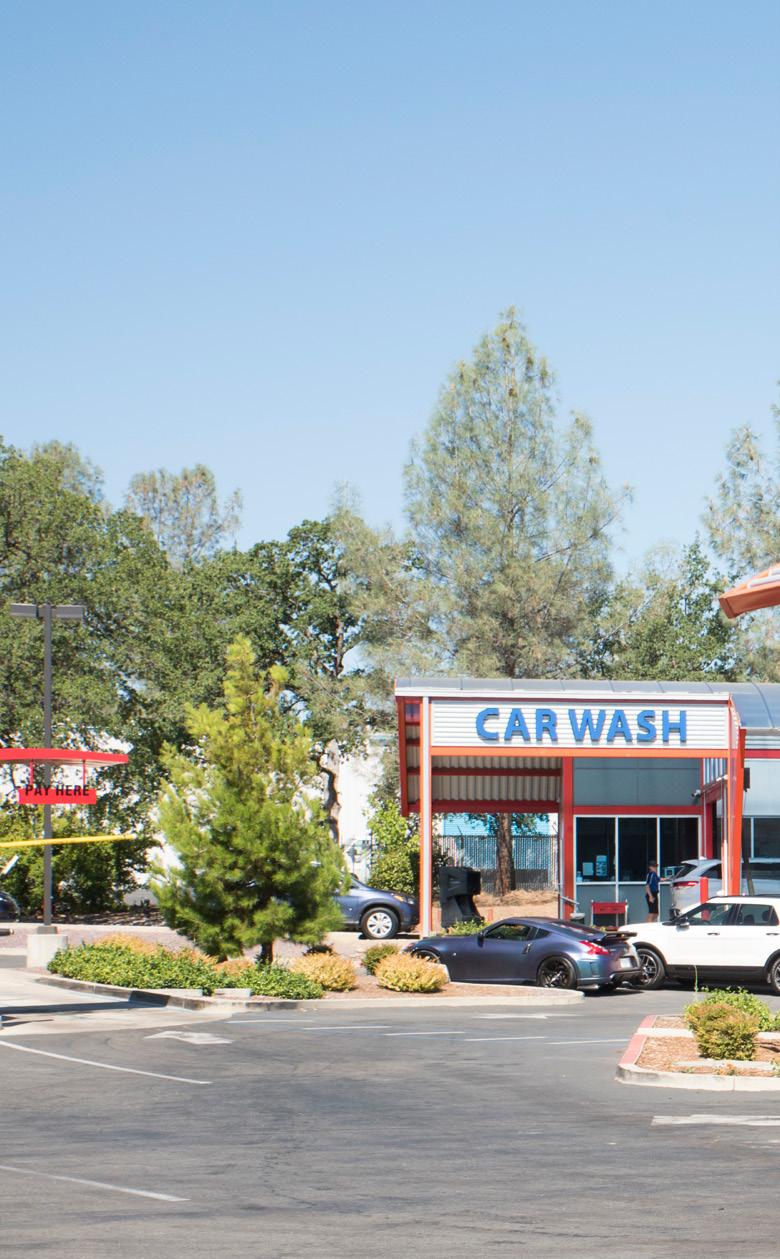
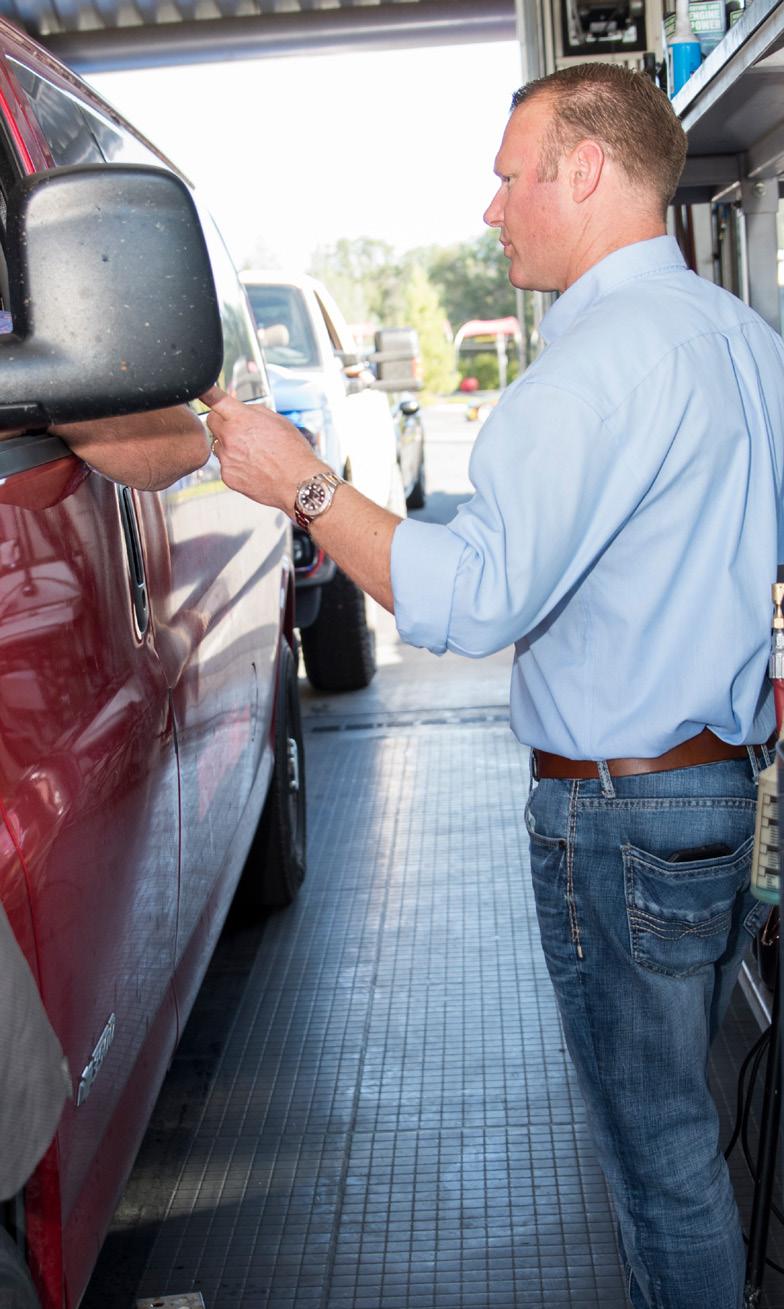

PREMIER OIL CHANGE
OWNER: MATT WEBB
LOCATION: 6, IN CALIFORNIA
AVERAGE STAFF SIZE: 72
AVERAGE NUMBER OF BAYS: 2-3
AVERAGE DAILY CAR COUNT: 52
TICKET AVERAGE: $125
Formula First Matt Webb has a strategic approach to attitude. Create a value-based goal and adjust your leadership to match.
“Following this process allows the values to become a road map leading you to achieve your future goals,” Webb says.
Webb says that you accomplish this by being the standard bearer for your organization and by training your employees to live up to the values. Once you get that buy-in from your team, the transition can be dramatic for the business—in positive ways.
The Aftermath Webb says this organization went through this transition in recent years, and it made a huge impact. He’s a strong believer in the idea that your company culture is being created, whether you recognize it or not, and whether you want it to or not.
If the culture is being created regardless, why not control it to be positive?
“We do this by putting our values on the walls, on shirts, and sweatshirts,” Webb says. “It really gets buy-in from our employees.”
These concrete cultural changes have made Premier a more positive place to work. Webb cites statistics showing that retention has increased by 20 to 30 percent.
Webb has noticed a trend across the industry, the stores that constantly try to create a positive culture always have less bay time.
The Takeaway Above all else, one takeaway stands out above the rest. Change must start at the top. As the operator, it’s your responsibility to set the tone and make sure that managers follow through.
Webb firmly believes that everything rises or falls under that leadership component. If you set attitude goals, make sure you’re living it.
“Whether you want your employees to or not, they will follow your lead, and you cannot expect others to have a positive attitude when you don’t,” Webb says.
NEGATIVE REVIEWS: GOOD FOR BUSINESS
Utilizing positive and negative reviews to grow the reputation of your shop
BY CALEB BROOKS
FOR MIKE DELACRUZ, VICE PRESIDENT of sales at Elite, there is an intrinsic reward in helping shop owners reach their sales goals.
This helps DelaCruz when training shop owners to manage their online presences. His work includes working with shops to quickly boost reputations through online reviews.
“The best way to boost a shop’s reputation is to give them an effective system for getting more online reviews,” DelaCruz says. “Working with shops in this capacity created many relationships, these relationships eventually formed friendships, and they keep me energized in the industry.”
DelaCruz says that focusing on how owners can boost online reviews is the best way to expand your quick lube and outperform your competitors. But what does this process look like?
Fish for reviews. Getting people to leave reviews can be a daunting task. Simply asking people to go home and leave you a review will yield limited results. This is because people generally think about leaving a review as out of sight, out of mind—once they’ve left your shop, the customer experience might feel finished.
So, what is the secret?
DelaCruz says that online communications systems that integrate with shop management software can be a timesaver. When a repair order is closed out of the system, a text message could be automatically sent to the customer thanking them for their service and leaving a link for a review.
This is where the process goes deeper.
Some review systems can identify the habits of social media users, when they’re most active on the sites and when customer contact is maximized.
“Having access to this information allows the system to craft a unique thank you message that contains a review link to whichever platform they are logged into,” says DelaCruz.
This process maximizes the potential for each customer to leave an honest online review, while also providing a large online presence for the shop. This streamlined approach helps to automate the review process for the customer but maximize reach to the potential platforms that are being used.
Balance positive and negative reviews. Some organizations may use a process called “review gating” to ensure that only happy customers leave reviews while disgruntled customers are filtered out.
DelaCruz says that this isn’t a good approach for businesses and could run afoul of regulatory bodies.
“Anti-gating regulations try to prevent companies from only posting positive reviews,” DelaCruz says.
The best way for shops to guarantee positive reviews is through continuous training, he says. That includes ongoing “how-to” training and support webinars. These sessions focus on best practices for the shop to adhere to if they want to see mostly positive reviews.
Respond to bad reviews. Shops need to be equipped to respond to bad reviews, DelaCruz says. It’s not enough to just leave the post up on the platform, either.
“Potential customers look upon a shop more favorably if they take the time to respond to a bad review,” DelaCruz says.
After working with many shops, DelaCruz has found that potential customers like seeing that a shop cares enough to respond to negative reviews. This is