6 minute read
PIT STOP

the escalation begins in a parking lot or in a lobby. Of course, use common sense, but anything the advisor can do to calm them down is important.
3. Let them vent. Let them get it all out in the air, all their issues on the table, remain calm and just listen.
Now is not the time to interrupt, now is not the time to get defensive. Just apologize. Apologize for the hassle. Advisors have to be really sincere.
4. They should reassure and reiterate to the customer that they’re still with the right shop, they’re still with the right people, you’ve still got the right principles. Now is the time to put them at ease. Any good doctor would do that, if you came back and were still sick. Advisors need to show major empathy and be very patient. If the advisor is aware of how they sound, their tonality, their body language, their cadence and how they’re speaking—if they’re coming across as receptive, really great listeners, they’re there to hear the customers’ feelings—I feel like that’s going to help diffuse a lot of uncomfortable situations.
5. Honesty is always going to be the best policy. Remain transparent and ethical throughout the process. This helps customers feel that nothing is being hidden from them, that they’re not in a bait-and-switch situation with a dishonest company.
Training Heroes In our advanced classes, we talk about the emotional mind and how that really does play a role in the buying and selling environment. It’s got to be relational, not transactional.
I would recommend that the advisors meet with management, do role plays, talk about training that could help them, but also look back at occurrences that happen and look at them as learning opportunities.
Emotional situations happen. Our industry has to face a negative reputation, unfortunately. Because of this, at the beginning of the relationship, the customers’ anxiety is going to be high. Our training is about reducing their anxieties. No one wants to walk in and pay hundreds or thousands of dollars unnecessarily. It’s a harder sale and that makes this a really tough job.
As a result, if you can have a service advisor who manages emotions really well, offers reassurance, and is emotionally attuned to people, they’re going to be really successful.
Get MORE:

Capacity Options Profit

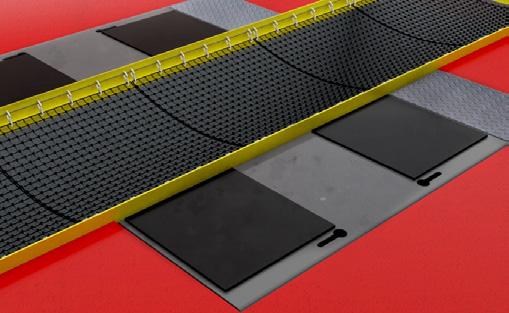
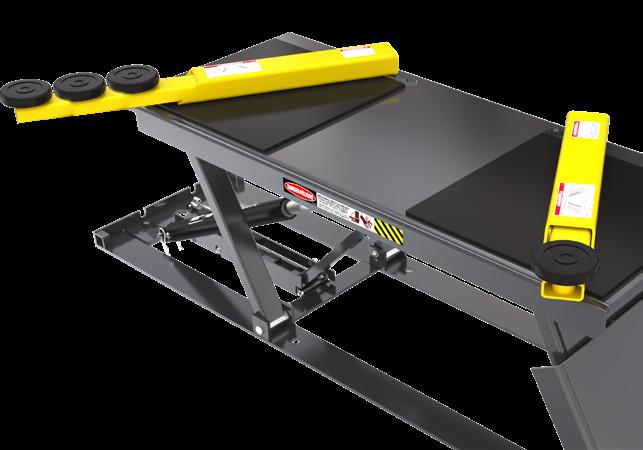
OPTIONAL 6000AK Arm Kit Model P9000LT MRP $4,575 *FREE SHIPPING
P9000LTF
(Flush-Mount)
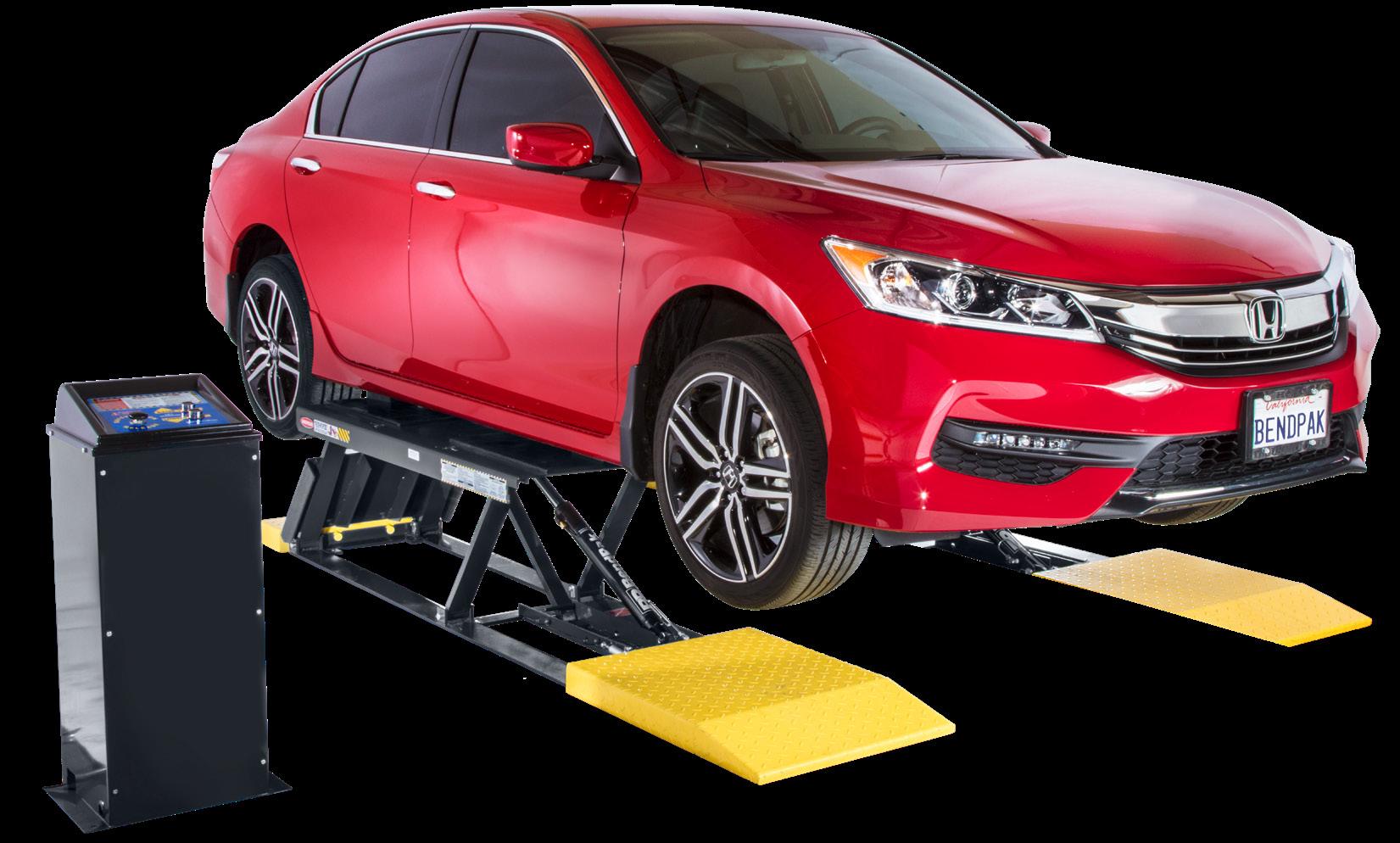
Rise above the competition with one simple lifting tool. Perform wheel rotations, brake service and more with BendPak’s 9,000-lb. capacity P-9000 series. Low-profile ramps mount easily onto hard flooring, and the flush-mount P-9000LTF fits seamlessly in subsurface concrete. Don’t wait. BendPak can help broaden your service ability, improve efficiency and increase profit today! For more info visit www.bendpak.com/P9000 or call 1-800-253-2363.
GROWTH MINDSET
Tackling acquisitions from the leader mindset to the method of operations
BY MATT HUDSON
GROWING A FOOTPRINT IS ONE OF THE most exciting and challenging endeavors for quick lube operators.
Pete Frey knows a thing or two about that. He is the former president of Take 5 Oil Change and oversaw the brand through some of its biggest growth spurts. He’s now an operator of a single franchised Take 5 shop in Louisiana.
Whether an operation is big or small, successful operators are sure to do their homework.
“The most important thing is to make sure that the property itself meets all your criteria,” Frey says. “Many people, because of price or other reasons, have walked away from sites that probably would have made them a lot of money in the long run because sometimes you feel overwhelmed.”
There’s a lot to consider on your method to acquire the property itself, and this article will dive into that. But there’s another big factor, and that’s your leadership and mental planning. You’ve got to be ready for the challenge and not get overwhelmed, as Frey put it.
“You don’t have to be an absolute real estate guru to pick out an ‘A’ site,” Frey says. “But you can make some critical mistakes along the way.”
Take a walk through some key acquisition tips from two angles—the mindset and the method—to make sure you’re on the right path.
Mindset: Ready for Change Joe Conner is a managing director in the transportation and logistics group at Harris Williams, a firm that specializes in mergers and acquisitions. Conner and his colleagues have worked on some of the biggest company acquisitions in the quick maintenance industry.
He says that whether you’re a big firm that’s taking on a large network or a small operator setting up a second location, there needs to be a full mental preparation for the work ahead. A shop owner acquiring a second location must prepare to split their attention by half at each store.
The first question is: Are you ready?
“Do you have good managers in place in your store?” Conner says. “Do you have people that you feel like you can move into a location who are trained up who buy into the culture of the organization that you’re running so that you know, when you have that second location, or if it’s your 20th location, it looks and feels like the rest of them.”
Working with a mergers and acquisitions partner to identify all the challenge spots might be the right choice for a larger company. For smaller operators, an industry peer, fellow franchise owner, or another business owner might be a good fit.
Method: Linking Sites and Customers Frey says that it’s easy to get into a long wish list for a potential quick lube property. If you’re feeling unsure where to focus, think of the customer.
“I think really the prime and most important thing is to identify a good piece of property that’s going to attract your type of customers,” he says. “That’s where a good program to help you identify the demographics comes in handy.”
Learn about the community that you’re looking at. What kinds of vehicles are driving by each day, and how many? Your potential shop site needs to match the customers’ needs right there on the spot in many cases, because oil changes tend to be quick decisions.
While you’re considering how your site will attract customers, think very literally about how they will access the shop. There might be certain ingress and egress requirements that make or break a deal.
“You can fall in love with a piece of property that has tons of cars coming by,” Frey says. “But if people can’t get to a light and make a turn to get to you, then you’re going to find yourself in trouble there.”
Mindset: Shift Your Leadership The operator of one store is often the day-to-day manager as well. There’s an important transition that takes place when that operator starts to oversee a bigger network of shops. That day-today work is delegated.
Being able to transfer your day-today expertise and management doesn’t happen naturally. In many cases, you need to think and plan a strategy to delegate duties to your management team. The mindset challenge for the operator is to really change the way they work on perfecting their enterprise.
“That is a very hard leap for a successful entrepreneur who’s been doing it one way, and then realizes that they might have to let go of some of that stuff because they can’t get that overextended,” Conner says.