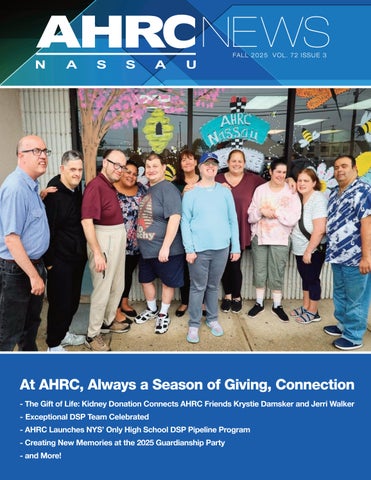
- The Gift of Life: Kidney Donation Connects AHRC Friends Krystie Damsker and Jerri Walker - Exceptional DSP Team Celebrated - AHRC Launches NYS’ Only High School DSP Pipeline Program - Creating New Memories at the 2025 Guardianship Party - and More! At AHRC, Always a Season of Giving, Connection
From the Desk of the CEO
Stay in Touch
Dear Families and Friends,
In this edition, you’ll see AHRC Nassau’s mission in action in the ways we show up for one another every day. The bonds we build through friendship, trust, and service make it possible to create new programs and opportunities for people with developmental disabilities.
These daily acts of kindness are powerful — and they lead to life-changing outcomes, like the inspiring story of Krystie Damsker and Jerri Walker, who are now forever connected through a transformative kidney transplant. Their friendship began through their shared love of direct care and became a moving exam pl e of how caring for one anothe r can change lives.
Advocacy works the same way. When we raise our voices with purpose, we create change. Whether celebrating Direct Support Professional (DSP) Recognition Week or calling for fair wages and continued investment in home- and community-based services, your voice matters. Federal and state legislators need to hear how these issues affect people supported, their families, staff and the greater community.
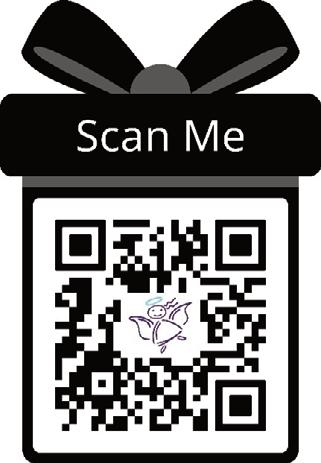
Opt in to receive advocacy text alerts by scanning the QR code or visiting www.ahrc.org/mailing-list. Together, we can ensure strong funding for services and staff and prepare for upcoming legislation that could significantly impact both. Learn more by visiting our Advocacy Center at www.ahrc.org/advocate.
Our founding families showed us that when we stand together, there is nothing we cannot achieve.
Best regards,
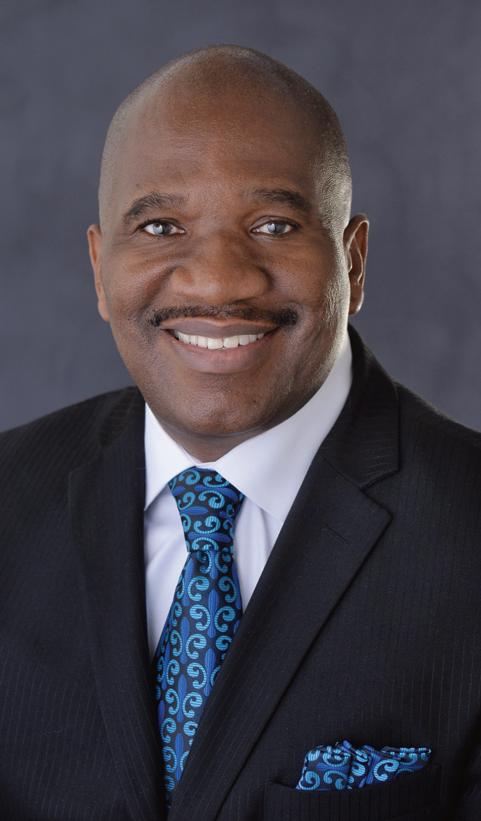
Stanfort J. Perry CEO, AHRC Nassau
The Gift of Life: Kidney Donation Connects AHRC Friends
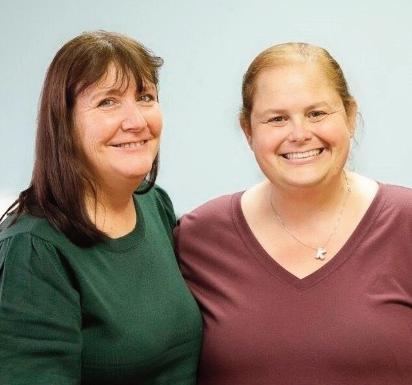
Krystie Damsker and Jerri Walker
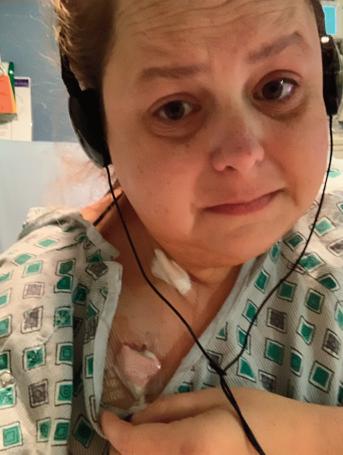
With a catheter strapped to her chest, Krystie Damsker would smile, give high fives, and finish paperwork as Assistant Manager at AHRC Nassau’s Bethpage day services site.
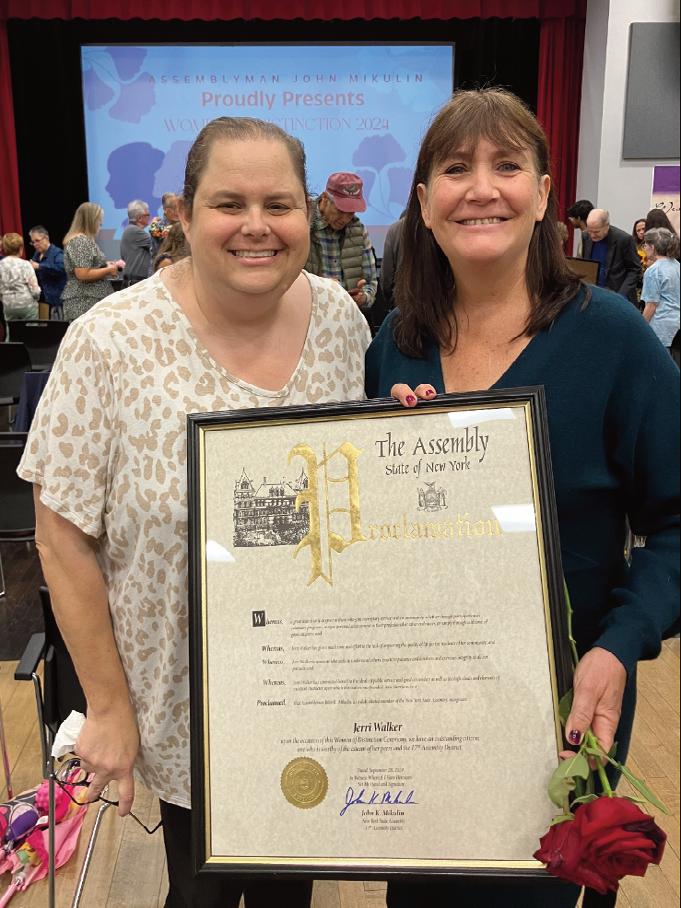
Supporting people with developmental disabilities was the work she’d loved for over 20 years, her “calling,” and where she’d met some of her closest friends. It was also where she experienced kidney failure twice, endured dialysis, and ultimately was matched with a lifesaving kidney thanks to her friend and co-worker Jerri Walker, Volunteer and Project Coordinator.
A year after her transplant, Krystie shared her story during a lunch break, speaking from her car outside the hubsite. As she spoke, people she supports would occasionally tap on her windows or wave hello. At one point, a person called from vacation from Texas, just to catch up—a testament to the deep relationships she’s built.
The Impact of Kidney Failure
According to the National Kidney Foundation (NKF), Krystie is one of the roughly 250,000 people currently living with a kidney transplant. Approximately 100,000 people are waiting for a transplant, while over half a million receive dialysis treatments.
“This is an underdiagnosed condition, kidney disease,” said Dr. Kirk Campbell, Professor of Medicine and Chief of the Renal Division at the University of Pennsylvania Perelman School of Medicine and NKF Board President. “We really want to encourage more awareness, screening, and talking to loved ones about living donation.”
“The kidneys are quite essential to supporting overall immune health in a number of different ways that aren’t always fully appreciated,” said Dr. Campbell.
Kidneys filter blood, eliminating waste and water through urine. However, Dr. Campbell explained “these organs do a lot more than that, serving as a filter that balances salt and acid in the body. They also control blood pressure, produce hormones that regulate red blood cell counts, and support bone health.”
Kidney failure leads to waste and fluid buildup, as well as “fatigue and nausea, mental fog and a lot of cardiovascular, heart and central nervous system complications that ultimately can be quite dangerous and fatal,” said Dr. Campbell.
Living With Kidney Disease
Since starting at AHRC in 2004, friends and coworkers say Krystie has remained the same bubbly, positive person, even while coping with the major health challenges.
“Her first transplant was extremely challenging to watch. Her strength behind it really is inspiring,” said Tina Rodriguez, a longtime friend and AHRC co-worker. “There were many times she just wanted to cry and we let her. And then we told her how strong she was.”
Krystie’s mom, Basia, shared, “She takes after me. She’s a good soul. Even after going to dialysis until 11 at night, she still loved her guys and would do anything for them.”
Krystie has always loved the energy of the hubsite, teaching people with disabilities how to build connections and be a part of their community. When she started, mornings might be spent volunteering and afternoons at the arcade, beach, or movies, supporting people with developmental disabilities to pursue their interests in the community and advocate for themselves.
After her first transplant began to fail, her close-knit environment was another reason she pushed through four-hour dialysis sessions, three to four times week.
Krystie was on hemodialysis for over a year, traveling to the NYU Langone Dialysis Center in Bethpage, the halfway point between her home and work. In 2023, Dr. Nicole Ali, Medical Director of the Kidney Transplant Program and Director of Quality for the Transplant Institute at NYU Langone, started working with Krystie, as her transplant nephrologist assisting with organ matching and immunosuppression, when her first transplant—donated by her mother—began to fail.
“With Krystie, dialysis was very, very difficult, and that happens to many patients,” remembered Dr. Ali. “The amount of fluid that would be removed by your kidney in two days you’re consolidating that on dialysis to three or four hours.”
“Over the course of time, even with the immunosuppressant medications, the immune system does recognize that the transplanted kidney is not something they were born with,” explained Dr. Ali. “A slow immune injury happens to that organ. And then, over the span of 20 or 30 years, the organ gets scar tissue. That’s why they don’t last forever.”
Dialysis was a short-term measure, but a challenging one. On dialysis, Krystie felt fatigue, nausea, high blood pressure, and frequently shivered. The cool temperature of the dialysis room prevented blood clotting while the machine whirred cleaned, cold blood back into her body.
“One day her left foot turned colors and it started to burn and have a big rash on it,” said Dr. Ali. “And they were worried that a plaque of cholesterol from her blood vessels had fallen off and gotten to her foot. I couldn't imagine at her young age to think, ‘Oh my gosh, the blood flow to my foot is blocked.’ She was having a very tough time.”
Krystie had avoided dialysis with her first transplant; now she had what Dr. Ali likened to a second “full-time job,” factoring in travel, waiting room time, especially if blood pressure was low and her body needed to stabilize after treatment. This is in addition to the CT scan, X-ray, colonoscopy, Pap smear, mammogram, and cardiology consult needed to go onto the waiting list for a transplant.
Krystie felt confident working with Dr. Ali and her multidisciplinary team at NYU Langone. Joan Kelly, Transplant Coordinator, and Colleen Kelly, Assistant Coordinator, managed all testing and overlapping work of the larger team, including the transplant surgeon, social workers assisting with Krystie’s mental health and emotional journey, a pharmacist, and finance specialist.
Their ongoing support, Krystie said, made her feel confident to advocate for herself in situations ranging from a cardiovascular team seeking to crack her chest open to remove fluid build-up or saying no to surgery for a fistula, connecting an artery or vein.
“Krystie would come to us and say, ‘Hey, this is what's going on. Can you help me?’ And since she knew exactly who I'd have to talk to or coordinate with, it was very easy,” remembered Dr. Ali who encourages patients to keep notes on diagnoses, doctors, and hospitals because “timelines can start to blur.”
Another big reason for Krystie’s success through the challenges of dialysis was her mom, Basia.
“In Krystie’s case and in every patient’s case, the most important part of their team to me is their support. For Krystie, that was very much her mom. You need that person who grounds you, who you can pick up the phone and call when things are not going well, when you’re having a bad day, when you’re like, ‘I just don’t want to go do this test tomorrow.’ That person really is your cheerleader and gets you through the tough times.”
A Life-Changing Friendship
Krystie knew her life was on the line. She asked questions, got second opinions, and prepared for good and bad outcomes. Above all, Krystie did her best to continue living her life.
“If you stop going to dialysis, you could die within days,” said Krystie, who took the risk of moving a regular dialysis appointment.
Krystie knew she had to accept the invitation to Jerri Walker’s summer barbeque celebrating the 50th birthday of a shared friend. Being with friends and family had always helped Krystie get out of her head. She changed her dialysis schedule for what she anticipated would be a fun night out. What she didn’t expect was that this event would be lifechanging.
Continued on page 10
Celebrating Dedication and Talent Across AHRC
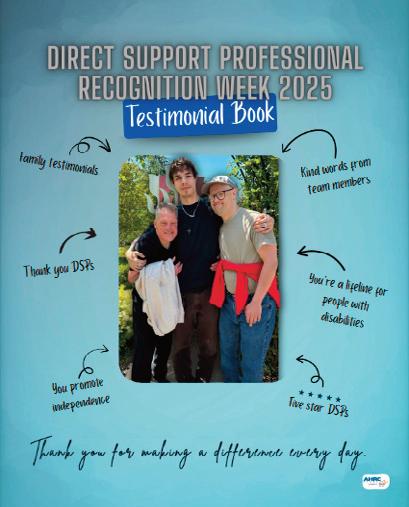
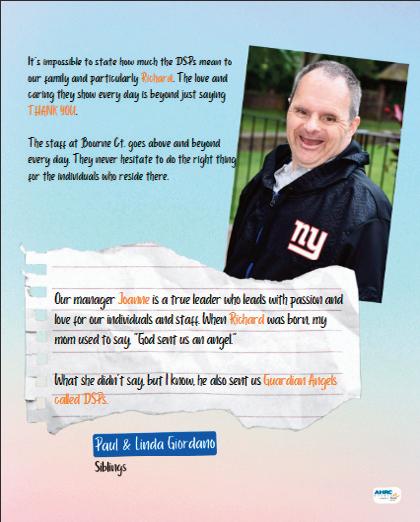
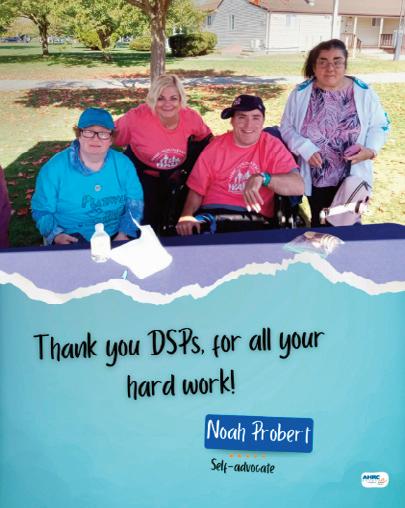
During Direct Support Professional (DSP) Recognition Week, Sept. 7-13, and Beyond!
Videos, stories, shout-outs, and more highlight the AHRC staff supporting the health and independence of people with developmental disabilities
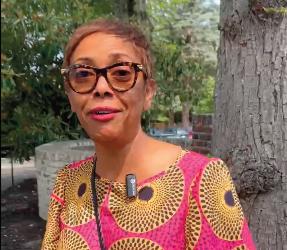
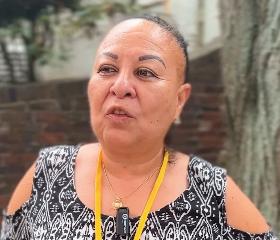
Widly Couloute’s path to becoming a Direct Support Professional (DSP) at AHRC Nassau was inspired by a personal connection: seeing her aunt raise and care for a son with autism. What she didn’t quite understand at a young age—the patience and care required to help people with disabilities thrive—is now part of her everyday life. Since joining AHRC in January, she’s become an invaluable member of the team serving as a Residential DSP and one-on-one support to Frank Riva. Her commitment and pride in work well done are evident. She recalls an experience supporting three residents with their cooking and home care needs. With one resident, she provided “hand-over-hand assistance and verbal prompts for about six months” supporting him to learn to use a fork and knife. “One day I saw him do it all on his own, and that felt incredible,” said Widly.
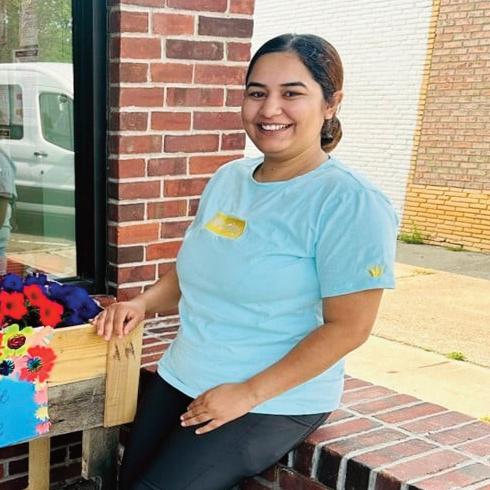
Sapinder Kaur is a Direct Support Professional (DSP) who appreciates the challenging yet rewarding nature of the role. Recommended by her cousin, a fellow DSP, Sapinder transitioned from a career as a medical assistant, bringing valuable experience to her current position. “In both fields we have to face medical challenges,” she notes, highlighting the critical skills she exercises daily. Her typical day is a dynamic mix of support and care. Her day-to-day tasks are wide ranging, ensuring comfort to enriching activities like drawing and day trips. One of her favorite experiences is taking the people she supports to art class at Wheatley Farms & Arts Center. “There’s fresh air around that area. It’s good for them, taking a trip and enjoying that environment,” she says, highlighting the importance of fresh experiences in the lives of those she supports.
Less than a year at AHRC, Ephraim “Roky” Dabney discovered new talents and forged meaningful relationships in his DSP role. His days are filled with many different activities. He supports people in Day Services, helping them enjoy a vibrant life in Nassau County. Recently, he collaborated with five people supported at Levittown on a project constructing a whale-shaped box for food donations. “It took us three weeks to make,” Roky said. The finished piece is a joyous display of their collective creativity. Roky’s impact extends beyond his work. Barbara Gallagher, a Day Services recipient in Levittown , describes him fondly, “He’s a very nice man. When he drives me home and has the radio on, we sing together,” she adds, illustrating the genuine camaraderie fostered during their time together.
Have a Great DSP Story to Share? Email inspire@ahrc.org or tag AHRC on Facebook, Instagram or LinkedIn.
AHRC Nassau Launches New York State’s Only High School DSP Pipeline Program with $80K Grant
AHRC Nassau has officially launched an innovative high school pipeline program to grow the next generation of Direct Support Professionals (DSPs), thanks to an $80,000 work-based learning grant from the Bellmore-Merrick School District, who designated funding through New York State’s Office for People With Developmental Disabilities (OPWDD).
This is the only high school-to-DSP pipeline curriculum of its kind in New York State, offering students a structured 12-month path with hands-on experience, formal training, and direct mentorship in the field of disability services.
The program was developed over the course of five years by Bridget Cariello, Assistant Director, Project Development, and Laura Franzen, Human Resources Assistant Director for Employee Services. It was created in partnership with the Bellmore-Merrick School District and includes a full DSP curriculum created in collaboration with the National Alliance for Direct Support Professionals (NADSP).
Currently, 12 students have begun work-based learning and are already interning across AHRC Nassau programs, including select day programs and residences. Each student will complete 120 hours of work-based learning and an additional 30 hours of mandatory volunteer service. All participating students have already been fingerprinted and cleared through the required background check process.
AHRC Nassau is developing curriculum and hiring a dedicated DSP Pathways Coordinator, who will guide students through onboarding, training, and mentorship as they explore careers in the field.
By partnering directly with NADSP and mapping the curriculum to educational requirements, AHRC Nassau is setting a new statewide standard for workforce development in the disability services sector and other BOCES schools can replicate this program and create a succession plan for human services.
Gretta Abraham-Imperial
Doris E. Valesquez
Give the Gift of Opportunity –Be an AHRC Foundation Angel This Year
The AHRC Foundation invites you to become an AHRC Angel —helping create opportunities for over 4,000 children and adults with intellectual and developmental disabilities across Long Island.
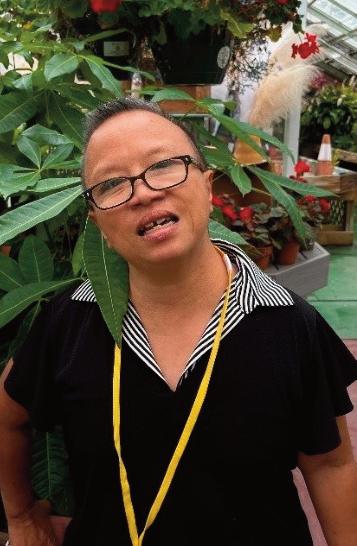
People like Tracy remind us why your support matters.
After years of developing her skills through day habilitation supports, Tracy now works at Big Tree Greenhouse & Gifts caring for plants from fall mums to fig trees and everything in between. She lights up when she talks about her work, proud to be needed and to contribute. Just like the plants she tends, Tracy is flourishing. Her success is one of many made possible through employment and community programs supported by the AHRC Foundation.
When you give, you help the very programs that provide real-life supports—from early learning and job training to residential care, health services, and family respite. Your gift also strengthens AHRC Nassau ensuring that people can grow, connect, and take part in everyday life alongside their families and communities.
Become an AHRC Foundation Angel today by enclosing your gift in the envelope provided.
To make a gift from your IRA or through a gift of stock, please contact: 516.626.1075, ext. 1135.
Remembering Paul Cullen
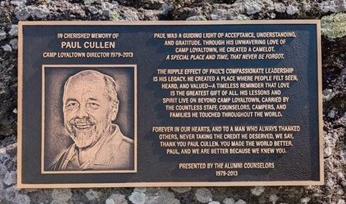
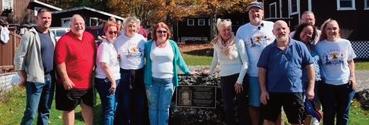
On a picture-perfect October day, alumni counselors, Paul’s wife Karen, and members of the Cullen family gathered at Camp Loyaltown to unveil a memorial plaque honoring Paul’s extraordinary 35 years as Camp Director.
Earlier in May, more than 200 alumni counselors (1979–2013) reunited to remember Paul and raised $11,000 for Camp Loyaltown, sponsoring the installation of the remembrance plaque.
Now standing near the flagpole where Paul began each day with a resounding “Good Morning!” the plaque is a reminder of his love for Camp Loyaltown. Day after day and year after year, Paul stood at that flagpole welcoming everyone to another magical day at camp.
Seasons change—with new staff, new campers, new activities—yet the spirit of Camp Loyaltown that Paul helped shape still endures: a place for people of every ability to play, explore, grow, learn, live, and simply be. Thank you, Paul.
Guardianship Party: Good Times, Games, and Trivia at Disney-Themed Guardianship Party
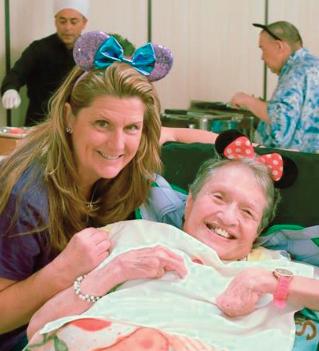
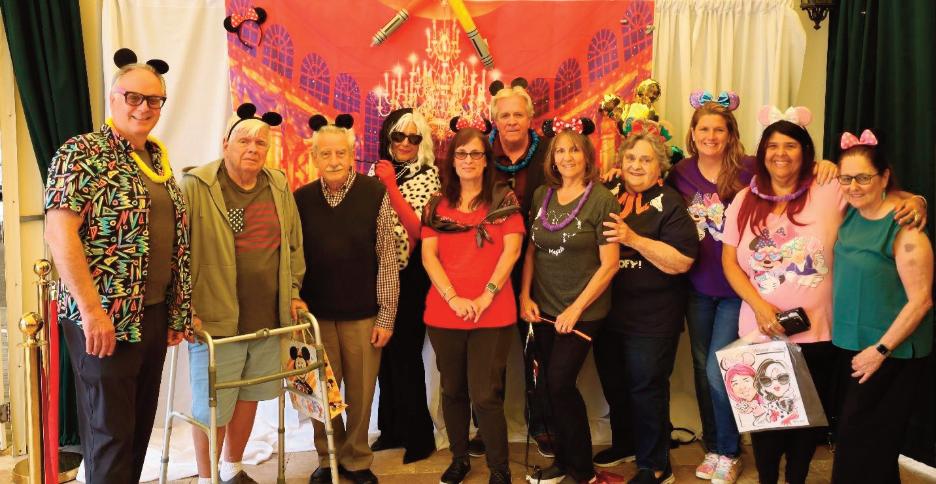
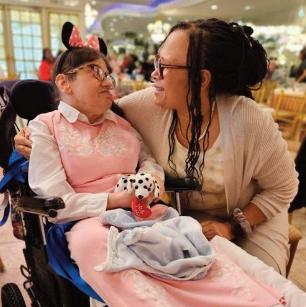
Music and laughter filled Leonard’s Palazzo as people supported by AHRC Nassau’s Guardianship Services, the Guardianship Committee, and team members gathered for the annual guardianship party on Sept. 21.
This year’s Disney-themed celebration was a sea of colorful t-shirts featuring Minnie, Mickey, and Donald Duck—and, of course, plenty of mouse ears. The lively afternoon kicked off with a dedicated photoshoot, followed by casino-style games like basketball toss and axe throwing, Disney trivia, and a full buffet. A caricature artist was busy throughout the event, sketching portraits for the long line of guests eager to take home a keepsake.
Guardianship services are lifelong, and Eileen Stewart-Rooney, Guardianship Manager, and Stephanie Hodelin, Guardianship Coordinator, celebrated the strong bonds they share with the people they support. With the support of staff and volunteers, AHRC Nassau’s guardianship program helps each person stay connected, make their own choices, and live the life they choose.
Nearly all 70 people supported through Guardianship Services—including some in their 90s—joined the celebration with their support staff. Guardianship helps them stay active in their communities, nurture friendships, and receive the care they need.
Eileen and Stephanie made sure everyone celebrating a birthday received a special gift, all while greeting guests with hugs and smiles.
“These relationships last for years, decades even, and it takes a lot of work and a lot of people that care about people,” said Jack Garofalo, AHRC Nassau Board and Guardianship Committee Member. “When I look around at all the people here today, we have a lot of that—good people on both sides.”
Lynne Shorr, who enjoyed the fresh air outside between games, shared that she was having a great time. “Stephanie and Eileen are good guardians because they listen to me,” she said. “I have no more mother or father, but they still love me from up there,” she added, pointing toward the sky.
AHRC Nassau Receives NYSARC Trust Services Grant to Support Guardianship for People with Developmental Disabilities
AHRC Nassau has been awarded $180,400 in grants from the Trustee Management Board of NYSARC Trust Services to strengthen its guardianship program, ensuring people with developmental disabilities in Nassau County have trusted advocate s by their side—especially when they have few or no loved ones to help navigate life’s important decisions.
At AHRC Nassau, guardianship services are about ensuring each person’s rights, preferences, and dignity are respected. The grant helps fund the staff time, travel, training, and resources needed to stay connected with people, support their choices, and respond to both everyday needs and urgent situations.
To meet the growing need, the team recently welcomed back Maryann Fiorelli, whose role centers on responding to questions, concerns, and day-to-day needs. The three-person staff is also supported by a 10-member Guardianship Committee made up of volunteers, each with expertise and experience, who help ensure each person receives thoughtful, individualized support.
Continued from page 5
Krystie and Jerri had known each other for twenty years since both started work at the Bethpage hubsite as Direct Support Professionals, teaching people with developmental disabilities how to build relationships and daily living skills. While Krystie was a fun-loving twenty-something, Jerri was a thirty-something mom of three. They connected over their shared love of DSP work, became part of a larger friend group, and worked together for two years before Jerri moved into a different role. Fast forward to the summer barbeque: Jerri had just seen a CBS Sunday Morning segment about kidney donation and immediately thought of her friend. Then and there, she asked for the number for the kidney donation hotline to start the process.
Krystie was floored. “I said, ‘Really?’ And she was like, ‘Yeah, give it to me. I’ll call.’ I remember going home. When I got about halfway, she texted me, ‘Don’t forget to give me the number.’ I just took it in passing. People offer, and it doesn’t go anywhere. I said, ‘Are you for real? You don’t have to do this.’”
Jerri was adamant. She called Krystie the next day letting her know she’d left a message. The line wasn’t active because of the summer weekend. Jerri wanted to do this for her friend and felt she received a sign too. The next day, she was driving in Long Island traffic when a car cut her off. She immediately wanted to react, then noticed the bumper sticker “Living Donor.” She found she still wanted to say something. Driving alongside the car, she spoke to the person about her donation plans and felt even more encouraged.
“After 23 years, my colleagues and the people we support are my extended f amily,” Jerri said. “I’ve seen family and friends die of cancer when there was nothing we could do. This time, I could do something. I could give my kidney, and her troubles were going to go away.”
Jerri credits the NYU Langone team with sustaining confidence about her decision, every step of the way. The NYU Living Donor team, like the recipient team includes a coordinator, social worker, and independent living donor advocate who ensures no external pressures influence the decision of the living donor.
“First, I did a urine test, then I had to sign up to do a full day of testing in the hospital to make sure I was healthy enough to give my kidney,” said Jerri. “They do such an amazing job testing you. They’re making sure you are 100% able to do this: mental health and physical testing.”
The NYU Langone selection committee of specialists in multiple areas reviewed and approved the donation However, Jerri’s kidney was not a perfect match due to factors like the difference in age between the two women. In other words, the team considered on balance the age of the donor kidney, recipient’s life expectancy, and the toll of immunosuppression medication.
“The way that we traditionally do HLA matching has evolved from when Krystie had her first transplant,” shared Dr. Ali. Kidney matches are now made not just by looking at the Human Leukocyte Antigen (HLA) molecule, but a smaller property—eplets.
“Eplets are the building blocks of the HLA molecule and the reason that kidneys or no transplants last forever,” explained Dr. Ali. “So, it’s much easier, for example, to find things that match on the building blocks than it is to have the entire structure. If you drive down a block and try to find identical houses, that may be challenging. Trying to find houses where they have a lot of similarities is much easier. So, if you can find someone who’s better matched at the eplet level, then there’s less chance for your immune system to create reaction and antibody down the road.”
It was a difficult decision to not move forward with Jerri’s kidney and wait for a better match. Krystie was struggling on dialysis, often headed in and out of the emergency room. She wanted the process to be over and couldn’t wait another four months. She also didn’t want to disappoint her friend or offend her generosity.
“People were afraid that I was giving up because I didn’t want to live like this. The thing is I didn’t want to die, but I didn’t want to live like this,” remembered Krystie. “I was miserable at all times. I was just crying, non-stop. It gets me emotional thinking back: I couldn’t have Jerri’s kidney. How could I ask this person to still donate?”
There were multiple meetings, including a telehealth session, with Krystie’s team of support and Jerri’s team of support. Krystie decided to wait for a better match.
On hearing Krystie’s decision, Jerri said, “Whatever is best for Krystie is what I will do. You just tell me what she wants.”
“It was amazing to see Jerri’s reaction,” said Dr. Ali. “And, so we proceeded in this way, and we were able to find that better match for Krystie. And, the best thing I heard from her, when I saw her for the first or second visit, she said, ‘You know, I feel so much better than I did with the first transplant.’ And, that was incredible to me because usually your first transplant is your easiest transplant.”
Through the donation process, Jerri’s kidney ultimately went to another recipient, but ensured Krystie’s name went to the top of a donor list for a kidney that would last her the rest of her life.
“I was 100% positive—no doubts in my head—that I was doing the absolute right thing,” Jerri said. “I didn’t want it to feel heroic. We all show up for each other in different ways—big or small—and this was just my way.”
Jerri encourages people to consider becoming a living donor. “I wish I could say this to everyone: I was walking the night of the operation. It’s not as scary as people think and the supports from the National Kidney Foundation for supplementing your work hours, income, transportation or day care, if you need it, are amazing. I didn’t, but they are so supportive. If anyone is thinking of doing it, it is a very good experience.”
Jerri was out of office about two weeks for the procedure, putting her sick time to good use. “I work at the best place in the world. The agency was supportive of my decision,” said Jerri. “When I came back, I was able to pick up where I left off. The best part of my job is that I am supported to connect back to the various sites and programs where I feel I make a difference.”
Congratulations and Celebrations
Krystie and her mom, Basia, were waiting for Jerri when she woke up after surgery, ready to celebrate. As a result of Jerri’s donation, Krystie had expected to receive a well-matched kidney within four to six months. Instead, Krystie would receive a life-changing phone call, only a few days later.
“I went to dialysis that Friday. I was sitting there, and it was like 4:55 p.m.,” said Krystie. “You get the phone call you have a kidney and everything changes. I had to keep quiet because I was at dialysis and there are people who are never going to get a kidney, there. It’s heartbreaking. I started to cry.”
Krystie first shared the news quietly with a nurse on duty, who had been there when she first began dialysis treatment, then called her mom.
“I called my mom like 8,000 times because she never answered her phone. She ended up calling me back while she was walking out of work with her coworkers,” said Krystie. “The next thing you know you hear her drop the phone, and she’s screaming.”
Basia, who works as a receptionist at Northwell Health, was walking out of the office with her co-workers. “Yes, we were screaming,” she laughed. “Everyone was clapping and dancing behind the medical building and bagel store. Krystie was still on the phone.”
For Dr. Ali, what was most memorable was seeing Krystie’s grit and resilience. “With Krystie, you realize how tough this journey is. She has throughout it maintained her commitment to her health, her drive to take care of these organs, and the gift that she’s been given by those who donated to her. Her desire to help other patients navigate this journey, it was not easy for her and she wants to make it easier for someone else. That sticks with me.”
“I know for patients out there who are looking for a transplant, it is so difficult to make that ask. It is a big ask, and many patients feel very intimidated to say that they need a transplant or to spread the word. But, I encourage people to spread the word because if Krystie hadn’t, Jerri wouldn’t know and would not have been able to be her hero,” said Dr. Ali.
Dr. Campbell of The National Kidney Foundation commended both women. “On behalf of the National Kidney Foundation, I want to congratulate Krystie and Jerri on the courage and generosity that’s being seen here. It’s a journey that really shines an important light on what’s possible when communities rally around kidney health: getting screened, registering as an organ donor, stepping forward as a living donor. We all need this recognition of individuals who value life, health, and their coworkers in such an inspiring manner.”
Consider Becoming a Living Donor like Jerri!
The National Kidney Foundation is celebrating 75 years of transforming kidney care, expanding early detection, improving access to kidney transplants, supporting patients and families every step of the way. To learn more about kidney donation, visit The National Kidney Foundation at www.kidney.org
If you are interested in becoming a living kidney donor, you can complete a confidential health screening for kidney donations. To learn more about kidney donation or to speak with a donor team specialist, call (212) 263-3621 or email NYUTrLivingDonor@NYULangone.org.
Advocacy
Empowering Voices: Rights Rally Focuses on Voting and Advocacy
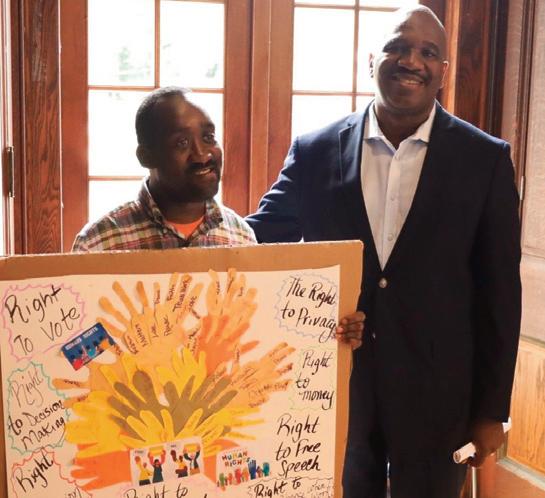
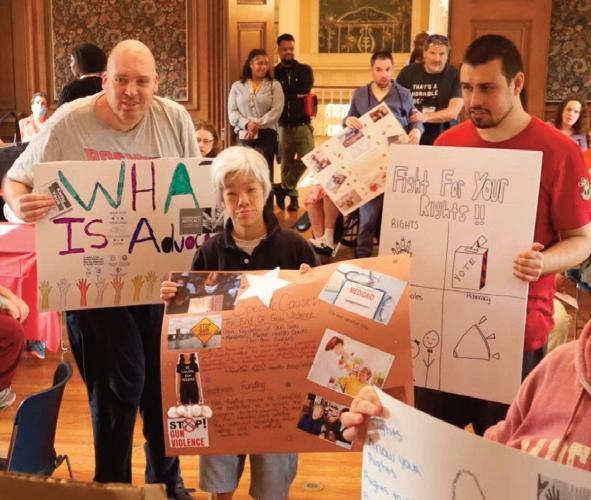
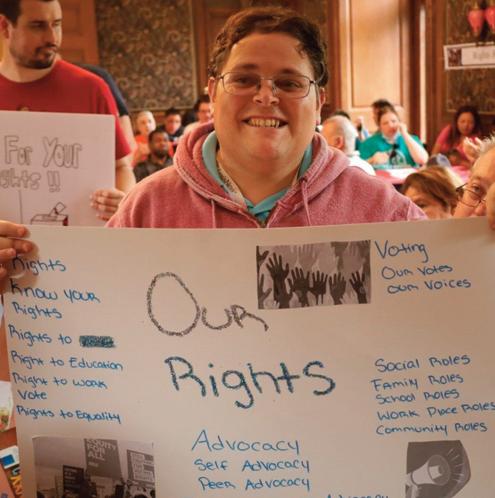
This fall, self-advocates from day service locations across Long Island came to Brookville for empowerment at the annual Rights Rally. This year, our Quality-Assurance Trainers focused on voting, teaching attendees the rules and regulations surrounding registration and the various ways to cast their ballots.
People shared their questions, advocates were celebrated, and many won prizes! We're grateful to the representatives from the Nassau County Board of Elections who were present to share information and help people register to vote.
Your Voice Makes a Difference
The passage of the “One Big, Beautiful Bill” (OBBB) Act brings significant cuts to federal Medicaid funding and SNAP. This is a deeply disappointing. Medicaid is a lifeline for people with intellectual and developmental disabilities, making possible the services and supports that foster independence, inclusion, and quality of life.
It is expected to prompt significant changes in the New York State Legislature, as leaders work to address the impact of cuts to Medicaid, SNAP, and other essential programs affecting vulnerable New Yorkers.
Share your support for disability services or learn more at ahrc.org/advocate
Sign up for the Upcoming Advocacy Workshop, “Let’s Talk: The Nuts and Bolts of Advocacy and Government”
Hosted by the Government Affairs Committee, this two-hour event will welcome 30-50 attendees to the Brookville mansion on Saturday, January 10, 2026 from 10 a.m.-Noon.
Strong advocacy begins with knowing how and when to speak up. This event will help attendees navigate government processes, share their story effectively, and connect with others committed to advancing bipartisan support of disability services.
- Ida McQuair, Former State Legislative Staffer (Workings of Government)
- Saundra Gumerove, AHRC Board President (Advocacy)
- Nicole Zerillo, Communications Director (Storytelling)
Networking: Presentations will be followed by small table discussions practicing sharing stories and making connections.
For more information or to sign up, visit ahrc.org/advocacyworkshop
Community Pages
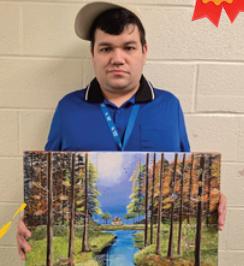
Wenceslao Herrera Takes First Place in “Landscape and Realism” in The Arc New York Art Competition
Congratulations to Wenceslao Herrera, who won first place in the “Landscape and Realism” category of The Arc New York 2025 Art Competition for his painting "The Natural Afternoon," a stunning portrayal of a pristine autumn scene. In recognition of his achievement, Wenceslao received a certificate of placement, a gift card, and the special honor of participating in a virtual presentation on September 17. This year’s competition featured 242 works of art across three categories, with more than 1,400 voters helping to select the winners.
Building Connections, Understanding With the NYS CDD
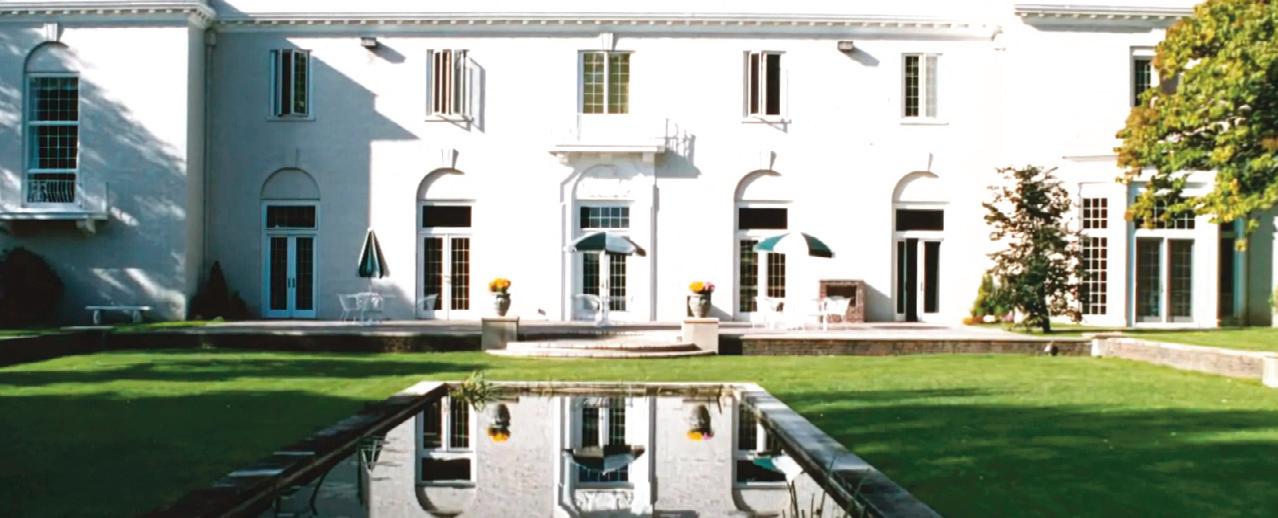
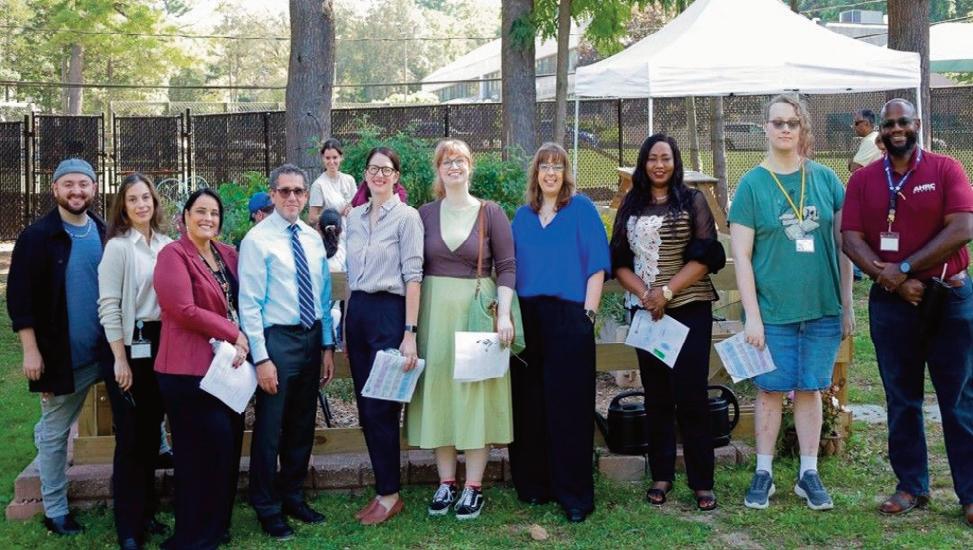
September’s visit from the NYS Council on Developmental Disabilities (CDD), joined by our grant, regional development, and project development teams, provided an excellent opportunity to share progress on the NYS Community of Practice (CoP) for DEI. Jackie Hayes and Anne De Rosa from the CDD witnessed firsthand the meaningful interactions that promote equity in social , learning, and employment opportunities for people with intellectual and developmental disabilities during a visit to the AHRC campus, including Wheatley Farms. Funding from the CDD plays a vital role in supporting the CoP’s DEI initiatives, which continue to inform and strengthen our agency’s DEI framework as we embed best practices across services and advocacy.
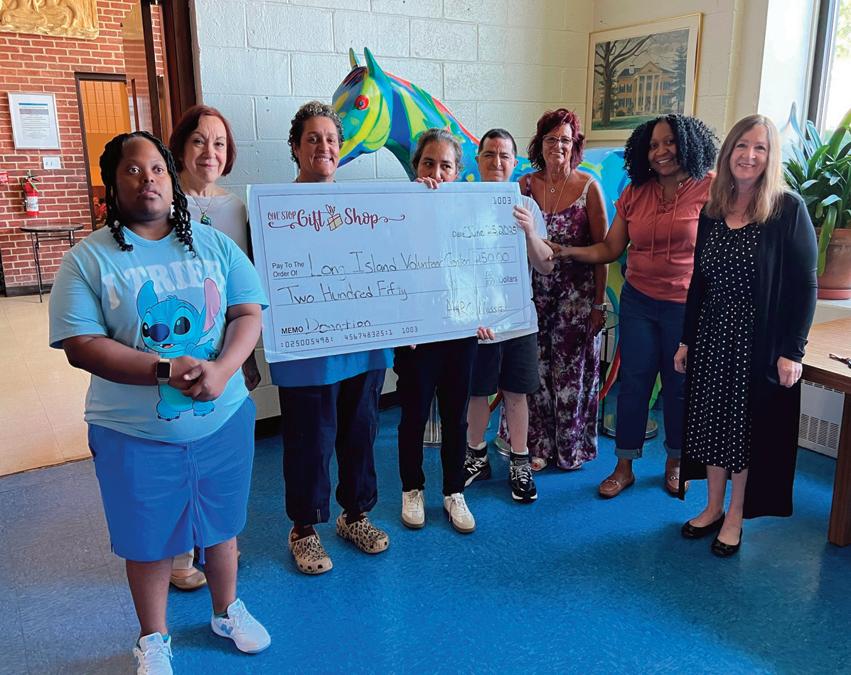
One Stop Gift Shop Makes Donation to Nonprofits Long Island Volunteer Center, Mommas House
Interns at AHRC Nassau’s One Stop Gift Shop spent the summer giving back to their community, recently contributing donations to the Long Island Volunteer Center, an affiliate of HandsOn Network, and MOMMAS House. The One Stop Gift Shop offers people supported by AHRC Day Services the opportunity to fully participate in running a retail operation. Interns assist with inventory, pack orders, and ring up customers—all with a smile—while gaining valuable work experience. You can support the initiative by visiting the gift shop in Hicksville or shopping online. Each purchase helps people with developmental disabilities develop workplace skills while reinvesting funds in local organizations that strengthen the community. Free Delivery in Nassau County courtesy of the Hicksville Hub Site, Monday–Friday, 10 a.m.–1:30 p.m. Questions? Contact us during business hours at (516) 605-1743.
Community Pages
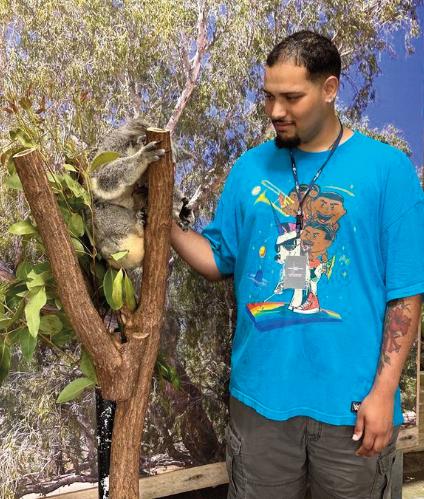
Trip of a Lifetime: Kyle Thompson Visits Australia
“It was a real-life koala!” Kyle Thompson exclaimed after visiting Taronga Zoo in Sydney, Australia. Kyle spent the day exploring the park, observing animals, and soaking in every moment of his dream come true. This milestone began during a 2023 Personal Outcome Measures (POMs) interview with Samantha Rodonis, where Kyle shared his passion for animals and his dream of visiting Australia. Samantha helped him break the goal into smaller, attainable steps and encouraged him to share it with others. Kyle traveled with his supportive grandmother, Georgeann Thompson, who documented the experience. His love for wildlife—fueled by watching Steve Irwin and Animal Planet—guided his excitement throughout the trip. Back home, Kyle continues pursuing his dreams, visiting Wheatley Farms and sharing his knowledge with staff. In October, he’ll assist in teaching a class on bird migration, another step toward his ultimate goal of working with animals professionally.
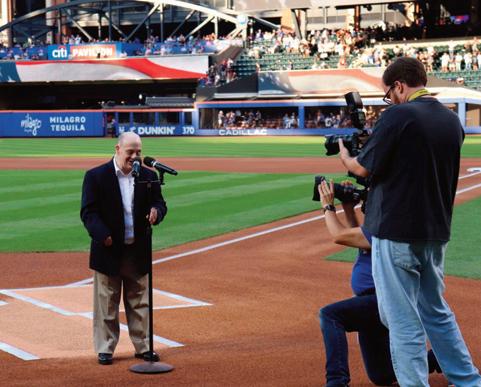
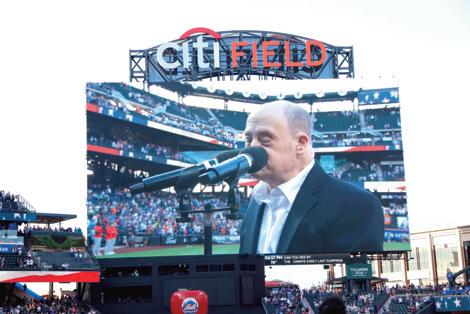
Adam Levine Shines Bright at Citi Field
It was an incredible day at Citi Field on July 22, when Adam Levine sang the Star-Spangled Banner cheered on by his family, community members from AHRC Nassau residences, and Mets fans gearing up to watch their team face the Los Angeles Angels. Adam is no stranger to the spotlight. As he walked onto the field, Adam waved and smiled at the event crew before positioning himself behind the microphones facing an enthusiastic audience. For nearly two decades, Adam has maintained this tradition, delighting hundreds of fans who proudly sing along with him and signal appreciation with roaring cheers. Every year is meaningful. Adam’s friends and family look forward to seeing Adam share his love of singing with the crowd.
AHRC Nassau Bridges Digital Divide for People with Disabilities with Training Series
Since January, people supported with Day Services have participated in digital literacy training sessions as part of a $20,000 Digital Literacy Grant from The Arc of the United States, The Arc of San Francisco, and AT&T. In total, 345 people supported by AHRC Nassau completed digital literacy training, a figure well above the 250-count stipulated by the grant. This achievement was the result of thoughtful and collaborative coordination across departments. The curriculum covered topics including navigating websites, understanding the differences between Mac and PC products, iPhone and Android devices, and recognizing online misinformation. It also addressed online safety and fraud. The program was led by MJ Zayas, Grant and Enrollment Coordinator, with support from Amy Yeung and Sue Limiti, Activity Specialists in Day Services, and Kate Zimmerman and Samantha Rodonis from the Personal Outcome Measures Department.
Seasonal Gifts, Decorations on Sale at Big Tree
Greenhouse & Gifts
Celebrate fall with seasonal favorites from Wheatley Farms. There are lots of cozy sweaters, scented candles, souvenir mugs, and iced coffee cups for you to choose from. As you're falling into the festive fall vibe, remember that every purchase empowers people with disabilities as they build valuable skills to confidently step into the workforce. Shop online at https://bigtreegreenhouseandgifts.square.site/
189 Wheatley Road, Brookville (Glen Head), NY 11545
inspire@ahrc.org
the Date: Annual Membership Meeting November 24 | 6 p.m.
AHRC Nassau’s Board of Directors welcomes its Membership for the Annual Election of Officers and Directors. For more information, visit www.ahrc.org/member2025
Be an
Angel This
services. Saturday, January 10, 2026, 10 a.m.-Noon | Brookville Mansion
Hosted by the Government Affairs Committee, this two-hour event will support attendees to navigate government processes, share their story effectively, and connect with others committed to advancing bipartisan support of
For more information or to sign up, visit www.ahrc.org/advocacyworkshop
The AHRC Foundation invites you to become an AHRC Angel — helping create opportunities for over 4,000 children and adults with intellectual and developmental disabilities across Long Island.