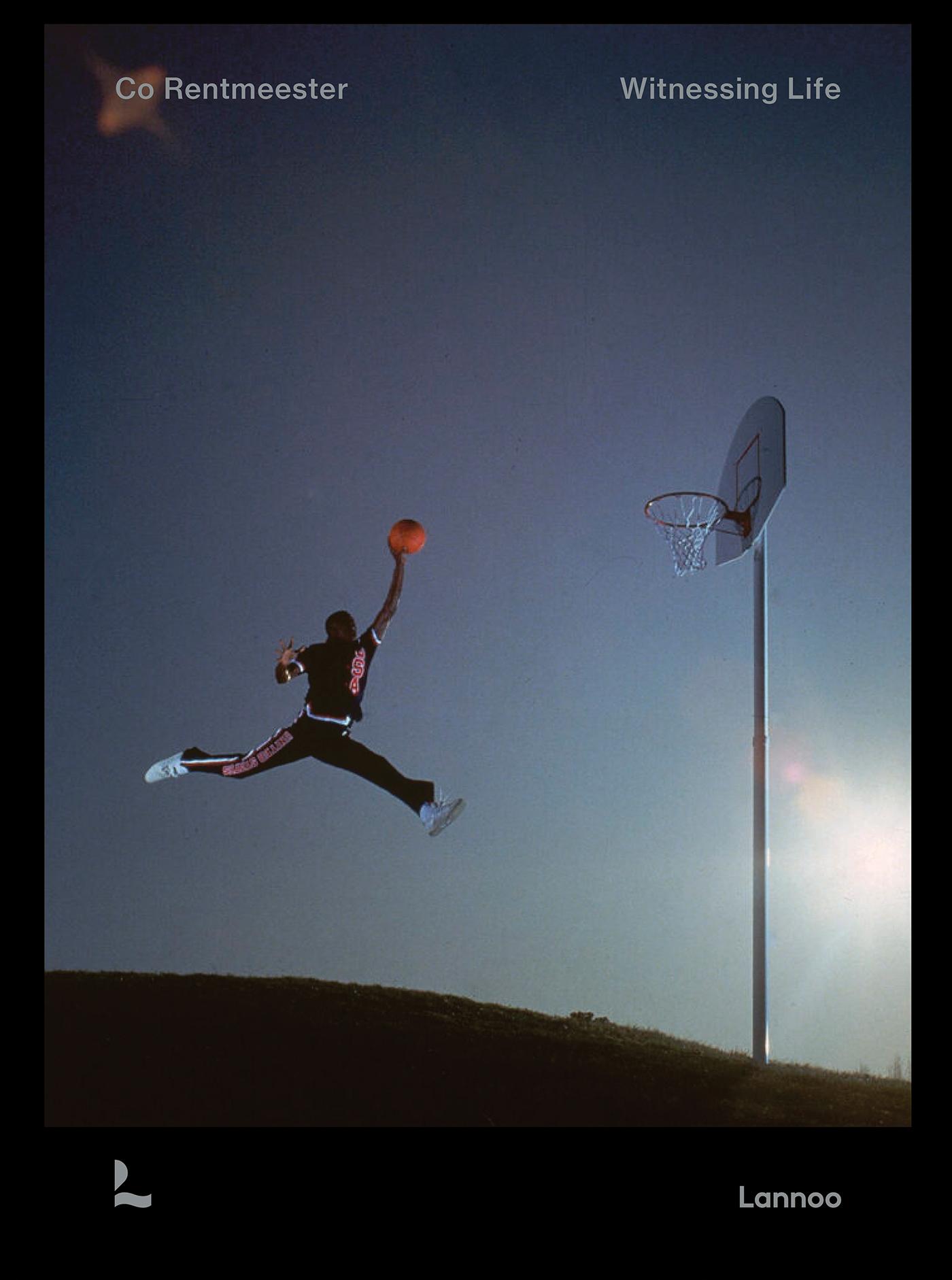
Witnessing Life
Witnessing Life is not merely a title—it encapsulates a lifelong engagement with the world through images. For Co Rentmeester, to witness is an active, deliberate stance: not to remain at a distance, but to enter the frame and assume responsibility. His photographs are never casual impressions; they are calibrated constellations in which time, space, the human body, and the act of looking intersect. Each image bears a distinct tension—not only of the subject but also of the photographer and what is at stake in the moment of depiction.
Born in Amsterdam in 1936, Rentmeester represented the Netherlands as an Olympic rower in the 1960 Olympic Summer Games in Rome—not a biographical aside, but a formative experience. The discipline of elite sport— its rhythm, timing, and kinesthetic alignment—informs the logic of his visual thinking. When he moved to Los Angeles in 1961 to study photography at the Art Center College of Design, he began constructing a distinctive visual vocabulary: methodical, composed, and attuned to moral complexity.
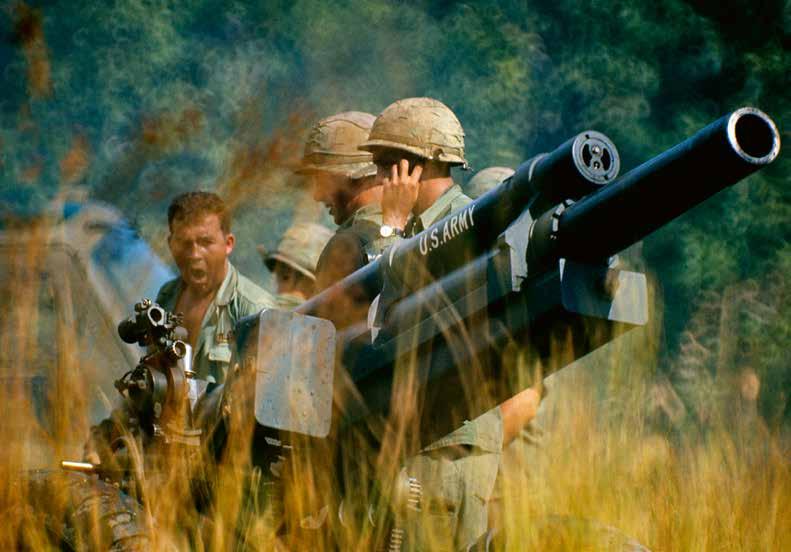
In 1965, he started working for LIFE magazine as a freelancer and was soon invited to join the staff. While his association with LIFE gave him access to pivotal historical moments, it was his own visual ethic that shaped the work: one rooted in preparation, anticipation, and formal clarity. Across Vietnam, Indonesia, Watts, Munich, and throughout the United States, he developed a body of work that spanned conflict, sports, protest, and the rituals of daily life. He twice received the World Press Photo award—first in 1967 for an image of an American tank gunner, the jury’s first color selection, and again in 1973 in the sports category. His photographs from this period mark not just milestones of editorial history, but visual interventions that challenged how events are structured and remembered.
Rentmeester is a photographer who works against spontaneity. His images are built—technically, spatially, conceptually. Whether mounting cameras to aircraft, pacing with swimmers, or recontextualizing athletes in abstract locations, he treats the camera not as a witness to chance, but as a tool of visual judgment. His approach demands precision, but it also opens space for reflection. Each frame is a visual proposition, in which what is shown matters less than how it is revealed. Even in the face of volatility, his images assert clarity: they hold.
That clarity reaches a distilled form in the final photograph of his professional career. On the cover of the last regular issue of LIFE magazine (May 2000), a premature infant appears, weighing only 1.2 pounds, enclosed by medical equipment and human hands. Fragile yet attended to, the image conveys neither sentimentality nor clinical distance. It captures not resolution, but contingency—a threshold, neither beginning nor end. The photograph coincides with the closure of LIFE and Rentmeester’s withdrawal from professional photography. But the frame resists finality. It suggests not disappearance, but deliberate conclusion. The child does not signal an ending, but a fragile opening—one that echoes the photographer’s lifelong method: to be present, to perceive what others might overlook, and to translate that encounter into image.
To witness, in Rentmeester’s practice, is not to document what is already apparent. It is to remain attentive where the world becomes difficult to see. His photographs do not illustrate history—they shape its afterimage. This book gathers that legacy. Not as a retrospective, but as a lens: a way to look, and to take position.
Aya Musa Foam Photography Museum Amsterdam, 2025
A homeowner trying to save whatever he can from his burning house. LIFE cover, August 27, 1965
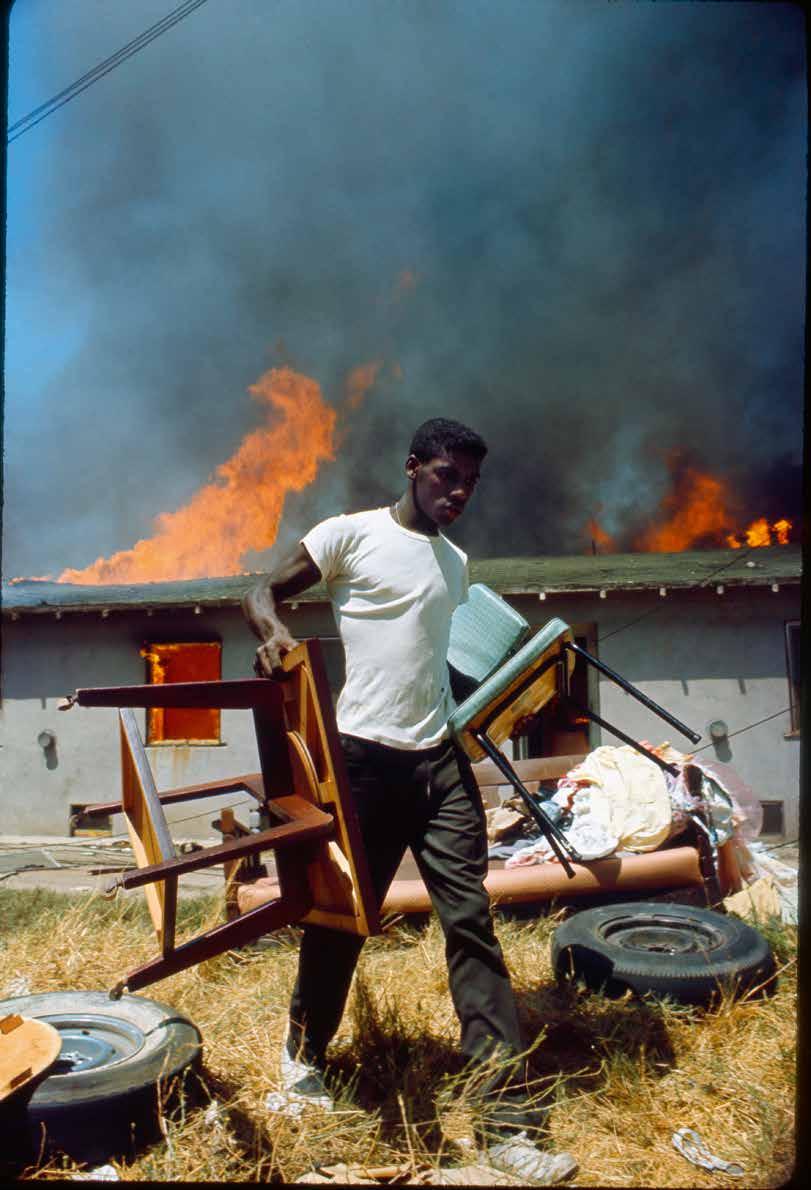
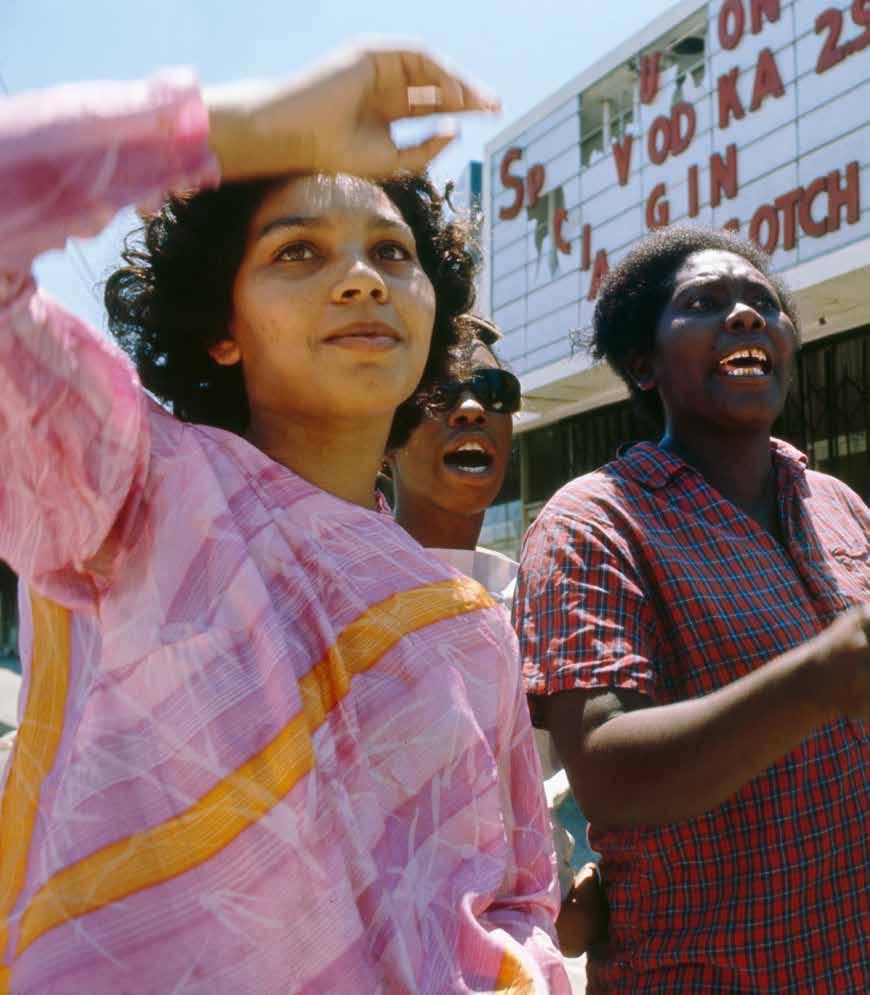
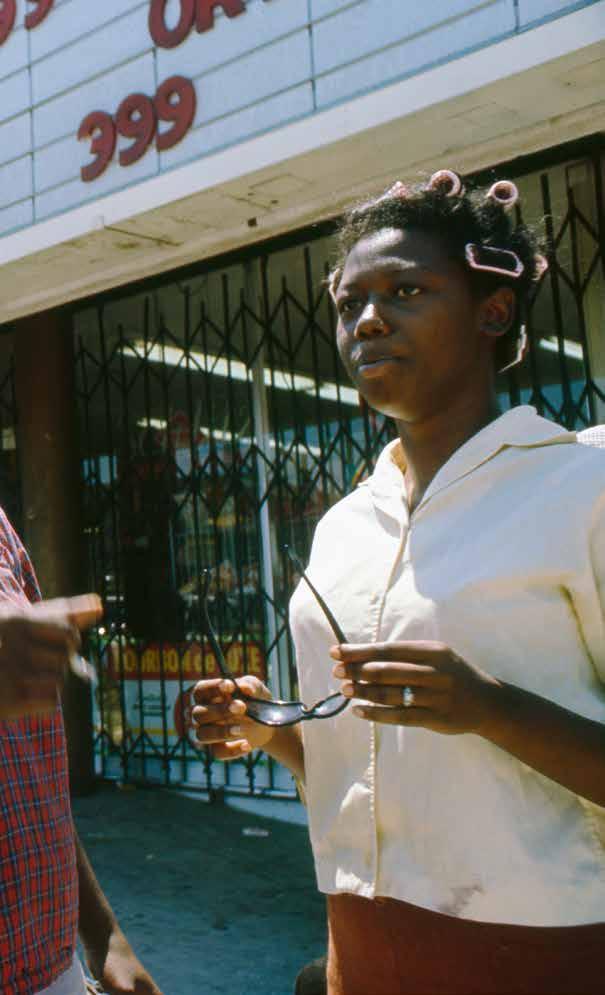
Community response to police brutality and systemic inequality. Summer 1965
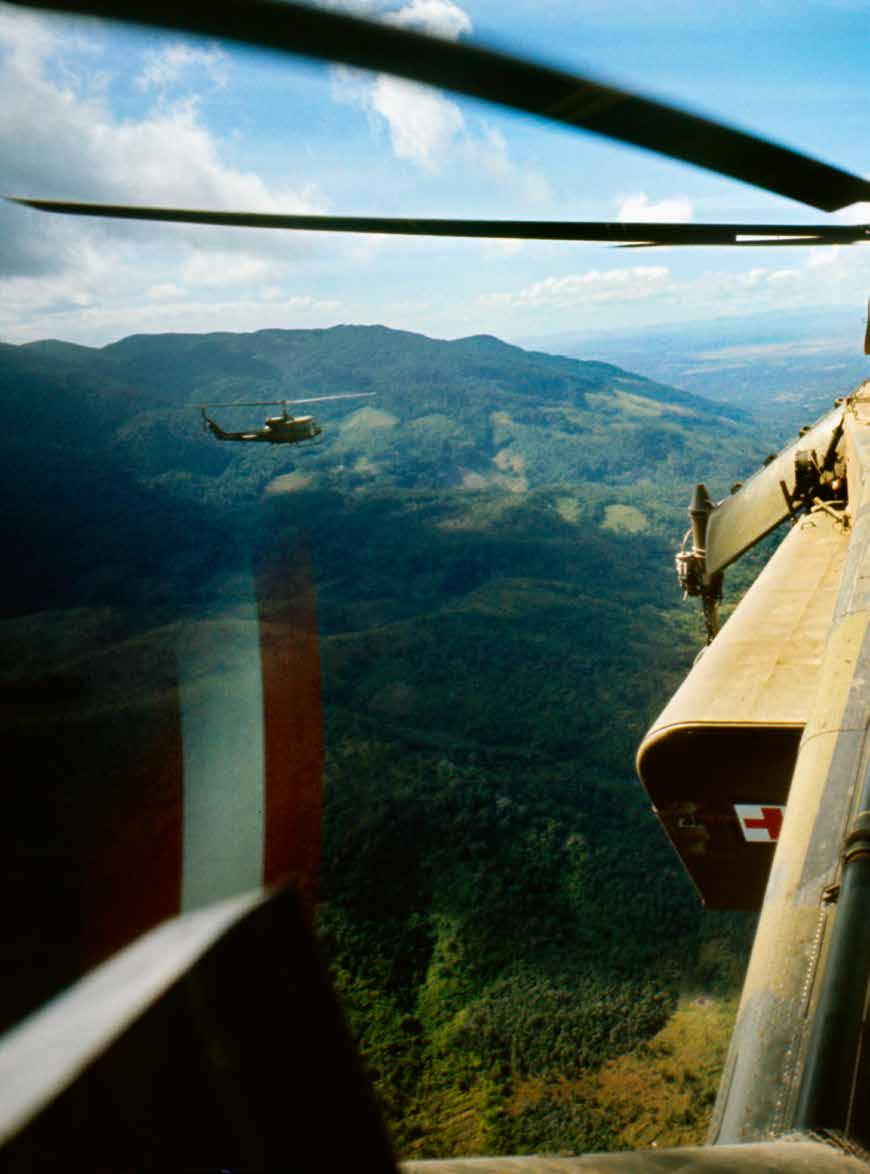
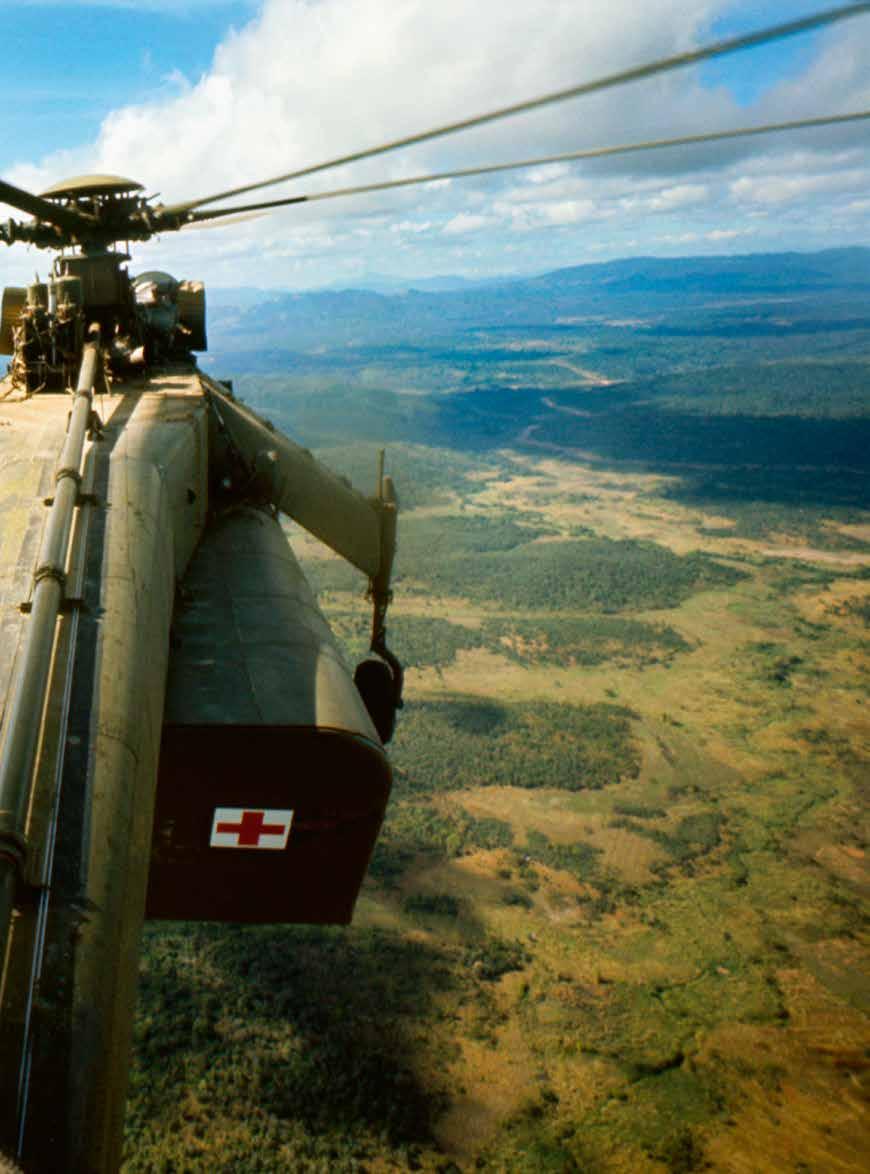
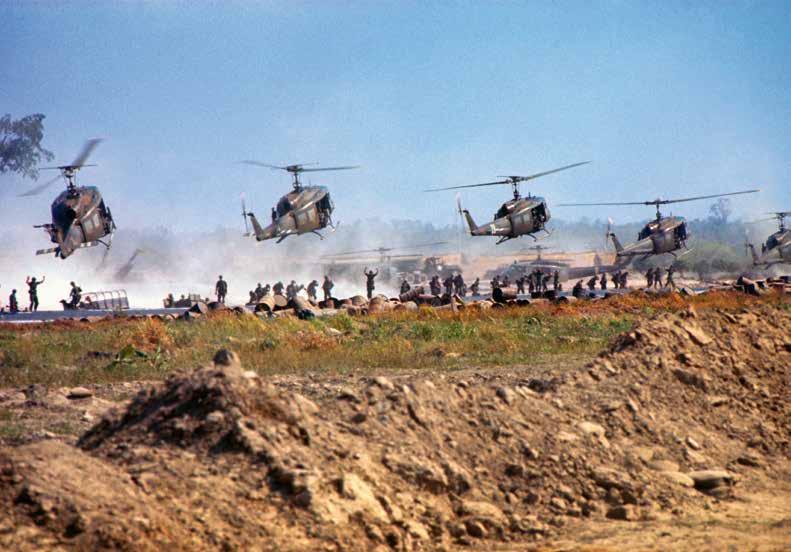
Helicopters lift off packed with assault troops from the 1st Infantry Division to insert them into enemy-held territory north of the Iron Triangle during Operation Manhattan. 1967 right Battle of La Drang Valley. The crew chief of a 105 mm howitzer unit takes sighting corrections over a field phone. The soldier with open mouth is protecting his eardrums anticipating the gun firing. 1965.
p. 94 Grieving civilians in Saigon. 1965
p. 95 Members of the National Liberation Front killed in action by South Korean forces (ROK), a U.S. ally. The elite Korean units imposed full control over Dinh Binh Province. 1966.
pp. 96-7 South Vietnamese civilian wounded by an exploding bomb in the Mekong Delta, South Vietnam. 1966
Monkeys, 1968 - 70
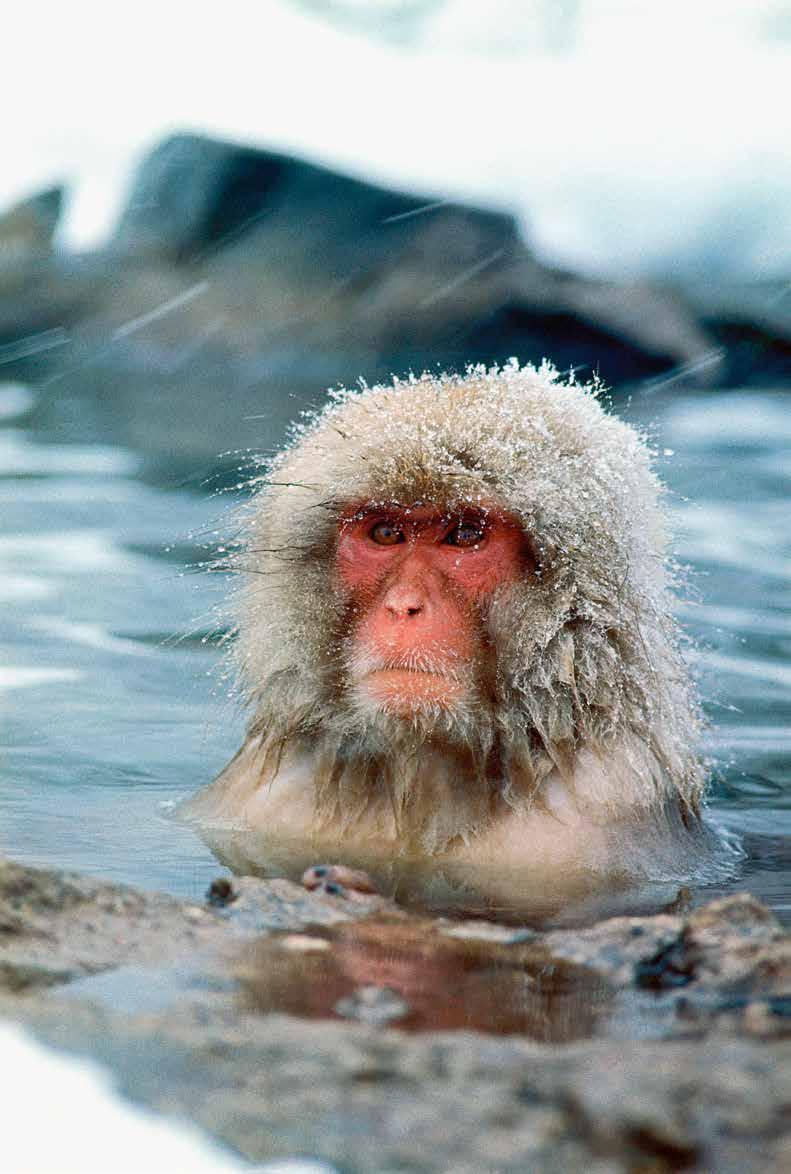
A female snow monkey in the hot springs of Japan’s Shiga Mountains. LIFE magazine cover, January 30, 1970
p. 114 top A mother cuddles her infant while another female grooms her. Northern tip of Honshu, Japan. 1970.
bottom A female snow monkey with infant leaps across an icy stream. For the first few months of life, babies cling constantly to their mothers. 1970
p. 115 “Japan’s Snow Monkeys”, a 1970 LIFE essay about the Japanese macaque inhabiting the rugged and cold peninsula of Northern Honshu and the less austere Shiga Mountains with natural hot springs. 1970
pp. 116-7 A young male orangutan – rescued from illegal wildlife dealers – in “back-to-thejungle” preparation at a rehab center in Sabah, Borneo. They were already under threat of extinction at the time. 1968
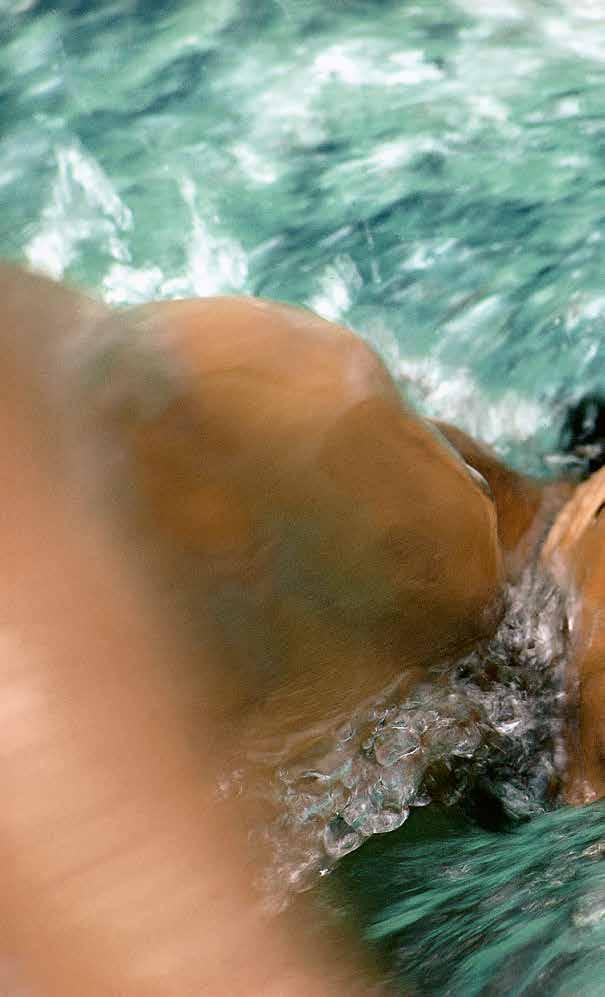
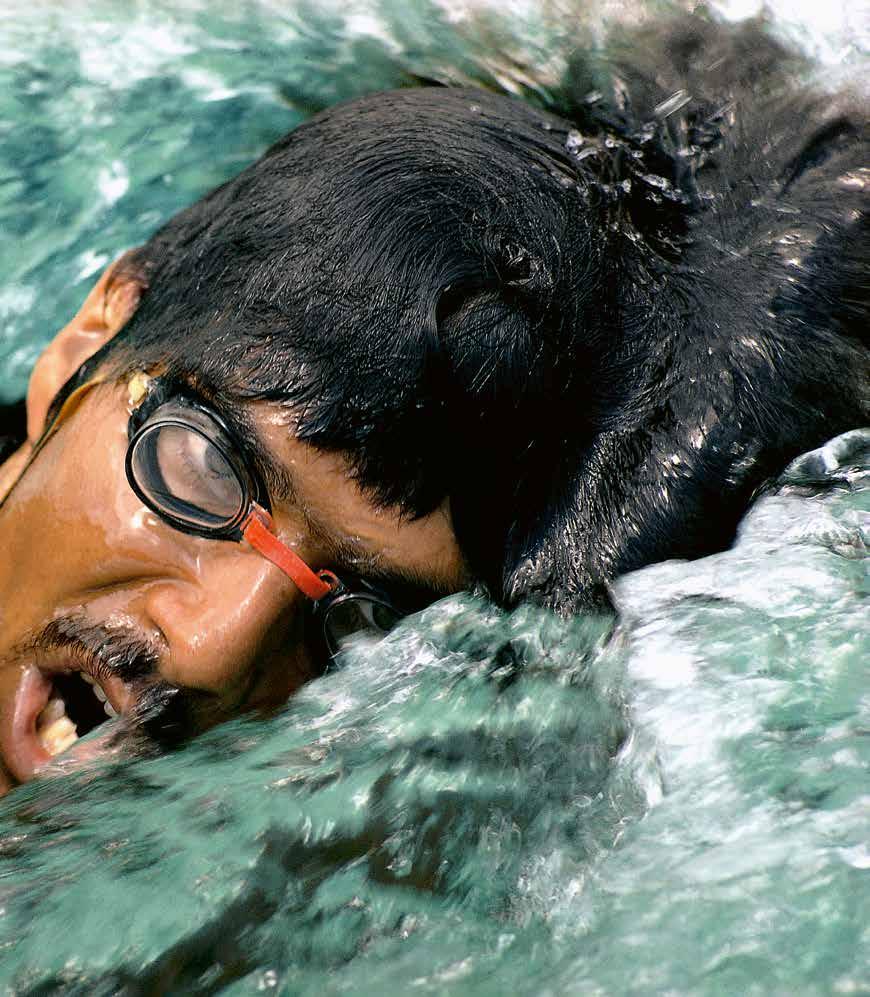
Close-up of Mark Spitz training, photographed for LIFE ’s 1972 Olympic preview. The photo won World Press Photo “Sports” in 1973.
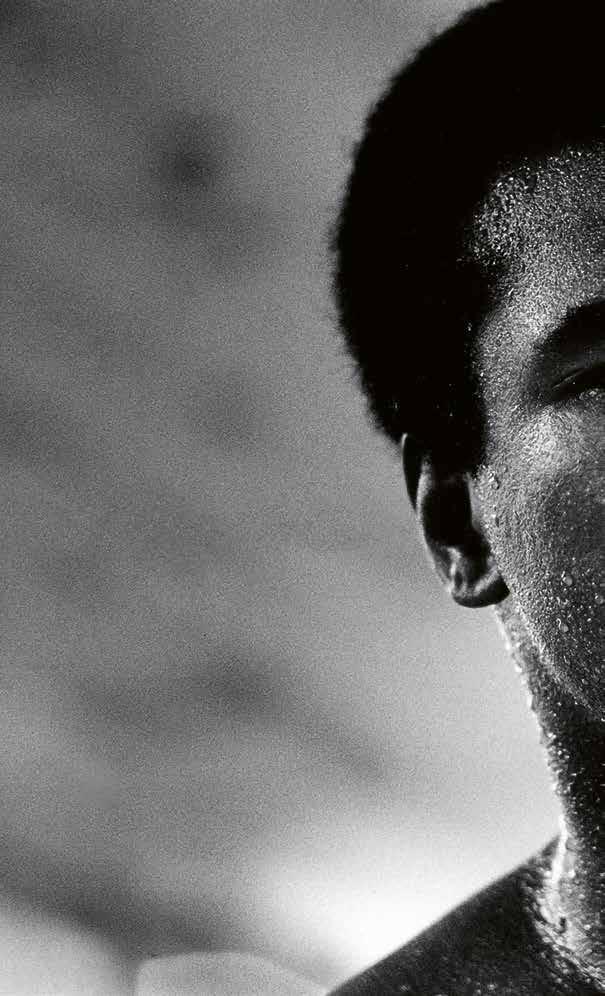
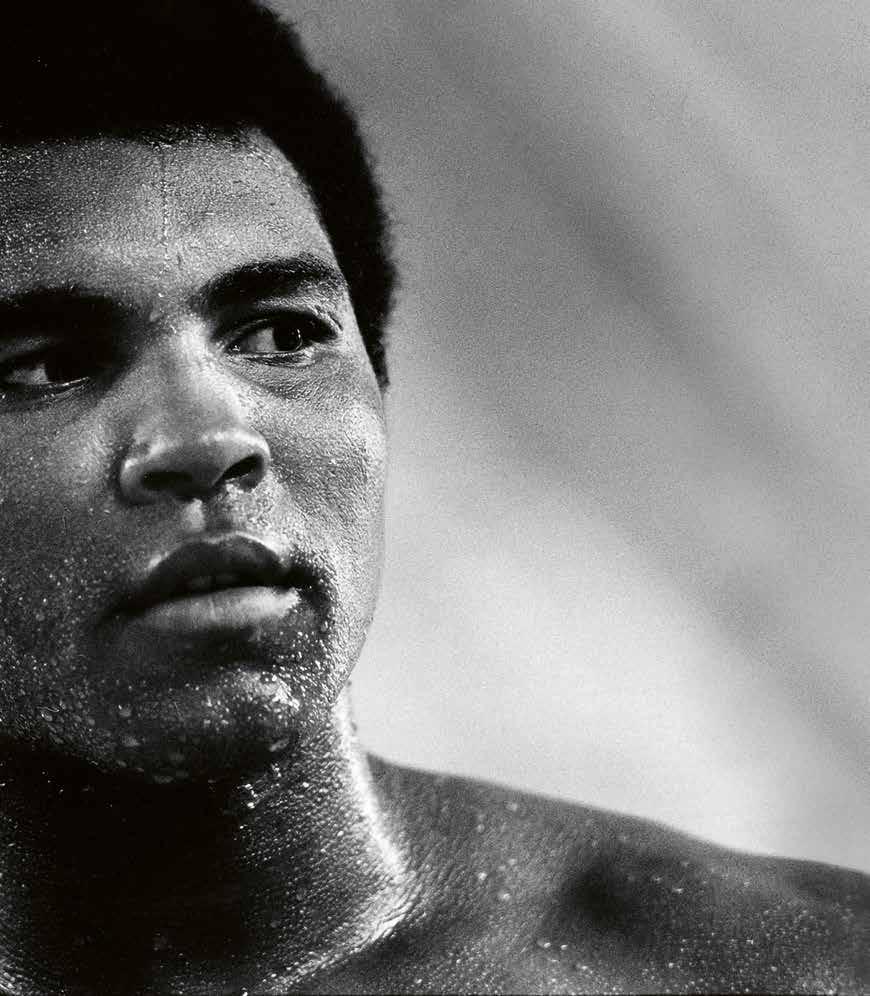
Heavyweight boxing champion Muhammad Ali, nicknamed “The Greatest”, during training. Pennsylvania, USA, 1975