YOUR MAG

PERI LAPIDUS Creative Director
SOPHIE PETERS-WILSON Co-Creative Director Photo Editor
LINDSEY PARADIS A&E Editor
ALLYSON FLORIDIA Romance Editor
MIA ZARRELLA Head Stylist
ERIK LY Junior Designer
ANNIE HUANG Assistant Talent Manager
PIMPLOY PHONGSIRIVECH Editor-in-Chief
YASMINA HILAL Photo Editor
ESTHER BLANCO Living Editor
JOANNE PAQUIN Web Director
SHAWN MCNULTY-KOWAL Talent Manager
KATJA VUJIA Web Editor
SAVANNAH STRANGE & GINA BRAZO YMTV Directors
CHRISTIAN LOPEZ Managing Editor
CLAIRE TORRES Head Designer
MEGAN CATHEY Style Editor
ARIELA RUDY ZALTZMAN Head Copyeditor
TAYLOR ROBERTS Art Director
LISSA DEONARAIN Beauty Director
KALA SLADE & KARIN YEHOUDIAN Marketing Directors
MARKETING: KARIN YEHOUDIAN, EVAN MCCRORY, ALYSSA LYLES, MARNI ZIPPER, CHRISTINE HACHEM, TAYLOR CARLINGTON, ANNIE HUANG, EMILY PARK, ANNIE MASHBERG, SAMANTHA GOODMAN
COPY EDITORS: JULIA ROBERTO, NATALIE GALE, HANNAH MCKENNETT, LINDSAY HOWARD, IRIS PEÑA, ALICIA TOPOLNYCKY, DYLAN PEARL, EMILY CROWE
DESIGN TEAM: DAYSIA TOLENTINO, MARYAM FASSIHI, VANNI GODFREY, AWING HUANG, LVWENYU ZHANG, BOBBY NICHOLAS III, AMANDA GUTIERREZ, NATALIE GALE, BENIC HAN
YMEMERSON.COM | INSTAGRAM: YOUR.MAG | TWITTER: @YOURMAGEMERSON
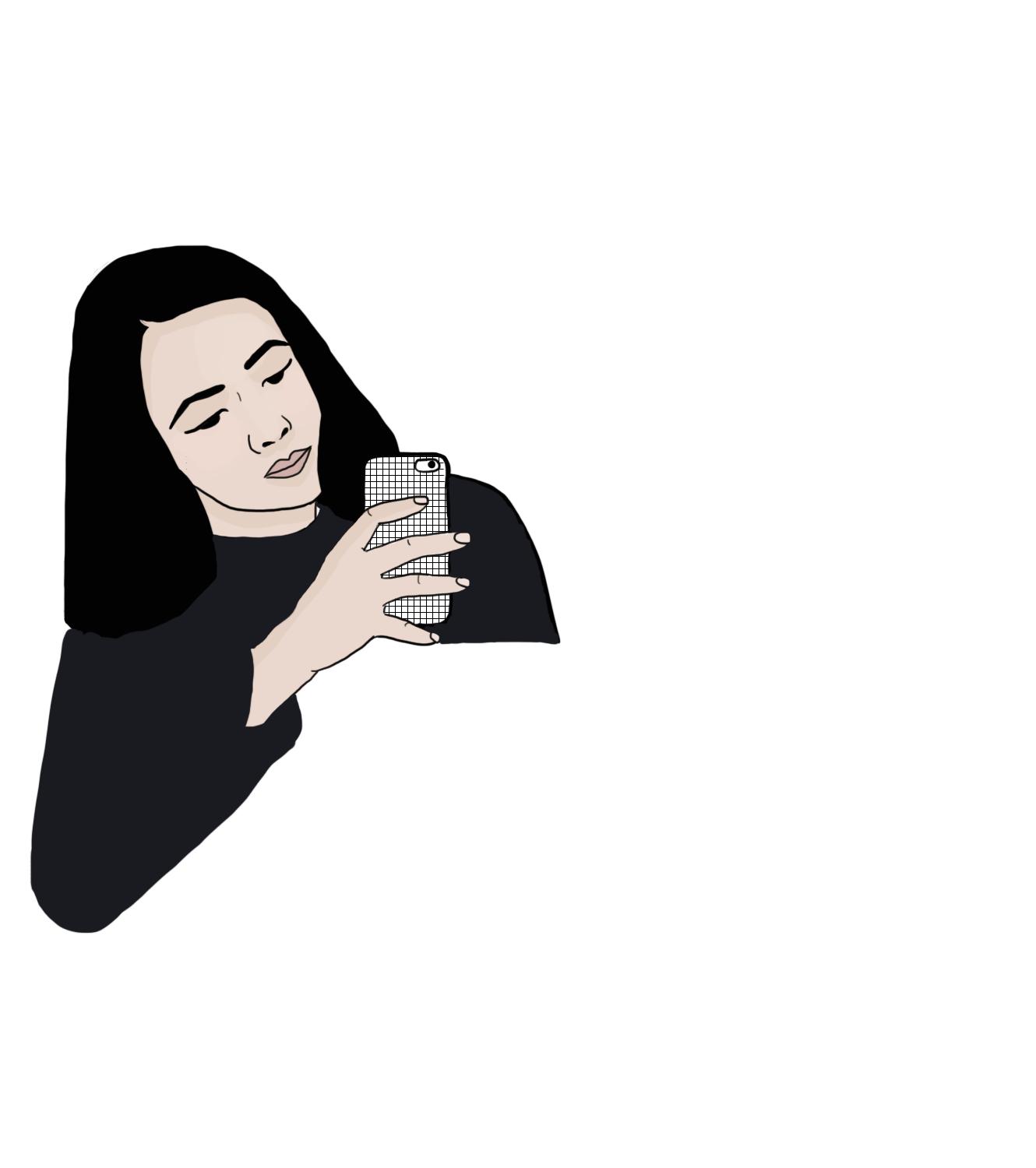
Not too long ago I visited World’s End, a conservation park in Hingham, MA, to Instagram see a new installation aptly titled New End by Jeppe Hein. A labyrinth composed of mirrors placed in a secluded coastal landscape, the artwork is meant to inspire one to become more present and at peace with oneself. With that in mind, I went into the maze hoping that the ninefeet-tall reflective panels would help pave way towards self-discovery in my final semester.
Unlikely. What I saw in the reflections was not my true self deep within; instead, I saw my current self, unsure about the present, unwilling to think about the future, facing impending unemployment armed only with a houseplant named Virgil, a borrowed bicycle and a decapitated succulent.
Several days after marinating in my state of disgruntled restlessness, I had a realization. I’d left World’s End less at peace with myself and the future, but fierce uncertainty oftentimes precedes one thing: growth.
Last semester, Your Mag lost our editor in chief, managing, creative, and (two) web editors to the adult world, and so our semester began with
lingering uncertainty that dwelled in every decision we made. But what uncertainty tends to do is shove: it makes us think harder, push harder, ask more questions and grow more—or, well, begin to grow.
Without the individuals who trusted themselves and each other, Your Mag would cease to exist. I’m not proposing some believe-in-each-other-and-all-will-be-all-right sentiment; rather, I’ve come to learn that uncertainty and crippling doubt aren’t necessarily synonymous, especially with a phenomenally dedicated, loving team.
With that, I’m pleased to present to you the beginning of us celebrating more ways in which we can write, photograph, design, illustrate, and create. Instead of operating within the supercluster of our own thoughts, we’re incorporating that of others through conversation and investigation, reaching beyond the confines of exec.
So if you read and see things you never thought to see in Your Mag (think: poems, recipes, nightcrawlers), remember that we’re growing. I couldn't be prouder of us and of our first issue of the year.
I hope you take your time with it.
P. Phongsirivech
WRITTEN BY ALICIA TOPOLNYCKY
PHOTO BY SAMANTHA MUSTARI
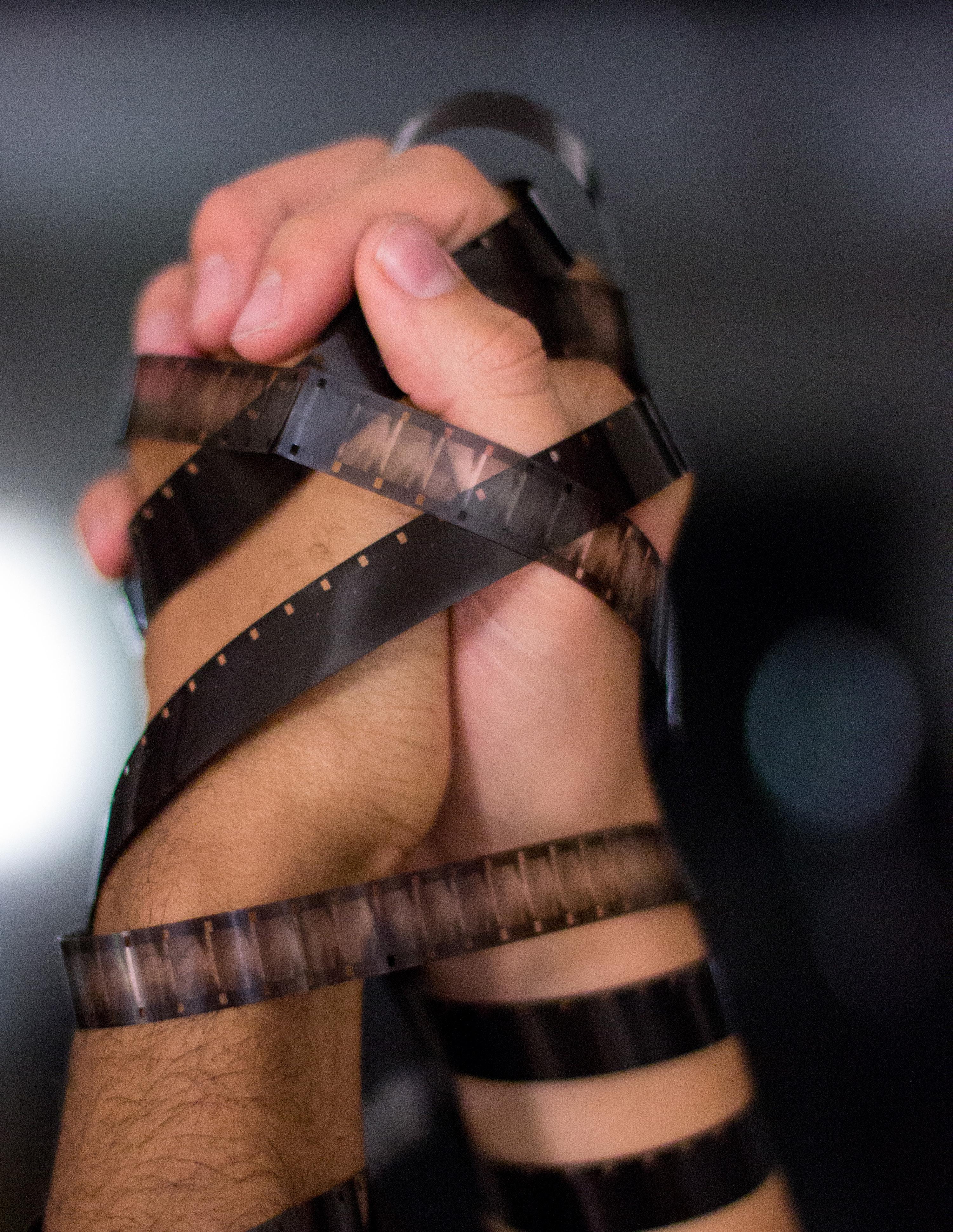
As a videographer and director he is more dominant, less insecure, and a little less patient. This is the thing he takes ownership of, like I take ownership of my writing, and it is obvious how we ended up in two different roles for our project. We were two parts of a five person team entered into Emerson’s 48 Hour Film Competition. He, the leader and teacher. Me, the observer.
The world is rife with advice about how to work alongside your significant other. The most common commandment is Thou Shalt Not Mix Work and Play. You are encouraged to separate your creative life from your romantic life; after all, it’s as easy to slip back into “professional colleague” as it is to pull on a raincoat at the door of your suite. Tongues in mouths and pens on paper exist in two different dimensions, and for good reason: nothing would ever get done.
Except that’s bullshit.
The cheap and obvious answer is that having a good relationship will mean having a good work relationship. But while our good relationship meant kisses after a successful shot, I was still left with other feelings, too: did I contribute at all? I was the journalism major posing as a VMA, hoping desperately to learn and mimic what they did. Did I compromise and swallow criticisms because I was an outsider, or because I felt deferential to him?
I can’t help but feel smaller than him. I didn’t understand his reasoning for certain creative choices, cutting this, spending more time on that. I worry that he doesn’t think I’m smart because when he’s admiring classic directors all I am qualified to do is admire his intellect. And, because he’s good, he’s given me reassurances about this. He liked the fact that I wasn’t perturbed by his idiosyncrasies on set (like the orange socks he religiously wears
while filming). But for some reason I felt like Luke being complimented for making a tin can twitch, while Yoda was creating a steel castle with his mind.
The following recommendations were the missing links during my own experience: the things I needed but didn’t act on.
1. The most important thing is to carve out your own space in the project—claim a talent that the other doesn’t have so you never feel superfluous. If you don’t know about camera angles, focus on upholding the continuity of each shot—use your eye for detail. Channel your ability to talk to people by organizing marketing, or your artistic skills to design the poster. This idea applies to any collaboration, like being in a study group or group project with your partner.
2. Above all, you need to talk to them: fear is nothing except the absence of communication. There were times I should have spoken up, but chose not to and now I can only wonder what would have happened if I did. Would we have gotten into a fight? Would he have liked my idea, seen me in a new light? Confronting my insecurities with him as they rose up might have slowed us down, but it also wouldn’t have hit me so hard after the fact.
3. And finally, set up an opportunity for them to watch you doing something you’re great at. We had shared our poetry with each other before but he didn’t truly see how I had a writer’s mind until I helped craft the film’s story. Someone in their element is someone at their sexiest—and we could all stand to see a little more of that. YM
WRITTEN BY MIA EK
PHOTOGRAPHY BY TARIK THOMPSON
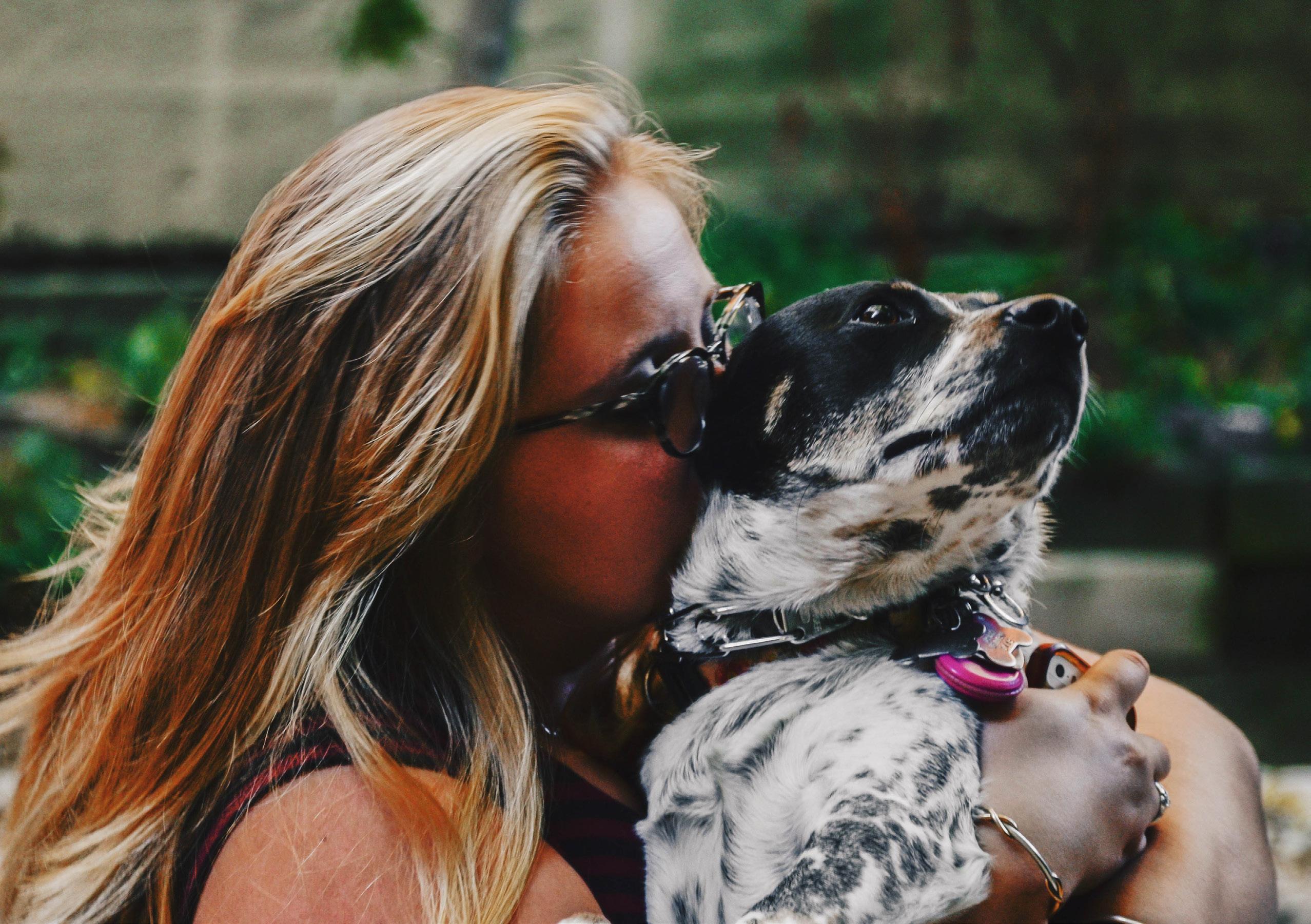
Iwent on a Tinder date last night and surprise, it was a disaster. At every awkward silence, she gushed over Kanye West and how she couldn’t believe she missed his Boston performance. As for my opinion on the controversial rapper...let’s just say the date didn’t last long.
Exhausted from another disappointing date, I started thinking maybe I should give up on people all together. Be alone for the rest of my life, surrounded by cats. But this comes with its own issues, one being I’m allergic.
As I contemplated what to do about my love life, my mom sent a picture of my puppy. That’s when it hit me. What if I could I date my dog? If I just take other people out of the equation then the problems would be erased, wouldn’t they?
The Spontaneous One: We all know that little doggies are always filled with energy and within the first few weeks of “dating” they’ll sweep you off your feet. Your Chihuahua or Shih Tzu will take you on the most adventurous walks you will ever be on, constantly changing direction and pulling ahead. As the weeks pass, you may even think to yourself that this is the kind of dog you’ve always wanted. But as the months go by, you might start to realize this pup has no off switch. They’re always on the go and never seem to stop so you can just Netflix and chill. And as the binge watching netflixer you are, you feel like you have to say goodbye. Before letting the spontaneous little pup of your dreams go, you decide to give him one last chance. Unfortunately, she/he can’t even get through the episode without having to go outside and pee every 5 minutes. You officially end it
because, let’s be honest, at the end of the day sometimes you just want someone who will eat an entire pint of Ben and Jerry’s with you while watching the entire season of Unbreakable Kimmy Schmidt, no questions asked. I know I do.
The Clinger: This dog is beyond loyal. Have you ever seen a golden retriever with their owner? They never leave their side and if the owner ever leaves this dog at home he/she will sit and wait right by the door halting their whole day until their owner returns. Your relationship with a golden would be just like this. You walk down the street and they’ll be on your heels. You turn a corner and there they are. So, if you’re feeling a little lonely, this pup is a perfect cure, always down for a good ole’ stay-at-home-cuddle-and-order-Chinese-food kind of night. However, after the initial loneliness you felt while single, this dog’s constant presence can be a bit overwhelming. You go out for a girl’s night and he/she is waiting by the door for your return, not quite comprehending what “me” time is. In other words, he/she becomes a clinger. Barking at you if you leave him/her in a room for longer than 5 minutes, even if it’s only a trip to the restroom. By the end of this puppy relationship you’ll long for a day when you don’t have to hide out in your closet for some peace and quiet.
The Athlete: If you are the workout kind of gal then this pup is the one for you. Athletic dogs like boxers need a crazy amount of walking per day to stay in shape, similar to one of those gym rats that likes to spend at least an hour and a half in the gym every day to keep up their muscle definition. This will be great at first if you feel like you need new motivation to exercise, but be wary that every date may turn itself into a workout— whether it’s another hike, yoga in the dog park at sunset, a run on the beach, or a trip to the gym when you’re both out of date ideas. For some people who aren’t avid gym goers this may get tiring. You might want to just drive somewhere or go to the movies. If you aren’t up for the constant stream of strenuous activities, this is definitely not the pup for you. But why not try him out? He is so gosh darn cute and plus he/she has abs…or I guess in the doggy world, calves?
The Misunderstood Rebel: There is a time in every woman’s and man’s life where they date the rebel, and in the dog world there is
no better breed to fulfill this role than the pitbull. These pups have a hard exterior that makes people think they won’t let anyone in. Until one day you guys walk hand in hand and he seems to understand you instantly. You realize he’s actually the sweetest pup you’ve ever met. He cuddles with you, shows up at your apartment/dorm with ice cream in hand, and to top it all off, he’ll snuggle and watch hours of Gossip Girl with you even though he knows you’ve already gone through the season twice. These pups have a bad reputation because of how people have treated them, putting them into dog fights and subjecting them to other abuse. This past has left them with major emotional scars that asks the owner to be patient enough to allow enough time for the trust to build between them. Once this trust is built, you and your pup will have an undeniable connection. To be with this kind of dog you have to be serious, ready for the time it’ll take for your pup to open up, and aware that some scars aren’t an easy fix.
The Cougar: To many, the sophistication of an older woman or man can be alluring. This is no different with dogs. Older dogs are already potty trained, know exactly what to do during “play time”, and will gladly take naps with you. Basically, all the hard work has been done in the doggies’ previous relationships. However, as you go on you realize that there are some downsides to this older pup. They always scatter food all over the floor when they eat and no matter how hard you try, you can’t seem to get them to keep the food in the bowl. But that’s the price you have to pay with older dogs, they’re going to be set in their ways.
After contemplating the different kinds of pups out there, I realized I needed a little mix of everything. A bit spontaneous, a bit of a snuggler, slightly mysterious, and a whole lot of sophistication. Now, a girl can’t have everything she wants, so I ended up with a cute 7-yearold Chihuahua mix from the pound who yes, does take me on crazy walks through the streets of Boston, but luckily, being a little older he gets tired before we go too far.
And after a couple weeks I ended up downloading Tinder again because even though dogs are great and all, I started to miss the swiping. And we’re all swiping addicts, aren’t we? This time around though, I’ll be sure to put NO KANYE LOVERS at the top of my bio. YM
WRITTEN BY ANONYMOUS

i had a dream last night and you were there. saturday never happened, but then i woke up and it was sunday.
emotions running wild for two months the inertia of it all finally coming to a grinding halt as i climbed aimlessly through a window thinking nothing but blank thoughts, melancholy madness, and a stubbornness to reject the truth that this was finally over.
when you came i was unprepared but after all it was your space so that never was a possibility never a right i had. your eyes were glazed over with exhaustion as your friend yelled at me, (i won’t remind either of us of what was said, it’s permanently etched into memory) and all i did was nod.
you know something is wrong when you have to beg love to stay would we have made it if life hadn’t been crazy? i want to believe in that possibility but memory is unreliable— a subjective conundrum that will bend truths tell white lies, anything to give you a good night’s sleep
there is no way to sugarcoat abuse or romanticize toxic love rose tinted glasses staring at an eclipsed sun burning, burning, burning but not knowing it is blinding blinding blinding
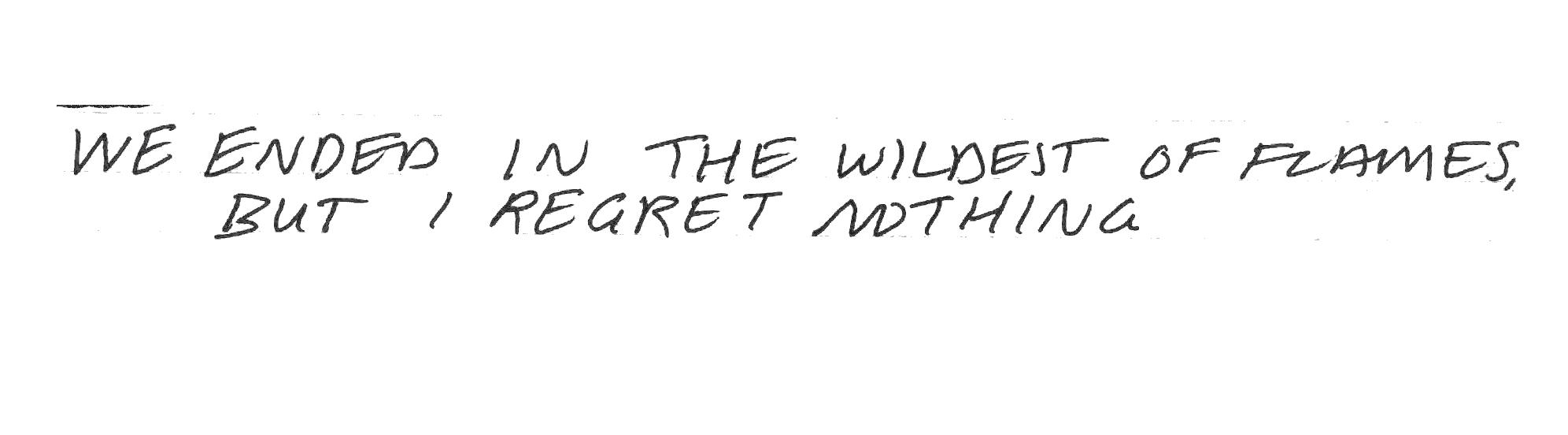
then there was another, standing in silence head shaking; they knew it would be like this— we ended in flames and it wasn’t a surprise i fulfilled a prophecy you’d been told you all along proving them right, humiliating you and myself both.
we were staring into each other's eyes in a new way, a terrible way.
i wanted to mouth the words to you, “i love you”, and “i'm sorry” but you had no room for those utterances— so i laid completely still on your floor, forelegs pulsing from bruises inflicted by windowsill
i remember the anthem of our last week together, it went “be gentle, be gentle, be gentle”
my love had been a slow, steady strangulation when i finally thought i was getting it right you were heaving from another blow, from new york to your gut, you were then caught between two riptides of sickness: he and me until yours finally became equal in size (sickness has a way of permeating any and all sanity, rationality) i watched it drag you under— sleepless nights, sleep filled days
you were preoccupied with a looming threat that grew bigger with every “are you okay”, “what’s on your mind” responding with agitation and frustration, saturated in anxiety from empty promises to you that i'd be better soon offering strength you knew i didn’t have trying to redeem myself as you slowly came undone—
just a little too late in a very big way your blank stares, calling me baby, but i knew that was just for me, “please don’t call me that” you said it was high time for us to just move on my numb heart and dry eyes looking up at you in longing you, sick of my antics, i wanted to tell you you looked beautiful in your mustard yellow jumper god, you have always been so enchanting and i am calling you God, that that color was yours, it was made for you but i kept that inside and continued to mumble words you told me you had no time for my whispering i wanted to tell you i had no energy left to speak any louder
it was the best we could do trying to swim against tides so strong i wondered what we’d done to offend the moon so bad kicking back dark water beneath us we sent sos flares into a black sky that only swallowed them up trying desperately to speak languages so different all we accomplished was to waste our breath
picturing you alone in that living room rolling into the center of an airbed that once brought our excited and timid lips together as it folded in on itself pushing me into you pushing into me mouths locked in a longing embrace and already i could taste the words “i love you”
here i was, an uninvited guest
barging in like a rebel without a cause you started to yell and i knew the whole world could hear but i deserved every word and the tug of your hand telling me to get up and get the fuck out get the fuck out, get the fuck out, fuck out of here
the final fuck we never had today i mixed the color of your bed because i miss sleeping in it.
cadmium yellow (medium), dioxazine purple.
oil paints that stain, impossible to wash off without using chemicals clear as water light brown purple, or light purple brown i will never forget i went to wash my hands beads of oily water tinted purple-you. had to drench my hands in chemicals to clean you away still bit my fingers.
then hearing your name, called out by the friend, rattling of thin walls as the front door slammed shut cocaine bravery making me invincible to the humiliation and realization that i'd gone too far and you were truly gone you had been for a very long time
sitting beside you on that bed it was december 11th
thinking about how long i had waited for someone like you to come my way open me up and pour me out
i felt humanity’s ageless desire to go back in time, before our love was a disaster-what you call a two way street what i call a double edged sword— neither interpretations any less right or wrong than the other to a time when all we saw was a clandestine beam of light, giddy from the prospects of love to come what a time that was what a time that was, baby before everyone looked at us and frowned before we looked at each other and cried
i should’ve let you go, but then again i should’ve done a lot of things— things i should’ve done for the sake of me if i believed you i would’ve done the right thing did i ignore reality for all this time or did we never see eye to eye whatever it was, what a ride, huh what a crazy, instantaneous, wayward nirvana that brought us, here, i am now with bruised knees from a window sill, white stains on black pants, soiled dignity and broken heart, a sore body from this directionless and dreary war, haunting memories of what was, and painful, excruciatingly painful imaginations of what might have been— i say with stoicism, borrowed from a better time, without a single doubt in my mind, i loved you.
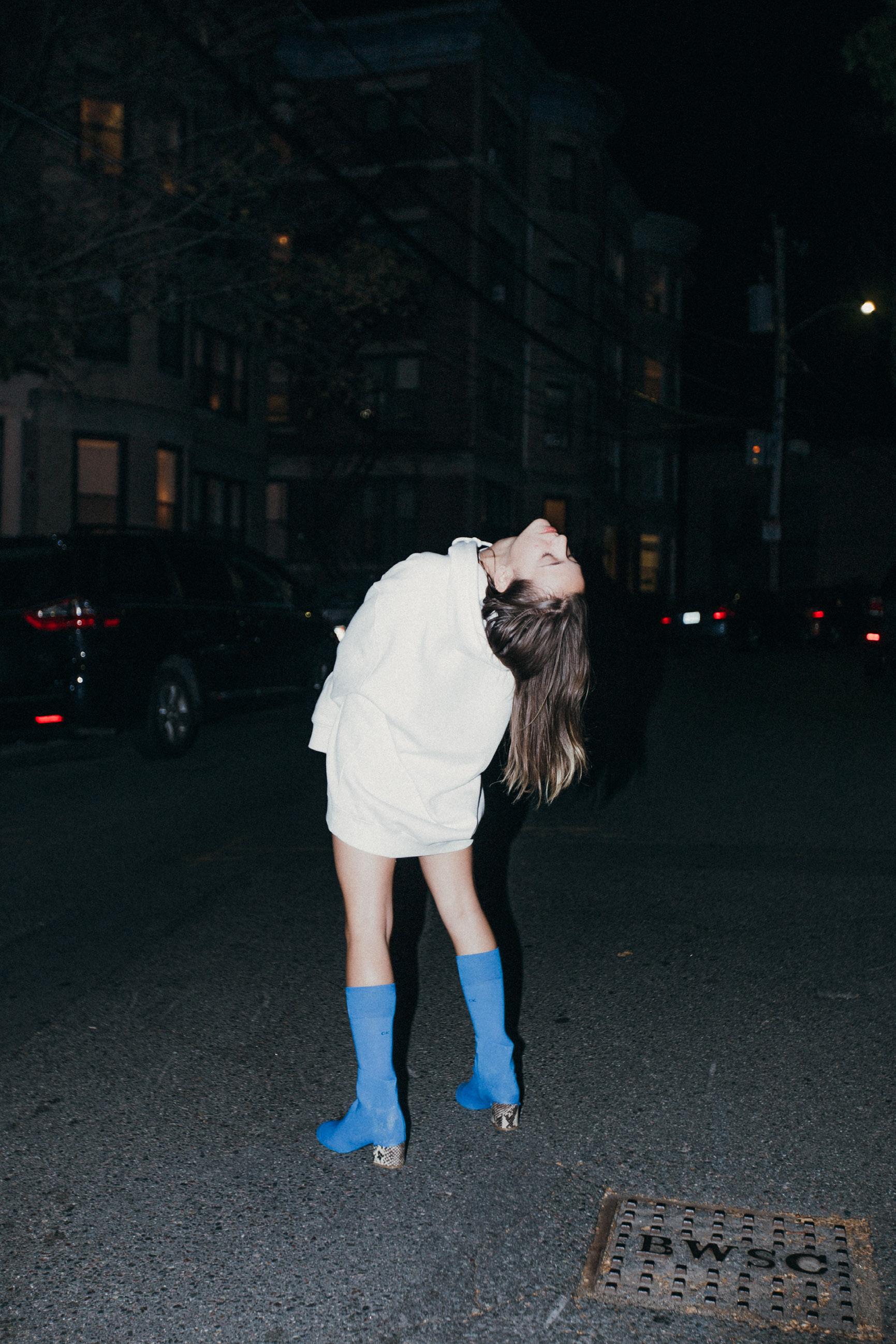
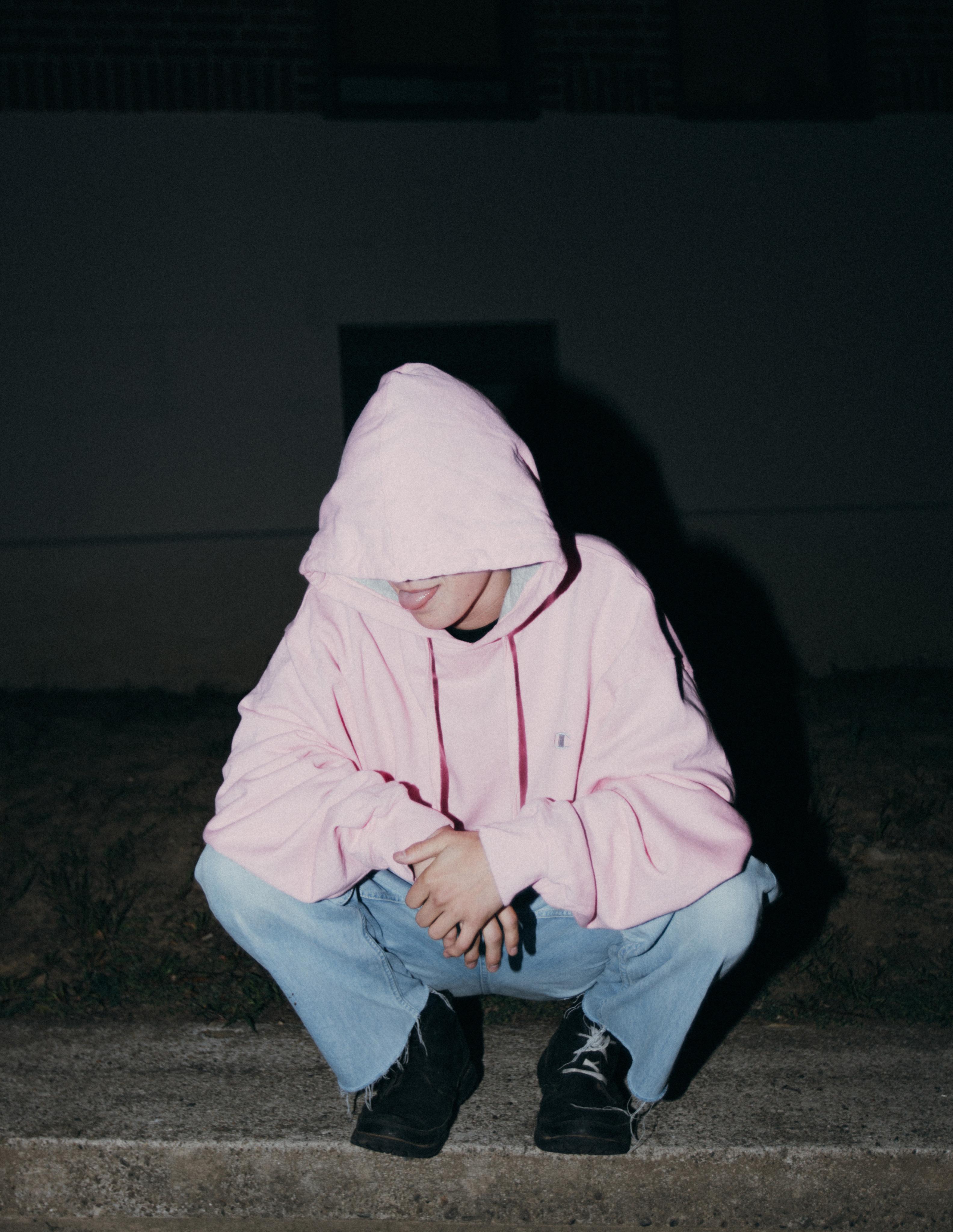
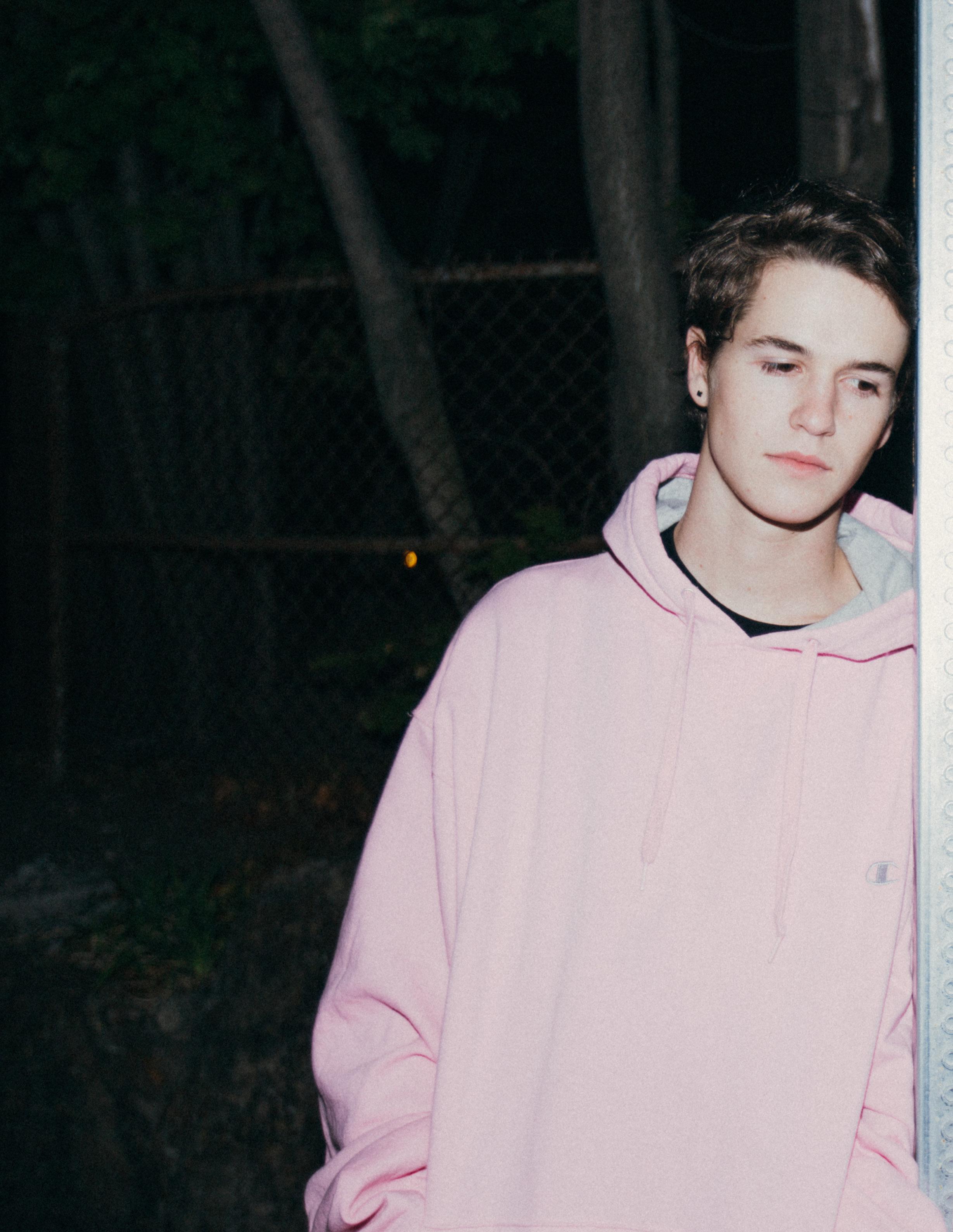
PHOTOGRAPHY
ALLISON NGUYEN
STYLING
LINDSEY
ISABEL
ERIK LY
CREATIVE DIRECTION
ERIK LY
MODELS
KATYA KATSNELSON
MILES METCALF
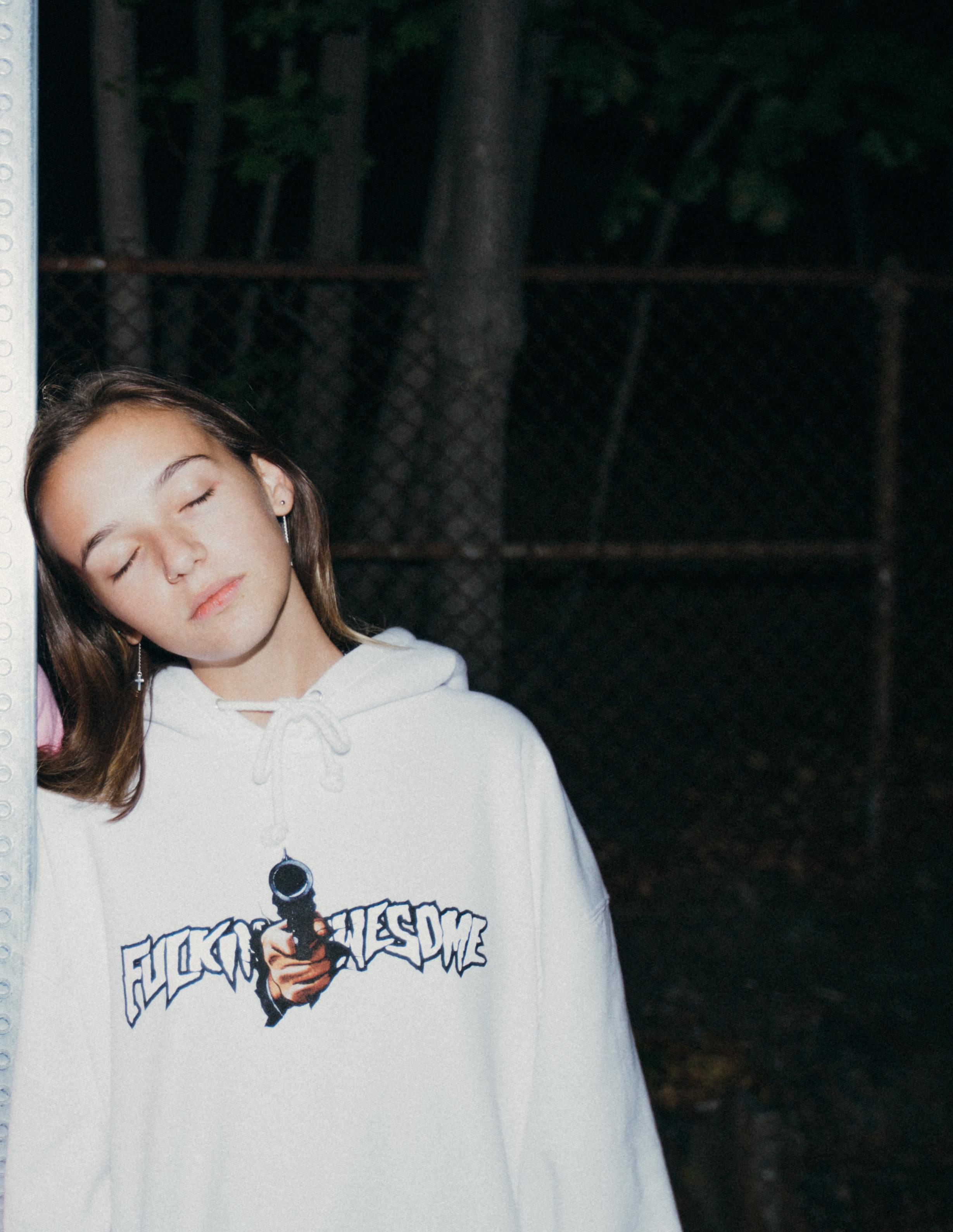
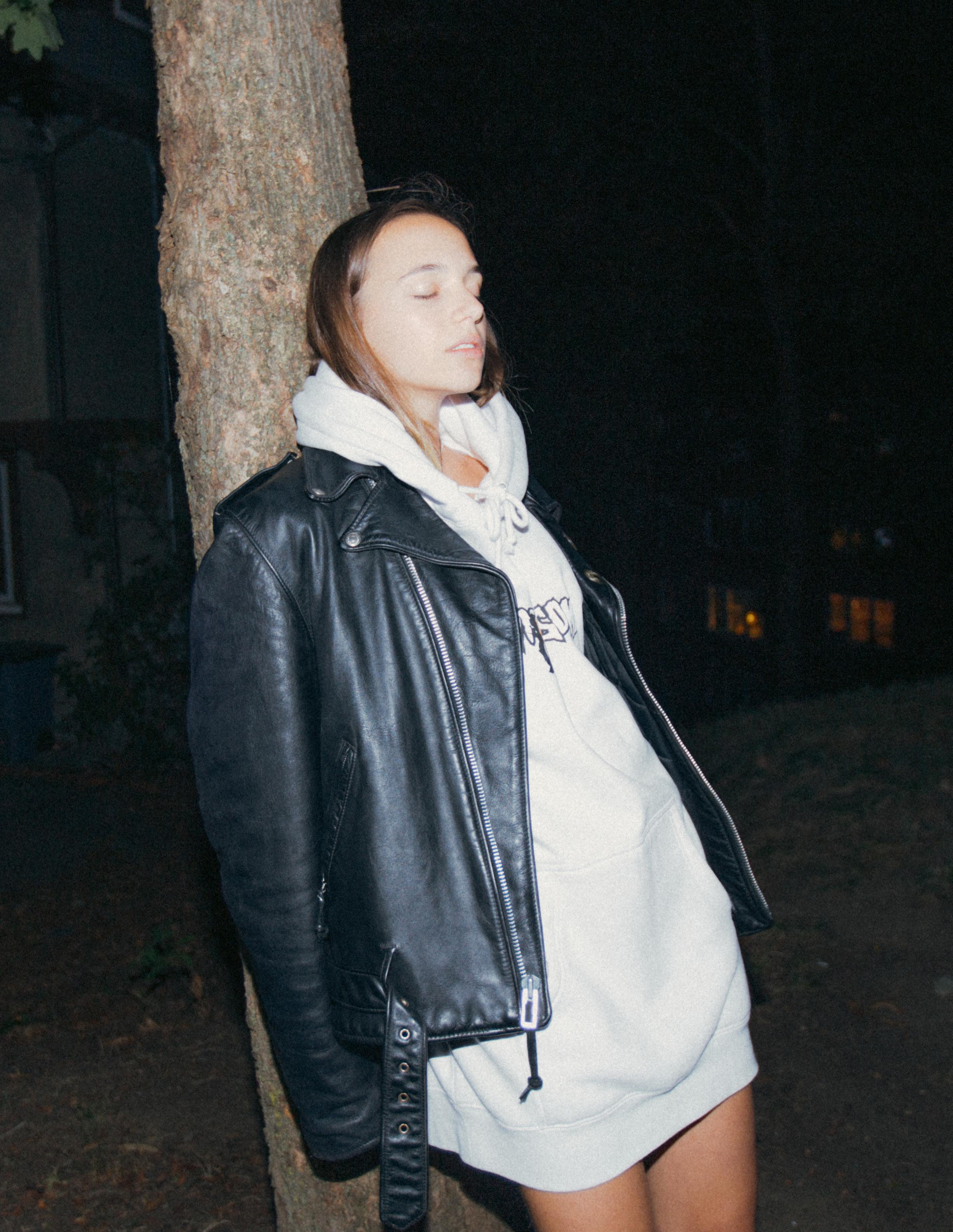
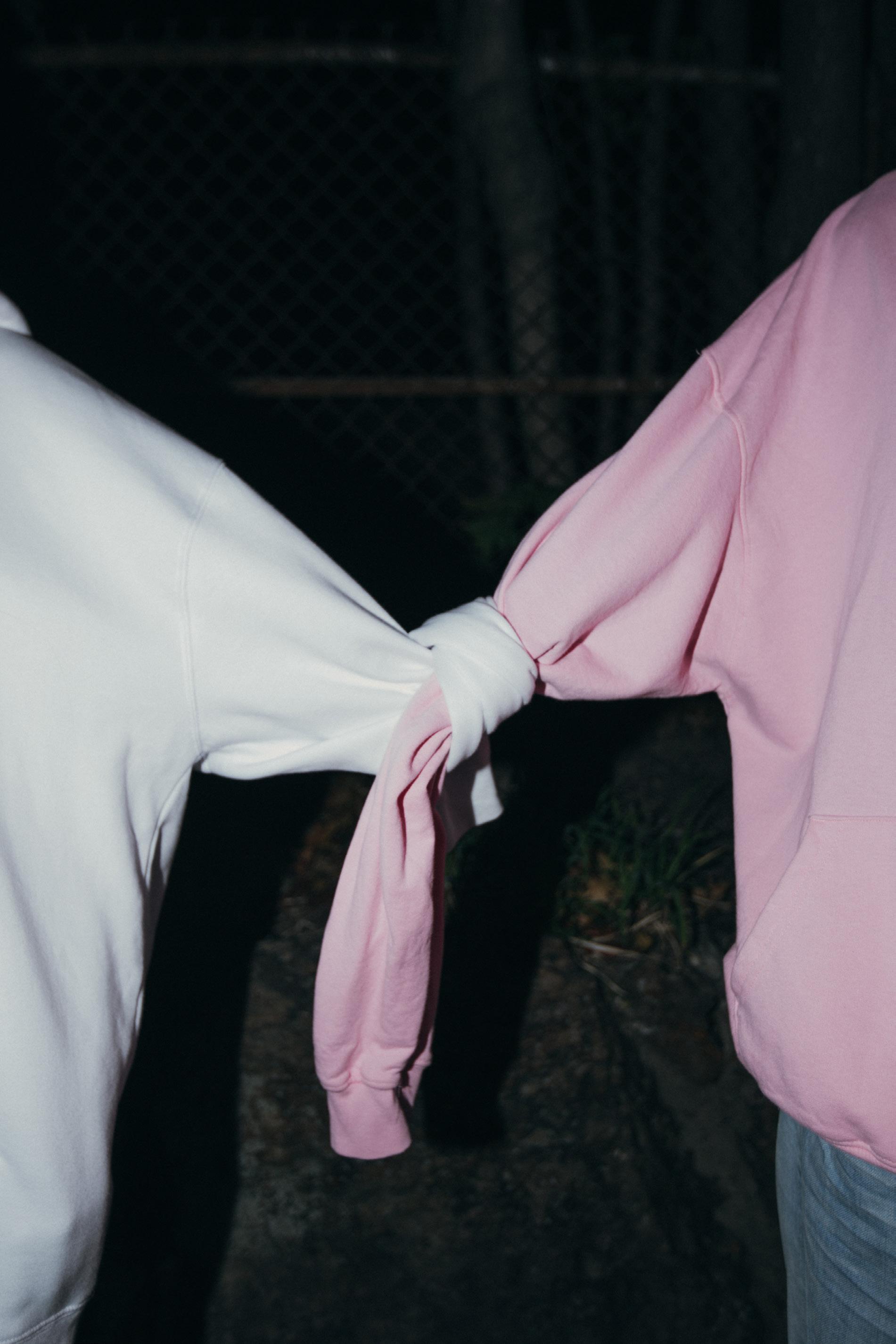
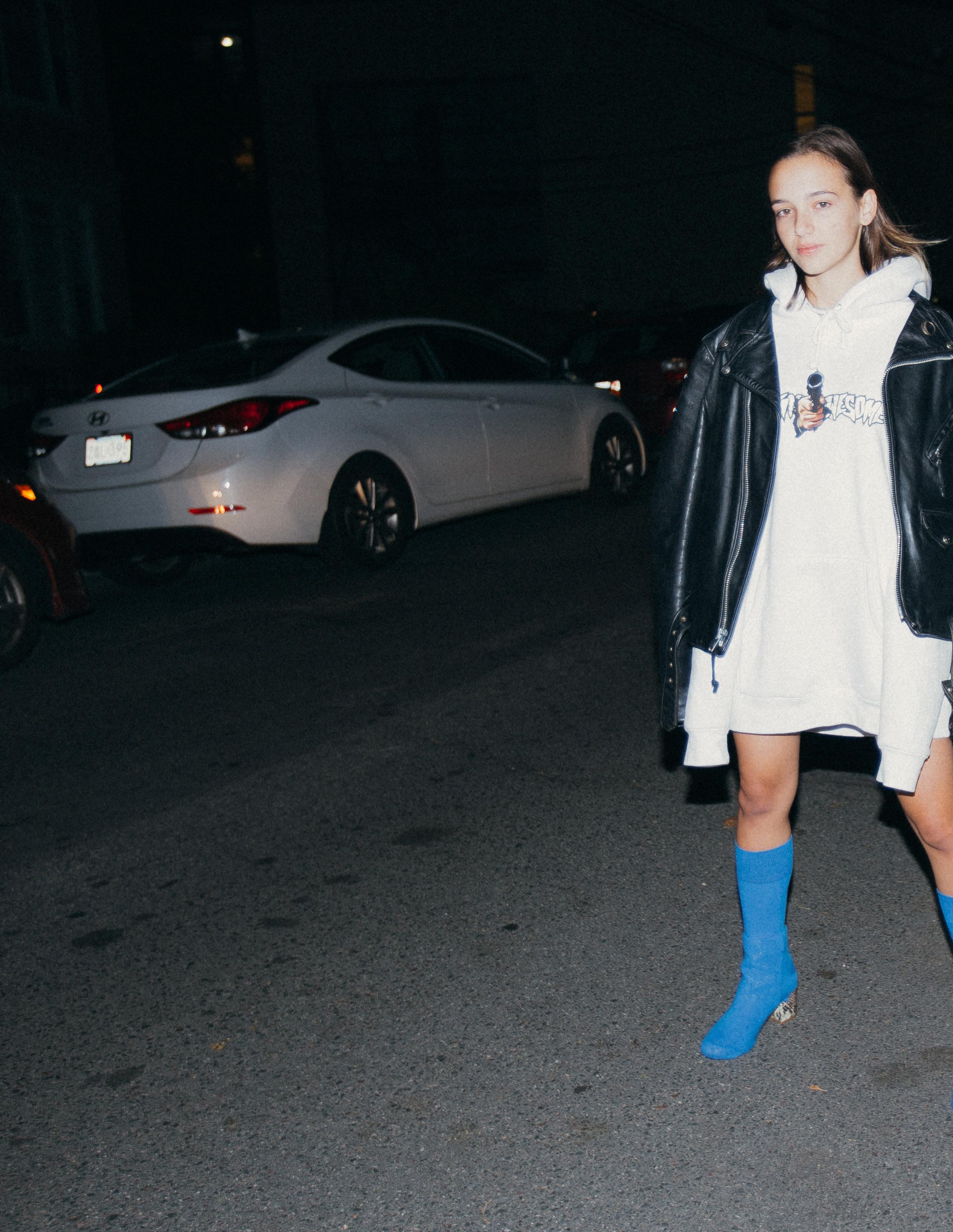
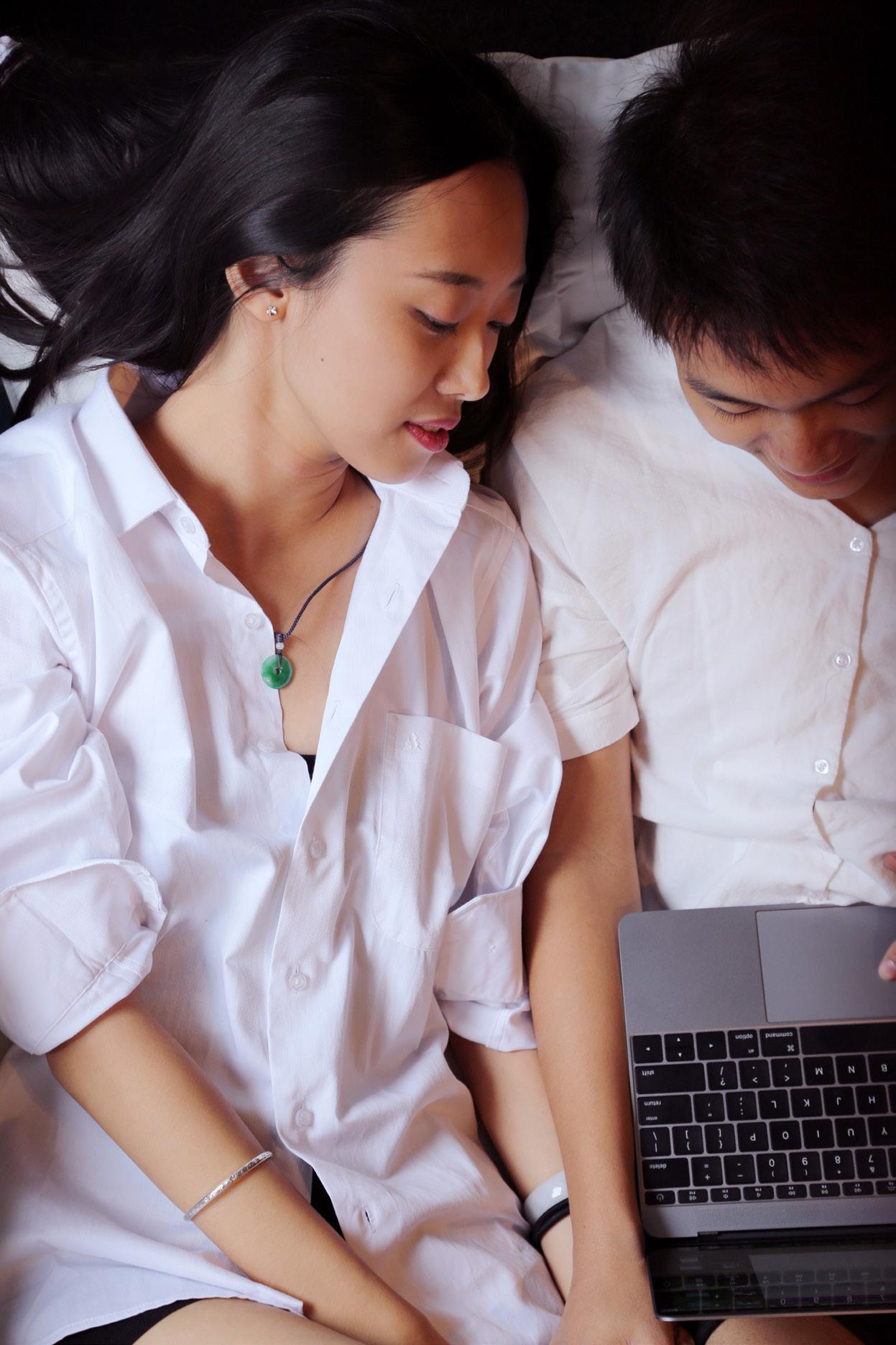
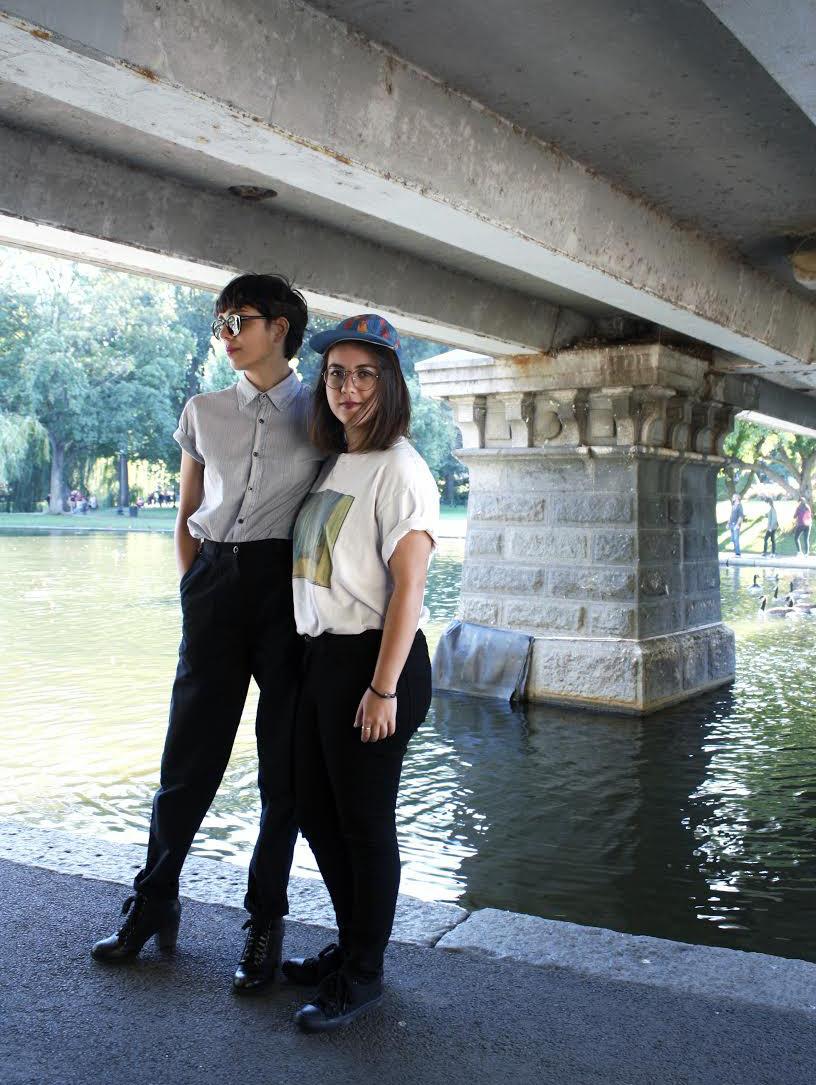
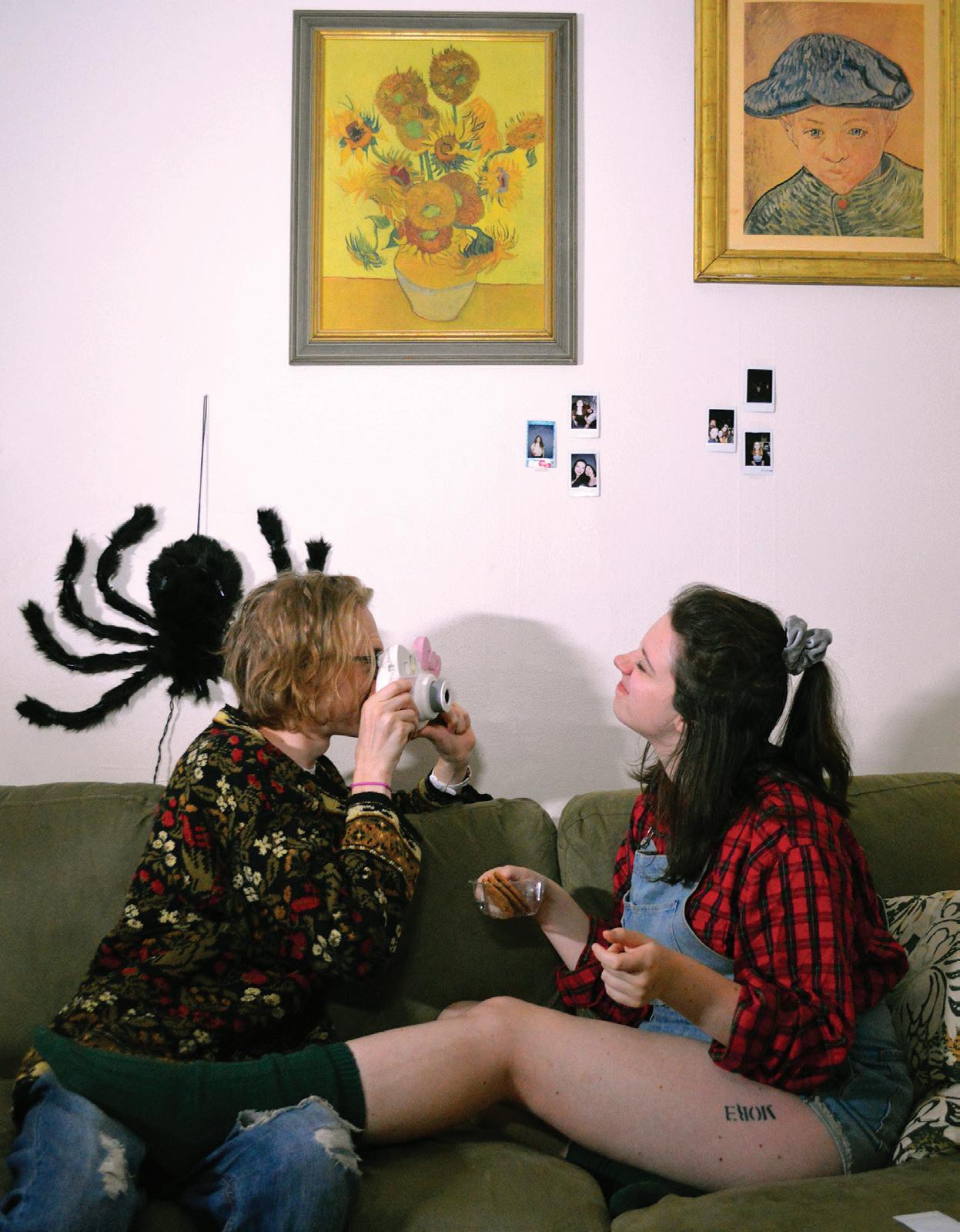
WRITTEN BY MEGAN CATHEY
PHOTOS BY CAITLIN STASSA, DELIA CURTIS, ALLEN MOU, AND ALLISON NGUYEN
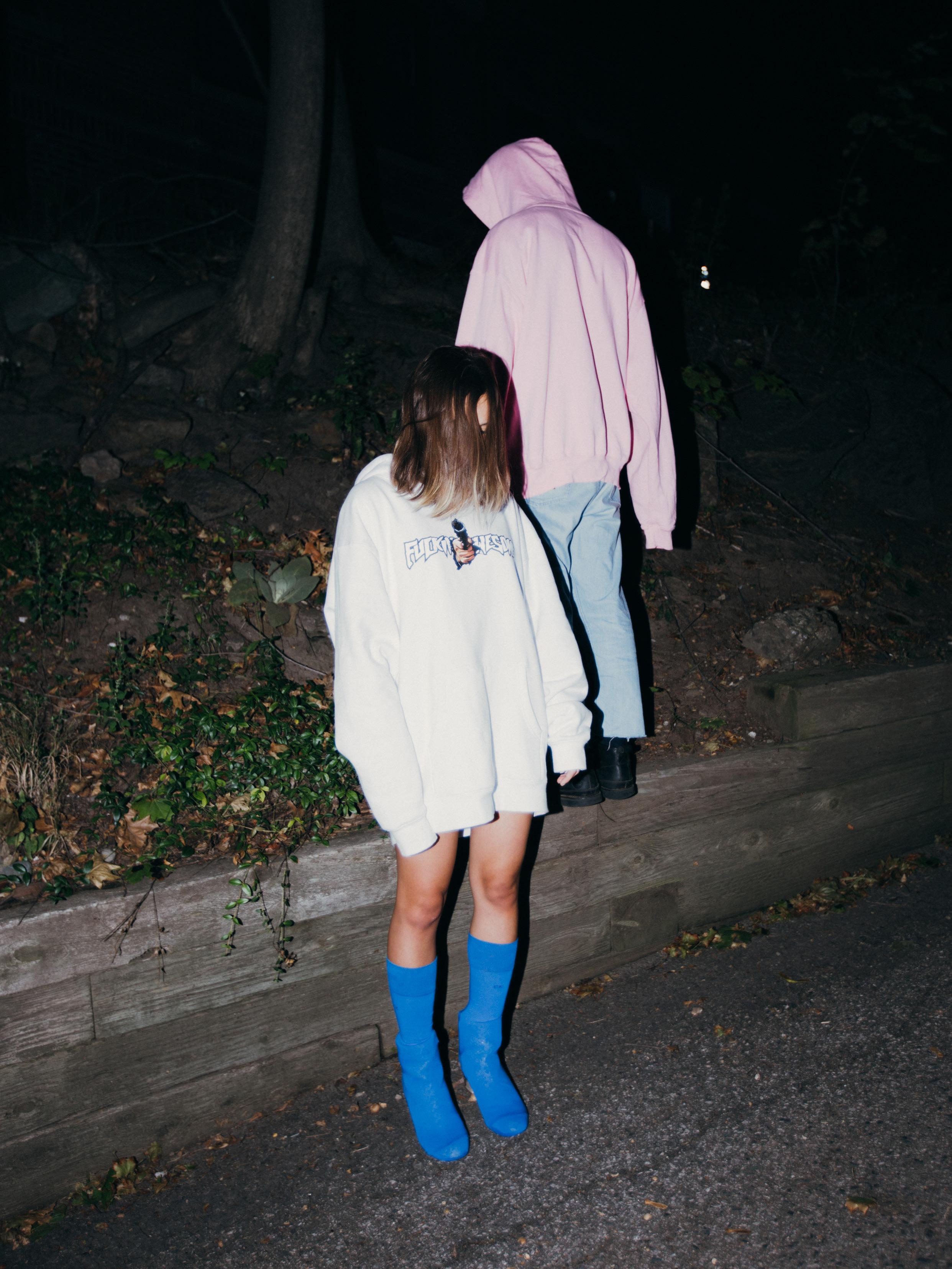
We form emotional bonds to items of clothing. Maybe it’s the ratty sneakers that have been trashed from one too many parties. Or a signature leather jacket that always garners compliments. We become attached to certain clothes because they make us feel like the best versions of ourselves, but also because they remind us of certain memories. Likewise, some clothing can remind of us of the people we’re close to. We see an article of clothing and think so-and-so would love that
In relationships, just as we learn about the nuances and ticks of the other’s personality, we begin to understand their style—what they like, what they would wear. At the beginning of their relationship, Annie Bojanowski ‘17 and Matthias Kelley ‘18 tried to buy clothes for each other, without success.
“That was stupid,” says Matthias. “But now I feel like we could [buy clothes for each other].” After dating for nearly two years, Annie and Matthias understand what the other likes in terms of style. “Matthias has a casual style but it’s interesting,” says Annie. They haven’t bought clothes for each other in a while, but they do enjoy browsing vintage stores on Instagram together.
Elise Van Heuven ‘19 and Sara Nagie ‘19 have been dating for six months and already have a good sense of the other’s style. “Sara’s style is bold, fun, and loud,” says Elise. “But she always manages to pull it off.” Elise’s style is more reserved, but that’s not to say it’s boring. “Elise’s style is sharp, put together, and clean cut,” says Sara. But Elise also throws shirts with crazy patterns into the mix.
When we spend enough time with a person, we usually notice staple items in their wardrobe. “Matthias’ staple is an eye-catching tee-shirt,” says Annie. “My shirts are simplistic, but not simple,” Matthias adds. Meanwhile Annie’s staples are leggings. “Lots of leggings,” says Matthias. Elise says that Sara gravitates to funny graphic tee shirts, whereas Elise’s go-to is her pair of pointed black oxford shoes.
Clothing has currency within romantic relationships. Sharing clothes suggests a level of loyalty and intimacy. The high school athlete giving his girlfriend his letterman jacket in the tired pop culture trope shows that he’s serious about her. However, sharing clothing within a relationship is definitely not just reserved for heterosexual couples.
Yet American culture seems to wrongly believe that the only sharing of clothing within relationships is a woman wearing her boyfriend’s clothing. Clothing styles are named after this concept: “boyfriend” jeans, “boyfriend” jackets, etc. Boyfriend clothing is oversized and baggier and therefore supposed to give off the illusion that a woman borrowed the item from her boyfriend (because the man in the relationship is supposed to be bigger of course!).
A woman wearing “boyfriend” clothing is stylish, whereas a man wearing more fitted, feminine clothing is a punchline. But more men are starting to normalize wearing women’s clothing like Jaden Smith, Young Thug, and Jared Leto to name a few.
Matthias isn’t opposed to the idea of wearing Annie’s clothes. “I don’t think I’ve ever worn [her] clothes,” he says. “I should wear your clothes,” he tells her. Matthias has a few ideas of what he would borrow: Annie’s short overalls, her blue polo with a lobster on it, and her cropped tee shirt with an alien design. Annie does borrow Matthias’ clothing. “I mostly wear his shirts and sweaters,” she says.
The “boyfriend” concept in women’s clothing is also heteronormative, because clearly not all women are interested in men. When some women borrow clothing from their significant other, it’s not always from a “boyfriend.”
The convenience of living close together means that Elise and Sara share clothes often. “I steal her stuff a lot,” says Elise. In particular, borrowing Sara’s thrift store tee shirts. Sara likes to wear Elise’s big sweaters and other comfortable clothing. “I like to borrow her comfy clothes because I don’t buy comfy clothes for myself.”
Just as we admire certain qualities about a significant other— their intelligence, their humor, their compassion—we also admire their style. Matthias thinks Annie has an amazing hat and shoe collection, while Annie loves his eclectic style and considers him to be “a trendsetter.”
We may notice how our partner’s style is a reflection of their personality. “Elise’s style is put together, and she has her life together,” says Sara. Or our partner may encourage us to step outside our comfort zones. Sara’s vibrant and fun wardrobe doesn’t just compliment her outgoing personality, it also has inspired Elise to try new things. Elise says, “I admire how confident [Sara] is in her clothes, and her skin.” YM
WRITTEN
BY
LINDSAY SIMMONS
ILLUSTRATIONS BY
TAYLOR ROBERTS
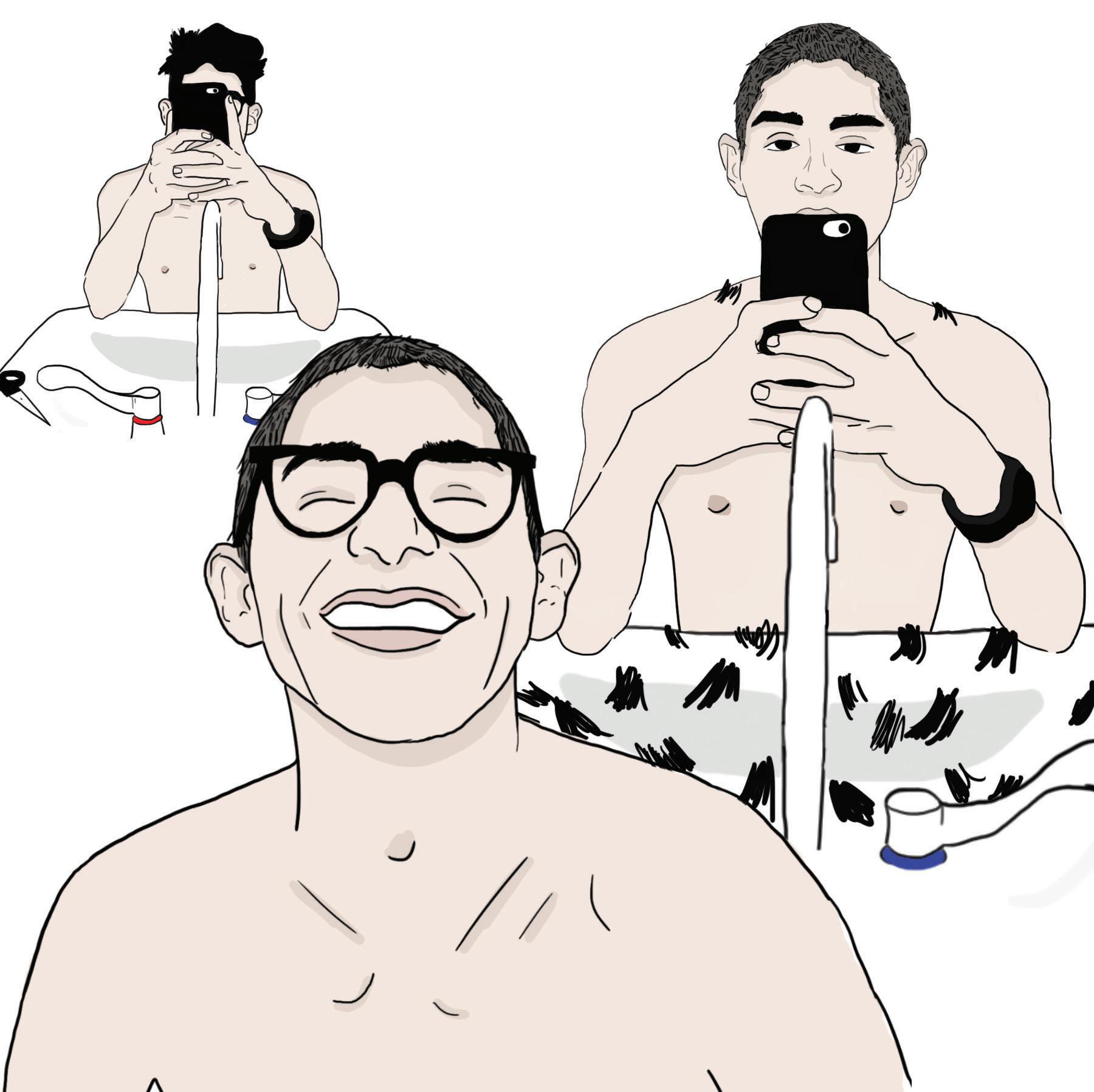
It is hard to find solace in a cold, overly-mirrored room that’s bursting with small talk and the smell of wet, dead hair. Lots of hair. There is nowhere to hide in a hair salon or barbershop, the places where our hair goes to die. Should we look up and dare to lock eyes with ourselves in the mirror? Is the path to safety hidden in one of the billowing folds of our one-size-fits-all smocks?
These moments of confusion, even fear—wherein we question everything about our decision to cut away at our precious hairy manes—are products of societal expectations of women. We are to cherish, primp, and grow out our hair so it is the best replication of Shampoo Commercial Blake Lively or Sofia Vergara. Which, seeing as there can only be one Blake and Sofia, this is quite the impossible task.
The only reason masculinity and femininity are associated with hair length is because we’ve made it so. As with all gender norms, the policing of women’s hair is irrational and emotionally charged. We see contestants on America’s Next Top Model wailing in salon chairs as their hair is chopped off, piling up in a circle around their feet. What a cruel fate for their femininity! For long hair is womanly and beautiful—the perfect gender definer. To take that away is to alter the world’s perception of a woman’s gender.
Despite the gendered hair propaganda surrounding us, there are still women who dare to bare the head beneath their hair. Sara Barber, ‘19, saw shaving her head as an opportunity for enhanced self-love. “When I decided to shave my head, I was just walking down Harvard Avenue in Allston. My friend asked me, ‘Do you want to shave your head? I’ll pay.’ I thought, why not get a free haircut? So three years after I first contemplated shaving my head, I was finally brave enough to do it.”
Working up the courage to defy societal beauty standards undoubtedly takes time, not to mention an increased understanding as to why such courage is necessary. Why are we, as women, trained to be so emotionally attached to our hair? “Hair is a shield to defend yourself from people. Without it you have to embrace who you are and what you look like, not what people expect you to look like,” Barber says.
Barber also knows from firsthand experience the surprisingly political nature of a woman’s haircut. After going from a longer hairstyle to a shaved head, people—both those close to her and strangers—made assumptions about her identity. “My dad told me [shaving my head] made too big of a political statement,” Barber says. She had made the cut after some years of debate because Barber had reached a place of content and self-acceptance. What about that is so political? Apparently, our hair’s very sexual and gender-based nature. Many people assume a woman with a shaved head is more masculine than feminine, or gay—both stereotypes that are often untrue.
“My grandma, who goes to church every Sunday, called me
when she saw my shaved head. One of my grandma’s friends from church had asked her if I was gay,” Barber says. She pauses for a beat before breaking into a beautiful grin and adding, “I said, ‘Yeah, grandma, I’m queer as hell.’” Barber acknowledges that hair doesn’t define who we are, but is fully aware of its power to change perceptions. Whether they are the perceptions others have of us or how we look at ourselves, the styling of our hair has an impact. In fact, another woman was inspired by Barber’s cut. “I told her why I shaved my head and the next day she sent me pictures of her own shaved head.”
Like Barber’s acquaintance, many of us find courage in others— and with those who are inspired, come the inspirations. Xia Rondeau ‘17, is a muse for those of us seeking such innovation. When she made the decision to shave her head, Rondeau did so in a quest for personal solace and art—two things that are hard to find in the four white walls of your local Supercuts. “I shaved my head in a room with two of my best friends in the world, and they helped me film it,” Rondeau says.
Rondeau speaks of a sense of freedom when her hair had been at its shortest prior to being shaved. It was on Halloween, a night where everyone around her was finding comfort in confused, costumed conformity. She experienced a euphoria unique to when a woman cuts her hair. “It was like a switch turned on. I felt completely different, and looking back I realized that if having short hair felt that good, shaving my head would feel really really good,” she says.
On the night of shaving her hair, some months after the initial short haircut, Rondeau contemplated art and gender—both individually and in tandem—with her two closest confidants. “When I had long hair it felt like a masquerade of femininity. I didn’t feel like the woman I wanted to be. So when I was shaving my head I wanted it to feel like a release. [My friends] wanted to capture that release for me,” Rondeau says. It was a success as individuals and artists. Rondeau was thrilled with her newfound femininity and her friends saw the beauty in her confidence.
Despite the obvious comfort that comes with many women’s decisions to shave their heads, the cut continues to raise questions for others. They insist women are losing their femininity by shaving their heads. Yet Barber, Rondeau, and many others have never felt more womanly—or alive—than once they have shaved their heads. “I did this to redefine what it means to be feminine, and it felt good to my soul,” says Rondeau.
And what the naysayers don’t seem to understand is that bald women of the world can no longer sense the negativity around them. They are too damn happy feeling free. YM
MIA ZARRELLA
ZOE ALEXIADIS
SHOSHANA BARASCHI-EHRLICH
BRIDGET WALSH
PENNY JOHNSON
NATALIE GALE
MODELS
BITSY SKERRY
EMILY DRAKE
LILY MARELLA
TIMOTHY JORDAN
LINDSEY PEICHEL
ALI HASIB
MARYAM FASSIHI
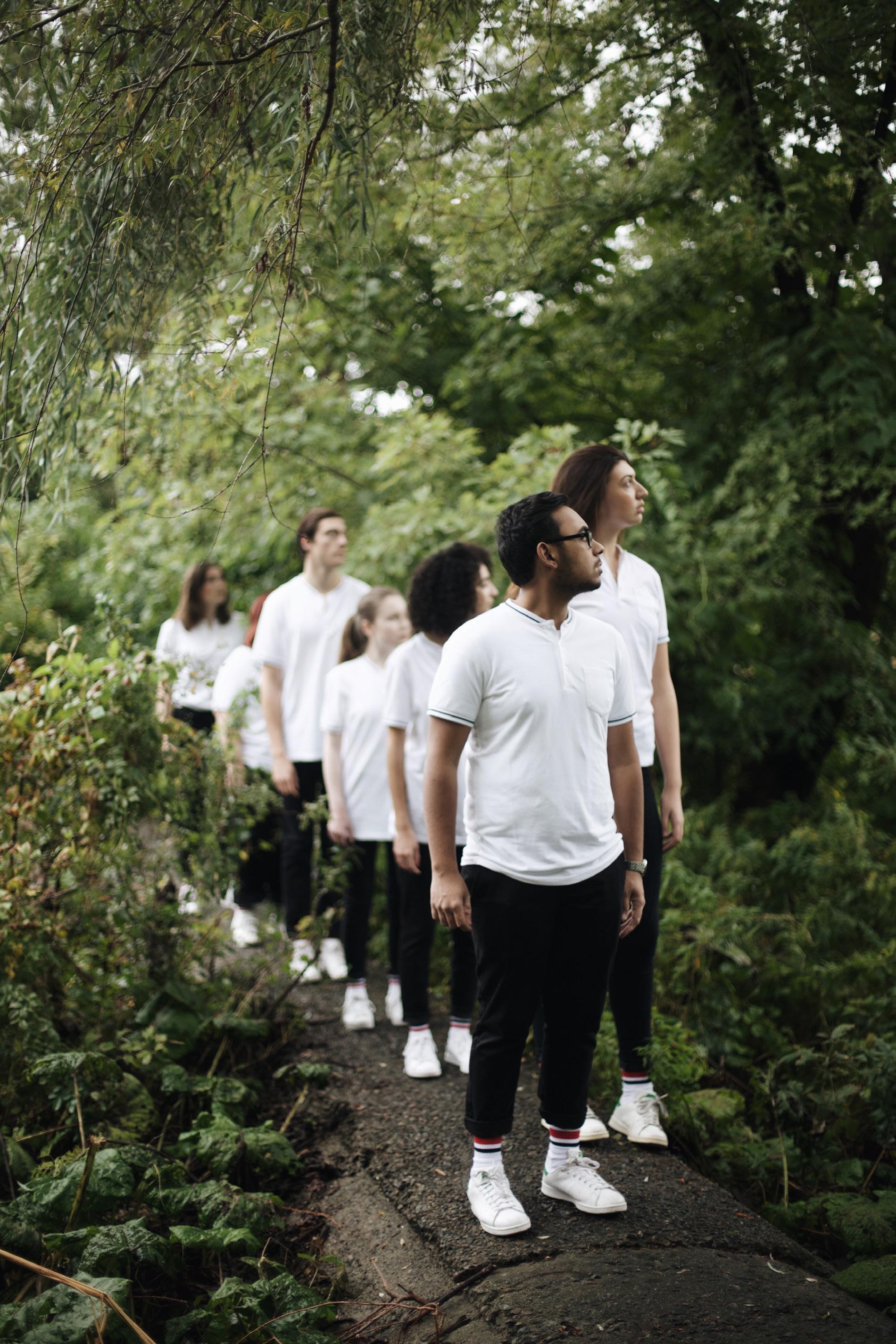
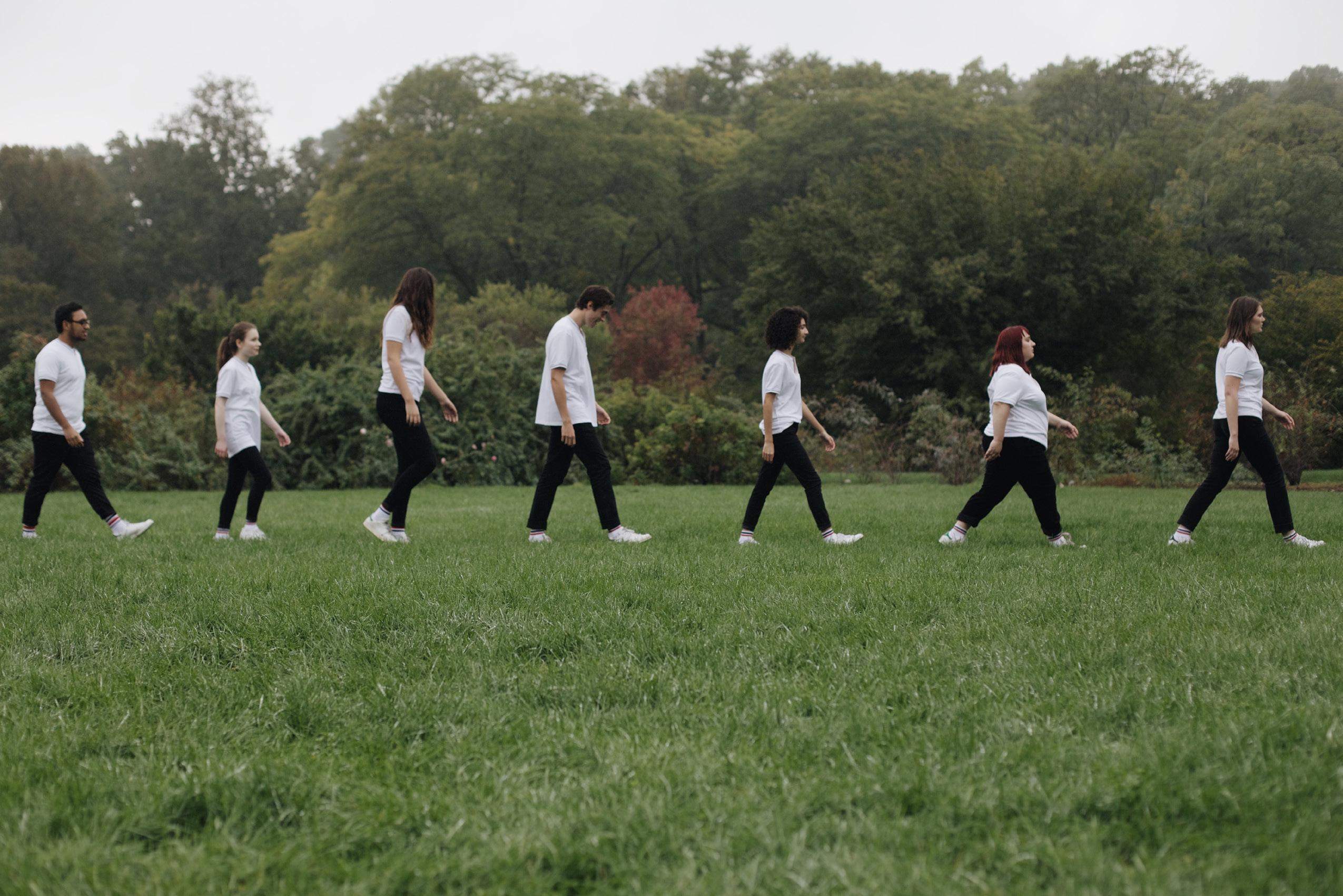
a psychological phenomenon that occurs within a group of people in which the desire for harmony or conformity in the group results in an irrational or dysfunctional decision-making outcome.
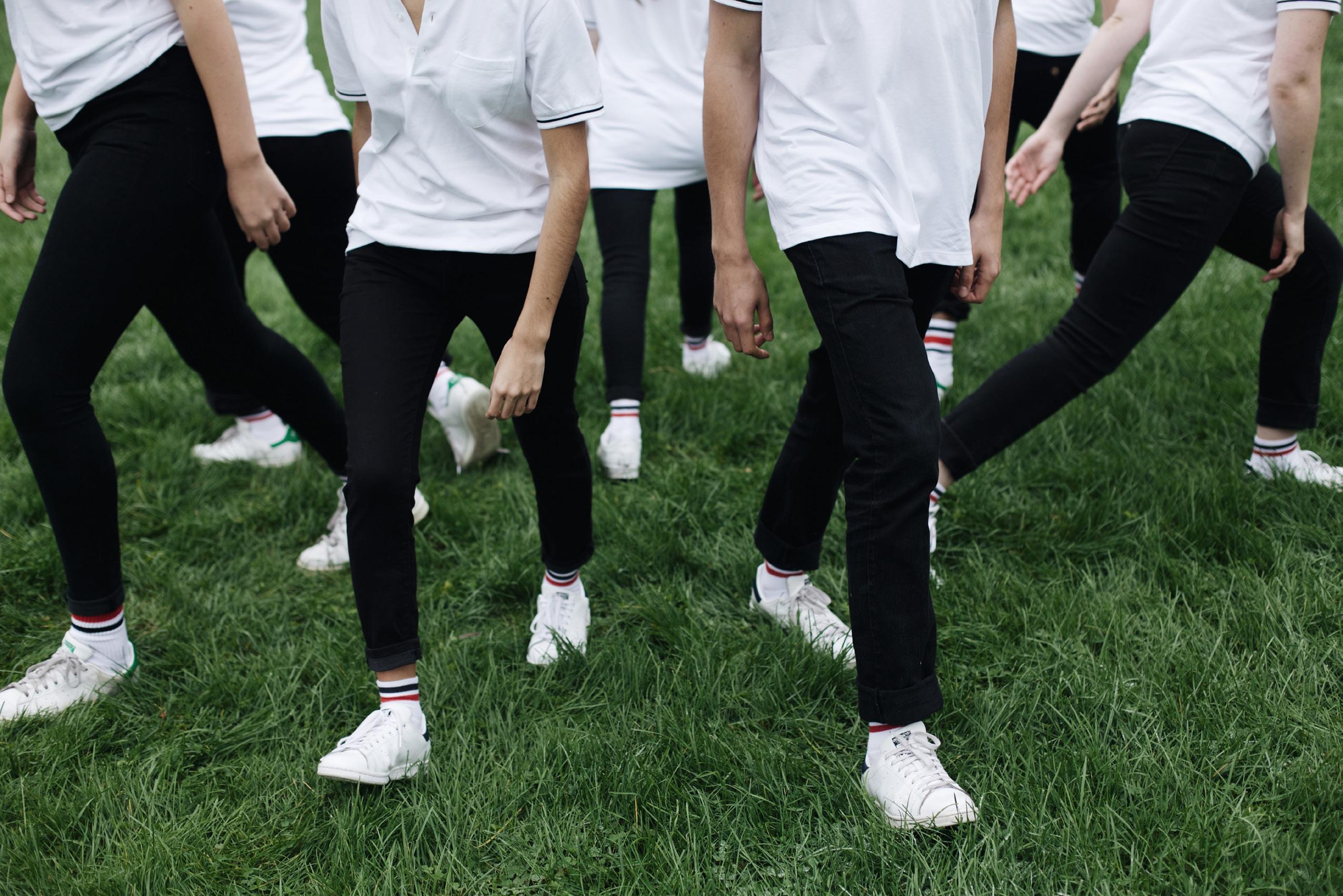
BY PIMPLOY PHONGSIRIVECH
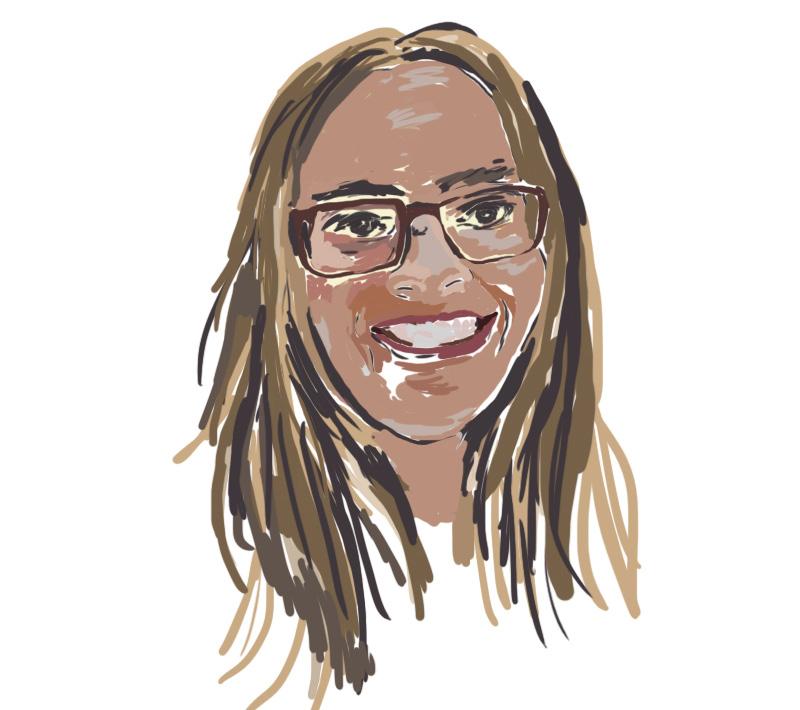
What are six objects that you can’t live without and why?
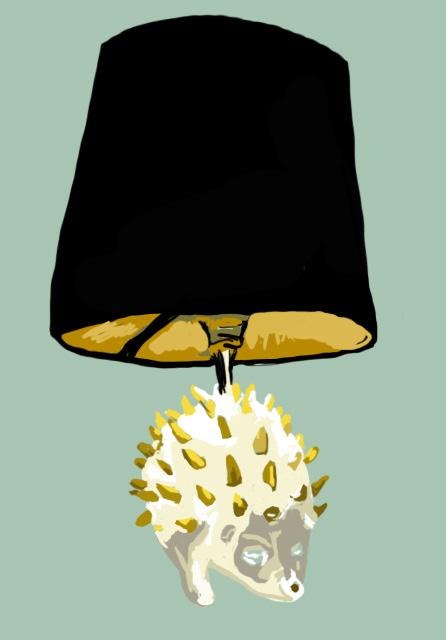
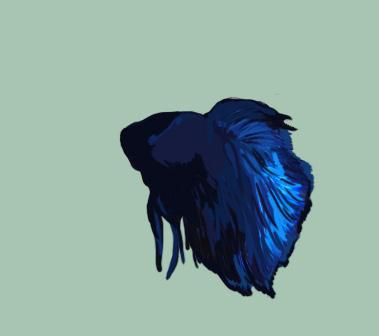
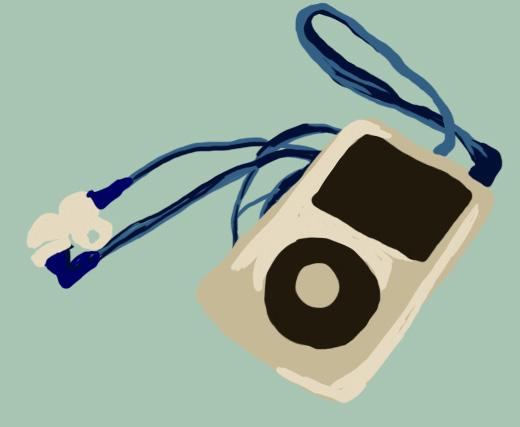
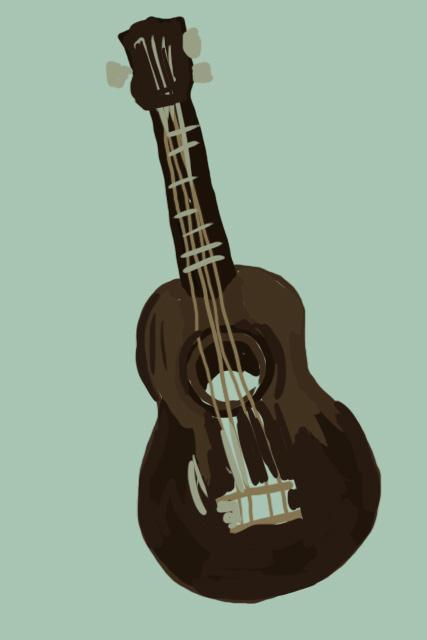
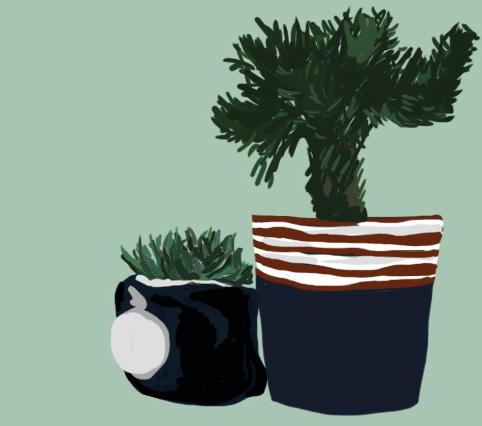
Six objects I can’t live without are my plants, my iPod, my ukulele, my notebook, my hedgehog lamp, and my fish, Gilbert. My plants—my succulents, my cacti, and my ferns— keep me grounded. They add repose to my life. My iPod keeps me creative. It adds emotion and stories to the mundane moments of life. My ukulele and notebook help me express myself. I can scratch or strum my emotions away with a pen or pick in my hand. My hedgehog lamp reminds me of my closest friends and that there are people out there who know me incredibly well. My fish, Gilbert, keeps me humble. He reminds me that nobody is perfect, particularly when I forget to feed him first thing in the morning.
What’s the most memorable thing you’ve given someone?
I once gave my friend a book published with letters and postcards from the PostSecret campaign. In these letters and postcards were notes of struggle, pain, unexpected joy, and confusion. Compiled, these notes showed that certain problems, feelings, and thoughts are collective. They proved that other people experienced them, too, and I think my friend really needed to read that. The hug I received from her was so sincere and intense, it made me want to laugh and cry at the same time.
What’s the most unusual thing you own?
Probably my giant Stitch onesie. It was a gift from my friend Torin last Christmas. She gave all of my friends one, and we wore them to a Christmas light celebration in Springfield,
Massachusetts. We received a lot of strange looks, but we accepted them with enthusiasm because it was fun and the onesies were keeping us very warm.
Do you collect anything? If so, what?
When I travel to a different country, I like to purchase one sticker and Mod Podge it to my little, blue carry-on suitcase. Usually the sticker is of the country’s flag or crest, but sometimes it’s a catchphrase, like iamsterdam. Either way, the sticker is a representation of the country I’ve been to. I started collecting these stickers during my semester abroad and have amassed quite the collection. They hold so many memories and make me feel thankful for all the travel opportunities I’ve had.
What’s something you’ve had for the longest time? (Or, rather, what’s something you’ve had for as long as you can remember?)
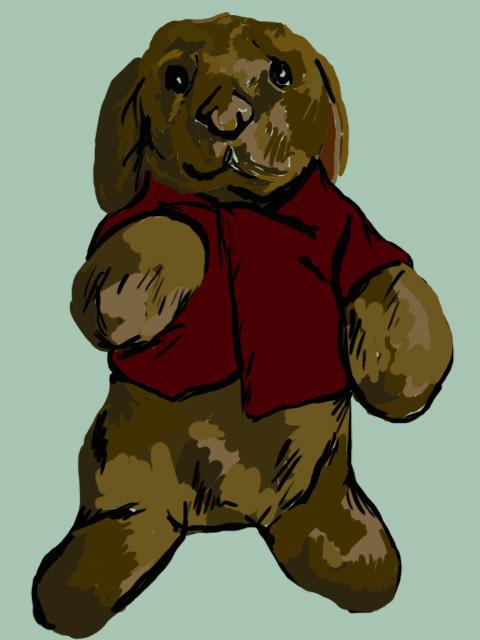
I’ve had my stuffed dog, Brownie, since I was four years old. He’s a puppet, and I vaguely remember seeing him in a store when my family visited Nantucket Island one summer. I think my mom must have noticed my infatuation with the puppet, because a few minutes later she came out of the store holding him as if he were a real dog, making him yip and yap. I was so happy. I named him Brownie and brought him with me everywhere for years and years. His fur is now matted and his nose is scuffed up, but he still sits on my bed. When I get home from school or work, I always give him a slight pat on the head. YM
PHOTOS BY AND WRITTEN BY SOPHIE PETERS-WILSON
“I promise to merge art and conversation”
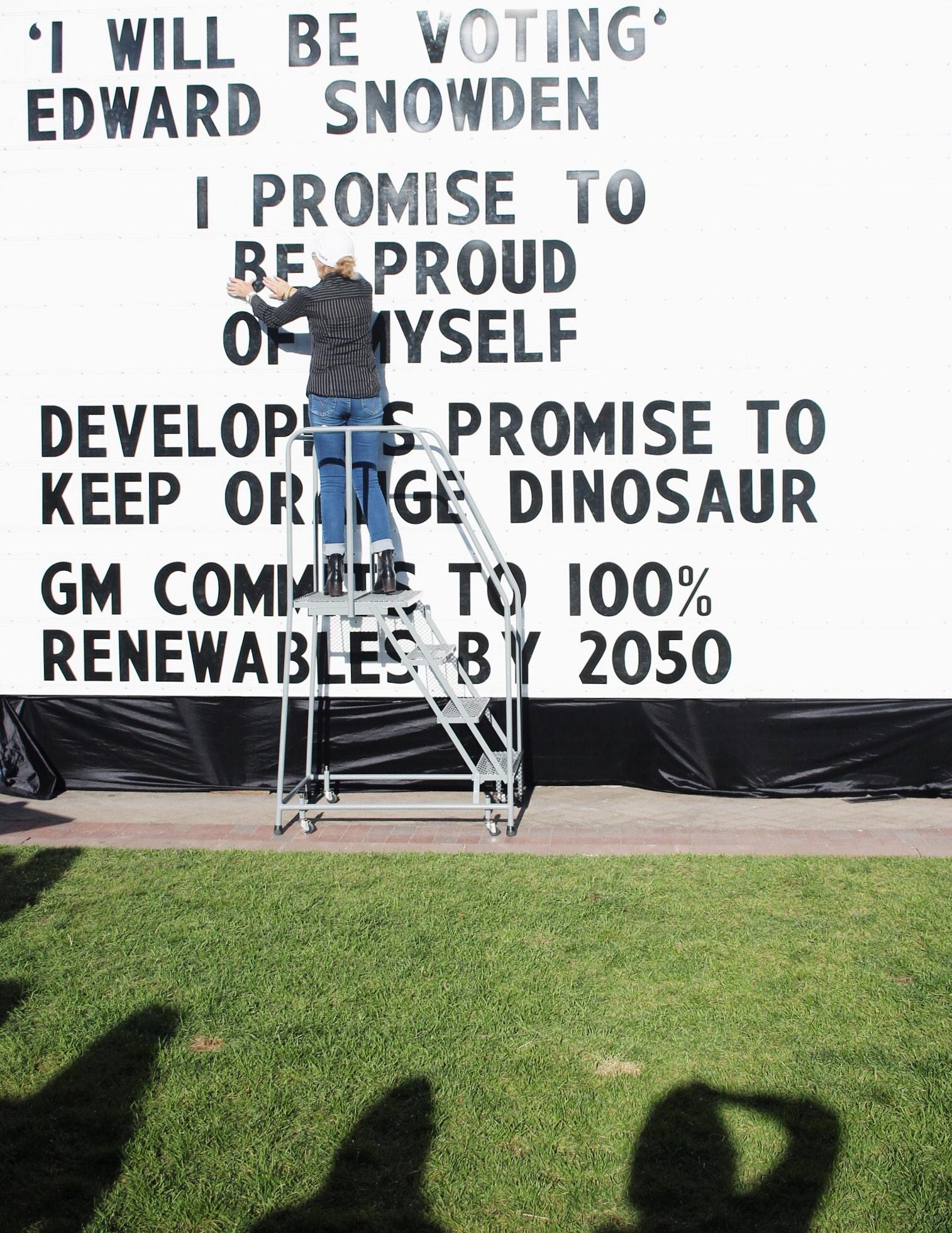
For the past three weeks, promises have circulated Boston. In an interactive local artwork titled “Public Trust” by Paul Ramirez Jonas, viewers are invited to make professional promises that are then plastered up on a billboard alongside daily headline promises from government figures, corporations, and celebrities. A rubbing with each person's promise is made as a basic contract. Participants are then asked to mark it either with their signature, thumbprint, or a drop of blood. The final step is confirming the promise by swearing on something personally sacred, among these options is the U.S. Constitution, the Bible, or a simple pinky promise.
“I promise to never again apologize for who I am"
“Public Trust” has travelled between three local places. After starting in Dudley, it then made its way to Kendall, and ultimately ended up in Copley Square in Boston. The promises made at each location were distinctly diverse. When I spoke with some of the volunteers, they mentioned a brief anecdote about a homeless man that participated in the piece when it was in Dudley Square. He powerfully promised to try and ‘change his attitude’ towards life and to become more motivated. The promises in Kendall were primarily from MIT students so they circulated around drastically different subjects. The same goes for Copley Square where mostly tourists visited the piece.
“I promise not to be a silent bystander”
The piece asks us to “consider the meaning of a promise during a time when words matter.” Not only is this something to consider in the context of the upcoming presidential election, but also with regard to so many other present global topics. While waiting in line to participate in the piece, I started to think carefully about the wording of my promise. The weight of my words truly mattered. My heart started beating so rapidly when I finally stepped up to the table. Though the promise was something that I had always held privately with the utmost intention, something about putting it out there, on a huge billboard for everyone to see, made my intimate vow so public. Hence the title, Public Trust
“I promise to be more present”
This piece is not just about putting our trust in strangers around us. It is also about finding the confidence to embrace our own promises, however small they may be. The effect of Public Trust is almost therapeutic for both participants and observers. By embracing boldness and disregarding external judgment, we can open our hearts to both our local and global communities even more. This openness is especially important during a time when conversation matters most.
“I promise to manifest the love and kindness I wish for everyone” YM
WRITTEN BY ESTHER BLANCO
PHOTOS BY BENIC HAN
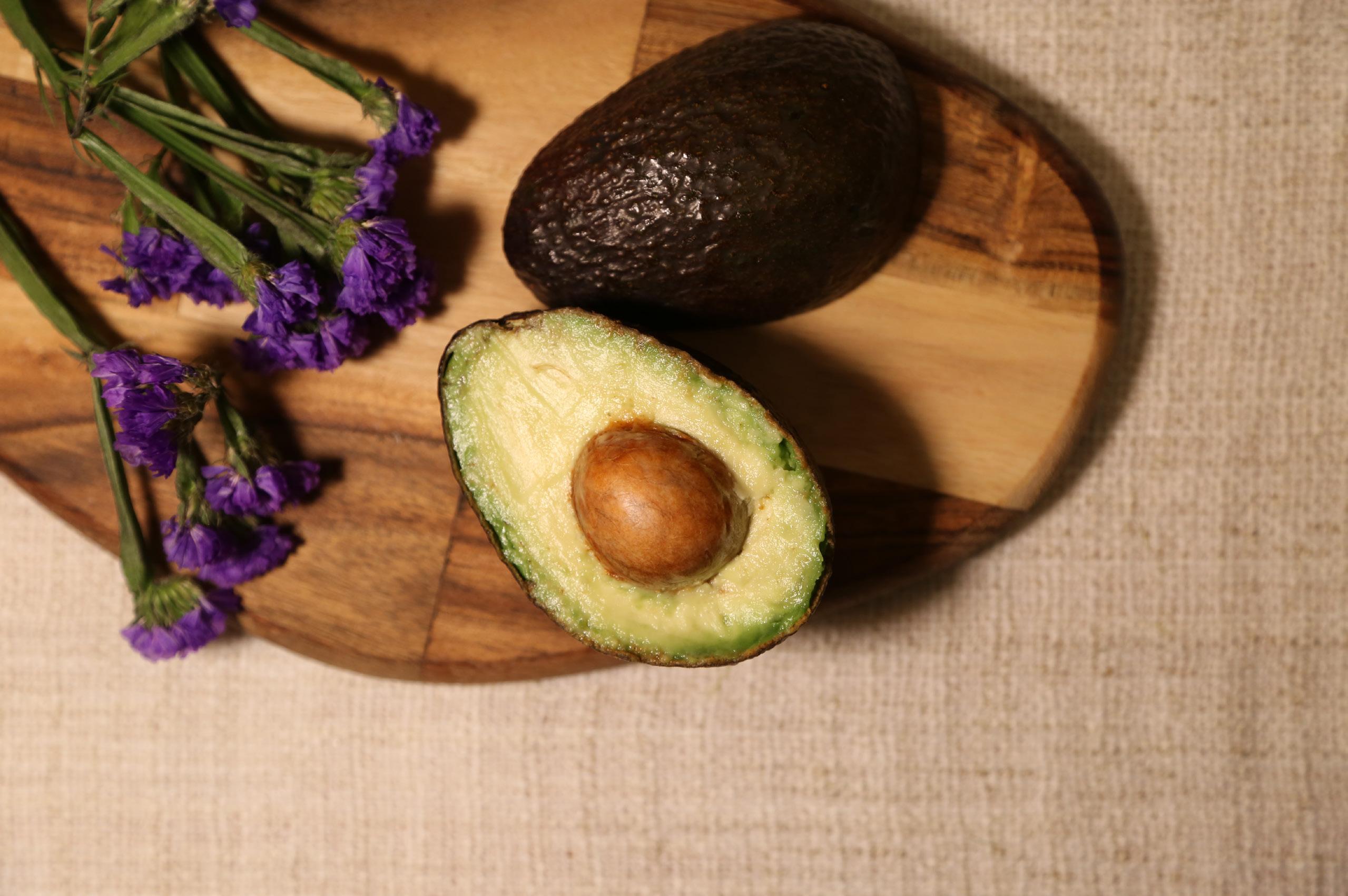
Whenever I’m at a restaurant and there’s an item on the menu that has avocado, all the other plates instantly become inferior. To be honest, I never thought that avocados could be anything but savory, but to my surprise they are incredibly versatile. It’s a great substitute for meat and butter, especially when you’re baking! Plus, it’s a good fatty food. It is often considered an aphrodisiac (and rightly so!); it has numerous vitamins, can be used in your hair and skin, and tastes delicious. I still haven’t come across a dish that isn’t improved when guacamole or avocado is added to it. What more could we ask for?
In my quest for finding the perfect avocado-based pastry, I tried avocado brownies and plain avocado muffins, but nothing compares to these avocado blueberry muffins. It is the ideal amalgamation of velvety and fruity flavors. Besides being easy to make, they also last a long time. If you want them to last for a couple of days, I would suggest double wrapping them in Saran wrap.
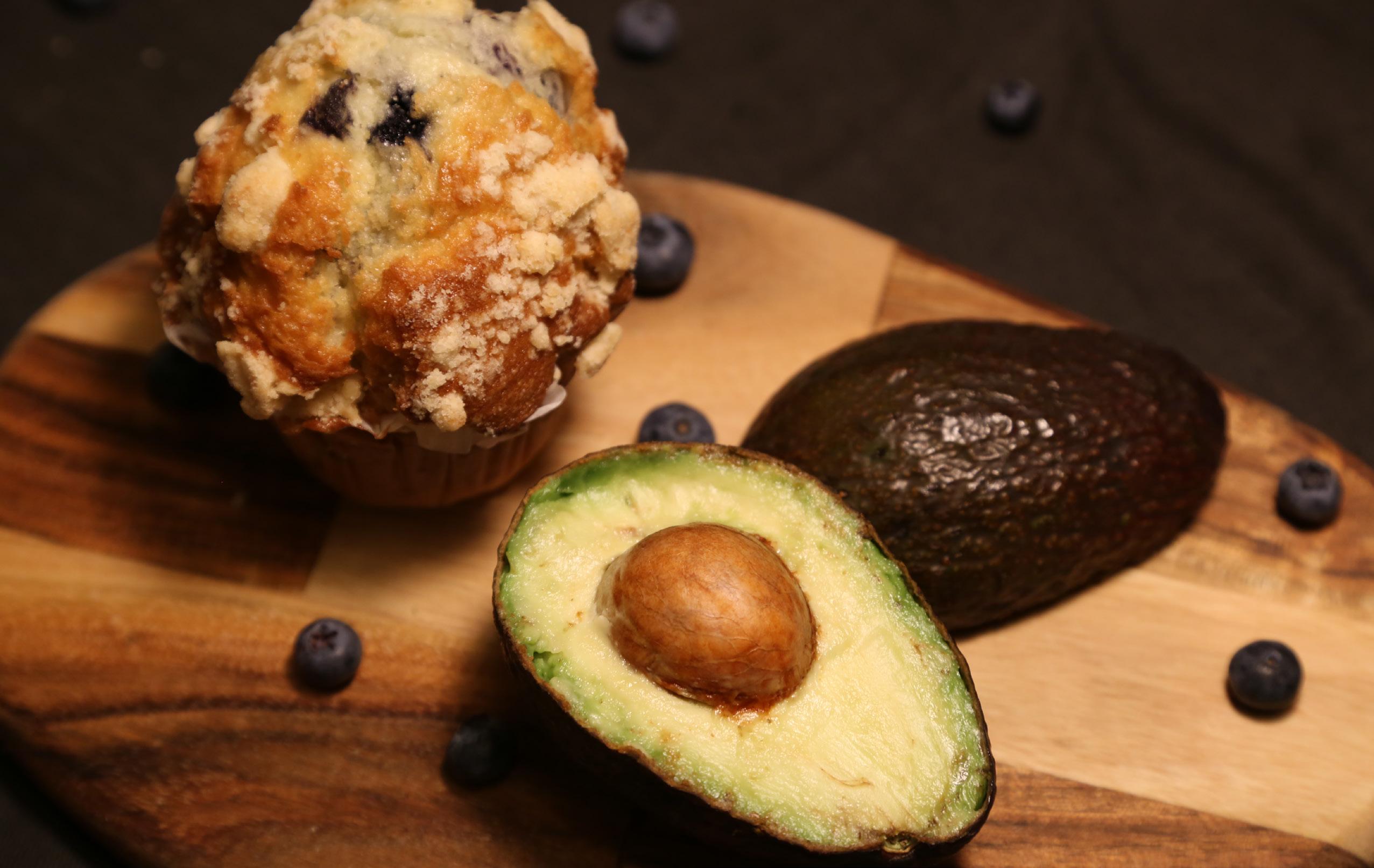
Line a muffin tin with 12 paper liners or reusable silicone cupcake cups (these are one of the best inventions in culinary history, it makes cleaning and removing the cupcakes out of the mold a thousand times easier!).
In a large bowl, stir together dry ingredients—flour, baking powder, baking soda, salt, and cinnamon. Hint: For the next part it would be helpful to use a hand mixer in order to blend the avocados into the mix better, but it is not necessary. However, it can quickly get messy, so I would suggest mashing the avocado into a guacamole-like texture before adding any other ingredients.
Once the avocado is nice and smooth, add sugar, and mix until well blended. Add egg, vanilla, and yogurt, and continue beating until completely combined. Gradually, add half of the flour mixture into the batter, beating until just combined. Gently fold in the blueberries by hand; they could break if you use a hand mixer. Spoon batter evenly into prepared muffin cups.
To make the streusel, whisk the ingredients until crumbly, and layer on top of each muffin.
Bake for 25-30 minutes. Cool before eating.
2 cups all-purpose flour
2 tsp. baking powder
½ tsp. baking soda
½ tsp. salt
½ tsp. ground cinnamon
1 ripe avocado; seeded, peeled, and diced
¾cup granulated sugar
1 tsp. vanilla extract
1½ cups fresh blueberries
1 egg
1 cup Greek yogurt
2 tbsp. melted butter, slightly cooled
2 tbsp. all-purpose flour
2 tbsp. granulated sugar
¼ cup raw sugar
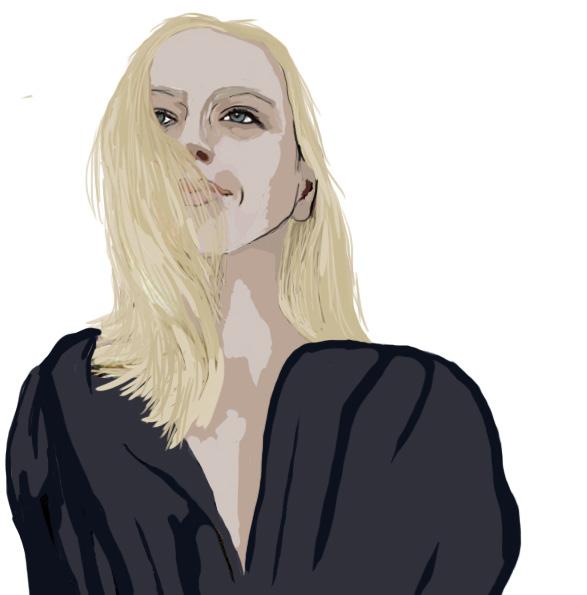
Ihesitate to introduce singer-songwriter-guitarist-writerphilosopher-poet Anne Malin Ringwalt as “artist.” The word to me implies a kind of pretentious loftiness (think: artiste, auteur), which is precisely the opposite of Anne Malin, who is incredibly—perhaps alarmingly—humble. And yet I still struggle to find a word that can encompass the creative genius of Anne Malin better than “artist.”
Anne Malin creates deliberately, diligently, and with more passion and less self-promotion than anyone I’ve met. To say that she is prolific would be an understatement. Her poetry and prose has appeared in more than twenty literary journals (both online and print), she’s received multiple awards for her writing (think: YoungArts Finalist, U.S. Presidential Scholar in the Arts semi-finalist, a national gold medal for Scholastic Art and Writing Awards), she’s performed her original music at a plethora of shows (including Rookie Magazine’s Yearbook Two launch at the New Yorker Festival and the YoungArts Backyard Ball), she was a fellow at the Beargrass Writing Retreat, and has released four records (she’s currently working on a debut EP for her folk duo, Fawn, set to release next month). She most recently read her poetry at the Brooklyn Book Festival, and will be presenting at the New York Theological Seminary later this month. If anything, Anne Malin has earned an unironic ‘e’ at the end of “artist.”
At one of our lunches on a Thursday afternoon, I asked her if I could record our conversation, hoping it might reveal what makes her both so lyrical and so grounded. Printed here is Anne Malin’s poem Song, which meditates on the act of writing, inspired by Walt Whitman’s Song of Myself. Directly following is a conversation she and I had, also (kind of) about writing. It has been transcribed here in (almost) its entire unedited glory. It might not have answers, but it’s oddly fascinating nonetheless to juxtapose a form of literature so meticulously composed with a pseudo-journalistic chat over orzo salads and tea.
i.
I celebrate and sing myself, in this bluegold morning light, this religion of breaking down churches to flood with water from the Seine, Lake Michigan; the fountain in my grandparents’ front yard, Corona del Mar
I celebrate: that stone angel, water pooled in its hands while California dries like a too-thin model tanning in Death Valley with nothing to drink: thirst, skin peeling, this bluegold morning light, religion of breaking down, building, worship in accumulation:
you, America—land of greenhouses, gas stations, plaid skirts in private schools, grease from French fries and shopping malls, land of grassy sprawl, this bluegold morning: illuminating cemeteries of mashed cranberries, red pulp as ancestral drink, ghostconjuring,
age-old thirst in night club or sauna: so America, dehydrated, to flood through with what I make with holy accumulation: this Rimbaud, du Pre, Tom Waits, Cleopatra, this Bonaparte seducing Virgin Mary to a Britney Spears song, radio static, wooly mammoth carnival, this bluegold light when I drive through you listening to Fratres, Arvo Part
My body of many, gutted: to flood through with what I make, contain, accumulate: sweat on my collarbone, sweat on the backs of my thighs, sweat on my lips even as I fuse landscape, sensation, O, body, gutted: to sing itself
ii.
What I like, I fill with beyond fluorescent screen:
My tongue, every atom of my blood, form’d from this soil, this air, this sacrament, bleeding heart, this Cambridge flower shop, this family portrait among flora, body lilting before stained glass, this funeral and baptism, cataclysmic fog, forest fire mountainside
—cut open by river:
Have you reckon’d a thousand acres much? have you reckon’d the earth much?
Have you practis’d so long to learn to read?
Have you felt so proud to get at the meaning of poems?
—on a Sunday: nine hours, ten? Coffee-fueled in cathedral?
Have I reckoned the earth? Have I—cut open by river?
iii.
Stop this day and night with me and you shall possess the origin of all poems, You shall possess the good of the earth and sun, (there are millions of suns left,)
—possess MacBooks propped open on library stacks, drunken walks through art museum halls, possess iPhones alit with the BBC News, violence illumine —possess, beyond fluorescent screen: privilege, protest, hands up, thinking how can I change —possess, on a Sunday: nine hours, ten? Coffee-fueled in cathedral? Have I reckoned the earth? the good of the earth and sun, there are millions the good of my body of many, to flood through in this bluegold morning light, O thirsty America, possess the good of the earth and sun, unknown bodies on rafts, unknown bodies at sea
Have I created to change?
iv. the good, my body of many the good that floods through in this bluegold morning light O America, thirsty
Unknown bodies on rafts, unknown bodies at sea, to flood through in this bluegold morning light, O thirsty bodies at sea, unknown
You shall no longer take things at second or third hand, nor look through the eyes of the dead, nor feed on the spectres in books, You shall not look through my eyes either, nor take things from me, You shall listen to all sides and filter them from your self
that stone angel, on a Sunday: cut open by prayer to filter poem like purified water, old jewelry turned to gold, old centuries, poem like: antiques mined, heart of sacrament, bleeding heart, Cambridge flower shop poem like: this funeral and baptism, this death/rebirth, this cleansing in California, oxymoronic: to accumulate water in a dry land, to write, to sweat and shape it
v.
Look up: beyond fluorescent screen
—Here this family portrait of accumulation, pile of voices, diachronic choir, stone angels, grandmother, mother, baby in the womb
Look up, up to the diachronic choir: I celebrate myself, and sing myself in this bluegold morning, light, old jewelry turned to gold, amethyst, quartz, these voices purified, to write, to sweat and shape it, to write, to sweat and shape it
AMR: How was my weekend? It was good. This [gestures to her quinoa] is also really good.
PP: What did you read from?
AMR: I read from my poetry manuscript.
PP: The one that’s going to be published soon.
AMR: Hopefully. That's the dream.
PP: You have so many published poems I can't keep track. And so many albums out. How many records have you released again?
AMR: Four? Then Will and I have our new EP coming out so, yeah. It’s been really fun–oops. [spills quinoa] If you're trying to publish a manuscript ideally you need half of the poems in the manuscript placed in journals so when you send it to a publisher or an agent they see what you're doing and they see that other people are receptive to it. I realized that I'm very close to having half of my poems in journals.
PP: Wow. Okay. This is you before you get famous.
AMR: No! This is me spilling quinoa on a napkin.
PP: I printed out your poem. I’m not very profound or knowledgeable when it comes to poetry, but Song is beautiful. When did you write it? Wait. Was it when we were reading Whitman for class?
AMR: Yeah! I based it [off of] Song of Myself
PP: I saw that. Celebrating yourself and stuff.
AMR: Yeah! So I was approached by the YoungArts foundation. I had gotten an award for a short story I wrote when I was a senior in high school and they approached me again last fall and said, “We want you to write a poem to base our alumni performance on.” It was for their gala. I said, “Yes please.” They asked me to write a poem about the process of writing poems. So that's why I thought Whitman was appropriate as this celebration. I really liked it when we read it in class.
PP: Perfect timing.
AMR: Totally. I was a very large hermit in the fall.
PP: I remember that. Right now I’m supposed to be reading Seamus Heaney.
AMR: Last semester I went to… somewhere in Ireland. I would have a good interview moment for you but I can't remember the name. I went somewhere that was Heaney related.
PP: That’s okay. How’s Will [her boyfriend]?
AMR: Will's great.
PP: Where do you write your poems?
AMR: Anywhere!
PP: Wait. Do you base your songs off your poems?
AMR: No, they're totally different. I was talking to my friend Casey, who you met, about this. We're both in bands and we write poetry and we're talking about how it's so different. He and I both found that sometimes we turn bad poems we write into songs. They're really good songs but they're really bad poems.
PP: Does it ever go the other way round?
AMR: No.
PP: Why?
AMR : That question is sort of at the back of my mind and I'd like to understand it, but at the same time it's nice to not over-analyze all the time. But yeah, I write anywhere. I think the best poems I write when I feel like my mind is going to explode if I can't get it down. This one time I was on a walk in Wisconsin and I was visiting my family. I was on a walk along Lake Michigan and all of a sudden lines started forming in my mind but I was walking in and I didn't have anything with me so I just started talking to myself. [laughs] Luckily where I live in Wisconsin isn't populated and so if someone saw me...
PP: It's not like Boylston.
AMR: Yeah, exactly. You know how I can't run? My knees are really messed up because I trained in ballet when I was younger and I had a teacher who forced our turnout so my knees are really bad. I can walk, but for exercise I don't run. Anyway, I found such an urgent need to get home that I just sprinted. Sometimes it's like that. Sometimes… like I just wrote a poem on the bus
back from New York. I get inspired by blurry landscapes a lot. And I write at my place.
PP: Your new studio apartment! How is it?
AMR: It's great! I feel it's important to create a space that's conducive to creating. It's definitely my sanctuary.
PP: It's a lovely space.
AMR: Thank you. When you said I should hang plants from the pipes from the ceiling I was imagining completely covered and I thought how much that would cost.
PP: That's ideal, but you’re right. Plants are so expensive. How are yours doing?
AMR: The aloe? I love it. I love aloe and the idea that a plant can be a soothing thing. I sing about aloe, actually, in the song version of the poem I sent you. I say something about my brothers cracking aloe leaves and soothing my burns—and by that I mean emotional burns.
PP: Yes. [laughs]
AMR: [ laughs] Not like literally rubbing aloe on me [demonstrates].
PP: And now you have an [actual] one in your studio.
AMR: Yeah, I think aloe is just a really fascinating plant. They're really easy. You only water them every 15 days. How are yours?
PP: My snake plant? He's well. Instead of a plate I bought this, I don’t know, this spinning plate type thing that you put fruit on or something. Sometimes I'll walk past and spin it. Because living alone—I love it so much, but sometimes I want movement, you know?
AMR: Totally. Me too. YM
WRITTEN BY JESSICA KASPARIAN
Iwake up every morning and ask myself the same question: Am I okay?
Ultimately, I know I am, but some days I wake up feeling paralyzed. The sun is up, the city is stirring, and I am stuck under my covers.
Generalized Anxiety Disorder (GAD) is easily defined as excessive worrying, but every anxiety sufferer defines it differently based on individual experience.
I was diagnosed with GAD and Panic Disorder when I was 11 years old. Under my psychiatrist’s advisement, I treated it with the same medication for eight years, until my life came to a halt in December 2014.
I woke up suddenly at 7 a.m. on a day when I was able to sleep in with tense muscles and a familiar pit in my stomach. It was as if a switch had flipped in my head overnight and panic had set in. I went to sleep a healthy college student and woke up an anxious wreck.
I changed medications as soon as I went home on winter break, but the holidays flew by and I still was not healthy when the residence halls reopened. Home being just outside of the city, I was able to go back and forth while rewiring my brain.
During this time, I could barely recognize myself. My appetite dramatically decreased, I vomited many mornings because of my empty stomach and newly sensitive gag reflex, classes became hard to sit through, and I felt emotionally drained all the time. Navigating college while bouncing from campus to home and from calm to panicky proved nearly impossible, and my
self-esteem plummeted when I sacrificed org meetings for anxious nights huddled in my room.
Many students grapple with the same pressure to prioritize fully booked schedules over mental health. We have an innate responsibility to soldier on even when our minds scream at us to get the hell out of a stressful situation.
“My breathing is usually the give-away and I know I need to get out of a situation fast,” says Ashley Dunn, ‘18. “I've had to leave class, leave the tap desk in the Little Building, and even leave my shared double to find a more private space to freak out.” Dunn, diagnosed with an anxiety disorder nearly 10 years ago, describes panic attacks as terrifying. “The actual experience of a panic attack for me feels a little bit like drowning without the water. I cry every time and my throat closes up. My breathing is very labored and sharp and it's hard for me to talk.”
Panic Disorder sufferers often worry so much about the next attack that living in the moment becomes difficult. My own anxiety causes me to feel like my world is imploding and I spend my energy worrying about this improbable event rather than living.
Dunn’s anxiety has limited her in everyday activities, “My anxiety always has to arrive uninvited to events like open mics or parties or even just in class. I used to be unable to speak and contribute in some classes because my anxiety held me back.”
Crippling anxiety can be conquered by constantly pursuing the things that scare you. “I still make myself do things I don't want to do,” says Alyssa Perkins, ‘19, another student affected by
anxiety. “I wanted to be an Orientation Leader (OL) since before I got to Emerson, before I had anxiety, and I didn't let the anxiety stop me from doing that. And even though some moments were really awful, a lot of moments were well worth it.” Knowing that regret follows after every missed opportunity, Perkins won’t let anxiety rob her of experiences. “As my therapist encouraged me to, I can draw on the strength of knowing I did something once and got through it, so I'll be okay if I do another similar thing.”
Opportunities to power through anxiety do present themselves, but it’s important to recognize when outside help is needed.
For Meghan Corless, ‘18, that realization came during a rocky semester last fall, “I just realized that I seriously needed help and if I didn’t get it, I was going to run myself off a cliff.” Corless, diagnosed with anxiety at age eight, missed a month of school to receive help at home in Long Island. “I did fall behind, but I wound up making a class up in the summer so I'm fine now,” Corless says.The decision to go home was a difficult, but necessary one for her, “Once you realize you deserve help, that's like the greatest feeling in the whole world.”
Whether it’s at a downtown hospital or on campus, working with a professional to treat anxiety is immensely helpful. Perkins finds support in her friends and boyfriend while also working with professionals, “I went to ECAPS for a bit last year, and had a therapist over the summer,” she says.
Dunn also seeks comfort in friendships, “My friends have all experienced the same anxiety at one point or another and I
have a very supportive community around me,” she says. She also uses her anxiety as a source of inspiration, “Poetry is my biggest form of therapy and I often write about my mental illness, work that I then share at open mics,” she says. “Despite the anxiety and worry I often get before performing, I feel a lot better after sharing my work because I know others can relate.”
Corless feels similarly about sharing her struggle. “Something that makes me feel stronger is telling my story,” she says. “I don't ever want people to get to the place I was at last year, and if I help even one person with their own struggles, I will have done my job.”
I have recuperated from the anxiety flare up I had freshman year, but traces of it linger in my every move. It’s in my shaky legs during class, my blank stares during conversations, and my shifty jaw during work. I worry constantly about falling back into that frantic state. I agonize over the finicky switch triggering another anxiety attack.
Similar to Dunn and Corless, I feel that reflecting on my experience by sharing it with others helps me grow. I’ve learned to cope with my anxiety by anticipating it and breaking overwhelming tasks like traveling into smaller steps. I feel stronger with each completed step and suddenly the process of flying to a new location isn’t daunting, it’s doable.
The fear of my world imploding has ceased. I’ve stopped seeing my anxiety as destructive and started seeing it as a lesson in resilience. As my mom always says, anxiety cannot kill you. YM
WRITTEN BY KATJA VUJIC PHOTOS BY HANA ANTRIM, EMILY HARRIS, ALLEN MOU, SHAFAQ PATEL AND VIVIEN LIU
The music industry is changing rapidly. That’s nothing new—it’s a sentence we’ve all been reading in thousands of articles like this one over the past 10-15 years. I personally am not a music industry expert. I don’t know the ins and outs of production or what it takes to sell an album. But I don’t have to be an expert to understand that the music industry is experiencing something of a revolution, brought on particularly by the rap and hip-hop sector.
Rap has a long history of independent and underground music, but getting signed to a label has always been the indicator of success, the key to going mainstream—until Chance the Rapper came along and changed all that. To my knowledge, he’s the first to find widespread success as an independent artist, and has even prompted award shows to open up categories for albums available only through streaming services.
That’s a major change, but even more remarkable is the door he is holding open for independent artists to go big on their own. Signing with a label doesn’t need to be a goal anymore. We’ve all heard stories of artists held back creatively by their labels, as well as those who were barred from making music at all—JoJo and Ke$ha both come to mind. The absence of a label allows artists complete creative control, as well as a more direct channel of communication with fans. And now that Chance has proved it can be done, I’m predicting (and desperately hoping) that more artists will be able achieve that power.
Up until recently, it was hard to talk about Chicago-based rapper Noname without mentioning Chance. It still kind of is—her features on his songs have brought about the bulk of her current recognition. The two met as teenagers attending Chicago’s YOUmedia program, described on its official website as “a 21st century teen learning space at Chicago Public Library.” Both show a lot of love for Chicago in their music and on their respective twitter accounts—clearly, that shared space had a major creative impact.
Noname started out as a poet—in an interview with General Admission, she told John Taylor “Before I started rapping, [Chance] loved my poetry, so a lot of our relationship was started through our love for each other’s art. Like, he would sit and spit me whatever new raps he had, and I would recite new poetry that I had to him.” She started to freestyle more and more, and eventually her focus shifted to making music. She started working on her album Telefone in 2013, and blessed us with a long-awaited Soundcloud release on July 26. Soon after, it became available on Apple Music and Spotify.
Telefone marks the start of a new conversation, one that’s all about Noname. There’s so much to analyze; her music is unique, especially in a world where it feels like everything has been done at some point or another. But she’s not without influences, of course; in rare interviews with Rolling Stone and The FADER, she names musicians like Nina Simone, Andre 3000, and Missy Elliott. She also has literary influences—Toni Morrison and poet Patricia Smith—but her sound is completely her own. She has a light, almost airy vibe, but she’s able to balance that relaxed sound with some pretty heavy topics. It’s easy to hear her experience as a poet; every line fits, every word carries intentionality. This is not an album you can listen to once and form an opinion. I’ve been listening constantly for the past few weeks and I still have more to unpack. It’s got the staying power that three years of work is bound to create. There’s a lot going on in the production—she worked with Saba, Cam O’bi, and Phoelix—it’s layer upon layer of instrumentals and interesting sound effects.
The features that made her famous are important, too. In
“Warm Enough”, by Donnie Trumpet and the Social Experiment, she’s less of a feature and more of the main event, with Chance the Rapper and J Cole backing her up. It starts up with birds chirping along to an ethereal melody, soon joined by Noname’s equally ethereal singing:
“Who are you to tell me/I’m not warm enough for summertime?/I know that I can decide myself/But you don’t know me like the sun, you’ve never seen my horizon.”
Then she starts rapping, and the listener is entranced. Noname explores the same duality that we see in her album, that delicate balance between sun and shadow, in a narrative that focuses on a love story.
It’s not her first time focusing on love in a collaboration with Chance—the first song that really shot her recognition up was his “Lost," in which he is addicted, and she is the drug. But these tracks are never mere love stories. They explore the empty feeling that marks our generation, how two people can unite to create something meaningful in the midst of an often miserable, harsh world.
Noname does so well with these serious subjects, yet a lot of her music is anything but. You can hear how much fun she’s having when she freestyles on “Last Dance,” from Lil B and Chance’s Free Based Freestyles Mixtape. You know when you’re talking to someone on the phone, and you can hear them smiling? It’s like that but better.
Born Fatimah Warner, Noname started her music career calling herself Noname Gypsy, but dropped that second part after learning of the negative impact of that word for many Romani and Romanidescended people. Which is so cool of her—she is learning and growing just like the rest of us, and she’s honest with the public about that. She’s unafraid to admit flaws and make mistakes, and that’s why we are so ready to forgive her. We don’t often hear people in the public eye, especially artists, say “I was wrong, and I’m sorry.”
“Everything is everything.” This is a phrase Noname uses a lot, and it’s a theme that much of her music explores. Nothing happens in a vacuum, everything in the world is connected, we all belong to each other. That sounds a little fake deep when I put it that way, but it’s so cool. She is spreading a philosophy on life that both accepts and questions, analyzes and finds peace. And she’s doing it without a label, in every sense of the word.
There are plenty of other independent artists out there determined to make it without a label, and there are those, like Drake and Frank Ocean, who have recently created their own. It’s no surprise that a genre made up of majority black artists is starting this movement. The history of black musicians being exploited by white recording executives goes back as far as the concept of recording labels has existed. Now, it’s finally time for a change. YM
ART BY AND WRITTEN BY SARA BARBER
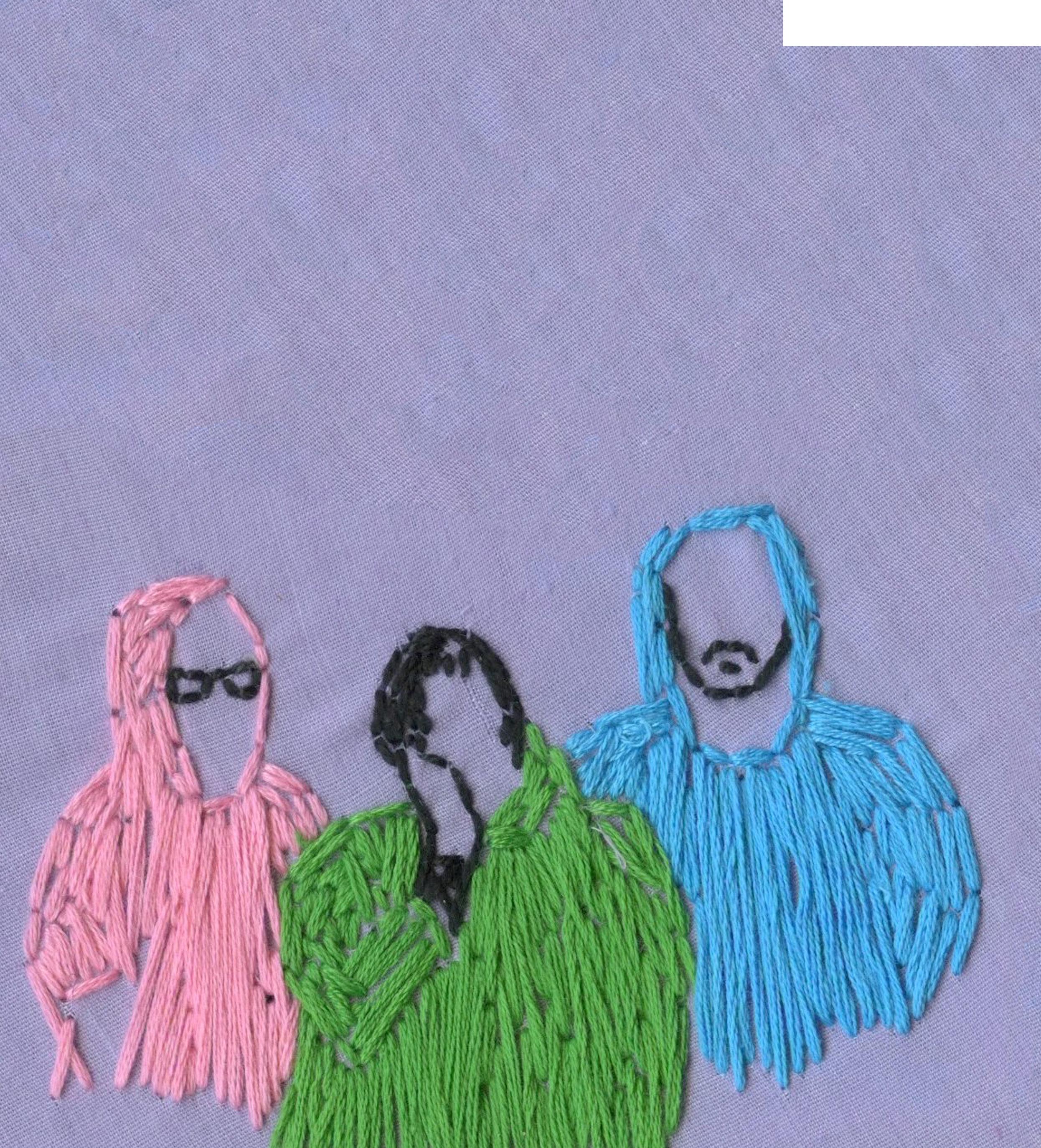
With live music, amplifiers can be heard humming over the rowdiness of a crowd while musicians embrace the vulnerability of their performance. In scope of the DIY scene, personal creations electrify intimacy and build a community founded in “Doing It Yourself”. Shows are hosted in people’s basements, local art galleries, and low capacity venues. The audience is only inches away from the performers. Seeing a local show with 10-100 people crowded around, getting to know each other between sets offers a different kind of satisfaction that getting to see Beyoncé strut her stuff on stage in front of thousands of seated people. There is a consensus from avid DIY attendees that the majority of these musicians are approachable and kind, genuinely greeting the people who come out to their shows.
This community bonds effortlessly over similar interests. Handmade patches, zines, buttons, and apparel quickly connect people. It is easy to spot someone who is from the DIY scene, as they similarly dress in quirky cute clothing. It is a close-knit yet welcoming and inclusive community. Everyone shares experiences that are outside of the norm and are cultured with underground material that many might not be familiar with. This creates bountiful Bandcamp links to obscure music that shares raw emotion. Many contributors begin as solo artists with a knack for music and evolve in supportive spaces that cultivate creativity. Persistence becomes a celebration of unique, underground art in the thriving DIY company.
The heart of the DIY scene thumps to IAN SWEET, a trio of musicians from Boston, New York City, and Los Angeles, but where they’ve ended up is in between Boston and New York, speeding back and forth in their van. IAN SWEET isn’t so concerned with their wheels as they are with enjoying every experience the DIY community has to offer. As Jilian Medford, vocalist and guitarist, says, “For us, touring is about hanging out with our buds. It’s so fun to play every night and meet new people, but we just want to tour with people who want to have fun; like if we see a cliff we want to jump off it.” These memorable experiences also take place in Medford’s residency in Brooklyn with members of Girlpool, Ovlov, and LVL UP, a dynamic combination of artists.
While writing IAN SWEET’s latest album, Shapeshifter, Medford was maladjusted to her surroundings. Melancholic tendencies come forth in the lyrics as Medford latches her words onto inanimate objects and creates a physical sense of nostalgic loneliness. As primary lyricist, Medford’s words can feel too heavy to hold, but the band produces a company of readiness for listeners. Words twinged with sadness still encourage listeners to be happy if they want to be. This is a common theme throughout the DIY community that IAN SWEET emphasizes through their music and performance. It is an environment cultivated by eager creativity. YM
“Finding a place for new adult work in traditional bookstores can be tricky, it defies traditional classification.”
WRITTEN BY LINDSEY PARADIS
PHOTOS BY SOLEIL HYLAND
Seven years ago, St. Martin’s Press ran a contest requesting “cutting-edge fiction with protagonists who are slightly older than young adults (YA)... fiction similar to YA that can be published and marketed as adult—a sort of an older YA or new adult.”
Readers and writers alike clung to the phrase new adult—publishers and bookstores not so much. But the genre was born without them, with indie and self-published writers tapping away at their keys and doing it well themselves.
The new adult genre, as it’s known today, typically focuses on characters aged between eighteen and thirty. It involves mature themes that might be glossed over or not included in young adult literature —such as sexual assault, drug and alcohol abuse, and sex and sexuality.
Author Cora Carmack, one of the early new adult authors wrote on her blog in 2012, “New Adult is the ‘I’m officially an adult, now what?’ phase.” Carmack felt so connected to new adult that when publishers were still wary of the genre, she self-published her first novel Losing It
Shortly after the publication, Carmack signed with an agent, ended up on the New York Times eBook bestseller list, and received a six-figure, three book deal with HarperCollins. And it shouldn’t have been a surprise. A 2012 study by Bowker found that fifty-five percent of what publishers deem young adult books are bought by people over eighteen with the highest concentration of buyers being between the ages of thirty and forty-four. And seventy-eight percent of the time they admitted they’re buying the book for themselves.
Other authors, such as Jamie McGuire and Abbi Glines have followed suit in self-publishing their work, marking a trend for the genre as a whole. That is to say, many new adult books are being released by the author, primarily in eBook format.
This is because finding a place for new adult work in traditional bookstores can be tricky, after all. A steamy and damaging college football romance doesn’t belong on the same shelf as a John Green novel. Nor does it belong with Nora Roberts or Junot Díaz. It defies traditional classification.
But, with the genre finding spots on the New York Time Bestseller list, publishers have started to change their tune. Experimental publisher Entangled even created a New Adult imprint titled Embrace.
That’s not to say that the genre has gained complete recognition and acceptance. A lot of people in the industry still debate about whether New Adult should be considered a standalone genre, or if it should be lumped in as a subgenre of young adult or adult fiction. There’s also controversy around the content, because some people describe New Adult as the bridge between Twilight and Fifty Shades of Grey
Yes, the books do have more explicit sex scenes than your typical Sarah Dessen novel. But, then there’s the fact that twenty-somethings have more relationships that result in sex than young teenagers. And while there’s going to be a couple books that are just overdone with the drama and sex—a couple books that just aren’t good, the same can be said for any genre.
Personally, we like the sex scenes, but what does our opinion matter? YM
WRITTEN BY KATIE ZEPF ILLUSTRATIONS BY TAYLOR ROBERTS
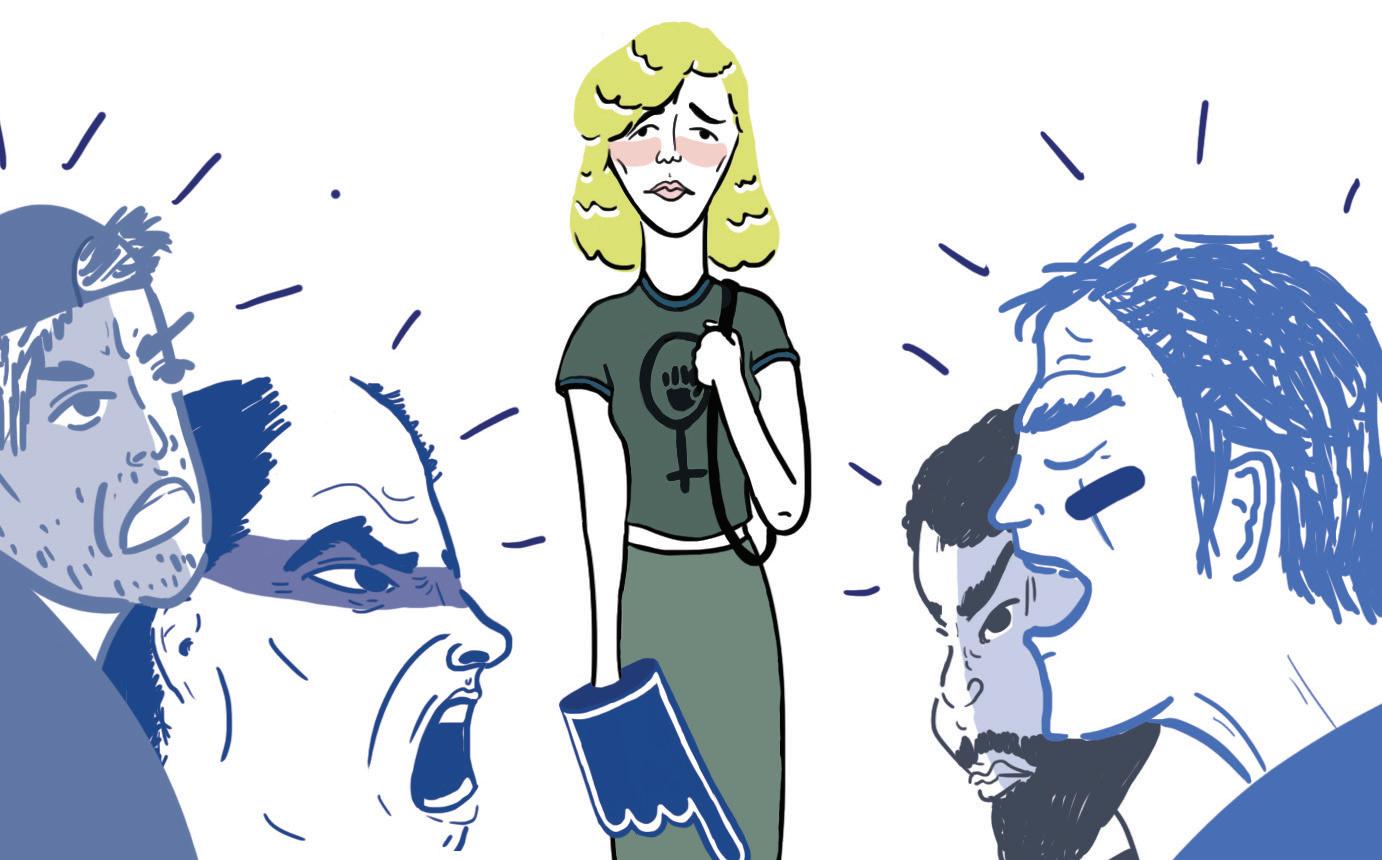
Imagine this—you are sixteen years old, trying to take part in a conversation about last night’s Patriots game in which Tom Brady made some truly spectacular throws. You say something about Brady’s ability to release the ball so quickly. The group of guys who have been loudly talking about the pass in front of you smirk. One turns to you with a weary expression on his face, like this is something he’s had to deal with hundreds of times before. “Yeah okay, we know you girls just think he’s cute.”
You’re surprised; you’ve followed the team for years and watched every game of the season, for nothing other than the way the intensity of the sport makes you feel. You want to tell him that you have their entire schedule memorized, can name the starting lineup, and know how many yards per carry Benjarvus Green-Ellis usually averages, but you don’t. What if you get something wrong?
This is a silence female football fans live with their entire lives. Since the NFL’s official creation in 1920, it hasn’t just been a man’s game—it has been the man’s game. In any form of media and in marketing all around us, it’s emphasized that any “man card” carrying, self-respecting guy’s guy is passionate about the sport. Football Sundays are a day spent with the guys, yelling at the television, and drinking beer, while there’s an annoying woman somewhere in the background. She is usually one
of two things: the wife who’s oppressing her husband’s love for the game, or the girl who pretends to be interested in it in order to seem like the “cool girl.”
“SINCE THE NFL’S OFFICIAL CREATION IN 1920...IT HAS BEEN THE MAN’S GAME.”
Both of these stereotypes perpetuate the false assumptions about the relationship between football and women. In fact, 45 percent of the NFL’s fan base are women. These fans spend money on tickets, products, and more. They encourage their friends, who might have been discouraged by men to be interested in the sport, to become fans as well. Female viewership was the fastest growing demographic for the NFL in recent years, but after discontent expressed by many women, it seems unlikely that number will continue to grow. Imagine this—you are a feminist. You support, admire, and respect women; you believe society doesn’t give them the same opportunities and fair treatment that’s given to men. You fight to change this, for you and women everywhere. You should be allowed to watch football, you should be allowed to talk about it, because no sport should exclude any sex. It is yours, too.
Except it isn’t. You turn on the television and the announcers are praising Ben Roethlisberger, who was accused of sexually assaulting two women. He was suspended for a total of four games. You turn on the television and there is a video of Ray Rice punching his fiancée unconscious, suspended two games. There is CJ Spillman,
who received no disciplinary action after being accused of sexual assault twice, and Johnny Manziel, who has not been punished for allegedly physically assaulting his girlfriend. There is Jameis Winston, who was the first overall draft pick in 2016, despite the investigation into a detailed, extensive rape accusation made against him the previous season. The list goes on and on.
The lack of support within the NFL for women who experience violence at the hands of professional football players should be the ignition for a firestorm of questions. NFL commissioner Roger Goodell has repeatedly assured the public that he is continuing to alter the league’s personal conduct policy in order to enforce stricter punishments. The proof, however, must be in action. When defensive end Greg Hardy was convicted of assaulting his girlfriend, Goodell suspended him indefinitely as an example of the league’s new low tolerance policy. The suspension, however, was recently expunged from Hardy’s record, and he currently plays for the Dallas Cowboys.
In the midst of the many domestic violence and sexual assault complaints happening in the NFL in the past few years, it seems perturbing that the league focused all its energies on one particular case: Deflategate. Deflategate, the scandal that occurred when the New England Patriots were accused of underinflating footballs used in the 2015 AFC Championship game, was a media frenzy. It remains one of the most talked about topics in the sports world. Quarterback Tom Brady was suspended four games, the same amount of games
as the harshest punishment for violence against women, for probably “being generally aware” of plans to deflate footballs. When he appealed the decision and it was overturned, Goodell went so far as to bring him to a higher appeals court to get the decision reinstated. In a letter to Brady on his possible involvement in the incident, NFL executive president Troy Vincent wrote that his actions “clearly constitute conduct detrimental to the integrity of and public confidence in the game of professional football.”
Fans must ask themselves, however, what exactly the integrity of professional football is, and whether or not they should have confidence in it. It seems that to the NFL, crimes against women require less time and more evidence than crimes involving footballs. It seems that to the men who run the league, public confidence deflates only with the abuse of footballs, not with the abuse of women. Admittedly, it’s difficult to prove the exact level of public outrage on any issue. However, when it’s difficult to prove the difference between outrage over deflated footballs and violence against women, there is a problem. When the question even has to be asked, there is a problem.
You are a woman, you are a feminist, and you are watching the league of your favorite sport care more about deflated footballs than they do about you and your fellow women. You are a fan, you want to continue to be a fan, because that is your right.
But it is time for professional football to do better, and the only way they will do better, is if we demand them to do so. YM