Streamlining Operations with Employee Scheduling Software
In today's fast-paced business environment, efficiency is key to success. One area where this efficiency can make a significant impact is in employee scheduling. Traditionally a labor-intensive task prone to errors and inefficiencies, modern technology has revolutionized the way businesses manage their workforce schedules. Employee scheduling software has emerged as a powerful tool in the arsenal of workforce management solutions, offering numerous benefits to businesses of all sizes across various industries.
What is Employee Scheduling Software?
Employee scheduling software is a digital tool designed to automate and optimize the process of creating, managing, and communicating work schedules for employees. These platforms leverage advanced algorithms to consider factors such as employee availability, skills, labor laws, and business needs to create optimal schedules. This automation not only saves time but also reduces scheduling conflicts and ensures compliance with labor regulations.
Key Features and Benefits
1. Efficiency and Time Savings: By automating the scheduling process, businesses can save countless hours that would otherwise be spent manually creating and adjusting
schedules. Managers can quickly generate schedules based on predefined templates or customizable parameters, taking into account employee preferences and availability.
2. Improved Communication: Employee scheduling software typically includes features for real-time communication. Employees can view their schedules, request shift changes, and receive notifications about updates or new assignments directly through the platform. This reduces misunderstandings and ensures that everyone is on the same page.
3. Flexibility and Adaptability: In dynamic business environments, schedules often need to be adjusted on short notice. Modern scheduling tools allow for easy modifications, enabling managers to respond swiftly to changes in demand, unexpected absences, or employee requests.
4. Compliance and Accountability: Adhering to labor laws and regulations is crucial for businesses. Employee scheduling software helps ensure compliance by tracking work hours, breaks, and overtime, thereby minimizing the risk of legal issues or penalties.
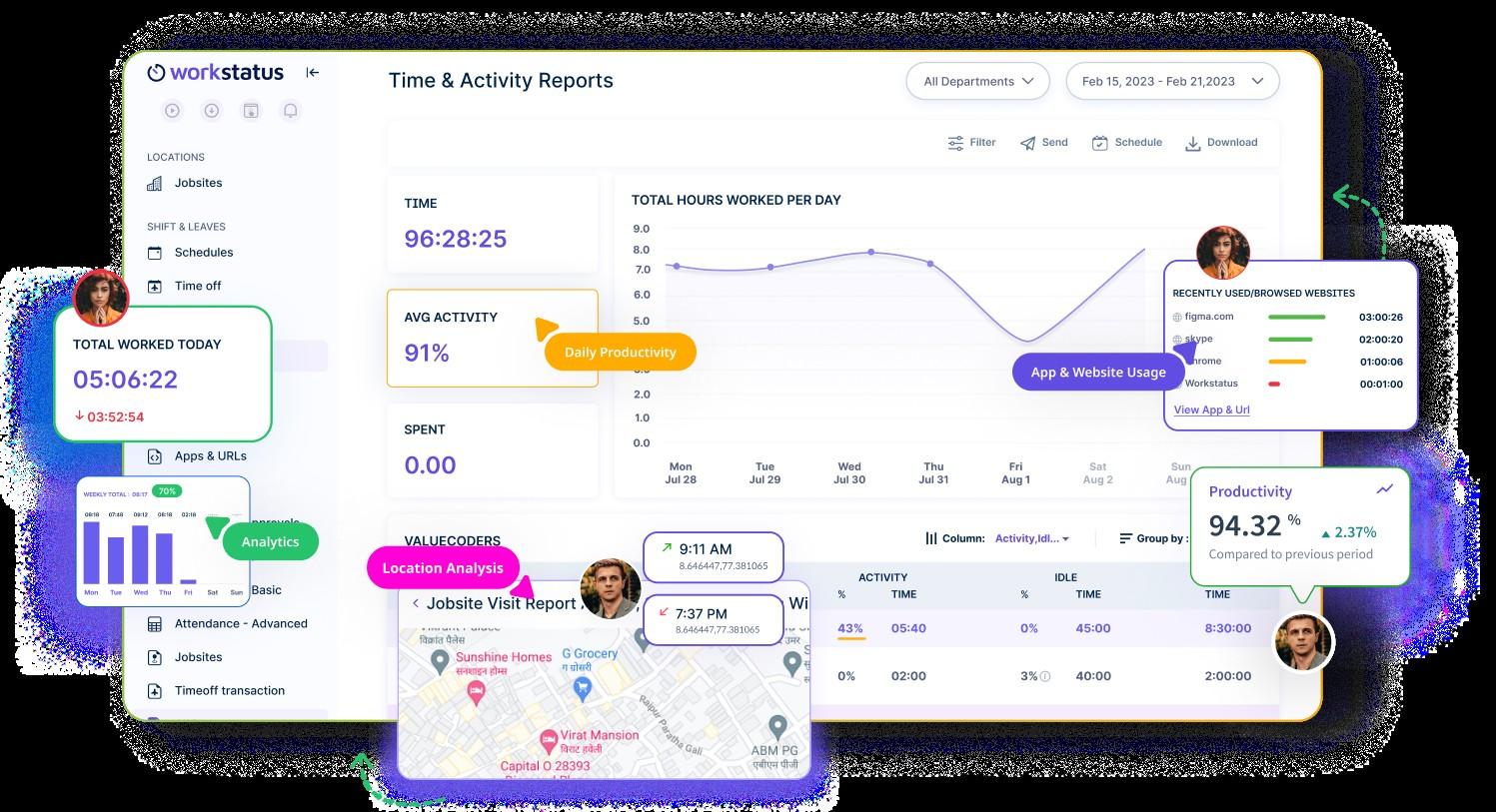
5. Analytics and Insights: Many platforms offer reporting and analytics capabilities that provide valuable insights into labor costs, productivity trends, and scheduling efficiency. This data-driven approach enables informed decision-making and optimization of workforce management strategies.
Choosing the Right Software
When selecting employee scheduling software, businesses should consider factors such as scalability, integration capabilities with existing systems (e.g., payroll, HRIS), user-friendliness, customer support, and pricing. Cloud-based solutions are increasingly popular for their accessibility and scalability, allowing businesses to manage schedules from anywhere with an internet connection.
Conclusion
Employee scheduling software has become an indispensable tool for businesses looking to streamline operations, enhance productivity, and improve employee satisfaction. By automating tedious tasks, ensuring compliance, and facilitating seamless communication, these platforms empower managers to focus more on strategic initiatives and less on administrative burdens. Investing in the right employee scheduling software not only boosts operational efficiency but also contributes to overall organizational success in today's competitive landscape.
For more information on how employee scheduling software can benefit your business, visit Workstatus.