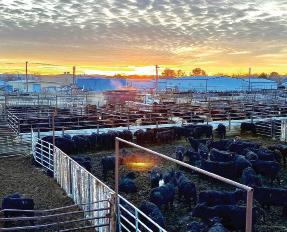
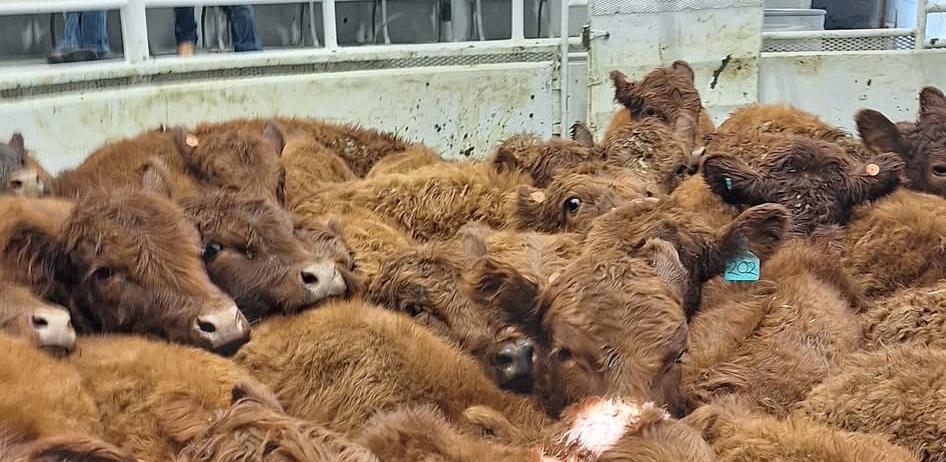
Feeder Sale, Friday December 5th 2877 head from 110 consignors
Nice to see the market rebound, Tyson plant closure, “lowering the price of beef” talk out of Washington DC and in the media took its toll on the market but we knew all along the fundamentals had not changed. The positive fundamentals finally “Trumped” the bad news and this market came roaring back especially on the grass cattle. California is off to a great grass season and the temperature swings have finally stabilized. A lot of 60 day weaned calves yesterday and that really is helping prices.
We had some dandy strings of calves yesterday and they sold extremely well.
Next Feeder Sale December 19th and it should be another big sale. We already have several nice consignments. Thank you everyone for your support. And thank you to our hard working crew that continues to pull through for us every time. We had a Bred Cow sale Wednesday night and that put us way behind for the Friday sale but somehow our crew pulled it off again.
Hope to see you at a sale soon and if you can’t make it in, please remember that you can view and bid at DVAUCTION.COM
November 21st Sale
6098 head, sold in 13 hours. We had expected to carry into Saturday but our awesome crew hammered them all thru in 1 day. Starting at 7 am was a good deal, but we were only able to do that because you, our consignors got your cattle in early so we could be sorted, wrote up, and ready to roll early on Friday morning. Thank you for not dumping cattle on us on sale day. Those who did, had called in a made prior arrangements so we were prepared for their cattle.
Market was pretty strong yesterday considering the roller coaster futures market over the last month. Several buyers in the seats with a front pocket full of orders. Internet got several loads yesterday but was not as active as in the past. Really good start to the California grass season and it showed in the market.
I was extremely impressed with the quality of cattle yesterday, big strings of front end cattle all day long. Thank you to our consignors for the quality and quantity of cattle you are producing. Also a huge thank you to our crew for working so hard to make a sale like this a success, especially in the pouring rain.
Bred cow sale Wednesday December 3rd at 6 pm, another feeder sale Friday, December 5th. Then a second feeder sale in December on the 19th. Both the 5th and the 19th have some really nice sets of cattle consigned.
Happy Thanksgiving everyone, we have so much to be thankful for in America. Dispite the recent drop in the market, cattle are still selling considerably higher than ever before. We need to help explain to the consumers, and mostly the Trump administration that beef is not too high. Beef is the new health food, and what is the consumers health and energy worth? Beef producers have always known the health benefits of beef, but now the medical field is also recognizing the healing power of beef. While the Trump administration tries to reduce beef prices like they did eggs, the consumers are buying more beef which is going to allow the Packers to hold prices at current levels or even raise them more. Now that the packers smell blood in the water they are shutting down a huge processing plant in Nebraska. Same ol Holcomb fire, Covid, packer play book. I will continue to fight for positive changes in the western ranching communities like public land grazing increases. The cattle free by 93 crowd has made way to much headway and I’m excited and proud to be on the team that takes it back and revives the economies of rural America. See you at the next sale!
Subscribe today for Just $16 per year! (775) 623-5011
Read back issues digitally: issuu.com/winnemucca publishing7
The Nevada Rancher (ISSN 0047-9489) (USPS #003-257)
Published monthly at Winnemucca Publishing, 1022 S. Grass Valley Road, Winnemucca, NV 89445
Call us toll free at (866) 644-5011
Periodical Postage Paid at Winnemucca, 89445
President: Peter Bernhard
Publisher & Editor:
Ashley Buckingham
Contributors
Martin Paris, Randi Johnson & Heather Smith Thomas
Sales Representative:
Ashley Buckingham
Office Manager: Tracy Wadley
Graphic Design:
Ashley Buckingham
Joe Plummer
Emily Swindle
Jen Anderson
The Nevada Rancher does not assume responsibility for statements by advertisers nor products advertised within, and The Nevada Rancher does not assume responsibility for opinions expressed in articles submitted for publication. The publisher reserves the right to accept or reject advertising or editorial material submitted for publication. Contents in The Nevada Rancher may not be reproduced, in whole or in part, including, but not limited to original contents and original composition of all ads (layout and artwork) without prior written permission. Subscription rate: $16.00 per year. All content copyrighted, December 2025.
POSTMASTER: Send address changes to:
The Nevada Rancher, Winnemucca Publishing, 1022 S. Grass Valley Road, Winnemucca, NV 89445
As the year draws to a close and winter settles over our wide Nevada landscapes, I want to offer a simple December wish to all our readers. This season has a way of slowing us down— just enough to notice the quiet beauty in a frosted fence line, a barn light glowing before dawn, or the familiar crunch of snow under well-worn boots. In that stillness, I hope you find a moment to breathe, to reflect, and to appreciate the good that carried you through the past year.
My wish for you is that December brings warmth in all its forms: the warmth of family gathered around a table, of friendships renewed, of memories that return like old companions. I hope you’re reminded that even in the busiest seasons of ranch life, there is room for gratitude and room for joy.
May you look back with pride at what you’ve weathered, and look forward with confidence to what lies ahead. May the traditions you hold dear shine a little brighter this month, and may the stories you share spark laughter, connection, and hope.
From our publication family to yours, thank you for being part of this community—one rooted in hard work, resilience, and the deep love of the land. Wishing you a peaceful December, a blessed holiday season, and a new year rich with promise.
I hope you enjoy this edition!
- Ashley
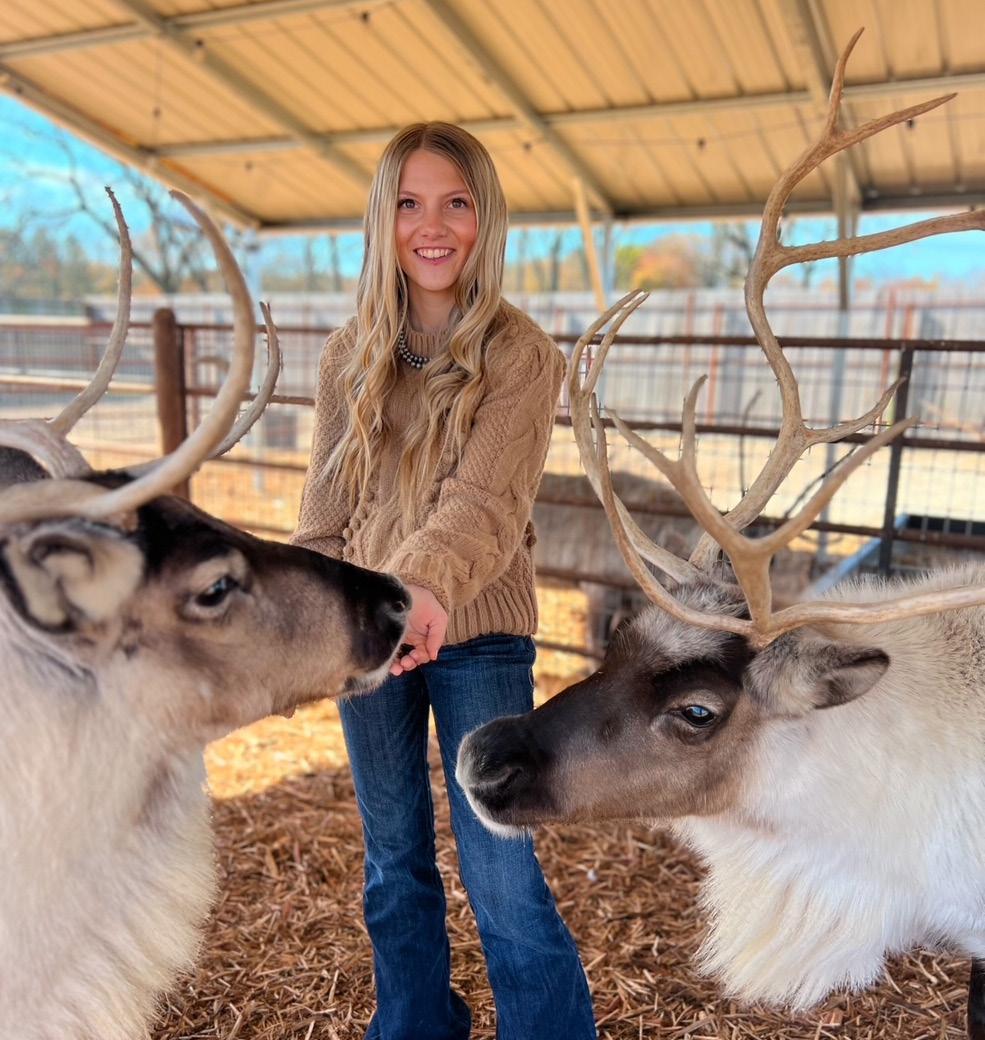
• Pg 6- Reindeer and Cattle
• NV Cattlemens Update
• Pg 12- Sonoma Ranch, Winnemucca
• Pg 16- Partyline Cookbook Recipes
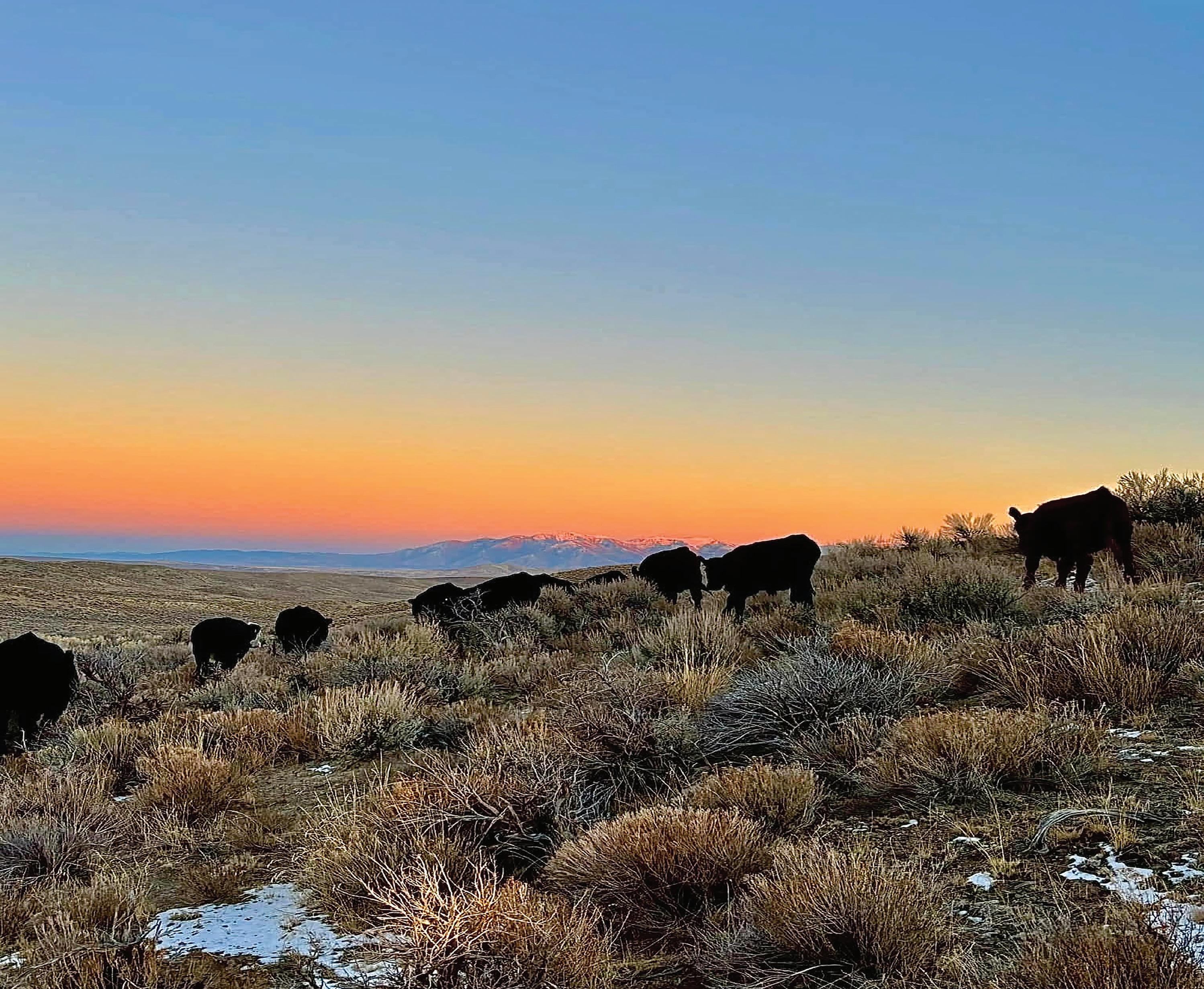
Photo by Sage Knight
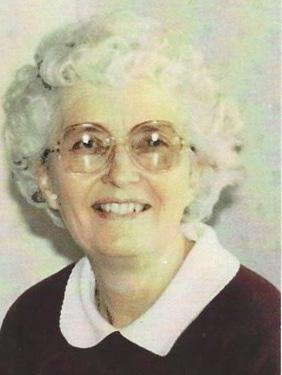
Shirlee Jean Reed Buzzetti
October 20, 1944 — November 3, 2025
Shirlee Jean Reed Buzzetti passed away on November 3, 2025 after sudden complications with her heart at Northeastern Nevada Regional Hospital. She was born on October 20, 1944 to Velma Reed and John J. Reed in Elko, Nevada. She joined brother, Robert, and made their family complete.
She grew up on her family’s ranch at Willow Creek in Jiggs, Nevada. There she developed a love for ranching and raising cattle. She learned to be a quality cattlewoman and rancher from her dad and his siblings. She loved cowboying with her family; seeing the world between the ears of her favorite horse with her favorite dog in tow.
She graduated from Elko High School in 1962 and then attended UNR. She graduated with a degree in Elementary Education in
1966. She developed lifelong friendships, while at college, that she cherished through the years. On September 4, 1965 she married her brother Bob’s buddy, Eugene Buzzetti of Lamoille; a union that would last more than 60 years. She taught 3rd and 4th grades at Grammar #2 and Northside Elementary until they decided they would start a family.
While they waited for the kids to come, she spent many happy days cowboying with her dad, John J., on the ranch at Willow Creek. In 1967, they bought Leo’s Radiator Shop and would have the business until 2006.
They welcomed son, Tony, to the family in 1971 and brother, Mitch, followed in 1973. In 1975, they moved to Lamoille to build their home and raise their kids on the Buzzetti Ranch. In 1978, their daughter, Kathi, joined the clan.
All of her life she spent her springs
Lorraine Adele Sestanovich
January 25 1931— December 2, 2025
Lorraine Adele Sestanovich, 94, of Battle Mountain, NV, passed away on December 2, 2025. She was born in Fallon, NV, on January 25, 1931, to George and Bessie Bray.
Lorraine grew up on ranches across Nevada before settling with her family at the Sherman Ranch south of Jiggs. She attended a one-room schoolhouse in Sherman and attended Elko High School. In 1948, she married Tony Sestanovich, and together they built a life of hard work and devotion, raising four children and establishing their home in Pine Valley.
Lorraine was deeply committed to her family, faith, and
helping with her bovines’ maternity ward, summers in her tractor mowing hay and falls working and gathering cows. She had many happy memories growing up in Jiggs, with her dear friend Rita Mitchell Holdren. She showed the Grand Champion Lamb at the 1960 Elko County Fair and was crowned Silver State Stampede Rodeo Queen in 1963. She had great fun with her friend, Mary Branscomb, teaching horsemanship to the members of the Lamoille 4-H Club and helping with the Ruby Mtn riding for the handicapped.
Her greatest joy was in having her family so close and sharing her love for her horses, cows and dogs with them on the ranch. Days spent branding calves, working cows, hunting or snowmobiling with all of her family were the best days. She was a common sight in the bleachers or on the sidelines watching her grandkids play the sports they loved. She was full of pride for, loyal to and protective of her family. Her home was always cheerfully decorated in seasonal décor and a welcoming place for her family and friends.
She is survived by her husband, Gene,
community. She endured the loss of her daughter Marilyn in 1993 and her husband Tony in 1999, but found strength in God and the support of loved ones. In 2003, she moved to Battle Mountain to live with her daughter Lynn and son-inlaw Pete Tomera, while her sons Leroy and Jerry continued ranching in Pine Valley and Diamond Valley. She was known for her kindness, thoughtfulness, and generosity, often sending cards of thanks or encouragement. Lorraine enjoyed reading, sewing, gardening, walking, and corresponding with countless pen pals. She was a beloved mother, grandmother, and friend, remembered for saying, "I have the best family in the world."
Lorraine is survived by her daughter Lynn Tomera (Pete),
and Wyatt, Will and Waylon Wines. She is also survived by her niece, nephews and numerous cousins & close family friends that she loved very much. She is preceded in death by her parents, John & Velma, and brother, Robert.
In lieu of flowers, the family asks that donations be made in Shirlee’s name to a memorial scholarship for young livestock producers at the Elko Co Fair. Contributions can be sent to Elko County Fair Board, PO Box 2067, Elko, Nevada 89803.
sons Leroy Sestanovich (Sandy) and Jerry Sestanovich (Cheri); twelve grandchildren, twenty great-grandchildren, and eleven great-great-grandchildren. She was preceded in death by her parents, husband, daughter, sisters, and many other loved ones.
In lieu of flowers, donations may be made in Lorraine's name to the charity of your choice.
sons Tony (Tammy), Mitch (Rachel), daughter Kathi (Andy)Wines; and 9 grandchildren; Anthony, Hunter, Ruby, Ella, Jade and Lane Buzzetti;
"After we moved to southern Missouri we continued to raise cattle and started to raise reindeer. When we were still in Illinois we worked closely with our local and state cattlemen’s group as well as the NCBA and provided a lot of educational opportunities on our farm. When we came to Missouri, we wanted to continue doing that, helping people know more about farm and ranch life.”
This is what prompted her family to bring reindeer into the mix. “We wanted to keep inviting people to our farm so they can see what it takes to raise farm animals. She had visited a reindeer farm in central Illinois and already started doing research on what it takes to raise these animals."
Several farms and ranches around the country have added a new twist for attracting visitors and having a second income—reindeer. Here are a couple of examples that make these unique animals a major attractions for kids and families, especially around Christmastime.
REINDEER IN COLORADO - Brett Krager grew up on a ranch near the little town of New Raymer, Colorado. He started with reindeer 12 years ago as a high school project in FFA. “My dad is a cattle rancher; the main industry out here is ranching and farming and I wanted to try something different. I love
animals and wanted to stay tied to agriculture but not as a rancher or a farmer,” Brett says.
He started researching, came across reindeer and became fascinated with them. “I got my first one from a zoo in Minnesota. Through various connections I managed to get him into Colorado. My reindeer herd, with that small start, slowly continued to grow.”
Taking care of that first one was a challenge; it was learn as you go, with a lot to learn. “At that time I didn’t have many resources but I was able to make some great connections with knowledgeable people, and eventually became the treasurer for a national organization, the Reindeer Farmers Association.”
This group is dedicated to the continued education and preservation of reindeer husbandry.
Members are committed to supporting fellow reindeer farmers through mentoring and collaboration.
“There are still very few resources available for reindeer breeders, but they are growing all the time. It’s more common to see these unique animals. When I started in 2013 I only knew of three other people in Colorado with reindeer,” Brett says.
These animals are very popular at Christmas. In the fall and winter, Brett’s life gets busy with his reindeer in parades and taking
them to schools and businesses. “From the day after Thanksgiving until Christmas, my reindeer are on the road. They are my pets and my babies for 10 months; the other two months they are in the public spotlight. They visit kids and do all kinds of cool things and attend many corporate events. For instance we’ve gone to Scheels—the big sporting goods store here in Colorado. They have a customer appreciation day and we set up on their front steps and see thousands of kids in a day,” he says.
“A local bank puts on an amazing event for customer appreciation and invites the community—and gives all the kids goody bags and hot chocolate—and kids love to see the reindeer.” These animals are very tame and don’t mind the attention.
“They are like big puppy dogs and very docile. Some people ask if I raise them to sell, but so far I’m just trying to keep my herd numbers up, to continue taking them all over to share with kids and their families,” Brett says.
His area doesn’t get enough snow to be able to train them to pull a sleigh but he did have one that pulled a sled a few times. “They do pretty well here in spite of it being a lot warmer than where they originally came from. In summer they hang out in their barn in front of big fans, and like to stand in water; we have some pools we jokingly call their swimming pools.” These animals had to adapt, coming from a cooler climate, and it’s important to make sure they don’t get too hot.
“I have to monitor and keep an eye on them, and feed them a special diet. They get alfalfa hay and a special pellet made for reindeer, with all the nutrients and minerals they need, to provide a balanced diet. I order these pellets three tons at a time, and they love their reindeer feed.”
He buys alfalfa bales locally. “There are many good hay producers in our area with good alfalfa crops,” Brett says. Reindeer need high-quality, very leafy alfalfa—just like the deer and elk prefer when they come
By Heather Smith Thomas
into farmer’s fields and haystacks!
His reindeer all have names, like Reggie (the first one), Riley, Charlotte, Denise, Alice, Ellie, Forrest, Simon, Laura and Norm. We’ve never given traditional names like Dasher and Dancer because those guys are always busy at the North Pole this time of year. I tell the kids that my reindeer are just their helpers and back-up crew in case those guys get sick; then mine would get to help out!” he says.
Kids always enjoy Santa’s reindeer stories. “We focus on educational aspects but also have fun and mix a little magic in there, too. I’ve also gotten to work with some exceptional Santa Clauses through various organizations. Many companies do their own Santa Claus and I just supply the reindeer!”
His reindeer are kept in a large dry-lot rather than pasture. “That way we can monitor everything that goes in and out, since reindeer can be susceptible to diseases. If they were out on big pastures they’d have higher risk. They have plenty of room for exercise but all of their feed can be monitored and they can’t eat anything questionable,” Brett says. Plants that grow here are quite different from what they would be eating in their native environment.
Originally, reindeer were native to Scandinavia, Eastern Europe, Greenland, Russia, Mongolia, northern China, Canada, Alaska, and parts of the northern U.S. Today, large populations of wild reindeer are still found in Norway, Finland, Siberia, Greenland, Alaska and Canada. There are several species and they vary in size and color. Reindeer and caribou are the only members of the deer family in which both male and female have antlers.
“The antlers are shed every year. The males typically lose theirs in late fall and early winter. The females hang onto theirs until spring when they are having babies, to protect them against predators. These are herd animals and one is always dominant and in charge. During the fall and breeding season, the males are in charge, and as soon as they lose their antlers, the females become more dominant and will fight for feed for the babies they are growing,” Brett explains.
His reindeer are fairly small, about the size of whitetail deer. Reindeer and caribou are the only members of the deer family easily domesticated, and in some regions have been domesticated for thousands of years. “They were first domesticated in Finland, used for transportation to pull sleighs—very multipurpose animals. The ones we have here are just spoiled pets! Mine are European reindeer, which are smaller than the Canadian ones, but mine were all born in the U.S.”
Reindeer generally just have single calves; twins are rare. “I only know of two or three cases of twins that arrived successfully, across the nation. Typically, if there are twins, there are many health issues,” Brett says.
He enjoys his little herd and would love to have a petting zoo so people can visit them year round and not just see them at Christmas. “It’s amazing how different they look at different times of year. In summer they are a deep, dark brown, with soft velvety antlers. By winter they have a big heavy white winter coat and their antlers are shined off. I’d love to help educate more people about reindeer--with the opportunity to see what they are,” he says.
REINDEER IN MISSOURI - The Prescott family has been raising livestock for several generations. Sara and Michael Prescott were originally farming in Illinois where Michael was third generation on a family farm. Seven years ago their cattle operation had grown so much they began a search for larger place, and ended up in Missouri.
“We’ve always been a cow-calf operation but we
now do a lot of embryo work for people all over the U.S.” Sara says.
“After we moved to southern Missouri we continued to raise cattle and started to raise reindeer. When we were still in Illinois we worked closely with our local and state cattlemen’s group as well as the NCBA and provided a lot of educational opportunities on our farm. When we came to Missouri, we wanted to continue doing that, helping people know more about farm and ranch life.”
This is what prompted her family to bring reindeer into the mix. “We wanted to keep inviting people to our farm so they can see what it takes to raise farm animals. She had visited a reindeer farm in central Illinois and already started doing research on what it takes to raise these animals.
“In Missouri we had an area on the farm that looked like it would be a perfect place to bring people and give them an opportunity to explore the farm. I didn’t want to impose on other businesses here in Missouri and compete with their pumpkin patches, etc. and wanted something completely different and unique for Christmas,” she says.
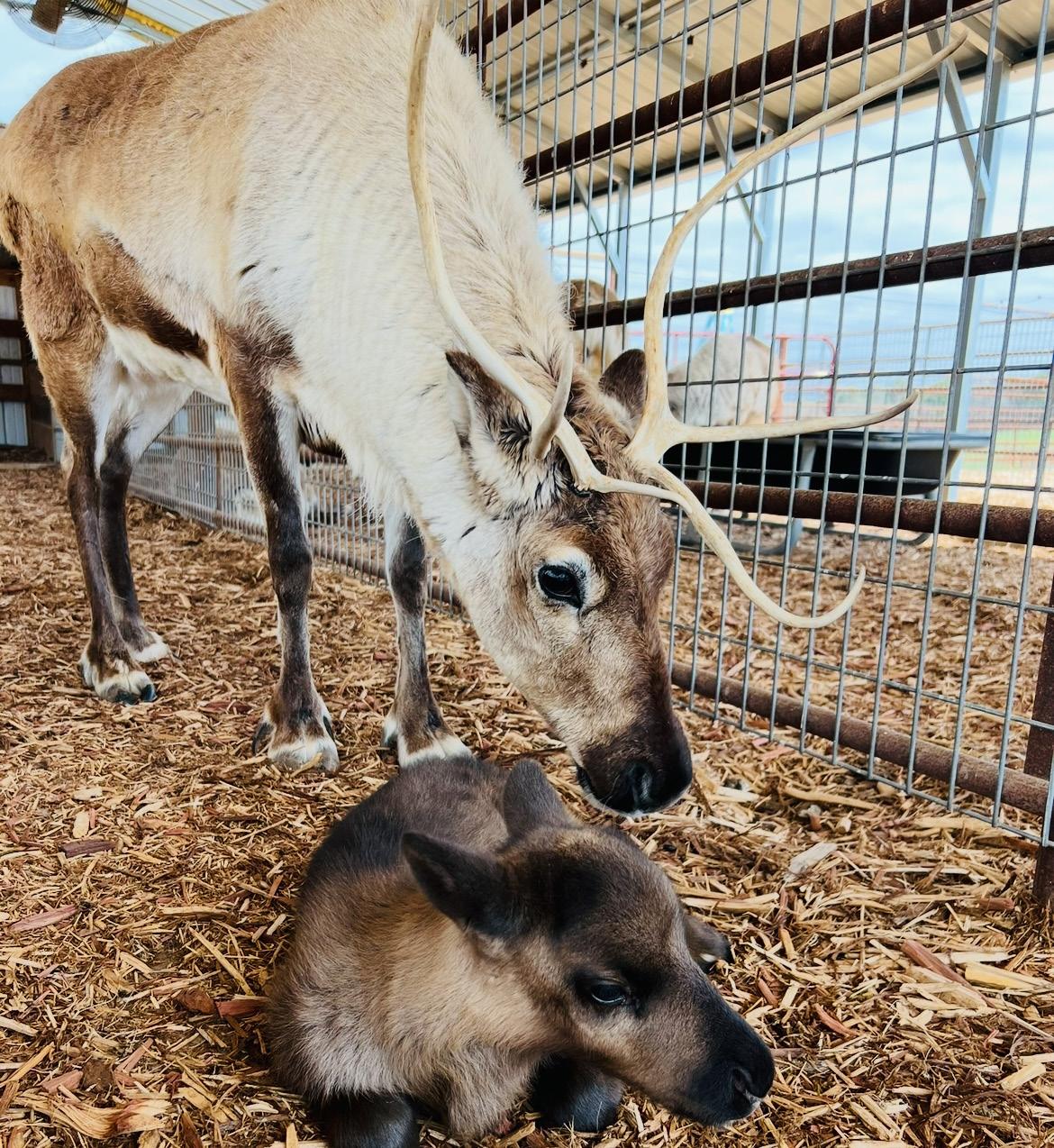
“We started with two reindeer and have grown the herd to 10. We had three babies born two years ago, and another three born this past spring. They start out as tiny babies—only 10 to 15 pounds at birth,” Sara says.
Reindeer, like other deer, are browsers rather than grazers, don’t need grass to thrive. “In the wild they’d be eating willows, shrubs, bark, etc. My husband is an animal nutritionist and developed a special pellet diet for them, to make sure they get all the nutrients they need. Otherwise they pick through the feed, sorting out what they don’t want,” Sara says. They are also fed alfalfa hay; the reindeer like the leaves.
The farm has 8-foot-tall fences around the
property. “This was required by the state. Reindeer are not super jumpers; we tell our guests that they only fly one night of the year! The reason for the tall fencing is to keep out whitetail deer. We have double fencing, and this keeps deer from trying to jump over.” Double fencing is also good for biosecurity so wildlife can’t bring disease to the farm animals.
“We employ 20 to 25 people for our tourist season, and make sure our employees know how all our animals are raised; we want them to be able to answer questions from our guests. Our employees are an important part of the team, and enjoy working here.”
The reindeer are handled from the time they are babies, and are gentle and halter-broke. “Our guests can have up-close experience with the reindeer and feed them raisins--one of their favorite treats!” It would be fun to hitch them to a sleigh, but in Missouri most of the snow comes in February so there is rarely any snow at Christmastime.
“People love to see their antlers. The males grow longer, wider antlers each year until they are about 5 to 6 years old; that’s when their antlers are the longest and widest. They have longer antlers at Christmas than the females because they’ve had a four month head start on growing them.”
In addition to the animals there are many things to do while visiting the farm. “Guests can visit with Santa and Mrs. Claus, take holiday photos, play holiday games, write letters to Santa, drink hot cocoa by our fire pit and shop at our holiday gift shop.”
She and Michael have three children and they enjoy helping on the farm and taking care of the animals. “Madison is 17, Emma is 14 and Carter is 10. In the summer they show our livestock; we show cattle and hogs. In the winter they spend most of their time with the reindeer and visiting with guests.”
By Martin Paris Executive Director, Nevada Cattlemen’s Association
NCA Honors Awardees During 90th Annual Convention
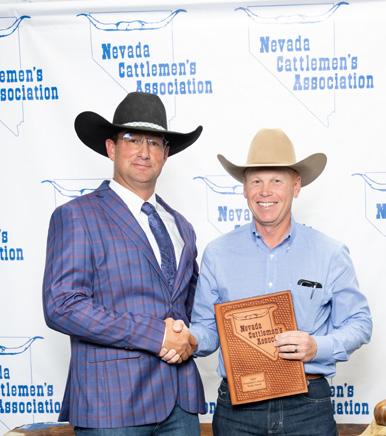
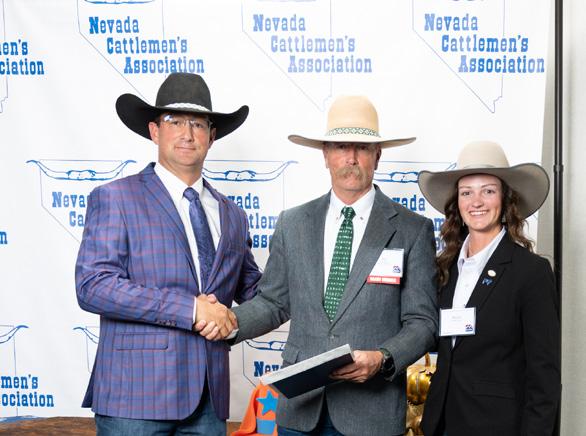
During the Nevada Cattlemen’s Association (NCA) Annual Convention held in Elko, Nevada, President Hanes Holman announced this year’s recipients of the 2025 President’s Award, 100,000 Mile Club Award, Allied Industry Award, Teacher of the Year Award, and Cattleman of the Year. These awards are given annually to individuals in recognition of significant contributions to NCA, their communities, the land, and the beef industry.
NCA would like to congratulate the 2025 Teacher of the Year, Zach Hunter. Teacher of the Year candidates must utilize agricultural information and/or materials within their classroom curriculum in an effort to help students learn the importance of agriculture. NCA salutes Mr. Hunter for introducing hydroponics to students at the Jackpot Combined School in Jackpot, NV. NCA would also like to
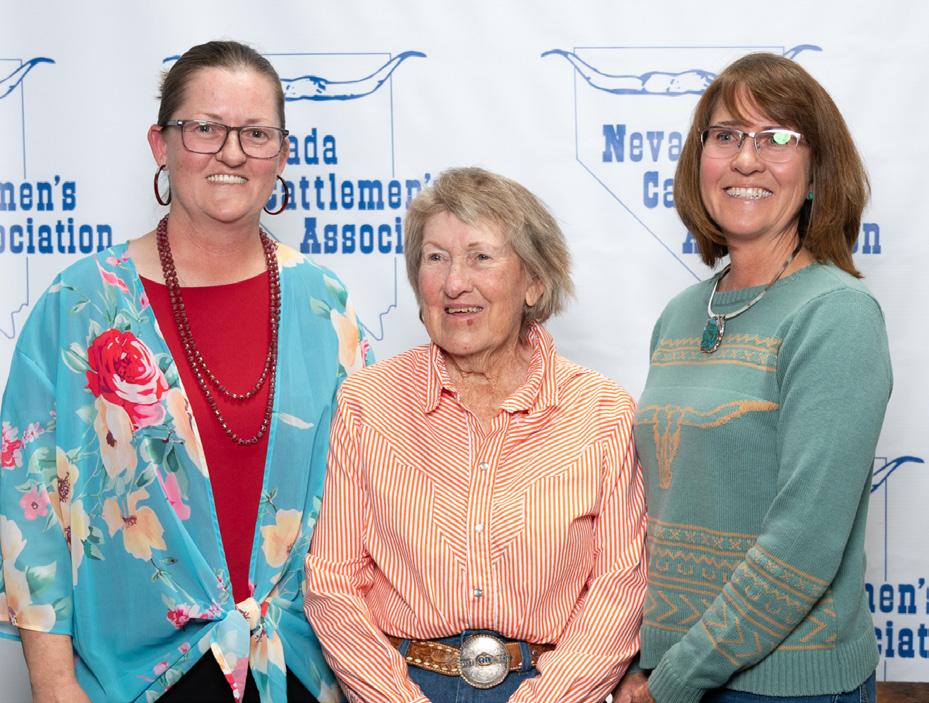
given to dozens of cowboys and cowgirls who have traveled 100,000 miles horseback over their lifetimes. This year, NCA congratulates two recipients on receiving the award. Both Jeanne King and Harvey Barnes have spent much of their lives on the back of a horse, and NCA congratulates them on 100,000 miles well spent!
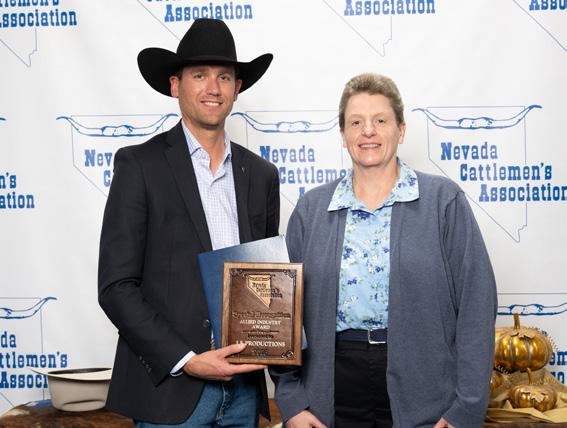
The 2025 NCA Allied Industry Award was presented to JE Productions, owned and operated by Julie Eardley. Julie has spent nearly two decades providing her graphic artistry services to NCA and is an integral part of NCA’s Sage Signals publication, Associate Member Directory, convention programs, the former Fallon Bull Sale catalog, NCA’s website, and anything else that needs a professional touch. We greatly appreciate Julie’s services over the years and look forward to many more.
At Left: NCA President's Award
Recipient: Wade Small
Left to Right: Hanes Holman, Wade Small
At Right:
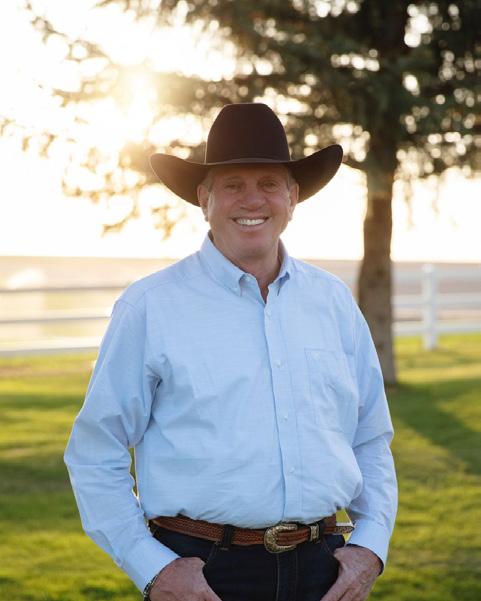
Cattleman of the Year Award
Recipient: Jon Griggs
Left to Right: Hanes Holman, Jon Griggs, Mackie Griggs
At Bottom:
Allied Industry Award
Recipient: JE Productions
Left to Right: Martin Paris, Julie Eardley
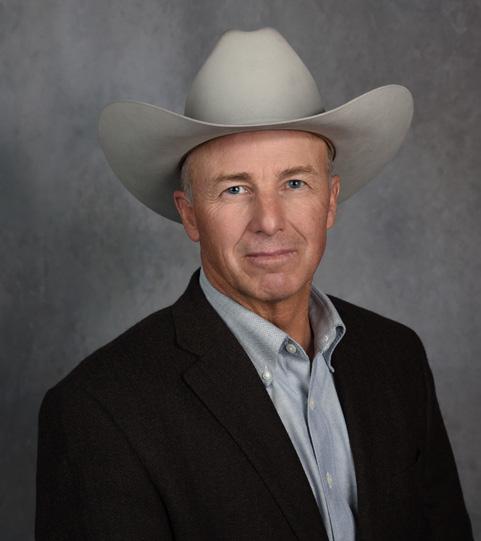
My Fellow Cattlemen, First and foremost, I want to thank you for putting your trust in me as Nevada Cattlemen’s Association President. I am honored and excited for this opportunity to serve our organization.
To those who don’t know me, let me introduce myself. With the help of my two sons and my nephew, my brothers and I own and operate a multigenerational farm/ranch near Baker, which is about 65 miles southeast of Ely. My daughter and her family also live in the valley, and she handles some billing for the ranch and is secretary of the N4 State Grazing Board.
Our ranch comprises properties and BLM rangeland in both Utah and Nevada. We have a cow calf operation and a warm-up feedlot, and sell horse and dairy hay as well. Our success has not come without challenges, though. In the early 2000s, it took one
third of our calf crop just to pay interest on loans. Had we faced the financial conditions of the 80s, we would have gone broke. With no small amount of luck in our timing, we were able to purchase ranches in the valley as they came up for sale, doubling the size of the ranch since 1996.
In contrast to Northern Nevada, our cows (with the exception of a small mountain herd) are on private, irrigated pasture in the summer and BLM allotments in the winter. Utilizing private pastures in the summer has the advantage of giving us relatively easy access to our herds and allows us to precondition the calves in July and wean in August or early September. When combined with the feedlot, this means that we can grow the calves faster and give the cows the opportunity to put on extra pounds to help to support them through the winter. This enables us to avoid the October temperature swings that are so stressful on freshly weaned calves. Again, the mountain herd is an exception; they come home and are weaned on the first of October. We use semis to haul water to the cows on most of our allotments, and we keep enough hay to feed the cows in the event that we get
enough snow to cover the winter forage. That has only been the case twice in the last 30 years, although we often have to move cows to other parts of the range with less snow. This results in a lot of winter riding. We sell the steers at 850-900 pounds starting in January, and the heifers are usually sold at around 800 pounds.
We are experiencing severe drought conditions on our winter range and plan to feed most of our cows throughout the winter and sell some of the pregnant broken mouth cows. As my grandfather often said, “This is a county of extremes.” Our high desert winter ranges will need at least a couple of good moisture years to recover. It seems that very little is static in the ranching business.
The NCA has effectively influenced state and federal policies and legislation to assist the ranching industry, thanks to the work of past leaders and active members. During my term as President, my focus will be to build on progress made on trespass and wildlife issues and public range land policies. Your shared knowledge and involvement will help us accomplish these goals and effectively approach any other concerns that may arise.
-Dave Baker, NCA President
Deadline: November 13 | Broadcast live from Silver Legacy | Reno, NV Tuesday, December 2
Deadline: December 26 | Broadcast live from North Platte Stockyards | North Platte, NE Monday, January 6
100,000 Mile Club Award
Top Photo: Recipient: Harvey Barnes
Left to Right: Kelly Barnes, Matt Barnes, Rick Barnes, Tom Barnes, Harvey Barnes, Susie Barnes, Hanes Holman, Anthony Barnes.
Bottom Photo: Recipient: Jeanne King
Left to Right: Samme Engelson, Jeanne King, Suzann Lemaire
By Katie Nuffer,
When the dust settled in Winnemucca, the 2025 Western States Ranch Rodeo Association (WSRRA) National Finals once again proved why this event remains the heartbeat of the working cowboy tradition. From October 30 through November 1, the Winnemucca Events Complex came alive with more than 270 cowboys and cowgirls representing sixteen states and Canada—all gathering to compete, connect, and celebrate the true spirit of the West.
A Weekend of True Western Spirit
The WSRRA team worked tirelessly to produce an outstanding Finals that celebrated the essence of ranching—teamwork, authenticity, and West-
2025 WSRRA Champions
Open Ranch Rodeo Team Champions –
1st Place: JC Livestock (Sponsored by 8 Seconds Whisky)
Members: Jared Parke, Dirk Jim, Trey McFarlane, and Sam Saunders
2nd Place: The Brunson Bunch
Members: Casey Brunson, Jaylen Eldridge, Ike Folsom, and Ben Folsom
3rd Place: Newman Livestock
Members: Britt Newman, Rhett Jacobs, Chaz Kananen, and Payson Munns
4th Place: Torvik Ranch
Members: Tyson Torvik, Clay Norcutt, Jake Ward, and Zalin Arritola
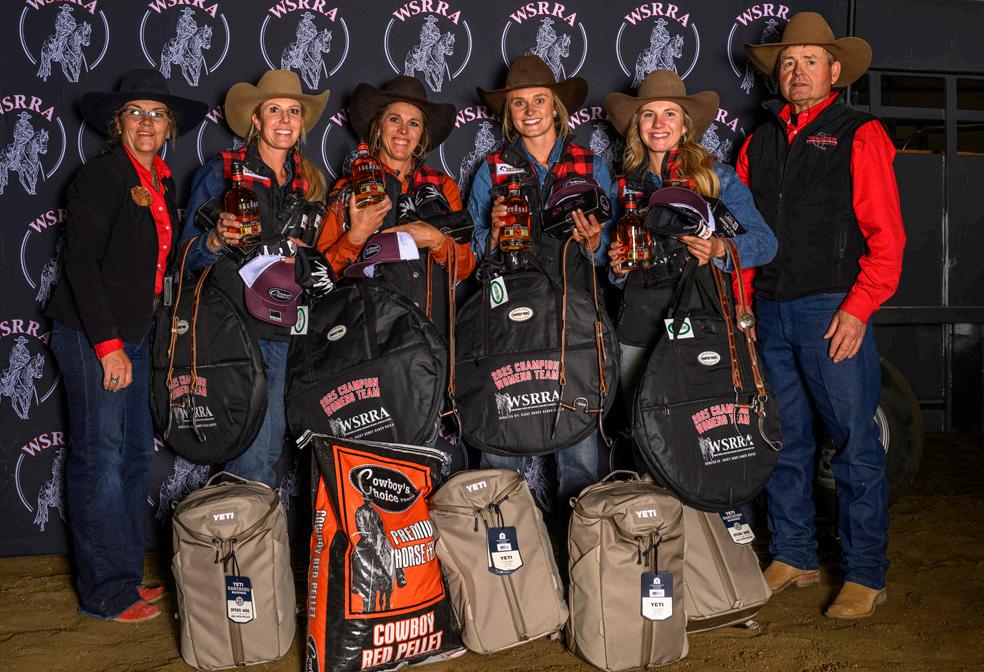
Women’s Ranch Rodeo Team Champions –
1st Place: Performix Nutrition
Members: Monel Bilant, Brynn Lehman, Candida Parke, and Katie McFarlane
2nd Place: Rockin Chili Pepper
Members: Tess Johnson, Mattie Ward, Payton Feyder, and Sloan McFarlane
3rd Place: Anipro
Members: Payton Feyder, Sandy Kiel, Natalie Maher, and Abby Jackson
4th Place: Chula Vista
Members: Desi Dotson, Kayla Tiegs, Josie
Community, Charity, and Heart
Beyond the arena, the WSRRA Foundation’s Strong Will Fund hosted both silent and live auctions to support injured ranch rodeo competitors across the West. Vendors, families, and fans filled the concourse to shop, visit, and share in the camaraderie that makes the WSRRA Finals more than just a
ern pride. Each day brought its own blend of grit, sportsmanship, and family connection. From morning slack to the Short Go, the arena buzzed with energy, laughter, and the unmistakable sound of rawhide and heart.
Thursday night kicked off the action with Open, Women’s, and Junior/Senior Teams taking on classic ranch events that mirrored everyday ranch work. Friday evening’s performance blended fierce competition with family fun, featuring kids’ dummy roping, trick-or-treating with vendors, and the introduction of this year’s honorees. The crowd stood in applause as the 2025 Producer of the Year
Pereira, and Dally Goemmer
WSRRA Jr/Sr Jackpot Team Champions –
1st Place: NK Ranch
Members: Brody Kelly, Nathan Kelly Jr., Alan Malotte, and Maliki Malotte
2nd Place: Mackenzie Outlaws
Members: Kelton, Carlee, and Josh Mackenzie, and Trey McFarlane
3rd Place: 76 Ranch Youth
Members: Dusty Weaver, Kody Weaver, Sara Weaver, and Tate Crab
4th Place: Mackenzie Wildcards
Members: Sam, Josh, Mesa, and Stetson Mackenzie
Old Timer Scramble Champions –
1st Place: Tri State Guys
Members: Ira Walker, Dirk Jim, Casey Brunson, and Marlow Eldridge
2nd Place: Faith Hill Construction
Members: Dustin Feyder, Justin Martin, Russell Funk, and Jeff Garijo
Ranch Bronc Riding and Women’s Steer
Stopping
Ranch Bronc Riding
Champion Ranch Bronc Rider: Wes Aragon
Reserve Champion Ranch Bronc Rider: Cinch Hebb
rodeo—it’s a celebration of the Western lifestyle and the people who live it.
Thank You to Our Sponsors
The WSRRA extends heartfelt appreciation to its major supporters: Winnemucca Convention & Visitors Authority, 8 Seconds Whisky, Yeti, Winners Inn & Casino, Winnemucca Inn, Humboldt Ford, Vetericyn, Big Bend Trailers, Boot Barn, and American Ag
was awarded the McDermitt 4th of July Rodeo, honoring more than a century of ranching tradition and community pride.
Friday night also featured the heartfelt recognition of this year’s Lifetime Achievement Award recipients—Glen Shelley, Chris Bengoa, and Ramon Vaca—each honored for a lifetime of dedication to preserving the Western way of life. On Championship Saturday, the arena paused to present the Nelo Mori Heritage of Ranching Award to Blake Nuffer of Montana Livestock, whose integrity, generosity, and leadership continue to exemplify the spirit of true ranching. (This crowd-favorite event took place
Rookie Ranch Bronc Rider of the Year: Carson Angell
Stock Contractor of the Finals: Burch Rodeo Ranch Bronc of the Finals: BC 807
Credit, along with the many local and national sponsors whose continued dedication keeps the Western lifestyle thriving year after year.
Until Next Year
As the last gate closed and the lights dimmed on Championship Saturday, the arena was filled with pride, respect, and gratitude. The 2025 Finals once again reminded everyone that while times may
Special to the Rancher
Photos By: Michael Magill Photography
Honoring Blake Nuffer as the Recipient of the Nelo Mori Ranching Heritage Award
Since its inception in 2017, the Nelo Mori Heritage of Ranching Award has celebrated those whose lifelong devotion to land, livestock, and community embodies the heart of the working West. Created in honor of the late Nelo Mori, a cowboy whose quiet leadership and love of ranching left an indelible mark, the award recognizes individuals who uphold those same values—preserving tradition, embracing innovation, and earning the respect and admiration of their peers through integrity and service.
This year, the Western States Ranch Rodeo Association proudly honors Blake Nuffer (February 14, 1958 – October 3, 2025) as the recipient of the Nelo Mori Heritage of Ranching Award—a man whose life’s work bridged generations, strengthened communities, and reflected the very spirit this award was created to preserve.
A Life Rooted in Ranching and Devotion to the West
Blake’s story began in Soda Springs, Idaho, where he was raised in a ranching family that valued hard work, honesty, and perseverance. The son of Jack and Gem Nuffer, Blake learned early the meaning of responsibility—values that guided him throughout his life.
After attending auctioneering school in Billings, Montana, Blake went on to serve with the U.S. Fish and Wildlife Service across Idaho, Oregon, and Montana, including the Bear Lake, Minidoka, and Malheur Refuges, and the National Bison Range. But his true calling remained with livestock and the people who made their living from the land.
In 1992, Blake became a partner at Worland Livestock Auction in Wyoming, later serving as a regional manager and representative for Superior Livestock Auction, where he built deep relationships with ranchers across the West. In 2009, Blake and his wife Sandy purchased Montana Livestock Auction (MLA) near Ramsay, Montana, alongside Ted Odle. Through tireless dedication, vision, and grit, Blake and Sandy became sole owners in 2020, proudly maintaining one of the most respected auction markets in the region.
At Montana Livestock, Blake was known for his fairness, loyalty, and his insistence that the auction barn be a partner to producers, not just a business. His leadership blended old-fashioned honesty with forward-thinking innovation—hallmarks of true ranching heritage. Beyond the sale ring, Blake was a steadfast supporter of youth in agriculture, contributing quietly to 4-H, FFA, and scholarship programs that continue to shape the future of ranching.
Blake passed away suddenly on October 3, 2025, doing what he loved—working cows. His loss left an ache in the hearts of many, but his example continues to inspire all who knew him.
Carrying the Tradition Forward
Like Nelo Mori before him, Blake Nuffer leaves a legacy that goes far beyond titles or accolades. He leaves behind a blueprint for what it means to live as a true steward of the land and community—a man who believed in his neighbors, raised others up, and left the industry better than he found it.
On behalf of the Western States Ranch Rodeo Association and the ranching community across the West, we proudly recognize Blake Nuffer as the 2025
Contributions may be sent by check to:
WSRRA Foundation
5530 W Rose Creek Rd
Winnemucca, NV 89445
(Please note “Scholarship Fund” or “Cowboy Crisis Fund” in the memo line.)
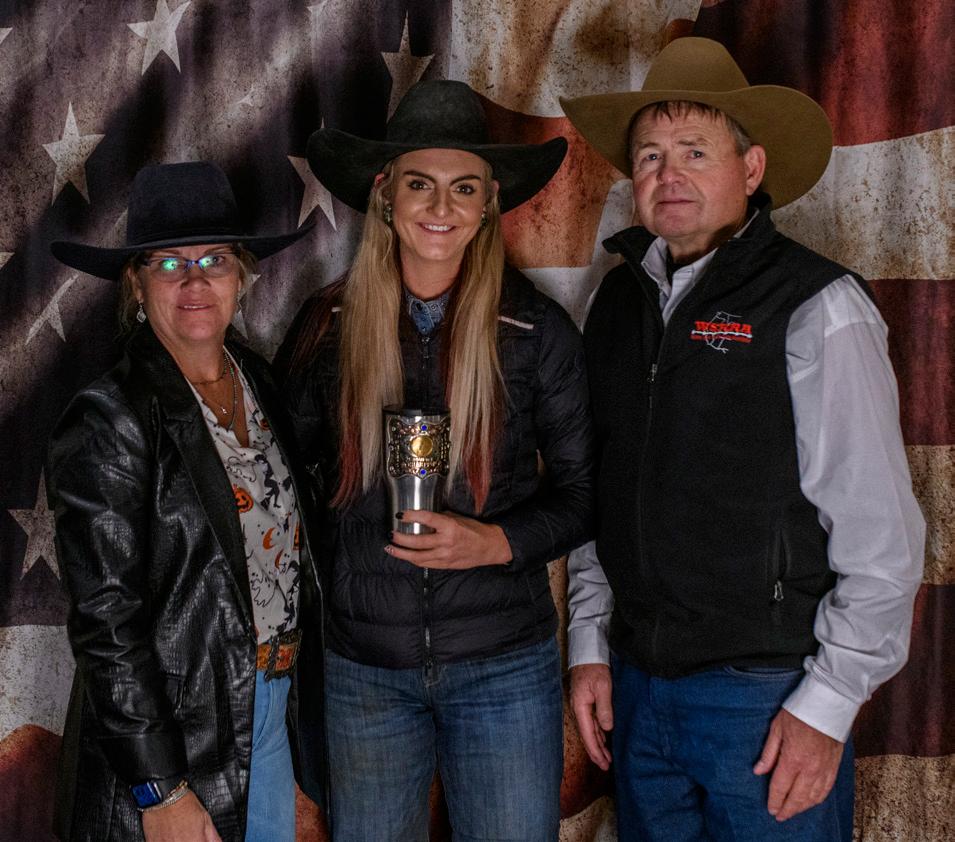
Above: Women's Steer Stopping Champion and top horse awarded to Payton Feyder
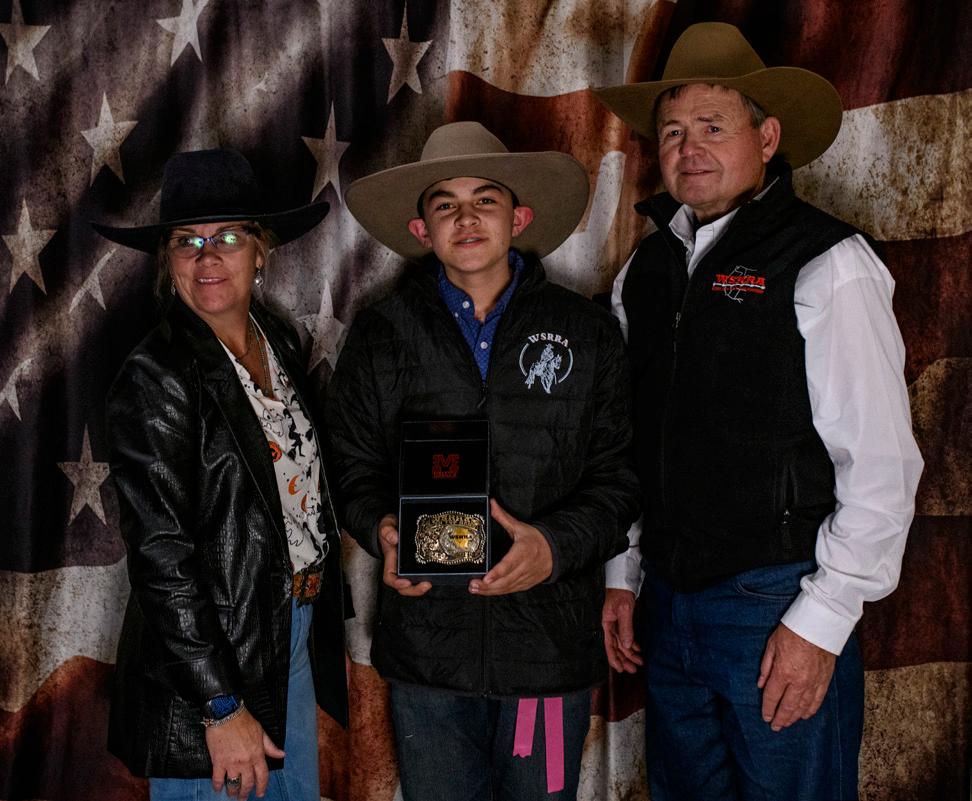
Above: Jr/Sr Top Hand: Brody Kelly
Above: Women's Ranch Rodeo Team Champions: Performix Nutrition Members: Monel Bilant, Brynn Lehman, Candida Parke, and Katie McFarlane
WSRRA Foundation Scholarship Fund and Cowboy Crisis Fund are welcomed at any time.
By Shelby Sauers
New owners envision a bright future for the Historic Sonoma Ranch
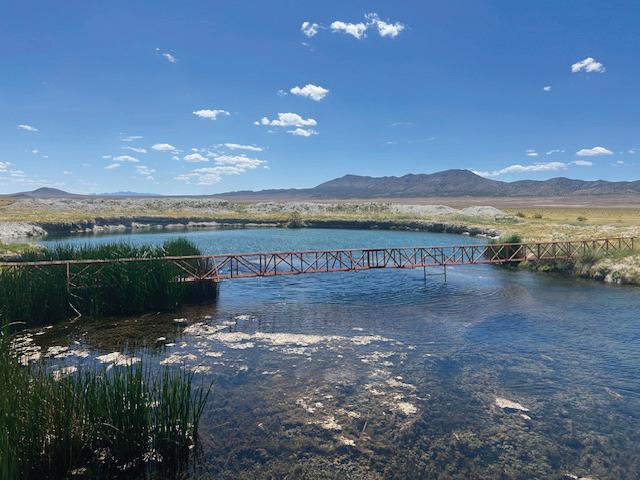
Sonoma Ranch is described in the 1869 deed as being three-quarters of a mile south of Sonoma Canyon. 1869 is the year it was purchased by John Guthrie of Unionville, Nev., from the original owner, F.A Shaw, for the price of $500. Guthrie was an enterprising man making his mark in several early industries much of which was made possible by his transportation business using draft horses to haul anything from salt to lumber to grain and even people in luxury stage coaches.
In 1870 a notice was posted in the Humboldt Register declaring that Guthrie had established a stage line between Unionville, Dun Glen and Mill City and connection with the Union Pacific Railroad for transport to California.
Guthrie was one of the first in the state to import Percheron draft horses. According to information researched and gathered by the Humboldt County Museum in conjunction with the Humboldt County Library Newspaper indexing Project, Guthrie’s first enterprise was selling salt to the Comstock mines from his salt works on the Humboldt sink. From there Guthrie purchased Sonoma Ranch, built a fishing pond, imported over
1000 trees for a fruit orchard, and achieved his goal of making the desert bloom. In 1872 the local newspaper, Silver State, described Guthrie as “the agricultural and stock raising tycoon on Grass Valley.” In 1875 Guthrie imported the first California Quail into the area, the descendants of which we undoubtedly see today, that same year Guthrie is said to have killed a wild goose and from its craw he took seeds to plant, those seeds grew a type of rye previously uncultivated, he named it “mammoth rye” and it was soon highly sought after by local farmers and ranchers who praised it for its large yields. By 1884 the Guthrie family was shipping via rail thousands of pounds of fruits, vegetables and grains to other markets. According to information compiled by Humbolt County history researcher Alan Wallace, when the town of Dun Glen declined, their school was moved to Sonoma Ranch; a post office was also established on the Ranch with Guthrie’s wife, Harriet, serving as postmistress. After Guthrie’s death in 1890, his wife carried on until her death in 1917 and some of their 11 children continued on further until its eventual sale in the 1940s to Joaquin
Ballard; the ranch would change hands again in 1959 to Garett “Dutch” Van Diest and again in the 1970s to the Richards family who kept it all the way up to 2023 when the Wade family
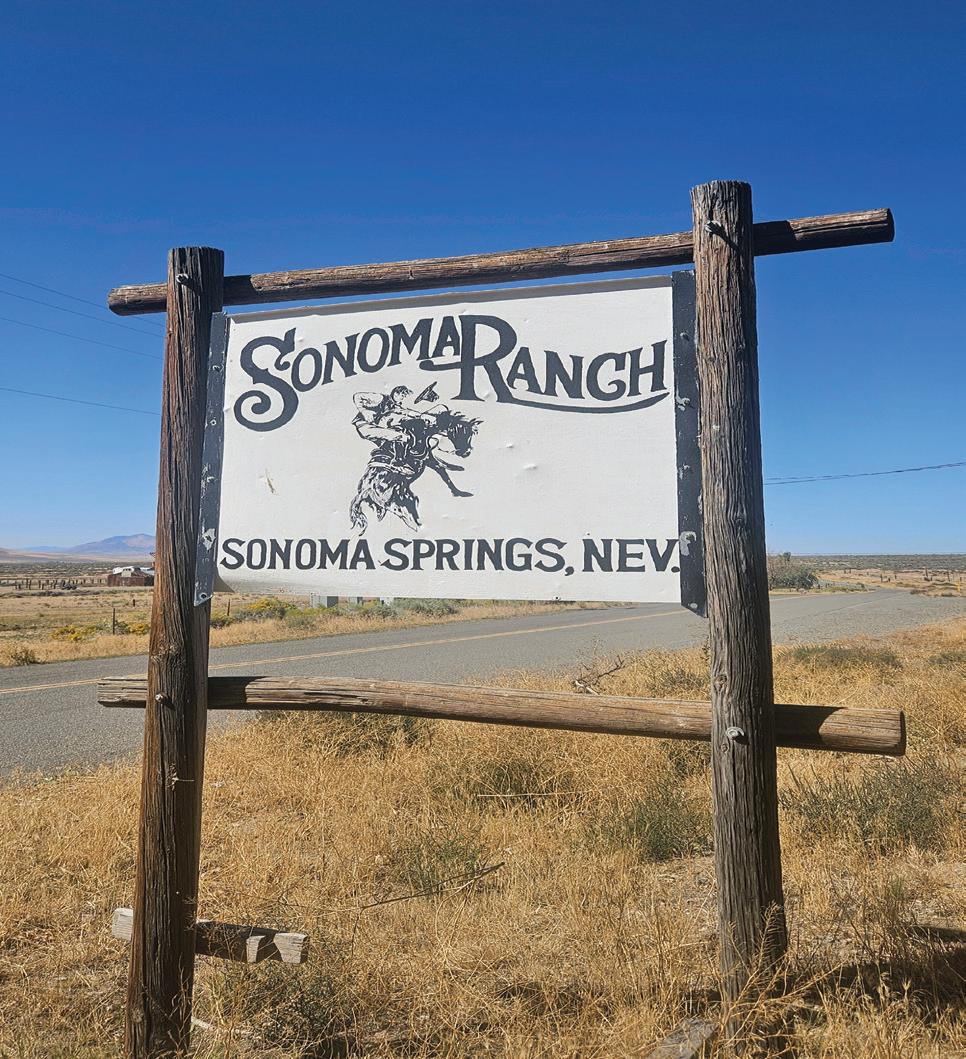
Sonoma Ranch sign facing North Painted by a cowboy who once worked on the ranch and refurbished by Julie Street.
purchased the ranch.
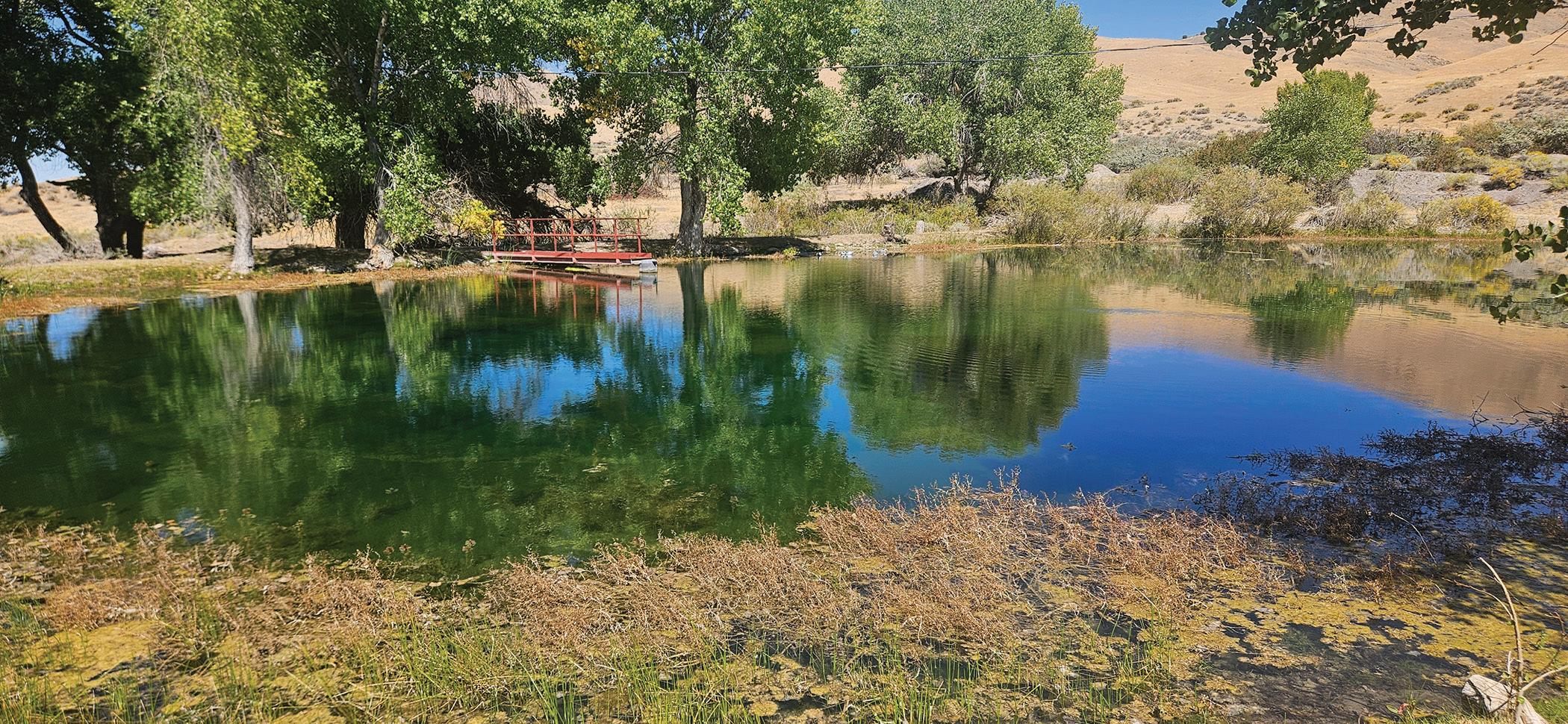
At just 24 years old with a young child the Wade family has big plans for this once highly productive piece of land. The Ranch has declined substantially since its heyday more than 100 years ago, but Rhett and Kate intend to reverse that trend. Rhett Wade is a 5th generation Dairyman from Utah; his wife Kate grew up locally and worked alfalfa farms as a teen. The couple intend to run beef cattle on the property. “The possibilities are endless,” said Kate. With highly sought-after water rights to both Sonoma Springs and Sonoma Creek (as well as a few limited ground water rights), they face infrastructure challenges as their current pond isn’t always adequate to water their spring fed pivot. Kate said they are considering a second pond to catch overflow from the first. Water is one of many issues the Wades are optimistic about tackling in the years to come.
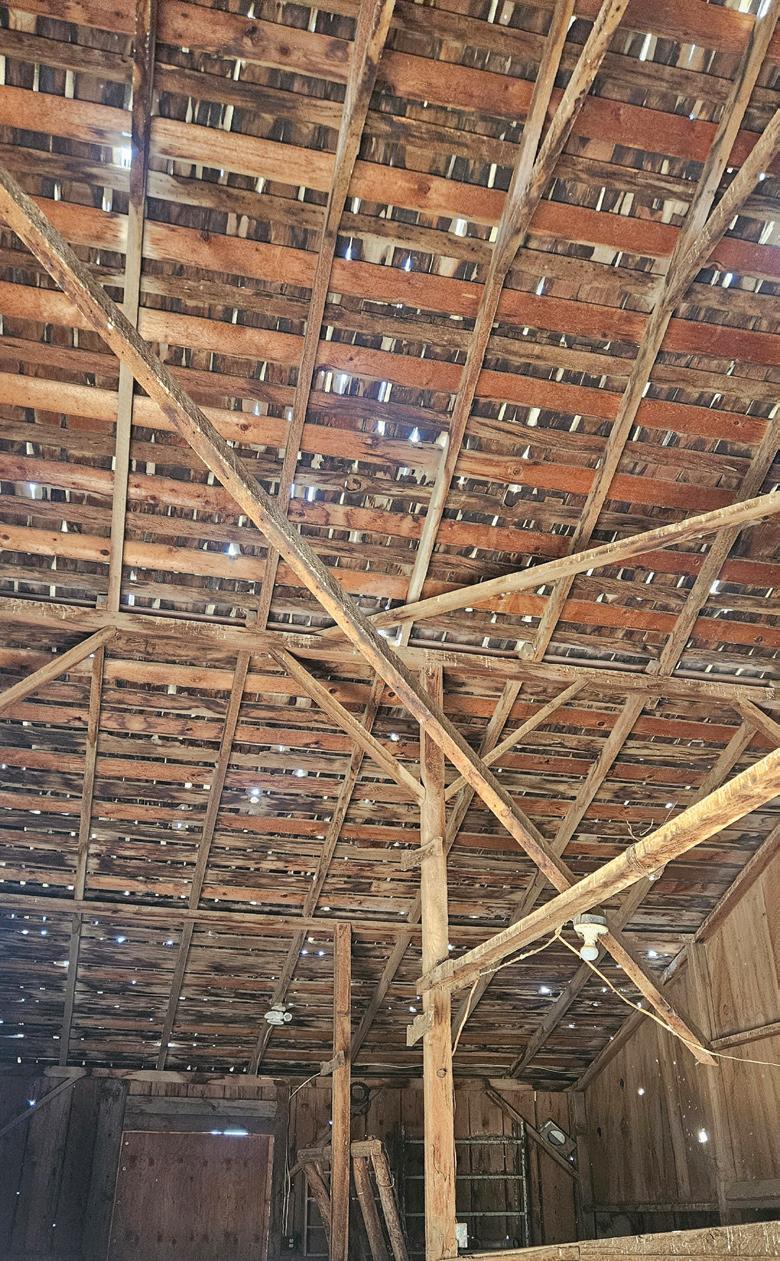
A few original fruit trees remain, and grapes added by previous owners are in abundance on the ranch which, despite its years, still holds an air of an oasis in the desert. The original barn built by John Guthrie’s brother, Robert Guthrie, a civil war veteran from Ohio, as well as the original Guthrie home that once held horses stabled on the basement level still remain, although many structures were lost to a tornado in June of 1885. Kate spoke fondly of the original barn.
“You can tell a lot from a barn’s architecture; it is the heart and soul of a ranch,” she said.
She explained that barn designs varied from place to place across the country and that their barn was built in the style common to Ohio barns of that time period. Robert Guthrie would go on to build several homes in the Winnemucca area before moving on in 1875.
Kate spoke extensively on her desire to preserve the history of Sonoma Ranch, describing signed rock walls in the basement from stagecoach drivers passing through and the dirt floors that were there until the Richards family remodeled. The farmhouse, despite being built in 1871, still serves as a functional multi-family home, a testament to Robert Guthrie’s skill as a builder.
“You feel the weight of responsibility when so much of the community reaches out begging that we don’t change anything,” said Kate, who added that community members expressed concerns when they took down the Sonoma Ranch sign that adorned Grass Valley Road on the entrance to the ranch.
“Don’t worry, the sign isn’t going anywhere,” she said, explain-
ing that, far from doing away with the sign, they were actually having the sign restored by local artist Julie Street. With a depiction of a cowboy on a bucking horse on one side and a landscape of the ranch on the other, the sign was originally painted by a cowboy who once worked the ranch. Little is known today about him, but Kate expressed that she wished she could find more information. A desire for this type of information is a theme for the new owners who listed the Guthrie family cemetery as being high on the list of restoration projects. The cemetery is the resting place of roughly 20 people, according to the website www.findagrave.com, yet only a few broken headstones remain. “Everyone deserves to be remembered and not forgotten about, and part of buying this place and trying to revive it and restore it to the best of our ability is restoring that cemetery,” Kate said. “The people who are buried back there are a part of the history of this place, I think they deserve to be remembered. They are a huge part of the story of Sonoma Ranch.”
Kate hopes to begin on the restoration next summer. The couple was able to establish the original boundaries of the cemetery by using a metal detector to find the original fence posts; damage done by time and cattle have left little more than that for clues as to its past.
The Wade family has recently established a livestock brand using the initials of the ranch. Kate said that other brands previously used on the ranch were unique to families rather than representing the ranch and it was important to her to remedy that with their brand. Kate has been inspired by a quote from Harriet Guthrie, words she spoke over 150 years ago upon learning of her husband’s purchase of Sonoma Ranch:
“We will go there and make a home for ourselves and our dear ones and if we are brave and self-denying, I feel sure we can succeed.”
& A ssociates Realty
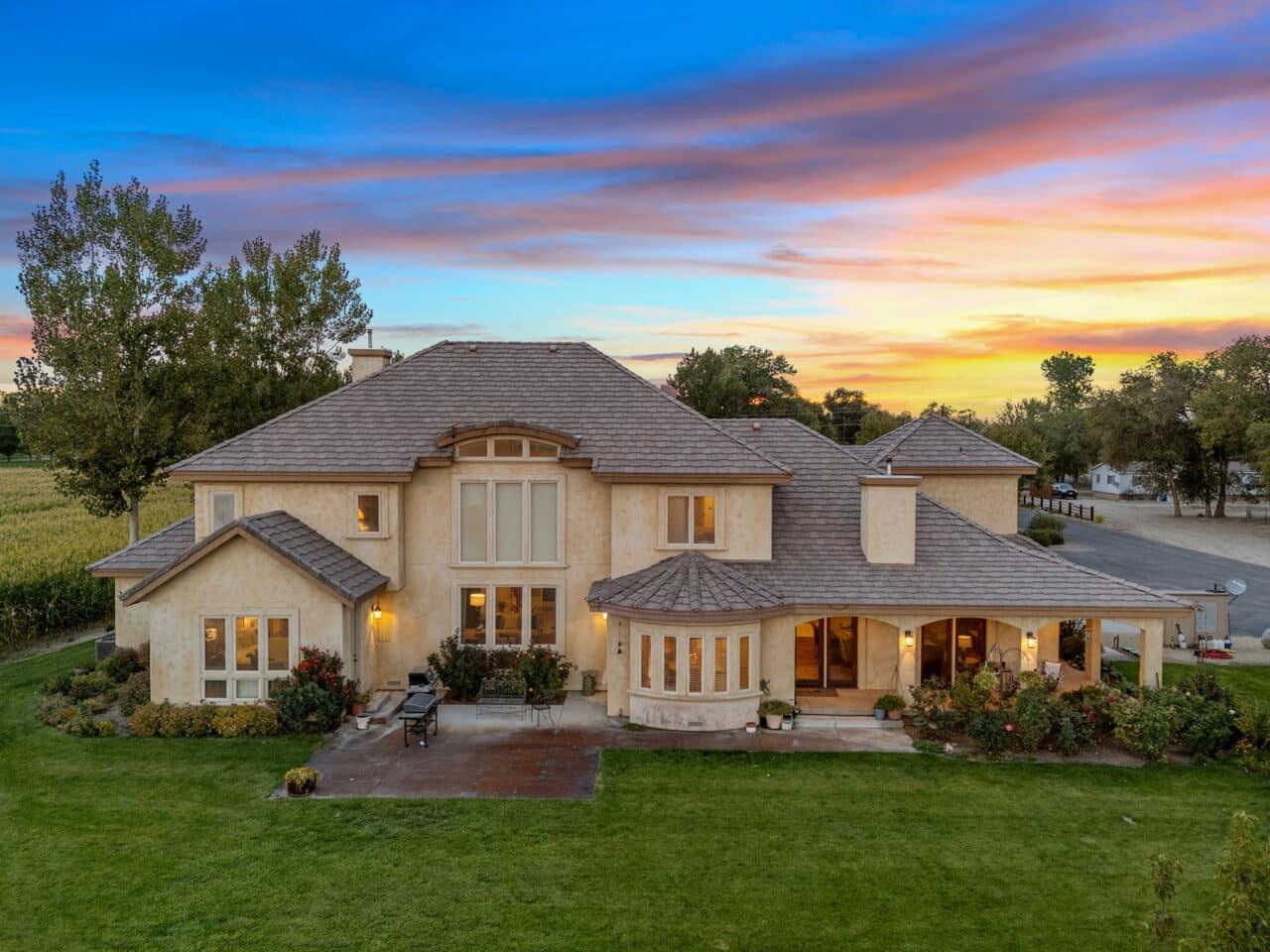
PENDING
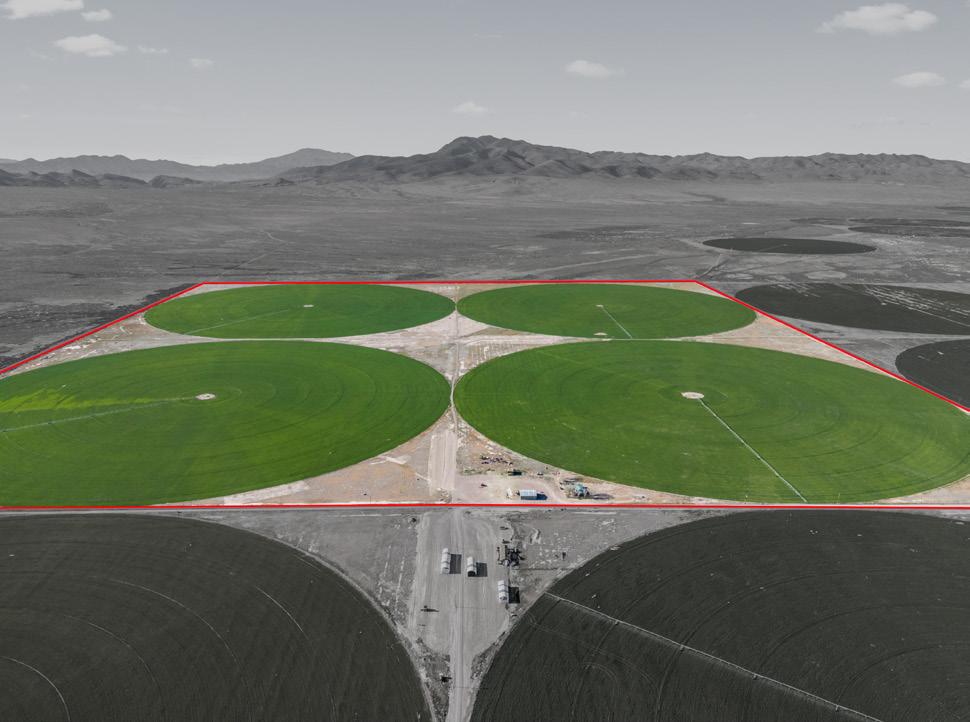
out of the springs, 5 homes plus multiple other barns, shops and outbuildings. Full line of equipment and multiple pivots. Price: $4,000,000
HUMBOLDT RIVER ACREAGE W/ WATER RIGHTS
Photo taken inside the Sonoma Ranch barn built in 1871.
Preserving Tradition and Holding Dear to Memories During the Holiday Season
Out here in sage brush country, the holidays don’t arrive with neon lights or crowded parking lot, unless you are headed to the National Finals rodeo in Vegas! Otherwise, they settle in quietly, riding in on a cold breeze, the smell of juniper, and the familiar rhythm of chores that never take a day off. Maybe that’s why traditions matter so much to rural families. They aren’t just seasonal decorations; they’re anchors in a world that moves faster every year.
Preserving tradition begins with recognizing the value in the small things. It’s the aroma of a family recipe baking in the oven after a long day feeding cattle. It’s hauling in a Christmas tree from the ranch’s back pasture, chosen not for perfection but for the memories tied to the land it grew on. It’s the stories told around the table—some that make us laugh, others that make our throats tighten. These are the threads that tie generations together, and they’re worth protecting.
The holiday season on a Nevada ranch is often more work than rest. Calves still need checking, equipment still breaks, and storms can turn a simple task into a test of grit. But perhaps that’s why the moments we carve out for family carry such weight. Holding dear to memories means being intentional: taking time to sit, to listen, to honor the people who came before and the values they handed down. Even five quiet minutes beside the fireplace can become something a child remembers decades later.
Sharing traditions with the younger generation is one of the greatest gifts ranch families can offer. Teaching kids how to rope the old straw dummy before Christmas dinner, letting them help with branding the sugar cookies, or telling them about the grandparents who built the first corrals—these simple acts ensure that heritage isn’t just remembered, but lived.
This season, as the year winds down and the short winter days settle over the valley, take stock of the traditions that shaped you. Preserve them. Share them. And hold tight to the memories that remind you why ranch life, even in its busiest seasons, is filled with blessings worth celebrating.
Raisin' Steam
Winter coats and fat stores, Woolly heads and frosty horns, Winter pasture and old feed trucks, Bobsled runners and tractor ruts, One neighbor has a new loader and a flat bed, The other has Belgians and an old bobsled, Pogonip on eyelashes, snow on backs, Cottontails setting up camp in haystacks, Tractors and pickups and draft horse teams, Blowin' smoke and raisin' steam, Spots of color in a world of white, Back to the house before falls the night.
Poem by Randi Johnson 2015 The Cowboys Daughter.
Season’s Greetings from the Nevada Beef Council! As we close out 2025, we are excited to know that beef is on the table for the holidays. Food—and especially beef—is a central part of many holiday celebrations, traditions, and recipes. While many consumers are still planning to splurge this year to have roasts and steaks at the center of their holiday meals, some consumers may be looking for other creative ways to incorporate beef into their celebrations to reduce their food costs and be budget conscious.
Holiday traditions remain a steady force, offering familiarity even as consumers adjust other parts of their celebrations. For many households, beef is central to that story, with prime rib
and steak continuing as popular holiday selections.1 These premium cuts reflect both tradition and a readiness to invest in meaningful occasions. Most (94%) consumers say they can be persuaded to spend more on meat when the occasion feels right, and over a third point to holidays like Thanksgiving and New Year’s as moments worth the splurge.2
Yet even as consumers show a willingness to invest in premium cuts, they are also balancing affordability and ease. Families want holiday meals that feel special but often need solutions that fit tighter budgets and limited prep time. That is why sauces, marinades, budget-friendly cuts, and appetizer ideas stand out—they serve as practical prep tools that stretch flavor and dollars while
also functioning as versatile solutions, helping beef deliver both value and cel ebration.
That adaptability also opens the door to occasions beyond the cen terpiece holiday dinner. While beef anchors traditional celebrations, there is growing opportunity to extend its role in brunches, lunches, small bites, and casual gatherings.1 is not defined only by the main event, as it is filled with everyday moments and spontaneous get-togethers. Beef’s ver satility allows it to meet both emotional and practical needs, helpin create simple yet meaningful experiences throughout the season, even on a bud get.
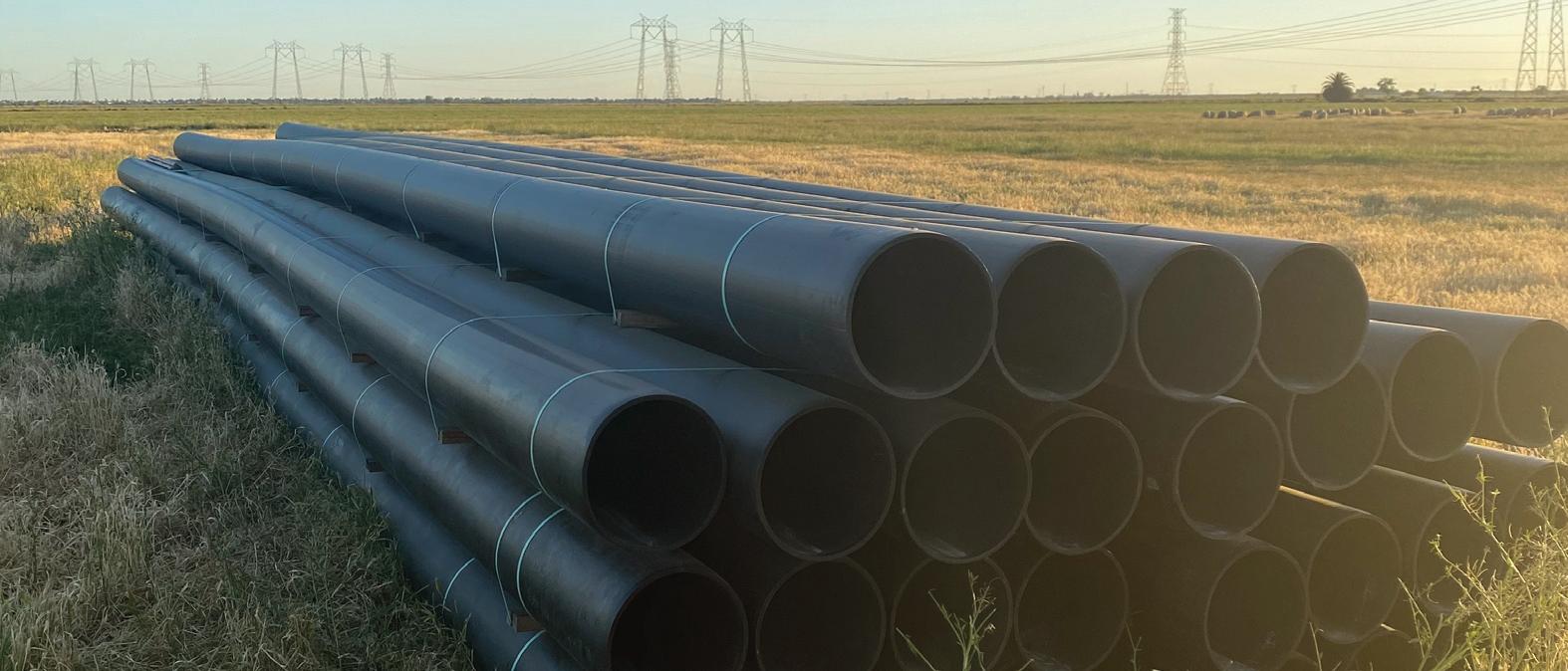
Lifetime Pipe for Agriculture & Mining
Creating Memories and Good Food
December brings a welcome return to the kitchen, where the chill outside is met with simmering pots, glowing ovens, and the inviting aroma of winter spices. This month’s recipes embrace both comfort and celebration, offering hearty classics, festive desserts, and easy dishes to share on busy weeknights. Whether you’re hosting a lively holiday gathering or savoring a quiet evening at home, these flavors are crafted to warm the season, inspire creativity, and make every meal feel a little more magical. Happy Holidays!
DIVINITY FUDGE (1995)
Large Batch:
Small Batch:
4 c. sugar
1 c. water
1/4 tsp. salt
2 c. nuts, coarsely chopped
2 c. sugar
1/2 c. water
1/8 tsp. salt
1 c. nuts, coarsely chopped
1 c. light corn syrup
4 egg whites
2 tsp. vanilla
1/2 c. light corn syrup
2 egg whites
1 tsp. vanilla
Cook sugar, syrup, and water, stirring until sugar dissolves, then cook over low heat, without stirring, to hard ball stage or test by dropping a few drops in a cup of cold water. Meanwhile, put egg whites and salt into large bowl of electric mixer. Beat at No. 8 speed until stiff, but still
moist, about 2 minutes.
Slowly pour hot syrup over egg whites, while continuing to beat at same speed until mixture begins to thicken. Scrape sides of bowl while beating. Add vanilla and nuts. Beat until mixture will hold its shape. Drop from a teaspoon onto wax paper or spread in a buttered pan. Cool and cut in squares.
Large Batch makes 5 dozen; Small Batch makes 2 1/2 dozen.
By Timmy Lyn DeLong
TAMALE PIE
3 bacon slices, diced
1/4 c. chopped green pepper
1 large onion, chopped 11/2 lb. ground chuck
2 tsp. salt
1/4 tsp. pepper
1 Tbsp. chili powder
1 (12 oz.) can whole corn
1 can tomatoes
1 (4 oz.) can chopped olives, drained
1 can tomato soup
1 pkg. corn bread mix
1/2 c. grated Cheddar cheese
Fry bacon until crisp; drain off most of the fat. Add onion and peppers; saute until tender. Add meat and brown. Add salt, pepper, chili powder, corn, olives, tomatoes, and soup. Mix well. Simmer for about 15 to 20 minutes.
Pour in a 2x8x12 inch baking dish. Mix corn bread by package directions and spread over top of meat mixture. Sprinkle cheese on top. Bake at 375° for 30 to 40 minutes.
By Delia
Nuffer, from her aunt, Josie Twichell
If sticker shock has been your response at the meat counter lately, you’re not alone. Consumers are increasingly concerned as beef prices have soared to historic levels in 2025, and they wonder: “When will relief come?”
With ground beef at $6.63 a pound as of August 2025, Americans are seeing the highest prices for beef on record. But even with these eye-popping figures, demand for red meat is holding up surprisingly well!
Knowing what’s behind these prices and what tactics can help you cope in the tough market is crucial, whether you’re a consumer or a producer. Here’s what to know about the beef price spike, and what to expect next.
The Perfect Storm Leading to Record Beef Prices
The current crisis in beef prices is not the consequence of any one event, but the convergence of many that have been building for years. At its root, the issue comes down to a classic problem in economics: demand remains far greater than supply.
Cattle Herds Shrink to Historic Lows
By far, the #1 cause of high beef prices is dramatically lower cattle numbers. What caused this dramatic reduction? This largely stems from a prolonged drought that has devastated key cattle-producing areas since 2020. There have been many drought-prone ranching districts, especially in Texas, Oklahoma, Kansas, and the Southeast.
That also puts ranchers in a bind.
Cattle feed costs become more problematic without proper grass and forage. Many producers were forced to sell off part of their herds, including breeding
stock, in a desperate bid to stay in business. The problem is compounded when you consider that selling off breeding females will result in fewer calves in the pipeline for years to come.
Why Producers Are Not Hurrying to Rebuild
You’d assume that record-high cattle prices would motivate ranchers to go about the business of restocking their herds. After all, shouldn’t producers expand if prices are high? Except in this case, it’s not quite that simple.
Even against higher prices for cattle, profit margins for farmers are razorsharp. And operating costs have soared, as with everything else in recent years. The feed, labor, fuel, equipment, and land cost has shot up.
For farmers operating in such tight margins, financial planning and year end reporting take on an even greater importance. By knowing the cash flow, values for assets, and current market conditions, agricultural producers can make informed decisions on when and how to move forward with refilling their operations.
Import Worries Add to the Problem
Normally, imports would have helped close the gap as domestic supply tightened. But another set of things has been holding back imports into the U.S., making supply even tighter.
Trade policy has been a factor, too. Trade barriers have put the price of imported beef so high that its impact on domestic supply has been constrained. If trade tensions persist, prices could rise even more in industries like ground beef products, which are particularly dependent on imports from countries such as Brazil and Australia.
The Demand Side: Why Americans Continue to Buy
What’s most surprising when discussing the current beef market is that consumers have *not* really cut back on their purchases of beef even as prices reach record levels. This stubbornness in demand has kept prices high, surprising many analysts.
Many reasons account for this. Americans have a cultural preference for burgers and steaks from the U.S. Beef demand has also been supported by increasing preference for high-protein diets. Many consumers consider beef a necessity, not an extravagance, so demand is relatively inelastic; people will keep buying when the price rises.
Producers and Consumers on the Hook
For all sides, relief doesn’t appear to be coming soon. The USDA expects decreased supplies of cattle to help push prices to fresh all-time peaks in 2026. Supply limitations remain, considering the realities of raising cows (it takes years to bring a single new cow to breeding age and get its offspring to market). Some analysts say it may be four years or longer after the major drought that prices will stabilize for consumers.
Understanding the market dynamics is crucial for those farmers who plan to start or expand their cattle operations. Prices may be high, but so are costs, and the level of risk that this is not a floor makes major investments risky. Obtaining the right financing, including a lender that understands the “ins and outs” of raising livestock producers, can make it easier to face these difficult questions.
Both new and expanding cattle farmers should partner with specialized agri-
cultural lenders who are experienced in cattle ranching financing and have a working understanding of the profit potential as well as risk elements in the current market.
A Market in Transition
After years of ever-rising prices and seemingly unbreakable demand, signs are emerging that things are turning. What’s known is that the conditions that brought us to this point, drought, herd liquidation, trade interruptions, and high costs, will not reverse quickly.
As for consumers, changing how they shop and being flexible with protein choice will continue to be important for managing food budgets in the years ahead. From a producer perspective, today’s market is a double-edged sword that needs to be leveraged thoughtfully and with an eye toward long-term financial planning.
The beef industry has faced challenges before, and it will adjust to these too. But for now, whether you’re flipping burgers on the grill or running a cattle operation, knowing what factors are at play when it comes to beef prices can help you make more educated decisions in this time of uncertainty.
Final Takeaway for Farmers
When it comes to agricultural financing, it can be complex for farmers in this difficult time of fluctuating environmental factors and market challenges, but First Financial Bank’s Farm & Ranch Advisors collectively offer experience providing farmers with the products they need to finance their operations.
President Donald J. Trump alongside U.S. Secretary of Agriculture Brooke L. Rollins, U.S. Secretary of the Treasury Scott Bessent, Senate Agriculture Committee Chairman John Boozman (AR), Senator Deb Fischer (NE), Senator John Hoeven (ND), Representative Austin Scott (GA), and farmers from Arkansas, Iowa, Indiana, Kansas, Louisiana, Pennsylvania, Ohio, and Texas today announced the U.S. Department of Agriculture (USDA) will make $12 billion available in one time bridge payments to American farmers in response to temporary trade market disruptions and increased production costs that are still impacting farmers following four years of disastrous Biden Administration policies that resulted in record high input prices and zero new trade deals. These bridge payments are intended in part to aid farmers until historic investments from the One Big Beautiful Bill Act (OBBBA), including reference prices which are set to increase between 10-21% for major covered commodities such as soybeans, corn, and wheat and will reach eligible farmers on October 1, 2026.
Of the $12 billion provided, up to $11 billion will be used for the Farmer Bridge Assistance (FBA) Program, which provides broad relief to United States row crop farmers who produce Barley, Chickpeas, Corn, Cotton, Lentils, Oats, Peanuts, Peas, Rice, Sorghum, Soybeans, Wheat, Canola, Crambe, Flax, Mustard, Rapeseed, Safflower, Sesame, and Sunflower. FBA will help address market disruptions, elevated input costs, persistent inflation, and market losses from foreign competitors engaging in unfair trade practices that impede exports. The FBA Program applies simple, proportional support to producers using a uniform formula to cover a portion of modeled losses during the 2025 crop year. This national loss average is based on FSA reported planted acres, Economic Research Service cost of production estimates, World Agricultural Supply and Demand Estimates yields and prices and economic modeling.
Farmers who qualify for the FBA Program can expect payments to be released by February 28, 2026. Eligible farmers should ensure their 2025 acreage reporting is factual and accurate by 5pm ET on December 19, 2025. Commodity-specific payment rates will be released by the end of the month. Crop insurance linkage will not be required for the FBA Program; however, USDA strongly urges producers to take advantage of the new OBBBA risk management tools to best protect against price risk and volatility in the future.
The remaining $1 billion of the $12 billion in bridge payments will be reserved for commodities not covered in the FBA Program such as specialty crops and sugar, for example, though details including timelines for those payments are still under development and require additional understanding of market impacts and economic needs.
The $12 billion in farmer bridge payments, including those provided through the FBA Program, are authorized under the Commodity Credit Corporation (CCC) Charter Act and will be administered by the Farm Service Agency (FSA).
To submit questions, justification for USDA farmer bridge aid, or to request a meeting on farmer bridge aid, producers can reach out to farmerbridge@usda.gov.
“Four years under the failed Biden Administration continues to leave the American farm economy reeling from record inflation, a depleted farm safety net, and delayed disaster assistance. The lack of new trade deals under the last Administration turned a trade surplus under Trump into a $50 billion trade deficit, causing our farmers to lose markets and feel acute pain from lower commodity prices. President Trump will not let our farmers be left behind, so he directed our team to build a bridge program to see quick relief while the President’s dozens of new trade deals and new market access take effect,” said Secretary Brooke Rollins. “The plan we are announcing today ensures American farmers can continue to plan for the next crop year. It is imperative we do what it takes to help our farmers, because if we cannot feed ourselves, we will no longer have a country. With this program serving as a bridge to the improvements President Trump and Republicans in Congress have made, it will allow farmers to leverage strengthened price protection risk management tools and the reliability of fair trade deals so they do not have to depend on large ad hoc assistance packages from the government.”
Additional Farmer First Actions Taken by the Trump Administration
In addition to $12 billion in bridge payments announced today, the Trump Administration has been working around the clock since January 20th to put American farmers first after inheriting one of the worst farm economies the country has experienced in decades. The following actions have been taken to date and together show historic investments and bold and unrelenting dedication to helping our nation’s farmers thrive again.
Over $30 Billion in Ad Hoc Assistance Delivered to Farmers Since January 2025
Emergency Commodity Assistance Program (ECAP) is helping farmers recover from the economic hardships of 2024. This program distributed more than $9.3 billion to over 560,000 farmers for soy, corn, sorghum, and other row crops.
Marketing Assistance for Specialty Crops (MASC) is helping specialty crop producers recover from rising input costs and other market disruptions stemming from the Biden Administration. This program distributed over 1.8 billion in assistance to over 52,000 producers.
The Supplemental Disaster Relief Program (SDRP) is helping producers recover from severe weather events in 2023 and 2024. This program has distributed nearly $6 billion to over 388,000 farmers with up to an additional $9 billion to be distributed over the next four months.
Over $2.5 billion via block grants delivered to states and sugar beet and cane processors via block grants to cover losses from 2023 and 2024 that were left uncovered by existing USDA programs.
Trump Supported OBBBA Farmer Wins
With the signing of the One Big Beautiful Bill in July, President Trump has made crop insurance more workable and affordable for American farmers and ranchers. Crop insurance is an essential risk management tool that allows American farmers and ranchers endure weather and market volatility. The bill increases crop insurance premium support for beginning farmers and ranchers by expanding the definition from five to 10 years of experience, enabling more producers to qualify for assistance over a longer period. These improvements will result in over $400 million in savings every year for America’s farmers on insurance premiums.
For the first time in over a decade the statutory reference prices for the farm safety net programs, ARC and PLC, were raised by 10-21% for major commodities such as corn, soybeans, and wheat. Thanks to OBBBA USDA is also expanding eligibility for these price support programs by adding more than 30 million new base acres to the program making them eligible for future PLC or ARC payments starting in crop year 2026.
OBBBA extended the marketing assistance loan programs through 2031 and
updated loan rates for major commodities beginning in the 2026 crop year, providing stronger loan rates for crops like wheat, corn, cotton and soybeans.
The bill included historic investments to the domestic sugar programs and USDA made them available starting October 1, 2025. The loan rate for raw cane sugar has increased to an average 24 cents per pound for the 2025 - 2031 crop years, with refined beet sugar rates increased to an average of 32.77 cents per pound.
OBBBA invested in USDA’s major conservation programs, including the Environmental Quality Incentives Program (EQIP), Conservation Stewardship Program (CSP) and Agricultural Conservation Easement Program (ACEP). These funds will result in over $34B in conservation work on agricultural land over the next 10 years.
OBBBA provides $285 million a year for agricultural trade promotion and facilitation. This is in addition to the existing $234M per year of funding for MAP and FMD. These dollars are key to opening and expanding foreign markets.
OBBBA included many important tax provisions for farmers and ranchers. Some of the most impactful provisions for agriculture are the permanency of the 20% qualified business income deduction, full bonus depreciation and the $15 million per individual estate tax exemption, now also indexed for inflation. With the current land values, equipment costs and input prices, even modest-sized farms can easily exceed that threshold, meaning upon the owner’s death, far more family operations would face massive tax bills than previously estimated. A permanent bonus depreciation means that farmers can continue to write off the entire cost of new equipment, land improvements, new barns
Cross L Ranch, Railroad Valley, Nevada
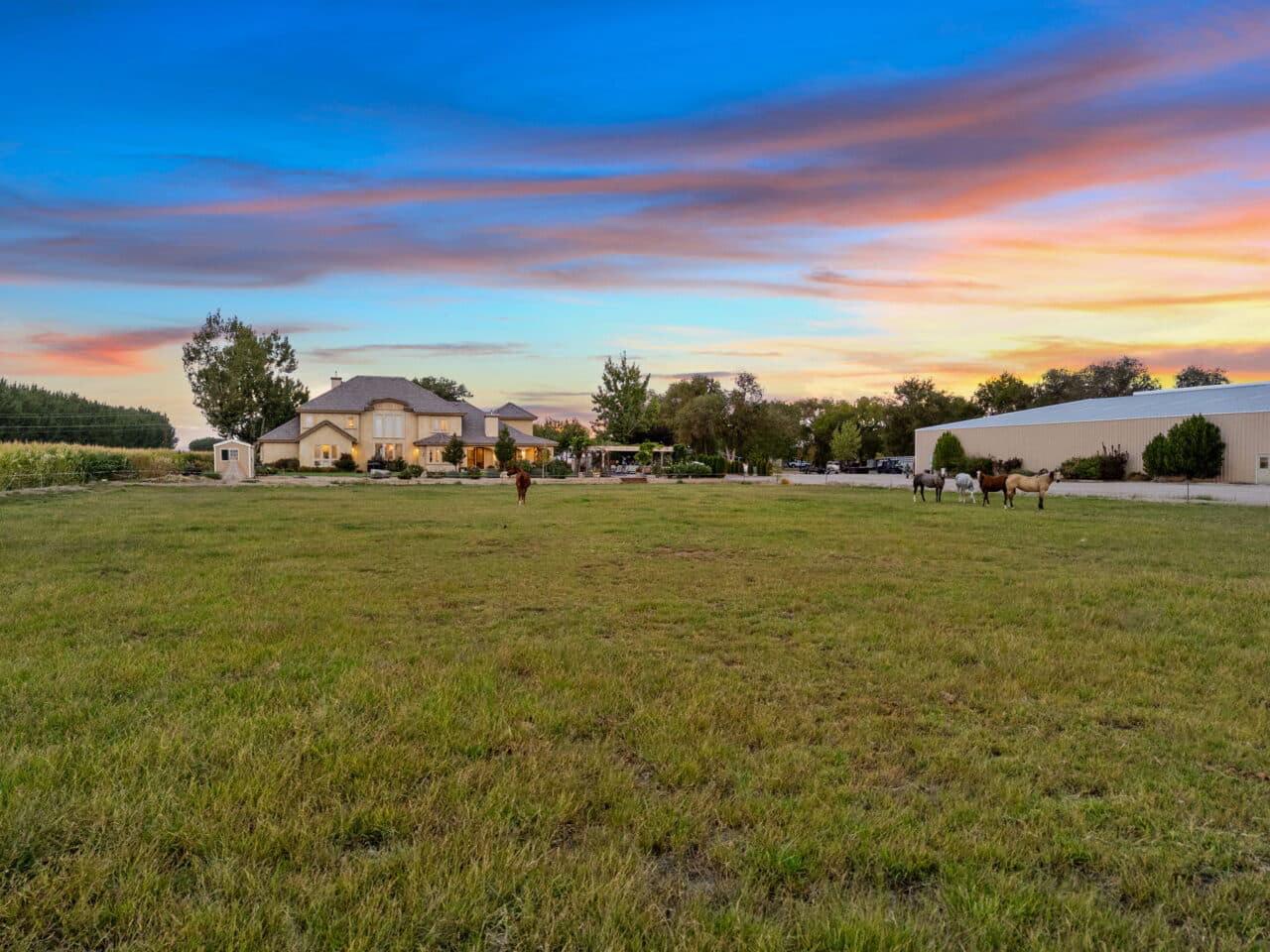
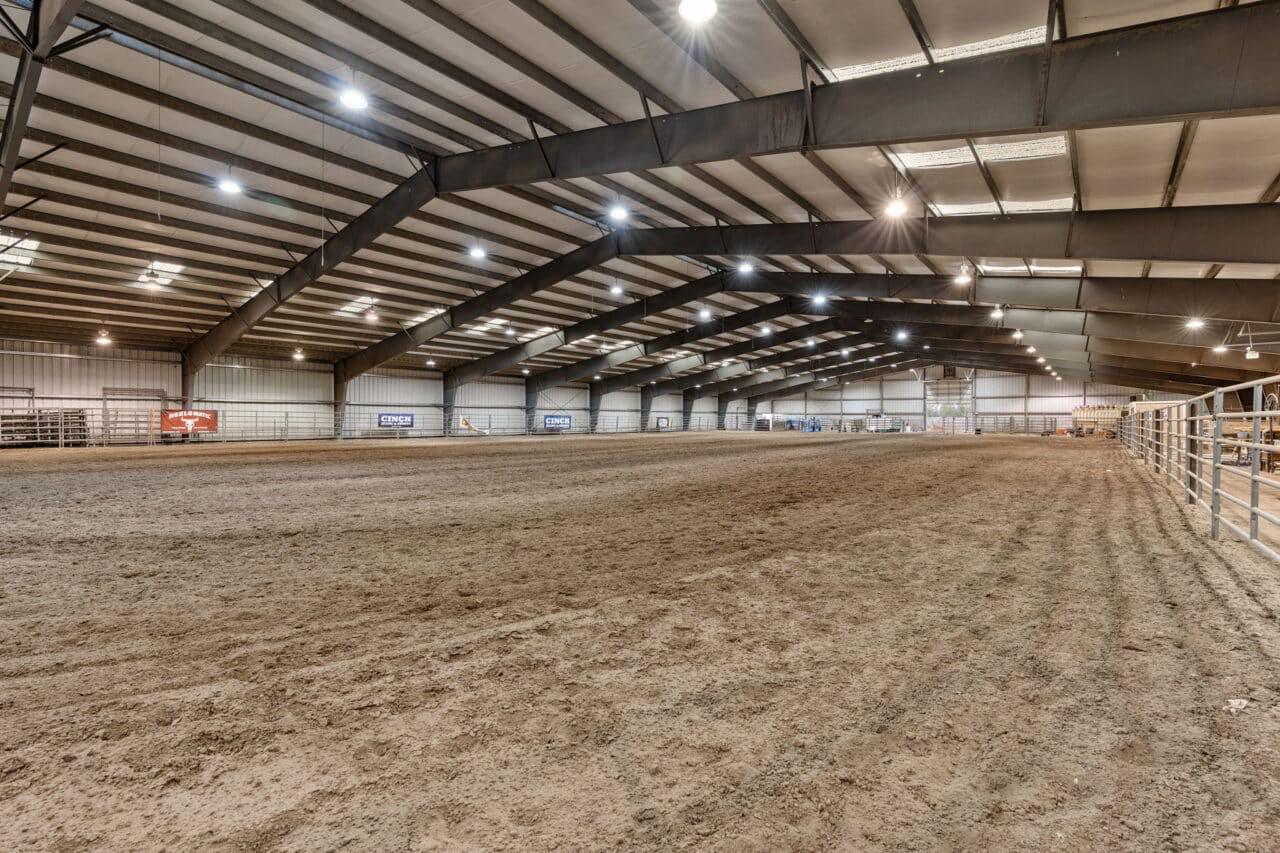
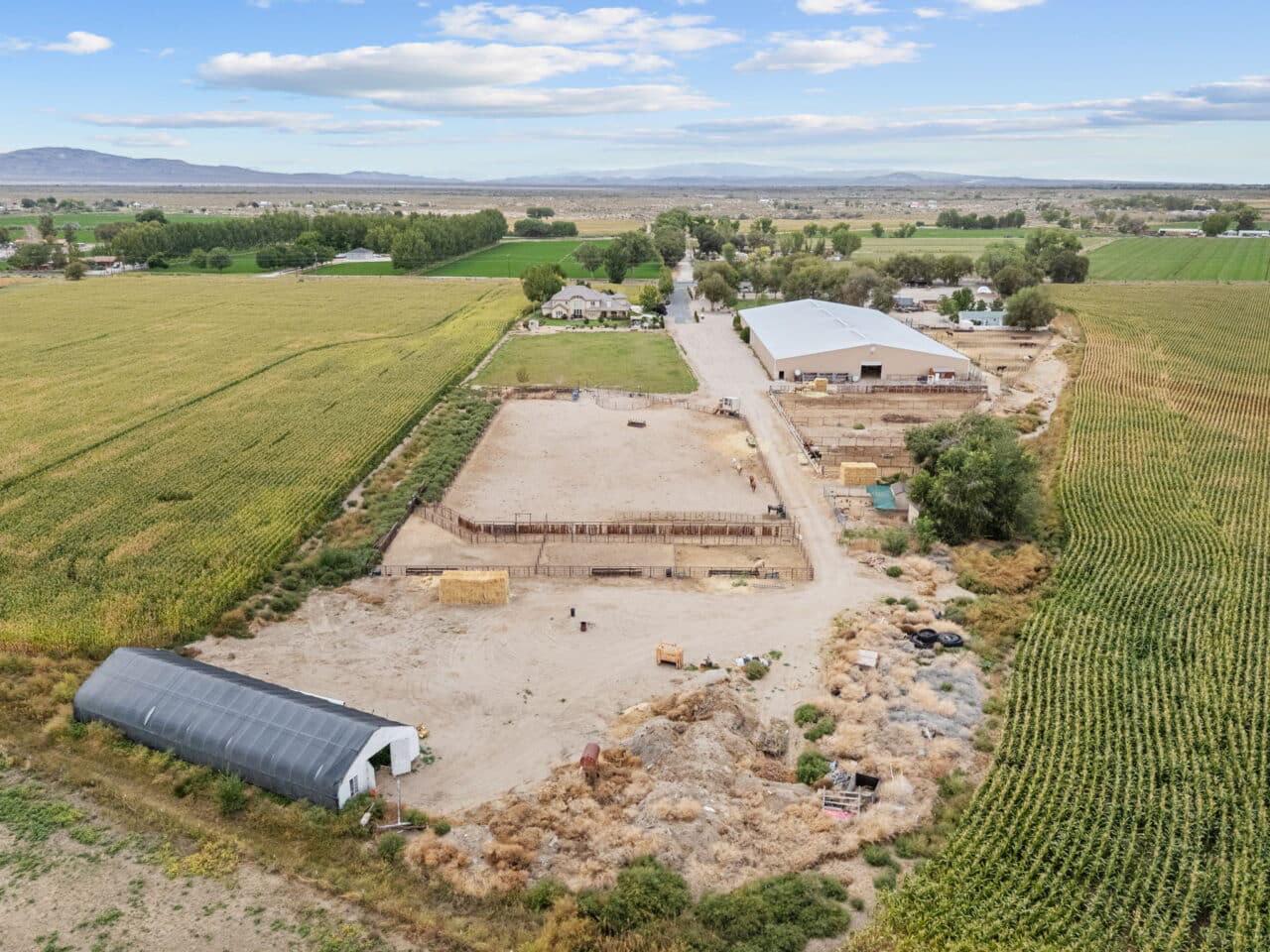
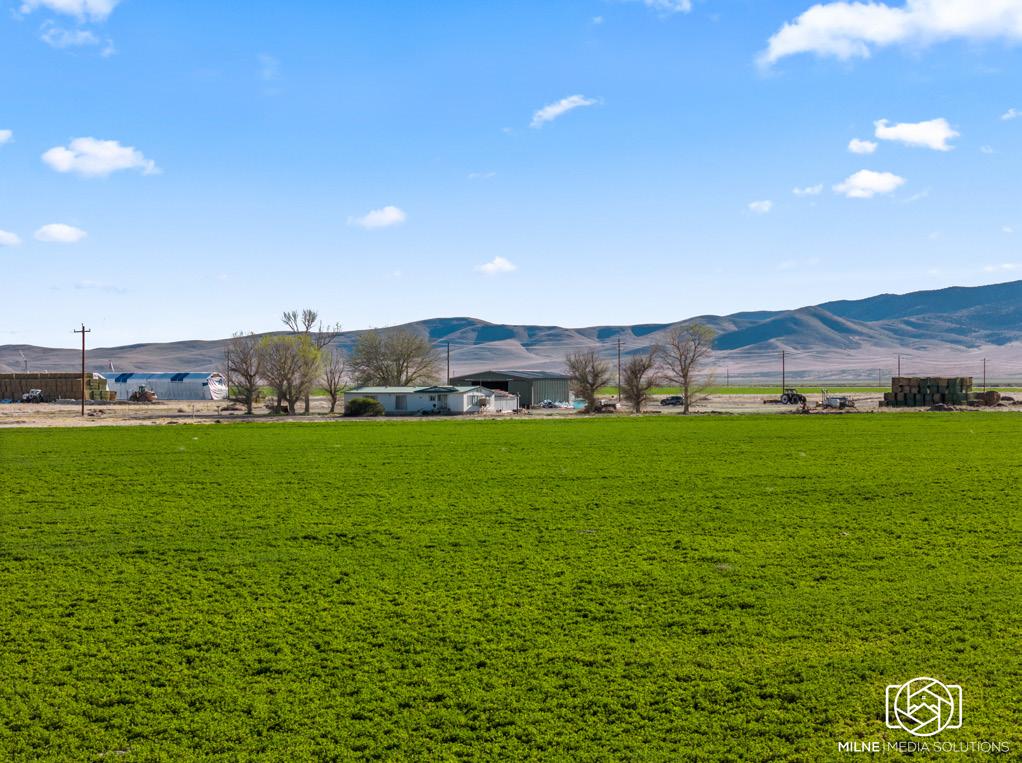
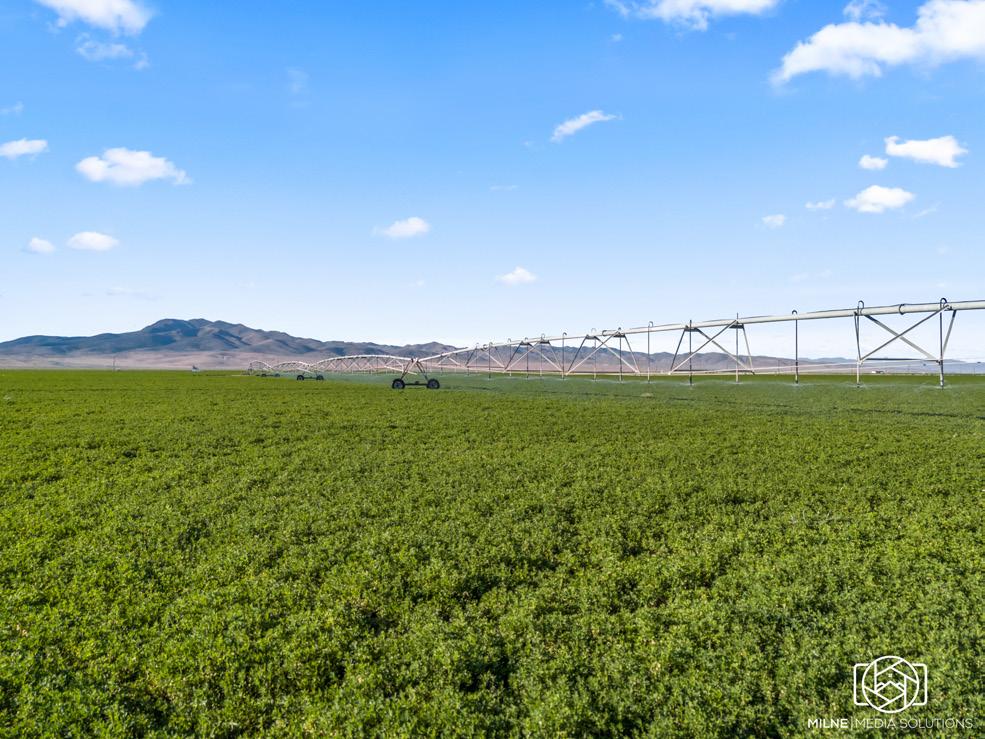
*3,314 deeded acres *Water Rights *Winter and Summer Range *339,266 acres of BLM to run cattle on *1500-1800 tons per year (to feed and sell)
*Cattle and Equipment Included *several home for the help and new home for ranch manager
$12,000,000
Segura & Fish Creek Ranch, Tonopah, Nevada
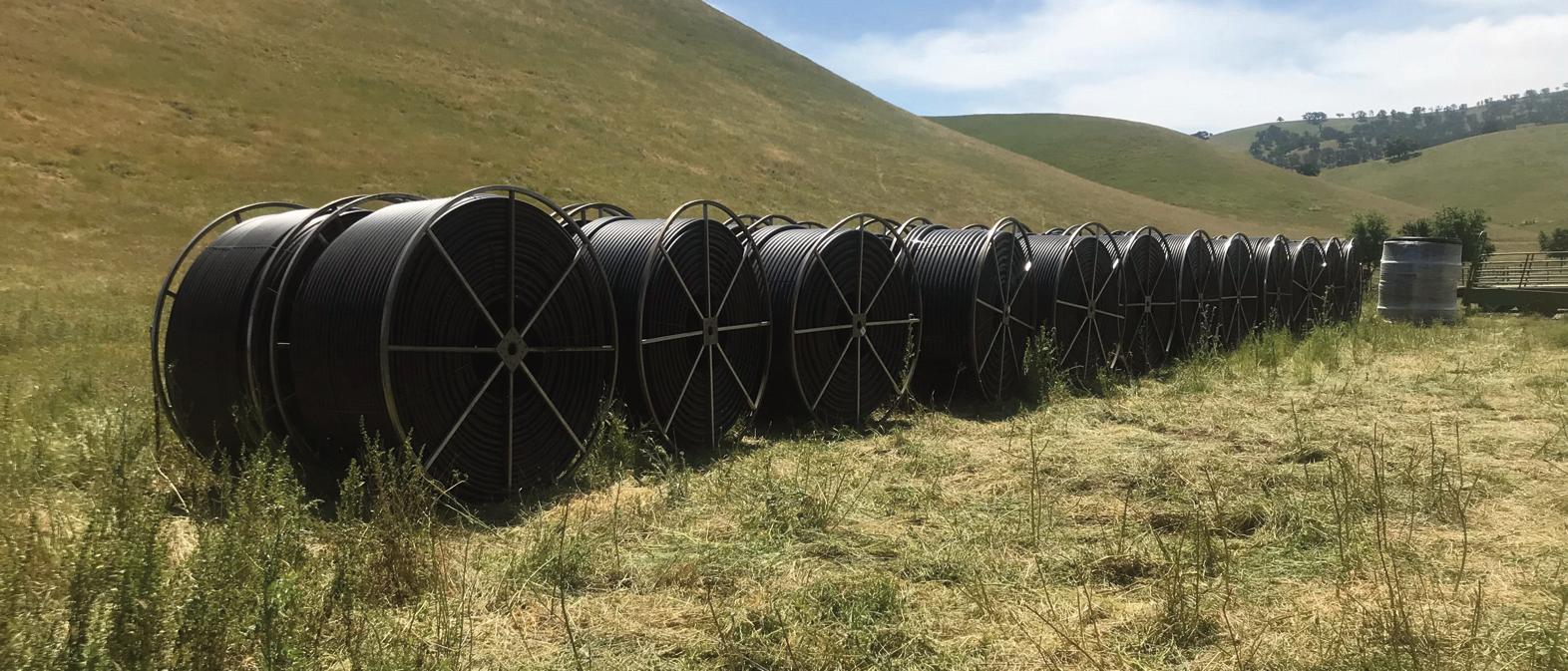
*1,075 acres *support 450-500 head of cattle & 2,500+ sheep *500,000 contiguous BLM land, AUMs for both cattle and sheep with over 1,186,411 acres with 250,725 operating acres *Two 120 acre pivots and a 60 acre pivot *diesel powered wells *50 acres gravity fed irrigation from a pond *1,000 tons of feed annually *sheep pens *home $8,000,000
Old Lynn Farm, Railroad Valley, Nevada
*113 acres water rights *Permit 27491 for 111.08 ac. ft. *Permit 38565 for 368.92 ac. ft. *Newer pivots *Small house *Great Starter Farm $479,000 Make offer!
Wildhorse Ranch, North Elko County, Nevada
*Owyhee River Watershed *4,500 contiguous acres with 3116 acre feet of water rights plus 908 supplemental water rights *native grasses *runs 600+ cow calf pairs *summer ground for 1,5001,700 head of yearlings *private land $8,000,000
2623 N Canyon Road, Lamoille, Nevada
*3.68
*large
*bunkhouse *Amazing views of the Majestic Ruby Mountains. $350,000
Log Home on the Jarbidge River, in historic Jarbidge, Nevada
Updated cabinets, countertops, appliances, and custom built-ins for storage, new flooring runs throughout, with updated walls, backsplash, and finishes. Soaring ceilings and new Pella windows and doors flood the space with natural light. The layout includes a spacious open living area, 2 bedrooms, 2 bathrooms, and laundry area in the hallway. Plus a connex provides extra storage for ATVs, snowmobiles, and yard tools.
11 Acres - Godchaux Road *Paradise Valley Junction *Ag-residential District *Breathtaking Views *Build your Dream Home *30 minutes north of Winnemucca. $20,000
United States Dept. of Ag Press Release
and other capital upgrades in the year of purchase, rather than depreciating them over many years.
Oversight on Competition & Farmer Input Costs
On September 26, 2025, the USDA and the Department of Justice signed a Memorandum of Understanding (PDF, 1.3 MB) that represents a joint commitment by both agencies to protect American farmers and ranchers from the burdens imposed by high and volatile input costs—such as feed, fertilizer, fuel, seed, equipment, and other essential goods—while ensuring competitive supply chains, lower consumer prices, and the resilience of U.S. agriculture and the food supply.
On December 6, 2025, President Trump signed an Executive Order to stop price fixing, anti-competitive behavior, and foreign influence that drives up prices and threatens the security of America’s food supply. This EO recognizes that sectors including seed, fertilizer, and farm equipment may be vulnerable to anti-competitive manipulation that result in higher prices for farmers and seeks to take aggressive action in part by the establishment of Task Forces created to investigate price fixing and anti-competitive behavior, especially regarding foreign owned entities.
These actions combined reiterate the Trump Administration’s commitment to scrutinizing competitive conditions in the agricultural marketplace, including antitrust enforcement that promotes free market competition.
Lowering Farm Labor Costs through Deregulatory Actions
Farm labor costs alone increased 47% since 2020 largely due to the high cost of utilizing the H-2A program to secure seasonal labor under the Biden Administration who artificially inflated Adverse Effect Wage Rates set by the U.S. Department of Labor (DOL) using USDA’s Farm Labor Survey which was never designed to be used for setting government-mandated wage rates and is duplicative of other DOL data sources. As such, USDA discontinued this survey while DOL issued a bold new interim final rule which decreased wage costs for H-2A agricultural employers resulting in initial savings of at least $2 billion. Additionally, the U.S. Department of Homeland Security issued a final rule, effective October 2, 2025, to streamline the filing process for certain temporary agricultural worker petitions. These actions combined are making farm labor more affordable and more accessible for American agriculture.
USDA is Prioritizing the Purchase of Healthy U.S. Grown Commodities to Feed Those Most in Need through Section 32 Buys
This year alone, USDA has provided nearly $1 billion in Section 32 purchases, all which benefit the charitable feeding network.
On November 24, 2025, Secretary Rollins announced a $30 million Section 32 buy of American grown oranges, grapefruit, and mandarins.
On August 6, 2025, Secretary Rollins announced a $2 million Section 32 buy of invasive Chesapeake Bay blue catfish.
On August 1, 2025, Secretary Rollins announced up to $230 million Section 32 buy of Alaska pollock, catfish, apples, beans and cranberries.
On May 23, 2025, Secretary Rollins announced a $67 million Section 32 buy of American groundfish, pears, cherries, shrimp and beans.
USDA will continue to buy Section 32 commodity purchases to support American seafood, fruit, vegetable, and tree-nut producers for distribution to U.S. food banks, schools, and other outlets serving low-income individuals. These actions support President Trump’s vision to Make America Healthy Again through U.S. local farmer grown, healthy, and nutritious commodities.
This is the most pro-biofuels Administration in history
President Trump recognizes how important the Renewable Fuel Standard is for American corn and soybean farmers. EPA Administrator Zeldin delivered the boldest Renewable Volume Obligations ever and provided much certainty in the market for our producers while delivering lower prices at the pump for consumers. The RVO gives the markets the incentive to invest in American products for American consumers and to export around the world.
EPA’s decision to allow the summer sale of E-15 constituted 2025 year-round E15 and continues to deliver immediate relief to consumers, give more choices at the pump, and drive demand for corn grown, processed, and used right here in America. America’s national security depends on our energy security, and biofuels
are a crucial asset that brings more jobs and helps farmers in rural America.
List of Trade & Market Access Wins to Date
USDA announced applications are now open through January 23, 2026, for the $285 million America First Trade Promotion Program (AFTPP), a key component of the Trump Administration’s work to expand global market access and create new export opportunities for America’s farmers, ranchers, and producers.
Additionally, President Trump and his administration have worked to pen new trade deals and trade frameworks with more than 15 countries.=
Switzerland and Liechtenstein will invest at least $200 billion in the United States, remove tariffs on several agricultural products, allow for market access for American beef, bison, and poultry, and remove non-tariff barriers for poultry and dairy.
El Salvador has removed non-tariff barriers including fumigation requirements and arbitrary geographic indicator restrictions on dairy product names.
Argentina will allow access for U.S. poultry and poultry products, within one year, and simplify red tape for U.S. exporters of beef, beef products, pork, and pork products. Argentina also has agreed to protect U.S. exporters’ use of certain meat and cheese terms, preserving market access and creating the potential for new opportunities in the region.
Ecuador has reduced or eliminated tariffs on American nuts, wheat, and wine; and will reduce major non-tariff barriers for many agricultural products regarding import licensing and facility registration requirements.
Guatemala will address and prevent barriers to U.S. agricultural products in its market; maintain science- and risk-based regulatory frameworks; and efficient authorization processes for agricultural products.
China committed to delaying new export controls on rare earth minerals, resume large purchases of U.S. soybeans, sorghum, and more. To date, China is already purchasing additional soybeans, wheat, and sorghum.
Malaysia will provide significant market access for U.S. products like dairy, horticultural products, poultry, pork, rice, and ethanol; recognize the U.S. food safety systems for U.S. meat, poultry, and dairy products; streamline its halal certification of U.S. food and agricultural products; and open market access for U.S. sorghum.
Cambodia will eliminate 100% of its tariffs on U.S. products, while the U.S. maintains a 19% reciprocal tariff rate for imports from Cambodia. It will also recognize the U.S. scientific guidelines for most U.S. agricultural goods and food.
EU will provide market access for U.S. agricultural goods like tree nuts, sorghum, and more and is working to commit to a simpler regulatory agenda.
Thailand will eliminate tariffs on 99% of U.S. goods, including most food and agricultural products and expedite access for USDA’s Food Safety and Inspection Service-certified meat and poul-
try products, giving American producers unprecedented access to the market.
Vietnam will accept preferential access for U.S. agricultural goods, including specialty cheese and meats, and is already improving access for U.S. peaches and nectarines. Vietnam will pay the United States 20% tariffs on all goods and 40% on any transshipped goods
South Korea will pay 15 percent tariff to the United States. European Union will purchase $750 billion of American energy and addressing non-tariff barriers for farmers and ranchers - pork and dairy products.
Philippines is opening their market to the United States and charging us zero tariffs while the Philippines will pay 19 percent tariffs to the United States.
Indonesia will eliminate 90 percent of tariffs on American exports including for all agricultural products.
Japan agreed to $8 billion in American agricultural purchases including corn, soybeans, ethanol, fertilizer, and sustainable aviation fuel. Japan will increase US rice imports by 75%.
United Kingdom will create $5 billion in new agricultural export opportunities. $700 million in ethanol and better market access for American beef.
At the same time, President Trump is securing new, unprecedented market access for American agricultural producers around the world. For example, wine exports to Mexico are up 30 percent in 2025, reaching $18 million; South Korea has purchased $1 billion in corn, more than double from 2024; Bangladesh purchased $172 million in soybeans; Costa Rica streamlined its dairy access for U.S. producers; and India cut its bourbon tariff in half.
Website/Market Report .......... www.clmgalt.com Web Broadcast .................. www.lmaauctions.com
Top Consignments from throughout California and Nevada will be Showcased during These Upcoming Special Sales mFeed for All Consignments Originating in Nevada
December 3 • December 17
No Regular Wednesday Sales: December 24 • December 31
UPCOMING WESTERN VIDEO MARKET SALES December 2 – Silver Legacy Resort, Reno, CA Catalog Online: wvmcattle.com
January 6 – North Platte Stockyards, North Platte, NE Consignment Deadline: December 29