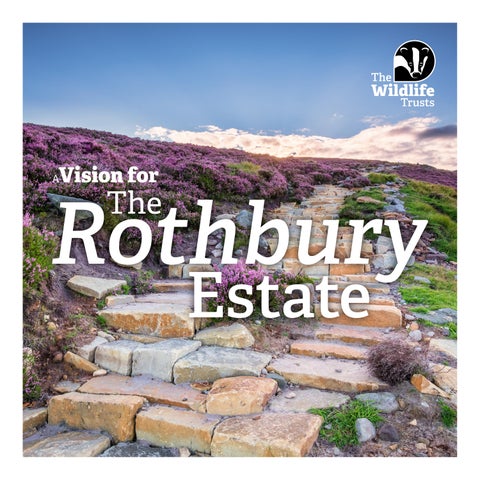
The Rothbury Estate will become the beating heart of a 40-mile nature corridor and nature economy in the north of England – an international exemplar demonstrating how...
nature’s recovery, world-class heritage, sustainable food production and thriving, resilient communities go hand-in-hand.
The opportunity and what’s at stake
It is often said, by ecologists, conservationists and politicians alike, that the UK is ‘one of the most nature depleted countries in the world’.
And tragically, it’s true.
There is a great body of evidence to be found documenting the historic decline of nature in the British Isles and, in particular, the loss or ‘thinning’ of nature that has taken place over the last 50 years or so.
What is not at the forefront, however, is what we practically need to do to try and reverse these catastrophic trends.
For me, it boils down to three key points:
1. It’s no longer enough to talk about protecting or conserving nature when what we have left is so depleted. We need to be restoring and recovering nature, at pace and at scale. Our vision must be to bring nature back, so that future generations benefit from more nature than our impoverished state today.
2. We need to make more space for nature and it needs to be bigger, better and joined up. This was the headline recommendation of the seminal Lawton Review published back in 2010, which warned then that “it will not be possible to halt and reverse the collapse of England’s
wildlife without a larger network (of nature sites) comprising more areas rich in wildlife, bigger sites, better managed sites and more inter-connected sites”.
3. We need to do this in a way that brings benefits for people and the economy if we want nature restoration and recovery to become the new norm. It’s not so much about balancing food, farming, recreation, education, tourism and nature, but more about integrating these opportunities so that nature can become the foundation for a modern, prosperous, regenerative economy, creating good quality jobs and investment that will provide long term benefit for rural and urban communities alike.
For some time now, The Wildlife Trusts — the largest group of grassroots nature organisations in the UK — have been looking for opportunities to advance this agenda to bring nature back.
When the Rothbury Estate came on the market in summer 2023, The Wildife Trusts, working with Northumberland Wildlife Trust, immediately saw a unique opportunity to make this happen at a bigger scale than ever before. At over 3,800 hectares (nearly 10,000 acres), it represents the largest piece of land in single ownership to come on sale in England for over 30 years, with no real expectation of anything of a similar size coming available any time soon.
If we cannot secure the entire estate by autumn 2026, this opportunity is at risk of vanishing altogether.
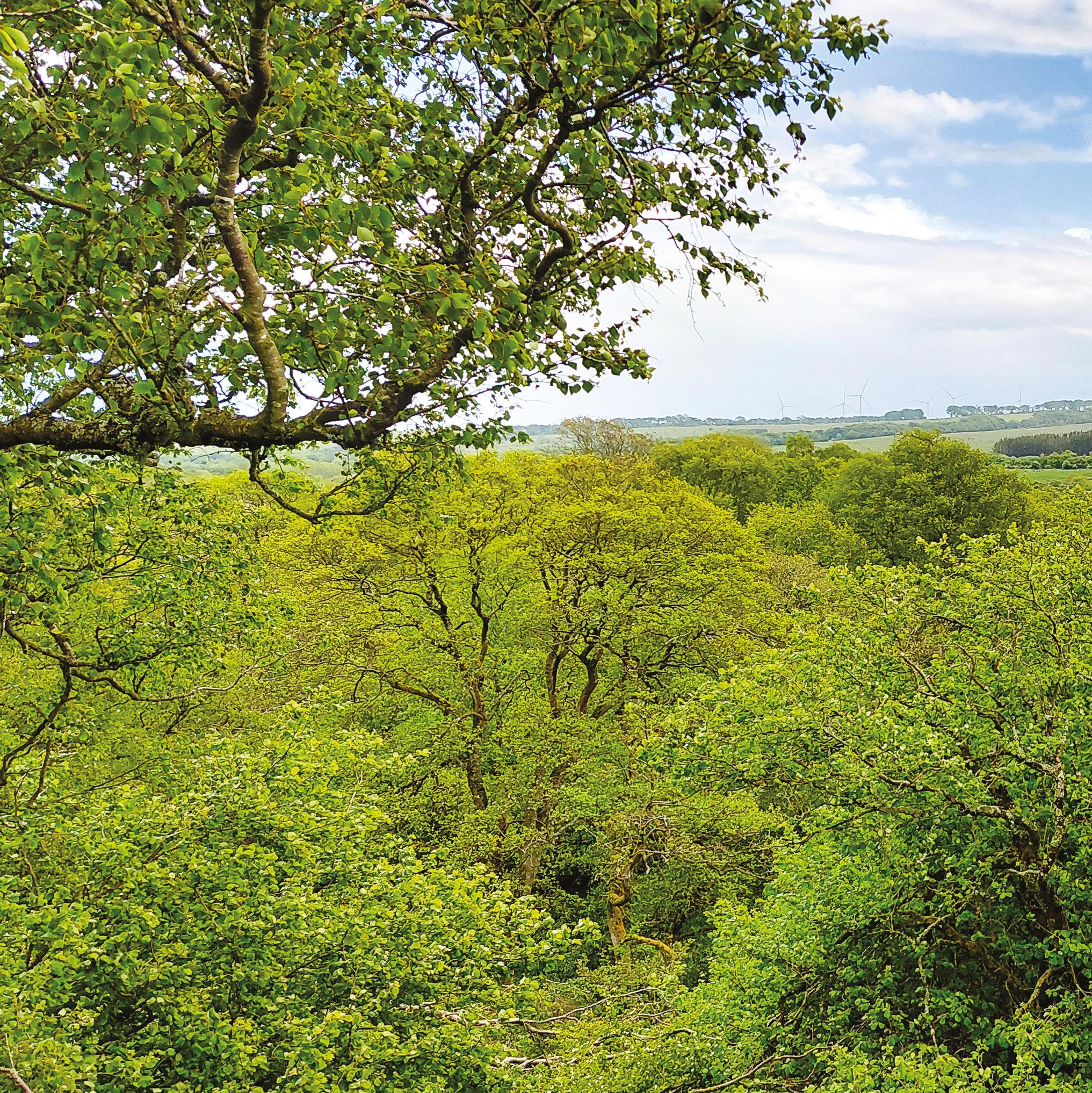
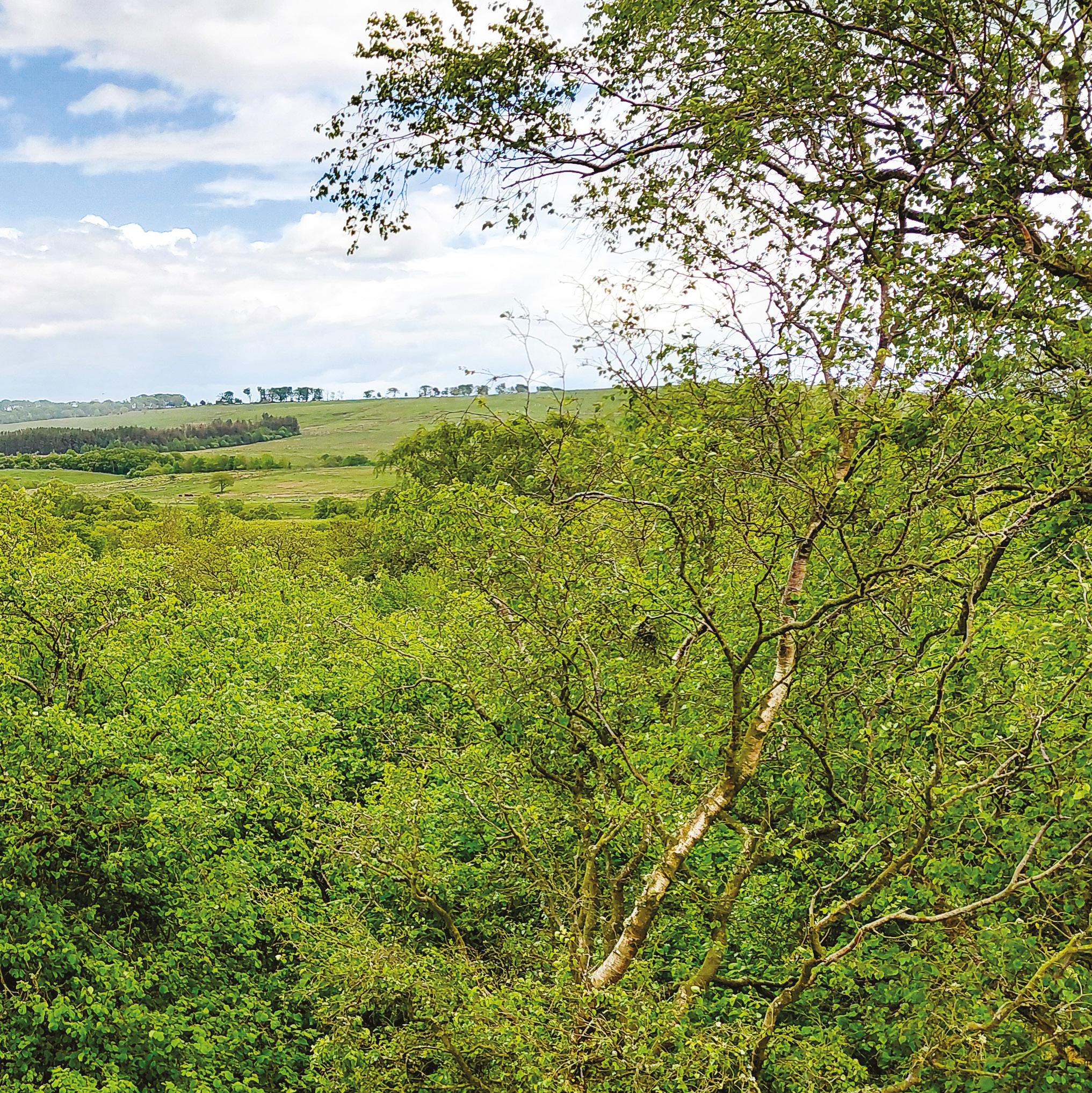
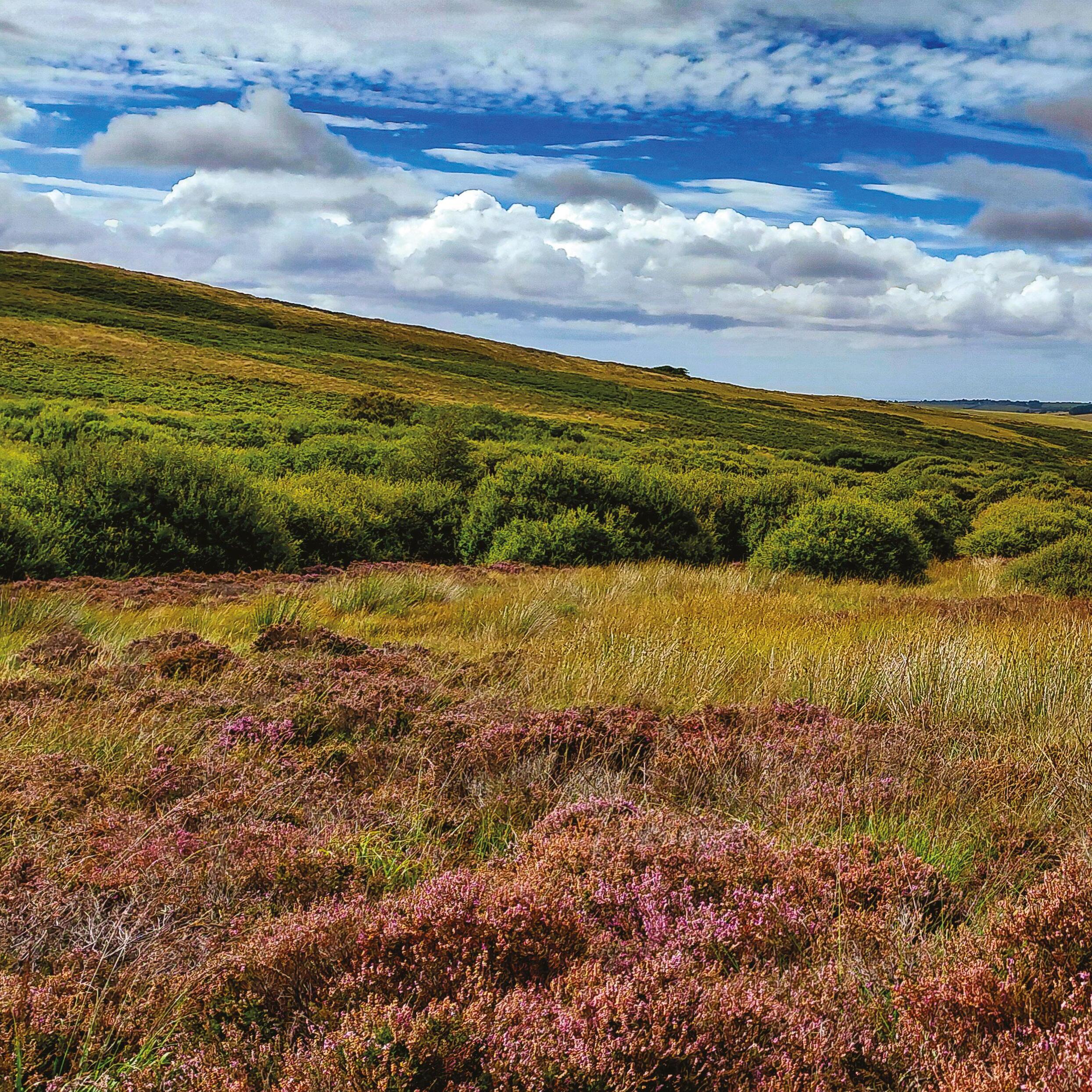
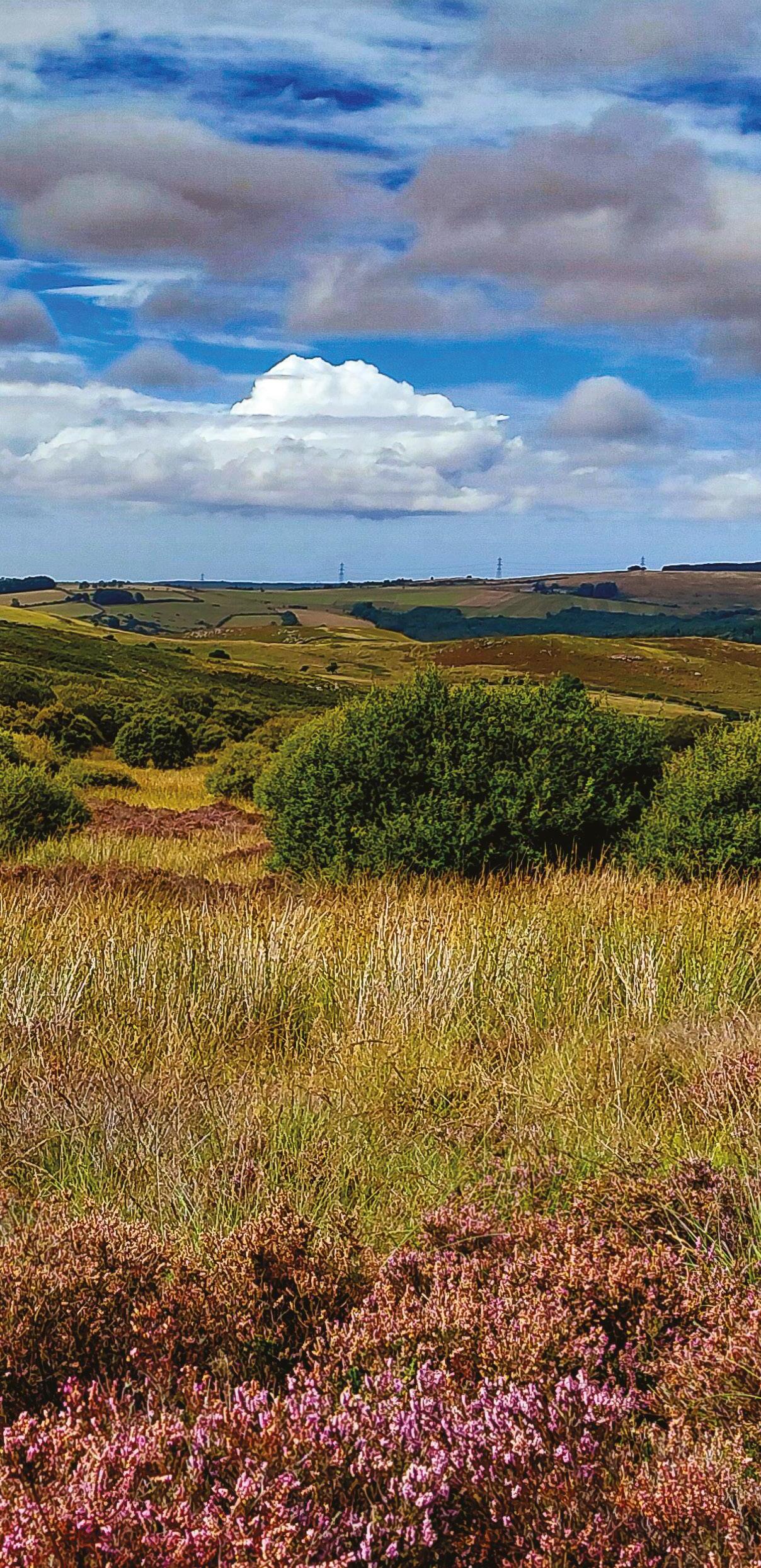
Furthermore, the Rothbury Estate comprises a spectacular range of habitats, from upland to lowland, peat bogs to mixed woodland and grassland, all connected by babbling brooks, streams and the beautiful River Coquet. It’s home to working farms, cottages and a pub — whilst the historic market town of Rothbury sits on its northern boundary.
As if this isn’t enticing enough, it has the potential to become the beating heart of a 40-mile nature corridor and nature economy in northern England, connecting with other nature-friendly landowners to all sides.
The Rothbury Estate offers an extraordinary chance to restore nature at a scale rarely possible in England. But if we cannot secure the entire estate by autumn 2026, this opportunity is at risk of vanishing altogether. The land will almost certainly be broken up into smaller parcels, each managed according to different priorities. This could mean commercial forestry, development or intensive land use — fragmenting habitats and undoing any progress made for wildlife.
Instead of becoming a national flagship for nature recovery and a thriving nature economy, the Estate risks losing it ecological integrity forever. The chance to create a connected landscape — where nature, people and enterprise flourish side-by-side — will be gone.
Fortunately, our plans have stimulated exceptional generosity, with gifts in support of this project ranging from £5 to £5 million. We are well on the way to making this extraordinary, transformational programme happen. But we need others to come on board.
I very much hope that might mean you — and look forward to meeting you in Rothbury one day, as we celebrate realising a wilder future.
Thank you.
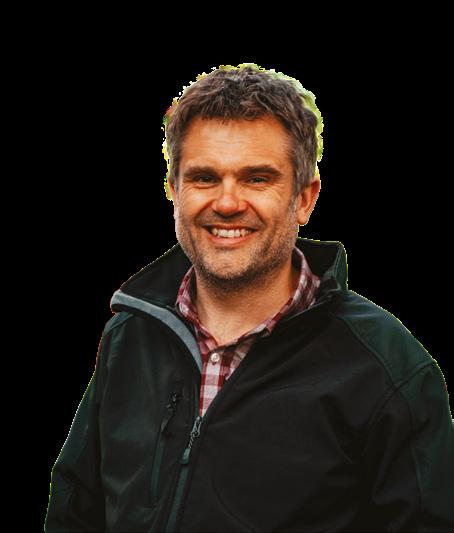
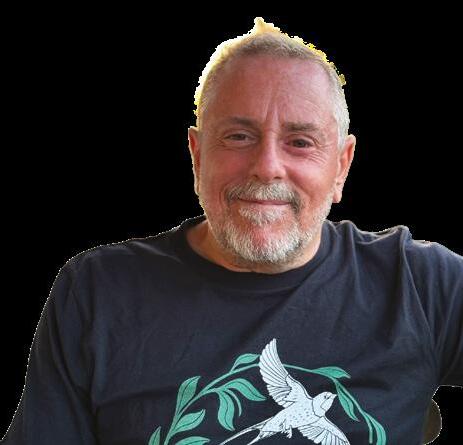
Craig Bennett
Chief Executive, The Wildlife Trusts
Why is The Rothbury Estate so special?
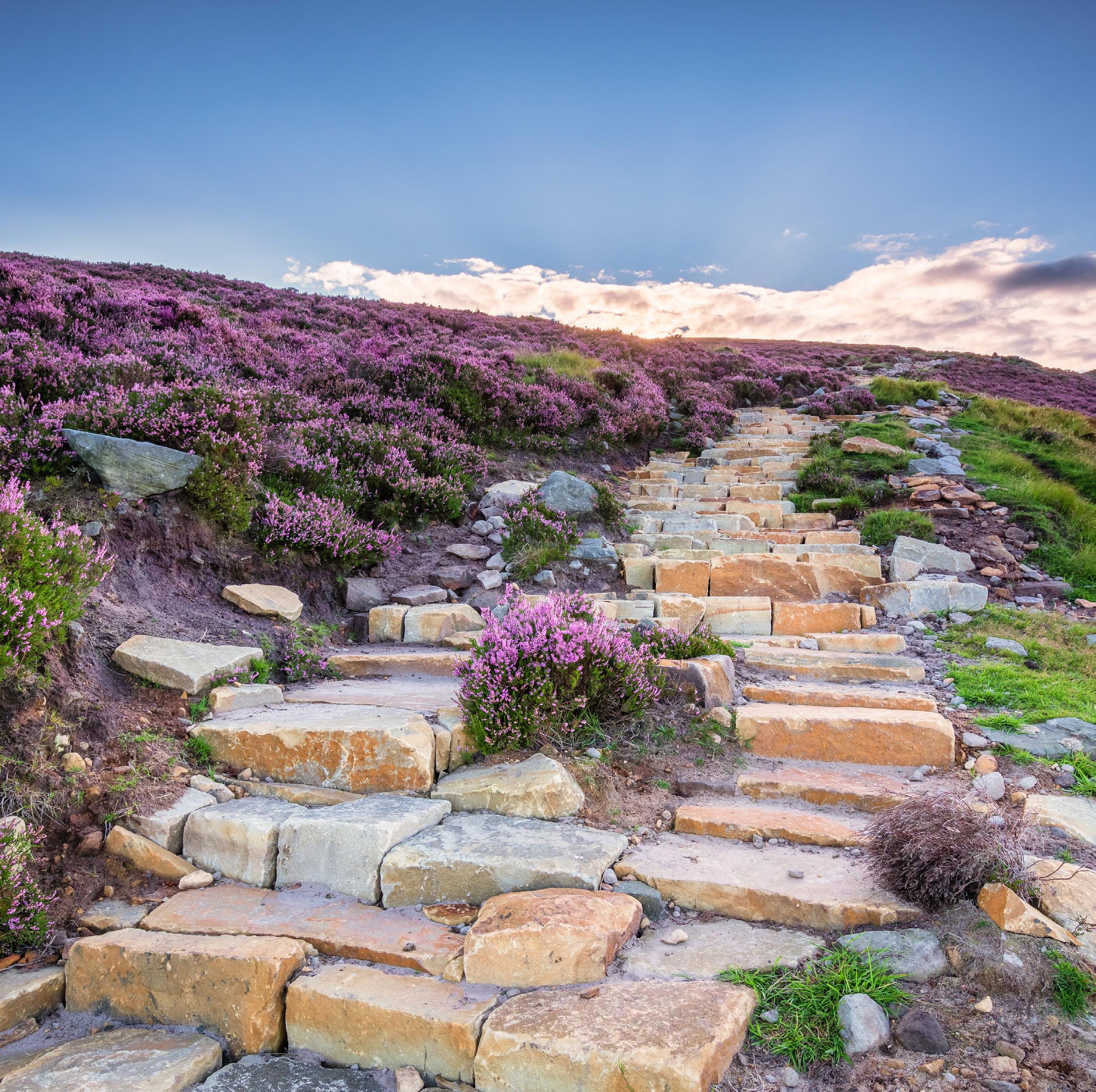
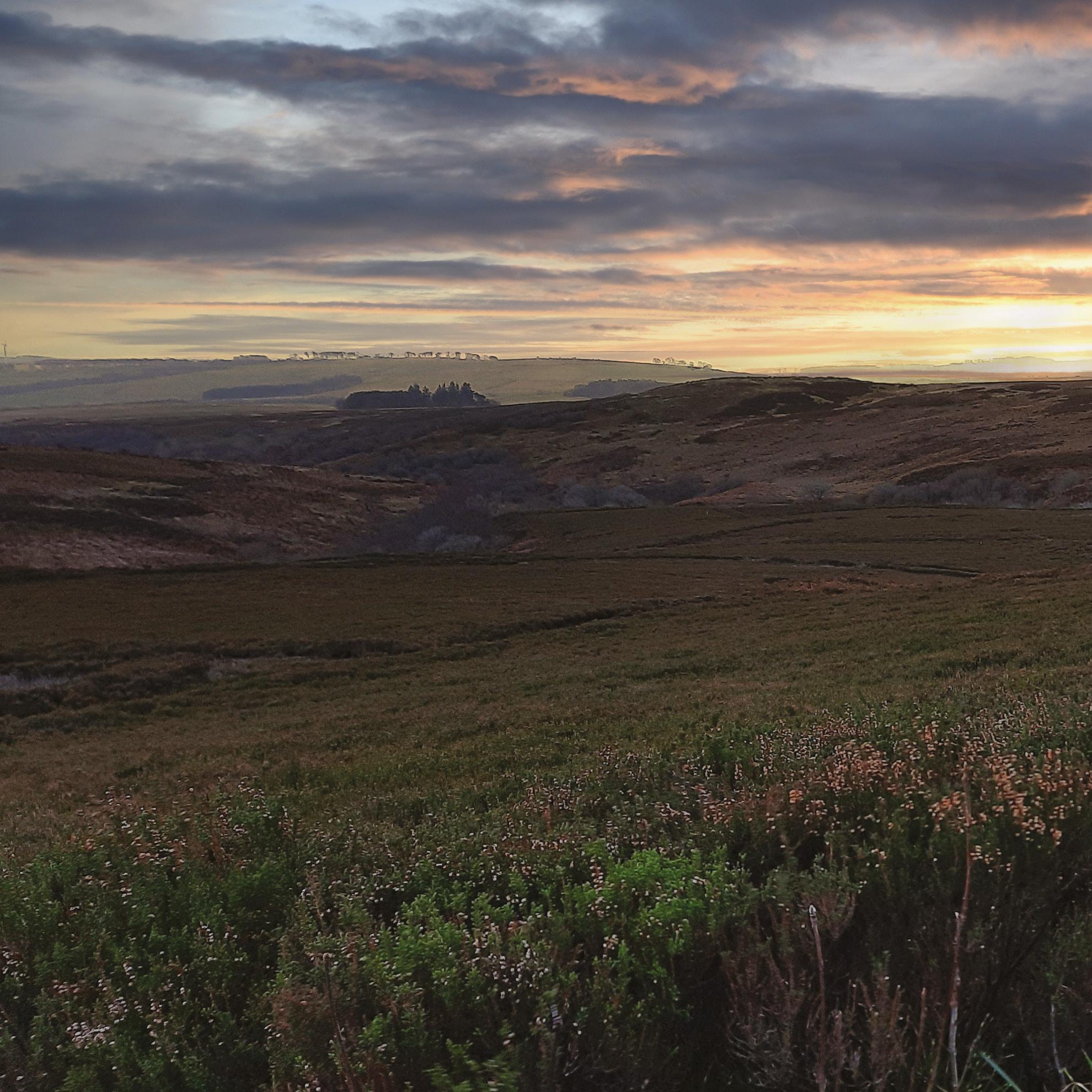
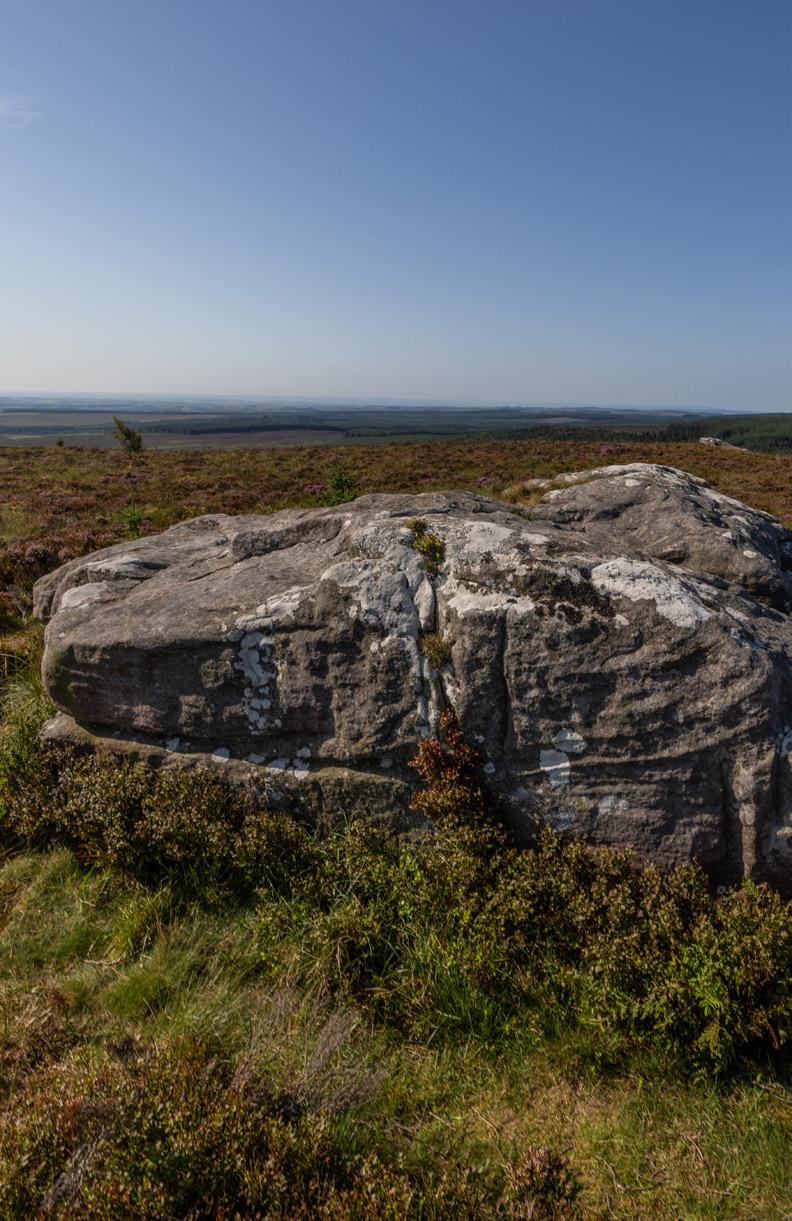
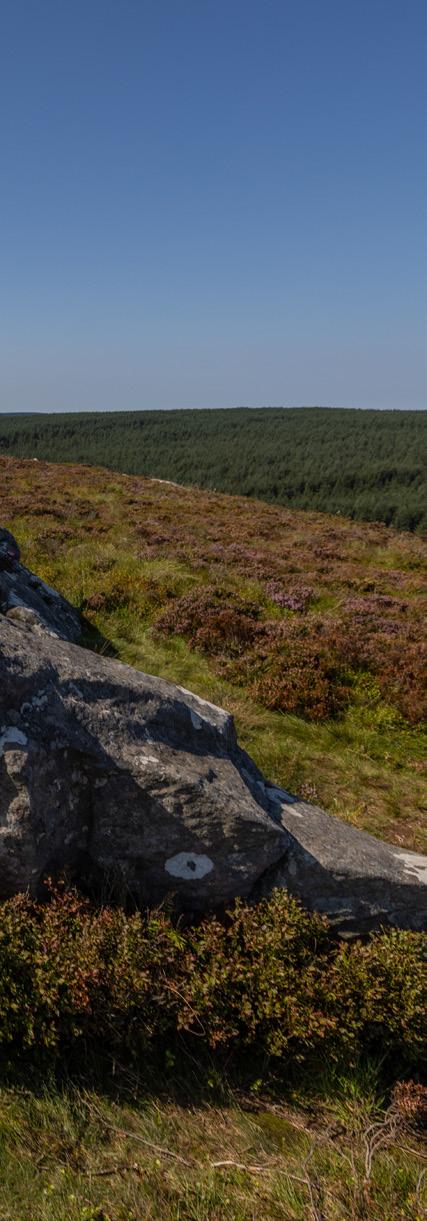
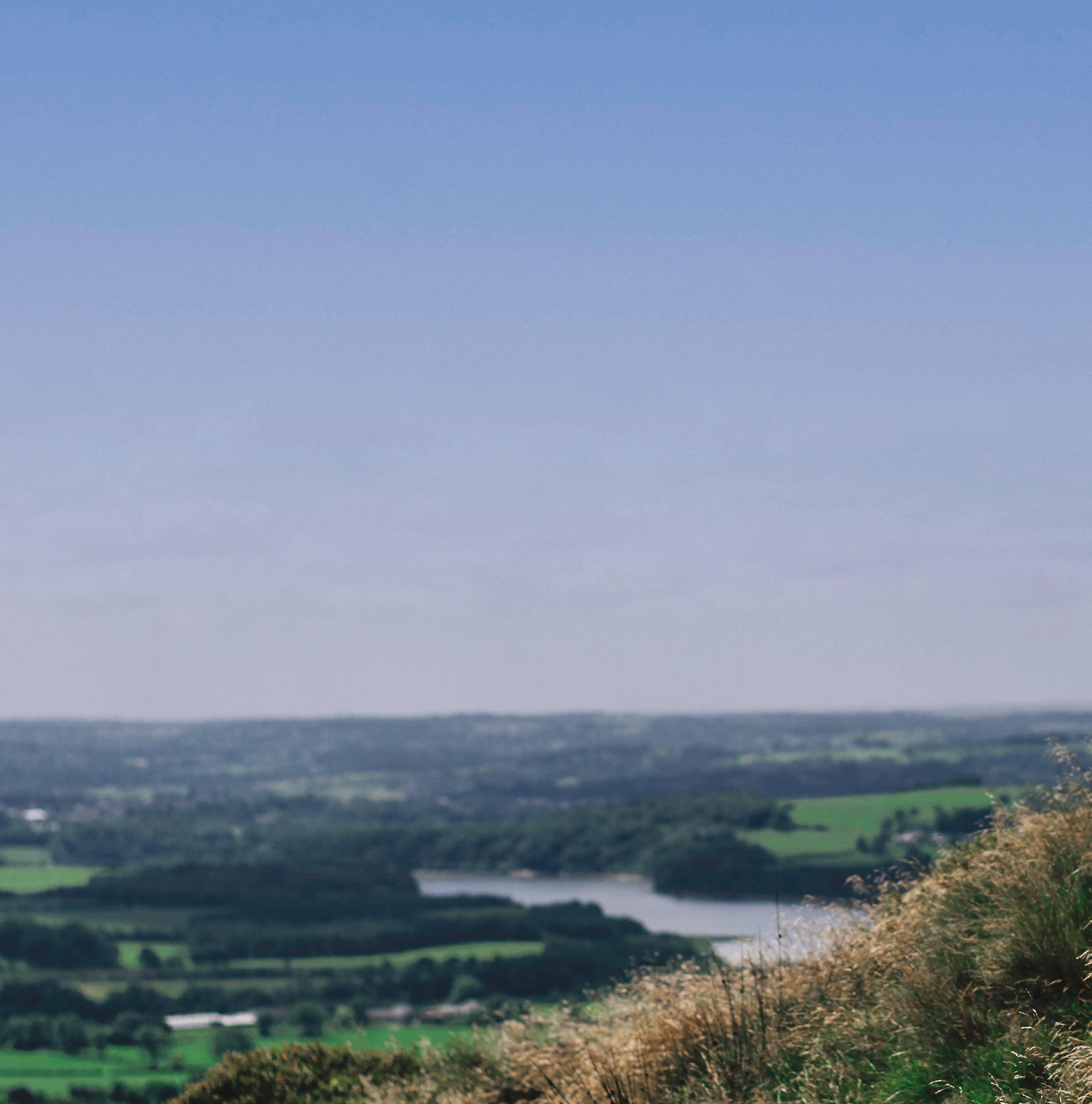
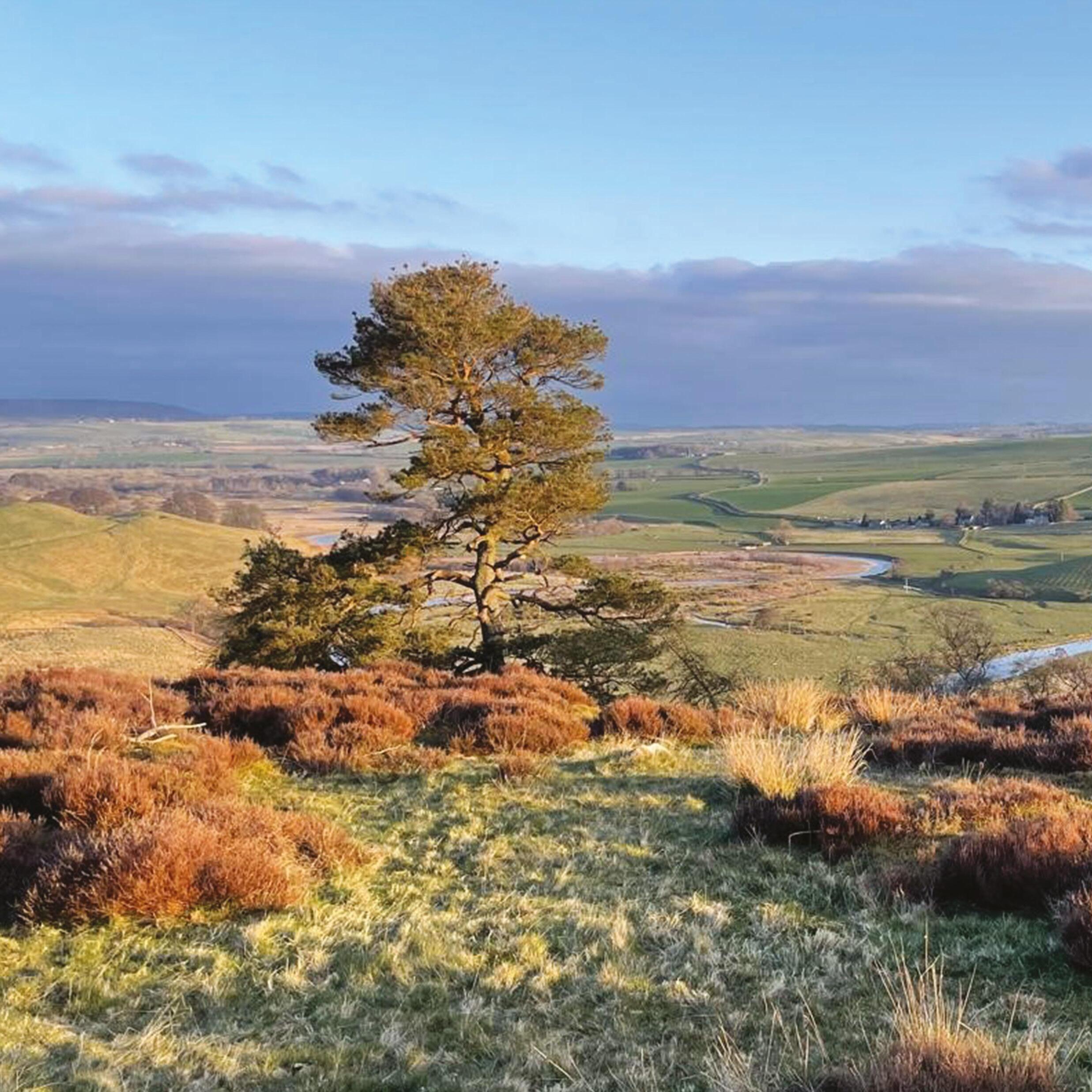
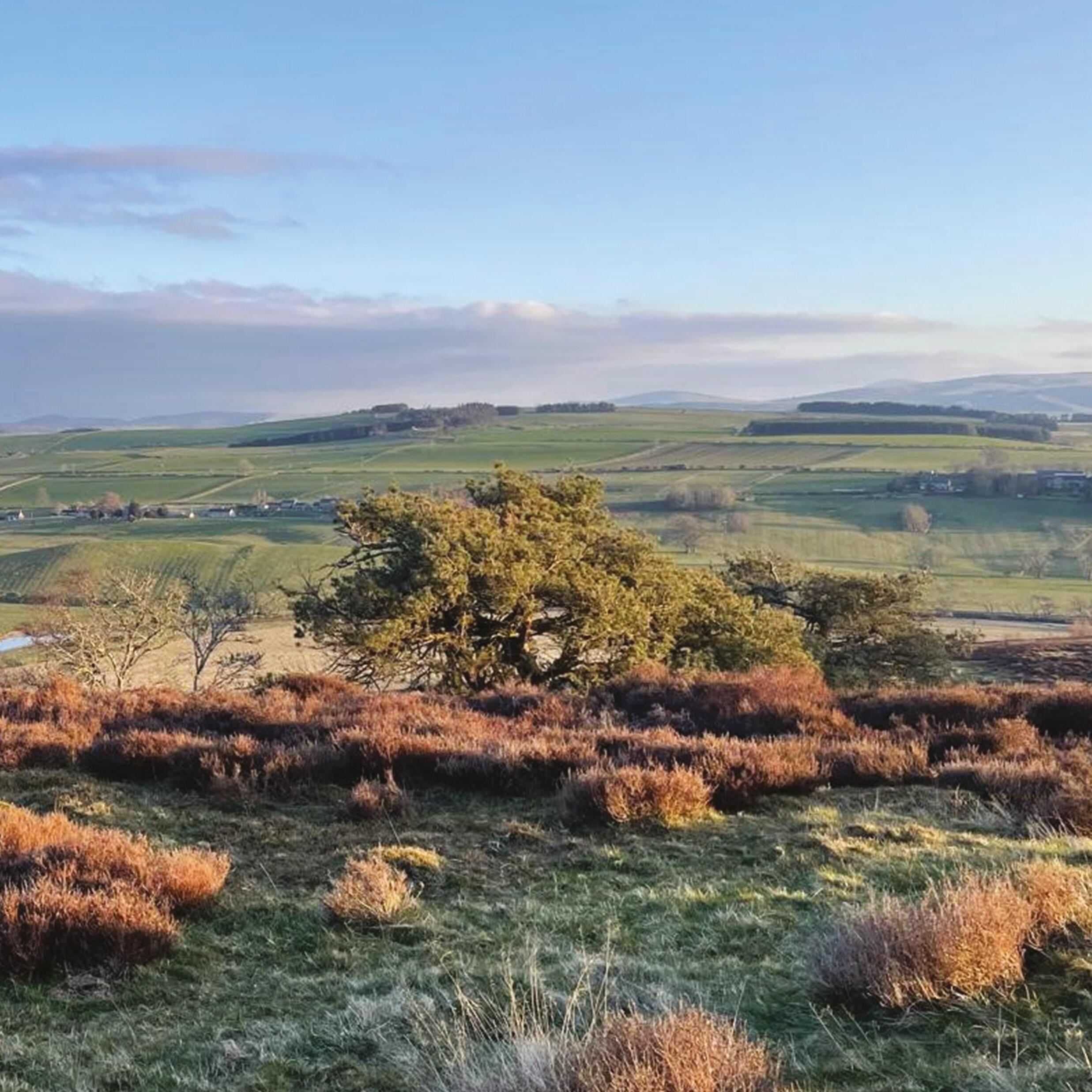
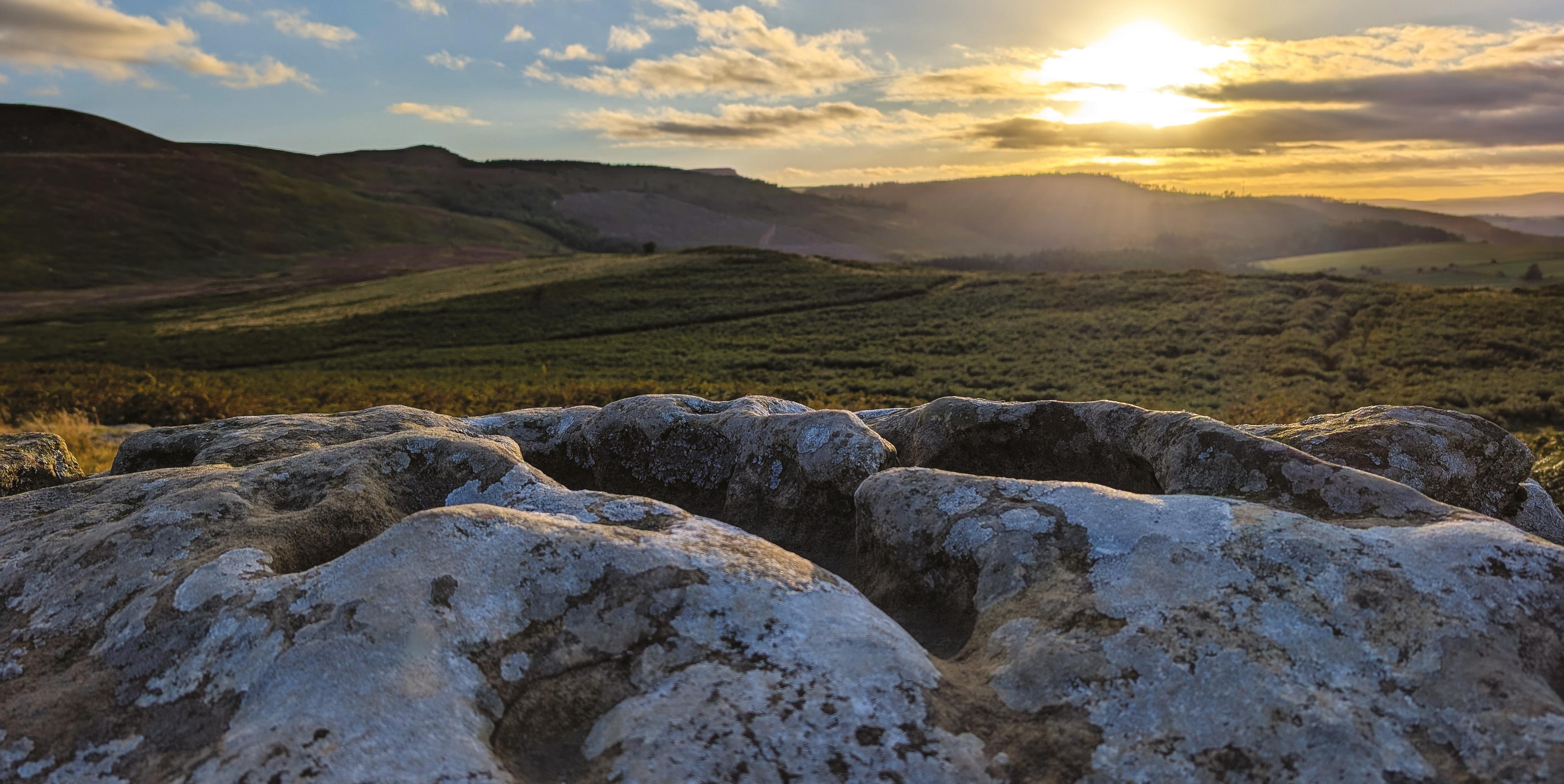
The Rothbury Estate is a breathtaking place, with sweeping landscapes and dark starlit skies. Covering over 3,800 hectares in the heart of Northumberland, it includes the Simonside Hills, famed for their rugged beauty and spectacular views across the Coquet Valley and beyond to the North Sea. It is a landscape that has inspired artists and musicians for centuries.
Much of the landscape’s distinctive character comes from its ancient geology, largely dominated by 340-million-year-old Carboniferous sandstone, which creates an
escarpment and moorland that is visible for miles. The tough dolerite rock of the mighty Whin Sill, on which Hadrian built his famous wall nearby, is also found here.
The land was in the ownership of the Percy family — the Dukes of Northumberland — for almost 700 years. But the evidence of ancient human lives dotted all around the Estate bear testament to its importance to people reaching much further back. It is an extraordinary place, where nature and human history together tell a remarkable story.
WHY IS THE ROTHBURY ESTATE SO SPECIAL?
A vital piece of the Northern Nature Corridor...
The Wildlife Trusts share an ambitious vision for a huge 40-mile nature corridor spanning 85,000 hectares across northern England, working with communities, farmers, landowners and other organisations in the area. Stretching from the North Sea coast at Druridge Bay in the east, to the Scottish-English Border uplands at Kielderhead and Whitelee National Nature Reserves, the Rothbury Estate would sit at its heart.
This remarkable estate lies within a network of sites managed by Northumberland Wildlife Trust, The National Trust, Northumberland National Park and Hepple Wilds — among others — and is connected to the coast by the River Coquet, home to salmon and sea trout. To the west, the landscape rises to high moors, upland sheep pastures and coniferous forests reaching towards Kielderhead and the Scottish border. Building greater connectivity between these habitats is vital to reversing
the UK’s nature crisis, enabling wildlife to move freely, adapt to climate change and thrive through increased genetic diversity.
But Rothbury Estate represents more than connectivity — it offers the chance to create one of the UK’s most revered wildlife destinations, a living showcase of nature’s recovery that could inspire millions through national wildlife documentaries and media. A place synonymous with hope for nature.
The opportunity comes at a pivotal moment, as a growing movement of land managers and organisations embrace regenerative practices that restore natural processes. Rothbury Estate is the lynchpin of this vision — anchoring the new nature corridor, nurturing collaboration and testing pioneering approaches. There are very few places in England today with the potential to create such a connected, celebrated landscape for nature and people on this scale.
WHY IS THE ROTHBURY ESTATE SO SPECIAL?
Huge potential for more nature...
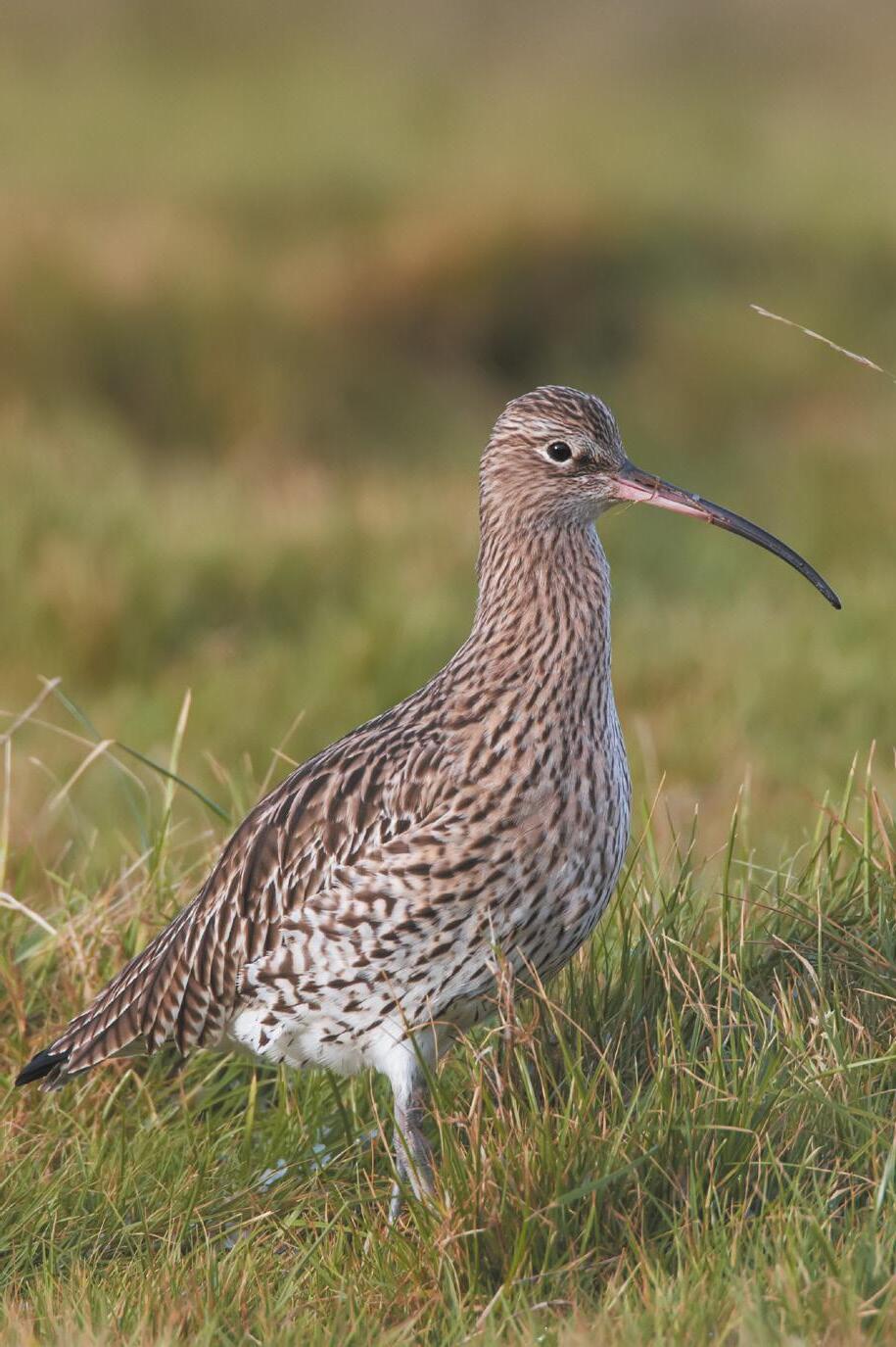
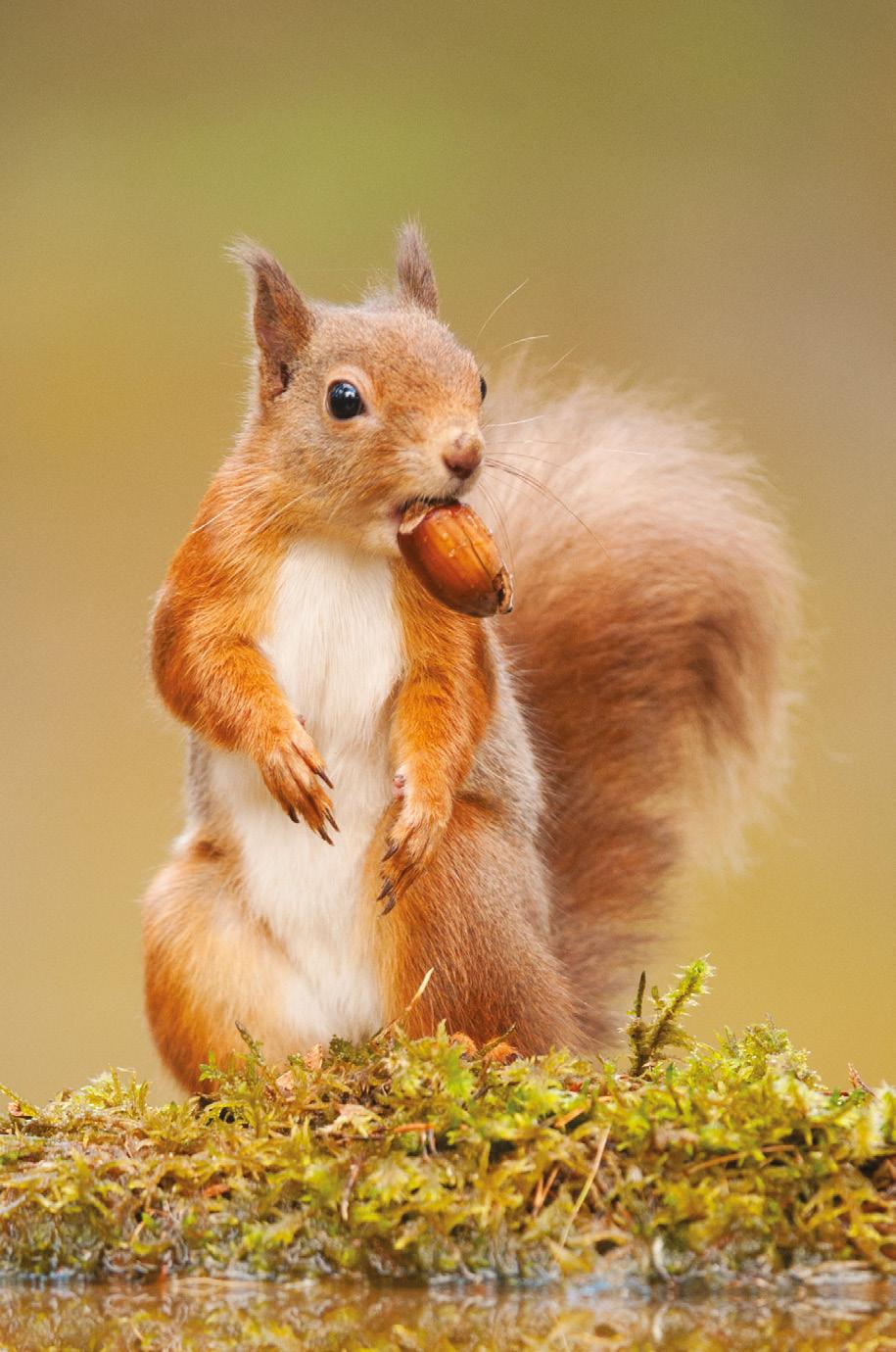
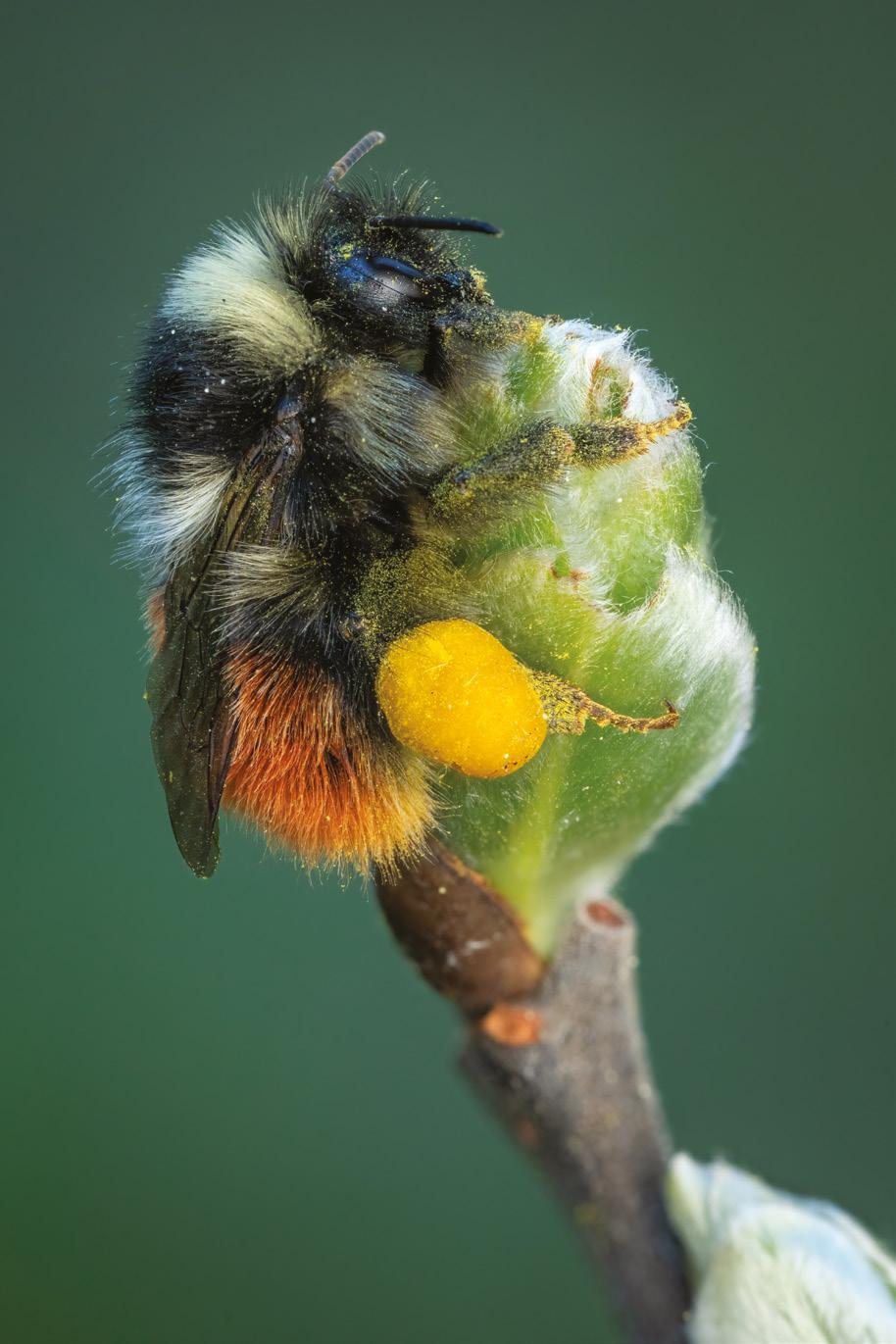
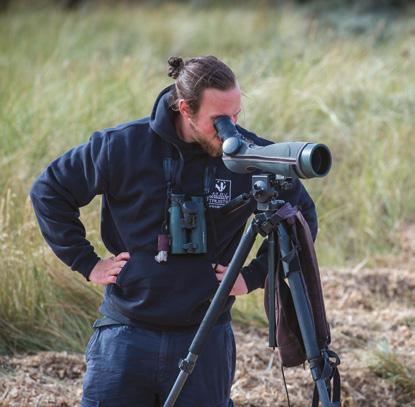
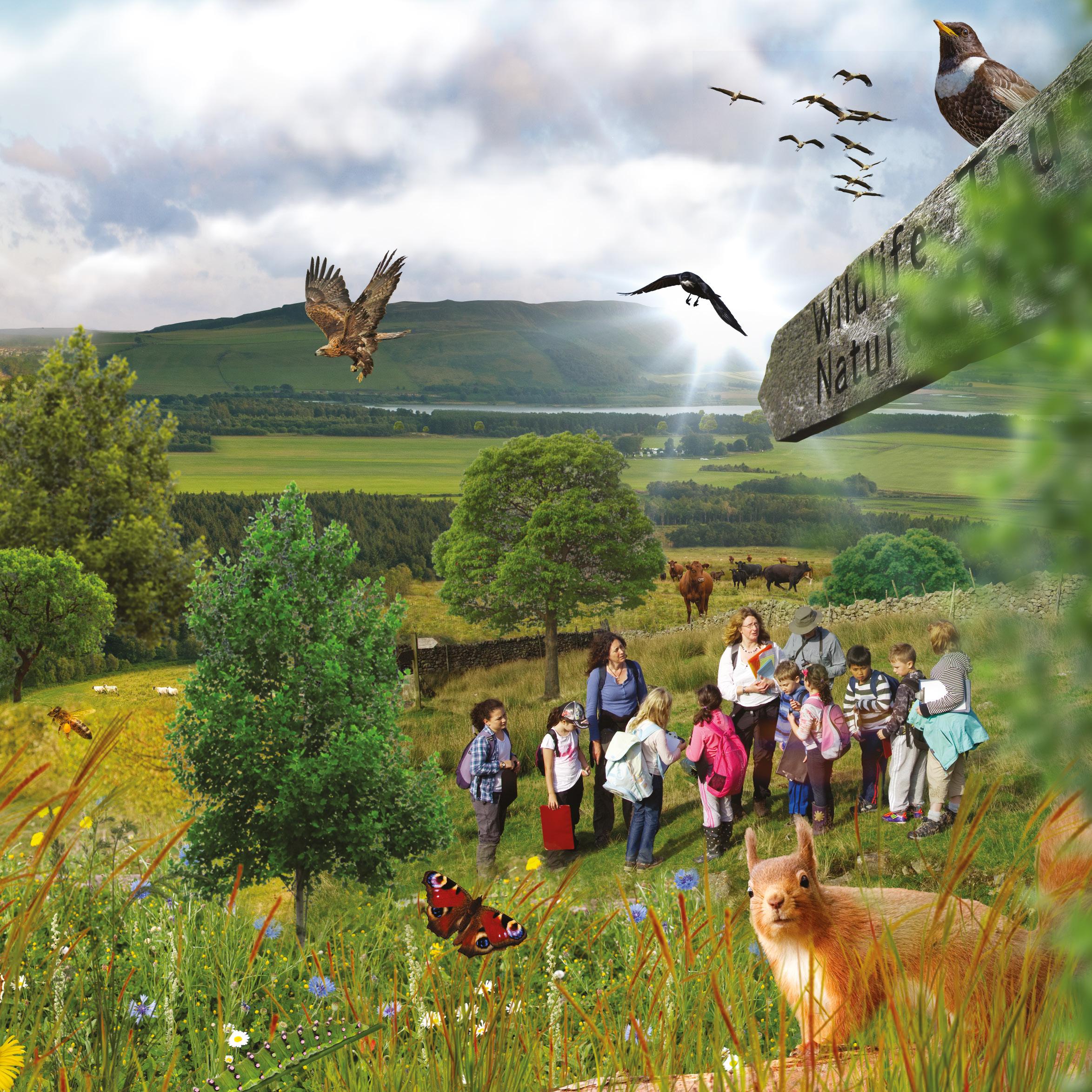
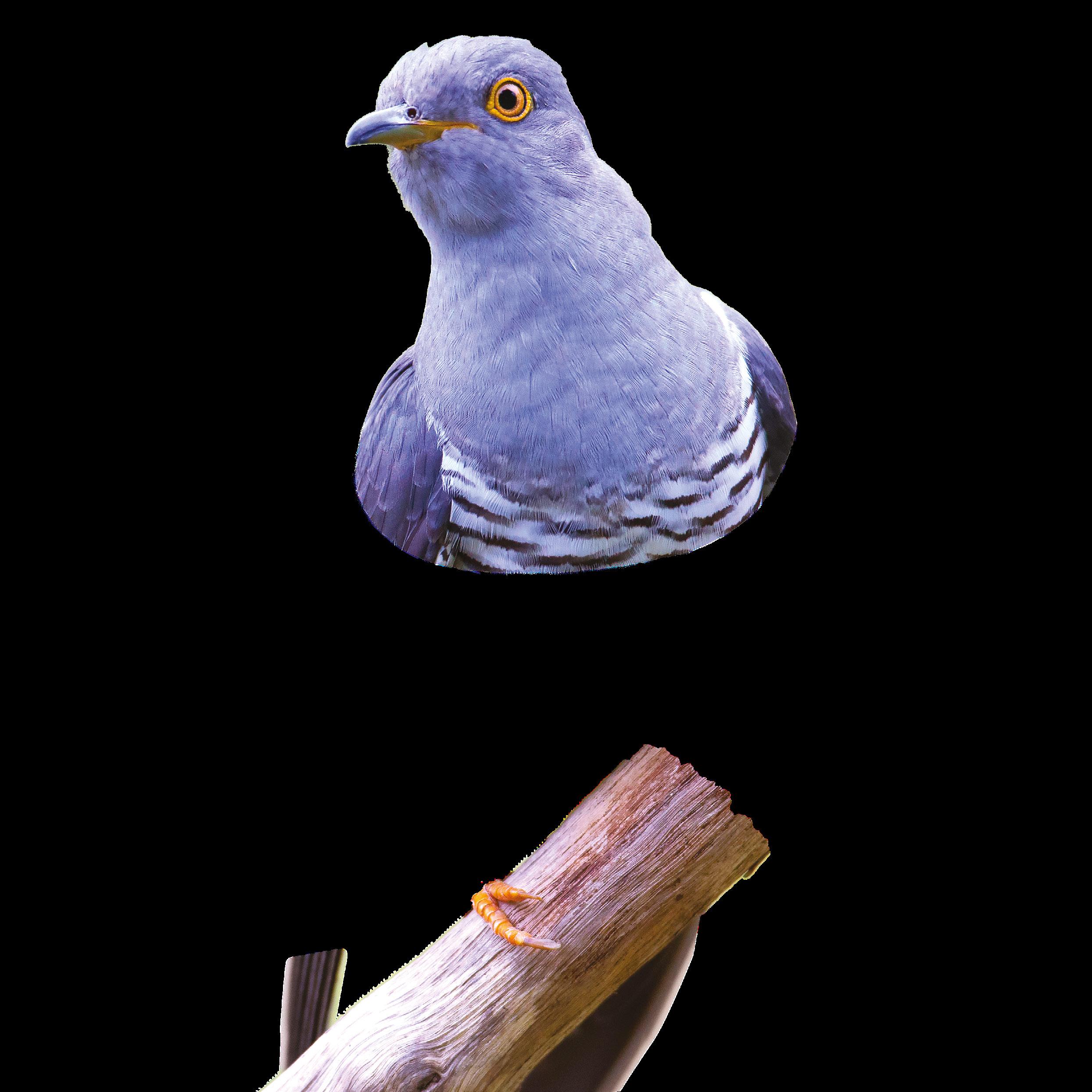
Some of the UK’s rarest wildlife depends on this land. The Estate’s dramatic uplands are already home to curlew, mountain bumblebee, lapwing and other wading birds, whilst its woodlands provide a refuge for endangered red squirrels. Cuckoo and merlin — the UK’s smallest falcon — are also found here. In spring, the Simonside Hills are alive with the sound of skylarks singing high in the air as they mark out their territories and try to attract a mate.
In summer, flowers such as harebell, wild thyme, devil's-bit scabious, maiden pink, rockrose and mountain pansy bring colour to the grasslands. Atlantic salmon and critically
endangered eels swim in the Estate’s rivers and its riverside woodlands support rare summer breeding birds such as wood warbler, redstart and pied flycatcher. Meanwhile an incredibly rare habitat, a ‘petrifying’ springfed moss mound, has recently been found on the Estate.
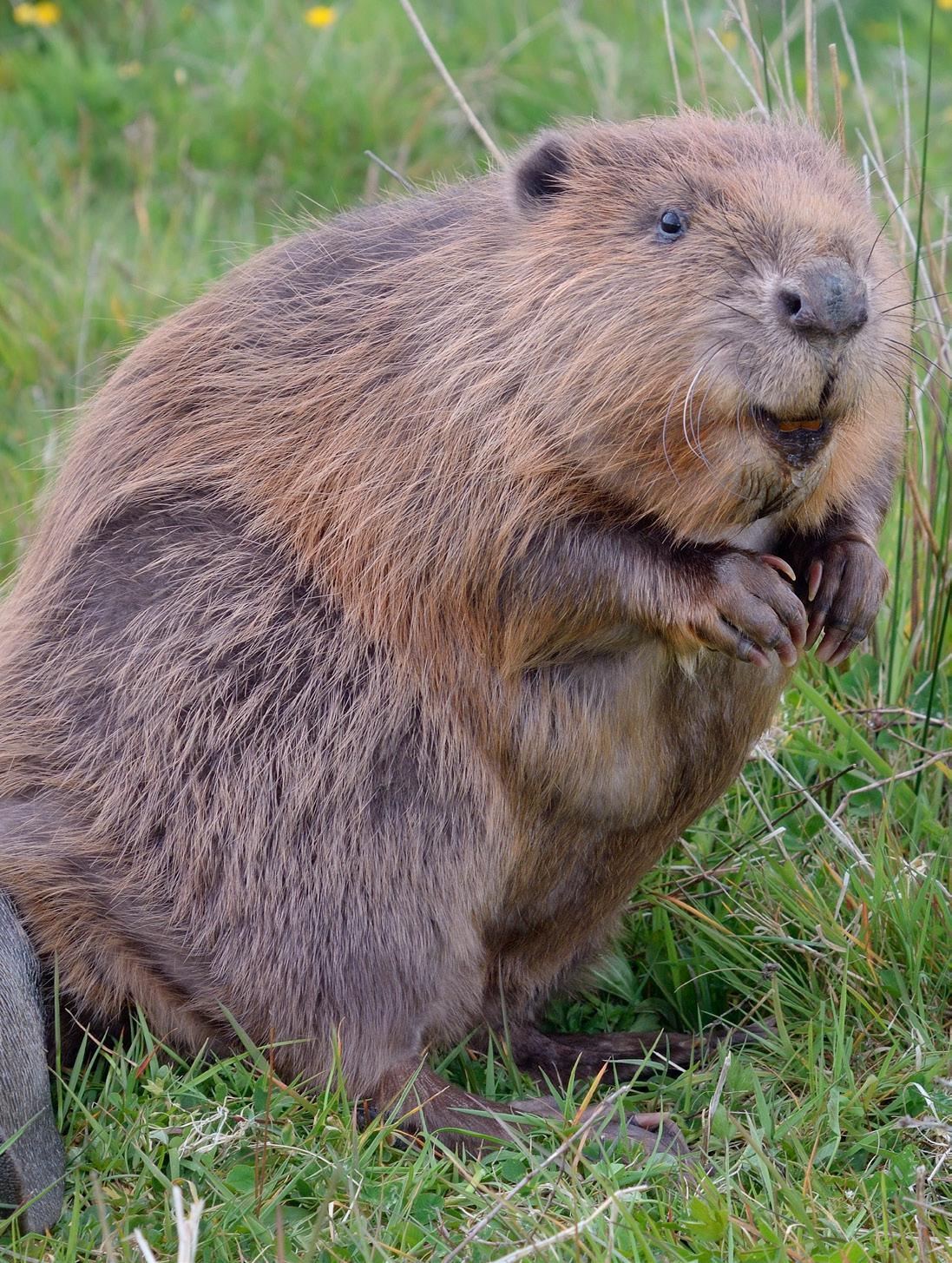
But this rich tapestry of wildlife could be richer still, with the return of more species and in much greater numbers in the next decade. Longer term and building on these foundations, we could also see secretive pine marten moving softly through the forests, beaver on the waterways and eventually European bison in woodland glades.
WHY IS THE ROTHBURY ESTATE SO SPECIAL?
Home to world-class heritage...
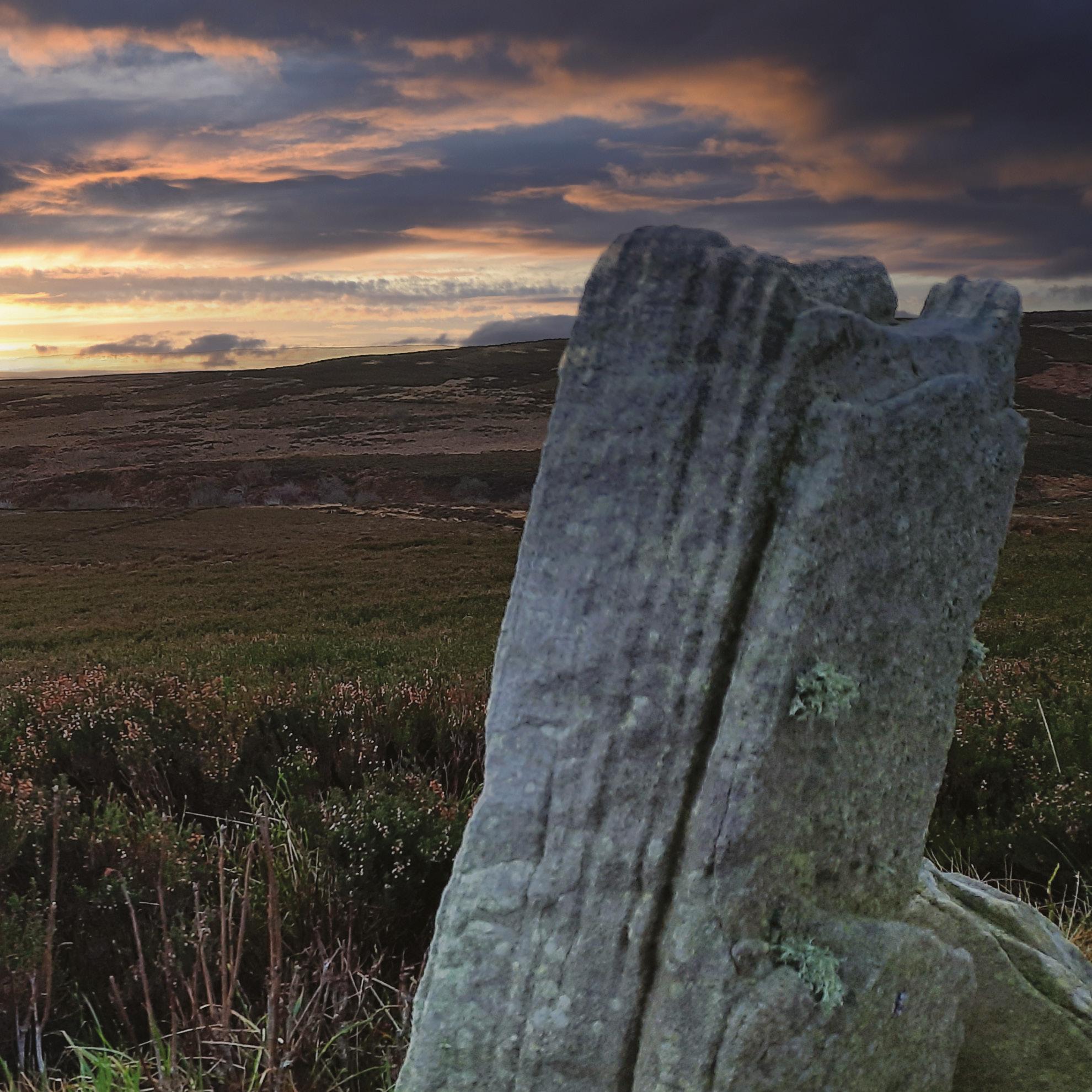
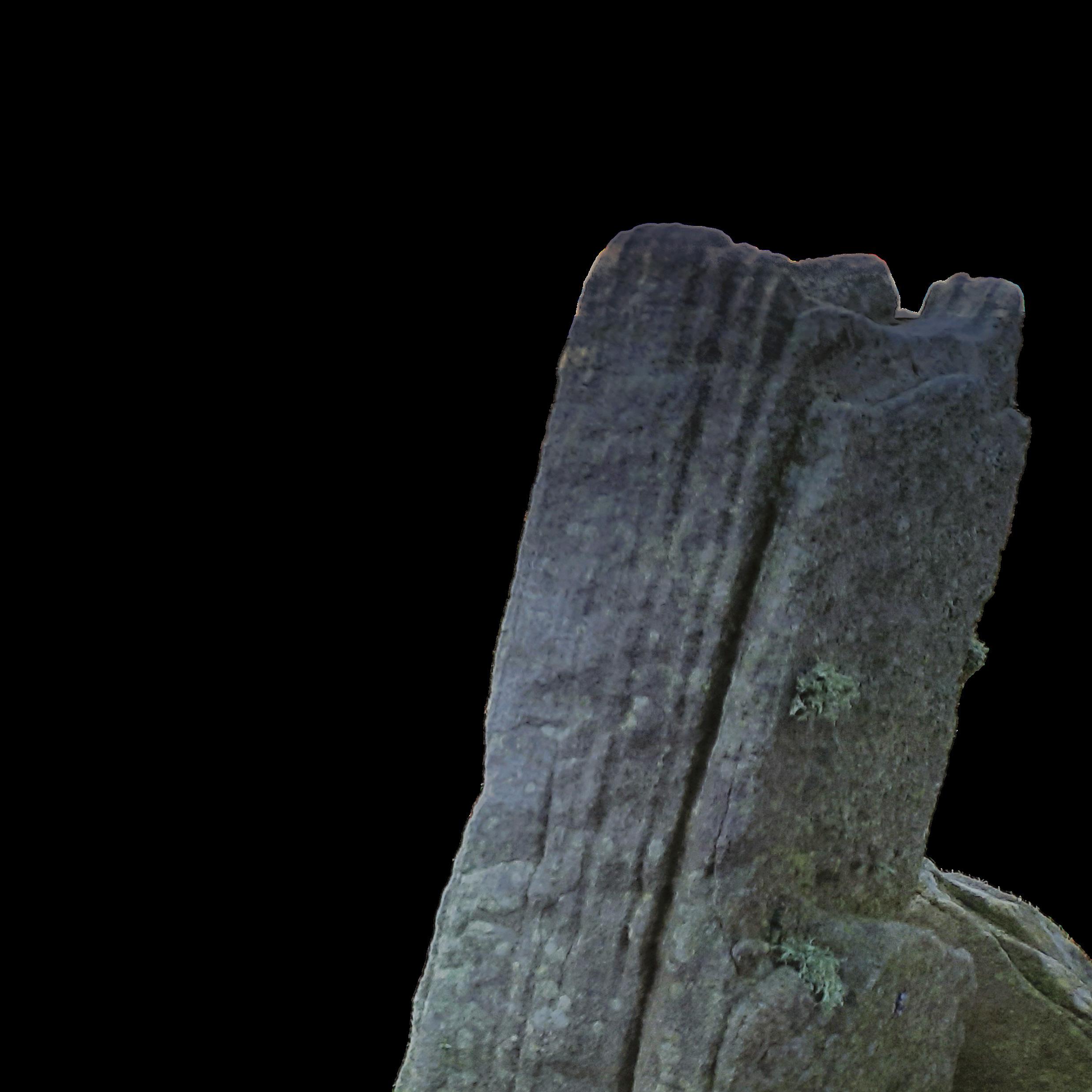
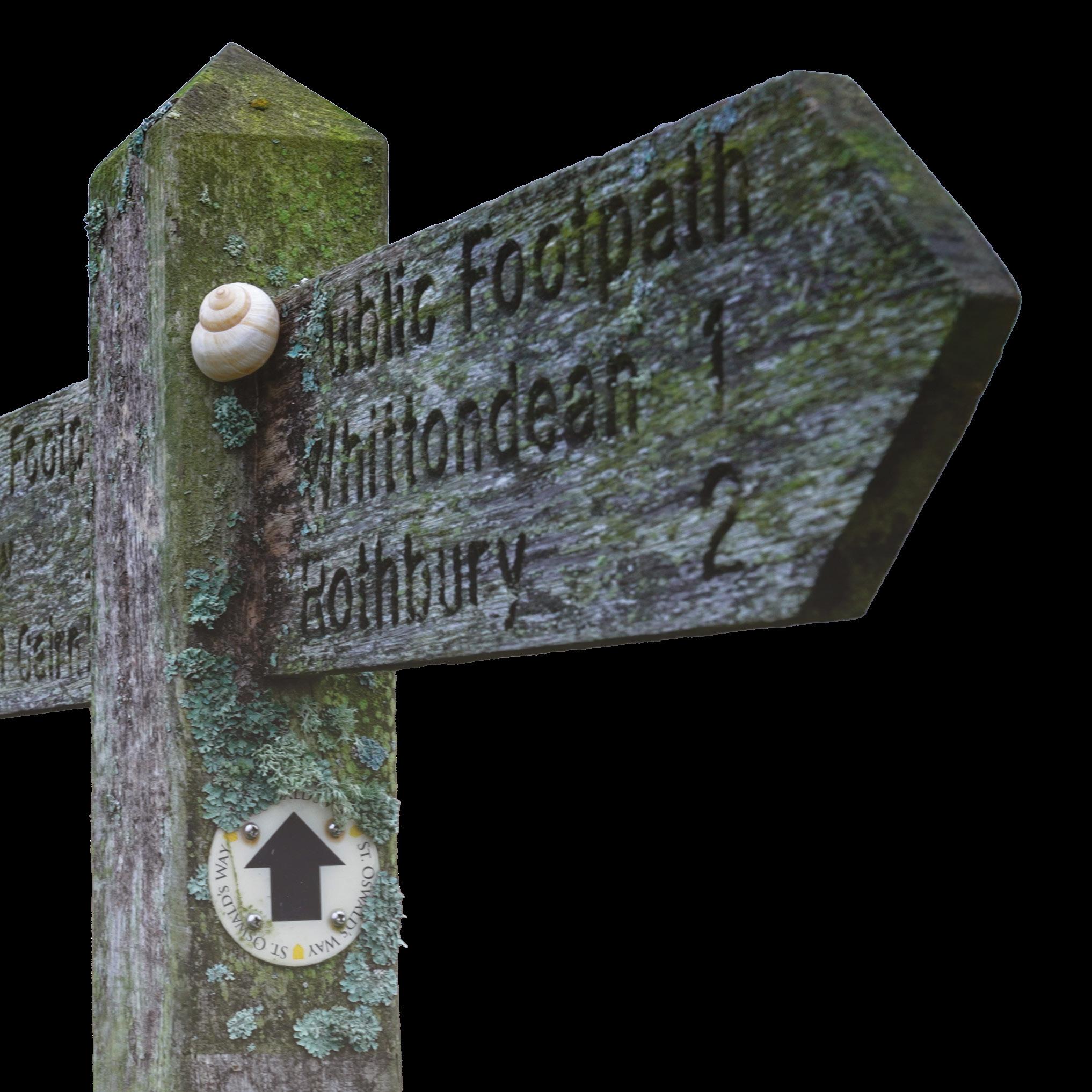
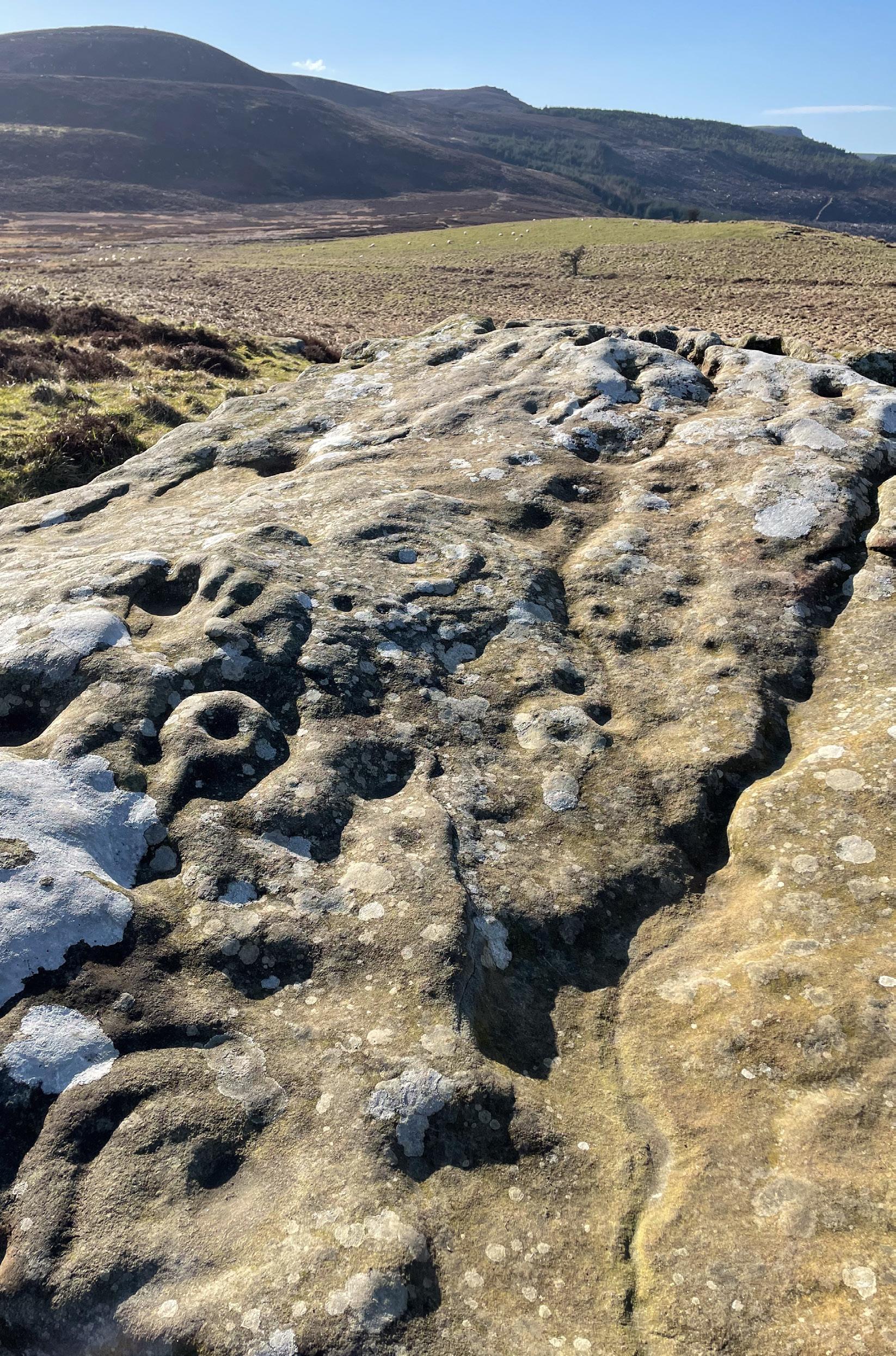
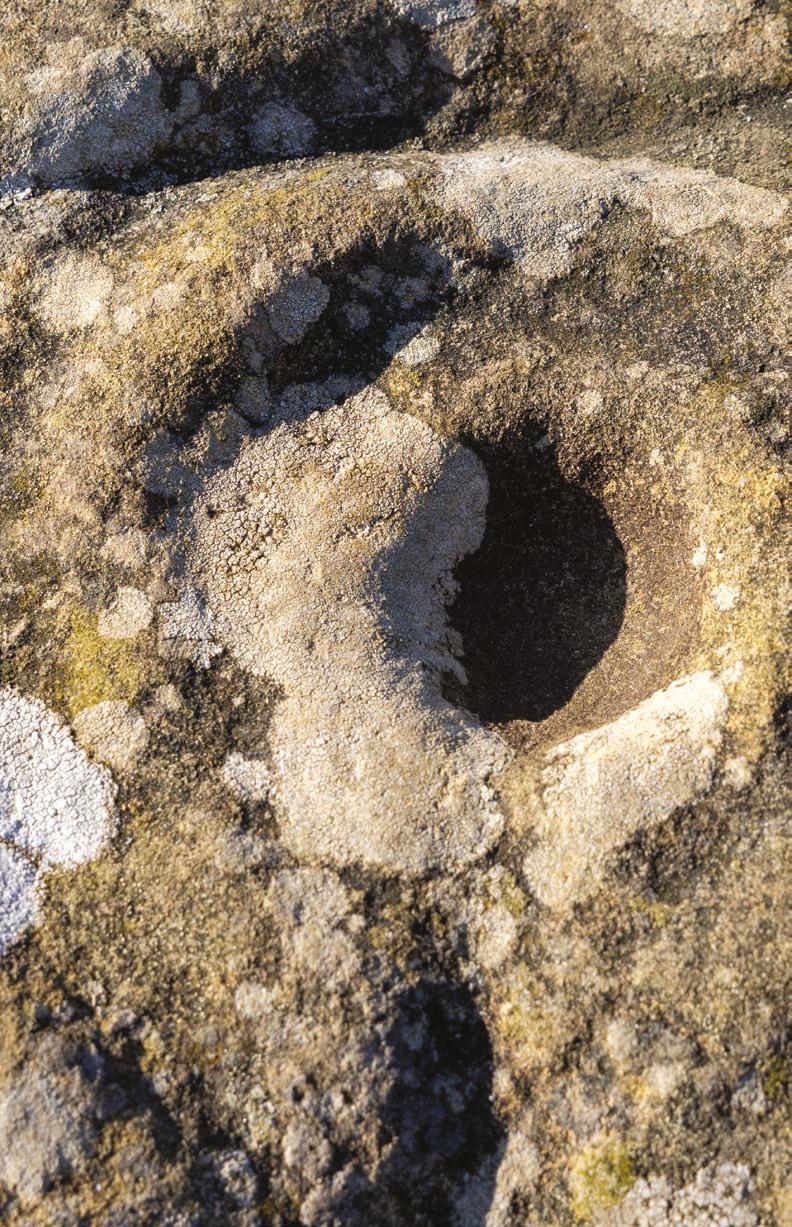
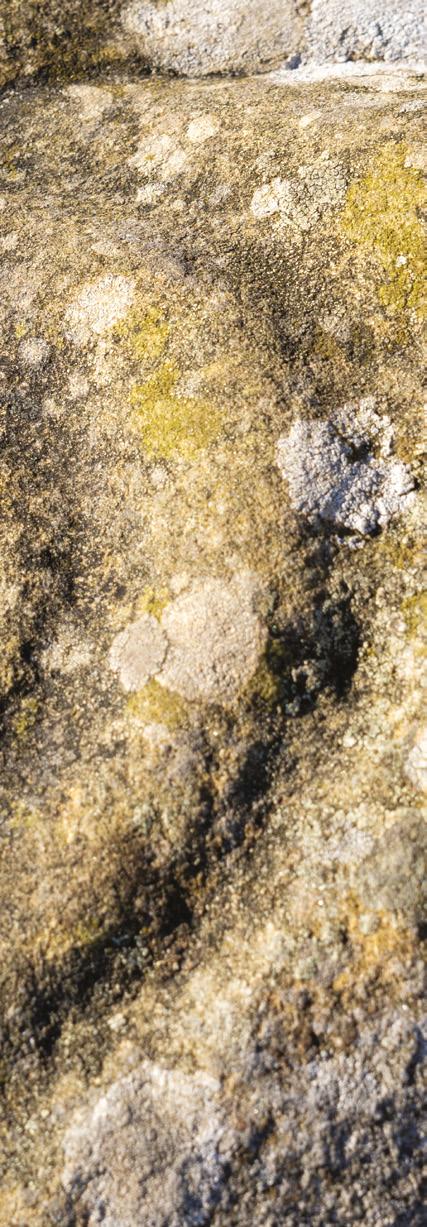
The Rothbury Estate is a world-class archaeological, geological and historic landscape. A deep connection with humans over 6,000 years of history is visible in its prehistoric burial cairns, the ancient Simonside cup and ring-marked rocks, Bronze Age burial mounds and an Iron Age hill fort. The long-distance footpath that winds through the land, the St Oswald’s Way, pays homage to the King of Northumbria, who in the early 7th Century played a major role in spreading Christianity across the British Isles
Fast forward a few hundred years and signs of medieval field systems and the remains of a medieval deer park wall provide a clue to the human activity from this period. The ruins of a 16th or 17th Century bastle (a fortified farmstead) speak of violent assaults by Border Reivers and Moss Troopers who roamed these lawless Scottish/English borderlands.
In more recent history, Grade II listed pill boxes and milestones sit alongside traditional sandstone farm buildings built in the local vernacular style, along with reminders of the landscape’s industrial past, including miners’ cottages and the now disused Rothbury railway line.
Experts agree the area is likely to contain an even richer archaeological heritage, which has not yet been recorded and could be revealed if The Wildlife Trusts are able to secure the Estate in full. This will provide opportunities for scholarship and research to reveal more of its ancient secrets.
The Estate also boasts amazing geological features and dark, starlit skies at night. All of these present brilliant opportunities to involve specialist local, national and international interest groups.
WHY IS THE ROTHBURY ESTATE SO SPECIAL?
Abounds with partnership opportunities
With the communities who live, visit, work and farm on and around the Estate, we will evolve a vision for the next chapter of this remarkable landscape’s story. We will show how nature, community and the rural economy can work together, with people and wildlife thriving side-by-side.
If The Wildlife Trusts are successful in acquiring the whole of Rothbury Estate, it will remain a cherished home for those who love and care for the land, while becoming a hub for local businesses — including food growers and producers — to collaborate and celebrate all that the area has to offer.
The risk to The Rothbury Estate should we fail
If The Wildlife Trusts fail to secure the future of the Rothbury Estate in its entirety, this once-in-a-generation opportunity will be lost.
The remaining land will almost certainly be sold off in smaller parcels, fragmenting the landscape and dismantling the vision of a connected, nature-rich corridor that benefits both wildlife and local communities.
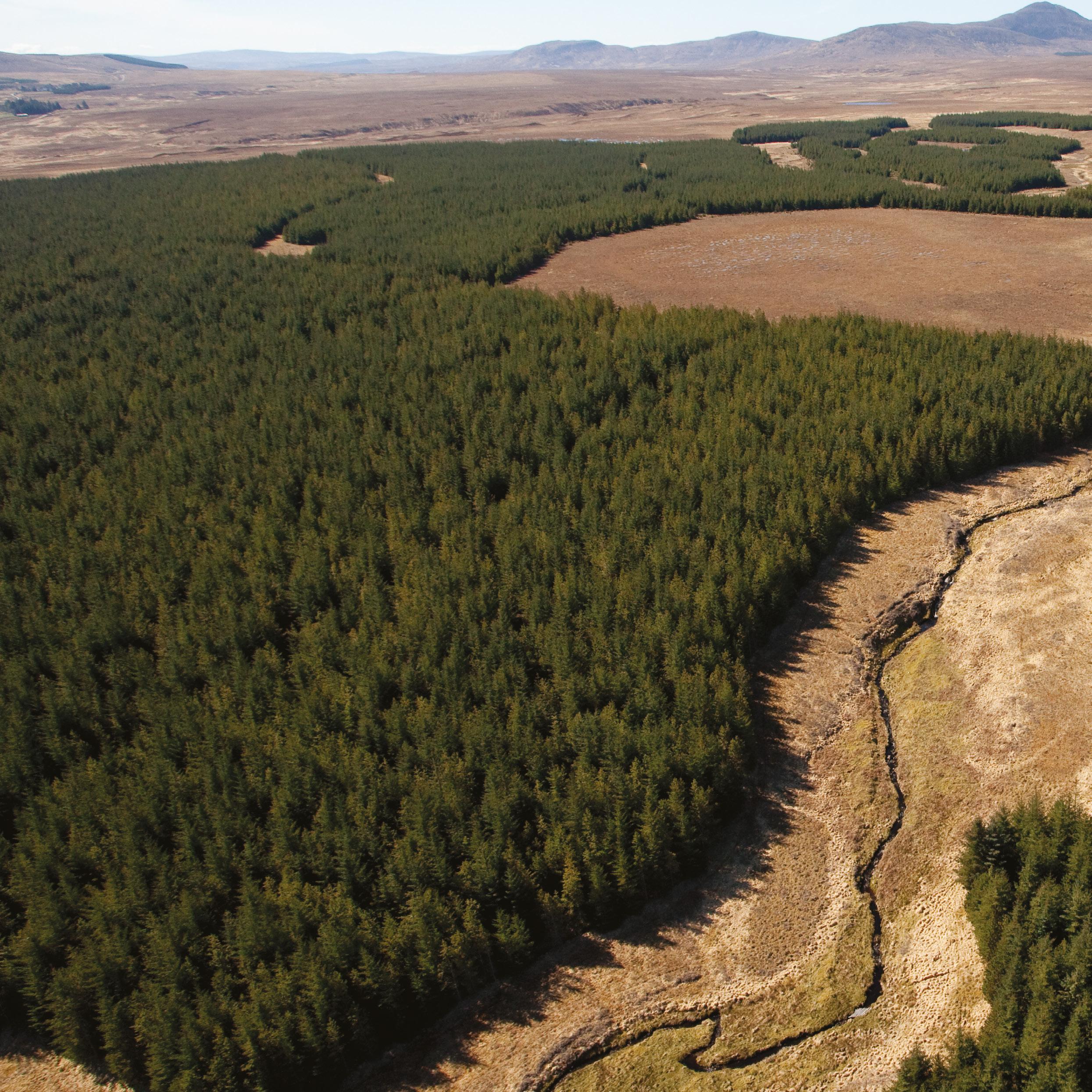
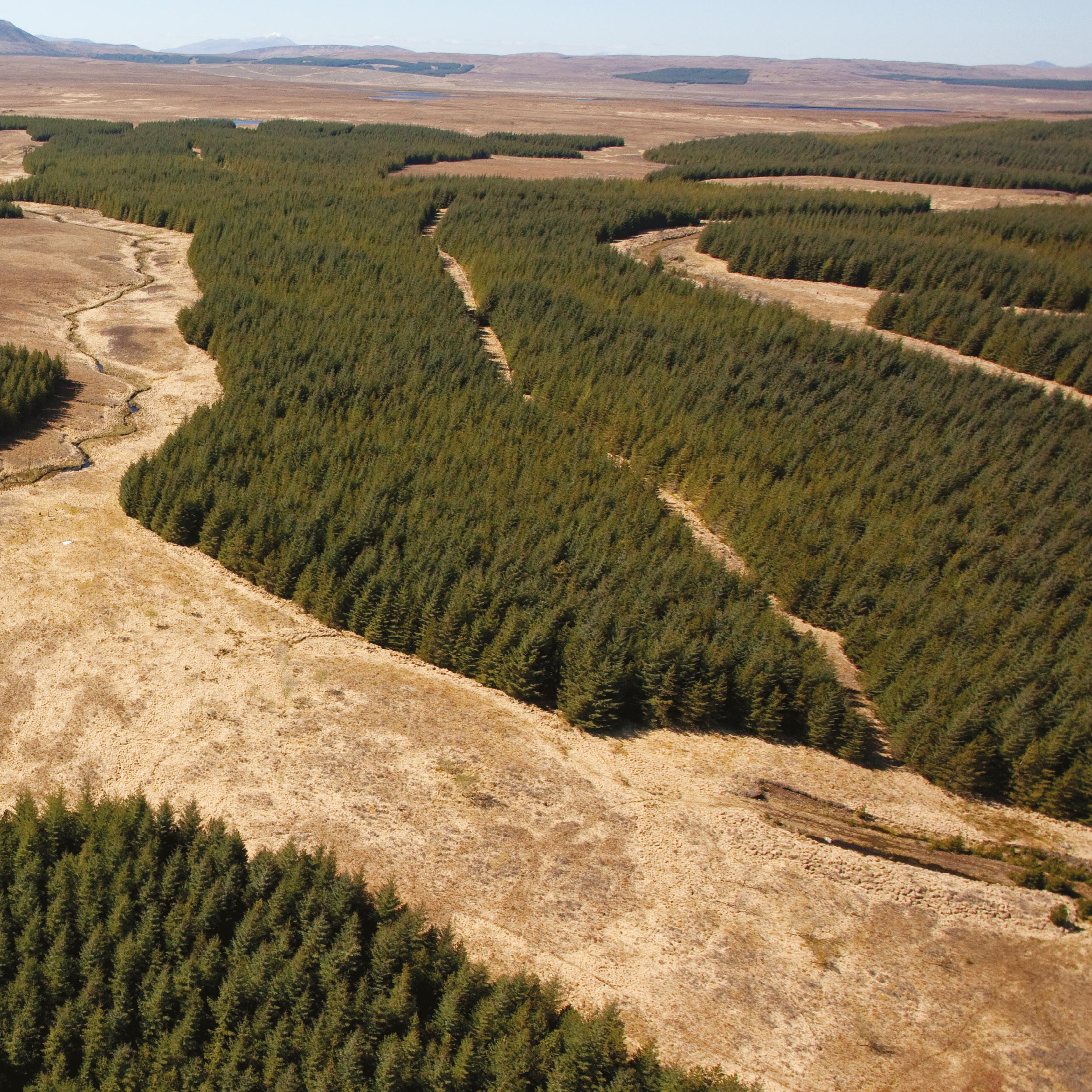
Much of the land still for sale already carries consent for commercial forestry. This could lead to large-scale planting of non-native conifers — trees that offer little value for wildlife and can degrade soils, reduce water quality and alter the character of this cherished landscape. Instead of restoring natural habitats, we risk creating monocultures that lock the land into decades of ecological decline.
Fragmentation would also curtail the chance to work collaboratively with local farmers and land managers on regenerative practices. It would undermine efforts to integrate farming, tourism and nature recovery into a thriving economy. The opportunity to create a national flagship for nature restoration — a place that could inspire millions and become a model for the UK — would vanish.
This is not just about losing land; it is about losing the chance to reverse decades of country-wide nature depletion, to build resilience against climate change and to secure a better future for people and wildlife alike
Curlews could once again fill the skies with their poignant call
Red squirrels could return in abundance on the Estate
Mountain (bilberry) bumblebees could regain a foothold in the Simonside Hills, creating a lifeline for this bee in serious decline
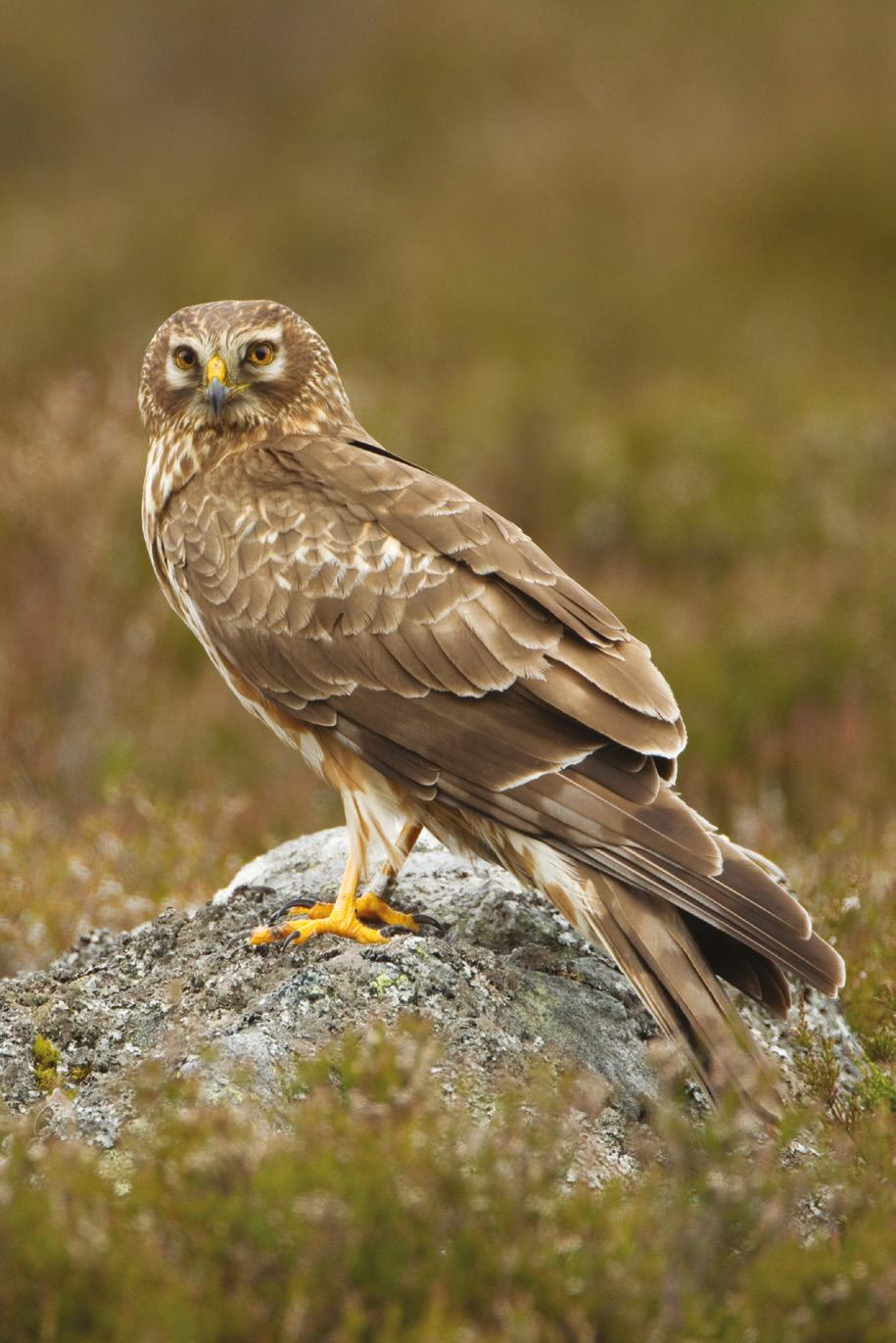
Hen harriers could be offered a safe haven to thrive once more
A
Together with the communities who live, visit and work on and around Rothbury Estate, we will co-create a flagship destination for natural and cultural heritage — a national exemplar of how the interplay between nature, community and the economy can be reimagined, with people and wildlife thriving side by side.
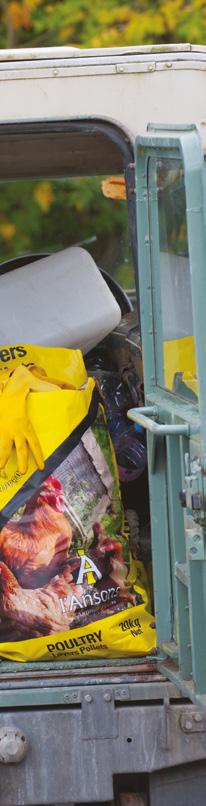
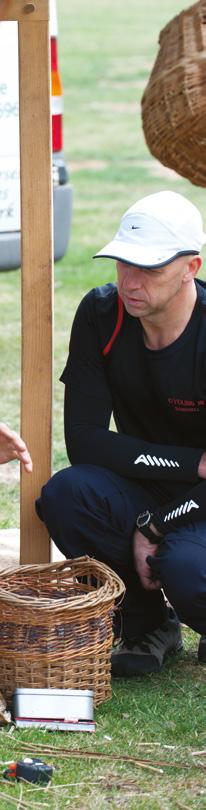
Our approach is rooted in partnership. We will build mutual trust and ensure that local voices are valued and influential in shaping this vision. Farmers, their teams and families — who have stewarded this land for generations — will be central collaborators. We will listen deeply, understand local challenges and co-develop tailored solutions that widen engagement and enable communities to lead meaningful action. Communities will remain the cornerstone of long-term stewardship, creating sustainable jobs and futures.
Early conversations highlight a shared ambition to improve access, as large parts of the Estate are currently not publicly accessible. Working together,
With people
we can create free and inclusive opportunities for more people to experience this extraordinary landscape — delivering benefits for health, wellbeing and education while opening new avenues for income generation. This could include new permissive paths and routes to historic sites; a visitor and education centre designed for learning and connection; a dark skies observatory, complemented by technology such as webcams and live-streaming, enabling people to enjoy wildlife at night from anywhere; accessible wildlife experiences for people with disabilities, ensuring everyone can share in the wonder of nature; and innovative land management using fenceless collars, removing physical barriers and creating a more open, wildlifefriendly environment.
All developments will prioritise sustainability — carbon-neutral operations powered by locally generated renewable energy — and encourage lowimpact travel through cycling and public transport. The disused Rothbury railway line offers an exciting opportunity to link National Trust’s Cragside and
at the heart
Wallington Visitor Centres via a new cycleway and footpath through the Rothbury and Wallington Estates, building on the already popular long-distance footpath, the St Oswald’s Way. With much of the original infrastructure intact, this evocative greenway could become a haven for walkers, cyclists and nature enthusiasts, attracting visitors from across the UK and beyond.
Rothbury’s vibrant arts scene — from its traditional music festival to local craft groups — provides a rich foundation for cultural collaboration. We aim to contribute by hosting events, exhibitions and workshops, and by establishing an artistin-residence programme that celebrates creativity inspired by the landscape. We will also encourage both amateur and professional photographers
to capture the Estate’s beauty, creating a shared visual story of its transformation.
A VISION FOR THE FUTURE
We aim to implement an innovative blend of four complementary pillars to help shape the future of Rothbury Estate. Together, these approaches will drive nature’s recovery, whilst supporting resilient communities, creating shared benefits through a thriving nature economy.
These four approaches include:
With pioneering land management
Nature restoration
Nature conservation
Protecting rare and special natural features that already exist. This is likely to include safeguarding the endangered and much-loved red squirrels that
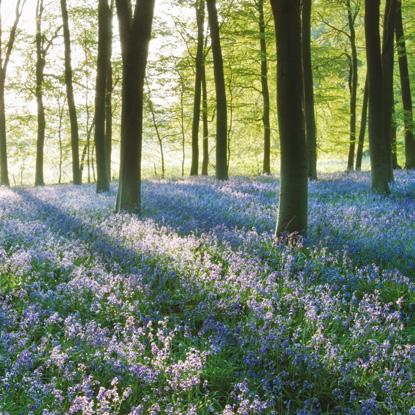
Using land management interventions to actively restore natural habitats that are degraded. This is likely to include restoring native, mixed woodland and re-wetting peatlands using tried and tested restoration techniques including blocking man-made ditches. Ultimately this will create healthy habitats for wildlife to once again thrive and store carbon to help combat climate change.
Rewilding principles to reset natural processes
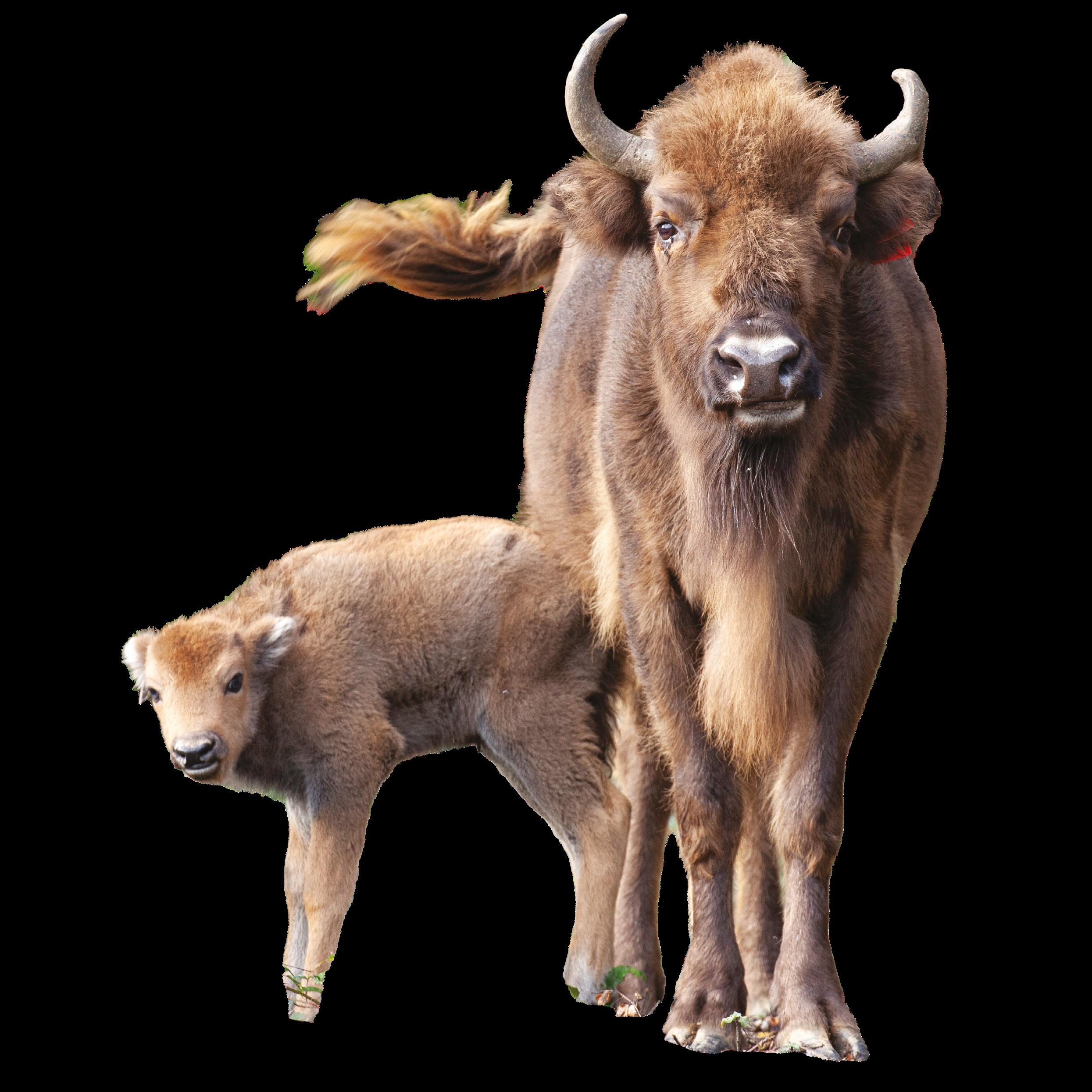
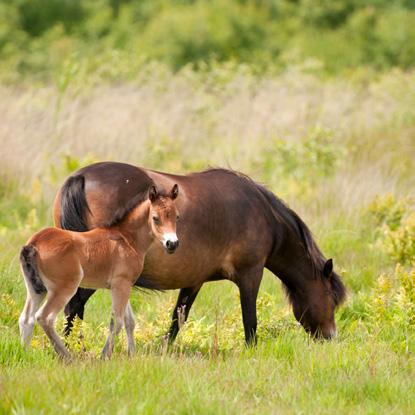
Re-establishing essential ecological functions and reducing human intervention in places to allow nature to lead its own recovery. This is likely to include the introduction of large herbivores, such as ponies and European bison (wisent) to mimic natural grazing patterns in the absence of wild grazers. With our partners and stakeholders, we’ll explore the reintroduction of keystone species that can bring clear practical benefits, such as beavers that can help slow water flow, helping to reduce erosion and flooding, as well as improving water quality and biodiversity.
Regenerative agriculture
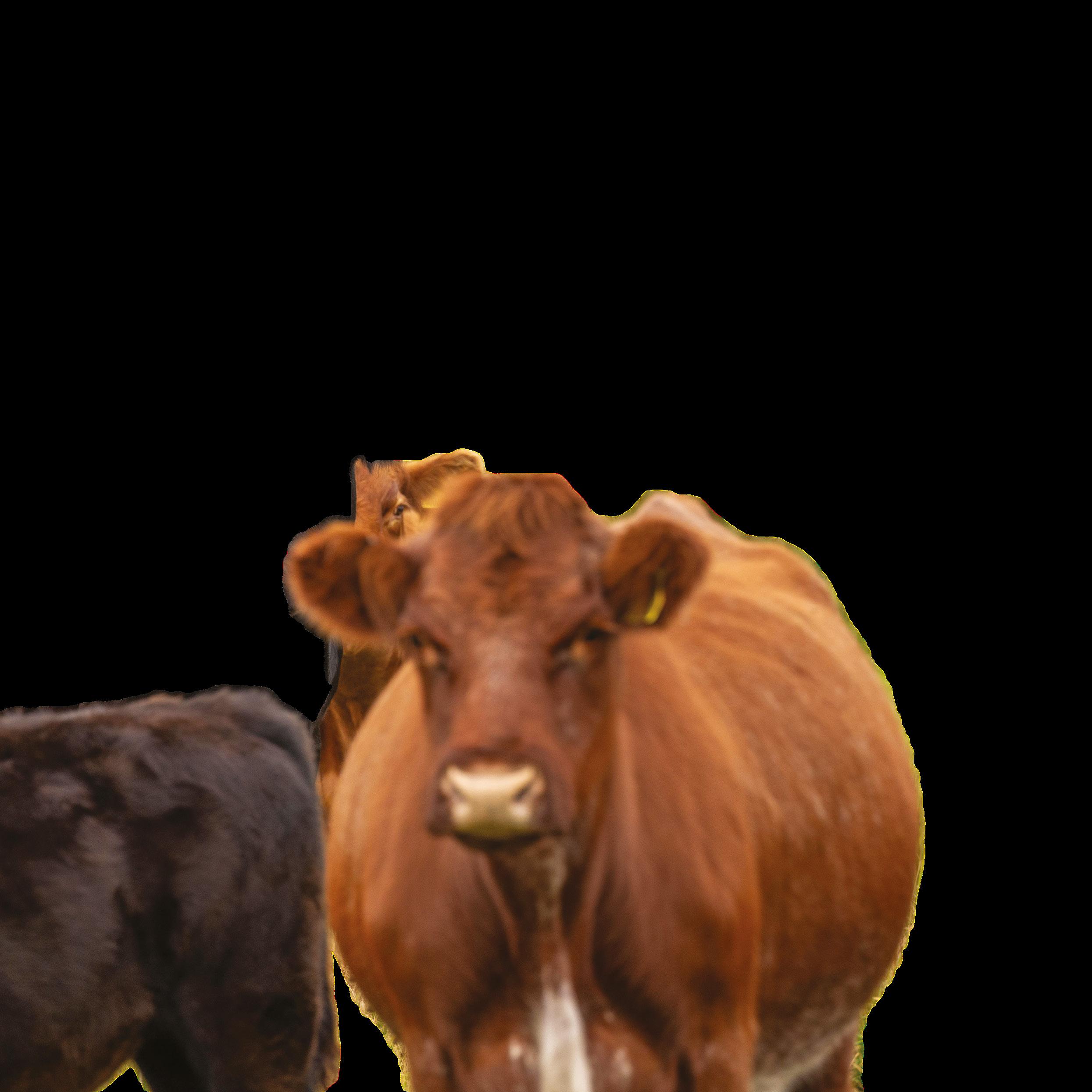
Ensuring a sustainable future for good quality food production, creating a demonstrator site where nature’s recovery and farming complement each other. This is likely to include a progressive move away from high densities of sheep to lower densities and the grazing of large herbivores, as well as pigs, to provide a more naturally sensitive grazing regime whilst producing sustainable meat for local consumption. The demonstrator site could become a centre for farm advice, supporting the
A VISION FOR THE FUTURE
The Wildlife Trusts are uniquely positioned to deliver these approaches, with comprehensive experience of delivering all four, and unrivalled knowledge of how they can be integrated in the UK to benefit local economies, nature and people.
In addition, the Rothbury Estate presents an opportunity to develop a blueprint for nature’s recovery alongside greater access for people, sustainable food production and the preservation of important heritage assets — objectives that have sometimes required conflicting approaches.
We will bring The Wildlife Trusts together with local knowledge and experts in different disciplines from the relevant agencies and organisations, to develop a shared vision and plan that is much more than the sum of its parts.
By learning from international good practice and developing our own, we will go beyond simply balancing the restoration of natural processes with historic preservation, to integrating them and so achieving better outcomes for both — and for people in the process.
A VISION FOR THE FUTURE
By sharing our learning
The Wildlife Trusts are committed to taking an evidence-based approach to our work. Decisions at Rothbury Estate will be informed by local expertise and underpinned by high quality data. Its size and potential make it an excellent place for research, learning and the sharing of ideas that can help drive nature’s recovery on a larger scale.
We plan to develop partnerships with universities and other institutions, trialling new and innovative ideas around land management and community involvement, with the ultimate ambition of becoming an internationally recognised centre for research and learning. Many Wildlife Trusts have experience working with farm clusters, offering advice on wildlifefriendly farming and encouraging farmers to learn from one another. At Rothbury Estate,
we’ll do the same either by building new networks or supporting ones that already exist.
As we look to shift from intensive farming to an exemplar site managed for wildlife and the local community, we’ll closely monitor the changes that occur. This will help us share the story of the land, highlight best practices in restoring landscapes, working with rural communities, regenerative farming and caring for important natural and cultural heritage. We will also share the challenges we face during the transition and how we overcame them. Thanks to our unique structure — 46 local Wildlife Trusts and the central Royal Society of Wildlife Trusts, working together across regions, with national and international reach — we are well placed to share what we learn at every level.
Building a Nature Economy
We imagine a future where the Rothbury Estate becomes a beacon for a new kind of rural prosperity - one that restores nature and revitalises communities. Our goal is to transform this remarkable landscape into a driver for investment into North East England, creating meaningful jobs and livelihoods while safeguarding family businesses and opening doors for young people. This is more than an economic shift — it’s a chance for renewal.
Every bold vision needs a powerful business model and ours is built on three core pillars:
Regenerative farming
Leading the way in nature-positive agriculture through the Sweet Spot* priniciples, producing local food and embracing agri-environment schemes that heal the land and feed people.
Nature-based solutions
Harnessing the power of nature to tackle the climate and nature crises — unlocking green finance through Biodiversity Net Gain, voluntary carbon markets, Natural Flood Management, renewable energy and conservation credits.
Sustainable nature tourism
Creating experiences that connect people deeply with place — reimaging the disused railway as a cycle route, supporting vibrant farmers’ markets and holiday lets, hosting conferences and educational visits, and celebrating the cultural heritage of this extraordinary landscape.
BUILDING A NATURE ECONOMY
Regenerative farming
We will use the concept of ‘maximum sustainable yield’ to increase the profit on sales of produce across the Estate on the ‘inhand’ land (land we have direct management of) and work alongside our tenants to help them improve profit through nature’s recovery. In time, we hope to encourage other food-based enterprises to flourish on the Estate (for example, market gardening). A regenerative farming model could be supported by future agri-environment
programmes, especially landscaperecovery support.
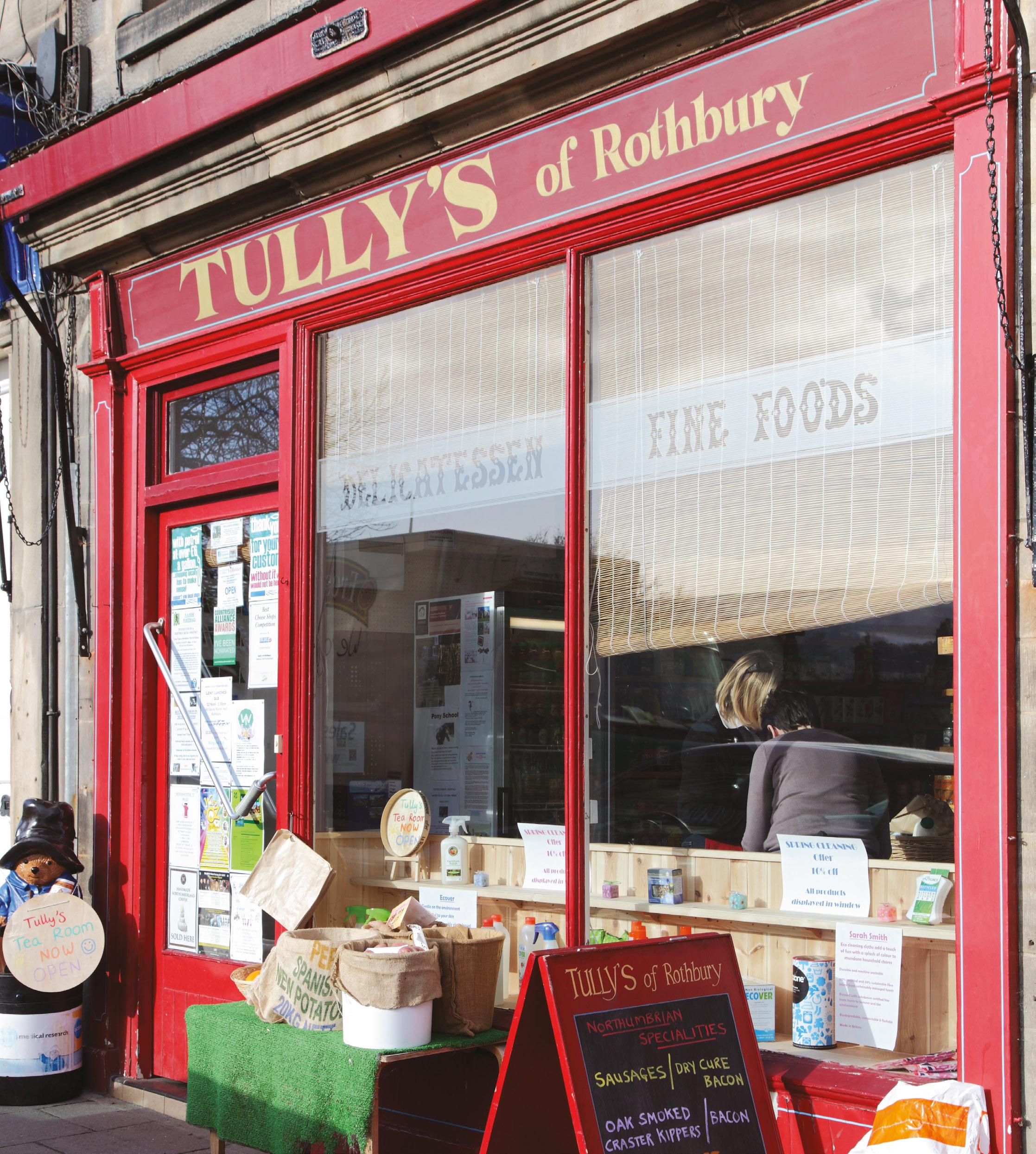
Building on the region’s food producing traditions, our vision is for more, good quality and sustainable produce to enter the local market and supply retailers and food outlets. “Produced by the Rothbury Estate” will become shorthand for quality and provenance.
BUILDING A NATURE ECONOMY
Gold standard nature-based solutions: natural capital opportunities
Building on our expertise in providing naturebased solutions, as nature recovers on the Rothbury Estate, we will secure part of the site for Biodiversity Net Gain (BNG). Wildlife Trusts have long worked with Local Planning Authorities to provide expert advice on planning applications for the best outcomes for nature, and we advocated for a Biodiversity Net Gain approach to development, working with Natural England and Defra for a decade to help design the Biodiversity Net Gain system and metrics.
The Estate offers enormous potential for the creation of high-quality Biodiversity Net Gain units to service planned major developments within Northumberland, in line with UK Government investment commitments for the region.
Rothbury Estate also offers the opportunity for the creation of voluntary carbon removal credits through peatland and woodland restoration, certified through the Peatland Code and Woodland Carbon Code, respectively. We aim to secure grants to plant new native woodlands, using the Woodland Carbon Code to create carbon credits for future sales.
Sustainable nature tourism
Northumberland is already a popular tourist destination, with a significant visitor economy supporting many thousands of jobs and with strong ambitions for growth. However, the county’s tourism is heavily focused on the coast and along Hadrian’s Wall. This leaves an economic gap in much of rural Northumberland that the Rothbury Estate could play a key role in addressing. Sustainable nature tourism will play an increasingly important part in the overall business model over the next 10 years, generating revenue to support the management of the Estate and contributing to The Wildlife Trusts’ aims to enable everyone to experience and appreciate nature and get involved in nature’s recovery.
The offer will be uniquely Northumbrian, drawing on Rothbury’s
strong traditions in the arts and culture, folk music and food.
Opportunities for tourism may include walking tours and wildlife watching, holiday lets and sustainable glamping and camping, dark skies stargazing events, local produce fairs and popup dining experiences and cookery schools, as well as capitalising on existing events for runners and mountain bikers.
We will explore other commercial opportunities including visitor centres, pub refurbishment, cafés and access infrastructure improvements (as outlined above), provided they fit with the ethos of the venture and our ultimate aim to support nature’s recovery, whilst working with local communities.
Postscript
Northumberland Wildlife Trust is on a mission to save Rothbury Estate for nation, Northumbrians and nature. Like one of the great landscape paintings, it is a true original and unlike any other place.
I’m delighted that our story here has already begun, with the first phase of the Estate’s purchase complete. But the bigger picture of profound connectivity, at a scale not yet seen in England for nature restoration in partnership, and for amazing new recreational and cultural projects to be realised, depends on us buying the rest. Only then will we truly be able to make an impact for nature’s recovery here in Northumberland, connecting up with local land managers to make a real lasting difference at a national scale.
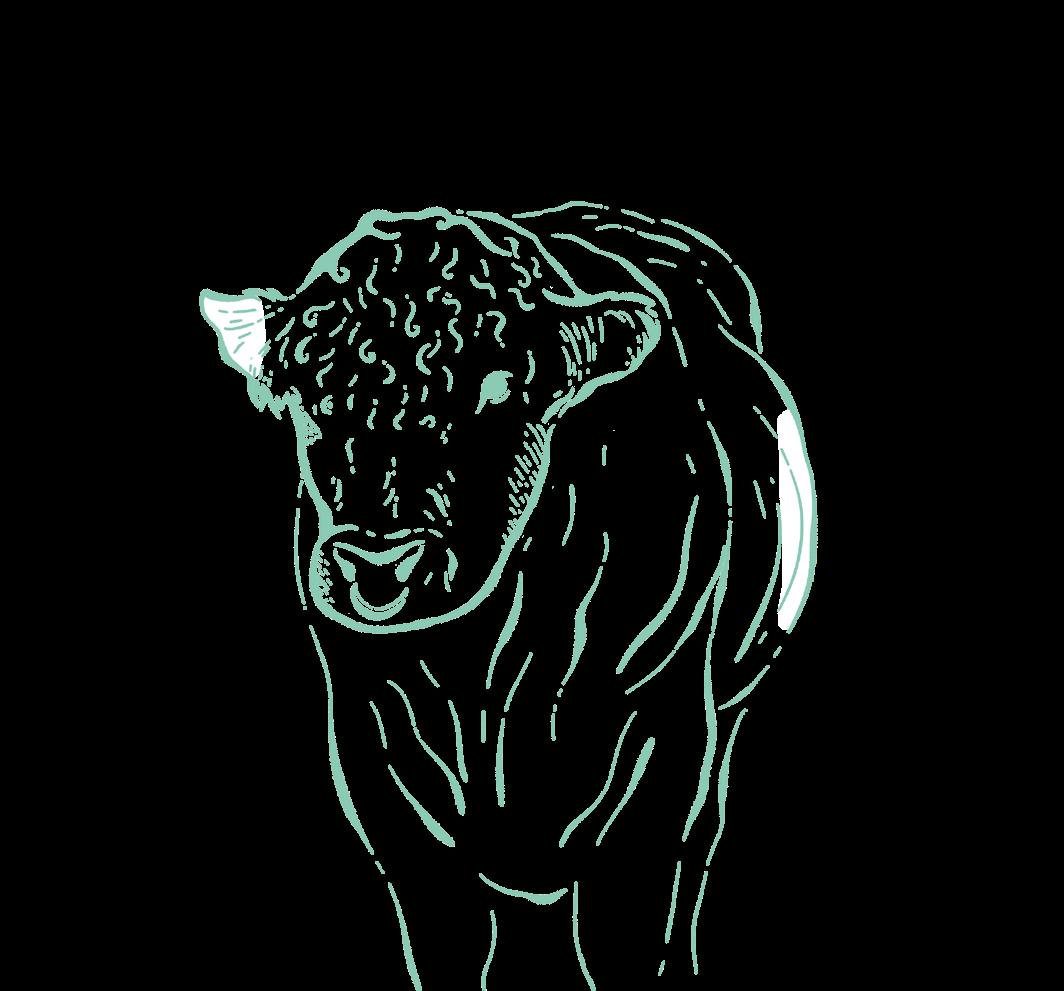
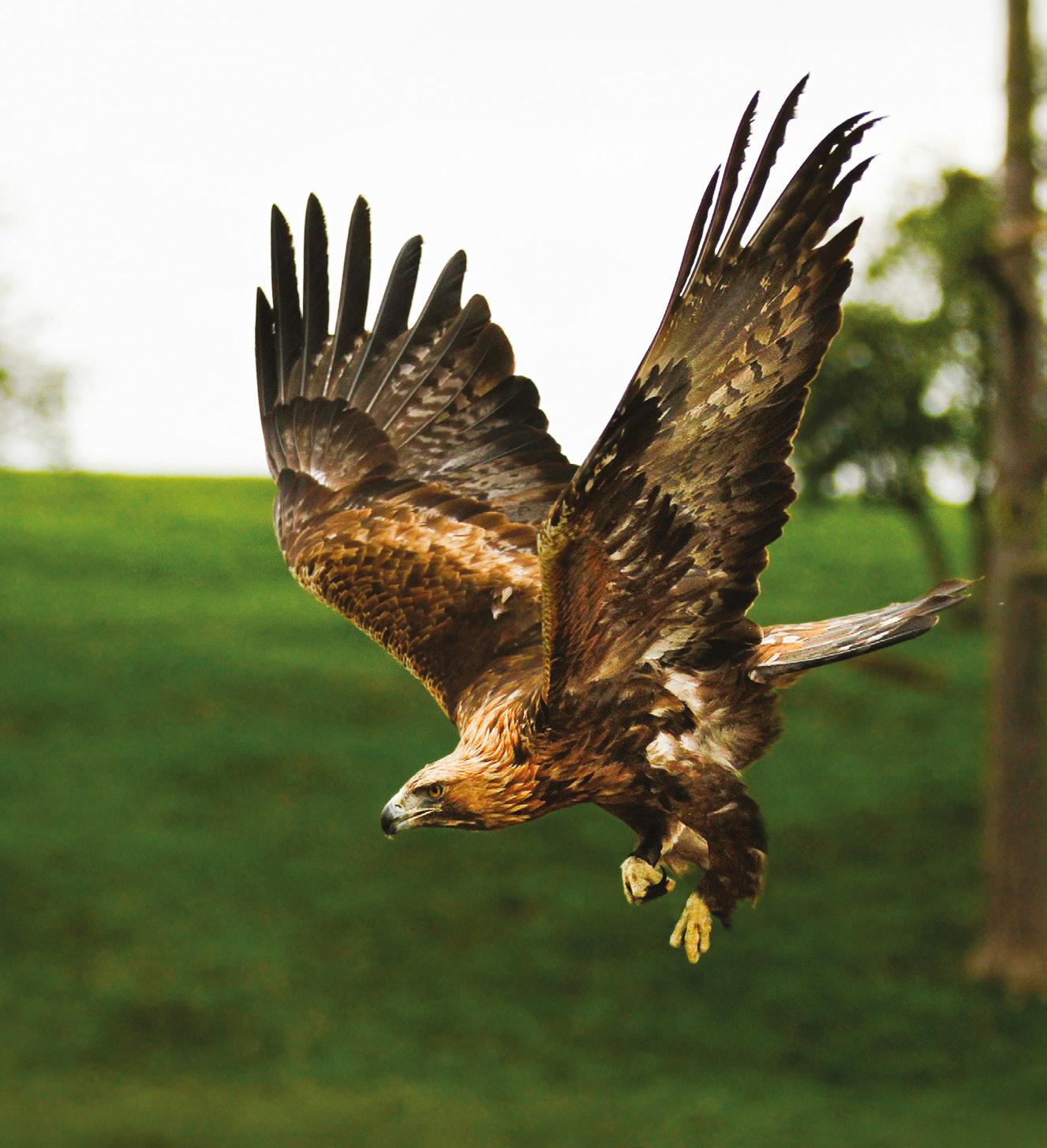
Rothbury Estate is already a northern treasure but with the potential to become a land of eagles and wildcats, bison and rare breed cattle, it could do even more to benefit our communities and local economy, meanwhile celebrating our strong Northumbrian culture. I can’t think of anywhere else like it locally — or in fact, further afield — in terms of possibility for bringing wildlife back and creating a fantastic nature spectacle, whilst showcasing nature-friendly farming excellence.
If it works out as we hope, this wild, historic and breath-taking location will become the beating heart of a nature corridor, over 40 miles long and running right up to the coast, where Northumberland Wildlife Trust already cares for land.
I can feel the energy building amongst locals and visitors, who love this special place and are looking to us to work with them to deliver for their own — and for nature’s — sake. The importance of this opportunity cannot be underestimated: this acquisition will unlock huge potential.
So, please help us get to the finishing line so that we can realise this incredible and unique opportunity for nation, Northumberland and nature. The result promises to be truly spectacular and one that I, personally, would be immensely proud to be part of delivering during my tenure at Northumberland Wildlife Trust.
Mike Pratt Chief Executive, Northumberland Wildlife Trust
Edinburgh
Berwickupon-Tweed
The Rothbury Estate will become the beating heart of a 40-mile nature corridor in the north of England.
Newcastle upon Tyne
Together we can protect and restore an area the size of central London for people and nature.
Images thanks to:
Chris Gomersall/2020VISION, Dmitry Naumov/Alamy stock photo, Donovan Wright, Duncan Hutt, drhfoto/Adobe Stock, Emma Robertshaw, Evie and Tom photography, Gavin Dickson, Guy Edwardes/2020VISION, Izel Photography/Alamy stock photo, Jo Richards, Joe Bird, John Millard, Jon Hawkins, Leia Morrison, Matthew Roberts, Nick Upton, Northumberland Wildlife Trust, Paul Harris/2020VISION, Peter Cairns/2020VISION, Simon Rawles, Terry Whittaker/2020VISION, Tom Marshall, The Wildlife Trusts, Washington Imaging/Alamy stock photo.
Northumberland Wildlife Trust Ltd — Registered in England and Wales. Registered Charity Number 221819.
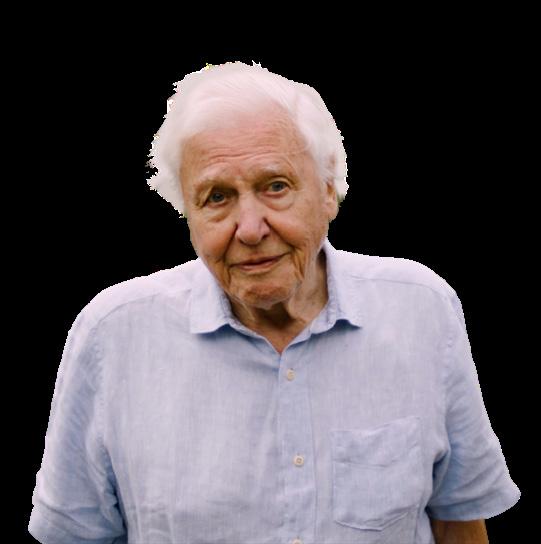
Sir David Attenborough has stepped forward to champion the Rothbury Estate appeal, lending his voice to help protect this extraordinary landscape. Watch the video now:
Rothbury Vision image by Dan Hilliard.
Be part of this vision
With part of Rothbury Estate already under The Wildlife Trusts’ ownership, now is the moment to secure the rest of the Estate and start to turn this vision into reality.
Rothbury Estate presents a rare opportunity to create a connected landscape for nature on an extensive scale in England, through the development of a new nature economy for the North East. It has huge potential to tackle the nature and climate emergencies, acting as an exemplar by demonstrating an alternative approach to land management that not only protects the wildlife that remains, but restores abundance and natural processes, creates new livelihoods and supports resilient communities. The role of local people and businesses in achieving this ambition is vital, and the vision we have set out here will evolve and adapt as we explore new opportunities and ideas together. The Wildlife Trusts are the natural choice for such an ambitious programme of renewal — combining our strong community connections and experience of delivering complex projects.