

FS Used Oil Analysis delivers lab-tested insights to help you:
• Plan repairs before problems escalate
• Spot internal wear and issues early
• Extend equipment life and optimize drain intervals
Whether you’re harvesting, hauling, or prepping for next season —FS helps protect your investments.
Get the expert support you need from the people you trust.
As the leading voice for Wisconsin agriculture, WFBF ensures that farmers’ concerns are heard and addressed, allowing you to focus on what you do best — feeding, clothing and fueling our communities.
Wisconsin Farm Bureau Federation champions policies that protect farmers’ rights, making sure that agriculture remains a thriving industry through proactive engagement at all levels of government.
Members gain access to leadership development, business resources and networking opportunities designed to help farmers expand their businesses and influence.
Through outreach and education, WFBF bridges the gap between farmers and consumers, promoting a deeper understanding of modern agriculture and its role in everyday life.
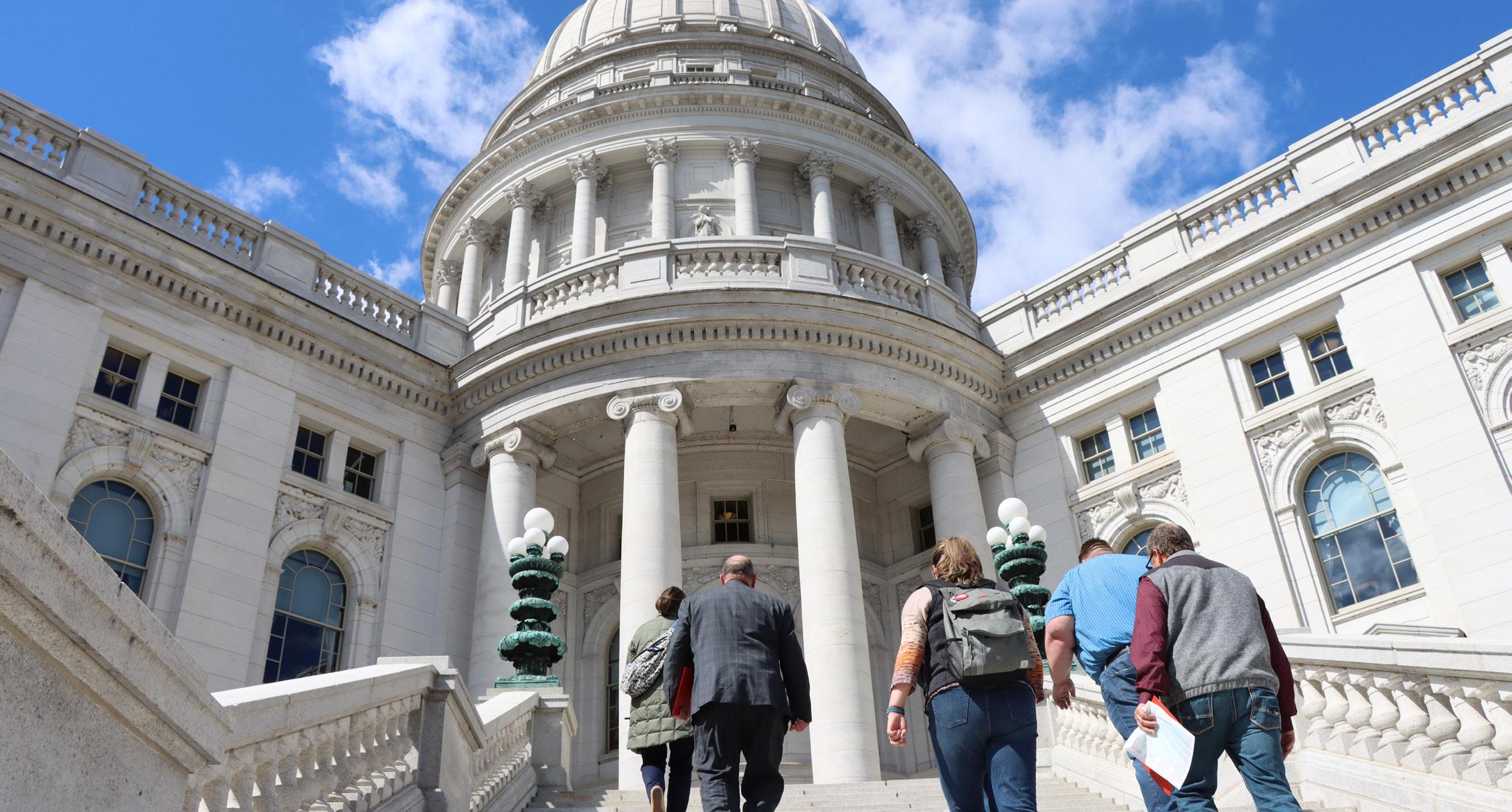
Members from across the state advocate for fair policies on many issues.
Meet the 2025 Wisconsin Leopold Conservation Award® winner.
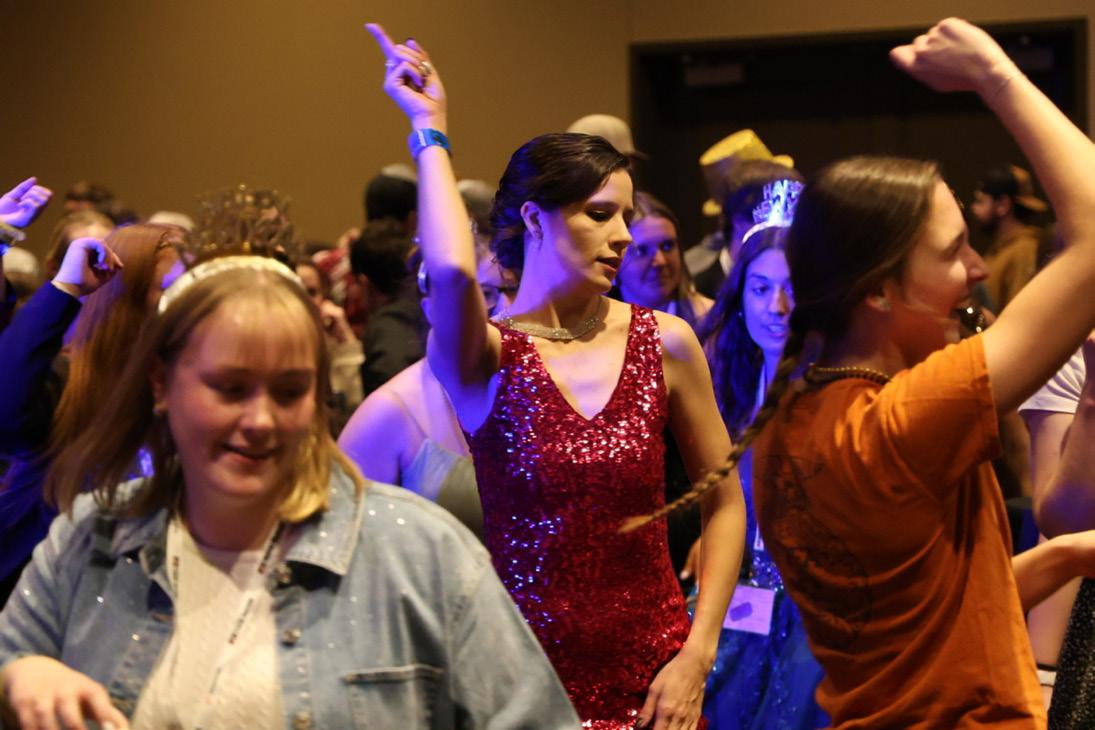
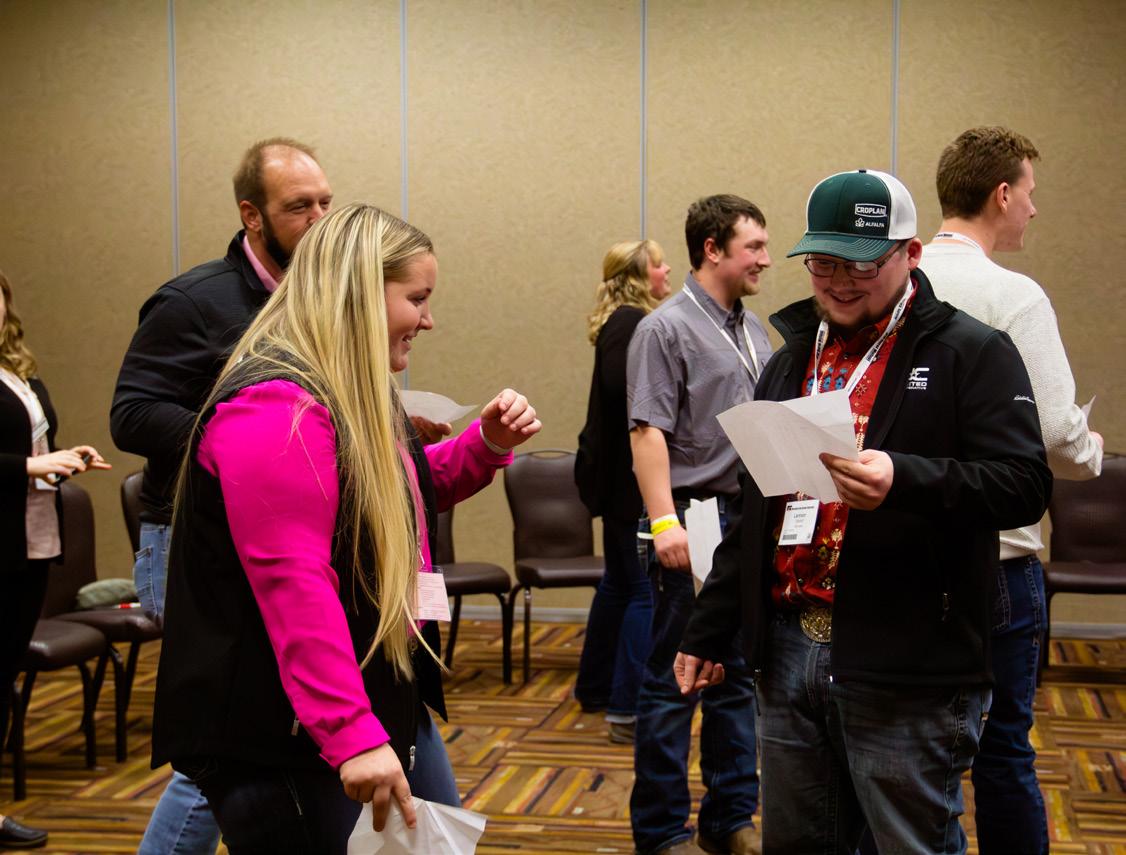
Revisit favorite memories from the 2025 WFBF Annual Meeting and YFA Conference.
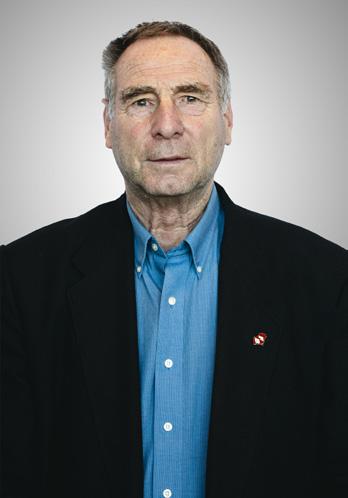
Jim Renn answers the call to lead in his community and in Farm Bureau.
See what members have to say about their Farm Bureau member benefits.
Comments from Olson, Duvall, Giebel and Nigh.
Lead boldly by starting the conversation.
PROMOTION & ENGAGEMENT
Celebrate Ten Years of P&E.
GATHER AROUND THE TABLE
Experience flavors from the Midwest to the Mediterranean.
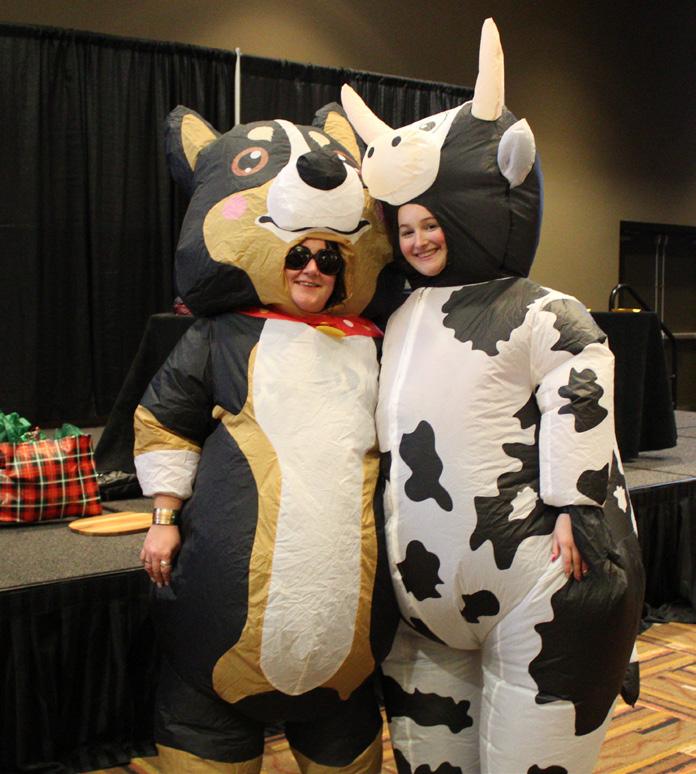
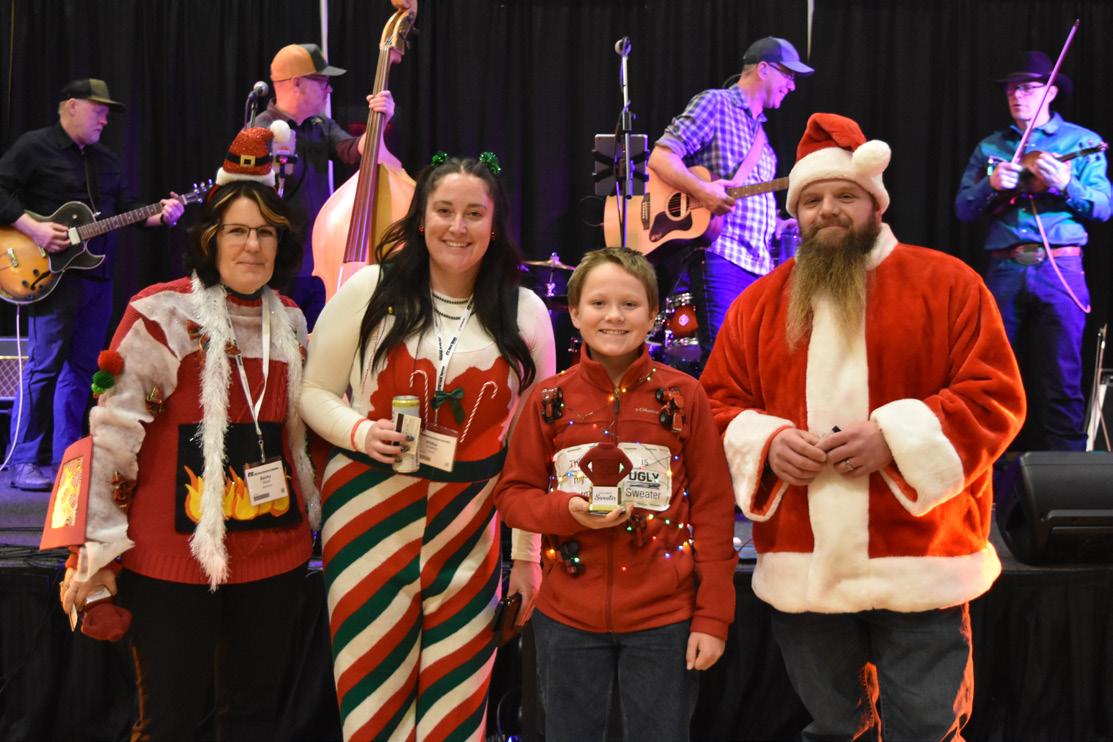
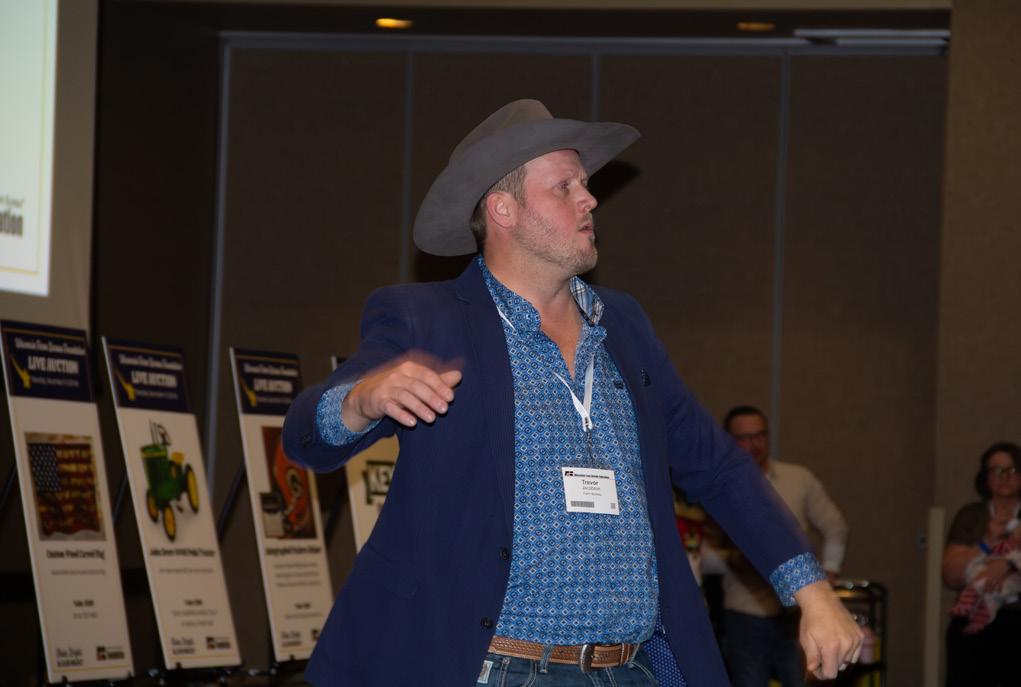
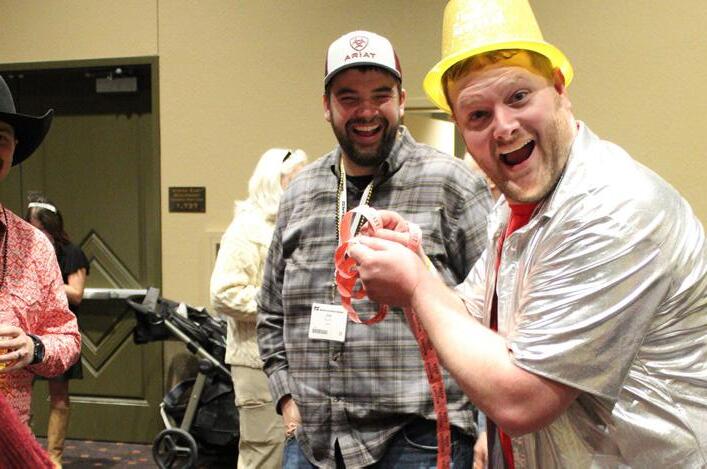
Members support the Foundation during WFBF Annual Meeting and YFA Conference.
undation through auction donations. RURAL MUTUAL
Empower farm employees to respond to emergencies.






It’s easy for us to get comfortable in our everyday lives. Both with our family and work.
When’s the last time you tried something new? Pushed yourself outside of your comfort zone or did something that made you a little nervous?
I like to think I am a person who is OK with change. Do I enjoy it? Maybe not, but I understand that it’s needed to grow. I don’t mind speaking in front of people or giving something new a try. But that does not omit me from getting nervous when trying something new.
Recently Wisconsin Farm Bureau kicked off a new venture. A podcast called The Rural View. As one of the hosts, this is something new for me. In general, it was a little nerve-racking to listen back to the first few episodes. This approach is something more casual than our written pieces, social media content and produced videos.
I’ve had to assure myself that we have to learn as we go and be OK that it might adapt and change along the way.
I hope you can check it out and give it a listen! Just search “The Rural View” on Spotify, Apple Podcasts or YouTube. And let us know what you think about this new communication from WFBF.
We wrapped another YFA Conference and WFBF Annual Meeting earlier this month. This event is also a great reminder of how it pays to step outside your comfort zone. Whether you were a first-time attendee who signed up for our event or you competed in one of our award competitions for the first time – it’s amazing what can happen when you show up and try something new.
Speaking of showing up this issue’s feature story is about just that. Showing up. Jim Renn, like many of our members, is known in his community for showing up and helping however he can. He is a good example of how our members not only impact our organization but also have a large role in their communities and other organizations.
It makes perfect sense to me that our theme this year was Shine Bright and Lead Boldly. That’s what our members do every day. They show up and lead no matter the task or the challenge.
Let’s continue that momentum into 2026. Wishing you and your family a blessed new year.
Amy Eckelberg Rural Route Editor
Wisconsin Farm Bureau Federation
Address of Publication
Wisconsin Farm Bureau Federation PO Box 5550 1241 John Q. Hammons Dr. Madison, WI 53705-0550
Postmaster: Send address changes to Wisconsin Farm Bureau Federation PO Box 5550 Madison, WI 53705-0550
Contact Information
608.836.5575
800.261.FARM (3276) wfbf.com info@wfbf.com
WFBF Board of Directors
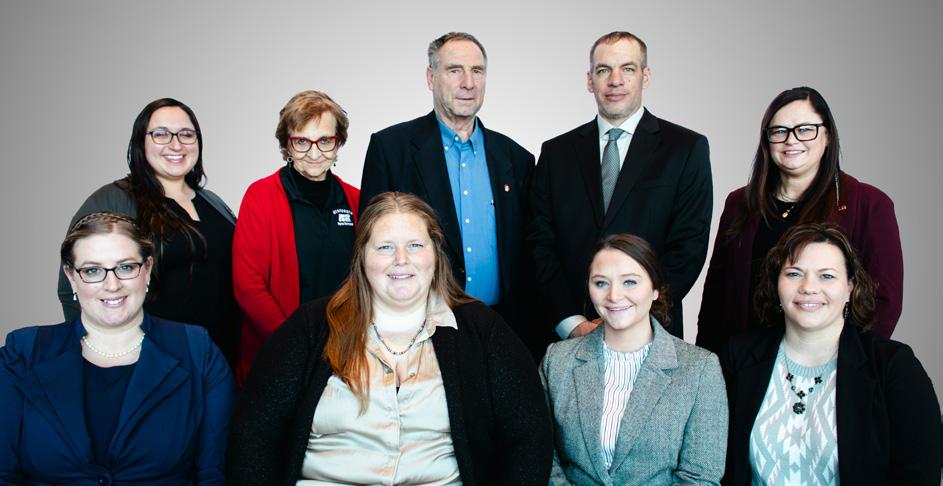
Brad Olson, Frederic (President) Joe Bragger, Independence (Vice President) Jim Renn, Hartland Arch Morton Jr., Janesville Robert Nigh, Viroqua Pete Badtke, Ripon Dan Meyer, Kiel Brian Preder, Weyauwega Kim Bremmer, Loyal Steve Mueller, New Richmond (Promotion and Engagement Committee Chair) Ashley Lisowe, Calumet (Young Farmer and Agriculturist Committee Chair)
Wisconsin Farm Bureau Federation’s Rural Route (ISSN 1082-1368) (USPS 39940), the official publication of the Wisconsin Farm Bureau Federation, is published six times per year in February|March, April|May, June|July, August|September, October|November and December|January. Subscription of $5 is included in Farm Bureau dues. Periodical postage is paid at Madison, Wisconsin. All rights reserved. No portion of this magazine may be reproduced in whole or part without written consent.
For advertising rates and information: National accounts contact Casey McNeal at 800.798.2691 ext. 334 or casey@iafalls.com. For general inquiries, contact Amy Eckelberg at 608.828.5706 or aeckelberg@wfbf.com.
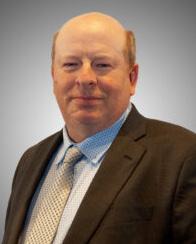
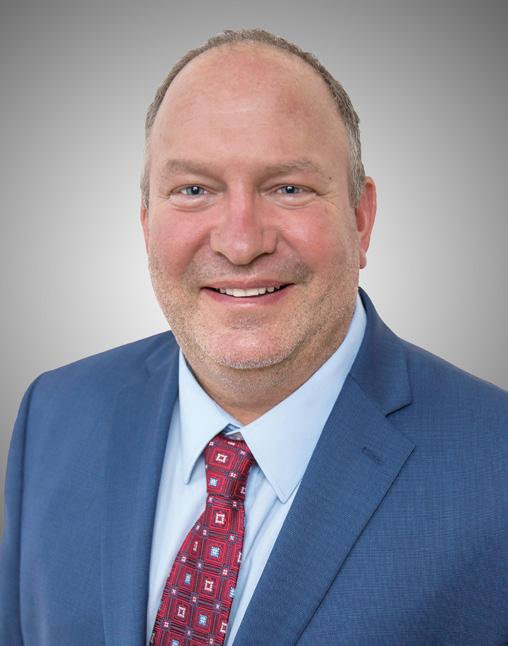
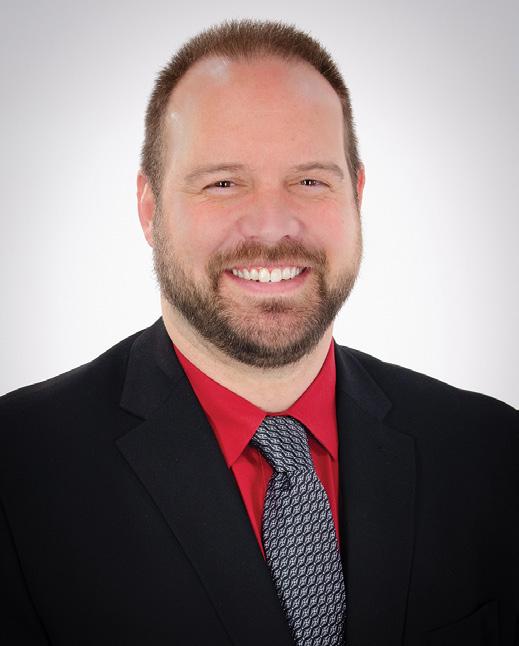
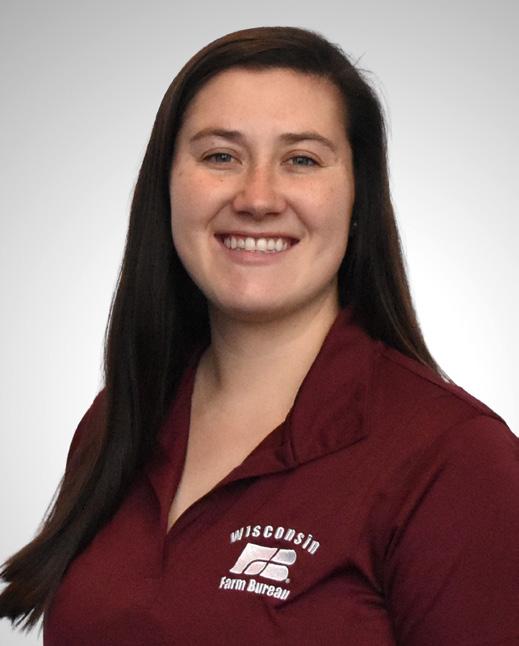
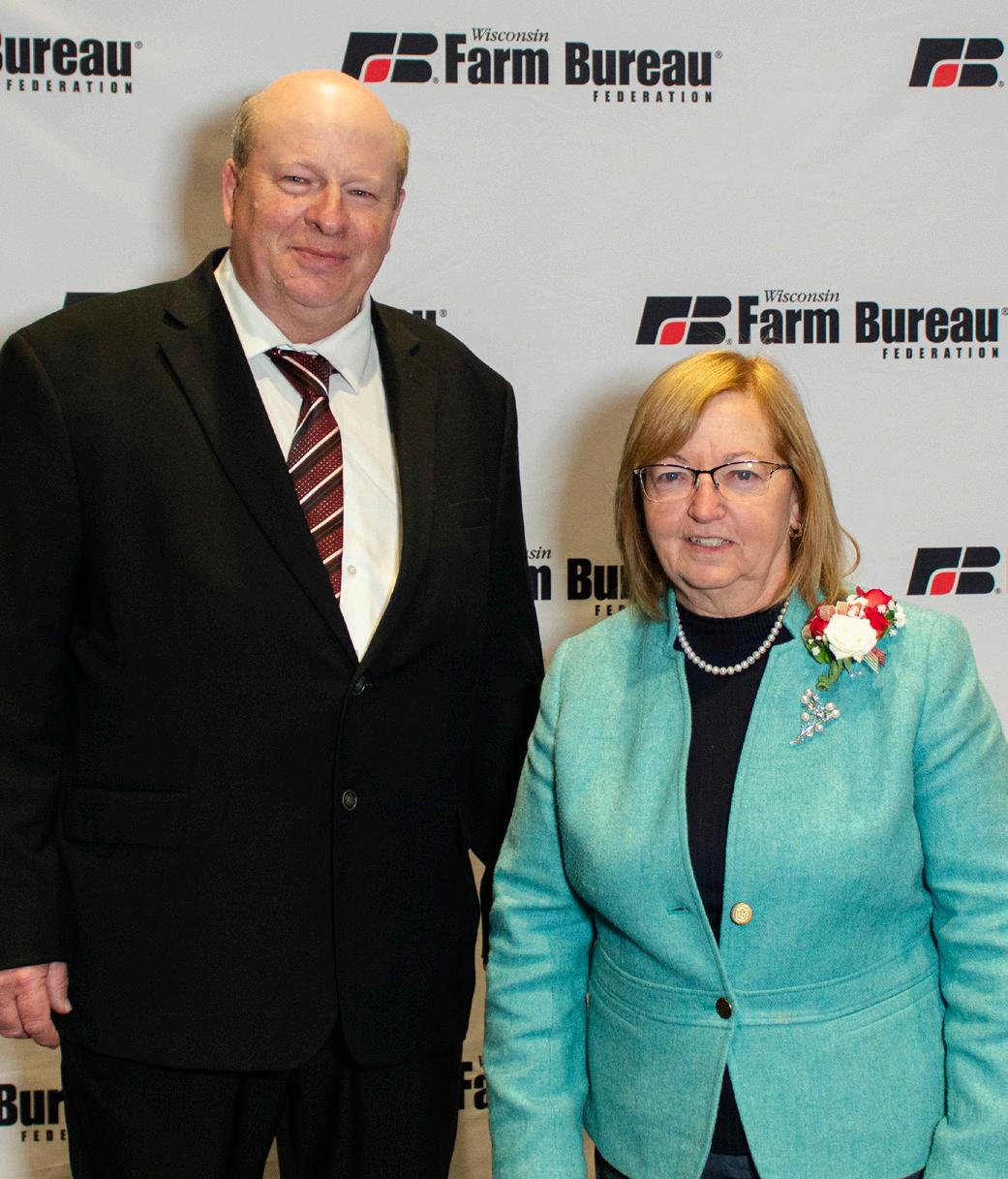
Brad Olson was re-elected president of the Wisconsin Farm Bureau Federation. Olson is a crop farmer near Frederic in Polk County.
Joe Bragger from Independence in Buffalo County was reelected to serve as WFBF Vice President.
Brad and his wife, Vicky, farm more than 600 acres of crops and are members of Polk Burnett Farm Bureau. They have two children and two grandsons.
Olson was first elected to the WFBF Board of Directors in 2022 to represent District 9 (Barron, Dunn, Chippewa, Pierce, Polk Burnett, Rusk, St. Croix, Sawyer and Superior Shores Farm Bureaus). He was first elected WFBF President in 2023.
Brian Preder from Weyauwega in Waupaca County was elected president of Rural Mutual Insurance Company. Joe Bragger of Buffalo County was elected first vice president of the Rural Mutual Insurance Company Board. Bragger succeeds Robert Nigh of Vernon County.
Preder was first elected to the Board of Directors in 2019 to represent District 7, which includes: Langlade, Marinette, Oconto, Outagamie, Shawano and Waupaca counties. As a landowner and custom harvester, Preder harvests hundreds of acres in Northeast Wisconsin.
Nine of the 11 members of the WFBF Board are elected in each of Farm Bureau’s nine districts. These nine individuals also make up the Board of Directors for the Rural Mutual Insurance Company. Rounding out the WFBF’s Board are the chairs of WFBF’s Young Farmer and Agriculturist and Promotion and Engagement Committees, both of which are elected to serve a one-year term on the board.
Brian Preder of Weyauwega in Waupaca County was re-elected to a three-year term on the board representing District 7 (Langlade, Marinette, Oconto, Outagamie, Shawano and Waupaca counties).
Kim Bremmer of Loyal in Clark County was re-elected to a three-year term representing District 8 (Clark, Lincoln, Marathon, Portage, Price, Taylor and Wood counties).
Brad Olson of Frederic in Polk County was re-elected to a three-year term on the board representing District 9 (Barron, Dunn, Chippewa, Pierce, Polk Burnett, Rusk, St. Croix, Sawyer and Superior Shore counties).
Steve Mueller from St. Croix County was re-elected to a one-year term as the chair of the Promotion and Engagement Committee and will serve as the representative on the WFBF Board.
Ashley Lisowe from Calumet County was elected to a oneyear term as the chair of the Young Farmer and Agriculturist Committee and will serve as the representative on the WFBF Board. She succeeds Kendall Riskedal of Jefferson County as YFA Chair.
Board members who were not up for re-election included: Joe Bragger of Independence in Buffalo County, Jim Renn of Hartland in Waukesha County, Arch Morton, Jr. of Janesville in Rock County, Robert Nigh of Viroqua in Vernon County, Pete Badtke of Ripon in Fond du Lac County, and Dan Meyer of Kiel in Manitowoc County.
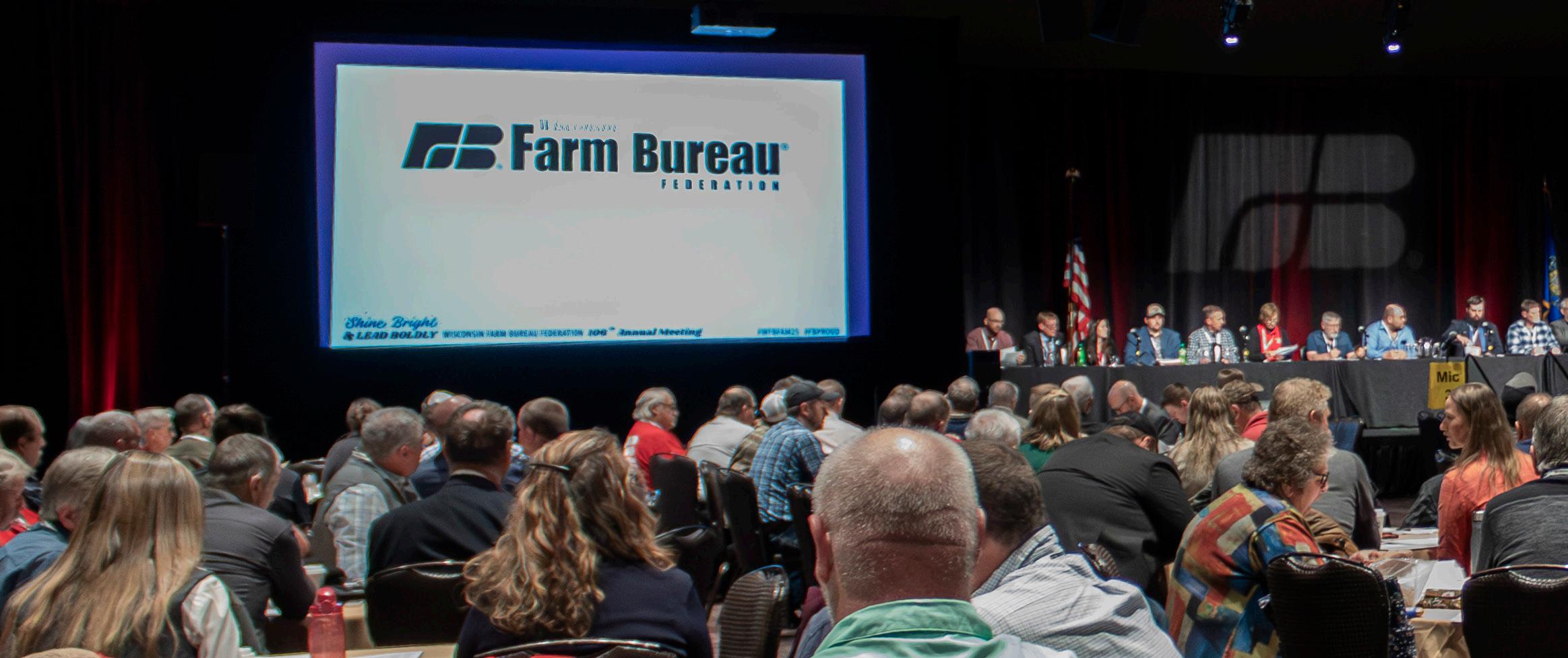
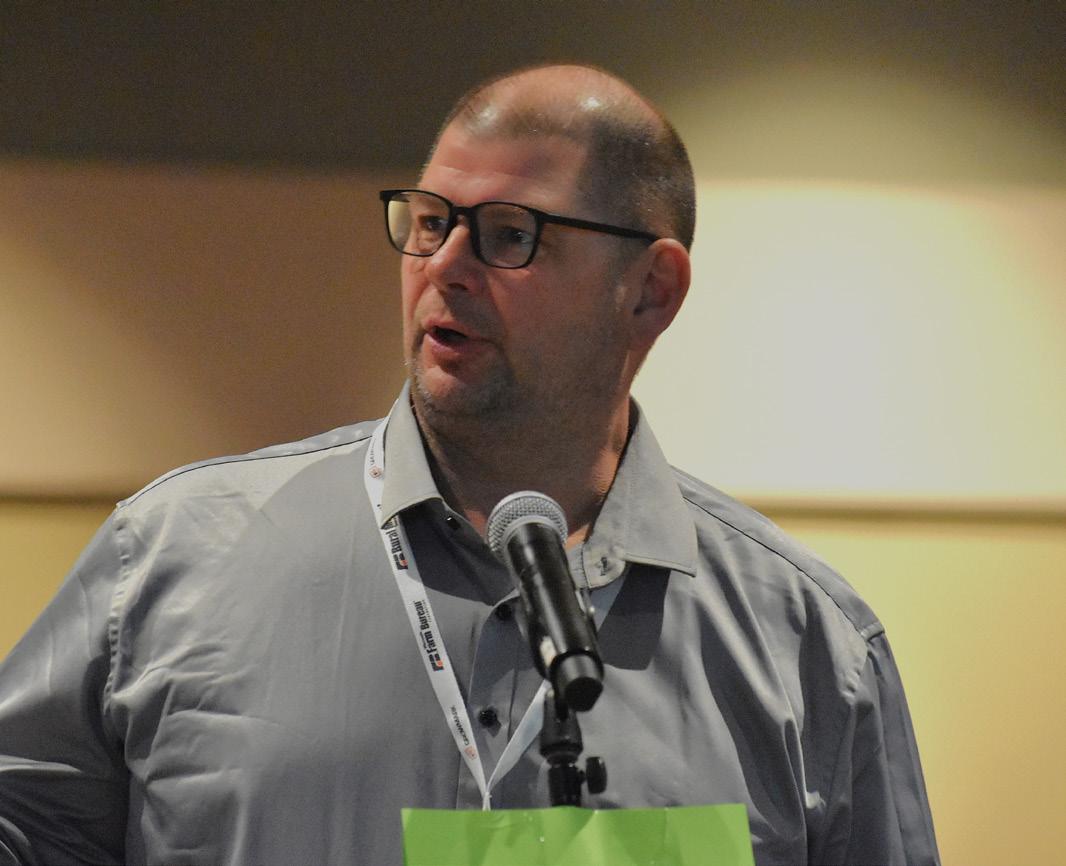
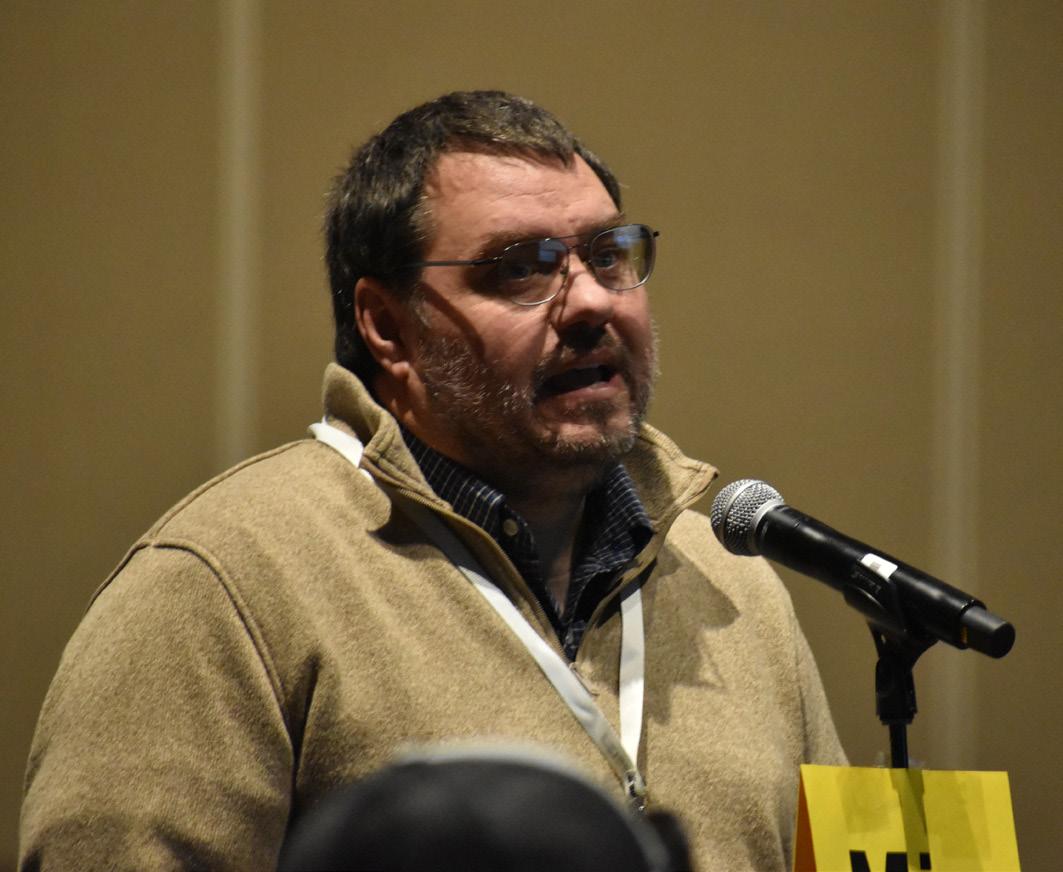
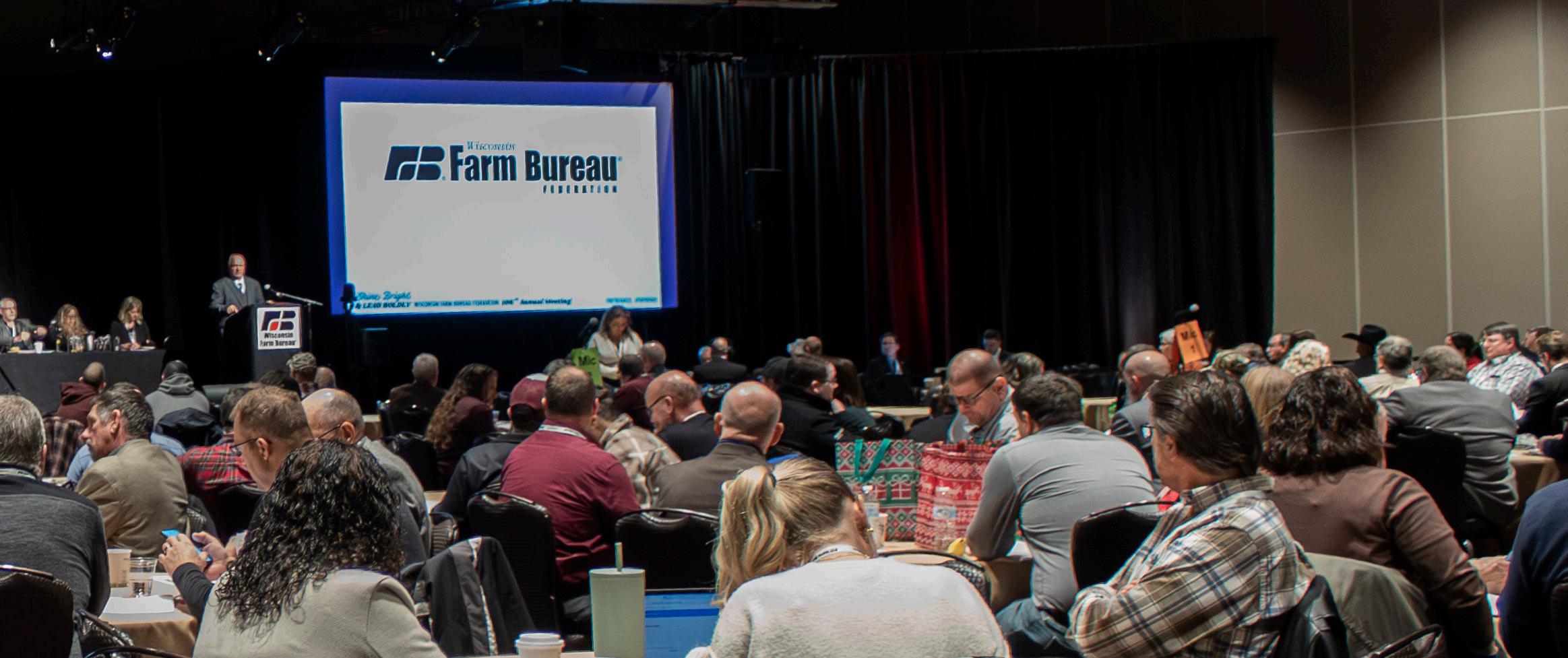
On Dec. 8, more than 270 delegates at the Wisconsin Farm Bureau Federation’s 106th Annual Meeting established new policy directives.
Wisconsin Farm Bureau delegates adopted policies that will be included in the organization’s 2026 policy book. Resolutions were submitted by delegates as part of the organization’s annual grassroots policy development process. Topics discussed on the delegate floor included hunting and wildlife, renewable energy and transportation.
During the hunting and wildlife discussion, delegates voted to increase efforts to reduce wildlife damage to farms by increasing the number of hunting tags for bears statewide, strengthening the management of the state’s elk herd to limit its impact on agriculture and creating a spring hunting season specifically on farm fields for sandhill cranes.
During the renewable energy discussion, delegates voted to support stronger testing and detection of stray voltage and ensuring that new energy, battery storage and data center projects fully evaluate their impacts on agriculture.
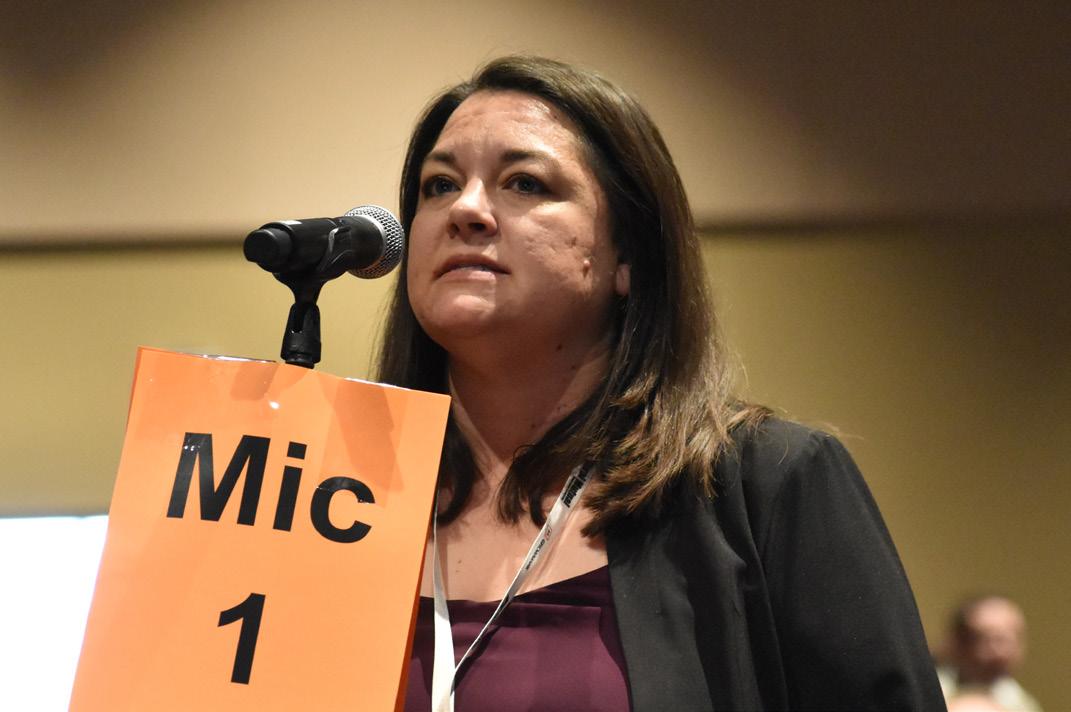
Delegates from the Wisconsin Farm Bureau’s 61 county Farm Bureaus also voted to:
• Oppose DATCP or the state of Wisconsin substantially increasing licensing fees on agricultural programs.
• Oppose statewide ballot initiatives.
• Support timely access to fire, EMS and disaster response resources for agricultural operations and rural communities.
• Support requiring schools to be added to the list of places required to offer real butter.
• Support additional government incentives in mental health services for farmers and rural communities.
• Support policies that protect Wisconsin’s agricultural land, water resources and rural infrastructure from adverse impacts caused by the development of data centers and other high-consumption facilities.
On the federal level, delegates voted to:
• Designate USDA Farm Service Agency staff as essential during government shutdowns.
• Support an accelerated track program for large animal veterinarians.
• Support Smith-Lever Funding for its originally intended uses for agriculture, including 4-H and youth programming.
• Support making Dairy Margin Coverage reflect the total cost of milk production.
• Support increased outreach by NRCS employees on USDA programs.
The federal resolutions will be forwarded to the American Farm Bureau Federation for consideration at its annual convention next month.
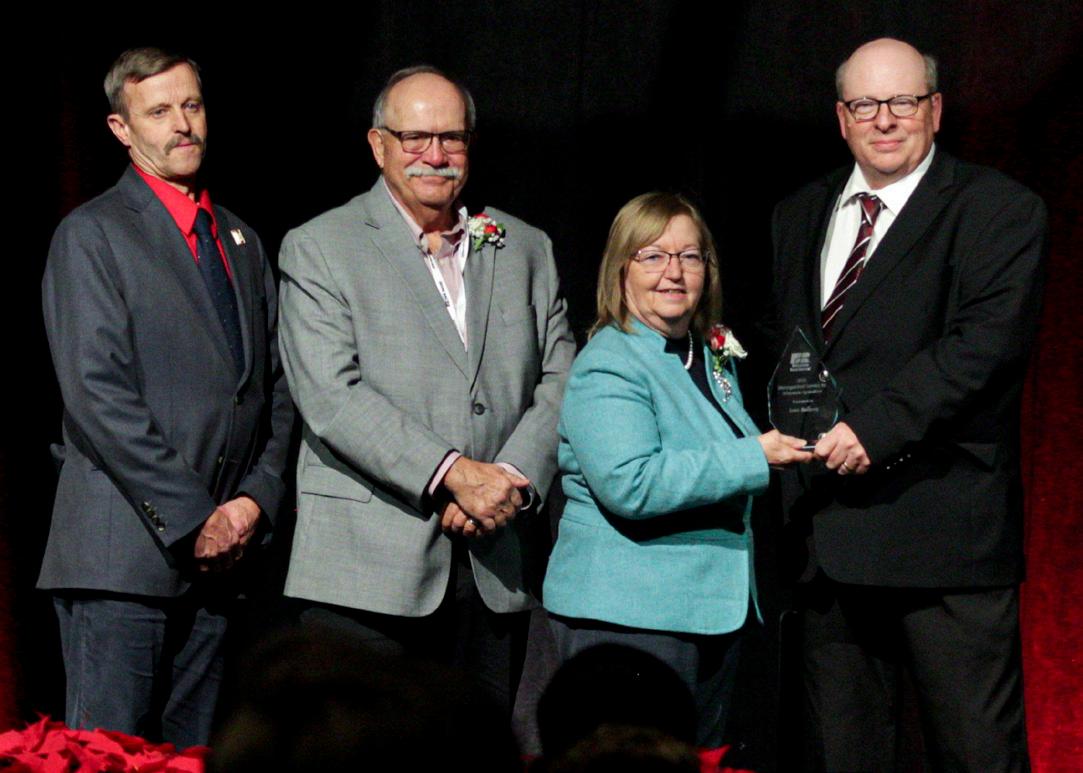
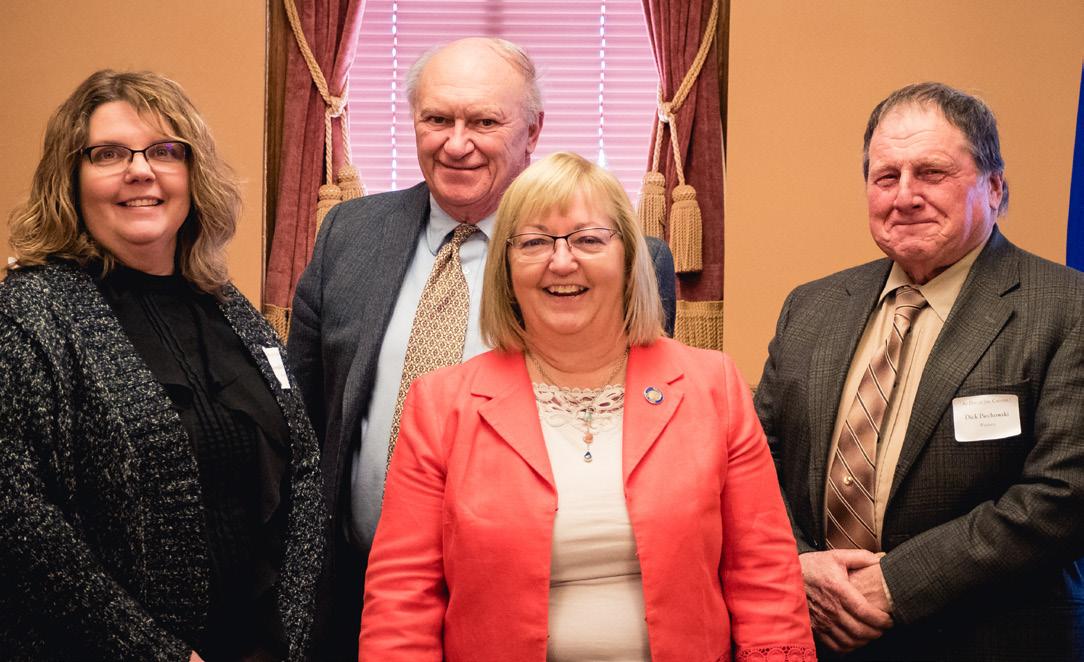
On Dec. 7, former State Senator Joan Ballweg received the Distinguished Service to Wisconsin Agriculture award for her outstanding contributions to Wisconsin’s agriculture community during the Wisconsin Farm Bureau Federation’s 106th Annual Meeting in Wisconsin Dells.
Sen. Ballweg has been a steadfast advocate for Wisconsin agriculture throughout her legislative career. She has consistently worked to ensure that farmers and rural communities are represented in policy discussions at the Capitol. Known for her thoughtful and steady leadership, Sen. Ballweg has been recognized for effectively communicating the needs of farmers to her colleagues and supporting practical, farm-focused solutions.
Sen. Ballweg’s public service began in local government while working at her family’s farm implement business. She was elected to the Markesan City Council in 1986 and later served as mayor in 1991, winning reelection twice. In 2004, she was elected to the Wisconsin State Assembly, where she served eight terms and held caucus leadership roles, including majority caucus chair. In 2020, she was elected to the state Senate and was elected caucus vice chair in 2023.
During her legislative tenure, Sen. Ballweg served on the Joint Finance Committee for several state budgets, helping to secure continued growth and support for Wisconsin’s agricultural programs. She championed the Farmland Preservation Program, prioritized rural broadband expansion, promoted local conservation efforts and advanced agricultural transportation initiatives essential to the success of farms and rural communities.
A longtime Farm Bureau member herself, Sen. Ballweg understood the organization’s mission and worked closely with members to address their concerns. She regularly attended county meetings and events, listening to members and serving as a trusted partner in shaping policy solutions. Her dedication and deep roots in agriculture have earned her the respect of farmers and colleagues alike.

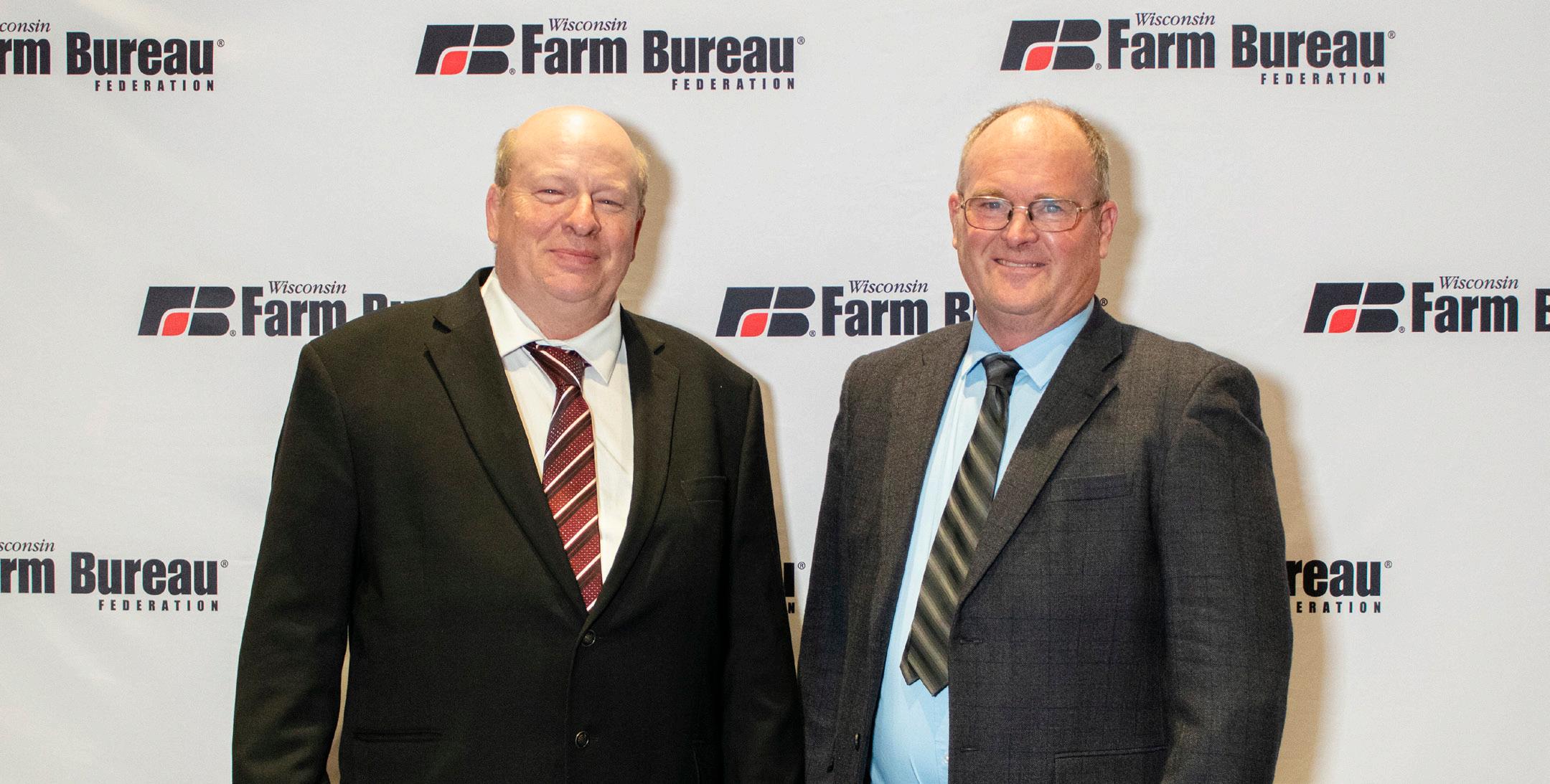
Sauk County Farm Bureau member Galen Alwin received the highest award Wisconsin Farm Bureau Federation bestows on its members.
Galen Alwin was presented Wisconsin Farm Bureau Federation’s Distinguished Service to Farm Bureau award during the organization’s 106th Annual Meeting in Wisconsin Dells on Dec. 7.
“Galen Alwin embodies the very best of Farm Bureau and is most deserving of the Distinguished Service to Farm Bureau award,” said Sauk County Farm Bureau president Kat Peper. “His quiet generosity, servant leadership and deep belief in the future of agriculture has left a lasting impact on everyone fortunate enough to work alongside him.”
Galen Alwin has been a dedicated Farm Bureau member for more than 30 years and a lifelong farmer with his wife, Pam, near Prairie du Sac. Throughout his involvement, Galen has served Sauk County Farm Bureau in numerous leadership roles, including secretary, treasurer, vice president and president. He has been actively involved in a wide range of committees and provided instrumental leadership as Building Committee Chair, where he helped ensure the maintenance of the Farm Bureau building and fostered strong relationships with tenants.
He has long represented Sauk County as a delegate to the Wisconsin Farm Bureau Annual Meeting and is a committed advocate by participating in D.C. Fly-ins, Ag Day at the Capitol, strategic planning sessions and political candidate interviews. Locally, Galen is known for his tireless efforts at the county fair food stand, where he helps with setup, works multiple shifts and stays through cleanup to ensure everything runs smoothly.
“Galen Alwin is the spirit of Farm Bureau,” said Wisconsin Farm Bureau Federation President Brad Olson. “His steadfast leadership, commitment to agriculture and dedication to helping others has strengthened our organization in countless ways.”
Beyond Farm Bureau, Galen is deeply involved in his community. He has served as church treasurer, helped maintain the local cemetery and supported countless local events and fundraisers. Through his catering business, he has donated his time, talents and equipment to charitable causes, and he’s well known for grilling pork chops at events like the Midwest Horse Fair and World Dairy Expo.
Galen’s greatest impact comes from his mentorship and dedication to uplifting others. He consistently encourages and supports the next generation and has made it his mission to ensure young members feel welcomed, valued and prepared to step into leadership roles. Whether offering guidance, stepping aside to let others lead or serving as a trusted sounding board, he exemplifies leadership through action and service.
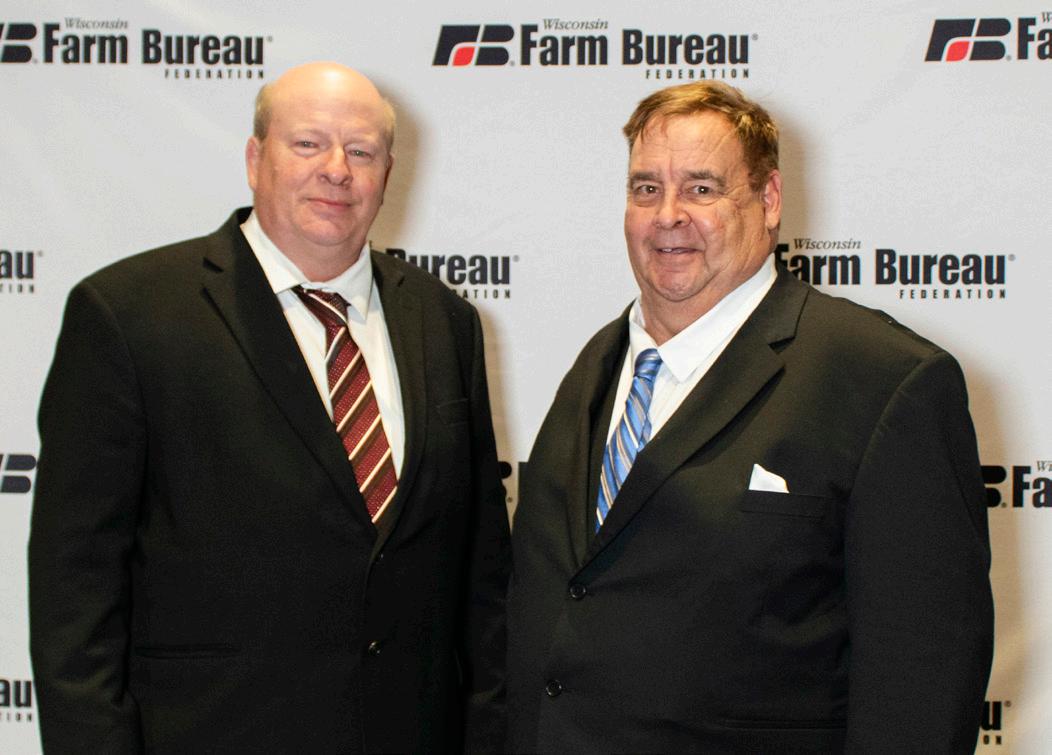
Michael E. Berg of Blanchardville has been selected as the 2025 Wisconsin Leopold Conservation Award® recipient.
Given in honor of renowned conservationist Aldo Leopold, the $10,000 award honors farmers, ranchers and forestland owners who go above and beyond in their management of soil health, water quality and wildlife habitat on working land.
Michael’s life’s work has taken place at Berg Family Farm. The farm’s scenic and dramatic topography is typical in the hilly, ecologically unique Driftless Area of southwest Wisconsin.
The Bergs, who rotationally graze beef cattle, have also planted more than 25,000 pine and walnut trees on marginal lands.
The Berg family has long sought to prevent their limited topsoil from reaching the flood-prone Pecatonica River, a meandering snake of a waterway that weaves through their 540 acres of cropland, pastures and forests.
Michael credits his conservation mindset to his father, Byron Berg. He often told his children, “We don’t really own the land. We’re just taking care of it for the next generation.”
The Bergs worked closely with Natural Resource Conservation Service staff on a detailed assessment of how their land drains. They developed two miles of terraces to divert water from rapidly flowing downhill. These areas host native grasses and wildflowers that provide a food source for bees and other pollinators.
The centerpiece of Michael’s conservation efforts has been restoring a mile of riverbank with riprap. The riprap slows the infiltration of silt into the river during heavy rains, keeping the river cleaner. In addition, grassland buffers are maintained along each side of the river.
Michael says that conservation measures like the riprap project are possible because his farm is profitable. In turn, conservation activities enhance profitability. His was the first farm in Lafayette County to participate in a phosphorus-water quality trading experiment with the nearby village of Argyle.
Michael is a founder of the Pecatonica Pride Watershed Association, which brings together outdoors enthusiasts, farmers, landowners, business owners and others to improve the river and inspire others to embrace conservation practices.
By seeking new ways to fortify the soil, keep the water clean and provide wildlife habitat while farming, Michael is strengthening his family’s legacy of land stewardship.
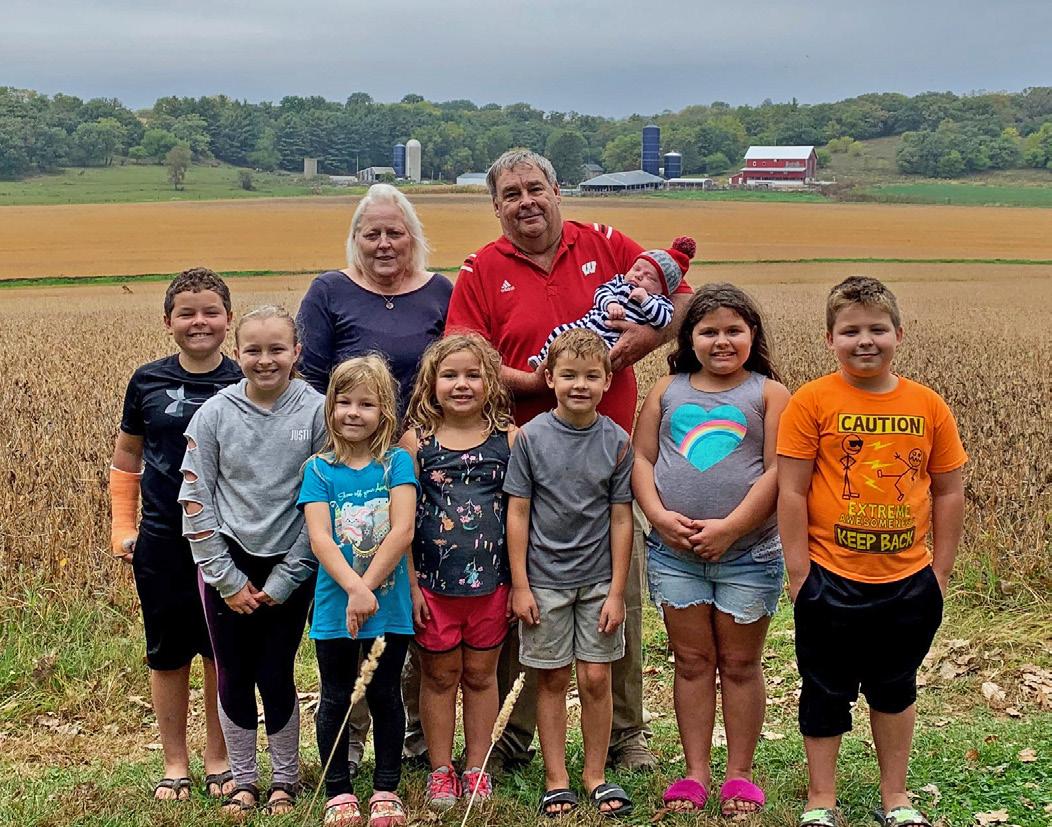
“Wisconsin farmers are proving that conservation is not just a smart choice; it is a vital investment in both the land and future of agriculture. The Berg family embodies this commitment through decades of stewardship and innovation,” said Wisconsin Farm Bureau President Brad Olson. “Wisconsin Farm Bureau is proud to congratulate Mike Berg on receiving the Leopold Conservation Award.”
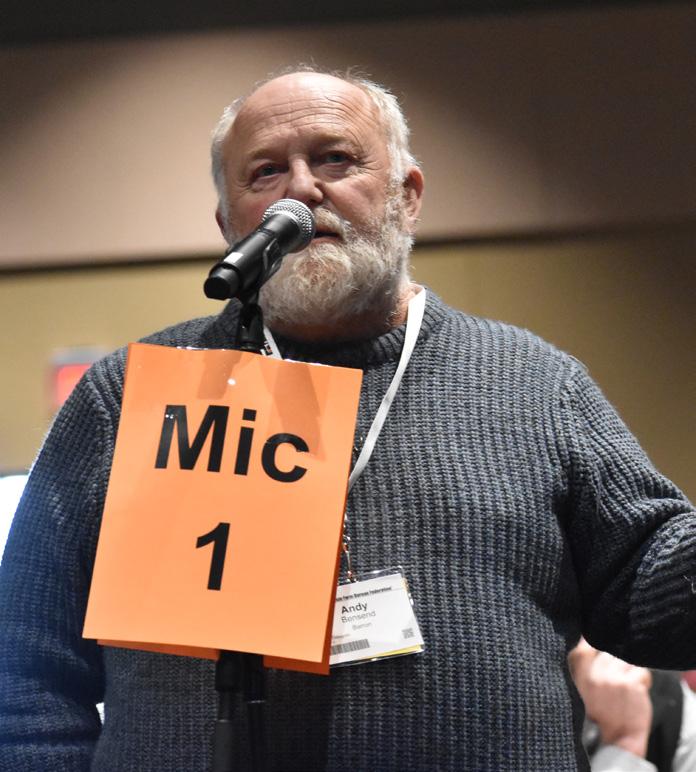
Among the many outstanding Wisconsin landowners nominated for the award were finalists: Andy Bensend of Dallas in Barron County, Brattset Family Farm of Jefferson in Jefferson County and Pat and Michelle Socha of Edgar in Marathon County.
Sand County Foundation and national sponsor American Farmland Trust present Leopold Conservation Awards to private landowners in 28 states. In Wisconsin the award is presented with Wisconsin Farm Bureau Federation and Dairy Farmers of Wisconsin.
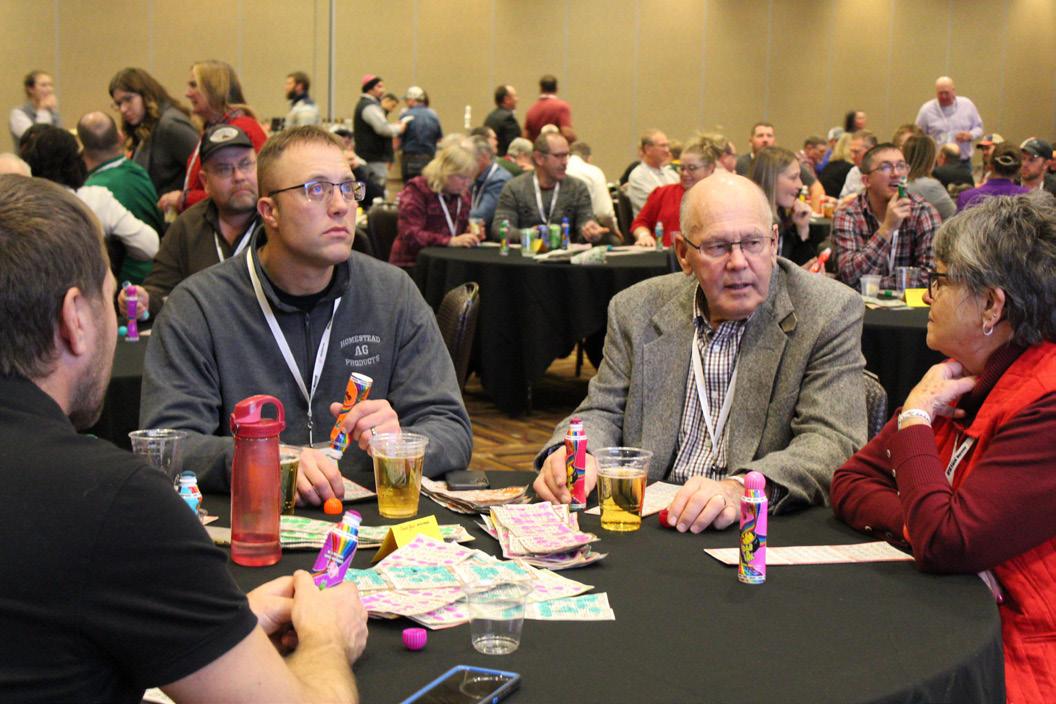
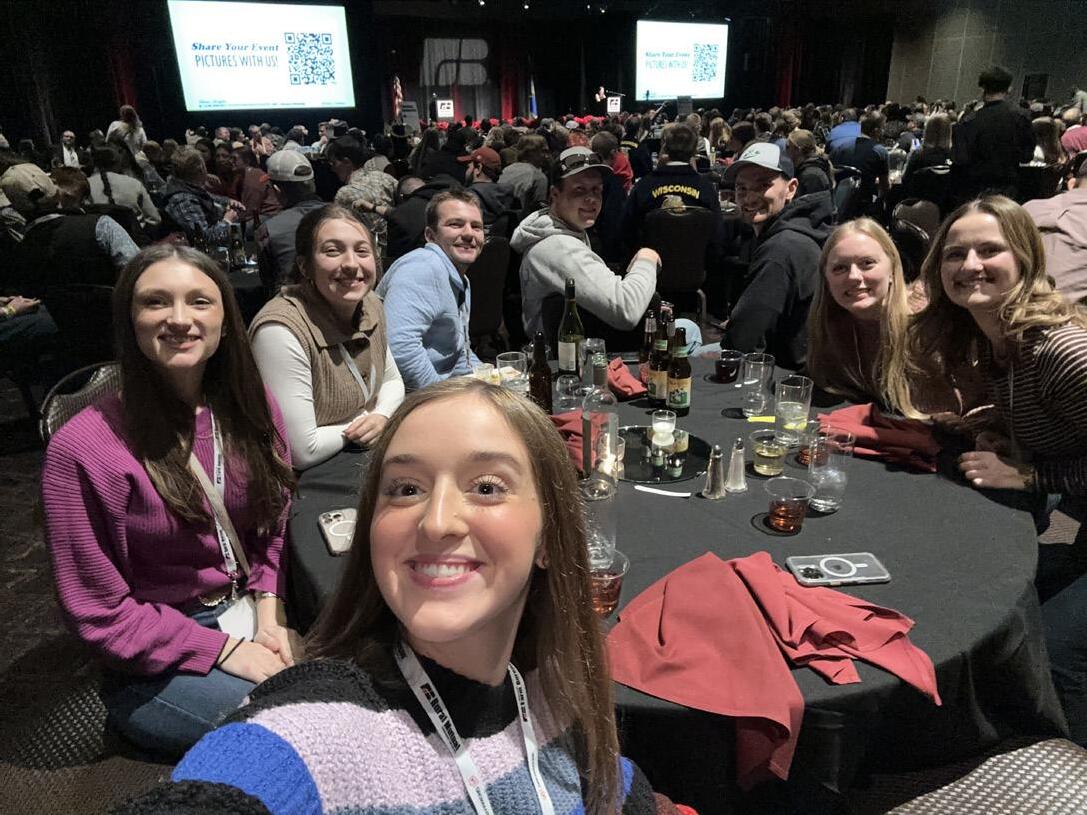
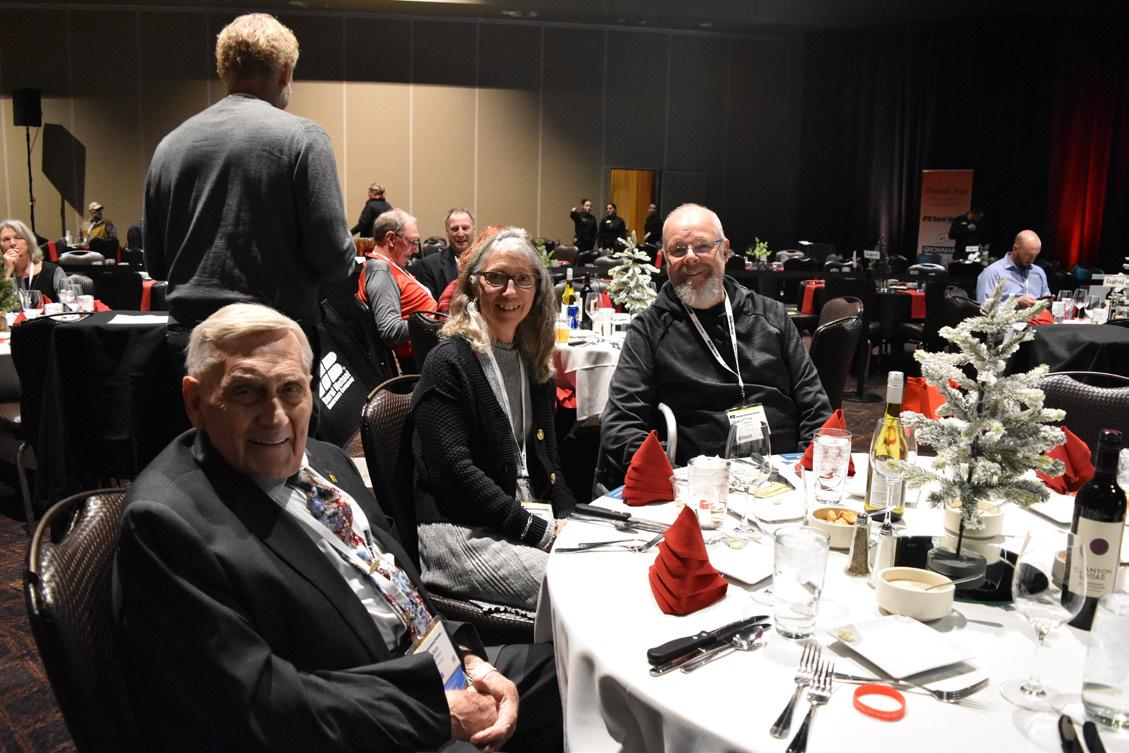
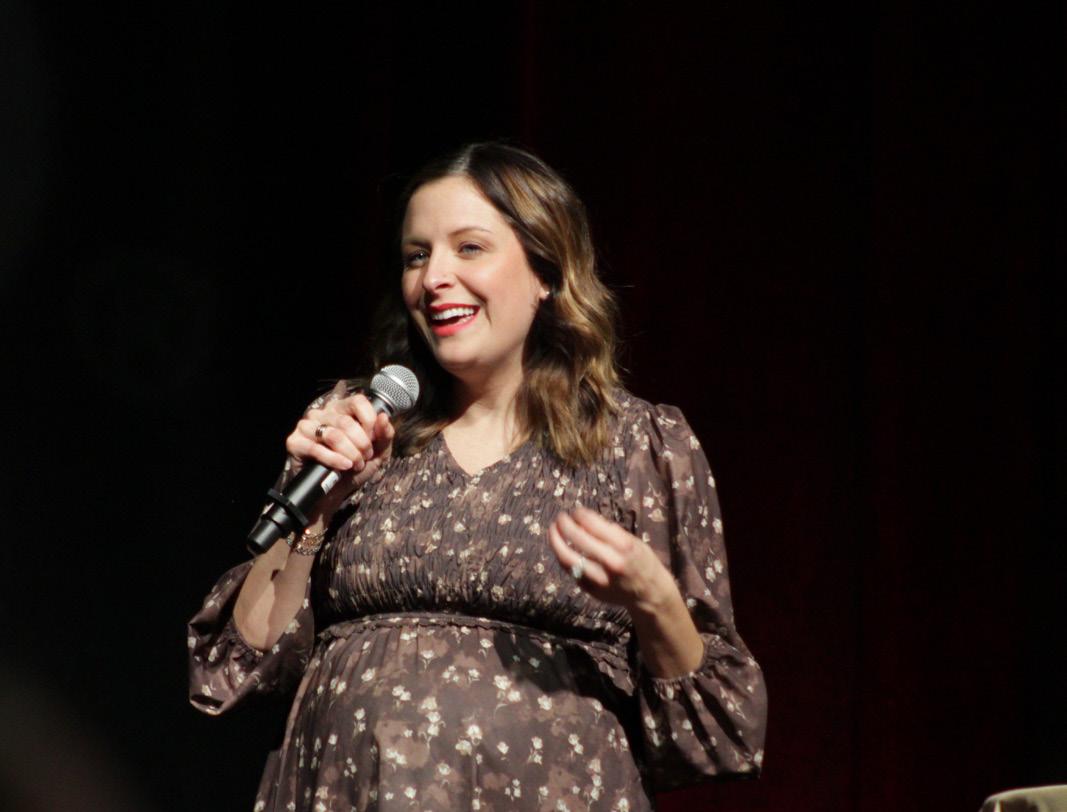
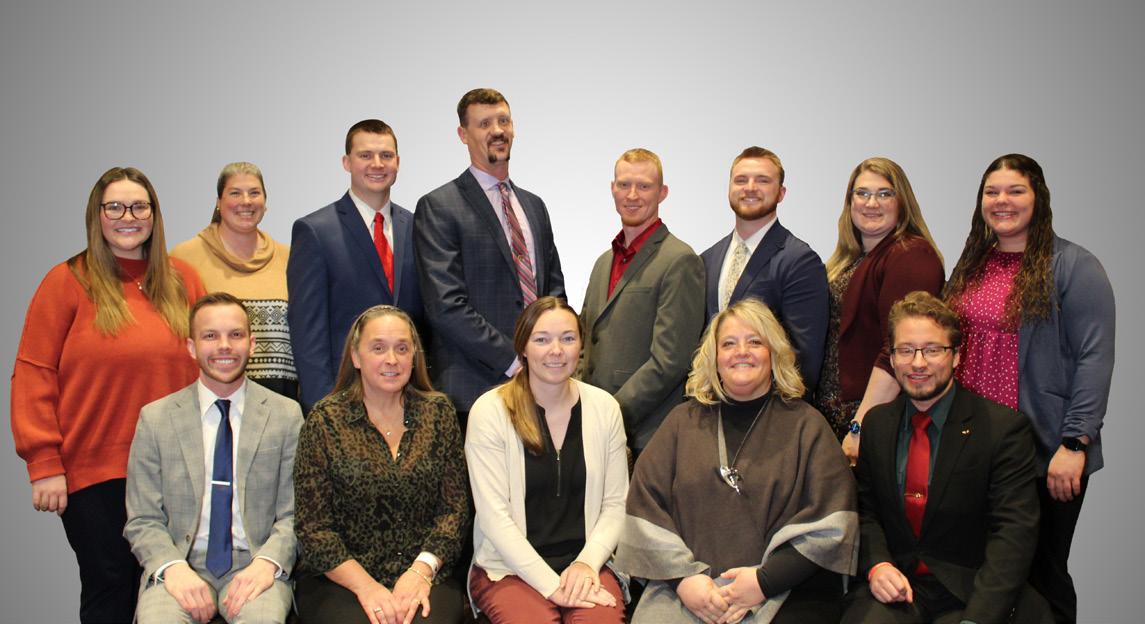
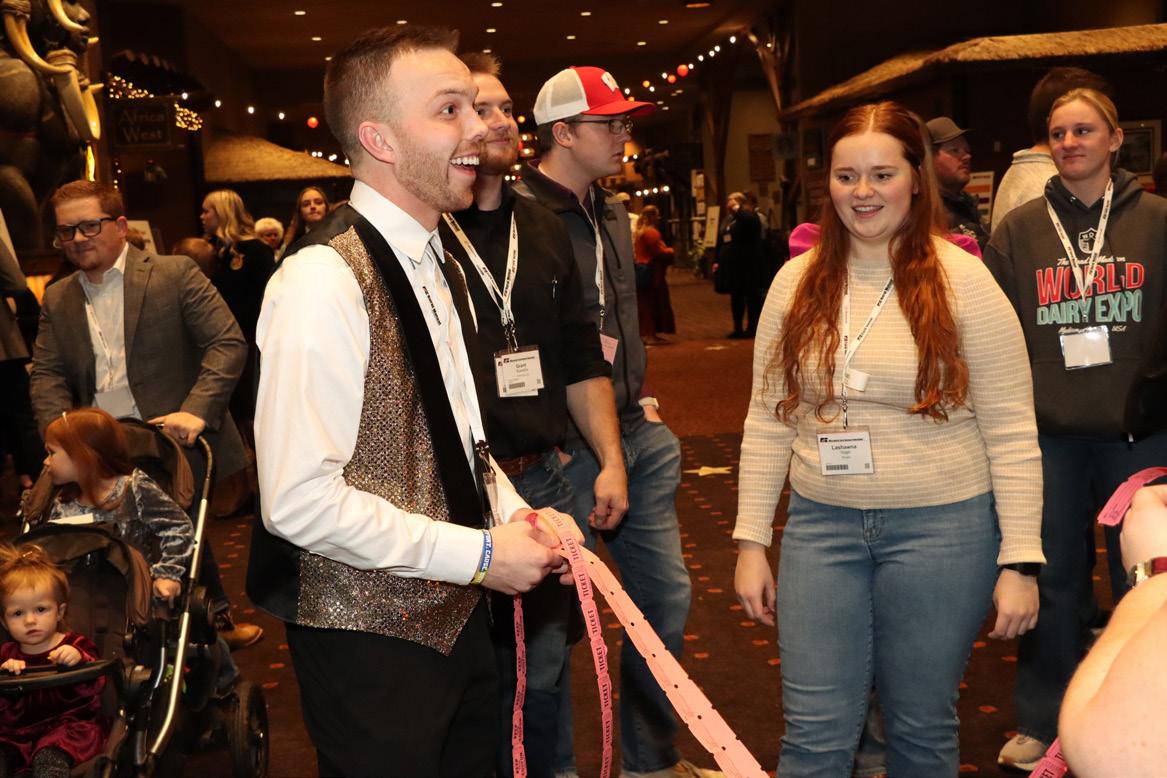
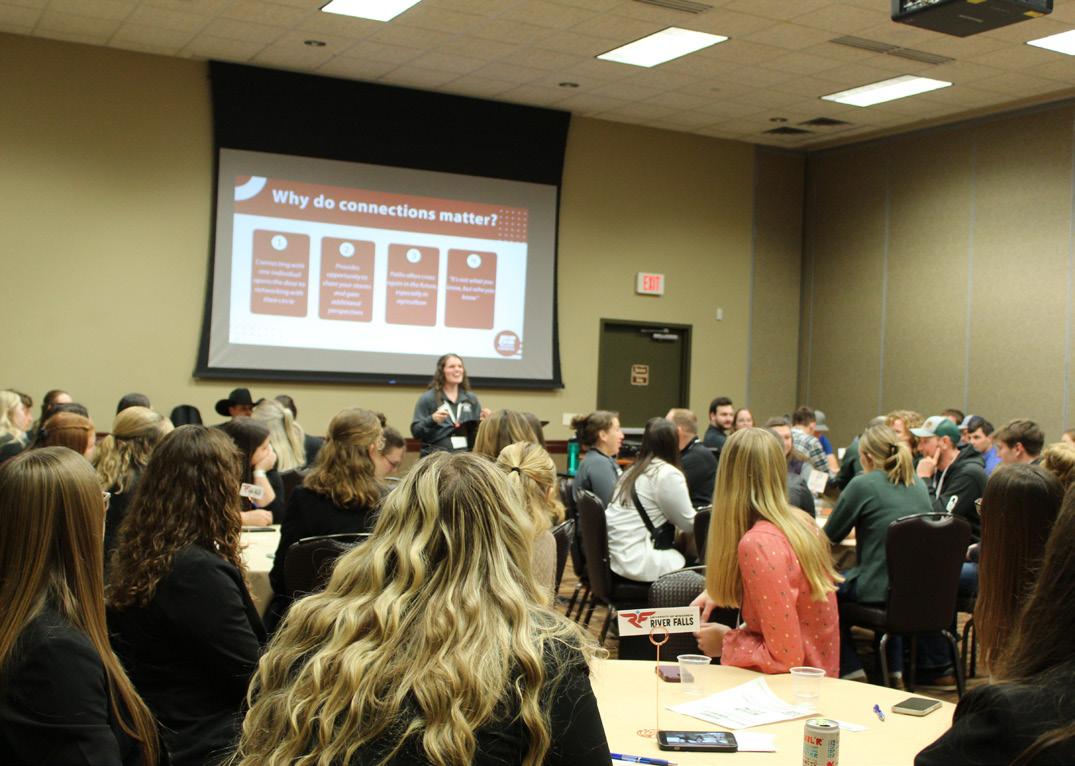
A variety of workshops were presented on Saturday and Sunday on topics ranging from social media to virtual farm tours to succession planning.
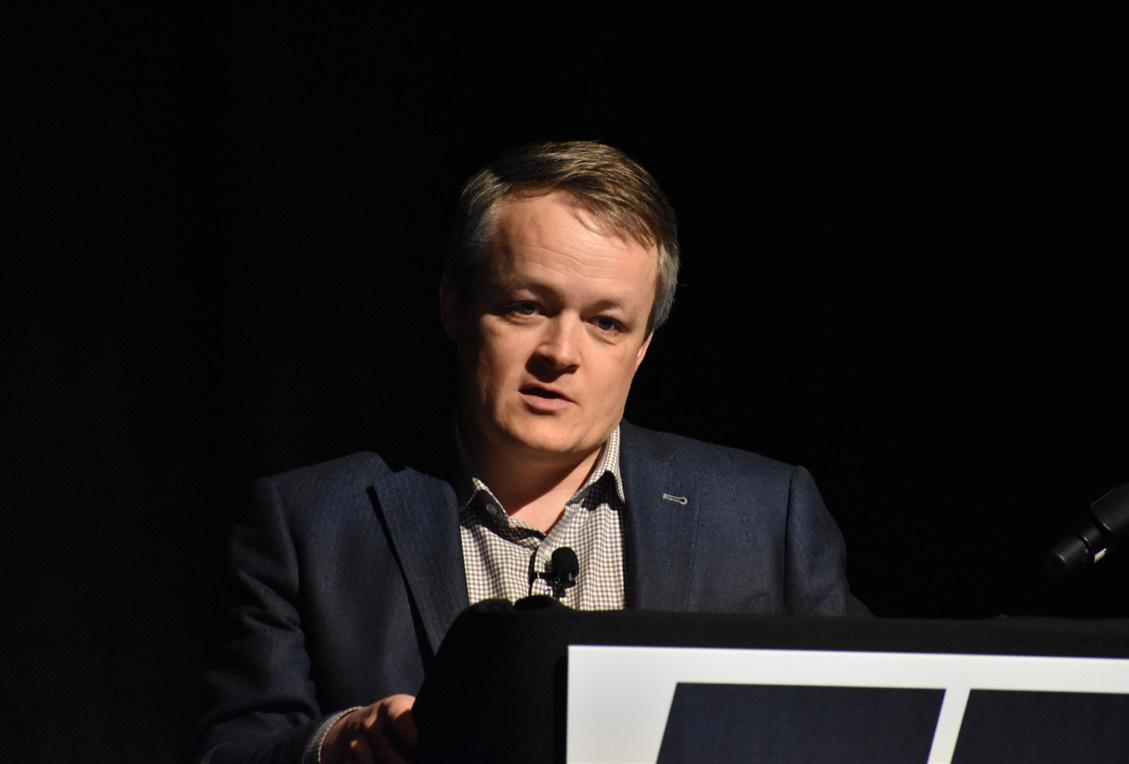
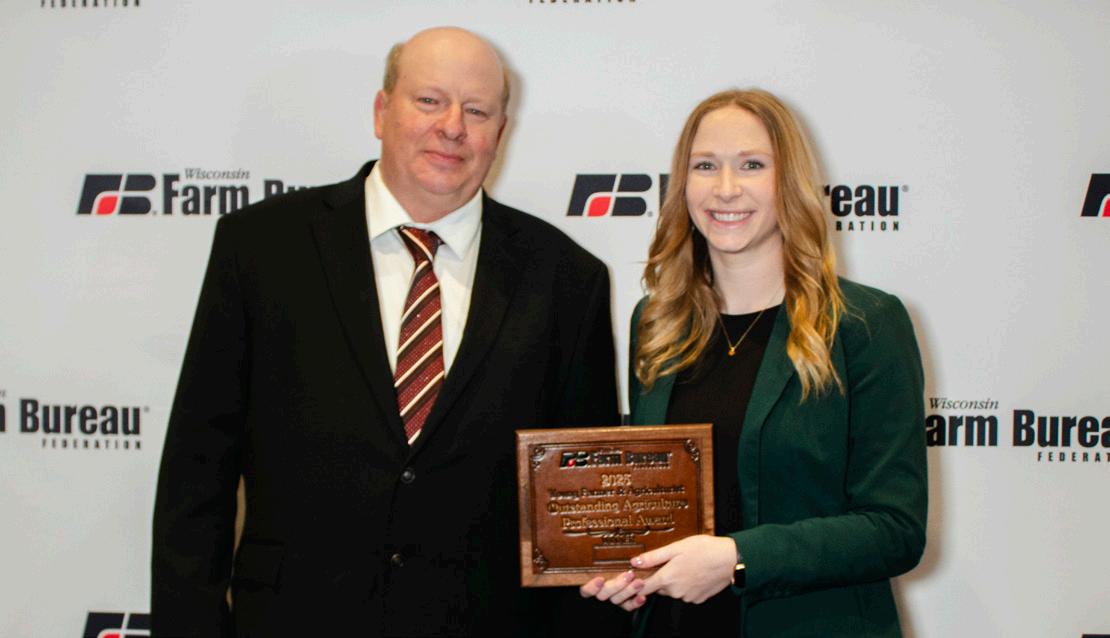
Kelly Wilfert was selected as the winner of the Wisconsin Farm Bureau’s Young Farmer and Agriculturists Outstanding Agriculture Professional Award at the organization’s 106th Annual Meeting and YFA Conference on Dec. 7.
Wilfert is the State Farm Law Outreach Specialist for the University of Wisconsin-Madison. She is part of the fifth generation on her family’s farm and a licensed attorney. In addition to her involvement with Manitowoc County Farm Bureau, Kelly is active at the state and national levels as a member of the WisGO Team and a two-time national finalist in Discussion Meet.
“The Outstanding Agriculture Professional Award is a celebration of our members’ commitment to their communities and the Farm Bureau organization,” said WFBF President Brad Olson. “Kelly’s involvement across the local, state and national level is a prime example of how one member can make a lasting impact in agriculture.”
Wilfert is also an active member of the American Agricultural Law Association, Wisconsin FFA Foundation Board of Directors, Wisconsin Agriculture Economic Outlook Forum Advisory Committee and USDA Sustainable Agriculture Research and Education State Advisory Committee.
The Outstanding Agriculture Professional Award is presented to a Farm Bureau member between the ages of 18 to 35 who excels in their leadership abilities, agriculture involvement, and participation in Farm Bureau and other civic and service organizations. Applicants are agriculturists who have not derived a majority of their income from a farm (that they own) in the past three years.
Wilfert will receive $1,500 courtesy of GROWMARK, Inc., will have the opportunity to attend the 2026 American Farm Bureau Federation Young Farmers & Ranchers Leadership Conference, will be eligible to participate in the 2027 YFA Washington, D.C. Fly-In and be a guest of WFBF at the 2026 YFA Conference.
Other finalists included Amy Austin of Green County, Savannah Kunes of Jackson County and Madeline Woodward of Chippewa County.
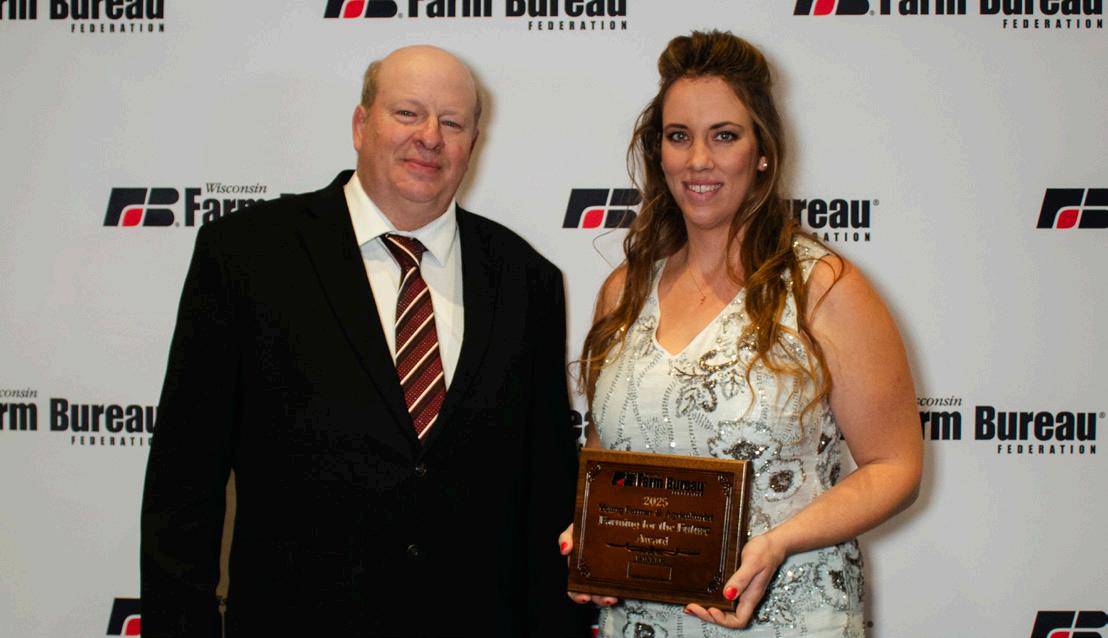
Stephanie Abts was selected as the winner of Wisconsin Farm Bureau’s Young Farmer and Agriculturists Farming for the Future Award.
Abts and her husband, Keith, operate a 260-cow registered Holstein and Guernsey farm near Coleman in Oconto County. They raise 400 heifers and steers along with growing their own feed. Stephanie also does part-time nutrition consulting work for Rio Creek Feed Mill out of Algoma. She has been involved in the Wisconsin Farm Bureau for the last ten years. The Abts’ have three children: Theodore, Maureen and Oliver.
“The Farming for the Future Award recognizes young farmers leading with clear vision in their communities, Farm Bureau and beyond,” said WFBF President Brad Olson. “Stephanie is a prime example of the caliber of our membership and the future of our organization."
The Farming for the Future Award is presented to a Farm Bureau member between the ages of 18 to 35 who derives a majority of their income from on-farm production.
Abts will receive $1,500 courtesy of GROWMARK, Inc., will have the opportunity to attend the 2026 American Farm Bureau Federation Young Farmers & Ranchers Leadership Conference, will be eligible to participate in the 2027 YFA Washington, D.C. Fly-In and be a guest of WFBF at the 2026 YFA Conference.
Other finalists included Cosette Henthorne of Vernon County, Austin Vandertie of Door County and William Walleser of Vernon County.
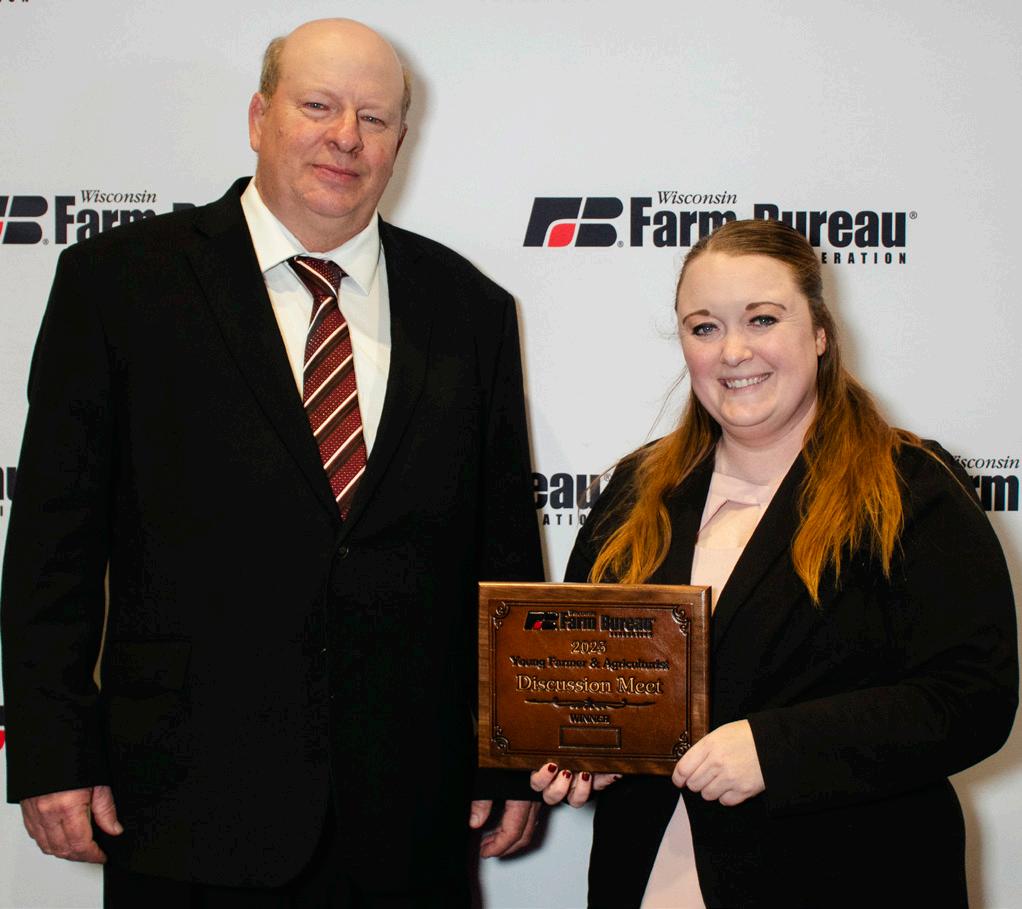
Kirsten Konder of Polk Burnett Farm Bureau was selected the winner of the 2025 Wisconsin Farm Bureau Young Farmer and Agriculturist Discussion Meet during the organization’s 106th Annual Meeting and YFA Conference on Dec. 7.
The Discussion Meet is a panel discussion in which Farm Bureau members between the ages of 18 and 35 are judged on their ability to express their ideas and opinions and reach a solution on current issues affecting agriculture.
Konder teaches middle and high school agriculture and technology education at the School District of Amery. She and her significant other, Reggie Lee, live near Star Prairie with their daughter, Arianna, where they raise chickens and ducks on their 20-acre property. As a fifth-generation farmer raised on a Holstein dairy farm, Konder is passionate about teaching the next generation about agriculture. She previously served as the Polk Burnett Farm Bureau YFA Chair and has traveled to Washington, D.C., to advocate for farmers through Farm Bureau.
Konder will represent Wisconsin during the American Farm Bureau Annual Convention in January. She will receive $1,500 courtesy of GROWMARK, Inc., is eligible to participate in the 2027 YFA Washington, D.C. Fly-In and will be a guest of WFBF at the 2026 YFA Conference. Along with awards from Farm Bureau, Rural Mutual Insurance and GROWMARK, Inc., the winner was presented with a chainsaw courtesy of Blain’s Farm and Fleet.
Other finalists included Isaac Christensen of Polk Burnett Farm Bureau, Sarah Hetke of Sauk County and Brooke Trustem of Rock County.
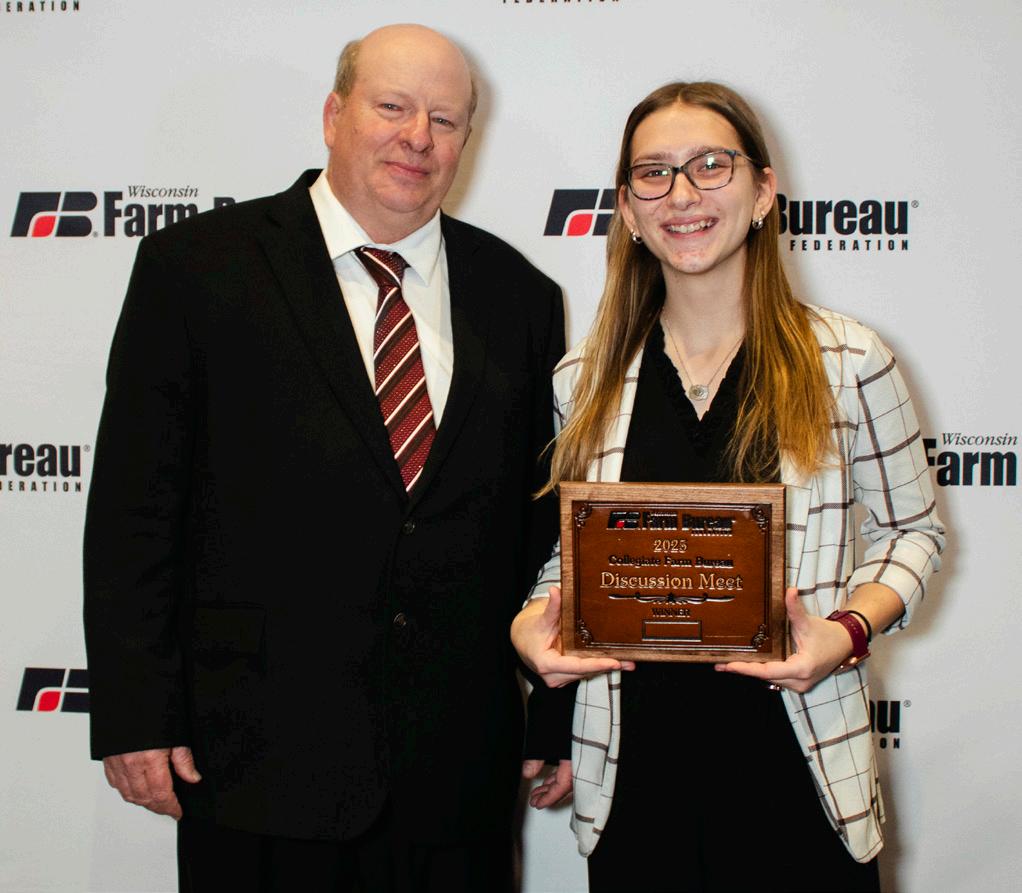
Jordan Berg, a student at UW-Madison, was selected the winner of the Wisconsin Farm Bureau’s Collegiate Discussion Meet.
Berg is a freshman student from Granton studying Life Sciences Communication and Public Policy. In addition to Collegiate Farm Bureau, she is involved in Badger Dairy Club, Association of Women in Agriculture and Adventure Learning Programs. Berg is also serving as this year’s Clark County Fairest of the Fair. Coming from a dairy farming family, she plans to pursue a career in agricultural policy, advocating for small farms and the agriculture industry.
The Collegiate Discussion Meet is a panel discussion in which collegiate members are judged on their ability to lead a committee discussion on current issues affecting agriculture and to develop consensus on an action plan to effectively address issues.
By participating, members build basic discussion skills, develop a keen understanding of important agricultural issues and explore how groups can pool knowledge to reach a consensus and solve problems.
Berg will receive a $1,500 scholarship courtesy of GROWMARK, Inc., will represent Wisconsin in the national Collegiate Discussion Meet held in conjunction with the American Farm Bureau Federation Young Farmers & Ranchers Conference, and will be a guest of WFBF at the 2026 YFA Conference.
Other finalists included Emily Sydow of UW-Madison, Holly Daly and Isabelle McReath of UW-Platteville, and Victoria Havlik and Allison Schmitt of UW-River Falls.

FIVE INDIVIDUALS HAVE BEEN SELECTED TO RECEIVE TOP HONORS IN WISCONSIN FARM BUREAU’S 35 UNDER 35 AWARD PROGRAM. THE 35 UNDER 35 PROGRAM RECOGNIZES THE CREATIVITY AND INNOVATION OF YOUNG FARMERS AND AGRI CULTURISTS WHO ARE PRESERVING AGRICULTURE THROUGH LEADERSHIP IN ENVIRO NMENTAL, SOCIAL AND
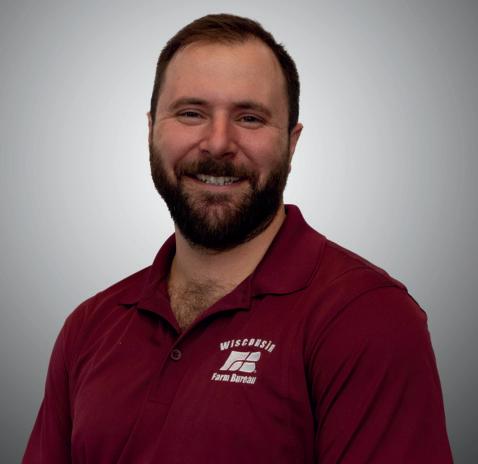
JEFF HUBER
JEFF IS THE AGRONOMY MANAGER AT ALSUM FARMS & PRODUCE, INC.
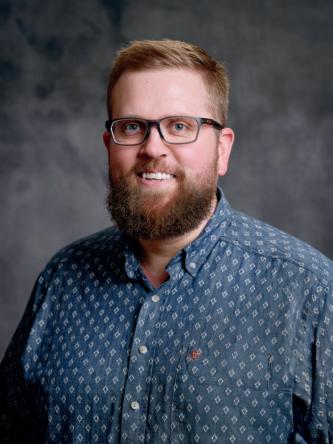
SUSTAINABLE SELF ANDREW DAL SANTO
ANDREW IS AN AGRONOMY INSTRUCTOR AT SOUTHWEST WISCONSIN TECHNICAL COLLEGE IN FENNIMORE.
SUSTAINABLE SERVICE
ISAAC CHRISTENSON
ISAAC IS AN AGRICULTURE AND COMMERCIAL LOAN OFFICER AT PILLAR BANK IN AMERY.
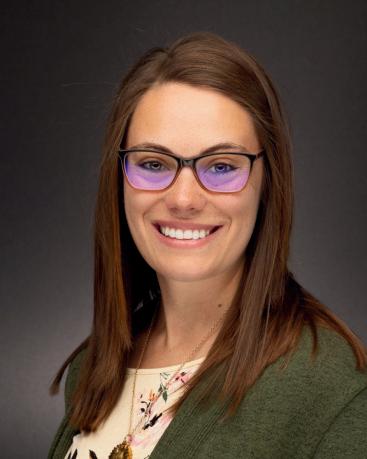
SUSTAINABLE STORYTELLING SARAH HETKE
SARAH IS THE DIRECTOR OF FARMER OUTREACH FOR DAIRY MANAGEMENT, INC.
SUSTAINABLE FUTURE
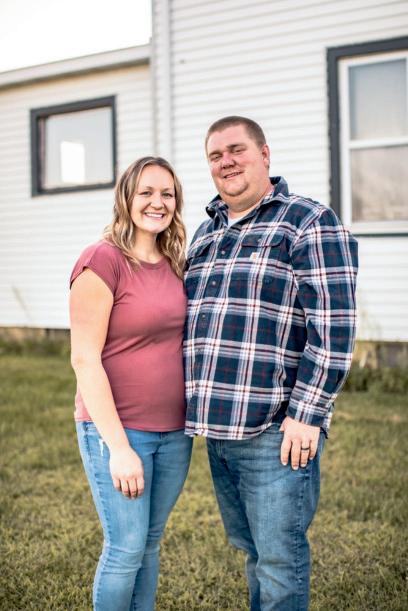
JUSTIN AND KRISTYN JENSEN
JUSTIN AND KRISTYN OPERATE A CROP AND BEEF FARM IN MENOMONIE.
“WE ARE PROUD TO PARTNER WITH WISCONSIN FARM BUREAU TO AMPLIFY THE LEADERSHIP OF YOUNG FARMERS WHILE PROMOTING ACTIVITIES THAT PR OTECT THE FUTURE OF AGRICULTURE NOW AND FOR GENERATIONS TO COME”, SAID INSIGHT FS GENERAL MANAGER BEN HUBER. “CONGRATULATIONS TO THESE IMPRES SIVE INDIVIDUALS.”
THE COMPLETE LIST OF ALL 35 UNDER 35 FINALISTS IS A VAILABLE AT WFBF.COM/WISCONSIN-FARM-BUREAU-ANNUAL-MEETING/ .



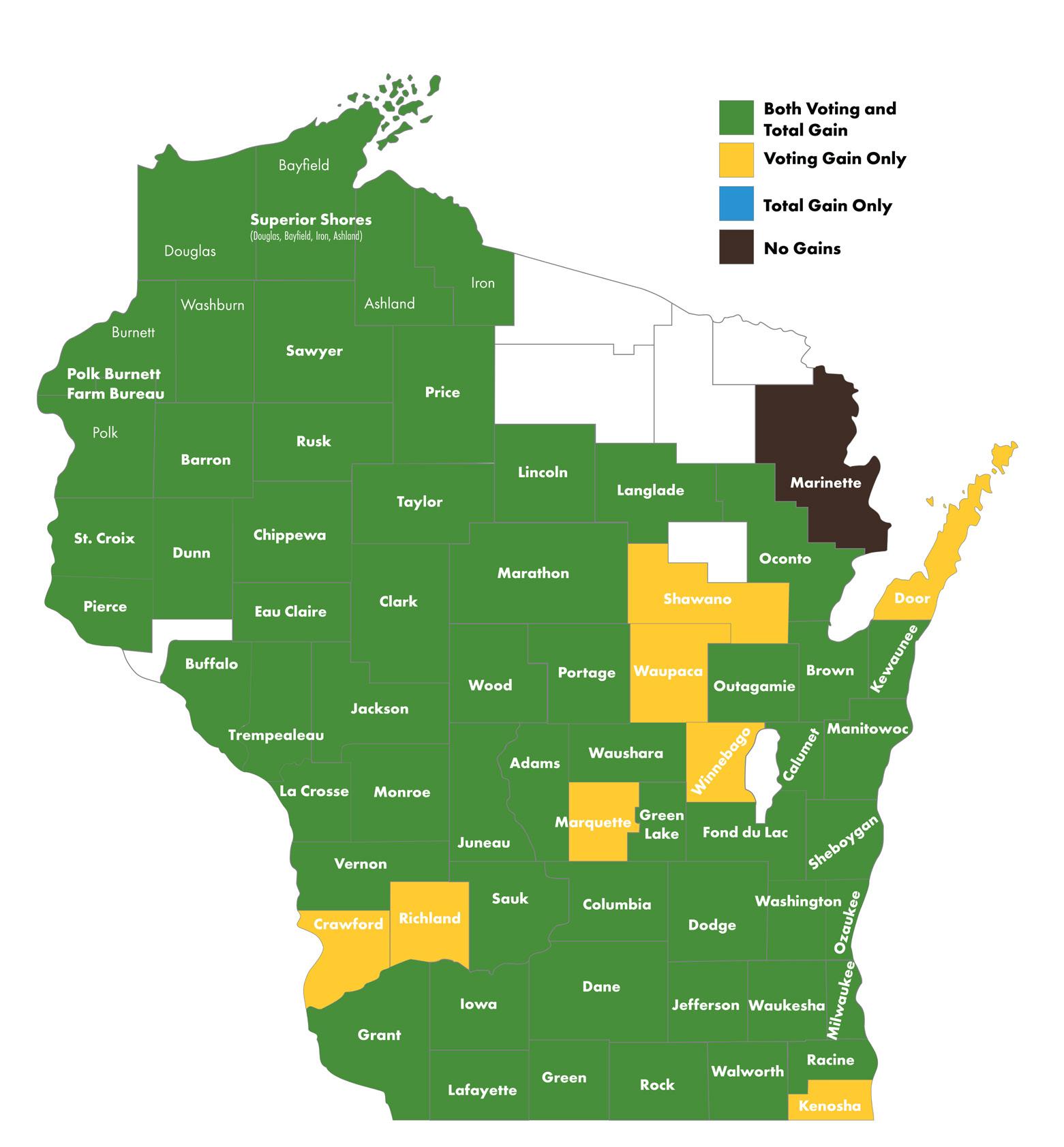
Wisconsin Farm Bureau wrapped up the 2025 membership year on Sept. 30 with total membership of 53,235 members
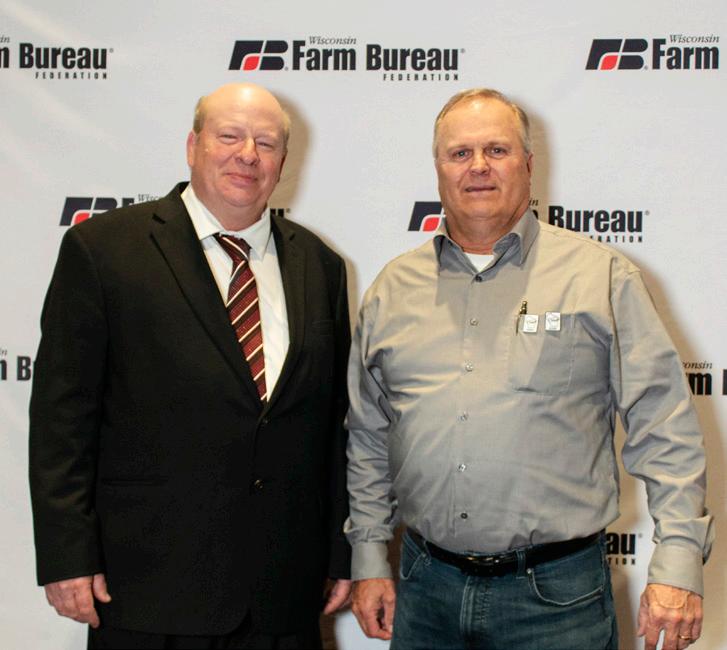
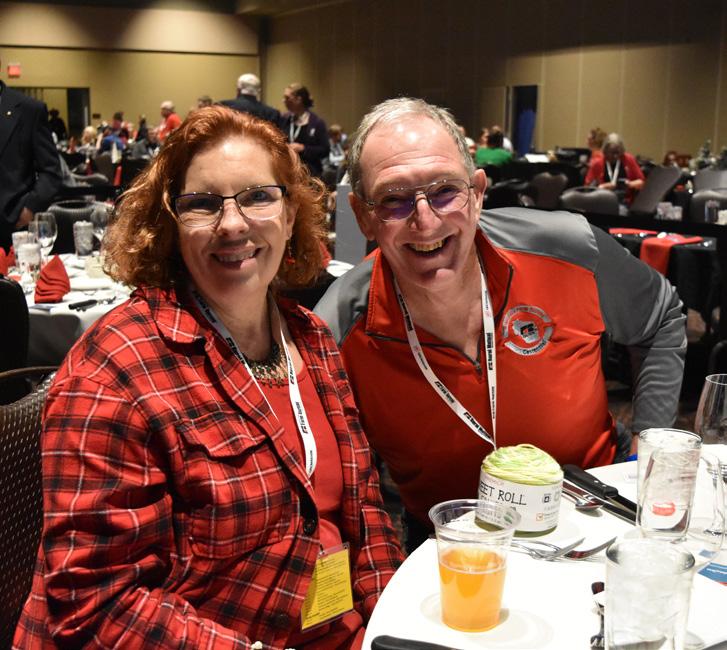
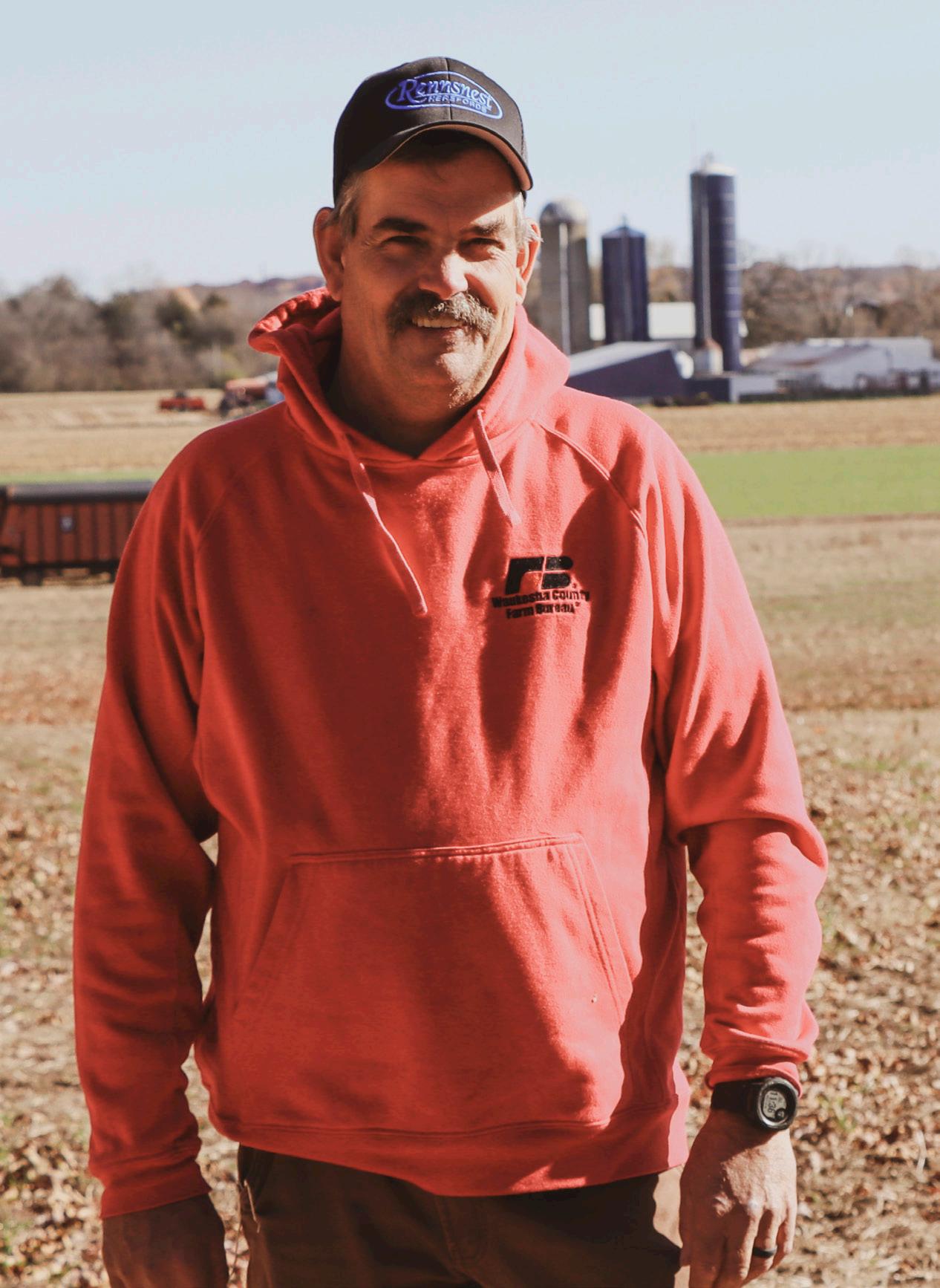
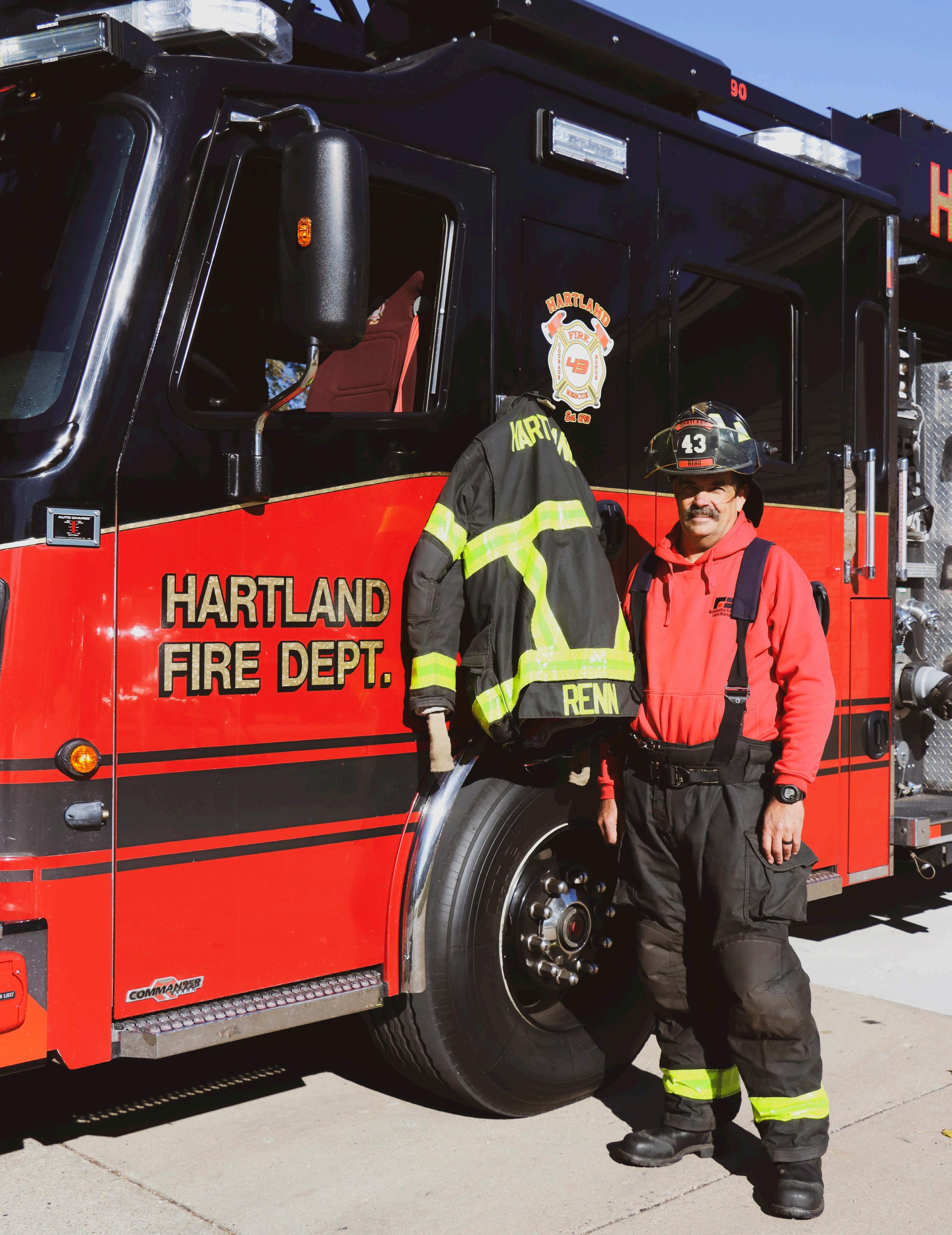
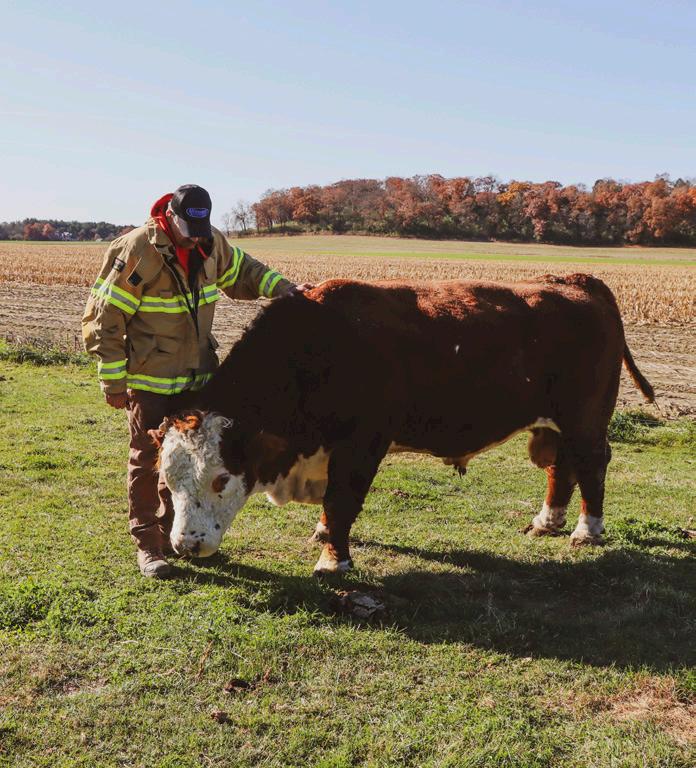
If you live in Waukesha County, you have likely interacted with Jim Renn. You may have heard his voice announcing the Little Britches contest at the county fair, saw him in a parade with the Hartford Fire Department or met him at a Farm Bureau meeting.
Whether it’s a fire alarm, a Farm Bureau meeting or a neighbor in need, Jim shows up. When the community calls, Jim answers.
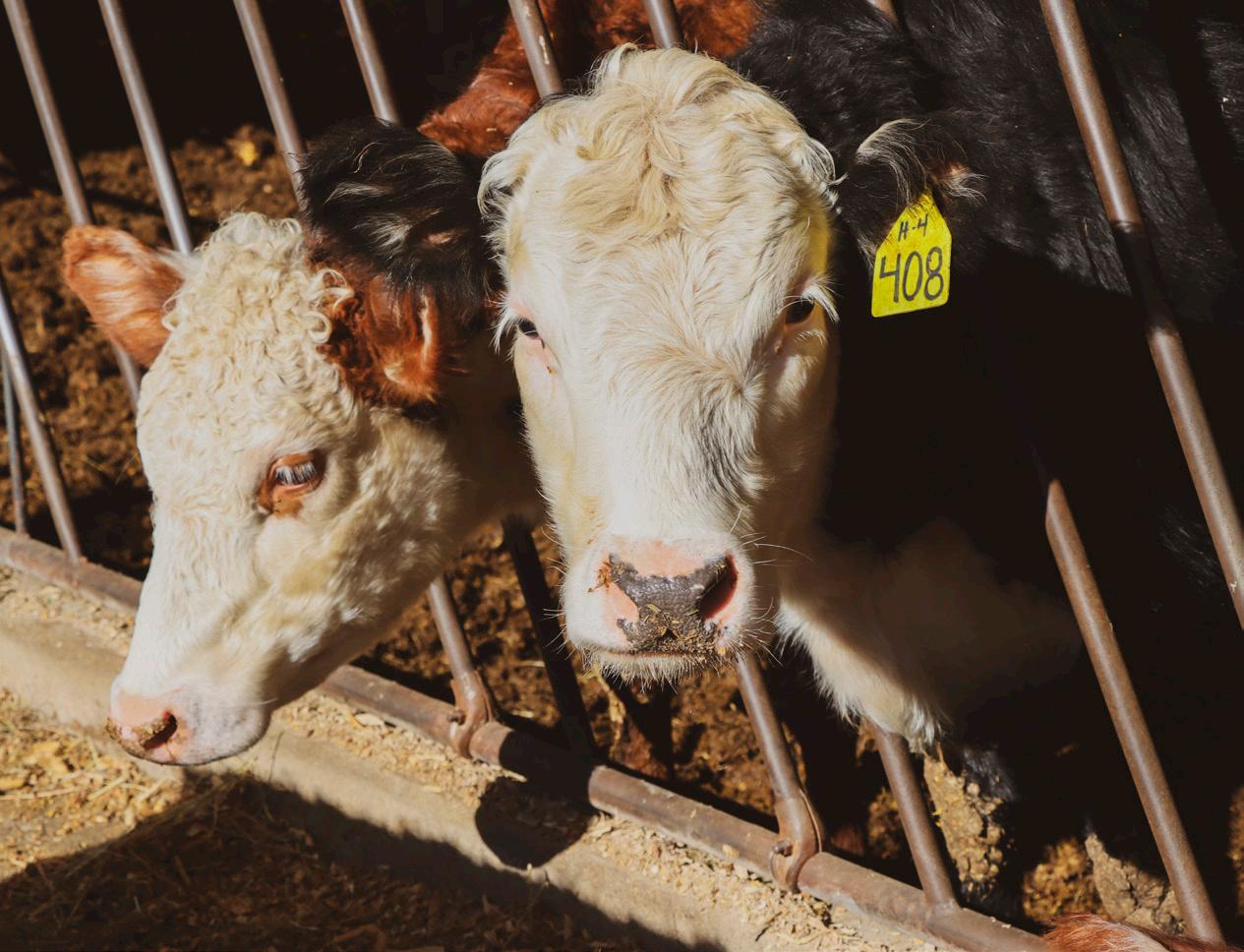
Jim farms 800 acres of corn, soybeans, wheat and hay in Waukesha County and runs a 60-head cow/calf farm with his family. Jim didn’t grow up on a farm but spent his youth working on them.
After earning his broadcasting degree from UW–River Falls, Jim followed his heart back to agriculture. He married into a farming family and proudly farms alongside his children as the fourth generation.
“I started milking cows and fell in love with the farmer’s daughter,” he said with a grin.
Despite farming full-time after college, Jim still used his broadcasting skills through volunteering. Jim’s voice could be heard announcing the Thursday night water ski shows or during special events at the county fair.
During this time, Jim was invited to attend his first Waukesha County Farm Bureau meeting. He soon found himself competing in the Young Farmer and Agriculturist Discussion Meet and was able to travel with his wife to Washington, D.C. for a YFA Fly-In.
Jim’s call to serve came in a different way years later, when the local fire chief stopped by the farm to lend a hand.
After a few conversations, the chief asked if Jim would join the department. Today, Jim is a certified motorized pump and ladder truck operator with the Hartland Fire Department. He wears a pager day and night, always ready to drop what he’s doing when his community needs him.
“It was something that fit with the farm schedule and my skill set,” said Jim.
Jim and his fellow firefighters attend community events like parades, football games and community festivals. They often raise an American flag from their 100-foot ladder truck as a community symbol for “Hartland strong”.
“We want people to see familiar faces so that when tragedy strikes, they aren’t met by strangers,” he said.
Dealing with people on their worst days taught Jim that true leadership means staying calm and always showing up.
“I’ve never looked at being a leader as a sign of status. We’re all part of a team,” he said.
That philosophy guides not just his role at the fire department, but across his many volunteer commitments. Jim serves as vice president of the Hartland Fire Department Association, helping organize fundraisers and coordinating efforts to sponsor families at Christmas.
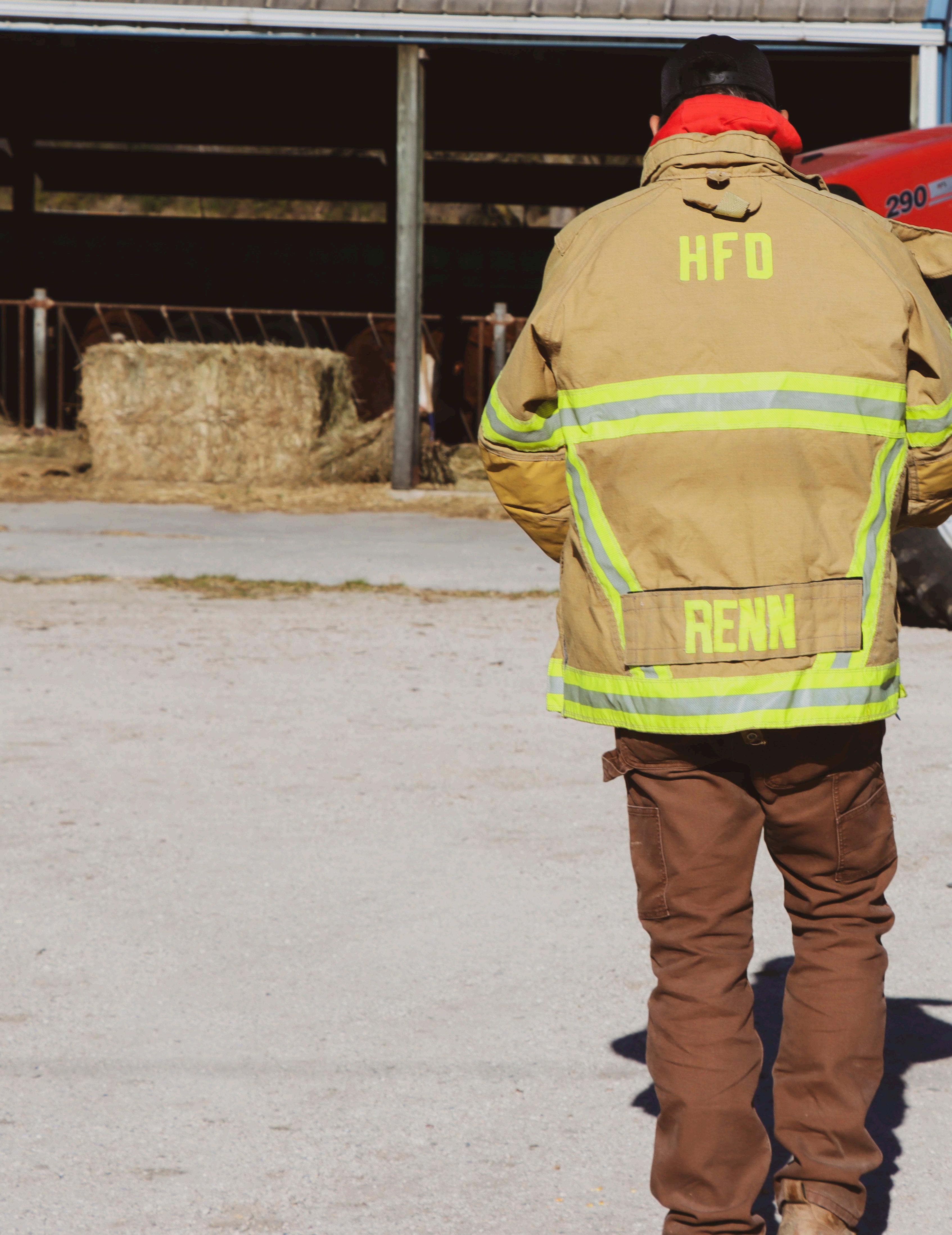
He is a past president of the Waukesha County Fair board, World Beef Expo and the Wisconsin Hereford Association and has served as a county Farm Service Agency director.
“There’s not too much grass on my feet,” Jim laughed.
Just as he answers the pager when the department calls, Jim also answers when his agricultural community needs someone to step up.
Jim is a dedicated Farm Bureau member and long-time volunteer. His Farm Bureau member journey began with the YFA Discussion Meet and he now represents District 1 on the Wisconsin Farm Bureau Federation Board.
Jim’s involvement started locally with Waukesha County Agriculture in the Classroom and later on a state steering committee guiding Agriculture in the Classroom’s efforts.
Ten years ago, Jim was appointed to a taskforce to determine if Wisconsin Farm Bureau should transition the Women’s Committee to the Promotion and Education program. When debate stalled during a taskforce meeting, Jim suggested, “Why don’t we just take a vote?”
The unanimous decision to move forward marked a turning point for Jim. He called it a defining moment in his Farm Bureau journey, showing him how a single action can lead to lasting change. He took action and led boldly, paving the way for a stronger, more inclusive committee that will celebrate its tenth anniversary in 2026.
Jim’s involvement with Foundation-supported programs like Agriculture in the Classroom, YFA and Promotion and Education led to his recruitment by Dave Daniels in 2024 to serve on the newly-formed Wisconsin Farm Bureau Foundation Board of Trustees. In his role, Jim works to expand fundraising and strengthen programs that support Farm Bureau’s mission.
“There are different ways to contribute to the Foundation,” said Jim. “I think it’s important to keep our pillar Farm Bureau programs alive.”
In addition to his Foundation work, Jim has served on the state Volunteers for Agriculture® and policy development committees and continues to serve as vice president of Waukesha County Farm Bureau.
Former WFBF President Dan Poulson often told Jim to “leave room” to serve on state board of directors. In 2024, the time was right, and Jim was elected to represent District 1.
Balancing the pager on his hip with the responsibilities of the state board, Jim manages both with the same steady sense of duty. Ultimately, it was a family decision for Jim to run for the board, and he is grateful for their support.
One of Jim’s proudest accomplishments is that his three children have pursued careers in agriculture. The family has a long history of involvement in Waukesha County Farm Bureau and Jim is glad to see his kids continue that legacy.
Jim’s Farm Bureau involvement and service on the Hartland Fire Department are fueled by a love for community. Jim believes in showing up when people need you and helping out in times of need.
His community of Hartland believes strongly that neighbors help neighbors and Jim embodies that spirit.
“Community means watching out for each other,” he said. “Somebody’s always got it worse than you, so check on your neighbors.”
Whether driving a tractor or a fire truck, Jim is guided by the same sense of duty: to show up, lend a hand and lead boldly by example.
When the call comes, Jim is the one you can count on to answer.








*WFBF member benefits may be changed or discontinued at any time without notice.* Learn more about your Farm Bureau member benefit savings by scanning the QR code or visiting wfbf.com/membership/member-benefits.


If you need excellent quality clothing with a custom logo, Key Apparel is the one stop you should make. So easy and affordable! The quality is outstanding!
-Mike Leahy, Waushara County
We were going to Tennessee for a vacation. I called Avis after we got this membership, and they gave us a $179 discount on our rental! That’s amazing!
-Sue McKlveen, Brown County














Tell us a little about yourself.
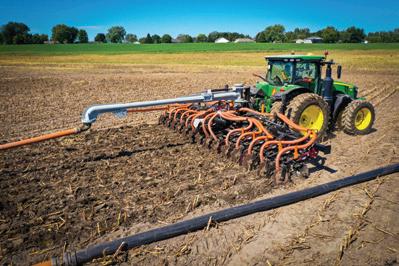
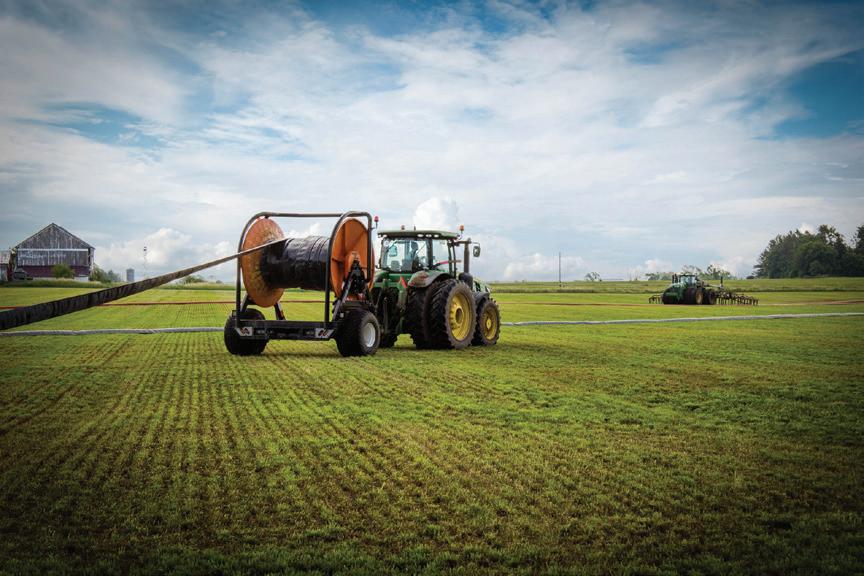
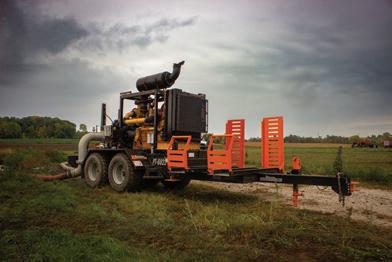
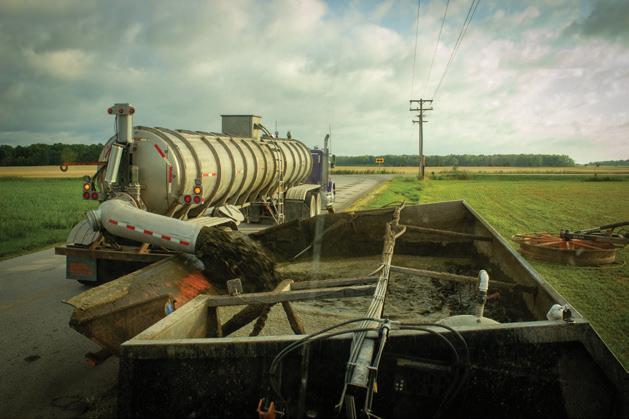
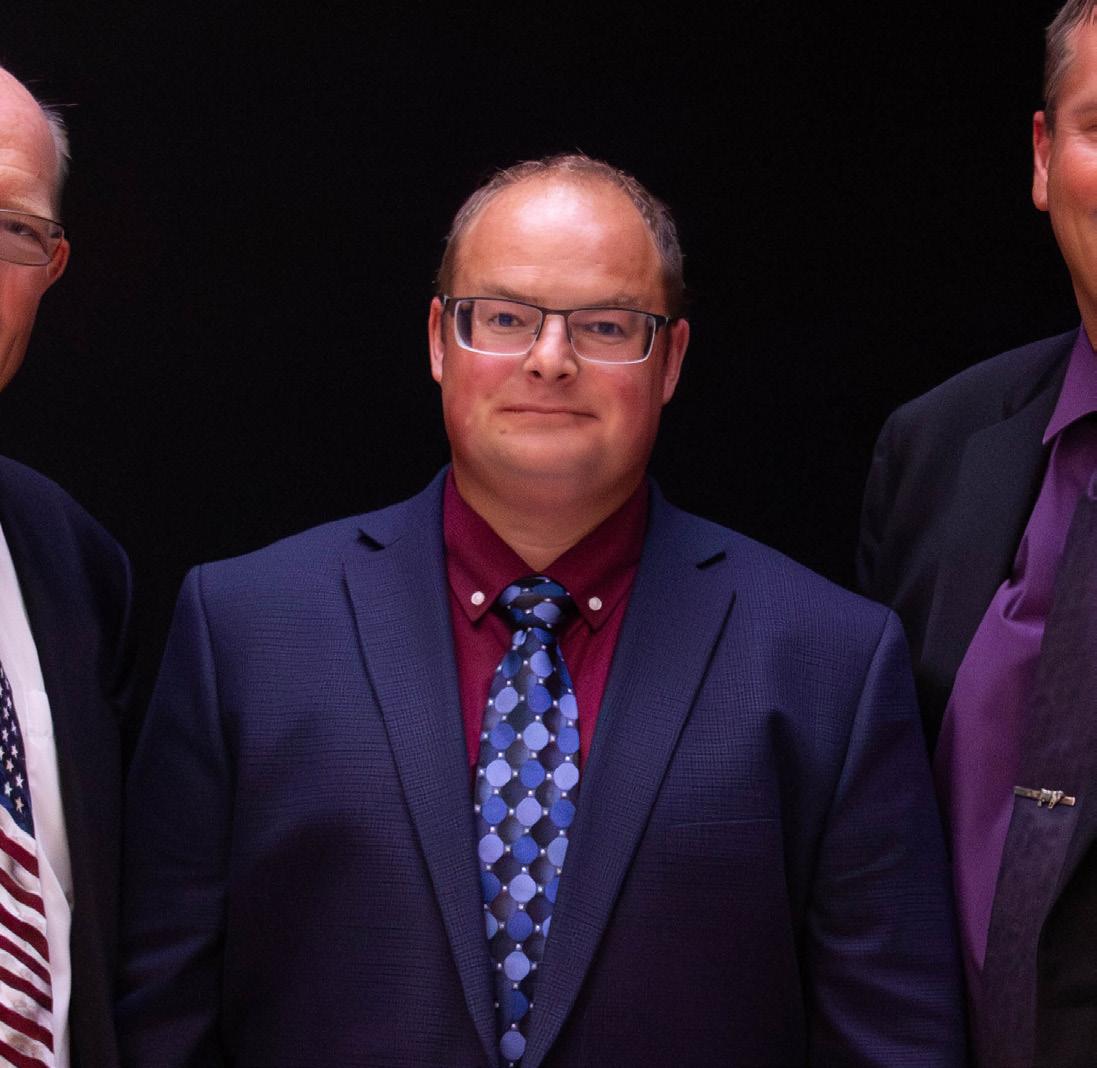
My wife Michelle and I have two children, Logan and Caroline. I work for Holsum Dairies, a multi-site dairy farm with more than 8,000 cows. My responsibilities include equipment operation, lead our manure dragline application crew as well as general maintenance. Michelle works for CNH at the Saint Nazianz location as a continuous improvement specialist. We met at the UW-Madison Farm and Industry Short Course. We're longtime members of the Manitowoc Culver's Futurity committee. Logan shows cattle from a local farm as part of his 4-H project and plays hockey, which has become a family hobby.
What do you enjoy most about your career in agriculture? Why?
I enjoy my career in agriculture because I play a role in making food available for all.
What is one agriculture experience that has defined you and why?
One experience that has defined me was leaving my career in artificial insemination after ten years and stepping into a position outside of working with cows and going into a more mechanical or equipment related job. I remember the first Christmas card I received from the farm manager at the time had a message written in it; "One of the hallmarks of a talented person is their ability to step outside their comfort zone and excel." That message has stuck with me ever since.
What is a Farm Bureau experience that you are most proud of and why?
To date, I think the experience I am most proud of was simply saying "yes" when I was asked if I would be interested in joining the Manitowoc County board of directors. That experience allowed me to become an alternate delegate one year at the WFBF Annual Meeting and being able to step in for a delegate that year. Since then, I have been a delegate each year and also elected vice president of our county board.
What are some of the challenges you face in your career in agriculture and how do you handle them?
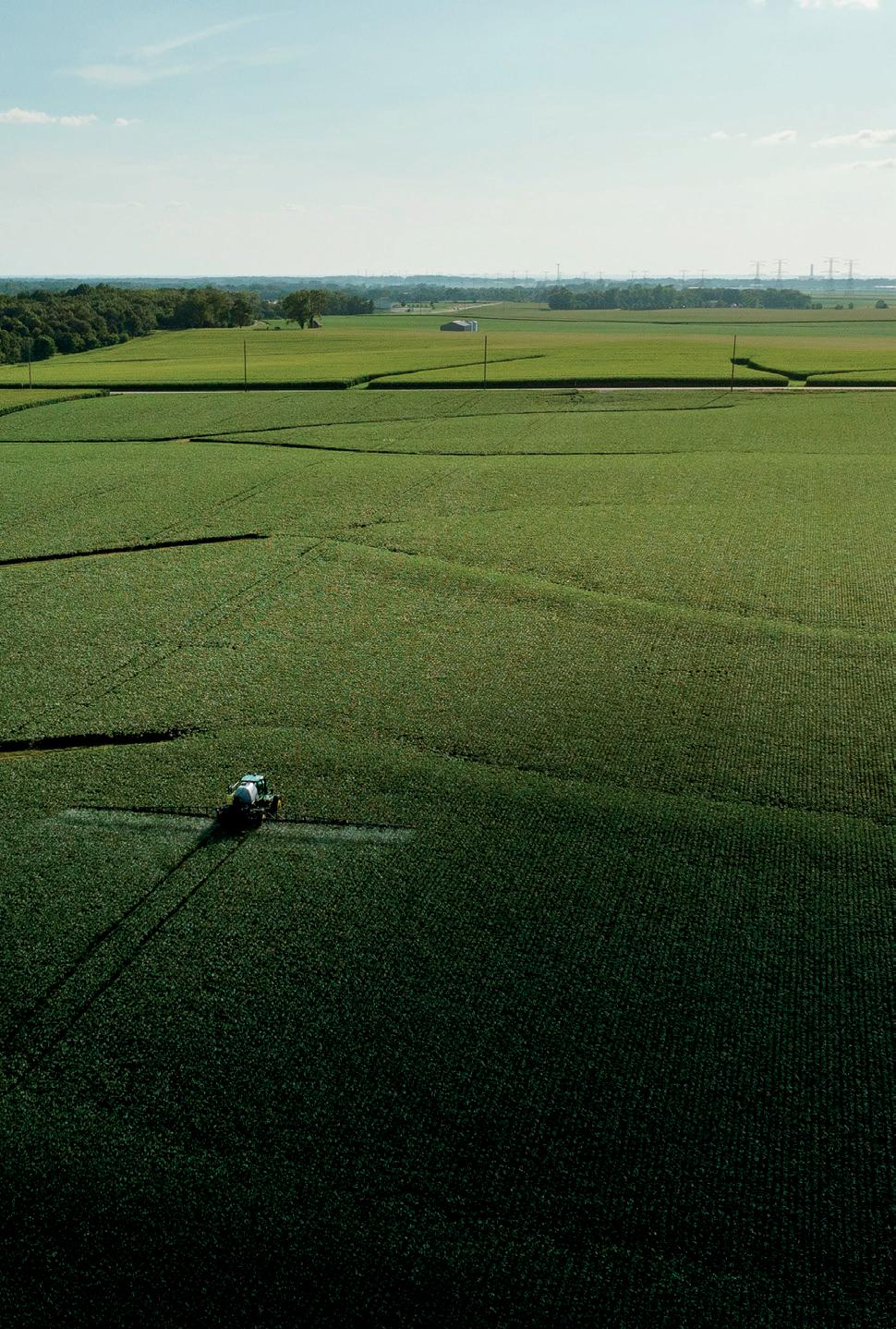
Currently, I think the biggest challenges I face are those that come with handling liquid manure. There's always going to be the various perceptions people have around what we are doing when we're applying to fields. People are interested in things like following setbacks, over applying, field run off and road damage. We have had people stop to watch as we are working, I will typically try to talk to them and try to find out if they have concerns or questions about what we are up to. I find that if you're friendly and cordial right away it almost always goes very smooth. I have no problem letting people watch us work, I'm very confident that my team of people are doing things properly when it comes to applications. We do an annual applicator training so we're up to date on any rule changes. We also stay within prescribed application rates and out of areas where manure is restricted.
Why are you proud to be a Farm Bureau member?
I am proud to be a Farm Bureau member because of what the organization stands for and what they accomplish with their influence at all levels of government. Also, because of the ability Farm Bureau has to support rural programs like 4-H, FFA and other educational opportunities in regards to agriculture.





WWith 2025 behind us and 2026 before us, we find ourselves at a crossroads.
The need for all of agriculture to stand together has never been greater. The size, type or method of farming does not matter. What matters is that we unite for our shared future.
Fewer and fewer people remain directly involved in production agriculture. Public understanding of what we do continues to fade. Rather than being short-sighted, we need to be strategic and think about the long-term viability of our shared occupation.
Too often, we allow simple differences to divide our industry, rather than recognizing how deeply
we depend on one another. No one way of farming is wrong, and no one way is right. We all farm the way we must, based on our land, our families and our circumstances. Yet we continue to hear farmers taking down other farmers whether it’s regarding farm style, size, type or commodity. These divisions serve no one.
For myself, this has come up, especially locally, time and time again. When bigger farms have been proposed in our area, I’ve stood up for them. I was asked many times why I would do this as a farmer who milked less than 100 cows.
It’s simple. The people who don’t appreciate or approve of farming do not care if you’ve got 10 animals or thousands of animals. They care about defeating agriculture which disrupts our food supply system and upends rural communities.
Whether we raise cattle or corn, produce milk or vegetables, farm 40 acres or 4,000, we are all facing the same challenges: rising costs, labor shortages, unpredictable weather, and an ever-changing marketplace and regulatory environment. These are not battles fought by one segment of agriculture; they are challenges we all bear.
It’s time to move beyond comparisons of who or what is “better” and recognize that unity does not mean uniformity.
Agriculture’s greatest strength lies in its diversity. When all farmers, regardless of operation or approach, speak with one collective voice, our message carries farther, resonates louder and makes a greater impact. In unity, we all can win.
Today, that unity is more important than ever. With fewer people growing and raising our food, a divided agricultural sector makes it easy to overlook, but united, agriculture is impossible to ignore. Standing together as one sends a powerful message to lawmakers, regulators and consumers alike.
I truly believe that U.S. agriculture could have whatever it wants, we just have to decide as a group what that is. We are often the ones who get in our own way.
The time is now for us to decide which path we will take and what we want the future of farming to look like. We must decide to come together, for our families, our farms and the future of rural America.
Because when agriculture stands together, agriculture stands strong.
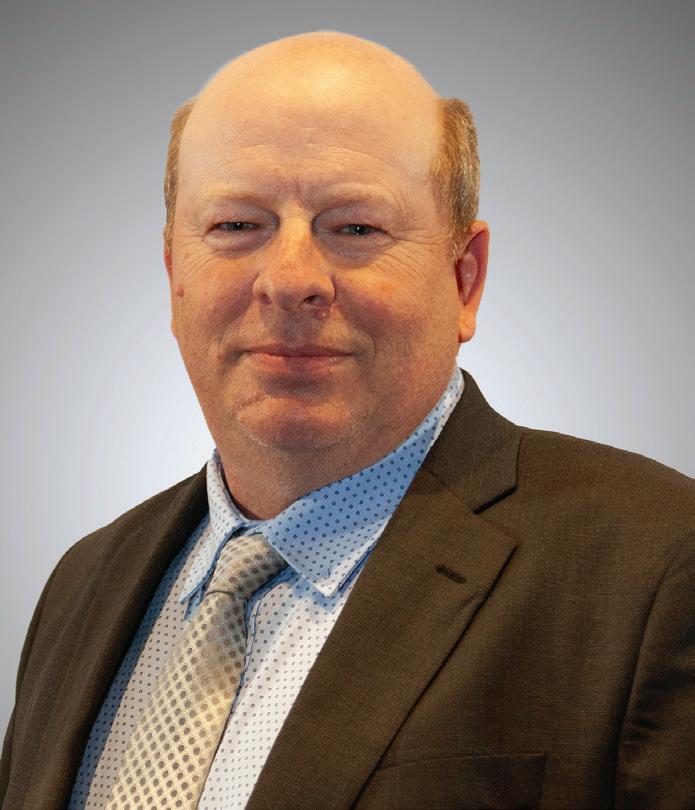
Olson was first elected President of Wisconsin Farm Bureau in 2023. He is a crop farmer near Frederic in Polk County.

USDA’s new $12 billion relief package is welcome news across farm country. These payments will help farm families cover critical operating costs, keep equipment running and secure financing for next season with a little less uncertainty hanging over their heads.
For many farmers, this support isn’t just helpful, it’s essential. Trade uncertainty, lower commodity prices and the rising cost to raise a crop have pushed too many operations to the brink. Farmers are grateful to the administration for providing resources that, for many, could make the difference between staying in business to plant another crop, or giving up a family farm.
But it’s also important to point out that more work needs to be done. This bridge support is a down
payment, and members in Congress have already expressed their desire to fill in the gaps. Consider that many fruit, vegetable, tree nut and nursery growers are facing the same sharp rise in costs and the same instability in the marketplace as the rest of the agricultural community—yet they received less than 10% of the bridge support.
For many farmers, this support isn’t just helpful, it’s essential.
Farmers have weathered billions in economic losses that have only been partially offset by this bridge support and other Congressional packages. There is more work to do, and Farm Bureau is committed to working with Congress and the administration to provide additional assistance where it is needed.
Economic support provides a muchneeded bridge, but it is only one piece of what farmers and ranchers will need to weather this moment.
This announcement builds on encouraging developments in recent weeks. The Senate’s strong bipartisan vote for the Whole Milk for Healthy Kids Act marks an important win for dairy farmers and for families who want more nutritious choices in school cafeterias.
We also saw important progress with the new proposed Waters of the U.S. rule, which brings clarity and common sense to water regulations
and respects the way farmers care for their land. This rule is exactly the kind of clarity farmers have asked for—and Washington is beginning to deliver.
Just a few weeks ago, I had a meeting at the White House to press for year-round E15 and share how it will support farmers and lower prices for consumers at the pump. The steps taken on E15 are promising. Keeping that momentum going matters for rural America.
Taken together, these actions show willingness to address the pressure agriculture is under. But they also reveal the scale of the challenge. The relief announced this week offers timely help, yet the farm economy remains in a deep, prolonged downturn.
Farm families need lasting certainty, and we appreciate our partners in Washington for taking this important first step by delivering a $12 billion package. But the need is far greater. Years of losses have taken a heavy toll, and farm families still face challenges many times larger than what this relief can cover. We look forward to working with leaders in Washington to ensure farm families receive support that matches the scale of what they’ve endured.
President of the American Farm Bureau Federation, Duvall raises beef cattle, hay and poultry in Greshamville, Georgia.
By Mitch Giebel
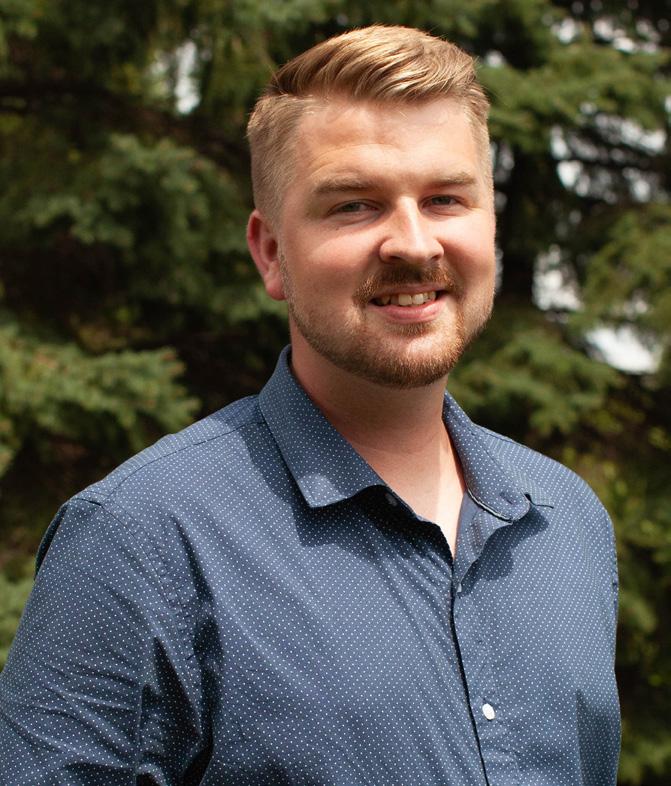
My Farm Bureau journey began because of family tradition. We had been members of Juneau County Farm Bureau for many years, taking advantage of money-saving member benefits and having the assurance our voice was represented on the local, state and national level while we farmed at home.
To be totally honest, I started my own membership with Farm Bureau without a specific reason in mind; one could say I was paying the dues because it was the ‘thing to do.’
Approximately five years ago, I scratched my head and questioned what my dues were going towards and the return on investment for myself and our family’s farm.
Transparently I asked my brother why I should continue being a
member, and he replied with the benefits on policy that the Farm Bureau has supported in the past and the direct impact those policies have had on my daily business and personal life. That conversation was a reminder of why it’s important to stay informed about state and national issues and to move past the mindset of ‘politics don’t affect me,’ a phrase many of us have heard before.
Being reminded of the importance of supporting the organization that supports me and all of Wisconsin agriculture, I have made it a priority to say yes to opportunities that support my community and the agricultural industry.
In 2024, I was invited to apply for and join the WisGO Team. Through training and sessions, I gained a deeper understanding of legislative changes impacting Wisconsin agriculture and how to be one of the voices on behalf of Wisconsin farmers.
It was eye-opening in many ways that we in agriculture need to take note on:
1. How disconnected the general public is from agriculture
2. How few people are directly connected to the farm level in our current times
3. How powerful our voices can be when we choose to use them
With the training and education from the WisGO meetings and visits, I have had the opportunity to connect directly with Farm Bureau staff, community members and government officials on the needs of us working in agriculture. It has been a surprise to me the amount of attention and impact of a fiveminute testimony in front of a state committee or a three-minute news segment on how the weather affects farmers can create the narrative that positively impacts the news of the agriculture community.
Joining the WisGO Team opened my eyes to the opportunities available in Farm Bureau and has since led me to joining the Juneau County Farm Bureau board of directors. From local committee involvement to events across the country to taking on leadership opportunities, there are countless ways to become and stay involved with Wisconsin Farm Bureau. It is more than a membership, it’s a pathway to impacting Wisconsin’s agricultural industry.
The number of farms and farmers is becoming fewer, and I encourage that others beyond myself make up for that with a stronger and more powerful voice to defend our industry.
Giebel is a member of WFBF’s WisGO Team and the Juneau County Farm Bureau board.
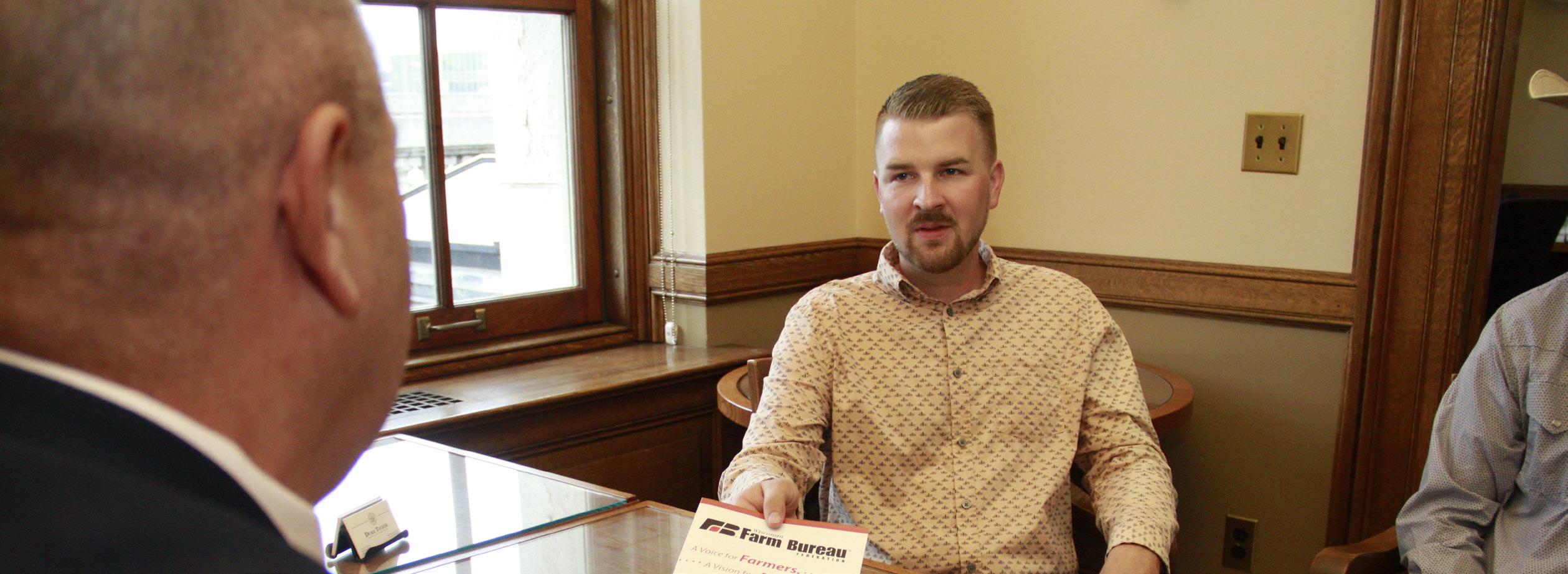
By Robert Nigh
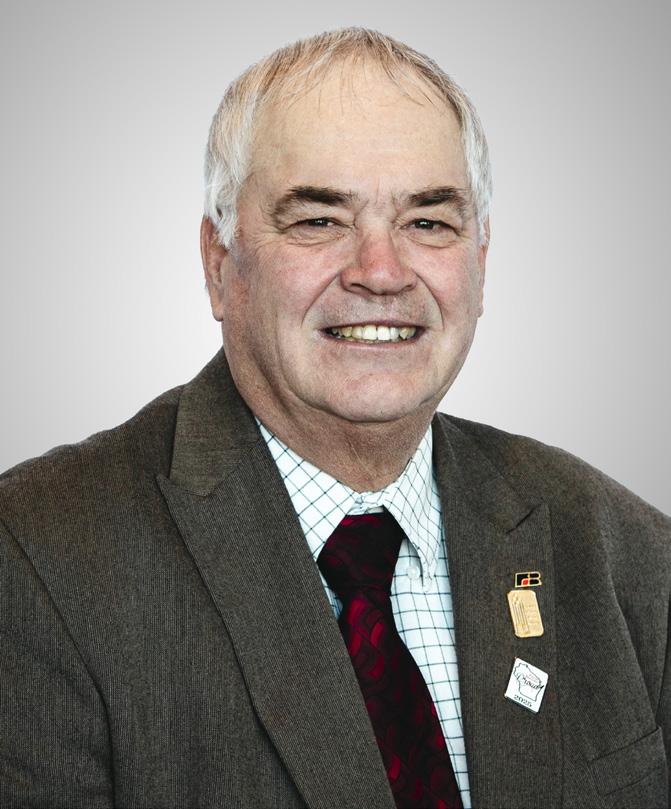
When my dad passed away in 1966, our family lost their primary health insurance overnight. My name is Robert Nigh, and I’m a dairy farmer from Vernon County, and this is a story that has repeated itself through three generations of my family.
Back then, we could still buy coverage through our dairy plant. It wasn’t perfect, but at least we had options. Fast forward a few years. I married my wife, Betty, and we had four children. Betty was a registered nurse, and the only way we could afford health insurance was for her to work full-time off the farm. That meant daycare bills, long commutes and less time together. After paying for childcare and gas, there wasn’t much left. But we had healthcare coverage and that mattered.
Now, my kids are grown and, guess what? They’re facing the same struggle. A struggle that has become a generational crisis.
My son’s wife loves farming and she loves to be involved. But to get health insurance, she works off the farm for a local dairy cooperative. That comes with the price tag of $20,000 a year in daycare costs for two kids while juggling an off-farm job simply because insurance is tied to employment.
My son misses her on the farm. My granddaughters miss their mom. And honestly, it breaks my heart.
Farming isn’t a 9-to-5 job. It’s early mornings, late nights and everything in between. And when one parent has to leave the farm just to get health insurance, it hits the business and the family.
When healthcare forces off farm work and childcare access is tight or nonexistent, it’s a recipe for stress overload, mental fatigue and family separation. That’s why affordable healthcare isn’t just money. It’s about:
• Mental health – lowering stress and emergency situations
• Childcare – letting parents do the jobs they want
• Family unity – keeping families together, both emotionally and physically
That’s why the proposal for Farm Bureau Health Plans matters to Wisconsin farmers. It gives farmers an option for affordable health coverage through Wisconsin Farm Bureau.
Not a mandate. Not a government program. Just an option that farmers in fourteen other states already have.
Here’s what this plan offers:
• Lower costs: In other states, Farm Bureau Health Plans have saved families 30–60% compared to ACA plans.
• Comprehensive coverage: Doctor visits, hospital stays, prescriptions, maternity care, mental health and more covered.
• Flexibility: No open enrollment windows. Join anytime and never need to renew.
• Real impact: In states with similar plans, most enrollees were previously uninsured.
This bill won’t solve every problem, but it will do something important: keep farm families together.
Put parents on the farm instead of chasing insurance and ease the stress for the people feeding Wisconsin. Farmers in other states already have this choice; why not us?
Support Farm Bureau Health Plans and give farm families the choice to be where it matters most: on the farm with the people they love.
Learn more about Farm Bureau Health Plan by visiting wfbf.com/wisconsin-farmbureau-health-plans.
Nigh is a dairy farmer in Vernon County and represents District 3 on the WFBF Board of Directors.

Talking about mental health takes courage and in rural communities, where neighbors often look out for one another, leading boldly can mean being the one to start the conversation.
Across Wisconsin, Farm Bureau members and community leaders are doing just that. Through sharing their stories on social media, participating in interviews on TV or radio, sharing care packages during the harvest season or simply being the listening ear for someone under stress, these small acts help lead to regular conversations about mental health.
Starting a conversation about mental health doesn’t require perfect words, just a willingness to listen and care. Here are a few simple ways you can start:
Notice when someone seems off or overwhelmed.

Show empathy. Empathy means sitting with someone in their struggle rather than trying to fix it or say, “it could be worse.” Sometimes the best response is, “That sounds really hard. I’m here for you.”

Ask open-ended questions like, “How are you really doing?”

Normalize the topic by talking about stress and wellness.
Listen without judgement, offering a space for others to share.

Share resources, the Wisconsin Farm Center or the Farm Neighbors Care website are a great place to start.
The Farm Neighbors Care campaign offers tools, resources and conversation starters to help you take that first step. Whether it is organizing a community event, distributing resources at upcoming ag events or simply checking in with your friends and neighbors, YOU can make a difference.
Leading boldly isn’t always about big actions. Being present, paying attention and showing you care can be the start of a simple conversation and you never know when that conversation could change, or even save a life.
Farm Neighbors Care grants support county Farm Bureaus in promoting farmer wellness and strengthening connections in rural communities. Consider applying for funding to support projects such as:
- Hosting a farmer appreciation meal or mental-wellness event
- Creating “care kits” for neighbors facing stress or hardship
- Providing peer-support training for local volunteers
- Launching a community outreach campaign during planting or harvest
Have questions? Visit wfbf.com/programs/farm-neighbors-care
1
2

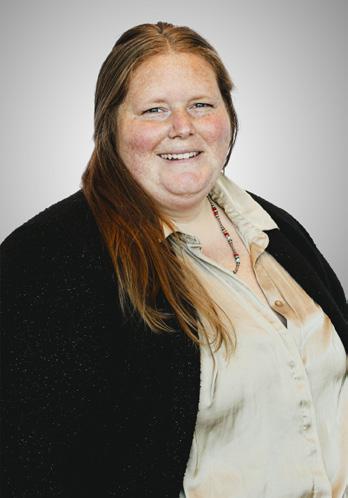
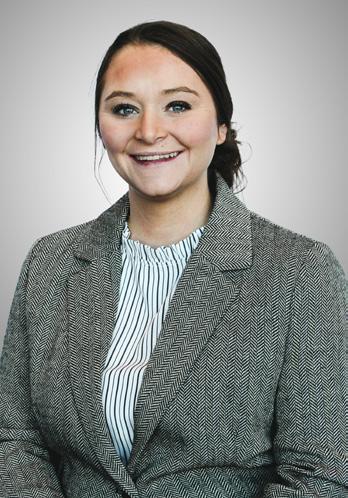
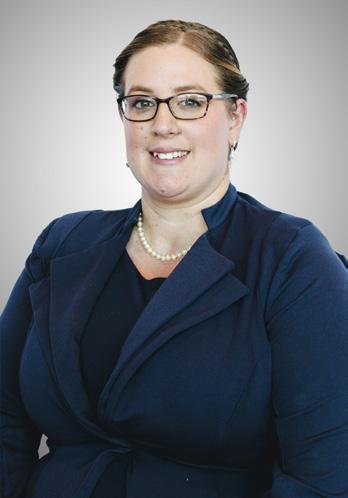
Brenna Ramsden of Iowa County, Samantha Solin of Langlade County and Victoria Wachholz of Marquette County have been appointed to the Wisconsin Farm Bureau’s Promotion and Engagement Committee.
Brenna Ramsden grew up in southwest Wisconsin on her family’s farm, raising beef cattle and row crops. Brenna runs Rural Creative Co., offering brand and web design for rural small businesses.
Samantha Solin and her family own and operate Solin Cattle Company, where they manage 25 cow-calf pairs in the great north woods. In addition, Samantha enjoys her role with DATCP as a dairy sanitarian.
Victoria Wachholz and her family raise beef, pork,
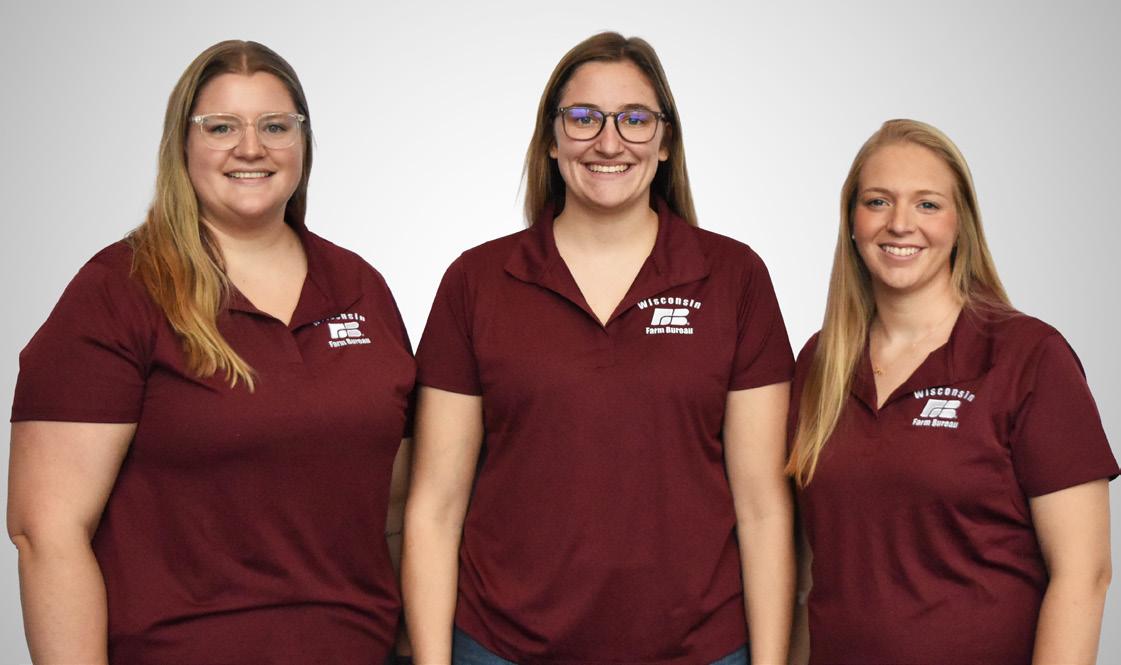
Maryann Gudenkauf of Jefferson County, Molly Hendrickson of Iowa County and Colin and Kellie Scholz of Polk Burnett Farm Bureau have been appointed to Wisconsin Farm Bureau’s Young Farmer and Agriculturist Committee.
Maryann Gudenkauf is a fourth-generation dairy farmer from Watertown. She works at Rolling Hills Dairy Producers Cooperative as a field representative. Maryann is excited to take her Farm Bureau involvement to the next level while meeting other young people in the agriculture community.
chicken and eggs in Marquette County. Victoria is passionate about agriculture and enjoys helping bridge the gap between farmers and consumers.
In addition to these new appointees, Rob Klussendorf was appointed to a two-year term to fill an unexpired term. Rob grew up on a dairy farm in Waukesha County. Rob was an active member of the Waukesha County Farm Bureau board for 37 years. After moving to Taylor County, Rob joined the Taylor County Farm Bureau, where he has served as the Promotion and Education and Agriculture in the Classroom chair, and for the past six years as president.
The Promotion and Engagement Committee is a group of nine leaders who represent the nine Wisconsin Farm Bureau districts. Committee members develop, implement and promote projects and programs that build awareness and understanding of agriculture and provide leadership development for the agricultural community. The Promotion and Engagement Program is funded by the Wisconsin Farm Bureau Foundation.
Molly Hendrickson resides in Hollandale. She currently works for McLanahan Corporation as a marketing communications specialist. Molly is excited to become more involved in Farm Bureau while growing her network and giving back to an organization that has already given so much to her.
Colin and Kellie Scholz raise beef cattle along the Polk-St. Croix County line. Kellie works remotely for a software company. Colin is employed at a dairy farm. Kellie currently serves as a director on the Polk Burnett Farm Bureau board and looks forward to connecting with fellow YFA members.
The Wisconsin Farm Bureau Young Farmer and Agriculturist Committee consists of nine couples or individuals (ages 18-35) from around the state. Its goal is to get more young farmers and agriculturists acquainted with and involved in Farm Bureau. The YFA Program is funded by the Wisconsin Farm Bureau Foundation.


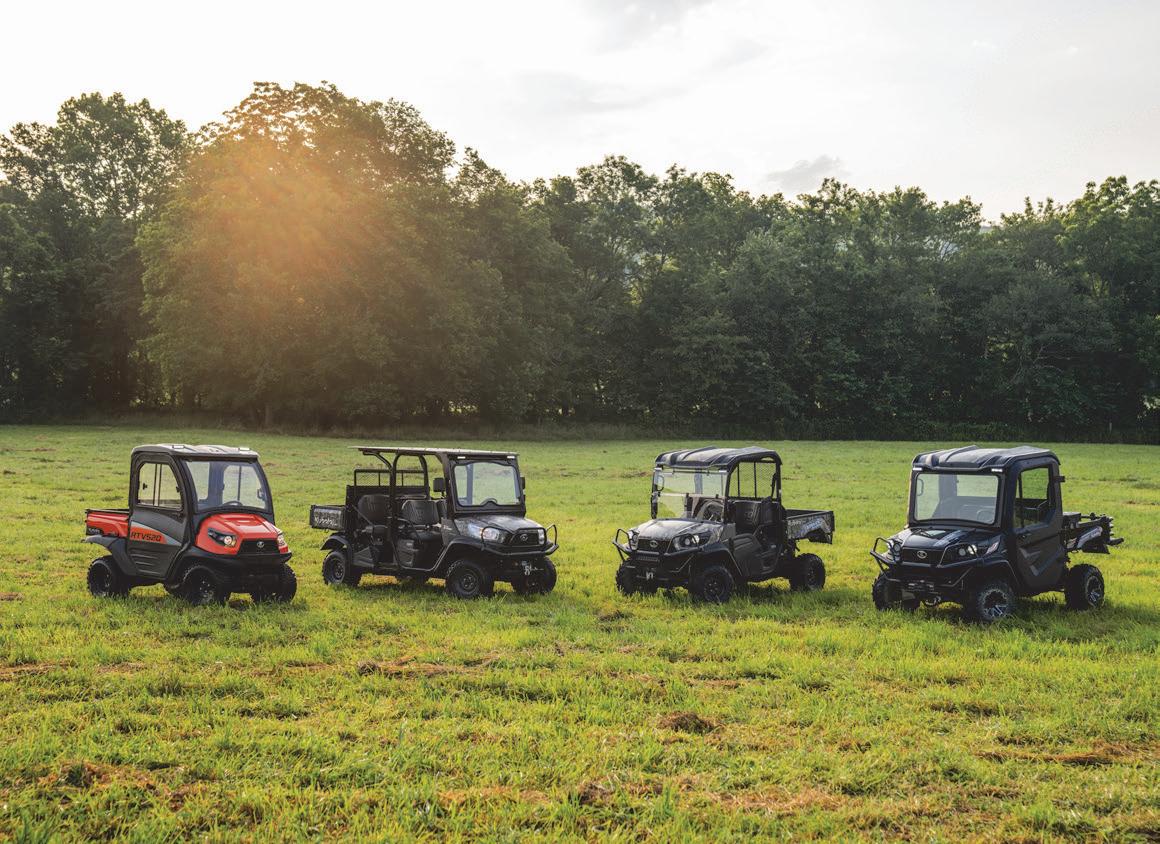
There's no substitute for Kubota Genuine Parts.
Whether you’re taming the trails or managing the worksite, local dealer expertise and Kubota Genuine Parts keep your RTV performing at a high level.
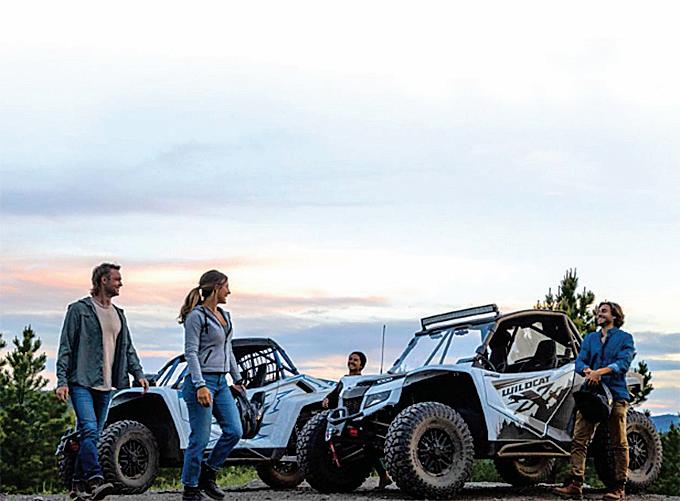
Visit your Kubota dealer today for a demo! KubotaUSA.com
Whether you’re taming the trails or managing the worksite, local dealer expertise and Kubota Genuine Parts keep your RTV performing at a high level.
*Based on Power Products Marketing North American 2022 sales data for the
Tractor

Tractor
than that stated in the limited warranty. This material is for descriptive purposes only. Kubota disclaims all representations and warranties, express or implied, or any liability from the use of this material. For complete warranty, disclaimer, safety and product and incentive offer information, consult your local Kubota dealer and the Owner’s Warranty Information Guide for the Kubota limited warranty on all products. Visit KubotaUSA.com/disclaimers for more information.

As agriculture has evolved, the nature of the industry has become more complex and regulated. At Ruder Ware our attorneys act as legal counsel for producers and businesses providing products and services for the agriculture industry, and partner with a client’s current trusted advisors, such as accountants and lenders. Contact us today to see how our team approach yields the best results for your farm or business. ruderware.com | visit our blogs at blueinklaw.com
Wisconsin Farm Bureau is celebrating ten years of empowering members, strengthening communities and helping farmers share their stories. W hat began as a grassroots effort in 2016, with the creation of the WFBF Promotion and Education Committee, has grown into a dynamic, statewide initiative that continues to evolve as agriculture and consumer expectations change.
Over the last decade, the Promotion and Education program expanded its reach, introduced innovative tools and events and deepened its impact on both Farm Bureau members and Wisconsin consumers. From leadership development to hands-on consumer engagement, the initiative has become a cornerstone of member involvement and agricultural outreach across the state.
Since the formation of the first Promotion and Education Committee in 2016, Wisconsin Farm Bureau’s efforts have expanded well beyond their original scope. Over the past ten years, the committee has launched new programs, grown statewide participation and adapted to the changing ways consumers seek information about their food.
Wisconsin is proud to have produced national leaders in P&E at the American Farm Bureau Federation, including Andrea Brossard, Lynn Leahy and Rosalie Geiger.
“I was one of the first members on the new P&E committee in 2016,” said Waushara County Farm Bureau member Lynn Leahy. “Over the years, we have changed drastically as we have realized the need for farmers to share their story with consumers. The committee has transitioned into a consumer engagement program.”

2016
Formation of the first Promotion and Education Committee.
2017
Introduction of the Leadership Bootcamp, a training series designed to provide members with resources on current topics.
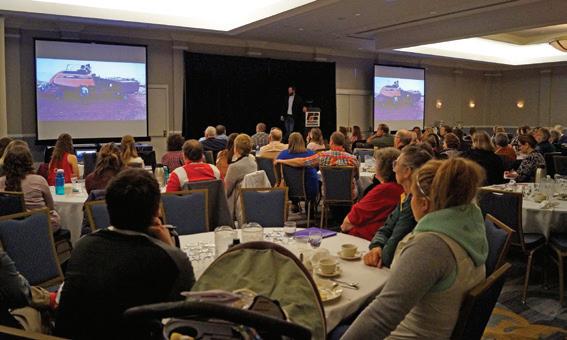
Launch of the Ag LEAD Summit, bringing together members for professional development, advocacy skills and leadership training.
Strategic support of consumer engagement efforts through Gather Wisconsin, a statewide platform connecting families to local agriculture.
2024
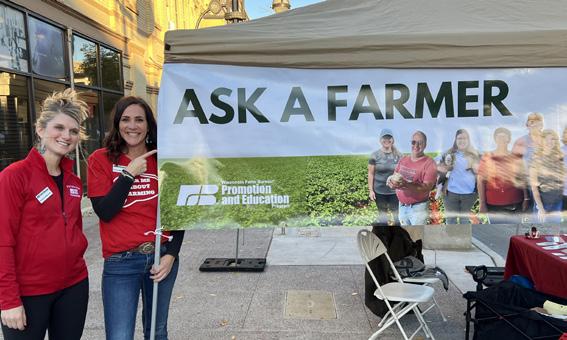
Development of Ask a Farmer, a resource that helps consumers get trustworthy answers directly from Wisconsin farmers.
2025
First annual Cultivate & Connect, an event designed to equip members with communication tools, leadership skills and confidence in engaging with their communities.
These advancements reflect the expanded role members play in building trust, strengthening local relationships and meeting consumers where they are. To better represent this mission, voting delegates approved changing the name of Promotion and Education to Promotion and Engagement at the 2025 WFBF Annual Meeting.
“Transitioning to Promotion and Engagement reflects how consumers want to be engaged and involved in lively conversations and dialogue with the farmers that grow their food,” said Leahy.
The Promotion and Engagement program centers around three core goals:
Membership Education & Training
Host member-focused training opportunities to assist members with building capacity in resources and tools to inform consumers about agriculture.
Consumer Resource Management
Assist with centralizing resources that are accessible to members and consumers for the benefit of agriculture.
Advocacy
Promote Farm Bureau as the trusted source of information about agriculture to community leaders so they can make informed decisions.
Together, these efforts help Wisconsin farmers share their stories, strengthen connections and build lasting trust.
As consumer curiosity grows, so does the need for meaningful dialogue. Wisconsin Farm Bureau’s Ask a Farmer initiative meets this demand by giving consumers a direct line to real farmers who can answer questions, break down misconceptions and share the “why” behind their practices.
From farmers’ markets to events like the Madison Night Market and the Wisconsin State Fair, members have engaged thousands of Wisconsinites who want to know more about where their food comes from. These interactions build understanding and bridge the gap between field and fork.
“Joining Wisconsin Farm Bureau’s P&E program changed how I share my farm’s story,” said District 1 P&E Representative Ashley Schlender. “Through networking and training opportunities, I have gained clear tools on how to talk about food, agriculture and why it matters to everyday life.”
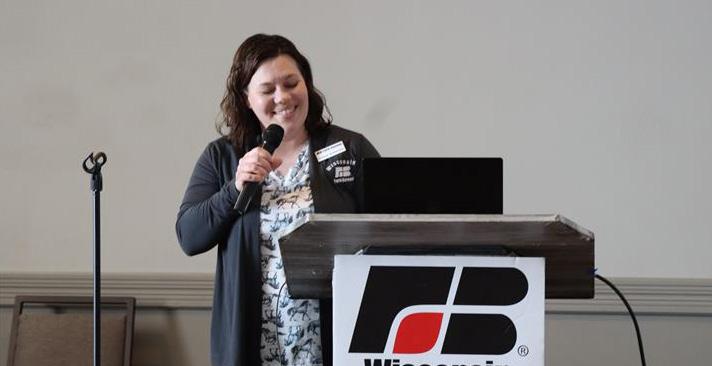
Leadership development remains at the heart of Promotion and Engagement. The annual Cultivate & Connect Conference aims to inspire, educate and empower Farm Bureau members and agriculture leaders by providing innovative learning experiences, networking opportunities and actionable insights for advancing Wisconsin’s agriculture industry. It continues to grow each year as members look for meaningful ways to strengthen their leadership, communication and consumer outreach abilities.
After 10 years of growth, innovation and partnership, the Promotion and Engagement program is poised for an even more impactful future. By continuing to elevate farmer voices, empower members and serve as a bridge between agriculture and the public, Wisconsin Farm Bureau remains committed to telling the story of Wisconsin agriculture for decades to come.
Marlene Eick, Ohio Farm Bureau
Annaliese Wegner, Modern Day Farm Chick
FEBRUARY 21, 2026
9 a.m. to 3 p.m. in Neenah, WI
The Wisconsin Farm Bureau Promotion and Engagement Committee invites you join them for Cultivate & Connect. Scan the QR to REGISTER NOW!
Visit gatherwisconsin.com for more recipes.
INGREDIENTS
Tzatziki Sauce
• ½ cup of grated cucumber
• 1 cup thick whole milk Greek yogurt
• ½ lemon squeezed
• ½ Tbps of extra-virgin olive oil
• 1 garlic clove grated
• ¼ tsp sea salt
• 1 Tbsp fresh dill chopped
• 1 Tbsp dried parsley
Veggie Salad
• 1 cucumber
• 1 pint cherry tomatoes
• ½ purple onion
• 2 garlic cloves
• ¼ tsp sea salt
• 1 tsp olive oil
• ½ lemon squeezed
Chicken
• 4 chicken breasts
• 1 Tbsp Cavender’s All Purpose Greek Seasoning
• 1 tsp garlic powder
• Optional: a sprinkle of cayenne pepper
1. In a medium bowl, combine all ingredients for the tzatziki and set aside.
2. Prep rice and vegetables. Chop garlic, cucumbers, tomatoes, purple onions and fresh dill. Season with salt, pepper, lemon juice and olive oil. Mix to evenly coat. Set aside.
3. Preheat pan so it is hot when chicken is ready to be added.
4. Cut each chicken breast into 3 pieces. In a medium bowl, season and mix to evenly coat. Cook chicken on medium-high heat for 4-6 minutes on each side depending on thickness and level of desired sear.
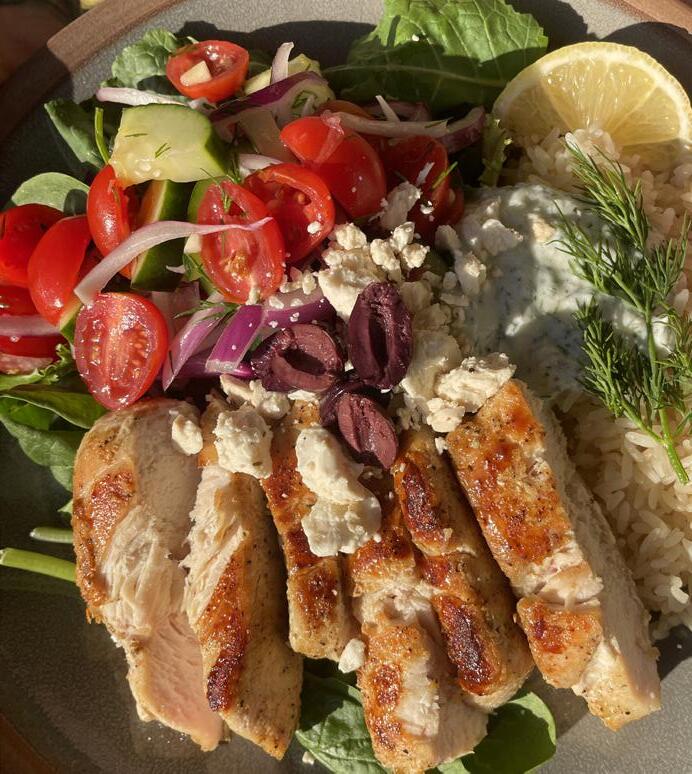
5. Assemble your bowl with rice, lettuce, veggie salad, sliced chicken and tzatziki. Top with feta, kalamata olives, fresh dill and lemon slice.
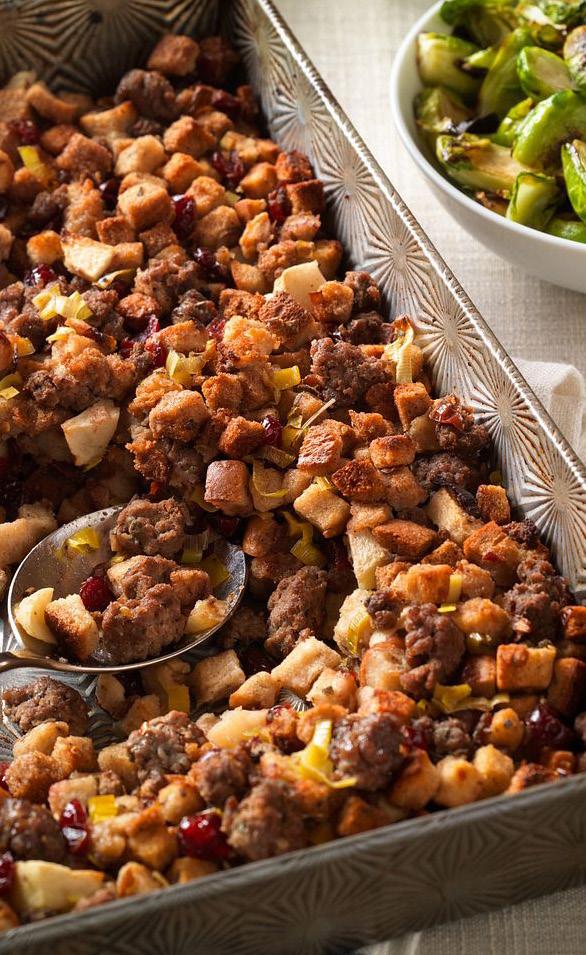

• 1 pound Ground Beef 93% or leaner
• 2 teaspoon garlic powder divided
• 2 teaspoons onion powder divided
• 2 teaspoons rubbed sage divided
• 1-1/2 teaspoon salt divided
• 1/4 to 1/2 teaspoon crushed red pepper
• 2 tablespoons butter
• 2 cups sliced leeks white and light green parts only
• 1 bag 12 ounces unseasoned dried bread cubes
• 2-1/2 cups reduced-sodium beef broth
• 2 cups peeled diced Granny Smith apples
• 1 cup dried cranberries
1. Combine beef, 1 teaspoon garlic powder, 1 teaspoon onion powder, 1/2 teaspoon rubbed sage, 1/2 teaspoon salt and crushed red pepper in large bowl, mixing lightly but thoroughly. Heat large nonstick skillet over medium heat until hot. Add beef mixture; cook 8 to 10 minutes, breaking into 1/2-inch crumbles and stirring occasionally. Remove beef mixture from skillet with slotted spoon into large bowl; set aside.
2. Preheat oven to 350°F. In same skillet, heat butter on medium heat until hot. Add leeks, cook and stir 5 minutes. Add leeks to beef mixture. Stir in bread cubes, broth, apples, cranberries, remaining 1 teaspoon garlic powder, remaining 1 teaspoon onion powder, remaining 1-1/2 teaspoons rubbed sage and remaining 1 teaspoon salt to beef mixture.
Cook's Tip: You may substitute a fresh baguette, cubed and toasted, for unseasoned dried bread cubes.
3. Spray 9 x 13-inch baking dish with cooking spray. Place beef mixture into prepared dish; cover with aluminum foil. Bake in 350°F oven 30 to 40 minutes until heated through.
Cook's Tip: For a drier stuffing, bake covered 30 to 40 minutes, then bake uncovered 10 to 15 minutes until top of stuffing is crisp.
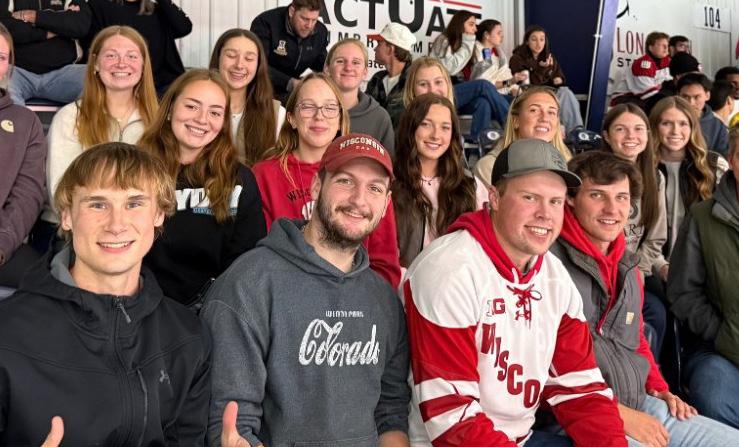
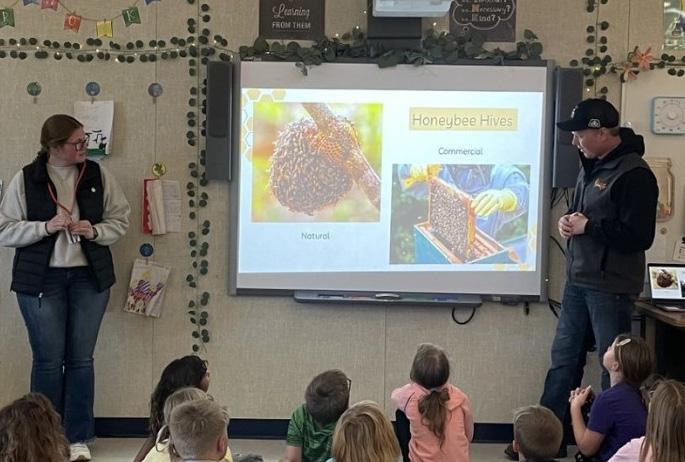
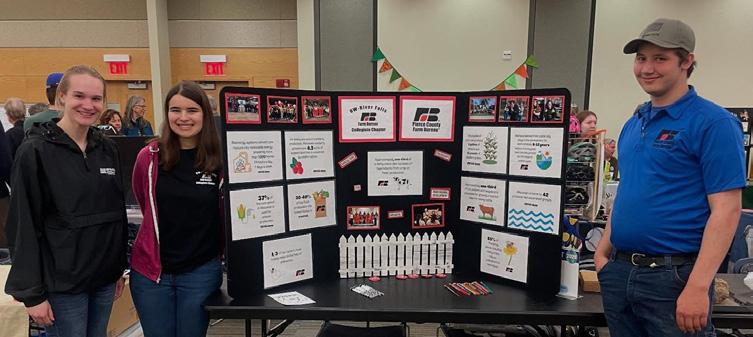
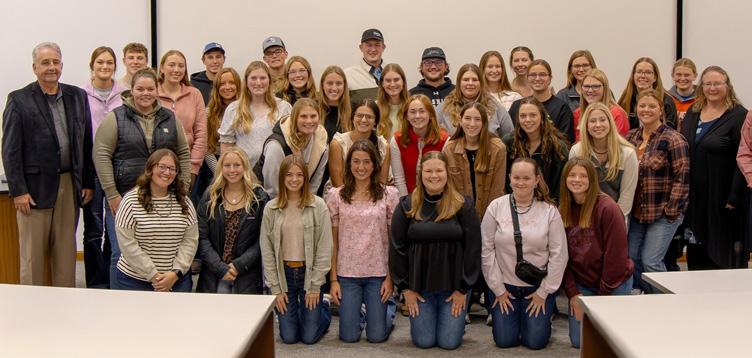
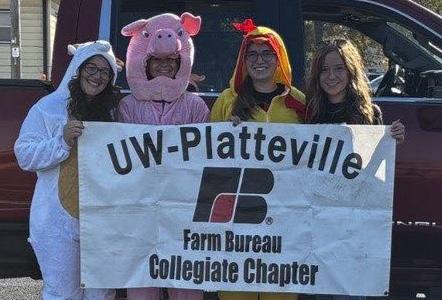
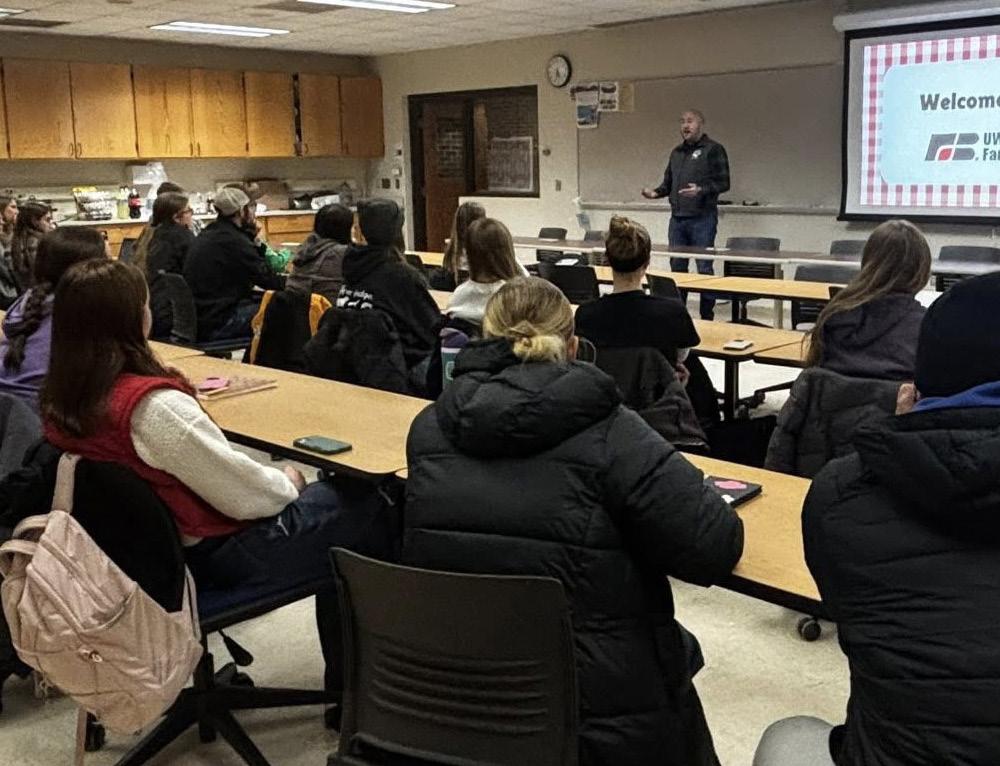
Collegiate Farm Bureau chapters at UW-Madison, UW-Platteville and UW-River Falls had busy fall semesters. The students hosted recruitment events, participated in tours, homecoming and social activities, and conducted their respective Collegiate Discussion Meets. Our collegiate members do an impressive job representing agriculture and Wisconsin Farm Bureau.
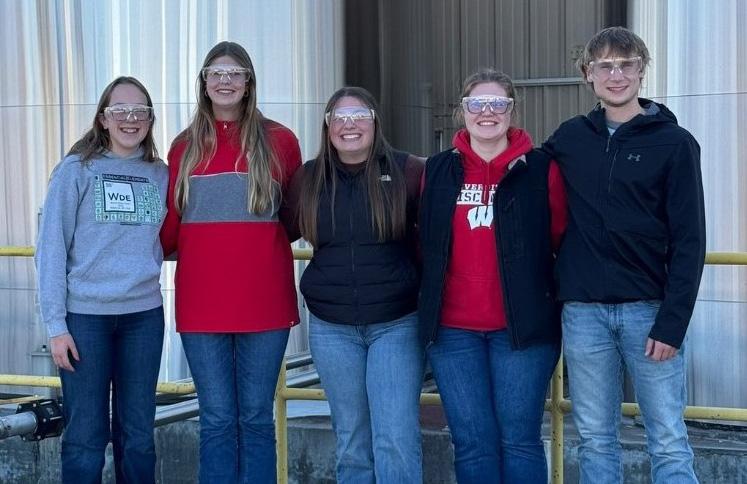
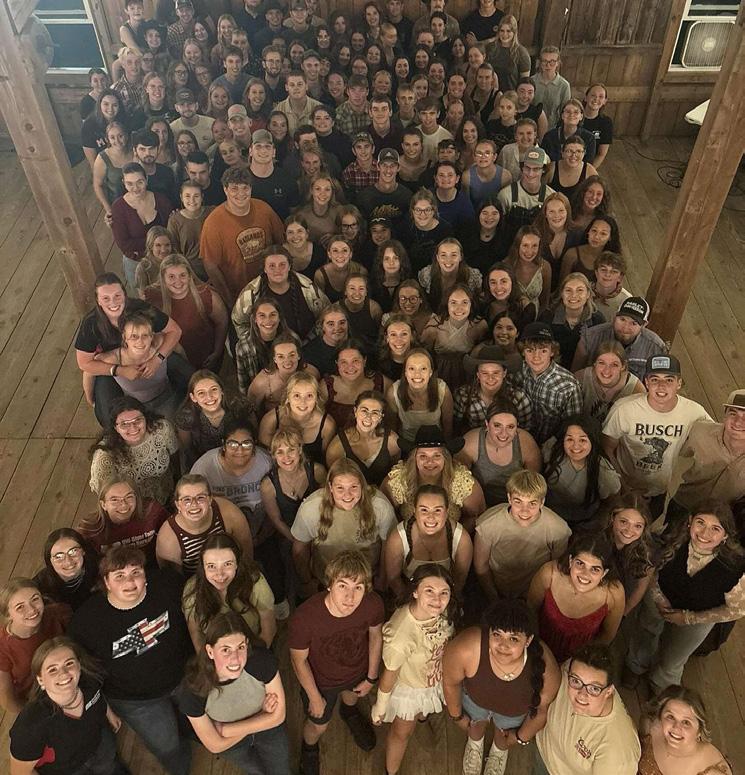
In October, UW-River Falls Collegiate Farm Bureau hosted their annual Fall Barn
Berry
Students collected canned food items for the local food pantry in addition to line dancing the night away.
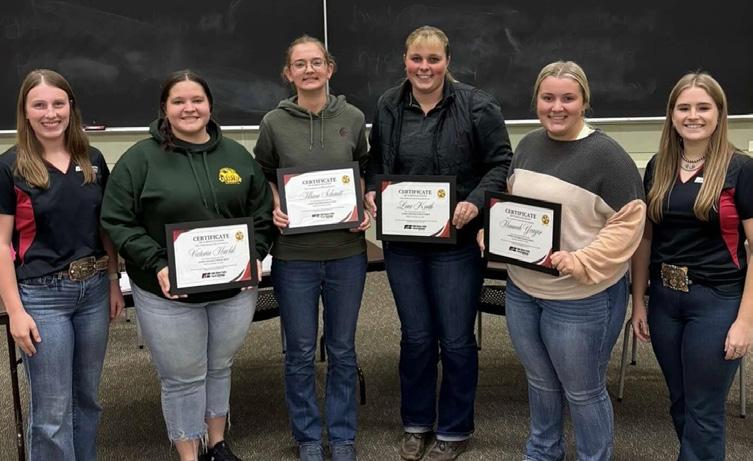
Each collegiate chapter hosted a competitive Discussion Meet in October. UW-River Falls members did a great job discussing how Farm Bureau can help promote responsible growth in communities impacted by urban sprawl while mitigating the loss of farms, ranches and the agrarian way of life.
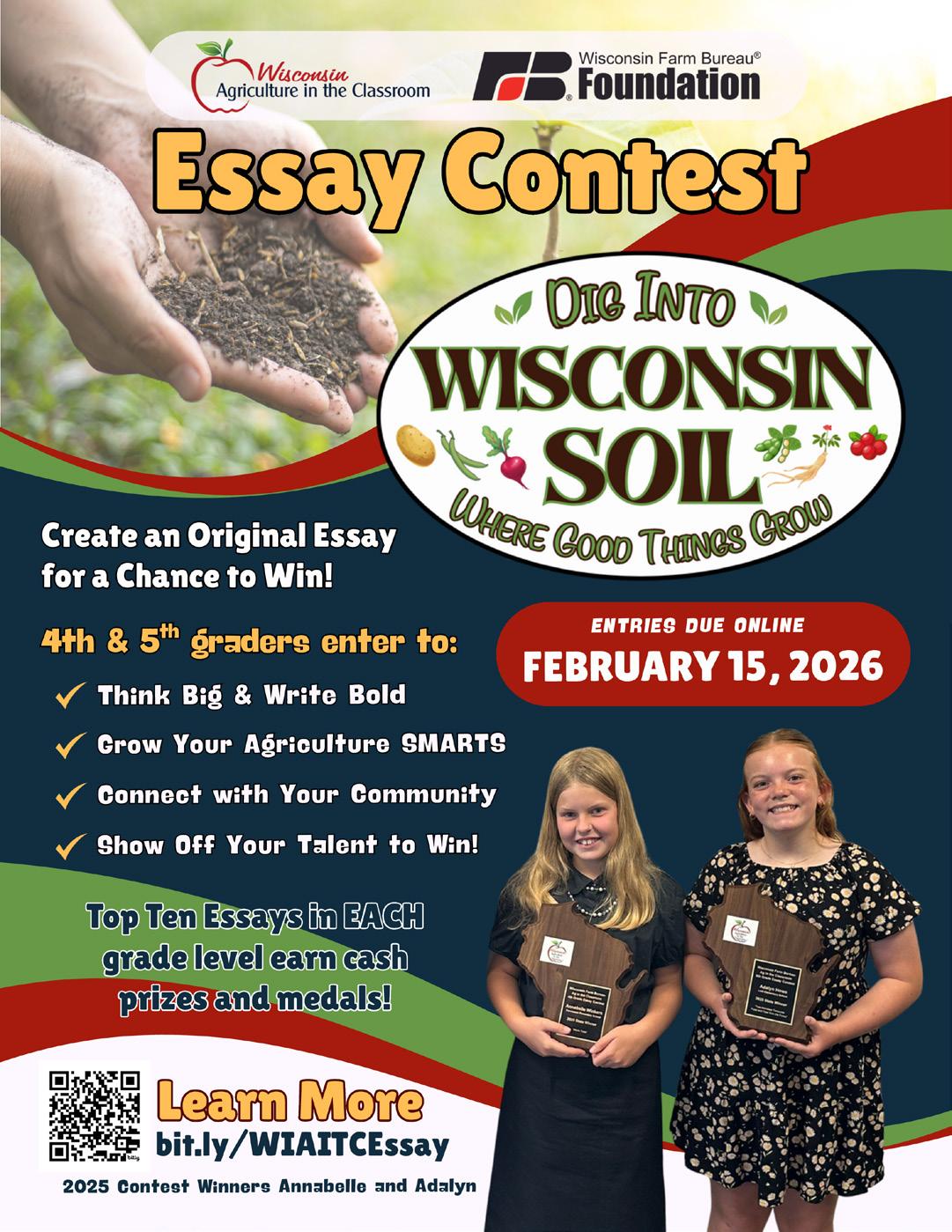
The 2026 Wisconsin Agriculture in the Classroom Essay Contest is officially underway! With the theme “Dig Into Wisconsin Soil – Where Good Things Grow!”, the contest invites fourth- and fifth-grade students to explore the role of soil in Wisconsin agriculture through research and creative writing. Entries are due February 15, 2026. This year’s contest has been updated to make participation easier and more engaging:
• Narrative essays (200–300 words): Encourage students to blend research with personal, first-person stories.
• Earlier deadline: February 15 avoids spring breaks and statewide testing.
• Expanded recognition: Grade-level “Top Ten” awards and a statewide winner honor more student writers.
• Streamlined resources: Lesson plans, contest rules, entry forms, rubrics and promotional materials are now all in one accessible location.
Volunteers and county coordinators play a critical role in growing the contest and supporting student success. Ways to get involved include:
• Sharing contest information with schools and classrooms, including the new Read and STEAM lesson plans.
• Distributing and promoting materials to teachers and students.
• Supporting essay evaluation and recognition at the county level.
• Providing feedback to improve contest resources and implementation.
The new Essay Contest Implementation Guide makes it easy to succeed. This two-page guide includes suggested timelines, essay overviews, FAQs and built-in links to all materials—helping you coordinate efficiently and confidently.

Your expertise, time and encouragement are essential to helping students explore Wisconsin agriculture and develop their writing skills.
Get involved or share ideas: http://bit.ly/WIAITCEssay
Together, we can help students dig into Wisconsin soil and grow a deeper understanding of agriculture!

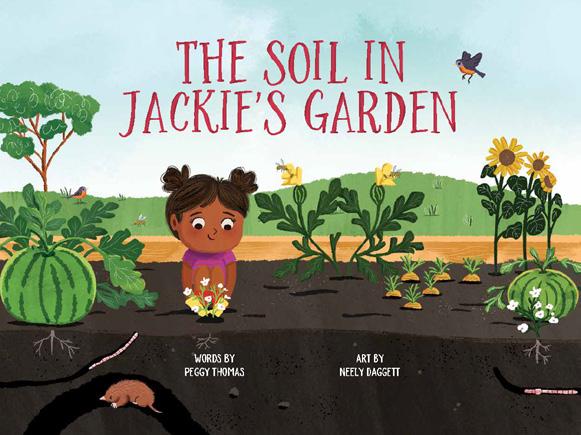
Fourteen teachers and guests gathered online on October 21 for the first After School with Agriculture in the Classroom session, an energizing hour of learning and connection centered on the theme of soil. Guest speaker Chris Clark, University of Wisconsin Extension pest management outreach specialist, shared classroom-ready lessons on soil health and its importance in agriculture. Educator Ambassadors Kevin Podeweltz and Mary Cooper followed with activities inspired by the Book of the Year, The Soil in Jackie’s Garden. Participants left with new ideas, professional connections, and—thanks to a special grant—free copies of the featured book.
The After School with AITC Professional Learning Community (PLC) was created to help educators and volunteers collaborate, share ideas and build confidence in weaving agriculture into everyday learning. Designed for AITC coordinators, classroom teachers and curriculum developers, the PLC offers a space to exchange resources, explore best practices and grow agricultural literacy in Wisconsin schools.
Each session features a new theme, expert presenters and engaging lessons to take back to your classroom. Join us for the remaining 2025–2026 sessions:
• Wednesday, January 7, 2026 – Super Bowl of ByProducts! (4 – 5 p.m.) Discover the agricultural byproducts that make the Big Game possible with Travis Sprague, an agriculture educator at Medford High School, and Emily Kamps, 3rd grade teacher at Fennimore Elementary.
• Wednesday, February 4, 2026 – Career Exploration Resources (4 – 5 p.m.) Kick off Career and Tech Education Month with Mary Cooper, St. Mary School–Richland Center, and Brooke Wittrock, 2025 AITC Intern and “Read and STEAM” author.
• Wednesday, March 18, 2026 – Popcorn! (6 –7 p.m.) Celebrate National Ag Day with popcorn grower Kelly Oudenhoven, led by Sheila Kroseberg of Waupaca High School and Josh Gonzalez of River Trail School of Agricultural Sciences–Milwaukee.
Connect, learn and grow with AITC—register now! https://wisagclassroom.org/programs/events/

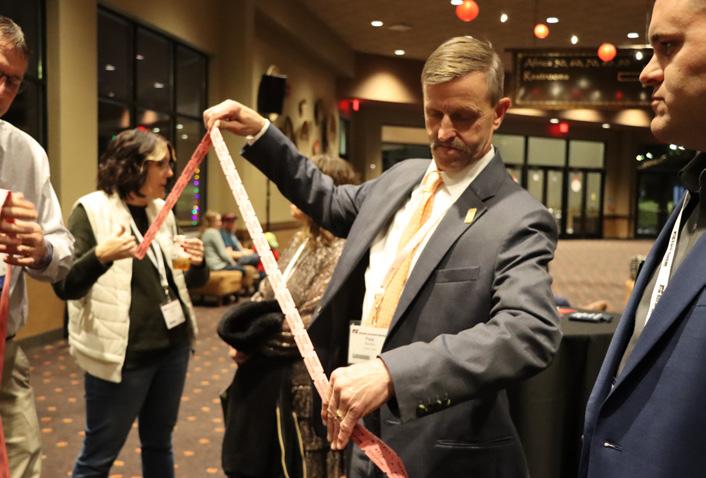
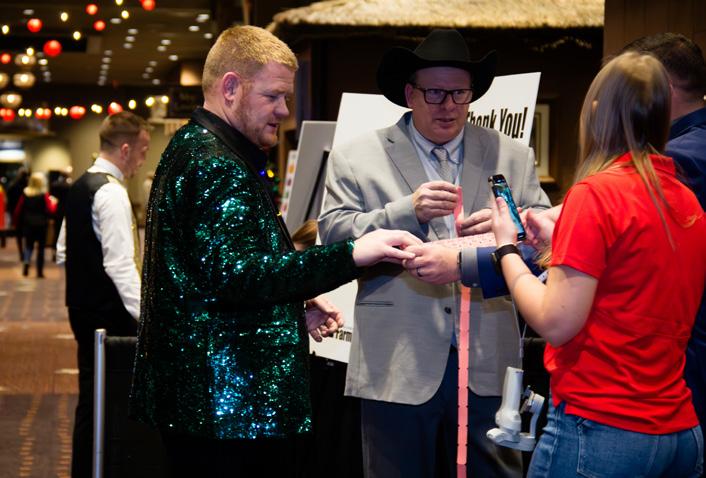
50/50: $1,925 RAISED FROM RAFFLES
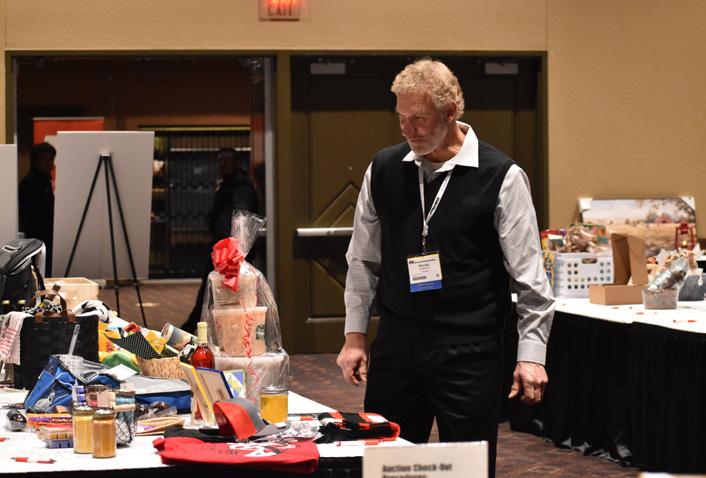
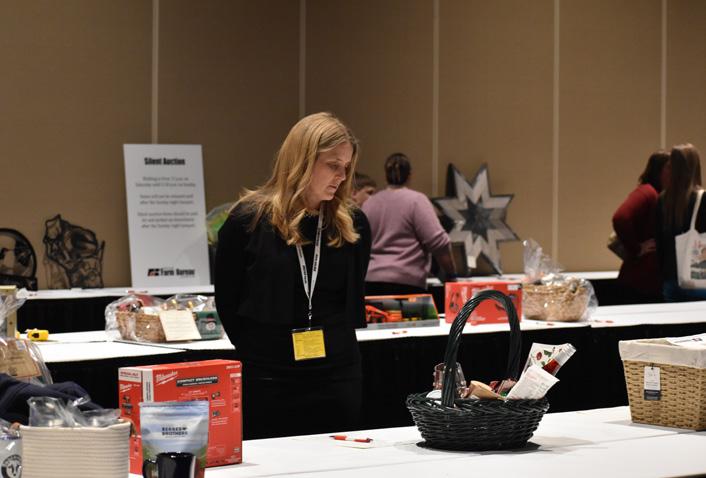
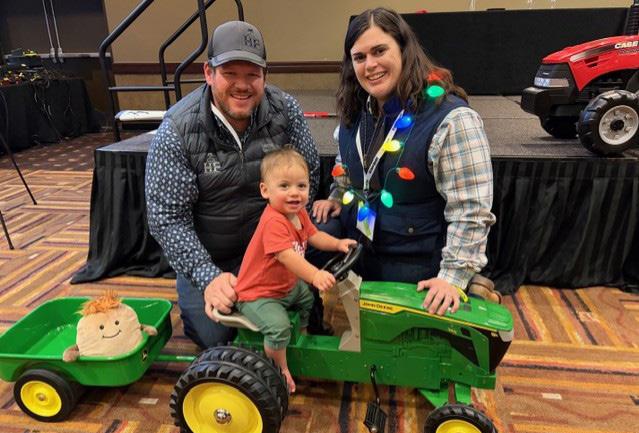
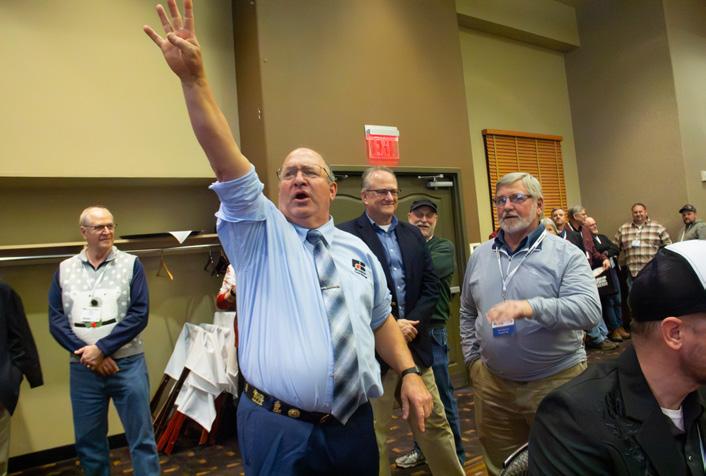
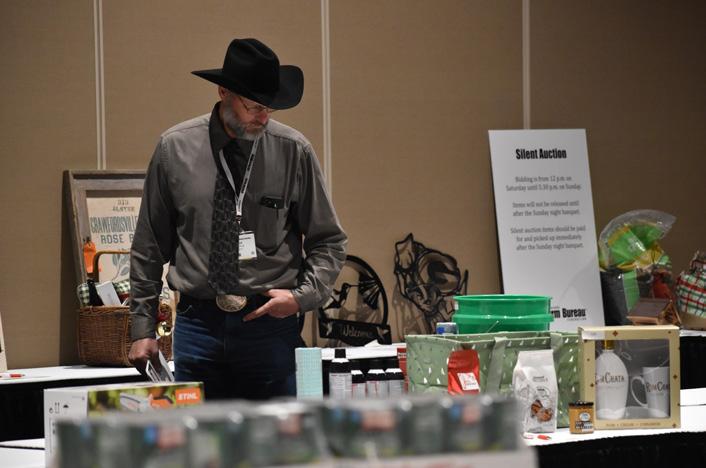
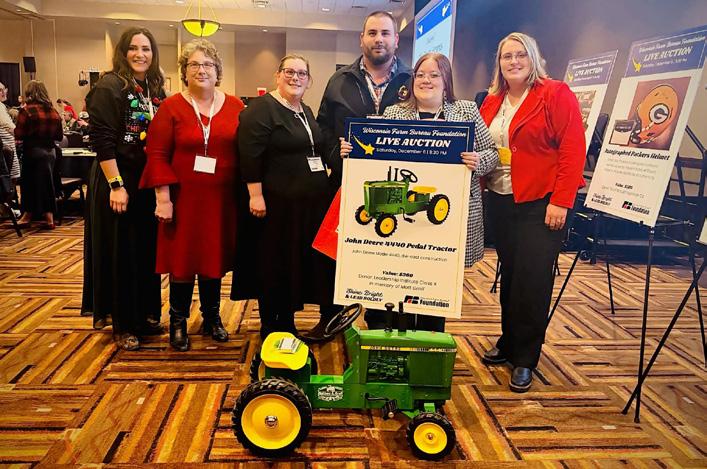
Thank you to our donors, bidders and buyers for your generous support of the Wisconsin Farm Bureau Foundation. SILENT AUCTION: $14,494 RAISED FROM 148 LOTS LIVE AUCTION: $13,075 RAISED FROM 14 LOTS

• Pearl Mary Goetsch
• Jesse Singerhouse
• Ronald and Sandra Dryfhout
• Douglas Mittelstaedt
• Carl Casper
• Patricia Mc Neely
• Charles Barman
• Benjamin and Bette Harbach
• Kenneth Albinger
• Bruce Brenengen
• Mark Huenink
• Anthony Infusino
• Perry and Barb Goetsch
• Eugene Hansen
• Eugene & Willie Witter Rev Trust
• The Growmark Foundation
• Rural Mutual Insurance Company in memory of James Badtke to the Following Wisconsin Farm Bureau Foundation Donors: (Donations were made between September 29 and December 9, 2025)
• Charities Aid Foundation America
• The Blackbaud Giving Fund on behalf of Farm Credit Services
• Ryan and Cheri Klussendorf in memory of Tim Franklin
• Rosalie Geiger in memory of Randy Geiger
• Patricia Pflieger in memory of Tim Franklin
• Charles Betigam in memory of Tim Franklin
• Linda Grenawalt in memory of Tim Franklin
• Gordon Franklin in memory of Tim Franklin
• Jessica Sarbacker in memory of Tim Franklin
• Misty Johnson in memory of Tim Franklin
• Dodge County Farm Bureau in memory of Mildred Hildebrandt
• Jennifer Ackart in memory of Tim Franklin




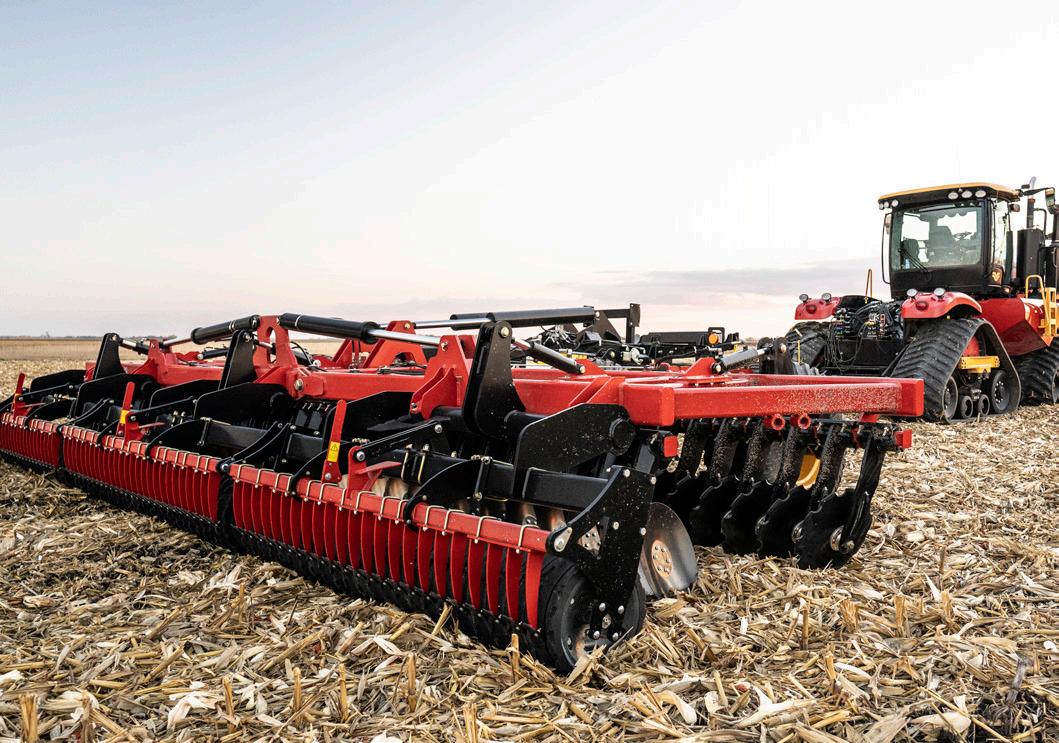
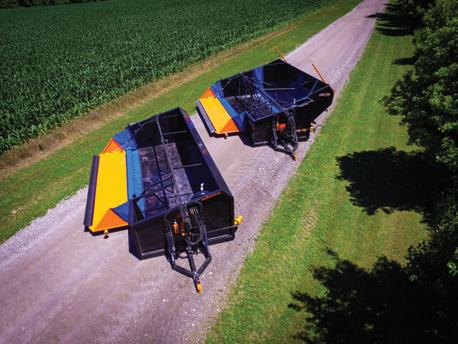
Dominate your residue with the Versatile Fury. Fast and flexible, the Fury is designed to cut, chop, size and mix your residue at speeds of 5-12 mph (7.5-20 km/h).
Dominate your residue with the Versatile Fury. Fast and flexible, the Fury is designed to cut, chop, size and mix your residue at speeds of 5-12 mph (7.5-20 km/h).
Dominate your residue with the Versatile Fury. Fast and flexible, the Fury is designed to cut, chop, size and mix your residue at speeds of 5-12 mph (7.5-20 km/h).
The Fury has a narrow 12’ transport width and is fully configurable adapting to any field condition with a choice of blade sizes and three rear finishing attachments.
The Fury has a narrow 12’ transport width and is fully configurable adapting to any field condition with a choice of blade sizes and three rear finishing attachments.
www.versatile-ag.com
The Fury has a narrow 12’ transport width and is fully configurable adapting to any field condition with a choice of blade sizes and three rear finishing attachments.
www.versatile-ag.com
www.versatile-ag.com





Feb. 11
More info:
Rothschild, Wisconsin
wfbf.com/events/ffa-farm-forum
FFA Farm Forum is a learning and leadership conference open to high school juniors in Wisconsin. More than 300 students, advisors and guests attend this annual conference. For over 50 years, Wisconsin Farm Bureau has sponsored an in-person FFA Farm Forum for Wisconsin youth.
Portland, Oregon
Mar. 13-16
More info: fb.org/event
The event brings together an estimated 850 young agricultural leaders to learn, share and build a sustainable future for agriculture and Farm Bureau. There will be great speakers, as well as breakout sessions and evening events that offer opportunities to grow, exchange ideas, sharpen leadership skills and network with members from across the country. You'll leave the conference inspired with new ideas and energy for your farm and Farm Bureau.
Feb. 21
More info: wfbf.com/events/cultivate-and-connect
Cultivate & Connect is the Promotion and Engagement Committee’s initiative to inspire, educate and empower Farm Bureau members and agriculture leaders by providing innovative learning experiences, networking opportunities and actionable insights for advancing Wisconsin’s agriculture industry. The Promotion and Engagement Committee implements Cultivate & Connect concepts year-round culminating with the flagship event held each February.
Johnson Creek, Ridgeway, Plover
Mar. 5, Mar. 6
Watch for more info in the next Rural Route!
Is your legacy protected for future generations? Join us for a meal and educational session to:
• Map a strategy for successful farm transition
• Address financial, emotional and family dynamics
• Gain insights on documents needed to get started
Jan. 21
Madison, Wisconsin
More info: wfbf.com/events/ag-day-at-the-capitol Ag Day at the Capitol is an annual event open to Wisconsin farmers and agriculturists to learn more about state issues affecting agriculture and meet with their state legislators. Rural Mutual Insurance Company and GROWMARK, Inc., are major sponsors of the event. Co-sponsors of the event, with Wisconsin Farm Bureau, include a variety of dairy, beef, pork, horse, corn, soybean, cranberry, potato and vegetable groups.

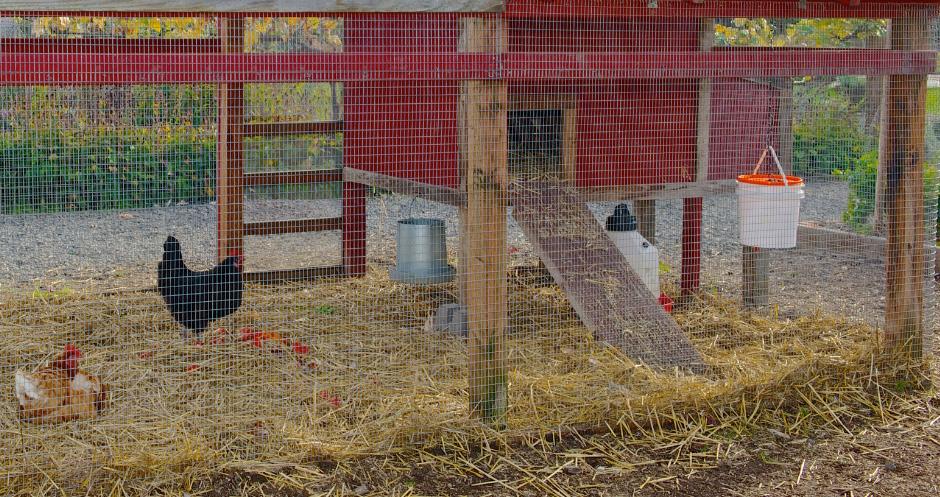
When the winds shift and cold Wisconsin weather sets in, so do extra challenges for raising backyard chickens. Division of Extension Poultry specialist Ron Kean shares five ways to keep your birds safe, warm, and productive this winter.
It can be tempting to tightly shut the coop when cold temperatures set in, but in fact, the coop needs ventilation to prevent dampness and disease. The goal is to get rid of stale air and excess moisture.
Warmth is another critical factor. When chickens are warm enough, they require less food to maintain optimal body condition. Techniques to keep chickens warm in winter include:
• Heated coops and waterers ensure the flock stays comfortable. A heated waterer ensures their water temperature stays above freezing. Chickens need about one cup of water daily and laying hens need twice as much.
• It’s recommended to use deep-litter bedding, which creates a compostable layered bed of material to keep the coop warm.
Chickens naturally lay fewer eggs in the winter because the daylight hours are shorter. Laying hens need about 14-16 hours of light a day to maintain egg production. You can encourage production by adding a supplemental lighting source to the chicken coop.
Strong biosecurity is essential to keep your flock safe. Biosecurity prevents the introduction and spread of disease-causing organisms. It’s recommended to keep a separate set of clothes and shoes for “chicken chores” and prevent contact between your birds and wild animals.
Additionally, stopping wildlife and rodent access to the coop is especially important because rodents carry salmonella (more on salmonella in the next section).
5. Prevent salmonella
Salmonella, a common bacterial infection, can be passed from hens to eggs and to people. Handling chicks may be irresistible, but it’s advised against kissing or snuggling them and always wash your hands after handling them. The safest way to prevent salmonella poisoning is simple: cook your eggs!
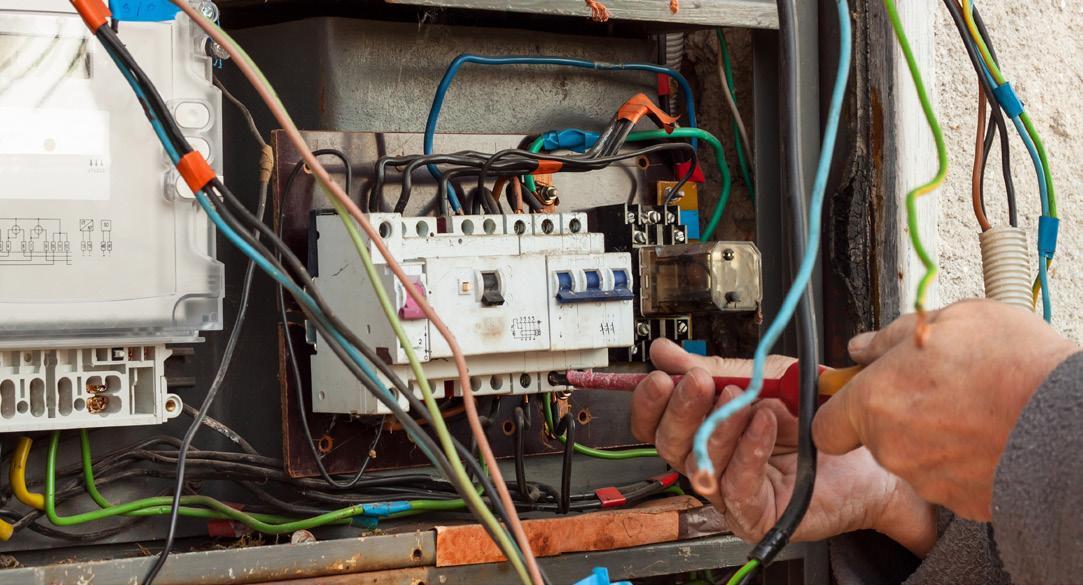
Winter is the time of year when you’re plugging in tank heaters, electrical heaters and doing a lot of work in the shop on the farm. It all adds loads to your farm’s electrical grid. Upgrading your system can prevent a shutdown or an electrical fire. Here are five things you should check:
1. Bare wires
Are you using portable heaters or electrical heating devices that haven’t been used in years? Have rodents been around? If wires look chewed up, old or decrepit, they can easily overheat or cause a spark.
2. Lights
Are the lights flickering or dimming when you plug something in or turn something on? It could be as simple as a bad connection but could also be a sign of a larger issue.
Check for old (pre-1980) or cloth-covered wiring. This is a sign that there may not be a grounding conductor. If something shorts out, there isn’t something to trip the breaker or flow the fuse, causing overheating and possibly a fire.
Are the outlets falling out of the wall due to old horsehair plaster? Are the outlets in your home or barn two-pronged outlets, meaning they lack a third, semi-circle grounding prong? Again, that means there is not a grounding conductor to trip the breaker, causing overheating.
This was an early method of wiring in buildings until the 1940s. What’s a red flag of this outdated method? You’ll see two separate wires running through the attic or basement held together by what looks like electric fence insulators. Push-button light switches are also a sign you may have knob-and-tube wiring.
Once you identify problem areas, contact an electrician. If cost is an issue, schedule a consultation in the winter but have work done in spring or summer, when these projects are typically less expensive.
As the number one farm insurer in Wisconsin, Rural Mutual provides knowledge and insight to help you make the best decisions to protect your farm and way of life. Reach out to a local agent to learn more.
BRUGGER 608-935-2769
ABBY RYSKOSKI 715-257-1414 GALESVILLE CINDY JOHNSON 608-525-3311 GLENBEULAH WALTER CAMP 920-893-1811
HORTONVILLE JASON MUNSON 920-779-3080 JANESVILLE CHRIS KLUND 608-931-9174 LAKE GENEVA ASHLEY ROGERS 262-203-5678 LAKE GENEVA ROBERT HANNA 262-729-4034
BARBI MANTER 715-226-2622 HAYWARD JOSHUA HURAY 715-934-2400
NATHANIEL FEALA 608-847-1600 MEDFORD EMBER ACKERMAN 715-748-6688
DIANA CHRISTOPHERSON 715-235-5656
STEVEN BERGER 715-926-3871
LOUIS BENTLEY 608-221-1137
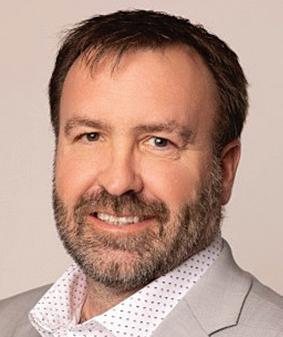
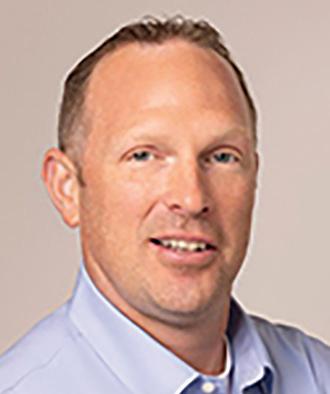
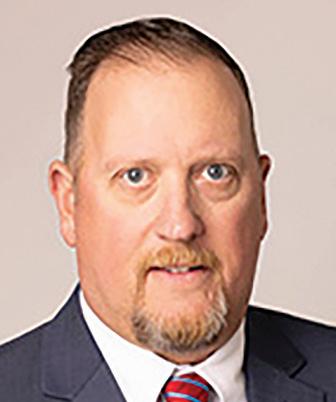
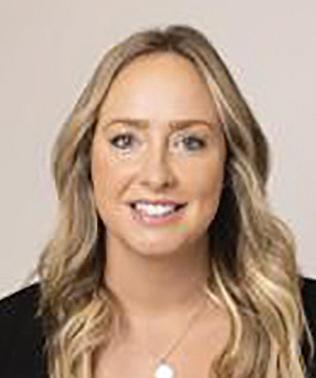
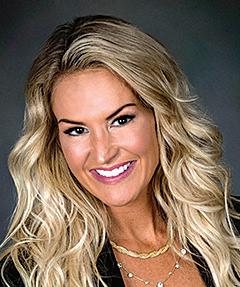
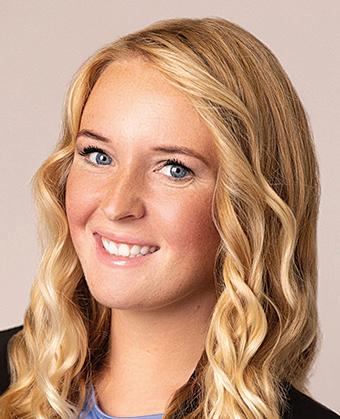
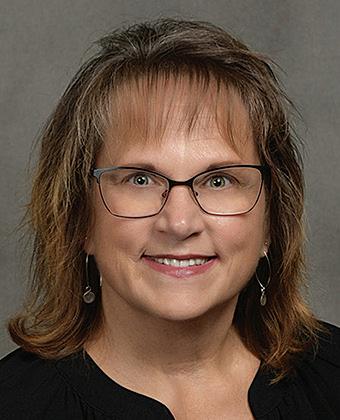
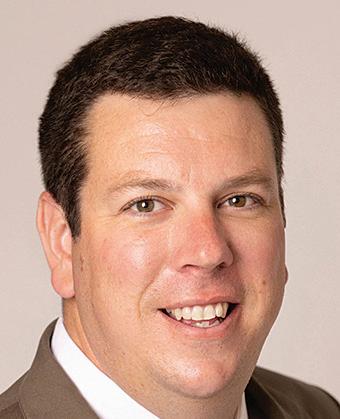
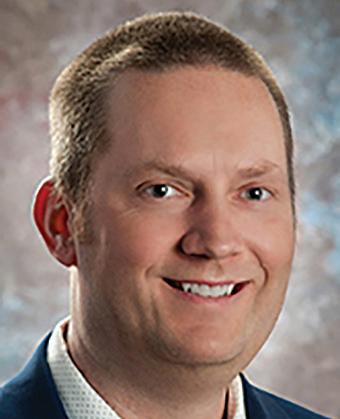
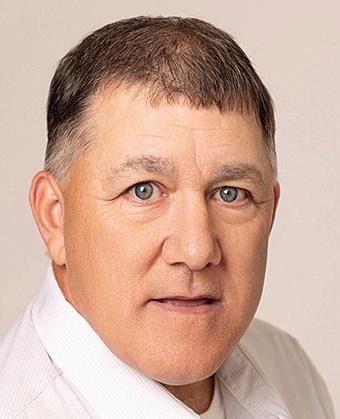
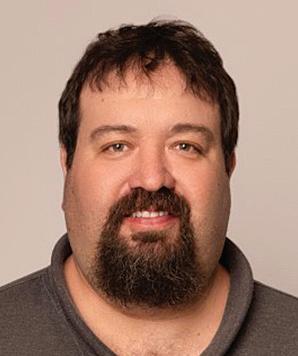
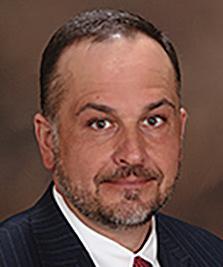
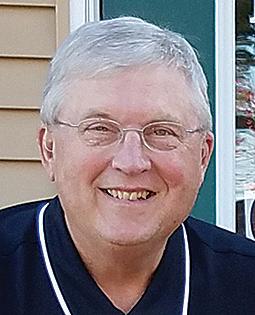
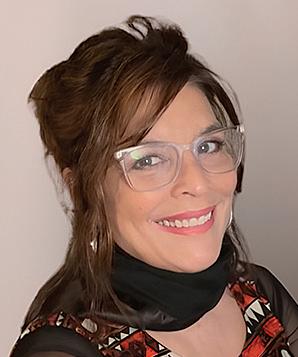
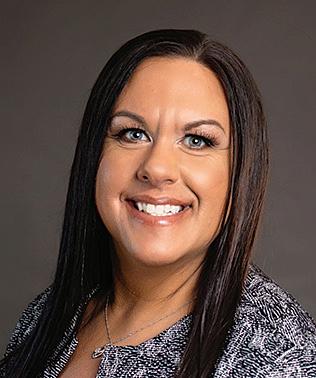
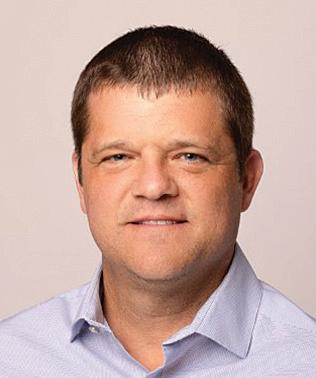
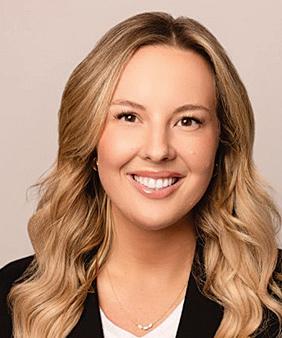
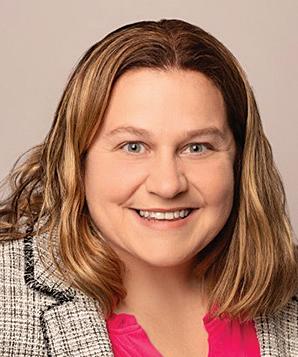
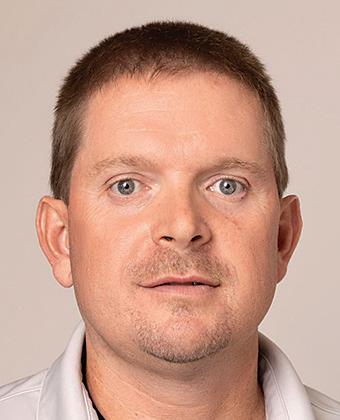
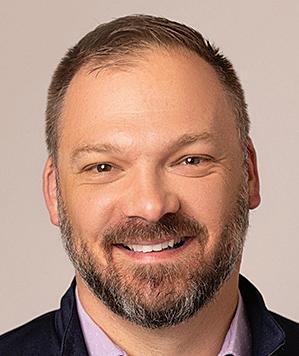
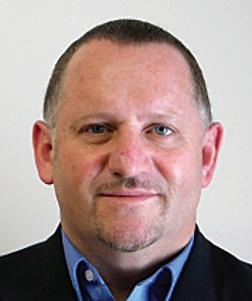
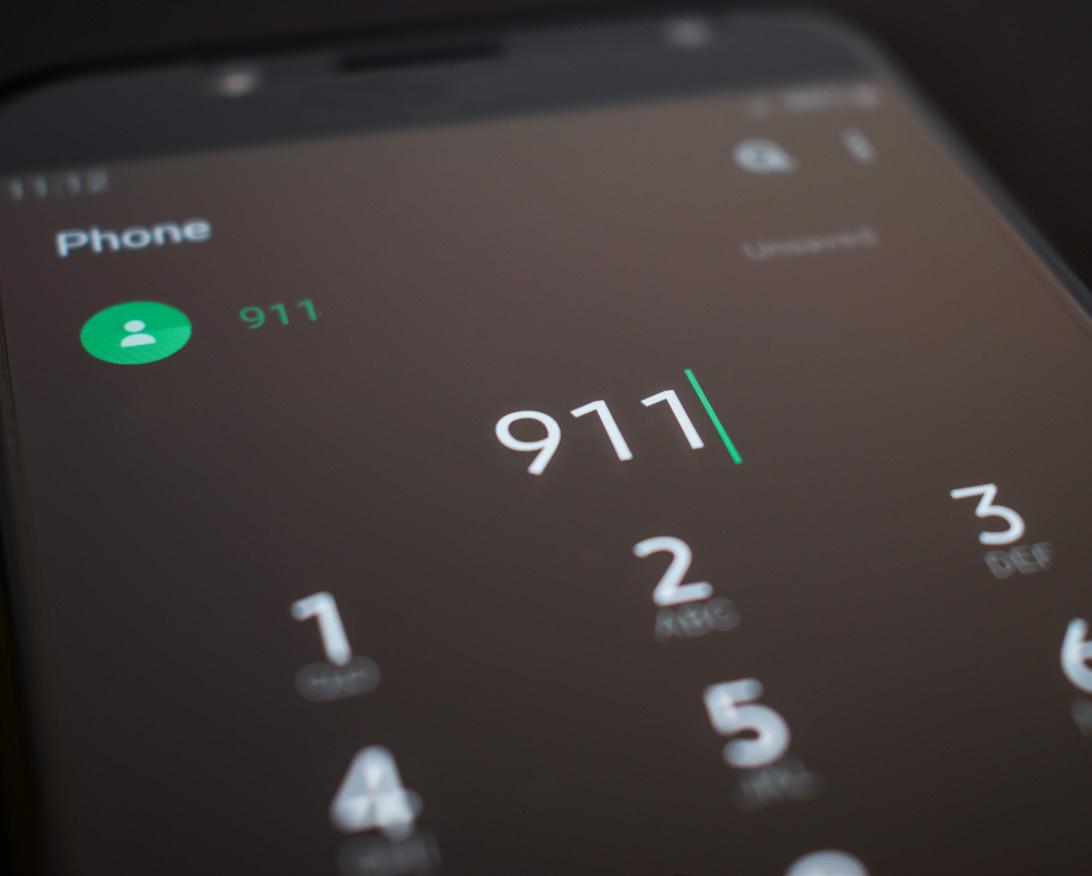
If there’s an emergency on the farm, do your employees know who to call and the directions to give the first responders?
Bethany Alcauter is the director of research and public health programs for the National Center for Farmworker Health. She says there are cultural barriers between guest workers and emergency services that can make it difficult to respond to issues at the farm or the farm worker housing site. Being aware of these barriers and planning for the unexpected can set your farm up for success.
Language is the number one barrier during farm emergencies. Over-the-phone translators are not always available when emergencies unfold at off-hours in the middle of the night. Translator smartphone applications can be useful, but they also have limitations.
The language barrier also extends beyond the farm. Many agribusinesses including processors, logistics and applicators employ migrant workers. A high-schoollevel Spanish class isn’t enough for a first responder to communicate with guest workers which is why preparation is so important.
One of the largest cultural barriers is that workers from other countries, such as Latin America, use intersections of landmarks to give directions, rather than addresses as we do in the U.S.
“We’ve seen this a lot where a farm worker needs to call 9-1-1 and they cannot communicate their address to the responder,” Alcauter explains.
Addresses aren't always useful in rural Wisconsin because sometimes the GPS takes you to the wrong spot. When a rural address doesn’t necessarily reflect where you are, finding locations, such as farmworker housing, can be challenging.
Preplanning for emergencies has the potential to save lives on the farm. It starts with a partnership between farms and first responders to address the language and cultural barriers of a migrant workforce.
1. Invite the department to the farm
Historically, rural fire and EMS departments had members who grew up on farms, but that has changed. It's important to invite your emergency responders to the farm to get a lay of the land. First responders need to know more than just the address of the farm. If there's an accident, firefighters need to know the exact field or building because farms have a large footprint.
2. Decrease emergency response times using planning tools
On a frigid, blustery and snowy evening at 3 a.m. in rural Wisconsin, first responders don't want to accidentally walk onto a manure pit and incur a bigger disaster. They also don't want to waste time opening up buildings trying to find the emergency. Their goal is to get to the incident as quickly and safely as possible. Online tools, including Farm MAPPER, can map out the farm for EMS to become familiar with the area prior to being on-site. You can find Farm MAPPER by visiting the National Farm Medicine Center’s website.
3. Post bilingual signage
The National Farm Medicine Center also offers bilingual safety materials, such as laminated signs for the barn, to guide individuals through a conversation with first responders. It’s not enough to only hang the sign up in the parlor but follow it up with training employees on the materials, too.
Preparation is key to setting yourself up for an optimal outcome should there be a farm emergency. Partner with a local Rural Mutual agent to customize a protection plan for you and your farm employees, should the unexpected happen.


Your future self will thank you.
When it comes to planning for the future, sometimes getting started is the hardest part. That’s where we come in. From life insurance and annuities to retirement planning and more, we’ll help you get started and stay with you every step of the way.
Contact your local agent, and together, we’ll make your future self proud.
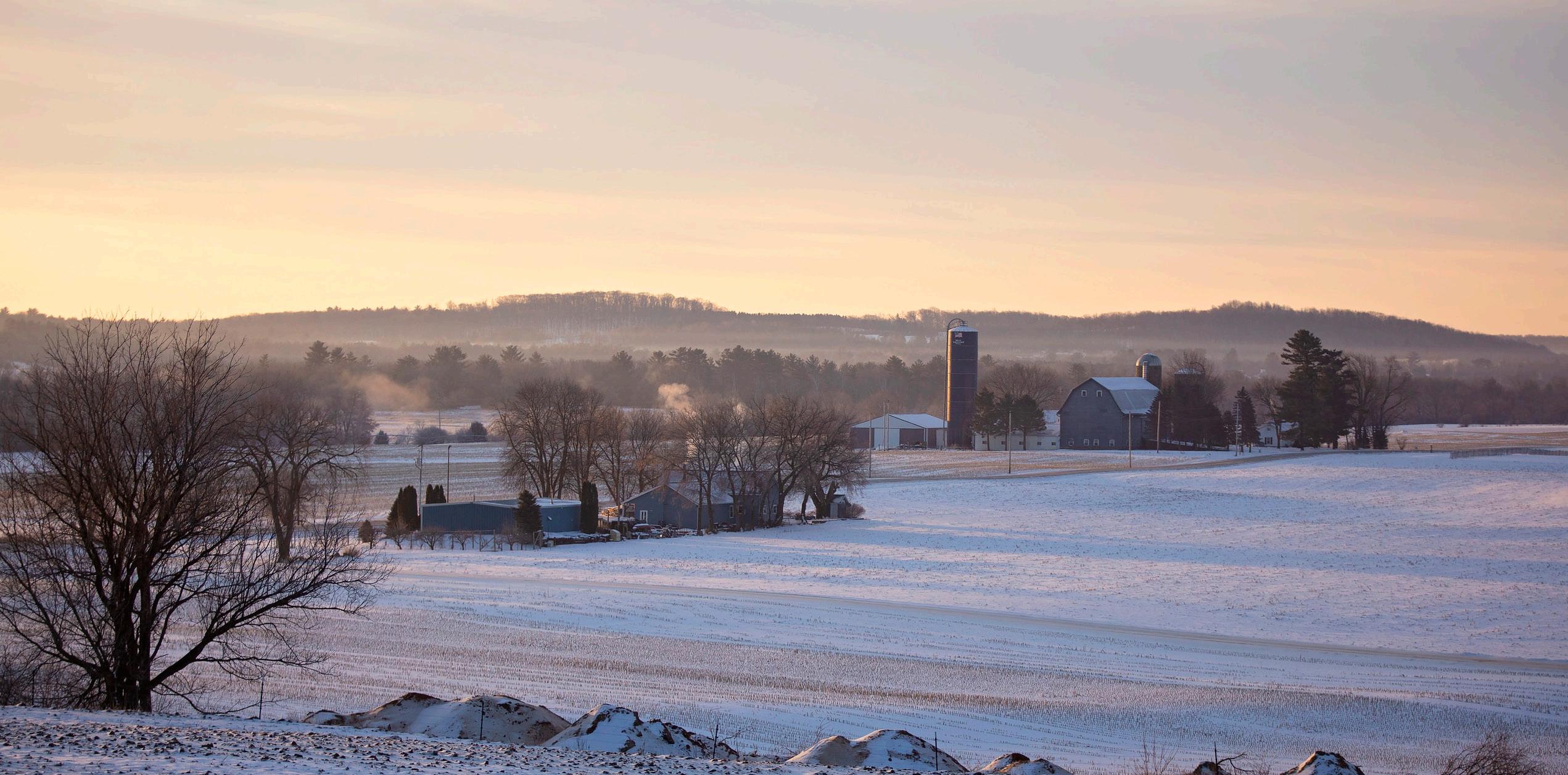
As the sun sets on another year, we’re grateful you chose Rural Mutual to protect your farm, your family, and your future. Wishing you a safe and joyful season filled with moments that matter most.



Connect with your local agent