
6 JUMPSTARTING THE HEART OF SCIENCE: HOW LABS AND VENDORS CAN WORK TOGETHER TO IMPROVE REPRODUCIBILITY
Across scientific disciplines, many researchers are experiencing difficulty when trying to replicate previously observed experimental results.
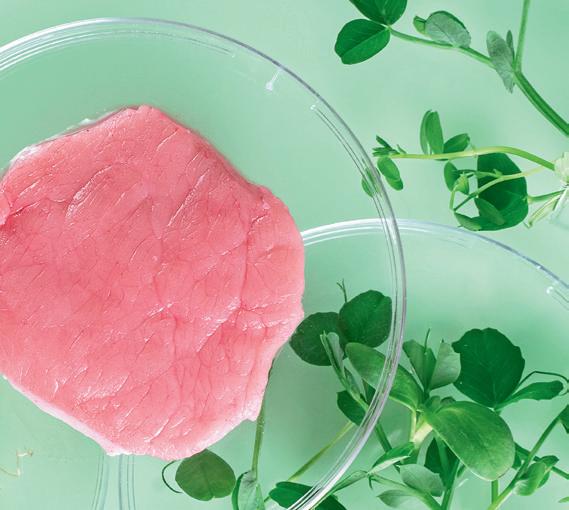
14 FBS-FREE METHODS FOR CREATING CULTIVATED MEAT
The cultivated meat industry is slowly but surely on the rise — but while this may be considered good news for animal lovers, there’s one small problem with the cultivated meat process as it currently stands: it’s still reliant on animal products.
16 CRISPR USED TO MIMIC DISEASE, ADVANCING CANCER RESEARCH
A powerful new genome editing technique can activate any gene — including those that have been silenced — allowing new drug targets and causes of drug resistance to be further explored.
22 LABORATORY SCALES: WHICH TYPE OF DISPLAY SCREEN IS RIGHT FOR ME?
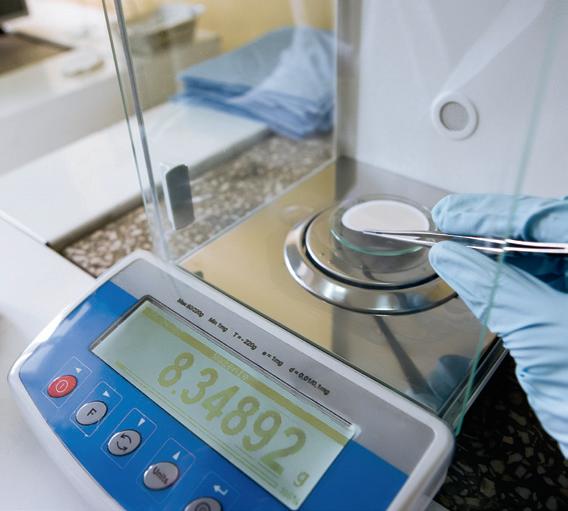
When shopping for a new scale or balance, one of the distinguishing features between different models is the type of display screen each offers. How important is the type of display for a weighing device?
26 RARE FORM OF DIAMOND DISCOVERED IN METEORITES
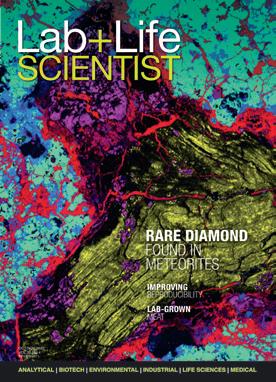
Australian scientists have confirmed the existence of lonsdaleite, a rare hexagonal form of diamond, in ureilite meteorites from inside an ancient dwarf planet.
30 ANTIBODIES FROM FORMER COVID PATIENTS NEUTRALISE DELTA, OMICRON
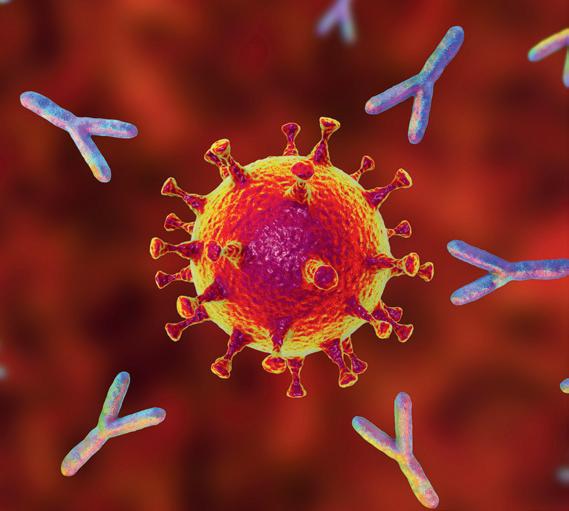
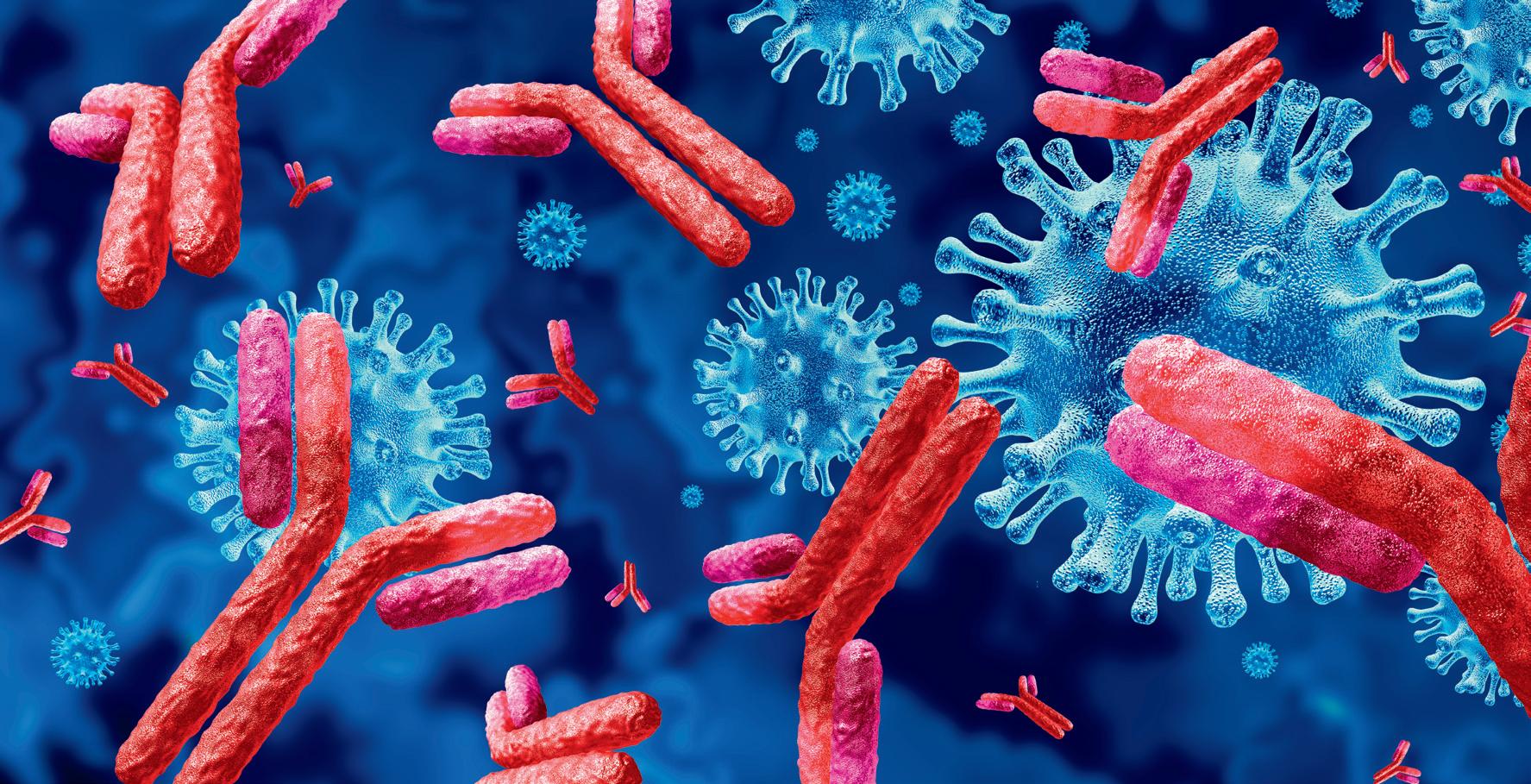
Antibodies isolated from the immune system of recovered COVID-19 patients are effective in neutralising all known strains of the virus, including the Delta and Omicron variants.
LAB+LIFE SCIENTIST - Oct/Nov 2022 | 3www.LabOnline.com.au | www.LifeScientist.com.au Contents
14 30 This issue is available to read and download atREAD ONLINE! www.labonline.com.au/magazine oct/nov 2022
22 6 Cover image: CSIRO
CRISPR, crop fortification and more at ComBio

illness, or stop bacteria in the guts of livestock from producing methane.

I’ve recently returned from a trip to ComBio2022, incorporating the annual meetings of the Australian Society for Biochemistry and Molecular Biology, the Australian Society of Plant Scientists, the Australia and New Zealand Society for Cell and Developmental Biology, the Genetics Society of AustralAsia, and the New Zealand Society for Biochemistry and Molecular Biology. Suffice it to say, there was a lot going on, with literally hundreds of presentations held over the course of the four-day event.
The auditorium was packed for the opening keynote lecture, which was presented virtually by Professor Jennifer Doudna — the co-winner of the 2020 Nobel Prize in Chemistry for her groundbreaking development of CRISPR-Cas9 genome engineering technology. She spoke at length of how scientists at the Innovative Genomics Institute (IGI), which she founded, are now looking to take the technology one step further; to directly edit the genomes of microbes within their natural setting of the microbiome, rather than in the laboratory environment. It’s an ambitious project — one which recently attracted US$2.5 million in funding from the Shurl and Kay Curci Foundation. Should the work be successful, the IGI researchers suggest they could one day potentially eliminate genes in a person’s gut bacteria that cause or make someone more susceptible to
This was just one of several talks on the topic of genome editing technology — elsewhere, Dr Sarah Diepstraten from Melbourne’s Walter and Eliza Hall Institute (WEHI) presented on how CRISPR has been used to replicate an aggressive form of lymphoma, in order to investigate a gene that has been triggering resistance to treatment. You can read more on this research in our article on page 16.
(All that said, it has been argued that CRISPR is not without its risks, with researchers from Tel Aviv University recently detecting a significant loss of genetic material in some treated cells, which could lead to destabilisation of the genome which may itself lead to cancer. The researchers have since cautioned that extra care should be taken when using CRISPR therapeutics and have also recommended further research into two potential solutions: reducing the production of damaged cells, and identifying damaged cells and removing them before the material is administered to the patient.)
Elsewhere at ComBio, Alex Johnson from The University of Melbourne spoke about his team’s quest to enhance iron concentration in wheat, since wheat-based foods provide a significant proportion of our daily calories but many are poor sources of essential micronutrients. Their research effort began when the team identified a subset of genes in rice that are ‘switched on’ when the plant senses it is low in iron. They next developed a way to keep one of these genes ‘always on’ and, in doing so,
created iron- and zinc-biofortified rice. The team has since employed genetic engineering to shuttle this rice gene into wheat and leave it on, resulted in biofortified wheat plants.
Of course red meat is particularly high in iron, but as more people turn away from meat due to animal welfare, environmental and other concerns, this is not as standard a part of the average diet as it once was. In our article on page 14, we cover two different groups who are demonstrating the benefits of lab-grown meat, including the ability to enhance its nutritional profile — and they’re doing it all without the use of foetal bovine serum (FBS), which up until now has been a somewhat ugly yet necessary part of the cultivated meat process.
There’s certainly plenty going on in the world of science at the moment, and it’s our pleasure to provide you with a few choice highlights in this issue. Enjoy!
4 | LAB+LIFE SCIENTIST - Oct/Nov 2022 www.LabOnline.com.au | www.LifeScientist.com.au
Lauren Davis
Regards, Lauren Davis LLS@wfmedia.com.au
editorial
iStock.com/koto_feja
 Pamela James,
Reproducible experimental findings are fundamental to the quality and progress of scientific research. The ability to reproduce research emphasises the rigour and trustworthiness of the original data, building confidence in the veracity of an experimental observation.
Jumpstarting the heart of science
How labs and vendors can work together to improve reproducibility
Reproducibility also has important implications for success in research, encouraging publication and bolstering the reputations of researchers and their labs. Conducting reproducible research also enables scientists to repeat and modify experiments quickly and easily without doubting their validity, saving valuable time and money. However, across scientific disciplines, many researchers are experiencing difficulty when trying to replicate previously observed experimental results. This ‘reproducibility crisis’ is reflected in many forms: a single scientist struggling to reproduce results across their own experiments, members of the same lab attempting to confirm the results of other lab members (sometimes years later) and independent research groups failing to obtain results published by other groups. In a recent poll, nearly 80% of biological scientists experienced failure to reproduce someone else’s results, citing “not replicated enough in the original lab” and “poor experimental design” as major contributors1 Other inherent factors of scientific research, such as the discontinuation of certain reagents and equipment, significant gaps in published protocols and methodologies, and a competitive publishing culture that devalues negative results2, contribute to this issue. However, actionable steps toward research reproducibility can be made by providing sufficient education and validated research tools to
new users and empowering them to gather reliable and trustworthy data.
Prioritising new user education

Aside from rare instances of malicious intent, inconsistent results are commonly rooted in an honest mistake due to a lack of proper training and sufficient education provided to new users. Even if a person has spent years in the lab, they are still new users to new methods and applications. Given that the culture of scientific publishing incentivises the
speed of producing results to establish ownership of groundbreaking findings, researchers are often forced to cut corners in this first crucial training and education step. Even experienced researchers may assume that they can just ‘figure it out’ when performing a new technique and never pursue sufficient training.
Paradoxically, the emphasis on publishing only data that supports a research claim limits users’ access to literature on what methods or experiments don’t pan out as expected, extending the overall
6 | LAB+LIFE SCIENTIST - Oct/Nov 2022 www.LabOnline.com.au | www.LifeScientist.com.au
PhD*
quality assurance
time to obtain positive results for groups unaware of the avenues that have yielded negative results for others. The combination of incentivised rushing and devalued negative publishing paves the way for users to make common mistakes when learning a new technique, particularly when that technique is new to the lab.
Often, the most significant mistakes are not running appropriate or sufficiently stringent controls and not optimising an assay. For example, techniques that require protein detection using
primary and secondary antibodies, such as flow cytometry, immunohistochemistry and immunofluorescent microscopy, require finetuned optimisation to ensure that the ideal reagent concentrations and conditions are used. If users aren’t provided proper training on assay design and optimisation, they may use too low or too high a concentration of a particular reagent like a primary antibody, resulting in weak or absent signal and off-target binding, respectively3. And unfortunately, if the same concentrations are used
over and over and give the same results, results that appear reproducible in that user’s hands are still inaccurate. While peer review in publishing attempts to catch and correct these common errors by suggesting orthogonal experimental approaches, this alone is insufficient to prevent the publication of unreliable results. Therefore, it’s important to identify additional sources of experimental education and expertise for new users to prevent these common — and often critical — technical mistakes.
LAB+LIFE SCIENTIST - Oct/Nov 2022 | 7www.LabOnline.com.au | www.LifeScientist.com.au
iStock.com/AzmanJaka
assurance
Research product vendors can offer an underutilised reservoir of expertise. Most experiments require commercially available products and reagents, and these tools are developed by suppliers who often harbour an untapped breadth of knowledge on the scientific applications of their products. It’s valuable to choose product vendors that provide strong customer support and technical services. Working with an accessible and communicative vendor can bridge the education gap for a new user to learn the appropriate controls and optimisation steps required to ensure reproducible results. Vendors often have unique insights into the nuances of their products and established knowledge of other customers’ experiences, so seeking their guidance can foster success in the lab. Reshaping the connection with product vendors from transactional to relationship-based can significantly enhance new user education and, in turn, improve data reproducibility. Working with a vendor shouldn’t be a single transaction, like buying a pair of shoes, but rather a continuous relationship built on effective education and trust.
Selecting validated tools
While it may seem obvious, it’s important to use research products and tools that have been validated by the vendor/manufacturer for the specific application to reduce the potential for unreliable results. Similar reagents, such as targetspecific detection reagents, can be used in many applications, but blocking reagents, diluents, concentrations and incubation times may vary greatly depending on the assay and sample type. The art of determining where to purchase validated tools is not a common lesson taught to scientific researchers. The key is to select vendors with experience and expertise in specific applications and who make the intended, validated use of their product readily available to the user.
Scientific expertise within a specific application space allows a vendor or manufacturer to anticipate certain shortcomings and pitfalls of a new product during development, well before it becomes available to researchers. If a company is attuned to how a product is likely to be used in inexperienced hands, it can incorporate mechanisms to prevent
It’s important to use research products and tools that have been validated by the vendor/ manufacturer for the specific application to reduce the potential for unreliable results.
these mistakes. Robust product development processes incorporate many tools, one of which is a ‘failure modes and effects analysis’ (FMEA). This analysis, typically employed to ensure safety and reproducibility in diagnostic tool development, can also be applied to research use only (RUO) product development. In terms of product performance, FMEA effectively considers how a product can fail due to incorrect use. FMEA also identifies steps in the manufacturing process that require tightly controlled parameters and takes steps to eliminate or mitigate the points of potential failure. Ultimately, this assessment aims to limit the parameters and variables that the end user must optimise and consider, thereby reducing the possibility of erroneous results and enhancing the likelihood of reproducible data4. For example, if a biological reagent will not function optimally if used in an imperfect buffer, the manufacturer can remove this possibility by providing the ideal buffer along with the reagent. This requires the manufacturer to test the reagent in a variety of commonly used buffers to understand their impact to product performance. Moreover, in areas that can’t be addressed by product design, a manufacturer can include accompanying education in instructions and user guides, bridging the education gap between the user’s experience in a technique and the experiment’s requirements for success.
Each company and manufacturer differs in the level of investment given to this stage of product development. In general, the more stringent the FMEA, the higher the reliability and quality of the product. It’s essential to consider a supplier’s dedication to this critical step of product development to bolster the chance of producing reliable and reproducible results.
Setting yourself up for success
To foster a community of reliable research, it’s important to partner with suppliers that provide both continuous education and well-validated products. My experience in research has informed my priorities working on the supply side: I have seen the value of a vendor’s upfront investment in product development (or lack of it) to an end user’s success. Developing products using a team of in-house experts and striving to establish extended relationships with researchers can support their scientific endeavours from experimental design to manuscript publication. By fostering communication, education and diligence, researchers and product vendors can work together to increase research reproducibility and ensure the reliability of future scientific discoveries.
*Pamela James is VP of Product at Vector Laboratories.

1. Baker, M. 1,500 scientists lift the lid on reproducibility. Nature 533, 452–454 (2016). https://doi. org/10.1038/533452a
2. https://kosheeka.com/factors-affecting-researchreproducibility-in-biomedical-research/
3. https://www.ncbi.nlm.nih.gov/pmc/articles/ PMC4985043/
4. https://link.springer.com/article/10.1007/s00769020-01441-9
Vector Laboratories https://vectorlabs.com/
8 | LAB+LIFE SCIENTIST - Oct/Nov 2022 www.LabOnline.com.au | www.LifeScientist.com.au
quality
FTIR Application in Food Analysis
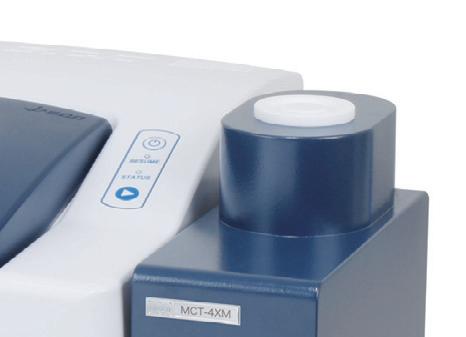
Enhancing robustness and expandability
The FT/IR-4X is a compact unit with a high robustness.

Main optical components are guaranteed for 3 years.
Expandability is also the same as research grade class.
Component analysis of dair y product
consists mainly of 4 components (water [approx. 90%], protein, sugar and fat), and FTIR spectra can be acquired using an ATR accessor y.
Subtraction of the water spectrum from the milk spectrum allows for obser vation of speci c functional group bands for each of the main components.
Identi cation test of food additives
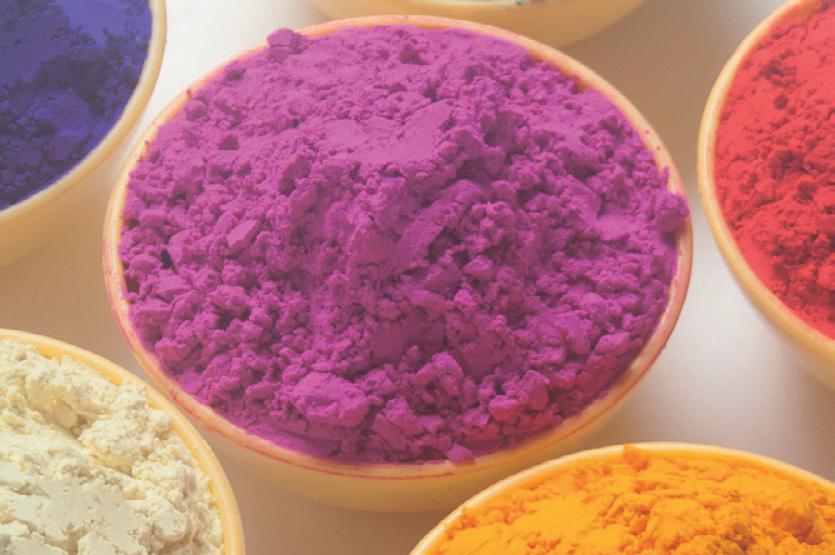

Manufacturers need to verify whether their products conform to the regulations of their country of origin and those they are exporting to.
Test methods are described clearly in the regulations and indicates that additives should be identi ed by "Infrared spec troscopy"
Milk
F ourier Tr ansf orm Infrared Spec trometer
•
•
•
s Maintenance -free design • Self- diagnosis function • Base isolation structure • Optional detectors T 1800 00 84 53 | sales.au@bio-strategy.com www.bio-strategy.com | shop.bio-strategy.com
Rapid identification of food poisoning bacteria
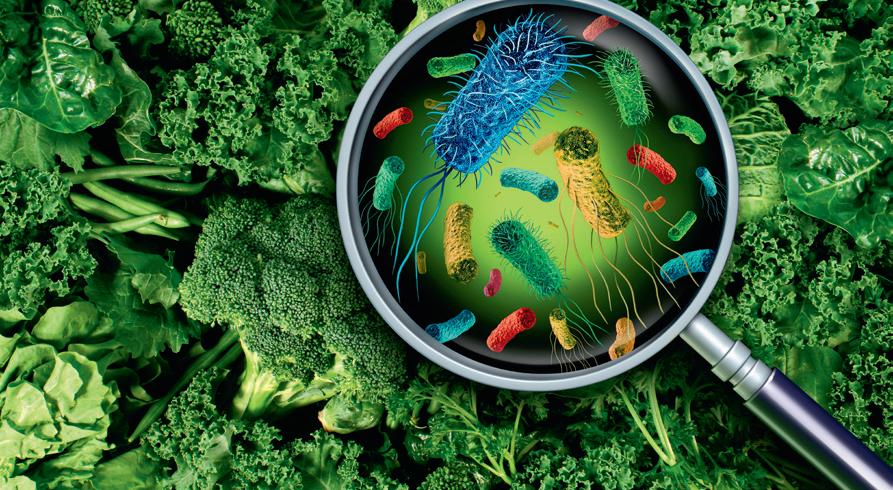
Scientists from Osaka Metropolitan University have developed a simple, rapid method to simultaneously identify multiple food poisoning bacteria, based on colour differences in scattered light by nanometre-scaled organic metal nanohybrid structures (NHs) that bind via antibodies to those bacteria. Published in the journal Analytical Chemistry, their method is a promising tool for rapidly detecting bacteria at food manufacturing sites and thereby improving food safety.
Bacterial tests are regularly conducted to detect food poisoning bacteria at food manufacturing factories, but it takes more than 48 hours to obtain results due to the time required for a bacteria incubation process called culturing; therefore, there remains a demand for rapid testing methods to eliminate food poisoning accidents. Responding to this need, the researchers utilised the optical properties of organic metal NHs — composites consisting of polyaniline particles that encapsulate a large number of metal nanoparticles — to rapidly and simultaneously identify food poisoning-inducing bacteria called enterohaemorrhagic Escherichia coli (E. coli O26 and E. coli O157) and Staphylococcus aureus
The team first found that organic metal NHs produced stronger scattered light than metal nanoparticles of the same size. Since the scattered light of these NHs is stable in the air for a long period of time, they are expected to function as stable and highly sensitive labelling materials. Furthermore, it has been revealed that these NHs exhibit different colours of scattered light (white, red and blue) depending on the metal elements of the nanoparticles (gold, silver and copper).
Then the team introduced antibodies that bind specifically to E. coli O26, E. coli O157 and S. aureus into the organic metal NHs and used these NHs as labels to evaluate the binding properties of the antibodyconjugated NHs to specific bacterial species. As a result, E. coli O26, E. coli O157 and S. aureus were observed as white, red and blue scattered light, respectively, under the microscope. Furthermore, when adding predetermined amounts of E. coli O26, E. coli O157 and S. aureus to rotten meat samples containing various species of bacteria, the team succeeded in using these labels to simultaneously identify each bacterial species added.
This method can identify various types of bacteria by changing the antibodies to be introduced. In addition, since it does not require culturing, bacteria can be rapidly detected within one hour, increasing its practicality as a new testing method.
Retinal damage a marker of MS severity
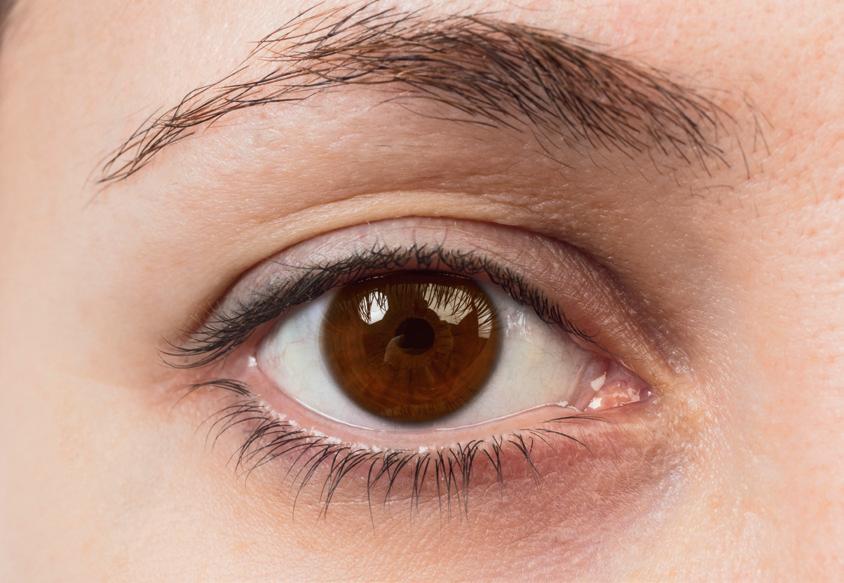
It is essential to assess the severity of multiple sclerosis (MS) in order to choose appropriate therapeutic measures, but this cannot be reliably done using existing methods. Researchers at the Medical University of Vienna have now shown that the retina can be used as a prognostic marker, with retinal layer thinning as a result of an MS relapse predicting the severity of future relapses and, hence, the likelihood of disability.
Multiple sclerosis is a chronic inflammatory autoimmune disease that leads to the loss of axons and neurons throughout the entire nervous system. Although this damage often goes unnoticed by patients at first, its extent determines the prognosis for the severity of the disease. Since predictions about the course of the disease are important in MS for selecting the appropriate treatment, medical research has long been searching for reliable prognostic tools.
The Vienna researchers studied 167 MS patients over a period of more than three years, hypothesising that retinal damage due to relapse reflects the extent of damage in the brain. The researchers measure retinal layer thickness using optical coherence tomography (OCT) — an imaging technique that uses infrared light to produce high-resolution threedimensional images of very thin layers of tissue in the micrometre range. It is already used as a tool for diagnosing eye diseases such as glaucoma and for evaluating disease progression. “The technique for predicting the course of MS is therefore already available to us,” said Gabriel Bsteh, first author of the study.
As the scientific analyses confirmed, the loss of approximately 5 µm of retinal layer thickness after optic neuritis equates to a doubling of the risk of permanent disability after the next relapse. The results of the study, published in the journal Neurology, suggest that more aggressive treatment is indicated where there is significant retinal layer thinning than would be the case for a smaller degree of thinning. This is true even if the patient has no disability or only slight disability at the time of measurement.
“As we discovered in the course of our clinical trial, measurements should be taken at initial diagnosis, directly when optic neuritis occurs in relapsing MS and six months thereafter,” Bsteh said.
“In retinal layer thickness, we have found a new biomarker that represents a window to the brain, as it were,” Bsteh concluded. If the results are confirmed in larger follow-up studies, the technique could also be applied in routine clinical practice.
10 | LAB+LIFE SCIENTIST - Oct/Nov 2022 www.LabOnline.com.au | www.LifeScientist.com.au movers&shakers
iStock.com/wildpixel
iStock.com/bombuscreative
CryoSure® Ship it like lives depend on it. CryoSure® it. The new -70°C dry ice dewar Extremely low sublimation rate Superior duration up to 3 weeks Easy to handle Lighter carbon footprint Performance not affected by orientation Heat resistant Maintains -70°C if opened Real-Time Visibility Robust Design For more information, please contact your specialty courier or our local sales representative. Jonathon Haydn-Evans M: +61 439 491 963 E: jonathon.haydn-evans@envirotainer.com www.envirotainer.com/cryosure
Machine learning helps to improve MRI image reconstruction
Scientists and engineers at the University of Minnesota have found a way to improve the performance of traditional magnetic resonance imaging (MRI) reconstruction techniques, allowing for faster MRIs to improve health care. Their breakthrough has been published in Proceedings of the National Academy of Sciences (PNAS)
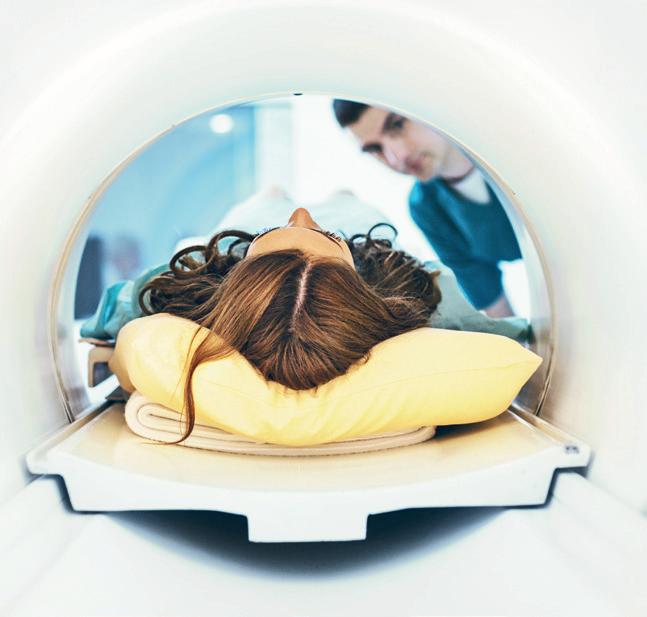
“MRIs take a long time because you’re acquiring the data in a sequential manner,” explained Mehmet Akçakaya, an associate professor at U of M and senior author on the paper. “We want to make MRIs faster so that patients are there for shorter times and so that we can increase the efficiency in the healthcare system.”
For the last decade, scientists have been making MRIs faster using a technique called compressed sensing, which uses the idea that images can be compressed into smaller sizes, akin to zipping a JPEG on a computer. More recently, researchers have been looking into using deep learning, a
type of machine learning, to speed up MRI image reconstruction. Instead of capturing every frequency during the MRI procedure, this process skips over frequencies and uses a trained machine learning algorithm to predict the results and fill in those gaps.
While deep learning can be a more effective alternative than traditional compressed sensing, there are concerns with using deep learning as well. For example, having insufficient training data could create a bias in the algorithm that might cause it to misinterpret the MRI results. Using a combination of modern data science tools and machine learning ideas, the U of M researchers have found a way to fine-tune the traditional compressing method to make it nearly as high quality as deep learning — a process that would eliminate some of the concerns related to overdependence on deep learning exclusively.
“There’s a lot of hype surrounding deep learning in MRIs, but maybe that gap between new and traditional methods isn’t as big as previously reported,” Akçakaya said. “We found that if you tune the classical methods, they can perform very well. So maybe we should go back and look at the classical methods and see if we can get better results. There is a lot of great research surrounding deep learning as well, but we’re trying to look at both sides of the picture to see where we can find the best performance, theoretical guarantees and stability.”
Qld forensic scientists provided misleading information: report

Respected molecular biologist Professor Frank Gannon has been selected to oversee the implementation of interim recommendations arising from an inquiry into forensic DNA testing in Queensland, after a report found there was potential for the miscarriage of justice.
State Minister for Health and Ambulance Services Yvette D’Ath said Gannon would provide independent oversight of the implementation of the interim recommendations from the ongoing Commission of Inquiry into Forensic DNA Testing in Queensland. The Commission of Inquiry was sparked by concerns about the DNA testing thresholds used by Queensland Health Forensic and Scientific Services between February 2018 and June 2022.
“Commissioner Walter Sofronoff KC’s interim findings and recommendations, which the government will implement, relate to the issue of how some DNA testing results were reported by Forensic and Scientific Services (FSS),” D’Ath said.
“The Commissioner found that between February 2018 and June 2022, FSS scientists provided untrue or misleading information regarding the detection of DNA in some sworn witness statements relating to samples with very small amounts of DNA.
“He has recommended that the relevant statements be withdrawn and corrective statements issued.”
While Sofronoff did not find that previous DNA testing was inaccurate, he did find that, due to the possibility that additional processing of DNA samples could lead to partial or full DNA being detected in some cases, statements issued stating “DNA insufficient for further processing” or “no DNA detected” were not factually correct.
To rectify this potential injustice, Sofronoff has recommended: • that all witness statements issued by FSS since 2018 that stated “DNA
insufficient for further processing” or “No DNA detected” have new statements issued stating that the original statement was incorrect; and • that the government appropriately fund any bodies required to investigate, consider and resolve these issues.
Although no recommendation was made regarding further analysis of samples the subject of the incorrect statements, the government will now undertake a full audit of all samples relating to major crime taken between 2018 and June 2022 that resulted in witness statements stating “DNA insufficient for further processing” or “No DNA detected” that did not progress to further testing due to DNA results falling between 0.001 ng/µL and 0.0088 ng/µL. This will help identify whether any partial or full DNA can be detected; where DNA is found, such results will be provided to the Queensland Police Service for further consideration. Furthermore, a taskforce has been established to implement the recommendations and to support work coming out of the ongoing Commission of Inquiry.
12 | LAB+LIFE SCIENTIST - Oct/Nov 2022 www.LabOnline.com.au | www.LifeScientist.com.au movers&shakers
iStock.com/D-Keine
iStock.com/Aja Koska
Cellular ‘waste product’ helps immune cells to fight cancer
Scientists from the University of Texas Southwestern Medical Center have found that lactate, a metabolic by-product produced by cells during strenuous exercise, can rejuvenate immune cells that fight cancer. Their finding, published in the journal Nature Communications, could eventually be used to develop new strategies to augment the anti-tumour effect of cancer immunotherapies.
Lactate is commonly used in Ringer’s solution, administered intravenously to replace fluids after blood loss (due to trauma, surgery or severe burns) or to treat a condition called metabolic acidosis. While lactic acid (lactate with an additional proton) has been associated with cancer growth and immune suppression, the effects of lactate on cancer and immunity have been unclear.
To investigate this question, Dr Jimmy Gao and his colleagues gave lactate injections to mice with colon cancer or melanoma; other tumour-bearing mice received glucose injections. While glucose had little effect, tumour growth was significantly reduced in mice treated with lactate. When the researchers tried the same experiment in mice genetically engineered to lack T cells, this anti-tumour benefit was blocked, suggesting that lactate appeared to be exerting its effects through this immune cell population.
Administering lactate alone didn’t completely eliminate the tumours. But when the researchers added a commonly used immune checkpoint inhibitor — a type of cancer immunotherapy that releases the brakes that prevent T cells from fighting malignancies — about half the mice became completely tumour-free. Lactate also significantly improved the effects of a cancerfighting vaccine and improved the anti-cancer response of cultured T cells that were injected into tumour-bearing mice.
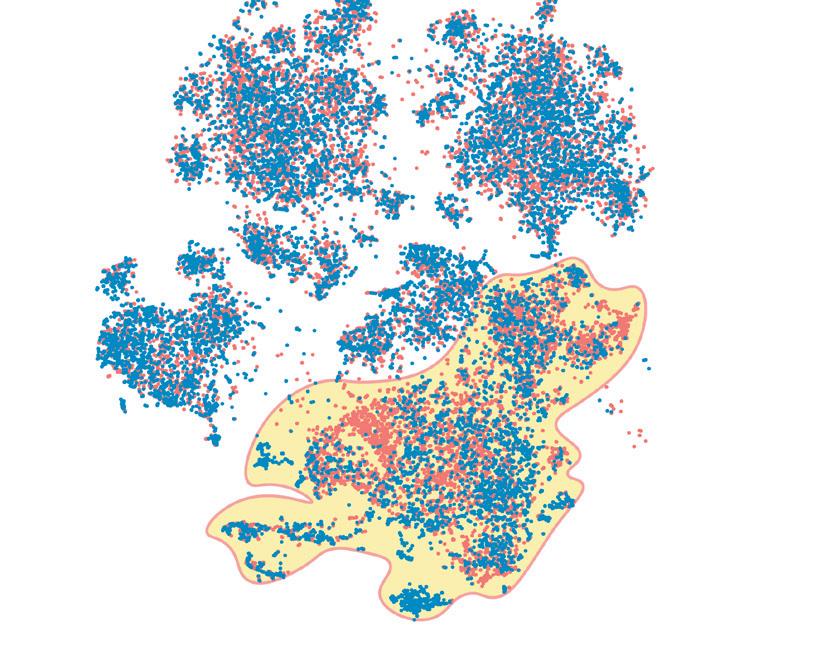
Further single-cell RNA sequencing analysis showed that more T cells infiltrated the tumours of the lactate-treated mice. Compared to animals that didn’t receive this treatment, T cells from the mice that received lactate expressed more genes associated with stem-like T cells and a smaller number of genes associated with exhaustion markers, making them more fit to effectively fight cancer.
“The lactate that we usually think of as a waste product appears to have a previously unrecognised role in fighting cancer,” Gao said.
Gao said the data suggest that lactate could be used to supplement existing immunotherapies, such as immune checkpoint inhibitors, cancer vaccines and CAR-T cell therapy — a cancer treatment in which T cells engineered to fight specific tumour types are expanded in the laboratory and then injected into patients. It also suggests that exercise, which naturally raises lactate levels, may be protective against cancer or may augment the immune system to fight cancer as well. Gao and his colleagues plan to investigate these topics in future studies.
Dogs can smell when people are stressed
The physiological processes associated with an acute psychological stress response produce changes in human breath and sweat that dogs can detect with an accuracy of 93.75%, according to a new study from Queen’s University Belfast.
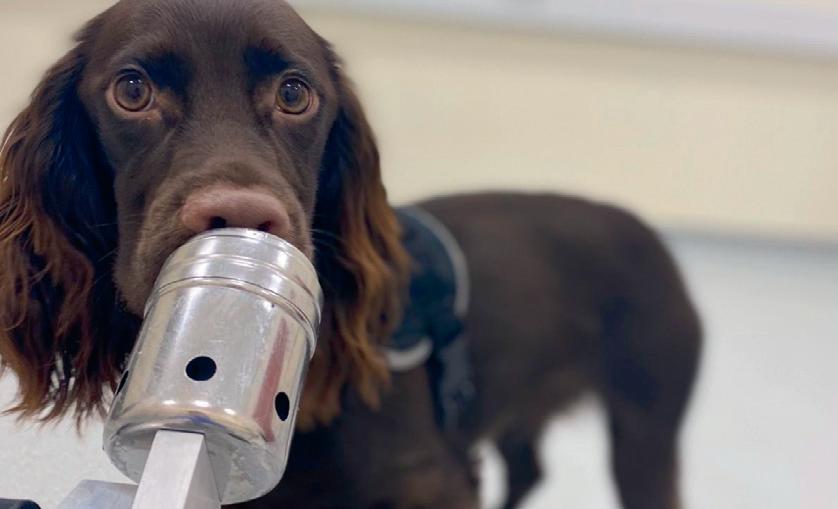
Odours emitted by the body constitute chemical signals that have evolved for communication, primarily within species. Given dogs’ remarkable sense of smell, their close domestication history with humans and their use to support various human psychological conditions, researchers wondered whether dogs could be sensing chemical signals to respond to their owners’ psychological states.
In the new study, the researchers collected samples of breath and sweat from non-smokers who had not recently eaten or drunk. Samples were collected both before and after a fast-paced arithmetic task, along with self-reported stress levels and objective physiological measures: heart rate (HR) and blood pressure (BP). Samples from 36 participants who reported an increase in stress because of the task, and experienced an increase in HR and BP during the task, were shown to trained dogs within three hours of being collected. Four dogs of different breeds and breed mixes had been trained, using a clicker as well as kibble, to match odours in a discrimination task. At testing, dogs were asked to find the participant’s stress sample (taken at the end of the task) while the same person’s relaxed sample (taken only minutes before, prior to the task starting) was also in the sample line-up.
Overall, dogs could detect and perform their alert behaviour on the sample taken during stress in 675 out of 720 trials, or 93.75% of the time — much greater than expected by chance. The first time they were exposed to a participant’s stressed and relaxed samples, the dogs correctly alerted to the stress sample 94.44% of the time. Individual dogs ranged in performance from 90% to 96.88% accuracy.
Reporting their results in the journal PLOS ONE, the study authors concluded that dogs can detect an odour associated with the change in volatile organic compounds produced by humans in response to stress — a finding that tells us more about the human–dog relationship and could have applications to the training of anxiety and PTSD service dogs that are currently trained to respond predominantly to visual cues.
LAB+LIFE SCIENTIST - Oct/Nov 2022 | 13www.LabOnline.com.au | www.LifeScientist.com.au
movers&shakers
Image has been cropped from the original, courtesy of Kerry Campbell under CC-BY 4.0
FBS-free methods for creating cultivated meat
The cultivated meat industry is slowly but surely on the rise, with analysts projecting that anywhere from 30–60% of meat sold in the year 2040 will come from cells grown in bioreactors. But while this may be considered good news for animal lovers, there’s one small problem with the cultivated meat process as it currently stands: it’s still reliant on animal products.
stimulate their release in production-scale bioreactors. The complex production process for cell-based meat thus increases cost, limits the manufacturing scale and undermines the commercial viability of cell-based meat.
To help address this challenge, a multidisciplinary research team led by Associate Professor Alfredo Franco-Obregón at the National University of Singapore (NUS) recently came up with an unconventional method of using magnetic pulses to stimulate the growth of cell-based meat. As described in the journal Biomaterials, the team used a delicately tuned pulsed magnetic field to culture myogenic stem cells, which are found in skeletal muscle and bone marrow tissue.
“In response to a short 10-minute exposure to the magnetic fields, the cells release a myriad of molecules that have regenerative, metabolic, antiinflammatory and immunity-boosting properties,” Franco-Obregón said.
So what exactly is cultivated (or cultured) meat? Simply put, it is genuine meat that is produced by culturing animal cells directly and then forming them into the same structure as animal tissues, eliminating the need to raise and farm livestock for food. Apart from being friendlier towards animals, it is said to be far more efficient, using significantly less land and water, emitting fewer greenhouse gases and reducing agriculture-related pollution. It also avoids the risk of faecal contamination and does not require animals to live in close confinement on factory farms, which reduces the need for antibiotics in meat production as well as the risk of zoonotic pandemics.
The catch is that, in order to cultivate cell-based meat, animal cells are typically fed foetal bovine serum (FBS) — a mixture harvested from the blood of foetuses excised from pregnant cows slaughtered in the dairy or meat industries — to help them grow and proliferate, which largely defeats the purpose; other known methods are reliant on drugs or genetic engineering. Many of the molecules released by this process would come from the muscles within the slaughtered animal, but scientists have previously not known how to
“These substances are part of what is known as the muscle ‘secretome’ (for secreted factors) and are necessary for the growth, survival and development of cells into tissues. We are very excited about the possibility that magnetically stimulated secretome release may one day replace the need for FBS in the production of cultured meat.
“The growth-inducing secretomes can be harvested in the lab safely and conveniently, and also at low cost. This way, the myogenic stem cells will act as a sustainable and green bioreactor to produce the nutrients-rich secretomes for growing cell-based meat at scale for consumption.
“The muscle knows how to produce what it needs to grow and develop — it simply needs a little bit of encouragement when it is outside its owner. This is what our magnetic fields can provide.”
A patent has already been filed for the technology and the NUS team is currently in active discussions with potential industry partners surrounding commercialisation. The harvested secretomes also have potential applications in regenerative medicine, and could be used to help cure injured cells and speed up a patient’s recovery.
14 | LAB+LIFE SCIENTIST - Oct/Nov 2022 www.LabOnline.com.au | www.LifeScientist.com.au
cultivated meat
Lauren Davis
Separately to this, scientists at Australian food company Magic Valley have created their own cultivated meat (lamb) prototype — initially created in the form of burgers and tacos — that is completely free from animal by-products, apart from a small skin biopsy that was taken from a newborn live lamb. The skin cells were then taken to Magic Valley’s Melbourne lab, where they were cultured in FSB-free media and reprogrammed into induced pluripotent stem (iPS) cells.

iPS cells can grow in an unlimited and scalable way, multiplying quickly and at a substantial volume more so than other cell types, so no further skin scrapings need to be taken. The cells can be made into muscle and fat — the main components of meat — and the Magic Valley team can even enhance the nutritional profile of their meat, with the ability to limit saturated fat, increase protein content or add vitamins such as B12 or omega 3s.
Magic Valley is now looking to scale up its abilities after the success of the prototype, with a $5 million seed capital raise ahead. This funding will help realise the company’s plans to create beef and pork prototypes and to get its range of products regulated, available and affordable to the average Australian by 2024. Furthermore, as the company increases its production scale, the entire end-to-end process is expected to take a matter of weeks — a far cry from the months or years it takes to raise livestock prior to slaughter.
“The biggest cost driver in producing cultivated meat is the medium that the cells are grown in, so by removing FBS and other animal-derived components from that medium, we’re really aiming to achieve price parity with conventional meat when we launch,” said Magic Valley founder and CEO Paul Bevan. “And then once we achieve economies of scale with foodgrade inputs, I really expect the price point of cultivated meat to be cheaper than conventional meat.”
Automated cell counter
Cell counting may be a simple task (historically used in basic research), but it is now finding more and more applications in medical diagnostics and pharmaceuticals. Data from cell counting is a vital step that can be used to make a range of decisions, from determining the dilutions for an experiment to more complex directions for single-cell DNA sequencing or administering sufficiently viable CAR T-cell preparations to cancer patients.
It is well-known that conventional manual cell counting is a laborious and time-consuming procedure. Along with volume, dilution and pipetting errors, the quality of the data can vary widely depending on the operator. Contrarily, automation is not without its challenges. Many existing automated cell counters rely on users to find the focus manually, which can be subjective. Other factors such as low measuring volumes, low throughput, lack of regulatory compliance and lack of validation tools present further challenges.
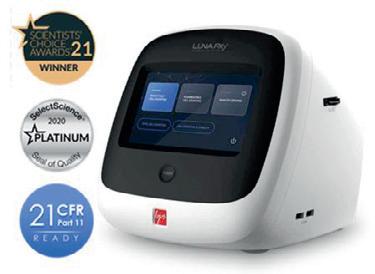
The need for simple, accurate and reliable automated cell counters that are also compliant with 21 CFR Part 11 and other regulations was the driving force behind the development of the LUNA-FX7 cell counter from Logos Biosystems. Along with being fully 21 CFR Part 11 compliant, the product has two key benefits: dual fluorescence with improved fine-focus and a new autofocus algorithm, and a low coefficient of variation of just 1%.
The LUNA-FX7 is also designed to offer remote management, a bioprocessing package, low consumable costs and a wide range of cell counting slides. It is suitable for any researcher who wants to count cells, whether they are in a small academic laboratory or large pharmaceutical facility.
ATA Scientific Pty Ltd www.atascientific.com.au
LAB+LIFE SCIENTIST - Oct/Nov 2022 | 15www.LabOnline.com.au | www.LifeScientist.com.au
iStock.com/Elena Dy
what’s new
replication
CRISPR used to mimic disease, advancing cancer research
A powerful new genome editing technique is enabling researchers to replicate human diseases with high accuracy, with the potential to revolutionise the drug discovery process for a range of cancers. The technology can activate any gene — including those that have been silenced — allowing new drug targets and causes of drug resistance to be further explored.

stomach cancer and breast cancer — but while A1 had been thought to play an important role during cancer progression, PhD student Yexuan Deng said this had until now remained unverified.
Researchers at the Walter and Eliza Hall Institute of Medical Research (WEHI) have now leveraged this technology to replicate an aggressive form of lymphoma, which they used to identify a gene responsible for triggering drug resistance to a new blood cancer treatment. Their findings have been published in the journal Nature Communications
Lymphoma is the most common blood cancer in Australia, with around 6500 Australians diagnosed each year. Double hit lymphoma (DHL) is an aggressive subtype that affects white blood cells called B lymphocytes, or B cells.
The research team was able to enhance a genome editing technology, known as CRISPR activation, to accurately mimic DHL. Project lead Professor Marco Herold said the team focused on DHL as the disease is difficult to treat, in part due to a lack of efficient preclinical modelling.
“Without the ability to model a disease, there are limited opportunities to properly test which drugs will be effective for it in the clinic,” said Herold, who established and now leads one of Australia’s most advanced CRISPR laboratories at WEHI.
“The technology is a game changer for the scientific community and people in the clinic as it allows us to mimic diseases like DHL and properly test drug treatments against them for the first time.
“This is significant when you think of the plethora of human diseases that could be better modelled by using this tool.”
The research has sparked international interest, with the WEHI team working closely with researchers from Nanjing University and Genentech (a member of the Roche Group) to test the anticancer drug known as venetoclax. Venetoclax is based on a WEHI discovery from the late 1980s that a protein called BCL-2 helps cancer cells survive indefinitely.
A1 is a pro-survival protein of the BCL-2 family that is encoded by the BCL2A1 gene. Activation of this gene has been reported in diverse forms of cancer, including leukaemia, lymphoma, melanoma,
“As DHL lymphomas from our model can be killed with venetoclax, we were able to leverage this to prove for the first time that A1 is a major factor in resistance to this drug,” said Deng, who served as first author on the new study.
While cancers are often triggered by switching genes on, researchers have largely only been able to switch them off in previous disease models.
Project lead Associate Professor Gemma Kelly said the team was able to engineer drug resistance because their model can activate any gene — even those that have been silenced.
“We used this model’s unprecedented ability to switch on A1, which allowed us to confirm the protein as a resistance driver,” Kelly said.
“Our research will allow for more genes to be activated in other models to better understand cancer drivers and, critically, to determine other causes of drug resistance.”
Co-lead author Dr Sarah Diepstraten said the findings reveal A1 to be a promising drug target for DHL — a discovery that was only made possible because the team was able to create a model for DHL that allowed them to switch on any gene.
“This proves the power of our technology when it comes to modelling human diseases and exploring why drug targets work or fail, on an unmatched level,” she said.
16 | LAB+LIFE SCIENTIST - Oct/Nov 2022 www.LabOnline.com.au | www.LifeScientist.com.au
iStock.com/ktsimage
disease
Spray drying innovation is leading to significant efficiency gains
Fluid Air has introduced new spray drying technology to a range of Australian manufacturing industries, including pharmaceuticals. PolarDry Electrostatic Spray Drying (ESD) retains the biological activity of heat and oxygen-sensitive products after drying compared to more traditional extreme temperature spray drying methods.

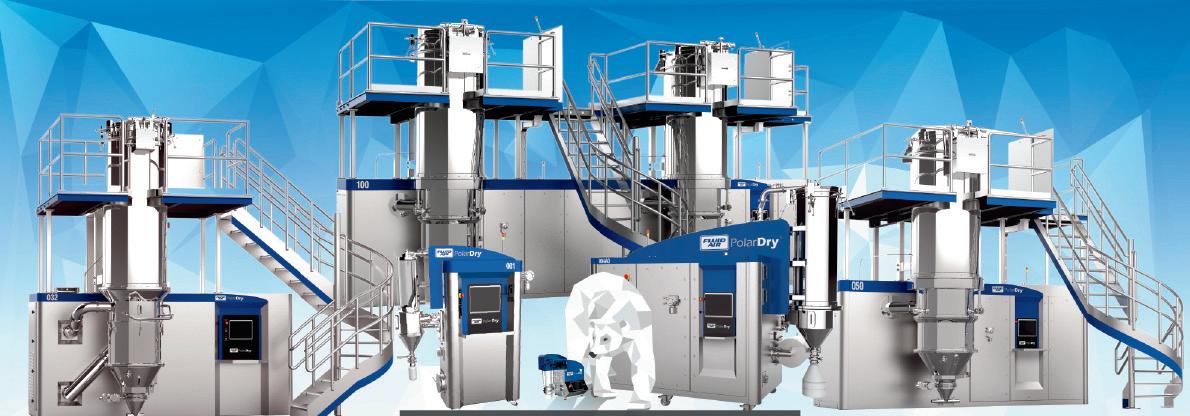
“Fluid Air’s testing facility in Melbourne has advanced analytical capabilities to support our customers,” said Dr Akm Masum, Fluid Air’s Applications Scientist.
The Fluid Air testing centre is flexible, depending on the specific needs of the client, and they are ready to test your product for free to see if their technology can help you increase your efficiency gains.
“We dry at lower temperatures during electrostatic spray drying and cause less damage to the customer’s products than the alternative methods. This helps to preserve the bioactivity of heat-sensitive materials, such as microorganisms, proteins, dairy, bioactive materials and pharmaceuticals.
“Electrostatic spray drying uses low drying temperatures of around 90–150°C inlet and 30–60°C outlet. When compared to traditional high heat spray drying (150–250°C inlet, 70–110°C outlet),” said Dr Masum.
Do you dry your product with extreme heat? Contact us today to arrange a free trial of your product.
Celio Furquim is the Fluid Air Business Development Manager and said that because of the large capital investment customers make in the technology, Fluid Air was happy
to offer some methods of free testing to show the technology’s capabilities.
“We are happy to work with our customers to ensure that business will be benefited as we know that these machines cost much money.
“We want to show everyone this technology is the future,” he said.
“The efficiency gains that it provides can be large, so we take that time because we have confidence in our product.”
Furquim used a simple recent example to help clarify how the technology works.
“We did a trial overseas at a company that makes lemons into lemons lollies, and they were drying the powder and normally at high temperature they would only get 8% of the lemon into the final confectionary product. When they did it with our product, they got about 70%. Lollies cost too little for it to be cost-effective but it is a great example of how our machines work and the results can be translated to range of different industries,” he said.
Dr Masum went into some more detail about what exactly that means for manufacturers and producers.
“There is a reduction in bioactivity with traditional heat spray drying technology. Whereas in our electrostatic spray drying technology there is almost no loss after drying,” he said.
“Also, when we store our products for longer periods, the bioactivity is maintained.”
Dr Masum said, “It all depends on the customer; if they have any specific testing requirement based on what we already have,
we can do that. Our lab is fully kitted out. In addition to drying the liquid feed into powder, we also can analyse the liquid feed before drying and the powder properties after drying.
“We have almost everything that we need for powder characteristics. For example, we can measure the moisture content, water activity and glass transition temperature of the powder,” said Masum.
Scalable from R&D to Commercial Production
Furquim says that being scalable to any production size is a crucial feature. With a range of machines starting at an R&D level and moving up to total commercial products available.
“Any heat-dried or cooled product to create a powder, we can help. We have a Queensland-based customer that is making live biotherapeutic materials; they use our model 0.1 to test and validate results, before using our large model 4.0 machines to produce their products on a commercial scale.”
Contact us today to find out more about this revolutionary technology: phone 1300 079 998 or email sales@spray.com.au.
Fluid Air is a subsidiary of Spraying Systems Co.
SPONSORED CONTENT Spraying Systems Co Pty Ltd www.spray.com.au
Food-grade stainless steel panel PC
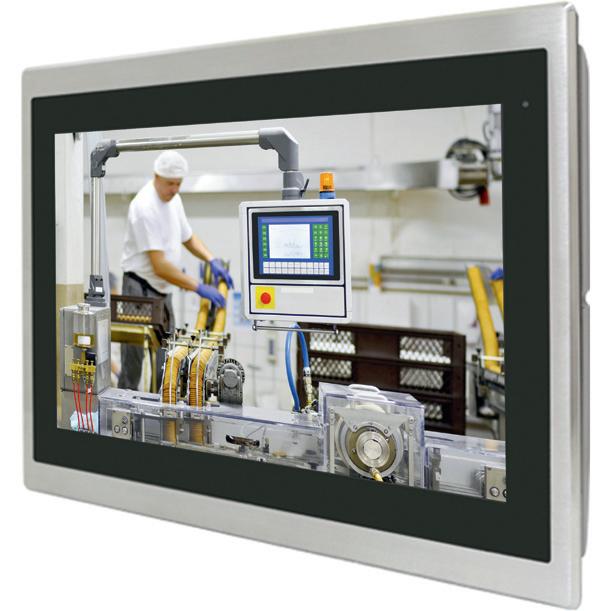
The FABS-916A 15.6 ″ food-grade stainless steel panel PC has been released by APLEX Technology. The product is housed in a fanless aluminium enclosure with a 304 or optional 316 grade stainless steel bezel that provides IP66/IP69K front panel waterproof and dustproof protection.
Part of the FABS series, the FABS-916A has been optimised to meet the hygienic design requirements of DIN EN 1672-2, establishing a high standard for food and bever age processing equipment. The design is said to offer 24/7 operation, make the device easy to clean, reduce maintenance cost and provide a long-lasting rugged enclosure.
The product is powered by an Intel 6th generation Core i3/i5 processor with DDR4 memory. The 15.6 ″, 1366 x 768 (or optional FHD 1920 x 1080) resolution LCD with 7H highly durable anti-scratch surface and projected capacitive or resistive touch screen options make the device suit able for operator panel and HMI control applications. A standard 450 cd/m 2 or optional 1000 cd/m2 high-brightness screen is available for different work environments. This allows the user to choose a screen that not only improves usability, but also provides tough protection.
The FABS-916A provides 2 x COM, 2 x GbE LAN ports and 2 x USB3.0 ports as well as support for internal Mini-PCIe expansion modules. Communication and network options include 3G/4G, Wi-Fi/BT, GPS and RFID. The internal 2.5 ″ SATA3 HDD is easy to access, allowing the operating system and data storage to be upgraded at any time.
The device supports DC 9–36 V power input and an operating temperature range of 0 to 50°C. Operating system support includes Windows 10 and IoT. The product is only 58 mm deep, making it suitable for applications with limited room. Sup port for both panel and VESA mounting also makes the series convenient to install. Interworld Electronics and Computer Industries www.ieci.com.au

18 | LAB+LIFE SCIENTIST - Oct/Nov 2022 www.LabOnline.com.au | www.LifeScientist.com.au
what’s new
Nanoparticle sizer
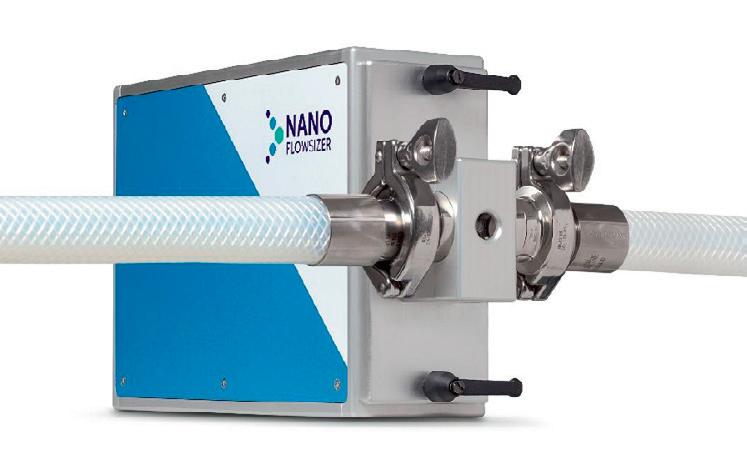
ATA Scientific has announced that it has entered a partnership with InProcess-LSP, innovator of a new inline nanoparticle sizer — the NanoFlowSizer.
One of the greatest challenges in bringing new nanomedi cines to the market is determining their particle size during manufacturing. Nanoparticle size control is paramount in the entire process of nanoparticle production, as function, safety and efficacy, particularly for pharma applications, is highly dependent on these properties.
Currently, nanoparticle size is determined through ubiq uitous offline methods like dynamic light scattering (DLS). Samples taken from ongoing processes are usually highconcentration nanosuspensions which require dilution prior to analysis. Consequently, these offline measurements can cause production delays and require laborious, expensive, complex and error-prone sample handling.
The NanoFlowSizer is expected to make a significant contribution to improving the performance of entire na noparticle manufacturing processes from initial R&D to quality phase.
The product offers a non-invasive, online approach that can measure particle size distributions (PSDs) of undiluted, highly turbid nanosuspensions, in process and in flow. The novel process analytical tool is based on spatially resolved dynamic light scattering (SR-DLS) technology. The spatial resolution allows automated selection of information-rich single scattered light from strongly scattering turbid na nosuspensions.
NanoFlowSizer can continuously monitor particle formation and determine the size and polydispersity index (PDI) at any point during particle synthesis. Importantly, the qual ity, purity and particle size characteristics can be quickly monitored (every 10 s), allowing for in-depth interpretation, understanding and continuous improvement of processes.
Able to be installed for inline, online and offline operation, the NanoFlowSizer offers several benefits in nanoparticle research and development, industrial processing and quality control environments.
ATA Scientific Pty Ltd www.atascientific.com.au
Specialises in Specialty Gases and Related Equipment for Laboratories
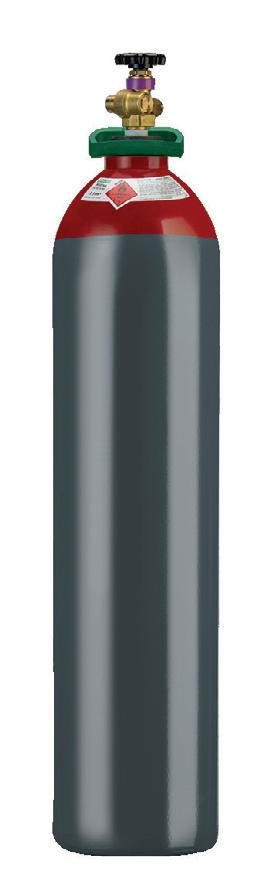
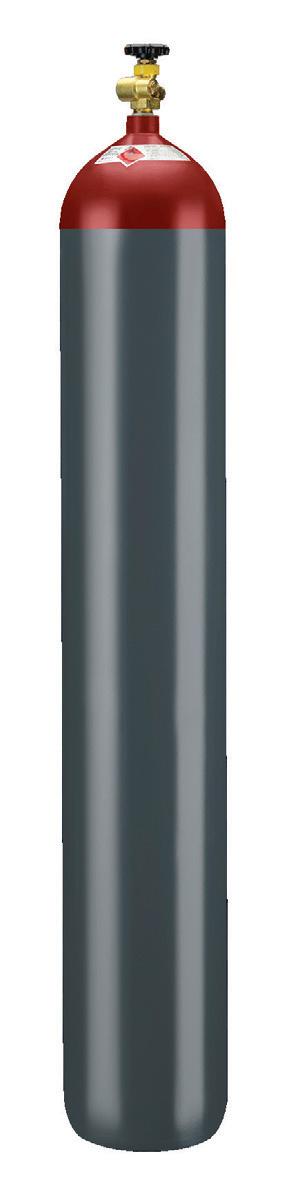
• Gas mixtures tailored to your application needs
• Calibration mixtures designed to support your instruments
• Safe handling and storage
• Friendly team to assist with onsite safety evaluations
• Supply of gas mixtures at certified standard and NATA Accreditated
LAB+LIFE SCIENTIST - Oct/Nov 2022 | 19www.LabOnline.com.au | www.LifeScientist.com.au
Call us on 13 78 72, visit supagas.com.au or email our Specialty Gas Team today at SpecialtyGasSales@supagas.com.au
what’s new
new

Bio-based tubes made from cooking oil
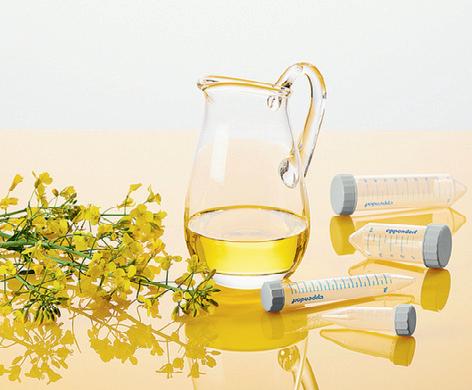
The latest generation of Eppendorf Tubes BioBased is made from 90% renewable bio-based feedstock (recycled, eg, from food oil wastes and residues) plus 10% fossil-based feedstock. Thus, these tubes in the sizes 5, 15, 25 and 50 mL with screw cap are made of certified polypropylene based on renewable, used raw materials and are called ‘BioBased’.
This means that Eppendorf is no longer focusing only on the de velopment of new products, but also on new manufacturing materials. In line with the ‘reduce, reuse, recycle’ concept, the company’s main goal is to produce polymer products in a much more sustainable way without compromising the product quality and performance needed in increasingly demanding research.
Eppendorf’s Consumable production centre in Oldenburg, Germany, meets the requirements of the ISCC PLUS (International Sustainability & Carbon Certification) certification system. Additionally, sustainability of the tubes is certified by My Green Lab with ACT Certificates (Ac countability, Consistency, Transparency).
Samples are available on request.

Eppendorf South Pacific Pty Ltd www.eppendorf.com.au
Dried spot sampling and analysis system
Clinical research, toxicology and anti-doping laboratories performing dried spot sampling and analysis can use Thermo Fisher Scientific’s latest automated sample prep and ultrahigh-performance liquid chromatography (UHPLC) system to improve efficiency, robustness, sensitivity and sample traceability. The system was designed to help laboratories to effectively increase throughput to meet demand, while still maintaining the integrity and quality of results that are expected.
The Thermo Scientific Transcend DSX-1 integrated sample prep and UHPLC system eliminates disc punching typically associated with dried matrix (spot) cards, and optimises sample extraction and recovery of multiple matrices (eg, blood, urine, serum and saliva). The system is designed to help laboratories performing routine analysis of drugs and other compounds to achieve savings on time, labour and reagent costs compared to manual workflows.
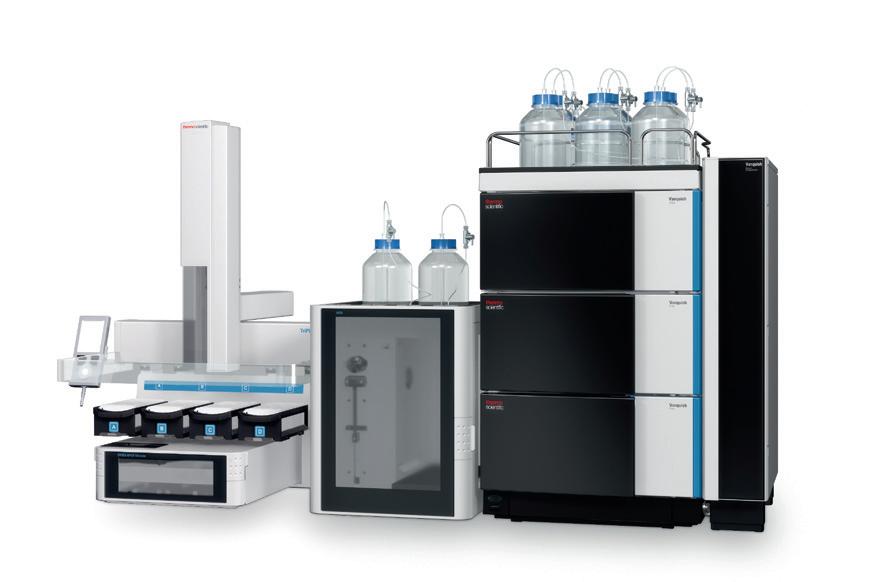
Proprietary flow-through desorption with heated capillary eliminates the need for manual, time-consuming extraction protocols and the automatic addition of an internal stand ard prior to the extraction minimises matrix interference. Robustness and sensitivity are enhanced through online sample clean-up and enrichment via Thermo Scientific TurboFlow technology.
The system is controlled by Thermo Scientific Aria MX software, which streamlines dried spot analysis by fully integrating all aspects of the workflow, such as sample card handling; LC pump operation and valve switching; online sample clean-up; and liquid chromatography-tandem mass spectrometry methods. Furthermore, the Intelligent Vision Camera provides data integrity and enables retrospective monitoring by capturing sample traceability, chain of custody and spot recognition.
Thermo Fisher Scientific thermofisher.com
20 | LAB+LIFE SCIENTIST - Oct/Nov 2022 www.LabOnline.com.au | www.LifeScientist.com.au
what’s
Microwave sample preparation system
PerkinElmer’s MPS 320 is an easy-to-use and safe microwave digestion sys tem. The system delivers simple microwave sample preparation needed as a first step in any successful trace elemental analysis workflow.
Easy to load and easy to use, the product accommodates a wide range of sample matrices and applications such as environmental, food, cannabis, pharmaceutical and manu facturing QA/QC testing. It features real-time monitoring and adjustment of temperature and pressure during operation, giving maximum control and flexibility on digestion conditions.
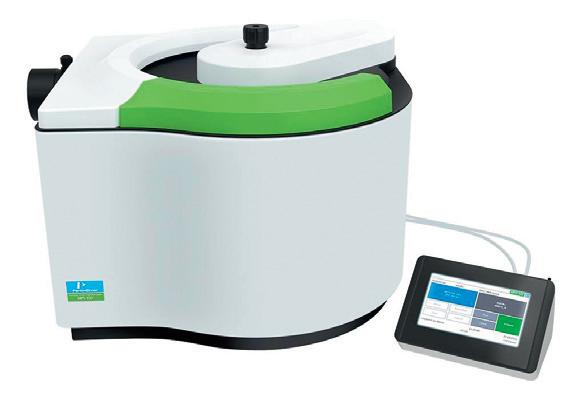
Users can opt for any of four rotor options, from highperformance 8- and 16-position rotors to the high-throughput 32-position model. Users also have a choice of permanently sealed vessels for data integrity when digesting volatile ele ments or unique auto-venting vessels, for when safety and ease of use are paramount.
The microwave system is suitable for high-quality analysis in labs of all shapes and sizes.
PerkinElmer Pty Ltd www.perkinelmer.com
Cell culture medium
Cytiva’s HyClone ActiPRO cell culture medium has been formulated to provide high yields of recombinant proteins in processes using Chinese hamster ovary (CHO) cell lines. The medium is chemically defined, animal-derived component-free (ADCF), and optimised for high-yield protein production in batch or fed batch processes.
The ActiPro medium has demonstrated high yields of recombinant proteins (eg, MAbs > 5 g/L); does not contain hypoxanthine and thymidine; and is accompanied with detailed protocols for use to maximise output.
The medium does not contain any growth factors (such as insulin), peptides, hydrolysates, phenol red or 2-mercaptoethanol, offering batch-to-batch consistency and cell culture process efficiency. It is intended for use in combination with HyClone ActiSM medium and Cell Boost 7a and Cell Boost 7b supplements as part of the ActiPro system of media and supplements designed with adapta tion and production in mind.
The ActiPro system is suitable for general cell culture expansion with CHO cell lines such as CHO-GS, CHO-K1, CHO-DG44 and CHO-S. ActiPro cell culture media and supplements were designed with adaptation and CHO protein production in mind. ActiPro me dia and supplements are balanced formulations of amino acids, vitamins, salts, trace elements and other components, meeting the metabolic needs of CHO cells in production.
To understand more about any of the HyClone product range, contact Cytiva or request a free sample.
Global Life Sciences solutions Pty Ltd trading as Cytiva www.cytivalifesciences.com/en/au
clean-in-place gas blanketing carbonating
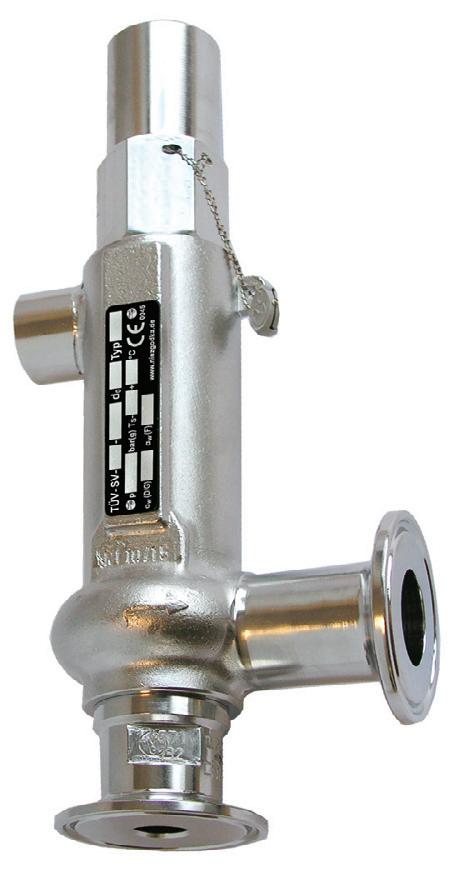
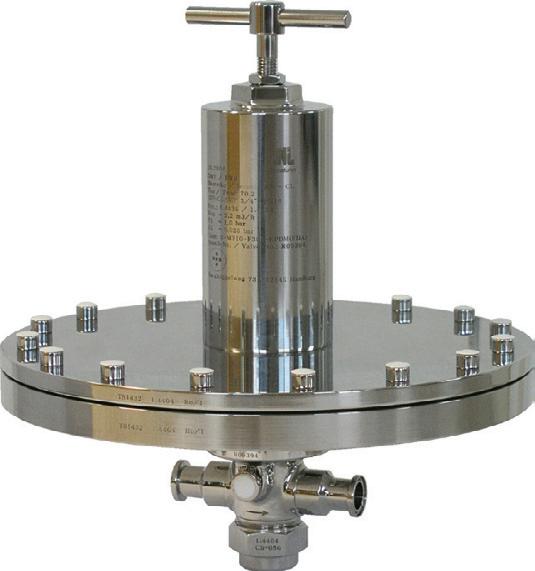
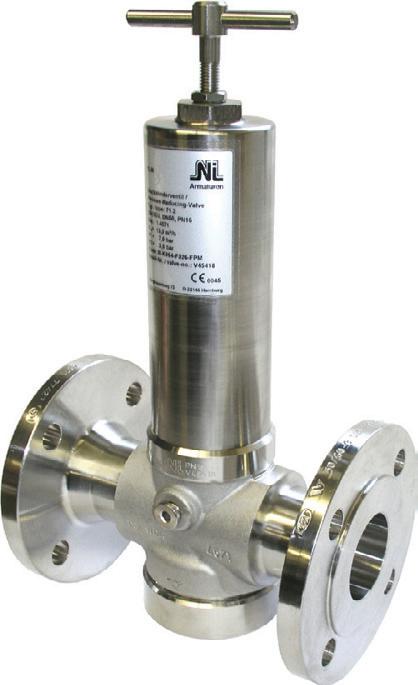
LAB+LIFE SCIENTIST - Oct/Nov 2022 | 21www.LabOnline.com.au | www.LifeScientist.com.au Tel: (03) 9699 7355 www.pressureandsafetysystems.com.au 9334/BP&SS-WNIFT We handle Pressure ® STAINLESS STEEL SurfAcE poLIShEd vALvES IdEAL for dAIry procESSINg, BEvErAgE inc MIcro BrEwEry, food, phArMAcEuTIcAL, chEMIcAL pLANTS.
what’s new
Laboratory scales: which type of display screen is right for me?
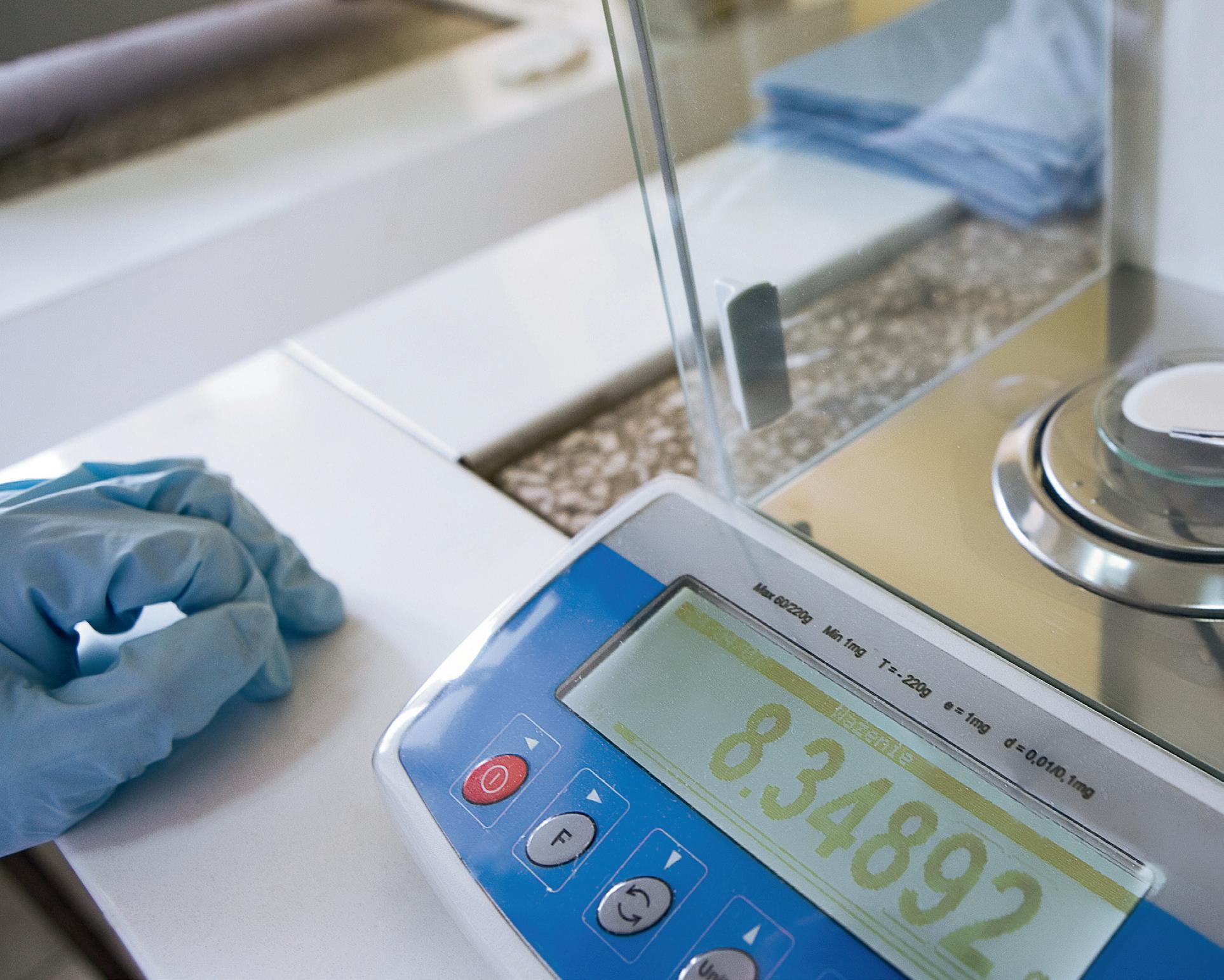
When shopping for a new scale or balance, one of the distinguishing features between different models is the type of display screen each offers. How important is the type of display for a weighing device? Let’s look at some of the most common ones.
Touch screens
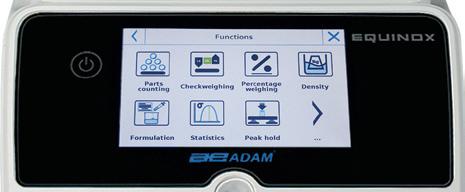
Touch screens have become very popular over the past few years and for good reason: they can reduce the number of physical buttons needed on a device and provide clearer, more intuitive options for navigation. With smartphones being so pervasive, most people tend to be more comfortable with touch screens. So what exactly are touch screens?
As the name tells you, touch screens operate by touch. The actual screen is covered by a glass panel, which is in turn covered by a transparent electrode layer with a thin protective layer on top of that. Sensors in the electrode layer detect changes in electrical charges, which are transferred from the user’s finger or a stylus to the screen.
The two types are resistive (which require pressure to work) and capacitive. Adam Equipment uses capacitive touch screens — which are more durable since they operate without the need for the user to apply pressure, as well as offering clearer images — for some of its balances.
With a complex balance that offers a wide variety of applications and features, a touch screen makes the device much easier to use with a combination
of icons and menu-driven navigation that are selected on the display itself without pushing buttons on a panel.
Graphic display
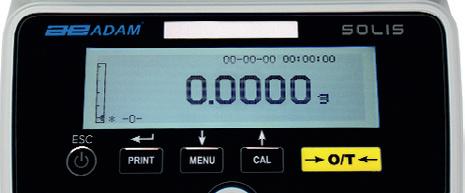
High-resolution graphic displays, like the ones used for Adam’s Solis semimicro, analytical and precision balances, offer navigation options similar to touch screens. The display is dot matrix, which allows for more easily readable fonts than with an LCD screen, where the characters are more crudely rendered.
While lacking icons, graphic displays can provide easy-to-use, menu-driven operation. For example, Solis features menus that the user may easily scroll through and select using the CAL and MENU buttons on the instrument panel.
Since the use of gloves in a lab can make it harder to use a touch screen (they interfere with the transfer of electrical charge from a finger or stylus), one of the advantages of a graphic display is that it can convey more complex details while offering easy-to-use navigation via buttons. The buttons, of course, are not affected by whether or not the user wears gloves.
22 | LAB+LIFE SCIENTIST - Oct/Nov 2022 www.LabOnline.com.au | www.LifeScientist.com.au
lab equipment
LCD
Liquid crystal display (or LCD) screens are the most cost-effective option and work well for many devices, including Adam’s Highland portable precision balance. They’re often backlit, which makes them easier to read under most lighting conditions.
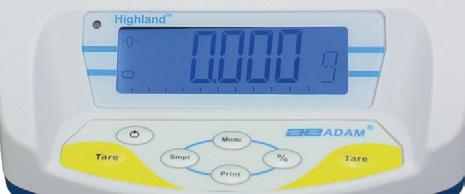
LCD screens are much more limited in their display capabilities, with many letters and numbers formed from limited shapes. While less sophisticatedlooking than a touch screen or graphic display, they’re still highly effective.
Which type of display is best?
The answer, of course, is subjective and depends on your specific situation.
For more complex devices where the user has many options or functions to choose from, a touch screen is more efficient. But touch screens won’t stand up to harsh industrial conditions, so if you need to use a balance or scale in that type of environment, a touch screen isn’t your best choice.
For simpler functions, a touch screen may be a more expensive solution than required, so an LCD could be right for you. If you’re working in an industrial environment where lighting may be harsher, a scale with an LCD (which would be easier to read under those conditions) and a sealed keypad is a better option. Learning which buttons perform which functions may take longer to learn than a quick glance at icons on a touch screen, but Adam scales and balances typically feature intuitive, colour-coded keys.
Adam Equipment (SE ASIA) Pty Ltd www.adamequipment.com.au
Dry medium for rapid total viable counts
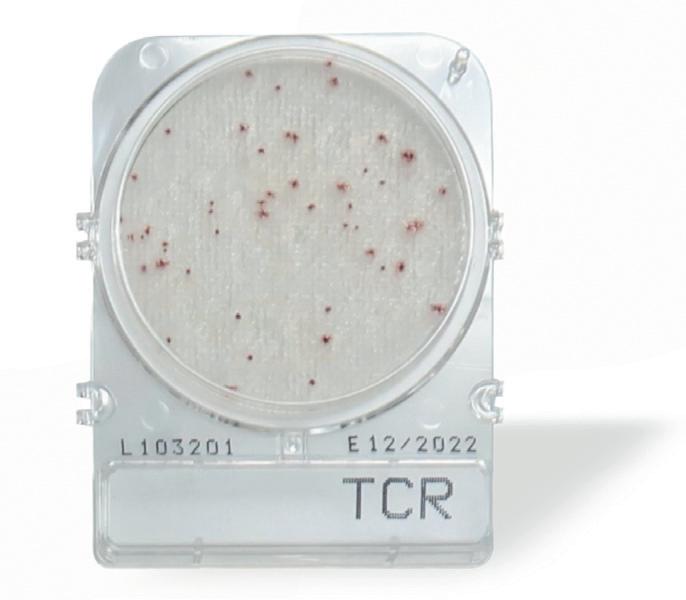
Next-day results are available with CompactDry TCR for total viable counts — an easy-to-use, ready-torehydrate, dry medium for food, raw materials, water and environmental testing. Enabling users to skip tedious prep, the medium can deliver total viable counts or aerobic counts in food, raw materials, water or environment after only 24 hours incubation (for rapid results) and 48 hours incubation for more conventional results.
Plates are pre-infused with the culture media, so minimal training is required. The portable, compact and lightweight design allows unlimited stacking of samples in the incubator without compromising growth of target microorganisms. The product is robust enough to avoid spills or contamination pre- or post-inoculation, and can be stored at room temperature with a long shelf life of 18–36 months.
To use CompactDry, the technician simply inoculates, incubates and interprets. The first step of the process is inoculation, with automatic and even sample diffu sion eliminating the need for a spreader. There is no need for media preparation, gelling time or sterilisation.
The second step is incubation, with results in 24 or 48 hours. The product has high correlation (r= 0.98, N=136) at 24 hours compared with the conventional method (plate count agar after 48 hours).
The third step is interpretation, with clear colour development by redox indicator making red colonies stand out.
Australasian Medical & Scientific Ltd www.amsl.com.au
LAB+LIFE SCIENTIST - Oct/Nov 2022 | 23www.LabOnline.com.au | www.LifeScientist.com.au
what’s new
iStock.com/michalPuchala
FTIR spectrometers for the food and beverage industry
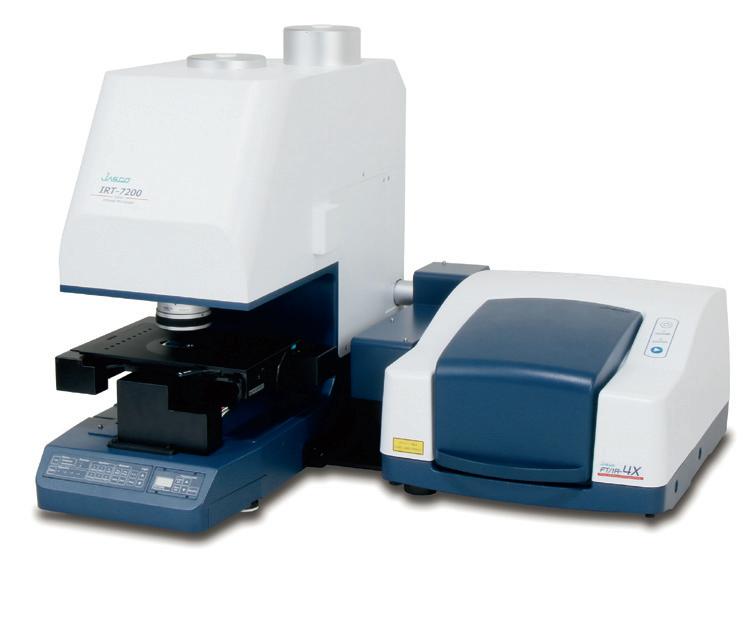
JASCO provides a wide range of analytical instrumentation that is suitable for use in the food and beverage industry. Spectroscopic techniques, such as Fourier transform infrared (FT-IR), UV/Vis Raman, fluorescence and polarimetry can be used in the analysis of foods at varying stages in the pro duction process. Some applications include quality control of raw ingredients, inspection of final products, identification of additives and adulterating agents, and analysis of packaging materials.
The FT/IR-4X is the entry-level model in the latest JASCO FTIR range (FT/IR-4/6/8X). These benchtop instruments are both powerful and compact in size. Their optics system is designed for longevity and stability with minimal maintenance required. Accessories that are compatible with the FTIR series are automatically recognised by the system. This creates a high degree of versatility for varying applications while reduc ing manual handling and optical alignment. Spectra Manager serves as a central module for controlling multiple instruments on a single PC. These instruments can be using the same or different techniques. The software package also has a range of analytical add-ons for application-specific requirements.
High-performance liquid chromatography (HPLC) is also a longstanding technique that is commonly used in food analysis; these instruments have a high level of customisability depend ing on the individual application. To address this, JASCO has a range of modules available and the expertise to provide support for instrument configurations.

Bio-Strategy Pty Ltd www.bio-strategy.com


24 | LAB+LIFE SCIENTIST - Oct/Nov 2022 www.LabOnline.com.au | www.LifeScientist.com.au Quality ISO 9001 Contact us for a quote today! LABTEK PTY LTD 1300 881 318 | sales@labtek.com.au labtek.com.au LABORATORY & SCIENTIFIC SUPPLIES pH Electrode Product code: 950.051.010 • Ag/AgCl Reference • Removable protection bulb skirt • Porous Teflon Junction• Gel filled Epoxy body
what’s new
Pipette tips
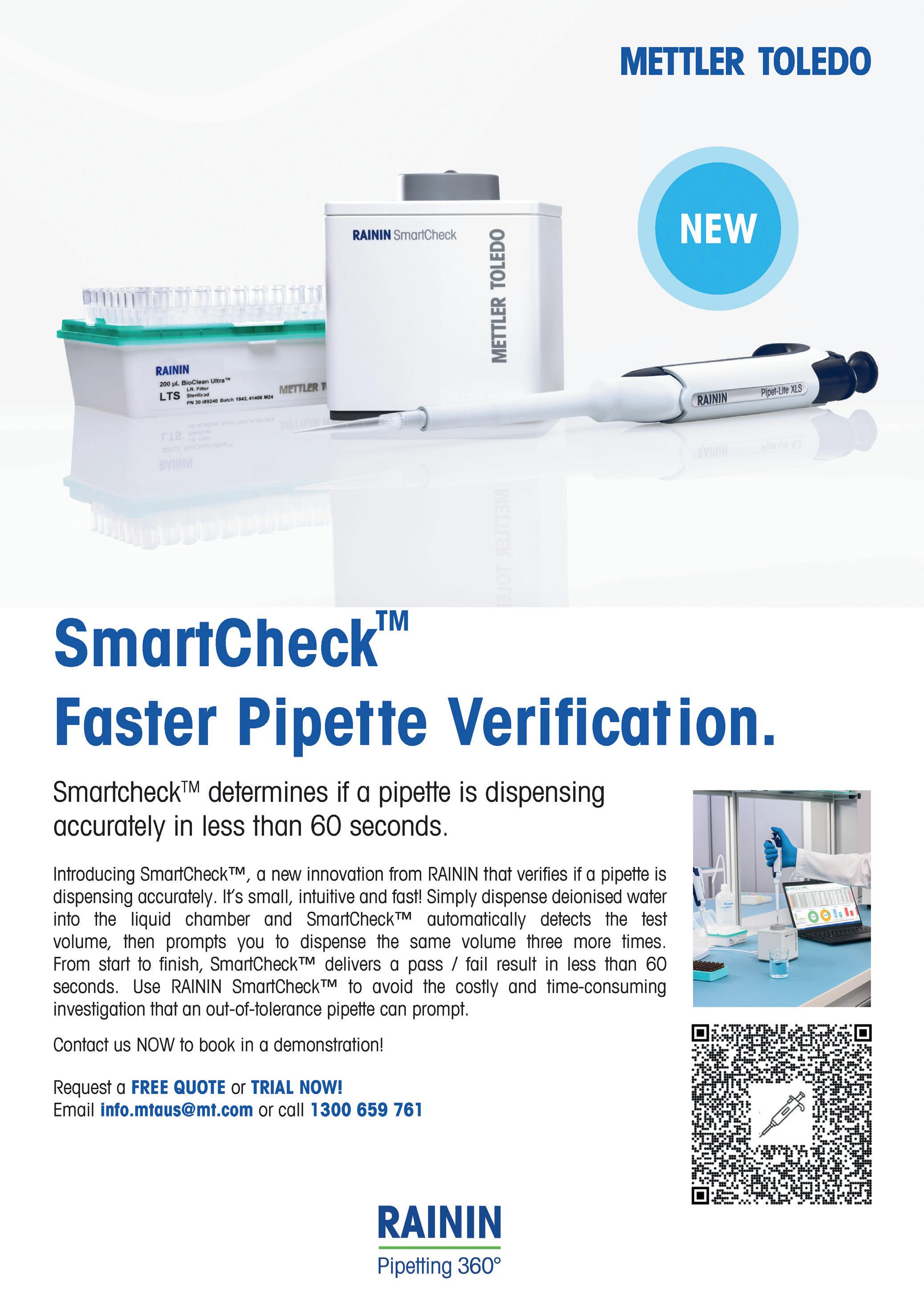
Tested for a broad range of contaminants to ultralow detec tion levels, RAININ BioClean Ultra pipette tips from METTLER TOLEDO are now certified protein- and protease-free.
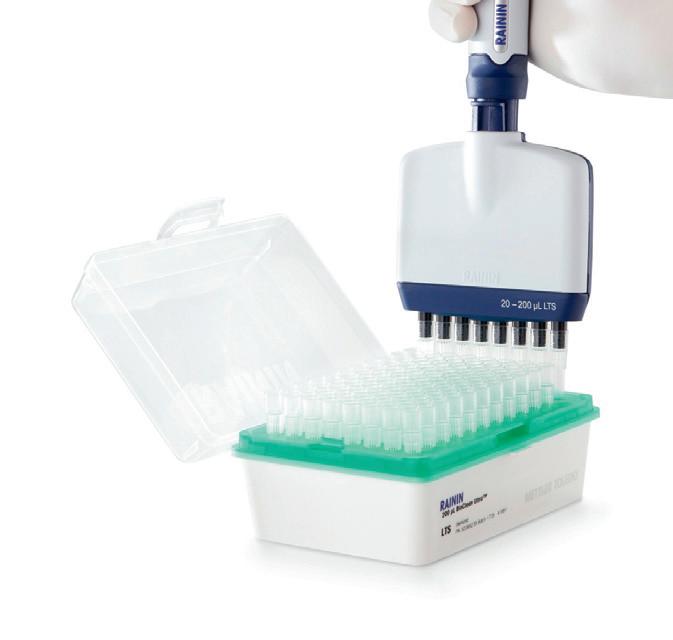
Even trace amounts of foreign substances can influence the quality and reproducibility of experimental results. Yet as contaminants can originate during pipette tip manufacturing or packaging processes, tips’ purity, and therefore their suitability to specific applications, should be considered prior to purchase.
METTLER TOLEDO’s BioClean framework has long indicated to customers that RAININ pipette tips are free of biological contaminants; with BioClean Ultra, the company has updated its purity measures to include protein and protease testing.


The pipette tips are manufactured using virgin polypropyl ene in a fully automated Class 100,000 cleanroom facility. For absolute purity, no additives or dyes are used, and ISO 9001 compliant manufacturing procedures are followed to eliminate all external sources of contamination.
Each lot of pipette tips is carefully evaluated so that even the smallest quantities of contaminants are detected. Quality certificates are readily available for download from the com pany website and include all detection level requirements and testing methods used.
Mettler-Toledo Ltd www.mt.com





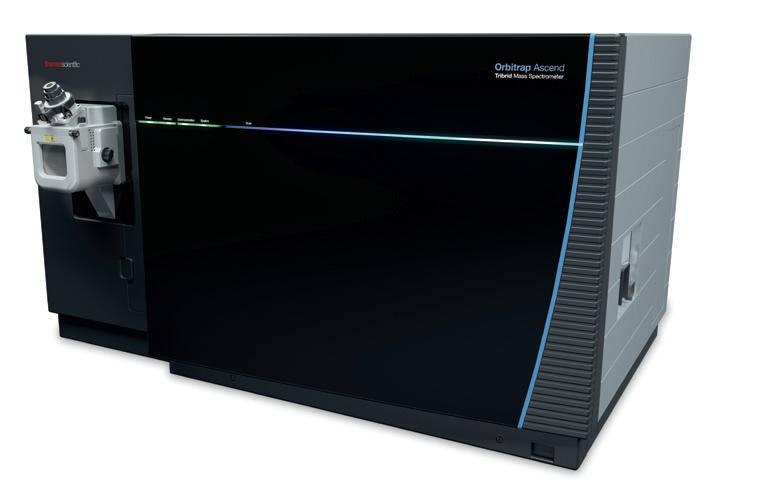
Mass spectrometer
The Thermo Scientific Orbitrap Ascend Tribrid mass spectrom eter offers capabilities for multiplexed proteomics and native protein characterisation. Designed for users to address the most difficult analytical challenges, the product enables good sample throughput, versatility and ease of use.
Thermo Fisher Scientific says that large sample quantities can be analysed at low concentrations, enabling fast, sensitive analysis, and that macromolecule experiments that were not previously possible can now be achieved. The Auto-Ready ion source for calibration maximises convenience, allowing the user to spend more time on the results and less time on instrument set-up.
The instrument provides a single, versatile platform with single-cell sensitivity for proteomics and metabolomics, produc ing high-quality data with ease and enabling users to tackle challenging analytes required to scale up their science. It also has the ability to route multiple ions: by moving the collision cell forward, the speed of the system is increased, allowing users to dig deeper into a sample and detect more, quicker.
Thermo Fisher Scientific thermofisher.com

LAB+LIFE SCIENTIST - Oct/Nov 2022 | 25www.LabOnline.com.au | www.LifeScientist.com.au
what’s new
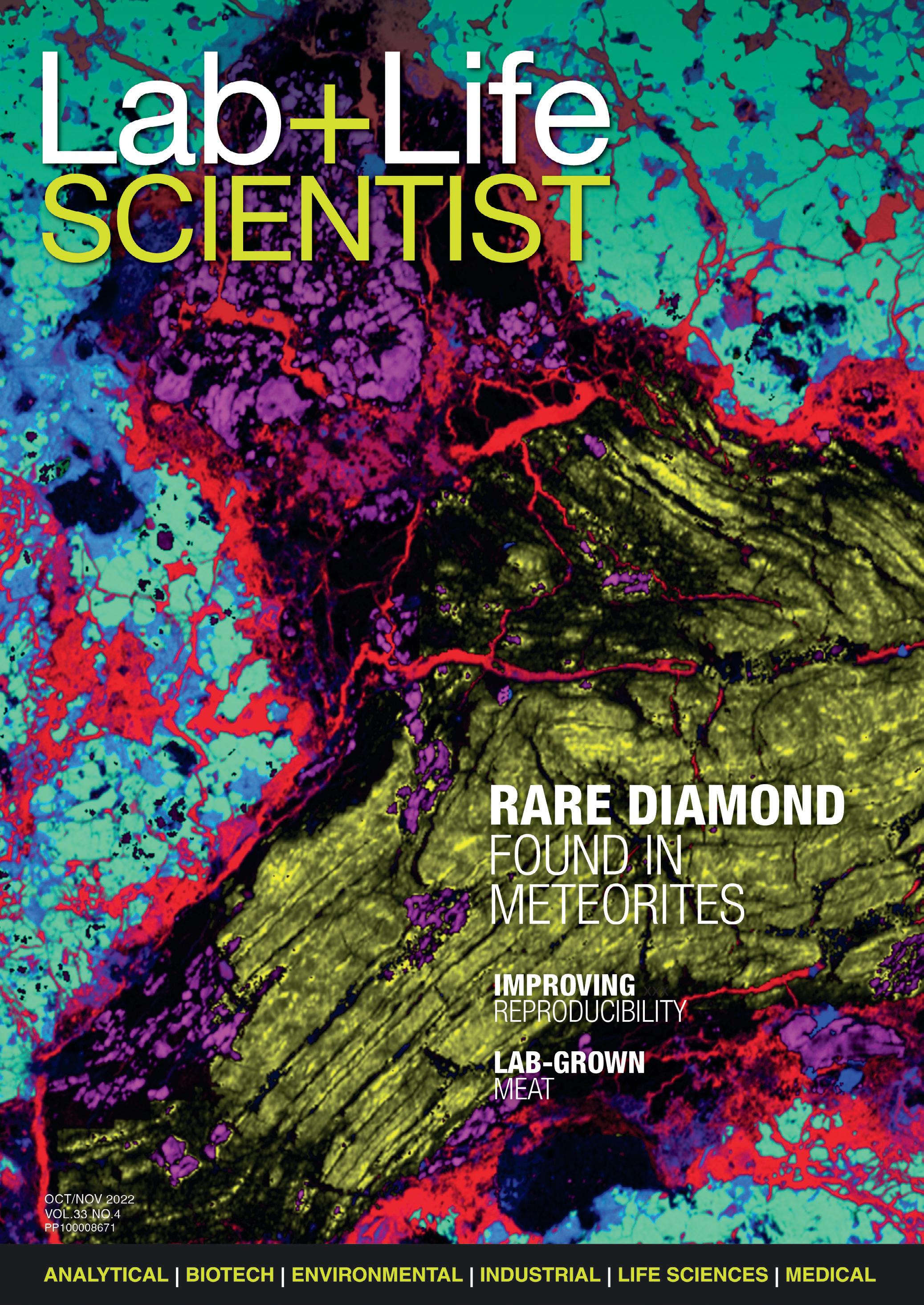
Rare form of diamond discovered in meteorites
Scientists from Monash University, RMIT University, CSIRO, the Australian Synchrotron and the University of Plymouth have confirmed the existence of lonsdaleite, a rare hexagonal form of diamond, in ureilite meteorites from inside an ancient dwarf planet.
Published in Proceedings of the National Academy of Sciences (PNAS), their study provides evidence of lonsdaleite’s formation in nature, offering clues to synthetic production that could make more durable machine parts.
Lonsdaleite was named in honour of pioneering British crystallographer Dame Kathleen Lonsdale, though its existence has been a controversial topic. The new study, using a range of cutting-edge science techniques on the largest sample of ureleite meteorites to date, provides clear evidence of its existence.
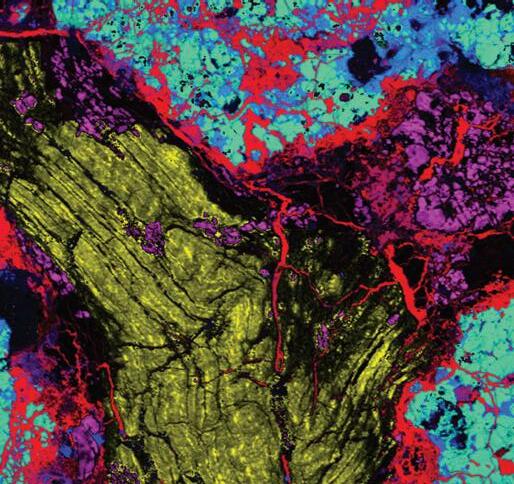
At CSIRO, an electron probe microanalyser (EPMA) was used to quickly map the relative distribution of graphite, diamond and lonsdaleite in the samples. This flagship instrument, together with high-resolution transmission electron microscopy (TEM) at RMIT, helped identify the largest lonsdaleite crystallites to date — up to one micron in size. This collaboration of technology and expertise allowed the team to confirm the lonsdaleite with confidence.
The study was led by geologist Professor Andy Tomkins from Monash University, who discovered the lonsdaleite crystallites when looking at ureilite meteorites in his lab. He said the team’s findings reveal a novel process in which the lonsdaleite is
created, replacing graphite crystals in the dwarf planet’s mantle facilitated by a super-hot fluid as it cools and decompresses.
“We propose that lonsdaleite in the meteorites formed from a supercritical fluid at high temperature and moderate pressures, almost perfectly preserving the textures of the pre-existing graphite,” Tomkins said. “Later, lonsdaleite was partially replaced by diamond as the environment cooled and the pressure decreased.”
Typically containing larger abundances of diamond than any known rock, ureilite meteorites are arguably the only major suite of samples available from the mantle of a dwarf planet. The parent asteroid would have been catastrophically disrupted by a giant impact while the mantle was still very hot, creating the ideal conditions for lonsdaleite then diamond growth as the pressure and temperature decreased in a fluid- and gas-rich environment.
“These findings help address a longstanding mystery regarding the formation of the carbon phases in ureilites that has been the subject of much speculation,” Tomkins said. “And they offer a novel model for diamond formation in ureilites that settles contradictions in the existing concepts.”
“There’s strong evidence that there’s a newly discovered formation process for the lonsdaleite and regular diamond, which is like a supercritical chemical vapour deposition process that has
Ureleite meteorite cross-section, captured with CSIRO’s electron probe microanalyser (EPMA). Iron is in red, magnesium in green, silicon in blue, lonsdaleite in yellow and diamond in pink. Image credit: CSIRO.
taken place in these space rocks, probably in the dwarf planet shortly after a catastrophic collision,” added senior researcher Professor Dougal McCulloch from RMIT. “Chemical vapour deposition is one of the ways that people make diamonds in the lab, essentially by growing them in a specialised chamber.”
McCulloch said the hexagonal structure of lonsdaleite’s atoms makes it potentially harder than regular diamonds, which have a cubic structure. The unusual structure of lonsdaleite could thus help inform new manufacturing techniques for ultra-hard materials in mining applications.
“Nature has … provided us with a process to try and replicate in industry,” Tomkins concluded. “We think that lonsdaleite could be used to make tiny, ultra-hard machine parts if we can develop an industrial process that promotes replacement of pre-shaped graphite parts by lonsdaleite.”

26 | LAB+LIFE SCIENTIST - Oct/Nov 2022 www.LabOnline.com.au | www.LifeScientist.com.au
iStock.com/CoreDesignKEY
materials science
what’s new
Automated live cell imaging system
World Precision Instruments (WPI) introduces the AutoLCI, an automated live cell imaging system featuring advanced fluorescence and bright field microscopy, autofocusing and real-time, multi-position imaging technology. It is equipped with state-of-the-art cell imaging technology and user-friendly software, enabling various types of research and applications in a streamlined workflow when compared to the conventional live cell imaging process.
The AutoLCI was designed to be rigid and robust, withstanding the temperature and humidity suitable for the growth of cells, making it compatible with CO2 incubators. It provides all the tools needed to acquire the high-quality images and correct research results. Various cell-based research work and applications can be done with this allaround system.
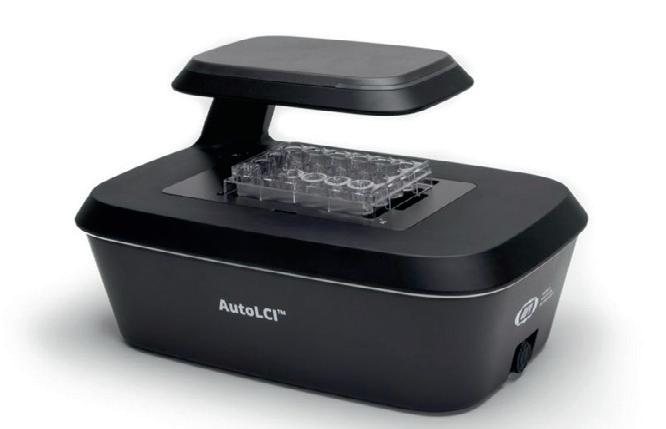
The product offers fully automated, multiposition imaging for high-resolution analysis with a motorised camera that allows for multi-point imaging up to 96 wells. Compatible with various cell and tissue culture vessel types, it comes in a compact size and fits easily into a standard CO2 incubator. Scientists can capture multiple focal planes and use the Z-stacking function to view high dynamic range (HDR) images.
Coherent Scientific Pty Ltd www.coherent.com.au

pH electrode
The LabCo pH Electrode is a combina tion Ag/AgCl reference type electrode. It measures the entire pH range from 0 to 14 and it can be used in temperatures from 0 to 100°C.
The low-maintenance electrode is gel filled and does not require refilling. The Porous Teflon junction is designed to be easy to clean and resistant against blockages.
It has a robust epoxy body designed for tough applications, useful for acidic applications and aggressive chemicals. The 1 m cable with a BNC connector makes it suitable for use with any pH meter with a BNC connection.
Labtek www.labtek.com.au
LAB+LIFE SCIENTIST - Oct/Nov 2022 | 27www.LabOnline.com.au | www.LifeScientist.com.au (02) 9484-0931 | info@bionovuslifesciences.com.au www.bionovuslifesciences.com.au Premium producer of infectious disease antigens and antibodies • Proprietary VirtuE™ Expression System o Derived from a HEK293 human cell line o Ensures native-like glycosylation and proper folding of antigens o Maximises antigen specificity and performance in assays • Diverse range of antigens and antibodies o Over 60 viral and bacterial diseases o Extensive range of human Coronavirus products - Over 90 antigens and over 50 antibodies available for: * Alpha and beta Coronaviruses * MERS, SARS-CoV & SARS-CoV-2 o Japanese Encephalitis Virus (JEV) o Ross River Virus and many more • Contract and Custom Services o Vector design o Protein expression and purification o Antibody generation o ELISA development o Virology testing
Webinar on validation expertise in GxP environments
Vaisala is running a webinar for anyone who has ever struggled with validating/qualifying GxP environments, providing attendees with the opportunity to get their questions on validation answered.
Validation, qualification and verification activities are all about bringing data, proving that every component or process in a system will do what it’s designed or implemented to do, as desired, as expected, every time.
In the pharmaceutical, biotech and medical device industries, valida tion activities confirm that a system or process consistently achieves its objective. Validation safeguards the final product, the intended supply chain and public health.
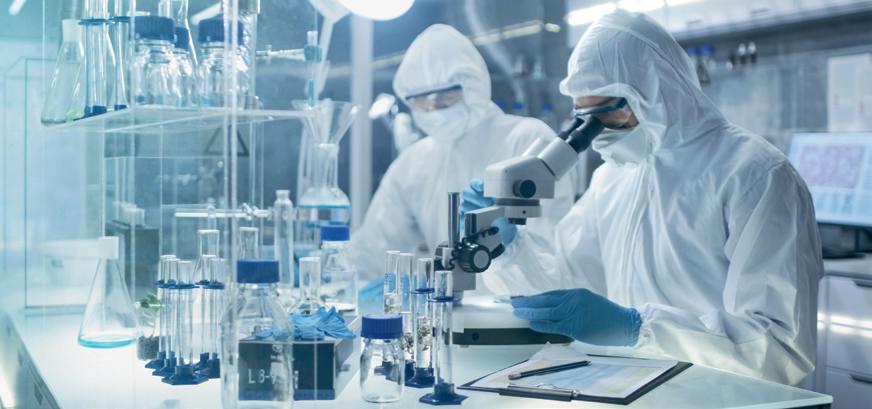
In this webinar, Vaisala’s Senior Regulatory Expert, Paul Daniel, is joined by Axis Consulting Principal Josh Keenan. Together, they will answer questions on how to overcome challenges in validation.
Vaisala Pty Ltd www.vaisala.com
Cell density meter
Pacific Laboratory Products introduces the Biochrom WPA Cell Density Meter CO8000.
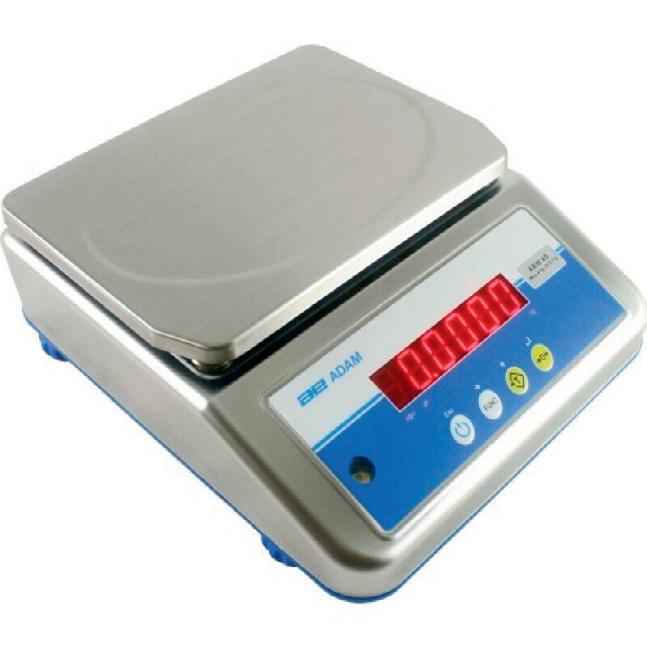
The product is a robust, easy-to-use instrument dedicated to the measuring of the density of cells in suspension such as E. coli, yeast and other cell cultures. The handheld instrument has an integral bat tery allowing it to be taken to where the cell cultures are growing eg, in incubation cabinets, under anaerobic conditions or even in a fume hood or safety cabinets.
The robust instrument will accept a variety of cuvettes and tubes — including 10, 12 and 16 mm-diameter test tubes — meaning it can be used with Erlenmeyer side arm flasks. With no warm-up time, the product can be ready to use as soon as it’s switched on, providing results that should be comparable to larger, more expensive spectrophotometers.
The cell density of the cultures can be measured and the results stored in the memory. The results are given in absorbance units (OD). Once all measurements are taken, up to 99 sample results can be viewed on the screen or the instrument can be connected to a PC or printer and the results downloaded.
The rechargeable battery automatically recharges when connected to the mains and allows up to one month’s use (under normal conditions) on a single charge. It is easily cleaned with ethanol or sterilised with formaldehyde or ethylene oxide.
Pacific Laboratory Products www.pacificlab.com.au
Stainless steel washdown scale
Adam Equipment has grown its Aqua family of wash down scales with the addition of the easy-to-clean Aqua Stainless Steel (ABW-S). Washdown scales are particularly useful for applications like food produc tion and foodservice, where scales require frequent, thorough cleaning.
Like the original Aqua range, the Aqua ABW-S has been designed for ease of use and efficiency in demanding environments like industrial factories and food processing plants. After a simple washdown, the scale — which is National Sanitation Foundation (NSF)certified for food safety — is ready to go again. For additional safety, the product includes blue levelling feet which increase visibility while providing support to keep the scale from sliding on a potentially wet countertop.
With a rating of IP68, the scale offers protection from dust and water, allowing it to be fully submerged in water deeper than 1 m without harm to its components. Strategically placed channels in the housing and a sealed internal design help protect components from water penetration.
The product is available in four models that range in capacity from 4 to 32 kg and readabilities from 0.1 to 2 g. Built to last, the scales feature a grade 304 stainless steel housing and platform, along with a sealed keypad. The generously sized pan (245 x 180 mm on most models and 300 x 210 mm for the ABW 32S model) is removable, making the scale easy to clean and maintain.
For productivity and efficiency, bright front- and rearfacing 20 mm LED displays allow two users to share a single scale. The product can be powered by the included AC adapter or a built-in rechargeable battery that offers up to 55 h of on-the-go weighing.
Along with its percentage weighing and parts count ing functions (including parts counting optimisation that continually refines piece weight as parts are added), the product is designed to simplify checkweighing with hidden-until-needed indicators that alert the user if a sample is lower, higher or within specified limits.
Adam Equipment (SE ASIA) Pty Ltd www.adamequipment.com.au
28 | LAB+LIFE SCIENTIST - Oct/Nov 2022 www.LabOnline.com.au | www.LifeScientist.com.au
what’s new
iStock.com/gorodenkoff
There’s a lot to like about the NanoAssemblr Ignite+
The NanoAssemblr Ignite is ubiquitous in Australia ushering in the next wave of genomic medicines for infectious diseases, cancer, and rare diseases. Leading the way with precise assembly of lipid nanoparticles, this rapid and reproducible technology has revolutionised drug development, accelerating the transition from preclinical production toward full clinical scalability. The NanoAssemblr platform continues to serve the transformative medicine community in Australia with the introduction of the Ignite+.
Challenges facing the pharmaceutical manufacturing scale-up process
Currently there is no way to mimic large scale processes at small volumes and bringing drugs to the clinic is expensive. During scale-up, it is common to have only limited quantities of drug to use in process qualification. Ultimately, the best strategy to ensure product quality during scale up is quality by design. When process design is done properly at lower scale, it inevitably paves the way to more efficient scale up — right the first time. It can also be difficult and time consuming to learn new systems and processes.
Users can be hesitant to adapt to new, unfamiliar technology until proven but investing in capacity and embracing these new technologies is now critical to success as demand for manufacturing LNPs encapsulating mRNA is set to increase further. How does Ignite+ solve these challenges?
Broadly speaking, there are 3 main use cases: Low Flow, High Volume Expand development capability on a benchtop
system by increasing the maximum volume output. E.g. 40 mL at 12 mL/min = “much larger volume than Ignite”
High Flow, Low Volume
De-risk large scale formulations and systems at low volumes E.g. 5 mL at 200 mL/min = “Blaze/GMP optimization” High Flow, High Volume
Fast and efficient process development E.g. 40 mL at 200 mL/min = “Fast process development”
Successful scale-up of a drug candidate requires maintaining critical quality attributes (CQAs) while changing critical process parameters (CPPs). Consider there is a leap between flow rates of 12 mL/min to 115 mL/ min used in the Blaze or 200 mL in the GMP system, such disparity may impact the quality of the final formulation. Dialysis or centrifugal filters generally suffice for preclinical batches given the low cost and small volumes; however, scaling up requires moving to tangential flow filtration (TFF). The shear forces on the nanoparticles can be challenging. Some formulations may be more amenable to TFF than others so it’s important to understand this as early as possible. TFF studies can be streamlined on the Ignite+ at volumes of 40 mL using the simple, easy-to-use platform.
Essentially the Ignite+ is designed to support the de-risking of process development at an early stage, saving time, saving resources, and clearly saving money.
Upgrading your Ignite
The NanoAssemblr Ignite+ maintains all existing Ignite capabilities while enabling larger efficacy and toxicity testing studies and the incorporation of key process development
steps including TFF at the earliest stages of development. Additionally, the Ignite+ uses the same NxGen™ 500 microfluidic mixer as the NanoAssemblr Blaze™ and GMP System ensuring seamless transfer of formulation and manufacturing processes when transitioning to clinical development and manufacturing.
NanoAssemblr Ignite users will attest to the precise, reproducible particles it will create for pre-clinical research. Above all, every NanoAssemblr Ignite is fully upgradeable to the Ignite+, ensuring everyone can enjoy the savings afforded to early development before transitioning to full-scale manufacture. Importantly, the upgrade can be performed by ATA Scientific here in Australia, further simplifying the process.
ATA Scientific have secured one of the first NanoAssemblr Ignite+ instruments on the planet, it is due here soon. Ignite+ builds on the simple, intuitive, and easy-to-use Ignite platform to progress a genomic medicine program to the next stage. It incorporates the features necessary to expand the scale of in vivo studies; de-risk larger scale manufacturing systems; and develop critical upstream and downstream processes using simple workflows.

Ignite+ is a crucial tool in streamlining scale-up activities and accelerating the path to the clinic. Contact ATA Scientific to book your demo of this remarkable system.
By Peter Davis, pdavis@atascientific.com.au.
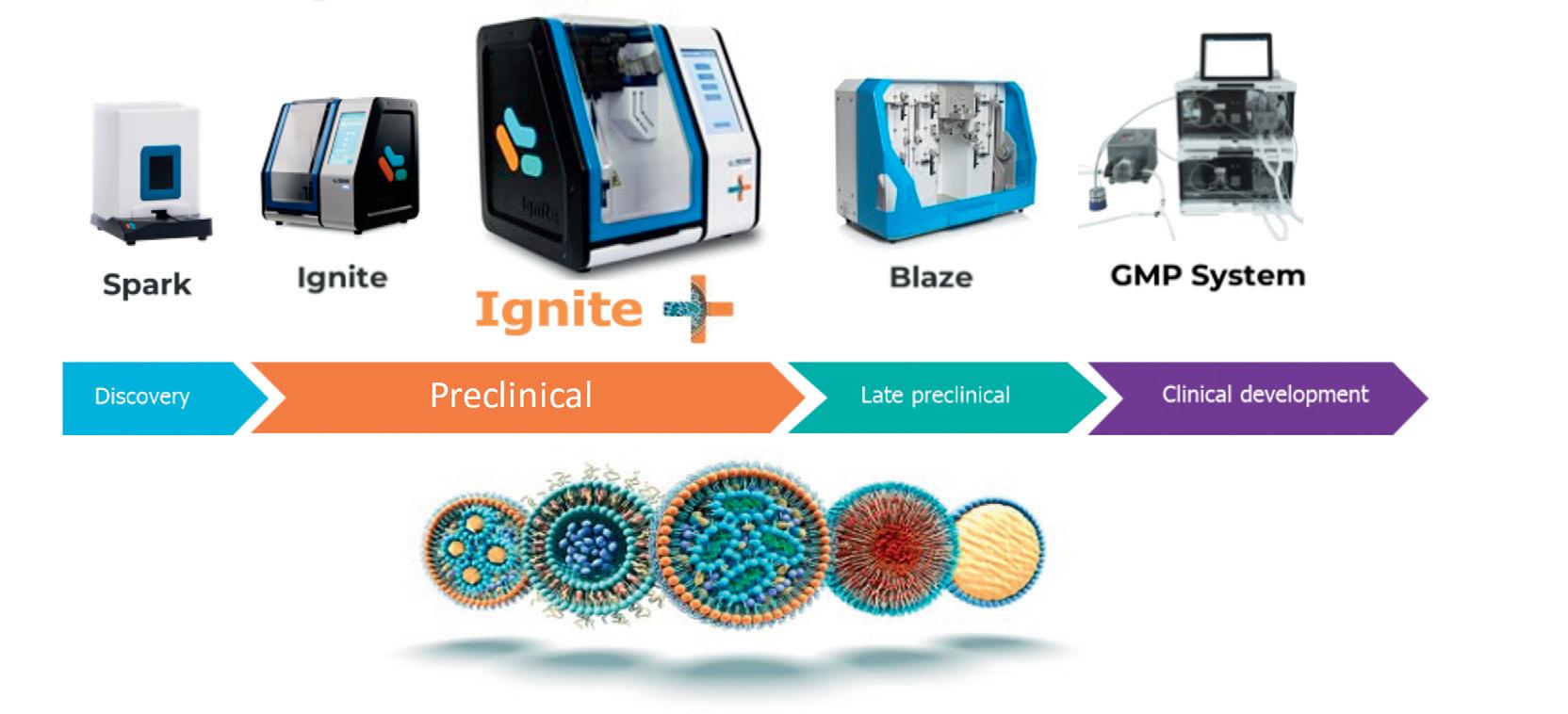
SPONSORED CONTENT
ATA Scientific Pty Ltd www.atascientific.com.au
Antibodies from former COVID patients neutralise Delta, Omicron
An international research team, led by Tel Aviv University, has demonstrated that antibodies isolated from the immune system of recovered COVID-19 patients are effective in neutralising all known strains of the virus, including the Delta and Omicron variants. Published in the journal Communications Biology, the discovery may eliminate the need for repeated booster vaccinations and strengthen the immune system of populations at risk.
The work is a continuation of a preliminary study conducted in October 2020, at the height of the COVID-19 crisis. At that time, Tel Aviv’s Dr Natalia Freund and colleagues sequenced all the B immune system cells from the blood of people who had recovered from the original COVID strain in Israel and isolated nine antibodies that the patients produced. The researchers have now found that some of these antibodies are very effective in neutralising the Delta and Omicron variants.
“In the previous study, we showed that the various antibodies that are formed in response to infection with the original virus are directed against different sites of the virus,” Freund said. “The most effective antibodies were those that bound to the virus’s ‘spike’ protein, in the same
place where the spike binds the cellular receptor ACE2. Of course, we were not the only ones to isolate these antibodies, and the global health system made extensive use of them until the arrival of the different variants of the coronavirus, which in fact rendered most of those antibodies useless.
“In the current study, we proved that two other antibodies, TAU-1109 and TAU-2310, which bind the viral spike protein in a different area from the region where most of the antibodies were concentrated until now (and were therefore less effective in neutralising the original strain), are actually very effective in neutralising the Delta and Omicron variants. According to our findings, the effectiveness of the first antibody, TAU-1109, in neutralising the Omicron strain is 92%, and in neutralising the Delta strain, 90%. The second antibody, TAU-2310, neutralises the Omicron variant with an efficacy of 84%, and the Delta variant with an efficacy of 97%.”
According to Freund, the effectiveness of these antibodies might be related to the evolution of the virus. She explained, “The infectivity of the virus increased with each variant because each time, it changed the amino acid sequence of the part of the spike protein that binds to the ACE2 receptor, thereby increasing its infectivity and at the same time evading the natural antibodies that were created following vaccinations. In contrast, the antibodies TAU-1109 and TAU-2310 don’t bind to the ACE2 receptor binding site, but to another region of the spike protein — an area of the viral spike that for some reason does not undergo many mutations — and they are therefore effective in neutralising more viral variants.”
The two antibodies, cloned in Freund’s laboratory at Tel Aviv University, were sent for tests to check their effectiveness against live viruses in laboratory cultures at the University of California San Diego and against pseudoviruses
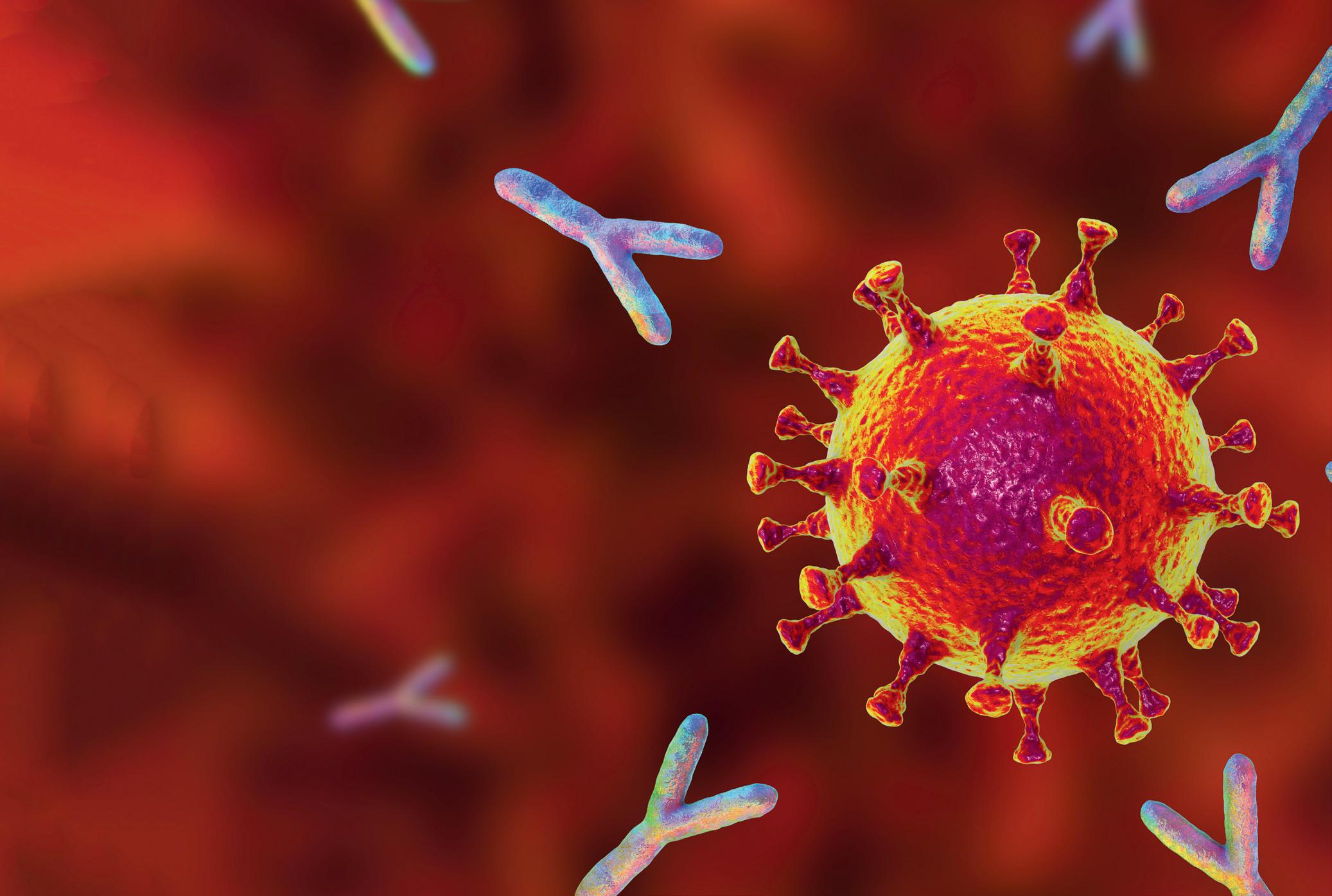
30 | LAB+LIFE SCIENTIST - Oct/Nov 2022 www.LabOnline.com.au | www.LifeScientist.com.au
in the laboratories of Bar-Ilan University in the Galilee. The results were identical and equally encouraging in both tests, leading Freund to believe that the antibodies could bring about a real revolution in the fight against COVID-19.
“For reasons we still don’t yet fully understand, the level of antibodies against COVID-19 declines significantly after three months, which is why we see people getting infected again and again, even after being vaccinated three times,” she said. “In our view, targeted treatment with antibodies and
their delivery to the body in high concentrations can serve as an effective substitute for repeated boosters, especially for at-risk populations and those with weakened immune systems.
“COVID-19 infection can cause serious illness, and we know that providing antibodies in the first days following infection can stop the spread of the virus. It is therefore possible that by using effective antibody treatment, we will not have to provide booster doses to the entire population every time there is a new variant.”
Safe Storage at Ultra Low Temperatures
Setting the benchmark in the temperature range of -40°C to -86°C, our new ULT Freezers are engineered to store highly sensitive substances that meet the special safety & hygiene regulations required for vaccines! home.liebherr.com.au
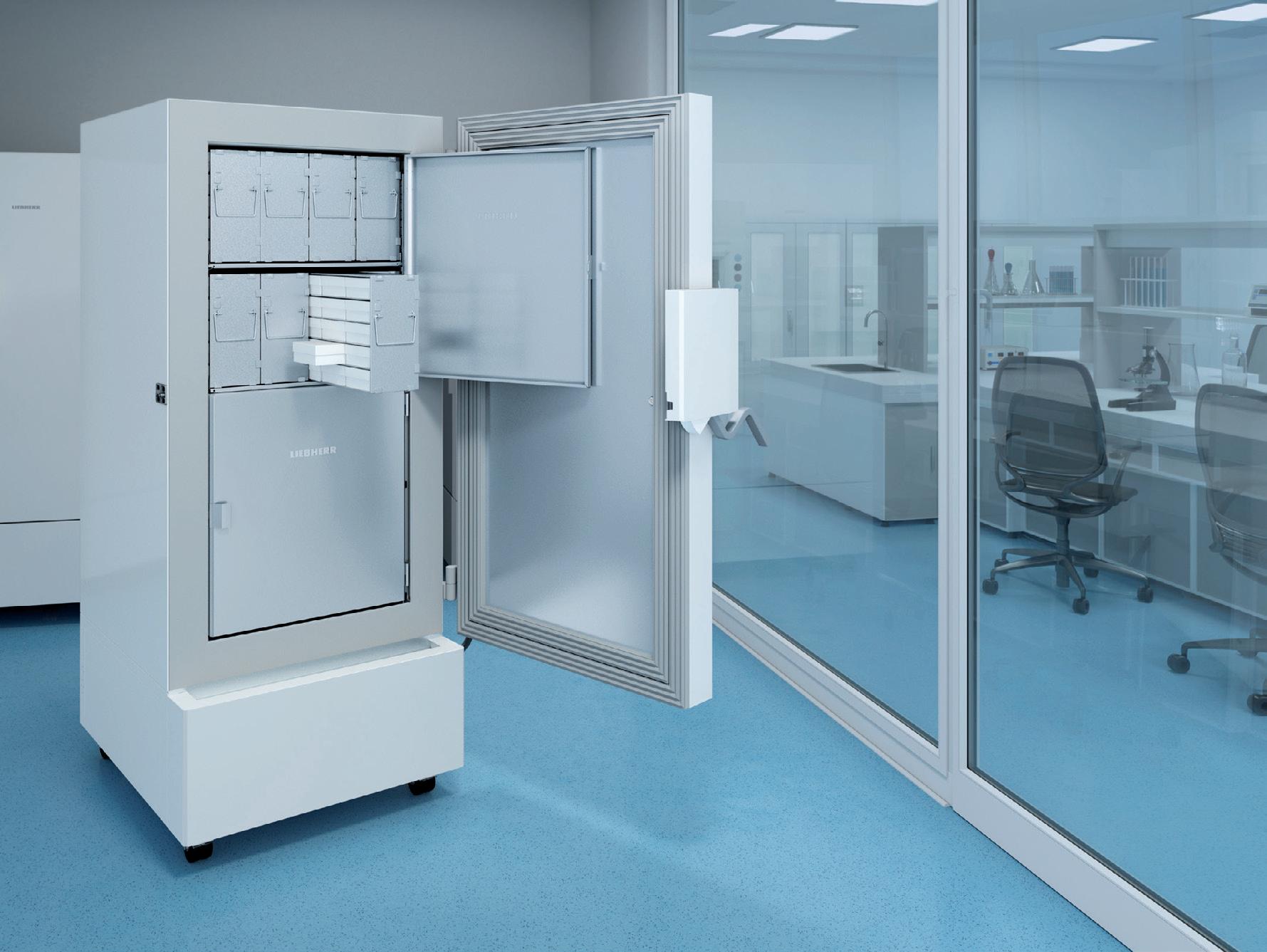
Distributed by:
Us: 1800 685 899
sales@andico.com.au



LAB+LIFE SCIENTIST - Oct/Nov 2022 | 31www.LabOnline.com.au | www.LifeScientist.com.au
antibodies
iStock.com/Dr_Microbe
“The antibodies TAU-1109 and TAU-2310 don’t bind to the ACE2 receptor binding site, but to another region of the spike protein … and they are therefore effective in neutralising more viral variants.”
— Dr Natalia Freund
Laboratory
& Pharmaceutical
Contact
Email:
Micro-ultracentrifuges
Eppendorf offers micro-ultracentrifuges that come in a compact and durable design in two options to suit the user’s lab space: choose from the benchtop centrifuge CS150NX and floor-standing centrifuge CS150FNX.
With ultrahigh speeds of up to 1,050,000 x g (150,000 rpm) combined with fast ac celeration and deceleration ramps, the micro-ultracentrifuges enable fast and efficient separation of samples such as nucleic acids, proteins, protein complexes, vesicles and viruses in vessels between 0.2 and 30 mL. Other features include an intuitive touchscreen user interface with a quick start-up time of only 8 s, and user management and documentation functions to support GxP/GLP compliance. The low noise output of less than 45 dB[A] provides quiet operation for a stress-free work environment.
Most of the rotors offer high imbalance tolerance up to 5 mm, which allows for visual balancing of samples by eye, saving time as no scale is required.* Eppendorf has created a downloadable guide to make it easier to pre-select from commonly used rotors and consumables for each ultracentrifuge model.
All high-speed and ultracentrifuges are installed by fully trained Eppendorf Service technicians. A range of service agreement options is also available to provide maximum service life and optimal performance of any centrifuge purchased from Eppendorf.
*Except for rotors P21A2, S140AT, S110AT, S80AT3, S50A Eppendorf South Pacific Pty Ltd www.eppendorf.com.au

Cell counting kit
The Cell Counting Kit-8 (CCK-8) from Dojindo is a pre-mixed, nonradioactive one-bottle solution that enables the colorimetric determination of cell viability in cell proliferation and cytotoxicity assays.
The kit utilises Dojindo’s highly water-soluble tetrazolium salt, WST-8. The WST-8 is reduced by dehydrogenase activities in cells to provide a yellow-colour formazan dye, which is solu ble in the tissue culture media. The amount of formazan dye, generated by the activities of dehydrogenases in cells, is directly proportional to the number of living cells when measured in a plate reader at 450 nm.
The detection sensitivity of CCK-8 is said to be higher than the other tetrazolium salts such as MTT, XTT, MTS or WST-1; consequently, it should outperform those first-generation compounds. Sapphire Bioscience www.sapphirebioscience.com

Optical filters and sets
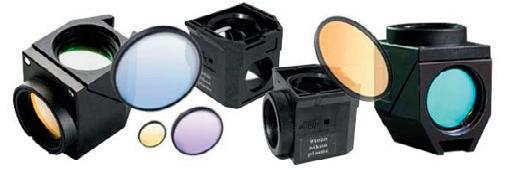
Chroma Technology manufactures optical interference filters for a wide range of im aging and detection applications such as life science, fluorescence microscopy, flow cytometry, biomedical instrumentation and surgical devices.
All interference filters and most other filters are sputtered with hard-coated thin films. Some filters employ e-beam hard coatings. Types include single bandpass and single edge as well as multi bandpass and multi-dichroic. Complete optical filter sets are available for fluorescence and accessories include cubes, sliders, rings and diagnostic slides designed to meet the user’s microscopy requirements.
With its line of PCR sputtered optical filters, Chroma Technology supplies key components of polymerase chain reaction (PCR) laboratory and clinical test solutions, including digital PCR (ddPCR) and quantita tive PCR (qPCR) platforms. The company’s ET filters for fluorescence applications such as PCR are designed to provide high levels of spectral precision. This allows for mini mising spectral overlap — which is always present between fluorescent probes — and optimising the filter pass bands. The high degree of spectral precision enables re producible results, allowing for six or more distinct fluorescence channels. Coupled with the high out-of-band blocking ( ≥OD6) and steep transitions from high transmission to deep blocking, the filters deliver high signal-to-noise ratios.
SciTech Pty Ltd www.scitech.com.au
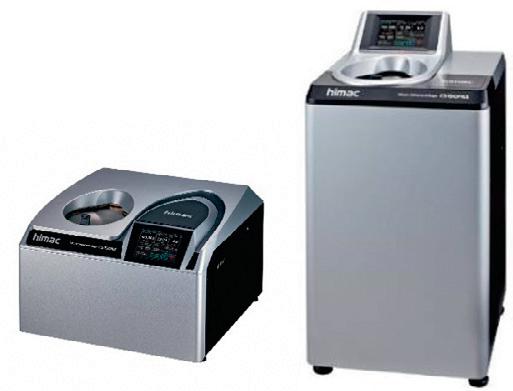
32 | LAB+LIFE SCIENTIST - Oct/Nov 2022 www.LabOnline.com.au | www.LifeScientist.com.au
what’s new
what’s happening
3D bioprinting and AI help treat diabetes feet, osteoarthritis
ROKIT Healthcare, a South Korean company specialising in bio health care, has announced it will provide a hyper-personalised medical platform that uses 3D bioprinting and AI technology built on Google Cloud to innovate the treatment of osteoarthritis and diabetes feet (diabetic foot lesion ulcer).
The company’s AI solution recognises the affected area of the patient, using computer vision and deep-learning technology, and then outputs a patch with the same size and shape as the affected area to a 3D printer. The goal for this platform is to increase the treatment rate for chronic and complex diseases, improve access to medically underprivileged areas and lower medical expenses.
ROKIT Healthcare moved its existing infrastructure to Google Cloud and used Google Cloud’s AI tools to expand its medical platform and other solutions. The company has thus established a system that can expand and operate medical platforms in various regions using Google Cloud’s scalable, high-performance load-balancing service Cloud Load Balancing and Google Kubernetes Engine (GKE), which provide a fully managed Kubernetes service.
The efficient Machine Learning Operations (MLOps) environment is another reason why ROKIT Healthcare chose Google Cloud. ROKIT Healthcare can now more quickly build, deploy and scale machine-learning models by using Google Cloud’s integrated AI platform, Vertex AI, and serverless multicloud data warehouse, BigQuery.
In addition, ROKIT Healthcare strengthened the security of its medical platform by introducing Google Cloud’s network security solution Cloud Armor, which protects applications and services from distributed denial-of-service (DDoS) attacks using

machine-learning technology. Moreover, it deployed VPC Service Control, a managed networking functionality for Google Cloud resources, to mitigate the risk of data exfiltration by allowing only authorised networks to access sensitive information.
Currently, ROKIT Healthcare has signed 10-year contracts with its customers worth around $2.7 billion in 20 countries around the world, increasing the number of countries in which it operates, such as Dubai in 2021 and Brazil, Malaysia and India in the first half of 2022. The company is already in the process of treating patients through cloud-based telemedicine in countries that it has entered and plans to further advance and expand in the global market.
“This cooperation with ROKIT is very meaningful in that the company will be able to provide innovative treatment solutions for chronic diseases that have not previously been treated sufficiently,” said Andrew Chang, Managing Director of Google Cloud Korea. “I’m pleased that we can help increase the reliability and scalability of ROKIT Healthcare’s medical platform with Google Cloud solutions, including Vertex AI.”
You Seok-hwan, CEO of ROKIT Healthcare, added, “We are confident that ROKIT Healthcare has introduced a leading system in the field of personalised regeneration including skin and cartilage. Through this cooperation with Google Cloud, ROKIT Healthcare expects to realise its vision to transform the medical paradigm more quickly. ROKIT Healthcare will build a medical platform that can tap the collective intelligence of doctors all over the world and quickly spread solutions that can cure disease in a short time at a low cost.”
Google Australia Pty Ltd www.google.com/enterprise
LAB+LIFE SCIENTIST - Oct/Nov 2022 | 33www.LabOnline.com.au | www.LifeScientist.com.au
iStock.com/Georgiy
Datsenko
32nd International Congress of Antimicrobial Chemotherapy November 27–30, Perth
The 32nd International Congress of Antimicrobial Chemotherapy (ICC) is the biennial congress of the International Society of Antimicrobial Chemotherapy (ISAC). This year, it is co-hosted by the Australian Society for Antimicrobials.
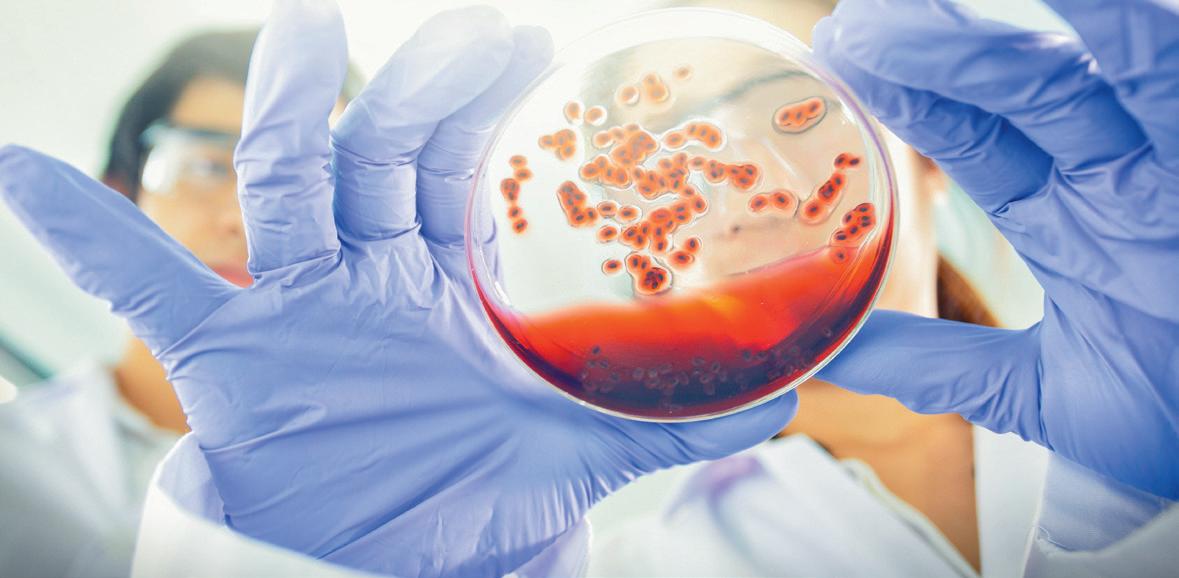
The congress will feature a mix of plenary lectures, keynote speeches, symposia and workshops by some of the world’s leading experts in infectious diseases and clinical microbiology. To promote discussion and interaction between delegates and the invited speakers and industry, the meeting’s registration includes the welcome reception plus morning and afternoon teas. The academic and social program has been designed to educate, stimulate and entertain. http://32icc.org/
AIMS NSW North Coast Div Conference 2022
November 4–6, Coffs Harbour https://www.aims.org.au/events/event/nsw-northcoast-div-conference-2022
Cutting Edge Science Symposium on efficient use of plant biomass for different feedstocks
November 7–9, Canberra https://events.csiro.au/Events/2022/August/25/ Efficient-use-of-plant-biomass-for-different-feedstocks
AIMS WA Branch - ASM - WACRA Joint Scientific Meeting 2022 November 12, Perth https://www.aims.org.au/events/event/aims-wabranch-asm-wacra-joint-scientific-meeting-2022
Australasian Cytometry Society Conference
November 20–23, Melbourne https://cytometryconference.org.au/
International Biohydrometallurgy Symposium
November 20–23, Perth and online https://ibs2022.com.au/
AgCatalyst 2022 — Facing the Future
November 22–23, Sydney https://www.csiro.au/en/work-with-us/industries/ agriculture/AgCatalyst-2022
Science at the Shine Dome 2022 November 22–24, Canberra and online https://aas.eventsair.com/2022-science-at-theshine-dome/
Human Genetics Society of Australasia Annual Scientific Meeting
November 24–27, Perth https://aacb.eventsair.com/hgsa-45th-annualscientific-meeting
The International Microreaction Technology Conference
November 27–30, Melbourne https://imret2022.com/IMRET2022/home/ IMRET2022/Home.aspx
Sub 22 Conference November 28–30, Adelaide http://sub22.w.tas.currinda.com/
Cutting edge symposium: Self-assembly meets additive November 29–December 1, Melbourne and online https://events.csiro.au/Events/2022/March/30/ SAMAM-CES
Materials Oceania 2022
December 5–8, Gold Coast https://www.materialsconferenceaustralia.com
Australian Institute of Physics (AIP) Congress December 11–16, Adelaide https://aip-congress.org.au/
Surprising Science: borrowed ideas leading to unimagined consequences December 13, Canberra and online https://events.humanitix.com/event-6-surprisingscience-borrowed-ideas-leading-to-unimaginedconsequences
10th International Conference on Environment Pollution and Prevention December 16–18, Sydney http://www.icepp.org/
6th International Conference on Biomedical Engineering and Science December 22–23, Sydney https://me2022.org/biens/index
The 6th International Conference on Frontiers of Composite Materials December 28–30, Melbourne http://www.icfcm.org/
Lorne Proteomics 2023 February 2–5, Lorne https://www.lorneproteomics.org/
Lorne Proteins 2023 February 5–9, Lorne https://www.lorneproteins.org/
Lorne Cancer 2023 February 9–11, Lorne and online https://www.lornecancer.org/
Lorne Genome 2023 February 12–14, Lorne https://www.lornegenome.org/
Westwick-Farrow Media
A.B.N. 22 152 305 336 www.wfmedia.com.au
Head Office
Unit 7, 6-8 Byfield Street, (Locked Bag 2226) North Ryde BC NSW 1670, AUSTRALIA Ph: +61 2 9168 2500
Editor Lauren Davis LLS@wfmedia.com.au
Publishing Director/MD Geoff Hird
Art Director/Production Manager Julie Wright
Art/Production Linda Klobusiak
Circulation Dianna Alberry circulation@wfmedia.com.au
Copy Control Mitchie Mullins copy@wfmedia.com.au
Advertising Sales
Sales Manager: Kerrie Robinson Ph:0400 886 311 krobinson@wfmedia.com.au
Nikki Edwards Ph: 0431 107 407 nedwards@wfmedia.com.au
Tim Thompson Ph: 0421 623 958 tthompson@wfmedia.com.au
If you have any queries regarding our privacy policy please email privacy@wfmedia.com.au
Printed and bound by Dynamite Printing
Print Post Approved PP100008671
ISSN No. 2203-773X
All material published in this magazine is published in good faith and every care is taken to accurately relay information provided to us. Readers are advised by the publishers to ensure that all necessary safety devices and precautions are installed and safe working procedures adopted before the use of any equipment found or purchased through the information we provide. Further, all performance criteria was provided by the representative company concerned and any dispute should be referred to them. Information indicating that products are made in Australia or New Zealand is supplied by the source company. Westwick-Farrow Pty Ltd does not quantify the amount of local content or the accuracy of the statement made by the source.
34 | LAB+LIFE SCIENTIST - Oct/Nov 2022 www.LabOnline.com.au | www.LifeScientist.com.au
Tell the world about your event: email LLS@wfmedia.com.au event horizon
YEARS CELEBRATING
© Stock.Adobe.com/au/Pixfly
to industry and business professionals


The magazine you are reading is just one of 11 published by Westwick-Farrow Media. To receive your free subscription (magazine and eNewsletter), visit the link below.








www.WFMedia.com.au/subscribe
FREE