MATERIAL CHARACTERIZATION

RESEARCH DEVELOPMENT FORMULATION PRODUCTION

DISCOVER
6 DEEP LEARNING DECODES BRAIN SIGNALS TO IDENTIFY ADHD
Álvaro López-Medrano is solving the problem of ADHD diagnosis by processing brain signals with an algorithm that picks up on patterns specific to the disorder.
10 PHARMACISTS DEVELOP A CHEEKY SOLUTION FOR DRUG DELIVERY

Researchers have developed a novel oral film that discreetly releases drugs into the bloodstream via the mucosal membrane — the moist, inner lining of the mouth.
13 CIRCULAR RNAs: A NEWLY DISCOVERED CAUSE OF CANCER


Specific circular RNAs within many of us can stick to the DNA in our cells and cause DNA mutations that result in cancer, according to important new research.
14 EVOLUTION OF ARTIFICIAL CELLS SHOWS THAT LIFE FINDS A WAY
A synthetically constructed cell has been found to evolve just as fast as a normal cell, despite having a significant handicap
18 SPINAL FLUID TEST CAN DETECT LEWY BODY DISEASE EARLY

Until recently, it was not possible to determine with certainty whether a person with movement difficulties or cognitive impairments had Lewy bodies in the brain until after their death.
24 LIQUID NITROGEN FREEZERS A GAME CHANGER FOR PHARMA INDUSTRY
Liquid nitrogen freezers safely deliver temperature-controlled freezing down to -160°C in minutes to preserve drug products, active ingredients and biological samples.
29 TOXIC VOCs RELEASED FROM CONSUMER PRODUCTS
Many common products like shampoos, body lotions, cleaners, mothballs and paint removers contain toxic volatile organic compounds (VOCs), researchers have found.

33 AACB’S ANNUAL CONFERENCE A PATHOLOGIST’S PARADISE
This October, the Australasian Association for Clinical Biochemistry and Laboratory Medicine is offering an entire week dedicated to professional development, education and networking.
LAB+LIFE SCIENTIST - Aug/Sep 2023 | 3 www.LabOnline.com.au | www.LifeScientist.com.au Cover image: Electron micrograph of clusters of JCVI-syn3.0 cells magnified about 15,000 times. Image made by Tom Deerinck and Mark Ellisman of the National Center for Imaging and Microscopy Research at the University of California at San Diego. Contents
10 33 aug/sep 2023
13 6 This issue is available to read and download at READ ONLINE! www.labonline.com.au/magazine
Rock my world
Iwas surprised to encounter not one but two studies of ancient rocks in recent weeks that have upended scientists’ understanding of early life on Earth, indicating (rather ironically) that what we think we know is not always set in stone.
The first of these studies, conducted by The Australian National University (ANU) and published in Nature, found evidence of microscopic creatures that lived in our waterways at least 1.6 billion years ago. Known as the Protosterol Biota and suspected to be the first ever predators on Earth, the creatures were part of a family of organisms called eukaryotes, modern forms of which include fungi, plants, animals and amoebae. Up until now, humans and all other nucleated creatures have traced their lineage back to the Last Eukaryotic Common Ancestor (LECA), which lived more than 1.2 billion years ago.
Modern forms of eukaryotes are so dominant today that researchers thought they should have conquered Earth’s oceans more than a billion years ago — but despite having long searched for fossilised evidence of early eukaryotes, their physical remains were extremely scarce. The ANU researchers have now shown that the Protosterol Biota were in fact abundant in our ancient oceans and lakes all along.
The researchers studied fossil fat molecules found inside a 1.6-billion-year-old rock that had formed at the bottom of the ocean near the Northern Territory,
which possessed a primordial chemical structure that hinted at the existence of early complex creatures that evolved before LECA. Scientists had overlooked these molecules for decades because they did not conform to typical molecular search images — but once they knew what they were looking for, the ANU team discovered that dozens of other rocks, taken from billion-year-old waterways across the world, contained similar fossil molecules.
Protosterol Biota were eventually superseded by sea sponges and other multicellular marine organisms, which began to appear in Earth’s oceans during the so-called ‘Avalon explosion’, between 685 and 800 million years ago. For the past 70 years it was believed that increased oxygen levels triggered the arrival of these more advanced organisms, but this has now been disproved in a study led by the University of Copenhagen and published in Geobiology
By studying the chemical composition of ancient rock samples from an Omani mountain range, which was on the seabed during the Avalon explosion, the researchers have been able to ‘measure’ oxygen concentrations in the world’s oceans from when these multicellular organisms appeared. Defying expectations, the results showed that Earth’s oxygen concentrations had not increased; indeed, levels remained 5–10 times lower than today.
So what did trigger the explosion of life?
According to Copenhagen researcher Associate Professor Christian J Bjerrum, lower levels of oxygen appeared to enable organisms to develop slowly and peacefully, with the water chemistry protecting their

stem cells. He said the same phenomenon has been studied in the stem cells of humans and other animals, with low oxygen levels appearing crucial for keeping stem cells under control until an organism decides that the cell ought to develop into a specific type of cell, such as a muscle cell. With too much oxygen, he said, these cells could develop uncontrollably, mutate and ultimately perish.
So what surprising science do we have in store for this issue of Lab+Life Scientist? On page 14, we reveal how a synthetically constructed cell was unexpectedly found to evolve just as fast as a normal cell, even with a genome that would seemingly provide little flexibility. On page 18, we document how Lewy bodies can be detected in the brain via a spinal fluid test; in the past, this was only possible after death. And on page 33, we share the first known example of a genetic molecule that has the capacity to drive cancer from inside. So read on, and who knows — you just might encounter a story that rocks your world.
Regards, Lauren Davis LLS@wfmedia.com.au Lauren Davis
4 | LAB+LIFE SCIENTIST - Aug/Sep 2023 www.LabOnline.com.au | www.LifeScientist.com.au
editorial
Artist’s imagination of an assemblage of primordial eukaryotic organisms of the Protosterol Biota inhabiting a bacterial mat on the ocean floor. Orchestrated in MidJourney by TA 2023.
BIOLOGY
the PARADIGM SHIFT in NEXT-GEN DRUG DISCO VER Y



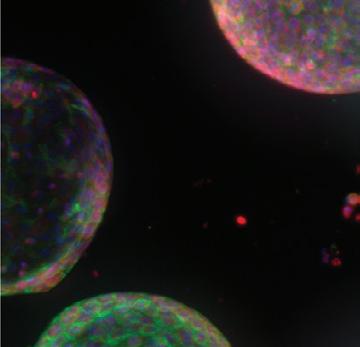
3D biology is an emerging eld revolutionizing the way scientists screen new drugs and understand disease


3D cell models like organoids have a unique makeup that o er a step- change in predicting human responses to novel treatments. Their increased physiological relevance leads to more accurate indications of a therapeutic’s e cac y in the pre- clinical phase. This allows for a weeding out of toxic, ine ective compounds to make space for those with healing power earlier in the drug discovery process.



MolecularDevices@bio-strategy.com


www.bio-strategy.com





Deep learning decodes brain signals to identify ADHD

Using maths to model brain activity
In front of you are three doors, and you need to choose. A new car hides behind one door, while a goat hides behind each of the other two. You point toward your selection, and someone who knows what lies behind each door must open one of the remaining doors, and it must be a door that hides a goat. You understand that the car is either behind the door you picked or the remaining closed door. Do you change your selection or stick with your first choice?
This well-known brain teaser is dubbed the Monty Hall problem. And it’s because of this conundrum that Álvaro López-Medrano entered the field of computational psychiatry and developed a tool that could change how doctors diagnose attention-deficit/hyperactivity disorder, or ADHD.
Neuroscientists, neurologists, psychiatrists and psychologists alike struggle to connect behavioural symptoms of psychiatric disorders such as ADHD with the neural mechanisms that underlie them. Those in the brain sciences search for reliable and accessible biomarkers that take the guesswork out of psychiatric diagnosis. López-Medrano and his startup company, Bitsphi, are solving that problem for ADHD diagnoses by processing brain signals with an algorithm that picks up on patterns specific to the disorder.
Cognitive models and information theories
When confronted with the three doors and a second chance to pick the right door, what do you do? The answer is it’s best to switch. There’s always a chance that in switching, you end up choosing the wrong door. But with two goats and one car, it’s more likely than not that your first choice is a goat. So once the other goat is revealed, it’s more likely that you’ll find the car when you switch doors.
Sitting in his living room 10 years ago, LópezMedrano grappled with the Monty Hall problem and its solution. López-Medrano, an electrical engineer, wrestled with the counterintuitive solution and began to think deeply about how the brain processes information and makes decisions. Exploring this topic sent him down a Google Scholar rabbit hole. He jumped from paper to paper about the Monty Hall problem until he landed on one discussing a cognitive model based on Shannon’s information theory.
6 | LAB+LIFE SCIENTIST - Aug/Sep 2023 www.LabOnline.com.au | www.LifeScientist.com.au
Stephane Marouani, Country Manager ANZ, Mathworks
The theory creates a framework for communication: how a source transmits information to a receiver and the work done to connect and enable that exchange. But of the cognitive models drawing on this theory, LópezMedrano didn’t find one that satisfyingly explained the differences between the basic ways the brain processes information: top-down and bottom-up. In top-down processing, your thoughts influence how you perceive and react to your environment, such as what you should pay attention to or how you react to a stimulus in different situations. Your brain analyses sensory stimuli and then reacts in bottom-up processing. Thinking about this problem gave him new ideas about cognition.
Inspired, López-Medrano sought to develop a cognitive model that represented how the brain processed information, drawing on concepts from probability and information theory. His mathematical model of cognition seeks to explain information flow
in the brain and how we go from uncertain to decisive.
He brought his model to Fernando Maestú, a cognitive neuroscience professor at the Complutense University of Madrid and Director of the Centre for Cognitive and Computational Neuroscience. Maestú studies the brain’s electrophysiological activity to search for biomarkers for neurological and psychiatric disorders.
Considering the model, Maestú thought it might be used as a new way to approach his work. He told López-Medrano they might be able to use the model to help diagnose cognitive disorders. He recommended starting with ADHD, a common disorder needing an objective diagnostic tool. Globally, over 84 million people have ADHD.

Getting to the source
To diagnose psychiatric disorders, clinicians use the Diagnostic and Statistical Manual of Mental Disorders, Fifth Edition (DSM-5). Although
Differences in functional connectivity between brain regions. Red indicates lower connectivity and blue indicates higher. Image credit: Bitsphi Diagnosis.

experts base the diagnostic criteria on hundreds of scientific studies and white papers, there is an art to diagnosis. Many criteria are subjective. For example, one ADHD symptom in the DSM-5 is “Often does not seem to listen when spoken to directly”. Definitions of “often” or what it looks like to listen to someone are subjective and vary between clinicians.
Clinicians also use results from cognitive tests to assess symptoms and diagnose psychiatric disorders. These tests gauge how well patients perform tasks designed to make use of the function of certain brain networks, such as the attentional or memory systems. But this method is also far from foolproof.

“When someone has a heart condition, you tend to look at the heart, where the problem is,” explained Sandra Ortiz Hernández, Product Manager at Bitsphi. “So, when we have a problem that is related to cognition in the brain, why are we looking at reaction times or how many letters this person can cross?”
Cognitive test results can also mask disorders. In some ADHD assessments, Ortiz said, a person with the disorder could perform very well and miss out on a diagnosis that could get them the treatment they need. People with ADHD may have other disorders, such as dyslexia, which may confuse diagnostic efforts. “Comorbidities make behavioural testing difficult and sometimes misleading. It’s not a good method for everyone,” she said.
Clinicians need a more precise tool. “We believe that if we look at the source of the problem,
LAB+LIFE SCIENTIST - Aug/Sep 2023 | 7 www.LabOnline.com.au | www.LifeScientist.com.au neuroscience
iStock.com/katleho Seisa
the brain, we might be able to make better diagnoses and make sure that children who need medication receive it and avoid prescribing medication to those who don’t,” Ortiz said.
These problems motivated López-Medrano and Miguel Blanco Carmona, CTO at Bitsphi, to explore whether their cognitive model had realworld relevance. “We had a theoretical model but we needed some evidence that shows how the brain really works,” Blanco said.
To create a tool that could determine if a child has ADHD, Blanco and López-Medrano needed to recruit children both with and without ADHD diagnoses. Then they recorded the children’s brain activity to see if, based on their model, a statistical algorithm could differentiate between the two groups.
For these early tests, López-Medrano and Blanco recorded brain activity using magnetoencephalography, or MEG. Active neurons produce electrical activity, which generates magnetic fields in the brain, and MEG scanners record the magnetic signals to map active networks.
They recruited children for these early tests and used Maestú’s MEG facilities to collect data. While in the MEG scanner, children completed a cognitive task that tested their attentional abilities to focus on relevant details and ignore irrelevant ones. In this “go/no-go” task, as neuroscientists call it, a participant presses a button when they see a certain stimulus but holds back when they see an irrelevant one. Children with ADHD don’t usually perform as well as their neurotypical peers at suppressing their impulse to press the button.
After two years, López-Medrano and Blanco collected MEG data showing brain connectivity and activity patterns from 40 children, 20 with ADHD and 20 without, while the children completed the
go/no-go task. Based on previous neuroscience studies, López-Medrano and Blanco knew what neural circuitry they needed to evaluate: primarily, the dorsal and ventral attention networks.
“The next step was to apply our mathematical modelling to the connectivity results we obtained from testing,” López-Medrano said. But they weren’t sure how best to do that.
López-Medrano and Blanco decided to apply to the MathWorks Startup Program for the technical support and expertise needed to get Bitsphi’s technology off the ground. Equipped with the MATLAB Suite from the startup program, they began testing their model and analysing the brain data with Signal Processing Toolbox and MATLAB. After these early tests, they determined their model accurately predicted which participants had ADHD diagnoses.
“The control group performed better than the ADHD group on the go/no-go test,” LópezMedrano said. “The data showed the connection between ventral and dorsal attention networks was much more efficient in the control group than in the ADHD group.”
While their model was successful, the team knew the model would never be commercially viable if it required data from MEG scans. MEG scanners are expensive, bulky and hard to come by — in Spain, for instance, there are only three MEG scanners. Now the Bitsphi team is working to give their model a reality check.
From lab to life
Bitsphi looked to a classic brain imaging technology, electroencephalography (EEG). Scientists and doctors have been using EEG for over a hundred years to record electrical activity emanating from the brain. Though not as accurate as MEG, EEG is
inexpensive, portable and available in most hospitals. Through a cap studded with electrodes set tightly against the scalp, EEG records electrical activity from neurons in near-real time. But it lacks the spatial resolution of MEG, which is why the Bitsphi team started with MEG.
“Now we know what we are looking for, we know what regions are involved, and we are in a much better position to find what we want with EEG,” Blanco said.
The Bitsphi team is partnering with a network of hospitals in Madrid to recruit 150 adolescent participants to replicate their MEG results with EEG. To ensure they can find similar biomarkers of ADHD, they’re using MATLAB to translate between MEG and EEG data. “MATLAB allows us to reduce our development efforts and focus on the core of our technology,” Blanco said.
Next, they plan to use a form of artificial intelligence called deep learning to accelerate and automate diagnosis. The data from the EEG electrodes will be used to train a neural network in MATLAB to determine biomarkers based on the connectivity between brain areas. The neural network will streamline data processing, rejecting artefacts from muscle movement or eye blinks during EEG recordings, a task usually requiring a human expert. The resulting deep learning algorithm will compute the probability that a child has ADHD and help determine if the child has the hyperactive and/or inattentive subtype of ADHD.
As part of the MathWorks Startup Program, the Bitsphi engineers have worked with a MathWorks application engineer to brainstorm commercial directions for their technology and are using MATLAB to develop a clinician-facing application to display test results. The tool has a way to go before it’s ready for market, but López-Medrano envisions it as a diagnostic aid to complement rather than replace the clinician’s diagnosis. “This is something you would use for cases that aren’t clear,” he said, rather than using it to diagnose every patient.

López-Medrano and colleagues expect to release their product in the next year or so. From there, the Bitsphi team has set its sights beyond ADHD.
“The ADHD model could apply to other disorders, such as schizophrenia or autism spectrum disorder,” Blanco said. They’re already planning clinical trials with other disorders to evaluate connectivity patterns that could assist clinicians in diagnosis.
“Using EEG, we’re going to be able to offer this as a worldwide solution available for everyone,” Blanco said. “That’s our mission.”
8 | LAB+LIFE SCIENTIST - Aug/Sep 2023 www.LabOnline.com.au | www.LifeScientist.com.au neuroscience
Clinician-facing MATLAB application showing various images of the EEG capture. Image credit: Bitsphi Diagnosis.
Predicting progression to life-threatening dengue fever
Australian and Indonesian scientists have discovered cell populations in blood which clearly indicate whether a person infected with dengue fever is likely to progress to life-threatening severe disease or not. Their work has been published in the Journal of Biomedical Science
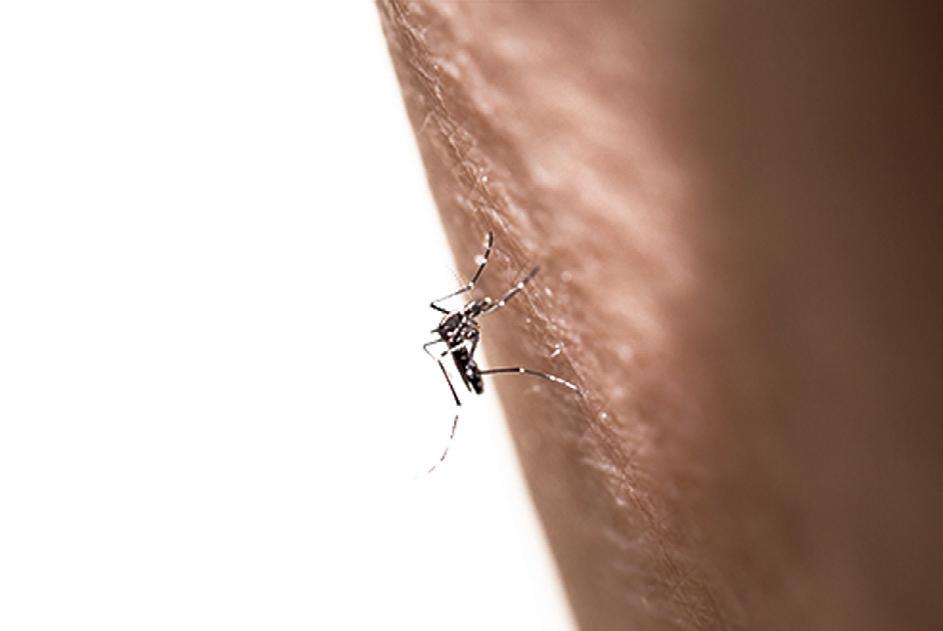
About half of the world’s population is at risk of dengue fever — with almost 400 million annual cases — and more will be at risk as global warming enables the spread of mosquito strains that carry the virus. But until now, there has been no accurate way to predict which patients will progress to severe dengue fever. The new finding uses immune cells to grade potential severity, paving the way for improved patient management, health system savings and the development of a biomarker test.
The research team is being led by Professor Diana Hansen, from the Monash Biomedicine Discovery Institute. Her team found that during a second dengue virus infection (secondary infections are usually more severe), one group of people had a T cell response which reduced its impact.
“These type of immune system cells get called into action by what’s called the adaptive immune system,” Hansen said. “That’s a very targeted response, specific to the pathogen, helping you get less sick.
“The other group, who didn’t have this specific response, have instead an innate immune system response, characterised by a strong inflammatory attack to control the virus. Those people get really sick, likely needing hospital care.
Hansen said identifying the cell types and their subtypes wasn’t easy, stating, “It’s a bit like trying to identify which particular fruit is causing a scent in a blended fruit salad — is it the mango or the pineapple? We used a technique called mass cytometry, which tags cell types with rare earth metals, to identify specific cell types within complex blood samples, so we could ‘unblend’ the mix.”
Hansen’s team is confident that the results will enable them to develop a biomarker test, like a COVID rapid antigen test, for dengue fever. This should take some of the burden off health facilities in areas prone to dengue fever, which are often overwhelmed with patients who are admitted for observation.
“This will enable doctors to triage patients at an early stage, instead of referring all those diagnosed with dengue virus disease on to hospital,” Hansen said. Image credit: iStock.com/jxfzsy
Potent antibodies neutralise COVID-19, other coronaviruses
An international team of researchers have discovered exceptionally potent antibodies that can neutralise virtually all known variants of the COVID-19 virus, as well as other dangerous animal coronaviruses that could potentially cause future outbreaks. Their breakthrough has been published in the journal Science Advances
The research team, led by Duke-NUS Medical School and including the National University of Singapore (NUS), The University of Melbourne and the Fred Hutchinson Cancer Center, isolated antibodies from the blood of a recovered SARS patient who was thereafter vaccinated against COVID-19. This combination of prior coronavirus infection and vaccination generated an extremely broad and powerful antibody response capable of stopping nearly all related coronaviruses tested.
“We sought to address the lack of therapeutic monoclonal antibodies for treatment and prophylaxis of high-risk COVID-19 patients, as all previously approved monoclonal antibodies have lost efficacy against newly emerged SARS-CoV-2 variants,” said senior author Professor Wang Linfa, from DukeNUS’s Emerging Infectious Diseases (EID) Programme. “This work provides encouraging evidence that pan-coronavirus vaccines are possible if they can ‘educate’ the human immune system in the right way.”
The new study describes how six antibodies were obtained that could neutralise multiple coronaviruses, including SARS-CoV-2, its variants Alpha, Beta, Gamma, Delta and Omicron, the original SARS virus, and multiple other animal coronaviruses transmitted from bats and pangolins. According to first author Dr Chia Wan Ni, a former postdoctoral fellow in Wang’s lab, “Three antibodies stood out as exceptionally broad and potent, capable of neutralising all tested SARS-related viruses at very low concentrations.”
The most powerful antibody, named E7, neutralised both SARS-CoV and SARS-CoV-2 sarbecoviruses, animal sarbecoviruses and newly emerged SARS-CoV-2 variants, such as Omicron XBB.1.16. This occurred via a unique mechanism of binding that bridges two parts of the coronavirus’s spike protein that it uses to invade cells. This appears to lock the spike in an inactive conformation and block the shape-shifting process the virus requires to infect cells and cause illness.
“The neutralising potency and breadth of the E7 antibody exceeded any other SARS-related coronavirus antibodies we’ve come across,” Chia said. “It maintained activity against even the newest Omicron subvariants, while most other antibodies lose effectiveness.”
With its high potential to neutralise sarbecoviruses that emerge in the future, the E7 antibody may become a strong asset in helping to prevent the next pandemic caused by sarbecoviruses. The researchers plan to further assess the antibody’s potential as a prophylactic and therapeutic agent against existing and future coronaviruses.

LAB+LIFE SCIENTIST - Aug/Sep 2023 | 9 www.LabOnline.com.au | www.LifeScientist.com.au
iStock.com/koto_feja
movers&shakers
a cheeky solution for drug delivery Pharmacists develop
Conventional ways of administering medication — by swallowing tablets, consuming bitter syrups, injection or rectal insertion — can be distressing and unpleasant for some patients, especially young children or the elderly. Seeking to combat this, researchers from the National University of Singapore (NUS) have developed easy-to-use oral films that enable painless, efficient and discreet drug administration.
This method of medication administration reduces the risk of choking, aspiration and rejection. Moreover, the manufacturing method of the films eliminates dosing errors commonly associated with multi-dose bottles of liquid medicine.
“Our oral film marks a significant milestone in patient-centric and personalised medicine, offering a safer and eco-friendly alternative to traditional drug delivery methods,” said research leader Associate Professor Chan Sui Yung. “The film is very easy to use, so patients are empowered with dignity and independence in managing their treatment from the comfort of their homes.”
Each oral film is small, thin and round — no larger than a coin in size — making it convenient to be carried around, distributed or stored in larger quantities at healthcare institutions. Additionally, the films have a low water content, so they have a longer shelf life compared to compounded liquid medicines.
drug delivery methods, the researchers say — particularly those that require costly, single-use applicators and devices such as syringes, needles, inhalers and auto-injectors.
“Our films are compounded on-demand to ensure that they contain the precise dosage and strength for each patient, and then sealed in minimal packaging,” said Dr Tan Poh Leng, a student of Chan’s whose PhD work focused on oral films. “This streamlined approach to drug delivery not only saves time and money, but also reduces the environmental impact.”
The novel oral film releases drugs into the bloodstream via the mucosal membrane — the moist, inner lining of the mouth. Each oral film can be easily placed onto the inner cheek of the patient’s mouth and medication will be released into the bloodstream over a predetermined period of time.
The oral films are also easy to produce. Each film comprises a customised premix of ingredients formulated for a specific medication. These ingredients are added to the drug solution and an accurate volume of the required drug dosage is pipetted onto a mould. The resulting mixture is dried using a light-duty oven. This method of production uses fewer ingredients and smaller quantities of materials compared to traditional
Having already filed a provisional patent for their innovative approach, the researchers are currently developing and evaluating their film products for different medications, such as for antidotes, general medication and medication for pets, to prepare for regulatory filing in Singapore and the USA. Their first product will focus on medications for patients suffering from end-of-life delirium and anxiety, where comfort should be the top priority when delivering treatment. The film may also benefit epileptic patients, with more studies underway.
Through NUS startup PharLyfe+, which was founded by Chan and her students, the researchers aim to work with investors, regulatory experts, contract manufacturers and pharmaceutical marketers to commercialise their technology.

10 | LAB+LIFE SCIENTIST - Aug/Sep 2023 www.LabOnline.com.au | www.LifeScientist.com.au drug delivery
NUS researchers Chua Qi Shan, Associate Professor Chan Sui Yung and Dr Tan Poh Leng show samples of the oral films that they have developed for painless, efficient and discreet drug delivery.
66%* reduction in media loss with high repeatability

*individual results may vary
Discover why pharma prefer to partner with us >

//
FDA approves gout medication to treat heart disease
Colchicine, a widely available gout medication, has been approved by the US FDA to be used in low doses to prevent cardiovascular events in patients with proven coronary disease. The approval follows a discovery by Dr Mark Nidorf and Professor Peter Thompson from the Harry Perkins Institute of Medical Research, whose initial findings were published in the American Journal of Cardiology in 2007 and were followed by the LoDoCo (Low Dose Colchicine) trial.
The initial LoDoCo clinical trial was conducted with 500 patients in Western Australia between 2008 and 2012. Results from that trial showed that it had the potential to significantly reduce the risk of major cardiovascular events in patients with chronic heart disease.

“The dramatic results of our initial LoDoCo trial sparked global interest in this potentially game-changing treatment,” Nidorf said. “We therefore designed and conducted a second large multicentre clinical trial in over 5000 patients. This trial was called LoDoCo2 and was an international collaboration between West Australian researchers and colleagues in The Netherlands.”
The results of the five-year LoDoCo2 trial, published in the New England Journal of Medicine in 2020, showed that there was a 31% reduction of major adverse cardiovascular events in patients on optimal medical therapy with cholesterol-lowering drugs. The results also indicated that a low dose of 0.5 mg of colchicine per day was well tolerated and appeared safe, without any increase in the incidence of cancer or interaction with other commonly used medications including statin therapy.
“While colchicine has many actions, the most likely explanation for its effect is to dampen the inflammatory reaction which occurs when cholesterol changes from a relatively benign semi-liquid form to a highly irritant
crystalline form within the atherosclerotic plaque,” Nidorf explained. “This is similar to the anti-inflammatory benefit the drug has in gout when uric acid changes to a crystalline form inside a joint, causing painful gouty arthritis.”
Since LoDoCo2 was reported, over 11,000 patients in other clinical trials conducted in Australia and Canada have confirmed the benefits and safety of adding low-dose colchicine to usual medical therapy in patients with coronary disease. In the next few years, two other trials that collectively include over 10,000 patients will report the effect of colchicine in patients who have had a recent stroke or heart attack.
Low-dose colchicine is now registered for secondary prevention in patients with heart disease in the US, Canada and South America and included in guideline therapy in Europe. It is hoped that the TGA will also approve colchicine for this purpose in Australia in the near future.
Researchers locate brain cells that drive appetite in obesity
“When the energy we consume falls short of the energy we spend, our brain produces higher levels of NPY. When our energy intake exceeds our expenditure, NPY levels drop and we feel less hungry. However, when there is a prolonged energy surplus, such as excess body fat in obesity, NPY continues to drive appetite even at low levels. We wanted to understand why.”
In mouse models of obesity, the researchers investigated cells in the brain called neurons that produced NPY and discovered that, surprisingly, 15% of them were different — they did not shut down NPY production during obesity.

Researchers at the Garvan Institute of Medical Research have discovered a group of brain cells that boost appetite when there is a prolonged surplus of energy in the body, such as excess fat accumulation in obesity. Writing in the journal Cell Metabolism, the researchers noted that these cells not only produce the appetite-stimulating molecule NPY, they also make the brain more sensitive to the molecule, boosting appetite even more.
“Our brain has intricate mechanisms that sense how much energy is stored in our body and adjust our appetite accordingly,” said Professor Herbert Herzog, senior author of the study and Visiting Scientist at Garvan. “One way it does this is through the molecule NPY, which the brain produces naturally in response to stresses, such as hunger, to stimulate eating.
“We found that under obese conditions, appetite was mostly driven by NPY produced by this subset of neurons,” Herzog said. “These cells did not only produce NPY, but also sensitised other parts of the brain to produce additional receptors or ‘docking stations’ for the molecule — supercharging appetite even further.
“What we have uncovered is a vicious cycle that disrupts the body’s ability to balance its energy input with energy storage and enhances obesity development.”
Herzog explained that the brain is wired to resist energy deficiency or weight loss, as it sees this as a threat to its survival. It thus kickstarts the mechanisms that increase appetite so that we seek out food — even when we have excess energy (fat) stored in the body. The researchers’ discovery opens the possibility of blocking the additional, more sensitised receptors for NPY as a new approach to developing anti-obesity medication.
12 | LAB+LIFE SCIENTIST - Aug/Sep 2023 www.LabOnline.com.au | www.LifeScientist.com.au movers&shakers
Dr Mark Nidorf and Professor Peter Thompson.
Researchers pinpointed a subset of neurons in the brain (green) that drive appetite under obesity.
Image credit: Dr Yue Qi
Circular RNAs:
a newly discovered cause of cancer
Australian researchers have made an important new connection between a person’s cancer risk and the functions of circular RNAs, a recently discovered family of genetic fragments present within our cells.


Their study, led by Flinders University and published in the journal Cancer Cell, finds that specific circular RNAs within many of us can stick to the DNA in our cells and cause DNA mutations that result in cancer.
“While environmental and genetic factors have long been believed the major contributors to cancer, this revolutionary finding — which we call ‘ER3D’ (from ‘endogenous RNA directed DNA damage’) — ushers in an entirely new area of medical and molecular biology research,” said Professor Simon Conn, who leads the Circular RNAs in Cancer Laboratory at the Flinders Health and Medical Research Institute.
“This is the first example of a genetic molecule present within many of us which has the capacity to mutate our very own DNA and drive cancer from inside.
“This opens the door to use these molecules as new therapeutic targets and markers of disease at a very early stage, when the likelihood of curing cancers is much higher.”
The research compared the neonatal blood tests or Guthrie cards of babies who went on to develop acute leukaemia as infants with children without any blood disorders. This found that one specific circular RNA was present at much higher levels at birth, prior to onset of the symptoms of leukaemia.
The findings suggest it is the abundance of the circular RNA molecules within certain individuals’ cells which is a major determinant for why they develop these specific cancer-causing genes or oncogenes and others do not.
“Circular RNAs can bind to DNA at many different locations across a range of cells,” Prof Conn said. “By binding to the DNA at specific sites, these circular RNAs cause a number of changes culminating in the breakage of the DNA which the cell must repair in order to survive.
“This repair is not always perfect and this can result in small mutations, like a misspelt word within a book, or worse, very, very large and devastating mutations.
“With the circular RNAs also able to alter the physical location of the broken DNA within the cell nucleus, two distinct regions of the DNA can be stuck together during the repair process — like the ripping of two different books and sticking them together.”
Lead author Dr Vanessa Conn, who is married to Prof Conn, said multiple circular RNAs appear to act in partnership, causing breaks at multiple sites in the DNA. “This process, called chromosomal translocation, is a major problem for the cell as it results in gene fusions which can actually convert the cell from a normal cell into a cancerous cell,” she said.
“This was demonstrated in two different cell types and it was found that this drove the rapid onset of aggressive leukaemia.”
The gene fusions arising from the action of these circular RNAs are at well-known ‘hotspots’ of mutation in leukaemia. This is an important consideration in Australia, which has the highest incidence of leukaemia in the world; around 35,000 Australians currently live with the disease.
These gene fusions have been used by doctors around the world for many years in guiding treatment options as they are known to worsen the prognosis for the patient who carries them, the researchers said. However, until now it was unknown how these mutations arose, even though more than 100 known fusions were found in patients.
“Not surprisingly, it is not only leukaemia where the process of ER3D occurs,” Dr Conn said.
“We now have evidence that ER3D is not restricted to leukaemia but to other cancers and human diseases.”
LAB+LIFE SCIENTIST - Aug/Sep 2023 | 13 www.LabOnline.com.au | www.LifeScientist.com.au
dna mutation
Image credit: iStock.com/Dr_Microbe
Evolution of artificial cells shows that life finds a way

In the 1993 science-fiction film Jurassic Park, the titular theme park is home to living dinosaurs that gain the ability to breed — despite having been genetically engineered to be all female — thus fulfilling the prediction of chaos theorist Ian Malcolm that “life finds a way”. US researchers have now experienced a similar phenomenon with a synthetically constructed cell, which was found to evolve just as fast as a normal cell despite having a significant handicap.
The researchers were studying the synthetic organism Mycoplasma mycoides JCVI-syn3B — a minimised version of the bacterium M. mycoides, commonly found in the guts of goats and similar animals. Over millennia, the parasitic bacterium has naturally lost many of its genes as it evolved to depend on its host for nutrition — and in 2016, researchers at the J. Craig Venter Institute (JCVI) in California took this one step further.
14 | LAB+LIFE SCIENTIST - Aug/Sep 2023 www.LabOnline.com.au | www.LifeScientist.com.au
cellular evolution
Electron micrograph of clusters of JCVIsyn3.0 cells magnified about 15,000 times.
Image courtesy Tom Deerinck and Mark Ellisman of the National Center for Imaging and Microscopy Research at the University of California at San Diego.
The researchers eliminated 45% of the 901 genes from the natural M. mycoides genome, reducing it to the smallest set of genes required for autonomous cellular life. At 493 genes, the minimal genome of M. mycoides JCVI-syn3B is said to be the smallest of any known free-living organism; in comparison, many animal and plant genomes contain more than 20,000 genes.
In principle, the simplest organism would have no functional redundancies and possess only the minimum number of genes essential for life. Any mutation in such an organism could lethally disrupt one or more cellular functions, placing constraints on evolution. Organisms with streamlined genomes have fewer targets upon which positive selection can act, thus limiting opportunities for adaptation.
Although M. mycoides JCVI-syn3B could grow and divide in laboratory conditions, evolutionary biologist Jay T Lennon and his team at Indiana University Bloomington wanted to know how a minimal cell would respond to the forces of evolution over time, particularly given the limited raw materials upon which natural selection could operate as well as the uncharacterised input of new mutations. Speaking in reference to M. mycoides JCVI-syn3B, Lennon said, “Every single gene in its genome is essential. One could hypothesise that there is no wiggle room for mutations, which could constrain its potential to evolve.”
The researchers established that M. mycoides JCVI-syn3B in fact does have an exceptionally high mutation rate, and that it could evolve just as fast as a normal cell — even with an unnatural genome that would seemingly provide little flexibility. They then grew it in the lab, where it was allowed to evolve freely for 300 days — equivalent to 2000 bacterial generations or about 40,000 years of human evolution.

“It appears there’s something about life that’s really robust,” Lennon said. “We can simplify it down to just the bare essentials, but that doesn’t stop evolution from going to work.”
The next step was to set up experiments to determine how the minimal cells that had evolved for 300 days performed in comparison to the original, non-minimal M. mycoides as well as to a strain of minimal cells that hadn’t evolved for 300 days. In the comparison tests, the researchers put equal amounts of the strains being assessed together in a test tube. The strain better suited to its environment became the more common strain.


The team found that the non-minimal version of the bacterium easily outcompeted the unevolved minimal version. The minimal bacterium that had evolved for 300 days, however, did much better, effectively recovering all of the fitness that it had lost due to genome streamlining. Identifying the genes that changed the most during evolution, the researchers found that some of these genes were involved in constructing the surface of the cell, while the functions of several others remained unknown.
Understanding how organisms with simplified genomes overcome evolutionary challenges has important implications for longstanding problems in biology, including the treatment of clinical pathogens, the persistence of host-associated endosymbionts, the refinement of engineered microorganisms and the origin of life itself. The work done by Lennon and his team, which has been published in the journal Nature , demonstrates the power of natural selection to rapidly optimise fitness in the simplest autonomous organism, with implications for the evolution of cellular complexity. In other words, it shows that life finds a way.
LAB+LIFE SCIENTIST - Aug/Sep 2023 | 15 www.LabOnline.com.au | www.LifeScientist.com.au Tel: (03) 9699 7355 www.pressureandsafetysystems.com.au 9334/BP&SS-WNIFT We handle Pressure ® STAINLESS STEEL SurfAcE poLIShEd vALvES IdEAL for dAIry procESSINg, BEvErAgE inc MIcro BrEwEry, food, phArMAcEuTIcAL, chEMIcAL pLANTS. clean-in-place gas blanketing carbonating
Automated cell counters
Although manual cell counting methods are straightforward and allow the behaviour and viability of cells to be monitored, they can be time-consuming and highly subjective. Cell counters from Logos Biosystems are equipped with high-quality optics and sophisticated software, designed to allow cell concentration and viability data to be captured quickly and precisely — it’s as simple as pressing Count.

Suitable for labs on a budget, the LUNA II automated cell counter is designed for fast brightfield cell counting. The standalone instrument has been designed to integrate precision optics with autofocus to optimise light levels and to capture high-resolution images while image analysis software enables cell count and viability data. Live cells are tagged with green circles and dead cells are tagged with red circles, making it easy to verify the accuracy of each count. The compact cell counter sits comfortably in a cell culture hood or on a lab benchtop.
The LUNA-FX7 is the most advanced member of the LUNA cell counter family and has been designed to meet the highest demands in counting accuracy and data compliance. It includes dual fluorescent and brightfield detection, an advanced de-clustering algorithm, precision autofocus and 21 CFR PART 11 compliance. It has built-in quality control features and precise validation slides for monitoring QC and bioprocesses.
Other counters include the LUNA FL, which uses dual fluorescence and brightfield optics to determine cell count, cell viability and GFP transfection efficiency without being limited by cell type or size; and the LUNA STEM, which takes adipose-derived stem cell and SVF samples to count live nucleated cells, dead nucleated cells and non-nucleated cells. Microbial cell counters such as the LUNA II YF and QUANTOM Tx can produce single yeast and bacterial cell counts.
The entire series of cell counters offers the option for LUNA reusable or disposable and multi-chamber slides, to deliver the convenience desired while maintaining high standards for cell counting.
ATA
www.atascientific.com.au
Serological pipettes
The serological pipette is a regularly used item in the laboratory for transferring millilitre volumes of liquid. Volumes range from less than 1 mL to up to 50 mL.
PLP serological pipettes are sterile, plastic and disposable. They can be used as a pipette aid for the aspiration and dispensation of liquids. Different sizes of pipettes can be used with the same pipette aid for a variety of experimental assays.

Serological pipettes are useful for mixing chemical solutions or cell suspensions, transferring liquids between receptacles or carefully layering reagents of different densities. With careful attention to the level of liquid being aspirated and dispensed, serological pipettes can be useful tools for transferring accurate volumes of solutions in the lab.
Pacific Laboratory Products www.pacificlab.com.au
Tumoroid culture medium kit
Thermo Fisher Scientific has announced the Gibco OncoPro Tumoroid Culture Medium Kit, specifically developed for the expansion of patientderived tumoroids, or cancer organoids, from multiple cancer indications.

While cancer remains a leading cause of death, hurdles remain in bringing new cancer therapies to patients, with up to 97% of drug candidates failing in clinical trials. More closely resembling donor tissue than traditional 2D cell models, patient-derived tumoroids — cultures of tumour cells derived from individual patients — hold promise in helping improve clinical trial success rates by enabling researchers to better model disease and predict patient response to therapeutics in vitro.
Use of tumoroids in cancer research has so far been limited due to challenging culture requirements and a lack of commercially available media systems. Thermo Fisher’s off-the-shelf, modular tumoroid culture medium kit is designed to make complex cancer models more accessible to researchers, thus helping to bring drug candidates to market faster.
The company is dedicated to supporting scientists as they elucidate tumoroid workflows and protocols. In addition to democratising this workflow through the OncoPro Tumoroid Media system, Tumoroid Assay Development Services support outsourced screening and characterisation. Users may also leverage seven OncoPro Tumoroid Cell Lines, representing four different cancer indications including colorectal, lung, endometrial and breast. To improve ease of use, the culture medium kit includes a scalable, automation-compatible suspension culture method.
Thermo Fisher Scientific thermofisher.com
16 | LAB+LIFE SCIENTIST - Aug/Sep 2023 www.LabOnline.com.au | www.LifeScientist.com.au what’s new
Scientific Pty Ltd
The Game-Changer in Pharmaceuticals and Nutraceuticals Preservation
Fluid Air is introducing Australian businesses to the exceptional benefits of low-temperature spray drying. Our technology outperforms traditional heat drying methods by preserving the bioactivity and potency of active ingredients.
A branch of Spraying Systems, Fluid Air champions spray drying technology that is proven to produce superior quality powder. This is achieved by removing moisture at low temperatures within a nitrogenrich environment. Such a method not only prolongs the shelf life of pharmaceuticals and nutraceuticals but also safeguards their inherent bioactivity.
Dr. Bogan Zisu, Fluid Air’s Global Research Head, states, “Our technologies are particularly advantageous for heat-sensitive compounds commonly found in drugs and supplements. The low-temperature processing we employ ensures minimal bioactivity loss.”
Fluid Air’s innovative process includes an electrostatic charge during drying, ideal for preserving essential oils and lipid-based compounds present in many nutraceuticals.
Highlighting the nitrogen-rich environment of their drying procedure, Dr. Zisu mentions, “Traditional drying methods often compromise the quality of sensitive pharmaceuticals by using excessive heat. Our approach keeps these compounds intact by using lower temperatures.”
Dr. Zisu sheds light on a study where a nutraceutical company, with a product rich in volatile compounds, witnessed a remarkable retention rate of up to 60% using Fluid Air’s technology. Such effectiveness showcases the potential of Fluid Air’s machinery in revolutionizing the pharmaceutical and nutraceutical sectors.
Enhancing Bioactivity Retention in Pharmaceuticals and Nutraceuticals
The innovative technology developed by Fluid Air was initially conceptualized for a food industry challenge. Yet, its efficacy soon garnered attention from pharmaceutical and nutraceutical manufacturers.
Dr. Zisu remarks, “Many nutraceuticals use encapsulation techniques, especially for lipidbased compounds. Our electrostatic spray dryer was co-developed with industry partners to address this need.”
Most pharmaceuticals and nutraceuticals are presented in powder form due to its compatibility with both water-soluble and lipidsoluble compounds. “Powdered forms are stable, easier to handle, and reduce shipping costs significantly,” Dr. Zisu adds.
The Prominence of Low Temperatures in Spray Drying
For pharmaceuticals and nutraceuticals, the stability of the active compounds is paramount. Factors like temperature and oxygen levels significantly influence this stability. Dr. Zisu notes, “Our cooler drying temperatures favour the retention of sensitive compounds, thus maximizing the product’s bioactivity.”
Fluid Air’s nitrogen-based method restricts oxygen during processing, boosting the shelf life and preserving the bioactivity of drugs and supplements.
Fluid Air: Pioneering Change in Pharmaceuticals and Nutraceuticals
Recently, the traction from Australian SMEs and start-ups in the pharmaceutical sector has
been overwhelming. “Most inquiries are from emerging businesses exploring the benefits of this technology,” observes Dr. Zisu.
For businesses aiming for international markets, Fluid Air’s approach ensures products remain potent throughout prolonged transits, even under varying temperatures.
We can test your product
We have a fully functioning testing facility at our Melbourne lab. We know you want to see results before making such a large purchase and we can work with you to prove our results before you purchase our Polar Dry technology.
For clients interested in experiencing the prowess of the Polar Dry® technology, Fluid Air, along with Spraying Systems Australia, extends a hands-on approach through their Melbourne Testing Facility. Mark Condro, Fluid Air Business Development Manager, encourages potential clients to explore their technology. He says, “We are confident in the transformative potential of our technology, especially for the pharmaceutical and nutraceutical sectors.”
Dr. Zisu concludes by emphasizing the extensive capabilities of their Melbourne lab. “From converting liquid compounds into powder to analyzing pre-drying and post-drying properties, we are fully equipped.”
From targeted pharmaceutical solutions to comprehensive nutraceutical products, Fluid Air’s technology is adaptable, scalable, and exceptionally efficient. For more details, contact mark.condro@spray.com.au

SPONSORED CONTENT
Spraying Systems Co Pty Ltd www.fluidairinc.com.au
Exploring the Advantages of Low-Temperature Spray Drying in Drug and Supplement Preservation
Spinal fluid test can detect Lewy body disease early
Researchers from Lund University have shown that Lewy body disease — the second most common neurodegenerative disease after Alzheimer’s disease — can be detected before symptoms appear, using a spinal fluid test. They also demonstrated that reduced sense of smell is strongly linked to Lewy body disease even before other clear symptoms have developed.
age with a smell test and then proceed with testing spinal fluid if one wants to detect Lewy body disease early, according to Hansson.
“Several drugs targeted at Lewy bodies are currently being developed, with the hope of slowing down the disease,” Hansson said. “Most likely, this type of medication has the best chance of being effective if administered early in the course of the disease. If symptom-free individuals with reduced sense of smell were identified, and the test for Lewy bodies was positive, they could participate in drug trials aimed at developing new medications that can halt the disease early.”
Lewy body disease is an umbrella term for Parkinson’s disease and Lewy body dementia. When movement difficulties are more dominant, the disease is called Parkinson’s disease; when cognitive impairments are dominant, the term Lewy body dementia is used.
“Lewy body disease is caused by the misfolding of the alpha-synuclein protein in the brain,” said Oskar Hansson, Professor of Neurology at Lund University. “When this happens, the protein clumps together and forms what are called Lewy bodies, which damage the nerve cells.”
Until very recently, it was not possible to determine with certainty whether a person with movement difficulties or cognitive impairments had Lewy bodies in the brain until after their death. But now, with a spinal fluid test, it is possible to see if the person has the misfolded protein.

Hansson’s research group recently completed a large study involving over 1100 individuals, none of whom initially showed any cognitive impairments or motor difficulties. However, it turned out that nearly 10% had Lewy bodies in their brains according to the spinal fluid test. Their results, published in the journal Nature Medicine, thus showed that it is possible to detect Lewy body disease even before the first symptoms appear.
”Despite the participants not having any cognitive or neurological problems at the beginning of the study, we observed that those with Lewy bodies in the brain subsequently experienced a decline in their cognitive functions over time,” Hansson said. “They were also the ones who developed Parkinson’s disease or Lewy body dementia in the coming years.”

A second finding was that Lewy bodies are strongly associated with a reduced sense of smell even before other symptoms have developed. The sense of smell also deteriorates as the disease progresses. The correlation is so clear that it could be justified to screen individuals over 60 years of
In a second publication, also in Nature Medicine, the research group studied over 800 individuals with cognitive difficulties and found that around one-fourth of them had a test result indicative of Lewy body disease. Approximately 50% of those with Lewy body disease also had accumulation of the proteins amyloid and tau, which are associated with Alzheimer’s disease. For individuals who had both amyloid and tau, as well as Lewy bodies, the disease progressed faster. This suggests that these brain changes interact, which is of great clinical importance for predicting the patient’s prognosis.
Hansson hopes that, just like for Alzheimer’s disease, it will be possible to develop a blood test for Lewy body disease. One of the challenges with this is that the concentration of proteins originating from the brain is often 100–1000 times lower in the blood than in the spinal fluid, which can make it difficult to detect Lewy body changes. In the meantime, the spinal fluid test is a big step forward for early diagnosis.
“I believe that this test for Lewy body disease will start being used relatively soon to improve the diagnostic and prognostic work-up in clinics that take care of individuals with movement disorders and cognitive symptoms,” Hansson said.

18 | LAB+LIFE SCIENTIST - Aug/Sep 2023 www.LabOnline.com.au | www.LifeScientist.com.au
clinical diagnostics
iStock.com/Marcin Klapczynski
Nanoparticle tracking analysis system with machine learning
The NanoSight Pro nanoparticle tracking analysis (NTA) system from Malvern Panalytical features advanced engineering and offers a sleek design with a compact footprint, making it suitable for busy laboratories. It provides a quick, easy and detailed NTA solution to characterise bioand nanomaterials.

Powered by machine learning, the NanoSight Pro automates workflow and so removes subjectivity and human error. Smart tools built into the software allow any level of user to generate detailed and reproducible size and concentration data quickly and simply. Its optical heart delivers high data quality for repeatable detection.
An upgraded temperature controller allows stress and aggregation studies to be performed at up to 70°C. A dedicated fluorescence mode allows a novel view to enable confident detection of fluorescent subpopulations and allows their discrimination from the total population. Advances in fluorescence measurement provide powerful insights into sample specificity while opening up possibilities in diagnostic, biomarker analysis and therapy applications.
The NanoSight Pro, with upgraded NS Xplorer software, is designed to deliver advanced capabilities with ultrahigh resolution size and concentration measurements for nanomaterials up to three times faster than previous models. Previous limitations linked to small biological particles and other low scatterers are overcome by NanoSight Pro, which is optimised for use with samples including exosomes, viruses, vaccines and drug delivery systems.
ATA Scientific Pty Ltd
www.atascientific.com.au
Charge variant analysis system
SCIEX has launched the Intabio ZT system — a fully integrated, microfluidic chipbased platform combining imaged capillary isoelectric focusing (icIEF) separation and UV detection. When coupled with mass spectrometry (MS) identification on the ZenoTOF 7600 system, it can eliminate the guesswork from early drug development stages and accelerate drug candidate selection. This icIEF-UV/MS workflow enables separation, quantitation and identification of biopharmaceutical charge variants and their proteoforms.

The Intabio ZT system can acquire data on charge isoforms for biopharmaceuticals in minutes instead of weeks. This capability targets a key bottleneck in biopharmaceutical characterisation, where lack of connectivity between icIEF and MS assays can hamper the identification of unknown peaks early in the development process. The system also harnesses the sophisticated data processing capability within Biologics Explorer software to unlock more information.
By providing mass information on charge variants, the product has the power to change protein therapeutic development by providing the comprehensive data needed to make quick and confident decisions on the developability of potential therapies.
AB Sciex Australia Pty Ltd
www.sciex.com
Pipette starter kit
Pacific Laboratory Products is offering a set of four pipettes including a free stand for the lab workbench. The precision pipettes are designed with a finger hook for comfort and easy singlehanded operation.

Lightweight and well balanced, the BioPette Plus pipettes fit comfortably in either the right or left hand and offer low plunger forces. Chemically resistant, maintenance-free seals and finely polished pistons provide precision sample after sample, according to the company.
The continuously adjustable, digital micrometre is slightly recessed with a volume lock to prevent unintentional change while pipetting. For convenience, volume can also be adjusted by turning the push-button.
BioPette Plus pipettes have a universal shaft that will accept most pipette tips. The stainless steel ejector is adjustable to accommodate various styles of tips and removable for pipetting into narrow tubes. They are fully autoclavable.
A calibration tool is included with each unit for easy in-lab calibration. Pipettes are individually tested and supplied with a certificate of quality.
Pacific Laboratory Products www.pacificlab.com.au
20 | LAB+LIFE SCIENTIST - Aug/Sep 2023 www.LabOnline.com.au | www.LifeScientist.com.au
what’s new
The S-Monovette® is the revolution in blood collection.

The S-Monovette is an innovative enclosed blood collection system that allows the user to draw blood from the patient using the syringe or vacuum method, uniting the advantages of both techniques in a single product.
When used as a syringe, the phlebotomist has full control over the speed at which the blood is drawn into the tube. This is particularly useful for patients with fragile veins, such as the very young or elderly, where the use of the aspiration technique prevents even the most fragile veins from collapsing. When the tube has been filled, the plunger is simply snapped off to leave a primary sample tube which can be centrifuged and is compatible with all major analysers.
The S-Monovette can also be used as an evacuated tube by drawing the plunger fully down and snapping it off immediately
prior to blood collection. This creates a fresh vacuum and ensures a precise filling volume, ensuring a correct dilution ratio.
The reduced vacuum pressure in the S-Monovette drastically reduces the rate of haemolysis and vein collapse, meaning increased sample quality and reduced costs associated with repeat collections. Furthermore, unlike pre-evacuated tubes, the S-Monovette does not have to hold a vacuum for many months after manufacture, which allows the membrane stopper to be thinner and more easily penetrated by the needle sheath. This minimises the movement of the needle in the vein when attaching the tube, ensuring optimum patient comfort.
The S-Monovette needle is ready to use so that there is no need for assembly to
a holder. The needle is of a compact, low profile design, which reduces the chance of haematoma by allowing for a reduced angle of puncture and eliminates the possibility of needle stick injury caused by assembly of the needle and holder. The compact design also results in approximately one sixth of the sharps volume caused by using a preevacuated system, giving significant cost savings.
If you would like a visit from one of our Sales Representatives to demonstrate this system, please contact us on toll free 1800 803 308

LAB+LIFE SCIENTIST - Aug/Sep 2023 | 21 www.LabOnline.com.au | www.LifeScientist.com.au SPONSORED CONTENT
Sarstedt Australia www.sarstedt.com
Mass spectrometer
The Thermo Scientific Orbitrap Astral mass spectrometer combines fast throughput, high sensitivity and deep proteome coverage to allow researchers to uncover proteins that previously evaded detection. Researchers can use this information to identify new clinical biomarkers, reveal diseases and develop interventions for everything from cardiovascular disease to cancer.
Advances in genomics have led to valuable insights into disease. Proteomics expands on this research by adding further understanding of complex and dynamic cellular-level processes that can lead to the development of drugs and diagnostics that have a material impact on human health.


The Astral analyser builds on Thermo Fisher Scientific’s Orbitrap mass spectrometry platform with novel technology designed to deliver up to 2x deeper proteome coverage and up to 4x more throughput compared to current mass spectrometers, offering precise quantitation for proteomics laboratories, the company says.

Thermo Fisher Scientific thermofisher.com
Portable hydrocarbon and water dewpoint analyser
Michell Instruments’ CDP301 is useful for quality control in natural gas processing and transmission, as a manual-visual dewpoint instrument that uses the chilled mirror technique for measurement of both hydrocarbon and water dewpoint. It is ATEX, IECEx and cQPSus compliant for use in a Zone 1 or 2 Hazardous Area and Class I, Div 1 Hazardous Locations, allowing it to be positioned close to the process sample test point. It is fully portable, simple to set up and, as it is fully self-contained, there is no need to use a separate coolant gas.
Unlike older visual-manual dewpoint testers, which rely on the operator making observations through a microscope, the CDP301 includes a full-colour interface that shows a magnified view of the mirror surface. It is this optimised display — together with specific illumination techniques — that makes it possible to measure either water or hydrocarbon dewpoint and log the results. Visible red-spectrum laser light clearly illuminates fine water droplets and ice crystals when targeting water dewpoint. Broader spectrum white light enables the iridescent film synonymous with HC condensate to be detected with a high sensitivity of up to 5 mg/Nm 3

Once the user has observed a layer of condensation form on the mirror surface, the temperature, pressure and dewpoint are recorded at the push of a button. The video footage and/or still images, along with corresponding data for multiple measurement cycles, are logged for later review either on the instrument’s display or on a PC.
The dewpoint tester meets the requirements of ASTM D1142 (standard test method for water vapour content of gaseous fuels by measurement of dewpoint temperature) and ISO6327 (determination of natural gas dewpoint using the cooled surface condensations method). The cooling rate of the mirror surface is carefully controlled to enable sensitive detection and repeatable measurements in accordance with the relevant ASTM and ISO test methods specific to dewpoint in natural gas.
The Peltier-cooled sensor designed specifically for the CDP301 features thermal characteristics to offer cooling depression by up to 70°C below ambient operating temperature, even when performing tests at high analysis pressure up to 100 barg. The tester weighs just 8 kg and its rechargeable battery allows up to 8 h of use, so it can be used in remote locations where access to power is not always guaranteed.
AMS Instrumentation & Calibration Pty Ltd www.ams-ic.com.au
22 | LAB+LIFE SCIENTIST - Aug/Sep 2023 www.LabOnline.com.au | www.LifeScientist.com.au what’s new
Semi-automated patch clamp
QPatch Compact, by Sophion Bioscience, is a flexible, semi-automated patch clamp solution that is suitable for applications such as ion channel research and drug discovery. The product allows full control of gigaseal ion channel recordings in up to eight cells asynchronously in parallel.


The benchtop system is designed to offer an effortless patch clamp experience with minimum set-up and maintenance required. It is suitable for busy laboratories that require higher throughput than manual patch clamping can provide, as well as laboratories that need electrophysiology data but do not have trained patch clampers. Anyone can learn to patch-clamp using QPatch Compact in less than half an hour, the company claims.
With up to eight sites in parallel, the product provides sufficient throughput to rapidly obtain replicas and fuels data generation for the user’s next publication or medicinal chemistry program. In addition, it is a valuable tool for graduate and postgraduate teaching.
QPatch Compact features a Giga- Ω seal in physiological Ringer’s solution, so there is no need for seal enhancers or fluoride. It also offers water-based temperature control at each measurement site, manual liquid additions that provide full flexibility, on-the-run changing of protocols and Sophion Analyzer software designed for easy and automated data analysis.
The system’s QPlates are designed to enable consistent quality recordings time after time. Liquid exchange via microfluidic channels is fast and complete, while the glass surfaces prevent adherence of sticky compounds. With the inclusion of ready-to-use individual electrode pairs, there is no need to re-chloride electrodes again.
SciTech Pty Ltd


www.scitech.com.au

LAB+LIFE SCIENTIST - Aug/Sep 2023 | 23 www.LabOnline.com.au | www.LifeScientist.com.au what’s new
Liquid nitrogen freezers
a game changer for pharma industry
Unlike compressor-based systems and cryovats, liquid nitrogen freezers safely deliver temperature-controlled freezing down to -160°C in minutes to preserve drug products, active ingredients and biological samples.

Now, a game-changing technology in the form of liquid nitrogen cryogenic freezers combines the best features of compressor-based systems and cryovats, but without the limitations.
For decades, the pharmaceutical industry has relied on compressor-based systems to freeze drug products, active ingredients, vaccines, protein biologics and biospecimens in all phases from research and development to storage, transport and manufacturing.
Unfortunately, traditional mechanical freezers are limited in significant aspects. Compressors are known to break down frequently and require constant maintenance. Cooling and electrical requirements are high. These systems also utilise
refrigerant, which limits cooling to approximately -100°C and is known to have a negative impact on the environment. Compressor-based systems also take considerable time to reach the desired temperature, which can lead to cryoconcentration, damage protein structures, degrade active ingredients and reduce potency.
More recently, liquid nitrogen (LN2) cryovats have been utilised for faster freezing at cryogenic temperatures below -150°C. However, because the liquid nitrogen is not contained, there is some risk of exposure for technicians. Controlling temperature in vats is also difficult, even impossible, since there is no safe, reliable means of adjusting the temperature of the LN2 within the vat.
Liquid nitrogen freezers circulate contained LN2 within their walls for safe, fast freezing down to -160°C. The units provide the convenience of an upright freezer with sophisticated temperature controls. By eliminating the need for compressors, liquid nitrogen freezers require much less maintenance or replacement, use less energy, and are more eco-friendly since refrigerant is not required.
“Liquid nitrogen freezers cool faster because LN2 has a boiling point of -196°C, enabling units [using it] to cool to temperatures as low as -196°C,” said Kim Boyce, President of Reflect Scientific. “Most refrigerants have boiling points higher than -100°C, making it difficult for compressor-based freezers [using refrigerants] to operate at temperatures below that. Since the LN2 is self-contained, there is no exposure to the user or products.”
24 | LAB+LIFE SCIENTIST - Aug/Sep 2023 www.LabOnline.com.au | www.LifeScientist.com.au
Del Williams*
Advanced LN 2 freezers are available for the pharmaceutical industry in a variety of configurations and models, under Reflect Scientific’s Cryometrix brand.
Upright LN2 freezers
Upright liquid nitrogen freezers provide adjustable temperatures from +20 to -160°C. This is considerably lower than conventional upright freezer options, enabling significantly faster freeze times.

LN 2 freezers minimise the risk of sample warming and quality deterioration due to door open-close events and offer one of the fastest recovery times in the industry. To safeguard sample integrity, state-of-the-art temperature and data logging can be easily accessed, and multiple security levels set. A redundant cooling system and onboard seven-day battery backup further ensure that processes can continue uninterrupted even upon loss of power.
The approach also uses up to 90% less energy than mechanical, compressor-based units, which significantly reduces operating costs. Unlike compressor-based systems, no heat is exhausted to the room, eliminating the need for expensive HVAC systems for cooling. The freezer has a small footprint that suits space-constrained storage environments.
Pharmaceutical use case: biorepositories
In the pharmaceutical and medical industries, liquid nitrogen freezers are utilised as biorepositories for the long-term collection, cataloguing and preservation of biospecimens such as tissue, cells, DNA, protein, blood, plasma or urine. These biorepositories are essentially ‘libraries’ where biospecimens are stored for clinical or research purposes.

Biorepositories are vital for understanding diseases and genetics, developing prophylactic and therapeutic agents, and monitoring human population health including outcomes related to environmental exposures.
LN2 blast freezers
Advanced LN 2 blast freezers can reliably lower the temperature of pharmaceutical and biological products to as much as -90°C in minutes with a greatly reduced risk of sample damage and significantly increased production throughput.
As an option, blast freezers can be designed to do ‘double duty’ by rapidly thawing product when required using one machine. This can streamline throughput and eliminate the need for separate freezing and thawing equipment.
Pharmaceutical use case: drug substances, vaccines, protein biologics, blood plasma LN2 blast freezers are used to slow the rate of activeingredient degradation of drug substances, vaccines, and protein biologics during storage.
For pharmaceutical research and at blood banks, blast freezers are used to rapidly freeze and store a range of thermally sensitive products such as blood plasma and cryoprecipitate. How quickly various blood plasma products are processed and frozen can affect the value and type of product produced, and even its viability.
Mini LN2 blast freezers
As the name indicates, mini LN2 blast freezers are smaller benchtop versions for pharmaceutical use where very quick freezing is necessary in a constrained space. Using only a small amount of LN2 from a portable dewar tank, these systems can cool from +20 to -80°C in under two minutes. The temperature is adjustable from +40 to -90°C. Pharmaceutical use case: R&D, limited production
Pharmaceutical manufacturers use mini LN 2 blast freezers to rapidly freeze and thaw thermally sensitive materials in the R&D phase for new drugs, vaccines and biological products. It is important to establish the temperature profile of these materials to determine how products will respond to expected temperature fluctuations during transport, storage and distribution. The compact units can simplify testing with temperature profile recipes to further expedite R&D, quality control and even low-volume production.
The pharmaceutical industry has long used conventional compressor-based freezers and cryovats while tolerating the limitations. Now liquid nitrogen freezers are proving to be safer, faster, more reliable, eco-friendly alternatives that enable superior temperature control with less maintenance and energy use.
*Del Williams is a technical writer based in Torrance, California.

LAB+LIFE SCIENTIST - Aug/Sep 2023 | 25 www.LabOnline.com.au | www.LifeScientist.com.au
freezers
iStockphoto.com/bluecinema
Back-illuminated sCMOS camera for microscopy
The pco.edge 4.2 back-illuminated sCMOS monochrome camera from PCO Imaging comes with high resolution of 2048 x 2048 pixels, a 6.5 x 6.5 µm2 pixel size for high-quality images and quantum efficiency up to 95%. It incorporates a powerful USB 3.1 Gen 1 interface and a flexible cooling system, allowing the use of air or water to cool the sensor down to -25°C. At this temperature, the dark current is reduced to 0.2 e-/pixel/s. The pco.edge bi offers 40 fps maximum frame rate at full resolution. It is suitable for applications involving brightfield and fluorescence microscopy, light sheet microscopy, calcium imaging, FRET, FRAP, SIM, digital pathology, single-molecule localisation microscopy, lightsheet fluorescence microscopy (LSFM), high-speed bright field ratio imaging, high throughput screening, high content screening, biochip reading, TIRF microscopy, spinning disk confocal microscopy, ophthalmology, bioluminescence and chemoluminescence.
The pco.edge 4.2 camera system is compact and designed for users who require high quantum efficiency, good 16-bit dynamic range, high frame rates, long exposure times and ultralow readout noise. The camera offers exposure times from 10 µs to 20 s and it also offers lightsheet scanning mode via SDK.

SciTech Pty Ltd
www.scitech.com.au
3D biology portfolio
Molecular Devices believes in the promise of 3D cell models to advance next-generation drug discovery. Pioneering a future of drug discovery rooted in 3D biology should empower researchers to personalise therapies, reduce a medicine’s time to market and enhance quality of life for patients around the world.
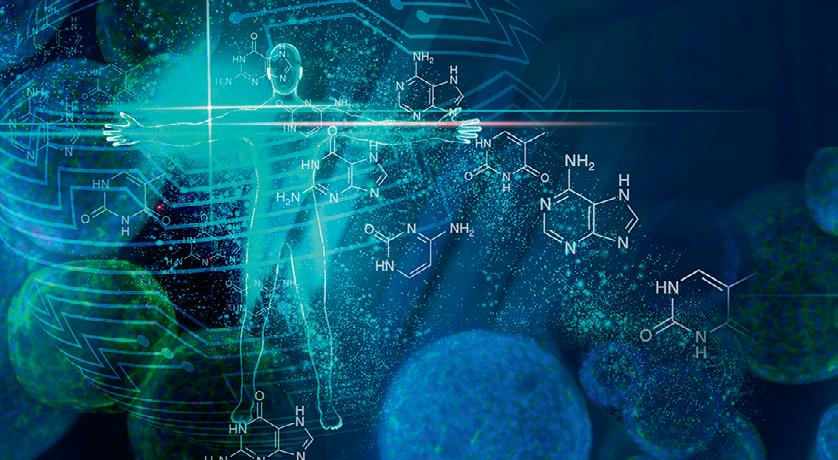
Whether scientists are making the transition from 2D to 3D cell culture for the first time, scaling their organoid development program or integrating a fully automated screening workflow, Molecular Devices is available to help. The company’s robust portfolio of end-to-end high-throughput solutions, user-friendly AI-powered data analysis and committed 3D biotechnology investments should support users in overcoming all their 3D biology challenges.
The company’s organoid line expansion service provides large volumes of standardised, reproducible assay-ready organoids so users can start with confidence. The organisation also delivers fully customised automation solutions for an end-to-end, high-throughput screening workflow.
Molecular Devices offers high-throughput, high-content confocal imaging solutions to obtain high-quality images quickly. Its AI/ML data analysis software meanwhile empowers users with easy-to-use, AI-powered data analysis to turn their images into actionable data.
Bio-Strategy Pty Ltd
www.bio-strategy.com
Bioreactor control system
The SciVario twin is a next-generation bioreactor control system suitable for microbial and cell culture applications.

The system is capable of controlling two vessels at the same time, either glass or single-use. It is compact and adaptable for changing requirements in the future, with its intuitive VisioNize touch user interface making it a suitable controller for R&D and process development.
Its digital sensor technology, wide-range pumps and gassing system, and step-by-step guided workflow are just some of the features that will help users in growing their cells. The controller integrates seamlessly into the VisioNize Lab Suite, enabling remote monitoring and notifications.
The user can personalise their SciVario twin according to their needs with the flexible bay-drawer system and easily set up their process with the integrated VisioNize touch software. The system also features automated detection and recognition of plugged-in devices.
Eppendorf South Pacific Pty Ltd
www.eppendorf.com.au
26 | LAB+LIFE SCIENTIST - Aug/Sep 2023 www.LabOnline.com.au | www.LifeScientist.com.au
what’s new
Making the Invisible Visible: Tracking Nanoparticles
Synergy of Complementary Characterisation Techniques:
NTA & DLS
Those familiar with the Malvern Zetasizer Dynamic Light Scattering (DLS) systems will appreciate it as an indispensable characterisation tool, which has continuously advanced for more than 40 years. Noninvasive back scattering technology grants excellent population statistics for an average size (by intensity) and average size distribution or polydispersity index. The addition of MultiAngle Dynamic Light Scattering (MADLS) in the Zetasizer Ultra, achieves a clearer, more complete data picture in as little as three minutes and builds on the established benefits of DLS like speed of measurement, ease of use and low cost of ownership.
Similarly, the Malvern NanoSight with Nanoparticle Tracking Analysis (NTA) is trusted by scientists around the world with thousands of publications referring to NanoSight NTA data. First introduced in 2002 (described by the ISO 19430 standard), NTA provides real-time, high-resolution NP size and concentration measurements. NTA delivers single particle resolution and is an appealing alternative to more complex, destructive methods such as electron microscopy (SEM/ TEM) and ICP-MS.
Both DLS and NTA are helpful, yet when used in conjunction can provide a more comprehensive understanding than either technique alone. DLS accumulates the scattering signal from vastly more
particles than NTA and therefore lends itself to statistically reliable outcomes in a much shorter time to elucidate total sample composition or the presence of any aggregates. Meanwhile, the higher resolution of NTA allows us to understand if there are several close populations and how much of the sample is present in each. Furthermore, on loading with fluorescently labelled particles, the subpopulation which has a fluorophore can be distinguished from the total population offering important information such as encapsulation efficiency.
Increased measurement repeatability and reproducibility with Machine Learning
Characterising NPs has never been so quick, easy and accurate. Powered by machine learning, the NanoSight Pro automates your workflow so removes subjectivity and human error. Any level of user can generate extremely accurate and reproducible size and concentration data with very little effort and time needed. Its unique optical heart brings new dimensions to repeatable detection, delivering superior data quality. An upgraded temperature controller allows stress and aggregation studies to be performed at up to 70°C. Advances in fluorescence measurement provide powerful insights into sample specificity while opening new possibilities in diagnostic, biomarker analysis and therapy applications.
The NanoSight Pro, with upgraded NS Xplorer software, delivers advanced capabilities with best-in-class, ultra high-resolution size, and concentration measurements for nanomaterials, up to three times faster than ever before. Previous limitations linked to small biological particles and other low scatterers are overcome by NanoSight Pro, which is optimised for use with samples including exosomes, viruses, vaccines, and drug delivery systems.

As research groups focused on drug delivery continue on their journey into developing more targeted therapeutics and vaccines with fewer side effects, high-quality analytical characterisation is critical to their success. Take a look at the recent video where the NanoSight Pro is used to develop and QC assure molecularly imprinted polymers (MIP) for usage in sensors and COVID-19 lateral flow tests (https://bit.ly/43sbdNr).
Contact us for a free demonstration: www. atascientific.com.au/contact-us/.
1. Direct visualization, sizing and concentration measurements of drug delivery nanoparticles using Nanoparticle Tracking Analysis (NTA) (2014) Malvern Panalytical. Available at: https://www.malvernpanalytical. com/en/learn/knowledge-center/application-notes/ AN140303DrugDeliveryNanoparticles (Accessed: 13 July 2023).

LAB+LIFE SCIENTIST - Aug/Sep 2023 | 27 www.LabOnline.com.au | www.LifeScientist.com.au
SPONSORED
ATA Scientific Pty Ltd www.atascientific.com.au
CONTENT
is now Faster, Easier and more Accurate
It’s a well-known fact that size matters when a nanoparticle (NP) based drug is considered. Size will have a significant effect on pharmacokinetics or the drug’s ability and efficiency to reach its target in the body. It is also equally important to understand the concentration and the dosage of NPs loaded with the desired drug.
Fluorescent nanoprobes
Nano-Boosters and Nano-Labels from Chromotek are fluorescent nanoprobes. They consist of 15 kDa small nanobodies or VHHs, the smallest antibodies known. These single-domain alpaca antibody fragments are covalently coupled to fluorescent dyes. Due to their small size, the Nano-Boosters and Nano-Labels allow for high image resolution, good tissue penetration and high labelling density.
Nanoprobes offer minimal linkage error at less than 2 nm epitope-label displacement. They are recombinantly expressed and completely validated.

The use of GFP- and RFP-Boosters can help stabilise, retain and enhance fluorescent protein signals, enabling good accessibility and labelling of epitopes in crowded cellular/organelle environments. Applications include immunofluorescence, super-resolution microscopy, confocal and epifluorescence microscopy.

United Bioresearch Products Pty Ltd www.unitedbioresearch.com.au


Autoclaves


ZEALWAY (XIAMEN) INSTRUMENT is a manufacturer of high-quality autoclaves/steam sterilisers featuring stylish designs.


The company’s main products include vertical autoclaves (from 29 to 150 L), tabletop autoclaves (14, 18 and 23 L) and horizontal autoclaves (180, 280 and 350 L).

The autoclaves include special functions such as cooling fans, automatic water feeding, drying and drug package testing programs.
ZEALWAY (XIAMEN) INSTRUMENT INC www.zealway.us

Combined rapid antigen test for RSV, Flu A/B and COVID-19

In response to the growing concern for co-infections, Touch Biotechnology has released its TGA-approved multi-virus diagnostic testing kit to the Australian market. The cutting-edge diagnostic solution is designed to empower people to take control of their health by providing a convenient and sensitive test for detecting respiratory syncytial virus (RSV), Flu A/B and COVID-19 infections at home.
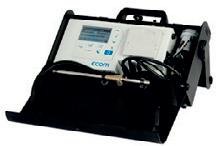
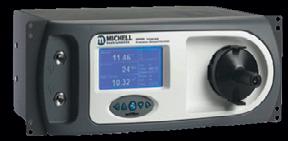

The test is said to feature a high sensitivity rate for all three viruses and an accuracy rate of over 98%. Through a single nasal swab, results are available within 15 min, allowing users to obtain timely information about their health status.
Australians are recommended to take the test when they feel unwell, have any symptoms or have been in contact with someone who has these viruses. The test kit will be available to purchase at retail stores and online. TouchBio Australia www.touchaustralia.com.au

28 | LAB+LIFE SCIENTIST - Aug/Sep 2023 www.LabOnline.com.au | www.LifeScientist.com.au what’s new
Toxic VOCs released from consumer products
Many common products like shampoos, body lotions, cleaners, mothballs and paint removers contain toxic volatile organic compounds (VOCs) — chemicals that escape as gases, accumulate in indoor air and cause a variety of health problems including cancer. Because companies, for the most part, are not required to disclose what it’s in their products or how much, it’s difficult to know what people might be exposed to and the potential health effects.

For the new analysis, Silent Spring scientist Kristin Knox and her colleagues turned to an unlikely source of data: the California Air Resources Board (CARB). For more than 30 years, CARB has been tracking VOCs in consumer products in an effort to reduce smog. In the presence of sunlight, VOCs react with other air pollutants to form ozone, the main ingredient in smog.
Under its Consumer Product Regulatory program, CARB periodically surveys companies that sell products in California, collecting information on a wide range of items — everything from hairspray to windshield wiper fluid. The data include information on the concentration of VOCs used in various types of products and how much of each product type is sold in the state. CARB does not share data on specific products.
The researchers analysed the most recent CARB data, focusing on 33 VOCs listed under California’s right-to-know law, Prop 65, because they cause cancer, birth defects or other reproductive harm. The law requires companies that sell products in California to warn users if their products could expose them to significant amounts of these harmful chemicals.
The team’s analysis found more than 100 types of products contain Prop 65 VOCs. Of those, the researchers identified 30, including a dozen different types of personal care products, that deserve special scrutiny because they frequently
LAB+LIFE SCIENTIST - Aug/Sep 2023 | 29 www.LabOnline.com.au | www.LifeScientist.com.au
chemical analysis
A new study by the Silent Spring Institute and the University of California, Berkeley in the US has exposed how much people come into contact with toxic ingredients in products, used at home and at work, that could harm their health. Findings from the analysis, published in the journal Environmental Science & Technology, could help state and federal agencies strengthen chemical regulations and guide manufacturers in making safer products.Illustration credit: Meg Schwarzman, UC Berkeley.
contain harmful chemicals and may pose the greatest health risk. (Since CARB only reports on VOCs, many other toxic chemicals listed under Prop 65, such as lead, were not included in the analysis.)
Products used on the job are especially concerning, the authors noted, because workers often use many different types of products, each of which likely contains at least one hazardous chemical. For instance, nail and hair salon workers use nail polishes and polish removers, artificial nail adhesives, hair straighteners and other cosmetics. According to the analysis, these types of products combined contain as many as nine different Prop 65 VOCs. Cleaners might use a combination of general cleaners, degreasers, detergents and other maintenance products, which could expose them to more than 20 Prop 65 VOCs.
“The same thing goes for auto and construction workers; all these exposures add up and might cause serious harm,” said co-author and study leader Meg Schwarzman, from UC Berkeley. “At the most basic level, workers deserve to know what they’re exposed to. But, ultimately, they deserve safer products and this study should compel manufacturers to make
significant changes to protect workers’ health.”
Of the 33 VOCs listed under Prop 65, the researchers identified the top 11 chemicals that manufacturers should eliminate from products because of the chemicals’ high toxicity and widespread use. Other findings include:
• Among products used on the body, formaldehyde was the most common Prop 65 VOC, and was found in nail polish, shampoo, make-up and other types of personal care items.
• For products used in the home, generalpurpose cleaners, art supplies and laundry detergents contained the most Prop 65 VOCs.
• Adhesives contained more than a dozen different Prop 65 VOCs, highlighting that workers can be exposed to many toxic chemicals from using just one type of product.
Finally, the team used the CARB data to calculate the total amount of Prop 65 VOCs emitted from consumer products indoors and found more than 5000 tons of volatile Prop 65 chemicals were released from products in the state of California in 2020. Nearly 300 tons of that came from mothballs (1,4-dichlorobenzene) alone.
“Although Prop 65 has reduced the public’s exposure to toxic chemicals both through litigation and by incentivising companies to reformulate their products, people continue to be exposed to many unsafe chemicals,” said co-author Claudia Polsky, Director of the Environmental Law Clinic at UC Berkeley School of Law. “This study shows how much work remains for product manufacturers and regulators nationwide, because the products in CARB’s database are sold throughout the US.”
In addition to highlighting the types of products manufacturers should reformulate to replace toxic VOCs with safer ingredients, the authors also suggest that the US Environmental Protection Agency consider regulating five additional chemicals under the Toxic Substances Control Act (TSCA). These chemicals include ethylene oxide, styrene, 1,3-dichloropropene, diethanolamine and cumene.
“This study is the first to reveal the extent to which toxic VOCs are used in everyday products of all types that could lead to serious health problems,” Knox said. “Making this information public could incentivise manufacturers to reformulate their products and use safer ingredients.”


30 | LAB+LIFE SCIENTIST - Aug/Sep 2023 www.LabOnline.com.au | www.LifeScientist.com.au
chemical analysis (02) 9484-0931 | info@bionovuslifesciences.com.au www.bionovuslifesciences.com.au
disease antigens and antibodies • Proprietary VirtuE™ Expression System o Derived from a HEK293 human cell line o Ensures native-like glycosylation and proper folding of antigens o Maximises antigen specificity and performance in assays • Diverse range of antigens and antibodies o Over 60 viral and bacterial diseases o Extensive range of human Coronavirus products - Over 90 antigens and over 50 antibodies available for: * Alpha and beta Coronaviruses * MERS, SARS-CoV & SARS-CoV-2 o Japanese Encephalitis Virus (JEV) o Ross River Virus and many more • Contract and Custom Services o Vector design o Protein expression and purification o Antibody generation o ELISA development o Virology testing
Premium producer of infectious
MGI and the South Australian Genomics Centre (SAGC) have announced joint efforts to advance genomics research in Australia by introducing the country’s first commercial ultrahighthroughput sequencer, DNBSEQ-T7, through MGI’s local distributor, Decode Science.

Located in the South Australian Health and Medical Research Institute (SAHMRI) building in Adelaide, SAGC is a nationally accredited genomics facility that supports research nationally and internationally. Established in July 2020 as a partnership between six leading research institutes in South Australia, featuring a topof-the-line equipment infrastructure, SAGC provides customers with a wide range of advanced genomics services including whole genome sequencing, exome sequencing, epigenome sequencing, transcriptome sequencing, single-cell sequencing, microbiome sequencing and spatial transcriptomics.
Based on MGI’s proprietary DNBSEQTM technology, the DNBSEQ-T7 is designed to deliver ultrahigh-throughput, highquality, reliable sequencing data at a fraction of the cost with a quick turnaround time, generating up to 6 TB of genomic data in 24 hours. The ultrahigh-throughput sequencer is equipped with four flow cells, enabling high flexibility to run PE150 and PE100 samples simultaneously or separately to accommodate the needs of different projects. The versatile sequencer can support a wide range of applications in agriculture, multi-omics research, clinical whole genome or exome sequencing, metagenomics of complex microbial communities, biodiversity study and more.
“MGI is committed to driving life science innovation and providing researchers with accessible and affordable tools they need to make new discoveries,” said Dr Bicheng Yang, Director of MGI Australia.
“SAGC is a perfect fit to host the first commercial DNBSEQ-T7 in the country with the great potential to revolutionise genomics
research in Australia, and we are excited to be part of this transformative journey.”
“The new ultrahigh-throughput sequencing technology allows for deeper, faster, accurate sequencing, enabling researchers to dramatically boost the number of samples they can analyse, significantly expanding research possibilities,” said Dr Sen Wang, SAGC Centre Manager.
“The arrival of MGI’s DNBSEQ-T7 enables us to take on large-scale genomics tasks such as population-wide studies and emerging technologies like Spatial Transcriptomics at a much lower cost.”
Professor David Lynn, Scientific Director of SAGC added, “The T7 is the perfect addition to maximise the full potential of the centre’s other sequencers, taking overall output to new heights. It’s a much more flexible system that fits perfectly into the full range of other sequencers SAGC offers. This flexibility allows SAGC to match the right tool to any scale of sequencing project, while offering significantly lower costs.”
The sequencer, as designed, is integrated into SAGC’s existing workflow. The data pipeline is powered by ZTRON Lite, a GDPR-compliant, highly automated genomics data appliance dubbed ‘Sequencer Buddy’, to provide a high-performance edge computing and storage solution to execute laboratory management, bioinformatics analysis, data governance and data delivery.
Operating in a close-loop local network, the streamlined pipeline automatically transfers the sequencing data generated from DNBSEQ-T7 onto ZTRON Lite for processing. The primary data can be stored locally on ZTRON Lite, ensuring a secure environment for access control and data privacy, with the option to transfer to a secure cloud service. MGI ZTRON Appliance is certified by European Privacy Seal (EuroPriSe) and compliant with GDPR regulations.
LAB+LIFE SCIENTIST - Aug/Sep 2023 | 31 www.LabOnline.com.au | www.LifeScientist.com.au
what’s happening
MGI Australia Pty. Ltd. en.mgi-tech.com/
Ultrahigh-throughput sequencer to advance genomics research
Unified software environment
BIOVIA, a brand of Dassault Systèmes, offers an approach to unifying solutions and improving process workflows by supporting research, development and analytics in the life sciences industry. Featuring a holistic environment that champions efficiency and improved data interpretation, the brand can accelerate development and innovation by simplifying lab processes for increased productivity while reducing costs.
BIOVIA ONE Lab is designed to optimise workflows and processes by supporting the integration between various solutions such as ELN, LIMS, LES, inventory management and instrument management through a single end-to-end solution. Multiple processes and checkpoints can be managed through the integrated platform, which is designed to improve data analysis and reduce time taken to manually derive insights for product development.
BIOVIA supports various workflows from research to development to ease challenges that scientists face with data transcription and tedious processes. Through data management and workflow automation as well as multi-step processes harmonised into one platform, the platform can help to decrease cost inefficiencies with standardised processes.
With the reliance and use of different lab informatics point solutions such as ELNs in early research, and LIMS and LES common for process development and QC, there are set boundaries hampering data flow. Removing these boundaries by eliminating siloed systems, BIOVIA enables a holistic view of all processes from start to end. With access to project information at any time, BIOVIA ONE Lab brings data together for an overall view, which should provide stakeholders with the right information for decision-making and analysis for future groundbreaking inventions.
Medidata Solutions International Asia Pacific Pte Ltd www.medidata.com/en/office/singapore
Sustainable centrifuge
Eppendorf has introduced the Centrifuge 5427 R — the first Eppendorf microcentrifuge with hydrocarbon cooling to contribute to a more sustainable laboratory environment. With this offering, users can now perform various molecular and cell biology applications while using a refrigerated device that contains a natural cooling agent with a global warming potential (GWP) of almost zero, to protect both the user’s samples and the planet.
Natural cooling agents, like R290 (propane), have a similarly low GWP as CO 2 (<3), while conventional refrigerants such as R134a have a GWP of 1430 and thus have a disproportionately greater impact on global warming when released into the environment.
The ACT label certification of the Centrifuge 5427 R makes it easy for users to choose a more sustainable product, since this label gives clear, third-party verified information about its environmental impact, eg, manufacturing, energy and water usage, as well as packaging and product end of life.
The centrifuge offers more than natural propane cooling. Due to its compact footprint and the dual-row rotor FA-45-48-11 for up to 48 x 1.5/2 mL tubes, capable of speeds up to 25,001 x g, it is suitable for laboratories with a high sample throughput. It is also a good choice for areas where many users share instruments, due to its large rotor selection. The nine rotor options, consisting of fixedangle and swing-bucket rotors, cover a wide range of applications in the field of molecular and cell biology.

Eppendorf South Pacific Pty Ltd www.eppendorf.com.au
PD1/PD-L1 proximity ligation assay kit
The Naveni PD1/PD-L1 AP is an in situ proximity ligation assay (PLA) kit for chromogenic and brightfield detection of the interaction of PD1 and PD-L1. A commercial assay for detecting the interaction in situ, the kit gives a high signal-to-noise ratio and has good specificity. It utilises alkaline phosphatase (AP) as the substrate and has been validated on formalin-fixed paraffin-embedded (FFPE) human tissue samples.

The kit is based on Navinci’s Naveni Proximity Ligation Technology, with two Navenibodies conjugated to proprietary oligo arms. The technology offers specific and sensitive detection.
One Navenibody binds the PD1 protein, and the other Navenibody binds PD-L1. Probes in close proximity will give a strong and distinct signal, creating a specific and sensitive detection method for the interaction between PD1 and PD-L1.
Sapphire Bioscience
www.sapphirebioscience.com
32 | LAB+LIFE SCIENTIST - Aug/Sep 2023 www.LabOnline.com.au | www.LifeScientist.com.au what’s new
pathologist’s paradise AACB’s annual conference a
This October, the Australasian Association for Clinical Biochemistry and Laboratory Medicine (AACB) is offering an entire week dedicated to professional development, education and networking.
The week will commence with the Quality Control ‘Statistics’ Workshop, to be held on 16 October at the Royal ICC (Brisbane Showgrounds). This workshop is designed to provide practical advice and insights for individuals who may not be regularly engaged in statistical processes.
Following this, the centrepiece of the week unfolds at the Royal ICC — the AACB 60th Annual Scientific Conference, themed ‘Patient Centred Pathology’ (17–19 October).
The theme will explore how we can focus laboratory medicine’s essential role in health care to enhance and individualise our contribution to improved outcomes. A diverse program awaits, encompassing personalised laboratory medicine, pathology informatics, patient-controlled electronic health records, fostering public awareness of pathology, mitigating individual health risks and an array of updates spanning research, clinical and analytical biochemistry.
Distinguished experts from around the globe, as well as local luminaries, have been invited. The program includes notable highlights such as the David Rothfield Memorial Oration, which will be delivered by the esteemed Professor Abdurrahman Coskun, and the David Curnow Plenary Lecture, to be presented by the esteemed Professor Graham Jones.
In addition to the keynote plenary sessions, the conference boasts an array of concurrent symposia, industry sessions, proffered papers and poster presentations, as well as an extensive industry exhibition providing the latest innovative insights and cutting-edge technologies.
Beyond the academic and professional facets, the conference offers a plethora of networking avenues, providing opportunities for interaction and collaboration, facilitating the exchange of ideas, knowledge and experiences among like-minded professionals.
Bringing the week to a fitting culmination is the two-day Chromatography Mass Spectrometry Satellite Meeting (20–21 October) at the RBWH Education Centre. This specialised meeting
promises an array of diverse topics, including insights into therapeutic drug monitoring (TDM), the future trajectory of mass spectrometry (MS), the pivotal role of MS in neonatal monitoring, method development, clinical toxicology and much more.

This exceptional week of education will be held in the lively city of Brisbane this October. Renowned for its laidback outdoor lifestyle, warm and welcoming locals, and vibrant urban precincts, Brisbane provides an idyllic backdrop for both professional enrichment and leisurely exploration.
For further details, visit https://aacb.eventsair. com/aacb-60th-annual-scientific-conference/ and discover the wealth of knowledge and opportunities this week holds. Early-bird rates are available until the end of August.
What: AACB 60th Annual Scientific Conference and Satellite Meetings
Where: Brisbane
When: 16–21 October 2023
Web: https://aacb.eventsair.com/aacb-60thannual-scientific-conference/
LAB+LIFE SCIENTIST - Aug/Sep 2023 | 33 www.LabOnline.com.au | www.LifeScientist.com.au conference
iStock.com/Daniel Chetroni
Nitrogen 2023
November 6–9, Sydney
The Fifth International Symposium on the Nitrogen Nutrition of Plants (Nitrogen 2023) brings together those with a keen interest in plant nitrogen and how this important nutrient can be used to support plant growth and ultimately produce food, fibre and oil.

With looming global protein shortages expected by 2050, it is important for plant scientists to better understand the processes controlling nitrogen accessibility, nitrogen metabolism and the delivery of amino acids and proteins to an increasingly hungry planet. The conference program will provide a rich and stimulating exposé of leading plant nitrogen research, featuring an exciting selection of talks and posters that generate discussion and advances in the field. https://www.nitrogen2023.com/
IAVS 2023
September 3–8, Coffs Harbour https://iavsaustralia2023.com/
ASCIA 2023 Conference
September 5–8, Sydney and online https://ascia2023.com/index.html
Integrated Earth 2023
September 12–13, Canberra and online https://www.tern.org.au/integrated-earth/
7th International Plant Dormancy Symposium
September 12–15, Perth https://plant-dormancy-perth.com/
Falling Walls Lab Australia Finale
September 18, Canberra https://www.science.org.au/news-and-events/events/ falling-walls-lab-australia-2023
The 9th Symposium on Frequency Standards and Metrology
October 16–20, Kingscliff, NSW https://www.qdmlab.com/9fsm2023
AACB 60th Annual Scientific Conference
October 17–19, Brisbane https://aacb.eventsair.com/aacb-60th-annualscientific-conference
2023 Boden Research Conference:
Advancing the Science of Precision and Personalised Nutrition
October 19–20, Canberra and online https://www.science.org.au/news-and-events/ events/2023-boden-research-conference-advancingthe-science-of-precision-and-personalised-nutrition
BioProcessing Network 2023 Conference
October 24–26, Melbourne https://www.bioprocessingnetwork.org.au/conference/
Australasian Radiation Protection Society 2023 Conference
October 29–November 2, Gold Coast https://arpsconference.com.au/
AusBiotech 2023
November 1–3, Brisbane https://www.ausbiotechnc.org/
AIMS NSW North Coast Scientific Meeting
November 3–5, Port Macquarie https://www.aims.org.au/events/event/nsw-northcoast-div-conference-2023
ASC 50th Annual Scientific Meeting
November 3–5, Surfers Paradise https://www.cytology.com.au/annual-scientificbusiness-meeting
Blood 2023
November 5–8, Melbourne https://www.blood2023.com/
11th International Conference on Environment Pollution and Prevention
November 10–12, Brisbane http://www.icepp.org/
AIMS & AACB Tasmanian Branch Scientific Meeting
November 11, Hobart https://www.aims.org.au/events/category/tas-branch
Energy Oceania 2023
November 27–29, Melbourne https://www.energyconferenceaustralia.com/
Australian Society of Plant Scientists Conference
November 28–December 1, Hobart https://www.asps.org.au/conferences/asps-2023
International Conference on Quantum Energy
December 4–6, Melbourne https://www.icqe.com.au/
Acoustics 2023
December 4–8, Sydney https://acoustics23sydney.org/
Lorne Proteins 2024
February 4–8, Lorne https://www.lorneproteins.org/
Lorne Genome 2024
February 11–13, Lorne https://www.lornegenome.org/
Lorne Infection & Immunity 2024
February 14–16, Lorne https://www.lorneinfectionimmunity.org/
Molecular Approaches to Malaria (MAM)
2024 Conference
February 18–22, Lorne https://mam2024conference.com.au/
Tell the world about your event: email LLS@wfmedia.com.au
Westwick-Farrow Media
A.B.N. 22 152 305 336 www.wfmedia.com.au
Head Office Unit 7, 6-8 Byfield Street, (Locked Bag 2226) North Ryde BC NSW 1670, AUSTRALIA
Ph: +61 2 9168 2500
Editor Lauren Davis LLS@wfmedia.com.au
Acting Publishing Director/MD: Janice Williams
Art Director/Production Manager Julie Wright
Art/Production
Linda Klobusiak, Marija Tutkovska
Circulation
Dianna Alberry circulation@wfmedia.com.au
Copy Control Mitchie Mullins copy@wfmedia.com.au
Advertising Sales
Sales Manager: Kerrie Robinson Ph:0400 886 311 krobinson@wfmedia.com.au
Ben Calvo
Ph: +61 2 9168 2516 bcalvo@wfmedia.com.au
Tim Thompson Ph: 0421 623 958 tthompson@wfmedia.com.au
If you have any queries regarding our privacy policy please email privacy@wfmedia.com.au
All material published in this magazine is published in good faith and every care is taken to accurately relay information provided to us. Readers are advised by the publishers to ensure that all necessary safety devices and precautions are installed and safe working procedures adopted before the use of any equipment found or purchased through the information we provide. Further, all performance criteria was provided by the representative company concerned and any dispute should be referred to them. Information indicating that products are made in Australia or New Zealand is supplied by the source company. Westwick-Farrow Pty Ltd does not quantify the amount of local content or the accuracy of the statement made by the source.
34 | LAB+LIFE SCIENTIST - Aug/Sep 2023 www.LabOnline.com.au | www.LifeScientist.com.au
event horizon
Printed and bound by Dynamite Printing Print Post Approved PP100008671 ISSN No. 2203-773X
iStock.com/amenic181
to industry and business professionals





www.WFMedia.com.au/subscribe The magazine you are reading is just one of 11 published by Westwick-Farrow Media. To receive your free subscription (magazine and eNewsletter), visit the link below. FREE