

When designed and used correctly, labels help employees identify hazards, follow procedures, and handle materials responsibly. From warning decals on machinery to customized in laboratories, these visual cues support consistent messaging and reduce the risk of misunderstanding. This article explores how effective label design improves workplace communication, why customization matters, and how businesses can implement responsibly while meeting Canadian standards
Why Caution Labels Are Essential in Canadian Workplaces
Workplace environments often involve moving equipment, hazardous materials, and complex processes. In such settings, written instructions alone are not enough. Visual markers offer immediate recognition and are especially valuable in high-risk or fast-paced situations.
These provide standardized messaging that employees can recognize at a glance. They are particularly useful in multilingual workplaces, where symbols and colour coding reinforce understanding beyond language barriers. In Canada, many organizations rely on labels to align with Occupational Health and Safety (OHS) requirements, ensuring hazards are clearly marked and communicated
Beyond compliance, effective labelling also fosters a culture of safety. When workers consistently see clear, well-placed labels, they are more likely to remain alert and proactive about risk management.
Contact: 403-930-5543
Email: sales@industrialnameplates.ca

Understanding the Different Types of Safety Labels
Caution vs. Warning vs. Danger Labels
Not all safety labels communicate the same level of risk. Understanding these distinctions is key to proper usage.
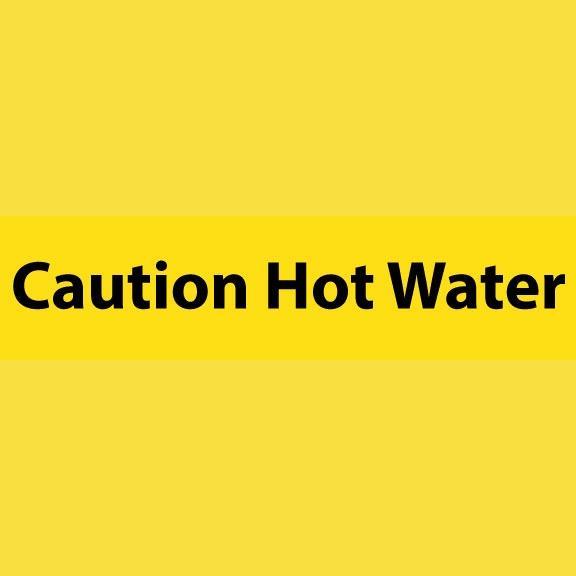
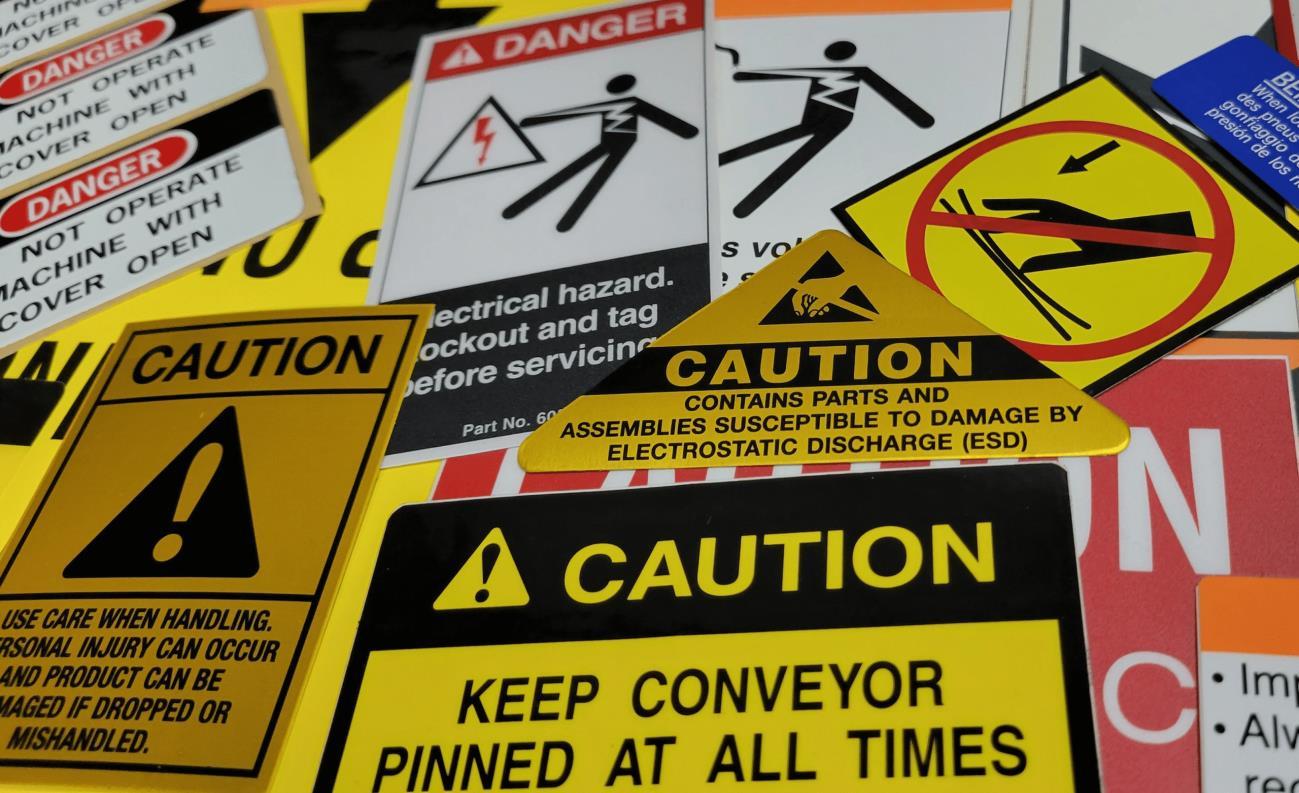
Caution labels indicate potential hazards that may cause minor or moderate injury if not addressed.
Warning decals signal more serious hazards that could result in significant injury.
Danger labels are reserved for the most severe risks, where immediate danger could lead to serious injury or death.
Using the correct category ensures that employees accurately assess the level of risk and respond appropriately. Overusing high-severity can reduce their effectiveness, while underusing them may expose workers to unnecessary danger
Role of Visual Hierarchy
Effective decals rely on visual hierarchy colour, icons, and text size to guide attention. Yellow is commonly associated with caution, orange with warning, and red with danger. When combined with clear symbols, these visual cues support quick decision-making in busy environments
The Importance of Customization in the Workplace
Why Custom Labels Are More Effective
Generic decals may not always reflect the specific conditions of a workplace. This is where custom decals and printed decals provide significant advantages. Customization allows businesses to tailor messages to their equipment, processes, and materials
For example, customized labels for bottles used in laboratories or cleaning operations can specify contents, handling instructions, and expiry information. This level of detail reduces confusion and helps prevent misuse or cross-contamination.
Contact: 403-930-5543
Email: sales@industrialnameplates.ca

Industry-Specific Applications
Different industries require different labelling approaches:
Manufacturing: Machine guards, electrical panels, and restricted areas often rely on durable warning signage
Healthcare: Medication storage and chemical handling depend on precise, legible labels.
Warehousing: Floor markings and equipment decals guide movement and reduce collision risks.
Custom solutions ensure decals remain relevant and effective across diverse operational settings.
Design Principles for Clear and Compliant Labels
Clarity and Simplicity
The most effective labels are simple and direct. Short phrases, clear icons, and high-contrast colours improve readability. Avoid overcrowding decals with excessive text, as this can slow comprehension during critical moments
Contact: 403-930-5543
Email: sales@industrialnameplates.ca

Durability and Material Selection
Workplace conditions vary, and labels must withstand their environment. Printed decals designed for industrial use are often resistant to moisture, chemicals, and temperature changes. Choosing the right material ensures decals remain legible over time, maintaining their safety function.
Consistency across the Workplace
Consistency reinforces recognition. Using similar formats, colours, and terminology across all safety signage helps employees quickly identify hazards without needing to re-interpret each label.
Compliance with Canadian Safety Standards
Aligning with OHS and WHMIS Guidelines
In Canada, workplace labelling often aligns with regulations such as the Workplace Hazardous Materials Information System (WHMIS). Labels must accurately reflect hazard classifications and include required elements where applicable.
Whenever using compliant warning decals and danger labels demonstrates due diligence and supports legal obligations. It also protects employers by showing proactive risk management in the event of an incident.
Avoiding Misleading or Deceptive Practices
Labels must always be truthful and relevant. Overstating risks or using alarming language unnecessarily can undermine trust and violate guidelines around deceptive communication. Following established standards ensures decals remain credible and effective.
Best Practices for Implementing Safety Labels
Conducting a Workplace Assessment
Before installing new decals, assess your environment. Identify hazards, traffic flow, and areas where visual communication would improve safety. This assessment helps determine where caution labels and other signage will have the greatest impact.
Contact: 403-930-5543
Email: sales@industrialnameplates.ca

Employee Training and Awareness
Labels are most effective when paired with training. Educate employees on what different decals mean and how to respond. This reinforces visual cues and integrates them into daily routines.
Regular Review and Updates
Workplaces evolve, and so should safety communication. Periodically review labels to ensure they remain accurate, legible, and relevant. Replace damaged or outdated decals promptly.
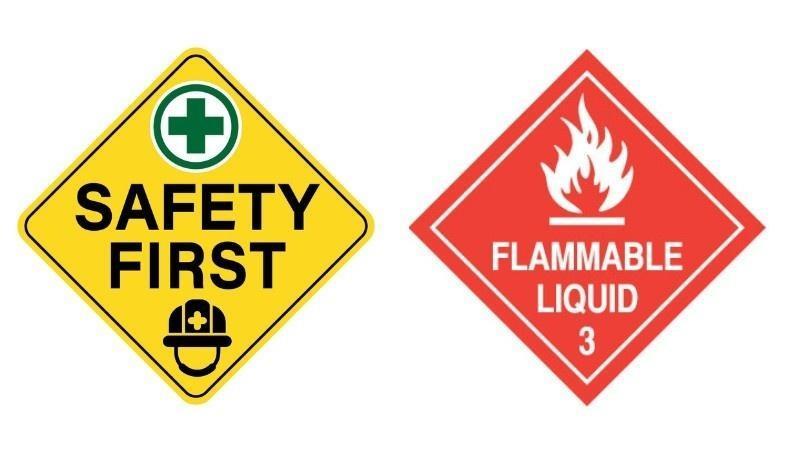
The Role of Labels in Building a Safety-First Culture
Beyond compliance, labels contribute to a broader culture of care and responsibility. When employees see that hazards are clearly marked and thoughtfully communicated, it reinforces the organization’s commitment to their well-being.
Effective labelling also supports accountability. Clear messaging reduces ambiguity, helping everyone understand expectations and procedures. Over time, this clarity leads to fewer incidents and greater operational confidence
Contact: 403-930-5543
Email: sales@industrialnameplates.ca

Frequently Asked Questions:
What is the main purpose of caution labels in the workplace?
It alerts employees to potential hazards that require attention. They help reduce minor to moderate injuries by encouraging awareness and safe behaviour.
How do warning decals differ from danger labels?
Warning decals indicate serious hazards, while danger labels communicate immediate and severe risks. Using the correct category ensures appropriate responses to different hazard levels
Are custom decals better than generic labels?
Yes, custom decals allow businesses to tailor messages to specific equipment or materials, improving clarity and relevance compared to generic options.
Why are customized labels for bottles important?
They clearly identify contents, handling instructions, and safety precautions, reducing the risk of misuse or accidental exposure in workplaces
How often should safety labels be reviewed or replaced?
It should be reviewed regularly, especially after process changes or if it becomes damaged, faded, or outdated
Do Canadian workplaces have specific labelling requirements?
Yes, many workplaces must comply with OHS and WHMIS guidelines, which outline how hazards should be identified and communicated.
Can too many labels reduce effectiveness?
Yes, overusing labels can cause visual clutter and reduce attention. Strategic placement and clear prioritization improve overall effectiveness.
Contact: 403-930-5543
Email: sales@industrialnameplates.ca