High-Grade Luthier Wood Supply for Handmade Musical Instruments
Crafting a handmade musical instrument begins long before the first note is played. It starts with carefully chosen wood that resonates with clarity, balance, and character. For luthiers and instrument makers, wood quality is not an accessory to craftsmanship; it is the foundation that shapes tone, stability, and long-term performance. When materials are selected with precision and respect for tradition, the result is an instrument capable of expressing both technical excellence and artistic depth.
Across generations of builders, premium tonewood has remained a defining factor in the success of fine guitars and stringed instruments. Reliable sourcing, ethical handling, and consistent grading ensure that every piece meets professional expectations. In this context, Pacific Rim Tonewoods stands as a trusted name associated with dependable sourcing practices and a deep understanding of how wood influences sound, playability, and durability.
Table of Contents
The Importance of Wood Selection in Instrument Craft
Every handmade instrument reflects the maker’s intent and the materials chosen. The density, grain orientation, and seasoning process of wood all contribute to tonal balance and projection. Builders rely on consistent quality to achieve predictable results, especially when creating instruments for discerning musicians who demand precision.
A well-curated tonewood shop provides more than raw materials. It offers insight into species behavior, structural integrity, and tonal response. By maintaining rigorous grading standards, such suppliers help reduce waste and allow luthiers to focus on craftsmanship rather than uncertainty. Access to premium luthier wood ensures that builders can maintain artistic consistency across custom and small-batch projects.
Craftsmanship Rooted in Experience and Knowledge
Understanding Acoustic Properties
Experienced luthiers recognize that wood is a living material with individual characteristics. Subtle variations in stiffness or resonance can dramatically affect an instrument’s voice. Selecting appropriate guitar tonewoods requires knowledge of how each species performs under tension and over time. This understanding allows builders to match wood characteristics with specific musical styles and playing techniques.
Reliable luthier wood supply channels help maintain this consistency by offering welldocumented origins, moisture control, and careful storage. These factors contribute directly to the longevity of the finished instrument and the satisfaction of musicians who rely on stable performance.
Ethical Sourcing and Sustainability
Modern instrument making also values responsible sourcing. Ethical forestry practices and transparent supply chains protect both the environment and the future availability of premium materials. Working with a reputable tonewood supplier supports sustainable harvesting while maintaining access to rare and traditional species.
Sustainability does not compromise quality when managed correctly. Instead, it encourages thoughtful use of resources and innovative approaches to wood utilization. Builders benefit from stable supplies and long-term relationships built on trust and shared values.
Precision Processing and Quality Control
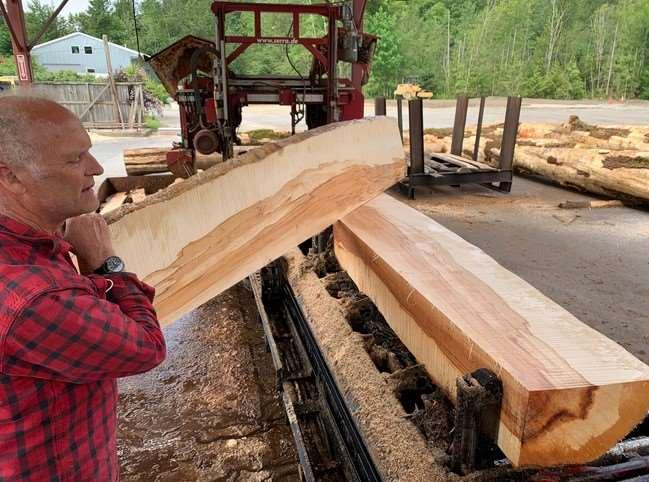
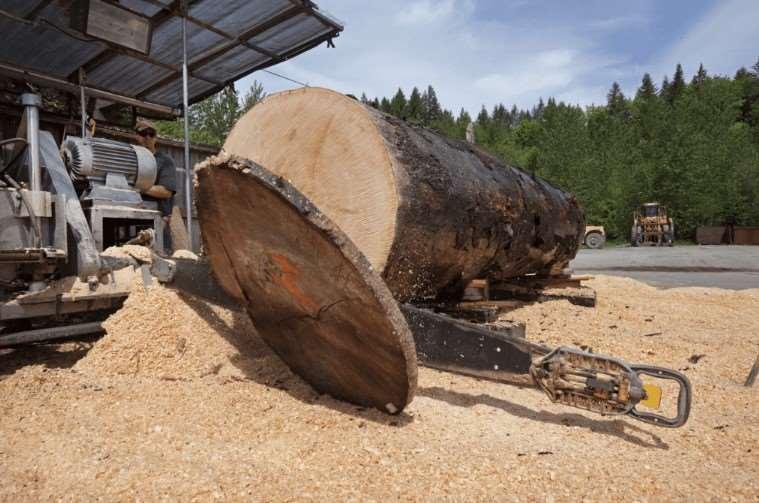
Behind every high-grade piece of wood is a process that balances tradition with modern precision. From initial cutting at a sawmill to final grading, each step affects acoustic potential. Proper seasoning and climate control reduce internal stress, helping wood adapt smoothly to the demands of string tension and environmental changes.
Consistency in processing ensures that each piece of tonewood for guitars meets expectations for resonance and structural integrity. Attention to detail during drying and storage minimizes defects, allowing luthiers to work confidently with materials that perform as intended.
Supporting the Needs of Professional Luthiers
Tailored Selection for Custom Builds
Professional builders often require wood that aligns with specific design goals. Whether crafting a concert-grade instrument or a bespoke guitar, access to carefully matched sets is essential. High-quality guitar tonewoods for sale provide options that suit a range of tonal preferences without sacrificing reliability.
A knowledgeable supplier understands these needs and offers guidance based on experience. This collaborative approach helps luthiers select materials that complement their construction techniques and artistic vision.
Consistency Across Projects
Consistency matters when building multiple instruments or maintaining a signature sound. Reliable sourcing allows builders to replicate tonal qualities across different builds. Working with established providers ensures that each piece of luthier wood adheres to the same standards of grading and preparation.
Such consistency enhances a builder’s reputation and fosters trust with musicians who expect dependable performance from handmade instruments.
Regional Expertise and Community Trust
Local expertise plays a vital role in tonewood supply. Regional climate knowledge, storage practices, and distribution efficiency all contribute to material quality. By understanding environmental factors and logistical challenges, suppliers can maintain wood stability from source to workshop.
Instruments crafted from well-handled tonewoods reflect this attention to detail. Builders benefit from materials that arrive ready for use, reducing preparation time and material loss. A reliable service model further supports luthiers by ensuring clear communication and dependable fulfillment.
Advancing the Art of Instrument Making
The relationship between wood supplier and luthier is a partnership grounded in shared respect for craftsmanship. By prioritizing quality, transparency, and education, suppliers contribute to the evolution of instrument making while honoring its traditions.
Pacific Rim Tonewoods exemplifies this approach by aligning material excellence with ethical practices and technical knowledge. Such alignment allows builders to focus on refining their craft and delivering instruments that resonate with musicians worldwide.
Conclusion
High-grade tonewood remains the cornerstone of exceptional handmade instruments. From acoustic responsiveness to long-term stability, the right wood elevates craftsmanship and supports artistic expression. When sourced responsibly and prepared with care, premium materials empower luthiers to create instruments that stand the test of time.
By working with knowledgeable suppliers and maintaining rigorous standards, builders ensure that every instrument reflects dedication to quality and tradition. The enduring relationship between wood and music continues to inspire innovation, guided by expertise, trust, and respect for the materials that bring sound to life.
FAQs
How does wood quality affect the sound of a handmade guitar?
Wood quality directly influences resonance, sustain, and tonal balance. Well-seasoned and properly graded wood produces clearer projection and consistent response over time.
Why is consistent sourcing important for luthiers?
Consistent sourcing ensures predictable results across builds. It allows luthiers to maintain tonal characteristics and structural reliability in their instruments.
How does sustainability impact tonewood availability?
Sustainable practices protect forest resources while maintaining access to quality materials. Responsible sourcing supports long-term availability without compromising acoustic performance.
What should luthiers consider when choosing a supplier?
Experience, transparency, and quality control are essential factors. A supplier with proven expertise helps builders select materials that align with their design goals.
Can high-grade tonewood improve instrument longevity?
Yes, properly prepared wood reduces structural stress and adapts better to environmental changes. This contributes to long-term stability and reliable performance.