

At Wa t e r s h e d , l e av i n g c a m p u s t o e x p l o re , w o rk i n , a n d l e a r n f ro m t h e w o rl d i s n ’ t a n a d d i t i o n i t’s w h o w e a re .
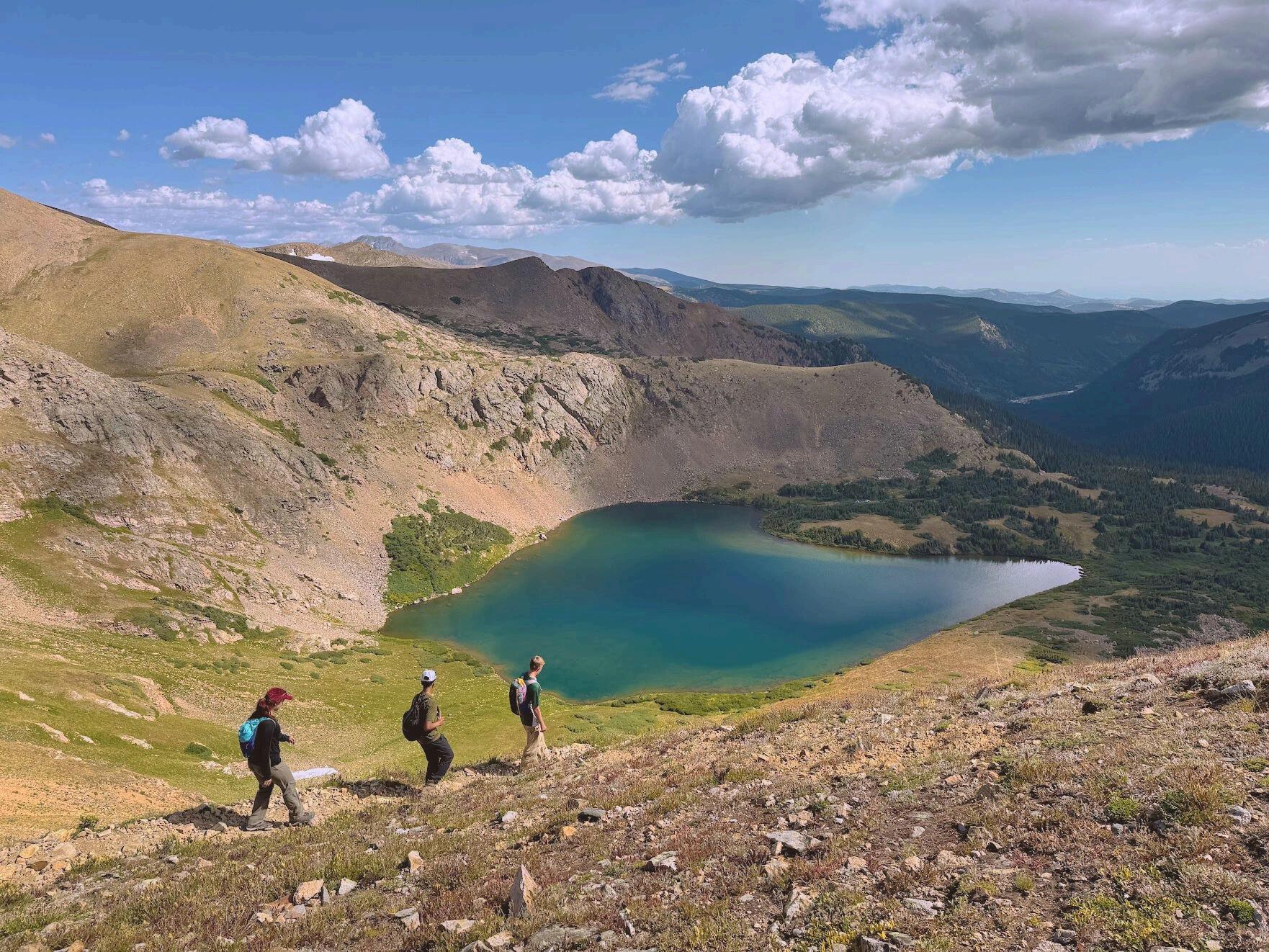
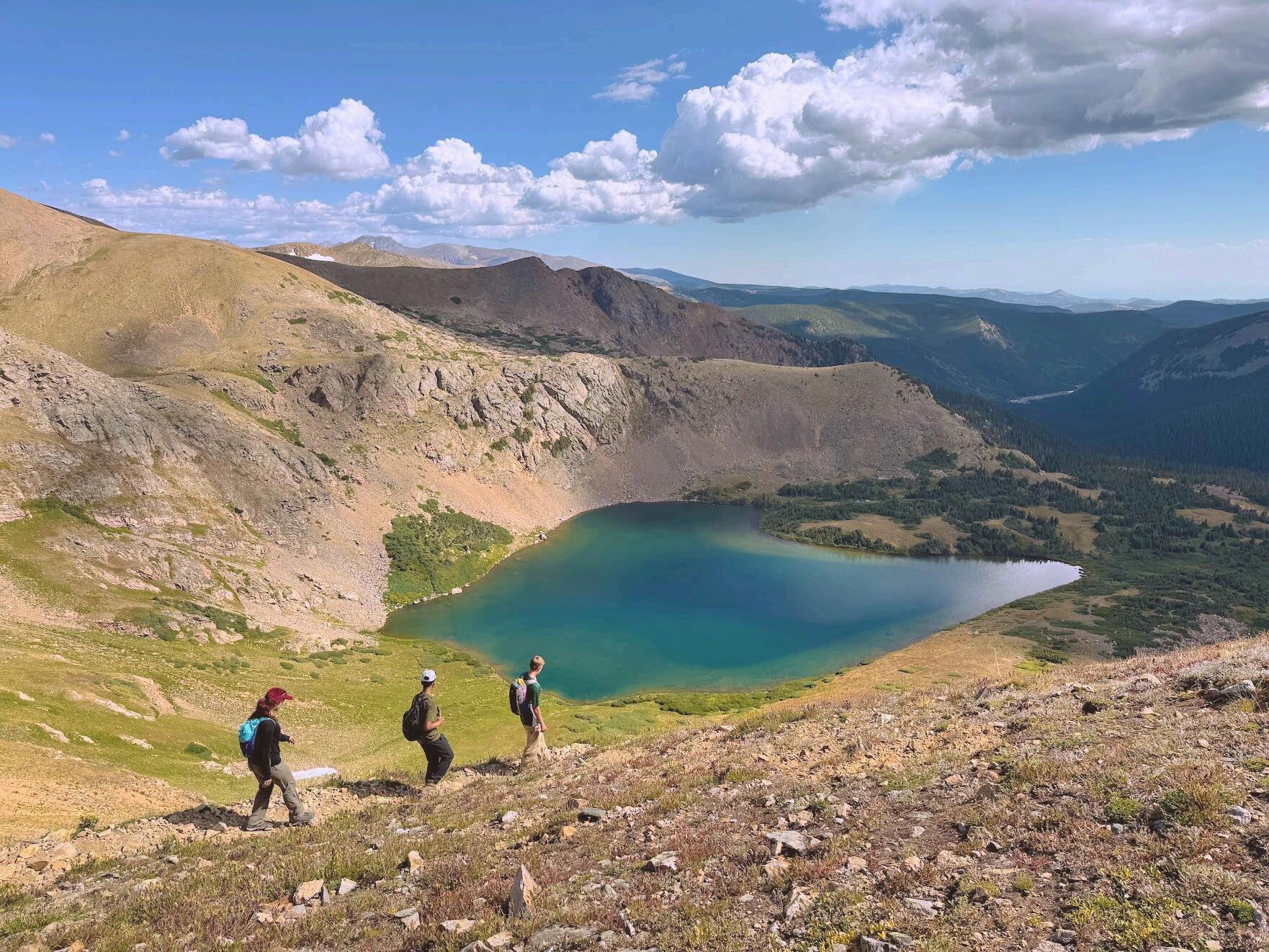
From their very first week of school, students head into the field on Orientation, backpacking and camping in small groups across Colorado. These trips build close-knit communities and set the foundation for future travel and learning through shared challenge, collaboration, and discovery.
A few months later, as courses dive into complex topics, students embark on Extended Fieldwork multi-day academic journeys that bring classroom learning to life. Whether conducting field research, engaging in service projects, or meeting with experts in the field, students gain firsthand experience tackling the very issues they study.
The year culminates with May Term, a month-long academic program featuring immersive courses that include 5 to 20 days of travel. These one-credit courses expand horizons, foster curiosity and wonder, and help students build the skills and capacities to take on the world’s greatest challenges.
At Watershed, our mission is to spark adventure and wonder, foster inquiry and community, and build the character and ability of students to take on the world’s greatest challenges. Travel is one of the most powerful ways we live this mission. By stepping beyond the classroom and into unfamiliar environments, students are pushed outside their comfort zones and supported in taking thoughtful, purposeful risks. Through travel, they develop not only the skills to understand complex problems and propose creative solutions, but also the empathy, leadership, and collaboration needed to thrive across cultures and communities.

t h e v a l u e o f t r a v e l
Unlike many schools, all of Watershed’s travel experiences are included in tuition. These journeys are not optional addons—they are integral to our curriculum and essential to fulfilling our mission. We believe every student should have full access to the experiential learning that defines a Watershed education, regardless of financial circumstance. Our inclusive model ensures that students are placed on trips based on their readiness to engage and contribute, not on their ability to pay.
While the value of these experiences is truly priceless, it can be measured in real terms. A student who attends Watershed from 9th through 12th grade will participate in four Orientation camping trips, four extended fieldwork courses, and four May Terms. The market value of comparable programs offered outside of Watershed would total to more than $40,000—or $10,000 per year.
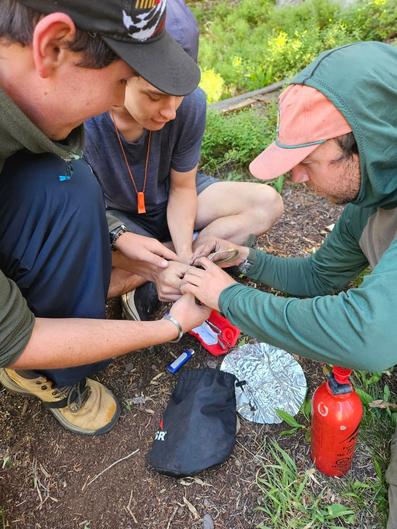
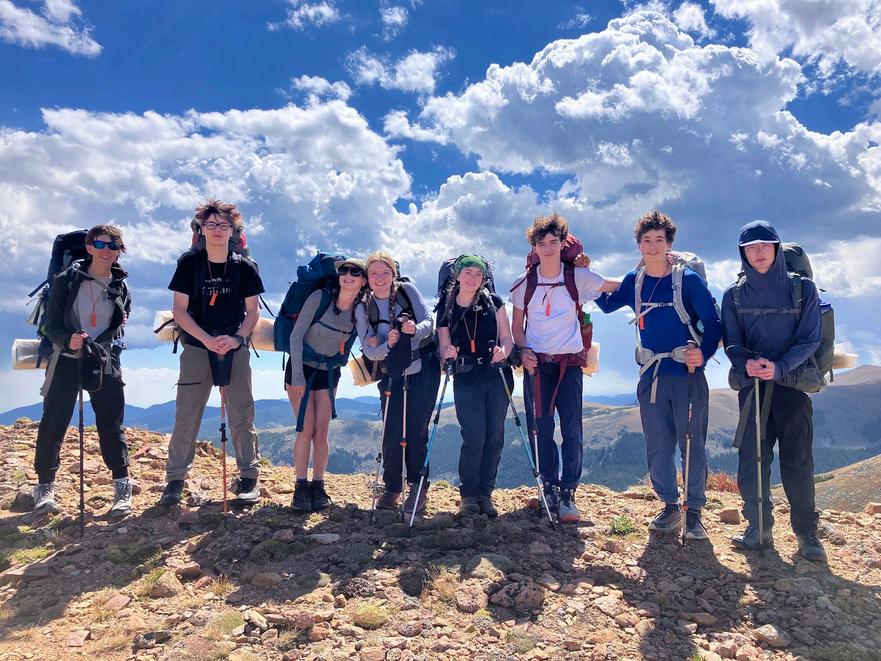
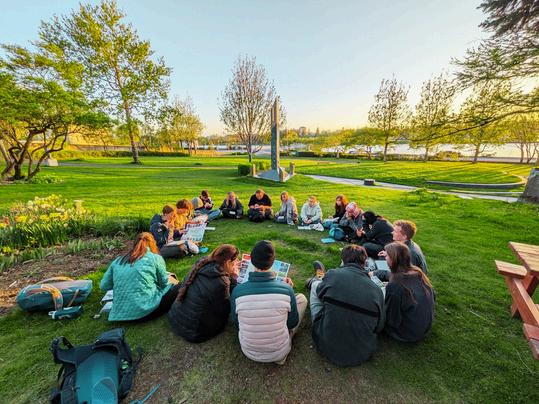
From a student’s very first week at Watershed, we head into the field. Orientation takes students off campus in small groups (Advisory) to build close-knit communities, establish trust, and lay the foundation for future travel and learning.
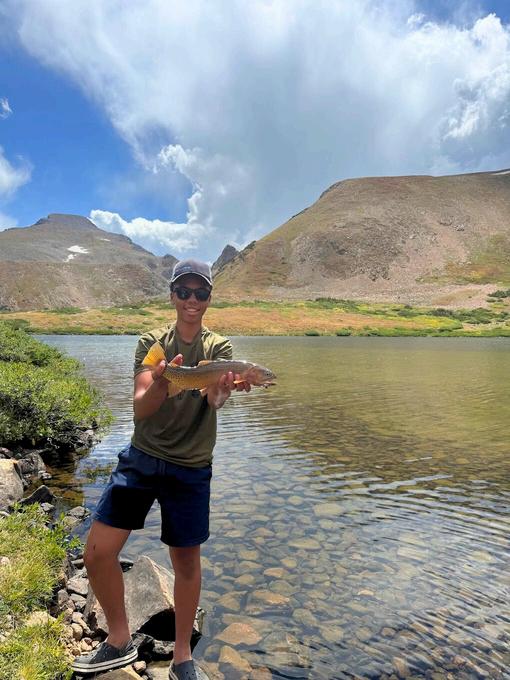
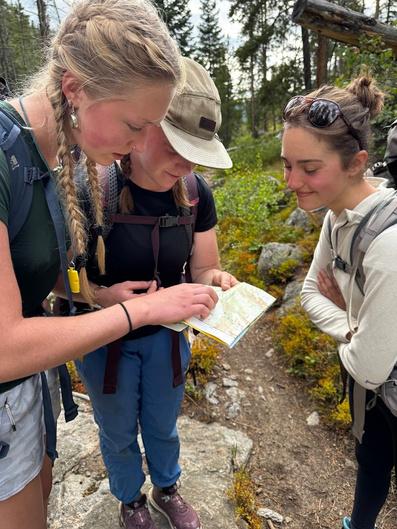
Intentionally designed to be both supportive and challenging, Orientation gives students a shared experience of perseverance, reflection, and teamwork The difficulties they face carrying heavy packs, navigating new terrain, and relying on one another become opportunities for growth and connection.
By camping and backpacking in Colorado’s mountains, students deepen their appreciation for the place we call home while gaining the confidence and skills needed to thrive in future fieldwork and travel programs.
Upper School Orientation: 7 days of backpacking & camping in the Colorado backcountry
Middle School Orientation: 4 days of car camping & exploration in nearby wilderness areas
The Watershed School is an equal opportunity service provider and employer. The Watershed School operates under a special use permit from the USDA Forest Service, ArapahoRoosevelt National Forest.
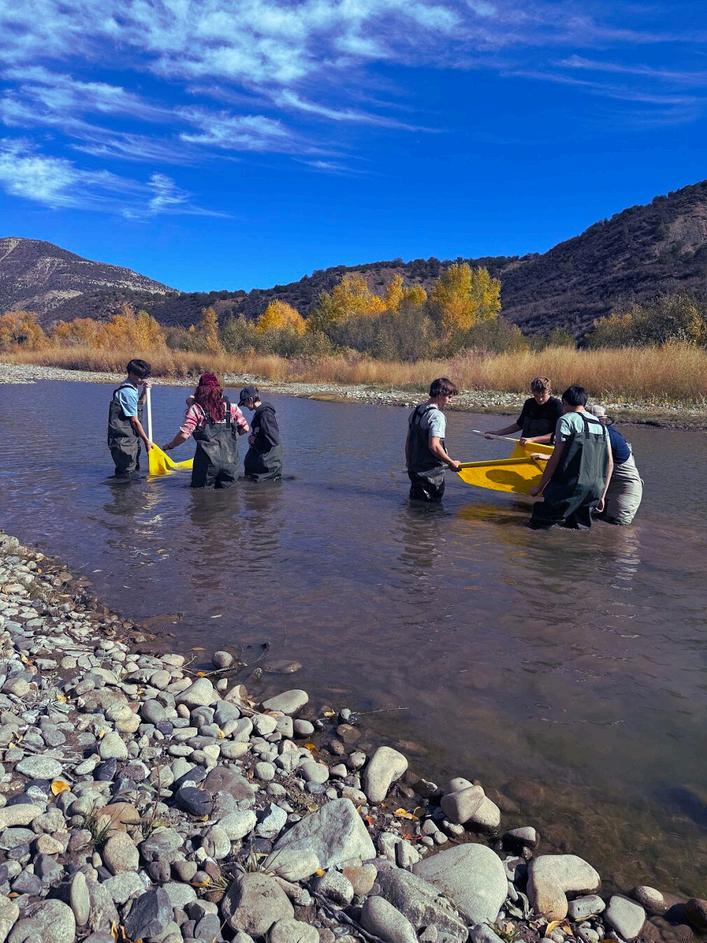
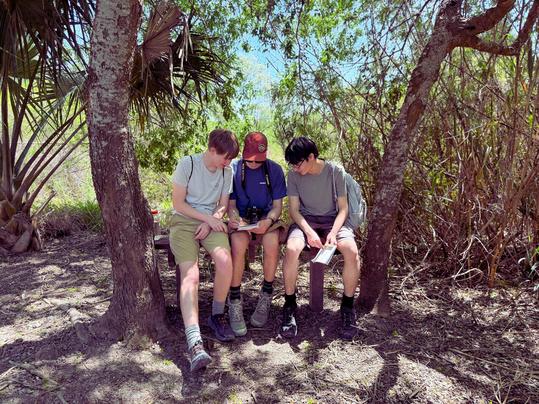
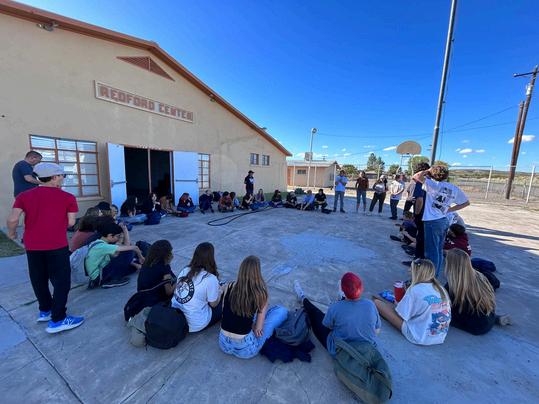
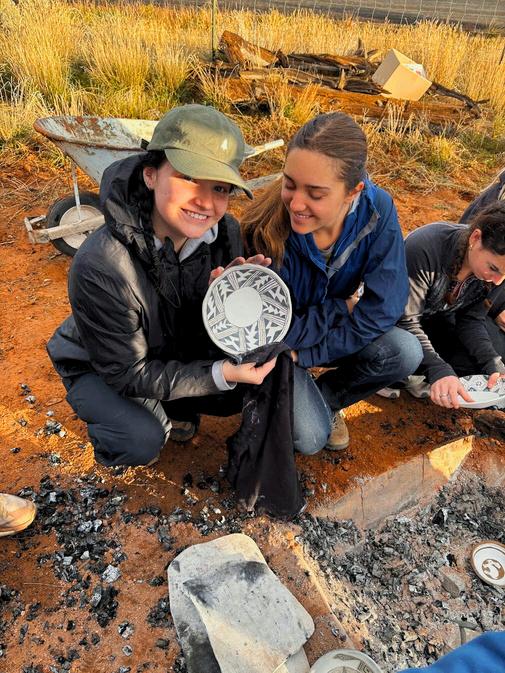
Each spring, Watershed upper school students embark on five days of Extended Fieldwork, an integral part of their academic courses. These experiences allow students to immerse themselves in the topics they study, applying classroom learning to real-world settings and questions.
During Extended Fieldwork, students step away from the daily schedule to conduct authentic research, engage in service learning, and connect directly with the people and places that bring their studies to life. Examples include:
Conducting bird censuses in South Texas as part of a course on animal migration
Visiting the U.S.–Mexico border to explore the complexities of immigration policy
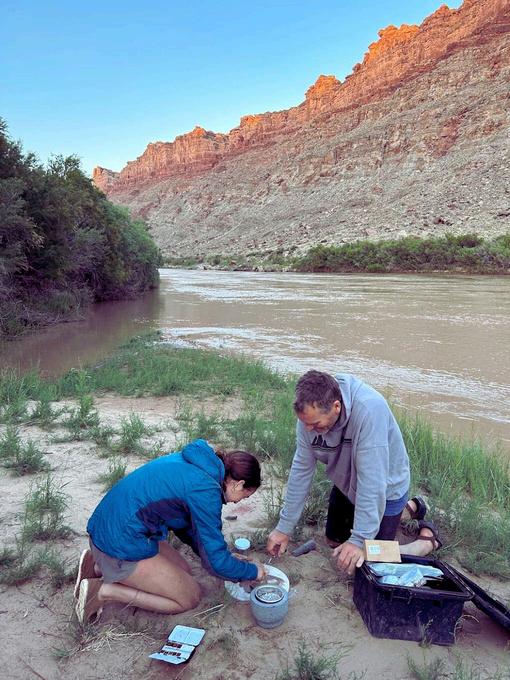
Traveling to Colorado’s Western Slope to collect and analyze freshwater samples
Partnering with communities in Pine Ridge, South Dakota to examine class and equity in America
By diving deeper into their learning and staying curious when the days feel long students practice resilience, critical thinking, and collaboration. Extended Fieldwork transforms academic content into lived experience.
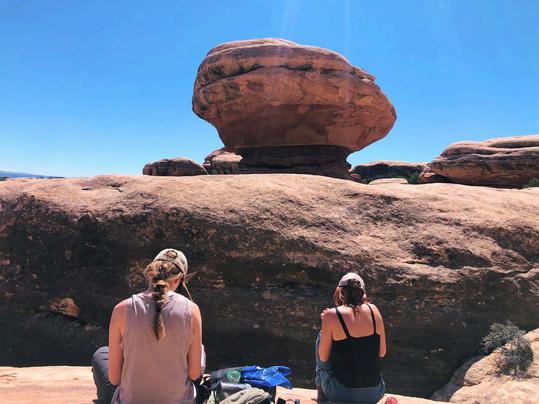
May Term at Watershed School offers both middle and upper school students unique, immersive academic courses designed to extend learning beyond the classroom and into the world, helping to prepare our students for the world’s great challenges. Each May Term course includes a travel component ranging from 5 to 20 days, accompanied by additional on-campus coursework to deepen and provide context for the travel learning experience.
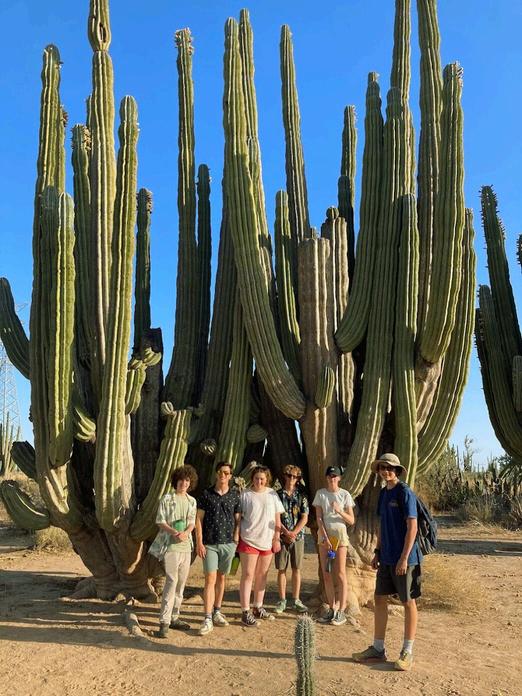
May Term courses allow students to engage in first-hand, real-world learning that fosters personal growth, resilience, empathy, problem-solving and communication skills, and global awareness. Program sites include a variety of domestic and international locations that offer a global perspective on current issues. Past program sites have included the Grand Canyon, Guatemala, Hawaii, Iceland, Peru, Vietnam, Ecuador, Kenya, and Tanzania. Program sites are added and removed with some frequency as new global challenges and opportunities emerge.
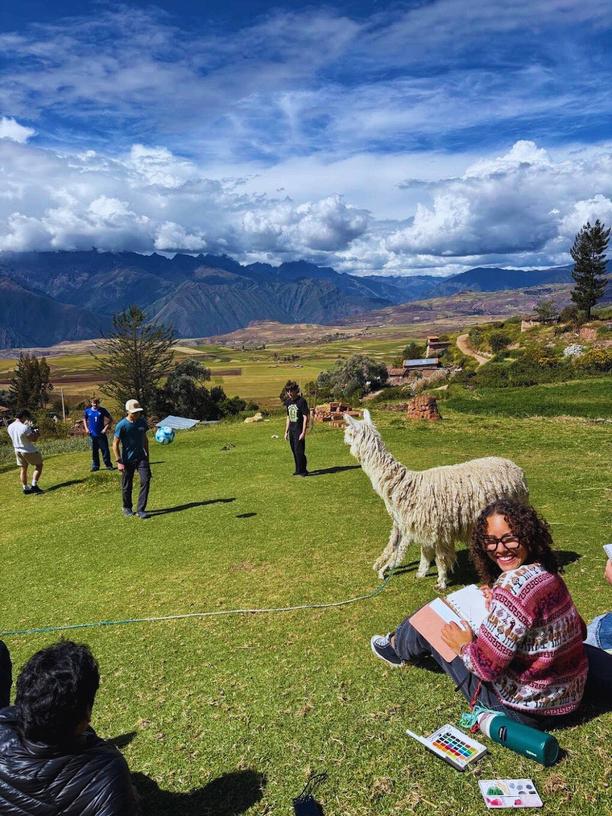
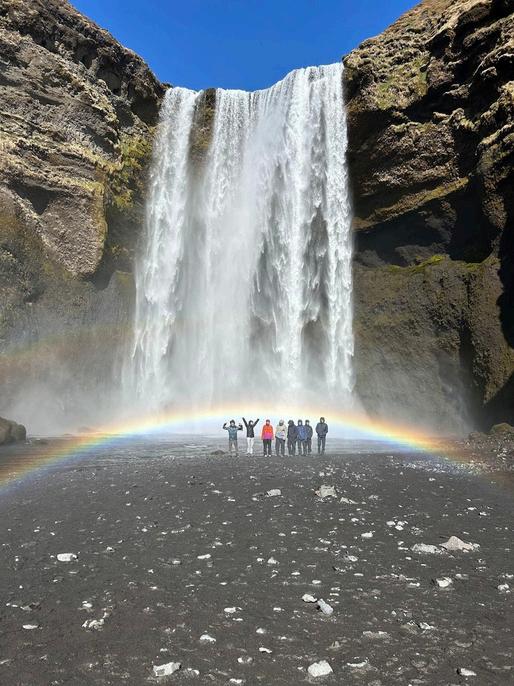
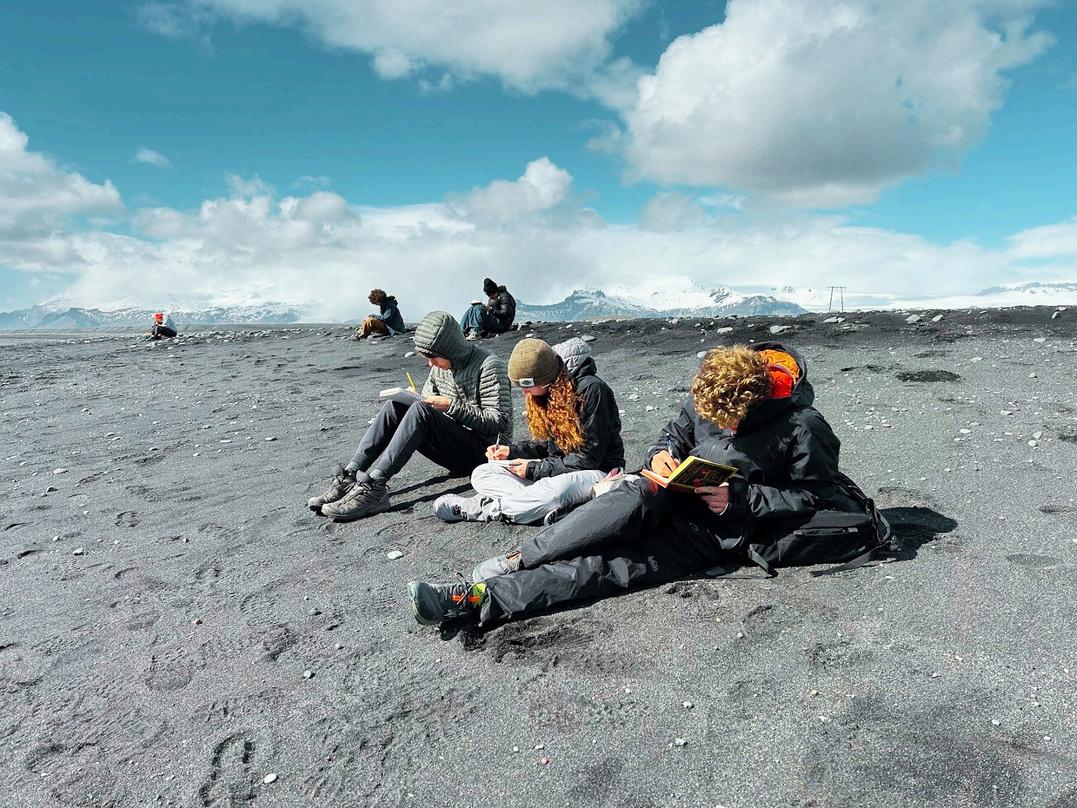
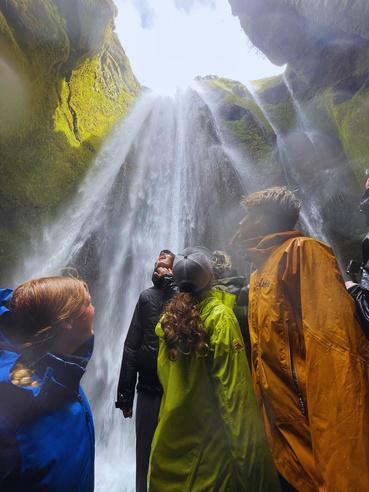
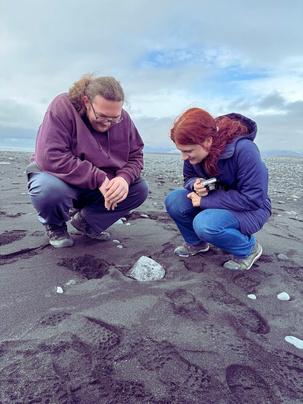
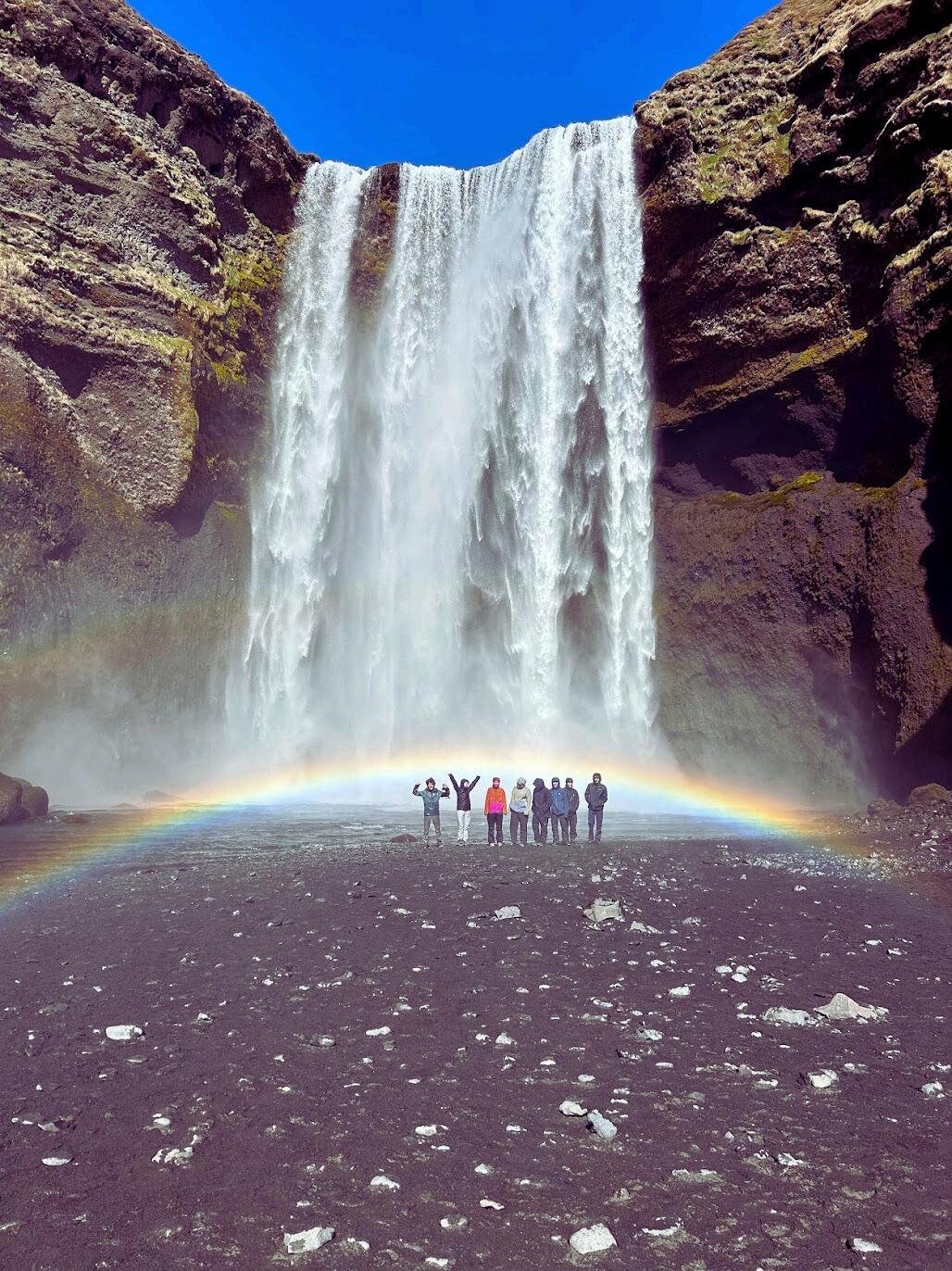
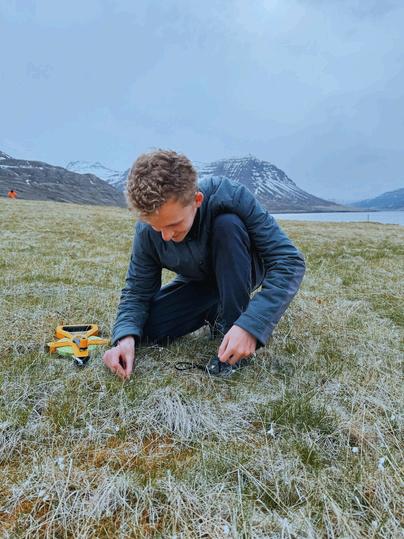
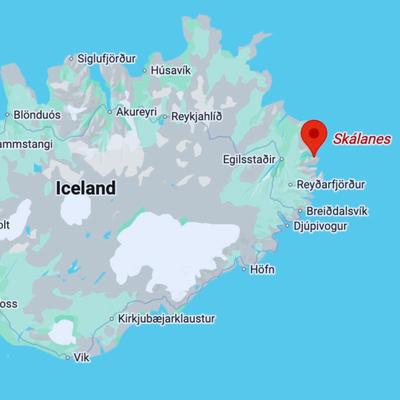
In this science-focused course, we ask how flora adapted and shown resilience to survive in Iceland's dynamic landscape of volcanoes, glaciers, and sub-arctic conditions. Students will study various fields, including geology, volcanology, glaciology, biology, and anthropology, to gain a comprehensive understanding of Iceland In our ravels, students will encounter and study Iceland’s natural wonders: geysers, geothermal vents, glacial lagoons, dormant volcanic craters, bird cliffs, and black sand beaches We’ll engage with local experts biologists, historians, and scientists to deepen our understanding of these unique ecosystems and cultural histories. A highlight of the course will be our partnership with the Skálanes Research Center on the fjords of the northeastern coast, which is accessible by a three-mile hike along the coast. Here, students will conduct research-based fieldwork, either building on the research data collected by Watershed students and alumni since 2022 or developing their own projects. Throughout the course, students must be prepared for variable and
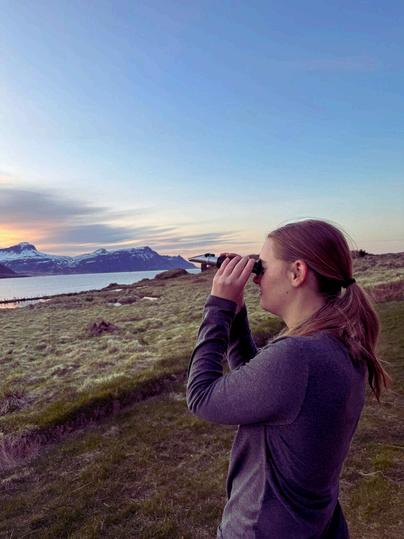
often wet and cold weather conditions, with suitable attire for walking and conducting fieldwork outdoors. Students will be expected to walk 3-6 miles on trails ranging from well-maintained paths to rugged terrain and rocky beaches with active waves. This course offers a unique blend of scientific exploration and cultural interaction, challenging students to think critically as scientific thinkers while honing the skills necessary to be informed, globally-minded citizens.
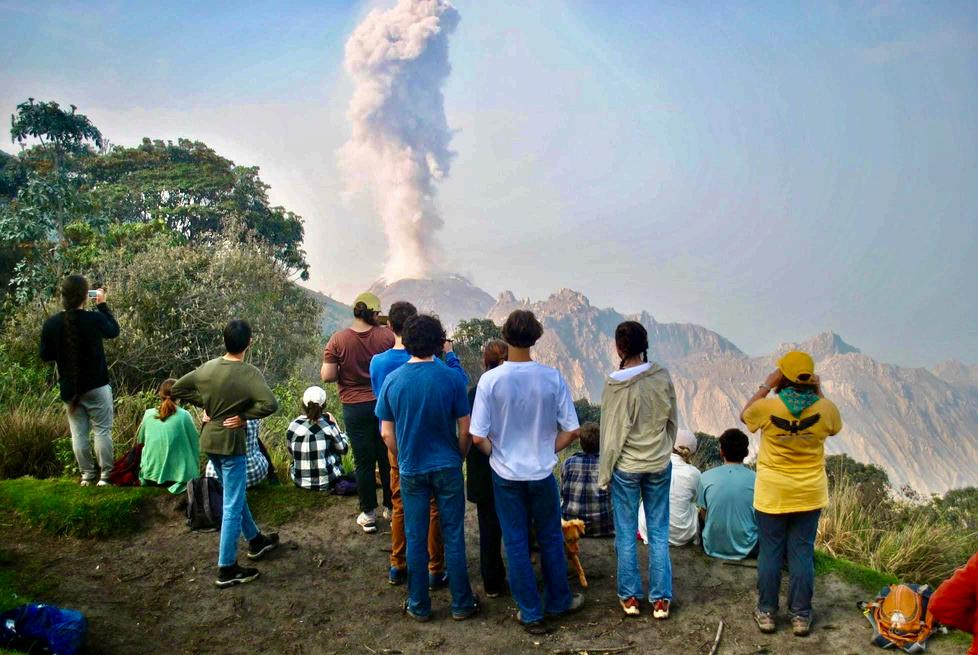
S PA N I S H L A N G UAG E I M M E R S I O N : G UAT E M A L A
on: Guatemalensis
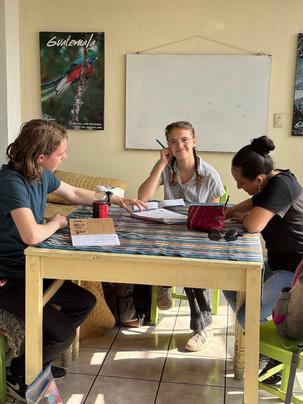
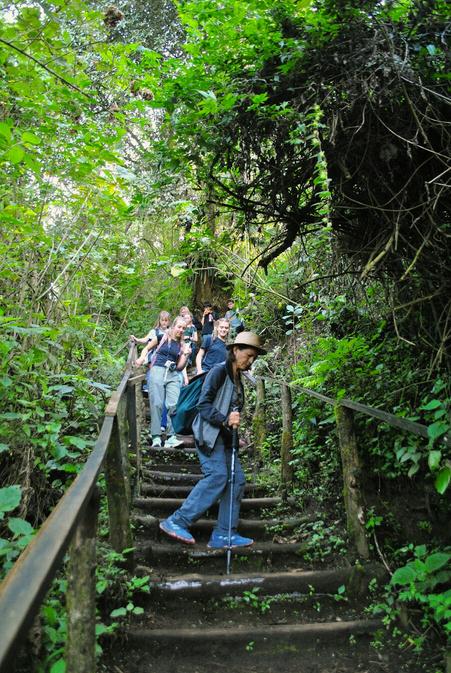
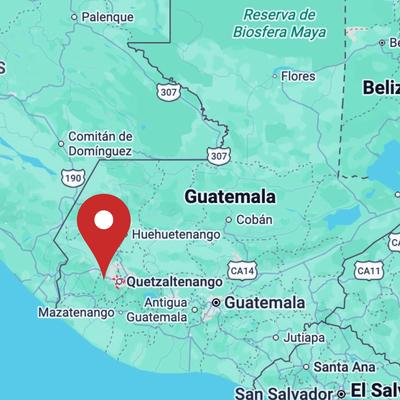
Why are people from Latin America seeking asylum, and what should and can the U.S. do to address the situation? This intensive travel course explores the modern history of Guatemala with a particular focus on the Guatemalan Civil War (1960–1996) and its lasting influence on the nation’s social, political, economic, and cultural landscape. Students will trace how decades of conflict, corruption, and foreign intervention have shaped contemporary patterns of migration throughout Central America Through direct engagement with Guatemalan educators, community leaders, and local organizations, students will examine how global economic systems, environmental pressures, and political instability continue to drive migration and displacement today In parallel, the course investigates U.S. foreign policy in Latin America both its Cold War–era involvement and current approaches to border security, aid, and asylum policy asking students to grapple with the complex ethical and humanitarian questions these relationships raise. The program includes 50 hours of intensive, two-on-one,
in-country language instruction and may include homestays with Guatemalan families to deepen cultural immersion and understanding. Field excursions, site visits, and reflective discussions will challenge students to connect historical context with present realities, cultivating empathy, global awareness, and informed perspectives on one of the defining migration issues of our time.
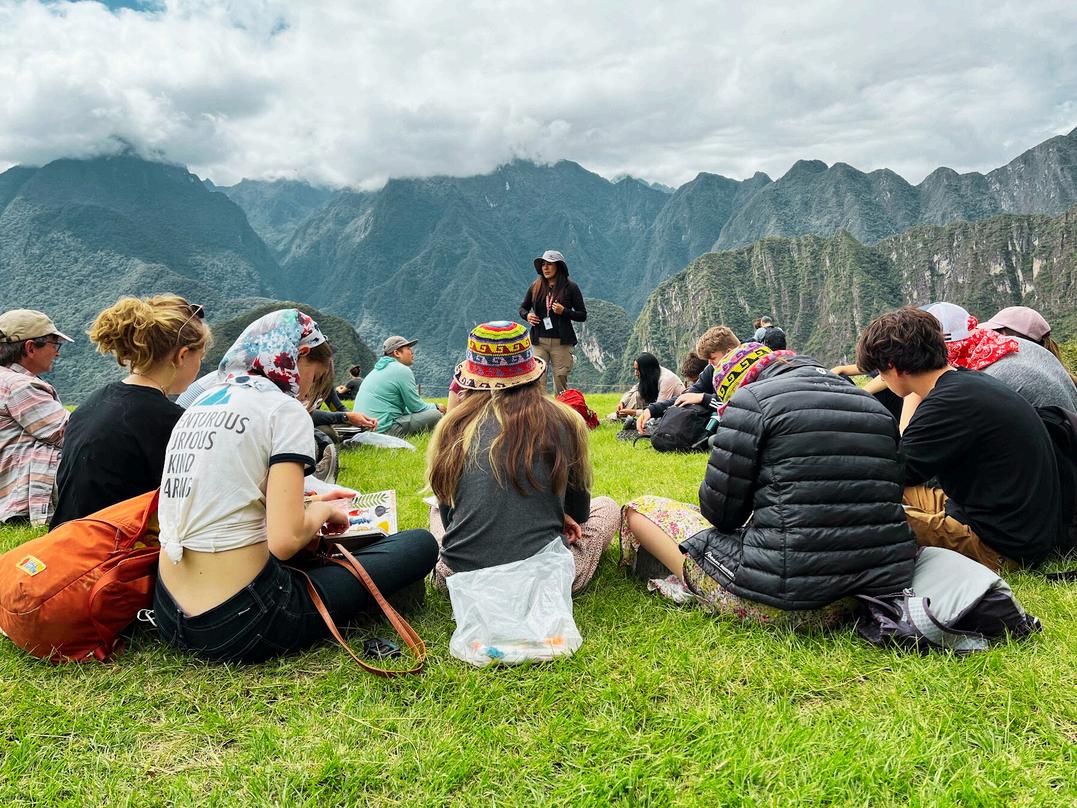
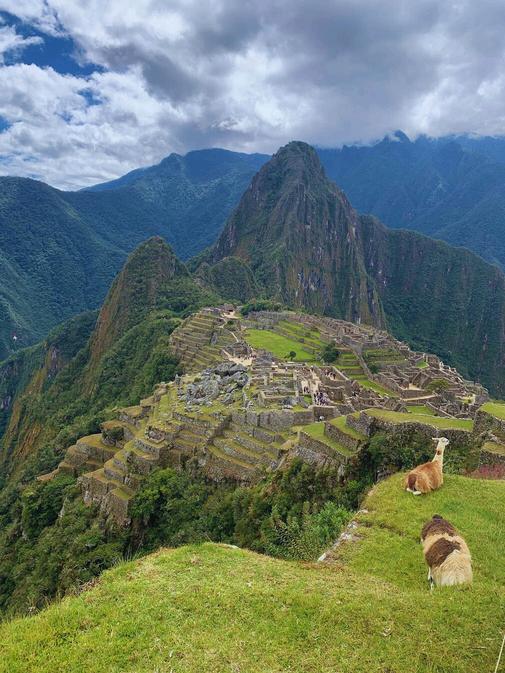
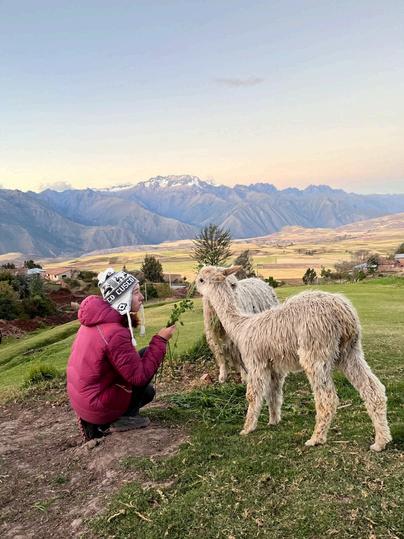
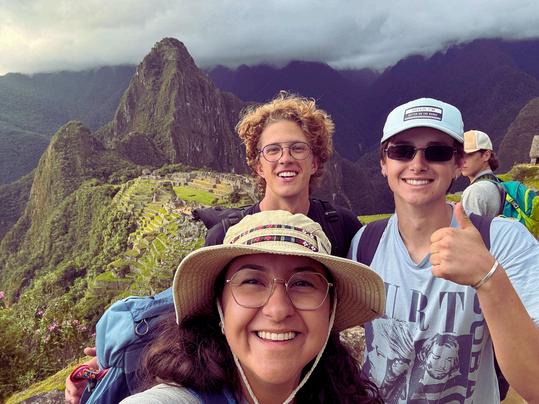
How does the legacy of colonization continu ultural, and environmental realities for indig ommunities in Peru; and lead to more sustainable and equitable global elationships? Peru provides a unique lens into the relationship between ancient cultures and modern advances, contrasting the historical legacy of the Inca and the rise of 19th and 21st-century economic development hrough our field experiences in-country, this course will examine the ffects of development on cultures, ecosystems, and peoples by exploring eru ' s Inca ruins, mountain towns, and bustling cities Students will practice their curiosity, courage, and emotional intelligence skills, as this ourse will feature homestays with Peruvian families, and will likely eature agricultural service learning opportunities dictated by the ommunities we are working with, and extensive travel
throughout the Andes by plane, bus, and foot. Rigorous hiking at high altitudes is an essential element of this course; we encourage application by students who enjoy hiking and physical activity. Students should be able to walk on uneven terrain carrying a day pack at over 10,000 feet. Those with a history of altitude sickness (moderate to severe AMS) should apply for other May Term courses.
W I L D E R N E S S 2 . 0 : D E S
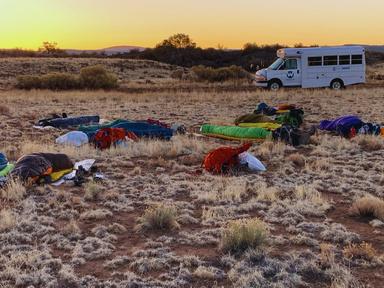
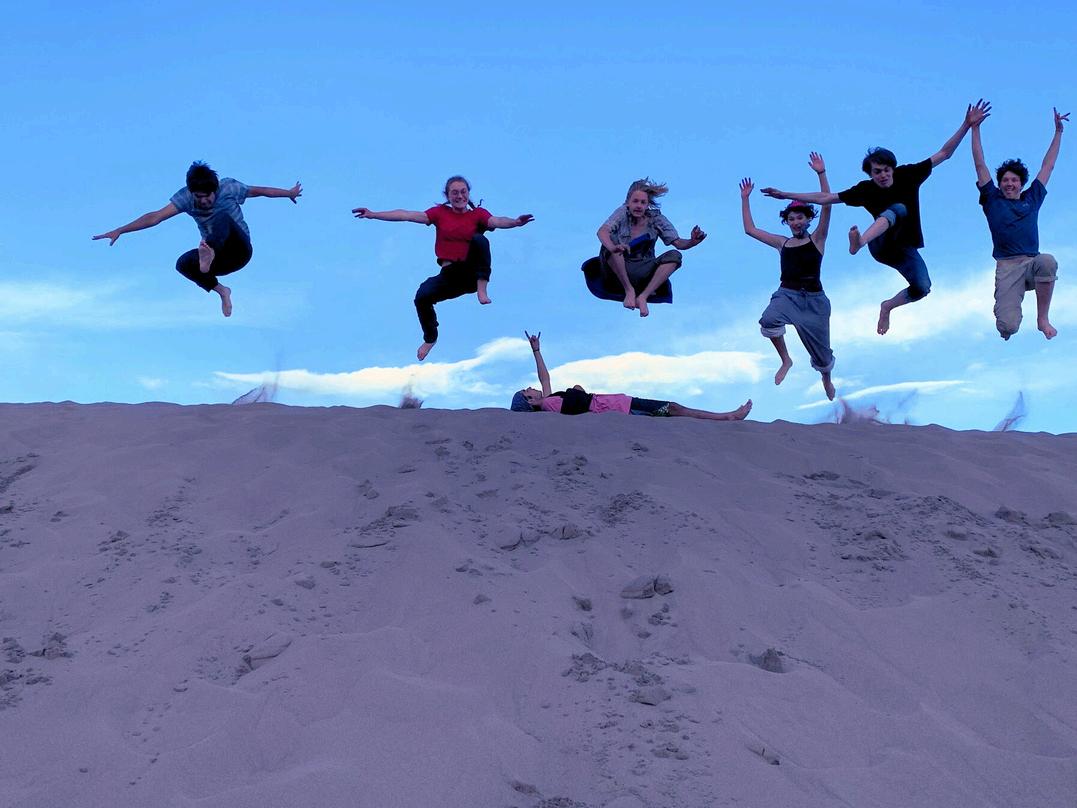
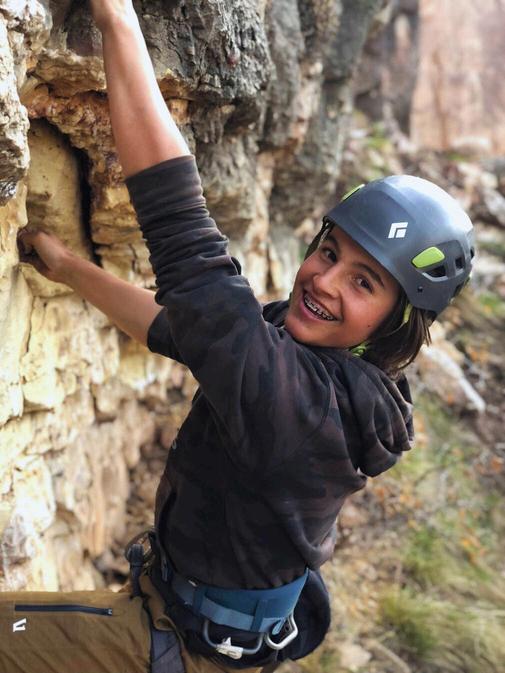
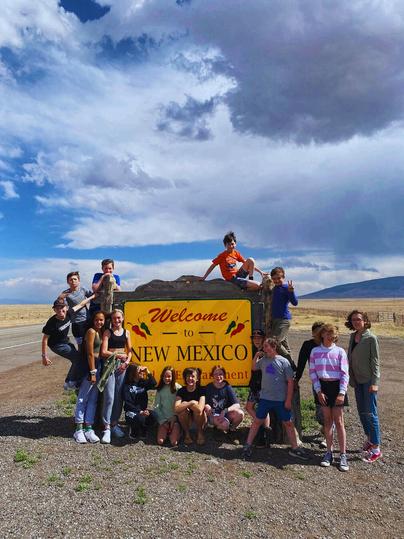
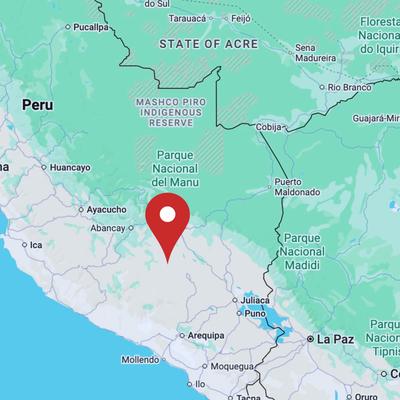
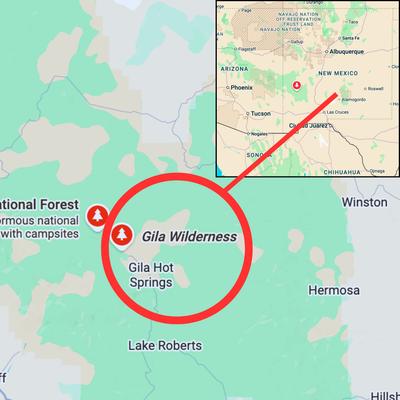
In this advanced backcountry expedition, students will ask: What does it mean to lead and to belong in wild places? Prepare yourself for a true wilderness upgrade. This course is designed for students ready to take their outdoor and leadership skills to the next level through an immersive journey in the Gila Wilderness, the first federally designated wilderness area in the United States. Traveling through canyons, mesas, and ponderosa pine forests, students will refine their technical skills in backcountry travel, navigation, and group leadership while engaging deeply with the ethics and philosophy of wilderness stewardship. A rigorous leadership curriculum will culminate in students fully leading the final days of the expedition, applying decision-making, risk management, and group facilitation skills in a real-world setting. The course also examines the history of conservation and environmental ethics through the works of writers such as Edward Abbey and Rachel Carson, connecting the personal
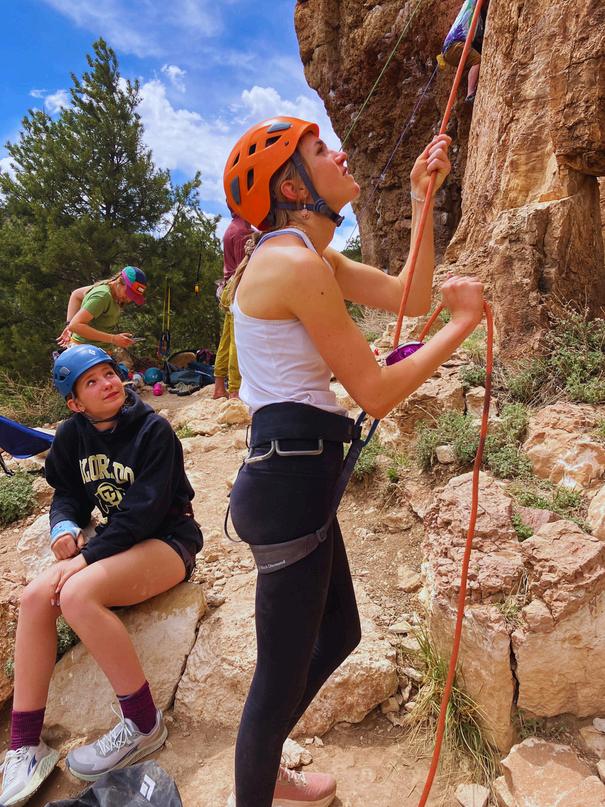
experience of wildness to broader environmental narratives. The experience concludes with a rock climbing progression, base-camping and climbing at some of New Mexico’s most beautiful crags Throughout, students will explore what it means to engage with our shared wilderness heritage as active, ethical participants. Successful completion of this course may qualify students to serve as assistant instructors for Watershed’s fall wilderness program
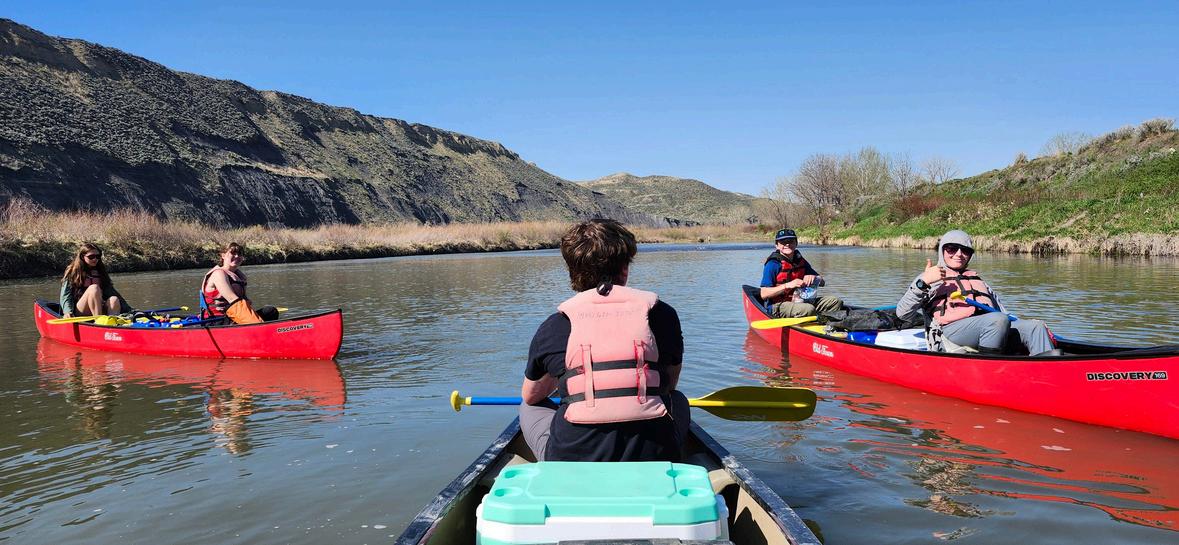
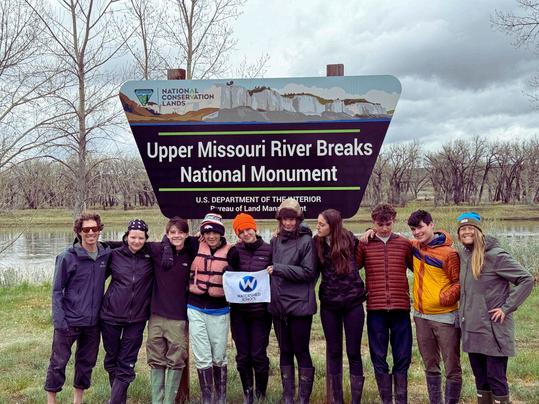
Looking for an all-water route through the (current) Western U.S. in 1800 was the modern equivalent of traveling to Mars, but an expedition led by Meriwether Lewis and William Clark was successful in making it across and back. This May Term course will look at the political and societal conditions that led to the historic journey and the idea of manifest destiny that developed from it, asking: How did the Lewis and Clark expedition shape America's identity, and what lessons can we learn from its impact on various communities? One content thread will focus on Thomas Jefferson's role in the process We will also explore the modern repercussions of the journey from various perspectives including those of Indigenous peoples. To gain a perspective on the process and ordeals of the original
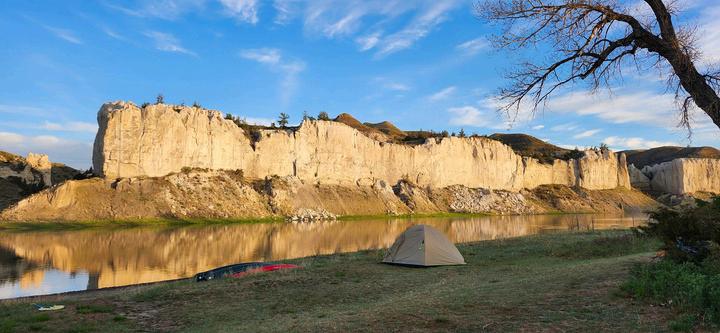
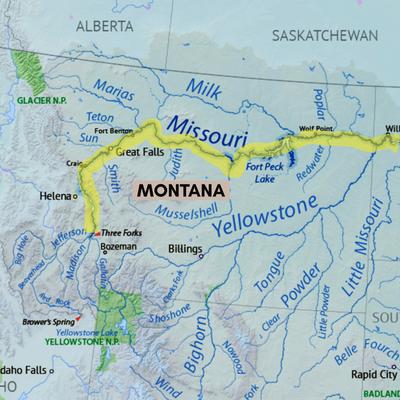
expedition, we will travel by canoe down 100 miles of the designated wild and scenic Missouri River in Montana, a stretch largely the same as it was 200 years ago. We will compare our geographic, scientific, and personal observations to those recorded in the original expedition. Additional topics covered in the course will include an exploration of leadership, ownership, geography, cartography, imperialism, perspective, and the process of inquiry Students applying for this course need to be comfortable in water, competent swimmers, and able to paddle up to 15 miles daily. Additionally, students should be prepared for camping in varied weather, from hot, sunny days to cold, wet evenings.
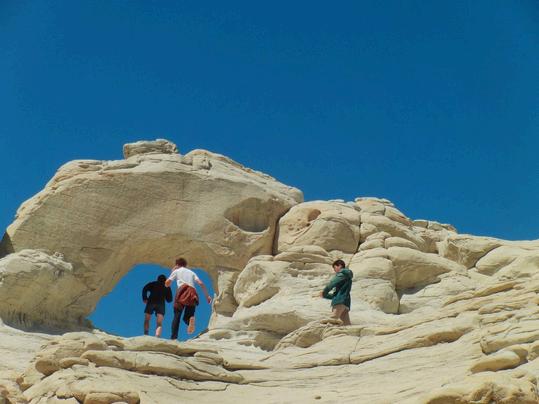
G E O L O G Y & C L I M B I N G :
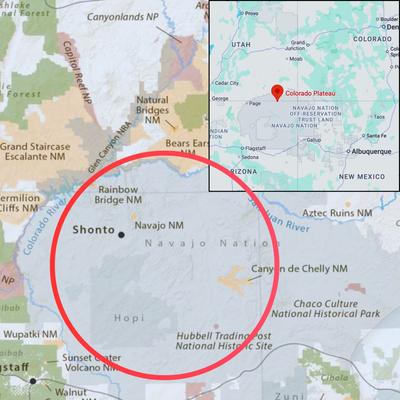
C O L O R A D O P L AT E A U
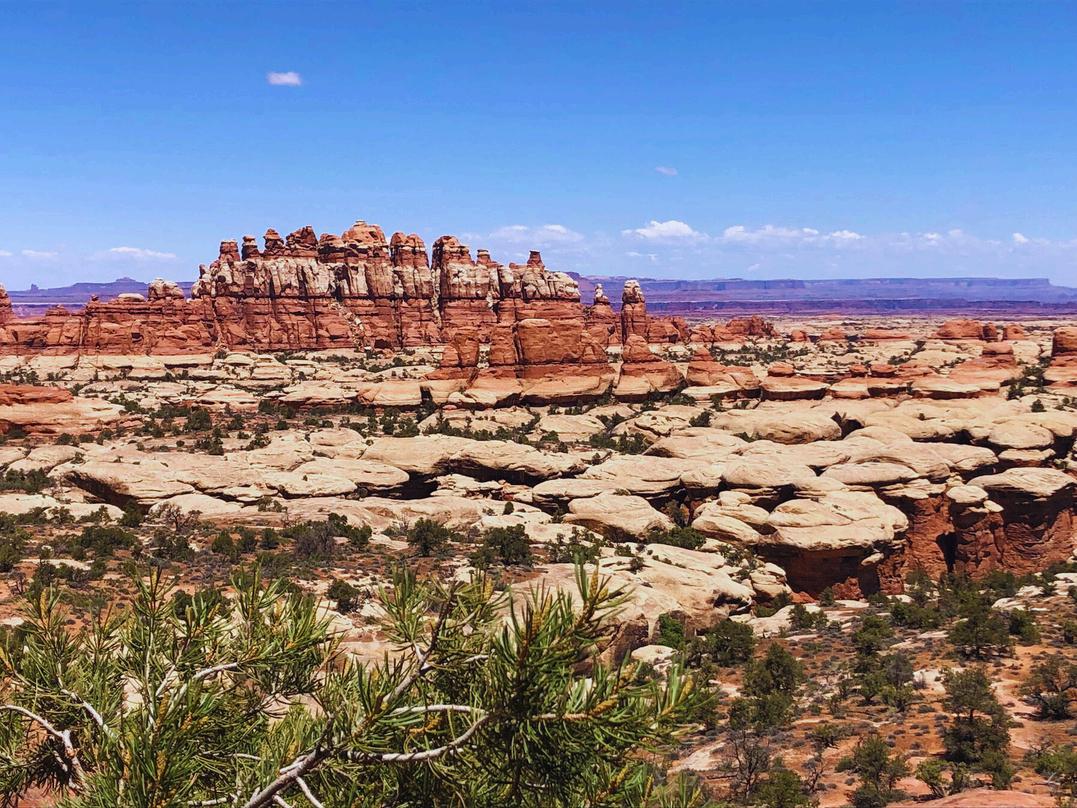
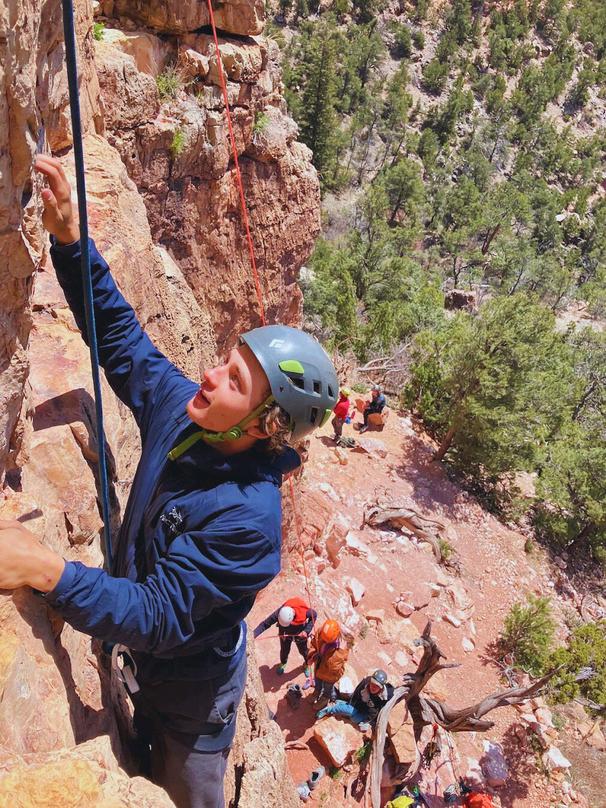
In this field-based course, we will explore and experience the diverse landscapes, environments, and solid earth features of the Colorado Plateau As we travel through canyons, mesas, and fault zones shaped by tectonic and desert processes, we will ask: How do the forces tha shape our planet also shape our understanding of place risk, and ourselves? We will develop and apply both rock climbing and field geology techniques to investigate the dynamic processes that form and transform this region Students will prepare reports synthesizing scientific literature related to the sights visited, present thei findings to peers, and maintain a detailed field notebook documenting their observations and interpretations. This
course includes technical rock climbing, hiking with a heavy pack, and camping in remote desert environments, requiring students to regularly step outside their comfort zones both physically and intellectually as they deepen their understanding of the dynamic interplay between geology and human experience.
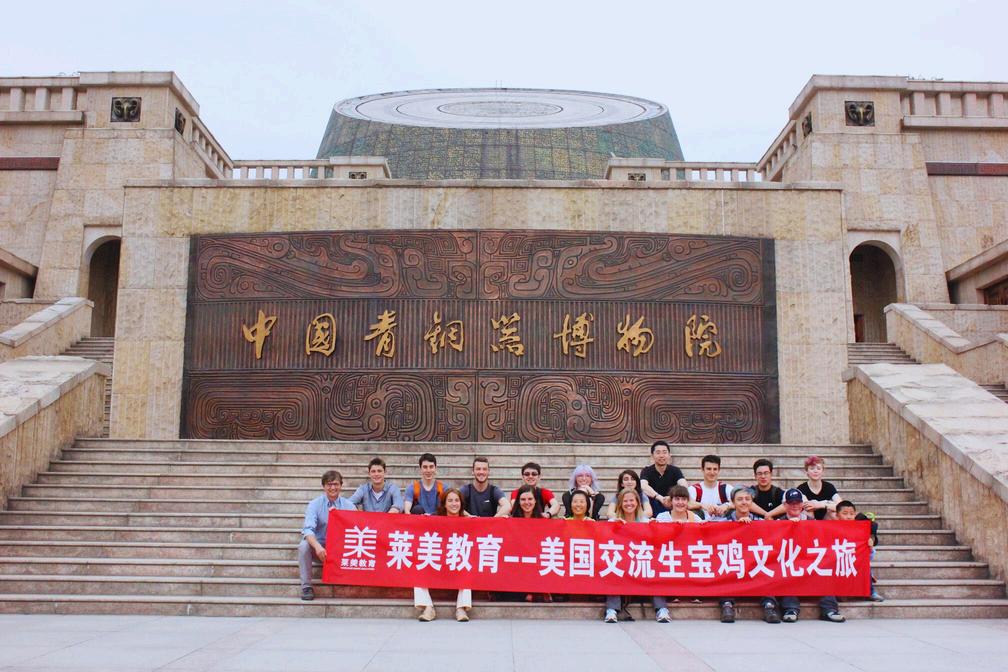
C H I N A : B R I D G I N G W O R L D V I E W S A
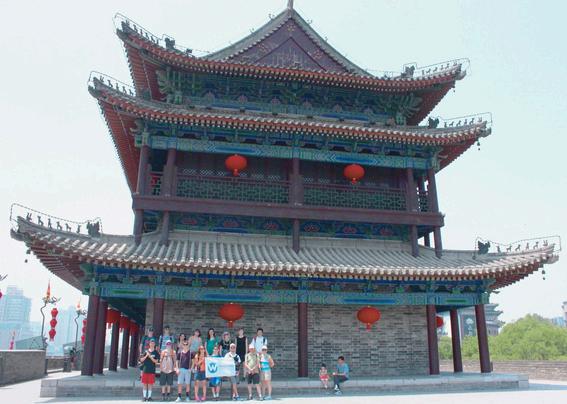
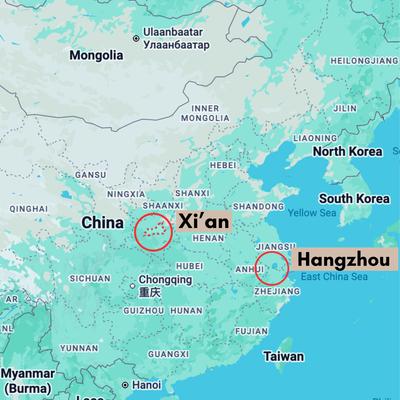
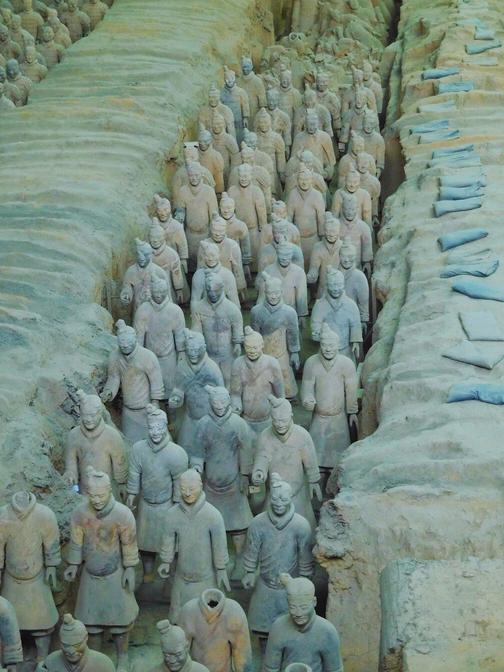
This course is designed to follow our semester studying Chinese history and how culture influenced China’s capacity to modernize so quickly Students will participate in an in-depth look at what it means to build bridges and empathy between nations in the world today. Through cultural immersion experiences that encourage as much interaction with local people as possible, this course will focus on building students’ understanding of everyday life in China and what it means to be “Chinese.” Students will spend the first half of the trip in the cities of Xi’an and Baoji in north-central China doing homestays with Chinese families, attending a Chinese high school with local students, and visiting local museums and historical sites. Students will spend the second half of their trip in the city of Hangzhou, southwest of Shanghai, exploring the beautiful surroundings of West Lake and learning about the history of the “Golden Age” of Chinese culture and history. In partnership with a local university and multiple public schools, students will learn about the relationship between people and the government, Chinese conceptions of "freedom" and "democracy," how China is addressing its own environmental problems, and how the country has lifted so many people out of poverty and into the middle class. They will also explore topics ranging from local tea culture to Buddhism in China today. By building on their own understanding about what it means to be Chinese, students will create multimedia presentations designed to provide a realistic understanding of life in China today
P R E S E R VAT I O N H I S T O R Y
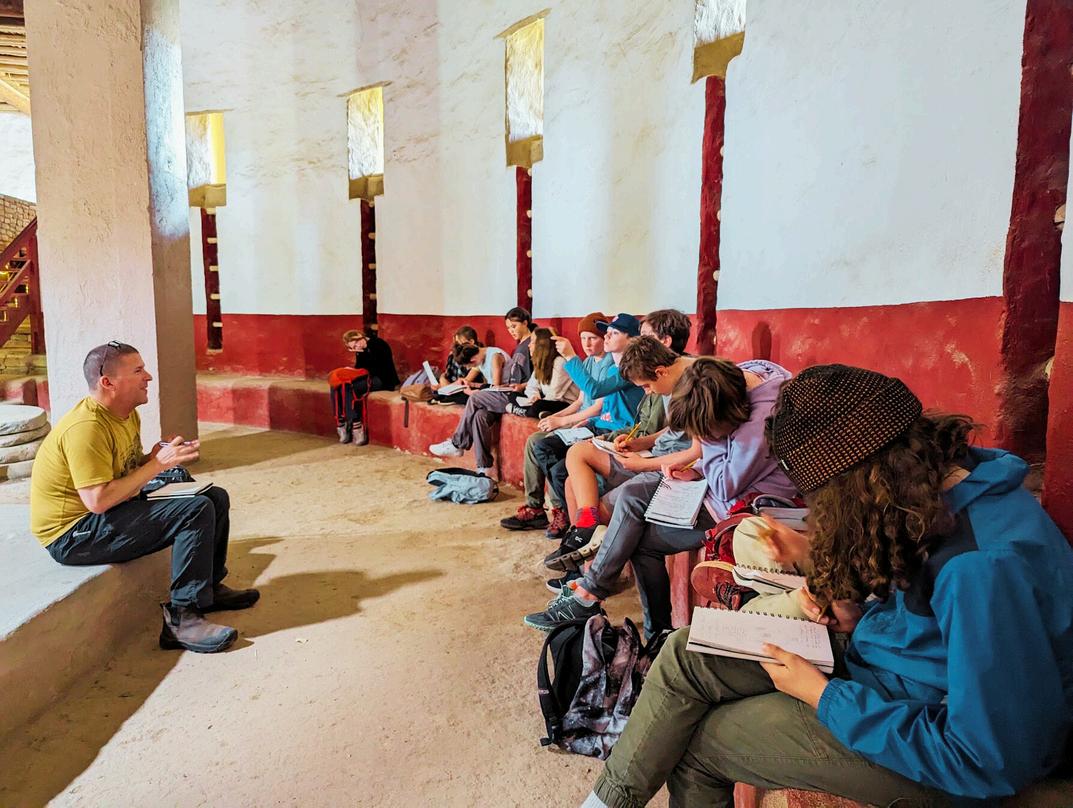
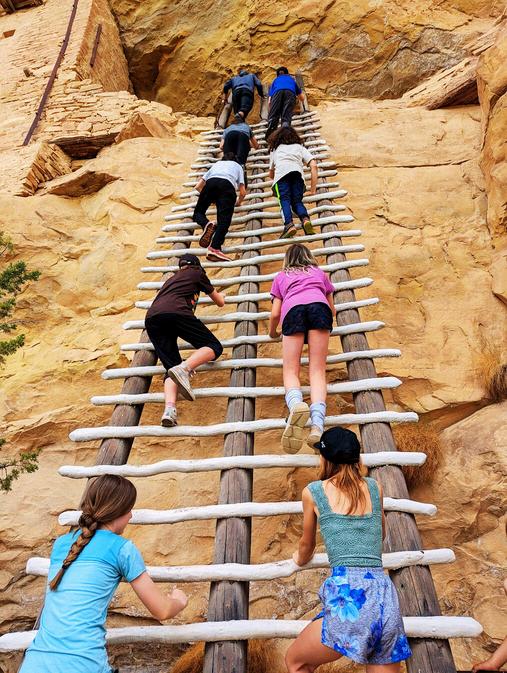
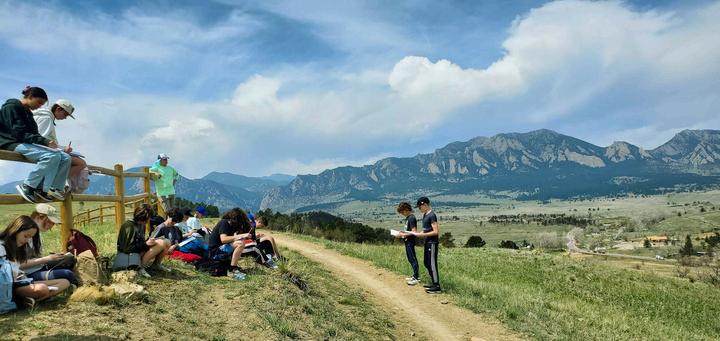
Have you ever preserving and how do we go about preserving it? The Preservation History May Term course will examine how the U.S. and Colorado manage our historically significant artifacts and sites. Students will have a chance to hear from historians, archaeologists, landowners, and other stakeholders who have a vested interest in how we manage shared history. Students will visit a variety of historic sites and museums along the Front Range to experience firsthand why sites and artifacts are being preserved and the various methods of preservation Students need to be comfortable outdoors, ready to be out learning in all sorts of weather, and be prepared for short hikes. Additionally, students need to be comfortable w f h f i nights. The course includes an
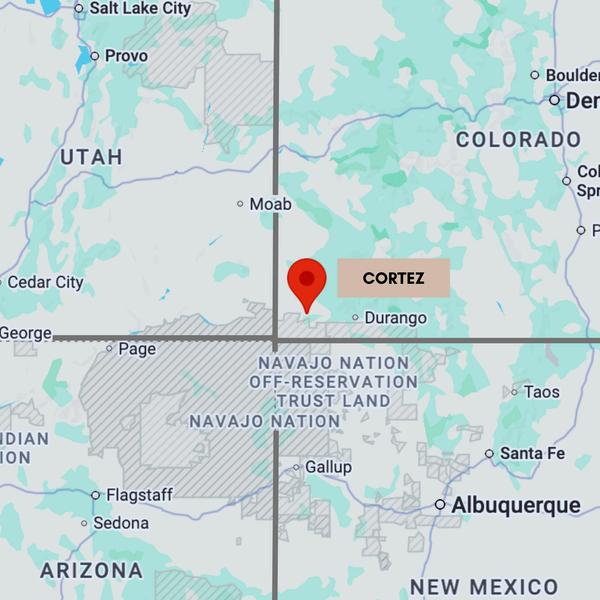
overnight travel component to Crow Canyon Archaeological Center in Cortez, Colorado. The trip will provide us with an excellent opportunity to visit the history we will be studying and give us the chance to meet the people tasked with managing the spaces and the people who call the area home.
W I L D T H I N G S
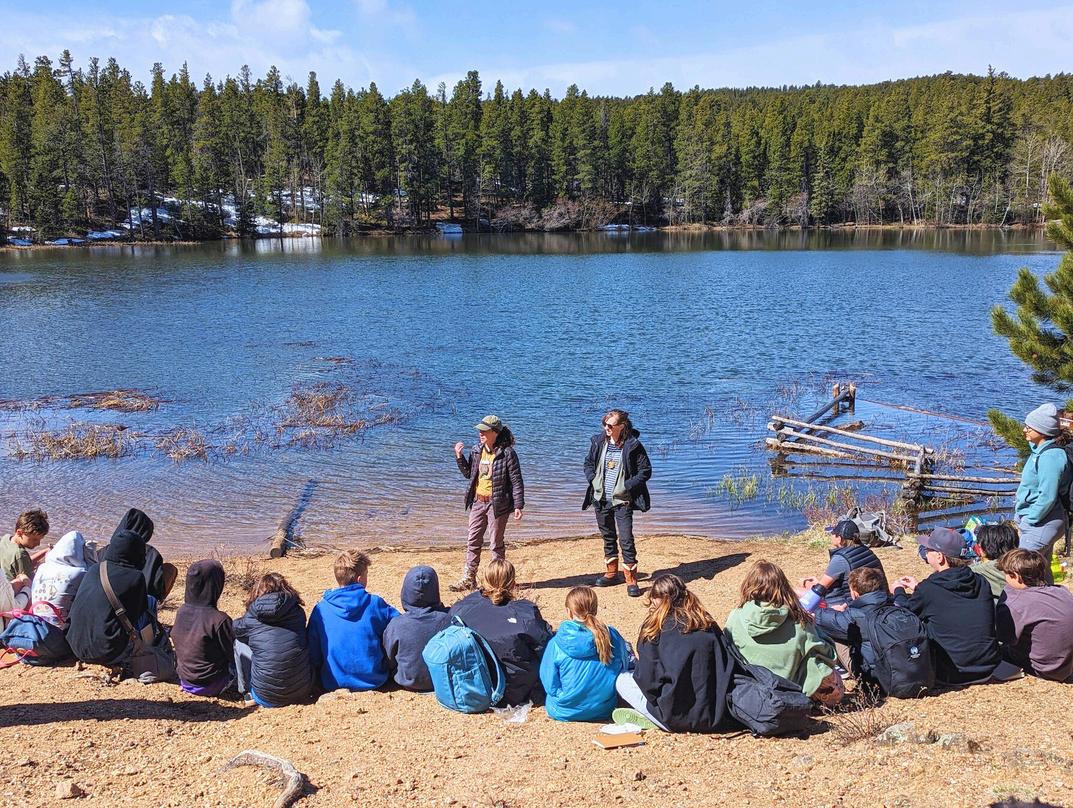
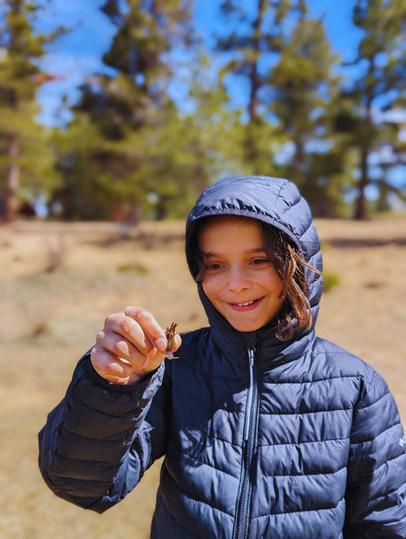
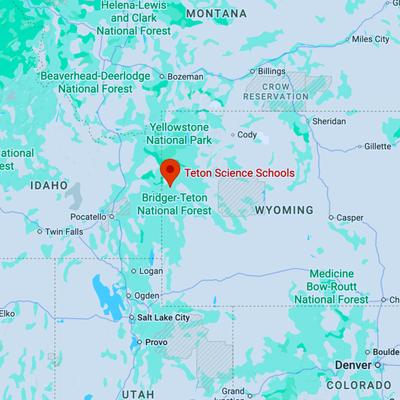
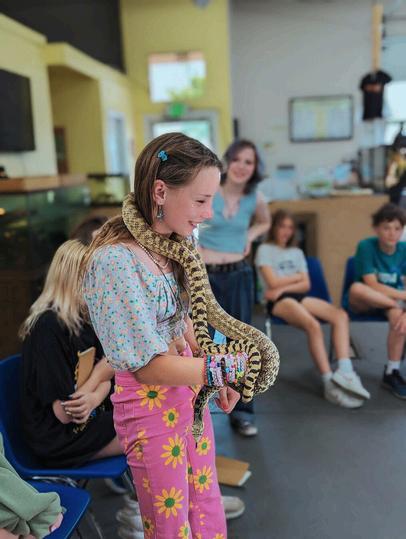
How can wildlife, particularly large-bodied predators, cause problems for humans? How can humans negatively affect the needs of their neighboring wildlife? In this May Term course, students will grapple with these questions through a focus on mountain lions, bison, grizzly bears, and wolves. What is our history with these animals and how have we come to understand and manage them? For the travel portion of this course, students will visit Teton Science School in Jackson, WY to learn the history, science, policy, and culture surrounding wolf reintroduction and grizzly management in the Greater Yellowstone Ecosystem. When students return to
Boulder, they will apply their learning to consider the future of wolves in Colorado With “ paws on the ground”, students will examine the impact of wolf reintroduction throughout our lands and work to offer solutions to our essential question: How can humans best coexist with large-bodied predators and wildlife?
8 G R A D E P A S S A G E S TH
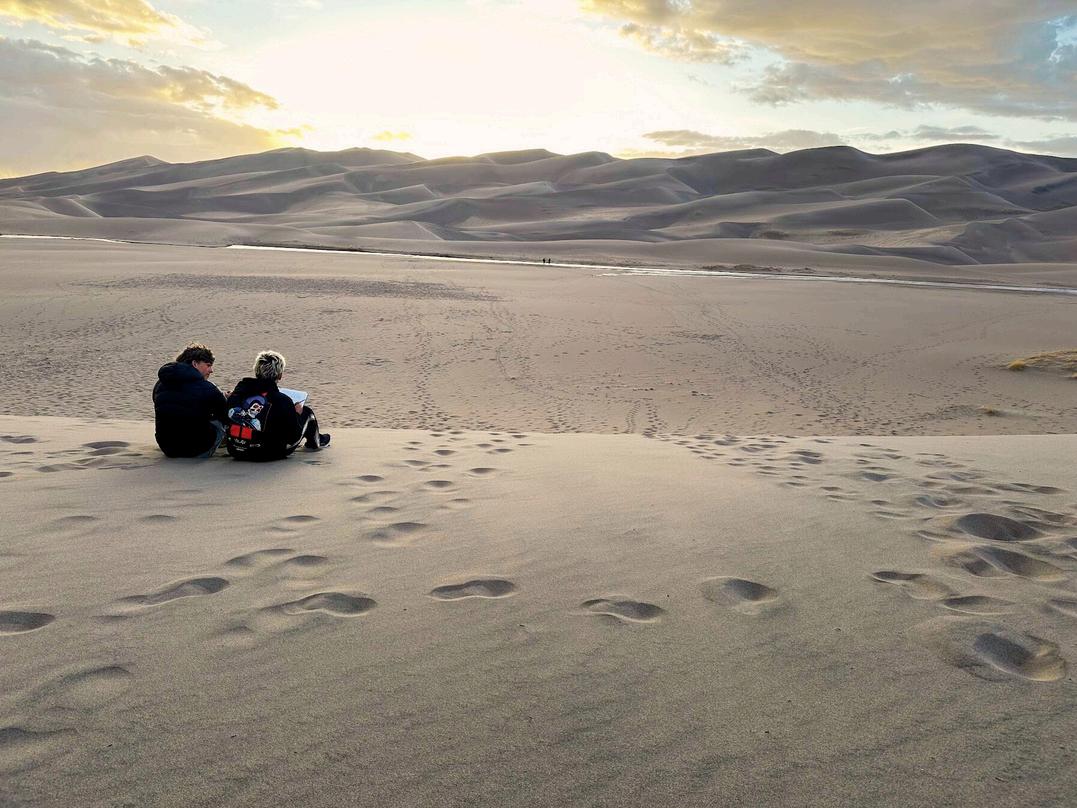
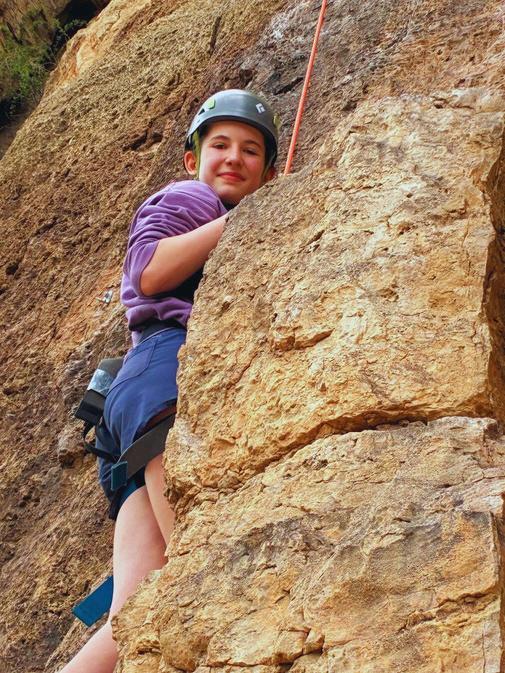
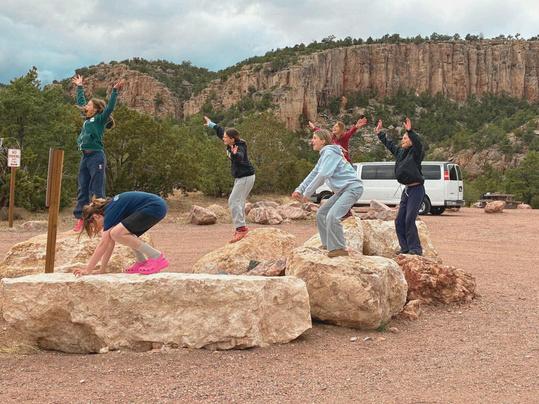
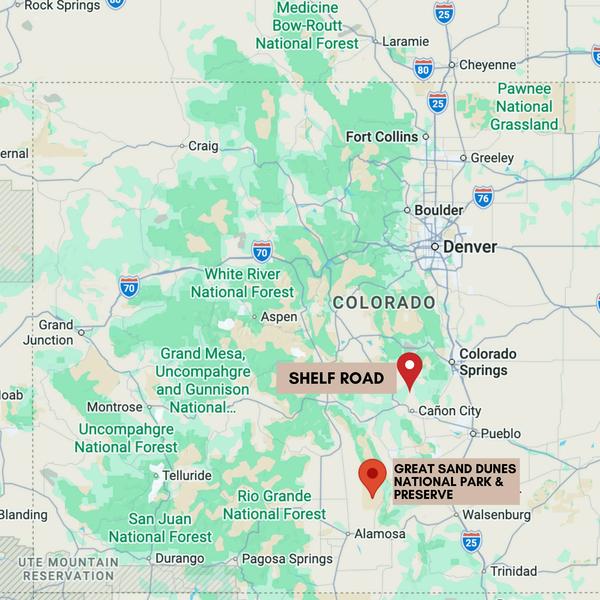
that dates back to the ool, the Passages course invites each 8th grader to self-reflective journey a symbolic passage from middle per school, and from childhood to adolescence. While activities vary from year to year from camping at Great s National Park to rock climbing at Shelf Road, in the Southwest, or service work at Pine Ridge consistently challenged both physically and mentally. on of the course is designed to foster growth, resilience, tive through direct engagement with the natural world gful group experiences Regardless of the location or l Passages courses center w gate and grow from chall o ilience and self-awarene
explore ideas of gratefulness, privilege, leadership, and personal well-being through guided discussions, mindfulness practices, and community-based reflection. A staple of all Passages courses is an overnight solo experience, mind–body mindfulness training, and a culminating Passages Ceremony with parents in attendance marking each student’s transition into the upper school and celebrating their growth as individuals and members of the Watershed community
T H E S P I R I T O F C R E A T I V I T Y
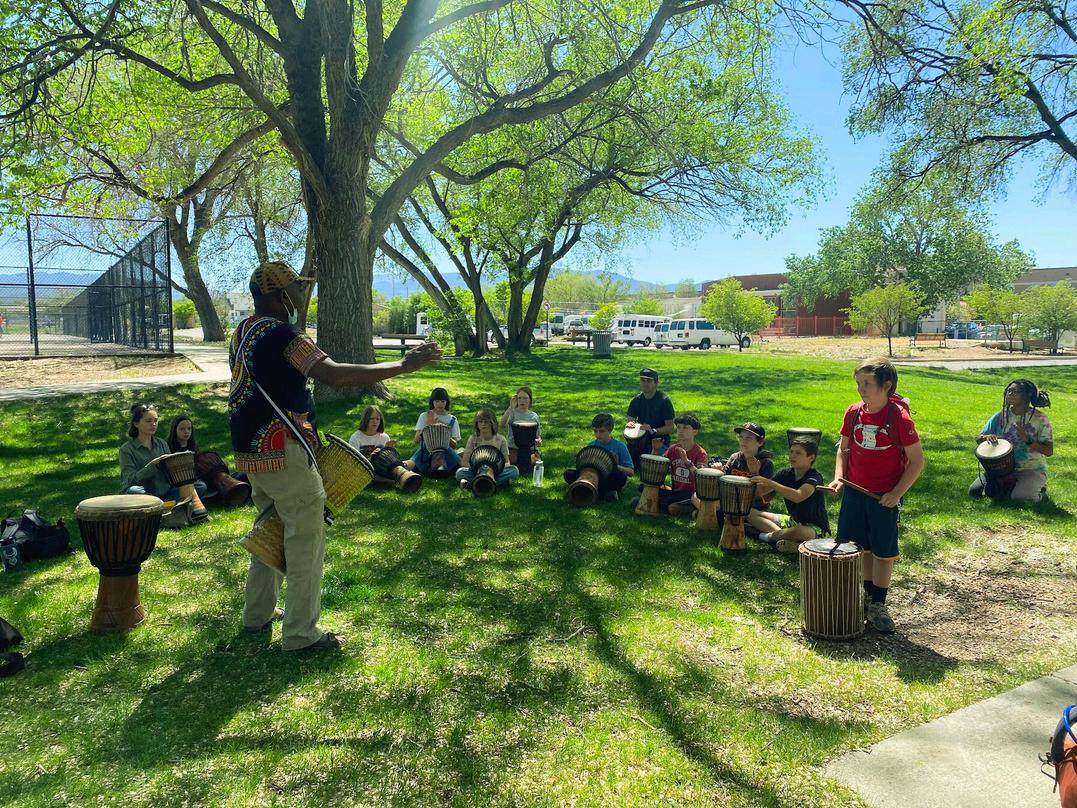
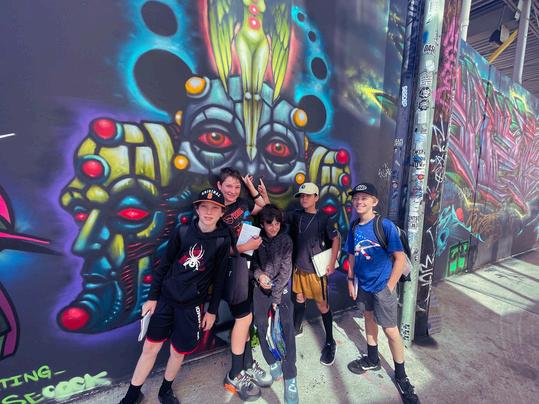
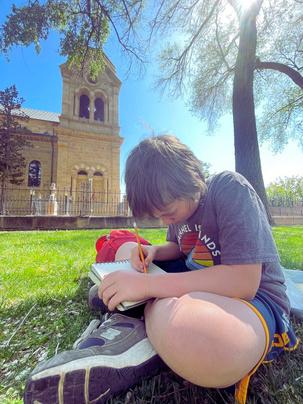
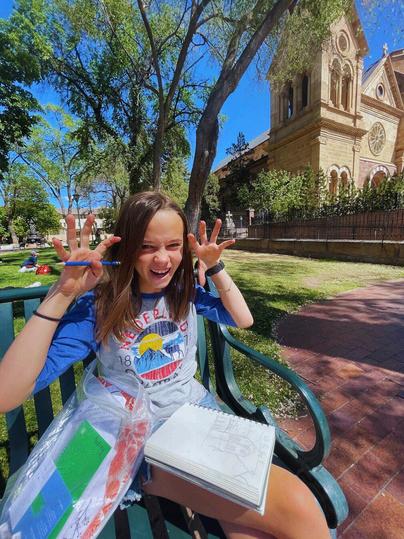
The Spirit of Creativity is an engaging and exciting opportunity for students to unpack and discover creativity in ways they never have before Together, we’ll explore different mediums and techniques for developing inspiration and actualizing visual representations At the heart of our journey lies one essential question: What is art?
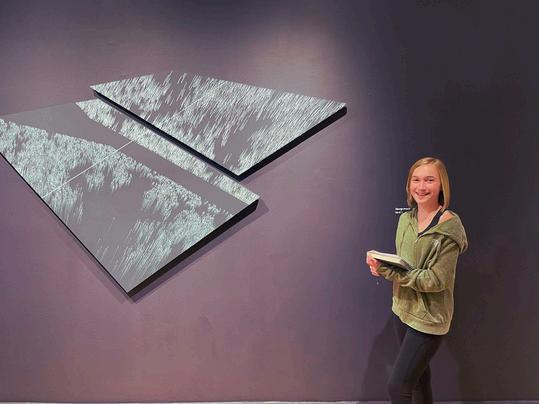
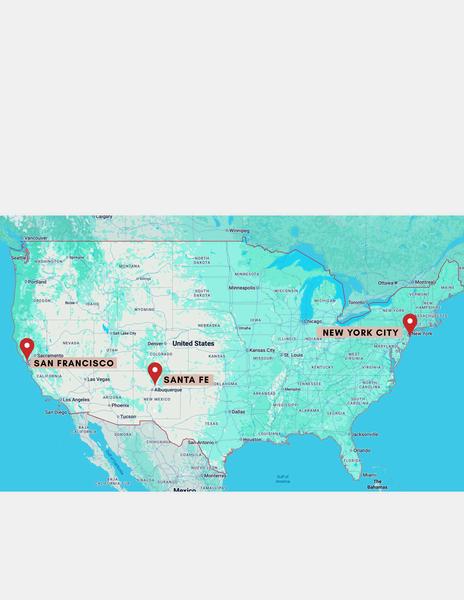
Through hands-on experiences and travel that immerses us in diverse artistic communities, like Santa Fe, New York City, or San Francisco, we’ll also consider: Can creativity be learned? What inspires me? What is my art form? And, how can art fuel a movement? Throughout the course, students will investigate their own personal aesthetic, explore the origins of ideas, and examine how art functions as a means of communication and social change. A focus on craftsmanship, empathy, and self-expression will be integral to our creative journey.