NEWS eyes
The newsletter of the ESE Young Endocrinologists and Scientists

03 From your EYES Co-Chairs, plus Get ready for EYES at ECE 2026
04 Amazing careers: Felix Beuschlein
08 Memories from Milan: 12th EYES Annual Meeting
09 Meet your new EYES Committee, plus Serbia to host EYES in 2026
10 Apply now for an Observership
11 Wrocław: an Observership centre
EYES Selection
05 Innovation in primary aldosteronism
06 Cardiometabolic game changers
06 MACS: an evolving clinical challenge
07 Sleep apnoea, cardiovascular risk and type 2 diabetes
07 Hormonal therapies and venous thrombosis
12 Meet the Azerbaijan Endocrinologists Society

With the Christmas holidays around the corner, many of us are looking forward to reuniting with loved ones or enjoying a well-deserved break. On behalf of the Editorial Team and the EYES Committee, I wish you all the love, joy and rest you deserve this festive season.
The holidays are also the perfect time to browse through these pages and enjoy our feature articles. This issue focuses on the fascinating relationship between cardiovascular health and endocrinology, a hot topic that continues to shape both research and clinical practice.
Editor:
Juan Manuel Jiménez Vacas, UK
Deputy Editor: Dorota Filipowicz, Poland
Editorial Board: Mirjana Đukić, Croatia
Lorenzo Marinelli, Italy
Petros Papalexis, Greece
Shamini Ramkumar Thirumalasetty, Germany
Victoria Withy, UK
Sub-editor: Caroline Brewser
Design: Qube Design Associates
Website: www.ese-hormones.org
©2025 European Society of Endocrinology
The views expressed by the contributors are not necessarily those of ESE
EYEScientists
fb.com/groups/eyes.endo
ESE Young Endocrinologists and Scientists eyescientists ese-eyes
We welcome contributions and suggestions for articles. Please contact EYES News at eyesnewsletter@gmail.com
The addresses used to email this issue of EYES News were supplied by the members of ESE. If you do not wish to receive further mailings, you can update your mailing preferences by going to My ESE area EXTERNAL-LINK-ALT or emailing info@ese-hormones.org
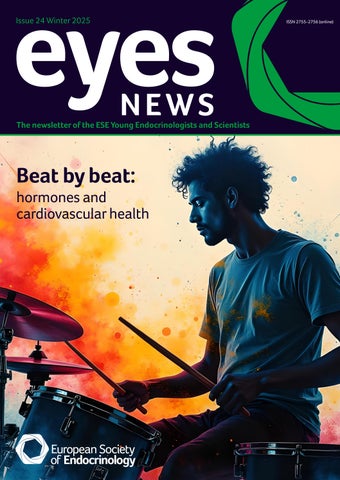
Cover image: ©Pixabay/Nanne Tiggelman
So much has happened recently, and your EYES News Editorial Team is excited to share the latest updates and keep you connected. We’re thrilled to introduce our new EYES Committee members EXTERNAL-LINK-ALT. You’ll find highlights and feedback from our recent EYES Annual Meeting in Milan EXTERNAL-LINK-ALT − what an inspiring event it was! Don’t miss the announcement of our next EYES Meeting in Serbia EXTERNAL-LINK-ALT.
You can also read details of the latest call for the ESE-EYES Observership Programme EXTERNAL-LINK-ALT. We’re expanding our Observership centres to continue helping early-career endocrinologists and scientists gain valuable experience abroad. And be sure to explore ‘Meet the Society’, which features the early-career branch of the Azerbaijan Endocrinologists Society EXTERNAL-LINK-ALT
Finally, a personal note… As the year comes to an end, so does my term as Editor of this wonderful magazine. While I would love to continue forever, it’s time for renewal. I’m delighted to pass the role to Dorota, who has been a key part of our team and will do a fantastic job leading EYES News
For the last time as Editor: happy reading!
Juan Manuel Jiménez Vacas Editor EYES News
Another incredible year for EYES, ESE’s early-career community, is coming to a close. It’s hard not to feel proud, and grateful for everything we’ve accomplished together. From achieving record numbers to unforgettable events, the EYES community has proved once again that dedication and teamwork can move mountains.
We began 2025 with a record-breaking 71 applications to the ESE-EYES Observership Programme: a clear sign of how much our community has grown, and a reminder that early-career investigators are eager to gain experience abroad. In May, we joined with our paediatric colleagues at the Joint ESPE and ESE Congress in Copenhagen, hosting an outstanding EYES− YES Symposium. The room buzzed with new ideas and energy. Summer once again brought us together in endocrinology’s Alpine hub, Innsbruck, for ESE Summer School. Sessions were packed with brilliant discussions, but the connections that formed were just as important.
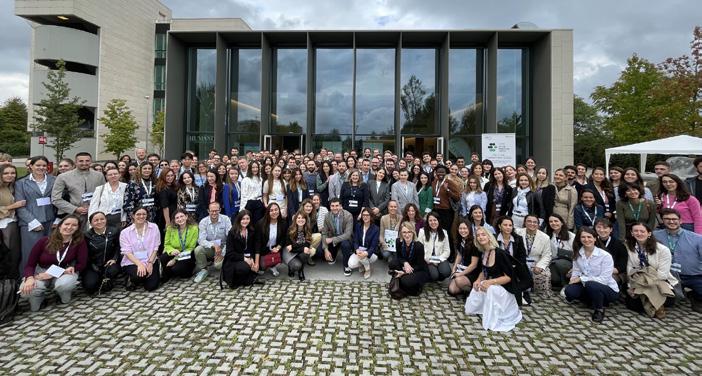
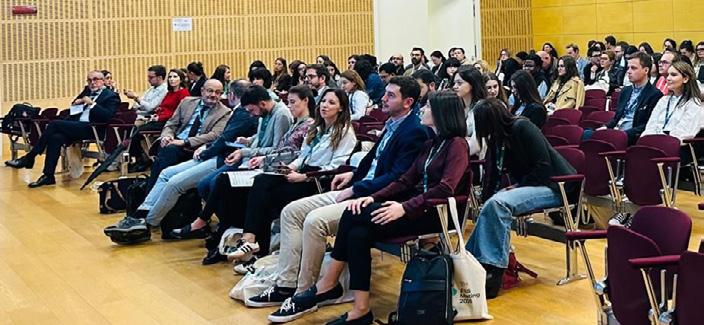
Our biggest highlight was, of course, the EYES Annual Meeting in Milan: our largest ever, with more than 240 participants from 29 countries. Three unforgettable days were filled with outstanding talks, posters and conversations that reminded us that the EYES community exists to connect, support and empower us all.
‘We thank everyone who’s been part of this year’s journey.’
The early-career community always plays an active part at ECE. In 2026, the Congress will take place in Prague, Czech Republic, on 9−12 May. Take the opportunity to get involved!
Submit your abstracts now
Don’t miss the chance to promote your research in Prague. Accepted abstracts are presented as Posters, ePosters, Rapid Communications or Oral Communications, and published open access and fully citable in a supplement to European Journal of Endocrinology.
Abstract deadline 20 January 2026
Find out more and submit EXTERNAL-LINK-ALT

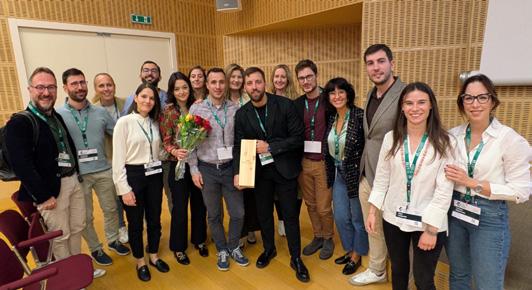
We are thrilled by the formation of new early-career groups within the ECAS National Partner Societies: JEDI from France, SENSE from Serbia, the Greek Endocrinology Resident Committee and the Early-Career Group from Montenegro.
We’re already counting down to ESE 2026 in Prague, Czech Republic. We look forward to continuing to grow together and to greeting new faces. On behalf of the EYES Committee, we thank everyone who’s been part of this year’s journey. Your enthusiasm and dedication keep our community thriving. Stay in touch via social media (see page 2) for daily inspiration. Here’s to another year of learning, connection and growth.
Kristina Saravinovska, Serbia
Juan Manuel Jiménez Vacas, UK

An exciting programme
The EYES symposium is always a highlight of ECE. Among the many excellent speakers, you will hear Nesrine Benanteur (France), who won the award for best presentation at the recent EYES Annual Meeting in Milan, Italy. It goes without saying that the EYES social programme will provide fantastic networking opportunities!
Register now EXTERNAL-LINK-ALT
Super Early Bird registration deadline 31 March 2026
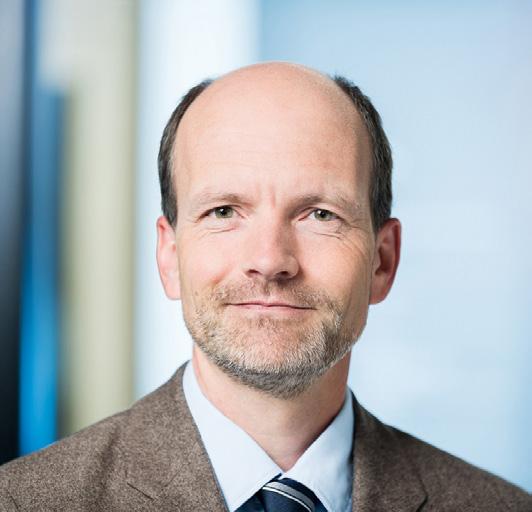
Professor Felix Beuschlein is Director of the Clinic for Endocrinology, Diabetology and Clinical Nutrition, and Co-Director of the Centre for Rare Diseases, at the University Hospital in Zurich, Switzerland. His main interest is in adrenal endocrinology. EYES News Deputy Editor Dorota Filipowicz took the opportunity to find out more about his career.
Please tell us about yourself?
I went to medical school in Würzburg, Germany. After a post-doc with Gary Hammer in Ann Arbor (USA), I worked in Munich, and came to Zurich eight years ago. I have dedicated my career to adrenal tumours, hypercortisolism, hyperaldosteronism and a little bit to phaeochromocytoma and paraganglioma. I have almost always had patient contact and have tried to span clinical and translational work with some basic research.
Why did you choose endocrinology?
I would say luck, a chance meeting with the late Bruno Allolio, and seizing the opportunity. He was a great endocrinologist, mentor and scientist in Würzburg, who drew me in. I bumped into him, said I was considering doing my doctoral thesis and asked if he had any opportunities. He was on his way to give a seminar, and invited me to go and listen. And that did the trick. I was immediately fascinated by endocrinology, but it was also his personality and his thinking. He had a brilliant mind. But, to be honest, I had no master plan. If I had met, maybe, a cardiologist, the same might have happened, and I would be in cardiology.
Has there been a key moment in your career?
I had funding from the German Research Council before I went to Ann Arbor. The scheme allowed two years abroad, and on your return you could reapply and have your own group. But when I came back, I didn’t get the second part of the grant. I wondered how I would survive as a scientist. After trying several things, I got a large grant that meant I could go on. So money can be a defining moment.
Did you consider staying in Ann Arbor?
There was quite a brain drain from Europe to the USA, and the funding arrangement was designed to fight that. We also wanted our children to go to school in Germany. From a scientific perspective, the opportunities would probably have worked out in the USA, but I always saw the visit as making the best of a period of time.
What has been your greatest achievement?
I’m quite proud of some publications in high-ranking journals; you work very hard for that. It was also an achievement to get funding to set up the European Network for the Study of Adrenal Tumors (ENS@T), so we could bring together a good-sized group of excellent people; this was of course a team effort. Finally, in Zurich as Head of Department, I’m proud to be building a structure that is good for treating patients and for attracting and training young endocrine scientists and clinicians, while combining clinical practice with translational and basic science. In 10 years, I hope to look back and say, ‘Well, that’s worked out OK.’
Are you more a scientist or a physician?
Half and half, and I wouldn’t like to miss any of it. It’s important to be grounded, but also to know exactly what the problems are, especially for me as a clinical scientist. But if I only had that, I think I would get bored. Science is something extraordinary, which will never be boring. Bringing these two worlds together is what gets me up in the morning!
What obstacles have you faced?
Apart from when I had no funding, there have been difficult moments such as during the COVID pandemic, when plans were suddenly shattered. Or times when you have too many projects and none are progressing, so you have to cut your losses and concentrate on something else. These can be tough decisions, especially if they affect others. This is also part of the game: you cannot do it all, and you have to make choices.
How do you cope with a bad day?
I love running through a dark forest. I think sport helps to actually free your mind. If you can’t find a way out of a problem, it’s a good idea to step back. Do something different, such as taking care of your garden, and start afresh.
What is the greatest challenge for early-career colleagues?
It’s about finding protected time for both clinical training and research. Again we’re talking about obtaining funding to have time to engage in science. A number of PhDs move to industry, which is fine, but of course their career path is quite different. It’s a challenge to stay in academia. While positions for postdocs usually still work out, only a small fraction of posts are for the long term or professorships.
If research isn’t working out, people with an MD background can at least go into private practice. But for a person with a PhD background, that’s basically it. The loss they face is much harder. So the challenge is for the MDs to have the time and energy to engage in science, and for the ‘real scientists’ to be able to stay engaged and develop a perspective and a long-term position.
How have things changed since you were starting out?
There are similarities and differences. There were opportunities for young scientists to apply for grants and scholarships. In Germany and Switzerland they still exist, but I think elsewhere in Europe it’s certainly hard right now. When I was in medical school, I was mainly in the lab. That wouldn’t work anymore. More mandatory classes mean less freedom for those crazy people who’d rather like to do something else.
What is your take-home message for early-career colleagues?
Stay curious. Question things that you hear. Be engaged and build on your network, because the wider it is, the more likely you can find someone who can help you.
It’s time for an insight into how hormones interact with the cardiovascular system.
The diagnosis and treatment of primary aldosteronism (PA) are set to see a revolution.
Primary aldosteronism – once regarded as a rare cause of hypertension – is now recognised as the most common form of secondary hypertension, affecting up to 10% of all hypertensive patients and nearly 20% of those with resistant hypertension. Yet, despite its prevalence, <1% of affected individuals are currently diagnosed and treated, representing one of the biggest missed opportunities in endocrinology and cardiovascular medicine.
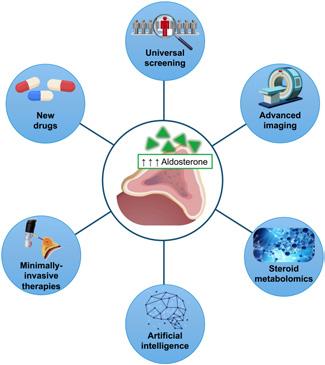
In the last few years, a remarkable wave of innovation has reshaped our approach to PA. From non-invasive imaging and metabolomic profiling, to artificial intelligence (AI) and targeted medical therapies, these advances are bringing us closer to precision medicine in endocrine hypertension.
A call for universal screening Historically, the diagnosis of PA relied on the aldosterone-to-renin ratio for screening of high-risk patients, followed by confirmatory aldosterone suppression tests and adrenal vein sampling (AVS) to determine whether the disease was unilateral (and potentially curable by surgery) or bilateral (requiring medical therapy). While effective in theory, this stepwise process is cumbersome and often inaccessible, contributing to chronic underdiagnosis and undertreatment.
The 2025 Endocrine Society Clinical Practice Guideline on PA now calls for a fundamental shift, to screening all adults with hypertension for PA.1 This inclusive approach aims to identify patients earlier, improve blood pressure control, and reduce the excess cardiovascular risk associated with PA.
Molecular imaging
A landmark study introduced [11C]metomidate positron emission tomography−computed tomography (PET-CT) as a non-invasive alternative to AVS for localising unilateral aldosterone-producing adenomas.2 This tracer selectively binds to CYP11B enzymes involved in cortisol and aldosterone synthesis. In the MATCH trial of 143 patients, [11C]metomidate PET-CT with dexamethasone suppression achieved a diagnostic accuracy comparable to AVS in predicting surgical cure, without the risks or technical limitations of vein sampling.2 These findings suggest that molecular imaging could transform diagnostic pathways by expanding access to curative surgery for many more patients.
Metabolomics and machine learning
Beyond imaging, multi-steroid profiling using mass spectrometry is emerging as a powerful diagnostic tool. Plasma steroid profiling, when combined with machine learning, can identify PA and even distinguish subtypes with high accuracy.3 This approach has proved especially valuable in detecting unilateral adenomas caused by KCNJ5 mutations, which are often associated with excellent surgical outcomes. More recently, urine steroid metabolomics has entered the scene as a non-invasive diagnostic method. In a multicentre study, 24hour urine metabolome analysis differentiated PA from controls with very high accuracy, and successfully identified KCNJ5-mutated aldosterone-producing adenomas through characteristic elevations of hybrid steroid metabolites, such as 18-oxo-tetrahydrocortisol.4 Together, these findings point towards a future where a simple blood or urine test may replace cumbersome diagnostic procedures altogether.
AI is rapidly being integrated into PA research and clinical care. Machine learning models can integrate biochemical, imaging and clinical data, to automate the detection and subtype classification of PA. These AI-driven models not only streamline diagnosis but can also predict treatment response and guide personalised therapy. However, challenges remain – especially the need for large, multicentre datasets and transparent model interpretation before clinical deployment.
Surgical adrenalectomy remains the gold standard for unilateral PA, but it is not suitable for all patients. Excitingly, the FABULAS trial has demonstrated the feasibility of endoscopic ultrasound-guided radiofrequency ablation (EUS-RFA) as a novel, adrenal-sparing alternative, combining precision molecular imaging with targeted ablation.5 In this UK
multicentre study, 28 patients with left-sided aldosterone-producing adenomas underwent EUS-RFA using a fine ablation catheter guided through the stomach wall. The results were striking: 75% of participants achieved complete or partial biochemical cure, and none experienced major adverse events.
While mineralocorticoid receptor antagonists, such as spironolactone and eplerenone, remain mainstays of PA therapy, new pharmacological strategies are targeting the disease at its source.
The SPARK phase 2a trial tested baxdrostat, a selective aldosterone synthase inhibitor, in 15 patients with PA.6 After 12 weeks, participants experienced a mean systolic blood pressure reduction of 25mmHg and a 97% drop in the aldosterone-to-renin ratio, with no major side effects. These results herald a new generation of drugs that directly suppress aldosterone production, potentially offering a targeted oral alternative to surgery.
Collectively, these developments represent a paradigm shift in PA: moving from invasive, stepwise testing towards integrated, patientcentred pathways. The traditional view of PA as a rare condition has given way to recognition of a broad spectrum of aldosterone excess, encompassing even ‘subclinical’ forms that drive cardiovascular risk.
The challenge now lies in translating innovation into access: ensuring these diagnostic and therapeutic advances reach everyday clinical practice. With the combined momentum of imaging, multi-omics approaches, AI and novel treatment strategies, precision medicine is at the heart of the future of care for PA.
Alessandro Prete, UK
REFERENCES
1. Adler et al. 2025 Journal of Clinical Endocrinology & Metabolism https://doi.org/10.1210/clinem/dgaf284
2. Wu et al. 2023 Nature Medicine https://doi.org/10.1038/s41591-022-02114-5
3. Eisenhofer et al. 2020 JAMA Network Open https://doi.org/10.1001/jamanetworkopen.2020.16209
4. Prete et al. 2024 Journal of Steroid Biochemistry & Molecular Biology https://doi.org/10.1016/j.jsbmb.2023.106445
5. Argentesi et al. 2025 Lancet https://doi.org/10.1016/s0140-6736(24)02755-7
6. Turcu et al. 2025 New England Journal of Medicine https://doi.org/10.1056/nejmc2508629
Diabetes is a chronic disease, and an epidemic that we have been struggling with for almost a century. Professor Miles Fisher defined it as ‘a state of premature cardiovascular death, that may also be associated with blindness and renal failure’.
Paradoxically, the introduction in the 1920s of insulin, and subsequently of other effective hypoglycaemic drugs, has extended the lives of patients and revealed diabetes’ long-term complications, which were previously rarely observed. These include cardiovascular disease. Until recently, the risk of cardiovascular disease in diabetes was twice as high in men and four times as high in women than in the population with normal carbohydrate metabolism. Coronary heart disease in diabetes affected women and men equally, being ‘more prevalent, more extensive, and more diffuse’.
The revolution in the prevention of cardiovascular complications began with the introduction of new classes of drugs into diabetes treatment. Initially, there were inhibitors of sodium–glucose co-transporter 2 (SGLT-2i; the flozins) in 2015,1 followed in 2016 by glucagon-like peptide-1 receptor agonists (GLP-1 RAs).2 The beneficial effects of longterm metformin in reducing cardiovascular risk in type 2 diabetes had already been observed (UK Prospective Diabetes Study),3 but the use of SGLT-2i and GLP-1 RA drugs yielded spectacular results in this regard.
The empagliflozin study (EMPA-REG OUTCOME trial) achieved a 38% relative risk
reduction of death from cardiovascular causes, a 35% reduction in hospitalisation for heart failure, and a 32% reduction in any death from any cause. The year 2019 was a milestone in the use of flozins, when the beneficial effects of SGLT-2i on non-diabetic patients (DAPA-HF trial) were announced.
Further studies with empagliflozin and dapagliflozin also demonstrated their statistically significant benefits in reducing the complex renal endpoint.4
The liraglutide (LEADER) study achieved a 22% reduction in the risk of cardiovascular death and a 15% reduction in all-cause death. A 16% reduction in renal microvascular complications was also observed, prompting further research into the beneficial effects of
this group of drugs on diabetic nephropathy. These efforts culminated in the announcement of the results of the FLOW study using semaglutide in 2024.5 Cardiological studies with semaglutide also showed its beneficial effects in heart failure, not only in patients with diabetes (SELECT trial).6
Modern, holistic diabetes treatment is currently based on medications that, like GLP-1 RA and SGLT-2i drugs, reduce not only blood glucose levels but also, and above all, the vascular complications of diabetes. Research is underway on new anti-diabetic drug molecules that will limit the development of chronic diabetes complications. Such hopes are pinned on dual and triple agonists of the GLP-1, glucose-dependent insulinotropic polypeptide and glucagon receptors. The same applies to modern, non-steroidal mineralocorticoid receptor antagonists (finerenone), used in chronic diabetic kidney disease.
Jan Ruxer, Poland
REFERENCES
1. Zinman et al. 2015 New England Journal of Medicine https://doi.org/10.1056/NEJMoa1504720
2. Marso et al. 2016 New England Journal of Medicine https://doi.org/10.1056/NEJMoa1603827
3. Scarpello 2003 Diabetes & Metabolism https://doi.org/10.1016/s1262-3636(03)72786-4
4. Heerspink et al. 2020 New England Journal of Medicine https://doi.org/10.1056/NEJMoa2024816
5. Perkovic et al. 2024 New England Journal of Medicine 2024 https://doi.org/10.1056/NEJMoa2403347
6. Lincoff et al. 2023 New England Journal of Medicine https://doi.org/10.1056/NEJMoa2307563
How can we accurately assess the risks of this condition and optimise treatment?
Mild autonomous cortisol secretion (MACS) is defined by an inadequate suppression of cortisol after dexamethasone suppression test in patients with adrenal incidentalomas, without the classical catabolic features of overt Cushing’s syndrome.1 Increased use of imaging has markedly raised detection of adrenal incidentalomas and, consequently, the recognition of MACS, which is diagnosed in up to 50% of these cases.1
Although progression to overt hypercortisolism is rare, MACS is clinically relevant, due to its strong association with cardiometabolic morbidity and increased mortality.
In this context, hypertension, diabetes and dyslipidaemia are common co-morbidities. This results in an elevated cardiovascular risk compared with individuals harbouring nonfunctioning adrenal tumours.2 Age and sex are pivotal risk modifiers, with younger women showing higher susceptibility to cortisol-related
complications. Furthermore, cortisol excess adversely affects skeletal health, as evidenced by the increased prevalence and incidence of vertebral fractures in patients with MACS.1
Despite growing evidence of its deleterious outcomes, the management of MACS remains a matter of debate. In unilateral disease with relevant co-morbidities, adrenalectomy has shown consistent benefits in retrospective cohorts. Stronger evidence comes from randomised controlled trials demonstrating improvements in blood pressure, glucose metabolism and body weight, and a lower incidence of vertebral fractures, after surgery.3,4 These findings support surgery as a valuable therapeutic option in carefully selected patients, although reliable criteria for patient stratification remain limited.
Medical therapy may be considered in bilateral disease, where surgery is not standardised or feasible. Steroidogenesis inhibitors and glucocorticoid receptor antagonists have been
‘MACS is clinically relevant, due to its strong association with cardiometabolic morbidity and increased mortality.’
evaluated for this purpose. A recent randomised study reported an improvement in glycated haemoglobin after mifepristone treatment in patients with poorly controlled diabetes and MACS.5 Although these early results seem promising, prospective studies are required to validate the long-term efficacy and safety of these medical interventions.
In summary, MACS represents the most frequent endocrine alteration in adrenal incidentalomas, and is associated with substantial cardiometabolic burden and excess mortality. Surgical treatment provides significant benefits in appropriately selected cases, while medical therapy or observation remain suitable alternatives. Future longitudinal investigations are essential to refine risk stratification and optimise therapeutic strategies.
Guido Di Dalmazi,
Italy
REFERENCES
1. Fassnacht et al. 2023 European Journal of Endocrinology https://doi.org/10.1093/ejendo/lvad066
2. Deutschbein et al. 2022 Lancet Diabetes & Endocrinology https://doi.org/10.1016/S2213-8587(22)00100-0
3. Koh et al. 2024 Annals of Surgery https://doi.org/10.1097/SLA.0000000000006183
4. Tabarin et al. 2025 Lancet Diabetes & Endocrinology https://doi.org/10.1016/S2213-8587(25)00062-2
5. DeFronzo et al. 2025 Diabetes Care https://doi.org/10.2337/dc25-1055
Clinicians need to be aware of the link between these conditions and manage them accordingly.
Obstructive sleep apnoea (OSA) is common but largely undiagnosed. It is becoming a serious public health issue, affecting almost 1 billion people worldwide. Over 30 million people are under-diagnosed in Europe. Its prevalence is gradually increasing in parallel with the obesity and type 2 diabetes mellitus (T2DM) epidemics. OSA seems to be an independent risk factor for the development and the progression of T2DM, whereas it is associated with T2DM-related macrovascular and microvascular complications. OSA
may also be a potential risk factor for the presentation and development of cardiovascular disease, such as hypertension, coronary artery disease, heart failure, pulmonary hypertension, atrial fibrillation and other cardiac arrythmias, as well as stroke. OSA and T2DM also share common pathophysiological mechanisms leading to atherosclerosis.
Considering that the coexistence of OSA and T2DM is an independent and cumulative risk factor for cardiovascular mortality, more so than the two diseases separately, clinicians and healthcare professionals should be aware of and screen for OSA in patients with T2DM.
According to the literature, continuous positive airway pressure (CPAP) seems to be quite beneficial in the management of OSA.
‘Among patients with established cardiovascular disease and OSA, CPAP does not improve glycaemic control in those with prediabetes or T2DM.’
Nevertheless, among patients with established cardiovascular disease and OSA, CPAP does not improve glycaemic control in those with prediabetes or T2DM, when compared with standard care. Moreover, CPAP therapy did not modify serum glucose levels, glycated haemoglobin or anti-diabetic medication among these patients after a median follow up of 4.3 years. Similarly, empagliflozin, a sodium−glucose co-transporter-2 inhibitor (SGLT-2i), seems to be quite promising. Moreover, metformin, the cornerstone of T2DM management, may improve sleep quality, although it does not modify the prevalence of OSA according to retrospective cohort studies. Notably, targeted therapy for both OSA and T2DM seems to substantially improve cardiovascular prognosis. An approach using personalised medicine, with careful assessment of co-morbidities, and better cardiovascular risk stratification and cardiovascular disease prevention among patients with T2DM and OSA, is of major importance.
Stavroula (Lina) Paschou, Greece
FURTHER READING
− Benjafield et al. 2019 Lancet Respiratory Medicine https://doi.org/10.1016/S2213-2600(19)30198-5
− Lavrentaki et al. 2019 European Journal of Endocrinology https://doi.org/10.1530/EJE-18-0411
− Paschou et al. 2022 Nutrients https://doi.org/10.3390/nu14234989
− Veasey & Rosen 2019 New England Journal of Medicine https://doi.org/10.1056/NEJMcp1816152
A wide range of factors needs to be taken into consideration when prescribing these therapies.
Female reproductive hormonal therapies are among the most prescribed medications worldwide. Up to 50% of women use them at least once in their lifetime.1,2 The number of users is expected to further increase as more individuals undergo gender transition.1,2
Venous thromboembolism (VTE; including deep vein thrombosis, pulmonary embolism and cerebral venous sinus thrombosis) is a wellestablished complication of their use. Given the ubiquitous use of hormonal therapies, even relatively infrequent complications such as VTE affect large numbers of patients, accounting for considerable morbidity and mortality.1,2
Hormonal contraception
Combined oral contraception (COC) increases VTE risk by two- to ninefold, proportionally with increasing oestrogen concentrations.3 Importantly, lower dosages of ethinyl oestradiol significantly reduce thrombosis without compromising contraceptive efficacy, although potentially resulting in increased risk of uterine bleeding.1,3 Recently, oestradiol valerate was associated with more favourable thrombotic and metabolic profiles compared with ethinyl oestradiol, but evidence remains limited.1
Progesterone-only agents are not generally associated with VTE.1,3 However, when combined with oestrogen, the progesterone formulation impacts thrombogenicity. Second-generation progestins (e.g. levonorgestrel) carry a
two- to fourfold lower VTE risk than thirdgeneration agents (e.g. desogestrel, gestodene, cyproterone acetate).1,3 Data on the newer fourth-generation drospirenone are conflicting. Nonetheless, meta-analyses suggested higher thrombogenicity than second-generation progestins.1,3 Progestin-only pills, levonorgestrel intrauterine devices and etonogestrel subdermal implants carry no evident VTE risk excess, making these preferrable options across highrisk clinical scenarios.1,3
HRT in menopause
Hormone replacement therapy (HRT) use in postmenopausal women doubles the risk of VTE.1,2 Some studies reported a higher risk with conjugated equine oestrogen than with oestradiol, but there is insufficient evidence to suggest one oestrogen over the other.1,4 As for the progesterone component, secondgeneration progestins are often recommended in high-risk women requiring combined HRT.1,4 Similarly, transdermal administration is preferred over oral in women with thrombotic risk factors. Topical vaginal oestrogens for postmenopausal dryness do not appear to heighten thrombotic risk.1,4
VTE affects as many as 5% of transgender women on long-term oestrogen therapy, with oral ethinyl oestradiol reportedly conveying higher risks.2,5 Conversely, transdermal oestradiol exhibits favourable safety, often being preferred in individuals >40 years. In transgender men, testosterone induces erythrocytosis without augmenting thrombotic risk.2,5
Thrombotic risk peaks during the first year of hormonal therapy use and tends to decline thereafter, normalising within three months of discontinuation.1,2 Patient characteristics critically influence the risk of VTE associated with hormonal therapy. Primarily, these include: personal or first-degree family history of thrombosis, thrombophilia (e.g. homozygous mutations in Factor V Leiden or prothrombin gene, antithrombin deficiency, protein C/S deficiency), cancer, obesity, age and smoking. Importantly, routine inherited thrombophilia screening is not currently recommended before hormonal therapy initiation.1,2
While additional research is required, clinicians prescribing hormonal therapies should carefully consider type, dose and administration route alongside individual patient risk factors, values and preferences. Shared multidisciplinary clinical decision making might be warranted in order to optimise individualised management and mitigate the risk of thrombotic complications.
Giulia Cacciatore, Italy
Nicola Potere, Canada
REFERENCES
1. LaVasseur et al. 2022 Research & Practice in Thrombosis & Haemostasis https://doi.org/10.1002/rth2.12763
2. Scheres & Middeldorp 2024 Hematology American Society of Hematology Education Program https://doi.org/10.1182/hematology.2024000593
3. Stegeman et al. 2013 BMJ https://doi.org/10.1136/bmj.f5298
4. Johansson et al. 2024 BMJ https://doi.org/10.1136/bmj-2023-078784
5. Kowalczyk Mullins & Mullins 2024 Journal of Thrombosis & Haemostasis https://doi.org/10.1016/j.jtha.2024.05.015
The recent EYES Meeting in Milan met with huge success.
It was truly wonderful to host the 12th EYES Annual Meeting in our city. Even though Milan’s typical grey skies accompanied the first few days, they weren’t enough to dampen the positive vibes of our annual meeting, which flew by in the blink of an eye.
Right from the start, it was great to feel the support of representatives from the two Italian societies (SIE and AME). They attended the opening ceremony and emphasised what an honour it was for the entire Italian endocrinology community to be hosting the European early-career endocrinologists and scientists.
An outstanding lecture by Professor Constantine Stratakis (Greece/USA) provided
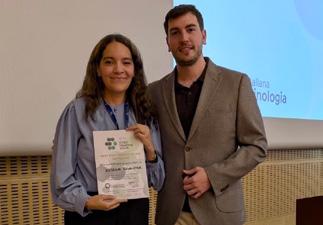
‘Attending the EYES Meeting in Milan was an inspiring and fulfilling experience. I feel grateful for this opportunity to meet other young scientists and endocrinologists, to build meaningful connections and a community around our respective research work in endocrinology. I particularly enjoyed the quality of the plenary lectures, which offered precious insights into recent advances. Moreover, having the opportunity to present our work, and having valuable feedback and enlightening debates around it, was truly motivating. This meeting not only shone due to the quality of its scientific programme, it also strengthened our sense of belonging to a community willing to carry out innovative projects.’
Nesrine Benanteur
Best overall presentation
the best possible way to kick off the meeting. Before we knew it, the oral communication sessions were over, and we found ourselves immersed in the first social event − an evening of music, good food and lively conversation: the perfect setting for stimulating networking among the many delegates in attendance.
The second day opened with an enlightening lecture by Professor Sadaf Farooqi (UK) on obesity management, followed by equally engaging talks from participants, interspersed with dynamic poster sessions. In the afternoon, Professor Guillaume Assié (France) gave an inspiring keynote lecture, sharing valuable insights on the potential applications of artificial intelligence in endocrinology. The second social event was an evening featuring street food and a live DJ set − yet another wonderful opportunity to spend time with friends from the EYES Committee and to welcome new participants to our evergrowing community.
On the final day of the congress, Professor Roberto Vettor (Italy) delivered the perfect final invited lecture, on the role of dysfunctional adipose tissue in obesity. It was followed by the award ceremony, recognising the best presentations from each session and the best presenters of the entire meeting: the top prize was awarded to Nesrine Benanteur (France), and runner up to Niklas Geiger (Germany) − congratulations to them both!
I am truly grateful for the opportunity to host this event at my university, and I express my deepest thanks to the incredible team of colleagues from the Local Organising Committee for their constant support since the very first stages of planning. I also extend my heartfelt appreciation to the entire EYES Committee for their invaluable contributions and for all the wonderful memories we’ve shared over the past few years.
We hope we’ve given everyone an experience to remember fondly and left you eager to join the next gathering of our community.
Walter Vena LOC Chair, 2025 EYES Meeting
Read
‘I was truly honoured to receive an award at the EYES Meeting in Milan. The meeting was an inspiring experience − a perfect blend of cutting-edge science, engaging discussions and genuine collegiality among young endocrinologists from across Europe. I particularly enjoyed the opportunity to present my work and exchange ideas with such a passionate and supportive community. The atmosphere of curiosity and collaboration made this meeting a highlight for young and motivated scientists, and I am deeply grateful to the organisers and fellow participants for making it such a memorable event. And, of course, the legendary EYES party was the perfect way to celebrate science and friendship!’
Join us in welcoming new members to the EYES Committee EXTERNAL-LINK-ALT. We look forward to working with them on exciting initiatives to support everyone in the early-career community.
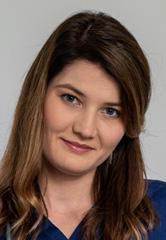
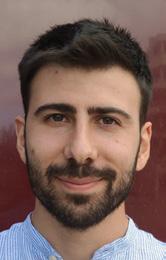

DOROTA FILIPOWICZ
I work at Poznan University of Medical Sciences, Poland, and my journey with the EYES community began on the EYES News Editorial Board, an experience that has broadened my perspective, with new ideas and teamwork in a supportive environment.
As a young endocrinologist and clinical scientist, I appreciate the chance to collaborate internationally, gain inspiration and develop skills. Serving as President of the Young Endocrinologists’ Club of the Polish Society of Endocrinology motivated me to strengthen Poland’s presence in this network. Joining the EYES Committee feels like continuing this journey within an extraordinary community – amplifying young voices, fostering growth and shaping the future of endocrinology.
FRANCESCO COSTANTINO
I am based at the Department of Biomedical, Metabolic and Neural Science, University of Modena and Reggio Emilia in Italy.
Since starting my residency, I’ve actively taken part in EYES Annual Meetings. Each time, I’ve felt a stronger sense of belonging to this inspiring community.
EYES has broadened my perspective, offered valuable opportunities to present and discuss my work, and consistently motivated me to grow both personally and professionally.
I’m enthusiastic about the chance to represent early-career members and contribute to the EYES community, building on my experience within the Italian Society of Andrology and Sexual Medicine. I truly believe in collaboration, shared goals, and teamwork.
TAMARA DOJCINOVIC
I’m an endocrinologist working at the University Clinical Center of the Republic of Srpska in Banja Luka, Bosnia and Herzegovina, and a teaching assistant at the Department of Internal Medicine in the University of Banja Luka, as well as a PhD student.
I wanted to join the EYES Committee not just through a personal motivation to be part of a vibrant and forward-looking group of young professionals. I also wanted to connect with my peers across Europe and to contribute to promoting endocrinology and engagement with educational activities among early-career professionals. Through teamwork and shared enthusiasm, I hope to play a small part in shaping the future of endocrinology.
Member Role
Juan Manuel
Jiménez Vacas Co-Chair Editor, EYES News
Kristina Saravinovska Co-Chair Observership Lead
Julia Beck
Francesco Costantino
Tamara Dojcinovic Social Media Co-Lead
Dorota Filipowicz Deputy Editor, EYES News
Clara Lazzaretti
Jonathan Mertens
Karin Zibar Tomšić
Early-career representative on...
ESE Executive Committee (ex-officio)
ESE Science Committee
ESE Publications and Communications Committee
ESE Clinical Committee
State of Endocrinology Project
Obesity and Endocrinology School
ESE Membership Committee
Obesity Taskforce
ECE 2027 POC
ESE Rare Disease Committee
Social Media Co-Lead
ECE 2026 POC
EndoCompass
Obesity Taskforce
ESE Education Committee

The 13th Annual ESE-EYES Meeting will take place on 4−6 September 2026 in Belgrade, Serbia.
Hosting the ESE-EYES Meeting in Belgrade will provide a charged focus, where earlycareer endocrinologists can connect and spark collaborations.
Many delegates will recognise members of the Local Organising Committee (LOC) from years of joint activity. Since Serbia welcomed the 2nd EYES Annual Meeting in 2014, the movement has matured and expanded. Today, the Serbian Young Endocrinologists and Scientists form a dynamic collective: our LOC brings together almost 20 committed colleagues from four university cities, united by curiosity, mentorship and a drive to innovate.
We take hospitality seriously in Serbia. Building on the momentum of recent regional and national conferences, we aim to consolidate Belgrade’s role as a vibrant endocrine hub. Attendees can expect a programme that balances top-notch science with practical learning, with cutting-edge symposia and oral and poster sessions designed to accelerate clinical skills and research thinking. An emphasis on crossdisciplinary exchange will create fertile ground for projects that travel beyond the meeting room.
Outside formal sessions, Belgrade’s multicultural energy, riverside promenades and lively evening scene will provide an inviting backdrop for informal networking and creative conversation.
Join us in Belgrade with curiosity and ambition. Come to learn, to teach, to challenge conventions and to co-create the next chapter of endocrinology. Together we will honour the past, celebrate the present and open doors to a bold future.
Antoan Stefan Šojat LOC Chair, 2026 ESE-EYES Meeting
Through the hugely successful Observership Programme, ESE provides opportunities for early-career investigators to learn and grow in some of Europe’s leading endocrine centres.
The Observership Programme operates clinical (COP), research (ROP) and advanced research (AdROP) placements in Europe, as well as the bilateral programme (BOP) offering placements in Brazil.
Whether you are a clinician-in-training, or an early-career investigator doing basic or translational research, this programme will support your growth. Co-ordinators in the EYES Observership Programme team are available to guide you on every step of your journey.
The Programme’s network of centres is growing (see map on page 11):
20
ROP and AdROP centres
In 5 rounds of funding >260 applications received €45,000 awarded by ESE >130 Observerships awarded 26 COP centres
1 BOP centre
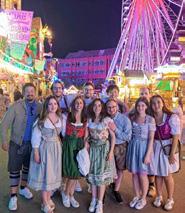

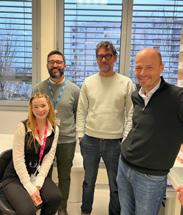
The Advanced Research Observership Programme (AdROP) offered me a unique opportunity to grow scientifically and personally. My time in Würzburg, Germany, was a true turning point, pushing me beyond my comfort zone and immersing me in a stimulating research environment.
In the Department of Endocrinology led by Professor Martin Fassnacht, I had the privilege of joining a highly qualified and welcoming team. I worked daily alongside Professor Altieri, a physician with extensive research expertise, which greatly enriched my experience. Our discussions helped me bridge clinical and biological perspectives. These two complementary views, when combined, can truly drive meaningful scientific progress. Engaging with endocrinology experts and participating in scientific discussions broadened my understanding, challenged my thinking, and allowed me to improve my technical skills.
Beyond the lab, I was warmly welcomed and had the chance to share time with colleagues, discovering German culture through local food, traditions and daily life. These moments made the Observership even more rewarding.
Thanks to AdROP, I have returned to Milan enriched by new knowledge and international collaborations, and with a deeper conviction that the dialogue between clinicians and biologists is essential for the advancement of endocrine science.
If I had to sum up my experience in Serbia in three words, they would be: sharing, inclusion and projects.
From day one in Belgrade, my COP mentor, Dr Ljiljana Marina, generously shared her knowledge of female reproductive medicine, an area that has always fascinated me. Coming from a centre which is highly specialised in andrology and male infertility, this was a valuable opportunity to explore the other side of reproductive health, and it exceeded all my expectations.
The entire team welcomed me warmly and fully integrated me into their daily work routine. They included me in clinical discussions and in their informal conversations. In the outpatient clinic, they always translated patient visits and listen to my opinion as well, often reaching the best solution for the patient together. Outside the hospital, they introduced me to Belgrade’s culture and cuisine through countless shared lunches and dinners, always making me feel part of their group.
Last but not least, we also initiated research projects together, even involving my Italian colleagues. This is the essence of COP: international collaboration, research and progress. I am deeply grateful for this opportunity.
My time in Lyon, France, was an enriching journey, both professionally and personally. I had the privilege of working with Professors Philippe Bertolino and Gérald Raverot on the study of stem cell niches in pituitary tumours and their role in tumour biology.
Using human samples, we established primary cultures enriched in stem cells. This enabled us to explore how different pathway inhibitors affect their differentiation into pituitary lineages, promote stemness or induce senescence. To achieve this, we optimised culture protocols with varied time−response schedules and collected RNA and protein samples to investigate the molecular mechanisms that regulate stem cell function within the tumour microenvironment and anatomical context.
Beyond the lab, the ROP experience gave me the chance to connect with an inspiring and supportive community. Despite my stay being just one month, I was warmly welcomed − everyone was eager to exchange ideas, share advice and even unwind together after work to discuss experiments or future plans.
Although my time in Lyon was short, the friendships I made continue. We’re still in touch and already making plans to reunite − whether in Lyon, in Spain, or somewhere else in the world.
The Clinic of Endocrinology and Internal Medicine in Wrocław, Poland, is just one of the centres you could apply to for your Observership. Read on to find out more..
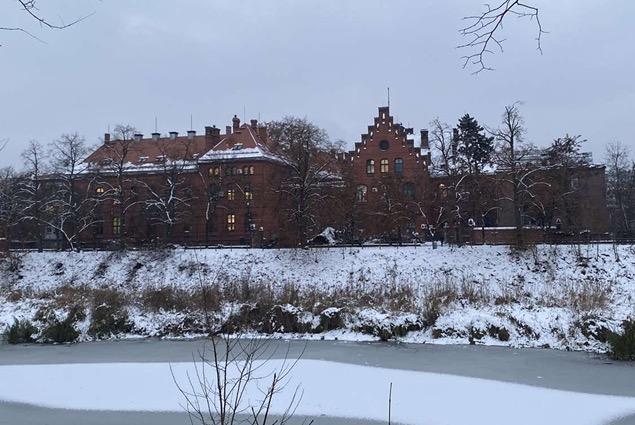
Our clinic at Wrocław Medical University is one of the leading endocrine centres in Poland, located in a historic, 19th century building.
The team
I am proud to lead our team, who are involved in clinical activities and scientific studies. Knowledge and experience are the foundations of our work here. The clinic team consists of specialists in endocrinology, diabetology and internal medicine. We have 12 academic teachers, four physicians, many residents, and laboratory and technical staff.
Our doctors care for patients with diseases affecting the pituitary, thyroid, adrenal and gonads. We provide advanced treatment for pituitary tumours, thyroid orbitopathy, hypoparathyroidism and osteoporosis through therapeutic programmes and clinical trials. Patients with type 1 or type 2 diabetes benefit from modern therapies and an interdisciplinary approach.
Recent scientific interests have focused on metabolic aspects of acromegaly or polycystic ovary syndrome. We work with a laboratory team that conducts genetic and hormonal tests. Analysis of genetic material uses SNaPshot minisensing and real-time PCR. We also specialise in radioimmunoassay, immunoradiometric assay and enzyme-linked immunosorbent assay techniques. Preanalytical procedures include collecting and biobanking biological material from patients.
We meet the challenges of digitalisation in healthcare by working with the AI and Innovative Technological Solutions in
Healthcare Group at the Lower Silesian Medical Chamber (led by Dr Jowita Halupczok-Żyła). Internationally, we participate in ERCUSYN (the European Register on Cushing’s Syndrome; Dr Aleksandra Zdrojowy-Wełna) and the GWAS project (Genetics of Pituitary Tumours; Professor Aleksandra Jawiarczyk-Przybyłowska and Dr Justyna Kuliczkowska-Płaksej).
Our department is ESE-affiliated and was the first in Poland to participate in the EYES Clinical Observership Programme. Dr Halupczok-Żyła undertook a Research Observership herself in 2022.
Education is a cornerstone of our mission. We are proud to have about 400 Polish language students and 90 English language students, all of whom study internal medicine with a special focus on endocrinology. Our curriculum also includes nuclear medicine and medical analytics. We are equally active in postgraduate education, ensuring that students are equipped with the knowledge and skills to excel in their medical careers.
Life in Wrocław isn’t just about patient management in the hospital and outpatient clinic. Our city is a major academic centre with over 100,000 students. Wrocław lies in the heart of Europe, only a short distance to the capital cities of surrounding countries.
Wrocław has a long, multicultural history. It was European Capital of Culture in 2016. The vibrant heart of the Old Town is Market Square (Rynek), full of colourful restaurants, clubs and cafes. Cathedral Island (Ostrów Tumski) is the oldest part of Wrocław, surrounded by the River Odra. In recent decades, Wrocław has also owed at least some of its popularity to the appearance of several hundred gnomes or dwarfs!
We are convinced that you will enjoy discovering the beauty and friendly atmosphere of our city. We cordially invite you to Wrocław!
Marek Bolanowski, Poland

The story of the Azerbaijan Endocrinologists Society (AES) is one of passion, commitment and hope.
This young organisation, founded only in 2023, has already captured the spirit of Azerbaijan’s medical community and built a platform where knowledge, collaboration and friendship come together. The Society’s founders, Dr Khayyam Eyvazov and Dr Gulay Hasan were united by a simple but powerful dream: to create and share science. They recognised that endocrinology in Azerbaijan needed a stronger voice − one that could bring doctors together, connect them with the wider world, and inspire young specialists to grow.
Building connections, building a community
From the very beginning, the AES has been about more than medicine. It has been about people: doctors supporting each other, young specialists finding mentors, and patients gaining hope through better care. In 2024, AES became a National Partner Society of ESE. Reaching this milestone not only linked Azerbaijan to Europe’s leading endocrinology network but also gave its members a sense of belonging to the global medical family.
Society events
Conferences and seminars have quickly become the heartbeat of the Society. The First National Endocrinology Congress, held in May 2024, welcomed over 400 participants, filling the halls with energy, questions and ideas.
Monthly seminars, tailored especially to the needs of early-career endocrinologists, have provided invaluable spaces to learn, discuss difficult cases and encourage one another. For many young doctors, these gatherings are not only about education but also about inspiration: proof that they are part of something bigger than themselves.
Spreading knowledge
Among our young doctors, early-career endocrinologists Dr Aytan Naghiyeva and Dr Hafiza Valizada are preparing to translate key textbooks, with the aim of making vital knowledge more accessible to students and specialists. Dr Parvin Aliyeva and Dr Konul Rzayeva have brought their energy and passion to seminars, helping to create an atmosphere where young doctors feel encouraged and supported. And Dr Nargiz Huseynzadeh, living with type 1 diabetes herself, has become a source of strength and hope for patients, turning her personal story into a powerful mission of education and inspiration. Together, these young doctors reflect the spirit of compassion, resilience and innovation that defines the new generation of Azerbaijani endocrinology.
The AES has also set ambitious goals for research. One of its priorities is conducting epidemiological studies to define population-specific values for Azerbaijan. This work will help doctors tailor care more precisely to their
One particularly exciting project is the plan to launch a scientific journal in the near future, offering a new voice for Azerbaijani endocrinologists and providing a platform to share research both nationally and internationally.
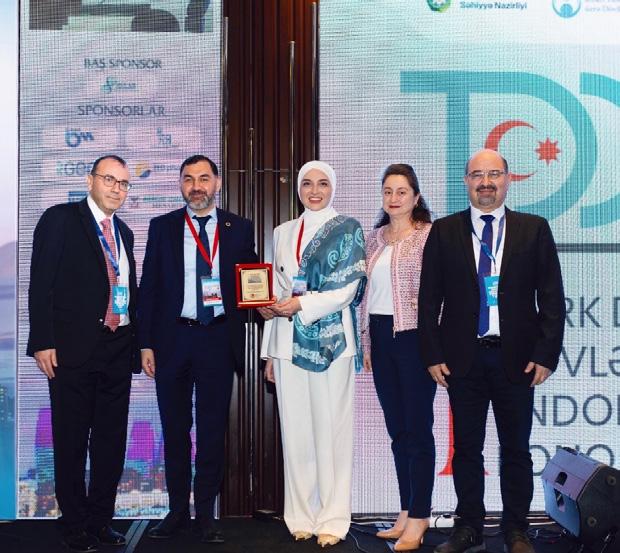
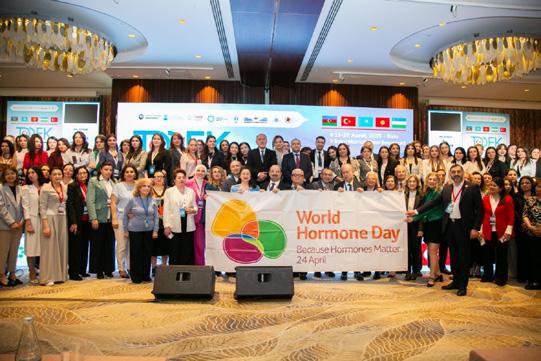
The AES has also reached beyond Azerbaijan’s borders. In April 2025, it hosted the First Endocrinology Conference of Turkish-Speaking States, bringing together colleagues from across the region. The atmosphere was both scientific and celebratory, as the event coincided with World Hormone Day − a reminder that endocrinology connects us not only through research but also through shared humanity.
The journey continues this year with the upcoming Azerbaijan−Turkey Diabetes Day. This event promises to strengthen the ties between the two countries, encourage collaboration, and bring fresh energy to the fight against diabetes.
Though less than two years old, the AES has already built a remarkable foundation. Its strength lies not just in its achievements − National Partner Society of ESE, successful congresses, increasing research initiatives − but in the passion of its members. Every seminar, every conference, every conversation reflects the same message: endocrinology in Azerbaijan is moving forward, together.
The future holds even greater promise. With research projects on the horizon, a journal in development, and expanding international collaborations, AES is shaping a new chapter for endocrinology in the region. Most importantly, it is inspiring a new generation of early-career endocrinologists to believe in science, in co-operation, and in the power of shared vision.
The AES began with two people’s desire to build something meaningful. Today, it is a growing community of specialists, united not only by science but by friendship, dedication, and hope for the future. Its story is proof that when passion meets purpose, even the newest organisations can leave a lasting mark on both medicine and society.
Hafiza Valizada Early-Career Endocrinologist, AES